
danielamotam
32 Posts

danielamotam
Report
Block User
explorando esse mar bravo...
Open Trade
Occasional Trader
3.8 Years
24 Following
27 Followers
31 Liked
Posts
Portfolio
All
Quotes
PINNED
·
--
Bearish
Bitcoin below US$$ 70 thousand… and my brain trying to figure out if this is a bug or a feature. 🫠
You know that deployment that starts off smoothly and, out of nowhere, everything turns into a production incident? That’s how I feel looking at the market today.
$BTC is going through a sharp decline, and the whole market seems to be in contingency mode, sitting on the toilet and praying nobody knocks on the door.
My nerdy side wants to open 37 tabs, study the data, and find an elegant explanation. My “princess” side just wanted to open the chart and find some good news. 😂
For now, I’m trying to understand the situation without turning every red candle into an apocalyptic reality show.
Could this be the new millennium bug, right before New Year’s Eve, or just another scare caused by overvaluation?
#BTC #BitcoinBreaksBelow200WeekMovingAverage
1
1
633
·
--
Bullish
🧠📉 5 weeks of decline for Bitcoin. My curious side and I are looking for a reliable and impartial source.
I must admit, I enjoy observing these market movements—not just because of the price, but because of everything happening behind it: human behavior, expectations, fear, euphoria, and that age-old human psychology that seems to repeat itself in cycles. 😅
$BTC has now posted losses for five consecutive weeks, and I found this trend interesting enough to bring the discussion here.
Are we looking at an opportunity that many people have yet to spot? Or is the market signaling that there’s still more to the story?
I don’t have a crystal ball (unfortunately! 😂), but I do enjoy studying, comparing scenarios, and learning from different perspectives.
Now I’m curious: what would you do?
🟢 Buy a little bit and wait to see what happens?
🟡 Stay on the sidelines until the situation becomes clearer?
🔴 Re-evaluate your position?
I’d love to "hear" your reasoning. Sometimes, a good discussion can teach you more than hours spent staring at charts. #BitcoinFiveWeeklyLosse #bitcoin #BTC
My decision would be:
🟢Buy a little bit and wait to see what happens. Do you support me on this, or not?
1
77
·
--
Bearish
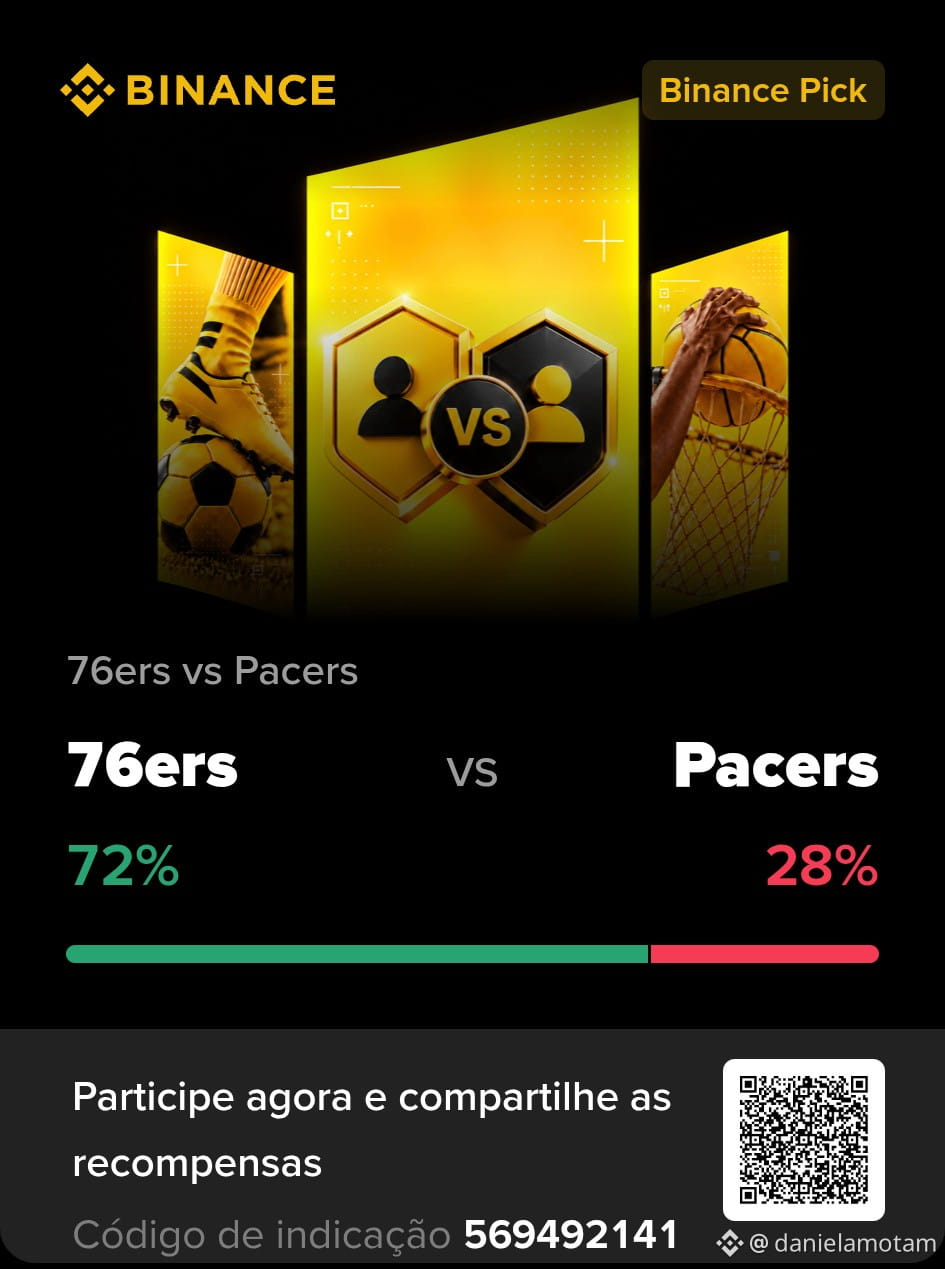
Sometimes, the most interesting thing isn’t just trying to predict what will happen, but observing how our choices reflect what we think.
On BinancePick, each prediction can also be a way to put our judgment to the test, learn from the results, and recognize that we don’t always get it right—and that’s okay.
In the market, just as in life, it’s impossible to be certain of everything. What matters is staying curious, learning from every experience, and continuing to question our own ideas.
#BinancePick
#BinancePick
114
·
--
Bullish
Bitcoin got moving and the altcoins had that classic reaction:
“If it can do it, we can too.”
#XRP was one of the highlights. The asset even racked up around 44% gains over seven days before suffering a pullback. On August 26, after the strong rally, it fell about 4%–5% as traders took profits and reduced leveraged positions.
But the prize for “who overdid it” went to Zcash.
#ZEC nearly reached US$ 855 on August 22, its highest level in about eight years. The tasty detail for anyone who likes absurd numbers: futures moved nearly US$ 10 billion over 24 hours, while the spot market was much smaller.
This shows something important: a big share of the excitement was in derivatives.
In other words, lots of people were trading expectations for Zcash, not necessarily accumulating ZEC in the spot market.
And then #HYPE showed up.
The Hyperliquid token reached approximately US$ 83.27, a new all-time high, piling up strong weekly gains. So far, so good.
There was just one catch: on August 29, an unlock of roughly US$ 1.2 billion in tokens was scheduled.
It’s the kind of calendar that makes a trader look at the all-time high and then look at the calendar.
“Interesting. Very interesting.”
This week’s lesson is simple: an altcoin rising 40% doesn’t necessarily mean its structure got 40% better.
XRP had market strength and its own narrative. Zcash saw strong speculation and expectations tied to an ETF. HYPE hit its all-time high right before a major supply event.
Three assets, three stories.
So before asking “how much did it go up?”, ask an even better question:
“Who is buying, why, and what happens after?”
That question is usually far more useful than the buy button.
304
·
--


Broccoli BNB
·
--
Bullish🥦 We’re excited to announce the #Broccoli Giveaway is now LIVE on @Binance Square Official !
Complete tasks on Binance Square for a chance to share in a $10,000 Total Rewards Pool of $BROCCOLI714 .
Touch grass? Nah. It’s time to touch Square. 🥦💥
Campaign Link
Complete tasks on Binance Square for a chance to share in a $10,000 Total Rewards Pool of $BROCCOLI714 .
Touch grass? Nah. It’s time to touch Square. 🥦💥
Campaign Link

4
·
--

Article
Does the game only end when it’s over?Back in the 2000s, when the internet still made noise to connect, we spent hours creating perfect worlds in The Sims. You controlled everything: the house, the job, the relationships. You could pause life, fast-forward time, make someone disappear with a click. It was absolute power — even if over digital dolls with strange desires.
And now, in 2025, those boys and girls who were 12 years old have turned into adults in their 30s, burdened with bills, anxious about the future, but still with that burning desire for freedom and control deep within.
Does the game only end when it’s over?
Back in the 2000s, when the internet still made noise to connect, we spent hours creating perfect worlds in The Sims. You controlled everything: the house, the job, the relationships. You could pause life, fast-forward time, make someone disappear with a click. It was absolute power — even if over digital dolls with strange desires.
And now, in 2025, those boys and girls who were 12 years old have turned into adults in their 30s, burdened with bills, anxious about the future, but still with that burning desire for freedom and control deep within.
And now, in 2025, those boys and girls who were 12 years old have turned into adults in their 30s, burdened with bills, anxious about the future, but still with that burning desire for freedom and control deep within.
1
234
·
--
While ETH, Solana, and even meme coins are delivering returns, XRP is there, slowly but surely rising... just without the necessary hype to safely leverage.
The select group enters at the top of the candle thinking "it's going to explode tomorrow".
Spoiler: they get played and leave with trauma. And they keep believing in the wound.
#TradeStories $XRP
The select group enters at the top of the candle thinking "it's going to explode tomorrow".
Spoiler: they get played and leave with trauma. And they keep believing in the wound.
#TradeStories $XRP
4
3
3
2.2k
·
--
$ETH is trading at $2,751.10. On the 5-minute chart, the moving averages are pointing down, indicating a short-term downtrend. However, looking at the 15-minute chart, the moving averages are trending up, suggesting a medium-term uptrend.
👀 Strategy: Watch for a potential reversal on the 5-minute chart that aligns with the uptrend on the 15-minute chart. This alignment could indicate a good entry opportunity.
📈 Remember: Always use stop losses to protect your investment and have a defined exit plan.
👀 Strategy: Watch for a potential reversal on the 5-minute chart that aligns with the uptrend on the 15-minute chart. This alignment could indicate a good entry opportunity.
📈 Remember: Always use stop losses to protect your investment and have a defined exit plan.
217
·
--
this is called market sentiment
this is called market sentiment
Maria das Graças Costa Dias
·
--
People!!!! But, wasn't this supposed to be independent of governments and politicians!? Where are the defenders!!!?
·
--
You have to study it, knowing that there is a real possibility of#BTCfalling to 60k
Brazilians want easy money and think it's a lottery.
You have to study it, knowing that there is a real possibility of#BTCfalling to 60k
Brazilians want easy money and think it's a lottery.
Brazilians want easy money and think it's a lottery.
Quoted content has been removed
2
2
333
·
--
Bullish
I adopted a strategy for #SOL using ADX, RSI and Bollinger Bands to analyze candlestick charts, and it has worked well. ADX helps measure the strength of the trend, so I already know if the market is strong or weak before I act. RSI comes in to confirm if the asset is overbought or oversold, indicating good entry or exit points. Bollinger Bands show volatility and help identify possible reversals or breakouts. This combination is efficient because it covers strength, direction and volatility, making the analysis of the movements that come next very clear.
What do you think of this approach? Any suggestions or different insights to add?
What do you think of this approach? Any suggestions or different insights to add?
2
323
·
--
Bullish
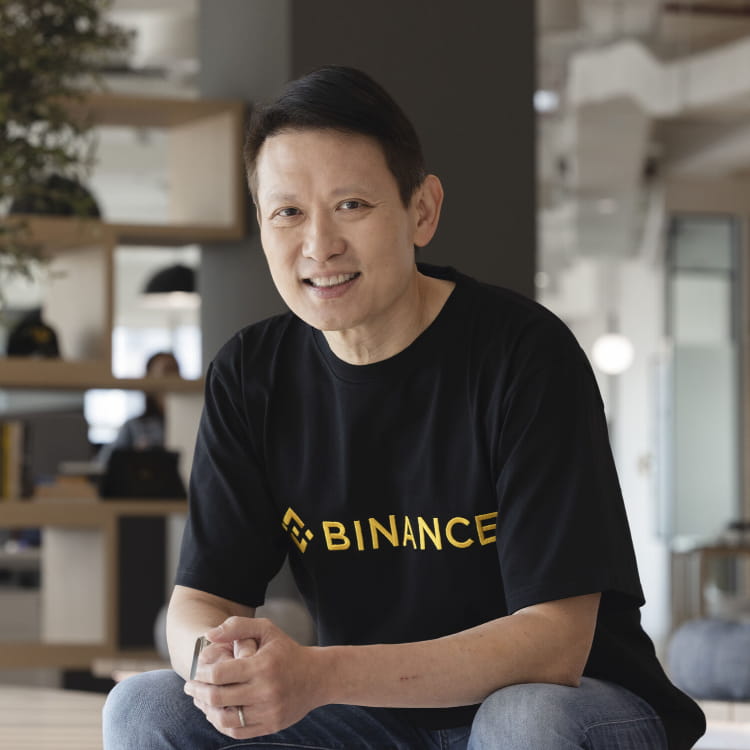
Richard Teng
·
--
The true value of digital assets goes beyond mere investment.
With people from diverse regions and backgrounds embracing digital assets, this marks a major step toward mainstream adoption.
Read on ⤵️
https://www.binance.com/en/blog/community/the-long-game-of-crypto-utility-of-digital-asset-beyond-investment-3162996735078971506
With people from diverse regions and backgrounds embracing digital assets, this marks a major step toward mainstream adoption.
Read on ⤵️
https://www.binance.com/en/blog/community/the-long-game-of-crypto-utility-of-digital-asset-beyond-investment-3162996735078971506
4
·
--
Bullish
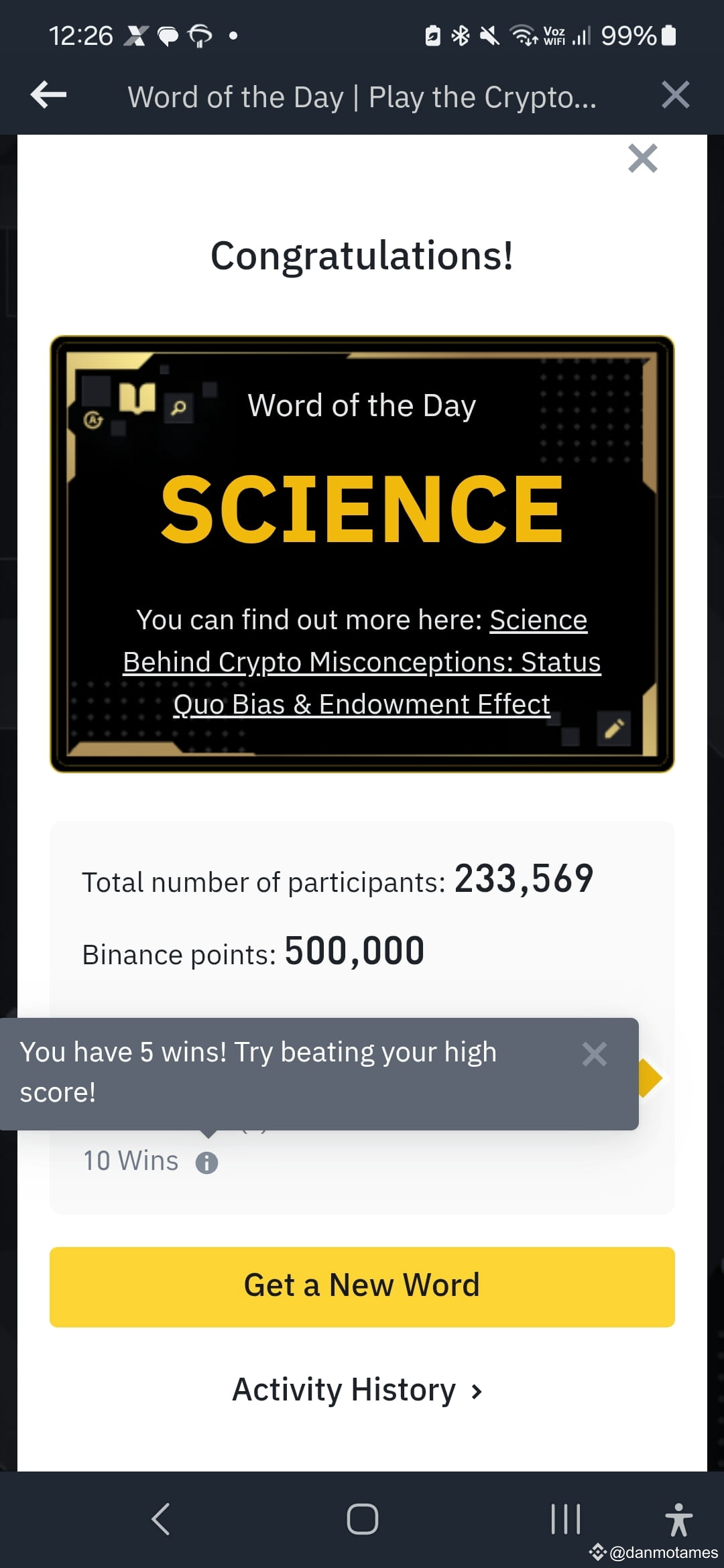
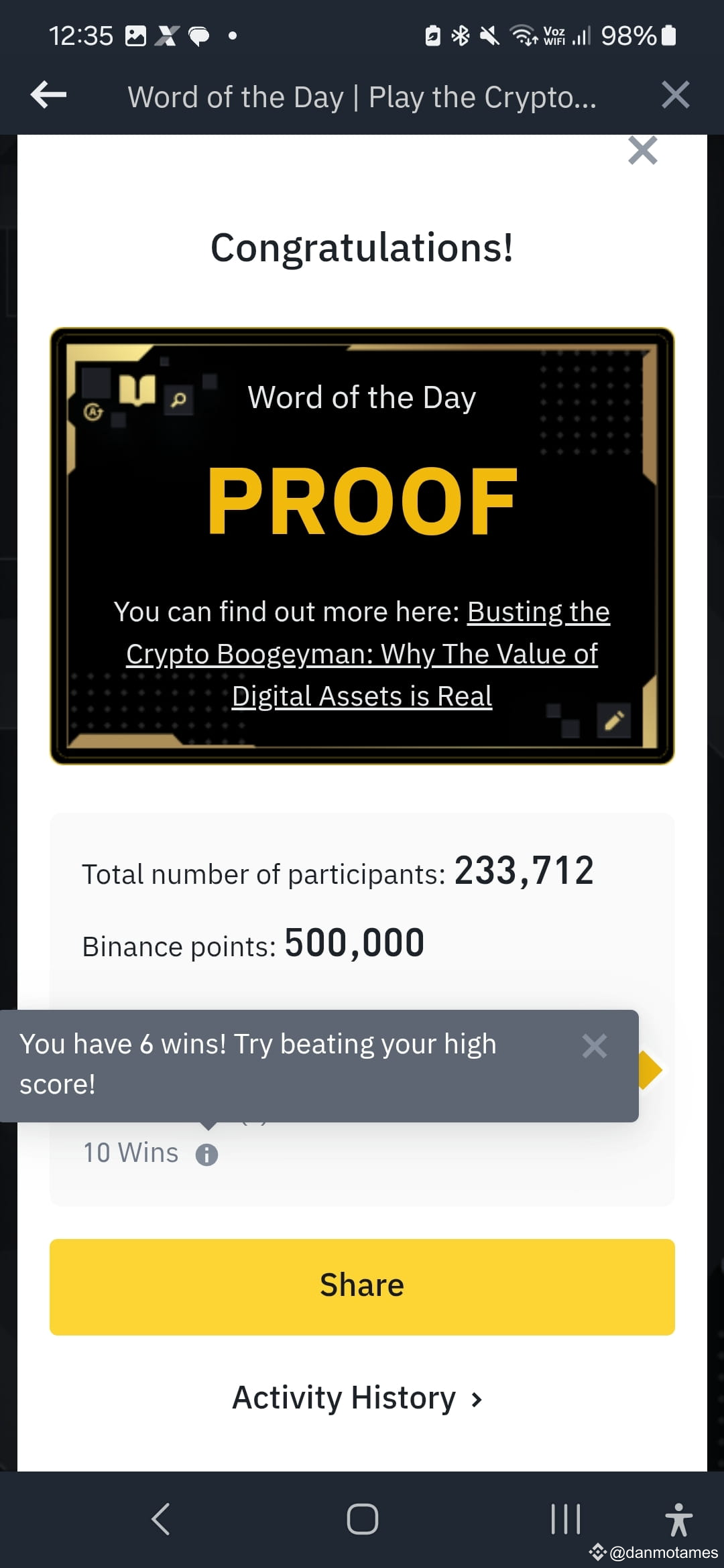
Taking advantage of today's two words from WOTD
Proof appears in mechanisms such as proof-of-stake and zero-knowledge proofs, ensuring privacy and reliability in transactions.
Science reflects the application of solid research, such as in Cardano (ADA), which uses scientific methods to create scalable and sustainable solutions.
This union not only solves complex problems, but also defines the most promising assets in the market, such as #ADA #LINK and #ZEC. By investing in them, you bet on solid fundamentals and the future of blockchain.
2
780
·
--
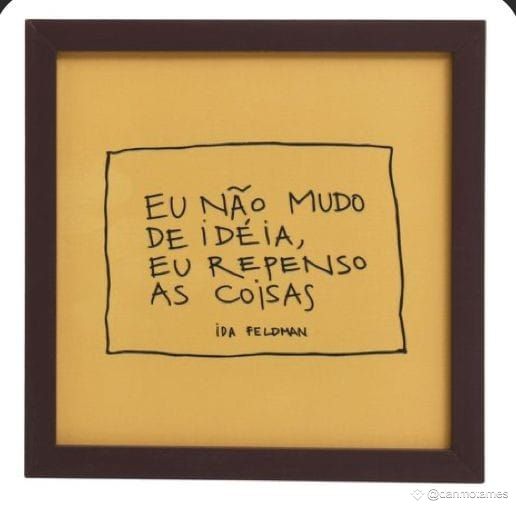
#XNO The Perfect Cryptocurrency That Nobody Uses.
NANO is underrated because it has poor marketing, limited focus on payments, lack of financial incentives like staking, a history marred by the BitGrail hack, and faces strong competition from larger networks and stablecoins. In addition, the market prioritizes more speculative and diversified projects, while NANO focuses on efficiency and sustainability, which attracts less attention.
NANO is underrated because it has poor marketing, limited focus on payments, lack of financial incentives like staking, a history marred by the BitGrail hack, and faces strong competition from larger networks and stablecoins. In addition, the market prioritizes more speculative and diversified projects, while NANO focuses on efficiency and sustainability, which attracts less attention.
4
3
3
478
·
--
Which coins are the "dark horses" this time?
myid : 569492141
Which coins are the "dark horses" this time?
myid : 569492141
myid : 569492141
2
2
260
·
--
message delivered
message delivered

Earl Lewitt TMgx
·
--
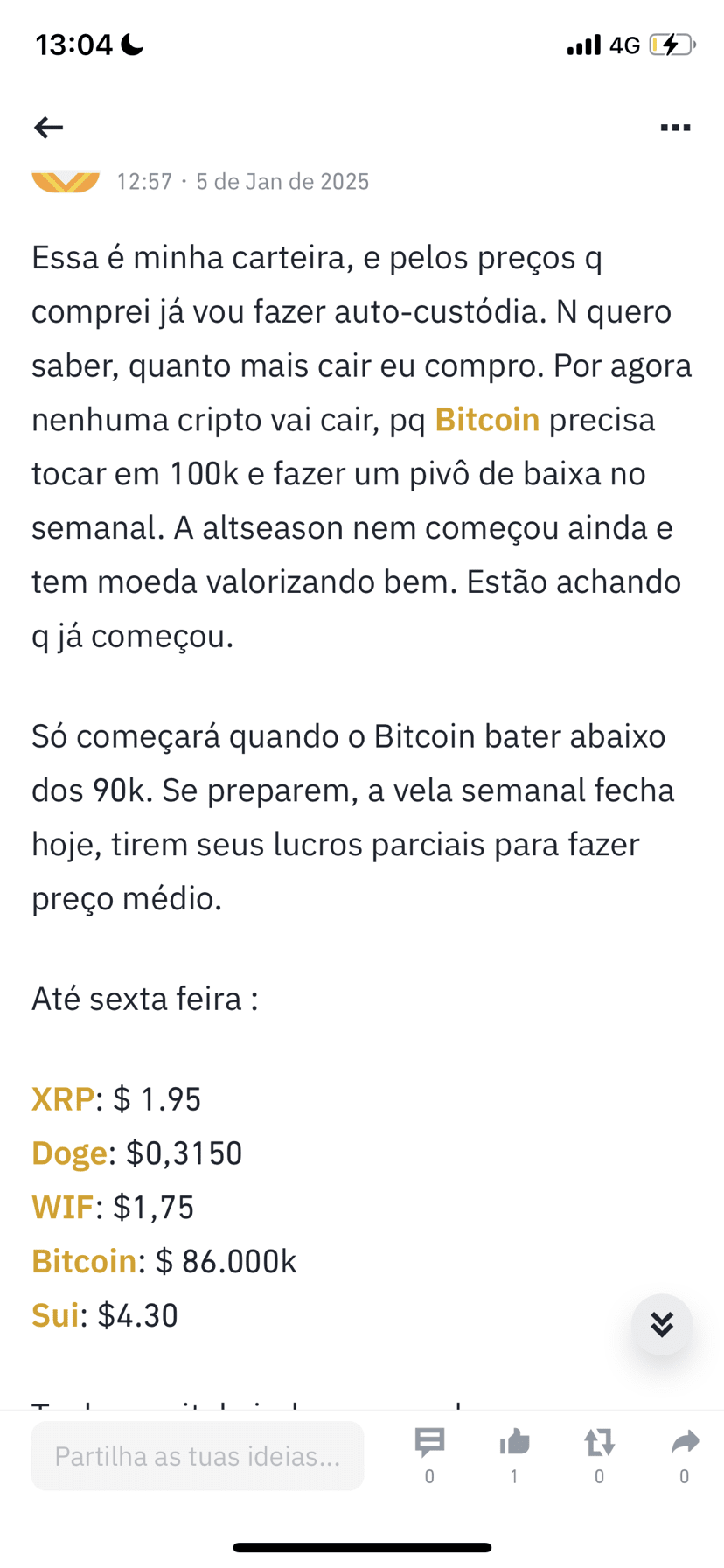
I warned you yesterday, another correct analysis. Prepare the capital to buy at a low price.
·
--
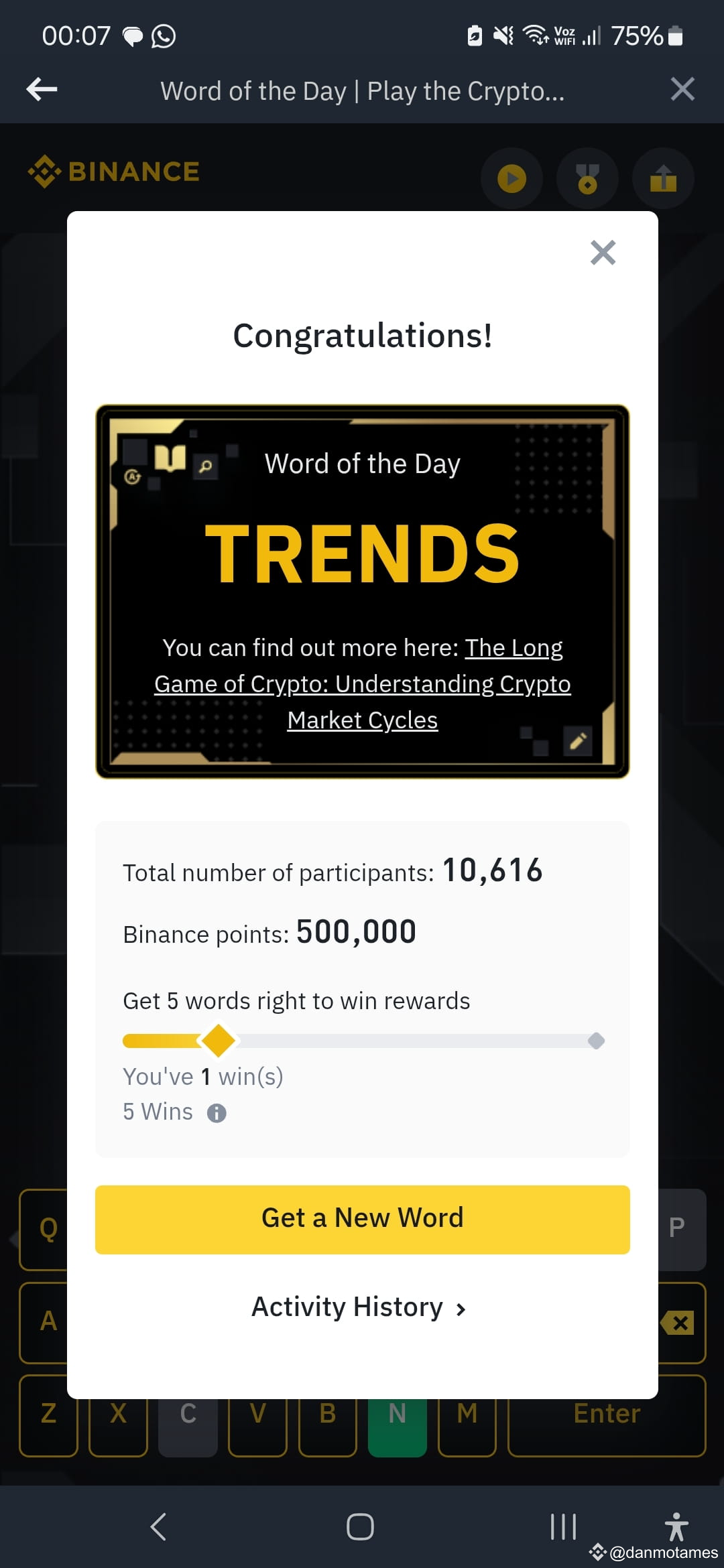
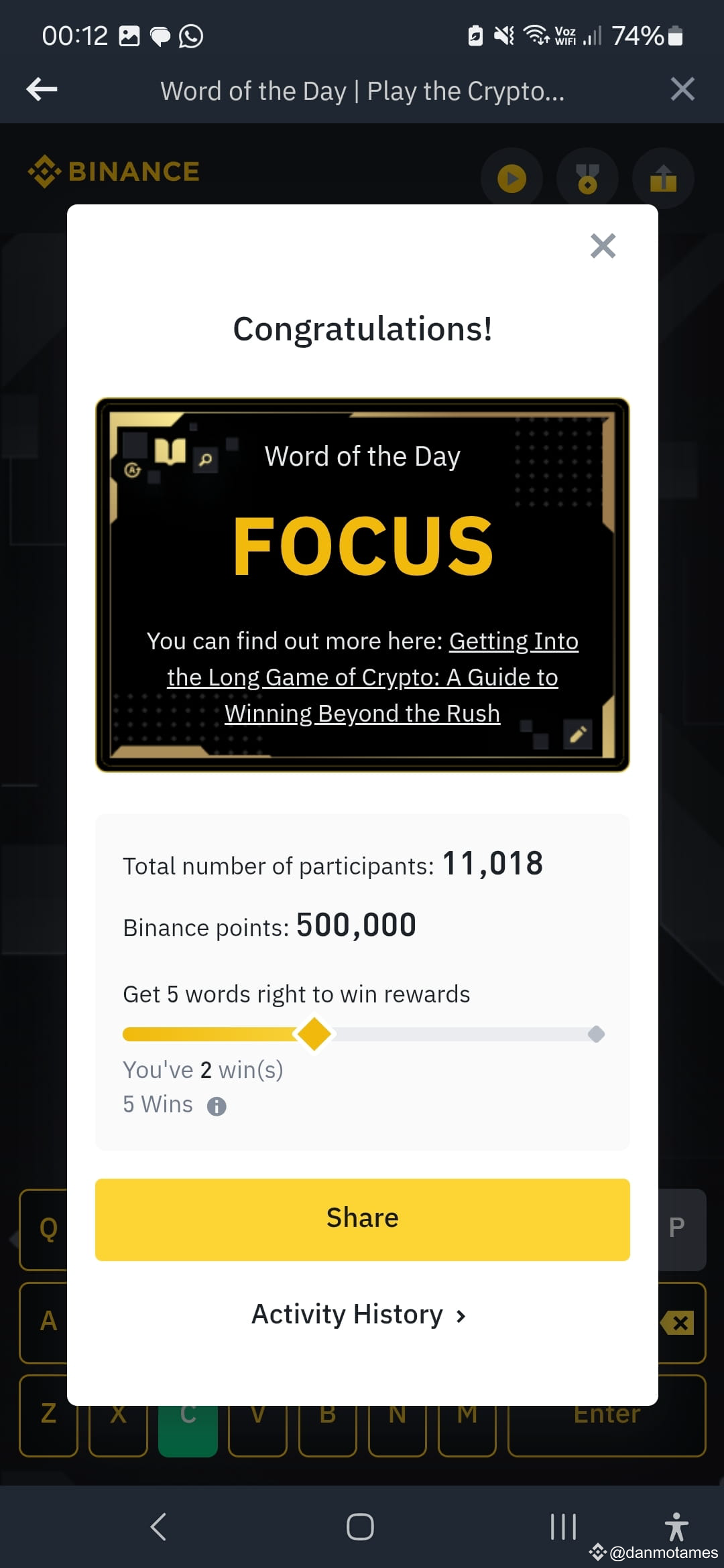
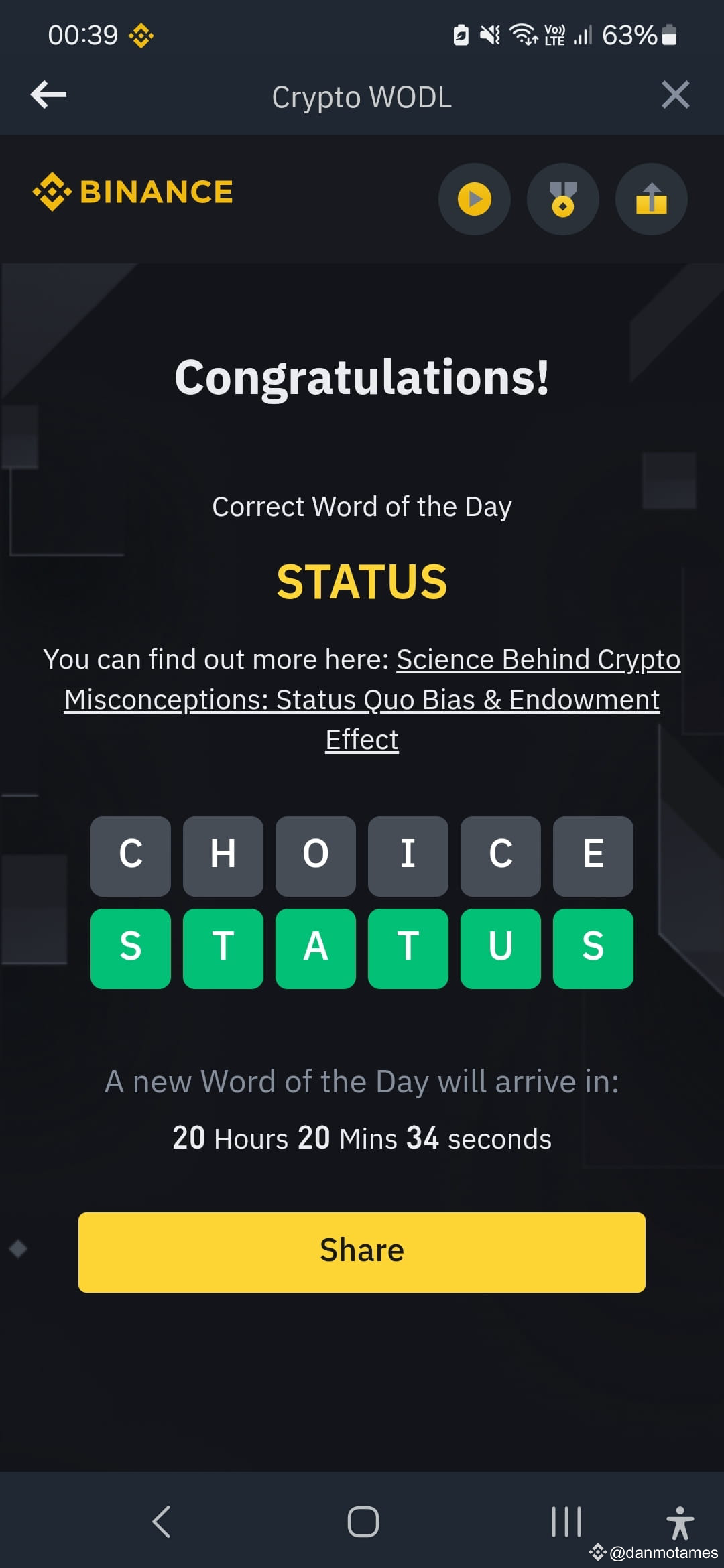
6-letter word that I got right today in the game #CryptoWODL 🫶
I hope this helps some of you out there
ID: 569492141
6-letter word that I got right today in the game #CryptoWODL 🫶
I hope this helps some of you out there
ID: 569492141
I hope this helps some of you out there
ID: 569492141
415
·
--
Bora Falar de Cripto
·
--
Many people are talking badly about $USUAL and $BIO
However, if you pay close attention, in the middle of this sea of red, both of them are very green! 🤣🤣🤣
If the person is colorblind, I apologize and adapt to the colors that you can highlight.
However, if you pay close attention, in the middle of this sea of red, both of them are very green! 🤣🤣🤣
If the person is colorblind, I apologize and adapt to the colors that you can highlight.
3
Log in to explore more content
Join global crypto users on Binance Square
⚡️ Get latest and useful information about crypto.
💬 Trusted by the world’s largest crypto exchange.
👍 Discover real insights from verified creators.
Email / Phone number