
TOJJER
59 Beiträge

TOJJER
Melden
Nutzer blockieren
Crypto | Web3 | AI 🚀 Researching market trends, exploring innovation, and sharing insights. DYOR, think critically, manage risk.
16 Following
682 Follower
137 Like gegeben
Beiträge
Alle
Videos
·
--

Artikel
Mercado Bitcoin bestätigt Hack: 36 bis 49 Millionen US-Dollar über 11 Blockchains abgezogenMercado Bitcoin bestätigt Hack: 36 bis 49 Millionen US-Dollar über 11 Blockchains abgezogen
Mercado Bitcoin, Brasiliens größte Kryptowährungsbörse, bestätigte am 2. November 2026, dass Angreifer Wallets, die mit der Plattform verbunden waren, über mindestens 10 Blockchains hinweg leergeräumt hatten. Daraufhin setzte die Börse Einzahlungen, Auszahlungen und den Handel aus. Sie erklärte, den Vorfall erkannt und schnell eingedämmt zu haben, dass keine Kundendaten abgeflossen seien und den Kunden keine Verluste entstehen würden.
Das Ausmaß des Diebstahls ist weiterhin umstritten. Die jüngste eigene Schätzung von Mercado Bitcoin beziffert den Wert der betroffenen Vermögenswerte auf etwa 36,3 Millionen US-Dollar. Das Blockchain-Analyseunternehmen Bitquery verfolgte Transfers im Wert von 48,6 Millionen US-Dollar über 11 Netzwerke hinweg, während die Sicherheitsfirma Hypernative verdächtige Bewegungen von mehr als 40 Millionen US-Dollar meldete. Die Börse erklärte, sie werde den Verlust tragen – eine Position, über die Bloomberg berichtete.
Mercado Bitcoin bestätigt Hack: 36 bis 49 Millionen US-Dollar über 11 Blockchains abgezogen
Mercado Bitcoin bestätigt Hack: 36 bis 49 Millionen US-Dollar über 11 Blockchains abgezogen
Mercado Bitcoin, Brasiliens größte Kryptowährungsbörse, bestätigte am 2. November 2026, dass Angreifer Wallets, die mit der Plattform verbunden waren, über mindestens 10 Blockchains hinweg leergeräumt hatten. Daraufhin setzte die Börse Einzahlungen, Auszahlungen und den Handel aus. Sie erklärte, den Vorfall erkannt und schnell eingedämmt zu haben, dass keine Kundendaten abgeflossen seien und den Kunden keine Verluste entstehen würden.
Das Ausmaß des Diebstahls ist weiterhin umstritten. Die jüngste eigene Schätzung von Mercado Bitcoin beziffert den Wert der betroffenen Vermögenswerte auf etwa 36,3 Millionen US-Dollar. Das Blockchain-Analyseunternehmen Bitquery verfolgte Transfers im Wert von 48,6 Millionen US-Dollar über 11 Netzwerke hinweg, während die Sicherheitsfirma Hypernative verdächtige Bewegungen von mehr als 40 Millionen US-Dollar meldete. Die Börse erklärte, sie werde den Verlust tragen – eine Position, über die Bloomberg berichtete.
59
·
--

Artikel
Übersetzung ansehen
French Bank Crédit Mutuel Arkéa Confirms $133M Crypto HeistFrench banking group Crédit Mutuel Arkéa has confirmed that a cyberattack enabled fraudulent transactions from its own account, after blockchain investigator ZachXBT linked the bank to a suspected cryptocurrency theft exceeding $133 million. On November 4, 2026 the bank said the incident is under control, customer assets were unaffected, and authorities have been notified.
ZachXBT first flagged more than $106 million in suspicious withdrawals from an unnamed European Union entity's exchange accounts on November 2, raised the estimate above $133 million a day later, and named Crédit Mutuel Arkéa on November 4. Analytics firm Bitquery traced $108.8 million in USDC withdrawn from accounts at Kraken, Crypto.com and OKX over about 21 hours on November 1 and 2, with $62.98 million of stablecoins swapped into roughly 27,553 ETH in about four hours.
According to the bank, the attackers entered through a third-party service provider's platform and used the group's own account to move money to other banks, before converting it into cryptocurrency through specialised platforms. The bank said some of the stolen funds have been blocked and recovery work is under way. It denied internal human error and rejected reports that the entry point was Fortuneo, its online banking unit.
Kraken said it has restricted the accounts in question and is working with law enforcement, while Crypto.com said it blocked funds linked to the incident. Both exchanges said their own systems were not breached and no customer accounts were taken over.
The exact loss remains unconfirmed. Arkéa declined to confirm the $133 million figure, validating only the order of magnitude. The bank, which manages over $250 billion in assets, said the loss does not threaten its financial strength.
Bitcoin spot on Binance closed November 1 at $78,354 and November 2 at $76,816, trading near $75,807 at the time of writing; Ether closed at $2,275 and $2,253, trading near $2,234. No price move can be isolated to this incident, as markets were already pressured by the $6.3 billion Binance hack of October 29.
Still unknown: the compromised provider's identity, the full amount including possible over-the-counter trades, and how much will be recovered.
This article is for information only and is not financial advice. Do your own research before making any investment decision.
$BTC $USDC $BNB
#HackerAlert #NewsAboutCrypto #globaleconomy #Market_Update
French Bank Crédit Mutuel Arkéa Confirms $133M Crypto Heist
French banking group Crédit Mutuel Arkéa has confirmed that a cyberattack enabled fraudulent transactions from its own account, after blockchain investigator ZachXBT linked the bank to a suspected cryptocurrency theft exceeding $133 million. On November 4, 2026 the bank said the incident is under control, customer assets were unaffected, and authorities have been notified.
ZachXBT first flagged more than $106 million in suspicious withdrawals from an unnamed European Union entity's exchange accounts on November 2, raised the estimate above $133 million a day later, and named Crédit Mutuel Arkéa on November 4. Analytics firm Bitquery traced $108.8 million in USDC withdrawn from accounts at Kraken, Crypto.com and OKX over about 21 hours on November 1 and 2, with $62.98 million of stablecoins swapped into roughly 27,553 ETH in about four hours.
According to the bank, the attackers entered through a third-party service provider's platform and used the group's own account to move money to other banks, before converting it into cryptocurrency through specialised platforms. The bank said some of the stolen funds have been blocked and recovery work is under way. It denied internal human error and rejected reports that the entry point was Fortuneo, its online banking unit.
Kraken said it has restricted the accounts in question and is working with law enforcement, while Crypto.com said it blocked funds linked to the incident. Both exchanges said their own systems were not breached and no customer accounts were taken over.
The exact loss remains unconfirmed. Arkéa declined to confirm the $133 million figure, validating only the order of magnitude. The bank, which manages over $250 billion in assets, said the loss does not threaten its financial strength.
Bitcoin spot on Binance closed November 1 at $78,354 and November 2 at $76,816, trading near $75,807 at the time of writing; Ether closed at $2,275 and $2,253, trading near $2,234. No price move can be isolated to this incident, as markets were already pressured by the $6.3 billion Binance hack of October 29.
Still unknown: the compromised provider's identity, the full amount including possible over-the-counter trades, and how much will be recovered.
This article is for information only and is not financial advice. Do your own research before making any investment decision.
$BTC $USDC $BNB
#HackerAlert #NewsAboutCrypto #globaleconomy #Market_Update
1
26
·
--
Artikel
Übersetzung ansehen
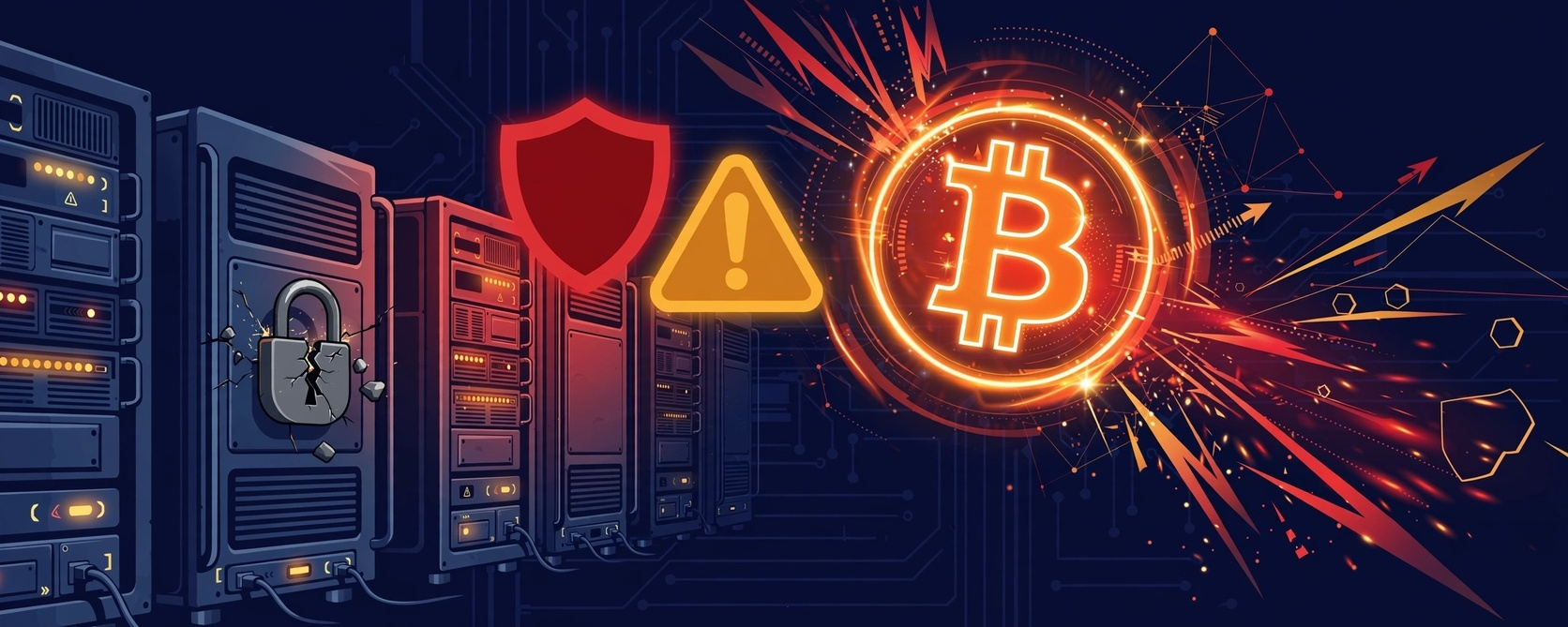
🚨 URGENT CRYPTO SECURITY ALERT — BTCPay Server (Approximately $1.62 Million Stolen from Hot WalletsBTCPay Server, the open-source, self-hosted Bitcoin payment processor, has confirmed that attackers stole cryptocurrency from hot wallets running outdated versions of its software. Blockchain analytics firm Bitquery traced about $1.62 million in stolen funds — 18.38 BTC and 3,405 LTC — across 682 separate sweeps, most of them on November 1, 2026.
According to BTCPay Server's official incident report, the attacks targeted servers running version 2.4.1 or earlier. The attackers exploited a vulnerability that had already been fixed in version 2.4.2, released on August 7, 2026, using a different method than the one documented in the August advisory. Reports of the thefts began surfacing around November 1, and BTCPay Server warned operators on X the same day to shut down their servers while it investigated.
Bitquery found that 87% of the stolen funds moved in a single wave on November 1, between 14:12 and 22:16 UTC. About 77% came from 32 sweeps of $10,000 or more, while roughly half of all sweeps were under $100. The earliest sweep Bitquery could trace came early on October 30, less than a day after BTCPay Server shipped version 2.4.7. Litecoin sweeps began on November 1, with the Bitcoin wave starting within the hour.
BTCPay Server said it has seen no credible reports of hot wallet drains from users running the latest 2.4.7 release. It urged anyone still on version 2.4.1 or earlier to move to a fresh server with a new wallet — even if no theft was noticed — because updating alone cannot remove access an attacker may already have gained. Funds in wallets whose spending keys are held off the server, including hardware wallets, were unaffected.
The project published two destination addresses linked to the incident and advised affected users to report thefts to its security team and to local authorities. It also recommended keeping only the funds needed for daily operations in a hot wallet and moving the rest to a wallet whose keys are held offline.
This is not financial advice. Do your own research before making any investment decision.
$BTC $BNB $ETH
#alert #HotTrends #SecurityAlert #news #BTC走势分析
🚨 URGENT CRYPTO SECURITY ALERT — BTCPay Server (Approximately $1.62 Million Stolen from Hot Wallets
BTCPay Server, the open-source, self-hosted Bitcoin payment processor, has confirmed that attackers stole cryptocurrency from hot wallets running outdated versions of its software. Blockchain analytics firm Bitquery traced about $1.62 million in stolen funds — 18.38 BTC and 3,405 LTC — across 682 separate sweeps, most of them on November 1, 2026.
According to BTCPay Server's official incident report, the attacks targeted servers running version 2.4.1 or earlier. The attackers exploited a vulnerability that had already been fixed in version 2.4.2, released on August 7, 2026, using a different method than the one documented in the August advisory. Reports of the thefts began surfacing around November 1, and BTCPay Server warned operators on X the same day to shut down their servers while it investigated.
Bitquery found that 87% of the stolen funds moved in a single wave on November 1, between 14:12 and 22:16 UTC. About 77% came from 32 sweeps of $10,000 or more, while roughly half of all sweeps were under $100. The earliest sweep Bitquery could trace came early on October 30, less than a day after BTCPay Server shipped version 2.4.7. Litecoin sweeps began on November 1, with the Bitcoin wave starting within the hour.
BTCPay Server said it has seen no credible reports of hot wallet drains from users running the latest 2.4.7 release. It urged anyone still on version 2.4.1 or earlier to move to a fresh server with a new wallet — even if no theft was noticed — because updating alone cannot remove access an attacker may already have gained. Funds in wallets whose spending keys are held off the server, including hardware wallets, were unaffected.
The project published two destination addresses linked to the incident and advised affected users to report thefts to its security team and to local authorities. It also recommended keeping only the funds needed for daily operations in a hot wallet and moving the rest to a wallet whose keys are held offline.
This is not financial advice. Do your own research before making any investment decision.
$BTC $BNB $ETH
#alert #HotTrends #SecurityAlert #news #BTC走势分析
1
99
·
--

Artikel
Übersetzung ansehen
Chainalysis Discloses Breach Exposing Credentials for All UsersBlockchain analytics firm Chainalysis has confirmed that hackers stole login credentials and live session tokens belonging to all of its users, in a breach the company described as a "multifront cyberattack" that began in October 2026.
Chainalysis first disclosed the incident on October 30, saying at the time that only non-sensitive customer data — such as user IDs, full names, email addresses, and organization role labels — had been accessed, and that authentication credentials and session tokens appeared untouched. The picture changed this week. According to the company, an investigation on Monday, November 2, found that names, usernames, password hashes, and live session tokens for all Chainalysis users had been exposed to a malicious actor.
A further update on Wednesday, November 4, revealed that part of the attack involved an "on-path attack" that exposed a subset of customer passwords. Chainalysis said the attack vector had been identified and fixed. The company took its login portal, Reactor investigations tool, Data Solutions platform, and Know Your Transaction (KYT) service offline while it investigated, and said on Friday that access to KYT and Address Screening was being phased back in.
The breach is significant because of who uses Chainalysis. The firm's customers include government agencies such as the FBI, U.S. Immigration and Customs Enforcement, and the U.S. Air Force, as well as private companies including Microsoft, Coinbase, and Barclays, according to the company and public records cited by Ars Technica. All users have been told to reset passwords and rotate API keys before returning to the platform.
Chainalysis said it has found no evidence that investigation data was accessed or that its attribution data — the labels linking wallet addresses to real-world entities — was manipulated. The attacker has not been identified, and the company said the incident has no link to the $6.3 billion Binance theft that the FBI attributed to North Korea.
Crypto markets showed little immediate reaction. Bitcoin traded near $75,888 on Binance spot, up 0.35% over 24 hours, while Ether traded near $2,244, up 0.94%, as of November 7 at 15:21 UTC. The episode is a reminder that even the firms policing crypto crime can become targets — and that stolen session tokens, which can allow access without a password, deserve the same urgency as stolen funds.
This article is for informational purposes only and is not financial advice. Do your own research.
$BTC $BNB $ETH
#CryptoAlert #security #BlockchainNews #MarketSentimentToday
Chainalysis Discloses Breach Exposing Credentials for All Users
Blockchain analytics firm Chainalysis has confirmed that hackers stole login credentials and live session tokens belonging to all of its users, in a breach the company described as a "multifront cyberattack" that began in October 2026.
Chainalysis first disclosed the incident on October 30, saying at the time that only non-sensitive customer data — such as user IDs, full names, email addresses, and organization role labels — had been accessed, and that authentication credentials and session tokens appeared untouched. The picture changed this week. According to the company, an investigation on Monday, November 2, found that names, usernames, password hashes, and live session tokens for all Chainalysis users had been exposed to a malicious actor.
A further update on Wednesday, November 4, revealed that part of the attack involved an "on-path attack" that exposed a subset of customer passwords. Chainalysis said the attack vector had been identified and fixed. The company took its login portal, Reactor investigations tool, Data Solutions platform, and Know Your Transaction (KYT) service offline while it investigated, and said on Friday that access to KYT and Address Screening was being phased back in.
The breach is significant because of who uses Chainalysis. The firm's customers include government agencies such as the FBI, U.S. Immigration and Customs Enforcement, and the U.S. Air Force, as well as private companies including Microsoft, Coinbase, and Barclays, according to the company and public records cited by Ars Technica. All users have been told to reset passwords and rotate API keys before returning to the platform.
Chainalysis said it has found no evidence that investigation data was accessed or that its attribution data — the labels linking wallet addresses to real-world entities — was manipulated. The attacker has not been identified, and the company said the incident has no link to the $6.3 billion Binance theft that the FBI attributed to North Korea.
Crypto markets showed little immediate reaction. Bitcoin traded near $75,888 on Binance spot, up 0.35% over 24 hours, while Ether traded near $2,244, up 0.94%, as of November 7 at 15:21 UTC. The episode is a reminder that even the firms policing crypto crime can become targets — and that stolen session tokens, which can allow access without a password, deserve the same urgency as stolen funds.
This article is for informational purposes only and is not financial advice. Do your own research.
$BTC $BNB $ETH
#CryptoAlert #security #BlockchainNews #MarketSentimentToday
2
114
·
--

Artikel
Übersetzung ansehen
Keplr Pauses Google and Apple Logins After Unauthorized Transactions Linked to Web3Auth IncidentKeplr, a widely used wallet in the Cosmos ecosystem, has temporarily suspended Google and Apple logins after receiving reports of unauthorized transactions in some user wallets. The wallet said on November 7 that the affected accounts were created through social login, and that it is investigating the issue jointly with Web3Auth, the authentication provider behind the feature.
Web3Auth disclosed a security issue affecting some third-party platforms late on November 6 and temporarily suspended its embedded wallet services as a precaution. The company said its initial investigation found no evidence that MetaMask users were affected. Keplr's initial assessment likewise found that accounts created with a recovery phrase or a hardware wallet were not affected.
According to a statement attributed to Keplr co-founder Josh Lee, the incident originated at the provider rather than in Keplr's own code. Early estimates put the potentially affected group at about 20% of Google and Apple login accounts, with only a fraction of that group appearing to have been exploited. He also said remaining accounts may be recoverable. These are preliminary figures from the parties involved, not independently audited statistics.
Keplr advised users who may be affected not to send new funds to the accounts in question and not to re-import or recreate those accounts elsewhere while the investigation continues. The wallet also warned users to rely only on official channels for updates and to beware of direct messages or links claiming to offer asset recovery.
The incident highlights a structural risk in social-login wallets: convenience features that remove seed phrases from the user experience also concentrate trust in the authentication provider. When that layer is compromised, users who never shared a private key can still lose funds. The scope of the damage is still being established, and no verified total loss figure has been published by either party as of this writing.
The broader market showed little reaction, with Bitcoin and Ether spot prices on Binance roughly flat over the past 24 hours, suggesting traders currently treat the event as contained to the affected wallets.
This article is for informational purposes only and is not financial advice. Do your own research (DYOR) before making any investment decision.
$BTC $BNB $ETH
#safu #HackerAlert #SecurityAlert #dyor
Keplr Pauses Google and Apple Logins After Unauthorized Transactions Linked to Web3Auth Incident
Keplr, a widely used wallet in the Cosmos ecosystem, has temporarily suspended Google and Apple logins after receiving reports of unauthorized transactions in some user wallets. The wallet said on November 7 that the affected accounts were created through social login, and that it is investigating the issue jointly with Web3Auth, the authentication provider behind the feature.
Web3Auth disclosed a security issue affecting some third-party platforms late on November 6 and temporarily suspended its embedded wallet services as a precaution. The company said its initial investigation found no evidence that MetaMask users were affected. Keplr's initial assessment likewise found that accounts created with a recovery phrase or a hardware wallet were not affected.
According to a statement attributed to Keplr co-founder Josh Lee, the incident originated at the provider rather than in Keplr's own code. Early estimates put the potentially affected group at about 20% of Google and Apple login accounts, with only a fraction of that group appearing to have been exploited. He also said remaining accounts may be recoverable. These are preliminary figures from the parties involved, not independently audited statistics.
Keplr advised users who may be affected not to send new funds to the accounts in question and not to re-import or recreate those accounts elsewhere while the investigation continues. The wallet also warned users to rely only on official channels for updates and to beware of direct messages or links claiming to offer asset recovery.
The incident highlights a structural risk in social-login wallets: convenience features that remove seed phrases from the user experience also concentrate trust in the authentication provider. When that layer is compromised, users who never shared a private key can still lose funds. The scope of the damage is still being established, and no verified total loss figure has been published by either party as of this writing.
The broader market showed little reaction, with Bitcoin and Ether spot prices on Binance roughly flat over the past 24 hours, suggesting traders currently treat the event as contained to the affected wallets.
This article is for informational purposes only and is not financial advice. Do your own research (DYOR) before making any investment decision.
$BTC $BNB $ETH
#safu #HackerAlert #SecurityAlert #dyor
1
141
·
--
Artikel
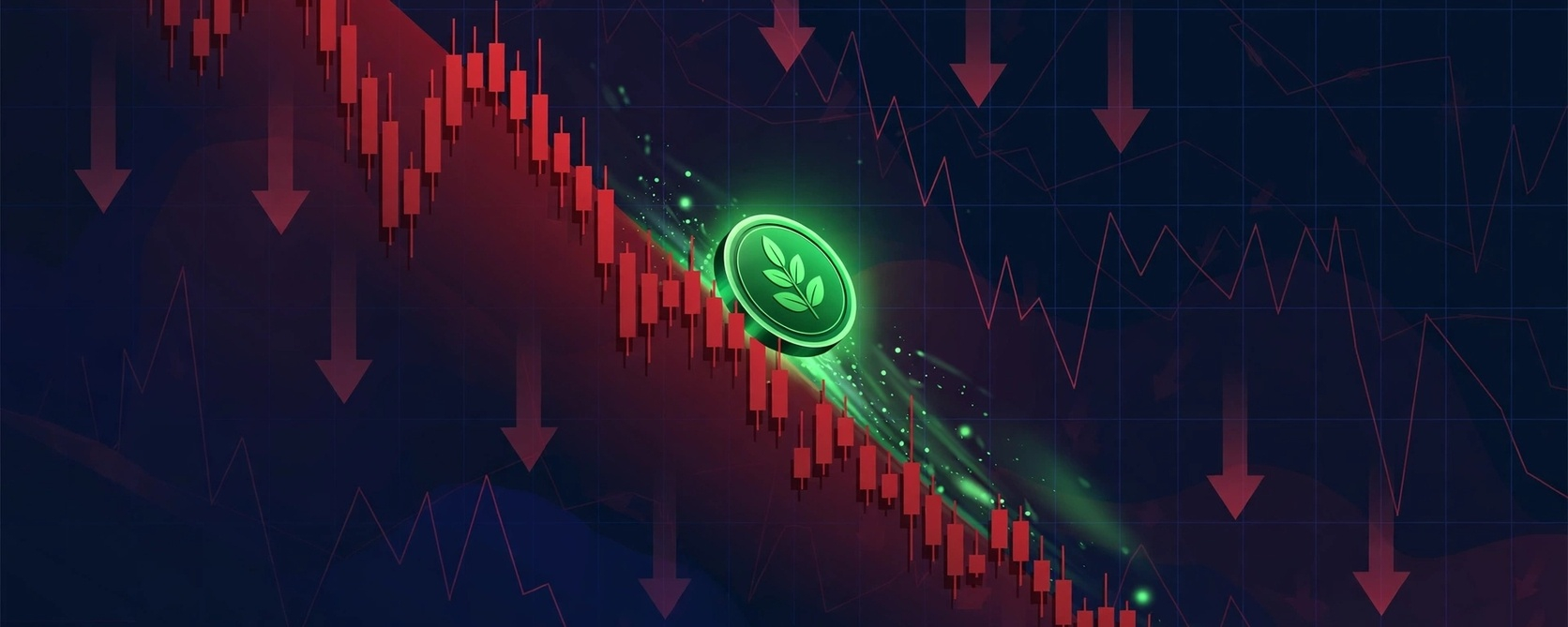
Gitcoin (GTC) führt mit einem Minus von 15 % die Binance-Verlierer an, während der Verkaufsdruck zunimmtGitcoin (GTC) ist unter den liquiden Token im Binance-Spot-Handel der stärkste Verlierer und fällt innerhalb von 24 Stunden um 15,2 % auf 0,1714 $ (Stand: 7. November 2026, 14:00 UTC). GTC, der Governance-Token der Ethereum-Plattform zur Finanzierung öffentlicher Güter, wurde auf Binance im Wert von 5,16 Millionen $ gehandelt, an allen Börsen zusammen im Wert von rund 16,8 Millionen $, während die Marktkapitalisierung auf etwa 15,2 Millionen $ sank.
Der Kursrückgang begann am 6. November gegen 12:00 UTC, als GTC von knapp 0,21 $ aus allmählich nachgab. Die Verkäufe beschleunigten sich in zwei scharfen Abwärtsbewegungen: einem Rückgang um 5,0 % innerhalb einer Stunde am 6. November um 18:00 UTC, begleitet vom höchsten Stundenhandelsvolumen der Bewegung, und einem weiteren Minus von 5,8 % am 7. November um 01:00 UTC. Der Token erreichte ein Tagestief von 0,1676 $, bevor er sich nahe 0,17 $ stabilisierte. Damit lag er in den vergangenen sieben Tagen rund 25 % im Minus.
Gitcoin (GTC) führt mit einem Minus von 15 % die Binance-Verlierer an, während der Verkaufsdruck zunimmt
Gitcoin (GTC) ist unter den liquiden Token im Binance-Spot-Handel der stärkste Verlierer und fällt innerhalb von 24 Stunden um 15,2 % auf 0,1714 $ (Stand: 7. November 2026, 14:00 UTC). GTC, der Governance-Token der Ethereum-Plattform zur Finanzierung öffentlicher Güter, wurde auf Binance im Wert von 5,16 Millionen $ gehandelt, an allen Börsen zusammen im Wert von rund 16,8 Millionen $, während die Marktkapitalisierung auf etwa 15,2 Millionen $ sank.
Der Kursrückgang begann am 6. November gegen 12:00 UTC, als GTC von knapp 0,21 $ aus allmählich nachgab. Die Verkäufe beschleunigten sich in zwei scharfen Abwärtsbewegungen: einem Rückgang um 5,0 % innerhalb einer Stunde am 6. November um 18:00 UTC, begleitet vom höchsten Stundenhandelsvolumen der Bewegung, und einem weiteren Minus von 5,8 % am 7. November um 01:00 UTC. Der Token erreichte ein Tagestief von 0,1676 $, bevor er sich nahe 0,17 $ stabilisierte. Damit lag er in den vergangenen sieben Tagen rund 25 % im Minus.
Der Kursrückgang begann am 6. November gegen 12:00 UTC, als GTC von knapp 0,21 $ aus allmählich nachgab. Die Verkäufe beschleunigten sich in zwei scharfen Abwärtsbewegungen: einem Rückgang um 5,0 % innerhalb einer Stunde am 6. November um 18:00 UTC, begleitet vom höchsten Stundenhandelsvolumen der Bewegung, und einem weiteren Minus von 5,8 % am 7. November um 01:00 UTC. Der Token erreichte ein Tagestief von 0,1676 $, bevor er sich nahe 0,17 $ stabilisierte. Damit lag er in den vergangenen sieben Tagen rund 25 % im Minus.
1
224
·
--
ONE lässt sich nicht abkühlen: Weiterhin größter Gewinner auf Binance, weiterhin keine Neuigkeiten
Harmony (ONE) ist auf Binance Spot weiterhin der größte Gewinner und liegt innerhalb von 24 Stunden 53,33 % im Plus bei 0,001955 $ – Stunden nachdem der Token heute Morgen erstmals die Spitze der Rangliste erobert hatte. Die Rallye setzt sich fort, doch eine Erklärung steht weiterhin aus.
Wichtige Fakten. ONE stieg heute auf bis zu 0,002090 $, nachdem der Kurs zuvor ein 24-Stunden-Tief von 0,001267 $ erreicht hatte. Das Handelsvolumen auf Binance Spot liegt inzwischen bei rund 32 Millionen $, das Gesamtvolumen über alle Börsen bei knapp 99 Millionen $ und die Marktkapitalisierung bei etwa 29 Millionen $. Im Umlauf sind 14,87 Milliarden ONE. Zwei Token verzeichneten in der ungefilterten Rangliste höhere Zuwächse – CREAM und PNT –, doch bei beiden Handelspaaren wird aufgrund von Delisting-Überbleibseln der Status BREAK angezeigt. Unter den regulär gehandelten Paaren ist ONE der eindeutige Spitzenreiter.
Der wichtigste Auslöser ist weiterhin unbestätigt. Es gibt nach wie vor keine offizielle Ankündigung, kein neues Listing, keine Partnerschaft und keine Produktveröffentlichung, die diesen Kursanstieg erklären würde. Marktkommentare beschreiben die Bewegung weiterhin als von Derivaten getriebenen Short Squeeze: ein hohes offenes Interesse im Verhältnis zur geringen Marktkapitalisierung, wobei Zwangskäufe durch liquidierte Short-Positionen den Kurs nach oben treiben – und nicht eine neue Nachfrage am Spotmarkt.
Auch die Rahmenbedingungen haben sich nicht geändert. Harmony fährt sein Layer-1-Netzwerk schrittweise herunter, nachdem das Mainnet infolge eines Exploits im August um den 10. September 2026 zum Stillstand gekommen war. Der Token wird als ERC-20 zu Ethereum migriert, der Block-Explorer wird am 18. November abgeschaltet, und selbst nach dem heutigen Kursanstieg notiert ONE rund 99,5 % unter seinem Allzeithoch von 0,37902 $.
Für Trader ist nun die Dauer entscheidend. Das bullische Szenario: Ein derart anhaltender Squeeze, bei dem das Handelsvolumen auch Stunden später noch erhöht ist, kann sich selbst weiter antreiben, solange die Short-Positionen unter Druck stehen. Das bärische Szenario: Nichts Fundamentales stützt den Kurs, die zugrunde liegende Blockchain wird abgeschaltet, und Squeezes lösen sich heftig auf, sobald sich die Hebelwirkung umkehrt.
Wie lange kann eine Rallye ohne Nachrichten im Rücken die Spitze der Rangliste halten? Schreib uns unten deine Meinung.
Keine Finanzberatung. Recherchiere selbst (DYOR).
$ONE
#one #Crypto #ALTCOİNS

1
341
·
--
Artikel
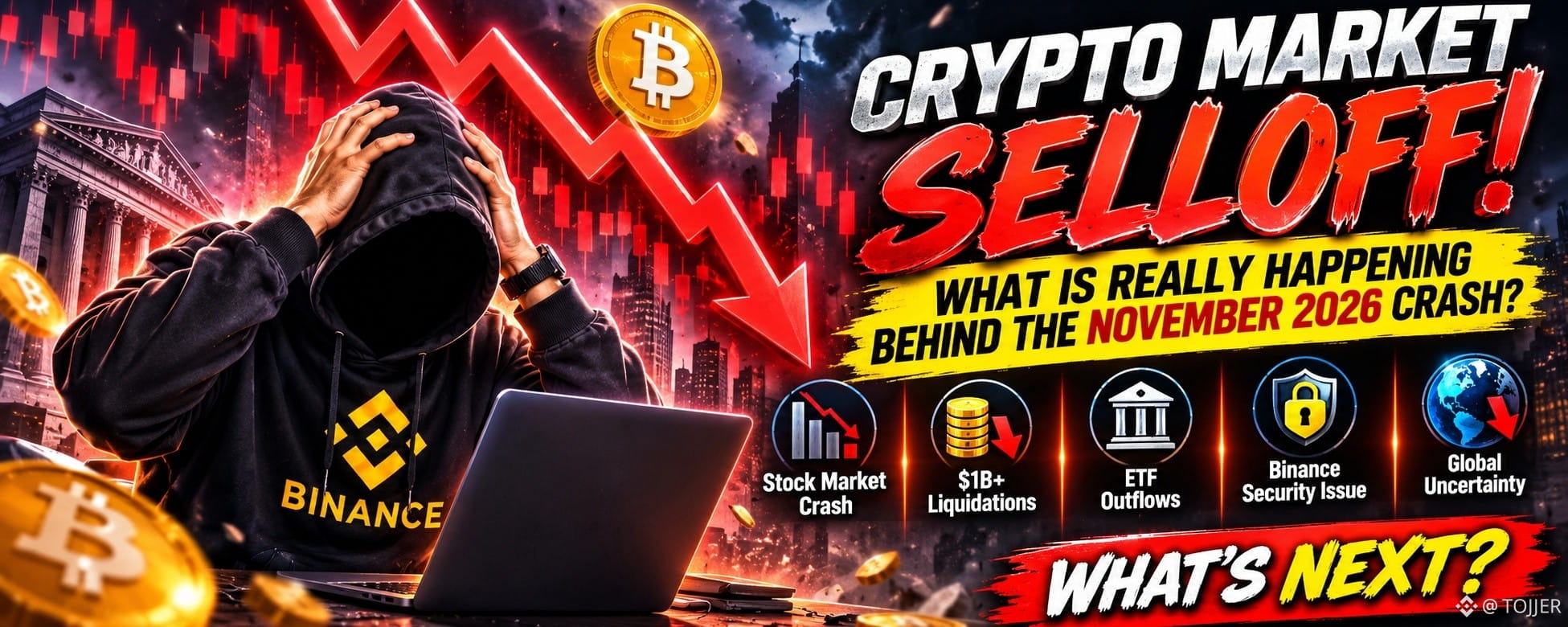
🚨 AUSVERKAUF AM KRYPTO-MARKT: WAS STECKT WIRKLICH HINTER DEM CRASH IM NOVEMBER 2026?Der Kryptowährungsmarkt steht am 6. November 2026 erneut unter Verkaufsdruck. Bitcoin ist auf etwa 75.000 $ gefallen, während auch Ethereum und wichtige Altcoins deutliche Verluste verzeichnen.
Doch was treibt diese Korrektur wirklich an? Handelt es sich lediglich um einen gesunden Marktrücksetzer, oder erleben wir einen tiefgreifenderen Wandel der globalen Anlegerstimmung?
Sehen wir uns die wichtigsten Faktoren an.
1. KURSEINBRUCH BEI WALL-STREET-TECHNOLOGIEAKTIEN
Einer der größten Auslöser kam vom US-Aktienmarkt.
Am 5. November brach der Nasdaq um etwa 5,5 % ein, während der S&P 500 rund 4,4 % verlor.
🚨 AUSVERKAUF AM KRYPTO-MARKT: WAS STECKT WIRKLICH HINTER DEM CRASH IM NOVEMBER 2026?
Der Kryptowährungsmarkt steht am 6. November 2026 erneut unter Verkaufsdruck. Bitcoin ist auf etwa 75.000 $ gefallen, während auch Ethereum und wichtige Altcoins deutliche Verluste verzeichnen.
Doch was treibt diese Korrektur wirklich an? Handelt es sich lediglich um einen gesunden Marktrücksetzer, oder erleben wir einen tiefgreifenderen Wandel der globalen Anlegerstimmung?
Sehen wir uns die wichtigsten Faktoren an.
1. KURSEINBRUCH BEI WALL-STREET-TECHNOLOGIEAKTIEN
Einer der größten Auslöser kam vom US-Aktienmarkt.
Am 5. November brach der Nasdaq um etwa 5,5 % ein, während der S&P 500 rund 4,4 % verlor.
1
2
198
·
--
Artikel
Übersetzung ansehen
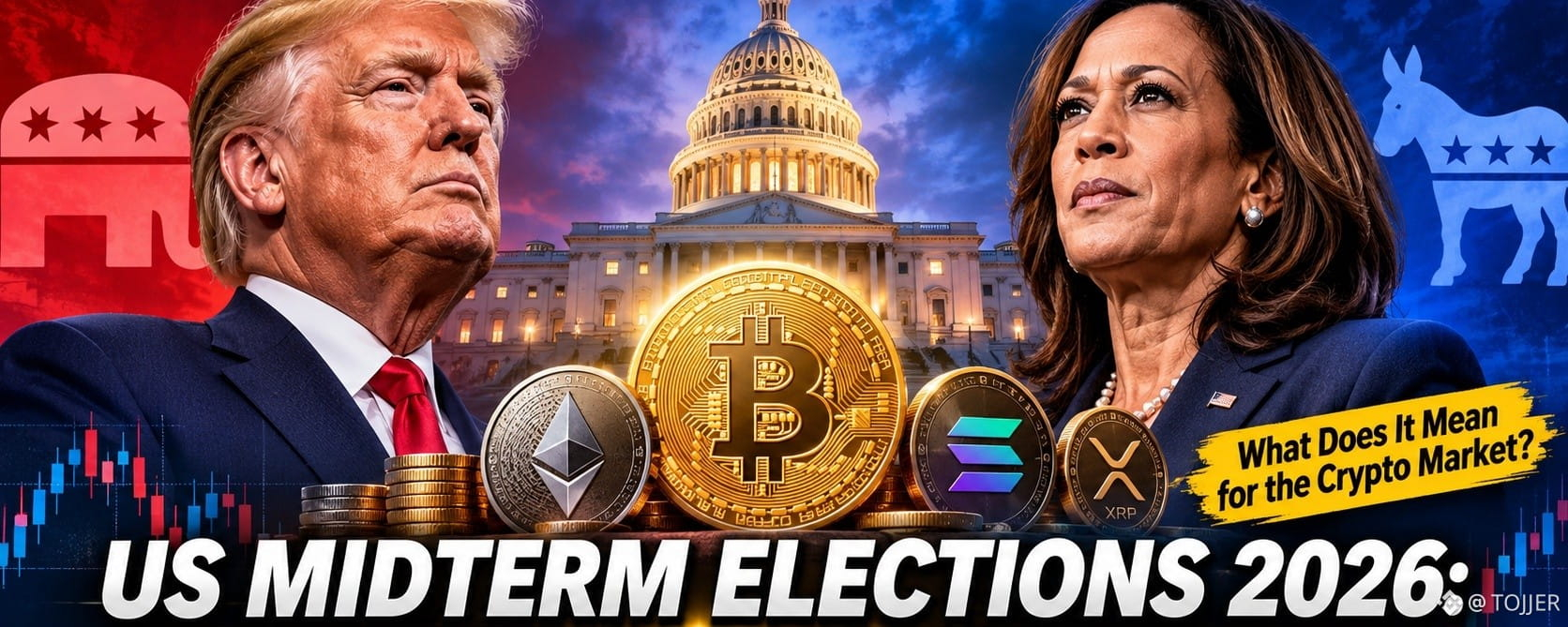
🇺🇸 US MIDTERM ELECTIONS 2026: Democrats Take Congress — Is Bitcoin Facing a New Political Risk?🇺🇸 US MIDTERM ELECTIONS 2026: Democrats Take Congress — Is Bitcoin Facing a New Political Risk?
How Washington's Political Shift Could Reshape Bitcoin, Ethereum, Solana, and the Global Crypto Market
The November 3, 2026, US midterm elections have delivered a major political shift. Democrats have secured control of both the Senate and the House of Representatives, creating a new balance of power in Washington.
This development could have significant implications for cryptocurrency regulation, institutional investment, and the future of America's digital asset industry.
For crypto investors, one important question remains:
Could this political shift become a bullish or bearish catalyst for Bitcoin and altcoins?
1. A New Political Landscape in Washington
With Democrats controlling both chambers of Congress, President Donald Trump's administration could face greater challenges when advancing its legislative agenda.
The cryptocurrency industry spent approximately $200 million on the election cycle, but some of its most expensive political investments failed, including its campaign against Democrat Sherrod Brown in Ohio.
This result raises questions about the industry's political influence and its ability to advance crypto-friendly legislation.
Source: Reuters, November 4, 2026.
2. The CLARITY Act Faces Greater Uncertainty
One of the biggest concerns for crypto investors is the future of the CLARITY Act.
The proposed legislation aims to establish clearer regulatory responsibilities between the Securities and Exchange Commission (SEC) and the Commodity Futures Trading Commission (CFTC).
However, the bill failed to advance in a September Senate procedural vote.
With Democrats gaining control of Congress, the legislation could face further revisions, negotiations, or delays.
The current Congress is scheduled to end on January 3, 2027. If the legislation does not become law before then, it would need to be introduced again in the next Congress.
This creates another source of uncertainty for the US crypto industry.
3. Potential Impact on Bitcoin (BTC)
Bitcoin could experience indirect pressure from political uncertainty.
Bearish factors:
- Delays in comprehensive crypto regulation.
- Greater uncertainty for institutional investors.
- Potentially tighter regulatory oversight.
- Reduced confidence in the short-term US crypto policy outlook.
Bullish factors:
- Bipartisan negotiations could produce stronger regulatory clarity.
- Better investor protection could support long-term adoption.
- Institutional participation could continue despite political changes.
The political shift does not automatically determine Bitcoin's direction. Global liquidity, interest rates, ETF flows, and investor sentiment remain important factors.
4. Which Cryptocurrencies Could Be Affected?
The political changes could influence several major digital assets through regulation, institutional adoption, and market sentiment.
Bitcoin (BTC)
As the largest cryptocurrency, Bitcoin could be affected by changes in institutional sentiment, investment flows, and US regulatory policy.
Ethereum (ETH)
Regulatory developments involving staking, decentralized finance (DeFi), and tokenized financial products could influence Ethereum's institutional adoption.
Solana (SOL)
Solana's ecosystem could be affected by changes in token classification, exchange regulations, and the treatment of blockchain-based financial products.
XRP
Regulatory clarity surrounding digital assets and payment infrastructure could influence institutional interest in XRP and its broader payment ecosystem.
Stablecoins (USDT and USDC)
Stablecoin regulation could affect issuers, exchanges, payment providers, and the business models surrounding stablecoin rewards and distribution.
These assets are not guaranteed to move in the same direction. Their exposure to regulatory developments differs.
5. The Bigger Picture: Politics and Crypto Are Becoming More Connected
The 2026 midterm elections demonstrate how closely cryptocurrency has become connected to American politics.
The outcome could shift the regulatory debate from simply establishing crypto-friendly legislation toward stronger oversight, consumer protection, anti-money-laundering measures, and restrictions on potential conflicts of interest.
However, stronger regulation does not necessarily mean the end of crypto growth.
Clear and balanced rules could help legitimate businesses attract institutional capital and build greater public trust.
6. What Should Investors Monitor Next?
Over the coming weeks and months, investors should pay attention to:
1. The future of the CLARITY Act.
2. New congressional proposals regarding crypto regulation.
3. SEC and CFTC policy developments.
4. Bitcoin ETF inflows and outflows.
5. Institutional investment in BTC, ETH, and SOL.
6. Stablecoin regulation and its impact on the digital payment industry.
These developments could create both risks and opportunities across the cryptocurrency market.
FINAL THOUGHTS
The 2026 US midterm elections are more than a political event. They could represent an important turning point for cryptocurrency regulation in the world's largest financial market.
Bitcoin, Ethereum, Solana, XRP, and the broader digital asset ecosystem may face new challenges, but also new opportunities.
For investors, the smartest approach is to look beyond political headlines.
Monitor regulatory developments, follow institutional capital flows, and understand how political decisions influence market liquidity.
In today's cryptocurrency market, understanding geopolitics is becoming just as important as understanding technical analysis.
Disclaimer: This article is for informational and educational purposes only. It does not constitute financial or investment advice.
---
$BTC $ETH $SOL
#bitcoin #solana #Ethereum #TrendingTopic
🇺🇸 US MIDTERM ELECTIONS 2026: Democrats Take Congress — Is Bitcoin Facing a New Political Risk?
🇺🇸 US MIDTERM ELECTIONS 2026: Democrats Take Congress — Is Bitcoin Facing a New Political Risk?
How Washington's Political Shift Could Reshape Bitcoin, Ethereum, Solana, and the Global Crypto Market
The November 3, 2026, US midterm elections have delivered a major political shift. Democrats have secured control of both the Senate and the House of Representatives, creating a new balance of power in Washington.
This development could have significant implications for cryptocurrency regulation, institutional investment, and the future of America's digital asset industry.
For crypto investors, one important question remains:
Could this political shift become a bullish or bearish catalyst for Bitcoin and altcoins?
1. A New Political Landscape in Washington
With Democrats controlling both chambers of Congress, President Donald Trump's administration could face greater challenges when advancing its legislative agenda.
The cryptocurrency industry spent approximately $200 million on the election cycle, but some of its most expensive political investments failed, including its campaign against Democrat Sherrod Brown in Ohio.
This result raises questions about the industry's political influence and its ability to advance crypto-friendly legislation.
Source: Reuters, November 4, 2026.
2. The CLARITY Act Faces Greater Uncertainty
One of the biggest concerns for crypto investors is the future of the CLARITY Act.
The proposed legislation aims to establish clearer regulatory responsibilities between the Securities and Exchange Commission (SEC) and the Commodity Futures Trading Commission (CFTC).
However, the bill failed to advance in a September Senate procedural vote.
With Democrats gaining control of Congress, the legislation could face further revisions, negotiations, or delays.
The current Congress is scheduled to end on January 3, 2027. If the legislation does not become law before then, it would need to be introduced again in the next Congress.
This creates another source of uncertainty for the US crypto industry.
3. Potential Impact on Bitcoin (BTC)
Bitcoin could experience indirect pressure from political uncertainty.
Bearish factors:
- Delays in comprehensive crypto regulation.
- Greater uncertainty for institutional investors.
- Potentially tighter regulatory oversight.
- Reduced confidence in the short-term US crypto policy outlook.
Bullish factors:
- Bipartisan negotiations could produce stronger regulatory clarity.
- Better investor protection could support long-term adoption.
- Institutional participation could continue despite political changes.
The political shift does not automatically determine Bitcoin's direction. Global liquidity, interest rates, ETF flows, and investor sentiment remain important factors.
4. Which Cryptocurrencies Could Be Affected?
The political changes could influence several major digital assets through regulation, institutional adoption, and market sentiment.
Bitcoin (BTC)
As the largest cryptocurrency, Bitcoin could be affected by changes in institutional sentiment, investment flows, and US regulatory policy.
Ethereum (ETH)
Regulatory developments involving staking, decentralized finance (DeFi), and tokenized financial products could influence Ethereum's institutional adoption.
Solana (SOL)
Solana's ecosystem could be affected by changes in token classification, exchange regulations, and the treatment of blockchain-based financial products.
XRP
Regulatory clarity surrounding digital assets and payment infrastructure could influence institutional interest in XRP and its broader payment ecosystem.
Stablecoins (USDT and USDC)
Stablecoin regulation could affect issuers, exchanges, payment providers, and the business models surrounding stablecoin rewards and distribution.
These assets are not guaranteed to move in the same direction. Their exposure to regulatory developments differs.
5. The Bigger Picture: Politics and Crypto Are Becoming More Connected
The 2026 midterm elections demonstrate how closely cryptocurrency has become connected to American politics.
The outcome could shift the regulatory debate from simply establishing crypto-friendly legislation toward stronger oversight, consumer protection, anti-money-laundering measures, and restrictions on potential conflicts of interest.
However, stronger regulation does not necessarily mean the end of crypto growth.
Clear and balanced rules could help legitimate businesses attract institutional capital and build greater public trust.
6. What Should Investors Monitor Next?
Over the coming weeks and months, investors should pay attention to:
1. The future of the CLARITY Act.
2. New congressional proposals regarding crypto regulation.
3. SEC and CFTC policy developments.
4. Bitcoin ETF inflows and outflows.
5. Institutional investment in BTC, ETH, and SOL.
6. Stablecoin regulation and its impact on the digital payment industry.
These developments could create both risks and opportunities across the cryptocurrency market.
FINAL THOUGHTS
The 2026 US midterm elections are more than a political event. They could represent an important turning point for cryptocurrency regulation in the world's largest financial market.
Bitcoin, Ethereum, Solana, XRP, and the broader digital asset ecosystem may face new challenges, but also new opportunities.
For investors, the smartest approach is to look beyond political headlines.
Monitor regulatory developments, follow institutional capital flows, and understand how political decisions influence market liquidity.
In today's cryptocurrency market, understanding geopolitics is becoming just as important as understanding technical analysis.
Disclaimer: This article is for informational and educational purposes only. It does not constitute financial or investment advice.
---
$BTC $ETH $SOL
#bitcoin #solana #Ethereum #TrendingTopic
9
·
--
Artikel
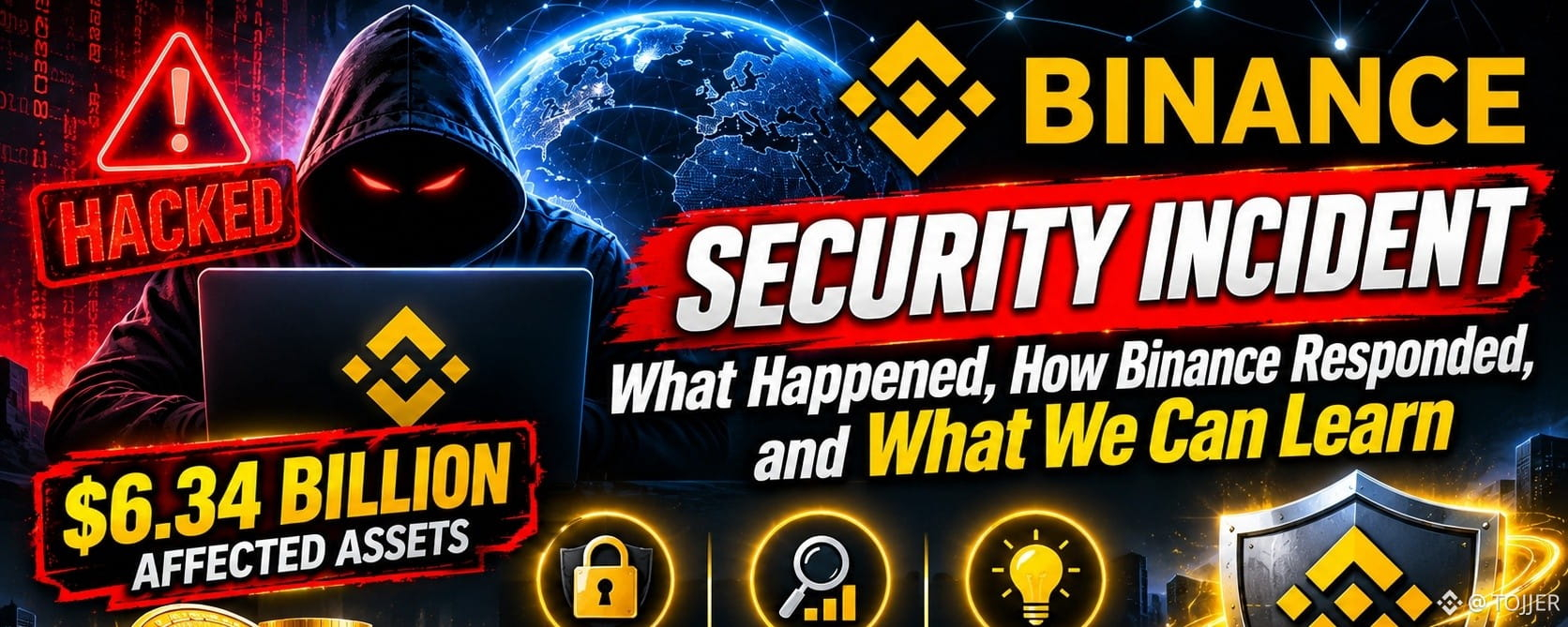
🚨 SICHERHEITSVORFALL BEI BINANCE: Was passiert ist, wie Binance reagiert hat und was wir daraus lernen könnenDie Krypto-Branche wurde einmal mehr daran erinnert, dass Cybersicherheit eine der größten Herausforderungen im Blockchain-Ökosystem ist.
Am 29. Oktober 2026 kam es bei Binance zu einem schwerwiegenden Sicherheitsvorfall, bei dem Unbefugte Zugriff auf die interne Infrastruktur zum Signieren von Wallet-Transaktionen erhielten. Von dem Vorfall waren digitale Vermögenswerte im Wert von etwa 6,34 Milliarden US-Dollar betroffen, was in der globalen Krypto-Community erhebliche Besorgnis auslöste.
Aber was ist tatsächlich passiert, und wie hat Binance reagiert?
🔍 1. Wie kam es zu dem Angriff?
Laut der vorläufigen Untersuchung von Binance führten die Angreifer eine ausgeklügelte, mehrstufige Operation durch.
🚨 SICHERHEITSVORFALL BEI BINANCE: Was passiert ist, wie Binance reagiert hat und was wir daraus lernen können
Die Krypto-Branche wurde einmal mehr daran erinnert, dass Cybersicherheit eine der größten Herausforderungen im Blockchain-Ökosystem ist.
Am 29. Oktober 2026 kam es bei Binance zu einem schwerwiegenden Sicherheitsvorfall, bei dem Unbefugte Zugriff auf die interne Infrastruktur zum Signieren von Wallet-Transaktionen erhielten. Von dem Vorfall waren digitale Vermögenswerte im Wert von etwa 6,34 Milliarden US-Dollar betroffen, was in der globalen Krypto-Community erhebliche Besorgnis auslöste.
Aber was ist tatsächlich passiert, und wie hat Binance reagiert?
🔍 1. Wie kam es zu dem Angriff?
Laut der vorläufigen Untersuchung von Binance führten die Angreifer eine ausgeklügelte, mehrstufige Operation durch.
225
·
--
Dämmerung
Das, was ich an @Dusk_Foundation interessant finde, ist nicht nur der Hype-Token-Fokus, sondern wie sich Privacy-Technologie und Blockchain nutzen lassen, um ein sichereres und skalierbares Ökosystem aufzubauen. Ich verfolge die Entwicklung von Dusk weiterhin und bin gespannt, inwieweit sich die Nutzung von $DUSK in Zukunft weiterentwickeln wird.
#dusk $DUSK
Dämmerung
Das, was ich an @Dusk interessant finde, ist nicht nur der Hype-Token-Fokus, sondern wie sich Privacy-Technologie und Blockchain nutzen lassen, um ein sichereres und skalierbares Ökosystem aufzubauen. Ich verfolge die Entwicklung von Dusk weiterhin und bin gespannt, inwieweit sich die Nutzung von $DUSK in Zukunft weiterentwickeln wird.
#dusk $DUSK
161
·
--
🔥 Die gerade „heißen“ Aktien, die man bei Binance im Blick haben sollte
Nicht nur NVDA. Wenn du kurzfristige Trading-Chancen suchst, haben einige Aktien spannende Katalysatoren und Volatilität:
🟢 $NVDAB — KI-Infrastruktur bleibt stark
🟢 $MUB — HBM & Speicherdemand aus KI
🟢 $AMDB — Aufholchance bei KI-Chips
🔥 SMCI — sehr aggressiver KI-Server-Backwind
🔥 CRWV — KI-Cloud, hohe Volatilität
⚡ LITE — KI-Infrastruktur-Story
🟡 TSLA — interessant für einen möglichen Rebound
🎰 GME — spekulativ, Volumen unbedingt beachten
Meiner Meinung nach ist das Spannendste nicht nur die Aktie, die schon gestiegen ist, sondern Aktien mit Katalysator + Volumen + Momentum, die den nächsten Move auslösen können.
⚠️ Der CPI der USA kann heute ebenfalls ein Gamechanger für Tech-Aktien sein.
Welche beobachtet ihr gerade? 👀
#NVDA #AMD #MU #SMCIUSDT #TSLA
10
1
49
·
--
📉 TUT/USDT: Von großer Rally bis zum Dump von 48% — Was ist passiert?In den letzten Tagen hat sich $TUT /USDT in einer äußerst extremen Weise bewegt.
Der vorherige Kursanstieg erlebte einen starken Anstieg aus dem Bereich um 0,03, ging dann in eine Rally-Phase über und schaffte es sogar, 0,30563 zu erreichen. Dieser schnelle Anstieg zeigt hohe Dynamik und Handelsvolumen.
Doch nachdem der Höchstbereich erreicht war, begann sich die Struktur zu verändern. Der Preis konnte einige Male nicht auf hohem Niveau halten und bildete dann langsam niedrigere Hochs; anschließend wurde der Verkaufsdruck immer größer.
📉 In den letzten 24 Stunden ist $TUT / sogar um etwa 48,66% gefallen, wobei das Tief bei etwa 0,104 lag.
📉 TUT/USDT: Von großer Rally bis zum Dump von 48% — Was ist passiert?
In den letzten Tagen hat sich $TUT /USDT in einer äußerst extremen Weise bewegt.
Der vorherige Kursanstieg erlebte einen starken Anstieg aus dem Bereich um 0,03, ging dann in eine Rally-Phase über und schaffte es sogar, 0,30563 zu erreichen. Dieser schnelle Anstieg zeigt hohe Dynamik und Handelsvolumen.
Doch nachdem der Höchstbereich erreicht war, begann sich die Struktur zu verändern. Der Preis konnte einige Male nicht auf hohem Niveau halten und bildete dann langsam niedrigere Hochs; anschließend wurde der Verkaufsdruck immer größer.
📉 In den letzten 24 Stunden ist $TUT / sogar um etwa 48,66% gefallen, wobei das Tief bei etwa 0,104 lag.
1
213
·
--
🚨 $EPIC /USDT — VORSICHT!
EPIC steht weiterhin unter starkem bärischem Druck, nachdem es in 24 Stunden um -56% gefallen ist. 📉
🔴 Widerstand: 0.500–0.510
🟢 Support: 0.4658 → 0.4290
⚠️ Kein FOMO! Warte auf eine gültige Rejection oder einen Breakdown.
🎁 ANGPAU-QUIZ 🧧
❓ Bevor du eine Trading-Entscheidung für $EPIC /USDT triffst: Was MUSS unbedingt getan werden?
Wer die richtige Antwort gibt, hat die Chance, Token für Angpao zu erhalten! 🧧
NFA DYOR & nutze Risikomanagement.
{future}(EPICUSDT)
#FutureTarding #BearishAlert
🚨 $EPIC /USDT — VORSICHT!
EPIC steht weiterhin unter starkem bärischem Druck, nachdem es in 24 Stunden um -56% gefallen ist. 📉
🔴 Widerstand: 0.500–0.510
🟢 Support: 0.4658 → 0.4290
⚠️ Kein FOMO! Warte auf eine gültige Rejection oder einen Breakdown.
🎁 ANGPAU-QUIZ 🧧
❓ Bevor du eine Trading-Entscheidung für $EPIC /USDT triffst: Was MUSS unbedingt getan werden?
Wer die richtige Antwort gibt, hat die Chance, Token für Angpao zu erhalten! 🧧
NFA DYOR & nutze Risikomanagement.
#FutureTarding #BearishAlert
230
1
20
230
·
--
🚨 UPDATE TUTUSDT: VOM PARABOLISCHEN PUMP IN DIE KORREKTURPHASE?$TUT befindet sich jetzt bei 0,14376, nachdem es zuvor zeitweise 0,33733 markiert hat.
Was sich ändert, ist nicht nur der Preis—auch die Struktur auf 15M wird langsam bärisch. 📉
MA7: 0,14778
MA25: 0,16012
MA99: 0,13014
Der Kurs liegt nun unter MA7 & MA25, während das Orderbuch einen Verkaufsdruck von etwa 70% zeigt.
🎯 Die Levels, die ich im Blick habe:
🔴 0,147–0,148 → nächster Widerstand
🔴 0,160 → Hauptwiderstand
🟢 0,130 → entscheidender Support
⚠️ 0,0927 → zuvor extremes Tief
Wenn 0,130 durchbricht + Retest scheitert, könnte die Korrektur noch tiefer gehen.
🚨 UPDATE TUTUSDT: VOM PARABOLISCHEN PUMP IN DIE KORREKTURPHASE?
$TUT befindet sich jetzt bei 0,14376, nachdem es zuvor zeitweise 0,33733 markiert hat.
Was sich ändert, ist nicht nur der Preis—auch die Struktur auf 15M wird langsam bärisch. 📉
MA7: 0,14778
MA25: 0,16012
MA99: 0,13014
Der Kurs liegt nun unter MA7 & MA25, während das Orderbuch einen Verkaufsdruck von etwa 70% zeigt.
🎯 Die Levels, die ich im Blick habe:
🔴 0,147–0,148 → nächster Widerstand
🔴 0,160 → Hauptwiderstand
🟢 0,130 → entscheidender Support
⚠️ 0,0927 → zuvor extremes Tief
Wenn 0,130 durchbricht + Retest scheitert, könnte die Korrektur noch tiefer gehen.
1
390
·
--
🔥 TUTUSDT: NICHT IN FOMO GERATEN!$TUT ist bereits einen extremen Anstieg um +232% erlebt und hat zeitweise 0,33733 erreicht, bevor es zu einer scharfen Abweisung kam.
📊 Zeiteinheit 15M:
Kurs: 0,17182
MA7: 0,16906
MA25: 0,15599
MA99: 0,09718
Funding: 0,08929% / 4 Stunden
Der Verkaufsdruck ist stärker ausgeprägt
⚠️ Das Interessante ist gerade: Der Kurs ist weiterhin bullisch, aber bereits stark überdehnt. Solche Bedingungen bringen Trader oft dazu, sich im Long-Modus festzufahren, weil sie FOMO haben, während Trader, die zu schnell shorten, ebenfalls von einem Squeeze erwischt werden können.
🎯 Das Niveau, das ich beobachte: 🟢 0,169 → Support Momentum
🔥 TUTUSDT: NICHT IN FOMO GERATEN!
$TUT ist bereits einen extremen Anstieg um +232% erlebt und hat zeitweise 0,33733 erreicht, bevor es zu einer scharfen Abweisung kam.
📊 Zeiteinheit 15M:
Kurs: 0,17182
MA7: 0,16906
MA25: 0,15599
MA99: 0,09718
Funding: 0,08929% / 4 Stunden
Der Verkaufsdruck ist stärker ausgeprägt
⚠️ Das Interessante ist gerade: Der Kurs ist weiterhin bullisch, aber bereits stark überdehnt. Solche Bedingungen bringen Trader oft dazu, sich im Long-Modus festzufahren, weil sie FOMO haben, während Trader, die zu schnell shorten, ebenfalls von einem Squeeze erwischt werden können.
🎯 Das Niveau, das ich beobachte: 🟢 0,169 → Support Momentum
1
572
·
--
🔥 Viele sind im Short-Modus hängen geblieben!
$TUT macht weiter, während viele Trader zu schnell SHORT-Positionen eingehen und hoffen, dass der Preis direkt nach dem starken Anstieg sofort abkippt.
📈 Das Ergebnis? Ein Short Squeeze! Short-Positionen werden gezwungen zu schließen und treiben den Preis dadurch sogar noch höher. 🚀
Die Lehre: Bekämpfe den Trend nicht nur, weil der Preis schon stark gestiegen ist. Warte auf eine Bestätigung der Trendwende – nicht nur auf ein Bauchgefühl. 👀
Wer kurzzeitig im Short festhing, hebt die Hand! 😂👇
#TUT #TUTUSDT #BinanceSquareFamily #ShortSqueeze #CryptoTrading.
{future}(TUTUSDT)
🔥 Viele sind im Short-Modus hängen geblieben!
$TUT macht weiter, während viele Trader zu schnell SHORT-Positionen eingehen und hoffen, dass der Preis direkt nach dem starken Anstieg sofort abkippt.
📈 Das Ergebnis? Ein Short Squeeze! Short-Positionen werden gezwungen zu schließen und treiben den Preis dadurch sogar noch höher. 🚀
Die Lehre: Bekämpfe den Trend nicht nur, weil der Preis schon stark gestiegen ist. Warte auf eine Bestätigung der Trendwende – nicht nur auf ein Bauchgefühl. 👀
Wer kurzzeitig im Short festhing, hebt die Hand! 😂👇
#TUT #TUTUSDT #BinanceSquareFamily #ShortSqueeze #CryptoTrading.
4
3
450
·
--
🚀 TUT/USDT: +113% IN 24 STUNDEN! Kann es noch weiter fliegen? 🔥$TUT zeigt eine extrem starke bullishe Dynamik. Aus dem 15-Minuten-Chart ist zu sehen, dass der Preis aggressiv gestiegen ist und 0.08469 erreicht hat, bevor er sich leicht korrigierte und nun bei etwa 0.08012 liegt.
📊 Kurze technische Analyse:
💰 Preis: 0.08012 USDT
🚀 24H-Veränderung: +113.14%
🔥 High 24H: 0.08469
📉 Low 24H: 0.03553
📈 MA7: 0.07972
📈 MA25: 0.07540
📈 MA99: 0.05413
Bullishes Signal:
Der Preis liegt noch über MA7, MA25 und MA99, was darauf hindeutet, dass der kurzfristige bis mittelfristige Trend nach wie vor sehr positiv ist.
🚀 TUT/USDT: +113% IN 24 STUNDEN! Kann es noch weiter fliegen? 🔥
$TUT zeigt eine extrem starke bullishe Dynamik. Aus dem 15-Minuten-Chart ist zu sehen, dass der Preis aggressiv gestiegen ist und 0.08469 erreicht hat, bevor er sich leicht korrigierte und nun bei etwa 0.08012 liegt.
📊 Kurze technische Analyse:
💰 Preis: 0.08012 USDT
🚀 24H-Veränderung: +113.14%
🔥 High 24H: 0.08469
📉 Low 24H: 0.03553
📈 MA7: 0.07972
📈 MA25: 0.07540
📈 MA99: 0.05413
Bullishes Signal:
Der Preis liegt noch über MA7, MA25 und MA99, was darauf hindeutet, dass der kurzfristige bis mittelfristige Trend nach wie vor sehr positiv ist.
2
299
Anmelden und weiter Inhalte entdecken
Krypto-Nutzer weltweit auf Binance Square kennenlernen
⚡️ Bleib in Sachen Krypto stets am Puls.
💬 Die weltgrößte Kryptobörse vertraut darauf.
👍 Erhalte verlässliche Einblicke von verifizierten Creators.
E-Mail-Adresse/Telefonnummer
Trendthemen
JobsReportRaisesHikeOdds
460,519 Aufrufe
3,124 Kommentare
TradFi-News | USA schaffen im Oktober 165.000 Stellen – mehr als doppelt so viele wie die prognostizierten 65.000 –, während die Arbeitslosenquote auf 4,1 % sinkt
Binance News
·41 Likes
·24k Aufrufe
CPITestsDecemberRateOutlook
120,245 Aufrufe
989 Kommentare
BitcoinRebounds$75KAsChipsLead
40,489 Aufrufe
329 Kommentare