
Coins Holder
4.9k Beiträge

Coins Holder
Crypto Analyst, BNB Holder, Market Strategist. Sharing insights and trading wisdom.

Traders League Badge Beginner
Trade eröffnen

PAXG Halter
Hochfrequenz-Trader
2 Jahre
1.7K+ Following
1.4K+ Follower
7.0K+ Like gegeben
1 Abzeichen
Beiträge
Portfolio
Alle
Zitierungen
Videos
PINNED
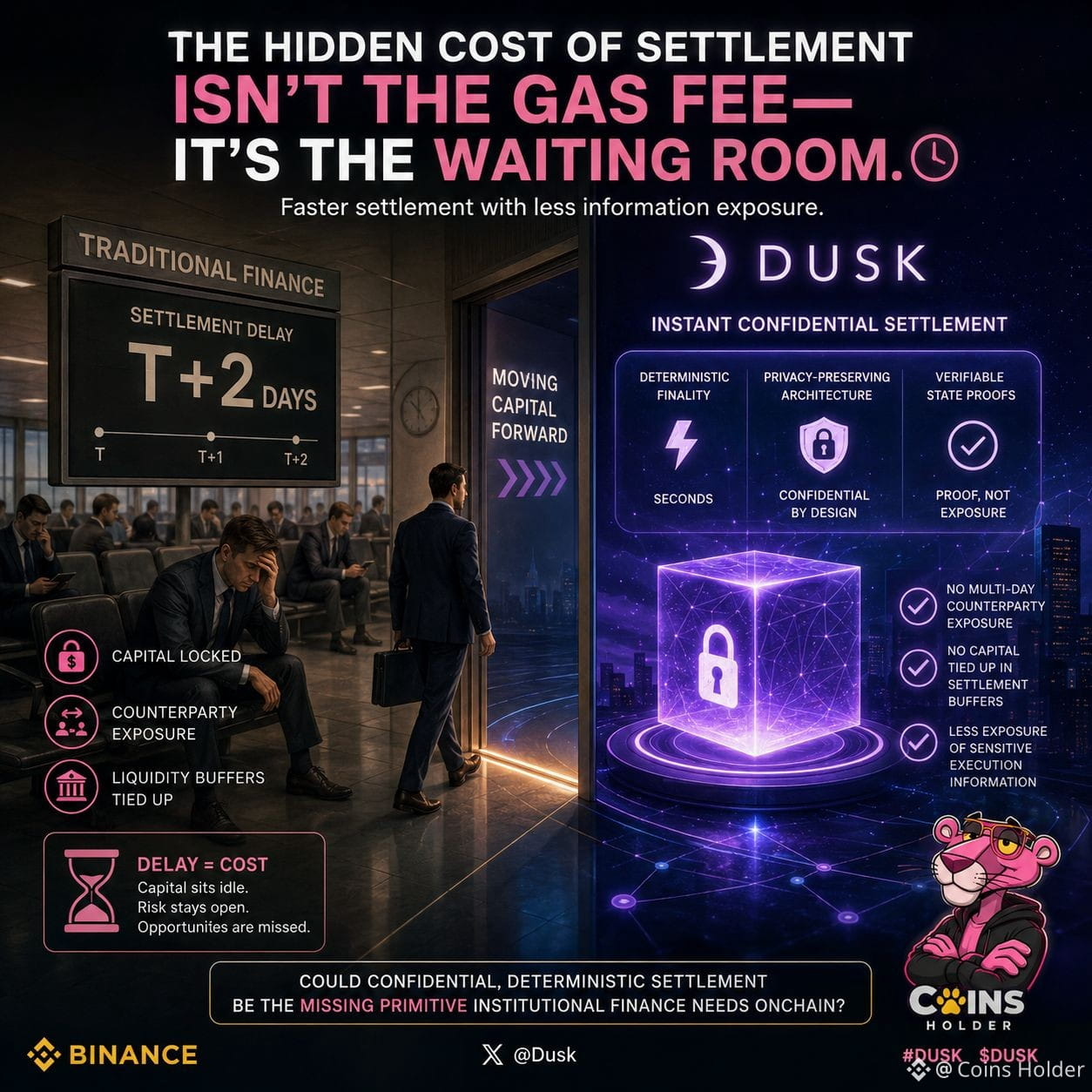
Ich war überrascht, als mir klar wurde, dass die versteckten Kosten der Abwicklung nicht die Gasgebühr sind.
Es ist der Warteraum. ⏱️
Die Ausführung von Trades kann fast augenblicklich erfolgen, doch die Abwicklung im traditionellen Finanzwesen kann dennoch länger dauern als die Ausführung.
Diese Verzögerung bindet Kapital, schafft Gegenparteirisiken und zwingt Institutionen dazu, Liquiditätsreserven für Transaktionen vorzuhalten, die noch nicht vollständig abgewickelt wurden.
Blockchains können einen Großteil des Problems mit der Abwicklungsgeschwindigkeit lösen.
Doch transparente Blockchains stellen Institutionen vor eine andere Herausforderung: Sensible Transaktionsaktivität kann öffentlich sichtbar werden.
Damit stellt sich die eigentliche Frage:
Wie erreicht man eine schnelle, deterministische Abwicklung für hochwertige Finanzwerte, ohne dabei sensible Ausführungsinformationen offenzulegen?
Aber das hat mich überrascht, als ich tiefer in Dusk geschaut habe. 👀
Seine Architektur kombiniert deterministische Finalität mit datenschutzfreundlichen Mechanismen. Ziel ist es, Zustandsübergänge endgültig zu machen und dabei gleichzeitig die Offenlegung sensibler Finanzinformationen zu begrenzen.
Das Potenzial reicht über die Geschwindigkeit hinaus.
Eine schnellere Finalität kann die Zeit verringern, in der Kapital zwischen Ausführung und Abwicklung einem Risiko ausgesetzt ist.
Datenschutz kann reduzieren, wie viel strategische Information während dieses Prozesses sichtbar wird.
Der echte Effizienzgewinn könnte daraus entstehen, beides zu kombinieren.
Nicht nur schnellere Abwicklung.
Nicht nur private Transaktionen.
Schnellere Abwicklung mit weniger Offenlegung von Informationen.
Könnte eine vertrauliche, deterministische Abwicklung eine wichtige fehlende Basiseinheit für institutionelles Finanzwesen sein, um onchain weiterzugehen?
#dusk $DUSK @Dusk
Es ist der Warteraum. ⏱️
Die Ausführung von Trades kann fast augenblicklich erfolgen, doch die Abwicklung im traditionellen Finanzwesen kann dennoch länger dauern als die Ausführung.
Diese Verzögerung bindet Kapital, schafft Gegenparteirisiken und zwingt Institutionen dazu, Liquiditätsreserven für Transaktionen vorzuhalten, die noch nicht vollständig abgewickelt wurden.
Blockchains können einen Großteil des Problems mit der Abwicklungsgeschwindigkeit lösen.
Doch transparente Blockchains stellen Institutionen vor eine andere Herausforderung: Sensible Transaktionsaktivität kann öffentlich sichtbar werden.
Damit stellt sich die eigentliche Frage:
Wie erreicht man eine schnelle, deterministische Abwicklung für hochwertige Finanzwerte, ohne dabei sensible Ausführungsinformationen offenzulegen?
Aber das hat mich überrascht, als ich tiefer in Dusk geschaut habe. 👀
Seine Architektur kombiniert deterministische Finalität mit datenschutzfreundlichen Mechanismen. Ziel ist es, Zustandsübergänge endgültig zu machen und dabei gleichzeitig die Offenlegung sensibler Finanzinformationen zu begrenzen.
Das Potenzial reicht über die Geschwindigkeit hinaus.
Eine schnellere Finalität kann die Zeit verringern, in der Kapital zwischen Ausführung und Abwicklung einem Risiko ausgesetzt ist.
Datenschutz kann reduzieren, wie viel strategische Information während dieses Prozesses sichtbar wird.
Der echte Effizienzgewinn könnte daraus entstehen, beides zu kombinieren.
Nicht nur schnellere Abwicklung.
Nicht nur private Transaktionen.
Schnellere Abwicklung mit weniger Offenlegung von Informationen.
Könnte eine vertrauliche, deterministische Abwicklung eine wichtige fehlende Basiseinheit für institutionelles Finanzwesen sein, um onchain weiterzugehen?
#dusk $DUSK @Dusk
PINNED
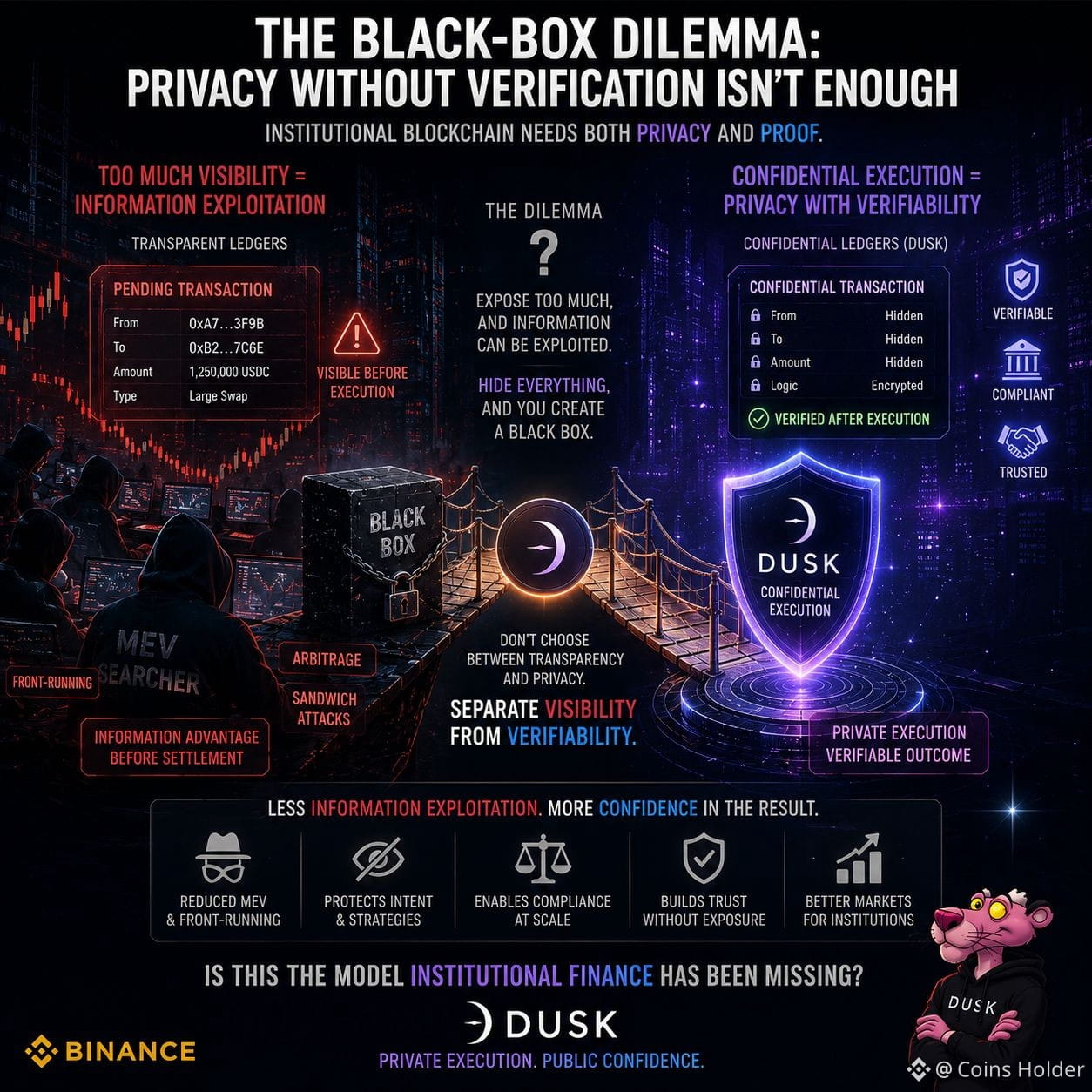
Das Black-Box-Dilemma: Privatsphäre ohne Verifizierung reicht nicht
Das größte Problem bei institutionellen Blockchains könnte nicht die Skalierbarkeit sein.
Es könnte die Information sein.
Auf transparenten Ledgern können ausstehende Transaktionen und große Portfolio-Bewegungen die Absicht vor der Ausführung offenlegen – und damit einen Informationsvorsprung für MEV-Searcher und andere Akteure schaffen, die schneller reagieren können.
Doch wenn man alles versteckt, entsteht ein weiteres Problem: eine Black Box, die von Regulierungsbehörden und Gegenparteien nicht unabhängig verifiziert werden kann.
Genau hier wird die vertrauliche Ausführung interessant.
Das Ziel ist nicht nur, Transaktionen zu verbergen. Es geht darum, sensible Aktivitäten privat zu halten, während gleichzeitig das Netzwerk und autorisierte Parteien überprüfen können, dass die Regeln befolgt wurden.
Für institutionelles Finance sollte die Entscheidung nicht sein:
Transparenz oder Privatsphäre.
Sondern:
Sichtbarkeit oder Verifizierbarkeit.
Genau dort wird Dusk interessant.
Vielleicht liegt die Zukunft nicht in vollständiger Transparenz oder vollständiger Privatsphäre.
Vielleicht geht es um private Ausführung mit Vertrauen in das Ergebnis.
Könnte das verändern, wie institutionelles Trading onchain funktioniert?
#dusk $DUSK @Dusk
Das größte Problem bei institutionellen Blockchains könnte nicht die Skalierbarkeit sein.
Es könnte die Information sein.
Auf transparenten Ledgern können ausstehende Transaktionen und große Portfolio-Bewegungen die Absicht vor der Ausführung offenlegen – und damit einen Informationsvorsprung für MEV-Searcher und andere Akteure schaffen, die schneller reagieren können.
Doch wenn man alles versteckt, entsteht ein weiteres Problem: eine Black Box, die von Regulierungsbehörden und Gegenparteien nicht unabhängig verifiziert werden kann.
Genau hier wird die vertrauliche Ausführung interessant.
Das Ziel ist nicht nur, Transaktionen zu verbergen. Es geht darum, sensible Aktivitäten privat zu halten, während gleichzeitig das Netzwerk und autorisierte Parteien überprüfen können, dass die Regeln befolgt wurden.
Für institutionelles Finance sollte die Entscheidung nicht sein:
Transparenz oder Privatsphäre.
Sondern:
Sichtbarkeit oder Verifizierbarkeit.
Genau dort wird Dusk interessant.
Vielleicht liegt die Zukunft nicht in vollständiger Transparenz oder vollständiger Privatsphäre.
Vielleicht geht es um private Ausführung mit Vertrauen in das Ergebnis.
Könnte das verändern, wie institutionelles Trading onchain funktioniert?
#dusk $DUSK @Dusk
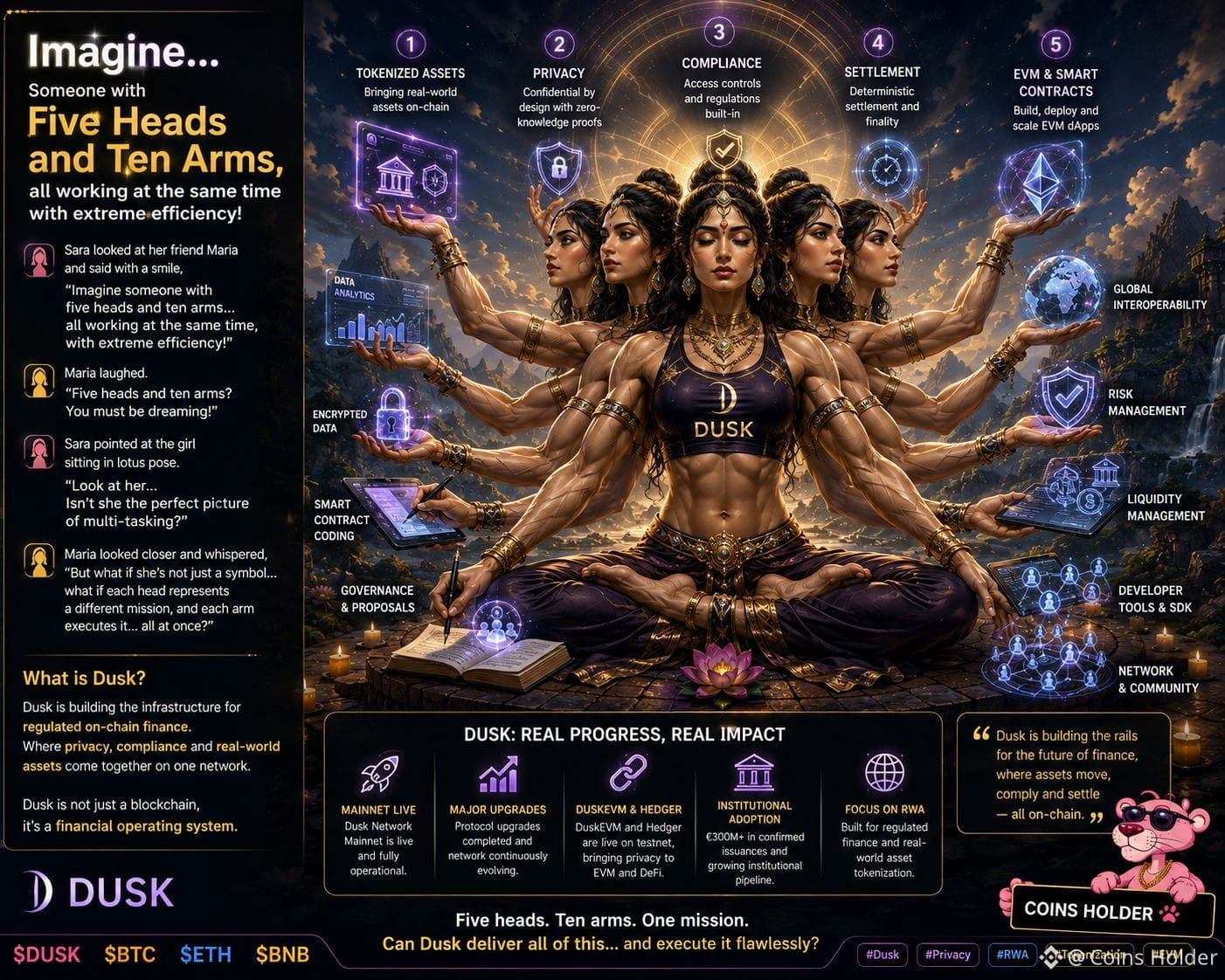
Stell dir jemanden mit fünf Köpfen und zehn Armen vor…
Und alle arbeiten gleichzeitig – mit äußerster Effizienz.
Maria lachte.
„Fünf Köpfe und zehn Arme? Du musst träumen!“
Sara zeigte auf das Mädchen, das ruhig im Lotussitz saß.
„Sieh sie dir an… ist sie nicht das perfekte Bild von Multi-Tasking?“
Maria schaute genauer hin.
„Aber was, wenn sie nicht nur ein Symbol ist?“
„Was, wenn jeder Kopf eine andere Mission repräsentiert, während jeder Arm eine andere Aufgabe ausführt… alles gleichzeitig?“
Das brachte Sara zum Stillstand.
Denn genau das hat meine Aufmerksamkeit auf Dusk gelenkt.
Tokenisierte Assets.
Privatsphäre.
Compliance.
Abwicklung.
EVM und Smart Contracts.
Der interessante Teil ist nicht, eine lange Liste von Fähigkeiten zu haben.
Sondern sie so zusammenarbeiten zu lassen, dass regulierte On-Chain-Finanzgeschäfte möglich werden.
Dusk ist bereits live, während sich die Infrastruktur weiterentwickelt – rund um Privatsphäre, Compliance, Abwicklung, EVM-Kompatibilität und reale Vermögenswerte.
Aber es gibt eine Frage, zu der ich immer wieder zurückkomme:
Können fünf Köpfe und zehn Arme tatsächlich mit derselben Effizienz in der realen Finanzwelt zusammenarbeiten?
Dort beginnt der echte Test.
Was würdest du zuerst von Dusk beweisen wollen: Privatsphäre, Abwicklung oder die Akzeptanz von RWA?
$DUSK @Dusk
#Dusk #Privacy #RWA #EVM #Tokenization
Und alle arbeiten gleichzeitig – mit äußerster Effizienz.
Maria lachte.
„Fünf Köpfe und zehn Arme? Du musst träumen!“
Sara zeigte auf das Mädchen, das ruhig im Lotussitz saß.
„Sieh sie dir an… ist sie nicht das perfekte Bild von Multi-Tasking?“
Maria schaute genauer hin.
„Aber was, wenn sie nicht nur ein Symbol ist?“
„Was, wenn jeder Kopf eine andere Mission repräsentiert, während jeder Arm eine andere Aufgabe ausführt… alles gleichzeitig?“
Das brachte Sara zum Stillstand.
Denn genau das hat meine Aufmerksamkeit auf Dusk gelenkt.
Tokenisierte Assets.
Privatsphäre.
Compliance.
Abwicklung.
EVM und Smart Contracts.
Der interessante Teil ist nicht, eine lange Liste von Fähigkeiten zu haben.
Sondern sie so zusammenarbeiten zu lassen, dass regulierte On-Chain-Finanzgeschäfte möglich werden.
Dusk ist bereits live, während sich die Infrastruktur weiterentwickelt – rund um Privatsphäre, Compliance, Abwicklung, EVM-Kompatibilität und reale Vermögenswerte.
Aber es gibt eine Frage, zu der ich immer wieder zurückkomme:
Können fünf Köpfe und zehn Arme tatsächlich mit derselben Effizienz in der realen Finanzwelt zusammenarbeiten?
Dort beginnt der echte Test.
Was würdest du zuerst von Dusk beweisen wollen: Privatsphäre, Abwicklung oder die Akzeptanz von RWA?
$DUSK @Dusk
#Dusk #Privacy #RWA #EVM #Tokenization
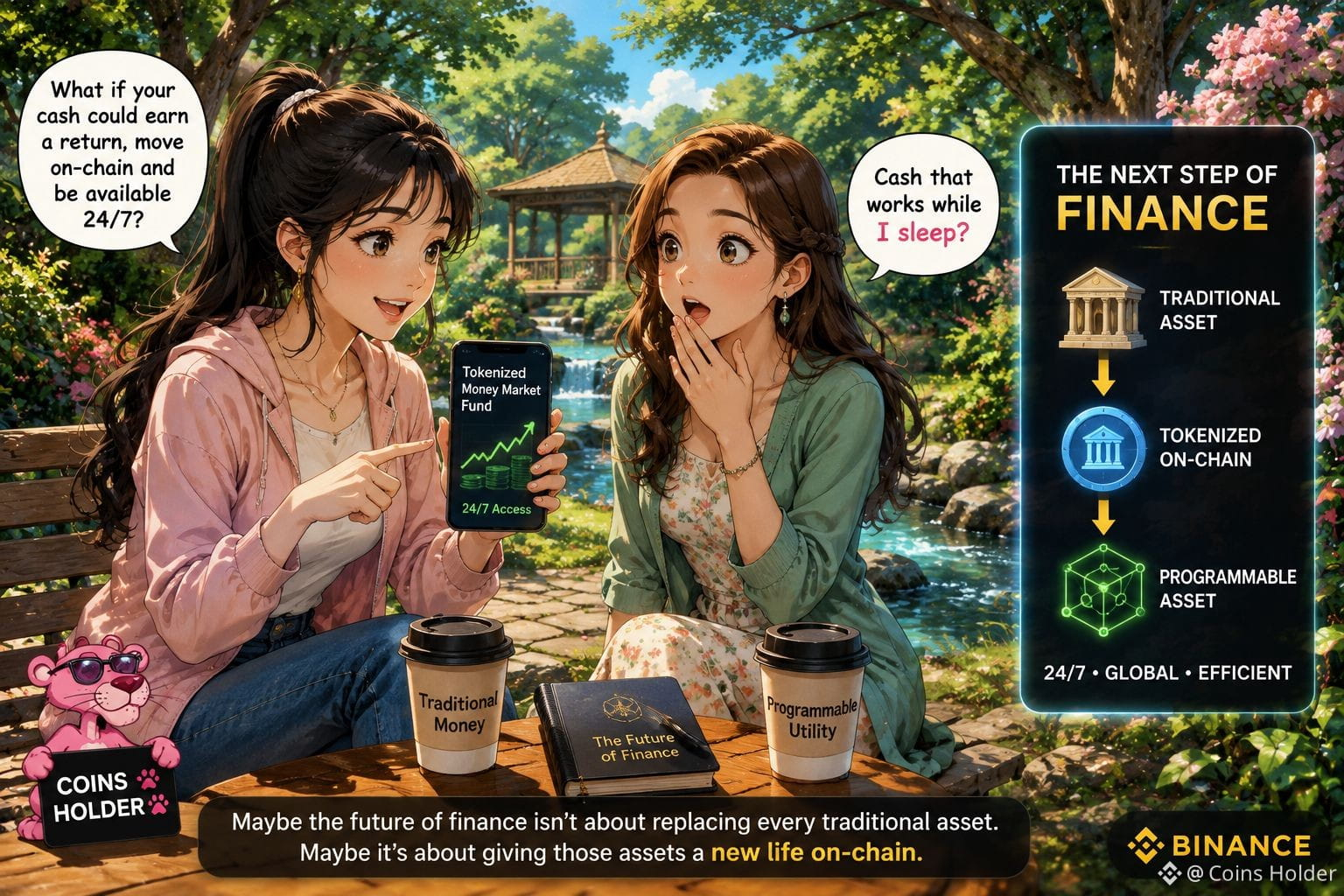
Ich war überrascht, als Sara erkannte, dass sogar Bargeld auf eine Blockchain gesetzt werden kann.
Sara und Maria gingen durch einen wunderschönen Garten, als Sara plötzlich stehen blieb.
„Moment… wohin geht dein Geld, wenn du es nicht nutzt?“
Maria lachte.
„In meinem Bankkonto, denke ich.“
Sara sah auf ihr Handy.
„Was wäre, wenn dieses Geld eine Rendite erzielen könnte, auf der Kette weiterläuft und trotzdem 24/7 verfügbar ist?“
Maria erstarrte.
„Bargeld, das funktioniert, während ich schlafe?“
Sara lächelte.
„So in etwa.“
Die Idee klingt erst einmal seltsam.
Aber tokenisierte Geldmarkt-Fonds bringen traditionelle kurzfristige Vermögenswerte, wie US-Treasury-Wertpapiere, auf die Blockchain-Schienen.
Anstatt dass der Besitz nur innerhalb traditioneller Finanzinfrastruktur existiert, kann der Fonds durch Tokens auf der Kette repräsentiert werden.
Und das verändert etwas Wichtiges.
Der Vermögenswert kann potenziell programmierbar werden.
Er kann sich durch blockchainbasierte Systeme bewegen, mit anderen Anwendungen interagieren und rund um die Uhr abgewickelt werden.
Maria sah zu Sara.
„Also ist Tokenisierung nicht nur darum, einen alten Vermögenswert auf einen neuen Bildschirm zu bringen?“
„Genau.“
„Sie kann verändern, was dieser Vermögenswert tun kann.“
Die beiden Mädchen gingen weiter.
Sara lächelte.
„Vielleicht besteht die Zukunft des Finanzwesens nicht darin, jeden traditionellen Vermögenswert zu ersetzen.“
„Vielleicht geht es darum, diesen Vermögenswerten ein neues Leben auf der Kette zu geben.“
Welchen traditionellen Finanzvermögenswert würdest du gern programmierbar sehen?
#RWA #Tokenization #defi
$BTC $ETH $BNB
Sara und Maria gingen durch einen wunderschönen Garten, als Sara plötzlich stehen blieb.
„Moment… wohin geht dein Geld, wenn du es nicht nutzt?“
Maria lachte.
„In meinem Bankkonto, denke ich.“
Sara sah auf ihr Handy.
„Was wäre, wenn dieses Geld eine Rendite erzielen könnte, auf der Kette weiterläuft und trotzdem 24/7 verfügbar ist?“
Maria erstarrte.
„Bargeld, das funktioniert, während ich schlafe?“
Sara lächelte.
„So in etwa.“
Die Idee klingt erst einmal seltsam.
Aber tokenisierte Geldmarkt-Fonds bringen traditionelle kurzfristige Vermögenswerte, wie US-Treasury-Wertpapiere, auf die Blockchain-Schienen.
Anstatt dass der Besitz nur innerhalb traditioneller Finanzinfrastruktur existiert, kann der Fonds durch Tokens auf der Kette repräsentiert werden.
Und das verändert etwas Wichtiges.
Der Vermögenswert kann potenziell programmierbar werden.
Er kann sich durch blockchainbasierte Systeme bewegen, mit anderen Anwendungen interagieren und rund um die Uhr abgewickelt werden.
Maria sah zu Sara.
„Also ist Tokenisierung nicht nur darum, einen alten Vermögenswert auf einen neuen Bildschirm zu bringen?“
„Genau.“
„Sie kann verändern, was dieser Vermögenswert tun kann.“
Die beiden Mädchen gingen weiter.
Sara lächelte.
„Vielleicht besteht die Zukunft des Finanzwesens nicht darin, jeden traditionellen Vermögenswert zu ersetzen.“
„Vielleicht geht es darum, diesen Vermögenswerten ein neues Leben auf der Kette zu geben.“
Welchen traditionellen Finanzvermögenswert würdest du gern programmierbar sehen?
#RWA #Tokenization #defi
$BTC $ETH $BNB
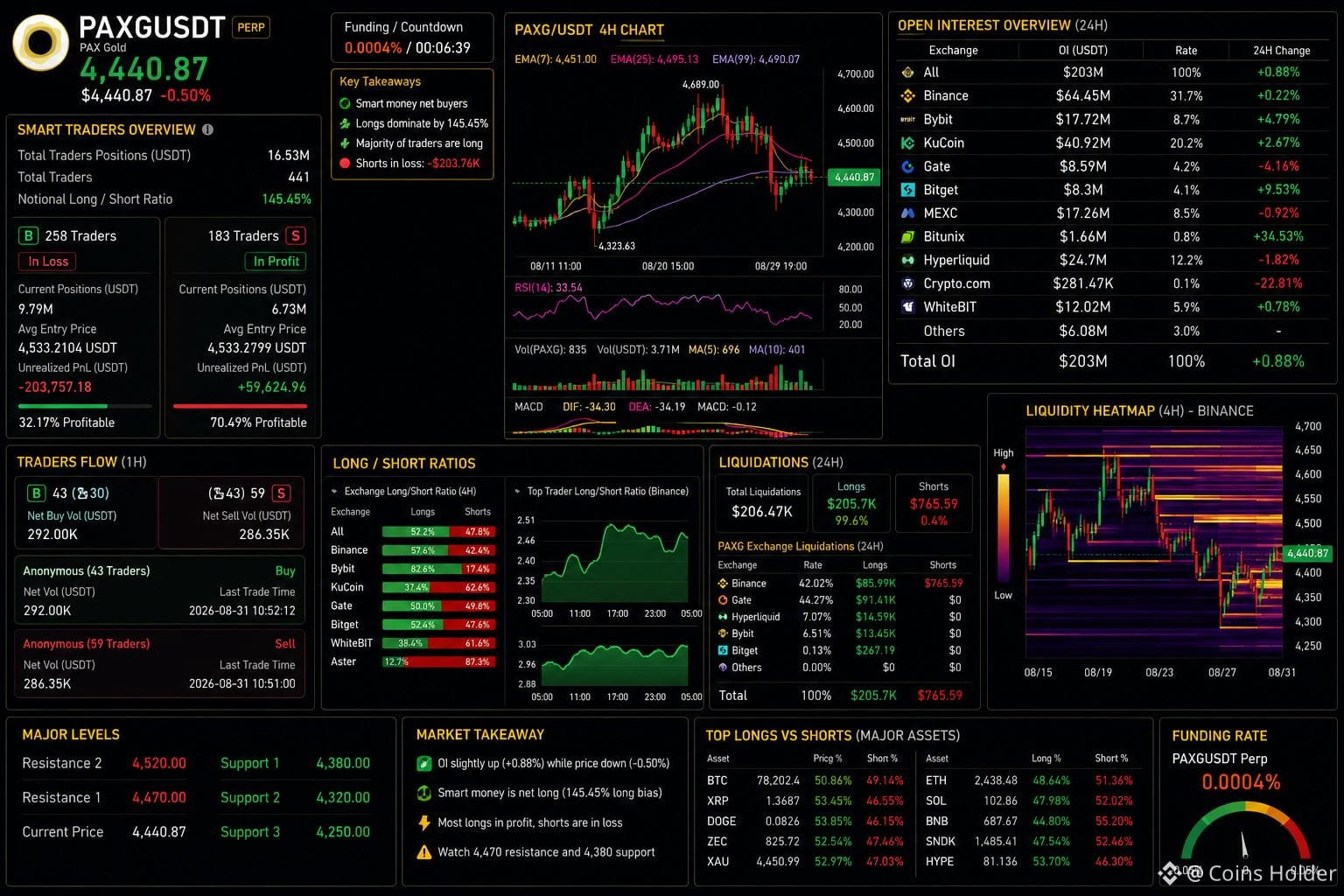
PAXG befindet sich an einem kritischen Punkt.
Preis: 4.440,87 $\n24H: -0,50%\nOpen Interest: 203 Mio. $ (+0,88%)
Clevere Trader zeigen ein Long/Short-Verhältnis von 145,45%, während Long-Positionen derzeit Verluste machen und Shorts weiterhin profitabel bleiben.
Die wichtigsten Levels, die ich im Blick habe:
🔴 Widerstand: 4.470 $ → 4.520 $
🟢 Unterstützung: 4.380 $ → 4.320 $ → 4.250 $
Der interessante Teil: Der Preis fällt, während das OI leicht steigt. Das bedeutet, dass sich der Hebel aufbaut, während PAXG nahe der Unterstützung notiert.
Ein Ausbruch über 4.470 $ könnte die kurzfristige Struktur verändern.
Ein Verlust von 4.380 $ könnte geringere Liquidität freilegen.
Beobachte die Levels, nicht die Emotionen.
#PAXG #Gold #Crypto #trading
Preis: 4.440,87 $\n24H: -0,50%\nOpen Interest: 203 Mio. $ (+0,88%)
Clevere Trader zeigen ein Long/Short-Verhältnis von 145,45%, während Long-Positionen derzeit Verluste machen und Shorts weiterhin profitabel bleiben.
Die wichtigsten Levels, die ich im Blick habe:
🔴 Widerstand: 4.470 $ → 4.520 $
🟢 Unterstützung: 4.380 $ → 4.320 $ → 4.250 $
Der interessante Teil: Der Preis fällt, während das OI leicht steigt. Das bedeutet, dass sich der Hebel aufbaut, während PAXG nahe der Unterstützung notiert.
Ein Ausbruch über 4.470 $ könnte die kurzfristige Struktur verändern.
Ein Verlust von 4.380 $ könnte geringere Liquidität freilegen.
Beobachte die Levels, nicht die Emotionen.
#PAXG #Gold #Crypto #trading
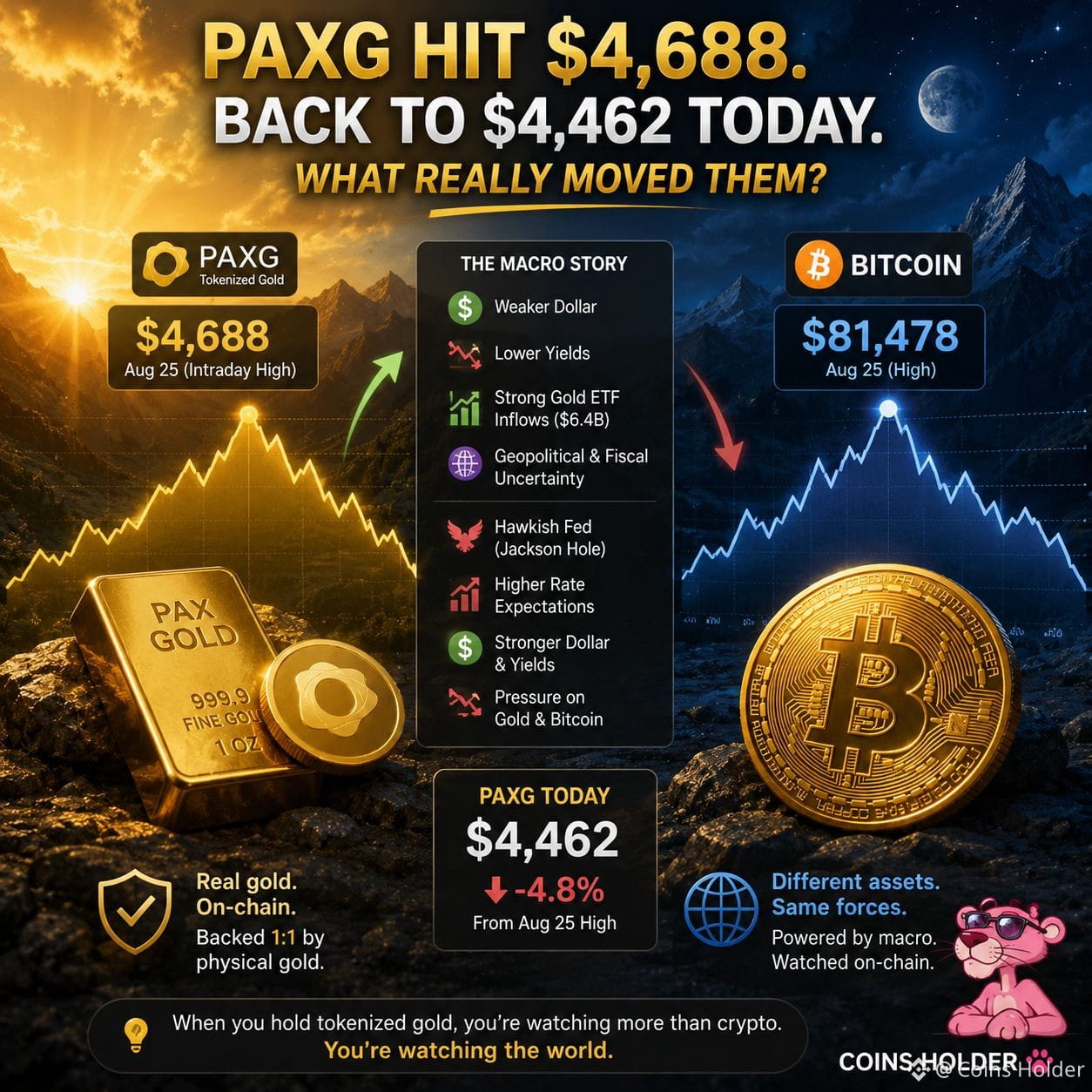
Ich war überrascht, als ich bemerkte, dass PAXG und Bitcoin auf dieselbe Story reagierten.
Letzte Woche stieg PAXG Richtung 4.689 US-Dollar, während Bitcoin über 81.000 US-Dollar kletterte.
Heute liegt PAXG wieder bei rund 4.462 US-Dollar.
Auf den ersten Blick wirken sie wie zwei völlig unterschiedliche Geschichten.
Die eine ist tokenisiertes Gold.
Die andere ist Bitcoin.
Doch sieh genauer hin.
Beides bewegte sich in einem Umfeld, das vom US-Dollar geprägt war: durch Treasury-Renditen, Erwartungen an die Zinsentwicklung und die Nachfrage nach alternativen Wertaufbewahrungsmitteln.
Als der Dollar schwächer wurde und die Renditen unter Druck gerieten, profitierte Gold — und PAXG folgte.
Auch Bitcoin gewann an Aufmerksamkeit, als Anleger über traditionelle Assets hinausblickten.
Dann kippte die Stimmung.
Fed-Chair Kevin Warsh überbrachte beim Jackson Hole Meeting eine deutlich hawkishe Botschaft und schob damit die Zinserwartungen nach oben. Treasury-Renditen und der Dollar stärkten sich, was nicht renditeerzeugende Assets wie Gold unter Druck setzte. Auch Bitcoin ging tiefer. 1
Das hilft, die Bewegung bei PAXG zu erklären:
4.688 → 4.462
Es war nicht einfach eine Krypto-Story.
Es war eine makroökonomische Story, die einen tokenisierten Vermögenswert erreichte.
Und genau das macht PAXG interessant:
Wenn du tokenisiertes Gold hältst, schaust du nicht nur auf Krypto.
Du beobachtest auch Gold, den Dollar, die Renditen und die Federal Reserve.
Bitcoin und Gold müssen nicht dasselbe Asset sein, um auf dieselben makroökonomischen Kräfte zu reagieren.
Welches andere traditionelle Asset würdest du als Nächstes gern tokenisiert sehen?
$PAXG $BTC
#PAXG #Bitcoin #RWA
Letzte Woche stieg PAXG Richtung 4.689 US-Dollar, während Bitcoin über 81.000 US-Dollar kletterte.
Heute liegt PAXG wieder bei rund 4.462 US-Dollar.
Auf den ersten Blick wirken sie wie zwei völlig unterschiedliche Geschichten.
Die eine ist tokenisiertes Gold.
Die andere ist Bitcoin.
Doch sieh genauer hin.
Beides bewegte sich in einem Umfeld, das vom US-Dollar geprägt war: durch Treasury-Renditen, Erwartungen an die Zinsentwicklung und die Nachfrage nach alternativen Wertaufbewahrungsmitteln.
Als der Dollar schwächer wurde und die Renditen unter Druck gerieten, profitierte Gold — und PAXG folgte.
Auch Bitcoin gewann an Aufmerksamkeit, als Anleger über traditionelle Assets hinausblickten.
Dann kippte die Stimmung.
Fed-Chair Kevin Warsh überbrachte beim Jackson Hole Meeting eine deutlich hawkishe Botschaft und schob damit die Zinserwartungen nach oben. Treasury-Renditen und der Dollar stärkten sich, was nicht renditeerzeugende Assets wie Gold unter Druck setzte. Auch Bitcoin ging tiefer. 1
Das hilft, die Bewegung bei PAXG zu erklären:
4.688 → 4.462
Es war nicht einfach eine Krypto-Story.
Es war eine makroökonomische Story, die einen tokenisierten Vermögenswert erreichte.
Und genau das macht PAXG interessant:
Wenn du tokenisiertes Gold hältst, schaust du nicht nur auf Krypto.
Du beobachtest auch Gold, den Dollar, die Renditen und die Federal Reserve.
Bitcoin und Gold müssen nicht dasselbe Asset sein, um auf dieselben makroökonomischen Kräfte zu reagieren.
Welches andere traditionelle Asset würdest du als Nächstes gern tokenisiert sehen?
$PAXG $BTC
#PAXG #Bitcoin #RWA
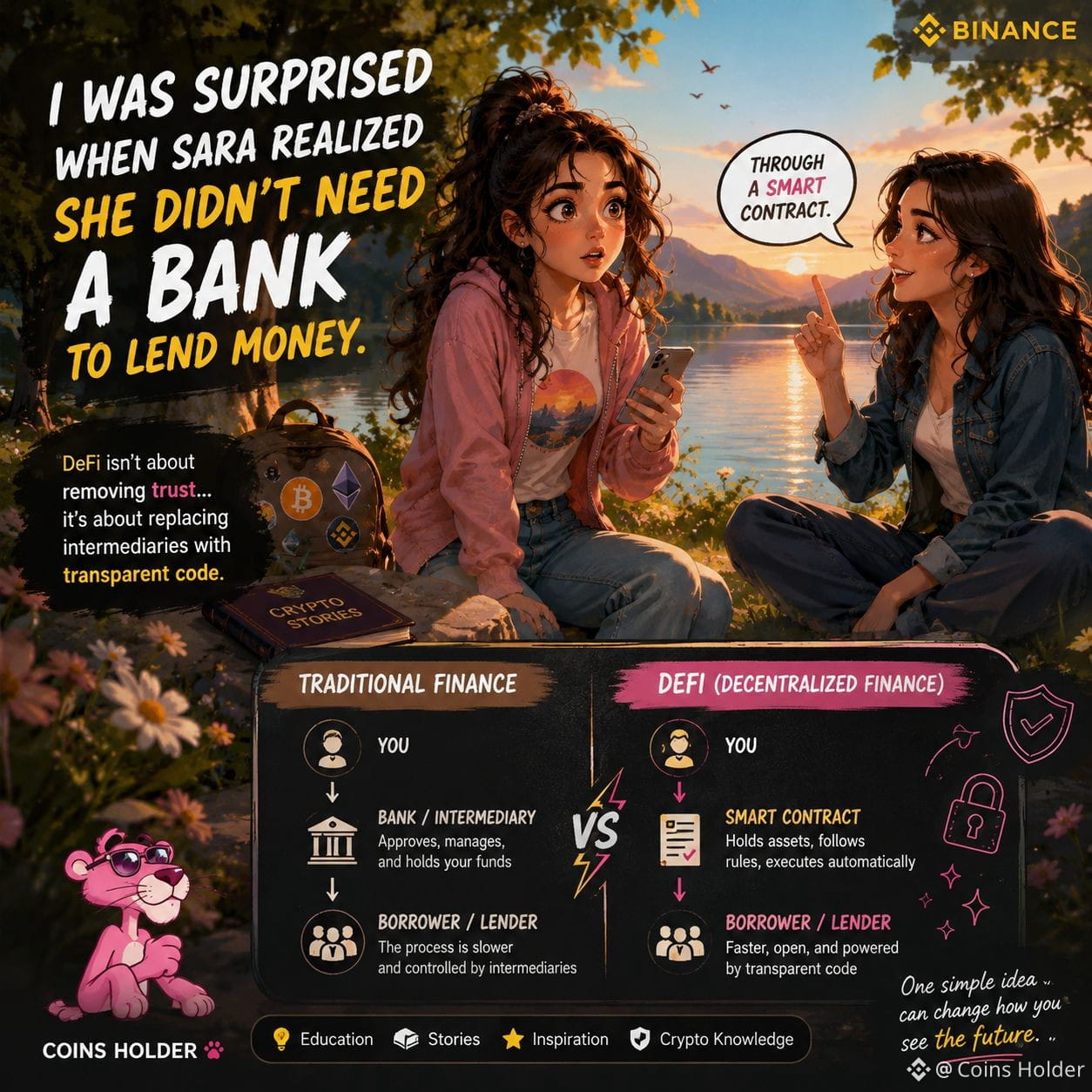
Ich war überrascht, als Sara merkte, dass sie keine Bank braucht, um Geld zu verleihen.
Sara und Maria saßen neben einem stillen See und sahen zu, wie sich das Wasser zwischen den Bäumen bewegte.
Sara blickte plötzlich auf ihr Handy.
„Wenn ich mein Geld verleihen will: Wer muss das genehmigen?“
Maria lächelte.
„Meist eine Bank.“
Sara nickte.
„Und wie können Menschen dann Geld verleihen oder leihen, ohne eine Bank?“
Maria sah sie an.
Die beiden Mädchen wurden still.
Für einen Moment hörten sie nur die Vögel und das Geräusch des Wassers.
Dann lächelte Maria.
„Über einen Smart Contract.“
Sara wirkte überrascht.
„Keine Bank?“
„Keine traditionelle Zwischeninstanz.“
Die Idee ist einfach:
Wenn man statt die Bank zu bitten, den Kredit zu verwalten, kann ein Smart Contract Vermögenswerte halten, vordefinierte Regeln befolgen und Transaktionen automatisch ausführen.
Das ist eine der Ideen hinter DeFi — dezentrale Finanzen.
Das heißt nicht, dass es keine Risiken oder Regeln gibt.
Es bedeutet, dass einige Finanzfunktionen direkt in blockhainbasierte Systeme eingebaut werden können.
Sara sah wieder auf den See.
„Also ist die Frage nicht nur, ob wir die Bank entfernen können …“
„sondern ob Code die Aufgabe sicher übernehmen kann.“
Und plötzlich fühlte sich der See wieder sehr still an.
Welche Finanzdienstleistung würdest du einem Smart Contract anvertrauen?
#DeFi #CryptoEducation #Blockchain
$BNB $ETH $BTC
Sara und Maria saßen neben einem stillen See und sahen zu, wie sich das Wasser zwischen den Bäumen bewegte.
Sara blickte plötzlich auf ihr Handy.
„Wenn ich mein Geld verleihen will: Wer muss das genehmigen?“
Maria lächelte.
„Meist eine Bank.“
Sara nickte.
„Und wie können Menschen dann Geld verleihen oder leihen, ohne eine Bank?“
Maria sah sie an.
Die beiden Mädchen wurden still.
Für einen Moment hörten sie nur die Vögel und das Geräusch des Wassers.
Dann lächelte Maria.
„Über einen Smart Contract.“
Sara wirkte überrascht.
„Keine Bank?“
„Keine traditionelle Zwischeninstanz.“
Die Idee ist einfach:
Wenn man statt die Bank zu bitten, den Kredit zu verwalten, kann ein Smart Contract Vermögenswerte halten, vordefinierte Regeln befolgen und Transaktionen automatisch ausführen.
Das ist eine der Ideen hinter DeFi — dezentrale Finanzen.
Das heißt nicht, dass es keine Risiken oder Regeln gibt.
Es bedeutet, dass einige Finanzfunktionen direkt in blockhainbasierte Systeme eingebaut werden können.
Sara sah wieder auf den See.
„Also ist die Frage nicht nur, ob wir die Bank entfernen können …“
„sondern ob Code die Aufgabe sicher übernehmen kann.“
Und plötzlich fühlte sich der See wieder sehr still an.
Welche Finanzdienstleistung würdest du einem Smart Contract anvertrauen?
#DeFi #CryptoEducation #Blockchain
$BNB $ETH $BTC
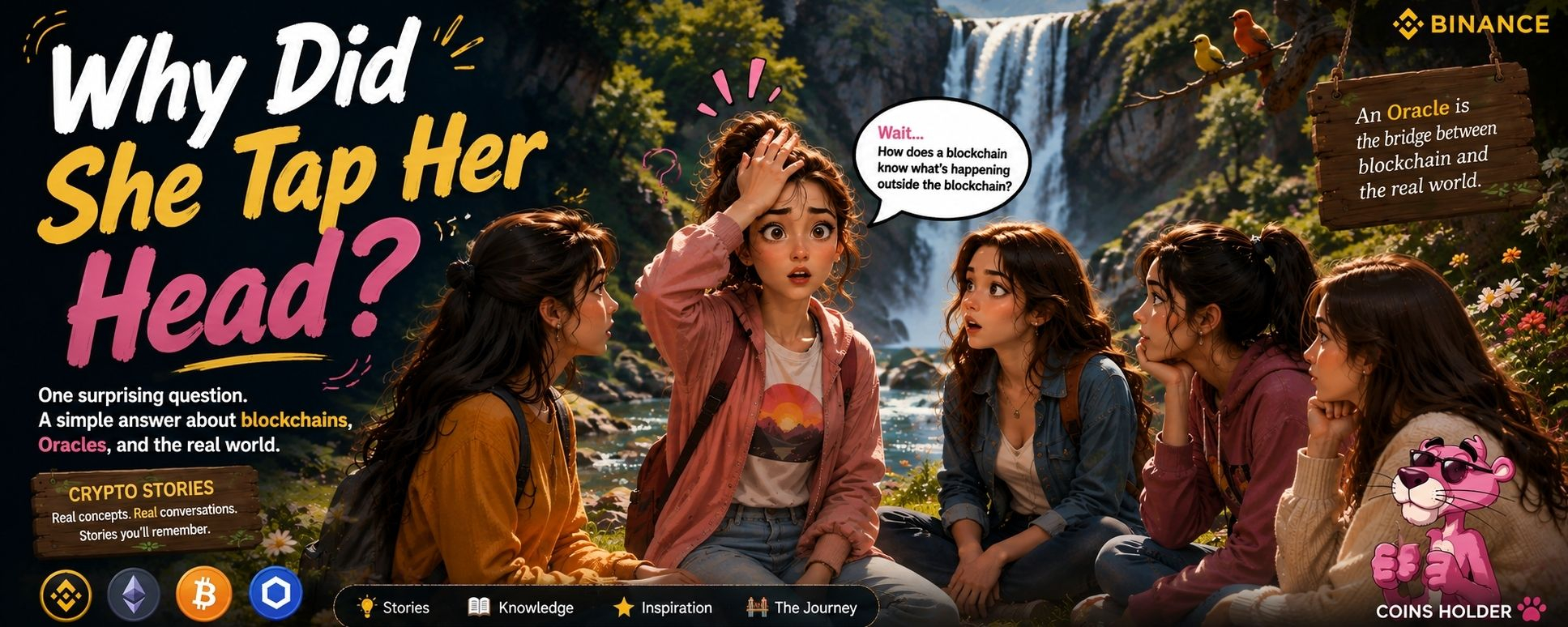
Wir starten etwas ein bisschen anderes. 🌿
In unseren kommenden Kurzgeschichten erklären wir nicht einfach nur ein Konzept.
Wir nehmen dich mit.
An einen Strand, in ein Tal, in ein Café, auf eine belebte Straße…
Wir hoffen, dass du einen Moment innehältst, die Geschichte liest und dir vorstellst, wie du selbst in der Szene bist.
Hör den Wasserfall.
Spür den Regen.
Lausche den Vögeln.
Schau zu, wie die Figuren etwas entdecken, womit sie nicht gerechnet haben.
Und irgendwo zwischen der Geschichte und dem Gespräch könnte es passieren, dass du etwas Neues gelernt hast – ohne es überhaupt zu merken. 😉
Wir hoffen, du genießt die Reise.
Willkommen in unserer kleinen Welt aus Geschichten. 📖✨
In unseren kommenden Kurzgeschichten erklären wir nicht einfach nur ein Konzept.
Wir nehmen dich mit.
An einen Strand, in ein Tal, in ein Café, auf eine belebte Straße…
Wir hoffen, dass du einen Moment innehältst, die Geschichte liest und dir vorstellst, wie du selbst in der Szene bist.
Hör den Wasserfall.
Spür den Regen.
Lausche den Vögeln.
Schau zu, wie die Figuren etwas entdecken, womit sie nicht gerechnet haben.
Und irgendwo zwischen der Geschichte und dem Gespräch könnte es passieren, dass du etwas Neues gelernt hast – ohne es überhaupt zu merken. 😉
Wir hoffen, du genießt die Reise.
Willkommen in unserer kleinen Welt aus Geschichten. 📖✨

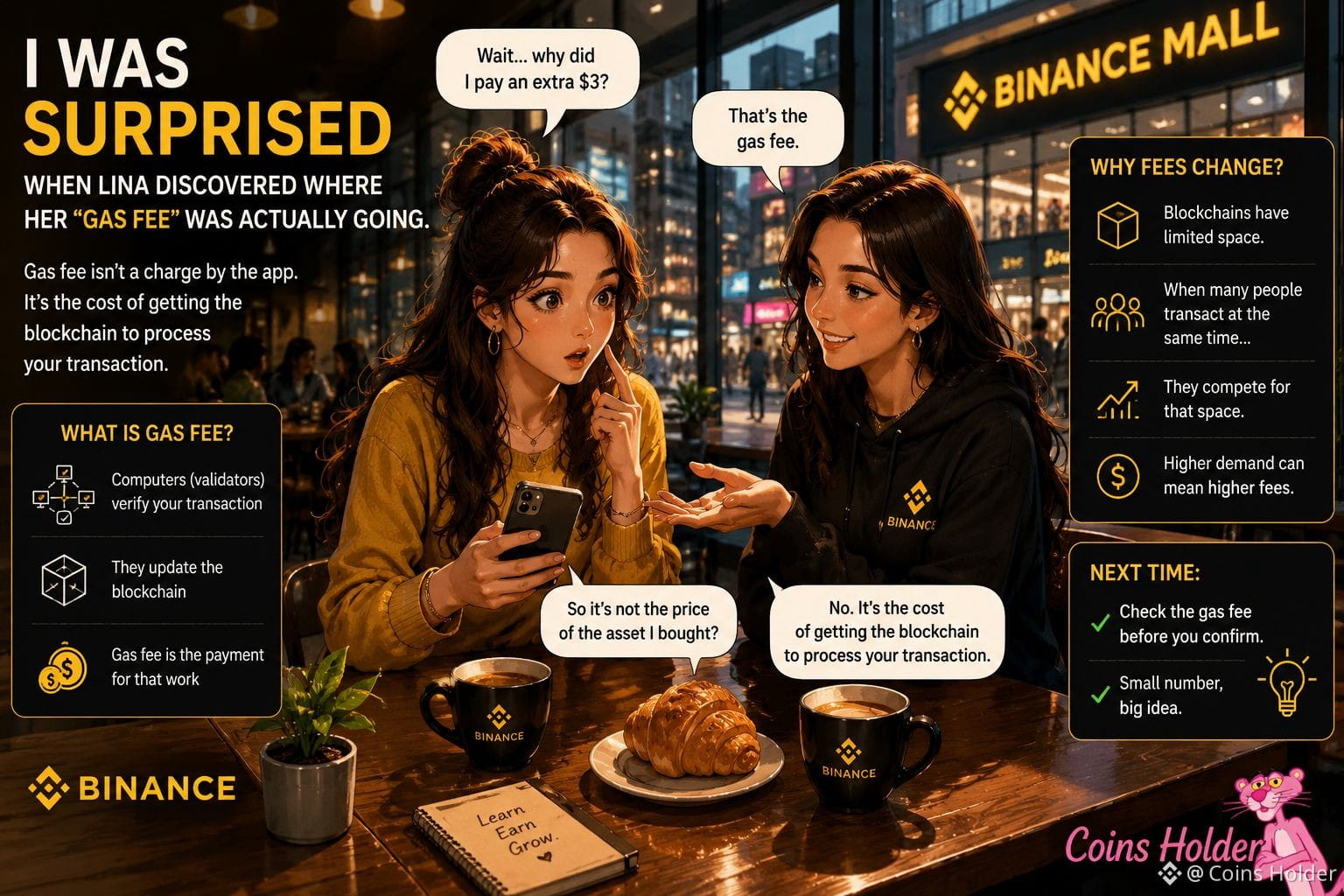
Ich war überrascht, als Lina herausfand, wohin ihre „Gasgebühr“ eigentlich ging.
Lina saß mit ihrer Freundin Maya in einem kleinen Café in der Nähe des Binance Mall.
Gerade hatte sie ein paar USDT gegen ETH getauscht, als sie plötzlich die Stirn runzelte und auf ihr Handy sah.
„Moment… warum hab ich noch zusätzlich 3 Dollar bezahlt?“
Maya schaute rüber.
„Das ist die Gasgebühr.“
„Ich weiß, wie das heißt“, antwortete Lina. „Aber wo sind meine 3 Dollar eigentlich hingegangen?“
Maya lächelte.
„Das ist eine bessere Frage.“
Lina wirkte verwirrt.
„Ich dachte, die App berechnet mir das.“
„Nicht unbedingt.“
Maya nahm einen Schluck ihres Kaffees.
„Wenn du eine Transaktion in einer Blockchain machst, müssen Computer im ganzen Netzwerk sie verarbeiten. Sie müssen die Transaktion verifizieren und die Blockchain aktualisieren.“
„Also bezahlt die Gebühr diese Arbeit?“
„Genau.“
Lina blickte noch einmal auf ihren Bildschirm.
„Dann: Warum ist sie manchmal günstig und manchmal teuer?“
„Weil Blockchains nur begrenzten Platz haben.“
Maya fuhr fort:
„Wenn viele Leute ihre Transaktionen gleichzeitig verarbeiten lassen wollen, konkurrieren sie um diesen begrenzten Platz. Hohe Nachfrage kann höhere Gebühren bedeuten.“
Lina lächelte.
„Also ist Gas nicht wirklich der Preis des Assets, das ich kaufe.“
„Nein.“
„Es ist eher die Kosten dafür, die Blockchain dazu zu bringen, meine Transaktion zu verarbeiten.“
„Genau.“
Lina dachte einen Moment nach.
„Das heißt, ich könnte dieselbe Transaktion zu zwei verschiedenen Zeiten machen und völlig unterschiedliche Gebühren zahlen.“
Maya nickte.
„Und deshalb schauen erfahrene Nutzer nicht einfach nur auf den Token-Preis.“
Lina lachte.
„Ich habe 3 Dollar als Gebühr verstanden…“
„…und herausgefunden, wie eine Blockchain-Ökonomie funktioniert.“
Maya lächelte.
„Das passiert öfter, als man denkt.“
Lina sah noch einmal auf ihr Handy.
„Beim nächsten Mal prüfe ich das Gas, bevor ich auf Bestätigen drücke.“
Und diesmal lachte Maya.
Manchmal kann die kleinste Zahl auf einem Transaktionsbildschirm die größte Idee hinter einer Blockchain offenbaren.
Lina saß mit ihrer Freundin Maya in einem kleinen Café in der Nähe des Binance Mall.
Gerade hatte sie ein paar USDT gegen ETH getauscht, als sie plötzlich die Stirn runzelte und auf ihr Handy sah.
„Moment… warum hab ich noch zusätzlich 3 Dollar bezahlt?“
Maya schaute rüber.
„Das ist die Gasgebühr.“
„Ich weiß, wie das heißt“, antwortete Lina. „Aber wo sind meine 3 Dollar eigentlich hingegangen?“
Maya lächelte.
„Das ist eine bessere Frage.“
Lina wirkte verwirrt.
„Ich dachte, die App berechnet mir das.“
„Nicht unbedingt.“
Maya nahm einen Schluck ihres Kaffees.
„Wenn du eine Transaktion in einer Blockchain machst, müssen Computer im ganzen Netzwerk sie verarbeiten. Sie müssen die Transaktion verifizieren und die Blockchain aktualisieren.“
„Also bezahlt die Gebühr diese Arbeit?“
„Genau.“
Lina blickte noch einmal auf ihren Bildschirm.
„Dann: Warum ist sie manchmal günstig und manchmal teuer?“
„Weil Blockchains nur begrenzten Platz haben.“
Maya fuhr fort:
„Wenn viele Leute ihre Transaktionen gleichzeitig verarbeiten lassen wollen, konkurrieren sie um diesen begrenzten Platz. Hohe Nachfrage kann höhere Gebühren bedeuten.“
Lina lächelte.
„Also ist Gas nicht wirklich der Preis des Assets, das ich kaufe.“
„Nein.“
„Es ist eher die Kosten dafür, die Blockchain dazu zu bringen, meine Transaktion zu verarbeiten.“
„Genau.“
Lina dachte einen Moment nach.
„Das heißt, ich könnte dieselbe Transaktion zu zwei verschiedenen Zeiten machen und völlig unterschiedliche Gebühren zahlen.“
Maya nickte.
„Und deshalb schauen erfahrene Nutzer nicht einfach nur auf den Token-Preis.“
Lina lachte.
„Ich habe 3 Dollar als Gebühr verstanden…“
„…und herausgefunden, wie eine Blockchain-Ökonomie funktioniert.“
Maya lächelte.
„Das passiert öfter, als man denkt.“
Lina sah noch einmal auf ihr Handy.
„Beim nächsten Mal prüfe ich das Gas, bevor ich auf Bestätigen drücke.“
Und diesmal lachte Maya.
Manchmal kann die kleinste Zahl auf einem Transaktionsbildschirm die größte Idee hinter einer Blockchain offenbaren.

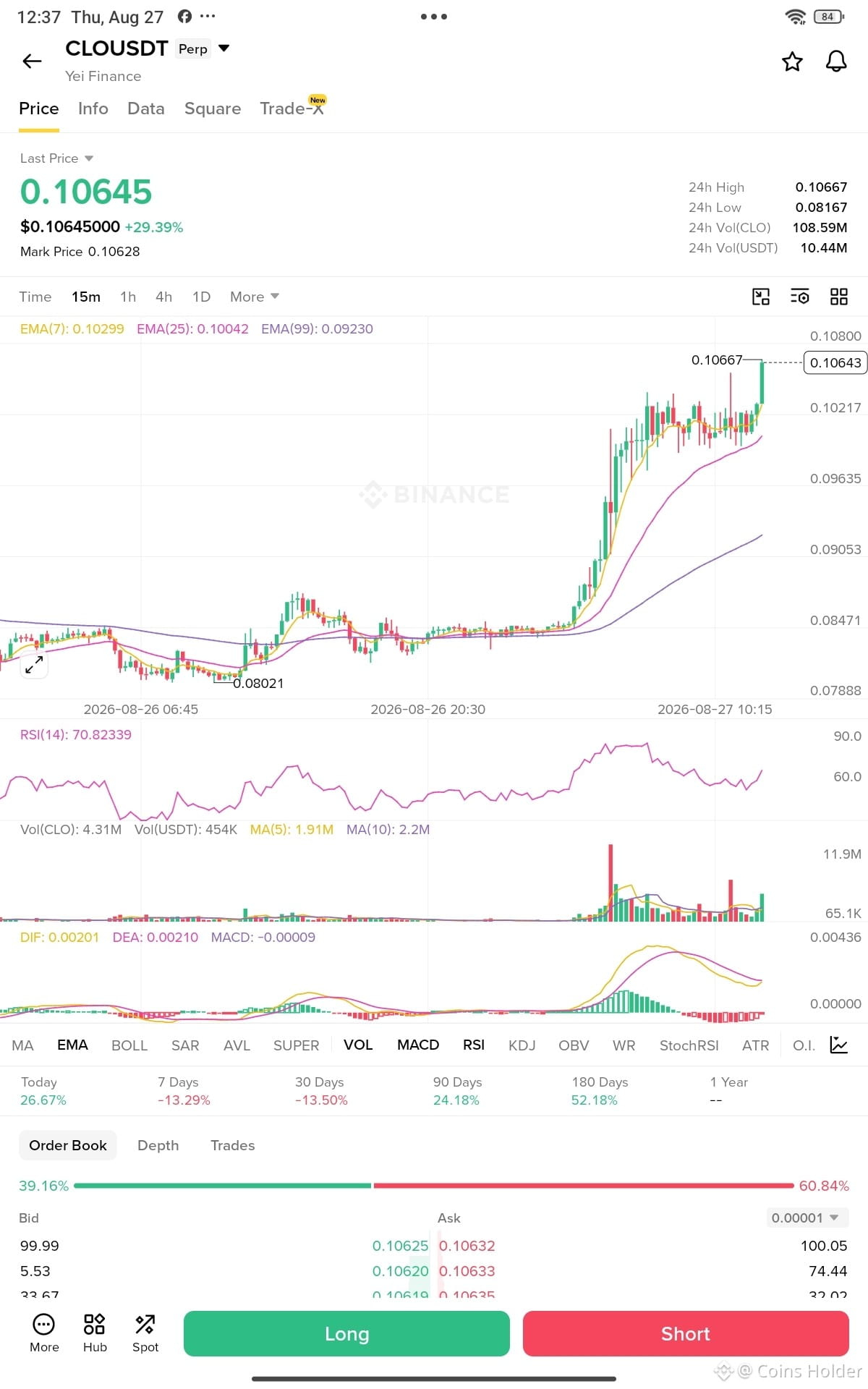
📊 CLOUSDT Technische Analyse & Momentum-Überblick (15 Min)
Der Preis ist in eine starke bullische Expansion hineingeschossen, hat aus seiner jüngsten Basis bei 0.08021 ausgebrochen und einen lokalen Höchststand von 0.10667 erreicht, bevor er sich bei etwa 0.10645 konsolidierte. Die Kursbewegung bleibt klar über den entscheidenden exponentiellen gleitenden Durchschnitten (EMA 7, 25, 99) ausgerichtet. Der RSI (14) liegt bei 70.82 und berührt überkauftes Gebiet. Das spiegelt eine solide Kaufdynamik wider, während es gleichzeitig auf die Möglichkeit einer kurzfristigen Konsolidierung oder eines leichten Rücksetzers hindeutet, bevor die nächste Bewegungswelle startet.
🎯 Trading-Level & Dual-Plan-Strategie:
🔼 Szenario für bullische Fortsetzung:
🟢 Stop-Limit-Kaufauftrag
Einstieg-Trigger: 0.10720 (Bestätigung des Ausbruchs und Haltens über dem Widerstands-Hoch bei 0.10667)
Ziele: 0.11100 ⬅️ 0.11550 ⬅️ 0.12100
Stop Loss: 0.10200
🔽 Szenario für bärischen Pullback:
🔴 Stop-Limit-Verkaufsauftrag
Einstieg-Trigger: 0.10200 (Bestätigung des Bruchs unter lokalen Support und der EMA-7-Linie)
Ziele: 0.09800 ⬅️ 0.09230 (EMA 99) ⬅️ 0.08600
Stop Loss: 0.10680
🛡️ Leitlinien zum Risikomanagement:
Platziere beide ausstehenden Orders gleichzeitig, um Breakouts mit hohem Volumen in beide Richtungen abzufangen.
Storniere die jeweils andere ausstehende Order sofort manuell, sobald eine Order ausgeführt wurde.
Bewege deinen Stop Loss auf das Einstieg-Level, sobald Target 1 erreicht ist, um Kapital zu schützen und Gewinne zu sichern.
#DoublePlan #CLO #BinanceSquare
Der Preis ist in eine starke bullische Expansion hineingeschossen, hat aus seiner jüngsten Basis bei 0.08021 ausgebrochen und einen lokalen Höchststand von 0.10667 erreicht, bevor er sich bei etwa 0.10645 konsolidierte. Die Kursbewegung bleibt klar über den entscheidenden exponentiellen gleitenden Durchschnitten (EMA 7, 25, 99) ausgerichtet. Der RSI (14) liegt bei 70.82 und berührt überkauftes Gebiet. Das spiegelt eine solide Kaufdynamik wider, während es gleichzeitig auf die Möglichkeit einer kurzfristigen Konsolidierung oder eines leichten Rücksetzers hindeutet, bevor die nächste Bewegungswelle startet.
🎯 Trading-Level & Dual-Plan-Strategie:
🔼 Szenario für bullische Fortsetzung:
🟢 Stop-Limit-Kaufauftrag
Einstieg-Trigger: 0.10720 (Bestätigung des Ausbruchs und Haltens über dem Widerstands-Hoch bei 0.10667)
Ziele: 0.11100 ⬅️ 0.11550 ⬅️ 0.12100
Stop Loss: 0.10200
🔽 Szenario für bärischen Pullback:
🔴 Stop-Limit-Verkaufsauftrag
Einstieg-Trigger: 0.10200 (Bestätigung des Bruchs unter lokalen Support und der EMA-7-Linie)
Ziele: 0.09800 ⬅️ 0.09230 (EMA 99) ⬅️ 0.08600
Stop Loss: 0.10680
🛡️ Leitlinien zum Risikomanagement:
Platziere beide ausstehenden Orders gleichzeitig, um Breakouts mit hohem Volumen in beide Richtungen abzufangen.
Storniere die jeweils andere ausstehende Order sofort manuell, sobald eine Order ausgeführt wurde.
Bewege deinen Stop Loss auf das Einstieg-Level, sobald Target 1 erreicht ist, um Kapital zu schützen und Gewinne zu sichern.
#DoublePlan #CLO #BinanceSquare
Entlang des Binance-Strands spielten ein paar Leute, während andere einfach den Nachmittag genossen.
Nahe am Ufer saß Miss Nesreen still und hielt ein Glas Saft.
Doch sie wirkte nicht entspannt.
Sie schaute immer wieder auf ihr Handy, dann auf das Meer und wieder zurück zum Handy.
Ihre Freundin Nermin bemerkte es.
„Was ist los, Nesreen?“
Nesreen seufzte.
„Ich muss Geld an meine Familie schicken, aber ich weiß nicht, was der beste Weg dafür ist.“
„Warum schickst du es nicht einfach über eine Bank?“
„Ich habe es versucht. Da gibt es Gebühren, Vermittler, Papierkram – und manchmal muss ich warten.“
Nermin lächelte.
„Dann schau Bitcoin vielleicht einfach anders an.“
Nesreen wirkte verwirrt.
„Bitcoin? Meinst du diese Kryptowährung?“
„Ja. Stell dir vor, was passiert, wenn du Bitcoin besitzt.“
Nermin setzte sich neben sie.
„Du kannst es in deiner eigenen Wallet halten.“
„Ohne Bank?“
„Genau.“
„Und wenn ich es an meine Familie schicken will?“
„Dann sendest du es von deiner Wallet an ihre Bitcoin-Adresse.“
Nesreen schaute erneut auf ihr Handy.
„Und wer genehmigt die Überweisung?“
„Nicht ein Bankmanager.“
„Dann wer?“
„Das Bitcoin-Netzwerk.“
Nesreen hielt inne.
„Und was passiert, nachdem ich auf ‚Senden‘ drücke?“
„Die Transaktion wird an das Netzwerk übertragen. Miner überprüfen sie, und sobald sie in der Blockchain enthalten ist, wird die Überweisung Teil eines öffentlichen, gemeinsamen Datensatzes.“
„Also brauche ich niemanden in der Mitte, der mein Geld bewegt?“
„Das ist der interessante Teil.“
Nesreen lächelte.
„Also ist Bitcoin nicht nur digitales Geld.“
Nermin nickte.
„Richtig. Es ist ein Netzwerk, das es Menschen ermöglicht, Werte zu übertragen, ohne dass sich auf eine einzelne Institution verlassen muss, um das Ledger zu kontrollieren.“
Das Rauschen der Wellen füllte die Stille zwischen ihnen.
Nesreen nahm noch einen Schluck aus ihrem Saft.
„Jetzt verstehe ich, warum du gesagt hast, ich soll Bitcoin anders betrachten.“
Nermin lächelte.
„Du hast nach einem Weg gesucht, Geld zu senden.
Du hast gerade einen anderen Blick auf das Thema Eigentum an sich entdeckt.“
Und zum ersten Mal an diesem Nachmittag legte Nesreen ihr Handy weg und entspannte sich. 🌊
Nahe am Ufer saß Miss Nesreen still und hielt ein Glas Saft.
Doch sie wirkte nicht entspannt.
Sie schaute immer wieder auf ihr Handy, dann auf das Meer und wieder zurück zum Handy.
Ihre Freundin Nermin bemerkte es.
„Was ist los, Nesreen?“
Nesreen seufzte.
„Ich muss Geld an meine Familie schicken, aber ich weiß nicht, was der beste Weg dafür ist.“
„Warum schickst du es nicht einfach über eine Bank?“
„Ich habe es versucht. Da gibt es Gebühren, Vermittler, Papierkram – und manchmal muss ich warten.“
Nermin lächelte.
„Dann schau Bitcoin vielleicht einfach anders an.“
Nesreen wirkte verwirrt.
„Bitcoin? Meinst du diese Kryptowährung?“
„Ja. Stell dir vor, was passiert, wenn du Bitcoin besitzt.“
Nermin setzte sich neben sie.
„Du kannst es in deiner eigenen Wallet halten.“
„Ohne Bank?“
„Genau.“
„Und wenn ich es an meine Familie schicken will?“
„Dann sendest du es von deiner Wallet an ihre Bitcoin-Adresse.“
Nesreen schaute erneut auf ihr Handy.
„Und wer genehmigt die Überweisung?“
„Nicht ein Bankmanager.“
„Dann wer?“
„Das Bitcoin-Netzwerk.“
Nesreen hielt inne.
„Und was passiert, nachdem ich auf ‚Senden‘ drücke?“
„Die Transaktion wird an das Netzwerk übertragen. Miner überprüfen sie, und sobald sie in der Blockchain enthalten ist, wird die Überweisung Teil eines öffentlichen, gemeinsamen Datensatzes.“
„Also brauche ich niemanden in der Mitte, der mein Geld bewegt?“
„Das ist der interessante Teil.“
Nesreen lächelte.
„Also ist Bitcoin nicht nur digitales Geld.“
Nermin nickte.
„Richtig. Es ist ein Netzwerk, das es Menschen ermöglicht, Werte zu übertragen, ohne dass sich auf eine einzelne Institution verlassen muss, um das Ledger zu kontrollieren.“
Das Rauschen der Wellen füllte die Stille zwischen ihnen.
Nesreen nahm noch einen Schluck aus ihrem Saft.
„Jetzt verstehe ich, warum du gesagt hast, ich soll Bitcoin anders betrachten.“
Nermin lächelte.
„Du hast nach einem Weg gesucht, Geld zu senden.
Du hast gerade einen anderen Blick auf das Thema Eigentum an sich entdeckt.“
Und zum ersten Mal an diesem Nachmittag legte Nesreen ihr Handy weg und entspannte sich. 🌊

Während Miss Sarah und Miss Maria durch den Park gingen, war der Himmel von dunklen Wolken bedeckt.
Ein paar Regentropfen begannen zu fallen.
Sarah sah Maria plötzlich an und fragte:
„Maria, wenn du 1.000 $ in deinem Portemonnaie hättest, würdest du es jemandem leihen, den du noch nie getroffen hast?“
Maria lachte.
„Natürlich nicht. Was, wenn sie mit meinem Geld verschwinden?“
Sarah lächelte.
„Und was wäre, wenn es ein Computerprogramm gäbe, das stattdessen die Ausleihe steuern könnte?“
Maria blieb stehen.
„Ein Computerprogramm?“
„Ja. Kein Bankmanager. Kein Papierkram. Nur Regeln, die in Code geschrieben sind.“
Maria sah neugierig aus.
„Also: Wer entscheidet, wer sich Geld leihen darf?“
„Der Smart Contract.“
„Und wer hält das Geld?“
„Das Protokoll.“
„Und warum sollte ich mein Geld verleihen?“
„Weil Kreditnehmer Zinsen zahlen.“
Maria dachte einen Moment nach.
„Also… ich könnte mein USDT über eine Blockchain verleihen, Zinsen verdienen und der Smart Contract würde die Regeln durchsetzen?“
„Genau.“
Sarah ging weiter, während der Regen stärker wurde.
„Aber da ist etwas, das du niemals vergessen solltest.“
„Was?“
„DeFi nimmt kein Risiko weg. Es verlagert nur, woher das Risiko kommt.“
Maria sah sie an.
„Wie meinst du das?“
„Anstatt einer Bank zu vertrauen, vertraust du Code, Protokollen, Kollateral-Systemen und der Blockchain selbst.“
Maria lächelte.
„Jetzt verstehe ich endlich, was DeFi ist.“
Sarah lachte.
„Du dachtest, wir wären nur spazieren gegangen.“
Und sie gingen weiter durch den Regen. ☔
Dieses kleine Gespräch erklärt die Grundidee hinter DeFi:
Dein Wallet → Smart Contract → DeFi-Protokoll → Verleihen / Ausleihen → Zinsen
Keine traditionelle Bank ist nötig, um die Regeln auszuführen.
Aber bevor du fragst:
„Wie viel kann ich verdienen?“
Stell zuerst die Frage:
„Wie funktioniert das System eigentlich?“
Ein paar Regentropfen begannen zu fallen.
Sarah sah Maria plötzlich an und fragte:
„Maria, wenn du 1.000 $ in deinem Portemonnaie hättest, würdest du es jemandem leihen, den du noch nie getroffen hast?“
Maria lachte.
„Natürlich nicht. Was, wenn sie mit meinem Geld verschwinden?“
Sarah lächelte.
„Und was wäre, wenn es ein Computerprogramm gäbe, das stattdessen die Ausleihe steuern könnte?“
Maria blieb stehen.
„Ein Computerprogramm?“
„Ja. Kein Bankmanager. Kein Papierkram. Nur Regeln, die in Code geschrieben sind.“
Maria sah neugierig aus.
„Also: Wer entscheidet, wer sich Geld leihen darf?“
„Der Smart Contract.“
„Und wer hält das Geld?“
„Das Protokoll.“
„Und warum sollte ich mein Geld verleihen?“
„Weil Kreditnehmer Zinsen zahlen.“
Maria dachte einen Moment nach.
„Also… ich könnte mein USDT über eine Blockchain verleihen, Zinsen verdienen und der Smart Contract würde die Regeln durchsetzen?“
„Genau.“
Sarah ging weiter, während der Regen stärker wurde.
„Aber da ist etwas, das du niemals vergessen solltest.“
„Was?“
„DeFi nimmt kein Risiko weg. Es verlagert nur, woher das Risiko kommt.“
Maria sah sie an.
„Wie meinst du das?“
„Anstatt einer Bank zu vertrauen, vertraust du Code, Protokollen, Kollateral-Systemen und der Blockchain selbst.“
Maria lächelte.
„Jetzt verstehe ich endlich, was DeFi ist.“
Sarah lachte.
„Du dachtest, wir wären nur spazieren gegangen.“
Und sie gingen weiter durch den Regen. ☔
Dieses kleine Gespräch erklärt die Grundidee hinter DeFi:
Dein Wallet → Smart Contract → DeFi-Protokoll → Verleihen / Ausleihen → Zinsen
Keine traditionelle Bank ist nötig, um die Regeln auszuführen.
Aber bevor du fragst:
„Wie viel kann ich verdienen?“
Stell zuerst die Frage:
„Wie funktioniert das System eigentlich?“
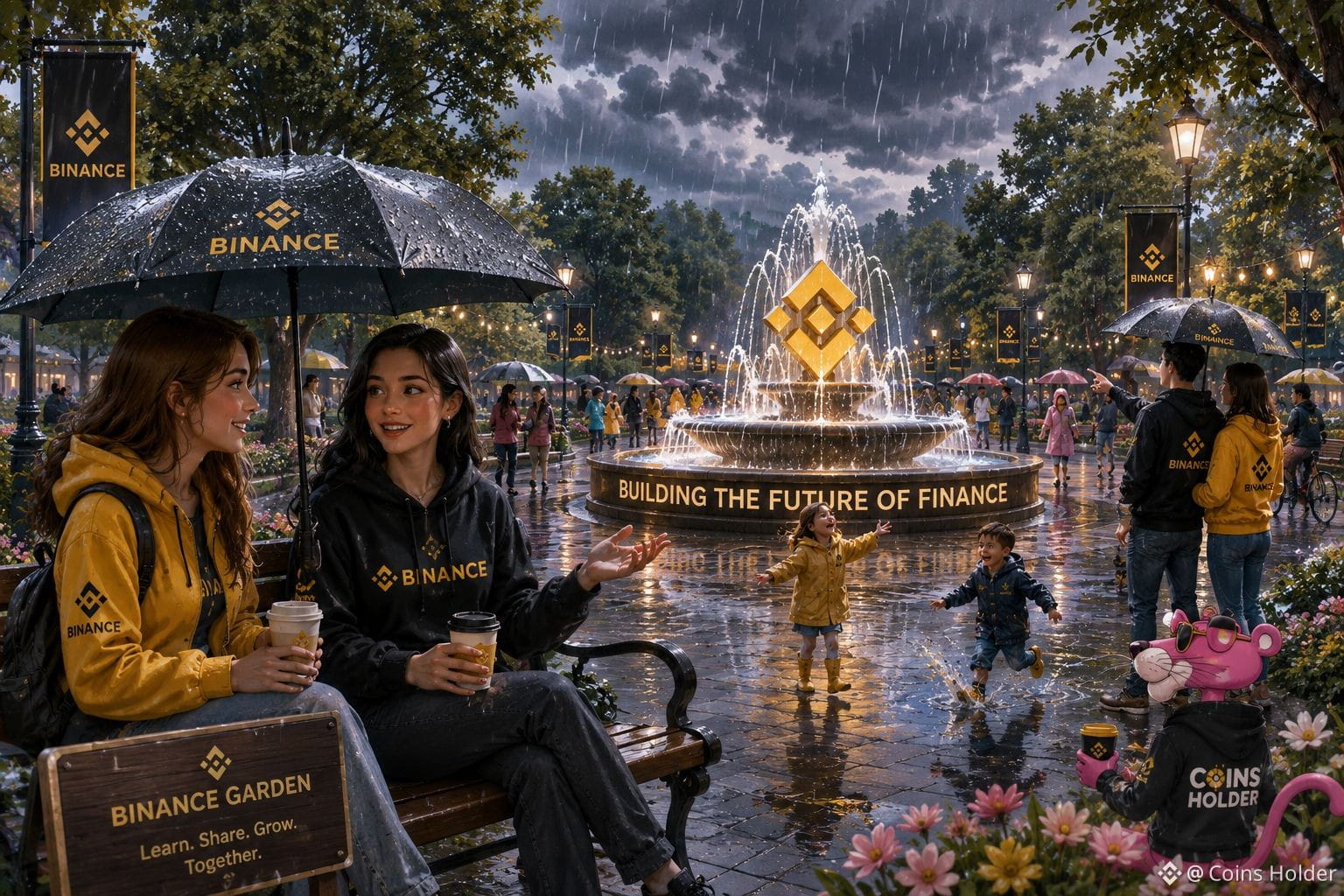
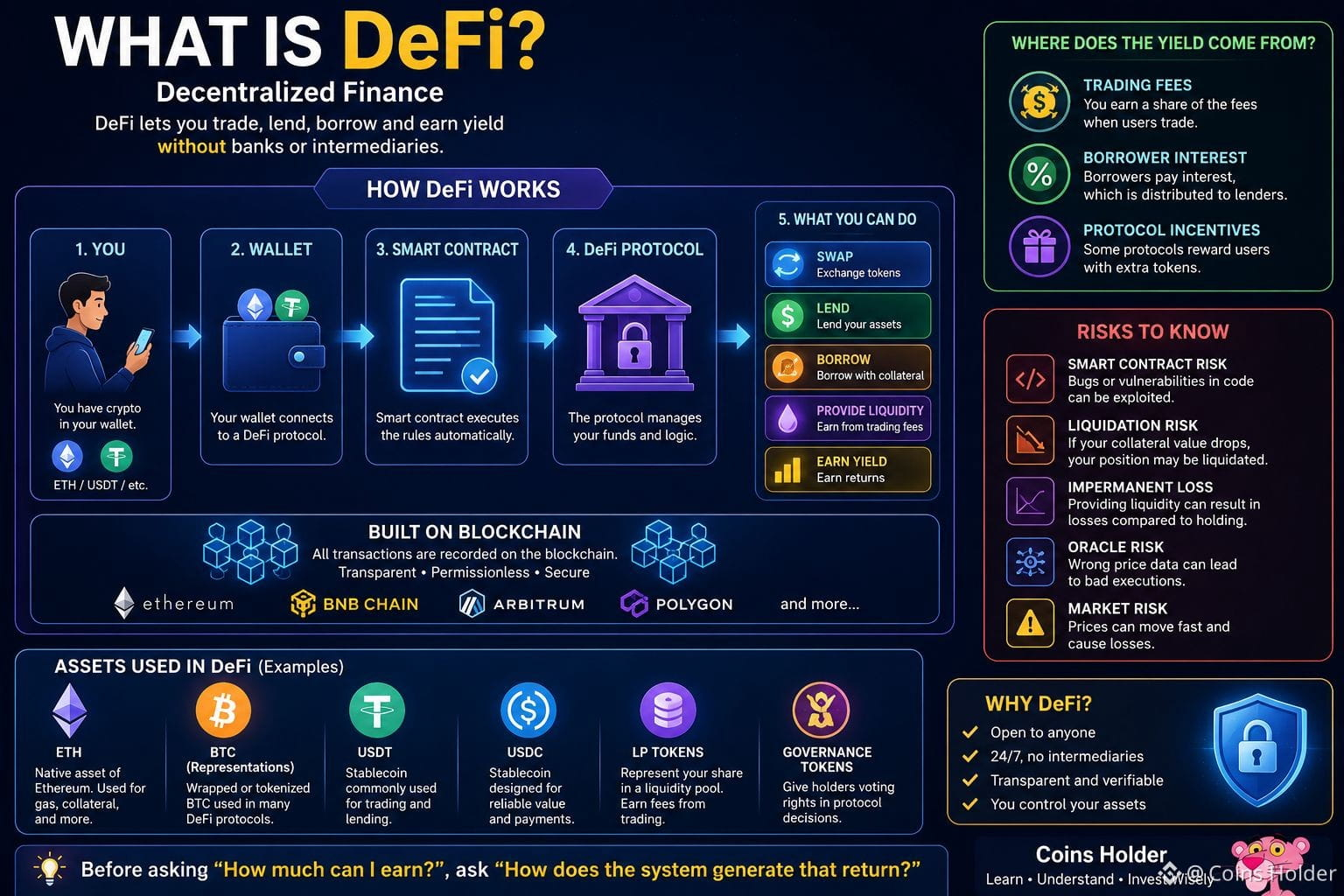
Was ist DeFi – und wie kann es funktionieren, ohne eine Bank? 🤔
Stell dir vor, du könntest handeln, verleihen, leihen oder Liquidität bereitstellen, ohne dabei einen traditionellen Finanzintermediär einzuschalten.
Das ist die Grundidee hinter DeFi – Dezentraler Finanzdienstleistung.
Aber wie funktioniert das eigentlich?
Traditionelles Finanzwesen:
Du → Bank / Broker → andere Partei
DeFi:
Du → Wallet → Smart Contract → DeFi-Protokoll
Ein Smart Contract ist Software, die auf einer Blockchain bereitgestellt wird und vordefinierte Regeln automatisch ausführt.
DeFi-Protokolle können Dienste bereitstellen wie:
🔄 Swaps — ein Asset gegen ein anderes tauschen
💰 Lending — deine Assets verleihen
🏦 Borrowing — gegen Sicherheiten leihen
💧 Liquidität — Assets für Handelspools bereitstellen
📈 Yield — Renditen aus verschiedenen Aktivitäten verdienen
Und DeFi ist keine einzelne Coin.
Protokolle können Assets wie ETH, BTC-Repräsentationen, USDT, USDC und viele andere Tokens verwenden – wobei jedes Asset eine andere Rolle erfüllt.
Doch hier kommt die wichtige Frage:
Woher kommt die Rendite eigentlich?
Nicht aus dem Nichts.
Sie kann aus Handelsgebühren kommen, aus Zinsen, die von Kreditnehmern gezahlt werden, oder aus Protokoll-Incentives.
Und jede Quelle für Rendite ist mit Risiken verbunden:
Smart-Contract-Risiko
Liquidationsrisiko
Unvergänglicher Verlust
Oracle-Risiko
Marktrisiko
Also ist DeFi keine „kostenlose Bank“.
Es ist ein Finanzsystem, bei dem Regeln über Software und Smart Contracts auf einer Blockchain ausgeführt werden.
Bevor du fragst:
„Wie viel kann ich verdienen?“
Frag:
„Wie erzeugt das System diese Rendite?“
#DeFi #Crypto #Blockchain
$BTC $ETH $USDT
Stell dir vor, du könntest handeln, verleihen, leihen oder Liquidität bereitstellen, ohne dabei einen traditionellen Finanzintermediär einzuschalten.
Das ist die Grundidee hinter DeFi – Dezentraler Finanzdienstleistung.
Aber wie funktioniert das eigentlich?
Traditionelles Finanzwesen:
Du → Bank / Broker → andere Partei
DeFi:
Du → Wallet → Smart Contract → DeFi-Protokoll
Ein Smart Contract ist Software, die auf einer Blockchain bereitgestellt wird und vordefinierte Regeln automatisch ausführt.
DeFi-Protokolle können Dienste bereitstellen wie:
🔄 Swaps — ein Asset gegen ein anderes tauschen
💰 Lending — deine Assets verleihen
🏦 Borrowing — gegen Sicherheiten leihen
💧 Liquidität — Assets für Handelspools bereitstellen
📈 Yield — Renditen aus verschiedenen Aktivitäten verdienen
Und DeFi ist keine einzelne Coin.
Protokolle können Assets wie ETH, BTC-Repräsentationen, USDT, USDC und viele andere Tokens verwenden – wobei jedes Asset eine andere Rolle erfüllt.
Doch hier kommt die wichtige Frage:
Woher kommt die Rendite eigentlich?
Nicht aus dem Nichts.
Sie kann aus Handelsgebühren kommen, aus Zinsen, die von Kreditnehmern gezahlt werden, oder aus Protokoll-Incentives.
Und jede Quelle für Rendite ist mit Risiken verbunden:
Smart-Contract-Risiko
Liquidationsrisiko
Unvergänglicher Verlust
Oracle-Risiko
Marktrisiko
Also ist DeFi keine „kostenlose Bank“.
Es ist ein Finanzsystem, bei dem Regeln über Software und Smart Contracts auf einer Blockchain ausgeführt werden.
Bevor du fragst:
„Wie viel kann ich verdienen?“
Frag:
„Wie erzeugt das System diese Rendite?“
#DeFi #Crypto #Blockchain
$BTC $ETH $USDT
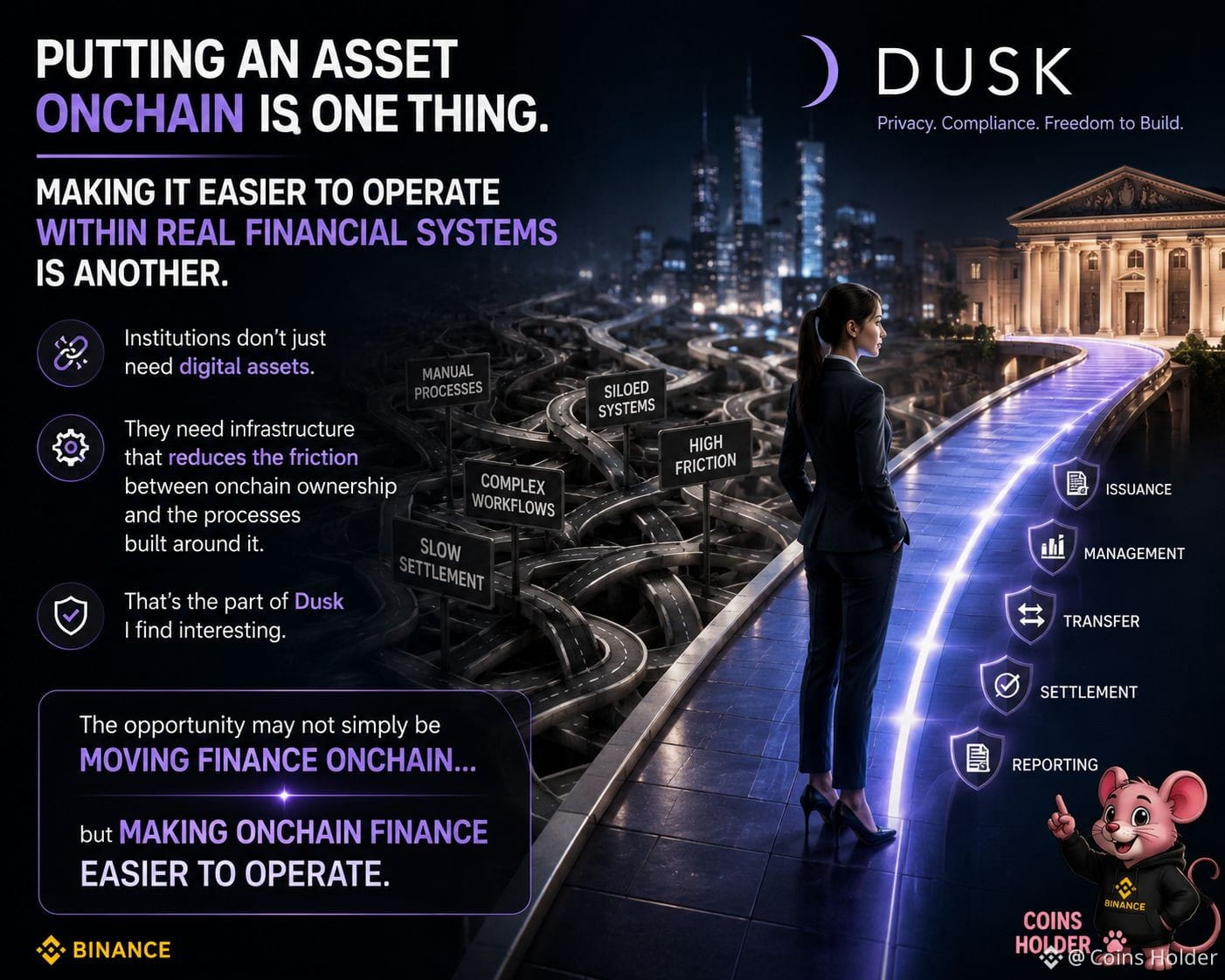
Ein Asset auf die Blockchain zu bringen ist das eine.
Es leichter zu machen, es innerhalb realer Finanzsysteme zu betreiben, ist etwas anderes. 👀
Institutionen brauchen nicht einfach nur digitale Assets. Sie brauchen Infrastruktur, die die Reibung zwischen Onchain-Eigentum und den Prozessen, die darum herum aufgebaut sind, reduziert.
Das ist der Teil von Dusk, der mich interessiert.
Die Chance besteht vielleicht nicht nur darin, Finanzgeschäfte auf die Blockchain zu verlagern…
sondern Onchain-Finanzwesen so zu gestalten, dass es sich leichter betreiben lässt.
#dusk $DUSK @Dusk
Es leichter zu machen, es innerhalb realer Finanzsysteme zu betreiben, ist etwas anderes. 👀
Institutionen brauchen nicht einfach nur digitale Assets. Sie brauchen Infrastruktur, die die Reibung zwischen Onchain-Eigentum und den Prozessen, die darum herum aufgebaut sind, reduziert.
Das ist der Teil von Dusk, der mich interessiert.
Die Chance besteht vielleicht nicht nur darin, Finanzgeschäfte auf die Blockchain zu verlagern…
sondern Onchain-Finanzwesen so zu gestalten, dass es sich leichter betreiben lässt.
#dusk $DUSK @Dusk
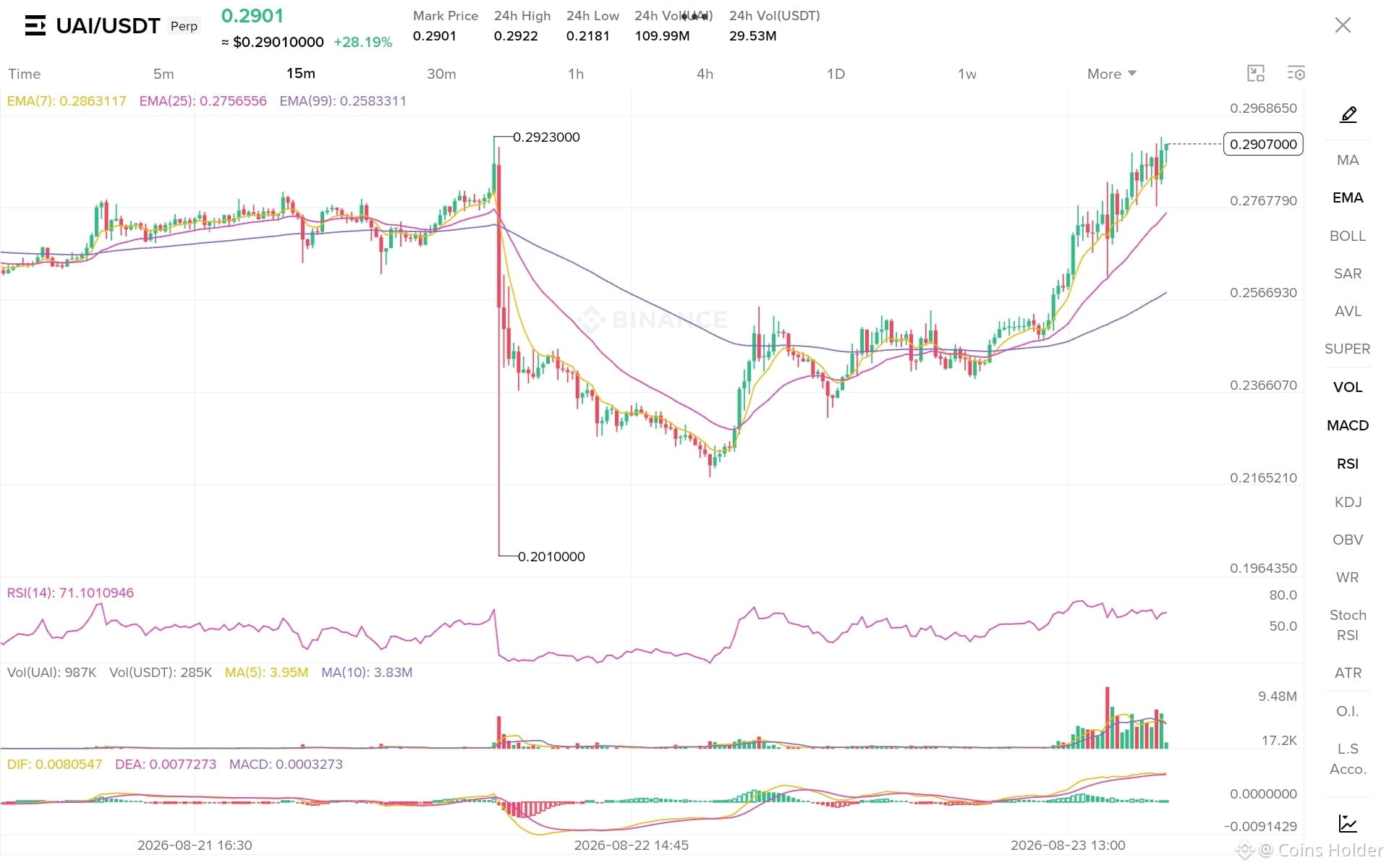
⚡ Schneller Plan für UAI/USDT — 15m
Preis: 0.2907
Widerstand: 0.2923 dann 0.2969
EMA7: 0.2863
EMA25: 0.2757
RSI: 71 → relativ überkauft
MACD: positiv + hohes Volumen
🟢 Szenario 1 — Ausbruch
Wenn 15m über 0.2923 schließen und das Volumen anhält:
BUY: 0.2930–0.2940
TP1: 0.2968
TP2: 0.3000
SL: 0.2880
🔴 Szenario 2 — Ausbruchsfehlschlag
Wenn der Preis bei 0.2923 scheitert und anfängt, 0.2860 zu unterschreiten:
SHORT: 0.2855–0.2860
TP1: 0.2800
TP2: 0.2760
SL: 0.2905
🎯 Wichtigster Punkt
RSI über 70 heißt nicht, dass ein Short sofort bereit ist; der Trend, der MACD und das Volumen steigen weiterhin. Daher ist die beste Trade-Option aktuell: Bestätigung abwarten, statt mitten im Widerstand einzusteigen.
Wenn ich nur eine auswählen müsste: Ich warte auf den 15m-Schluss über 0.2923 und gehe dann mit dem Ausbruch um—nicht jetzt beim Einstieg bei 0.2907.
Preis: 0.2907
Widerstand: 0.2923 dann 0.2969
EMA7: 0.2863
EMA25: 0.2757
RSI: 71 → relativ überkauft
MACD: positiv + hohes Volumen
🟢 Szenario 1 — Ausbruch
Wenn 15m über 0.2923 schließen und das Volumen anhält:
BUY: 0.2930–0.2940
TP1: 0.2968
TP2: 0.3000
SL: 0.2880
🔴 Szenario 2 — Ausbruchsfehlschlag
Wenn der Preis bei 0.2923 scheitert und anfängt, 0.2860 zu unterschreiten:
SHORT: 0.2855–0.2860
TP1: 0.2800
TP2: 0.2760
SL: 0.2905
🎯 Wichtigster Punkt
RSI über 70 heißt nicht, dass ein Short sofort bereit ist; der Trend, der MACD und das Volumen steigen weiterhin. Daher ist die beste Trade-Option aktuell: Bestätigung abwarten, statt mitten im Widerstand einzusteigen.
Wenn ich nur eine auswählen müsste: Ich warte auf den 15m-Schluss über 0.2923 und gehe dann mit dem Ausbruch um—nicht jetzt beim Einstieg bei 0.2907.
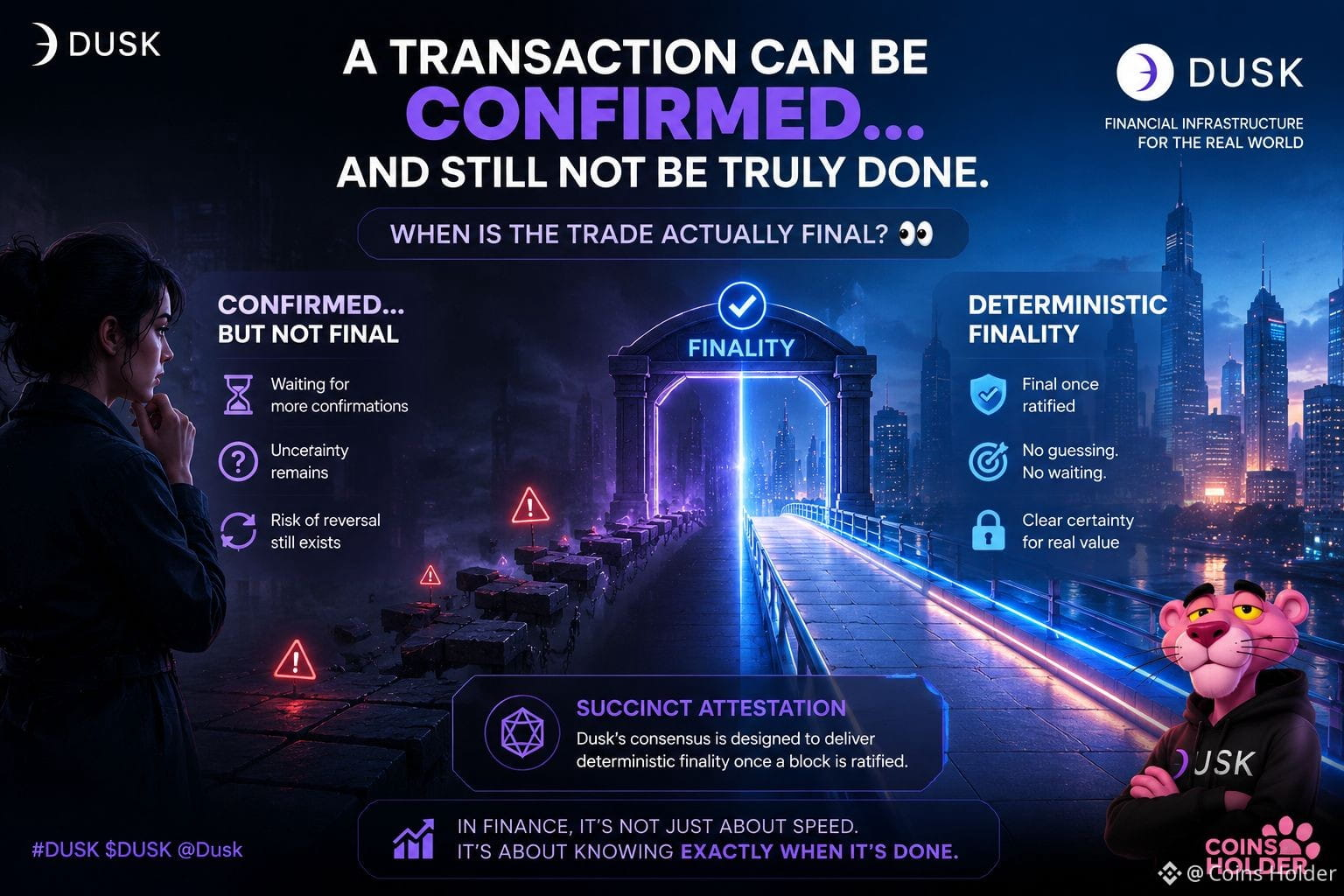
Eine Transaktion kann bestätigt werden… und trotzdem noch nicht wirklich abgeschlossen sein. 👀
Das klingt seltsam, bis man sich ansieht, wie Blockchains Finalität handhaben.
Für viele Netzwerke bedeuten mehr Bestätigungen mehr Sicherheit, dass eine Transaktion nicht rückgängig gemacht wird.
Aber die Finanzinfrastruktur braucht etwas noch Präziseres:
Wann ist die Transaktion tatsächlich endgültig?
Genau hier geht Dusk einen interessanten Ansatz.
Sein Konsens „Succinct Attestation“ ist darauf ausgelegt, determinierten Stillstand (Finalität) zu liefern, sobald ein Block ratifiziert ist.
Kein Raten, wie viele Bestätigungen „ausreichen“.
Kein Warten darauf, dass die Unsicherheit allmählich verschwindet.
Nur ein klarer Zeitpunkt, an dem die Transaktion endgültig ist.
Für Finanzmärkte kann dieser kleine Unterschied sehr viel bedeuten.
Denn wenn echter wirtschaftlicher Wert sich bewegt, gehört es zur Infrastruktur, genau zu wissen, wann die Transaktion abgeschlossen ist.
#dusk $DUSK @Dusk
Das klingt seltsam, bis man sich ansieht, wie Blockchains Finalität handhaben.
Für viele Netzwerke bedeuten mehr Bestätigungen mehr Sicherheit, dass eine Transaktion nicht rückgängig gemacht wird.
Aber die Finanzinfrastruktur braucht etwas noch Präziseres:
Wann ist die Transaktion tatsächlich endgültig?
Genau hier geht Dusk einen interessanten Ansatz.
Sein Konsens „Succinct Attestation“ ist darauf ausgelegt, determinierten Stillstand (Finalität) zu liefern, sobald ein Block ratifiziert ist.
Kein Raten, wie viele Bestätigungen „ausreichen“.
Kein Warten darauf, dass die Unsicherheit allmählich verschwindet.
Nur ein klarer Zeitpunkt, an dem die Transaktion endgültig ist.
Für Finanzmärkte kann dieser kleine Unterschied sehr viel bedeuten.
Denn wenn echter wirtschaftlicher Wert sich bewegt, gehört es zur Infrastruktur, genau zu wissen, wann die Transaktion abgeschlossen ist.
#dusk $DUSK @Dusk
Anmelden und weiter Inhalte entdecken