
minamium
10.6k Bài đăng

minamium
1 Đang theo dõi
96 Người theo dõi
356 Đã thích
Bài đăng
Xem bản dịch
Picture this: you spot weakness on an altcoin chart, jump into a short position immediately, and get liquidated within hours because the broader market never actually reversed.
Most traders bleed capital trying to catch tops in strong uptrends, confusing a brief consolidation for an outright reversal. The urge to short early often leads to stepping directly in front of a freight train.
Taking counter-trend setups against prevailing daily and weekly timeframes is one of the highest-risk plays in trading, especially while $BTC continues printing higher highs. When the higher-timeframe trend remains decisively bullish, entering a short without structural confirmation is pure gambling.
The only safe way to approach these trades is waiting for clear evidence: an explicit rejection at key levels paired with a confirmed structural shift on lower timeframes. Right now, sell-side order flow and drying volume on pairs like $ETH and $SOL point toward exhaustion, but pulling the trigger before confirmation usually costs more than waiting for the real move.
How do you manage counter-trend trades when the macro trend is still pushing higher?
#CryptoTrading #RiskManagement #Bitcoin
Most traders bleed capital trying to catch tops in strong uptrends, confusing a brief consolidation for an outright reversal. The urge to short early often leads to stepping directly in front of a freight train.
Taking counter-trend setups against prevailing daily and weekly timeframes is one of the highest-risk plays in trading, especially while $BTC continues printing higher highs. When the higher-timeframe trend remains decisively bullish, entering a short without structural confirmation is pure gambling.
The only safe way to approach these trades is waiting for clear evidence: an explicit rejection at key levels paired with a confirmed structural shift on lower timeframes. Right now, sell-side order flow and drying volume on pairs like $ETH and $SOL point toward exhaustion, but pulling the trigger before confirmation usually costs more than waiting for the real move.
How do you manage counter-trend trades when the macro trend is still pushing higher?
#CryptoTrading #RiskManagement #Bitcoin

Xem bản dịch
If you are still buying every single lower-wick bounce hoping for a bottom, stop now.
Most traders bleed their portfolios dry trying to front-run reversals on short timeframes, mistaking liquidity sweeps for trend shifts.
I am looking at the market right now, and my bias remains strictly bearish on the 1h timeframe. The recent 15m wick under 2.333 that closed back above has people calling for a relief rally, but that is a trap. Across majors like $BTC and mid-caps like $NEAR , we have seen this play out repeatedly where a quick sweep is simply fuel for lower prices.
The 1h structure is still printing clear lower highs and lower lows. Bulls argue that the reclaim of 2.333 shows strong absorption, but without a structural break, this is just liquidity being gathered for another leg down. I would rather stay on the sidelines or look for short confirmations until the higher timeframe structure actually flips.
Are you treating this reclaim at 2.333 as a genuine reversal or just fuel for continuation?
#CryptoTrading #BinanceSquare #TechnicalAnalysis
Most traders bleed their portfolios dry trying to front-run reversals on short timeframes, mistaking liquidity sweeps for trend shifts.
I am looking at the market right now, and my bias remains strictly bearish on the 1h timeframe. The recent 15m wick under 2.333 that closed back above has people calling for a relief rally, but that is a trap. Across majors like $BTC and mid-caps like $NEAR , we have seen this play out repeatedly where a quick sweep is simply fuel for lower prices.
The 1h structure is still printing clear lower highs and lower lows. Bulls argue that the reclaim of 2.333 shows strong absorption, but without a structural break, this is just liquidity being gathered for another leg down. I would rather stay on the sidelines or look for short confirmations until the higher timeframe structure actually flips.
Are you treating this reclaim at 2.333 as a genuine reversal or just fuel for continuation?
#CryptoTrading #BinanceSquare #TechnicalAnalysis

Xem bản dịch
Have you noticed how quickly retail traders jump to call a market reversal every single time a key level gets swept?
Most traders end up draining their portfolio trying to catch falling knives, mistaking routine stop runs for sudden macro bottoms.
Take the recent structure on $NEAR as a clear example. After sweeping below 2.333 and sliding another 0.6 percent, the crowd immediately looked for a bounce. Yet looking closely at the 1h chart, the structure is still printing clear lower highs rather than any valid reversal signals.
While larger assets like $BTC consolidate and create temporary optimism across the board, liquidity sweeps without aggressive reclaim volume usually signal continuation. When a downtrend is intact, trying to front-run the bottom before structure shifts is just asking to get stopped out.
Where do you think this trend finds real support from here?
#CryptoTrading #NEAR #BinanceSquare
Most traders end up draining their portfolio trying to catch falling knives, mistaking routine stop runs for sudden macro bottoms.
Take the recent structure on $NEAR as a clear example. After sweeping below 2.333 and sliding another 0.6 percent, the crowd immediately looked for a bounce. Yet looking closely at the 1h chart, the structure is still printing clear lower highs rather than any valid reversal signals.
While larger assets like $BTC consolidate and create temporary optimism across the board, liquidity sweeps without aggressive reclaim volume usually signal continuation. When a downtrend is intact, trying to front-run the bottom before structure shifts is just asking to get stopped out.
Where do you think this trend finds real support from here?
#CryptoTrading #NEAR #BinanceSquare

Xem bản dịch
Skipping a two-second security check has cost more traders their entire stack than any bear market ever did.
The rush of a green candle on $BTC makes you smash through every prompt just to get in. Then you wake up to an empty account because a bot exploited the gap you left open.
I've traded through the ICO mania, the 2018 winter, and the 2022 wreckage. The pattern never changes. People treat those verification steps like they are optional the moment volatility hits. That check exists to confirm you are not a bot and to shut down the scripts that spam markets and target accounts during the chaos. Completing it is not about the exchange being annoying. It is about keeping your $ETH from disappearing overnight.
It feels like wasted time when $BNB starts ripping, but that pause is what separated the survivors from the ones who had to start over from zero.
What's the closest you have come to ignoring one of these and paying the price?
#CryptoSecurity #MarketCycles #Binance
The rush of a green candle on $BTC makes you smash through every prompt just to get in. Then you wake up to an empty account because a bot exploited the gap you left open.
I've traded through the ICO mania, the 2018 winter, and the 2022 wreckage. The pattern never changes. People treat those verification steps like they are optional the moment volatility hits. That check exists to confirm you are not a bot and to shut down the scripts that spam markets and target accounts during the chaos. Completing it is not about the exchange being annoying. It is about keeping your $ETH from disappearing overnight.
It feels like wasted time when $BNB starts ripping, but that pause is what separated the survivors from the ones who had to start over from zero.
What's the closest you have come to ignoring one of these and paying the price?
#CryptoSecurity #MarketCycles #Binance

Xem bản dịch
Here is what happened when automated security hurdles began clashing with global usability across Web3 ecosystems.
Most traders have faced the sudden roadblock of unexpected verification barriers right in the middle of executing a time-sensitive move, turning what should be a seamless interaction into complete friction.
When infrastructure introduces gated checks that disrupt automated tools or translation layer access, it often echoes the early friction points we saw during liquidity routing updates across $BNB Chain and protocol migrations on $SOL . A localized barrier might protect against botting on paper, but in practice, it fragments user experience and prevents standard cross-border workflows from functioning smoothly. Much like the transition issues $ETH layer-2 networks resolved with standardized middleware, modern decentralized systems ultimately require invisible verification layers rather than disruptive manual puzzles.
How do you think platforms should balance strict anti-bot security without sacrificing frictionless user onboarding?
#CryptoSecurity #Web3UX #BlockchainInfrastucture
Most traders have faced the sudden roadblock of unexpected verification barriers right in the middle of executing a time-sensitive move, turning what should be a seamless interaction into complete friction.
When infrastructure introduces gated checks that disrupt automated tools or translation layer access, it often echoes the early friction points we saw during liquidity routing updates across $BNB Chain and protocol migrations on $SOL . A localized barrier might protect against botting on paper, but in practice, it fragments user experience and prevents standard cross-border workflows from functioning smoothly. Much like the transition issues $ETH layer-2 networks resolved with standardized middleware, modern decentralized systems ultimately require invisible verification layers rather than disruptive manual puzzles.
How do you think platforms should balance strict anti-bot security without sacrificing frictionless user onboarding?
#CryptoSecurity #Web3UX #BlockchainInfrastucture

Xem bản dịch
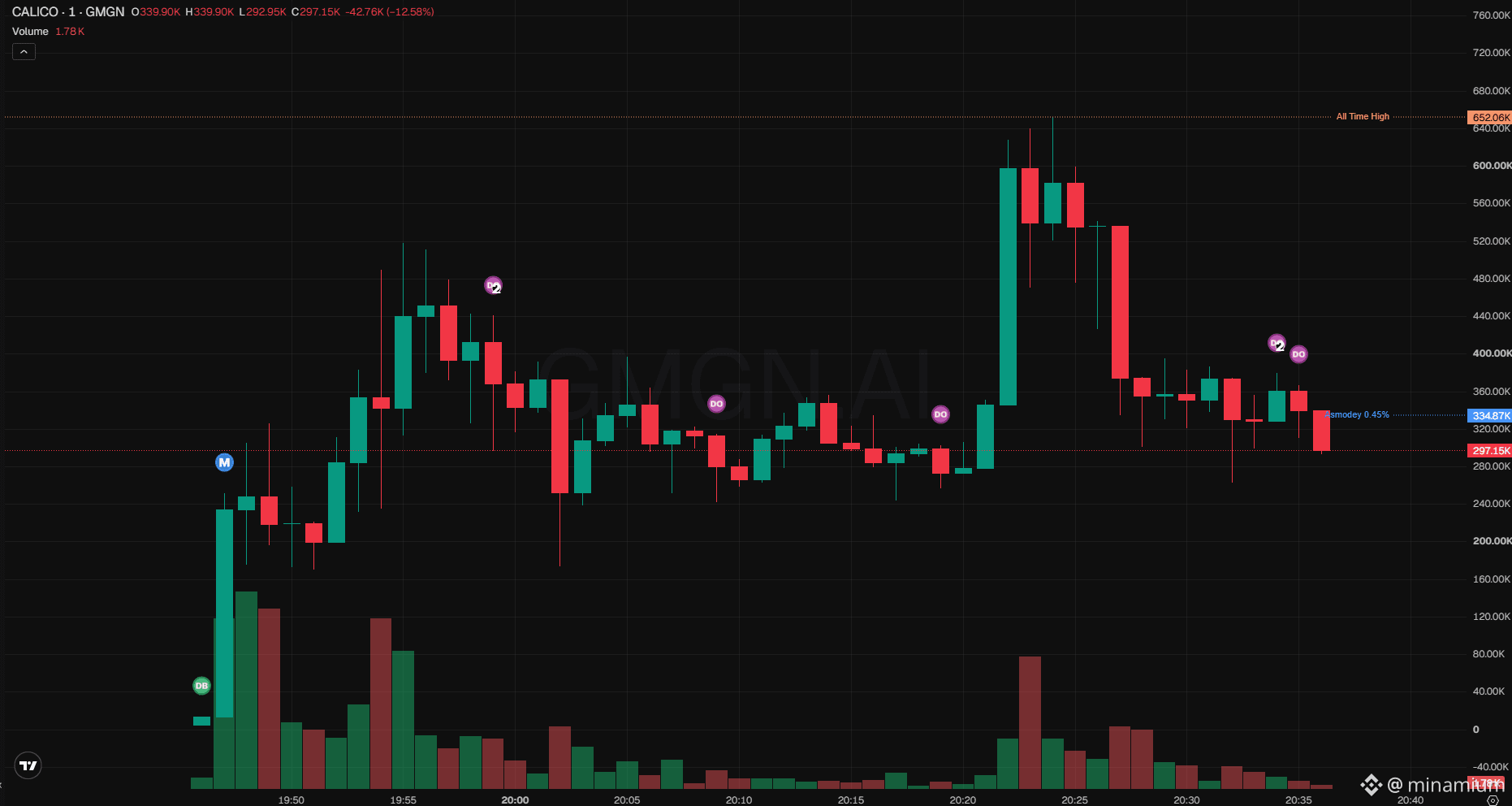
🟩 $CALICO - #ROBINHOOD play
0x791e750fa8b2237288a6fe6c47ea81c50093449a
mcap: $299K
on robinhood popped a ticker for calico cats, those ones with the chaotic orange black and white splotches making them look like living art. no viral video or event behind it, just a fresh name play. dyor.
https://gmgn.ai/robinhood/token/0x791e750fa8b2237288a6fe6c47ea81c50093449a
https://t.me/based_eth_bot?start=0x791e750fa8b2237288a6fe6c47ea81c50093449a
0x791e750fa8b2237288a6fe6c47ea81c50093449a
mcap: $299K
on robinhood popped a ticker for calico cats, those ones with the chaotic orange black and white splotches making them look like living art. no viral video or event behind it, just a fresh name play. dyor.
https://gmgn.ai/robinhood/token/0x791e750fa8b2237288a6fe6c47ea81c50093449a
https://t.me/based_eth_bot?start=0x791e750fa8b2237288a6fe6c47ea81c50093449a
Xem bản dịch
Picture this: an investor sitting on the sidelines during the 2016 and 2020 cycles, constantly waiting for the perfect bottom only to end up buying the exact top out of pure frustration. Most market participants get crushed not because they pick the wrong assets, but because they have zero concept of cyclical timing and panic when volatility hits.
Historical cycle data reveals an interesting pattern called the 500-day framework. In previous market regimes, accumulating $BTC roughly 500 days prior to the halving and exiting 500 days after delivered consistent cycle outperformance compared to chasing altcoins like $ETH or $SOL during late-stage euphoria. The logic is grounded in supply shock dynamics rather than short-term price noise.
With the next halving projected around 585 days away, that leaves a narrow window of roughly 85 days before entering that optimal historical accumulation zone. Comparing this setup to previous pre-halving consolidation phases shows that patience during these quiet chop periods usually separates long-term winners from exit liquidity.
Are you sticking to a strict cycle-based time horizon, or are you trying to pinpoint the exact local bottom?
#Bitcoin #CryptoTrading #Halving
Historical cycle data reveals an interesting pattern called the 500-day framework. In previous market regimes, accumulating $BTC roughly 500 days prior to the halving and exiting 500 days after delivered consistent cycle outperformance compared to chasing altcoins like $ETH or $SOL during late-stage euphoria. The logic is grounded in supply shock dynamics rather than short-term price noise.
With the next halving projected around 585 days away, that leaves a narrow window of roughly 85 days before entering that optimal historical accumulation zone. Comparing this setup to previous pre-halving consolidation phases shows that patience during these quiet chop periods usually separates long-term winners from exit liquidity.
Are you sticking to a strict cycle-based time horizon, or are you trying to pinpoint the exact local bottom?
#Bitcoin #CryptoTrading #Halving

Xem bản dịch
If you are still trading macro headlines without watching where the real liquidity flows, stop now. Most retail traders end up as exit liquidity because they react to the news cycle instead of positioning before the policy shifts happen.
We saw the exact same playbook unfold during the trade war escalations back in 2019. Back then, sudden policy commentary moved billions across commodities, and today the scale is even larger. When political influence can swing Oil, traditional hedges like $PAXG , and sovereign assets like $BTC in a matter of hours, trading off pure technical charts becomes a fast track to getting liquidated.
The players at the very top openly admit how macro narratives move billions into their favor across commodities and digital assets. While retail is busy debating fair value on $ETH or altcoins, the real game is being played on top-level liquidity manipulation.
Are we looking at political leadership protecting stability, or is macro volatility now just a deliberate tool for market dominance?
#CryptoMacro #Bitcoin #TradingStrategy
We saw the exact same playbook unfold during the trade war escalations back in 2019. Back then, sudden policy commentary moved billions across commodities, and today the scale is even larger. When political influence can swing Oil, traditional hedges like $PAXG , and sovereign assets like $BTC in a matter of hours, trading off pure technical charts becomes a fast track to getting liquidated.
The players at the very top openly admit how macro narratives move billions into their favor across commodities and digital assets. While retail is busy debating fair value on $ETH or altcoins, the real game is being played on top-level liquidity manipulation.
Are we looking at political leadership protecting stability, or is macro volatility now just a deliberate tool for market dominance?
#CryptoMacro #Bitcoin #TradingStrategy
Xem bản dịch
Everyone thinks rising energy costs only hit traditional stock markets, but actually it is the silent portfolio killer right here in crypto.
Most traders stay glued to four-hour chart patterns while completely ignoring macro pressure, only to watch their capital drain away when liquidity suddenly dries up.
Think of oil as the baseline electricity bill for the entire global economy. With crude breaking past $97 and poised to cross $100, the cost of moving goods and running businesses climbs rapidly. When everyday life gets significantly more expensive, retail investors pull back capital from speculative assets like $BTC and $ETH because they need cash on hand to cover basic living expenses.
Escalating geopolitical conflicts and unpredictable foreign policies have thrown global energy logistics into a massive bottleneck. When inflation flares back up, central banks hold interest rates higher for longer, draining the surplus liquidity that tokens like $SOL need to maintain upward momentum.
Where do you think the markets go from here if crude consistently holds above $100?
#MacroEconomics #CryptoTrading #Inflation
Most traders stay glued to four-hour chart patterns while completely ignoring macro pressure, only to watch their capital drain away when liquidity suddenly dries up.
Think of oil as the baseline electricity bill for the entire global economy. With crude breaking past $97 and poised to cross $100, the cost of moving goods and running businesses climbs rapidly. When everyday life gets significantly more expensive, retail investors pull back capital from speculative assets like $BTC and $ETH because they need cash on hand to cover basic living expenses.
Escalating geopolitical conflicts and unpredictable foreign policies have thrown global energy logistics into a massive bottleneck. When inflation flares back up, central banks hold interest rates higher for longer, draining the surplus liquidity that tokens like $SOL need to maintain upward momentum.
Where do you think the markets go from here if crude consistently holds above $100?
#MacroEconomics #CryptoTrading #Inflation
Xem bản dịch
Why is nobody talking about how geopolitical noise is quietly draining your crypto portfolio?
Most traders panic sell their $BTC the moment headlines scream about escalating conflicts, only to watch institutional capital hedge the exact same liquidity into commodity spikes. You end up taking the loss while macro players front-run the entire cycle.
With oil breaking past $97 and threatening the $100 psychological barrier, the global market is reacting to classic political manipulation. Instead of reacting emotionally to political blame games or volatile swings, look at where capital actually flows. When energy prices surge, inflation expectations rise, forcing a delayed rotation into hard assets.
The playbook here is simple: stop trading the headline panic. Position your spot holdings in resilient stores of value like $BTC and $PAXG before the energy shock trickles down to consumer markets. Tracking macro capital shifts will protect your capital far better than chasing short-term political outrage.
Where do you see capital rotating if oil crosses the $100 mark?
#Bitcoin #MacroEconomics #CryptoTrading
Most traders panic sell their $BTC the moment headlines scream about escalating conflicts, only to watch institutional capital hedge the exact same liquidity into commodity spikes. You end up taking the loss while macro players front-run the entire cycle.
With oil breaking past $97 and threatening the $100 psychological barrier, the global market is reacting to classic political manipulation. Instead of reacting emotionally to political blame games or volatile swings, look at where capital actually flows. When energy prices surge, inflation expectations rise, forcing a delayed rotation into hard assets.
The playbook here is simple: stop trading the headline panic. Position your spot holdings in resilient stores of value like $BTC and $PAXG before the energy shock trickles down to consumer markets. Tracking macro capital shifts will protect your capital far better than chasing short-term political outrage.
Where do you see capital rotating if oil crosses the $100 mark?
#Bitcoin #MacroEconomics #CryptoTrading

Xem bản dịch
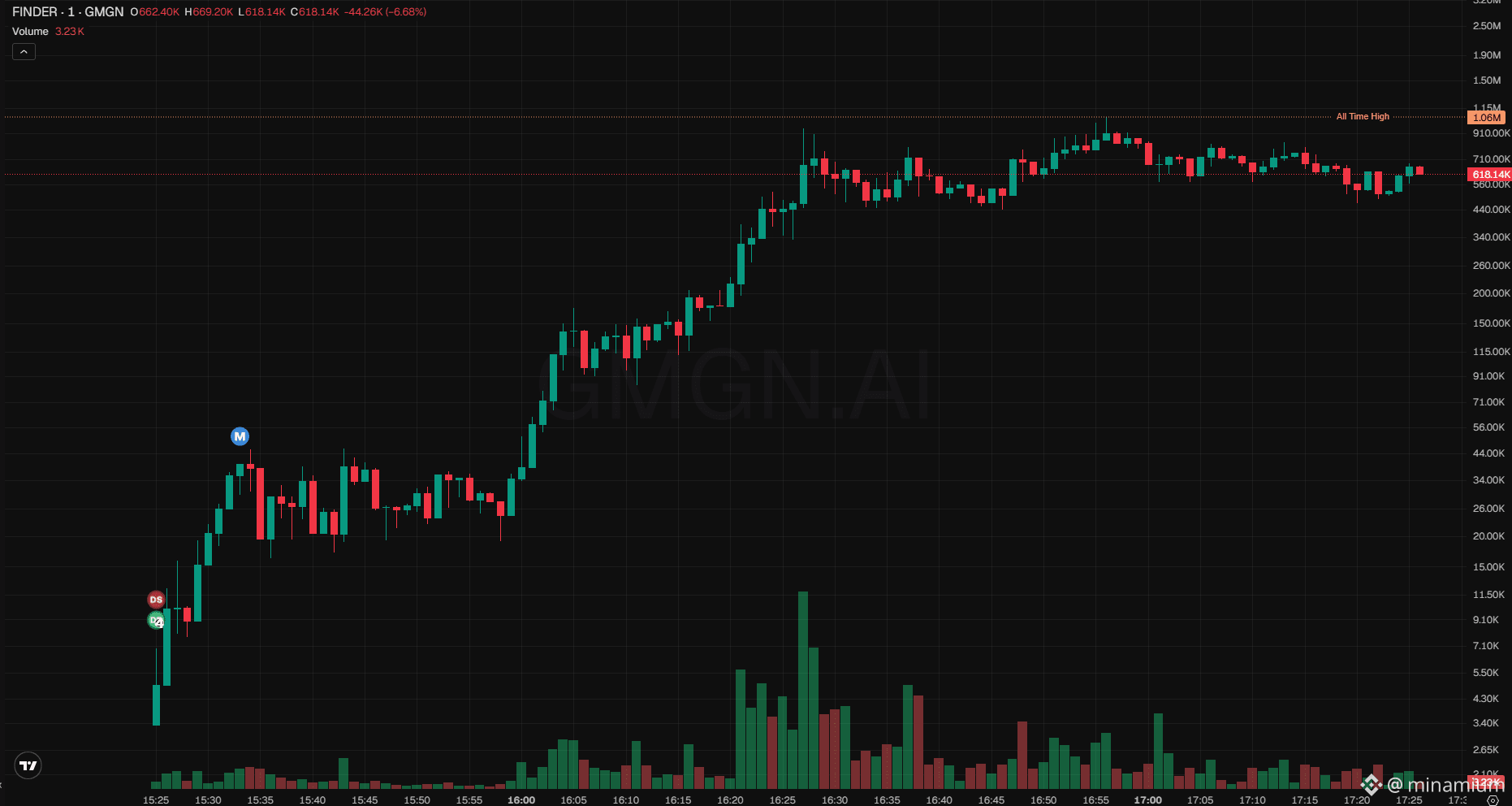
🟩 $FINDER - #ROBINHOOD gamble
0x6c53160737c09ec17b1a7992ac9defa151fad7bb
mcap: $618K
replies exploding after that tweet dropped the cute blue cartoon finder. crypto humor turned this distinctive little blue mascot into a ticker for hunting the next play. dyor
https://gmgn.ai/robinhood/token/0x6c53160737c09ec17b1a7992ac9defa151fad7bb
https://t.me/based_eth_bot?start=0x6c53160737c09ec17b1a7992ac9defa151fad7bb
0x6c53160737c09ec17b1a7992ac9defa151fad7bb
mcap: $618K
replies exploding after that tweet dropped the cute blue cartoon finder. crypto humor turned this distinctive little blue mascot into a ticker for hunting the next play. dyor
https://gmgn.ai/robinhood/token/0x6c53160737c09ec17b1a7992ac9defa151fad7bb
https://t.me/based_eth_bot?start=0x6c53160737c09ec17b1a7992ac9defa151fad7bb
Xem bản dịch
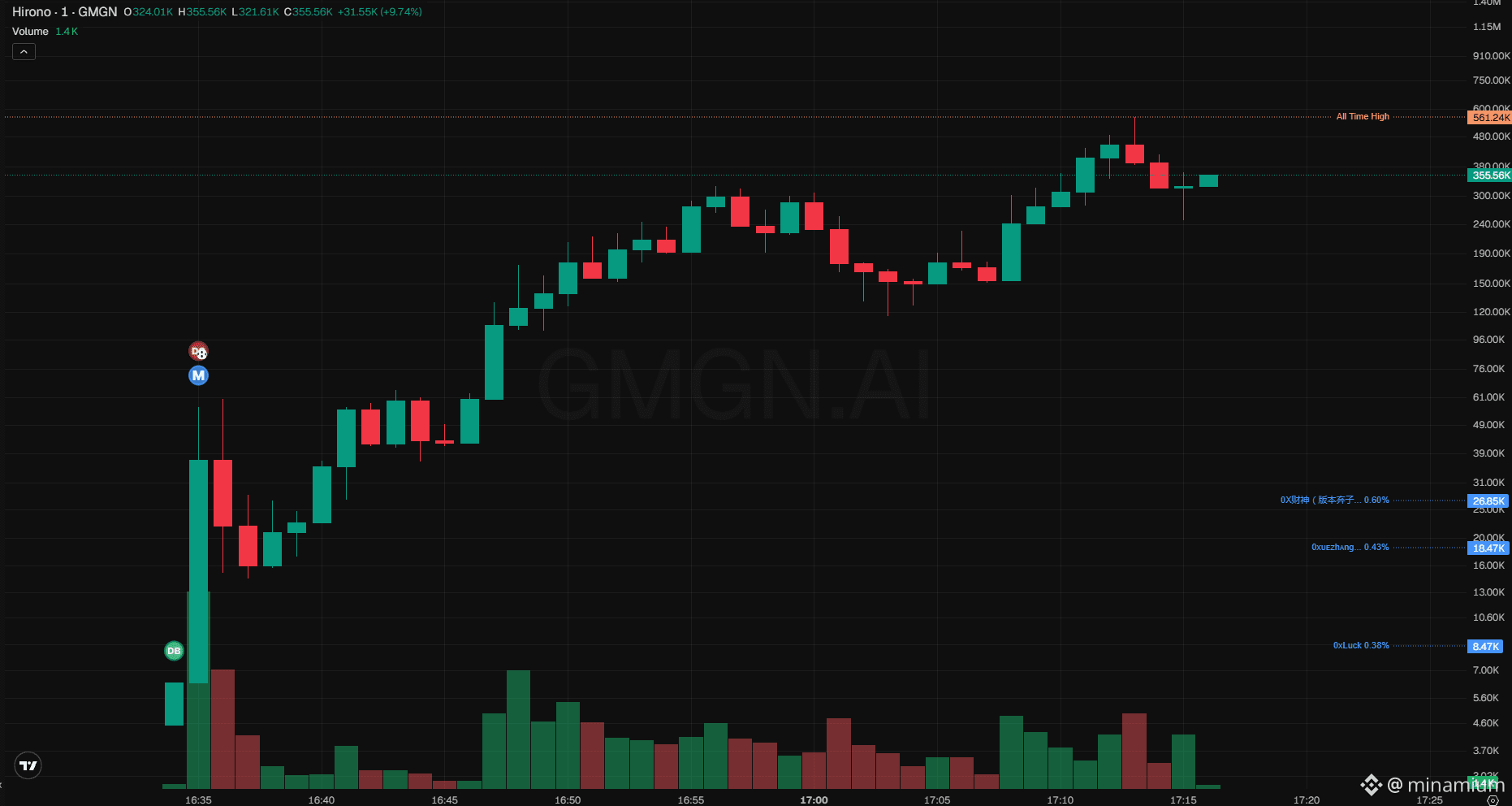
🔶 $Hirono - #BSC play
0xaf90c35a62c13b5a8f681f4f43124bd8990f7777
mcap: $364K
last week pop mart dropped their hirono masked privacy dolls, these cute little hooded figures hiding their faces like theyre staying anonymous on purpose. the ticker mashed that toy hype with the zec privacy narrative floating around it. dyor
X : https://x.com/in927772/status/2096894933559070795?s=20
https://gmgn.ai/bsc/token/0xaf90c35a62c13b5a8f681f4f43124bd8990f7777
https://t.me/GMGN_bsc_bot?start=0xaf90c35a62c13b5a8f681f4f43124bd8990f7777
0xaf90c35a62c13b5a8f681f4f43124bd8990f7777
mcap: $364K
last week pop mart dropped their hirono masked privacy dolls, these cute little hooded figures hiding their faces like theyre staying anonymous on purpose. the ticker mashed that toy hype with the zec privacy narrative floating around it. dyor
X : https://x.com/in927772/status/2096894933559070795?s=20
https://gmgn.ai/bsc/token/0xaf90c35a62c13b5a8f681f4f43124bd8990f7777
https://t.me/GMGN_bsc_bot?start=0xaf90c35a62c13b5a8f681f4f43124bd8990f7777
Dưới đây là những gì đã xảy ra khi vụ tàu chở dầu va chạm/đâm vào eo biển Hormuz bắt đầu leo thang từ tuần trước.
Hầu hết mọi người quá bận rộn tìm kiếm các cặp $USDT và bơm $CATI để để ý đến rủi ro thật sự đang hình thành. Bạn bị cuốn vào FOMO khi mua theo lòng tham, rồi không còn lối thoát khi đợt xả ập đến.
Đây là một bài học tình huống cho thấy chính trị địa chính trị có thể nhanh chóng lấn át mọi thứ. Iran và Mỹ trao đổi các đòn tấn công nhắm vào tàu chở dầu, trong đó Tehran hiện thiết lập một khu vực bị hạn chế gần Hormuz, đe dọa một trong những “cổ chai” dầu mỏ quan trọng nhất thế giới. Nếu gián đoạn kéo dài, chi phí năng lượng sẽ tăng vọt, nỗi lo về lạm phát sẽ quay trở lại, và thị trường có thể chuyển sang chế độ “risk-off” ngay khi mọi người đang được định vị cho nhiều đợt tăng giá hơn.
Chúng tôi đã từng thấy mẫu hình này trước đây. Ở một bài đọc Fear and Greed (Sợ hãi và Tham lam) với mức 74, các nhà giao dịch bỏ qua các dấu hiệu cảnh báo cho đến khi quá muộn. Các vị thế ở $NEIRO hoặc những mã tương tự sẽ bị thanh lý đầu tiên khi thanh khoản biến mất.
Thông điệp rút ra là crypto vẫn giao dịch như một tài sản rủi ro, và những sự kiện như thế này nhắc chúng ta rằng chúng ta ít kiểm soát đến mức nào đối với các “chất xúc tác” thực sự làm giá chuyển động.
Theo bạn, điều gì sẽ xảy ra tiếp theo?
#USIranTradeTankerStrikesEscalate #IranToSetRestrictedZoneNearHormuz #USStrikesIranTankersTehranRestrictsHormuz
Hầu hết mọi người quá bận rộn tìm kiếm các cặp $USDT và bơm $CATI để để ý đến rủi ro thật sự đang hình thành. Bạn bị cuốn vào FOMO khi mua theo lòng tham, rồi không còn lối thoát khi đợt xả ập đến.
Đây là một bài học tình huống cho thấy chính trị địa chính trị có thể nhanh chóng lấn át mọi thứ. Iran và Mỹ trao đổi các đòn tấn công nhắm vào tàu chở dầu, trong đó Tehran hiện thiết lập một khu vực bị hạn chế gần Hormuz, đe dọa một trong những “cổ chai” dầu mỏ quan trọng nhất thế giới. Nếu gián đoạn kéo dài, chi phí năng lượng sẽ tăng vọt, nỗi lo về lạm phát sẽ quay trở lại, và thị trường có thể chuyển sang chế độ “risk-off” ngay khi mọi người đang được định vị cho nhiều đợt tăng giá hơn.
Chúng tôi đã từng thấy mẫu hình này trước đây. Ở một bài đọc Fear and Greed (Sợ hãi và Tham lam) với mức 74, các nhà giao dịch bỏ qua các dấu hiệu cảnh báo cho đến khi quá muộn. Các vị thế ở $NEIRO hoặc những mã tương tự sẽ bị thanh lý đầu tiên khi thanh khoản biến mất.
Thông điệp rút ra là crypto vẫn giao dịch như một tài sản rủi ro, và những sự kiện như thế này nhắc chúng ta rằng chúng ta ít kiểm soát đến mức nào đối với các “chất xúc tác” thực sự làm giá chuyển động.
Theo bạn, điều gì sẽ xảy ra tiếp theo?
#USIranTradeTankerStrikesEscalate #IranToSetRestrictedZoneNearHormuz #USStrikesIranTankersTehranRestrictsHormuz
Mọi người đều nghĩ những tiêu đề thanh khoản khổng lồ đồng nghĩa với việc nến xanh lập tức cho “alt bags” của bạn, nhưng thực tế thì nó thường kết thúc với việc nhà đầu tư bán lẻ ôm nặng hàng ở các đỉnh địa phương.
Phần lớn chúng ta thấy các con số trên tiêu đề như vậy rồi vội vàng lao vào thị trường mua $ONDO hoặc xoay khỏi $USDT mà không kiểm tra thực ra nguồn vốn tổ chức đó đang được đỗ ở đâu. Kết quả là bạn bị kẹt trong trạng thái kỳ vọng kháng cự ngay lúc “tiền thông minh” dùng thanh khoản thoát ra để cân bằng lại.
Hãy xem điều vừa xảy ra với các tổ chức Trung Quốc huy động lượng vốn cực lớn. Các công ty huy động các quỹ nhân dân tệ khổng lồ không lập tức lao vào degenswap sang crypto perp với đòn bẩy. Lượng thanh khoản này cần vài tuần để được chuyển qua các kênh tuân thủ, các thực thể được nhà nước hậu thuẫn và các phương tiện trái phiếu trước khi một xu nào đó chảy vào tài sản thực được token hóa hoặc các chiến lược phòng hộ vĩ mô.
Trong khi dòng tin thì gào thét rằng số liệu tiêu đề đang rất bullish, vị thế ban đầu đã bắt đầu xoay sang các kịch bản phòng thủ và chờ các nhịp điều chỉnh. Việc đuổi theo những cây nến breakout theo các thông báo vĩ mô mà không hiểu “đường ray” thanh toán/settlement của tổ chức là cách khiến trader liên tục bị chặt chém trong điều kiện tham lam.
Bạn đang chơi đúng dòng chảy thanh khoản thực sự, hay chỉ đang giao dịch phản ứng theo tiêu đề?
#EightChineseFinancialFirmsRaise360BYuan #IMFSaysElSalvadorBTCNoPublicFunds
Phần lớn chúng ta thấy các con số trên tiêu đề như vậy rồi vội vàng lao vào thị trường mua $ONDO hoặc xoay khỏi $USDT mà không kiểm tra thực ra nguồn vốn tổ chức đó đang được đỗ ở đâu. Kết quả là bạn bị kẹt trong trạng thái kỳ vọng kháng cự ngay lúc “tiền thông minh” dùng thanh khoản thoát ra để cân bằng lại.
Hãy xem điều vừa xảy ra với các tổ chức Trung Quốc huy động lượng vốn cực lớn. Các công ty huy động các quỹ nhân dân tệ khổng lồ không lập tức lao vào degenswap sang crypto perp với đòn bẩy. Lượng thanh khoản này cần vài tuần để được chuyển qua các kênh tuân thủ, các thực thể được nhà nước hậu thuẫn và các phương tiện trái phiếu trước khi một xu nào đó chảy vào tài sản thực được token hóa hoặc các chiến lược phòng hộ vĩ mô.
Trong khi dòng tin thì gào thét rằng số liệu tiêu đề đang rất bullish, vị thế ban đầu đã bắt đầu xoay sang các kịch bản phòng thủ và chờ các nhịp điều chỉnh. Việc đuổi theo những cây nến breakout theo các thông báo vĩ mô mà không hiểu “đường ray” thanh toán/settlement của tổ chức là cách khiến trader liên tục bị chặt chém trong điều kiện tham lam.
Bạn đang chơi đúng dòng chảy thanh khoản thực sự, hay chỉ đang giao dịch phản ứng theo tiêu đề?
#EightChineseFinancialFirmsRaise360BYuan #IMFSaysElSalvadorBTCNoPublicFunds

Bạn có để ý rằng mọi lần “hạ cánh” ngoại giao ở Kyiv đều bị đóng khung như một sự kiện thị trường, rồi biểu đồ cứ thế tiếp tục ì ra không?
Nỗi đau này rất quen thuộc. Các trader đổ vào $USDT khi có tin tức, đứng ngoài trong lúc giá hồi, rồi lại đuổi theo mua sau khi biến động mà họ đã bán. Mẫu hình đó lặng lẽ rút cạn nhiều tài khoản hơn bất kỳ đợt tấn công thực sự nào.
Chuyến đi Kushner-Witkoff này tới Kyiv là một ca nghiên cứu hữu ích. Vài vòng gần đây của ngoại giao Nga–Ukraine đã đi theo cùng kịch bản. Sự chú ý bùng nổ. $USDT nhận được một lệnh mua ngắn hạn (short bid). Rồi sau đó chẳng có thay đổi nào về mặt cấu trúc.
Sợ hãi và Tham lam hiện ở mức 74, tức là tham lam chứ không phải hoảng loạn. Đó là dấu hiệu. Nếu rủi ro từ dòng tiền giao dịch là có thật, bạn sẽ thấy điều đó xuất hiện đầu tiên ở $ONDO và các sản phẩm sinh lợi (yield) khác. Bạn không thấy.
Mọi người vẫn đang săn $NEIRO trong khi gọi đây là một cú sốc vĩ mô (macro shock). Câu chuyện phổ biến cho rằng địa chính trị là nút reset tiếp theo. Bằng chứng từ đúng tình huống này cho thấy tiêu đề chỉ nhằm thu thập lượt nhấp. Họ không hề ép buộc việc giảm rủi ro (de-risking).
Nếu các cuộc đàm phán lại đình trệ, bạn nghĩ điều này sẽ đi về đâu từ đây?
#RussiaUkraineTradeStrikesKushnerWitkoffToKyiv #USIranTradeTankerStrikesEscalate #IranToSetRestrictedZoneNearHormuz
Nỗi đau này rất quen thuộc. Các trader đổ vào $USDT khi có tin tức, đứng ngoài trong lúc giá hồi, rồi lại đuổi theo mua sau khi biến động mà họ đã bán. Mẫu hình đó lặng lẽ rút cạn nhiều tài khoản hơn bất kỳ đợt tấn công thực sự nào.
Chuyến đi Kushner-Witkoff này tới Kyiv là một ca nghiên cứu hữu ích. Vài vòng gần đây của ngoại giao Nga–Ukraine đã đi theo cùng kịch bản. Sự chú ý bùng nổ. $USDT nhận được một lệnh mua ngắn hạn (short bid). Rồi sau đó chẳng có thay đổi nào về mặt cấu trúc.
Sợ hãi và Tham lam hiện ở mức 74, tức là tham lam chứ không phải hoảng loạn. Đó là dấu hiệu. Nếu rủi ro từ dòng tiền giao dịch là có thật, bạn sẽ thấy điều đó xuất hiện đầu tiên ở $ONDO và các sản phẩm sinh lợi (yield) khác. Bạn không thấy.
Mọi người vẫn đang săn $NEIRO trong khi gọi đây là một cú sốc vĩ mô (macro shock). Câu chuyện phổ biến cho rằng địa chính trị là nút reset tiếp theo. Bằng chứng từ đúng tình huống này cho thấy tiêu đề chỉ nhằm thu thập lượt nhấp. Họ không hề ép buộc việc giảm rủi ro (de-risking).
Nếu các cuộc đàm phán lại đình trệ, bạn nghĩ điều này sẽ đi về đâu từ đây?
#RussiaUkraineTradeStrikesKushnerWitkoffToKyiv #USIranTradeTankerStrikesEscalate #IranToSetRestrictedZoneNearHormuz
Hầu hết các nhà giao dịch cho rằng các sidechain và mạng layer-2 chỉ vận động theo hướng mở rộng vĩnh viễn, cho đến khi một nhà cung cấp hạ tầng âm thầm ngắt các dịch vụ thanh toán cốt lõi.
Thức dậy và thấy các đường ray hoán đổi bị dừng lại là một lời nhắc nhở khắc nghiệt rằng tốc độ chẳng có ý nghĩa gì nếu thanh khoản thoát của bạn bị cắt đứt mà không báo trước. Bạn nhìn các cơ hội thị trường vụt qua trong khi vốn của mình bị giam cầm bởi một quyết định về giao diện.
Việc SideSwap tạm ngừng tích hợp với Liquid Network mang đến một bài học quan trọng về sự phụ thuộc vào hạ tầng. Hệ sinh thái Liquid được xây dựng để cung cấp các khoản thanh toán nhanh, bảo mật cho các tài sản gắn với Bitcoin, bên cạnh các stablecoin như $USDT. Khi một cổng kết nối chính đột ngột ngừng dịch vụ, sự cản trở lan rộng khắp các thị trường thứ cấp, buộc các nhà giao dịch quay trở lại các lớp cơ sở bị tắc nghẽn với những điều kiện tệ hơn nhiều.
Sau khi đã trải qua nhiều chu kỳ thị trường, mô hình này quá đỗi quen thuộc. Bất cứ khi nào hạ tầng cầu nối hoặc hoán đổi bị thu hẹp, vốn sẽ xoay trở lại các trung tâm thanh khoản đã được kiểm chứng, trực tiếp thử thách sức bền của các tài sản được bọc và các nguyên thủy cross-chain như $ONDO . Quản lý rủi ro thực sự chưa bao giờ chỉ là câu chuyện về nền tảng của token; mà là hiểu rõ từng bên trung gian đang đứng giữa bạn và các khóa gốc của chính mình.
Bạn sẵn sàng chấp nhận bao nhiêu lớp hạ tầng trung gian trước khi rủi ro vận hành trở nên quá cao?
#SideSwapSuspendsLiquidServices #IMFSaysElSalvadorBTCNoPublicFunds
Thức dậy và thấy các đường ray hoán đổi bị dừng lại là một lời nhắc nhở khắc nghiệt rằng tốc độ chẳng có ý nghĩa gì nếu thanh khoản thoát của bạn bị cắt đứt mà không báo trước. Bạn nhìn các cơ hội thị trường vụt qua trong khi vốn của mình bị giam cầm bởi một quyết định về giao diện.
Việc SideSwap tạm ngừng tích hợp với Liquid Network mang đến một bài học quan trọng về sự phụ thuộc vào hạ tầng. Hệ sinh thái Liquid được xây dựng để cung cấp các khoản thanh toán nhanh, bảo mật cho các tài sản gắn với Bitcoin, bên cạnh các stablecoin như $USDT. Khi một cổng kết nối chính đột ngột ngừng dịch vụ, sự cản trở lan rộng khắp các thị trường thứ cấp, buộc các nhà giao dịch quay trở lại các lớp cơ sở bị tắc nghẽn với những điều kiện tệ hơn nhiều.
Sau khi đã trải qua nhiều chu kỳ thị trường, mô hình này quá đỗi quen thuộc. Bất cứ khi nào hạ tầng cầu nối hoặc hoán đổi bị thu hẹp, vốn sẽ xoay trở lại các trung tâm thanh khoản đã được kiểm chứng, trực tiếp thử thách sức bền của các tài sản được bọc và các nguyên thủy cross-chain như $ONDO . Quản lý rủi ro thực sự chưa bao giờ chỉ là câu chuyện về nền tảng của token; mà là hiểu rõ từng bên trung gian đang đứng giữa bạn và các khóa gốc của chính mình.
Bạn sẵn sàng chấp nhận bao nhiêu lớp hạ tầng trung gian trước khi rủi ro vận hành trở nên quá cao?
#SideSwapSuspendsLiquidServices #IMFSaysElSalvadorBTCNoPublicFunds
Xem bản dịch
If you're still waiting for a deeper $BTC crash before getting back in, stop now.
That hesitation is how traders missed the last cycle and watched 54% vanish from the $126K top. Everyone wants the perfect entry and almost nobody gets it.
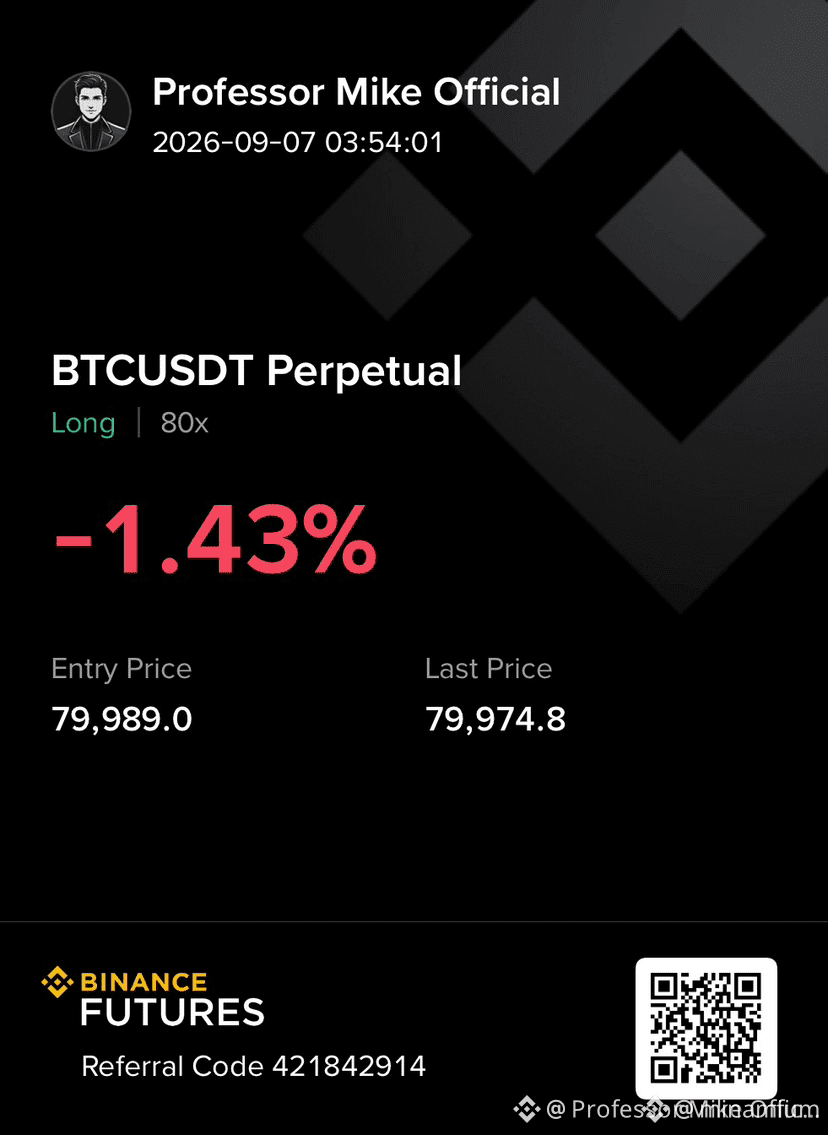
The Bitcoin Vector Signal that called the $126K top just flipped Risk-On again. After going Risk-Off in October 2025, $BTC dropped 54%. Now price has reclaimed $70K and the model is long.
Bears will argue it's lagging and we could still see another leg down. I get it. But ignoring the same signal twice would be a different kind of expensive. When this kind of risk-on flip holds, $ETH and $SOL tend to catch a bid shortly after. I'm not waiting for confirmation that everyone else already sees.
Anyone else treating this as the start of the next leg, or are you still looking for a discount?
#Bitcoin #Crypto #BTC
That hesitation is how traders missed the last cycle and watched 54% vanish from the $126K top. Everyone wants the perfect entry and almost nobody gets it.
The Bitcoin Vector Signal that called the $126K top just flipped Risk-On again. After going Risk-Off in October 2025, $BTC dropped 54%. Now price has reclaimed $70K and the model is long.
Bears will argue it's lagging and we could still see another leg down. I get it. But ignoring the same signal twice would be a different kind of expensive. When this kind of risk-on flip holds, $ETH and $SOL tend to catch a bid shortly after. I'm not waiting for confirmation that everyone else already sees.
Anyone else treating this as the start of the next leg, or are you still looking for a discount?
#Bitcoin #Crypto #BTC
Xem bản dịch
everyone thinks it is safe to sideline after a massive drawdown, but actually staying in stablecoins right now might cost you the cleanest reversal entry of the year.
most traders panic sold the exact bottom or got chopped up trying to catch knives on leverage. watching the market leave without you while you wait for lower dips hurts way more than taking a calculated risk.
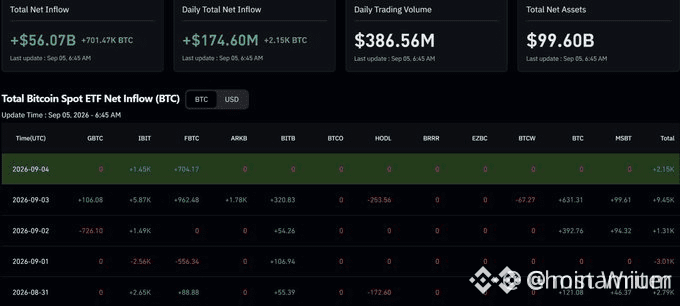
ngl the bitcoin vector signal just flipped risk-on again after $BTC reclaimed the $70k level. last time this same indicator flipped risk-off back in october 2025 right around the $126k top, price ended up bleeding a brutal 54 percent.
when an indicator nails the cycle peak that accurately, ignoring its flip back to long is just asking to buy back higher. we might see major liquidity rotate into $ETH and high beta plays next if momentum holds.
are you bidding this reclaim or still waiting for another sweep?
#BTC #CryptoAnalysis #Bitcoin
most traders panic sold the exact bottom or got chopped up trying to catch knives on leverage. watching the market leave without you while you wait for lower dips hurts way more than taking a calculated risk.
ngl the bitcoin vector signal just flipped risk-on again after $BTC reclaimed the $70k level. last time this same indicator flipped risk-off back in october 2025 right around the $126k top, price ended up bleeding a brutal 54 percent.
when an indicator nails the cycle peak that accurately, ignoring its flip back to long is just asking to buy back higher. we might see major liquidity rotate into $ETH and high beta plays next if momentum holds.
are you bidding this reclaim or still waiting for another sweep?
#BTC #CryptoAnalysis #Bitcoin
Xem bản dịch
If you are still treating nation-state adoption headlines like retail FOMO rallies, stop right now.
Too many traders keep dumping capital into every institutional headline without checking the actual balance sheet mechanics, only to end up holding heavy bags when reality sets in.
The latest IMF pushback on El Salvador confirms what seasoned market participants learned the hard way back in 2021. Just like the initial wave of corporate treasury mania where everyone assumed unlimited spot buying power, sovereign adoption comes with heavy fiscal guardrails and structural compromises. You cannot simply expect billions in public funds to market-buy spot liquidity without global lenders demanding strict ring-fencing.
Meanwhile, market liquidity is silently rotating. While traders get distracted debating sovereign balance sheets, capital is moving into operational cash equivalents like $USDT and structural plays like $ONDO and $ICP where actual yield and utility reside. History always repeats itself: macro headlines create the initial noise, but sustainable trend continuations depend entirely on unencumbered liquidity rather than politically constrained treasuries.
Do you think institutional compromises like this help or hurt sovereign adoption in the long run?
#IMFSaysElSalvadorBTCNoPublicFunds #EightChineseFinancialFirmsRaise360BYuan
Too many traders keep dumping capital into every institutional headline without checking the actual balance sheet mechanics, only to end up holding heavy bags when reality sets in.
The latest IMF pushback on El Salvador confirms what seasoned market participants learned the hard way back in 2021. Just like the initial wave of corporate treasury mania where everyone assumed unlimited spot buying power, sovereign adoption comes with heavy fiscal guardrails and structural compromises. You cannot simply expect billions in public funds to market-buy spot liquidity without global lenders demanding strict ring-fencing.
Meanwhile, market liquidity is silently rotating. While traders get distracted debating sovereign balance sheets, capital is moving into operational cash equivalents like $USDT and structural plays like $ONDO and $ICP where actual yield and utility reside. History always repeats itself: macro headlines create the initial noise, but sustainable trend continuations depend entirely on unencumbered liquidity rather than politically constrained treasuries.
Do you think institutional compromises like this help or hurt sovereign adoption in the long run?
#IMFSaysElSalvadorBTCNoPublicFunds #EightChineseFinancialFirmsRaise360BYuan

Xem bản dịch
everyone thinks nation-state adoption means endless green candles for your portfolio, but actually retail traders are walking straight into a liquidity trap here.
most people see these headlines, fomo into spot positions or max out leverage expecting a god candle, only to get chopped up when institutional reality sets in. the market greed index is sitting high at 74, and when retail blinds themselves with pure hype, smart money uses that exact exit liquidity to dump their bags.
take el salvador as a case study. when the imf stepped in regarding public funds and bitcoin exposure, it highlighted the massive gap between macro treasury policy and everyday price action. holding $BTC at a state level has layers of political compromises and debt conditions attached that degens on the timeline completely ignore. meanwhile, traders are rotating blindly from large caps into high-beta plays like $ONDO or even looking at $ICP for infrastructure narratives without understanding how macro regulatory pressure trickles down to risk assets.
if you are trading these sovereign adoption headlines on high leverage without looking at the strings attached behind closed doors, you are basically offering your stack on a silver platter.
how are you hedging your spot bags against these macro regulatory headlines?
#IMFSaysElSalvadorBTCNoPublicFunds #USIranTradeTankerStrikesEscalate
most people see these headlines, fomo into spot positions or max out leverage expecting a god candle, only to get chopped up when institutional reality sets in. the market greed index is sitting high at 74, and when retail blinds themselves with pure hype, smart money uses that exact exit liquidity to dump their bags.
take el salvador as a case study. when the imf stepped in regarding public funds and bitcoin exposure, it highlighted the massive gap between macro treasury policy and everyday price action. holding $BTC at a state level has layers of political compromises and debt conditions attached that degens on the timeline completely ignore. meanwhile, traders are rotating blindly from large caps into high-beta plays like $ONDO or even looking at $ICP for infrastructure narratives without understanding how macro regulatory pressure trickles down to risk assets.
if you are trading these sovereign adoption headlines on high leverage without looking at the strings attached behind closed doors, you are basically offering your stack on a silver platter.
how are you hedging your spot bags against these macro regulatory headlines?
#IMFSaysElSalvadorBTCNoPublicFunds #USIranTradeTankerStrikesEscalate

Đăng nhập để khám phá thêm nội dung