
Andrew Smithh
7.4k Bài đăng

Andrew Smithh
 Đã xác minh trên Square
Báo cáo
Chặn người dùng
Binance Kol || Web3 Guru || Crypto Mentor || X: @Crypto_Advis0r ||
208 Đang theo dõi
17.4K+ Người theo dõi
52.2K+ Đã thích
Bài đăng
Tất cả
Trích dẫn
Live
PINNED
CHỈ CÒN CHÍN GIỜ NỮA!
$KHÔNG niêm yết tin tức lan khắp nơi như lửa 🔥.
Hãy thắt dây an toàn nhé, $KHÔNG được niêm yết trên Binance vào ngày mai lúc 12:00 UTC.
Nếu bạn muốn nhận được hơn 2000 lần, hãy tham gia sự kiện trực tiếp và trở thành một phần của dự án bùng nổ trong thế giới tiền điện tử.
Ngày mai là ngày của NotCoin 🚀.
@thenotcoin @Binance
#BinanceLaunchpool #PEPEATH
CHỈ CÒN CHÍN GIỜ NỮA!
$KHÔNG niêm yết tin tức lan khắp nơi như lửa 🔥.
Hãy thắt dây an toàn nhé, $KHÔNG được niêm yết trên Binance vào ngày mai lúc 12:00 UTC.
Nếu bạn muốn nhận được hơn 2000 lần, hãy tham gia sự kiện trực tiếp và trở thành một phần của dự án bùng nổ trong thế giới tiền điện tử.
Ngày mai là ngày của NotCoin 🚀.
@Daily Notcoin @Binance
#BinanceLaunchpool #PEPEATH
$KHÔNG niêm yết tin tức lan khắp nơi như lửa 🔥.
Hãy thắt dây an toàn nhé, $KHÔNG được niêm yết trên Binance vào ngày mai lúc 12:00 UTC.
Nếu bạn muốn nhận được hơn 2000 lần, hãy tham gia sự kiện trực tiếp và trở thành một phần của dự án bùng nổ trong thế giới tiền điện tử.
Ngày mai là ngày của NotCoin 🚀.
@Daily Notcoin @Binance
#BinanceLaunchpool #PEPEATH

28
4
122
15.2k
·
--
Tăng giá
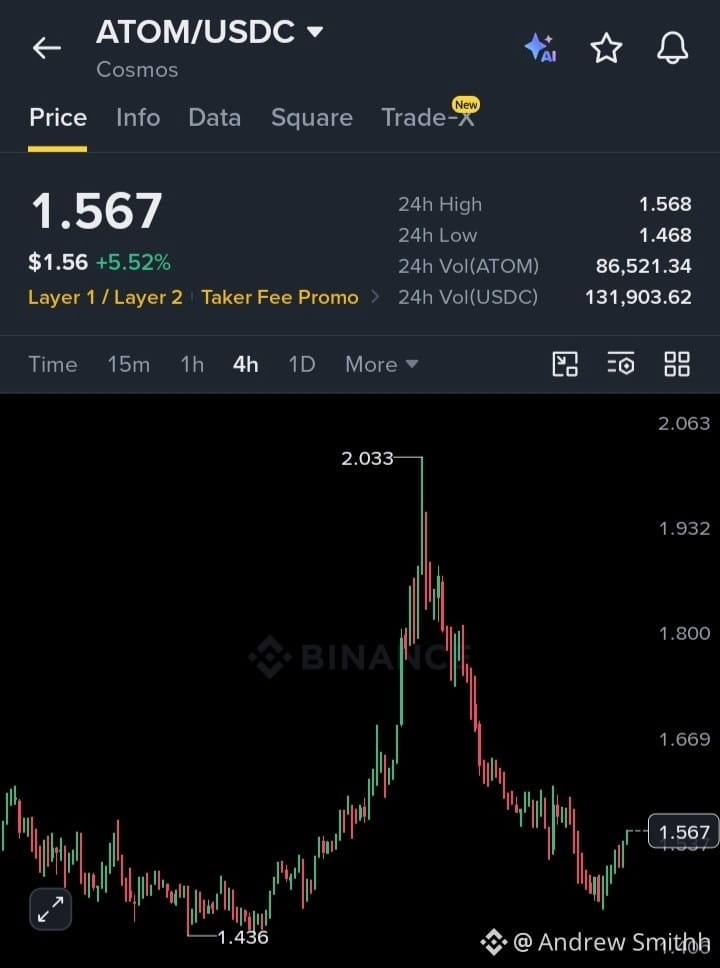
Phân tích biểu đồ $ATOM 4H
Giá hiện tại: $1.567 (+5.52%)
Kháng cự ngay lập tức: $1.60–$1.67
Kháng cự tiếp theo: ~$1.80
Kháng cự lớn: $1.93–$2.03
Hỗ trợ: $1.50–$1.47
Hỗ trợ lớn: ~$1.436
Biểu đồ cho thấy sự phục hồi mạnh từ đáy $1.436, nhưng ATOM vẫn đang nằm dưới vùng quan trọng $1.67.
Một cú đóng cửa 4H rõ ràng vượt lên trên $1.67 có thể cải thiện đà tăng hướng tới $1.80, trong khi bị từ chối tại đây có thể kéo theo một lần kiểm tra lại vùng $1.50–$1.47.
Mức quan trọng cần theo dõi: $1.67.
#ParadigmDisclosesZECHolding #Trading #Binance
Phân tích biểu đồ $ATOM 4H
Giá hiện tại: $1.567 (+5.52%)
Kháng cự ngay lập tức: $1.60–$1.67
Kháng cự tiếp theo: ~$1.80
Kháng cự lớn: $1.93–$2.03
Hỗ trợ: $1.50–$1.47
Hỗ trợ lớn: ~$1.436
Biểu đồ cho thấy sự phục hồi mạnh từ đáy $1.436, nhưng ATOM vẫn đang nằm dưới vùng quan trọng $1.67.
Một cú đóng cửa 4H rõ ràng vượt lên trên $1.67 có thể cải thiện đà tăng hướng tới $1.80, trong khi bị từ chối tại đây có thể kéo theo một lần kiểm tra lại vùng $1.50–$1.47.
Mức quan trọng cần theo dõi: $1.67.
#ParadigmDisclosesZECHolding #Trading #Binance
Giá hiện tại: $1.567 (+5.52%)
Kháng cự ngay lập tức: $1.60–$1.67
Kháng cự tiếp theo: ~$1.80
Kháng cự lớn: $1.93–$2.03
Hỗ trợ: $1.50–$1.47
Hỗ trợ lớn: ~$1.436
Biểu đồ cho thấy sự phục hồi mạnh từ đáy $1.436, nhưng ATOM vẫn đang nằm dưới vùng quan trọng $1.67.
Một cú đóng cửa 4H rõ ràng vượt lên trên $1.67 có thể cải thiện đà tăng hướng tới $1.80, trong khi bị từ chối tại đây có thể kéo theo một lần kiểm tra lại vùng $1.50–$1.47.
Mức quan trọng cần theo dõi: $1.67.
#ParadigmDisclosesZECHolding #Trading #Binance
4
5
177
·
--
Tăng giá
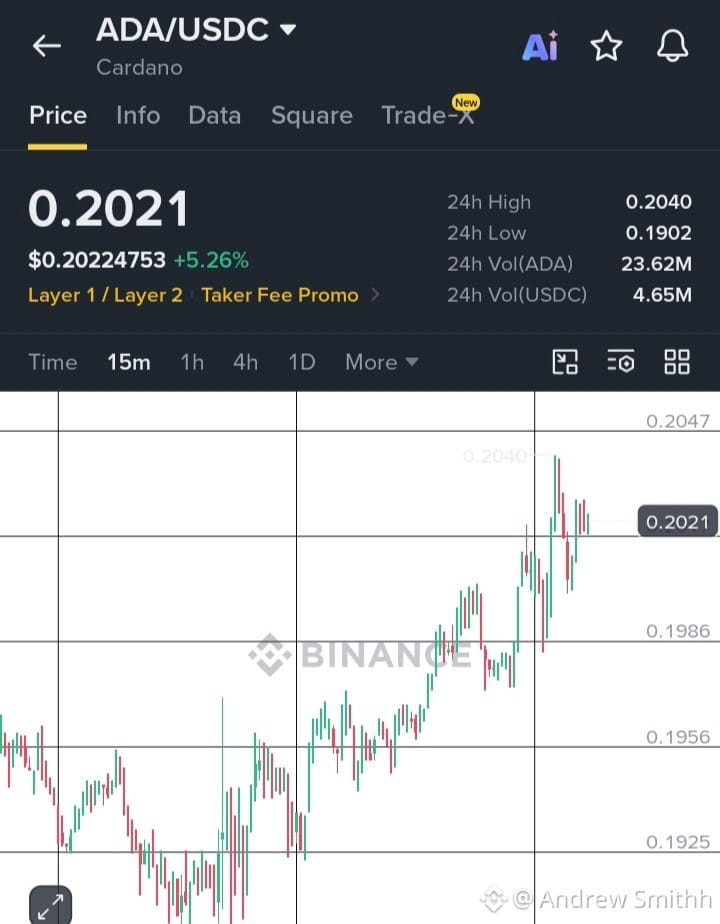
$ADA đang cho thấy đà tăng ngắn hạn vững chắc:
Giá: ~$0.2021
24h: +5.26%
Kháng cự: $0.2040–$0.2047
Hỗ trợ: $0.1986, sau đó $0.1956
Giá đang giữ vững trên mốc $0.20 sau một cú đẩy mạnh đi lên.
Vượt qua một cách rõ ràng và giữ vững trên $0.2047 có thể mở ra cơ hội cho đà tăng tiếp theo.
Mất $0.1986 sẽ làm suy yếu cấu trúc tăng hiện tại.
Mức quan trọng hiện tại: $0.2047.
Đó là vùng cần theo dõi để bứt phá.
#Trading #Binance
$ADA đang cho thấy đà tăng ngắn hạn vững chắc:
Giá: ~$0.2021
24h: +5.26%
Kháng cự: $0.2040–$0.2047
Hỗ trợ: $0.1986, sau đó $0.1956
Giá đang giữ vững trên mốc $0.20 sau một cú đẩy mạnh đi lên.
Vượt qua một cách rõ ràng và giữ vững trên $0.2047 có thể mở ra cơ hội cho đà tăng tiếp theo.
Mất $0.1986 sẽ làm suy yếu cấu trúc tăng hiện tại.
Mức quan trọng hiện tại: $0.2047.
Đó là vùng cần theo dõi để bứt phá.
#Trading #Binance
Giá: ~$0.2021
24h: +5.26%
Kháng cự: $0.2040–$0.2047
Hỗ trợ: $0.1986, sau đó $0.1956
Giá đang giữ vững trên mốc $0.20 sau một cú đẩy mạnh đi lên.
Vượt qua một cách rõ ràng và giữ vững trên $0.2047 có thể mở ra cơ hội cho đà tăng tiếp theo.
Mất $0.1986 sẽ làm suy yếu cấu trúc tăng hiện tại.
Mức quan trọng hiện tại: $0.2047.
Đó là vùng cần theo dõi để bứt phá.
#Trading #Binance
3
4
285
·
--
Tăng giá
🇺🇸 Khẩu vị rủi ro đã quay trở lại.
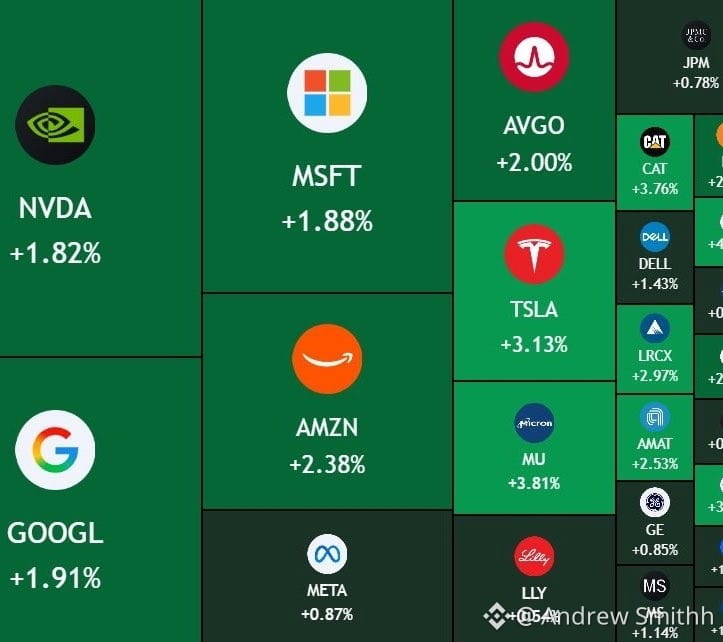
Trump cho biết cuộc chiến Mỹ–Iran có thể đang tiến gần đến hồi kết, trong khi chứng khoán Mỹ mở cửa tăng mạnh khi giá dầu hạ nhiệt.
Big tech dẫn dắt đợt tăng $NVDA $MSFT , $AMZN , $TSLA và $MU đều cùng đi lên.
Khi bất ổn địa chính trị hạ nhiệt, dòng vốn có thể xoay trở lại sang các tài sản rủi ro.
Thị trường đã đang phản ánh sẵn sự “giảm căng thẳng”.
#ParadigmDisclosesZECHolding #USWeeklyJoblessClaimsFallTo196K #ElSalvadorBTCHoldingsRiseTo7777
🇺🇸 Khẩu vị rủi ro đã quay trở lại.
Trump cho biết cuộc chiến Mỹ–Iran có thể đang tiến gần đến hồi kết, trong khi chứng khoán Mỹ mở cửa tăng mạnh khi giá dầu hạ nhiệt.
Big tech dẫn dắt đợt tăng $NVDA $MSFT , $AMZN , $TSLA và $MU đều cùng đi lên.
Khi bất ổn địa chính trị hạ nhiệt, dòng vốn có thể xoay trở lại sang các tài sản rủi ro.
Thị trường đã đang phản ánh sẵn sự “giảm căng thẳng”.
#ParadigmDisclosesZECHolding #USWeeklyJoblessClaimsFallTo196K #ElSalvadorBTCHoldingsRiseTo7777
Trump cho biết cuộc chiến Mỹ–Iran có thể đang tiến gần đến hồi kết, trong khi chứng khoán Mỹ mở cửa tăng mạnh khi giá dầu hạ nhiệt.
Big tech dẫn dắt đợt tăng $NVDA $MSFT , $AMZN , $TSLA và $MU đều cùng đi lên.
Khi bất ổn địa chính trị hạ nhiệt, dòng vốn có thể xoay trở lại sang các tài sản rủi ro.
Thị trường đã đang phản ánh sẵn sự “giảm căng thẳng”.
#ParadigmDisclosesZECHolding #USWeeklyJoblessClaimsFallTo196K #ElSalvadorBTCHoldingsRiseTo7777
3
4
431
·
--
Tăng giá
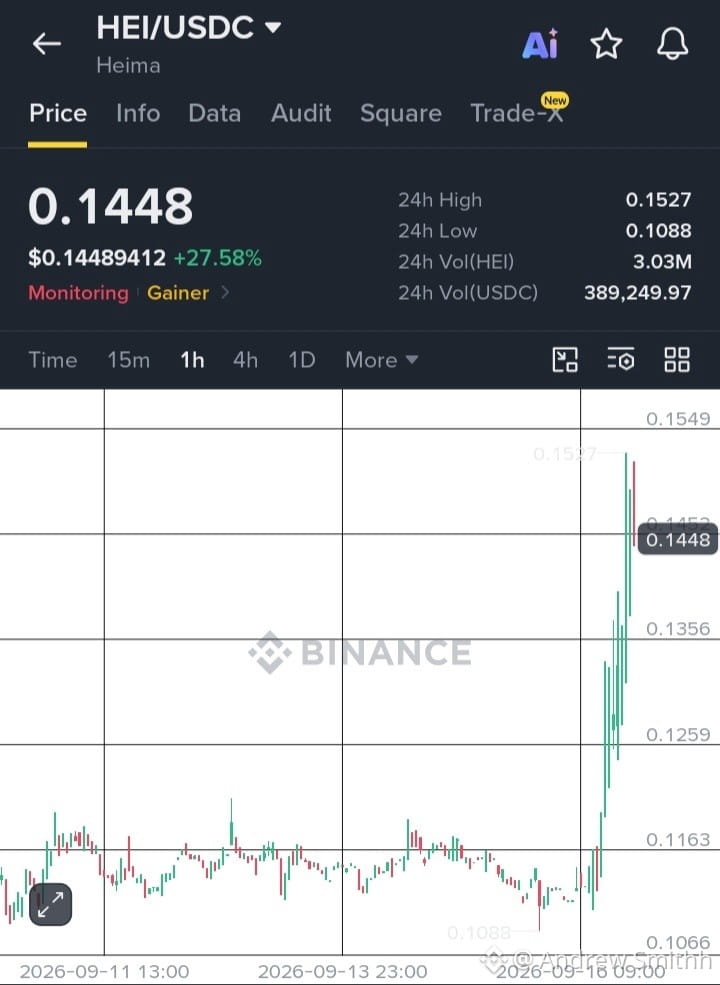
HEI đang thể hiện một đà tăng nghiêm túc ở đây. 🔥
$HEI đã tăng 27,58%, đẩy từ khoảng $0.109 lên mức cao nhất trong 24h là $0.1527.
Biểu đồ 1H cho thấy một sự bứt phá rõ ràng khỏi vùng $0.116, với lực mua mạnh đứng sau đợt tăng.
Các mốc quan trọng: • Kháng cự: $0.1527–$0.155 • Hỗ trợ: $0.1356 • Hỗ trợ tiếp theo: $0.1259
Nếu bên mua có thể giữ vững trên $0.1356 sau khi bứt phá, cấu trúc vẫn còn rất đáng chú ý. 📈
#Trading #Binance
HEI đang thể hiện một đà tăng nghiêm túc ở đây. 🔥
$HEI đã tăng 27,58%, đẩy từ khoảng $0.109 lên mức cao nhất trong 24h là $0.1527.
Biểu đồ 1H cho thấy một sự bứt phá rõ ràng khỏi vùng $0.116, với lực mua mạnh đứng sau đợt tăng.
Các mốc quan trọng: • Kháng cự: $0.1527–$0.155 • Hỗ trợ: $0.1356 • Hỗ trợ tiếp theo: $0.1259
Nếu bên mua có thể giữ vững trên $0.1356 sau khi bứt phá, cấu trúc vẫn còn rất đáng chú ý. 📈
#Trading #Binance
$HEI đã tăng 27,58%, đẩy từ khoảng $0.109 lên mức cao nhất trong 24h là $0.1527.
Biểu đồ 1H cho thấy một sự bứt phá rõ ràng khỏi vùng $0.116, với lực mua mạnh đứng sau đợt tăng.
Các mốc quan trọng: • Kháng cự: $0.1527–$0.155 • Hỗ trợ: $0.1356 • Hỗ trợ tiếp theo: $0.1259
Nếu bên mua có thể giữ vững trên $0.1356 sau khi bứt phá, cấu trúc vẫn còn rất đáng chú ý. 📈
#Trading #Binance
1
236
·
--
Tăng giá
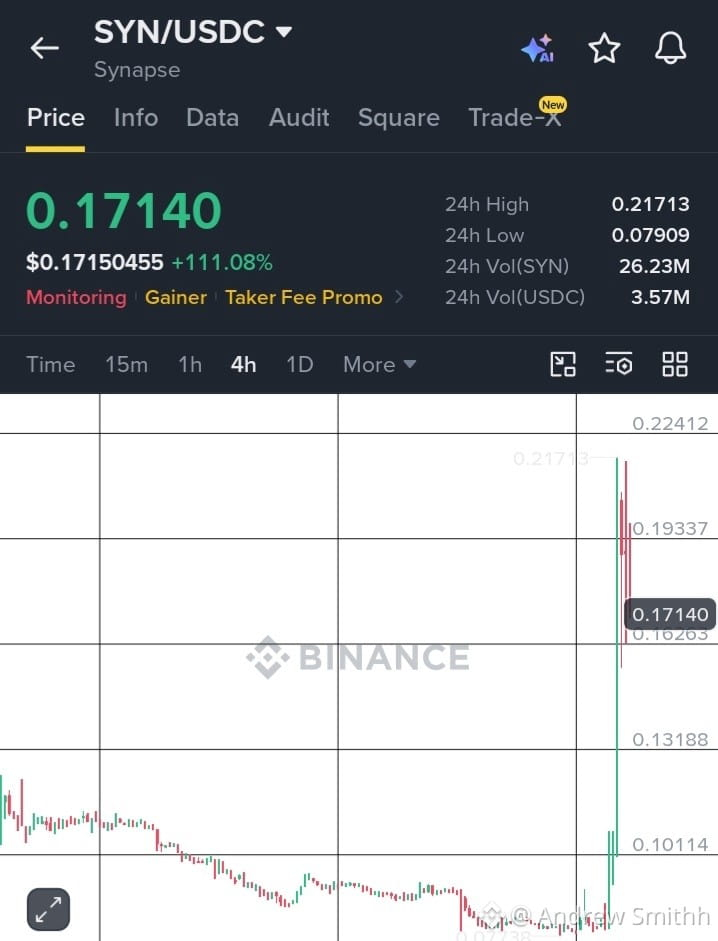
$SYN Đà tăng đang trở nên điên cuồng 🚀
$SYN vừa thực hiện một bước nhảy cực lớn, tăng 111% trong 24H và đẩy giá lên cao nhất ở mức $0.217.
Biểu đồ khung 4H cho thấy một cú bứt phá mạnh khỏi vùng $0.10, với khối lượng mở rộng một cách quyết liệt.
Giờ là các mốc quan trọng cần theo dõi:
• $0.193 — kháng cự ngắn hạn
• $0.171 — vùng hiện tại
• $0.162 — hỗ trợ tiềm năng
• $0.217 — đỉnh gần đây
Sau một đợt tăng mạnh như vậy, biến động (volatility) có thể vẫn duy trì ở mức cao.
Phần quan trọng lúc này là liệu $SYN có thể giữ vững vùng bứt phá hay không, thay vì trả lại toàn bộ mức tăng.
Động lượng là rất rõ ràng. Sự xác nhận đến từ việc giữ được các mốc. 👀
#Trading #Binance
$SYN Đà tăng đang trở nên điên cuồng 🚀
$SYN vừa thực hiện một bước nhảy cực lớn, tăng 111% trong 24H và đẩy giá lên cao nhất ở mức $0.217.
Biểu đồ khung 4H cho thấy một cú bứt phá mạnh khỏi vùng $0.10, với khối lượng mở rộng một cách quyết liệt.
Giờ là các mốc quan trọng cần theo dõi:
• $0.193 — kháng cự ngắn hạn
• $0.171 — vùng hiện tại
• $0.162 — hỗ trợ tiềm năng
• $0.217 — đỉnh gần đây
Sau một đợt tăng mạnh như vậy, biến động (volatility) có thể vẫn duy trì ở mức cao.
Phần quan trọng lúc này là liệu $SYN có thể giữ vững vùng bứt phá hay không, thay vì trả lại toàn bộ mức tăng.
Động lượng là rất rõ ràng. Sự xác nhận đến từ việc giữ được các mốc. 👀
#Trading #Binance
$SYN vừa thực hiện một bước nhảy cực lớn, tăng 111% trong 24H và đẩy giá lên cao nhất ở mức $0.217.
Biểu đồ khung 4H cho thấy một cú bứt phá mạnh khỏi vùng $0.10, với khối lượng mở rộng một cách quyết liệt.
Giờ là các mốc quan trọng cần theo dõi:
• $0.193 — kháng cự ngắn hạn
• $0.171 — vùng hiện tại
• $0.162 — hỗ trợ tiềm năng
• $0.217 — đỉnh gần đây
Sau một đợt tăng mạnh như vậy, biến động (volatility) có thể vẫn duy trì ở mức cao.
Phần quan trọng lúc này là liệu $SYN có thể giữ vững vùng bứt phá hay không, thay vì trả lại toàn bộ mức tăng.
Động lượng là rất rõ ràng. Sự xác nhận đến từ việc giữ được các mốc. 👀
#Trading #Binance
1
376
Tại sao $SUI có thể trở thành một tài sản Top 10?
Bởi vì Sui không chỉ xây dựng thêm một chuỗi khác. Sui đang xây dựng một hệ sinh thái tài chính phi tập trung nhằm kết nối crypto với tài chính trong thế giới thực.
💧 DeFi, thanh toán, stablecoins & RWAs
💧 Cổ phiếu, trái phiếu và hàng hóa được token hóa
💧 Thanh khoản stablecoin đang tăng trưởng
💧 Paga mang Sui Dollar đến các khoản thanh toán của người tiêu dùng
💧 RedotPay giúp thanh toán SUI & USDC-Sui trên hơn 100 quốc gia
💧 Hashi đưa $BTC thanh khoản vào Sui trong khi vẫn giữ BTC trên Bitcoin
💧 Các ứng dụng được xây dựng cho hàng triệu người dùng, không chỉ cho “crypto natives”
Bức tranh lớn thì rất đơn giản:
Sui đang định vị mình như một điểm đến nơi vốn có thể di chuyển, giao dịch và thanh toán trên chuỗi.
Những kẻ chiến thắng dài hạn sẽ không chỉ được định nghĩa bởi các câu chuyện. Họ sẽ được định nghĩa bởi người dùng thật, thanh khoản thật và tính ứng dụng trong thế giới thực.
Đó là luận điểm SUI mà tôi đang theo dõi. 👀
#Trading #Binance
Tại sao $SUI có thể trở thành một tài sản Top 10?
Bởi vì Sui không chỉ xây dựng thêm một chuỗi khác. Sui đang xây dựng một hệ sinh thái tài chính phi tập trung nhằm kết nối crypto với tài chính trong thế giới thực.
💧 DeFi, thanh toán, stablecoins & RWAs
💧 Cổ phiếu, trái phiếu và hàng hóa được token hóa
💧 Thanh khoản stablecoin đang tăng trưởng
💧 Paga mang Sui Dollar đến các khoản thanh toán của người tiêu dùng
💧 RedotPay giúp thanh toán SUI & USDC-Sui trên hơn 100 quốc gia
💧 Hashi đưa $BTC thanh khoản vào Sui trong khi vẫn giữ BTC trên Bitcoin
💧 Các ứng dụng được xây dựng cho hàng triệu người dùng, không chỉ cho “crypto natives”
Bức tranh lớn thì rất đơn giản:
Sui đang định vị mình như một điểm đến nơi vốn có thể di chuyển, giao dịch và thanh toán trên chuỗi.
Những kẻ chiến thắng dài hạn sẽ không chỉ được định nghĩa bởi các câu chuyện. Họ sẽ được định nghĩa bởi người dùng thật, thanh khoản thật và tính ứng dụng trong thế giới thực.
Đó là luận điểm SUI mà tôi đang theo dõi. 👀
#Trading #Binance
Bởi vì Sui không chỉ xây dựng thêm một chuỗi khác. Sui đang xây dựng một hệ sinh thái tài chính phi tập trung nhằm kết nối crypto với tài chính trong thế giới thực.
💧 DeFi, thanh toán, stablecoins & RWAs
💧 Cổ phiếu, trái phiếu và hàng hóa được token hóa
💧 Thanh khoản stablecoin đang tăng trưởng
💧 Paga mang Sui Dollar đến các khoản thanh toán của người tiêu dùng
💧 RedotPay giúp thanh toán SUI & USDC-Sui trên hơn 100 quốc gia
💧 Hashi đưa $BTC thanh khoản vào Sui trong khi vẫn giữ BTC trên Bitcoin
💧 Các ứng dụng được xây dựng cho hàng triệu người dùng, không chỉ cho “crypto natives”
Bức tranh lớn thì rất đơn giản:
Sui đang định vị mình như một điểm đến nơi vốn có thể di chuyển, giao dịch và thanh toán trên chuỗi.
Những kẻ chiến thắng dài hạn sẽ không chỉ được định nghĩa bởi các câu chuyện. Họ sẽ được định nghĩa bởi người dùng thật, thanh khoản thật và tính ứng dụng trong thế giới thực.
Đó là luận điểm SUI mà tôi đang theo dõi. 👀
#Trading #Binance
1
261
·
--
Tăng giá
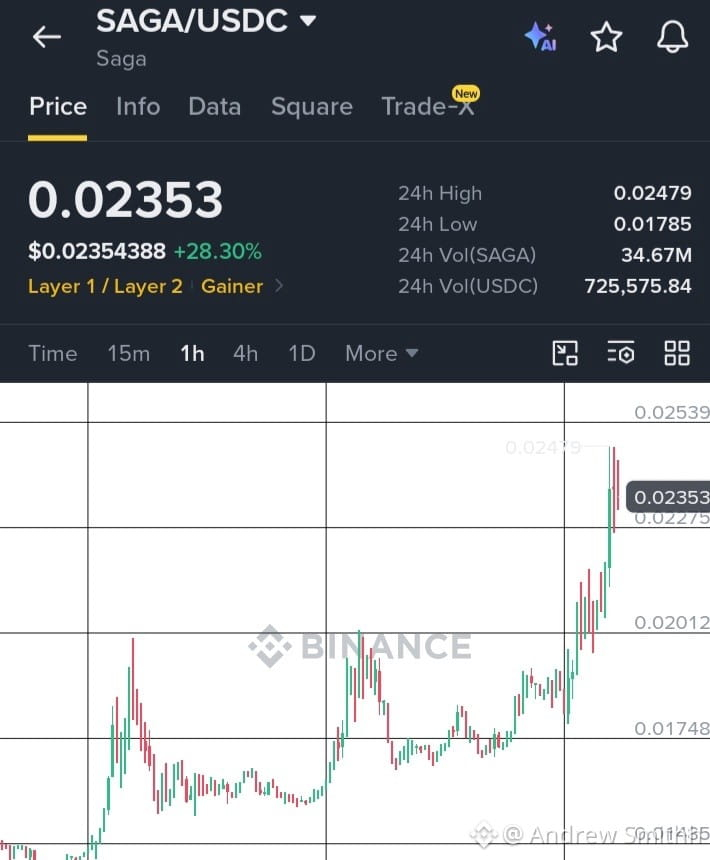
$SAGA is đang thức giấc!
SAGA/USDC tăng 28.30%, đẩy lên $0.02353 với lực mua mạnh chống đỡ cho đợt biến động.
Biểu đồ cho thấy một cú bứt phá rõ ràng vượt qua mức kháng cự $0.02012, và hiện phe bò đang thử thách mức cao 24H $0.02479.
Nếu động lượng được duy trì, một cú phá sạch trên $0.02479 có thể mở ra cánh cửa cho các mức cao hơn. 📈
$SAGA is chắc chắn là một cái tên cần theo dõi.
#Binance #Trading
$SAGA is đang thức giấc!
SAGA/USDC tăng 28.30%, đẩy lên $0.02353 với lực mua mạnh chống đỡ cho đợt biến động.
Biểu đồ cho thấy một cú bứt phá rõ ràng vượt qua mức kháng cự $0.02012, và hiện phe bò đang thử thách mức cao 24H $0.02479.
Nếu động lượng được duy trì, một cú phá sạch trên $0.02479 có thể mở ra cánh cửa cho các mức cao hơn. 📈
$SAGA is chắc chắn là một cái tên cần theo dõi.
#Binance #Trading
SAGA/USDC tăng 28.30%, đẩy lên $0.02353 với lực mua mạnh chống đỡ cho đợt biến động.
Biểu đồ cho thấy một cú bứt phá rõ ràng vượt qua mức kháng cự $0.02012, và hiện phe bò đang thử thách mức cao 24H $0.02479.
Nếu động lượng được duy trì, một cú phá sạch trên $0.02479 có thể mở ra cánh cửa cho các mức cao hơn. 📈
$SAGA is chắc chắn là một cái tên cần theo dõi.
#Binance #Trading
2
334
🚨 Tích lũy crypto của doanh nghiệp tiếp tục ngày càng lớn hơn.
BitMine Immersion vừa bổ sung thêm 27,180 $ETH , đẩy lượng nắm giữ của mình lên hơn 5,96M ETH.
Trong khi đó, Strategy đã mua lại thêm lượng trị giá 139 triệu USD của $STRC, với số lượng nắm giữ Bitcoin hiện đạt 845,050 $BTC . ₿
Các tổ chức tiếp tục xếp chồng crypto trong khi cuộc chơi về nguồn cung dài hạn ngày càng trở nên khan hiếm hơn.
Cuộc đua tích lũy này mới chỉ bắt đầu.
#Trading #Binance
🚨 Tích lũy crypto của doanh nghiệp tiếp tục ngày càng lớn hơn.
BitMine Immersion vừa bổ sung thêm 27,180 $ETH , đẩy lượng nắm giữ của mình lên hơn 5,96M ETH.
Trong khi đó, Strategy đã mua lại thêm lượng trị giá 139 triệu USD của $STRC, với số lượng nắm giữ Bitcoin hiện đạt 845,050 $BTC . ₿
Các tổ chức tiếp tục xếp chồng crypto trong khi cuộc chơi về nguồn cung dài hạn ngày càng trở nên khan hiếm hơn.
Cuộc đua tích lũy này mới chỉ bắt đầu.
#Trading #Binance
BitMine Immersion vừa bổ sung thêm 27,180 $ETH , đẩy lượng nắm giữ của mình lên hơn 5,96M ETH.
Trong khi đó, Strategy đã mua lại thêm lượng trị giá 139 triệu USD của $STRC, với số lượng nắm giữ Bitcoin hiện đạt 845,050 $BTC . ₿
Các tổ chức tiếp tục xếp chồng crypto trong khi cuộc chơi về nguồn cung dài hạn ngày càng trở nên khan hiếm hơn.
Cuộc đua tích lũy này mới chỉ bắt đầu.
#Trading #Binance

1
495
·
--
Tăng giá
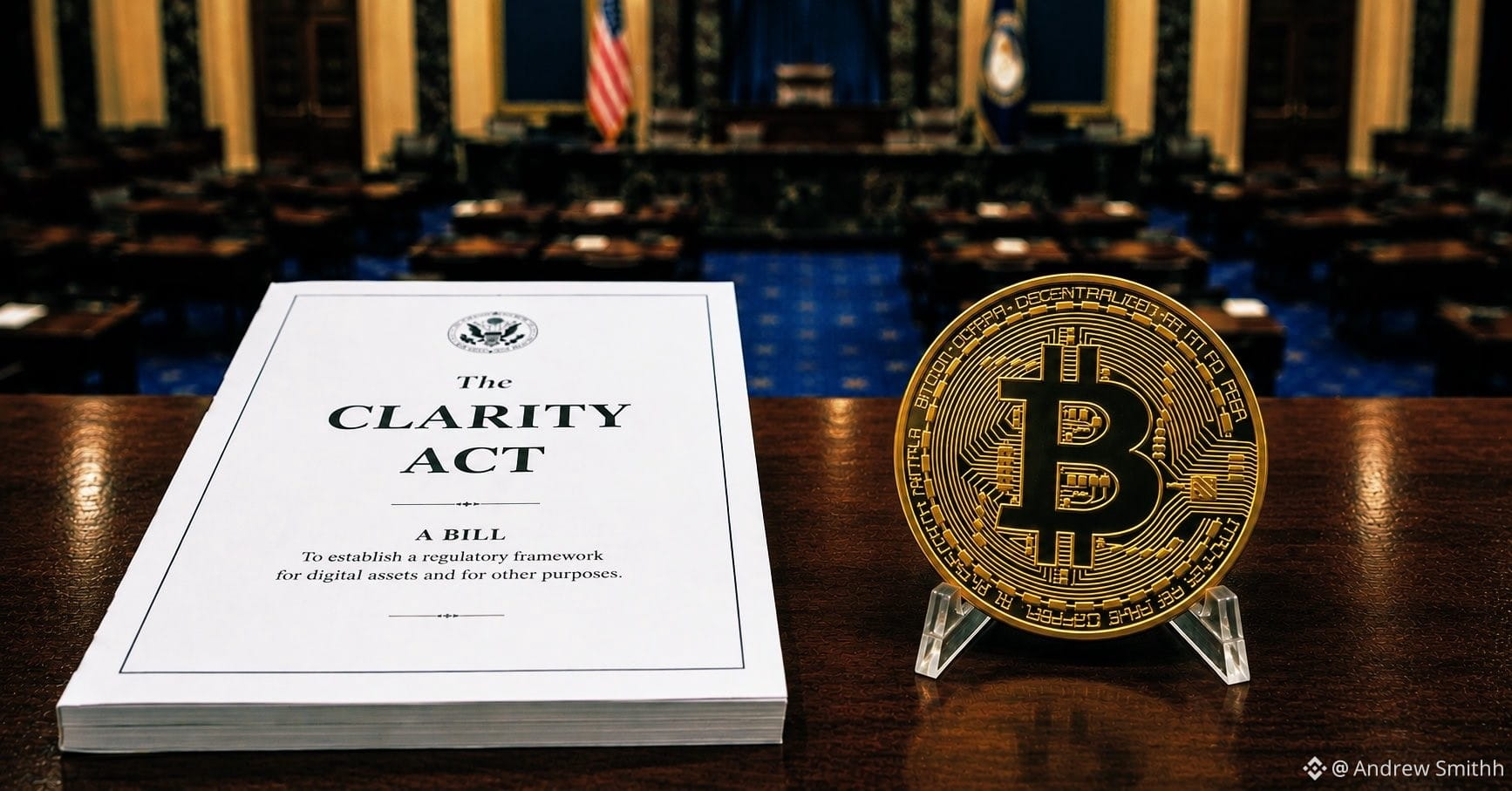
Các quỹ kho bạc crypto hiện chỉ nắm giữ một phần nhỏ trong tổng nguồn cung $BTC .
Giờ hãy tưởng tượng Đạo luật CLARITY được thông qua và sự không chắc chắn về quy định bắt đầu giảm bớt. 🇺🇸
Điều đó có thể mở ra cánh cửa để nhiều tổ chức, công ty và dòng vốn hơn tham gia thị trường với sự tự tin lớn hơn.
6% ngày hôm nay. Điều gì xảy ra khi 94% còn lại bắt đầu được định giá lại? ₿
Thượng viện dự kiến sẽ có một cuộc bỏ phiếu thủ tục quan trọng vào ngày 15 tháng 9, vì vậy đây là một tuần then chốt cho quy định về crypto tại Mỹ.
#Bitcoin #Crypto #CLARITYAct #CryptoRegulation
Các quỹ kho bạc crypto hiện chỉ nắm giữ một phần nhỏ trong tổng nguồn cung $BTC .
Giờ hãy tưởng tượng Đạo luật CLARITY được thông qua và sự không chắc chắn về quy định bắt đầu giảm bớt. 🇺🇸
Điều đó có thể mở ra cánh cửa để nhiều tổ chức, công ty và dòng vốn hơn tham gia thị trường với sự tự tin lớn hơn.
6% ngày hôm nay. Điều gì xảy ra khi 94% còn lại bắt đầu được định giá lại? ₿
Thượng viện dự kiến sẽ có một cuộc bỏ phiếu thủ tục quan trọng vào ngày 15 tháng 9, vì vậy đây là một tuần then chốt cho quy định về crypto tại Mỹ.
#Bitcoin #Crypto #CLARITYAct #CryptoRegulation
Giờ hãy tưởng tượng Đạo luật CLARITY được thông qua và sự không chắc chắn về quy định bắt đầu giảm bớt. 🇺🇸
Điều đó có thể mở ra cánh cửa để nhiều tổ chức, công ty và dòng vốn hơn tham gia thị trường với sự tự tin lớn hơn.
6% ngày hôm nay. Điều gì xảy ra khi 94% còn lại bắt đầu được định giá lại? ₿
Thượng viện dự kiến sẽ có một cuộc bỏ phiếu thủ tục quan trọng vào ngày 15 tháng 9, vì vậy đây là một tuần then chốt cho quy định về crypto tại Mỹ.
#Bitcoin #Crypto #CLARITYAct #CryptoRegulation
1
306
·
--
Tăng giá
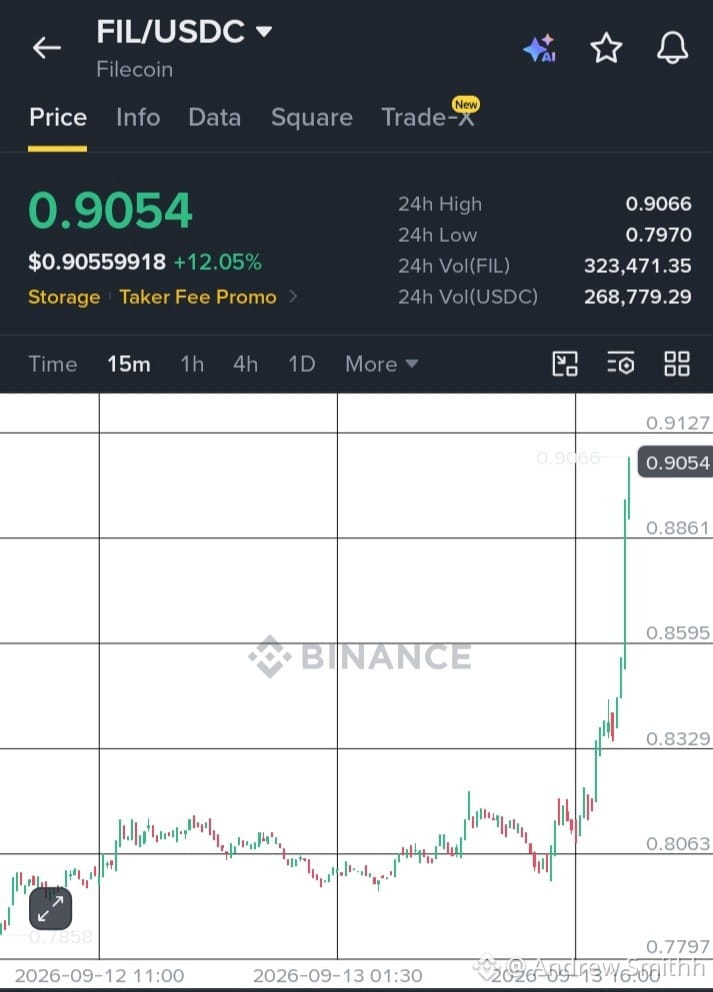
Filecoin là một mạng lưu trữ phi tập trung biến dung lượng lưu trữ chưa được sử dụng thành một tài nguyên số mở.
$FIL đang thể hiện đà tăng mạnh mẽ sau khi vượt qua mức kháng cự quan trọng.
📍 Vào lệnh: $0.88–$0.90
🎯 T1: $0.93 | T2: $0.98 | T3: $1.05
🛑 Cắt lỗ: $0.84
💡 Mẹo 1: Chờ một lần kiểm tra lại (retest) rõ ràng.
💡 Mẹo 2: Xác nhận với khối lượng giao dịch mạnh.
💡 Mẹo 3: Chốt dần gần các mục tiêu.
Đà tăng rất mạnh, nhưng quản lý rủi ro phải được đặt lên hàng đầu.
#Trading #Binance
Filecoin là một mạng lưu trữ phi tập trung biến dung lượng lưu trữ chưa được sử dụng thành một tài nguyên số mở.
$FIL đang thể hiện đà tăng mạnh mẽ sau khi vượt qua mức kháng cự quan trọng.
📍 Vào lệnh: $0.88–$0.90
🎯 T1: $0.93 | T2: $0.98 | T3: $1.05
🛑 Cắt lỗ: $0.84
💡 Mẹo 1: Chờ một lần kiểm tra lại (retest) rõ ràng.
💡 Mẹo 2: Xác nhận với khối lượng giao dịch mạnh.
💡 Mẹo 3: Chốt dần gần các mục tiêu.
Đà tăng rất mạnh, nhưng quản lý rủi ro phải được đặt lên hàng đầu.
#Trading #Binance
$FIL đang thể hiện đà tăng mạnh mẽ sau khi vượt qua mức kháng cự quan trọng.
📍 Vào lệnh: $0.88–$0.90
🎯 T1: $0.93 | T2: $0.98 | T3: $1.05
🛑 Cắt lỗ: $0.84
💡 Mẹo 1: Chờ một lần kiểm tra lại (retest) rõ ràng.
💡 Mẹo 2: Xác nhận với khối lượng giao dịch mạnh.
💡 Mẹo 3: Chốt dần gần các mục tiêu.
Đà tăng rất mạnh, nhưng quản lý rủi ro phải được đặt lên hàng đầu.
#Trading #Binance
1
467
·
--
Tăng giá
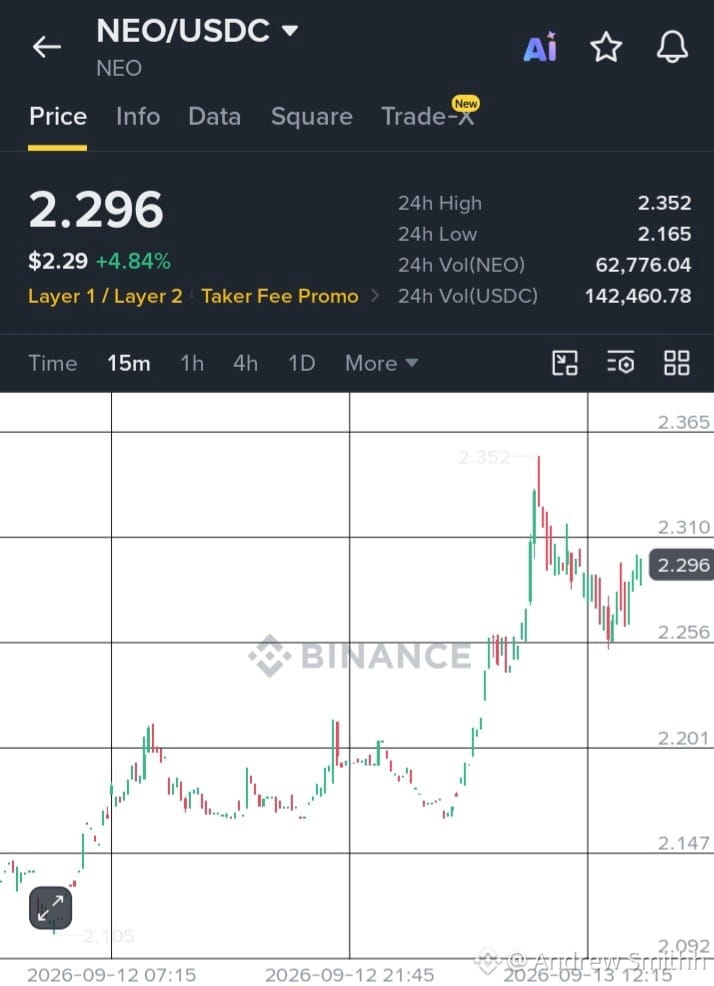
Biểu đồ $NEO 15m trông có vẻ tăng 📈
Hiện tại: $2.296 (+4.84%)
Hỗ trợ: $2.256 → $2.201
Kháng cự: $2.310 → $2.352
Giá đang giữ vững trên $2.256 sau đợt bứt phá, điều này giúp cấu trúc ngắn hạn vẫn tích cực.
Nếu phá vỡ rõ ràng lên trên $2.310, có thể mở đường hướng tới $2.35+.
Mất $2.256 sẽ làm suy yếu kịch bản và có thể kéo giá quay lại vùng $2.20.
Tăng khi $2.256 được giữ vững.
#Trading #Binance
Biểu đồ $NEO 15m trông có vẻ tăng 📈
Hiện tại: $2.296 (+4.84%)
Hỗ trợ: $2.256 → $2.201
Kháng cự: $2.310 → $2.352
Giá đang giữ vững trên $2.256 sau đợt bứt phá, điều này giúp cấu trúc ngắn hạn vẫn tích cực.
Nếu phá vỡ rõ ràng lên trên $2.310, có thể mở đường hướng tới $2.35+.
Mất $2.256 sẽ làm suy yếu kịch bản và có thể kéo giá quay lại vùng $2.20.
Tăng khi $2.256 được giữ vững.
#Trading #Binance
Hiện tại: $2.296 (+4.84%)
Hỗ trợ: $2.256 → $2.201
Kháng cự: $2.310 → $2.352
Giá đang giữ vững trên $2.256 sau đợt bứt phá, điều này giúp cấu trúc ngắn hạn vẫn tích cực.
Nếu phá vỡ rõ ràng lên trên $2.310, có thể mở đường hướng tới $2.35+.
Mất $2.256 sẽ làm suy yếu kịch bản và có thể kéo giá quay lại vùng $2.20.
Tăng khi $2.256 được giữ vững.
#Trading #Binance
1
198
·
--
Tăng giá
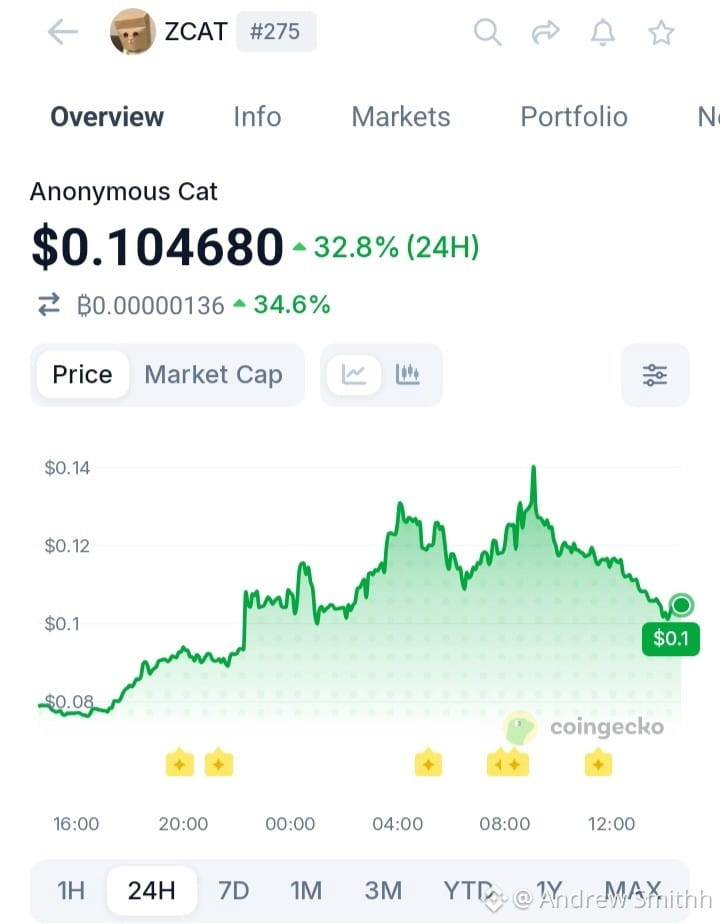
$ZCAT đang thực hiện một bước đi nghiêm túc 👀
Sau khi Ansem nêu token này như một cách chơi khác cho $ZEC trade, token đã tăng vọt 33%.
Cấu hình này khá thú vị: thuế chuyển 3% được dùng để tài trợ phần thưởng ZEC trực tiếp cho người nắm giữ.
Rủi ro cao hơn, nhưng chắc chắn là một cái cần theo dõi khi câu chuyện về ZEC đang nóng lên. 🚀
#Trading #Binance
$ZCAT đang thực hiện một bước đi nghiêm túc 👀
Sau khi Ansem nêu token này như một cách chơi khác cho $ZEC trade, token đã tăng vọt 33%.
Cấu hình này khá thú vị: thuế chuyển 3% được dùng để tài trợ phần thưởng ZEC trực tiếp cho người nắm giữ.
Rủi ro cao hơn, nhưng chắc chắn là một cái cần theo dõi khi câu chuyện về ZEC đang nóng lên. 🚀
#Trading #Binance
Sau khi Ansem nêu token này như một cách chơi khác cho $ZEC trade, token đã tăng vọt 33%.
Cấu hình này khá thú vị: thuế chuyển 3% được dùng để tài trợ phần thưởng ZEC trực tiếp cho người nắm giữ.
Rủi ro cao hơn, nhưng chắc chắn là một cái cần theo dõi khi câu chuyện về ZEC đang nóng lên. 🚀
#Trading #Binance
2
339
·
--
Tăng giá
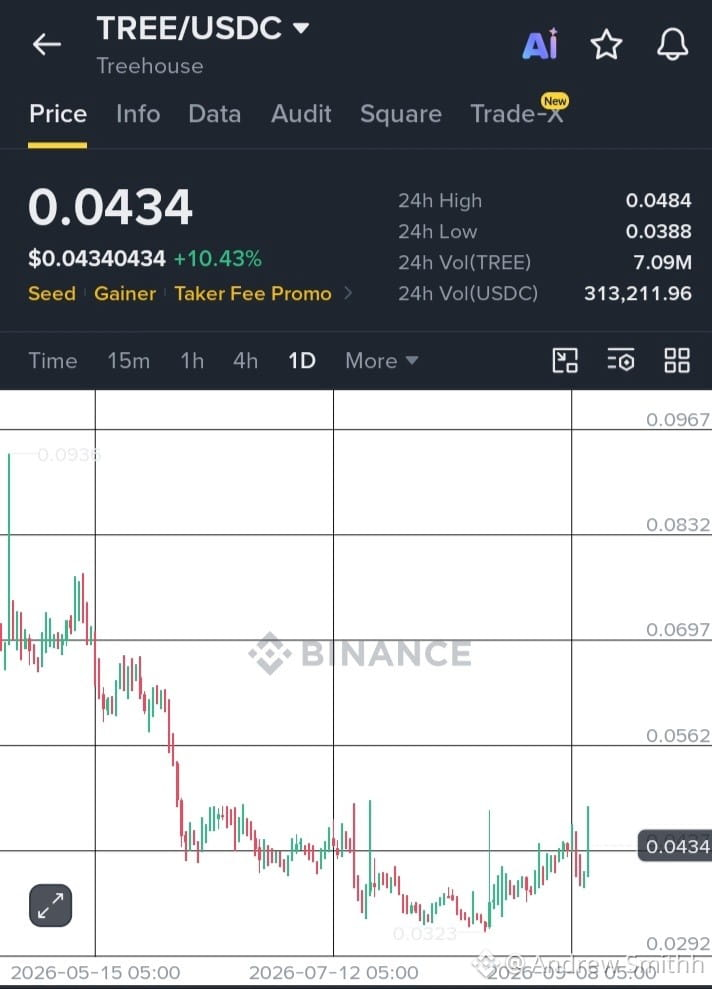
$TREE trông có vẻ tăng giá sau khi giành lại $0.0434 📈 Cấu trúc biểu đồ ưu tiên xu hướng tiếp diễn nếu hỗ trợ được giữ vững.
Điểm vào lệnh: $0.0425–0.0440
🎯 T1 $0.0484 | T2 $0.0562 | T3 $0.0697
Mẹo 1: Mua khi kiểm định lại.
Mẹo 2: Xác nhận bằng khối lượng.
Mẹo 3: Chốt từng phần tại các mục tiêu
🛑 Cắt lỗ: $0.0380
Kiên nhẫn với kịch bản, kỷ luật với rủi ro. 🚀
#Trading #Binance
$TREE trông có vẻ tăng giá sau khi giành lại $0.0434 📈 Cấu trúc biểu đồ ưu tiên xu hướng tiếp diễn nếu hỗ trợ được giữ vững.
Điểm vào lệnh: $0.0425–0.0440
🎯 T1 $0.0484 | T2 $0.0562 | T3 $0.0697
Mẹo 1: Mua khi kiểm định lại.
Mẹo 2: Xác nhận bằng khối lượng.
Mẹo 3: Chốt từng phần tại các mục tiêu
🛑 Cắt lỗ: $0.0380
Kiên nhẫn với kịch bản, kỷ luật với rủi ro. 🚀
#Trading #Binance
Điểm vào lệnh: $0.0425–0.0440
🎯 T1 $0.0484 | T2 $0.0562 | T3 $0.0697
Mẹo 1: Mua khi kiểm định lại.
Mẹo 2: Xác nhận bằng khối lượng.
Mẹo 3: Chốt từng phần tại các mục tiêu
🛑 Cắt lỗ: $0.0380
Kiên nhẫn với kịch bản, kỷ luật với rủi ro. 🚀
#Trading #Binance
1
179
·
--
Tăng giá
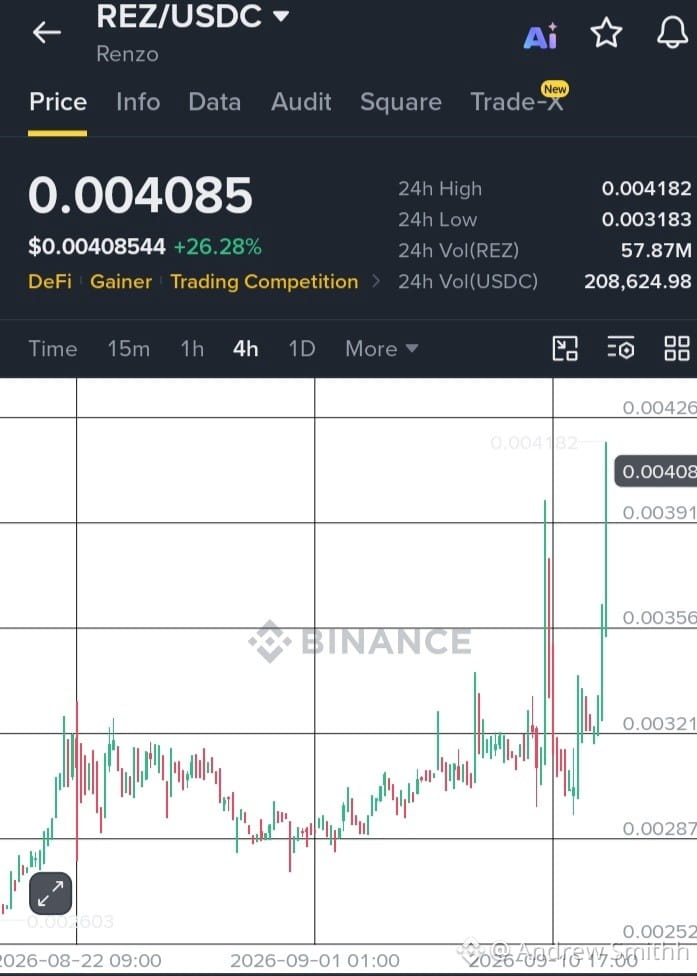
$REZ is cho thấy một đột phá mạnh trên biểu đồ 4H.
Giá: $0.00409 (+26.3%)
Kháng cự: $0.00418–$0.00426
Hỗ trợ quan trọng: $0.00391, sau đó là $0.00356
Hỗ trợ chính: ~ $0.00321
Diễn biến vượt lên trên $0.00356 với khối lượng lớn là tín hiệu tích cực.
Nếu REZ giữ vững trên vùng đó và vượt $0.00418, mục tiêu tiếp theo có thể nằm quanh $0.00426+.
Nếu bị từ chối quanh $0.00418–$0.00426, giá có thể quay lại kiểm tra $0.00391 hoặc $0.00356 trước một nỗ lực tiếp theo.
#Trading #Binance
$REZ is cho thấy một đột phá mạnh trên biểu đồ 4H.
Giá: $0.00409 (+26.3%)
Kháng cự: $0.00418–$0.00426
Hỗ trợ quan trọng: $0.00391, sau đó là $0.00356
Hỗ trợ chính: ~ $0.00321
Diễn biến vượt lên trên $0.00356 với khối lượng lớn là tín hiệu tích cực.
Nếu REZ giữ vững trên vùng đó và vượt $0.00418, mục tiêu tiếp theo có thể nằm quanh $0.00426+.
Nếu bị từ chối quanh $0.00418–$0.00426, giá có thể quay lại kiểm tra $0.00391 hoặc $0.00356 trước một nỗ lực tiếp theo.
#Trading #Binance
Giá: $0.00409 (+26.3%)
Kháng cự: $0.00418–$0.00426
Hỗ trợ quan trọng: $0.00391, sau đó là $0.00356
Hỗ trợ chính: ~ $0.00321
Diễn biến vượt lên trên $0.00356 với khối lượng lớn là tín hiệu tích cực.
Nếu REZ giữ vững trên vùng đó và vượt $0.00418, mục tiêu tiếp theo có thể nằm quanh $0.00426+.
Nếu bị từ chối quanh $0.00418–$0.00426, giá có thể quay lại kiểm tra $0.00391 hoặc $0.00356 trước một nỗ lực tiếp theo.
#Trading #Binance
1
223
·
--
Tăng giá
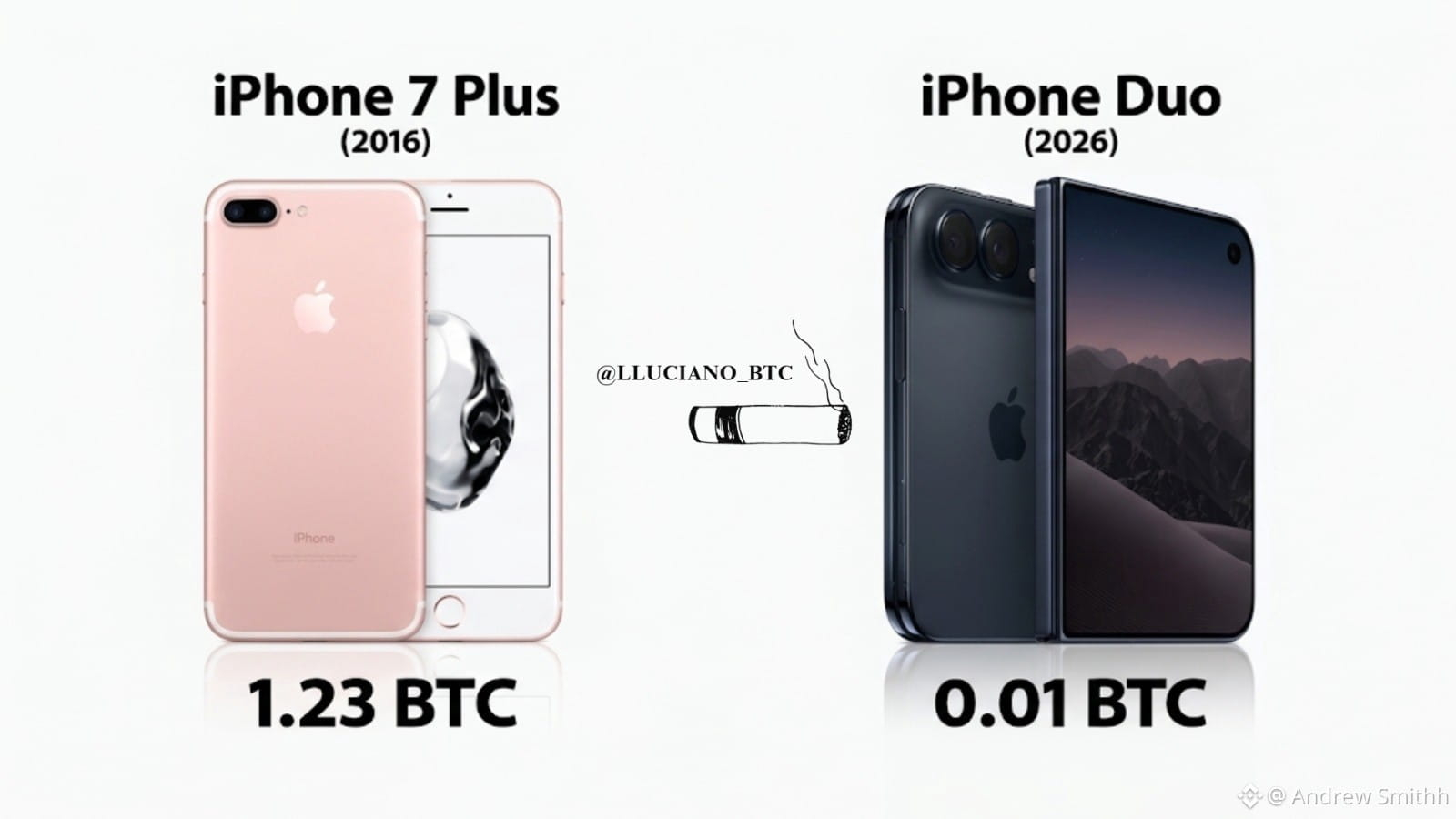
Sự “flex” thực sự không phải là việc mua chiếc iPhone mới nhất.
Mà là bạn cần ít Bitcoin hơn bao nhiêu để mua nó.
📱 iPhone 7 → 1.23 $BTC
📱 iPhone 18 → 0.01 $BTC
Ý tưởng vẫn vậy. Nhưng bối cảnh tiền tệ thì hoàn toàn khác.
Giá theo tiền pháp định (fiat) có thể khiến mọi thứ trông đắt hơn theo thời gian. Nhưng khi bạn đo thế giới bằng một tài sản khan hiếm như Bitcoin, bức tranh có thể lại rất khác.
Đó là lý do luận điểm Bitcoin dài hạn đi xa hơn nhiều so với “con số cứ tăng.”
Bitcoin là về việc tăng sức mua của bạn theo thời gian. 🟠
#Trading #Binance
Sự “flex” thực sự không phải là việc mua chiếc iPhone mới nhất.
Mà là bạn cần ít Bitcoin hơn bao nhiêu để mua nó.
📱 iPhone 7 → 1.23 $BTC
📱 iPhone 18 → 0.01 $BTC
Ý tưởng vẫn vậy. Nhưng bối cảnh tiền tệ thì hoàn toàn khác.
Giá theo tiền pháp định (fiat) có thể khiến mọi thứ trông đắt hơn theo thời gian. Nhưng khi bạn đo thế giới bằng một tài sản khan hiếm như Bitcoin, bức tranh có thể lại rất khác.
Đó là lý do luận điểm Bitcoin dài hạn đi xa hơn nhiều so với “con số cứ tăng.”
Bitcoin là về việc tăng sức mua của bạn theo thời gian. 🟠
#Trading #Binance
Mà là bạn cần ít Bitcoin hơn bao nhiêu để mua nó.
📱 iPhone 7 → 1.23 $BTC
📱 iPhone 18 → 0.01 $BTC
Ý tưởng vẫn vậy. Nhưng bối cảnh tiền tệ thì hoàn toàn khác.
Giá theo tiền pháp định (fiat) có thể khiến mọi thứ trông đắt hơn theo thời gian. Nhưng khi bạn đo thế giới bằng một tài sản khan hiếm như Bitcoin, bức tranh có thể lại rất khác.
Đó là lý do luận điểm Bitcoin dài hạn đi xa hơn nhiều so với “con số cứ tăng.”
Bitcoin là về việc tăng sức mua của bạn theo thời gian. 🟠
#Trading #Binance
1
94
·
--
Tăng giá
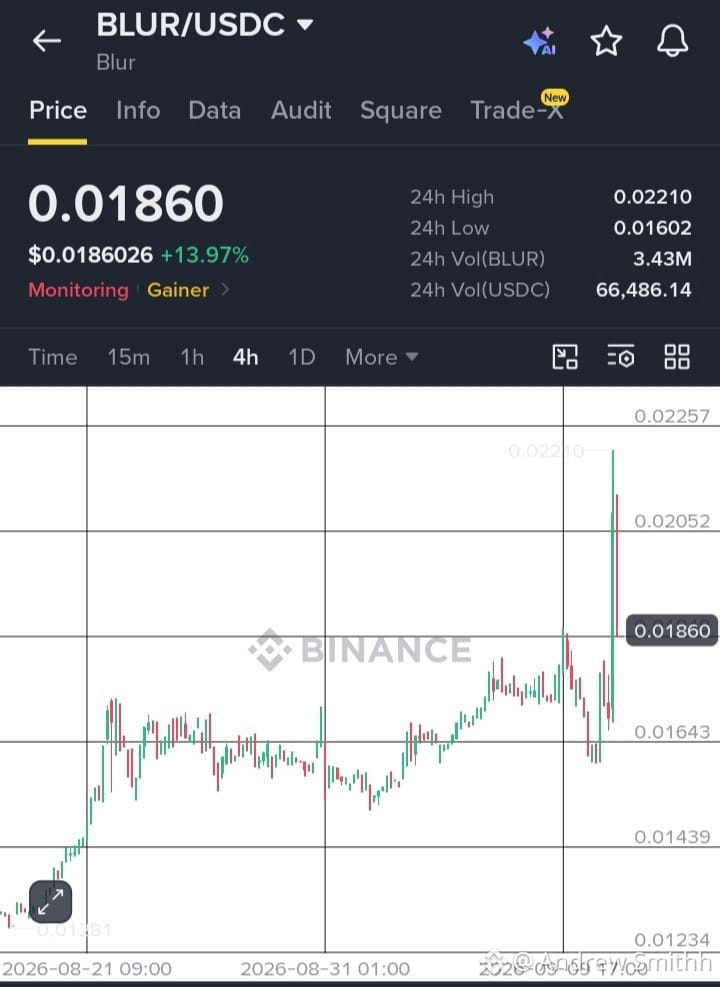
$BLUR 4H Phân tích biểu đồ
Biểu đồ có vẻ tăng giá nhưng biến động rất mạnh sau cú bứt phá ngoạn mục.
Hiện tại: ~$0.01860
Kháng cự: $0.0205 → $0.0221
Hỗ trợ chính: $0.0164
Hỗ trợ mạnh hơn: $0.0144
Nếu BLUR giữ vững trên $0.0186, có thể sẽ xảy ra đợt kiểm tra lại $0.0205 và thậm chí $0.0221. Nếu giá mất $0.0164, đà bứt phá có thể suy yếu và giá có thể quay lại vùng $0.0144.
Đoạn bóng trên dài gần $0.0221 cho thấy hoạt động bán mạnh/chốt lời mạnh, vì vậy việc xác nhận vượt qua mức đó sẽ rất quan trọng.
#Trading #Binance
$BLUR 4H Phân tích biểu đồ
Biểu đồ có vẻ tăng giá nhưng biến động rất mạnh sau cú bứt phá ngoạn mục.
Hiện tại: ~$0.01860
Kháng cự: $0.0205 → $0.0221
Hỗ trợ chính: $0.0164
Hỗ trợ mạnh hơn: $0.0144
Nếu BLUR giữ vững trên $0.0186, có thể sẽ xảy ra đợt kiểm tra lại $0.0205 và thậm chí $0.0221. Nếu giá mất $0.0164, đà bứt phá có thể suy yếu và giá có thể quay lại vùng $0.0144.
Đoạn bóng trên dài gần $0.0221 cho thấy hoạt động bán mạnh/chốt lời mạnh, vì vậy việc xác nhận vượt qua mức đó sẽ rất quan trọng.
#Trading #Binance
Biểu đồ có vẻ tăng giá nhưng biến động rất mạnh sau cú bứt phá ngoạn mục.
Hiện tại: ~$0.01860
Kháng cự: $0.0205 → $0.0221
Hỗ trợ chính: $0.0164
Hỗ trợ mạnh hơn: $0.0144
Nếu BLUR giữ vững trên $0.0186, có thể sẽ xảy ra đợt kiểm tra lại $0.0205 và thậm chí $0.0221. Nếu giá mất $0.0164, đà bứt phá có thể suy yếu và giá có thể quay lại vùng $0.0144.
Đoạn bóng trên dài gần $0.0221 cho thấy hoạt động bán mạnh/chốt lời mạnh, vì vậy việc xác nhận vượt qua mức đó sẽ rất quan trọng.
#Trading #Binance
1
186
·
--
Tăng giá
Nếu bạn đưa cho tôi 100K đô la hôm nay và bắt tôi chỉ chọn MỘT:
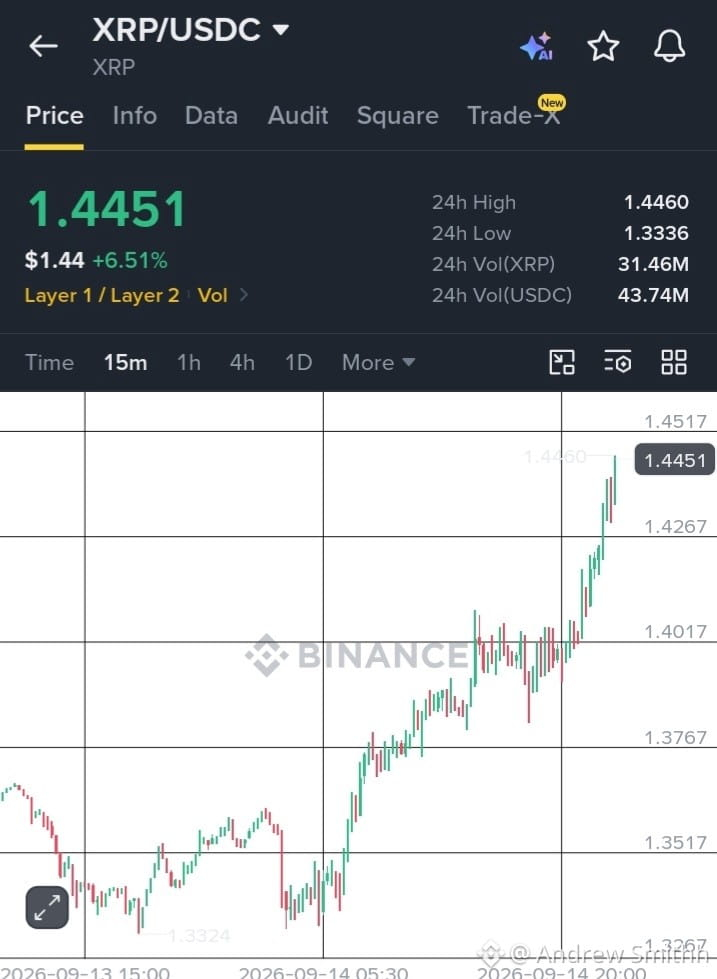
Tôi đang mua $SOL với giá 103.
Không phải vì nó rẻ nhất. Không phải vì nó là câu chuyện ồn ào nhất.
Mà vì tôi thà sở hữu tài sản có sự kết hợp mạnh giữa hoạt động mạng, đà phát triển của nhà phát triển, tính thanh khoản và tăng trưởng hệ sinh thái.
l
$ETH là blue-chip. $XRP mang câu chuyện về các khoản thanh toán của nó. $SUI có tiềm năng tăng trưởng rất lớn. $LINK là hạ tầng quan trọng. $TAO là biến số AI.
Nhưng ở mức giá này, SOL là lựa chọn rủi ro/ lợi nhuận của tôi.
$100K → $SOL.
Bây giờ đến lượt bạn:
Nếu chỉ được chọn MỘT, bạn đang mua cái gì? 👇
#Trading #Binance
Nếu bạn đưa cho tôi 100K đô la hôm nay và bắt tôi chỉ chọn MỘT:
Tôi đang mua $SOL với giá 103.
Không phải vì nó rẻ nhất. Không phải vì nó là câu chuyện ồn ào nhất.
Mà vì tôi thà sở hữu tài sản có sự kết hợp mạnh giữa hoạt động mạng, đà phát triển của nhà phát triển, tính thanh khoản và tăng trưởng hệ sinh thái.
l
$ETH là blue-chip. $XRP mang câu chuyện về các khoản thanh toán của nó. $SUI có tiềm năng tăng trưởng rất lớn. $LINK là hạ tầng quan trọng. $TAO là biến số AI.
Nhưng ở mức giá này, SOL là lựa chọn rủi ro/ lợi nhuận của tôi.
$100K → $SOL .
Bây giờ đến lượt bạn:
Nếu chỉ được chọn MỘT, bạn đang mua cái gì? 👇
#Trading #Binance
Tôi đang mua $SOL với giá 103.
Không phải vì nó rẻ nhất. Không phải vì nó là câu chuyện ồn ào nhất.
Mà vì tôi thà sở hữu tài sản có sự kết hợp mạnh giữa hoạt động mạng, đà phát triển của nhà phát triển, tính thanh khoản và tăng trưởng hệ sinh thái.
l
$ETH là blue-chip. $XRP mang câu chuyện về các khoản thanh toán của nó. $SUI có tiềm năng tăng trưởng rất lớn. $LINK là hạ tầng quan trọng. $TAO là biến số AI.
Nhưng ở mức giá này, SOL là lựa chọn rủi ro/ lợi nhuận của tôi.
$100K → $SOL .
Bây giờ đến lượt bạn:
Nếu chỉ được chọn MỘT, bạn đang mua cái gì? 👇
#Trading #Binance
210
·
--
Tăng giá
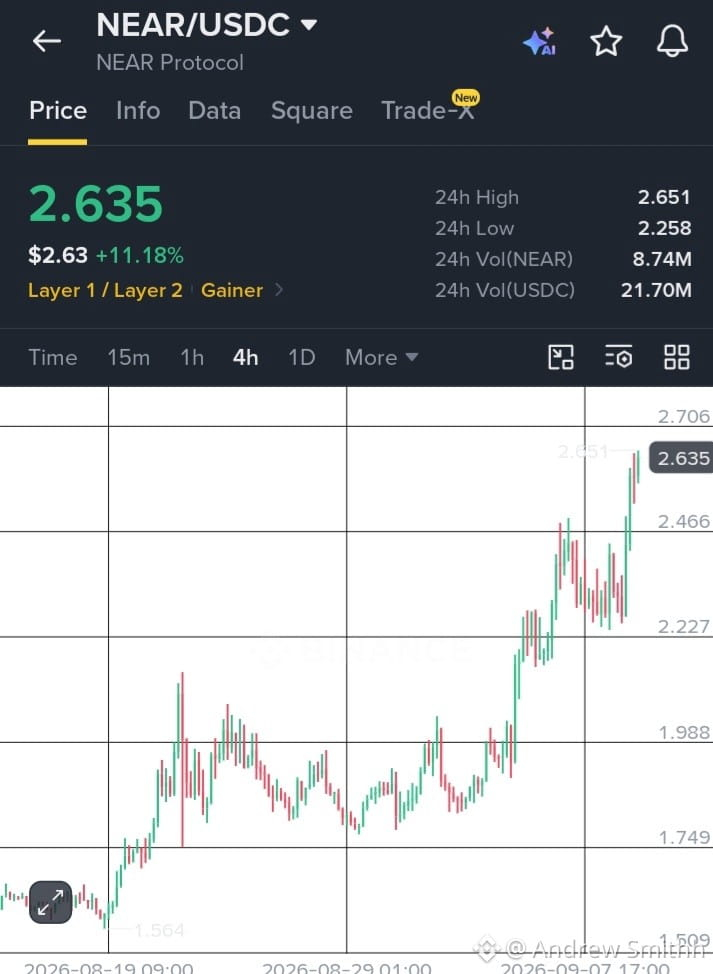
$NEAR đang bắt đầu tỉnh giấc. 👀
NEAR/USDC đang cho thấy một đợt tăng mạnh trên biểu đồ 4H, giá hiện quanh $2.63 và đã tăng hơn 11%.
Phần quan trọng không chỉ là nến xanh.
NEAR đã vượt qua vùng $2.466 và hiện đang kiểm tra khu vực $2.65, khá gần mức đỉnh 24H hiện tại.
Nếu phe bò có thể giữ vững đà breakout và biến vùng $2.46–$2.50 thành hỗ trợ, thì các mốc tiếp theo tôi sẽ theo dõi là:
🎯 $2.70
🎯 $2.85
🎯 $3.00
Nếu bị từ chối tại đây, có thể sẽ quay lại kiểm tra vùng breakout trước khi có một nỗ lực tăng tiếp theo.
Tạm thời, cấu trúc hiện trông mạnh hơn rất nhiều so với vài ngày trước.
$NEAR lại xuất hiện trong tầm ngắm. 🚀
#Trading #Binance
$NEAR đang bắt đầu tỉnh giấc. 👀
NEAR/USDC đang cho thấy một đợt tăng mạnh trên biểu đồ 4H, giá hiện quanh $2.63 và đã tăng hơn 11%.
Phần quan trọng không chỉ là nến xanh.
NEAR đã vượt qua vùng $2.466 và hiện đang kiểm tra khu vực $2.65, khá gần mức đỉnh 24H hiện tại.
Nếu phe bò có thể giữ vững đà breakout và biến vùng $2.46–$2.50 thành hỗ trợ, thì các mốc tiếp theo tôi sẽ theo dõi là:
🎯 $2.70
🎯 $2.85
🎯 $3.00
Nếu bị từ chối tại đây, có thể sẽ quay lại kiểm tra vùng breakout trước khi có một nỗ lực tăng tiếp theo.
Tạm thời, cấu trúc hiện trông mạnh hơn rất nhiều so với vài ngày trước.
$NEAR lại xuất hiện trong tầm ngắm. 🚀
#Trading #Binance
NEAR/USDC đang cho thấy một đợt tăng mạnh trên biểu đồ 4H, giá hiện quanh $2.63 và đã tăng hơn 11%.
Phần quan trọng không chỉ là nến xanh.
NEAR đã vượt qua vùng $2.466 và hiện đang kiểm tra khu vực $2.65, khá gần mức đỉnh 24H hiện tại.
Nếu phe bò có thể giữ vững đà breakout và biến vùng $2.46–$2.50 thành hỗ trợ, thì các mốc tiếp theo tôi sẽ theo dõi là:
🎯 $2.70
🎯 $2.85
🎯 $3.00
Nếu bị từ chối tại đây, có thể sẽ quay lại kiểm tra vùng breakout trước khi có một nỗ lực tăng tiếp theo.
Tạm thời, cấu trúc hiện trông mạnh hơn rất nhiều so với vài ngày trước.
$NEAR lại xuất hiện trong tầm ngắm. 🚀
#Trading #Binance
1
257
Đăng nhập để khám phá thêm nội dung
Tham gia cùng người dùng tiền mã hóa toàn cầu trên Binance Square
⚡️ Nhận thông tin mới nhất và hữu ích về tiền mã hóa.
💬 Được tin cậy bởi sàn giao dịch tiền mã hóa lớn nhất thế giới.
👍 Khám phá những thông tin chuyên sâu thực tế từ những nhà sáng tạo đã xác minh.
Email / Số điện thoại
Chủ đề thịnh hành
45NgayTuDoTaiChinh
905,305 lượt xem
3,107 đang thảo luận
Ngày 5/45: Sức mạnh đến từ sự kiên trì từng chút một
Ngày thứ 5 của hành trình 45 ngày tự do tài chính, mình vẫn tiếp tục duy trì thói quen mua 50 USD Bitcoin. Hôm nay $BTC có giảm nhẹ gần 1% nhưng thật sự không còn khiến mình quá bận tâm nữa. Cái cảm giác kiên trì làm điều đúng đắn, dù nhỏ thôi, nó tạo ra một sự bình yên lạ.
Nhìn lại 5 ngày đã qua, mỗi ngày một chút, mình nhận ra sức mạnh không nằm ở việc đoán đỉnh hay đáy, mà nằm ở sự đều đặn. Cứ túc tắc tích lũy, chẳng cần quá để ý bảng giá xanh đỏ làm gì. Cái cảm giác mình đang xây dựng một cái gì đó bền vững, từng viên gạch một, nó hay lắm.
Đôi khi chỉ cần kiên nhẫn làm đúng một việc nhỏ mỗi ngày, mình tin kết quả sẽ đến. Bạn có thấy thế không, những người bạn đồng hành của mình?
Thông tin tham khảo, không phải lời khuyên đầu tư. DYOR.
#45ngaytudotaichinh #BigBangThesis
HotLike Team
·0 lượt thích
·138 lượt xem
TinFed
72,551 lượt xem
342 đang thảo luận
TheoDõiFOMC
82,298 lượt xem
542 đang thảo luận