
#usdc
usdc
578.8M lượt xem
2.6M đang thảo luận
Phổ biến
Mới nhất
Xem bản dịch
تحليل USDC/USDT 📊
السعر الحالي: 1.00015$
الاتجاه على 1H: هابط 🔴
الدعم: 0.99$
المقاومة: 1.01$
الزخم: حيادي
السيناريو الصاعد: اختراق 1.01$ يفتح المجال لمزيد من الإيجابية.
السيناريو الهابط: كسر 0.99$ قد يدفع السعر لاختبار دعوم أقل.
⚠️ ملاحظه يرجى متابعة الحساب والتفاعل مع المنشورات واعادة مشاركة المنشورات
$USDC $CELR $SOL
#حوت_الصفقات_المباشرة1 #USDC #XRP #Trading #DOGE
تحليل USDC/USDT 📊
السعر الحالي: 1.00015$
الاتجاه على 1H: هابط 🔴
الدعم: 0.99$
المقاومة: 1.01$
الزخم: حيادي
السيناريو الصاعد: اختراق 1.01$ يفتح المجال لمزيد من الإيجابية.
السيناريو الهابط: كسر 0.99$ قد يدفع السعر لاختبار دعوم أقل.
⚠️ ملاحظه يرجى متابعة الحساب والتفاعل مع المنشورات واعادة مشاركة المنشورات
$USDC $CELR $SOL
#حوت_الصفقات_المباشرة1 #USDC #XRP #Trading #DOGE
السعر الحالي: 1.00015$
الاتجاه على 1H: هابط 🔴
الدعم: 0.99$
المقاومة: 1.01$
الزخم: حيادي
السيناريو الصاعد: اختراق 1.01$ يفتح المجال لمزيد من الإيجابية.
السيناريو الهابط: كسر 0.99$ قد يدفع السعر لاختبار دعوم أقل.
⚠️ ملاحظه يرجى متابعة الحساب والتفاعل مع المنشورات واعادة مشاركة المنشورات
$USDC $CELR $SOL
#حوت_الصفقات_المباشرة1 #USDC #XRP #Trading #DOGE
1
63

·
--
CƠ SỞ HẠ TẦNG STABLECOIN ĐỔI BÁNH RĂNG KHI $USDC PAYMENT RAILS BỊ KHÓA CHẶT BẢO MẬT THỜI GIAN THỰC ⚡ 🦈
Trong khi lẻ tẻ chạy theo tiếng ồn cuối tuần, kiến trúc thể chế thực sự đang âm thầm được hàn gắn vào vị trí sau hậu trường. 📊 Việc xử lý doanh số hàng tỷ USD được tài trợ bằng stablecoin chứng minh rằng tài sản số không còn chỉ là những “mảnh” đầu cơ—chúng đang trở thành lớp thực thi chính cho thương mại toàn cầu.
Khi gian lận thẻ toàn cầu đang chảy tràn hơn 33 tỷ đô la mỗi năm, khả năng bảo vệ thời gian thực tại thời điểm ủy quyền chính là “ổ khóa” còn thiếu để mở khóa dòng tiền mang tính thể chế. 💡 Việc gia cố hạ tầng cho các tuyến thanh toán tốc độ cao sẽ loại bỏ rào cản cuối cùng để nguồn vốn doanh nghiệp quy mô lớn có thể bắc cầu vào các mạng crypto.
💬 Bạn có đang theo dõi “tốc độ thanh toán” ngoài đời thực hay vẫn chỉ xem các mẫu biểu đồ cơ bản cho bước đi tiếp theo của mình? 👇
⚠️ Không phải lời khuyên tài chính. Luôn quản lý rủi ro của bạn. 🛡️
🏷️ #USDC #Stablecoins #Crypto #Fintech #Web3
🔥 💎
CƠ SỞ HẠ TẦNG STABLECOIN ĐỔI BÁNH RĂNG KHI $USDC PAYMENT RAILS BỊ KHÓA CHẶT BẢO MẬT THỜI GIAN THỰC ⚡ 🦈
Trong khi lẻ tẻ chạy theo tiếng ồn cuối tuần, kiến trúc thể chế thực sự đang âm thầm được hàn gắn vào vị trí sau hậu trường. 📊 Việc xử lý doanh số hàng tỷ USD được tài trợ bằng stablecoin chứng minh rằng tài sản số không còn chỉ là những “mảnh” đầu cơ—chúng đang trở thành lớp thực thi chính cho thương mại toàn cầu.
Khi gian lận thẻ toàn cầu đang chảy tràn hơn 33 tỷ đô la mỗi năm, khả năng bảo vệ thời gian thực tại thời điểm ủy quyền chính là “ổ khóa” còn thiếu để mở khóa dòng tiền mang tính thể chế. 💡 Việc gia cố hạ tầng cho các tuyến thanh toán tốc độ cao sẽ loại bỏ rào cản cuối cùng để nguồn vốn doanh nghiệp quy mô lớn có thể bắc cầu vào các mạng crypto.
💬 Bạn có đang theo dõi “tốc độ thanh toán” ngoài đời thực hay vẫn chỉ xem các mẫu biểu đồ cơ bản cho bước đi tiếp theo của mình? 👇
⚠️ Không phải lời khuyên tài chính. Luôn quản lý rủi ro của bạn. 🛡️
🏷️ #USDC #Stablecoins #Crypto #Fintech #Web3
🔥 💎
Trong khi lẻ tẻ chạy theo tiếng ồn cuối tuần, kiến trúc thể chế thực sự đang âm thầm được hàn gắn vào vị trí sau hậu trường. 📊 Việc xử lý doanh số hàng tỷ USD được tài trợ bằng stablecoin chứng minh rằng tài sản số không còn chỉ là những “mảnh” đầu cơ—chúng đang trở thành lớp thực thi chính cho thương mại toàn cầu.
Khi gian lận thẻ toàn cầu đang chảy tràn hơn 33 tỷ đô la mỗi năm, khả năng bảo vệ thời gian thực tại thời điểm ủy quyền chính là “ổ khóa” còn thiếu để mở khóa dòng tiền mang tính thể chế. 💡 Việc gia cố hạ tầng cho các tuyến thanh toán tốc độ cao sẽ loại bỏ rào cản cuối cùng để nguồn vốn doanh nghiệp quy mô lớn có thể bắc cầu vào các mạng crypto.
💬 Bạn có đang theo dõi “tốc độ thanh toán” ngoài đời thực hay vẫn chỉ xem các mẫu biểu đồ cơ bản cho bước đi tiếp theo của mình? 👇
⚠️ Không phải lời khuyên tài chính. Luôn quản lý rủi ro của bạn. 🛡️
🏷️ #USDC #Stablecoins #Crypto #Fintech #Web3
🔥 💎

🚨 ỦY BAN CHỨNG KHOÁN MỞ KHÓA GIAO DỊCH CỔ PHIẾU TRÊN-CHAIN VÀ $USDC IS SẴN SÀNG GẶT HÁI CƠN SÓNG THANH KHOẢN! 🦈
SEC vừa mở toang cánh cổng với một miễn trừ thời hạn 5 năm, cho phép các cổ phiếu Hoa Kỳ được mã hóa giao dịch thông qua các nhà tạo lập thị trường tự động trên các blockchain công khai. 📊 Cờ xanh pháp lý này đòi hỏi đầy đủ quyền cổ tức và quyền biểu quyết, ngay lập tức chuyển dòng lệnh truyền thống của Phố Wall trực tiếp lên các sổ cái công khai.
Khi các nền tảng hàng đầu gấp rút xây dựng “đường ray” AMM và nâng cấp các phái sinh cổ phiếu thành các chứng khoán kỹ thuật số được hỗ trợ đầy đủ, khối lượng thanh toán trên-chain được dự báo sẽ bùng nổ. 🌊 Sự chuyển dịch mang tính tổ chức này tạo ra một động cơ nhu cầu khổng lồ cho tài sản thế chấp ổn định, khiến $USDC directly rơi đúng vào “điểm ngọt” cho định tuyến thanh khoản toàn cầu.
💡 Định vị sớm là để dự đoán nơi hàng tỷ USD vốn thanh toán sẽ đổ về khi các hạ tầng cổ phiếu đi vào hoạt động trên Base và Ethereum. 💬 Bạn kỳ vọng nhóm tài sản nào sẽ được đưa lên on-chain trước: cổ phiếu truyền thống hay tài sản thế giới thực? 👇
⚠️ Không phải lời khuyên tài chính. Luôn quản lý rủi ro của bạn. 🛡️
🏷️ #USDC #RWA #Tokenization #Crypto #TradFi
🔥 💎
🚨 ỦY BAN CHỨNG KHOÁN MỞ KHÓA GIAO DỊCH CỔ PHIẾU TRÊN-CHAIN VÀ $USDC IS SẴN SÀNG GẶT HÁI CƠN SÓNG THANH KHOẢN! 🦈
SEC vừa mở toang cánh cổng với một miễn trừ thời hạn 5 năm, cho phép các cổ phiếu Hoa Kỳ được mã hóa giao dịch thông qua các nhà tạo lập thị trường tự động trên các blockchain công khai. 📊 Cờ xanh pháp lý này đòi hỏi đầy đủ quyền cổ tức và quyền biểu quyết, ngay lập tức chuyển dòng lệnh truyền thống của Phố Wall trực tiếp lên các sổ cái công khai.
Khi các nền tảng hàng đầu gấp rút xây dựng “đường ray” AMM và nâng cấp các phái sinh cổ phiếu thành các chứng khoán kỹ thuật số được hỗ trợ đầy đủ, khối lượng thanh toán trên-chain được dự báo sẽ bùng nổ. 🌊 Sự chuyển dịch mang tính tổ chức này tạo ra một động cơ nhu cầu khổng lồ cho tài sản thế chấp ổn định, khiến $USDC directly rơi đúng vào “điểm ngọt” cho định tuyến thanh khoản toàn cầu.
💡 Định vị sớm là để dự đoán nơi hàng tỷ USD vốn thanh toán sẽ đổ về khi các hạ tầng cổ phiếu đi vào hoạt động trên Base và Ethereum. 💬 Bạn kỳ vọng nhóm tài sản nào sẽ được đưa lên on-chain trước: cổ phiếu truyền thống hay tài sản thế giới thực? 👇
⚠️ Không phải lời khuyên tài chính. Luôn quản lý rủi ro của bạn. 🛡️
🏷️ #USDC #RWA #Tokenization #Crypto #TradFi
🔥 💎
SEC vừa mở toang cánh cổng với một miễn trừ thời hạn 5 năm, cho phép các cổ phiếu Hoa Kỳ được mã hóa giao dịch thông qua các nhà tạo lập thị trường tự động trên các blockchain công khai. 📊 Cờ xanh pháp lý này đòi hỏi đầy đủ quyền cổ tức và quyền biểu quyết, ngay lập tức chuyển dòng lệnh truyền thống của Phố Wall trực tiếp lên các sổ cái công khai.
Khi các nền tảng hàng đầu gấp rút xây dựng “đường ray” AMM và nâng cấp các phái sinh cổ phiếu thành các chứng khoán kỹ thuật số được hỗ trợ đầy đủ, khối lượng thanh toán trên-chain được dự báo sẽ bùng nổ. 🌊 Sự chuyển dịch mang tính tổ chức này tạo ra một động cơ nhu cầu khổng lồ cho tài sản thế chấp ổn định, khiến $USDC directly rơi đúng vào “điểm ngọt” cho định tuyến thanh khoản toàn cầu.
💡 Định vị sớm là để dự đoán nơi hàng tỷ USD vốn thanh toán sẽ đổ về khi các hạ tầng cổ phiếu đi vào hoạt động trên Base và Ethereum. 💬 Bạn kỳ vọng nhóm tài sản nào sẽ được đưa lên on-chain trước: cổ phiếu truyền thống hay tài sản thế giới thực? 👇
⚠️ Không phải lời khuyên tài chính. Luôn quản lý rủi ro của bạn. 🛡️
🏷️ #USDC #RWA #Tokenization #Crypto #TradFi
🔥 💎
12
🚨 BÃI CHIẾN LƯƠNG $USDC THỰC SỰ KHÔNG PHẢI LÀ NHANH — MÀ LÀ THANH KHOẢN LỐI RẼ! ⚡
Việc thanh toán trên chuỗi cho $USDC đã gần như tức thì, nhưng “tiền thông minh” biết rằng ma sát thật sự nằm ở cánh cửa thoát TradFi. Trả lương cho người lao động toàn cầu bằng crypto nghe có vẻ mượt mà cho đến khi thanh khoản lan tỏa, phí rút tiền và trượt giá FX tại địa phương bào mòn sức mua. 🏦
Alpha thực sự không phải là xây đường ray nhanh hơn — mà là thống trị các lối rẽ thoát (off-ramp) tại từng thị trường và các cây cầu tuân thủ kết nối “đô la số” với chi tiêu ngoài đời. 📊 Hạ tầng giải quyết được ma sát này sẽ nắm quyền kiểm soátn làn sóng lớn tiếp theo của dòng vốn tổ chức. 💡
💬 Thị trường đang ngủ quên về hạ tầng off-ramp trong khi chạy theo tốc độ thô của blockchain? 👇
⚠️ Không phải lời khuyên tài chính. Luôn quản lý rủi ro của bạn. 🛡️
🏷️ #USDC #Stablecoins #CryptoInfrastructure #TradFi #Payments
🔥 💎
🚨 BÃI CHIẾN LƯƠNG $USDC THỰC SỰ KHÔNG PHẢI LÀ NHANH — MÀ LÀ THANH KHOẢN LỐI RẼ! ⚡
Việc thanh toán trên chuỗi cho $USDC đã gần như tức thì, nhưng “tiền thông minh” biết rằng ma sát thật sự nằm ở cánh cửa thoát TradFi. Trả lương cho người lao động toàn cầu bằng crypto nghe có vẻ mượt mà cho đến khi thanh khoản lan tỏa, phí rút tiền và trượt giá FX tại địa phương bào mòn sức mua. 🏦
Alpha thực sự không phải là xây đường ray nhanh hơn — mà là thống trị các lối rẽ thoát (off-ramp) tại từng thị trường và các cây cầu tuân thủ kết nối “đô la số” với chi tiêu ngoài đời. 📊 Hạ tầng giải quyết được ma sát này sẽ nắm quyền kiểm soátn làn sóng lớn tiếp theo của dòng vốn tổ chức. 💡
💬 Thị trường đang ngủ quên về hạ tầng off-ramp trong khi chạy theo tốc độ thô của blockchain? 👇
⚠️ Không phải lời khuyên tài chính. Luôn quản lý rủi ro của bạn. 🛡️
🏷️ #USDC #Stablecoins #CryptoInfrastructure #TradFi #Payments
🔥 💎
Việc thanh toán trên chuỗi cho $USDC đã gần như tức thì, nhưng “tiền thông minh” biết rằng ma sát thật sự nằm ở cánh cửa thoát TradFi. Trả lương cho người lao động toàn cầu bằng crypto nghe có vẻ mượt mà cho đến khi thanh khoản lan tỏa, phí rút tiền và trượt giá FX tại địa phương bào mòn sức mua. 🏦
Alpha thực sự không phải là xây đường ray nhanh hơn — mà là thống trị các lối rẽ thoát (off-ramp) tại từng thị trường và các cây cầu tuân thủ kết nối “đô la số” với chi tiêu ngoài đời. 📊 Hạ tầng giải quyết được ma sát này sẽ nắm quyền kiểm soátn làn sóng lớn tiếp theo của dòng vốn tổ chức. 💡
💬 Thị trường đang ngủ quên về hạ tầng off-ramp trong khi chạy theo tốc độ thô của blockchain? 👇
⚠️ Không phải lời khuyên tài chính. Luôn quản lý rủi ro của bạn. 🛡️
🏷️ #USDC #Stablecoins #CryptoInfrastructure #TradFi #Payments
🔥 💎
30

·
--
🚨 LIỆU $USDC ĐANG FAIL “THỬ NGHIỆM THANH TOÁN THỰC TẾ” VÀ “TÍNH THANH KHOẢN” KHÔNG? 🔍
Trong khi tính cuối cùng trên blockchain cho $USDC được giải quyết trong vài giây, hiệu quả trả lương của các tổ chức lại sụp đổ ở cấp độ điểm trung chuyển (off-ramp). 🌊 Trở ngại thực sự không nằm ở tốc độ blockchain—mà là khoảng chênh thanh khoản ẩn, việc chuyển đổi sang tiền tệ địa phương và độ trễ tại off-ramp trước khi sức mua thực sự được kích hoạt.
Cơ hội cấu trúc lớn nhất hiện nay nằm ở “cây cầu” giữa hạ tầng tiền thông minh (smart money) và các kênh ngân hàng truyền thống. 💡 Các nhà cung cấp hạ tầng giải quyết thanh khoản off-ramp end-to-end sẽ chiếm lấy phần thị trường thực sự, vượt qua các chiêu trò chuyển tiền ở back-end.
💬 Liệu việc thanh toán onchain nhanh có còn ý nghĩa nếu ma sát chuyển đổi ở off-ramp vẫn cao đến vậy không? 👇
⚠️ Không phải lời khuyên tài chính. Luôn quản lý rủi ro của bạn. 🛡️
🏷️ #USDC #Stablecoins #Crypto #Payroll #Finance
🎯 🦈
🚨 LIỆU $USDC ĐANG FAIL “THỬ NGHIỆM THANH TOÁN THỰC TẾ” VÀ “TÍNH THANH KHOẢN” KHÔNG? 🔍
Trong khi tính cuối cùng trên blockchain cho $USDC được giải quyết trong vài giây, hiệu quả trả lương của các tổ chức lại sụp đổ ở cấp độ điểm trung chuyển (off-ramp). 🌊 Trở ngại thực sự không nằm ở tốc độ blockchain—mà là khoảng chênh thanh khoản ẩn, việc chuyển đổi sang tiền tệ địa phương và độ trễ tại off-ramp trước khi sức mua thực sự được kích hoạt.
Cơ hội cấu trúc lớn nhất hiện nay nằm ở “cây cầu” giữa hạ tầng tiền thông minh (smart money) và các kênh ngân hàng truyền thống. 💡 Các nhà cung cấp hạ tầng giải quyết thanh khoản off-ramp end-to-end sẽ chiếm lấy phần thị trường thực sự, vượt qua các chiêu trò chuyển tiền ở back-end.
💬 Liệu việc thanh toán onchain nhanh có còn ý nghĩa nếu ma sát chuyển đổi ở off-ramp vẫn cao đến vậy không? 👇
⚠️ Không phải lời khuyên tài chính. Luôn quản lý rủi ro của bạn. 🛡️
🏷️ #USDC #Stablecoins #Crypto #Payroll #Finance
🎯 🦈
Trong khi tính cuối cùng trên blockchain cho $USDC được giải quyết trong vài giây, hiệu quả trả lương của các tổ chức lại sụp đổ ở cấp độ điểm trung chuyển (off-ramp). 🌊 Trở ngại thực sự không nằm ở tốc độ blockchain—mà là khoảng chênh thanh khoản ẩn, việc chuyển đổi sang tiền tệ địa phương và độ trễ tại off-ramp trước khi sức mua thực sự được kích hoạt.
Cơ hội cấu trúc lớn nhất hiện nay nằm ở “cây cầu” giữa hạ tầng tiền thông minh (smart money) và các kênh ngân hàng truyền thống. 💡 Các nhà cung cấp hạ tầng giải quyết thanh khoản off-ramp end-to-end sẽ chiếm lấy phần thị trường thực sự, vượt qua các chiêu trò chuyển tiền ở back-end.
💬 Liệu việc thanh toán onchain nhanh có còn ý nghĩa nếu ma sát chuyển đổi ở off-ramp vẫn cao đến vậy không? 👇
⚠️ Không phải lời khuyên tài chính. Luôn quản lý rủi ro của bạn. 🛡️
🏷️ #USDC #Stablecoins #Crypto #Payroll #Finance
🎯 🦈
26
🦈 THANH KHOẢN TỔ CHỨC ĐƯỢC GIẢI PHÓNG KHI SEC RA MẮT KHUNG CỔ PHIẾU TRÊN-CHAIN, CHO $USDC AND $COIN ⚡
Miễn trừ đổi mới trong 5 năm của SEC tạo ra một bước ngoặt cấu trúc rất lớn cho thanh khoản trên-chain. 🏦 Tiền lớn đang chuẩn bị để cổ phiếu được token hóa có thể giao dịch một cách bản địa thông qua các sàn giao dịch tự động (AMM) công khai, buộc các nền tảng truyền thống phải điều chỉnh kiến trúc của họ.
Khung này đòi hỏi đầy đủ quyền cổ tức và quyền biểu quyết, mang lại giá trị nền tảng thực sự cho tài sản thế chấp trên-chain. 📊 Khi nhu cầu thanh toán mở rộng, $USDC nằm ngay trên con đường của dòng lệnh từ tổ chức, trong khi các nền tảng chuyển sang xây dựng định tuyến AMM phi tập trung. 💡
💬 Liệu đèn xanh từ tổ chức này có kích hoạt sự bùng nổ tài sản thế giới thực lớn nhất trong lịch sử crypto không? 👇
⚠️ Không phải lời khuyên tài chính. Luôn quản lý rủi ro của bạn. 🛡️
🏷️ #USDC #RWA #Tokenization #Crypto #SEC
🎯 🦈
🦈 THANH KHOẢN TỔ CHỨC ĐƯỢC GIẢI PHÓNG KHI SEC RA MẮT KHUNG CỔ PHIẾU TRÊN-CHAIN, CHO $USDC AND $COIN ⚡
Miễn trừ đổi mới trong 5 năm của SEC tạo ra một bước ngoặt cấu trúc rất lớn cho thanh khoản trên-chain. 🏦 Tiền lớn đang chuẩn bị để cổ phiếu được token hóa có thể giao dịch một cách bản địa thông qua các sàn giao dịch tự động (AMM) công khai, buộc các nền tảng truyền thống phải điều chỉnh kiến trúc của họ.
Khung này đòi hỏi đầy đủ quyền cổ tức và quyền biểu quyết, mang lại giá trị nền tảng thực sự cho tài sản thế chấp trên-chain. 📊 Khi nhu cầu thanh toán mở rộng, $USDC nằm ngay trên con đường của dòng lệnh từ tổ chức, trong khi các nền tảng chuyển sang xây dựng định tuyến AMM phi tập trung. 💡
💬 Liệu đèn xanh từ tổ chức này có kích hoạt sự bùng nổ tài sản thế giới thực lớn nhất trong lịch sử crypto không? 👇
⚠️ Không phải lời khuyên tài chính. Luôn quản lý rủi ro của bạn. 🛡️
🏷️ #USDC #RWA #Tokenization #Crypto #SEC
🎯 🦈
Miễn trừ đổi mới trong 5 năm của SEC tạo ra một bước ngoặt cấu trúc rất lớn cho thanh khoản trên-chain. 🏦 Tiền lớn đang chuẩn bị để cổ phiếu được token hóa có thể giao dịch một cách bản địa thông qua các sàn giao dịch tự động (AMM) công khai, buộc các nền tảng truyền thống phải điều chỉnh kiến trúc của họ.
Khung này đòi hỏi đầy đủ quyền cổ tức và quyền biểu quyết, mang lại giá trị nền tảng thực sự cho tài sản thế chấp trên-chain. 📊 Khi nhu cầu thanh toán mở rộng, $USDC nằm ngay trên con đường của dòng lệnh từ tổ chức, trong khi các nền tảng chuyển sang xây dựng định tuyến AMM phi tập trung. 💡
💬 Liệu đèn xanh từ tổ chức này có kích hoạt sự bùng nổ tài sản thế giới thực lớn nhất trong lịch sử crypto không? 👇
⚠️ Không phải lời khuyên tài chính. Luôn quản lý rủi ro của bạn. 🛡️
🏷️ #USDC #RWA #Tokenization #Crypto #SEC
🎯 🦈
34

·
--

Bài viết
USDC Tăng Mạnh: Vì Sao Stablecoin của Circle đang được quan tâm trên BinanceThị trường crypto đang “rộn ràng”, và lần này tâm điểm là USDC!
Circle's stablecoin $USDC đã chứng kiến nhu cầu tăng vọt trong 24 giờ qua. Dữ liệu on-chain cho thấy các nhà giao dịch đang chuyển vốn từ các stablecoin khác sang USDC.
USDC là gì?
USDC (USD Coin) là một đô la kỹ thuật số do Circle phát hành. Nó được đảm bảo 100% bằng đô la Mỹ và các tín phiếu kho bạc ngắn hạn của Mỹ, với các cuộc kiểm toán hằng tháng. Đây là stablecoin lớn thứ hai sau USDT.
Tại sao USDC đang Thịnh hành ngay bây giờ?
1. Minh bạch và Niềm tin: Trong một thị trường biến động, các nhà giao dịch ưu tiên một stablecoin được quản lý đầy đủ và được kiểm toán. USDC được nhiều tổ chức đánh giá là an toàn hơn.
USDC Tăng Mạnh: Vì Sao Stablecoin của Circle đang được quan tâm trên Binance
Thị trường crypto đang “rộn ràng”, và lần này tâm điểm là USDC!
Circle's stablecoin $USDC đã chứng kiến nhu cầu tăng vọt trong 24 giờ qua. Dữ liệu on-chain cho thấy các nhà giao dịch đang chuyển vốn từ các stablecoin khác sang USDC.
USDC là gì?
USDC (USD Coin) là một đô la kỹ thuật số do Circle phát hành. Nó được đảm bảo 100% bằng đô la Mỹ và các tín phiếu kho bạc ngắn hạn của Mỹ, với các cuộc kiểm toán hằng tháng. Đây là stablecoin lớn thứ hai sau USDT.
Tại sao USDC đang Thịnh hành ngay bây giờ?
1. Minh bạch và Niềm tin: Trong một thị trường biến động, các nhà giao dịch ưu tiên một stablecoin được quản lý đầy đủ và được kiểm toán. USDC được nhiều tổ chức đánh giá là an toàn hơn.
Circle's stablecoin $USDC đã chứng kiến nhu cầu tăng vọt trong 24 giờ qua. Dữ liệu on-chain cho thấy các nhà giao dịch đang chuyển vốn từ các stablecoin khác sang USDC.
USDC là gì?
USDC (USD Coin) là một đô la kỹ thuật số do Circle phát hành. Nó được đảm bảo 100% bằng đô la Mỹ và các tín phiếu kho bạc ngắn hạn của Mỹ, với các cuộc kiểm toán hằng tháng. Đây là stablecoin lớn thứ hai sau USDT.
Tại sao USDC đang Thịnh hành ngay bây giờ?
1. Minh bạch và Niềm tin: Trong một thị trường biến động, các nhà giao dịch ưu tiên một stablecoin được quản lý đầy đủ và được kiểm toán. USDC được nhiều tổ chức đánh giá là an toàn hơn.
1
1
98

Xem bản dịch
Market analysis usdc📊 Why Big Money is Secretly Moving into $USDC Right Now! 🚀
While retail traders are chasing high-risk meme coins, institutional whales and smart money are quietly shifting their strategy. If you look closely at the stablecoin landscape, USD Coin ($USDC) is undergoing a massive structural evolution that every Binance user needs to pay attention to.
Here is a breakdown of the critical shifts happening behind the scenes:
1️⃣ The Rise of AI Agent Economy 🤖
Did you know that software programs and AI agents are now paying each other? According to recent Q2 2026 data, USDC has captured a staggering 98.8% to 99.3% of all AI agent-driven transaction volume. AI bots are bypassing other protocols and settling nanopayments directly in USDC via Base and Solana infrastructure.
2️⃣ Mainstream Adoption Explosion ⚽
Stablecoins are moving from niche crypto native tools to global financial staples. Circle recently secured a massive front-of-shirt sponsorship deal with Chelsea FC for the 2026/27 Premier League season. This places the digital dollar right in front of hundreds of millions of mainstream viewers, signaling huge upcoming retail onboarding.
3️⃣ Heavy Inflows vs. Regulatory Safety 🛡️
As the EU’s MiCA regulations heavily reshape compliance, USDC remains backed by a ironclad $74 Billion reserve ($40.7B in overnight reverse repos and $25.7B in short-term US Treasuries). Even though weekly redemptions slightly outpaced issuance by $300M recently due to strict regulatory shuffling, its transparency audited by Deloitte keeps institutional trust higher than ever.
💡 HOW TO TRADE THIS SHIFT ON BINANCE:
Smart traders don’t just hold cash—they put it to work.
➡️ Yield Maximization: Look into Binance Simple Earn where USDC flexible products have historically offered highly competitive APRs (often hovering around 7-7.7%), outperforming traditional bank savings.
➡️ The Volatility Hedge: If you believe the broader crypto market is looking overextended, routing profits into USDC trading pairs allows you to lock in gains safely without completely exiting the ecosystem.
What’s your current portfolio split between USDT and USDC? 👇 Let me know in the comments!
#WriteToEarn #USDC #Stablecoins #BinanceEarn #CryptoAnalysis #WhaleTracking #usdc $USDC
{future}(USDCUSDT)
Market analysis usdc
📊 Why Big Money is Secretly Moving into $USDC Right Now! 🚀
While retail traders are chasing high-risk meme coins, institutional whales and smart money are quietly shifting their strategy. If you look closely at the stablecoin landscape, USD Coin ($USDC ) is undergoing a massive structural evolution that every Binance user needs to pay attention to.
Here is a breakdown of the critical shifts happening behind the scenes:
1️⃣ The Rise of AI Agent Economy 🤖
Did you know that software programs and AI agents are now paying each other? According to recent Q2 2026 data, USDC has captured a staggering 98.8% to 99.3% of all AI agent-driven transaction volume. AI bots are bypassing other protocols and settling nanopayments directly in USDC via Base and Solana infrastructure.
2️⃣ Mainstream Adoption Explosion ⚽
Stablecoins are moving from niche crypto native tools to global financial staples. Circle recently secured a massive front-of-shirt sponsorship deal with Chelsea FC for the 2026/27 Premier League season. This places the digital dollar right in front of hundreds of millions of mainstream viewers, signaling huge upcoming retail onboarding.
3️⃣ Heavy Inflows vs. Regulatory Safety 🛡️
As the EU’s MiCA regulations heavily reshape compliance, USDC remains backed by a ironclad $74 Billion reserve ($40.7B in overnight reverse repos and $25.7B in short-term US Treasuries). Even though weekly redemptions slightly outpaced issuance by $300M recently due to strict regulatory shuffling, its transparency audited by Deloitte keeps institutional trust higher than ever.
💡 HOW TO TRADE THIS SHIFT ON BINANCE:
Smart traders don’t just hold cash—they put it to work.
➡️ Yield Maximization: Look into Binance Simple Earn where USDC flexible products have historically offered highly competitive APRs (often hovering around 7-7.7%), outperforming traditional bank savings.
➡️ The Volatility Hedge: If you believe the broader crypto market is looking overextended, routing profits into USDC trading pairs allows you to lock in gains safely without completely exiting the ecosystem.
What’s your current portfolio split between USDT and USDC? 👇 Let me know in the comments!
#WriteToEarn #USDC #Stablecoins #BinanceEarn #CryptoAnalysis #WhaleTracking #usdc $USDC
While retail traders are chasing high-risk meme coins, institutional whales and smart money are quietly shifting their strategy. If you look closely at the stablecoin landscape, USD Coin ($USDC ) is undergoing a massive structural evolution that every Binance user needs to pay attention to.
Here is a breakdown of the critical shifts happening behind the scenes:
1️⃣ The Rise of AI Agent Economy 🤖
Did you know that software programs and AI agents are now paying each other? According to recent Q2 2026 data, USDC has captured a staggering 98.8% to 99.3% of all AI agent-driven transaction volume. AI bots are bypassing other protocols and settling nanopayments directly in USDC via Base and Solana infrastructure.
2️⃣ Mainstream Adoption Explosion ⚽
Stablecoins are moving from niche crypto native tools to global financial staples. Circle recently secured a massive front-of-shirt sponsorship deal with Chelsea FC for the 2026/27 Premier League season. This places the digital dollar right in front of hundreds of millions of mainstream viewers, signaling huge upcoming retail onboarding.
3️⃣ Heavy Inflows vs. Regulatory Safety 🛡️
As the EU’s MiCA regulations heavily reshape compliance, USDC remains backed by a ironclad $74 Billion reserve ($40.7B in overnight reverse repos and $25.7B in short-term US Treasuries). Even though weekly redemptions slightly outpaced issuance by $300M recently due to strict regulatory shuffling, its transparency audited by Deloitte keeps institutional trust higher than ever.
💡 HOW TO TRADE THIS SHIFT ON BINANCE:
Smart traders don’t just hold cash—they put it to work.
➡️ Yield Maximization: Look into Binance Simple Earn where USDC flexible products have historically offered highly competitive APRs (often hovering around 7-7.7%), outperforming traditional bank savings.
➡️ The Volatility Hedge: If you believe the broader crypto market is looking overextended, routing profits into USDC trading pairs allows you to lock in gains safely without completely exiting the ecosystem.
What’s your current portfolio split between USDT and USDC? 👇 Let me know in the comments!
#WriteToEarn #USDC #Stablecoins #BinanceEarn #CryptoAnalysis #WhaleTracking #usdc $USDC
109

·
--
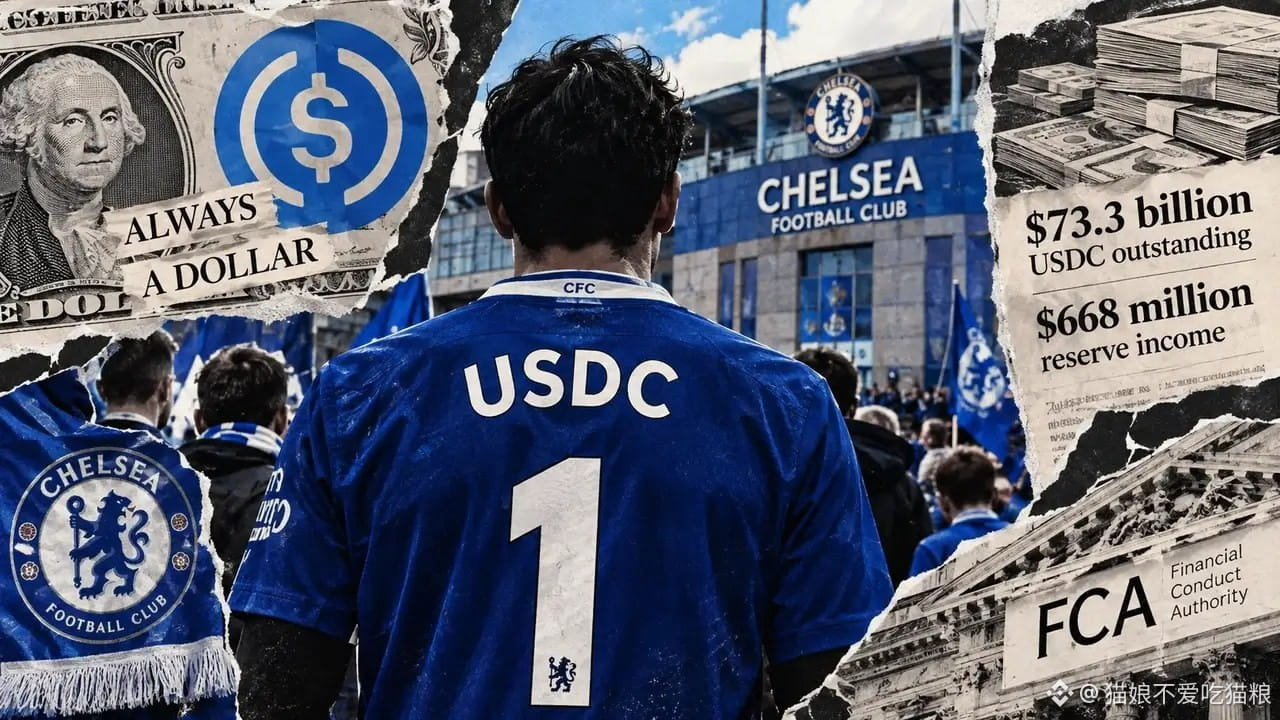
Đồng coin ảm đạm nhất toàn cầu, làm một cú thì tốn tiền nhất, Circle dán thẳng số $USDC lên ngực áo Chelsea.
Kể một chuyện nhé: Circle vừa mới niêm yết năm nay đã chịu chi tiền mua quảng cáo giải Ngoại hạng, rõ ràng là đang giành thể diện với Tether. Đám dân mới thấy lên hotsearch tưởng sắp kéo giá, tỉnh táo đi—chỉ khi stablecoin tăng mới đáng để lo. $1.0002 đứng yên như phỗng, 24 giờ +0.00%, một đồng thì đó là KPI của nó.
Nói thật lòng, $USDC là đạn chứ không phải vé số, đừng trông chờ nó kéo giá. Tiền nhàn rỗi thì để đó ăn lãi, lúc giảm mạnh thì dùng để gom hàng—đó mới là đường đi nước bước.
Bạn nghĩ $USDC giữ được vững không?
Vỡ dưới một đô trừ 1, vững như chó già trừ 2
#Write2Earn #BinanceSquare #USDC Stablecoin
Đồng coin ảm đạm nhất toàn cầu, làm một cú thì tốn tiền nhất, Circle dán thẳng số $USDC lên ngực áo Chelsea.
Kể một chuyện nhé: Circle vừa mới niêm yết năm nay đã chịu chi tiền mua quảng cáo giải Ngoại hạng, rõ ràng là đang giành thể diện với Tether. Đám dân mới thấy lên hotsearch tưởng sắp kéo giá, tỉnh táo đi—chỉ khi stablecoin tăng mới đáng để lo. $1.0002 đứng yên như phỗng, 24 giờ +0.00%, một đồng thì đó là KPI của nó.
Nói thật lòng, $USDC là đạn chứ không phải vé số, đừng trông chờ nó kéo giá. Tiền nhàn rỗi thì để đó ăn lãi, lúc giảm mạnh thì dùng để gom hàng—đó mới là đường đi nước bước.
Bạn nghĩ $USDC giữ được vững không?
Vỡ dưới một đô trừ 1, vững như chó già trừ 2
#Write2Earn #BinanceSquare #USDC Stablecoin
Kể một chuyện nhé: Circle vừa mới niêm yết năm nay đã chịu chi tiền mua quảng cáo giải Ngoại hạng, rõ ràng là đang giành thể diện với Tether. Đám dân mới thấy lên hotsearch tưởng sắp kéo giá, tỉnh táo đi—chỉ khi stablecoin tăng mới đáng để lo. $1.0002 đứng yên như phỗng, 24 giờ +0.00%, một đồng thì đó là KPI của nó.
Nói thật lòng, $USDC là đạn chứ không phải vé số, đừng trông chờ nó kéo giá. Tiền nhàn rỗi thì để đó ăn lãi, lúc giảm mạnh thì dùng để gom hàng—đó mới là đường đi nước bước.
Bạn nghĩ $USDC giữ được vững không?
Vỡ dưới một đô trừ 1, vững như chó già trừ 2
#Write2Earn #BinanceSquare #USDC Stablecoin
137


·
--
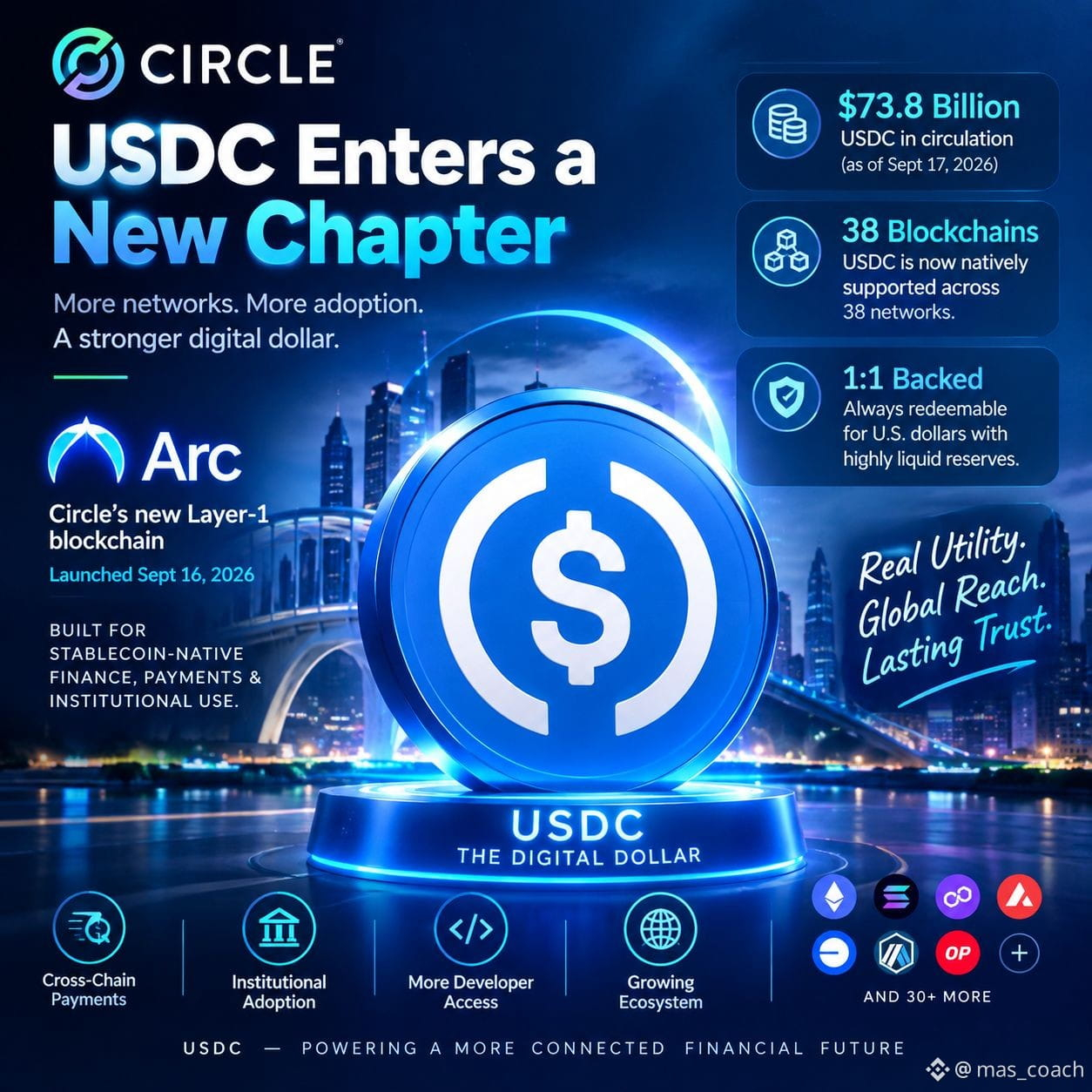
#USDC Đang giành được đà phát triển mới khi Circle mở rộng hệ sinh thái stablecoin của mình. Bước phát triển mới nhất là Arc, blockchain Layer-1 mới của Circle được ra mắt vào ngày 16 tháng 9, được thiết kế dành riêng cho tài chính gốc stablecoin, thanh toán và các ứng dụng cho tổ chức. $USDC hiện được hỗ trợ bản địa trên 38 mạng blockchain, giúp người dùng và nhà phát triển có khả năng tiếp cận rộng hơn với hạ tầng cơ sở của đồng đô la kỹ thuật số. Circle cho biết tính đến ngày 17 tháng 9, có khoảng 73,8 tỷ USD USDC đang lưu hành, và stablecoin này được thiết kế để tiếp tục được đổi 1:1 sang đô la Mỹ, đồng thời được hậu thuẫn bởi các dự trữ có tính thanh khoản cao. Với thanh toán xuyên chuỗi, việc các tổ chức ngày càng ứng dụng và việc Arc ra mắt đang thúc đẩy nhanh tốc độ, @USDC vẫn là một mối quan tâm lớn trong hệ sinh thái tài chính số đang phát triển.
#USDC Đang giành được đà phát triển mới khi Circle mở rộng hệ sinh thái stablecoin của mình. Bước phát triển mới nhất là Arc, blockchain Layer-1 mới của Circle được ra mắt vào ngày 16 tháng 9, được thiết kế dành riêng cho tài chính gốc stablecoin, thanh toán và các ứng dụng cho tổ chức. $USDC hiện được hỗ trợ bản địa trên 38 mạng blockchain, giúp người dùng và nhà phát triển có khả năng tiếp cận rộng hơn với hạ tầng cơ sở của đồng đô la kỹ thuật số. Circle cho biết tính đến ngày 17 tháng 9, có khoảng 73,8 tỷ USD USDC đang lưu hành, và stablecoin này được thiết kế để tiếp tục được đổi 1:1 sang đô la Mỹ, đồng thời được hậu thuẫn bởi các dự trữ có tính thanh khoản cao. Với thanh toán xuyên chuỗi, việc các tổ chức ngày càng ứng dụng và việc Arc ra mắt đang thúc đẩy nhanh tốc độ, @USDC vẫn là một mối quan tâm lớn trong hệ sinh thái tài chính số đang phát triển.
96
·
--
🦈 CIRCLE CÁCH MẠNG THANH TOÁN AI AGENT TRÊN ARC VỚI THANH TOÁN INSTANT $USDC SETTLEMENT! ⚡
📌 Hạ tầng tổ chức vừa được nâng cấp khi Circle ra mắt các khoản thanh toán agent liền mạch trên Arc, Base và Polygon. Bằng cách loại bỏ khóa relay và các ví phí gas riêng lẻ, các nhà phát triển x402 giờ đây có thể triển khai các quy trình tự động không gây cản trở, được vận hành trực tiếp bởi $USDC .
📊 Việc loại bỏ ma sát giao dịch cho thương mại máy với máy chính là chất xúc tác cần thiết để mở khóa tiện ích trong thế giới thực và tốc độ luân chuyển thanh khoản quy mô lớn. Vốn thông minh đang âm thầm tìm chỗ đứng quanh các giao thức đang đơn giản hóa việc thực thi agentic xuyên chuỗi.
💡 Khi các AI agent bắt đầu thúc đẩy khối lượng giao dịch đa chuỗi, liệu các “đường ray” stablecoin không ma sát sẽ thống trị chu kỳ mở rộng tiếp theo không? 🤔
⚠️ Không phải lời khuyên tài chính. Hãy luôn quản lý rủi ro của bạn. 🛡️
🏷️ #USDC #AIAgents #Crypto #DeFi #Web3
🔥 💎
🦈 CIRCLE CÁCH MẠNG THANH TOÁN AI AGENT TRÊN ARC VỚI THANH TOÁN INSTANT $USDC SETTLEMENT! ⚡
📌 Hạ tầng tổ chức vừa được nâng cấp khi Circle ra mắt các khoản thanh toán agent liền mạch trên Arc, Base và Polygon. Bằng cách loại bỏ khóa relay và các ví phí gas riêng lẻ, các nhà phát triển x402 giờ đây có thể triển khai các quy trình tự động không gây cản trở, được vận hành trực tiếp bởi $USDC .
📊 Việc loại bỏ ma sát giao dịch cho thương mại máy với máy chính là chất xúc tác cần thiết để mở khóa tiện ích trong thế giới thực và tốc độ luân chuyển thanh khoản quy mô lớn. Vốn thông minh đang âm thầm tìm chỗ đứng quanh các giao thức đang đơn giản hóa việc thực thi agentic xuyên chuỗi.
💡 Khi các AI agent bắt đầu thúc đẩy khối lượng giao dịch đa chuỗi, liệu các “đường ray” stablecoin không ma sát sẽ thống trị chu kỳ mở rộng tiếp theo không? 🤔
⚠️ Không phải lời khuyên tài chính. Hãy luôn quản lý rủi ro của bạn. 🛡️
🏷️ #USDC #AIAgents #Crypto #DeFi #Web3
🔥 💎
📌 Hạ tầng tổ chức vừa được nâng cấp khi Circle ra mắt các khoản thanh toán agent liền mạch trên Arc, Base và Polygon. Bằng cách loại bỏ khóa relay và các ví phí gas riêng lẻ, các nhà phát triển x402 giờ đây có thể triển khai các quy trình tự động không gây cản trở, được vận hành trực tiếp bởi $USDC .
📊 Việc loại bỏ ma sát giao dịch cho thương mại máy với máy chính là chất xúc tác cần thiết để mở khóa tiện ích trong thế giới thực và tốc độ luân chuyển thanh khoản quy mô lớn. Vốn thông minh đang âm thầm tìm chỗ đứng quanh các giao thức đang đơn giản hóa việc thực thi agentic xuyên chuỗi.
💡 Khi các AI agent bắt đầu thúc đẩy khối lượng giao dịch đa chuỗi, liệu các “đường ray” stablecoin không ma sát sẽ thống trị chu kỳ mở rộng tiếp theo không? 🤔
⚠️ Không phải lời khuyên tài chính. Hãy luôn quản lý rủi ro của bạn. 🛡️
🏷️ #USDC #AIAgents #Crypto #DeFi #Web3
🔥 💎
12

🚨 CIRCLE muốn khiến người hâm mộ USDC yêu thích như fan Chelsea 🧠
📊 | $BTC | $ETH | $BNB |
- Hãy theo dõi, bấm like và để lại bình luận chia sẻ quan điểm, đề xuất của bạn—cùng thảo luận xu hướng thị trường và cơ hội 📈
- Circle là nhà tài trợ USDC cho câu lạc bộ bóng đá Chelsea, lần đầu tiên sử dụng stablecoin để đặt tên áo đấu
- USDC được neo theo tỷ lệ 1:1 với đô la Mỹ; về lý thuyết giá sẽ được giữ quanh mức một đô la, biên độ biến động cực nhỏ
- Hợp tác này nhằm tăng mức độ nhận diện thương hiệu USDC, thu hút thêm người dùng và doanh nghiệp sử dụng 🔥
- Nếu nhu cầu thị trường đối với USDC tăng nhờ hiệu ứng tài trợ, có thể kéo theo lượng USDC được khóa trên chuỗi tăng nhẹ
- Nếu rủi ro về pháp lý hoặc kỹ thuật xuất hiện, giá USDC có thể vẫn duy trì ở mức một đô la, nhưng tình trạng thanh khoản căng thẳng có thể gây biến động ngắn hạn
- Dự kiến trong ngắn hạn, giá USDC vẫn giữ ổn định, lượng nắm giữ của cá voi chưa có dấu hiệu tăng/giảm rõ rệt
- Nhìn chung, thị trường vẫn duy trì niềm tin vững chắc vào USDC; trong ngắn hạn, xu hướng dự kiến sẽ đi ngang dao động
- Theo bạn, việc kết hợp stablecoin với thương hiệu thể thao có thể nâng cao mức độ chấp nhận rộng rãi không? Hãy cùng thảo luận
- Hãy tiếp tục theo dõi các phân tích chuyên sâu của chúng tôi, để lại bình luận để nhận cập nhật mới nhất
- #Crypto #USDC #Stablecoin #Whales #Sponsorship
🚨 CIRCLE muốn khiến người hâm mộ USDC yêu thích như fan Chelsea 🧠
📊 | $BTC | $ETH | $BNB |
- Hãy theo dõi, bấm like và để lại bình luận chia sẻ quan điểm, đề xuất của bạn—cùng thảo luận xu hướng thị trường và cơ hội 📈
- Circle là nhà tài trợ USDC cho câu lạc bộ bóng đá Chelsea, lần đầu tiên sử dụng stablecoin để đặt tên áo đấu
- USDC được neo theo tỷ lệ 1:1 với đô la Mỹ; về lý thuyết giá sẽ được giữ quanh mức một đô la, biên độ biến động cực nhỏ
- Hợp tác này nhằm tăng mức độ nhận diện thương hiệu USDC, thu hút thêm người dùng và doanh nghiệp sử dụng 🔥
- Nếu nhu cầu thị trường đối với USDC tăng nhờ hiệu ứng tài trợ, có thể kéo theo lượng USDC được khóa trên chuỗi tăng nhẹ
- Nếu rủi ro về pháp lý hoặc kỹ thuật xuất hiện, giá USDC có thể vẫn duy trì ở mức một đô la, nhưng tình trạng thanh khoản căng thẳng có thể gây biến động ngắn hạn
- Dự kiến trong ngắn hạn, giá USDC vẫn giữ ổn định, lượng nắm giữ của cá voi chưa có dấu hiệu tăng/giảm rõ rệt
- Nhìn chung, thị trường vẫn duy trì niềm tin vững chắc vào USDC; trong ngắn hạn, xu hướng dự kiến sẽ đi ngang dao động
- Theo bạn, việc kết hợp stablecoin với thương hiệu thể thao có thể nâng cao mức độ chấp nhận rộng rãi không? Hãy cùng thảo luận
- Hãy tiếp tục theo dõi các phân tích chuyên sâu của chúng tôi, để lại bình luận để nhận cập nhật mới nhất
- #Crypto #USDC #Stablecoin #Whales #Sponsorship
📊 | $BTC | $ETH | $BNB |
- Hãy theo dõi, bấm like và để lại bình luận chia sẻ quan điểm, đề xuất của bạn—cùng thảo luận xu hướng thị trường và cơ hội 📈
- Circle là nhà tài trợ USDC cho câu lạc bộ bóng đá Chelsea, lần đầu tiên sử dụng stablecoin để đặt tên áo đấu
- USDC được neo theo tỷ lệ 1:1 với đô la Mỹ; về lý thuyết giá sẽ được giữ quanh mức một đô la, biên độ biến động cực nhỏ
- Hợp tác này nhằm tăng mức độ nhận diện thương hiệu USDC, thu hút thêm người dùng và doanh nghiệp sử dụng 🔥
- Nếu nhu cầu thị trường đối với USDC tăng nhờ hiệu ứng tài trợ, có thể kéo theo lượng USDC được khóa trên chuỗi tăng nhẹ
- Nếu rủi ro về pháp lý hoặc kỹ thuật xuất hiện, giá USDC có thể vẫn duy trì ở mức một đô la, nhưng tình trạng thanh khoản căng thẳng có thể gây biến động ngắn hạn
- Dự kiến trong ngắn hạn, giá USDC vẫn giữ ổn định, lượng nắm giữ của cá voi chưa có dấu hiệu tăng/giảm rõ rệt
- Nhìn chung, thị trường vẫn duy trì niềm tin vững chắc vào USDC; trong ngắn hạn, xu hướng dự kiến sẽ đi ngang dao động
- Theo bạn, việc kết hợp stablecoin với thương hiệu thể thao có thể nâng cao mức độ chấp nhận rộng rãi không? Hãy cùng thảo luận
- Hãy tiếp tục theo dõi các phân tích chuyên sâu của chúng tôi, để lại bình luận để nhận cập nhật mới nhất
- #Crypto #USDC #Stablecoin #Whales #Sponsorship
14

·
--
Sự ổn định về khối lượng vẫn là “động cơ âm thầm” đứng sau hiệu quả của thị trường.
$USDC gần đây ghi nhận khối lượng giao dịch (quote) trong 24h đạt 1.900,39M USD, vẫn duy trì mức neo vững chắc 1,00 USD với mức dao động khiêm tốn +0,01%. Mức thanh khoản này rất quan trọng cho sự tham gia của các tổ chức.
Nếu khối lượng tăng mạnh trong khi USDC vẫn giữ đúng tỷ lệ ngang giá (parity), điều đó thường báo hiệu dòng vốn mới sẵn sàng để được triển khai. Ngược lại, bất kỳ sự lệch kéo dài nào so với mức neo đô la trong các giai đoạn khối lượng cao đều sẽ cần được xem xét kỹ hơn về độ sâu thị trường.
Thanh khoản đóng vai trò như “bộ hấp thụ sốc” của thị trường trong thời kỳ biến động. Bạn cân nhắc việc thay đổi khối lượng so với rủi ro của chính mình như thế nào…
Hãy nhấn $USDC để xem biểu đồ trực tiếp. #USDC #BinanceSquare
Sự ổn định về khối lượng vẫn là “động cơ âm thầm” đứng sau hiệu quả của thị trường.
$USDC gần đây ghi nhận khối lượng giao dịch (quote) trong 24h đạt 1.900,39M USD, vẫn duy trì mức neo vững chắc 1,00 USD với mức dao động khiêm tốn +0,01%. Mức thanh khoản này rất quan trọng cho sự tham gia của các tổ chức.
Nếu khối lượng tăng mạnh trong khi USDC vẫn giữ đúng tỷ lệ ngang giá (parity), điều đó thường báo hiệu dòng vốn mới sẵn sàng để được triển khai. Ngược lại, bất kỳ sự lệch kéo dài nào so với mức neo đô la trong các giai đoạn khối lượng cao đều sẽ cần được xem xét kỹ hơn về độ sâu thị trường.
Thanh khoản đóng vai trò như “bộ hấp thụ sốc” của thị trường trong thời kỳ biến động. Bạn cân nhắc việc thay đổi khối lượng so với rủi ro của chính mình như thế nào…
Hãy nhấn $USDC để xem biểu đồ trực tiếp. #USDC #BinanceSquare
$USDC gần đây ghi nhận khối lượng giao dịch (quote) trong 24h đạt 1.900,39M USD, vẫn duy trì mức neo vững chắc 1,00 USD với mức dao động khiêm tốn +0,01%. Mức thanh khoản này rất quan trọng cho sự tham gia của các tổ chức.
Nếu khối lượng tăng mạnh trong khi USDC vẫn giữ đúng tỷ lệ ngang giá (parity), điều đó thường báo hiệu dòng vốn mới sẵn sàng để được triển khai. Ngược lại, bất kỳ sự lệch kéo dài nào so với mức neo đô la trong các giai đoạn khối lượng cao đều sẽ cần được xem xét kỹ hơn về độ sâu thị trường.
Thanh khoản đóng vai trò như “bộ hấp thụ sốc” của thị trường trong thời kỳ biến động. Bạn cân nhắc việc thay đổi khối lượng so với rủi ro của chính mình như thế nào…
Hãy nhấn $USDC để xem biểu đồ trực tiếp. #USDC #BinanceSquare
6

🚨 $USDC MÙA GIAO DỊCH ON-CHAIN MỞ KHÓA $200K PHẦN THƯỞNG VỚI HỆ SỐ NHÂN 2X! 💥
Khối lượng on-chain đang nóng lên khi cấu trúc phần thưởng khổng lồ $200K chính thức được triển khai, với hai quỹ $100K dành cho cả các tay chơi lớn lẫn giao dịch bán lẻ. 📊 Các cặp đủ điều kiện như o1 và Peach mang hệ số PnL 2x cực mạnh, làm thay đổi đáng kể phép tính rủi ro - lợi nhuận cho việc sizing vị thế chiến lược. ⚡
Với bảng xếp hạng thưởng cho top 100 PnL đã chốt lời và một quỹ bonus riêng cho bất kỳ ai tạo ra chỉ $10 lợi nhuận, dòng thanh khoản thông minh đang săn các kèo biến động cao. 💡 Việc điều hướng những khung hệ số nhân này một cách chuẩn xác là nơi thực thi chính xác vượt qua đòn bẩy thuần túy. Bạn đang vào vị thế sớm để nắm hệ số nhân 2x hay nhắm tới bonus của người thách đấu? 👇
⚠️ Không phải lời khuyên tài chính. Hãy luôn quản lý rủi ro của bạn. 🛡️
🏷️ #USDC #OnChain #TradeAndWin #CryptoRewards #Volume
🔥 💎
🚨 $USDC MÙA GIAO DỊCH ON-CHAIN MỞ KHÓA $200K PHẦN THƯỞNG VỚI HỆ SỐ NHÂN 2X! 💥
Khối lượng on-chain đang nóng lên khi cấu trúc phần thưởng khổng lồ $200K chính thức được triển khai, với hai quỹ $100K dành cho cả các tay chơi lớn lẫn giao dịch bán lẻ. 📊 Các cặp đủ điều kiện như o1 và Peach mang hệ số PnL 2x cực mạnh, làm thay đổi đáng kể phép tính rủi ro - lợi nhuận cho việc sizing vị thế chiến lược. ⚡
Với bảng xếp hạng thưởng cho top 100 PnL đã chốt lời và một quỹ bonus riêng cho bất kỳ ai tạo ra chỉ $10 lợi nhuận, dòng thanh khoản thông minh đang săn các kèo biến động cao. 💡 Việc điều hướng những khung hệ số nhân này một cách chuẩn xác là nơi thực thi chính xác vượt qua đòn bẩy thuần túy. Bạn đang vào vị thế sớm để nắm hệ số nhân 2x hay nhắm tới bonus của người thách đấu? 👇
⚠️ Không phải lời khuyên tài chính. Hãy luôn quản lý rủi ro của bạn. 🛡️
🏷️ #USDC #OnChain #TradeAndWin #CryptoRewards #Volume
🔥 💎
Khối lượng on-chain đang nóng lên khi cấu trúc phần thưởng khổng lồ $200K chính thức được triển khai, với hai quỹ $100K dành cho cả các tay chơi lớn lẫn giao dịch bán lẻ. 📊 Các cặp đủ điều kiện như o1 và Peach mang hệ số PnL 2x cực mạnh, làm thay đổi đáng kể phép tính rủi ro - lợi nhuận cho việc sizing vị thế chiến lược. ⚡
Với bảng xếp hạng thưởng cho top 100 PnL đã chốt lời và một quỹ bonus riêng cho bất kỳ ai tạo ra chỉ $10 lợi nhuận, dòng thanh khoản thông minh đang săn các kèo biến động cao. 💡 Việc điều hướng những khung hệ số nhân này một cách chuẩn xác là nơi thực thi chính xác vượt qua đòn bẩy thuần túy. Bạn đang vào vị thế sớm để nắm hệ số nhân 2x hay nhắm tới bonus của người thách đấu? 👇
⚠️ Không phải lời khuyên tài chính. Hãy luôn quản lý rủi ro của bạn. 🛡️
🏷️ #USDC #OnChain #TradeAndWin #CryptoRewards #Volume
🔥 💎

30
·
--
🚨 $USDC REWARD POOL CỦA 200K ĐÔ LA ĐANG HOẠT ĐỘNG VỚI ƯU ĐÃI PNL KÉP VÀ HỆ SỐ! 🦈
Biến động mang tính tổ chức đang được kích hoạt khi chiến dịch trị giá $200,000 mới nhất tạo ra thêm khối lượng giao dịch on-chain. 📊 Vốn thông minh đang định vị quanh các tài sản có hệ số nhân PnL 2x để tối đa hóa lợi nhuận trên cả bảng xếp hạng Top 100 lẫn hạng đấu thủ thách thức mở.
Với hai cấu trúc thưởng 100K đô la bổ sung đang hấp thụ hoạt động giao dịch cho đến ngày 4 tháng 10, việc nắm bắt luồng lệnh trên các “pool” được tăng cường này sẽ tạo ra một lợi thế chiến lược rõ rệt. 🔍 Theo dõi hiệu suất thời gian thực sẽ tách bạch việc đuổi theo đà thuần túy với việc thực thi có tính toán. 💭 Bạn sẽ nhắm đến các vị trí trong bảng xếp hạng hàng đầu hay săn bonus cho nhóm challenger? 👇
⚠️ Không phải lời khuyên tài chính. Luôn quản lý rủi ro của bạn. 🛡️
🏷️ #USDC #OnChain #TradeAndWin #Crypto #Trading
⚡ 🦈
🚨 $USDC REWARD POOL CỦA 200K ĐÔ LA ĐANG HOẠT ĐỘNG VỚI ƯU ĐÃI PNL KÉP VÀ HỆ SỐ! 🦈
Biến động mang tính tổ chức đang được kích hoạt khi chiến dịch trị giá $200,000 mới nhất tạo ra thêm khối lượng giao dịch on-chain. 📊 Vốn thông minh đang định vị quanh các tài sản có hệ số nhân PnL 2x để tối đa hóa lợi nhuận trên cả bảng xếp hạng Top 100 lẫn hạng đấu thủ thách thức mở.
Với hai cấu trúc thưởng 100K đô la bổ sung đang hấp thụ hoạt động giao dịch cho đến ngày 4 tháng 10, việc nắm bắt luồng lệnh trên các “pool” được tăng cường này sẽ tạo ra một lợi thế chiến lược rõ rệt. 🔍 Theo dõi hiệu suất thời gian thực sẽ tách bạch việc đuổi theo đà thuần túy với việc thực thi có tính toán. 💭 Bạn sẽ nhắm đến các vị trí trong bảng xếp hạng hàng đầu hay săn bonus cho nhóm challenger? 👇
⚠️ Không phải lời khuyên tài chính. Luôn quản lý rủi ro của bạn. 🛡️
🏷️ #USDC #OnChain #TradeAndWin #Crypto #Trading
⚡ 🦈
Biến động mang tính tổ chức đang được kích hoạt khi chiến dịch trị giá $200,000 mới nhất tạo ra thêm khối lượng giao dịch on-chain. 📊 Vốn thông minh đang định vị quanh các tài sản có hệ số nhân PnL 2x để tối đa hóa lợi nhuận trên cả bảng xếp hạng Top 100 lẫn hạng đấu thủ thách thức mở.
Với hai cấu trúc thưởng 100K đô la bổ sung đang hấp thụ hoạt động giao dịch cho đến ngày 4 tháng 10, việc nắm bắt luồng lệnh trên các “pool” được tăng cường này sẽ tạo ra một lợi thế chiến lược rõ rệt. 🔍 Theo dõi hiệu suất thời gian thực sẽ tách bạch việc đuổi theo đà thuần túy với việc thực thi có tính toán. 💭 Bạn sẽ nhắm đến các vị trí trong bảng xếp hạng hàng đầu hay săn bonus cho nhóm challenger? 👇
⚠️ Không phải lời khuyên tài chính. Luôn quản lý rủi ro của bạn. 🛡️
🏷️ #USDC #OnChain #TradeAndWin #Crypto #Trading
⚡ 🦈

14

·
--
Circle Arc ra mắt mainnet, câu chuyện mạng tài chính USDC nóng lên
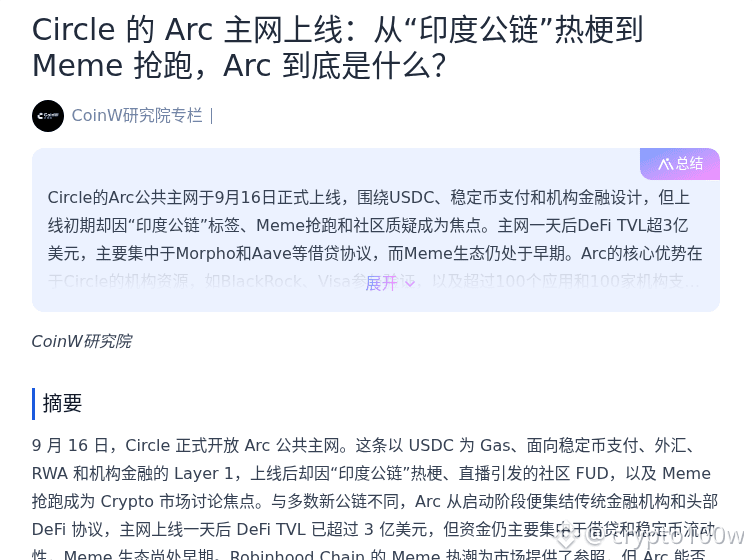
Mainnet công khai Arc của Circle đã được mở, tập trung vào việc thanh toán Gas bằng USDC, hướng tới thanh toán bằng stablecoin, ngoại hối, RWA và tài chính tổ chức trên EVM Layer 1. Ở giai đoạn ra mắt, tổng giá trị DeFi trên Arc đã vượt 300 triệu USD; dòng vốn chủ yếu chảy vào các giao thức hàng đầu như Morpho, Aave, Uniswap. Sự tham gia xác thực của các tổ chức như BlackRock, Visa cũng củng cố nhãn “hạ tầng tài chính”. Điều này có lợi cho hệ sinh thái USDC và Circle; trọng tâm không phải là Meme chạy trước, mà là Circle đang mở rộng doanh thu phát hành stablecoin sang doanh thu từ mạng lưới và dịch vụ tài chính trên chuỗi. Về giao dịch, CRCL phản ánh câu chuyện này trực tiếp hơn nhiều so với các Arc Meme giai đoạn đầu; trong ngắn hạn, cần theo dõi liệu TVL, khối lượng giao dịch DEX và các mảng thanh toán/RWA thực sự có tiếp tục tăng trưởng hay không.
Nguồn: PANews
#CRCL #USDC
Hình minh họa 1: Circle Arc ra mắt mainnet, câu chuyện mạng tài chính USDC nóng lên · Nguồn: ảnh chụp cục bộ trang
Nguồn ảnh: https://www.panewslab.com/zh/articles/01a0b274-4bff-70fd-8e82-e46fb59f869b
Circle Arc ra mắt mainnet, câu chuyện mạng tài chính USDC nóng lên
Mainnet công khai Arc của Circle đã được mở, tập trung vào việc thanh toán Gas bằng USDC, hướng tới thanh toán bằng stablecoin, ngoại hối, RWA và tài chính tổ chức trên EVM Layer 1. Ở giai đoạn ra mắt, tổng giá trị DeFi trên Arc đã vượt 300 triệu USD; dòng vốn chủ yếu chảy vào các giao thức hàng đầu như Morpho, Aave, Uniswap. Sự tham gia xác thực của các tổ chức như BlackRock, Visa cũng củng cố nhãn “hạ tầng tài chính”. Điều này có lợi cho hệ sinh thái USDC và Circle; trọng tâm không phải là Meme chạy trước, mà là Circle đang mở rộng doanh thu phát hành stablecoin sang doanh thu từ mạng lưới và dịch vụ tài chính trên chuỗi. Về giao dịch, CRCL phản ánh câu chuyện này trực tiếp hơn nhiều so với các Arc Meme giai đoạn đầu; trong ngắn hạn, cần theo dõi liệu TVL, khối lượng giao dịch DEX và các mảng thanh toán/RWA thực sự có tiếp tục tăng trưởng hay không.
Nguồn: PANews
#CRCL #USDC
Hình minh họa 1: Circle Arc ra mắt mainnet, câu chuyện mạng tài chính USDC nóng lên · Nguồn: ảnh chụp cục bộ trang
Nguồn ảnh: https://www.panewslab.com/zh/articles/01a0b274-4bff-70fd-8e82-e46fb59f869b
Mainnet công khai Arc của Circle đã được mở, tập trung vào việc thanh toán Gas bằng USDC, hướng tới thanh toán bằng stablecoin, ngoại hối, RWA và tài chính tổ chức trên EVM Layer 1. Ở giai đoạn ra mắt, tổng giá trị DeFi trên Arc đã vượt 300 triệu USD; dòng vốn chủ yếu chảy vào các giao thức hàng đầu như Morpho, Aave, Uniswap. Sự tham gia xác thực của các tổ chức như BlackRock, Visa cũng củng cố nhãn “hạ tầng tài chính”. Điều này có lợi cho hệ sinh thái USDC và Circle; trọng tâm không phải là Meme chạy trước, mà là Circle đang mở rộng doanh thu phát hành stablecoin sang doanh thu từ mạng lưới và dịch vụ tài chính trên chuỗi. Về giao dịch, CRCL phản ánh câu chuyện này trực tiếp hơn nhiều so với các Arc Meme giai đoạn đầu; trong ngắn hạn, cần theo dõi liệu TVL, khối lượng giao dịch DEX và các mảng thanh toán/RWA thực sự có tiếp tục tăng trưởng hay không.
Nguồn: PANews
#CRCL #USDC
Hình minh họa 1: Circle Arc ra mắt mainnet, câu chuyện mạng tài chính USDC nóng lên · Nguồn: ảnh chụp cục bộ trang
Nguồn ảnh: https://www.panewslab.com/zh/articles/01a0b274-4bff-70fd-8e82-e46fb59f869b
175

·
--
Stablecoins không hề nhàm chán; chúng chính là nhịp tim thực sự của thị trường.
Trong khi các nhà giao dịch săn tìm biến động, $USDC khối lượng đạt 1861.09M USD trong 24 giờ qua với mức thay đổi +0.01%. Thanh khoản bền vững này cho thấy những người tham gia thị trường vẫn sẵn sàng “khô tiền” để triển khai ngay lập tức.
Nếu khối lượng tăng đột biến trong khi giá vẫn giữ quanh mốc 1.00 USD, điều đó thường báo hiệu niềm tin đang gia tăng cho các điểm vào sắp tới. Ngược lại, nếu khối lượng co lại mạnh kèm dòng rút USDC, có thể là dấu hiệu chuyển sang tâm lý phòng thủ (risk-off).
Bạn có xem thanh khoản stablecoin cao như một tín hiệu cho tích lũy sắp diễn ra hay là một cuộc chờ đợi thận trọng? Hãy xem dòng chảy thị trường mới nhất của USDC tại đây. 🌐
Tap $USDC for the live chart. #USDC #BinanceSquare
Stablecoins không hề nhàm chán; chúng chính là nhịp tim thực sự của thị trường.
Trong khi các nhà giao dịch săn tìm biến động, $USDC khối lượng đạt 1861.09M USD trong 24 giờ qua với mức thay đổi +0.01%. Thanh khoản bền vững này cho thấy những người tham gia thị trường vẫn sẵn sàng “khô tiền” để triển khai ngay lập tức.
Nếu khối lượng tăng đột biến trong khi giá vẫn giữ quanh mốc 1.00 USD, điều đó thường báo hiệu niềm tin đang gia tăng cho các điểm vào sắp tới. Ngược lại, nếu khối lượng co lại mạnh kèm dòng rút USDC, có thể là dấu hiệu chuyển sang tâm lý phòng thủ (risk-off).
Bạn có xem thanh khoản stablecoin cao như một tín hiệu cho tích lũy sắp diễn ra hay là một cuộc chờ đợi thận trọng? Hãy xem dòng chảy thị trường mới nhất của USDC tại đây. 🌐
Tap $USDC for the live chart. #USDC #BinanceSquare
Trong khi các nhà giao dịch săn tìm biến động, $USDC khối lượng đạt 1861.09M USD trong 24 giờ qua với mức thay đổi +0.01%. Thanh khoản bền vững này cho thấy những người tham gia thị trường vẫn sẵn sàng “khô tiền” để triển khai ngay lập tức.
Nếu khối lượng tăng đột biến trong khi giá vẫn giữ quanh mốc 1.00 USD, điều đó thường báo hiệu niềm tin đang gia tăng cho các điểm vào sắp tới. Ngược lại, nếu khối lượng co lại mạnh kèm dòng rút USDC, có thể là dấu hiệu chuyển sang tâm lý phòng thủ (risk-off).
Bạn có xem thanh khoản stablecoin cao như một tín hiệu cho tích lũy sắp diễn ra hay là một cuộc chờ đợi thận trọng? Hãy xem dòng chảy thị trường mới nhất của USDC tại đây. 🌐
Tap $USDC for the live chart. #USDC #BinanceSquare
3

·
--

Bài viết
✨💎Những diễn biến gần đây của đồng usdc💎✨$USDC 🪙 #usdc
Ra mắt mạng Arc: Circle (nhà phát hành cho đồng tiền) đã ra mắt mạng Arc dành riêng cho các tổ chức tài chính, sử dụng USDC làm đồng tiền cơ bản để thanh toán phí và thực hiện quyết toán.
CoinMarketCap+ 1
M&A và mở rộng: Circle đã mua lại công ty "Tazapay" để mở rộng các khoản thanh toán USDC xuyên biên giới tại hơn 100 quốc gia.
Bitvavo
Tương thích về mặt quản lý và quan hệ đối tác: cung cấp cho các tổ chức quyền truy cập trực tiếp để đúc và hoàn trả USDC qua các ngân hàng toàn cầu như Standard Chartered, đồng thời tích hợp với các hệ sinh thái như Samsung Wallet.
✨💎Những diễn biến gần đây của đồng usdc💎✨
$USDC 🪙 #usdc
Ra mắt mạng Arc: Circle (nhà phát hành cho đồng tiền) đã ra mắt mạng Arc dành riêng cho các tổ chức tài chính, sử dụng USDC làm đồng tiền cơ bản để thanh toán phí và thực hiện quyết toán.
CoinMarketCap+ 1
M&A và mở rộng: Circle đã mua lại công ty "Tazapay" để mở rộng các khoản thanh toán USDC xuyên biên giới tại hơn 100 quốc gia.
Bitvavo
Tương thích về mặt quản lý và quan hệ đối tác: cung cấp cho các tổ chức quyền truy cập trực tiếp để đúc và hoàn trả USDC qua các ngân hàng toàn cầu như Standard Chartered, đồng thời tích hợp với các hệ sinh thái như Samsung Wallet.
Ra mắt mạng Arc: Circle (nhà phát hành cho đồng tiền) đã ra mắt mạng Arc dành riêng cho các tổ chức tài chính, sử dụng USDC làm đồng tiền cơ bản để thanh toán phí và thực hiện quyết toán.
CoinMarketCap+ 1
M&A và mở rộng: Circle đã mua lại công ty "Tazapay" để mở rộng các khoản thanh toán USDC xuyên biên giới tại hơn 100 quốc gia.
Bitvavo
Tương thích về mặt quản lý và quan hệ đối tác: cung cấp cho các tổ chức quyền truy cập trực tiếp để đúc và hoàn trả USDC qua các ngân hàng toàn cầu như Standard Chartered, đồng thời tích hợp với các hệ sinh thái như Samsung Wallet.
3
86

USDC/USDT đang giao dịch gần mốc $1.00, cho thấy rất ít biến động trong bản chụp thị trường mới nhất.
💵 $USDC : $1.00075
📉 Thay đổi 24H: -0.01%
USDC tiếp tục được neo bám sát với đồng đô la Mỹ, trong khi thị trường crypto rộng hơn lại cho thấy mức biến động mạnh hơn trên BTC, ETH và một số altcoin.
#USDC #USDT #CryptoNews #stablecoin #CryptoMarket
USDC/USDT đang giao dịch gần mốc $1.00, cho thấy rất ít biến động trong bản chụp thị trường mới nhất.
💵 $USDC : $1.00075
📉 Thay đổi 24H: -0.01%
USDC tiếp tục được neo bám sát với đồng đô la Mỹ, trong khi thị trường crypto rộng hơn lại cho thấy mức biến động mạnh hơn trên BTC, ETH và một số altcoin.
#USDC #USDT #CryptoNews #stablecoin #CryptoMarket
💵 $USDC : $1.00075
📉 Thay đổi 24H: -0.01%
USDC tiếp tục được neo bám sát với đồng đô la Mỹ, trong khi thị trường crypto rộng hơn lại cho thấy mức biến động mạnh hơn trên BTC, ETH và một số altcoin.
#USDC #USDT #CryptoNews #stablecoin #CryptoMarket
80

Xem bản dịch
🚨 INSTITUTIONAL PIPELINES EXPAND AS $USDC SECURES DIRECT MAINNET INTEGRATION FOR ONCHAIN SETTLEMENTS ⚡
Smart money infrastructure continues to quietly solidify as a top-tier exchange integrates direct $USDC rail access for the Arc mainnet launch. 🏦 This architectural bridge streamlines institutional capital deployment across treasury management and tokenized real-world assets without frictional liquidity leaks. 🔍
By connecting established digital asset liquidity directly into new settlement rails, institutional players are positioning for seamless onchain capital velocity. 🌊 Watch how order flow shifts as real-world financial activity migrates directly onto programmable networks. 💬 Are you positioning for the next wave of institutional RWA liquidity, or waiting for retail confirmation? 👇
⚠️ Not financial advice. Always manage your risk. 🛡️
🏷️ #USDC #Onchain #Crypto #RWA #DeFi
🦈 🎯
🚨 INSTITUTIONAL PIPELINES EXPAND AS $USDC SECURES DIRECT MAINNET INTEGRATION FOR ONCHAIN SETTLEMENTS ⚡
Smart money infrastructure continues to quietly solidify as a top-tier exchange integrates direct $USDC rail access for the Arc mainnet launch. 🏦 This architectural bridge streamlines institutional capital deployment across treasury management and tokenized real-world assets without frictional liquidity leaks. 🔍
By connecting established digital asset liquidity directly into new settlement rails, institutional players are positioning for seamless onchain capital velocity. 🌊 Watch how order flow shifts as real-world financial activity migrates directly onto programmable networks. 💬 Are you positioning for the next wave of institutional RWA liquidity, or waiting for retail confirmation? 👇
⚠️ Not financial advice. Always manage your risk. 🛡️
🏷️ #USDC #Onchain #Crypto #RWA #DeFi
🦈 🎯
Smart money infrastructure continues to quietly solidify as a top-tier exchange integrates direct $USDC rail access for the Arc mainnet launch. 🏦 This architectural bridge streamlines institutional capital deployment across treasury management and tokenized real-world assets without frictional liquidity leaks. 🔍
By connecting established digital asset liquidity directly into new settlement rails, institutional players are positioning for seamless onchain capital velocity. 🌊 Watch how order flow shifts as real-world financial activity migrates directly onto programmable networks. 💬 Are you positioning for the next wave of institutional RWA liquidity, or waiting for retail confirmation? 👇
⚠️ Not financial advice. Always manage your risk. 🛡️
🏷️ #USDC #Onchain #Crypto #RWA #DeFi
🦈 🎯
5
Đăng nhập để khám phá thêm nội dung
Tham gia cùng người dùng tiền mã hóa toàn cầu trên Binance Square
⚡️ Nhận thông tin mới nhất và hữu ích về tiền mã hóa.
💬 Được tin cậy bởi sàn giao dịch tiền mã hóa lớn nhất thế giới.
👍 Khám phá những thông tin chuyên sâu thực tế từ những nhà sáng tạo đã xác minh.
Email / Số điện thoại
Chủ đề thịnh hành
1
#TinFed
78,441 lượt xem
371 đang thảo luận
2
#TheoDõiFOMC
86,074 lượt xem
562 đang thảo luận
3
#45NgayTuDoTaiChinh
919,494 lượt xem
3,151 đang thảo luận
4
#EthereumSurpasses$2700
1,179 lượt xem
59 đang thảo luận
5
#CanaryFilesSecondAmendmentForStakedSEIETF
4,613 lượt xem
196 đang thảo luận
6
#SaylorHintsStrategyBitcoinBuy
2.3M lượt xem
12,857 đang thảo luận
7
#BOJRaisesRatesTo31YearHigh
290,735 lượt xem
3,542 đang thảo luận
8
#BuffettStepsDownAsBerkshireChairman
142,575 lượt xem
1,921 đang thảo luận
9
#XRPExchangeReservesHitSevenYearLow
157,784 lượt xem
1,699 đang thảo luận
10
#HKCompletesFirstHKDStablecoinUseCase
169,456 lượt xem
2,019 đang thảo luận