

#midtermelections
midtermelections
9,424 views
25 Discussing
Hot
Latest

·
--
Bullish
🇺🇸⚖️ TRUMP ADMINISTRATION ISSUES NEW SUBPOENAS IN CALIFORNIA NONCITIZEN VOTING INVESTIGATION
The U.S. Department of Justice has intensified its investigation into alleged noncitizen voter registration in California, issuing federal grand jury subpoenas to local election officials just days before the November 3 midterm elections.
According to reports by Reuters, Associated Press and ABC News, the subpoenas seek voter-registration records, internal communications and information about procedures used to prevent ineligible individuals from voting.
🔍 Key Developments:
- Federal investigators are examining allegations involving potentially thousands of noncitizens on California's voter rolls.
- Los Angeles County election officials received subpoenas requiring testimony on November 4.
- The Trump administration previously claimed that more than 20,000 potentially ineligible individuals were registered to vote.
- California election officials have challenged the federal government's approach and raised concerns about voter protections.
- A federal judge recently rejected the administration's request to separate approximately 20,000 ballots associated with suspected noncitizens.
⚖️ Why It Matters:
The investigation has intensified the legal and political dispute between the Trump administration and California authorities over federal oversight, state election powers and voter eligibility.
While noncitizens are generally prohibited from voting in federal elections, allegations involving individual voters must be verified through proper legal procedures. Being listed as a potential noncitizen does not automatically establish unlawful registration or voting.
Sources: Reuters | Associated Press | ABC News | U.S. Department of Justice
#USA #California #Trump #MidtermElections
$SOPH $ALPINE $PARTI
{future}(PARTIUSDT)
🇺🇸⚖️ TRUMP ADMINISTRATION ISSUES NEW SUBPOENAS IN CALIFORNIA NONCITIZEN VOTING INVESTIGATION
The U.S. Department of Justice has intensified its investigation into alleged noncitizen voter registration in California, issuing federal grand jury subpoenas to local election officials just days before the November 3 midterm elections.
According to reports by Reuters, Associated Press and ABC News, the subpoenas seek voter-registration records, internal communications and information about procedures used to prevent ineligible individuals from voting.
🔍 Key Developments:
- Federal investigators are examining allegations involving potentially thousands of noncitizens on California's voter rolls.
- Los Angeles County election officials received subpoenas requiring testimony on November 4.
- The Trump administration previously claimed that more than 20,000 potentially ineligible individuals were registered to vote.
- California election officials have challenged the federal government's approach and raised concerns about voter protections.
- A federal judge recently rejected the administration's request to separate approximately 20,000 ballots associated with suspected noncitizens.
⚖️ Why It Matters:
The investigation has intensified the legal and political dispute between the Trump administration and California authorities over federal oversight, state election powers and voter eligibility.
While noncitizens are generally prohibited from voting in federal elections, allegations involving individual voters must be verified through proper legal procedures. Being listed as a potential noncitizen does not automatically establish unlawful registration or voting.
Sources: Reuters | Associated Press | ABC News | U.S. Department of Justice
#USA #California #Trump #MidtermElections
$SOPH $ALPINE $PARTI
55

·
--

Article
Impact of midterm US election on cryptocurrency ($BTC) The historical pattern: Bitcoin has fallen hard in each recent midterm year. Binance Research counts drops of 56% in 2014, 73% in 2018 and 64% in 2022. A second tally puts them lower, at 65% in 2014, 52% in 2018 and 27% in 2022. The two sources use different measurement windows, so treat the exact figures as rough. The direction is the same in both. (crypto) (coingape)
After the vote: The 12 months after midterms averaged a 19% rise for the S&P 500 and 54% for Bitcoin across the three post-midterm years on record. The usual explanation is that clearing political uncertainty lets capital return to risk assets. (Cointelegraph)
Why to be cautious:
That is only three data points. One analysis notes that three consecutive declines occur by chance often enough that the record proves nothing on its own. (ground)
The midterms also fall at the end of the bear market or bottoming phase of Bitcoin's four-year cycle, so the cycle and the election are hard to separate. (itiger)
HTX Research argues that short-term pricing is still driven by inflation, financing costs and capital flows rather than the election itself. (btc-echo)
2026 specifics:
Bitcoin was around $81,600 on October 23, with $80,500 the support level analysts are watching. (coingape)
On the policy side, the Senate refused to debate the CLARITY Act on September 15, 49 votes to 50. It failed over language on the president's crypto income. Coinbase and Robinhood shares fell on the news. With the calendar this tight, reform will likely wait until 2027. (bit) (247wallst)
Until a bill passes, regulation defaults to the agencies. The SEC's proposed Regulation Crypto Assets was open for comment until October 20. (bit)
Bottom line: The election mainly matters for how fast crypto legislation moves in 2027, and for the end of pre-election uncertainty. A rebound is plausible, but history here is thin and macro factors like the Fed meeting this week may matter more. This is general information rather than investment advice.
#MidtermElections #CryptoTrading. #CryptoPatience
Impact of midterm US election on cryptocurrency ($BTC)
The historical pattern: Bitcoin has fallen hard in each recent midterm year. Binance Research counts drops of 56% in 2014, 73% in 2018 and 64% in 2022. A second tally puts them lower, at 65% in 2014, 52% in 2018 and 27% in 2022. The two sources use different measurement windows, so treat the exact figures as rough. The direction is the same in both. (crypto) (coingape)
After the vote: The 12 months after midterms averaged a 19% rise for the S&P 500 and 54% for Bitcoin across the three post-midterm years on record. The usual explanation is that clearing political uncertainty lets capital return to risk assets. (Cointelegraph)
Why to be cautious:
That is only three data points. One analysis notes that three consecutive declines occur by chance often enough that the record proves nothing on its own. (ground)
The midterms also fall at the end of the bear market or bottoming phase of Bitcoin's four-year cycle, so the cycle and the election are hard to separate. (itiger)
HTX Research argues that short-term pricing is still driven by inflation, financing costs and capital flows rather than the election itself. (btc-echo)
2026 specifics:
Bitcoin was around $81,600 on October 23, with $80,500 the support level analysts are watching. (coingape)
On the policy side, the Senate refused to debate the CLARITY Act on September 15, 49 votes to 50. It failed over language on the president's crypto income. Coinbase and Robinhood shares fell on the news. With the calendar this tight, reform will likely wait until 2027. (bit) (247wallst)
Until a bill passes, regulation defaults to the agencies. The SEC's proposed Regulation Crypto Assets was open for comment until October 20. (bit)
Bottom line: The election mainly matters for how fast crypto legislation moves in 2027, and for the end of pre-election uncertainty. A rebound is plausible, but history here is thin and macro factors like the Fed meeting this week may matter more. This is general information rather than investment advice.
#MidtermElections #CryptoTrading. #CryptoPatience
81

·
--
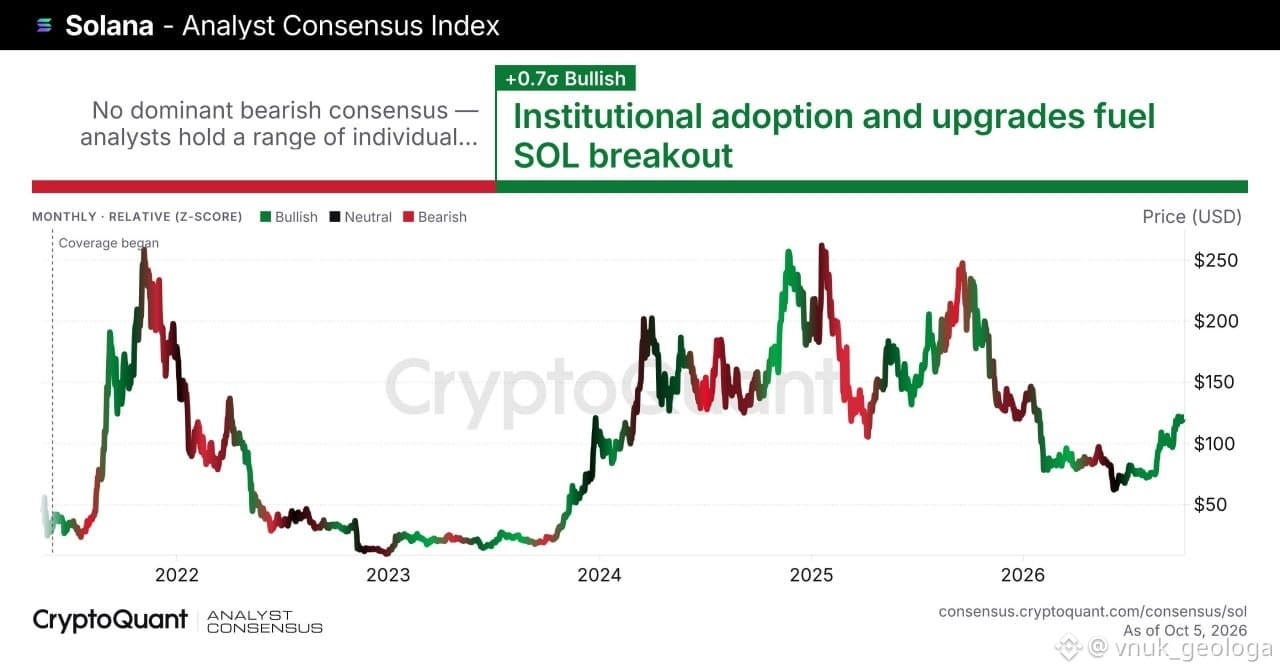
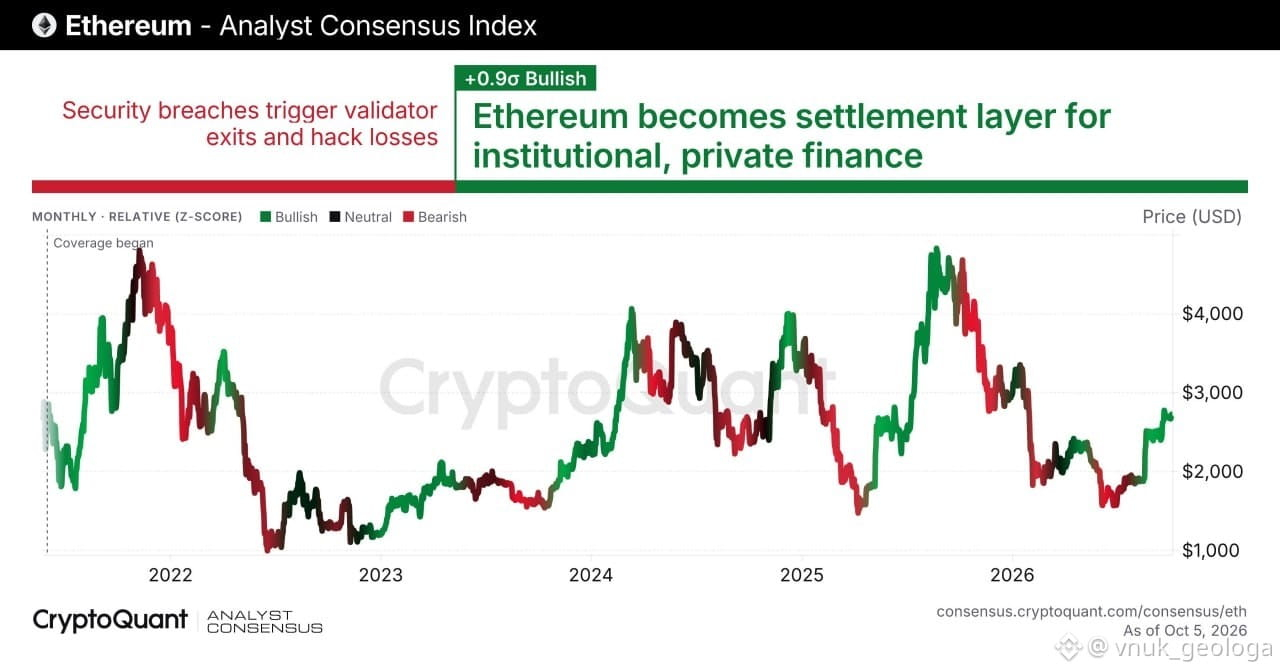
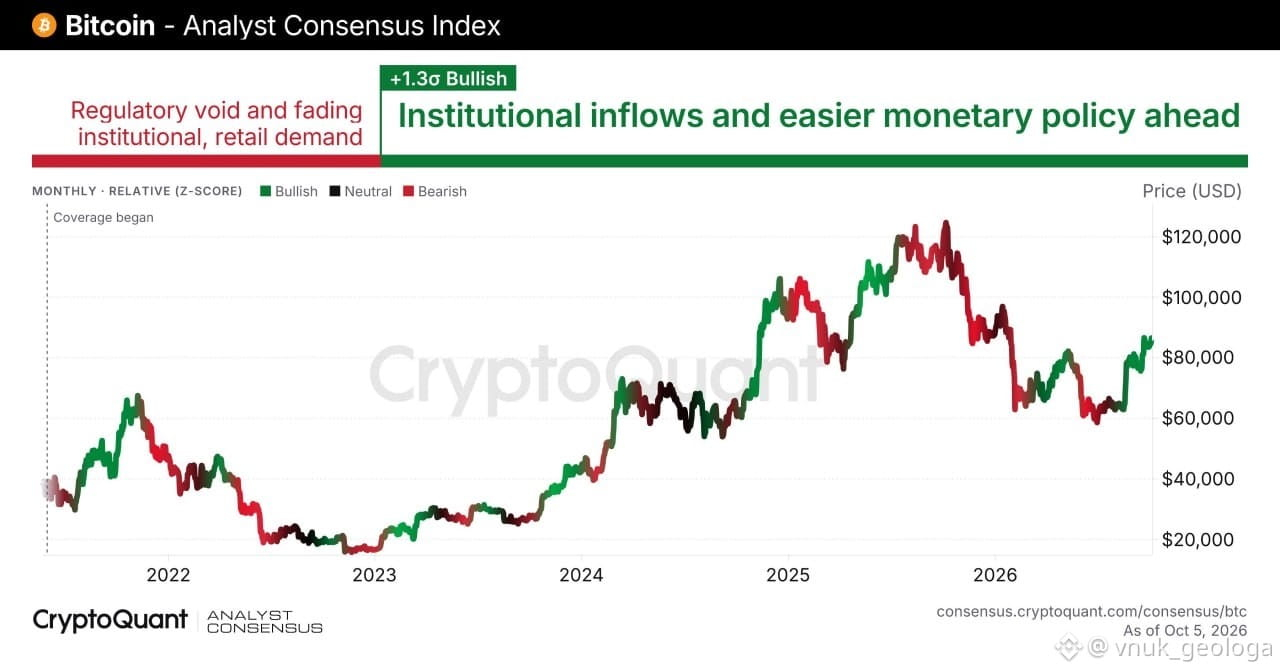
🇺🇸 Bitcoin rose three times in a row after the US midterm elections
According to CryptoQuant, $BTC rose within 12 months after each of the last three midterm elections:
▫️ after the 2014 elections — 24.5%;
▫️ in 2018 — 44.9%;
▫️ in 2022 — 92.3%.
Analysts note a similar pattern in the $S&P 500: since 1950, the index has grown the following year in all 19 cases. The average result is +15.4%.
Let's take into account ✍️
#MidtermElections #crypto
3
152

·
--
The U.S. midterm elections are approaching, and control of Congress has become a key market factor! The VIP signal service is now live. Get 15% off and track the real-time odds of control in both chambers to anticipate the impact on your assets. Don’t let political shifts throw off your investment strategy! #美国中期选举 #CryptoPolitics
US midterm elections are approaching, and control of Congress is critical to the markets! The VIP signal platform just launched with 15% off. Track the odds of Senate and House control in real time and stay ahead of the impact on your assets. Don’t let political shifts throw off your investment strategy! #MidtermElections #CryptoPolitics
US midterm elections are approaching, and control of Congress is critical to the markets! The VIP signal platform just launched with 15% off. Track the odds of Senate and House control in real time and stay ahead of the impact on your assets. Don’t let political shifts throw off your investment strategy! #MidtermElections #CryptoPolitics
1

·
--
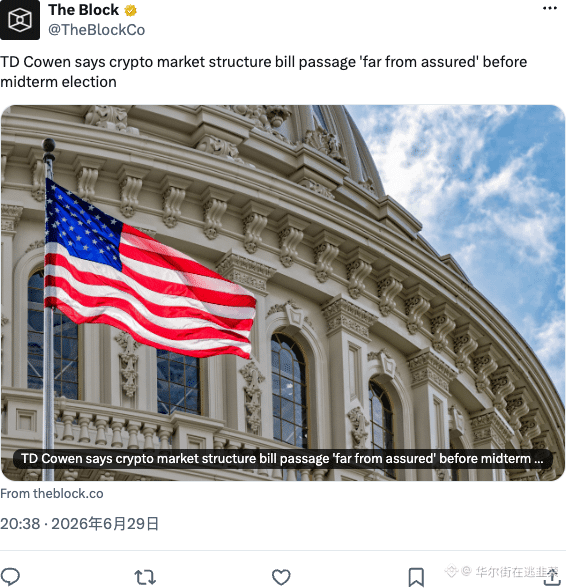
Did you think about that crypto market structure bill before the midterm election? Go wash up and sleep.
TD Cowen put it plainly: the probability of passing it before November is next to zero. With this kind of bipartisan bickering, it doesn’t even make the priority list in an election year—lawmakers are focused on campaigning. Who has the time to clarify the SEC vs. CFTC jurisdiction for you?
So don’t treat this as a short-term positive to trade on. If it actually gets implemented, it’ll be at least next year. The price chart has already pulled back the “priced-in” sweet-talk portion for you. #CryptoRegulation #MidtermElections $BTC $ETH
{future}(ETHUSDT)
{future}(BTCUSDT)
Did you think about that crypto market structure bill before the midterm election? Go wash up and sleep.
TD Cowen put it plainly: the probability of passing it before November is next to zero. With this kind of bipartisan bickering, it doesn’t even make the priority list in an election year—lawmakers are focused on campaigning. Who has the time to clarify the SEC vs. CFTC jurisdiction for you?
So don’t treat this as a short-term positive to trade on. If it actually gets implemented, it’ll be at least next year. The price chart has already pulled back the “priced-in” sweet-talk portion for you. #CryptoRegulation #MidtermElections $BTC $ETH
167

·
--
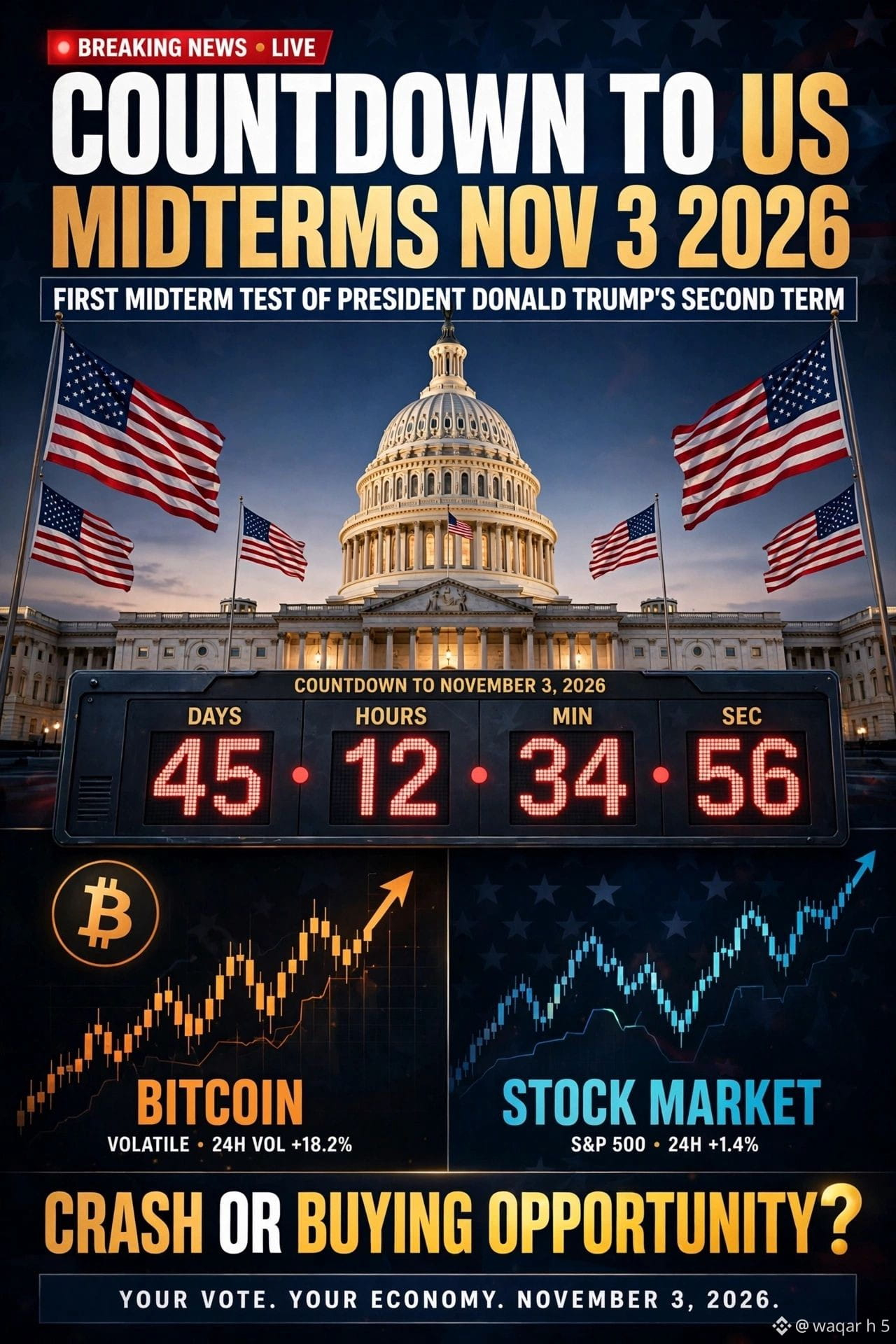
#USMidtermElections 🚨 COUNTDOWN TO US MIDTERMS: NOV 3, 2026 🚨
The 2026 U.S. midterm elections will be held on November 3 (local time), with results expected from 00:00 UTC on November 4.
This is the FIRST nationwide test of President Donald Trump's second term — the outcome will shape everything.
🔥 THE BIG QUESTION FOR CRYPTO:
What happens to Bitcoin and stocks if Trump loses power?
Is it a CRASH or the ultimate BUYING OPPORTUNITY?
📊 History says midterms = massive volatility for $BTC and S&P 500
Are you bullish or bearish ahead of Nov 3?
Vote in comments 👇
#USElections #MidtermElections #DonaldTrump #BTC #Bitcoin #StockMarket #CryptoNews #BreakingNews #BinanceSquare #USElections2026
1
1
136

·
--
🇺🇸 WHY IS OCTOBER SO IMPORTANT FOR CRYPTO IN THE U.S.? 🤔
Why has cryptocurrency suddenly become such a major topic in American political discussions?
With the 2026 U.S. Midterm Elections approaching, questions are emerging about the connection between crypto regulation, political influence, and campaign financing.
📌 Three key questions deserve attention:
1️⃣ Is the U.S. government accelerating its crypto policy agenda?
2️⃣ How much influence does the crypto industry have on political campaigns?
3️⃣ Could election-related political interests shape the future of crypto regulation?
💡 The Bigger Picture: Crypto is no longer just about Bitcoin and digital assets. It's also becoming part of discussions around regulation, financial power, and political influence.
But timing alone doesn't prove a political motive. Facts, funding records, and policy decisions matter.
💬 What do you think? Is crypto becoming an important issue in the 2026 U.S. election debate?
#Crypto #USPolitics #MidtermElections #bitcoin #CryptoRegulation #Blockchain #2026Elections
1
55
·
--
Bullish
🟥 BREAKING NEWS | OBAMA MOCKS TRUMP’S TRADE WAR WITH CANADA 🇺🇸🇨🇦
Former U.S. President Barack Obama has sharply criticized Donald Trump’s tariff policy toward Canada, sarcastically calling the longtime American ally a “well-known evil empire.”
At a Democratic campaign rally in Detroit on October 24, 2026, Obama joked:
🗣️ “These are the people who gave us Martin Short and maple syrup. They are the nicest people.”
Obama warned that Trump’s tariffs could increase prices for American consumers, particularly affecting industries such as automotive manufacturing, where U.S. and Canadian supply chains are closely connected.
📌 The Bigger Picture: As the November 3 U.S. midterm elections approach, the Canada trade dispute has become a major political issue, with economic costs and relations with a close ally under scrutiny.
Source: The Canadian Press, published October 25, 2026 — "Read the full report" (https://nationalnewswatch.com/2026/10/25/well-known-evil-empire-barack-obama-mocks-president-trumps-trade-war-with-canada).
#BarackObama #TradeWar #USPolitics #Tariffs #MidtermElections
$WIN $ERA $DODO

2
3.1k
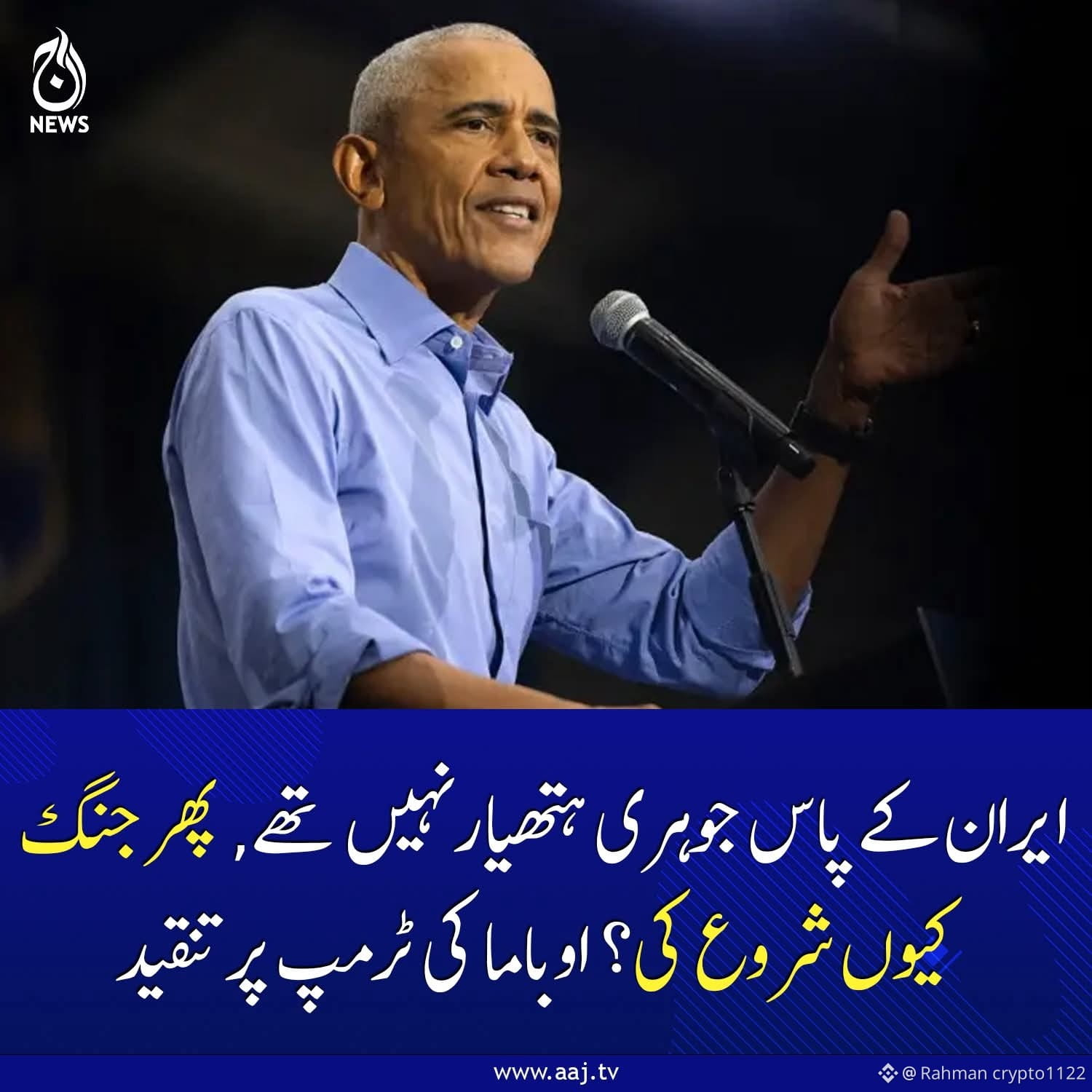
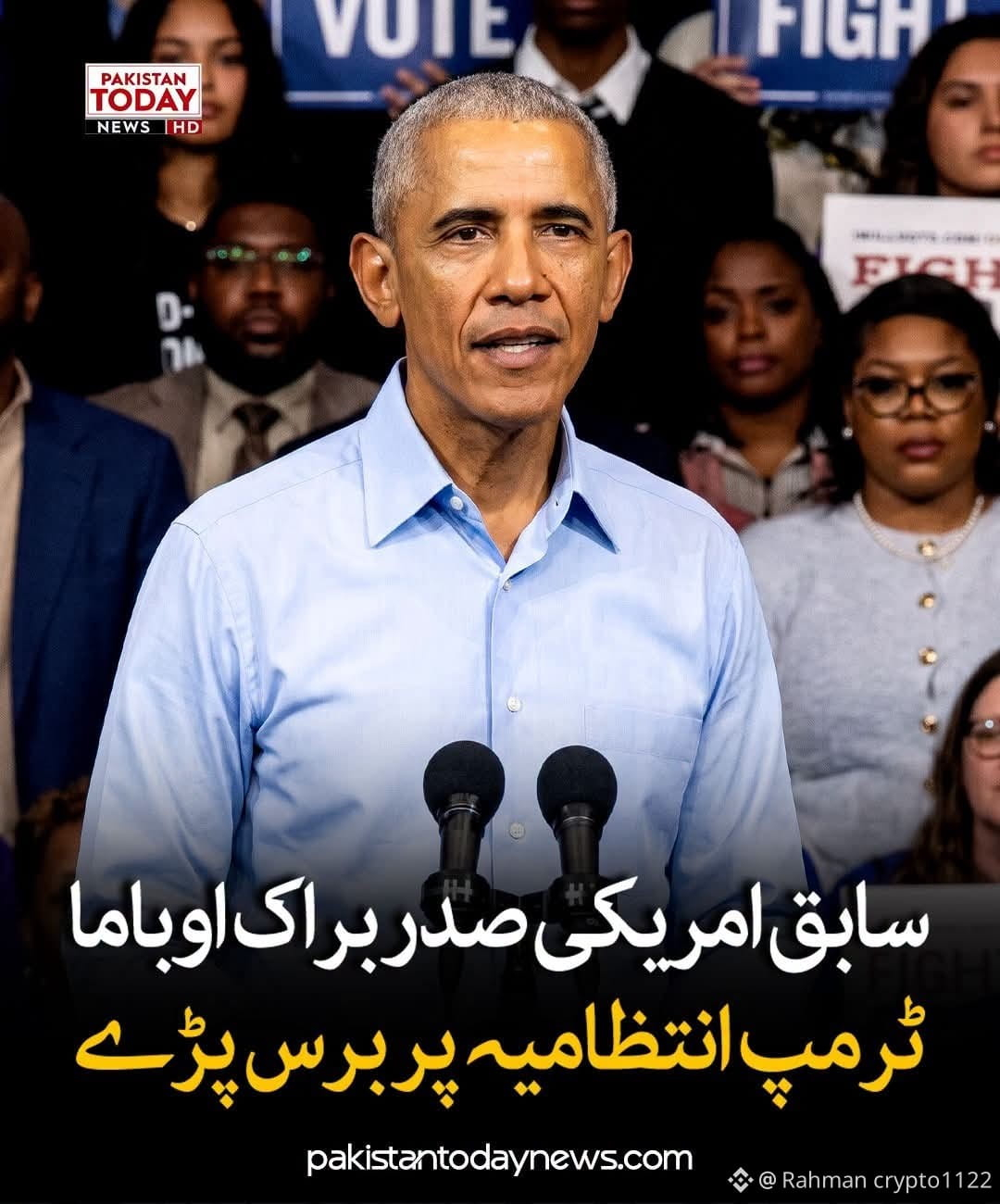
🚨 Obama Slams Trump Over the Iran War: “An Unnecessary War”
Former U.S. President Barack Obama has criticized Donald Trump’s decision to go to war with Iran, arguing that diplomacy had previously helped contain Tehran’s nuclear ambitions.
Speaking at a Democratic campaign rally in Ohio on October 24, Obama said the war was unnecessary and warned that the public would pay the price for poor political decisions.
🇺🇸 His remarks come ahead of the November 3 U.S. midterm elections, with the Iran conflict and rising energy costs becoming major political issues.
📌 Sources: "The Independent" (https://www.independent.co.uk/news/world/americas/us-politics/obama-ohio-rally-trump-iran-war-b3072832.html) | "Reuters" (https://www.reuters.com/legal/government/obama-unloads-trump-while-stumping-democrats-ahead-midterms-2026-10-25/)
#BarackObama #DonaldTrump #IranWar #USPolitics #MidtermElections
$BEZ.ETF $GMTL.US $TLS.US
TLSUS-7.03%
GMTLUS-5.33%
BEZETF+23.10%
41


·
--
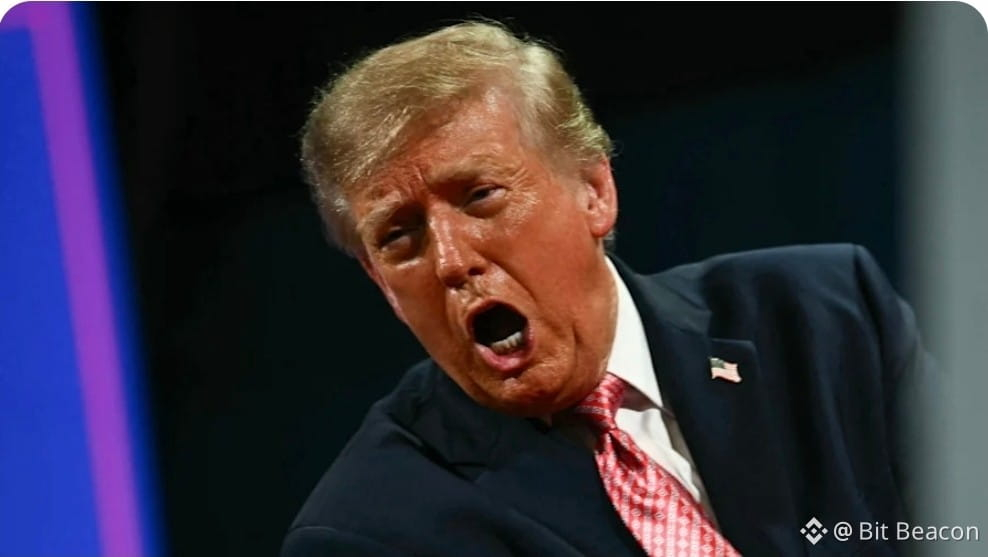
TRUMP AND THE MIDTERM ELECTIONS: A DEMOCRATIC STRESS TEST THAT COULD SHAKE WASHINGTON
The biggest political question may not be who wins the midterms, but what happens if the results trigger a constitutional showdown.
According to The Washington Post, a group of current and former Pentagon officials is reportedly preparing for the possibility that Donald Trump could refuse to accept the outcome of the November 3, 2026, midterm elections.
The concern comes as polling points toward potential Democratic gains that could dramatically reshape the balance of power in Washington.
The reported group includes around ten current and former Department of Defense employees with differing political views. Their concerns reportedly center on protecting democratic institutions and ensuring that any election outcome is respected.
A disputed result could trigger an extraordinary political confrontation, intensify tensions between the White House and Congress, and put America’s democratic safeguards under unprecedented public scrutiny.
For financial markets, the stakes could extend beyond politics. Prolonged uncertainty surrounding election legitimacy, government stability, and congressional control could influence investor confidence and increase volatility across risk assets.
CRYPTO WATCHLIST: $TRUMP | $BNB | $SOL
The critical question now is whether this remains a precautionary concern or develops into a real political crisis.
IMPORTANT: These are reported concerns about a possible future scenario, not confirmation that Trump will reject the election results. The actual outcome remains uncertain.
November 3 could become a defining moment for American politics.
{spot}(BNBUSDT)
{spot}(TRUMPUSDT)
{spot}(SOLUSDT)
#Trump #MidtermElections #USPolitics #CryptoNews #Bitcoin
TRUMP AND THE MIDTERM ELECTIONS: A DEMOCRATIC STRESS TEST THAT COULD SHAKE WASHINGTON
The biggest political question may not be who wins the midterms, but what happens if the results trigger a constitutional showdown.
According to The Washington Post, a group of current and former Pentagon officials is reportedly preparing for the possibility that Donald Trump could refuse to accept the outcome of the November 3, 2026, midterm elections.
The concern comes as polling points toward potential Democratic gains that could dramatically reshape the balance of power in Washington.
The reported group includes around ten current and former Department of Defense employees with differing political views. Their concerns reportedly center on protecting democratic institutions and ensuring that any election outcome is respected.
A disputed result could trigger an extraordinary political confrontation, intensify tensions between the White House and Congress, and put America’s democratic safeguards under unprecedented public scrutiny.
For financial markets, the stakes could extend beyond politics. Prolonged uncertainty surrounding election legitimacy, government stability, and congressional control could influence investor confidence and increase volatility across risk assets.
CRYPTO WATCHLIST: $TRUMP | $BNB | $SOL
The critical question now is whether this remains a precautionary concern or develops into a real political crisis.
IMPORTANT: These are reported concerns about a possible future scenario, not confirmation that Trump will reject the election results. The actual outcome remains uncertain.
November 3 could become a defining moment for American politics.
#Trump #MidtermElections #USPolitics #CryptoNews #Bitcoin
1
6
693

·
--
Bullish
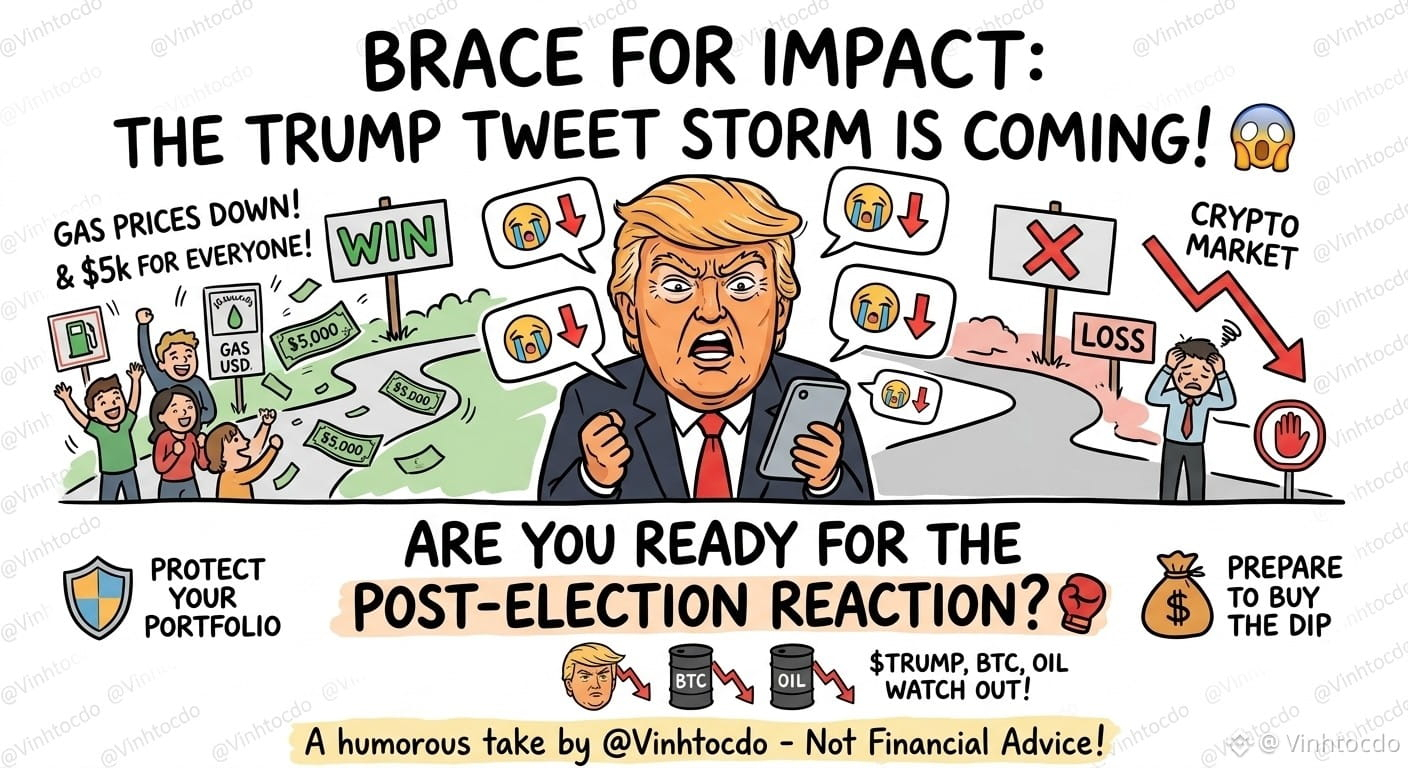
You can’t joke about the supernatural, folks! 🤫 According to the latest news from Binance News, Mr. #TRUMP just held a fiery rally in Kentucky. My uncle boldly declared that if the Republicans win the midterms, the Middle East war (Iran), which has dragged on for eight months, will “vanish” immediately, gas prices will plummet, and, best of all, every American will receive $5,000 to take home for the holidays! Hearing this trillion-dollar pie-in-the-sky promise would make the budget deficit weep, but the crowd just kept cheering! 🎉
But what’s really keeping me up at night right now is: What if Mr. Trump LOSES the U.S. midterms? 😱
You know what my uncle’s like! As soon as he loses, he’ll be back on social media furiously typing away and loudly bragging to vent his anger. And every time Mr. Trump loses his temper, the crypto market turns as red as a fashion runway. The ultimate question for all you traders: Are we ready? 🥊
The strategy right now for spiritually minded traders:
🛡️ Buckle up: Set your stop-loss in advance, so one tweet from him doesn’t make your account “vanish” in the literal sense.
💰 Get your sacks ready: If he really hands out $5,000, scoop it up and deposit it straight into Binance to buy the dip!
⚠️ This is not financial advice! Please take responsibility for your own money.
If you don’t have a Binance account yet, sign up now with referral code VINHTOCDO or through this link for good luck: [binance.com](http://binance.com/)
👇 Click to trade below and help me get through this stormy season:
$TRUMP
{spot}(TRUMPUSDT)
$BTC
{spot}(BTCUSDT)
$ETH
{spot}(ETHUSDT)
#VINHTOCDO #USPolitics #CryptoMarket #MidtermElections #Geopolitics #TradingStrategy
You can’t joke about the supernatural, folks! 🤫 According to the latest news from Binance News, Mr. #TRUMP just held a fiery rally in Kentucky. My uncle boldly declared that if the Republicans win the midterms, the Middle East war (Iran), which has dragged on for eight months, will “vanish” immediately, gas prices will plummet, and, best of all, every American will receive $5,000 to take home for the holidays! Hearing this trillion-dollar pie-in-the-sky promise would make the budget deficit weep, but the crowd just kept cheering! 🎉
But what’s really keeping me up at night right now is: What if Mr. Trump LOSES the U.S. midterms? 😱
You know what my uncle’s like! As soon as he loses, he’ll be back on social media furiously typing away and loudly bragging to vent his anger. And every time Mr. Trump loses his temper, the crypto market turns as red as a fashion runway. The ultimate question for all you traders: Are we ready? 🥊
The strategy right now for spiritually minded traders:
🛡️ Buckle up: Set your stop-loss in advance, so one tweet from him doesn’t make your account “vanish” in the literal sense.
💰 Get your sacks ready: If he really hands out $5,000, scoop it up and deposit it straight into Binance to buy the dip!
⚠️ This is not financial advice! Please take responsibility for your own money.
If you don’t have a Binance account yet, sign up now with referral code VINHTOCDO or through this link for good luck: binance.com
👇 Click to trade below and help me get through this stormy season:
$TRUMP
$BTC
$ETH
#VINHTOCDO #USPolitics #CryptoMarket #MidtermElections #Geopolitics #TradingStrategy
13
6
7.1k

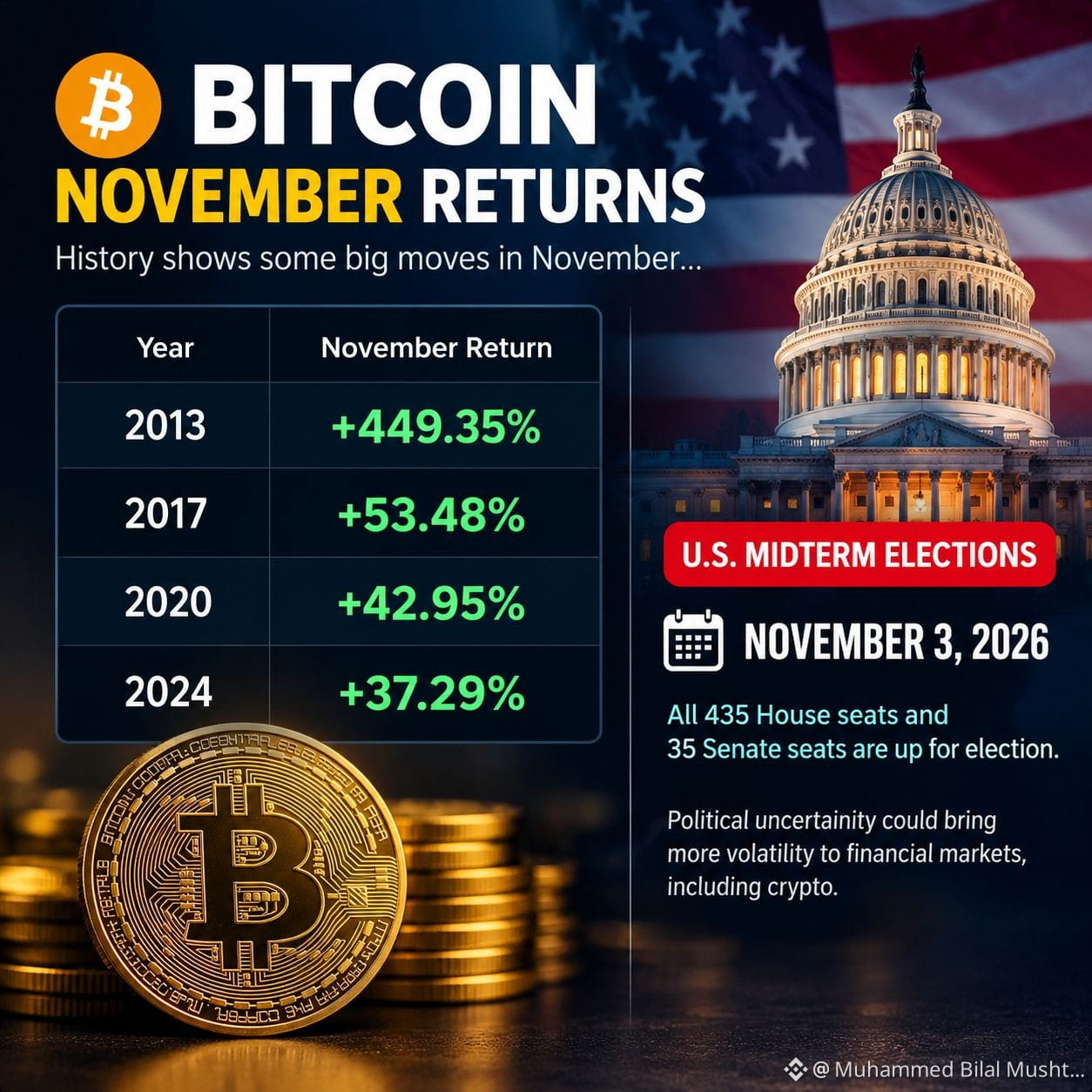
🚨 BITCOIN IN NOVEMBER: ANOTHER MASSIVE PUMP POSSIBLE? 👀📈
History is giving BTC traders something interesting to watch!
📊 November BTC returns from the chart:
🔥 2013: +449.35%
🚀 2017: +53.48%
📈 2020: +42.95%
💥 2024: +37.29%
Could Bitcoin surprise everyone again this November?
🇺🇸 ONE MORE THING TO WATCH:
The US Midterm Elections are scheduled for November 3, 2026.
All 435 House seats and 35 Senate seats are up for election. Political uncertainty could add volatility to financial markets, including crypto.
👀 Could historical November strength and election-related volatility create a big move for $BTC
{spot}(BTCUSDT)
⚠️ History doesn't guarantee a repeat. Watch price action, liquidity, and market conditions.
👇 What's your November BTC prediction?
🐂 Massive pump
🐻 Another correction first
#Bitcoin #BTC #CryptoMarket #MidtermElections #BinanceSquare
🚨 BITCOIN IN NOVEMBER: ANOTHER MASSIVE PUMP POSSIBLE? 👀📈
History is giving BTC traders something interesting to watch!
📊 November BTC returns from the chart:
🔥 2013: +449.35%
🚀 2017: +53.48%
📈 2020: +42.95%
💥 2024: +37.29%
Could Bitcoin surprise everyone again this November?
🇺🇸 ONE MORE THING TO WATCH:
The US Midterm Elections are scheduled for November 3, 2026.
All 435 House seats and 35 Senate seats are up for election. Political uncertainty could add volatility to financial markets, including crypto.
👀 Could historical November strength and election-related volatility create a big move for $BTC
⚠️ History doesn't guarantee a repeat. Watch price action, liquidity, and market conditions.
👇 What's your November BTC prediction?
🐂 Massive pump
🐻 Another correction first
#Bitcoin #BTC #CryptoMarket #MidtermElections #BinanceSquare
80

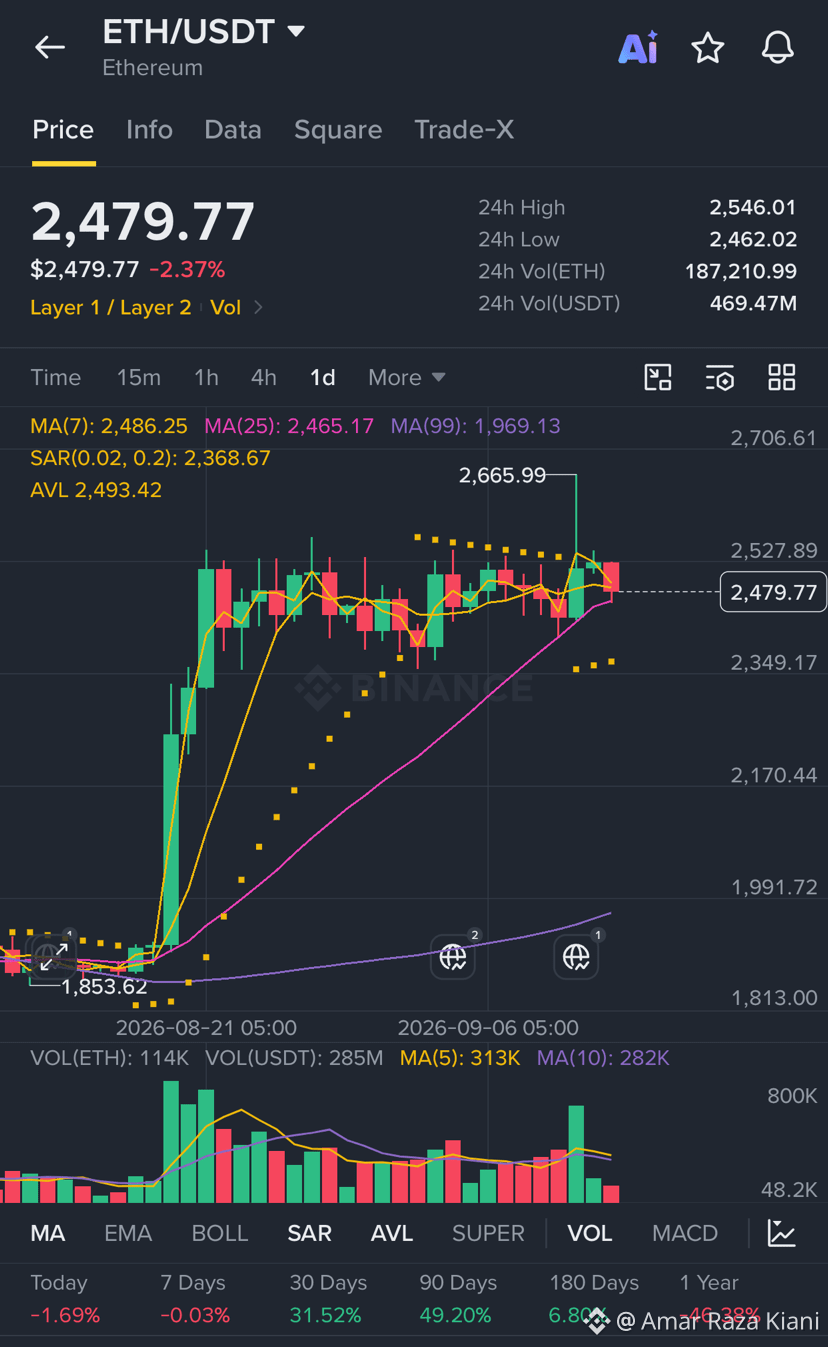
$ETH A clear daily close above $2,528 backed by expanding volume reopens the path toward testing resistance at $2,665 – $2,706.
Positioned at $2,368.67 below current price candles, confirming that the overall medium-term trend remains in a bullish state.
#ETH🔥🔥🔥🔥
#MidtermElections
$ETH A clear daily close above $2,528 backed by expanding volume reopens the path toward testing resistance at $2,665 – $2,706.
Positioned at $2,368.67 below current price candles, confirming that the overall medium-term trend remains in a bullish state.
#ETH🔥🔥🔥🔥
#MidtermElections
Positioned at $2,368.67 below current price candles, confirming that the overall medium-term trend remains in a bullish state.
#ETH🔥🔥🔥🔥
#MidtermElections
1
423

Shifting Political Maps and Global Tensions: A Roundup of US Developments
The US political landscape saw significant movement this week, headlined by a major shift in the ongoing redistricting battle. The Virginia Supreme Court ruled that the state cannot use new congressional maps that would have favored Democratic gains, marking a strategic victory for Republicans ahead of the November midterms. This ruling comes as the GOP aggressively challenges electoral maps across several states following the Supreme Court’s recent decision weakening the Voting Rights Act.
On the diplomatic front, tensions remain high as Washington awaits an Iranian response to interim ceasefire proposals. Meanwhile, the administration faces broader challenges, from a report highlighting that 27,000 children have been affected by parental deportations to ongoing scrutiny over labor market figures, with 115,000 jobs added in April.
Other notable updates from the past 24 hours include:
Legal & Administrative: A federal judge ruled that last year’s grant terminations by the “Department of Government Efficiency” (Doge) were unconstitutional, citing "blatant" discrimination. Additionally, General Motors agreed to a $12.75 million settlement to resolve claims regarding the illegal sale of driver location data.
Environment: The administration is moving to scale back hunting restrictions in national parks and wilderness areas, raising questions about wildlife impact and visitor safety.
Transparency: In a move decades in the making, the Pentagon released an initial batch of formerly secret files documenting reports of UFOs.
Cultural: The White House and actor Mark Hamill are engaged in a public dispute following a social media post regarding the President.
As the midterm election season intensifies, these intersecting legal, economic, and geopolitical pressures continue to reshape the national conversation.
#USPolitics #MidtermElections #Redistricting #Geopolitics #CapitolHill
$SUI
{spot}(SUIUSDT)
$UNI
{spot}(UNIUSDT)
$BIO
{spot}(BIOUSDT)
Shifting Political Maps and Global Tensions: A Roundup of US Developments
The US political landscape saw significant movement this week, headlined by a major shift in the ongoing redistricting battle. The Virginia Supreme Court ruled that the state cannot use new congressional maps that would have favored Democratic gains, marking a strategic victory for Republicans ahead of the November midterms. This ruling comes as the GOP aggressively challenges electoral maps across several states following the Supreme Court’s recent decision weakening the Voting Rights Act.
On the diplomatic front, tensions remain high as Washington awaits an Iranian response to interim ceasefire proposals. Meanwhile, the administration faces broader challenges, from a report highlighting that 27,000 children have been affected by parental deportations to ongoing scrutiny over labor market figures, with 115,000 jobs added in April.
Other notable updates from the past 24 hours include:
Legal & Administrative: A federal judge ruled that last year’s grant terminations by the “Department of Government Efficiency” (Doge) were unconstitutional, citing "blatant" discrimination. Additionally, General Motors agreed to a $12.75 million settlement to resolve claims regarding the illegal sale of driver location data.
Environment: The administration is moving to scale back hunting restrictions in national parks and wilderness areas, raising questions about wildlife impact and visitor safety.
Transparency: In a move decades in the making, the Pentagon released an initial batch of formerly secret files documenting reports of UFOs.
Cultural: The White House and actor Mark Hamill are engaged in a public dispute following a social media post regarding the President.
As the midterm election season intensifies, these intersecting legal, economic, and geopolitical pressures continue to reshape the national conversation.
#USPolitics #MidtermElections #Redistricting #Geopolitics #CapitolHill
$SUI
$UNI
$BIO
1
142
Trump Approval Ratings Decline as Economic and Policy Concerns Grow Ahead of Midterms
Recent polling data suggests a noticeable decline in public approval for Donald Trump, raising concerns for Republican candidates as the US approaches the upcoming midterm elections. Surveys conducted by major polling organizations indicate that the president’s approval rating has dropped to the mid-30% range, reflecting growing dissatisfaction among voters.
A significant portion of Americans continue to express concern over the state of the economy. Around 70% believe economic conditions are poor, while a majority feel the country is heading in the wrong direction. Approval of Trump’s economic management has also declined, with rising living costs remaining a key issue for voters.
Immigration policy, once a strong point for the administration, is now showing signs of weakening public support. Recent polling indicates that fewer Americans approve of the administration’s deportation policies, with many independent voters favoring candidates who oppose such measures. Additionally, tensions earlier in the year related to immigration enforcement appear to have influenced public sentiment.
Foreign policy challenges, particularly regarding the Iran conflict, have further impacted approval ratings. A majority of Americans disapprove of the administration’s handling of the situation, with many opposing further military involvement.
Despite these trends, support within the Republican base remains relatively strong, highlighting a divide between core supporters and the broader electorate. As the midterms approach, these shifting public opinions may play a crucial role in shaping electoral outcomes, especially in closely contested districts.
#USPolitics #MidtermElections #TrumpApproval #EconomicConcerns #GlobalPolitics
$FET
{spot}(FETUSDT)
$STO
{spot}(STOUSDT)
$CRV
{spot}(CRVUSDT)
Trump Approval Ratings Decline as Economic and Policy Concerns Grow Ahead of Midterms
Recent polling data suggests a noticeable decline in public approval for Donald Trump, raising concerns for Republican candidates as the US approaches the upcoming midterm elections. Surveys conducted by major polling organizations indicate that the president’s approval rating has dropped to the mid-30% range, reflecting growing dissatisfaction among voters.
A significant portion of Americans continue to express concern over the state of the economy. Around 70% believe economic conditions are poor, while a majority feel the country is heading in the wrong direction. Approval of Trump’s economic management has also declined, with rising living costs remaining a key issue for voters.
Immigration policy, once a strong point for the administration, is now showing signs of weakening public support. Recent polling indicates that fewer Americans approve of the administration’s deportation policies, with many independent voters favoring candidates who oppose such measures. Additionally, tensions earlier in the year related to immigration enforcement appear to have influenced public sentiment.
Foreign policy challenges, particularly regarding the Iran conflict, have further impacted approval ratings. A majority of Americans disapprove of the administration’s handling of the situation, with many opposing further military involvement.
Despite these trends, support within the Republican base remains relatively strong, highlighting a divide between core supporters and the broader electorate. As the midterms approach, these shifting public opinions may play a crucial role in shaping electoral outcomes, especially in closely contested districts.
#USPolitics #MidtermElections #TrumpApproval #EconomicConcerns #GlobalPolitics
$FET
$STO
$CRV
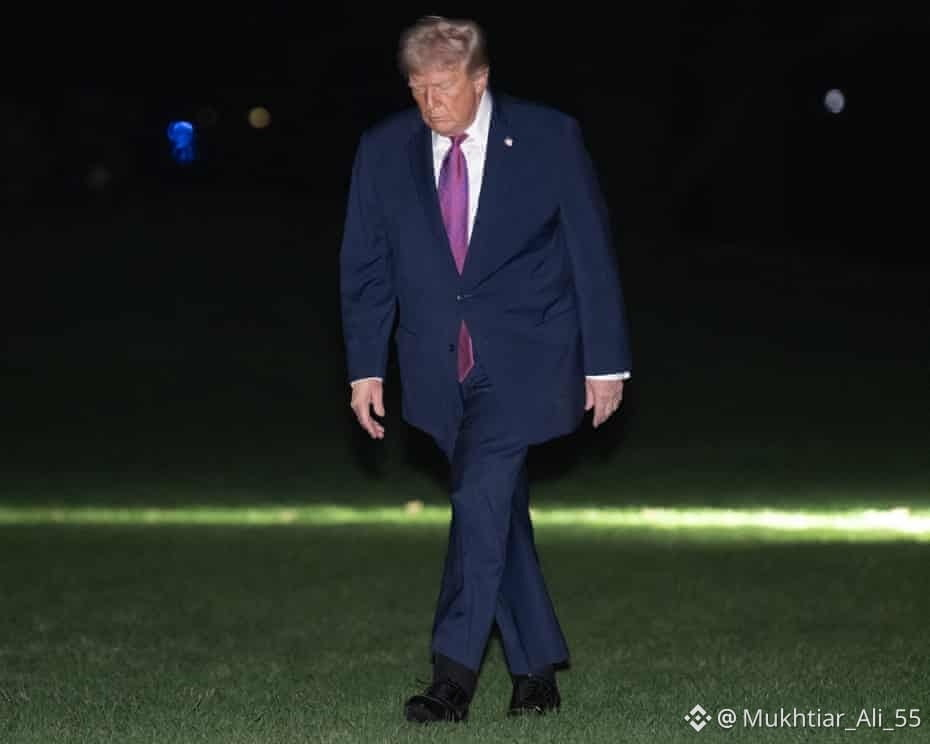
585

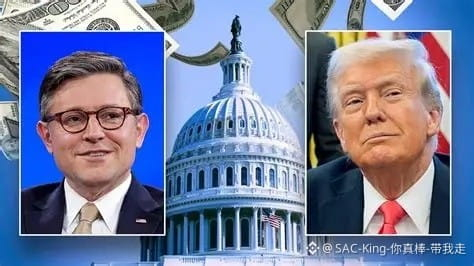
🚨🇺🇸 GOP Senator Predicts Midterm 'Disaster' Could Lead to 'The Most Miserable Two Years' of Trump’s Life 🇺🇸⚠️
Woke up scrolling news this morning and saw this headline floating everywhere, and it honestly felt like one of those political moments that instantly grabs your attention even before coffee kicks in.
A Republican senator is reportedly warning that a rough midterm election outcome could seriously reshape the political landscape for Donald Trump, suggesting that if the GOP underperforms, the next two years could become extremely difficult for him politically and strategically.
The comments are being widely discussed, even though no official election results or forecasts can confirm anything yet.
From what analysts are saying, the concern is tied to control of Congress and how it could affect legislation, investigations, and party direction. Some insiders are calling it a “make or break” period, while others think it is just early political pressure talk before campaigns fully heat up.
Still, it leaves you thinking how quickly political fortunes can shift in Washington, especially when midterm expectations start building tension months in advance.
🧠 Do you think midterm results can really change everything for a president’s political future, or is this just typical election-season drama?
#Trump #MidtermElections #USPolitics #Write2Earn #GrowWithSAC
1
168

·
--
Bearish
#CPI interest rate hike 📈 caused market to the down side and in future we’ll see more dump in crypto market because of #midtermelections so we will seee the dump📉 again and then it will be go to the strong bullish side 📈#ClarityActFacesProceduralVoteSept15 $BTC $ZEC $ETH
{spot}(BTCUSDT)
#CPI interest rate hike 📈 caused market to the down side and in future we’ll see more dump in crypto market because of #midtermelections so we will seee the dump📉 again and then it will be go to the strong bullish side 📈#ClarityActFacesProceduralVoteSept15 $BTC $ZEC $ETH


Best Wishes!
From Tahir_Crypto
1
68
Log in to explore more content
Join global crypto users on Binance Square
⚡️ Get latest and useful information about crypto.
💬 Trusted by the world’s largest crypto exchange.
👍 Discover real insights from verified creators.
Email / Phone number
Trending Topics
1
#UniswapA16zSeekDeFiExemptionFromIllinoisCryptoTax
11,653 views
516 Discussing
2
#HKDollarStablecoinHKDAPToLaunchOnSolana
7,197 views
305 Discussing
3
#$1.5BInLeveragedCryptoBetsLiquidated
23,176 views
212 Discussing
4
#TrezorSaysCryptoBilisSoldWalletMayContainMaliciousComponents
1,278 views
48 Discussing
5
#KOSPIFalls3.53%BackBelow6000
49,048 views
945 Discussing
6
#AmazonSharesFallAbout7%InPremarketTrading
21,634 views
502 Discussing
7
#USMidtermElections
203,243 views
2,214 Discussing
8
#StrategySTRCReaches$99.95ForFirstTimeIn165Days
13,469 views
91 Discussing
9
#BinanceWillListPredictPREDICT
73,250 views
1,270 Discussing
10
#SwitzerlandFirstSpotBitcoinETFExpectedToTradeInNovember
2,494 views
102 Discussing