

#kontigo
kontigo
44,887 views
39 Discussing
Hot
Latest

·
--
Someone who has transferred $USDC from @kontigoapp to their Binance account or wallet, please explain to me #kontigo #BinanceVzla
Someone who has transferred $USDC from @kontigoapp to their Binance account or wallet, please explain to me #kontigo #BinanceVzla
15
112

Holding $BTC 0.9 USDT
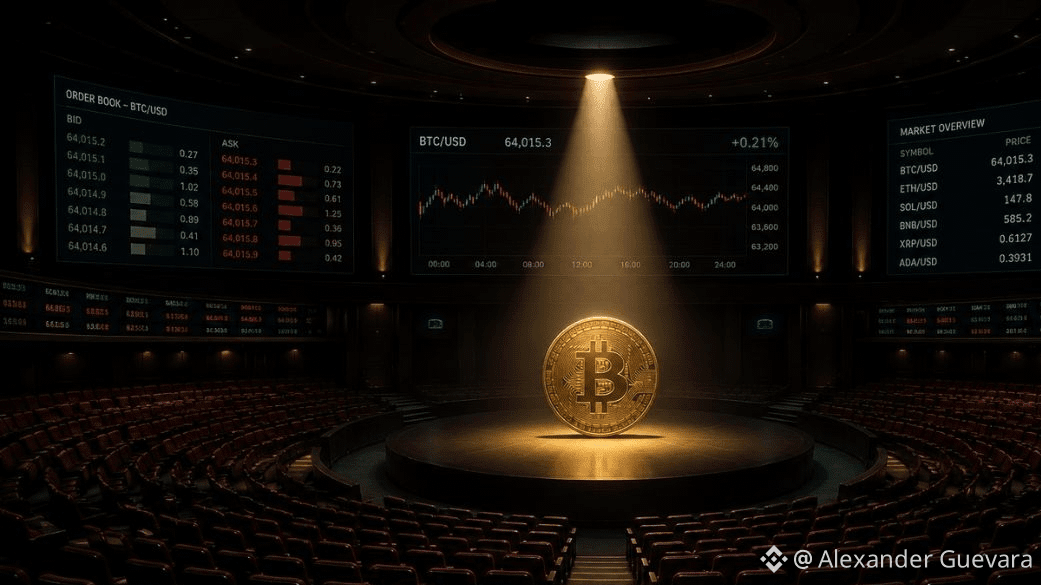
📢 Bitcoin records its weakest July in spot volume since 2023, as market activity cools
The Bitcoin market is going through one of its lowest-activity periods in nearly three years. According to a new report from research and brokerage firm K33, July is set to be the month with the lowest average daily spot trading volume for Bitcoin since November 2023, reflecting a scenario of…
📢 Users report delays and funds held in Kontigo: what’s known about the maintenance and what the company says
An interruption that affected Kontigo wallet services raised many questions among users about access to their funds and the platform’s continuity. The company attributed the incident to a provider’s intermittent service and assured that the assets remained safe. This investigation reconstructs the timeline of the case and analyzes the…
#BTC #Inversiones #kontigo #billetera #bitcoin $BTC

3
415

·
--
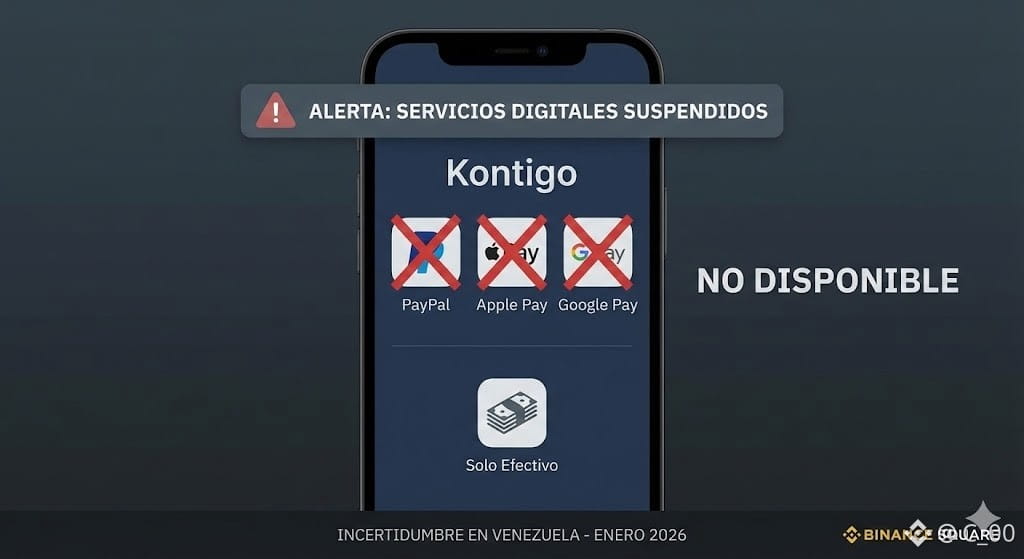
🚨 Kontigo Alert: PayPal, Apple Pay Removed and Uncertainty Grows 📉
Users are reporting critical changes and failures in the Kontigo App today, raising alarms in the freelancer community:
🚫 Goodbye to Digital Payments: The platform has removed the top-up options via PayPal, Apple Pay, and Google Pay. When trying to use them, the app throws an error.
💵 Extreme Limitation: The only visible top-up option currently is "Cash."
🔇 Official Silence: There has been no communication from the company since January 12, following the reported security incidents and fund breaches earlier this month.
🗯️Context: This adds to the previous account closures in the U.S. and custody issues. Maximum caution is advised, and it is recommended to avoid sending funds until the company clarifies its operational solvency.
Do you have trapped funds or were you able to withdraw? Comment on your current status 👇
#kontigo #venezuela #BinanceSquare
8
4
7
6.4k
·
--
🚨 About statements and trust: An analysis of the Kontigo case
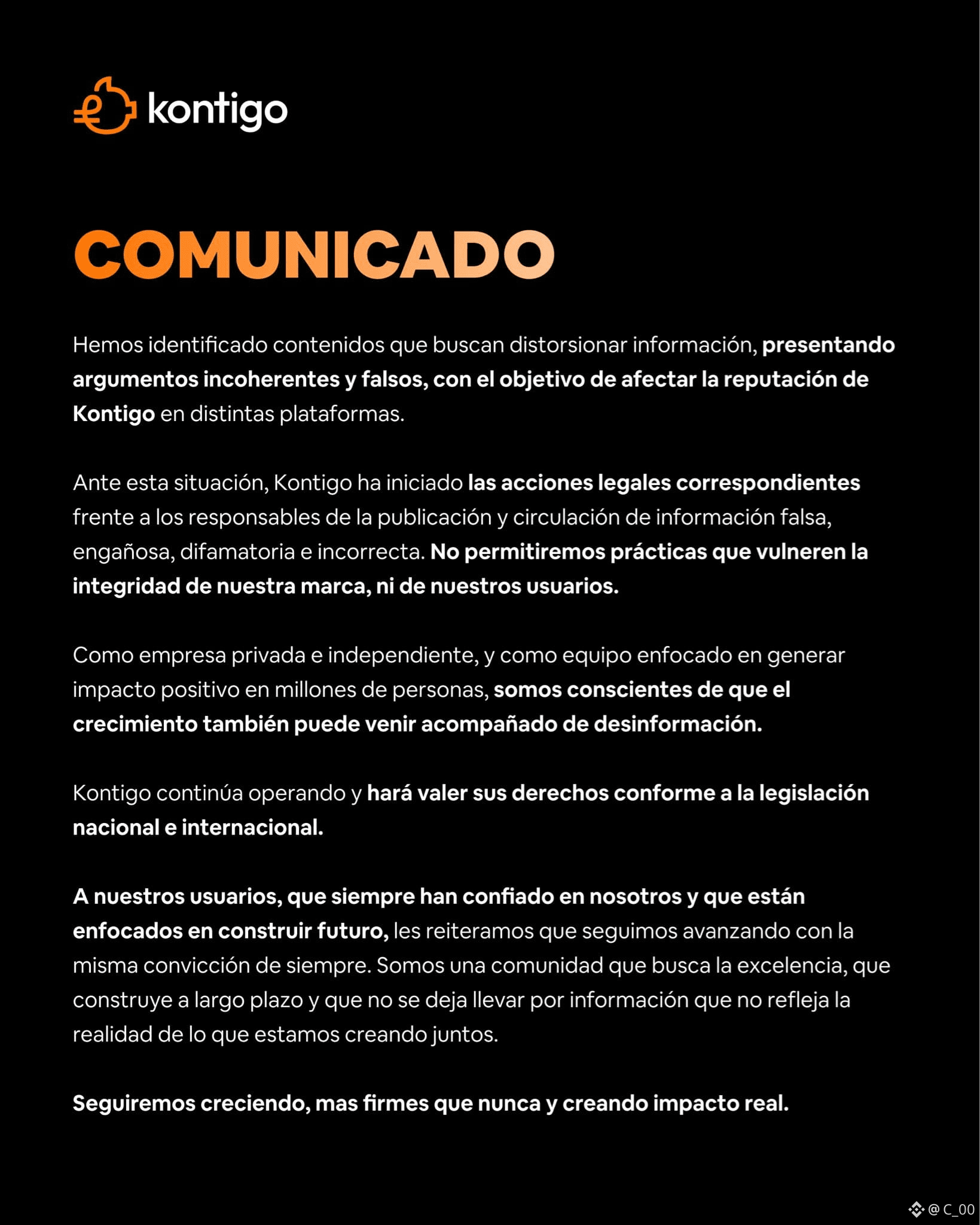
In the world of digital finance and crypto, trust is not imposed with statements; it is earned through transparency. Recently, Kontigo issued a statement (attached image) warning about legal actions against those spreading what they call "false information".
However, from a critical and neutral standpoint, this type of corporate response often leaves a bitter taste. Let's analyze why:
🚩 1. "Legal" defense vs. "On-Chain" defense The statement emphasizes "legal actions" and protecting "reputation".
In this ecosystem, when a project is solid, it usually addresses concerns with proof of reserves, public audits, or technical explanations.
Resorting to the threat of litigation has historically been a tactic to silence uncomfortable questions rather than answer them.
🚩 2. "Private and Independent Company"
The text stresses its private nature. While legitimate, in an environment where third-party funds are handled, the shield of "privacy" often clashes with the need for financial clarity.
This leads us to the central question that every user should ask: Who are the ones truly generating the returns? If the structure is opaque, how do we know who is benefiting financially at the end of the chain?
🚩 3. Growth or Damage Control? Attributing criticisms to the company's "growth" is a common argument. But genuine growth is usually accompanied by greater scrutiny, not "unfounded attacks".
⚠️ Conclusion
Beyond this specific case, situations like this remind us of the importance of conducting our own research (DYOR).
Trust is not decreed; it is built day by day with verifiable facts. It is up to each user to assess whether the information provided by a statement is sufficient for their financial peace of mind.
#EducationalContent #analysis #Ciberseguridad #kontigo #BinanceSquare
35
13
27
9.5k
Log in to explore more content
Join global crypto users on Binance Square
⚡️ Get latest and useful information about crypto.
💬 Trusted by the world’s largest crypto exchange.
👍 Discover real insights from verified creators.
Email / Phone number
Trending Topics
1
#BinanceSAFUFundTransferCompleted7499BTC
22,418 views
602 Discussing
2
#BinanceRecovery90% of stolen assets
94,303 views
146 Discussing
3
#YiHe:ProofOfReserves:10TokensAt100%Backing
107,618 views
631 Discussing
4
#BackedNotBroken:RichardTengSaysUsersBearNoLoss
21,033 views
391 Discussing
5
#CZSaysCompensationIsinPlaceUsersAreProtected
104,810 views
1,294 Discussing
6
#IntelHasItsWorstDaySince1974
36,831 views
642 Discussing
7
#TRMCambodianCasinosReceived$1.07BInCrypto
9,453 views
66 Discussing
8
#USDCCirculationFallsAbout800MInSevenDays
59,221 views
680 Discussing
9
#SuspectedNorthKoreaAttacksAccountForNearly89%OfCryptoHackLosses
13,282 views
94 Discussing
10
#OpenAICutsFundraisingTargetBy$10B
3,043 views
72 Discussing