
#usretailsalesrise
usretailsalesrise
5M views
1,920 Discussing
Hot
Latest


·
--
U.S. August Retail Sales Show Slight IncreaseAccording to Odaily, the United States' retail sales for August recorded a monthly increase of 0.1%, surpassing the expected decline of 0.2%. The previous month's figure was revised from 1.00% to 1.1%. The retail sales control group for August also matched expectations at 0.3%, with the prior value adjusted from 0.30% to 0.4%. Additionally, core retail sales for August saw a monthly rise of 0.1%, which was below the anticipated 0.2%, and the previous month's figure was revised from 0.40% to 0.4%.
U.S. August Retail Sales Show Slight Increase
According to Odaily, the United States' retail sales for August recorded a monthly increase of 0.1%, surpassing the expected decline of 0.2%. The previous month's figure was revised from 1.00% to 1.1%. The retail sales control group for August also matched expectations at 0.3%, with the prior value adjusted from 0.30% to 0.4%. Additionally, core retail sales for August saw a monthly rise of 0.1%, which was below the anticipated 0.2%, and the previous month's figure was revised from 0.40% to 0.4%.
2
3
9.3k


·
--
Article
💥🚀Meta Set to Launch Audio Version of AI Chatbot Featuring Celebrity Voices 💥🎉💥 In a groundbreaking move, Meta is preparing to launch an audio version of its AI chatbot, which will feature voices of popular celebrities. According to sources reported by Odaily, this innovative development promises to revolutionize the way users interact with AI, combining advanced technology with familiar and engaging voices. This article explores the implications of this launch, the technology behind it, and what it could mean for the future of communication.
🔸A New Era of Conversational AI
Meta’s decision to integrate celebrity voices into its AI chatbot reflects a broader trend towards creating more engaging and relatable digital interactions. By using recognizable voices, the company aims to enhance user experience, making conversations with AI feel more personal and engaging. This approach could significantly improve how users relate to technology, transforming routine interactions into memorable experiences.
🔸Celebrity Voices: The Hook for Users
The inclusion of celebrity voices is a strategic move to capture public interest and drive adoption. People naturally gravitate towards familiar figures, and hearing a beloved celebrity can make interactions feel more authentic. Whether it’s a well-known actor, musician, or influencer, having a recognizable voice could encourage users to explore the chatbot’s capabilities more thoroughly.
🔸Behind the Technology
The development of this audio chatbot is likely powered by advanced voice synthesis technologies, including machine learning algorithms that can mimic human speech patterns. Meta has been at the forefront of AI research, and its investments in natural language processing and voice generation technologies position it well for this venture. This integration not only enhances the user experience but also showcases Meta's commitment to innovation in AI.
🔸 Potential Applications and Use Cases
The applications for an audio AI chatbot are vast. From customer service to personalized recommendations, the technology can be deployed across various sectors. Imagine a travel assistant powered by a celebrity voice that provides travel tips or a health advisor that offers wellness advice. The possibilities are endless, and Meta's initiative could redefine how businesses interact with customers.
🔸Privacy and Ethical Considerations
While the idea of chatting with a celebrity voice is enticing, it raises important questions about privacy and ethical use of technology. Users may wonder how their data is being used and whether their interactions are being recorded. Meta must navigate these concerns carefully to build trust with its user base. Transparent policies regarding data use and privacy protections will be crucial in this rollout.
🔸 The Competitive Landscape
Meta’s move comes at a time when competition in the AI chatbot market is intensifying. Companies like Google and Microsoft are also developing advanced conversational AI technologies. By incorporating celebrity voices, Meta aims to differentiate itself in a crowded market, providing a unique value proposition that could attract more users.
🔸User Engagement and Feedback
As with any new technology, user feedback will play a vital role in shaping the audio chatbot’s evolution. Early adopters can provide insights into what works well and what needs improvement. Meta may implement a feedback loop, allowing users to share their experiences and suggestions, which can inform future updates and enhancements.
🔸Looking Ahead: The Future of AI Interaction
The launch of an audio version of Meta's AI chatbot marks a significant milestone in the evolution of human-computer interaction. By blending technology with elements of entertainment, Meta is setting the stage for a new wave of conversational AI that prioritizes user engagement. This innovation could pave the way for more immersive and relatable digital experiences in the future.
🔸Conclusion: A Promising Development
Meta's upcoming launch of an audio AI chatbot featuring celebrity voices signifies a shift towards more interactive and personalized technology. As the lines between entertainment and technology blur, this initiative may redefine how users engage with AI. While challenges related to privacy and ethics remain, the potential benefits of this innovation are substantial. As users anticipate this new offering, the tech world watches closely to see how Meta will navigate the landscape of conversational AI and whether it can successfully capture the hearts and ears of its audience.#BTCReboundsAfterFOMC #moonbix #USRetailSalesRise
💥🚀Meta Set to Launch Audio Version of AI Chatbot Featuring Celebrity Voices 💥🎉
💥 In a groundbreaking move, Meta is preparing to launch an audio version of its AI chatbot, which will feature voices of popular celebrities. According to sources reported by Odaily, this innovative development promises to revolutionize the way users interact with AI, combining advanced technology with familiar and engaging voices. This article explores the implications of this launch, the technology behind it, and what it could mean for the future of communication.
🔸A New Era of Conversational AI
Meta’s decision to integrate celebrity voices into its AI chatbot reflects a broader trend towards creating more engaging and relatable digital interactions. By using recognizable voices, the company aims to enhance user experience, making conversations with AI feel more personal and engaging. This approach could significantly improve how users relate to technology, transforming routine interactions into memorable experiences.
🔸Celebrity Voices: The Hook for Users
The inclusion of celebrity voices is a strategic move to capture public interest and drive adoption. People naturally gravitate towards familiar figures, and hearing a beloved celebrity can make interactions feel more authentic. Whether it’s a well-known actor, musician, or influencer, having a recognizable voice could encourage users to explore the chatbot’s capabilities more thoroughly.
🔸Behind the Technology
The development of this audio chatbot is likely powered by advanced voice synthesis technologies, including machine learning algorithms that can mimic human speech patterns. Meta has been at the forefront of AI research, and its investments in natural language processing and voice generation technologies position it well for this venture. This integration not only enhances the user experience but also showcases Meta's commitment to innovation in AI.
🔸 Potential Applications and Use Cases
The applications for an audio AI chatbot are vast. From customer service to personalized recommendations, the technology can be deployed across various sectors. Imagine a travel assistant powered by a celebrity voice that provides travel tips or a health advisor that offers wellness advice. The possibilities are endless, and Meta's initiative could redefine how businesses interact with customers.
🔸Privacy and Ethical Considerations
While the idea of chatting with a celebrity voice is enticing, it raises important questions about privacy and ethical use of technology. Users may wonder how their data is being used and whether their interactions are being recorded. Meta must navigate these concerns carefully to build trust with its user base. Transparent policies regarding data use and privacy protections will be crucial in this rollout.
🔸 The Competitive Landscape
Meta’s move comes at a time when competition in the AI chatbot market is intensifying. Companies like Google and Microsoft are also developing advanced conversational AI technologies. By incorporating celebrity voices, Meta aims to differentiate itself in a crowded market, providing a unique value proposition that could attract more users.
🔸User Engagement and Feedback
As with any new technology, user feedback will play a vital role in shaping the audio chatbot’s evolution. Early adopters can provide insights into what works well and what needs improvement. Meta may implement a feedback loop, allowing users to share their experiences and suggestions, which can inform future updates and enhancements.
🔸Looking Ahead: The Future of AI Interaction
The launch of an audio version of Meta's AI chatbot marks a significant milestone in the evolution of human-computer interaction. By blending technology with elements of entertainment, Meta is setting the stage for a new wave of conversational AI that prioritizes user engagement. This innovation could pave the way for more immersive and relatable digital experiences in the future.
🔸Conclusion: A Promising Development
Meta's upcoming launch of an audio AI chatbot featuring celebrity voices signifies a shift towards more interactive and personalized technology. As the lines between entertainment and technology blur, this initiative may redefine how users engage with AI. While challenges related to privacy and ethics remain, the potential benefits of this innovation are substantial. As users anticipate this new offering, the tech world watches closely to see how Meta will navigate the landscape of conversational AI and whether it can successfully capture the hearts and ears of its audience.#BTCReboundsAfterFOMC #moonbix #USRetailSalesRise
🔸A New Era of Conversational AI
Meta’s decision to integrate celebrity voices into its AI chatbot reflects a broader trend towards creating more engaging and relatable digital interactions. By using recognizable voices, the company aims to enhance user experience, making conversations with AI feel more personal and engaging. This approach could significantly improve how users relate to technology, transforming routine interactions into memorable experiences.
🔸Celebrity Voices: The Hook for Users
The inclusion of celebrity voices is a strategic move to capture public interest and drive adoption. People naturally gravitate towards familiar figures, and hearing a beloved celebrity can make interactions feel more authentic. Whether it’s a well-known actor, musician, or influencer, having a recognizable voice could encourage users to explore the chatbot’s capabilities more thoroughly.
🔸Behind the Technology
The development of this audio chatbot is likely powered by advanced voice synthesis technologies, including machine learning algorithms that can mimic human speech patterns. Meta has been at the forefront of AI research, and its investments in natural language processing and voice generation technologies position it well for this venture. This integration not only enhances the user experience but also showcases Meta's commitment to innovation in AI.
🔸 Potential Applications and Use Cases
The applications for an audio AI chatbot are vast. From customer service to personalized recommendations, the technology can be deployed across various sectors. Imagine a travel assistant powered by a celebrity voice that provides travel tips or a health advisor that offers wellness advice. The possibilities are endless, and Meta's initiative could redefine how businesses interact with customers.
🔸Privacy and Ethical Considerations
While the idea of chatting with a celebrity voice is enticing, it raises important questions about privacy and ethical use of technology. Users may wonder how their data is being used and whether their interactions are being recorded. Meta must navigate these concerns carefully to build trust with its user base. Transparent policies regarding data use and privacy protections will be crucial in this rollout.
🔸 The Competitive Landscape
Meta’s move comes at a time when competition in the AI chatbot market is intensifying. Companies like Google and Microsoft are also developing advanced conversational AI technologies. By incorporating celebrity voices, Meta aims to differentiate itself in a crowded market, providing a unique value proposition that could attract more users.
🔸User Engagement and Feedback
As with any new technology, user feedback will play a vital role in shaping the audio chatbot’s evolution. Early adopters can provide insights into what works well and what needs improvement. Meta may implement a feedback loop, allowing users to share their experiences and suggestions, which can inform future updates and enhancements.
🔸Looking Ahead: The Future of AI Interaction
The launch of an audio version of Meta's AI chatbot marks a significant milestone in the evolution of human-computer interaction. By blending technology with elements of entertainment, Meta is setting the stage for a new wave of conversational AI that prioritizes user engagement. This innovation could pave the way for more immersive and relatable digital experiences in the future.
🔸Conclusion: A Promising Development
Meta's upcoming launch of an audio AI chatbot featuring celebrity voices signifies a shift towards more interactive and personalized technology. As the lines between entertainment and technology blur, this initiative may redefine how users engage with AI. While challenges related to privacy and ethics remain, the potential benefits of this innovation are substantial. As users anticipate this new offering, the tech world watches closely to see how Meta will navigate the landscape of conversational AI and whether it can successfully capture the hearts and ears of its audience.#BTCReboundsAfterFOMC #moonbix #USRetailSalesRise
1
7
1.2k
·
--
Article
🚨 Bitcoin Network Transaction Fees Plummet to 3 Satoshis Per Byte 🚨🔷 In a remarkable turn of events, Bitcoin transaction fees have recently dipped to an astonishing low of just 3 satoshis per byte. This significant decrease is reshaping the dynamics of the Bitcoin network, providing both opportunities and challenges for users, miners, and the broader cryptocurrency ecosystem.
🔸Understanding Transaction Fees
Transaction fees in the Bitcoin network are a fundamental component of how the system operates. When users initiate a transaction, they include a fee as an incentive for miners to prioritize their transaction over others. This fee is typically measured in satoshis per byte (sat/byte), with higher fees usually ensuring faster confirmations. The fluctuations in these fees are influenced by network congestion, transaction volume, and the overall demand for Bitcoin.
🔸The Current Landscape
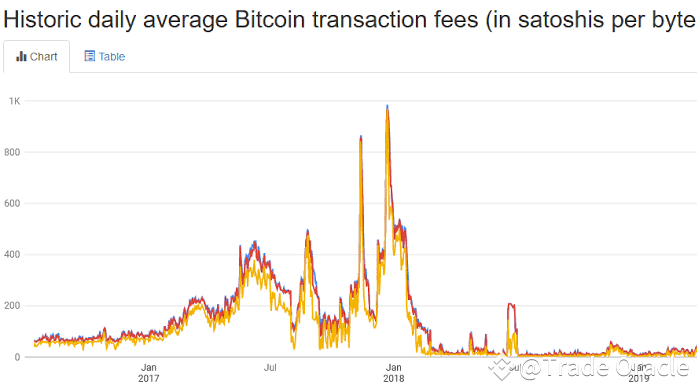
As of now, a fee of just 3 sat/byte is astonishingly low compared to historical standards. During peak congestion periods, fees have soared to hundreds of satoshis per byte, forcing users to either wait for better conditions or pay a premium to have their transactions processed quickly. The recent drop to 3 sat/byte signals a shift in network activity, likely driven by a combination of reduced demand and increased efficiency among miners.
🔸Factors Contributing to the Fee Drop
🔸Decreased Network Activity
One of the primary reasons for this dramatic decrease in transaction fees is the decline in overall network activity. Following a speculative trading frenzy, many traders and investors are now sitting on the sidelines, leading to fewer transactions being initiated. As demand wanes, the fees naturally drop, reflecting the diminished urgency for miners to process transactions.
🔸Enhanced Scalability Solutions
Improvements in Bitcoin's scalability have also played a critical role in reducing transaction fees. Technologies like the Lightning Network are gaining traction, allowing users to make off-chain transactions that don’t require direct on-chain confirmations. This not only alleviates congestion but also decreases the reliance on traditional transaction fees, leading to a more stable and lower fee environment.
🔸Increased Miner Efficiency
Moreover, miners are becoming increasingly efficient in processing transactions. With advances in mining technology and optimization strategies, the overall cost of mining and transaction validation has decreased. As miners can process transactions more efficiently, they may be willing to accept lower fees, contributing to the current low fee environment.
🔸Implications for Users
The implications of reduced transaction fees are significant for Bitcoin users. For everyday transactions, this drop in fees makes Bitcoin a more viable option for small payments, potentially fostering greater adoption among businesses and consumers. Users can now afford to send smaller amounts of Bitcoin without incurring prohibitive fees, making microtransactions more feasible.
However, the low fees also bring about challenges. With fewer incentives for miners, there’s a risk that some might exit the market, particularly smaller operations with higher overhead costs. A reduction in the number of active miners could lead to increased transaction confirmation times in the long run if network activity picks up again.
🔸Looking Ahead
As we look to the future, several factors could influence Bitcoin transaction fees. Should market sentiment shift and demand increase—whether due to broader adoption, regulatory clarity, or institutional interest—fees may rise once again. Conversely, if Bitcoin continues to develop and scalability solutions like the Lightning Network gain more users, we may see sustained low fees.
🔸Conclusion
The recent drop in Bitcoin transaction fees to just 3 satoshis per byte marks a pivotal moment for the cryptocurrency. While the low fees present an opportunity for increased use and adoption, they also raise questions about the long-term sustainability of the mining ecosystem. As the market continues to evolve, stakeholders will need to navigate this complex landscape, balancing the benefits of low fees with the need for a robust and incentivized mining network. Whether this trend continues or is merely a temporary reprieve remains to be seen, but one thing is clear: the dynamics of the Bitcoin network are in constant flux, driven by user behavior, technological advancements, and market conditions.#USRetailSalesRise #BTCReboundsAfterFOMC #moonbix
🚨 Bitcoin Network Transaction Fees Plummet to 3 Satoshis Per Byte 🚨
🔷 In a remarkable turn of events, Bitcoin transaction fees have recently dipped to an astonishing low of just 3 satoshis per byte. This significant decrease is reshaping the dynamics of the Bitcoin network, providing both opportunities and challenges for users, miners, and the broader cryptocurrency ecosystem.
🔸Understanding Transaction Fees
Transaction fees in the Bitcoin network are a fundamental component of how the system operates. When users initiate a transaction, they include a fee as an incentive for miners to prioritize their transaction over others. This fee is typically measured in satoshis per byte (sat/byte), with higher fees usually ensuring faster confirmations. The fluctuations in these fees are influenced by network congestion, transaction volume, and the overall demand for Bitcoin.
🔸The Current Landscape
As of now, a fee of just 3 sat/byte is astonishingly low compared to historical standards. During peak congestion periods, fees have soared to hundreds of satoshis per byte, forcing users to either wait for better conditions or pay a premium to have their transactions processed quickly. The recent drop to 3 sat/byte signals a shift in network activity, likely driven by a combination of reduced demand and increased efficiency among miners.
🔸Factors Contributing to the Fee Drop
🔸Decreased Network Activity
One of the primary reasons for this dramatic decrease in transaction fees is the decline in overall network activity. Following a speculative trading frenzy, many traders and investors are now sitting on the sidelines, leading to fewer transactions being initiated. As demand wanes, the fees naturally drop, reflecting the diminished urgency for miners to process transactions.
🔸Enhanced Scalability Solutions
Improvements in Bitcoin's scalability have also played a critical role in reducing transaction fees. Technologies like the Lightning Network are gaining traction, allowing users to make off-chain transactions that don’t require direct on-chain confirmations. This not only alleviates congestion but also decreases the reliance on traditional transaction fees, leading to a more stable and lower fee environment.
🔸Increased Miner Efficiency
Moreover, miners are becoming increasingly efficient in processing transactions. With advances in mining technology and optimization strategies, the overall cost of mining and transaction validation has decreased. As miners can process transactions more efficiently, they may be willing to accept lower fees, contributing to the current low fee environment.
🔸Implications for Users
The implications of reduced transaction fees are significant for Bitcoin users. For everyday transactions, this drop in fees makes Bitcoin a more viable option for small payments, potentially fostering greater adoption among businesses and consumers. Users can now afford to send smaller amounts of Bitcoin without incurring prohibitive fees, making microtransactions more feasible.
However, the low fees also bring about challenges. With fewer incentives for miners, there’s a risk that some might exit the market, particularly smaller operations with higher overhead costs. A reduction in the number of active miners could lead to increased transaction confirmation times in the long run if network activity picks up again.
🔸Looking Ahead
As we look to the future, several factors could influence Bitcoin transaction fees. Should market sentiment shift and demand increase—whether due to broader adoption, regulatory clarity, or institutional interest—fees may rise once again. Conversely, if Bitcoin continues to develop and scalability solutions like the Lightning Network gain more users, we may see sustained low fees.
🔸Conclusion
The recent drop in Bitcoin transaction fees to just 3 satoshis per byte marks a pivotal moment for the cryptocurrency. While the low fees present an opportunity for increased use and adoption, they also raise questions about the long-term sustainability of the mining ecosystem. As the market continues to evolve, stakeholders will need to navigate this complex landscape, balancing the benefits of low fees with the need for a robust and incentivized mining network. Whether this trend continues or is merely a temporary reprieve remains to be seen, but one thing is clear: the dynamics of the Bitcoin network are in constant flux, driven by user behavior, technological advancements, and market conditions.#USRetailSalesRise #BTCReboundsAfterFOMC #moonbix
🔸Understanding Transaction Fees
Transaction fees in the Bitcoin network are a fundamental component of how the system operates. When users initiate a transaction, they include a fee as an incentive for miners to prioritize their transaction over others. This fee is typically measured in satoshis per byte (sat/byte), with higher fees usually ensuring faster confirmations. The fluctuations in these fees are influenced by network congestion, transaction volume, and the overall demand for Bitcoin.
🔸The Current Landscape
As of now, a fee of just 3 sat/byte is astonishingly low compared to historical standards. During peak congestion periods, fees have soared to hundreds of satoshis per byte, forcing users to either wait for better conditions or pay a premium to have their transactions processed quickly. The recent drop to 3 sat/byte signals a shift in network activity, likely driven by a combination of reduced demand and increased efficiency among miners.
🔸Factors Contributing to the Fee Drop
🔸Decreased Network Activity
One of the primary reasons for this dramatic decrease in transaction fees is the decline in overall network activity. Following a speculative trading frenzy, many traders and investors are now sitting on the sidelines, leading to fewer transactions being initiated. As demand wanes, the fees naturally drop, reflecting the diminished urgency for miners to process transactions.
🔸Enhanced Scalability Solutions
Improvements in Bitcoin's scalability have also played a critical role in reducing transaction fees. Technologies like the Lightning Network are gaining traction, allowing users to make off-chain transactions that don’t require direct on-chain confirmations. This not only alleviates congestion but also decreases the reliance on traditional transaction fees, leading to a more stable and lower fee environment.
🔸Increased Miner Efficiency
Moreover, miners are becoming increasingly efficient in processing transactions. With advances in mining technology and optimization strategies, the overall cost of mining and transaction validation has decreased. As miners can process transactions more efficiently, they may be willing to accept lower fees, contributing to the current low fee environment.
🔸Implications for Users
The implications of reduced transaction fees are significant for Bitcoin users. For everyday transactions, this drop in fees makes Bitcoin a more viable option for small payments, potentially fostering greater adoption among businesses and consumers. Users can now afford to send smaller amounts of Bitcoin without incurring prohibitive fees, making microtransactions more feasible.
However, the low fees also bring about challenges. With fewer incentives for miners, there’s a risk that some might exit the market, particularly smaller operations with higher overhead costs. A reduction in the number of active miners could lead to increased transaction confirmation times in the long run if network activity picks up again.
🔸Looking Ahead
As we look to the future, several factors could influence Bitcoin transaction fees. Should market sentiment shift and demand increase—whether due to broader adoption, regulatory clarity, or institutional interest—fees may rise once again. Conversely, if Bitcoin continues to develop and scalability solutions like the Lightning Network gain more users, we may see sustained low fees.
🔸Conclusion
The recent drop in Bitcoin transaction fees to just 3 satoshis per byte marks a pivotal moment for the cryptocurrency. While the low fees present an opportunity for increased use and adoption, they also raise questions about the long-term sustainability of the mining ecosystem. As the market continues to evolve, stakeholders will need to navigate this complex landscape, balancing the benefits of low fees with the need for a robust and incentivized mining network. Whether this trend continues or is merely a temporary reprieve remains to be seen, but one thing is clear: the dynamics of the Bitcoin network are in constant flux, driven by user behavior, technological advancements, and market conditions.#USRetailSalesRise #BTCReboundsAfterFOMC #moonbix
7
1.6k
Log in to explore more content
Join global crypto users on Binance Square
⚡️ Get latest and useful information about crypto.
💬 Trusted by the world’s largest crypto exchange.
👍 Discover real insights from verified creators.
Email / Phone number
Trending Topics
1
#BOJRaisesRatesTo31YearHigh
58,309 views
1,035 Discussing
2
#BuffettStepsDownAsBerkshireChairman
24,655 views
475 Discussing
3
#XRPExchangeReservesHitSevenYearLow
30,589 views
449 Discussing
4
#HKCompletesFirstHKDStablecoinUseCase
64,211 views
982 Discussing
5
#VietnamPlansFirstCryptoLicensesIn2026
42,977 views
676 Discussing
6
#BTCBreaks80K
341,734 views
4,387 Discussing
7
#BitcoinMarketCapTopsTesla
66,456 views
976 Discussing
8
#SOLJumpsAbout10%
75,828 views
978 Discussing
9
#EthereumReclaims$2600
6,931 views
110 Discussing
10
#LineraShutsDownAfterFundraisingFallsShort
21,567 views
271 Discussing