
#housingcrisis
housingcrisis
40,086 views
66 Discussing
Hot
Latest

·
--
Bearish
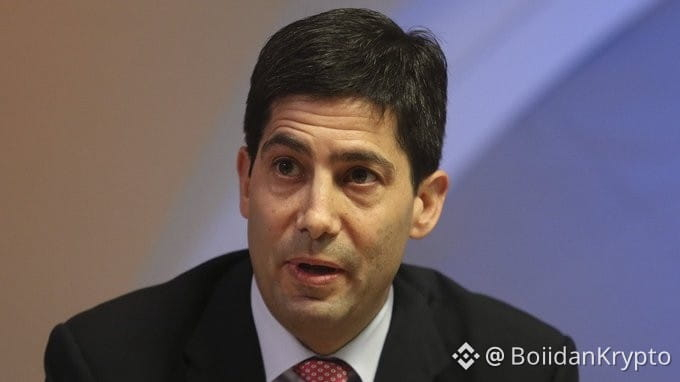
🔥 BREAKING: Kevin Warsh just threw a grenade at the Fed — calling its current policy a "straightjacket" on the U.S. housing market.
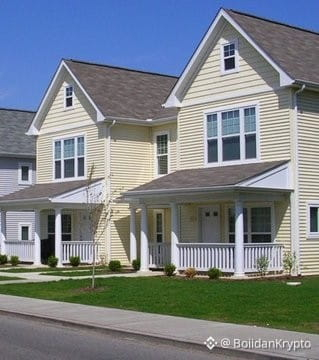
While the Fed fights inflation with rate hikes, everyday Americans are getting priced out of mortgages, builders are slashing projects, and rental inflation is actually accelerating in some metros.
Here’s the uncomfortable truth: The Fed isn't fixing housing — it's freezing it. 🥶
Higher rates choke supply, discourage new construction, and trap current homeowners who'd otherwise sell. The result? Fewer homes, higher prices, and a market that only cash buyers can play in.
So I’ll ask the room:
👉 Is the Fed secretly pro–Wall Street, anti–Main Street?
👉 Or is Warsh just scapegoating the central bank for a supply crisis that Congress refuses to fix?
Drop your take below — and don’t give me the “it’s complicated” cop-out. 💬
#HousingCrisis #FedPolicy #RealEstateDebate
$NVDA
{future}(NVDAUSDT)
$SPCX
{future}(SPCXUSDT)
$BTC
{future}(BTCUSDT)
🔥 BREAKING: Kevin Warsh just threw a grenade at the Fed — calling its current policy a "straightjacket" on the U.S. housing market.
While the Fed fights inflation with rate hikes, everyday Americans are getting priced out of mortgages, builders are slashing projects, and rental inflation is actually accelerating in some metros.
Here’s the uncomfortable truth: The Fed isn't fixing housing — it's freezing it. 🥶
Higher rates choke supply, discourage new construction, and trap current homeowners who'd otherwise sell. The result? Fewer homes, higher prices, and a market that only cash buyers can play in.
So I’ll ask the room:
👉 Is the Fed secretly pro–Wall Street, anti–Main Street?
👉 Or is Warsh just scapegoating the central bank for a supply crisis that Congress refuses to fix?
Drop your take below — and don’t give me the “it’s complicated” cop-out. 💬
#HousingCrisis #FedPolicy #RealEstateDebate
$NVDA
$SPCX
$BTC
While the Fed fights inflation with rate hikes, everyday Americans are getting priced out of mortgages, builders are slashing projects, and rental inflation is actually accelerating in some metros.
Here’s the uncomfortable truth: The Fed isn't fixing housing — it's freezing it. 🥶
Higher rates choke supply, discourage new construction, and trap current homeowners who'd otherwise sell. The result? Fewer homes, higher prices, and a market that only cash buyers can play in.
So I’ll ask the room:
👉 Is the Fed secretly pro–Wall Street, anti–Main Street?
👉 Or is Warsh just scapegoating the central bank for a supply crisis that Congress refuses to fix?
Drop your take below — and don’t give me the “it’s complicated” cop-out. 💬
#HousingCrisis #FedPolicy #RealEstateDebate
$NVDA
$SPCX
$BTC
290

Rethinking the Rental Debate: A More Nuanced View of Landlords and Housing Pressures
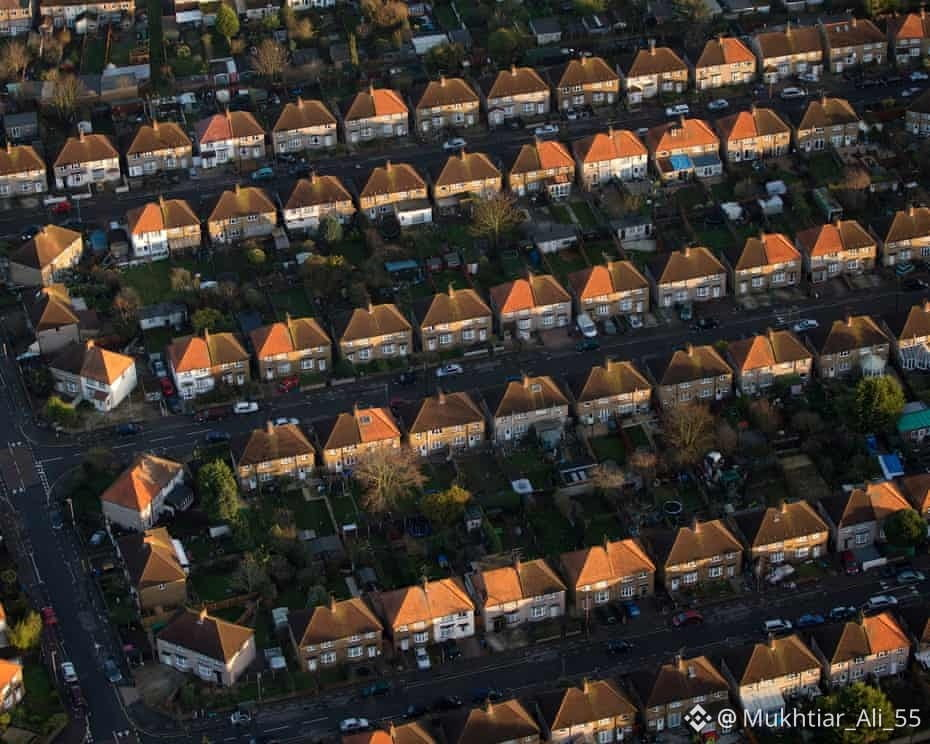
The ongoing conversation around housing and rental markets often frames landlords and tenants in opposition. However, recent perspectives from small-scale property owners highlight a more complex reality—one shaped by economic pressure, personal circumstance, and a strained housing system.
Many landlords, particularly “accidental” ones, enter the rental market not as large-scale investors but out of necessity. For some, renting property becomes a means of financial survival during life disruptions such as illness or income loss. Over time, these individuals may expand modestly, often maintaining close relationships with tenants and prioritizing property upkeep.
At the same time, landlords themselves face increasing challenges. Rising mortgage rates, higher maintenance costs, and growing regulatory and tax burdens are making property ownership less viable. As a result, many small landlords are exiting the market, which can reduce rental supply and displace tenants.
Another perspective emphasizes responsible property management, with some landlords maintaining high living standards and stable rent structures. These voices argue for a more balanced public narrative—one that distinguishes between responsible landlords and those engaging in exploitative practices.
Ultimately, the issue reflects broader systemic challenges. Limited access to homeownership, particularly for essential workers, and a tightening rental supply point to the need for structural solutions rather than simplified narratives.
#HousingCrisis #RentalMarket #PropertyDebate #Landlords #AffordableHousing
$PENDLE
{spot}(PENDLEUSDT)
$DOLO
{spot}(DOLOUSDT)
$JUP
{spot}(JUPUSDT)
Rethinking the Rental Debate: A More Nuanced View of Landlords and Housing Pressures
The ongoing conversation around housing and rental markets often frames landlords and tenants in opposition. However, recent perspectives from small-scale property owners highlight a more complex reality—one shaped by economic pressure, personal circumstance, and a strained housing system.
Many landlords, particularly “accidental” ones, enter the rental market not as large-scale investors but out of necessity. For some, renting property becomes a means of financial survival during life disruptions such as illness or income loss. Over time, these individuals may expand modestly, often maintaining close relationships with tenants and prioritizing property upkeep.
At the same time, landlords themselves face increasing challenges. Rising mortgage rates, higher maintenance costs, and growing regulatory and tax burdens are making property ownership less viable. As a result, many small landlords are exiting the market, which can reduce rental supply and displace tenants.
Another perspective emphasizes responsible property management, with some landlords maintaining high living standards and stable rent structures. These voices argue for a more balanced public narrative—one that distinguishes between responsible landlords and those engaging in exploitative practices.
Ultimately, the issue reflects broader systemic challenges. Limited access to homeownership, particularly for essential workers, and a tightening rental supply point to the need for structural solutions rather than simplified narratives.
#HousingCrisis #RentalMarket #PropertyDebate #Landlords #AffordableHousing
$PENDLE
$DOLO
$JUP
The ongoing conversation around housing and rental markets often frames landlords and tenants in opposition. However, recent perspectives from small-scale property owners highlight a more complex reality—one shaped by economic pressure, personal circumstance, and a strained housing system.
Many landlords, particularly “accidental” ones, enter the rental market not as large-scale investors but out of necessity. For some, renting property becomes a means of financial survival during life disruptions such as illness or income loss. Over time, these individuals may expand modestly, often maintaining close relationships with tenants and prioritizing property upkeep.
At the same time, landlords themselves face increasing challenges. Rising mortgage rates, higher maintenance costs, and growing regulatory and tax burdens are making property ownership less viable. As a result, many small landlords are exiting the market, which can reduce rental supply and displace tenants.
Another perspective emphasizes responsible property management, with some landlords maintaining high living standards and stable rent structures. These voices argue for a more balanced public narrative—one that distinguishes between responsible landlords and those engaging in exploitative practices.
Ultimately, the issue reflects broader systemic challenges. Limited access to homeownership, particularly for essential workers, and a tightening rental supply point to the need for structural solutions rather than simplified narratives.
#HousingCrisis #RentalMarket #PropertyDebate #Landlords #AffordableHousing
$PENDLE
$DOLO
$JUP
190

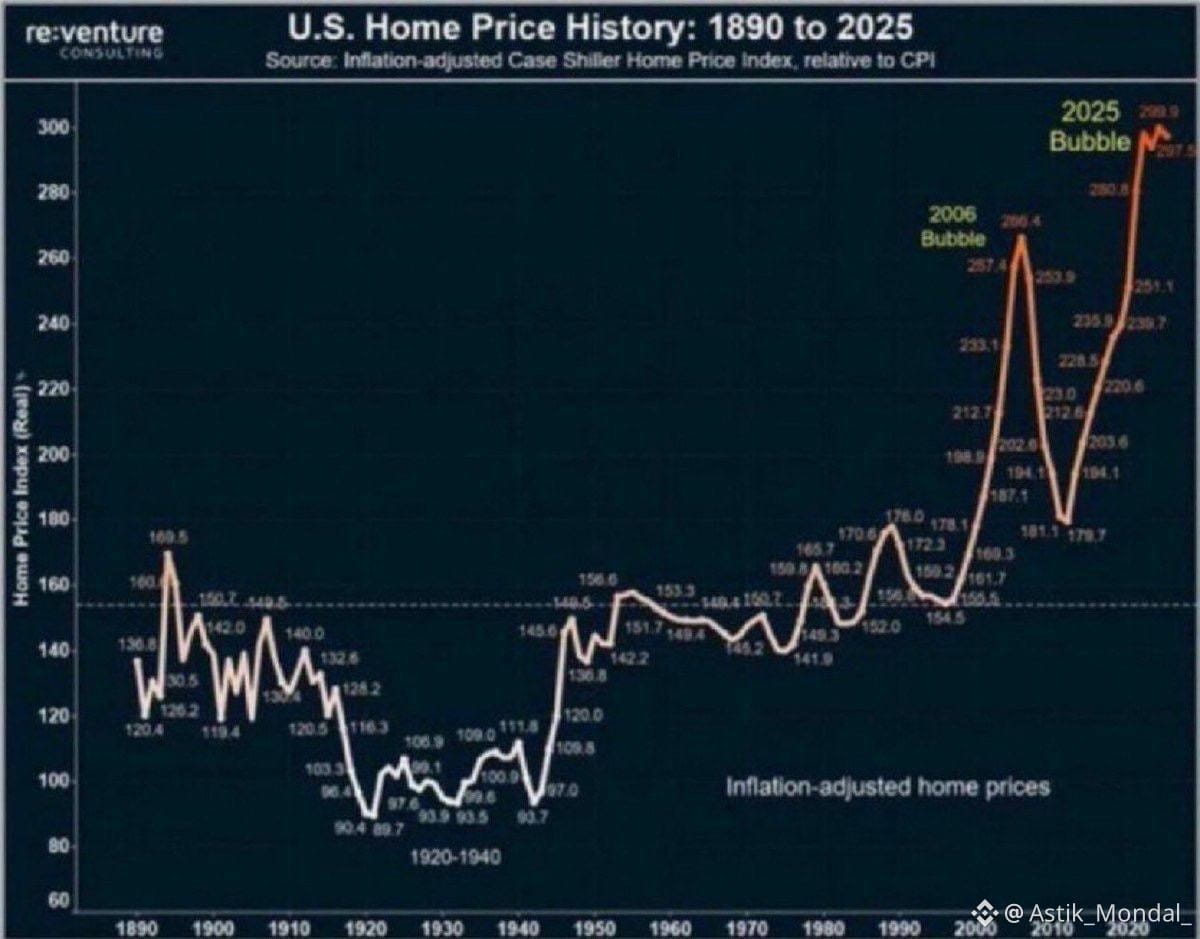
US housing affordability just hit its worst level in 135 years of recorded data. The 2025 bubble is larger than 2006. Larger than anything in this chart going back to 1890.
Look at this chart carefully.
From 1890 to 2020, inflation-adjusted home prices never once sustainably exceeded 270 on this index. Not during the Roaring Twenties. Not during the post-war boom. Not even at the peak of the 2006 bubble that triggered the worst financial crisis since the Great Depression.
The 2025 reading hit nearly 300.
A new all time record. By a significant margin. On 135 years of data.
And 90% of Americans under 40 are feeling it directly.
The price-to-income ratio has climbed to 3.5 times. Monthly payments on a regular home surged 64%. Not from a low base. From prices that were already historically elevated.
This is why home sellers are pulling listings at pandemic-era rates. The gap between what sellers expect and what buyers can afford has never been wider. The market is not clearing. It is freezing.
The Fed cannot cut rates into 5% inflation. Mortgage rates stay elevated. Every month rates stay high is another month the affordability math gets worse for first time buyers.
The generation that grew up watching their parents buy homes in their 20s and 30s is now renting into their 40s in cities they can barely afford.
Employee compensation just hit a 78 year low as a share of corporate income. Corporate profits just hit an all time high share of GDP. The stock market cap to GDP ratio just hit 238%.
Asset owners are winning everything.
Asset seekers cannot get in the door.
The 2025 housing bubble is not a prediction anymore.
It is the label on the chart.
#HousingCrisis #HousingBubble #Affordability #RealEstate #Economy
US housing affordability just hit its worst level in 135 years of recorded data. The 2025 bubble is larger than 2006. Larger than anything in this chart going back to 1890.
Look at this chart carefully.
From 1890 to 2020, inflation-adjusted home prices never once sustainably exceeded 270 on this index. Not during the Roaring Twenties. Not during the post-war boom. Not even at the peak of the 2006 bubble that triggered the worst financial crisis since the Great Depression.
The 2025 reading hit nearly 300.
A new all time record. By a significant margin. On 135 years of data.
And 90% of Americans under 40 are feeling it directly.
The price-to-income ratio has climbed to 3.5 times. Monthly payments on a regular home surged 64%. Not from a low base. From prices that were already historically elevated.
This is why home sellers are pulling listings at pandemic-era rates. The gap between what sellers expect and what buyers can afford has never been wider. The market is not clearing. It is freezing.
The Fed cannot cut rates into 5% inflation. Mortgage rates stay elevated. Every month rates stay high is another month the affordability math gets worse for first time buyers.
The generation that grew up watching their parents buy homes in their 20s and 30s is now renting into their 40s in cities they can barely afford.
Employee compensation just hit a 78 year low as a share of corporate income. Corporate profits just hit an all time high share of GDP. The stock market cap to GDP ratio just hit 238%.
Asset owners are winning everything.
Asset seekers cannot get in the door.
The 2025 housing bubble is not a prediction anymore.
It is the label on the chart.
#HousingCrisis #HousingBubble #Affordability #RealEstate #Economy
Look at this chart carefully.
From 1890 to 2020, inflation-adjusted home prices never once sustainably exceeded 270 on this index. Not during the Roaring Twenties. Not during the post-war boom. Not even at the peak of the 2006 bubble that triggered the worst financial crisis since the Great Depression.
The 2025 reading hit nearly 300.
A new all time record. By a significant margin. On 135 years of data.
And 90% of Americans under 40 are feeling it directly.
The price-to-income ratio has climbed to 3.5 times. Monthly payments on a regular home surged 64%. Not from a low base. From prices that were already historically elevated.
This is why home sellers are pulling listings at pandemic-era rates. The gap between what sellers expect and what buyers can afford has never been wider. The market is not clearing. It is freezing.
The Fed cannot cut rates into 5% inflation. Mortgage rates stay elevated. Every month rates stay high is another month the affordability math gets worse for first time buyers.
The generation that grew up watching their parents buy homes in their 20s and 30s is now renting into their 40s in cities they can barely afford.
Employee compensation just hit a 78 year low as a share of corporate income. Corporate profits just hit an all time high share of GDP. The stock market cap to GDP ratio just hit 238%.
Asset owners are winning everything.
Asset seekers cannot get in the door.
The 2025 housing bubble is not a prediction anymore.
It is the label on the chart.
#HousingCrisis #HousingBubble #Affordability #RealEstate #Economy

10

·
--
🚨💰💰UBC student Tim Chen flies Calgary ➡️ Vancouver for class⏸️ ✈️
Monthly flights: $1,200 💸
Vancouver rent: $2,100+ 🏠
When rent costs more than airfare, commuting becomes housing policy 📉
What’s your rent pain point?🚨 🤔
#HousingCrisis #Vancouver #UBC
🚨💰💰UBC student Tim Chen flies Calgary ➡️ Vancouver for class⏸️ ✈️
Monthly flights: $1,200 💸
Vancouver rent: $2,100+ 🏠
When rent costs more than airfare, commuting becomes housing policy 📉
What’s your rent pain point?🚨 🤔
#HousingCrisis #Vancouver #UBC
Monthly flights: $1,200 💸
Vancouver rent: $2,100+ 🏠
When rent costs more than airfare, commuting becomes housing policy 📉
What’s your rent pain point?🚨 🤔
#HousingCrisis #Vancouver #UBC
45

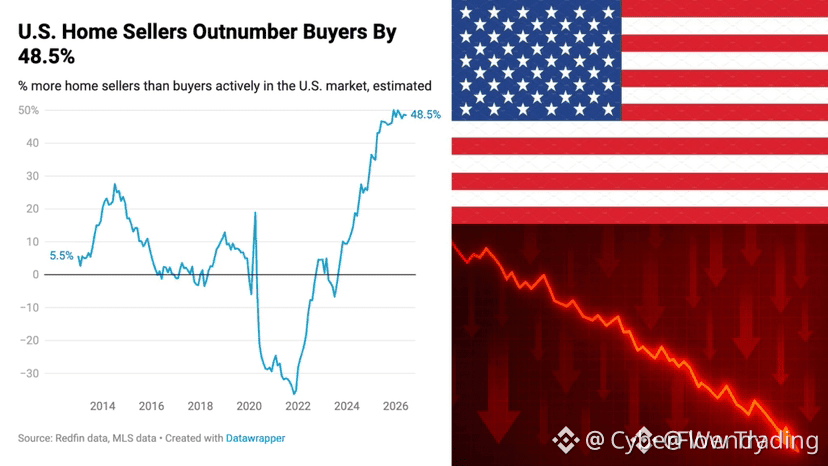
HOUSING SELLERS OUTNUMBER BUYERS BY 48.5% — $BTC ALERT ⚡
The US housing market just hit a record 48.5% seller‑buyer imbalance. That means nearly 1.5 million sellers versus just 1 million buyers. When affordability cracks this hard, consumer spending takes a hit and capital tends to flow toward safer havens.
This is the kind of macro pressure that forces liquidity shifts. If risk‑off sentiment spills over, BTC could see a short‑term dip — or it could decouple as it has before. Which camp are you in?
Not financial advice. Always manage your risk.
#BTC #HousingCrisis #Macro #RiskOff #Crypto
⚡
HOUSING SELLERS OUTNUMBER BUYERS BY 48.5% — $BTC ALERT ⚡
The US housing market just hit a record 48.5% seller‑buyer imbalance. That means nearly 1.5 million sellers versus just 1 million buyers. When affordability cracks this hard, consumer spending takes a hit and capital tends to flow toward safer havens.
This is the kind of macro pressure that forces liquidity shifts. If risk‑off sentiment spills over, BTC could see a short‑term dip — or it could decouple as it has before. Which camp are you in?
Not financial advice. Always manage your risk.
#BTC #HousingCrisis #Macro #RiskOff #Crypto
⚡
The US housing market just hit a record 48.5% seller‑buyer imbalance. That means nearly 1.5 million sellers versus just 1 million buyers. When affordability cracks this hard, consumer spending takes a hit and capital tends to flow toward safer havens.
This is the kind of macro pressure that forces liquidity shifts. If risk‑off sentiment spills over, BTC could see a short‑term dip — or it could decouple as it has before. Which camp are you in?
Not financial advice. Always manage your risk.
#BTC #HousingCrisis #Macro #RiskOff #Crypto
⚡
38
Wealth Remarks Spark Political Backlash in Scotland Ahead of Election
A political controversy has emerged in Scotland after Malcolm Offord faced criticism for comments made during a televised election debate, where he highlighted his personal financial success, including ownership of multiple homes, cars, and boats.
Opposition leaders, including John Swinney, described the remarks as “tone deaf,” arguing they reflect a disconnect from the realities faced by many citizens amid an ongoing housing crisis. Swinney has proposed that all party leaders publish their tax returns ahead of the upcoming election to promote transparency and accountability.
The debate also saw strong responses from other political figures, who questioned whether such displays of wealth align with addressing issues like housing shortages and affordability. Critics emphasized that rising living costs and homelessness remain pressing concerns across Scotland.
The incident has intensified discussions around economic inequality, political accountability, and the role of leadership in representing public concerns as voters prepare to head to the polls.
#ScottishPolitics #EconomicInequality #Leadership #HousingCrisis #Elections
$DAM
{alpha}(560xf9ca3fe094212ffa705742d3626a8ab96aababf8)
$STABLE
{future}(STABLEUSDT)
$SIREN
{future}(SIRENUSDT)
Wealth Remarks Spark Political Backlash in Scotland Ahead of Election
A political controversy has emerged in Scotland after Malcolm Offord faced criticism for comments made during a televised election debate, where he highlighted his personal financial success, including ownership of multiple homes, cars, and boats.
Opposition leaders, including John Swinney, described the remarks as “tone deaf,” arguing they reflect a disconnect from the realities faced by many citizens amid an ongoing housing crisis. Swinney has proposed that all party leaders publish their tax returns ahead of the upcoming election to promote transparency and accountability.
The debate also saw strong responses from other political figures, who questioned whether such displays of wealth align with addressing issues like housing shortages and affordability. Critics emphasized that rising living costs and homelessness remain pressing concerns across Scotland.
The incident has intensified discussions around economic inequality, political accountability, and the role of leadership in representing public concerns as voters prepare to head to the polls.
#ScottishPolitics #EconomicInequality #Leadership #HousingCrisis #Elections
$DAM
$STABLE
$SIREN
A political controversy has emerged in Scotland after Malcolm Offord faced criticism for comments made during a televised election debate, where he highlighted his personal financial success, including ownership of multiple homes, cars, and boats.
Opposition leaders, including John Swinney, described the remarks as “tone deaf,” arguing they reflect a disconnect from the realities faced by many citizens amid an ongoing housing crisis. Swinney has proposed that all party leaders publish their tax returns ahead of the upcoming election to promote transparency and accountability.
The debate also saw strong responses from other political figures, who questioned whether such displays of wealth align with addressing issues like housing shortages and affordability. Critics emphasized that rising living costs and homelessness remain pressing concerns across Scotland.
The incident has intensified discussions around economic inequality, political accountability, and the role of leadership in representing public concerns as voters prepare to head to the polls.
#ScottishPolitics #EconomicInequality #Leadership #HousingCrisis #Elections
$DAM
$STABLE
$SIREN


1
302
Log in to explore more content
Join global crypto users on Binance Square
⚡️ Get latest and useful information about crypto.
💬 Trusted by the world’s largest crypto exchange.
👍 Discover real insights from verified creators.
Email / Phone number
Trending Topics
1
#AnthropicCEOCallsForAISlowdown
66,583 views
907 Discussing
2
#BitcoinThirdSingleBlockReorgInFourWeeks
2,545 views
140 Discussing
3
#EthereumFallsBelow$2500
2 views
22 Discussing
4
#BitcoinDropsToIntradayLow$76367
127 views
3 Discussing
5
#LSKSurgesOver515%In24Hours
2,434 views
102 Discussing
6
#ClarityActLawIn2026OddsRiseTo30%
758 views
23 Discussing
7
#KoreaCryptoTaxDelayPetitionMeetsReviewThreshold
116 views
12 Discussing
8
#EURequiresWalletMakersReportFlawsIn24Hours
587 views
35 Discussing
9
#ZcashNU7VoteEndsSeptember14
2,070 views
53 Discussing
10
#AnthropicChoosesNasdaqForPotentialIPO
33,110 views
370 Discussing