

#bitcoincore32.1raisespeerconnectionlimit
bitcoincore32.1raisespeerconnectionlimit
Hot
Latest

Verified
#bitcoincore32.1raisespeerconnectionlimit
🚨 THE NODE EQUATION: BITCOIN CORE 32.1 🚨
A critical upgrade just dropped for Bitcoin full nodes, and it’s a massive win for network health! Let’s break down the new release using pure math 🧮👇
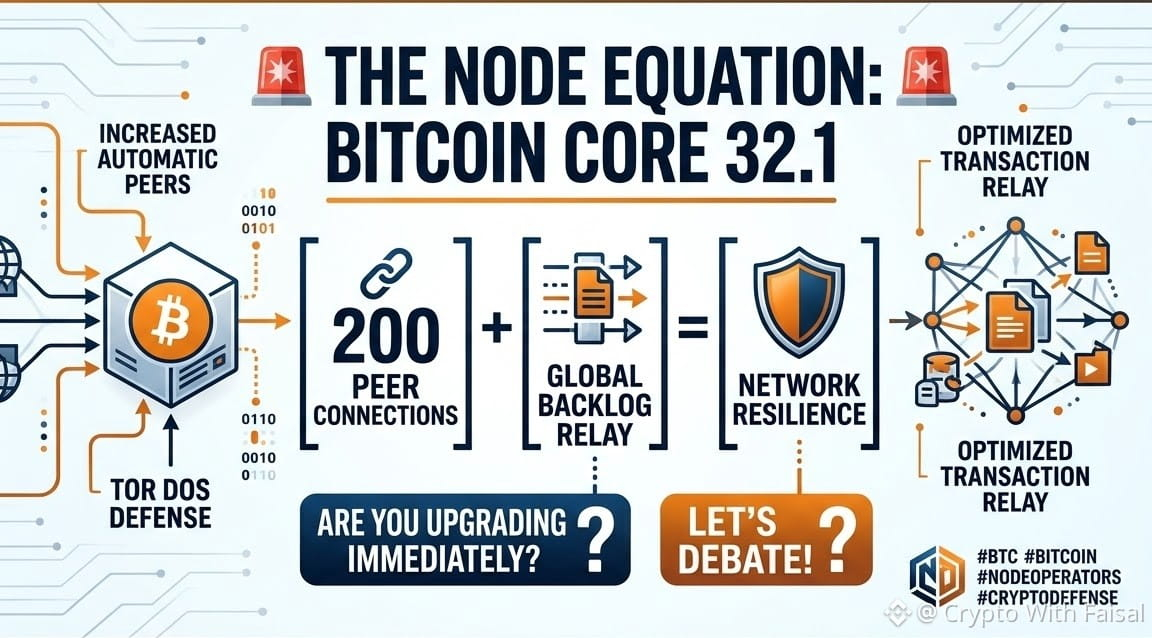
(200 Peer Connections) + (Global Backlog Relay) = Network Resilience 🛡️
Here is the exact formula driving the Bitcoin network update today:
The Upgrade Breakdown:
(The Input) = Bitcoin Core has released version 32.1.
The Expansion: It increases the default maximum number of automatic peer connections from 125 to 200 .
The Defense: It adds proof-of-work defenses for Tor hidden services to fight DoS attacks.
The Efficiency: It utilizes a "global-backlog" approach to transaction relay rate limiting, optimizing memory and CPU use.
The Breakdown:
Fewer peers means slower block and transaction propagation. By boosting connections and securing Tor nodes, Bitcoin Core 32.1 significantly hardens the network against censorship and DoS attempts while lowering resource requirements for node operators.
If you are a node operator, are you upgrading immediately, or waiting to test? Let's debate! 👇💬
$BTC
{future}(BTCUSDT)
$ETH
{future}(ETHUSDT)
$BNB
{future}(BNBUSDT)
#Bitcoin #CryptoSecurity #NodeOperators #BinanceSquare
#bitcoincore32.1raisespeerconnectionlimit
🚨 THE NODE EQUATION: BITCOIN CORE 32.1 🚨
A critical upgrade just dropped for Bitcoin full nodes, and it’s a massive win for network health! Let’s break down the new release using pure math 🧮👇
(200 Peer Connections) + (Global Backlog Relay) = Network Resilience 🛡️
Here is the exact formula driving the Bitcoin network update today:
The Upgrade Breakdown:
(The Input) = Bitcoin Core has released version 32.1.
The Expansion: It increases the default maximum number of automatic peer connections from 125 to 200 .
The Defense: It adds proof-of-work defenses for Tor hidden services to fight DoS attacks.
The Efficiency: It utilizes a "global-backlog" approach to transaction relay rate limiting, optimizing memory and CPU use.
The Breakdown:
Fewer peers means slower block and transaction propagation. By boosting connections and securing Tor nodes, Bitcoin Core 32.1 significantly hardens the network against censorship and DoS attempts while lowering resource requirements for node operators.
If you are a node operator, are you upgrading immediately, or waiting to test? Let's debate! 👇💬
$BTC
$ETH
$BNB
#Bitcoin #CryptoSecurity #NodeOperators #BinanceSquare
30

#bitcoincore32.1raisespeerconnectionlimit
#writetoearn
🏦🛡️Bitcoin Core 32.1 rolls out: A total-defense upgrade that expands the p2p network highways
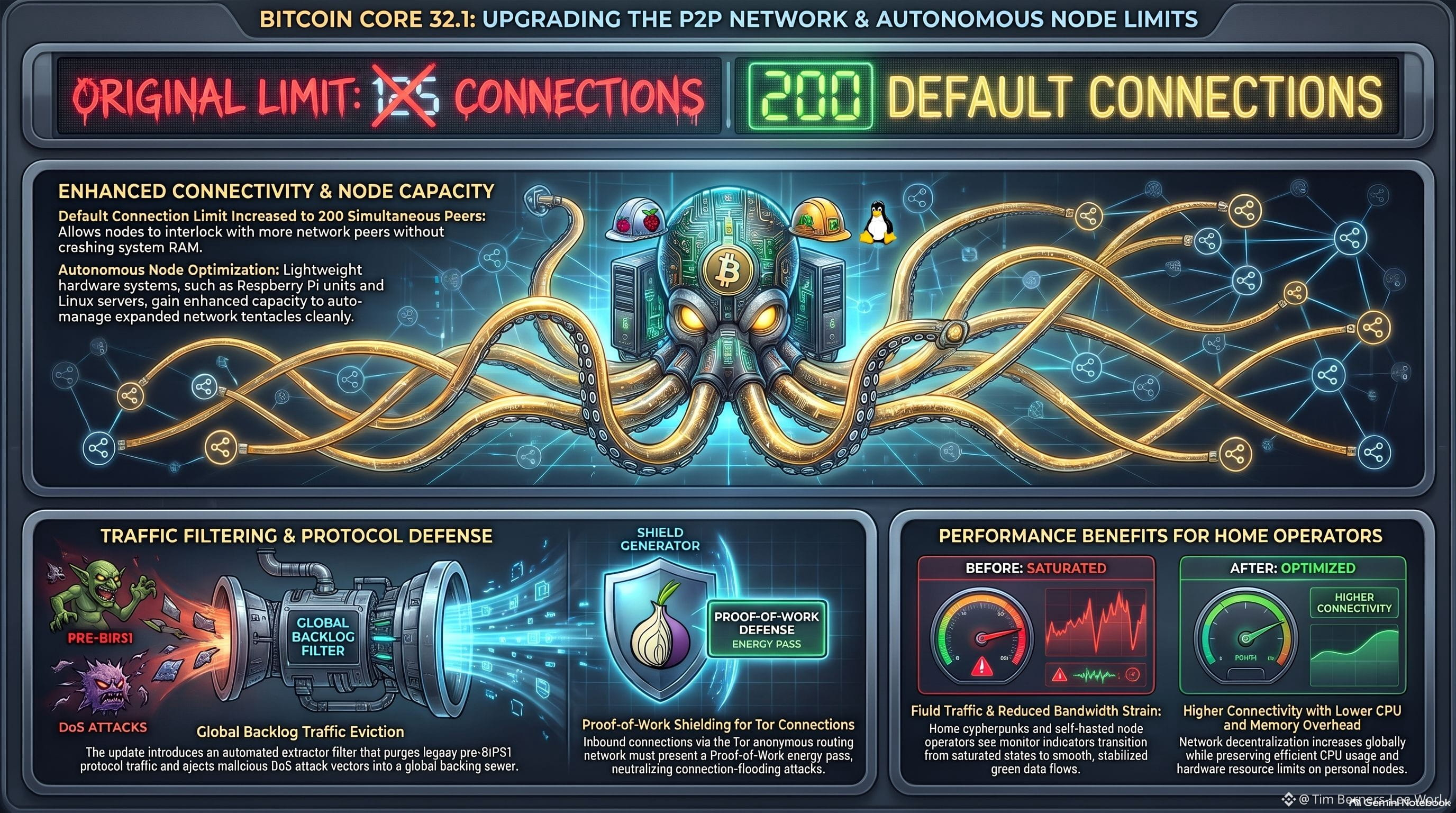
🏦🛡️In a swift, coordinated technical response following this week’s vulnerability disclosures, the Bitcoin Core development team has officially released version 32.1 of its reference software. Although on the surface this patch is presented as a minor maintenance update, under the hood it introduces critical changes to the P2P (peer-to-peer) network architecture, notably increasing the default limit for automatic peer connections from 125 to 200.
🏦🛡️This increase isn’t just a bandwidth whim. By raising the limit on automatic connections, developers aim to strengthen the topology of Bitcoin’s global network, making it much denser and more resilient to potential eclipse attacks or attempts to isolate nodes. To prevent this increased openness from overwhelming the home computers that keep the network running, version 32.1 introduces a rate-limiting system based on a “global backlog,” which dramatically reduces CPU and RAM usage when the volume of transactions in the mempool surges.
🏦🛡️The update’s defensive package is rounded out with the implementation of proof-of-work (PoW)-based defenses for Tor’s hidden services. This closes the door on one of the most common denial-of-service (DoS) tactics of recent months, in which malicious actors exploited Tor’s anonymity to overwhelm nodes with fake connection requests. 🏦🛡️With the release of 32.1, the message to the mining community, exchanges, and home node operators is clear: upgrading immediately not only fixes last Tuesday’s bugs, but also gives Bitcoin’s infrastructure the muscle it needs for the 2027 ecosystem.$BTC $BTC
{future}(BTCUSDT)
#bitcoincore32.1raisespeerconnectionlimit
#writetoearn
🏦🛡️Bitcoin Core 32.1 rolls out: A total-defense upgrade that expands the p2p network highways
🏦🛡️In a swift, coordinated technical response following this week’s vulnerability disclosures, the Bitcoin Core development team has officially released version 32.1 of its reference software. Although on the surface this patch is presented as a minor maintenance update, under the hood it introduces critical changes to the P2P (peer-to-peer) network architecture, notably increasing the default limit for automatic peer connections from 125 to 200.
🏦🛡️This increase isn’t just a bandwidth whim. By raising the limit on automatic connections, developers aim to strengthen the topology of Bitcoin’s global network, making it much denser and more resilient to potential eclipse attacks or attempts to isolate nodes. To prevent this increased openness from overwhelming the home computers that keep the network running, version 32.1 introduces a rate-limiting system based on a “global backlog,” which dramatically reduces CPU and RAM usage when the volume of transactions in the mempool surges.
🏦🛡️The update’s defensive package is rounded out with the implementation of proof-of-work (PoW)-based defenses for Tor’s hidden services. This closes the door on one of the most common denial-of-service (DoS) tactics of recent months, in which malicious actors exploited Tor’s anonymity to overwhelm nodes with fake connection requests. 🏦🛡️With the release of 32.1, the message to the mining community, exchanges, and home node operators is clear: upgrading immediately not only fixes last Tuesday’s bugs, but also gives Bitcoin’s infrastructure the muscle it needs for the 2027 ecosystem.$BTC $BTC
54

·
--
#fedwatch
🚨 THE FED HELD RATES — BUT TWO OFFICIALS WANTED ANOTHER HIKE! ARE ALTCOIN BULLS CELEBRATING TOO EARLY? 👀🔥
Everyone saw the Fed pause.
But here's what most traders missed…
TWO Fed officials actually voted to RAISE rates by 25 basis points.
🏦 OCTOBER FOMC RESULTS:
✅ Rates held at 3.75%–4.00%
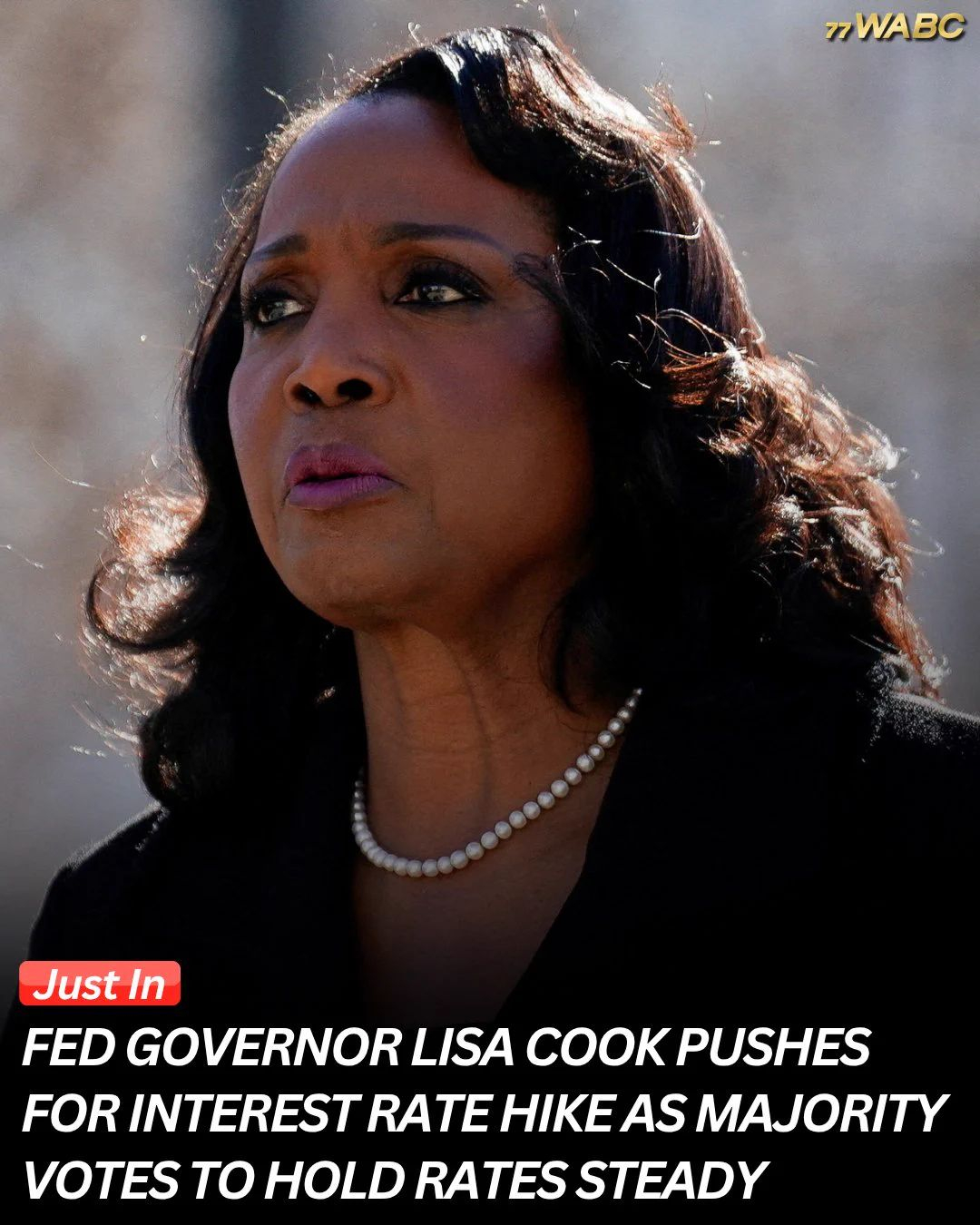
🔴 Lisa Cook: Wanted a 25 bps hike
🔴 Beth Hammack: Wanted a 25 bps hike
📊 Final vote: 10–2
And the Fed still says inflation remains elevated.
SO WHAT DOES THIS MEAN FOR TRADERS?
🥇 $XAU: A stronger dollar and higher yields could put gold under pressure.
🥈 $XAG: Silver could see sharper moves as rate expectations shift.
🔥 $SOL: Risk appetite matters. More hawkish signals could weigh on high-beta crypto.
🐸 $DOGE: Speculative rallies could struggle if liquidity conditions tighten.
💥 HERE'S THE REAL TRAP…
A Fed pause isn't the same as a dovish Fed.
🐂 BULLISH: Inflation cools → Rate-hike expectations fade → Gold and risk assets could recover.
🐻 BEARISH: Inflation stays hot → December hike fears grow → Dollar strengthens and speculative assets face pressure.
THE FED DIDN'T HIKE. BUT THE HAWKS ARE STILL IN THE ROOM.
Not financial advice. DYOR.
{future}(XAGUSDT)
{future}(XAUUSDT)
{future}(DOGEUSDT)
#CanMicrosoftDeliverOnAI #CanGoogleDefindItsCore #BitcoinCore32.1RaisesPeerConnectionLimit #RippleExpects$900MAnnualizedProductRevenueRunRate
#fedwatch
🚨 THE FED HELD RATES — BUT TWO OFFICIALS WANTED ANOTHER HIKE! ARE ALTCOIN BULLS CELEBRATING TOO EARLY? 👀🔥
Everyone saw the Fed pause.
But here's what most traders missed…
TWO Fed officials actually voted to RAISE rates by 25 basis points.
🏦 OCTOBER FOMC RESULTS:
✅ Rates held at 3.75%–4.00%
🔴 Lisa Cook: Wanted a 25 bps hike
🔴 Beth Hammack: Wanted a 25 bps hike
📊 Final vote: 10–2
And the Fed still says inflation remains elevated.
SO WHAT DOES THIS MEAN FOR TRADERS?
🥇 $XAU: A stronger dollar and higher yields could put gold under pressure.
🥈 $XAG: Silver could see sharper moves as rate expectations shift.
🔥 $SOL: Risk appetite matters. More hawkish signals could weigh on high-beta crypto.
🐸 $DOGE: Speculative rallies could struggle if liquidity conditions tighten.
💥 HERE'S THE REAL TRAP…
A Fed pause isn't the same as a dovish Fed.
🐂 BULLISH: Inflation cools → Rate-hike expectations fade → Gold and risk assets could recover.
🐻 BEARISH: Inflation stays hot → December hike fears grow → Dollar strengthens and speculative assets face pressure.
THE FED DIDN'T HIKE. BUT THE HAWKS ARE STILL IN THE ROOM.
Not financial advice. DYOR.
#CanMicrosoftDeliverOnAI #CanGoogleDefindItsCore #BitcoinCore32.1RaisesPeerConnectionLimit #RippleExpects$900MAnnualizedProductRevenueRunRate
1
1.2k
·
--
#fedwatch
🚨 THE FED PAUSED. SO WHY ARE LONG-TERM BORROWING COSTS STILL CLIMBING? 👀📈
Everyone was watching the Fed's rate decision.
But the bond market just sent a very different signal.
🏦 AFTER THE FED MEETING:
📈 10-Year Treasury Yield: 5.036%
📉 2-Year Treasury Yield: 4.702%
The Fed kept rates at 3.75%–4.00%, yet long-term borrowing costs are still rising.
AND THAT'S WHERE THINGS GET INTERESTING…
Short-term yields are easing, but longer-term investors are still demanding higher returns.
Inflation fears, government borrowing, and uncertainty over future Fed policy are all in focus.
💥 WHAT DOES THIS MEAN FOR TRADERS?
🥇 $XAU: Higher long-term yields could pressure gold, even with geopolitical tensions supporting safe-haven demand.
🥈 $XAG: Silver could face sharper swings as traders reassess rates and growth.
🚀 $SOL: Expensive capital and weaker risk appetite could weigh on speculative assets.
🔥 $DOGE: Watch for sudden volatility if liquidity sentiment shifts.
THE FED CAN STOP HIKING WITHOUT MAKING MONEY CHEAPER.
And if long-term yields keep climbing, the market could face another valuation reset.
🐂 BULLISH: Bond yields stabilize → Risk appetite improves → Gold and altcoins could recover.
🐻 BEARISH: 10-year yields push higher → Financial conditions tighten → Risk assets face selling pressure.
Not financial advice. DYOR.
#CanMicrosoftDeliverOnAI #CanGoogleDefindItsCore #BitcoinCore32.1RaisesPeerConnectionLimit #BitcoinCoreIdentifiesThreeVulnerabilities
439

Article
Hormuz, the Fed and the Bitcoin Comeback: Is Altseason Really Close?Market analysis · October 29, 2026 · Figures as of October 28–29
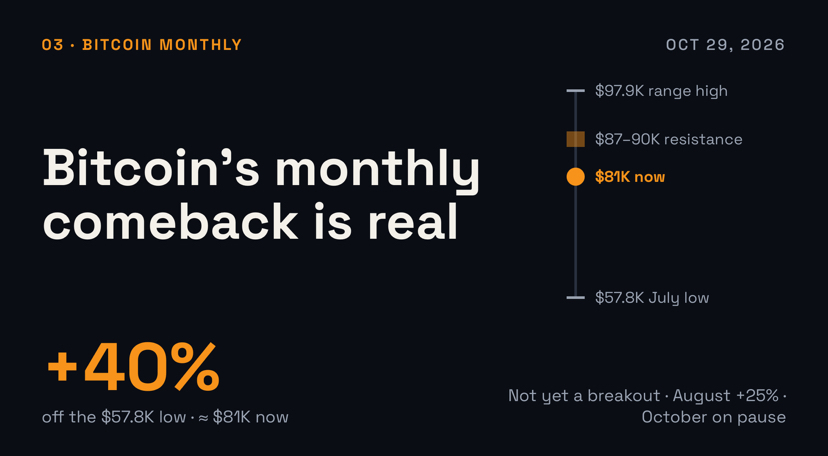
Bitcoin is trading around $81,000. That is roughly 40% above its summer low near $57,800, and still about 35% below its record high near $126,000 from October 2025. Three forces will decide what happens next: a US–Iran war that has pushed Brent crude to about $115, a Federal Reserve that is raising rates again with the 10-year Treasury yield above 5%, and an altcoin market that has yet to prove it can outrun Bitcoin.
This article takes each one in turn, shows how they connect, and sets out what would have to happen for an altseason to arrive.
The short version
Iran–US: the biggest swing factor. Talks are stuck, and Washington has reportedly told Gulf allies to prepare for a short, heavy campaign after the November 3 midterms.Interest rates: a headwind rather than a wall. The Fed hiked in September, held on October 28 with two votes for another hike, and markets lean toward a December increase.Bitcoin’s monthly recovery: real, but closer to a strong rebound inside a range than a breakout. August and September were green; October is tracking slightly red.Altseason: possible, not confirmed. The Altcoin Season Index is at 59 against a trigger of 75, and Bitcoin’s market share is near 60%.
Market snapshot
Bitcoin: about $81,000 on October 28.Fed funds rate: 3.75%–4.00%.10-year Treasury yield: about 5.0%, near its highest level since 2007.US inflation (September CPI): 3.7% year over year; core 2.6%.Brent crude: about $115, up roughly three-quarters from a year ago.Altcoin Season Index: 59. Bitcoin dominance: about 60%.
1. The Iran–US war: the macro wild card
How we got here. The US and Israel struck Iran on February 28. Iran answered by attacking US facilities in the region and restricting shipping through the Strait of Hormuz, the passage for roughly a fifth of the world’s oil. A two-week ceasefire arrived in April, Washington imposed a naval blockade on Iranian ports, and Pakistan and Qatar kept mediation alive. An interim deal reached in June collapsed on July 8 after attacks on commercial ships in the strait, followed by US strikes, Iranian retaliation against US bases in the Gulf, and the return of the blockade.
Where the two sides stand. Washington says any deal must permanently stop Iran from acquiring a nuclear weapon and wants the nuclear file addressed from the start. Vice President JD Vance has said Iran must scale back enrichment, and President Trump has said he will decide when the war ends. Tehran says it will make no concessions on the nuclear issue, wants the US blockade of its ports and the sanctions on its oil exports lifted first, rejects claims that its program has a military dimension, and says it is still giving diplomacy a chance. A Qatari proposal presented on October 25, built around seven days of confidence-building steps, was dismissed by a senior Iranian official as “unacceptable ideas”; accounts differ on whether it was a formal draft at all.
What markets are pricing. The Wall Street Journal reported that the US has told several Gulf states to prepare for a short, intense campaign after the November 3 midterms, while moving air defenses and munitions into position. Trump has said he would not strike before the election, and the White House says all options remain on the table. Iran has warned that any new attack would be answered with strikes on economic and energy targets across the region. Brent crude was trading near $115 on October 28.
How crypto has traded the war. So far the pattern is that Bitcoin sells off on escalation, largely through the oil-to-inflation-to-rates channel, and recovers when headlines cool. On February 28 it dipped to about $63,000 and was back in the low $70,000s within days, while spot ETFs took in roughly $619 million in the first week of March. It touched a two-week low near $76,700 on May 18, and traded near $62,800 on July 8 as fresh strikes lifted oil and rate-hike expectations. Each dip has been recovered so far, but three episodes are a pattern, not a guarantee.
2. High interest rates: the headwind that has not gone away
The Federal Reserve, now led by Chair Kevin Warsh, raised its policy rate by a quarter point on September 16, to 3.75%–4.00%. It was the first hike since July 2023. On October 28 the Fed held steady, but not unanimously: governor Lisa Cook and Cleveland Fed president Beth Hammack voted for another increase. The statement upgraded its description of growth from solid to strong and repeated that inflation remains elevated, and Warsh said the Fed will deliver price stability, “no ifs, ands or buts.” Investors widely expect a hike in December.
The driver is energy. September CPI rose 0.6% on the month and 3.7% on the year, with gasoline up 9.1% in a single month and energy up 20.4% from a year earlier. Core inflation, which strips out food and energy, rose 0.3% on the month and 2.6% annually. The Fed’s September projections showed a median policy rate of 4.1% at the end of 2026, which implies at least one more increase, and pushed the expected return of core PCE inflation to 2% out to 2029.
Bond markets have taken the message seriously. The 10-year Treasury yield is hovering around 5.0%, close to its highest level since 2007, the 30-year is near 5.3%, and the average 30-year mortgage rate has climbed to about 7.3%. Warsh also says he does not believe in forward guidance outside of a crisis, and the Fed will hold seven rate-setting meetings next year and six the year after, so each remaining decision carries more surprise risk.
What it means for crypto. Bitcoin pays no yield, so a 5% risk-free Treasury raises the bar for holding it, and tighter liquidity tends to hit the most speculative assets hardest. That is the textbook case for caution. Yet the tape has been more forgiving than the textbook: Bitcoin gained about 25% in August and about 6% in September, the month of the hike. Its October stall came with long-dated yields still near their highest levels in nearly two decades. On this evidence, rates are a brake on the recovery rather than a veto.
3. Bitcoin on the monthly chart: a real recovery, not yet a breakout
The base. Bitcoin ended February with five straight red monthly candles, a streak with only one precedent, in 2018–19. March then closed about 2% higher, the first green month in six. The second half of the year opened near $58,600, the low printed near $57,800, and the structure has been rebuilding since.
The recovery leg. August closed up roughly 25%, which analysts note is unusual for the year after a cycle peak. September added 6.4% to close at about $83,556. October is tracking roughly 3% lower, with Bitcoin around $81,000 after failing to hold a push toward $87,000 early in the month.
Is it “booming”? It is a strong rebound, about 40% off the low, and August’s candle is the kind of thrust bulls want to see. On the monthly scale, though, it is still a recovery inside a range: the price remains roughly 35% below the 2025 high, and October’s candle is a pause, not a continuation. The levels that matter, from analyst work published in the past week:
Support: $80,000–$82,000 first, then $73,000–$75,000 and about $67,000. The range floor is near $58,100.Resistance: $82,000–$83,000, then $87,000–$90,000. Coinbase Institutional notes that about 2.1 million BTC last changed hands between roughly $87,500 and $91,700, which is overhead supply. The six-month range high is near $97,900.Flows: spot Bitcoin ETFs took in about $2.65 billion in September, but late October has been choppy, with outflows of roughly $636 million on October 22 and $138 million on October 23 after an inflow of about $527 million on October 19.
What would upgrade or downgrade the picture. A monthly close above the $87,000–$90,000 zone, with ETF inflows returning, would turn a rebound into a trend. A loss of the roughly $78,000 midpoint of the second-half range would put $75,000 and $67,000 back in play. The October candle closes on Saturday, October 31.
4. Altseason: close, or still a few steps away?
The most-watched gauge is CoinMarketCap’s Altcoin Season Index, which measures how many of the top 100 altcoins (excluding stablecoins) have beaten Bitcoin over the past 90 days. Readings above 75 mark an altseason; readings below 25 mark a Bitcoin season.
Where things stand. The index was 59 on October 27, inside a range of roughly 53 to 64 over the past month and well short of 75. Bitcoin’s share of the total crypto market is about 60.1%, Ethereum’s is 10.6%, and every other altcoin together holds 29.4%. Altcoins in total are worth about $1.06 trillion against Bitcoin’s $1.60 trillion. Ether trades near $2,360, Solana near $102 and XRP near $1.32, which puts the ETH/BTC ratio at about 0.029.
The case that altseason is close.
The index has climbed from a low of 14 in December 2025 to the high 50s and low 60s, a big swing in ten months.Breadth improved on October 28, when Ether, XRP, Solana and BNB rose together ahead of the Fed decision.Some analysts say a broad altcoin gauge (TOTAL3) has reclaimed a long-term pattern and that altcoin monthly momentum has turned positive for the first time since 2020.
The case that it is not.
The index has slipped from 64 a month ago to 59, and Bitcoin’s share has risen, not fallen, because October’s sell-off hit altcoins harder: Ether, Solana and XRP each dropped roughly 10%–14%.Spot Ether ETFs shed about $542 million in a single week this month, a sign that capital is staying selective.Analyst Benjamin Cowen argues that restrictive policy and a firm dollar favor Bitcoin over altcoins, and expects altcoins to keep losing ground until conditions ease, which he sees as possibly a year or two away.Bitcoin set a record in October 2025 and the usual rotation into altcoins never arrived, which is why many analysts now ask whether a synchronized altseason still exists.
What to watch for confirmation. A sustained fall in Bitcoin dominance below roughly 59%, an index reading above 75, a rising ETH/BTC ratio, and net inflows into Ether and other altcoin funds. Easing yields and oil prices would likely help all four.
Verdict. On current evidence, altseason is a conditional call, not a confirmed one. The index is 16 points below its trigger and moving sideways, and the rotation has not yet shown up in dominance or in fund flows. “Somewhere close” is defensible only if oil and yields cooperate.
5. How the pieces connect
The four stories are really one chain. The war moves oil, oil moves inflation, inflation moves the Fed and Treasury yields, yields move liquidity, and liquidity moves Bitcoin first and altcoins most. The next few weeks offer three broad paths, none of which can be given reliable odds.
De-escalation or a deal. Oil eases, rate-hike bets fade, and Bitcoin has room to challenge $87,000–$90,000. Higher-beta altcoins would be the biggest beneficiaries, so this is the path where altseason talk becomes real.Renewed strikes after the midterms. If Iran follows through on its threats against Gulf energy targets, Brent could spike, pushing inflation and a December hike back to the front. Bitcoin could retest $75,000 or lower, dominance would likely climb, and altseason would slip out of view. Earlier shocks in 2026 were absorbed within days to weeks, but this time the Fed is hiking rather than holding.Stalemate. Brent stays near $100–$120, the Fed holds with a hawkish tilt or hikes, and Bitcoin chops between roughly $75,000 and $90,000. Altcoins rotate selectively by narrative rather than all at once.
6. Dates to watch
October 31: Bitcoin’s October monthly close.November 3: US midterm elections, after which the question of renewed strikes on Iran becomes live.Mid-November: the October CPI report, the next read on how much of the energy shock is feeding through.December: the next FOMC meeting, where a hike is the market’s base case.Ongoing: Qatar–Pakistan mediation, Brent crude, the 10-year yield around the 5% line, Bitcoin dominance, the Altcoin Season Index and ETF flows.
Bottom line
Bitcoin’s climb from the summer low is genuine, and August’s 25% monthly gain was a real thrust. But the macro setting is demanding: an unfinished war, oil near $115, inflation at 3.7%, a Fed that has turned to hikes and a 10-year yield near 5%. Bitcoin can keep grinding higher in that environment, as it did through September. A broad altseason is a bigger ask, because it has typically needed easier liquidity and a stronger appetite for risk. The cleanest read today is that Bitcoin’s recovery is on track while altseason remains a conditional possibility, one that the next few weeks of oil and rate news will either unlock or delay.
This article is for information only and is not financial advice. Crypto assets are highly volatile and you can lose money. Do your own research.
#CanMicrosoftDeliverOnAI
#CanGoogleDefindItsCore
#BitcoinCore32.1RaisesPeerConnectionLimit
#EarningsSeason
Sources and data notes
Figures are as of October 28–29, 2026 and change quickly; readings from data aggregators can differ by provider and time of day. Fed and rates coverage draws on CNBC, CNN, NPR and Yahoo Finance; inflation on the Bureau of Labor Statistics release as reported by Trading Economics and First Trust; oil on Trading Economics and Bloomberg; the Iran–US situation on Reuters reporting carried by several outlets and on the Wall Street Journal report as relayed by Anadolu Agency and Middle East Eye; Bitcoin price and flow data on Fortune, Investing.com, Farside Investors and SimpleMining; technical levels on Coin Edition and Coinbase Institutional commentary; altcoin data on TokenPost, Benzinga, Crypto Daily and AMBCrypto. Analyst views, including Benjamin Cowen’s, are the analysts’ own opinions.
Hormuz, the Fed and the Bitcoin Comeback: Is Altseason Really Close?
Market analysis · October 29, 2026 · Figures as of October 28–29
Bitcoin is trading around $81,000. That is roughly 40% above its summer low near $57,800, and still about 35% below its record high near $126,000 from October 2025. Three forces will decide what happens next: a US–Iran war that has pushed Brent crude to about $115, a Federal Reserve that is raising rates again with the 10-year Treasury yield above 5%, and an altcoin market that has yet to prove it can outrun Bitcoin.
This article takes each one in turn, shows how they connect, and sets out what would have to happen for an altseason to arrive.
The short version
Iran–US: the biggest swing factor. Talks are stuck, and Washington has reportedly told Gulf allies to prepare for a short, heavy campaign after the November 3 midterms.Interest rates: a headwind rather than a wall. The Fed hiked in September, held on October 28 with two votes for another hike, and markets lean toward a December increase.Bitcoin’s monthly recovery: real, but closer to a strong rebound inside a range than a breakout. August and September were green; October is tracking slightly red.Altseason: possible, not confirmed. The Altcoin Season Index is at 59 against a trigger of 75, and Bitcoin’s market share is near 60%.
Market snapshot
Bitcoin: about $81,000 on October 28.Fed funds rate: 3.75%–4.00%.10-year Treasury yield: about 5.0%, near its highest level since 2007.US inflation (September CPI): 3.7% year over year; core 2.6%.Brent crude: about $115, up roughly three-quarters from a year ago.Altcoin Season Index: 59. Bitcoin dominance: about 60%.
1. The Iran–US war: the macro wild card
How we got here. The US and Israel struck Iran on February 28. Iran answered by attacking US facilities in the region and restricting shipping through the Strait of Hormuz, the passage for roughly a fifth of the world’s oil. A two-week ceasefire arrived in April, Washington imposed a naval blockade on Iranian ports, and Pakistan and Qatar kept mediation alive. An interim deal reached in June collapsed on July 8 after attacks on commercial ships in the strait, followed by US strikes, Iranian retaliation against US bases in the Gulf, and the return of the blockade.
Where the two sides stand. Washington says any deal must permanently stop Iran from acquiring a nuclear weapon and wants the nuclear file addressed from the start. Vice President JD Vance has said Iran must scale back enrichment, and President Trump has said he will decide when the war ends. Tehran says it will make no concessions on the nuclear issue, wants the US blockade of its ports and the sanctions on its oil exports lifted first, rejects claims that its program has a military dimension, and says it is still giving diplomacy a chance. A Qatari proposal presented on October 25, built around seven days of confidence-building steps, was dismissed by a senior Iranian official as “unacceptable ideas”; accounts differ on whether it was a formal draft at all.
What markets are pricing. The Wall Street Journal reported that the US has told several Gulf states to prepare for a short, intense campaign after the November 3 midterms, while moving air defenses and munitions into position. Trump has said he would not strike before the election, and the White House says all options remain on the table. Iran has warned that any new attack would be answered with strikes on economic and energy targets across the region. Brent crude was trading near $115 on October 28.
How crypto has traded the war. So far the pattern is that Bitcoin sells off on escalation, largely through the oil-to-inflation-to-rates channel, and recovers when headlines cool. On February 28 it dipped to about $63,000 and was back in the low $70,000s within days, while spot ETFs took in roughly $619 million in the first week of March. It touched a two-week low near $76,700 on May 18, and traded near $62,800 on July 8 as fresh strikes lifted oil and rate-hike expectations. Each dip has been recovered so far, but three episodes are a pattern, not a guarantee.
2. High interest rates: the headwind that has not gone away
The Federal Reserve, now led by Chair Kevin Warsh, raised its policy rate by a quarter point on September 16, to 3.75%–4.00%. It was the first hike since July 2023. On October 28 the Fed held steady, but not unanimously: governor Lisa Cook and Cleveland Fed president Beth Hammack voted for another increase. The statement upgraded its description of growth from solid to strong and repeated that inflation remains elevated, and Warsh said the Fed will deliver price stability, “no ifs, ands or buts.” Investors widely expect a hike in December.
The driver is energy. September CPI rose 0.6% on the month and 3.7% on the year, with gasoline up 9.1% in a single month and energy up 20.4% from a year earlier. Core inflation, which strips out food and energy, rose 0.3% on the month and 2.6% annually. The Fed’s September projections showed a median policy rate of 4.1% at the end of 2026, which implies at least one more increase, and pushed the expected return of core PCE inflation to 2% out to 2029.
Bond markets have taken the message seriously. The 10-year Treasury yield is hovering around 5.0%, close to its highest level since 2007, the 30-year is near 5.3%, and the average 30-year mortgage rate has climbed to about 7.3%. Warsh also says he does not believe in forward guidance outside of a crisis, and the Fed will hold seven rate-setting meetings next year and six the year after, so each remaining decision carries more surprise risk.
What it means for crypto. Bitcoin pays no yield, so a 5% risk-free Treasury raises the bar for holding it, and tighter liquidity tends to hit the most speculative assets hardest. That is the textbook case for caution. Yet the tape has been more forgiving than the textbook: Bitcoin gained about 25% in August and about 6% in September, the month of the hike. Its October stall came with long-dated yields still near their highest levels in nearly two decades. On this evidence, rates are a brake on the recovery rather than a veto.
3. Bitcoin on the monthly chart: a real recovery, not yet a breakout
The base. Bitcoin ended February with five straight red monthly candles, a streak with only one precedent, in 2018–19. March then closed about 2% higher, the first green month in six. The second half of the year opened near $58,600, the low printed near $57,800, and the structure has been rebuilding since.
The recovery leg. August closed up roughly 25%, which analysts note is unusual for the year after a cycle peak. September added 6.4% to close at about $83,556. October is tracking roughly 3% lower, with Bitcoin around $81,000 after failing to hold a push toward $87,000 early in the month.
Is it “booming”? It is a strong rebound, about 40% off the low, and August’s candle is the kind of thrust bulls want to see. On the monthly scale, though, it is still a recovery inside a range: the price remains roughly 35% below the 2025 high, and October’s candle is a pause, not a continuation. The levels that matter, from analyst work published in the past week:
Support: $80,000–$82,000 first, then $73,000–$75,000 and about $67,000. The range floor is near $58,100.Resistance: $82,000–$83,000, then $87,000–$90,000. Coinbase Institutional notes that about 2.1 million BTC last changed hands between roughly $87,500 and $91,700, which is overhead supply. The six-month range high is near $97,900.Flows: spot Bitcoin ETFs took in about $2.65 billion in September, but late October has been choppy, with outflows of roughly $636 million on October 22 and $138 million on October 23 after an inflow of about $527 million on October 19.
What would upgrade or downgrade the picture. A monthly close above the $87,000–$90,000 zone, with ETF inflows returning, would turn a rebound into a trend. A loss of the roughly $78,000 midpoint of the second-half range would put $75,000 and $67,000 back in play. The October candle closes on Saturday, October 31.
4. Altseason: close, or still a few steps away?
The most-watched gauge is CoinMarketCap’s Altcoin Season Index, which measures how many of the top 100 altcoins (excluding stablecoins) have beaten Bitcoin over the past 90 days. Readings above 75 mark an altseason; readings below 25 mark a Bitcoin season.
Where things stand. The index was 59 on October 27, inside a range of roughly 53 to 64 over the past month and well short of 75. Bitcoin’s share of the total crypto market is about 60.1%, Ethereum’s is 10.6%, and every other altcoin together holds 29.4%. Altcoins in total are worth about $1.06 trillion against Bitcoin’s $1.60 trillion. Ether trades near $2,360, Solana near $102 and XRP near $1.32, which puts the ETH/BTC ratio at about 0.029.
The case that altseason is close.
The index has climbed from a low of 14 in December 2025 to the high 50s and low 60s, a big swing in ten months.Breadth improved on October 28, when Ether, XRP, Solana and BNB rose together ahead of the Fed decision.Some analysts say a broad altcoin gauge (TOTAL3) has reclaimed a long-term pattern and that altcoin monthly momentum has turned positive for the first time since 2020.
The case that it is not.
The index has slipped from 64 a month ago to 59, and Bitcoin’s share has risen, not fallen, because October’s sell-off hit altcoins harder: Ether, Solana and XRP each dropped roughly 10%–14%.Spot Ether ETFs shed about $542 million in a single week this month, a sign that capital is staying selective.Analyst Benjamin Cowen argues that restrictive policy and a firm dollar favor Bitcoin over altcoins, and expects altcoins to keep losing ground until conditions ease, which he sees as possibly a year or two away.Bitcoin set a record in October 2025 and the usual rotation into altcoins never arrived, which is why many analysts now ask whether a synchronized altseason still exists.
What to watch for confirmation. A sustained fall in Bitcoin dominance below roughly 59%, an index reading above 75, a rising ETH/BTC ratio, and net inflows into Ether and other altcoin funds. Easing yields and oil prices would likely help all four.
Verdict. On current evidence, altseason is a conditional call, not a confirmed one. The index is 16 points below its trigger and moving sideways, and the rotation has not yet shown up in dominance or in fund flows. “Somewhere close” is defensible only if oil and yields cooperate.
5. How the pieces connect
The four stories are really one chain. The war moves oil, oil moves inflation, inflation moves the Fed and Treasury yields, yields move liquidity, and liquidity moves Bitcoin first and altcoins most. The next few weeks offer three broad paths, none of which can be given reliable odds.
De-escalation or a deal. Oil eases, rate-hike bets fade, and Bitcoin has room to challenge $87,000–$90,000. Higher-beta altcoins would be the biggest beneficiaries, so this is the path where altseason talk becomes real.Renewed strikes after the midterms. If Iran follows through on its threats against Gulf energy targets, Brent could spike, pushing inflation and a December hike back to the front. Bitcoin could retest $75,000 or lower, dominance would likely climb, and altseason would slip out of view. Earlier shocks in 2026 were absorbed within days to weeks, but this time the Fed is hiking rather than holding.Stalemate. Brent stays near $100–$120, the Fed holds with a hawkish tilt or hikes, and Bitcoin chops between roughly $75,000 and $90,000. Altcoins rotate selectively by narrative rather than all at once.
6. Dates to watch
October 31: Bitcoin’s October monthly close.November 3: US midterm elections, after which the question of renewed strikes on Iran becomes live.Mid-November: the October CPI report, the next read on how much of the energy shock is feeding through.December: the next FOMC meeting, where a hike is the market’s base case.Ongoing: Qatar–Pakistan mediation, Brent crude, the 10-year yield around the 5% line, Bitcoin dominance, the Altcoin Season Index and ETF flows.
Bottom line
Bitcoin’s climb from the summer low is genuine, and August’s 25% monthly gain was a real thrust. But the macro setting is demanding: an unfinished war, oil near $115, inflation at 3.7%, a Fed that has turned to hikes and a 10-year yield near 5%. Bitcoin can keep grinding higher in that environment, as it did through September. A broad altseason is a bigger ask, because it has typically needed easier liquidity and a stronger appetite for risk. The cleanest read today is that Bitcoin’s recovery is on track while altseason remains a conditional possibility, one that the next few weeks of oil and rate news will either unlock or delay.
This article is for information only and is not financial advice. Crypto assets are highly volatile and you can lose money. Do your own research.
#CanMicrosoftDeliverOnAI
#CanGoogleDefindItsCore
#BitcoinCore32.1RaisesPeerConnectionLimit
#EarningsSeason
Sources and data notes
Figures are as of October 28–29, 2026 and change quickly; readings from data aggregators can differ by provider and time of day. Fed and rates coverage draws on CNBC, CNN, NPR and Yahoo Finance; inflation on the Bureau of Labor Statistics release as reported by Trading Economics and First Trust; oil on Trading Economics and Bloomberg; the Iran–US situation on Reuters reporting carried by several outlets and on the Wall Street Journal report as relayed by Anadolu Agency and Middle East Eye; Bitcoin price and flow data on Fortune, Investing.com, Farside Investors and SimpleMining; technical levels on Coin Edition and Coinbase Institutional commentary; altcoin data on TokenPost, Benzinga, Crypto Daily and AMBCrypto. Analyst views, including Benjamin Cowen’s, are the analysts’ own opinions.
8

·
--
Article
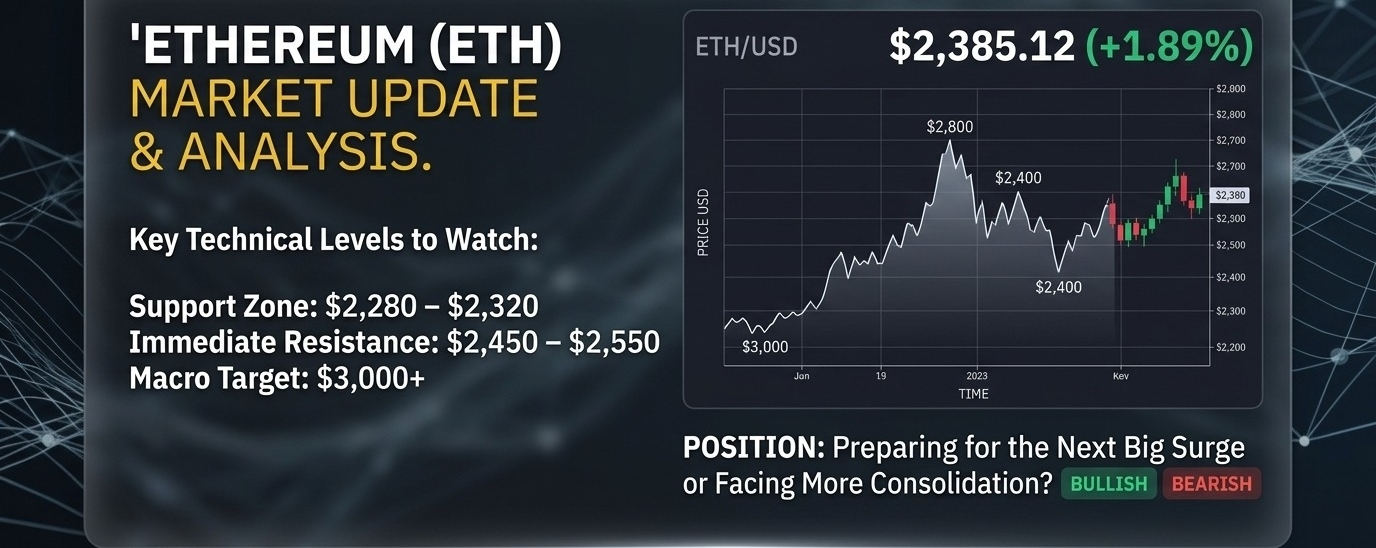
Ethereum ($ETH ) Market Update & Technical Analysis
Is $ETH Preparing for the Next Big Surge or FacEthereum (ETH) Market Update & Technical Analysis
Is $ETH Preparing for the Next Big Surge or Facing More Consolidation?
Ethereum ($ETH) is currently trading in a crucial zone near $2,340–$2,400 as the broader market responds to institutional movements, ETF flows, and key network developments.
Here is a deep dive into what is currently happening with $ETH and what you need to watch out for! 👇
🟢 1. Spot ETF Outflows & Institutional Shifts
In recent weeks, spot Ethereum ETFs have experienced cooling demand. Net assets decreased from $17.7 Billion down to $14.1 Billion. Institutional traders are taking a cautious "wait-and-see" approach amidst global market macroeconomic updates. However, long-term accumulation ranges remain active around major support levels.
🛠️ 2. Upgrade Roadmap & Network Security
The development team behind Ethereum continues to optimize mainnet efficiency and layer-2 scalability. While upcoming upgrade roadmaps (such as Glamsterdam) have undergone rigorous security testing and minor testnet delays via auditors, the long-term fundamentals around Ethereum’s proof-of-stake yield and burn mechanisms remain solid.
📊 3. Key Technical Levels to Watch
Support Zone: $2,280 – $2,320
If ETH holds this range, buyers could step in to form a strong double-bottom structure.
Immediate Resistance: $2,450 – $2,550
A breakout above this level with heavy volume could trigger a rally back toward $2,800+.
Macro Target: $3,000+
Sustained spot demand and renewed ETF inflows will be essential to push ETH back to major highs.
💡 Trader's Takeaway & Strategy
Short-Term: High volatility around current price action. Manage risk closely with proper stop-losses if trading futures.
Long-Term: Dollar-Cost Averaging (DCA) into fundamental spot assets like ETH continues to be a preferred strategy during market consolidation periods.
💬 What's your price prediction for $ETH by the end of the month?
Are you Bullish 🐂 or Bearish 🐻? Drop your thoughts below! 👇
#BitcoinCore32.1RaisesPeerConnectionLimit #EarningsSeason #SquareBinance #Ethereum #CryptoNews
Ethereum ($ETH ) Market Update & Technical Analysis Is $ETH Preparing for the Next Big Surge or Fac
Ethereum (ETH) Market Update & Technical Analysis
Is $ETH Preparing for the Next Big Surge or Facing More Consolidation?
Ethereum ($ETH) is currently trading in a crucial zone near $2,340–$2,400 as the broader market responds to institutional movements, ETF flows, and key network developments.
Here is a deep dive into what is currently happening with $ETH and what you need to watch out for! 👇
🟢 1. Spot ETF Outflows & Institutional Shifts
In recent weeks, spot Ethereum ETFs have experienced cooling demand. Net assets decreased from $17.7 Billion down to $14.1 Billion. Institutional traders are taking a cautious "wait-and-see" approach amidst global market macroeconomic updates. However, long-term accumulation ranges remain active around major support levels.
🛠️ 2. Upgrade Roadmap & Network Security
The development team behind Ethereum continues to optimize mainnet efficiency and layer-2 scalability. While upcoming upgrade roadmaps (such as Glamsterdam) have undergone rigorous security testing and minor testnet delays via auditors, the long-term fundamentals around Ethereum’s proof-of-stake yield and burn mechanisms remain solid.
📊 3. Key Technical Levels to Watch
Support Zone: $2,280 – $2,320
If ETH holds this range, buyers could step in to form a strong double-bottom structure.
Immediate Resistance: $2,450 – $2,550
A breakout above this level with heavy volume could trigger a rally back toward $2,800+.
Macro Target: $3,000+
Sustained spot demand and renewed ETF inflows will be essential to push ETH back to major highs.
💡 Trader's Takeaway & Strategy
Short-Term: High volatility around current price action. Manage risk closely with proper stop-losses if trading futures.
Long-Term: Dollar-Cost Averaging (DCA) into fundamental spot assets like ETH continues to be a preferred strategy during market consolidation periods.
💬 What's your price prediction for $ETH by the end of the month?
Are you Bullish 🐂 or Bearish 🐻? Drop your thoughts below! 👇
#BitcoinCore32.1RaisesPeerConnectionLimit #EarningsSeason #SquareBinance #Ethereum #CryptoNews
1

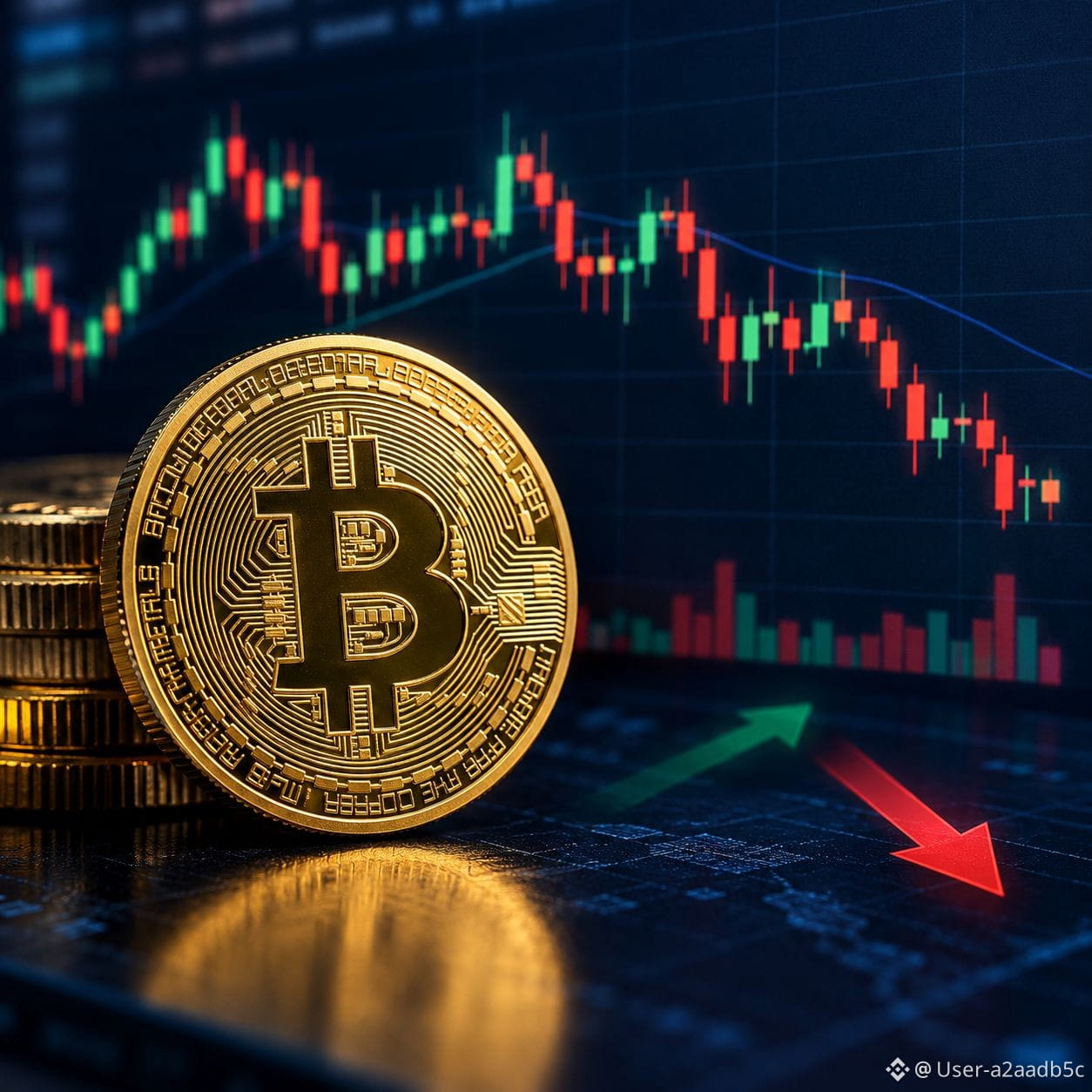
Bitcoin is facing renewed selling pressure after its recent recovery above $80,500 faded following the Federal Reserve’s latest decision. $BTC
{spot}(BTCUSDT)
is trading near the $80,000 area, with volatility remaining high.
Support: $79,500, then $77,000–$77,500.
Resistance: $81,400–$82,500.
Short-term outlook: Neutral to bearish while Bitcoin struggles to break above resistance. Holding support could allow another recovery attempt; breaking below it may trigger further losses.
Trading takeaway: Wait for confirmation before entering a trade. A sustained move above $82,500 would improve the bullish outlook, while a break below $79,500 would increase downside risk.
This is market commentary, not financial advice. Bitcoin is highly volatile, and support/resistance levels can change quickly.#CanMicrosoftDeliverOnAI #BitcoinCore32.1RaisesPeerConnectionLimit #BitcoinCoreIdentifiesThreeVulnerabilities #CanGoogleDefindItsCore
Bitcoin is facing renewed selling pressure after its recent recovery above $80,500 faded following the Federal Reserve’s latest decision. $BTC
is trading near the $80,000 area, with volatility remaining high.
Support: $79,500, then $77,000–$77,500.
Resistance: $81,400–$82,500.
Short-term outlook: Neutral to bearish while Bitcoin struggles to break above resistance. Holding support could allow another recovery attempt; breaking below it may trigger further losses.
Trading takeaway: Wait for confirmation before entering a trade. A sustained move above $82,500 would improve the bullish outlook, while a break below $79,500 would increase downside risk.
This is market commentary, not financial advice. Bitcoin is highly volatile, and support/resistance levels can change quickly.#CanMicrosoftDeliverOnAI #BitcoinCore32.1RaisesPeerConnectionLimit #BitcoinCoreIdentifiesThreeVulnerabilities #CanGoogleDefindItsCore
3

·
--
#fedtobeginshrinkingratesettingcalendarin2027
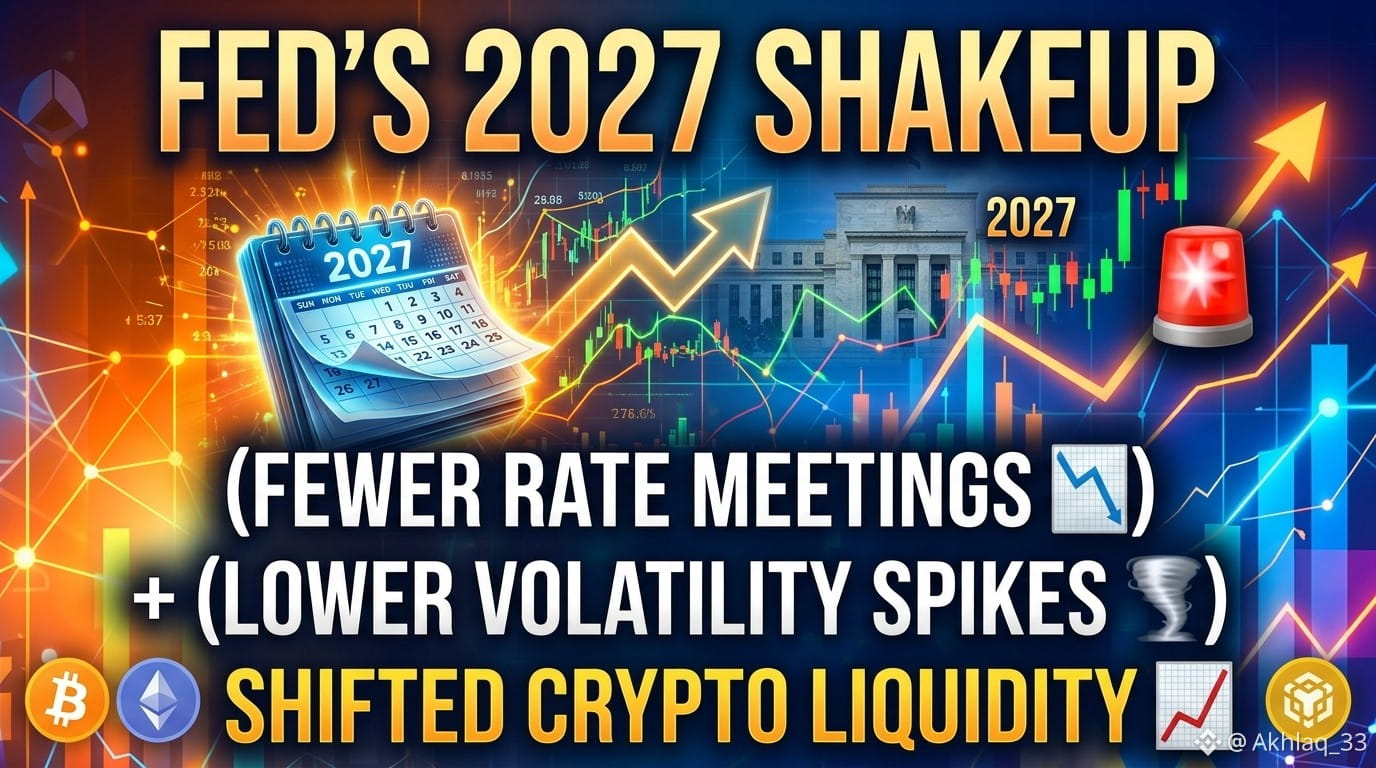
The Fed’s 2027 Schedule Shift: Less Noise, More Signal?
The discussion around the Federal Reserve’s reported plan to[ shrink its rate-setting calendar](https://www.binance.com/en/square/hashtag/fedtobeginshrinkingratesettingcalendarin2027) is bringing up an interesting debate for traders and macro watchers alike.
With discussions pointing toward fewer rate-decision meetings down the road—moving from the traditional 8 meetings toward fewer active policy sessions and more strategy-focused discussions—market rhythms could look quite different.
What this could mean for markets:
Fewer "Wick-Sweeps": Less frequent rate decisions could mean fewer sudden, macro-driven volatility spikes that frequently trigger rapid liquidations across derivatives markets.
Organic Price Action: Instead of hanging onto every single announcement for short-term direction, markets may need to lean more heavily on underlying fundamentals, spot demand, and broader economic data.
A Change in Rhythm: Traders accustomed to staying up late for every FOMC catalyst might find themselves navigating longer periods of sideways trend development.
Are fewer, higher-impact meetings going to help the market mature, or are we going to miss the high-volatility action? Let’s discuss below! 👇📉🚀
#CanMicrosoftDeliverOnAI #FedWatch #BitcoinCore32.1RaisesPeerConnectionLimit $BTC $ETH
#fedtobeginshrinkingratesettingcalendarin2027
The Fed’s 2027 Schedule Shift: Less Noise, More Signal?
The discussion around the Federal Reserve’s reported plan to shrink its rate-setting calendar is bringing up an interesting debate for traders and macro watchers alike.
With discussions pointing toward fewer rate-decision meetings down the road—moving from the traditional 8 meetings toward fewer active policy sessions and more strategy-focused discussions—market rhythms could look quite different.
What this could mean for markets:
Fewer "Wick-Sweeps": Less frequent rate decisions could mean fewer sudden, macro-driven volatility spikes that frequently trigger rapid liquidations across derivatives markets.
Organic Price Action: Instead of hanging onto every single announcement for short-term direction, markets may need to lean more heavily on underlying fundamentals, spot demand, and broader economic data.
A Change in Rhythm: Traders accustomed to staying up late for every FOMC catalyst might find themselves navigating longer periods of sideways trend development.
Are fewer, higher-impact meetings going to help the market mature, or are we going to miss the high-volatility action? Let’s discuss below! 👇📉🚀
#CanMicrosoftDeliverOnAI #FedWatch #BitcoinCore32.1RaisesPeerConnectionLimit $BTC $ETH
20

Article
FedWatch#fedwatch
Based on the CME FedWatch tool data, the market's expectations for the Federal Reserve's October 2026 interest rate decision are overwhelmingly biased toward holding rates steady, with the probability of a rate hike being extremely low.
October Rate Decision Expectation: Holding Rates Steady is Almost Certain
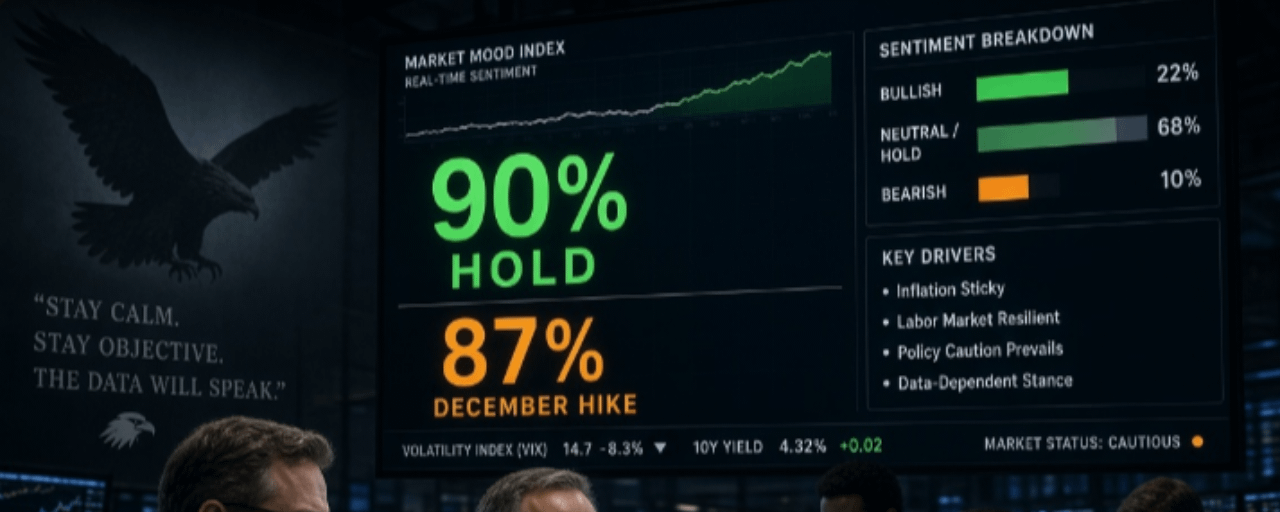
According to the latest data from the CME FedWatch tool before the decision, the probability of the Fed maintaining the target range for the federal funds rate at 3.75%-4.00% is approximately 90% or even higher.
Specifically:
* Probability of holding rates steady: Multiple sources cite FedWatch data showing probabilities of 90%, 90.6%, and 88.9% respectively. Another report places the probability of holding rates steady at approximately 93% (with only about a 7% probability of a rate hike).
* Probability of a rate hike: Correspondingly, the probability of the Fed choosing to hike rates at this meeting is only around 7% to 10%.
December and Beyond: Expectations of a "Hawkish Hold"
Although the market widely expects the Fed to "stand pat" in October, this does not mean the rate hike cycle has ended. FedWatch data indicates that market expectations of a rate hike by year-end remain at a relatively high level, forming an expectation of a "hawkish pause."
* December rate hike expectations: Data from mid-October showed that the market expected the probability of a rate hike in December to be over 71% (specifically 71.4%). Other reports also noted that following the release of strong inflation data, the probability of a December rate hike rose to 67%.
* Overall year-end expectations: Traders expect more than an 80% probability that the Fed will hike rates at least once by the end of the year.
Summary :- The FedWatch tool's signals are very clear: the market is almost certain that the Fed will keep rates unchanged at the October meeting, but this is viewed as a "temporary pause," with market expectations of another rate hike in December remaining high. It should be noted that FedWatch data is dynamic and changes in real-time with economic data and Fed officials' statements.
Which coins are more effected by above statement ?
The "hawkish hold" scenario—where the Federal Reserve pauses rates in the immediate term but signals potential future rate hikes—impacts different sectors of the cryptocurrency market in distinct ways. When rates stay elevated, liquidity remains tight and borrowing costs remain high, creating an environment where investors favor relative safety over speculative risk.
1. Altcoins and High-Beta Assets (Most Negatively Affected)
Small-cap altcoins, speculative DeFi tokens, and meme coins rely heavily on low interest rates, abundant cheap capital, and high risk appetite.
Why they suffer most: High-interest environments raise the opportunity cost of holding speculative assets that generate no fundamental yield. Investors pivot capital away from high-beta tokens and toward yield-bearing traditional assets (like U.S. Treasuries) or safer crypto blue-chips.Impact: Muted price action, lower liquidity, and sharper sell-offs when hawkish inflation sentiment dominates.
2. Infrastructure & Layer 1 Tokens (Moderate to High Impact)
Prominent Layer-1 blockchains (e.g., Ethereum, Solana, NEAR Protocol) experience heightened volatility during periods of hawkish Fed guidance.
Why they are affected: These assets act as the primary engines for decentralized finance (DeFi), NFT trading, and network liquidity. When high borrowing costs slow down overall chain activity, transaction fee revenues and staking yields become less competitive compared to traditional risk-free rates.Impact: Price movements are tightly correlated with macro economic indicators (CPI/PPI) and equity market trends.
3. Bitcoin (BTC) (Moderately Affected / Relative Safe-Haven)
As the market leader, Bitcoin typically experiences initial consolidation or short-term volatility following a "hawkish hold".
Why it fares better: While higher rates strength the U.S. Dollar (DXY) and put temporary downward pressure on risk assets, Bitcoin benefits from institutional liquidity and its reputation as a macro hedge.Impact: Relative outperformance compared to altcoins (often leading to an increase in Bitcoin Dominance) as capital flees riskier tokens.
4. Stablecoins (Beneficiaries / Operational Impact)
Fiat-backed stablecoins (such as USDC and USDT) operate differently in high-interest rate environments.
Why they benefit: Issuers of fiat-backed stablecoins back their reserves with short-term U.S. Treasury bills and cash equivalents. Elevated Fed rates allow issuers to earn higher interest yields on their collateral reserves.Impact: Expanded profit margins for reserve issuers, alongside sustained demand from traders keeping capital parked in stable assets during periods of market uncertainty.
Summary Overview
Asset CategoryRelative VulnerabilityMarket Behavior Under a "Hawkish Hold" Small-Cap & Meme CoinsExtremely HighSevere liquidity contraction; capital outflow to safer assets.Layer 1s & DeFi TokensHighReduced network activity and yield compression relative to bond yields.Bitcoin (BTC)ModerateShort-term range-bound volatility; gains relative dominance over altcoins.Fiat-Backed StablecoinsLow (Positive for issuers)Higher reserve yields for issuers; high utility for hedging liquidity.
$BTC $NEAR $USDT
{spot}(USDCUSDT)
{spot}(NEARUSDT)
{spot}(BTCUSDT)
#CanMicrosoftDeliverOnAI #CanGoogleDefindItsCore #BitcoinCore32.1RaisesPeerConnectionLimit #EarningsSeason
FedWatch
#fedwatch
Based on the CME FedWatch tool data, the market's expectations for the Federal Reserve's October 2026 interest rate decision are overwhelmingly biased toward holding rates steady, with the probability of a rate hike being extremely low.
October Rate Decision Expectation: Holding Rates Steady is Almost Certain
According to the latest data from the CME FedWatch tool before the decision, the probability of the Fed maintaining the target range for the federal funds rate at 3.75%-4.00% is approximately 90% or even higher.
Specifically:
* Probability of holding rates steady: Multiple sources cite FedWatch data showing probabilities of 90%, 90.6%, and 88.9% respectively. Another report places the probability of holding rates steady at approximately 93% (with only about a 7% probability of a rate hike).
* Probability of a rate hike: Correspondingly, the probability of the Fed choosing to hike rates at this meeting is only around 7% to 10%.
December and Beyond: Expectations of a "Hawkish Hold"
Although the market widely expects the Fed to "stand pat" in October, this does not mean the rate hike cycle has ended. FedWatch data indicates that market expectations of a rate hike by year-end remain at a relatively high level, forming an expectation of a "hawkish pause."
* December rate hike expectations: Data from mid-October showed that the market expected the probability of a rate hike in December to be over 71% (specifically 71.4%). Other reports also noted that following the release of strong inflation data, the probability of a December rate hike rose to 67%.
* Overall year-end expectations: Traders expect more than an 80% probability that the Fed will hike rates at least once by the end of the year.
Summary :- The FedWatch tool's signals are very clear: the market is almost certain that the Fed will keep rates unchanged at the October meeting, but this is viewed as a "temporary pause," with market expectations of another rate hike in December remaining high. It should be noted that FedWatch data is dynamic and changes in real-time with economic data and Fed officials' statements.
Which coins are more effected by above statement ?
The "hawkish hold" scenario—where the Federal Reserve pauses rates in the immediate term but signals potential future rate hikes—impacts different sectors of the cryptocurrency market in distinct ways. When rates stay elevated, liquidity remains tight and borrowing costs remain high, creating an environment where investors favor relative safety over speculative risk.
1. Altcoins and High-Beta Assets (Most Negatively Affected)
Small-cap altcoins, speculative DeFi tokens, and meme coins rely heavily on low interest rates, abundant cheap capital, and high risk appetite.
Why they suffer most: High-interest environments raise the opportunity cost of holding speculative assets that generate no fundamental yield. Investors pivot capital away from high-beta tokens and toward yield-bearing traditional assets (like U.S. Treasuries) or safer crypto blue-chips.Impact: Muted price action, lower liquidity, and sharper sell-offs when hawkish inflation sentiment dominates.
2. Infrastructure & Layer 1 Tokens (Moderate to High Impact)
Prominent Layer-1 blockchains (e.g., Ethereum, Solana, NEAR Protocol) experience heightened volatility during periods of hawkish Fed guidance.
Why they are affected: These assets act as the primary engines for decentralized finance (DeFi), NFT trading, and network liquidity. When high borrowing costs slow down overall chain activity, transaction fee revenues and staking yields become less competitive compared to traditional risk-free rates.Impact: Price movements are tightly correlated with macro economic indicators (CPI/PPI) and equity market trends.
3. Bitcoin (BTC) (Moderately Affected / Relative Safe-Haven)
As the market leader, Bitcoin typically experiences initial consolidation or short-term volatility following a "hawkish hold".
Why it fares better: While higher rates strength the U.S. Dollar (DXY) and put temporary downward pressure on risk assets, Bitcoin benefits from institutional liquidity and its reputation as a macro hedge.Impact: Relative outperformance compared to altcoins (often leading to an increase in Bitcoin Dominance) as capital flees riskier tokens.
4. Stablecoins (Beneficiaries / Operational Impact)
Fiat-backed stablecoins (such as USDC and USDT) operate differently in high-interest rate environments.
Why they benefit: Issuers of fiat-backed stablecoins back their reserves with short-term U.S. Treasury bills and cash equivalents. Elevated Fed rates allow issuers to earn higher interest yields on their collateral reserves.Impact: Expanded profit margins for reserve issuers, alongside sustained demand from traders keeping capital parked in stable assets during periods of market uncertainty.
Summary Overview
Asset CategoryRelative VulnerabilityMarket Behavior Under a "Hawkish Hold" Small-Cap & Meme CoinsExtremely HighSevere liquidity contraction; capital outflow to safer assets.Layer 1s & DeFi TokensHighReduced network activity and yield compression relative to bond yields.Bitcoin (BTC)ModerateShort-term range-bound volatility; gains relative dominance over altcoins.Fiat-Backed StablecoinsLow (Positive for issuers)Higher reserve yields for issuers; high utility for hedging liquidity.
$BTC $NEAR $USDT
#CanMicrosoftDeliverOnAI #CanGoogleDefindItsCore #BitcoinCore32.1RaisesPeerConnectionLimit #EarningsSeason
1
37

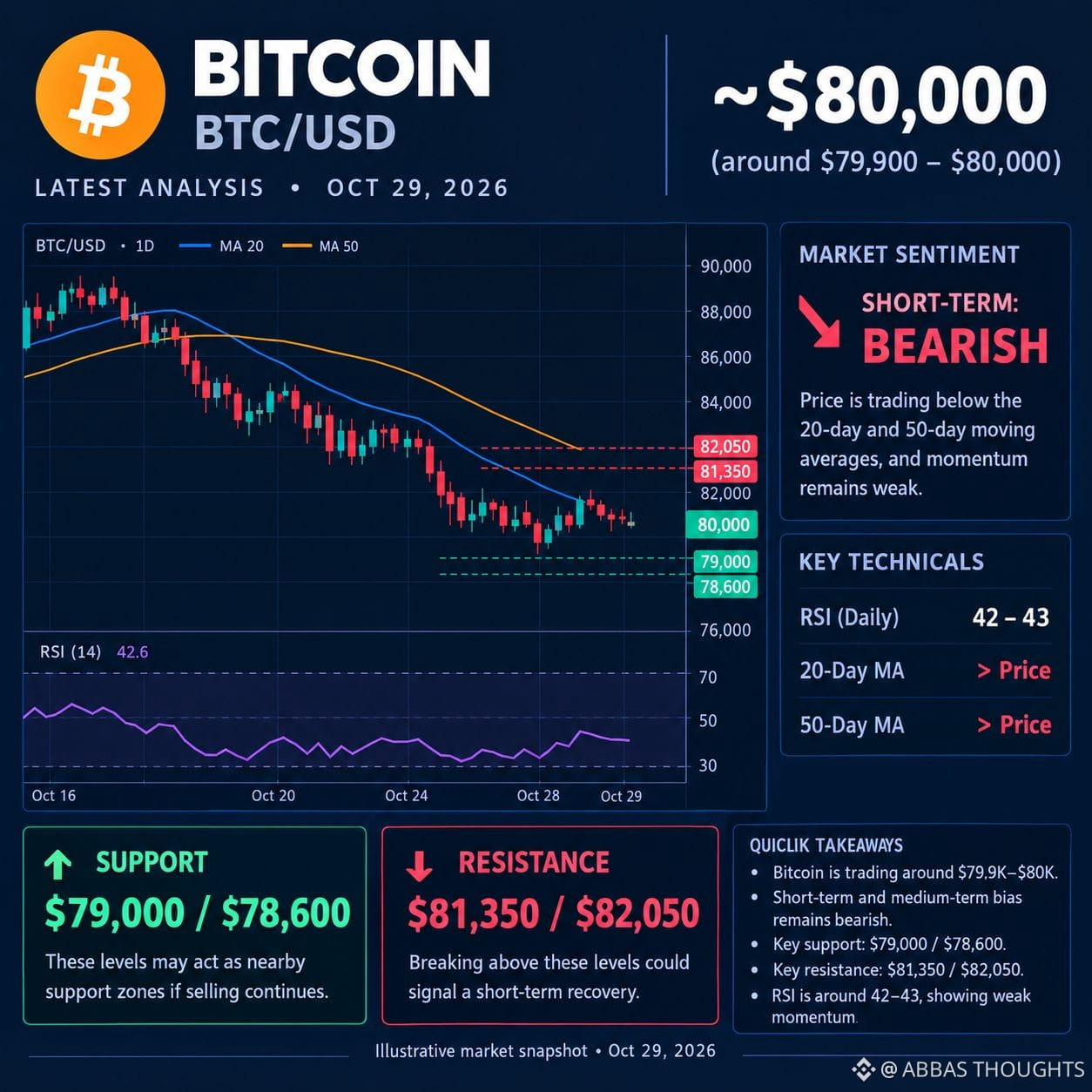
$BTC Resistance (selling pressure)
$81,350 – $82,050
Support (buying zone to watch)
$79,000 – $78,600
Technical levels reported for October 29, 2026.
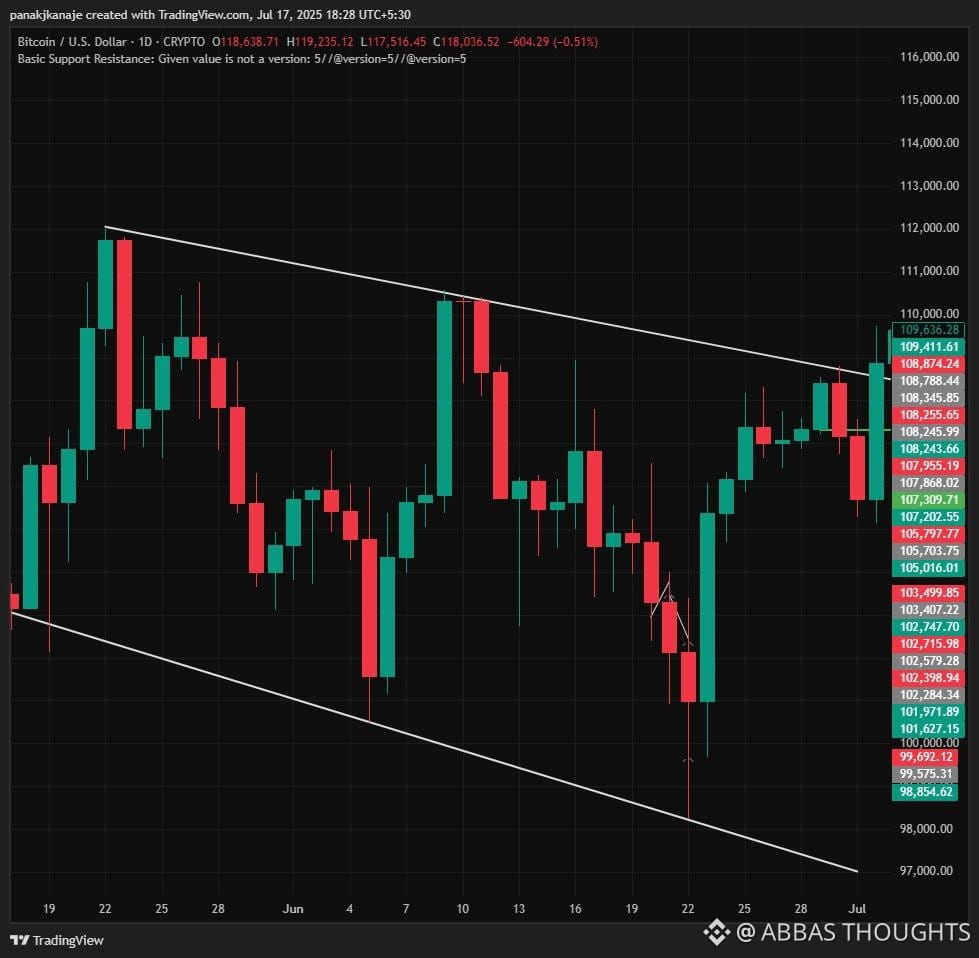
Bitcoin chart picture
Illustrative technical chart — not a live exchange chart.
What could happen next?
Bullish scenario: $BTC breaks above $82,050 and holds, potentially sporting a recovery.
Bearish scenario: $BTC falls below $78,600, increasing the risk of further downside.
Current view: Cautious to bearish in the short term; wait for confirmation before entering a trade.
My suggestion: Avoid chasing sudden price movements, and use a stop-loss if trading. Crypto is highly volatile, and these levels are not guaranteed
#BitcoinForecast #BitcoinAnalysis #BitcoinThoughts #BitcoinCore32.1RaisesPeerConnectionLimit #BitcoinWarnings
WHAT ABOUT YOUR THOUGHTS TELL ME IN COMMENTS ..!
{spot}(BTCUSDT)
$BTC Resistance (selling pressure)
$81,350 – $82,050
Support (buying zone to watch)
$79,000 – $78,600
Technical levels reported for October 29, 2026.
Bitcoin chart picture
Illustrative technical chart — not a live exchange chart.
What could happen next?
Bullish scenario: $BTC breaks above $82,050 and holds, potentially sporting a recovery.
Bearish scenario: $BTC falls below $78,600, increasing the risk of further downside.
Current view: Cautious to bearish in the short term; wait for confirmation before entering a trade.
My suggestion: Avoid chasing sudden price movements, and use a stop-loss if trading. Crypto is highly volatile, and these levels are not guaranteed
#BitcoinForecast #BitcoinAnalysis #BitcoinThoughts #BitcoinCore32.1RaisesPeerConnectionLimit #BitcoinWarnings
WHAT ABOUT YOUR THOUGHTS TELL ME IN COMMENTS ..!
17

·
--
$ARB LONG SETUP — BUYERS EYE A RELIEF BOUNCE!
ARB is holding near local lows, with a potential recovery toward the next resistance zones if bullish momentum returns.
Entry: 0.16695 – 0.16779
TP1: 0.17546
TP2: 0.18193
Stop Loss: 0.16194
$ARB
{spot}(ARBUSDT)
#CanMicrosoftDeliverOnAI #CanGoogleDefindItsCore #FedWatch #BitcoinCore32.1RaisesPeerConnectionLimit #EarningsSeason
$ARB LONG SETUP — BUYERS EYE A RELIEF BOUNCE!
ARB is holding near local lows, with a potential recovery toward the next resistance zones if bullish momentum returns.
Entry: 0.16695 – 0.16779
TP1: 0.17546
TP2: 0.18193
Stop Loss: 0.16194
$ARB
#CanMicrosoftDeliverOnAI #CanGoogleDefindItsCore #FedWatch #BitcoinCore32.1RaisesPeerConnectionLimit #EarningsSeason

27

·
--
#BitcoinCore32.1RaisesPeerConnectionLimit
🚀🔥 BNB BULLS ARE BACK — $780 NEXT OR A SURPRISE PULLBACK? 💛
$BNB is showing renewed strength, with the latest market data placing it around $750–$760. Buyers are pushing higher, but the real test is whether bulls can sustain the momentum and break through resistance! 📊 <Cite refs={["turn160615search1","turn160615search3"]}/>
📈 BULLISH ROADMAP 🟢 Break above $760 → Potential move toward $780 🚀 Strong follow-through → $800 comes into focus 💰 From $755 to $780 = approximately +3.3% 🔥 From $755 to $800 = approximately +6.0%
📉 BEARISH WARNING If BNB gets rejected near $760–$780, sellers could push the price back toward $745 or the $740 support zone.
🎯 MY MARKET VIEW: Bulls have a chance to extend the rally, but confirmation matters. A convincing breakout with strong volume would strengthen the bullish case; losing support could trigger another pullback.
💬 BNB COMMUNITY, MAKE YOUR CALL! $760, $780, $800 — or are bears preparing a comeback? 👇
❤️ Like | 🔁 Share | 💭 Drop your prediction!
⚠️ These are speculative scenarios, not guaranteed targets. Crypto is volatile. DYOR and manage your risk.

2

#fedwatch
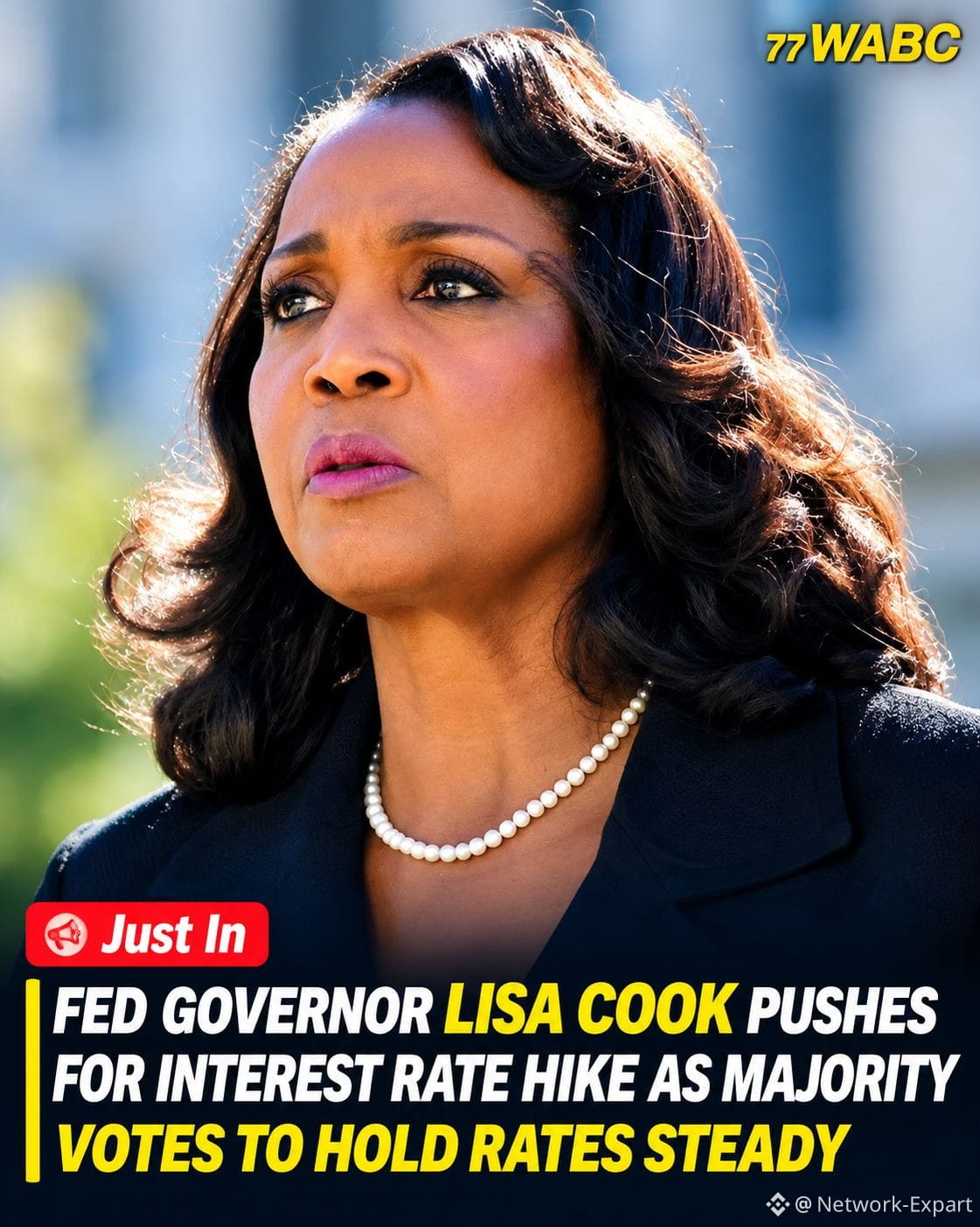
🚨🏦 THE FED PAUSED — BUT THE HAWKS WANTED A RATE HIKE! 👀🔥
Is the crypto market celebrating too soon? 📉📈
Everyone is focused on the Fed keeping interest rates unchanged. But there's another detail traders shouldn't ignore: two officials reportedly favored a 25 bps rate hike. ⚠️
🏦 OCTOBER FOMC: KEY TAKEAWAYS
✅ Interest rates held at 3.75%–4.00% 🔴 Lisa Cook — reportedly favored a 25 bps hike 🔴 Beth Hammack — reportedly favored a 25 bps hike 📊 Reported vote: 10–2 ⚠️ Inflation remains elevated, keeping future policy decisions uncertain.
🔥 WHAT COULD THIS MEAN FOR THE MARKETS?
🥇 $XAU (GOLD): A stronger dollar and rising bond yields could pressure gold prices.
🥈 $XAG (SILVER): Changing rate expectations could trigger sharper volatility.
🚀 $SOL (SOLANA): Hawkish Fed signals could weaken risk appetite and pressure high-beta crypto assets.
🐕 $DOGE (DOGECOIN): Speculative rallies could face headwinds if liquidity conditions tighten.
💥 THE BIGGEST TRAP TRADERS MUST AVOID!
A Fed pause does NOT automatically mean a dovish Fed.
🟢 BULLISH SCENARIO Inflation cools → Rate-hike fears fade → The dollar weakens → Gold and risk assets may recover.
🔴 BEARISH SCENARIO Inflation stays elevated → Hike expectations return → The dollar strengthens → Speculative assets face renewed pressure.
🎯 WHAT SHOULD TRADERS WATCH NEXT?
Upcoming inflation data
US Treasury yields and dollar strength
The Fed's next policy signals
BTC's reaction and overall altcoin momentum
⚠️ BOTTOM LINE: The Fed didn't raise rates, but the hawkish voices still matter. Don't mistake a pause for a guaranteed bullish signal.
💬 Your prediction, Binance family:
🟢 Bullish — Altseason continues! 🔴 Bearish — More downside ahead?
#CanMicrosoftDeliverOnAI #CanGoogleDefindItsCore #BitcoinCore32.1RaisesPeerConnectionLimit #RippleRevolution
13
·
--
#BitcoinCore32.1RaisesPeerConnectionLimit
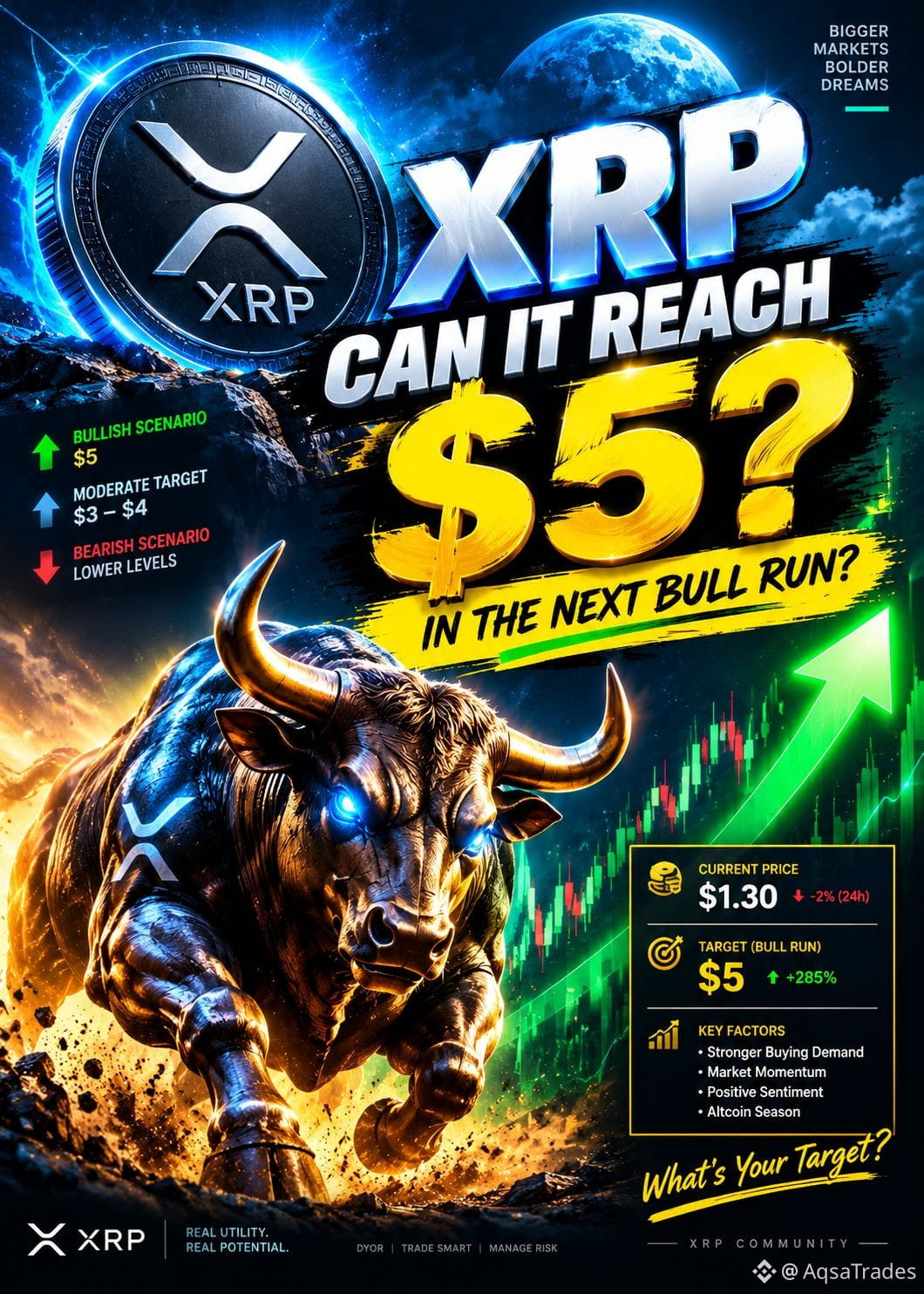
🚀 XRP TO $5? THE NEXT BULL RUN COULD CHANGE EVERYTHING! 🔥
$XRP is back in the spotlight as investors look ahead to the next major crypto rally. But can XRP really climb to $5, or is that target too ambitious for this cycle?
📈 Bullish Scenario: If buying pressure strengthens, market sentiment turns positive, and capital flows back into altcoins, XRP could gain significant momentum toward higher price levels.
📉 Bearish Scenario: If the market weakens or buyers lose momentum, XRP could face pullbacks and struggle to maintain its gains.
🎯 My Take: The $5 target is an interesting bull-run possibility, but it will require strong demand and sustained market momentum. Watch key support and resistance levels instead of relying on hype alone.
💬 XRP ARMY, LET’S TALK!
🔥 Bullish target: $5
📈 Moderate target: $3–$4
⚠️ Bearish scenario: Further downside if market conditions deteriorate
What’s your realistic XRP target for the next bull run?
#XRP #Ripple #CryptoMarket #AltcoinSeason #BullRun #CryptoTrading
⚠️ NFA. These are hypothetical scenarios, not guaranteed price predictions. Always manage risk and do your own research.
4

·
--
Bitcoin ($BTC): Currently navigating around $88,000–$91,000 as market liquidity shifts. Investors are watching macroeconomic signals and interest rate expectations closely as BTC consolidated after recent highs.
Ripple ($XRP): Consolidating around $1.30. Ripple's enterprise expansion—highlighted by its RLUSD stablecoin integration with Coinbase—continues to reinforce utility, though $XRP faces strong short-term resistance levels.
$BTC #BitcoinCore32.1RaisesPeerConnectionLimit $XRP #Xrp🔥🔥
Bitcoin ($BTC ): Currently navigating around $88,000–$91,000 as market liquidity shifts. Investors are watching macroeconomic signals and interest rate expectations closely as BTC consolidated after recent highs.
Ripple ($XRP ): Consolidating around $1.30. Ripple's enterprise expansion—highlighted by its RLUSD stablecoin integration with Coinbase—continues to reinforce utility, though $XRP faces strong short-term resistance levels.
$BTC #BitcoinCore32.1RaisesPeerConnectionLimit $XRP #Xrp🔥🔥
Ripple ($XRP ): Consolidating around $1.30. Ripple's enterprise expansion—highlighted by its RLUSD stablecoin integration with Coinbase—continues to reinforce utility, though $XRP faces strong short-term resistance levels.
$BTC #BitcoinCore32.1RaisesPeerConnectionLimit $XRP #Xrp🔥🔥
24
·
--
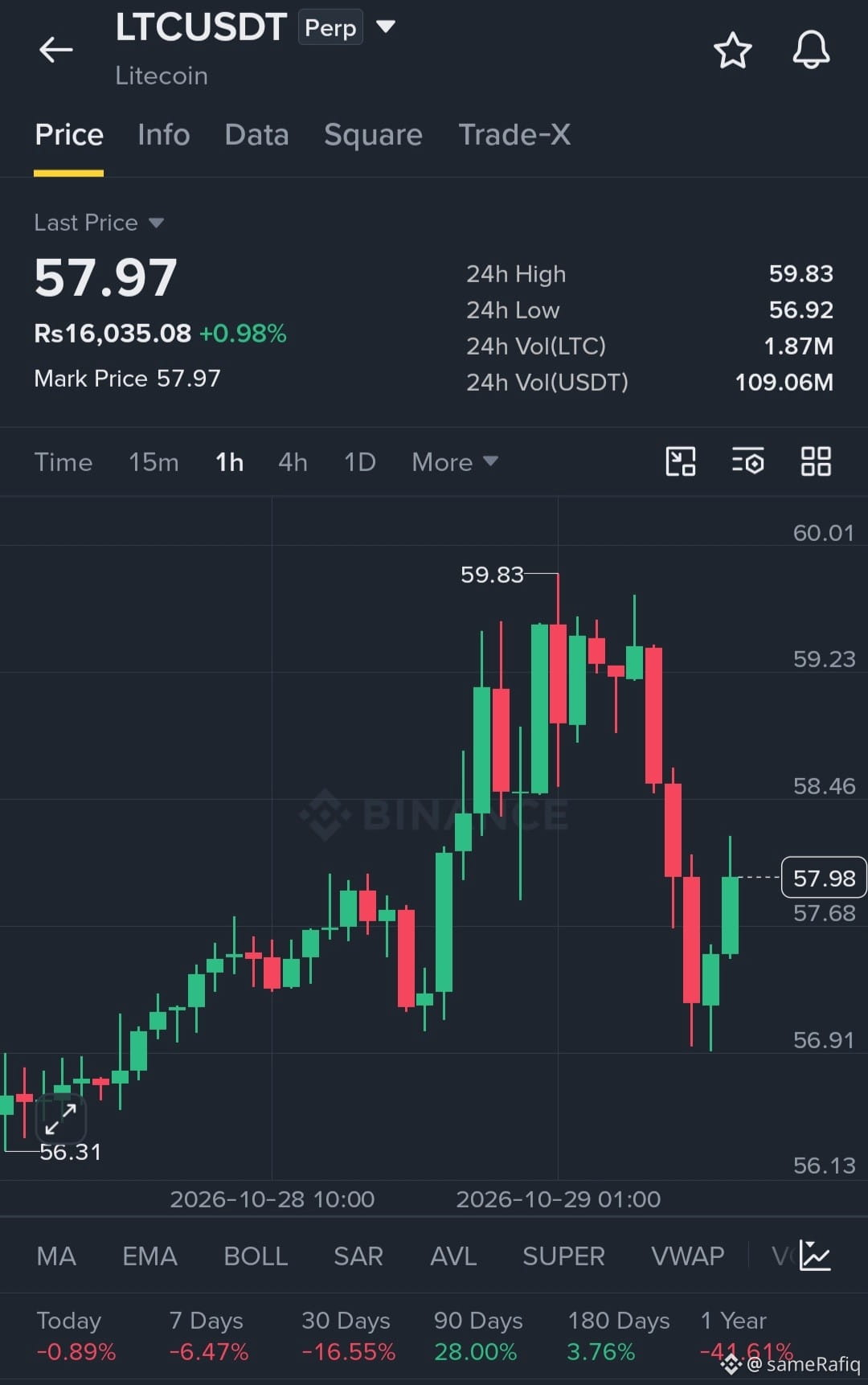
$LTC LONG SETUP — BULLS LOOK READY FOR A REBOUND!
LTC swept below $57 and is attempting to recover. Buyers need to reclaim resistance to confirm further upside.
Entry Zone: $57.77 – $58.06
TP1: $60.72
TP2: $62.96
Stop Loss: $56.04
$LTC
{spot}(LTCUSDT)
#CanMicrosoftDeliverOnAI #CanGoogleDefindItsCore #FedWatch #BitcoinCore32.1RaisesPeerConnectionLimit #EarningsSeason
$LTC LONG SETUP — BULLS LOOK READY FOR A REBOUND!
LTC swept below $57 and is attempting to recover. Buyers need to reclaim resistance to confirm further upside.
Entry Zone: $57.77 – $58.06
TP1: $60.72
TP2: $62.96
Stop Loss: $56.04
$LTC
#CanMicrosoftDeliverOnAI #CanGoogleDefindItsCore #FedWatch #BitcoinCore32.1RaisesPeerConnectionLimit #EarningsSeason
1
10


·
--
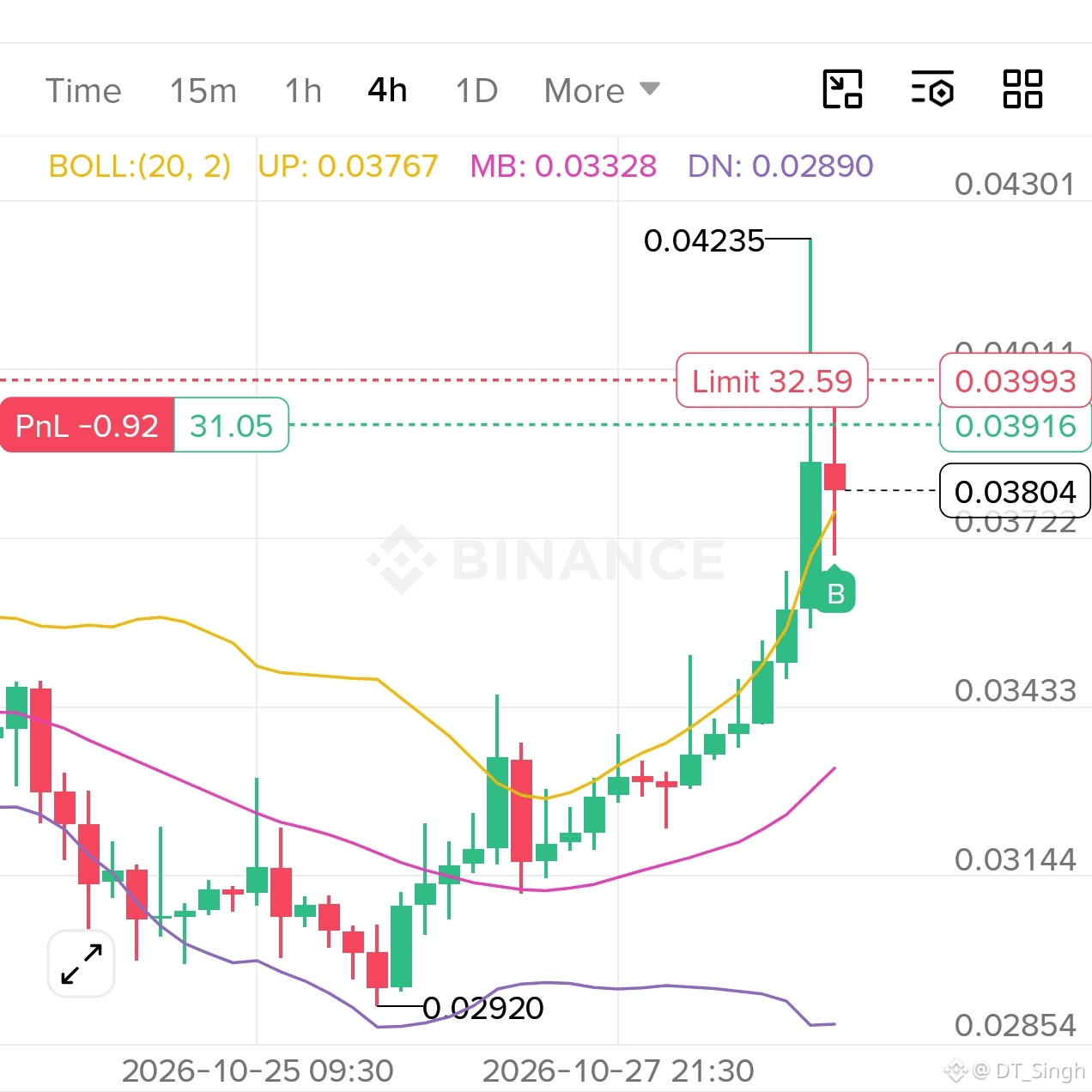
$STAR is up 12.88% today and sitting at 0.03804, just below its 24h high of 0.04235
Chart levels I'm watching
🔴 Resistance: 0.0423 – 0.0430 (24h high, where the long upper wick formed)
🟢 Support: 0.0372 – 0.0343 (recent breakout zone)
🟡 Key level: 0.0329 (BOLL midline)
The 4h chart shows a strong run from 0.0292, with a sharp vertical candle near the top
The latest candle is red, so sellers are stepping in near the highs
Context: +10.23% over 7 days and +3.71% over 30 days, but -54.71% over 90 days. Volume is still light (9.95M USDT in 24h), so moves can be sharp
A clean close above 0.0423 would be a bullish sign. Losing 0.0343 could bring a deeper pullback
Are you chasing this breakout, or waiting for a dip? 👇
#CanMicrosoftDeliverOnAI #FedWatch #EarningsSeason #BitcoinCore32.1RaisesPeerConnectionLimit
Chart-based observation only, not financial advice. NFA, manage your own risk
249

·
--
$CELO
{future}(CELOUSDT)
is with 6.15M in reported activity in the provided snapshot. Celo focuses on blockchain infrastructure for stablecoin payments and global finance, giving its ecosystem a practical use case beyond speculative trading.
The important distinction is between network usage and token demand. Growing payment activity can strengthen the ecosystem, but price recovery still depends on buyers entering the market and defending important levels.
EP: 0.07850–0.07940
TP1: 0.08050
TP2: 0.08200
TP3: 0.08400
SL: 0.07720
I would monitor stablecoin transaction activity, spot volume, open interest, and whether CELO can reclaim nearby resistance without immediately losing momentum. A stronger price structure supported by sustained buying would be more meaningful than a brief bounce.
The next signal is whether CELO can establish a higher low while payment-network activity continues to support its longer-term utility.
#BitcoinCore32.1RaisesPeerConnectionLimit
$CELO
is with 6.15M in reported activity in the provided snapshot. Celo focuses on blockchain infrastructure for stablecoin payments and global finance, giving its ecosystem a practical use case beyond speculative trading.
The important distinction is between network usage and token demand. Growing payment activity can strengthen the ecosystem, but price recovery still depends on buyers entering the market and defending important levels.
EP: 0.07850–0.07940
TP1: 0.08050
TP2: 0.08200
TP3: 0.08400
SL: 0.07720
I would monitor stablecoin transaction activity, spot volume, open interest, and whether CELO can reclaim nearby resistance without immediately losing momentum. A stronger price structure supported by sustained buying would be more meaningful than a brief bounce.
The next signal is whether CELO can establish a higher low while payment-network activity continues to support its longer-term utility.
#BitcoinCore32.1RaisesPeerConnectionLimit
7
·
--
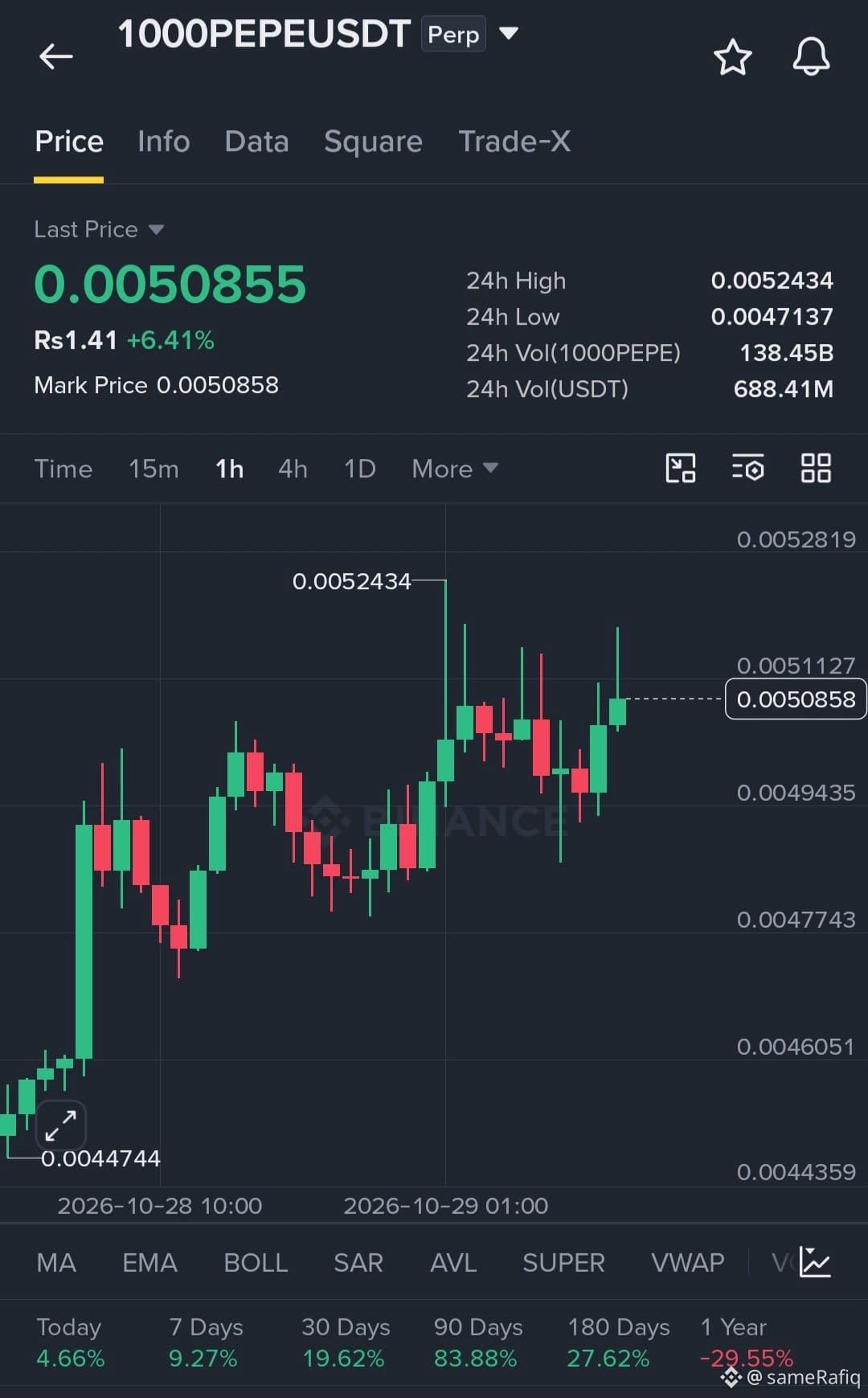
$1000PEPE LONG SETUP — FROG BULLS EYEING A BOUNCE!
$1000PEPE is approaching a potential recovery zone, with bulls looking to push price toward higher resistance levels.
Entry Zone: 0.0050184 – 0.0050802
TP1: 0.0052743
TP2: 0.0054543
Stop Loss: 0.0048678
$1000PEPE
{future}(1000PEPEUSDT)
#CanMicrosoftDeliverOnAI #CanGoogleDefindItsCore #FedWatch #BitcoinCore32.1RaisesPeerConnectionLimit #EarningsSeason
$1000PEPE LONG SETUP — FROG BULLS EYEING A BOUNCE!
$1000PEPE is approaching a potential recovery zone, with bulls looking to push price toward higher resistance levels.
Entry Zone: 0.0050184 – 0.0050802
TP1: 0.0052743
TP2: 0.0054543
Stop Loss: 0.0048678
$1000PEPE
#CanMicrosoftDeliverOnAI #CanGoogleDefindItsCore #FedWatch #BitcoinCore32.1RaisesPeerConnectionLimit #EarningsSeason
GUERRERO INMORTAL:
😉
1
23
·
--
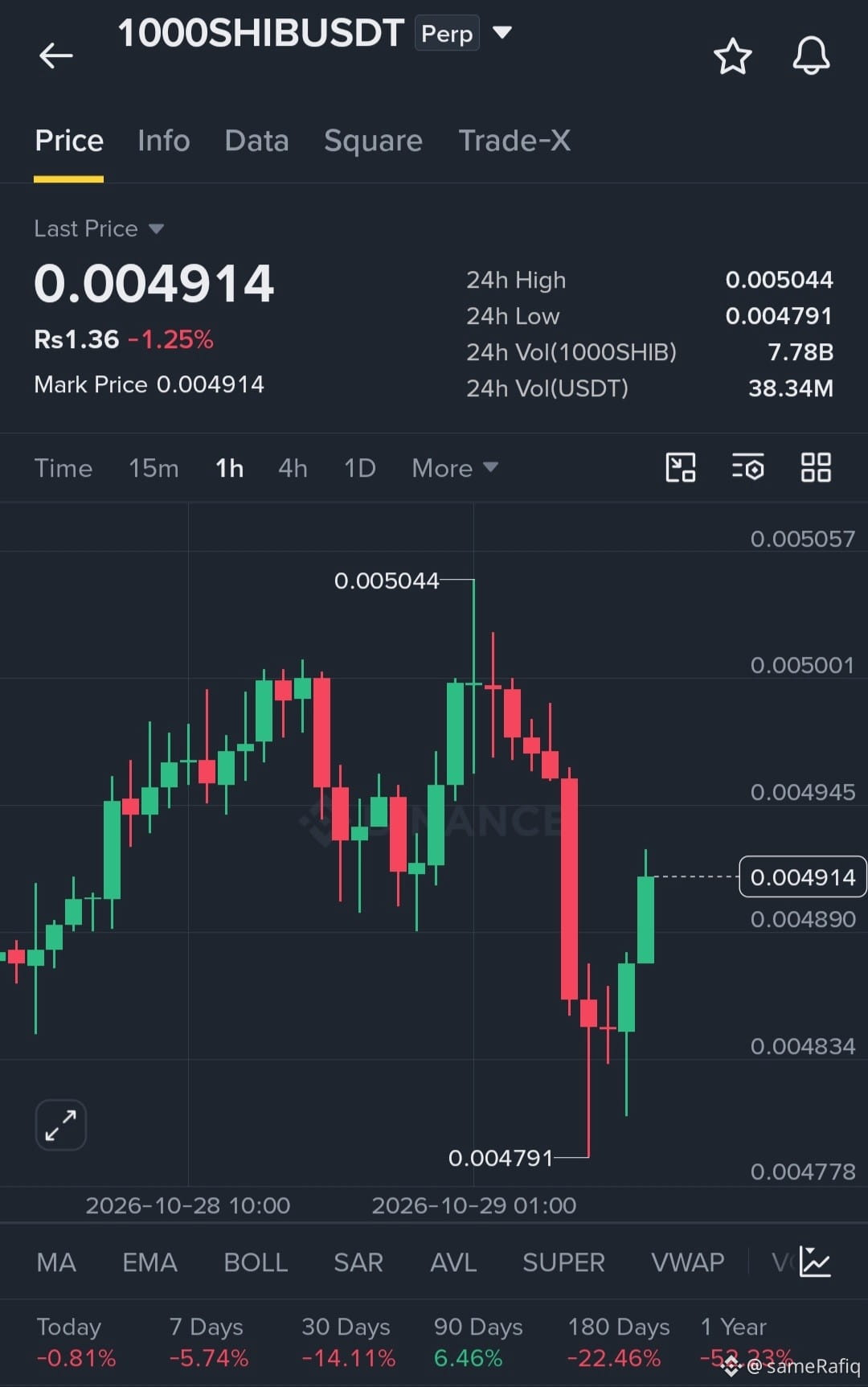
$1000SHIB LONG SETUP — BULLS ARE FIGHTING BACK!
SHIB is bouncing from the lows, with buyers eyeing a potential recovery toward local highs.
Entry: 0.004890 – 0.004915
TP1: 0.005139
TP2: 0.005328
Stop Loss: 0.004743
$1000SHIB
{future}(1000SHIBUSDT)
#CanMicrosoftDeliverOnAI #CanGoogleDefindItsCore #FedWatch #BitcoinCore32.1RaisesPeerConnectionLimit #EarningsSeason
.
$1000SHIB LONG SETUP — BULLS ARE FIGHTING BACK!
SHIB is bouncing from the lows, with buyers eyeing a potential recovery toward local highs.
Entry: 0.004890 – 0.004915
TP1: 0.005139
TP2: 0.005328
Stop Loss: 0.004743
$1000SHIB
#CanMicrosoftDeliverOnAI #CanGoogleDefindItsCore #FedWatch #BitcoinCore32.1RaisesPeerConnectionLimit #EarningsSeason
.
SHIB is bouncing from the lows, with buyers eyeing a potential recovery toward local highs.
Entry: 0.004890 – 0.004915
TP1: 0.005139
TP2: 0.005328
Stop Loss: 0.004743
$1000SHIB
#CanMicrosoftDeliverOnAI #CanGoogleDefindItsCore #FedWatch #BitcoinCore32.1RaisesPeerConnectionLimit #EarningsSeason
.
16
Log in to explore more content
Join global crypto users on Binance Square
⚡️ Get latest and useful information about crypto.
💬 Trusted by the world’s largest crypto exchange.
👍 Discover real insights from verified creators.
Email / Phone number
Trending Topics
1
#CanMicrosoftDeliverOnAI
607,646 views
3,951 Discussing
2
#CanGoogleDefindItsCore
372,899 views
2,802 Discussing
3
#FedWatch
16.1M views
37,120 Discussing
4
#BitcoinCore32.1RaisesPeerConnectionLimit
625 views
33 Discussing
5
#EarningsSeason
6.1M views
30,201 Discussing
6
#BitcoinCoreIdentifiesThreeVulnerabilities
10,609 views
204 Discussing
7
#RippleExpects$900MAnnualizedProductRevenueRunRate
688 views
10 Discussing
8
#GoogleToPreviewCryptoCustodySecuritySystem
2,940 views
81 Discussing
9
#FedToBeginShrinkingRateSettingCalendarIn2027
4,111 views
54 Discussing
10
#StrategyShareholdersApproveDailyDividends
3,888 views
76 Discussing