
#brasil
brasil
2M views
1,746 Discussing
Hot
Latest

·
--
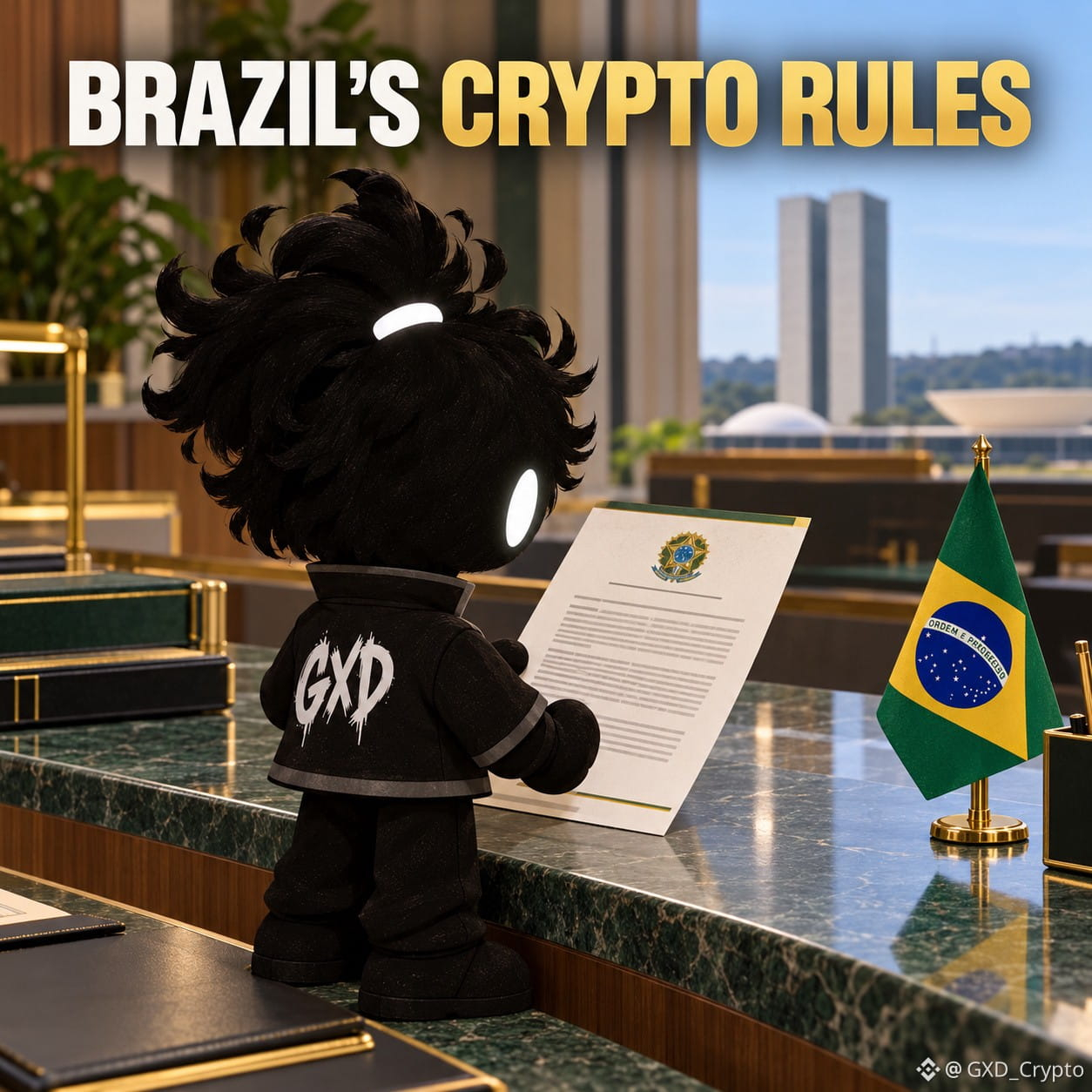
On November 6, a new restriction takes effect in Brazil: licensed banks and payment institutions may not carry out or facilitate transactions with unlicensed virtual asset providers, except for the exemptions specified in the resolution. This move changes how crypto connects to the local financial system—what do you think? 🇧🇷📜🏦
#CryptoRegulation #Brasil
The most traded assets on Binance at the time of observation (23:07 Istanbul time): $USDC, $BTC, $ETH. General market monitoring; there is no causal link to the news. Source: https://api1.binance.com/api/v3/ticker/24hr
On November 6, a new restriction takes effect in Brazil: licensed banks and payment institutions may not carry out or facilitate transactions with unlicensed virtual asset providers, except for the exemptions specified in the resolution. This move changes how crypto connects to the local financial system—what do you think? 🇧🇷📜🏦
#CryptoRegulation #Brasil
The most traded assets on Binance at the time of observation (23:07 Istanbul time): $USDC , $BTC , $ETH . General market monitoring; there is no causal link to the news. Source: https://api1.binance.com/api/v3/ticker/24hr
#CryptoRegulation #Brasil
The most traded assets on Binance at the time of observation (23:07 Istanbul time): $USDC , $BTC , $ETH . General market monitoring; there is no causal link to the news. Source: https://api1.binance.com/api/v3/ticker/24hr
1
42

·
--
Of the 150–200 companies expected to take part, only around 40 registered — Brazil has just cut its crypto industry down to a handful of players.
The facts: The Central Bank of Brazil’s October 30 deadline for virtual asset service providers (VASPs) wishing to continue operating has passed. Around 40 institutions applied for authorization — including Binance, Itaú, and the B3 stock exchange. Those that didn’t apply must orderly exit the Brazilian market within 30 days, and starting November 6, banks and payment institutions will be prohibited from serving unauthorized VASPs. The new rules also require daily custody reports for each client and monthly proof of reserves. (Source: PANews, CryptoNews, TradingView/Bloomingbit — Nov 2, 2026.)
My take: this is regulatory consolidation, not just a crackdown. The pattern is the same as MiCA in Europe: compliance costs become a barrier to entry, and big markets eventually end up in the hands of players able to meet them. The date that really matters is November 6 — when banks cut off fiat access, unauthorized VASPs will effectively no longer be able to serve Brazilian customers.
What I’m watching next: whether enforcement on November 6 goes smoothly or includes a transition period, and whether stablecoins and real-world asset tokenization become the next phase of regulation.
What do you think — does this kind of consolidation make the market safer, or does it just stifle competition?
This is my analysis, not financial advice — always DYOR.
#Regulasi #Brasil #Crypto $BNB
5

·
--
Brazil: initial deadline to apply for crypto authorization has passed
The deadline to submit documentation for phase 1 of authorization for virtual asset service providers that were already operating when the new regime took effect on February 2 expired on October 30, 2026. The date is set out in Article 9 of BCB Normative Instruction 704.
BCB Resolution 520 allows those who applied for authorization on time to continue providing services until the process is concluded, without switching to another operating model. After the BCB issues its decision on phase 1, full compliance is required, even without final authorization.
For companies covered by this transition that did not submit their application on time, Article 88 requires them to cease providing these services within a maximum of 30 days after the deadline.
The news is that a date established in earlier regulations has passed, not that companies have been automatically approved.
Public data: on November 2 at 04:34 UTC, Binance spot showed BTC at 78,549.34 USDT (+0.925% over 24 hours), ETH at 2,305.52 USDT (+1.695%) and USDC at 1.00099 USDT.
Market perspective: for users of these assets, the service provider and its regulatory status matter. The timeline may affect providers’ continuity and adaptation costs; it does not, by itself, determine the global price of the coins. Applying for authorization also does not eliminate custody, liquidity or volatility risks.
$BTC $ETH $USDC
Educational Content. Not financial advice.
#Brasil #RegulacionCripto #Bitcoin #Ethereum #FinancialEducation

100

·
--
What I think of the idea itself:
Dividing Brazil into a North with Lula / the Left and a South with Bolsonaro / the Right is an idea that has been circulating on social media for years, but in practice it has several problems:
*Why it wouldn't work:*
- *Unconstitutional* - The Constitution doesn't allow secession; it would require a plebiscite + approval from Congress
- *Interconnected economy* - The South depends on markets in the North/Northeast and vice versa; agribusiness in the Center-West sells to everyone
- *Mixed population* - No state is 100% Lula or 100% Bolsonaro. In the South, 40% voted for Lula; in the Northeast, 30–40% voted for Bolsonaro
- *Examples around the world have gone badly* - When people have tried to divide countries along ideological lines, it has generally led to an economic crisis for both sides
*Why people talk about it:*
- Tiredness with polarization, and the feeling that the country no longer understands itself
- Cultural and voting differences really do exist, and they're significant
For Square, instead of advocating for the split, it's better to pose it as an open question to spark comments. I suggest this:
---
*CONTROVERSIAL: WHAT IF BRAZIL WERE DIVIDED IN TWO? 🇧🇷*
The North goes with Lula / the Left and the South goes with Bolsonaro / the Right.
Would it be the solution to end the fighting, or would it make everything worse?
The North with President Lula and the South with President Bolsonaro, each with its own laws.
Are you in favor or against? Why?
Leave a comment 👇
#Brasil #CRİPTO #bnb一輩子 #ETHFI
Faria Cripto:
sou a favor do muro... quem votou no PT fica de um lado e quem vota na direita fica de outro lado...
sera obrigatório ir para o lado que votou e so poderia mudar 20 anos depois.
infiltrados pegou seriam condenados a perpétua.
21
6
5.5k

·
--
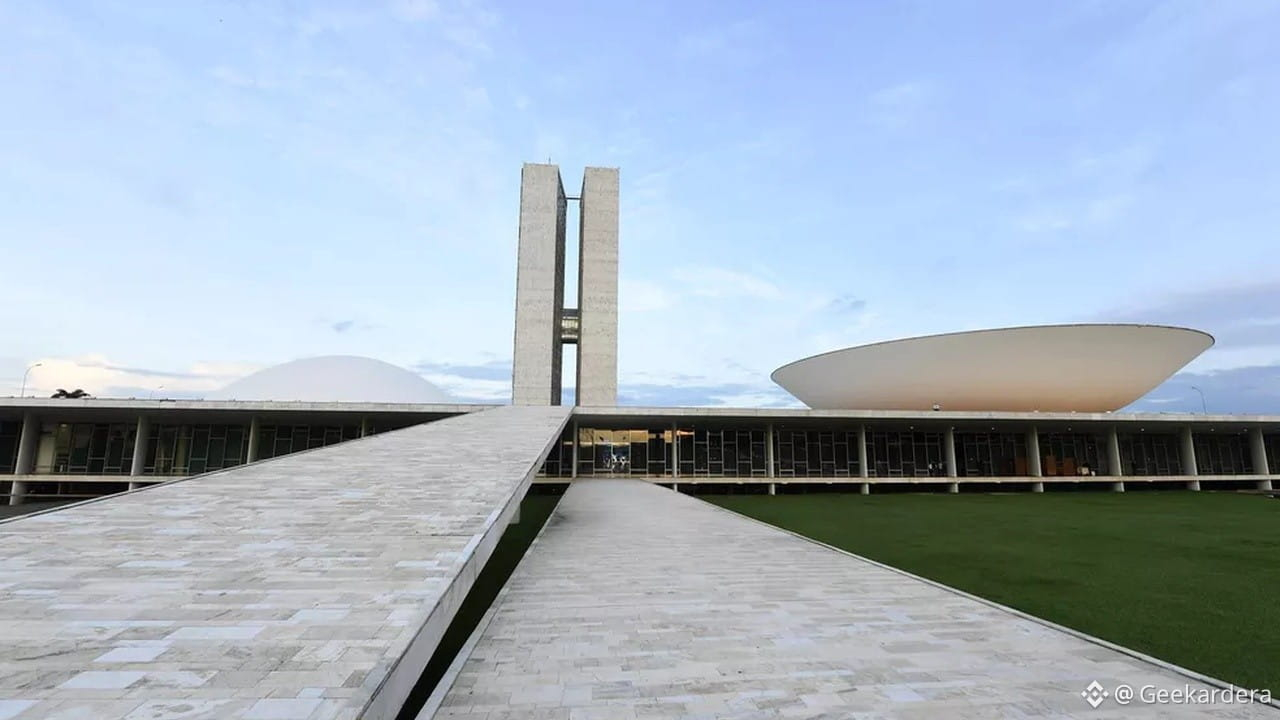
🏛️ The Federal Senate’s e-Citizenship Program expands channels for public participation in the legislative agenda
The platform seeks to bring civil society closer to parliamentary decisions, promoting greater transparency and broader engagement in debates of public interest at Three Powers Plaza.
Behind the scenes in Parliament, lawmakers and party leaders believe that the strategic use of digital social accountability tools could redefine the priorities for sensitive votes. Legislative analysts note that pressure from online petitions tends to influence the pace of committee proceedings, requiring party caucuses to be more capable of building consensus to reconcile public demands with fiscal responsibility.
For the financial market and the foreign exchange desk, institutional predictability and transparency in the legislative process are essential to attracting long-term investment. Measures that strengthen public governance reduce the sovereign risk premium, directly affecting exchange rate stability and the allocation of capital to safe-haven assets, such as $BTC and the commercial dollar.
How do you assess the effectiveness of digital participation platforms in improving the quality of laws passed in Brazil? Share your analysis in the comments.
$USDT BTC
#Brasilia #Economia #Brazil
220

·
--
Binance assures that Brazilians’ crypto assets are segregated and safeBinance said that Brazilian customers’ crypto assets are segregated across separate entities, stored in cold wallets, and beyond the reach of the wallets compromised in the largest-ever hack of an exchange.
Binance’s operational restructuring in Brazil was designed to comply with BCB Resolution No. 520, dated November 10, 2025, which requires the assets of customers and the company to be kept separate. The deadline for completing the restructuring was October 29.
Binance assures that Brazilians’ crypto assets are segregated and safe
Binance said that Brazilian customers’ crypto assets are segregated across separate entities, stored in cold wallets, and beyond the reach of the wallets compromised in the largest-ever hack of an exchange.
Binance’s operational restructuring in Brazil was designed to comply with BCB Resolution No. 520, dated November 10, 2025, which requires the assets of customers and the company to be kept separate. The deadline for completing the restructuring was October 29.
Binance’s operational restructuring in Brazil was designed to comply with BCB Resolution No. 520, dated November 10, 2025, which requires the assets of customers and the company to be kept separate. The deadline for completing the restructuring was October 29.
1
1.7k
·
--
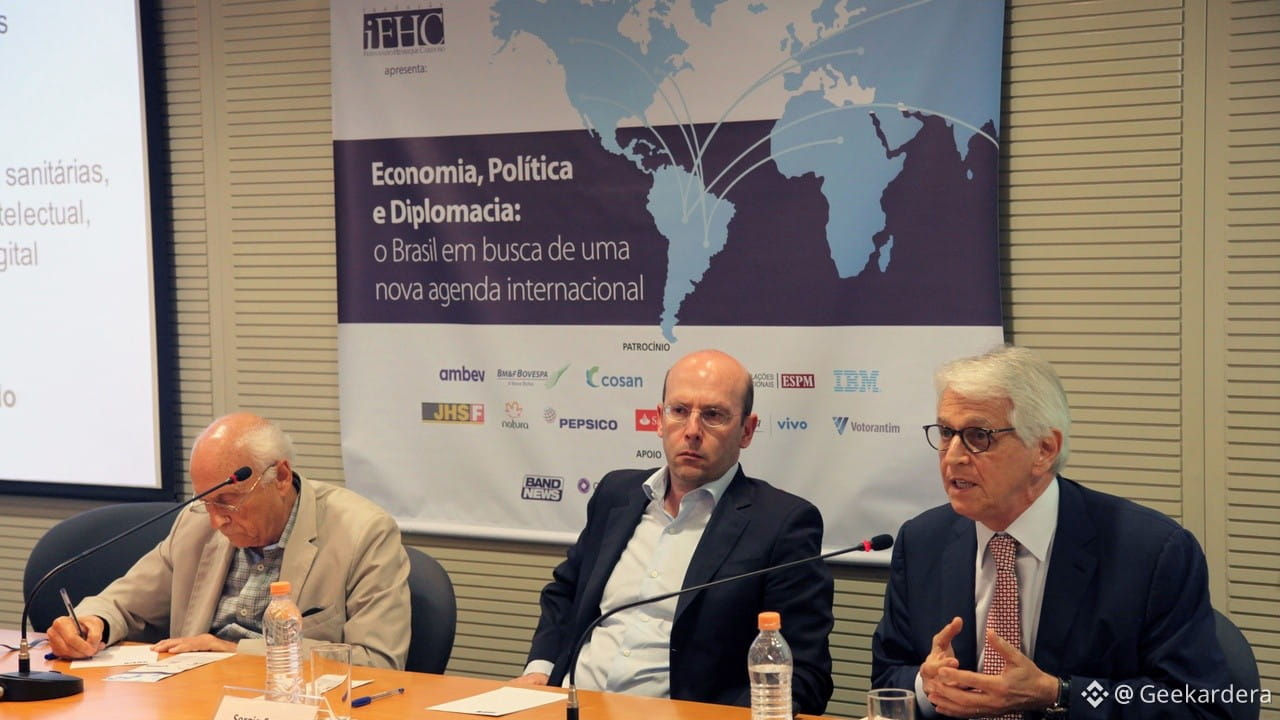
🏛️ Itamaraty Adopts Pragmatic Shift in Trade Diplomacy and Global Geopolitics
At the same time, the Executive is coordinating the transition of the COP presidency to Turkey and Australia, while also seeking new trade agreements with ASEAN.
Behind the scenes in Congress and the Ministry of Foreign Affairs, the guidance is to prioritize economic predictability and supply chain stability over ideological friction. Keeping channels open with major global partners is intended to ensure the country remains attractive to foreign direct investment, strengthening its foreign trade agenda.
For the financial market, diplomatic moderation eases the domestic currency’s risk premium against the dollar ($USDT). Global investors are monitoring the institutional landscape, watching how geopolitical stability affects capital flows and the allocation of defensive assets in the digital market, such as $BTC.
How do you assess the effectiveness of this pragmatic approach in attracting investment and driving the country’s economic growth? Share your thoughts in the comments.
USDT BTC #Brasilia #Economia #Brasil
🏛️ Itamaraty Adopts Pragmatic Shift in Trade Diplomacy and Global Geopolitics
At the same time, the Executive is coordinating the transition of the COP presidency to Turkey and Australia, while also seeking new trade agreements with ASEAN.
Behind the scenes in Congress and the Ministry of Foreign Affairs, the guidance is to prioritize economic predictability and supply chain stability over ideological friction. Keeping channels open with major global partners is intended to ensure the country remains attractive to foreign direct investment, strengthening its foreign trade agenda.
For the financial market, diplomatic moderation eases the domestic currency’s risk premium against the dollar ($USDT). Global investors are monitoring the institutional landscape, watching how geopolitical stability affects capital flows and the allocation of defensive assets in the digital market, such as $BTC .
How do you assess the effectiveness of this pragmatic approach in attracting investment and driving the country’s economic growth? Share your thoughts in the comments.
USDT BTC #Brasilia #Economia #Brasil
95
·
--
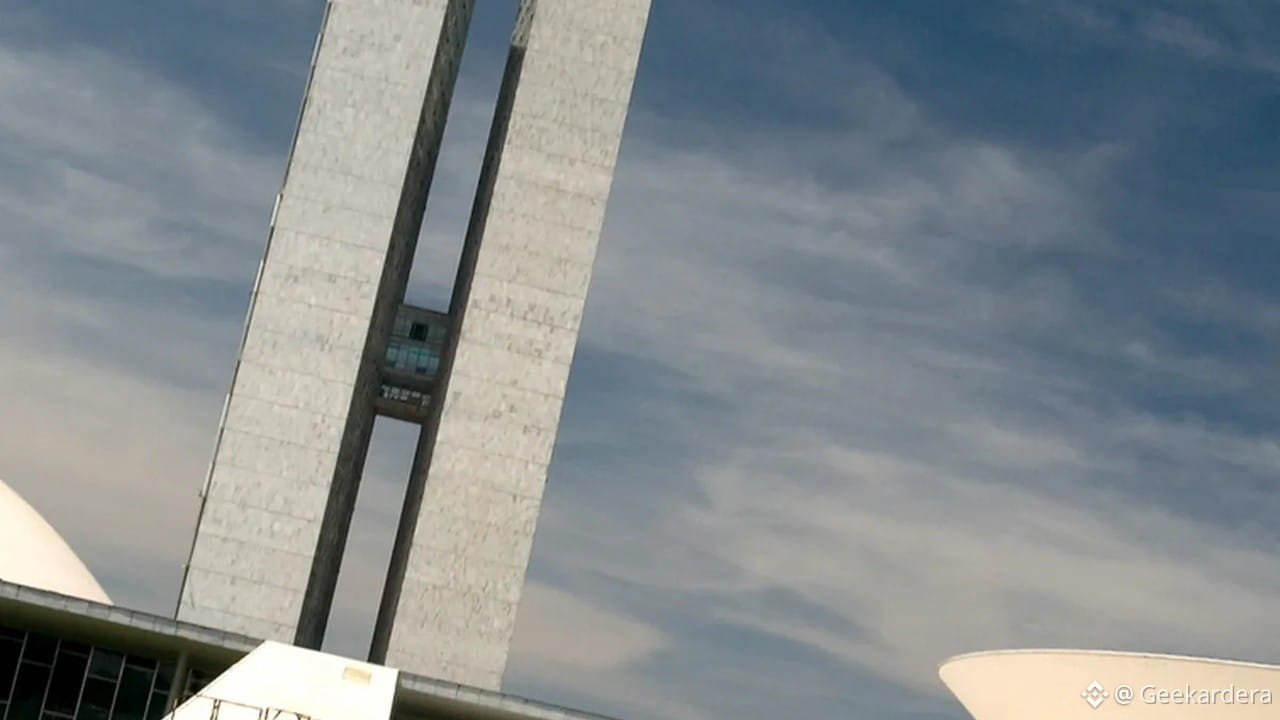
🏛️ Redemption and Alignment: The Strong Northeastern Presence in the Political and Economic Circles Around Planalto
The presence of figures from different generations alongside the head of state consolidates a broad-based support network, bridging the historical experience of veteran lawmakers and the technical renewal represented by governors and senators who have made their mark on the national stage.
Behind the scenes in Brasília, this lineup reflects the need to align institutional governability with federal demands, while seeking unity among the governing coalition in the National Congress to pass fiscal measures. Political analysts view the negotiating skills of these regional leaders as a barometer of stability in the progress of structural reforms, which are essential to maintaining the federal government’s economic agenda.
For financial markets and institutional investors, unity within the governing coalition is a closely monitored critical factor. Predictability in managing public finances and rigor in budget execution directly influence exchange-rate volatility and the yield curve. When the direction of fiscal policy is being decided, demand for assets that hedge against macroeconomic uncertainty becomes more significant, affecting trading desks as they weigh regulatory risk and global liquidity.
How do you assess the influence of this new configuration of political forces on fiscal predictability and the country’s ability to attract investment in the coming months?
$USDT $BTC #Brasilia #Economia #Brazil
98
·
--
Crypto Cards in Brazil: How They Work and What to ConsiderA crypto card in Brazil is a debit or prepaid card linked to crypto assets that lets you pay in physical stores and online, anywhere Visa or Mastercard is accepted.
This guide explains how these cards work, which currencies they accept, how much cashback they offer, and what risks Brazilian consumers should consider before using them.
A crypto card works much like a regular debit card: the balance is loaded into the issuer’s account and deducted at the time of purchase.
Crypto Cards in Brazil: How They Work and What to Consider
A crypto card in Brazil is a debit or prepaid card linked to crypto assets that lets you pay in physical stores and online, anywhere Visa or Mastercard is accepted.
This guide explains how these cards work, which currencies they accept, how much cashback they offer, and what risks Brazilian consumers should consider before using them.
A crypto card works much like a regular debit card: the balance is loaded into the issuer’s account and deducted at the time of purchase.
1
1.2k
·
--
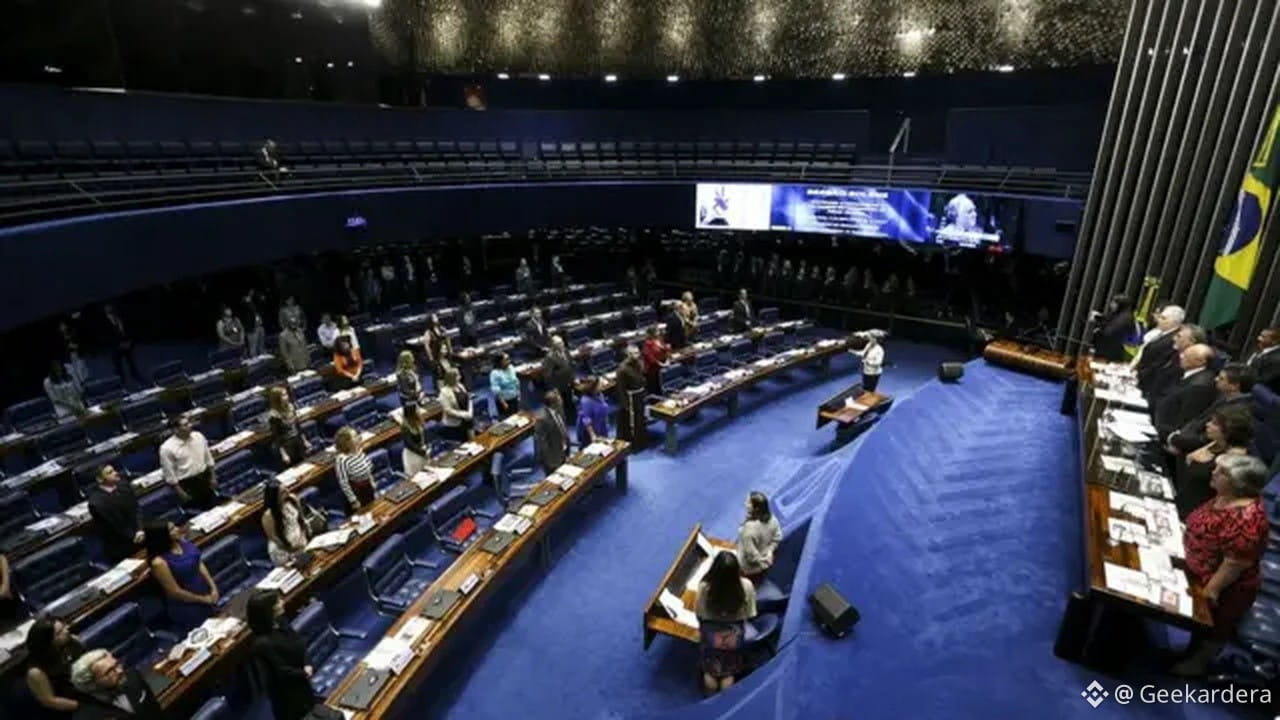
🏛️ Senate reshuffle for 2027 challenges the governing coalition’s strategy in the face of the new PL caucus
Lawmakers from parties allied with the Planalto Palace are already developing strategies for their parliamentary work, banking on building consensus on specific issues and on interparty dialogue to advance the Executive Branch’s priority agenda.
Behind the scenes in the National Congress, government leaders believe the opposition’s substantial presence will require greater technical rigor in the consideration of bills and structural reforms. The pursuit of common ground on economic and social issues has become the central focus of negotiations, aimed at protecting governability from prolonged deadlocks that could bring the legislative agenda to a standstill in the coming years.
For financial markets and institutional investors, institutional predictability and the ability of the Executive and Legislative branches to engage in dialogue are closely monitored factors. Breakdowns in political coordination often create volatility in exchange rates and risk assets, while scenarios of fiscal and regulatory stability strengthen confidence in the real economy and capital flows.
How do you assess the effects of this new balance of political forces in Congress on economic predictability and the country’s ability to attract investment? Share your analysis in the comments.
$USDT $BTC #Brasilia #Economia #Brazil
44
·
--
Blockchain.RIO confirms 2027 edition for August in Rio de JaneiroBlockchain.RIO confirmed that the 2027 Main Event will take place on August 11 and 12 in Rio de Janeiro. The announcement follows the 2026 edition, which brought together more than 29,000 people and 496 speakers.
The event organizers confirmed the dates. Blockchain.RIO is beginning a new cycle of development, with the Main Event scheduled for August 2027, while keeping Rio de Janeiro as its host city.
The 2026 edition, which served as the basis for the announcement, recorded 29,096 attendees both in person and online. The event featured 496 speakers, 94 sponsors, approximately 60 exhibitors, 40 startups showcased, and a program spread across 11 stages, including a space dedicated to applied artificial intelligence.
Blockchain.RIO confirms 2027 edition for August in Rio de Janeiro
Blockchain.RIO confirmed that the 2027 Main Event will take place on August 11 and 12 in Rio de Janeiro. The announcement follows the 2026 edition, which brought together more than 29,000 people and 496 speakers.
The event organizers confirmed the dates. Blockchain.RIO is beginning a new cycle of development, with the Main Event scheduled for August 2027, while keeping Rio de Janeiro as its host city.
The 2026 edition, which served as the basis for the announcement, recorded 29,096 attendees both in person and online. The event featured 496 speakers, 94 sponsors, approximately 60 exhibitors, 40 startups showcased, and a program spread across 11 stages, including a space dedicated to applied artificial intelligence.
350
·
--
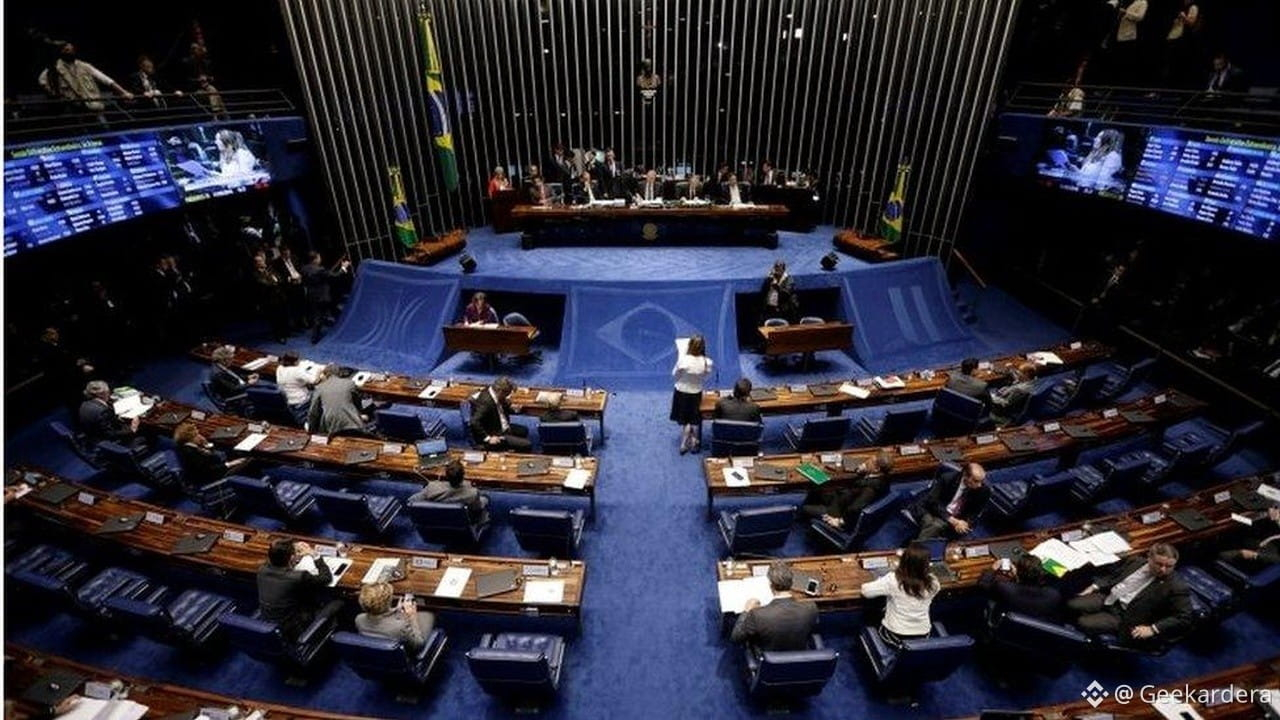
🏛️ Projections for the 2027 Senate Composition Shape the Political Landscape and Fiscal Agenda
The transition is already driving efforts to consolidate strategic legislative blocs.
The contest for control of the chamber is decisive for voting on reforms, confirmation hearings for public officials, and institutional balance. The formation of committees, especially the Economic Affairs Committee, will set the pace of the fiscal agenda. The need for broad coalitions remains central to government stability.
The market is monitoring the legislative makeup, since institutional predictability affects the country risk and the exchange rate against $USDT. Periods of fiscal uncertainty spur demand for hedging, leading investors to consider decentralized assets such as $BTC for protection.
What is your view on the impact of the Congress's new composition on the stability of the country's economic reforms? Share your analysis in the comments.
USDT BTC
#Brasilia #Economia #Brazil
63

·
--
Bullish
🔺❌🔻🇧🇷 POLYMARKET 🆚 KALSHI ⋙ THE MARKETS’ FAVORITE CANDIDATES IN BRAZIL’S ELECTION DIDN’T WIN❗
💥 Two rounds, two big surprises for prediction markets!
The platforms Polymarket and Kalshi, known for turning expectations about real-world events into tradable contracts, saw their favorites defied in Brazil’s 2026 presidential election.
📊 FIRST ROUND » OCTOBER 4
The contracts predicting who would lead the vote pointed to Lula as the favorite⤵
🔵 Polymarket: 60% for Lula.
🟢 Kalshi: 63% for Lula.
But Flávio Bolsonaro finished in first place, with 47.03% of valid votes, compared with Lula’s 45.16%.
⚡ SECOND ROUND » OCTOBER 25
On the eve of the runoff, the picture was reversed⤵
🔵 Polymarket: 80.2% for Flávio Bolsonaro.
🟢 Kalshi: 77.5% for Flávio Bolsonaro.
However, the official result confirmed Lula’s reelection, with 51.79% of valid votes, compared with 48.21%.
💰 MILLIONS OF DOLLARS IN CONTRACTS!
According to an estimate released during the vote count, election-related markets had already seen approximately US$224 million traded across the two platforms.
🧠 WHAT DOES THIS TEACH THE CRYPTO MARKET?
Prediction markets reflect the expectations of people trading contracts, not certainties about the future.
Liquidity, user participation, and changes in information can strongly influence the displayed probabilities.
An 80% probability prediction still leaves a 20% chance of the opposite outcome!
...................................⌖⚙︎ $BNB ⚙︎⌖..........................................
🔥 THE BIG QUESTION: Do you trust prediction markets more, or traditional election polls?
#Polymarket #BinanceSquareTalks #brasil

Jaorb:
Especulador não é povo brasileiro .
1
1
446
·
--
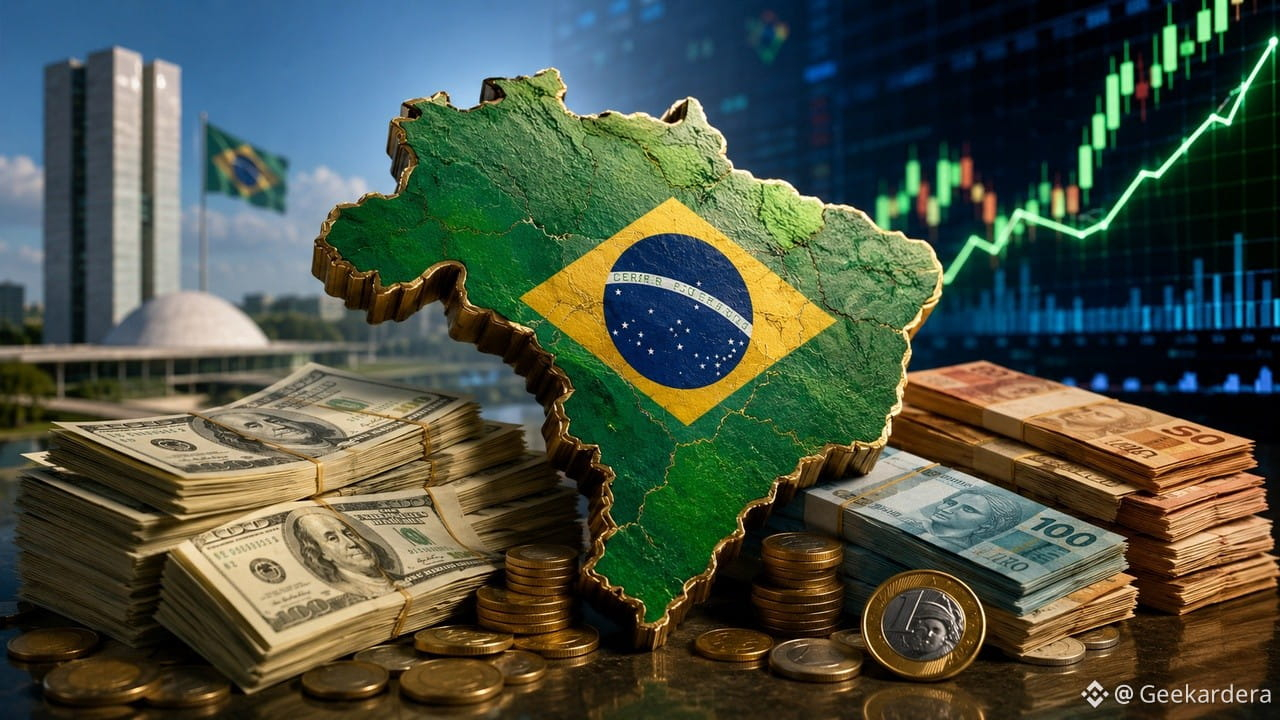
🏛️ Central Bank points to record levels of delinquency and debt among Brazilian households
The data released point to a scenario in which the banking sector is retaining more risk and the flow of credit for domestic consumption is gradually tightening.
Behind the scenes, the economic team and the National Congress see this diagnosis as reinforcing the debate over the calibration of benchmark interest rates and the effectiveness of debt renegotiation programs. Lawmakers and monetary authorities are assessing the social and economic impacts of this situation, weighing fiscal and regulatory measures that could ease the strain on household income without compromising inflation control.
For financial markets, household debt is constraining consumption growth and increasing perceived credit risk, creating volatility in the futures interest rate curve and the foreign exchange market. Against this challenging domestic backdrop, institutional investors are rebalancing portfolios, weighing their exposure to traditional fixed-income assets as globally liquid assets and stores of value, such as $BTC, come into focus as a means of protecting wealth.
How might the trend in household debt and the approach to credit policy influence the direction of the economy and your investment decisions in the current climate? Share your analysis in the comments.
$USDT BTC #Brasilia #Economia #Brazil
🏛️ Central Bank points to record levels of delinquency and debt among Brazilian households
The data released point to a scenario in which the banking sector is retaining more risk and the flow of credit for domestic consumption is gradually tightening.
Behind the scenes, the economic team and the National Congress see this diagnosis as reinforcing the debate over the calibration of benchmark interest rates and the effectiveness of debt renegotiation programs. Lawmakers and monetary authorities are assessing the social and economic impacts of this situation, weighing fiscal and regulatory measures that could ease the strain on household income without compromising inflation control.
For financial markets, household debt is constraining consumption growth and increasing perceived credit risk, creating volatility in the futures interest rate curve and the foreign exchange market. Against this challenging domestic backdrop, institutional investors are rebalancing portfolios, weighing their exposure to traditional fixed-income assets as globally liquid assets and stores of value, such as $BTC , come into focus as a means of protecting wealth.
How might the trend in household debt and the approach to credit policy influence the direction of the economy and your investment decisions in the current climate? Share your analysis in the comments.
$USDT BTC #Brasilia #Economia #Brazil
1
261
·
--
🏛️ Central Bank reports new record for Brazilian federal state-owned companies’ deficit
The level exceeds not only the results recorded in earlier periods of the historical series, which began in 2002, but also the cumulative total for recent full years, reflecting operating expenses that exceed the revenue generated by the monitored group.
Behind the scenes in Brasília, the technical assessment of the fiscal result has once again put the need for adjustments to the management of the state-owned productive sector at the center of discussions among lawmakers and the economic team. Public finance experts say these companies’ financial performance requires constant monitoring, as it directly affects primary balance targets and perceptions of the sustainability of the federal government’s finances over the medium term.
For financial markets, the deterioration in fiscal indicators affects the pricing of traditional assets, creating volatility in the futures interest rate curve and occasional pressure on the exchange rate. Amid macroeconomic uncertainty, institutional investors and trading desks are reassessing their allocation strategies, weighing local fiscal risks and seeking protection in globally liquid assets, including decentralized reserves.
How might the growing deficit at state-owned companies influence fiscal policy and the attraction of foreign investment to the country in the coming months? Share your analysis in the comments.
$USDT $BTC
#Brasilia #Economia #Brazil
82
·
--
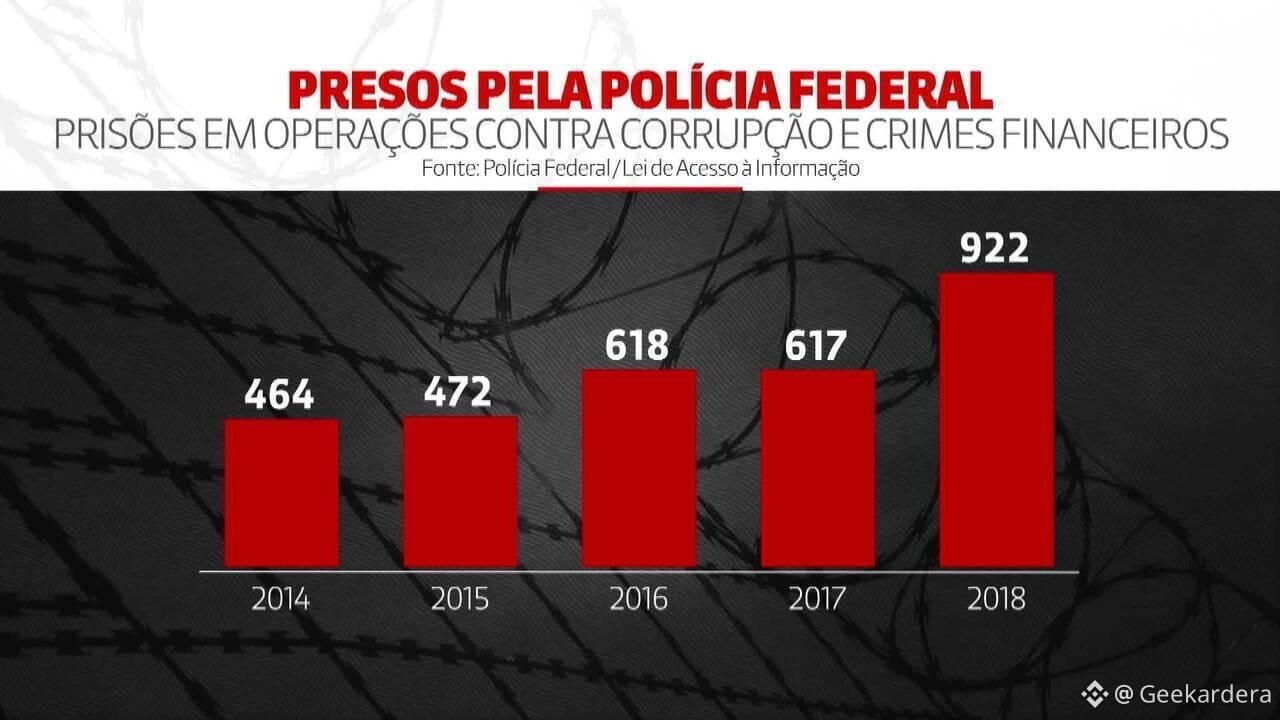
🏛️ Federal Police operation removes president of the Mato Grosso Court of Accounts amid suspicion of multimillion-dollar embezzlement
The investigation indicates that officials at the agency may have participated in unusual financial transactions over several months, resulting in the arrest of the institution's top official and the discovery of new evidence through analysis of internal surveillance footage and tax data.
Behind the scenes at public institutions, the episode has intensified debate over the autonomy and rigor of local courts of accounts in overseeing public spending. Political analysts and legal professionals believe that the outcome of these investigations could accelerate legislative proposals aimed at strengthening transparency and compliance standards for managing resources in states and municipalities, raising the bar for public officials.
For financial markets and foreign exchange, events that affect perceptions of institutional stability prompt cautious reactions among domestic and foreign investors. During periods of regulatory and fiscal turbulence, global liquidity and safe-haven assets, including the crypto ecosystem, tend to reflect the search for predictability, while closely monitoring the impact of these investigations on the sovereign risk premium and confidence in Brazil's governance foundations.
How could stronger oversight and transparency mechanisms in public institutions affect investor confidence in the country's economic stability? Share your analysis in the comments.
$BTC $USDT
#Brasilia #Economia #Brazil
1
728

·
--
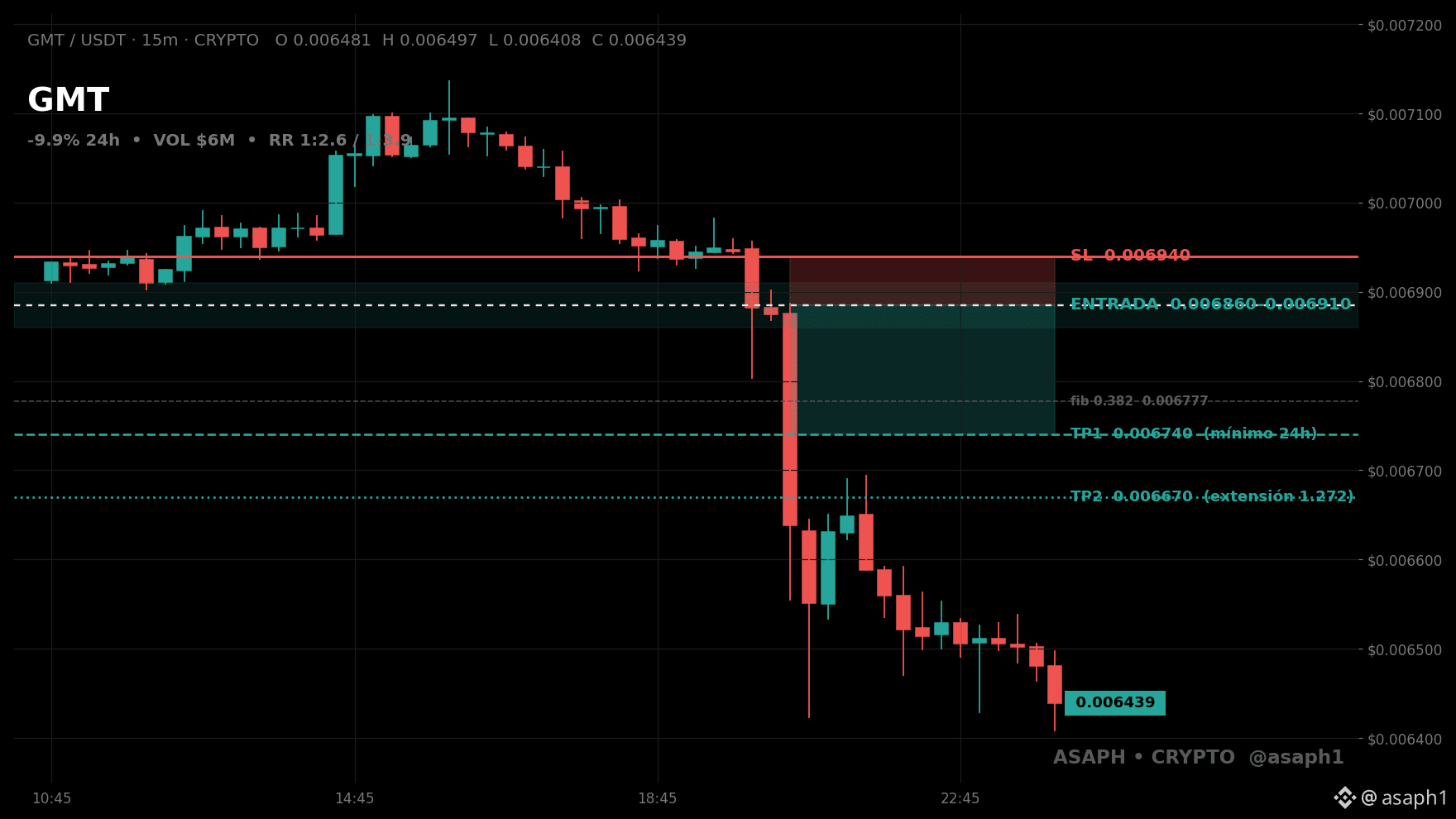
🔻 $GMT HIT TP1 AND TP2 ✅✅ — BRAZIL KEEPS CASHING IN
Brazil pulled the floor out from under GMT, and the short hit both targets: entry at $0.00686–$0.00691, price never rose to the stop at $0.00694, and the 4:45 pm candle hit TP1 at $0.00674 and TP2 at $0.00667.
Without Brazil, there was no meaningful bounce: Binance removed GMT from the country on October 27, and the price kept looking lower instead of recovering.
GMT is now around $0.00627, already below TP2. Trade complete, 100% collected for anyone who held the short to the end.
Did you collect on the full trade or secure profits at TP1? 👇
$GMT
#Brasil #Corto #Trading
165
·
--
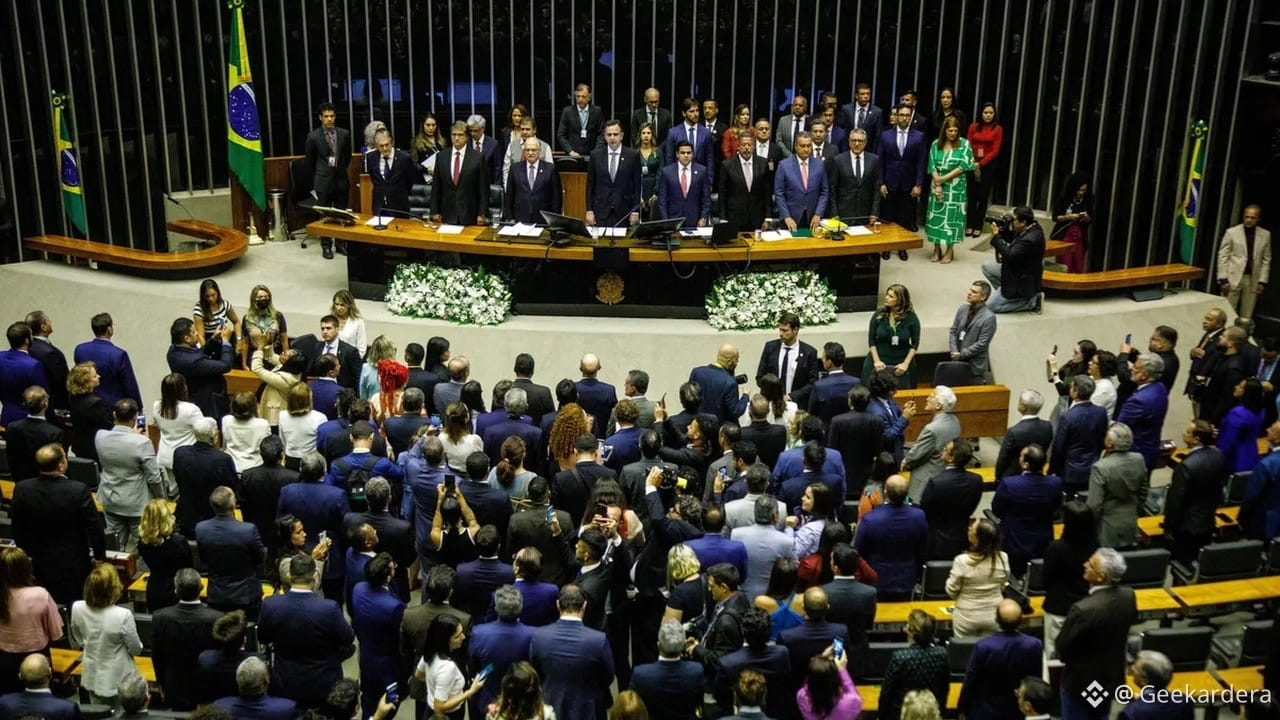
🏛️ Tensions in the PL: Valdemar expresses dissatisfaction with Flávio Bolsonaro’s moves
The statement reveals internal friction within the main opposition party over the direction of its political narrative and the group’s representation.
The episode highlights the struggle for prominence in the opposition amid the future electoral landscape and negotiations in the National Congress. While party leaders seek to preserve the party’s institutional cohesion, leadership disagreements could affect the parliamentary bloc’s alignment in strategic votes on the legislative agenda and in regional alliances.
For financial markets, discord within the opposition affects the predictability of the reform agenda in Congress. Political volatility raises the risk premium, with investors monitoring institutional stability, reflected in the exchange rate via $USDT and in the search for a store of value in digital assets such as $BTC.
How might internal disagreements within the opposition influence the progress of economic legislation in Congress? Share your analysis.
USDT BTC #Brasilia #Economia #Brazil
🏛️ Tensions in the PL: Valdemar expresses dissatisfaction with Flávio Bolsonaro’s moves
The statement reveals internal friction within the main opposition party over the direction of its political narrative and the group’s representation.
The episode highlights the struggle for prominence in the opposition amid the future electoral landscape and negotiations in the National Congress. While party leaders seek to preserve the party’s institutional cohesion, leadership disagreements could affect the parliamentary bloc’s alignment in strategic votes on the legislative agenda and in regional alliances.
For financial markets, discord within the opposition affects the predictability of the reform agenda in Congress. Political volatility raises the risk premium, with investors monitoring institutional stability, reflected in the exchange rate via $USDT and in the search for a store of value in digital assets such as $BTC .
How might internal disagreements within the opposition influence the progress of economic legislation in Congress? Share your analysis.
USDT BTC #Brasilia #Economia #Brazil
175

·
--
Partly True
Oobit will cease operations for Brazilian users, citing regulatory requirements.
Until 06/11, Pix and card payments will continue to work. From 07/11, it will only be possible to withdraw crypto via the blockchain, and Brazilian users’ accounts will be closed on 30/11.
The announcement came on the eve of the Central Bank’s deadline for crypto companies to apply for authorization in the country.
#Oobit #Brasil #Pix #crypto
3.5k
·
--
Federal Police investigate Paulo Guedes over suspicions linked to cryptocurrency companyThe former Economy Minister and the owner of OnilX appear in a confidential Federal Police investigation. The company is facing more than 100 lawsuits filed by investors who say they have had difficulty recovering their funds.
The Federal Police are investigating former Economy Minister Paulo Guedes and businessman Fábio Lino de Almeida, owner of OnilX, on suspicion of crimes against the National Financial System. The investigation has been conducted under seal in the Federal Court of Paraná since February 2026.
The investigation involving Paulo Guedes and the cryptocurrency company comes amid complaints from investors about difficulties withdrawing their money. OnilX is also facing regulatory scrutiny and disputes allegations of wrongdoing.
Federal Police investigate Paulo Guedes over suspicions linked to cryptocurrency company
The former Economy Minister and the owner of OnilX appear in a confidential Federal Police investigation. The company is facing more than 100 lawsuits filed by investors who say they have had difficulty recovering their funds.
The Federal Police are investigating former Economy Minister Paulo Guedes and businessman Fábio Lino de Almeida, owner of OnilX, on suspicion of crimes against the National Financial System. The investigation has been conducted under seal in the Federal Court of Paraná since February 2026.
The investigation involving Paulo Guedes and the cryptocurrency company comes amid complaints from investors about difficulties withdrawing their money. OnilX is also facing regulatory scrutiny and disputes allegations of wrongdoing.
Shae Malouf kLk1:
verdade mano mas os políticos enves de fortecelece com os produtos de outras países não preferem brigar entre eles mesmo e quem sofre e população eu já tô ficando velho pra aguentar essa pegada eu fico triste e com a nova geração mais também e sofri pra caramba pra conseguir trabalhar pra sobreviver eu fico triste com os líderes de cada país pois eles poderiam fazer um mundo melhor para todos não querer ser rico só ter dinheiro sustenta a família
5
1
2.5k
Log in to explore more content
Join global crypto users on Binance Square
⚡️ Get latest and useful information about crypto.
💬 Trusted by the world’s largest crypto exchange.
👍 Discover real insights from verified creators.
Email / Phone number
Trending Topics
1
#BinanceReopensWithdrawalsForMoreAssets
16,850 views
514 Discussing
2
#AppleReportsMixedResults
11,478 views
398 Discussing
3
#BinanceHourlyDepositsExceedWithdrawals
1,233 views
90 Discussing
4
#PalantirSlides3PercentOn$2BRevenue
0 views
1 Discussing
5
#USMidtermElections
703,083 views
3,806 Discussing
6
#USOctoberNFP-AreRateCutsStillPossible
102,777 views
883 Discussing
7
#Verify1to1BinanceReserves
91,588 views
647 Discussing
8
#SBIFirstHalfCryptoRevenueFalls30.1%
362 views
12 Discussing
9
#NEARVoteApprovesCutInMaxAnnualIssuanceTo1.6%
2,214 views
30 Discussing
10
#BinanceRestores28FiatWithdrawals
241,471 views
1,321 Discussing