
#agriculturalmarkets
agriculturalmarkets
8,318 views
18 Discussing
Hot
Latest

·
--
Bullish
Agricultural market overview for November 9–14, 2026
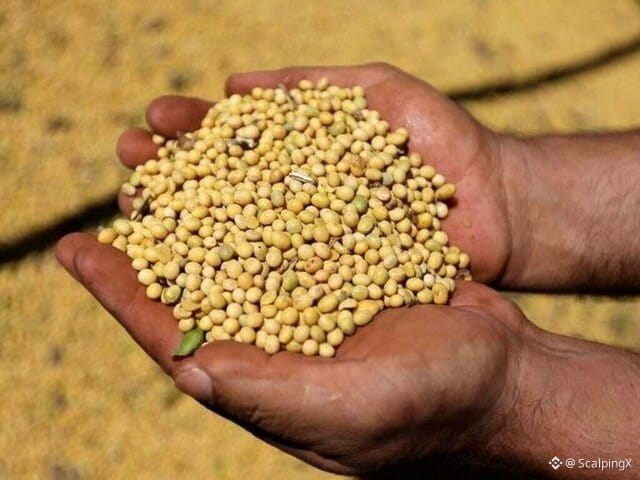
🌾 Agricultural markets diverged after November’s WASDE report. Soybeans led the recovery, gaining 39 cents per bushel over the week, while corn rose 4.5 cents, ending four- and six-week losing streaks, respectively.
🫘 USDA lowered projected U.S. soybean ending stocks from 315 million to 300 million bushels as higher exports outweighed increased production. The tighter balance provided support, although Brazil’s large expected crop could limit further gains.
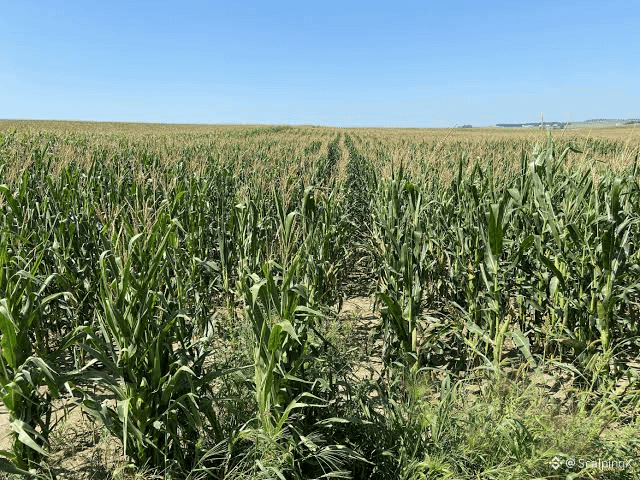
🌽 Lower U.S. corn production reduced projected ending stocks to 1.758 billion bushels. However, USDA also lowered its export forecast, indicating that the inventory reduction mainly reflected lower supply rather than broadly stronger demand.
🌐 Wheat fundamentals remained less supportive as projected global ending stocks increased to around 280.8 million tonnes, alongside larger crop forecasts for Argentina and Australia. Black Sea export constraints pose risks to immediately available supplies but do not necessarily indicate a global shortage.
🌴 Palm oil remained under pressure as Malaysian inventories rose to 3.62 million tonnes in October despite a strong export recovery. Improving demand has yet to absorb supply, leaving further price gains dependent on faster inventory drawdowns.
🔎 Soybeans retain a relative advantage, while the corn and wheat recovery needs further confirmation from actual export shipments. The dollar and South American weather will help determine whether the post-WASDE rebound continues; one positive week is insufficient to confirm a market bottom.
#AgriculturalMarkets $INIT
Agricultural market overview for November 9–14, 2026
🌾 Agricultural markets diverged after November’s WASDE report. Soybeans led the recovery, gaining 39 cents per bushel over the week, while corn rose 4.5 cents, ending four- and six-week losing streaks, respectively.
🫘 USDA lowered projected U.S. soybean ending stocks from 315 million to 300 million bushels as higher exports outweighed increased production. The tighter balance provided support, although Brazil’s large expected crop could limit further gains.
🌽 Lower U.S. corn production reduced projected ending stocks to 1.758 billion bushels. However, USDA also lowered its export forecast, indicating that the inventory reduction mainly reflected lower supply rather than broadly stronger demand.
🌐 Wheat fundamentals remained less supportive as projected global ending stocks increased to around 280.8 million tonnes, alongside larger crop forecasts for Argentina and Australia. Black Sea export constraints pose risks to immediately available supplies but do not necessarily indicate a global shortage.
🌴 Palm oil remained under pressure as Malaysian inventories rose to 3.62 million tonnes in October despite a strong export recovery. Improving demand has yet to absorb supply, leaving further price gains dependent on faster inventory drawdowns.
🔎 Soybeans retain a relative advantage, while the corn and wheat recovery needs further confirmation from actual export shipments. The dollar and South American weather will help determine whether the post-WASDE rebound continues; one positive week is insufficient to confirm a market bottom.
#AgriculturalMarkets $INIT
🌾 Agricultural markets diverged after November’s WASDE report. Soybeans led the recovery, gaining 39 cents per bushel over the week, while corn rose 4.5 cents, ending four- and six-week losing streaks, respectively.
🫘 USDA lowered projected U.S. soybean ending stocks from 315 million to 300 million bushels as higher exports outweighed increased production. The tighter balance provided support, although Brazil’s large expected crop could limit further gains.
🌽 Lower U.S. corn production reduced projected ending stocks to 1.758 billion bushels. However, USDA also lowered its export forecast, indicating that the inventory reduction mainly reflected lower supply rather than broadly stronger demand.
🌐 Wheat fundamentals remained less supportive as projected global ending stocks increased to around 280.8 million tonnes, alongside larger crop forecasts for Argentina and Australia. Black Sea export constraints pose risks to immediately available supplies but do not necessarily indicate a global shortage.
🌴 Palm oil remained under pressure as Malaysian inventories rose to 3.62 million tonnes in October despite a strong export recovery. Improving demand has yet to absorb supply, leaving further price gains dependent on faster inventory drawdowns.
🔎 Soybeans retain a relative advantage, while the corn and wheat recovery needs further confirmation from actual export shipments. The dollar and South American weather will help determine whether the post-WASDE rebound continues; one positive week is insufficient to confirm a market bottom.
#AgriculturalMarkets $INIT
290
·
--
Agricultural markets face supply pressure and fund selling ahead of WASDE in the week of November 2–7
🌾 US grains remained under pressure, despite a modest rebound in corn and soybeans late in the week. Export demand provided some support against seasonal supply, but a sustained recovery remains unconfirmed.
🚜 As of November 1, US corn harvesting was 74% complete and soybean harvesting reached 88%. Corn remained behind its five-year average, while soybeans were ahead, maintaining pressure from newly harvested supplies.
📉 Speculative positioning added to the weakness. By November 3, managed money had cut its corn net long by roughly 72,300 contracts to 8,800. Its soybean net long fell by around 51,100 contracts to 142,700.
🚢 Import demand remains a key source of support, particularly as China continues buying US soybeans. However, near-term orders need to translate into steady shipments to absorb supplies and improve the price outlook.
🌦️ South American weather is becoming increasingly important for the new crop. Central Brazil’s rainfall warrants attention, as prolonged moisture shortages could affect developing soybeans. El Niño remains a medium-term risk with varying regional effects.
🌴 Palm oil faces a substantial inventory overhang. Malaysia’s end-September stocks reached approximately 3.51 million tonnes, up 24.5% from August. Recovery prospects depend on exports and the pace of the seasonal production decline.
📊 Attention now turns to the November 10 WASDE report and revisions to yields, demand and ending stocks. A tighter balance than expected could support prices, while ample supplies and favourable Brazilian weather would continue to limit gains.
#AgriculturalMarkets $GRASS $TREE
Agricultural markets face supply pressure and fund selling ahead of WASDE in the week of November 2–7
🌾 US grains remained under pressure, despite a modest rebound in corn and soybeans late in the week. Export demand provided some support against seasonal supply, but a sustained recovery remains unconfirmed.
🚜 As of November 1, US corn harvesting was 74% complete and soybean harvesting reached 88%. Corn remained behind its five-year average, while soybeans were ahead, maintaining pressure from newly harvested supplies.
📉 Speculative positioning added to the weakness. By November 3, managed money had cut its corn net long by roughly 72,300 contracts to 8,800. Its soybean net long fell by around 51,100 contracts to 142,700.
🚢 Import demand remains a key source of support, particularly as China continues buying US soybeans. However, near-term orders need to translate into steady shipments to absorb supplies and improve the price outlook.
🌦️ South American weather is becoming increasingly important for the new crop. Central Brazil’s rainfall warrants attention, as prolonged moisture shortages could affect developing soybeans. El Niño remains a medium-term risk with varying regional effects.
🌴 Palm oil faces a substantial inventory overhang. Malaysia’s end-September stocks reached approximately 3.51 million tonnes, up 24.5% from August. Recovery prospects depend on exports and the pace of the seasonal production decline.
📊 Attention now turns to the November 10 WASDE report and revisions to yields, demand and ending stocks. A tighter balance than expected could support prices, while ample supplies and favourable Brazilian weather would continue to limit gains.
#AgriculturalMarkets $GRASS $TREE
🌾 US grains remained under pressure, despite a modest rebound in corn and soybeans late in the week. Export demand provided some support against seasonal supply, but a sustained recovery remains unconfirmed.
🚜 As of November 1, US corn harvesting was 74% complete and soybean harvesting reached 88%. Corn remained behind its five-year average, while soybeans were ahead, maintaining pressure from newly harvested supplies.
📉 Speculative positioning added to the weakness. By November 3, managed money had cut its corn net long by roughly 72,300 contracts to 8,800. Its soybean net long fell by around 51,100 contracts to 142,700.
🚢 Import demand remains a key source of support, particularly as China continues buying US soybeans. However, near-term orders need to translate into steady shipments to absorb supplies and improve the price outlook.
🌦️ South American weather is becoming increasingly important for the new crop. Central Brazil’s rainfall warrants attention, as prolonged moisture shortages could affect developing soybeans. El Niño remains a medium-term risk with varying regional effects.
🌴 Palm oil faces a substantial inventory overhang. Malaysia’s end-September stocks reached approximately 3.51 million tonnes, up 24.5% from August. Recovery prospects depend on exports and the pace of the seasonal production decline.
📊 Attention now turns to the November 10 WASDE report and revisions to yields, demand and ending stocks. A tighter balance than expected could support prices, while ample supplies and favourable Brazilian weather would continue to limit gains.
#AgriculturalMarkets $GRASS $TREE

1
624
·
--
Agricultural markets diverged during October 26–31 as harvest pressure and currency moves shaped prices
🌾 Corn and soybeans faced pressure as the US harvest brought additional supply to market. December corn slipped to around $4.48 per bushel, while export demand was insufficient to drive a clear recovery in grain prices.
🚢 US wheat export sales reached approximately 850,000 tonnes in the reporting week, the highest since the marketing year began. Soybean sales totalled 2.58 million tonnes, showing that buying interest remained present despite supply pressure and international competition.
💵 A weaker Brazilian real increased export revenues in local currency terms, encouraging producers to sell crops and hedge prices. This added pressure to soybeans, sugar and coffee, although the impact varied with each commodity’s supply and demand conditions.
🍬 Sugar found support from heavy rain in Brazil, which disrupted cane harvesting and crushing. Raw sugar gained nearly 10% in October, despite retreating at the end of the week as currency-related selling increased.
☕ Robusta faced pressure from the start of Vietnam’s harvest and rising exchange inventories, falling around 6% over the month. Arabica’s low certified stocks provided a different supply backdrop, contributing to divergence between the two coffee markets.
🔎 US harvesting, South American planting and movements in the Brazilian real will remain key factors next week. Sustained export demand could help limit grain losses, while Brazilian weather will influence the durability of sugar’s supply-related support.
#AgriculturalMarkets $TREE $GRASS
Agricultural markets diverged during October 26–31 as harvest pressure and currency moves shaped prices
🌾 Corn and soybeans faced pressure as the US harvest brought additional supply to market. December corn slipped to around $4.48 per bushel, while export demand was insufficient to drive a clear recovery in grain prices.
🚢 US wheat export sales reached approximately 850,000 tonnes in the reporting week, the highest since the marketing year began. Soybean sales totalled 2.58 million tonnes, showing that buying interest remained present despite supply pressure and international competition.
💵 A weaker Brazilian real increased export revenues in local currency terms, encouraging producers to sell crops and hedge prices. This added pressure to soybeans, sugar and coffee, although the impact varied with each commodity’s supply and demand conditions.
🍬 Sugar found support from heavy rain in Brazil, which disrupted cane harvesting and crushing. Raw sugar gained nearly 10% in October, despite retreating at the end of the week as currency-related selling increased.
☕ Robusta faced pressure from the start of Vietnam’s harvest and rising exchange inventories, falling around 6% over the month. Arabica’s low certified stocks provided a different supply backdrop, contributing to divergence between the two coffee markets.
🔎 US harvesting, South American planting and movements in the Brazilian real will remain key factors next week. Sustained export demand could help limit grain losses, while Brazilian weather will influence the durability of sugar’s supply-related support.
#AgriculturalMarkets $TREE $GRASS
🌾 Corn and soybeans faced pressure as the US harvest brought additional supply to market. December corn slipped to around $4.48 per bushel, while export demand was insufficient to drive a clear recovery in grain prices.
🚢 US wheat export sales reached approximately 850,000 tonnes in the reporting week, the highest since the marketing year began. Soybean sales totalled 2.58 million tonnes, showing that buying interest remained present despite supply pressure and international competition.
💵 A weaker Brazilian real increased export revenues in local currency terms, encouraging producers to sell crops and hedge prices. This added pressure to soybeans, sugar and coffee, although the impact varied with each commodity’s supply and demand conditions.
🍬 Sugar found support from heavy rain in Brazil, which disrupted cane harvesting and crushing. Raw sugar gained nearly 10% in October, despite retreating at the end of the week as currency-related selling increased.
☕ Robusta faced pressure from the start of Vietnam’s harvest and rising exchange inventories, falling around 6% over the month. Arabica’s low certified stocks provided a different supply backdrop, contributing to divergence between the two coffee markets.
🔎 US harvesting, South American planting and movements in the Brazilian real will remain key factors next week. Sustained export demand could help limit grain losses, while Brazilian weather will influence the durability of sugar’s supply-related support.
#AgriculturalMarkets $TREE $GRASS
1
336
·
--
Agricultural markets diverge in October 19–23 as US harvest pressure meets Chinese buying
🌾 Corn and wheat faced pressure, while soybeans recovered late in the week on export demand. Buying supported individual commodities without producing a broad market recovery.
🚜 The US harvest continued to bring supplies to market. By October 18, corn harvesting was 44% complete and soybeans reached 64%. Corn remained behind the five-year average of 52%, suggesting pressure reflected seasonal supply arrivals rather than an unusually fast harvest.
🫘 US soybean export sales reached approximately 2.84 million tonnes in the week ended October 15, with China accounting for 2.18 million. Demand helped prices rebound from a two-month low but did not erase the week’s losses. Sustained buying will matter more than a single strong sales report.
☕ Soft commodities also diverged. Low inventories supported coffee, while cocoa and sugar pulled back. These differences highlight the importance of each commodity’s supply and demand conditions.
🌦️ Attention now turns to fresh Chinese soybean purchases and Brazilian weather. Rain supports planting but can disrupt fieldwork when excessive. El Niño risks require regional assessment and do not automatically imply production losses.
🔎 The key question is whether export demand can absorb seasonal US supplies. Slower buying could leave harvest pressure dominant, while new orders or adverse weather could support selected commodities.
#AgriculturalMarkets $AGLD
Agricultural markets diverge in October 19–23 as US harvest pressure meets Chinese buying
🌾 Corn and wheat faced pressure, while soybeans recovered late in the week on export demand. Buying supported individual commodities without producing a broad market recovery.
🚜 The US harvest continued to bring supplies to market. By October 18, corn harvesting was 44% complete and soybeans reached 64%. Corn remained behind the five-year average of 52%, suggesting pressure reflected seasonal supply arrivals rather than an unusually fast harvest.
🫘 US soybean export sales reached approximately 2.84 million tonnes in the week ended October 15, with China accounting for 2.18 million. Demand helped prices rebound from a two-month low but did not erase the week’s losses. Sustained buying will matter more than a single strong sales report.
☕ Soft commodities also diverged. Low inventories supported coffee, while cocoa and sugar pulled back. These differences highlight the importance of each commodity’s supply and demand conditions.
🌦️ Attention now turns to fresh Chinese soybean purchases and Brazilian weather. Rain supports planting but can disrupt fieldwork when excessive. El Niño risks require regional assessment and do not automatically imply production losses.
🔎 The key question is whether export demand can absorb seasonal US supplies. Slower buying could leave harvest pressure dominant, while new orders or adverse weather could support selected commodities.
#AgriculturalMarkets $AGLD
🌾 Corn and wheat faced pressure, while soybeans recovered late in the week on export demand. Buying supported individual commodities without producing a broad market recovery.
🚜 The US harvest continued to bring supplies to market. By October 18, corn harvesting was 44% complete and soybeans reached 64%. Corn remained behind the five-year average of 52%, suggesting pressure reflected seasonal supply arrivals rather than an unusually fast harvest.
🫘 US soybean export sales reached approximately 2.84 million tonnes in the week ended October 15, with China accounting for 2.18 million. Demand helped prices rebound from a two-month low but did not erase the week’s losses. Sustained buying will matter more than a single strong sales report.
☕ Soft commodities also diverged. Low inventories supported coffee, while cocoa and sugar pulled back. These differences highlight the importance of each commodity’s supply and demand conditions.
🌦️ Attention now turns to fresh Chinese soybean purchases and Brazilian weather. Rain supports planting but can disrupt fieldwork when excessive. El Niño risks require regional assessment and do not automatically imply production losses.
🔎 The key question is whether export demand can absorb seasonal US supplies. Slower buying could leave harvest pressure dominant, while new orders or adverse weather could support selected commodities.
#AgriculturalMarkets $AGLD
136
·
--
Agricultural markets diverged during October 12–17 as supply weighed on grains, while coffee and sugar found separate support.
🌾 Corn, soybeans and wheat remained under pressure from U.S. supplies and harvesting activity. At the October 16 close, December corn traded near USD 4.74 per bushel, November soybeans at USD 12.61 and December wheat around USD 6.60.
🚜 The USDA’s October supply and demand report raised projected U.S. corn production to 16.034 billion bushels, reinforcing expectations of ample supply. Drier weather supported harvesting and brought more crops to market, although earlier progress remained below the multiyear average.
🫘 Soybeans received some support from Chinese purchases, but buying was insufficient to outweigh seasonal supply pressure. Sustained export demand would provide a stronger foundation for a recovery than isolated orders.
☕ Coffee and sugar found support from supply concerns. Declining certified coffee inventories increased sensitivity to weather risks, while rainfall in Brazil threatened to disrupt sugarcane harvesting. This divergence highlights the importance of supply and demand conditions specific to each commodity.
🔎 U.S. harvest progress, export orders and Brazilian weather will be key factors next week. Continued arrivals of newly harvested crops could limit grain price recoveries, while weather disruptions or stronger buying could provide support.
#AgriculturalMarkets $SOL $BEAMX $GRASS
Agricultural markets diverged during October 12–17 as supply weighed on grains, while coffee and sugar found separate support.
🌾 Corn, soybeans and wheat remained under pressure from U.S. supplies and harvesting activity. At the October 16 close, December corn traded near USD 4.74 per bushel, November soybeans at USD 12.61 and December wheat around USD 6.60.
🚜 The USDA’s October supply and demand report raised projected U.S. corn production to 16.034 billion bushels, reinforcing expectations of ample supply. Drier weather supported harvesting and brought more crops to market, although earlier progress remained below the multiyear average.
🫘 Soybeans received some support from Chinese purchases, but buying was insufficient to outweigh seasonal supply pressure. Sustained export demand would provide a stronger foundation for a recovery than isolated orders.
☕ Coffee and sugar found support from supply concerns. Declining certified coffee inventories increased sensitivity to weather risks, while rainfall in Brazil threatened to disrupt sugarcane harvesting. This divergence highlights the importance of supply and demand conditions specific to each commodity.
🔎 U.S. harvest progress, export orders and Brazilian weather will be key factors next week. Continued arrivals of newly harvested crops could limit grain price recoveries, while weather disruptions or stronger buying could provide support.
#AgriculturalMarkets $SOL $BEAMX $GRASS
🌾 Corn, soybeans and wheat remained under pressure from U.S. supplies and harvesting activity. At the October 16 close, December corn traded near USD 4.74 per bushel, November soybeans at USD 12.61 and December wheat around USD 6.60.
🚜 The USDA’s October supply and demand report raised projected U.S. corn production to 16.034 billion bushels, reinforcing expectations of ample supply. Drier weather supported harvesting and brought more crops to market, although earlier progress remained below the multiyear average.
🫘 Soybeans received some support from Chinese purchases, but buying was insufficient to outweigh seasonal supply pressure. Sustained export demand would provide a stronger foundation for a recovery than isolated orders.
☕ Coffee and sugar found support from supply concerns. Declining certified coffee inventories increased sensitivity to weather risks, while rainfall in Brazil threatened to disrupt sugarcane harvesting. This divergence highlights the importance of supply and demand conditions specific to each commodity.
🔎 U.S. harvest progress, export orders and Brazilian weather will be key factors next week. Continued arrivals of newly harvested crops could limit grain price recoveries, while weather disruptions or stronger buying could provide support.
#AgriculturalMarkets $SOL $BEAMX $GRASS
209
·
--
Bullish
Soybeans Lead Global Agricultural Markets Higher in the Week of July 20–24
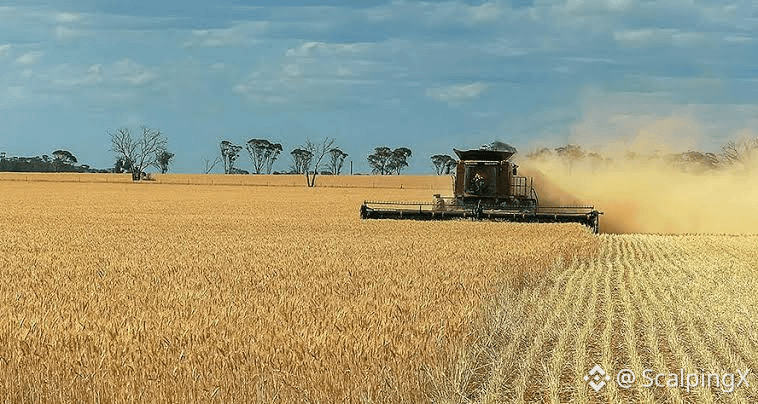
🌱 Agricultural markets ended the week broadly higher, led by soybeans and corn. November soybean futures gained around 50.5 cents to reach a new contract high, while December corn rose nearly 20 cents and settled around $4.87–$4.88 per bushel.
☀️ Adverse US weather remained the main driver. Temperatures of 95–100°F persisted across the Corn Belt and Plains, while drought affected roughly 76% of Nebraska, increasing concerns about crop yields during a critical development period.
🚢 Export demand provided additional support, particularly after the USDA confirmed new-crop soybean sales to China, Mexico and undisclosed destinations. This suggests that the soybean rally was supported not only by weather risk but also by physical demand.
🌾 Wheat moved in the opposite direction as traders took profits following its earlier advance. September Chicago wheat fell about 18 cents in the final session to nearly $6.78 per bushel, although Black Sea transportation risks continued to limit deeper downside.
📈 In the near term, many investors are watching $12.80–$13.00 for November soybeans and $5.00 for December corn. These levels could be tested if hot weather persists and Chinese purchases continue, while widespread rain across the Corn Belt could trigger a technical correction of around 3–5%.
🔎 Over the coming week, 7–10-day weather forecasts, USDA Export Sales data and US crop-condition updates are likely to determine market direction. Soybeans remain the main leader, corn retains underlying support, while wheat may continue consolidating after its recent pullback.
#AgriculturalMarkets $BNB $XRP $XLM
Soybeans Lead Global Agricultural Markets Higher in the Week of July 20–24
🌱 Agricultural markets ended the week broadly higher, led by soybeans and corn. November soybean futures gained around 50.5 cents to reach a new contract high, while December corn rose nearly 20 cents and settled around $4.87–$4.88 per bushel.
☀️ Adverse US weather remained the main driver. Temperatures of 95–100°F persisted across the Corn Belt and Plains, while drought affected roughly 76% of Nebraska, increasing concerns about crop yields during a critical development period.
🚢 Export demand provided additional support, particularly after the USDA confirmed new-crop soybean sales to China, Mexico and undisclosed destinations. This suggests that the soybean rally was supported not only by weather risk but also by physical demand.
🌾 Wheat moved in the opposite direction as traders took profits following its earlier advance. September Chicago wheat fell about 18 cents in the final session to nearly $6.78 per bushel, although Black Sea transportation risks continued to limit deeper downside.
📈 In the near term, many investors are watching $12.80–$13.00 for November soybeans and $5.00 for December corn. These levels could be tested if hot weather persists and Chinese purchases continue, while widespread rain across the Corn Belt could trigger a technical correction of around 3–5%.
🔎 Over the coming week, 7–10-day weather forecasts, USDA Export Sales data and US crop-condition updates are likely to determine market direction. Soybeans remain the main leader, corn retains underlying support, while wheat may continue consolidating after its recent pullback.
#AgriculturalMarkets $BNB $XRP $XLM
🌱 Agricultural markets ended the week broadly higher, led by soybeans and corn. November soybean futures gained around 50.5 cents to reach a new contract high, while December corn rose nearly 20 cents and settled around $4.87–$4.88 per bushel.
☀️ Adverse US weather remained the main driver. Temperatures of 95–100°F persisted across the Corn Belt and Plains, while drought affected roughly 76% of Nebraska, increasing concerns about crop yields during a critical development period.
🚢 Export demand provided additional support, particularly after the USDA confirmed new-crop soybean sales to China, Mexico and undisclosed destinations. This suggests that the soybean rally was supported not only by weather risk but also by physical demand.
🌾 Wheat moved in the opposite direction as traders took profits following its earlier advance. September Chicago wheat fell about 18 cents in the final session to nearly $6.78 per bushel, although Black Sea transportation risks continued to limit deeper downside.
📈 In the near term, many investors are watching $12.80–$13.00 for November soybeans and $5.00 for December corn. These levels could be tested if hot weather persists and Chinese purchases continue, while widespread rain across the Corn Belt could trigger a technical correction of around 3–5%.
🔎 Over the coming week, 7–10-day weather forecasts, USDA Export Sales data and US crop-condition updates are likely to determine market direction. Soybeans remain the main leader, corn retains underlying support, while wheat may continue consolidating after its recent pullback.
#AgriculturalMarkets $BNB $XRP $XLM
86
·
--
Bullish
Global Agricultural Markets for July 27–August 1 Diverge as Grains Weaken, Coffee Recovers and Cocoa Corrects Sharply
🌾 Global agricultural markets showed mixed performance over the past week, with grains facing profit-taking and cautious positioning ahead of key USDA reports. A weaker US dollar provided some support, but not enough to generate a broad-based rally.
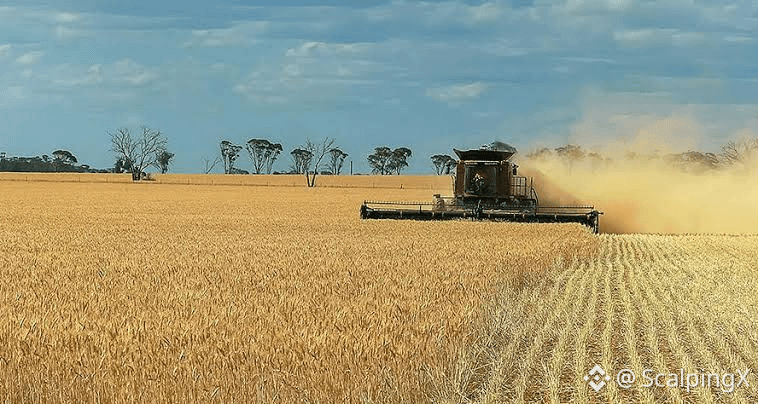
🌽 Corn ended the week near USD 4.40–4.41 per bushel, while soybeans traded around USD 11.72–11.78 per bushel. Both remained range-bound as the market assessed US crop conditions and localized hot, dry weather risks across parts of the Midwest.
🌾 Wheat showed greater relative weakness, falling around 3–4% in some sessions before closing near USD 6.38–6.39 per bushel. Pressure came from relatively ample Northern Hemisphere supplies and strong competition in global export markets.
☕ Coffee prices recovered as Brazil’s harvest reportedly progressed more slowly than expected and weather concerns supported supply expectations. Cocoa moved in the opposite direction, dropping nearly 5% in one session to its lowest level in around three weeks as traders took profits following the previous advance.
🌦️ Weather remains a key variable for corn, soybeans and coffee. However, current conditions have not been severe enough to materially alter production forecasts, keeping market participants in a wait-and-see position.
📊 Speculative positioning in corn and soybeans remains tilted toward net buying, although some long positions were reduced during the recent correction. This structure could amplify price movements if upcoming yield or inventory data differ significantly from expectations.
⏳ Attention now turns to the August 12 WASDE and US crop production reports. Until then, grains may continue trading within relatively narrow ranges, while coffee and cocoa are likely to remain more sensitive to supply developments, weather conditions and speculative flows.
#AgriculturalMarkets $BTC $ETH $SOL
Global Agricultural Markets for July 27–August 1 Diverge as Grains Weaken, Coffee Recovers and Cocoa Corrects Sharply
🌾 Global agricultural markets showed mixed performance over the past week, with grains facing profit-taking and cautious positioning ahead of key USDA reports. A weaker US dollar provided some support, but not enough to generate a broad-based rally.
🌽 Corn ended the week near USD 4.40–4.41 per bushel, while soybeans traded around USD 11.72–11.78 per bushel. Both remained range-bound as the market assessed US crop conditions and localized hot, dry weather risks across parts of the Midwest.
🌾 Wheat showed greater relative weakness, falling around 3–4% in some sessions before closing near USD 6.38–6.39 per bushel. Pressure came from relatively ample Northern Hemisphere supplies and strong competition in global export markets.
☕ Coffee prices recovered as Brazil’s harvest reportedly progressed more slowly than expected and weather concerns supported supply expectations. Cocoa moved in the opposite direction, dropping nearly 5% in one session to its lowest level in around three weeks as traders took profits following the previous advance.
🌦️ Weather remains a key variable for corn, soybeans and coffee. However, current conditions have not been severe enough to materially alter production forecasts, keeping market participants in a wait-and-see position.
📊 Speculative positioning in corn and soybeans remains tilted toward net buying, although some long positions were reduced during the recent correction. This structure could amplify price movements if upcoming yield or inventory data differ significantly from expectations.
⏳ Attention now turns to the August 12 WASDE and US crop production reports. Until then, grains may continue trading within relatively narrow ranges, while coffee and cocoa are likely to remain more sensitive to supply developments, weather conditions and speculative flows.
#AgriculturalMarkets $BTC $ETH $SOL
🌾 Global agricultural markets showed mixed performance over the past week, with grains facing profit-taking and cautious positioning ahead of key USDA reports. A weaker US dollar provided some support, but not enough to generate a broad-based rally.
🌽 Corn ended the week near USD 4.40–4.41 per bushel, while soybeans traded around USD 11.72–11.78 per bushel. Both remained range-bound as the market assessed US crop conditions and localized hot, dry weather risks across parts of the Midwest.
🌾 Wheat showed greater relative weakness, falling around 3–4% in some sessions before closing near USD 6.38–6.39 per bushel. Pressure came from relatively ample Northern Hemisphere supplies and strong competition in global export markets.
☕ Coffee prices recovered as Brazil’s harvest reportedly progressed more slowly than expected and weather concerns supported supply expectations. Cocoa moved in the opposite direction, dropping nearly 5% in one session to its lowest level in around three weeks as traders took profits following the previous advance.
🌦️ Weather remains a key variable for corn, soybeans and coffee. However, current conditions have not been severe enough to materially alter production forecasts, keeping market participants in a wait-and-see position.
📊 Speculative positioning in corn and soybeans remains tilted toward net buying, although some long positions were reduced during the recent correction. This structure could amplify price movements if upcoming yield or inventory data differ significantly from expectations.
⏳ Attention now turns to the August 12 WASDE and US crop production reports. Until then, grains may continue trading within relatively narrow ranges, while coffee and cocoa are likely to remain more sensitive to supply developments, weather conditions and speculative flows.
#AgriculturalMarkets $BTC $ETH $SOL
39
·
--
Bullish
Agricultural Markets Diverge as USDA Raises U.S. Corn Supply Forecast
🌾 During October 5–9, global agricultural markets were heavily influenced by the USDA's October WASDE report. Corn prices fell sharply as the U.S. supply outlook exceeded expectations, while soybeans recovered and wheat remained under pressure.
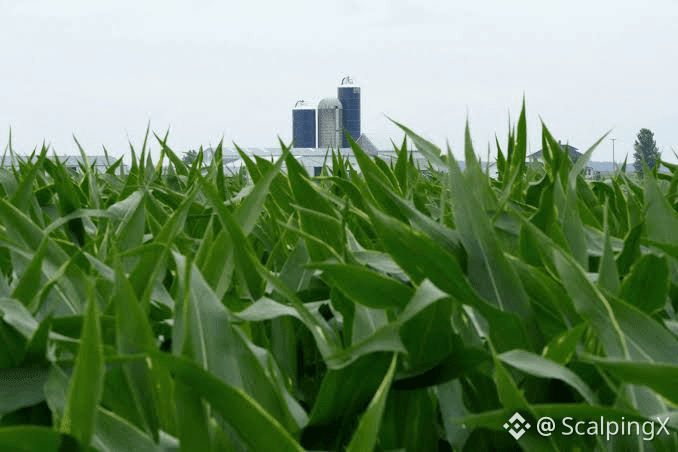
🌽 The USDA raised its U.S. corn yield forecast from 178.5 to 181.2 bushels per acre, bringing production to 16.034 billion bushels and ending stocks for 2026/27 to 1.849 billion bushels. December corn futures dropped 20.5 cents in the final session, closing near $4.80 per bushel. Higher-than-expected supply continues to weigh on the price outlook.
🫘 Soybeans showed greater resilience despite the USDA raising its production forecast to 4.562 billion bushels. November soybean futures recovered to nearly $12.92 per bushel, supported by soybean meal strength and expectations for export demand. Meanwhile, December wheat futures declined to around $6.71 per bushel amid inventory pressure and a stronger U.S. dollar.
🐄 Lower corn prices are improving the feedstock cost outlook for U.S. livestock producers and ethanol manufacturers. However, whether these cost advantages translate into stronger actual consumption remains to be seen.
🌦️ Next week, markets will focus on U.S. harvest progress, export data, and planting conditions in Brazil and Argentina. If actual yields continue to confirm USDA projections, supply pressure could persist. Conversely, stronger export demand or unfavorable South American weather could help prices stabilize.
#AgriculturalMarkets $ZEC
Agricultural Markets Diverge as USDA Raises U.S. Corn Supply Forecast
🌾 During October 5–9, global agricultural markets were heavily influenced by the USDA's October WASDE report. Corn prices fell sharply as the U.S. supply outlook exceeded expectations, while soybeans recovered and wheat remained under pressure.
🌽 The USDA raised its U.S. corn yield forecast from 178.5 to 181.2 bushels per acre, bringing production to 16.034 billion bushels and ending stocks for 2026/27 to 1.849 billion bushels. December corn futures dropped 20.5 cents in the final session, closing near $4.80 per bushel. Higher-than-expected supply continues to weigh on the price outlook.
🫘 Soybeans showed greater resilience despite the USDA raising its production forecast to 4.562 billion bushels. November soybean futures recovered to nearly $12.92 per bushel, supported by soybean meal strength and expectations for export demand. Meanwhile, December wheat futures declined to around $6.71 per bushel amid inventory pressure and a stronger U.S. dollar.
🐄 Lower corn prices are improving the feedstock cost outlook for U.S. livestock producers and ethanol manufacturers. However, whether these cost advantages translate into stronger actual consumption remains to be seen.
🌦️ Next week, markets will focus on U.S. harvest progress, export data, and planting conditions in Brazil and Argentina. If actual yields continue to confirm USDA projections, supply pressure could persist. Conversely, stronger export demand or unfavorable South American weather could help prices stabilize.
#AgriculturalMarkets $ZEC
🌾 During October 5–9, global agricultural markets were heavily influenced by the USDA's October WASDE report. Corn prices fell sharply as the U.S. supply outlook exceeded expectations, while soybeans recovered and wheat remained under pressure.
🌽 The USDA raised its U.S. corn yield forecast from 178.5 to 181.2 bushels per acre, bringing production to 16.034 billion bushels and ending stocks for 2026/27 to 1.849 billion bushels. December corn futures dropped 20.5 cents in the final session, closing near $4.80 per bushel. Higher-than-expected supply continues to weigh on the price outlook.
🫘 Soybeans showed greater resilience despite the USDA raising its production forecast to 4.562 billion bushels. November soybean futures recovered to nearly $12.92 per bushel, supported by soybean meal strength and expectations for export demand. Meanwhile, December wheat futures declined to around $6.71 per bushel amid inventory pressure and a stronger U.S. dollar.
🐄 Lower corn prices are improving the feedstock cost outlook for U.S. livestock producers and ethanol manufacturers. However, whether these cost advantages translate into stronger actual consumption remains to be seen.
🌦️ Next week, markets will focus on U.S. harvest progress, export data, and planting conditions in Brazil and Argentina. If actual yields continue to confirm USDA projections, supply pressure could persist. Conversely, stronger export demand or unfavorable South American weather could help prices stabilize.
#AgriculturalMarkets $ZEC
129
·
--
Bullish
Agricultural Markets Weekly 03–08 Aug: Wheat Leads as Global Supply Risks Intensify
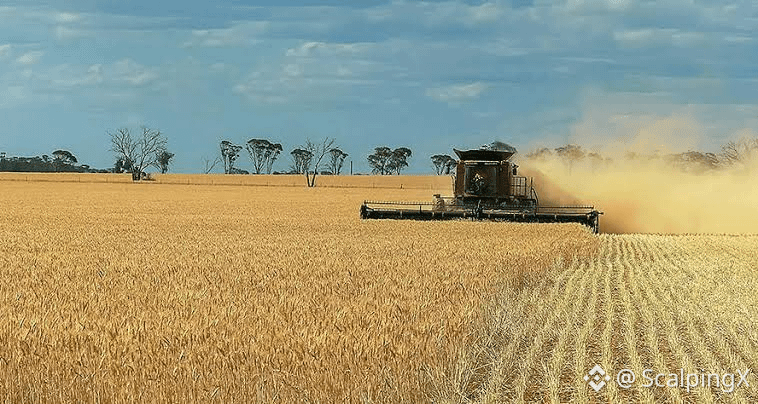
🌾 Grain markets saw significant volatility this week, with prices rallying early before easing as rainfall prospects improved across the U.S. Midwest. By the end of the week, wheat maintained stronger momentum than corn and soybeans, while markets continued balancing favorable U.S. and South American supply conditions against external risks.
☀️ Europe emerged as a key focus as prolonged drought and heatwaves pressured crop prospects. EU corn production forecasts were revised significantly lower, while wheat crops in several regions also suffered. These concerns helped support CBOT wheat near USD 6.40/bu by the end of the week.
🚢 Black Sea logistics risks continued to support the market as Ukrainian exports faced disruptions involving ports and transport infrastructure. The prospect of reduced supply from the region has increased wheat’s sensitivity to further geopolitical developments.
🇨🇳 On the demand side, China stepped up purchases of U.S.
soybeans in recent days, providing support despite Brazil retaining a competitive advantage in exports. U.S. corn also benefited from new purchases by Mexico.
📈 The FAO Food Price Index rose 0.6% in July to 131.1 points, its highest level in more than three years. The cereal price index increased 3.4%, including a 5.8% rise in international wheat prices, highlighting the growing impact of weather and supply risks on physical markets.
📅 Attention now turns to the WASDE report on August 12. Markets are gradually shifting from weather-driven trading toward positioning around production data, with U.S. corn and soybean yields likely to play a key role in determining short-term price direction.
#AgriculturalMarkets $BTC $ETH $SOL
Agricultural Markets Weekly 03–08 Aug: Wheat Leads as Global Supply Risks Intensify
🌾 Grain markets saw significant volatility this week, with prices rallying early before easing as rainfall prospects improved across the U.S. Midwest. By the end of the week, wheat maintained stronger momentum than corn and soybeans, while markets continued balancing favorable U.S. and South American supply conditions against external risks.
☀️ Europe emerged as a key focus as prolonged drought and heatwaves pressured crop prospects. EU corn production forecasts were revised significantly lower, while wheat crops in several regions also suffered. These concerns helped support CBOT wheat near USD 6.40/bu by the end of the week.
🚢 Black Sea logistics risks continued to support the market as Ukrainian exports faced disruptions involving ports and transport infrastructure. The prospect of reduced supply from the region has increased wheat’s sensitivity to further geopolitical developments.
🇨🇳 On the demand side, China stepped up purchases of U.S.
soybeans in recent days, providing support despite Brazil retaining a competitive advantage in exports. U.S. corn also benefited from new purchases by Mexico.
📈 The FAO Food Price Index rose 0.6% in July to 131.1 points, its highest level in more than three years. The cereal price index increased 3.4%, including a 5.8% rise in international wheat prices, highlighting the growing impact of weather and supply risks on physical markets.
📅 Attention now turns to the WASDE report on August 12. Markets are gradually shifting from weather-driven trading toward positioning around production data, with U.S. corn and soybean yields likely to play a key role in determining short-term price direction.
#AgriculturalMarkets $BTC $ETH $SOL
🌾 Grain markets saw significant volatility this week, with prices rallying early before easing as rainfall prospects improved across the U.S. Midwest. By the end of the week, wheat maintained stronger momentum than corn and soybeans, while markets continued balancing favorable U.S. and South American supply conditions against external risks.
☀️ Europe emerged as a key focus as prolonged drought and heatwaves pressured crop prospects. EU corn production forecasts were revised significantly lower, while wheat crops in several regions also suffered. These concerns helped support CBOT wheat near USD 6.40/bu by the end of the week.
🚢 Black Sea logistics risks continued to support the market as Ukrainian exports faced disruptions involving ports and transport infrastructure. The prospect of reduced supply from the region has increased wheat’s sensitivity to further geopolitical developments.
🇨🇳 On the demand side, China stepped up purchases of U.S.
soybeans in recent days, providing support despite Brazil retaining a competitive advantage in exports. U.S. corn also benefited from new purchases by Mexico.
📈 The FAO Food Price Index rose 0.6% in July to 131.1 points, its highest level in more than three years. The cereal price index increased 3.4%, including a 5.8% rise in international wheat prices, highlighting the growing impact of weather and supply risks on physical markets.
📅 Attention now turns to the WASDE report on August 12. Markets are gradually shifting from weather-driven trading toward positioning around production data, with U.S. corn and soybean yields likely to play a key role in determining short-term price direction.
#AgriculturalMarkets $BTC $ETH $SOL
46
·
--
Bullish
Agricultural Market Overview for the Week of August 10–15, 2026
🌾 Agricultural markets leaned positive over the past week, led by grains, with the August 12 WASDE report serving as the main catalyst. USDA cut U.S. corn yield to 180.7 bushels per acre and lowered ending stocks to around 1.653 billion bushels, providing strong support for corn prices after the release.
🌽 Wheat also strengthened as Black Sea logistics risks increased. Operations at several Russian ports faced disruptions, while USDA lowered its wheat export forecasts for Russia and Ukraine. Supply concerns encouraged buyers to seek alternative origins and added further support to CBOT prices.
🌱 Soybeans posted more moderate gains as the U.S. supply outlook remained relatively balanced. Sinograin auctions and the potential for stronger purchases of U.S. soybeans supported near-term demand, although large Brazilian supplies continued to limit upside. Conab currently estimates Brazil’s total grain production at around 360.8 million tonnes.
🍬 Soft commodities were mixed. Sugar stood out with a weekly gain of around 9.5% amid weather concerns, while coffee and cocoa remained under pressure as markets assessed a more favorable supply outlook. Speculative flows were generally more concentrated in grains.
📊 Looking ahead, markets are likely to focus on U.S. Crop Progress data, Corn Belt weather, actual export demand and developments in the Black Sea. Corn and wheat retain support following WASDE, although ample South American supply and improving weather conditions could limit further gains.
#AgriculturalMarkets $GRASS $CAKE $BNB
Agricultural Market Overview for the Week of August 10–15, 2026
🌾 Agricultural markets leaned positive over the past week, led by grains, with the August 12 WASDE report serving as the main catalyst. USDA cut U.S. corn yield to 180.7 bushels per acre and lowered ending stocks to around 1.653 billion bushels, providing strong support for corn prices after the release.
🌽 Wheat also strengthened as Black Sea logistics risks increased. Operations at several Russian ports faced disruptions, while USDA lowered its wheat export forecasts for Russia and Ukraine. Supply concerns encouraged buyers to seek alternative origins and added further support to CBOT prices.
🌱 Soybeans posted more moderate gains as the U.S. supply outlook remained relatively balanced. Sinograin auctions and the potential for stronger purchases of U.S. soybeans supported near-term demand, although large Brazilian supplies continued to limit upside. Conab currently estimates Brazil’s total grain production at around 360.8 million tonnes.
🍬 Soft commodities were mixed. Sugar stood out with a weekly gain of around 9.5% amid weather concerns, while coffee and cocoa remained under pressure as markets assessed a more favorable supply outlook. Speculative flows were generally more concentrated in grains.
📊 Looking ahead, markets are likely to focus on U.S. Crop Progress data, Corn Belt weather, actual export demand and developments in the Black Sea. Corn and wheat retain support following WASDE, although ample South American supply and improving weather conditions could limit further gains.
#AgriculturalMarkets $GRASS $CAKE $BNB
🌾 Agricultural markets leaned positive over the past week, led by grains, with the August 12 WASDE report serving as the main catalyst. USDA cut U.S. corn yield to 180.7 bushels per acre and lowered ending stocks to around 1.653 billion bushels, providing strong support for corn prices after the release.
🌽 Wheat also strengthened as Black Sea logistics risks increased. Operations at several Russian ports faced disruptions, while USDA lowered its wheat export forecasts for Russia and Ukraine. Supply concerns encouraged buyers to seek alternative origins and added further support to CBOT prices.
🌱 Soybeans posted more moderate gains as the U.S. supply outlook remained relatively balanced. Sinograin auctions and the potential for stronger purchases of U.S. soybeans supported near-term demand, although large Brazilian supplies continued to limit upside. Conab currently estimates Brazil’s total grain production at around 360.8 million tonnes.
🍬 Soft commodities were mixed. Sugar stood out with a weekly gain of around 9.5% amid weather concerns, while coffee and cocoa remained under pressure as markets assessed a more favorable supply outlook. Speculative flows were generally more concentrated in grains.
📊 Looking ahead, markets are likely to focus on U.S. Crop Progress data, Corn Belt weather, actual export demand and developments in the Black Sea. Corn and wheat retain support following WASDE, although ample South American supply and improving weather conditions could limit further gains.
#AgriculturalMarkets $GRASS $CAKE $BNB

1
187
·
--
Bullish
Agricultural Market Overview for August 24–28: Wheat Leads as Corn and Soybeans Extend Gains
🌾 Agricultural markets were mixed during August 24–28, although U.S. grains were broadly stronger. CBOT December wheat closed at 7.84 USD/bu, its highest level since July 2023, while December corn reached 5.36½ USD/bu and November soybeans settled at 12.88 USD/bu.
🚢 Wheat was driven mainly by Black Sea logistics disruptions rather than an outright production shortage. Constraints around Novorossiysk and Ukrainian ports made Russian and Ukrainian supplies harder to access, pushing some buyers toward more expensive U.S., French and Australian alternatives.
📈 Speculative funds were still net short Chicago wheat as of August 25, suggesting the rally was not yet fully driven by crowded long positioning. Corn showed the opposite setup, with managed money lifting net longs to around 406,000 contracts after Pro Farmer lowered its U.S. yield expectations.
🌱 Soybeans remained supported by export demand. USDA reported sales of around 2.48 million tonnes, including roughly 1.1 million tonnes to China. Soybean oil also rose sharply in the final session of the week, providing additional support to the broader soybean complex.
☕ Soft commodities moved in different directions. Arabica coffee climbed to nearly 348 ¢/lb as ICE inventories fell to around 228,000 bags, nearly 69% below year-ago levels. Cocoa gained 6% in the final session to 6,491 USD/t, while sugar fell 3.5% after a strong earlier advance.
📊 Overall, agricultural markets were driven primarily by Black Sea shipping risks, U.S. crop expectations and tight physical inventories in selected commodities. The U.S. dollar and monetary policy remained relevant, but they were not the dominant forces during the week.
#AgriculturalMarkets $BNB $SOL $GRAM
Agricultural Market Overview for August 24–28: Wheat Leads as Corn and Soybeans Extend Gains
🌾 Agricultural markets were mixed during August 24–28, although U.S. grains were broadly stronger. CBOT December wheat closed at 7.84 USD/bu, its highest level since July 2023, while December corn reached 5.36½ USD/bu and November soybeans settled at 12.88 USD/bu.
🚢 Wheat was driven mainly by Black Sea logistics disruptions rather than an outright production shortage. Constraints around Novorossiysk and Ukrainian ports made Russian and Ukrainian supplies harder to access, pushing some buyers toward more expensive U.S., French and Australian alternatives.
📈 Speculative funds were still net short Chicago wheat as of August 25, suggesting the rally was not yet fully driven by crowded long positioning. Corn showed the opposite setup, with managed money lifting net longs to around 406,000 contracts after Pro Farmer lowered its U.S. yield expectations.
🌱 Soybeans remained supported by export demand. USDA reported sales of around 2.48 million tonnes, including roughly 1.1 million tonnes to China. Soybean oil also rose sharply in the final session of the week, providing additional support to the broader soybean complex.
☕ Soft commodities moved in different directions. Arabica coffee climbed to nearly 348 ¢/lb as ICE inventories fell to around 228,000 bags, nearly 69% below year-ago levels. Cocoa gained 6% in the final session to 6,491 USD/t, while sugar fell 3.5% after a strong earlier advance.
📊 Overall, agricultural markets were driven primarily by Black Sea shipping risks, U.S. crop expectations and tight physical inventories in selected commodities. The U.S. dollar and monetary policy remained relevant, but they were not the dominant forces during the week.
#AgriculturalMarkets $BNB $SOL $GRAM
🌾 Agricultural markets were mixed during August 24–28, although U.S. grains were broadly stronger. CBOT December wheat closed at 7.84 USD/bu, its highest level since July 2023, while December corn reached 5.36½ USD/bu and November soybeans settled at 12.88 USD/bu.
🚢 Wheat was driven mainly by Black Sea logistics disruptions rather than an outright production shortage. Constraints around Novorossiysk and Ukrainian ports made Russian and Ukrainian supplies harder to access, pushing some buyers toward more expensive U.S., French and Australian alternatives.
📈 Speculative funds were still net short Chicago wheat as of August 25, suggesting the rally was not yet fully driven by crowded long positioning. Corn showed the opposite setup, with managed money lifting net longs to around 406,000 contracts after Pro Farmer lowered its U.S. yield expectations.
🌱 Soybeans remained supported by export demand. USDA reported sales of around 2.48 million tonnes, including roughly 1.1 million tonnes to China. Soybean oil also rose sharply in the final session of the week, providing additional support to the broader soybean complex.
☕ Soft commodities moved in different directions. Arabica coffee climbed to nearly 348 ¢/lb as ICE inventories fell to around 228,000 bags, nearly 69% below year-ago levels. Cocoa gained 6% in the final session to 6,491 USD/t, while sugar fell 3.5% after a strong earlier advance.
📊 Overall, agricultural markets were driven primarily by Black Sea shipping risks, U.S. crop expectations and tight physical inventories in selected commodities. The U.S. dollar and monetary policy remained relevant, but they were not the dominant forces during the week.
#AgriculturalMarkets $BNB $SOL $GRAM

132
·
--
Bullish
Global Agricultural Markets Weekly Overview for July 13–19, 2026: Grains Advanced Before Losing Momentum Toward the Weekend
🌾 Corn, soybean and wheat prices rose across much of the week, supported by tighter inventory expectations, weather risks in the United States and transportation disruptions in the Black Sea region. After reaching multi-week highs, prices eased slightly as traders took profits.
📊 The July WASDE report continued to provide underlying support after ending-stock forecasts for several major crops were revised lower. Wheat received the strongest boost, while corn and soybeans also benefited from expectations of a tighter supply-demand balance.
☀️ In the United States, hot and dry conditions emerged during the critical corn pollination period, adding a short-term weather premium to prices. However, national crop conditions remained relatively stable, with good-to-excellent ratings for corn and soybeans improving slightly and limiting the potential for a sharper rally.
🚢 Black Sea risks became a major supporting factor for wheat. Attacks affecting vessels, ports and Russia–Ukraine shipping routes increased concerns over export flows, insurance costs and the movement of grain through the region.
🇨🇳 Demand remained relatively firm as US export activity stayed steady and additional soybean transactions linked to China were reported. Higher crude oil prices also supported vegetable oils and agricultural products connected to biofuel demand.
🔎 In the near term, the market is likely to remain sensitive to Midwest weather forecasts and developments in the Black Sea. The recent advance largely reflects a higher risk premium, while solid US crop conditions and ample South American supply continue to limit the prospect of a sustained rally.
#AgriculturalMarkets $BTC $XLM $GRAM
Global Agricultural Markets Weekly Overview for July 13–19, 2026: Grains Advanced Before Losing Momentum Toward the Weekend
🌾 Corn, soybean and wheat prices rose across much of the week, supported by tighter inventory expectations, weather risks in the United States and transportation disruptions in the Black Sea region. After reaching multi-week highs, prices eased slightly as traders took profits.
📊 The July WASDE report continued to provide underlying support after ending-stock forecasts for several major crops were revised lower. Wheat received the strongest boost, while corn and soybeans also benefited from expectations of a tighter supply-demand balance.
☀️ In the United States, hot and dry conditions emerged during the critical corn pollination period, adding a short-term weather premium to prices. However, national crop conditions remained relatively stable, with good-to-excellent ratings for corn and soybeans improving slightly and limiting the potential for a sharper rally.
🚢 Black Sea risks became a major supporting factor for wheat. Attacks affecting vessels, ports and Russia–Ukraine shipping routes increased concerns over export flows, insurance costs and the movement of grain through the region.
🇨🇳 Demand remained relatively firm as US export activity stayed steady and additional soybean transactions linked to China were reported. Higher crude oil prices also supported vegetable oils and agricultural products connected to biofuel demand.
🔎 In the near term, the market is likely to remain sensitive to Midwest weather forecasts and developments in the Black Sea. The recent advance largely reflects a higher risk premium, while solid US crop conditions and ample South American supply continue to limit the prospect of a sustained rally.
#AgriculturalMarkets $BTC $XLM $GRAM
🌾 Corn, soybean and wheat prices rose across much of the week, supported by tighter inventory expectations, weather risks in the United States and transportation disruptions in the Black Sea region. After reaching multi-week highs, prices eased slightly as traders took profits.
📊 The July WASDE report continued to provide underlying support after ending-stock forecasts for several major crops were revised lower. Wheat received the strongest boost, while corn and soybeans also benefited from expectations of a tighter supply-demand balance.
☀️ In the United States, hot and dry conditions emerged during the critical corn pollination period, adding a short-term weather premium to prices. However, national crop conditions remained relatively stable, with good-to-excellent ratings for corn and soybeans improving slightly and limiting the potential for a sharper rally.
🚢 Black Sea risks became a major supporting factor for wheat. Attacks affecting vessels, ports and Russia–Ukraine shipping routes increased concerns over export flows, insurance costs and the movement of grain through the region.
🇨🇳 Demand remained relatively firm as US export activity stayed steady and additional soybean transactions linked to China were reported. Higher crude oil prices also supported vegetable oils and agricultural products connected to biofuel demand.
🔎 In the near term, the market is likely to remain sensitive to Midwest weather forecasts and developments in the Black Sea. The recent advance largely reflects a higher risk premium, while solid US crop conditions and ample South American supply continue to limit the prospect of a sustained rally.
#AgriculturalMarkets $BTC $XLM $GRAM
278
·
--
Bullish
Global Agricultural Markets, May 25–30 – Short-term pressure remains, but supply risks are still building
📌 Agricultural markets moved into a corrective phase last week, pressured by weaker crude oil, thin liquidity, and favorable US planting progress. Corn, soybeans, cotton, and palm oil all faced short-term selling pressure as traders waited for new export sales, weather updates, and trade policy signals.
🌾 US wheat remains the key risk point, especially winter wheat. Crop conditions are still weak, while Kansas continues to show poor yield prospects and elevated abandonment risk, making the 2026/27 supply-tightening story harder to ignore.
🌦️ El Niño is creating a highly uneven supply picture. Wetter conditions may support corn and soybeans in the Americas, but Asia and Australia face greater drought risk, especially for rice, palm oil, cotton, sugar, coffee, and cocoa.
🍚 Rice deserves closer attention as weaker monsoon conditions in India, Thailand, and Vietnam could directly affect regional supply. Even if prices have not reacted strongly yet, the medium-term risk premium remains justified.
🛢️ Palm oil is still pressured by higher Malaysian stocks and weaker exports, but Indonesia’s new export-control policy could create short-term logistics delays. This may redirect some demand toward Malaysia and increase volatility across regional vegetable oil markets.
🌱 Fertilizer costs are another hidden risk, especially for nitrogen-based products such as urea and ammonia. If farmers keep cutting application rates, corn and wheat yield risks could rise, while acreage may continue shifting from corn toward soybeans.
📊 Overall, the market is balancing short-term technical pressure with a stronger medium-term supply-risk backdrop. If crude oil stays weak and US weather remains favorable, prices may stay soft; but if El Niño strengthens, wheat abandonment rises, or export sales improve, wheat, rice, palm oil, and cotton could quickly return to focus.
#AgriculturalMarkets $AI $MMT $HMSTR
Global Agricultural Markets, May 25–30 – Short-term pressure remains, but supply risks are still building
📌 Agricultural markets moved into a corrective phase last week, pressured by weaker crude oil, thin liquidity, and favorable US planting progress. Corn, soybeans, cotton, and palm oil all faced short-term selling pressure as traders waited for new export sales, weather updates, and trade policy signals.
🌾 US wheat remains the key risk point, especially winter wheat. Crop conditions are still weak, while Kansas continues to show poor yield prospects and elevated abandonment risk, making the 2026/27 supply-tightening story harder to ignore.
🌦️ El Niño is creating a highly uneven supply picture. Wetter conditions may support corn and soybeans in the Americas, but Asia and Australia face greater drought risk, especially for rice, palm oil, cotton, sugar, coffee, and cocoa.
🍚 Rice deserves closer attention as weaker monsoon conditions in India, Thailand, and Vietnam could directly affect regional supply. Even if prices have not reacted strongly yet, the medium-term risk premium remains justified.
🛢️ Palm oil is still pressured by higher Malaysian stocks and weaker exports, but Indonesia’s new export-control policy could create short-term logistics delays. This may redirect some demand toward Malaysia and increase volatility across regional vegetable oil markets.
🌱 Fertilizer costs are another hidden risk, especially for nitrogen-based products such as urea and ammonia. If farmers keep cutting application rates, corn and wheat yield risks could rise, while acreage may continue shifting from corn toward soybeans.
📊 Overall, the market is balancing short-term technical pressure with a stronger medium-term supply-risk backdrop. If crude oil stays weak and US weather remains favorable, prices may stay soft; but if El Niño strengthens, wheat abandonment rises, or export sales improve, wheat, rice, palm oil, and cotton could quickly return to focus.
#AgriculturalMarkets $AI $MMT $HMSTR
📌 Agricultural markets moved into a corrective phase last week, pressured by weaker crude oil, thin liquidity, and favorable US planting progress. Corn, soybeans, cotton, and palm oil all faced short-term selling pressure as traders waited for new export sales, weather updates, and trade policy signals.
🌾 US wheat remains the key risk point, especially winter wheat. Crop conditions are still weak, while Kansas continues to show poor yield prospects and elevated abandonment risk, making the 2026/27 supply-tightening story harder to ignore.
🌦️ El Niño is creating a highly uneven supply picture. Wetter conditions may support corn and soybeans in the Americas, but Asia and Australia face greater drought risk, especially for rice, palm oil, cotton, sugar, coffee, and cocoa.
🍚 Rice deserves closer attention as weaker monsoon conditions in India, Thailand, and Vietnam could directly affect regional supply. Even if prices have not reacted strongly yet, the medium-term risk premium remains justified.
🛢️ Palm oil is still pressured by higher Malaysian stocks and weaker exports, but Indonesia’s new export-control policy could create short-term logistics delays. This may redirect some demand toward Malaysia and increase volatility across regional vegetable oil markets.
🌱 Fertilizer costs are another hidden risk, especially for nitrogen-based products such as urea and ammonia. If farmers keep cutting application rates, corn and wheat yield risks could rise, while acreage may continue shifting from corn toward soybeans.
📊 Overall, the market is balancing short-term technical pressure with a stronger medium-term supply-risk backdrop. If crude oil stays weak and US weather remains favorable, prices may stay soft; but if El Niño strengthens, wheat abandonment rises, or export sales improve, wheat, rice, palm oil, and cotton could quickly return to focus.
#AgriculturalMarkets $AI $MMT $HMSTR

343
Log in to explore more content
Join global crypto users on Binance Square
⚡️ Get latest and useful information about crypto.
💬 Trusted by the world’s largest crypto exchange.
👍 Discover real insights from verified creators.
Email / Phone number
Trending Topics
1
#WhoWillSucceedJensenHuangatNvidia?
189,572 views
1,749 Discussing
2
#WhatWillDriveCryptoandStocks’NextRebound?
604,795 views
3,588 Discussing
3
#TradFiForBeginners
743,810 views
4,556 Discussing
4
#BitcoinActiveSupplyInProfitDropsBelow45%
85,167 views
783 Discussing
5
#KavaSaysAbnormalActivityLimitedToKavaLend
49,845 views
441 Discussing
6
#USSpotXRPETFsSeeLargestWeeklyOutflowIn8Months
36,383 views
384 Discussing
7
#USPPIMissMayEaseBTCPressure
319,095 views
2,306 Discussing
8
#WORPTLetsTouristsConvertCryptoToThaiBaht
11,403 views
109 Discussing
9
#TONStrategyReports$23.97MQ3NetLoss
11,108 views
49 Discussing
10
#PolkadotCommunityApprovesNewStrategyWith97%Vote
31,085 views
301 Discussing