
#aisa
aisa
95 views
10 Discussing
Hot
Latest


·
--
Tether has joined HIVEN as a strategic investor in AIsa’s seed extension round, pushing the startup’s total funding above $9 million. The round also counts Alibaba, Tribe Capital, Sumitomo Corporation, Draper Associates, Saison Capital and other backers among its supporters. AIsa says the money will help build its Trusted Resource and Transaction Network for Enterprise AI Agents, a platform that lets agents discover, access and pay for external data, AI models, APIs and software tools while giving enterprises control over permissions, spending and settlements. The network combines governed access with usage‑based metering, billing and settlement. Tether’s investment comes after it reported a net operating profit of $1.5 billion for the second quarter of 2026, driven mainly by interest on its US Treasury holdings.
#Tether #AIsa #AIAgents
#Tether #AIsa #AIAgents

18

·
--

Article
BULLS VS BEARS BITCOINBulls vs. Bears: Can Bitcoin Reach $65K Again?
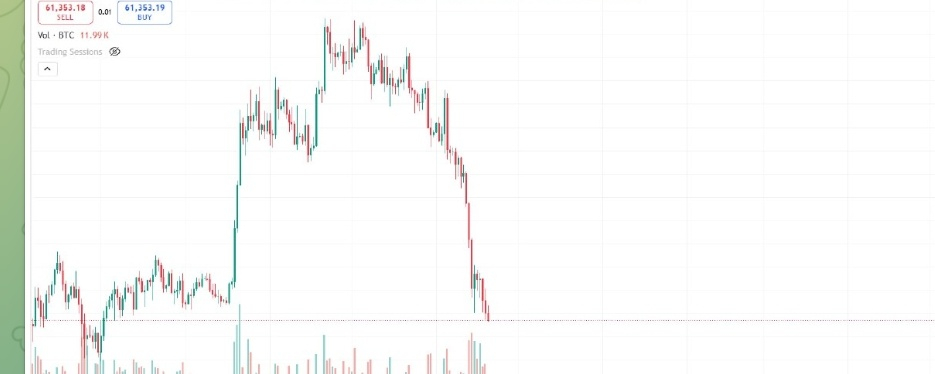
Bitcoin is starting this week around $61,000 after falling for seven weeks in a row. On November 21, the price dropped to $55,130—its lowest point since September 2024—before bouncing back above $60,000. Even with this small recovery, Bitcoin is still more than 50% lower than its highest-ever price in October 2025.
Right now, the market is trying to become stable after a huge sell-off, though big investors are still not buying much.
Why Bulls (Buyers) Are Hopeful
Risky trades are cleared out: On November 21 alone, over $1 billion worth of risky crypto trades were wiped out. Because there are fewer risky bets left in the market, sudden forced selling might slow down.Market is oversold: The Crypto Fear & Greed Index is at 11, which means investors are in "extreme fear." Usually, when everyone is this scared and the market is oversold, prices get a chance to bounce back. If Bitcoin crosses $62K–$63K, it will be a good sign.Big companies are still buying: A company called Strategy bought 457 more Bitcoins last week for $29.6 million. They now own 851,305 Bitcoins in total, showing that some big buyers are using the low prices to buy more.Selling is slowing down: After bouncing back from $55K to above $60K, data shows that heavy selling slowed down over the weekend.
Why Bears (Sellers) Are Still in Control
Big funds are pulling money out: U.S. Bitcoin ETFs (big investment funds) saw $1.25 billion leave the market last week, and over $4.1 billion has been pulled out in November so far.Charts look weak: Bitcoin is still trading below its main average price lines. To show real strength, it first needs to cross the $62K–$62.6K barrier.Stock market is falling: Last week, major U.S. stock markets like the Nasdaq (down 10%) and S&P 500 (down 8.6%) dropped heavily. When tech stocks fall, crypto usually faces pressure too.Not enough big buyers: Even though Strategy is buying Bitcoin, it is not enough to cover all the money that big funds are pulling out.
Important Events to Watch This Week
Nov 23: Global business activity reports (PMI).Nov 24: U.S. Consumer Confidence and home price reports.Nov 25: Major U.S. inflation (PCE) and economic growth (GDP) data.Nov 26: U.S. stock markets are closed for Thanksgiving.Nov 27: U.S. trade data and a shorter stock market trading day.
Final Takeaway
For Bitcoin to keep going up, it must cross the $62K–$63K mark. If it does, the next targets are $65K and then $68.2K. However, if it falls back below $60K, the price could drop down to $55.1K again. Right now, sellers still have the upper hand, and Wednesday's U.S. inflation report will decide where the market goes next.
#bitcoin ##aisa #Worldcoin #BinanceMegadrop
BULLS VS BEARS BITCOIN
Bulls vs. Bears: Can Bitcoin Reach $65K Again?
Bitcoin is starting this week around $61,000 after falling for seven weeks in a row. On November 21, the price dropped to $55,130—its lowest point since September 2024—before bouncing back above $60,000. Even with this small recovery, Bitcoin is still more than 50% lower than its highest-ever price in October 2025.
Right now, the market is trying to become stable after a huge sell-off, though big investors are still not buying much.
Why Bulls (Buyers) Are Hopeful
Risky trades are cleared out: On November 21 alone, over $1 billion worth of risky crypto trades were wiped out. Because there are fewer risky bets left in the market, sudden forced selling might slow down.Market is oversold: The Crypto Fear & Greed Index is at 11, which means investors are in "extreme fear." Usually, when everyone is this scared and the market is oversold, prices get a chance to bounce back. If Bitcoin crosses $62K–$63K, it will be a good sign.Big companies are still buying: A company called Strategy bought 457 more Bitcoins last week for $29.6 million. They now own 851,305 Bitcoins in total, showing that some big buyers are using the low prices to buy more.Selling is slowing down: After bouncing back from $55K to above $60K, data shows that heavy selling slowed down over the weekend.
Why Bears (Sellers) Are Still in Control
Big funds are pulling money out: U.S. Bitcoin ETFs (big investment funds) saw $1.25 billion leave the market last week, and over $4.1 billion has been pulled out in November so far.Charts look weak: Bitcoin is still trading below its main average price lines. To show real strength, it first needs to cross the $62K–$62.6K barrier.Stock market is falling: Last week, major U.S. stock markets like the Nasdaq (down 10%) and S&P 500 (down 8.6%) dropped heavily. When tech stocks fall, crypto usually faces pressure too.Not enough big buyers: Even though Strategy is buying Bitcoin, it is not enough to cover all the money that big funds are pulling out.
Important Events to Watch This Week
Nov 23: Global business activity reports (PMI).Nov 24: U.S. Consumer Confidence and home price reports.Nov 25: Major U.S. inflation (PCE) and economic growth (GDP) data.Nov 26: U.S. stock markets are closed for Thanksgiving.Nov 27: U.S. trade data and a shorter stock market trading day.
Final Takeaway
For Bitcoin to keep going up, it must cross the $62K–$63K mark. If it does, the next targets are $65K and then $68.2K. However, if it falls back below $60K, the price could drop down to $55.1K again. Right now, sellers still have the upper hand, and Wednesday's U.S. inflation report will decide where the market goes next.
#bitcoin ##aisa #Worldcoin #BinanceMegadrop
1
110
·
--
Article
Globel marketThe Global Market Selloff: Correction or Liquidity Crisis?
Right now, financial markets all over the world are dropping fast. Investors are selling off risky assets—like technology stocks and cryptocurrencies—and moving their money into safer options, such as government bonds. This sudden drop is happening because three major problems have hit the economy at the exact same time.
1. The AI Tech Bubble is Slowing Down
For a long time, tech companies spent billions of dollars on Artificial Intelligence (AI), data centers, and computer chips. Now, investors are worried that these companies might not make enough profit to justify all that spending. As a result, major stock markets are falling:
• The U.S. Nasdaq is down about 15% from its October high.
• Asian tech markets are struggling too, with Japan's Nikkei dropping 5%, South Korea's Kospi losing 5.2%, and Taiwan's market falling 17% in just one week.
2. Cryptocurrency is Taking a Heavy Hit
When tech stocks fall, crypto usually follows. Bitcoin dropped to around $61,273 (its lowest price since July), and Ethereum fell near $1,750. Big financial institutions are pulling their money out of Bitcoin funds—with nearly $3.5 billion withdrawn in November alone. Because of this, about $700 million in risky crypto trades were automatically wiped out, pushing prices down even further.
3. Interest Rate Fears from the Federal Reserve
The U.S. Federal Reserve (the central bank) hinted that it might raise interest rates again in December to fight inflation. Higher interest rates make borrowing money more expensive and strengthen the U.S. dollar. When the dollar gets stronger, investors usually pull away from risky investments like stocks and crypto.
Conclusion: Is This a Liquidity Crisis?
A "liquidity crisis" happens when the banking system runs out of cash and completely freezes up. Right now, economists believe this is not a full liquidity crisis. Instead, it is a "risk-off" phase—meaning investors are simply being cautious and playing it safe. To see if the market will recover soon, experts are closely watching three things: whether big investors start buying Bitcoin again, how the U.S. dollar performs, and if tech stocks can stop falling. For now, $60,000 is the most important price level to watch for Bitcoin.
If you'd like, I can help you:
#bitcoin # world#Binance #TradingCommunity ##AIsa
Globel market
The Global Market Selloff: Correction or Liquidity Crisis?
Right now, financial markets all over the world are dropping fast. Investors are selling off risky assets—like technology stocks and cryptocurrencies—and moving their money into safer options, such as government bonds. This sudden drop is happening because three major problems have hit the economy at the exact same time.
1. The AI Tech Bubble is Slowing Down
For a long time, tech companies spent billions of dollars on Artificial Intelligence (AI), data centers, and computer chips. Now, investors are worried that these companies might not make enough profit to justify all that spending. As a result, major stock markets are falling:
• The U.S. Nasdaq is down about 15% from its October high.
• Asian tech markets are struggling too, with Japan's Nikkei dropping 5%, South Korea's Kospi losing 5.2%, and Taiwan's market falling 17% in just one week.
2. Cryptocurrency is Taking a Heavy Hit
When tech stocks fall, crypto usually follows. Bitcoin dropped to around $61,273 (its lowest price since July), and Ethereum fell near $1,750. Big financial institutions are pulling their money out of Bitcoin funds—with nearly $3.5 billion withdrawn in November alone. Because of this, about $700 million in risky crypto trades were automatically wiped out, pushing prices down even further.
3. Interest Rate Fears from the Federal Reserve
The U.S. Federal Reserve (the central bank) hinted that it might raise interest rates again in December to fight inflation. Higher interest rates make borrowing money more expensive and strengthen the U.S. dollar. When the dollar gets stronger, investors usually pull away from risky investments like stocks and crypto.
Conclusion: Is This a Liquidity Crisis?
A "liquidity crisis" happens when the banking system runs out of cash and completely freezes up. Right now, economists believe this is not a full liquidity crisis. Instead, it is a "risk-off" phase—meaning investors are simply being cautious and playing it safe. To see if the market will recover soon, experts are closely watching three things: whether big investors start buying Bitcoin again, how the U.S. dollar performs, and if tech stocks can stop falling. For now, $60,000 is the most important price level to watch for Bitcoin.
If you'd like, I can help you:
#bitcoin # world#Binance #TradingCommunity ##AIsa
1
161
·
--

Article
PULLED FROM BITCOIN$2.9 Billion Pulled from Bitcoin ETFs: Are Big Investors Losing Faith in Crypto?
Right now, the crypto market is facing heavy pressure, mainly because big U.S. institutional investors are pulling billions of dollars out of Spot Bitcoin ETFs.
November 2026 has turned into one of the worst months for ETF demand this year. By November 18, U.S. spot Bitcoin funds had seen around $2.9 billion in net outflows. It’s not just Bitcoin—Ethereum ETFs have also lost about $841 million this month.
This raises a big question: Are big investors just playing it safe during a market dip, or is Wall Street actually losing confidence in Bitcoin?
The $2.9 Billion Outflow: What’s Going On?
On November 18 alone, U.S. spot Bitcoin ETFs saw $306.4 million leave the market, right after losing $239.9 million the day before. That means over $546 million was wiped out in just two days.
Looking at the whole month of November, the numbers look pretty rough:
Roughly $2.9 billion in net Bitcoin ETF outflows since the start of the month.Around $538 million withdrawn between November 16 and 18.Only 2 positive days out of the last 13 trading sessions.On the bright side, total net inflows since the ETFs launched in January 2024 are still strong at $54.1 billion.
The selling is happening across almost all major funds. On November 18, BlackRock’s IBIT lost $148.7 million, Fidelity’s FBTC lost $69.3 million, and Bitwise’s BITB lost $36.6 million. BlackRock is taking the biggest hit—IBIT alone has lost about $2.4 billion this month, which is more than 80% of all Bitcoin ETF outflows.
Ethereum Funds Are Under Even More Pressure
The slowdown isn't limited to Bitcoin. U.S. spot Ethereum ETFs have lost about $841.5 million in November, with money flowing out on almost every trading day. On November 18, ETH funds lost $39.8 million, making it three negative days in a row.
The main difference is that Bitcoin ETFs still have a massive cushion of past investments, while Ethereum funds have been struggling continuously since October. This shows that big investors are cutting back on crypto overall, and Ethereum demand is especially weak.
Wall Street’s Recent Buyers Are in the Red
According to an analysis by Bitfinex, U.S. spot Bitcoin ETFs brought in about $6.36 billion during Q3 2026 (July–September). Most of that money came in between August and September, when the average buying price was estimated at $80,070.
With Bitcoin trading around $63,800 on November 19, the market is roughly 20% below that average entry price. While this is just an estimate based on daily flows, it shows that investors who bought during the late-summer rally are currently sitting on losses. In fact, Q4 outflows have already hit $3.4 billion, wiping out more than half of Q3's gains.
Why BlackRock’s IBIT Is the Center of Attention
Since its launch, BlackRock’s Bitcoin ETF has pulled in $63.9 billion, making it the biggest spot Bitcoin fund by far. So, seeing $2.4 billion leave IBIT in November is a huge deal.
However, this doesn’t mean BlackRock itself is giving up on Bitcoin. ETF flows simply show investors buying or selling shares of the fund—BlackRock just manages it. Still, such massive withdrawals from IBIT prove that heavy selling is happening through the market's biggest institutional channel.
Is This Just a Temporary Dip or a Bigger Shift?
ETF outflows don't tell the whole story. There are a few reasons why institutions might be selling right now:
Some investors are simply locking in profits or moving their money into safer options like cash and traditional assets.Falling tech stocks, tighter financial conditions, and uncertainty around the Federal Reserve's next moves are making investors nervous.A drop in Bitcoin futures open interest on the CME also shows that big players are reducing their risk in derivatives markets.
At the same time, having $54.1 billion in cumulative inflows since 2024 proves that long-term institutional interest hasn't vanished. The next few weeks will show whether this is just a temporary cooldown or a real change in sentiment.
What Happens Next?
Three key signs will help show if the selling is finally slowing down:
ETF Flows: Seeing money flow back into multiple funds for several days in a row—not just one good day.Bitcoin Price: Bitcoin climbing back toward $65,000 alongside positive ETF inflows.Futures Positioning: CME open interest stabilizing, which would mean big investors are done cutting their positions.
Bitfinex points to $61,300 as a major support level. If Bitcoin drops and stays below that mark, prices could fall further. If fund flows improve, the market could start to stabilize.
#Binance #bitcoin #aisa #WorldCoin.
PULLED FROM BITCOIN
$2.9 Billion Pulled from Bitcoin ETFs: Are Big Investors Losing Faith in Crypto?
Right now, the crypto market is facing heavy pressure, mainly because big U.S. institutional investors are pulling billions of dollars out of Spot Bitcoin ETFs.
November 2026 has turned into one of the worst months for ETF demand this year. By November 18, U.S. spot Bitcoin funds had seen around $2.9 billion in net outflows. It’s not just Bitcoin—Ethereum ETFs have also lost about $841 million this month.
This raises a big question: Are big investors just playing it safe during a market dip, or is Wall Street actually losing confidence in Bitcoin?
The $2.9 Billion Outflow: What’s Going On?
On November 18 alone, U.S. spot Bitcoin ETFs saw $306.4 million leave the market, right after losing $239.9 million the day before. That means over $546 million was wiped out in just two days.
Looking at the whole month of November, the numbers look pretty rough:
Roughly $2.9 billion in net Bitcoin ETF outflows since the start of the month.Around $538 million withdrawn between November 16 and 18.Only 2 positive days out of the last 13 trading sessions.On the bright side, total net inflows since the ETFs launched in January 2024 are still strong at $54.1 billion.
The selling is happening across almost all major funds. On November 18, BlackRock’s IBIT lost $148.7 million, Fidelity’s FBTC lost $69.3 million, and Bitwise’s BITB lost $36.6 million. BlackRock is taking the biggest hit—IBIT alone has lost about $2.4 billion this month, which is more than 80% of all Bitcoin ETF outflows.
Ethereum Funds Are Under Even More Pressure
The slowdown isn't limited to Bitcoin. U.S. spot Ethereum ETFs have lost about $841.5 million in November, with money flowing out on almost every trading day. On November 18, ETH funds lost $39.8 million, making it three negative days in a row.
The main difference is that Bitcoin ETFs still have a massive cushion of past investments, while Ethereum funds have been struggling continuously since October. This shows that big investors are cutting back on crypto overall, and Ethereum demand is especially weak.
Wall Street’s Recent Buyers Are in the Red
According to an analysis by Bitfinex, U.S. spot Bitcoin ETFs brought in about $6.36 billion during Q3 2026 (July–September). Most of that money came in between August and September, when the average buying price was estimated at $80,070.
With Bitcoin trading around $63,800 on November 19, the market is roughly 20% below that average entry price. While this is just an estimate based on daily flows, it shows that investors who bought during the late-summer rally are currently sitting on losses. In fact, Q4 outflows have already hit $3.4 billion, wiping out more than half of Q3's gains.
Why BlackRock’s IBIT Is the Center of Attention
Since its launch, BlackRock’s Bitcoin ETF has pulled in $63.9 billion, making it the biggest spot Bitcoin fund by far. So, seeing $2.4 billion leave IBIT in November is a huge deal.
However, this doesn’t mean BlackRock itself is giving up on Bitcoin. ETF flows simply show investors buying or selling shares of the fund—BlackRock just manages it. Still, such massive withdrawals from IBIT prove that heavy selling is happening through the market's biggest institutional channel.
Is This Just a Temporary Dip or a Bigger Shift?
ETF outflows don't tell the whole story. There are a few reasons why institutions might be selling right now:
Some investors are simply locking in profits or moving their money into safer options like cash and traditional assets.Falling tech stocks, tighter financial conditions, and uncertainty around the Federal Reserve's next moves are making investors nervous.A drop in Bitcoin futures open interest on the CME also shows that big players are reducing their risk in derivatives markets.
At the same time, having $54.1 billion in cumulative inflows since 2024 proves that long-term institutional interest hasn't vanished. The next few weeks will show whether this is just a temporary cooldown or a real change in sentiment.
What Happens Next?
Three key signs will help show if the selling is finally slowing down:
ETF Flows: Seeing money flow back into multiple funds for several days in a row—not just one good day.Bitcoin Price: Bitcoin climbing back toward $65,000 alongside positive ETF inflows.Futures Positioning: CME open interest stabilizing, which would mean big investors are done cutting their positions.
Bitfinex points to $61,300 as a major support level. If Bitcoin drops and stays below that mark, prices could fall further. If fund flows improve, the market could start to stabilize.
#Binance #bitcoin #aisa #WorldCoin.
1
101

Tether makes a strategic investment in AIsa, completing its seed extension funding round
- Tether officially becomes a strategic investor in startup AIsa.
- This round marks the completion of AIsa’s seed extension funding phase.
- Following this round, AIsa’s total funding has exceeded $9 million.
#BinanceSquare #CryptoNews #USDT #AIsa
$usdt
#vlikevn Titanbot
Source: CoinTelegraph
- Tether officially becomes a strategic investor in startup AIsa.
- This round marks the completion of AIsa’s seed extension funding phase.
- Following this round, AIsa’s total funding has exceeded $9 million.
#BinanceSquare #CryptoNews #USDT #AIsa
$usdt
#vlikevn Titanbot
Source: CoinTelegraph
Log in to explore more content
Join global crypto users on Binance Square
⚡️ Get latest and useful information about crypto.
💬 Trusted by the world’s largest crypto exchange.
👍 Discover real insights from verified creators.
Email / Phone number
Trending Topics
1
#EvolveAtBinanceBlockchainWeek
2.8M views
22,218 Discussing
2
#SunReportedlyOffered4BToRescueFTX
13,199 views
190 Discussing
3
#IBSGovAccountMints1BTokensDrains5.71M
47,508 views
518 Discussing
4
#OPECReportedlyKeepsOilQuotasUnchangedForQ1
9,167 views
209 Discussing
5
#XRPLAmendmentsEnterActivationWindow
19,121 views
205 Discussing
6
#WorldLibertyActsToCutLiquidationRisk
92,756 views
753 Discussing
7
#TrumpMediaCouldFace883.5MRepaymentDemand
36,882 views
186 Discussing
8
#LiquidHackerMoves598BTC
70,443 views
460 Discussing
9
#BitcoinETFsExtendOutflowStreakToEightDays
138,577 views
1,021 Discussing
10
#BitcoinETFsSee$5.39BNetOutflowRecord
4,640 views
25 Discussing