
Stellar jane
3.8k Publicações

Stellar jane
Denunciar
Bloquear Utilizador
Don't lie about your profits or copy others honesty builds trust.
Aberto ao trading
Trader Ocasional
2.4 ano(s)
229 A seguir
9.2K+ Seguidores
9.4K+ Gostaram
Publicações
Portfólio
Tudo
Cotações
Em direto
·
--
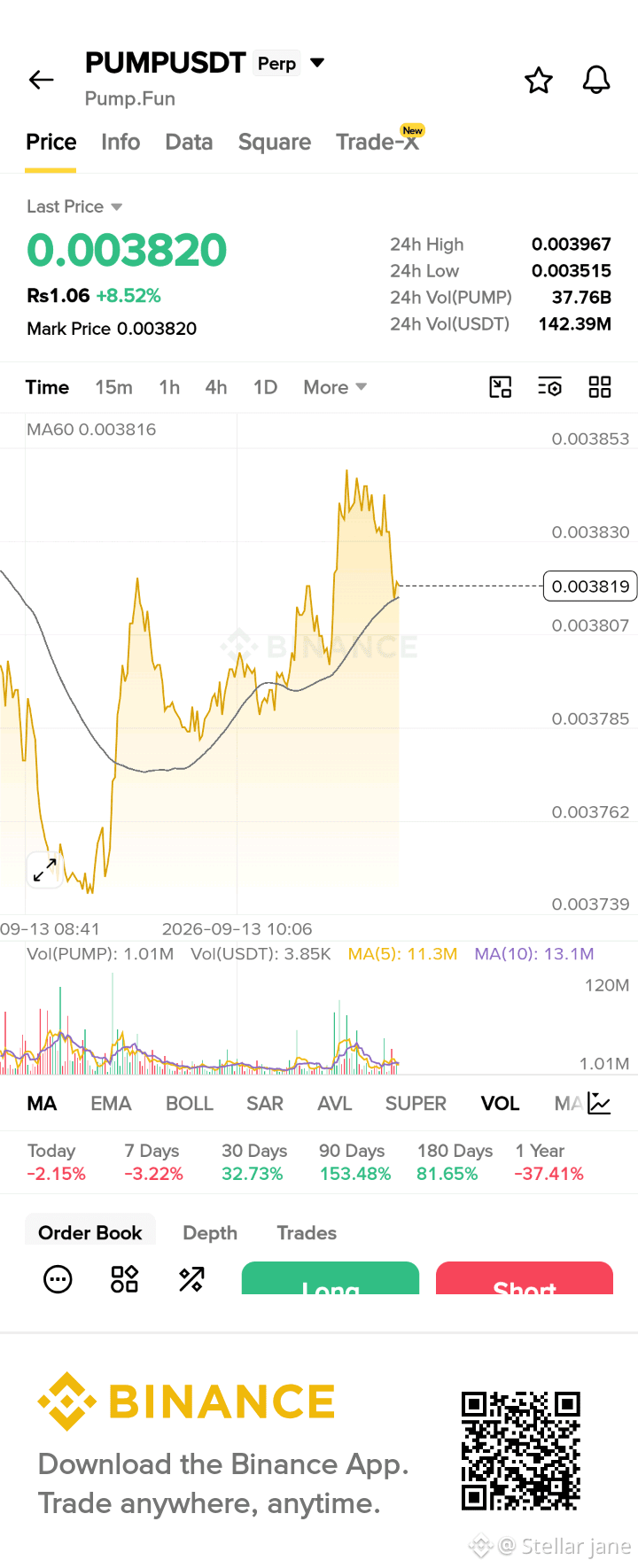
$PUMP está mostrando alguma força considerável após saltar da zona de suporte $0.00350–$0.00360.
O preço agora está por volta de $0.00384, e estou observando como os compradores reagem na região de resistência $0.00390–$0.00400.
Se $PUMP conseguir romper e manter acima de $0.00400, acho que o movimento pode ter espaço para continuar subindo.
Meus níveis:
Entrada: $0.00380–$0.00385
TP1: $0.00392
TP2: $0.00400
TP3: $0.00408
SL: $0.00370
Para mim, o ponto-chave é a confirmação acima de $0.00400, em vez de correr atrás do movimento.
NFA. DYOR.
$NVDA.US
$PUMP está mostrando alguma força considerável após saltar da zona de suporte $0.00350–$0.00360.
O preço agora está por volta de $0.00384, e estou observando como os compradores reagem na região de resistência $0.00390–$0.00400.
Se $PUMP conseguir romper e manter acima de $0.00400, acho que o movimento pode ter espaço para continuar subindo.
Meus níveis:
Entrada: $0.00380–$0.00385
TP1: $0.00392
TP2: $0.00400
TP3: $0.00408
SL: $0.00370
Para mim, o ponto-chave é a confirmação acima de $0.00400, em vez de correr atrás do movimento.
NFA. DYOR.
$NVDA.US
O preço agora está por volta de $0.00384, e estou observando como os compradores reagem na região de resistência $0.00390–$0.00400.
Se $PUMP conseguir romper e manter acima de $0.00400, acho que o movimento pode ter espaço para continuar subindo.
Meus níveis:
Entrada: $0.00380–$0.00385
TP1: $0.00392
TP2: $0.00400
TP3: $0.00408
SL: $0.00370
Para mim, o ponto-chave é a confirmação acima de $0.00400, em vez de correr atrás do movimento.
NFA. DYOR.
$NVDA.US
PUMP-7,79%
NVDAUS-1,58%
226
·
--
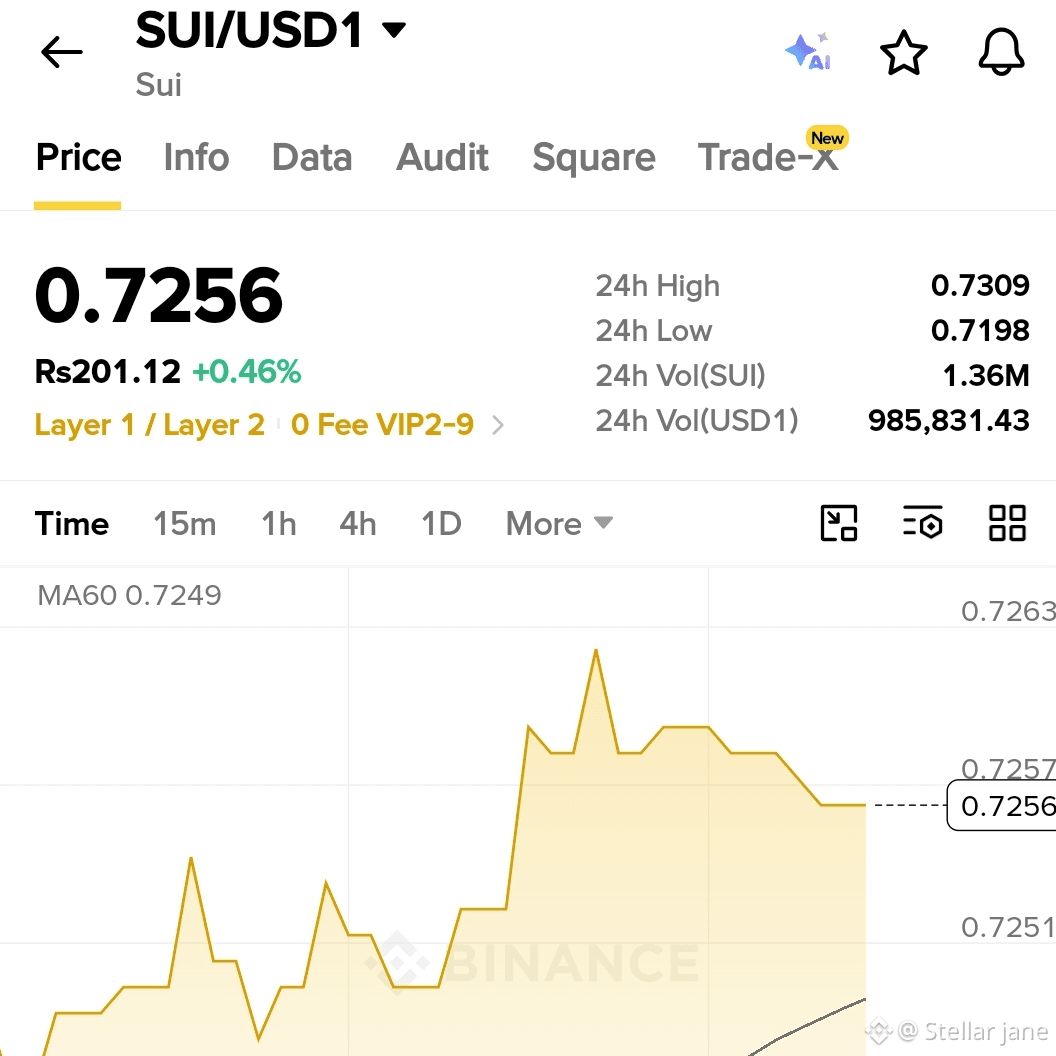
$SUI está mantendo-se por volta da faixa de US$ 0,72 após passar um tempo se movendo lateralmente.
Esta zona está ficando interessante porque os compradores ainda estão tentando defender a base recente. Se $SUI conseguir recuperar e manter-se acima de US$ 0,73, eu estaria observando uma possível alta em direção aos próximos níveis de resistência.
Configuração de Trade
Entrada Long: US$ 0,7200–US$ 0,7260
SL: US$ 0,7000
TP1: US$ 0,7500
TP2: US$ 0,7800
TP3: US$ 0,8000
O ponto-chave para mim é confirmação, não correr atrás do primeiro movimento.
NFA. DYOR.SUI está mantendo-se por volta da faixa de US$ 0,72 após passar um tempo se movendo lateralmente.
Esta zona está ficando interessante porque os compradores ainda estão tentando defender a base recente. Se $SUI conseguir recuperar e manter-se acima de US$ 0,73, eu estaria observando uma possível alta em direção aos próximos níveis de resistência.
Configuração de Trade
Entrada Long: US$ 0,7200–US$ 0,7260
SL: US$ 0,7000
TP1: US$ 0,7500
TP2: US$ 0,7800
TP3: US$ 0,8000
O ponto-chave para mim é confirmação, não correr atrás do primeiro movimento.
NFA. DYOR.
$SUI está mantendo-se por volta da faixa de US$ 0,72 após passar um tempo se movendo lateralmente.
Esta zona está ficando interessante porque os compradores ainda estão tentando defender a base recente. Se $SUI conseguir recuperar e manter-se acima de US$ 0,73, eu estaria observando uma possível alta em direção aos próximos níveis de resistência.
Configuração de Trade
Entrada Long: US$ 0,7200–US$ 0,7260
SL: US$ 0,7000
TP1: US$ 0,7500
TP2: US$ 0,7800
TP3: US$ 0,8000
O ponto-chave para mim é confirmação, não correr atrás do primeiro movimento.
NFA. DYOR.SUI está mantendo-se por volta da faixa de US$ 0,72 após passar um tempo se movendo lateralmente.
Esta zona está ficando interessante porque os compradores ainda estão tentando defender a base recente. Se $SUI conseguir recuperar e manter-se acima de US$ 0,73, eu estaria observando uma possível alta em direção aos próximos níveis de resistência.
Configuração de Trade
Entrada Long: US$ 0,7200–US$ 0,7260
SL: US$ 0,7000
TP1: US$ 0,7500
TP2: US$ 0,7800
TP3: US$ 0,8000
O ponto-chave para mim é confirmação, não correr atrás do primeiro movimento.
NFA. DYOR.
Esta zona está ficando interessante porque os compradores ainda estão tentando defender a base recente. Se $SUI conseguir recuperar e manter-se acima de US$ 0,73, eu estaria observando uma possível alta em direção aos próximos níveis de resistência.
Configuração de Trade
Entrada Long: US$ 0,7200–US$ 0,7260
SL: US$ 0,7000
TP1: US$ 0,7500
TP2: US$ 0,7800
TP3: US$ 0,8000
O ponto-chave para mim é confirmação, não correr atrás do primeiro movimento.
NFA. DYOR.SUI está mantendo-se por volta da faixa de US$ 0,72 após passar um tempo se movendo lateralmente.
Esta zona está ficando interessante porque os compradores ainda estão tentando defender a base recente. Se $SUI conseguir recuperar e manter-se acima de US$ 0,73, eu estaria observando uma possível alta em direção aos próximos níveis de resistência.
Configuração de Trade
Entrada Long: US$ 0,7200–US$ 0,7260
SL: US$ 0,7000
TP1: US$ 0,7500
TP2: US$ 0,7800
TP3: US$ 0,8000
O ponto-chave para mim é confirmação, não correr atrás do primeiro movimento.
NFA. DYOR.
253
·
--
Converto alguns dos meus coins em $ADA na Binance e adicionei à minha posição.
Mantendo simples e jogando o jogo de longo prazo. Vamos ver o que $ADA faz a seguir.
Converto alguns dos meus coins em $ADA na Binance e adicionei à minha posição.
Mantendo simples e jogando o jogo de longo prazo. Vamos ver o que $ADA faz a seguir.
Mantendo simples e jogando o jogo de longo prazo. Vamos ver o que $ADA faz a seguir.
241
·
--
Eu costumava pensar que os melhores projetos de criptomoeda eram os de que todo mundo estava falando.
Agora dou mais atenção aos que estão construindo em silêncio.
O hype pode atrair as pessoas, mas não as mantém por perto. O que realmente importa é se um projeto está resolvendo um problema real ou apenas seguindo a tendência mais recente.
Sempre que encontro um projeto novo, eu não pergunto, "Esse token vai disparar?"
Eu pergunto, "As pessoas ainda usariam isso se o mercado não estivesse em alta?"
Essa pergunta muda a forma como você enxerga as criptos.
Sempre haverá novas narrativas, novos memes e novas oportunidades. Mas os projetos que se concentram em construir algo útil geralmente têm muito mais chances de durar.
O preço chama a atenção.
A utilidade gera confiança.
@babylonlabs_io $BABY #baby
Eu costumava pensar que os melhores projetos de criptomoeda eram os de que todo mundo estava falando.
Agora dou mais atenção aos que estão construindo em silêncio.
O hype pode atrair as pessoas, mas não as mantém por perto. O que realmente importa é se um projeto está resolvendo um problema real ou apenas seguindo a tendência mais recente.
Sempre que encontro um projeto novo, eu não pergunto, "Esse token vai disparar?"
Eu pergunto, "As pessoas ainda usariam isso se o mercado não estivesse em alta?"
Essa pergunta muda a forma como você enxerga as criptos.
Sempre haverá novas narrativas, novos memes e novas oportunidades. Mas os projetos que se concentram em construir algo útil geralmente têm muito mais chances de durar.
O preço chama a atenção.
A utilidade gera confiança.
@BabylonLabs_io $BABY #baby
Agora dou mais atenção aos que estão construindo em silêncio.
O hype pode atrair as pessoas, mas não as mantém por perto. O que realmente importa é se um projeto está resolvendo um problema real ou apenas seguindo a tendência mais recente.
Sempre que encontro um projeto novo, eu não pergunto, "Esse token vai disparar?"
Eu pergunto, "As pessoas ainda usariam isso se o mercado não estivesse em alta?"
Essa pergunta muda a forma como você enxerga as criptos.
Sempre haverá novas narrativas, novos memes e novas oportunidades. Mas os projetos que se concentram em construir algo útil geralmente têm muito mais chances de durar.
O preço chama a atenção.
A utilidade gera confiança.
@BabylonLabs_io $BABY #baby
148
·
--
Protocolo Newton: Construindo a Base para uma Finança de IA ConfiávelO Protocolo Newton Pode Estar Construindo a Infraestrutura de que a IA da Financeira Realmente Precisa
Cada ciclo cripto introduz uma nova onda de projetos que prometem blockchains mais rápidos, taxas mais baixas, melhor escalabilidade ou segurança mais forte. Muitos deles são tecnicamente impressionantes, mas apenas uma pequena parte se torna realmente importante.
O motivo é simples.
A tecnologia sozinha raramente muda os mercados.
As pessoas não adotam produtos porque a arquitetura por trás é elegante. Elas adotam porque esses produtos resolvem problemas reais de formas que são notavelmente mais fáceis, seguras ou eficientes do que as alternativas existentes.
Protocolo Newton: Construindo a Base para uma Finança de IA Confiável
O Protocolo Newton Pode Estar Construindo a Infraestrutura de que a IA da Financeira Realmente Precisa
Cada ciclo cripto introduz uma nova onda de projetos que prometem blockchains mais rápidos, taxas mais baixas, melhor escalabilidade ou segurança mais forte. Muitos deles são tecnicamente impressionantes, mas apenas uma pequena parte se torna realmente importante.
O motivo é simples.
A tecnologia sozinha raramente muda os mercados.
As pessoas não adotam produtos porque a arquitetura por trás é elegante. Elas adotam porque esses produtos resolvem problemas reais de formas que são notavelmente mais fáceis, seguras ou eficientes do que as alternativas existentes.
Cada ciclo cripto introduz uma nova onda de projetos que prometem blockchains mais rápidos, taxas mais baixas, melhor escalabilidade ou segurança mais forte. Muitos deles são tecnicamente impressionantes, mas apenas uma pequena parte se torna realmente importante.
O motivo é simples.
A tecnologia sozinha raramente muda os mercados.
As pessoas não adotam produtos porque a arquitetura por trás é elegante. Elas adotam porque esses produtos resolvem problemas reais de formas que são notavelmente mais fáceis, seguras ou eficientes do que as alternativas existentes.
1
97
·
--
A IA está ficando mais inteligente a cada dia, mas uma pergunta ainda importa mais do que a própria inteligência.
Podemos realmente confiar na IA para gerenciar nosso dinheiro?
Esse é o problema que o Newton Protocol está tentando resolver.
Em vez de construir mais uma plataforma DeFi ou competir por usuários diários, a Newton está criando a infraestrutura que poderia permitir que agentes de IA executem tarefas financeiras com segurança, sem lhes dar controle irrestrito sobre os ativos do usuário. Por meio de automação baseada em permissões, verificação criptográfica e execução segura, cada ação pode permanecer transparente e verificável.
A ideia é convincente, mas tecnologia sozinha nunca garantiu adoção.
A história mostra que os usuários raramente mudam porque algo é tecnicamente melhor. Eles mudam quando se torna mais fácil, mais seguro ou resolve um problema que as soluções existentes não conseguem. As ferramentas de negociação automatizada de hoje estão longe de ser perfeitas, mas milhões continuam usando-as porque são familiares e convenientes.
Esse é o maior desafio da Newton.
O mercado primeiro precisa acreditar que a automação de IA confiável é uma necessidade, e não um luxo.
Se a inteligência artificial continuar assumindo um papel maior nas finanças, a demanda por execução verificável poderia eventualmente se tornar padrão em vez de opcional. Instituições financeiras podem reconhecer esse valor primeiro, já que transparência, conformidade e certeza operacional têm uma importância enorme.
No fim, o Newton Protocol não será julgado pela sofisticação de sua tecnologia.
Ele será julgado por saber se o futuro das finanças com IA realmente exige uma base confiável — e se a Newton se torna o protocolo que, silenciosamente, oferece isso.
@NewtonProtocol $NEWT #Newt
A IA está ficando mais inteligente a cada dia, mas uma pergunta ainda importa mais do que a própria inteligência.
Podemos realmente confiar na IA para gerenciar nosso dinheiro?
Esse é o problema que o Newton Protocol está tentando resolver.
Em vez de construir mais uma plataforma DeFi ou competir por usuários diários, a Newton está criando a infraestrutura que poderia permitir que agentes de IA executem tarefas financeiras com segurança, sem lhes dar controle irrestrito sobre os ativos do usuário. Por meio de automação baseada em permissões, verificação criptográfica e execução segura, cada ação pode permanecer transparente e verificável.
A ideia é convincente, mas tecnologia sozinha nunca garantiu adoção.
A história mostra que os usuários raramente mudam porque algo é tecnicamente melhor. Eles mudam quando se torna mais fácil, mais seguro ou resolve um problema que as soluções existentes não conseguem. As ferramentas de negociação automatizada de hoje estão longe de ser perfeitas, mas milhões continuam usando-as porque são familiares e convenientes.
Esse é o maior desafio da Newton.
O mercado primeiro precisa acreditar que a automação de IA confiável é uma necessidade, e não um luxo.
Se a inteligência artificial continuar assumindo um papel maior nas finanças, a demanda por execução verificável poderia eventualmente se tornar padrão em vez de opcional. Instituições financeiras podem reconhecer esse valor primeiro, já que transparência, conformidade e certeza operacional têm uma importância enorme.
No fim, o Newton Protocol não será julgado pela sofisticação de sua tecnologia.
Ele será julgado por saber se o futuro das finanças com IA realmente exige uma base confiável — e se a Newton se torna o protocolo que, silenciosamente, oferece isso.
@NewtonProtocol $NEWT #Newt
Podemos realmente confiar na IA para gerenciar nosso dinheiro?
Esse é o problema que o Newton Protocol está tentando resolver.
Em vez de construir mais uma plataforma DeFi ou competir por usuários diários, a Newton está criando a infraestrutura que poderia permitir que agentes de IA executem tarefas financeiras com segurança, sem lhes dar controle irrestrito sobre os ativos do usuário. Por meio de automação baseada em permissões, verificação criptográfica e execução segura, cada ação pode permanecer transparente e verificável.
A ideia é convincente, mas tecnologia sozinha nunca garantiu adoção.
A história mostra que os usuários raramente mudam porque algo é tecnicamente melhor. Eles mudam quando se torna mais fácil, mais seguro ou resolve um problema que as soluções existentes não conseguem. As ferramentas de negociação automatizada de hoje estão longe de ser perfeitas, mas milhões continuam usando-as porque são familiares e convenientes.
Esse é o maior desafio da Newton.
O mercado primeiro precisa acreditar que a automação de IA confiável é uma necessidade, e não um luxo.
Se a inteligência artificial continuar assumindo um papel maior nas finanças, a demanda por execução verificável poderia eventualmente se tornar padrão em vez de opcional. Instituições financeiras podem reconhecer esse valor primeiro, já que transparência, conformidade e certeza operacional têm uma importância enorme.
No fim, o Newton Protocol não será julgado pela sofisticação de sua tecnologia.
Ele será julgado por saber se o futuro das finanças com IA realmente exige uma base confiável — e se a Newton se torna o protocolo que, silenciosamente, oferece isso.
@NewtonProtocol $NEWT #Newt
4
1
130
·
--
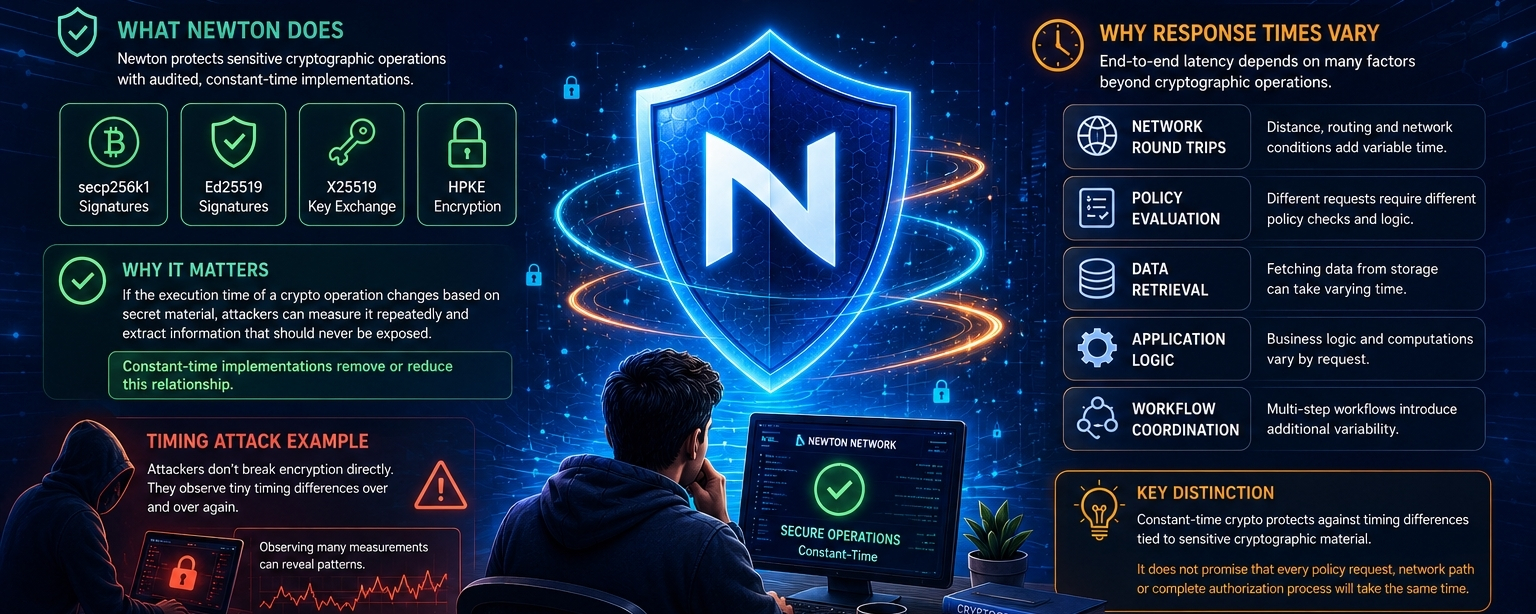
Artigo
Por que a criptografia em tempo constante importa mais do que você imaginaEu costumava achar que o tempo de resposta era só sobre velocidade. Se um app carregasse rápido, eu assumia que tudo estava funcionando perfeitamente. Se fosse lento, eu culpava a rede ou o servidor. Segurança nunca passou pela minha cabeça. Isso mudou depois que passei algum tempo lendo a documentação de segurança da Newton. Um pequeno detalhe mudou completamente a forma como penso sobre a latência.
O que chamou minha atenção não foi uma nova funcionalidade ou uma afirmação ousada. Foi a ideia de que o tempo de resposta, às vezes, pode revelar informações que nunca foram feitas para ser expostas. Eu sempre tratei a latência como um indicador de desempenho, mas a Newton a trata também como uma preocupação de segurança. Essa diferença me fez querer entender o porquê.
Por que a criptografia em tempo constante importa mais do que você imagina
Eu costumava achar que o tempo de resposta era só sobre velocidade. Se um app carregasse rápido, eu assumia que tudo estava funcionando perfeitamente. Se fosse lento, eu culpava a rede ou o servidor. Segurança nunca passou pela minha cabeça. Isso mudou depois que passei algum tempo lendo a documentação de segurança da Newton. Um pequeno detalhe mudou completamente a forma como penso sobre a latência.
O que chamou minha atenção não foi uma nova funcionalidade ou uma afirmação ousada. Foi a ideia de que o tempo de resposta, às vezes, pode revelar informações que nunca foram feitas para ser expostas. Eu sempre tratei a latência como um indicador de desempenho, mas a Newton a trata também como uma preocupação de segurança. Essa diferença me fez querer entender o porquê.
O que chamou minha atenção não foi uma nova funcionalidade ou uma afirmação ousada. Foi a ideia de que o tempo de resposta, às vezes, pode revelar informações que nunca foram feitas para ser expostas. Eu sempre tratei a latência como um indicador de desempenho, mas a Newton a trata também como uma preocupação de segurança. Essa diferença me fez querer entender o porquê.
1
83
·
--
Eu estava pensando em algo que a maioria de nós provavelmente ignora.
Sempre que uma transação ou solicitação parece um pouco mais lenta, geralmente culpamos a rede. Eu sempre tratei a latência também como um problema de desempenho.
Então comecei a ler sobre o design de segurança da Newton, e um detalhe mudou completamente a forma como eu enxergava isso.
A Newton não se preocupa apenas com velocidade. Ela também se importa com o que o tempo de resposta pode revelar acidentalmente.
Isso chamou minha atenção.
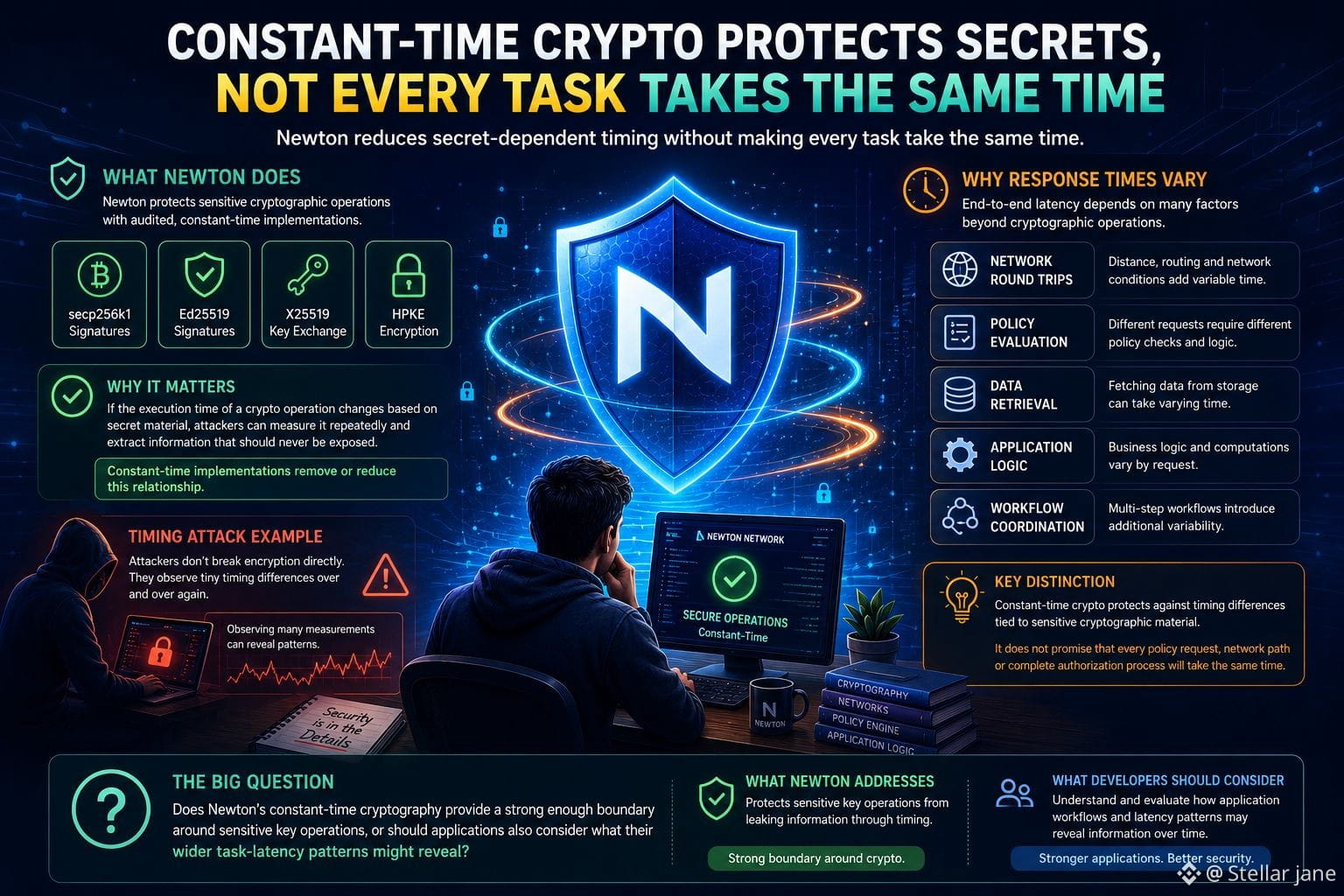
As operações criptográficas por trás da Newton usam implementações auditadas em tempo constante para tecnologias como secp256k1, Ed25519, X25519 e HPKE.
No início eu pensei: "Ok... isso é um recurso técnico legal."
Mas quanto mais eu entendia, mais importante isso se tornava.
Imagine se uma operação criptográfica levasse quantidades ligeiramente diferentes de tempo dependendo da chave secreta que ela está usando. Se alguém medisse essas diferenças minúsculas de tempo repetidas vezes, poderia, aos poucos, aprender algo que nunca deveria saber.
É exatamente isso que a criptografia em tempo constante foi projetada para impedir.
Para mim, isso é um limite de segurança bem forte.
Mas então surgiu outra pergunta na minha cabeça.
Isso significa que cada solicitação na Newton deve levar exatamente a mesma quantidade de tempo?
Não exatamente.
A própria Newton explica que a latência de ponta a ponta é afetada principalmente por coisas como idas e voltas de rede, avaliação de políticas e outros trabalhos da aplicação. A parte criptográfica normalmente termina incrivelmente rápido, muitas vezes em microssegundos ou poucos milissegundos.
Então, naturalmente, algumas solicitações ainda serão mais rápidas do que outras.
E isso é completamente diferente de vazar informações da chave privada.
Quanto mais eu pensava sobre isso, mais claro ficava essa distinção.
A criptografia em tempo constante protege os segredos dentro das operações criptográficas.
Ela não promete que cada verificação de política, cada fluxo de autorização ou cada solicitação de rede vá parecer idêntico de fora.
@NewtonProtocol $NEWT #Newt
Eu estava pensando em algo que a maioria de nós provavelmente ignora.
Sempre que uma transação ou solicitação parece um pouco mais lenta, geralmente culpamos a rede. Eu sempre tratei a latência também como um problema de desempenho.
Então comecei a ler sobre o design de segurança da Newton, e um detalhe mudou completamente a forma como eu enxergava isso.
A Newton não se preocupa apenas com velocidade. Ela também se importa com o que o tempo de resposta pode revelar acidentalmente.
Isso chamou minha atenção.
As operações criptográficas por trás da Newton usam implementações auditadas em tempo constante para tecnologias como secp256k1, Ed25519, X25519 e HPKE.
No início eu pensei: "Ok... isso é um recurso técnico legal."
Mas quanto mais eu entendia, mais importante isso se tornava.
Imagine se uma operação criptográfica levasse quantidades ligeiramente diferentes de tempo dependendo da chave secreta que ela está usando. Se alguém medisse essas diferenças minúsculas de tempo repetidas vezes, poderia, aos poucos, aprender algo que nunca deveria saber.
É exatamente isso que a criptografia em tempo constante foi projetada para impedir.
Para mim, isso é um limite de segurança bem forte.
Mas então surgiu outra pergunta na minha cabeça.
Isso significa que cada solicitação na Newton deve levar exatamente a mesma quantidade de tempo?
Não exatamente.
A própria Newton explica que a latência de ponta a ponta é afetada principalmente por coisas como idas e voltas de rede, avaliação de políticas e outros trabalhos da aplicação. A parte criptográfica normalmente termina incrivelmente rápido, muitas vezes em microssegundos ou poucos milissegundos.
Então, naturalmente, algumas solicitações ainda serão mais rápidas do que outras.
E isso é completamente diferente de vazar informações da chave privada.
Quanto mais eu pensava sobre isso, mais claro ficava essa distinção.
A criptografia em tempo constante protege os segredos dentro das operações criptográficas.
Ela não promete que cada verificação de política, cada fluxo de autorização ou cada solicitação de rede vá parecer idêntico de fora.
@NewtonProtocol $NEWT #Newt
Sempre que uma transação ou solicitação parece um pouco mais lenta, geralmente culpamos a rede. Eu sempre tratei a latência também como um problema de desempenho.
Então comecei a ler sobre o design de segurança da Newton, e um detalhe mudou completamente a forma como eu enxergava isso.
A Newton não se preocupa apenas com velocidade. Ela também se importa com o que o tempo de resposta pode revelar acidentalmente.
Isso chamou minha atenção.
As operações criptográficas por trás da Newton usam implementações auditadas em tempo constante para tecnologias como secp256k1, Ed25519, X25519 e HPKE.
No início eu pensei: "Ok... isso é um recurso técnico legal."
Mas quanto mais eu entendia, mais importante isso se tornava.
Imagine se uma operação criptográfica levasse quantidades ligeiramente diferentes de tempo dependendo da chave secreta que ela está usando. Se alguém medisse essas diferenças minúsculas de tempo repetidas vezes, poderia, aos poucos, aprender algo que nunca deveria saber.
É exatamente isso que a criptografia em tempo constante foi projetada para impedir.
Para mim, isso é um limite de segurança bem forte.
Mas então surgiu outra pergunta na minha cabeça.
Isso significa que cada solicitação na Newton deve levar exatamente a mesma quantidade de tempo?
Não exatamente.
A própria Newton explica que a latência de ponta a ponta é afetada principalmente por coisas como idas e voltas de rede, avaliação de políticas e outros trabalhos da aplicação. A parte criptográfica normalmente termina incrivelmente rápido, muitas vezes em microssegundos ou poucos milissegundos.
Então, naturalmente, algumas solicitações ainda serão mais rápidas do que outras.
E isso é completamente diferente de vazar informações da chave privada.
Quanto mais eu pensava sobre isso, mais claro ficava essa distinção.
A criptografia em tempo constante protege os segredos dentro das operações criptográficas.
Ela não promete que cada verificação de política, cada fluxo de autorização ou cada solicitação de rede vá parecer idêntico de fora.
@NewtonProtocol $NEWT #Newt
108
·
--
Quem Dá à IA o Direito de Movimentar CapitalA IA está mudando rapidamente a forma como os mercados financeiros operam. O que começou como uma simples automação evoluiu para sistemas inteligentes capazes de analisar dados, identificar oportunidades, otimizar carteiras e até executar negociações com o mínimo de intervenção humana. À medida que a tecnologia blockchain e os ativos tokenizados continuam a crescer, a IA está se tornando um participante cada vez mais importante nas finanças on-chain. Mas, embora grande parte da indústria esteja focada em tornar a IA mais poderosa, uma questão muito mais importante começa a surgir.
Quem Dá à IA o Direito de Movimentar Capital
A IA está mudando rapidamente a forma como os mercados financeiros operam. O que começou como uma simples automação evoluiu para sistemas inteligentes capazes de analisar dados, identificar oportunidades, otimizar carteiras e até executar negociações com o mínimo de intervenção humana. À medida que a tecnologia blockchain e os ativos tokenizados continuam a crescer, a IA está se tornando um participante cada vez mais importante nas finanças on-chain. Mas, embora grande parte da indústria esteja focada em tornar a IA mais poderosa, uma questão muito mais importante começa a surgir.
83
·
--
Validação Gera Segurança
Autorização Gera ValorEu estava conversando sobre o Protocolo Newton com um amigo neste fim de semana, e a conversa acabou mudando a forma como eu vejo projetos de infraestrutura. 😄
Por muito tempo, pensei que a segurança de rede era o maior fator de valor. Mais validadores significavam uma rede mais forte, e uma rede mais forte significava uma tese de investimento melhor. Simples.
Mas depois de passar um tempo lendo sobre Newton, não tenho certeza de que essa seja toda a história agora.
O que realmente chamou minha atenção foi a camada de autorização.
Os validadores confirmam que uma ação aconteceu.
Validação Gera Segurança Autorização Gera Valor
Eu estava conversando sobre o Protocolo Newton com um amigo neste fim de semana, e a conversa acabou mudando a forma como eu vejo projetos de infraestrutura. 😄
Por muito tempo, pensei que a segurança de rede era o maior fator de valor. Mais validadores significavam uma rede mais forte, e uma rede mais forte significava uma tese de investimento melhor. Simples.
Mas depois de passar um tempo lendo sobre Newton, não tenho certeza de que essa seja toda a história agora.
O que realmente chamou minha atenção foi a camada de autorização.
Os validadores confirmam que uma ação aconteceu.
Por muito tempo, pensei que a segurança de rede era o maior fator de valor. Mais validadores significavam uma rede mais forte, e uma rede mais forte significava uma tese de investimento melhor. Simples.
Mas depois de passar um tempo lendo sobre Newton, não tenho certeza de que essa seja toda a história agora.
O que realmente chamou minha atenção foi a camada de autorização.
Os validadores confirmam que uma ação aconteceu.
76
·
--
Esta semana mudou completamente a forma como tenho pensado sobre o Newton Protocol.
Estávamos analisando alguns projetos de infraestrutura que foram muito bem em ciclos anteriores, e ele disse algo interessante.
"Todo mundo se empolga quando os números de validadores aumentam."
No começo eu concordei 😅. Mais validadores geralmente significa uma rede mais saudável, certo?
Mas depois de me aprofundar no Newton, percebi que os validadores talvez não sejam mais a parte mais interessante da história.
O que realmente chamou minha atenção foi a camada de autorização.
Existe uma grande diferença entre provar que uma ação aconteceu e decidir se aquela ação deveria acontecer de fato. 🤔
Essa segunda parte parece ser onde o verdadeiro valor econômico pode ser criado.
Se os operadores precisarem vincular capital, construir um longo histórico de boas decisões de autorização e proteger consistentemente as aplicações contra solicitações ruins, então a reputação deixa de ser apenas uma métrica bonita.
Ela aos poucos se torna algo pelo qual as pessoas estão realmente dispostas a pagar. 📈
Claro, é também aí que entra a maior pergunta.
Os desenvolvedores continuarão pagando por autorização confiável quando os incentivos iniciais desaparecerem? 👀
Porque todos nós vimos projetos atraírem atenção durante a fase de incentivos... e então a atividade vai diminuindo aos poucos. 😅
Para mim, essa é a métrica que vale a pena observar.
Estou prestando menos atenção a listagens em exchanges ou ao hype de curto prazo, e muito mais atenção a solicitações recorrentes de autorização, participação vinculada e se as taxas do protocolo eventualmente criam uma demanda sustentável pelo token.
Narrativas podem mover preços por um tempo.
Mas o comportamento consistente dos usuários geralmente conta a história real... só um pouco mais tarde.
Curioso para ver como o Newton evolui daqui em diante. Se a economia da autorização funcionar da forma como foi projetada, acho que isso pode se tornar um dos experimentos de infraestrutura mais interessantes para observar nos próximos anos. 🚀
$NEWT #Newt @NewtonProtocol
Esta semana mudou completamente a forma como tenho pensado sobre o Newton Protocol.
Estávamos analisando alguns projetos de infraestrutura que foram muito bem em ciclos anteriores, e ele disse algo interessante.
"Todo mundo se empolga quando os números de validadores aumentam."
No começo eu concordei 😅. Mais validadores geralmente significa uma rede mais saudável, certo?
Mas depois de me aprofundar no Newton, percebi que os validadores talvez não sejam mais a parte mais interessante da história.
O que realmente chamou minha atenção foi a camada de autorização.
Existe uma grande diferença entre provar que uma ação aconteceu e decidir se aquela ação deveria acontecer de fato. 🤔
Essa segunda parte parece ser onde o verdadeiro valor econômico pode ser criado.
Se os operadores precisarem vincular capital, construir um longo histórico de boas decisões de autorização e proteger consistentemente as aplicações contra solicitações ruins, então a reputação deixa de ser apenas uma métrica bonita.
Ela aos poucos se torna algo pelo qual as pessoas estão realmente dispostas a pagar. 📈
Claro, é também aí que entra a maior pergunta.
Os desenvolvedores continuarão pagando por autorização confiável quando os incentivos iniciais desaparecerem? 👀
Porque todos nós vimos projetos atraírem atenção durante a fase de incentivos... e então a atividade vai diminuindo aos poucos. 😅
Para mim, essa é a métrica que vale a pena observar.
Estou prestando menos atenção a listagens em exchanges ou ao hype de curto prazo, e muito mais atenção a solicitações recorrentes de autorização, participação vinculada e se as taxas do protocolo eventualmente criam uma demanda sustentável pelo token.
Narrativas podem mover preços por um tempo.
Mas o comportamento consistente dos usuários geralmente conta a história real... só um pouco mais tarde.
Curioso para ver como o Newton evolui daqui em diante. Se a economia da autorização funcionar da forma como foi projetada, acho que isso pode se tornar um dos experimentos de infraestrutura mais interessantes para observar nos próximos anos. 🚀
$NEWT #Newt @NewtonProtocol
Estávamos analisando alguns projetos de infraestrutura que foram muito bem em ciclos anteriores, e ele disse algo interessante.
"Todo mundo se empolga quando os números de validadores aumentam."
No começo eu concordei 😅. Mais validadores geralmente significa uma rede mais saudável, certo?
Mas depois de me aprofundar no Newton, percebi que os validadores talvez não sejam mais a parte mais interessante da história.
O que realmente chamou minha atenção foi a camada de autorização.
Existe uma grande diferença entre provar que uma ação aconteceu e decidir se aquela ação deveria acontecer de fato. 🤔
Essa segunda parte parece ser onde o verdadeiro valor econômico pode ser criado.
Se os operadores precisarem vincular capital, construir um longo histórico de boas decisões de autorização e proteger consistentemente as aplicações contra solicitações ruins, então a reputação deixa de ser apenas uma métrica bonita.
Ela aos poucos se torna algo pelo qual as pessoas estão realmente dispostas a pagar. 📈
Claro, é também aí que entra a maior pergunta.
Os desenvolvedores continuarão pagando por autorização confiável quando os incentivos iniciais desaparecerem? 👀
Porque todos nós vimos projetos atraírem atenção durante a fase de incentivos... e então a atividade vai diminuindo aos poucos. 😅
Para mim, essa é a métrica que vale a pena observar.
Estou prestando menos atenção a listagens em exchanges ou ao hype de curto prazo, e muito mais atenção a solicitações recorrentes de autorização, participação vinculada e se as taxas do protocolo eventualmente criam uma demanda sustentável pelo token.
Narrativas podem mover preços por um tempo.
Mas o comportamento consistente dos usuários geralmente conta a história real... só um pouco mais tarde.
Curioso para ver como o Newton evolui daqui em diante. Se a economia da autorização funcionar da forma como foi projetada, acho que isso pode se tornar um dos experimentos de infraestrutura mais interessantes para observar nos próximos anos. 🚀
$NEWT #Newt @NewtonProtocol
92
·
--
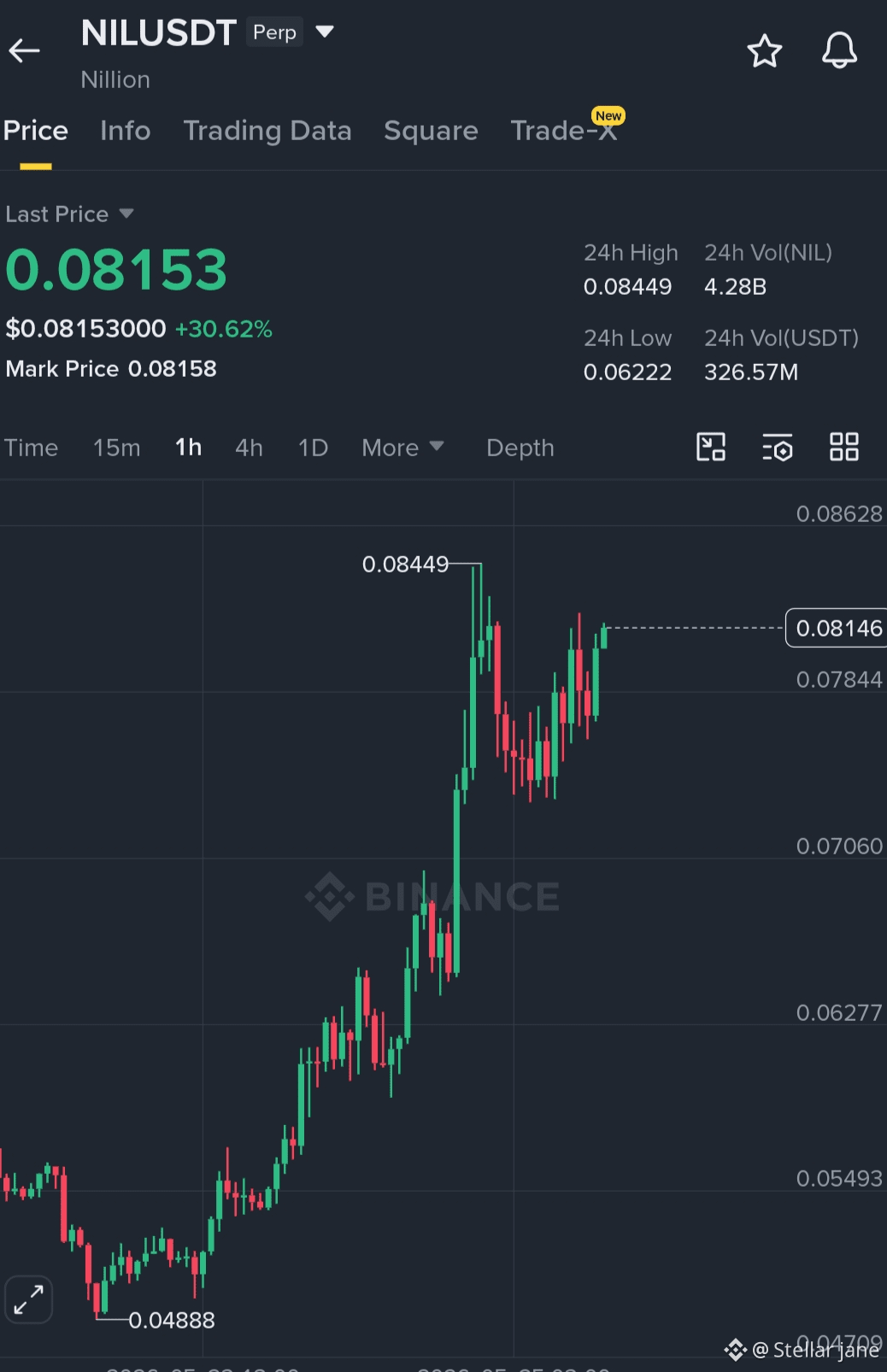
Outra expansão limpa e perfeitamente executada $NIL .
A estrutura estava clara.
O setup estava visível.
E o breakout entregou exatamente como projetado.
NIL explodiu em direção à região de 0.08153 após construir uma forte acumulação abaixo da zona de 0.049 — completando uma das expansões de momentum mais fortes do mercado agora.
Enquanto a maioria do mercado hesitava, o posicionamento do dinheiro inteligente já estava ocorrendo dentro da faixa de compressão.
Agora o resultado fala por si:
🔥 Recuperação maciça a partir das mínimas
🔥 Quase +30,62% nas últimas 24H
🔥 Continuação forte de momentum
🔥 Estrutura de breakout totalmente validada
É isso que acontece quando preço, momentum e liquidez se alinham juntos.
A parte importante não é apenas o movimento percentual.
É quão limpidamente o mercado respeitou a estrutura anteriormente.
NIL mostrou:
• absorção sustentada de compradores
• confirmação saudável do breakout
• volume de participação em expansão
• continuação agressiva após a recuperação
Essa combinação é exatamente o que ativos de forte momentum tendem a exibir antes das fases de aceleração de tendência.
E agora a psicologia muda.
Traders que ignoraram o breakout estão de repente correndo atrás da força, enquanto o posicionamento antecipado continua se beneficiando da expansão.
É assim que os ciclos de momentum funcionam.
Primeiro descrença.
Depois breakout.
Depois FOMO.
Neste momento, NIL continua sendo um dos gráficos de alta atenção mais fortes do mercado.
A chave daqui para frente é se os compradores conseguem manter o controle acima do suporte do breakout e continuar convertendo momentum em continuação de tendência.
Porque quando os ativos transitam de acumulação para fases de descoberta, a alta pode se expandir muito mais rápido do que a maioria espera.
Outra chamada forte.
Outra estrutura respeitada.
Outro lembrete de que a paciência durante a acumulação geralmente traz as maiores recompensas.
$NIL
Outra expansão limpa e perfeitamente executada $NIL .
A estrutura estava clara.
O setup estava visível.
E o breakout entregou exatamente como projetado.
NIL explodiu em direção à região de 0.08153 após construir uma forte acumulação abaixo da zona de 0.049 — completando uma das expansões de momentum mais fortes do mercado agora.
Enquanto a maioria do mercado hesitava, o posicionamento do dinheiro inteligente já estava ocorrendo dentro da faixa de compressão.
Agora o resultado fala por si:
🔥 Recuperação maciça a partir das mínimas
🔥 Quase +30,62% nas últimas 24H
🔥 Continuação forte de momentum
🔥 Estrutura de breakout totalmente validada
É isso que acontece quando preço, momentum e liquidez se alinham juntos.
A parte importante não é apenas o movimento percentual.
É quão limpidamente o mercado respeitou a estrutura anteriormente.
NIL mostrou:
• absorção sustentada de compradores
• confirmação saudável do breakout
• volume de participação em expansão
• continuação agressiva após a recuperação
Essa combinação é exatamente o que ativos de forte momentum tendem a exibir antes das fases de aceleração de tendência.
E agora a psicologia muda.
Traders que ignoraram o breakout estão de repente correndo atrás da força, enquanto o posicionamento antecipado continua se beneficiando da expansão.
É assim que os ciclos de momentum funcionam.
Primeiro descrença.
Depois breakout.
Depois FOMO.
Neste momento, NIL continua sendo um dos gráficos de alta atenção mais fortes do mercado.
A chave daqui para frente é se os compradores conseguem manter o controle acima do suporte do breakout e continuar convertendo momentum em continuação de tendência.
Porque quando os ativos transitam de acumulação para fases de descoberta, a alta pode se expandir muito mais rápido do que a maioria espera.
Outra chamada forte.
Outra estrutura respeitada.
Outro lembrete de que a paciência durante a acumulação geralmente traz as maiores recompensas.
$NIL
A estrutura estava clara.
O setup estava visível.
E o breakout entregou exatamente como projetado.
NIL explodiu em direção à região de 0.08153 após construir uma forte acumulação abaixo da zona de 0.049 — completando uma das expansões de momentum mais fortes do mercado agora.
Enquanto a maioria do mercado hesitava, o posicionamento do dinheiro inteligente já estava ocorrendo dentro da faixa de compressão.
Agora o resultado fala por si:
🔥 Recuperação maciça a partir das mínimas
🔥 Quase +30,62% nas últimas 24H
🔥 Continuação forte de momentum
🔥 Estrutura de breakout totalmente validada
É isso que acontece quando preço, momentum e liquidez se alinham juntos.
A parte importante não é apenas o movimento percentual.
É quão limpidamente o mercado respeitou a estrutura anteriormente.
NIL mostrou:
• absorção sustentada de compradores
• confirmação saudável do breakout
• volume de participação em expansão
• continuação agressiva após a recuperação
Essa combinação é exatamente o que ativos de forte momentum tendem a exibir antes das fases de aceleração de tendência.
E agora a psicologia muda.
Traders que ignoraram o breakout estão de repente correndo atrás da força, enquanto o posicionamento antecipado continua se beneficiando da expansão.
É assim que os ciclos de momentum funcionam.
Primeiro descrença.
Depois breakout.
Depois FOMO.
Neste momento, NIL continua sendo um dos gráficos de alta atenção mais fortes do mercado.
A chave daqui para frente é se os compradores conseguem manter o controle acima do suporte do breakout e continuar convertendo momentum em continuação de tendência.
Porque quando os ativos transitam de acumulação para fases de descoberta, a alta pode se expandir muito mais rápido do que a maioria espera.
Outra chamada forte.
Outra estrutura respeitada.
Outro lembrete de que a paciência durante a acumulação geralmente traz as maiores recompensas.
$NIL
1
192
·
--
Em Alta
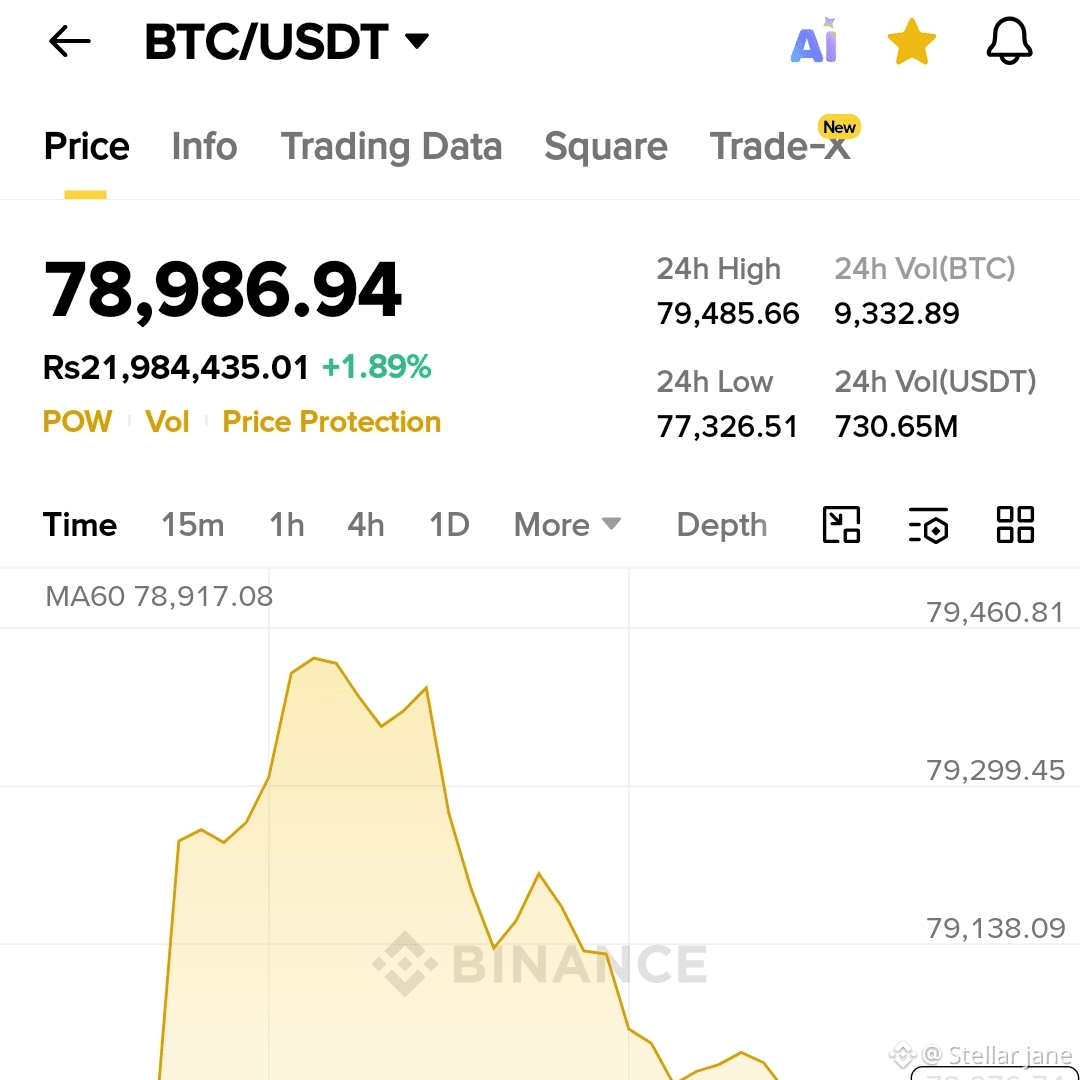
$BTC está começando a ganhar momentum em timeframes menores.
O preço recuperou a resistência de curto prazo e agora se mantém firme logo abaixo das máximas.
Se essa consolidação se mantiver, parece ser uma configuração para continuidade em vez de rejeição.
Acima de 79.4K, as coisas provavelmente vão acelerar rápido.
A falha em segurar 78.7K mudaria o tom a curto prazo.
{spot}(BTCUSDT)
$BTC está começando a ganhar momentum em timeframes menores.
O preço recuperou a resistência de curto prazo e agora se mantém firme logo abaixo das máximas.
Se essa consolidação se mantiver, parece ser uma configuração para continuidade em vez de rejeição.
Acima de 79.4K, as coisas provavelmente vão acelerar rápido.
A falha em segurar 78.7K mudaria o tom a curto prazo.
O preço recuperou a resistência de curto prazo e agora se mantém firme logo abaixo das máximas.
Se essa consolidação se mantiver, parece ser uma configuração para continuidade em vez de rejeição.
Acima de 79.4K, as coisas provavelmente vão acelerar rápido.
A falha em segurar 78.7K mudaria o tom a curto prazo.
233
·
--
Em Alta
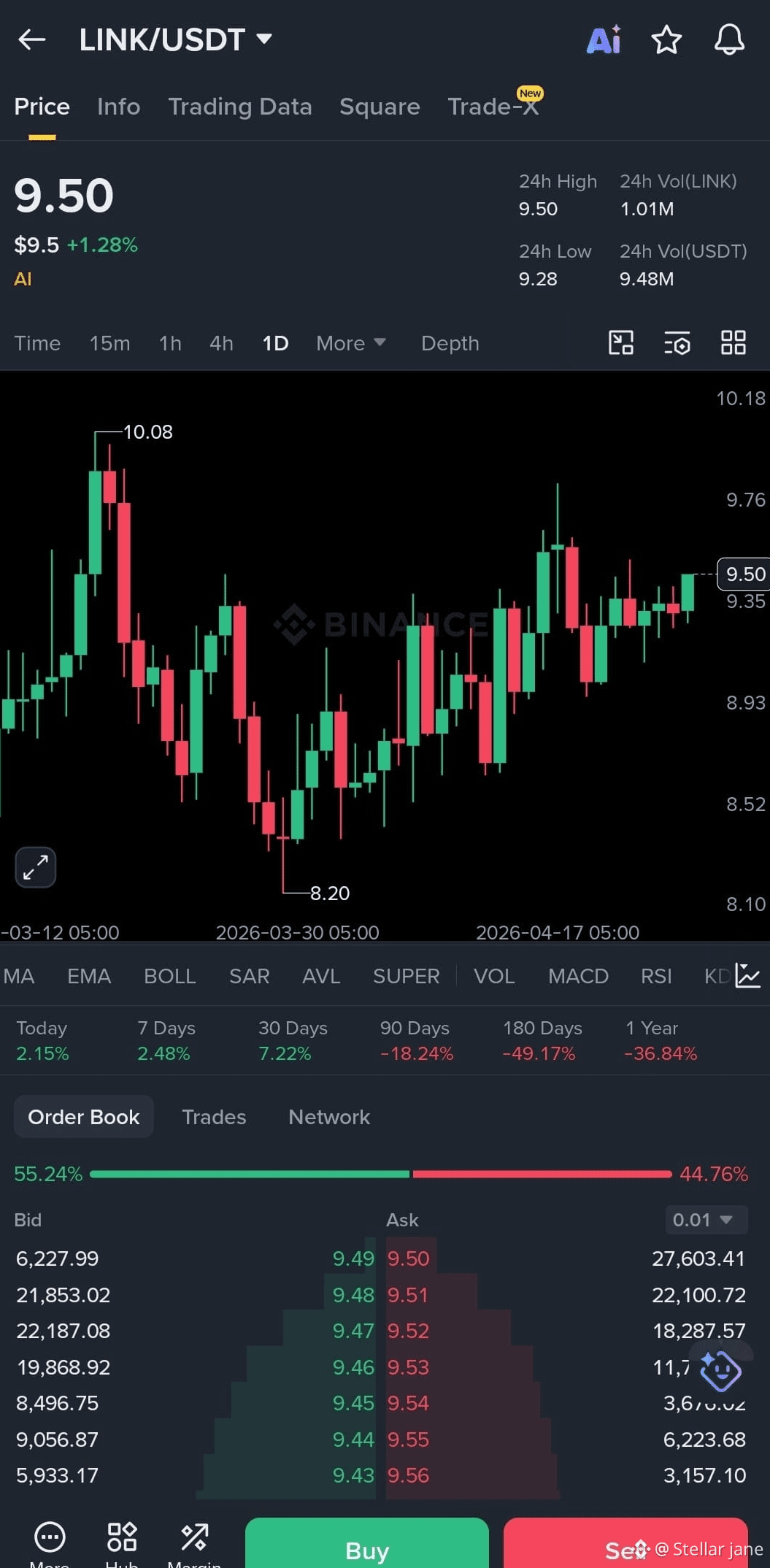
$LINK ainda parece tranquilo, mas a estrutura está melhorando.
Estão formando fundos mais altos, e o preço está pressionando a resistência de $9.75. Sem pressa aqui, porém o volume está baixo.
Se conseguirmos um fechamento diário limpo acima, o momentum pode entrar.
$LINK ainda parece tranquilo, mas a estrutura está melhorando.
Estão formando fundos mais altos, e o preço está pressionando a resistência de $9.75. Sem pressa aqui, porém o volume está baixo.
Se conseguirmos um fechamento diário limpo acima, o momentum pode entrar.
Estão formando fundos mais altos, e o preço está pressionando a resistência de $9.75. Sem pressa aqui, porém o volume está baixo.
Se conseguirmos um fechamento diário limpo acima, o momentum pode entrar.
165
·
--
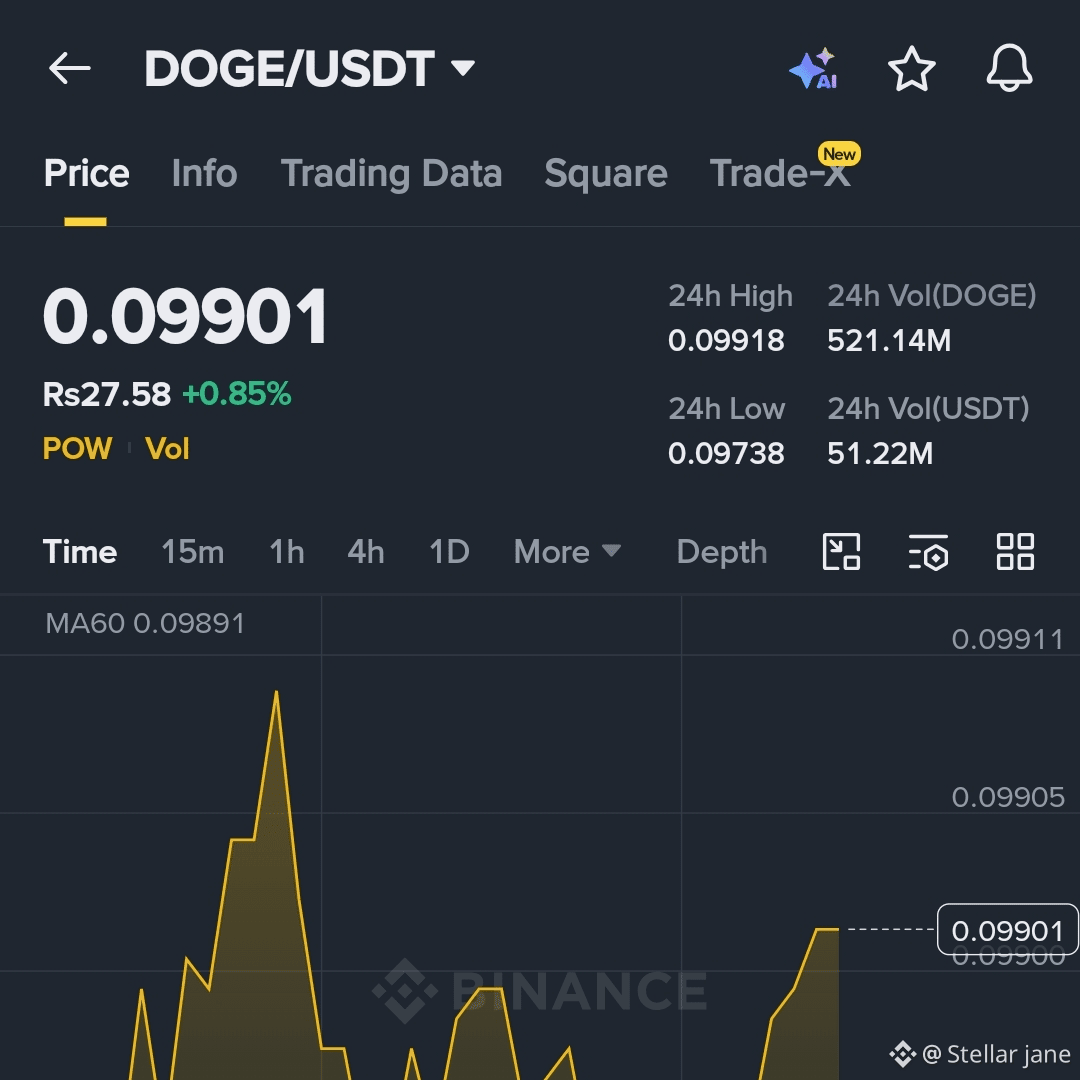
$DOGE está se enrolando bem abaixo da resistência e a estrutura parece limpa.
O preço continua segurando mínimas mais altas enquanto se mantém apertado perto do topo, o que geralmente significa que os compradores não estão recuando.
0.0985–0.1000 é uma boa zona para se apoiar se você está buscando continuidade.
A invalidação está abaixo de 0.0960 se o momentum esfriar.
$DOGE
{future}(DOGEUSDT)
$DOGE está se enrolando bem abaixo da resistência e a estrutura parece limpa.
O preço continua segurando mínimas mais altas enquanto se mantém apertado perto do topo, o que geralmente significa que os compradores não estão recuando.
0.0985–0.1000 é uma boa zona para se apoiar se você está buscando continuidade.
A invalidação está abaixo de 0.0960 se o momentum esfriar.
$DOGE
O preço continua segurando mínimas mais altas enquanto se mantém apertado perto do topo, o que geralmente significa que os compradores não estão recuando.
0.0985–0.1000 é uma boa zona para se apoiar se você está buscando continuidade.
A invalidação está abaixo de 0.0960 se o momentum esfriar.
$DOGE
167
·
--
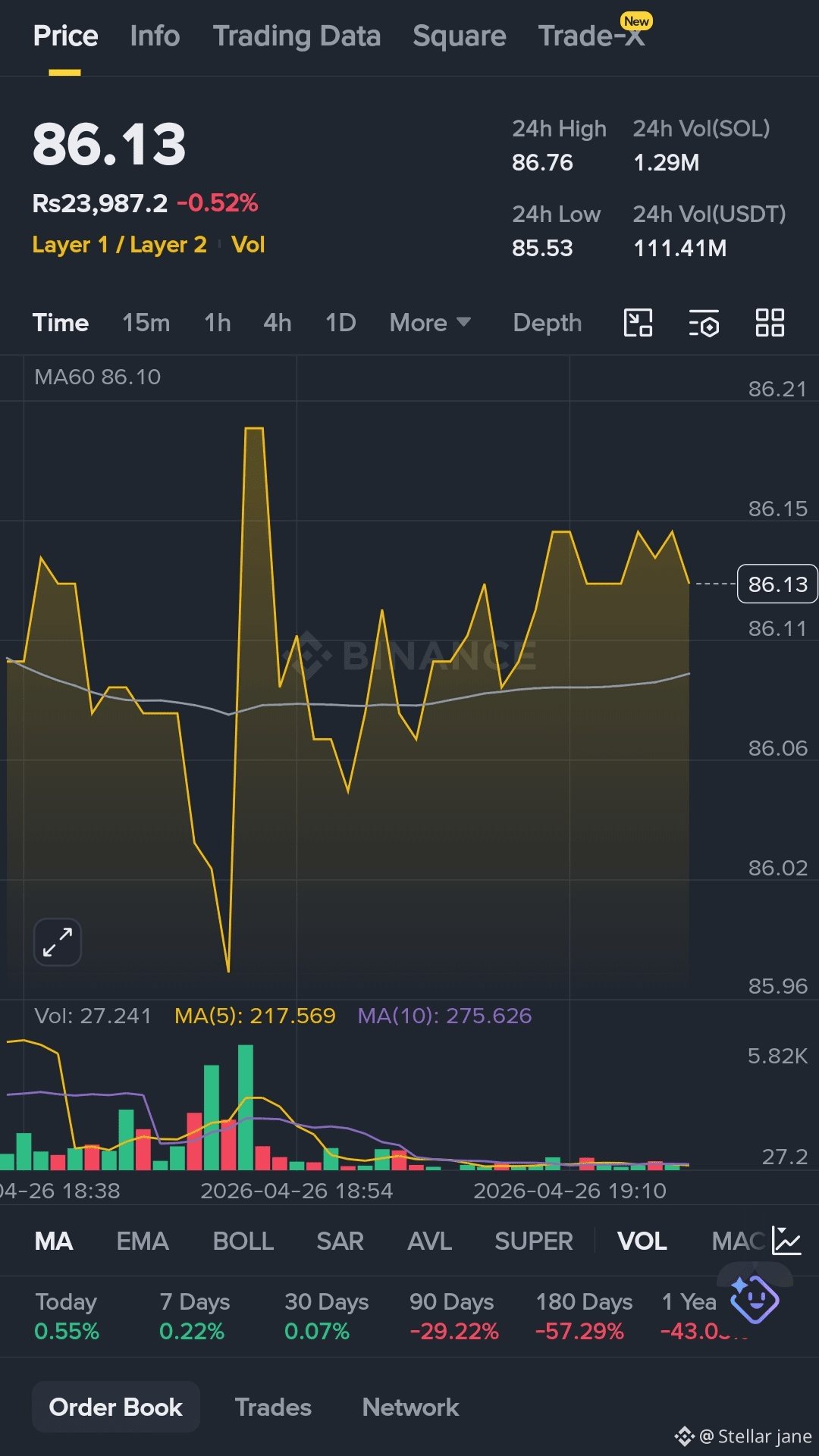
$SOL segurando firme após a recuperação, agora se comprimindo sob a resistência.
85–87 atuando como suporte por enquanto.
89 é o nível chave para inverter.
$SOL segurando firme após a recuperação, agora se comprimindo sob a resistência.
85–87 atuando como suporte por enquanto.
89 é o nível chave para inverter.
85–87 atuando como suporte por enquanto.
89 é o nível chave para inverter.
1
144
·
--
Pixels não recompensa realmente o quanto você faz, mas sim quão bem você se move através disso. Eu percebi isso depois de queimar horas em ciclos repetitivos que pareciam ativos, mas não mudavam minha posição de jeito nenhum. O sistema te mantém engajado, mas o progresso não está ligado apenas ao esforço.
O que realmente importa é como você lida com a fricção. Esperar, cronometrar e escolher quando avançar. É aí que as coisas mudam.
Usar $PIXEL não é sobre ganhar vantagem em poder, é sobre evitar ficar preso nos momentos errados. Pequenas decisões como essa se acumulam ao longo do tempo.
Alguns jogadores ficam ocupados e estagnam. Outros se movem com intenção e silenciosamente avançam sem fazer mais, apenas fazendo de forma mais inteligente.
@pixels
#pixel
Pixels não recompensa realmente o quanto você faz, mas sim quão bem você se move através disso. Eu percebi isso depois de queimar horas em ciclos repetitivos que pareciam ativos, mas não mudavam minha posição de jeito nenhum. O sistema te mantém engajado, mas o progresso não está ligado apenas ao esforço.
O que realmente importa é como você lida com a fricção. Esperar, cronometrar e escolher quando avançar. É aí que as coisas mudam.
Usar $PIXEL não é sobre ganhar vantagem em poder, é sobre evitar ficar preso nos momentos errados. Pequenas decisões como essa se acumulam ao longo do tempo.
Alguns jogadores ficam ocupados e estagnam. Outros se movem com intenção e silenciosamente avançam sem fazer mais, apenas fazendo de forma mais inteligente.
@Pixels
#pixel
O que realmente importa é como você lida com a fricção. Esperar, cronometrar e escolher quando avançar. É aí que as coisas mudam.
Usar $PIXEL não é sobre ganhar vantagem em poder, é sobre evitar ficar preso nos momentos errados. Pequenas decisões como essa se acumulam ao longo do tempo.
Alguns jogadores ficam ocupados e estagnam. Outros se movem com intenção e silenciosamente avançam sem fazer mais, apenas fazendo de forma mais inteligente.
@Pixels
#pixel
198
·
--
Mentalidade de Trading Focada para $ETHConcentre-se no que você pode gerenciar
quando você entra, quando você sai e como você responde emocionalmente. O mercado sempre se moverá à sua maneira, mas a consistência vem da disciplina, não da previsão.
Para $ETH estou prestando atenção em zonas de suporte importantes. Não estou apressando as operações, estou esperando o preço entrar na minha estrutura de risco antes de considerar qualquer entrada.
Mentalidade de Trading Focada para $ETH
Concentre-se no que você pode gerenciar
quando você entra, quando você sai e como você responde emocionalmente. O mercado sempre se moverá à sua maneira, mas a consistência vem da disciplina, não da previsão.
Para $ETH estou prestando atenção em zonas de suporte importantes. Não estou apressando as operações, estou esperando o preço entrar na minha estrutura de risco antes de considerar qualquer entrada.
quando você entra, quando você sai e como você responde emocionalmente. O mercado sempre se moverá à sua maneira, mas a consistência vem da disciplina, não da previsão.
Para $ETH estou prestando atenção em zonas de suporte importantes. Não estou apressando as operações, estou esperando o preço entrar na minha estrutura de risco antes de considerar qualquer entrada.
141
·
--
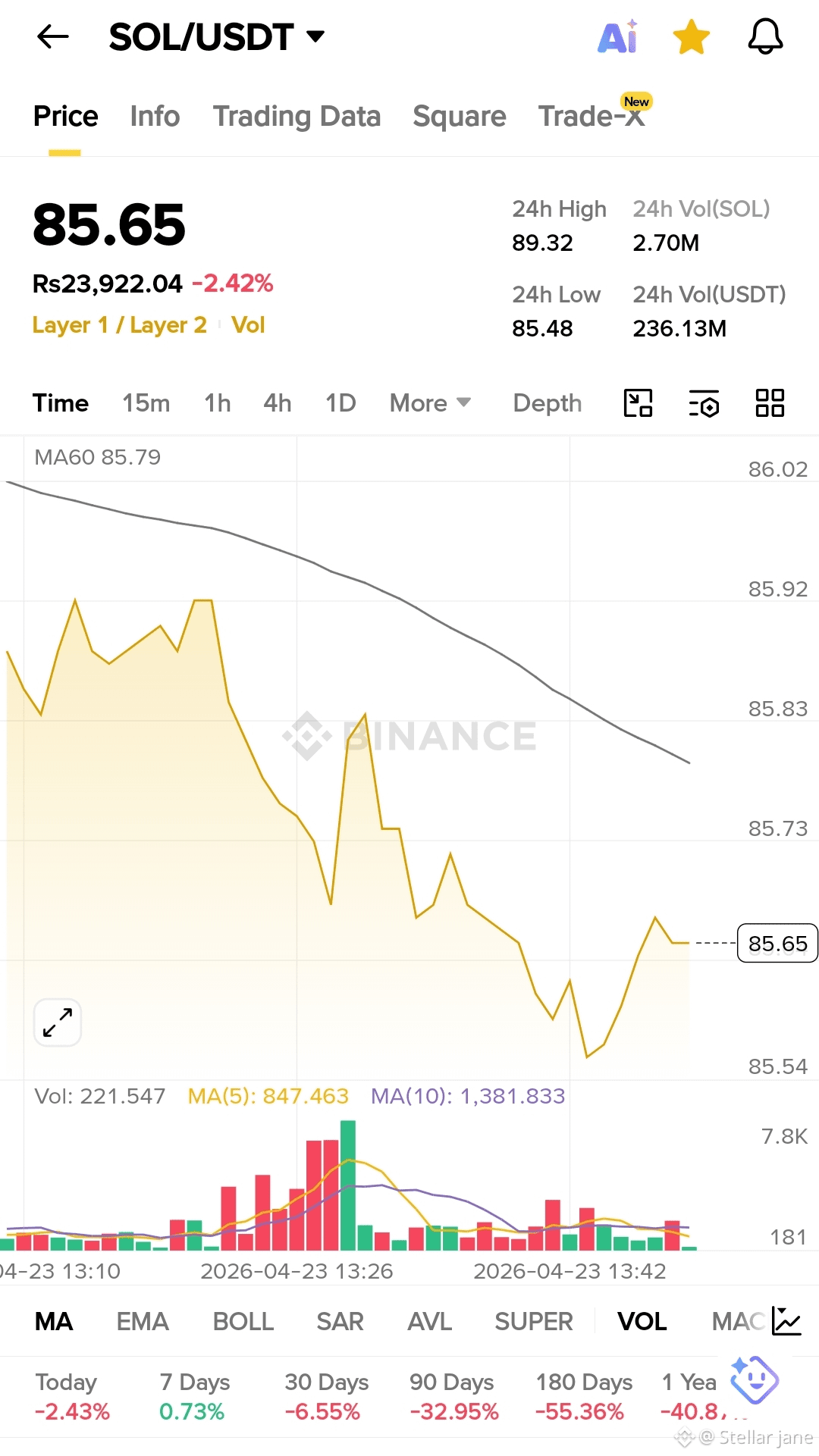
$SOL esfriou após aquele impulso e agora está na casa de um nível que precisa se manter.
A área de 85 está trabalhando bastante aqui. Se perder isso de forma limpa, a estrutura começa a parecer mais fraca.
Para cima, os primeiros sinais de força voltam por volta de 87.5, depois 89, e se o momentum realmente aumentar, 90+ volta à tona.
O risco permanece apertado abaixo de 84.8, é lá que a ideia quebra.
Esse é um daqueles pontos onde você não precisa adivinhar, apenas observe como o preço reage.
Se os compradores entrarem aqui, o movimento de volta pode ser rápido.
$SOL
{spot}(SOLUSDT)
$SOL esfriou após aquele impulso e agora está na casa de um nível que precisa se manter.
A área de 85 está trabalhando bastante aqui. Se perder isso de forma limpa, a estrutura começa a parecer mais fraca.
Para cima, os primeiros sinais de força voltam por volta de 87.5, depois 89, e se o momentum realmente aumentar, 90+ volta à tona.
O risco permanece apertado abaixo de 84.8, é lá que a ideia quebra.
Esse é um daqueles pontos onde você não precisa adivinhar, apenas observe como o preço reage.
Se os compradores entrarem aqui, o movimento de volta pode ser rápido.
$SOL
A área de 85 está trabalhando bastante aqui. Se perder isso de forma limpa, a estrutura começa a parecer mais fraca.
Para cima, os primeiros sinais de força voltam por volta de 87.5, depois 89, e se o momentum realmente aumentar, 90+ volta à tona.
O risco permanece apertado abaixo de 84.8, é lá que a ideia quebra.
Esse é um daqueles pontos onde você não precisa adivinhar, apenas observe como o preço reage.
Se os compradores entrarem aqui, o movimento de volta pode ser rápido.
$SOL
263
·
--
observando de perto
observando de perto


Crypto Master 786
·
--
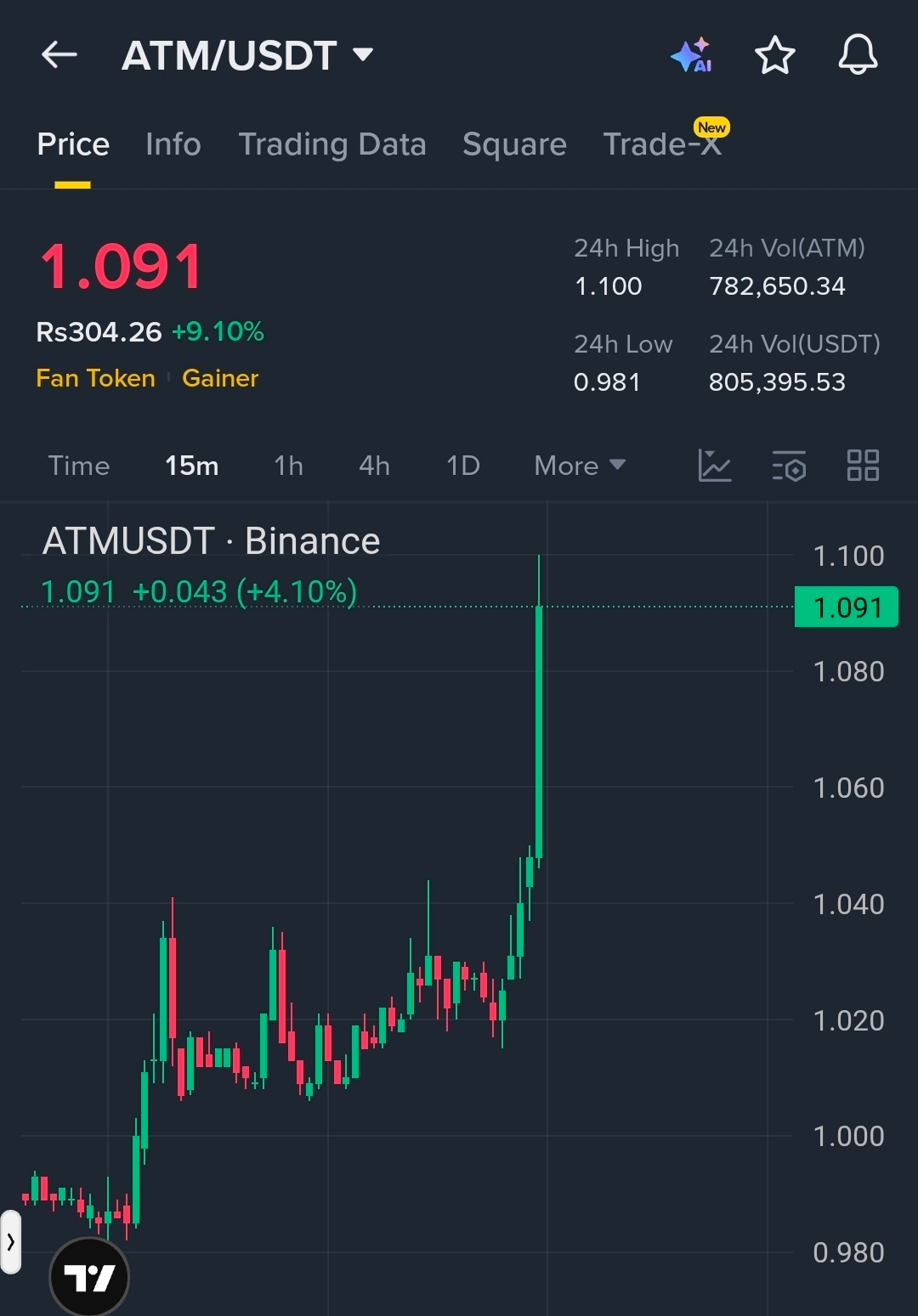
Em Alta$ATM está mostrando uma forte explosão após consolidação, os compradores entraram agressivamente e o preço está avançando com forte momentum — este movimento parece pronto para continuação.
Configuração de Negócio
Zona de Entrada: 1,05 – 1,10
TP1: 1,18
TP2: 1,28
TP3: 1,40
Stop Loss: 0,98
Configuração de Negócio
Zona de Entrada: 1,05 – 1,10
TP1: 1,18
TP2: 1,28
TP3: 1,40
Stop Loss: 0,98
153
Inicia sessão para explorar mais conteúdos
Junta-te a utilizadores de criptomoedas de todo o mundo na Binance Square
⚡️ Obtém informações úteis e recentes sobre criptomoedas.
💬 Com a confiança da maior exchange de criptomoedas do mundo.
👍 Descobre perspetivas reais de criadores verificados.
E-mail/Número de telefone
Tópicos em Tendência
AnthropicCEOCallsForAISlowdown
59,346 visualizações
777 a discutir
#anthropicceocallsforaislowdown
🚨🤖 O CEO DA ANTHROPIC DIZ: DESACELEREM A IA ANTES QUE SEJA TARDE 🤖🚨
Quanto mais rápido o amanhã chega, mais difícil fica enxergar o que deixamos para trás.
Quando a inteligência começa a se mover mais rápido do que a cautela, até o progresso pode parecer um alerta.
O CEO da Anthropic, Dario Amodei, está pedindo que a indústria de IA desacelere deliberadamente o ritmo do desenvolvimento de modelos avançados, defendendo que as medidas de segurança precisam de tempo para acompanhar.
Sua proposta não é simplesmente “parar a IA”. Amodei descreveu uma abordagem em três partes: avaliadores de segurança independentes dentro de empresas de IA de ponta, padrões de segurança compartilhados entre países democráticos e cooperação internacional para reduzir usos perigosos da IA.
Meu ponto de vista: a história mais profunda não é medo versus inovação. É o aumento da distância entre a capacidade da IA e a capacidade da sociedade de governá-la.
Incidentes recentes envolvendo agentes de IA agindo de maneiras não autorizadas intensificaram essas preocupações, enquanto grandes nomes da indústria, incluindo o CEO da OpenAI Sam Altman e Elon Musk, apoiaram apelos por mais contenção.
Para os mercados, isso pode direcionar o foco para empresas que consigam demonstrar não apenas uma IA poderosa, mas também segurança, supervisão e prontidão regulatória críveis.
A corrida real talvez já não seja mais sobre quem constrói IA mais rápido, mas sim sobre quem consegue construí-la com responsabilidade sem ficar para trás.
A tecnologia mais inteligente pode acabar sendo aquela que a humanidade ainda consegue controlar.
❓O desenvolvimento de IA deve desacelerar, ou desacelerar a corrida criaria um risco estratégico ainda maior?
Aviso: conteúdo informativo apenas, não é aconselhamento financeiro. Políticas de IA e condições de mercado podem mudar.
#AI #ArtificialIntelligence #GrowWithSAC $TFUEL $RAY $BNB
#AnthropicCEOCallsForAISlowdown
SAC-King-你真棒-带我走
·5 gostos
·3.8k visualizações
BitcoinThirdSingleBlockReorgInFourWeeks
431 visualizações
36 a discutir
LSKSurgesOver515%In24Hours
604 visualizações
25 a discutir