
David_John
16.8k Publicações

David_John
 Square verificado+
Risk It all & Make It Worth It. Chasing Goals Not people • X • @David_John_555
89 A seguir
43.9K+ Seguidores
72.2K+ Gostaram
Publicações
Tudo
Vídeos
Em direto
Verificado
🇺🇸 GRANDE MOVIMENTO DO TESOURO DOS EUA! 💥
O Tesouro dos EUA está acelerando seu programa de recompra de títulos para pelo menos US$ 4 BILHÕES por operação — o dobro do limite anterior de US$ 2B.
🎯 Objetivo: títulos do Tesouro de 10–20Y e 20–30Y
📅 Início: 9 de setembro de 2026
⏳ Vai até: 4 de novembro de 2026
Qual é o objetivo? Aumentar a liquidez e aliviar a pressão no mercado de títulos de longo prazo após os rendimentos do Tesouro terem atingido máximas de vários anos.
E aqui está a parte interessante 👀
O secretário do Tesouro, Scott Bessent, sugeriu que as recompras poderiam ir além de US$ 4B.
Os mercados estão acompanhando de perto.
Liquidez → Rendimentos → Ativos de risco → CRIPTO? 🚀
Isso pode ficar MUITO interessante.
O Tesouro dos EUA está acelerando seu programa de recompra de títulos para pelo menos US$ 4 BILHÕES por operação — o dobro do limite anterior de US$ 2B.
🎯 Objetivo: títulos do Tesouro de 10–20Y e 20–30Y
📅 Início: 9 de setembro de 2026
⏳ Vai até: 4 de novembro de 2026
Qual é o objetivo? Aumentar a liquidez e aliviar a pressão no mercado de títulos de longo prazo após os rendimentos do Tesouro terem atingido máximas de vários anos.
E aqui está a parte interessante 👀
O secretário do Tesouro, Scott Bessent, sugeriu que as recompras poderiam ir além de US$ 4B.
Os mercados estão acompanhando de perto.
Liquidez → Rendimentos → Ativos de risco → CRIPTO? 🚀
Isso pode ficar MUITO interessante.

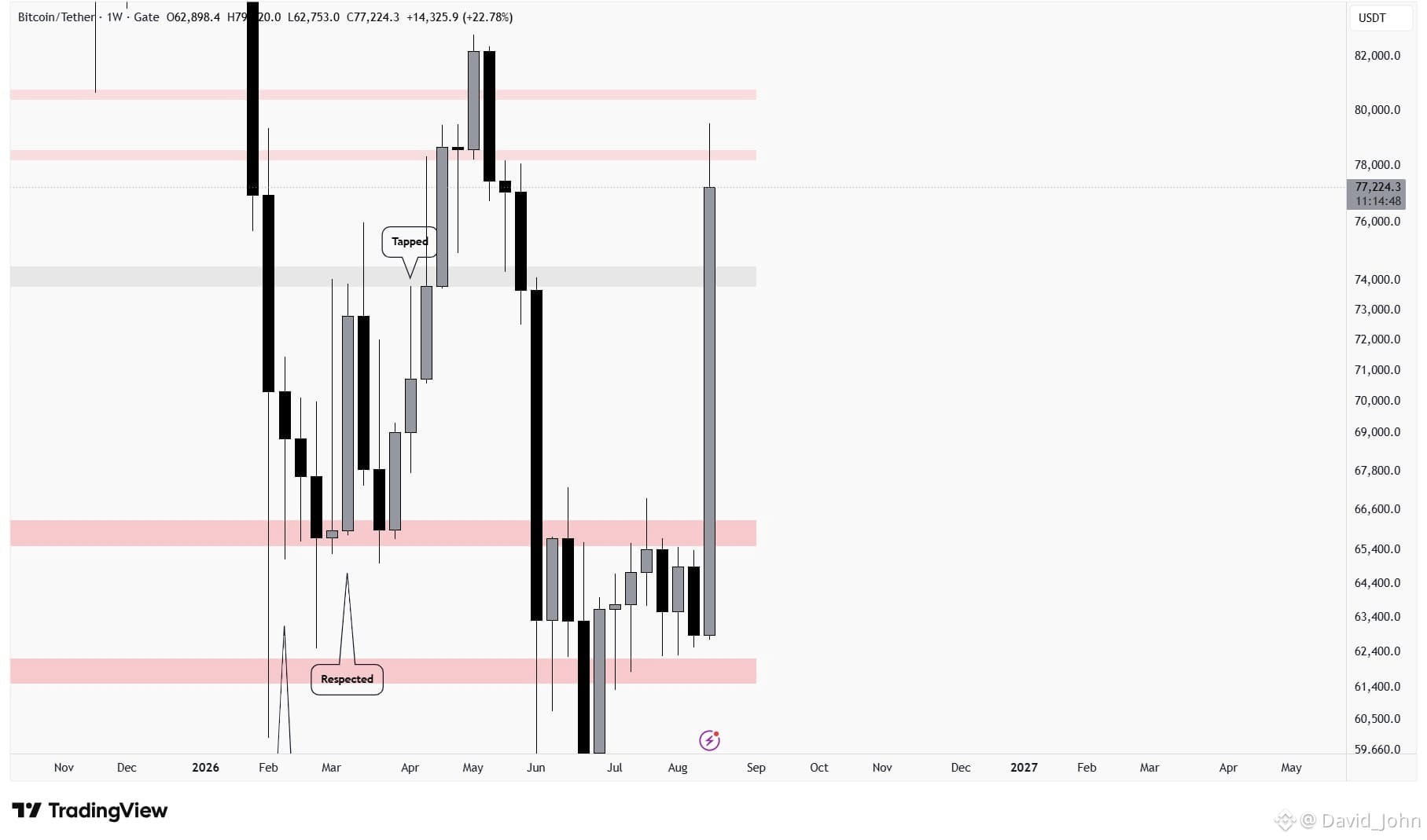
$BTC acabei de acordar. 🚀
Uma enorme vela semanal de +22,78% acabou de recuperar a faixa de ~US$74K que antes foi TOCADA. Agora o BTC está pressionando US$77,2K, com US$78,5K–US$79K e US$80,5K–US$81K como as próximas principais zonas de resistência.
Se US$74K segurar como suporte, este rompimento pode acelerar rápido. 🔥
Perder US$74K, e eu ficaria de olho em US$65,5K–US$66,5K em seguida.
A estrutura mudou. 👀
Uma enorme vela semanal de +22,78% acabou de recuperar a faixa de ~US$74K que antes foi TOCADA. Agora o BTC está pressionando US$77,2K, com US$78,5K–US$79K e US$80,5K–US$81K como as próximas principais zonas de resistência.
Se US$74K segurar como suporte, este rompimento pode acelerar rápido. 🔥
Perder US$74K, e eu ficaria de olho em US$65,5K–US$66,5K em seguida.
A estrutura mudou. 👀
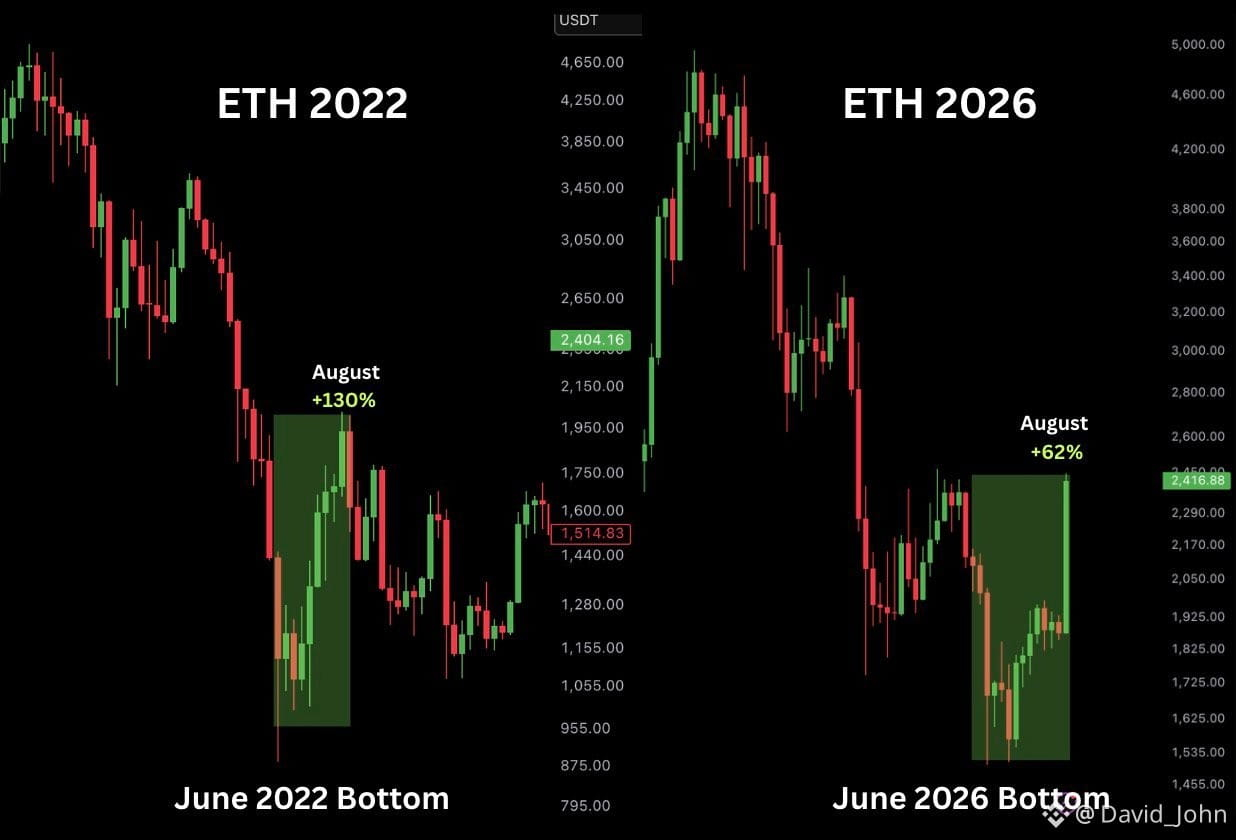
$ETH fez um +130% pump de verão em 2022. 🚀
A história nem sempre se repete—mas pode rimar.
Se a ETH fizer mais um movimento como esse, US$ 3.000+ pode voltar à mesa. 👀🔥
Acompanhe este de perto. 📈
A história nem sempre se repete—mas pode rimar.
Se a ETH fizer mais um movimento como esse, US$ 3.000+ pode voltar à mesa. 👀🔥
Acompanhe este de perto. 📈
Tenho acompanhado o TermMax com mais atenção ultimamente, e a parte que chamou meu interesse não é o próximo lançamento do $TMX. É o quão rápido o produto em si está se expandindo.
Desde maio, a TermMax enviou o App V2, adicionou ordens limite em vários mercados, expandiu para a HyperEVM, levou a bStocks para a BNB Chain e colocou o TermPrime em Canton com um validador ativo. O projeto também afirma que seu cofre de RLUSD ultrapassou US$ 20M em dois dias e que a TermMax agora está acima de US$ 90M de TVL em 10 cadeias EVM.
Isso me faz ver a TermMax de outra forma.
O ponto interessante aqui não é apenas “DeFi de taxa fixa”. A TermMax está tentando construir um mercado em que o prazo e o custo de empréstimo sejam explícitos, em vez de deixar os usuários expostos a taxas de empréstimo que mudam constantemente.
Isso importa porque previsibilidade de financiamento é algo que o DeFi ainda trata de forma surpreendentemente ruim.
Se a TermMax acertar isso, a grande oportunidade pode ser se tornar uma peça de infraestrutura financeira por baixo de outros protocolos, ativos e instituições — e não competir diretamente com cada mercado de empréstimos.
Mas a escala vai testar o modelo de um jeito diferente do que um testnet. Taxas fixas são úteis quando a liquidez é profunda e o risco está precificado corretamente. Elas se tornam muito mais difíceis quando os mercados se movem de forma violenta.
#TermMax @TermMax
Desde maio, a TermMax enviou o App V2, adicionou ordens limite em vários mercados, expandiu para a HyperEVM, levou a bStocks para a BNB Chain e colocou o TermPrime em Canton com um validador ativo. O projeto também afirma que seu cofre de RLUSD ultrapassou US$ 20M em dois dias e que a TermMax agora está acima de US$ 90M de TVL em 10 cadeias EVM.
Isso me faz ver a TermMax de outra forma.
O ponto interessante aqui não é apenas “DeFi de taxa fixa”. A TermMax está tentando construir um mercado em que o prazo e o custo de empréstimo sejam explícitos, em vez de deixar os usuários expostos a taxas de empréstimo que mudam constantemente.
Isso importa porque previsibilidade de financiamento é algo que o DeFi ainda trata de forma surpreendentemente ruim.
Se a TermMax acertar isso, a grande oportunidade pode ser se tornar uma peça de infraestrutura financeira por baixo de outros protocolos, ativos e instituições — e não competir diretamente com cada mercado de empréstimos.
Mas a escala vai testar o modelo de um jeito diferente do que um testnet. Taxas fixas são úteis quando a liquidez é profunda e o risco está precificado corretamente. Elas se tornam muito mais difíceis quando os mercados se movem de forma violenta.
#TermMax @TermMax
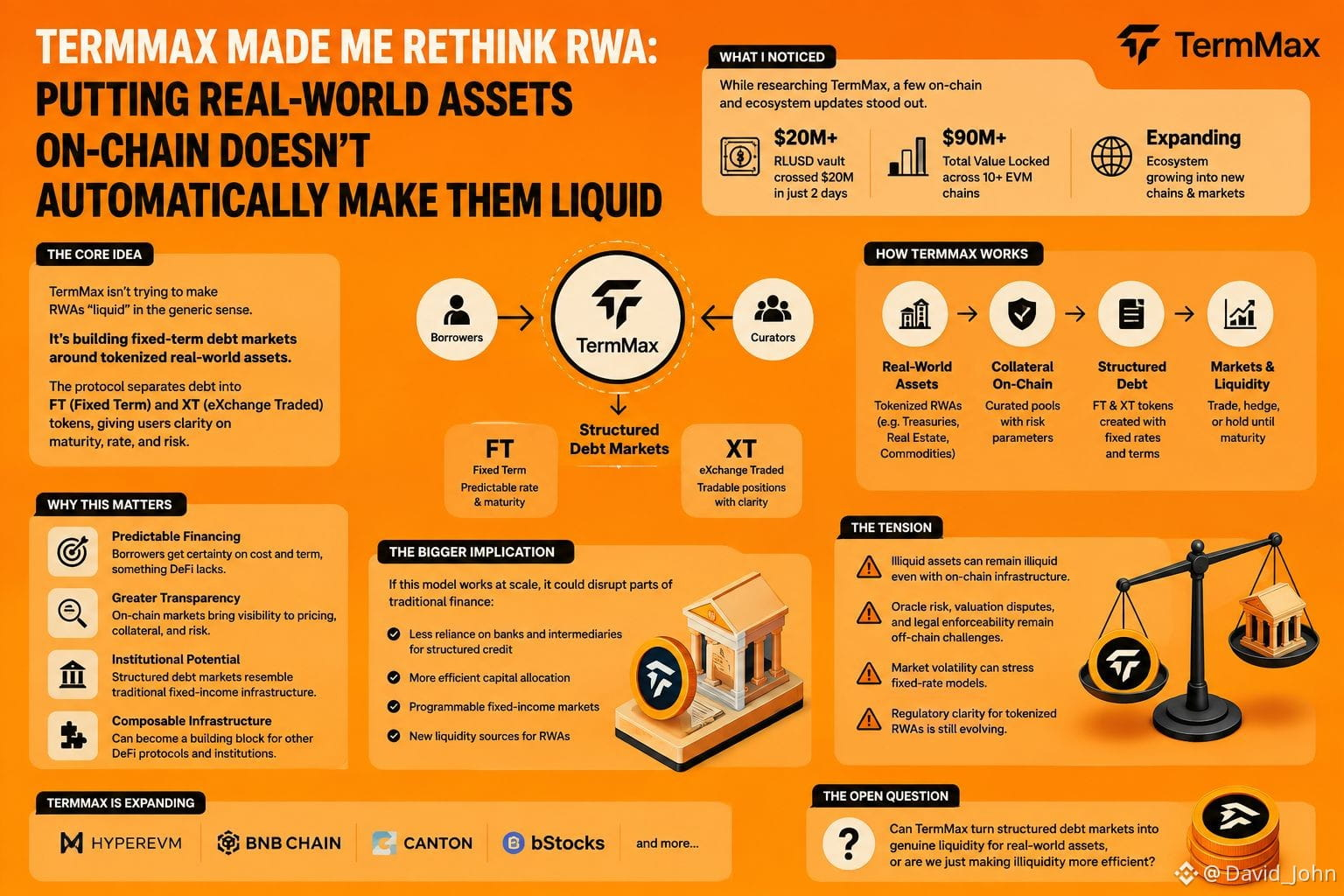
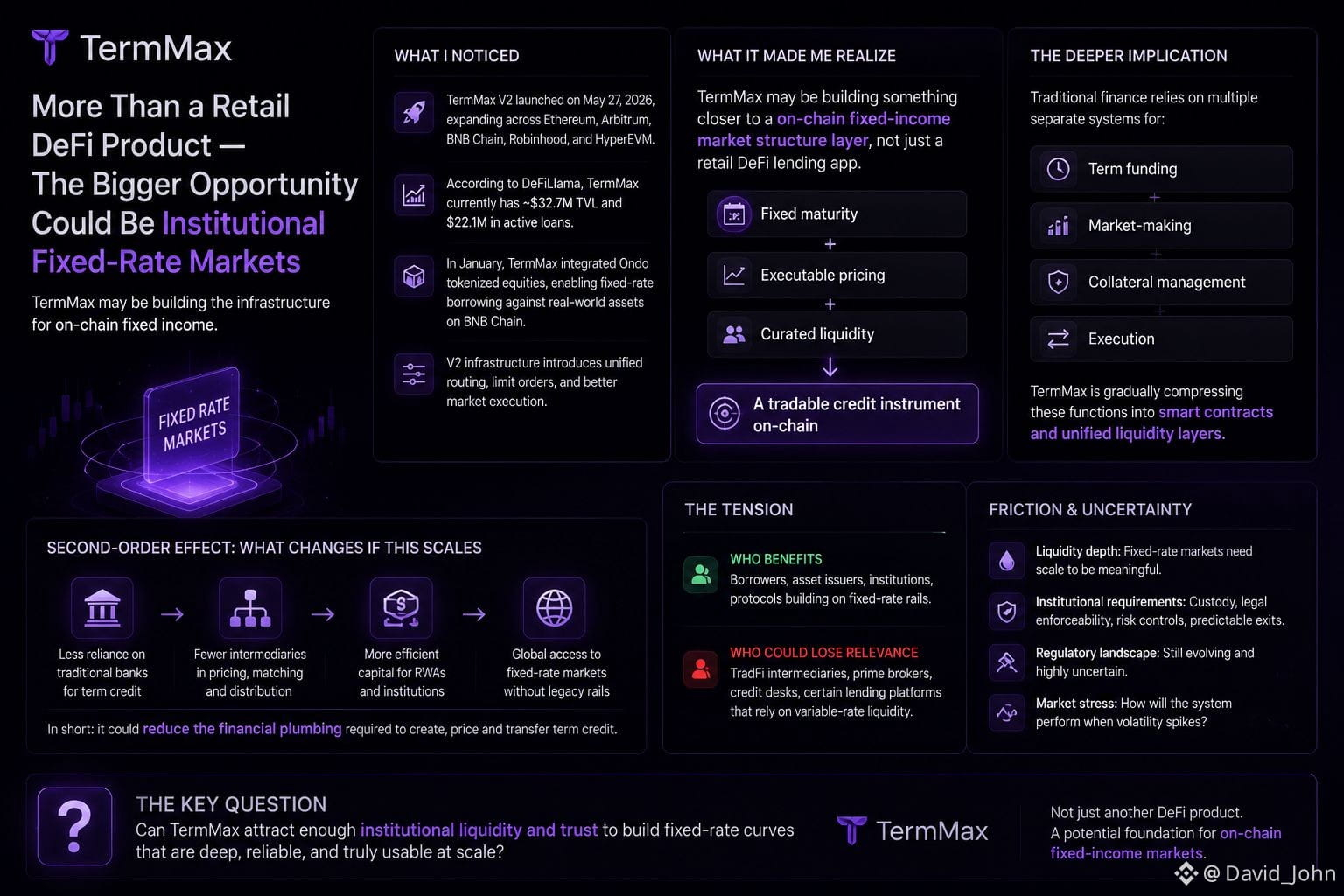
O TermMax chamou minha atenção enquanto eu analisava como o projeto está evoluindo além do modelo comum de empréstimos DeFi.
O que se destacou para mim foi o foco em mercados de prazo fixo, em vez de simplesmente oferecer aos usuários mais um lugar para tomar empréstimos a uma taxa variável.
Isso parece uma diferença pequena, mas eu acho que importa.
A cripto já construiu muitos mercados de crédito. O que ainda falta é uma forma madura e on-chain de expressar algo mais próximo da renda fixa tradicional: um vencimento definido, um custo de empréstimo conhecido, garantias por trás da posição e, eventualmente, um mercado em que essa exposição possa ser precificada e negociada.
É aí que o TermMax fica interessante para mim.
Se a infraestrutura ficar suficientemente profunda, a oportunidade maior talvez nem seja o empréstimo de varejo. Pode ser a “infraestrutural financeira” por trás de ativos tokenizados e do crédito institucional.
E isso cria um problema bem mais difícil.
Instituições não precisam apenas de taxas fixas. Elas precisam de liquidez, precificação confiável, controles de risco, clareza jurídica e confiança de que conseguem sair de uma posição quando os mercados ficam estressados.
Então ainda não estou convencido de que o TermMax esteja construindo um mercado institucional de renda fixa. A tecnologia é apenas uma parte dessa equação.
O verdadeiro teste é se, eventualmente, um volume suficiente de capital sério vai optar por usar o mercado.
É essa a parte que eu vou acompanhar.
#TermMax @TermMax
O que se destacou para mim foi o foco em mercados de prazo fixo, em vez de simplesmente oferecer aos usuários mais um lugar para tomar empréstimos a uma taxa variável.
Isso parece uma diferença pequena, mas eu acho que importa.
A cripto já construiu muitos mercados de crédito. O que ainda falta é uma forma madura e on-chain de expressar algo mais próximo da renda fixa tradicional: um vencimento definido, um custo de empréstimo conhecido, garantias por trás da posição e, eventualmente, um mercado em que essa exposição possa ser precificada e negociada.
É aí que o TermMax fica interessante para mim.
Se a infraestrutura ficar suficientemente profunda, a oportunidade maior talvez nem seja o empréstimo de varejo. Pode ser a “infraestrutural financeira” por trás de ativos tokenizados e do crédito institucional.
E isso cria um problema bem mais difícil.
Instituições não precisam apenas de taxas fixas. Elas precisam de liquidez, precificação confiável, controles de risco, clareza jurídica e confiança de que conseguem sair de uma posição quando os mercados ficam estressados.
Então ainda não estou convencido de que o TermMax esteja construindo um mercado institucional de renda fixa. A tecnologia é apenas uma parte dessa equação.
O verdadeiro teste é se, eventualmente, um volume suficiente de capital sério vai optar por usar o mercado.
É essa a parte que eu vou acompanhar.
#TermMax @TermMax
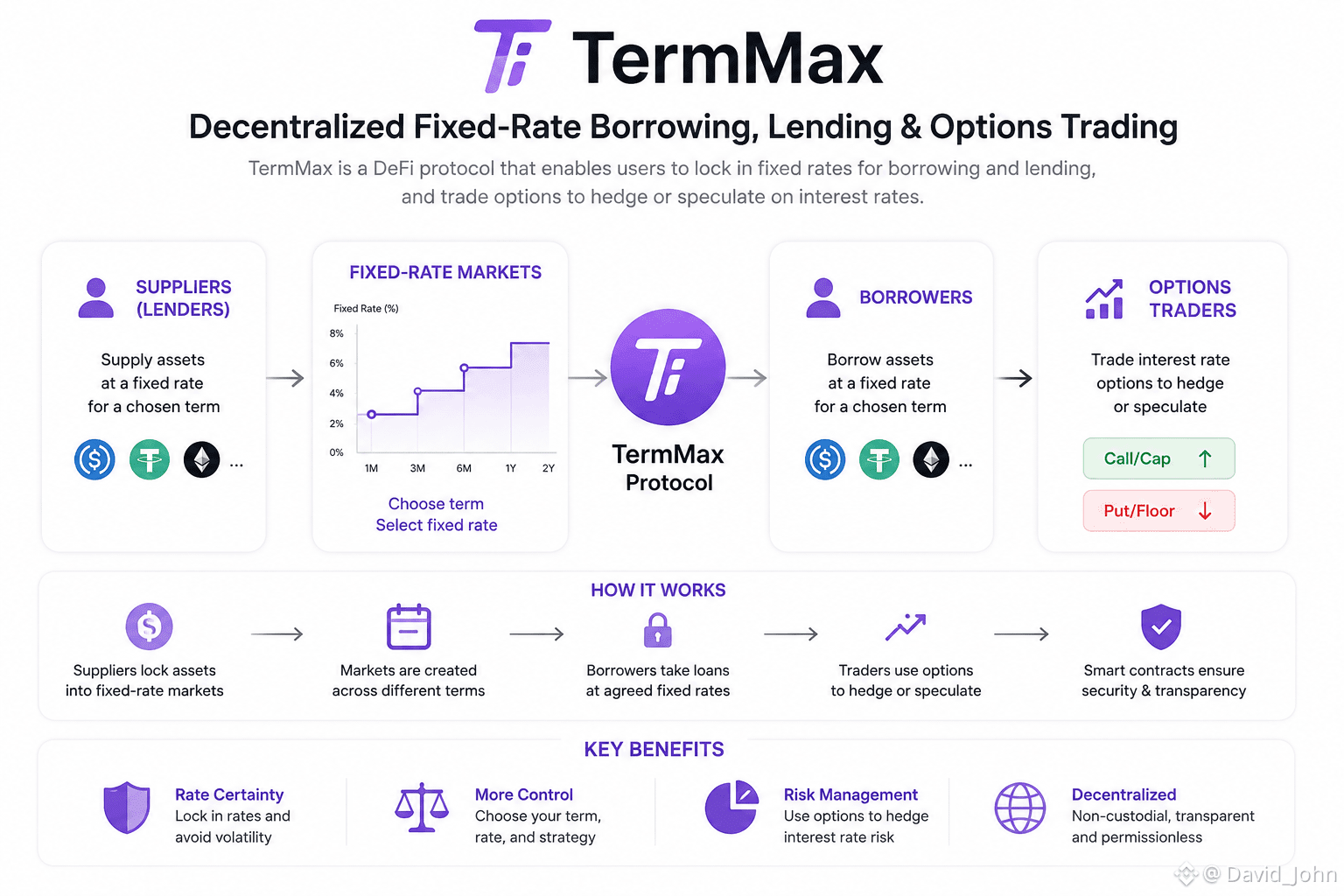
Tenho me aprofundado no TermMax recentemente, e o que chamou minha atenção é o quanto o projeto está focado em resolver um problema específico de DeFi: tornar as taxas de empréstimo e de captação previsíveis, em vez de deixar tudo exposto a taxas flutuantes.
O que acho interessante é a combinação. O TermMax não está parando na concessão de empréstimos a taxa fixa; ele está construindo em torno de mercados com prazo fixo, alavancagem e opções para que os usuários possam gerenciar tanto o custo do capital quanto o risco associado.
Isso parece simples, mas muda a forma como penso sobre o projeto.
A maioria dos mercados monetários em DeFi é construída em torno de liquidez que pode se mover a qualquer momento. O TermMax está tentando introduzir mais estrutura em torno do tempo e da maturidade. De certa forma, ele está levando um pedaço do pensamento tradicional de renda fixa para blockchains públicas, mas sem assumir que exista a mesma infraestrutura institucional por trás.
Se o modelo funcionar, os usuários poderiam ter maneiras mais previsíveis de tomar empréstimos, emprestar, proteger (hedge) taxas e expressar visões sobre o rendimento, sem precisar refinanciar posições constantemente.
A parte difícil é a liquidez. Mercados de taxa fixa só são úteis quando há atividade suficiente dos dois lados para que essas taxas façam sentido.
Então, estou menos interessado em perguntar se o TermMax já tem um bom produto hoje, e mais interessado em saber se ele consegue construir, de forma genuína, um mercado de prazo líquido on-chain.
#TermMax @TermMax
O que acho interessante é a combinação. O TermMax não está parando na concessão de empréstimos a taxa fixa; ele está construindo em torno de mercados com prazo fixo, alavancagem e opções para que os usuários possam gerenciar tanto o custo do capital quanto o risco associado.
Isso parece simples, mas muda a forma como penso sobre o projeto.
A maioria dos mercados monetários em DeFi é construída em torno de liquidez que pode se mover a qualquer momento. O TermMax está tentando introduzir mais estrutura em torno do tempo e da maturidade. De certa forma, ele está levando um pedaço do pensamento tradicional de renda fixa para blockchains públicas, mas sem assumir que exista a mesma infraestrutura institucional por trás.
Se o modelo funcionar, os usuários poderiam ter maneiras mais previsíveis de tomar empréstimos, emprestar, proteger (hedge) taxas e expressar visões sobre o rendimento, sem precisar refinanciar posições constantemente.
A parte difícil é a liquidez. Mercados de taxa fixa só são úteis quando há atividade suficiente dos dois lados para que essas taxas façam sentido.
Então, estou menos interessado em perguntar se o TermMax já tem um bom produto hoje, e mais interessado em saber se ele consegue construir, de forma genuína, um mercado de prazo líquido on-chain.
#TermMax @TermMax
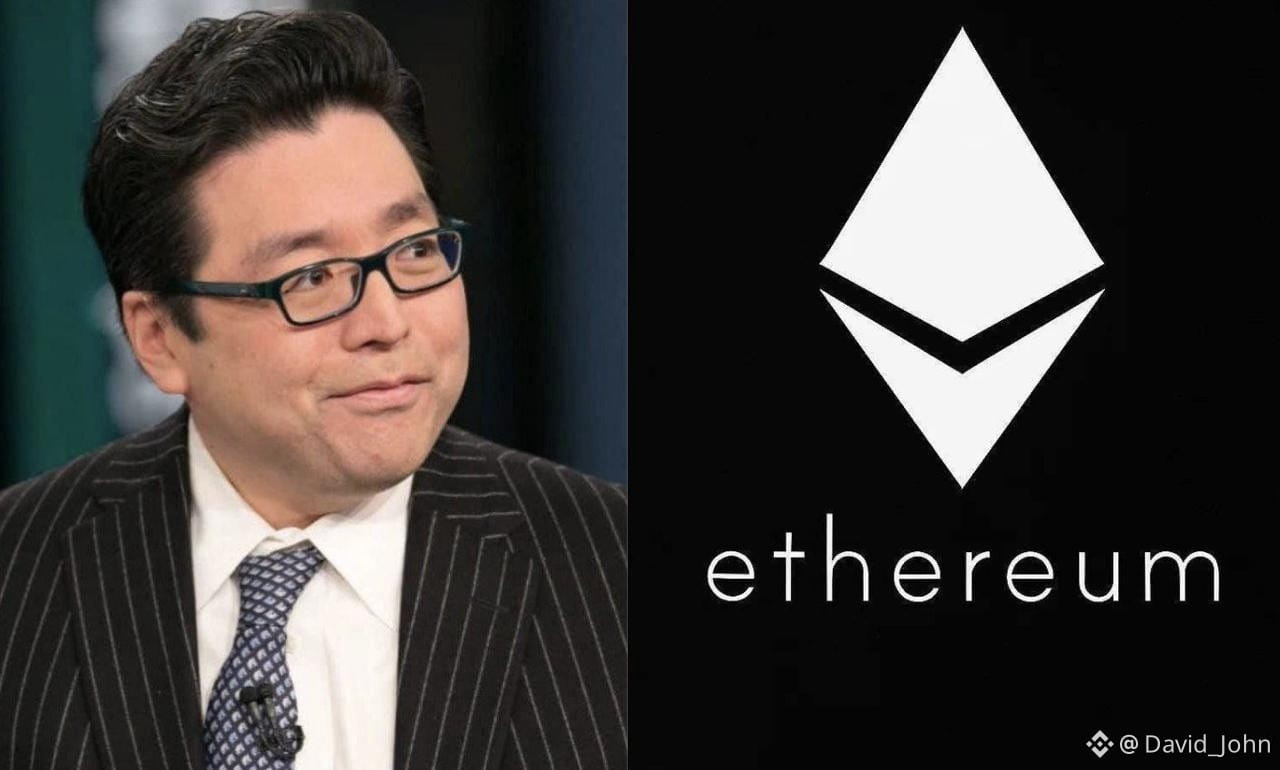
🚨 ATUALIZAÇÃO: A BitMine de Tom Lee acabou de garantir mais $18,9M em $ETH na última semana! 🔥
Isso eleva suas participações totais em Ethereum para impressionantes $11,04 BILHÕES. 💎
Grandes investidores continuam acumulando $ETH. 👀📈
Isso eleva suas participações totais em Ethereum para impressionantes $11,04 BILHÕES. 💎
Grandes investidores continuam acumulando $ETH. 👀📈
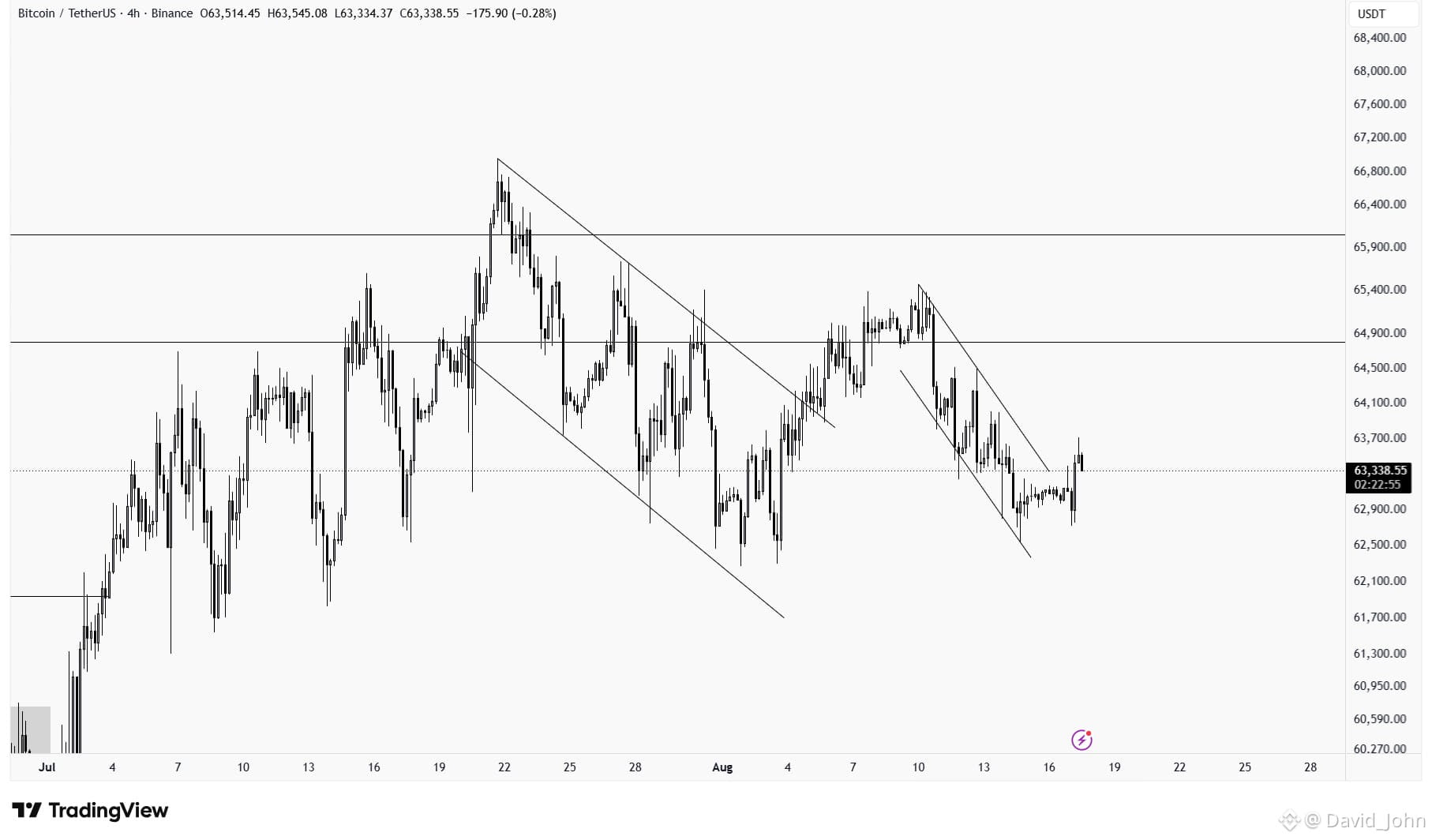
$BTC está sentado sobre o suporte, mas o gráfico ainda não está dando um sinal direcional limpo.
O fechamento semanal caiu perto da zona-chave de suporte, enquanto o preço continua lutando abaixo de uma grande resistência. Se essa estrutura se mantiver, uma nova semana lenta e confusa é provável — mas o risco continua inclinado para o lado negativo.
⚠️ Uma ruptura pode acelerar a tendência de baixa.
📉 Até o BTC recuperar a resistência, cautela continua sendo a palavra de ordem.
O próximo movimento pode ser tranquilo… até que não seja.
O fechamento semanal caiu perto da zona-chave de suporte, enquanto o preço continua lutando abaixo de uma grande resistência. Se essa estrutura se mantiver, uma nova semana lenta e confusa é provável — mas o risco continua inclinado para o lado negativo.
⚠️ Uma ruptura pode acelerar a tendência de baixa.
📉 Até o BTC recuperar a resistência, cautela continua sendo a palavra de ordem.
O próximo movimento pode ser tranquilo… até que não seja.
ALERTA DE GRANDE LIQUIDEZ
🇺🇸 Há relatos de que o Fed está prestes a injetar US$ 16,97B no mercado a partir da próxima semana.
Espera-se que a liquidez flua por 3 semanas consecutivas, potencialmente criando um ambiente mais forte para ativos de risco e cripto.
Mais liquidez = mais combustível para o mercado.
Operadores de cripto, fiquem prontos.
🇺🇸 Há relatos de que o Fed está prestes a injetar US$ 16,97B no mercado a partir da próxima semana.
Espera-se que a liquidez flua por 3 semanas consecutivas, potencialmente criando um ambiente mais forte para ativos de risco e cripto.
Mais liquidez = mais combustível para o mercado.
Operadores de cripto, fiquem prontos.
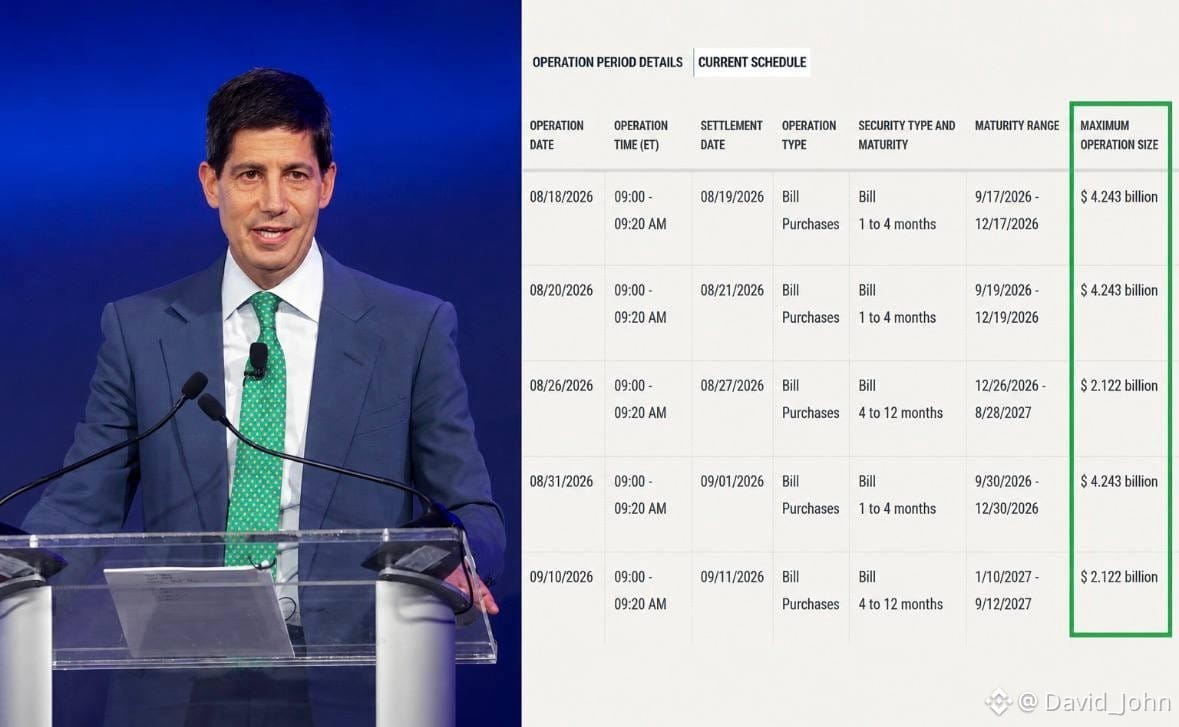
MERCADO DE CRIPTO: UMA SEMANA DE DOR
A cripto acabou de levar um grande golpe:
- US$ 85 bi apagados do valor total de mercado
- BTC despencou para a mínima de 31 dias perto de US$ 62.500
- ETFs de BTC registraram US$ 389 mi em saídas, as piores em 6 semanas
- A Strategy vendeu mais US$ 108 mi em BTC
- A capitalização do mercado de altcoins registrou seu menor fechamento semanal em quase 3 anos
- A SEC cancelou de repente sua reunião agendada sobre regulamentação cripto
A liquidez está secando, a confiança está enfraquecendo e os vendedores estão firmemente no controle.
Esta foi uma semana brutal para a Cripto. Fique atento.
A cripto acabou de levar um grande golpe:
- US$ 85 bi apagados do valor total de mercado
- BTC despencou para a mínima de 31 dias perto de US$ 62.500
- ETFs de BTC registraram US$ 389 mi em saídas, as piores em 6 semanas
- A Strategy vendeu mais US$ 108 mi em BTC
- A capitalização do mercado de altcoins registrou seu menor fechamento semanal em quase 3 anos
- A SEC cancelou de repente sua reunião agendada sobre regulamentação cripto
A liquidez está secando, a confiança está enfraquecendo e os vendedores estão firmemente no controle.
Esta foi uma semana brutal para a Cripto. Fique atento.
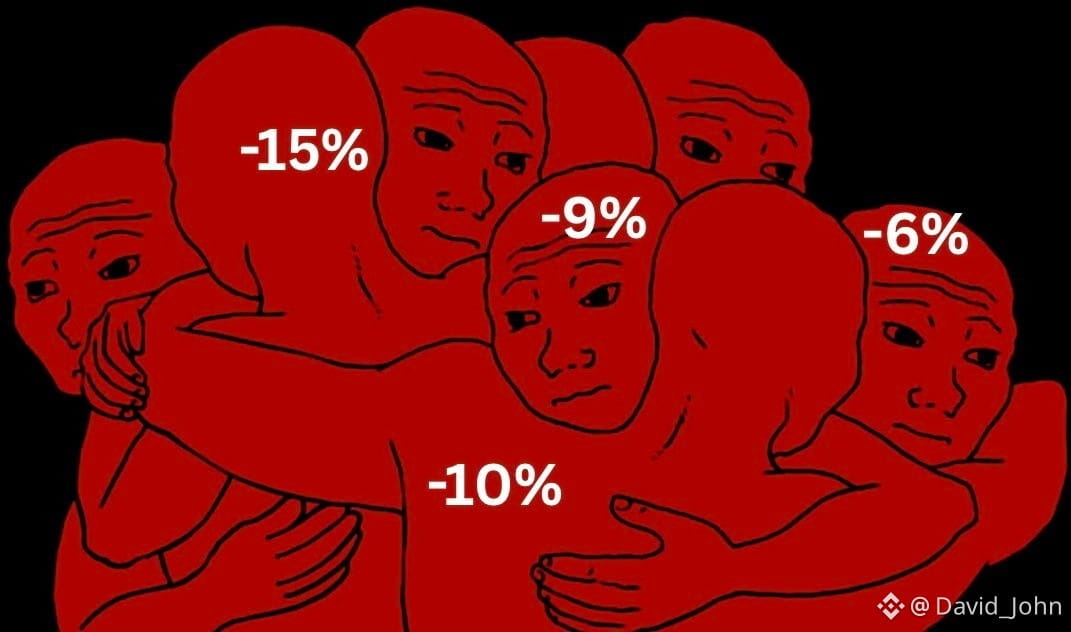
$BTC ATUALIZAÇÃO SEMANAL:
O Bitcoin acabou de ser rejeitado com força pela resistência semanal e caiu direto de volta para o suporte semanal.
A faixa ainda está totalmente em jogo e, a menos que o BTC rompa um destes zonas-chave com convicção, a ação lateral do preço pode continuar até a próxima semana.
Como não são esperados catalisadores importantes de alto impacto este mês, o ímpeto de rompimento pode ficar limitado.
Por enquanto, a paciência vence. Deixe o mercado mostrar o próximo movimento.
Vamos lá $BTC
O Bitcoin acabou de ser rejeitado com força pela resistência semanal e caiu direto de volta para o suporte semanal.
A faixa ainda está totalmente em jogo e, a menos que o BTC rompa um destes zonas-chave com convicção, a ação lateral do preço pode continuar até a próxima semana.
Como não são esperados catalisadores importantes de alto impacto este mês, o ímpeto de rompimento pode ficar limitado.
Por enquanto, a paciência vence. Deixe o mercado mostrar o próximo movimento.
Vamos lá $BTC
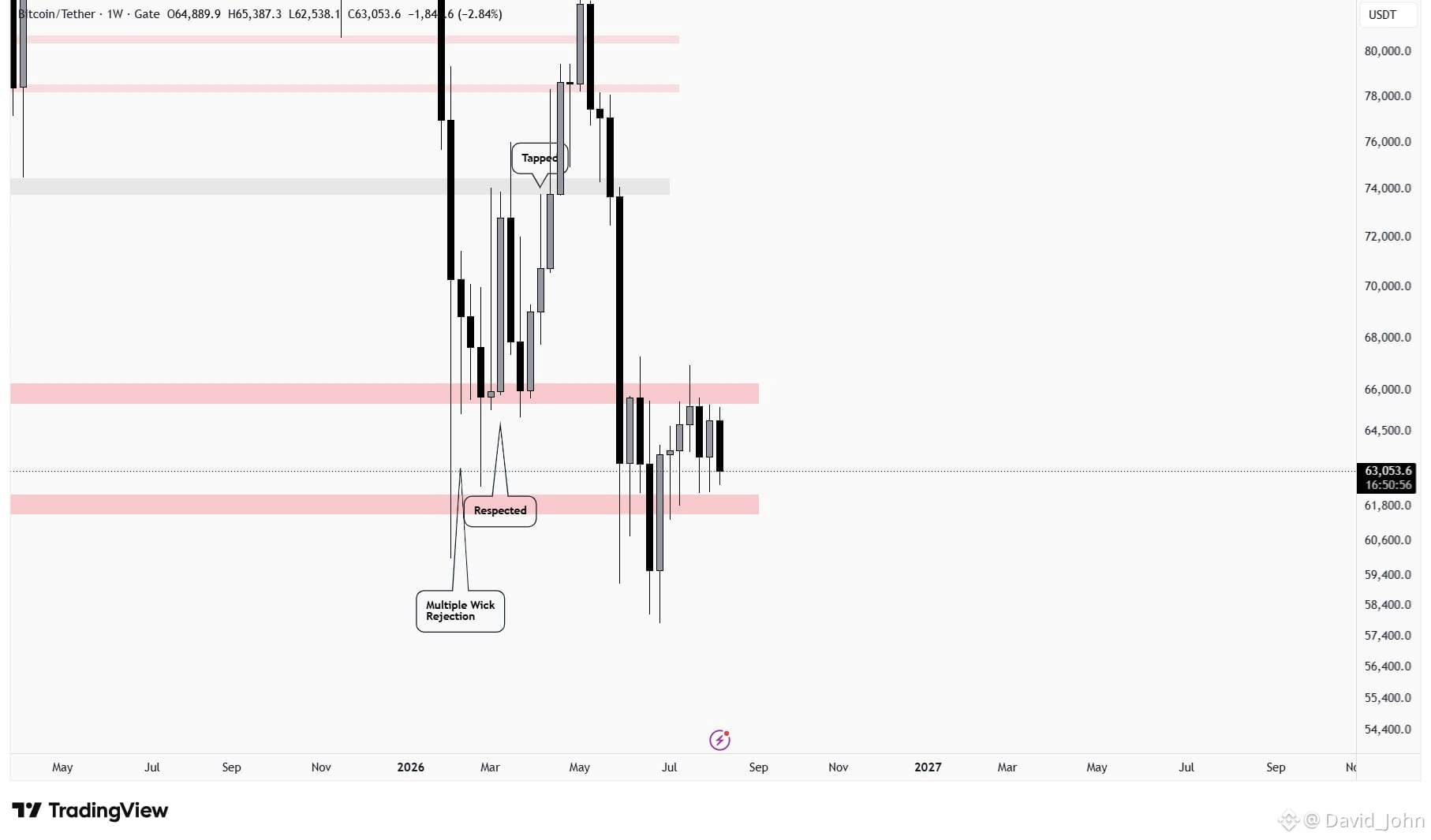
$BTC está a preparar-se para o seu próximo grande movimento.
O preço está preso perto de US$ 63,8K, com a linha de tendência descendente de 4H ainda a exercer pressão.
Resistência-chave: US$ 64,8K
Alvos de rompimento: US$ 65,3K – US$ 66,3K
Suporte-chave: US$ 63,3K
Zona de queda: US$ 62,9K – US$ 62,5K
Neste momento, nem touros nem ursos têm controlo total. A compressão está a ficar mais apertada — evite perseguir ruído e aguarde a rutura clara.
O próximo movimento decisivo pode vir rápido.
Vamos $BTC
O preço está preso perto de US$ 63,8K, com a linha de tendência descendente de 4H ainda a exercer pressão.
Resistência-chave: US$ 64,8K
Alvos de rompimento: US$ 65,3K – US$ 66,3K
Suporte-chave: US$ 63,3K
Zona de queda: US$ 62,9K – US$ 62,5K
Neste momento, nem touros nem ursos têm controlo total. A compressão está a ficar mais apertada — evite perseguir ruído e aguarde a rutura clara.
O próximo movimento decisivo pode vir rápido.
Vamos $BTC
🚨 GRANDE MOVIMENTO EM BTC: a BlackRock adicionou mais US$ 50,2 MILHÕES em $BTC à exposição de seu ETF. 🟠
🏦 A acumulação institucional está ficando difícil de ignorar.
📈 Capital novo está entrando em cena, e o Bitcoin pode estar se preparando para mais um movimento explosivo.
🔥 O dinheiro inteligente está carregando.
Vamos lá $BTC 🚀
🏦 A acumulação institucional está ficando difícil de ignorar.
📈 Capital novo está entrando em cena, e o Bitcoin pode estar se preparando para mais um movimento explosivo.
🔥 O dinheiro inteligente está carregando.
Vamos lá $BTC 🚀


🚨 ALERTA: 🇺🇸 O ETF de Bitcoin da BlackRock acabou de comprar aproximadamente US$ 50,2 MILHÕES em $BTC .
💰 O dinheiro institucional está voltando a fluir para o Bitcoin.
🔥 Quando gigantes começam a acumular, o mercado observa de perto.
📈 Grandes volumes de capital estão se posicionando para o que pode ser o próximo grande movimento do BTC.
🚀 Vamos $BTC
💰 O dinheiro institucional está voltando a fluir para o Bitcoin.
🔥 Quando gigantes começam a acumular, o mercado observa de perto.
📈 Grandes volumes de capital estão se posicionando para o que pode ser o próximo grande movimento do BTC.
🚀 Vamos $BTC

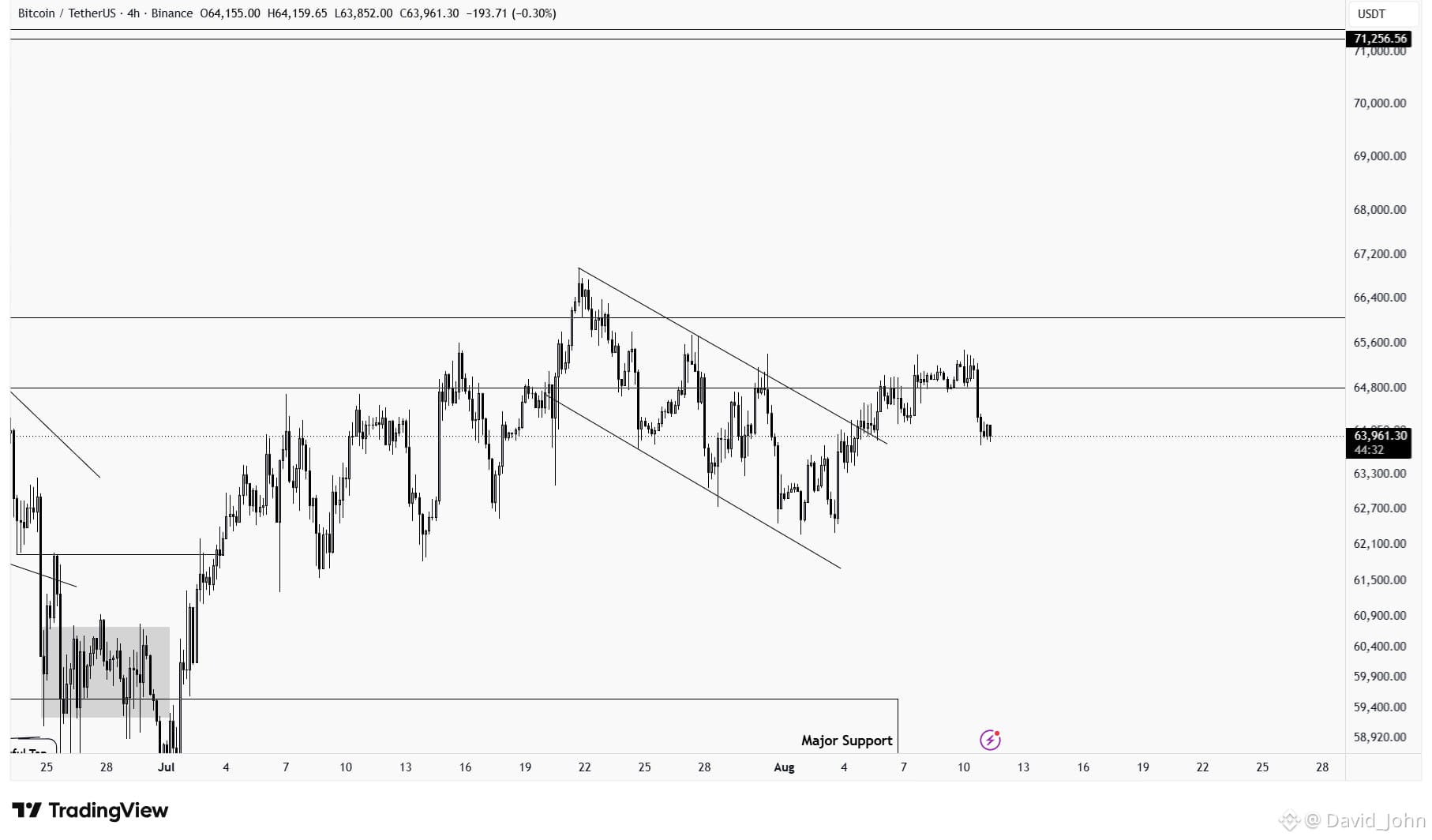
$BTC está perdendo força no curto prazo após a forte rejeição da abertura de ontem em NY.
O preço continua preso em uma estrutura lateral e confusa, mas o LTF agora virou de baixa. A rejeição da região de US$ 64.800 empurrou o BTC de volta para perto de US$ 63.960, mantendo os vendedores no controle por enquanto.
Resistência principal:
US$ 64.800
US$ 66.100–US$ 66.400
Níveis de queda:
US$ 63.300
US$ 62.700
US$ 61.500
O suporte mais importante fica por volta de US$ 59.400.
Até o BTC recuperar US$ 64.800 com força, ainda é possível ocorrer mais uma varredura de liquidez para baixo no curto prazo. O mercado ainda está pouco claro, então a paciência importa mais do que forçar uma posição.
$BTC pode estar se preparando para mais um “shakeout” antes do próximo movimento decisivo.
Vamos, $BTC
O preço continua preso em uma estrutura lateral e confusa, mas o LTF agora virou de baixa. A rejeição da região de US$ 64.800 empurrou o BTC de volta para perto de US$ 63.960, mantendo os vendedores no controle por enquanto.
Resistência principal:
US$ 64.800
US$ 66.100–US$ 66.400
Níveis de queda:
US$ 63.300
US$ 62.700
US$ 61.500
O suporte mais importante fica por volta de US$ 59.400.
Até o BTC recuperar US$ 64.800 com força, ainda é possível ocorrer mais uma varredura de liquidez para baixo no curto prazo. O mercado ainda está pouco claro, então a paciência importa mais do que forçar uma posição.
$BTC pode estar se preparando para mais um “shakeout” antes do próximo movimento decisivo.
Vamos, $BTC
🚨 BREAKING: Tom Lee’s BitMine adicionou mais US$ 14,2M em $ETH last week. 🔥
Suas participações em Ethereum agora subiram para cerca de US$ 11,14 BILHÕES, representando aproximadamente 4,8% da oferta total de ETH. 🐋
Isso é uma acumulação séria.
💰 Compras recentes continuam
📈 A convicção institucional está crescendo
🔒 Uma grande fatia da oferta de ETH está sendo mantida
⚡ A pressão de oferta pode se tornar um fator importante no mercado
Quando um player desse tamanho continua acumulando, o mercado presta atenção.
$ETH está ficando mais difícil de ignorar. 🚀
Suas participações em Ethereum agora subiram para cerca de US$ 11,14 BILHÕES, representando aproximadamente 4,8% da oferta total de ETH. 🐋
Isso é uma acumulação séria.
💰 Compras recentes continuam
📈 A convicção institucional está crescendo
🔒 Uma grande fatia da oferta de ETH está sendo mantida
⚡ A pressão de oferta pode se tornar um fator importante no mercado
Quando um player desse tamanho continua acumulando, o mercado presta atenção.
$ETH está ficando mais difícil de ignorar. 🚀

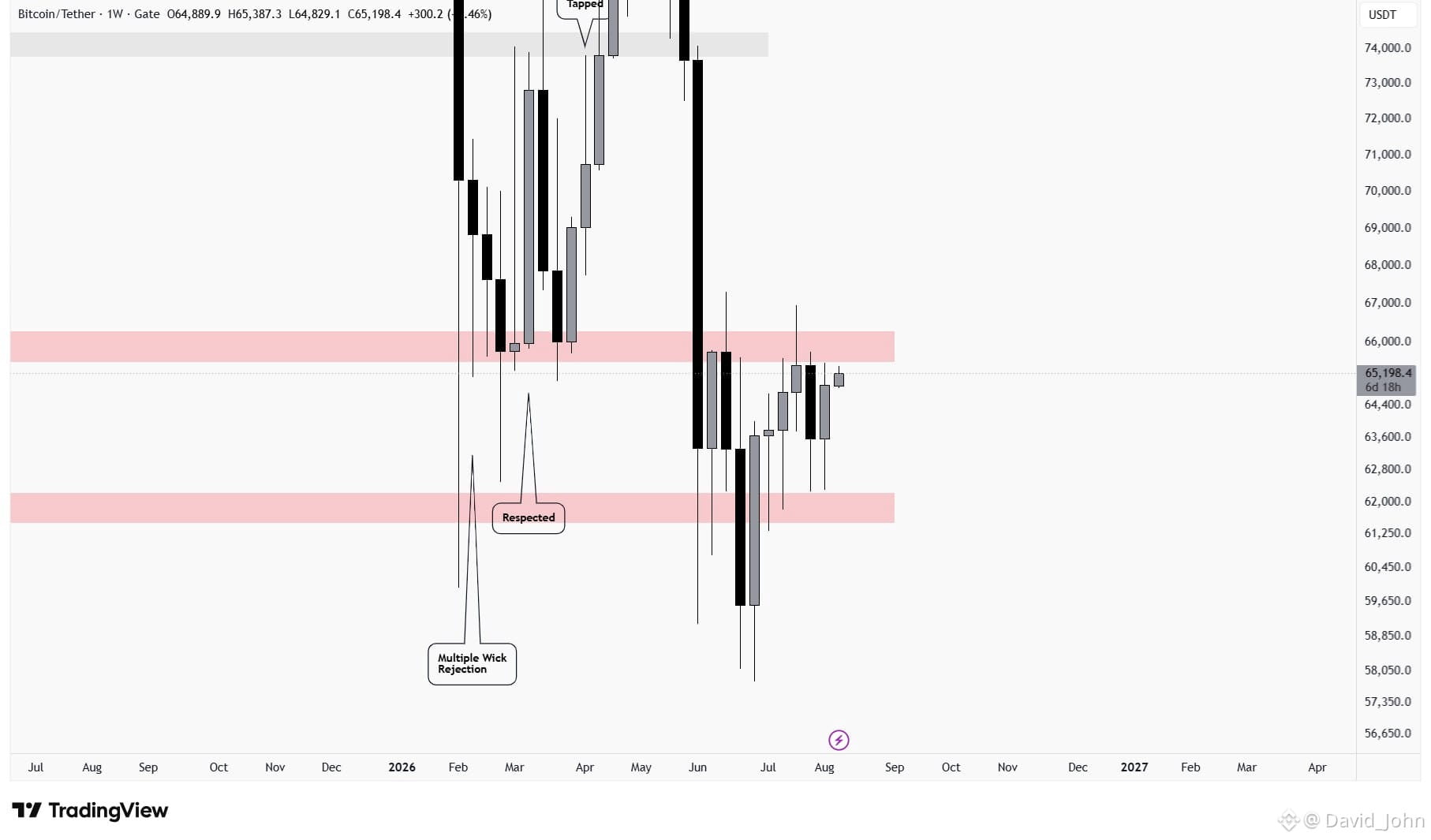
$BTC ATUALIZAÇÃO SEMANAL
$BTC está preso dentro de uma faixa semanal crítica, e a pressão está aumentando rapidamente.
O preço está sendo negociado perto de US$ 65,2 mil, logo abaixo da zona de resistência principal de US$ 65,5 mil–US$ 66,2 mil. Os compradores têm defendido repetidamente o suporte semanal de US$ 61,5 mil–US$ 62,1 mil, mostrando que a demanda ainda está ativa.
Suporte-chave:
US$ 61,5 mil–US$ 62,1 mil
Resistência-chave:
US$ 65,5 mil–US$ 66,2 mil
Rompimento de alta:
Um forte fechamento semanal acima de US$ 66,2 mil pode abrir caminho para US$ 67 mil+ e maior liquidez.
Rompimento de baixa:
Perder US$ 61,5 mil enfraqueceria a estrutura e poderia trazer novamente para o foco US$ 59,5 mil–US$ 58 mil.
Por enquanto, o BTC permanece lateral dentro da área semanal-chave. A próxima vela semanal pode decidir a direção real.
A compressão está ficando cada vez mais apertada. O rompimento pode ser violento.
Vamos $BTC
$BTC está preso dentro de uma faixa semanal crítica, e a pressão está aumentando rapidamente.
O preço está sendo negociado perto de US$ 65,2 mil, logo abaixo da zona de resistência principal de US$ 65,5 mil–US$ 66,2 mil. Os compradores têm defendido repetidamente o suporte semanal de US$ 61,5 mil–US$ 62,1 mil, mostrando que a demanda ainda está ativa.
Suporte-chave:
US$ 61,5 mil–US$ 62,1 mil
Resistência-chave:
US$ 65,5 mil–US$ 66,2 mil
Rompimento de alta:
Um forte fechamento semanal acima de US$ 66,2 mil pode abrir caminho para US$ 67 mil+ e maior liquidez.
Rompimento de baixa:
Perder US$ 61,5 mil enfraqueceria a estrutura e poderia trazer novamente para o foco US$ 59,5 mil–US$ 58 mil.
Por enquanto, o BTC permanece lateral dentro da área semanal-chave. A próxima vela semanal pode decidir a direção real.
A compressão está ficando cada vez mais apertada. O rompimento pode ser violento.
Vamos $BTC
Verificado
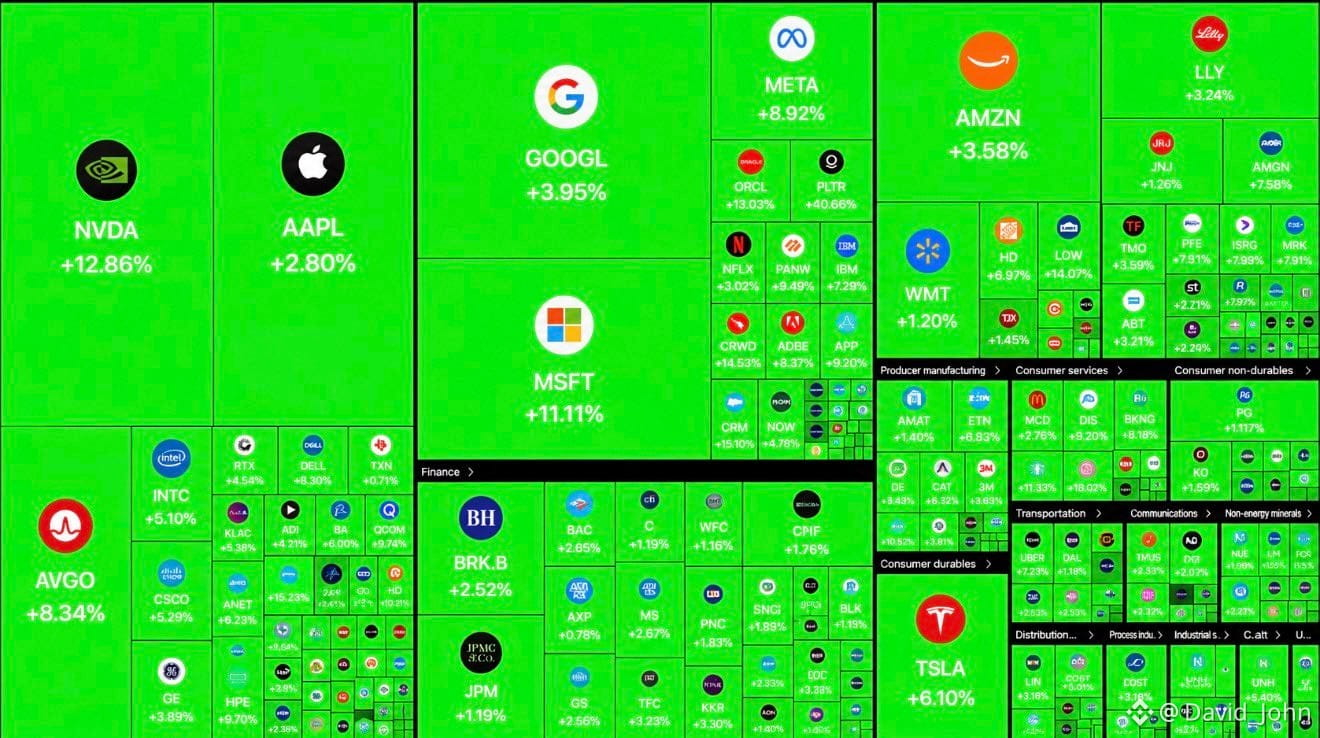
Wall Street acabou de ligar a “impressora de dinheiro”.
As ações dos EUA ganharam cerca de US$ 2,5 TRILHÕES em valor de mercado nesta semana, à medida que os compradores voltaram a correr para o risco.
O placar foi insano:
S&P 500: +3,58% — fechamento recorde
Nasdaq: +5,19%
Dow: +2,96%
O que acendeu a faísca?
O petróleo arrefeceu com o alívio das tensões entre EUA e Irã. Os resultados corporativos seguiram excepcionalmente fortes, com cerca de 85% das empresas do S&P 500 divulgando números acima das expectativas dos analistas. Então, na sexta-feira, veio a reviravolta: os EUA, inesperadamente, perderam 23.000 empregos em julho, ante cerca de 80.000 esperados.
Normalmente, dados ruins de empregos assustam os mercados.
Desta vez, Wall Street ouviu uma coisa:
Altas de juros do Fed podem estar ficando mais difíceis de justificar.
As expectativas para um aumento em setembro caíram acentuadamente, os rendimentos dos Treasuries recuaram e as ações dispararam.
Trilhões criados em dias.
A parte assustadora não é a rapidez com que o dinheiro entrou no mercado.
É o quão rapidamente o sentimento virou de incerteza para euforia.
Isso é o começo de mais um grande movimento de alta — ou exatamente o tipo de semana que faz os investidores esquecerem que o risco existe?
As ações dos EUA ganharam cerca de US$ 2,5 TRILHÕES em valor de mercado nesta semana, à medida que os compradores voltaram a correr para o risco.
O placar foi insano:
S&P 500: +3,58% — fechamento recorde
Nasdaq: +5,19%
Dow: +2,96%
O que acendeu a faísca?
O petróleo arrefeceu com o alívio das tensões entre EUA e Irã. Os resultados corporativos seguiram excepcionalmente fortes, com cerca de 85% das empresas do S&P 500 divulgando números acima das expectativas dos analistas. Então, na sexta-feira, veio a reviravolta: os EUA, inesperadamente, perderam 23.000 empregos em julho, ante cerca de 80.000 esperados.
Normalmente, dados ruins de empregos assustam os mercados.
Desta vez, Wall Street ouviu uma coisa:
Altas de juros do Fed podem estar ficando mais difíceis de justificar.
As expectativas para um aumento em setembro caíram acentuadamente, os rendimentos dos Treasuries recuaram e as ações dispararam.
Trilhões criados em dias.
A parte assustadora não é a rapidez com que o dinheiro entrou no mercado.
É o quão rapidamente o sentimento virou de incerteza para euforia.
Isso é o começo de mais um grande movimento de alta — ou exatamente o tipo de semana que faz os investidores esquecerem que o risco existe?
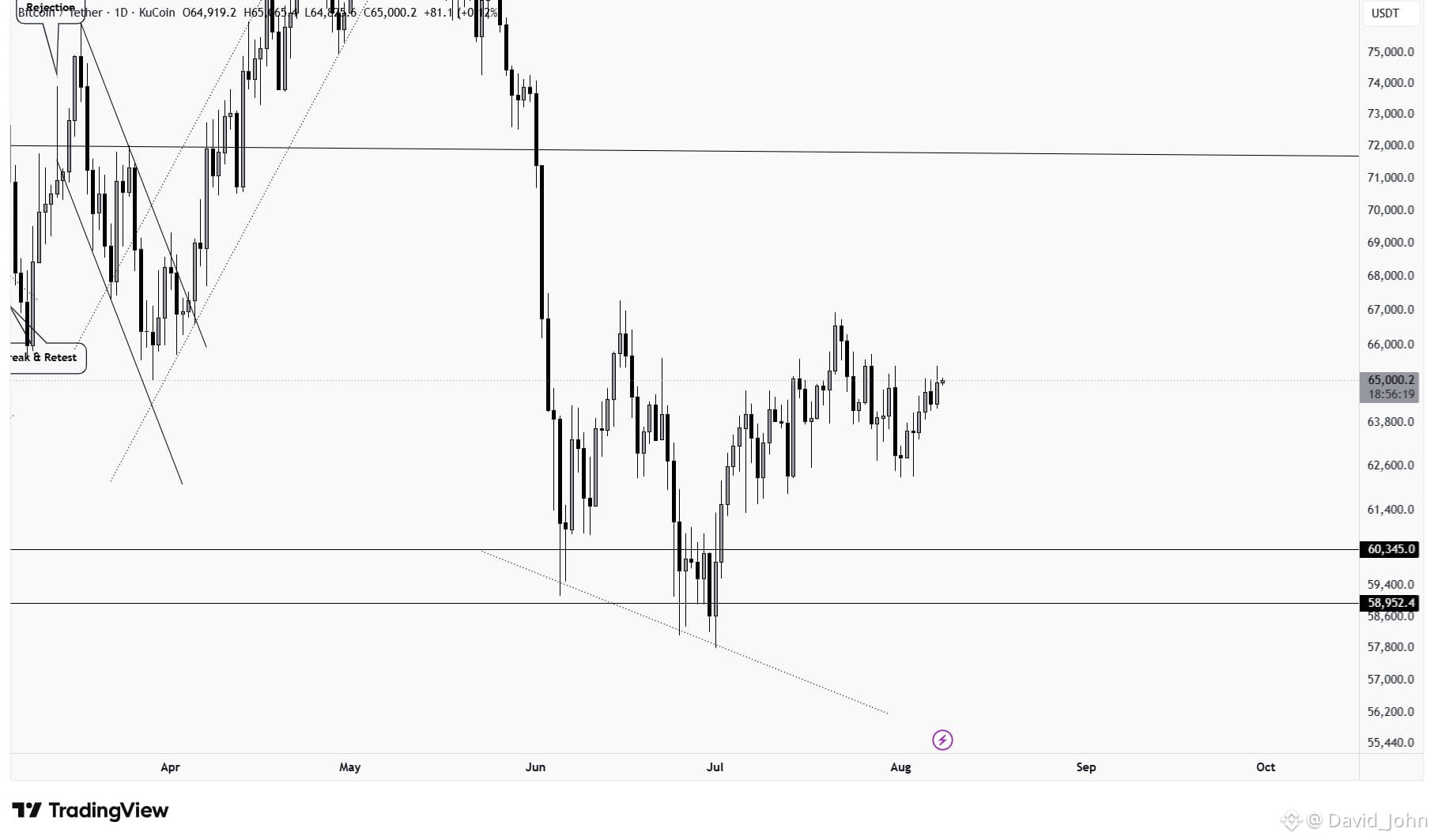
#Bitcoin continua a insistir e subir mais alto após uma retração de uma semana, mas o quadro maior ainda é dolorosamente simples: o BTC continua preso na faixa em torno de US$ 65K.
Os principais níveis de desvantagem ficam em US$ 60.345 e US$ 58.952, enquanto a grande barreira de alta permanece perto de US$ 71K–US$ 72K. Até que um dos lados rompa com convicção, cada movimento dentro desta caixa é, em grande parte, ruído.
O mercado está carregando a mola… mas ninguém sabe para que lado ela dispara. ⚡
Romper acima de US$ 72K = o momentum retorna.
Perder US$ 60,3K = os ursos voltam ao controle.
Por enquanto: paciência > previsão. 👀📊
$BTC
Os principais níveis de desvantagem ficam em US$ 60.345 e US$ 58.952, enquanto a grande barreira de alta permanece perto de US$ 71K–US$ 72K. Até que um dos lados rompa com convicção, cada movimento dentro desta caixa é, em grande parte, ruído.
O mercado está carregando a mola… mas ninguém sabe para que lado ela dispara. ⚡
Romper acima de US$ 72K = o momentum retorna.
Perder US$ 60,3K = os ursos voltam ao controle.
Por enquanto: paciência > previsão. 👀📊
$BTC
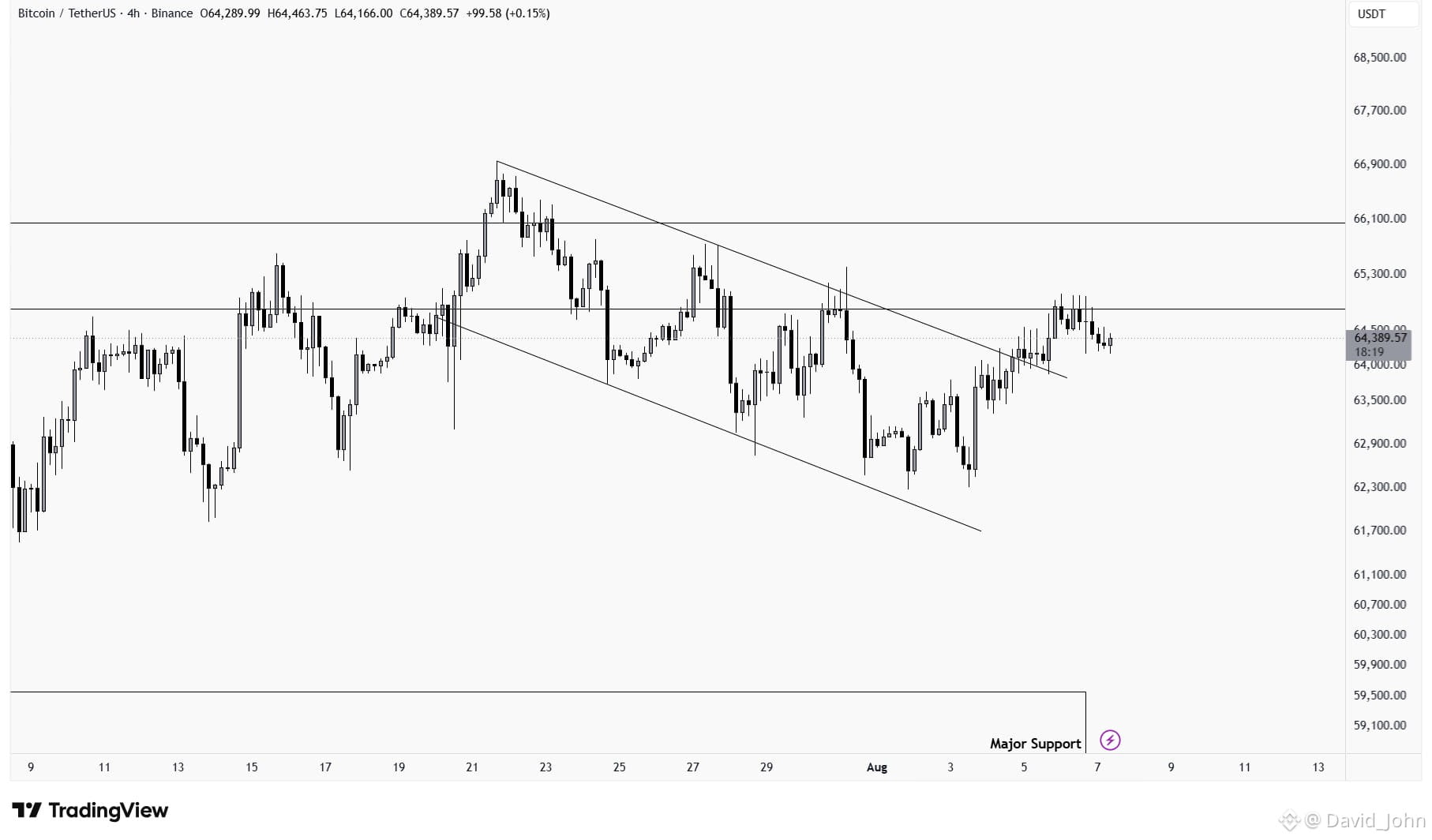
$BTC está enfrentando outra rejeição da zona de resistência principal, colocando novamente pressão baixista no curto prazo no gráfico.
Uma correção mais profunda pode estar se desenvolvendo, mas entrar no movimento antes da confirmação seria arriscado. O fechamento da vela no Time Frame Diário (Daily TF) continua sendo crucial — uma rejeição confirmada pode abrir espaço para que os vendedores empurrem $BTC em direção a suportes inferiores e níveis de liquidez.
Por enquanto, a paciência é importante. Deixe o mercado confirmar a direção antes de executar o próximo movimento.
Mantenha o foco na estrutura do Daily.
Vamos lá $BTC
Uma correção mais profunda pode estar se desenvolvendo, mas entrar no movimento antes da confirmação seria arriscado. O fechamento da vela no Time Frame Diário (Daily TF) continua sendo crucial — uma rejeição confirmada pode abrir espaço para que os vendedores empurrem $BTC em direção a suportes inferiores e níveis de liquidez.
Por enquanto, a paciência é importante. Deixe o mercado confirmar a direção antes de executar o próximo movimento.
Mantenha o foco na estrutura do Daily.
Vamos lá $BTC
Inicia sessão para explorar mais conteúdos