

#warshpushestoscalebackforwardguidanceanddotplot
warshpushestoscalebackforwardguidanceanddotplot
Қызу саудада
Ең соңғы

#SpotBitcoinETFsShed$261M
#SpotBitcoinETFsShed$261M
عاجل 🚨 | Warsh Fed Trend
الفيدرالي يصمت والسوق يجن 🤯
رئيس الفيدرالي الجديد وارش قرر:
❌ يلغي توقعات الفائدة (Forward Guidance)
❌ يلغي خريطة النقاط (Dot Plot)
يعني من اليوم ما عاد بيقول لكم الفائدة بتطلع ولا بتنزل.. خلوكم تخمنوا لحالكم!
النتيجة؟
سوق الكريبتو بين نارين 🔥
بيتكوين مرة فوق ومرة تحت.. والتضخم الأمريكي 3.7% زاد الطين بلة!
هل تشوف القرار شجاع ولا متهور؟
اكتب رأيك في التعليقات 👇
#WarshPushesToScaleBackForwardGuidanceAndDotPlot WarshPushesToScaleBackForwardGuidanceAndDotPlot #BTC #عاجل
#SpotBitcoinETFsShed$261M
#SpotBitcoinETFsShed$261M
عاجل 🚨 | Warsh Fed Trend
الفيدرالي يصمت والسوق يجن 🤯
رئيس الفيدرالي الجديد وارش قرر:
❌ يلغي توقعات الفائدة (Forward Guidance)
❌ يلغي خريطة النقاط (Dot Plot)
يعني من اليوم ما عاد بيقول لكم الفائدة بتطلع ولا بتنزل.. خلوكم تخمنوا لحالكم!
النتيجة؟
سوق الكريبتو بين نارين 🔥
بيتكوين مرة فوق ومرة تحت.. والتضخم الأمريكي 3.7% زاد الطين بلة!
هل تشوف القرار شجاع ولا متهور؟
اكتب رأيك في التعليقات 👇
#WarshPushesToScaleBackForwardGuidanceAndDotPlot WarshPushesToScaleBackForwardGuidanceAndDotPlot #BTC #عاجل
#SpotBitcoinETFsShed$261M
عاجل 🚨 | Warsh Fed Trend
الفيدرالي يصمت والسوق يجن 🤯
رئيس الفيدرالي الجديد وارش قرر:
❌ يلغي توقعات الفائدة (Forward Guidance)
❌ يلغي خريطة النقاط (Dot Plot)
يعني من اليوم ما عاد بيقول لكم الفائدة بتطلع ولا بتنزل.. خلوكم تخمنوا لحالكم!
النتيجة؟
سوق الكريبتو بين نارين 🔥
بيتكوين مرة فوق ومرة تحت.. والتضخم الأمريكي 3.7% زاد الطين بلة!
هل تشوف القرار شجاع ولا متهور؟
اكتب رأيك في التعليقات 👇
#WarshPushesToScaleBackForwardGuidanceAndDotPlot WarshPushesToScaleBackForwardGuidanceAndDotPlot #BTC #عاجل
1
1.4k


·
--
🚨 THIS COULD BE BAD NEWS FOR $BTC !
I think Warsh’s push to scale back forward guidance and the Dot Plot could create another source of pressure for the crypto market.
Without clear signals from the Fed, investors will have a harder time predicting future interest rates, making riskier assets less attractive during periods of uncertainty. #WarshPushesToScaleBackForwardGuidanceAndDotPlot
For me, the biggest concern is that rates could remain higher for longer than the market expects. This would limit liquidity and make it harder for Bitcoin and especially altcoins to sustain a strong rally. With investors forced to react to every new inflation and employment report, volatility could increase significantly.
In my view, this is a bearish development for crypto in the short term. If uncertainty grows and rate-cut expectations weaken, I believe the market could face renewed selling pressure, with altcoins likely to be more vulnerable than Bitcoin.
🚨 THIS COULD BE BAD NEWS FOR $BTC !
I think Warsh’s push to scale back forward guidance and the Dot Plot could create another source of pressure for the crypto market.
Without clear signals from the Fed, investors will have a harder time predicting future interest rates, making riskier assets less attractive during periods of uncertainty. #WarshPushesToScaleBackForwardGuidanceAndDotPlot
For me, the biggest concern is that rates could remain higher for longer than the market expects. This would limit liquidity and make it harder for Bitcoin and especially altcoins to sustain a strong rally. With investors forced to react to every new inflation and employment report, volatility could increase significantly.
In my view, this is a bearish development for crypto in the short term. If uncertainty grows and rate-cut expectations weaken, I believe the market could face renewed selling pressure, with altcoins likely to be more vulnerable than Bitcoin.
I think Warsh’s push to scale back forward guidance and the Dot Plot could create another source of pressure for the crypto market.
Without clear signals from the Fed, investors will have a harder time predicting future interest rates, making riskier assets less attractive during periods of uncertainty. #WarshPushesToScaleBackForwardGuidanceAndDotPlot
For me, the biggest concern is that rates could remain higher for longer than the market expects. This would limit liquidity and make it harder for Bitcoin and especially altcoins to sustain a strong rally. With investors forced to react to every new inflation and employment report, volatility could increase significantly.
In my view, this is a bearish development for crypto in the short term. If uncertainty grows and rate-cut expectations weaken, I believe the market could face renewed selling pressure, with altcoins likely to be more vulnerable than Bitcoin.
Usuman ibirahim :
BTC
5
1
21
17.4k
Расталды
#WarshPushesToScaleBackForwardGuidanceAndDotPlot
🚨 Warsh: Talk Less = Market Volatility 🚨
رئيس الفيدرالي الجديد كيفن وارش يفجرها!
يبغى يلغي الـ Forward Guidance و الـ Dot Plot اللي كان الفيدرالي يلمح فيها للسوق وين رايحة الفائدة 😱
يعني ايش؟
من قبل الفيدرالي يقولك: بنرفع الفائدة، بنخفضها.. السوق يجهز نفسه
الآن وارش يقول: اسكتوا، خلو السوق يخمن لحاله من بيانات التضخم!
النتيجة؟
التضخم الأمريكي أمس طلع 3.7% والتوقعات صارت 50/50 هل بيرفعوا الفائدة في أكتوبر ولا لا.. والسوق مجنون! 📈📉
وهذا ليش البيتكوين متقلب بقوة اليوم
سؤال: هل تشوف قرار وارش صح؟ السوق لازم يتعلم يمشي لحاله ولا الفيدرالي لازم يوضح؟
#WarshPushesToScaleBackForwardGuidanceAndDotPlot #BTC #Fed #Crypto $BTC
{future}(BTCUSDT)
#WarshPushesToScaleBackForwardGuidanceAndDotPlot
🚨 Warsh: Talk Less = Market Volatility 🚨
رئيس الفيدرالي الجديد كيفن وارش يفجرها!
يبغى يلغي الـ Forward Guidance و الـ Dot Plot اللي كان الفيدرالي يلمح فيها للسوق وين رايحة الفائدة 😱
يعني ايش؟
من قبل الفيدرالي يقولك: بنرفع الفائدة، بنخفضها.. السوق يجهز نفسه
الآن وارش يقول: اسكتوا، خلو السوق يخمن لحاله من بيانات التضخم!
النتيجة؟
التضخم الأمريكي أمس طلع 3.7% والتوقعات صارت 50/50 هل بيرفعوا الفائدة في أكتوبر ولا لا.. والسوق مجنون! 📈📉
وهذا ليش البيتكوين متقلب بقوة اليوم
سؤال: هل تشوف قرار وارش صح؟ السوق لازم يتعلم يمشي لحاله ولا الفيدرالي لازم يوضح؟
#WarshPushesToScaleBackForwardGuidanceAndDotPlot #BTC #Fed #Crypto $BTC
🚨 Warsh: Talk Less = Market Volatility 🚨
رئيس الفيدرالي الجديد كيفن وارش يفجرها!
يبغى يلغي الـ Forward Guidance و الـ Dot Plot اللي كان الفيدرالي يلمح فيها للسوق وين رايحة الفائدة 😱
يعني ايش؟
من قبل الفيدرالي يقولك: بنرفع الفائدة، بنخفضها.. السوق يجهز نفسه
الآن وارش يقول: اسكتوا، خلو السوق يخمن لحاله من بيانات التضخم!
النتيجة؟
التضخم الأمريكي أمس طلع 3.7% والتوقعات صارت 50/50 هل بيرفعوا الفائدة في أكتوبر ولا لا.. والسوق مجنون! 📈📉
وهذا ليش البيتكوين متقلب بقوة اليوم
سؤال: هل تشوف قرار وارش صح؟ السوق لازم يتعلم يمشي لحاله ولا الفيدرالي لازم يوضح؟
#WarshPushesToScaleBackForwardGuidanceAndDotPlot #BTC #Fed #Crypto $BTC
hussam1985:
المطلوب ليس توجيه الأسواق نحو مسار محدد للفائدة وإنما توفير شفافية كافية لفهم آلية اتخاذ القرار دون تقديم وعود مسبقة
3
5
2.5k

Мақала
🚨 الاحتياطي الفيدرالي يلتزم الصمت... وقد لا يعجب ذلك الأسواق 😬🏦 ماذا يحدث عندما يتوقف أقوى بنك مركزي في العالم عن إخبار الأسواق بما يعتزم فعله لاحقًا؟ 🤔
هذا هو السؤال الذي يواجهه المتداولون 👀، في وقت يدفع فيه رئيس مجلس الاحتياطي الفيدرالي كيفن وورش نحو تغيير كبير في طريقة تواصل البنك المركزي مع وول ستريت 🗽.
📢 يدعو وورش إلى تقليل الاعتماد على التوجيهات المستقبلية، أي تقليل الإشارات بشأن المسار المحتمل لأسعار الفائدة في المستقبل. كما شكك في جدوى «مخطط النقاط» الشهير للاحتياطي الفيدرالي 📉، الذي ظل المستثمرون يتابعونه عن كثب منذ فترة طويلة 🔍.
💡 الفكرة ببساطة:
بدلًا من أن تتفاعل الأسواق بشدة مع التوقعات بشأن قرارات الفيدرالي، ينبغي للمستثمرين أن يولوا اهتمامًا أكبر للبيانات الاقتصادية الفعلية 📊.
التضخم 🔥. الوظائف 💼. النمو 📈. الأوضاع المالية 💰.
لكن هنا يبدأ الجزء المثير للاهتمام بالنسبة إلى العملات المشفرة 👀🪙.
₿ يتأثر البيتكوين وسوق العملات المشفرة الأوسع كثيرًا بتوقعات أسعار الفائدة وأوضاع السيولة 💧.
🗣️ عندما يتحدث الفيدرالي، تتفاعل الأسواق.
🤐 وعندما يلتزم الصمت، يضطر المتداولون إلى وضع افتراضاتهم بأنفسهم 🧩، وقد تؤدي هذه الافتراضات إلى تقلبات ⚡.
⚠️ وتزداد أهمية الوضع الآن، لأن أسعار المستهلكين في الولايات المتحدة ارتفعت في سبتمبر بنسبة 3.7% على أساس سنوي 📈🔥، في حين جعلت بيانات التضخم الجديدة التنبؤ بالخطوة التالية للفيدرالي أكثر صعوبة على الأسواق 😰.
🏛️ يعترض بعض مسؤولي الفيدرالي بالفعل، بحجة أن التواصل يساعد الأسواق والشركات والأسر على فهم توجهات البنك المركزي 🤝. لذا، فالأمر لا يقتصر على «مخطط النقاط» 📌.
🔄 قد يشير ذلك إلى تغيير أوسع في طريقة تلقي الأسواق للمعلومات من الفيدرالي.
🔥 توجيهات أقل. 🌫️ ضبابية أكبر. 📊 تركيز أكبر على البيانات الاقتصادية.
وبالنسبة إلى متداولي البيتكوين، قد يعني ذلك شيئًا واحدًا:
⚡ التقلبات.
❓ السؤال الأهم الآن ليس فقط ما الذي سيفعله الاحتياطي الفيدرالي...
🎯 بل كيف ستتفاعل الأسواق عندما يتوقف الاحتياطي الفيدرالي عن إعطائها كل هذه الإشارات 🤯.
#warshpushestoscalebackforwardguidanceanddotplot #SpotBitcoinETFsShed261M #EthereumDropsBelow2400 #EtherTook60%OfCryptoLiquidations #CPIWatch
{spot}(BTCUSDT)
🚨 الاحتياطي الفيدرالي يلتزم الصمت... وقد لا يعجب ذلك الأسواق 😬
🏦 ماذا يحدث عندما يتوقف أقوى بنك مركزي في العالم عن إخبار الأسواق بما يعتزم فعله لاحقًا؟ 🤔
هذا هو السؤال الذي يواجهه المتداولون 👀، في وقت يدفع فيه رئيس مجلس الاحتياطي الفيدرالي كيفن وورش نحو تغيير كبير في طريقة تواصل البنك المركزي مع وول ستريت 🗽.
📢 يدعو وورش إلى تقليل الاعتماد على التوجيهات المستقبلية، أي تقليل الإشارات بشأن المسار المحتمل لأسعار الفائدة في المستقبل. كما شكك في جدوى «مخطط النقاط» الشهير للاحتياطي الفيدرالي 📉، الذي ظل المستثمرون يتابعونه عن كثب منذ فترة طويلة 🔍.
💡 الفكرة ببساطة:
بدلًا من أن تتفاعل الأسواق بشدة مع التوقعات بشأن قرارات الفيدرالي، ينبغي للمستثمرين أن يولوا اهتمامًا أكبر للبيانات الاقتصادية الفعلية 📊.
التضخم 🔥. الوظائف 💼. النمو 📈. الأوضاع المالية 💰.
لكن هنا يبدأ الجزء المثير للاهتمام بالنسبة إلى العملات المشفرة 👀🪙.
₿ يتأثر البيتكوين وسوق العملات المشفرة الأوسع كثيرًا بتوقعات أسعار الفائدة وأوضاع السيولة 💧.
🗣️ عندما يتحدث الفيدرالي، تتفاعل الأسواق.
🤐 وعندما يلتزم الصمت، يضطر المتداولون إلى وضع افتراضاتهم بأنفسهم 🧩، وقد تؤدي هذه الافتراضات إلى تقلبات ⚡.
⚠️ وتزداد أهمية الوضع الآن، لأن أسعار المستهلكين في الولايات المتحدة ارتفعت في سبتمبر بنسبة 3.7% على أساس سنوي 📈🔥، في حين جعلت بيانات التضخم الجديدة التنبؤ بالخطوة التالية للفيدرالي أكثر صعوبة على الأسواق 😰.
🏛️ يعترض بعض مسؤولي الفيدرالي بالفعل، بحجة أن التواصل يساعد الأسواق والشركات والأسر على فهم توجهات البنك المركزي 🤝. لذا، فالأمر لا يقتصر على «مخطط النقاط» 📌.
🔄 قد يشير ذلك إلى تغيير أوسع في طريقة تلقي الأسواق للمعلومات من الفيدرالي.
🔥 توجيهات أقل. 🌫️ ضبابية أكبر. 📊 تركيز أكبر على البيانات الاقتصادية.
وبالنسبة إلى متداولي البيتكوين، قد يعني ذلك شيئًا واحدًا:
⚡ التقلبات.
❓ السؤال الأهم الآن ليس فقط ما الذي سيفعله الاحتياطي الفيدرالي...
🎯 بل كيف ستتفاعل الأسواق عندما يتوقف الاحتياطي الفيدرالي عن إعطائها كل هذه الإشارات 🤯.
#warshpushestoscalebackforwardguidanceanddotplot #SpotBitcoinETFsShed261M #EthereumDropsBelow2400 #EtherTook60%OfCryptoLiquidations #CPIWatch
هذا هو السؤال الذي يواجهه المتداولون 👀، في وقت يدفع فيه رئيس مجلس الاحتياطي الفيدرالي كيفن وورش نحو تغيير كبير في طريقة تواصل البنك المركزي مع وول ستريت 🗽.
📢 يدعو وورش إلى تقليل الاعتماد على التوجيهات المستقبلية، أي تقليل الإشارات بشأن المسار المحتمل لأسعار الفائدة في المستقبل. كما شكك في جدوى «مخطط النقاط» الشهير للاحتياطي الفيدرالي 📉، الذي ظل المستثمرون يتابعونه عن كثب منذ فترة طويلة 🔍.
💡 الفكرة ببساطة:
بدلًا من أن تتفاعل الأسواق بشدة مع التوقعات بشأن قرارات الفيدرالي، ينبغي للمستثمرين أن يولوا اهتمامًا أكبر للبيانات الاقتصادية الفعلية 📊.
التضخم 🔥. الوظائف 💼. النمو 📈. الأوضاع المالية 💰.
لكن هنا يبدأ الجزء المثير للاهتمام بالنسبة إلى العملات المشفرة 👀🪙.
₿ يتأثر البيتكوين وسوق العملات المشفرة الأوسع كثيرًا بتوقعات أسعار الفائدة وأوضاع السيولة 💧.
🗣️ عندما يتحدث الفيدرالي، تتفاعل الأسواق.
🤐 وعندما يلتزم الصمت، يضطر المتداولون إلى وضع افتراضاتهم بأنفسهم 🧩، وقد تؤدي هذه الافتراضات إلى تقلبات ⚡.
⚠️ وتزداد أهمية الوضع الآن، لأن أسعار المستهلكين في الولايات المتحدة ارتفعت في سبتمبر بنسبة 3.7% على أساس سنوي 📈🔥، في حين جعلت بيانات التضخم الجديدة التنبؤ بالخطوة التالية للفيدرالي أكثر صعوبة على الأسواق 😰.
🏛️ يعترض بعض مسؤولي الفيدرالي بالفعل، بحجة أن التواصل يساعد الأسواق والشركات والأسر على فهم توجهات البنك المركزي 🤝. لذا، فالأمر لا يقتصر على «مخطط النقاط» 📌.
🔄 قد يشير ذلك إلى تغيير أوسع في طريقة تلقي الأسواق للمعلومات من الفيدرالي.
🔥 توجيهات أقل. 🌫️ ضبابية أكبر. 📊 تركيز أكبر على البيانات الاقتصادية.
وبالنسبة إلى متداولي البيتكوين، قد يعني ذلك شيئًا واحدًا:
⚡ التقلبات.
❓ السؤال الأهم الآن ليس فقط ما الذي سيفعله الاحتياطي الفيدرالي...
🎯 بل كيف ستتفاعل الأسواق عندما يتوقف الاحتياطي الفيدرالي عن إعطائها كل هذه الإشارات 🤯.
#warshpushestoscalebackforwardguidanceanddotplot #SpotBitcoinETFsShed261M #EthereumDropsBelow2400 #EtherTook60%OfCryptoLiquidations #CPIWatch
Kiesha Lelonek lxwW:
cool
4
5
14.9k

Мақала
🚨 THE FED IS GOING QUIET — AND MARKETS MAY NOT LIKE IT🚨 THE FED IS GOING QUIET — AND MARKETS MAY NOT LIKE IT
What happens when the world’s most powerful central bank stops telling markets what it plans to do next?
That is the question traders are facing as Fed Chair Kevin Warsh pushes for a major change in how the Federal Reserve communicates with Wall Street.
Warsh has been arguing for less reliance on forward guidance — meaning fewer signals about where interest rates could go in the future. He has also questioned the usefulness of the famous Fed “dot plot,” which has long been watched closely by investors.
The idea is simple:
Instead of markets trading heavily on Fed predictions, investors should pay closer attention to the actual economic data.
Inflation. Jobs. Growth. Financial conditions.
But here is where things get interesting for crypto. 👀
Bitcoin and the broader crypto market are highly sensitive to interest-rate expectations and liquidity conditions.
When the Fed speaks, markets react.
When the Fed stays quiet, traders have to make their own assumptions.
And those assumptions can create volatility.
The situation is even more important now because September U.S. consumer prices rose 3.7% year-over-year, while fresh inflation data has made the Fed’s next move harder for markets to predict.
Some Fed officials are already pushing back, arguing that communication helps markets, businesses and households understand the central bank’s thinking.
So this isn’t simply about a “dot plot.”
It could represent a broader change in how markets receive information from the Fed.
🔥 Less guidance. 🔥 More uncertainty. 🔥 Greater focus on economic data.
And for Bitcoin traders, that could mean one thing:
VOLATILITY.
The big question now is not just what the Fed will do…
It’s how markets will react when the Fed stops giving them so many clues.
#warshpushestoscalebackforwardguidanceanddotplot #SpotBitcoinETFsShed$261M #EthereumDropsBelow2400 #EtherTook60%OfCryptoLiquidations #CPIWatch
🚨 THE FED IS GOING QUIET — AND MARKETS MAY NOT LIKE IT
🚨 THE FED IS GOING QUIET — AND MARKETS MAY NOT LIKE IT
What happens when the world’s most powerful central bank stops telling markets what it plans to do next?
That is the question traders are facing as Fed Chair Kevin Warsh pushes for a major change in how the Federal Reserve communicates with Wall Street.
Warsh has been arguing for less reliance on forward guidance — meaning fewer signals about where interest rates could go in the future. He has also questioned the usefulness of the famous Fed “dot plot,” which has long been watched closely by investors.
The idea is simple:
Instead of markets trading heavily on Fed predictions, investors should pay closer attention to the actual economic data.
Inflation. Jobs. Growth. Financial conditions.
But here is where things get interesting for crypto. 👀
Bitcoin and the broader crypto market are highly sensitive to interest-rate expectations and liquidity conditions.
When the Fed speaks, markets react.
When the Fed stays quiet, traders have to make their own assumptions.
And those assumptions can create volatility.
The situation is even more important now because September U.S. consumer prices rose 3.7% year-over-year, while fresh inflation data has made the Fed’s next move harder for markets to predict.
Some Fed officials are already pushing back, arguing that communication helps markets, businesses and households understand the central bank’s thinking.
So this isn’t simply about a “dot plot.”
It could represent a broader change in how markets receive information from the Fed.
🔥 Less guidance. 🔥 More uncertainty. 🔥 Greater focus on economic data.
And for Bitcoin traders, that could mean one thing:
VOLATILITY.
The big question now is not just what the Fed will do…
It’s how markets will react when the Fed stops giving them so many clues.
#warshpushestoscalebackforwardguidanceanddotplot #SpotBitcoinETFsShed$261M #EthereumDropsBelow2400 #EtherTook60%OfCryptoLiquidations #CPIWatch
What happens when the world’s most powerful central bank stops telling markets what it plans to do next?
That is the question traders are facing as Fed Chair Kevin Warsh pushes for a major change in how the Federal Reserve communicates with Wall Street.
Warsh has been arguing for less reliance on forward guidance — meaning fewer signals about where interest rates could go in the future. He has also questioned the usefulness of the famous Fed “dot plot,” which has long been watched closely by investors.
The idea is simple:
Instead of markets trading heavily on Fed predictions, investors should pay closer attention to the actual economic data.
Inflation. Jobs. Growth. Financial conditions.
But here is where things get interesting for crypto. 👀
Bitcoin and the broader crypto market are highly sensitive to interest-rate expectations and liquidity conditions.
When the Fed speaks, markets react.
When the Fed stays quiet, traders have to make their own assumptions.
And those assumptions can create volatility.
The situation is even more important now because September U.S. consumer prices rose 3.7% year-over-year, while fresh inflation data has made the Fed’s next move harder for markets to predict.
Some Fed officials are already pushing back, arguing that communication helps markets, businesses and households understand the central bank’s thinking.
So this isn’t simply about a “dot plot.”
It could represent a broader change in how markets receive information from the Fed.
🔥 Less guidance. 🔥 More uncertainty. 🔥 Greater focus on economic data.
And for Bitcoin traders, that could mean one thing:
VOLATILITY.
The big question now is not just what the Fed will do…
It’s how markets will react when the Fed stops giving them so many clues.
#warshpushestoscalebackforwardguidanceanddotplot #SpotBitcoinETFsShed$261M #EthereumDropsBelow2400 #EtherTook60%OfCryptoLiquidations #CPIWatch
تـحت الــمراقبة:
نطالب بإسترجاع الفديرالي السابق هههه
7
9
16.9k

·
--
Жоғары (өспелі)
$AMZNB Refers to the debate over how the US Federal Reserve communicates its future monetary policy decisions. Kevin Warsh is associated with calls for a more flexible approach to central bank communication, potentially reducing reliance on forward guidance and the dot plot, which shows policymakers’ projections for future interest rates. Supporters of scaling back these tools argue that the Fed should retain greater flexibility as economic conditions change rather than committing too strongly to forecasts. For financial markets, including Bitcoin and other cryptocurrencies, changes in Fed communication can influence interest rate expectations, the US dollar, bond yields and investor sentiment.
However, critics warn that reducing guidance too much could create uncertainty and increase market volatility because investors would have fewer clues about upcoming policy decisions. The debate highlights the challenge of balancing flexibility with transparency, especially while inflation remains a concern.
#WarshPushesToScaleBackForwardGuidanceAndDotPlot
$AMZNB Refers to the debate over how the US Federal Reserve communicates its future monetary policy decisions. Kevin Warsh is associated with calls for a more flexible approach to central bank communication, potentially reducing reliance on forward guidance and the dot plot, which shows policymakers’ projections for future interest rates. Supporters of scaling back these tools argue that the Fed should retain greater flexibility as economic conditions change rather than committing too strongly to forecasts. For financial markets, including Bitcoin and other cryptocurrencies, changes in Fed communication can influence interest rate expectations, the US dollar, bond yields and investor sentiment.
However, critics warn that reducing guidance too much could create uncertainty and increase market volatility because investors would have fewer clues about upcoming policy decisions. The debate highlights the challenge of balancing flexibility with transparency, especially while inflation remains a concern.
#WarshPushesToScaleBackForwardGuidanceAndDotPlot
However, critics warn that reducing guidance too much could create uncertainty and increase market volatility because investors would have fewer clues about upcoming policy decisions. The debate highlights the challenge of balancing flexibility with transparency, especially while inflation remains a concern.
#WarshPushesToScaleBackForwardGuidanceAndDotPlot
3
494

·
--
🚨 THE FED WANTS TO STOP TELLING WALL STREET WHAT COMES NEXT — BITCOIN TRADERS SHOULD BE WORRIED! 🤯🔥
Imagine trading a $4 TRILLION crypto market…
And suddenly, the world's most powerful central bank decides to stop giving you clues. 💀
🇺🇸 FED CHAIR KEVIN WARSH IS CHANGING THE GAME.
Warsh is pushing the Federal Reserve away from forward guidance and questioning the role of its famous interest-rate “dot plot.”
Translation?
❌ Fewer hints about future rate decisions.
❌ Less reliance on Fed projections.
❌ No more expecting the Fed to prepare Wall Street for every move.
✅ More decisions driven by incoming economic data.
AND THE TIMING COULDN'T BE WORSE. 👀
🔥 US inflation just hit 3.7%.
🔥 Traders are debating further rate hikes.
🔥 The next Fed meeting is October 27–28.
🔥 Markets are struggling to predict what comes next.
💣 HERE'S WHAT NOBODY IS TALKING ABOUT:
Crypto loves liquidity.
But crypto HATES uncertainty.
Without clear Fed guidance, every CPI report, jobs release, and surprise rate decision could trigger massive market repricing.
📉 BEARISH SCENARIO:
Unexpected hawkish Fed decisions → Higher yields → Liquidations → $BTC and altcoins under pressure.
📈 BULLISH SCENARIO:
Markets become overly fearful → Fed surprises with a dovish decision → Shorts get squeezed → Explosive crypto recovery.
⚠️ MY BIGGEST CONCERN?
The next major Bitcoin move might not come from a crypto headline.
It could come from what the Fed DOESN'T say.
WALL STREET WANTS CLARITY. WARSH WANTS THE MARKET TO THINK FOR ITSELF.
And someone could get caught on the wrong side. 💥
👇 LET'S SETTLE THIS:
🐂 Less Fed guidance = More opportunity for smart traders?
🐻 Or is Warsh creating the perfect environment for a massive crypto liquidation?
ARE YOU LONG OR SHORT $BTC? 👇🔥
#warshpushestoscalebackforwardguidanceanddotplot #SpotBitcoinETFsShed$261M #EthereumDropsBelow$2400 #EtherTook60%OfCryptoLiquidations #CPIWatch
🚨 THE FED WANTS TO STOP TELLING WALL STREET WHAT COMES NEXT — BITCOIN TRADERS SHOULD BE WORRIED! 🤯🔥
Imagine trading a $4 TRILLION crypto market…
And suddenly, the world's most powerful central bank decides to stop giving you clues. 💀
🇺🇸 FED CHAIR KEVIN WARSH IS CHANGING THE GAME.
Warsh is pushing the Federal Reserve away from forward guidance and questioning the role of its famous interest-rate “dot plot.”
Translation?
❌ Fewer hints about future rate decisions.
❌ Less reliance on Fed projections.
❌ No more expecting the Fed to prepare Wall Street for every move.
✅ More decisions driven by incoming economic data.
AND THE TIMING COULDN'T BE WORSE. 👀
🔥 US inflation just hit 3.7%.
🔥 Traders are debating further rate hikes.
🔥 The next Fed meeting is October 27–28.
🔥 Markets are struggling to predict what comes next.
💣 HERE'S WHAT NOBODY IS TALKING ABOUT:
Crypto loves liquidity.
But crypto HATES uncertainty.
Without clear Fed guidance, every CPI report, jobs release, and surprise rate decision could trigger massive market repricing.
📉 BEARISH SCENARIO:
Unexpected hawkish Fed decisions → Higher yields → Liquidations → $BTC and altcoins under pressure.
📈 BULLISH SCENARIO:
Markets become overly fearful → Fed surprises with a dovish decision → Shorts get squeezed → Explosive crypto recovery.
⚠️ MY BIGGEST CONCERN?
The next major Bitcoin move might not come from a crypto headline.
It could come from what the Fed DOESN'T say.
WALL STREET WANTS CLARITY. WARSH WANTS THE MARKET TO THINK FOR ITSELF.
And someone could get caught on the wrong side. 💥
👇 LET'S SETTLE THIS:
🐂 Less Fed guidance = More opportunity for smart traders?
🐻 Or is Warsh creating the perfect environment for a massive crypto liquidation?
ARE YOU LONG OR SHORT $BTC ? 👇🔥
#warshpushestoscalebackforwardguidanceanddotplot #SpotBitcoinETFsShed$261M #EthereumDropsBelow$2400 #EtherTook60%OfCryptoLiquidations #CPIWatch
Imagine trading a $4 TRILLION crypto market…
And suddenly, the world's most powerful central bank decides to stop giving you clues. 💀
🇺🇸 FED CHAIR KEVIN WARSH IS CHANGING THE GAME.
Warsh is pushing the Federal Reserve away from forward guidance and questioning the role of its famous interest-rate “dot plot.”
Translation?
❌ Fewer hints about future rate decisions.
❌ Less reliance on Fed projections.
❌ No more expecting the Fed to prepare Wall Street for every move.
✅ More decisions driven by incoming economic data.
AND THE TIMING COULDN'T BE WORSE. 👀
🔥 US inflation just hit 3.7%.
🔥 Traders are debating further rate hikes.
🔥 The next Fed meeting is October 27–28.
🔥 Markets are struggling to predict what comes next.
💣 HERE'S WHAT NOBODY IS TALKING ABOUT:
Crypto loves liquidity.
But crypto HATES uncertainty.
Without clear Fed guidance, every CPI report, jobs release, and surprise rate decision could trigger massive market repricing.
📉 BEARISH SCENARIO:
Unexpected hawkish Fed decisions → Higher yields → Liquidations → $BTC and altcoins under pressure.
📈 BULLISH SCENARIO:
Markets become overly fearful → Fed surprises with a dovish decision → Shorts get squeezed → Explosive crypto recovery.
⚠️ MY BIGGEST CONCERN?
The next major Bitcoin move might not come from a crypto headline.
It could come from what the Fed DOESN'T say.
WALL STREET WANTS CLARITY. WARSH WANTS THE MARKET TO THINK FOR ITSELF.
And someone could get caught on the wrong side. 💥
👇 LET'S SETTLE THIS:
🐂 Less Fed guidance = More opportunity for smart traders?
🐻 Or is Warsh creating the perfect environment for a massive crypto liquidation?
ARE YOU LONG OR SHORT $BTC ? 👇🔥
#warshpushestoscalebackforwardguidanceanddotplot #SpotBitcoinETFsShed$261M #EthereumDropsBelow$2400 #EtherTook60%OfCryptoLiquidations #CPIWatch
Yemcaster:
Less guidance doesn't remove the info, it just moves it to the data days. CPI, jobs numbers and the meeting itself become the real events, so the big swings will probably bunch up around those dates. Direction is a coin flip, the timing is the part you can actually plan for.
8
1
35
65.4k

#warshpushestoscalebackforwardguidanceanddotplot
🚨 Kevin Warsh Wants to Change How the Fed Works! What About Bitcoin? 🇺🇸₿
Kevin Warsh wants the Federal Reserve to give fewer hints about future interest rate decisions. He is also reviewing the “dot plot,” which shows officials’ rate predictions.
📊 Why Does This Matter?
The Fed may focus more on inflation and jobs data.
Surprise decisions could cause bigger market moves.
The US dollar, gold, stocks, and crypto could see more volatility.
₿ What About Bitcoin?
Bitcoin’s next move will depend on inflation, interest rates, and money flowing into the market.
📈 Lower interest rates and more liquidity could support Bitcoin.
📉 Higher interest rates and tighter money could put pressure on Bitcoin.
⚠️ Important: These changes do not guarantee that Bitcoin will go up or down.
🔥 Bottom Line: Traders may need to pay more attention to economic data instead of relying only on the Fed’s statements.
Are we entering a new era of market uncertainty? 👀
$XAU $BTC $ETH
#Bitcoin #Crypto #FederalReserve #WarshPushesToScaleBackForwardGuidanceAndDotPlot
#warshpushestoscalebackforwardguidanceanddotplot
🚨 Kevin Warsh Wants to Change How the Fed Works! What About Bitcoin? 🇺🇸₿
Kevin Warsh wants the Federal Reserve to give fewer hints about future interest rate decisions. He is also reviewing the “dot plot,” which shows officials’ rate predictions.
📊 Why Does This Matter?
The Fed may focus more on inflation and jobs data.
Surprise decisions could cause bigger market moves.
The US dollar, gold, stocks, and crypto could see more volatility.
₿ What About Bitcoin?
Bitcoin’s next move will depend on inflation, interest rates, and money flowing into the market.
📈 Lower interest rates and more liquidity could support Bitcoin.
📉 Higher interest rates and tighter money could put pressure on Bitcoin.
⚠️ Important: These changes do not guarantee that Bitcoin will go up or down.
🔥 Bottom Line: Traders may need to pay more attention to economic data instead of relying only on the Fed’s statements.
Are we entering a new era of market uncertainty? 👀
$XAU $BTC $ETH
#Bitcoin #Crypto #FederalReserve #WarshPushesToScaleBackForwardGuidanceAndDotPlot
🚨 Kevin Warsh Wants to Change How the Fed Works! What About Bitcoin? 🇺🇸₿
Kevin Warsh wants the Federal Reserve to give fewer hints about future interest rate decisions. He is also reviewing the “dot plot,” which shows officials’ rate predictions.
📊 Why Does This Matter?
The Fed may focus more on inflation and jobs data.
Surprise decisions could cause bigger market moves.
The US dollar, gold, stocks, and crypto could see more volatility.
₿ What About Bitcoin?
Bitcoin’s next move will depend on inflation, interest rates, and money flowing into the market.
📈 Lower interest rates and more liquidity could support Bitcoin.
📉 Higher interest rates and tighter money could put pressure on Bitcoin.
⚠️ Important: These changes do not guarantee that Bitcoin will go up or down.
🔥 Bottom Line: Traders may need to pay more attention to economic data instead of relying only on the Fed’s statements.
Are we entering a new era of market uncertainty? 👀
$XAU $BTC $ETH
#Bitcoin #Crypto #FederalReserve #WarshPushesToScaleBackForwardGuidanceAndDotPlot
FEDAT - sport digital assets marketplace:
Я думаю,что пришел конец эпохи «подсказок от ФРС» и началась эпоха настоящей, дикой волатильности. 🎢 Биткоин, как главный барометр глобальной ликвидности, будет реагировать на каждое слово и цифру еще резче. Готовимся к более агрессивным свечам и учимся торговать по фактам, а не по ожиданиям чиновников! 💪🤝👍
3
10
7k

·
--
Ішінара рас
🚨 BREAKING: KEVIN WARSH PUSHES TO SCALE BACK FORWARD GUIDANCE & DOT PLOT! 🚨
Fed communication revolution!
New Fed Chair Kevin Warsh (49th Chair, appointed May 2026) is overhauling Fed's communication framework - pushing Fed to "talk less" and letting market judge policy direction on its own based on economic data
WHAT CHANGED:
🔹 Forward Guidance SCRAPPED: FOMC statement cut to 130 words (was 341). No hints on future rate moves. Fed will no longer tell markets what it expects to do next
🔹 Dot Plot WEAKENED: Warsh refused to submit his own dot projection - first Chair in 14 years to skip, shattering tradition for transparency
🔹 Median Projection: Year-end 2026 moved from 3.4% to 3.8% - base case from cut to possible hike
🔹 Return to Greenspan Era: "Forward guidance has overstayed its welcome"
MARKET IMPACT: Traders now rely on data vs Fed signals. Increased volatility expected. 30-year Treasury jumped 14 bps to 5.28% - 20-year high. October rate hold now coin toss.
Officials warn it could amplify market volatility
Quiet Fed era begins?
$BTC, $ETH, $SOL
#FederalReserve #KevinWarsh #DotPlot #ForwardGuidance #FOMC#warshpushestoscalebackforwardguidanceanddotplot
🚨 BREAKING: KEVIN WARSH PUSHES TO SCALE BACK FORWARD GUIDANCE & DOT PLOT! 🚨
Fed communication revolution!
New Fed Chair Kevin Warsh (49th Chair, appointed May 2026) is overhauling Fed's communication framework - pushing Fed to "talk less" and letting market judge policy direction on its own based on economic data
WHAT CHANGED:
🔹 Forward Guidance SCRAPPED: FOMC statement cut to 130 words (was 341). No hints on future rate moves. Fed will no longer tell markets what it expects to do next
🔹 Dot Plot WEAKENED: Warsh refused to submit his own dot projection - first Chair in 14 years to skip, shattering tradition for transparency
🔹 Median Projection: Year-end 2026 moved from 3.4% to 3.8% - base case from cut to possible hike
🔹 Return to Greenspan Era: "Forward guidance has overstayed its welcome"
MARKET IMPACT: Traders now rely on data vs Fed signals. Increased volatility expected. 30-year Treasury jumped 14 bps to 5.28% - 20-year high. October rate hold now coin toss.
Officials warn it could amplify market volatility
Quiet Fed era begins?
$BTC, $ETH, $SOL
#FederalReserve #KevinWarsh #DotPlot #ForwardGuidance #FOMC#warshpushestoscalebackforwardguidanceanddotplot
Fed communication revolution!
New Fed Chair Kevin Warsh (49th Chair, appointed May 2026) is overhauling Fed's communication framework - pushing Fed to "talk less" and letting market judge policy direction on its own based on economic data
WHAT CHANGED:
🔹 Forward Guidance SCRAPPED: FOMC statement cut to 130 words (was 341). No hints on future rate moves. Fed will no longer tell markets what it expects to do next
🔹 Dot Plot WEAKENED: Warsh refused to submit his own dot projection - first Chair in 14 years to skip, shattering tradition for transparency
🔹 Median Projection: Year-end 2026 moved from 3.4% to 3.8% - base case from cut to possible hike
🔹 Return to Greenspan Era: "Forward guidance has overstayed its welcome"
MARKET IMPACT: Traders now rely on data vs Fed signals. Increased volatility expected. 30-year Treasury jumped 14 bps to 5.28% - 20-year high. October rate hold now coin toss.
Officials warn it could amplify market volatility
Quiet Fed era begins?
$BTC, $ETH, $SOL
#FederalReserve #KevinWarsh #DotPlot #ForwardGuidance #FOMC#warshpushestoscalebackforwardguidanceanddotplot
5
6.8k

·
--
The Fed’s New Playbook, Hot Inflation and Mastercard’s Crypto Push: What It Means for Bitcoin and EtGlobal markets are facing three important forces: a changing Federal Reserve communication strategy, rising U.S. producer inflation, and the expansion of crypto-related payment infrastructure. Each affects markets differently, but together they create a complicated environment for investors.
The key question is whether tighter financial conditions will outweigh the long-term benefits of crypto adoption.
1. Why the Fed’s Communication Strategy Matters
Federal Reserve Chair Kevin Warsh has advocated reducing reliance on forward guidance and the dot plot. Forward guidance communicates policymakers’ views on the likely direction of monetary policy, while the dot plot presents individual Federal Open Market Committee participants’ interest-rate projections.
Neither tool guarantees future policy decisions. Economic conditions can change, forcing policymakers to adjust their outlook.
The historical context matters. After the 2008 financial crisis, central banks increasingly used communication to influence market expectations, especially when conventional interest-rate cuts became less effective. The Fed introduced its dot plot in 2012.
Reducing forward guidance could give policymakers more flexibility, but it may also leave investors with fewer clues about future rate decisions.
For financial markets, the result could be greater sensitivity to inflation reports, employment data and Treasury yields. If investors cannot confidently anticipate the Fed’s next move, sudden repricing becomes more likely.
For Bitcoin and Ethereum, this matters because both assets can respond sharply to changes in liquidity expectations and investor risk appetite.
2. Hot U.S. Inflation Could Complicate the Fed’s Decisions
The reported September 2026 U.S. Producer Price Index showed annual inflation of 6.3%, while monthly producer prices increased 1.3%.
Producer inflation measures price changes received by domestic producers. It does not directly measure the cost of living, but persistent increases can signal rising costs for businesses.
The geopolitical connection is important.
Conflicts, sanctions and disruptions to energy shipments can increase oil prices, transport expenses and insurance costs. Businesses may eventually pass some of these expenses to consumers.
If inflation remains elevated, the Fed may have less room to cut interest rates. Higher rates can make bonds and cash more attractive relative to riskier assets.
This creates a potential challenge for crypto markets.
Bitcoin is sometimes described as an inflation hedge because its supply is limited. However, its short-term behavior has often reflected liquidity conditions and investor risk appetite rather than inflation alone.
If inflation rises alongside higher Treasury yields and a stronger dollar, Bitcoin and Ethereum could face selling pressure. If inflation cools and financial conditions ease, the same assets may benefit from renewed risk-taking.
The critical variable is how inflation changes expectations for monetary policy.
3. Geopolitics, the Dollar and Institutional Capital Flows
The U.S. dollar remains central to global trade, commodity markets and international borrowing. Consequently, changes in U.S. monetary policy can influence capital flows well beyond American markets.
When Treasury yields rise, global investors may shift money toward dollar-denominated assets. Companies and governments with dollar debt can also face higher financing costs.
Geopolitical tensions can intensify these movements by disrupting energy supplies, trade routes and financial relationships.
For crypto investors, the transmission mechanism is relatively straightforward:
Geopolitical tensions can raise energy costs. Higher costs can sustain inflation. Persistent inflation can delay rate cuts. Higher yields and a stronger dollar can tighten financial conditions. Tighter conditions can reduce speculative demand for crypto.
However, the opposite mechanism can operate over a longer period. Concerns about currency instability, capital restrictions or dependence on traditional financial intermediaries may encourage interest in alternative payment and settlement systems.
These outcomes are not contradictory. Short-term liquidity pressures can hurt crypto prices even while long-term demand for blockchain infrastructure increases.
4. Mastercard’s Crypto Expansion: Adoption Does Not Guarantee Higher Prices
Mastercard’s expansion into stablecoin infrastructure highlights the growing connection between traditional finance and blockchain-based payments.
Its Global Money Platform, developed with BVNK, is designed to support services such as multi-currency accounts, stablecoin-linked cards, conversion and payouts.
This is important because established payment networks can help make digital-asset transactions more accessible to businesses and consumers.
However, payment-network reach should not be confused with the number of active crypto users. A large global network does not mean every customer can immediately access every crypto service.
The investment implications depend on actual usage.
First, payment integrations can reduce friction for cross-border transfers and business payments.
Second, stablecoins may become more useful for settlement and remittances.
Third, infrastructure providers may generate revenue from conversion, payment processing and related services.
But greater stablecoin usage does not automatically create demand for Bitcoin or Ethereum. A transaction can use a dollar-pegged stablecoin without requiring the user to purchase BTC.
Ethereum may benefit if increased payment activity translates into meaningful network usage and economic value for ETH. The same principle applies to other blockchain networks.
Investors should therefore distinguish between a promising partnership and measurable economic demand.
5. What Could Happen to $BTC and ETH?
The interaction between monetary policy and crypto adoption creates several possible outcomes.
Scenario One: Inflation remains elevated.
If producer inflation continues to pressure the Fed, markets may price in higher interest rates for longer. Rising yields and dollar strength could weigh on Bitcoin and Ethereum, particularly if leveraged positions begin to unwind.
Scenario Two: Inflation cools.
If price pressures ease and the Fed becomes more comfortable with monetary easing, liquidity expectations could improve. This may support risk assets, although market positioning and economic growth will still matter.
Scenario Three: Crypto adoption expands without stronger token demand.
Mastercard-related payment activity could increase while Bitcoin and Ethereum prices remain under pressure. Infrastructure growth and token valuations do not always move together.
Scenario Four: Adoption expands as financial conditions improve.
This combination could offer a more supportive environment for crypto. Better liquidity may encourage investment, while real payment activity could strengthen the long-term case for selected blockchain networks.
None of these scenarios is guaranteed. Investors must assess incoming data rather than assume that one headline determines the market’s direction.
6. A Practical Framework for Investors
For short-term traders, inflation data, Treasury yields, dollar movements and the market’s reaction to Federal Reserve statements deserve close attention.
A hot inflation report does not automatically justify a short position. If the market has already priced in the news, prices may recover. Likewise, a dovish policy signal does not guarantee a rally if investors are worried about economic weakness.
Avoid excessive leverage during major economic releases. Sudden price movements can trigger liquidations even when the broader investment thesis remains valid.
For longer-term investors, the focus should be different.
Bitcoin investors should evaluate liquidity conditions, institutional demand, market structure and portfolio risk.
Ethereum investors should monitor network activity, transaction economics and whether increased adoption creates sustainable demand for $ETH.
Investors in Bangladesh should also consider BDT/$USDC exchange-rate movements, transaction costs and applicable local regulations. Dollar-denominated gains do not always translate into equivalent returns in taka.
7. What Investors Should Watch Next
Three developments deserve attention.
First, the Federal Reserve’s upcoming policy decisions will help clarify how policymakers respond to persistent inflation and whether reduced forward guidance changes market expectations.
Second, upcoming inflation and employment reports will indicate whether price pressure is spreading through the economy or beginning to ease.
Third, Mastercard’s real payment volumes, stablecoin activity and the economics of supported blockchain networks will provide better evidence of adoption than headline announcements alone.
The distinction between confirmed developments and expectations is essential. A proposal is not an implemented policy. A partnership is not proof of mass adoption. A bullish narrative is not a trading signal.
Final Takeaway
The Fed’s changing communication strategy could make markets more sensitive to economic data, particularly while inflation remains elevated. That creates near-term uncertainty for Bitcoin and Ethereum if higher yields and a stronger dollar tighten financial conditions.
Mastercard’s crypto expansion presents a different opportunity: the gradual integration of blockchain-based payments into established financial infrastructure. Its long-term significance will depend on actual adoption, transaction volumes and the value captured by individual networks and assets.
The practical approach is to separate the macroeconomic trade from the long-term adoption thesis. Monitor inflation, Treasury yields and dollar liquidity for short-term decisions. Track real network usage and token economics for long-term investment analysis.
Do not confuse institutional adoption with guaranteed price appreciation. Manage risk, avoid emotional trading and make decisions based on evidence rather than headlines.
This article is for educational purposes only and is not financial advice. DYOR. NFA.
{spot}(BTCUSDT)
{spot}(USDCUSDT)
{spot}(ETHUSDT)
#WarshPushesToScaleBackForwardGuidanceAndDotPlot #BTC #ETH #USDC #Binance
The Fed’s New Playbook, Hot Inflation and Mastercard’s Crypto Push: What It Means for Bitcoin and Et
Global markets are facing three important forces: a changing Federal Reserve communication strategy, rising U.S. producer inflation, and the expansion of crypto-related payment infrastructure. Each affects markets differently, but together they create a complicated environment for investors.
The key question is whether tighter financial conditions will outweigh the long-term benefits of crypto adoption.
1. Why the Fed’s Communication Strategy Matters
Federal Reserve Chair Kevin Warsh has advocated reducing reliance on forward guidance and the dot plot. Forward guidance communicates policymakers’ views on the likely direction of monetary policy, while the dot plot presents individual Federal Open Market Committee participants’ interest-rate projections.
Neither tool guarantees future policy decisions. Economic conditions can change, forcing policymakers to adjust their outlook.
The historical context matters. After the 2008 financial crisis, central banks increasingly used communication to influence market expectations, especially when conventional interest-rate cuts became less effective. The Fed introduced its dot plot in 2012.
Reducing forward guidance could give policymakers more flexibility, but it may also leave investors with fewer clues about future rate decisions.
For financial markets, the result could be greater sensitivity to inflation reports, employment data and Treasury yields. If investors cannot confidently anticipate the Fed’s next move, sudden repricing becomes more likely.
For Bitcoin and Ethereum, this matters because both assets can respond sharply to changes in liquidity expectations and investor risk appetite.
2. Hot U.S. Inflation Could Complicate the Fed’s Decisions
The reported September 2026 U.S. Producer Price Index showed annual inflation of 6.3%, while monthly producer prices increased 1.3%.
Producer inflation measures price changes received by domestic producers. It does not directly measure the cost of living, but persistent increases can signal rising costs for businesses.
The geopolitical connection is important.
Conflicts, sanctions and disruptions to energy shipments can increase oil prices, transport expenses and insurance costs. Businesses may eventually pass some of these expenses to consumers.
If inflation remains elevated, the Fed may have less room to cut interest rates. Higher rates can make bonds and cash more attractive relative to riskier assets.
This creates a potential challenge for crypto markets.
Bitcoin is sometimes described as an inflation hedge because its supply is limited. However, its short-term behavior has often reflected liquidity conditions and investor risk appetite rather than inflation alone.
If inflation rises alongside higher Treasury yields and a stronger dollar, Bitcoin and Ethereum could face selling pressure. If inflation cools and financial conditions ease, the same assets may benefit from renewed risk-taking.
The critical variable is how inflation changes expectations for monetary policy.
3. Geopolitics, the Dollar and Institutional Capital Flows
The U.S. dollar remains central to global trade, commodity markets and international borrowing. Consequently, changes in U.S. monetary policy can influence capital flows well beyond American markets.
When Treasury yields rise, global investors may shift money toward dollar-denominated assets. Companies and governments with dollar debt can also face higher financing costs.
Geopolitical tensions can intensify these movements by disrupting energy supplies, trade routes and financial relationships.
For crypto investors, the transmission mechanism is relatively straightforward:
Geopolitical tensions can raise energy costs. Higher costs can sustain inflation. Persistent inflation can delay rate cuts. Higher yields and a stronger dollar can tighten financial conditions. Tighter conditions can reduce speculative demand for crypto.
However, the opposite mechanism can operate over a longer period. Concerns about currency instability, capital restrictions or dependence on traditional financial intermediaries may encourage interest in alternative payment and settlement systems.
These outcomes are not contradictory. Short-term liquidity pressures can hurt crypto prices even while long-term demand for blockchain infrastructure increases.
4. Mastercard’s Crypto Expansion: Adoption Does Not Guarantee Higher Prices
Mastercard’s expansion into stablecoin infrastructure highlights the growing connection between traditional finance and blockchain-based payments.
Its Global Money Platform, developed with BVNK, is designed to support services such as multi-currency accounts, stablecoin-linked cards, conversion and payouts.
This is important because established payment networks can help make digital-asset transactions more accessible to businesses and consumers.
However, payment-network reach should not be confused with the number of active crypto users. A large global network does not mean every customer can immediately access every crypto service.
The investment implications depend on actual usage.
First, payment integrations can reduce friction for cross-border transfers and business payments.
Second, stablecoins may become more useful for settlement and remittances.
Third, infrastructure providers may generate revenue from conversion, payment processing and related services.
But greater stablecoin usage does not automatically create demand for Bitcoin or Ethereum. A transaction can use a dollar-pegged stablecoin without requiring the user to purchase BTC.
Ethereum may benefit if increased payment activity translates into meaningful network usage and economic value for ETH. The same principle applies to other blockchain networks.
Investors should therefore distinguish between a promising partnership and measurable economic demand.
5. What Could Happen to $BTC and ETH?
The interaction between monetary policy and crypto adoption creates several possible outcomes.
Scenario One: Inflation remains elevated.
If producer inflation continues to pressure the Fed, markets may price in higher interest rates for longer. Rising yields and dollar strength could weigh on Bitcoin and Ethereum, particularly if leveraged positions begin to unwind.
Scenario Two: Inflation cools.
If price pressures ease and the Fed becomes more comfortable with monetary easing, liquidity expectations could improve. This may support risk assets, although market positioning and economic growth will still matter.
Scenario Three: Crypto adoption expands without stronger token demand.
Mastercard-related payment activity could increase while Bitcoin and Ethereum prices remain under pressure. Infrastructure growth and token valuations do not always move together.
Scenario Four: Adoption expands as financial conditions improve.
This combination could offer a more supportive environment for crypto. Better liquidity may encourage investment, while real payment activity could strengthen the long-term case for selected blockchain networks.
None of these scenarios is guaranteed. Investors must assess incoming data rather than assume that one headline determines the market’s direction.
6. A Practical Framework for Investors
For short-term traders, inflation data, Treasury yields, dollar movements and the market’s reaction to Federal Reserve statements deserve close attention.
A hot inflation report does not automatically justify a short position. If the market has already priced in the news, prices may recover. Likewise, a dovish policy signal does not guarantee a rally if investors are worried about economic weakness.
Avoid excessive leverage during major economic releases. Sudden price movements can trigger liquidations even when the broader investment thesis remains valid.
For longer-term investors, the focus should be different.
Bitcoin investors should evaluate liquidity conditions, institutional demand, market structure and portfolio risk.
Ethereum investors should monitor network activity, transaction economics and whether increased adoption creates sustainable demand for $ETH.
Investors in Bangladesh should also consider BDT/$USDC exchange-rate movements, transaction costs and applicable local regulations. Dollar-denominated gains do not always translate into equivalent returns in taka.
7. What Investors Should Watch Next
Three developments deserve attention.
First, the Federal Reserve’s upcoming policy decisions will help clarify how policymakers respond to persistent inflation and whether reduced forward guidance changes market expectations.
Second, upcoming inflation and employment reports will indicate whether price pressure is spreading through the economy or beginning to ease.
Third, Mastercard’s real payment volumes, stablecoin activity and the economics of supported blockchain networks will provide better evidence of adoption than headline announcements alone.
The distinction between confirmed developments and expectations is essential. A proposal is not an implemented policy. A partnership is not proof of mass adoption. A bullish narrative is not a trading signal.
Final Takeaway
The Fed’s changing communication strategy could make markets more sensitive to economic data, particularly while inflation remains elevated. That creates near-term uncertainty for Bitcoin and Ethereum if higher yields and a stronger dollar tighten financial conditions.
Mastercard’s crypto expansion presents a different opportunity: the gradual integration of blockchain-based payments into established financial infrastructure. Its long-term significance will depend on actual adoption, transaction volumes and the value captured by individual networks and assets.
The practical approach is to separate the macroeconomic trade from the long-term adoption thesis. Monitor inflation, Treasury yields and dollar liquidity for short-term decisions. Track real network usage and token economics for long-term investment analysis.
Do not confuse institutional adoption with guaranteed price appreciation. Manage risk, avoid emotional trading and make decisions based on evidence rather than headlines.
This article is for educational purposes only and is not financial advice. DYOR. NFA.
#WarshPushesToScaleBackForwardGuidanceAndDotPlot #BTC #ETH #USDC #Binance
The key question is whether tighter financial conditions will outweigh the long-term benefits of crypto adoption.
1. Why the Fed’s Communication Strategy Matters
Federal Reserve Chair Kevin Warsh has advocated reducing reliance on forward guidance and the dot plot. Forward guidance communicates policymakers’ views on the likely direction of monetary policy, while the dot plot presents individual Federal Open Market Committee participants’ interest-rate projections.
Neither tool guarantees future policy decisions. Economic conditions can change, forcing policymakers to adjust their outlook.
The historical context matters. After the 2008 financial crisis, central banks increasingly used communication to influence market expectations, especially when conventional interest-rate cuts became less effective. The Fed introduced its dot plot in 2012.
Reducing forward guidance could give policymakers more flexibility, but it may also leave investors with fewer clues about future rate decisions.
For financial markets, the result could be greater sensitivity to inflation reports, employment data and Treasury yields. If investors cannot confidently anticipate the Fed’s next move, sudden repricing becomes more likely.
For Bitcoin and Ethereum, this matters because both assets can respond sharply to changes in liquidity expectations and investor risk appetite.
2. Hot U.S. Inflation Could Complicate the Fed’s Decisions
The reported September 2026 U.S. Producer Price Index showed annual inflation of 6.3%, while monthly producer prices increased 1.3%.
Producer inflation measures price changes received by domestic producers. It does not directly measure the cost of living, but persistent increases can signal rising costs for businesses.
The geopolitical connection is important.
Conflicts, sanctions and disruptions to energy shipments can increase oil prices, transport expenses and insurance costs. Businesses may eventually pass some of these expenses to consumers.
If inflation remains elevated, the Fed may have less room to cut interest rates. Higher rates can make bonds and cash more attractive relative to riskier assets.
This creates a potential challenge for crypto markets.
Bitcoin is sometimes described as an inflation hedge because its supply is limited. However, its short-term behavior has often reflected liquidity conditions and investor risk appetite rather than inflation alone.
If inflation rises alongside higher Treasury yields and a stronger dollar, Bitcoin and Ethereum could face selling pressure. If inflation cools and financial conditions ease, the same assets may benefit from renewed risk-taking.
The critical variable is how inflation changes expectations for monetary policy.
3. Geopolitics, the Dollar and Institutional Capital Flows
The U.S. dollar remains central to global trade, commodity markets and international borrowing. Consequently, changes in U.S. monetary policy can influence capital flows well beyond American markets.
When Treasury yields rise, global investors may shift money toward dollar-denominated assets. Companies and governments with dollar debt can also face higher financing costs.
Geopolitical tensions can intensify these movements by disrupting energy supplies, trade routes and financial relationships.
For crypto investors, the transmission mechanism is relatively straightforward:
Geopolitical tensions can raise energy costs. Higher costs can sustain inflation. Persistent inflation can delay rate cuts. Higher yields and a stronger dollar can tighten financial conditions. Tighter conditions can reduce speculative demand for crypto.
However, the opposite mechanism can operate over a longer period. Concerns about currency instability, capital restrictions or dependence on traditional financial intermediaries may encourage interest in alternative payment and settlement systems.
These outcomes are not contradictory. Short-term liquidity pressures can hurt crypto prices even while long-term demand for blockchain infrastructure increases.
4. Mastercard’s Crypto Expansion: Adoption Does Not Guarantee Higher Prices
Mastercard’s expansion into stablecoin infrastructure highlights the growing connection between traditional finance and blockchain-based payments.
Its Global Money Platform, developed with BVNK, is designed to support services such as multi-currency accounts, stablecoin-linked cards, conversion and payouts.
This is important because established payment networks can help make digital-asset transactions more accessible to businesses and consumers.
However, payment-network reach should not be confused with the number of active crypto users. A large global network does not mean every customer can immediately access every crypto service.
The investment implications depend on actual usage.
First, payment integrations can reduce friction for cross-border transfers and business payments.
Second, stablecoins may become more useful for settlement and remittances.
Third, infrastructure providers may generate revenue from conversion, payment processing and related services.
But greater stablecoin usage does not automatically create demand for Bitcoin or Ethereum. A transaction can use a dollar-pegged stablecoin without requiring the user to purchase BTC.
Ethereum may benefit if increased payment activity translates into meaningful network usage and economic value for ETH. The same principle applies to other blockchain networks.
Investors should therefore distinguish between a promising partnership and measurable economic demand.
5. What Could Happen to $BTC and ETH?
The interaction between monetary policy and crypto adoption creates several possible outcomes.
Scenario One: Inflation remains elevated.
If producer inflation continues to pressure the Fed, markets may price in higher interest rates for longer. Rising yields and dollar strength could weigh on Bitcoin and Ethereum, particularly if leveraged positions begin to unwind.
Scenario Two: Inflation cools.
If price pressures ease and the Fed becomes more comfortable with monetary easing, liquidity expectations could improve. This may support risk assets, although market positioning and economic growth will still matter.
Scenario Three: Crypto adoption expands without stronger token demand.
Mastercard-related payment activity could increase while Bitcoin and Ethereum prices remain under pressure. Infrastructure growth and token valuations do not always move together.
Scenario Four: Adoption expands as financial conditions improve.
This combination could offer a more supportive environment for crypto. Better liquidity may encourage investment, while real payment activity could strengthen the long-term case for selected blockchain networks.
None of these scenarios is guaranteed. Investors must assess incoming data rather than assume that one headline determines the market’s direction.
6. A Practical Framework for Investors
For short-term traders, inflation data, Treasury yields, dollar movements and the market’s reaction to Federal Reserve statements deserve close attention.
A hot inflation report does not automatically justify a short position. If the market has already priced in the news, prices may recover. Likewise, a dovish policy signal does not guarantee a rally if investors are worried about economic weakness.
Avoid excessive leverage during major economic releases. Sudden price movements can trigger liquidations even when the broader investment thesis remains valid.
For longer-term investors, the focus should be different.
Bitcoin investors should evaluate liquidity conditions, institutional demand, market structure and portfolio risk.
Ethereum investors should monitor network activity, transaction economics and whether increased adoption creates sustainable demand for $ETH.
Investors in Bangladesh should also consider BDT/$USDC exchange-rate movements, transaction costs and applicable local regulations. Dollar-denominated gains do not always translate into equivalent returns in taka.
7. What Investors Should Watch Next
Three developments deserve attention.
First, the Federal Reserve’s upcoming policy decisions will help clarify how policymakers respond to persistent inflation and whether reduced forward guidance changes market expectations.
Second, upcoming inflation and employment reports will indicate whether price pressure is spreading through the economy or beginning to ease.
Third, Mastercard’s real payment volumes, stablecoin activity and the economics of supported blockchain networks will provide better evidence of adoption than headline announcements alone.
The distinction between confirmed developments and expectations is essential. A proposal is not an implemented policy. A partnership is not proof of mass adoption. A bullish narrative is not a trading signal.
Final Takeaway
The Fed’s changing communication strategy could make markets more sensitive to economic data, particularly while inflation remains elevated. That creates near-term uncertainty for Bitcoin and Ethereum if higher yields and a stronger dollar tighten financial conditions.
Mastercard’s crypto expansion presents a different opportunity: the gradual integration of blockchain-based payments into established financial infrastructure. Its long-term significance will depend on actual adoption, transaction volumes and the value captured by individual networks and assets.
The practical approach is to separate the macroeconomic trade from the long-term adoption thesis. Monitor inflation, Treasury yields and dollar liquidity for short-term decisions. Track real network usage and token economics for long-term investment analysis.
Do not confuse institutional adoption with guaranteed price appreciation. Manage risk, avoid emotional trading and make decisions based on evidence rather than headlines.
This article is for educational purposes only and is not financial advice. DYOR. NFA.
#WarshPushesToScaleBackForwardGuidanceAndDotPlot #BTC #ETH #USDC #Binance
1
394

Расталды
🚨Menos pistas de la Fed? La propuesta de Kevin Warsh para frenar el dot plot y la orientación anticipada.
El debate sobre cómo debe comunicarse la Reserva Federal con los mercados financieros volvió al centro de la escena tras la postura de Kevin Warsh, exgobernador del banco central estadounidense. Warsh plantea dar marcha atrás tanto al «forward guidance» (la orientación anticipada sobre el rumbo de las tasas) como al «dot plot» (el conocido gráfico de puntos donde los miembros del FOMC proyectan los niveles de tasas a futuro).
Desde su perspectiva, telegrafiar cada decisión con meses de antelación ha convertido a la Fed en un rehén de las expectativas de Wall Street en lugar de actuar como un árbitro neutral e independiente.
La crítica central apunta a que estas herramientas de comunicación, adoptadas para calmar a los inversores tras la crisis financiera de 2008, terminaron creando una falsa sensación de certidumbre. Cuando la Reserva Federal publica mapas de ruta rígidos y la inflación o el empleo dan sorpresas inesperadas, el banco central queda atrapado entre romper sus promesas de comunicación o ignorar la realidad económica inmediata.
Reducir estas directrices obligaría a los gestores de fondos a evaluar los riesgos por cuenta propia en lugar de depender del respaldo constante de las autoridades monetarias.
Para el mercado de criptomonedas y activos como Bitcoin, un cambio de esta naturaleza modificaría la dinámica operativa global. Sin un gráfico de puntos que anticipe los movimientos del dinero, los mercados reaccionarían con mayor sensibilidad y volatilidad directa a cada dato económico, eliminando la complacencia artificial pero devolviendo a los precios una lectura mucho más pura de la liquidez real.
¿Consideras que reducir la orientación de la Fed le devolvería madurez a los mercados financieros o desataría un caos de volatilidad en Bitcoin y las acciones?
$BTC
#WarshPushesToScaleBackForwardGuidanceAndDotPlot
{future}(BTCUSDT)
$NVDAB
{spot}(NVDABUSDT)
🚨Menos pistas de la Fed? La propuesta de Kevin Warsh para frenar el dot plot y la orientación anticipada.
El debate sobre cómo debe comunicarse la Reserva Federal con los mercados financieros volvió al centro de la escena tras la postura de Kevin Warsh, exgobernador del banco central estadounidense. Warsh plantea dar marcha atrás tanto al «forward guidance» (la orientación anticipada sobre el rumbo de las tasas) como al «dot plot» (el conocido gráfico de puntos donde los miembros del FOMC proyectan los niveles de tasas a futuro).
Desde su perspectiva, telegrafiar cada decisión con meses de antelación ha convertido a la Fed en un rehén de las expectativas de Wall Street en lugar de actuar como un árbitro neutral e independiente.
La crítica central apunta a que estas herramientas de comunicación, adoptadas para calmar a los inversores tras la crisis financiera de 2008, terminaron creando una falsa sensación de certidumbre. Cuando la Reserva Federal publica mapas de ruta rígidos y la inflación o el empleo dan sorpresas inesperadas, el banco central queda atrapado entre romper sus promesas de comunicación o ignorar la realidad económica inmediata.
Reducir estas directrices obligaría a los gestores de fondos a evaluar los riesgos por cuenta propia en lugar de depender del respaldo constante de las autoridades monetarias.
Para el mercado de criptomonedas y activos como Bitcoin, un cambio de esta naturaleza modificaría la dinámica operativa global. Sin un gráfico de puntos que anticipe los movimientos del dinero, los mercados reaccionarían con mayor sensibilidad y volatilidad directa a cada dato económico, eliminando la complacencia artificial pero devolviendo a los precios una lectura mucho más pura de la liquidez real.
¿Consideras que reducir la orientación de la Fed le devolvería madurez a los mercados financieros o desataría un caos de volatilidad en Bitcoin y las acciones?
$BTC
#WarshPushesToScaleBackForwardGuidanceAndDotPlot
$NVDAB
El debate sobre cómo debe comunicarse la Reserva Federal con los mercados financieros volvió al centro de la escena tras la postura de Kevin Warsh, exgobernador del banco central estadounidense. Warsh plantea dar marcha atrás tanto al «forward guidance» (la orientación anticipada sobre el rumbo de las tasas) como al «dot plot» (el conocido gráfico de puntos donde los miembros del FOMC proyectan los niveles de tasas a futuro).
Desde su perspectiva, telegrafiar cada decisión con meses de antelación ha convertido a la Fed en un rehén de las expectativas de Wall Street en lugar de actuar como un árbitro neutral e independiente.
La crítica central apunta a que estas herramientas de comunicación, adoptadas para calmar a los inversores tras la crisis financiera de 2008, terminaron creando una falsa sensación de certidumbre. Cuando la Reserva Federal publica mapas de ruta rígidos y la inflación o el empleo dan sorpresas inesperadas, el banco central queda atrapado entre romper sus promesas de comunicación o ignorar la realidad económica inmediata.
Reducir estas directrices obligaría a los gestores de fondos a evaluar los riesgos por cuenta propia en lugar de depender del respaldo constante de las autoridades monetarias.
Para el mercado de criptomonedas y activos como Bitcoin, un cambio de esta naturaleza modificaría la dinámica operativa global. Sin un gráfico de puntos que anticipe los movimientos del dinero, los mercados reaccionarían con mayor sensibilidad y volatilidad directa a cada dato económico, eliminando la complacencia artificial pero devolviendo a los precios una lectura mucho más pura de la liquidez real.
¿Consideras que reducir la orientación de la Fed le devolvería madurez a los mercados financieros o desataría un caos de volatilidad en Bitcoin y las acciones?
$BTC
#WarshPushesToScaleBackForwardGuidanceAndDotPlot
$NVDAB
1
2
1.2k

·
--
Жоғары (өспелі)
#WarshPushesToScaleBackForwardGuidanceAndDotPlot
🚨 WARSH WANTS A QUIETER FED — WHAT DOES IT MEAN FOR CRYPTO? 🇺🇸₿
Federal Reserve Chair Kevin Warsh is pushing to reduce forward guidance and potentially phase out the Fed’s famous Dot Plot, making future interest-rate decisions harder for markets to anticipate. The proposal is facing pushback from other Fed policymakers. Source: Reuters
🔥 Why Crypto Traders Are Watching:
🔴 Hot Inflation: Higher-than-expected inflation can keep interest rates elevated, putting pressure on risk assets like Bitcoin and Ethereum.
⚠️ Less Fed Guidance: More uncertainty around interest rates could mean sharper market reactions to economic data and Fed announcements.
🚀 Crypto Adoption: Mastercard’s reported crypto-payment expansion could support long-term adoption, although adoption alone doesn't guarantee higher prices.
📊 What It Could Mean for BTC & ETH: • Short term: Potentially higher volatility. • Bullish scenario: Cooling inflation and improving liquidity could support crypto. • Bearish scenario: Persistent inflation and tighter monetary policy could weigh on prices.
💡 Bottom Line: Less Fed guidance means traders may need to pay closer attention to inflation data, bond yields and actual policy decisions. The impact on crypto could go either way.
What’s your take? 👇 Will less Fed guidance make BTC more volatile or create new opportunities for crypto?
#Bitcoin #Ethereum #CryptoNews #FederalReserve #KevinWarsh #Mastercard #BTC #ETH
$btc $ETH
#WarshPushesToScaleBackForwardGuidanceAndDotPlot
🚨 WARSH WANTS A QUIETER FED — WHAT DOES IT MEAN FOR CRYPTO? 🇺🇸₿
Federal Reserve Chair Kevin Warsh is pushing to reduce forward guidance and potentially phase out the Fed’s famous Dot Plot, making future interest-rate decisions harder for markets to anticipate. The proposal is facing pushback from other Fed policymakers. Source: Reuters
🔥 Why Crypto Traders Are Watching:
🔴 Hot Inflation: Higher-than-expected inflation can keep interest rates elevated, putting pressure on risk assets like Bitcoin and Ethereum.
⚠️ Less Fed Guidance: More uncertainty around interest rates could mean sharper market reactions to economic data and Fed announcements.
🚀 Crypto Adoption: Mastercard’s reported crypto-payment expansion could support long-term adoption, although adoption alone doesn't guarantee higher prices.
📊 What It Could Mean for BTC & ETH: • Short term: Potentially higher volatility. • Bullish scenario: Cooling inflation and improving liquidity could support crypto. • Bearish scenario: Persistent inflation and tighter monetary policy could weigh on prices.
💡 Bottom Line: Less Fed guidance means traders may need to pay closer attention to inflation data, bond yields and actual policy decisions. The impact on crypto could go either way.
What’s your take? 👇 Will less Fed guidance make BTC more volatile or create new opportunities for crypto?
#Bitcoin #Ethereum #CryptoNews #FederalReserve #KevinWarsh #Mastercard #BTC #ETH
$btc $ETH
🚨 WARSH WANTS A QUIETER FED — WHAT DOES IT MEAN FOR CRYPTO? 🇺🇸₿
Federal Reserve Chair Kevin Warsh is pushing to reduce forward guidance and potentially phase out the Fed’s famous Dot Plot, making future interest-rate decisions harder for markets to anticipate. The proposal is facing pushback from other Fed policymakers. Source: Reuters
🔥 Why Crypto Traders Are Watching:
🔴 Hot Inflation: Higher-than-expected inflation can keep interest rates elevated, putting pressure on risk assets like Bitcoin and Ethereum.
⚠️ Less Fed Guidance: More uncertainty around interest rates could mean sharper market reactions to economic data and Fed announcements.
🚀 Crypto Adoption: Mastercard’s reported crypto-payment expansion could support long-term adoption, although adoption alone doesn't guarantee higher prices.
📊 What It Could Mean for BTC & ETH: • Short term: Potentially higher volatility. • Bullish scenario: Cooling inflation and improving liquidity could support crypto. • Bearish scenario: Persistent inflation and tighter monetary policy could weigh on prices.
💡 Bottom Line: Less Fed guidance means traders may need to pay closer attention to inflation data, bond yields and actual policy decisions. The impact on crypto could go either way.
What’s your take? 👇 Will less Fed guidance make BTC more volatile or create new opportunities for crypto?
#Bitcoin #Ethereum #CryptoNews #FederalReserve #KevinWarsh #Mastercard #BTC #ETH
$btc $ETH
197

#WarshPushesToScaleBackForwardGuidanceAndDotPlot
Warsh Pushes to Scale Back Forward Guidance and Dot Plot
Kevin Warsh's approach to Federal Reserve communication could change how financial markets interpret future interest-rate decisions.
For the crypto market, less forward guidance may create more uncertainty as traders look for clues about interest rates, inflation, and liquidity.
Bitcoin and Ethereum could experience increased volatility as investors react to changing expectations around Federal Reserve policy.
The key question is whether this shift will support risk assets or create additional pressure on the crypto market.
What do you think? Will this approach be bullish or bearish for Bitcoin?
$BTC
{future}(BTCUSDT)
$ETH
{future}(ETHUSDT)
#WarshPushesToScaleBackForwardGuidanceAndDotPlot
Warsh Pushes to Scale Back Forward Guidance and Dot Plot
Kevin Warsh's approach to Federal Reserve communication could change how financial markets interpret future interest-rate decisions.
For the crypto market, less forward guidance may create more uncertainty as traders look for clues about interest rates, inflation, and liquidity.
Bitcoin and Ethereum could experience increased volatility as investors react to changing expectations around Federal Reserve policy.
The key question is whether this shift will support risk assets or create additional pressure on the crypto market.
What do you think? Will this approach be bullish or bearish for Bitcoin?
$BTC
$ETH
Warsh Pushes to Scale Back Forward Guidance and Dot Plot
Kevin Warsh's approach to Federal Reserve communication could change how financial markets interpret future interest-rate decisions.
For the crypto market, less forward guidance may create more uncertainty as traders look for clues about interest rates, inflation, and liquidity.
Bitcoin and Ethereum could experience increased volatility as investors react to changing expectations around Federal Reserve policy.
The key question is whether this shift will support risk assets or create additional pressure on the crypto market.
What do you think? Will this approach be bullish or bearish for Bitcoin?
$BTC
$ETH
208
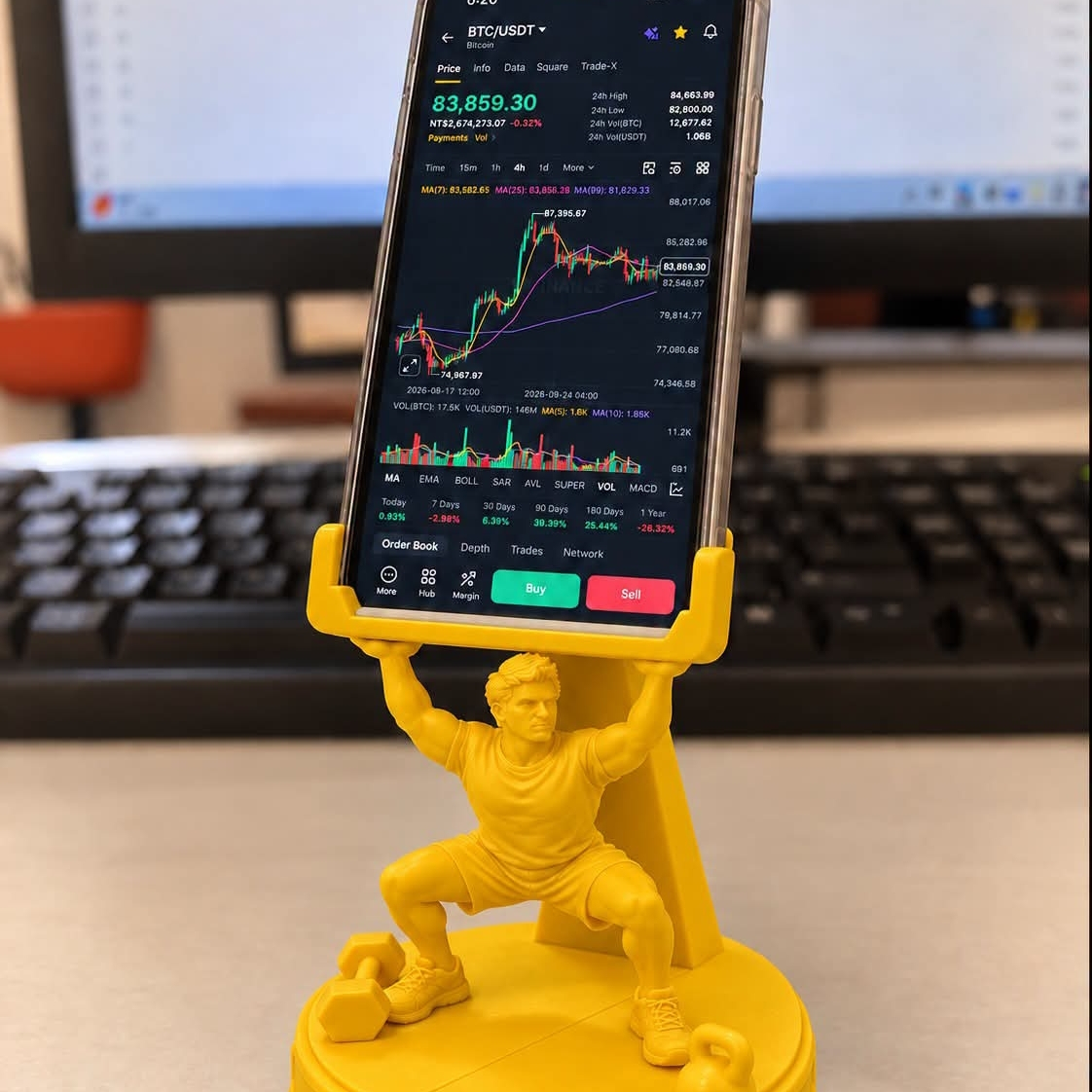
Ішінара рас
#WarshPushesToScaleBackForwardGuidanceAndDotPlot
🚨Warsh wants to END Fed's Forward Guidance & Dot Plot!
Less Fed talk, more real action!
Comes as:
🔹 US PPI 6.3% vs 5.3% = HOT 🔥
🔹 Mastercard launches crypto payments for 3.4B users 🚀
Hot PPI + Fed shake-up = $BTC volatile
But Mastercard adoption = Long-term BULLISH!
Fed less predictable = Good for $BTC $ETH ?
#WarshPushesToScaleBackForwardGuidanceAndDotPlot #Mastercard #FED
#WarshPushesToScaleBackForwardGuidanceAndDotPlot
🚨Warsh wants to END Fed's Forward Guidance & Dot Plot!
Less Fed talk, more real action!
Comes as:
🔹 US PPI 6.3% vs 5.3% = HOT 🔥
🔹 Mastercard launches crypto payments for 3.4B users 🚀
Hot PPI + Fed shake-up = $BTC volatile
But Mastercard adoption = Long-term BULLISH!
Fed less predictable = Good for $BTC $ETH ?
#WarshPushesToScaleBackForwardGuidanceAndDotPlot #Mastercard #FED
🚨Warsh wants to END Fed's Forward Guidance & Dot Plot!
Less Fed talk, more real action!
Comes as:
🔹 US PPI 6.3% vs 5.3% = HOT 🔥
🔹 Mastercard launches crypto payments for 3.4B users 🚀
Hot PPI + Fed shake-up = $BTC volatile
But Mastercard adoption = Long-term BULLISH!
Fed less predictable = Good for $BTC $ETH ?
#WarshPushesToScaleBackForwardGuidanceAndDotPlot #Mastercard #FED
User-99c03fdf:
welcome 😊
2
5
6.9k

#warshpushestoscalebackforwardguidanceanddotplot
🚨 CENTRAL BANK SHAKE-UP: IS THE FED ABOUT TO DROP THE SAFETY NET? 🧠⚡️
Forget everything you know about predictable monetary policy! Federal Reserve discussions are taking a dramatic turn as policymakers heavily lean toward stripping away traditional central bank crutches.
Word on the macro street is that Kevin Warsh is driving a major push to scale back Forward Guidance and ditch the classic interest-rate Dot Plot!
What does this seismic shift actually mean for us? 🛑 No more spoon-fed clues: Wall Street won't get advanced hints on every single policy turn. 📉 Pure data-driven reality: Every single inflation print and employment report will dictate sudden market swings without a central bank pillow to soften the blow. 🌪️ Explosive volatility: When institutions lose their visibility tools, short-term turbulence is guaranteed.
🔻 THE DOWNSIDE RISK:
Without clear forward signals, sudden hawkish surprises from the Fed can trigger rapid treasury yield spikes and immediate liquidation waves across high-beta assets like $BTC and $ETH.
🚀 THE UPSIDE OPPORTUNITY:
On the flip side, breaking away from central bank manipulation paves the way for genuine market discovery. Plus, with massive institutional adoption and Mastercard expanding global stablecoin and payment infrastructure, the long-term crypto growth story keeps marching forward! 🌐
👇 LET'S SETTLE THIS IN THE COMMENTS:
🐂 Is ending Fed forward guidance the ultimate test for true, data-driven crypto traders? 🐻 Or is this a recipe for unmatched market chaos?
Drop your thoughts below and tell me: Are you positioned LONG or SHORT right now? 👇🔥
$BTC , $ETH, $USDC
{spot}(USDCUSDT)
#warshpushestoscalebackforwardguidanceanddotplot #Binance #CryptoTrading
#warshpushestoscalebackforwardguidanceanddotplot
🚨 CENTRAL BANK SHAKE-UP: IS THE FED ABOUT TO DROP THE SAFETY NET? 🧠⚡️
Forget everything you know about predictable monetary policy! Federal Reserve discussions are taking a dramatic turn as policymakers heavily lean toward stripping away traditional central bank crutches.
Word on the macro street is that Kevin Warsh is driving a major push to scale back Forward Guidance and ditch the classic interest-rate Dot Plot!
What does this seismic shift actually mean for us? 🛑 No more spoon-fed clues: Wall Street won't get advanced hints on every single policy turn. 📉 Pure data-driven reality: Every single inflation print and employment report will dictate sudden market swings without a central bank pillow to soften the blow. 🌪️ Explosive volatility: When institutions lose their visibility tools, short-term turbulence is guaranteed.
🔻 THE DOWNSIDE RISK:
Without clear forward signals, sudden hawkish surprises from the Fed can trigger rapid treasury yield spikes and immediate liquidation waves across high-beta assets like $BTC and $ETH.
🚀 THE UPSIDE OPPORTUNITY:
On the flip side, breaking away from central bank manipulation paves the way for genuine market discovery. Plus, with massive institutional adoption and Mastercard expanding global stablecoin and payment infrastructure, the long-term crypto growth story keeps marching forward! 🌐
👇 LET'S SETTLE THIS IN THE COMMENTS:
🐂 Is ending Fed forward guidance the ultimate test for true, data-driven crypto traders? 🐻 Or is this a recipe for unmatched market chaos?
Drop your thoughts below and tell me: Are you positioned LONG or SHORT right now? 👇🔥
$BTC , $ETH, $USDC
#warshpushestoscalebackforwardguidanceanddotplot #Binance #CryptoTrading
🚨 CENTRAL BANK SHAKE-UP: IS THE FED ABOUT TO DROP THE SAFETY NET? 🧠⚡️
Forget everything you know about predictable monetary policy! Federal Reserve discussions are taking a dramatic turn as policymakers heavily lean toward stripping away traditional central bank crutches.
Word on the macro street is that Kevin Warsh is driving a major push to scale back Forward Guidance and ditch the classic interest-rate Dot Plot!
What does this seismic shift actually mean for us? 🛑 No more spoon-fed clues: Wall Street won't get advanced hints on every single policy turn. 📉 Pure data-driven reality: Every single inflation print and employment report will dictate sudden market swings without a central bank pillow to soften the blow. 🌪️ Explosive volatility: When institutions lose their visibility tools, short-term turbulence is guaranteed.
🔻 THE DOWNSIDE RISK:
Without clear forward signals, sudden hawkish surprises from the Fed can trigger rapid treasury yield spikes and immediate liquidation waves across high-beta assets like $BTC and $ETH.
🚀 THE UPSIDE OPPORTUNITY:
On the flip side, breaking away from central bank manipulation paves the way for genuine market discovery. Plus, with massive institutional adoption and Mastercard expanding global stablecoin and payment infrastructure, the long-term crypto growth story keeps marching forward! 🌐
👇 LET'S SETTLE THIS IN THE COMMENTS:
🐂 Is ending Fed forward guidance the ultimate test for true, data-driven crypto traders? 🐻 Or is this a recipe for unmatched market chaos?
Drop your thoughts below and tell me: Are you positioned LONG or SHORT right now? 👇🔥
$BTC , $ETH, $USDC
#warshpushestoscalebackforwardguidanceanddotplot #Binance #CryptoTrading
User-99c03fdf:
Kemon a
1
4
10.2k

·
--
#warshpushestoscalebackforwardguidanceanddotplot 🚨 LA FED SE QUEDA CALLADA Y EL MERCADO CRIPTO ENTRA EN ZONA DE ALTA TENSIÓN 🤯🔥
Imagina operar en un mercado cripto global donde el banco central más poderoso del mundo decide, de un día para otro, dejar de darte pistas. 💀
🇺🇸 EL NUEVO ESTILO DE LA FED CAMBIA LAS REGLAS DEL JUEGO.
Bajo la postura de Kevin Warsh, la Reserva Federal está dando un giro radical:
❌ Adiós a la orientación futura: Menos comunicados extensos y cero señales anticipadas sobre el rumbo de las tasas.
❌ Cuestionamiento del diagrama de puntos: Menos dependencia de proyecciones rígidas que atan de manos al banco central.
✅ Reacción pura a los datos: El mercado ya no puede esperar que la Fed le prepare el camino; ahora todo depende de cada reporte macroeconómico que vaya saliendo.
💥 ¿Por qué debería importarle a los traders de $BTC?
A las criptomonedas les encanta la liquidez, pero odian la incertidumbre. Sin un mapa de ruta claro de la Fed, cada informe de inflación o dato de empleo tiene el poder de provocar una volatilidad extrema sin previo aviso.
📉 Escenario de riesgo: Si la incertidumbre frena las expectativas de recortes y obliga a los inversores a reaccionar de golpe, los activos de mayor riesgo (especialmente las altcoins) suelen sufrir la mayor presión vendedora.
📈 Escenario de oportunidad: Los movimientos bruscos del mercado también abren la puerta a liquidaciones de posiciones y rebotes explosivos para quienes operan con una gestión de riesgo milimétrica.
👇 VAMOS A DEBATIRLO EN LOS COMENTARIOS:
🐂 ¿Menos orientación de la Fed significa más oportunidades para los traders astutos?
🐻 ¿O es este el escenario perfecto para una sacudida masiva en el mercado?
¿Estás operando en largo o en corto con $BTC hoy? ¡Te leo! 👇🔥
#BTC走势分析 #BinanceSquareTalks #CryptoTrading
#warshpushestoscalebackforwardguidanceanddotplot 🚨 LA FED SE QUEDA CALLADA Y EL MERCADO CRIPTO ENTRA EN ZONA DE ALTA TENSIÓN 🤯🔥
Imagina operar en un mercado cripto global donde el banco central más poderoso del mundo decide, de un día para otro, dejar de darte pistas. 💀
🇺🇸 EL NUEVO ESTILO DE LA FED CAMBIA LAS REGLAS DEL JUEGO.
Bajo la postura de Kevin Warsh, la Reserva Federal está dando un giro radical:
❌ Adiós a la orientación futura: Menos comunicados extensos y cero señales anticipadas sobre el rumbo de las tasas.
❌ Cuestionamiento del diagrama de puntos: Menos dependencia de proyecciones rígidas que atan de manos al banco central.
✅ Reacción pura a los datos: El mercado ya no puede esperar que la Fed le prepare el camino; ahora todo depende de cada reporte macroeconómico que vaya saliendo.
💥 ¿Por qué debería importarle a los traders de $BTC ?
A las criptomonedas les encanta la liquidez, pero odian la incertidumbre. Sin un mapa de ruta claro de la Fed, cada informe de inflación o dato de empleo tiene el poder de provocar una volatilidad extrema sin previo aviso.
📉 Escenario de riesgo: Si la incertidumbre frena las expectativas de recortes y obliga a los inversores a reaccionar de golpe, los activos de mayor riesgo (especialmente las altcoins) suelen sufrir la mayor presión vendedora.
📈 Escenario de oportunidad: Los movimientos bruscos del mercado también abren la puerta a liquidaciones de posiciones y rebotes explosivos para quienes operan con una gestión de riesgo milimétrica.
👇 VAMOS A DEBATIRLO EN LOS COMENTARIOS:
🐂 ¿Menos orientación de la Fed significa más oportunidades para los traders astutos?
🐻 ¿O es este el escenario perfecto para una sacudida masiva en el mercado?
¿Estás operando en largo o en corto con $BTC hoy? ¡Te leo! 👇🔥
#BTC走势分析 #BinanceSquareTalks #CryptoTrading
Imagina operar en un mercado cripto global donde el banco central más poderoso del mundo decide, de un día para otro, dejar de darte pistas. 💀
🇺🇸 EL NUEVO ESTILO DE LA FED CAMBIA LAS REGLAS DEL JUEGO.
Bajo la postura de Kevin Warsh, la Reserva Federal está dando un giro radical:
❌ Adiós a la orientación futura: Menos comunicados extensos y cero señales anticipadas sobre el rumbo de las tasas.
❌ Cuestionamiento del diagrama de puntos: Menos dependencia de proyecciones rígidas que atan de manos al banco central.
✅ Reacción pura a los datos: El mercado ya no puede esperar que la Fed le prepare el camino; ahora todo depende de cada reporte macroeconómico que vaya saliendo.
💥 ¿Por qué debería importarle a los traders de $BTC ?
A las criptomonedas les encanta la liquidez, pero odian la incertidumbre. Sin un mapa de ruta claro de la Fed, cada informe de inflación o dato de empleo tiene el poder de provocar una volatilidad extrema sin previo aviso.
📉 Escenario de riesgo: Si la incertidumbre frena las expectativas de recortes y obliga a los inversores a reaccionar de golpe, los activos de mayor riesgo (especialmente las altcoins) suelen sufrir la mayor presión vendedora.
📈 Escenario de oportunidad: Los movimientos bruscos del mercado también abren la puerta a liquidaciones de posiciones y rebotes explosivos para quienes operan con una gestión de riesgo milimétrica.
👇 VAMOS A DEBATIRLO EN LOS COMENTARIOS:
🐂 ¿Menos orientación de la Fed significa más oportunidades para los traders astutos?
🐻 ¿O es este el escenario perfecto para una sacudida masiva en el mercado?
¿Estás operando en largo o en corto con $BTC hoy? ¡Te leo! 👇🔥
#BTC走势分析 #BinanceSquareTalks #CryptoTrading
Mujahed Al-halemi:
Could you contact me on Telegram?
7
1
12
22.2k
·
--
Жоғары (өспелі)
#warshpushestoscalebackforwardguidanceanddotplot 🚨 ¿Adiós al mapa de ruta de la Fed? El impacto de la propuesta de Kevin Warsh en Bitcoin y las criptomonedas
El debate sobre cómo se comunica la Reserva Federal ha vuelto a encenderse tras la postura de Kevin Warsh de frenar el «forward guidance» (orientación anticipada) y el famoso «dot plot» (gráfico de puntos). 📉
¿Qué significa esto para los mercados?
Menos pistas, más incertidumbre: Al eliminar las previsiones rígidas sobre las tasas de interés, la Fed busca dejar de ser rehén de las expectativas de Wall Street.
Reacción directa de los datos: Sin un mapa que anticipe los movimientos del dinero, los mercados reaccionarán con mayor sensibilidad y volatilidad directa ante cada nuevo reporte (como el reciente dato de inflación del 3,7%).
El dilema cripto: Para activos como Bitcoin y las altcoins, esto representa un arma de doble filo. Por un lado, se elimina la complacencia artificial; por otro, la falta de claridad temporal sobre tasas altas o bajas podría generar mayor presión vendedora a corto plazo.
🔍 En mi opinión: La jugada de la Fed podría desatar un pico de volatilidad, obligando a los inversores a evaluar los riesgos por cuenta propia y quitándole un soporte artificial al mercado.
¿Crees que esta medida le devolverá madurez al mercado financiero o desatará un caos innecesario para $BTC? ¡Te leo en los comentarios! 👇💬
$BTC
{future}(BTCUSDT)
#BTC走势分析
#warshpushestoscalebackforwardguidanceanddotplot 🚨 ¿Adiós al mapa de ruta de la Fed? El impacto de la propuesta de Kevin Warsh en Bitcoin y las criptomonedas
El debate sobre cómo se comunica la Reserva Federal ha vuelto a encenderse tras la postura de Kevin Warsh de frenar el «forward guidance» (orientación anticipada) y el famoso «dot plot» (gráfico de puntos). 📉
¿Qué significa esto para los mercados?
Menos pistas, más incertidumbre: Al eliminar las previsiones rígidas sobre las tasas de interés, la Fed busca dejar de ser rehén de las expectativas de Wall Street.
Reacción directa de los datos: Sin un mapa que anticipe los movimientos del dinero, los mercados reaccionarán con mayor sensibilidad y volatilidad directa ante cada nuevo reporte (como el reciente dato de inflación del 3,7%).
El dilema cripto: Para activos como Bitcoin y las altcoins, esto representa un arma de doble filo. Por un lado, se elimina la complacencia artificial; por otro, la falta de claridad temporal sobre tasas altas o bajas podría generar mayor presión vendedora a corto plazo.
🔍 En mi opinión: La jugada de la Fed podría desatar un pico de volatilidad, obligando a los inversores a evaluar los riesgos por cuenta propia y quitándole un soporte artificial al mercado.
¿Crees que esta medida le devolverá madurez al mercado financiero o desatará un caos innecesario para $BTC ? ¡Te leo en los comentarios! 👇💬
$BTC
#BTC走势分析
El debate sobre cómo se comunica la Reserva Federal ha vuelto a encenderse tras la postura de Kevin Warsh de frenar el «forward guidance» (orientación anticipada) y el famoso «dot plot» (gráfico de puntos). 📉
¿Qué significa esto para los mercados?
Menos pistas, más incertidumbre: Al eliminar las previsiones rígidas sobre las tasas de interés, la Fed busca dejar de ser rehén de las expectativas de Wall Street.
Reacción directa de los datos: Sin un mapa que anticipe los movimientos del dinero, los mercados reaccionarán con mayor sensibilidad y volatilidad directa ante cada nuevo reporte (como el reciente dato de inflación del 3,7%).
El dilema cripto: Para activos como Bitcoin y las altcoins, esto representa un arma de doble filo. Por un lado, se elimina la complacencia artificial; por otro, la falta de claridad temporal sobre tasas altas o bajas podría generar mayor presión vendedora a corto plazo.
🔍 En mi opinión: La jugada de la Fed podría desatar un pico de volatilidad, obligando a los inversores a evaluar los riesgos por cuenta propia y quitándole un soporte artificial al mercado.
¿Crees que esta medida le devolverá madurez al mercado financiero o desatará un caos innecesario para $BTC ? ¡Te leo en los comentarios! 👇💬
$BTC
#BTC走势分析
2
309

·
--
$BTC $NVDAB #WarshPushesToScaleBackForwardGuidanceAndDotPlot
🚨 WARSH WANTS TO RETHINK THE FED’S COMMUNICATION STRATEGY!
#WarshPushesToScaleBackForwardGuidanceAndDotPlot
📊 What’s Happening?
Kevin Warsh’s push to scale back the Federal Reserve’s forward guidance and dot plot could signal a different approach to monetary policy communication.
🔍 Why Does It Matter?
📉 Less Forward Guidance: Markets may have less clarity about the Fed’s future interest-rate decisions.
🎯 Dot Plot in Focus: Investors could rely more heavily on incoming inflation, employment, and economic data.
⚡ Potential Market Impact:
- Bitcoin & Crypto: Could see increased volatility as rate expectations shift.
- Gold: May react to changes in real yields and uncertainty.
- US Dollar: Could move as traders reassess the Fed’s policy outlook.
- Stock Market: Rate-sensitive sectors may experience sharper reactions.
💡 The Big Picture
Less guidance doesn’t automatically mean rate cuts or rate hikes. It could simply mean the Fed communicates less about its future intentions and puts greater emphasis on data-dependent decisions.
📌 Trader Watchlist: CPI inflation, jobs reports, FOMC statements, Treasury yields, and Fed officials’ speeches.
🔥 Will less Fed guidance make markets more unpredictable?
Share your thoughts below! 👇
FederalReserve KevinWarsh Bitcoin #CryptoNews #BTC
$BTC $NVDAB #WarshPushesToScaleBackForwardGuidanceAndDotPlot
🚨 WARSH WANTS TO RETHINK THE FED’S COMMUNICATION STRATEGY!
#WarshPushesToScaleBackForwardGuidanceAndDotPlot
📊 What’s Happening?
Kevin Warsh’s push to scale back the Federal Reserve’s forward guidance and dot plot could signal a different approach to monetary policy communication.
🔍 Why Does It Matter?
📉 Less Forward Guidance: Markets may have less clarity about the Fed’s future interest-rate decisions.
🎯 Dot Plot in Focus: Investors could rely more heavily on incoming inflation, employment, and economic data.
⚡ Potential Market Impact:
- Bitcoin & Crypto: Could see increased volatility as rate expectations shift.
- Gold: May react to changes in real yields and uncertainty.
- US Dollar: Could move as traders reassess the Fed’s policy outlook.
- Stock Market: Rate-sensitive sectors may experience sharper reactions.
💡 The Big Picture
Less guidance doesn’t automatically mean rate cuts or rate hikes. It could simply mean the Fed communicates less about its future intentions and puts greater emphasis on data-dependent decisions.
📌 Trader Watchlist: CPI inflation, jobs reports, FOMC statements, Treasury yields, and Fed officials’ speeches.
🔥 Will less Fed guidance make markets more unpredictable?
Share your thoughts below! 👇
FederalReserve KevinWarsh Bitcoin #CryptoNews #BTC
🚨 WARSH WANTS TO RETHINK THE FED’S COMMUNICATION STRATEGY!
#WarshPushesToScaleBackForwardGuidanceAndDotPlot
📊 What’s Happening?
Kevin Warsh’s push to scale back the Federal Reserve’s forward guidance and dot plot could signal a different approach to monetary policy communication.
🔍 Why Does It Matter?
📉 Less Forward Guidance: Markets may have less clarity about the Fed’s future interest-rate decisions.
🎯 Dot Plot in Focus: Investors could rely more heavily on incoming inflation, employment, and economic data.
⚡ Potential Market Impact:
- Bitcoin & Crypto: Could see increased volatility as rate expectations shift.
- Gold: May react to changes in real yields and uncertainty.
- US Dollar: Could move as traders reassess the Fed’s policy outlook.
- Stock Market: Rate-sensitive sectors may experience sharper reactions.
💡 The Big Picture
Less guidance doesn’t automatically mean rate cuts or rate hikes. It could simply mean the Fed communicates less about its future intentions and puts greater emphasis on data-dependent decisions.
📌 Trader Watchlist: CPI inflation, jobs reports, FOMC statements, Treasury yields, and Fed officials’ speeches.
🔥 Will less Fed guidance make markets more unpredictable?
Share your thoughts below! 👇
FederalReserve KevinWarsh Bitcoin #CryptoNews #BTC
116

·
--
Төмен (кемімелі)
#warshpushestoscalebackforwardguidanceanddotplot
🚨 No QE, No Liquidity Injections: Fed Policy Enters Total Observation Mode 🏛️⚡
The macro liquidity spigot remains completely shut off. 🛑
$ETH
{future}(ETHUSDT)
Both Kevin Warsh and Scott Bessent are taking a strict hands-off approach. There is no Quantitative Easing (QE), no emergency liquidity injections, and no balance sheet expansion on the horizon.
The strategy is clear: Keep the balance sheet flat, keep the Treasury General Account (TGA) flat, sit back, and let the macro mechanics play out.
$BTC
{future}(BTCUSDT)
🔍 What This Means for Markets:
1️⃣ The End of Forward Guidance Crutches: Pushing to scale back Forward Guidance and the Fed Dot Plot means less forward telegraphing and more data-dependent volatility.
2️⃣ Pure Market Discovery: Without central bank liquidity safety nets, asset prices must be supported by organic supply and demand rather than central bank balance sheet expansion.
3️⃣ Risk-On Pressure: Fixed liquidity pools create short-term headwinds for high-beta risk assets like crypto—meaning smart money will strictly target high-conviction demand zones.
🎯 Key Takeaway for Traders:
Don't trade expecting central bank bailouts or sudden QE pivots. Manage risk carefully, monitor raw price action, and watch organic volume flows! 📉📈
👇 What’s your take: Can crypto and equities break out without new Fed liquidity, or do we need balance sheet expansion for the next bull leg? Share your thoughts below! 💬
$XRP
{future}(XRPUSDT)
Disclaimer: Not financial advice. DYOR.
#SpotBitcoinETFsShed$261M #EtherTook60%OfCryptoLiquidations #SouthKoreaPlansTighterCybersecurityRules
#warshpushestoscalebackforwardguidanceanddotplot
🚨 No QE, No Liquidity Injections: Fed Policy Enters Total Observation Mode 🏛️⚡
The macro liquidity spigot remains completely shut off. 🛑
$ETH
Both Kevin Warsh and Scott Bessent are taking a strict hands-off approach. There is no Quantitative Easing (QE), no emergency liquidity injections, and no balance sheet expansion on the horizon.
The strategy is clear: Keep the balance sheet flat, keep the Treasury General Account (TGA) flat, sit back, and let the macro mechanics play out.
$BTC
🔍 What This Means for Markets:
1️⃣ The End of Forward Guidance Crutches: Pushing to scale back Forward Guidance and the Fed Dot Plot means less forward telegraphing and more data-dependent volatility.
2️⃣ Pure Market Discovery: Without central bank liquidity safety nets, asset prices must be supported by organic supply and demand rather than central bank balance sheet expansion.
3️⃣ Risk-On Pressure: Fixed liquidity pools create short-term headwinds for high-beta risk assets like crypto—meaning smart money will strictly target high-conviction demand zones.
🎯 Key Takeaway for Traders:
Don't trade expecting central bank bailouts or sudden QE pivots. Manage risk carefully, monitor raw price action, and watch organic volume flows! 📉📈
👇 What’s your take: Can crypto and equities break out without new Fed liquidity, or do we need balance sheet expansion for the next bull leg? Share your thoughts below! 💬
$XRP
Disclaimer: Not financial advice. DYOR.
#SpotBitcoinETFsShed$261M #EtherTook60%OfCryptoLiquidations #SouthKoreaPlansTighterCybersecurityRules
🚨 No QE, No Liquidity Injections: Fed Policy Enters Total Observation Mode 🏛️⚡
The macro liquidity spigot remains completely shut off. 🛑
$ETH
Both Kevin Warsh and Scott Bessent are taking a strict hands-off approach. There is no Quantitative Easing (QE), no emergency liquidity injections, and no balance sheet expansion on the horizon.
The strategy is clear: Keep the balance sheet flat, keep the Treasury General Account (TGA) flat, sit back, and let the macro mechanics play out.
$BTC
🔍 What This Means for Markets:
1️⃣ The End of Forward Guidance Crutches: Pushing to scale back Forward Guidance and the Fed Dot Plot means less forward telegraphing and more data-dependent volatility.
2️⃣ Pure Market Discovery: Without central bank liquidity safety nets, asset prices must be supported by organic supply and demand rather than central bank balance sheet expansion.
3️⃣ Risk-On Pressure: Fixed liquidity pools create short-term headwinds for high-beta risk assets like crypto—meaning smart money will strictly target high-conviction demand zones.
🎯 Key Takeaway for Traders:
Don't trade expecting central bank bailouts or sudden QE pivots. Manage risk carefully, monitor raw price action, and watch organic volume flows! 📉📈
👇 What’s your take: Can crypto and equities break out without new Fed liquidity, or do we need balance sheet expansion for the next bull leg? Share your thoughts below! 💬
$XRP
Disclaimer: Not financial advice. DYOR.
#SpotBitcoinETFsShed$261M #EtherTook60%OfCryptoLiquidations #SouthKoreaPlansTighterCybersecurityRules
身心平和:
币圈有你有我,互关
1
1
11
21.6k

·
--
Расталды
#WarshPushesToScaleBackForwardGuidanceAndDotPlot
The Fed May Reveal Less About Its Next Move : Markets Could Feel the Impact
Federal Reserve Chair Kevin Warsh is pushing for a quieter Fed, with less forward guidance and a possible end to the quarterly interest-rate projections known as the dot plot. But not everyone agrees that saying less is better.
According to Reuters on October 15, Fed officials have made more than 40 public appearances since September’s rate hike, helping temper market expectations for further increases. The debate comes as US September CPI inflation reached 3.7% year over year, keeping the next rate decision uncertain.
My take: Warsh’s approach could give policymakers more flexibility to react to fresh economic data rather than being tied to earlier forecasts. However, less guidance can also leave traders guessing, potentially increasing volatility around Fed meetings and key economic releases.
For crypto traders, the important question is how changing rate expectations influence the dollar, Treasury yields, Bitcoin and broader risk appetite. The direction will depend on incoming data, not just the Fed’s communication style.
Do you think less Fed guidance means better decisions or more market uncertainty?
Follow for more data-driven market analysis.
#FederalReserve #Bitcoin #crypto #MacroEconomics
#WarshPushesToScaleBackForwardGuidanceAndDotPlot
The Fed May Reveal Less About Its Next Move : Markets Could Feel the Impact
Federal Reserve Chair Kevin Warsh is pushing for a quieter Fed, with less forward guidance and a possible end to the quarterly interest-rate projections known as the dot plot. But not everyone agrees that saying less is better.
According to Reuters on October 15, Fed officials have made more than 40 public appearances since September’s rate hike, helping temper market expectations for further increases. The debate comes as US September CPI inflation reached 3.7% year over year, keeping the next rate decision uncertain.
My take: Warsh’s approach could give policymakers more flexibility to react to fresh economic data rather than being tied to earlier forecasts. However, less guidance can also leave traders guessing, potentially increasing volatility around Fed meetings and key economic releases.
For crypto traders, the important question is how changing rate expectations influence the dollar, Treasury yields, Bitcoin and broader risk appetite. The direction will depend on incoming data, not just the Fed’s communication style.
Do you think less Fed guidance means better decisions or more market uncertainty?
Follow for more data-driven market analysis.
#FederalReserve #Bitcoin #crypto #MacroEconomics
The Fed May Reveal Less About Its Next Move : Markets Could Feel the Impact
Federal Reserve Chair Kevin Warsh is pushing for a quieter Fed, with less forward guidance and a possible end to the quarterly interest-rate projections known as the dot plot. But not everyone agrees that saying less is better.
According to Reuters on October 15, Fed officials have made more than 40 public appearances since September’s rate hike, helping temper market expectations for further increases. The debate comes as US September CPI inflation reached 3.7% year over year, keeping the next rate decision uncertain.
My take: Warsh’s approach could give policymakers more flexibility to react to fresh economic data rather than being tied to earlier forecasts. However, less guidance can also leave traders guessing, potentially increasing volatility around Fed meetings and key economic releases.
For crypto traders, the important question is how changing rate expectations influence the dollar, Treasury yields, Bitcoin and broader risk appetite. The direction will depend on incoming data, not just the Fed’s communication style.
Do you think less Fed guidance means better decisions or more market uncertainty?
Follow for more data-driven market analysis.
#FederalReserve #Bitcoin #crypto #MacroEconomics
BcryptexBTC:
Exactly with less Fed guidance every CPI print becomes a volatility trigger cant lean on dot plot anymore staying nimble around data is the only play sharp moves coming
3
2
2.9k
Көбірек контент көру үшін кіріңіз
Binance Square платформасында әлемдік криптоқоғамдастыққа қосылыңыз
⚡️ Криптовалюта туралы ең соңғы және пайдалы ақпаратты алыңыз.
💬 Әлемдегі ең ірі криптобиржаның сеніміне ие.
👍 Расталған авторлардың нақты пікірлерін табыңыз.
Электрондық пошта/телефон нөмірі
Трендтегі тақырыптар
1
#WarshPushesToScaleBackForwardGuidanceAndDotPlot
172,908 рет көрілді
1,038 адам талқылап жатыр
2
#SpotBitcoinETFsShed$261M
73,844 рет көрілді
156 адам талқылап жатыр
3
#EthereumDropsBelow$2400
35,922 рет көрілді
146 адам талқылап жатыр
4
#EtherTook60%OfCryptoLiquidations
148,316 рет көрілді
1,062 адам талқылап жатыр
5
#BitcoinAndEtherETFsShed$1.56BInTwoWeeks
6,560 рет көрілді
55 адам талқылап жатыр
6
#BlackRockCryptoAssetsJump63%
68,532 рет көрілді
742 адам талқылап жатыр
7
#CPIWatch
89.8M рет көрілді
512,516 адам талқылап жатыр
8
#KOSPICloses7.57%LowerTriggeringCircuitBreaker
46,249 рет көрілді
527 адам талқылап жатыр
9
#SouthKoreaPlansTighterCybersecurityRules
49,892 рет көрілді
578 адам талқылап жатыр
10
#OndoFinanceTVLTops$4B
2,996 рет көрілді
48 адам талқылап жатыр