
A R M I N
6.8k Posting

A R M I N
 Square Terverifikasi+
Silent moves, loud results.
Pedagang Rutin
5.5 Tahun
418 Mengikuti
55.2K+ Pengikut
29.9K+ Disukai
Posting
Semua
Kuotasi
Video
Live
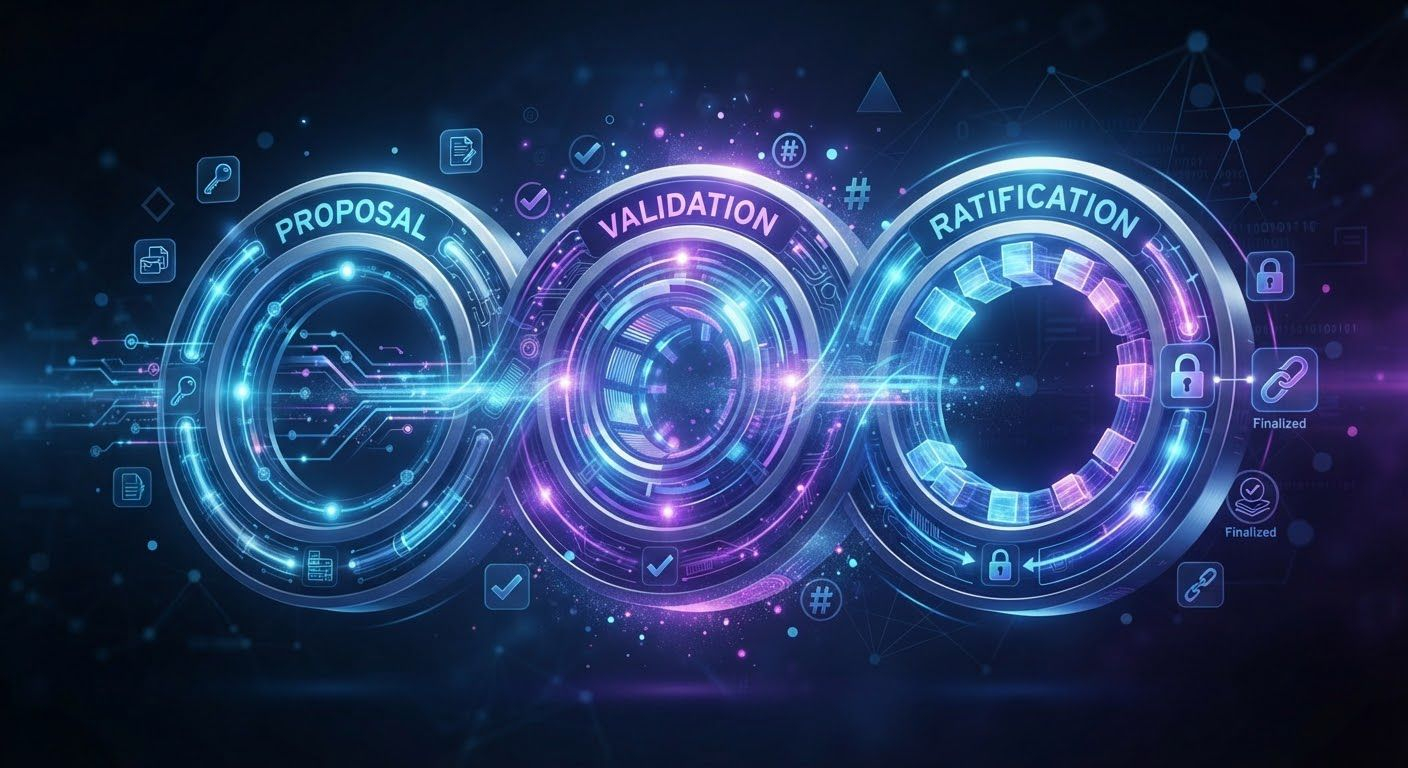
Saya meluangkan waktu untuk menelusuri bagaimana Dusk Network menangani kesepakatan multi-iterasi melalui mekanisme Succinct Attestation-nya, dengan mengharapkan fokus utamanya murni pada kecepatan. Namun yang justru menarik perhatian saya adalah bagaimana langkah proposal, validasi, dan ratifikasi sengaja memaksa konsensus untuk melewati beberapa titik pemeriksaan dalam hitungan detik sebelum sebuah blok diizinkan untuk menetap di Dusk. Secara alami, melihat bagaimana protokol mengoordinasikan lapisan-lapisan ini membuat saya memikirkan Dusk.
Arsitekturnya memecah kesepakatan menjadi tiga fase yang berbeda, alih-alih bergantung pada lompatan satu kali dari seorang validator. Seorang provisioner yang urutannya dipilih secara acak mengusulkan sebuah blok kandidat, sebuah komite validasi memberikan suara atas validitas matematisnya, dan komite ratifikasi terpisah mengonfirmasi hasilnya menggunakan tanda tangan teragregasi BLS. Memisahkan proses seperti ini berarti kesepakatan terus-menerus diperiksa silang oleh kelompok staker yang berbeda sebelum akhirnya terkunci.
Hal ini membuat Anda menyadari bahwa mencapai finalitas cepat bukan hanya soal membenamkan perangkat keras ke lapisan jaringan; melainkan tentang rekayasa urutan yang kaku, di mana melewati satu langkah atau mencoba mengambil jalan pintas akan merusak rantai kepemilikan kriptografisnya. Menyaksikan komite-komite tersebut berpindah dengan lancar melalui iterasi-iterasi ini mengubah cara pandang saya terhadap beban tambahan keamanan dalam desain PoS.
Namun, saya tetap bertanya-tanya seberapa baik komite-komite multi-fase ini akan berperilaku dalam situasi pemisahan jaringan yang berat dan tak terduga ketika beberapa iterasi mulai bersaing untuk slot yang sama.
@Dusk #dusk $DUSK
Arsitekturnya memecah kesepakatan menjadi tiga fase yang berbeda, alih-alih bergantung pada lompatan satu kali dari seorang validator. Seorang provisioner yang urutannya dipilih secara acak mengusulkan sebuah blok kandidat, sebuah komite validasi memberikan suara atas validitas matematisnya, dan komite ratifikasi terpisah mengonfirmasi hasilnya menggunakan tanda tangan teragregasi BLS. Memisahkan proses seperti ini berarti kesepakatan terus-menerus diperiksa silang oleh kelompok staker yang berbeda sebelum akhirnya terkunci.
Hal ini membuat Anda menyadari bahwa mencapai finalitas cepat bukan hanya soal membenamkan perangkat keras ke lapisan jaringan; melainkan tentang rekayasa urutan yang kaku, di mana melewati satu langkah atau mencoba mengambil jalan pintas akan merusak rantai kepemilikan kriptografisnya. Menyaksikan komite-komite tersebut berpindah dengan lancar melalui iterasi-iterasi ini mengubah cara pandang saya terhadap beban tambahan keamanan dalam desain PoS.
Namun, saya tetap bertanya-tanya seberapa baik komite-komite multi-fase ini akan berperilaku dalam situasi pemisahan jaringan yang berat dan tak terduga ketika beberapa iterasi mulai bersaing untuk slot yang sama.
@Dusk #dusk $DUSK
Terverifikasi
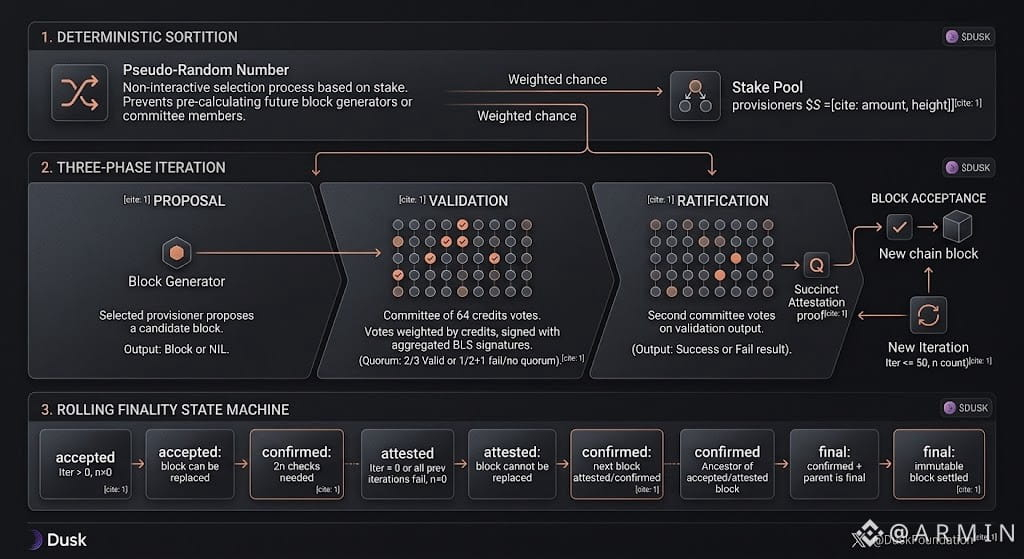
Menyaksikan satu ronde berakhir di Dusk membuatku berhenti sejenak saat aku menyadari bagaimana mekanisme Succinct Attestation sebenarnya menangani validasi secara real-time. Kamu memegang sejumlah $DUSK , mengunci minimum stake untuk menjadi provisioner lewat kontrak stake, dan mengharapkan churn validator yang biasa beratnya, tapi @DuskFoundation membangunnya dengan lightweight, deterministic sortition—bukan brute force validator mentah. Ini membuat #Dusk terasa kurang seperti behemoth PoS yang serba berat dan lebih seperti undian non-interaktif yang ringkas dengan komite-komite yang berputar.
Yang mengklik saat melacak blok-bloknya adalah pemisahan antara fase proposal, validasi, dan ratifikasi. Alih-alih bergantung pada banjir broadcast seluruh jaringan, sebuah komite 64 kredit diekstrak lewat penilaian SHA3, memberi tanda dengan agregasi BLS signatures, dan mengunci attestation dengan overhead minimal. Logika fallback dan rolling finality berarti bahwa jika satu iterasi macet atau bercabang karena latency, attestation yang lebih awal ikut turun tangan untuk membersihkan state rantai secara deterministik.
Kebanyakan rantai PoS menambal masalah latency dengan menambah lebih banyak perangkat keras atau mengandalkan jalan pintas sequencer tersentralisasi. Melihat provisioner berputar melalui slot komite tanpa perlu koordinasi interaktif mengubah cara pandangku tentang seberapa ramping lapisan penyelesaian yang teregulasi bisa benar-benar berjalan.
Namun, aku masih penasaran bagaimana deterministic sortition ini berperilaku saat menghadapi edge case di bawah tekanan transaksi dunia nyata yang berat. Jika iterasi berurutan gagal dan emergency mode memicu iterasi terbuka secara bersamaan, apakah struktur penalti insentif tetap menjaga provisioner agar selaras, atau apakah latency jaringan pada akhirnya memaksa terlalu banyak rollback fallback?
@Dusk #dusk $DUSK
Yang mengklik saat melacak blok-bloknya adalah pemisahan antara fase proposal, validasi, dan ratifikasi. Alih-alih bergantung pada banjir broadcast seluruh jaringan, sebuah komite 64 kredit diekstrak lewat penilaian SHA3, memberi tanda dengan agregasi BLS signatures, dan mengunci attestation dengan overhead minimal. Logika fallback dan rolling finality berarti bahwa jika satu iterasi macet atau bercabang karena latency, attestation yang lebih awal ikut turun tangan untuk membersihkan state rantai secara deterministik.
Kebanyakan rantai PoS menambal masalah latency dengan menambah lebih banyak perangkat keras atau mengandalkan jalan pintas sequencer tersentralisasi. Melihat provisioner berputar melalui slot komite tanpa perlu koordinasi interaktif mengubah cara pandangku tentang seberapa ramping lapisan penyelesaian yang teregulasi bisa benar-benar berjalan.
Namun, aku masih penasaran bagaimana deterministic sortition ini berperilaku saat menghadapi edge case di bawah tekanan transaksi dunia nyata yang berat. Jika iterasi berurutan gagal dan emergency mode memicu iterasi terbuka secara bersamaan, apakah struktur penalti insentif tetap menjaga provisioner agar selaras, atau apakah latency jaringan pada akhirnya memaksa terlalu banyak rollback fallback?
@Dusk #dusk $DUSK
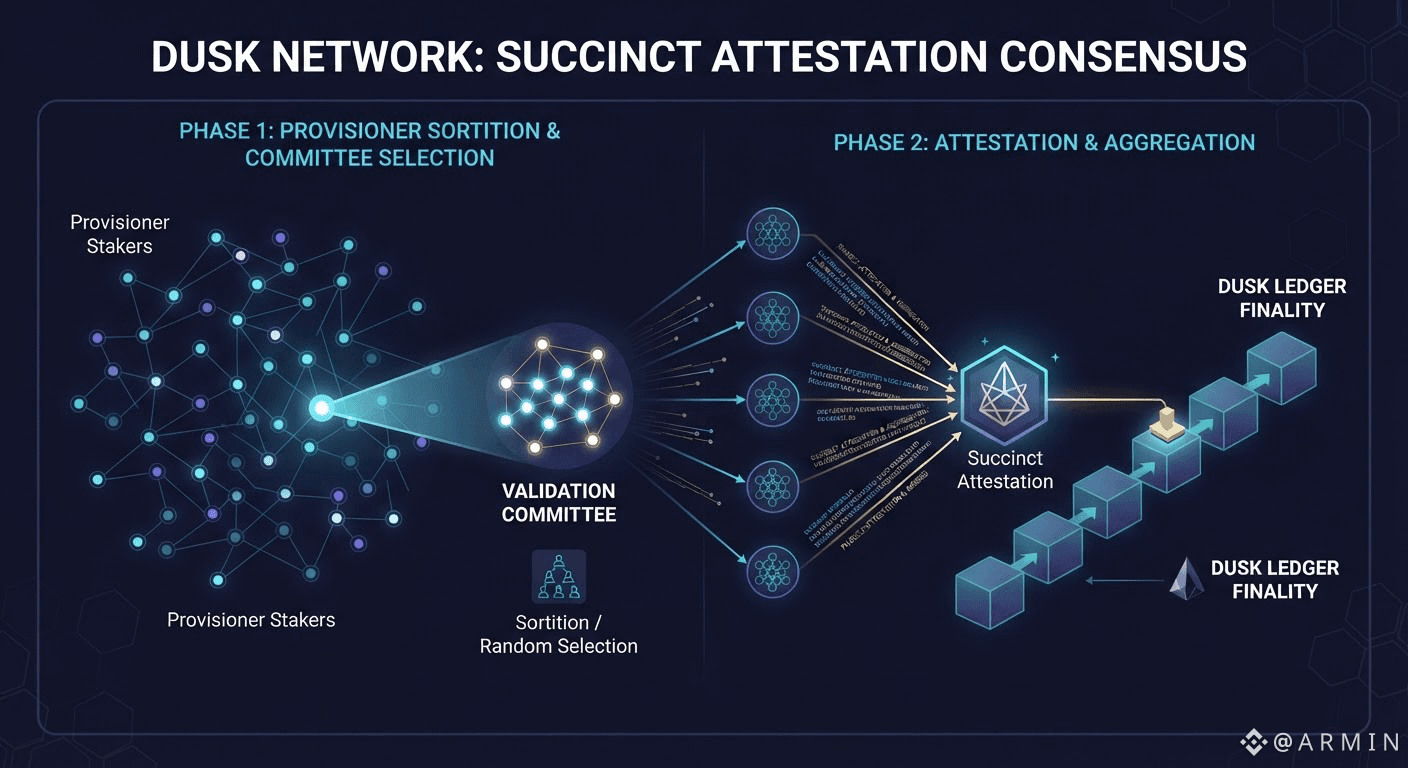
Tersandung sedikit ke lubang kelinci sambil menyelidiki bagaimana blok benar-benar dicap (stamped) di Dusk Network saat ini. Yang menarik perhatian saya bukan hanya sudut pandang privasi yang biasanya selalu teriak dibahas orang, tetapi juga cara provisioner menangani tugas komite di bawah mekanisme Succinct Attestation. Melihat $DUSK stakers berputar melalui tugas kriptografis ini tanpa membuat seluruh jaringan berubah menjadi kumpulan pemungutan suara yang lamban membuat saya berhenti sejenak.
Alih-alih menyeret setiap node ke adu konsensus yang berat untuk setiap blok, protokol menggunakan sortition untuk membentuk komite yang ditargetkan guna menangani kerja berat. Mengikuti bagaimana suara validasi yang terlokalisasi tersebut digabungkan benar-benar membuat pertukaran skalabilitas terasa “klik” bagi saya. Rasanya jauh lebih dekat dengan cara layer settlement tradisional bekerja, hanya saja terdesentralisasi di antara stakers yang permissionless.
Dulu saya berpikir setup berbasis komite selalu mengorbankan sedikit kebukaan demi kecepatan, tetapi cara validasi dan agregasi dipisahkan di sini justru membuat semuanya tetap terasa sangat rapat. Ini memaksa Anda untuk memikirkan ulang seperti apa bentuk loop proof of stake yang lebih ramping ketika dibangun khusus untuk finalitas kelas finansial, bukan kebisingan tujuan umum.
Namun, menyaksikan bagaimana kelompok yang berputar ini beroperasi di bawah tekanan pasar yang lebih berat dan kacau akan menjadi ujian sesungguhnya. Apakah komite dinamis ini bisa bertahan dengan bersih dalam rentang waktu yang panjang tanpa memusatkan tekanan terhadap partisipasi—itu masih menjadi tanda tanya.
#dusk @Dusk
Alih-alih menyeret setiap node ke adu konsensus yang berat untuk setiap blok, protokol menggunakan sortition untuk membentuk komite yang ditargetkan guna menangani kerja berat. Mengikuti bagaimana suara validasi yang terlokalisasi tersebut digabungkan benar-benar membuat pertukaran skalabilitas terasa “klik” bagi saya. Rasanya jauh lebih dekat dengan cara layer settlement tradisional bekerja, hanya saja terdesentralisasi di antara stakers yang permissionless.
Dulu saya berpikir setup berbasis komite selalu mengorbankan sedikit kebukaan demi kecepatan, tetapi cara validasi dan agregasi dipisahkan di sini justru membuat semuanya tetap terasa sangat rapat. Ini memaksa Anda untuk memikirkan ulang seperti apa bentuk loop proof of stake yang lebih ramping ketika dibangun khusus untuk finalitas kelas finansial, bukan kebisingan tujuan umum.
Namun, menyaksikan bagaimana kelompok yang berputar ini beroperasi di bawah tekanan pasar yang lebih berat dan kacau akan menjadi ujian sesungguhnya. Apakah komite dinamis ini bisa bertahan dengan bersih dalam rentang waktu yang panjang tanpa memusatkan tekanan terhadap partisipasi—itu masih menjadi tanda tanya.
#dusk @Dusk
Saya sedang melihat bagaimana Kadcast berperilaku saat Anda berhenti memikirkan “node” dan mulai memikirkan rekan yang tidak dapat diandalkan. Di situlah @Dusk and $DUSK menjadi semakin menarik bagi saya. #dusk
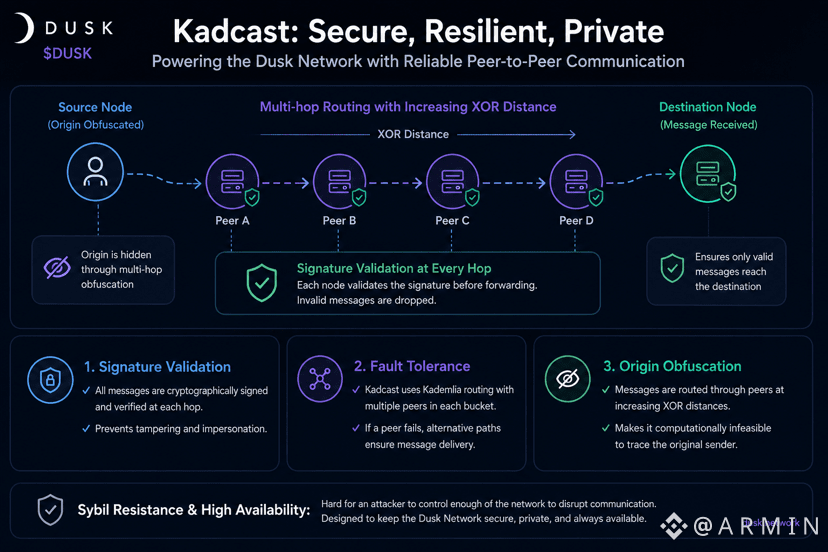
Bagian yang paling menonjol: pesan ditandatangani dan diverifikasi sebelum node meneruskkannya, sementara perutean berbasis Kademlia menjaga banyak rekan dalam bucket-nya. Jadi pesan yang buruk bisa ditolak, dan rekan yang gagal tidak selalu merusak jalur.
Awalnya saya mengira aspek privasi akan menjadi hal utama di sini. Tapi semakin saya menelitinya, bagian tentang ketahanan terasa sama pentingnya. Kadcast terus menggantikan rekan yang gagal dan dapat memakai jalur alternatif saat satu node mati.
Lalu ada pengaburan asal: pesan melewati rekan-rekan terpilih pada jarak XOR yang makin meningkat, sehingga pengirim asli menjadi lebih sulit untuk dilacak. Saya masih penasaran bagaimana sifat-sifat ini bekerja dalam jaringan yang benar-benar bermusuhan, bukan hanya yang tidak dapat diandalkan.
Bagian yang paling menonjol: pesan ditandatangani dan diverifikasi sebelum node meneruskkannya, sementara perutean berbasis Kademlia menjaga banyak rekan dalam bucket-nya. Jadi pesan yang buruk bisa ditolak, dan rekan yang gagal tidak selalu merusak jalur.
Awalnya saya mengira aspek privasi akan menjadi hal utama di sini. Tapi semakin saya menelitinya, bagian tentang ketahanan terasa sama pentingnya. Kadcast terus menggantikan rekan yang gagal dan dapat memakai jalur alternatif saat satu node mati.
Lalu ada pengaburan asal: pesan melewati rekan-rekan terpilih pada jarak XOR yang makin meningkat, sehingga pengirim asli menjadi lebih sulit untuk dilacak. Saya masih penasaran bagaimana sifat-sifat ini bekerja dalam jaringan yang benar-benar bermusuhan, bukan hanya yang tidak dapat diandalkan.
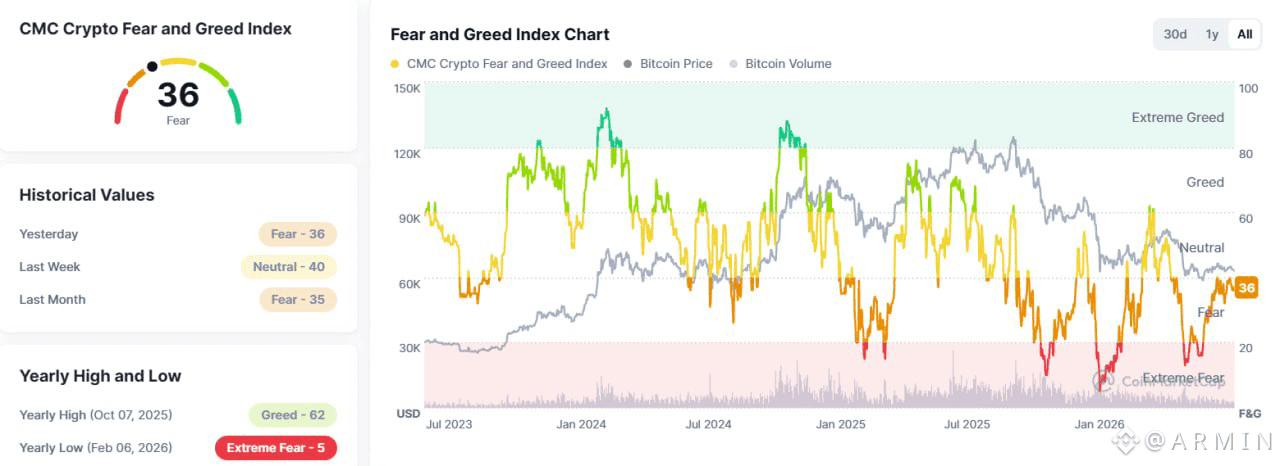
Indeks Crypto Fear & Greed berada di 36
Ketakutan mendominasi pasar.
Kerumunan masih takut. Tidak mengherankan.🙄
Ketakutan mendominasi pasar.
Kerumunan masih takut. Tidak mengherankan.🙄
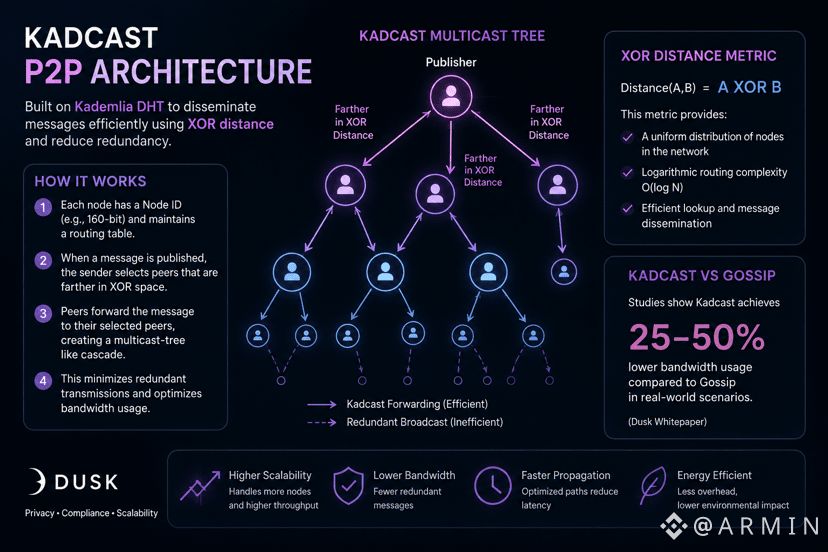
Yang membuatku berhenti di sini adalah bagaimana Dusk tidak sekadar memancarkan semuanya ke mana-mana. @Dusk menggunakan Kadcast, yang dibangun di atas Kademlia’s DHT, untuk membuat propagasi pesan lebih terstruktur.
Bagian yang menarik adalah metrik jarak #XOR . Node menyimpan tabel routing berdasarkan seberapa jauh node lain dari mereka, lalu meneruskan pesan ke peer terpilih dengan jarak yang semakin meningkat alih-alih membanjiri setiap tetangga. Itu menciptakan rangkaian berjenis multicast tree yang berujung pada lebih sedikit transmisi redundan.
Awalnya kupikir efisiensi P2P sebagian besar tentang memiliki lebih banyak koneksi. Tapi Kadcast membuatku memandangnya secara berbeda: kadang jaringan yang lebih baik bukan yang berteriak ke semua orang, melainkan yang memilih siapa yang perlu didengar berikutnya. Karya tulisnya mengutip penggunaan bandwidth sekitar 25–50% lebih rendah dibandingkan Gossip dalam studi tentang Kadcast.
Dan itu menyisakan pertanyaan menarik bagiku: saat blockchains mendorong finalitas yang lebih cepat dan throughput yang lebih tinggi, apakah routing pesan yang lebih cerdas bisa menjadi sama pentingnya dengan mekanisme konsensus itu sendiri?
$DUSK #dusk
Bagian yang menarik adalah metrik jarak #XOR . Node menyimpan tabel routing berdasarkan seberapa jauh node lain dari mereka, lalu meneruskan pesan ke peer terpilih dengan jarak yang semakin meningkat alih-alih membanjiri setiap tetangga. Itu menciptakan rangkaian berjenis multicast tree yang berujung pada lebih sedikit transmisi redundan.
Awalnya kupikir efisiensi P2P sebagian besar tentang memiliki lebih banyak koneksi. Tapi Kadcast membuatku memandangnya secara berbeda: kadang jaringan yang lebih baik bukan yang berteriak ke semua orang, melainkan yang memilih siapa yang perlu didengar berikutnya. Karya tulisnya mengutip penggunaan bandwidth sekitar 25–50% lebih rendah dibandingkan Gossip dalam studi tentang Kadcast.
Dan itu menyisakan pertanyaan menarik bagiku: saat blockchains mendorong finalitas yang lebih cepat dan throughput yang lebih tinggi, apakah routing pesan yang lebih cerdas bisa menjadi sama pentingnya dengan mekanisme konsensus itu sendiri?
$DUSK #dusk
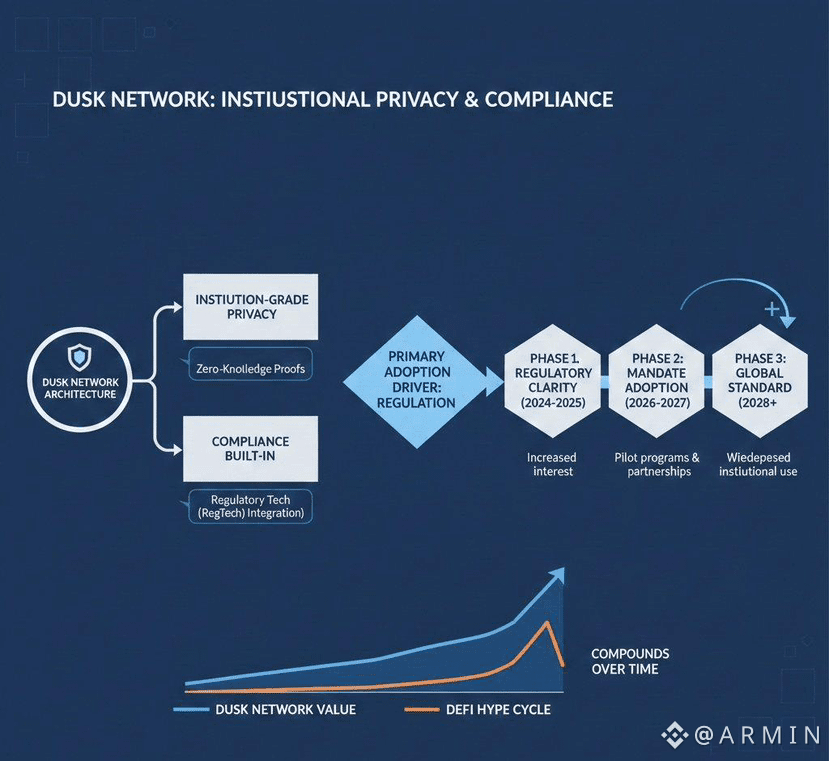
Proyek yang luar biasa dengan privasi untuk institusi dengan transaksi yang melampaui kecepatan yang luar biasa!
Terverifikasi
Bagian yang membuatku berhenti adalah ketika aku menyadari bahwa privasi di Dusk sebenarnya bukan tentang membuat semuanya menjadi tidak terlihat. $DUSK , #dusk @Dusk mengambil jalur yang lebih bernuansa: sebagian aktivitas bisa tetap transparan, sementara aktivitas finansial yang sensitif dapat dilindungi.
Melihat arsitekturnya, Moonlight menjaga status akun tetap publik, sehingga saldo dan detail transaksi bisa dicek secara langsung. Phoenix mengambil pendekatan yang berlawanan untuk transaksi yang disamarkan: jaringan memverifikasi bukti ZK alih-alih melihat langsung data transaksi yang mendasarinya.
Itu mengubah sedikit asumsi awalku. Aku mengira sisi privasi sebagian besar akan tentang menyembunyikan informasi finansial. Ternyata lebih menarik dari itu. Jaringan tetap perlu membuktikan kepemilikan, menjaga integritas saldo, dan mencegah double spending—hanya saja tanpa harus mengekspos informasi yang digunakan untuk membuktikan hal-hal tersebut.
Dan kemungkinan besar ini adalah masalah yang lebih sulit bagi pasar keuangan: bukan memilih antara transparansi dan privasi, melainkan menentukan apa yang harus terlihat, oleh siapa, dan dalam kondisi apa. Aku masih penasaran bagaimana keseimbangan itu bekerja ketika aktivitas keuangan nyata yang teregulasi mulai memberi tekanan pada kedua sisi.
Melihat arsitekturnya, Moonlight menjaga status akun tetap publik, sehingga saldo dan detail transaksi bisa dicek secara langsung. Phoenix mengambil pendekatan yang berlawanan untuk transaksi yang disamarkan: jaringan memverifikasi bukti ZK alih-alih melihat langsung data transaksi yang mendasarinya.
Itu mengubah sedikit asumsi awalku. Aku mengira sisi privasi sebagian besar akan tentang menyembunyikan informasi finansial. Ternyata lebih menarik dari itu. Jaringan tetap perlu membuktikan kepemilikan, menjaga integritas saldo, dan mencegah double spending—hanya saja tanpa harus mengekspos informasi yang digunakan untuk membuktikan hal-hal tersebut.
Dan kemungkinan besar ini adalah masalah yang lebih sulit bagi pasar keuangan: bukan memilih antara transparansi dan privasi, melainkan menentukan apa yang harus terlihat, oleh siapa, dan dalam kondisi apa. Aku masih penasaran bagaimana keseimbangan itu bekerja ketika aktivitas keuangan nyata yang teregulasi mulai memberi tekanan pada kedua sisi.
Terverifikasi
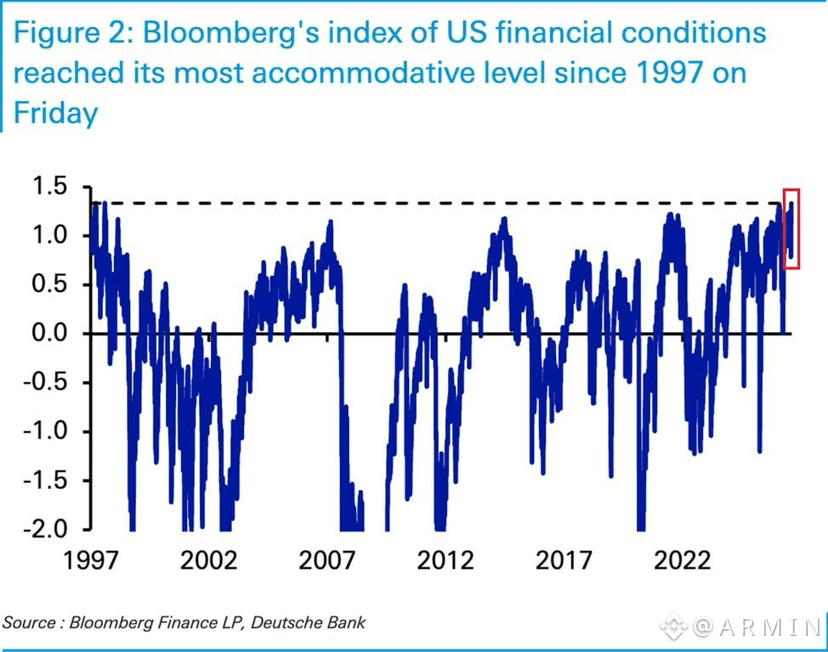
BREAKING: Indeks Kondisi Keuangan AS naik hingga sekitar 1,29 poin, yang paling mudah sejak 1997.
Indeks ini mengukur akses terhadap uang di seluruh pasar keuangan, dengan memasukkan hal-hal seperti suku bunga, spread kredit, harga saham, dolar, dan kondisi pinjaman secara keseluruhan.
Sebagai perbandingan, selama aksi jual pasar pada Maret 2026, indeks ini nyaris beralih ke wilayah negatif.
Bahkan saat euforia saham meme pada 2021, kondisi keuangan tidak sesantai ini.
Lonjakan terbaru dipicu oleh pasar saham yang menyentuh rekor tertinggi sepanjang masa, dengan spread kredit obligasi korporasi AS yang tetap berada di level terketatnya sejak 1998.
AI telah mentransformasi ekonomi global.
Indeks ini mengukur akses terhadap uang di seluruh pasar keuangan, dengan memasukkan hal-hal seperti suku bunga, spread kredit, harga saham, dolar, dan kondisi pinjaman secara keseluruhan.
Sebagai perbandingan, selama aksi jual pasar pada Maret 2026, indeks ini nyaris beralih ke wilayah negatif.
Bahkan saat euforia saham meme pada 2021, kondisi keuangan tidak sesantai ini.
Lonjakan terbaru dipicu oleh pasar saham yang menyentuh rekor tertinggi sepanjang masa, dengan spread kredit obligasi korporasi AS yang tetap berada di level terketatnya sejak 1998.
AI telah mentransformasi ekonomi global.
Perbedaan antara privasi dan kerahasiaan penting di sini
Terverifikasi
Semakin saya membaca tentang @Dusk , semakin saya merasa bagian yang menarik dari #DUSK bukan sekadar memindahkan TradFi ke dalam blockchain.
Masalah yang lebih sulit adalah membuat blockchain dapat digunakan di mana privasi dan kepatuhan sama-sama penting. Dusk mendekatinya di tingkat protokol, dengan menggabungkan model transaksi yang transparan sekaligus menjaga privasi, alih-alih menganggap privasi sebagai sesuatu yang harus ditambahkan kemudian.
Hal ini mengubah cara saya melihat seluruh narasi “TradFi bertemu DeFi”. Lembaga keuangan tidak harus menyembunyikan semuanya, tetapi mereka juga tidak bisa beroperasi dengan setiap transaksi sensitif yang diekspos secara publik. Model Phoenix dari Dusk dibangun untuk membuktikan validitas transaksi dengan ZK proof tanpa mengekspos detail transaksi yang mendasarinya.
Saya masih ingin tahu sisi praktisnya: seberapa banyak sistem keuangan yang ada benar-benar bisa dipindahkan ke on-chain ketika kebutuhan privasi dan regulasi berhenti menjadi batasan yang bersifat teoritis?
$DUSK
Masalah yang lebih sulit adalah membuat blockchain dapat digunakan di mana privasi dan kepatuhan sama-sama penting. Dusk mendekatinya di tingkat protokol, dengan menggabungkan model transaksi yang transparan sekaligus menjaga privasi, alih-alih menganggap privasi sebagai sesuatu yang harus ditambahkan kemudian.
Hal ini mengubah cara saya melihat seluruh narasi “TradFi bertemu DeFi”. Lembaga keuangan tidak harus menyembunyikan semuanya, tetapi mereka juga tidak bisa beroperasi dengan setiap transaksi sensitif yang diekspos secara publik. Model Phoenix dari Dusk dibangun untuk membuktikan validitas transaksi dengan ZK proof tanpa mengekspos detail transaksi yang mendasarinya.
Saya masih ingin tahu sisi praktisnya: seberapa banyak sistem keuangan yang ada benar-benar bisa dipindahkan ke on-chain ketika kebutuhan privasi dan regulasi berhenti menjadi batasan yang bersifat teoritis?
$DUSK
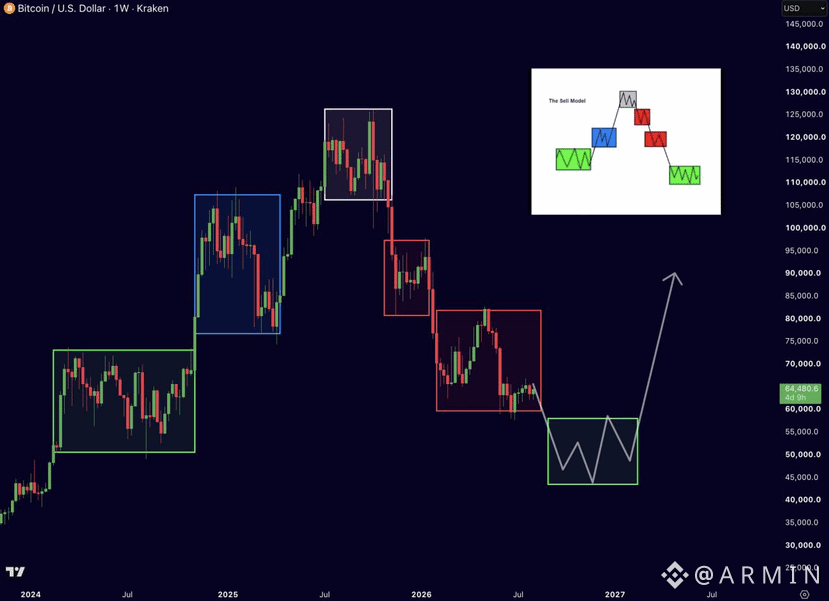
Bitcoin sedang memompa, tapi jangan tertipu oleh pemulihan jangka pendek.
Model sell market maker masih sedang berlangsung.
Akumulasi → Ekspansi → Distribusi → Turun harga (mark down).
→ Distribusi terbentuk di sekitar $126.000
→ Fase markdown masih berlangsung
→ Zona akumulasi akhir berada di sekitar $44.000–$58.000
Pompa jangka pendek adalah hal yang persis membuat orang-orang yakin bahwa dasar sudah ada.
Jika model ini selesai, masih ada satu fase flush terakhir sebelum peluang sesungguhnya.
Turun lagi. Setelah itu kita reload.
Model sell market maker masih sedang berlangsung.
Akumulasi → Ekspansi → Distribusi → Turun harga (mark down).
→ Distribusi terbentuk di sekitar $126.000
→ Fase markdown masih berlangsung
→ Zona akumulasi akhir berada di sekitar $44.000–$58.000
Pompa jangka pendek adalah hal yang persis membuat orang-orang yakin bahwa dasar sudah ada.
Jika model ini selesai, masih ada satu fase flush terakhir sebelum peluang sesungguhnya.
Turun lagi. Setelah itu kita reload.
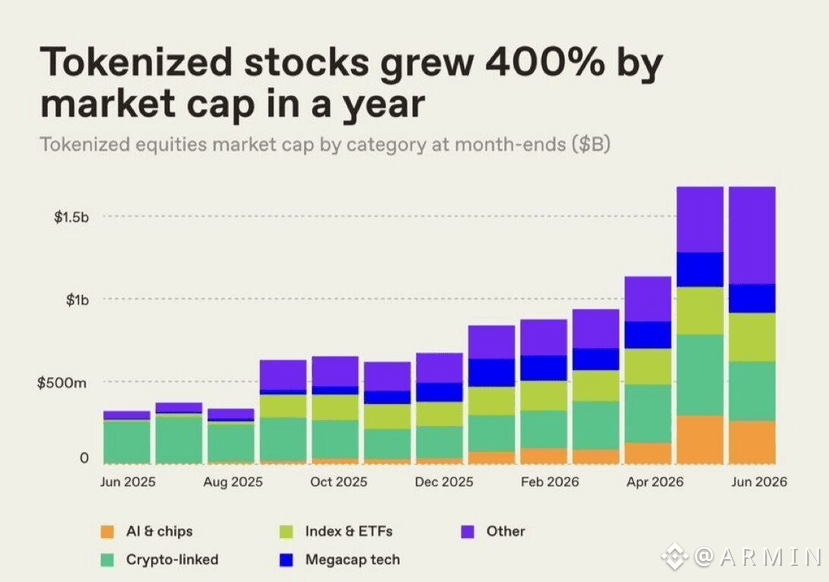
Kapitalisasi pasar saham token meningkat 400% selama tahun lalu.
Sebagian Benar
Apakah @BabylonLabs_io Membangun Standar Berikutnya untuk Jaminan Bitcoin Native?
Satu detail terus menarik saya kembali saat membaca rancangan Babylon’s Trustless Bitcoin Vault: protokol ini tampaknya kurang tertarik untuk memindahkan Bitcoin dan lebih fokus agar Bitcoin menjadi berguna tanpa melepaskan kustodi. Itu terasa seperti pergeseran yang halus, tetapi mengubah cara saya memikirkan pinjaman berbasis Bitcoin.
Saat memeriksa aktivitas jaringan terbaru, saya melihat aktivitas pasar BABY tetap cukup stabil meskipun volume perdagangan 24 jam kembali ke kisaran sekitar $5,8–6,2M pada 21–24 Juli, tanpa terobosan harga yang dramatis. Itu cukup mudah untuk diverifikasi dengan data pasar historis.
Dengan sendirinya, volume tidak membuktikan adopsi. Namun jika digabung dengan aktivitas live chain Babylon—di mana jaringan terus menghasilkan blok dengan ritme yang teratur dengan puluhan transaksi per blok—ini menunjukkan bahwa orang masih berinteraksi dengan ekosistem tersebut, bukan menghilang setelah euforia peluncuran awal.
Bagian yang menarik bagi saya bukan tokennya. Melainkan arsitekturnya. TBV menanyakan apakah Bitcoin bisa tetap terkunci dalam output Taproot native sementara lingkungan eksekusi lain mengoordinasikan pemberian pinjaman di sekelilingnya. Pemisahan kustodi dari logika aplikasi ini terasa lebih signifikan daripada desain BTC wrapped lainnya.
Satu kejutan kecil: saya mengira mekanisme pinjaman akan menjadi bagian paling menarik dari dokumen, tetapi justru saya terus menyoroti model kustodinya.
Saya masih belum yakin apakah pada akhirnya pengguna akan menghargai perbedaan ini cukup untuk mengubah perilaku pinjam-meminjam, atau apakah ini terutama peningkatan infrastruktur yang tetap tidak terlihat. Saya penasaran mana dari dua hal itu yang benar.
#baby $BABY
Satu detail terus menarik saya kembali saat membaca rancangan Babylon’s Trustless Bitcoin Vault: protokol ini tampaknya kurang tertarik untuk memindahkan Bitcoin dan lebih fokus agar Bitcoin menjadi berguna tanpa melepaskan kustodi. Itu terasa seperti pergeseran yang halus, tetapi mengubah cara saya memikirkan pinjaman berbasis Bitcoin.
Saat memeriksa aktivitas jaringan terbaru, saya melihat aktivitas pasar BABY tetap cukup stabil meskipun volume perdagangan 24 jam kembali ke kisaran sekitar $5,8–6,2M pada 21–24 Juli, tanpa terobosan harga yang dramatis. Itu cukup mudah untuk diverifikasi dengan data pasar historis.
Dengan sendirinya, volume tidak membuktikan adopsi. Namun jika digabung dengan aktivitas live chain Babylon—di mana jaringan terus menghasilkan blok dengan ritme yang teratur dengan puluhan transaksi per blok—ini menunjukkan bahwa orang masih berinteraksi dengan ekosistem tersebut, bukan menghilang setelah euforia peluncuran awal.
Bagian yang menarik bagi saya bukan tokennya. Melainkan arsitekturnya. TBV menanyakan apakah Bitcoin bisa tetap terkunci dalam output Taproot native sementara lingkungan eksekusi lain mengoordinasikan pemberian pinjaman di sekelilingnya. Pemisahan kustodi dari logika aplikasi ini terasa lebih signifikan daripada desain BTC wrapped lainnya.
Satu kejutan kecil: saya mengira mekanisme pinjaman akan menjadi bagian paling menarik dari dokumen, tetapi justru saya terus menyoroti model kustodinya.
Saya masih belum yakin apakah pada akhirnya pengguna akan menghargai perbedaan ini cukup untuk mengubah perilaku pinjam-meminjam, atau apakah ini terutama peningkatan infrastruktur yang tetap tidak terlihat. Saya penasaran mana dari dua hal itu yang benar.
#baby $BABY
Sebagian Benar
Satu hal yang terus menempel dalam benak saya saat membaca catatan desain Babylon adalah: bagian yang menarik bukanlah bahwa Bitcoin berinteraksi dengan jaringan lain. Yang menarik adalah BTC itu sendiri tidak perlu meninggalkan jaringan Bitcoin sejak awal.
Saat mengecek aktivitas terbaru, saya melihat volume perdagangan BABY naik ke kisaran sekitar $10–11 juta pada 21–22 Juli sebelum kemudian melandai kembali pada hari berikutnya. Harganya hampir tidak bergerak dibandingkan dengan kenaikan aktivitas, sehingga saya sempat berhenti dan berpikir karena ini terlihat lebih seperti penataan ulang posisi ketimbang mengejar momentum murni. Hal ini sebenarnya mudah diverifikasi di pelacak pasar publik dengan membandingkan riwayat volume harian untuk tanggal-tanggal tersebut.
Tentu saja, itu tidak membuktikan mengapa orang-orang aktif. Namun, itu mengisyaratkan bahwa para peserta masih berinteraksi dengan ekosistem tanpa perubahan sentimen yang drastis. Saya selalu merasa periode yang lebih tenang seperti ini lebih menarik dibanding lonjakan yang jelas-jelas terlihat.
Risetnya sendiri mengubah cara pandang saya. Saya masuk dengan asumsi bahwa inovasi kuncinya adalah cara lain agar Bitcoin bisa digunakan di tempat lain. Namun pada akhirnya saya terus kembali pada gagasan yang berlawanan: menjaga kustodi tetap berlabuh pada Bitcoin asli, sementara jaringan lain mengoordinasikan status di sekitarnya. Pemisahan ini terasa lebih signifikan daripada yang pertama kali saya duga.
Saya masih belum bisa memastikan seberapa besar aktivitas baru-baru ini mencerminkan pengguna jangka panjang yang sesungguhnya dibandingkan sekadar penempatan posisi jangka pendek di sekitar $BABY Markets jarang membuat perbedaan itu terlihat jelas.
Jadi, saya dibiarkan bertanya-tanya apakah metrik yang lebih penting di sini adalah penggunaan lintas rantai atau sekadar seberapa sering Bitcoin sebenarnya tidak perlu pernah keluar dari jaringan Bitcoin sama sekali.
@BabylonLabs_io #baby
Saat mengecek aktivitas terbaru, saya melihat volume perdagangan BABY naik ke kisaran sekitar $10–11 juta pada 21–22 Juli sebelum kemudian melandai kembali pada hari berikutnya. Harganya hampir tidak bergerak dibandingkan dengan kenaikan aktivitas, sehingga saya sempat berhenti dan berpikir karena ini terlihat lebih seperti penataan ulang posisi ketimbang mengejar momentum murni. Hal ini sebenarnya mudah diverifikasi di pelacak pasar publik dengan membandingkan riwayat volume harian untuk tanggal-tanggal tersebut.
Tentu saja, itu tidak membuktikan mengapa orang-orang aktif. Namun, itu mengisyaratkan bahwa para peserta masih berinteraksi dengan ekosistem tanpa perubahan sentimen yang drastis. Saya selalu merasa periode yang lebih tenang seperti ini lebih menarik dibanding lonjakan yang jelas-jelas terlihat.
Risetnya sendiri mengubah cara pandang saya. Saya masuk dengan asumsi bahwa inovasi kuncinya adalah cara lain agar Bitcoin bisa digunakan di tempat lain. Namun pada akhirnya saya terus kembali pada gagasan yang berlawanan: menjaga kustodi tetap berlabuh pada Bitcoin asli, sementara jaringan lain mengoordinasikan status di sekitarnya. Pemisahan ini terasa lebih signifikan daripada yang pertama kali saya duga.
Saya masih belum bisa memastikan seberapa besar aktivitas baru-baru ini mencerminkan pengguna jangka panjang yang sesungguhnya dibandingkan sekadar penempatan posisi jangka pendek di sekitar $BABY Markets jarang membuat perbedaan itu terlihat jelas.
Jadi, saya dibiarkan bertanya-tanya apakah metrik yang lebih penting di sini adalah penggunaan lintas rantai atau sekadar seberapa sering Bitcoin sebenarnya tidak perlu pernah keluar dari jaringan Bitcoin sama sekali.
@BabylonLabs_io #baby
Sebagian Benar
#baby $BABY
Mengapa Babylon Berpikir Bitcoin Tidak Pernah Membutuhkan Jembatan
Satu hal terus mengganggu pikiranku saat membaca melalui @BabylonLabs_io whitepaper: mungkin hambatan nyata untuk Bitcoin di DeFi bukan interoperabilitas. Mungkin itu adalah kustodi (custody).
Hal itu menjadi semakin jelas setelah menelusuri aktivitas pasar terbaru di sekitar $BABY . Pada rentang 21–23 Juli, volume perdagangan meningkat, sementara percakapan seputar Trustless Bitcoin Vaults tetap berfokus pada bagaimana BTC tetap terkunci dalam output Taproot native, bukan menyeberang jembatan. Pergerakan harga itu sendiri tidak terlalu dramatis, tetapi peningkatan aktivitasnya mudah diverifikasi melalui pelacak pasar dan menunjukkan bahwa orang-orang memperhatikan mekanismenya, bukan hanya tokennya.
Yang menonjol adalah TBV tidak berusaha membuat Bitcoin berperilaku seperti ERC-20. Ethereum yang mengoordinasikan logika peminjaman, tetapi jaminannya tidak pernah berhenti menjadi Bitcoin UTXO. Ini terasa seperti filosofi desain yang berbeda dari sebagian besar sistem BTCFi yang pernah ku lihat. Jembatan tidak sedang diperbaiki—melainkan dihindari sepenuhnya.
Aku bahkan sempat mencoret alur di kertas karena kukira aku telah melewatkan langkah pembungkusan di suatu tempat. Nyatanya tidak.
Aku masih belum yakin apakah pengguna pada akhirnya akan menghargai pemisahan ini cukup untuk mengubah perilaku jangka panjang, atau apakah kenyamanan akan lebih mengalahkan arsitektur. Itu lebih sulit diukur dibanding jumlah transaksi.
Jadi mungkin pertanyaan yang lebih menarik bukanlah apakah Bitcoin bisa masuk ke DeFi, melainkan apakah ia pernah benar-benar perlu keluar dari Bitcoin sejak awal.
Mengapa Babylon Berpikir Bitcoin Tidak Pernah Membutuhkan Jembatan
Satu hal terus mengganggu pikiranku saat membaca melalui @BabylonLabs_io whitepaper: mungkin hambatan nyata untuk Bitcoin di DeFi bukan interoperabilitas. Mungkin itu adalah kustodi (custody).
Hal itu menjadi semakin jelas setelah menelusuri aktivitas pasar terbaru di sekitar $BABY . Pada rentang 21–23 Juli, volume perdagangan meningkat, sementara percakapan seputar Trustless Bitcoin Vaults tetap berfokus pada bagaimana BTC tetap terkunci dalam output Taproot native, bukan menyeberang jembatan. Pergerakan harga itu sendiri tidak terlalu dramatis, tetapi peningkatan aktivitasnya mudah diverifikasi melalui pelacak pasar dan menunjukkan bahwa orang-orang memperhatikan mekanismenya, bukan hanya tokennya.
Yang menonjol adalah TBV tidak berusaha membuat Bitcoin berperilaku seperti ERC-20. Ethereum yang mengoordinasikan logika peminjaman, tetapi jaminannya tidak pernah berhenti menjadi Bitcoin UTXO. Ini terasa seperti filosofi desain yang berbeda dari sebagian besar sistem BTCFi yang pernah ku lihat. Jembatan tidak sedang diperbaiki—melainkan dihindari sepenuhnya.
Aku bahkan sempat mencoret alur di kertas karena kukira aku telah melewatkan langkah pembungkusan di suatu tempat. Nyatanya tidak.
Aku masih belum yakin apakah pengguna pada akhirnya akan menghargai pemisahan ini cukup untuk mengubah perilaku jangka panjang, atau apakah kenyamanan akan lebih mengalahkan arsitektur. Itu lebih sulit diukur dibanding jumlah transaksi.
Jadi mungkin pertanyaan yang lebih menarik bukanlah apakah Bitcoin bisa masuk ke DeFi, melainkan apakah ia pernah benar-benar perlu keluar dari Bitcoin sejak awal.
Sebagian Benar
Bisakah Bitcoin Akhirnya Menjadi Produktif Tanpa Harus Meninggalkan Bitcoin?
Satu detail terus menarik saya kembali saat membaca tentang Babylon dan protokol $BABY terlihat kurang tertarik untuk memindahkan Bitcoin dibandingkan upaya untuk membuktikan bahwa Bitcoin memang tidak perlu dipindahkan sejak awal.
Saat memeriksa penjelajah (explorer) mainnet Babylon hari ini, saya melihat rantainya terus menghasilkan blok dengan kecepatan yang stabil—kurang lebih beberapa puluh transaksi per blok—dengan partisipasi validator yang aktif, bukan semacam lonjakan singkat yang biasanya mengikuti pengumuman. Ini bukan peristiwa yang dramatis, tetapi merupakan jejak yang dapat diverifikasi tentang pemakaian jaringan yang benar-benar terjadi, dan siapa pun bisa memeriksanya di sekitar rentang blok saat ini. Menurut saya, ini menunjukkan bahwa orang masih berinteraksi dengan sistem, bukan sekadar bereaksi terhadap headline.
Hal itu mengubah cara saya memandang desain Trustless Bitcoin Vault. Bagian yang menarik bukanlah meminjam dengan jaminan BTC. Yang penting adalah agunannya tetap berupa Bitcoin UTXO, sementara Ethereum hanya mengoordinasikan status yang dibutuhkan untuk aplikasi DeFi. Asumsi kustodi (penitipan) justru digeser kembali ke Bitcoin, bukan digantikan oleh model aset terbungkus (wrapped).
Sebenarnya, saya sempat berhenti sejenak setelah melacak alur vault karena saya menyadari bahwa selama ini saya menganggap bahwa Bitcoin dalam DeFi secara otomatis berarti jembatan (bridge) yang lain. Di sini, arsitekturnya berusaha menghindari jalan pintas itu sepenuhnya.
Saya masih belum yakin bagaimana pendekatan ini akan terasa dalam penggunaan dunia nyata yang lebih berat dibandingkan aktivitas hari ini, terutama setelah aplikasi yang lebih kompleks mulai bergantung padanya. Kemungkinan besar, bagian itulah yang akan terus saya pantau.
#baby @BabylonLabs_io
Satu detail terus menarik saya kembali saat membaca tentang Babylon dan protokol $BABY terlihat kurang tertarik untuk memindahkan Bitcoin dibandingkan upaya untuk membuktikan bahwa Bitcoin memang tidak perlu dipindahkan sejak awal.
Saat memeriksa penjelajah (explorer) mainnet Babylon hari ini, saya melihat rantainya terus menghasilkan blok dengan kecepatan yang stabil—kurang lebih beberapa puluh transaksi per blok—dengan partisipasi validator yang aktif, bukan semacam lonjakan singkat yang biasanya mengikuti pengumuman. Ini bukan peristiwa yang dramatis, tetapi merupakan jejak yang dapat diverifikasi tentang pemakaian jaringan yang benar-benar terjadi, dan siapa pun bisa memeriksanya di sekitar rentang blok saat ini. Menurut saya, ini menunjukkan bahwa orang masih berinteraksi dengan sistem, bukan sekadar bereaksi terhadap headline.
Hal itu mengubah cara saya memandang desain Trustless Bitcoin Vault. Bagian yang menarik bukanlah meminjam dengan jaminan BTC. Yang penting adalah agunannya tetap berupa Bitcoin UTXO, sementara Ethereum hanya mengoordinasikan status yang dibutuhkan untuk aplikasi DeFi. Asumsi kustodi (penitipan) justru digeser kembali ke Bitcoin, bukan digantikan oleh model aset terbungkus (wrapped).
Sebenarnya, saya sempat berhenti sejenak setelah melacak alur vault karena saya menyadari bahwa selama ini saya menganggap bahwa Bitcoin dalam DeFi secara otomatis berarti jembatan (bridge) yang lain. Di sini, arsitekturnya berusaha menghindari jalan pintas itu sepenuhnya.
Saya masih belum yakin bagaimana pendekatan ini akan terasa dalam penggunaan dunia nyata yang lebih berat dibandingkan aktivitas hari ini, terutama setelah aplikasi yang lebih kompleks mulai bergantung padanya. Kemungkinan besar, bagian itulah yang akan terus saya pantau.
#baby @BabylonLabs_io
Mencabut izin dengan cepat bisa sama pentingnya dengan memberikannya. Itulah sebabnya lonjakan biaya patut diperhatikan dengan $NEWT
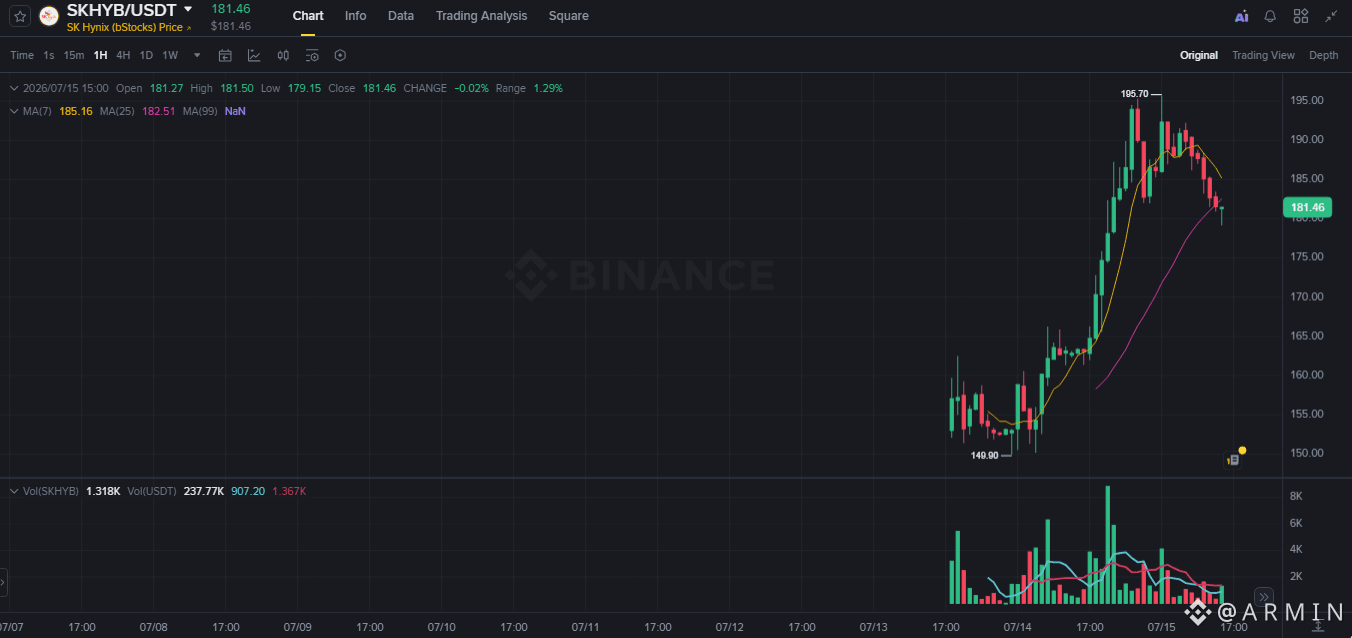
SK Hynix $SKHYB baru saja mengingatkan semua orang tentang apa yang bisa dilakukan oleh listing Binance. 📈
Listing baru bukan hanya soal eksposur.
Itu adalah uji nyata terhadap likuiditas, permintaan, dan psikologi pasar.
Dalam beberapa jam setelah listing, $SKHYB langsung melesat dari area $150 ke hampir
$196 sebelum terlihat aksi ambil untung yang sehat.
Itulah gambaran yang sering terlihat pada penemuan harga yang kuat:
→ Hype awal mendorong momentum.
→ Trader awal mengunci profit.
→ Pasar mencari nilai wajar.
Kesalahan terbesar?
Membeli karena FOMO pada candle hijau pertama tanpa rencana.
Sebagai gantinya, saya suka mengamati:
• Apakah volume tetap tinggi setelah hype.
• Apakah harga mampu bertahan di atas level support kunci.
• Apakah pembeli kembali masuk saat koreksi/penarikan, bukan mengejar harga tertinggi.
Pompa pertama menarik perhatian.
Tren berikutnya yang menciptakan peluang.
Kamu sedang membeli saat turun, menunggu konfirmasi, atau memilih untuk tidak ikut yang ini? 👇 #FootballSeason2026 #binanceTurns9
Listing baru bukan hanya soal eksposur.
Itu adalah uji nyata terhadap likuiditas, permintaan, dan psikologi pasar.
Dalam beberapa jam setelah listing, $SKHYB langsung melesat dari area $150 ke hampir
$196 sebelum terlihat aksi ambil untung yang sehat.
Itulah gambaran yang sering terlihat pada penemuan harga yang kuat:
→ Hype awal mendorong momentum.
→ Trader awal mengunci profit.
→ Pasar mencari nilai wajar.
Kesalahan terbesar?
Membeli karena FOMO pada candle hijau pertama tanpa rencana.
Sebagai gantinya, saya suka mengamati:
• Apakah volume tetap tinggi setelah hype.
• Apakah harga mampu bertahan di atas level support kunci.
• Apakah pembeli kembali masuk saat koreksi/penarikan, bukan mengejar harga tertinggi.
Pompa pertama menarik perhatian.
Tren berikutnya yang menciptakan peluang.
Kamu sedang membeli saat turun, menunggu konfirmasi, atau memilih untuk tidak ikut yang ini? 👇 #FootballSeason2026 #binanceTurns9
Satu detail membuat saya berhenti saat membaca Newton Protocol, jauh sebelum kriptografinya. Saya berasumsi validator independen yang mengambil data langsung akan selalu memperkenalkan varians yang cukup untuk memperlambat konsensus. Namun, @newton_xyz, #Newton, dan $NEWT sebuah kesepakatan terpisah mengenai data, bukan kesepakatan mengenai kebijakannya. Pilihan arsitektural kecil itu mengubah cara saya memikirkan otorisasi off-chain.
Bagian yang menariknya bukan bahwa setiap operator mengambil harga aset atau pembaruan sanksi secara independen melalui WASM lewat NATS. Yang menarik adalah mereka diizinkan untuk tidak sepakat terlebih dahulu. Setiap operator mengembalikan attestation ECDSA mereka sendiri, lalu Gateway menurunkan dataset kanonik menggunakan konsensus berbasis median sebelum semua orang mengevaluasi Rego policy yang persis sama dan menghasilkan signature BLS yang identik. Saya mengira sinkronisasi terjadi sebelum eksekusi, tetapi Newton menunda sinkronisasi hingga setelah observasi. Itu terasa seperti perbedaan yang halus namun bermakna. Newton_Protocol_Whitepaper.pdf
Saya mencoba mencari aktivitas on-chain terbaru yang dapat memvalidasi alur ini melalui proposal tata kelola, hash transaksi, interaksi kontrak, pergerakan likuiditas, penyesuaian biaya, atau peristiwa tingkat blok, tetapi saya tidak dapat menemukan contoh publik yang menunjukkan konsensus dua tahap berbasis streaming dalam produksi. Keraguan itulah yang justru membuat saya semakin menghargai desainnya, karena mudah untuk menjelaskan konsensus terdistribusi secara teori, tetapi jauh lebih sulit untuk mengekspos bukti yang dapat diamati di-chain.
Saya masih penasaran seperti apa bentuk perselisihan dataset dunia nyata yang pertama nanti, ketika operator mulai melihat data eksternal yang benar-benar tidak konsisten, dan seberapa sering median kanonik berbeda dari apa yang awalnya diamati oleh masing-masing validator.
@NewtonProtocol #Newt $NEWT
Bagian yang menariknya bukan bahwa setiap operator mengambil harga aset atau pembaruan sanksi secara independen melalui WASM lewat NATS. Yang menarik adalah mereka diizinkan untuk tidak sepakat terlebih dahulu. Setiap operator mengembalikan attestation ECDSA mereka sendiri, lalu Gateway menurunkan dataset kanonik menggunakan konsensus berbasis median sebelum semua orang mengevaluasi Rego policy yang persis sama dan menghasilkan signature BLS yang identik. Saya mengira sinkronisasi terjadi sebelum eksekusi, tetapi Newton menunda sinkronisasi hingga setelah observasi. Itu terasa seperti perbedaan yang halus namun bermakna. Newton_Protocol_Whitepaper.pdf
Saya mencoba mencari aktivitas on-chain terbaru yang dapat memvalidasi alur ini melalui proposal tata kelola, hash transaksi, interaksi kontrak, pergerakan likuiditas, penyesuaian biaya, atau peristiwa tingkat blok, tetapi saya tidak dapat menemukan contoh publik yang menunjukkan konsensus dua tahap berbasis streaming dalam produksi. Keraguan itulah yang justru membuat saya semakin menghargai desainnya, karena mudah untuk menjelaskan konsensus terdistribusi secara teori, tetapi jauh lebih sulit untuk mengekspos bukti yang dapat diamati di-chain.
Saya masih penasaran seperti apa bentuk perselisihan dataset dunia nyata yang pertama nanti, ketika operator mulai melihat data eksternal yang benar-benar tidak konsisten, dan seberapa sering median kanonik berbeda dari apa yang awalnya diamati oleh masing-masing validator.
@NewtonProtocol #Newt $NEWT
Masuk untuk menjelajahi konten lainnya