

O L I V I E
13.6k Publications

O L I V I E
Signaler
Bloquer l’utilisateur

Traders League Badge Expert
Ouvert au trading
Trade régulièrement
1.3 an(s)
431 Suivis
19.4K+ Abonnés
21.6K+ J’aime
1 Badges
Publications
Portefeuille
Tous
Citations
Direct
PINNED
·
--
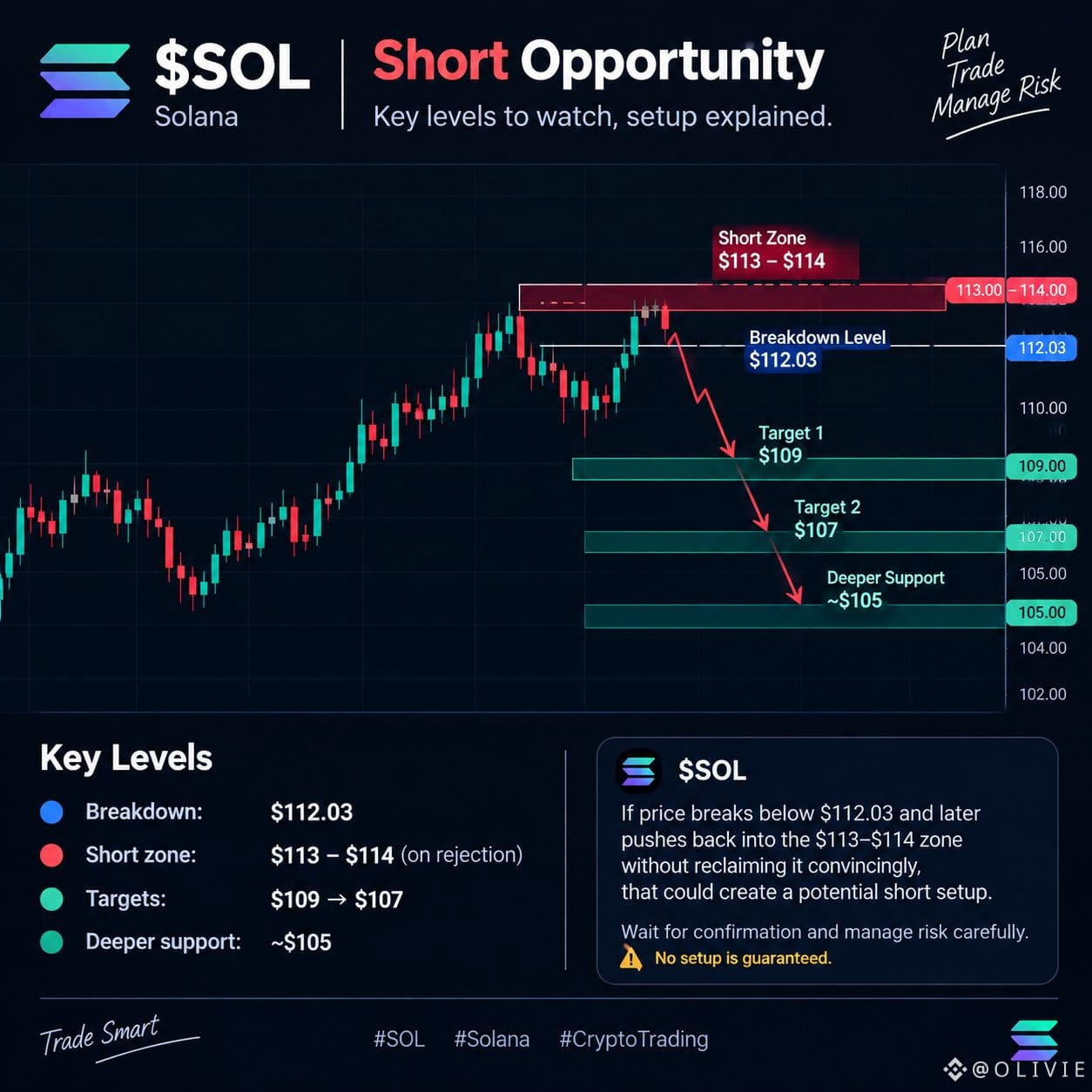
$SOL approche une zone de résistance intéressante 👀
Si le prix passe en dessous de 112,03 $ puis revient dans la zone de 113–114 $ sans la reconquérir de manière convaincante, cela pourrait créer une configuration de short potentielle.
Les niveaux de baisse que je surveille se situent d’abord autour de 107–109 $.
Si la pression vendeuse augmente, 105 $ devient une zone importante à surveiller, tandis qu’un mouvement plus profond nécessiterait une confirmation baissière plus forte.
Niveaux clés :
• Rupture : 112,03 $
• Zone short : 113–114 sur rejet
• Objectifs : 109 → 107
• Support plus profond : ~105
Attendez la confirmation et gérez le risque avec prudence. Aucune configuration n’est garantie. 📉
#SOL #solana #CryptoTrading
$SOL approche une zone de résistance intéressante 👀
Si le prix passe en dessous de 112,03 $ puis revient dans la zone de 113–114 $ sans la reconquérir de manière convaincante, cela pourrait créer une configuration de short potentielle.
Les niveaux de baisse que je surveille se situent d’abord autour de 107–109 $.
Si la pression vendeuse augmente, 105 $ devient une zone importante à surveiller, tandis qu’un mouvement plus profond nécessiterait une confirmation baissière plus forte.
Niveaux clés :
• Rupture : 112,03 $
• Zone short : 113–114 sur rejet
• Objectifs : 109 → 107
• Support plus profond : ~105
Attendez la confirmation et gérez le risque avec prudence. Aucune configuration n’est garantie. 📉
#SOL #solana #CryptoTrading
Si le prix passe en dessous de 112,03 $ puis revient dans la zone de 113–114 $ sans la reconquérir de manière convaincante, cela pourrait créer une configuration de short potentielle.
Les niveaux de baisse que je surveille se situent d’abord autour de 107–109 $.
Si la pression vendeuse augmente, 105 $ devient une zone importante à surveiller, tandis qu’un mouvement plus profond nécessiterait une confirmation baissière plus forte.
Niveaux clés :
• Rupture : 112,03 $
• Zone short : 113–114 sur rejet
• Objectifs : 109 → 107
• Support plus profond : ~105
Attendez la confirmation et gérez le risque avec prudence. Aucune configuration n’est garantie. 📉
#SOL #solana #CryptoTrading
18
25
3.7k
·
--
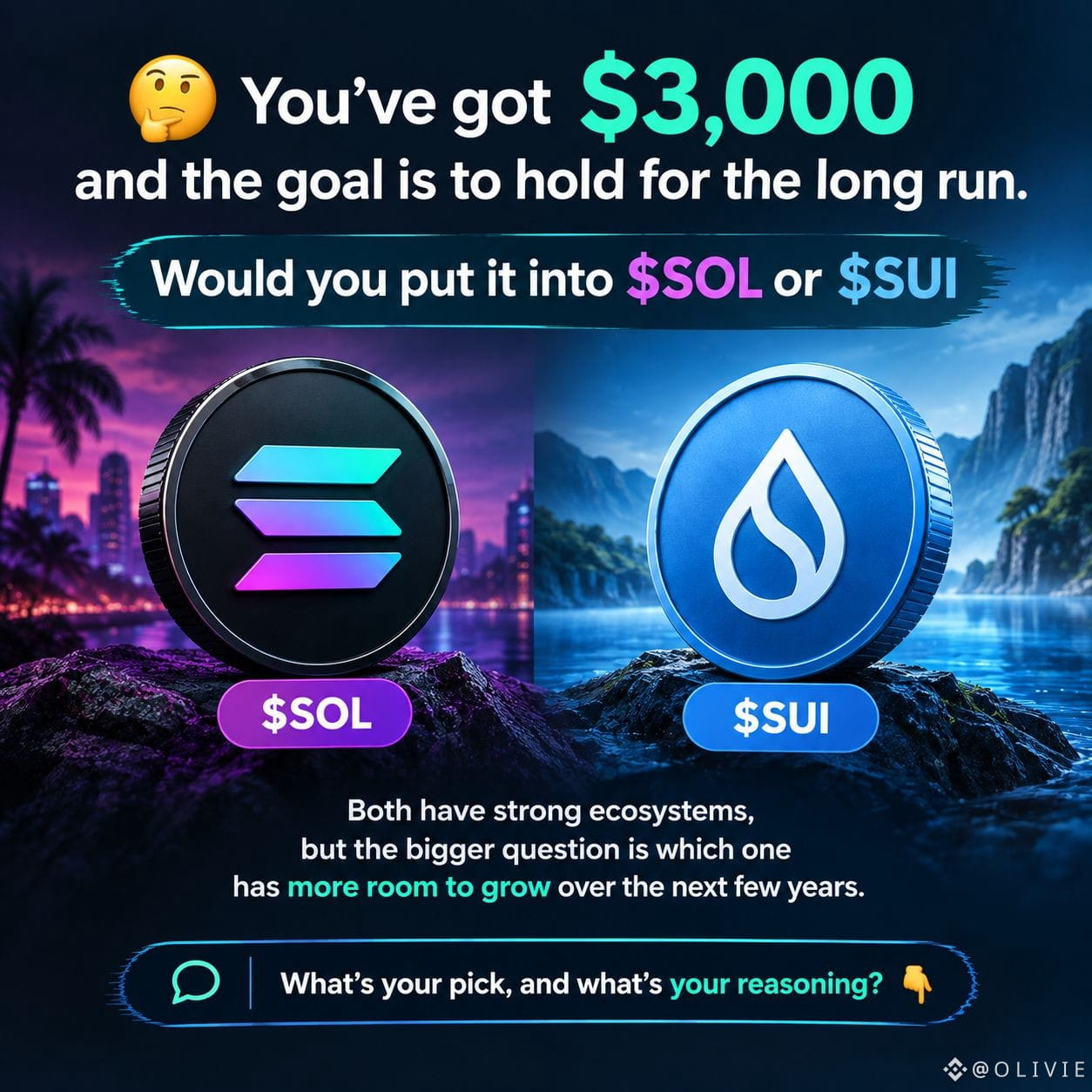
🤔 Vous avez 3 000 $ et l’objectif est de tenir sur le long terme.
Vous le mettriez dans $SOL ou $SUI ?
Les deux ont des écosystèmes solides, mais la question principale est de savoir lequel, selon vous, a le plus de marge de croissance au cours des prochaines années.
Lequel choisissez-vous, et pourquoi ?
#BTC突破7万大关
🤔 Vous avez 3 000 $ et l’objectif est de tenir sur le long terme.
Vous le mettriez dans $SOL ou $SUI ?
Les deux ont des écosystèmes solides, mais la question principale est de savoir lequel, selon vous, a le plus de marge de croissance au cours des prochaines années.
Lequel choisissez-vous, et pourquoi ?
#BTC突破7万大关
Vous le mettriez dans $SOL ou $SUI ?
Les deux ont des écosystèmes solides, mais la question principale est de savoir lequel, selon vous, a le plus de marge de croissance au cours des prochaines années.
Lequel choisissez-vous, et pourquoi ?
#BTC突破7万大关
6
7
534
·
--
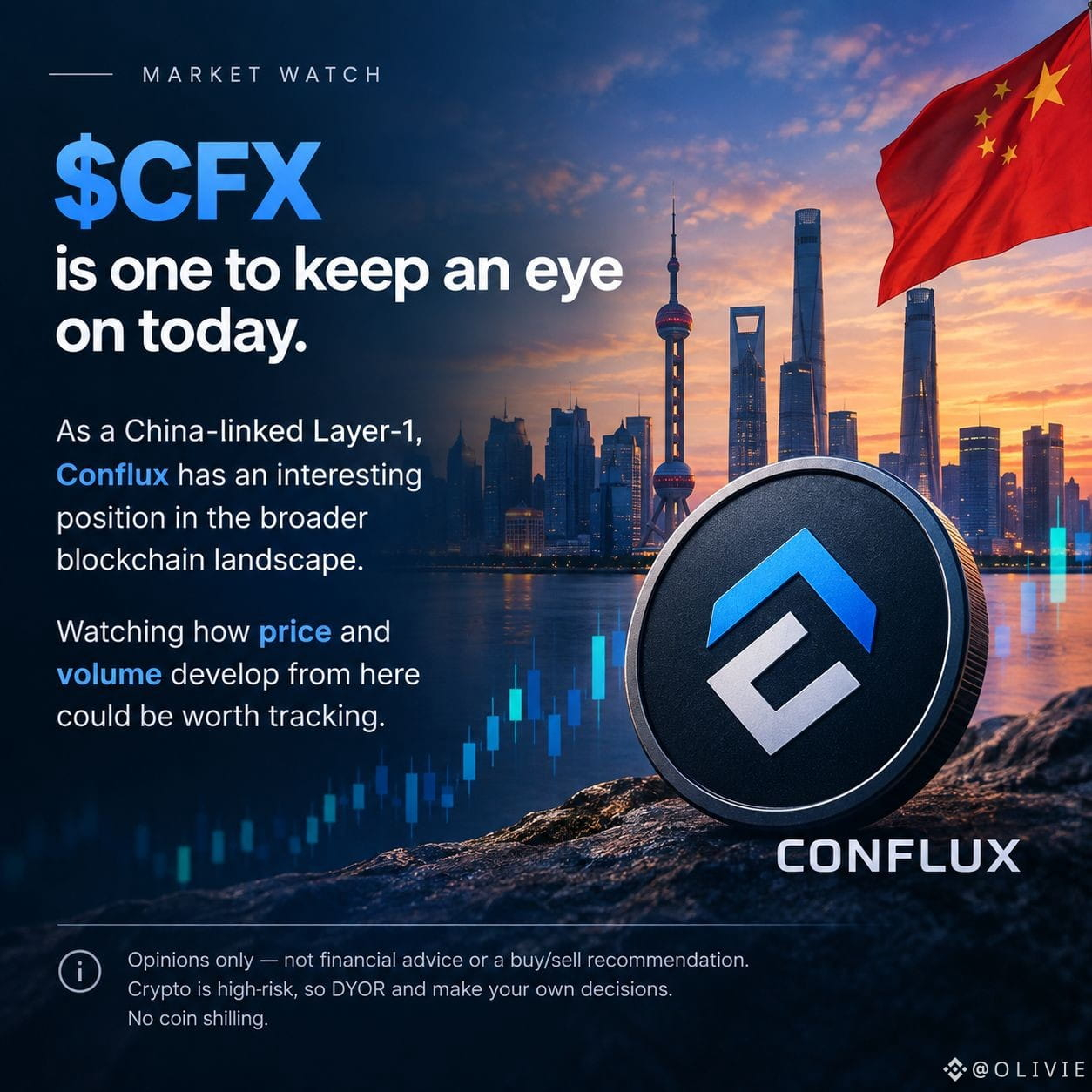
$CFX est une valeur à surveiller aujourd’hui.
En tant que Layer-1 liée à la Chine, Conflux occupe une position intéressante dans le paysage plus large de la blockchain. Il peut être utile de suivre l’évolution du prix et des volumes à partir d’ici.
Opinions uniquement, pas un conseil financier ni une recommandation d’achat/vente. La crypto est à haut risque, donc faites vos propres recherches (DYOR) et prenez vos propres décisions. Pas de promotion de token.
#BTC突破7万大关
$CFX est une valeur à surveiller aujourd’hui.
En tant que Layer-1 liée à la Chine, Conflux occupe une position intéressante dans le paysage plus large de la blockchain. Il peut être utile de suivre l’évolution du prix et des volumes à partir d’ici.
Opinions uniquement, pas un conseil financier ni une recommandation d’achat/vente. La crypto est à haut risque, donc faites vos propres recherches (DYOR) et prenez vos propres décisions. Pas de promotion de token.
#BTC突破7万大关
En tant que Layer-1 liée à la Chine, Conflux occupe une position intéressante dans le paysage plus large de la blockchain. Il peut être utile de suivre l’évolution du prix et des volumes à partir d’ici.
Opinions uniquement, pas un conseil financier ni une recommandation d’achat/vente. La crypto est à haut risque, donc faites vos propres recherches (DYOR) et prenez vos propres décisions. Pas de promotion de token.
#BTC突破7万大关
11
11
541
·
--
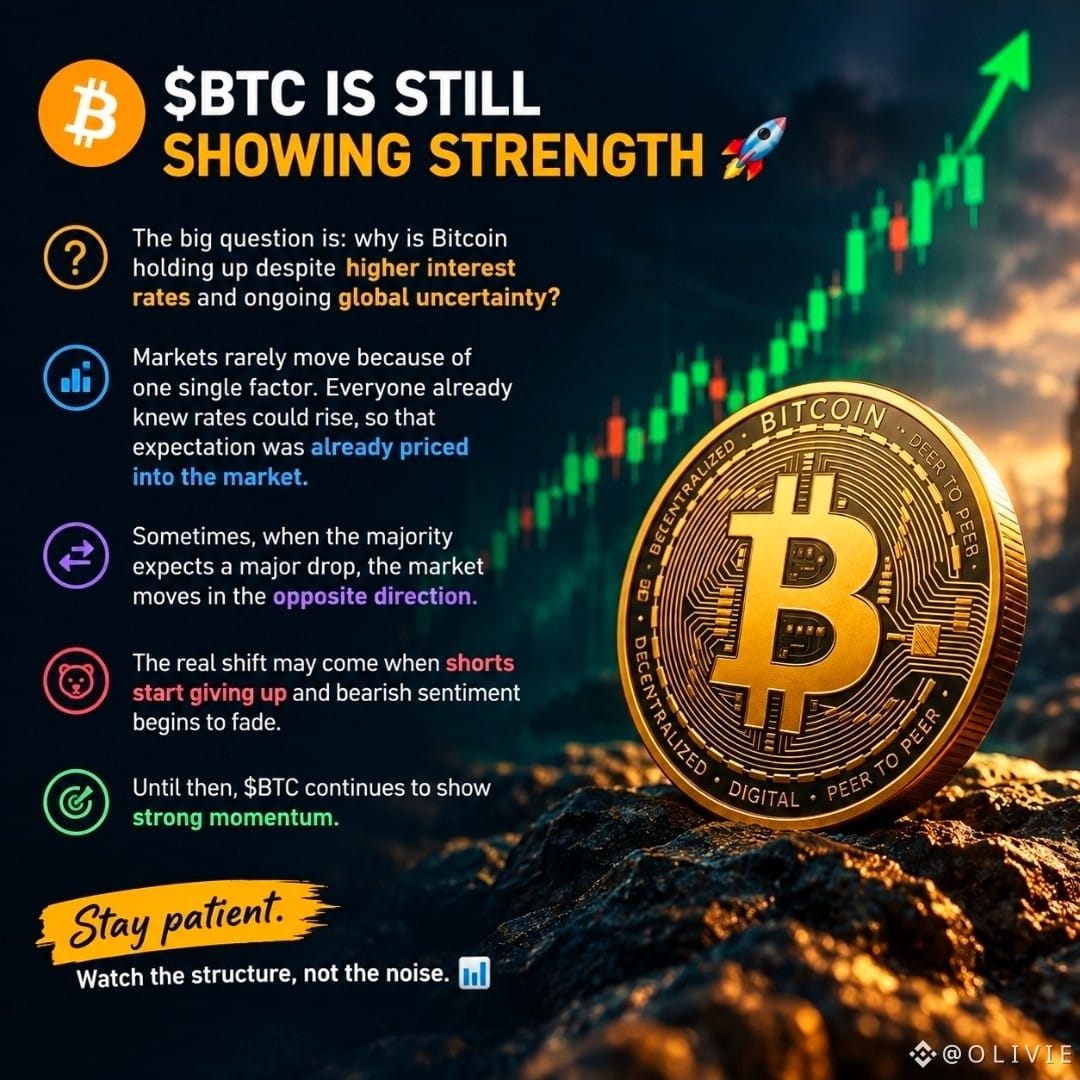
$BTC AFFICHE TOUJOURS SA FORCE 🚀
La grande question est : pourquoi le Bitcoin tient-il malgré des taux d’intérêt plus élevés et une incertitude mondiale persistante ?
Les marchés bougent rarement à cause d’un seul facteur. Tout le monde savait déjà que les taux pouvaient augmenter, donc cette anticipation était déjà intégrée dans le marché.
Parfois, lorsque la majorité s’attend à une forte baisse, le marché évolue dans la direction opposée.
Le vrai changement pourrait survenir quand les positions vendeuses (shorts) commencent à abandonner et que l’état d’esprit baissier commence à s’estomper. D’ici là, $BTC continue de montrer une forte dynamique.
Restez patient. Observez la structure, pas le bruit.
#BTC走势分析
$BTC AFFICHE TOUJOURS SA FORCE 🚀
La grande question est : pourquoi le Bitcoin tient-il malgré des taux d’intérêt plus élevés et une incertitude mondiale persistante ?
Les marchés bougent rarement à cause d’un seul facteur. Tout le monde savait déjà que les taux pouvaient augmenter, donc cette anticipation était déjà intégrée dans le marché.
Parfois, lorsque la majorité s’attend à une forte baisse, le marché évolue dans la direction opposée.
Le vrai changement pourrait survenir quand les positions vendeuses (shorts) commencent à abandonner et que l’état d’esprit baissier commence à s’estomper. D’ici là, $BTC continue de montrer une forte dynamique.
Restez patient. Observez la structure, pas le bruit.
#BTC走势分析
La grande question est : pourquoi le Bitcoin tient-il malgré des taux d’intérêt plus élevés et une incertitude mondiale persistante ?
Les marchés bougent rarement à cause d’un seul facteur. Tout le monde savait déjà que les taux pouvaient augmenter, donc cette anticipation était déjà intégrée dans le marché.
Parfois, lorsque la majorité s’attend à une forte baisse, le marché évolue dans la direction opposée.
Le vrai changement pourrait survenir quand les positions vendeuses (shorts) commencent à abandonner et que l’état d’esprit baissier commence à s’estomper. D’ici là, $BTC continue de montrer une forte dynamique.
Restez patient. Observez la structure, pas le bruit.
#BTC走势分析
11
11
678
·
--
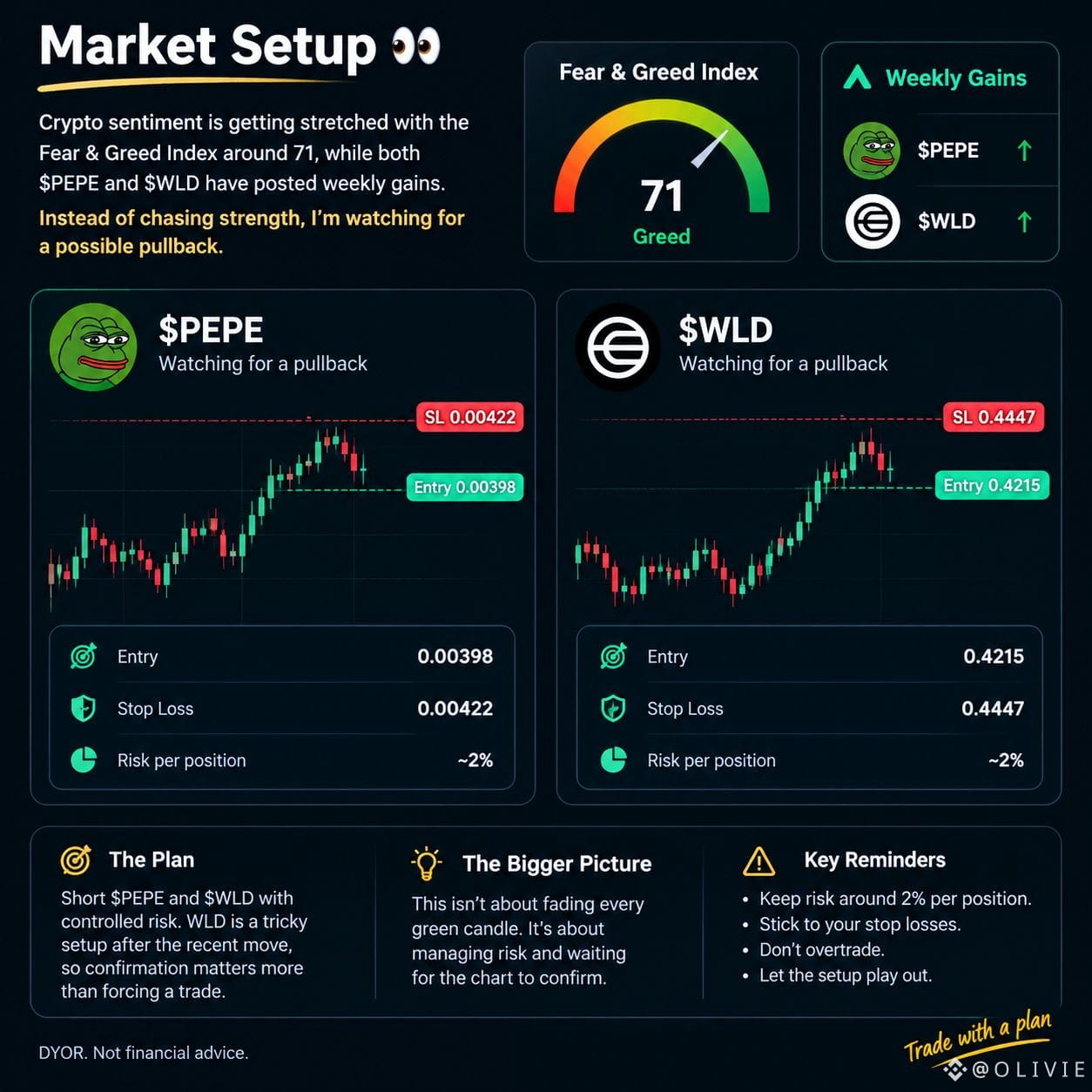
Le sentiment crypto se tend avec l’Indice Fear & Greed autour de 71, tandis que $PEPE et $WLD ont tous deux enregistré des gains hebdomadaires.
Au lieu de poursuivre la force, je surveille une éventuelle correction.
$PEPE ntry: 0.00398
SL: 0.00422
WLD Entry: 0.4215
SL: 0.4447
Je garde le risque contrôlé à environ 2% par position. WLD est une configuration délicate après le mouvement récent, donc la confirmation compte davantage que de forcer une transaction.
Pour moi, il s’agit de gérer le risque et d’attendre que le graphique confirme—pas d’affaiblir aveuglément chaque bougie verte.
DYOR. Ceci n’est pas un conseil financier.
Le sentiment crypto se tend avec l’Indice Fear & Greed autour de 71, tandis que $PEPE et $WLD ont tous deux enregistré des gains hebdomadaires.
Au lieu de poursuivre la force, je surveille une éventuelle correction.
$PEPE ntry: 0.00398
SL: 0.00422
WLD Entry: 0.4215
SL: 0.4447
Je garde le risque contrôlé à environ 2% par position. WLD est une configuration délicate après le mouvement récent, donc la confirmation compte davantage que de forcer une transaction.
Pour moi, il s’agit de gérer le risque et d’attendre que le graphique confirme—pas d’affaiblir aveuglément chaque bougie verte.
DYOR. Ceci n’est pas un conseil financier.
Au lieu de poursuivre la force, je surveille une éventuelle correction.
$PEPE ntry: 0.00398
SL: 0.00422
WLD Entry: 0.4215
SL: 0.4447
Je garde le risque contrôlé à environ 2% par position. WLD est une configuration délicate après le mouvement récent, donc la confirmation compte davantage que de forcer une transaction.
Pour moi, il s’agit de gérer le risque et d’attendre que le graphique confirme—pas d’affaiblir aveuglément chaque bougie verte.
DYOR. Ceci n’est pas un conseil financier.
14
17
2.7k
·
--
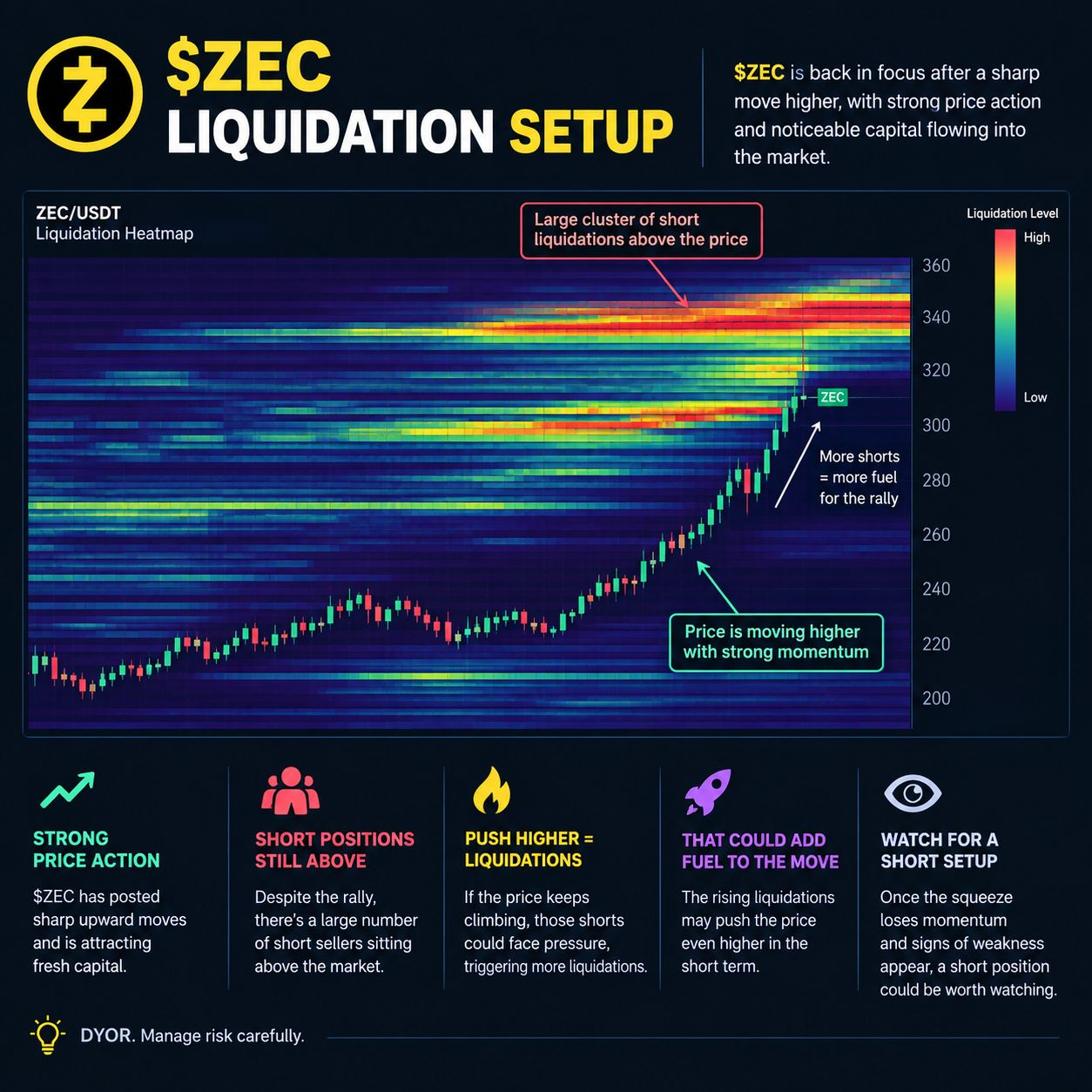
$ZEC revient au centre de l’attention après une hausse marquée, avec une forte action des prix et un afflux de capitaux notable vers le marché.
La carte des liquidations devient intéressante. Malgré le rallye, un grand nombre de positions courtes sont encore placées au-dessus du marché. Si le prix continue de pousser plus haut, ces shorts pourraient subir une pression croissante et déclencher des liquidations supplémentaires.
Cela pourrait alimenter la hausse en cours.
Je surveillerai de près les zones de liquidation. Une fois que le short squeeze perd de l’élan et que le marché montre des signes de faiblesse, une configuration baissière pourrait valoir le coup d’être observée.
Faites vos propres recherches. Gérez soigneusement le risque.
#BTC突破7万大关 #zec
$ZEC revient au centre de l’attention après une hausse marquée, avec une forte action des prix et un afflux de capitaux notable vers le marché.
La carte des liquidations devient intéressante. Malgré le rallye, un grand nombre de positions courtes sont encore placées au-dessus du marché. Si le prix continue de pousser plus haut, ces shorts pourraient subir une pression croissante et déclencher des liquidations supplémentaires.
Cela pourrait alimenter la hausse en cours.
Je surveillerai de près les zones de liquidation. Une fois que le short squeeze perd de l’élan et que le marché montre des signes de faiblesse, une configuration baissière pourrait valoir le coup d’être observée.
Faites vos propres recherches. Gérez soigneusement le risque.
#BTC突破7万大关 #zec
La carte des liquidations devient intéressante. Malgré le rallye, un grand nombre de positions courtes sont encore placées au-dessus du marché. Si le prix continue de pousser plus haut, ces shorts pourraient subir une pression croissante et déclencher des liquidations supplémentaires.
Cela pourrait alimenter la hausse en cours.
Je surveillerai de près les zones de liquidation. Une fois que le short squeeze perd de l’élan et que le marché montre des signes de faiblesse, une configuration baissière pourrait valoir le coup d’être observée.
Faites vos propres recherches. Gérez soigneusement le risque.
#BTC突破7万大关 #zec
17
18
3.1k
·
--
$BTC parfois le graphique rend l’installation assez claire.
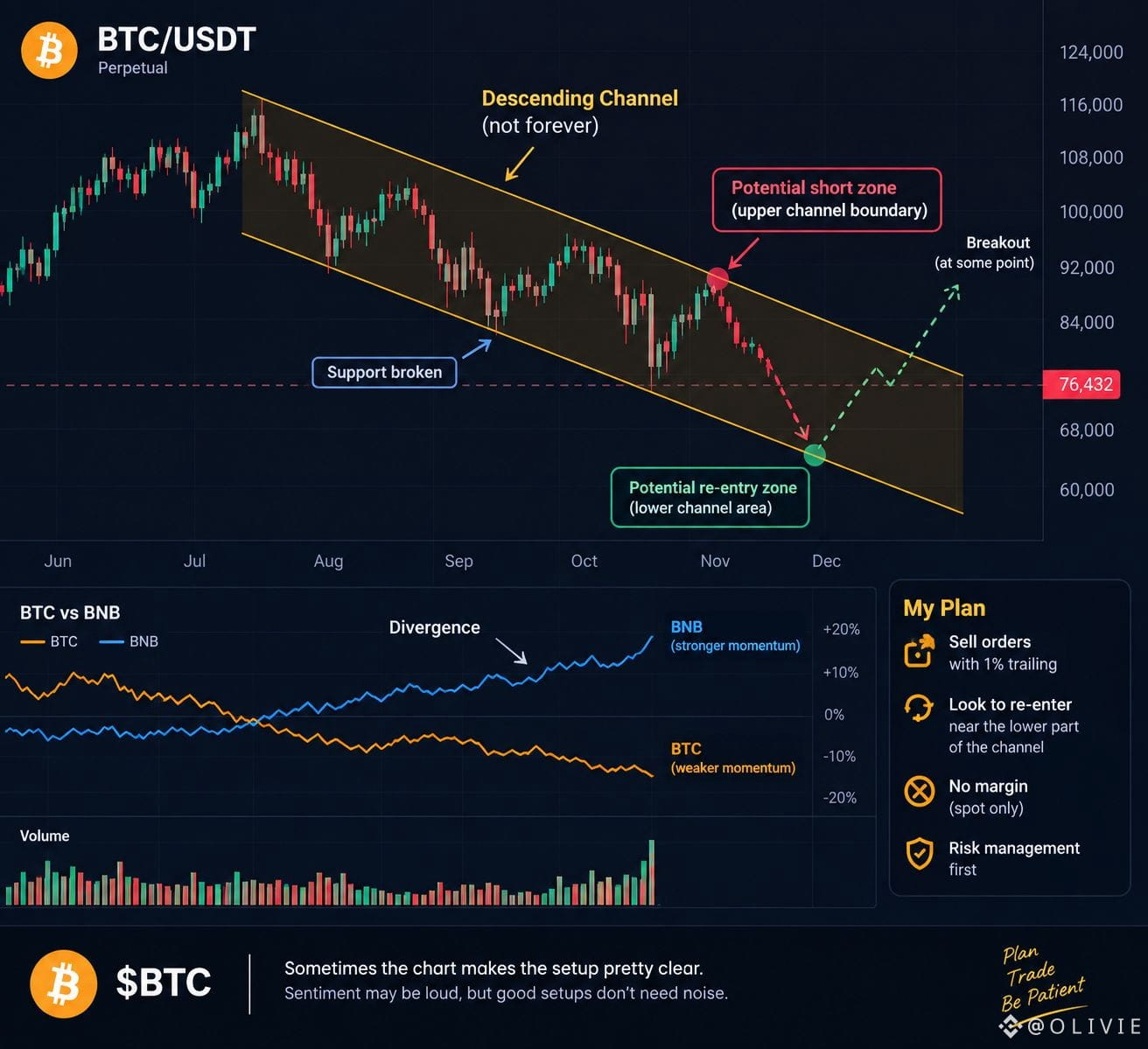
Certains traders s’attendent à un creux local vers octobre, mais quoi qu’il arrive sur le calendrier, ce canal descendant ne durera pas éternellement. À un moment donné, le BTC devrait finir par sortir de ce canal.
Pour l’instant, avec le sentiment fortement axé sur un autre ATH, la limite supérieure du canal ressemble à une zone à surveiller pour d’éventuels rejets.
La divergence entre le BTC et le BNB est aussi intéressante, surtout avec un BNB qui affiche une dynamique plus forte en ce moment.
J’ai placé des ordres de vente avec une configuration de suivi (trailing) de 1 % et je prévois de chercher une éventuelle réentrée plus près de la partie basse du canal.
Sans effet de levier, juste une approche basée au comptant en gardant la gestion du risque à l’esprit.#BTC突破7万大关
$BTC parfois le graphique rend l’installation assez claire.
Certains traders s’attendent à un creux local vers octobre, mais quoi qu’il arrive sur le calendrier, ce canal descendant ne durera pas éternellement. À un moment donné, le BTC devrait finir par sortir de ce canal.
Pour l’instant, avec le sentiment fortement axé sur un autre ATH, la limite supérieure du canal ressemble à une zone à surveiller pour d’éventuels rejets.
La divergence entre le BTC et le BNB est aussi intéressante, surtout avec un BNB qui affiche une dynamique plus forte en ce moment.
J’ai placé des ordres de vente avec une configuration de suivi (trailing) de 1 % et je prévois de chercher une éventuelle réentrée plus près de la partie basse du canal.
Sans effet de levier, juste une approche basée au comptant en gardant la gestion du risque à l’esprit.#BTC突破7万大关
Certains traders s’attendent à un creux local vers octobre, mais quoi qu’il arrive sur le calendrier, ce canal descendant ne durera pas éternellement. À un moment donné, le BTC devrait finir par sortir de ce canal.
Pour l’instant, avec le sentiment fortement axé sur un autre ATH, la limite supérieure du canal ressemble à une zone à surveiller pour d’éventuels rejets.
La divergence entre le BTC et le BNB est aussi intéressante, surtout avec un BNB qui affiche une dynamique plus forte en ce moment.
J’ai placé des ordres de vente avec une configuration de suivi (trailing) de 1 % et je prévois de chercher une éventuelle réentrée plus près de la partie basse du canal.
Sans effet de levier, juste une approche basée au comptant en gardant la gestion du risque à l’esprit.#BTC突破7万大关
15
16
436
·
--
Article
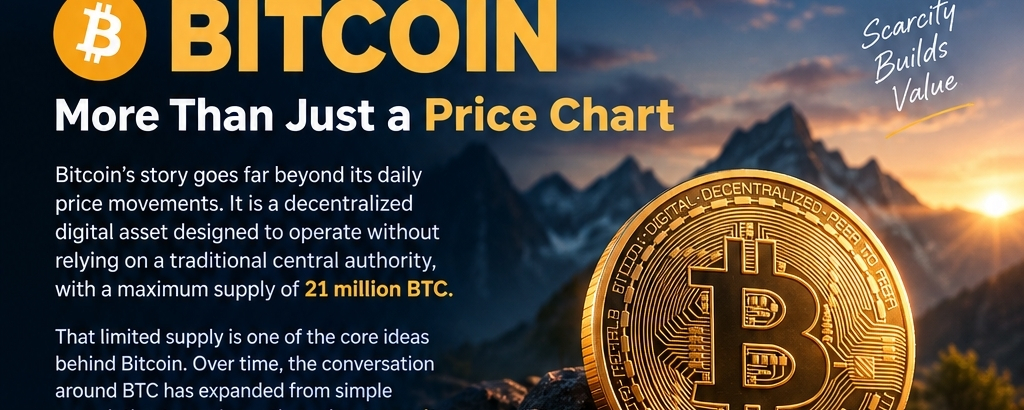
Bitcoin : bien plus qu’un simple graphique de prixL’histoire de Bitcoin va bien au-delà de ses variations quotidiennes de prix. Il s’agit d’un actif numérique décentralisé conçu pour fonctionner sans dépendre d’une autorité centrale traditionnelle, avec une offre maximale de 21 millions de BTC.
Cette offre limitée fait partie des idées centrales derrière Bitcoin. Au fil du temps, les discussions autour du BTC se sont étendues de la simple spéculation à des questions de rareté, d’adoption, de liquidité et de son potentiel rôle au sein du système financier plus large.
Mais le marché du Bitcoin n’est jamais motivé par un seul facteur.
Bitcoin : bien plus qu’un simple graphique de prix
L’histoire de Bitcoin va bien au-delà de ses variations quotidiennes de prix. Il s’agit d’un actif numérique décentralisé conçu pour fonctionner sans dépendre d’une autorité centrale traditionnelle, avec une offre maximale de 21 millions de BTC.
Cette offre limitée fait partie des idées centrales derrière Bitcoin. Au fil du temps, les discussions autour du BTC se sont étendues de la simple spéculation à des questions de rareté, d’adoption, de liquidité et de son potentiel rôle au sein du système financier plus large.
Mais le marché du Bitcoin n’est jamais motivé par un seul facteur.
Cette offre limitée fait partie des idées centrales derrière Bitcoin. Au fil du temps, les discussions autour du BTC se sont étendues de la simple spéculation à des questions de rareté, d’adoption, de liquidité et de son potentiel rôle au sein du système financier plus large.
Mais le marché du Bitcoin n’est jamais motivé par un seul facteur.
177
·
--
Article
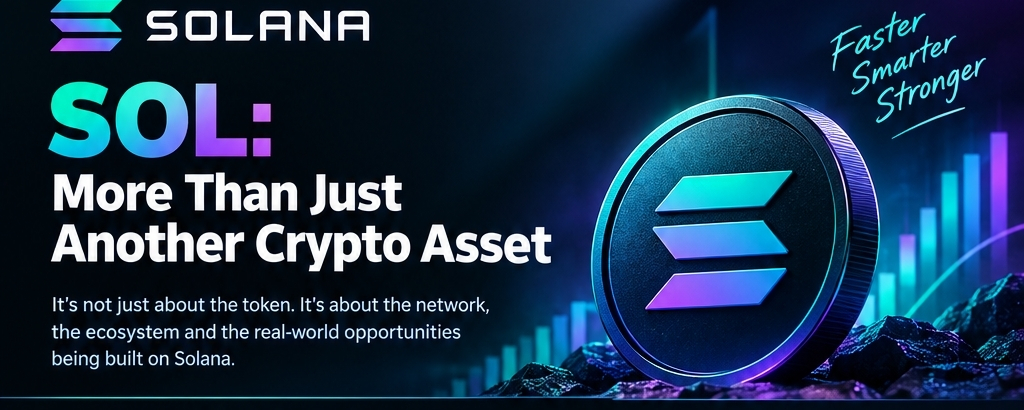
SOL : Plus que n’importe quel autre actif cryptoQuand les gens parlent de Solana, la conversation commence souvent par l’évolution du prix du $SOL.
Mais la grande histoire ne concerne pas seulement le token.
Il s’agit du réseau qui se construit en dessous.
Solana s’est positionnée comme une blockchain hautes performances conçue pour des applications qui ont besoin d’une exécution rapide, de faibles coûts de transaction et d’un haut débit. Son architecture est de plus en plus utilisée dans la DeFi, les paiements, les actifs tokenisés, le trading, les applications grand public et l’infrastructure pour développeurs.
⚡ La vitesse n’est qu’une partie de l’histoire
SOL : Plus que n’importe quel autre actif crypto
Quand les gens parlent de Solana, la conversation commence souvent par l’évolution du prix du $SOL.
Mais la grande histoire ne concerne pas seulement le token.
Il s’agit du réseau qui se construit en dessous.
Solana s’est positionnée comme une blockchain hautes performances conçue pour des applications qui ont besoin d’une exécution rapide, de faibles coûts de transaction et d’un haut débit. Son architecture est de plus en plus utilisée dans la DeFi, les paiements, les actifs tokenisés, le trading, les applications grand public et l’infrastructure pour développeurs.
⚡ La vitesse n’est qu’une partie de l’histoire
Mais la grande histoire ne concerne pas seulement le token.
Il s’agit du réseau qui se construit en dessous.
Solana s’est positionnée comme une blockchain hautes performances conçue pour des applications qui ont besoin d’une exécution rapide, de faibles coûts de transaction et d’un haut débit. Son architecture est de plus en plus utilisée dans la DeFi, les paiements, les actifs tokenisés, le trading, les applications grand public et l’infrastructure pour développeurs.
⚡ La vitesse n’est qu’une partie de l’histoire
404
·
--
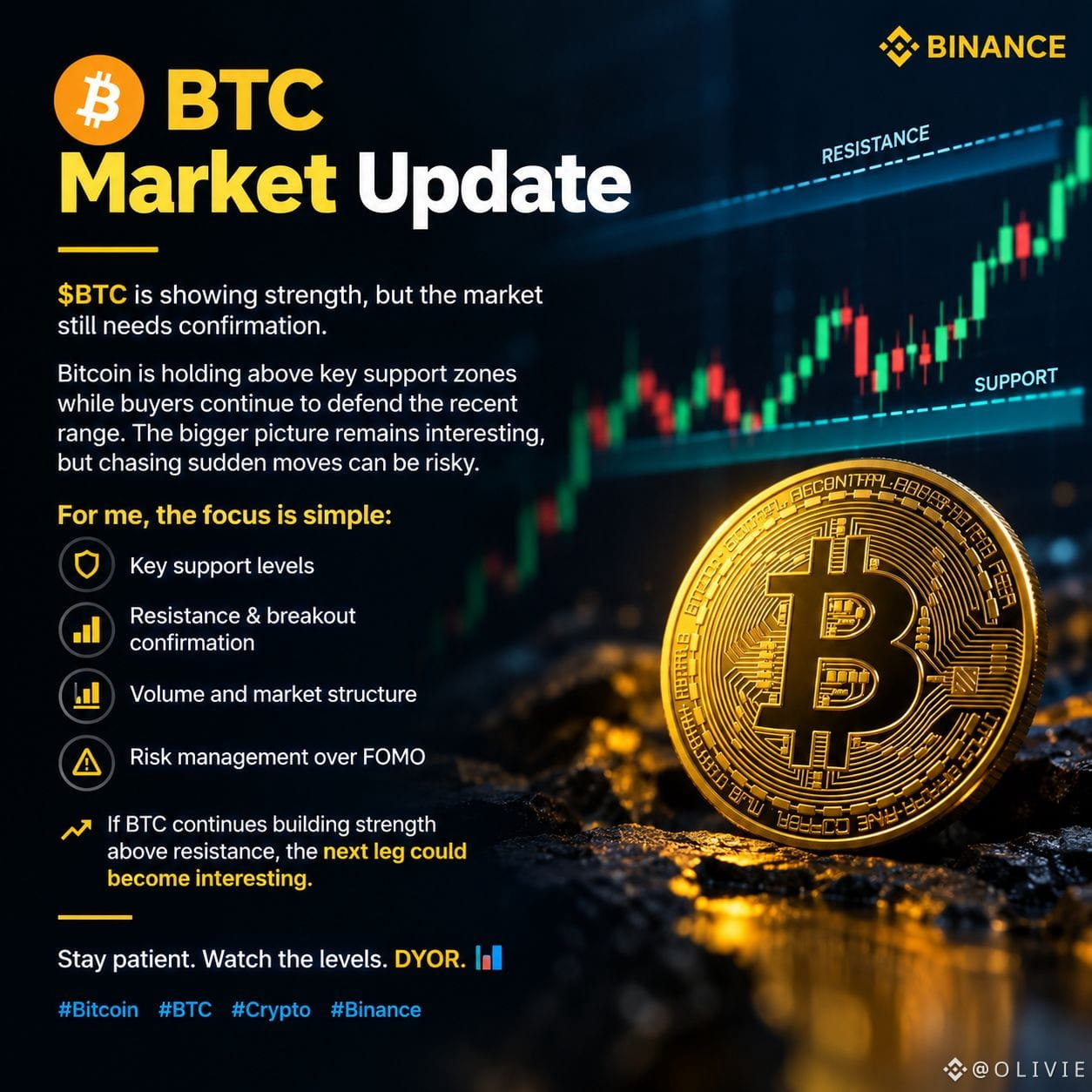
$BTC affiche de la force, mais le marché a encore besoin d’une confirmation.
Le Bitcoin se maintient au-dessus des zones de support clés pendant que les acheteurs continuent de défendre la fourchette récente. Le tableau plus large reste intéressant, mais poursuivre des mouvements soudains peut être risqué.
Pour moi, l’essentiel est simple :
Niveaux de support clés
Résistance & confirmation de cassure
Volume et structure du marché
Gestion du risque plutôt que la FOMO
Si BTC continue de renforcer au-dessus de la résistance, la prochaine étape pourrait devenir intéressante.
Restez patient. Surveillez les niveaux. DYOR. 📊
#BTC
#BTC突破7万大关
$BTC affiche de la force, mais le marché a encore besoin d’une confirmation.
Le Bitcoin se maintient au-dessus des zones de support clés pendant que les acheteurs continuent de défendre la fourchette récente. Le tableau plus large reste intéressant, mais poursuivre des mouvements soudains peut être risqué.
Pour moi, l’essentiel est simple :
Niveaux de support clés
Résistance & confirmation de cassure
Volume et structure du marché
Gestion du risque plutôt que la FOMO
Si BTC continue de renforcer au-dessus de la résistance, la prochaine étape pourrait devenir intéressante.
Restez patient. Surveillez les niveaux. DYOR. 📊
#BTC
#BTC突破7万大关
Le Bitcoin se maintient au-dessus des zones de support clés pendant que les acheteurs continuent de défendre la fourchette récente. Le tableau plus large reste intéressant, mais poursuivre des mouvements soudains peut être risqué.
Pour moi, l’essentiel est simple :
Niveaux de support clés
Résistance & confirmation de cassure
Volume et structure du marché
Gestion du risque plutôt que la FOMO
Si BTC continue de renforcer au-dessus de la résistance, la prochaine étape pourrait devenir intéressante.
Restez patient. Surveillez les niveaux. DYOR. 📊
#BTC
#BTC突破7万大关
154
·
--
Article
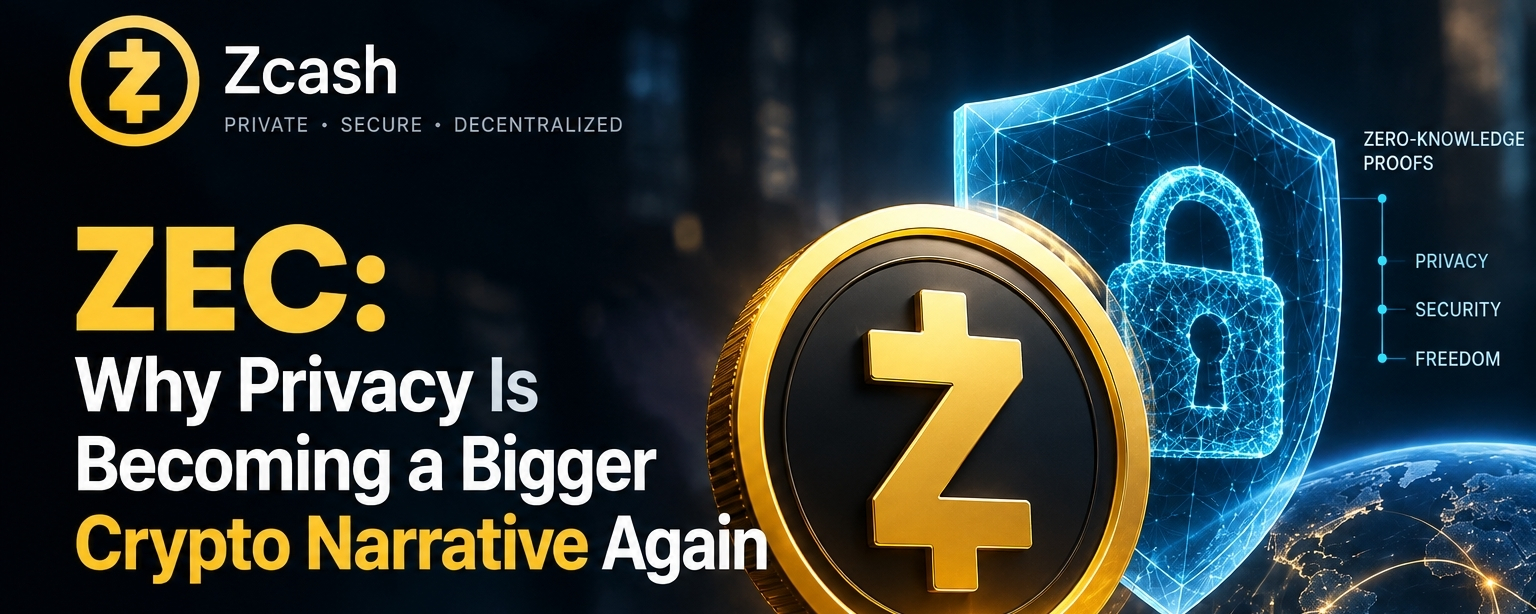
ZEC : pourquoi la confidentialité redevient un récit crypto majeurPendant des années, le marché des crypto-monnaies s’est concentré sur une idée simple :
Tout devrait être transparent.
Mais à mesure que l’adoption de la blockchain s’étend, une autre question devient de plus en plus importante :
Les utilisateurs veulent-ils vraiment que chaque transaction financière reste visible en permanence ?
C’est là que Zcash et le $ZEC deviennent intéressants.
Le Zcash a été conçu selon une philosophie différente : l’argent numérique ne doit pas forcément signifier rendre publiquement l’intégralité de votre historique financier.
Le projet se décrit lui-même comme « une monnaie électronique chiffrée », en utilisant la cryptographie à connaissance nulle pour permettre des paiements pair-à-pair privés.
ZEC : pourquoi la confidentialité redevient un récit crypto majeur
Pendant des années, le marché des crypto-monnaies s’est concentré sur une idée simple :
Tout devrait être transparent.
Mais à mesure que l’adoption de la blockchain s’étend, une autre question devient de plus en plus importante :
Les utilisateurs veulent-ils vraiment que chaque transaction financière reste visible en permanence ?
C’est là que Zcash et le $ZEC deviennent intéressants.
Le Zcash a été conçu selon une philosophie différente : l’argent numérique ne doit pas forcément signifier rendre publiquement l’intégralité de votre historique financier.
Le projet se décrit lui-même comme « une monnaie électronique chiffrée », en utilisant la cryptographie à connaissance nulle pour permettre des paiements pair-à-pair privés.
Tout devrait être transparent.
Mais à mesure que l’adoption de la blockchain s’étend, une autre question devient de plus en plus importante :
Les utilisateurs veulent-ils vraiment que chaque transaction financière reste visible en permanence ?
C’est là que Zcash et le $ZEC deviennent intéressants.
Le Zcash a été conçu selon une philosophie différente : l’argent numérique ne doit pas forcément signifier rendre publiquement l’intégralité de votre historique financier.
Le projet se décrit lui-même comme « une monnaie électronique chiffrée », en utilisant la cryptographie à connaissance nulle pour permettre des paiements pair-à-pair privés.
480
·
--
Article
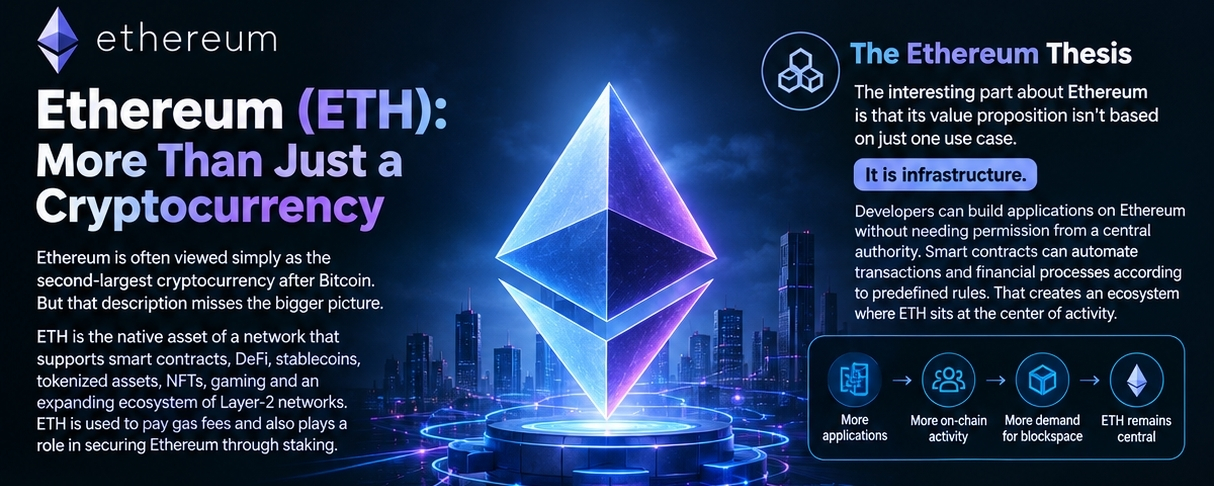
Ethereum (ETH) : Bien plus qu’une simple cryptomonnaieEthereum est souvent perçu simplement comme la deuxième plus grande cryptomonnaie après Bitcoin. Mais cette description ne rend pas compte de l’essentiel.
ETH est l’actif natif d’un réseau qui prend en charge les smart contracts, la DeFi, les stablecoins, les actifs tokenisés, les NFTs, le gaming et un écosystème en expansion de réseaux de couche 2. ETH sert à payer les frais de gas et joue aussi un rôle dans la sécurisation d’Ethereum via le staking.
ethereum.org +1
La thèse Ethereum
La partie intéressante d’Ethereum, c’est que sa proposition de valeur ne repose pas sur un seul cas d’usage.
Ethereum (ETH) : Bien plus qu’une simple cryptomonnaie
Ethereum est souvent perçu simplement comme la deuxième plus grande cryptomonnaie après Bitcoin. Mais cette description ne rend pas compte de l’essentiel.
ETH est l’actif natif d’un réseau qui prend en charge les smart contracts, la DeFi, les stablecoins, les actifs tokenisés, les NFTs, le gaming et un écosystème en expansion de réseaux de couche 2. ETH sert à payer les frais de gas et joue aussi un rôle dans la sécurisation d’Ethereum via le staking.
ethereum.org +1
La thèse Ethereum
La partie intéressante d’Ethereum, c’est que sa proposition de valeur ne repose pas sur un seul cas d’usage.
ETH est l’actif natif d’un réseau qui prend en charge les smart contracts, la DeFi, les stablecoins, les actifs tokenisés, les NFTs, le gaming et un écosystème en expansion de réseaux de couche 2. ETH sert à payer les frais de gas et joue aussi un rôle dans la sécurisation d’Ethereum via le staking.
ethereum.org +1
La thèse Ethereum
La partie intéressante d’Ethereum, c’est que sa proposition de valeur ne repose pas sur un seul cas d’usage.
1
182
·
--
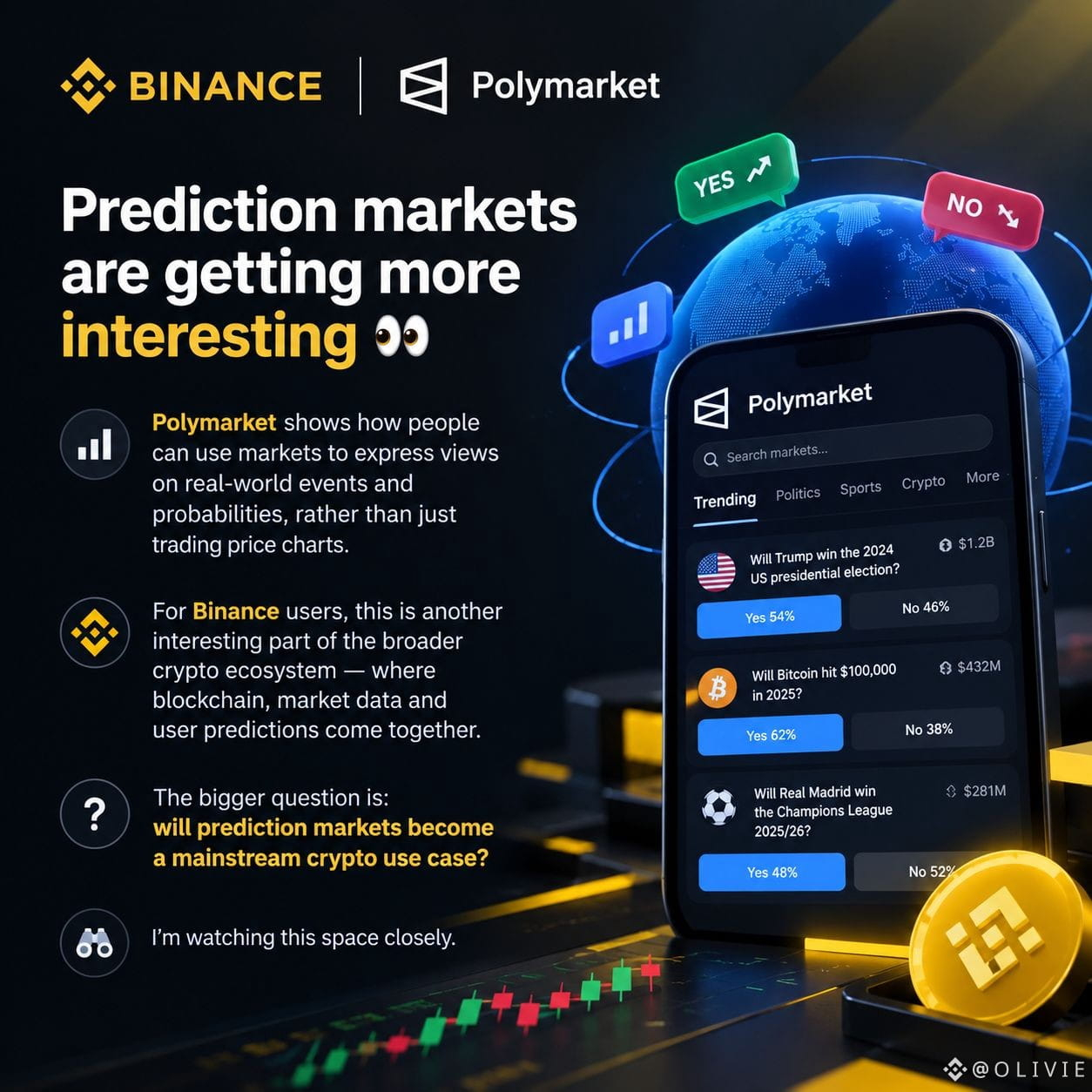
Les marchés de prédiction deviennent de plus en plus intéressants 👀
Polymarket montre comment les gens peuvent utiliser les marchés pour exprimer leurs opinions sur des événements du monde réel et sur les probabilités, plutôt que de se limiter à des graphiques de cours.
Pour les utilisateurs de Binance, c’est un autre aspect intéressant du vaste écosystème crypto, où la blockchain, les données de marché et les prédictions des utilisateurs se rejoignent.
La question la plus importante est la suivante : les marchés de prédiction deviendront-ils un cas d’usage crypto grand public ?
Je surveille attentivement cet espace. #Polymarket
Les marchés de prédiction deviennent de plus en plus intéressants 👀
Polymarket montre comment les gens peuvent utiliser les marchés pour exprimer leurs opinions sur des événements du monde réel et sur les probabilités, plutôt que de se limiter à des graphiques de cours.
Pour les utilisateurs de Binance, c’est un autre aspect intéressant du vaste écosystème crypto, où la blockchain, les données de marché et les prédictions des utilisateurs se rejoignent.
La question la plus importante est la suivante : les marchés de prédiction deviendront-ils un cas d’usage crypto grand public ?
Je surveille attentivement cet espace. #Polymarket
Polymarket montre comment les gens peuvent utiliser les marchés pour exprimer leurs opinions sur des événements du monde réel et sur les probabilités, plutôt que de se limiter à des graphiques de cours.
Pour les utilisateurs de Binance, c’est un autre aspect intéressant du vaste écosystème crypto, où la blockchain, les données de marché et les prédictions des utilisateurs se rejoignent.
La question la plus importante est la suivante : les marchés de prédiction deviendront-ils un cas d’usage crypto grand public ?
Je surveille attentivement cet espace. #Polymarket
161
·
--

Article
Bitcoin : De l’actif numérique à l’infrastructure financière mondialeLe Bitcoin est souvent envisagé à travers une seule et simple lentille : le prix. Les gens observent le graphique, discutent des supports et résistances, et tentent de prédire le prochain mouvement. Mais la grande histoire du Bitcoin va bien au-delà des bougies quotidiennes.
Bitcoin s’est progressivement développé, passant d’une devise numérique expérimentale à un actif financier mondial, avec une participation croissante d’individus, d’institutions, d’entreprises et de marchés financiers. La question la plus importante n’est désormais pas seulement de savoir si le Bitcoin peut atteindre un prix plus élevé, mais comment son rôle dans le système financier mondial continue d’évoluer.
Bitcoin : De l’actif numérique à l’infrastructure financière mondiale
Le Bitcoin est souvent envisagé à travers une seule et simple lentille : le prix. Les gens observent le graphique, discutent des supports et résistances, et tentent de prédire le prochain mouvement. Mais la grande histoire du Bitcoin va bien au-delà des bougies quotidiennes.
Bitcoin s’est progressivement développé, passant d’une devise numérique expérimentale à un actif financier mondial, avec une participation croissante d’individus, d’institutions, d’entreprises et de marchés financiers. La question la plus importante n’est désormais pas seulement de savoir si le Bitcoin peut atteindre un prix plus élevé, mais comment son rôle dans le système financier mondial continue d’évoluer.
Bitcoin s’est progressivement développé, passant d’une devise numérique expérimentale à un actif financier mondial, avec une participation croissante d’individus, d’institutions, d’entreprises et de marchés financiers. La question la plus importante n’est désormais pas seulement de savoir si le Bitcoin peut atteindre un prix plus élevé, mais comment son rôle dans le système financier mondial continue d’évoluer.
240
·
--
Article
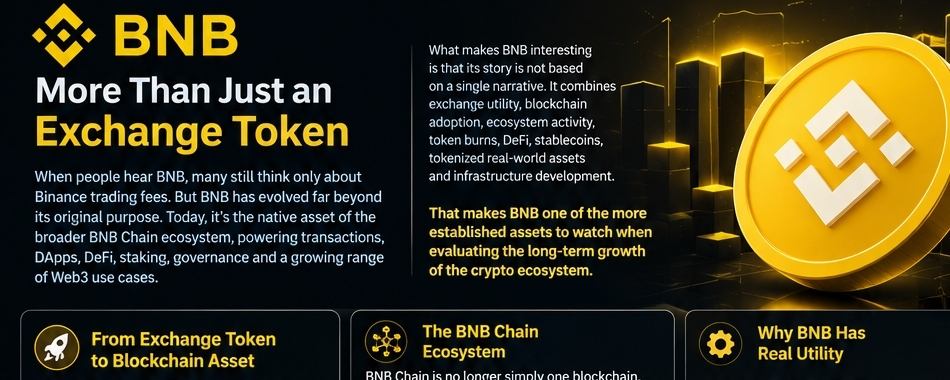
BNB : bien plus qu’un simple token d’échangeQuand les gens entendent parler de BNB, beaucoup pensent encore uniquement aux frais de négociation de Binance.
Mais BNB a évolué bien au-delà de son objectif initial.
Aujourd’hui, BNB est l’actif natif du vaste écosystème de la BNB Chain, qui alimente les transactions, les applications décentralisées, la DeFi, le staking, la gouvernance et un nombre croissant de cas d’usage Web3.
Ce qui rend BNB intéressant, c’est que son histoire ne repose pas sur un seul récit. Elle combine l’utilité d’une plateforme d’échange, l’adoption de la blockchain, l’activité de l’écosystème, les destructions de tokens, la DeFi, les stablecoins, les actifs du monde réel tokenisés et le développement de l’infrastructure.
BNB : bien plus qu’un simple token d’échange
Quand les gens entendent parler de BNB, beaucoup pensent encore uniquement aux frais de négociation de Binance.
Mais BNB a évolué bien au-delà de son objectif initial.
Aujourd’hui, BNB est l’actif natif du vaste écosystème de la BNB Chain, qui alimente les transactions, les applications décentralisées, la DeFi, le staking, la gouvernance et un nombre croissant de cas d’usage Web3.
Ce qui rend BNB intéressant, c’est que son histoire ne repose pas sur un seul récit. Elle combine l’utilité d’une plateforme d’échange, l’adoption de la blockchain, l’activité de l’écosystème, les destructions de tokens, la DeFi, les stablecoins, les actifs du monde réel tokenisés et le développement de l’infrastructure.
Mais BNB a évolué bien au-delà de son objectif initial.
Aujourd’hui, BNB est l’actif natif du vaste écosystème de la BNB Chain, qui alimente les transactions, les applications décentralisées, la DeFi, le staking, la gouvernance et un nombre croissant de cas d’usage Web3.
Ce qui rend BNB intéressant, c’est que son histoire ne repose pas sur un seul récit. Elle combine l’utilité d’une plateforme d’échange, l’adoption de la blockchain, l’activité de l’écosystème, les destructions de tokens, la DeFi, les stablecoins, les actifs du monde réel tokenisés et le développement de l’infrastructure.
1
1
226
·
--
Article
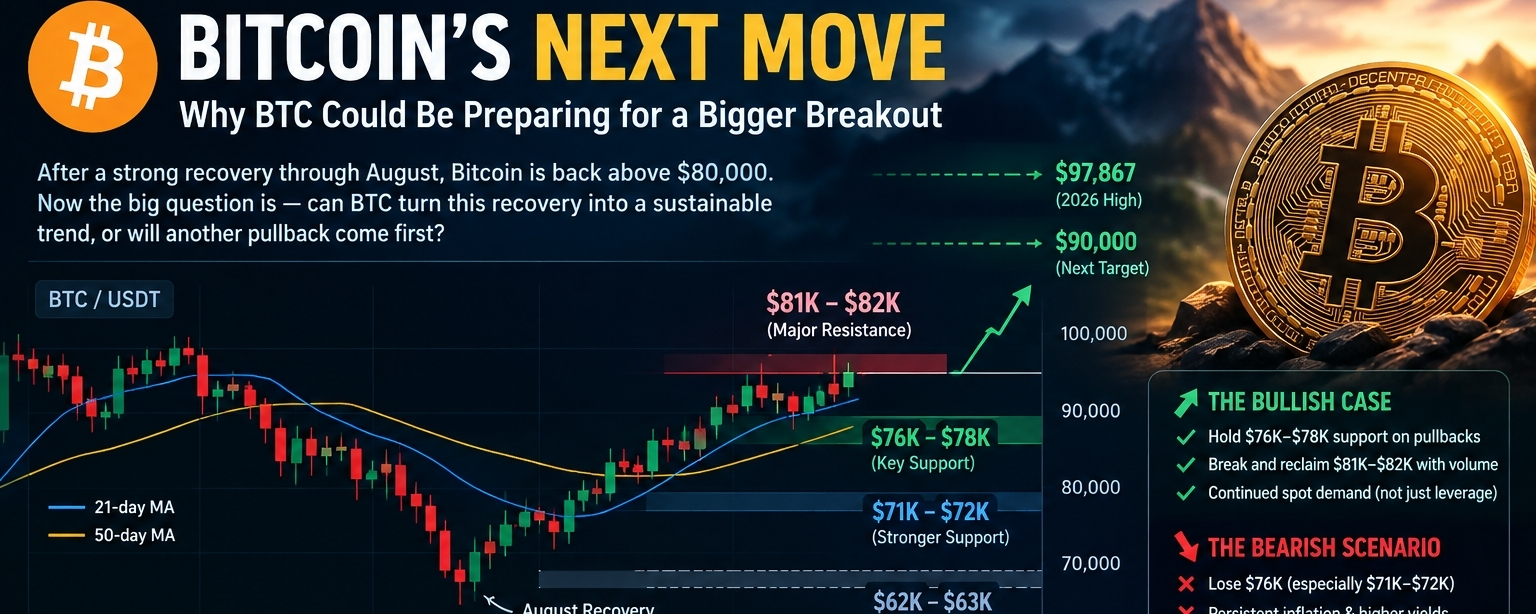
La prochaine étape de Bitcoin : pourquoi le BTC pourrait se préparer à une percée plus importanteBitcoin se trouve à nouveau à un point où les prochaines séances pourraient définir l’orientation du marché crypto dans son ensemble.
Après une forte reprise au cours d’août, le BTC est repassé au-dessus de 80 000 $ et a brièvement évolué au-dessus de 81 000 $ avant que l’élan ne retombe. Le marché observe désormais si Bitcoin peut transformer cette reprise en une tendance durable, ou si un nouveau repli surviendra en premier.
Ce qui rend la configuration actuelle intéressante, c’est que Bitcoin ne présente plus la même structure que celle observée lors de la précédente phase de faiblesse. La récente remontée a ramené le BTC au-dessus de plusieurs moyennes mobiles importantes, tandis que la moyenne mobile sur 21 jours a aussi formé un signal haussier. Cela ne garantit pas une nouvelle remontée, mais cela suggère que les acheteurs reprennent progressivement le contrôle.
La prochaine étape de Bitcoin : pourquoi le BTC pourrait se préparer à une percée plus importante
Bitcoin se trouve à nouveau à un point où les prochaines séances pourraient définir l’orientation du marché crypto dans son ensemble.
Après une forte reprise au cours d’août, le BTC est repassé au-dessus de 80 000 $ et a brièvement évolué au-dessus de 81 000 $ avant que l’élan ne retombe. Le marché observe désormais si Bitcoin peut transformer cette reprise en une tendance durable, ou si un nouveau repli surviendra en premier.
Ce qui rend la configuration actuelle intéressante, c’est que Bitcoin ne présente plus la même structure que celle observée lors de la précédente phase de faiblesse. La récente remontée a ramené le BTC au-dessus de plusieurs moyennes mobiles importantes, tandis que la moyenne mobile sur 21 jours a aussi formé un signal haussier. Cela ne garantit pas une nouvelle remontée, mais cela suggère que les acheteurs reprennent progressivement le contrôle.
Après une forte reprise au cours d’août, le BTC est repassé au-dessus de 80 000 $ et a brièvement évolué au-dessus de 81 000 $ avant que l’élan ne retombe. Le marché observe désormais si Bitcoin peut transformer cette reprise en une tendance durable, ou si un nouveau repli surviendra en premier.
Ce qui rend la configuration actuelle intéressante, c’est que Bitcoin ne présente plus la même structure que celle observée lors de la précédente phase de faiblesse. La récente remontée a ramené le BTC au-dessus de plusieurs moyennes mobiles importantes, tandis que la moyenne mobile sur 21 jours a aussi formé un signal haussier. Cela ne garantit pas une nouvelle remontée, mais cela suggère que les acheteurs reprennent progressivement le contrôle.
224
·
--
Bitcoin montre pourquoi la patience compte dans la crypto. Après la récente volatilité, $BTC maintient des niveaux clés tandis que les acheteurs continuent de défendre la structure du marché.
Le panorama reste encore constructif, mais la prochaine étape dépend du fait que Bitcoin puisse reconquérir et maintenir une résistance plus élevée avec un fort volume. Une cassure nette pourrait attirer une nouvelle dynamique, tandis que la perte d’un support majeur pourrait déclencher un nouvel ajustement.
Pour l’instant, je surveille de près l’évolution des prix, le volume et la liquidité. Pas de FOMO—laissons le marché confirmer le mouvement. 👀
#BTC走势分析
Bitcoin montre pourquoi la patience compte dans la crypto. Après la récente volatilité, $BTC maintient des niveaux clés tandis que les acheteurs continuent de défendre la structure du marché.
Le panorama reste encore constructif, mais la prochaine étape dépend du fait que Bitcoin puisse reconquérir et maintenir une résistance plus élevée avec un fort volume. Une cassure nette pourrait attirer une nouvelle dynamique, tandis que la perte d’un support majeur pourrait déclencher un nouvel ajustement.
Pour l’instant, je surveille de près l’évolution des prix, le volume et la liquidité. Pas de FOMO—laissons le marché confirmer le mouvement. 👀
#BTC走势分析
Le panorama reste encore constructif, mais la prochaine étape dépend du fait que Bitcoin puisse reconquérir et maintenir une résistance plus élevée avec un fort volume. Une cassure nette pourrait attirer une nouvelle dynamique, tandis que la perte d’un support majeur pourrait déclencher un nouvel ajustement.
Pour l’instant, je surveille de près l’évolution des prix, le volume et la liquidité. Pas de FOMO—laissons le marché confirmer le mouvement. 👀
#BTC走势分析
131
·
--
BNB : la plus grande histoire derrière l’un des actifs les plus reconnus de la cryptoQuand les gens parlent de BNB, la conversation commence souvent par Binance.
Mais ce n’est qu’une partie de l’histoire.
BNB est passé du statut de jeton utilitaire d’une plateforme d’échange à celui d’actif important au sein d’un écosystème blockchain beaucoup plus vaste. Aujourd’hui, sa pertinence est étroitement liée à BNB Chain, où les utilisateurs, les développeurs, les protocoles DeFi, les stablecoins, les jeux et les applications Web3 interagissent on-chain.
Et c’est cette évolution qui vaut la peine de suivre BNB.
Le marché des cryptomonnaies a considérablement évolué au fil des années. Les premiers récits portaient surtout sur Bitcoin, les plateformes d’échange et la spéculation. Aujourd’hui, la plus grande opportunité concerne de plus en plus l’infrastructure — les réseaux qui soutiennent réellement les utilisateurs et les applications.
BNB : la plus grande histoire derrière l’un des actifs les plus reconnus de la crypto
Quand les gens parlent de BNB, la conversation commence souvent par Binance.
Mais ce n’est qu’une partie de l’histoire.
BNB est passé du statut de jeton utilitaire d’une plateforme d’échange à celui d’actif important au sein d’un écosystème blockchain beaucoup plus vaste. Aujourd’hui, sa pertinence est étroitement liée à BNB Chain, où les utilisateurs, les développeurs, les protocoles DeFi, les stablecoins, les jeux et les applications Web3 interagissent on-chain.
Et c’est cette évolution qui vaut la peine de suivre BNB.
Le marché des cryptomonnaies a considérablement évolué au fil des années. Les premiers récits portaient surtout sur Bitcoin, les plateformes d’échange et la spéculation. Aujourd’hui, la plus grande opportunité concerne de plus en plus l’infrastructure — les réseaux qui soutiennent réellement les utilisateurs et les applications.
Mais ce n’est qu’une partie de l’histoire.
BNB est passé du statut de jeton utilitaire d’une plateforme d’échange à celui d’actif important au sein d’un écosystème blockchain beaucoup plus vaste. Aujourd’hui, sa pertinence est étroitement liée à BNB Chain, où les utilisateurs, les développeurs, les protocoles DeFi, les stablecoins, les jeux et les applications Web3 interagissent on-chain.
Et c’est cette évolution qui vaut la peine de suivre BNB.
Le marché des cryptomonnaies a considérablement évolué au fil des années. Les premiers récits portaient surtout sur Bitcoin, les plateformes d’échange et la spéculation. Aujourd’hui, la plus grande opportunité concerne de plus en plus l’infrastructure — les réseaux qui soutiennent réellement les utilisateurs et les applications.
251
·
--
Article
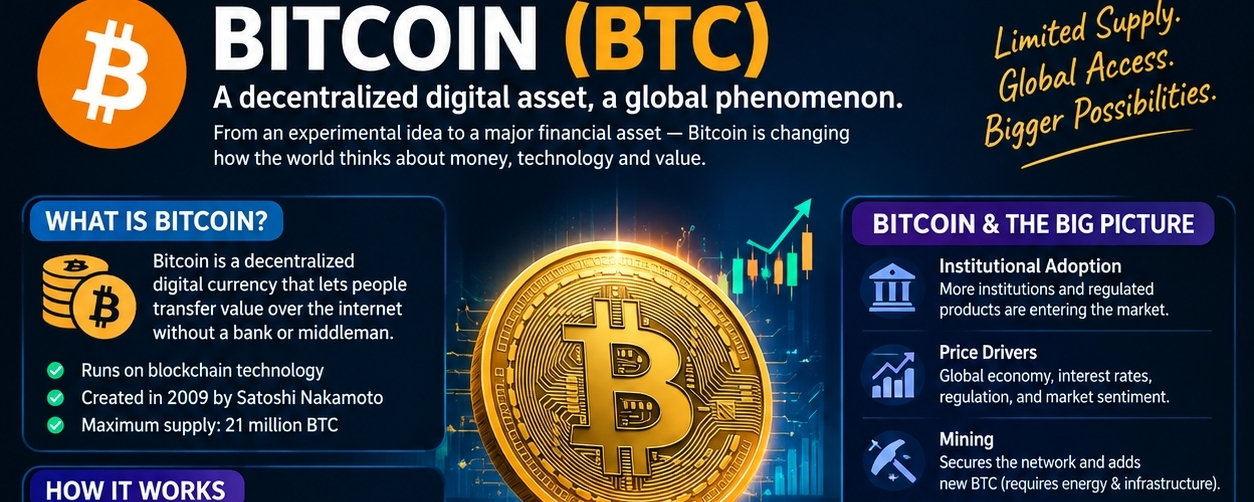
Bitcoin (BTC) : la principale cryptomonnaie au mondeIntroduction
Le Bitcoin (BTC) est un actif numérique décentralisé qui a transformé le paysage financier et technologique. Contrairement aux monnaies traditionnelles, le Bitcoin fonctionne sans banque centrale et utilise la technologie blockchain pour enregistrer les transactions.
Depuis son lancement en 2009, le Bitcoin a suscité un intérêt mondial grâce à son offre limitée, à sa décentralisation et à son potentiel en tant que réserve de valeur numérique.
Qu’est-ce que le Bitcoin ?
Le Bitcoin permet aux utilisateurs de transférer de la valeur numériquement sans avoir recours à une banque traditionnelle ni à un intermédiaire. Les transactions sont vérifiées par un réseau décentralisé et enregistrées sur une blockchain publique.
Bitcoin (BTC) : la principale cryptomonnaie au monde
Introduction
Le Bitcoin (BTC) est un actif numérique décentralisé qui a transformé le paysage financier et technologique. Contrairement aux monnaies traditionnelles, le Bitcoin fonctionne sans banque centrale et utilise la technologie blockchain pour enregistrer les transactions.
Depuis son lancement en 2009, le Bitcoin a suscité un intérêt mondial grâce à son offre limitée, à sa décentralisation et à son potentiel en tant que réserve de valeur numérique.
Qu’est-ce que le Bitcoin ?
Le Bitcoin permet aux utilisateurs de transférer de la valeur numériquement sans avoir recours à une banque traditionnelle ni à un intermédiaire. Les transactions sont vérifiées par un réseau décentralisé et enregistrées sur une blockchain publique.
Le Bitcoin (BTC) est un actif numérique décentralisé qui a transformé le paysage financier et technologique. Contrairement aux monnaies traditionnelles, le Bitcoin fonctionne sans banque centrale et utilise la technologie blockchain pour enregistrer les transactions.
Depuis son lancement en 2009, le Bitcoin a suscité un intérêt mondial grâce à son offre limitée, à sa décentralisation et à son potentiel en tant que réserve de valeur numérique.
Qu’est-ce que le Bitcoin ?
Le Bitcoin permet aux utilisateurs de transférer de la valeur numériquement sans avoir recours à une banque traditionnelle ni à un intermédiaire. Les transactions sont vérifiées par un réseau décentralisé et enregistrées sur une blockchain publique.
1
1
642
·
--
Bitcoin (BTC) : le basculement institutionnel devient de plus en plus difficile à ignorer
Le Bitcoin n’est plus seulement une histoire réservée aux traders particuliers, aux premiers adoptants et aux entreprises nées dans le monde de la crypto.
L’histoire la plus importante aujourd’hui, c’est la rapidité avec laquelle le BTC s’intègre au système financier traditionnel.
Des ETF au comptant jusqu’à la garde institutionnelle, en passant par des infrastructures de négociation réglementées et l’entrée de grandes banques sur le marché des actifs numériques, le Bitcoin est de plus en plus traité comme un actif financier légitime plutôt que comme une technologie expérimentale.
Et ce changement pourrait compter davantage pour la trajectoire à long terme du Bitcoin que tout mouvement de prix à court terme.
Le Bitcoin n’est plus seulement une histoire réservée aux traders particuliers, aux premiers adoptants et aux entreprises nées dans le monde de la crypto.
L’histoire la plus importante aujourd’hui, c’est la rapidité avec laquelle le BTC s’intègre au système financier traditionnel.
Des ETF au comptant jusqu’à la garde institutionnelle, en passant par des infrastructures de négociation réglementées et l’entrée de grandes banques sur le marché des actifs numériques, le Bitcoin est de plus en plus traité comme un actif financier légitime plutôt que comme une technologie expérimentale.
Et ce changement pourrait compter davantage pour la trajectoire à long terme du Bitcoin que tout mouvement de prix à court terme.
Bitcoin (BTC) : le basculement institutionnel devient de plus en plus difficile à ignorer
Le Bitcoin n’est plus seulement une histoire réservée aux traders particuliers, aux premiers adoptants et aux entreprises nées dans le monde de la crypto.
L’histoire la plus importante aujourd’hui, c’est la rapidité avec laquelle le BTC s’intègre au système financier traditionnel.
Des ETF au comptant jusqu’à la garde institutionnelle, en passant par des infrastructures de négociation réglementées et l’entrée de grandes banques sur le marché des actifs numériques, le Bitcoin est de plus en plus traité comme un actif financier légitime plutôt que comme une technologie expérimentale.
Et ce changement pourrait compter davantage pour la trajectoire à long terme du Bitcoin que tout mouvement de prix à court terme.
1
2
431
Connectez-vous pour découvrir plus de contenu
Rejoignez la communauté mondiale des adeptes de cryptomonnaies sur Binance Square
⚡️ Suviez les dernières informations importantes sur les cryptomonnaies.
💬 Jugé digne de confiance par la plus grande plateforme d’échange de cryptomonnaies au monde.
👍 Découvrez les connaissances que partagent les créateurs vérifiés.
Adresse e-mail/Nº de téléphone