
溪月 Xīyuè
7.8k Publications

溪月 Xīyuè
Signaler
Bloquer l’utilisateur
加密分析师 | 市场洞察短期与长期信号 | 比特币、以太坊及其他币种分享实时设置与基于研究的观点 与加密女王👸
Ouvert au trading
Trade régulièrement
2.5 an(s)
766 Suivis
29.5K+ Abonnés
4.6K+ J’aime
Publications
Portefeuille
Tous
Citations
Direct
·
--
Haussier
#zcashholdersbacknu7upgrade
🛡️ Les détenteurs de Zcash demandent des blocs plus rapides tout en préservant les halving
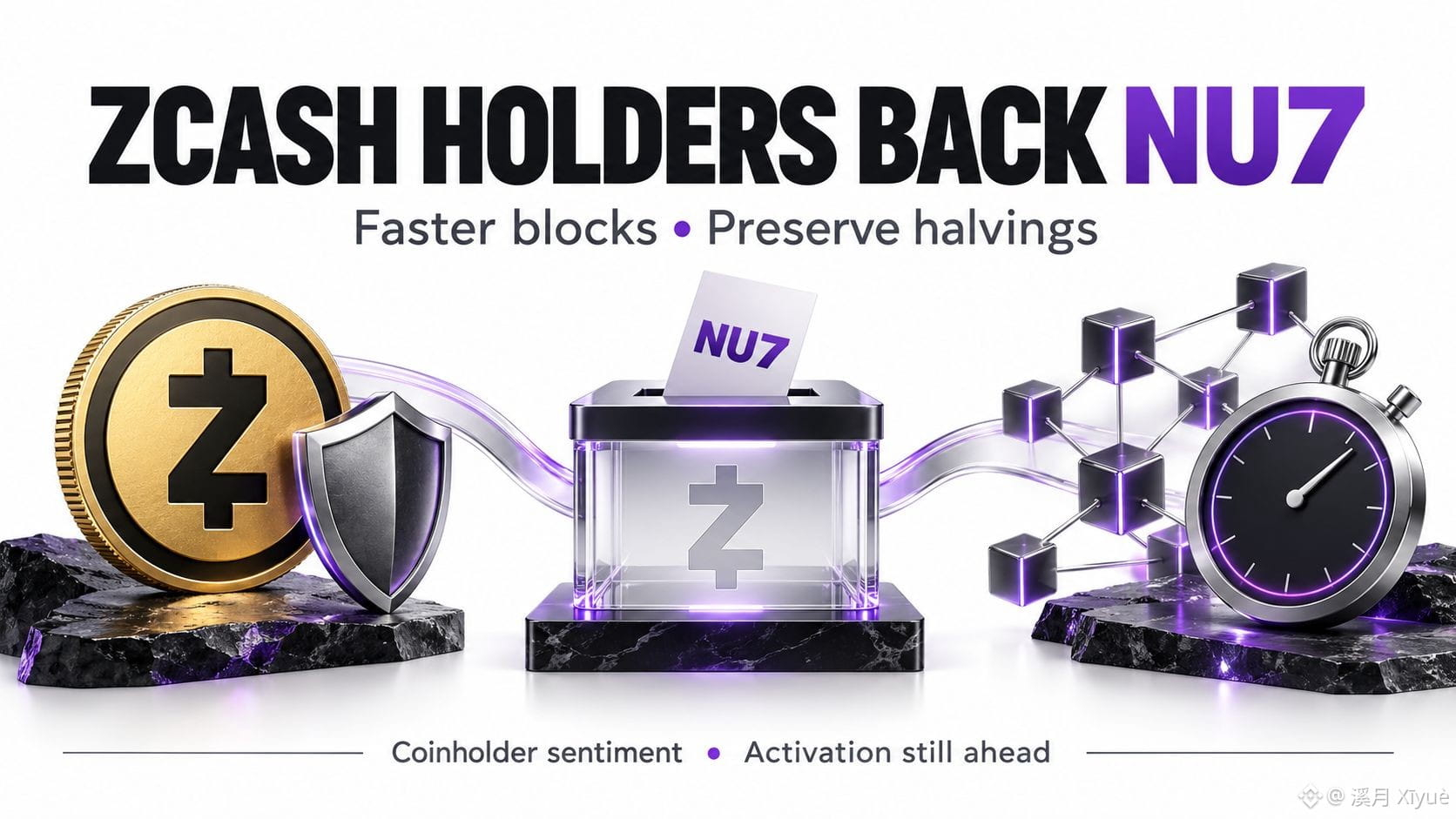
Le sondage des porteurs de NU7 de Zcash a donné un signal clair : améliorer la vitesse du réseau tout en conservant son calendrier de halving actuel.
Les résultats publiés après la clôture du vote le 14 septembre montrent une participation d’environ 2,4 millions de ZEC, contre quelque 3,6 millions de ZEC éligibles au moment de l’instantané. Il s’agit de totaux pondérés par le nombre de pièces (coin-weighted), et non d’un comptage des électeurs individuels. Les participants ont soutenu des blocs plus rapides et le maintien des halving.
La proposition de blocs plus rapides réduirait l’intervalle cible de 75 secondes à 25 secondes. Les organisateurs ont expliqué que les subventions de blocs diminueraient proportionnellement, afin de maintenir l’émission quotidienne.
Les détenteurs de pièces ont également préféré poursuivre avec les fonctionnalités prêtes et abandonner celles qui ne seraient pas terminées d’ici le 30 septembre. Il s’agit d’une date limite de préparation, et non d’une date d’activation confirmée.
Mon avis : la combinaison répond à deux priorités différentes — rendre les paiements plus réactifs et conserver une émission prévisible.
Toutefois, des intervalles de blocs plus courts, à eux seuls, ne peuvent pas garantir une meilleure expérience de portefeuille. Ce sont la fiabilité du logiciel, la gestion des transactions et la préparation de l’écosystème qui détermineront ce que les utilisateurs remarqueront réellement.
Le vote donne aux développeurs une direction plus claire, mais la mise en œuvre reste le prochain test. Je surveillerais les candidats de publication, les essais et un calendrier d’activation convenu avant de considérer ces changements comme acquis. Le soutien à la gouvernance n’offre pas non plus de garantie automatique d’une demande plus forte de ZEC.
Qu’est-ce qui compte le plus pour une utilisation quotidienne de Zcash : des confirmations plus rapides ou une expérience de portefeuille plus fluide ?
#ZcashHoldersBackNU7Upgrade #zcash #zec
$SYN $ZEC $LSK
{future}(LSKUSDT)
{future}(ZECUSDT)
{future}(SYNUSDT)
#zcashholdersbacknu7upgrade
🛡️ Les détenteurs de Zcash demandent des blocs plus rapides tout en préservant les halving
Le sondage des porteurs de NU7 de Zcash a donné un signal clair : améliorer la vitesse du réseau tout en conservant son calendrier de halving actuel.
Les résultats publiés après la clôture du vote le 14 septembre montrent une participation d’environ 2,4 millions de ZEC, contre quelque 3,6 millions de ZEC éligibles au moment de l’instantané. Il s’agit de totaux pondérés par le nombre de pièces (coin-weighted), et non d’un comptage des électeurs individuels. Les participants ont soutenu des blocs plus rapides et le maintien des halving.
La proposition de blocs plus rapides réduirait l’intervalle cible de 75 secondes à 25 secondes. Les organisateurs ont expliqué que les subventions de blocs diminueraient proportionnellement, afin de maintenir l’émission quotidienne.
Les détenteurs de pièces ont également préféré poursuivre avec les fonctionnalités prêtes et abandonner celles qui ne seraient pas terminées d’ici le 30 septembre. Il s’agit d’une date limite de préparation, et non d’une date d’activation confirmée.
Mon avis : la combinaison répond à deux priorités différentes — rendre les paiements plus réactifs et conserver une émission prévisible.
Toutefois, des intervalles de blocs plus courts, à eux seuls, ne peuvent pas garantir une meilleure expérience de portefeuille. Ce sont la fiabilité du logiciel, la gestion des transactions et la préparation de l’écosystème qui détermineront ce que les utilisateurs remarqueront réellement.
Le vote donne aux développeurs une direction plus claire, mais la mise en œuvre reste le prochain test. Je surveillerais les candidats de publication, les essais et un calendrier d’activation convenu avant de considérer ces changements comme acquis. Le soutien à la gouvernance n’offre pas non plus de garantie automatique d’une demande plus forte de ZEC.
Qu’est-ce qui compte le plus pour une utilisation quotidienne de Zcash : des confirmations plus rapides ou une expérience de portefeuille plus fluide ?
#ZcashHoldersBackNU7Upgrade #zcash #zec
$SYN $ZEC $LSK
🛡️ Les détenteurs de Zcash demandent des blocs plus rapides tout en préservant les halving
Le sondage des porteurs de NU7 de Zcash a donné un signal clair : améliorer la vitesse du réseau tout en conservant son calendrier de halving actuel.
Les résultats publiés après la clôture du vote le 14 septembre montrent une participation d’environ 2,4 millions de ZEC, contre quelque 3,6 millions de ZEC éligibles au moment de l’instantané. Il s’agit de totaux pondérés par le nombre de pièces (coin-weighted), et non d’un comptage des électeurs individuels. Les participants ont soutenu des blocs plus rapides et le maintien des halving.
La proposition de blocs plus rapides réduirait l’intervalle cible de 75 secondes à 25 secondes. Les organisateurs ont expliqué que les subventions de blocs diminueraient proportionnellement, afin de maintenir l’émission quotidienne.
Les détenteurs de pièces ont également préféré poursuivre avec les fonctionnalités prêtes et abandonner celles qui ne seraient pas terminées d’ici le 30 septembre. Il s’agit d’une date limite de préparation, et non d’une date d’activation confirmée.
Mon avis : la combinaison répond à deux priorités différentes — rendre les paiements plus réactifs et conserver une émission prévisible.
Toutefois, des intervalles de blocs plus courts, à eux seuls, ne peuvent pas garantir une meilleure expérience de portefeuille. Ce sont la fiabilité du logiciel, la gestion des transactions et la préparation de l’écosystème qui détermineront ce que les utilisateurs remarqueront réellement.
Le vote donne aux développeurs une direction plus claire, mais la mise en œuvre reste le prochain test. Je surveillerais les candidats de publication, les essais et un calendrier d’activation convenu avant de considérer ces changements comme acquis. Le soutien à la gouvernance n’offre pas non plus de garantie automatique d’une demande plus forte de ZEC.
Qu’est-ce qui compte le plus pour une utilisation quotidienne de Zcash : des confirmations plus rapides ou une expérience de portefeuille plus fluide ?
#ZcashHoldersBackNU7Upgrade #zcash #zec
$SYN $ZEC $LSK
400
·
--
Haussier
#mstrtradingvolumesurpassesmorganstanley
📊 Rapport MSTR : dépasserait Morgan Stanley en volume de transactions — Que nous dit cela ?
Le fait qu’une société de trésorerie Bitcoin se retrouve devant une grande banque de Wall Street en matière d’activité boursière offre une comparaison intéressante. Pour l’interpréter, il faut un contexte.
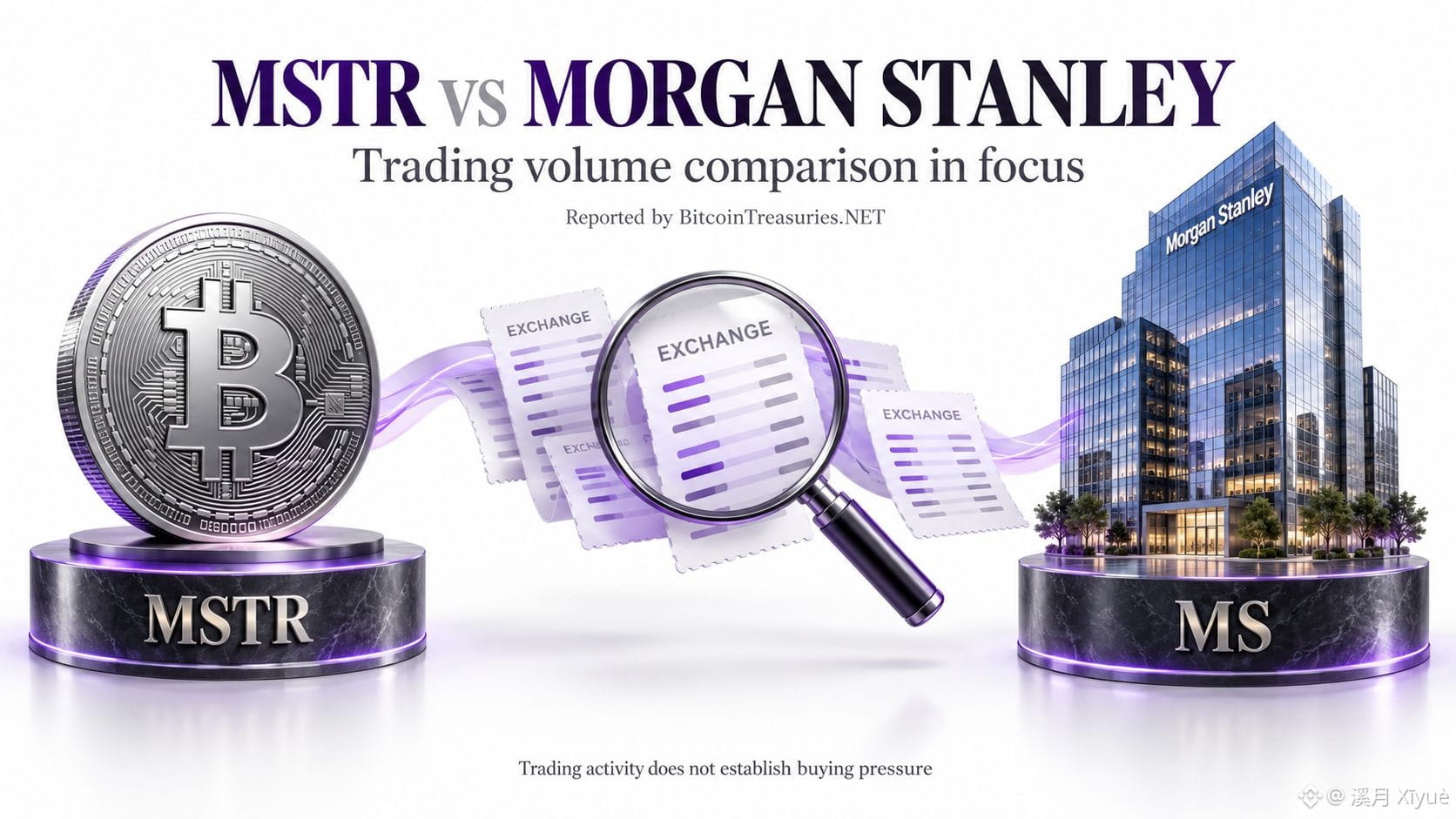
BitcoinTreasuries.NET a indiqué, le 16 septembre, que le MSTR de Strategy a dépassé le MS de Morgan Stanley en volume de transactions. Je pourrais vérifier l’affirmation publiée, mais je n’ai pas pu confirmer de façon indépendante les chiffres sous-jacents ni la fenêtre de mesure.
Avant de tirer des conclusions, la comparaison doit être clairement définie : actions échangées ou volume en dollars, et sur quelle séance ou sur quelle période ?
Mon avis : un volume élevé montre une participation, mais ne prouve pas une conviction haussière.
Une forte activité peut s’accompagner d’une accumulation, de ventes, de rachats de positions short ou de couvertures liées aux options. Chaque transaction effectuée implique à la fois un acheteur et un vendeur, donc le volume seul ne permet pas d’identifier qui construit une position durable.
Pour MSTR, j’examinerais la réaction du prix en parallèle du volume. L’activité reste-t-elle élevée sur plusieurs séances ? Le titre conserve-t-il ses gains, ou les rend-il à répétition ? Comparer le volume de chaque action à son activité habituelle apporterait aussi un contexte utile.
Le classement rapporté mérite d’être examiné. Il ne démontre pas, à lui seul, des fondamentaux plus solides ni une activité plus importante.
Qu’est-ce qui rendrait cette comparaison vraiment significative pour vous : une activité durable ou une réaction du prix plus forte ?
$SYN $LSK $BR
{future}(BRUSDT)
{future}(LSKUSDT)
{future}(SYNUSDT)
#mstrtradingvolumesurpassesmorganstanley
📊 Rapport MSTR : dépasserait Morgan Stanley en volume de transactions — Que nous dit cela ?
Le fait qu’une société de trésorerie Bitcoin se retrouve devant une grande banque de Wall Street en matière d’activité boursière offre une comparaison intéressante. Pour l’interpréter, il faut un contexte.
BitcoinTreasuries.NET a indiqué, le 16 septembre, que le MSTR de Strategy a dépassé le MS de Morgan Stanley en volume de transactions. Je pourrais vérifier l’affirmation publiée, mais je n’ai pas pu confirmer de façon indépendante les chiffres sous-jacents ni la fenêtre de mesure.
Avant de tirer des conclusions, la comparaison doit être clairement définie : actions échangées ou volume en dollars, et sur quelle séance ou sur quelle période ?
Mon avis : un volume élevé montre une participation, mais ne prouve pas une conviction haussière.
Une forte activité peut s’accompagner d’une accumulation, de ventes, de rachats de positions short ou de couvertures liées aux options. Chaque transaction effectuée implique à la fois un acheteur et un vendeur, donc le volume seul ne permet pas d’identifier qui construit une position durable.
Pour MSTR, j’examinerais la réaction du prix en parallèle du volume. L’activité reste-t-elle élevée sur plusieurs séances ? Le titre conserve-t-il ses gains, ou les rend-il à répétition ? Comparer le volume de chaque action à son activité habituelle apporterait aussi un contexte utile.
Le classement rapporté mérite d’être examiné. Il ne démontre pas, à lui seul, des fondamentaux plus solides ni une activité plus importante.
Qu’est-ce qui rendrait cette comparaison vraiment significative pour vous : une activité durable ou une réaction du prix plus forte ?
$SYN $LSK $BR
📊 Rapport MSTR : dépasserait Morgan Stanley en volume de transactions — Que nous dit cela ?
Le fait qu’une société de trésorerie Bitcoin se retrouve devant une grande banque de Wall Street en matière d’activité boursière offre une comparaison intéressante. Pour l’interpréter, il faut un contexte.
BitcoinTreasuries.NET a indiqué, le 16 septembre, que le MSTR de Strategy a dépassé le MS de Morgan Stanley en volume de transactions. Je pourrais vérifier l’affirmation publiée, mais je n’ai pas pu confirmer de façon indépendante les chiffres sous-jacents ni la fenêtre de mesure.
Avant de tirer des conclusions, la comparaison doit être clairement définie : actions échangées ou volume en dollars, et sur quelle séance ou sur quelle période ?
Mon avis : un volume élevé montre une participation, mais ne prouve pas une conviction haussière.
Une forte activité peut s’accompagner d’une accumulation, de ventes, de rachats de positions short ou de couvertures liées aux options. Chaque transaction effectuée implique à la fois un acheteur et un vendeur, donc le volume seul ne permet pas d’identifier qui construit une position durable.
Pour MSTR, j’examinerais la réaction du prix en parallèle du volume. L’activité reste-t-elle élevée sur plusieurs séances ? Le titre conserve-t-il ses gains, ou les rend-il à répétition ? Comparer le volume de chaque action à son activité habituelle apporterait aussi un contexte utile.
Le classement rapporté mérite d’être examiné. Il ne démontre pas, à lui seul, des fondamentaux plus solides ni une activité plus importante.
Qu’est-ce qui rendrait cette comparaison vraiment significative pour vous : une activité durable ou une réaction du prix plus forte ?
$SYN $LSK $BR
127

·
--
Haussier
#OpenAIDiscussesNewFundingAt$1.2TValuation
🤖 Les discussions sur le financement rapporté de 1,2 billion de dollars d’OpenAI mettent l’économie de l’IA au premier plan
Les investisseurs discutent d’une autre possible hausse de la valorisation d’OpenAI, mais les conditions restent floues.
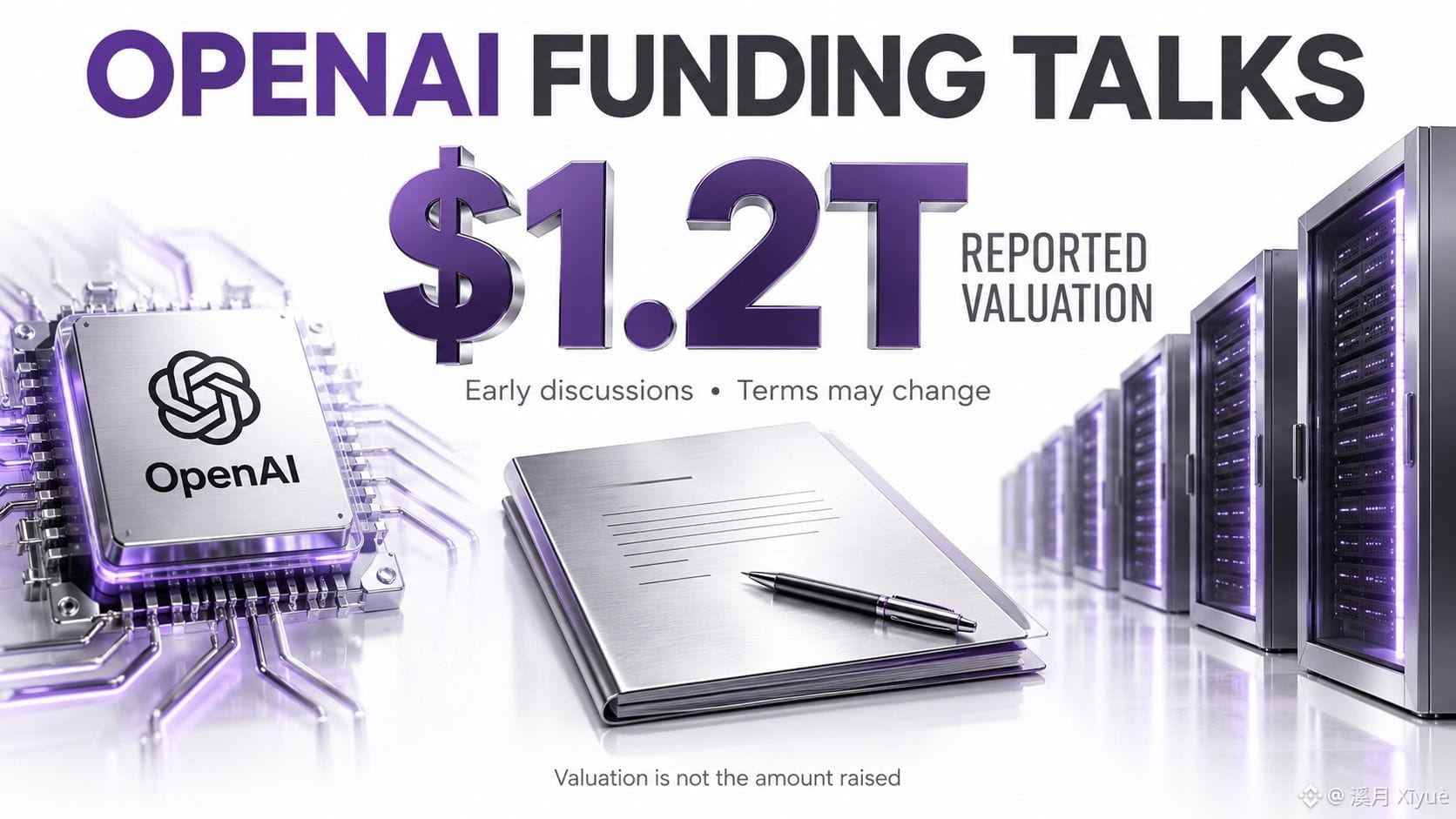
Reuters, citant le Financial Times du 15 septembre, a rapporté qu’OpenAI a mené des discussions préliminaires avec de grands investisseurs au sujet d’un financement d’environ 1,2 billion de dollars. Selon les informations, les investisseurs auraient pris l’initiative de ces échanges ; le chiffre pourrait évoluer, et OpenAI a refusé de commenter.
Pour contexte, OpenAI avait annoncé en mars avoir clôturé une levée avec 122 milliards de dollars de capital engagé, valorisée à 852 milliards de dollars après la transaction.
Le chiffre de 1,2 billion de dollars décrit une valorisation possible de l’entreprise — ce n’est pas le montant qui serait levé.
Mon avis : une valorisation plus élevée augmenterait les attentes en matière de revenus durables et de retours sur les dépenses d’infrastructure. La question importante est de savoir dans quelle mesure, et avec quelle efficacité, un capital supplémentaire se transforme en produits pour lesquels les clients continuent de payer.
Pour le marché plus large de l’IA, je surveillerais la taille de la levée qui sera finalement annoncée, les conditions pour les investisseurs et les engagements de dépenses. Ces détails fourniraient des preuves plus solides de la demande future en puces, mémoire et centres de données qu’un simple titre de valorisation.
Pour les lecteurs de la crypto, cela n’offre pas non plus de base automatique pour supposer que les tokens à thème IA bénéficieront. Chaque projet doit encore démontrer son propre usage et son propre dossier économique.
Qu’est-ce qui mérite ici un examen plus attentif : la croissance des revenus ou le coût pour les générer ?
#OpenAI #AI
$SYN $AKE $USELESS
{future}(USELESSUSDT)
{future}(AKEUSDT)
{future}(SYNUSDT)
#OpenAIDiscussesNewFundingAt$1.2TValuation
🤖 Les discussions sur le financement rapporté de 1,2 billion de dollars d’OpenAI mettent l’économie de l’IA au premier plan
Les investisseurs discutent d’une autre possible hausse de la valorisation d’OpenAI, mais les conditions restent floues.
Reuters, citant le Financial Times du 15 septembre, a rapporté qu’OpenAI a mené des discussions préliminaires avec de grands investisseurs au sujet d’un financement d’environ 1,2 billion de dollars. Selon les informations, les investisseurs auraient pris l’initiative de ces échanges ; le chiffre pourrait évoluer, et OpenAI a refusé de commenter.
Pour contexte, OpenAI avait annoncé en mars avoir clôturé une levée avec 122 milliards de dollars de capital engagé, valorisée à 852 milliards de dollars après la transaction.
Le chiffre de 1,2 billion de dollars décrit une valorisation possible de l’entreprise — ce n’est pas le montant qui serait levé.
Mon avis : une valorisation plus élevée augmenterait les attentes en matière de revenus durables et de retours sur les dépenses d’infrastructure. La question importante est de savoir dans quelle mesure, et avec quelle efficacité, un capital supplémentaire se transforme en produits pour lesquels les clients continuent de payer.
Pour le marché plus large de l’IA, je surveillerais la taille de la levée qui sera finalement annoncée, les conditions pour les investisseurs et les engagements de dépenses. Ces détails fourniraient des preuves plus solides de la demande future en puces, mémoire et centres de données qu’un simple titre de valorisation.
Pour les lecteurs de la crypto, cela n’offre pas non plus de base automatique pour supposer que les tokens à thème IA bénéficieront. Chaque projet doit encore démontrer son propre usage et son propre dossier économique.
Qu’est-ce qui mérite ici un examen plus attentif : la croissance des revenus ou le coût pour les générer ?
#OpenAI #AI
$SYN $AKE $USELESS
🤖 Les discussions sur le financement rapporté de 1,2 billion de dollars d’OpenAI mettent l’économie de l’IA au premier plan
Les investisseurs discutent d’une autre possible hausse de la valorisation d’OpenAI, mais les conditions restent floues.
Reuters, citant le Financial Times du 15 septembre, a rapporté qu’OpenAI a mené des discussions préliminaires avec de grands investisseurs au sujet d’un financement d’environ 1,2 billion de dollars. Selon les informations, les investisseurs auraient pris l’initiative de ces échanges ; le chiffre pourrait évoluer, et OpenAI a refusé de commenter.
Pour contexte, OpenAI avait annoncé en mars avoir clôturé une levée avec 122 milliards de dollars de capital engagé, valorisée à 852 milliards de dollars après la transaction.
Le chiffre de 1,2 billion de dollars décrit une valorisation possible de l’entreprise — ce n’est pas le montant qui serait levé.
Mon avis : une valorisation plus élevée augmenterait les attentes en matière de revenus durables et de retours sur les dépenses d’infrastructure. La question importante est de savoir dans quelle mesure, et avec quelle efficacité, un capital supplémentaire se transforme en produits pour lesquels les clients continuent de payer.
Pour le marché plus large de l’IA, je surveillerais la taille de la levée qui sera finalement annoncée, les conditions pour les investisseurs et les engagements de dépenses. Ces détails fourniraient des preuves plus solides de la demande future en puces, mémoire et centres de données qu’un simple titre de valorisation.
Pour les lecteurs de la crypto, cela n’offre pas non plus de base automatique pour supposer que les tokens à thème IA bénéficieront. Chaque projet doit encore démontrer son propre usage et son propre dossier économique.
Qu’est-ce qui mérite ici un examen plus attentif : la croissance des revenus ou le coût pour les générer ?
#OpenAI #AI
$SYN $AKE $USELESS
1
2
282
·
--
Haussier
#skhynixintalkstomakememorychipsinus
🏭 SK hynix explore la production de mémoire aux États-Unis avec Intel
L’effort visant à sécuriser le matériel pour l’IA pourrait entraîner davantage de fabrication de mémoire sur le sol américain.
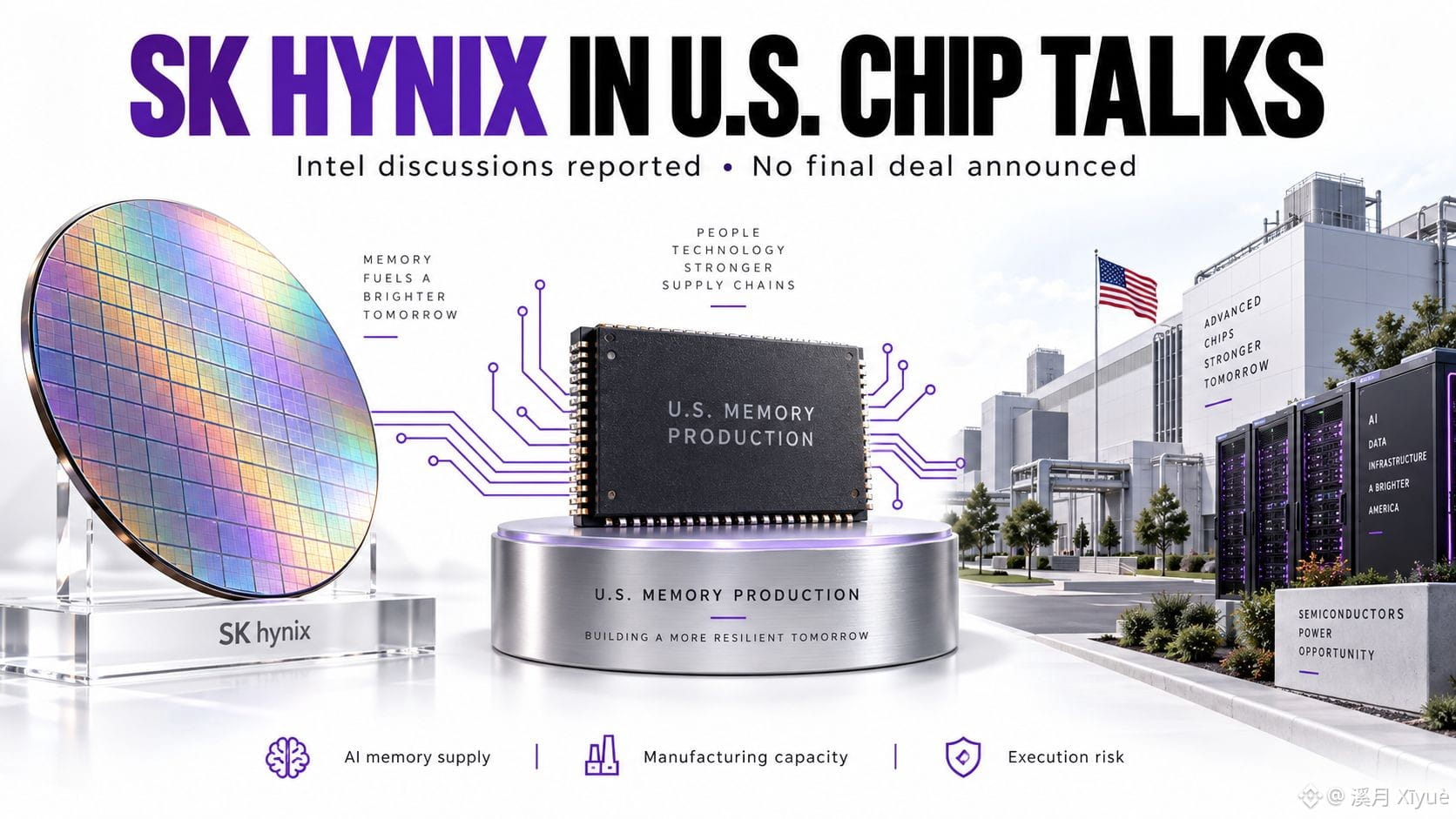
Reuters a rapporté, le 16 septembre, que SK hynix discute d’un éventuel accord de production de puces mémoire aux États-Unis avec Intel. Les options évoqueraient la location d’une partie de l’installation prévue dans l’Ohio par Intel, ou la mise en place d’une coentreprise impliquant de grands acteurs du cloud.
Il s’agit de discussions rapportées ; aucun accord final n’a été annoncé.
Il y a ici un contexte utile : SK hynix a déjà annoncé un projet en Indiana axé sur l’emballage avancé et la R&D pour la mémoire à bande passante élevée. Cet investissement existant doit être distingué des discussions de fabrication nouvellement rapportées.
Mon avis : la structure commerciale compte autant que l’emplacement. La participation des clients pourrait contribuer à sécuriser la demande et à partager le risque d’investissement, tandis qu’un accord de location pourrait modifier la part d’infrastructures que SK hynix doit financer directement.
Mais l’approvisionnement supplémentaire dépend de l’installation des équipements, des rendements de production et de la qualification des clients. Des discussions seules ne peuvent pas résoudre les pénuries à court terme ni établir quand une mémoire moins coûteuse pourrait atteindre les acheteurs.
Pour le suivi de la couverture des infrastructures IA, je surveillerais un accord signé, les produits mémoire concernés, la capacité engagée et un calendrier de production crédible.
Quel détail compterait le plus pour vous : le soutien des clients, le calendrier de production ou les coûts de fabrication ?
#Semiconductors #AI
$SYN $AKE $USELESS
{future}(USELESSUSDT)
{future}(AKEUSDT)
{future}(SYNUSDT)
#skhynixintalkstomakememorychipsinus
🏭 SK hynix explore la production de mémoire aux États-Unis avec Intel
L’effort visant à sécuriser le matériel pour l’IA pourrait entraîner davantage de fabrication de mémoire sur le sol américain.
Reuters a rapporté, le 16 septembre, que SK hynix discute d’un éventuel accord de production de puces mémoire aux États-Unis avec Intel. Les options évoqueraient la location d’une partie de l’installation prévue dans l’Ohio par Intel, ou la mise en place d’une coentreprise impliquant de grands acteurs du cloud.
Il s’agit de discussions rapportées ; aucun accord final n’a été annoncé.
Il y a ici un contexte utile : SK hynix a déjà annoncé un projet en Indiana axé sur l’emballage avancé et la R&D pour la mémoire à bande passante élevée. Cet investissement existant doit être distingué des discussions de fabrication nouvellement rapportées.
Mon avis : la structure commerciale compte autant que l’emplacement. La participation des clients pourrait contribuer à sécuriser la demande et à partager le risque d’investissement, tandis qu’un accord de location pourrait modifier la part d’infrastructures que SK hynix doit financer directement.
Mais l’approvisionnement supplémentaire dépend de l’installation des équipements, des rendements de production et de la qualification des clients. Des discussions seules ne peuvent pas résoudre les pénuries à court terme ni établir quand une mémoire moins coûteuse pourrait atteindre les acheteurs.
Pour le suivi de la couverture des infrastructures IA, je surveillerais un accord signé, les produits mémoire concernés, la capacité engagée et un calendrier de production crédible.
Quel détail compterait le plus pour vous : le soutien des clients, le calendrier de production ou les coûts de fabrication ?
#Semiconductors #AI
$SYN $AKE $USELESS
🏭 SK hynix explore la production de mémoire aux États-Unis avec Intel
L’effort visant à sécuriser le matériel pour l’IA pourrait entraîner davantage de fabrication de mémoire sur le sol américain.
Reuters a rapporté, le 16 septembre, que SK hynix discute d’un éventuel accord de production de puces mémoire aux États-Unis avec Intel. Les options évoqueraient la location d’une partie de l’installation prévue dans l’Ohio par Intel, ou la mise en place d’une coentreprise impliquant de grands acteurs du cloud.
Il s’agit de discussions rapportées ; aucun accord final n’a été annoncé.
Il y a ici un contexte utile : SK hynix a déjà annoncé un projet en Indiana axé sur l’emballage avancé et la R&D pour la mémoire à bande passante élevée. Cet investissement existant doit être distingué des discussions de fabrication nouvellement rapportées.
Mon avis : la structure commerciale compte autant que l’emplacement. La participation des clients pourrait contribuer à sécuriser la demande et à partager le risque d’investissement, tandis qu’un accord de location pourrait modifier la part d’infrastructures que SK hynix doit financer directement.
Mais l’approvisionnement supplémentaire dépend de l’installation des équipements, des rendements de production et de la qualification des clients. Des discussions seules ne peuvent pas résoudre les pénuries à court terme ni établir quand une mémoire moins coûteuse pourrait atteindre les acheteurs.
Pour le suivi de la couverture des infrastructures IA, je surveillerais un accord signé, les produits mémoire concernés, la capacité engagée et un calendrier de production crédible.
Quel détail compterait le plus pour vous : le soutien des clients, le calendrier de production ou les coûts de fabrication ?
#Semiconductors #AI
$SYN $AKE $USELESS
1
960

·
--
Haussier
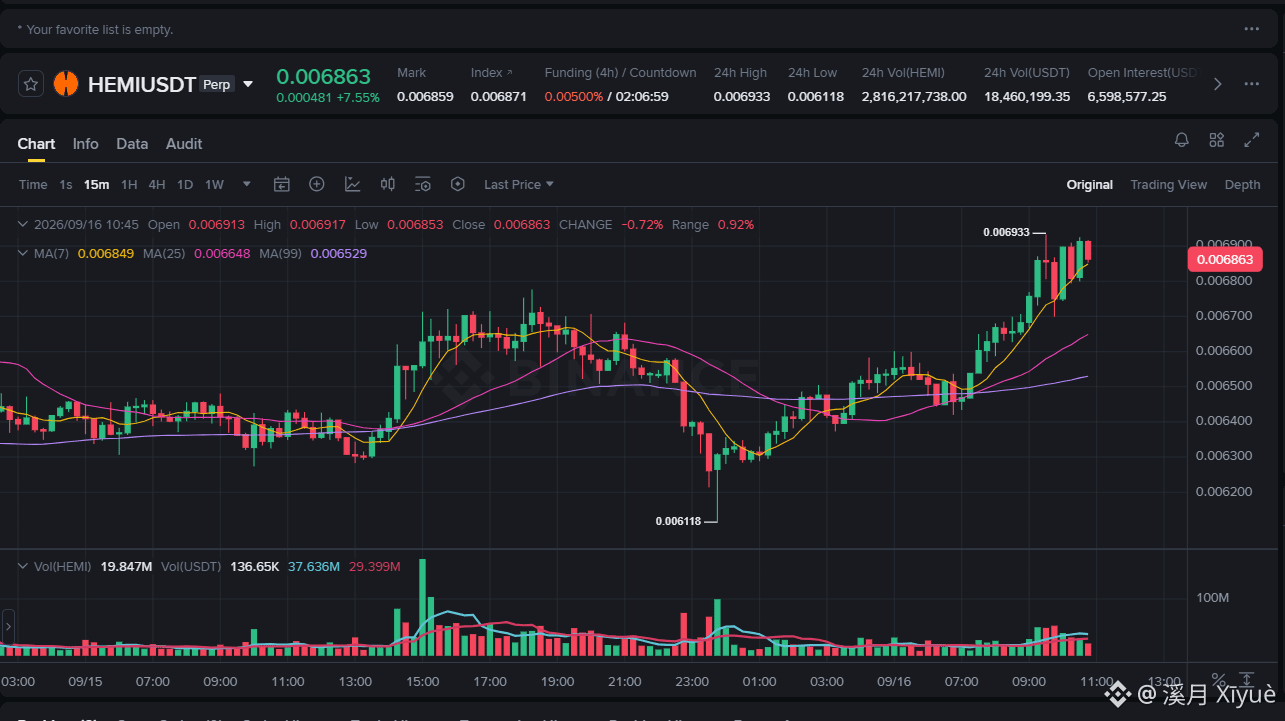
$HEMI configuration longue conditionnelle 👇imprimer de l’argent bientôt.
Entrée : Près de 0,006648 $
SL : 0,006529 $
TP1 : 0,006800 $
TP2 : 0,006933 $
attendez le repli et la confirmation avant d’entrer.
Long $HEMI
Faites vos propres recherches (DYOR)
{future}(HEMIUSDT)
$HEMI configuration longue conditionnelle 👇imprimer de l’argent bientôt.
Entrée : Près de 0,006648 $
SL : 0,006529 $
TP1 : 0,006800 $
TP2 : 0,006933 $
attendez le repli et la confirmation avant d’entrer.
Long $HEMI
Faites vos propres recherches (DYOR)
Entrée : Près de 0,006648 $
SL : 0,006529 $
TP1 : 0,006800 $
TP2 : 0,006933 $
attendez le repli et la confirmation avant d’entrer.
Long $HEMI
Faites vos propres recherches (DYOR)
1
1
244

·
--
🎙️ 🔥CLARITY法案遇冷,叠加美联储加息倒计时!超级央行周重磅来袭,凌晨利率决议即将落地,通胀反弹,加息风险升温,行情震荡...

Fin
03 h 25 min 19 sec
2.8k
9
8
·
--
Haussier
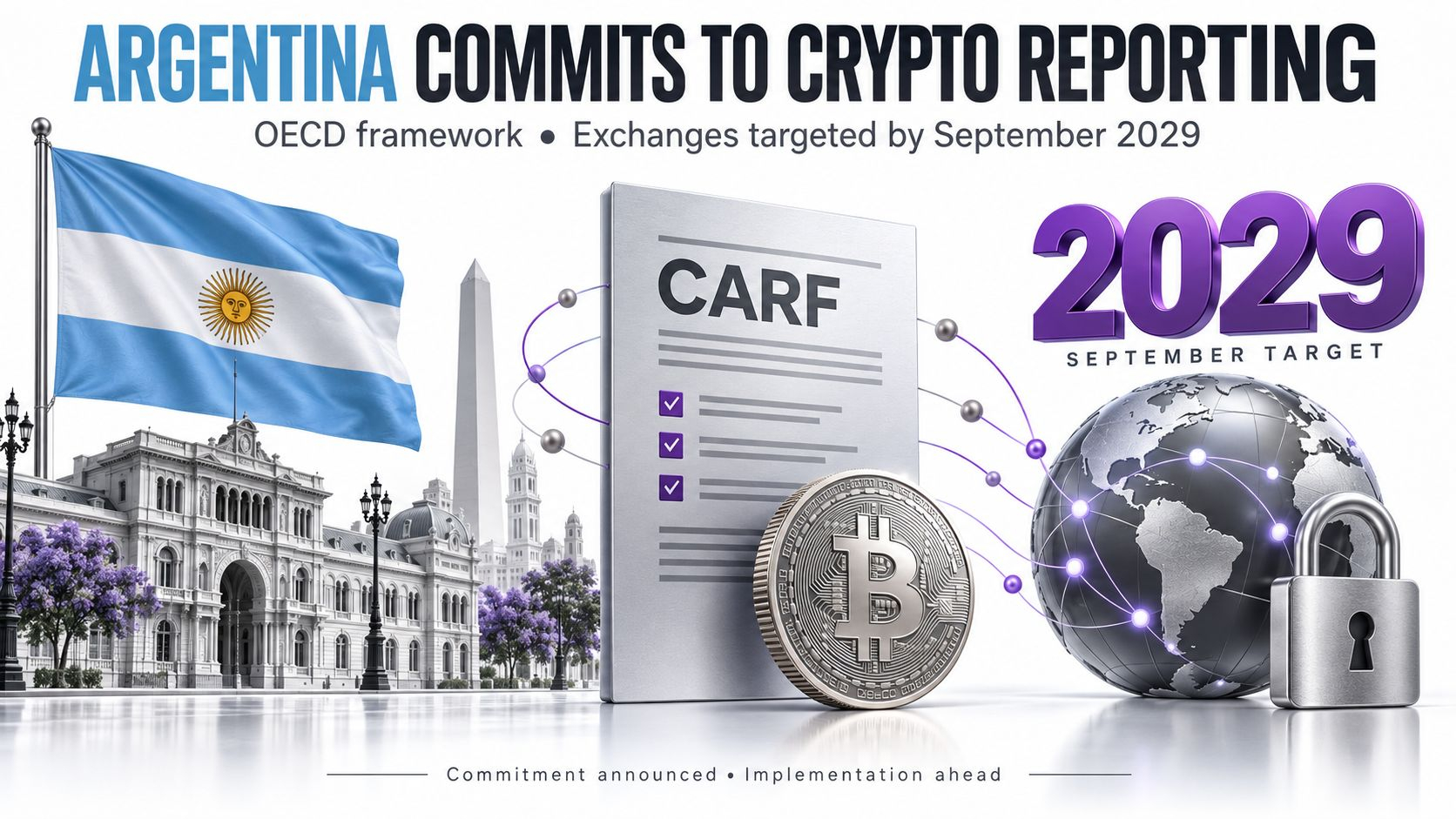
#argentinacommitstooecdcryptoreportingby2029
🇦🇷 L’Argentine fixe un objectif pour septembre 2029 concernant le reporting fiscal international sur les crypto-actifs
L’Argentine s’est engagée à intégrer les transactions crypto transfrontalières dans un système plus large d’échange automatique d’informations fiscales.
Le 14 septembre, l’OCDE a confirmé que l’Argentine mettra en œuvre le Crypto-Asset Reporting Framework (CARF) et commencera à échanger automatiquement des informations sur les transactions en crypto d’ici septembre 2029.
Le CARF étend la coopération entre administrations fiscales au domaine des crypto-actifs, en les aidant à obtenir des informations sur les transactions effectuées à l’étranger. L’engagement de l’Argentine porte à 77 le nombre de juridictions participantes visant une mise en œuvre en 2027, 2028 ou 2029.
Le statut est important : il s’agit d’un engagement de mise en œuvre. La communication ne signifie pas que ces échanges ont déjà commencé.
Mon avis : l’impact concret dépendra de la manière dont l’Argentine traduira cet engagement en exigences nationales. Les plateformes pourraient avoir besoin de systèmes de reporting plus solides, tandis que les utilisateurs voudront comprendre quelles informations sont collectées et comment elles sont protégées.
Des standards cohérents pourraient rendre l’activité transfrontalière plus prévisible. Toutefois, les coûts de mise en œuvre et la sécurité des données seront des tests cruciaux, en particulier pour les prestataires plus modestes.
Je surveillerais ensuite les règles nationales, le périmètre du reporting et les délais de préparation. Ces détails révéleront davantage sur l’impact sur l’activité crypto du quotidien que le seul titre.
Qu’est-ce qui renforcerait davantage la confiance dans ce déploiement : des règles de reporting plus claires ou des garde-fous de confidentialité plus solides ?
#ArgentinaCommitsToOECDCryptoReportingBy2029 #CryptoRegulation #CARF
$AKE $SYN $LSK
{future}(LSKUSDT)
{future}(SYNUSDT)
{future}(AKEUSDT)
#argentinacommitstooecdcryptoreportingby2029
🇦🇷 L’Argentine fixe un objectif pour septembre 2029 concernant le reporting fiscal international sur les crypto-actifs
L’Argentine s’est engagée à intégrer les transactions crypto transfrontalières dans un système plus large d’échange automatique d’informations fiscales.
Le 14 septembre, l’OCDE a confirmé que l’Argentine mettra en œuvre le Crypto-Asset Reporting Framework (CARF) et commencera à échanger automatiquement des informations sur les transactions en crypto d’ici septembre 2029.
Le CARF étend la coopération entre administrations fiscales au domaine des crypto-actifs, en les aidant à obtenir des informations sur les transactions effectuées à l’étranger. L’engagement de l’Argentine porte à 77 le nombre de juridictions participantes visant une mise en œuvre en 2027, 2028 ou 2029.
Le statut est important : il s’agit d’un engagement de mise en œuvre. La communication ne signifie pas que ces échanges ont déjà commencé.
Mon avis : l’impact concret dépendra de la manière dont l’Argentine traduira cet engagement en exigences nationales. Les plateformes pourraient avoir besoin de systèmes de reporting plus solides, tandis que les utilisateurs voudront comprendre quelles informations sont collectées et comment elles sont protégées.
Des standards cohérents pourraient rendre l’activité transfrontalière plus prévisible. Toutefois, les coûts de mise en œuvre et la sécurité des données seront des tests cruciaux, en particulier pour les prestataires plus modestes.
Je surveillerais ensuite les règles nationales, le périmètre du reporting et les délais de préparation. Ces détails révéleront davantage sur l’impact sur l’activité crypto du quotidien que le seul titre.
Qu’est-ce qui renforcerait davantage la confiance dans ce déploiement : des règles de reporting plus claires ou des garde-fous de confidentialité plus solides ?
#ArgentinaCommitsToOECDCryptoReportingBy2029 #CryptoRegulation #CARF
$AKE $SYN $LSK
🇦🇷 L’Argentine fixe un objectif pour septembre 2029 concernant le reporting fiscal international sur les crypto-actifs
L’Argentine s’est engagée à intégrer les transactions crypto transfrontalières dans un système plus large d’échange automatique d’informations fiscales.
Le 14 septembre, l’OCDE a confirmé que l’Argentine mettra en œuvre le Crypto-Asset Reporting Framework (CARF) et commencera à échanger automatiquement des informations sur les transactions en crypto d’ici septembre 2029.
Le CARF étend la coopération entre administrations fiscales au domaine des crypto-actifs, en les aidant à obtenir des informations sur les transactions effectuées à l’étranger. L’engagement de l’Argentine porte à 77 le nombre de juridictions participantes visant une mise en œuvre en 2027, 2028 ou 2029.
Le statut est important : il s’agit d’un engagement de mise en œuvre. La communication ne signifie pas que ces échanges ont déjà commencé.
Mon avis : l’impact concret dépendra de la manière dont l’Argentine traduira cet engagement en exigences nationales. Les plateformes pourraient avoir besoin de systèmes de reporting plus solides, tandis que les utilisateurs voudront comprendre quelles informations sont collectées et comment elles sont protégées.
Des standards cohérents pourraient rendre l’activité transfrontalière plus prévisible. Toutefois, les coûts de mise en œuvre et la sécurité des données seront des tests cruciaux, en particulier pour les prestataires plus modestes.
Je surveillerais ensuite les règles nationales, le périmètre du reporting et les délais de préparation. Ces détails révéleront davantage sur l’impact sur l’activité crypto du quotidien que le seul titre.
Qu’est-ce qui renforcerait davantage la confiance dans ce déploiement : des règles de reporting plus claires ou des garde-fous de confidentialité plus solides ?
#ArgentinaCommitsToOECDCryptoReportingBy2029 #CryptoRegulation #CARF
$AKE $SYN $LSK
3
2
1
2.2k

·
--
Baissier
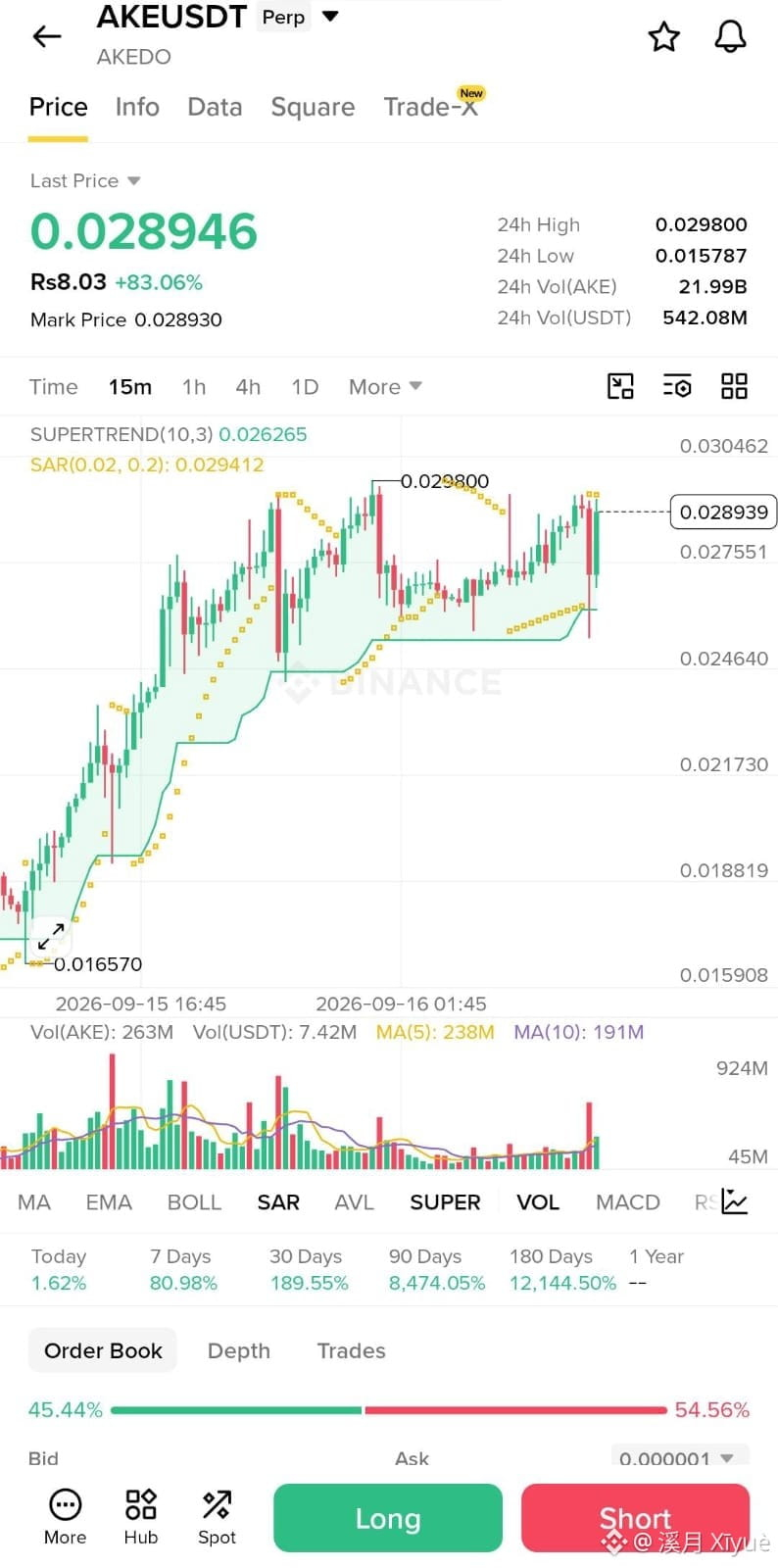
$AKE court terme conditionnel : 15 m clôture sous 0.0288, puis échec de la nouvelle vérification (retest). Entrée : 0.0288. TP1 : 0.0275 ; TP2 : 0.0262 ; TP3 : 0.0255. SL : 0.0301. Annuler au-dessus de 0.0298 avant l’entrée. Risque élevé ; éviter un levier excessif.
Short $AKE
{future}(AKEUSDT)
$AKE court terme conditionnel : 15 m clôture sous 0.0288, puis échec de la nouvelle vérification (retest). Entrée : 0.0288. TP1 : 0.0275 ; TP2 : 0.0262 ; TP3 : 0.0255. SL : 0.0301. Annuler au-dessus de 0.0298 avant l’entrée. Risque élevé ; éviter un levier excessif.
Short $AKE
Short $AKE
342

·
--
Haussier
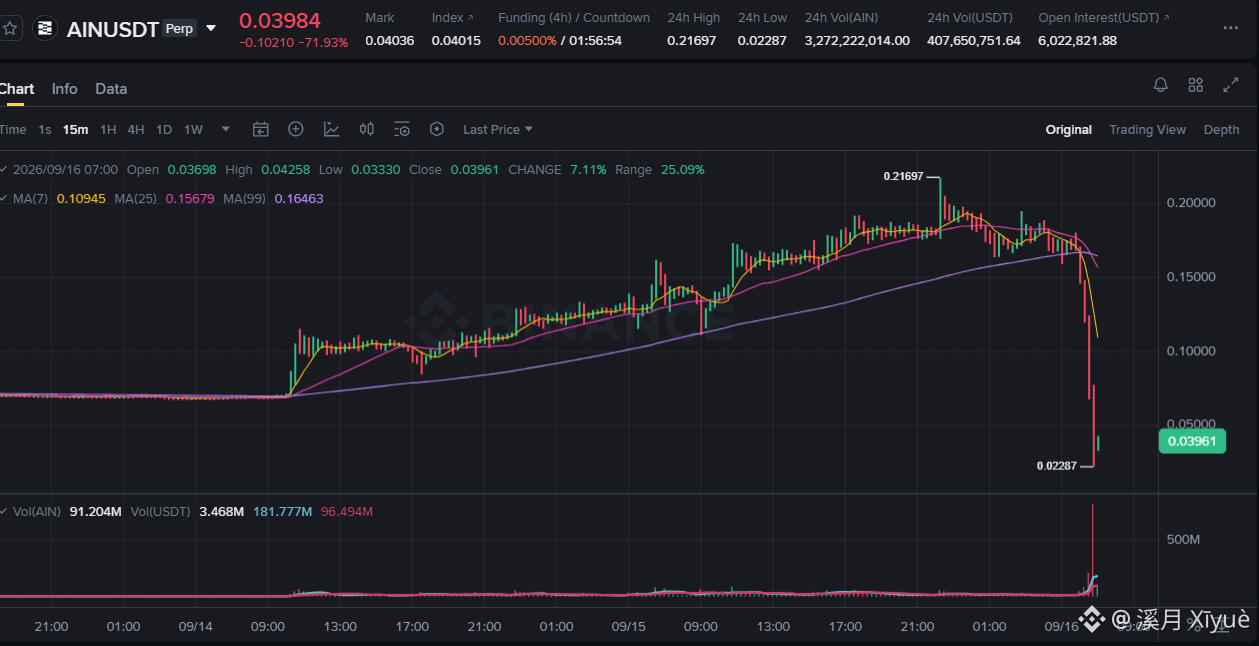
$AIN conditionnel long : 15 m clôture au-dessus de 0,0430, puis re-test réussi. Entrée : 0,0428. TP1 : 0,0526 ; TP2 : 0,0624 ; TP3 : 0,0678. SL : 0,0330. Annuler en dessous de 0,0333 avant l’entrée. Risque extrêmement élevé ; éviter l’effet de levier.
Long $AIN
{future}(AINUSDT)
$AIN conditionnel long : 15 m clôture au-dessus de 0,0430, puis re-test réussi. Entrée : 0,0428. TP1 : 0,0526 ; TP2 : 0,0624 ; TP3 : 0,0678. SL : 0,0330. Annuler en dessous de 0,0333 avant l’entrée. Risque extrêmement élevé ; éviter l’effet de levier.
Long $AIN
Long $AIN
475
·
--
🎙️ 建设币安广场,持有BNB|周三,CLARITY 法案没过,市场反应很诚实,大家觉得加密市场接下来会怎么样,来聊聊~

Fin
05 h 01 min 24 sec
12.3k
40
45
·
--
Haussier
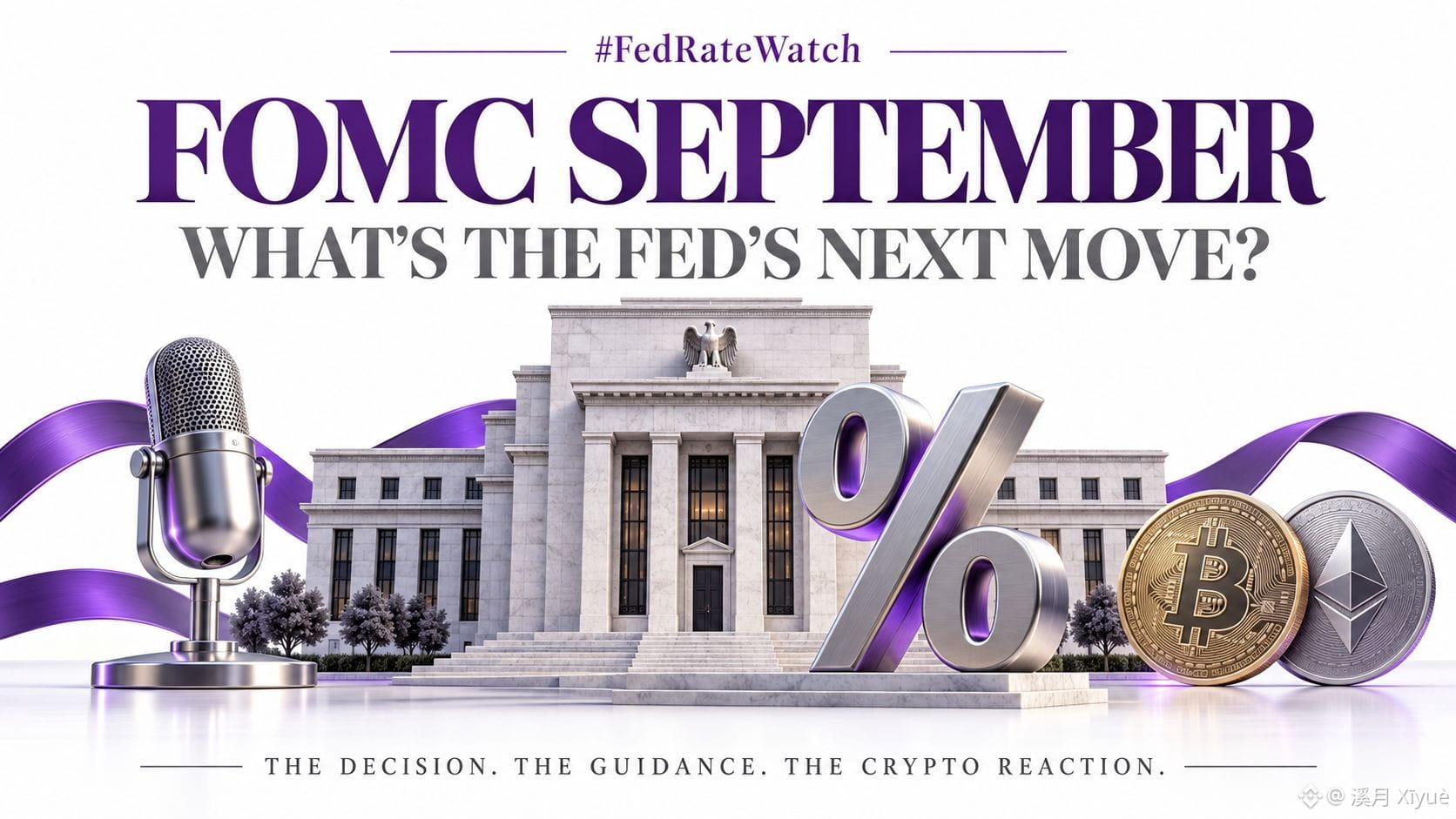
#FedRateWatch
🏦 FOMC Septembre : Les mots de la Fed comptent-ils plus que sa prochaine décision ?
Une décision de taux livre un seul chiffre. Les orientations peuvent modifier les anticipations pendant des mois.
À l’approche de la réunion de septembre, Morgan Stanley s’attend désormais à une hausse de 25 points de base, suivie d’une autre en décembre, en citant une pression inflationniste persistante. Il s’agit toujours de prévisions ; la Fed n’a pas encore annoncé sa décision de septembre. "Reuters" (https://www.reuters.com/business/morgan-stanley-turns-more-hawkish-forecasts-two-fed-hikes-ecb-move-2026-09-15/)
Mon avis : la question clé est de savoir à quel point la Fed signale un resserrement supplémentaire.
Une hausse associée à la confiance que l’inflation ralentit pourrait provoquer une réaction différente de la même hausse accompagnée d’avertissements indiquant qu’il faut encore augmenter les taux. Le maintien des taux laisserait aussi la place à un message restrictif.
Pour Bitcoin et Ethereum, je regarderais si la réaction initiale se maintient jusqu’à la conférence de presse. Une reprise rapide suivie d’une hausse des rendements obligataires et d’un dollar plus fort donnerait des signaux contradictoires. Des achats soutenus avec des rendements en baisse suggéreraient une interprétation plus favorable — sans garantir d’autres gains.
La première bougie capture la surprise. Les heures suivantes permettent de voir si les investisseurs ont modifié leur perspective plus large.
Cette réunion pourrait mettre à l’épreuve à la fois les anticipations d’inflation et la résilience des cryptos.
Qu’est-ce qui changerait le plus votre vision : une décision inattendue sur les taux ou un message plus dur concernant les mois à venir ?
$AKE $AIN $POWER
#FedRateWatch
🏦 FOMC Septembre : Les mots de la Fed comptent-ils plus que sa prochaine décision ?
Une décision de taux livre un seul chiffre. Les orientations peuvent modifier les anticipations pendant des mois.
À l’approche de la réunion de septembre, Morgan Stanley s’attend désormais à une hausse de 25 points de base, suivie d’une autre en décembre, en citant une pression inflationniste persistante. Il s’agit toujours de prévisions ; la Fed n’a pas encore annoncé sa décision de septembre. "Reuters" (https://www.reuters.com/business/morgan-stanley-turns-more-hawkish-forecasts-two-fed-hikes-ecb-move-2026-09-15/)
Mon avis : la question clé est de savoir à quel point la Fed signale un resserrement supplémentaire.
Une hausse associée à la confiance que l’inflation ralentit pourrait provoquer une réaction différente de la même hausse accompagnée d’avertissements indiquant qu’il faut encore augmenter les taux. Le maintien des taux laisserait aussi la place à un message restrictif.
Pour Bitcoin et Ethereum, je regarderais si la réaction initiale se maintient jusqu’à la conférence de presse. Une reprise rapide suivie d’une hausse des rendements obligataires et d’un dollar plus fort donnerait des signaux contradictoires. Des achats soutenus avec des rendements en baisse suggéreraient une interprétation plus favorable — sans garantir d’autres gains.
La première bougie capture la surprise. Les heures suivantes permettent de voir si les investisseurs ont modifié leur perspective plus large.
Cette réunion pourrait mettre à l’épreuve à la fois les anticipations d’inflation et la résilience des cryptos.
Qu’est-ce qui changerait le plus votre vision : une décision inattendue sur les taux ou un message plus dur concernant les mois à venir ?
$AKE $AIN $POWER
🏦 FOMC Septembre : Les mots de la Fed comptent-ils plus que sa prochaine décision ?
Une décision de taux livre un seul chiffre. Les orientations peuvent modifier les anticipations pendant des mois.
À l’approche de la réunion de septembre, Morgan Stanley s’attend désormais à une hausse de 25 points de base, suivie d’une autre en décembre, en citant une pression inflationniste persistante. Il s’agit toujours de prévisions ; la Fed n’a pas encore annoncé sa décision de septembre. "Reuters" (https://www.reuters.com/business/morgan-stanley-turns-more-hawkish-forecasts-two-fed-hikes-ecb-move-2026-09-15/)
Mon avis : la question clé est de savoir à quel point la Fed signale un resserrement supplémentaire.
Une hausse associée à la confiance que l’inflation ralentit pourrait provoquer une réaction différente de la même hausse accompagnée d’avertissements indiquant qu’il faut encore augmenter les taux. Le maintien des taux laisserait aussi la place à un message restrictif.
Pour Bitcoin et Ethereum, je regarderais si la réaction initiale se maintient jusqu’à la conférence de presse. Une reprise rapide suivie d’une hausse des rendements obligataires et d’un dollar plus fort donnerait des signaux contradictoires. Des achats soutenus avec des rendements en baisse suggéreraient une interprétation plus favorable — sans garantir d’autres gains.
La première bougie capture la surprise. Les heures suivantes permettent de voir si les investisseurs ont modifié leur perspective plus large.
Cette réunion pourrait mettre à l’épreuve à la fois les anticipations d’inflation et la résilience des cryptos.
Qu’est-ce qui changerait le plus votre vision : une décision inattendue sur les taux ou un message plus dur concernant les mois à venir ?
$AKE $AIN $POWER
323
Connectez-vous pour découvrir plus de contenu
Rejoignez la communauté mondiale des adeptes de cryptomonnaies sur Binance Square
⚡️ Suviez les dernières informations importantes sur les cryptomonnaies.
💬 Jugé digne de confiance par la plus grande plateforme d’échange de cryptomonnaies au monde.
👍 Découvrez les connaissances que partagent les créateurs vérifiés.
Adresse e-mail/Nº de téléphone
Sujets d’actualité
FedRateWatch
1.4M vues
6,412 mentions
Partagez et gagnez une récompense de trafic dans notre campagne de hashtag tendance
✨Sujet : FOMC de septembre — Quelle sera la prochaine décision de la Fed ?
👉Comment participer :
Publiez une courte publication ou un article avec le hashtag #FedRateWatch
Créez du contenu à partir des angles ci-dessous :
- L’inflation cœur de l’IPC d’août a augmenté de 0,3% d’un mois sur l’autre, et les chances d’une hausse de 25 points de base cette semaine sont désormais proches de 90%. Anticipez-vous une hausse des taux cette semaine ? Est-ce un cas isolé, ou le début d’un cycle de hausses plus long ?
- Si la hausse a lieu, comment cela se répercute-t-il sur le BTC, les valeurs technologiques et l’or ? Plutôt haussier ou baissier ?
- Comment comptez-vous trader ensuite ? Partagez votre trading/positions BTC, actions ou or avec notre widget de partage de trades.
⏰Période de la campagne :
- 2026-09-15 11:00 - 2026-09-17 3:00 UTC
🎁Récompense :
- Les publications éligibles qui respectent les consignes ci-dessus et contiennent plus de 100 mots seront examinées et pourraient recevoir un boost aléatoire de trafic de 500 à 3 000 vues. Vous recevrez une notification de votre secrétaire de flux si votre publication est sélectionnée.
- Ayez une chance de faire apparaître votre article sur Binance Square Official
Vous manque-t-il des idées pour votre publication ? Visitez la page du sujet #FedRateWatch ou le Square Guide on How to Post for Better Reach.
Binance Square Official
·633 mentions J’aime
·1.6M vues
ZcashRises6%
33,738 vues
520 mentions
XRPSinks10%
22,130 vues
342 mentions