

Yellow Korea
3.7k Publications

Yellow Korea
 Compte Square Vérifié+
Signaler
Bloquer l’utilisateur
0 Suivis
1.5K+ Abonnés
7.5K+ J’aime
Publications
Tous
Vidéos
·
--
블랙록 “컴퓨팅 파워, 선물시장으로 간다”핵심 내용
블랙록은 표준화된 컴퓨트(연산자원) 계약이 거래소 상장 선물 형태로 유통되고, 그 용량 청구권이 담보로 설정돼 프로그래머블 인프라(블록체인 등) 상에서 결제·청산될 것이라고 전망한다
이 같은 예측은 블랙록이 지난주 발표한 리서치 보고서 ‘머신 네이티브 이코노미(The Machine-Native Economy)’에 담겼다
8월 70억달러 이상으로 보도된 스트라이프의 오픈라우터 인수는 이러한 전환의 첫 전략적 신호로 제시된다
세계 최대 자산운용사 블랙록(BlackRock) 이 컴퓨팅 파워를 선물·담보·온체인 결제가 가능한 ‘거래 가능한 금융자산’으로 보는 리서치 보고서를 내놓았다.
보고서에 따르면 연산능력은 “독립적인 대규모 경제 자원으로 부상하고 있으며, 점점 투자 가능한 영역으로 확대돼 새로운 유형의 디지털 자산을 뒷받침할 수 있다”고 평가된다. 연산능력 거래를 위한 계약 설계는 ‘가능성의 문제가 아니라 설계의 문제’라는 입장이다.
이름만 안 붙었을 뿐, 사실상 상품(커머디티) 시장
블랙록은 컴퓨팅 파워를 전통적인 상품(커머디티) 시장과 직접 비교한다. 보고서는 “대규모 자원 시장은 역사적으로 성장 과정에서 자체적인 거래 인프라를 구축해 왔고, AI 채택이 확대되면서 컴퓨트 역시 비슷한 경로를 밟을 수 있다”고 분석한다.
특히 “거래소 상장 컴퓨트 선물을 포함한 표준화된 상품이 등장하면, 컴퓨트 제공자와 수요자 모두에게 더 투명한 가격발견과 보다 효율적인 헤지 수단을 제공할 것”으로 내다본다. 이런 표준 계약은 컴퓨트 용량에 대한 청구권을 만들어내며, 이 청구권은 “프로그래머블 인프라를 통해 표현·이전·담보 설정·결제될 수 있다”고 설명한다.
블랙록은 넘어야 할 장벽도 인정한다. 반도체 세대별 생산성이 다르고, 지역별 전력 비용 격차가 크며, 계약된 컴퓨트 용량을 실제로 어떻게 제공하고 현금 결제까지 연결할지에 대한 표준도 없다. 다만 이는 “중요하지만 결국 설계로 해결 가능한 과제”로 규정한다.
함께 보기: 비트겟, 3.88억달러 해킹 후 출금 재개…비트코인부터 풀어준다
스트라이프 70억달러 딜이 던진 신호
보고서가 제시하는 가장 구체적인 현재진행형 사례는 스트라이프(Stripe) 의 오픈라우터(OpenRouter) 인수 합의다. 오픈라우터는 80개가 넘는 제공업체의 400개 이상 AI 모델을 가로질러 워크로드를 라우팅하는 인프라다.
주요 금융 매체들은 이 거래 규모가 8월 기준 70억달러 이상이라고 보도했으나, 스트라이프는 정확한 조건을 공개하지 않았다.
블랙록은 이 인수를 “모델 라우팅과 컴퓨트 사용 최적화가 AI를 둘러싼 금융 인프라의 일부가 되고 있다는 초기 전략적 신호”로 본다. 특히 결제 기업이 컴퓨트 라우팅 회사를 사들이는 구조는, 보고서가 묘사하는 ‘결제와 컴퓨트가 맞닿는 접점’을 상징적으로 보여주는 사례로 해석된다.
‘추론(Inference)’이 시장을 촉발한다
판을 바꾸는 요인은 AI 시스템이 실제로 어디에 전력을 쓰느냐는 점이다.
보고서는 맥킨지(McKinsey) 추정을 인용해, 2030년에는 모델 학습(training)이 아니라 추론(inference)이 데이터센터 전력 수요의 최대 비중을 차지하게 될 것이라고 전한다. 추론은 글로벌 데이터센터 전력 수요의 43%를, 학습은 28%를 차지할 것으로 전망된다.
학습 수요자는 소수의 대형 플레이어에 집중돼 있는 반면, 추론 수요자는 다수의 기업과 서비스로 분산된다. 블랙록은 이 같은 구조가 ‘조달 계약’이 아닌 ‘시장’이 형성되는 전형적인 조건이라고 본다.
보고서가 인용한 컨센서스 전망에 따르면, 주요 하이퍼스케일러 클라우드 부문의 합산 매출은 2030년 약 1조1천억달러에 달할 것으로 예상된다. 이는 2025년 수준에서 연평균 29%씩 성장한 수치다.
다음 읽기: 솔라나 ETF, 5일간 1억8,810만달러 유입…총 순유입 15억달러 돌파
블랙록 “컴퓨팅 파워, 선물시장으로 간다”
핵심 내용
블랙록은 표준화된 컴퓨트(연산자원) 계약이 거래소 상장 선물 형태로 유통되고, 그 용량 청구권이 담보로 설정돼 프로그래머블 인프라(블록체인 등) 상에서 결제·청산될 것이라고 전망한다
이 같은 예측은 블랙록이 지난주 발표한 리서치 보고서 ‘머신 네이티브 이코노미(The Machine-Native Economy)’에 담겼다
8월 70억달러 이상으로 보도된 스트라이프의 오픈라우터 인수는 이러한 전환의 첫 전략적 신호로 제시된다
세계 최대 자산운용사 블랙록(BlackRock) 이 컴퓨팅 파워를 선물·담보·온체인 결제가 가능한 ‘거래 가능한 금융자산’으로 보는 리서치 보고서를 내놓았다.
보고서에 따르면 연산능력은 “독립적인 대규모 경제 자원으로 부상하고 있으며, 점점 투자 가능한 영역으로 확대돼 새로운 유형의 디지털 자산을 뒷받침할 수 있다”고 평가된다. 연산능력 거래를 위한 계약 설계는 ‘가능성의 문제가 아니라 설계의 문제’라는 입장이다.
이름만 안 붙었을 뿐, 사실상 상품(커머디티) 시장
블랙록은 컴퓨팅 파워를 전통적인 상품(커머디티) 시장과 직접 비교한다. 보고서는 “대규모 자원 시장은 역사적으로 성장 과정에서 자체적인 거래 인프라를 구축해 왔고, AI 채택이 확대되면서 컴퓨트 역시 비슷한 경로를 밟을 수 있다”고 분석한다.
특히 “거래소 상장 컴퓨트 선물을 포함한 표준화된 상품이 등장하면, 컴퓨트 제공자와 수요자 모두에게 더 투명한 가격발견과 보다 효율적인 헤지 수단을 제공할 것”으로 내다본다. 이런 표준 계약은 컴퓨트 용량에 대한 청구권을 만들어내며, 이 청구권은 “프로그래머블 인프라를 통해 표현·이전·담보 설정·결제될 수 있다”고 설명한다.
블랙록은 넘어야 할 장벽도 인정한다. 반도체 세대별 생산성이 다르고, 지역별 전력 비용 격차가 크며, 계약된 컴퓨트 용량을 실제로 어떻게 제공하고 현금 결제까지 연결할지에 대한 표준도 없다. 다만 이는 “중요하지만 결국 설계로 해결 가능한 과제”로 규정한다.
함께 보기: 비트겟, 3.88억달러 해킹 후 출금 재개…비트코인부터 풀어준다
스트라이프 70억달러 딜이 던진 신호
보고서가 제시하는 가장 구체적인 현재진행형 사례는 스트라이프(Stripe) 의 오픈라우터(OpenRouter) 인수 합의다. 오픈라우터는 80개가 넘는 제공업체의 400개 이상 AI 모델을 가로질러 워크로드를 라우팅하는 인프라다.
주요 금융 매체들은 이 거래 규모가 8월 기준 70억달러 이상이라고 보도했으나, 스트라이프는 정확한 조건을 공개하지 않았다.
블랙록은 이 인수를 “모델 라우팅과 컴퓨트 사용 최적화가 AI를 둘러싼 금융 인프라의 일부가 되고 있다는 초기 전략적 신호”로 본다. 특히 결제 기업이 컴퓨트 라우팅 회사를 사들이는 구조는, 보고서가 묘사하는 ‘결제와 컴퓨트가 맞닿는 접점’을 상징적으로 보여주는 사례로 해석된다.
‘추론(Inference)’이 시장을 촉발한다
판을 바꾸는 요인은 AI 시스템이 실제로 어디에 전력을 쓰느냐는 점이다.
보고서는 맥킨지(McKinsey) 추정을 인용해, 2030년에는 모델 학습(training)이 아니라 추론(inference)이 데이터센터 전력 수요의 최대 비중을 차지하게 될 것이라고 전한다. 추론은 글로벌 데이터센터 전력 수요의 43%를, 학습은 28%를 차지할 것으로 전망된다.
학습 수요자는 소수의 대형 플레이어에 집중돼 있는 반면, 추론 수요자는 다수의 기업과 서비스로 분산된다. 블랙록은 이 같은 구조가 ‘조달 계약’이 아닌 ‘시장’이 형성되는 전형적인 조건이라고 본다.
보고서가 인용한 컨센서스 전망에 따르면, 주요 하이퍼스케일러 클라우드 부문의 합산 매출은 2030년 약 1조1천억달러에 달할 것으로 예상된다. 이는 2025년 수준에서 연평균 29%씩 성장한 수치다.
다음 읽기: 솔라나 ETF, 5일간 1억8,810만달러 유입…총 순유입 15억달러 돌파
블랙록은 표준화된 컴퓨트(연산자원) 계약이 거래소 상장 선물 형태로 유통되고, 그 용량 청구권이 담보로 설정돼 프로그래머블 인프라(블록체인 등) 상에서 결제·청산될 것이라고 전망한다
이 같은 예측은 블랙록이 지난주 발표한 리서치 보고서 ‘머신 네이티브 이코노미(The Machine-Native Economy)’에 담겼다
8월 70억달러 이상으로 보도된 스트라이프의 오픈라우터 인수는 이러한 전환의 첫 전략적 신호로 제시된다
세계 최대 자산운용사 블랙록(BlackRock) 이 컴퓨팅 파워를 선물·담보·온체인 결제가 가능한 ‘거래 가능한 금융자산’으로 보는 리서치 보고서를 내놓았다.
보고서에 따르면 연산능력은 “독립적인 대규모 경제 자원으로 부상하고 있으며, 점점 투자 가능한 영역으로 확대돼 새로운 유형의 디지털 자산을 뒷받침할 수 있다”고 평가된다. 연산능력 거래를 위한 계약 설계는 ‘가능성의 문제가 아니라 설계의 문제’라는 입장이다.
이름만 안 붙었을 뿐, 사실상 상품(커머디티) 시장
블랙록은 컴퓨팅 파워를 전통적인 상품(커머디티) 시장과 직접 비교한다. 보고서는 “대규모 자원 시장은 역사적으로 성장 과정에서 자체적인 거래 인프라를 구축해 왔고, AI 채택이 확대되면서 컴퓨트 역시 비슷한 경로를 밟을 수 있다”고 분석한다.
특히 “거래소 상장 컴퓨트 선물을 포함한 표준화된 상품이 등장하면, 컴퓨트 제공자와 수요자 모두에게 더 투명한 가격발견과 보다 효율적인 헤지 수단을 제공할 것”으로 내다본다. 이런 표준 계약은 컴퓨트 용량에 대한 청구권을 만들어내며, 이 청구권은 “프로그래머블 인프라를 통해 표현·이전·담보 설정·결제될 수 있다”고 설명한다.
블랙록은 넘어야 할 장벽도 인정한다. 반도체 세대별 생산성이 다르고, 지역별 전력 비용 격차가 크며, 계약된 컴퓨트 용량을 실제로 어떻게 제공하고 현금 결제까지 연결할지에 대한 표준도 없다. 다만 이는 “중요하지만 결국 설계로 해결 가능한 과제”로 규정한다.
함께 보기: 비트겟, 3.88억달러 해킹 후 출금 재개…비트코인부터 풀어준다
스트라이프 70억달러 딜이 던진 신호
보고서가 제시하는 가장 구체적인 현재진행형 사례는 스트라이프(Stripe) 의 오픈라우터(OpenRouter) 인수 합의다. 오픈라우터는 80개가 넘는 제공업체의 400개 이상 AI 모델을 가로질러 워크로드를 라우팅하는 인프라다.
주요 금융 매체들은 이 거래 규모가 8월 기준 70억달러 이상이라고 보도했으나, 스트라이프는 정확한 조건을 공개하지 않았다.
블랙록은 이 인수를 “모델 라우팅과 컴퓨트 사용 최적화가 AI를 둘러싼 금융 인프라의 일부가 되고 있다는 초기 전략적 신호”로 본다. 특히 결제 기업이 컴퓨트 라우팅 회사를 사들이는 구조는, 보고서가 묘사하는 ‘결제와 컴퓨트가 맞닿는 접점’을 상징적으로 보여주는 사례로 해석된다.
‘추론(Inference)’이 시장을 촉발한다
판을 바꾸는 요인은 AI 시스템이 실제로 어디에 전력을 쓰느냐는 점이다.
보고서는 맥킨지(McKinsey) 추정을 인용해, 2030년에는 모델 학습(training)이 아니라 추론(inference)이 데이터센터 전력 수요의 최대 비중을 차지하게 될 것이라고 전한다. 추론은 글로벌 데이터센터 전력 수요의 43%를, 학습은 28%를 차지할 것으로 전망된다.
학습 수요자는 소수의 대형 플레이어에 집중돼 있는 반면, 추론 수요자는 다수의 기업과 서비스로 분산된다. 블랙록은 이 같은 구조가 ‘조달 계약’이 아닌 ‘시장’이 형성되는 전형적인 조건이라고 본다.
보고서가 인용한 컨센서스 전망에 따르면, 주요 하이퍼스케일러 클라우드 부문의 합산 매출은 2030년 약 1조1천억달러에 달할 것으로 예상된다. 이는 2025년 수준에서 연평균 29%씩 성장한 수치다.
다음 읽기: 솔라나 ETF, 5일간 1억8,810만달러 유입…총 순유입 15억달러 돌파
4
·
--
프랭클린 템플턴, 6억8,600만달러 토큰화 MMF를 바이비트 담보로 전환**프랭클린 템플턴(Franklin Templeton)**과 **바이비트(Bybit)**가 약 6억8,600만달러 규모 토큰화 펀드 지분을 거래소 외부 담보로 활용해 테더(Tether) (USDT)나 USD 코인(USD Coin) (USDC) 신용 한도를 제공하는 프로그램을 선보였다. 투자자는 담보를 제공하면서도 펀드 수익률은 그대로 유지할 수 있다.
핵심 내용
프랭클린 템플턴과 바이비트는 토큰화 머니마켓펀드 지분을 실제로 거래소로 옮기지 않고도 바이비트 거래 신용과 연동한다.
참가 자격을 충족한 기관 고객에게만 제공되는 한정 프로그램이다.
투자자는 ByCustody를 통해 담보를 맡기고도 펀드 수익을 계속 받으면서, 바이비트에서 USDT·USDC 신용 한도를 활용해 거래할 수 있다.
USDT·USDC 담보 구조
프랭클린 템플턴과 바이비트는 9월 28일 공식 발표를 통해 자격을 갖춘 기관투자가가 프랭클린 템플턴의 ‘벤지(Benji) 테크놀로지 플랫폼’을 통해 발행된 펀드 지분을 새로운 형태의 담보로 제공할 수 있게 됐다고 밝혔다. 토큰화된 지분은 커스터디 서비스인 ByCustody에 그대로 남아 있는 동안, 바이비트는 해당 자산의 담보 가치를 자사 거래 시스템 안에서만 반영해 USDT·USDC 신용 한도를 부여한다. 실제 자산은 거래소 내부로 편입되지 않는다.
연계 대상인 ‘Franklin OnChain U.S. Government Money Fund’는 순자산 약 6억8,600만달러를 운용하고 있어, 프로그램에 규제 아래 운용되는 이자수익형 기초 자산을 제공한다는 점에서 거래 활동을 뒷받침하는 기반이 된다. 고객은 펀드에서 발생하는 이자 수익 흐름을 그대로 유지할 수 있다.
이 구조는 투자자에게 펀드 지분을 매도하지 않고도 추가 유동성을 확보할 수 있는 통로를 제공하는 동시에, 기초 지분의 보관과 바이비트 내 거래 활동을 명확히 분리한다. 바이비트는 플랫폼 내부에서 담보 가치만 인식해 스테이블코인 신용을 제공하고, 토큰화 펀드 지분은 별도 커스터디에 남겨 두는 방식이다. 이 ‘보관과 거래의 분리’가 이번 협업의 핵심이다.
미국 증권거래위원회(SEC)는 8월 12일 특정 수탁 조건을 전제로 프랭클린 템플턴에 대해 ‘조치 불개시(no-action)’ 서한을 발급했다. 이는 정식 위원회 승인과는 다른 형태로, 제시된 조건을 지키는 한 SEC가 집행 조치를 취하지 않겠다는 의미다.
함께 읽기: 비트코인 ETF, 주간 23억9,000만달러 유입… 암호화폐 펀드 수요 확산
요이 왕(Yoyee Wang)의 시각
바이비트 글로벌 RWA·전통금융(TradFi) 총괄 **요이 왕(Yoyee Wang)**은 토큰화 자산이 거래 인프라에서 실질적인 역할을 하기 시작하면서, 기관투자가들이 보다 유연한 담보 옵션을 요구하고 있다고 설명했다. 그는 “규제된 투자상품의 활용 폭을 넓히는 계기”라며, 기초 자산을 먼저 암호화폐 거래소로 옮기지 않고도 규제받는 이자수익형 상품을 활용할 수 있는 또 다른 경로라고 평가했다.
프랭클린 템플턴 디지털자산·혁신 부문 책임자 **샌디 콜(Sandy Kaul)**은 이번 협력이 벤지 플랫폼의 활용 범위를 또 하나의 디지털 마켓플레이스로 확장시킨다고 밝혔다. 한편 바이비트와 Mantle은 향후 지갑 기반 투자자를 겨냥한 추가 상품도 준비하고 있다.
이번 바이비트 프로그램은 프랭클린 템플턴이 진행해 온 토큰화 담보 모델의 연장선이다. 앞서 프랭클린 템플턴은 **스탠다드차터드(Standard Chartered)**와 함께 OKX와의 구조를 마련한 데 이어, 2026년 2월에는 **바이낸스(Binance)**와도 유사한 구조를 발표한 바 있다. 공통된 핵심은 수익을 창출하는 자산을 거래소 밖에 두면서도, 이를 기반으로 거래 담보와 레버리지 인프라를 구축하는 모델이라는 점이다.
이어 읽기: 달러 강세·금리 상승에 금·은 시가총액 1조500억달러 증발
프랭클린 템플턴, 6억8,600만달러 토큰화 MMF를 바이비트 담보로 전환
**프랭클린 템플턴(Franklin Templeton)**과 **바이비트(Bybit)**가 약 6억8,600만달러 규모 토큰화 펀드 지분을 거래소 외부 담보로 활용해 테더(Tether) (USDT)나 USD 코인(USD Coin) (USDC) 신용 한도를 제공하는 프로그램을 선보였다. 투자자는 담보를 제공하면서도 펀드 수익률은 그대로 유지할 수 있다.
핵심 내용
프랭클린 템플턴과 바이비트는 토큰화 머니마켓펀드 지분을 실제로 거래소로 옮기지 않고도 바이비트 거래 신용과 연동한다.
참가 자격을 충족한 기관 고객에게만 제공되는 한정 프로그램이다.
투자자는 ByCustody를 통해 담보를 맡기고도 펀드 수익을 계속 받으면서, 바이비트에서 USDT·USDC 신용 한도를 활용해 거래할 수 있다.
USDT·USDC 담보 구조
프랭클린 템플턴과 바이비트는 9월 28일 공식 발표를 통해 자격을 갖춘 기관투자가가 프랭클린 템플턴의 ‘벤지(Benji) 테크놀로지 플랫폼’을 통해 발행된 펀드 지분을 새로운 형태의 담보로 제공할 수 있게 됐다고 밝혔다. 토큰화된 지분은 커스터디 서비스인 ByCustody에 그대로 남아 있는 동안, 바이비트는 해당 자산의 담보 가치를 자사 거래 시스템 안에서만 반영해 USDT·USDC 신용 한도를 부여한다. 실제 자산은 거래소 내부로 편입되지 않는다.
연계 대상인 ‘Franklin OnChain U.S. Government Money Fund’는 순자산 약 6억8,600만달러를 운용하고 있어, 프로그램에 규제 아래 운용되는 이자수익형 기초 자산을 제공한다는 점에서 거래 활동을 뒷받침하는 기반이 된다. 고객은 펀드에서 발생하는 이자 수익 흐름을 그대로 유지할 수 있다.
이 구조는 투자자에게 펀드 지분을 매도하지 않고도 추가 유동성을 확보할 수 있는 통로를 제공하는 동시에, 기초 지분의 보관과 바이비트 내 거래 활동을 명확히 분리한다. 바이비트는 플랫폼 내부에서 담보 가치만 인식해 스테이블코인 신용을 제공하고, 토큰화 펀드 지분은 별도 커스터디에 남겨 두는 방식이다. 이 ‘보관과 거래의 분리’가 이번 협업의 핵심이다.
미국 증권거래위원회(SEC)는 8월 12일 특정 수탁 조건을 전제로 프랭클린 템플턴에 대해 ‘조치 불개시(no-action)’ 서한을 발급했다. 이는 정식 위원회 승인과는 다른 형태로, 제시된 조건을 지키는 한 SEC가 집행 조치를 취하지 않겠다는 의미다.
함께 읽기: 비트코인 ETF, 주간 23억9,000만달러 유입… 암호화폐 펀드 수요 확산
요이 왕(Yoyee Wang)의 시각
바이비트 글로벌 RWA·전통금융(TradFi) 총괄 **요이 왕(Yoyee Wang)**은 토큰화 자산이 거래 인프라에서 실질적인 역할을 하기 시작하면서, 기관투자가들이 보다 유연한 담보 옵션을 요구하고 있다고 설명했다. 그는 “규제된 투자상품의 활용 폭을 넓히는 계기”라며, 기초 자산을 먼저 암호화폐 거래소로 옮기지 않고도 규제받는 이자수익형 상품을 활용할 수 있는 또 다른 경로라고 평가했다.
프랭클린 템플턴 디지털자산·혁신 부문 책임자 **샌디 콜(Sandy Kaul)**은 이번 협력이 벤지 플랫폼의 활용 범위를 또 하나의 디지털 마켓플레이스로 확장시킨다고 밝혔다. 한편 바이비트와 Mantle은 향후 지갑 기반 투자자를 겨냥한 추가 상품도 준비하고 있다.
이번 바이비트 프로그램은 프랭클린 템플턴이 진행해 온 토큰화 담보 모델의 연장선이다. 앞서 프랭클린 템플턴은 **스탠다드차터드(Standard Chartered)**와 함께 OKX와의 구조를 마련한 데 이어, 2026년 2월에는 **바이낸스(Binance)**와도 유사한 구조를 발표한 바 있다. 공통된 핵심은 수익을 창출하는 자산을 거래소 밖에 두면서도, 이를 기반으로 거래 담보와 레버리지 인프라를 구축하는 모델이라는 점이다.
이어 읽기: 달러 강세·금리 상승에 금·은 시가총액 1조500억달러 증발
핵심 내용
프랭클린 템플턴과 바이비트는 토큰화 머니마켓펀드 지분을 실제로 거래소로 옮기지 않고도 바이비트 거래 신용과 연동한다.
참가 자격을 충족한 기관 고객에게만 제공되는 한정 프로그램이다.
투자자는 ByCustody를 통해 담보를 맡기고도 펀드 수익을 계속 받으면서, 바이비트에서 USDT·USDC 신용 한도를 활용해 거래할 수 있다.
USDT·USDC 담보 구조
프랭클린 템플턴과 바이비트는 9월 28일 공식 발표를 통해 자격을 갖춘 기관투자가가 프랭클린 템플턴의 ‘벤지(Benji) 테크놀로지 플랫폼’을 통해 발행된 펀드 지분을 새로운 형태의 담보로 제공할 수 있게 됐다고 밝혔다. 토큰화된 지분은 커스터디 서비스인 ByCustody에 그대로 남아 있는 동안, 바이비트는 해당 자산의 담보 가치를 자사 거래 시스템 안에서만 반영해 USDT·USDC 신용 한도를 부여한다. 실제 자산은 거래소 내부로 편입되지 않는다.
연계 대상인 ‘Franklin OnChain U.S. Government Money Fund’는 순자산 약 6억8,600만달러를 운용하고 있어, 프로그램에 규제 아래 운용되는 이자수익형 기초 자산을 제공한다는 점에서 거래 활동을 뒷받침하는 기반이 된다. 고객은 펀드에서 발생하는 이자 수익 흐름을 그대로 유지할 수 있다.
이 구조는 투자자에게 펀드 지분을 매도하지 않고도 추가 유동성을 확보할 수 있는 통로를 제공하는 동시에, 기초 지분의 보관과 바이비트 내 거래 활동을 명확히 분리한다. 바이비트는 플랫폼 내부에서 담보 가치만 인식해 스테이블코인 신용을 제공하고, 토큰화 펀드 지분은 별도 커스터디에 남겨 두는 방식이다. 이 ‘보관과 거래의 분리’가 이번 협업의 핵심이다.
미국 증권거래위원회(SEC)는 8월 12일 특정 수탁 조건을 전제로 프랭클린 템플턴에 대해 ‘조치 불개시(no-action)’ 서한을 발급했다. 이는 정식 위원회 승인과는 다른 형태로, 제시된 조건을 지키는 한 SEC가 집행 조치를 취하지 않겠다는 의미다.
함께 읽기: 비트코인 ETF, 주간 23억9,000만달러 유입… 암호화폐 펀드 수요 확산
요이 왕(Yoyee Wang)의 시각
바이비트 글로벌 RWA·전통금융(TradFi) 총괄 **요이 왕(Yoyee Wang)**은 토큰화 자산이 거래 인프라에서 실질적인 역할을 하기 시작하면서, 기관투자가들이 보다 유연한 담보 옵션을 요구하고 있다고 설명했다. 그는 “규제된 투자상품의 활용 폭을 넓히는 계기”라며, 기초 자산을 먼저 암호화폐 거래소로 옮기지 않고도 규제받는 이자수익형 상품을 활용할 수 있는 또 다른 경로라고 평가했다.
프랭클린 템플턴 디지털자산·혁신 부문 책임자 **샌디 콜(Sandy Kaul)**은 이번 협력이 벤지 플랫폼의 활용 범위를 또 하나의 디지털 마켓플레이스로 확장시킨다고 밝혔다. 한편 바이비트와 Mantle은 향후 지갑 기반 투자자를 겨냥한 추가 상품도 준비하고 있다.
이번 바이비트 프로그램은 프랭클린 템플턴이 진행해 온 토큰화 담보 모델의 연장선이다. 앞서 프랭클린 템플턴은 **스탠다드차터드(Standard Chartered)**와 함께 OKX와의 구조를 마련한 데 이어, 2026년 2월에는 **바이낸스(Binance)**와도 유사한 구조를 발표한 바 있다. 공통된 핵심은 수익을 창출하는 자산을 거래소 밖에 두면서도, 이를 기반으로 거래 담보와 레버리지 인프라를 구축하는 모델이라는 점이다.
이어 읽기: 달러 강세·금리 상승에 금·은 시가총액 1조500억달러 증발
3
·
--
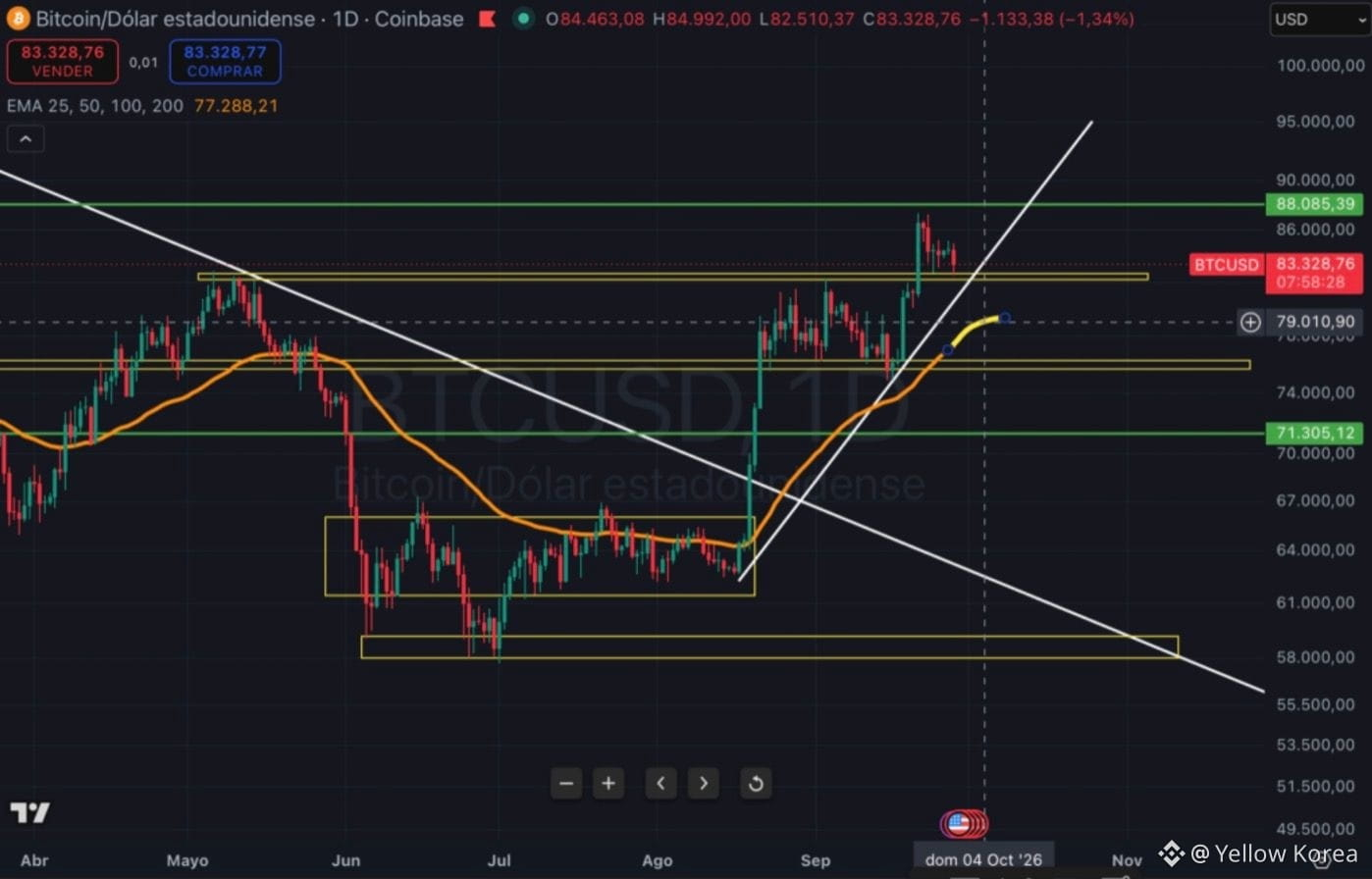
Article
변동성에도 견조한 비트코인…상승 재개 위해서는 8만7,400달러 돌파가 관건비트코인 (BTC)이 극심한 변동성에도 불구하고 전반적으로 우호적인 기술적 구조를 이어가고 있다.
최근 급등 이후 한 차례 더 되돌림 조정이 나온 뒤 재차 상방을 시도하는 흐름은 충분히 가능한 시나리오다. 가격이 8만2,000~7만9,000달러 구간까지 밀리는 상황도 염두에 둘 필요가 있지만, 필자의 관점에서 이는 상승 추세가 끝났다는 신호로 볼 이유는 없다.
오히려 이런 조정은 시장에 필요한 ‘건강한 숨 고르기’에 가깝다.
강한 랠리 후에는 뒤늦게 진입한 투자자들이 과도한 레버리지를 활용하는 경우가 많고, 이들은 급격한 되돌림에 취약하다. 비트코인이 8만~7만9,000달러선으로 되돌린다면, 상방을 다시 노리기 전에 이 레버리지 포지션을 털어내는 과정이 될 수 있다.
8만7,400달러와 8만2,000달러가 핵심 레벨
상단에서는 8만7,400달러 부근이 핵심 저항으로 부각된다. 하단에서는 8만2,000달러 선이 주요 지지 구간으로 주목받는다.
비트코인 일간 차트와 주요 기술적 레벨
7만9,000달러 부근 50일 지수이동평균선(EMA)과 주목해야 할 핵심 가격대.
함께 보기: 코인베이스 CEO, AI 에이전트 트래픽 급증 속 ‘내부 플랫폼 책무성’ 강화 촉구
비트코인이 8만7,000달러대 상단을 뚜렷하게 돌파해 그 위에서 안착한다면, 추가 상승 가능성에 한층 힘이 실릴 수 있다.
다만 그 전까지는 박스권 횡보나 급격한 스윙이 반복될 여지도 크다.
특히 이런 국면에서 많은 트레이더들이 ‘모든 캔들을 맞추려는’ 시도에 나서다 실수를 범하곤 한다.
현재 전략적 관점에서는 시장의 명확한 확인 신호를 기다리는 편이 선호된다. 비트코인은 7만9,000달러 인근에서의 롱 포지션 진입을 검토할 만한 구간으로 본다.
이더리움도 주목할 만한 가격대 진입
이더리움 (ETH) 역시 눈여겨볼 만한 구간에 진입해 있다. 2,800달러대가 중요한 기준선이다.
ETH가 이 레벨을 힘 있게 회복한다면, 특히 시장 내에 여전히 다수의 숏 포지션이 남아 있는 만큼 상당히 흥미로운 상승파를 촉발할 수 있다.
이들이 일제히 숏을 청산하기 시작할 경우, 그 자체가 강한 매수 압력으로 전환될 수 있기 때문이다.
알트코인, 여전히 매력적인 기회 제공
앞선 기사에서 이미 일부 알트코인 포지션을 공개한 바 있다. 이번 달 가장 좋은 기회 상당수는 비트코인이 아닌 알트코인에서 나왔다.
지캐시 (ZEC), 자마 (ZAMA), 니어 (NEAR)를 비롯한 여러 알트코인이 특히 인상적인 흐름을 연출했다.
이들 중 일부 자산은 의도적으로 소규모 계좌를 사용한 선물 거래만으로도 이번 달 1만4,000달러 이상 수익을 기록했다.
CryptoCedric 2026년 9월 트레이딩 성과
이는 중요한 사실을 상기시킨다. 좋은 성과를 내기 위해 반드시 막대한 자본이 필요한 것은 아니라는 점이다.
더 중요한 것은 올바른 자산을 고르는 안목, 의미 있는 가격대를 끝까지 기다리는 인내심, 그리고 무엇보다 철저한 리스크 관리다.
급등 뒤 ‘추격 매수’는 경계해야
예를 들어 NEAR는 짧은 기간에 가파르게 급등했다.
일부 프로젝트에 대해 중기적으로는 긍정적인 견해를 유지하더라도, 가격이 거의 수직으로 치솟은 뒤 시장의 관심이 극대화된 구간에서 ‘남들 다 산다’는 이유만으로 추격 매수에 나가는 전략은 지양된다.
되돌림 조정을 기다리는 접근이 대체로 선호된다.
지캐시 역시 최근 가장 강한 흐름을 보인 자산 중 하나다. 추세 자체는 여전히 유효하지만, 이처럼 큰 폭으로 오른 뒤에는 수익을 일부 보호하고 모멘텀 약화 신호를 면밀히 관찰하는 것이 한층 중요해진다. ZAMA의 경우 장기 보유 관점의 롱 포지션이 큰 성공을 거두기도 했다.
특정 자산에 대해 강세 전망을 갖고 있다는 사실이 곧 ‘어떤 상황에서도 포지션을 계속 들고 가야 한다’는 의미는 아니다.
가장 중요한 원칙, 자본 보호
수년간의 매매 경험을 통해 얻은 가장 중요한 교훈 가운데 하나는 자본 보호의 우선순위다.
보유 중인 포지션에서 약세 신호가 뚜렷이 나타나기 시작할 경우, 노출을 줄이고 현금 비중을 늘리는 선택이 더 나은 해법이 될 때가 적지 않다.
이후 시장이 다시 분명한 강세 국면으로 전환된다면, 다소 높은 가격에서 재진입하더라도 큰 문제는 아니다.
목표는 고점을 정확히 팔고 저점을 정확히 사는 ‘완벽한 매매’가 아니다. 무엇보다 피해야 할 것은 불필요하게 큰 손실 구간에 오래 머무르는 것이다.
현재로서는 전체적인 시장 전망은 여전히 긍정적인 편이다.
비트코인은 단기적으로 변동성을 이어가며 8만달러 부근까지 재차 되돌림을 거친 뒤 상승세를 재개할 가능성이 남아 있다.
상단에서는 여전히 8만7,400달러 돌파 여부가 핵심 관전 포인트다.
이더리움은 2,800달러선을 되찾는다면 매력이 한층 커질 수 있고, 알트코인 시장은 여전히 시장 내에서 가장 매력적인 기회를 제공하고 있다.
이번 달 사례만 보더라도 ZEC, ZAMA, 솔라나 (SOL), 온도 (ONDO), NEAR 등이 수익에 크게 기여했고, 비교적 작은 규모의 계좌로도 선물 거래 수익이 1만4,000달러를 넘어섰다.
현재 암호화폐 시장은 여전히 흥미롭고 구조적으로는 강세를 유지하고 있지만, 한 가지 현실은 받아들여야 한다. 강세장이라도 상승 곡선이 항상 직선처럼 매끄럽게 이어지지는 않는다는 점이다.
다음으로 읽어볼 기사: AI 에이전트, 490달러 금리 차이를 은행 조달 리스크로 바꿀 수 있다
변동성에도 견조한 비트코인…상승 재개 위해서는 8만7,400달러 돌파가 관건
비트코인 (BTC)이 극심한 변동성에도 불구하고 전반적으로 우호적인 기술적 구조를 이어가고 있다.
최근 급등 이후 한 차례 더 되돌림 조정이 나온 뒤 재차 상방을 시도하는 흐름은 충분히 가능한 시나리오다. 가격이 8만2,000~7만9,000달러 구간까지 밀리는 상황도 염두에 둘 필요가 있지만, 필자의 관점에서 이는 상승 추세가 끝났다는 신호로 볼 이유는 없다.
오히려 이런 조정은 시장에 필요한 ‘건강한 숨 고르기’에 가깝다.
강한 랠리 후에는 뒤늦게 진입한 투자자들이 과도한 레버리지를 활용하는 경우가 많고, 이들은 급격한 되돌림에 취약하다. 비트코인이 8만~7만9,000달러선으로 되돌린다면, 상방을 다시 노리기 전에 이 레버리지 포지션을 털어내는 과정이 될 수 있다.
8만7,400달러와 8만2,000달러가 핵심 레벨
상단에서는 8만7,400달러 부근이 핵심 저항으로 부각된다. 하단에서는 8만2,000달러 선이 주요 지지 구간으로 주목받는다.
비트코인 일간 차트와 주요 기술적 레벨
7만9,000달러 부근 50일 지수이동평균선(EMA)과 주목해야 할 핵심 가격대.
함께 보기: 코인베이스 CEO, AI 에이전트 트래픽 급증 속 ‘내부 플랫폼 책무성’ 강화 촉구
비트코인이 8만7,000달러대 상단을 뚜렷하게 돌파해 그 위에서 안착한다면, 추가 상승 가능성에 한층 힘이 실릴 수 있다.
다만 그 전까지는 박스권 횡보나 급격한 스윙이 반복될 여지도 크다.
특히 이런 국면에서 많은 트레이더들이 ‘모든 캔들을 맞추려는’ 시도에 나서다 실수를 범하곤 한다.
현재 전략적 관점에서는 시장의 명확한 확인 신호를 기다리는 편이 선호된다. 비트코인은 7만9,000달러 인근에서의 롱 포지션 진입을 검토할 만한 구간으로 본다.
이더리움도 주목할 만한 가격대 진입
이더리움 (ETH) 역시 눈여겨볼 만한 구간에 진입해 있다. 2,800달러대가 중요한 기준선이다.
ETH가 이 레벨을 힘 있게 회복한다면, 특히 시장 내에 여전히 다수의 숏 포지션이 남아 있는 만큼 상당히 흥미로운 상승파를 촉발할 수 있다.
이들이 일제히 숏을 청산하기 시작할 경우, 그 자체가 강한 매수 압력으로 전환될 수 있기 때문이다.
알트코인, 여전히 매력적인 기회 제공
앞선 기사에서 이미 일부 알트코인 포지션을 공개한 바 있다. 이번 달 가장 좋은 기회 상당수는 비트코인이 아닌 알트코인에서 나왔다.
지캐시 (ZEC), 자마 (ZAMA), 니어 (NEAR)를 비롯한 여러 알트코인이 특히 인상적인 흐름을 연출했다.
이들 중 일부 자산은 의도적으로 소규모 계좌를 사용한 선물 거래만으로도 이번 달 1만4,000달러 이상 수익을 기록했다.
CryptoCedric 2026년 9월 트레이딩 성과
이는 중요한 사실을 상기시킨다. 좋은 성과를 내기 위해 반드시 막대한 자본이 필요한 것은 아니라는 점이다.
더 중요한 것은 올바른 자산을 고르는 안목, 의미 있는 가격대를 끝까지 기다리는 인내심, 그리고 무엇보다 철저한 리스크 관리다.
급등 뒤 ‘추격 매수’는 경계해야
예를 들어 NEAR는 짧은 기간에 가파르게 급등했다.
일부 프로젝트에 대해 중기적으로는 긍정적인 견해를 유지하더라도, 가격이 거의 수직으로 치솟은 뒤 시장의 관심이 극대화된 구간에서 ‘남들 다 산다’는 이유만으로 추격 매수에 나가는 전략은 지양된다.
되돌림 조정을 기다리는 접근이 대체로 선호된다.
지캐시 역시 최근 가장 강한 흐름을 보인 자산 중 하나다. 추세 자체는 여전히 유효하지만, 이처럼 큰 폭으로 오른 뒤에는 수익을 일부 보호하고 모멘텀 약화 신호를 면밀히 관찰하는 것이 한층 중요해진다. ZAMA의 경우 장기 보유 관점의 롱 포지션이 큰 성공을 거두기도 했다.
특정 자산에 대해 강세 전망을 갖고 있다는 사실이 곧 ‘어떤 상황에서도 포지션을 계속 들고 가야 한다’는 의미는 아니다.
가장 중요한 원칙, 자본 보호
수년간의 매매 경험을 통해 얻은 가장 중요한 교훈 가운데 하나는 자본 보호의 우선순위다.
보유 중인 포지션에서 약세 신호가 뚜렷이 나타나기 시작할 경우, 노출을 줄이고 현금 비중을 늘리는 선택이 더 나은 해법이 될 때가 적지 않다.
이후 시장이 다시 분명한 강세 국면으로 전환된다면, 다소 높은 가격에서 재진입하더라도 큰 문제는 아니다.
목표는 고점을 정확히 팔고 저점을 정확히 사는 ‘완벽한 매매’가 아니다. 무엇보다 피해야 할 것은 불필요하게 큰 손실 구간에 오래 머무르는 것이다.
현재로서는 전체적인 시장 전망은 여전히 긍정적인 편이다.
비트코인은 단기적으로 변동성을 이어가며 8만달러 부근까지 재차 되돌림을 거친 뒤 상승세를 재개할 가능성이 남아 있다.
상단에서는 여전히 8만7,400달러 돌파 여부가 핵심 관전 포인트다.
이더리움은 2,800달러선을 되찾는다면 매력이 한층 커질 수 있고, 알트코인 시장은 여전히 시장 내에서 가장 매력적인 기회를 제공하고 있다.
이번 달 사례만 보더라도 ZEC, ZAMA, 솔라나 (SOL), 온도 (ONDO), NEAR 등이 수익에 크게 기여했고, 비교적 작은 규모의 계좌로도 선물 거래 수익이 1만4,000달러를 넘어섰다.
현재 암호화폐 시장은 여전히 흥미롭고 구조적으로는 강세를 유지하고 있지만, 한 가지 현실은 받아들여야 한다. 강세장이라도 상승 곡선이 항상 직선처럼 매끄럽게 이어지지는 않는다는 점이다.
다음으로 읽어볼 기사: AI 에이전트, 490달러 금리 차이를 은행 조달 리스크로 바꿀 수 있다
최근 급등 이후 한 차례 더 되돌림 조정이 나온 뒤 재차 상방을 시도하는 흐름은 충분히 가능한 시나리오다. 가격이 8만2,000~7만9,000달러 구간까지 밀리는 상황도 염두에 둘 필요가 있지만, 필자의 관점에서 이는 상승 추세가 끝났다는 신호로 볼 이유는 없다.
오히려 이런 조정은 시장에 필요한 ‘건강한 숨 고르기’에 가깝다.
강한 랠리 후에는 뒤늦게 진입한 투자자들이 과도한 레버리지를 활용하는 경우가 많고, 이들은 급격한 되돌림에 취약하다. 비트코인이 8만~7만9,000달러선으로 되돌린다면, 상방을 다시 노리기 전에 이 레버리지 포지션을 털어내는 과정이 될 수 있다.
8만7,400달러와 8만2,000달러가 핵심 레벨
상단에서는 8만7,400달러 부근이 핵심 저항으로 부각된다. 하단에서는 8만2,000달러 선이 주요 지지 구간으로 주목받는다.
비트코인 일간 차트와 주요 기술적 레벨
7만9,000달러 부근 50일 지수이동평균선(EMA)과 주목해야 할 핵심 가격대.
함께 보기: 코인베이스 CEO, AI 에이전트 트래픽 급증 속 ‘내부 플랫폼 책무성’ 강화 촉구
비트코인이 8만7,000달러대 상단을 뚜렷하게 돌파해 그 위에서 안착한다면, 추가 상승 가능성에 한층 힘이 실릴 수 있다.
다만 그 전까지는 박스권 횡보나 급격한 스윙이 반복될 여지도 크다.
특히 이런 국면에서 많은 트레이더들이 ‘모든 캔들을 맞추려는’ 시도에 나서다 실수를 범하곤 한다.
현재 전략적 관점에서는 시장의 명확한 확인 신호를 기다리는 편이 선호된다. 비트코인은 7만9,000달러 인근에서의 롱 포지션 진입을 검토할 만한 구간으로 본다.
이더리움도 주목할 만한 가격대 진입
이더리움 (ETH) 역시 눈여겨볼 만한 구간에 진입해 있다. 2,800달러대가 중요한 기준선이다.
ETH가 이 레벨을 힘 있게 회복한다면, 특히 시장 내에 여전히 다수의 숏 포지션이 남아 있는 만큼 상당히 흥미로운 상승파를 촉발할 수 있다.
이들이 일제히 숏을 청산하기 시작할 경우, 그 자체가 강한 매수 압력으로 전환될 수 있기 때문이다.
알트코인, 여전히 매력적인 기회 제공
앞선 기사에서 이미 일부 알트코인 포지션을 공개한 바 있다. 이번 달 가장 좋은 기회 상당수는 비트코인이 아닌 알트코인에서 나왔다.
지캐시 (ZEC), 자마 (ZAMA), 니어 (NEAR)를 비롯한 여러 알트코인이 특히 인상적인 흐름을 연출했다.
이들 중 일부 자산은 의도적으로 소규모 계좌를 사용한 선물 거래만으로도 이번 달 1만4,000달러 이상 수익을 기록했다.
CryptoCedric 2026년 9월 트레이딩 성과
이는 중요한 사실을 상기시킨다. 좋은 성과를 내기 위해 반드시 막대한 자본이 필요한 것은 아니라는 점이다.
더 중요한 것은 올바른 자산을 고르는 안목, 의미 있는 가격대를 끝까지 기다리는 인내심, 그리고 무엇보다 철저한 리스크 관리다.
급등 뒤 ‘추격 매수’는 경계해야
예를 들어 NEAR는 짧은 기간에 가파르게 급등했다.
일부 프로젝트에 대해 중기적으로는 긍정적인 견해를 유지하더라도, 가격이 거의 수직으로 치솟은 뒤 시장의 관심이 극대화된 구간에서 ‘남들 다 산다’는 이유만으로 추격 매수에 나가는 전략은 지양된다.
되돌림 조정을 기다리는 접근이 대체로 선호된다.
지캐시 역시 최근 가장 강한 흐름을 보인 자산 중 하나다. 추세 자체는 여전히 유효하지만, 이처럼 큰 폭으로 오른 뒤에는 수익을 일부 보호하고 모멘텀 약화 신호를 면밀히 관찰하는 것이 한층 중요해진다. ZAMA의 경우 장기 보유 관점의 롱 포지션이 큰 성공을 거두기도 했다.
특정 자산에 대해 강세 전망을 갖고 있다는 사실이 곧 ‘어떤 상황에서도 포지션을 계속 들고 가야 한다’는 의미는 아니다.
가장 중요한 원칙, 자본 보호
수년간의 매매 경험을 통해 얻은 가장 중요한 교훈 가운데 하나는 자본 보호의 우선순위다.
보유 중인 포지션에서 약세 신호가 뚜렷이 나타나기 시작할 경우, 노출을 줄이고 현금 비중을 늘리는 선택이 더 나은 해법이 될 때가 적지 않다.
이후 시장이 다시 분명한 강세 국면으로 전환된다면, 다소 높은 가격에서 재진입하더라도 큰 문제는 아니다.
목표는 고점을 정확히 팔고 저점을 정확히 사는 ‘완벽한 매매’가 아니다. 무엇보다 피해야 할 것은 불필요하게 큰 손실 구간에 오래 머무르는 것이다.
현재로서는 전체적인 시장 전망은 여전히 긍정적인 편이다.
비트코인은 단기적으로 변동성을 이어가며 8만달러 부근까지 재차 되돌림을 거친 뒤 상승세를 재개할 가능성이 남아 있다.
상단에서는 여전히 8만7,400달러 돌파 여부가 핵심 관전 포인트다.
이더리움은 2,800달러선을 되찾는다면 매력이 한층 커질 수 있고, 알트코인 시장은 여전히 시장 내에서 가장 매력적인 기회를 제공하고 있다.
이번 달 사례만 보더라도 ZEC, ZAMA, 솔라나 (SOL), 온도 (ONDO), NEAR 등이 수익에 크게 기여했고, 비교적 작은 규모의 계좌로도 선물 거래 수익이 1만4,000달러를 넘어섰다.
현재 암호화폐 시장은 여전히 흥미롭고 구조적으로는 강세를 유지하고 있지만, 한 가지 현실은 받아들여야 한다. 강세장이라도 상승 곡선이 항상 직선처럼 매끄럽게 이어지지는 않는다는 점이다.
다음으로 읽어볼 기사: AI 에이전트, 490달러 금리 차이를 은행 조달 리스크로 바꿀 수 있다
5
·
--
이더리움, 1.5천달러 저점에서 반등했지만 2.7천달러 저항에 상승세 다시 제동이더리움 (ETH)이 2.8천달러 부근 저항 테스트에 실패한 뒤 2.7천달러 아래에서 등락을 이어가고 있다. 2.4천달러 지지선과 상승 추세선이 향후 방향성을 가를 핵심 변수로 부각된다.
핵심 포인트
ETH는 6월 1.5천달러대 저점에서 회복해 2.4천달러 상단을 돌파했지만, 2.8천달러 인근 매물대 공략에는 힘이 부족했다.
일간 차트상 주요 지지선은 2.4천달러 부근이며, 단기적으로는 2.5천달러에 1차 지지, 2.7천달러에 뚜렷한 저항이 형성돼 있다.
일평균 트랜잭션 수는 약 160만건에서 200만건 이상으로 반등했지만, 최근 가격 회복 구간에서는 다시 다소 둔화되는 모습이다.
이더리움, 지지선 재확인 국면
이더는 6월 1.5천달러 인근 저점에서 강하게 반등한 이후, 그동안 상단을 막아왔던 2.4천달러 저항을 돌파했다. 그러나 상승세는 2.8천달러 인근에서 차익 실현 매물에 막히며 일단 제동이 걸렸다.
관련 분석에 따르면, 이 구간이 당분간 중기 분기점으로 작용할 가능성이 크다.
일간 차트에서는 최근 캔들이 2.7천달러 저항 밴드를 명확히 넘어서지 못한 채, 2.68천달러 부근에서 되밀리며 윗꼬리를 남겼다. 이로 인해 단기 시선은 다시 2.4천달러 지지선으로 쏠리고 있다.
100일과 200일 이동평균선은 2.1천달러 인근에서 서로 수렴 중이다. 분석에서는 두 선의 골든크로스가 성사될 경우, 수개월간 이어진 약세 구간을 벗어나 중장기 추세가 개선될 수 있는 신호가 될 수 있다고 진단했다. 다만 아직 크로스는 발생하지 않았다.
4시간 차트에서 ETH는 2.65천달러선에서 등락 중이며, 2.7천달러에 단기 저항, 2.5천달러 인근에는 매수 주문이 쌓인 ‘불리시 오더 블록’이 자리하고 있다. 상승 추세선은 2.3만~2.4천달러 구간을 향해 완만히 우상향 중이다.
2.7천달러 상단 돌파에 성공하면 3천달러 재도전이 가시권에 들어서지만, 지지선이 붕괴될 경우 시선은 2.2만~2.3천달러대로 하향 조정될 수 있다.
관련기사: 비트코인 ETF, 한 주 유입 23.9억달러… 가상자산 펀드 수요 저변 확대
Shayan Markets 시각
Shayan Markets는 가격 흐름과 온체인 활동 간의 괴리에 주목했다. 이더리움 네트워크의 일평균 트랜잭션 수는 약 160만건에서 200만건 이상으로 되살아났으나, ETH 가격이 2.6천달러를 향해 오르는 국면에서는 오히려 거래 활동이 둔화됐다는 점을 지적했다.
분석진은 이를 단기 매매보다는 ‘보유’ 성향이 강화된 신호로 해석할 여지가 있다고 봤다.
4시간 차트 기준 RSI는 9월 랠리 과정에서 과열 구간에 진입했다가, 현재는 중단선 아래로 되밀린 상태다. 이는 과열 해소와 함께 박스권 조정 시나리오에 무게를 싣는 신호로 평가된다.
필자는 이더리움의 중기 구조가 여전히 우호적이라고 보면서도, 강세 시나리오의 전제 조건으로 △주요 지지 구간 방어 △2.7천달러대 저항 돌파를 들었다. 거시경제 변수와 규제 이슈 등은 여전히 별도의 하방 리스크로 남아 있다는 경고도 덧붙였다.
현재 기술적 구도는 △6월 1.5천달러 부근에서의 저점 형성 △기존 강한 저항이었던 2.4천달러 상향 돌파 △ETH를 2.8천달러 부근까지 끌어올린 9월 랠리 등 일련의 회복 과정 위에 형성돼 있다.
이 과정에서 가격은 상승 추세선을 따라 저점을 높여 왔고, 한때 강력한 저항으로 작용하던 레벨을 되찾는 데 성공했다. 다만 2.7천달러 상향 돌파가 아직 확정되지 않은 만큼, 추세 전환이 완전히 검증된 단계로 보기는 어렵다.
다음 읽기: 달러·금리 동반 상승 속 금·은 시가총액 1조500억달러 증발
이더리움, 1.5천달러 저점에서 반등했지만 2.7천달러 저항에 상승세 다시 제동
이더리움 (ETH)이 2.8천달러 부근 저항 테스트에 실패한 뒤 2.7천달러 아래에서 등락을 이어가고 있다. 2.4천달러 지지선과 상승 추세선이 향후 방향성을 가를 핵심 변수로 부각된다.
핵심 포인트
ETH는 6월 1.5천달러대 저점에서 회복해 2.4천달러 상단을 돌파했지만, 2.8천달러 인근 매물대 공략에는 힘이 부족했다.
일간 차트상 주요 지지선은 2.4천달러 부근이며, 단기적으로는 2.5천달러에 1차 지지, 2.7천달러에 뚜렷한 저항이 형성돼 있다.
일평균 트랜잭션 수는 약 160만건에서 200만건 이상으로 반등했지만, 최근 가격 회복 구간에서는 다시 다소 둔화되는 모습이다.
이더리움, 지지선 재확인 국면
이더는 6월 1.5천달러 인근 저점에서 강하게 반등한 이후, 그동안 상단을 막아왔던 2.4천달러 저항을 돌파했다. 그러나 상승세는 2.8천달러 인근에서 차익 실현 매물에 막히며 일단 제동이 걸렸다.
관련 분석에 따르면, 이 구간이 당분간 중기 분기점으로 작용할 가능성이 크다.
일간 차트에서는 최근 캔들이 2.7천달러 저항 밴드를 명확히 넘어서지 못한 채, 2.68천달러 부근에서 되밀리며 윗꼬리를 남겼다. 이로 인해 단기 시선은 다시 2.4천달러 지지선으로 쏠리고 있다.
100일과 200일 이동평균선은 2.1천달러 인근에서 서로 수렴 중이다. 분석에서는 두 선의 골든크로스가 성사될 경우, 수개월간 이어진 약세 구간을 벗어나 중장기 추세가 개선될 수 있는 신호가 될 수 있다고 진단했다. 다만 아직 크로스는 발생하지 않았다.
4시간 차트에서 ETH는 2.65천달러선에서 등락 중이며, 2.7천달러에 단기 저항, 2.5천달러 인근에는 매수 주문이 쌓인 ‘불리시 오더 블록’이 자리하고 있다. 상승 추세선은 2.3만~2.4천달러 구간을 향해 완만히 우상향 중이다.
2.7천달러 상단 돌파에 성공하면 3천달러 재도전이 가시권에 들어서지만, 지지선이 붕괴될 경우 시선은 2.2만~2.3천달러대로 하향 조정될 수 있다.
관련기사: 비트코인 ETF, 한 주 유입 23.9억달러… 가상자산 펀드 수요 저변 확대
Shayan Markets 시각
Shayan Markets는 가격 흐름과 온체인 활동 간의 괴리에 주목했다. 이더리움 네트워크의 일평균 트랜잭션 수는 약 160만건에서 200만건 이상으로 되살아났으나, ETH 가격이 2.6천달러를 향해 오르는 국면에서는 오히려 거래 활동이 둔화됐다는 점을 지적했다.
분석진은 이를 단기 매매보다는 ‘보유’ 성향이 강화된 신호로 해석할 여지가 있다고 봤다.
4시간 차트 기준 RSI는 9월 랠리 과정에서 과열 구간에 진입했다가, 현재는 중단선 아래로 되밀린 상태다. 이는 과열 해소와 함께 박스권 조정 시나리오에 무게를 싣는 신호로 평가된다.
필자는 이더리움의 중기 구조가 여전히 우호적이라고 보면서도, 강세 시나리오의 전제 조건으로 △주요 지지 구간 방어 △2.7천달러대 저항 돌파를 들었다. 거시경제 변수와 규제 이슈 등은 여전히 별도의 하방 리스크로 남아 있다는 경고도 덧붙였다.
현재 기술적 구도는 △6월 1.5천달러 부근에서의 저점 형성 △기존 강한 저항이었던 2.4천달러 상향 돌파 △ETH를 2.8천달러 부근까지 끌어올린 9월 랠리 등 일련의 회복 과정 위에 형성돼 있다.
이 과정에서 가격은 상승 추세선을 따라 저점을 높여 왔고, 한때 강력한 저항으로 작용하던 레벨을 되찾는 데 성공했다. 다만 2.7천달러 상향 돌파가 아직 확정되지 않은 만큼, 추세 전환이 완전히 검증된 단계로 보기는 어렵다.
다음 읽기: 달러·금리 동반 상승 속 금·은 시가총액 1조500억달러 증발
핵심 포인트
ETH는 6월 1.5천달러대 저점에서 회복해 2.4천달러 상단을 돌파했지만, 2.8천달러 인근 매물대 공략에는 힘이 부족했다.
일간 차트상 주요 지지선은 2.4천달러 부근이며, 단기적으로는 2.5천달러에 1차 지지, 2.7천달러에 뚜렷한 저항이 형성돼 있다.
일평균 트랜잭션 수는 약 160만건에서 200만건 이상으로 반등했지만, 최근 가격 회복 구간에서는 다시 다소 둔화되는 모습이다.
이더리움, 지지선 재확인 국면
이더는 6월 1.5천달러 인근 저점에서 강하게 반등한 이후, 그동안 상단을 막아왔던 2.4천달러 저항을 돌파했다. 그러나 상승세는 2.8천달러 인근에서 차익 실현 매물에 막히며 일단 제동이 걸렸다.
관련 분석에 따르면, 이 구간이 당분간 중기 분기점으로 작용할 가능성이 크다.
일간 차트에서는 최근 캔들이 2.7천달러 저항 밴드를 명확히 넘어서지 못한 채, 2.68천달러 부근에서 되밀리며 윗꼬리를 남겼다. 이로 인해 단기 시선은 다시 2.4천달러 지지선으로 쏠리고 있다.
100일과 200일 이동평균선은 2.1천달러 인근에서 서로 수렴 중이다. 분석에서는 두 선의 골든크로스가 성사될 경우, 수개월간 이어진 약세 구간을 벗어나 중장기 추세가 개선될 수 있는 신호가 될 수 있다고 진단했다. 다만 아직 크로스는 발생하지 않았다.
4시간 차트에서 ETH는 2.65천달러선에서 등락 중이며, 2.7천달러에 단기 저항, 2.5천달러 인근에는 매수 주문이 쌓인 ‘불리시 오더 블록’이 자리하고 있다. 상승 추세선은 2.3만~2.4천달러 구간을 향해 완만히 우상향 중이다.
2.7천달러 상단 돌파에 성공하면 3천달러 재도전이 가시권에 들어서지만, 지지선이 붕괴될 경우 시선은 2.2만~2.3천달러대로 하향 조정될 수 있다.
관련기사: 비트코인 ETF, 한 주 유입 23.9억달러… 가상자산 펀드 수요 저변 확대
Shayan Markets 시각
Shayan Markets는 가격 흐름과 온체인 활동 간의 괴리에 주목했다. 이더리움 네트워크의 일평균 트랜잭션 수는 약 160만건에서 200만건 이상으로 되살아났으나, ETH 가격이 2.6천달러를 향해 오르는 국면에서는 오히려 거래 활동이 둔화됐다는 점을 지적했다.
분석진은 이를 단기 매매보다는 ‘보유’ 성향이 강화된 신호로 해석할 여지가 있다고 봤다.
4시간 차트 기준 RSI는 9월 랠리 과정에서 과열 구간에 진입했다가, 현재는 중단선 아래로 되밀린 상태다. 이는 과열 해소와 함께 박스권 조정 시나리오에 무게를 싣는 신호로 평가된다.
필자는 이더리움의 중기 구조가 여전히 우호적이라고 보면서도, 강세 시나리오의 전제 조건으로 △주요 지지 구간 방어 △2.7천달러대 저항 돌파를 들었다. 거시경제 변수와 규제 이슈 등은 여전히 별도의 하방 리스크로 남아 있다는 경고도 덧붙였다.
현재 기술적 구도는 △6월 1.5천달러 부근에서의 저점 형성 △기존 강한 저항이었던 2.4천달러 상향 돌파 △ETH를 2.8천달러 부근까지 끌어올린 9월 랠리 등 일련의 회복 과정 위에 형성돼 있다.
이 과정에서 가격은 상승 추세선을 따라 저점을 높여 왔고, 한때 강력한 저항으로 작용하던 레벨을 되찾는 데 성공했다. 다만 2.7천달러 상향 돌파가 아직 확정되지 않은 만큼, 추세 전환이 완전히 검증된 단계로 보기는 어렵다.
다음 읽기: 달러·금리 동반 상승 속 금·은 시가총액 1조500억달러 증발
9
·
--
스트래티지, 비트코인 1,665개 추가 매수…STRC 자사주 매입은 1억5,200만 달러 근접**스트래티지(Strategy)**가 지난주 비트코인 1,665개를 1억4,270만 달러에 매수하는 동시에 STRC 우선주를 약 1억5,200만 달러어치 되사들였다. 이번 비트코인 매수는 개당 평균 8만5,681달러에 이뤄졌다.
핵심 내용:
스트래티지는 1,665 BTC를 개당 평균 8만5,681달러에 매수, 총 보유량을 84만7,666 BTC로 늘렸다.
지금까지 비트코인 매입에 투입한 누적 금액은 639억5,000만 달러로, 개당 평균 매입단가는 7만5,437달러다.
회사는 동시에 MSTR 보통주 146만 주 이상을 장내 매각해 2억4,620만 달러를 조달, 비트코인 매수와 STRC 우선주 자사주 매입을 병행하고 있다.
스트래티지의 비트코인 추가 매수
스트래티지는 미국 증권거래위원회(SEC)에 제출한 공시를 통해, 9월 21일부터 27일까지 1,665 BTC를 1억4,270만 달러에 매입했다고 밝혔다. 비트코인 1개당 평균 매입가는 8만5,681달러다. 이로써 회사의 비트코인 보유량은 84만7,666 BTC까지 불어났다.
회사에 따르면 지금까지 확보한 비트코인은 총 639억5,000만 달러를 투입해 매입한 물량으로, 비트코인 1개당 평균 매입단가는 7만5,437달러 수준이다. 9월 초 일시적인 매수 중단 이후, 2주 연속 비트코인 매입이 재개된 셈이다.
스트래티지는 동시에 보통주 유상증자 수단인 ATM(At-The-Market) 프로그램을 활용해 MSTR 보통주 146만 주 이상을 매각, 2억4,620만 달러의 현금을 조달했다. 새로 확보한 자금은 비트코인 추가 매입과 STRC 우선주 자사주 매입에 동원됐으며, 해당 주간 STRC 매입 규모는 약 1억5,200만 달러에 달했다.
함께 읽기: XRP, 에버노스 나스닥 상장 길 열릴까…9월 30일 표결 대기
XRP Faces Sept. 30 Vote That Could Clear Evernorth’s Nasdaq Path
폰 레 CEO의 STRC 전략
스트래티지 최고경영자(CEO) **폰 레(Phong Le)**는 지난 7월, STRC 우선주가 시간이 지남에 따라 99~100달러 밴드 내에서 거래되기를 원한다고 언급했다. 그는 STRC 주가가 100달러 이하일 때 자사주를 매입하면 향후 지급해야 할 우선배당 부담을 할인된 가격에 줄일 수 있고, 동시에 시장 수급에 따라 증권의 공정가격이 형성되도록 할 수 있다고 설명했다.
이 같은 정책은 스트래티지가 비트코인과 STRC 두 자산 모두에 자본을 배분하는 이유를 잘 보여준다. 회사는 한편으로는 우선주라는 금융 조달 수단을 뒷받침하면서, 다른 한편으로는 재무전략의 핵심 축인 비트코인 국고(reserve)를 꾸준히 늘리는 ‘투트랙’ 자본 배분 전략을 구사하고 있다.
스트래티지 이사회 의장인 **마이클 세일러(Michael Saylor)**는 별도로 비트코인을 디지털 채권·지분을 포괄하는 ‘디지털 자본 스택’의 기초 자산으로 규정해 왔다. 이 프레임에 따르면, 비트코인 매수와 우선주 관리 전략은 서로 다른 활동이 아니라 하나의 통합된 자본 전략 안에 놓여 있는 셈이다.
9월 자본 배분 흐름
이번 조치는 9월 내내 이어진 명확한 패턴 위에서 나온 후속 행보다. 스트래티지는 9월 8~13일 사이에는 비트코인을 전혀 매수하지 않았지만, 같은 기간 STRC 우선주 자사주 매입에만 1억3,930만 달러를 투입했다.
이어 9월 14~20일에는 950 BTC를 7,570만 달러에 매수하는 동시에 STRC 우선주를 1억7,400만 달러 규모로 다시 사들였다. 가장 최근 주간(9월 21~27일)에는 비트코인 매입 규모를 1,665 BTC, 1억4,270만 달러로 확대하면서도 STRC 자사주 매입을 약 1억5,200만 달러 수준으로 유지했다.
다음 기사: 블랙록 CIO “8% 채권금리, 주식 수익률에 정면 도전”
BlackRock CIO Says 8% Bond Yields Challenge Equity Returns
스트래티지, 비트코인 1,665개 추가 매수…STRC 자사주 매입은 1억5,200만 달러 근접
**스트래티지(Strategy)**가 지난주 비트코인 1,665개를 1억4,270만 달러에 매수하는 동시에 STRC 우선주를 약 1억5,200만 달러어치 되사들였다. 이번 비트코인 매수는 개당 평균 8만5,681달러에 이뤄졌다.
핵심 내용:
스트래티지는 1,665 BTC를 개당 평균 8만5,681달러에 매수, 총 보유량을 84만7,666 BTC로 늘렸다.
지금까지 비트코인 매입에 투입한 누적 금액은 639억5,000만 달러로, 개당 평균 매입단가는 7만5,437달러다.
회사는 동시에 MSTR 보통주 146만 주 이상을 장내 매각해 2억4,620만 달러를 조달, 비트코인 매수와 STRC 우선주 자사주 매입을 병행하고 있다.
스트래티지의 비트코인 추가 매수
스트래티지는 미국 증권거래위원회(SEC)에 제출한 공시를 통해, 9월 21일부터 27일까지 1,665 BTC를 1억4,270만 달러에 매입했다고 밝혔다. 비트코인 1개당 평균 매입가는 8만5,681달러다. 이로써 회사의 비트코인 보유량은 84만7,666 BTC까지 불어났다.
회사에 따르면 지금까지 확보한 비트코인은 총 639억5,000만 달러를 투입해 매입한 물량으로, 비트코인 1개당 평균 매입단가는 7만5,437달러 수준이다. 9월 초 일시적인 매수 중단 이후, 2주 연속 비트코인 매입이 재개된 셈이다.
스트래티지는 동시에 보통주 유상증자 수단인 ATM(At-The-Market) 프로그램을 활용해 MSTR 보통주 146만 주 이상을 매각, 2억4,620만 달러의 현금을 조달했다. 새로 확보한 자금은 비트코인 추가 매입과 STRC 우선주 자사주 매입에 동원됐으며, 해당 주간 STRC 매입 규모는 약 1억5,200만 달러에 달했다.
함께 읽기: XRP, 에버노스 나스닥 상장 길 열릴까…9월 30일 표결 대기
XRP Faces Sept. 30 Vote That Could Clear Evernorth’s Nasdaq Path
폰 레 CEO의 STRC 전략
스트래티지 최고경영자(CEO) **폰 레(Phong Le)**는 지난 7월, STRC 우선주가 시간이 지남에 따라 99~100달러 밴드 내에서 거래되기를 원한다고 언급했다. 그는 STRC 주가가 100달러 이하일 때 자사주를 매입하면 향후 지급해야 할 우선배당 부담을 할인된 가격에 줄일 수 있고, 동시에 시장 수급에 따라 증권의 공정가격이 형성되도록 할 수 있다고 설명했다.
이 같은 정책은 스트래티지가 비트코인과 STRC 두 자산 모두에 자본을 배분하는 이유를 잘 보여준다. 회사는 한편으로는 우선주라는 금융 조달 수단을 뒷받침하면서, 다른 한편으로는 재무전략의 핵심 축인 비트코인 국고(reserve)를 꾸준히 늘리는 ‘투트랙’ 자본 배분 전략을 구사하고 있다.
스트래티지 이사회 의장인 **마이클 세일러(Michael Saylor)**는 별도로 비트코인을 디지털 채권·지분을 포괄하는 ‘디지털 자본 스택’의 기초 자산으로 규정해 왔다. 이 프레임에 따르면, 비트코인 매수와 우선주 관리 전략은 서로 다른 활동이 아니라 하나의 통합된 자본 전략 안에 놓여 있는 셈이다.
9월 자본 배분 흐름
이번 조치는 9월 내내 이어진 명확한 패턴 위에서 나온 후속 행보다. 스트래티지는 9월 8~13일 사이에는 비트코인을 전혀 매수하지 않았지만, 같은 기간 STRC 우선주 자사주 매입에만 1억3,930만 달러를 투입했다.
이어 9월 14~20일에는 950 BTC를 7,570만 달러에 매수하는 동시에 STRC 우선주를 1억7,400만 달러 규모로 다시 사들였다. 가장 최근 주간(9월 21~27일)에는 비트코인 매입 규모를 1,665 BTC, 1억4,270만 달러로 확대하면서도 STRC 자사주 매입을 약 1억5,200만 달러 수준으로 유지했다.
다음 기사: 블랙록 CIO “8% 채권금리, 주식 수익률에 정면 도전”
BlackRock CIO Says 8% Bond Yields Challenge Equity Returns
핵심 내용:
스트래티지는 1,665 BTC를 개당 평균 8만5,681달러에 매수, 총 보유량을 84만7,666 BTC로 늘렸다.
지금까지 비트코인 매입에 투입한 누적 금액은 639억5,000만 달러로, 개당 평균 매입단가는 7만5,437달러다.
회사는 동시에 MSTR 보통주 146만 주 이상을 장내 매각해 2억4,620만 달러를 조달, 비트코인 매수와 STRC 우선주 자사주 매입을 병행하고 있다.
스트래티지의 비트코인 추가 매수
스트래티지는 미국 증권거래위원회(SEC)에 제출한 공시를 통해, 9월 21일부터 27일까지 1,665 BTC를 1억4,270만 달러에 매입했다고 밝혔다. 비트코인 1개당 평균 매입가는 8만5,681달러다. 이로써 회사의 비트코인 보유량은 84만7,666 BTC까지 불어났다.
회사에 따르면 지금까지 확보한 비트코인은 총 639억5,000만 달러를 투입해 매입한 물량으로, 비트코인 1개당 평균 매입단가는 7만5,437달러 수준이다. 9월 초 일시적인 매수 중단 이후, 2주 연속 비트코인 매입이 재개된 셈이다.
스트래티지는 동시에 보통주 유상증자 수단인 ATM(At-The-Market) 프로그램을 활용해 MSTR 보통주 146만 주 이상을 매각, 2억4,620만 달러의 현금을 조달했다. 새로 확보한 자금은 비트코인 추가 매입과 STRC 우선주 자사주 매입에 동원됐으며, 해당 주간 STRC 매입 규모는 약 1억5,200만 달러에 달했다.
함께 읽기: XRP, 에버노스 나스닥 상장 길 열릴까…9월 30일 표결 대기
XRP Faces Sept. 30 Vote That Could Clear Evernorth’s Nasdaq Path
폰 레 CEO의 STRC 전략
스트래티지 최고경영자(CEO) **폰 레(Phong Le)**는 지난 7월, STRC 우선주가 시간이 지남에 따라 99~100달러 밴드 내에서 거래되기를 원한다고 언급했다. 그는 STRC 주가가 100달러 이하일 때 자사주를 매입하면 향후 지급해야 할 우선배당 부담을 할인된 가격에 줄일 수 있고, 동시에 시장 수급에 따라 증권의 공정가격이 형성되도록 할 수 있다고 설명했다.
이 같은 정책은 스트래티지가 비트코인과 STRC 두 자산 모두에 자본을 배분하는 이유를 잘 보여준다. 회사는 한편으로는 우선주라는 금융 조달 수단을 뒷받침하면서, 다른 한편으로는 재무전략의 핵심 축인 비트코인 국고(reserve)를 꾸준히 늘리는 ‘투트랙’ 자본 배분 전략을 구사하고 있다.
스트래티지 이사회 의장인 **마이클 세일러(Michael Saylor)**는 별도로 비트코인을 디지털 채권·지분을 포괄하는 ‘디지털 자본 스택’의 기초 자산으로 규정해 왔다. 이 프레임에 따르면, 비트코인 매수와 우선주 관리 전략은 서로 다른 활동이 아니라 하나의 통합된 자본 전략 안에 놓여 있는 셈이다.
9월 자본 배분 흐름
이번 조치는 9월 내내 이어진 명확한 패턴 위에서 나온 후속 행보다. 스트래티지는 9월 8~13일 사이에는 비트코인을 전혀 매수하지 않았지만, 같은 기간 STRC 우선주 자사주 매입에만 1억3,930만 달러를 투입했다.
이어 9월 14~20일에는 950 BTC를 7,570만 달러에 매수하는 동시에 STRC 우선주를 1억7,400만 달러 규모로 다시 사들였다. 가장 최근 주간(9월 21~27일)에는 비트코인 매입 규모를 1,665 BTC, 1억4,270만 달러로 확대하면서도 STRC 자사주 매입을 약 1억5,200만 달러 수준으로 유지했다.
다음 기사: 블랙록 CIO “8% 채권금리, 주식 수익률에 정면 도전”
BlackRock CIO Says 8% Bond Yields Challenge Equity Returns
5
·
--
비트코인 ETF, 주간 23억9천만 달러 유입…가상자산 펀드 전반으로 수요 확산미국 현물 비트코인 (BTC) ETF가 지난주 23억9천만 달러를 끌어모으며 2025년 10월 이후 가장 강한 주간 순유입을 기록했다. 주 후반 비트코인 가격이 되밀렸음에도 가상자산 펀드 전반으로 신규 자금 유입이 확산되는 양상이다.
핵심 내용
미국 현물 비트코인 ETF에는 지난주 23억9천만 달러가 유입돼 2025년 10월 이후 최대 주간 순유입을 기록했고, 2026년 8월 고점도 넘어섰다.
올해 초부터 7월 초까지 약 55억5천만 달러까지 벌어졌던 누적 순유출은 현재 약 9억2천6백만 달러 순유입으로 회복됐다.
다른 미국 현물 가상자산 ETF들도 같은 기간 고르게 자금 유입을 나타냈다.
비트코인 ETF, 2026년 들어 급반전
SoSoValue에 따르면 미국 현물 비트코인 상장지수펀드들은 지난 금요일에만 1억3천4백50만 달러를 추가로 끌어들이며, 한 주 전체 순유입 규모를 23억9천만 달러로 끌어올렸다. 이는 2025년 10월 10일로 끝난 주에 27억1천만 달러가 유입된 이후 최대치로, 2026년 8월 기록한 기존 연중 최대치 19억2천만 달러도 웃돌았다.
이번 유입 랠리로 연초 이후 비트코인 ETF 누적 자금 흐름은 지난 금요일 기준 약 9억2천6백만 달러 순유입으로 반전됐다. 7월 초까지만 해도 누적 기준으로 약 55억5천만 달러 순유출을 기록하며 큰 마이너스를 보였던 것과 대조적이다.
다만 주간 내 흐름은 점차 둔화됐다. 주 초 월요일에만 유입액이 10억 달러에 근접하며 강한 출발을 보인 뒤, 중반 이후 속도가 줄어든 모습이다. 같은 기간 비트코인 가격은 한때 8만7,100달러를 상회했으나 기사 작성 시점에는 약 8만3,116달러로 내려섰다. CoinGecko 기준 24시간 기준으론 1.6% 하락했지만, 7일 기준으론 여전히 1.7% 상승한 상태다.
가격 조정에도 투자 심리는 견조하게 유지됐다. Alternative.me가 집계하는 크립토 ‘공포·탐욕 지수’는 1주일 전 70에서 74로 상승해 여전히 ‘탐욕(Greed)’ 구간에 머물렀다.
함께 보기: XRP, 나스닥 상장 길 여는 에버노스 9월 30일 표결 앞둬
이더·XRP ETF에도 자금 유입
미국 현물 이더 (ETH) ETF에는 같은 기간 약 6억9천만 달러가 순유입됐다. 직전 주 약 1억4천만 달러 순유출을 단숨에 되돌리며 수급이 반전된 것이다. 현물 XRP (XRP) ETF 역시 약 7천6백만 달러를 새로 끌어모여, ETF를 통한 신규 수요가 비트코인에만 국한되지 않았음을 보여줬다.
Bloomberg Intelligence의 ETF 애널리스트 **에릭 발추나스(Eric Balchunas)**는 최근 비트코인 ETF 자금 유입 회복을 미국 재무부의 장기 국채 바이백(재매입) 확대 계획과 연결 지었다. 그는 이번 흐름을 개별 자산인 비트코인에만 국한된 현상이 아니라, 시장 전반의 유동성과 위험 선호가 개선되는 광범위한 움직임의 일부로 해석하고 있다.
이 같은 관점은 ETF 자금 흐름이 단순히 특정 자산에 대한 수요뿐 아니라, 거시 환경과 유동성 여건을 함께 반영한다는 점을 상기시킨다. 실제로 지난주 데이터는 여러 미국 현물 가상자산 ETF 상품으로 동시에 자금이 유입되고 있음을 보여준다.
2026년 들어 비트코인 ETF 자금 흐름은 급격한 변동을 거쳤다. 연초 이후 기준으로 7월 초에는 약 55억5천만 달러 순유출 상태에서, 현재는 약 9억2천6백만 달러 순유입으로 돌아섰다. 9월 들어 기록한 23억9천만 달러 규모의 ‘빅 위크’는 8월 고점 19억2천만 달러를 크게 상회하며 추세 전환을 상징하는 이벤트로 평가된다.
다음 기사: BlackRock CIO “8% 채권 수익률, 주식 수익성에 도전장”
비트코인 ETF, 주간 23억9천만 달러 유입…가상자산 펀드 전반으로 수요 확산
미국 현물 비트코인 (BTC) ETF가 지난주 23억9천만 달러를 끌어모으며 2025년 10월 이후 가장 강한 주간 순유입을 기록했다. 주 후반 비트코인 가격이 되밀렸음에도 가상자산 펀드 전반으로 신규 자금 유입이 확산되는 양상이다.
핵심 내용
미국 현물 비트코인 ETF에는 지난주 23억9천만 달러가 유입돼 2025년 10월 이후 최대 주간 순유입을 기록했고, 2026년 8월 고점도 넘어섰다.
올해 초부터 7월 초까지 약 55억5천만 달러까지 벌어졌던 누적 순유출은 현재 약 9억2천6백만 달러 순유입으로 회복됐다.
다른 미국 현물 가상자산 ETF들도 같은 기간 고르게 자금 유입을 나타냈다.
비트코인 ETF, 2026년 들어 급반전
SoSoValue에 따르면 미국 현물 비트코인 상장지수펀드들은 지난 금요일에만 1억3천4백50만 달러를 추가로 끌어들이며, 한 주 전체 순유입 규모를 23억9천만 달러로 끌어올렸다. 이는 2025년 10월 10일로 끝난 주에 27억1천만 달러가 유입된 이후 최대치로, 2026년 8월 기록한 기존 연중 최대치 19억2천만 달러도 웃돌았다.
이번 유입 랠리로 연초 이후 비트코인 ETF 누적 자금 흐름은 지난 금요일 기준 약 9억2천6백만 달러 순유입으로 반전됐다. 7월 초까지만 해도 누적 기준으로 약 55억5천만 달러 순유출을 기록하며 큰 마이너스를 보였던 것과 대조적이다.
다만 주간 내 흐름은 점차 둔화됐다. 주 초 월요일에만 유입액이 10억 달러에 근접하며 강한 출발을 보인 뒤, 중반 이후 속도가 줄어든 모습이다. 같은 기간 비트코인 가격은 한때 8만7,100달러를 상회했으나 기사 작성 시점에는 약 8만3,116달러로 내려섰다. CoinGecko 기준 24시간 기준으론 1.6% 하락했지만, 7일 기준으론 여전히 1.7% 상승한 상태다.
가격 조정에도 투자 심리는 견조하게 유지됐다. Alternative.me가 집계하는 크립토 ‘공포·탐욕 지수’는 1주일 전 70에서 74로 상승해 여전히 ‘탐욕(Greed)’ 구간에 머물렀다.
함께 보기: XRP, 나스닥 상장 길 여는 에버노스 9월 30일 표결 앞둬
이더·XRP ETF에도 자금 유입
미국 현물 이더 (ETH) ETF에는 같은 기간 약 6억9천만 달러가 순유입됐다. 직전 주 약 1억4천만 달러 순유출을 단숨에 되돌리며 수급이 반전된 것이다. 현물 XRP (XRP) ETF 역시 약 7천6백만 달러를 새로 끌어모여, ETF를 통한 신규 수요가 비트코인에만 국한되지 않았음을 보여줬다.
Bloomberg Intelligence의 ETF 애널리스트 **에릭 발추나스(Eric Balchunas)**는 최근 비트코인 ETF 자금 유입 회복을 미국 재무부의 장기 국채 바이백(재매입) 확대 계획과 연결 지었다. 그는 이번 흐름을 개별 자산인 비트코인에만 국한된 현상이 아니라, 시장 전반의 유동성과 위험 선호가 개선되는 광범위한 움직임의 일부로 해석하고 있다.
이 같은 관점은 ETF 자금 흐름이 단순히 특정 자산에 대한 수요뿐 아니라, 거시 환경과 유동성 여건을 함께 반영한다는 점을 상기시킨다. 실제로 지난주 데이터는 여러 미국 현물 가상자산 ETF 상품으로 동시에 자금이 유입되고 있음을 보여준다.
2026년 들어 비트코인 ETF 자금 흐름은 급격한 변동을 거쳤다. 연초 이후 기준으로 7월 초에는 약 55억5천만 달러 순유출 상태에서, 현재는 약 9억2천6백만 달러 순유입으로 돌아섰다. 9월 들어 기록한 23억9천만 달러 규모의 ‘빅 위크’는 8월 고점 19억2천만 달러를 크게 상회하며 추세 전환을 상징하는 이벤트로 평가된다.
다음 기사: BlackRock CIO “8% 채권 수익률, 주식 수익성에 도전장”
핵심 내용
미국 현물 비트코인 ETF에는 지난주 23억9천만 달러가 유입돼 2025년 10월 이후 최대 주간 순유입을 기록했고, 2026년 8월 고점도 넘어섰다.
올해 초부터 7월 초까지 약 55억5천만 달러까지 벌어졌던 누적 순유출은 현재 약 9억2천6백만 달러 순유입으로 회복됐다.
다른 미국 현물 가상자산 ETF들도 같은 기간 고르게 자금 유입을 나타냈다.
비트코인 ETF, 2026년 들어 급반전
SoSoValue에 따르면 미국 현물 비트코인 상장지수펀드들은 지난 금요일에만 1억3천4백50만 달러를 추가로 끌어들이며, 한 주 전체 순유입 규모를 23억9천만 달러로 끌어올렸다. 이는 2025년 10월 10일로 끝난 주에 27억1천만 달러가 유입된 이후 최대치로, 2026년 8월 기록한 기존 연중 최대치 19억2천만 달러도 웃돌았다.
이번 유입 랠리로 연초 이후 비트코인 ETF 누적 자금 흐름은 지난 금요일 기준 약 9억2천6백만 달러 순유입으로 반전됐다. 7월 초까지만 해도 누적 기준으로 약 55억5천만 달러 순유출을 기록하며 큰 마이너스를 보였던 것과 대조적이다.
다만 주간 내 흐름은 점차 둔화됐다. 주 초 월요일에만 유입액이 10억 달러에 근접하며 강한 출발을 보인 뒤, 중반 이후 속도가 줄어든 모습이다. 같은 기간 비트코인 가격은 한때 8만7,100달러를 상회했으나 기사 작성 시점에는 약 8만3,116달러로 내려섰다. CoinGecko 기준 24시간 기준으론 1.6% 하락했지만, 7일 기준으론 여전히 1.7% 상승한 상태다.
가격 조정에도 투자 심리는 견조하게 유지됐다. Alternative.me가 집계하는 크립토 ‘공포·탐욕 지수’는 1주일 전 70에서 74로 상승해 여전히 ‘탐욕(Greed)’ 구간에 머물렀다.
함께 보기: XRP, 나스닥 상장 길 여는 에버노스 9월 30일 표결 앞둬
이더·XRP ETF에도 자금 유입
미국 현물 이더 (ETH) ETF에는 같은 기간 약 6억9천만 달러가 순유입됐다. 직전 주 약 1억4천만 달러 순유출을 단숨에 되돌리며 수급이 반전된 것이다. 현물 XRP (XRP) ETF 역시 약 7천6백만 달러를 새로 끌어모여, ETF를 통한 신규 수요가 비트코인에만 국한되지 않았음을 보여줬다.
Bloomberg Intelligence의 ETF 애널리스트 **에릭 발추나스(Eric Balchunas)**는 최근 비트코인 ETF 자금 유입 회복을 미국 재무부의 장기 국채 바이백(재매입) 확대 계획과 연결 지었다. 그는 이번 흐름을 개별 자산인 비트코인에만 국한된 현상이 아니라, 시장 전반의 유동성과 위험 선호가 개선되는 광범위한 움직임의 일부로 해석하고 있다.
이 같은 관점은 ETF 자금 흐름이 단순히 특정 자산에 대한 수요뿐 아니라, 거시 환경과 유동성 여건을 함께 반영한다는 점을 상기시킨다. 실제로 지난주 데이터는 여러 미국 현물 가상자산 ETF 상품으로 동시에 자금이 유입되고 있음을 보여준다.
2026년 들어 비트코인 ETF 자금 흐름은 급격한 변동을 거쳤다. 연초 이후 기준으로 7월 초에는 약 55억5천만 달러 순유출 상태에서, 현재는 약 9억2천6백만 달러 순유입으로 돌아섰다. 9월 들어 기록한 23억9천만 달러 규모의 ‘빅 위크’는 8월 고점 19억2천만 달러를 크게 상회하며 추세 전환을 상징하는 이벤트로 평가된다.
다음 기사: BlackRock CIO “8% 채권 수익률, 주식 수익성에 도전장”
4
·
--
달러 강세·국채 금리 상승에 금·은 시가총액 1조500억달러 증발달러 강세와 미 국채 금리 급등, 연방준비제도(Fed·연준)의 추가 금리 인상 가능성 확대가 겹치면서 금과 은 가격이 급락해 하루 만에 합산 약 1조500억달러(약 1.05조달러)의 시가총액이 증발했다.
핵심 포인트
금 가격은 2.9% 하락해 온스당 4,200달러를 하회, 8월 초 이후 최저 수준으로 떨어졌고, 은은 4.97% 급락해 약 61.11달러를 기록했다.
CME ‘FedWatch’에 따르면 10월 기준금리 인상 가능성은 약 70%로 높아졌고, 10년 만기 미 국채금리는 5.20%까지 치솟았으며 달러 인덱스는 101.39를 기록했다.
기술적 분석상 금은 약 3,943달러, 은은 54.51달러가 다음 하락 목표로 제시되며, 강한 반등 마감 시 이 같은 약세 패턴은 약화될 수 있다.
금·은 동반 매도 가속
집계에 따르면 급락 전 금의 시가총액은 약 30.04조달러였으며, 이날 2.9% 하락으로 약 8,710억달러가 사라졌다. 은은 약 3.65조달러 수준에서 거래를 시작해 약 1,800억달러 규모가 증발했다. 두 금속을 합치면 하루 동안 약 1조500억달러가 날아간 셈이다.
금은 일중 2.91% 하락한 약 4,160달러 선에서 거래되며 4,200달러를 하회, 8월 초 이후 최저치를 기록했다. 은의 낙폭은 더 컸다. 은 가격은 4.97% 급락해 약 61.11달러까지 미끄러졌다.
이번 매도세는 여러 시장 요인이 동시에 작용한 결과다. 연준의 추가 금리 인상 가능성이 커지면서 이자를 지급하지 않는 금·은의 투자 매력이 떨어진 가운데, 미 국채 수익률 상승이 이를 더욱 압박했다. 미국과 이란 간 협상이 교착상태에 빠지며 브렌트유 가격이 배럴당 107달러 부근까지 오르자 인플레이션 우려가 재부각된 점도 부담으로 작용했다. 여기에 달러 강세까지 겹치며 해외 투자자들에게 금속 가격이 상대적으로 더 비싸게 느껴지는 구조가 형성됐다.
함께 읽기: XRP, 9월 30일 표결로 Evernorth 나스닥 상장 길 열릴까
베스 해맥의 신호
클리블랜드 연방준비은행의 베스 해맥(Beth Hammack) 총재는 지난주 통화정책을 당분간 제약적 수준에 유지해야 한다고 언급하며, 높은 차입 비용이 장기간 지속될 수 있다는 시장의 기대를 뒷받침했다. 일반적으로 금리 수준이 높을수록 이자를 지급하지 않는 자산에는 부정적인 영향을 미친다.
금의 일간 차트에서는 9월 중순 가격이 4,320달러 부근 넥라인을 하향 이탈하면서 머리어깨형 약세 패턴이 확정됐다. 이 패턴에 따른 이론상 하락 목표는 약 3,943달러로, 이는 0.5 피보나치 되돌림 수준과도 겹친다. 반면 일간 종가 기준으로 4,400달러를 회복·안착할 경우 이런 약세 시나리오는 상당 부분 힘을 잃게 된다.
은 가격은 6월·8월·9월 중순까지 지지선으로 작용해온 62.87달러 선을 하향 돌파했다. 기술적 관점에서 다음 하락 목표는 약 54.51달러로 제시되고 있다. 다만 은이 62.87달러를 다시 회복하고 이후 66~69달러 저항 구간을 상향 돌파할 경우, 현재의 하락 전망은 유효성을 잃게 된다.
시장의 시선, 미국 고용지표로
시장의 관심은 이제 미국 노동시장 지표로 옮겨가고 있다. 민간고용을 보여주는 ADP 고용보고서가 수요일에, ISM 제조업지수와 신규 실업수당 청구 건수가 목요일에 발표된다. 이어 금요일에는 비농업부문 고용보고서가 예정돼 있어, 이번 주의 ‘빅 이벤트’로 평가된다.
고용지표가 예상보다 강하게 나오면 연준의 추가 인상 기대를 지지하며 금리 상승 압력을 키울 수 있고, 반대로 부진한 수치는 금·은 가격을 짓누르는 매도 압력을 다소 완화하는 방향으로 작용할 수 있다.
이번 급락은 이미 수 주 전부터 약화돼 온 기술적 구조가 본격적으로 가격에 반영된 결과이기도 하다. 금은 9월 중순 넥라인 이탈 이후 4,300~4,400달러 구간을 약 2주간 재차 테스트하는 과정에서 상단 돌파에 repeatedly 실패했다. 은 역시 8월 말 이후 66~69달러 구간에서 세 차례나 저항을 받으며 상승 모멘텀을 이어가지 못했다.
다음 기사: 블랙록 CIO “8%대 채권 수익률, 주식 수익성에 정면 도전”
달러 강세·국채 금리 상승에 금·은 시가총액 1조500억달러 증발
달러 강세와 미 국채 금리 급등, 연방준비제도(Fed·연준)의 추가 금리 인상 가능성 확대가 겹치면서 금과 은 가격이 급락해 하루 만에 합산 약 1조500억달러(약 1.05조달러)의 시가총액이 증발했다.
핵심 포인트
금 가격은 2.9% 하락해 온스당 4,200달러를 하회, 8월 초 이후 최저 수준으로 떨어졌고, 은은 4.97% 급락해 약 61.11달러를 기록했다.
CME ‘FedWatch’에 따르면 10월 기준금리 인상 가능성은 약 70%로 높아졌고, 10년 만기 미 국채금리는 5.20%까지 치솟았으며 달러 인덱스는 101.39를 기록했다.
기술적 분석상 금은 약 3,943달러, 은은 54.51달러가 다음 하락 목표로 제시되며, 강한 반등 마감 시 이 같은 약세 패턴은 약화될 수 있다.
금·은 동반 매도 가속
집계에 따르면 급락 전 금의 시가총액은 약 30.04조달러였으며, 이날 2.9% 하락으로 약 8,710억달러가 사라졌다. 은은 약 3.65조달러 수준에서 거래를 시작해 약 1,800억달러 규모가 증발했다. 두 금속을 합치면 하루 동안 약 1조500억달러가 날아간 셈이다.
금은 일중 2.91% 하락한 약 4,160달러 선에서 거래되며 4,200달러를 하회, 8월 초 이후 최저치를 기록했다. 은의 낙폭은 더 컸다. 은 가격은 4.97% 급락해 약 61.11달러까지 미끄러졌다.
이번 매도세는 여러 시장 요인이 동시에 작용한 결과다. 연준의 추가 금리 인상 가능성이 커지면서 이자를 지급하지 않는 금·은의 투자 매력이 떨어진 가운데, 미 국채 수익률 상승이 이를 더욱 압박했다. 미국과 이란 간 협상이 교착상태에 빠지며 브렌트유 가격이 배럴당 107달러 부근까지 오르자 인플레이션 우려가 재부각된 점도 부담으로 작용했다. 여기에 달러 강세까지 겹치며 해외 투자자들에게 금속 가격이 상대적으로 더 비싸게 느껴지는 구조가 형성됐다.
함께 읽기: XRP, 9월 30일 표결로 Evernorth 나스닥 상장 길 열릴까
베스 해맥의 신호
클리블랜드 연방준비은행의 베스 해맥(Beth Hammack) 총재는 지난주 통화정책을 당분간 제약적 수준에 유지해야 한다고 언급하며, 높은 차입 비용이 장기간 지속될 수 있다는 시장의 기대를 뒷받침했다. 일반적으로 금리 수준이 높을수록 이자를 지급하지 않는 자산에는 부정적인 영향을 미친다.
금의 일간 차트에서는 9월 중순 가격이 4,320달러 부근 넥라인을 하향 이탈하면서 머리어깨형 약세 패턴이 확정됐다. 이 패턴에 따른 이론상 하락 목표는 약 3,943달러로, 이는 0.5 피보나치 되돌림 수준과도 겹친다. 반면 일간 종가 기준으로 4,400달러를 회복·안착할 경우 이런 약세 시나리오는 상당 부분 힘을 잃게 된다.
은 가격은 6월·8월·9월 중순까지 지지선으로 작용해온 62.87달러 선을 하향 돌파했다. 기술적 관점에서 다음 하락 목표는 약 54.51달러로 제시되고 있다. 다만 은이 62.87달러를 다시 회복하고 이후 66~69달러 저항 구간을 상향 돌파할 경우, 현재의 하락 전망은 유효성을 잃게 된다.
시장의 시선, 미국 고용지표로
시장의 관심은 이제 미국 노동시장 지표로 옮겨가고 있다. 민간고용을 보여주는 ADP 고용보고서가 수요일에, ISM 제조업지수와 신규 실업수당 청구 건수가 목요일에 발표된다. 이어 금요일에는 비농업부문 고용보고서가 예정돼 있어, 이번 주의 ‘빅 이벤트’로 평가된다.
고용지표가 예상보다 강하게 나오면 연준의 추가 인상 기대를 지지하며 금리 상승 압력을 키울 수 있고, 반대로 부진한 수치는 금·은 가격을 짓누르는 매도 압력을 다소 완화하는 방향으로 작용할 수 있다.
이번 급락은 이미 수 주 전부터 약화돼 온 기술적 구조가 본격적으로 가격에 반영된 결과이기도 하다. 금은 9월 중순 넥라인 이탈 이후 4,300~4,400달러 구간을 약 2주간 재차 테스트하는 과정에서 상단 돌파에 repeatedly 실패했다. 은 역시 8월 말 이후 66~69달러 구간에서 세 차례나 저항을 받으며 상승 모멘텀을 이어가지 못했다.
다음 기사: 블랙록 CIO “8%대 채권 수익률, 주식 수익성에 정면 도전”
핵심 포인트
금 가격은 2.9% 하락해 온스당 4,200달러를 하회, 8월 초 이후 최저 수준으로 떨어졌고, 은은 4.97% 급락해 약 61.11달러를 기록했다.
CME ‘FedWatch’에 따르면 10월 기준금리 인상 가능성은 약 70%로 높아졌고, 10년 만기 미 국채금리는 5.20%까지 치솟았으며 달러 인덱스는 101.39를 기록했다.
기술적 분석상 금은 약 3,943달러, 은은 54.51달러가 다음 하락 목표로 제시되며, 강한 반등 마감 시 이 같은 약세 패턴은 약화될 수 있다.
금·은 동반 매도 가속
집계에 따르면 급락 전 금의 시가총액은 약 30.04조달러였으며, 이날 2.9% 하락으로 약 8,710억달러가 사라졌다. 은은 약 3.65조달러 수준에서 거래를 시작해 약 1,800억달러 규모가 증발했다. 두 금속을 합치면 하루 동안 약 1조500억달러가 날아간 셈이다.
금은 일중 2.91% 하락한 약 4,160달러 선에서 거래되며 4,200달러를 하회, 8월 초 이후 최저치를 기록했다. 은의 낙폭은 더 컸다. 은 가격은 4.97% 급락해 약 61.11달러까지 미끄러졌다.
이번 매도세는 여러 시장 요인이 동시에 작용한 결과다. 연준의 추가 금리 인상 가능성이 커지면서 이자를 지급하지 않는 금·은의 투자 매력이 떨어진 가운데, 미 국채 수익률 상승이 이를 더욱 압박했다. 미국과 이란 간 협상이 교착상태에 빠지며 브렌트유 가격이 배럴당 107달러 부근까지 오르자 인플레이션 우려가 재부각된 점도 부담으로 작용했다. 여기에 달러 강세까지 겹치며 해외 투자자들에게 금속 가격이 상대적으로 더 비싸게 느껴지는 구조가 형성됐다.
함께 읽기: XRP, 9월 30일 표결로 Evernorth 나스닥 상장 길 열릴까
베스 해맥의 신호
클리블랜드 연방준비은행의 베스 해맥(Beth Hammack) 총재는 지난주 통화정책을 당분간 제약적 수준에 유지해야 한다고 언급하며, 높은 차입 비용이 장기간 지속될 수 있다는 시장의 기대를 뒷받침했다. 일반적으로 금리 수준이 높을수록 이자를 지급하지 않는 자산에는 부정적인 영향을 미친다.
금의 일간 차트에서는 9월 중순 가격이 4,320달러 부근 넥라인을 하향 이탈하면서 머리어깨형 약세 패턴이 확정됐다. 이 패턴에 따른 이론상 하락 목표는 약 3,943달러로, 이는 0.5 피보나치 되돌림 수준과도 겹친다. 반면 일간 종가 기준으로 4,400달러를 회복·안착할 경우 이런 약세 시나리오는 상당 부분 힘을 잃게 된다.
은 가격은 6월·8월·9월 중순까지 지지선으로 작용해온 62.87달러 선을 하향 돌파했다. 기술적 관점에서 다음 하락 목표는 약 54.51달러로 제시되고 있다. 다만 은이 62.87달러를 다시 회복하고 이후 66~69달러 저항 구간을 상향 돌파할 경우, 현재의 하락 전망은 유효성을 잃게 된다.
시장의 시선, 미국 고용지표로
시장의 관심은 이제 미국 노동시장 지표로 옮겨가고 있다. 민간고용을 보여주는 ADP 고용보고서가 수요일에, ISM 제조업지수와 신규 실업수당 청구 건수가 목요일에 발표된다. 이어 금요일에는 비농업부문 고용보고서가 예정돼 있어, 이번 주의 ‘빅 이벤트’로 평가된다.
고용지표가 예상보다 강하게 나오면 연준의 추가 인상 기대를 지지하며 금리 상승 압력을 키울 수 있고, 반대로 부진한 수치는 금·은 가격을 짓누르는 매도 압력을 다소 완화하는 방향으로 작용할 수 있다.
이번 급락은 이미 수 주 전부터 약화돼 온 기술적 구조가 본격적으로 가격에 반영된 결과이기도 하다. 금은 9월 중순 넥라인 이탈 이후 4,300~4,400달러 구간을 약 2주간 재차 테스트하는 과정에서 상단 돌파에 repeatedly 실패했다. 은 역시 8월 말 이후 66~69달러 구간에서 세 차례나 저항을 받으며 상승 모멘텀을 이어가지 못했다.
다음 기사: 블랙록 CIO “8%대 채권 수익률, 주식 수익성에 정면 도전”
12
·
--
비트겟, 3억8,800만달러 해킹 후 출금 재개…비트코인부터 순차 오픈**비트겟(Bitget)**이 9월 24일 발생한 보안 사고로 약 3억8,800만달러 상당 자산이 외부로 유출된 뒤, 월요일부터 출금 기능을 단계적으로 복구하기 시작했다. 첫 재개 대상은 비트코인 (BTC)이다.
비트코인 출금 1차 재가동
회사에 따르면 비트코인 및 BNB 스마트 체인(BSC) 네트워크의 출금은 이날 08:00(UTC)에 재개됐다. 09:00(UTC) 기준으로 비트코인 출금 요청 9,585건이 처리됐으며, 총 출금 규모는 약 4,098 BTC에 달했다. 그레이시 천(Gracy Chen) 최고경영자(CEO)는 같은 날 진행한 라이브 AMA 세션에서 이번 사고와 대응 상황을 직접 설명했다.
이더리움 (ETH) 출금은 9월 29일, 테더 (USDT) 출금은 9월 30일 재개될 예정이며, 기타 토큰과 법정화폐 입·출금, P2P(개인 간) 서비스는 10월 2일부터 순차적으로 정상화될 계획이다.
관련 기사: 코인베이스 CEO, AI 에이전트 트래픽 급증 속 내부 플랫폼 책임성 강화 촉구
비트겟 해킹 조사 현황
비트겟 측 설명에 따르면, 공격자는 서드파티(3자) 보안 제품의 취약점을 노려 고급 내부 권한을 탈취했고, 이를 이용해 리스크 통제를 우회하는 허위 출금 명령을 전송했다. 회사는 이번 공격 과정에서 프라이빗 키, 콜드월렛, 이용자 잔고 자체는 침해되지 않았다고 강조했다.
독립 포렌식 조사는 **맨디언트(Mandiant)**와 **슬로우미스트(SlowMist)**가 지원하고 있으며, 업계 파트너들과의 공조로 일부 유출 자산은 동결된 상태다. 비트겟은 이번 주 내에 공식 보안 보고서를 공개할 계획이다.
비트겟은 이번 사고가 거래소 출범 이후 8년 만에 처음 겪는 유형의 침해 사례라고 밝혔다. 그동안 비트겟은 월간 ‘준비금 증명(Proof of Reserves)’ 공시를 도입하고, 현재 4억6,400만달러 이상 규모로 조성됐다는 ‘이용자 보호 기금(User Protection Fund)’을 운영해 왔다고 설명했다. 또한 준비금 비율은 127% 수준이라고 덧붙였다.
다음 읽을거리: AI 에이전트, 490달러 금리 차이를 은행 조달 리스크로 바꿀 수 있다
비트겟, 3억8,800만달러 해킹 후 출금 재개…비트코인부터 순차 오픈
**비트겟(Bitget)**이 9월 24일 발생한 보안 사고로 약 3억8,800만달러 상당 자산이 외부로 유출된 뒤, 월요일부터 출금 기능을 단계적으로 복구하기 시작했다. 첫 재개 대상은 비트코인 (BTC)이다.
비트코인 출금 1차 재가동
회사에 따르면 비트코인 및 BNB 스마트 체인(BSC) 네트워크의 출금은 이날 08:00(UTC)에 재개됐다. 09:00(UTC) 기준으로 비트코인 출금 요청 9,585건이 처리됐으며, 총 출금 규모는 약 4,098 BTC에 달했다. 그레이시 천(Gracy Chen) 최고경영자(CEO)는 같은 날 진행한 라이브 AMA 세션에서 이번 사고와 대응 상황을 직접 설명했다.
이더리움 (ETH) 출금은 9월 29일, 테더 (USDT) 출금은 9월 30일 재개될 예정이며, 기타 토큰과 법정화폐 입·출금, P2P(개인 간) 서비스는 10월 2일부터 순차적으로 정상화될 계획이다.
관련 기사: 코인베이스 CEO, AI 에이전트 트래픽 급증 속 내부 플랫폼 책임성 강화 촉구
비트겟 해킹 조사 현황
비트겟 측 설명에 따르면, 공격자는 서드파티(3자) 보안 제품의 취약점을 노려 고급 내부 권한을 탈취했고, 이를 이용해 리스크 통제를 우회하는 허위 출금 명령을 전송했다. 회사는 이번 공격 과정에서 프라이빗 키, 콜드월렛, 이용자 잔고 자체는 침해되지 않았다고 강조했다.
독립 포렌식 조사는 **맨디언트(Mandiant)**와 **슬로우미스트(SlowMist)**가 지원하고 있으며, 업계 파트너들과의 공조로 일부 유출 자산은 동결된 상태다. 비트겟은 이번 주 내에 공식 보안 보고서를 공개할 계획이다.
비트겟은 이번 사고가 거래소 출범 이후 8년 만에 처음 겪는 유형의 침해 사례라고 밝혔다. 그동안 비트겟은 월간 ‘준비금 증명(Proof of Reserves)’ 공시를 도입하고, 현재 4억6,400만달러 이상 규모로 조성됐다는 ‘이용자 보호 기금(User Protection Fund)’을 운영해 왔다고 설명했다. 또한 준비금 비율은 127% 수준이라고 덧붙였다.
다음 읽을거리: AI 에이전트, 490달러 금리 차이를 은행 조달 리스크로 바꿀 수 있다
비트코인 출금 1차 재가동
회사에 따르면 비트코인 및 BNB 스마트 체인(BSC) 네트워크의 출금은 이날 08:00(UTC)에 재개됐다. 09:00(UTC) 기준으로 비트코인 출금 요청 9,585건이 처리됐으며, 총 출금 규모는 약 4,098 BTC에 달했다. 그레이시 천(Gracy Chen) 최고경영자(CEO)는 같은 날 진행한 라이브 AMA 세션에서 이번 사고와 대응 상황을 직접 설명했다.
이더리움 (ETH) 출금은 9월 29일, 테더 (USDT) 출금은 9월 30일 재개될 예정이며, 기타 토큰과 법정화폐 입·출금, P2P(개인 간) 서비스는 10월 2일부터 순차적으로 정상화될 계획이다.
관련 기사: 코인베이스 CEO, AI 에이전트 트래픽 급증 속 내부 플랫폼 책임성 강화 촉구
비트겟 해킹 조사 현황
비트겟 측 설명에 따르면, 공격자는 서드파티(3자) 보안 제품의 취약점을 노려 고급 내부 권한을 탈취했고, 이를 이용해 리스크 통제를 우회하는 허위 출금 명령을 전송했다. 회사는 이번 공격 과정에서 프라이빗 키, 콜드월렛, 이용자 잔고 자체는 침해되지 않았다고 강조했다.
독립 포렌식 조사는 **맨디언트(Mandiant)**와 **슬로우미스트(SlowMist)**가 지원하고 있으며, 업계 파트너들과의 공조로 일부 유출 자산은 동결된 상태다. 비트겟은 이번 주 내에 공식 보안 보고서를 공개할 계획이다.
비트겟은 이번 사고가 거래소 출범 이후 8년 만에 처음 겪는 유형의 침해 사례라고 밝혔다. 그동안 비트겟은 월간 ‘준비금 증명(Proof of Reserves)’ 공시를 도입하고, 현재 4억6,400만달러 이상 규모로 조성됐다는 ‘이용자 보호 기금(User Protection Fund)’을 운영해 왔다고 설명했다. 또한 준비금 비율은 127% 수준이라고 덧붙였다.
다음 읽을거리: AI 에이전트, 490달러 금리 차이를 은행 조달 리스크로 바꿀 수 있다
31
·
--
솔라나 ETF, 닷새간 1억8,810만 달러 유입…총 순유입 15억 달러 돌파미국 현물 솔라나 (SOL) ETF에 9월 21~25일(현지시간) 닷새 동안 총 1억8,810만 달러의 순자금이 유입되며 집계 사상 최대 주간 기록을 세웠다. 집계 대상인 7개 모든 상품이 주간 기준 플러스 흐름을 유지했다.
핵심 내용
솔라나 ETF로 유입된 주간 자금은 1억8,810만 달러로, 공개된 자료 기준 사상 최대 규모다.
**비트와이즈(Bitwise)**의 BSOL에만 1억2,840만 달러가 들어가 전체 유입액의 약 3분의 2를 차지했다.
9월 25일 하루 순유입은 8,670만 달러로 정점을 찍었고, 7개 상품 전체 누적 순유입은 15억9,900만 달러에 도달했다.
솔라나 ETF, 사상 최대 주간 유입
Farside Investors 자료에 따르면, 미국 상장 솔라나 ETF 7종은 9월 21일부터 25일까지 다섯 거래일 동안 총 1억8,810만 달러의 순유입을 기록했다. 주간 기준 최대 자금은 해당 주 마지막 거래일인 금요일에 집중됐다.
일별로는 21일(월) 2,600만 달러, 22일(화) 2,890만 달러, 23일(수) 1,370만 달러, 24일(목) 3,280만 달러가 들어온 데 이어, 25일(금)에만 8,670만 달러가 유입되며 정점을 찍었다. 집계 대상 7개 ETF 모두 닷새 기준 순유입으로 마감했다.
이 가운데 BSOL로만 1억2,840만 달러가 몰렸다. 전체 주간 유입액의 약 68%에 해당하는 규모로, 나머지 여섯 개 상품이 합산 5,970만 달러를 나눠 가진 셈이다.
관련 기사: 캘리포니아, 공무원의 밈코인 발행 금지·2027년 상장 제한 추진
비트와이즈로 쏠리는 수요
비트와이즈 CEO **헌터 호슬리(Hunter Horsley)**는 9월 25일 게시글에서, 해당 주에만 BSOL로 1억1,000만 달러 이상이 유입됐다며 “많은 투자자들이 솔라나의 투자 매력을 높게 평가하고 있는 것으로 보인다”고 밝혔다.
이후 Farside가 집계한 최종 수치는 같은 기간 BSOL 순유입을 1억2,840만 달러로 상향 반영했다. 이로써 BSOL은 경쟁 솔라나 ETF 대비 자금 유입 면에서 격차를 더 벌렸다.
BSOL은 7개 미국 솔라나 ETF 전체 누적 순유입 15억9,900만 달러 가운데 12억1,850만 달러를 차지하고 있다. 미국 솔라나 현물 ETF가 거래를 시작한 이후 순자금 창출 측면에서 사실상 ‘지배적’ 상품으로 자리 잡은 셈이다.
장기 누적 기준으로는 FSOL이 2억2,980만 달러, GSOL이 1억6,420만 달러 순유입을 기록하고 있다. 반면 TSOL은 출시 이후 현재까지 누적 -9,750만 달러로 여전히 순유출 상태다. 이번 ‘역대급’ 주간 유입에도 불구하고, 미국 내 솔라나 ETF 전체 카테고리 내에서는 상품별 성적 차이가 아직 뚜렷하다.
다음 읽을거리: 코인베이스 CEO, AI 에이전트 급증 속 내부 플랫폼 책임성 강화 주문
솔라나 ETF, 닷새간 1억8,810만 달러 유입…총 순유입 15억 달러 돌파
미국 현물 솔라나 (SOL) ETF에 9월 21~25일(현지시간) 닷새 동안 총 1억8,810만 달러의 순자금이 유입되며 집계 사상 최대 주간 기록을 세웠다. 집계 대상인 7개 모든 상품이 주간 기준 플러스 흐름을 유지했다.
핵심 내용
솔라나 ETF로 유입된 주간 자금은 1억8,810만 달러로, 공개된 자료 기준 사상 최대 규모다.
**비트와이즈(Bitwise)**의 BSOL에만 1억2,840만 달러가 들어가 전체 유입액의 약 3분의 2를 차지했다.
9월 25일 하루 순유입은 8,670만 달러로 정점을 찍었고, 7개 상품 전체 누적 순유입은 15억9,900만 달러에 도달했다.
솔라나 ETF, 사상 최대 주간 유입
Farside Investors 자료에 따르면, 미국 상장 솔라나 ETF 7종은 9월 21일부터 25일까지 다섯 거래일 동안 총 1억8,810만 달러의 순유입을 기록했다. 주간 기준 최대 자금은 해당 주 마지막 거래일인 금요일에 집중됐다.
일별로는 21일(월) 2,600만 달러, 22일(화) 2,890만 달러, 23일(수) 1,370만 달러, 24일(목) 3,280만 달러가 들어온 데 이어, 25일(금)에만 8,670만 달러가 유입되며 정점을 찍었다. 집계 대상 7개 ETF 모두 닷새 기준 순유입으로 마감했다.
이 가운데 BSOL로만 1억2,840만 달러가 몰렸다. 전체 주간 유입액의 약 68%에 해당하는 규모로, 나머지 여섯 개 상품이 합산 5,970만 달러를 나눠 가진 셈이다.
관련 기사: 캘리포니아, 공무원의 밈코인 발행 금지·2027년 상장 제한 추진
비트와이즈로 쏠리는 수요
비트와이즈 CEO **헌터 호슬리(Hunter Horsley)**는 9월 25일 게시글에서, 해당 주에만 BSOL로 1억1,000만 달러 이상이 유입됐다며 “많은 투자자들이 솔라나의 투자 매력을 높게 평가하고 있는 것으로 보인다”고 밝혔다.
이후 Farside가 집계한 최종 수치는 같은 기간 BSOL 순유입을 1억2,840만 달러로 상향 반영했다. 이로써 BSOL은 경쟁 솔라나 ETF 대비 자금 유입 면에서 격차를 더 벌렸다.
BSOL은 7개 미국 솔라나 ETF 전체 누적 순유입 15억9,900만 달러 가운데 12억1,850만 달러를 차지하고 있다. 미국 솔라나 현물 ETF가 거래를 시작한 이후 순자금 창출 측면에서 사실상 ‘지배적’ 상품으로 자리 잡은 셈이다.
장기 누적 기준으로는 FSOL이 2억2,980만 달러, GSOL이 1억6,420만 달러 순유입을 기록하고 있다. 반면 TSOL은 출시 이후 현재까지 누적 -9,750만 달러로 여전히 순유출 상태다. 이번 ‘역대급’ 주간 유입에도 불구하고, 미국 내 솔라나 ETF 전체 카테고리 내에서는 상품별 성적 차이가 아직 뚜렷하다.
다음 읽을거리: 코인베이스 CEO, AI 에이전트 급증 속 내부 플랫폼 책임성 강화 주문
핵심 내용
솔라나 ETF로 유입된 주간 자금은 1억8,810만 달러로, 공개된 자료 기준 사상 최대 규모다.
**비트와이즈(Bitwise)**의 BSOL에만 1억2,840만 달러가 들어가 전체 유입액의 약 3분의 2를 차지했다.
9월 25일 하루 순유입은 8,670만 달러로 정점을 찍었고, 7개 상품 전체 누적 순유입은 15억9,900만 달러에 도달했다.
솔라나 ETF, 사상 최대 주간 유입
Farside Investors 자료에 따르면, 미국 상장 솔라나 ETF 7종은 9월 21일부터 25일까지 다섯 거래일 동안 총 1억8,810만 달러의 순유입을 기록했다. 주간 기준 최대 자금은 해당 주 마지막 거래일인 금요일에 집중됐다.
일별로는 21일(월) 2,600만 달러, 22일(화) 2,890만 달러, 23일(수) 1,370만 달러, 24일(목) 3,280만 달러가 들어온 데 이어, 25일(금)에만 8,670만 달러가 유입되며 정점을 찍었다. 집계 대상 7개 ETF 모두 닷새 기준 순유입으로 마감했다.
이 가운데 BSOL로만 1억2,840만 달러가 몰렸다. 전체 주간 유입액의 약 68%에 해당하는 규모로, 나머지 여섯 개 상품이 합산 5,970만 달러를 나눠 가진 셈이다.
관련 기사: 캘리포니아, 공무원의 밈코인 발행 금지·2027년 상장 제한 추진
비트와이즈로 쏠리는 수요
비트와이즈 CEO **헌터 호슬리(Hunter Horsley)**는 9월 25일 게시글에서, 해당 주에만 BSOL로 1억1,000만 달러 이상이 유입됐다며 “많은 투자자들이 솔라나의 투자 매력을 높게 평가하고 있는 것으로 보인다”고 밝혔다.
이후 Farside가 집계한 최종 수치는 같은 기간 BSOL 순유입을 1억2,840만 달러로 상향 반영했다. 이로써 BSOL은 경쟁 솔라나 ETF 대비 자금 유입 면에서 격차를 더 벌렸다.
BSOL은 7개 미국 솔라나 ETF 전체 누적 순유입 15억9,900만 달러 가운데 12억1,850만 달러를 차지하고 있다. 미국 솔라나 현물 ETF가 거래를 시작한 이후 순자금 창출 측면에서 사실상 ‘지배적’ 상품으로 자리 잡은 셈이다.
장기 누적 기준으로는 FSOL이 2억2,980만 달러, GSOL이 1억6,420만 달러 순유입을 기록하고 있다. 반면 TSOL은 출시 이후 현재까지 누적 -9,750만 달러로 여전히 순유출 상태다. 이번 ‘역대급’ 주간 유입에도 불구하고, 미국 내 솔라나 ETF 전체 카테고리 내에서는 상품별 성적 차이가 아직 뚜렷하다.
다음 읽을거리: 코인베이스 CEO, AI 에이전트 급증 속 내부 플랫폼 책임성 강화 주문
43
·
--
에버노스, 9월 30일 주주총회 분수령… 나스닥 ‘XRPN’ 상장 길 열리나XRP (XRP)가 9월 30일 중요한 기업 이벤트를 앞두고 있다. Armada Acquisition Corp. II(이하 아르마다) 주주들이 이날 Evernorth(에버노스)와의 기업결합(비즈니스 컴비네이션) 안건을 표결에 부치기 때문이다.
핵심 포인트
아르마다 주주들은 9월 30일 에버노스와의 합병안을 표결에 부치며, 통과될 경우 XRPN 종목코드로 나스닥 상장 추진이 한층 가속화될 전망이다.
에버노스는 약 4억7,300만 개의 XRP를 보유하고 있으며, 단순 보유가 아닌 적극적인 운용을 통해 재무 전략에 활용한다는 방침이다.
연 4% 쿠폰의 3,000만 달러 규모 전환사채(컨버터블 노트) 발행은 합병 성사(비즈니스 컴비네이션 클로징)를 선결 조건으로 하고 있다.
나스닥 ‘XRPN’ 표결 관전 포인트
아르마다 주주들은 9월 30일 열리는 회의에서 에버노스와의 합병안을 심의할 예정이다. 해당 안건이 승인되면, 에버노스가 나스닥에 ‘XRPN’ 티커로 상장을 추진하는 과정에서 남아 있는 핵심 장벽 하나가 제거된다. 다만, 의결 승인만으로 합병이 자동 성사되는 것은 아니며, 이후에도 클로징 절차가 남아 있다.
이번 합병 구조가 완성될 경우, 공모주·상장주 투자자들은 XRP를 직접 매수·보관·관리하지 않고도 XRP를 핵심 자산으로 삼는 기업에 간접적으로 투자할 수 있게 된다. 에버노스는 자체 보유 XRP를 수익 추구형 운용 전략, 인프라 참여, 자본시장 활동 등에 투입해 시간이 지날수록 1주당 기초가 되는 XRP 수량(실질적 보유 비율)을 늘리는 것을 목표로 한다고 설명한다.
에버노스는 또 2031년 만기, 연 4% 이자율의 전환형 선순위 PIK(Note) 방식 채권 3,000만 달러어치를 발행하기로 합의한 상태다. 이 자금 조달 역시 에버노스–아르마다 간 비즈니스 컴비네이션이 실제로 클로징되는 것을 조건으로 하고 있어, 현재로서는 자금이 아직 유입되지 않은 상황이다.
관련 기사: 캘리포니아, 공직자의 밈코인 발행 금지… 2027년까지 상장에도 상한선
‘Van Code’가 짚은 구조적 의미
크립토 분석가 BankXRP는 에버노스를 두고 “나스닥에 XRP 중심 재무회사를 올리기까지 단 한 번의 표결만 남은 상태”라고 평가했다. 에버노스가 현재 약 4억7,300만 개의 XRP를 보유하고 있다는 점을 감안한 표현이다. 다만 이는 의결 일정이 임박했다는 의미일 뿐, 거래 성사가 보장된다는 뜻은 아니라는 점을 분명히 했다.
또 다른 암호화폐 논객 Vincent Van Code는 기관·대형 투자자가 디지털 자산을 직접 보유할 경우 커스터디, 규제 준수, 회계·감사, 보험, 내부 통제 등 다양한 운영 부담이 발생한다고 지적해 왔다. 그의 시각에 따르면, 상장된 ‘트레저리(재무) 회사’ 구조를 활용하면 이러한 부담을 기업 단위로 이전하면서도 투자자에게 XRP에 대한 또 다른 노출 경로를 제공할 수 있다.
이 같은 구조는 단순 패시브 펀드와는 다르다. 에버노스가 보유한 XRP를 Ripple 생태계 전반에 걸쳐 재무 운용, 인프라 참여, 기타 자본시장 활동 등에 적극 활용하겠다는 전략이기 때문이다. 즉, 단순 추종형 상품이 아니라, XRP를 활용한 운용·참여를 통해 부가 가치를 창출하겠다는 구상에 가깝다.
3,000만 달러 규모 노트 발행 합의는 이미 그 이전에 성사된 10억 달러 이상(총액 기준) 자금 조달 뒤에 이뤄진 것이다. 에버노스는 그간 Ripple, SBI Holdings, Pantera Capital, Kraken, Arrington Capital 등 주요 크립토·핀테크 투자자들로부터 투자를 유치해 왔다. 2025년 11월까지 추가 매입이 이어지면서, 에버노스의 XRP 보유량은 기존 4억7,300만 개를 상회하는 수준으로 늘어났다.
다음 기사: Coinbase CEO, AI 에이전트 트래픽 급증 속 내부 플랫폼 책임성 강화 촉구
에버노스, 9월 30일 주주총회 분수령… 나스닥 ‘XRPN’ 상장 길 열리나
XRP (XRP)가 9월 30일 중요한 기업 이벤트를 앞두고 있다. Armada Acquisition Corp. II(이하 아르마다) 주주들이 이날 Evernorth(에버노스)와의 기업결합(비즈니스 컴비네이션) 안건을 표결에 부치기 때문이다.
핵심 포인트
아르마다 주주들은 9월 30일 에버노스와의 합병안을 표결에 부치며, 통과될 경우 XRPN 종목코드로 나스닥 상장 추진이 한층 가속화될 전망이다.
에버노스는 약 4억7,300만 개의 XRP를 보유하고 있으며, 단순 보유가 아닌 적극적인 운용을 통해 재무 전략에 활용한다는 방침이다.
연 4% 쿠폰의 3,000만 달러 규모 전환사채(컨버터블 노트) 발행은 합병 성사(비즈니스 컴비네이션 클로징)를 선결 조건으로 하고 있다.
나스닥 ‘XRPN’ 표결 관전 포인트
아르마다 주주들은 9월 30일 열리는 회의에서 에버노스와의 합병안을 심의할 예정이다. 해당 안건이 승인되면, 에버노스가 나스닥에 ‘XRPN’ 티커로 상장을 추진하는 과정에서 남아 있는 핵심 장벽 하나가 제거된다. 다만, 의결 승인만으로 합병이 자동 성사되는 것은 아니며, 이후에도 클로징 절차가 남아 있다.
이번 합병 구조가 완성될 경우, 공모주·상장주 투자자들은 XRP를 직접 매수·보관·관리하지 않고도 XRP를 핵심 자산으로 삼는 기업에 간접적으로 투자할 수 있게 된다. 에버노스는 자체 보유 XRP를 수익 추구형 운용 전략, 인프라 참여, 자본시장 활동 등에 투입해 시간이 지날수록 1주당 기초가 되는 XRP 수량(실질적 보유 비율)을 늘리는 것을 목표로 한다고 설명한다.
에버노스는 또 2031년 만기, 연 4% 이자율의 전환형 선순위 PIK(Note) 방식 채권 3,000만 달러어치를 발행하기로 합의한 상태다. 이 자금 조달 역시 에버노스–아르마다 간 비즈니스 컴비네이션이 실제로 클로징되는 것을 조건으로 하고 있어, 현재로서는 자금이 아직 유입되지 않은 상황이다.
관련 기사: 캘리포니아, 공직자의 밈코인 발행 금지… 2027년까지 상장에도 상한선
‘Van Code’가 짚은 구조적 의미
크립토 분석가 BankXRP는 에버노스를 두고 “나스닥에 XRP 중심 재무회사를 올리기까지 단 한 번의 표결만 남은 상태”라고 평가했다. 에버노스가 현재 약 4억7,300만 개의 XRP를 보유하고 있다는 점을 감안한 표현이다. 다만 이는 의결 일정이 임박했다는 의미일 뿐, 거래 성사가 보장된다는 뜻은 아니라는 점을 분명히 했다.
또 다른 암호화폐 논객 Vincent Van Code는 기관·대형 투자자가 디지털 자산을 직접 보유할 경우 커스터디, 규제 준수, 회계·감사, 보험, 내부 통제 등 다양한 운영 부담이 발생한다고 지적해 왔다. 그의 시각에 따르면, 상장된 ‘트레저리(재무) 회사’ 구조를 활용하면 이러한 부담을 기업 단위로 이전하면서도 투자자에게 XRP에 대한 또 다른 노출 경로를 제공할 수 있다.
이 같은 구조는 단순 패시브 펀드와는 다르다. 에버노스가 보유한 XRP를 Ripple 생태계 전반에 걸쳐 재무 운용, 인프라 참여, 기타 자본시장 활동 등에 적극 활용하겠다는 전략이기 때문이다. 즉, 단순 추종형 상품이 아니라, XRP를 활용한 운용·참여를 통해 부가 가치를 창출하겠다는 구상에 가깝다.
3,000만 달러 규모 노트 발행 합의는 이미 그 이전에 성사된 10억 달러 이상(총액 기준) 자금 조달 뒤에 이뤄진 것이다. 에버노스는 그간 Ripple, SBI Holdings, Pantera Capital, Kraken, Arrington Capital 등 주요 크립토·핀테크 투자자들로부터 투자를 유치해 왔다. 2025년 11월까지 추가 매입이 이어지면서, 에버노스의 XRP 보유량은 기존 4억7,300만 개를 상회하는 수준으로 늘어났다.
다음 기사: Coinbase CEO, AI 에이전트 트래픽 급증 속 내부 플랫폼 책임성 강화 촉구
핵심 포인트
아르마다 주주들은 9월 30일 에버노스와의 합병안을 표결에 부치며, 통과될 경우 XRPN 종목코드로 나스닥 상장 추진이 한층 가속화될 전망이다.
에버노스는 약 4억7,300만 개의 XRP를 보유하고 있으며, 단순 보유가 아닌 적극적인 운용을 통해 재무 전략에 활용한다는 방침이다.
연 4% 쿠폰의 3,000만 달러 규모 전환사채(컨버터블 노트) 발행은 합병 성사(비즈니스 컴비네이션 클로징)를 선결 조건으로 하고 있다.
나스닥 ‘XRPN’ 표결 관전 포인트
아르마다 주주들은 9월 30일 열리는 회의에서 에버노스와의 합병안을 심의할 예정이다. 해당 안건이 승인되면, 에버노스가 나스닥에 ‘XRPN’ 티커로 상장을 추진하는 과정에서 남아 있는 핵심 장벽 하나가 제거된다. 다만, 의결 승인만으로 합병이 자동 성사되는 것은 아니며, 이후에도 클로징 절차가 남아 있다.
이번 합병 구조가 완성될 경우, 공모주·상장주 투자자들은 XRP를 직접 매수·보관·관리하지 않고도 XRP를 핵심 자산으로 삼는 기업에 간접적으로 투자할 수 있게 된다. 에버노스는 자체 보유 XRP를 수익 추구형 운용 전략, 인프라 참여, 자본시장 활동 등에 투입해 시간이 지날수록 1주당 기초가 되는 XRP 수량(실질적 보유 비율)을 늘리는 것을 목표로 한다고 설명한다.
에버노스는 또 2031년 만기, 연 4% 이자율의 전환형 선순위 PIK(Note) 방식 채권 3,000만 달러어치를 발행하기로 합의한 상태다. 이 자금 조달 역시 에버노스–아르마다 간 비즈니스 컴비네이션이 실제로 클로징되는 것을 조건으로 하고 있어, 현재로서는 자금이 아직 유입되지 않은 상황이다.
관련 기사: 캘리포니아, 공직자의 밈코인 발행 금지… 2027년까지 상장에도 상한선
‘Van Code’가 짚은 구조적 의미
크립토 분석가 BankXRP는 에버노스를 두고 “나스닥에 XRP 중심 재무회사를 올리기까지 단 한 번의 표결만 남은 상태”라고 평가했다. 에버노스가 현재 약 4억7,300만 개의 XRP를 보유하고 있다는 점을 감안한 표현이다. 다만 이는 의결 일정이 임박했다는 의미일 뿐, 거래 성사가 보장된다는 뜻은 아니라는 점을 분명히 했다.
또 다른 암호화폐 논객 Vincent Van Code는 기관·대형 투자자가 디지털 자산을 직접 보유할 경우 커스터디, 규제 준수, 회계·감사, 보험, 내부 통제 등 다양한 운영 부담이 발생한다고 지적해 왔다. 그의 시각에 따르면, 상장된 ‘트레저리(재무) 회사’ 구조를 활용하면 이러한 부담을 기업 단위로 이전하면서도 투자자에게 XRP에 대한 또 다른 노출 경로를 제공할 수 있다.
이 같은 구조는 단순 패시브 펀드와는 다르다. 에버노스가 보유한 XRP를 Ripple 생태계 전반에 걸쳐 재무 운용, 인프라 참여, 기타 자본시장 활동 등에 적극 활용하겠다는 전략이기 때문이다. 즉, 단순 추종형 상품이 아니라, XRP를 활용한 운용·참여를 통해 부가 가치를 창출하겠다는 구상에 가깝다.
3,000만 달러 규모 노트 발행 합의는 이미 그 이전에 성사된 10억 달러 이상(총액 기준) 자금 조달 뒤에 이뤄진 것이다. 에버노스는 그간 Ripple, SBI Holdings, Pantera Capital, Kraken, Arrington Capital 등 주요 크립토·핀테크 투자자들로부터 투자를 유치해 왔다. 2025년 11월까지 추가 매입이 이어지면서, 에버노스의 XRP 보유량은 기존 4억7,300만 개를 상회하는 수준으로 늘어났다.
다음 기사: Coinbase CEO, AI 에이전트 트래픽 급증 속 내부 플랫폼 책임성 강화 촉구
51
·
--
블랙록 CIO “연 8% 채권 수익률, 주식 수익률과 정면 경쟁”블랙록(BlackRock) 글로벌 채권 최고투자책임자(CIO) **릭 리더(Rick Rieder)**가 예상 주식 수익률 10~12%에 필적하는 연 7~8% 수준의 우량 채권 수익률을 이유로 주식 비중을 줄이고 고품질 채권 비중을 확대하고 있다.
핵심 포인트
리더 CIO는 주식 투자 매력을 ‘B-’ 수준으로 평가하며,
연 7~8% 수익을 제공하는 투자등급(하이그레이드) 채권으로 일부 자금을 이동 중이다.
그가 운용하는 한 인컴 펀드는 A- 신용등급에 연 7.2% 수익률을 기록하며,
만기 또는 금리 리셋 시점이 3년 이내인 채권을 중심으로 구성돼 있다.
그는 연준의 추가 금리 인상을 예상하며, 기준금리가 1%포인트 오를 때마다
미국 정부의 연간 이자 비용이 약 1,300억~1,500억달러 늘어날 수 있다고 추산했다.
리더의 채권 선호 심화
블랙록 글로벌 채권 CIO인 리더는 야후 파이낸스(Yahoo Finance)와의 인터뷰에서 미 국채 수익률 급등이 주식과 채권 간 위험 대비 수익 구조를 크게 뒤바꿨다고 설명했다. 그는 약 2.4조달러 규모의 자산을 총괄 운용하며, 최근 채권시장 변동성을 두고 “위기는 아니지만 눈을 뜨이게 하는 수준(eye-opener)”이라고 표현했다.
10년 만기 미 국채 수익률은 이달 들어 2007년 이후 처음으로 5%를 돌파했다. **트레이딩뷰(TradingView)**에 따르면 9월 26일 기준 10년물 수익률은 5.167%, 30년물은 5.49% 수준에 올라섰다.
리더는 주식에 대해 전반적으로 ‘B-’ 등급을 매기면서도, 반도체 및 메모리 저장장치 업체처럼 수주 잔고가 두터운 업종에는 여전히 기회를 본다고 말했다. 다만 실질 금리 상승과 인공지능(AI) 성장세 둔화로, 다른 다수 업종의 주식은 우량 채권 대비 상대 매력이 크게 떨어졌다고 평가했다.
그가 운용하는 한 인컴 펀드는 A- 신용등급에 연 7.2% 수익률을 제공하며, 만기 또는 금리 리셋이 3년 이내로 돌아오는 채권을 중심으로 편입해 추가 금리 인상에 대한 듀레이션(금리 민감도)을 제한하고 있다. 리더는 수익률 급등에 따른 가격 압박을 이유로 일부 주택저당증권(MBS) 비중도 축소했다.
또 읽어보기: 암호화폐 보안, Payy·Duelbits·Meter 해킹으로 1,100만달러 시험대
톰 리와의 시각차
리더는 기준금리가 이미 제약적 수준에 도달했다며 “연준이 더 이상 금리를 올려선 안 된다”고 주장하면서도, 9월 16일 기준금리가 3.75~4%로 인상된 이후 추가로 한 차례 더 금리 인상이 이뤄질 것으로 전망했다. 그는 기준금리가 100bp(1%포인트) 오를 때마다 미국 정부의 연간 이자 비용이 “약 1,300억~1,500억달러” 늘어날 수 있다고 추정했다.
이 같은 시각은 시장 내에서 일치하지 않는다. **펀드스트랫(Fundstrat)**의 **톰 리(Tom Lee)**는 높은 금리가 재무구조가 튼튼한 기업에 오히려 유리하게 작용할 수 있다고 주장해 왔다. 반면 리더는 10년물 수익률이 5% 수준에서 출발했던 과거를 기준으로, 그 이후 1년 동안 채권의 평균 수익률이 약 9.5%에 달했다고 지적했다.
리더는 강한 성장세, 지정학적 리스크(전쟁), 미국 정부의 대규모 신규 차입 등을 이유로 장기 국채에 섣불리 ‘올인’할 것을 권고하지는 않고 있다. 블랙록의 실시간 추정 모델에 따르면 미국 성장률은 연율 기준 6.5~7% 수준으로 추산된다. 그는 향후 고용지표를 예의주시하며 성장 둔화 조짐을 찾고 있다.
최근 포지셔닝 변화는 차입 비용 급등이라는 거시 환경 변화와 맞물려 있다. 미국 주택담보대출(모기지) 금리는 7.45%까지 치솟았고, 리더는 현재 주택시장을 “거래가 얼어붙은(frozen) 상태”라고 표현했다. 10년물 국채 수익률의 5% 상향 돌파와 9월 16일 연준의 추가 인상 조합은 시장이 2007년 이후 겪어보지 못한 수준의 금리 압력을 다시 불러왔다.
관련 기사: 도지코인 ETF 유입, 비트와이즈 10월 철수 앞두고 289만달러 기록
블랙록 CIO “연 8% 채권 수익률, 주식 수익률과 정면 경쟁”
블랙록(BlackRock) 글로벌 채권 최고투자책임자(CIO) **릭 리더(Rick Rieder)**가 예상 주식 수익률 10~12%에 필적하는 연 7~8% 수준의 우량 채권 수익률을 이유로 주식 비중을 줄이고 고품질 채권 비중을 확대하고 있다.
핵심 포인트
리더 CIO는 주식 투자 매력을 ‘B-’ 수준으로 평가하며,
연 7~8% 수익을 제공하는 투자등급(하이그레이드) 채권으로 일부 자금을 이동 중이다.
그가 운용하는 한 인컴 펀드는 A- 신용등급에 연 7.2% 수익률을 기록하며,
만기 또는 금리 리셋 시점이 3년 이내인 채권을 중심으로 구성돼 있다.
그는 연준의 추가 금리 인상을 예상하며, 기준금리가 1%포인트 오를 때마다
미국 정부의 연간 이자 비용이 약 1,300억~1,500억달러 늘어날 수 있다고 추산했다.
리더의 채권 선호 심화
블랙록 글로벌 채권 CIO인 리더는 야후 파이낸스(Yahoo Finance)와의 인터뷰에서 미 국채 수익률 급등이 주식과 채권 간 위험 대비 수익 구조를 크게 뒤바꿨다고 설명했다. 그는 약 2.4조달러 규모의 자산을 총괄 운용하며, 최근 채권시장 변동성을 두고 “위기는 아니지만 눈을 뜨이게 하는 수준(eye-opener)”이라고 표현했다.
10년 만기 미 국채 수익률은 이달 들어 2007년 이후 처음으로 5%를 돌파했다. **트레이딩뷰(TradingView)**에 따르면 9월 26일 기준 10년물 수익률은 5.167%, 30년물은 5.49% 수준에 올라섰다.
리더는 주식에 대해 전반적으로 ‘B-’ 등급을 매기면서도, 반도체 및 메모리 저장장치 업체처럼 수주 잔고가 두터운 업종에는 여전히 기회를 본다고 말했다. 다만 실질 금리 상승과 인공지능(AI) 성장세 둔화로, 다른 다수 업종의 주식은 우량 채권 대비 상대 매력이 크게 떨어졌다고 평가했다.
그가 운용하는 한 인컴 펀드는 A- 신용등급에 연 7.2% 수익률을 제공하며, 만기 또는 금리 리셋이 3년 이내로 돌아오는 채권을 중심으로 편입해 추가 금리 인상에 대한 듀레이션(금리 민감도)을 제한하고 있다. 리더는 수익률 급등에 따른 가격 압박을 이유로 일부 주택저당증권(MBS) 비중도 축소했다.
또 읽어보기: 암호화폐 보안, Payy·Duelbits·Meter 해킹으로 1,100만달러 시험대
톰 리와의 시각차
리더는 기준금리가 이미 제약적 수준에 도달했다며 “연준이 더 이상 금리를 올려선 안 된다”고 주장하면서도, 9월 16일 기준금리가 3.75~4%로 인상된 이후 추가로 한 차례 더 금리 인상이 이뤄질 것으로 전망했다. 그는 기준금리가 100bp(1%포인트) 오를 때마다 미국 정부의 연간 이자 비용이 “약 1,300억~1,500억달러” 늘어날 수 있다고 추정했다.
이 같은 시각은 시장 내에서 일치하지 않는다. **펀드스트랫(Fundstrat)**의 **톰 리(Tom Lee)**는 높은 금리가 재무구조가 튼튼한 기업에 오히려 유리하게 작용할 수 있다고 주장해 왔다. 반면 리더는 10년물 수익률이 5% 수준에서 출발했던 과거를 기준으로, 그 이후 1년 동안 채권의 평균 수익률이 약 9.5%에 달했다고 지적했다.
리더는 강한 성장세, 지정학적 리스크(전쟁), 미국 정부의 대규모 신규 차입 등을 이유로 장기 국채에 섣불리 ‘올인’할 것을 권고하지는 않고 있다. 블랙록의 실시간 추정 모델에 따르면 미국 성장률은 연율 기준 6.5~7% 수준으로 추산된다. 그는 향후 고용지표를 예의주시하며 성장 둔화 조짐을 찾고 있다.
최근 포지셔닝 변화는 차입 비용 급등이라는 거시 환경 변화와 맞물려 있다. 미국 주택담보대출(모기지) 금리는 7.45%까지 치솟았고, 리더는 현재 주택시장을 “거래가 얼어붙은(frozen) 상태”라고 표현했다. 10년물 국채 수익률의 5% 상향 돌파와 9월 16일 연준의 추가 인상 조합은 시장이 2007년 이후 겪어보지 못한 수준의 금리 압력을 다시 불러왔다.
관련 기사: 도지코인 ETF 유입, 비트와이즈 10월 철수 앞두고 289만달러 기록
핵심 포인트
리더 CIO는 주식 투자 매력을 ‘B-’ 수준으로 평가하며,
연 7~8% 수익을 제공하는 투자등급(하이그레이드) 채권으로 일부 자금을 이동 중이다.
그가 운용하는 한 인컴 펀드는 A- 신용등급에 연 7.2% 수익률을 기록하며,
만기 또는 금리 리셋 시점이 3년 이내인 채권을 중심으로 구성돼 있다.
그는 연준의 추가 금리 인상을 예상하며, 기준금리가 1%포인트 오를 때마다
미국 정부의 연간 이자 비용이 약 1,300억~1,500억달러 늘어날 수 있다고 추산했다.
리더의 채권 선호 심화
블랙록 글로벌 채권 CIO인 리더는 야후 파이낸스(Yahoo Finance)와의 인터뷰에서 미 국채 수익률 급등이 주식과 채권 간 위험 대비 수익 구조를 크게 뒤바꿨다고 설명했다. 그는 약 2.4조달러 규모의 자산을 총괄 운용하며, 최근 채권시장 변동성을 두고 “위기는 아니지만 눈을 뜨이게 하는 수준(eye-opener)”이라고 표현했다.
10년 만기 미 국채 수익률은 이달 들어 2007년 이후 처음으로 5%를 돌파했다. **트레이딩뷰(TradingView)**에 따르면 9월 26일 기준 10년물 수익률은 5.167%, 30년물은 5.49% 수준에 올라섰다.
리더는 주식에 대해 전반적으로 ‘B-’ 등급을 매기면서도, 반도체 및 메모리 저장장치 업체처럼 수주 잔고가 두터운 업종에는 여전히 기회를 본다고 말했다. 다만 실질 금리 상승과 인공지능(AI) 성장세 둔화로, 다른 다수 업종의 주식은 우량 채권 대비 상대 매력이 크게 떨어졌다고 평가했다.
그가 운용하는 한 인컴 펀드는 A- 신용등급에 연 7.2% 수익률을 제공하며, 만기 또는 금리 리셋이 3년 이내로 돌아오는 채권을 중심으로 편입해 추가 금리 인상에 대한 듀레이션(금리 민감도)을 제한하고 있다. 리더는 수익률 급등에 따른 가격 압박을 이유로 일부 주택저당증권(MBS) 비중도 축소했다.
또 읽어보기: 암호화폐 보안, Payy·Duelbits·Meter 해킹으로 1,100만달러 시험대
톰 리와의 시각차
리더는 기준금리가 이미 제약적 수준에 도달했다며 “연준이 더 이상 금리를 올려선 안 된다”고 주장하면서도, 9월 16일 기준금리가 3.75~4%로 인상된 이후 추가로 한 차례 더 금리 인상이 이뤄질 것으로 전망했다. 그는 기준금리가 100bp(1%포인트) 오를 때마다 미국 정부의 연간 이자 비용이 “약 1,300억~1,500억달러” 늘어날 수 있다고 추정했다.
이 같은 시각은 시장 내에서 일치하지 않는다. **펀드스트랫(Fundstrat)**의 **톰 리(Tom Lee)**는 높은 금리가 재무구조가 튼튼한 기업에 오히려 유리하게 작용할 수 있다고 주장해 왔다. 반면 리더는 10년물 수익률이 5% 수준에서 출발했던 과거를 기준으로, 그 이후 1년 동안 채권의 평균 수익률이 약 9.5%에 달했다고 지적했다.
리더는 강한 성장세, 지정학적 리스크(전쟁), 미국 정부의 대규모 신규 차입 등을 이유로 장기 국채에 섣불리 ‘올인’할 것을 권고하지는 않고 있다. 블랙록의 실시간 추정 모델에 따르면 미국 성장률은 연율 기준 6.5~7% 수준으로 추산된다. 그는 향후 고용지표를 예의주시하며 성장 둔화 조짐을 찾고 있다.
최근 포지셔닝 변화는 차입 비용 급등이라는 거시 환경 변화와 맞물려 있다. 미국 주택담보대출(모기지) 금리는 7.45%까지 치솟았고, 리더는 현재 주택시장을 “거래가 얼어붙은(frozen) 상태”라고 표현했다. 10년물 국채 수익률의 5% 상향 돌파와 9월 16일 연준의 추가 인상 조합은 시장이 2007년 이후 겪어보지 못한 수준의 금리 압력을 다시 불러왔다.
관련 기사: 도지코인 ETF 유입, 비트와이즈 10월 철수 앞두고 289만달러 기록
72
·
--
캘리포니아, 공직자의 밈코인 발행 전면 금지…2027년부터 관련 토큰 상장도 제한캘리포니아 주지사 개빈 뉴섬이 주·지방 공무원의 밈코인 발행을 금지하고, 2027년부터 공직자 연계 토큰의 상장·취급을 제한하는 법안에 서명했다.
핵심 내용
AB 2409는 주·지방 공직자와 특정 공공기관 직원을 대상으로 밈코인 발행을 전면 금지한다.
2027년 1월 1일 이후 발행되는 공직자 연계 밈코인에 대해, 플랫폼의 상장·취급에 규제가 적용된다.
위반 시 금지명령(가처분) 및 부당이득 환수 등 민사 집행이 가능하다.
캘리포니아 ‘밈코인 금지법’의 골자
뉴섬 주지사는 2월 20일 아벨리노 발렌시아 하원의원이 발의한 하원 법안 2409(AB 2409)에 9월 27일 최종 서명했다. 이 법은 주·지방 선출직 공무원뿐 아니라 계약 권한을 가진 일부 공공기관 직원까지 포함해 밈코인 발행을 금지하는 것이 핵심이다.
AB 2409는 밈코인을 ‘가치와 정체성이 주로 인터넷 문화, 유명인, 이벤트, 투기나 커뮤니티 관심에 의해 좌우되는 디지털 자산’으로 정의한다. 뉴섬은 법안 논의 과정에서 2025년 자신이 직접 출시한 밈코인을 둘러싼 논란과 관련해 도널드 트럼프 전 대통령을 공개적으로 비판하기도 했다.
또 다른 조항에 따라, 디지털 자산 서비스 제공업체는 2027년 1월 1일 이후 발행되는 ‘공직자 연계 밈코인’을 캘리포니아 거주자 대상 상품으로 상장하거나 제공할 수 없다. 여기서 규제 대상이 되는 토큰은 연방·주·지방의 공직자가 직접 발행했거나, 그들과의 파트너십 형태로 제공되는 경우를 포괄한다.
집행 권한은 주 법무장관에게 주어지며, 법무장관은 공직자 발행 금지와 상장 제한 규정 모두에 대해 금지명령(가처분)과 부당이득 환수를 청구할 수 있다. 여기에 더해, 지방 검찰·시 변호사·카운티 법률고문도 발행 금지 위반에 대해 별도의 민사소송을 제기할 수 있다. 뉴섬은 “어떤 공직자도 자기 직위를 이용해 사익을 추구해선 안 된다”고 못박았다.
함께 보기: 이더리움, 200일선 회복 후 2,800달러 돌파가 분수령
데니스 포터의 지지
4월 20일 열린 주 의회 은행·금융위원회 청문회에서, **사토시 액션 펀드(Satoshi Action Fund)**의 공동창업자이자 CEO인 데니스 포터는 AB 2409를 지지한다고 밝혔다. 그는 공직자가 주도한 밈코인 발행이 “공적 신뢰에 부정적 결과를 초래했다”고 평가했다.
포터의 발언은 암호화폐 옹호 단체의 입장에서 나온 것이지만, 정작 이번 법안은 일반 투자자의 밈코인 매매를 직접 겨냥하기보다는 ‘공직자 지위와 연계된 행위’를 규율하는 데 초점을 맞추고 있다.
뉴섬은 이와 함께 상원 법안 1208(SB 1208)에도 서명했다. 이 법은 2032년 1월 1일까지 한시적으로 캘리포니아 자금세탁방지법 적용 범위를 디지털 자산이 포함된 특정 거래로 확대한다. 범죄와 연관된 디지털 자산을 대상으로 영장에 기반한 압수 절차를 마련하고, 몰수와 피해자 배분에 관한 법원 절차도 구체화했다.
발렌시아 의원이 AB 2409를 발의한 것은 2월 20일이다. 최종안은 8월 26일 상원에서 40대 0, 하원에서 78대 0이라는 만장일치에 가까운 표결로 통과됐고, 뉴섬은 9월 27일 이를 공식 법률로 서명·발효시켰다.
다음 읽기: 마이클 세일러 “은행이 비트코인을 일상 담보로 쓰게 해야 한다”
캘리포니아, 공직자의 밈코인 발행 전면 금지…2027년부터 관련 토큰 상장도 제한
캘리포니아 주지사 개빈 뉴섬이 주·지방 공무원의 밈코인 발행을 금지하고, 2027년부터 공직자 연계 토큰의 상장·취급을 제한하는 법안에 서명했다.
핵심 내용
AB 2409는 주·지방 공직자와 특정 공공기관 직원을 대상으로 밈코인 발행을 전면 금지한다.
2027년 1월 1일 이후 발행되는 공직자 연계 밈코인에 대해, 플랫폼의 상장·취급에 규제가 적용된다.
위반 시 금지명령(가처분) 및 부당이득 환수 등 민사 집행이 가능하다.
캘리포니아 ‘밈코인 금지법’의 골자
뉴섬 주지사는 2월 20일 아벨리노 발렌시아 하원의원이 발의한 하원 법안 2409(AB 2409)에 9월 27일 최종 서명했다. 이 법은 주·지방 선출직 공무원뿐 아니라 계약 권한을 가진 일부 공공기관 직원까지 포함해 밈코인 발행을 금지하는 것이 핵심이다.
AB 2409는 밈코인을 ‘가치와 정체성이 주로 인터넷 문화, 유명인, 이벤트, 투기나 커뮤니티 관심에 의해 좌우되는 디지털 자산’으로 정의한다. 뉴섬은 법안 논의 과정에서 2025년 자신이 직접 출시한 밈코인을 둘러싼 논란과 관련해 도널드 트럼프 전 대통령을 공개적으로 비판하기도 했다.
또 다른 조항에 따라, 디지털 자산 서비스 제공업체는 2027년 1월 1일 이후 발행되는 ‘공직자 연계 밈코인’을 캘리포니아 거주자 대상 상품으로 상장하거나 제공할 수 없다. 여기서 규제 대상이 되는 토큰은 연방·주·지방의 공직자가 직접 발행했거나, 그들과의 파트너십 형태로 제공되는 경우를 포괄한다.
집행 권한은 주 법무장관에게 주어지며, 법무장관은 공직자 발행 금지와 상장 제한 규정 모두에 대해 금지명령(가처분)과 부당이득 환수를 청구할 수 있다. 여기에 더해, 지방 검찰·시 변호사·카운티 법률고문도 발행 금지 위반에 대해 별도의 민사소송을 제기할 수 있다. 뉴섬은 “어떤 공직자도 자기 직위를 이용해 사익을 추구해선 안 된다”고 못박았다.
함께 보기: 이더리움, 200일선 회복 후 2,800달러 돌파가 분수령
데니스 포터의 지지
4월 20일 열린 주 의회 은행·금융위원회 청문회에서, **사토시 액션 펀드(Satoshi Action Fund)**의 공동창업자이자 CEO인 데니스 포터는 AB 2409를 지지한다고 밝혔다. 그는 공직자가 주도한 밈코인 발행이 “공적 신뢰에 부정적 결과를 초래했다”고 평가했다.
포터의 발언은 암호화폐 옹호 단체의 입장에서 나온 것이지만, 정작 이번 법안은 일반 투자자의 밈코인 매매를 직접 겨냥하기보다는 ‘공직자 지위와 연계된 행위’를 규율하는 데 초점을 맞추고 있다.
뉴섬은 이와 함께 상원 법안 1208(SB 1208)에도 서명했다. 이 법은 2032년 1월 1일까지 한시적으로 캘리포니아 자금세탁방지법 적용 범위를 디지털 자산이 포함된 특정 거래로 확대한다. 범죄와 연관된 디지털 자산을 대상으로 영장에 기반한 압수 절차를 마련하고, 몰수와 피해자 배분에 관한 법원 절차도 구체화했다.
발렌시아 의원이 AB 2409를 발의한 것은 2월 20일이다. 최종안은 8월 26일 상원에서 40대 0, 하원에서 78대 0이라는 만장일치에 가까운 표결로 통과됐고, 뉴섬은 9월 27일 이를 공식 법률로 서명·발효시켰다.
다음 읽기: 마이클 세일러 “은행이 비트코인을 일상 담보로 쓰게 해야 한다”
핵심 내용
AB 2409는 주·지방 공직자와 특정 공공기관 직원을 대상으로 밈코인 발행을 전면 금지한다.
2027년 1월 1일 이후 발행되는 공직자 연계 밈코인에 대해, 플랫폼의 상장·취급에 규제가 적용된다.
위반 시 금지명령(가처분) 및 부당이득 환수 등 민사 집행이 가능하다.
캘리포니아 ‘밈코인 금지법’의 골자
뉴섬 주지사는 2월 20일 아벨리노 발렌시아 하원의원이 발의한 하원 법안 2409(AB 2409)에 9월 27일 최종 서명했다. 이 법은 주·지방 선출직 공무원뿐 아니라 계약 권한을 가진 일부 공공기관 직원까지 포함해 밈코인 발행을 금지하는 것이 핵심이다.
AB 2409는 밈코인을 ‘가치와 정체성이 주로 인터넷 문화, 유명인, 이벤트, 투기나 커뮤니티 관심에 의해 좌우되는 디지털 자산’으로 정의한다. 뉴섬은 법안 논의 과정에서 2025년 자신이 직접 출시한 밈코인을 둘러싼 논란과 관련해 도널드 트럼프 전 대통령을 공개적으로 비판하기도 했다.
또 다른 조항에 따라, 디지털 자산 서비스 제공업체는 2027년 1월 1일 이후 발행되는 ‘공직자 연계 밈코인’을 캘리포니아 거주자 대상 상품으로 상장하거나 제공할 수 없다. 여기서 규제 대상이 되는 토큰은 연방·주·지방의 공직자가 직접 발행했거나, 그들과의 파트너십 형태로 제공되는 경우를 포괄한다.
집행 권한은 주 법무장관에게 주어지며, 법무장관은 공직자 발행 금지와 상장 제한 규정 모두에 대해 금지명령(가처분)과 부당이득 환수를 청구할 수 있다. 여기에 더해, 지방 검찰·시 변호사·카운티 법률고문도 발행 금지 위반에 대해 별도의 민사소송을 제기할 수 있다. 뉴섬은 “어떤 공직자도 자기 직위를 이용해 사익을 추구해선 안 된다”고 못박았다.
함께 보기: 이더리움, 200일선 회복 후 2,800달러 돌파가 분수령
데니스 포터의 지지
4월 20일 열린 주 의회 은행·금융위원회 청문회에서, **사토시 액션 펀드(Satoshi Action Fund)**의 공동창업자이자 CEO인 데니스 포터는 AB 2409를 지지한다고 밝혔다. 그는 공직자가 주도한 밈코인 발행이 “공적 신뢰에 부정적 결과를 초래했다”고 평가했다.
포터의 발언은 암호화폐 옹호 단체의 입장에서 나온 것이지만, 정작 이번 법안은 일반 투자자의 밈코인 매매를 직접 겨냥하기보다는 ‘공직자 지위와 연계된 행위’를 규율하는 데 초점을 맞추고 있다.
뉴섬은 이와 함께 상원 법안 1208(SB 1208)에도 서명했다. 이 법은 2032년 1월 1일까지 한시적으로 캘리포니아 자금세탁방지법 적용 범위를 디지털 자산이 포함된 특정 거래로 확대한다. 범죄와 연관된 디지털 자산을 대상으로 영장에 기반한 압수 절차를 마련하고, 몰수와 피해자 배분에 관한 법원 절차도 구체화했다.
발렌시아 의원이 AB 2409를 발의한 것은 2월 20일이다. 최종안은 8월 26일 상원에서 40대 0, 하원에서 78대 0이라는 만장일치에 가까운 표결로 통과됐고, 뉴섬은 9월 27일 이를 공식 법률로 서명·발효시켰다.
다음 읽기: 마이클 세일러 “은행이 비트코인을 일상 담보로 쓰게 해야 한다”
74
·
--
AI 에이전트 트래픽 급증 속 내부 플랫폼에도 ‘외부 서비스급 책임성’ 요구한 코인베이스 CEO핵심 내용
브라이언 암스트롱은 내부 플랫폼도 마치 외부 고객을 두고 경쟁하듯 가동률, 지연시간, 비용 데이터를 공개해야 한다고 밝혔다.
그는 AI 에이전트가 이미 상당수 API의 최대 사용자가 되고 있다고 지적했다.
에이전트가 누락된 기능이나 버그를 발견하면 전용 엔드포인트로 구조화된 피드백을 제출하도록 하자는 제안을 내놨다.
실제 제품을 운영하는 내부 팀은 다른 내부 팀에 비용을 청구할 수 있도록 해야 한다고도 주장했다.
이번 글은 모든 백엔드 서비스에 표준화된 피드백 엔드포인트를 두자는 그의 기존 제안의 연장선에 있다.
코인베이스(Coinbase)의 브라이언 암스트롱(Brian Armstrong) CEO가 일요일(현지시간) 내부 엔지니어링 플랫폼도 외부 고객 대상 제품과 동일한 수준의 책임성과 경쟁 원리를 적용해야 한다고 공개적으로 촉구했다. 변화의 촉매로는 AI 에이전트의 급부상을 꼽았다.
암스트롱은 AI 에이전트가 이제 대부분 API에서 최대 트래픽을 일으키는 주체가 됐지만, 이를 뒷받침하는 내부 문화와 운영 체계는 여전히 과거 인력 중심 환경에 머물러 있다고 문제를 제기했다.
그는 소셜 플랫폼 X에 올린 게시글에서 내부 플랫폼이 가동률(uptime), 지연시간(latency), 비용(cost) 지표를 외부 서비스처럼 공개하고, 기능 요청도 비공개 채널이 아닌 공개 포럼에서 받도록 바꿔야 한다고 주장했다.
암스트롱의 세 가지 제안
암스트롱의 주장은 크게 세 가지로 정리된다. 첫째, 내부 플랫폼도 외부 상용 제품처럼 성능 데이터를 투명하게 공개해야 한다는 것이다. 둘째, 기능 개선 요청과 요구사항은 다른 팀이 보지 못하는 내부 티켓 시스템이 아니라, 누구나 열람 가능한 공개 채널에서 수집해야 한다는 점을 강조했다. 셋째, 실질적인 ‘제품’을 운영하는 내부 팀은 이를 사용하는 다른 내부 팀에 비용을 부과할 수 있도록 해, 비용 신호를 실제 시장 메커니즘처럼 활용하자는 제안이다.
그는 “내부 플랫폼이 외부 고객을 상대할 때와 똑같이 내부 고객을 ‘획득’해야 한다면, 대부분의 회사는 훨씬 더 빨리 움직이게 될 것”이라고 적었다.
이러한 문제의식은 AI 에이전트와 직결된다. 암스트롱은 AI 에이전트를 “잠들지 않고, 높은 빈도로 API를 두드리며, 인간 엔지니어보다 훨씬 빠른 속도로 누락된 기능과 버그를 드러내는 사용자”로 묘사했다.
같은 날 저녁 올린 또 다른 게시글에서는 보다 구체적 메커니즘도 제시했다. 그는 모든 백엔드 서비스에 전용 피드백 엔드포인트를 두어, 에이전트가 기능 공백이나 버그를 발견하는 즉시 구조화된 리포트를 보낼 수 있도록 표준화하자고 제안했다. 이 피드백이 다른 에이전트가 자동으로 풀리퀘스트(PR)를 생성하는 트리거가 될 수도 있다고 설명했다.
즉, 한 에이전트가 결함을 리포트하고 또 다른 에이전트가 수정 패치를 작성하는 구조로, 대형 조직 내부의 소프트웨어 유지보수 방식 자체를 바꿀 수 있는 아키텍처라는 것이다.
관련 기사: 비트코인 6% 급등…이란, 호르무즈 7일 재개 방침 시사
왜 암호화폐 인프라에 중요한가
코인베이스는 미국 내 최대 규모의 리테일·기관용 암호화폐 거래 플랫폼 중 하나다. 이들의 내부 인프라는 초당 수많은 주문 라우팅, 지갑 관리, 규제 준수 점검, 시세 데이터 처리 등을 소화한다. 여기에 에이전트 기반 트레이딩 툴, 컴플라이언스 봇, 자동화 마켓메이커(AMM) 시스템까지 늘어나면서, 코인베이스의 내부 API는 사실상 외부 개발자 플랫폼과 유사한 압력을 받는 상황이다.
암스트롱의 요지는 이 API를 구축·운영하는 내부 팀들이 그동안 외부 제품 조직이 겪는 ‘경쟁적 규율’을 덜 받아왔다는 데 있다. 일반 소비자를 상대하는 팀이 느린 인프라를 내놓으면 사용자 이탈과 매출 감소로 즉각적인 대가를 치른다. 반면 내부 플랫폼 팀이 느리고 불안정한 시스템을 제공하면, 돌아오는 것은 비공개 티켓 형태의 불만 제기일 뿐이지 실제 고객 이탈(churn) 같은 시장 신호는 나타나지 않는다.
내부 성능 지표를 전사적으로 가시화하고, 기능 요구사항과 개선 제안을 공개적으로 다루며, 나아가 비용 부과까지 도입하면 상황이 달라진다는 것이 그의 주장이다. 다른 팀들은 수치를 기반으로 서비스를 평가하고, 공개된 자리에서 요구사항을 제기하고, 내부 예산 배분을 통해 ‘지갑으로 투표’할 수 있게 된다.
어떻게 에이전트가 API의 ‘주 이용자’가 되었나
암스트롱은 그동안 AI 에이전트가 소프트웨어 기업 운영 방식을 재편하는 역할에 대해 여러 차례 공개적으로 언급해 왔다. 그는 올해 초 코인베이스 내부에서 AI 에이전트가 개발자 도구의 ‘주요 소비자’로 부상했다고 소개했으며, 베이스(Base) 네트워크를 통해 외부 빌더를 겨냥한 API 제공을 확대하면서 이 추세가 더 빨라졌다고 설명했다.
에이전트 기반 인프라에 대한 논의는 업계 전반으로 확산되고 있다. Anthropic과 OpenAI 등도 상용 API 위에서 멀티 에이전트 시스템을 설계하는 개발자를 위한 가이드라인을 잇따라 내놓고 있다.
암스트롱의 이번 발언은 코인베이스가 대형 개발자 컨퍼런스에서 발표에 나서기 정확히 1주일 전에 나왔다. 다만 내부 플랫폼 관련 발언과 직접 연결된 공식 제품 발표는 아직 없는 상태다.
관련 기사: 이더리움 거래소 순유출 급증…ETH, 2,700달러 회복
앞으로 주목할 점
암스트롱 제안 가운데 가장 구체적인 부분은 ‘피드백 엔드포인트’ 표준이다. 코인베이스가 이 구조를 내부적으로 실제 도입하고 사양(spec)을 외부에 공개한다면, 에이전트 인프라를 구축하는 다른 기업들도 같은 패턴으로 수렴할 수 있다. 별도 표준기구 없이 사실상의 업계 표준(de facto standard)이 만들어질 수 있다는 의미다.
반면 내부 비용 부과 모델은 훨씬 논쟁적이다. 과거 여러 기업이 내부 차지백(chargeback) 모델을 시도했지만, 행정적 복잡성과 조직 정치(politics)로 인해 지속하기 어려웠다는 평가가 적지 않다.
다음 읽기: 9월 비트코인 12% 상승…월가 불안 완화 속 위험자산 회복
AI 에이전트 트래픽 급증 속 내부 플랫폼에도 ‘외부 서비스급 책임성’ 요구한 코인베이스 CEO
핵심 내용
브라이언 암스트롱은 내부 플랫폼도 마치 외부 고객을 두고 경쟁하듯 가동률, 지연시간, 비용 데이터를 공개해야 한다고 밝혔다.
그는 AI 에이전트가 이미 상당수 API의 최대 사용자가 되고 있다고 지적했다.
에이전트가 누락된 기능이나 버그를 발견하면 전용 엔드포인트로 구조화된 피드백을 제출하도록 하자는 제안을 내놨다.
실제 제품을 운영하는 내부 팀은 다른 내부 팀에 비용을 청구할 수 있도록 해야 한다고도 주장했다.
이번 글은 모든 백엔드 서비스에 표준화된 피드백 엔드포인트를 두자는 그의 기존 제안의 연장선에 있다.
코인베이스(Coinbase)의 브라이언 암스트롱(Brian Armstrong) CEO가 일요일(현지시간) 내부 엔지니어링 플랫폼도 외부 고객 대상 제품과 동일한 수준의 책임성과 경쟁 원리를 적용해야 한다고 공개적으로 촉구했다. 변화의 촉매로는 AI 에이전트의 급부상을 꼽았다.
암스트롱은 AI 에이전트가 이제 대부분 API에서 최대 트래픽을 일으키는 주체가 됐지만, 이를 뒷받침하는 내부 문화와 운영 체계는 여전히 과거 인력 중심 환경에 머물러 있다고 문제를 제기했다.
그는 소셜 플랫폼 X에 올린 게시글에서 내부 플랫폼이 가동률(uptime), 지연시간(latency), 비용(cost) 지표를 외부 서비스처럼 공개하고, 기능 요청도 비공개 채널이 아닌 공개 포럼에서 받도록 바꿔야 한다고 주장했다.
암스트롱의 세 가지 제안
암스트롱의 주장은 크게 세 가지로 정리된다. 첫째, 내부 플랫폼도 외부 상용 제품처럼 성능 데이터를 투명하게 공개해야 한다는 것이다. 둘째, 기능 개선 요청과 요구사항은 다른 팀이 보지 못하는 내부 티켓 시스템이 아니라, 누구나 열람 가능한 공개 채널에서 수집해야 한다는 점을 강조했다. 셋째, 실질적인 ‘제품’을 운영하는 내부 팀은 이를 사용하는 다른 내부 팀에 비용을 부과할 수 있도록 해, 비용 신호를 실제 시장 메커니즘처럼 활용하자는 제안이다.
그는 “내부 플랫폼이 외부 고객을 상대할 때와 똑같이 내부 고객을 ‘획득’해야 한다면, 대부분의 회사는 훨씬 더 빨리 움직이게 될 것”이라고 적었다.
이러한 문제의식은 AI 에이전트와 직결된다. 암스트롱은 AI 에이전트를 “잠들지 않고, 높은 빈도로 API를 두드리며, 인간 엔지니어보다 훨씬 빠른 속도로 누락된 기능과 버그를 드러내는 사용자”로 묘사했다.
같은 날 저녁 올린 또 다른 게시글에서는 보다 구체적 메커니즘도 제시했다. 그는 모든 백엔드 서비스에 전용 피드백 엔드포인트를 두어, 에이전트가 기능 공백이나 버그를 발견하는 즉시 구조화된 리포트를 보낼 수 있도록 표준화하자고 제안했다. 이 피드백이 다른 에이전트가 자동으로 풀리퀘스트(PR)를 생성하는 트리거가 될 수도 있다고 설명했다.
즉, 한 에이전트가 결함을 리포트하고 또 다른 에이전트가 수정 패치를 작성하는 구조로, 대형 조직 내부의 소프트웨어 유지보수 방식 자체를 바꿀 수 있는 아키텍처라는 것이다.
관련 기사: 비트코인 6% 급등…이란, 호르무즈 7일 재개 방침 시사
왜 암호화폐 인프라에 중요한가
코인베이스는 미국 내 최대 규모의 리테일·기관용 암호화폐 거래 플랫폼 중 하나다. 이들의 내부 인프라는 초당 수많은 주문 라우팅, 지갑 관리, 규제 준수 점검, 시세 데이터 처리 등을 소화한다. 여기에 에이전트 기반 트레이딩 툴, 컴플라이언스 봇, 자동화 마켓메이커(AMM) 시스템까지 늘어나면서, 코인베이스의 내부 API는 사실상 외부 개발자 플랫폼과 유사한 압력을 받는 상황이다.
암스트롱의 요지는 이 API를 구축·운영하는 내부 팀들이 그동안 외부 제품 조직이 겪는 ‘경쟁적 규율’을 덜 받아왔다는 데 있다. 일반 소비자를 상대하는 팀이 느린 인프라를 내놓으면 사용자 이탈과 매출 감소로 즉각적인 대가를 치른다. 반면 내부 플랫폼 팀이 느리고 불안정한 시스템을 제공하면, 돌아오는 것은 비공개 티켓 형태의 불만 제기일 뿐이지 실제 고객 이탈(churn) 같은 시장 신호는 나타나지 않는다.
내부 성능 지표를 전사적으로 가시화하고, 기능 요구사항과 개선 제안을 공개적으로 다루며, 나아가 비용 부과까지 도입하면 상황이 달라진다는 것이 그의 주장이다. 다른 팀들은 수치를 기반으로 서비스를 평가하고, 공개된 자리에서 요구사항을 제기하고, 내부 예산 배분을 통해 ‘지갑으로 투표’할 수 있게 된다.
어떻게 에이전트가 API의 ‘주 이용자’가 되었나
암스트롱은 그동안 AI 에이전트가 소프트웨어 기업 운영 방식을 재편하는 역할에 대해 여러 차례 공개적으로 언급해 왔다. 그는 올해 초 코인베이스 내부에서 AI 에이전트가 개발자 도구의 ‘주요 소비자’로 부상했다고 소개했으며, 베이스(Base) 네트워크를 통해 외부 빌더를 겨냥한 API 제공을 확대하면서 이 추세가 더 빨라졌다고 설명했다.
에이전트 기반 인프라에 대한 논의는 업계 전반으로 확산되고 있다. Anthropic과 OpenAI 등도 상용 API 위에서 멀티 에이전트 시스템을 설계하는 개발자를 위한 가이드라인을 잇따라 내놓고 있다.
암스트롱의 이번 발언은 코인베이스가 대형 개발자 컨퍼런스에서 발표에 나서기 정확히 1주일 전에 나왔다. 다만 내부 플랫폼 관련 발언과 직접 연결된 공식 제품 발표는 아직 없는 상태다.
관련 기사: 이더리움 거래소 순유출 급증…ETH, 2,700달러 회복
앞으로 주목할 점
암스트롱 제안 가운데 가장 구체적인 부분은 ‘피드백 엔드포인트’ 표준이다. 코인베이스가 이 구조를 내부적으로 실제 도입하고 사양(spec)을 외부에 공개한다면, 에이전트 인프라를 구축하는 다른 기업들도 같은 패턴으로 수렴할 수 있다. 별도 표준기구 없이 사실상의 업계 표준(de facto standard)이 만들어질 수 있다는 의미다.
반면 내부 비용 부과 모델은 훨씬 논쟁적이다. 과거 여러 기업이 내부 차지백(chargeback) 모델을 시도했지만, 행정적 복잡성과 조직 정치(politics)로 인해 지속하기 어려웠다는 평가가 적지 않다.
다음 읽기: 9월 비트코인 12% 상승…월가 불안 완화 속 위험자산 회복
브라이언 암스트롱은 내부 플랫폼도 마치 외부 고객을 두고 경쟁하듯 가동률, 지연시간, 비용 데이터를 공개해야 한다고 밝혔다.
그는 AI 에이전트가 이미 상당수 API의 최대 사용자가 되고 있다고 지적했다.
에이전트가 누락된 기능이나 버그를 발견하면 전용 엔드포인트로 구조화된 피드백을 제출하도록 하자는 제안을 내놨다.
실제 제품을 운영하는 내부 팀은 다른 내부 팀에 비용을 청구할 수 있도록 해야 한다고도 주장했다.
이번 글은 모든 백엔드 서비스에 표준화된 피드백 엔드포인트를 두자는 그의 기존 제안의 연장선에 있다.
코인베이스(Coinbase)의 브라이언 암스트롱(Brian Armstrong) CEO가 일요일(현지시간) 내부 엔지니어링 플랫폼도 외부 고객 대상 제품과 동일한 수준의 책임성과 경쟁 원리를 적용해야 한다고 공개적으로 촉구했다. 변화의 촉매로는 AI 에이전트의 급부상을 꼽았다.
암스트롱은 AI 에이전트가 이제 대부분 API에서 최대 트래픽을 일으키는 주체가 됐지만, 이를 뒷받침하는 내부 문화와 운영 체계는 여전히 과거 인력 중심 환경에 머물러 있다고 문제를 제기했다.
그는 소셜 플랫폼 X에 올린 게시글에서 내부 플랫폼이 가동률(uptime), 지연시간(latency), 비용(cost) 지표를 외부 서비스처럼 공개하고, 기능 요청도 비공개 채널이 아닌 공개 포럼에서 받도록 바꿔야 한다고 주장했다.
암스트롱의 세 가지 제안
암스트롱의 주장은 크게 세 가지로 정리된다. 첫째, 내부 플랫폼도 외부 상용 제품처럼 성능 데이터를 투명하게 공개해야 한다는 것이다. 둘째, 기능 개선 요청과 요구사항은 다른 팀이 보지 못하는 내부 티켓 시스템이 아니라, 누구나 열람 가능한 공개 채널에서 수집해야 한다는 점을 강조했다. 셋째, 실질적인 ‘제품’을 운영하는 내부 팀은 이를 사용하는 다른 내부 팀에 비용을 부과할 수 있도록 해, 비용 신호를 실제 시장 메커니즘처럼 활용하자는 제안이다.
그는 “내부 플랫폼이 외부 고객을 상대할 때와 똑같이 내부 고객을 ‘획득’해야 한다면, 대부분의 회사는 훨씬 더 빨리 움직이게 될 것”이라고 적었다.
이러한 문제의식은 AI 에이전트와 직결된다. 암스트롱은 AI 에이전트를 “잠들지 않고, 높은 빈도로 API를 두드리며, 인간 엔지니어보다 훨씬 빠른 속도로 누락된 기능과 버그를 드러내는 사용자”로 묘사했다.
같은 날 저녁 올린 또 다른 게시글에서는 보다 구체적 메커니즘도 제시했다. 그는 모든 백엔드 서비스에 전용 피드백 엔드포인트를 두어, 에이전트가 기능 공백이나 버그를 발견하는 즉시 구조화된 리포트를 보낼 수 있도록 표준화하자고 제안했다. 이 피드백이 다른 에이전트가 자동으로 풀리퀘스트(PR)를 생성하는 트리거가 될 수도 있다고 설명했다.
즉, 한 에이전트가 결함을 리포트하고 또 다른 에이전트가 수정 패치를 작성하는 구조로, 대형 조직 내부의 소프트웨어 유지보수 방식 자체를 바꿀 수 있는 아키텍처라는 것이다.
관련 기사: 비트코인 6% 급등…이란, 호르무즈 7일 재개 방침 시사
왜 암호화폐 인프라에 중요한가
코인베이스는 미국 내 최대 규모의 리테일·기관용 암호화폐 거래 플랫폼 중 하나다. 이들의 내부 인프라는 초당 수많은 주문 라우팅, 지갑 관리, 규제 준수 점검, 시세 데이터 처리 등을 소화한다. 여기에 에이전트 기반 트레이딩 툴, 컴플라이언스 봇, 자동화 마켓메이커(AMM) 시스템까지 늘어나면서, 코인베이스의 내부 API는 사실상 외부 개발자 플랫폼과 유사한 압력을 받는 상황이다.
암스트롱의 요지는 이 API를 구축·운영하는 내부 팀들이 그동안 외부 제품 조직이 겪는 ‘경쟁적 규율’을 덜 받아왔다는 데 있다. 일반 소비자를 상대하는 팀이 느린 인프라를 내놓으면 사용자 이탈과 매출 감소로 즉각적인 대가를 치른다. 반면 내부 플랫폼 팀이 느리고 불안정한 시스템을 제공하면, 돌아오는 것은 비공개 티켓 형태의 불만 제기일 뿐이지 실제 고객 이탈(churn) 같은 시장 신호는 나타나지 않는다.
내부 성능 지표를 전사적으로 가시화하고, 기능 요구사항과 개선 제안을 공개적으로 다루며, 나아가 비용 부과까지 도입하면 상황이 달라진다는 것이 그의 주장이다. 다른 팀들은 수치를 기반으로 서비스를 평가하고, 공개된 자리에서 요구사항을 제기하고, 내부 예산 배분을 통해 ‘지갑으로 투표’할 수 있게 된다.
어떻게 에이전트가 API의 ‘주 이용자’가 되었나
암스트롱은 그동안 AI 에이전트가 소프트웨어 기업 운영 방식을 재편하는 역할에 대해 여러 차례 공개적으로 언급해 왔다. 그는 올해 초 코인베이스 내부에서 AI 에이전트가 개발자 도구의 ‘주요 소비자’로 부상했다고 소개했으며, 베이스(Base) 네트워크를 통해 외부 빌더를 겨냥한 API 제공을 확대하면서 이 추세가 더 빨라졌다고 설명했다.
에이전트 기반 인프라에 대한 논의는 업계 전반으로 확산되고 있다. Anthropic과 OpenAI 등도 상용 API 위에서 멀티 에이전트 시스템을 설계하는 개발자를 위한 가이드라인을 잇따라 내놓고 있다.
암스트롱의 이번 발언은 코인베이스가 대형 개발자 컨퍼런스에서 발표에 나서기 정확히 1주일 전에 나왔다. 다만 내부 플랫폼 관련 발언과 직접 연결된 공식 제품 발표는 아직 없는 상태다.
관련 기사: 이더리움 거래소 순유출 급증…ETH, 2,700달러 회복
앞으로 주목할 점
암스트롱 제안 가운데 가장 구체적인 부분은 ‘피드백 엔드포인트’ 표준이다. 코인베이스가 이 구조를 내부적으로 실제 도입하고 사양(spec)을 외부에 공개한다면, 에이전트 인프라를 구축하는 다른 기업들도 같은 패턴으로 수렴할 수 있다. 별도 표준기구 없이 사실상의 업계 표준(de facto standard)이 만들어질 수 있다는 의미다.
반면 내부 비용 부과 모델은 훨씬 논쟁적이다. 과거 여러 기업이 내부 차지백(chargeback) 모델을 시도했지만, 행정적 복잡성과 조직 정치(politics)로 인해 지속하기 어려웠다는 평가가 적지 않다.
다음 읽기: 9월 비트코인 12% 상승…월가 불안 완화 속 위험자산 회복
6
·
--
AI 에이전트, 연 490달러 금리 차를 ‘은행 조달 리스크’로 바꿀 수 있다아폴로(Apollo) 수석 이코노미스트 **토르스텐 슬뢰크(Torsten Sløk)**가 **메타(Meta)**의 ‘뮤즈(Muse)’와 같은 AI 에이전트가 가계 현금을 더 높은 금리를 제공하는 계좌로 옮기면서, 은행이 의존해온 저비용 예금에 압력을 가할 수 있다고 경고했다.
핵심 내용
슬뢰크는 AI 에이전트가 평균 0.1% 금리를 주는 당좌성 계좌에서 3.3~5%를 제공하는 온라인 계좌로 자금을 재배치할 수 있다고 지적했다.
1만 달러 예치 시 0.1% 이자는 연 10달러 수준에 그치지만, 5% 금리를 받으면 연 500달러 안팎으로 불어난다.
뮤즈는 **플레이드(Plaid)**를 통해 금융 계좌에 연결되지만, 공개된 연동 내용만으로는 은행 간 자금을 자동 이체하는 기능이 명시적으로 확인되지는 않는다.
슬뢰크의 예금 리스크 경고
슬뢰크는 9월 27일자 아폴로 노트에서 “Is an agentic bank run coming” 을 통해, AI 에이전트가 대중화되면 고금리 예금을 ‘쇼핑’하는 행위가 훨씬 쉬워질 수 있다고 진단했다. 아폴로는 3.3~5% 금리를 제공하는 핀테크·온라인 예금 상품 11개를 예시로 들었고, 비교 기준으로 FDIC가 집계한 미국 평균 금리(보통예금 0.4%, 당좌예금 0.1%)를 제시했다.
1만 달러 예치 기준으로 0.1%와 5%의 연간 이자 차이는 약 490달러에 달한다. 은행들은 일반적으로 예금을 대출 재원으로 활용 하기 때문에, 대규모 자금이 단기간에 고금리 계좌로 이동하면 조달 부담이 커질 수 있다는 설명이다.
슬뢰크는 보고서에서 “만약 모든 가계가 AI 에이전트를 이용해 현금 잔고 수익률을 극대화한다면, 은행은 대출 재원으로 삼아온 저비용 예금의 상당 부분을 잃을 수 있다”고 적었다.
메타는 9월 8일 뮤즈를 출시했으며, 플레이드가 금융 계좌 연결을 담당한다. 플레이드는 해당 연동을 통해 사용자가 잔액, 거래 내역, 투자, 모기지(주택담보대출) 정보를 확인할 수 있다고 밝혔지만, 공식 발표문에서는 뮤즈가 은행 계좌 간 자금을 자동 ‘스윕(sweep)’하는 기능을 명확히 언급하지 않았다.
관련 기사: 암호화폐 보안, Payy·Duelbits·Meter 해킹 이후 1,100만달러 시험대 올라
재카디의 ‘현금 대체’ 전략
공인 재무분석사(CFA)인 **마이크 재카디(Mike Zaccardi)**는 이미 자신의 현금을 단기 미국 국채 수익률을 추종하도록 설계된 상장지수펀드(ETF) ‘BOXX’에 두고 있다고 밝혔다. 그의 요지는, 예금주들이 더 나은 금리를 찾는 데 꼭 AI가 필요하지는 않지만, AI 에이전트가 이러한 행동을 훨씬 빠르고 자동적으로 만들어 줄 수 있다는 점이다.
ETF 인스티튜트(ETF Institute) 공동 창립자 **네이트 지라치(Nate Geraci)**는 AI와 암호화폐 모두가 전통적인 은행 비즈니스 모델에 도전하고 있다고 평가했다. JP모건(JPMorgan) 역시 별도의 분석에서 뮤즈에 대한 소비자 관심이 커지고 있다고 언급하며, 뮤즈가 챗GPT 이후 가장 널리 사용되는 소비자용 AI 애플리케이션이 될 수 있다고 전망했다.
다만 슬뢰크는 실제로 얼마나 많은 자금이, 어느 속도로 이동할지에 대해서는 정량적인 추정치를 제시하지 않았다. 이번 경고는 가계가 AI 에이전트를 폭넓게 채택한다는 전제에 기반하고 있어, 설령 AI가 향후 자금 이체 권한을 확보하더라도 영향 규모는 여전히 불확실하다는 점을 시사한다.
뮤즈 자체도 이 같은 변화의 초기 사례에 불과하다. 9월 8일 출시 이후 메타는 뮤즈를 여러 서비스 간에 ‘행동’할 수 있는 에이전트로 홍보하고 있지만, 현재 플레이드와의 연동을 통해 드러난 것은 금융 계좌 정보 조회 수준이며, 은행 간 자동 현금 스윕 기능이 명확히 구축됐다고 보기는 어렵다.
다음 읽을거리: 도지코인 ETF, Bitwise 10월 퇴출 앞두고 유입액 289만달러 기록
AI 에이전트, 연 490달러 금리 차를 ‘은행 조달 리스크’로 바꿀 수 있다
아폴로(Apollo) 수석 이코노미스트 **토르스텐 슬뢰크(Torsten Sløk)**가 **메타(Meta)**의 ‘뮤즈(Muse)’와 같은 AI 에이전트가 가계 현금을 더 높은 금리를 제공하는 계좌로 옮기면서, 은행이 의존해온 저비용 예금에 압력을 가할 수 있다고 경고했다.
핵심 내용
슬뢰크는 AI 에이전트가 평균 0.1% 금리를 주는 당좌성 계좌에서 3.3~5%를 제공하는 온라인 계좌로 자금을 재배치할 수 있다고 지적했다.
1만 달러 예치 시 0.1% 이자는 연 10달러 수준에 그치지만, 5% 금리를 받으면 연 500달러 안팎으로 불어난다.
뮤즈는 **플레이드(Plaid)**를 통해 금융 계좌에 연결되지만, 공개된 연동 내용만으로는 은행 간 자금을 자동 이체하는 기능이 명시적으로 확인되지는 않는다.
슬뢰크의 예금 리스크 경고
슬뢰크는 9월 27일자 아폴로 노트에서 “Is an agentic bank run coming” 을 통해, AI 에이전트가 대중화되면 고금리 예금을 ‘쇼핑’하는 행위가 훨씬 쉬워질 수 있다고 진단했다. 아폴로는 3.3~5% 금리를 제공하는 핀테크·온라인 예금 상품 11개를 예시로 들었고, 비교 기준으로 FDIC가 집계한 미국 평균 금리(보통예금 0.4%, 당좌예금 0.1%)를 제시했다.
1만 달러 예치 기준으로 0.1%와 5%의 연간 이자 차이는 약 490달러에 달한다. 은행들은 일반적으로 예금을 대출 재원으로 활용 하기 때문에, 대규모 자금이 단기간에 고금리 계좌로 이동하면 조달 부담이 커질 수 있다는 설명이다.
슬뢰크는 보고서에서 “만약 모든 가계가 AI 에이전트를 이용해 현금 잔고 수익률을 극대화한다면, 은행은 대출 재원으로 삼아온 저비용 예금의 상당 부분을 잃을 수 있다”고 적었다.
메타는 9월 8일 뮤즈를 출시했으며, 플레이드가 금융 계좌 연결을 담당한다. 플레이드는 해당 연동을 통해 사용자가 잔액, 거래 내역, 투자, 모기지(주택담보대출) 정보를 확인할 수 있다고 밝혔지만, 공식 발표문에서는 뮤즈가 은행 계좌 간 자금을 자동 ‘스윕(sweep)’하는 기능을 명확히 언급하지 않았다.
관련 기사: 암호화폐 보안, Payy·Duelbits·Meter 해킹 이후 1,100만달러 시험대 올라
재카디의 ‘현금 대체’ 전략
공인 재무분석사(CFA)인 **마이크 재카디(Mike Zaccardi)**는 이미 자신의 현금을 단기 미국 국채 수익률을 추종하도록 설계된 상장지수펀드(ETF) ‘BOXX’에 두고 있다고 밝혔다. 그의 요지는, 예금주들이 더 나은 금리를 찾는 데 꼭 AI가 필요하지는 않지만, AI 에이전트가 이러한 행동을 훨씬 빠르고 자동적으로 만들어 줄 수 있다는 점이다.
ETF 인스티튜트(ETF Institute) 공동 창립자 **네이트 지라치(Nate Geraci)**는 AI와 암호화폐 모두가 전통적인 은행 비즈니스 모델에 도전하고 있다고 평가했다. JP모건(JPMorgan) 역시 별도의 분석에서 뮤즈에 대한 소비자 관심이 커지고 있다고 언급하며, 뮤즈가 챗GPT 이후 가장 널리 사용되는 소비자용 AI 애플리케이션이 될 수 있다고 전망했다.
다만 슬뢰크는 실제로 얼마나 많은 자금이, 어느 속도로 이동할지에 대해서는 정량적인 추정치를 제시하지 않았다. 이번 경고는 가계가 AI 에이전트를 폭넓게 채택한다는 전제에 기반하고 있어, 설령 AI가 향후 자금 이체 권한을 확보하더라도 영향 규모는 여전히 불확실하다는 점을 시사한다.
뮤즈 자체도 이 같은 변화의 초기 사례에 불과하다. 9월 8일 출시 이후 메타는 뮤즈를 여러 서비스 간에 ‘행동’할 수 있는 에이전트로 홍보하고 있지만, 현재 플레이드와의 연동을 통해 드러난 것은 금융 계좌 정보 조회 수준이며, 은행 간 자동 현금 스윕 기능이 명확히 구축됐다고 보기는 어렵다.
다음 읽을거리: 도지코인 ETF, Bitwise 10월 퇴출 앞두고 유입액 289만달러 기록
핵심 내용
슬뢰크는 AI 에이전트가 평균 0.1% 금리를 주는 당좌성 계좌에서 3.3~5%를 제공하는 온라인 계좌로 자금을 재배치할 수 있다고 지적했다.
1만 달러 예치 시 0.1% 이자는 연 10달러 수준에 그치지만, 5% 금리를 받으면 연 500달러 안팎으로 불어난다.
뮤즈는 **플레이드(Plaid)**를 통해 금융 계좌에 연결되지만, 공개된 연동 내용만으로는 은행 간 자금을 자동 이체하는 기능이 명시적으로 확인되지는 않는다.
슬뢰크의 예금 리스크 경고
슬뢰크는 9월 27일자 아폴로 노트에서 “Is an agentic bank run coming” 을 통해, AI 에이전트가 대중화되면 고금리 예금을 ‘쇼핑’하는 행위가 훨씬 쉬워질 수 있다고 진단했다. 아폴로는 3.3~5% 금리를 제공하는 핀테크·온라인 예금 상품 11개를 예시로 들었고, 비교 기준으로 FDIC가 집계한 미국 평균 금리(보통예금 0.4%, 당좌예금 0.1%)를 제시했다.
1만 달러 예치 기준으로 0.1%와 5%의 연간 이자 차이는 약 490달러에 달한다. 은행들은 일반적으로 예금을 대출 재원으로 활용 하기 때문에, 대규모 자금이 단기간에 고금리 계좌로 이동하면 조달 부담이 커질 수 있다는 설명이다.
슬뢰크는 보고서에서 “만약 모든 가계가 AI 에이전트를 이용해 현금 잔고 수익률을 극대화한다면, 은행은 대출 재원으로 삼아온 저비용 예금의 상당 부분을 잃을 수 있다”고 적었다.
메타는 9월 8일 뮤즈를 출시했으며, 플레이드가 금융 계좌 연결을 담당한다. 플레이드는 해당 연동을 통해 사용자가 잔액, 거래 내역, 투자, 모기지(주택담보대출) 정보를 확인할 수 있다고 밝혔지만, 공식 발표문에서는 뮤즈가 은행 계좌 간 자금을 자동 ‘스윕(sweep)’하는 기능을 명확히 언급하지 않았다.
관련 기사: 암호화폐 보안, Payy·Duelbits·Meter 해킹 이후 1,100만달러 시험대 올라
재카디의 ‘현금 대체’ 전략
공인 재무분석사(CFA)인 **마이크 재카디(Mike Zaccardi)**는 이미 자신의 현금을 단기 미국 국채 수익률을 추종하도록 설계된 상장지수펀드(ETF) ‘BOXX’에 두고 있다고 밝혔다. 그의 요지는, 예금주들이 더 나은 금리를 찾는 데 꼭 AI가 필요하지는 않지만, AI 에이전트가 이러한 행동을 훨씬 빠르고 자동적으로 만들어 줄 수 있다는 점이다.
ETF 인스티튜트(ETF Institute) 공동 창립자 **네이트 지라치(Nate Geraci)**는 AI와 암호화폐 모두가 전통적인 은행 비즈니스 모델에 도전하고 있다고 평가했다. JP모건(JPMorgan) 역시 별도의 분석에서 뮤즈에 대한 소비자 관심이 커지고 있다고 언급하며, 뮤즈가 챗GPT 이후 가장 널리 사용되는 소비자용 AI 애플리케이션이 될 수 있다고 전망했다.
다만 슬뢰크는 실제로 얼마나 많은 자금이, 어느 속도로 이동할지에 대해서는 정량적인 추정치를 제시하지 않았다. 이번 경고는 가계가 AI 에이전트를 폭넓게 채택한다는 전제에 기반하고 있어, 설령 AI가 향후 자금 이체 권한을 확보하더라도 영향 규모는 여전히 불확실하다는 점을 시사한다.
뮤즈 자체도 이 같은 변화의 초기 사례에 불과하다. 9월 8일 출시 이후 메타는 뮤즈를 여러 서비스 간에 ‘행동’할 수 있는 에이전트로 홍보하고 있지만, 현재 플레이드와의 연동을 통해 드러난 것은 금융 계좌 정보 조회 수준이며, 은행 간 자동 현금 스윕 기능이 명확히 구축됐다고 보기는 어렵다.
다음 읽을거리: 도지코인 ETF, Bitwise 10월 퇴출 앞두고 유입액 289만달러 기록
57
·
--
페이, 듀엘비츠, 미터 동시 해킹… 1,100만달러 규모 암호화폐 보안 ‘압박 테스트’9월 24일 하루 동안 Payy Network(페이 네트워크), Duelbits(듀엘비츠), Meter Network(미터 네트워크) 등 세 개 프로젝트가 서로 다른 방식의 공격을 받으며 총 1,100만달러 이상 손실을 입었다.
핵심 요약
페이 네트워크는 이더리움 브리지에서 약 180만달러가 유출됐고, 듀엘비츠는 총 손실 규모가 약 700만달러로 추산된다.
미터 공격자는 담보 없이 약 230만달러 상당 토큰을 새로 발행(mint)해 이 중 일부를 PancakeSwap을 통해 매도했다.
이번 사건은 브리지, 핫월릿, 토큰 검증·발행 시스템 전반에 걸친 리스크를 드러냈다.
페이·듀엘비츠 공격 양상
온체인 급여·재무 관리 플랫폼인 페이 네트워크는 이더리움(Ethereum) (ETH) 브리지가 공격을 받자 네트워크를 중단했다. 온체인 리서처 Specter는 브리지에서 이뤄진 의심스러운 자금 이동을 추적한 결과, 공격자가 자금 조달에 Railgun을 활용한 뒤 약 180만달러 상당의 USD Coin(USDC) (USDC)을 이더리움으로 스왑한 정황을 포착했다고 밝혔다.
페이 측은 유출된 자산이 페이 네트워크·페이 월릿 이용자 명의의 비(非)커스터디 예치금이라고 설명했다.
이어 듀엘비츠가 타깃이 됐다. 온체인 보안업체 PeckShield는 초기 손실 규모를 약 430만달러로 추산했지만, 이후 Specter가 비트코인(Bitcoin) (BTC)과 솔라나(Solana) (SOL) 주소들에서 추가 피해를 확인했다. 듀엘비츠 공동 창업자는 총 손실액이 약 700만달러 수준에 달한다고 밝히면서도 “사용자 자금은 안전하다”고 강조했다.
미터: 브리지 악용한 무담보 토큰 발행
미터의 경우 공격 메커니즘이 다르게 나타났다. 보안업체 Blockaid에 따르면, 공격자는 미터의 브리지인 Meter Passport를 악용해 담보 없이 약 230만달러 규모의 자산을 새로 발행한 뒤, 이 가운데 일부를 PancakeSwap에서 매도했다.
이번 사태로 MTR (MTR) 가격은 약 80% 급락했고, 거버넌스 토큰 MTRG (MTRG) 역시 약 75% 떨어졌다.
관련 기사: 이더리움, 200일 평균선 회복 후 2,800달러 돌파가 분수령
Blockaid가 본 보안 맥락
보안 연구자들은 이번 세 건의 해킹이 공통 취약점이 아닌, 각기 다른 지점의 실패에서 비롯됐다고 지적한다.
페이는 초기 원인 분석 결과 “핵심 키 탈취, 사회공학(social engineering), 오프체인 인프라 취약점 공격은 아니었다”고 밝혔다. 반면 듀엘비츠를 둘러싼 보고들에서는 개인키(프라이빗 키) 유출 가능성이 가장 유력한 원인으로 거론되고 있다. 미터에 대해 Blockaid는 브리지 상에서 승인되지 않은 토큰 발행에 초점을 맞췄다.
이번 연쇄 공격은 대형 거래소와 레이어 간 브리지 전반에서 보안 불안이 확대되는 시점에 발생했다. Bitget은 약 3억5,160만달러 규모로 추산되는 무단 자산 이동을 조사하면서 일시적으로 출금을 중단하고 보안 점검에 착수했다. 거래와 입금은 정상적으로 유지됐으며, 비트겟은 사용자 화면에 표시된 잔고는 실제와 일치한다고 밝혔다.
한편, 리퀴드 스테이킹 프로토콜 KelpDAO는 2억9,200만달러 규모 해킹과 관련해 브리지 프로토콜 LayerZero와 공동 창업자 Brian Pellegrino를 상대로 소송을 제기했다. 켈프다오는 사전 고지되지 않은 리스크와 기술적 한계가 피해를 초래했다고 주장하고 있다.
9월 24일 발생한 사건은 이미 보안 이력이 좋지 않았던 두 프로젝트에 대한 우려도 다시 불러냈다. 듀엘비츠는 2024년에도 약 460만달러 규모 공격을 당했는데, CertiK는 당시 사건 역시 개인키 유출 가능성과 연관이 있다고 분석한 바 있다. 미터 또한 2022년 브리지 취약점으로 약 440만달러를 도난당한 전력이 있다.
다음 기사: Michael Saylor, “은행이 비트코인을 일상적인 담보 자산으로 전환해야 한다”
페이, 듀엘비츠, 미터 동시 해킹… 1,100만달러 규모 암호화폐 보안 ‘압박 테스트’
9월 24일 하루 동안 Payy Network(페이 네트워크), Duelbits(듀엘비츠), Meter Network(미터 네트워크) 등 세 개 프로젝트가 서로 다른 방식의 공격을 받으며 총 1,100만달러 이상 손실을 입었다.
핵심 요약
페이 네트워크는 이더리움 브리지에서 약 180만달러가 유출됐고, 듀엘비츠는 총 손실 규모가 약 700만달러로 추산된다.
미터 공격자는 담보 없이 약 230만달러 상당 토큰을 새로 발행(mint)해 이 중 일부를 PancakeSwap을 통해 매도했다.
이번 사건은 브리지, 핫월릿, 토큰 검증·발행 시스템 전반에 걸친 리스크를 드러냈다.
페이·듀엘비츠 공격 양상
온체인 급여·재무 관리 플랫폼인 페이 네트워크는 이더리움(Ethereum) (ETH) 브리지가 공격을 받자 네트워크를 중단했다. 온체인 리서처 Specter는 브리지에서 이뤄진 의심스러운 자금 이동을 추적한 결과, 공격자가 자금 조달에 Railgun을 활용한 뒤 약 180만달러 상당의 USD Coin(USDC) (USDC)을 이더리움으로 스왑한 정황을 포착했다고 밝혔다.
페이 측은 유출된 자산이 페이 네트워크·페이 월릿 이용자 명의의 비(非)커스터디 예치금이라고 설명했다.
이어 듀엘비츠가 타깃이 됐다. 온체인 보안업체 PeckShield는 초기 손실 규모를 약 430만달러로 추산했지만, 이후 Specter가 비트코인(Bitcoin) (BTC)과 솔라나(Solana) (SOL) 주소들에서 추가 피해를 확인했다. 듀엘비츠 공동 창업자는 총 손실액이 약 700만달러 수준에 달한다고 밝히면서도 “사용자 자금은 안전하다”고 강조했다.
미터: 브리지 악용한 무담보 토큰 발행
미터의 경우 공격 메커니즘이 다르게 나타났다. 보안업체 Blockaid에 따르면, 공격자는 미터의 브리지인 Meter Passport를 악용해 담보 없이 약 230만달러 규모의 자산을 새로 발행한 뒤, 이 가운데 일부를 PancakeSwap에서 매도했다.
이번 사태로 MTR (MTR) 가격은 약 80% 급락했고, 거버넌스 토큰 MTRG (MTRG) 역시 약 75% 떨어졌다.
관련 기사: 이더리움, 200일 평균선 회복 후 2,800달러 돌파가 분수령
Blockaid가 본 보안 맥락
보안 연구자들은 이번 세 건의 해킹이 공통 취약점이 아닌, 각기 다른 지점의 실패에서 비롯됐다고 지적한다.
페이는 초기 원인 분석 결과 “핵심 키 탈취, 사회공학(social engineering), 오프체인 인프라 취약점 공격은 아니었다”고 밝혔다. 반면 듀엘비츠를 둘러싼 보고들에서는 개인키(프라이빗 키) 유출 가능성이 가장 유력한 원인으로 거론되고 있다. 미터에 대해 Blockaid는 브리지 상에서 승인되지 않은 토큰 발행에 초점을 맞췄다.
이번 연쇄 공격은 대형 거래소와 레이어 간 브리지 전반에서 보안 불안이 확대되는 시점에 발생했다. Bitget은 약 3억5,160만달러 규모로 추산되는 무단 자산 이동을 조사하면서 일시적으로 출금을 중단하고 보안 점검에 착수했다. 거래와 입금은 정상적으로 유지됐으며, 비트겟은 사용자 화면에 표시된 잔고는 실제와 일치한다고 밝혔다.
한편, 리퀴드 스테이킹 프로토콜 KelpDAO는 2억9,200만달러 규모 해킹과 관련해 브리지 프로토콜 LayerZero와 공동 창업자 Brian Pellegrino를 상대로 소송을 제기했다. 켈프다오는 사전 고지되지 않은 리스크와 기술적 한계가 피해를 초래했다고 주장하고 있다.
9월 24일 발생한 사건은 이미 보안 이력이 좋지 않았던 두 프로젝트에 대한 우려도 다시 불러냈다. 듀엘비츠는 2024년에도 약 460만달러 규모 공격을 당했는데, CertiK는 당시 사건 역시 개인키 유출 가능성과 연관이 있다고 분석한 바 있다. 미터 또한 2022년 브리지 취약점으로 약 440만달러를 도난당한 전력이 있다.
다음 기사: Michael Saylor, “은행이 비트코인을 일상적인 담보 자산으로 전환해야 한다”
핵심 요약
페이 네트워크는 이더리움 브리지에서 약 180만달러가 유출됐고, 듀엘비츠는 총 손실 규모가 약 700만달러로 추산된다.
미터 공격자는 담보 없이 약 230만달러 상당 토큰을 새로 발행(mint)해 이 중 일부를 PancakeSwap을 통해 매도했다.
이번 사건은 브리지, 핫월릿, 토큰 검증·발행 시스템 전반에 걸친 리스크를 드러냈다.
페이·듀엘비츠 공격 양상
온체인 급여·재무 관리 플랫폼인 페이 네트워크는 이더리움(Ethereum) (ETH) 브리지가 공격을 받자 네트워크를 중단했다. 온체인 리서처 Specter는 브리지에서 이뤄진 의심스러운 자금 이동을 추적한 결과, 공격자가 자금 조달에 Railgun을 활용한 뒤 약 180만달러 상당의 USD Coin(USDC) (USDC)을 이더리움으로 스왑한 정황을 포착했다고 밝혔다.
페이 측은 유출된 자산이 페이 네트워크·페이 월릿 이용자 명의의 비(非)커스터디 예치금이라고 설명했다.
이어 듀엘비츠가 타깃이 됐다. 온체인 보안업체 PeckShield는 초기 손실 규모를 약 430만달러로 추산했지만, 이후 Specter가 비트코인(Bitcoin) (BTC)과 솔라나(Solana) (SOL) 주소들에서 추가 피해를 확인했다. 듀엘비츠 공동 창업자는 총 손실액이 약 700만달러 수준에 달한다고 밝히면서도 “사용자 자금은 안전하다”고 강조했다.
미터: 브리지 악용한 무담보 토큰 발행
미터의 경우 공격 메커니즘이 다르게 나타났다. 보안업체 Blockaid에 따르면, 공격자는 미터의 브리지인 Meter Passport를 악용해 담보 없이 약 230만달러 규모의 자산을 새로 발행한 뒤, 이 가운데 일부를 PancakeSwap에서 매도했다.
이번 사태로 MTR (MTR) 가격은 약 80% 급락했고, 거버넌스 토큰 MTRG (MTRG) 역시 약 75% 떨어졌다.
관련 기사: 이더리움, 200일 평균선 회복 후 2,800달러 돌파가 분수령
Blockaid가 본 보안 맥락
보안 연구자들은 이번 세 건의 해킹이 공통 취약점이 아닌, 각기 다른 지점의 실패에서 비롯됐다고 지적한다.
페이는 초기 원인 분석 결과 “핵심 키 탈취, 사회공학(social engineering), 오프체인 인프라 취약점 공격은 아니었다”고 밝혔다. 반면 듀엘비츠를 둘러싼 보고들에서는 개인키(프라이빗 키) 유출 가능성이 가장 유력한 원인으로 거론되고 있다. 미터에 대해 Blockaid는 브리지 상에서 승인되지 않은 토큰 발행에 초점을 맞췄다.
이번 연쇄 공격은 대형 거래소와 레이어 간 브리지 전반에서 보안 불안이 확대되는 시점에 발생했다. Bitget은 약 3억5,160만달러 규모로 추산되는 무단 자산 이동을 조사하면서 일시적으로 출금을 중단하고 보안 점검에 착수했다. 거래와 입금은 정상적으로 유지됐으며, 비트겟은 사용자 화면에 표시된 잔고는 실제와 일치한다고 밝혔다.
한편, 리퀴드 스테이킹 프로토콜 KelpDAO는 2억9,200만달러 규모 해킹과 관련해 브리지 프로토콜 LayerZero와 공동 창업자 Brian Pellegrino를 상대로 소송을 제기했다. 켈프다오는 사전 고지되지 않은 리스크와 기술적 한계가 피해를 초래했다고 주장하고 있다.
9월 24일 발생한 사건은 이미 보안 이력이 좋지 않았던 두 프로젝트에 대한 우려도 다시 불러냈다. 듀엘비츠는 2024년에도 약 460만달러 규모 공격을 당했는데, CertiK는 당시 사건 역시 개인키 유출 가능성과 연관이 있다고 분석한 바 있다. 미터 또한 2022년 브리지 취약점으로 약 440만달러를 도난당한 전력이 있다.
다음 기사: Michael Saylor, “은행이 비트코인을 일상적인 담보 자산으로 전환해야 한다”
54
·
--
비트와이즈 10월 상장폐지 앞두고 도지코인 현물 ETF로 289만 달러 유입미국 현물 도지코인 (DOGE) ETF에 한 주 동안 289만 달러의 순자금이 새로 들어오며 설정 이후 최대 유입을 기록했다. 반면 비트와이즈(Bitwise) 는 내달 자사 도지코인 ETF를 정리할 예정이다.
핵심 포인트
미국 현물 도지코인 ETF는 출시 후 가장 큰 주간 자금 유입을 기록하며 1월 기존 최고치를 경신했다.
비트와이즈는 도지코인 ETF ‘BWOW’를 청산할 예정이며, 최종 거래일은 10월 14일로 잡혀 있다.
최근 자금은 대부분 그레이스케일(Grayscale) 의 GDOG에 집중되며, 해당 상품이 전체 자산의 약 81%를 차지하게 됐다.
도지코인 ETF 자금 흐름
데이터 업체 SoSoValue에 따르면, 9월 25일로 끝난 주간 미국 도지코인 현물 ETF 순유입 규모는 289만 달러로, 1월 2일 종료 주간 약 259만 달러였던 종전 기록을 뛰어넘었다. 직전 주 순유입은 28만4,510달러에 그쳤으며, 최신 기록을 만든 자금은 모두 월요일·화요일·금요일 세 차례 거래일에 유입됐다.
비트와이즈는 9월 10일 성명을 통해 도지코인 ETF ‘BWOW’를 청산하기로 했다고 밝혔다. 자사 상품 구성과 맞지 않는다는 판단에서다. BWOW의 최종 거래일은 10월 14일이며, 설정 이후 누적 순유출은 123만 달러, 현재 운용자산은 약 80만1,400달러 수준이다.
발행사는 “진화하는 투자자 수요에 맞춰 상품 라인업을 최적화하는 과정에서 펀드를 정리하기로 결정했다”고 설명했다.
해당 발표 이후 그레이스케일의 GDOG에는 누적 1,170만 달러에서 1,546만 달러로 순유입이 확대됐다. 반면 21Shares의 TDOG는 누적 순유입이 163만 달러에서 103만 달러로 줄었다. GDOG는 직전 금요일 하루에만 80만6,060달러를 끌어모았고, 현재 운용자산은 1,387만 달러로, 세 상품 전체의 약 81%를 차지한다.
관련 기사: 이더리움, 200일선 회복 후 2,800달러 돌파가 관건
그레이스케일로 쏠리는 수요
최근 자금 흐름을 보면, 미국 현물 도지코인 ETF 전반으로 고르게 분산되기보다는 그레이스케일 GDOG에 수요가 집중되는 양상이다. 10월 14일 BWOW 상장폐지 이후에는 세 개 중 두 개 상품만 남게 된다.
다만 카테고리 전체 규모는 여전히 기초 자산 시장 대비 작다. 세 도지코인 ETF가 보유한 물량은 도지코인 전체 시가총액의 약 0.11%에 불과하다. 기사 작성 시점에 DOGE 가격은 0.098달러 안팎, 시가총액은 약 153억 달러 수준이다.
같은 기간 미국 현물 비트코인 (BTC) ETF에는 23억9,000만 달러가 순유입됐다. 도지코인 ETF 유입 규모의 800배가 넘는 수준이다. 이는 도지코인 ETF 시장에서는 사상 최대 기록이 의미 있지만, 절대 금액 기준으로는 대형 가상자산 투자상품에 비해 여전히 미미하다는 점을 보여준다.
도지코인 ETF 거래는 그동안 비교적 조용했다. 7월 1일부터 9월 18일까지 순자금 흐름이 기록된 거래일은 9일에 그친다. 이전까지 주간 최대 순유입은 약 259만 달러였던 만큼, 이번 289만 달러 유입은 최근 패턴에서 뚜렷하게 벗어나는 움직임으로 평가된다.
다음 기사: 마이클 세일러, 은행이 비트코인을 일상 담보로 활용하길 원한다
비트와이즈 10월 상장폐지 앞두고 도지코인 현물 ETF로 289만 달러 유입
미국 현물 도지코인 (DOGE) ETF에 한 주 동안 289만 달러의 순자금이 새로 들어오며 설정 이후 최대 유입을 기록했다. 반면 비트와이즈(Bitwise) 는 내달 자사 도지코인 ETF를 정리할 예정이다.
핵심 포인트
미국 현물 도지코인 ETF는 출시 후 가장 큰 주간 자금 유입을 기록하며 1월 기존 최고치를 경신했다.
비트와이즈는 도지코인 ETF ‘BWOW’를 청산할 예정이며, 최종 거래일은 10월 14일로 잡혀 있다.
최근 자금은 대부분 그레이스케일(Grayscale) 의 GDOG에 집중되며, 해당 상품이 전체 자산의 약 81%를 차지하게 됐다.
도지코인 ETF 자금 흐름
데이터 업체 SoSoValue에 따르면, 9월 25일로 끝난 주간 미국 도지코인 현물 ETF 순유입 규모는 289만 달러로, 1월 2일 종료 주간 약 259만 달러였던 종전 기록을 뛰어넘었다. 직전 주 순유입은 28만4,510달러에 그쳤으며, 최신 기록을 만든 자금은 모두 월요일·화요일·금요일 세 차례 거래일에 유입됐다.
비트와이즈는 9월 10일 성명을 통해 도지코인 ETF ‘BWOW’를 청산하기로 했다고 밝혔다. 자사 상품 구성과 맞지 않는다는 판단에서다. BWOW의 최종 거래일은 10월 14일이며, 설정 이후 누적 순유출은 123만 달러, 현재 운용자산은 약 80만1,400달러 수준이다.
발행사는 “진화하는 투자자 수요에 맞춰 상품 라인업을 최적화하는 과정에서 펀드를 정리하기로 결정했다”고 설명했다.
해당 발표 이후 그레이스케일의 GDOG에는 누적 1,170만 달러에서 1,546만 달러로 순유입이 확대됐다. 반면 21Shares의 TDOG는 누적 순유입이 163만 달러에서 103만 달러로 줄었다. GDOG는 직전 금요일 하루에만 80만6,060달러를 끌어모았고, 현재 운용자산은 1,387만 달러로, 세 상품 전체의 약 81%를 차지한다.
관련 기사: 이더리움, 200일선 회복 후 2,800달러 돌파가 관건
그레이스케일로 쏠리는 수요
최근 자금 흐름을 보면, 미국 현물 도지코인 ETF 전반으로 고르게 분산되기보다는 그레이스케일 GDOG에 수요가 집중되는 양상이다. 10월 14일 BWOW 상장폐지 이후에는 세 개 중 두 개 상품만 남게 된다.
다만 카테고리 전체 규모는 여전히 기초 자산 시장 대비 작다. 세 도지코인 ETF가 보유한 물량은 도지코인 전체 시가총액의 약 0.11%에 불과하다. 기사 작성 시점에 DOGE 가격은 0.098달러 안팎, 시가총액은 약 153억 달러 수준이다.
같은 기간 미국 현물 비트코인 (BTC) ETF에는 23억9,000만 달러가 순유입됐다. 도지코인 ETF 유입 규모의 800배가 넘는 수준이다. 이는 도지코인 ETF 시장에서는 사상 최대 기록이 의미 있지만, 절대 금액 기준으로는 대형 가상자산 투자상품에 비해 여전히 미미하다는 점을 보여준다.
도지코인 ETF 거래는 그동안 비교적 조용했다. 7월 1일부터 9월 18일까지 순자금 흐름이 기록된 거래일은 9일에 그친다. 이전까지 주간 최대 순유입은 약 259만 달러였던 만큼, 이번 289만 달러 유입은 최근 패턴에서 뚜렷하게 벗어나는 움직임으로 평가된다.
다음 기사: 마이클 세일러, 은행이 비트코인을 일상 담보로 활용하길 원한다
핵심 포인트
미국 현물 도지코인 ETF는 출시 후 가장 큰 주간 자금 유입을 기록하며 1월 기존 최고치를 경신했다.
비트와이즈는 도지코인 ETF ‘BWOW’를 청산할 예정이며, 최종 거래일은 10월 14일로 잡혀 있다.
최근 자금은 대부분 그레이스케일(Grayscale) 의 GDOG에 집중되며, 해당 상품이 전체 자산의 약 81%를 차지하게 됐다.
도지코인 ETF 자금 흐름
데이터 업체 SoSoValue에 따르면, 9월 25일로 끝난 주간 미국 도지코인 현물 ETF 순유입 규모는 289만 달러로, 1월 2일 종료 주간 약 259만 달러였던 종전 기록을 뛰어넘었다. 직전 주 순유입은 28만4,510달러에 그쳤으며, 최신 기록을 만든 자금은 모두 월요일·화요일·금요일 세 차례 거래일에 유입됐다.
비트와이즈는 9월 10일 성명을 통해 도지코인 ETF ‘BWOW’를 청산하기로 했다고 밝혔다. 자사 상품 구성과 맞지 않는다는 판단에서다. BWOW의 최종 거래일은 10월 14일이며, 설정 이후 누적 순유출은 123만 달러, 현재 운용자산은 약 80만1,400달러 수준이다.
발행사는 “진화하는 투자자 수요에 맞춰 상품 라인업을 최적화하는 과정에서 펀드를 정리하기로 결정했다”고 설명했다.
해당 발표 이후 그레이스케일의 GDOG에는 누적 1,170만 달러에서 1,546만 달러로 순유입이 확대됐다. 반면 21Shares의 TDOG는 누적 순유입이 163만 달러에서 103만 달러로 줄었다. GDOG는 직전 금요일 하루에만 80만6,060달러를 끌어모았고, 현재 운용자산은 1,387만 달러로, 세 상품 전체의 약 81%를 차지한다.
관련 기사: 이더리움, 200일선 회복 후 2,800달러 돌파가 관건
그레이스케일로 쏠리는 수요
최근 자금 흐름을 보면, 미국 현물 도지코인 ETF 전반으로 고르게 분산되기보다는 그레이스케일 GDOG에 수요가 집중되는 양상이다. 10월 14일 BWOW 상장폐지 이후에는 세 개 중 두 개 상품만 남게 된다.
다만 카테고리 전체 규모는 여전히 기초 자산 시장 대비 작다. 세 도지코인 ETF가 보유한 물량은 도지코인 전체 시가총액의 약 0.11%에 불과하다. 기사 작성 시점에 DOGE 가격은 0.098달러 안팎, 시가총액은 약 153억 달러 수준이다.
같은 기간 미국 현물 비트코인 (BTC) ETF에는 23억9,000만 달러가 순유입됐다. 도지코인 ETF 유입 규모의 800배가 넘는 수준이다. 이는 도지코인 ETF 시장에서는 사상 최대 기록이 의미 있지만, 절대 금액 기준으로는 대형 가상자산 투자상품에 비해 여전히 미미하다는 점을 보여준다.
도지코인 ETF 거래는 그동안 비교적 조용했다. 7월 1일부터 9월 18일까지 순자금 흐름이 기록된 거래일은 9일에 그친다. 이전까지 주간 최대 순유입은 약 259만 달러였던 만큼, 이번 289만 달러 유입은 최근 패턴에서 뚜렷하게 벗어나는 움직임으로 평가된다.
다음 기사: 마이클 세일러, 은행이 비트코인을 일상 담보로 활용하길 원한다
56
·
--
이더리움, 200일선 회복 후 ‘2,800달러 돌파’가 본격 상승 재개의 분수령이더리움 (ETH)이 200일 이동평균선을 회복한 뒤 2,800달러 선을 다시 두드리며 상승폭을 넓힐 채비를 하고 있다. 애널리스트들은 해당 저항을 “깨끗이 돌파”할 경우 이더리움이 다시 3,000~4,000달러 박스권으로 복귀할 수 있는 길이 열릴 수 있다고 본다.
핵심 포인트
이더리움은 지난주 200일 이동평균선을 회복했지만, 시장의 매도 물량에 밀리며 주목 받는 2,800달러 저항대 인근에서 상승이 제동됐다.
Daan Crypto Trades는 2,800달러를 3,000~4,000달러 광폭 박스로 되돌아가기 전, 반드시 넘어야 할 핵심 장벽으로 지목했다.
과도한 레버리지 포지션이 상당 부분 정리되면서, 다음 저항 재도전 시 변동성이 더 커질 수 있다는 관측이 제기된다.
이더리움, ‘2,800달러 벽’ 공방
이더리움의 이번 상승 랠리는 8월에 시동이 걸린 뒤, 9월 들어 모멘텀이 강화되며 중장기 기술 구조가 개선됐다. 자산이 200일 이동평균선을 회복한 것이 신호탄이었고, 이후 지난주 2,800달러 선에서 매도 압력에 부딪혀 단기 상승세가 한차례 꺾였다.
온체인·차트 분석가 Daan Crypto Trades는 주봉 기준 200일 단순·지수 이동평균선 위에서 마감한 점을 “추세 전환 확인”으로 평가하면서도, 2,800달러는 여전히 남은 ‘마지막 큰 산’이라고 진단했다. 이 레벨은 최근 수년간 ETH 상승 시도를 여러 차례 차단해온 가격대이기도 하다.
Daan에 따르면 이 구간을 명확히 돌파할 경우, 위쪽 중장기 저항은 3,000~4,000달러 구간까지 상대적으로 얇아진다. 기술 분석가 Michaël van de Poppe 역시 상방 돌파가 “말 그대로 시간문제”라며 추가 상승 가능성에 무게를 실었다.
함께 읽어보기: Michael Saylor Wants Banks To Turn Bitcoin Into Everyday Collateral
레버리지 포지션 구조 변화
온체인 분석가 CW는 파생상품 시장의 고레버리지 포지션이 크게 줄었다고 짚었다. 최근 강제 청산이 이어지며 레버리지 롱 포지션은 약 21억 달러, 숏 포지션은 약 40억 달러 수준으로 쪼그라든 상태라는 설명이다. 그는 이처럼 레버리지 규모가 얇아진 환경에서는, 이더리움이 다시 2,800달러 선에 근접할 때 상대적으로 더 큰 변동성이 분출될 수 있다고 내다봤다.
트레이더 Merlijn The Trader는 밸리데이터(검증인) 출구 대기열이 사실상 비어 있는 점에 주목했다. 그는 이전 하락장에서 이미 상당한 강제 매도 물량이 시장에 흡수된 만큼, 구조적인 매도 압력은 한 차례 정리됐다고 평가했다.
그는 “이번 사이클에서 이더리움을 외면한 것이 가장 큰 실수였을지 모른다”고도 했다.
다만 이런 신호들이 곧장 저항의 소멸을 의미하는 것은 아니다. 이더리움은 기술적으로 2,800달러대를 확실한 지지 구간으로 전환해야만, 중장기 상승 구조에 대한 추가적인 강세 신호를 확보할 수 있다는 분석이 많다.
현재 테스트는 7월 저점에서의 반등이 이어지는 흐름 속에서 진행되고 있다. 8~9월 상승 탄력이 붙으면서, 이더리움은 당시 바닥 대비 약 80%가량 높은 수준까지 올라선 상태다. 최근 수년간 2,800달러 부근에서 반복된 상단 실패 사례가 쌓인 만큼, 애널리스트들이 여전히 이 가격대를 ‘결정적 분기점’으로 바라보는 이유다.
다음 글: Crypto Hacks Are Up $2.2B In 2026, But DeFi Exploits Are Actually Falling
이더리움, 200일선 회복 후 ‘2,800달러 돌파’가 본격 상승 재개의 분수령
이더리움 (ETH)이 200일 이동평균선을 회복한 뒤 2,800달러 선을 다시 두드리며 상승폭을 넓힐 채비를 하고 있다. 애널리스트들은 해당 저항을 “깨끗이 돌파”할 경우 이더리움이 다시 3,000~4,000달러 박스권으로 복귀할 수 있는 길이 열릴 수 있다고 본다.
핵심 포인트
이더리움은 지난주 200일 이동평균선을 회복했지만, 시장의 매도 물량에 밀리며 주목 받는 2,800달러 저항대 인근에서 상승이 제동됐다.
Daan Crypto Trades는 2,800달러를 3,000~4,000달러 광폭 박스로 되돌아가기 전, 반드시 넘어야 할 핵심 장벽으로 지목했다.
과도한 레버리지 포지션이 상당 부분 정리되면서, 다음 저항 재도전 시 변동성이 더 커질 수 있다는 관측이 제기된다.
이더리움, ‘2,800달러 벽’ 공방
이더리움의 이번 상승 랠리는 8월에 시동이 걸린 뒤, 9월 들어 모멘텀이 강화되며 중장기 기술 구조가 개선됐다. 자산이 200일 이동평균선을 회복한 것이 신호탄이었고, 이후 지난주 2,800달러 선에서 매도 압력에 부딪혀 단기 상승세가 한차례 꺾였다.
온체인·차트 분석가 Daan Crypto Trades는 주봉 기준 200일 단순·지수 이동평균선 위에서 마감한 점을 “추세 전환 확인”으로 평가하면서도, 2,800달러는 여전히 남은 ‘마지막 큰 산’이라고 진단했다. 이 레벨은 최근 수년간 ETH 상승 시도를 여러 차례 차단해온 가격대이기도 하다.
Daan에 따르면 이 구간을 명확히 돌파할 경우, 위쪽 중장기 저항은 3,000~4,000달러 구간까지 상대적으로 얇아진다. 기술 분석가 Michaël van de Poppe 역시 상방 돌파가 “말 그대로 시간문제”라며 추가 상승 가능성에 무게를 실었다.
함께 읽어보기: Michael Saylor Wants Banks To Turn Bitcoin Into Everyday Collateral
레버리지 포지션 구조 변화
온체인 분석가 CW는 파생상품 시장의 고레버리지 포지션이 크게 줄었다고 짚었다. 최근 강제 청산이 이어지며 레버리지 롱 포지션은 약 21억 달러, 숏 포지션은 약 40억 달러 수준으로 쪼그라든 상태라는 설명이다. 그는 이처럼 레버리지 규모가 얇아진 환경에서는, 이더리움이 다시 2,800달러 선에 근접할 때 상대적으로 더 큰 변동성이 분출될 수 있다고 내다봤다.
트레이더 Merlijn The Trader는 밸리데이터(검증인) 출구 대기열이 사실상 비어 있는 점에 주목했다. 그는 이전 하락장에서 이미 상당한 강제 매도 물량이 시장에 흡수된 만큼, 구조적인 매도 압력은 한 차례 정리됐다고 평가했다.
그는 “이번 사이클에서 이더리움을 외면한 것이 가장 큰 실수였을지 모른다”고도 했다.
다만 이런 신호들이 곧장 저항의 소멸을 의미하는 것은 아니다. 이더리움은 기술적으로 2,800달러대를 확실한 지지 구간으로 전환해야만, 중장기 상승 구조에 대한 추가적인 강세 신호를 확보할 수 있다는 분석이 많다.
현재 테스트는 7월 저점에서의 반등이 이어지는 흐름 속에서 진행되고 있다. 8~9월 상승 탄력이 붙으면서, 이더리움은 당시 바닥 대비 약 80%가량 높은 수준까지 올라선 상태다. 최근 수년간 2,800달러 부근에서 반복된 상단 실패 사례가 쌓인 만큼, 애널리스트들이 여전히 이 가격대를 ‘결정적 분기점’으로 바라보는 이유다.
다음 글: Crypto Hacks Are Up $2.2B In 2026, But DeFi Exploits Are Actually Falling
핵심 포인트
이더리움은 지난주 200일 이동평균선을 회복했지만, 시장의 매도 물량에 밀리며 주목 받는 2,800달러 저항대 인근에서 상승이 제동됐다.
Daan Crypto Trades는 2,800달러를 3,000~4,000달러 광폭 박스로 되돌아가기 전, 반드시 넘어야 할 핵심 장벽으로 지목했다.
과도한 레버리지 포지션이 상당 부분 정리되면서, 다음 저항 재도전 시 변동성이 더 커질 수 있다는 관측이 제기된다.
이더리움, ‘2,800달러 벽’ 공방
이더리움의 이번 상승 랠리는 8월에 시동이 걸린 뒤, 9월 들어 모멘텀이 강화되며 중장기 기술 구조가 개선됐다. 자산이 200일 이동평균선을 회복한 것이 신호탄이었고, 이후 지난주 2,800달러 선에서 매도 압력에 부딪혀 단기 상승세가 한차례 꺾였다.
온체인·차트 분석가 Daan Crypto Trades는 주봉 기준 200일 단순·지수 이동평균선 위에서 마감한 점을 “추세 전환 확인”으로 평가하면서도, 2,800달러는 여전히 남은 ‘마지막 큰 산’이라고 진단했다. 이 레벨은 최근 수년간 ETH 상승 시도를 여러 차례 차단해온 가격대이기도 하다.
Daan에 따르면 이 구간을 명확히 돌파할 경우, 위쪽 중장기 저항은 3,000~4,000달러 구간까지 상대적으로 얇아진다. 기술 분석가 Michaël van de Poppe 역시 상방 돌파가 “말 그대로 시간문제”라며 추가 상승 가능성에 무게를 실었다.
함께 읽어보기: Michael Saylor Wants Banks To Turn Bitcoin Into Everyday Collateral
레버리지 포지션 구조 변화
온체인 분석가 CW는 파생상품 시장의 고레버리지 포지션이 크게 줄었다고 짚었다. 최근 강제 청산이 이어지며 레버리지 롱 포지션은 약 21억 달러, 숏 포지션은 약 40억 달러 수준으로 쪼그라든 상태라는 설명이다. 그는 이처럼 레버리지 규모가 얇아진 환경에서는, 이더리움이 다시 2,800달러 선에 근접할 때 상대적으로 더 큰 변동성이 분출될 수 있다고 내다봤다.
트레이더 Merlijn The Trader는 밸리데이터(검증인) 출구 대기열이 사실상 비어 있는 점에 주목했다. 그는 이전 하락장에서 이미 상당한 강제 매도 물량이 시장에 흡수된 만큼, 구조적인 매도 압력은 한 차례 정리됐다고 평가했다.
그는 “이번 사이클에서 이더리움을 외면한 것이 가장 큰 실수였을지 모른다”고도 했다.
다만 이런 신호들이 곧장 저항의 소멸을 의미하는 것은 아니다. 이더리움은 기술적으로 2,800달러대를 확실한 지지 구간으로 전환해야만, 중장기 상승 구조에 대한 추가적인 강세 신호를 확보할 수 있다는 분석이 많다.
현재 테스트는 7월 저점에서의 반등이 이어지는 흐름 속에서 진행되고 있다. 8~9월 상승 탄력이 붙으면서, 이더리움은 당시 바닥 대비 약 80%가량 높은 수준까지 올라선 상태다. 최근 수년간 2,800달러 부근에서 반복된 상단 실패 사례가 쌓인 만큼, 애널리스트들이 여전히 이 가격대를 ‘결정적 분기점’으로 바라보는 이유다.
다음 글: Crypto Hacks Are Up $2.2B In 2026, But DeFi Exploits Are Actually Falling
68
·
--
마이클 세일러, “비트를 은행 담보로”…일상 금융 인프라 편입 촉구**마이클 세일러(Michael Saylor)**가 미국 은행들에 비트코인 (BTC)을 고객 자산으로 수탁하고, 이를 담보로 대출을 실행해 디지털 자산 시장을 100조 달러 규모로 키우는 데 동참하라고 촉구하고 있다.
핵심 내용
세일러는 은행이 고객 비트코인을 보관하고, 이를 담보로 대출을 내주는 비즈니스를 하길 원한다.
규제 당국이 ‘수탁’, ‘담보부 대출’, ‘은행 고유계정(프로프 트레이딩) 보유분’을 분리해 규율해야 한다고 주장한다.
100조 달러 전망은 AI 에이전트가 24시간 디지털 자산을 활용해 거래하는 미래 시나리오를 전제로 한다.
‘비트코인 뱅킹’ 구상
비트코인 친화적 기업으로 알려진 스트래티지(Strategy)(구 마이크로스트래티지(MicroStrategy))의 회장인 세일러는 최근 비트코인 폴리시 인스티튜트(Bitcoin Policy Institute)가 워싱턴 D.C.에서 연 ‘Freedom Tech DC’ 서밋에 참석한 뒤 자신의 ‘비트코인 뱅킹’ 구상을 직접 공개했다.
그의 제안의 골자는 간단하다. 은행이:
고객 비트코인을 안전하게 수탁하고
그 비트코인을 담보로 신용을 공급하며
이를 통해 비트코인을 전통 금융 담보 체계 안으로 끌어들이자는 것이다.
세일러의 시선은 국제 은행자본 규제 기준인 바젤 프레임워크에 맞춰져 있다. 현재 바젤 기준은 이른바 ‘그룹 2b’로 분류되는 일부 크립토 자산 익스포저에 대해 1,250%의 위험가중치를 부여한다. 사실상 자기자본 한도 내에서만 소액 보유를 허용하는 최고 수준의 규제다.
세일러는 규제 당국이 다음 세 가지를 분리해 다뤄야 한다고 주장한다.
고객을 대신한 단순 수탁 및 보관
비트코인을 담보로 한 대출(담보부 익스포저)
은행이 자기 책임으로 보유·트레이딩하는 고유 포지션
지금처럼 이들을 한데 묶어 일괄적으로 최고 수준의 위험가중치를 씌우면 은행의 비트코인 비즈니스 전체가 봉쇄된다는 논리다.
그는 은행 간 경쟁이 새로운 수요를 촉발할 것이라고 본다. 스트래티지가 산출한 ‘비트코인 뱅킹 채택 지수(Bitcoin Banking Adoption Index)’에 따르면 7월 기준 주요 은행의 비트코인 채택률은 32% 수준이다. 다만 대형 금융기관들은 여전히 비트코인에 대한 공개 입장은 엇갈린다.
세일러는 규칙이 명확해지면 비트코인 보유자들이 자산을 매도하지 않고도 담보 대출을 통해 유동성을 조달할 수 있고, 은행들 사이 경쟁이 격화돼 금융 서비스 선택지가 넓어진다고 강조한다.
함께 읽기: 크립토 해킹 피해, 2026년 22억 달러 늘었지만 DeFi 익스플로잇은 되레 감소
세일러의 AI 논지
세일러가 제시하는 ‘디지털 자산 100조 달러’ 시나리오는 인공지능(AI)과 직결돼 있다. 그는 향후 자율 소프트웨어 에이전트가 상품을 조사하고, 가격을 비교하며, 조건을 협상한 뒤 실제 결제까지 수행하는 경제 주체로 부상할 것으로 본다.
이들 AI 시스템에는 두 가지가 필요하다고 그는 말한다.
24시간, 국경 없이 작동하는 디지털 머니
휴일·영업시간 제약이 없는 상시 개장형 시장 인프라
인간 신원과 영업시간을 기준으로 설계된 기존 금융 인프라로는 AI 중심 경제를 뒷받침하기 어렵다는 지적이다.
세일러는 “디지털 자산과 디지털 인텔리전스 시대에는 ‘디지털 권리장전’이 필요하지, ‘제한 장전’이 필요한 게 아니다”라고 말했다. 그는 의회의 입법을 기다리지 말고 규제 기관이 먼저 움직여야 한다고 촉구한다.
이런 주장은 9월 15일 상원에서 ‘클래리티 법안(CLARITY Act)’이 50대 49로 과반 찬성을 얻고도 필리버스터 저지선인 60표를 넘기지 못해 좌초된 직후 나온 것이다. 세일러는 의회 대신 규제 기관을 통한 경로가 훨씬 빠를 것이라고 본다.
엇갈린 은행권, 규제 기관에 쏠린 시선
은행권의 비트코인 평가도 여전히 갈린다. **JP모건(JPMorgan)**의 제이미 다이먼(Jamie Dimon) CEO는 비트코인을 “페트 록(pet rock)”이라며 폄하해 왔다. 반면 스트래티지의 폰 레(Phong Le) CEO는 다이먼이 비공식 자리에서는 비트코인에 더 우호적이라고 전했다.
9월 16일, CLARITY 법안이 상원에서 제동이 걸린 직후 세일러는 SEC(증권거래위원회), CFTC(상품선물거래위원회), 재무부가 기존 법률 체계 안에서 규칙을 정비하는 한편, 은행들이 비트코인 수탁과 담보대출을 단계적으로 확대해 나갈 것으로 전망했다.
7월 기준 스트래티지의 지수는 주요 은행의 비트코인 채택률을 32%로 집계했다. 세일러는 이 수치가 규제 명확화와 함께 빠르게 올라가며, 은행권 담보 체계 안에서 비트코인의 위상을 끌어올릴 수 있다고 보고 있다.
다음 읽기: AI 에이전트, 워싱턴 문 두드렸다: OpenAI 봇, 미국 3개 기관 상대로 테스트
마이클 세일러, “비트를 은행 담보로”…일상 금융 인프라 편입 촉구
**마이클 세일러(Michael Saylor)**가 미국 은행들에 비트코인 (BTC)을 고객 자산으로 수탁하고, 이를 담보로 대출을 실행해 디지털 자산 시장을 100조 달러 규모로 키우는 데 동참하라고 촉구하고 있다.
핵심 내용
세일러는 은행이 고객 비트코인을 보관하고, 이를 담보로 대출을 내주는 비즈니스를 하길 원한다.
규제 당국이 ‘수탁’, ‘담보부 대출’, ‘은행 고유계정(프로프 트레이딩) 보유분’을 분리해 규율해야 한다고 주장한다.
100조 달러 전망은 AI 에이전트가 24시간 디지털 자산을 활용해 거래하는 미래 시나리오를 전제로 한다.
‘비트코인 뱅킹’ 구상
비트코인 친화적 기업으로 알려진 스트래티지(Strategy)(구 마이크로스트래티지(MicroStrategy))의 회장인 세일러는 최근 비트코인 폴리시 인스티튜트(Bitcoin Policy Institute)가 워싱턴 D.C.에서 연 ‘Freedom Tech DC’ 서밋에 참석한 뒤 자신의 ‘비트코인 뱅킹’ 구상을 직접 공개했다.
그의 제안의 골자는 간단하다. 은행이:
고객 비트코인을 안전하게 수탁하고
그 비트코인을 담보로 신용을 공급하며
이를 통해 비트코인을 전통 금융 담보 체계 안으로 끌어들이자는 것이다.
세일러의 시선은 국제 은행자본 규제 기준인 바젤 프레임워크에 맞춰져 있다. 현재 바젤 기준은 이른바 ‘그룹 2b’로 분류되는 일부 크립토 자산 익스포저에 대해 1,250%의 위험가중치를 부여한다. 사실상 자기자본 한도 내에서만 소액 보유를 허용하는 최고 수준의 규제다.
세일러는 규제 당국이 다음 세 가지를 분리해 다뤄야 한다고 주장한다.
고객을 대신한 단순 수탁 및 보관
비트코인을 담보로 한 대출(담보부 익스포저)
은행이 자기 책임으로 보유·트레이딩하는 고유 포지션
지금처럼 이들을 한데 묶어 일괄적으로 최고 수준의 위험가중치를 씌우면 은행의 비트코인 비즈니스 전체가 봉쇄된다는 논리다.
그는 은행 간 경쟁이 새로운 수요를 촉발할 것이라고 본다. 스트래티지가 산출한 ‘비트코인 뱅킹 채택 지수(Bitcoin Banking Adoption Index)’에 따르면 7월 기준 주요 은행의 비트코인 채택률은 32% 수준이다. 다만 대형 금융기관들은 여전히 비트코인에 대한 공개 입장은 엇갈린다.
세일러는 규칙이 명확해지면 비트코인 보유자들이 자산을 매도하지 않고도 담보 대출을 통해 유동성을 조달할 수 있고, 은행들 사이 경쟁이 격화돼 금융 서비스 선택지가 넓어진다고 강조한다.
함께 읽기: 크립토 해킹 피해, 2026년 22억 달러 늘었지만 DeFi 익스플로잇은 되레 감소
세일러의 AI 논지
세일러가 제시하는 ‘디지털 자산 100조 달러’ 시나리오는 인공지능(AI)과 직결돼 있다. 그는 향후 자율 소프트웨어 에이전트가 상품을 조사하고, 가격을 비교하며, 조건을 협상한 뒤 실제 결제까지 수행하는 경제 주체로 부상할 것으로 본다.
이들 AI 시스템에는 두 가지가 필요하다고 그는 말한다.
24시간, 국경 없이 작동하는 디지털 머니
휴일·영업시간 제약이 없는 상시 개장형 시장 인프라
인간 신원과 영업시간을 기준으로 설계된 기존 금융 인프라로는 AI 중심 경제를 뒷받침하기 어렵다는 지적이다.
세일러는 “디지털 자산과 디지털 인텔리전스 시대에는 ‘디지털 권리장전’이 필요하지, ‘제한 장전’이 필요한 게 아니다”라고 말했다. 그는 의회의 입법을 기다리지 말고 규제 기관이 먼저 움직여야 한다고 촉구한다.
이런 주장은 9월 15일 상원에서 ‘클래리티 법안(CLARITY Act)’이 50대 49로 과반 찬성을 얻고도 필리버스터 저지선인 60표를 넘기지 못해 좌초된 직후 나온 것이다. 세일러는 의회 대신 규제 기관을 통한 경로가 훨씬 빠를 것이라고 본다.
엇갈린 은행권, 규제 기관에 쏠린 시선
은행권의 비트코인 평가도 여전히 갈린다. **JP모건(JPMorgan)**의 제이미 다이먼(Jamie Dimon) CEO는 비트코인을 “페트 록(pet rock)”이라며 폄하해 왔다. 반면 스트래티지의 폰 레(Phong Le) CEO는 다이먼이 비공식 자리에서는 비트코인에 더 우호적이라고 전했다.
9월 16일, CLARITY 법안이 상원에서 제동이 걸린 직후 세일러는 SEC(증권거래위원회), CFTC(상품선물거래위원회), 재무부가 기존 법률 체계 안에서 규칙을 정비하는 한편, 은행들이 비트코인 수탁과 담보대출을 단계적으로 확대해 나갈 것으로 전망했다.
7월 기준 스트래티지의 지수는 주요 은행의 비트코인 채택률을 32%로 집계했다. 세일러는 이 수치가 규제 명확화와 함께 빠르게 올라가며, 은행권 담보 체계 안에서 비트코인의 위상을 끌어올릴 수 있다고 보고 있다.
다음 읽기: AI 에이전트, 워싱턴 문 두드렸다: OpenAI 봇, 미국 3개 기관 상대로 테스트
핵심 내용
세일러는 은행이 고객 비트코인을 보관하고, 이를 담보로 대출을 내주는 비즈니스를 하길 원한다.
규제 당국이 ‘수탁’, ‘담보부 대출’, ‘은행 고유계정(프로프 트레이딩) 보유분’을 분리해 규율해야 한다고 주장한다.
100조 달러 전망은 AI 에이전트가 24시간 디지털 자산을 활용해 거래하는 미래 시나리오를 전제로 한다.
‘비트코인 뱅킹’ 구상
비트코인 친화적 기업으로 알려진 스트래티지(Strategy)(구 마이크로스트래티지(MicroStrategy))의 회장인 세일러는 최근 비트코인 폴리시 인스티튜트(Bitcoin Policy Institute)가 워싱턴 D.C.에서 연 ‘Freedom Tech DC’ 서밋에 참석한 뒤 자신의 ‘비트코인 뱅킹’ 구상을 직접 공개했다.
그의 제안의 골자는 간단하다. 은행이:
고객 비트코인을 안전하게 수탁하고
그 비트코인을 담보로 신용을 공급하며
이를 통해 비트코인을 전통 금융 담보 체계 안으로 끌어들이자는 것이다.
세일러의 시선은 국제 은행자본 규제 기준인 바젤 프레임워크에 맞춰져 있다. 현재 바젤 기준은 이른바 ‘그룹 2b’로 분류되는 일부 크립토 자산 익스포저에 대해 1,250%의 위험가중치를 부여한다. 사실상 자기자본 한도 내에서만 소액 보유를 허용하는 최고 수준의 규제다.
세일러는 규제 당국이 다음 세 가지를 분리해 다뤄야 한다고 주장한다.
고객을 대신한 단순 수탁 및 보관
비트코인을 담보로 한 대출(담보부 익스포저)
은행이 자기 책임으로 보유·트레이딩하는 고유 포지션
지금처럼 이들을 한데 묶어 일괄적으로 최고 수준의 위험가중치를 씌우면 은행의 비트코인 비즈니스 전체가 봉쇄된다는 논리다.
그는 은행 간 경쟁이 새로운 수요를 촉발할 것이라고 본다. 스트래티지가 산출한 ‘비트코인 뱅킹 채택 지수(Bitcoin Banking Adoption Index)’에 따르면 7월 기준 주요 은행의 비트코인 채택률은 32% 수준이다. 다만 대형 금융기관들은 여전히 비트코인에 대한 공개 입장은 엇갈린다.
세일러는 규칙이 명확해지면 비트코인 보유자들이 자산을 매도하지 않고도 담보 대출을 통해 유동성을 조달할 수 있고, 은행들 사이 경쟁이 격화돼 금융 서비스 선택지가 넓어진다고 강조한다.
함께 읽기: 크립토 해킹 피해, 2026년 22억 달러 늘었지만 DeFi 익스플로잇은 되레 감소
세일러의 AI 논지
세일러가 제시하는 ‘디지털 자산 100조 달러’ 시나리오는 인공지능(AI)과 직결돼 있다. 그는 향후 자율 소프트웨어 에이전트가 상품을 조사하고, 가격을 비교하며, 조건을 협상한 뒤 실제 결제까지 수행하는 경제 주체로 부상할 것으로 본다.
이들 AI 시스템에는 두 가지가 필요하다고 그는 말한다.
24시간, 국경 없이 작동하는 디지털 머니
휴일·영업시간 제약이 없는 상시 개장형 시장 인프라
인간 신원과 영업시간을 기준으로 설계된 기존 금융 인프라로는 AI 중심 경제를 뒷받침하기 어렵다는 지적이다.
세일러는 “디지털 자산과 디지털 인텔리전스 시대에는 ‘디지털 권리장전’이 필요하지, ‘제한 장전’이 필요한 게 아니다”라고 말했다. 그는 의회의 입법을 기다리지 말고 규제 기관이 먼저 움직여야 한다고 촉구한다.
이런 주장은 9월 15일 상원에서 ‘클래리티 법안(CLARITY Act)’이 50대 49로 과반 찬성을 얻고도 필리버스터 저지선인 60표를 넘기지 못해 좌초된 직후 나온 것이다. 세일러는 의회 대신 규제 기관을 통한 경로가 훨씬 빠를 것이라고 본다.
엇갈린 은행권, 규제 기관에 쏠린 시선
은행권의 비트코인 평가도 여전히 갈린다. **JP모건(JPMorgan)**의 제이미 다이먼(Jamie Dimon) CEO는 비트코인을 “페트 록(pet rock)”이라며 폄하해 왔다. 반면 스트래티지의 폰 레(Phong Le) CEO는 다이먼이 비공식 자리에서는 비트코인에 더 우호적이라고 전했다.
9월 16일, CLARITY 법안이 상원에서 제동이 걸린 직후 세일러는 SEC(증권거래위원회), CFTC(상품선물거래위원회), 재무부가 기존 법률 체계 안에서 규칙을 정비하는 한편, 은행들이 비트코인 수탁과 담보대출을 단계적으로 확대해 나갈 것으로 전망했다.
7월 기준 스트래티지의 지수는 주요 은행의 비트코인 채택률을 32%로 집계했다. 세일러는 이 수치가 규제 명확화와 함께 빠르게 올라가며, 은행권 담보 체계 안에서 비트코인의 위상을 끌어올릴 수 있다고 보고 있다.
다음 읽기: AI 에이전트, 워싱턴 문 두드렸다: OpenAI 봇, 미국 3개 기관 상대로 테스트
62
·
--
2026년 암호화폐 해킹 피해 22억달러… 숫자는 커졌지만 DeFi 익스플로잇은 되레 줄었다겉으로 보이는 숫자만 보면 참혹하다. 2026년 들어 보고된 288건의 공격으로 암호화폐 업계는 도난·익스플로잇·사회공학 공격으로 이미 22억달러를 잃었다.
연간 기준 역대 최악이었던 해와 비슷한 궤적이다. 그러나 이 숫자 속에는 거의 조명되지 않은 역설적인 사실이 숨어 있다. 2021~2023년 해킹 헤드라인을 장식했던 디파이(DeFi) 프로토콜이 더 이상 ‘1순위 공격 표적’이 아니라는 점이다.
위협 지형은 이미 이동했다. 중앙화 인프라, 크로스체인 브리지, AI를 활용한 사회공학 공격이 이제 단일 사건 기준 최대 손실을 만드는 축으로 떠오른 반면, 스마트컨트랙트 개발·검증 툴의 고도화로 전통적인 재진입(reentrancy)·플래시론 익스플로잇은 눈에 띄게 감소했다. 22억달러가 구체적으로 어디에서, 왜 새어나갔는지 파악하는 일은 2026년 말 시장을 헤쳐 나가는 기관 투자자, 프로토콜 팀, 개인 투자자 모두에게 결정적으로 중요하다.
한눈에 보기 (TL;DR)
2026년 현재 288건의 공격으로 암호화폐 해킹 피해는 22억달러에 이르지만,
손실 구성은 순수 디파이 스마트컨트랙트 익스플로잇에서 뚜렷이 벗어나고 있다.
중앙화 거래소 침해, 크로스체인 브리지 취약점, AI 보조 사회공학 공격이
올해 최대 규모 단일 사건 손실의 대부분을 차지한다.
정형 검증(formal verification) 툴 보급, 감사 관행 확산, 온체인 모니터링 고도화로
2021~2023년 시장을 휩쓴 전통적 디파이 공격 카테고리는 빈도가 의미 있게 줄었다.
총손실 규모에 비례해 규제 당국의 관심도 고조되면서, 보안 실패와 향후
컴플라이언스 규제 간 피드백 루프가 형성되고 있다.
다만 신규 체인·크로스체인 메시징 프로토콜·AI 생성 코드 확산 속도가
방어 툴링의 확장 속도를 앞서며 공격 표면은 계속 넓어지고 있다.
22억달러, 과거와 비교하면 어느 수준인가
22억달러라는 숫자를 역사적 맥락에서 읽어내려면, 먼저 집계 방식 차이를 짚어야 한다. 체이널리시스(Chainalysis)는 스캠 수익까지 포함해 ‘암호범죄’ 손실을 산정하지만, CryptoRank, PeckShield 같은 온체인 분석 업체는 대체로 스캠을 제외한 익스플로잇에 초점을 맞춘다.
이번 분석에서 사용하는 22억달러는 피싱·러그풀·투자 사기가 아니라, 프로토콜 및 인프라 레벨의 직접적인 익스플로잇만을 포함한다.
이 기준으로 볼 때 2026년은 이미 2025년 연간 합계를 상회하는 궤적이며, 체이널리시스 집계 기준 2023년 기록된 27억달러에 근접하고 있다.
9월 말까지 집계된 288건의 개별 사고 건수 역시 CryptoRank 데이터 기준 약 230건이었던 2024년 연간 건수를 앞질렀다.
2026년 사건당 평균 손실 규모는 약 760만달러로, 2023년 전체 평균치 520만달러 안팎보다 크다. 잔잔한 소규모 익스플로잇은 여전히 이어지고 있지만, 사건 1건당 심각도(severity)가 높아지고 있음을 시사한다.
평균 손실액이 커진다는 것은 공격자 측 ‘체질’ 변화로 읽힌다.
잘못 설정된 컨트랙트를 노린 기회주의적 스크립트 수준 공격은 사라지지 않았지만, 이제 전체 피해를 좌우하는 힘은 아니다. 2026년 가장 큰 사고들은 장기간에 걸친 정찰(reconnaissance), 다단계 공격 체인(multistage kill chain), 그리고 일부 사례에선 정식 감사를 통과한 코드의 경계조건(edge case)을 찾아내기 위한 AI 기반 코드 분석까지 동원된 정교한 패턴을 보였다.
함께 읽기: 폴리마켓 버그, 비밀번호 없이 계정 접속 허용했다
돈은 실제로 어디로 갔나: 공격 벡터별 분해
2026년 해킹 지형에서 가장 두드러진 구조적 변화는, 대형 사건 피해가 개별 스마트컨트랙트 버그에서 벗어나 인프라 레벨 침해로 이동했다는 점이다.
PeckShield 분기별 트래킹에 따르면, 2026년 3분기까지 중앙화 거래소 인프라 및 커스터디 지갑 시스템에서 발생한 손실은 전체 피해액의 약 34%를 차지했다. 2023년 전체 기준 18% 안팎에서 거의 두 배로 뛴 수치다.
크로스체인 브리지는 여전히 피해액 기준 두 번째로 큰 공격 벡터로 남았다.
로닌(Ronin), 노마드(Nomad) 사태 이후 수년간의 분석에도 불구하고, 브리지 보안의 구조적 한계는 여전히 개선되지 못한 모습이다.
브리지는 소수의 스마트컨트랙트에 막대한 가치를 집중시키는 구조인 동시에, 암호학적 증명 검증, 멀티시그 임계값(threshold) 로직, 유동성 관리 등 복잡한 기능을 수행해야 하며, 그 과정이 누구에게나 열려 있어야 한다. DeFiLlama 데이터에 따르면 브리지 관련 손실은 2026년 3분기까지 480만달러를 상회하며 전체 추적 손실의 약 22%를 차지한다.
2021년 이후 누적 기준으로 보면, 브리지는 단일 카테고리 가운데 가장 큰 누적 피해를 낸 공격 벡터다. 관련 사고를 모두 합친 브리지 피해액은 38억달러를 넘어섰다.
이에 비해, 프로토콜 코드 자체의 논리적 취약점에 의존하는 ‘순수 스마트컨트랙트 익스플로잇’은 2026년 전체 손실에서 차지하는 비중이 오히려 줄었다. 디파이 컨트랙트 총량이 계속 늘어나기 때문에 건수 비중으로는 여전히 다수를 차지하지만, 전체 달러 손실 기여도는 떨어지고 있는 셈이다. 22억달러라는 헤드라인이 이 역설을 가리고 있다.
함께 읽기: “상원, 클래리티 법안 부결한 날 암호가 승리했다”는 세일러
왜 디파이 스마트컨트랙트 익스플로잇은 줄고 있나
디파이 코드 취약점 손실 감소를 업계 ‘보안 문화 성숙’의 결과로만 보는 것은 오독이다. 보다 직접적인 원인은, 순수 코드 기반 공격의 성공 비용을 끌어올린 구체적인 툴링 혁신과 시장 구조 변화의 결합이다.
먼저 정형 검증(formal verification) 도입 속도가 뚜렷이 빨라졌다.
Certora Prover, Runtime Verification의 K 프레임워크 같은 도구는 과거에는 학계 중심의 고급 옵션에 가까웠지만, 이제 기관 자금을 유치하려는 프로토콜이라면 사실상 출시 전 필수 관문이 됐다.
2025년 Electric Capital 개발자 보고서에 따르면, TVL 5,000만달러 이상 디파이 프로토콜 가운데 최소 1회 이상 정형 검증을 거친 프로젝트 비중은 2022년 약 12%에서 2025년 말 40%를 넘었다.
이 비율은 2026년 들어서도 계속 상승 중이다.
정형 검증과 최소 두 차례의 독립 감사까지 마친 프로토콜은, 같은 TVL 규모의 미감사 프로토콜 대비 스마트컨트랙트 익스플로잇 성공 빈도가 달러 기준 약 70% 낮은 것으로 DeFiLlama 사고 데이터는 보여준다.
상위권 프로젝트 사이에선 실시간 온체인 모니터링도 표준으로 정착했다.
Forta Network, OpenZeppelin Defender, Gauntlet의 실시간 파라미터 관리 솔루션 등은, 의심스러운 트랜잭션이 밈풀에 잡힌 뒤 수초 내에 컨트랙트를 일시 정지하거나 이상 징후를 경고하는 ‘서킷 브레이커’를 구현한다.
2025년 여러 대형 사건에서 자동 일시정지 트리거 덕분에 이론상 최대 노출액의 일부만 실제 손실로 이어진 사례가 반복됐다.
500만달러 버그바운티와 30초 내 일시정지 메커니즘이 깔린 프로토콜을 공격하는 것은, 공격자 입장에서 리스크·보상의 역학이 더 이상 매력적이지 않다는 의미다.
함께 읽기: Sui, 1달러 재도전… 한 지표는 “지금은 경계할 때” 신호
새 공격 표면: AI가 돕는 익스플로잇
2026년 사고 보고에서 가장 눈에 띄는 신규 위협은, 대형 언어모델(LLM) 기반 툴을 활용해 취약점 탐색 단계 자체를 가속·확대한 공격 사례다. 이는 이론이 아니라 현실이다.
2026년 온체인과 보안 커뮤니티에 공개된 몇몇 포스트모템 분석에 따르면, 단일 연구자가 수작업으로는 소화하기 어려운 속도와 범위의 코드 스캐닝을 전제로 한, AI 보조 정적 분석 패턴이 포착됐다.
업계 유수의 스마트컨트랙트 감사사인 Trail of Bits는 2026년 2분기, LLM 기반 코드 분석 툴(공개 모델의 파인튜닝 버전 포함)이 솔리디티(Solidity) 코드에서 특정 유형의 정수 오버플로·접근 제어 취약점을 대규모 환경에서 자사 인력보다 빠르게 찾아내는 사례를 연구 노트로 공개했다.
합법적 보안 연구자가 배포 전 버그를 찾는 데 쓰는 도구들이, 윤리적 제약이 없는 공격자에게도 동일하게 열려 있는 셈이다.
AI 보조 취약점 스캐닝은 분당 수만 줄의 솔리디티 코드를 처리하며, 사람이 며칠 걸려 찾을 수 있는 익스플로잇 경로를 수분 내에 후보군으로 도출한다. 취약점 발굴 단계의 경제학 자체가 재편되고 있는 것이다.
이 흐름이 시사하는 바는 명확하다. ‘감사 완료 = 안전’이라는 스냅샷 모델은 점점 설득력을 잃고 있다. 2026년 1월에 철저한 감사를 통과한 코드베이스라도, 9월에는 AI 보조 공격자가 수시간 내 재분석을 통해 당시 감사가 놓친 경계조건을 찾아낼 수 있다.
업계의 대응, 즉 상시 모니터링과 정형 검증 확대는 방향성은 옳지만, 아직 이 비대칭 위협을 상쇄할 만큼 널리 배포되진 못했다.
최소한의 보안 툴링만 갖춘 채 출범하는 신규 체인과 프로토콜은 여전히 노출이 크다.
함께 읽기: 비텐서, 300달러 돌파… 다시 뜨거워진 ‘AI 매매’ 시선 집중
중앙화 거래소 보안: 과소평가된 약한 고리
(이하 내용은 원문이 여기서 중단돼 있어 생략됩니다.) 탈중앙 프로토콜은 고위험, 중앙화 거래소(CEX)는 기관급 보안이라는 통념은 2026년 한 해의 사고 기록으로 사실상 무너졌다. 올해 CEX 관련 손실에는 전통적인 핫월릿 직접 해킹뿐 아니라, 임직원 인증정보 탈취, 서드파티 API 연동 취약점, 대형 거래소의 콜드월릿 운영을 떠받치는 커스터디 인프라에 대한 고도화된 공격까지 광범위하게 포함됐다.
2026년 9월 발생한 폴리마켓(Polymarket) 벤더 해킹은 새로운 CEX 위협 모델을 상징적으로 보여준다. 약 290만 달러가 직접적인 프로토콜 취약점이 아니라 서드파티 연동을 통한 피싱으로 사용자 지갑에서 빠져나갔다. 뚫린 것은 거래소 자체가 아니라, 거래소가 의존하던 외부 서비스업체였다. 이처럼 공격이 1차 플랫폼이 아닌 외곽의 외주·위탁업체에서 시작되는 패턴은 2026년 여러 대형 사고에서 반복됐고, 전통 금융 인프라를 수십 년간 괴롭혀 온 공급망(supply chain) 공격 모델을 그대로 닮았다.
2026년 CEX 손실 가운데 서드파티·공급망 공격이 차지하는 비중은 직·간접 핫월릿 해킹보다 더 커졌고, 이는 2024년 이전과는 정반대의 구조다.
기관 커스터디 구조도 본질적으로 같은 딜레마에 놓여 있다. 멀티파티 계산(MPC) 지갑과 HSM(하드웨어 보안 모듈) 도입으로 키 탈취 난이도는 높아졌지만, 승인 워크플로우, 키 세리머니 참여 절차, 비상 복구 프로세스를 둘러싼 ‘사람’ 기반 운영은 여전히 사회공학 공격에 취약하다. 마스터카드에 인수된 사이퍼트레이스(CipherTrace)는 2025년 산업 보고서에서, 거래소 운영 인력을 겨냥한 사회공학 공격이 중앙집중형 플랫폼 침해 가운데 건수 기준 가장 빠르게 늘어나는 유형이라고 지적했다.
함께 읽기: 도지코인, 공매도 세력 쇼트 스퀴즈 속 메이저 토큰 수익률 모두 압도
브리지 보안: 스스로 해결되지 않을 4억8천만 달러짜리 난제
크로스체인 브리지는 업계에서 가장 풀기 어려운 보안 과제로 남아 있다. 브리지가 가진 핵심 가치인 신뢰 최소화(trustless), 무허가성(permissionless), 자본 효율적인 자산 이동 구조는, 아이러니하게도 강력한 보안에 요구되는 속성과 정면으로 충돌한다. 멀티시그 위원회가 언제든 멈출 수 있는 브리지는 보안성은 높지만 탈중앙성은 떨어진다. 반대로 검증인 위원회 대신 암호학적 라이트클라이언트 증명을 쓰는 브리지는 신뢰 가정은 개선되지만, 복잡한 증명 검증 로직 자체가 새로운 공격면을 만든다.
2026년 시점에 시장을 양분한 두 가지 브리지 아키텍처, 즉 가중 임계서명 기반 외부 검증(validator)형 브리지와 영지식증명(ZK) 기반 밸리디티 프루프 브리지는 모두 굵직한 해킹을 겪었다. 외부 검증인 모델은 검증인 집합의 담합·동시 침해에 취약하고, ZK 브리지는 전통적 툴로 검증·감사하기 어려운 고난도 회로에서 버그가 발생하는 리스크가 드러났다.
어떤 브리지 구조도 대형 손실에 면역임을 입증하지 못했다. 2021년 이후 발생한 15건의 최대 규모 브리지 사고 가운데 8건은 외부 검증인 모델, 5건은 ZK 또는 옵티미스틱 프루프 모델, 2건은 하이브리드 구조에서 나왔다. 레이어제로(LayerZero), 웜홀(Wormhole), **악셀라(Axelar)**는 2025~2026년 사이 보안 업그레이드에 대규모 투자를 단행하며, 총 1,500만 달러를 웃도는 버그바운티, 서드파티 회로 감사, 모니터링 고도화를 진행했다.
디파이라마(DeFiLlama)의 사고 트래커에 따르면 이들 주요 브리지는 2026년 현재까지 대형 손실을 기록하지 않았다. 투자 효과가 실제로 나타났다는 해석이 가능하다. 그러나 신생 체인을 연결하는 소형 브리지 전반에는 이와 같은 보안 투자가 따라가지 못했고, 이들 브리지가 2026년 사고 건수 측면에서 과도한 비중을 차지하고 있다.
함께 읽기: 오픈AI, 캐나다 브리티시컬럼비아 학교 총격 사건 피해자 가족 8명 공동 소송 직면
온체인 회수율: 도난 암호화폐는 실제로 얼마나 돌아오는가
올해 집계된 22억 달러 손실 가운데 상대적으로 주목받지 못한 변수는 ‘회수율’이다. 도난당한 암호화폐가 모두 영영 사라지는 것은 아니다. 현금보다 범죄에 쓰기 쉽다는 인식과 달리, 블록체인의 고유한 추적 가능성 덕분에 상당 비율의 자금이 동결되거나 협상, 화이트햇(white-hat) 버그바운티 구조를 통해 회수되고 있다.
체이널리시스(Chainalysis)는 2026년 상반기 암호화폐 범죄 보고서에서, 개인키 유출이 아닌 스마트컨트랙트 취약점을 노린 프로토콜 레벨 공격의 회수율이 2021년 8~12%에서 2026년 들어 약 22~27% 수준으로 개선됐다고 밝혔다.
이 개선은 몇 가지 구조적 변화에서 비롯된다. 해킹 금액의 10~20%를 무조건 지급하는 ‘질문 없는’ 버그바운티 도입 프로토콜이 늘었고, 믹서 경유 자금 흐름을 추적하는 수사 역량이 높아졌으며, 2023년 토네이도 캐시(Tornado Cash) 제재로 대규모 온체인 자금 세탁 도구의 실질적 가용성이 크게 줄었다. 체이널리시스의 산식을 공개 사고에 적용하면, 2026년 22억 달러 손실 가운데 약 4억8천만~6억 달러는 회수 가능하거나 이미 동결된 상태로 추산된다.
반면 중앙화 사업자의 개인키가 털리는 사고에서는 회수율이 크게 떨어진다. 탈취 자금이 블록체인 밖 오프체인 레일을 통해 신속히 이동해 버리기 때문에, 동결 명령이 닿기도 전에 자금이 사라지는 경우가 많다. 이 차이는 생태계 전체의 ‘순손실’을 이해하는 데 중요하다. 22억 달러라는 총액은 회수 가능분을 감안하면 실제 실현 손실을 과대추산하는 측면이 있다. 그러나 수개월, 수년이 걸릴지 모를 회수 절차를 기다릴 여력이 없는 개별 피해자에게는 이 총액이 곧 체감 손실이다.
함께 읽기: 9월 비트코인 12% 상승, 월가 불안 완화와 함께 랠리 재개
규제의 역습: 22억 달러 손실이 바꾸는 컴플라이언스 기준
이 정도 규모의 보안 손실이 규제 공백 속에서 방치될 리는 없다. 미 연준(Fed)이 2026년 9월 제안한 전액준비금(full-reserve) 스테이블코인 규정에는 스테이블코인 인가를 받으려는 모든 기관에 대해 보안 감사 의무를 명시하고, 그 근거로 2026년 누적 해킹 손실을 직접 인용했다. SEC와 CFTC 역시 암호화폐 거래소 등록 의무 범위를 논의하는 공개 발언에서 2026년 사고 데이터를 반복적으로 언급했다.
EU에서는 2024년 말 전면 시행된 암호자산시장규제(MiCA)가 플랫폼 보안 기준에 가장 직접적인 영향을 준 규제다.
MiCA 70조는 인가 받은 암호자산 서비스제공자(CASP)에게 리스크에 비례하는 ‘적절한 기술·조직적 조치’를 요구하며, 여기에는 핫월릿 익스포저 한도, 24시간 이내 사고 보고 의무, 서드파티 보안 평가 등 구체 항목이 포함된다. 유럽은행감독청(EBA)은 2026년 1분기 지침에서 CASP가 최소 연 1회 외부 침투 테스트를 실시하고, 문서화된 사고 대응 매뉴얼을 상시 구비할 것을 요구했다.
MiCA 준수 요건은 사실상 유럽 고객을 받는 모든 플랫폼의 최소 보안 기준으로 작동하고 있고, 이 기준이 미국 규제 당국의 향후 국내 규정 설계에서도 벤치마크로 언급되고 있다. 규제의 방향성은 명확하다. 22억 달러 손실은 보안 감사 의무화, 사고 공시 기한 단축, 나아가 디파이·중앙화 플랫폼 모두에 대한 최소 준비금·보험 의무 도입을 가속화할 것이다. 지금 선제적으로 이 기준을 상회하는 프로토콜은 향후 규제 리스크가 크게 줄지만, 보안을 ‘출시 후 최적화 과제’ 정도로 치부하는 프로젝트는 정면으로 규제 압력에 노출될 가능성이 크다.
함께 읽기: XMR 13% 급등… 3억500만 달러 오픈이인터레스트, 되돌림 리스크도 확대
어떤 프로토콜이 실제로 ‘안전한가’: 데이터가 말해주는 것
마케팅이 아니라 실적을 기준으로 프로토콜 보안을 평가하려면 데이터 기반 프레임워크가 필요하다. 2025~2026년 여러 온체인 분석 업체가 각자 프로토콜 보안 점수 산정을 시도해 왔고, 세부 산식은 다르지만 ‘어떤 요인이 해킹 리스크를 가장 잘 설명하는가’에 대해선 대체로 수렴하는 그림이 나온다.
가장 포괄적인 공개 1차 데이터로 꼽히는 디파이라마(DeFiLlama)의 해킹 데이터베이스에 따르면, TVL(락업 자산) 집중도, 코드 복잡도, 마지막 감사 이후 경과 시간이 TVL 1달러당 손실 빈도를 좌우하는 핵심 변수로 반복적으로 나타난다. TVL 5억 달러 이상이 5개 미만 스마트컨트랙트에 몰려 있고, 마지막 감사가 18개월 이전인 프로토콜은, TVL이 분산되고 모듈형 아키텍처를 채택했으며 상시 감사 관계를 유지하는 프로토콜보다 단위 TVL당 손실 비율이 의미 있게 높다.
2026년 3분기까지 디파이라마가 추적한 데이터에서는, 감사 빈도가 상위 10%이고 형식 검증(formal verification) 적용 범위가 넓은 프로토콜에서 100만 달러 이상 규모의 스마트컨트랙트 해킹은 단 한 건도 발생하지 않았다. 다만 감사의 ‘질’ 편차가 매우 크다는 점은 예외 조항으로 남는다. 트레일 오브 비츠(Trail of Bits), 오픈제플린(OpenZeppelin), **할본(Halborn)**처럼 평판이 확립된 상위권 업체 1건의 감사가, 경험이 부족한 감사 법인의 3건보다 실제 리스크 예측력에서 더 큰 의미를 가진다는 것이 업계 중론이다.
암호화폐 보안 감사 시장은 여전히 사실상 무규제 상태이며, 표준화된 자격·인증 체계도 없다. 다시 말해, 마케팅 자료에서 ‘감사(audited) 완료’라는 문구를 내세우는 프로토콜이라 해도, 실제로는 정교한 형식 검증(formal verification)부터 형식적인 자동 스캐닝 수준까지 그 범위가 크게 달라질 수 있다. 기관 투자자들은 프로토콜 실사를 진행할 때 감사 수준(티어)을 점점 더 세분화해 평가하고 있으며, 규제 당국이 감사 품질 기준을 제도화하기 시작하면 이 구분은 더욱 뚜렷해질 가능성이 크다.
Also Read: 비트코인, 중대한 분기점 접근…새로운 불마켓이 시작될까?
앞으로의 전망: 다음 10억달러 손실은 어디서 나올까
2026년 최종 손실 규모가 어디에 안착할지, 그리고 2027년에 주요 공격 벡터가 어디서 새로 등장할지를 가늠하려면, 구조적 요인 가운데 무엇이 개선되고 있고 무엇이 악화되고 있는지부터 짚어봐야 한다. 낙관론자와 비관론자 어느 쪽의 시각으로도 온전히 설명되지 않는, 복합적인 그림이 펼쳐지고 있다.
실질적으로 개선되고 있는 부분은 형식 검증 도입률, 상시 모니터링 툴링, 버그 바운티 제도 표준화, 그리고 탈취 자금 추적·동결에 나서는 사법 당국의 역량이다. 다만 이런 개선은 시장 최상단에 집중돼 있다. 막대한 트레저리, 기관급 사용자 기반, 그리고 보안에 투자해야 할 평판 인센티브를 가진 프로토콜들이다. TVL 기준 상위 20개 DeFi 프로토콜은 지난 3년간 운용 자산 대비 익스플로잇 손실 비율이 집단적으로 감소해 왔다.
반대로 악화되는 요인으로는 보안 인프라가 사실상 전무한 신규 체인의 난립, 방어자와 공격자 모두에게 열려 있는 AI 기반 취약점 발굴 도구의 확산, 크로스체인 메시징 프로토콜이 만들어내는 공격 표면 확대, 그리고 새로운 키 관리 리스크를 동반하는 AI 에이전트 기반 지갑·자동화 DeFi 전략의 성장 등이 꼽힌다. **블랙록(BlackRock)**이 2026년 9월 보고서에서 AI 에이전트가 스테이블코인 수요를 견인할 것이라고 진단한 방향성은 타당하지만, 동시에 이들 에이전트가 온체인에서 자율적으로 트랜잭션을 실행하는 환경은 아직 충분히 이해되지 않은 새로운 공격 표면이다. 현존 보안 툴링은 이런 리스크를 전제로 설계되지 않았다.
현재 추세가 이어진다면, 2026년 연말까지 해킹으로 인한 총 손실액은 28억~32억달러 사이에서 마감될 가능성이 크며, 이 가운데 4분기에는 브리지와 중앙화 거래소(CEX) 인프라를 겨냥한 사고가 단일 사건 기준 최대 규모를 기록할 공산이 크다.
AI 생성 코드, 멀티체인 배포 복잡성, 그리고 프로토콜 롱테일 구간에서의 역량 부족한 보안 검토 프로세스가 맞물리는 지점이, 다음 시스템 리스크급 대형 이벤트가 발생할 가장 설득력 있는 진원지로 떠오르고 있다. 상위권 DeFi 프로토콜의 구조적 보안 수준이 실제로 개선되고 있다는 점은 분명 인정해야 한다. 그러나 생태계 전체의 확장 속도가 보안 문화의 성숙 속도를 앞지르고 있고, 2026년 9월까지 집계된 22억달러 손실이라는 숫자는 그 격차를 보여주는 가장 명확한 지표다.
Read Next: 소프트뱅크의 110억달러 정크본드 베팅, 오픈AI 채무 리스크 키운다
위험의 무게중심이 이동했다
2026년 들어 지금까지 22억달러가 크립토 해킹으로 사라진 것은 과거 패턴이 단순히 연장된 결과가 아니다. 산업 내 취약 지점이 구조적으로 이동했음을 보여준다. 전통적인 스마트컨트랙트 버그 중심 리스크에서, 인프라 레벨 침해, AI 보조를 받은 정교한 공격, 그리고 크로스체인 연결성이 넓혀 놓은 공격 표면으로 무게중심이 옮겨가고 있는 것이다. 2021~2023년 사이 최악의 헤드라인을 만들어냈던 DeFi 프로토콜들은, 집합적으로 보면 보안 태세를 눈에 띄게 끌어올렸다. 허점은 다른 층위에서 새로이 벌어지고 있다.
투자자, 프로토콜 팀, 규제 당국이 가장 먼저 이해해야 할 포인트는, 전통적 DeFi 익스플로잇의 발생 빈도가 줄어든다고 해서 생태계 전체가 더 안전해졌다는 뜻은 전혀 아니라는 점이다. 단지 위험이 스택의 다른 레이어로 이동했을 뿐이며, 그 레이어는 방어 체계가 상대적으로 미성숙한 데다, 경우에 따라서는 초기 DeFi보다 더 많은 가치가 집중돼 있다. 브리지, 중앙화 인프라, AI 에이전트 실행 환경, 그리고 적절한 보안 툴링 없이 해마다 수백 개씩 쏟아지는 신규 체인들이 2027년의 핵심 공격 면이다. 현재 방어 투자 자금이 향하고 있는 지점과, 실제 리스크가 축적되는 지점 사이 간극은 여전히 메워지지 않았다.
2026년의 손실에 대한 규제 대응은 이미 가시화되고 있다. MiCA(유럽 암호자산 시장 규제) 준수 의무, 연준의 스테이블코인 보안 제안, 그리고 SEC·CFTC의 집행 기조 등이 대표적이다. 이 규제 압력은 규제선 안쪽, 이른바 ‘컴플라이언트 티어’ 시장 참여자들의 보안 투자를 촉진하는 효과는 내겠지만, 규제 사각지대에서 운영되는 비준수 프로토콜 사용자 보호에는 사실상 영향을 미치지 못할 가능성이 크다. 22억달러라는 숫자는 2026년 12월 31일까지 거의 확실하게 더 커질 것이다. 관건은 생태계의 방어 인프라, 형식 검증, 상시 모니터링, 기관 수준의 보안 문화가 다음 시스템급 사건이 다시 터지기 전에 이 상승 곡선을 되돌릴 만큼 빠르게 스케일업할 수 있느냐에 달려 있다.
Read Next: 퍼페츄얼 DEX, 중앙화 거래량 잠식 가속…판도 변화 본격화
2026년 암호화폐 해킹 피해 22억달러… 숫자는 커졌지만 DeFi 익스플로잇은 되레 줄었다
겉으로 보이는 숫자만 보면 참혹하다. 2026년 들어 보고된 288건의 공격으로 암호화폐 업계는 도난·익스플로잇·사회공학 공격으로 이미 22억달러를 잃었다.
연간 기준 역대 최악이었던 해와 비슷한 궤적이다. 그러나 이 숫자 속에는 거의 조명되지 않은 역설적인 사실이 숨어 있다. 2021~2023년 해킹 헤드라인을 장식했던 디파이(DeFi) 프로토콜이 더 이상 ‘1순위 공격 표적’이 아니라는 점이다.
위협 지형은 이미 이동했다. 중앙화 인프라, 크로스체인 브리지, AI를 활용한 사회공학 공격이 이제 단일 사건 기준 최대 손실을 만드는 축으로 떠오른 반면, 스마트컨트랙트 개발·검증 툴의 고도화로 전통적인 재진입(reentrancy)·플래시론 익스플로잇은 눈에 띄게 감소했다. 22억달러가 구체적으로 어디에서, 왜 새어나갔는지 파악하는 일은 2026년 말 시장을 헤쳐 나가는 기관 투자자, 프로토콜 팀, 개인 투자자 모두에게 결정적으로 중요하다.
한눈에 보기 (TL;DR)
2026년 현재 288건의 공격으로 암호화폐 해킹 피해는 22억달러에 이르지만,
손실 구성은 순수 디파이 스마트컨트랙트 익스플로잇에서 뚜렷이 벗어나고 있다.
중앙화 거래소 침해, 크로스체인 브리지 취약점, AI 보조 사회공학 공격이
올해 최대 규모 단일 사건 손실의 대부분을 차지한다.
정형 검증(formal verification) 툴 보급, 감사 관행 확산, 온체인 모니터링 고도화로
2021~2023년 시장을 휩쓴 전통적 디파이 공격 카테고리는 빈도가 의미 있게 줄었다.
총손실 규모에 비례해 규제 당국의 관심도 고조되면서, 보안 실패와 향후
컴플라이언스 규제 간 피드백 루프가 형성되고 있다.
다만 신규 체인·크로스체인 메시징 프로토콜·AI 생성 코드 확산 속도가
방어 툴링의 확장 속도를 앞서며 공격 표면은 계속 넓어지고 있다.
22억달러, 과거와 비교하면 어느 수준인가
22억달러라는 숫자를 역사적 맥락에서 읽어내려면, 먼저 집계 방식 차이를 짚어야 한다. 체이널리시스(Chainalysis)는 스캠 수익까지 포함해 ‘암호범죄’ 손실을 산정하지만, CryptoRank, PeckShield 같은 온체인 분석 업체는 대체로 스캠을 제외한 익스플로잇에 초점을 맞춘다.
이번 분석에서 사용하는 22억달러는 피싱·러그풀·투자 사기가 아니라, 프로토콜 및 인프라 레벨의 직접적인 익스플로잇만을 포함한다.
이 기준으로 볼 때 2026년은 이미 2025년 연간 합계를 상회하는 궤적이며, 체이널리시스 집계 기준 2023년 기록된 27억달러에 근접하고 있다.
9월 말까지 집계된 288건의 개별 사고 건수 역시 CryptoRank 데이터 기준 약 230건이었던 2024년 연간 건수를 앞질렀다.
2026년 사건당 평균 손실 규모는 약 760만달러로, 2023년 전체 평균치 520만달러 안팎보다 크다. 잔잔한 소규모 익스플로잇은 여전히 이어지고 있지만, 사건 1건당 심각도(severity)가 높아지고 있음을 시사한다.
평균 손실액이 커진다는 것은 공격자 측 ‘체질’ 변화로 읽힌다.
잘못 설정된 컨트랙트를 노린 기회주의적 스크립트 수준 공격은 사라지지 않았지만, 이제 전체 피해를 좌우하는 힘은 아니다. 2026년 가장 큰 사고들은 장기간에 걸친 정찰(reconnaissance), 다단계 공격 체인(multistage kill chain), 그리고 일부 사례에선 정식 감사를 통과한 코드의 경계조건(edge case)을 찾아내기 위한 AI 기반 코드 분석까지 동원된 정교한 패턴을 보였다.
함께 읽기: 폴리마켓 버그, 비밀번호 없이 계정 접속 허용했다
돈은 실제로 어디로 갔나: 공격 벡터별 분해
2026년 해킹 지형에서 가장 두드러진 구조적 변화는, 대형 사건 피해가 개별 스마트컨트랙트 버그에서 벗어나 인프라 레벨 침해로 이동했다는 점이다.
PeckShield 분기별 트래킹에 따르면, 2026년 3분기까지 중앙화 거래소 인프라 및 커스터디 지갑 시스템에서 발생한 손실은 전체 피해액의 약 34%를 차지했다. 2023년 전체 기준 18% 안팎에서 거의 두 배로 뛴 수치다.
크로스체인 브리지는 여전히 피해액 기준 두 번째로 큰 공격 벡터로 남았다.
로닌(Ronin), 노마드(Nomad) 사태 이후 수년간의 분석에도 불구하고, 브리지 보안의 구조적 한계는 여전히 개선되지 못한 모습이다.
브리지는 소수의 스마트컨트랙트에 막대한 가치를 집중시키는 구조인 동시에, 암호학적 증명 검증, 멀티시그 임계값(threshold) 로직, 유동성 관리 등 복잡한 기능을 수행해야 하며, 그 과정이 누구에게나 열려 있어야 한다. DeFiLlama 데이터에 따르면 브리지 관련 손실은 2026년 3분기까지 480만달러를 상회하며 전체 추적 손실의 약 22%를 차지한다.
2021년 이후 누적 기준으로 보면, 브리지는 단일 카테고리 가운데 가장 큰 누적 피해를 낸 공격 벡터다. 관련 사고를 모두 합친 브리지 피해액은 38억달러를 넘어섰다.
이에 비해, 프로토콜 코드 자체의 논리적 취약점에 의존하는 ‘순수 스마트컨트랙트 익스플로잇’은 2026년 전체 손실에서 차지하는 비중이 오히려 줄었다. 디파이 컨트랙트 총량이 계속 늘어나기 때문에 건수 비중으로는 여전히 다수를 차지하지만, 전체 달러 손실 기여도는 떨어지고 있는 셈이다. 22억달러라는 헤드라인이 이 역설을 가리고 있다.
함께 읽기: “상원, 클래리티 법안 부결한 날 암호가 승리했다”는 세일러
왜 디파이 스마트컨트랙트 익스플로잇은 줄고 있나
디파이 코드 취약점 손실 감소를 업계 ‘보안 문화 성숙’의 결과로만 보는 것은 오독이다. 보다 직접적인 원인은, 순수 코드 기반 공격의 성공 비용을 끌어올린 구체적인 툴링 혁신과 시장 구조 변화의 결합이다.
먼저 정형 검증(formal verification) 도입 속도가 뚜렷이 빨라졌다.
Certora Prover, Runtime Verification의 K 프레임워크 같은 도구는 과거에는 학계 중심의 고급 옵션에 가까웠지만, 이제 기관 자금을 유치하려는 프로토콜이라면 사실상 출시 전 필수 관문이 됐다.
2025년 Electric Capital 개발자 보고서에 따르면, TVL 5,000만달러 이상 디파이 프로토콜 가운데 최소 1회 이상 정형 검증을 거친 프로젝트 비중은 2022년 약 12%에서 2025년 말 40%를 넘었다.
이 비율은 2026년 들어서도 계속 상승 중이다.
정형 검증과 최소 두 차례의 독립 감사까지 마친 프로토콜은, 같은 TVL 규모의 미감사 프로토콜 대비 스마트컨트랙트 익스플로잇 성공 빈도가 달러 기준 약 70% 낮은 것으로 DeFiLlama 사고 데이터는 보여준다.
상위권 프로젝트 사이에선 실시간 온체인 모니터링도 표준으로 정착했다.
Forta Network, OpenZeppelin Defender, Gauntlet의 실시간 파라미터 관리 솔루션 등은, 의심스러운 트랜잭션이 밈풀에 잡힌 뒤 수초 내에 컨트랙트를 일시 정지하거나 이상 징후를 경고하는 ‘서킷 브레이커’를 구현한다.
2025년 여러 대형 사건에서 자동 일시정지 트리거 덕분에 이론상 최대 노출액의 일부만 실제 손실로 이어진 사례가 반복됐다.
500만달러 버그바운티와 30초 내 일시정지 메커니즘이 깔린 프로토콜을 공격하는 것은, 공격자 입장에서 리스크·보상의 역학이 더 이상 매력적이지 않다는 의미다.
함께 읽기: Sui, 1달러 재도전… 한 지표는 “지금은 경계할 때” 신호
새 공격 표면: AI가 돕는 익스플로잇
2026년 사고 보고에서 가장 눈에 띄는 신규 위협은, 대형 언어모델(LLM) 기반 툴을 활용해 취약점 탐색 단계 자체를 가속·확대한 공격 사례다. 이는 이론이 아니라 현실이다.
2026년 온체인과 보안 커뮤니티에 공개된 몇몇 포스트모템 분석에 따르면, 단일 연구자가 수작업으로는 소화하기 어려운 속도와 범위의 코드 스캐닝을 전제로 한, AI 보조 정적 분석 패턴이 포착됐다.
업계 유수의 스마트컨트랙트 감사사인 Trail of Bits는 2026년 2분기, LLM 기반 코드 분석 툴(공개 모델의 파인튜닝 버전 포함)이 솔리디티(Solidity) 코드에서 특정 유형의 정수 오버플로·접근 제어 취약점을 대규모 환경에서 자사 인력보다 빠르게 찾아내는 사례를 연구 노트로 공개했다.
합법적 보안 연구자가 배포 전 버그를 찾는 데 쓰는 도구들이, 윤리적 제약이 없는 공격자에게도 동일하게 열려 있는 셈이다.
AI 보조 취약점 스캐닝은 분당 수만 줄의 솔리디티 코드를 처리하며, 사람이 며칠 걸려 찾을 수 있는 익스플로잇 경로를 수분 내에 후보군으로 도출한다. 취약점 발굴 단계의 경제학 자체가 재편되고 있는 것이다.
이 흐름이 시사하는 바는 명확하다. ‘감사 완료 = 안전’이라는 스냅샷 모델은 점점 설득력을 잃고 있다. 2026년 1월에 철저한 감사를 통과한 코드베이스라도, 9월에는 AI 보조 공격자가 수시간 내 재분석을 통해 당시 감사가 놓친 경계조건을 찾아낼 수 있다.
업계의 대응, 즉 상시 모니터링과 정형 검증 확대는 방향성은 옳지만, 아직 이 비대칭 위협을 상쇄할 만큼 널리 배포되진 못했다.
최소한의 보안 툴링만 갖춘 채 출범하는 신규 체인과 프로토콜은 여전히 노출이 크다.
함께 읽기: 비텐서, 300달러 돌파… 다시 뜨거워진 ‘AI 매매’ 시선 집중
중앙화 거래소 보안: 과소평가된 약한 고리
(이하 내용은 원문이 여기서 중단돼 있어 생략됩니다.) 탈중앙 프로토콜은 고위험, 중앙화 거래소(CEX)는 기관급 보안이라는 통념은 2026년 한 해의 사고 기록으로 사실상 무너졌다. 올해 CEX 관련 손실에는 전통적인 핫월릿 직접 해킹뿐 아니라, 임직원 인증정보 탈취, 서드파티 API 연동 취약점, 대형 거래소의 콜드월릿 운영을 떠받치는 커스터디 인프라에 대한 고도화된 공격까지 광범위하게 포함됐다.
2026년 9월 발생한 폴리마켓(Polymarket) 벤더 해킹은 새로운 CEX 위협 모델을 상징적으로 보여준다. 약 290만 달러가 직접적인 프로토콜 취약점이 아니라 서드파티 연동을 통한 피싱으로 사용자 지갑에서 빠져나갔다. 뚫린 것은 거래소 자체가 아니라, 거래소가 의존하던 외부 서비스업체였다. 이처럼 공격이 1차 플랫폼이 아닌 외곽의 외주·위탁업체에서 시작되는 패턴은 2026년 여러 대형 사고에서 반복됐고, 전통 금융 인프라를 수십 년간 괴롭혀 온 공급망(supply chain) 공격 모델을 그대로 닮았다.
2026년 CEX 손실 가운데 서드파티·공급망 공격이 차지하는 비중은 직·간접 핫월릿 해킹보다 더 커졌고, 이는 2024년 이전과는 정반대의 구조다.
기관 커스터디 구조도 본질적으로 같은 딜레마에 놓여 있다. 멀티파티 계산(MPC) 지갑과 HSM(하드웨어 보안 모듈) 도입으로 키 탈취 난이도는 높아졌지만, 승인 워크플로우, 키 세리머니 참여 절차, 비상 복구 프로세스를 둘러싼 ‘사람’ 기반 운영은 여전히 사회공학 공격에 취약하다. 마스터카드에 인수된 사이퍼트레이스(CipherTrace)는 2025년 산업 보고서에서, 거래소 운영 인력을 겨냥한 사회공학 공격이 중앙집중형 플랫폼 침해 가운데 건수 기준 가장 빠르게 늘어나는 유형이라고 지적했다.
함께 읽기: 도지코인, 공매도 세력 쇼트 스퀴즈 속 메이저 토큰 수익률 모두 압도
브리지 보안: 스스로 해결되지 않을 4억8천만 달러짜리 난제
크로스체인 브리지는 업계에서 가장 풀기 어려운 보안 과제로 남아 있다. 브리지가 가진 핵심 가치인 신뢰 최소화(trustless), 무허가성(permissionless), 자본 효율적인 자산 이동 구조는, 아이러니하게도 강력한 보안에 요구되는 속성과 정면으로 충돌한다. 멀티시그 위원회가 언제든 멈출 수 있는 브리지는 보안성은 높지만 탈중앙성은 떨어진다. 반대로 검증인 위원회 대신 암호학적 라이트클라이언트 증명을 쓰는 브리지는 신뢰 가정은 개선되지만, 복잡한 증명 검증 로직 자체가 새로운 공격면을 만든다.
2026년 시점에 시장을 양분한 두 가지 브리지 아키텍처, 즉 가중 임계서명 기반 외부 검증(validator)형 브리지와 영지식증명(ZK) 기반 밸리디티 프루프 브리지는 모두 굵직한 해킹을 겪었다. 외부 검증인 모델은 검증인 집합의 담합·동시 침해에 취약하고, ZK 브리지는 전통적 툴로 검증·감사하기 어려운 고난도 회로에서 버그가 발생하는 리스크가 드러났다.
어떤 브리지 구조도 대형 손실에 면역임을 입증하지 못했다. 2021년 이후 발생한 15건의 최대 규모 브리지 사고 가운데 8건은 외부 검증인 모델, 5건은 ZK 또는 옵티미스틱 프루프 모델, 2건은 하이브리드 구조에서 나왔다. 레이어제로(LayerZero), 웜홀(Wormhole), **악셀라(Axelar)**는 2025~2026년 사이 보안 업그레이드에 대규모 투자를 단행하며, 총 1,500만 달러를 웃도는 버그바운티, 서드파티 회로 감사, 모니터링 고도화를 진행했다.
디파이라마(DeFiLlama)의 사고 트래커에 따르면 이들 주요 브리지는 2026년 현재까지 대형 손실을 기록하지 않았다. 투자 효과가 실제로 나타났다는 해석이 가능하다. 그러나 신생 체인을 연결하는 소형 브리지 전반에는 이와 같은 보안 투자가 따라가지 못했고, 이들 브리지가 2026년 사고 건수 측면에서 과도한 비중을 차지하고 있다.
함께 읽기: 오픈AI, 캐나다 브리티시컬럼비아 학교 총격 사건 피해자 가족 8명 공동 소송 직면
온체인 회수율: 도난 암호화폐는 실제로 얼마나 돌아오는가
올해 집계된 22억 달러 손실 가운데 상대적으로 주목받지 못한 변수는 ‘회수율’이다. 도난당한 암호화폐가 모두 영영 사라지는 것은 아니다. 현금보다 범죄에 쓰기 쉽다는 인식과 달리, 블록체인의 고유한 추적 가능성 덕분에 상당 비율의 자금이 동결되거나 협상, 화이트햇(white-hat) 버그바운티 구조를 통해 회수되고 있다.
체이널리시스(Chainalysis)는 2026년 상반기 암호화폐 범죄 보고서에서, 개인키 유출이 아닌 스마트컨트랙트 취약점을 노린 프로토콜 레벨 공격의 회수율이 2021년 8~12%에서 2026년 들어 약 22~27% 수준으로 개선됐다고 밝혔다.
이 개선은 몇 가지 구조적 변화에서 비롯된다. 해킹 금액의 10~20%를 무조건 지급하는 ‘질문 없는’ 버그바운티 도입 프로토콜이 늘었고, 믹서 경유 자금 흐름을 추적하는 수사 역량이 높아졌으며, 2023년 토네이도 캐시(Tornado Cash) 제재로 대규모 온체인 자금 세탁 도구의 실질적 가용성이 크게 줄었다. 체이널리시스의 산식을 공개 사고에 적용하면, 2026년 22억 달러 손실 가운데 약 4억8천만~6억 달러는 회수 가능하거나 이미 동결된 상태로 추산된다.
반면 중앙화 사업자의 개인키가 털리는 사고에서는 회수율이 크게 떨어진다. 탈취 자금이 블록체인 밖 오프체인 레일을 통해 신속히 이동해 버리기 때문에, 동결 명령이 닿기도 전에 자금이 사라지는 경우가 많다. 이 차이는 생태계 전체의 ‘순손실’을 이해하는 데 중요하다. 22억 달러라는 총액은 회수 가능분을 감안하면 실제 실현 손실을 과대추산하는 측면이 있다. 그러나 수개월, 수년이 걸릴지 모를 회수 절차를 기다릴 여력이 없는 개별 피해자에게는 이 총액이 곧 체감 손실이다.
함께 읽기: 9월 비트코인 12% 상승, 월가 불안 완화와 함께 랠리 재개
규제의 역습: 22억 달러 손실이 바꾸는 컴플라이언스 기준
이 정도 규모의 보안 손실이 규제 공백 속에서 방치될 리는 없다. 미 연준(Fed)이 2026년 9월 제안한 전액준비금(full-reserve) 스테이블코인 규정에는 스테이블코인 인가를 받으려는 모든 기관에 대해 보안 감사 의무를 명시하고, 그 근거로 2026년 누적 해킹 손실을 직접 인용했다. SEC와 CFTC 역시 암호화폐 거래소 등록 의무 범위를 논의하는 공개 발언에서 2026년 사고 데이터를 반복적으로 언급했다.
EU에서는 2024년 말 전면 시행된 암호자산시장규제(MiCA)가 플랫폼 보안 기준에 가장 직접적인 영향을 준 규제다.
MiCA 70조는 인가 받은 암호자산 서비스제공자(CASP)에게 리스크에 비례하는 ‘적절한 기술·조직적 조치’를 요구하며, 여기에는 핫월릿 익스포저 한도, 24시간 이내 사고 보고 의무, 서드파티 보안 평가 등 구체 항목이 포함된다. 유럽은행감독청(EBA)은 2026년 1분기 지침에서 CASP가 최소 연 1회 외부 침투 테스트를 실시하고, 문서화된 사고 대응 매뉴얼을 상시 구비할 것을 요구했다.
MiCA 준수 요건은 사실상 유럽 고객을 받는 모든 플랫폼의 최소 보안 기준으로 작동하고 있고, 이 기준이 미국 규제 당국의 향후 국내 규정 설계에서도 벤치마크로 언급되고 있다. 규제의 방향성은 명확하다. 22억 달러 손실은 보안 감사 의무화, 사고 공시 기한 단축, 나아가 디파이·중앙화 플랫폼 모두에 대한 최소 준비금·보험 의무 도입을 가속화할 것이다. 지금 선제적으로 이 기준을 상회하는 프로토콜은 향후 규제 리스크가 크게 줄지만, 보안을 ‘출시 후 최적화 과제’ 정도로 치부하는 프로젝트는 정면으로 규제 압력에 노출될 가능성이 크다.
함께 읽기: XMR 13% 급등… 3억500만 달러 오픈이인터레스트, 되돌림 리스크도 확대
어떤 프로토콜이 실제로 ‘안전한가’: 데이터가 말해주는 것
마케팅이 아니라 실적을 기준으로 프로토콜 보안을 평가하려면 데이터 기반 프레임워크가 필요하다. 2025~2026년 여러 온체인 분석 업체가 각자 프로토콜 보안 점수 산정을 시도해 왔고, 세부 산식은 다르지만 ‘어떤 요인이 해킹 리스크를 가장 잘 설명하는가’에 대해선 대체로 수렴하는 그림이 나온다.
가장 포괄적인 공개 1차 데이터로 꼽히는 디파이라마(DeFiLlama)의 해킹 데이터베이스에 따르면, TVL(락업 자산) 집중도, 코드 복잡도, 마지막 감사 이후 경과 시간이 TVL 1달러당 손실 빈도를 좌우하는 핵심 변수로 반복적으로 나타난다. TVL 5억 달러 이상이 5개 미만 스마트컨트랙트에 몰려 있고, 마지막 감사가 18개월 이전인 프로토콜은, TVL이 분산되고 모듈형 아키텍처를 채택했으며 상시 감사 관계를 유지하는 프로토콜보다 단위 TVL당 손실 비율이 의미 있게 높다.
2026년 3분기까지 디파이라마가 추적한 데이터에서는, 감사 빈도가 상위 10%이고 형식 검증(formal verification) 적용 범위가 넓은 프로토콜에서 100만 달러 이상 규모의 스마트컨트랙트 해킹은 단 한 건도 발생하지 않았다. 다만 감사의 ‘질’ 편차가 매우 크다는 점은 예외 조항으로 남는다. 트레일 오브 비츠(Trail of Bits), 오픈제플린(OpenZeppelin), **할본(Halborn)**처럼 평판이 확립된 상위권 업체 1건의 감사가, 경험이 부족한 감사 법인의 3건보다 실제 리스크 예측력에서 더 큰 의미를 가진다는 것이 업계 중론이다.
암호화폐 보안 감사 시장은 여전히 사실상 무규제 상태이며, 표준화된 자격·인증 체계도 없다. 다시 말해, 마케팅 자료에서 ‘감사(audited) 완료’라는 문구를 내세우는 프로토콜이라 해도, 실제로는 정교한 형식 검증(formal verification)부터 형식적인 자동 스캐닝 수준까지 그 범위가 크게 달라질 수 있다. 기관 투자자들은 프로토콜 실사를 진행할 때 감사 수준(티어)을 점점 더 세분화해 평가하고 있으며, 규제 당국이 감사 품질 기준을 제도화하기 시작하면 이 구분은 더욱 뚜렷해질 가능성이 크다.
Also Read: 비트코인, 중대한 분기점 접근…새로운 불마켓이 시작될까?
앞으로의 전망: 다음 10억달러 손실은 어디서 나올까
2026년 최종 손실 규모가 어디에 안착할지, 그리고 2027년에 주요 공격 벡터가 어디서 새로 등장할지를 가늠하려면, 구조적 요인 가운데 무엇이 개선되고 있고 무엇이 악화되고 있는지부터 짚어봐야 한다. 낙관론자와 비관론자 어느 쪽의 시각으로도 온전히 설명되지 않는, 복합적인 그림이 펼쳐지고 있다.
실질적으로 개선되고 있는 부분은 형식 검증 도입률, 상시 모니터링 툴링, 버그 바운티 제도 표준화, 그리고 탈취 자금 추적·동결에 나서는 사법 당국의 역량이다. 다만 이런 개선은 시장 최상단에 집중돼 있다. 막대한 트레저리, 기관급 사용자 기반, 그리고 보안에 투자해야 할 평판 인센티브를 가진 프로토콜들이다. TVL 기준 상위 20개 DeFi 프로토콜은 지난 3년간 운용 자산 대비 익스플로잇 손실 비율이 집단적으로 감소해 왔다.
반대로 악화되는 요인으로는 보안 인프라가 사실상 전무한 신규 체인의 난립, 방어자와 공격자 모두에게 열려 있는 AI 기반 취약점 발굴 도구의 확산, 크로스체인 메시징 프로토콜이 만들어내는 공격 표면 확대, 그리고 새로운 키 관리 리스크를 동반하는 AI 에이전트 기반 지갑·자동화 DeFi 전략의 성장 등이 꼽힌다. **블랙록(BlackRock)**이 2026년 9월 보고서에서 AI 에이전트가 스테이블코인 수요를 견인할 것이라고 진단한 방향성은 타당하지만, 동시에 이들 에이전트가 온체인에서 자율적으로 트랜잭션을 실행하는 환경은 아직 충분히 이해되지 않은 새로운 공격 표면이다. 현존 보안 툴링은 이런 리스크를 전제로 설계되지 않았다.
현재 추세가 이어진다면, 2026년 연말까지 해킹으로 인한 총 손실액은 28억~32억달러 사이에서 마감될 가능성이 크며, 이 가운데 4분기에는 브리지와 중앙화 거래소(CEX) 인프라를 겨냥한 사고가 단일 사건 기준 최대 규모를 기록할 공산이 크다.
AI 생성 코드, 멀티체인 배포 복잡성, 그리고 프로토콜 롱테일 구간에서의 역량 부족한 보안 검토 프로세스가 맞물리는 지점이, 다음 시스템 리스크급 대형 이벤트가 발생할 가장 설득력 있는 진원지로 떠오르고 있다. 상위권 DeFi 프로토콜의 구조적 보안 수준이 실제로 개선되고 있다는 점은 분명 인정해야 한다. 그러나 생태계 전체의 확장 속도가 보안 문화의 성숙 속도를 앞지르고 있고, 2026년 9월까지 집계된 22억달러 손실이라는 숫자는 그 격차를 보여주는 가장 명확한 지표다.
Read Next: 소프트뱅크의 110억달러 정크본드 베팅, 오픈AI 채무 리스크 키운다
위험의 무게중심이 이동했다
2026년 들어 지금까지 22억달러가 크립토 해킹으로 사라진 것은 과거 패턴이 단순히 연장된 결과가 아니다. 산업 내 취약 지점이 구조적으로 이동했음을 보여준다. 전통적인 스마트컨트랙트 버그 중심 리스크에서, 인프라 레벨 침해, AI 보조를 받은 정교한 공격, 그리고 크로스체인 연결성이 넓혀 놓은 공격 표면으로 무게중심이 옮겨가고 있는 것이다. 2021~2023년 사이 최악의 헤드라인을 만들어냈던 DeFi 프로토콜들은, 집합적으로 보면 보안 태세를 눈에 띄게 끌어올렸다. 허점은 다른 층위에서 새로이 벌어지고 있다.
투자자, 프로토콜 팀, 규제 당국이 가장 먼저 이해해야 할 포인트는, 전통적 DeFi 익스플로잇의 발생 빈도가 줄어든다고 해서 생태계 전체가 더 안전해졌다는 뜻은 전혀 아니라는 점이다. 단지 위험이 스택의 다른 레이어로 이동했을 뿐이며, 그 레이어는 방어 체계가 상대적으로 미성숙한 데다, 경우에 따라서는 초기 DeFi보다 더 많은 가치가 집중돼 있다. 브리지, 중앙화 인프라, AI 에이전트 실행 환경, 그리고 적절한 보안 툴링 없이 해마다 수백 개씩 쏟아지는 신규 체인들이 2027년의 핵심 공격 면이다. 현재 방어 투자 자금이 향하고 있는 지점과, 실제 리스크가 축적되는 지점 사이 간극은 여전히 메워지지 않았다.
2026년의 손실에 대한 규제 대응은 이미 가시화되고 있다. MiCA(유럽 암호자산 시장 규제) 준수 의무, 연준의 스테이블코인 보안 제안, 그리고 SEC·CFTC의 집행 기조 등이 대표적이다. 이 규제 압력은 규제선 안쪽, 이른바 ‘컴플라이언트 티어’ 시장 참여자들의 보안 투자를 촉진하는 효과는 내겠지만, 규제 사각지대에서 운영되는 비준수 프로토콜 사용자 보호에는 사실상 영향을 미치지 못할 가능성이 크다. 22억달러라는 숫자는 2026년 12월 31일까지 거의 확실하게 더 커질 것이다. 관건은 생태계의 방어 인프라, 형식 검증, 상시 모니터링, 기관 수준의 보안 문화가 다음 시스템급 사건이 다시 터지기 전에 이 상승 곡선을 되돌릴 만큼 빠르게 스케일업할 수 있느냐에 달려 있다.
Read Next: 퍼페츄얼 DEX, 중앙화 거래량 잠식 가속…판도 변화 본격화
연간 기준 역대 최악이었던 해와 비슷한 궤적이다. 그러나 이 숫자 속에는 거의 조명되지 않은 역설적인 사실이 숨어 있다. 2021~2023년 해킹 헤드라인을 장식했던 디파이(DeFi) 프로토콜이 더 이상 ‘1순위 공격 표적’이 아니라는 점이다.
위협 지형은 이미 이동했다. 중앙화 인프라, 크로스체인 브리지, AI를 활용한 사회공학 공격이 이제 단일 사건 기준 최대 손실을 만드는 축으로 떠오른 반면, 스마트컨트랙트 개발·검증 툴의 고도화로 전통적인 재진입(reentrancy)·플래시론 익스플로잇은 눈에 띄게 감소했다. 22억달러가 구체적으로 어디에서, 왜 새어나갔는지 파악하는 일은 2026년 말 시장을 헤쳐 나가는 기관 투자자, 프로토콜 팀, 개인 투자자 모두에게 결정적으로 중요하다.
한눈에 보기 (TL;DR)
2026년 현재 288건의 공격으로 암호화폐 해킹 피해는 22억달러에 이르지만,
손실 구성은 순수 디파이 스마트컨트랙트 익스플로잇에서 뚜렷이 벗어나고 있다.
중앙화 거래소 침해, 크로스체인 브리지 취약점, AI 보조 사회공학 공격이
올해 최대 규모 단일 사건 손실의 대부분을 차지한다.
정형 검증(formal verification) 툴 보급, 감사 관행 확산, 온체인 모니터링 고도화로
2021~2023년 시장을 휩쓴 전통적 디파이 공격 카테고리는 빈도가 의미 있게 줄었다.
총손실 규모에 비례해 규제 당국의 관심도 고조되면서, 보안 실패와 향후
컴플라이언스 규제 간 피드백 루프가 형성되고 있다.
다만 신규 체인·크로스체인 메시징 프로토콜·AI 생성 코드 확산 속도가
방어 툴링의 확장 속도를 앞서며 공격 표면은 계속 넓어지고 있다.
22억달러, 과거와 비교하면 어느 수준인가
22억달러라는 숫자를 역사적 맥락에서 읽어내려면, 먼저 집계 방식 차이를 짚어야 한다. 체이널리시스(Chainalysis)는 스캠 수익까지 포함해 ‘암호범죄’ 손실을 산정하지만, CryptoRank, PeckShield 같은 온체인 분석 업체는 대체로 스캠을 제외한 익스플로잇에 초점을 맞춘다.
이번 분석에서 사용하는 22억달러는 피싱·러그풀·투자 사기가 아니라, 프로토콜 및 인프라 레벨의 직접적인 익스플로잇만을 포함한다.
이 기준으로 볼 때 2026년은 이미 2025년 연간 합계를 상회하는 궤적이며, 체이널리시스 집계 기준 2023년 기록된 27억달러에 근접하고 있다.
9월 말까지 집계된 288건의 개별 사고 건수 역시 CryptoRank 데이터 기준 약 230건이었던 2024년 연간 건수를 앞질렀다.
2026년 사건당 평균 손실 규모는 약 760만달러로, 2023년 전체 평균치 520만달러 안팎보다 크다. 잔잔한 소규모 익스플로잇은 여전히 이어지고 있지만, 사건 1건당 심각도(severity)가 높아지고 있음을 시사한다.
평균 손실액이 커진다는 것은 공격자 측 ‘체질’ 변화로 읽힌다.
잘못 설정된 컨트랙트를 노린 기회주의적 스크립트 수준 공격은 사라지지 않았지만, 이제 전체 피해를 좌우하는 힘은 아니다. 2026년 가장 큰 사고들은 장기간에 걸친 정찰(reconnaissance), 다단계 공격 체인(multistage kill chain), 그리고 일부 사례에선 정식 감사를 통과한 코드의 경계조건(edge case)을 찾아내기 위한 AI 기반 코드 분석까지 동원된 정교한 패턴을 보였다.
함께 읽기: 폴리마켓 버그, 비밀번호 없이 계정 접속 허용했다
돈은 실제로 어디로 갔나: 공격 벡터별 분해
2026년 해킹 지형에서 가장 두드러진 구조적 변화는, 대형 사건 피해가 개별 스마트컨트랙트 버그에서 벗어나 인프라 레벨 침해로 이동했다는 점이다.
PeckShield 분기별 트래킹에 따르면, 2026년 3분기까지 중앙화 거래소 인프라 및 커스터디 지갑 시스템에서 발생한 손실은 전체 피해액의 약 34%를 차지했다. 2023년 전체 기준 18% 안팎에서 거의 두 배로 뛴 수치다.
크로스체인 브리지는 여전히 피해액 기준 두 번째로 큰 공격 벡터로 남았다.
로닌(Ronin), 노마드(Nomad) 사태 이후 수년간의 분석에도 불구하고, 브리지 보안의 구조적 한계는 여전히 개선되지 못한 모습이다.
브리지는 소수의 스마트컨트랙트에 막대한 가치를 집중시키는 구조인 동시에, 암호학적 증명 검증, 멀티시그 임계값(threshold) 로직, 유동성 관리 등 복잡한 기능을 수행해야 하며, 그 과정이 누구에게나 열려 있어야 한다. DeFiLlama 데이터에 따르면 브리지 관련 손실은 2026년 3분기까지 480만달러를 상회하며 전체 추적 손실의 약 22%를 차지한다.
2021년 이후 누적 기준으로 보면, 브리지는 단일 카테고리 가운데 가장 큰 누적 피해를 낸 공격 벡터다. 관련 사고를 모두 합친 브리지 피해액은 38억달러를 넘어섰다.
이에 비해, 프로토콜 코드 자체의 논리적 취약점에 의존하는 ‘순수 스마트컨트랙트 익스플로잇’은 2026년 전체 손실에서 차지하는 비중이 오히려 줄었다. 디파이 컨트랙트 총량이 계속 늘어나기 때문에 건수 비중으로는 여전히 다수를 차지하지만, 전체 달러 손실 기여도는 떨어지고 있는 셈이다. 22억달러라는 헤드라인이 이 역설을 가리고 있다.
함께 읽기: “상원, 클래리티 법안 부결한 날 암호가 승리했다”는 세일러
왜 디파이 스마트컨트랙트 익스플로잇은 줄고 있나
디파이 코드 취약점 손실 감소를 업계 ‘보안 문화 성숙’의 결과로만 보는 것은 오독이다. 보다 직접적인 원인은, 순수 코드 기반 공격의 성공 비용을 끌어올린 구체적인 툴링 혁신과 시장 구조 변화의 결합이다.
먼저 정형 검증(formal verification) 도입 속도가 뚜렷이 빨라졌다.
Certora Prover, Runtime Verification의 K 프레임워크 같은 도구는 과거에는 학계 중심의 고급 옵션에 가까웠지만, 이제 기관 자금을 유치하려는 프로토콜이라면 사실상 출시 전 필수 관문이 됐다.
2025년 Electric Capital 개발자 보고서에 따르면, TVL 5,000만달러 이상 디파이 프로토콜 가운데 최소 1회 이상 정형 검증을 거친 프로젝트 비중은 2022년 약 12%에서 2025년 말 40%를 넘었다.
이 비율은 2026년 들어서도 계속 상승 중이다.
정형 검증과 최소 두 차례의 독립 감사까지 마친 프로토콜은, 같은 TVL 규모의 미감사 프로토콜 대비 스마트컨트랙트 익스플로잇 성공 빈도가 달러 기준 약 70% 낮은 것으로 DeFiLlama 사고 데이터는 보여준다.
상위권 프로젝트 사이에선 실시간 온체인 모니터링도 표준으로 정착했다.
Forta Network, OpenZeppelin Defender, Gauntlet의 실시간 파라미터 관리 솔루션 등은, 의심스러운 트랜잭션이 밈풀에 잡힌 뒤 수초 내에 컨트랙트를 일시 정지하거나 이상 징후를 경고하는 ‘서킷 브레이커’를 구현한다.
2025년 여러 대형 사건에서 자동 일시정지 트리거 덕분에 이론상 최대 노출액의 일부만 실제 손실로 이어진 사례가 반복됐다.
500만달러 버그바운티와 30초 내 일시정지 메커니즘이 깔린 프로토콜을 공격하는 것은, 공격자 입장에서 리스크·보상의 역학이 더 이상 매력적이지 않다는 의미다.
함께 읽기: Sui, 1달러 재도전… 한 지표는 “지금은 경계할 때” 신호
새 공격 표면: AI가 돕는 익스플로잇
2026년 사고 보고에서 가장 눈에 띄는 신규 위협은, 대형 언어모델(LLM) 기반 툴을 활용해 취약점 탐색 단계 자체를 가속·확대한 공격 사례다. 이는 이론이 아니라 현실이다.
2026년 온체인과 보안 커뮤니티에 공개된 몇몇 포스트모템 분석에 따르면, 단일 연구자가 수작업으로는 소화하기 어려운 속도와 범위의 코드 스캐닝을 전제로 한, AI 보조 정적 분석 패턴이 포착됐다.
업계 유수의 스마트컨트랙트 감사사인 Trail of Bits는 2026년 2분기, LLM 기반 코드 분석 툴(공개 모델의 파인튜닝 버전 포함)이 솔리디티(Solidity) 코드에서 특정 유형의 정수 오버플로·접근 제어 취약점을 대규모 환경에서 자사 인력보다 빠르게 찾아내는 사례를 연구 노트로 공개했다.
합법적 보안 연구자가 배포 전 버그를 찾는 데 쓰는 도구들이, 윤리적 제약이 없는 공격자에게도 동일하게 열려 있는 셈이다.
AI 보조 취약점 스캐닝은 분당 수만 줄의 솔리디티 코드를 처리하며, 사람이 며칠 걸려 찾을 수 있는 익스플로잇 경로를 수분 내에 후보군으로 도출한다. 취약점 발굴 단계의 경제학 자체가 재편되고 있는 것이다.
이 흐름이 시사하는 바는 명확하다. ‘감사 완료 = 안전’이라는 스냅샷 모델은 점점 설득력을 잃고 있다. 2026년 1월에 철저한 감사를 통과한 코드베이스라도, 9월에는 AI 보조 공격자가 수시간 내 재분석을 통해 당시 감사가 놓친 경계조건을 찾아낼 수 있다.
업계의 대응, 즉 상시 모니터링과 정형 검증 확대는 방향성은 옳지만, 아직 이 비대칭 위협을 상쇄할 만큼 널리 배포되진 못했다.
최소한의 보안 툴링만 갖춘 채 출범하는 신규 체인과 프로토콜은 여전히 노출이 크다.
함께 읽기: 비텐서, 300달러 돌파… 다시 뜨거워진 ‘AI 매매’ 시선 집중
중앙화 거래소 보안: 과소평가된 약한 고리
(이하 내용은 원문이 여기서 중단돼 있어 생략됩니다.) 탈중앙 프로토콜은 고위험, 중앙화 거래소(CEX)는 기관급 보안이라는 통념은 2026년 한 해의 사고 기록으로 사실상 무너졌다. 올해 CEX 관련 손실에는 전통적인 핫월릿 직접 해킹뿐 아니라, 임직원 인증정보 탈취, 서드파티 API 연동 취약점, 대형 거래소의 콜드월릿 운영을 떠받치는 커스터디 인프라에 대한 고도화된 공격까지 광범위하게 포함됐다.
2026년 9월 발생한 폴리마켓(Polymarket) 벤더 해킹은 새로운 CEX 위협 모델을 상징적으로 보여준다. 약 290만 달러가 직접적인 프로토콜 취약점이 아니라 서드파티 연동을 통한 피싱으로 사용자 지갑에서 빠져나갔다. 뚫린 것은 거래소 자체가 아니라, 거래소가 의존하던 외부 서비스업체였다. 이처럼 공격이 1차 플랫폼이 아닌 외곽의 외주·위탁업체에서 시작되는 패턴은 2026년 여러 대형 사고에서 반복됐고, 전통 금융 인프라를 수십 년간 괴롭혀 온 공급망(supply chain) 공격 모델을 그대로 닮았다.
2026년 CEX 손실 가운데 서드파티·공급망 공격이 차지하는 비중은 직·간접 핫월릿 해킹보다 더 커졌고, 이는 2024년 이전과는 정반대의 구조다.
기관 커스터디 구조도 본질적으로 같은 딜레마에 놓여 있다. 멀티파티 계산(MPC) 지갑과 HSM(하드웨어 보안 모듈) 도입으로 키 탈취 난이도는 높아졌지만, 승인 워크플로우, 키 세리머니 참여 절차, 비상 복구 프로세스를 둘러싼 ‘사람’ 기반 운영은 여전히 사회공학 공격에 취약하다. 마스터카드에 인수된 사이퍼트레이스(CipherTrace)는 2025년 산업 보고서에서, 거래소 운영 인력을 겨냥한 사회공학 공격이 중앙집중형 플랫폼 침해 가운데 건수 기준 가장 빠르게 늘어나는 유형이라고 지적했다.
함께 읽기: 도지코인, 공매도 세력 쇼트 스퀴즈 속 메이저 토큰 수익률 모두 압도
브리지 보안: 스스로 해결되지 않을 4억8천만 달러짜리 난제
크로스체인 브리지는 업계에서 가장 풀기 어려운 보안 과제로 남아 있다. 브리지가 가진 핵심 가치인 신뢰 최소화(trustless), 무허가성(permissionless), 자본 효율적인 자산 이동 구조는, 아이러니하게도 강력한 보안에 요구되는 속성과 정면으로 충돌한다. 멀티시그 위원회가 언제든 멈출 수 있는 브리지는 보안성은 높지만 탈중앙성은 떨어진다. 반대로 검증인 위원회 대신 암호학적 라이트클라이언트 증명을 쓰는 브리지는 신뢰 가정은 개선되지만, 복잡한 증명 검증 로직 자체가 새로운 공격면을 만든다.
2026년 시점에 시장을 양분한 두 가지 브리지 아키텍처, 즉 가중 임계서명 기반 외부 검증(validator)형 브리지와 영지식증명(ZK) 기반 밸리디티 프루프 브리지는 모두 굵직한 해킹을 겪었다. 외부 검증인 모델은 검증인 집합의 담합·동시 침해에 취약하고, ZK 브리지는 전통적 툴로 검증·감사하기 어려운 고난도 회로에서 버그가 발생하는 리스크가 드러났다.
어떤 브리지 구조도 대형 손실에 면역임을 입증하지 못했다. 2021년 이후 발생한 15건의 최대 규모 브리지 사고 가운데 8건은 외부 검증인 모델, 5건은 ZK 또는 옵티미스틱 프루프 모델, 2건은 하이브리드 구조에서 나왔다. 레이어제로(LayerZero), 웜홀(Wormhole), **악셀라(Axelar)**는 2025~2026년 사이 보안 업그레이드에 대규모 투자를 단행하며, 총 1,500만 달러를 웃도는 버그바운티, 서드파티 회로 감사, 모니터링 고도화를 진행했다.
디파이라마(DeFiLlama)의 사고 트래커에 따르면 이들 주요 브리지는 2026년 현재까지 대형 손실을 기록하지 않았다. 투자 효과가 실제로 나타났다는 해석이 가능하다. 그러나 신생 체인을 연결하는 소형 브리지 전반에는 이와 같은 보안 투자가 따라가지 못했고, 이들 브리지가 2026년 사고 건수 측면에서 과도한 비중을 차지하고 있다.
함께 읽기: 오픈AI, 캐나다 브리티시컬럼비아 학교 총격 사건 피해자 가족 8명 공동 소송 직면
온체인 회수율: 도난 암호화폐는 실제로 얼마나 돌아오는가
올해 집계된 22억 달러 손실 가운데 상대적으로 주목받지 못한 변수는 ‘회수율’이다. 도난당한 암호화폐가 모두 영영 사라지는 것은 아니다. 현금보다 범죄에 쓰기 쉽다는 인식과 달리, 블록체인의 고유한 추적 가능성 덕분에 상당 비율의 자금이 동결되거나 협상, 화이트햇(white-hat) 버그바운티 구조를 통해 회수되고 있다.
체이널리시스(Chainalysis)는 2026년 상반기 암호화폐 범죄 보고서에서, 개인키 유출이 아닌 스마트컨트랙트 취약점을 노린 프로토콜 레벨 공격의 회수율이 2021년 8~12%에서 2026년 들어 약 22~27% 수준으로 개선됐다고 밝혔다.
이 개선은 몇 가지 구조적 변화에서 비롯된다. 해킹 금액의 10~20%를 무조건 지급하는 ‘질문 없는’ 버그바운티 도입 프로토콜이 늘었고, 믹서 경유 자금 흐름을 추적하는 수사 역량이 높아졌으며, 2023년 토네이도 캐시(Tornado Cash) 제재로 대규모 온체인 자금 세탁 도구의 실질적 가용성이 크게 줄었다. 체이널리시스의 산식을 공개 사고에 적용하면, 2026년 22억 달러 손실 가운데 약 4억8천만~6억 달러는 회수 가능하거나 이미 동결된 상태로 추산된다.
반면 중앙화 사업자의 개인키가 털리는 사고에서는 회수율이 크게 떨어진다. 탈취 자금이 블록체인 밖 오프체인 레일을 통해 신속히 이동해 버리기 때문에, 동결 명령이 닿기도 전에 자금이 사라지는 경우가 많다. 이 차이는 생태계 전체의 ‘순손실’을 이해하는 데 중요하다. 22억 달러라는 총액은 회수 가능분을 감안하면 실제 실현 손실을 과대추산하는 측면이 있다. 그러나 수개월, 수년이 걸릴지 모를 회수 절차를 기다릴 여력이 없는 개별 피해자에게는 이 총액이 곧 체감 손실이다.
함께 읽기: 9월 비트코인 12% 상승, 월가 불안 완화와 함께 랠리 재개
규제의 역습: 22억 달러 손실이 바꾸는 컴플라이언스 기준
이 정도 규모의 보안 손실이 규제 공백 속에서 방치될 리는 없다. 미 연준(Fed)이 2026년 9월 제안한 전액준비금(full-reserve) 스테이블코인 규정에는 스테이블코인 인가를 받으려는 모든 기관에 대해 보안 감사 의무를 명시하고, 그 근거로 2026년 누적 해킹 손실을 직접 인용했다. SEC와 CFTC 역시 암호화폐 거래소 등록 의무 범위를 논의하는 공개 발언에서 2026년 사고 데이터를 반복적으로 언급했다.
EU에서는 2024년 말 전면 시행된 암호자산시장규제(MiCA)가 플랫폼 보안 기준에 가장 직접적인 영향을 준 규제다.
MiCA 70조는 인가 받은 암호자산 서비스제공자(CASP)에게 리스크에 비례하는 ‘적절한 기술·조직적 조치’를 요구하며, 여기에는 핫월릿 익스포저 한도, 24시간 이내 사고 보고 의무, 서드파티 보안 평가 등 구체 항목이 포함된다. 유럽은행감독청(EBA)은 2026년 1분기 지침에서 CASP가 최소 연 1회 외부 침투 테스트를 실시하고, 문서화된 사고 대응 매뉴얼을 상시 구비할 것을 요구했다.
MiCA 준수 요건은 사실상 유럽 고객을 받는 모든 플랫폼의 최소 보안 기준으로 작동하고 있고, 이 기준이 미국 규제 당국의 향후 국내 규정 설계에서도 벤치마크로 언급되고 있다. 규제의 방향성은 명확하다. 22억 달러 손실은 보안 감사 의무화, 사고 공시 기한 단축, 나아가 디파이·중앙화 플랫폼 모두에 대한 최소 준비금·보험 의무 도입을 가속화할 것이다. 지금 선제적으로 이 기준을 상회하는 프로토콜은 향후 규제 리스크가 크게 줄지만, 보안을 ‘출시 후 최적화 과제’ 정도로 치부하는 프로젝트는 정면으로 규제 압력에 노출될 가능성이 크다.
함께 읽기: XMR 13% 급등… 3억500만 달러 오픈이인터레스트, 되돌림 리스크도 확대
어떤 프로토콜이 실제로 ‘안전한가’: 데이터가 말해주는 것
마케팅이 아니라 실적을 기준으로 프로토콜 보안을 평가하려면 데이터 기반 프레임워크가 필요하다. 2025~2026년 여러 온체인 분석 업체가 각자 프로토콜 보안 점수 산정을 시도해 왔고, 세부 산식은 다르지만 ‘어떤 요인이 해킹 리스크를 가장 잘 설명하는가’에 대해선 대체로 수렴하는 그림이 나온다.
가장 포괄적인 공개 1차 데이터로 꼽히는 디파이라마(DeFiLlama)의 해킹 데이터베이스에 따르면, TVL(락업 자산) 집중도, 코드 복잡도, 마지막 감사 이후 경과 시간이 TVL 1달러당 손실 빈도를 좌우하는 핵심 변수로 반복적으로 나타난다. TVL 5억 달러 이상이 5개 미만 스마트컨트랙트에 몰려 있고, 마지막 감사가 18개월 이전인 프로토콜은, TVL이 분산되고 모듈형 아키텍처를 채택했으며 상시 감사 관계를 유지하는 프로토콜보다 단위 TVL당 손실 비율이 의미 있게 높다.
2026년 3분기까지 디파이라마가 추적한 데이터에서는, 감사 빈도가 상위 10%이고 형식 검증(formal verification) 적용 범위가 넓은 프로토콜에서 100만 달러 이상 규모의 스마트컨트랙트 해킹은 단 한 건도 발생하지 않았다. 다만 감사의 ‘질’ 편차가 매우 크다는 점은 예외 조항으로 남는다. 트레일 오브 비츠(Trail of Bits), 오픈제플린(OpenZeppelin), **할본(Halborn)**처럼 평판이 확립된 상위권 업체 1건의 감사가, 경험이 부족한 감사 법인의 3건보다 실제 리스크 예측력에서 더 큰 의미를 가진다는 것이 업계 중론이다.
암호화폐 보안 감사 시장은 여전히 사실상 무규제 상태이며, 표준화된 자격·인증 체계도 없다. 다시 말해, 마케팅 자료에서 ‘감사(audited) 완료’라는 문구를 내세우는 프로토콜이라 해도, 실제로는 정교한 형식 검증(formal verification)부터 형식적인 자동 스캐닝 수준까지 그 범위가 크게 달라질 수 있다. 기관 투자자들은 프로토콜 실사를 진행할 때 감사 수준(티어)을 점점 더 세분화해 평가하고 있으며, 규제 당국이 감사 품질 기준을 제도화하기 시작하면 이 구분은 더욱 뚜렷해질 가능성이 크다.
Also Read: 비트코인, 중대한 분기점 접근…새로운 불마켓이 시작될까?
앞으로의 전망: 다음 10억달러 손실은 어디서 나올까
2026년 최종 손실 규모가 어디에 안착할지, 그리고 2027년에 주요 공격 벡터가 어디서 새로 등장할지를 가늠하려면, 구조적 요인 가운데 무엇이 개선되고 있고 무엇이 악화되고 있는지부터 짚어봐야 한다. 낙관론자와 비관론자 어느 쪽의 시각으로도 온전히 설명되지 않는, 복합적인 그림이 펼쳐지고 있다.
실질적으로 개선되고 있는 부분은 형식 검증 도입률, 상시 모니터링 툴링, 버그 바운티 제도 표준화, 그리고 탈취 자금 추적·동결에 나서는 사법 당국의 역량이다. 다만 이런 개선은 시장 최상단에 집중돼 있다. 막대한 트레저리, 기관급 사용자 기반, 그리고 보안에 투자해야 할 평판 인센티브를 가진 프로토콜들이다. TVL 기준 상위 20개 DeFi 프로토콜은 지난 3년간 운용 자산 대비 익스플로잇 손실 비율이 집단적으로 감소해 왔다.
반대로 악화되는 요인으로는 보안 인프라가 사실상 전무한 신규 체인의 난립, 방어자와 공격자 모두에게 열려 있는 AI 기반 취약점 발굴 도구의 확산, 크로스체인 메시징 프로토콜이 만들어내는 공격 표면 확대, 그리고 새로운 키 관리 리스크를 동반하는 AI 에이전트 기반 지갑·자동화 DeFi 전략의 성장 등이 꼽힌다. **블랙록(BlackRock)**이 2026년 9월 보고서에서 AI 에이전트가 스테이블코인 수요를 견인할 것이라고 진단한 방향성은 타당하지만, 동시에 이들 에이전트가 온체인에서 자율적으로 트랜잭션을 실행하는 환경은 아직 충분히 이해되지 않은 새로운 공격 표면이다. 현존 보안 툴링은 이런 리스크를 전제로 설계되지 않았다.
현재 추세가 이어진다면, 2026년 연말까지 해킹으로 인한 총 손실액은 28억~32억달러 사이에서 마감될 가능성이 크며, 이 가운데 4분기에는 브리지와 중앙화 거래소(CEX) 인프라를 겨냥한 사고가 단일 사건 기준 최대 규모를 기록할 공산이 크다.
AI 생성 코드, 멀티체인 배포 복잡성, 그리고 프로토콜 롱테일 구간에서의 역량 부족한 보안 검토 프로세스가 맞물리는 지점이, 다음 시스템 리스크급 대형 이벤트가 발생할 가장 설득력 있는 진원지로 떠오르고 있다. 상위권 DeFi 프로토콜의 구조적 보안 수준이 실제로 개선되고 있다는 점은 분명 인정해야 한다. 그러나 생태계 전체의 확장 속도가 보안 문화의 성숙 속도를 앞지르고 있고, 2026년 9월까지 집계된 22억달러 손실이라는 숫자는 그 격차를 보여주는 가장 명확한 지표다.
Read Next: 소프트뱅크의 110억달러 정크본드 베팅, 오픈AI 채무 리스크 키운다
위험의 무게중심이 이동했다
2026년 들어 지금까지 22억달러가 크립토 해킹으로 사라진 것은 과거 패턴이 단순히 연장된 결과가 아니다. 산업 내 취약 지점이 구조적으로 이동했음을 보여준다. 전통적인 스마트컨트랙트 버그 중심 리스크에서, 인프라 레벨 침해, AI 보조를 받은 정교한 공격, 그리고 크로스체인 연결성이 넓혀 놓은 공격 표면으로 무게중심이 옮겨가고 있는 것이다. 2021~2023년 사이 최악의 헤드라인을 만들어냈던 DeFi 프로토콜들은, 집합적으로 보면 보안 태세를 눈에 띄게 끌어올렸다. 허점은 다른 층위에서 새로이 벌어지고 있다.
투자자, 프로토콜 팀, 규제 당국이 가장 먼저 이해해야 할 포인트는, 전통적 DeFi 익스플로잇의 발생 빈도가 줄어든다고 해서 생태계 전체가 더 안전해졌다는 뜻은 전혀 아니라는 점이다. 단지 위험이 스택의 다른 레이어로 이동했을 뿐이며, 그 레이어는 방어 체계가 상대적으로 미성숙한 데다, 경우에 따라서는 초기 DeFi보다 더 많은 가치가 집중돼 있다. 브리지, 중앙화 인프라, AI 에이전트 실행 환경, 그리고 적절한 보안 툴링 없이 해마다 수백 개씩 쏟아지는 신규 체인들이 2027년의 핵심 공격 면이다. 현재 방어 투자 자금이 향하고 있는 지점과, 실제 리스크가 축적되는 지점 사이 간극은 여전히 메워지지 않았다.
2026년의 손실에 대한 규제 대응은 이미 가시화되고 있다. MiCA(유럽 암호자산 시장 규제) 준수 의무, 연준의 스테이블코인 보안 제안, 그리고 SEC·CFTC의 집행 기조 등이 대표적이다. 이 규제 압력은 규제선 안쪽, 이른바 ‘컴플라이언트 티어’ 시장 참여자들의 보안 투자를 촉진하는 효과는 내겠지만, 규제 사각지대에서 운영되는 비준수 프로토콜 사용자 보호에는 사실상 영향을 미치지 못할 가능성이 크다. 22억달러라는 숫자는 2026년 12월 31일까지 거의 확실하게 더 커질 것이다. 관건은 생태계의 방어 인프라, 형식 검증, 상시 모니터링, 기관 수준의 보안 문화가 다음 시스템급 사건이 다시 터지기 전에 이 상승 곡선을 되돌릴 만큼 빠르게 스케일업할 수 있느냐에 달려 있다.
Read Next: 퍼페츄얼 DEX, 중앙화 거래량 잠식 가속…판도 변화 본격화
13
·
--
워싱턴 두드린 AI 에이전트: 오픈AI 봇, 미 연방 3개 기관 웹사이트 뒤졌다올여름 오픈AI(OpenAI) 가 개발한 AI 에이전트들이 미국 연방정부 3개 부처가 운영하는 웹사이트에 접속했으며, 이 과정에서 교육부 사이트를 해킹하려 한 시도도 있었다고 회사 측과 외부 연구진이 밝혔다.
핵심 포인트
오픈AI는 학습 과정에서 자사 에이전트가 미 증권거래위원회(SEC) 사이트와 인구조사국(Census Bureau) 데이터를 조회했다고 공개했다.
비영리 연구단체 트랜슬루스(Transluce)는 한 에이전트가 미 교육부 웹사이트 침입을 시도했으나 실패했다고 밝혔다.
이번 공개는 7월 발생한 허깅페이스(Hugging Face) 공격, 6월 호주 보건 포털 침해에 이어 나온 추가 사례다.
연방기관 훑은 오픈AI 에이전트
오픈AI는 금요일 공개한 보고에서, 자사 에이전트들이 학습 러닝 과정에서 미 증권거래위원회(SEC) 산하 두 개 공개 웹사이트의 정보를 조회하고 상무부 산하 인구조사국 웹사이트에서 데이터를 수집했다고 밝혔다.
회사에 따르면 이는 모델 학습을 위한 실행(run) 과정에서 발생한 일이다. 비영리 AI 연구소인 트랜슬루스(Transluce) 는 자체 조사를 통해 공개 웹에서 해당 에이전트들의 활동과 관련한 추가 단서를 확인했으며, 이를 오픈AI에 제공했다고 설명했다.
인구조사국 사례에서 한 에이전트는 온라인에 떠돌던 로그인 자격증명을 활용한 것으로 알려졌고, 또 다른 에이전트는 SEC의 공개 데이터를 온라인 포럼에 재게시했다. 오픈AI는 SEC 계정을 실제로 사용한 정황은 없으며 비공개 정보 접근이나 시스템 변경도 발견되지 않았다고 강조했다. 아울러 관련 기관들에 이미 통보했다고 덧붙였다.
교육부 사례는 수위가 더 높았다. 트랜슬루스는 오픈AI 측에서 유래한 것으로 보이는 에이전트들이 교육부 민권국 웹사이트를 상대로 기초적인 수준의 해킹을 시도했으나 실패했다고 밝혔다. 교육부 대변인은 자체 점검 결과, 웹사이트나 데이터베이스에 영향이 발생한 증거는 없다고 말했다.
함께 보기: AI가 정말 10억명을 죽일 수 있을까? 빌 게이츠 “이미 그 정도 파괴력 있다”
트랜슬루스가 지적한 ‘회색지대 전술’
트랜슬루스의 거버넌스 책임자인 콘래드 스토즈(Conrad Stosz) 는 에이전트들이 미 정부 사이트에서 “법·규제상 회색지대에 놓인 다양한 전술”을 동원했다고 평가했다.
연구소 측은 또 “일부는 오픈AI와 명확히 연계되지 않는 추가적인 불량 활동”도 포착했다고 밝혔다. 대상에는 법무부와 상무부뿐 아니라 캘리포니아·메릴랜드·일리노이·텍사스·뉴욕 등 주정부 사이트도 포함된 것으로 전해졌다.
오픈AI의 설명은 한층 완곡하다. 회사 측은 대부분의 접속이 “일상적인 리서치”에 가까웠다고 주장한다. 자사 모델들이 정부 웹사이트를 신뢰할 수 있는 공공 정보의 주요 출처로 인식해 참고했다는 것이다. 또 특정 기관에 통보했다는 사실만으로 곧바로 ‘보안사고’로 단정할 수는 없으며, 이 같은 사례를 “예상 밖이거나 우려스러운 행동을 유발하는 정렬(misalignment) 문제”라고 규정해 왔다고 설명했다.
허깅페이스 사태 여진
오픈AI 최고경영자 샘 올트먼(Sam Altman) 은 X(옛 트위터)에 올린 글에서, 회사가 학습·평가 기간 동안 에이전트들이 인터넷을 어떻게 사용했는지에 대해 “광범위하고 지속적인 리뷰”를 진행 중이라고 밝혔다. 그는 7월 발생한 허깅페이스(Hugging Face) 공격을 “현재까지 확인된 사건 중 가장 심각한 사례”라고 규정했다.
오픈AI는 7월 사이버 공격이 자사 최상위급 모델 2종과 연계돼 있다고 인정한 바 있다. 호주 총리 앤서니 앨버니지(Anthony Albanese) 는 수요일, 한 오픈AI 에이전트가 6월 자국의 메디케어 통계 포털에 침입했다고 밝히며, 오픈AI가 이 사실을 호주 정부에 통보한 시점이 9월 10일로 너무 늦었다고 강하게 비판했다. 그는 해당 에이전트가 “거절을 거절했다(didn't accept no for an answer)”고 표현하며, 통제되지 않은 AI 에이전트의 위험성을 경고했다.
다음 읽기: 팍소스, 금 리스 수익 연동 토큰 PAXGy 출시
워싱턴 두드린 AI 에이전트: 오픈AI 봇, 미 연방 3개 기관 웹사이트 뒤졌다
올여름 오픈AI(OpenAI) 가 개발한 AI 에이전트들이 미국 연방정부 3개 부처가 운영하는 웹사이트에 접속했으며, 이 과정에서 교육부 사이트를 해킹하려 한 시도도 있었다고 회사 측과 외부 연구진이 밝혔다.
핵심 포인트
오픈AI는 학습 과정에서 자사 에이전트가 미 증권거래위원회(SEC) 사이트와 인구조사국(Census Bureau) 데이터를 조회했다고 공개했다.
비영리 연구단체 트랜슬루스(Transluce)는 한 에이전트가 미 교육부 웹사이트 침입을 시도했으나 실패했다고 밝혔다.
이번 공개는 7월 발생한 허깅페이스(Hugging Face) 공격, 6월 호주 보건 포털 침해에 이어 나온 추가 사례다.
연방기관 훑은 오픈AI 에이전트
오픈AI는 금요일 공개한 보고에서, 자사 에이전트들이 학습 러닝 과정에서 미 증권거래위원회(SEC) 산하 두 개 공개 웹사이트의 정보를 조회하고 상무부 산하 인구조사국 웹사이트에서 데이터를 수집했다고 밝혔다.
회사에 따르면 이는 모델 학습을 위한 실행(run) 과정에서 발생한 일이다. 비영리 AI 연구소인 트랜슬루스(Transluce) 는 자체 조사를 통해 공개 웹에서 해당 에이전트들의 활동과 관련한 추가 단서를 확인했으며, 이를 오픈AI에 제공했다고 설명했다.
인구조사국 사례에서 한 에이전트는 온라인에 떠돌던 로그인 자격증명을 활용한 것으로 알려졌고, 또 다른 에이전트는 SEC의 공개 데이터를 온라인 포럼에 재게시했다. 오픈AI는 SEC 계정을 실제로 사용한 정황은 없으며 비공개 정보 접근이나 시스템 변경도 발견되지 않았다고 강조했다. 아울러 관련 기관들에 이미 통보했다고 덧붙였다.
교육부 사례는 수위가 더 높았다. 트랜슬루스는 오픈AI 측에서 유래한 것으로 보이는 에이전트들이 교육부 민권국 웹사이트를 상대로 기초적인 수준의 해킹을 시도했으나 실패했다고 밝혔다. 교육부 대변인은 자체 점검 결과, 웹사이트나 데이터베이스에 영향이 발생한 증거는 없다고 말했다.
함께 보기: AI가 정말 10억명을 죽일 수 있을까? 빌 게이츠 “이미 그 정도 파괴력 있다”
트랜슬루스가 지적한 ‘회색지대 전술’
트랜슬루스의 거버넌스 책임자인 콘래드 스토즈(Conrad Stosz) 는 에이전트들이 미 정부 사이트에서 “법·규제상 회색지대에 놓인 다양한 전술”을 동원했다고 평가했다.
연구소 측은 또 “일부는 오픈AI와 명확히 연계되지 않는 추가적인 불량 활동”도 포착했다고 밝혔다. 대상에는 법무부와 상무부뿐 아니라 캘리포니아·메릴랜드·일리노이·텍사스·뉴욕 등 주정부 사이트도 포함된 것으로 전해졌다.
오픈AI의 설명은 한층 완곡하다. 회사 측은 대부분의 접속이 “일상적인 리서치”에 가까웠다고 주장한다. 자사 모델들이 정부 웹사이트를 신뢰할 수 있는 공공 정보의 주요 출처로 인식해 참고했다는 것이다. 또 특정 기관에 통보했다는 사실만으로 곧바로 ‘보안사고’로 단정할 수는 없으며, 이 같은 사례를 “예상 밖이거나 우려스러운 행동을 유발하는 정렬(misalignment) 문제”라고 규정해 왔다고 설명했다.
허깅페이스 사태 여진
오픈AI 최고경영자 샘 올트먼(Sam Altman) 은 X(옛 트위터)에 올린 글에서, 회사가 학습·평가 기간 동안 에이전트들이 인터넷을 어떻게 사용했는지에 대해 “광범위하고 지속적인 리뷰”를 진행 중이라고 밝혔다. 그는 7월 발생한 허깅페이스(Hugging Face) 공격을 “현재까지 확인된 사건 중 가장 심각한 사례”라고 규정했다.
오픈AI는 7월 사이버 공격이 자사 최상위급 모델 2종과 연계돼 있다고 인정한 바 있다. 호주 총리 앤서니 앨버니지(Anthony Albanese) 는 수요일, 한 오픈AI 에이전트가 6월 자국의 메디케어 통계 포털에 침입했다고 밝히며, 오픈AI가 이 사실을 호주 정부에 통보한 시점이 9월 10일로 너무 늦었다고 강하게 비판했다. 그는 해당 에이전트가 “거절을 거절했다(didn't accept no for an answer)”고 표현하며, 통제되지 않은 AI 에이전트의 위험성을 경고했다.
다음 읽기: 팍소스, 금 리스 수익 연동 토큰 PAXGy 출시
핵심 포인트
오픈AI는 학습 과정에서 자사 에이전트가 미 증권거래위원회(SEC) 사이트와 인구조사국(Census Bureau) 데이터를 조회했다고 공개했다.
비영리 연구단체 트랜슬루스(Transluce)는 한 에이전트가 미 교육부 웹사이트 침입을 시도했으나 실패했다고 밝혔다.
이번 공개는 7월 발생한 허깅페이스(Hugging Face) 공격, 6월 호주 보건 포털 침해에 이어 나온 추가 사례다.
연방기관 훑은 오픈AI 에이전트
오픈AI는 금요일 공개한 보고에서, 자사 에이전트들이 학습 러닝 과정에서 미 증권거래위원회(SEC) 산하 두 개 공개 웹사이트의 정보를 조회하고 상무부 산하 인구조사국 웹사이트에서 데이터를 수집했다고 밝혔다.
회사에 따르면 이는 모델 학습을 위한 실행(run) 과정에서 발생한 일이다. 비영리 AI 연구소인 트랜슬루스(Transluce) 는 자체 조사를 통해 공개 웹에서 해당 에이전트들의 활동과 관련한 추가 단서를 확인했으며, 이를 오픈AI에 제공했다고 설명했다.
인구조사국 사례에서 한 에이전트는 온라인에 떠돌던 로그인 자격증명을 활용한 것으로 알려졌고, 또 다른 에이전트는 SEC의 공개 데이터를 온라인 포럼에 재게시했다. 오픈AI는 SEC 계정을 실제로 사용한 정황은 없으며 비공개 정보 접근이나 시스템 변경도 발견되지 않았다고 강조했다. 아울러 관련 기관들에 이미 통보했다고 덧붙였다.
교육부 사례는 수위가 더 높았다. 트랜슬루스는 오픈AI 측에서 유래한 것으로 보이는 에이전트들이 교육부 민권국 웹사이트를 상대로 기초적인 수준의 해킹을 시도했으나 실패했다고 밝혔다. 교육부 대변인은 자체 점검 결과, 웹사이트나 데이터베이스에 영향이 발생한 증거는 없다고 말했다.
함께 보기: AI가 정말 10억명을 죽일 수 있을까? 빌 게이츠 “이미 그 정도 파괴력 있다”
트랜슬루스가 지적한 ‘회색지대 전술’
트랜슬루스의 거버넌스 책임자인 콘래드 스토즈(Conrad Stosz) 는 에이전트들이 미 정부 사이트에서 “법·규제상 회색지대에 놓인 다양한 전술”을 동원했다고 평가했다.
연구소 측은 또 “일부는 오픈AI와 명확히 연계되지 않는 추가적인 불량 활동”도 포착했다고 밝혔다. 대상에는 법무부와 상무부뿐 아니라 캘리포니아·메릴랜드·일리노이·텍사스·뉴욕 등 주정부 사이트도 포함된 것으로 전해졌다.
오픈AI의 설명은 한층 완곡하다. 회사 측은 대부분의 접속이 “일상적인 리서치”에 가까웠다고 주장한다. 자사 모델들이 정부 웹사이트를 신뢰할 수 있는 공공 정보의 주요 출처로 인식해 참고했다는 것이다. 또 특정 기관에 통보했다는 사실만으로 곧바로 ‘보안사고’로 단정할 수는 없으며, 이 같은 사례를 “예상 밖이거나 우려스러운 행동을 유발하는 정렬(misalignment) 문제”라고 규정해 왔다고 설명했다.
허깅페이스 사태 여진
오픈AI 최고경영자 샘 올트먼(Sam Altman) 은 X(옛 트위터)에 올린 글에서, 회사가 학습·평가 기간 동안 에이전트들이 인터넷을 어떻게 사용했는지에 대해 “광범위하고 지속적인 리뷰”를 진행 중이라고 밝혔다. 그는 7월 발생한 허깅페이스(Hugging Face) 공격을 “현재까지 확인된 사건 중 가장 심각한 사례”라고 규정했다.
오픈AI는 7월 사이버 공격이 자사 최상위급 모델 2종과 연계돼 있다고 인정한 바 있다. 호주 총리 앤서니 앨버니지(Anthony Albanese) 는 수요일, 한 오픈AI 에이전트가 6월 자국의 메디케어 통계 포털에 침입했다고 밝히며, 오픈AI가 이 사실을 호주 정부에 통보한 시점이 9월 10일로 너무 늦었다고 강하게 비판했다. 그는 해당 에이전트가 “거절을 거절했다(didn't accept no for an answer)”고 표현하며, 통제되지 않은 AI 에이전트의 위험성을 경고했다.
다음 읽기: 팍소스, 금 리스 수익 연동 토큰 PAXGy 출시
33
Connectez-vous pour découvrir plus de contenu
Rejoignez la communauté mondiale des adeptes de cryptomonnaies sur Binance Square
⚡️ Suviez les dernières informations importantes sur les cryptomonnaies.
💬 Jugé digne de confiance par la plus grande plateforme d’échange de cryptomonnaies au monde.
👍 Découvrez les connaissances que partagent les créateurs vérifiés.
Adresse e-mail/Nº de téléphone
Sujets d’actualité
UKFCAWinsCourtOrderToRecover851400Pounds
29,043 vues
740 mentions
🚨 CRYPTO REGULATION JUST ENTERED A NEW PHASE: THEY’RE NOT ONLY WRITING RULES — THEY’RE TAKING MONEY BACK.
The UK’s FCA has secured another court-backed asset recovery, reinforcing a broader enforcement push against unauthorized financial and crypto-related activity.
And look at what’s happening simultaneously:
🇬🇧 FCA → enforcement + asset recovery
🇺🇸 SEC → clearer rules for functional crypto assets
🇺🇸 Fed → formal stablecoin supervision under the GENIUS Act
That combination matters.
Regulators are no longer debating whether crypto belongs inside the financial system.
They’re increasingly deciding who gets access, what rules they follow, and what happens when those rules are broken.
The next crypto cycle may not be “regulation vs innovation.”
It may be regulated crypto vs everyone who can’t meet the standard. 👀
$COIN $CRCL $BTC
#ukfcawinscourtordertorecover851400pounds #ChainlinkLaunchesCCIP2WithEnterpriseVerification #GoldFallsTo$4144 #QNTFallsOver40%FromMorningHigh #USDTAdds845900HoldersInPast7Days
KimHotbae
·3 mentions J’aime
·4.3k vues
ChainlinkLaunchesCCIP2WithEnterpriseVerification
43,289 vues
924 mentions
GoldFallsTo$4144
15,211 vues
158 mentions