

SalmaNaz_
242 Publications

SalmaNaz_
Signaler
Bloquer l’utilisateur
Doing something
41 Suivis
9 Abonnés
34 J’aime
Publications
Tous
Citations
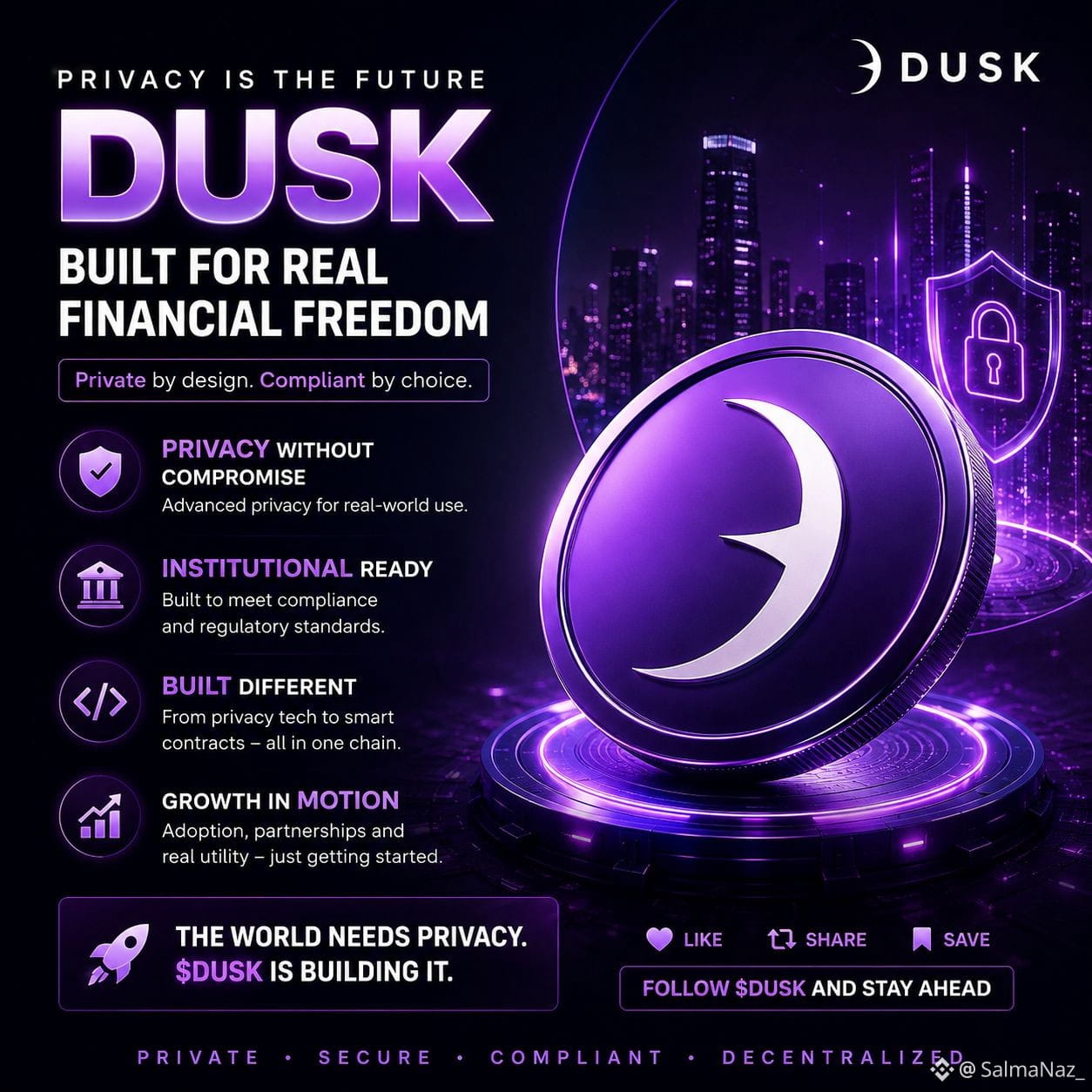
·
--
Haussier
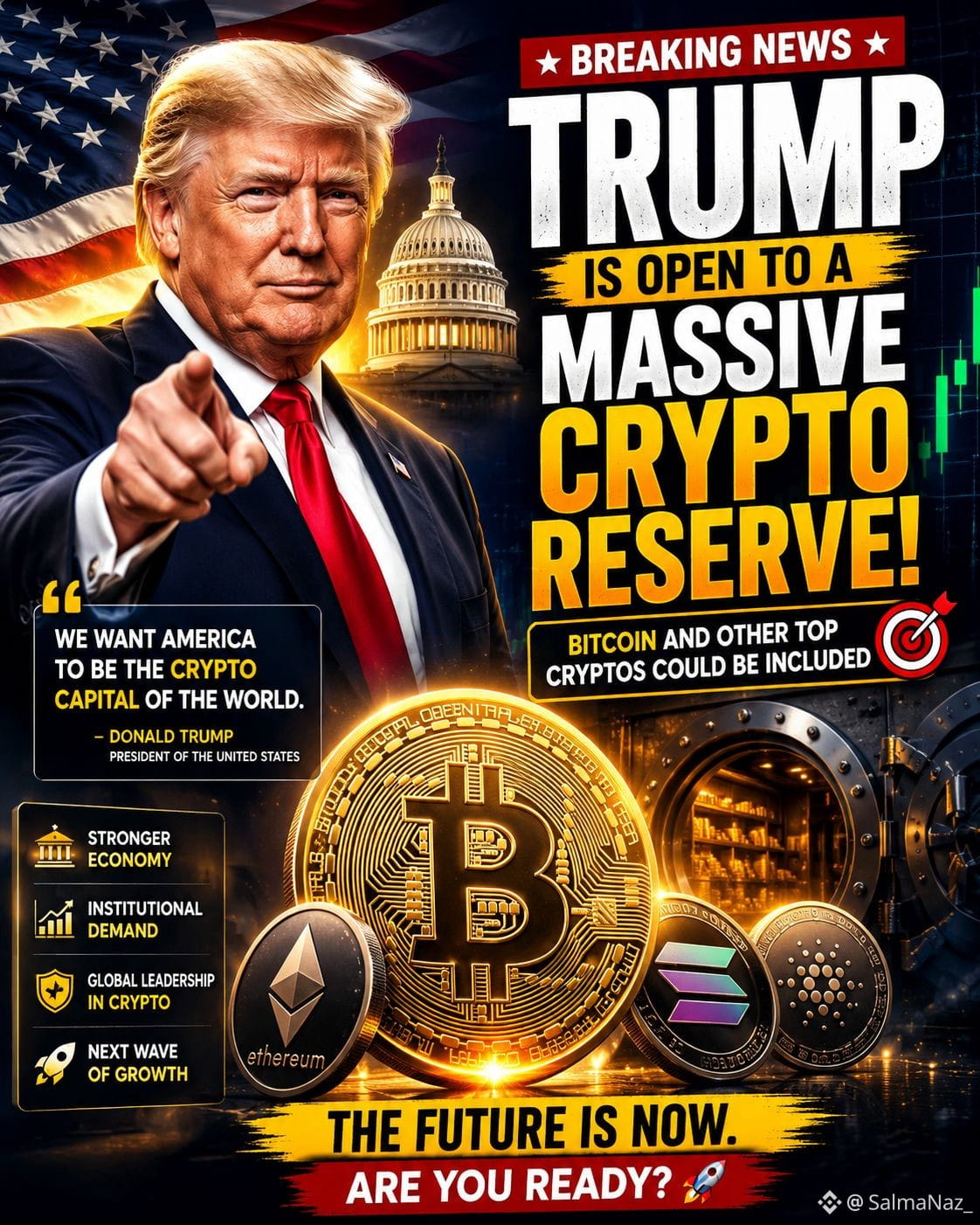
TRUMP JUST PUT CRYPTO BACK IN THE SPOTLIGHT! 🇺🇸🔥
Donald Trump says he’s open to the U.S. building a massive crypto reserve, not just with Bitcoin but potentially other major cryptocurrencies too. 👀
If this vision turns into real policy, could we see a new wave of institutional demand and a major crypto market surge? 🚀
Is America preparing for the next crypto era? 👇🔥
$ACE #Crypto $TRUMP #bitcoin #Ethereum $COTI
TRUMP JUST PUT CRYPTO BACK IN THE SPOTLIGHT! 🇺🇸🔥
Donald Trump says he’s open to the U.S. building a massive crypto reserve, not just with Bitcoin but potentially other major cryptocurrencies too. 👀
If this vision turns into real policy, could we see a new wave of institutional demand and a major crypto market surge? 🚀
Is America preparing for the next crypto era? 👇🔥
$ACE #Crypto $TRUMP #bitcoin #Ethereum $COTI
Donald Trump says he’s open to the U.S. building a massive crypto reserve, not just with Bitcoin but potentially other major cryptocurrencies too. 👀
If this vision turns into real policy, could we see a new wave of institutional demand and a major crypto market surge? 🚀
Is America preparing for the next crypto era? 👇🔥
$ACE #Crypto $TRUMP #bitcoin #Ethereum $COTI
55
·
--
Haussier
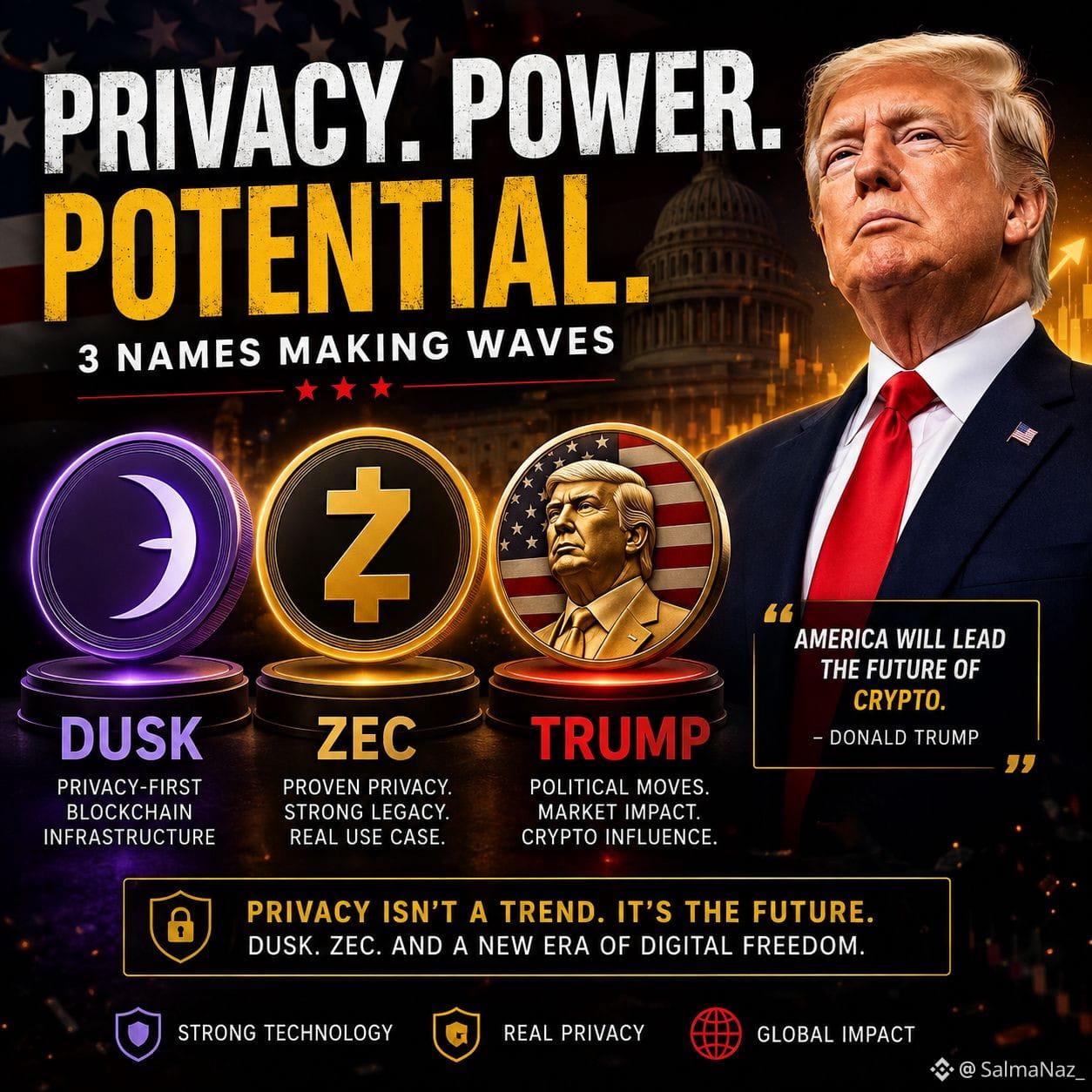
DUSK, ZEC and Trump 👀
Privacy coins are getting attention again, and the market is watching closely. $DUSK is building privacy-focused infrastructure, $ZEC remains a major name in the space, while Trump-related headlines keep adding volatility to crypto.
Privacy + politics + crypto could make this an interesting narrative to watch.
$TRUMP
DUSK, ZEC and Trump 👀
Privacy coins are getting attention again, and the market is watching closely. $DUSK is building privacy-focused infrastructure, $ZEC remains a major name in the space, while Trump-related headlines keep adding volatility to crypto.
Privacy + politics + crypto could make this an interesting narrative to watch.
$TRUMP
Privacy coins are getting attention again, and the market is watching closely. $DUSK is building privacy-focused infrastructure, $ZEC remains a major name in the space, while Trump-related headlines keep adding volatility to crypto.
Privacy + politics + crypto could make this an interesting narrative to watch.
$TRUMP
264
·
--
Haussier
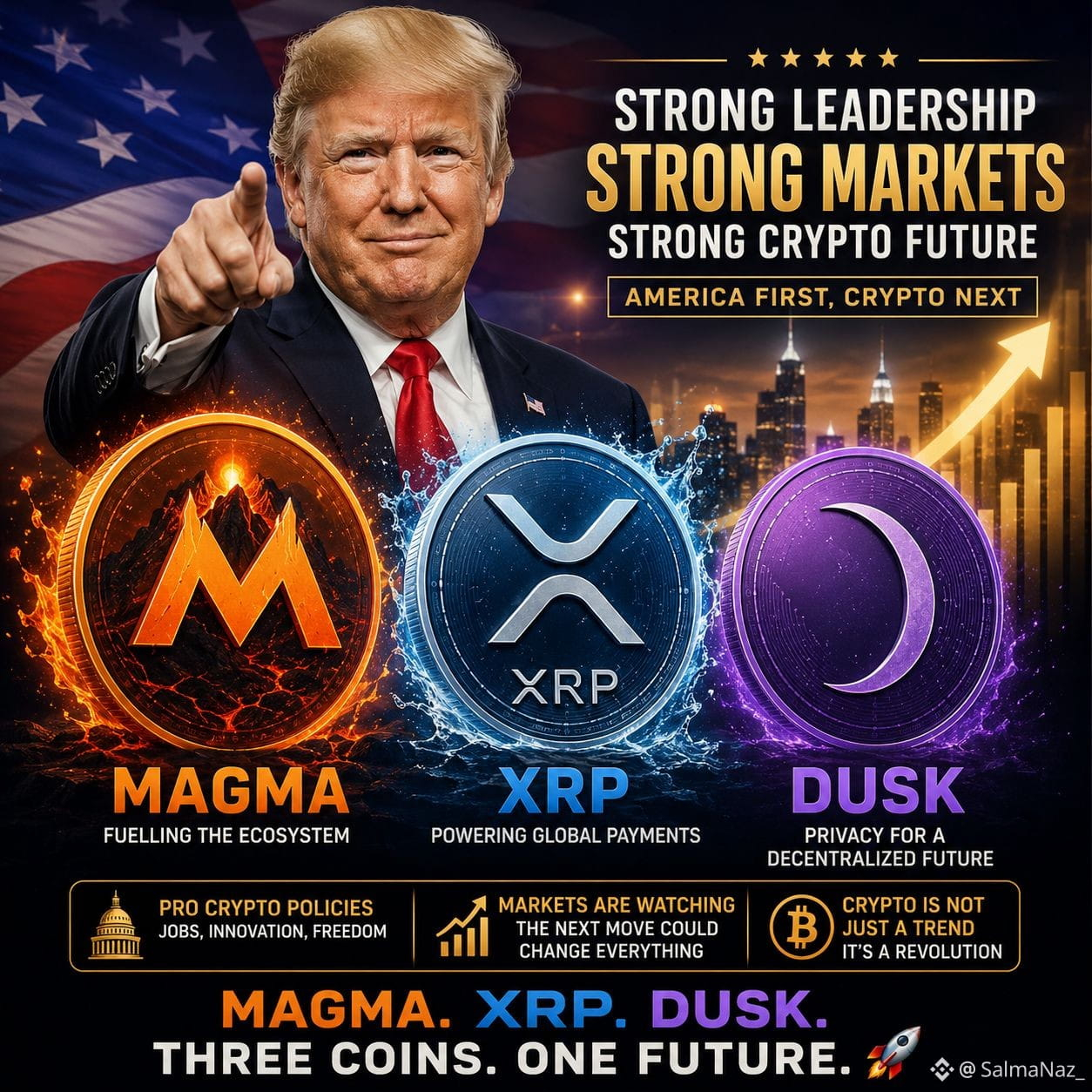
MAGA headlines, Trump market talks, and crypto momentum are back in focus 👀🇺🇸
🔥 MAGMA brings fresh ecosystem energy
💧 XRP keeps the payments narrative alive
🌙 Dusk pushes privacy and innovation forward
If the Trump era fuels a new crypto-friendly wave, could these three coins catch the next big spotlight? 🚀📈
$MAGMA $DUSK $TRUMP #dusk @Dusk_Foundation
MAGA headlines, Trump market talks, and crypto momentum are back in focus 👀🇺🇸
🔥 MAGMA brings fresh ecosystem energy
💧 XRP keeps the payments narrative alive
🌙 Dusk pushes privacy and innovation forward
If the Trump era fuels a new crypto-friendly wave, could these three coins catch the next big spotlight? 🚀📈
$MAGMA $DUSK $TRUMP #dusk @Dusk
🔥 MAGMA brings fresh ecosystem energy
💧 XRP keeps the payments narrative alive
🌙 Dusk pushes privacy and innovation forward
If the Trump era fuels a new crypto-friendly wave, could these three coins catch the next big spotlight? 🚀📈
$MAGMA $DUSK $TRUMP #dusk @Dusk
262
·
--
Trump is pushing Congress to pass the CLARITY Act, aiming to strengthen the U.S. position in the global crypto race. The bill could reduce regulatory uncertainty and potentially trigger a major market repricing, but the real focus should be on the Senate.
⚠️ The September Showdown
White House support alone isn’t enough. The bill still needs 60 Senate votes, and achieving bipartisan approval could be a major challenge.
📊 What to Watch
Green light in September: A strong bullish catalyst that could boost the broader crypto market 🚀
Continued delays: Political gridlock could slow momentum and create uncertainty 📉
Bottom line: Don’t just follow the headlines. Keep an eye on the Senate vote, because that could be the key factor shaping the market’s next move.
Not financial advice. DYOR.
#CLARITYAct #CryptoNews🔒📰🚫 #Ethereum $ENA #TRUMP #ETH $BEAT
Trump is pushing Congress to pass the CLARITY Act, aiming to strengthen the U.S. position in the global crypto race. The bill could reduce regulatory uncertainty and potentially trigger a major market repricing, but the real focus should be on the Senate.
⚠️ The September Showdown
White House support alone isn’t enough. The bill still needs 60 Senate votes, and achieving bipartisan approval could be a major challenge.
📊 What to Watch
Green light in September: A strong bullish catalyst that could boost the broader crypto market 🚀
Continued delays: Political gridlock could slow momentum and create uncertainty 📉
Bottom line: Don’t just follow the headlines. Keep an eye on the Senate vote, because that could be the key factor shaping the market’s next move.
Not financial advice. DYOR.
#CLARITYAct #CryptoNews🔒📰🚫 #Ethereum $ENA #TRUMP #ETH $BEAT
⚠️ The September Showdown
White House support alone isn’t enough. The bill still needs 60 Senate votes, and achieving bipartisan approval could be a major challenge.
📊 What to Watch
Green light in September: A strong bullish catalyst that could boost the broader crypto market 🚀
Continued delays: Political gridlock could slow momentum and create uncertainty 📉
Bottom line: Don’t just follow the headlines. Keep an eye on the Senate vote, because that could be the key factor shaping the market’s next move.
Not financial advice. DYOR.
#CLARITYAct #CryptoNews🔒📰🚫 #Ethereum $ENA #TRUMP #ETH $BEAT
230
·
--
Haussier
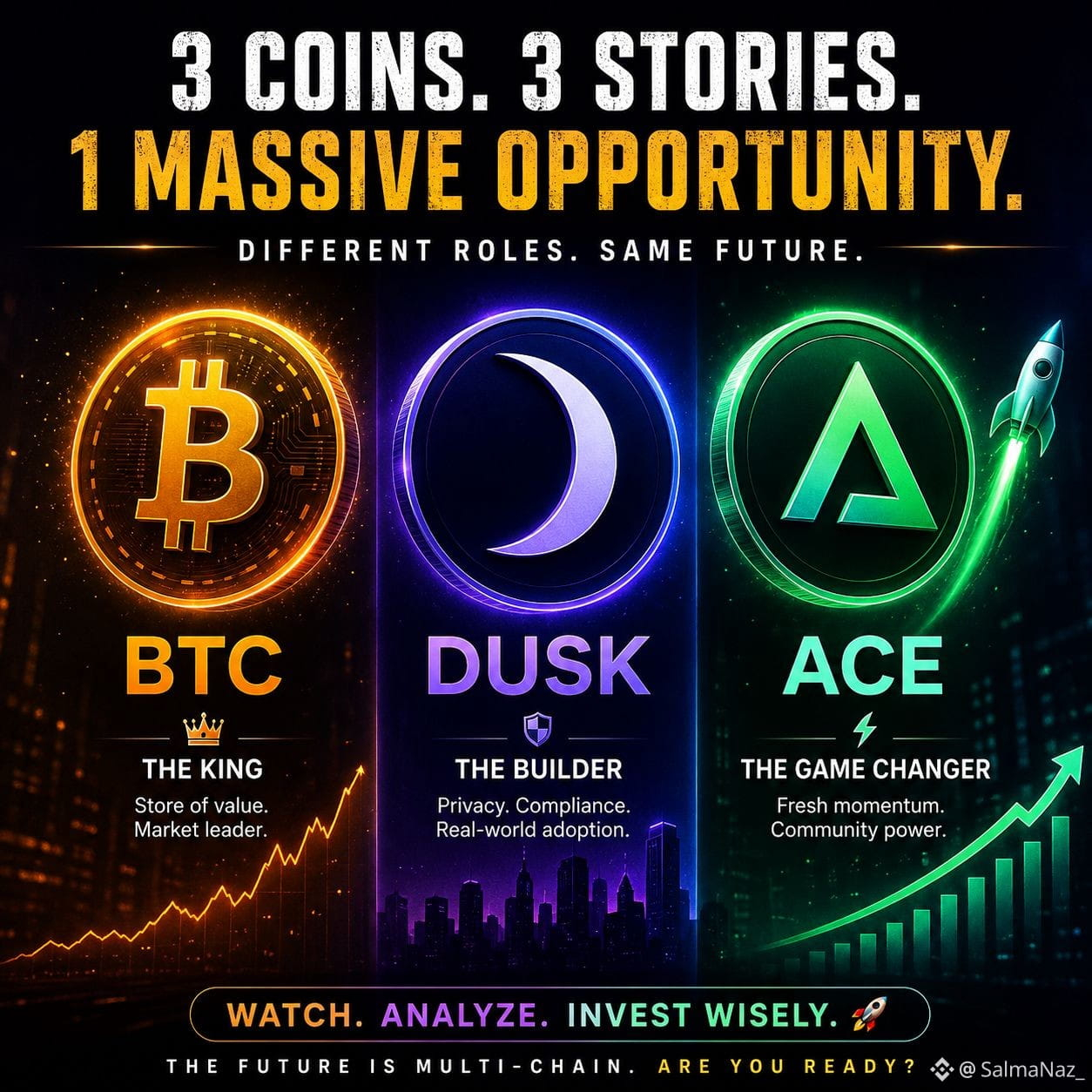
DUSK, HEMI & BTC are three names worth keeping on the radar 👀
DUSK is pushing privacy and compliant blockchain infrastructure, HEMI is building around Bitcoin and Ethereum, while BRC continues to highlight the expanding Bitcoin ecosystem.
Different paths, one growing narrative: blockchain is evolving. 🚀
$DUSK $HEMI $BTC
DUSK, HEMI & BTC are three names worth keeping on the radar 👀
DUSK is pushing privacy and compliant blockchain infrastructure, HEMI is building around Bitcoin and Ethereum, while BRC continues to highlight the expanding Bitcoin ecosystem.
Different paths, one growing narrative: blockchain is evolving. 🚀
$DUSK $HEMI $BTC
DUSK is pushing privacy and compliant blockchain infrastructure, HEMI is building around Bitcoin and Ethereum, while BRC continues to highlight the expanding Bitcoin ecosystem.
Different paths, one growing narrative: blockchain is evolving. 🚀
$DUSK $HEMI $BTC
6
1
414
·
--
Haussier
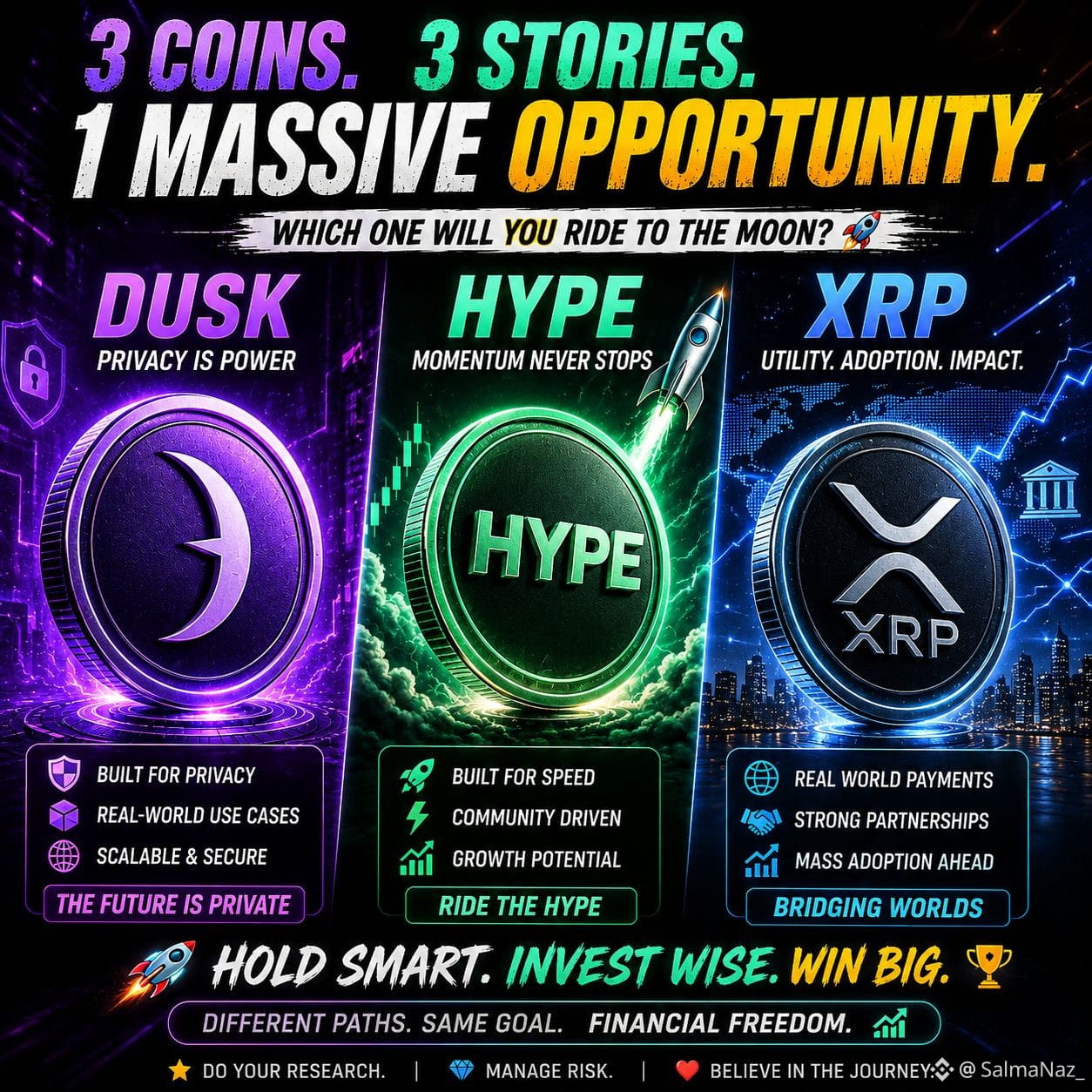
DUSK. HYPE. XRP. 👀🔥
Three coins, three different stories, but one thing in common: attention is building.
$DUSK bringing privacy and innovation 🟣
$HYPE keeping the momentum alive 🚀
$XRP RP stepping into the spotlight ⚡
The market moves fast. Are these three on your watchlist? 👇📈
DUSK. HYPE. XRP. 👀🔥
Three coins, three different stories, but one thing in common: attention is building.
$DUSK bringing privacy and innovation 🟣
$HYPE keeping the momentum alive 🚀
$XRP RP stepping into the spotlight ⚡
The market moves fast. Are these three on your watchlist? 👇📈
Three coins, three different stories, but one thing in common: attention is building.
$DUSK bringing privacy and innovation 🟣
$HYPE keeping the momentum alive 🚀
$XRP RP stepping into the spotlight ⚡
The market moves fast. Are these three on your watchlist? 👇📈
138
·
--
Haussier
DUSK is quietly building where crypto is heading next. 🌙
Privacy, compliance, and real world finance don’t have to compete. $DUSK is proving they can work together.
Keep an eye on Dusk. The future of regulated blockchain may already be taking shape. 👀
#DUSK #crypto $NEAR $BTC $ETH
DUSK is quietly building where crypto is heading next. 🌙
Privacy, compliance, and real world finance don’t have to compete. $DUSK is proving they can work together.
Keep an eye on Dusk. The future of regulated blockchain may already be taking shape. 👀
#DUSK #crypto $NEAR $BTC $ETH
Privacy, compliance, and real world finance don’t have to compete. $DUSK is proving they can work together.
Keep an eye on Dusk. The future of regulated blockchain may already be taking shape. 👀
#DUSK #crypto $NEAR $BTC $ETH
4
1
101
·
--
Haussier
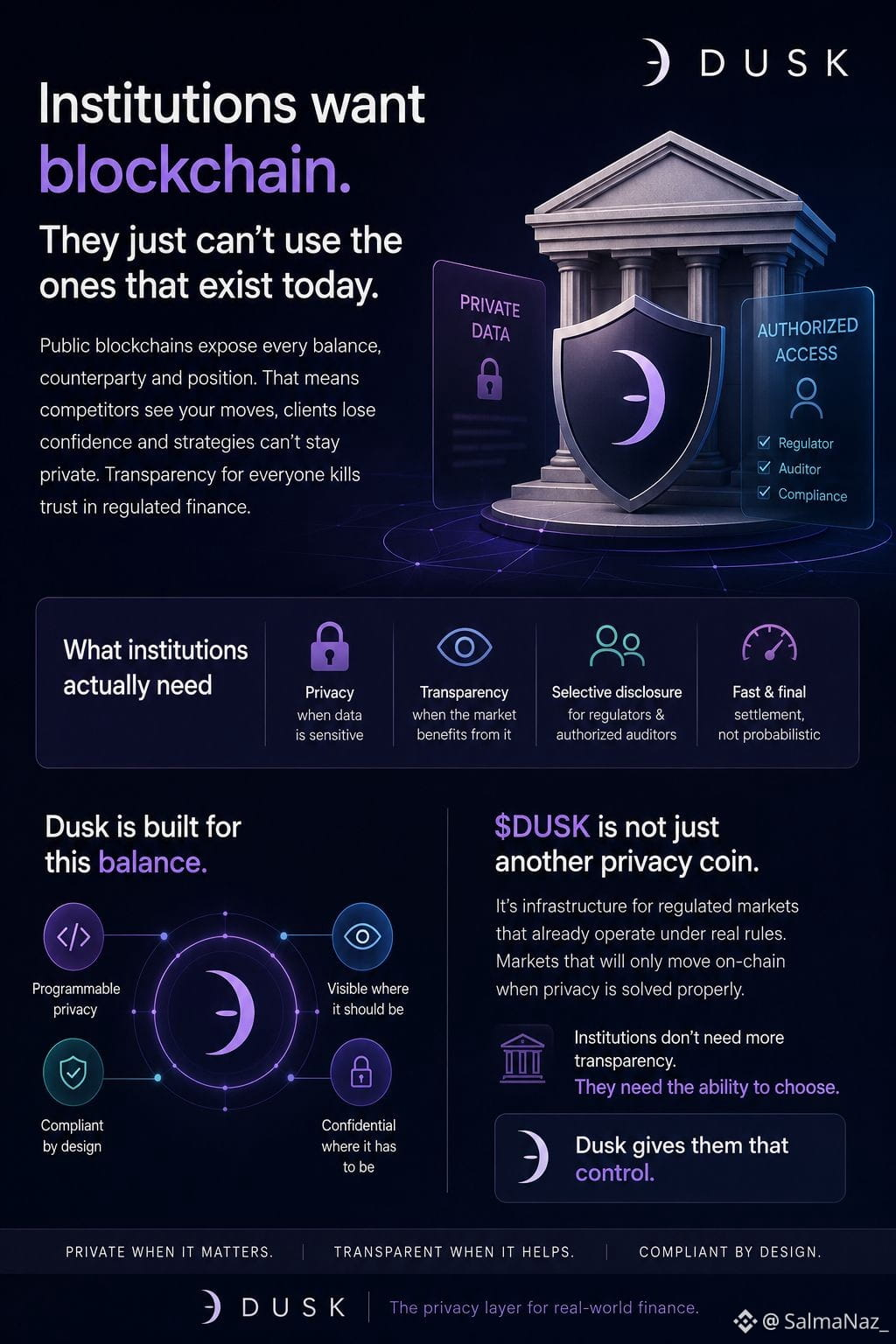
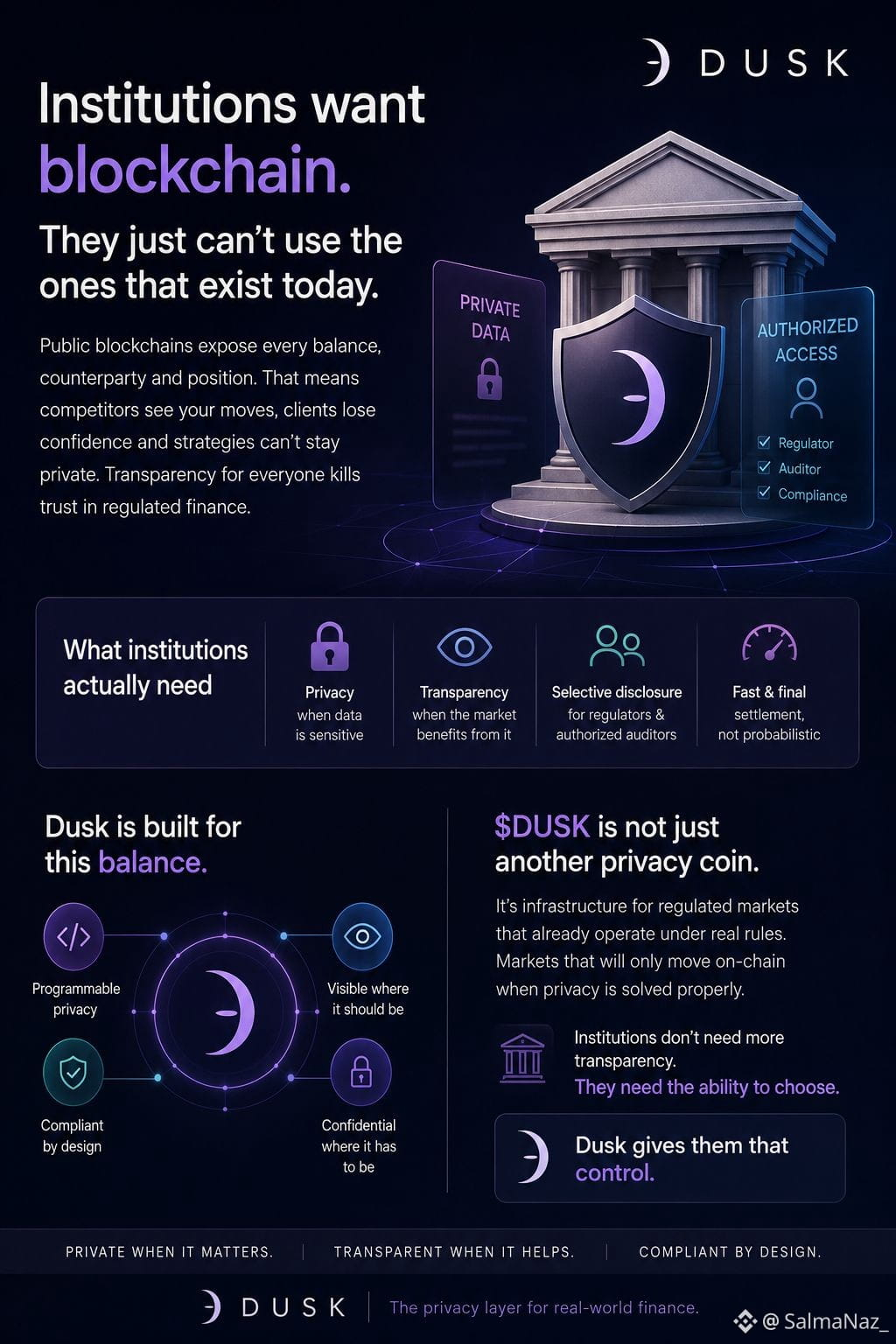
Most institutions want blockchain infrastructure, but they can’t compromise on privacy.
Imagine a bank executing a bond trade or a fund manager handling a private placement. Public blockchains offer speed and finality, but putting every balance, position, and counterparty on a public ledger exposes sensitive strategies to competitors and the wider market.
That’s where Dusk stands out.
Institutions need privacy for sensitive information, transparency where it adds value, and selective disclosure for regulators and authorized auditors. They also need fast, deterministic settlement.
Dusk is designed around this balance. Its programmable privacy lets transaction rules define what stays confidential and what can be revealed.
It’s not about hiding everything. It’s about giving institutions control over who can see what, and when.
$DUSK is building infrastructure for regulated markets that want to move on-chain without sacrificing privacy or compliance.
@Dusk_Foundation $DUSK $BTC
Most institutions want blockchain infrastructure, but they can’t compromise on privacy.
Imagine a bank executing a bond trade or a fund manager handling a private placement. Public blockchains offer speed and finality, but putting every balance, position, and counterparty on a public ledger exposes sensitive strategies to competitors and the wider market.
That’s where Dusk stands out.
Institutions need privacy for sensitive information, transparency where it adds value, and selective disclosure for regulators and authorized auditors. They also need fast, deterministic settlement.
Dusk is designed around this balance. Its programmable privacy lets transaction rules define what stays confidential and what can be revealed.
It’s not about hiding everything. It’s about giving institutions control over who can see what, and when.
$DUSK is building infrastructure for regulated markets that want to move on-chain without sacrificing privacy or compliance.
@Dusk $DUSK $BTC
Imagine a bank executing a bond trade or a fund manager handling a private placement. Public blockchains offer speed and finality, but putting every balance, position, and counterparty on a public ledger exposes sensitive strategies to competitors and the wider market.
That’s where Dusk stands out.
Institutions need privacy for sensitive information, transparency where it adds value, and selective disclosure for regulators and authorized auditors. They also need fast, deterministic settlement.
Dusk is designed around this balance. Its programmable privacy lets transaction rules define what stays confidential and what can be revealed.
It’s not about hiding everything. It’s about giving institutions control over who can see what, and when.
$DUSK is building infrastructure for regulated markets that want to move on-chain without sacrificing privacy or compliance.
@Dusk $DUSK $BTC
2
77
·
--
Haussier
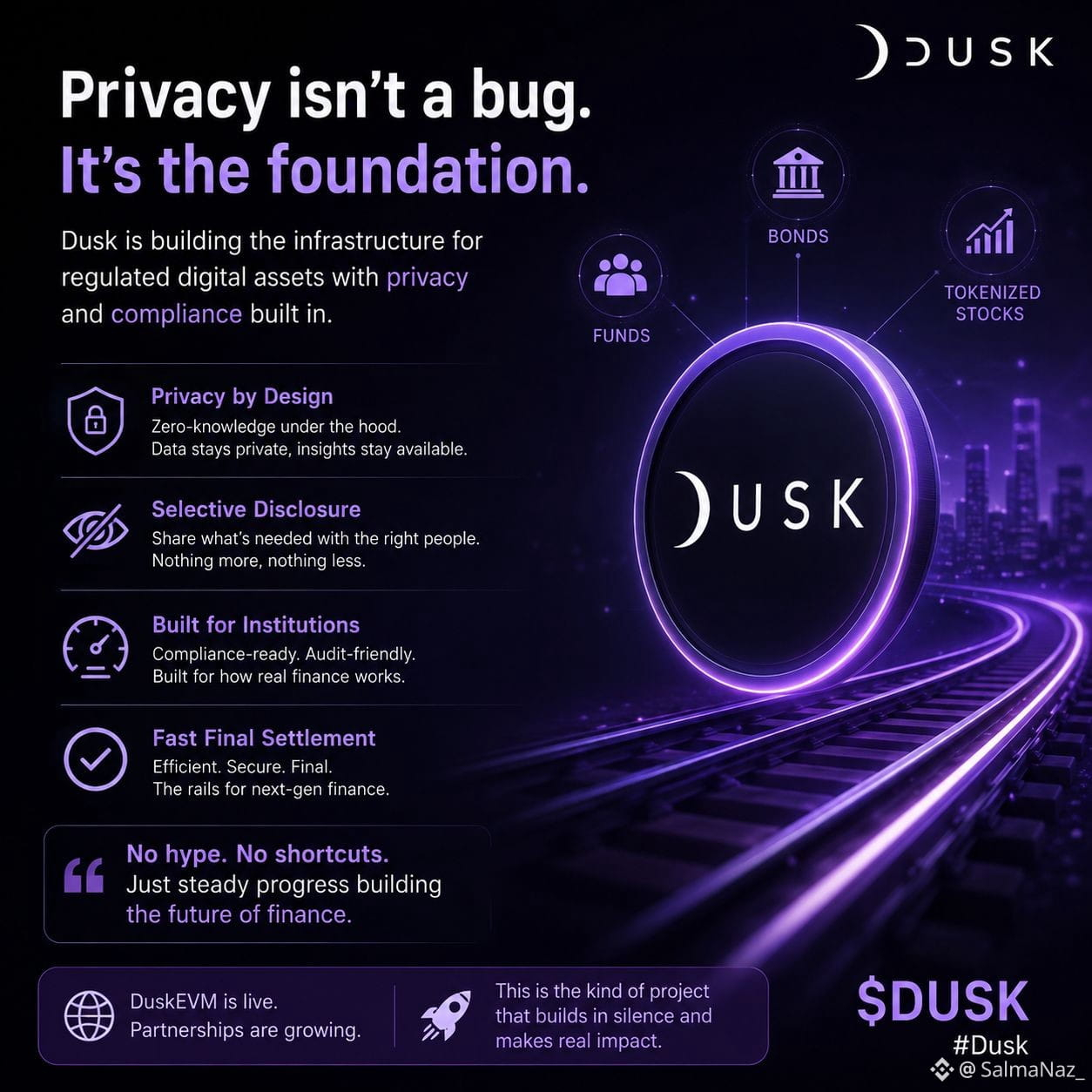
I have been looking deeper into how traditional finance handles assets, and one issue keeps standing out: privacy and compliance rarely work together.
That’s what caught my attention about @Dusk. Instead of chasing the next trend, Dusk is building infrastructure for regulated digital assets with privacy, selective disclosure, zero knowledge technology and fast settlement.
Watching DuskEVM develop alongside new partnerships, it feels like the kind of project quietly building the rails for real world finance.
Still early, but definitely worth watching.
$DUSK #dusk $ACE $COMP
I have been looking deeper into how traditional finance handles assets, and one issue keeps standing out: privacy and compliance rarely work together.
That’s what caught my attention about @Dusk. Instead of chasing the next trend, Dusk is building infrastructure for regulated digital assets with privacy, selective disclosure, zero knowledge technology and fast settlement.
Watching DuskEVM develop alongside new partnerships, it feels like the kind of project quietly building the rails for real world finance.
Still early, but definitely worth watching.
$DUSK #dusk $ACE $COMP
That’s what caught my attention about @Dusk. Instead of chasing the next trend, Dusk is building infrastructure for regulated digital assets with privacy, selective disclosure, zero knowledge technology and fast settlement.
Watching DuskEVM develop alongside new partnerships, it feels like the kind of project quietly building the rails for real world finance.
Still early, but definitely worth watching.
$DUSK #dusk $ACE $COMP
80
·
--
Haussier
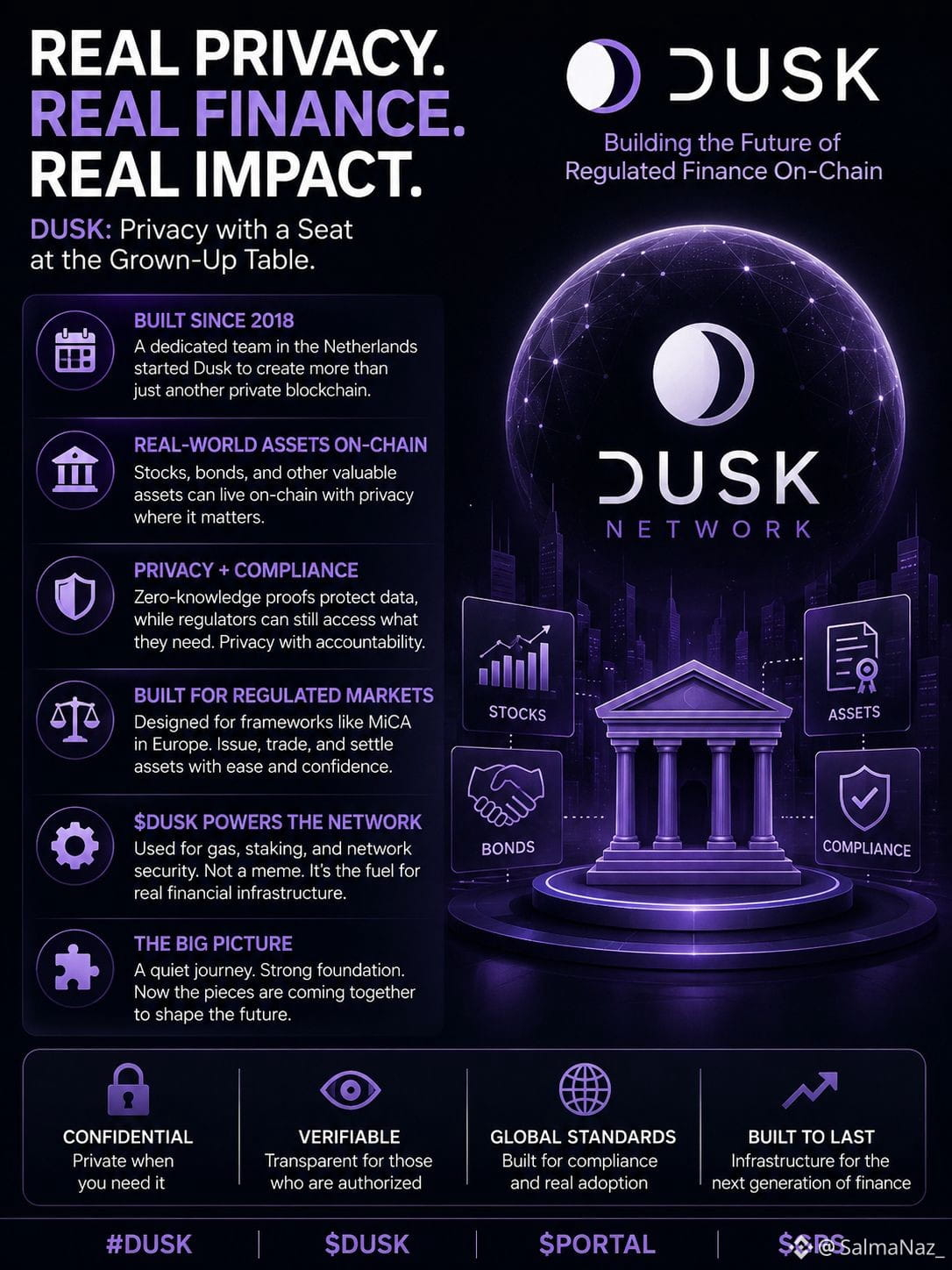
Dusk stands out in the privacy blockchain space because it aims to balance financial privacy with regulatory compliance.
Founded in the Netherlands in 2018, Dusk was built with regulated financial markets in mind. Its goal is to bring real world assets such as stocks and bonds on chain while keeping sensitive information private when needed.
Using zero knowledge technology, Dusk can provide privacy without removing the ability for authorized parties and regulators to verify required information.
The network supports issuing, trading, and settling real world assets with both confidential and transparent options depending on compliance requirements.
$DUSK powers the ecosystem through functions like gas and staking. Rather than chasing hype, Dusk is focused on building blockchain infrastructure designed for institutions and regulated markets.
After years of development, the pieces are starting to come together.
#dusk $DUSK
Dusk stands out in the privacy blockchain space because it aims to balance financial privacy with regulatory compliance.
Founded in the Netherlands in 2018, Dusk was built with regulated financial markets in mind. Its goal is to bring real world assets such as stocks and bonds on chain while keeping sensitive information private when needed.
Using zero knowledge technology, Dusk can provide privacy without removing the ability for authorized parties and regulators to verify required information.
The network supports issuing, trading, and settling real world assets with both confidential and transparent options depending on compliance requirements.
$DUSK powers the ecosystem through functions like gas and staking. Rather than chasing hype, Dusk is focused on building blockchain infrastructure designed for institutions and regulated markets.
After years of development, the pieces are starting to come together.
#dusk $DUSK
Founded in the Netherlands in 2018, Dusk was built with regulated financial markets in mind. Its goal is to bring real world assets such as stocks and bonds on chain while keeping sensitive information private when needed.
Using zero knowledge technology, Dusk can provide privacy without removing the ability for authorized parties and regulators to verify required information.
The network supports issuing, trading, and settling real world assets with both confidential and transparent options depending on compliance requirements.
$DUSK powers the ecosystem through functions like gas and staking. Rather than chasing hype, Dusk is focused on building blockchain infrastructure designed for institutions and regulated markets.
After years of development, the pieces are starting to come together.
#dusk $DUSK
2
·
--
Haussier
I’ve been looking at Dusk’s Citadel from a practical angle: the real value may be in making verification reusable.
Instead of repeating identity and eligibility checks across every financial platform, users could hold verified credentials on-chain and prove they meet requirements without revealing the underlying data.
If those credentials can work across multiple regulated workflows, onboarding could become reusable infrastructure rather than a repeated administrative hurdle.
The key metric isn’t identity transactions. It’s how often the same verification can travel with the investor.
#Dusk $DUSK @Dusk_Foundation $PORTAL $BTW
I’ve been looking at Dusk’s Citadel from a practical angle: the real value may be in making verification reusable.
Instead of repeating identity and eligibility checks across every financial platform, users could hold verified credentials on-chain and prove they meet requirements without revealing the underlying data.
If those credentials can work across multiple regulated workflows, onboarding could become reusable infrastructure rather than a repeated administrative hurdle.
The key metric isn’t identity transactions. It’s how often the same verification can travel with the investor.
#Dusk $DUSK @Dusk $PORTAL $BTW
Instead of repeating identity and eligibility checks across every financial platform, users could hold verified credentials on-chain and prove they meet requirements without revealing the underlying data.
If those credentials can work across multiple regulated workflows, onboarding could become reusable infrastructure rather than a repeated administrative hurdle.
The key metric isn’t identity transactions. It’s how often the same verification can travel with the investor.
#Dusk $DUSK @Dusk $PORTAL $BTW
61
·
--
Haussier
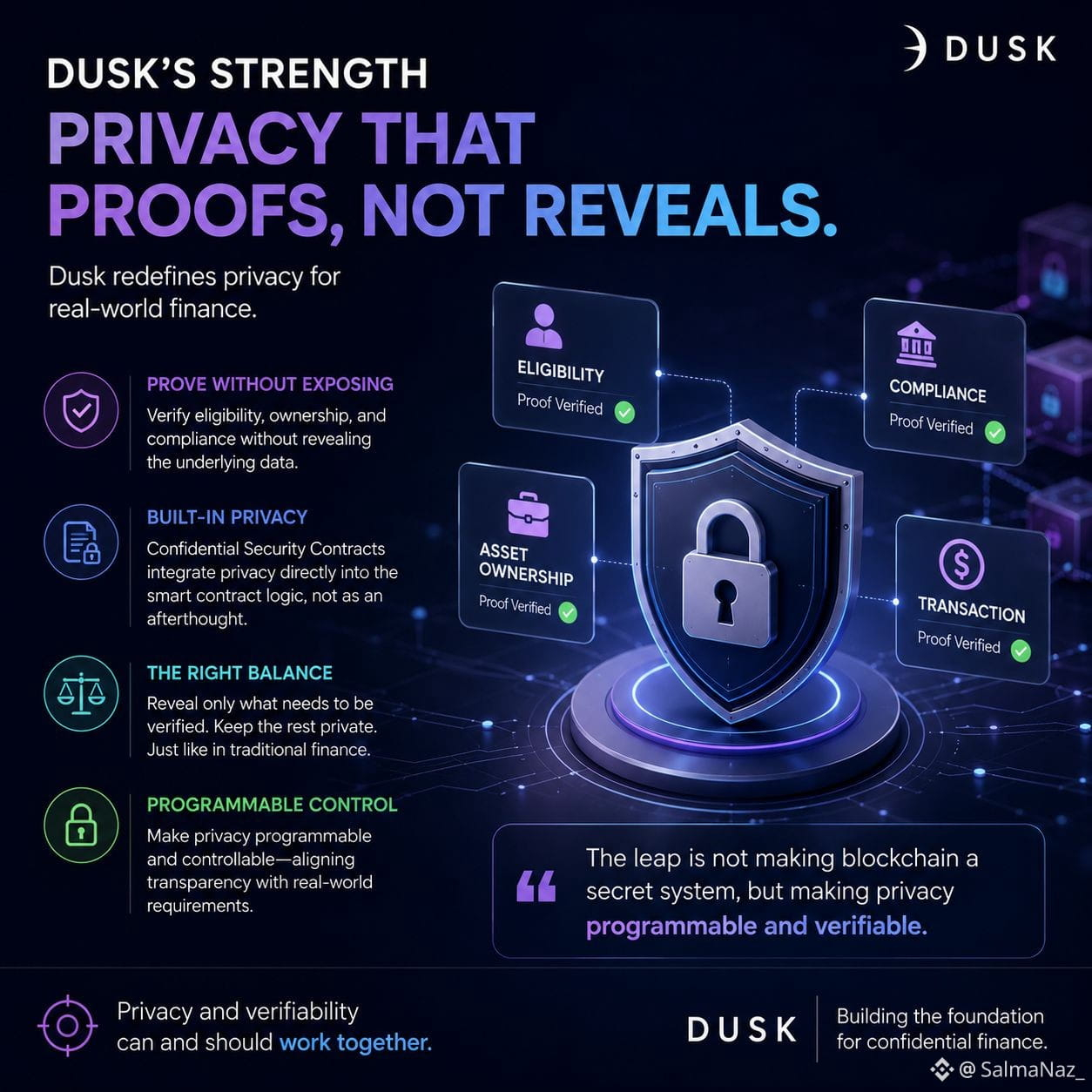
Dusk’s real strength may not be making blockchain completely private, but making privacy selective and verifiable.
With Confidential Security Contracts, sensitive information can stay protected while still proving eligibility, ownership, and regulatory compliance.
That changes the privacy conversation. The goal isn’t to hide everything. It’s to reveal only what actually needs to be verified.
For real world finance, that balance between privacy and transparency could be a major step forward for blockchain.
$DUSK #dusk @Dusk_Foundation $AIO $NVDA.US
Dusk’s real strength may not be making blockchain completely private, but making privacy selective and verifiable.
With Confidential Security Contracts, sensitive information can stay protected while still proving eligibility, ownership, and regulatory compliance.
That changes the privacy conversation. The goal isn’t to hide everything. It’s to reveal only what actually needs to be verified.
For real world finance, that balance between privacy and transparency could be a major step forward for blockchain.
$DUSK #dusk @Dusk $AIO $NVDA.US
With Confidential Security Contracts, sensitive information can stay protected while still proving eligibility, ownership, and regulatory compliance.
That changes the privacy conversation. The goal isn’t to hide everything. It’s to reveal only what actually needs to be verified.
For real world finance, that balance between privacy and transparency could be a major step forward for blockchain.
$DUSK #dusk @Dusk $AIO $NVDA.US
147
·
--
Haussier
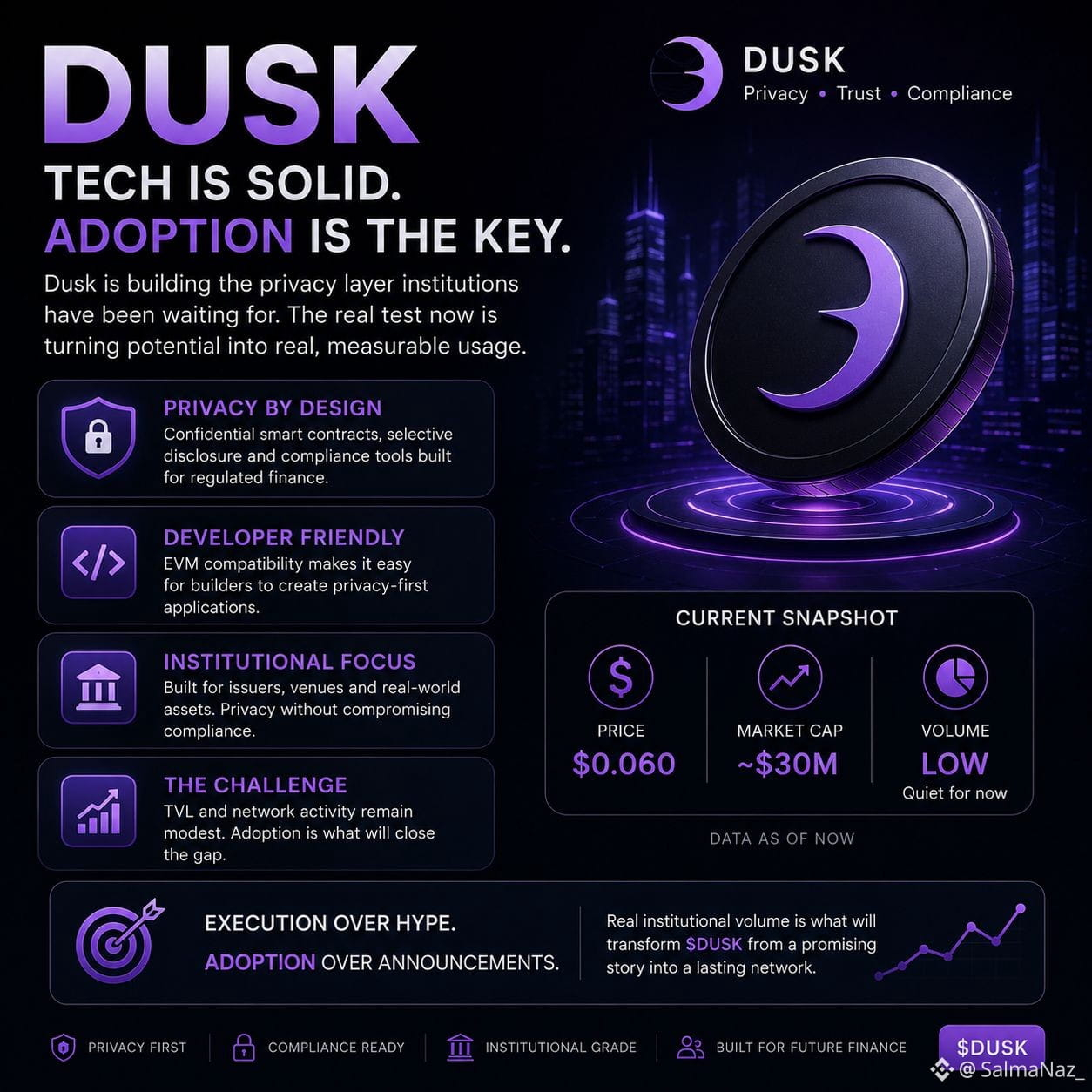
DUSK is an interesting one to watch.
The privacy focused Layer 1 has the tech, compliance tools and institutional narrative. But the key question remains: can real adoption turn that narrative into sustained network activity?
For $DUSK, execution matters more than hype. 🔐
$AIO $DUSK $HESM.US
DUSK is an interesting one to watch.
The privacy focused Layer 1 has the tech, compliance tools and institutional narrative. But the key question remains: can real adoption turn that narrative into sustained network activity?
For $DUSK , execution matters more than hype. 🔐
$AIO $DUSK $HESM.US
The privacy focused Layer 1 has the tech, compliance tools and institutional narrative. But the key question remains: can real adoption turn that narrative into sustained network activity?
For $DUSK , execution matters more than hype. 🔐
$AIO $DUSK $HESM.US
8
2
145
·
--
Haussier
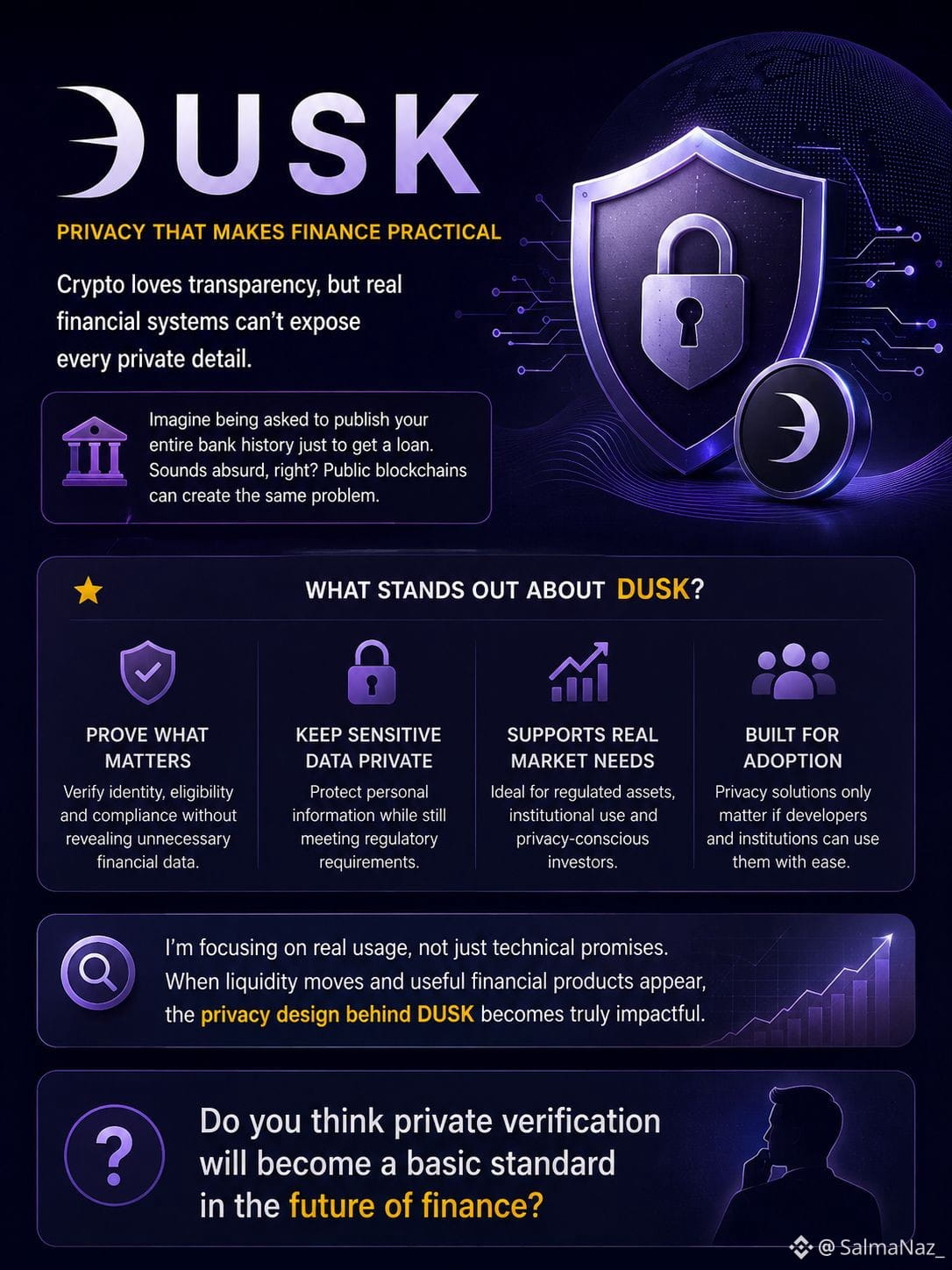
I have been looking deeper into DUSK, and its approach to financial privacy stands out.
Crypto is built around transparency, but traditional finance can’t expose every sensitive detail. DUSK explores a different model: prove what needs to be verified while keeping unnecessary financial information private.
For regulated assets, identity checks and trading activity could benefit from this balance between compliance and confidentiality.
I’m still watching real adoption rather than just technical claims. If liquidity grows and useful financial products emerge, DUSK’s privacy architecture could become much more meaningful.
Could private verification become a standard feature of future financial markets?
$ACES.ETF $HEMI $DUSK
I have been looking deeper into DUSK, and its approach to financial privacy stands out.
Crypto is built around transparency, but traditional finance can’t expose every sensitive detail. DUSK explores a different model: prove what needs to be verified while keeping unnecessary financial information private.
For regulated assets, identity checks and trading activity could benefit from this balance between compliance and confidentiality.
I’m still watching real adoption rather than just technical claims. If liquidity grows and useful financial products emerge, DUSK’s privacy architecture could become much more meaningful.
Could private verification become a standard feature of future financial markets?
$ACES.ETF $HEMI $DUSK
Crypto is built around transparency, but traditional finance can’t expose every sensitive detail. DUSK explores a different model: prove what needs to be verified while keeping unnecessary financial information private.
For regulated assets, identity checks and trading activity could benefit from this balance between compliance and confidentiality.
I’m still watching real adoption rather than just technical claims. If liquidity grows and useful financial products emerge, DUSK’s privacy architecture could become much more meaningful.
Could private verification become a standard feature of future financial markets?
$ACES.ETF $HEMI $DUSK
10
3
135
·
--
Haussier
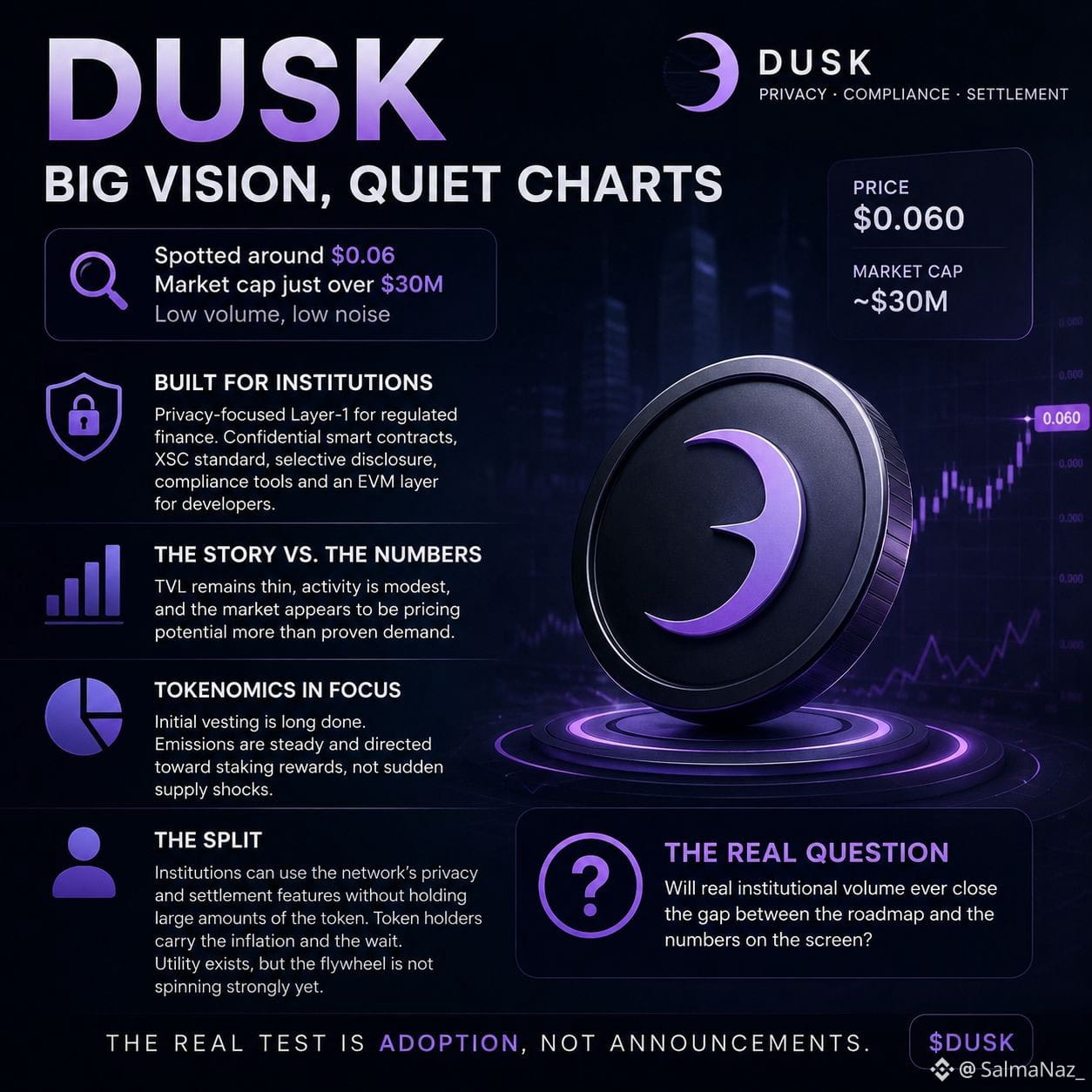
#dusk @Dusk_Foundation Late-night chart scrolling brought DUSK back into focus. Around $0.06 with a modest market cap, the project has an ambitious privacy and institutional finance narrative.
Dusk combines confidential smart contracts, selective disclosure, compliance tools and an EVM layer designed for developers. The technology looks promising, but the bigger question is adoption.
TVL and network activity remain relatively modest, while token holders continue carrying the inflation and staking dynamics.
The real test for DUSK isn’t another announcement. It’s whether genuine institutional demand can turn the roadmap into measurable usage. $SYRUP
$ACEL.US $C
#dusk @Dusk Late-night chart scrolling brought DUSK back into focus. Around $0.06 with a modest market cap, the project has an ambitious privacy and institutional finance narrative.
Dusk combines confidential smart contracts, selective disclosure, compliance tools and an EVM layer designed for developers. The technology looks promising, but the bigger question is adoption.
TVL and network activity remain relatively modest, while token holders continue carrying the inflation and staking dynamics.
The real test for DUSK isn’t another announcement. It’s whether genuine institutional demand can turn the roadmap into measurable usage. $SYRUP
$ACEL.US $C
Dusk combines confidential smart contracts, selective disclosure, compliance tools and an EVM layer designed for developers. The technology looks promising, but the bigger question is adoption.
TVL and network activity remain relatively modest, while token holders continue carrying the inflation and staking dynamics.
The real test for DUSK isn’t another announcement. It’s whether genuine institutional demand can turn the roadmap into measurable usage. $SYRUP
$ACEL.US $C
2
76
Connectez-vous pour découvrir plus de contenu
Rejoignez la communauté mondiale des adeptes de cryptomonnaies sur Binance Square
⚡️ Suviez les dernières informations importantes sur les cryptomonnaies.
💬 Jugé digne de confiance par la plus grande plateforme d’échange de cryptomonnaies au monde.
👍 Découvrez les connaissances que partagent les créateurs vérifiés.
Adresse e-mail/Nº de téléphone