
Cryptology_7
2.6k Publications
Cryptology_7
🧠 Quantitative Trader | Binance Sqaure Post Creator | Crypto Insights | Your Go-To Path to Profit
Trade fréquemment
3.4 an(s)
775 Suivis
17.3K+ Abonnés
5.5K+ J’aime
Publications
Tous
Citations
Direct
PINNED

不到百万u不改名
·
--
$BTC ces derniers temps s’est livré à des aller-retours répétés autour du seuil de 80 000 dollars ; au début du mois de septembre, le prix a atteint un sommet au-dessus de 82 000 dollars, mais n’a pas réussi à s’y maintenir. Le marché se concentre désormais sur les données de l’IPC de cette semaine ainsi que sur la réunion de politique monétaire au milieu du mois de septembre ; les divergences entre haussiers et baissiers sont marquées.
🧧🧧🧧
$BTC a une fois fait une pointe le 4 septembre vers les alentours de 82 200 dollars, établissant un nouveau plus haut sur plusieurs mois, mais par la suite il n’a pas réussi à s’y maintenir et est retombé pour osciller sous 80 000 dollars
Le prix reste coincé et “rame” dans la fourchette de 78 000 à 82 000 dollars, avec une accumulation importante de positions d’équilibre dans la zone de 81 000 à 83 000 dollars : il s’agit d’une zone de forte pression à la vente à découvert (dump) observée on-chain
Les données de l’IPC du 11 septembre et la réunion de politique monétaire des 15-16 septembre détermineront l’orientation de la deuxième moitié de ce mois. Si l’IPC se refroidit et que la probabilité de hausses de taux diminue, le BTC pourrait bénéficier d’une fenêtre de rebond
🧧🧧🧧
$BTC a une fois fait une pointe le 4 septembre vers les alentours de 82 200 dollars, établissant un nouveau plus haut sur plusieurs mois, mais par la suite il n’a pas réussi à s’y maintenir et est retombé pour osciller sous 80 000 dollars
Le prix reste coincé et “rame” dans la fourchette de 78 000 à 82 000 dollars, avec une accumulation importante de positions d’équilibre dans la zone de 81 000 à 83 000 dollars : il s’agit d’une zone de forte pression à la vente à découvert (dump) observée on-chain
Les données de l’IPC du 11 septembre et la réunion de politique monétaire des 15-16 septembre détermineront l’orientation de la deuxième moitié de ce mois. Si l’IPC se refroidit et que la probabilité de hausses de taux diminue, le BTC pourrait bénéficier d’une fenêtre de rebond
#Cryptology_7 $JUP

Bilverse
·
--
🧧 ETH EST DE RETOUR. ON RECOMMENCE. 🧧
Tu connais déjà la mission. 👀
Après tout l’amour de la communauté, ETH est de nouveau sur la table. 🧡⚡
On a construit, soutenu et grandit ensemble — dans les moments forts, les moments difficiles, et tout le reste entre les deux.
Cette fois-ci, on t’envoie encore un peu d’amour ETH. 🎁
👇 COMMENT PARTICIPER :
✅ SUIVRE @Bilverse
💬 Commente « ETH » ci-dessous
🔁 Partage ceci avec ta team crypto
C’est tout. Simple. 👌
Si tu es là pour soutenir le voyage, ce giveaway est pour TOI. 🫡
Même mission. Nouvel ETH. Énergie plus intense. 🚀
Qui est prêt pour un autre red packet ? 🧧👀
#ETH #Bilverse #CryptoCommunity #RedPacketMission
Tu connais déjà la mission. 👀
Après tout l’amour de la communauté, ETH est de nouveau sur la table. 🧡⚡
On a construit, soutenu et grandit ensemble — dans les moments forts, les moments difficiles, et tout le reste entre les deux.
Cette fois-ci, on t’envoie encore un peu d’amour ETH. 🎁
👇 COMMENT PARTICIPER :
✅ SUIVRE @Bilverse
💬 Commente « ETH » ci-dessous
🔁 Partage ceci avec ta team crypto
C’est tout. Simple. 👌
Si tu es là pour soutenir le voyage, ce giveaway est pour TOI. 🫡
Même mission. Nouvel ETH. Énergie plus intense. 🚀
Qui est prêt pour un autre red packet ? 🧧👀
#ETH #Bilverse #CryptoCommunity #RedPacketMission



阿婧1688
·
--
En naviguant vers la mer, au rendez-vous avec la brise du soir, transformons nos journées en un poème romantique 🌅

灼见
·
--
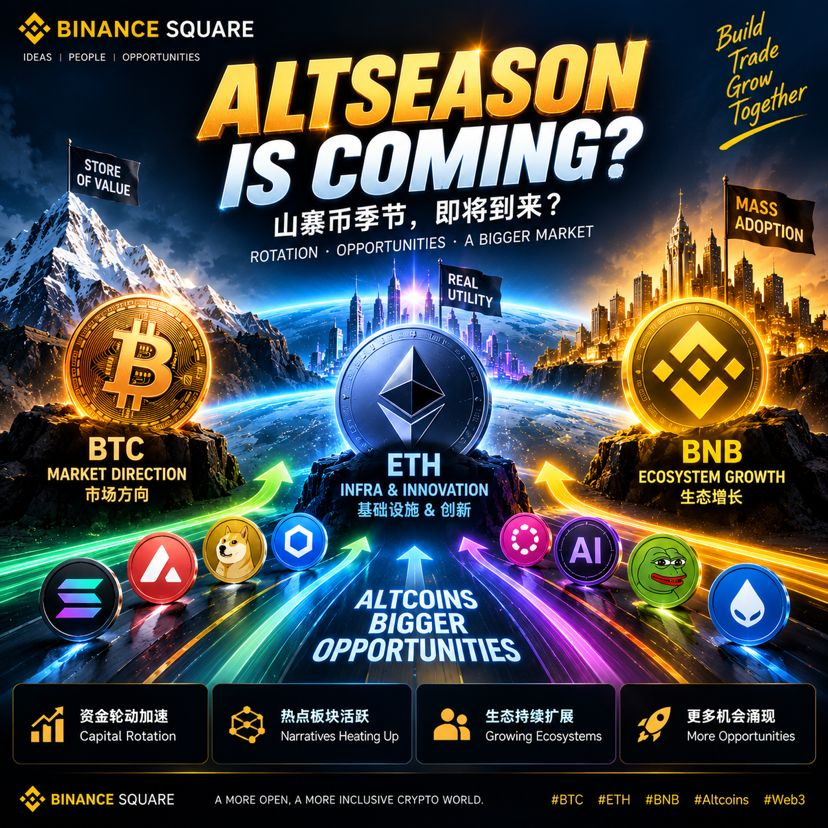
🔥 BTC attire près de 1 milliard de dollars, BNB surperforme le marché en une semaine — mais l’Altseason est-elle vraiment arrivée ?
En ce moment, le marché crypto affiche une structure assez intéressante.
Au cours de la semaine écoulée, les flux nets vers les ETF spot BTC américains ont été proches de :
$1 BILLION.
Cela montre que les capitaux institutionnels continuent de choisir $BTC.
Mais de l’autre côté —
les nouveaux fonds injectés via les ETF de ETH, SOL, XRP, etc. se sont nettement refroidis.
Ce qui signifie :
l’argent des institutions ne s’est pas encore diffusé de manière complète.
Cependant, le marché natif des cryptos a déjà envoyé un autre signal :
🟡 $BNB a surperformé nettement le marché sur la semaine écoulée.
BNB avait d’ailleurs franchi $779 à un moment, et sa capitalisation a brièvement dépassé $100B.
Ainsi, le marché semble dessiner trois trajectoires différentes :
🟠 BTC : les capitaux institutionnels continuent d’accumuler
🟣 ETH : en attente d’une nouvelle diffusion des capitaux
🟡 BNB : le bêta de l’écosystème commence à s’exprimer
C’est aussi pour cela que je pense que :
la vraie Altseason n’a peut-être pas encore commencé.
Car la vraie période des altcoins n’est généralement pas :
« Quelques altcoins montent. »
Mais plutôt :
les capitaux commencent à se diffuser systématiquement à partir du système BTC, vers l’extérieur.
BTC → ETH → grandes valeurs d’écosystème → small/mid caps → narratifs en vogue.
Pour l’instant, nous ne sommes peut-être qu’au début de ce mouvement.
Et la force relative de BNB mérite tout particulièrement d’être surveillée.
Car si BTC reste stable, et que BNB, ETH et d’autres grandes valeurs d’écosystème commencent à prendre le relais tour à tour —
alors cela pourrait vouloir dire :
ROTATION IS BEGINNING.
Donc, pour la suite, je ne vais pas m’empresser de demander :
« Quel altcoin va faire x10 ? »
Je vais d’abord regarder un signal plus important :
quand l’argent de BTC va commencer à sortir réellement, vers l’extérieur ?
Dès que ce robinet s’ouvre —
le marché pourrait être totalement différent.
👇 À quel stade pensez-vous qu’on se trouve actuellement ?
BTC Season / Rotation / Altseason ?
#BTC #ETH #BNB
En ce moment, le marché crypto affiche une structure assez intéressante.
Au cours de la semaine écoulée, les flux nets vers les ETF spot BTC américains ont été proches de :
$1 BILLION.
Cela montre que les capitaux institutionnels continuent de choisir $BTC.
Mais de l’autre côté —
les nouveaux fonds injectés via les ETF de ETH, SOL, XRP, etc. se sont nettement refroidis.
Ce qui signifie :
l’argent des institutions ne s’est pas encore diffusé de manière complète.
Cependant, le marché natif des cryptos a déjà envoyé un autre signal :
🟡 $BNB a surperformé nettement le marché sur la semaine écoulée.
BNB avait d’ailleurs franchi $779 à un moment, et sa capitalisation a brièvement dépassé $100B.
Ainsi, le marché semble dessiner trois trajectoires différentes :
🟠 BTC : les capitaux institutionnels continuent d’accumuler
🟣 ETH : en attente d’une nouvelle diffusion des capitaux
🟡 BNB : le bêta de l’écosystème commence à s’exprimer
C’est aussi pour cela que je pense que :
la vraie Altseason n’a peut-être pas encore commencé.
Car la vraie période des altcoins n’est généralement pas :
« Quelques altcoins montent. »
Mais plutôt :
les capitaux commencent à se diffuser systématiquement à partir du système BTC, vers l’extérieur.
BTC → ETH → grandes valeurs d’écosystème → small/mid caps → narratifs en vogue.
Pour l’instant, nous ne sommes peut-être qu’au début de ce mouvement.
Et la force relative de BNB mérite tout particulièrement d’être surveillée.
Car si BTC reste stable, et que BNB, ETH et d’autres grandes valeurs d’écosystème commencent à prendre le relais tour à tour —
alors cela pourrait vouloir dire :
ROTATION IS BEGINNING.
Donc, pour la suite, je ne vais pas m’empresser de demander :
« Quel altcoin va faire x10 ? »
Je vais d’abord regarder un signal plus important :
quand l’argent de BTC va commencer à sortir réellement, vers l’extérieur ?
Dès que ce robinet s’ouvre —
le marché pourrait être totalement différent.
👇 À quel stade pensez-vous qu’on se trouve actuellement ?
BTC Season / Rotation / Altseason ?
#BTC #ETH #BNB

远方1688BNB
·
--
Nous sommes tous dans le vent du temps, en train de dire au revoir tout en avançant vers l’au-delà qui nous appartient !
#定投BTC #定投BNB
#定投BTC #定投BNB

圣克斯Lucky1688
·
--
🧧🔥🧧🔥🧧🔥 La différenciation des altcoins s’accélère, et « l’ère des hausses généralisées » est totalement révolue : avec les déblocages continus des tokens à FDV élevé (valorisation entièrement diluée) et à faible circulation, la liquidité du marché est fortement diluée. Les capitaux ne spéculent plus aveuglément sur des concepts vides, mais se concentrent rapidement sur les applications et écosystèmes leaders qui génèrent de véritables revenus de protocole (Real Yield) et disposent d’une forte capacité d’attraction de liquidité.
Le marché est actuellement dans une phase de jeu sur les positions, à l’aube d’une confirmation d’assouplissement macroéconomique. Plutôt que de courir aveuglément après les hausses, il est plus important de se concentrer sur les véritables flux de trésorerie internes de l’écosystème et sur la structure des positions comme logique d’investissement clé. Suivez-moi, répondez avec 1 pour emporter le double de la récompense $SOL.🧧🔥🧧🔥🧧🔥
Le marché est actuellement dans une phase de jeu sur les positions, à l’aube d’une confirmation d’assouplissement macroéconomique. Plutôt que de courir aveuglément après les hausses, il est plus important de se concentrer sur les véritables flux de trésorerie internes de l’écosystème et sur la structure des positions comme logique d’investissement clé. Suivez-moi, répondez avec 1 pour emporter le double de la récompense $SOL.🧧🔥🧧🔥🧧🔥

奋斗Hustle1688
·
--
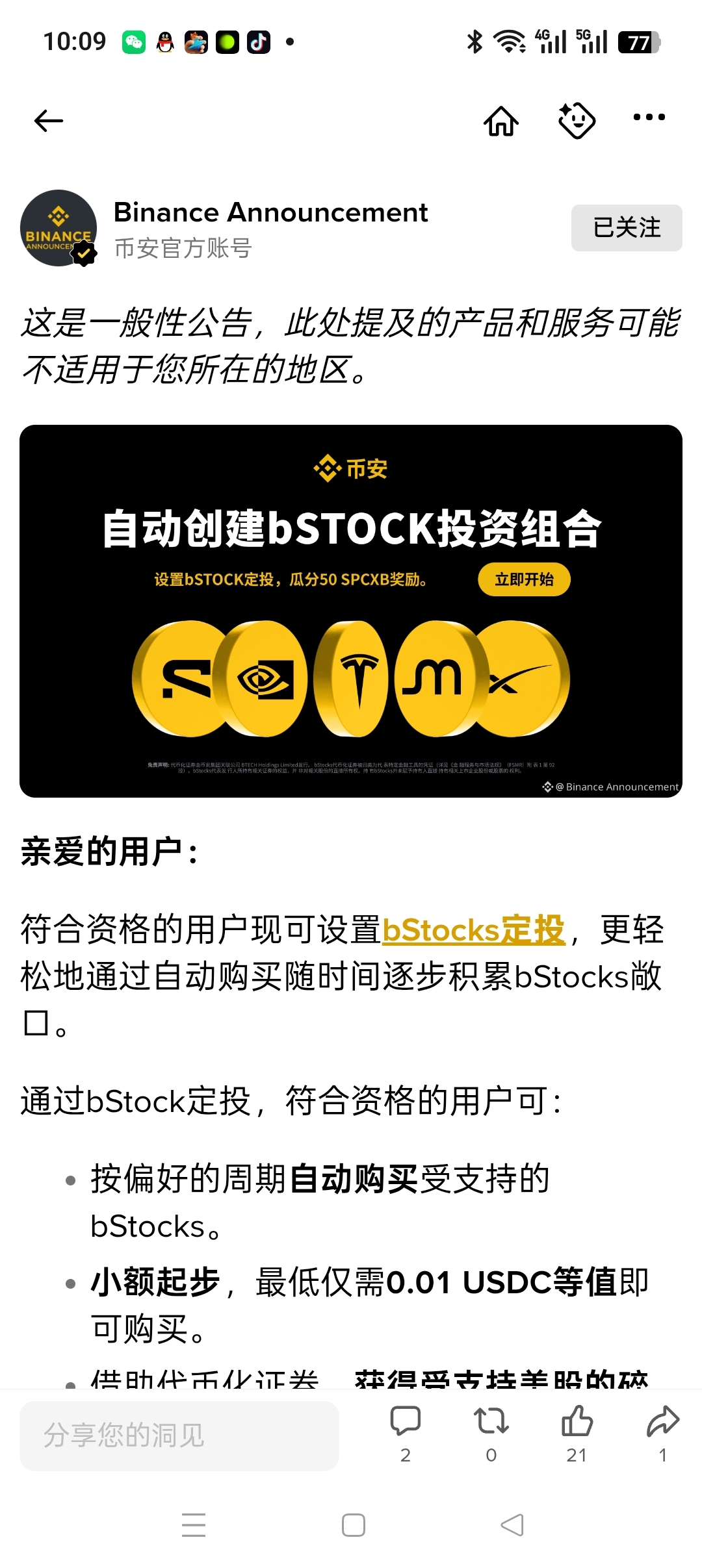
🔔 Coup de tonnerre ! Binance lance la fonctionnalité « investissement automatique sur actions américaines », avec seulement 0,01 U pour devenir actionnaire !

艾琳irene
·
--
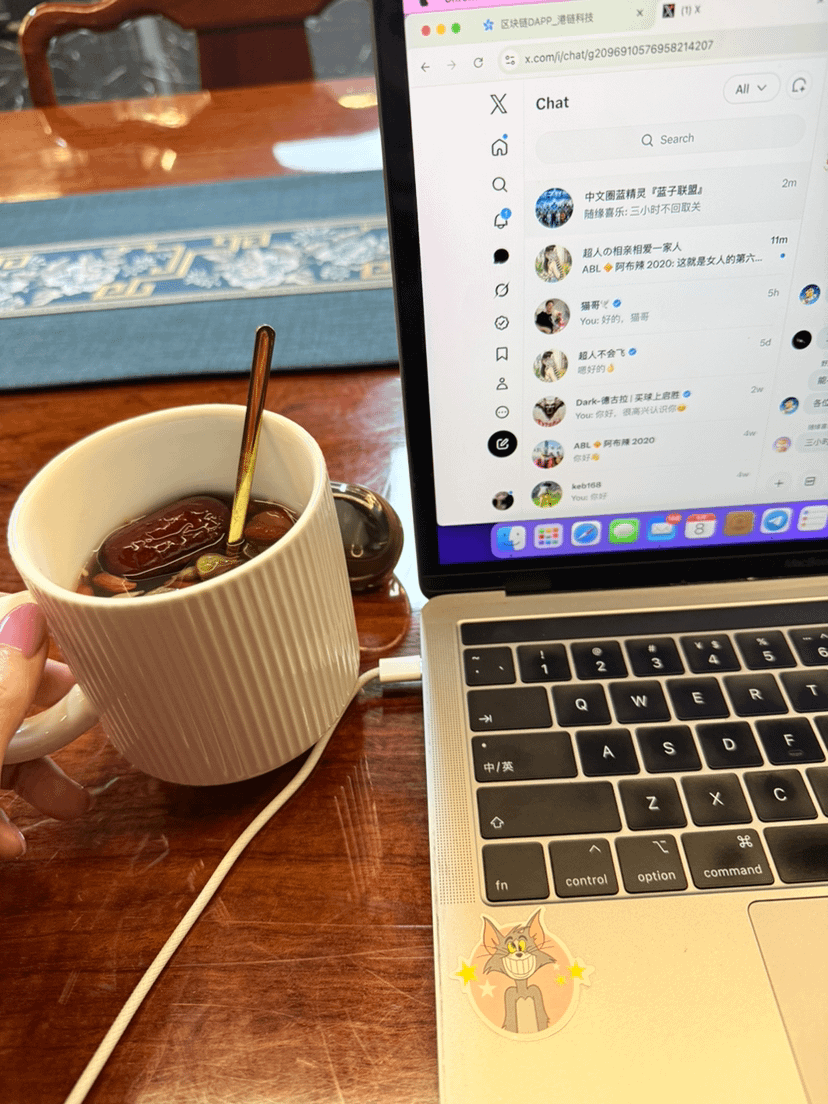
L’après-midi, thé fleuri : venez avec nous pour déguster 💕
Travailler et discuter en même temps, sans compromis #币圈资讯 $BNB #美加关税战升级
Travailler et discuter en même temps, sans compromis #币圈资讯 $BNB #美加关税战升级
#Cryptology_7 $JST

Z O N E P R I M E
·
--
Haussier🎁 ZONE PRIME BNB SURPRISE DROP ! 🎁
✨ Le Hongbao est plein et prêt à être ouvert ! ✨
👇 Étapes simples pour participer 👇
❤️ Suivez ZONE PRIME
🔁 Like & Partage
💬 Commentez « BNB »
🔔 Restez connecté(e) et actif(ve) pour les prochaines surprises !
#BNB #Crypto #ZONEPRIME #RedPacket #Binance
✨ Le Hongbao est plein et prêt à être ouvert ! ✨
👇 Étapes simples pour participer 👇
❤️ Suivez ZONE PRIME
🔁 Like & Partage
💬 Commentez « BNB »
🔔 Restez connecté(e) et actif(ve) pour les prochaines surprises !
#BNB #Crypto #ZONEPRIME #RedPacket #Binance

#Cryptology_7 $AAPLB

NAJAF_加密 143
·
--
‼️$XRP 🐕 La récompense est là ‼️
Je partage $XRP des récompenses avec la communauté, en guise de plus grand merci.
✨ Réclamez simplement votre récompense et profitez-en ! ✨
Réclamez-la. Soyez récompensé
@XRP _ $XRP #xrp
Je partage $XRP des récompenses avec la communauté, en guise de plus grand merci.
✨ Réclamez simplement votre récompense et profitez-en ! ✨
Réclamez-la. Soyez récompensé
@XRP _ $XRP #xrp


幸运雨Rain
·
--
☀️Un instant de pause à midi, offrez à votre esprit un moment de respiration🍃
Les fluctuations à la hausse et à la baisse se succèdent sans cesse📊,
il n’est pas nécessaire d’être tendu tout le temps, ni de surveiller constamment le marché🕊️.
Savoir s’éloigner au bon moment est aussi une forme de sagesse dans le trading.
Les voix du monde extérieur sont nombreuses et bruyantes : gardez votre jugement indépendant✨.
Ne vous précipitez pas pour saisir chaque opportunité ; attendez avec patience le signal qui vous appartient💎.
Que tous les compagnons de route trouvent un équilibre, sachant quand avancer et quand s’arrêter🌿
#美伊互袭油轮冲突升级
#交易心理
#1688家族family
Les fluctuations à la hausse et à la baisse se succèdent sans cesse📊,
il n’est pas nécessaire d’être tendu tout le temps, ni de surveiller constamment le marché🕊️.
Savoir s’éloigner au bon moment est aussi une forme de sagesse dans le trading.
Les voix du monde extérieur sont nombreuses et bruyantes : gardez votre jugement indépendant✨.
Ne vous précipitez pas pour saisir chaque opportunité ; attendez avec patience le signal qui vous appartient💎.
Que tous les compagnons de route trouvent un équilibre, sachant quand avancer et quand s’arrêter🌿
#美伊互袭油轮冲突升级
#交易心理
#1688家族family

#Cryptology_7 $UNI
Leo - F0
·
--
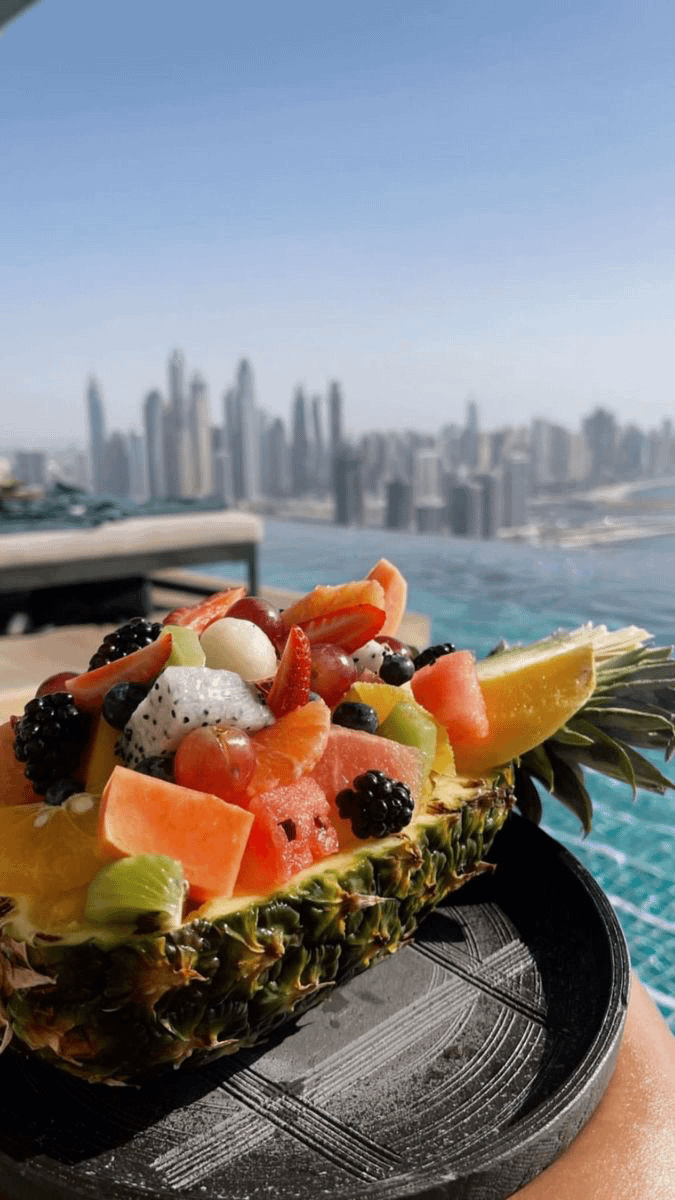
Haussier🧧🧧🔥BONJOUR DE DUBAÏ, FAMILLE. JE T'AI PRÉPARÉ UN CADEAU SPÉCIAL POUR TOI.🔥🧧🧧
Comme je te l'ai dit auparavant, $ZEC 💛 deviendra 3K.💎
$ZEC
$BTC 🔥🔥🧧🧧
#1688家族family 💚 @周周1688
#比特币突破8万美元 @Hawk自由哥 #xrp #DOGE #TRUMP
Comme je te l'ai dit auparavant, $ZEC 💛 deviendra 3K.💎
$ZEC
$BTC 🔥🔥🧧🧧
#1688家族family 💚 @周周1688
#比特币突破8万美元 @Hawk自由哥 #xrp #DOGE #TRUMP

Hawk自由哥
·
--
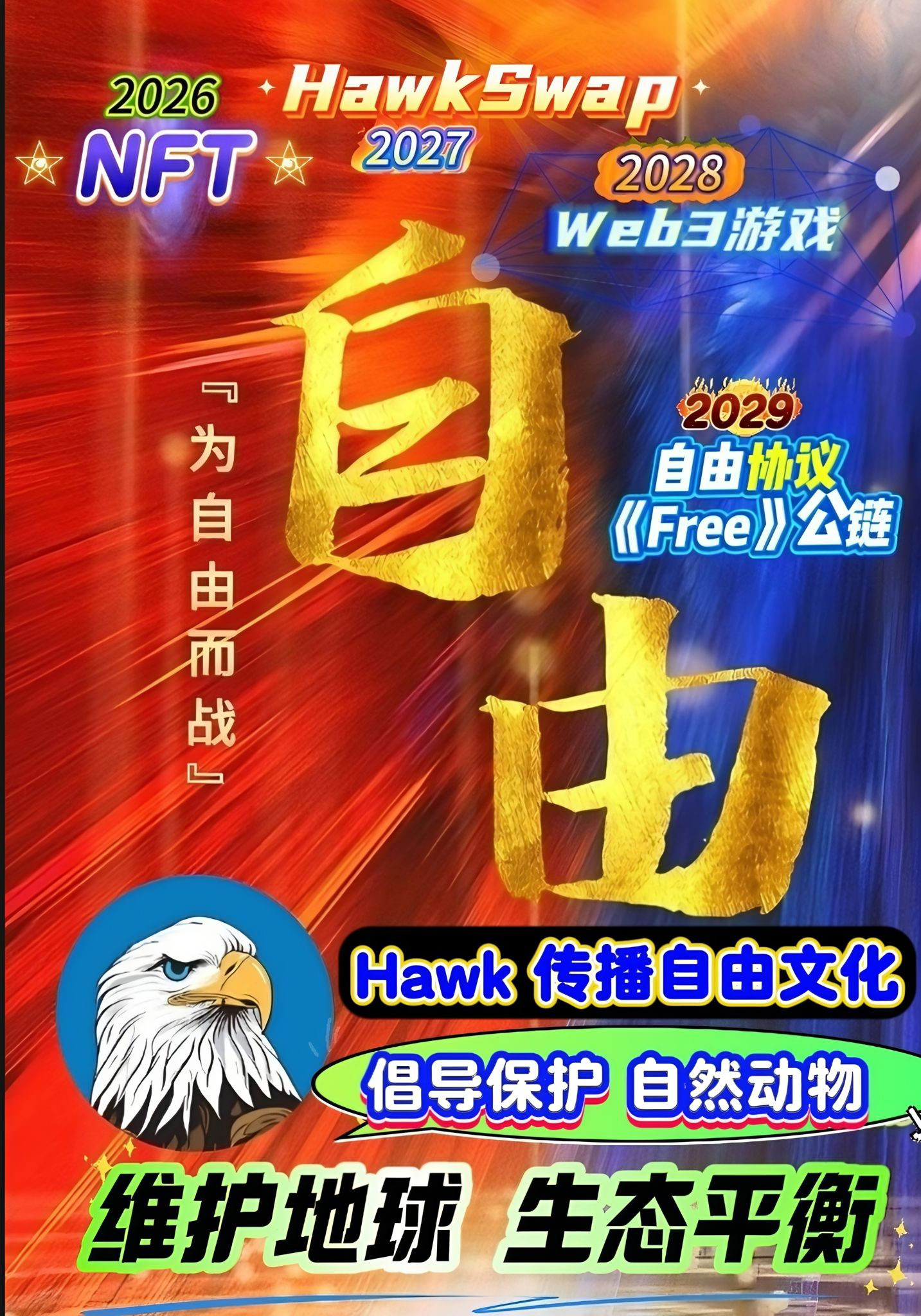
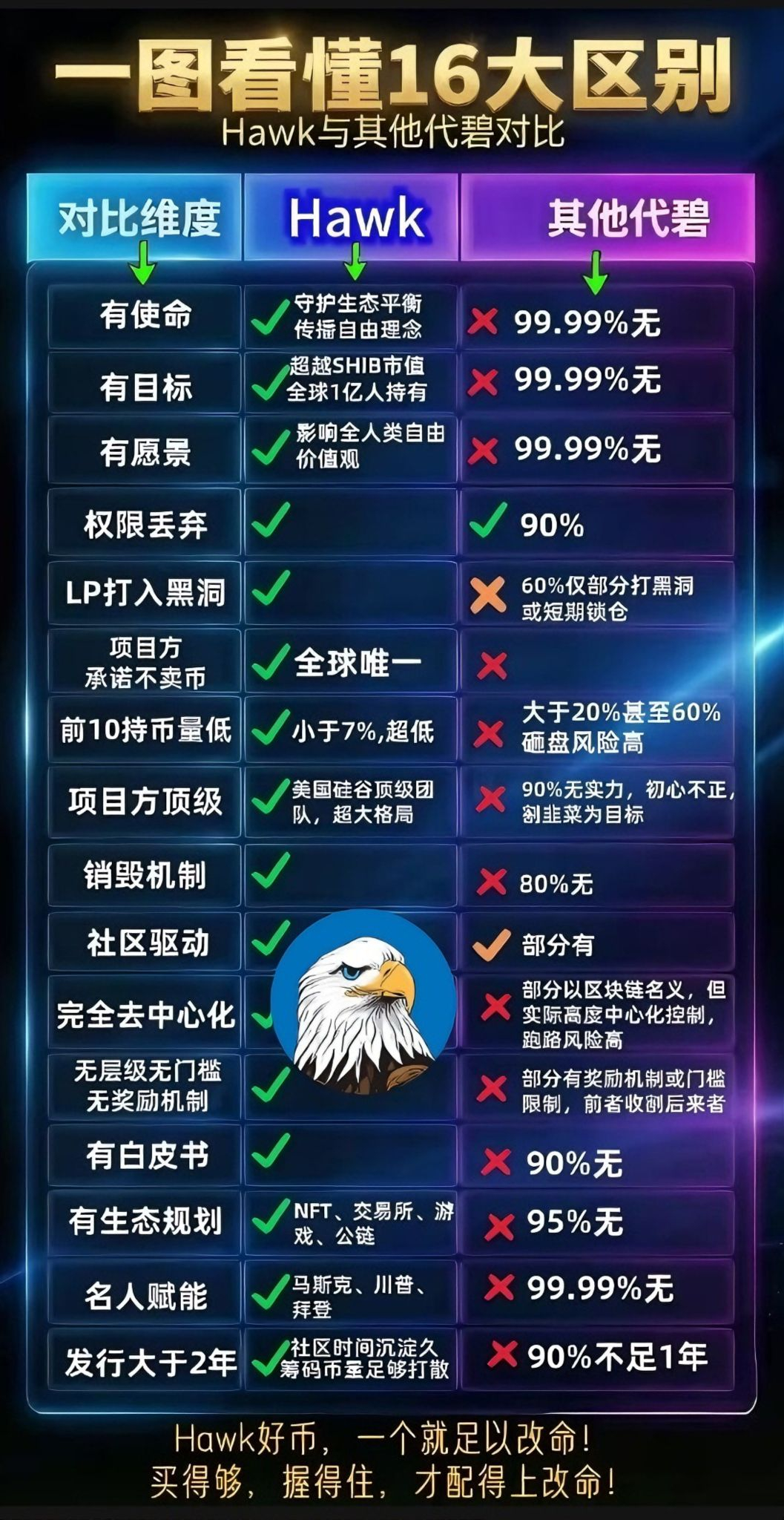
#Hawk Pourquoi choisir🧧🧧🧧🧧🧧
✅ Cœur spirituel : l’aigle symbolise la liberté, et sa mission est de diffuser l’idée de la liberté ! Utile à toute l’humanité💖
✅ Responsabilité sociale : protéger l’équilibre écologique de la Terre, promouvoir la protection de la nature et des animaux, rendre l’environnement plus beau, et être bénéfique à l’écosystème mondial.
✅ Plan écologique : une feuille de route d’application complète (pour les détails, veuillez consulter le livre blanc). À l’avenir, elle fusionnera avec tous les secteurs pour former une boucle fermée.
✅ Construction inclusive : suivre la voie « proche du peuple, ouvert à la nature », sans barrières ni modèle ; chacun peut participer à égalité, une approche d’une ampleur rare dans l’industrie.
✅ Crédit de l’équipe : première initiative de lancement d’un défi public visant la capitalisation de SHIB. Engagement : si l’objectif n’est pas atteint, ne pas vendre les tokens. En pratique depuis plus de deux ans ;
✅ Performance de marché : jamais de « pump and dump » ; toujours une ligne de conduite claire. Diffusion en direct sur le Binance Square depuis plus de 400 jours, répartition des jetons au maximum, le prix est déjà en phase de consolidation/bas.
✅ Synthèse : Hawk est un token communautaire qui fusionne l’esprit de liberté, la responsabilité écologique et la crédibilité à long terme, offrant aux personnes ordinaires une rare opportunité de changement.#美伊互袭油轮冲突升级 #美国空袭伊朗油轮德黑兰限制霍尔木兹海峡
✅ Cœur spirituel : l’aigle symbolise la liberté, et sa mission est de diffuser l’idée de la liberté ! Utile à toute l’humanité💖
✅ Responsabilité sociale : protéger l’équilibre écologique de la Terre, promouvoir la protection de la nature et des animaux, rendre l’environnement plus beau, et être bénéfique à l’écosystème mondial.
✅ Plan écologique : une feuille de route d’application complète (pour les détails, veuillez consulter le livre blanc). À l’avenir, elle fusionnera avec tous les secteurs pour former une boucle fermée.
✅ Construction inclusive : suivre la voie « proche du peuple, ouvert à la nature », sans barrières ni modèle ; chacun peut participer à égalité, une approche d’une ampleur rare dans l’industrie.
✅ Crédit de l’équipe : première initiative de lancement d’un défi public visant la capitalisation de SHIB. Engagement : si l’objectif n’est pas atteint, ne pas vendre les tokens. En pratique depuis plus de deux ans ;
✅ Performance de marché : jamais de « pump and dump » ; toujours une ligne de conduite claire. Diffusion en direct sur le Binance Square depuis plus de 400 jours, répartition des jetons au maximum, le prix est déjà en phase de consolidation/bas.
✅ Synthèse : Hawk est un token communautaire qui fusionne l’esprit de liberté, la responsabilité écologique et la crédibilité à long terme, offrant aux personnes ordinaires une rare opportunité de changement.#美伊互袭油轮冲突升级 #美国空袭伊朗油轮德黑兰限制霍尔木兹海峡

#Cryptology_7 $OM

杨乐-光明社区
·
--
💫
Un acte par jour, tous les actes réussiront ;
Un effort par jour, tous les efforts triompheront.
🌛
Chaque jour, accomplis une chose, et tout deviendra possible ;
Chaque jour, fais quelque chose, et tout pourra se faire.
Un acte par jour, tous les actes réussiront ;
Un effort par jour, tous les efforts triompheront.
🌛
Chaque jour, accomplis une chose, et tout deviendra possible ;
Chaque jour, fais quelque chose, et tout pourra se faire.

·
--
🎙️ Récupération avant l’indice des prix à la consommation (IPC)
Fin
02 h 34 min 29 sec
878
2

阿波罗1111
·
--
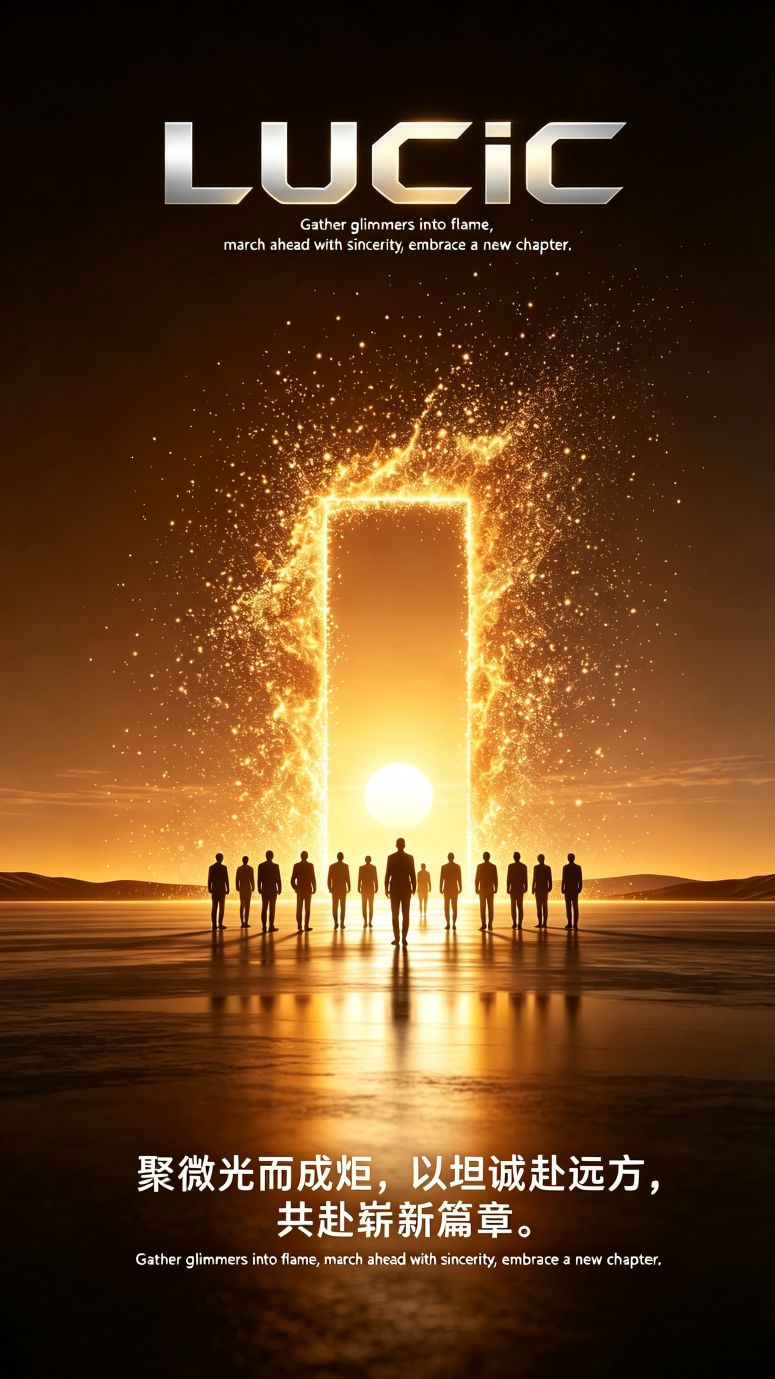
Rassemblez des étincelles pour en faire une torche, avancez avec sincérité, et ouvrez ensemble un nouveau chapitre.
Gather glimmers into flame, march ahead with sincerity, embrace a new chapter.
#LUCIC
Gather glimmers into flame, march ahead with sincerity, embrace a new chapter.
#LUCIC
#Cryptology_7 $JST

静姐6888
·
--
Un faisceau de lumière peut illuminer tout un groupe
Un consensus peut ouvrir une nouvelle voie
LUCIC, la communauté de la lumière, avance aux côtés de ceux qui partagent les mêmes idées
Un rayon éclaire de nombreuses âmes.
Un consensus ouvre un nouveau voyage.
LUCIC, avancez avec des partenaires partageant vos convictions.
Un consensus peut ouvrir une nouvelle voie
LUCIC, la communauté de la lumière, avance aux côtés de ceux qui partagent les mêmes idées
Un rayon éclaire de nombreuses âmes.
Un consensus ouvre un nouveau voyage.
LUCIC, avancez avec des partenaires partageant vos convictions.

Muzamil Abbas⁷⁵ 穆扎米尔_阿巴斯
·
--
Haussier$BMT
🚨 ALERTE DON 🎁 🚨
💰 DON DE PIÈCES BMT d’une VALEUR DE 100 $ 💰
Tu veux en faire partie ? 👇
✅ Suis-moi
❤️ Aime cette publication
🔄 Reposte cette publication
💬 Commente « 1 CLAIM »
Ne manque pas ta chance de récupérer ta part de 100 $ de BMT 🔥
Bonne chance à tous 🤞
$ARB
$CATI
🚨 ALERTE DON 🎁 🚨
💰 DON DE PIÈCES BMT d’une VALEUR DE 100 $ 💰
Tu veux en faire partie ? 👇
✅ Suis-moi
❤️ Aime cette publication
🔄 Reposte cette publication
💬 Commente « 1 CLAIM »
Ne manque pas ta chance de récupérer ta part de 100 $ de BMT 🔥
Bonne chance à tous 🤞
$ARB
$CATI



Connectez-vous pour découvrir plus de contenu