

#usirandealconfirmed
usirandealconfirmed
1.1M vues
4,172 mentions
US-Iran deal CONFIRMED. Hormuz reopens, blockade lifted.
BTC jumped to $65,642 📈 ETH +3.65%
But it's a memorandum, not final — the hard part gets negotiated over 60 days. Signing Friday.
Markets relieved, not euphoric. S&P only +0.59%. FOMC in 2 days with a friendlier oil backdrop 👀
Bottom in, or another false start? 👇
🟢 Real deal
🟡 Cautious, watching
🔴 Seen this before
Populaire
Récents


·
--
Article
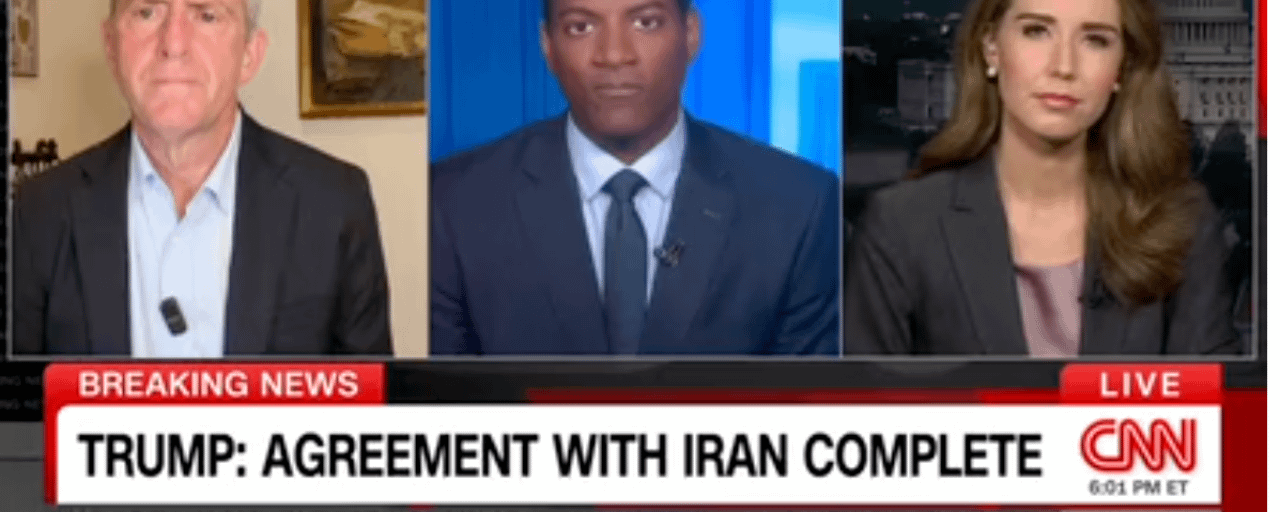
Market News: It's Confirmed - US-Iran Deal Reached — Bitcoin Jumps to $65,642, Strait of Hormuz Reopens, But the Real Negotiation Starts NowAfter five months of false starts, denials, and reversals, the US-Iran peace process has produced its first confirmed concrete result. Despite renewed Israeli interference attempting to disrupt the process, Trump announced free passage through the Strait of Hormuz and authorized the immediate lifting of the US naval blockade against Iran. Iran's Deputy Foreign Minister confirmed that the text of a US-Iran memorandum of understanding has been finalized and will be formally signed in Switzerland this Friday, June 19.
Bitcoin responded immediately. According to HTX data, Bitcoin is trading at $65,642.70 — up 2.48% over 24 hours. Ethereum rose 3.65% to $1,723.88, pulling further away from the critical $1,420 support level that had been tested at $1,500 over the previous weekend.
What was actually agreed — and why the market remains cautious
The critical detail, and the reason markets are reacting with relief rather than euphoria, is in the framing from Iran's Deputy Foreign Minister. What was reached is explicitly a "memorandum of understanding" — not a final peace agreement. "Negotiations for the final agreement will take place within 60 days, during which time the focus will be on lifting sanctions, the nuclear issue, determining the final mechanism for Iran's reconstruction, and monitoring its implementation," the Deputy Foreign Minister stated.
This structure means the immediate, confirmed deliverables — Strait of Hormuz reopening and naval blockade lifting — are real and significant, but the deeper issues that have made this conflict so consequential for global oil markets and inflation (sanctions relief, the nuclear program, frozen asset release) remain subject to a further 60-day negotiation period. Given the pattern established over the past five months — where even agreed-upon memoranda have been followed by disputes over terms, as Trump demonstrated just one day earlier when he disputed publicly reported deal provisions — a 60-day window for the substantive issues leaves considerable room for the kind of breakdown that has repeatedly whipsawed markets.
This explains why "the market still seems unable to be completely reassured about peace in the Middle East" despite the confirmed Strait reopening — the easy part has been resolved, but the hard part is just beginning.
Bitcoin's reaction: relief, validation of Kendrick's thesis
Bitcoin's jump to $65,642 represents continued progress from the $59,375 low that Standard Chartered's Geoffrey Kendrick identified as the cycle bottom just one day earlier. Kendrick had specifically named a genuine US-Iran peace deal as one of two catalysts supporting his "winter is over" call — and a confirmed Strait of Hormuz reopening, even attached to a memorandum rather than a final agreement, represents real progress toward that catalyst materializing.
The mechanism matters: a reopened Strait of Hormuz directly addresses the oil supply shock that has kept Brent and WTI elevated for over three months, which in turn has been the primary driver of the inflation reacceleration behind Federal Reserve rate hike expectations. If oil prices decline meaningfully on confirmed Hormuz access — building on Friday's move toward $85-$87 — the inflationary pressure that has weighed on Bitcoin since the April CPI shock begins to genuinely ease, rather than merely pausing on headline-driven optimism.
Ethereum's larger percentage gain (3.65% versus Bitcoin's 2.48%) is notable given Standard Chartered's Kendrick has separately argued for ETH outperformance versus BTC following Strategy's Bitcoin sale — today's relative move is modestly consistent with that thesis, though one day of data is far from confirmation.
TradFi reaction: rapid rise, then pullback
US equity markets showed a more complicated reaction pattern — a rapid rise followed by a pullback, rather than the sustained rally that might be expected from genuinely resolved geopolitical risk. The S&P 500 is currently at 7,493.9, up 0.59% over 24 hours — a modest gain that suggests equity markets are treating the news with similar caution to crypto, pricing in the memorandum-not-final-deal distinction.
Individual stock reactions were more dramatic. Micron is trading at $1,029, a significant premium over its after-hours price of $989 — a notable jump for a stock that had been under pressure from the broader memory sector weakness following Broadcom's AI chip demand warnings earlier in the week. The Iran deal news may be providing relief to semiconductor stocks broadly, given that lower oil prices and reduced geopolitical risk premium could ease the macro pressures that had been weighing on the AI trade.
SPCX, meanwhile, remains flat at $167.29 — holding its gains from Friday's 20% debut surge (which had taken it from $135 to as high as $162) without significant additional movement on the Iran news. SpaceX's business is not directly exposed to Middle East oil dynamics in the way energy-sensitive sectors are, which may explain its relative stability compared to the more volatile reactions in Micron and the broader index.
What comes next: the 60-day window
The market's path forward now depends heavily on how the 60-day negotiation period for the substantive issues — sanctions, the nuclear program, frozen funds, reconstruction mechanisms — unfolds. Friday's formal signing in Switzerland will mark the beginning of that period rather than its conclusion.
For Kendrick's bottom-confirmation framework, today's developments provide partial validation — particularly the second catalyst around oil and Treasury yields. Combined with the first catalyst (SpaceX IPO clearing ETF-related selling pressure, with SPCX now trading well above its $135 offer price), two of Kendrick's two identified catalysts have now shown genuine progress within 24 hours of his note. The remaining test is the demand-side confirmation: Monday's potential Strategy purchase announcement and Friday's US spot Bitcoin ETF flow data, both of which take on added significance given today's positive geopolitical development.
The June 17 FOMC meeting — now just two days away — arrives with a meaningfully improved oil and geopolitical backdrop compared to where markets stood even 48 hours ago. Whether that improvement is durable through the 60-day negotiation window, or whether it represents another premature reaction in a pattern that has repeated multiple times since February, will become clearer in the days ahead.
Market News: It's Confirmed - US-Iran Deal Reached — Bitcoin Jumps to $65,642, Strait of Hormuz Reopens, But the Real Negotiation Starts Now
After five months of false starts, denials, and reversals, the US-Iran peace process has produced its first confirmed concrete result. Despite renewed Israeli interference attempting to disrupt the process, Trump announced free passage through the Strait of Hormuz and authorized the immediate lifting of the US naval blockade against Iran. Iran's Deputy Foreign Minister confirmed that the text of a US-Iran memorandum of understanding has been finalized and will be formally signed in Switzerland this Friday, June 19.
Bitcoin responded immediately. According to HTX data, Bitcoin is trading at $65,642.70 — up 2.48% over 24 hours. Ethereum rose 3.65% to $1,723.88, pulling further away from the critical $1,420 support level that had been tested at $1,500 over the previous weekend.
What was actually agreed — and why the market remains cautious
The critical detail, and the reason markets are reacting with relief rather than euphoria, is in the framing from Iran's Deputy Foreign Minister. What was reached is explicitly a "memorandum of understanding" — not a final peace agreement. "Negotiations for the final agreement will take place within 60 days, during which time the focus will be on lifting sanctions, the nuclear issue, determining the final mechanism for Iran's reconstruction, and monitoring its implementation," the Deputy Foreign Minister stated.
This structure means the immediate, confirmed deliverables — Strait of Hormuz reopening and naval blockade lifting — are real and significant, but the deeper issues that have made this conflict so consequential for global oil markets and inflation (sanctions relief, the nuclear program, frozen asset release) remain subject to a further 60-day negotiation period. Given the pattern established over the past five months — where even agreed-upon memoranda have been followed by disputes over terms, as Trump demonstrated just one day earlier when he disputed publicly reported deal provisions — a 60-day window for the substantive issues leaves considerable room for the kind of breakdown that has repeatedly whipsawed markets.
This explains why "the market still seems unable to be completely reassured about peace in the Middle East" despite the confirmed Strait reopening — the easy part has been resolved, but the hard part is just beginning.
Bitcoin's reaction: relief, validation of Kendrick's thesis
Bitcoin's jump to $65,642 represents continued progress from the $59,375 low that Standard Chartered's Geoffrey Kendrick identified as the cycle bottom just one day earlier. Kendrick had specifically named a genuine US-Iran peace deal as one of two catalysts supporting his "winter is over" call — and a confirmed Strait of Hormuz reopening, even attached to a memorandum rather than a final agreement, represents real progress toward that catalyst materializing.
The mechanism matters: a reopened Strait of Hormuz directly addresses the oil supply shock that has kept Brent and WTI elevated for over three months, which in turn has been the primary driver of the inflation reacceleration behind Federal Reserve rate hike expectations. If oil prices decline meaningfully on confirmed Hormuz access — building on Friday's move toward $85-$87 — the inflationary pressure that has weighed on Bitcoin since the April CPI shock begins to genuinely ease, rather than merely pausing on headline-driven optimism.
Ethereum's larger percentage gain (3.65% versus Bitcoin's 2.48%) is notable given Standard Chartered's Kendrick has separately argued for ETH outperformance versus BTC following Strategy's Bitcoin sale — today's relative move is modestly consistent with that thesis, though one day of data is far from confirmation.
TradFi reaction: rapid rise, then pullback
US equity markets showed a more complicated reaction pattern — a rapid rise followed by a pullback, rather than the sustained rally that might be expected from genuinely resolved geopolitical risk. The S&P 500 is currently at 7,493.9, up 0.59% over 24 hours — a modest gain that suggests equity markets are treating the news with similar caution to crypto, pricing in the memorandum-not-final-deal distinction.
Individual stock reactions were more dramatic. Micron is trading at $1,029, a significant premium over its after-hours price of $989 — a notable jump for a stock that had been under pressure from the broader memory sector weakness following Broadcom's AI chip demand warnings earlier in the week. The Iran deal news may be providing relief to semiconductor stocks broadly, given that lower oil prices and reduced geopolitical risk premium could ease the macro pressures that had been weighing on the AI trade.
SPCX, meanwhile, remains flat at $167.29 — holding its gains from Friday's 20% debut surge (which had taken it from $135 to as high as $162) without significant additional movement on the Iran news. SpaceX's business is not directly exposed to Middle East oil dynamics in the way energy-sensitive sectors are, which may explain its relative stability compared to the more volatile reactions in Micron and the broader index.
What comes next: the 60-day window
The market's path forward now depends heavily on how the 60-day negotiation period for the substantive issues — sanctions, the nuclear program, frozen funds, reconstruction mechanisms — unfolds. Friday's formal signing in Switzerland will mark the beginning of that period rather than its conclusion.
For Kendrick's bottom-confirmation framework, today's developments provide partial validation — particularly the second catalyst around oil and Treasury yields. Combined with the first catalyst (SpaceX IPO clearing ETF-related selling pressure, with SPCX now trading well above its $135 offer price), two of Kendrick's two identified catalysts have now shown genuine progress within 24 hours of his note. The remaining test is the demand-side confirmation: Monday's potential Strategy purchase announcement and Friday's US spot Bitcoin ETF flow data, both of which take on added significance given today's positive geopolitical development.
The June 17 FOMC meeting — now just two days away — arrives with a meaningfully improved oil and geopolitical backdrop compared to where markets stood even 48 hours ago. Whether that improvement is durable through the 60-day negotiation window, or whether it represents another premature reaction in a pattern that has repeated multiple times since February, will become clearer in the days ahead.
Bitcoin responded immediately. According to HTX data, Bitcoin is trading at $65,642.70 — up 2.48% over 24 hours. Ethereum rose 3.65% to $1,723.88, pulling further away from the critical $1,420 support level that had been tested at $1,500 over the previous weekend.
What was actually agreed — and why the market remains cautious
The critical detail, and the reason markets are reacting with relief rather than euphoria, is in the framing from Iran's Deputy Foreign Minister. What was reached is explicitly a "memorandum of understanding" — not a final peace agreement. "Negotiations for the final agreement will take place within 60 days, during which time the focus will be on lifting sanctions, the nuclear issue, determining the final mechanism for Iran's reconstruction, and monitoring its implementation," the Deputy Foreign Minister stated.
This structure means the immediate, confirmed deliverables — Strait of Hormuz reopening and naval blockade lifting — are real and significant, but the deeper issues that have made this conflict so consequential for global oil markets and inflation (sanctions relief, the nuclear program, frozen asset release) remain subject to a further 60-day negotiation period. Given the pattern established over the past five months — where even agreed-upon memoranda have been followed by disputes over terms, as Trump demonstrated just one day earlier when he disputed publicly reported deal provisions — a 60-day window for the substantive issues leaves considerable room for the kind of breakdown that has repeatedly whipsawed markets.
This explains why "the market still seems unable to be completely reassured about peace in the Middle East" despite the confirmed Strait reopening — the easy part has been resolved, but the hard part is just beginning.
Bitcoin's reaction: relief, validation of Kendrick's thesis
Bitcoin's jump to $65,642 represents continued progress from the $59,375 low that Standard Chartered's Geoffrey Kendrick identified as the cycle bottom just one day earlier. Kendrick had specifically named a genuine US-Iran peace deal as one of two catalysts supporting his "winter is over" call — and a confirmed Strait of Hormuz reopening, even attached to a memorandum rather than a final agreement, represents real progress toward that catalyst materializing.
The mechanism matters: a reopened Strait of Hormuz directly addresses the oil supply shock that has kept Brent and WTI elevated for over three months, which in turn has been the primary driver of the inflation reacceleration behind Federal Reserve rate hike expectations. If oil prices decline meaningfully on confirmed Hormuz access — building on Friday's move toward $85-$87 — the inflationary pressure that has weighed on Bitcoin since the April CPI shock begins to genuinely ease, rather than merely pausing on headline-driven optimism.
Ethereum's larger percentage gain (3.65% versus Bitcoin's 2.48%) is notable given Standard Chartered's Kendrick has separately argued for ETH outperformance versus BTC following Strategy's Bitcoin sale — today's relative move is modestly consistent with that thesis, though one day of data is far from confirmation.
TradFi reaction: rapid rise, then pullback
US equity markets showed a more complicated reaction pattern — a rapid rise followed by a pullback, rather than the sustained rally that might be expected from genuinely resolved geopolitical risk. The S&P 500 is currently at 7,493.9, up 0.59% over 24 hours — a modest gain that suggests equity markets are treating the news with similar caution to crypto, pricing in the memorandum-not-final-deal distinction.
Individual stock reactions were more dramatic. Micron is trading at $1,029, a significant premium over its after-hours price of $989 — a notable jump for a stock that had been under pressure from the broader memory sector weakness following Broadcom's AI chip demand warnings earlier in the week. The Iran deal news may be providing relief to semiconductor stocks broadly, given that lower oil prices and reduced geopolitical risk premium could ease the macro pressures that had been weighing on the AI trade.
SPCX, meanwhile, remains flat at $167.29 — holding its gains from Friday's 20% debut surge (which had taken it from $135 to as high as $162) without significant additional movement on the Iran news. SpaceX's business is not directly exposed to Middle East oil dynamics in the way energy-sensitive sectors are, which may explain its relative stability compared to the more volatile reactions in Micron and the broader index.
What comes next: the 60-day window
The market's path forward now depends heavily on how the 60-day negotiation period for the substantive issues — sanctions, the nuclear program, frozen funds, reconstruction mechanisms — unfolds. Friday's formal signing in Switzerland will mark the beginning of that period rather than its conclusion.
For Kendrick's bottom-confirmation framework, today's developments provide partial validation — particularly the second catalyst around oil and Treasury yields. Combined with the first catalyst (SpaceX IPO clearing ETF-related selling pressure, with SPCX now trading well above its $135 offer price), two of Kendrick's two identified catalysts have now shown genuine progress within 24 hours of his note. The remaining test is the demand-side confirmation: Monday's potential Strategy purchase announcement and Friday's US spot Bitcoin ETF flow data, both of which take on added significance given today's positive geopolitical development.
The June 17 FOMC meeting — now just two days away — arrives with a meaningfully improved oil and geopolitical backdrop compared to where markets stood even 48 hours ago. Whether that improvement is durable through the 60-day negotiation window, or whether it represents another premature reaction in a pattern that has repeated multiple times since February, will become clearer in the days ahead.
11
6
89
65.6k

·
--
Haussier
🚨 The MOU Is Out. Every Clause. Every Condition. Here's What It Actually Means.
Axios just published the full framework. Stop reading headlines. Read the terms.
What Iran Gets:
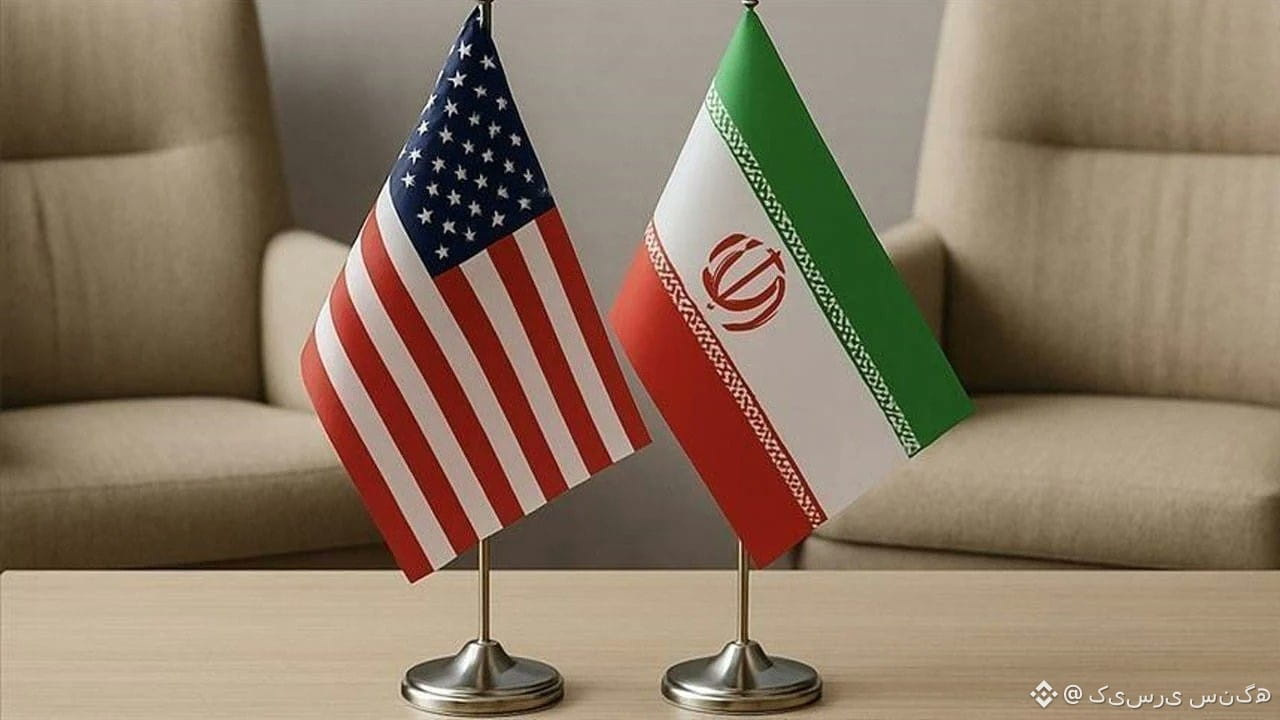
60-day ceasefire. No new US sanctions. No additional US military deployments. Gradual maritime blockade removal — fully lifted within 30 days. Compliance-based access to frozen funds. And if a final deal closes — US forces withdraw completely and sanctions lift on an agreed timetable. Plus a $300 billion reconstruction fund.
What America Gets:
Iran's nuclear program frozen at current status. No nuclear weapons commitment reiterated. Safe commercial shipping through Hormuz for 60 days. Negotiating table on uranium stockpile and future enrichment.
What the Market Gets:
Hormuz reopens within 30 days — that's the number that matters. Not 60. Not "eventually." Thirty days to open the world's most critical shipping lane.
Here's the brutal honest analysis:
This is a freeze, not a solution. Iran's nuclear infrastructure stays intact. The uranium stockpile negotiation happens DURING the 60 days — meaning the hardest question remains unanswered. Smotrich called it correctly on the nuclear architecture point even if his response was wrong.
But markets don't trade perfect solutions. They trade certainty over uncertainty.
Thirty days to Hormuz reopening is certain. $300 billion Iranian reconstruction is certain spending into global markets. Compliance-based fund releases remove the Obama-era cash-upfront criticism entirely.
This deal was engineered to survive political attack from both sides. Performance-based. Verifiable. Timed.
The 60-day clock starts now. Every day of compliance is another day oil falls, inflation drops, and rate cut probability rises.
Trade the 30-day Hormuz window. Everything else is noise.
$SYN
{future}(SYNUSDT)
$BSB
{future}(BSBUSDT)
$JTO
{future}(JTOUSDT)
#SpainCNMVWarnsVASPsMiCADeadline #USStrategicPetroleumReserveHits1983Low #CFTCChairClarifyingPerpFuturesMisconceptions #USIranDealConfirmed #NEARRises22.2%
🚨 The MOU Is Out. Every Clause. Every Condition. Here's What It Actually Means.
Axios just published the full framework. Stop reading headlines. Read the terms.
What Iran Gets:
60-day ceasefire. No new US sanctions. No additional US military deployments. Gradual maritime blockade removal — fully lifted within 30 days. Compliance-based access to frozen funds. And if a final deal closes — US forces withdraw completely and sanctions lift on an agreed timetable. Plus a $300 billion reconstruction fund.
What America Gets:
Iran's nuclear program frozen at current status. No nuclear weapons commitment reiterated. Safe commercial shipping through Hormuz for 60 days. Negotiating table on uranium stockpile and future enrichment.
What the Market Gets:
Hormuz reopens within 30 days — that's the number that matters. Not 60. Not "eventually." Thirty days to open the world's most critical shipping lane.
Here's the brutal honest analysis:
This is a freeze, not a solution. Iran's nuclear infrastructure stays intact. The uranium stockpile negotiation happens DURING the 60 days — meaning the hardest question remains unanswered. Smotrich called it correctly on the nuclear architecture point even if his response was wrong.
But markets don't trade perfect solutions. They trade certainty over uncertainty.
Thirty days to Hormuz reopening is certain. $300 billion Iranian reconstruction is certain spending into global markets. Compliance-based fund releases remove the Obama-era cash-upfront criticism entirely.
This deal was engineered to survive political attack from both sides. Performance-based. Verifiable. Timed.
The 60-day clock starts now. Every day of compliance is another day oil falls, inflation drops, and rate cut probability rises.
Trade the 30-day Hormuz window. Everything else is noise.
$SYN
$BSB
$JTO
#SpainCNMVWarnsVASPsMiCADeadline #USStrategicPetroleumReserveHits1983Low #CFTCChairClarifyingPerpFuturesMisconceptions #USIranDealConfirmed #NEARRises22.2%
Axios just published the full framework. Stop reading headlines. Read the terms.
What Iran Gets:
60-day ceasefire. No new US sanctions. No additional US military deployments. Gradual maritime blockade removal — fully lifted within 30 days. Compliance-based access to frozen funds. And if a final deal closes — US forces withdraw completely and sanctions lift on an agreed timetable. Plus a $300 billion reconstruction fund.
What America Gets:
Iran's nuclear program frozen at current status. No nuclear weapons commitment reiterated. Safe commercial shipping through Hormuz for 60 days. Negotiating table on uranium stockpile and future enrichment.
What the Market Gets:
Hormuz reopens within 30 days — that's the number that matters. Not 60. Not "eventually." Thirty days to open the world's most critical shipping lane.
Here's the brutal honest analysis:
This is a freeze, not a solution. Iran's nuclear infrastructure stays intact. The uranium stockpile negotiation happens DURING the 60 days — meaning the hardest question remains unanswered. Smotrich called it correctly on the nuclear architecture point even if his response was wrong.
But markets don't trade perfect solutions. They trade certainty over uncertainty.
Thirty days to Hormuz reopening is certain. $300 billion Iranian reconstruction is certain spending into global markets. Compliance-based fund releases remove the Obama-era cash-upfront criticism entirely.
This deal was engineered to survive political attack from both sides. Performance-based. Verifiable. Timed.
The 60-day clock starts now. Every day of compliance is another day oil falls, inflation drops, and rate cut probability rises.
Trade the 30-day Hormuz window. Everything else is noise.
$SYN
$BSB
$JTO
#SpainCNMVWarnsVASPsMiCADeadline #USStrategicPetroleumReserveHits1983Low #CFTCChairClarifyingPerpFuturesMisconceptions #USIranDealConfirmed #NEARRises22.2%
1
334

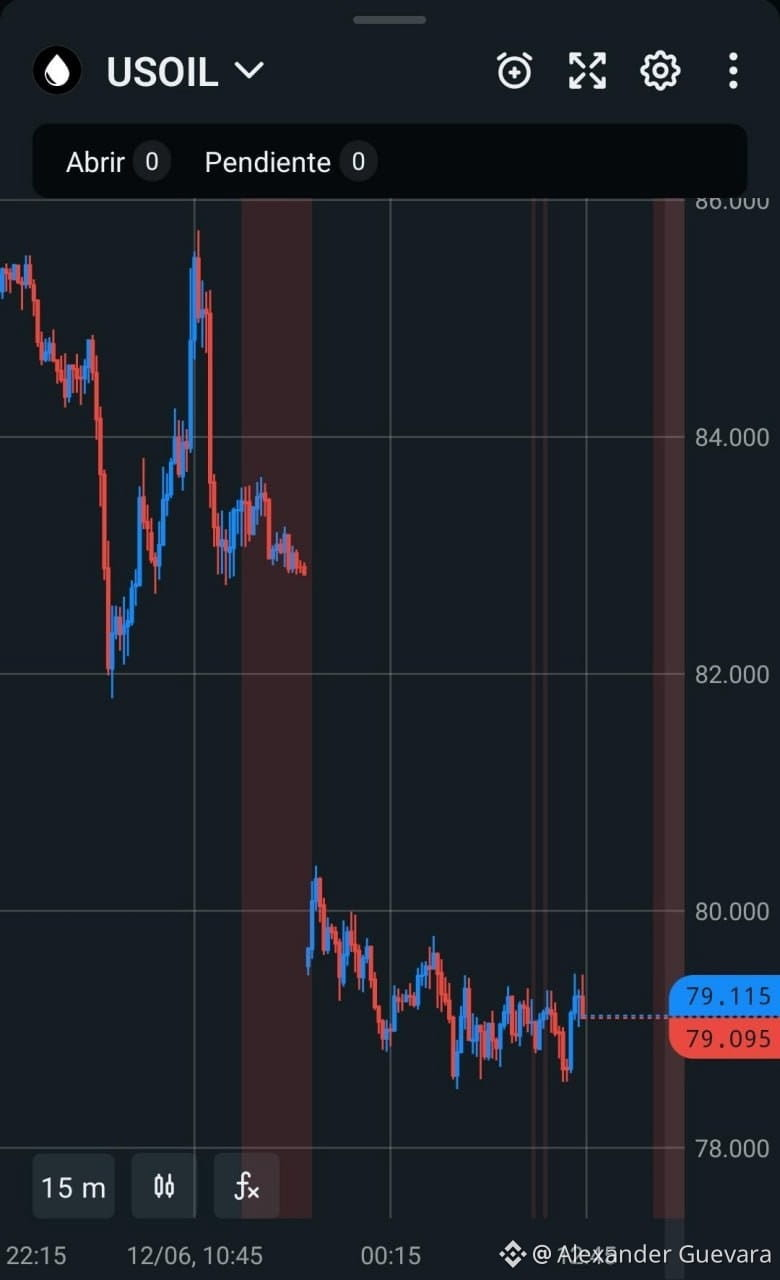
‼️Fuerte corrección en el Petróleo (-5.23%) 🛢🔥
El motivo? Donald Trump anunció que Estados Unidos e Irán alcanzaron un acuerdo para poner fin a la guerra en Medio Oriente 🕊
Afirmó que se firmará el próximo viernes y ordenó levantar el bloqueo en el estrecho de Ormuz, un alivio para la economía global tras 107 días de conflicto 🗓
Para aprovechar estas noticias y ganar dinero tenemos que saber operarlos📈🚀
👉 Si todavía no aprendiste como operar el petróleo, el oro, acciones y demás para aprovechar lo que te comparto en este canal, te recomiendo que vayas a ver mis post donde explico todo paso a paso.
Buena semana inversores! ❤️
#USIranDealConfirmed #iran #TRUMP #EEUU #petróleo $CL $BZ
‼️Fuerte corrección en el Petróleo (-5.23%) 🛢🔥
El motivo? Donald Trump anunció que Estados Unidos e Irán alcanzaron un acuerdo para poner fin a la guerra en Medio Oriente 🕊
Afirmó que se firmará el próximo viernes y ordenó levantar el bloqueo en el estrecho de Ormuz, un alivio para la economía global tras 107 días de conflicto 🗓
Para aprovechar estas noticias y ganar dinero tenemos que saber operarlos📈🚀
👉 Si todavía no aprendiste como operar el petróleo, el oro, acciones y demás para aprovechar lo que te comparto en este canal, te recomiendo que vayas a ver mis post donde explico todo paso a paso.
Buena semana inversores! ❤️
#USIranDealConfirmed #iran #TRUMP #EEUU #petróleo $CL $BZ
El motivo? Donald Trump anunció que Estados Unidos e Irán alcanzaron un acuerdo para poner fin a la guerra en Medio Oriente 🕊
Afirmó que se firmará el próximo viernes y ordenó levantar el bloqueo en el estrecho de Ormuz, un alivio para la economía global tras 107 días de conflicto 🗓
Para aprovechar estas noticias y ganar dinero tenemos que saber operarlos📈🚀
👉 Si todavía no aprendiste como operar el petróleo, el oro, acciones y demás para aprovechar lo que te comparto en este canal, te recomiendo que vayas a ver mis post donde explico todo paso a paso.
Buena semana inversores! ❤️
#USIranDealConfirmed #iran #TRUMP #EEUU #petróleo $CL $BZ
3
110

Vérifié
🚨STOP.....STOP.....STOP..... YOUR ATTENTION NEEDED JUST FOR 5 MINUTES 🚨
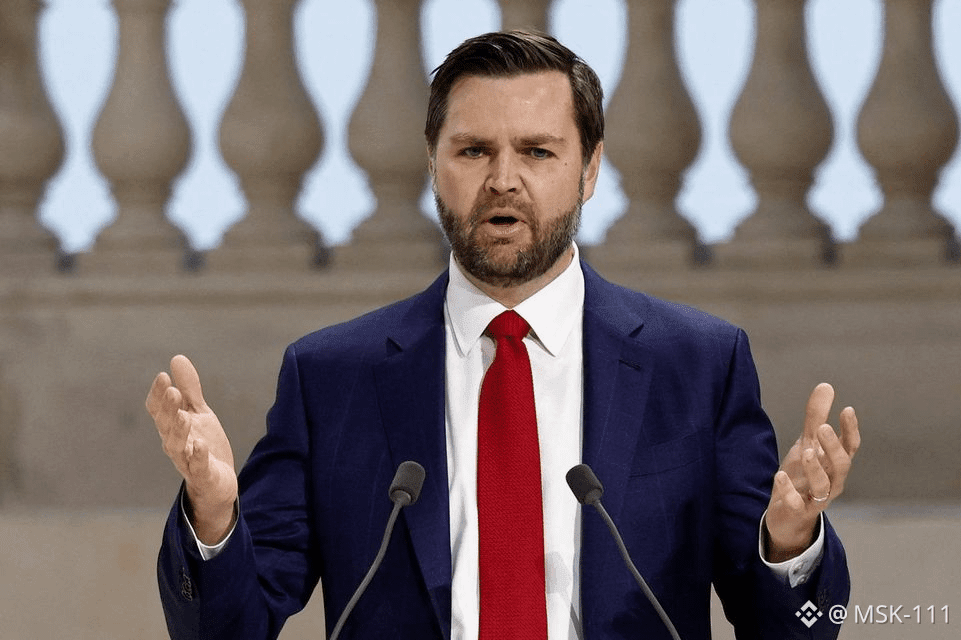
Washington: The United States 🇺🇸 and Iran 🇮🇷 have signed a memorandum of understanding (MoU). US 🇺🇸 Vice President "JD Vance" has confirmed this.
According to the private TV channel "Geo News", President "Trump" and Vice President "JD Vance" signed on behalf of the United States. The US Vice President stated that parliamentary Speaker "Baqer Qalibaf" signed on behalf of Iran 🇮🇷.
US 🇺🇸 Vice President "JD Vance" has said that Iran 🇮🇷 can receive (300) billion dollars for reconstruction purposes under certain conditions; this reconstruction fund will be provided by Gulf allied countries.
The US 🇺🇸 Vice President stated that if Iran 🇮🇷 fulfills its responsibilities and promises, it can benefit from this fund, adding that releasing (24) billion dollars of frozen assets for Iran 🇮🇷 is not included in the draft agreement.
$OPG $OPEN $OPN
#USIranDealConfirmed #TradebStocks #CardanoFoundation1096BTCUseQuestioned #TrumpWarnsFranceTradeWarOverDigitalServicesTax #WorldShiftsToUtilityDrivenGrowth
🚨STOP.....STOP.....STOP..... YOUR ATTENTION NEEDED JUST FOR 5 MINUTES 🚨
Washington: The United States 🇺🇸 and Iran 🇮🇷 have signed a memorandum of understanding (MoU). US 🇺🇸 Vice President "JD Vance" has confirmed this.
According to the private TV channel "Geo News", President "Trump" and Vice President "JD Vance" signed on behalf of the United States. The US Vice President stated that parliamentary Speaker "Baqer Qalibaf" signed on behalf of Iran 🇮🇷.
US 🇺🇸 Vice President "JD Vance" has said that Iran 🇮🇷 can receive (300) billion dollars for reconstruction purposes under certain conditions; this reconstruction fund will be provided by Gulf allied countries.
The US 🇺🇸 Vice President stated that if Iran 🇮🇷 fulfills its responsibilities and promises, it can benefit from this fund, adding that releasing (24) billion dollars of frozen assets for Iran 🇮🇷 is not included in the draft agreement.
$OPG $OPEN $OPN
#USIranDealConfirmed #TradebStocks #CardanoFoundation1096BTCUseQuestioned #TrumpWarnsFranceTradeWarOverDigitalServicesTax #WorldShiftsToUtilityDrivenGrowth
Washington: The United States 🇺🇸 and Iran 🇮🇷 have signed a memorandum of understanding (MoU). US 🇺🇸 Vice President "JD Vance" has confirmed this.
According to the private TV channel "Geo News", President "Trump" and Vice President "JD Vance" signed on behalf of the United States. The US Vice President stated that parliamentary Speaker "Baqer Qalibaf" signed on behalf of Iran 🇮🇷.
US 🇺🇸 Vice President "JD Vance" has said that Iran 🇮🇷 can receive (300) billion dollars for reconstruction purposes under certain conditions; this reconstruction fund will be provided by Gulf allied countries.
The US 🇺🇸 Vice President stated that if Iran 🇮🇷 fulfills its responsibilities and promises, it can benefit from this fund, adding that releasing (24) billion dollars of frozen assets for Iran 🇮🇷 is not included in the draft agreement.
$OPG $OPEN $OPN
#USIranDealConfirmed #TradebStocks #CardanoFoundation1096BTCUseQuestioned #TrumpWarnsFranceTradeWarOverDigitalServicesTax #WorldShiftsToUtilityDrivenGrowth
3
1
788

·
--
Haussier
#USIranDealConfirmed 🚨 BREAKING: US-Iran agreement COMPLETE — confirmed live on CNN! 🕊️
$ETH UP +9.64%! $BTC UP +4.31%! This is the real deal! 🚀
After 5 MONTHS of false starts, denials and broken promises — peace is FINALLY here. Hormuz reopens, blockade lifted, oil drops, and crypto EXPLODES higher. 📈
This is the cleanest macro setup we've seen in months: less fear, less oil pressure, more risk appetite. The market is voting with its money RIGHT NOW. 💰
$ETH leading the charge with nearly 10% gains tells you where the smart money is rotating. 👀
The next 60 days of negotiations will be bumpy — but today's reaction shows you exactly how the market FEELS about peace. 🟢
💬 Which coin pumps hardest if this deal holds? Drop your pick! 👇
#USIranDealConfirmed $BTC $ETH $BNB
{future}(BTCUSDT)
#USIranDealConfirmed 🚨 BREAKING: US-Iran agreement COMPLETE — confirmed live on CNN! 🕊️
$ETH UP +9.64%! $BTC UP +4.31%! This is the real deal! 🚀
After 5 MONTHS of false starts, denials and broken promises — peace is FINALLY here. Hormuz reopens, blockade lifted, oil drops, and crypto EXPLODES higher. 📈
This is the cleanest macro setup we've seen in months: less fear, less oil pressure, more risk appetite. The market is voting with its money RIGHT NOW. 💰
$ETH leading the charge with nearly 10% gains tells you where the smart money is rotating. 👀
The next 60 days of negotiations will be bumpy — but today's reaction shows you exactly how the market FEELS about peace. 🟢
💬 Which coin pumps hardest if this deal holds? Drop your pick! 👇
#USIranDealConfirmed $BTC $ETH $BNB
$ETH UP +9.64%! $BTC UP +4.31%! This is the real deal! 🚀
After 5 MONTHS of false starts, denials and broken promises — peace is FINALLY here. Hormuz reopens, blockade lifted, oil drops, and crypto EXPLODES higher. 📈
This is the cleanest macro setup we've seen in months: less fear, less oil pressure, more risk appetite. The market is voting with its money RIGHT NOW. 💰
$ETH leading the charge with nearly 10% gains tells you where the smart money is rotating. 👀
The next 60 days of negotiations will be bumpy — but today's reaction shows you exactly how the market FEELS about peace. 🟢
💬 Which coin pumps hardest if this deal holds? Drop your pick! 👇
#USIranDealConfirmed $BTC $ETH $BNB
31

JUST IN: 🇺🇸🇮🇷 US says it will have to resolve several issues in the agreement with Iran during negotiations and 60-day ceasefire.
BRICS
#NewsAboutCrypto #UpdateAlert #USIranDealConfirmed
JUST IN: 🇺🇸🇮🇷 US says it will have to resolve several issues in the agreement with Iran during negotiations and 60-day ceasefire.
BRICS
#NewsAboutCrypto #UpdateAlert #USIranDealConfirmed
BRICS
#NewsAboutCrypto #UpdateAlert #USIranDealConfirmed
1
136

·
--
Haussier
🚨🔥 Copper Surges on Historic US-Iran Deal! 📈🟠
$BTC
Copper jumped as much as 1.4% after the United States and Iran announced an interim agreement to stop the war and reopen the critical Strait of Hormuz! 🌍🤝
📊 Since the conflict began in late February: 🟠 Copper is up nearly 4% 🚀 ⚙️ Aluminum has surged an impressive 13% 🔥
$SPCXB
{spot}(SPCXBUSDT)
The reason? Supply routes through the Persian Gulf were disrupted, creating major pressure on industrial metals markets. 🌊⚠️
🤔 Why Isn't Bitcoin Reacting the Same Way?
₿ Bitcoin remembers the past.
❌ A ceasefire announced in April failed. ❌ A second truce collapsed after U.S. strikes on June 9.
Each time, Bitcoin initially rallied before giving back all gains. 📉
This time, traders are staying cautious and waiting for the official June 19 signing in Switzerland before fully pricing in a third peace agreement. 🇨🇭✍️
Meanwhile, copper is reacting to: ✅ Improved growth expectations ✅ Reopened trade routes ✅ Better supply-chain outlook
📈 Market Takeaway: 🟢 Copper: Bullish 🚀 🟢 Industrial Metals: Strong Momentum 🔥 🟡 Bitcoin: Cautiously Waiting ⏳
#USIranDealConfirmed #Copper #Bitcoin #Crypto #Commodities #Markets #Trading #Bullish 🚀📈🔥
🚨🔥 Copper Surges on Historic US-Iran Deal! 📈🟠
$BTC
Copper jumped as much as 1.4% after the United States and Iran announced an interim agreement to stop the war and reopen the critical Strait of Hormuz! 🌍🤝
📊 Since the conflict began in late February: 🟠 Copper is up nearly 4% 🚀 ⚙️ Aluminum has surged an impressive 13% 🔥
$SPCXB
The reason? Supply routes through the Persian Gulf were disrupted, creating major pressure on industrial metals markets. 🌊⚠️
🤔 Why Isn't Bitcoin Reacting the Same Way?
₿ Bitcoin remembers the past.
❌ A ceasefire announced in April failed. ❌ A second truce collapsed after U.S. strikes on June 9.
Each time, Bitcoin initially rallied before giving back all gains. 📉
This time, traders are staying cautious and waiting for the official June 19 signing in Switzerland before fully pricing in a third peace agreement. 🇨🇭✍️
Meanwhile, copper is reacting to: ✅ Improved growth expectations ✅ Reopened trade routes ✅ Better supply-chain outlook
📈 Market Takeaway: 🟢 Copper: Bullish 🚀 🟢 Industrial Metals: Strong Momentum 🔥 🟡 Bitcoin: Cautiously Waiting ⏳
#USIranDealConfirmed #Copper #Bitcoin #Crypto #Commodities #Markets #Trading #Bullish 🚀📈🔥
$BTC
Copper jumped as much as 1.4% after the United States and Iran announced an interim agreement to stop the war and reopen the critical Strait of Hormuz! 🌍🤝
📊 Since the conflict began in late February: 🟠 Copper is up nearly 4% 🚀 ⚙️ Aluminum has surged an impressive 13% 🔥
$SPCXB
The reason? Supply routes through the Persian Gulf were disrupted, creating major pressure on industrial metals markets. 🌊⚠️
🤔 Why Isn't Bitcoin Reacting the Same Way?
₿ Bitcoin remembers the past.
❌ A ceasefire announced in April failed. ❌ A second truce collapsed after U.S. strikes on June 9.
Each time, Bitcoin initially rallied before giving back all gains. 📉
This time, traders are staying cautious and waiting for the official June 19 signing in Switzerland before fully pricing in a third peace agreement. 🇨🇭✍️
Meanwhile, copper is reacting to: ✅ Improved growth expectations ✅ Reopened trade routes ✅ Better supply-chain outlook
📈 Market Takeaway: 🟢 Copper: Bullish 🚀 🟢 Industrial Metals: Strong Momentum 🔥 🟡 Bitcoin: Cautiously Waiting ⏳
#USIranDealConfirmed #Copper #Bitcoin #Crypto #Commodities #Markets #Trading #Bullish 🚀📈🔥
129

Iran and U.S.A. War Deal done 🫂
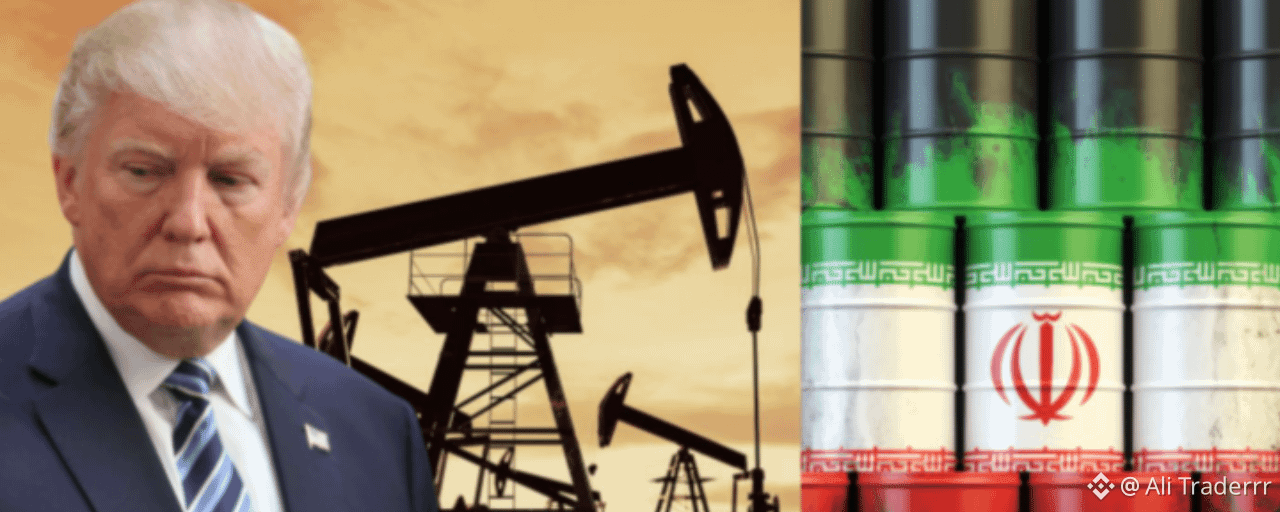
104 days of conflict. Oil ( $BZ ) surged to $120. Gasoline climbed to $5. Inflation hit 4.2%.
Then President Trump took to Truth Social with a simple message:
“Ships of the World, start your engines. Let the oil flow!”
Within moments, markets reacted ( $SPCX ) ( $BTC ) . Oil fell, shipping resumed through the Strait of Hormuz, and investors rushed to price in a potential end to one of the biggest geopolitical risks of the year.
Trade Now 👇
{future}(BZUSDT)
{future}(SPCXUSDT)
{future}(BTCUSDT)
#USIranDealConfirmed #TradebStocks
Iran and U.S.A. War Deal done 🫂
104 days of conflict. Oil ( $BZ ) surged to $120. Gasoline climbed to $5. Inflation hit 4.2%.
Then President Trump took to Truth Social with a simple message:
“Ships of the World, start your engines. Let the oil flow!”
Within moments, markets reacted ( $SPCX ) ( $BTC ) . Oil fell, shipping resumed through the Strait of Hormuz, and investors rushed to price in a potential end to one of the biggest geopolitical risks of the year.
Trade Now 👇
#USIranDealConfirmed #TradebStocks
104 days of conflict. Oil ( $BZ ) surged to $120. Gasoline climbed to $5. Inflation hit 4.2%.
Then President Trump took to Truth Social with a simple message:
“Ships of the World, start your engines. Let the oil flow!”
Within moments, markets reacted ( $SPCX ) ( $BTC ) . Oil fell, shipping resumed through the Strait of Hormuz, and investors rushed to price in a potential end to one of the biggest geopolitical risks of the year.
Trade Now 👇
#USIranDealConfirmed #TradebStocks
2
1.2k

·
--
$BTC $ETH #President Trump confirmed over the weekend that the US and Iran have reached a peace deal to be signed June 19, with the agreement including removal of the US naval blockade and reopening of the Strait of Hormuz. The market reaction has been swift and broad — though the scale of moves across asset classes tells an important story about where genuine relief is concentrated versus where caution persists.
Oil: down 5%, now 33% below its March peak
Crude oil fell 5% to around $80 per barrel — now down roughly 33% from its early March high of $120. Brent crude fell to $82.91 shortly after 5 a.m. ET, having settled Friday at its lowest level since March 5, the first week of US-Israeli airstrikes against Iran. WTI crude also fell to its lowest level since early March.
This is the most direct and largest reaction across all markets — and for good reason. The oil price decline represents the physical market beginning to price in the actual removal of the Strait of Hormuz supply constraint that has driven the entire inflation narrative behind the Federal Reserve's hawkish pivot since May.
Equities: broad gains, Tel Aviv the lone exception
Equity indexes advanced worldwide except in Tel Aviv, with US stocks rallying in pre-market trading. The Invesco QQQ ETF, tracking the Nasdaq 100, added 2% in pre-market trading — extending the gains visible in crypto-related equities including Strategy (+6%), Galaxy Digital (+5%), and SpaceX (+6%).
Bitcoin and gold: both gained, but the framing matters
Bitcoin briefly topped $66,000 and was recently 2.7% higher over 24 hours, with most of the advance occurring Sunday shortly after Trump's announcement. Gold rose nearly 3% to above $4,330 per ounce — a notable reversal for a metal that had recently broken below its 200-day moving average and entered bear market territory on rate hike fears.
#TradebStocks #USIranDealConfirmed #BitcoinTops$66K #CardanoFoundation1096BTCUseQuestioned #MuskSpaceX$1TrillionRevenue2030
$BTC $ETH #President Trump confirmed over the weekend that the US and Iran have reached a peace deal to be signed June 19, with the agreement including removal of the US naval blockade and reopening of the Strait of Hormuz. The market reaction has been swift and broad — though the scale of moves across asset classes tells an important story about where genuine relief is concentrated versus where caution persists.
Oil: down 5%, now 33% below its March peak
Crude oil fell 5% to around $80 per barrel — now down roughly 33% from its early March high of $120. Brent crude fell to $82.91 shortly after 5 a.m. ET, having settled Friday at its lowest level since March 5, the first week of US-Israeli airstrikes against Iran. WTI crude also fell to its lowest level since early March.
This is the most direct and largest reaction across all markets — and for good reason. The oil price decline represents the physical market beginning to price in the actual removal of the Strait of Hormuz supply constraint that has driven the entire inflation narrative behind the Federal Reserve's hawkish pivot since May.
Equities: broad gains, Tel Aviv the lone exception
Equity indexes advanced worldwide except in Tel Aviv, with US stocks rallying in pre-market trading. The Invesco QQQ ETF, tracking the Nasdaq 100, added 2% in pre-market trading — extending the gains visible in crypto-related equities including Strategy (+6%), Galaxy Digital (+5%), and SpaceX (+6%).
Bitcoin and gold: both gained, but the framing matters
Bitcoin briefly topped $66,000 and was recently 2.7% higher over 24 hours, with most of the advance occurring Sunday shortly after Trump's announcement. Gold rose nearly 3% to above $4,330 per ounce — a notable reversal for a metal that had recently broken below its 200-day moving average and entered bear market territory on rate hike fears.
#TradebStocks #USIranDealConfirmed #BitcoinTops$66K #CardanoFoundation1096BTCUseQuestioned #MuskSpaceX$1TrillionRevenue2030
Oil: down 5%, now 33% below its March peak
Crude oil fell 5% to around $80 per barrel — now down roughly 33% from its early March high of $120. Brent crude fell to $82.91 shortly after 5 a.m. ET, having settled Friday at its lowest level since March 5, the first week of US-Israeli airstrikes against Iran. WTI crude also fell to its lowest level since early March.
This is the most direct and largest reaction across all markets — and for good reason. The oil price decline represents the physical market beginning to price in the actual removal of the Strait of Hormuz supply constraint that has driven the entire inflation narrative behind the Federal Reserve's hawkish pivot since May.
Equities: broad gains, Tel Aviv the lone exception
Equity indexes advanced worldwide except in Tel Aviv, with US stocks rallying in pre-market trading. The Invesco QQQ ETF, tracking the Nasdaq 100, added 2% in pre-market trading — extending the gains visible in crypto-related equities including Strategy (+6%), Galaxy Digital (+5%), and SpaceX (+6%).
Bitcoin and gold: both gained, but the framing matters
Bitcoin briefly topped $66,000 and was recently 2.7% higher over 24 hours, with most of the advance occurring Sunday shortly after Trump's announcement. Gold rose nearly 3% to above $4,330 per ounce — a notable reversal for a metal that had recently broken below its 200-day moving average and entered bear market territory on rate hike fears.
#TradebStocks #USIranDealConfirmed #BitcoinTops$66K #CardanoFoundation1096BTCUseQuestioned #MuskSpaceX$1TrillionRevenue2030
1
112

·
--
#USIranDealConfirmed
BREAKING: US & Iran agree to ceasefire framework. Hormuz reopens + US naval blockade lifted. $25B Iranian assets to be released. MoU signing set for Friday, June 19 in Switzerland.
Catch: Nuclear program + full sanctions relief pushed to 60 days of talks. Iran says no action until US delivers.
Oil dropped 5%+ instantly. This changes energy + risk sentiment fast.
#USIranDealConfirmed #oil #iran
#USIranDealConfirmed
BREAKING: US & Iran agree to ceasefire framework. Hormuz reopens + US naval blockade lifted. $25B Iranian assets to be released. MoU signing set for Friday, June 19 in Switzerland.
Catch: Nuclear program + full sanctions relief pushed to 60 days of talks. Iran says no action until US delivers.
Oil dropped 5%+ instantly. This changes energy + risk sentiment fast.
#USIranDealConfirmed #oil #iran
BREAKING: US & Iran agree to ceasefire framework. Hormuz reopens + US naval blockade lifted. $25B Iranian assets to be released. MoU signing set for Friday, June 19 in Switzerland.
Catch: Nuclear program + full sanctions relief pushed to 60 days of talks. Iran says no action until US delivers.
Oil dropped 5%+ instantly. This changes energy + risk sentiment fast.
#USIranDealConfirmed #oil #iran
4
1
105
·
--
#usirandealconfirmed
🚨 Análise Técnica: Acordo EUA-Irã Confirmado! 🚨
Os mercados globais reagiram à notícia do acordo provisório entre EUA e Irã, com a reabertura do Estreito de Ormuz sendo um catalisador chave. 🚢 Petróleo em queda livre, atingindo mínimas de 3 meses, refletindo a dissipação do prêmio de risco geopolítico. 📉
No universo cripto, observamos um momentum de alta. Ativos como $BTC, $ETH e $SUI demonstram resiliência e ganho, com o mercado precificando um cenário de menor incerteza global. 📈 A liberação de ativos iranianos congelados e o alívio de sanções podem injetar liquidez e otimismo.
Contudo, a cautela é fundamental. Detalhes do acordo, divergências sobre taxas no Estreito de Ormuz e as futuras negociações sobre o programa nuclear iraniano (previstas para uma segunda fase) ainda representam variáveis significativas. 🧐 A desconfiança mútua persiste, e a reação de Israel adiciona complexidade ao cenário. Mantenha-se atento aos próximos desdobramentos e à cerimônia de assinatura em Genebra. 🗓️
#USIranDealConfirmed #MercadoFinanceiro #AnaliseTecnica #Criptomoedas #Petroleo #Geopolitica #Investimentos #EconomiaGlobal #StraitOfHormuz
#USIranDealConfirmed #MercadoFinanceiro #AnaliseTecnica #Criptomoedas #Petroleo #Geopolitica #Investimentos #EconomiaGloba l #StraitOfHormu
#usirandealconfirmed
🚨 Análise Técnica: Acordo EUA-Irã Confirmado! 🚨
Os mercados globais reagiram à notícia do acordo provisório entre EUA e Irã, com a reabertura do Estreito de Ormuz sendo um catalisador chave. 🚢 Petróleo em queda livre, atingindo mínimas de 3 meses, refletindo a dissipação do prêmio de risco geopolítico. 📉
No universo cripto, observamos um momentum de alta. Ativos como $BTC, $ETH e $SUI demonstram resiliência e ganho, com o mercado precificando um cenário de menor incerteza global. 📈 A liberação de ativos iranianos congelados e o alívio de sanções podem injetar liquidez e otimismo.
Contudo, a cautela é fundamental. Detalhes do acordo, divergências sobre taxas no Estreito de Ormuz e as futuras negociações sobre o programa nuclear iraniano (previstas para uma segunda fase) ainda representam variáveis significativas. 🧐 A desconfiança mútua persiste, e a reação de Israel adiciona complexidade ao cenário. Mantenha-se atento aos próximos desdobramentos e à cerimônia de assinatura em Genebra. 🗓️
#USIranDealConfirmed #MercadoFinanceiro #AnaliseTecnica #Criptomoedas #Petroleo #Geopolitica #Investimentos #EconomiaGlobal #StraitOfHormuz
#USIranDealConfirmed #MercadoFinanceiro #AnaliseTecnica #Criptomoedas #Petroleo #Geopolitica #Investimentos #EconomiaGloba l #StraitOfHormu
🚨 Análise Técnica: Acordo EUA-Irã Confirmado! 🚨
Os mercados globais reagiram à notícia do acordo provisório entre EUA e Irã, com a reabertura do Estreito de Ormuz sendo um catalisador chave. 🚢 Petróleo em queda livre, atingindo mínimas de 3 meses, refletindo a dissipação do prêmio de risco geopolítico. 📉
No universo cripto, observamos um momentum de alta. Ativos como $BTC, $ETH e $SUI demonstram resiliência e ganho, com o mercado precificando um cenário de menor incerteza global. 📈 A liberação de ativos iranianos congelados e o alívio de sanções podem injetar liquidez e otimismo.
Contudo, a cautela é fundamental. Detalhes do acordo, divergências sobre taxas no Estreito de Ormuz e as futuras negociações sobre o programa nuclear iraniano (previstas para uma segunda fase) ainda representam variáveis significativas. 🧐 A desconfiança mútua persiste, e a reação de Israel adiciona complexidade ao cenário. Mantenha-se atento aos próximos desdobramentos e à cerimônia de assinatura em Genebra. 🗓️
#USIranDealConfirmed #MercadoFinanceiro #AnaliseTecnica #Criptomoedas #Petroleo #Geopolitica #Investimentos #EconomiaGlobal #StraitOfHormuz
#USIranDealConfirmed #MercadoFinanceiro #AnaliseTecnica #Criptomoedas #Petroleo #Geopolitica #Investimentos #EconomiaGloba l #StraitOfHormu
105

·
--
Haussier
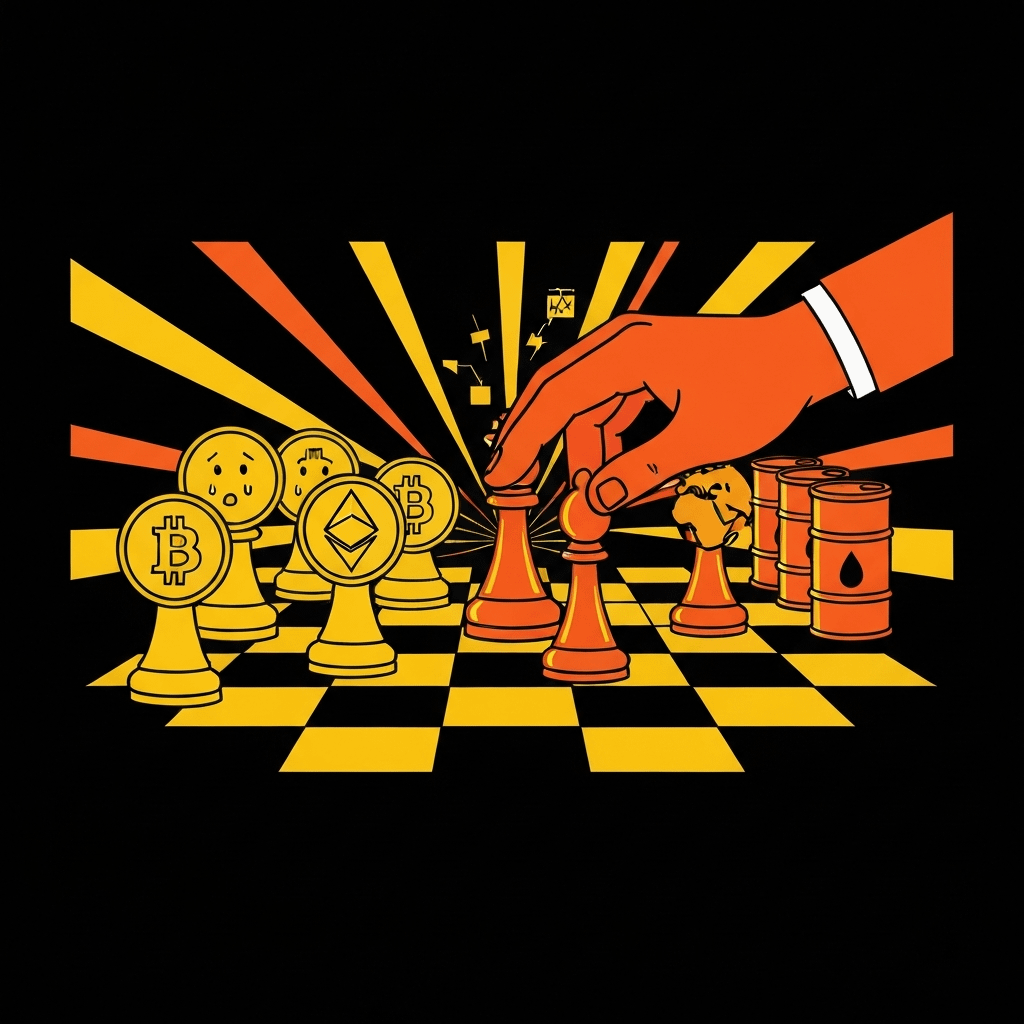
acharam mesmo que a geopolítica não mexeria com seus joguinhos de $BTC e $eth?
o acordo #usirandealconfirmed está aí e o barulho nas bolsas tradicionais é evidente. mas alguns ainda acham que crypto vive numa bolha à parte.
nós vimos o mercado precificando essa incerteza por semanas. agora, com a confirmação, o risco é recalculado.
petróleo instável significa inflação e fed com menos margem. e quando o macro aperta, a grana procura segurança.
a narrativa de disrupção de vocês não serve de escudo quando os grandes fundos precisam rebalancear as carteiras.
eles não se importam com seu degenshitcoin. eles movem capital para onde o risco está ajustado.
enquanto uns estavam sonhando com pump parabólico, o smart money já estava lá, se posicionando para o que viria.
essa "novidade" pra muitos, já era trade antigo pra quem observa o tabuleiro.
então, me digam, vão continuar acreditando que preço é só um gráfico de 15 minutos ignorando o mundo lá fora?
acharam mesmo que a geopolítica não mexeria com seus joguinhos de $BTC e $eth?
o acordo #usirandealconfirmed está aí e o barulho nas bolsas tradicionais é evidente. mas alguns ainda acham que crypto vive numa bolha à parte.
nós vimos o mercado precificando essa incerteza por semanas. agora, com a confirmação, o risco é recalculado.
petróleo instável significa inflação e fed com menos margem. e quando o macro aperta, a grana procura segurança.
a narrativa de disrupção de vocês não serve de escudo quando os grandes fundos precisam rebalancear as carteiras.
eles não se importam com seu degenshitcoin. eles movem capital para onde o risco está ajustado.
enquanto uns estavam sonhando com pump parabólico, o smart money já estava lá, se posicionando para o que viria.
essa "novidade" pra muitos, já era trade antigo pra quem observa o tabuleiro.
então, me digam, vão continuar acreditando que preço é só um gráfico de 15 minutos ignorando o mundo lá fora?
o acordo #usirandealconfirmed está aí e o barulho nas bolsas tradicionais é evidente. mas alguns ainda acham que crypto vive numa bolha à parte.
nós vimos o mercado precificando essa incerteza por semanas. agora, com a confirmação, o risco é recalculado.
petróleo instável significa inflação e fed com menos margem. e quando o macro aperta, a grana procura segurança.
a narrativa de disrupção de vocês não serve de escudo quando os grandes fundos precisam rebalancear as carteiras.
eles não se importam com seu degenshitcoin. eles movem capital para onde o risco está ajustado.
enquanto uns estavam sonhando com pump parabólico, o smart money já estava lá, se posicionando para o que viria.
essa "novidade" pra muitos, já era trade antigo pra quem observa o tabuleiro.
então, me digam, vão continuar acreditando que preço é só um gráfico de 15 minutos ignorando o mundo lá fora?
2
10
17.3k

·
--
Partiellement vrai
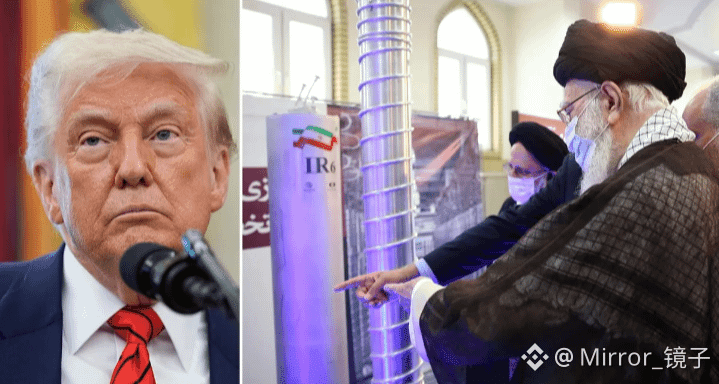
U.S. Softens Stance on Iran's Nuclear Program
President Trump has announced that Iran will be allowed to enrich uranium at low levels, provided it is used exclusively for civilian purposes.
🔸 The statement marks a notable shift from Trump's earlier position, which called for zero uranium enrichment by Iran.
🔸 The move is widely viewed as a concession aimed at securing a broader agreement between Washington and Tehran after weeks of intense negotiations.
🔸 Both sides are still discussing how long Iran would be restricted to low-level enrichment, with proposals ranging from 15 to 20 years.
🔸 Trump indicated that a 15-year limitation period would be acceptable to the United States, suggesting negotiators may be moving closer to a final framework.
🔸 The uranium enrichment issue has long been one of the most contentious elements of U.S.-Iran nuclear negotiations, making this development a potentially significant breakthrough.
Markets are increasingly interpreting the latest comments as another sign that both sides are prioritizing a diplomatic solution over renewed confrontation.
#USIranDealConfirmed
$H $BTC $ETH
{future}(HUSDT)
U.S. Softens Stance on Iran's Nuclear Program
President Trump has announced that Iran will be allowed to enrich uranium at low levels, provided it is used exclusively for civilian purposes.
🔸 The statement marks a notable shift from Trump's earlier position, which called for zero uranium enrichment by Iran.
🔸 The move is widely viewed as a concession aimed at securing a broader agreement between Washington and Tehran after weeks of intense negotiations.
🔸 Both sides are still discussing how long Iran would be restricted to low-level enrichment, with proposals ranging from 15 to 20 years.
🔸 Trump indicated that a 15-year limitation period would be acceptable to the United States, suggesting negotiators may be moving closer to a final framework.
🔸 The uranium enrichment issue has long been one of the most contentious elements of U.S.-Iran nuclear negotiations, making this development a potentially significant breakthrough.
Markets are increasingly interpreting the latest comments as another sign that both sides are prioritizing a diplomatic solution over renewed confrontation.
#USIranDealConfirmed
$H $BTC $ETH
President Trump has announced that Iran will be allowed to enrich uranium at low levels, provided it is used exclusively for civilian purposes.
🔸 The statement marks a notable shift from Trump's earlier position, which called for zero uranium enrichment by Iran.
🔸 The move is widely viewed as a concession aimed at securing a broader agreement between Washington and Tehran after weeks of intense negotiations.
🔸 Both sides are still discussing how long Iran would be restricted to low-level enrichment, with proposals ranging from 15 to 20 years.
🔸 Trump indicated that a 15-year limitation period would be acceptable to the United States, suggesting negotiators may be moving closer to a final framework.
🔸 The uranium enrichment issue has long been one of the most contentious elements of U.S.-Iran nuclear negotiations, making this development a potentially significant breakthrough.
Markets are increasingly interpreting the latest comments as another sign that both sides are prioritizing a diplomatic solution over renewed confrontation.
#USIranDealConfirmed
$H $BTC $ETH
1
4
607
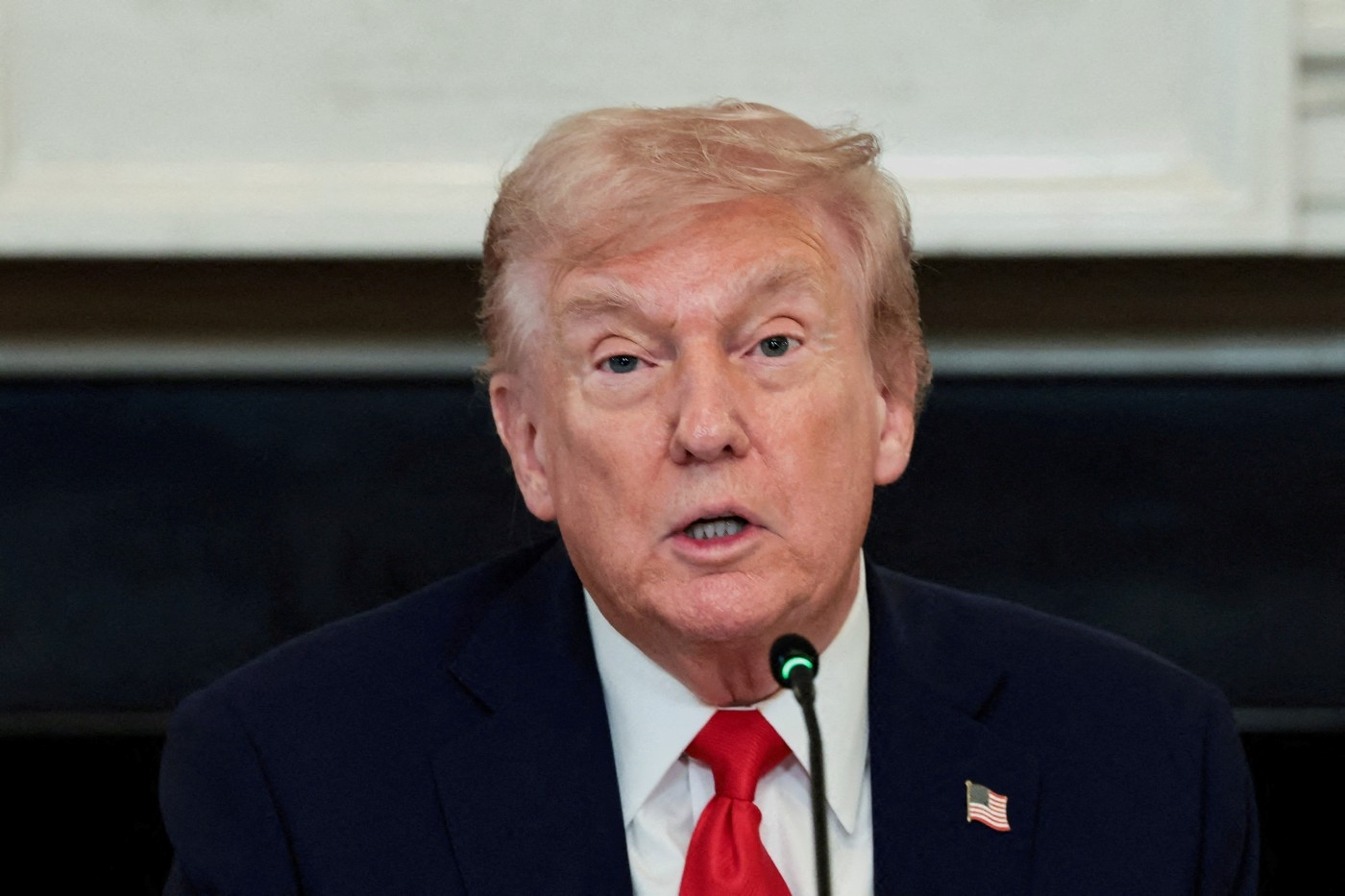
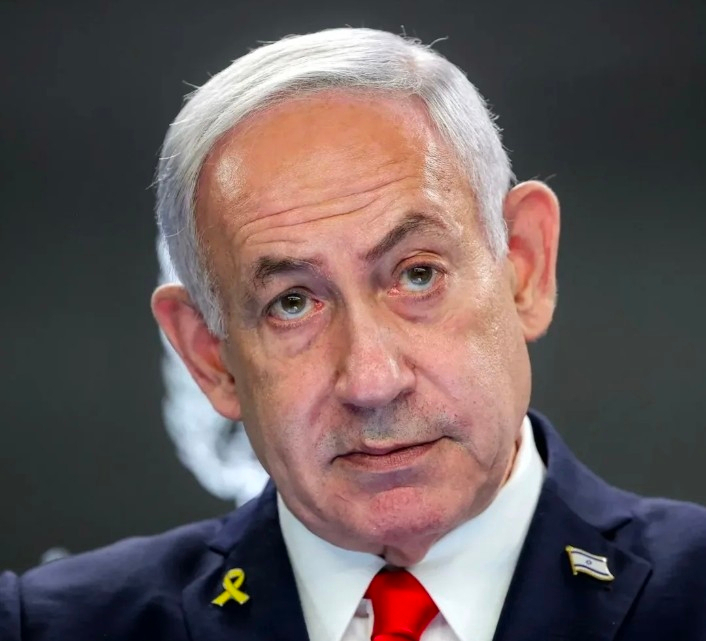
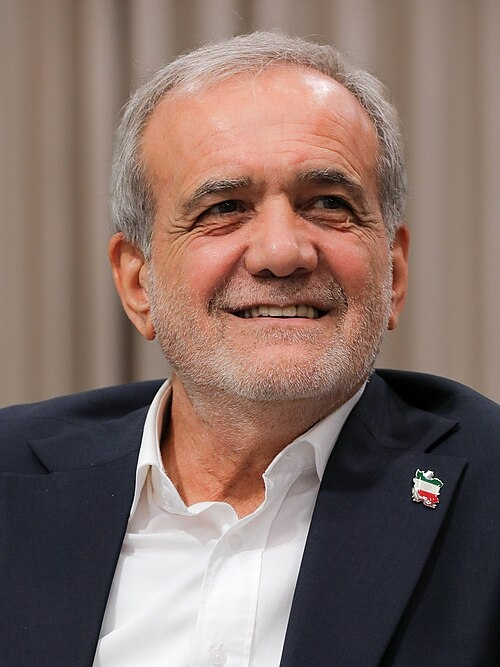
🚨 BREAKING: US 🇺🇸 President "Donald Trump" has claimed that Israel's 🇮🇱 action caused a delay of a few hours in signing the proposed agreement between the US 🇺🇸 and Iran 🇮🇷.
According to US 🇺🇸 President "Donald Trump" he was upset with Israeli 🇮🇱 Prime Minister "Benjamin Netanyahu" over this step because the agreement was close to being finalized.
He stated that this agreement with Iran 🇮🇷 would not only help reduce tensions in the region, but would also protect Israel's 🇮🇱 interests by preventing Iran 🇮🇷 from acquiring nuclear weapons, eliminating nuclear materials, and ensuring sudden inspections of Iranian 🇮🇷 nuclear installations.
$EVAA
{alpha}(560xaa036928c9c0df07d525b55ea8ee690bb5a628c1)
$DN
{alpha}(560x9b6a1d4fa5d90e5f2d34130053978d14cd301d58)
$BSB
#USIranDealConfirmed #TradebStocks BitcoinTops$66K#CardanoFoundation1096BTCUseQuestioned MuskSpaceX$1TrillionRevenue2030#TrumpWarnsFranceTradeWarOverDigitalServicesTax #NikkeiCrosses69700ForFirstTime
🚨 BREAKING: US 🇺🇸 President "Donald Trump" has claimed that Israel's 🇮🇱 action caused a delay of a few hours in signing the proposed agreement between the US 🇺🇸 and Iran 🇮🇷.
According to US 🇺🇸 President "Donald Trump" he was upset with Israeli 🇮🇱 Prime Minister "Benjamin Netanyahu" over this step because the agreement was close to being finalized.
He stated that this agreement with Iran 🇮🇷 would not only help reduce tensions in the region, but would also protect Israel's 🇮🇱 interests by preventing Iran 🇮🇷 from acquiring nuclear weapons, eliminating nuclear materials, and ensuring sudden inspections of Iranian 🇮🇷 nuclear installations.
$EVAA
$DN
$BSB
#USIranDealConfirmed #TradebStocks BitcoinTops$66K#CardanoFoundation1096BTCUseQuestioned MuskSpaceX$1TrillionRevenue2030#TrumpWarnsFranceTradeWarOverDigitalServicesTax #NikkeiCrosses69700ForFirstTime
According to US 🇺🇸 President "Donald Trump" he was upset with Israeli 🇮🇱 Prime Minister "Benjamin Netanyahu" over this step because the agreement was close to being finalized.
He stated that this agreement with Iran 🇮🇷 would not only help reduce tensions in the region, but would also protect Israel's 🇮🇱 interests by preventing Iran 🇮🇷 from acquiring nuclear weapons, eliminating nuclear materials, and ensuring sudden inspections of Iranian 🇮🇷 nuclear installations.
$EVAA
$DN
$BSB
#USIranDealConfirmed #TradebStocks BitcoinTops$66K#CardanoFoundation1096BTCUseQuestioned MuskSpaceX$1TrillionRevenue2030#TrumpWarnsFranceTradeWarOverDigitalServicesTax #NikkeiCrosses69700ForFirstTime
2
509

·
--
🕊️ iran — the biggest news of the week
This is the story that changes everything. Trump authorized the toll-free reopening of the Strait of Hormuz on June 14, and a formal signing ceremony for a peace deal is set for June 19 in Switzerland 🇨🇭 WTI crude dropped roughly 3.2% to $84.88/barrel on the news — the lowest level in weeks.
🕊️ Hormuz reopening authorized by Trump
📅 Peace deal signing ceremony: June 19, Switzerland
🛢️ WTI dropped -3.2% to $84.88/barrel
📈 Lower oil = lower inflation pressure = better case for risk assets
⚠️ Deal not signed yet — durability still to be confirmed
Lower energy prices reduce inflation pressure and improve the broader macro case for $BTC and risk assets. This is the most consequential potential catalyst of the entire conflict — if the signing on June 19 goes through cleanly. 👀
#USIranDealConfirmed #OilPriceFalls #DYOR* #oil #hormuzopen
{future}(XAUUSDT)
{future}(LINKUSDT)
{future}(BTCUSDT)
🕊️ iran — the biggest news of the week
This is the story that changes everything. Trump authorized the toll-free reopening of the Strait of Hormuz on June 14, and a formal signing ceremony for a peace deal is set for June 19 in Switzerland 🇨🇭 WTI crude dropped roughly 3.2% to $84.88/barrel on the news — the lowest level in weeks.
🕊️ Hormuz reopening authorized by Trump
📅 Peace deal signing ceremony: June 19, Switzerland
🛢️ WTI dropped -3.2% to $84.88/barrel
📈 Lower oil = lower inflation pressure = better case for risk assets
⚠️ Deal not signed yet — durability still to be confirmed
Lower energy prices reduce inflation pressure and improve the broader macro case for $BTC and risk assets. This is the most consequential potential catalyst of the entire conflict — if the signing on June 19 goes through cleanly. 👀
#USIranDealConfirmed #OilPriceFalls #DYOR* #oil #hormuzopen
This is the story that changes everything. Trump authorized the toll-free reopening of the Strait of Hormuz on June 14, and a formal signing ceremony for a peace deal is set for June 19 in Switzerland 🇨🇭 WTI crude dropped roughly 3.2% to $84.88/barrel on the news — the lowest level in weeks.
🕊️ Hormuz reopening authorized by Trump
📅 Peace deal signing ceremony: June 19, Switzerland
🛢️ WTI dropped -3.2% to $84.88/barrel
📈 Lower oil = lower inflation pressure = better case for risk assets
⚠️ Deal not signed yet — durability still to be confirmed
Lower energy prices reduce inflation pressure and improve the broader macro case for $BTC and risk assets. This is the most consequential potential catalyst of the entire conflict — if the signing on June 19 goes through cleanly. 👀
#USIranDealConfirmed #OilPriceFalls #DYOR* #oil #hormuzopen
126

HOPEFULLY WE WOULD SEE OIL DROP TO SUB $50 AS US IRAN WAR IS OVER
#USIranDealConfirmed
HOPEFULLY WE WOULD SEE OIL DROP TO SUB $50 AS US IRAN WAR IS OVER
#USIranDealConfirmed
#USIranDealConfirmed
123

·
--
Baissier
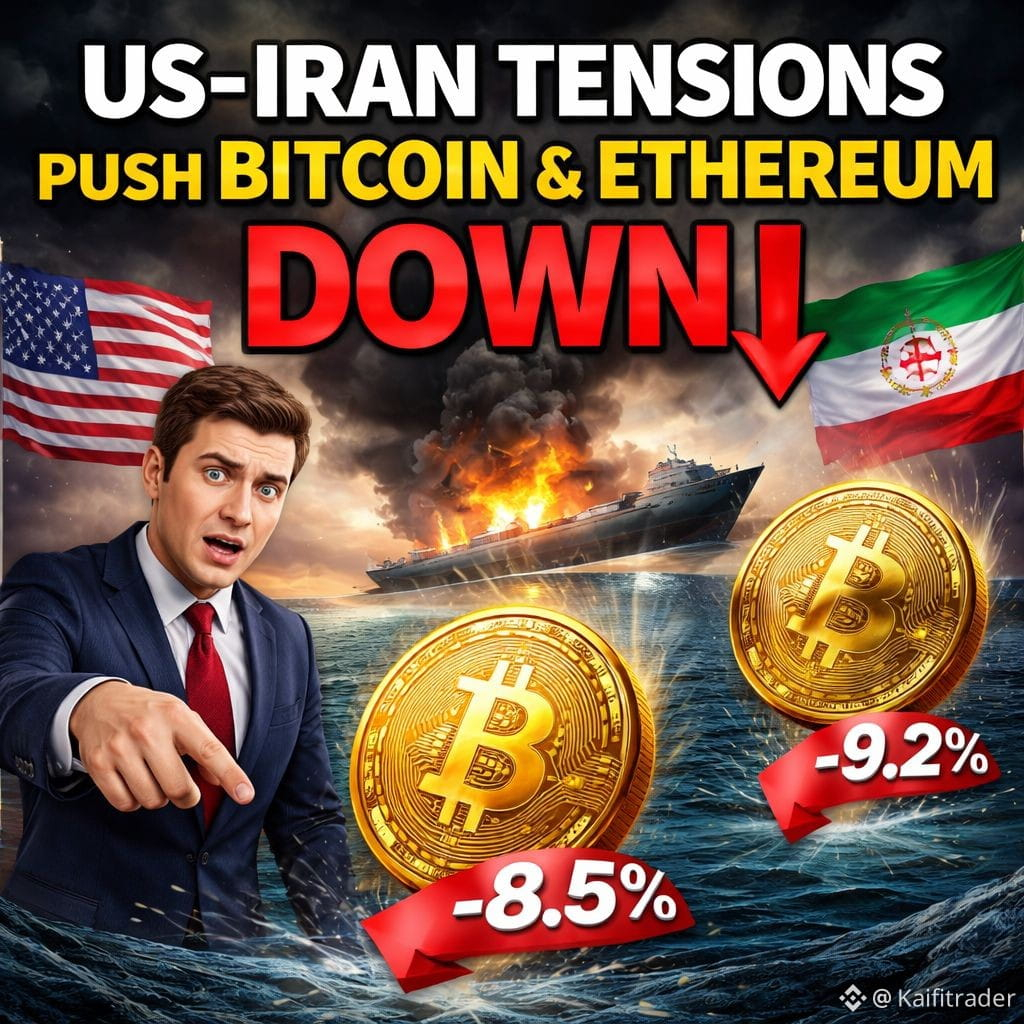
Bitcoin and Ethereum Rise After Positive US-Iran News: What Could Happen Next?
After months of uncertainty, the United States and Iran have finally made some progress toward peace. President Donald Trump announced that ships will be allowed to pass freely through the Strait of Hormuz, and the US naval blockade against Iran will be removed.
Iran's Deputy Foreign Minister also confirmed that both countries have completed a Memorandum of Understanding (MoU), which is expected to be signed in Switzerland on June 19.
Crypto Market Reacts Positively
The news brought positive momentum to the crypto market.
Bitcoin $BTC climbed to around $65,642, gaining about 2.5%.
Ethereum $ETH rose to around $1,723, gaining nearly 3.6%.
$ETH performed slightly better than BTC
{spot}(BTCUSDT)
{spot}(ETHUSDT)
#USIranDealConfirmed showing stronger buying interest.
Why Are Investors Still Careful?
Although this is good news, it is not a final peace agreement. Important issues such as sanctions, Iran's nuclear program, and other economic matters still need to be discussed over the next 60 days.
Because of this, investors are happy but still cautious.
What Could Happen Next?
Based on the current news and overall market sentiment:
If negotiations continue smoothly, Bitcoin could move higher next week.
Ethereum may also continue its upward trend and could outperform Bitcoin.
However, if tensions return or talks fail, both Bitcoin and Ethereum could see another short-term pullback.
Conclusion
For now, the news is bullish for both Bitcoin and Ethereum.
Market Outlook:
Bitcoin (BTC): Bullish
Ethereum (ETH): Bullish
The market is showing signs of recovery, but traders should still manage risk because crypto prices can change quickly. #BTC走势分析 #Ethereum
Bitcoin and Ethereum Rise After Positive US-Iran News: What Could Happen Next?
After months of uncertainty, the United States and Iran have finally made some progress toward peace. President Donald Trump announced that ships will be allowed to pass freely through the Strait of Hormuz, and the US naval blockade against Iran will be removed.
Iran's Deputy Foreign Minister also confirmed that both countries have completed a Memorandum of Understanding (MoU), which is expected to be signed in Switzerland on June 19.
Crypto Market Reacts Positively
The news brought positive momentum to the crypto market.
Bitcoin $BTC climbed to around $65,642, gaining about 2.5%.
Ethereum $ETH rose to around $1,723, gaining nearly 3.6%.
$ETH performed slightly better than BTC
#USIranDealConfirmed showing stronger buying interest.
Why Are Investors Still Careful?
Although this is good news, it is not a final peace agreement. Important issues such as sanctions, Iran's nuclear program, and other economic matters still need to be discussed over the next 60 days.
Because of this, investors are happy but still cautious.
What Could Happen Next?
Based on the current news and overall market sentiment:
If negotiations continue smoothly, Bitcoin could move higher next week.
Ethereum may also continue its upward trend and could outperform Bitcoin.
However, if tensions return or talks fail, both Bitcoin and Ethereum could see another short-term pullback.
Conclusion
For now, the news is bullish for both Bitcoin and Ethereum.
Market Outlook:
Bitcoin (BTC): Bullish
Ethereum (ETH): Bullish
The market is showing signs of recovery, but traders should still manage risk because crypto prices can change quickly. #BTC走势分析 #Ethereum
After months of uncertainty, the United States and Iran have finally made some progress toward peace. President Donald Trump announced that ships will be allowed to pass freely through the Strait of Hormuz, and the US naval blockade against Iran will be removed.
Iran's Deputy Foreign Minister also confirmed that both countries have completed a Memorandum of Understanding (MoU), which is expected to be signed in Switzerland on June 19.
Crypto Market Reacts Positively
The news brought positive momentum to the crypto market.
Bitcoin $BTC climbed to around $65,642, gaining about 2.5%.
Ethereum $ETH rose to around $1,723, gaining nearly 3.6%.
$ETH performed slightly better than BTC
#USIranDealConfirmed showing stronger buying interest.
Why Are Investors Still Careful?
Although this is good news, it is not a final peace agreement. Important issues such as sanctions, Iran's nuclear program, and other economic matters still need to be discussed over the next 60 days.
Because of this, investors are happy but still cautious.
What Could Happen Next?
Based on the current news and overall market sentiment:
If negotiations continue smoothly, Bitcoin could move higher next week.
Ethereum may also continue its upward trend and could outperform Bitcoin.
However, if tensions return or talks fail, both Bitcoin and Ethereum could see another short-term pullback.
Conclusion
For now, the news is bullish for both Bitcoin and Ethereum.
Market Outlook:
Bitcoin (BTC): Bullish
Ethereum (ETH): Bullish
The market is showing signs of recovery, but traders should still manage risk because crypto prices can change quickly. #BTC走势分析 #Ethereum
95

·
--
🌍 BIG NEWS: President Trump has announced that Iran has agreed to never possess a nuclear weapon.$TRUMP
This development could mark a significant turning point in global geopolitics, potentially easing long-standing tensions in the Middle East and reducing uncertainty across financial markets.$UNI
For crypto investors, geopolitical stability often influences market sentiment, risk appetite, and capital flows. While the long-term impact remains to be seen, traders will be closely watching how global markets react to this major announcement.
When global uncertainty declines, risk assets—including Bitcoin and the broader crypto market—often receive increased attention from investors seeking growth opportunities.$SPCXB
👀 The market is watching. The next move could be important.
{spot}(SPCXBUSDT)
{spot}(TRUMPUSDT)
{spot}(UNIUSDT)
#AdeemJutt #TRUMP #USIranDealConfirmed
🌍 BIG NEWS: President Trump has announced that Iran has agreed to never possess a nuclear weapon.$TRUMP
This development could mark a significant turning point in global geopolitics, potentially easing long-standing tensions in the Middle East and reducing uncertainty across financial markets.$UNI
For crypto investors, geopolitical stability often influences market sentiment, risk appetite, and capital flows. While the long-term impact remains to be seen, traders will be closely watching how global markets react to this major announcement.
When global uncertainty declines, risk assets—including Bitcoin and the broader crypto market—often receive increased attention from investors seeking growth opportunities.$SPCXB
👀 The market is watching. The next move could be important.
#AdeemJutt #TRUMP #USIranDealConfirmed
This development could mark a significant turning point in global geopolitics, potentially easing long-standing tensions in the Middle East and reducing uncertainty across financial markets.$UNI
For crypto investors, geopolitical stability often influences market sentiment, risk appetite, and capital flows. While the long-term impact remains to be seen, traders will be closely watching how global markets react to this major announcement.
When global uncertainty declines, risk assets—including Bitcoin and the broader crypto market—often receive increased attention from investors seeking growth opportunities.$SPCXB
👀 The market is watching. The next move could be important.
#AdeemJutt #TRUMP #USIranDealConfirmed
3
3
291
·
--
Vérifié
#USIranDealConfirmed
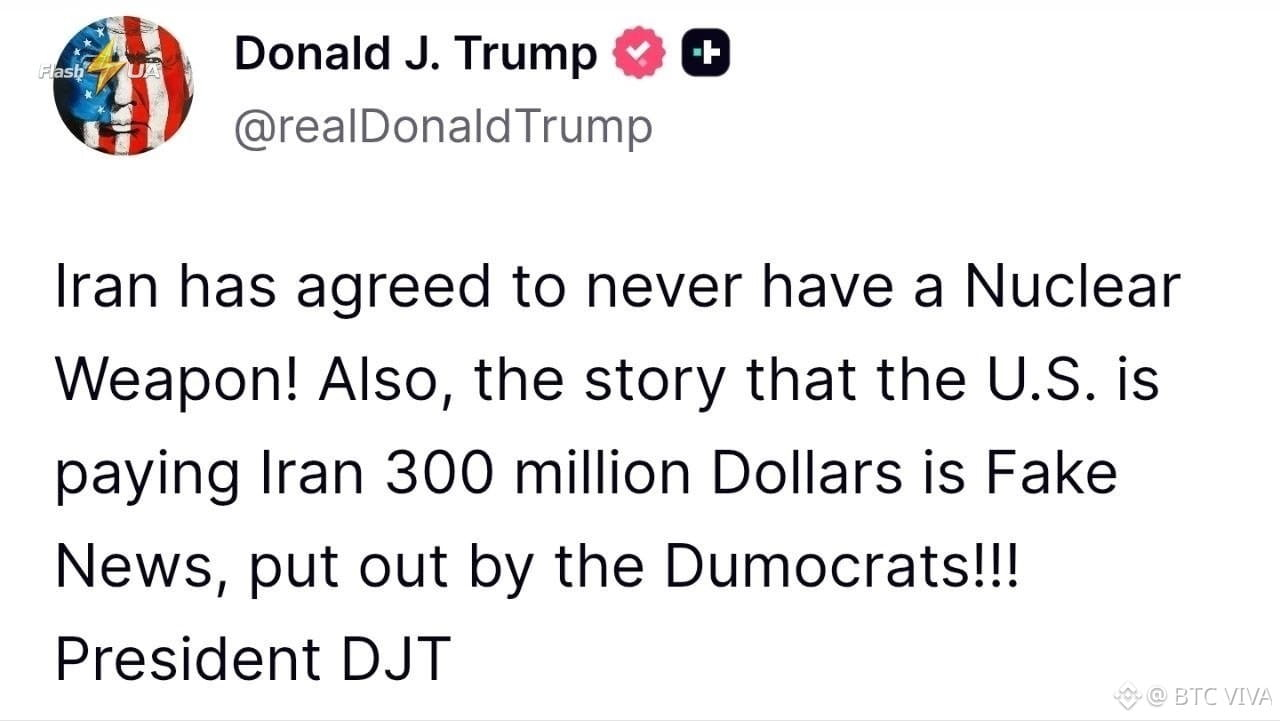
⚡️ Iran has agreed to never have nuclear weapons.
Also, information about the alleged US payment of $300 million to Iran is a fake spread by Democrats, — Trump
#iran #TRUMP
$BNB
{future}(BNBUSDT)
#USIranDealConfirmed
⚡️ Iran has agreed to never have nuclear weapons.
Also, information about the alleged US payment of $300 million to Iran is a fake spread by Democrats, — Trump
#iran #TRUMP
$BNB
⚡️ Iran has agreed to never have nuclear weapons.
Also, information about the alleged US payment of $300 million to Iran is a fake spread by Democrats, — Trump
#iran #TRUMP
$BNB
4
975

·
--
#USIranDealConfirmed
🚨 US & IRAN MOU: 14 KEY POINTS
1. Permanent ceasefire across all fronts.
2. Mutual respect for sovereignty.
3. Final deal targeted within 60 days.
4. U.S. to lift naval blockade.
5. Iran to reopen safe commercial shipping.
6. $300B reconstruction framework.
7. Gradual removal of all sanctions.
8. Iran reaffirms no nuclear weapons.
9. Both sides maintain status quo during talks.
10. U.S. waives restrictions on Iranian oil exports.
11. Frozen Iranian assets to be released for full use.
12. Joint mechanism to monitor compliance.
13. Final negotiations begin after initial commitments are implemented.
14. Final agreement to be backed by a binding UN Security Council resolution.
#USIranDealConfirmed
🚨 US & IRAN MOU: 14 KEY POINTS
1. Permanent ceasefire across all fronts.
2. Mutual respect for sovereignty.
3. Final deal targeted within 60 days.
4. U.S. to lift naval blockade.
5. Iran to reopen safe commercial shipping.
6. $300B reconstruction framework.
7. Gradual removal of all sanctions.
8. Iran reaffirms no nuclear weapons.
9. Both sides maintain status quo during talks.
10. U.S. waives restrictions on Iranian oil exports.
11. Frozen Iranian assets to be released for full use.
12. Joint mechanism to monitor compliance.
13. Final negotiations begin after initial commitments are implemented.
14. Final agreement to be backed by a binding UN Security Council resolution.
🚨 US & IRAN MOU: 14 KEY POINTS
1. Permanent ceasefire across all fronts.
2. Mutual respect for sovereignty.
3. Final deal targeted within 60 days.
4. U.S. to lift naval blockade.
5. Iran to reopen safe commercial shipping.
6. $300B reconstruction framework.
7. Gradual removal of all sanctions.
8. Iran reaffirms no nuclear weapons.
9. Both sides maintain status quo during talks.
10. U.S. waives restrictions on Iranian oil exports.
11. Frozen Iranian assets to be released for full use.
12. Joint mechanism to monitor compliance.
13. Final negotiations begin after initial commitments are implemented.
14. Final agreement to be backed by a binding UN Security Council resolution.
1
45
·
--
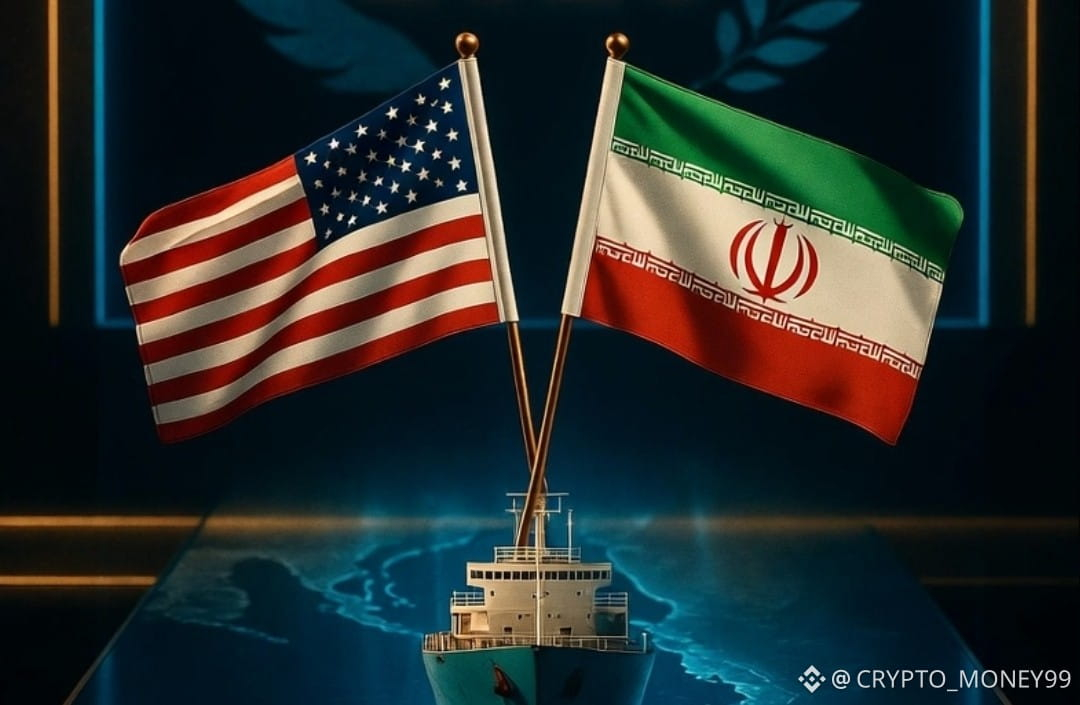
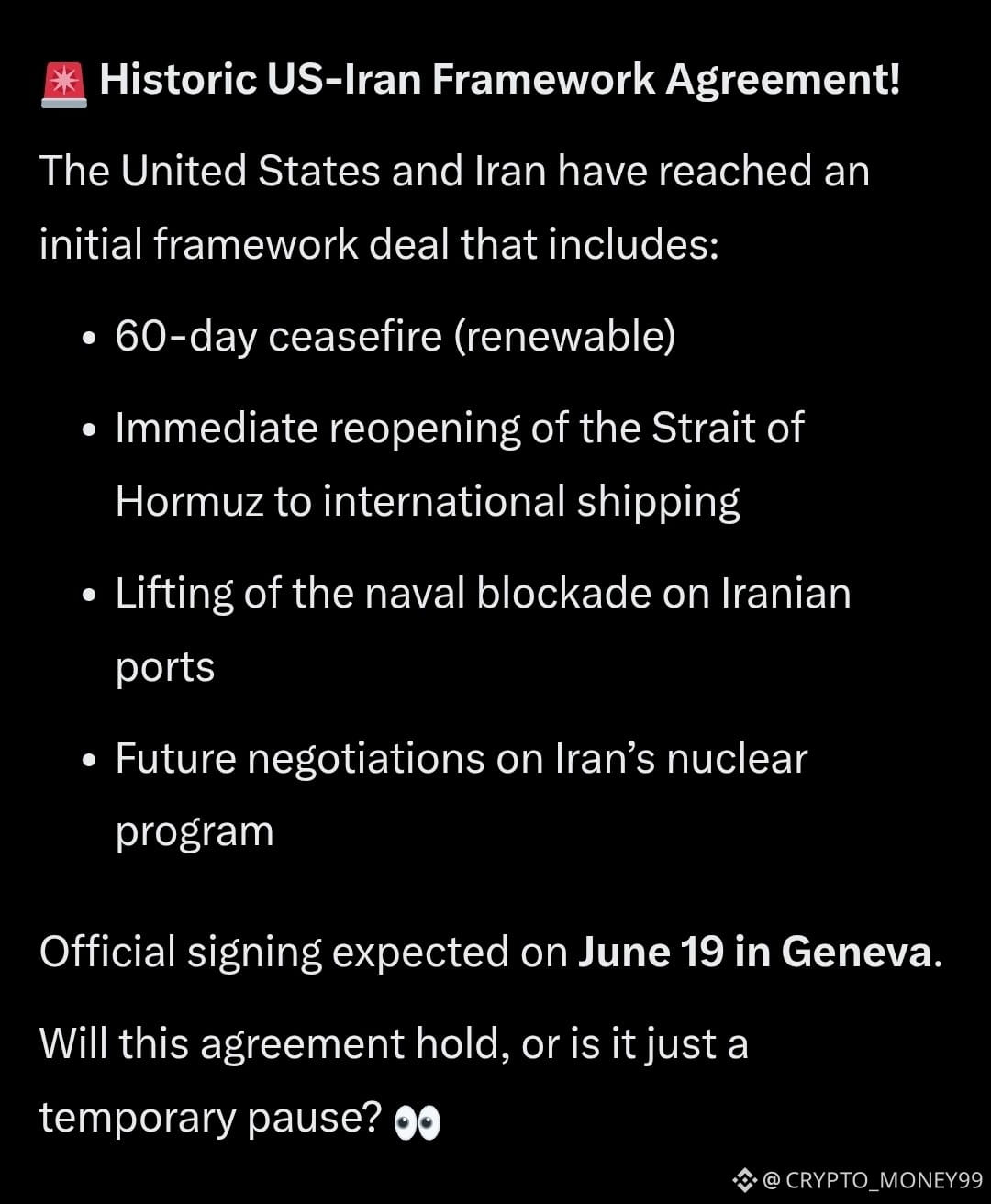
اتفاق أمريكي إيراني تاريخي!توصلت الولايات المتحدة وإيران إلى اتفاق إطاري أولي يشمل:وقف إطلاق نار لمدة 60 يوماً
فتح مضيق هرمز فوراً أمام الملاحة
رفع الحصار البحري عن الموانئ الإيرانية
مفاوضات لاحقة حول البرنامج النووي
من المتوقع توقيع الاتفاق النهائي في 19 يونيو بجنيف.هل يصمد هذا الاتفاق أم أنه مجرد هدنة مؤقتة؟
#USIranDealConfirmed
BitcoinTops$66K#US #iran #HormuzStandoff
اتفاق أمريكي إيراني تاريخي!توصلت الولايات المتحدة وإيران إلى اتفاق إطاري أولي يشمل:وقف إطلاق نار لمدة 60 يوماً
فتح مضيق هرمز فوراً أمام الملاحة
رفع الحصار البحري عن الموانئ الإيرانية
مفاوضات لاحقة حول البرنامج النووي
من المتوقع توقيع الاتفاق النهائي في 19 يونيو بجنيف.هل يصمد هذا الاتفاق أم أنه مجرد هدنة مؤقتة؟
#USIranDealConfirmed
BitcoinTops$66K#US #iran #HormuzStandoff
فتح مضيق هرمز فوراً أمام الملاحة
رفع الحصار البحري عن الموانئ الإيرانية
مفاوضات لاحقة حول البرنامج النووي
من المتوقع توقيع الاتفاق النهائي في 19 يونيو بجنيف.هل يصمد هذا الاتفاق أم أنه مجرد هدنة مؤقتة؟
#USIranDealConfirmed
BitcoinTops$66K#US #iran #HormuzStandoff
1
3
5.8k
Connectez-vous pour découvrir plus de contenu
Rejoignez la communauté mondiale des adeptes de cryptomonnaies sur Binance Square
⚡️ Suviez les dernières informations importantes sur les cryptomonnaies.
💬 Jugé digne de confiance par la plus grande plateforme d’échange de cryptomonnaies au monde.
👍 Découvrez les connaissances que partagent les créateurs vérifiés.
Adresse e-mail/Nº de téléphone
Sujets d’actualité
1
#BitcoinRejectedAt$87K
22,314 vues
56 mentions
2
#FedOctoberRateHikeOddsFallTo17%
16,103 vues
292 mentions
3
#NvidiaHitsRecordHighUp2.4%
3,659 vues
186 mentions
4
#CanaryFilesAmendedS1ForPEPEETF
1,843 vues
138 mentions
5
#USRussiaUkraineTalksReportedlyIncludeLukoilOilDeal
10,978 vues
216 mentions
6
#BitcoinParesGainsAfterRallyTo$86.5K
36,729 vues
141 mentions
7
#CerebrasSinksNearly20%OnReportNvidiaToPowerOpenAI
78,516 vues
796 mentions
8
#SECProposesCryptoCustodyRules
102,326 vues
999 mentions
9
#SECApproves3xLongCryptoCommodityETPs
65,645 vues
688 mentions
10
#MASKHitsRecordMarketCapAbove$35M
4,099 vues
36 mentions