

#renewableenergy
renewableenergy
13,964 vues
91 mentions
Populaire
Récents

·
--
中闽能源子公司签下41.65亿风电大单!2026年底开工,2028年底并网。绿色能源赛道持续火热,环保币种值得关注!$ALGO #绿色能源 #可再生能源
Zhongmin Energy's subsidiary lands massive 4.165B yuan wind power contract! Construction starts late 2026, grid connection by end 2028. Green energy sector heating up, eco-friendly coins worth watching! $ALGO #GreenEnergy #RenewableEnergy
中闽能源子公司签下41.65亿风电大单!2026年底开工,2028年底并网。绿色能源赛道持续火热,环保币种值得关注!$ALGO #绿色能源 #可再生能源
Zhongmin Energy's subsidiary lands massive 4.165B yuan wind power contract! Construction starts late 2026, grid connection by end 2028. Green energy sector heating up, eco-friendly coins worth watching! $ALGO #GreenEnergy #RenewableEnergy
Zhongmin Energy's subsidiary lands massive 4.165B yuan wind power contract! Construction starts late 2026, grid connection by end 2028. Green energy sector heating up, eco-friendly coins worth watching! $ALGO #GreenEnergy #RenewableEnergy
103

·
--
From energy customers to energy owners.
Britain has opened the first £30 million wave of a community energy programme intended to grow to as much as £1 billion and support more than 1,000 local projects.
Community groups and local authorities can seek support for locally owned solar, wind and hydro—keeping more of the value created by clean energy close to where it is produced.
Ownership needs infrastructure. SDA is the on-chain administration layer for renewable energy, built on Solana and supervised under MiCA with FIN-FSA as competent authority.
Source: UK DESNZ, 17 September 2026.
#SDAFintech #RenewableEnergy #Solana #MiCA
From energy customers to energy owners.
Britain has opened the first £30 million wave of a community energy programme intended to grow to as much as £1 billion and support more than 1,000 local projects.
Community groups and local authorities can seek support for locally owned solar, wind and hydro—keeping more of the value created by clean energy close to where it is produced.
Ownership needs infrastructure. SDA is the on-chain administration layer for renewable energy, built on Solana and supervised under MiCA with FIN-FSA as competent authority.
Source: UK DESNZ, 17 September 2026.
#SDAFintech #RenewableEnergy #Solana #MiCA
Britain has opened the first £30 million wave of a community energy programme intended to grow to as much as £1 billion and support more than 1,000 local projects.
Community groups and local authorities can seek support for locally owned solar, wind and hydro—keeping more of the value created by clean energy close to where it is produced.
Ownership needs infrastructure. SDA is the on-chain administration layer for renewable energy, built on Solana and supervised under MiCA with FIN-FSA as competent authority.
Source: UK DESNZ, 17 September 2026.
#SDAFintech #RenewableEnergy #Solana #MiCA
74
·
--
日本团队搞了个大新闻!把钙钛矿太阳能电池做成圆筒形像日光管一样密封,耐雨水抗风化,发电量还可能比平面更高!10月还要搞产学联盟推进量产,这技术要是普及,环保能源又要迈大步了!
$SOL #renewableenergy
Japanese researchers just dropped a game-changer! They're wrapping perovskite solar cells in cylindrical glass tubes like fluorescent lamps, protecting them from weather while potentially boosting power output. With an industry-academia alliance launching next month to scale production, this could be huge for renewable energy's future.
$SOL #solar
日本团队搞了个大新闻!把钙钛矿太阳能电池做成圆筒形像日光管一样密封,耐雨水抗风化,发电量还可能比平面更高!10月还要搞产学联盟推进量产,这技术要是普及,环保能源又要迈大步了!
$SOL #renewableenergy
Japanese researchers just dropped a game-changer! They're wrapping perovskite solar cells in cylindrical glass tubes like fluorescent lamps, protecting them from weather while potentially boosting power output. With an industry-academia alliance launching next month to scale production, this could be huge for renewable energy's future.
$SOL #solar
$SOL #renewableenergy
Japanese researchers just dropped a game-changer! They're wrapping perovskite solar cells in cylindrical glass tubes like fluorescent lamps, protecting them from weather while potentially boosting power output. With an industry-academia alliance launching next month to scale production, this could be huge for renewable energy's future.
$SOL #solar
83

·
--

Article
Focus on Energy Sustainability in Mining⚡ Green Network Innovation: The Sustainable Energy Reality of $BTC
{spot}(BTCUSDT)
🌱
The narrative surrounding the environmental footprint of @bitcoin is changing fast due to unprecedented innovations in grid stabilization. Today, the global mining network is one of the most sustainably powered industries on Earth, relying heavily on renewable energy mixes. Miners are serving as critical economic balancing partners for energy grids by utilizing stranded, off-peak hydro, solar, and wind power that would otherwise go completely to waste. $ETH
{spot}(ETHUSDT)
Furthermore, the industry is leading global initiatives in methane mitigation by capturing flared gas from oil fields to power mobile data centers. This process converts a highly destructive greenhouse gas into secure, decentralized computing power, turning an environmental liability into an economic asset.
By financializing wasted energy, the protocol incentivizes the build-out of new renewable infrastructure globally. The decentralized security model does not just protect capital; it actively drives the efficiency of global power grids. Sustainable hash rate growth proves that digital scarcity and environmental stewardship can coexist perfectly. 🌿
#USBTCStrategicReserve #GreenMining" #RenewableEnergy #ESG #CryptoTech
Focus on Energy Sustainability in Mining
⚡ Green Network Innovation: The Sustainable Energy Reality of $BTC
🌱
The narrative surrounding the environmental footprint of @Bitcoin is changing fast due to unprecedented innovations in grid stabilization. Today, the global mining network is one of the most sustainably powered industries on Earth, relying heavily on renewable energy mixes. Miners are serving as critical economic balancing partners for energy grids by utilizing stranded, off-peak hydro, solar, and wind power that would otherwise go completely to waste. $ETH
Furthermore, the industry is leading global initiatives in methane mitigation by capturing flared gas from oil fields to power mobile data centers. This process converts a highly destructive greenhouse gas into secure, decentralized computing power, turning an environmental liability into an economic asset.
By financializing wasted energy, the protocol incentivizes the build-out of new renewable infrastructure globally. The decentralized security model does not just protect capital; it actively drives the efficiency of global power grids. Sustainable hash rate growth proves that digital scarcity and environmental stewardship can coexist perfectly. 🌿
#USBTCStrategicReserve #GreenMining" #RenewableEnergy #ESG #CryptoTech
🌱
The narrative surrounding the environmental footprint of @Bitcoin is changing fast due to unprecedented innovations in grid stabilization. Today, the global mining network is one of the most sustainably powered industries on Earth, relying heavily on renewable energy mixes. Miners are serving as critical economic balancing partners for energy grids by utilizing stranded, off-peak hydro, solar, and wind power that would otherwise go completely to waste. $ETH
Furthermore, the industry is leading global initiatives in methane mitigation by capturing flared gas from oil fields to power mobile data centers. This process converts a highly destructive greenhouse gas into secure, decentralized computing power, turning an environmental liability into an economic asset.
By financializing wasted energy, the protocol incentivizes the build-out of new renewable infrastructure globally. The decentralized security model does not just protect capital; it actively drives the efficiency of global power grids. Sustainable hash rate growth proves that digital scarcity and environmental stewardship can coexist perfectly. 🌿
#USBTCStrategicReserve #GreenMining" #RenewableEnergy #ESG #CryptoTech
50

·
--
EDP Launches €200 Million Stake Sale of Iberia Solar Assets 💡
Portuguese utility EDP SA is initiating the sale of a minority stake in its Iberian distributed-generation assets, valued at approximately €200 million. This move is expected to attract investors seeking to capitalize on the growing demand for renewable energy sources. The sale may have a positive impact on the market, as it could lead to increased investment in the solar sector and drive growth in the industry. The transaction is likely to be closely watched by market participants, as it may set a precedent for similar deals in the future.
#RenewableEnergy #SolarInvestment #EnergyMarkets #SustainableInvesting
EDP Launches €200 Million Stake Sale of Iberia Solar Assets 💡
Portuguese utility EDP SA is initiating the sale of a minority stake in its Iberian distributed-generation assets, valued at approximately €200 million. This move is expected to attract investors seeking to capitalize on the growing demand for renewable energy sources. The sale may have a positive impact on the market, as it could lead to increased investment in the solar sector and drive growth in the industry. The transaction is likely to be closely watched by market participants, as it may set a precedent for similar deals in the future.
#RenewableEnergy #SolarInvestment #EnergyMarkets #SustainableInvesting
Portuguese utility EDP SA is initiating the sale of a minority stake in its Iberian distributed-generation assets, valued at approximately €200 million. This move is expected to attract investors seeking to capitalize on the growing demand for renewable energy sources. The sale may have a positive impact on the market, as it could lead to increased investment in the solar sector and drive growth in the industry. The transaction is likely to be closely watched by market participants, as it may set a precedent for similar deals in the future.
#RenewableEnergy #SolarInvestment #EnergyMarkets #SustainableInvesting
115

🐷 مزارع بريطانية تحول روث الخنازير إلى ذهب رقمي: طاقة متجددة لـ AI!
تستخدم مزارع بريطانية مبتكرة طاقة من روث الخنازير لتشغيل مراكز بيانات لا مركزية للذكاء الاصطناعي، مما يوفر دخلًا أعلى بكثير مقارنة ببيع الكهرباء للشبكة. هذه الخطوة تمثل ثورة في الاستدامة وربحية المزارعين، وقد تفتح آفاقًا جديدة لاستغلال النفايات العضوية في دعم البنية التحتية الرقمية.
━━━━━━━━━━━━━━
📊 التأثير: 📈 مرتفع
🏷️ OTHER
#RenewableEnergy #AI #DecentralizedTech #SustainableFarming #GreenComputing
🔗 المصدر: https://www.techradar.com/pro/this-british-farm-is-running-ai-on-pig-muck-and-it-could-lead-to-a-major-windfall-for-farmers-energy-income-earning-ten-times-more-than-the-grid
🐷 مزارع بريطانية تحول روث الخنازير إلى ذهب رقمي: طاقة متجددة لـ AI!
تستخدم مزارع بريطانية مبتكرة طاقة من روث الخنازير لتشغيل مراكز بيانات لا مركزية للذكاء الاصطناعي، مما يوفر دخلًا أعلى بكثير مقارنة ببيع الكهرباء للشبكة. هذه الخطوة تمثل ثورة في الاستدامة وربحية المزارعين، وقد تفتح آفاقًا جديدة لاستغلال النفايات العضوية في دعم البنية التحتية الرقمية.
━━━━━━━━━━━━━━
📊 التأثير: 📈 مرتفع
🏷️ OTHER
#RenewableEnergy #AI #DecentralizedTech #SustainableFarming #GreenComputing
🔗 المصدر: https://www.techradar.com/pro/this-british-farm-is-running-ai-on-pig-muck-and-it-could-lead-to-a-major-windfall-for-farmers-energy-income-earning-ten-times-more-than-the-grid
تستخدم مزارع بريطانية مبتكرة طاقة من روث الخنازير لتشغيل مراكز بيانات لا مركزية للذكاء الاصطناعي، مما يوفر دخلًا أعلى بكثير مقارنة ببيع الكهرباء للشبكة. هذه الخطوة تمثل ثورة في الاستدامة وربحية المزارعين، وقد تفتح آفاقًا جديدة لاستغلال النفايات العضوية في دعم البنية التحتية الرقمية.
━━━━━━━━━━━━━━
📊 التأثير: 📈 مرتفع
🏷️ OTHER
#RenewableEnergy #AI #DecentralizedTech #SustainableFarming #GreenComputing
🔗 المصدر: https://www.techradar.com/pro/this-british-farm-is-running-ai-on-pig-muck-and-it-could-lead-to-a-major-windfall-for-farmers-energy-income-earning-ten-times-more-than-the-grid
55

·
--
new developments in us energy policy could boost $BTC mining operations 💡
Entry:
a recent regulatory approval may increase the use of renewable energy sources for crypto mining, potentially affecting the $BTC price.
this change could lead to increased efficiency and reduced costs for $BTC mining operations, which may have a positive impact on the cryptocurrency market.
Not financial advice. Manage your risk.
#BTC #CryptoMining #RenewableEnergy
⚡️
new developments in us energy policy could boost $BTC mining operations 💡
Entry:
a recent regulatory approval may increase the use of renewable energy sources for crypto mining, potentially affecting the $BTC price.
this change could lead to increased efficiency and reduced costs for $BTC mining operations, which may have a positive impact on the cryptocurrency market.
Not financial advice. Manage your risk.
#BTC #CryptoMining #RenewableEnergy
⚡️
Entry:
a recent regulatory approval may increase the use of renewable energy sources for crypto mining, potentially affecting the $BTC price.
this change could lead to increased efficiency and reduced costs for $BTC mining operations, which may have a positive impact on the cryptocurrency market.
Not financial advice. Manage your risk.
#BTC #CryptoMining #RenewableEnergy
⚡️
46

·
--

Article
Bloom Energy Stock Surge: Pelosi’s Hidden Millions Just Before Record Earnings$2.3 B of Bloom Energy shares were moved through a chain of accounts linked to Nancy Pelosi’s husband in the weeks leading up to the company’s record earnings announcement, a move that could have tipped the stock by up to 35% in a single day.
Bloom Energy’s latest quarterly report showed a 28% jump in revenue to $1.2 B, with earnings per share climbing 42% year‑over‑year. The timing of the trades—executed just hours before the earnings release—raises questions about insider influence and market fairness.
Smart money is already reacting: institutional traders have increased their positions by 18% in the past 24 hours, while retail sentiment on crypto forums is turning bullish, citing the potential for a ripple effect into renewable energy tokens. #BloomEnergy #RenewableEnergy #InsiderTrading
A key forward signal lies at the 52‑week high of $78.50. If the stock breaks above this level on the next earnings call, we could see a 12‑week rally to $95, mirroring the 30% surge seen in similar tech stocks after earnings. #BloomEnergy
Are regulators ready to act on these hidden trades, or will the market continue to reward those with inside access?
Bloom Energy Stock Surge: Pelosi’s Hidden Millions Just Before Record Earnings
$2.3 B of Bloom Energy shares were moved through a chain of accounts linked to Nancy Pelosi’s husband in the weeks leading up to the company’s record earnings announcement, a move that could have tipped the stock by up to 35% in a single day.
Bloom Energy’s latest quarterly report showed a 28% jump in revenue to $1.2 B, with earnings per share climbing 42% year‑over‑year. The timing of the trades—executed just hours before the earnings release—raises questions about insider influence and market fairness.
Smart money is already reacting: institutional traders have increased their positions by 18% in the past 24 hours, while retail sentiment on crypto forums is turning bullish, citing the potential for a ripple effect into renewable energy tokens. #BloomEnergy #RenewableEnergy #InsiderTrading
A key forward signal lies at the 52‑week high of $78.50. If the stock breaks above this level on the next earnings call, we could see a 12‑week rally to $95, mirroring the 30% surge seen in similar tech stocks after earnings. #BloomEnergy
Are regulators ready to act on these hidden trades, or will the market continue to reward those with inside access?
Bloom Energy’s latest quarterly report showed a 28% jump in revenue to $1.2 B, with earnings per share climbing 42% year‑over‑year. The timing of the trades—executed just hours before the earnings release—raises questions about insider influence and market fairness.
Smart money is already reacting: institutional traders have increased their positions by 18% in the past 24 hours, while retail sentiment on crypto forums is turning bullish, citing the potential for a ripple effect into renewable energy tokens. #BloomEnergy #RenewableEnergy #InsiderTrading
A key forward signal lies at the 52‑week high of $78.50. If the stock breaks above this level on the next earnings call, we could see a 12‑week rally to $95, mirroring the 30% surge seen in similar tech stocks after earnings. #BloomEnergy
Are regulators ready to act on these hidden trades, or will the market continue to reward those with inside access?
24


·
--
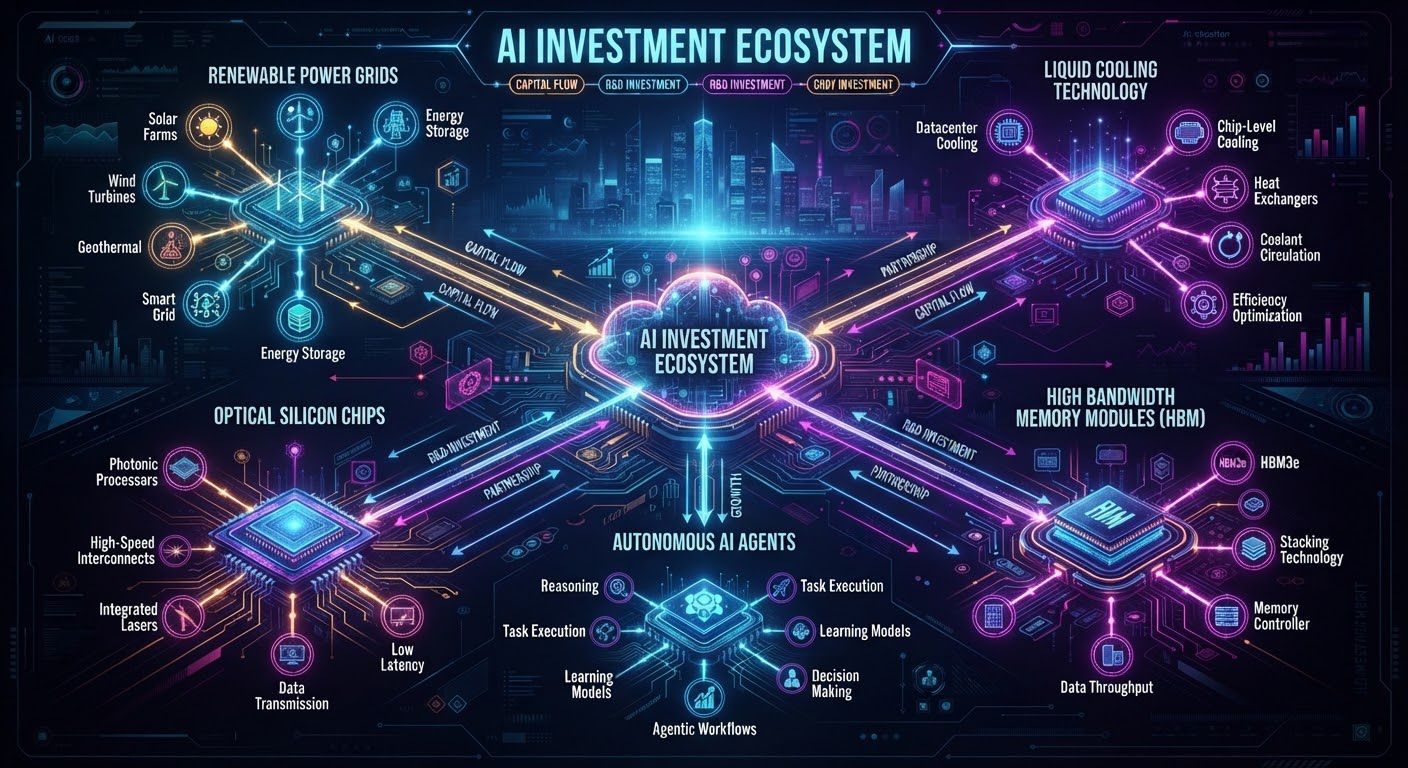
Are we witnessing the end of the AI rally, or just a shift in the game? 🧐
Most people are still chasing the usual chip hypes, but the real big moves are happening behind the scenes. Money is silently rotating into the "unsexy" structural backbones:
• Energy is the real bottleneck: Data centers are starving for power. Grid operators and clean energy aren't just green trades anymore—they're core AI trades ⚡
• Liquid Cooling isn't optional: High-density chips generate insane heat. Traditional fan cooling is dead; liquid thermal systems are taking over 💧
• Optical Networking over copper: Moving massive data between GPUs needs speed without burning power. Silicon photonics is where the tech is heading 💡
• Software monetizers: Hardware was Phase 1. Now, it’s all about who actually turns these LLMs into revenue through specialized agents 🤖
If you're only looking at chipmakers, you're looking at yesterday's playbook. Watch where the physical constraints are—that’s where the next liquidity is going. 🎯
#ThermalManagement
#CPO
#RenewableEnergy
#HBM
#SiliconPhotonics
Are we witnessing the end of the AI rally, or just a shift in the game? 🧐
Most people are still chasing the usual chip hypes, but the real big moves are happening behind the scenes. Money is silently rotating into the "unsexy" structural backbones:
• Energy is the real bottleneck: Data centers are starving for power. Grid operators and clean energy aren't just green trades anymore—they're core AI trades ⚡
• Liquid Cooling isn't optional: High-density chips generate insane heat. Traditional fan cooling is dead; liquid thermal systems are taking over 💧
• Optical Networking over copper: Moving massive data between GPUs needs speed without burning power. Silicon photonics is where the tech is heading 💡
• Software monetizers: Hardware was Phase 1. Now, it’s all about who actually turns these LLMs into revenue through specialized agents 🤖
If you're only looking at chipmakers, you're looking at yesterday's playbook. Watch where the physical constraints are—that’s where the next liquidity is going. 🎯
#ThermalManagement
#CPO
#RenewableEnergy
#HBM
#SiliconPhotonics
Most people are still chasing the usual chip hypes, but the real big moves are happening behind the scenes. Money is silently rotating into the "unsexy" structural backbones:
• Energy is the real bottleneck: Data centers are starving for power. Grid operators and clean energy aren't just green trades anymore—they're core AI trades ⚡
• Liquid Cooling isn't optional: High-density chips generate insane heat. Traditional fan cooling is dead; liquid thermal systems are taking over 💧
• Optical Networking over copper: Moving massive data between GPUs needs speed without burning power. Silicon photonics is where the tech is heading 💡
• Software monetizers: Hardware was Phase 1. Now, it’s all about who actually turns these LLMs into revenue through specialized agents 🤖
If you're only looking at chipmakers, you're looking at yesterday's playbook. Watch where the physical constraints are—that’s where the next liquidity is going. 🎯
#ThermalManagement
#CPO
#RenewableEnergy
#HBM
#SiliconPhotonics
75

Debate Intensifies Over North Sea Gas Expansion and Climate Priorities
A growing debate in the UK is challenging the case for expanding North Sea gas production, with critics arguing that the environmental and economic risks far outweigh the potential benefits. Responding to commentary by Nils Pratley, industry voices and economists highlight that years of new licensing have contributed only marginally to national gas demand, raising questions about the effectiveness of further investment.
Experts warn that increasing fossil fuel production could accelerate the climate crisis, posing broader risks to food security, economic stability, and global ecosystems. Concerns have also been raised about the “tragedy of the commons,” where collective overexploitation of resources may intensify climate-related disruptions.
At the same time, projections of future gas demand remain contested. Analysts suggest that with stronger policy direction and commitment to renewable energy, reliance on gas imports and domestic drilling could be significantly reduced.
The discussion reflects a wider global challenge: balancing short-term energy security with long-term environmental sustainability in an increasingly fragile climate landscape.
#ClimateCrisis #EnergyPolicy #Sustainability #RenewableEnergy #GlobalEconomy
$RAVE
{future}(RAVEUSDT)
$TRADOOR
{future}(TRADOORUSDT)
$BAS
{future}(BASUSDT)
Debate Intensifies Over North Sea Gas Expansion and Climate Priorities
A growing debate in the UK is challenging the case for expanding North Sea gas production, with critics arguing that the environmental and economic risks far outweigh the potential benefits. Responding to commentary by Nils Pratley, industry voices and economists highlight that years of new licensing have contributed only marginally to national gas demand, raising questions about the effectiveness of further investment.
Experts warn that increasing fossil fuel production could accelerate the climate crisis, posing broader risks to food security, economic stability, and global ecosystems. Concerns have also been raised about the “tragedy of the commons,” where collective overexploitation of resources may intensify climate-related disruptions.
At the same time, projections of future gas demand remain contested. Analysts suggest that with stronger policy direction and commitment to renewable energy, reliance on gas imports and domestic drilling could be significantly reduced.
The discussion reflects a wider global challenge: balancing short-term energy security with long-term environmental sustainability in an increasingly fragile climate landscape.
#ClimateCrisis #EnergyPolicy #Sustainability #RenewableEnergy #GlobalEconomy
$RAVE
$TRADOOR
$BAS
A growing debate in the UK is challenging the case for expanding North Sea gas production, with critics arguing that the environmental and economic risks far outweigh the potential benefits. Responding to commentary by Nils Pratley, industry voices and economists highlight that years of new licensing have contributed only marginally to national gas demand, raising questions about the effectiveness of further investment.
Experts warn that increasing fossil fuel production could accelerate the climate crisis, posing broader risks to food security, economic stability, and global ecosystems. Concerns have also been raised about the “tragedy of the commons,” where collective overexploitation of resources may intensify climate-related disruptions.
At the same time, projections of future gas demand remain contested. Analysts suggest that with stronger policy direction and commitment to renewable energy, reliance on gas imports and domestic drilling could be significantly reduced.
The discussion reflects a wider global challenge: balancing short-term energy security with long-term environmental sustainability in an increasingly fragile climate landscape.
#ClimateCrisis #EnergyPolicy #Sustainability #RenewableEnergy #GlobalEconomy
$RAVE
$TRADOOR
$BAS

687
Indigenous Leaders Warn Against Environmental Risks in Global Energy Transition
At a major international conference in Santa Marta, Indigenous leaders and global policymakers emphasized that the shift toward clean energy must not come at the cost of Indigenous lands and ecosystems. While the transition away from fossil fuels is widely seen as essential for addressing the Climate Crisis, concerns were raised about the potential for new forms of resource exploitation.
Speakers highlighted that renewable energy technologies, including solar panels, wind turbines, and electric vehicles, rely heavily on critical minerals—raising fears that mining activities could repeat the environmental and social harms historically associated with fossil fuel extraction. Indigenous representatives stressed that protecting land, culture, and biodiversity must remain central to any global energy strategy.
Research presented by the International Institute for Sustainable Development also revealed a significant imbalance in funding, with fossil fuels still receiving far greater financial support than renewable energy initiatives.
The discussions underscored the need for a just and inclusive transition—one that balances climate goals with environmental protection, social equity, and respect for Indigenous rights.
#ClimateAction #IndigenousRights #EnergyTransition #Sustainability #RenewableEnergy
$SUI
{spot}(SUIUSDT)
$AAVE
{spot}(AAVEUSDT)
$TRUMP
{spot}(TRUMPUSDT)
Indigenous Leaders Warn Against Environmental Risks in Global Energy Transition
At a major international conference in Santa Marta, Indigenous leaders and global policymakers emphasized that the shift toward clean energy must not come at the cost of Indigenous lands and ecosystems. While the transition away from fossil fuels is widely seen as essential for addressing the Climate Crisis, concerns were raised about the potential for new forms of resource exploitation.
Speakers highlighted that renewable energy technologies, including solar panels, wind turbines, and electric vehicles, rely heavily on critical minerals—raising fears that mining activities could repeat the environmental and social harms historically associated with fossil fuel extraction. Indigenous representatives stressed that protecting land, culture, and biodiversity must remain central to any global energy strategy.
Research presented by the International Institute for Sustainable Development also revealed a significant imbalance in funding, with fossil fuels still receiving far greater financial support than renewable energy initiatives.
The discussions underscored the need for a just and inclusive transition—one that balances climate goals with environmental protection, social equity, and respect for Indigenous rights.
#ClimateAction #IndigenousRights #EnergyTransition #Sustainability #RenewableEnergy
$SUI
$AAVE
$TRUMP
At a major international conference in Santa Marta, Indigenous leaders and global policymakers emphasized that the shift toward clean energy must not come at the cost of Indigenous lands and ecosystems. While the transition away from fossil fuels is widely seen as essential for addressing the Climate Crisis, concerns were raised about the potential for new forms of resource exploitation.
Speakers highlighted that renewable energy technologies, including solar panels, wind turbines, and electric vehicles, rely heavily on critical minerals—raising fears that mining activities could repeat the environmental and social harms historically associated with fossil fuel extraction. Indigenous representatives stressed that protecting land, culture, and biodiversity must remain central to any global energy strategy.
Research presented by the International Institute for Sustainable Development also revealed a significant imbalance in funding, with fossil fuels still receiving far greater financial support than renewable energy initiatives.
The discussions underscored the need for a just and inclusive transition—one that balances climate goals with environmental protection, social equity, and respect for Indigenous rights.
#ClimateAction #IndigenousRights #EnergyTransition #Sustainability #RenewableEnergy
$SUI
$AAVE
$TRUMP

422
Global Coalition Pushes Ahead on Fossil Fuel Phaseout as Climate Talks Shift Outside UN Process
A new international effort to accelerate the transition away from fossil fuels is underway in Colombia, where 54 governments, along with civil society groups and experts, are meeting to discuss a roadmap for a low-carbon future.
Unlike traditional UN climate conferences, this initiative operates outside the consensus-based Cop system, which has often been stalled by disagreements involving major fossil fuel-producing countries. The goal is to develop practical strategies for reducing global dependence on coal, oil, and gas.
The participating countries represent a significant share of global fossil fuel demand and production, including several developing nations and key European states. However, some of the world’s largest emitters, including the United States, China, India, and Russia, are not attending.
The discussions come at a time of heightened energy instability, driven in part by geopolitical tensions and disruptions to key oil routes. This has intensified concerns over energy security while also highlighting the growing competitiveness of renewable energy sources.
Experts involved in the talks emphasize that solar, wind, electric mobility, and energy storage technologies are already capable of supporting a global transition. However, financial constraints, political resistance, and existing fossil fuel dependencies continue to slow progress.
While no formal global agreement is expected from the conference, the initiative aims to support national transition plans and build momentum toward a coordinated phaseout strategy in the coming years.
#ClimateAction #FossilFuels #RenewableEnergy #EnergyTransition #GlobalClimatePolicy
$AXS
{spot}(AXSUSDT)
$OG
{spot}(OGUSDT)
$NEAR
{spot}(NEARUSDT)
Global Coalition Pushes Ahead on Fossil Fuel Phaseout as Climate Talks Shift Outside UN Process
A new international effort to accelerate the transition away from fossil fuels is underway in Colombia, where 54 governments, along with civil society groups and experts, are meeting to discuss a roadmap for a low-carbon future.
Unlike traditional UN climate conferences, this initiative operates outside the consensus-based Cop system, which has often been stalled by disagreements involving major fossil fuel-producing countries. The goal is to develop practical strategies for reducing global dependence on coal, oil, and gas.
The participating countries represent a significant share of global fossil fuel demand and production, including several developing nations and key European states. However, some of the world’s largest emitters, including the United States, China, India, and Russia, are not attending.
The discussions come at a time of heightened energy instability, driven in part by geopolitical tensions and disruptions to key oil routes. This has intensified concerns over energy security while also highlighting the growing competitiveness of renewable energy sources.
Experts involved in the talks emphasize that solar, wind, electric mobility, and energy storage technologies are already capable of supporting a global transition. However, financial constraints, political resistance, and existing fossil fuel dependencies continue to slow progress.
While no formal global agreement is expected from the conference, the initiative aims to support national transition plans and build momentum toward a coordinated phaseout strategy in the coming years.
#ClimateAction #FossilFuels #RenewableEnergy #EnergyTransition #GlobalClimatePolicy
$AXS
$OG
$NEAR
A new international effort to accelerate the transition away from fossil fuels is underway in Colombia, where 54 governments, along with civil society groups and experts, are meeting to discuss a roadmap for a low-carbon future.
Unlike traditional UN climate conferences, this initiative operates outside the consensus-based Cop system, which has often been stalled by disagreements involving major fossil fuel-producing countries. The goal is to develop practical strategies for reducing global dependence on coal, oil, and gas.
The participating countries represent a significant share of global fossil fuel demand and production, including several developing nations and key European states. However, some of the world’s largest emitters, including the United States, China, India, and Russia, are not attending.
The discussions come at a time of heightened energy instability, driven in part by geopolitical tensions and disruptions to key oil routes. This has intensified concerns over energy security while also highlighting the growing competitiveness of renewable energy sources.
Experts involved in the talks emphasize that solar, wind, electric mobility, and energy storage technologies are already capable of supporting a global transition. However, financial constraints, political resistance, and existing fossil fuel dependencies continue to slow progress.
While no formal global agreement is expected from the conference, the initiative aims to support national transition plans and build momentum toward a coordinated phaseout strategy in the coming years.
#ClimateAction #FossilFuels #RenewableEnergy #EnergyTransition #GlobalClimatePolicy
$AXS
$OG
$NEAR




1
614

Article
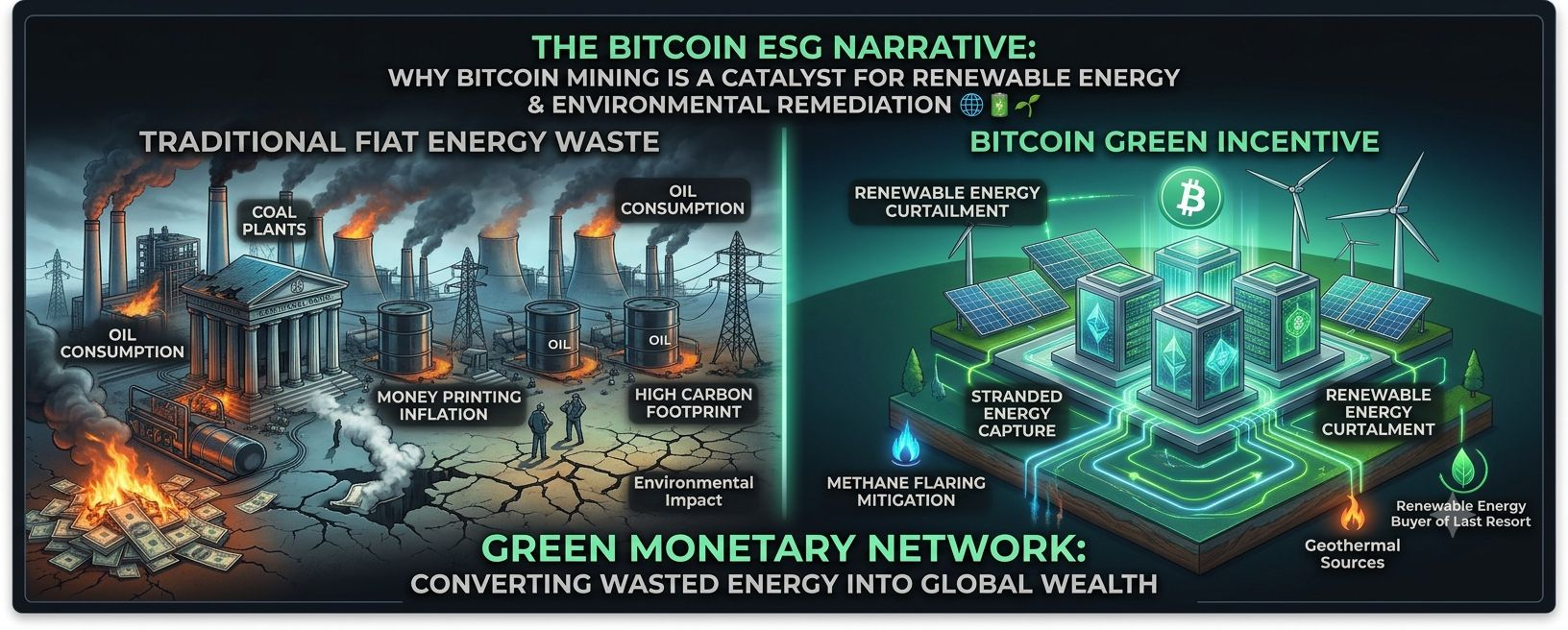
The Bitcoin ESG Narrative: Why Bitcoin Mining is a Catalyst for Renewable Energy & Environmental RemBitcoin's energy consumption is one of the most misunderstood and widely criticized aspects of the network. Critics often equate energy usage with environmental destruction, but they miss the critical nuance: Bitcoin doesn't just use energy; it incentivizes environmental remediation and acts as a grid stabilizer.
Here is the data-driven argument for Bitcoin’s positive impact on the environment.
⛽ The Methane Solution (Environmental Remediation)
One of the most potent drivers of climate change is methane flaring—the practice of burning off excess natural gas associated with oil production. This process releases massive amounts of methane (a highly potent greenhouse gas) into the atmosphere.
Bitcoin mining offers a revolutionary, market-based solution:
Methane is captured and burned to generate clean, on-site electricity.
This converted electricity is used to power Bitcoin miners, essentially converting a harmful waste product into global digital wealth.
The process reduces overall greenhouse gas emissions significantly, making Bitcoin mining one of the largest forces for methane mitigation on Earth.
💡 Incentivizing Renewable Energy
Bitcoin mining is agnostic to geography but highly sensitive to electricity costs. This economic reality forces miners to seek out the cheapest power sources, which are increasingly renewable.
Miners function as "buyers of last resort" for stranded or curtailed energy. This includes excess power from hydroelectric dams, solar farms, or wind farms that would otherwise be wasted.
By providing an immediate revenue stream for wasted energy, Bitcoin mining makes renewable projects more financially viable and encourages further investment in green infrastructure.
📌 The Bottom Line
Do not judge Bitcoin's sustainability by raw energy use alone. Instead, judge it by how it directs that energy. Bitcoin is not an environmental problem; it is a critical tool for global energy efficiency, grid balancing, and environmental remediation.
How do you see Bitcoin’s role in a sustainable future? Let's discuss in the comments below! 👇
#Bitcoin #ESG #RenewableEnergy #MethaneFlaring #BitcoinMining $BTC
{spot}(BTCUSDT)
The Bitcoin ESG Narrative: Why Bitcoin Mining is a Catalyst for Renewable Energy & Environmental Rem
Bitcoin's energy consumption is one of the most misunderstood and widely criticized aspects of the network. Critics often equate energy usage with environmental destruction, but they miss the critical nuance: Bitcoin doesn't just use energy; it incentivizes environmental remediation and acts as a grid stabilizer.
Here is the data-driven argument for Bitcoin’s positive impact on the environment.
⛽ The Methane Solution (Environmental Remediation)
One of the most potent drivers of climate change is methane flaring—the practice of burning off excess natural gas associated with oil production. This process releases massive amounts of methane (a highly potent greenhouse gas) into the atmosphere.
Bitcoin mining offers a revolutionary, market-based solution:
Methane is captured and burned to generate clean, on-site electricity.
This converted electricity is used to power Bitcoin miners, essentially converting a harmful waste product into global digital wealth.
The process reduces overall greenhouse gas emissions significantly, making Bitcoin mining one of the largest forces for methane mitigation on Earth.
💡 Incentivizing Renewable Energy
Bitcoin mining is agnostic to geography but highly sensitive to electricity costs. This economic reality forces miners to seek out the cheapest power sources, which are increasingly renewable.
Miners function as "buyers of last resort" for stranded or curtailed energy. This includes excess power from hydroelectric dams, solar farms, or wind farms that would otherwise be wasted.
By providing an immediate revenue stream for wasted energy, Bitcoin mining makes renewable projects more financially viable and encourages further investment in green infrastructure.
📌 The Bottom Line
Do not judge Bitcoin's sustainability by raw energy use alone. Instead, judge it by how it directs that energy. Bitcoin is not an environmental problem; it is a critical tool for global energy efficiency, grid balancing, and environmental remediation.
How do you see Bitcoin’s role in a sustainable future? Let's discuss in the comments below! 👇
#Bitcoin #ESG #RenewableEnergy #MethaneFlaring #BitcoinMining $BTC
Here is the data-driven argument for Bitcoin’s positive impact on the environment.
⛽ The Methane Solution (Environmental Remediation)
One of the most potent drivers of climate change is methane flaring—the practice of burning off excess natural gas associated with oil production. This process releases massive amounts of methane (a highly potent greenhouse gas) into the atmosphere.
Bitcoin mining offers a revolutionary, market-based solution:
Methane is captured and burned to generate clean, on-site electricity.
This converted electricity is used to power Bitcoin miners, essentially converting a harmful waste product into global digital wealth.
The process reduces overall greenhouse gas emissions significantly, making Bitcoin mining one of the largest forces for methane mitigation on Earth.
💡 Incentivizing Renewable Energy
Bitcoin mining is agnostic to geography but highly sensitive to electricity costs. This economic reality forces miners to seek out the cheapest power sources, which are increasingly renewable.
Miners function as "buyers of last resort" for stranded or curtailed energy. This includes excess power from hydroelectric dams, solar farms, or wind farms that would otherwise be wasted.
By providing an immediate revenue stream for wasted energy, Bitcoin mining makes renewable projects more financially viable and encourages further investment in green infrastructure.
📌 The Bottom Line
Do not judge Bitcoin's sustainability by raw energy use alone. Instead, judge it by how it directs that energy. Bitcoin is not an environmental problem; it is a critical tool for global energy efficiency, grid balancing, and environmental remediation.
How do you see Bitcoin’s role in a sustainable future? Let's discuss in the comments below! 👇
#Bitcoin #ESG #RenewableEnergy #MethaneFlaring #BitcoinMining $BTC
114

·
--
ZEC catches a macro bid as Colombia weighs a renewable Bitcoin mining hub ⚡
Colombian President Gustavo Petro’s proposal to channel surplus renewable energy into a large-scale Bitcoin mining corridor on the Caribbean coast has introduced a fresh policy-driven narrative into the crypto complex. The announcement is being read as both an industrial policy signal and a potential energy-market experiment, with market participants split between the prospect of lower-carbon mining expansion and the risk of heightened grid strain and environmental scrutiny. For now, the move is less about immediate adoption and more about whether the region can credibly attract infrastructure capital without triggering regulatory friction.
The deeper read is that the market is reacting to a broader institutional theme: capital is increasingly rewarding narratives tied to energy efficiency, sovereign alignment, and durable infrastructure rather than pure speculation. If Colombia follows through, the beneficiaries are not just the obvious mining names, but the entire proof-of-work segment, where liquidity often rotates into assets that can absorb the “productive asset” thesis. Retail is likely focusing on the headline. Institutions are watching whether this becomes a template for monetizing stranded energy and whether that draws incremental flows into the mining beta stack.
This is not financial advice. Crypto markets are volatile, and policy headlines can fade as quickly as they appear.
#Bitcoin #Mining #RenewableEnergy #CryptoMarkets
ZEC catches a macro bid as Colombia weighs a renewable Bitcoin mining hub ⚡
Colombian President Gustavo Petro’s proposal to channel surplus renewable energy into a large-scale Bitcoin mining corridor on the Caribbean coast has introduced a fresh policy-driven narrative into the crypto complex. The announcement is being read as both an industrial policy signal and a potential energy-market experiment, with market participants split between the prospect of lower-carbon mining expansion and the risk of heightened grid strain and environmental scrutiny. For now, the move is less about immediate adoption and more about whether the region can credibly attract infrastructure capital without triggering regulatory friction.
The deeper read is that the market is reacting to a broader institutional theme: capital is increasingly rewarding narratives tied to energy efficiency, sovereign alignment, and durable infrastructure rather than pure speculation. If Colombia follows through, the beneficiaries are not just the obvious mining names, but the entire proof-of-work segment, where liquidity often rotates into assets that can absorb the “productive asset” thesis. Retail is likely focusing on the headline. Institutions are watching whether this becomes a template for monetizing stranded energy and whether that draws incremental flows into the mining beta stack.
This is not financial advice. Crypto markets are volatile, and policy headlines can fade as quickly as they appear.
#Bitcoin #Mining #RenewableEnergy #CryptoMarkets
Colombian President Gustavo Petro’s proposal to channel surplus renewable energy into a large-scale Bitcoin mining corridor on the Caribbean coast has introduced a fresh policy-driven narrative into the crypto complex. The announcement is being read as both an industrial policy signal and a potential energy-market experiment, with market participants split between the prospect of lower-carbon mining expansion and the risk of heightened grid strain and environmental scrutiny. For now, the move is less about immediate adoption and more about whether the region can credibly attract infrastructure capital without triggering regulatory friction.
The deeper read is that the market is reacting to a broader institutional theme: capital is increasingly rewarding narratives tied to energy efficiency, sovereign alignment, and durable infrastructure rather than pure speculation. If Colombia follows through, the beneficiaries are not just the obvious mining names, but the entire proof-of-work segment, where liquidity often rotates into assets that can absorb the “productive asset” thesis. Retail is likely focusing on the headline. Institutions are watching whether this becomes a template for monetizing stranded energy and whether that draws incremental flows into the mining beta stack.
This is not financial advice. Crypto markets are volatile, and policy headlines can fade as quickly as they appear.
#Bitcoin #Mining #RenewableEnergy #CryptoMarkets


90

Colombia’s Caribbean coast could emerge as a renewable mining hub for $BTC ⚡
Colombia’s President Gustavo Petro said the country’s Caribbean coastline could develop into a major Bitcoin mining center if surplus renewable electricity is harnessed efficiently. The remark frames Bitcoin mining as a demand sink for excess generation, potentially improving power monetization while reducing curtailment at the margin. The immediate market relevance is mostly narrative, but the underlying signal is clear: sovereign interest is increasingly converging with energy arbitrage as a viable industrial model.
My view is that the real story here is not speculative enthusiasm, but the economics of stranded energy. If the renewable surplus is structurally available, mining operators can anchor long-duration power contracts, absorb intermittent supply, and improve asset utilization in ways traditional industry cannot. Retail will likely read this as a bullish headline for Bitcoin itself. Institutional capital will look deeper, at whether Colombia can sustain low-cost, politically durable infrastructure that supports hash-rate deployment without eroding margins through policy instability. That distinction matters. The best outcomes usually come when cheap power, grid flexibility, and disciplined capital allocation align.
This is not financial advice. Digital asset markets are volatile and involve material regulatory, liquidity, and operational risk.
#Bitcoin #BTC #CryptoMinin #RenewableEnergy
{future}(BTCUSDT)
Colombia’s Caribbean coast could emerge as a renewable mining hub for $BTC ⚡
Colombia’s President Gustavo Petro said the country’s Caribbean coastline could develop into a major Bitcoin mining center if surplus renewable electricity is harnessed efficiently. The remark frames Bitcoin mining as a demand sink for excess generation, potentially improving power monetization while reducing curtailment at the margin. The immediate market relevance is mostly narrative, but the underlying signal is clear: sovereign interest is increasingly converging with energy arbitrage as a viable industrial model.
My view is that the real story here is not speculative enthusiasm, but the economics of stranded energy. If the renewable surplus is structurally available, mining operators can anchor long-duration power contracts, absorb intermittent supply, and improve asset utilization in ways traditional industry cannot. Retail will likely read this as a bullish headline for Bitcoin itself. Institutional capital will look deeper, at whether Colombia can sustain low-cost, politically durable infrastructure that supports hash-rate deployment without eroding margins through policy instability. That distinction matters. The best outcomes usually come when cheap power, grid flexibility, and disciplined capital allocation align.
This is not financial advice. Digital asset markets are volatile and involve material regulatory, liquidity, and operational risk.
#Bitcoin #BTC #CryptoMinin #RenewableEnergy
Colombia’s President Gustavo Petro said the country’s Caribbean coastline could develop into a major Bitcoin mining center if surplus renewable electricity is harnessed efficiently. The remark frames Bitcoin mining as a demand sink for excess generation, potentially improving power monetization while reducing curtailment at the margin. The immediate market relevance is mostly narrative, but the underlying signal is clear: sovereign interest is increasingly converging with energy arbitrage as a viable industrial model.
My view is that the real story here is not speculative enthusiasm, but the economics of stranded energy. If the renewable surplus is structurally available, mining operators can anchor long-duration power contracts, absorb intermittent supply, and improve asset utilization in ways traditional industry cannot. Retail will likely read this as a bullish headline for Bitcoin itself. Institutional capital will look deeper, at whether Colombia can sustain low-cost, politically durable infrastructure that supports hash-rate deployment without eroding margins through policy instability. That distinction matters. The best outcomes usually come when cheap power, grid flexibility, and disciplined capital allocation align.
This is not financial advice. Digital asset markets are volatile and involve material regulatory, liquidity, and operational risk.
#Bitcoin #BTC #CryptoMinin #RenewableEnergy

33

·
--
🇲🇦⚡ Morocco Is Quietly Becoming a Renewable Energy Giant
🔹 Renewable energy capacity has reached ~5.5 GW, with a target of 52% renewable electricity by 2030.
☀️ Abundant solar resources, favorable regulations, and rising foreign investment are fueling massive solar and wind expansion.
🌱 Morocco is also making a major bet on green hydrogen, investing in production facilities and port infrastructure to become a key supplier of low-carbon fuels for global industry and shipping.
As the world accelerates the energy transition, Morocco is positioning itself as one of the most important clean-energy hubs in Africa and beyond. 🧨
#Morocco #RenewableEnergy #GreenHydrogen #SolarEnergy #WindEnergy #CleanTech #EnergyTransition #Sustainability #CryptoNews #BinanceSquare
👀 $WLD $VIC $ENA
🇲🇦⚡ Morocco Is Quietly Becoming a Renewable Energy Giant
🔹 Renewable energy capacity has reached ~5.5 GW, with a target of 52% renewable electricity by 2030.
☀️ Abundant solar resources, favorable regulations, and rising foreign investment are fueling massive solar and wind expansion.
🌱 Morocco is also making a major bet on green hydrogen, investing in production facilities and port infrastructure to become a key supplier of low-carbon fuels for global industry and shipping.
As the world accelerates the energy transition, Morocco is positioning itself as one of the most important clean-energy hubs in Africa and beyond. 🧨
#Morocco #RenewableEnergy #GreenHydrogen #SolarEnergy #WindEnergy #CleanTech #EnergyTransition #Sustainability #CryptoNews #BinanceSquare
👀 $WLD $VIC $ENA
🔹 Renewable energy capacity has reached ~5.5 GW, with a target of 52% renewable electricity by 2030.
☀️ Abundant solar resources, favorable regulations, and rising foreign investment are fueling massive solar and wind expansion.
🌱 Morocco is also making a major bet on green hydrogen, investing in production facilities and port infrastructure to become a key supplier of low-carbon fuels for global industry and shipping.
As the world accelerates the energy transition, Morocco is positioning itself as one of the most important clean-energy hubs in Africa and beyond. 🧨
#Morocco #RenewableEnergy #GreenHydrogen #SolarEnergy #WindEnergy #CleanTech #EnergyTransition #Sustainability #CryptoNews #BinanceSquare
👀 $WLD $VIC $ENA

219

Vérifié
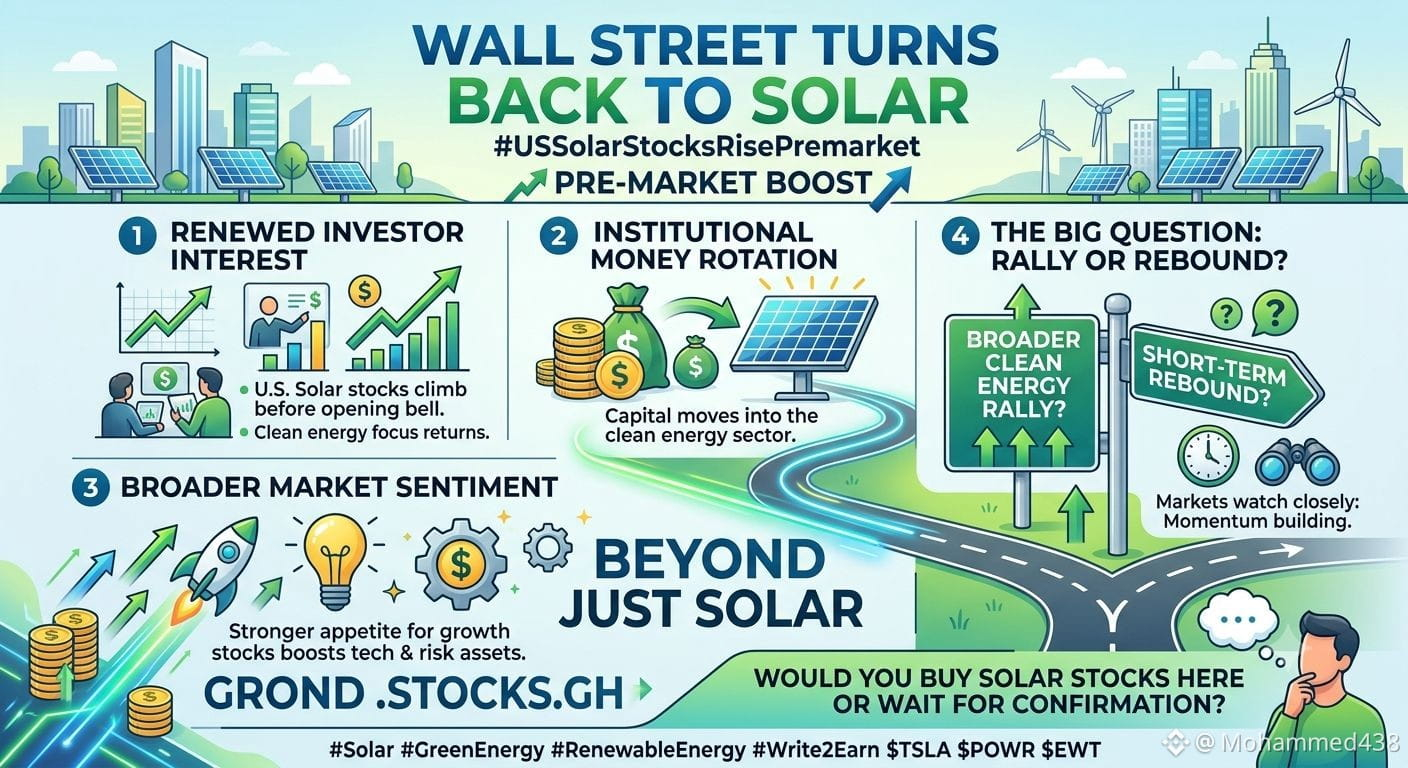
#USSolarStocksRisePremarket
WALL STREET IS TURNING BACK TO SOLAR.
U.S. solar stocks are climbing in pre-market trading, signaling renewed investor interest in the clean energy sector.
📈 Solar shares moved higher before the opening bell
⚡ Clean energy is back in focus
💰 Institutional money appears to be rotating into the sector
The bigger story isn't just solar...
A stronger appetite for growth stocks often boosts sentiment across technology and other risk assets.
👀 The question now is:
Is this the start of a broader clean energy rally... or just a short-term rebound?
Markets are watching closely because when capital starts flowing into high-growth sectors, momentum can build quickly.
💬 Would you be buying solar stocks here... or waiting for confirmation?
#Solar #Write2Earn #GreenEnergy #RenewableEnergy
$TSLA
{future}(TSLAUSDT)
$POWR
{spot}(POWRUSDT)
$EWT
{future}(EWTUSDT)
#USSolarStocksRisePremarket
WALL STREET IS TURNING BACK TO SOLAR.
U.S. solar stocks are climbing in pre-market trading, signaling renewed investor interest in the clean energy sector.
📈 Solar shares moved higher before the opening bell
⚡ Clean energy is back in focus
💰 Institutional money appears to be rotating into the sector
The bigger story isn't just solar...
A stronger appetite for growth stocks often boosts sentiment across technology and other risk assets.
👀 The question now is:
Is this the start of a broader clean energy rally... or just a short-term rebound?
Markets are watching closely because when capital starts flowing into high-growth sectors, momentum can build quickly.
💬 Would you be buying solar stocks here... or waiting for confirmation?
#Solar #Write2Earn #GreenEnergy #RenewableEnergy
$TSLA
$POWR
$EWT
WALL STREET IS TURNING BACK TO SOLAR.
U.S. solar stocks are climbing in pre-market trading, signaling renewed investor interest in the clean energy sector.
📈 Solar shares moved higher before the opening bell
⚡ Clean energy is back in focus
💰 Institutional money appears to be rotating into the sector
The bigger story isn't just solar...
A stronger appetite for growth stocks often boosts sentiment across technology and other risk assets.
👀 The question now is:
Is this the start of a broader clean energy rally... or just a short-term rebound?
Markets are watching closely because when capital starts flowing into high-growth sectors, momentum can build quickly.
💬 Would you be buying solar stocks here... or waiting for confirmation?
#Solar #Write2Earn #GreenEnergy #RenewableEnergy
$TSLA
$POWR
$EWT
1
2
262

·
--
{alpha}(560x595e21b20e78674f8a64c1566a20b2b316bc3511)
Solar and wind are starting to catch a real bid for $RAVE 🌱
This is the kind of macro shift institutions watch early: more projects, more capital, and a cleaner runway for long-duration infrastructure plays. When investment accelerates, liquidity often rotates into the names closest to the buildout, and whale flows tend to position before the crowd fully prices the trend. $PIEVERSE and $BULLA could stay in the same rotation as the narrative broadens.
Not financial advice. Manage your risk and protect your capital.
#Crypto #Altcoins #RenewableEnergy #Trading #MarketWatch
⚡
{alpha}(560x0e63b9c287e32a05e6b9ab8ee8df88a2760225a9)
{alpha}(560x97693439ea2f0ecdeb9135881e49f354656a911c)
Solar and wind are starting to catch a real bid for $RAVE 🌱
This is the kind of macro shift institutions watch early: more projects, more capital, and a cleaner runway for long-duration infrastructure plays. When investment accelerates, liquidity often rotates into the names closest to the buildout, and whale flows tend to position before the crowd fully prices the trend. $PIEVERSE and $BULLA could stay in the same rotation as the narrative broadens.
Not financial advice. Manage your risk and protect your capital.
#Crypto #Altcoins #RenewableEnergy #Trading #MarketWatch
⚡
This is the kind of macro shift institutions watch early: more projects, more capital, and a cleaner runway for long-duration infrastructure plays. When investment accelerates, liquidity often rotates into the names closest to the buildout, and whale flows tend to position before the crowd fully prices the trend. $PIEVERSE and $BULLA could stay in the same rotation as the narrative broadens.
Not financial advice. Manage your risk and protect your capital.
#Crypto #Altcoins #RenewableEnergy #Trading #MarketWatch
⚡
329
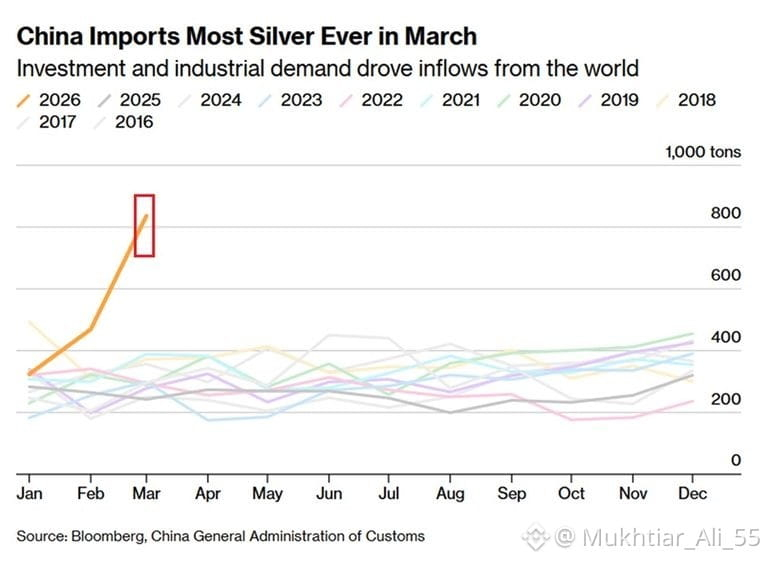
China’s Record Silver Imports Signal Rising Pressure on Global Supply
China’s silver market is witnessing unprecedented momentum, with imports surging by 78% in March to a record level. This sharp increase reflects a combination of strong retail investment demand and accelerated industrial consumption, particularly in the solar energy sector.
Investors are increasingly turning to silver as a more accessible alternative to gold, while manufacturers have ramped up purchases ahead of policy changes impacting export incentives. With China playing a central role in global solar production, the metal’s importance in renewable energy continues to strengthen its demand outlook.
According to insights from The Silver Institute, the global silver market is expected to face its sixth consecutive annual supply deficit in 2026. Despite stable mine production and increased recycling, supply continues to lag behind demand, tightening market conditions.
While industrial demand may experience short-term adjustments due to higher prices and material substitution, long-term consumption remains supported by emerging sectors such as electric vehicles, data centers, and broader electrification trends. At the same time, growing investment inflows—particularly through ETFs and physical silver buying—are adding further pressure to supply and increasing market volatility.
Overall, the current dynamics suggest that silver is transitioning into a structurally tighter market, where sustained demand and limited supply could drive continued price fluctuations and strategic importance in the global economy.
#SilverMarket #Commodities #InvestmentTrends #RenewableEnergy #GlobalEconomy
$XAG
{future}(XAGUSDT)
China’s Record Silver Imports Signal Rising Pressure on Global Supply
China’s silver market is witnessing unprecedented momentum, with imports surging by 78% in March to a record level. This sharp increase reflects a combination of strong retail investment demand and accelerated industrial consumption, particularly in the solar energy sector.
Investors are increasingly turning to silver as a more accessible alternative to gold, while manufacturers have ramped up purchases ahead of policy changes impacting export incentives. With China playing a central role in global solar production, the metal’s importance in renewable energy continues to strengthen its demand outlook.
According to insights from The Silver Institute, the global silver market is expected to face its sixth consecutive annual supply deficit in 2026. Despite stable mine production and increased recycling, supply continues to lag behind demand, tightening market conditions.
While industrial demand may experience short-term adjustments due to higher prices and material substitution, long-term consumption remains supported by emerging sectors such as electric vehicles, data centers, and broader electrification trends. At the same time, growing investment inflows—particularly through ETFs and physical silver buying—are adding further pressure to supply and increasing market volatility.
Overall, the current dynamics suggest that silver is transitioning into a structurally tighter market, where sustained demand and limited supply could drive continued price fluctuations and strategic importance in the global economy.
#SilverMarket #Commodities #InvestmentTrends #RenewableEnergy #GlobalEconomy
$XAG
China’s silver market is witnessing unprecedented momentum, with imports surging by 78% in March to a record level. This sharp increase reflects a combination of strong retail investment demand and accelerated industrial consumption, particularly in the solar energy sector.
Investors are increasingly turning to silver as a more accessible alternative to gold, while manufacturers have ramped up purchases ahead of policy changes impacting export incentives. With China playing a central role in global solar production, the metal’s importance in renewable energy continues to strengthen its demand outlook.
According to insights from The Silver Institute, the global silver market is expected to face its sixth consecutive annual supply deficit in 2026. Despite stable mine production and increased recycling, supply continues to lag behind demand, tightening market conditions.
While industrial demand may experience short-term adjustments due to higher prices and material substitution, long-term consumption remains supported by emerging sectors such as electric vehicles, data centers, and broader electrification trends. At the same time, growing investment inflows—particularly through ETFs and physical silver buying—are adding further pressure to supply and increasing market volatility.
Overall, the current dynamics suggest that silver is transitioning into a structurally tighter market, where sustained demand and limited supply could drive continued price fluctuations and strategic importance in the global economy.
#SilverMarket #Commodities #InvestmentTrends #RenewableEnergy #GlobalEconomy
$XAG

1
1
1.2k

Powerledger ($POWR ) is tokenizing the energy grid — and just expanded to Solana.
Recent developments:
Completed integration with Solana ecosystem (June 2026): POWR now available as a native SPL token on Solana while remaining ERC-20.
Wormhole NTT standard enables seamless POWR token transfers between Ethereum and Solana — true multi-chain flexibility.
Transactive Lite launched (March 2026): Simplified peer-to-peer energy trading deployment, directly integrating with existing smart meter data.
Over 30 project deployments across 12 countries with partnerships including Origin Energy and BCPG Thailand.
The analyst take: Powerledger is the RWA (Real World Asset) play that actually delivers. Clean energy tracking, peer-to-peer energy trading, environmental commodity markets — all on-chain. The Solana integration expands accessibility and reduces costs. This is infrastructure for the future energy grid.
Buy $POWER
{alpha}(560x9dc44ae5be187eca9e2a67e33f27a4c91cea1223)
#Powerledger #RWA #CleanEnergy #OnChainSulaiman #RenewableEnergy
Powerledger ($POWR ) is tokenizing the energy grid — and just expanded to Solana.
Recent developments:
Completed integration with Solana ecosystem (June 2026): POWR now available as a native SPL token on Solana while remaining ERC-20.
Wormhole NTT standard enables seamless POWR token transfers between Ethereum and Solana — true multi-chain flexibility.
Transactive Lite launched (March 2026): Simplified peer-to-peer energy trading deployment, directly integrating with existing smart meter data.
Over 30 project deployments across 12 countries with partnerships including Origin Energy and BCPG Thailand.
The analyst take: Powerledger is the RWA (Real World Asset) play that actually delivers. Clean energy tracking, peer-to-peer energy trading, environmental commodity markets — all on-chain. The Solana integration expands accessibility and reduces costs. This is infrastructure for the future energy grid.
Buy $POWER
#Powerledger #RWA #CleanEnergy #OnChainSulaiman #RenewableEnergy
Recent developments:
Completed integration with Solana ecosystem (June 2026): POWR now available as a native SPL token on Solana while remaining ERC-20.
Wormhole NTT standard enables seamless POWR token transfers between Ethereum and Solana — true multi-chain flexibility.
Transactive Lite launched (March 2026): Simplified peer-to-peer energy trading deployment, directly integrating with existing smart meter data.
Over 30 project deployments across 12 countries with partnerships including Origin Energy and BCPG Thailand.
The analyst take: Powerledger is the RWA (Real World Asset) play that actually delivers. Clean energy tracking, peer-to-peer energy trading, environmental commodity markets — all on-chain. The Solana integration expands accessibility and reduces costs. This is infrastructure for the future energy grid.
Buy $POWER
#Powerledger #RWA #CleanEnergy #OnChainSulaiman #RenewableEnergy

6
106
Connectez-vous pour découvrir plus de contenu
Rejoignez la communauté mondiale des adeptes de cryptomonnaies sur Binance Square
⚡️ Suviez les dernières informations importantes sur les cryptomonnaies.
💬 Jugé digne de confiance par la plus grande plateforme d’échange de cryptomonnaies au monde.
👍 Découvrez les connaissances que partagent les créateurs vérifiés.
Adresse e-mail/Nº de téléphone
Sujets d’actualité
1
#EarningsSeason
348,387 vues
2,664 mentions
2
#BitwiseLaunchesFirstSpotNEARETF
35,616 vues
612 mentions
3
#USJobOpeningsFallToFiveMonthLow
43,093 vues
462 mentions
4
#ECBToTestAIAgentsInDigitalEuroPayments
30,407 vues
567 mentions
5
#JapanFSABacksFourthStablecoinTradeSettlementPilot
35,102 vues
599 mentions
6
#BitgetHackerFailsToMoveStolenFunds
51,058 vues
653 mentions
7
#BitMineETHHoldingsTop6Million
40,849 vues
730 mentions
8
#StrategyAdds1666BTCHoldingsReach847666
33,260 vues
507 mentions
9
#NvidiaApproves$150BBuyback
5,748 vues
76 mentions
10
#OpenAIDelaysGPT6.1OverSafetyIssues
50,279 vues
902 mentions