

#middleeasttensions
middleeasttensions
844,987 vues
1,104 mentions
Populaire
Récents

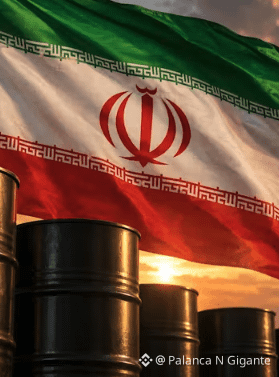
🚨Apreensão maciça : Os EUA confiscaram cerca de US$ 600 milhões em petróleo bruto iraniano.
Três petroleiros ligados ao Irã, com 6 milhões de barris de petróleo bruto, estão sendo transferidos "discretamente" para os EUA, segundo a AFP.
Dois navios foram apreendidos em abril e o terceiro em junho. As autoridades americanas afirmam que a ação faz parte dos esforços para desmantelar as redes petrolíferas iranianas, que estão sob sanções.
$BROCCOLI714 $NOM $LSK 👀👀👀👀👀👀
{spot}(LSKUSDT)
{spot}(NOMUSDT)
{spot}(BROCCOLI714USDT)
#MiddleEastTensions #oil #TRUMP #FedOctoberRateHikeOddsRiseTo69.7% #USMilitaryToBlockadeStraitOfHormuz
🚨Apreensão maciça : Os EUA confiscaram cerca de US$ 600 milhões em petróleo bruto iraniano.
Três petroleiros ligados ao Irã, com 6 milhões de barris de petróleo bruto, estão sendo transferidos "discretamente" para os EUA, segundo a AFP.
Dois navios foram apreendidos em abril e o terceiro em junho. As autoridades americanas afirmam que a ação faz parte dos esforços para desmantelar as redes petrolíferas iranianas, que estão sob sanções.
$BROCCOLI714 $NOM $LSK 👀👀👀👀👀👀
#MiddleEastTensions #oil #TRUMP #FedOctoberRateHikeOddsRiseTo69.7% #USMilitaryToBlockadeStraitOfHormuz
Três petroleiros ligados ao Irã, com 6 milhões de barris de petróleo bruto, estão sendo transferidos "discretamente" para os EUA, segundo a AFP.
Dois navios foram apreendidos em abril e o terceiro em junho. As autoridades americanas afirmam que a ação faz parte dos esforços para desmantelar as redes petrolíferas iranianas, que estão sob sanções.
$BROCCOLI714 $NOM $LSK 👀👀👀👀👀👀
#MiddleEastTensions #oil #TRUMP #FedOctoberRateHikeOddsRiseTo69.7% #USMilitaryToBlockadeStraitOfHormuz
136
·
--
Haussier
Vérifié
🇺🇸GRANDE: Os EUA propuseram investir US$ 5 bilhões em um novo fundo para ajudar os países do Golfo a reconstruir a infraestrutura energética danificada na guerra com o Irã e reduzir sua dependência do Estreito de Ormuz, segundo o WSJ.
$MUBARAK $AGT $AKE
{future}(AKEUSDT)
{future}(AGTUSDT)
{spot}(MUBARAKUSDT)
#MiddleEastTensions #TRUMP #IranIsraelConflict #AIStocksWhatNext #XRPRises8%
🇺🇸GRANDE: Os EUA propuseram investir US$ 5 bilhões em um novo fundo para ajudar os países do Golfo a reconstruir a infraestrutura energética danificada na guerra com o Irã e reduzir sua dependência do Estreito de Ormuz, segundo o WSJ.
$MUBARAK $AGT $AKE
#MiddleEastTensions #TRUMP #IranIsraelConflict #AIStocksWhatNext #XRPRises8%
$MUBARAK $AGT $AKE
#MiddleEastTensions #TRUMP #IranIsraelConflict #AIStocksWhatNext #XRPRises8%
547

·
--
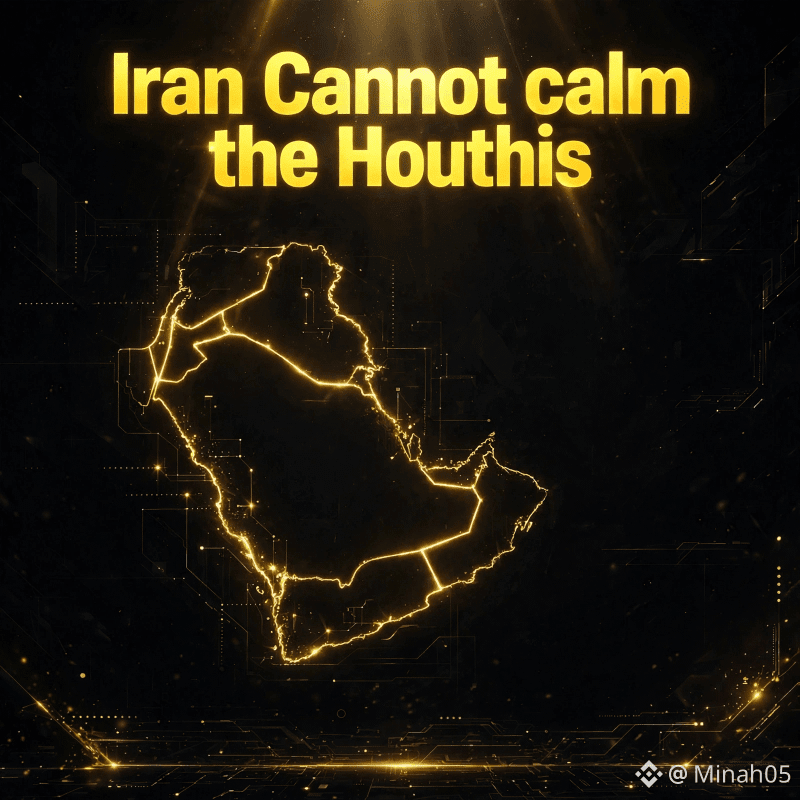
Iran Cannot calm the Houthis 3 Facts
1 First they are not Houthis they are Yemens government and their main group is called Ansarullah
2 Second Iran is not their master their master is ALLAH S.W.T
3 Third they have their own leadership They make their own decisions
Thanks for the attention
#yemen #Geopolitics #MiddleEastTensions #educational
Iran Cannot calm the Houthis 3 Facts
1 First they are not Houthis they are Yemens government and their main group is called Ansarullah
2 Second Iran is not their master their master is ALLAH S.W.T
3 Third they have their own leadership They make their own decisions
Thanks for the attention
#yemen #Geopolitics #MiddleEastTensions #educational
1 First they are not Houthis they are Yemens government and their main group is called Ansarullah
2 Second Iran is not their master their master is ALLAH S.W.T
3 Third they have their own leadership They make their own decisions
Thanks for the attention
#yemen #Geopolitics #MiddleEastTensions #educational
60
·
--
Haussier
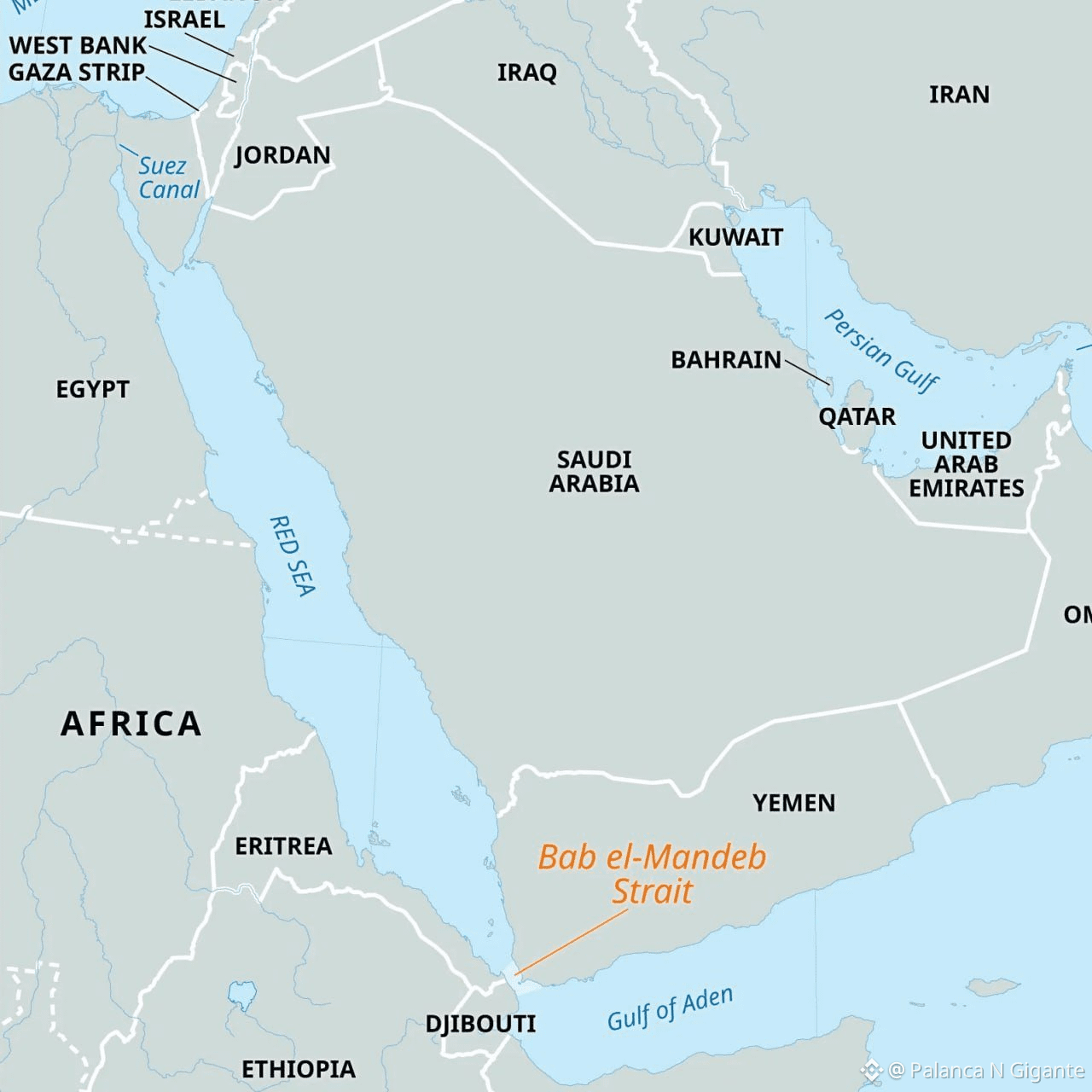
🇾🇪🇮🇷ÚLTIMA HORA: Os houthis assumiram o controle efetivo do Estreito de Bab el-Mandeb após tomarem a Ilha de Perim em um ataque relâmpago de 18 horas. $龙虾
"Tudo o que estava sob nosso controle na costa oeste caiu", disse um oficial militar do governo iemenita à AFP.
Segundo a EIA, 8,1 milhões de barris de petróleo por dia passavam pelo estreito no segundo trimestre. $LSK
Somado à interrupção do fluxo de Ormuz pelo Irã e ao fechamento do oleoduto saudita, dois dos três principais pontos de estrangulamento do petróleo mundial agora estão sob controle ou ameaçados por forças alinhadas ao Irã. $LAB
{future}(龙虾USDT)
{future}(LABUSDT)
{future}(LSKUSDT)
#MiddleEastTensions #US2YearYieldRisesTo4.61% #IranIsraelConflict #oil #Hormuz
🇾🇪🇮🇷ÚLTIMA HORA: Os houthis assumiram o controle efetivo do Estreito de Bab el-Mandeb após tomarem a Ilha de Perim em um ataque relâmpago de 18 horas. $龙虾
"Tudo o que estava sob nosso controle na costa oeste caiu", disse um oficial militar do governo iemenita à AFP.
Segundo a EIA, 8,1 milhões de barris de petróleo por dia passavam pelo estreito no segundo trimestre. $LSK
Somado à interrupção do fluxo de Ormuz pelo Irã e ao fechamento do oleoduto saudita, dois dos três principais pontos de estrangulamento do petróleo mundial agora estão sob controle ou ameaçados por forças alinhadas ao Irã. $LAB
#MiddleEastTensions #US2YearYieldRisesTo4.61% #IranIsraelConflict #oil #Hormuz
"Tudo o que estava sob nosso controle na costa oeste caiu", disse um oficial militar do governo iemenita à AFP.
Segundo a EIA, 8,1 milhões de barris de petróleo por dia passavam pelo estreito no segundo trimestre. $LSK
Somado à interrupção do fluxo de Ormuz pelo Irã e ao fechamento do oleoduto saudita, dois dos três principais pontos de estrangulamento do petróleo mundial agora estão sob controle ou ameaçados por forças alinhadas ao Irã. $LAB
#MiddleEastTensions #US2YearYieldRisesTo4.61% #IranIsraelConflict #oil #Hormuz
1
3.3k

#oilrisestohighestsincejuly
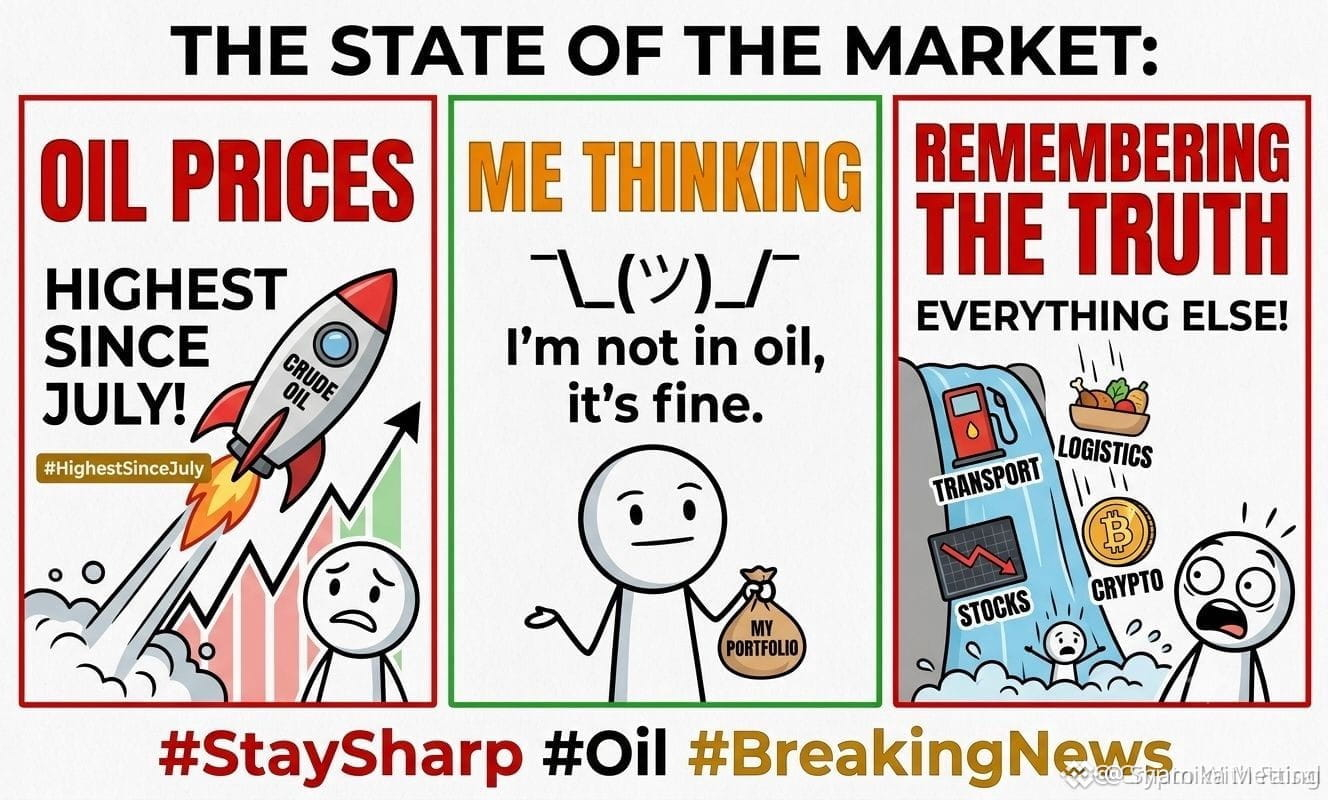
من المعلوم رسميًا أن النفط في حالة صعود قوي! 🚨🛢️ لم نرَ الأسعار بهذا الارتفاع منذ يوليو، والأسواق العالمية بالتأكيد تشعر بحرارة الوضع.
بين ارتفاع أسعار خام برنت ونايمكس (WTI) الخام، والتصعيد في التوترات بالشرق الأوسط، فإن المخاوف الحقيقية من حدوث اضطرابات في الإمدادات تدفع هذا التجمع/الاندفاع الضخم.
ما الأثر المترتب؟ انتبه من ضغوط التضخم. عندما يرتفع النفط، غالبًا ما يؤدي ذلك إلى موجة من التقلبات عبر الأسهم والعملات الورقية (فيات) وحتى العملات الرقمية. 📉⚠️
أسواق الطاقة هي من يقود المشهد الآن. ابقَ يقظًا وراقب الرسوم البيانية! 👀
متابعة من فضلكم
#MiddleEastTensions #OilPrices #CryptoNews
$CL
{future}(CLUSDT)
#oilrisestohighestsincejuly
من المعلوم رسميًا أن النفط في حالة صعود قوي! 🚨🛢️ لم نرَ الأسعار بهذا الارتفاع منذ يوليو، والأسواق العالمية بالتأكيد تشعر بحرارة الوضع.
بين ارتفاع أسعار خام برنت ونايمكس (WTI) الخام، والتصعيد في التوترات بالشرق الأوسط، فإن المخاوف الحقيقية من حدوث اضطرابات في الإمدادات تدفع هذا التجمع/الاندفاع الضخم.
ما الأثر المترتب؟ انتبه من ضغوط التضخم. عندما يرتفع النفط، غالبًا ما يؤدي ذلك إلى موجة من التقلبات عبر الأسهم والعملات الورقية (فيات) وحتى العملات الرقمية. 📉⚠️
أسواق الطاقة هي من يقود المشهد الآن. ابقَ يقظًا وراقب الرسوم البيانية! 👀
متابعة من فضلكم
#MiddleEastTensions #OilPrices #CryptoNews
$CL
من المعلوم رسميًا أن النفط في حالة صعود قوي! 🚨🛢️ لم نرَ الأسعار بهذا الارتفاع منذ يوليو، والأسواق العالمية بالتأكيد تشعر بحرارة الوضع.
بين ارتفاع أسعار خام برنت ونايمكس (WTI) الخام، والتصعيد في التوترات بالشرق الأوسط، فإن المخاوف الحقيقية من حدوث اضطرابات في الإمدادات تدفع هذا التجمع/الاندفاع الضخم.
ما الأثر المترتب؟ انتبه من ضغوط التضخم. عندما يرتفع النفط، غالبًا ما يؤدي ذلك إلى موجة من التقلبات عبر الأسهم والعملات الورقية (فيات) وحتى العملات الرقمية. 📉⚠️
أسواق الطاقة هي من يقود المشهد الآن. ابقَ يقظًا وراقب الرسوم البيانية! 👀
متابعة من فضلكم
#MiddleEastTensions #OilPrices #CryptoNews
$CL
1
337

Vérifié
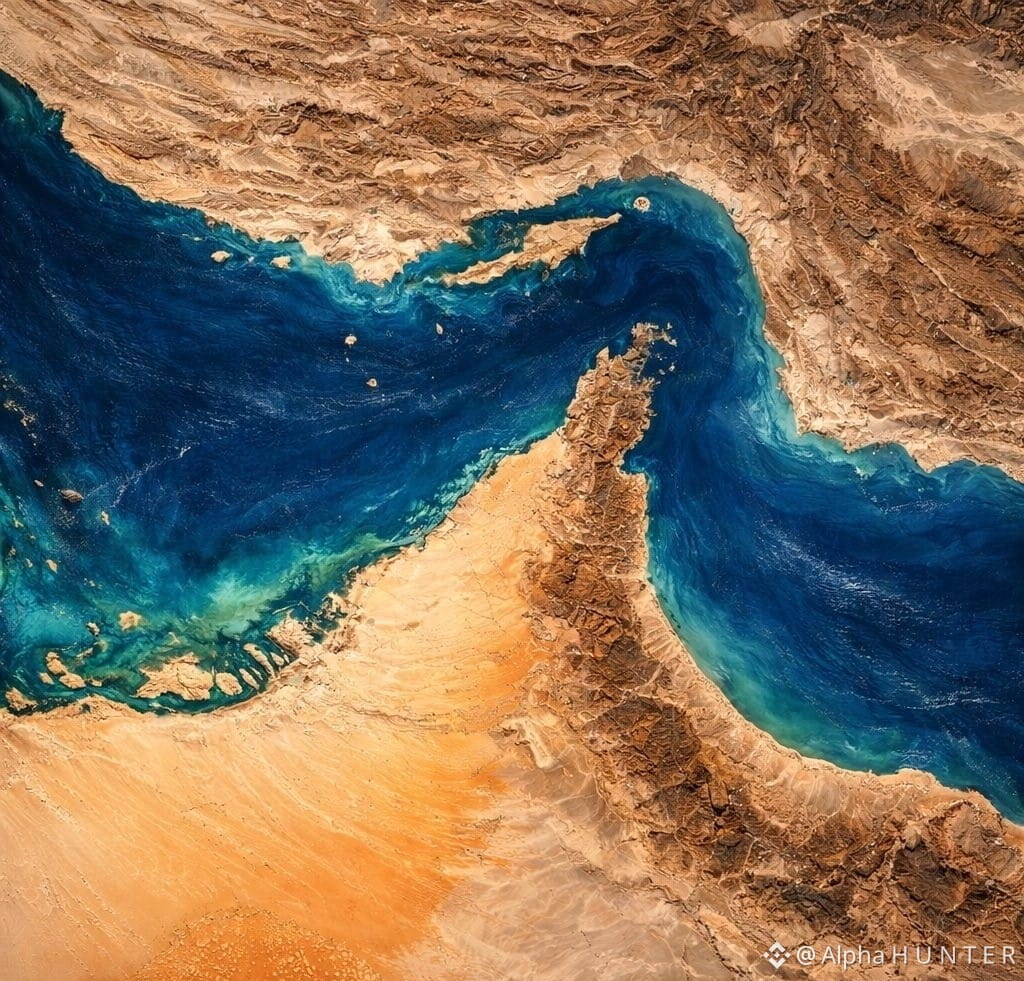
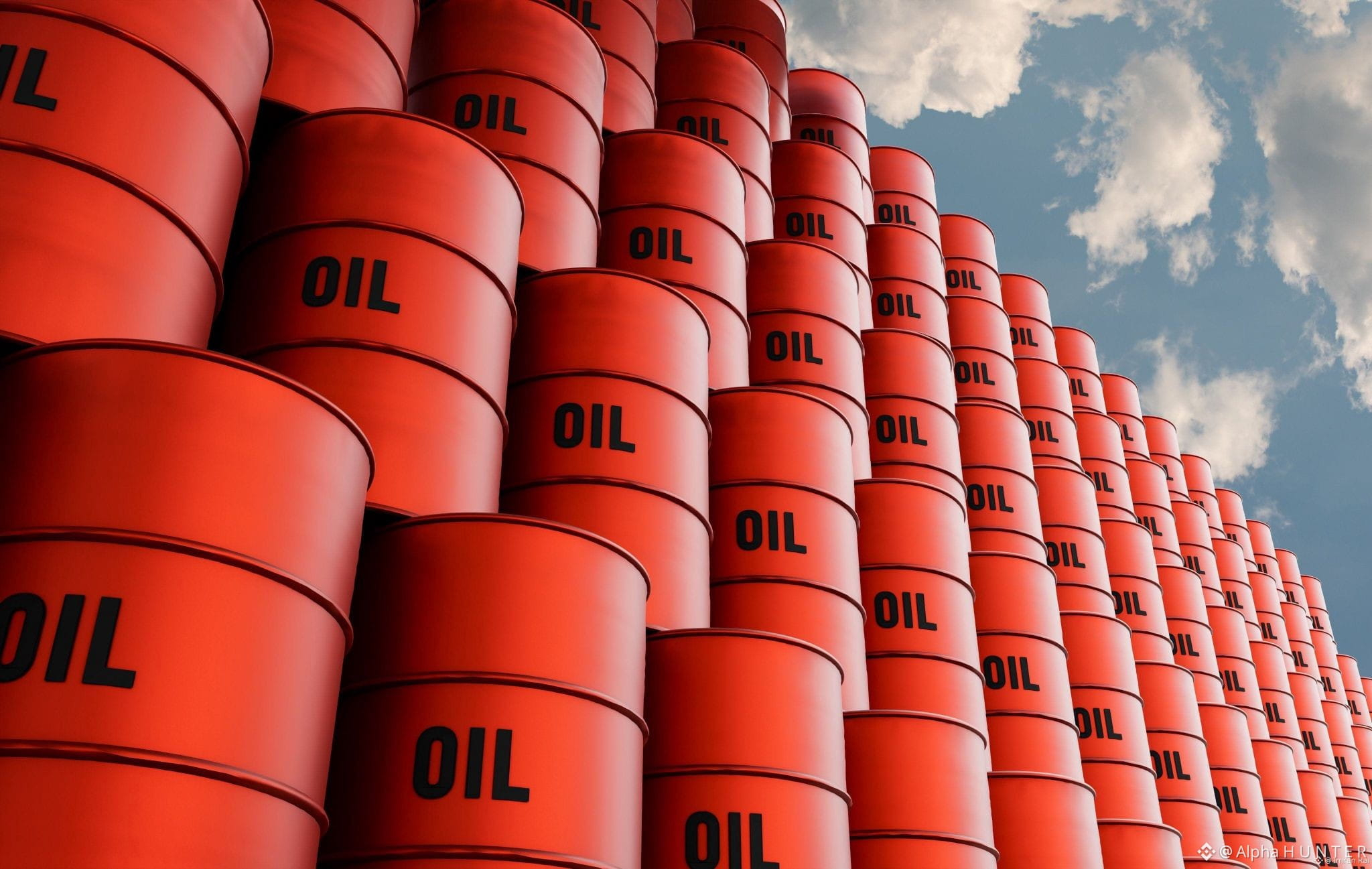
#saudihaltssouthernenergysitesafterattacks Le Moyen-Orient s’enflamme À NOUVEAU, les amis ! 🔥 Des sites énergétiques saoudiens dans le sud ont été touchés par les forces houthies, faisant 73 blessés et obligeant les installations de raffinage d’Aramco à cesser leurs opérations. 🛢️
Le pétrole transpire, et la géopolitique joue aux échecs en 4D. Que devraient faire les traders ? Restez calmes, n’achetez pas en panique au sommet, et laissez la crypto vous servir de couverture pendant que le secteur de l’énergie traditionnel répare ses fuites ! ☕🚀
NFA (Ce n’est pas un conseil financier
#OilMarket #Geopilitics #MiddleEastTensions
$CL
{future}(CLUSDT)
$BZ
{future}(BZUSDT)
$SOPH
{future}(SOPHUSDT)
#saudihaltssouthernenergysitesafterattacks Le Moyen-Orient s’enflamme À NOUVEAU, les amis ! 🔥 Des sites énergétiques saoudiens dans le sud ont été touchés par les forces houthies, faisant 73 blessés et obligeant les installations de raffinage d’Aramco à cesser leurs opérations. 🛢️
Le pétrole transpire, et la géopolitique joue aux échecs en 4D. Que devraient faire les traders ? Restez calmes, n’achetez pas en panique au sommet, et laissez la crypto vous servir de couverture pendant que le secteur de l’énergie traditionnel répare ses fuites ! ☕🚀
NFA (Ce n’est pas un conseil financier
#OilMarket #Geopilitics #MiddleEastTensions
$CL
$BZ
$SOPH
Le pétrole transpire, et la géopolitique joue aux échecs en 4D. Que devraient faire les traders ? Restez calmes, n’achetez pas en panique au sommet, et laissez la crypto vous servir de couverture pendant que le secteur de l’énergie traditionnel répare ses fuites ! ☕🚀
NFA (Ce n’est pas un conseil financier
#OilMarket #Geopilitics #MiddleEastTensions
$CL
$BZ
$SOPH
1
1.2k
·
--
Haussier
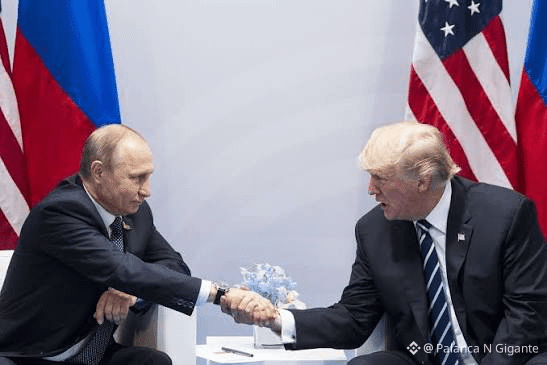
🇷🇺🇺🇸 𝗝𝗨𝗦𝗧 𝗜𝗡: Diante da recomendação de Washington para que a Rússia "se mantivesse afastada" do Irã, a Rússia respondeu:
"Manteremos e desenvolveremos ainda mais essas relações amistosas e de parceria."
$MarsCoin $BULLA $AKE 👀👀👀👀👀
{future}(AKEUSDT)
{future}(BULLAUSDT)
{future}(MARSCOINUSDT)
#MiddleEastTensions #IranStrikesUSBaseInKuwait #russia #war #PredictionMarketsPutCLARITYAct2026OddsAt15%
🇷🇺🇺🇸 𝗝𝗨𝗦𝗧 𝗜𝗡: Diante da recomendação de Washington para que a Rússia "se mantivesse afastada" do Irã, a Rússia respondeu:
"Manteremos e desenvolveremos ainda mais essas relações amistosas e de parceria."
$MarsCoin $BULLA $AKE 👀👀👀👀👀
#MiddleEastTensions #IranStrikesUSBaseInKuwait #russia #war #PredictionMarketsPutCLARITYAct2026OddsAt15%
"Manteremos e desenvolveremos ainda mais essas relações amistosas e de parceria."
$MarsCoin $BULLA $AKE 👀👀👀👀👀
#MiddleEastTensions #IranStrikesUSBaseInKuwait #russia #war #PredictionMarketsPutCLARITYAct2026OddsAt15%
251
#oilsteadiesafterthreedayrally
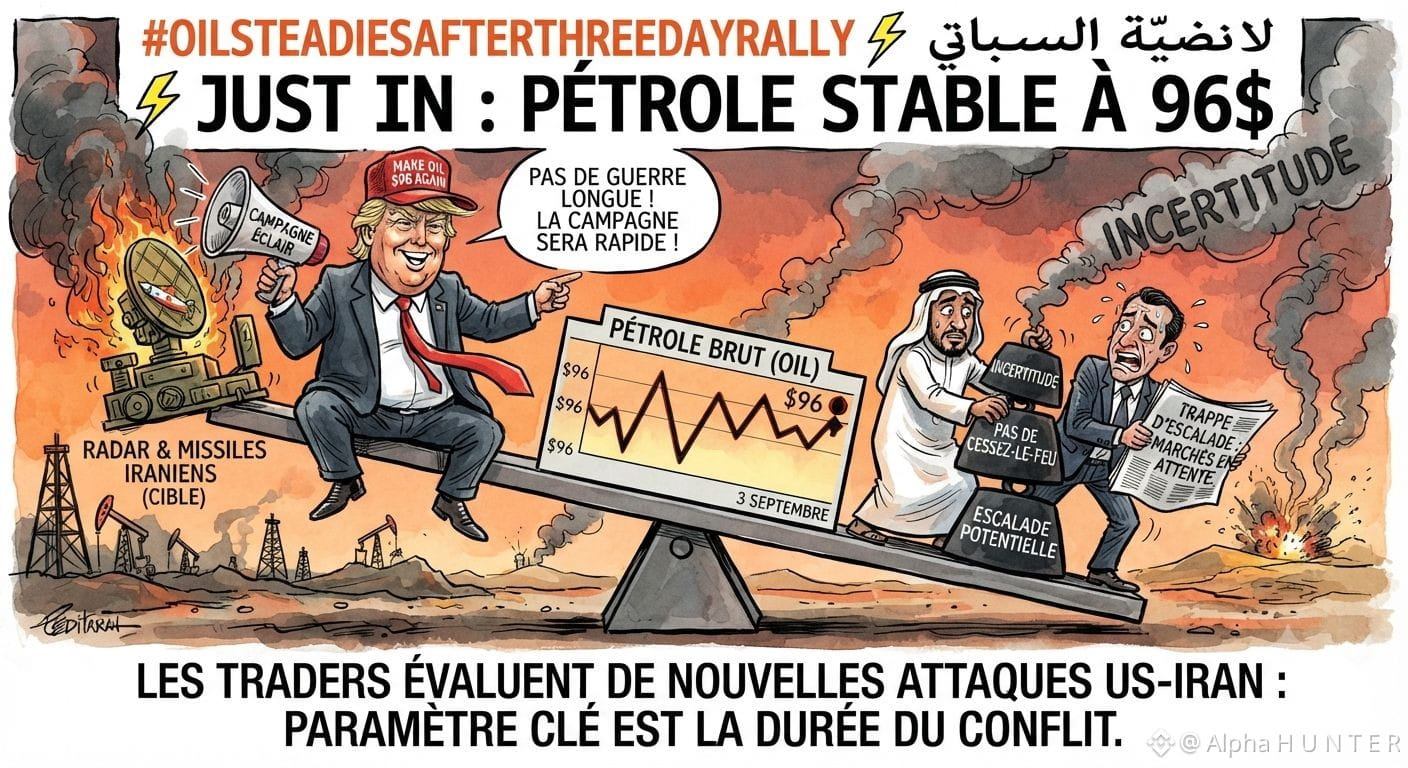
⚡ JUST IN Trump a déclaré que les forces américaines ont touché le radar et les systèmes de missiles iraniens, puis a ajouté que la campagne ne durera pas longtemps. Cette deuxième partie est le paramètre sur lequel chaque desk énergie et crypto mise. Tant qu'il n'y a pas de cessez-le-feu ou d'escalade, rien ne se règle.
Pétrole
Prix Aujourd'hui (3 septembre) : Le pétrole brut est stable à 96 $ alors que les traders évaluent de nouvelles attaques US-Iran. Qu'en disent les experts ?
#IranStrikesUSBaseInKuwait #MiddleEastTensions #OilMarket
$CL
{future}(CLUSDT)
$XAU
{future}(XAUUSDT)
$AKE
{future}(AKEUSDT)
#oilsteadiesafterthreedayrally
⚡ JUST IN Trump a déclaré que les forces américaines ont touché le radar et les systèmes de missiles iraniens, puis a ajouté que la campagne ne durera pas longtemps. Cette deuxième partie est le paramètre sur lequel chaque desk énergie et crypto mise. Tant qu'il n'y a pas de cessez-le-feu ou d'escalade, rien ne se règle.
Pétrole
Prix Aujourd'hui (3 septembre) : Le pétrole brut est stable à 96 $ alors que les traders évaluent de nouvelles attaques US-Iran. Qu'en disent les experts ?
#IranStrikesUSBaseInKuwait #MiddleEastTensions #OilMarket
$CL
$XAU
$AKE
⚡ JUST IN Trump a déclaré que les forces américaines ont touché le radar et les systèmes de missiles iraniens, puis a ajouté que la campagne ne durera pas longtemps. Cette deuxième partie est le paramètre sur lequel chaque desk énergie et crypto mise. Tant qu'il n'y a pas de cessez-le-feu ou d'escalade, rien ne se règle.
Pétrole
Prix Aujourd'hui (3 septembre) : Le pétrole brut est stable à 96 $ alors que les traders évaluent de nouvelles attaques US-Iran. Qu'en disent les experts ?
#IranStrikesUSBaseInKuwait #MiddleEastTensions #OilMarket
$CL
$XAU
$AKE
495
#IranStrikesUSBaseInKuwait
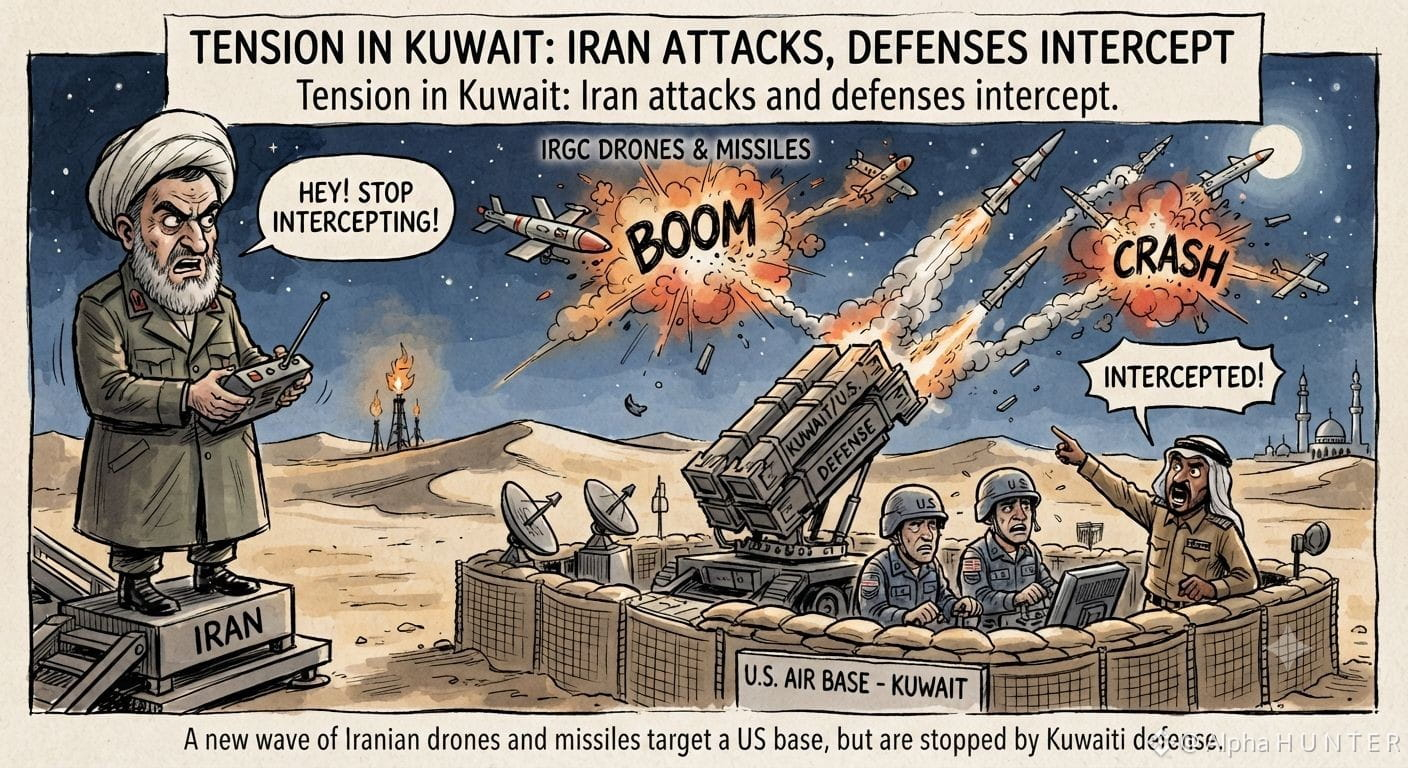
Nouvelle escalade en Asie occidentale après l’attaque de l’Iran contre le Koweït
.
Médias iraniens : l’IRGC a lancé une nouvelle vague de missiles et de frappes par drones
contre la base aérienne Ali Al Salem, contrôlée par les Américains
.
Plusieurs drones et missiles iraniens ont été interceptés par la défense aérienne, selon une déclaration officielle koweïtienne
#MiddleEastTensions #OilMarket
$AKE
{future}(AKEUSDT)
$T
{future}(TUSDT)
$BULLA
{future}(BULLAUSDT)
#IranStrikesUSBaseInKuwait
Nouvelle escalade en Asie occidentale après l’attaque de l’Iran contre le Koweït
.
Médias iraniens : l’IRGC a lancé une nouvelle vague de missiles et de frappes par drones
contre la base aérienne Ali Al Salem, contrôlée par les Américains
.
Plusieurs drones et missiles iraniens ont été interceptés par la défense aérienne, selon une déclaration officielle koweïtienne
#MiddleEastTensions #OilMarket
$AKE
$T
$BULLA
Nouvelle escalade en Asie occidentale après l’attaque de l’Iran contre le Koweït
.
Médias iraniens : l’IRGC a lancé une nouvelle vague de missiles et de frappes par drones
contre la base aérienne Ali Al Salem, contrôlée par les Américains
.
Plusieurs drones et missiles iraniens ont été interceptés par la défense aérienne, selon une déclaration officielle koweïtienne
#MiddleEastTensions #OilMarket
$AKE
$T
$BULLA
247

Geopolitical Crisis: Strait of Hormuz Closed Following U.S. Military Strikes
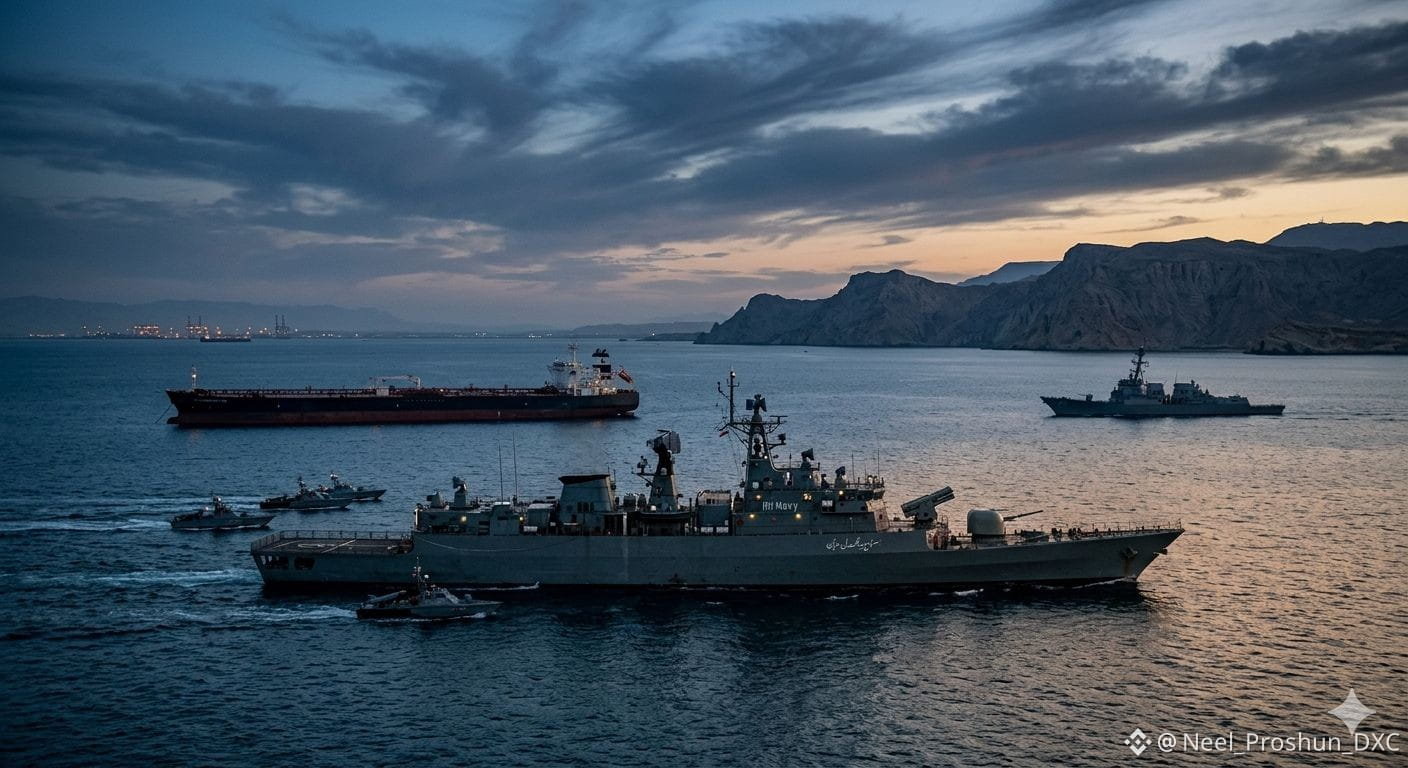
The security situation in the Middle East has reached a precarious inflection point today, June 11, 2026. Following two consecutive days of "self-defense" airstrikes by the United States military against targets in Iran’s southern Hormozgan province, the Iranian top joint military command has officially announced the immediate closure of the Strait of Hormuz.
This strategic choke point, essential for the global transit of oil and commercial shipping, is now designated as a restricted zone. Iranian authorities have issued a severe warning, declaring that any vessel attempting passage will be subject to direct military action. This escalation follows intense U.S. retaliatory strikes initiated after the downing of an American Apache helicopter earlier this week. International markets are bracing for significant volatility as diplomatic channels scramble to mitigate the risk of a full-scale regional conflict.
#GlobalSecurity #StraitOfHormuz #MiddleEastTensions
Geopolitical Crisis: Strait of Hormuz Closed Following U.S. Military Strikes
The security situation in the Middle East has reached a precarious inflection point today, June 11, 2026. Following two consecutive days of "self-defense" airstrikes by the United States military against targets in Iran’s southern Hormozgan province, the Iranian top joint military command has officially announced the immediate closure of the Strait of Hormuz.
This strategic choke point, essential for the global transit of oil and commercial shipping, is now designated as a restricted zone. Iranian authorities have issued a severe warning, declaring that any vessel attempting passage will be subject to direct military action. This escalation follows intense U.S. retaliatory strikes initiated after the downing of an American Apache helicopter earlier this week. International markets are bracing for significant volatility as diplomatic channels scramble to mitigate the risk of a full-scale regional conflict.
#GlobalSecurity #StraitOfHormuz #MiddleEastTensions
The security situation in the Middle East has reached a precarious inflection point today, June 11, 2026. Following two consecutive days of "self-defense" airstrikes by the United States military against targets in Iran’s southern Hormozgan province, the Iranian top joint military command has officially announced the immediate closure of the Strait of Hormuz.
This strategic choke point, essential for the global transit of oil and commercial shipping, is now designated as a restricted zone. Iranian authorities have issued a severe warning, declaring that any vessel attempting passage will be subject to direct military action. This escalation follows intense U.S. retaliatory strikes initiated after the downing of an American Apache helicopter earlier this week. International markets are bracing for significant volatility as diplomatic channels scramble to mitigate the risk of a full-scale regional conflict.
#GlobalSecurity #StraitOfHormuz #MiddleEastTensions
217

·
--
🚨 BREAKING: Markets Are Pricing In Peace… But Is It Official Yet?
President Trump says the US-Iran conflict is over, sending a wave of optimism across global markets.
📈 Stocks climb
🛢️ Oil prices slide
🌊 Hopes rise for the reopening of the Strait of Hormuz
However, there's one critical detail investors shouldn't ignore:
🇮🇷 Iran has not officially confirmed a final agreement.
Until both sides publicly confirm the deal, the market is reacting to expectations—not certainty. A single statement from Tehran could rapidly shift sentiment.
⚠️ In geopolitics, headlines move markets—but official confirmation matters.
#MiddleEastTensions #markets
🚨 BREAKING: Markets Are Pricing In Peace… But Is It Official Yet?
President Trump says the US-Iran conflict is over, sending a wave of optimism across global markets.
📈 Stocks climb
🛢️ Oil prices slide
🌊 Hopes rise for the reopening of the Strait of Hormuz
However, there's one critical detail investors shouldn't ignore:
🇮🇷 Iran has not officially confirmed a final agreement.
Until both sides publicly confirm the deal, the market is reacting to expectations—not certainty. A single statement from Tehran could rapidly shift sentiment.
⚠️ In geopolitics, headlines move markets—but official confirmation matters.
#MiddleEastTensions #markets
President Trump says the US-Iran conflict is over, sending a wave of optimism across global markets.
📈 Stocks climb
🛢️ Oil prices slide
🌊 Hopes rise for the reopening of the Strait of Hormuz
However, there's one critical detail investors shouldn't ignore:
🇮🇷 Iran has not officially confirmed a final agreement.
Until both sides publicly confirm the deal, the market is reacting to expectations—not certainty. A single statement from Tehran could rapidly shift sentiment.
⚠️ In geopolitics, headlines move markets—but official confirmation matters.
#MiddleEastTensions #markets
250
·
--
Haussier
BREAKING 🚨
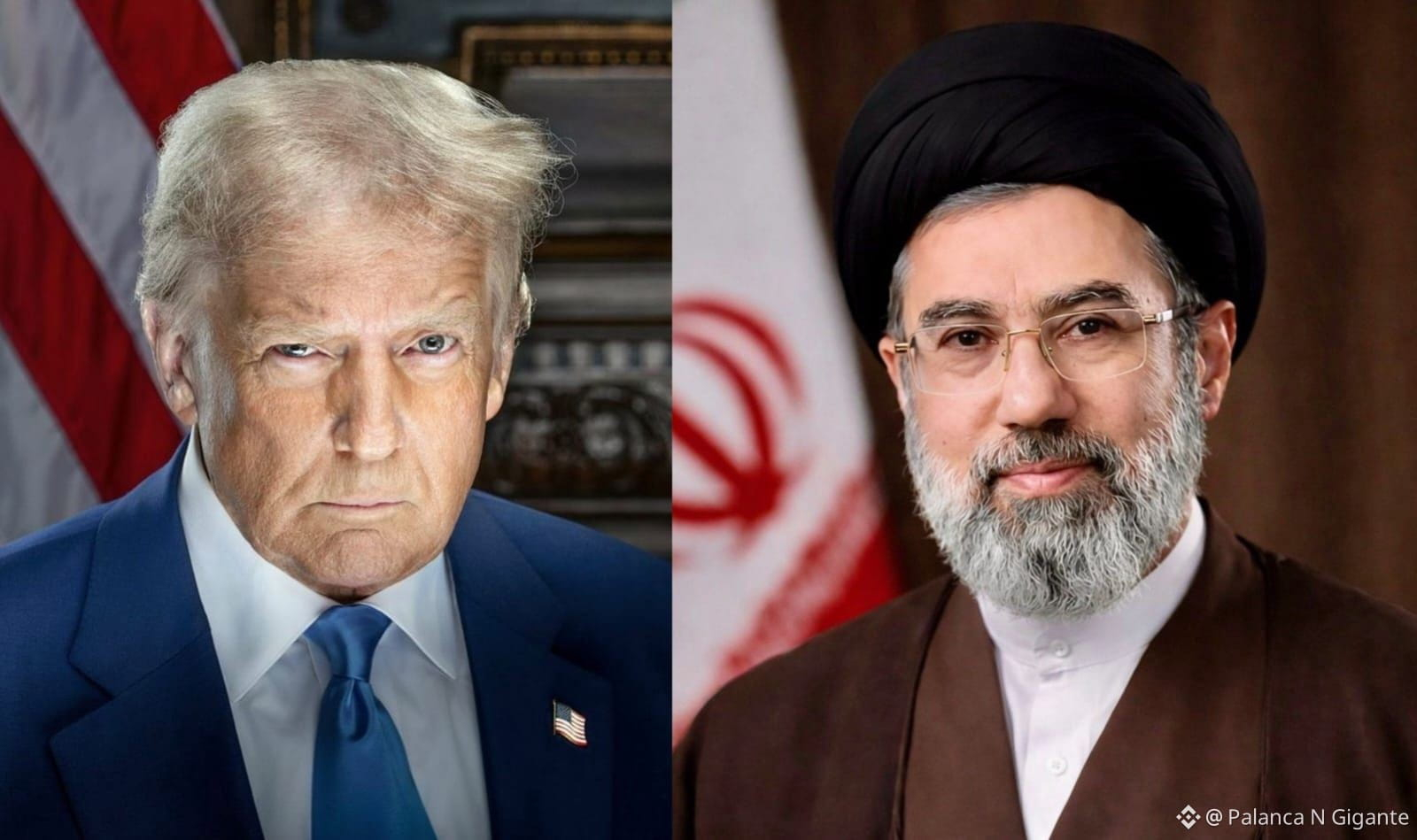
🇺🇸 O presidente Trump diz que os EUA atacarão o Irã mais uma vez.
$1000RATS $KOMA $GIGGLE 👀👀👀👀
{spot}(GIGGLEUSDT)
{future}(KOMAUSDT)
{future}(1000RATSUSDT)
#MiddleEastTensions #TRUMP #war #IranIsraelConflict #USQ2GDPGrows1.5%
BREAKING 🚨
🇺🇸 O presidente Trump diz que os EUA atacarão o Irã mais uma vez.
$1000RATS $KOMA $GIGGLE 👀👀👀👀
#MiddleEastTensions #TRUMP #war #IranIsraelConflict #USQ2GDPGrows1.5%
🇺🇸 O presidente Trump diz que os EUA atacarão o Irã mais uma vez.
$1000RATS $KOMA $GIGGLE 👀👀👀👀
#MiddleEastTensions #TRUMP #war #IranIsraelConflict #USQ2GDPGrows1.5%
853

🚨 Middle East Crisis: U.S.–Iran Conflict Escalates Again!
The fragile ceasefire between the U.S. and Iran has completely collapsed following renewed attacks.
The Flashpoint: After recent strikes and shipping disruptions in the Strait of Hormuz, the U.S. military has launched multiple consecutive nights of heavy airstrikes on Iranian military and infrastructure targets.
Regional Ripple Effects: Tensions have spilled over with drone and missile incidents impacting neighboring Gulf allies and Jordan, raising urgent fears of a wider multi-front regional war.
Global markets and oil routes remain on high alert as diplomatic efforts stall. 📊⚠️
#MiddleEastTensions #TrumpCryptoSupport
🚨 Middle East Crisis: U.S.–Iran Conflict Escalates Again!
The fragile ceasefire between the U.S. and Iran has completely collapsed following renewed attacks.
The Flashpoint: After recent strikes and shipping disruptions in the Strait of Hormuz, the U.S. military has launched multiple consecutive nights of heavy airstrikes on Iranian military and infrastructure targets.
Regional Ripple Effects: Tensions have spilled over with drone and missile incidents impacting neighboring Gulf allies and Jordan, raising urgent fears of a wider multi-front regional war.
Global markets and oil routes remain on high alert as diplomatic efforts stall. 📊⚠️
#MiddleEastTensions #TrumpCryptoSupport
The fragile ceasefire between the U.S. and Iran has completely collapsed following renewed attacks.
The Flashpoint: After recent strikes and shipping disruptions in the Strait of Hormuz, the U.S. military has launched multiple consecutive nights of heavy airstrikes on Iranian military and infrastructure targets.
Regional Ripple Effects: Tensions have spilled over with drone and missile incidents impacting neighboring Gulf allies and Jordan, raising urgent fears of a wider multi-front regional war.
Global markets and oil routes remain on high alert as diplomatic efforts stall. 📊⚠️
#MiddleEastTensions #TrumpCryptoSupport
165

⚠️ تصاعد التوترات في الشرق الأوسط يدفع بيتكوين للهبوط وتصفية مئات الملايين من الكريبتو!
حذرت الوكالة الأوروبية لسلامة الطيران (EASA) شركات الطيران من المجال الجوي الأردني بسبب الضربات الإيرانية المتصاعدة، مما أثار قلق الأسواق ودفع سعر البيتكوين للانخفاض إلى 62 ألف دولار، متسبباً في تصفية 350 مليون دولار من العملات المشفرة.
━━━━━━━━━━━━━━
📊 التأثير: 🔥 مرتفع جداً
🏷️ BITCOIN
#Bitcoin #MiddleEastTensions #CryptoMarket #Liquidation #Geopolitics
🔗 المصدر: https://cryptobriefing.com/easa-jordan-airspace-iran-strikes-bitcoin-drop/
⚠️ تصاعد التوترات في الشرق الأوسط يدفع بيتكوين للهبوط وتصفية مئات الملايين من الكريبتو!
حذرت الوكالة الأوروبية لسلامة الطيران (EASA) شركات الطيران من المجال الجوي الأردني بسبب الضربات الإيرانية المتصاعدة، مما أثار قلق الأسواق ودفع سعر البيتكوين للانخفاض إلى 62 ألف دولار، متسبباً في تصفية 350 مليون دولار من العملات المشفرة.
━━━━━━━━━━━━━━
📊 التأثير: 🔥 مرتفع جداً
🏷️ BITCOIN
#Bitcoin #MiddleEastTensions #CryptoMarket #Liquidation #Geopolitics
🔗 المصدر: https://cryptobriefing.com/easa-jordan-airspace-iran-strikes-bitcoin-drop/
حذرت الوكالة الأوروبية لسلامة الطيران (EASA) شركات الطيران من المجال الجوي الأردني بسبب الضربات الإيرانية المتصاعدة، مما أثار قلق الأسواق ودفع سعر البيتكوين للانخفاض إلى 62 ألف دولار، متسبباً في تصفية 350 مليون دولار من العملات المشفرة.
━━━━━━━━━━━━━━
📊 التأثير: 🔥 مرتفع جداً
🏷️ BITCOIN
#Bitcoin #MiddleEastTensions #CryptoMarket #Liquidation #Geopolitics
🔗 المصدر: https://cryptobriefing.com/easa-jordan-airspace-iran-strikes-bitcoin-drop/
31
·
--
Haussier
Partiellement vrai
ÚLTIMA HORA:
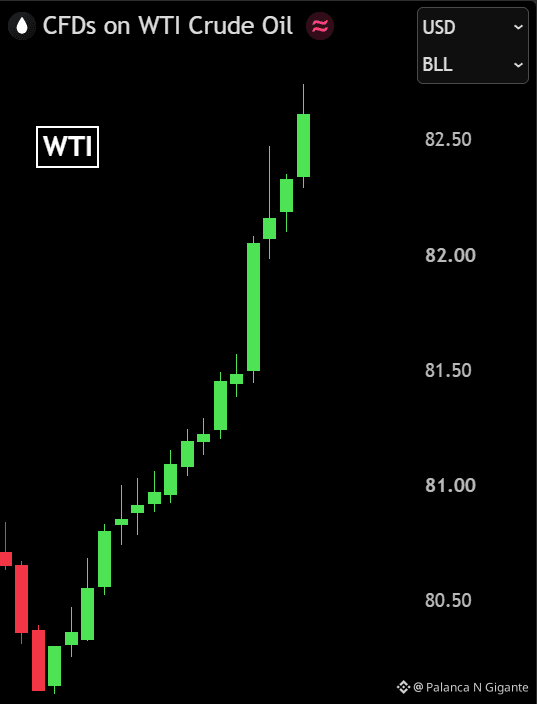
O petróleo dispara +3% enquanto os Houthis do Iêmen lançam um ataque de drone a uma refinaria da Aramco na Arábia Saudita.
$AKE $AVAAI $COTI 👀👀👀👀
{future}(AKEUSDT)
{spot}(COTIUSDT)
{future}(AVAAIUSDT)
#news #MiddleEastTensions #HouthisAttackTwoSaudiTankers #oil #bullish
ÚLTIMA HORA:
O petróleo dispara +3% enquanto os Houthis do Iêmen lançam um ataque de drone a uma refinaria da Aramco na Arábia Saudita.
$AKE $AVAAI $COTI 👀👀👀👀
#news #MiddleEastTensions #HouthisAttackTwoSaudiTankers #oil #bullish
O petróleo dispara +3% enquanto os Houthis do Iêmen lançam um ataque de drone a uma refinaria da Aramco na Arábia Saudita.
$AKE $AVAAI $COTI 👀👀👀👀
#news #MiddleEastTensions #HouthisAttackTwoSaudiTankers #oil #bullish
826
ÚLTIMA HORA:
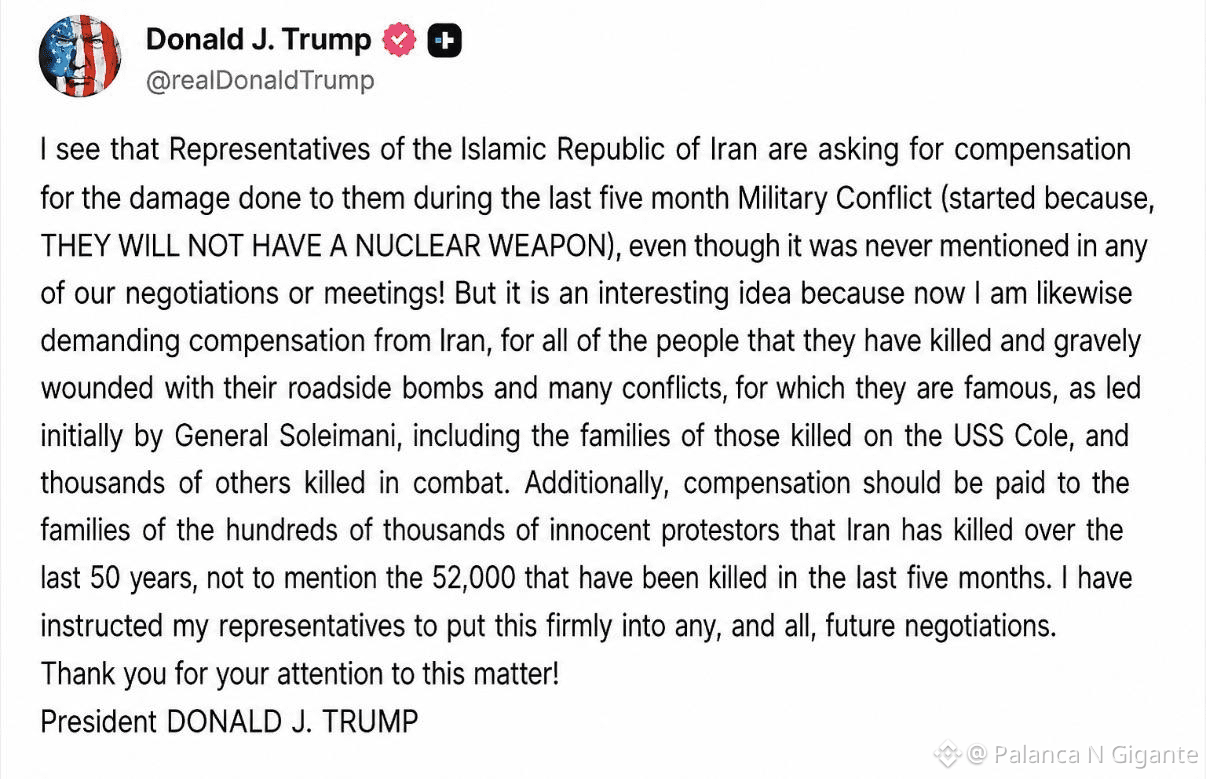
O presidente Trump diz que, se o Irã quiser uma COMPENSAÇÃO de guerra, pode começar pagando por todos que matou em 50 anos.
Ele também diz que o Irã NUNCA terá uma arma nuclear.
$BLUAI $GUA $SQD 👀👀👀👀👀
{future}(SQDUSDT)
{future}(GUAUSDT)
{future}(BLUAIUSDT)
#MiddleEastTensions #TRUMP #IranIsraelConflict #IranNamesRezaeeToHeadSecurityCouncil #USRedirects55VesselsUnderHormuzBlockade
ÚLTIMA HORA:
O presidente Trump diz que, se o Irã quiser uma COMPENSAÇÃO de guerra, pode começar pagando por todos que matou em 50 anos.
Ele também diz que o Irã NUNCA terá uma arma nuclear.
$BLUAI $GUA $SQD 👀👀👀👀👀
#MiddleEastTensions #TRUMP #IranIsraelConflict #IranNamesRezaeeToHeadSecurityCouncil #USRedirects55VesselsUnderHormuzBlockade
O presidente Trump diz que, se o Irã quiser uma COMPENSAÇÃO de guerra, pode começar pagando por todos que matou em 50 anos.
Ele também diz que o Irã NUNCA terá uma arma nuclear.
$BLUAI $GUA $SQD 👀👀👀👀👀
#MiddleEastTensions #TRUMP #IranIsraelConflict #IranNamesRezaeeToHeadSecurityCouncil #USRedirects55VesselsUnderHormuzBlockade
187
·
--
Haussier
⚡️$AKE RECENTEMENTE CHEGADO:
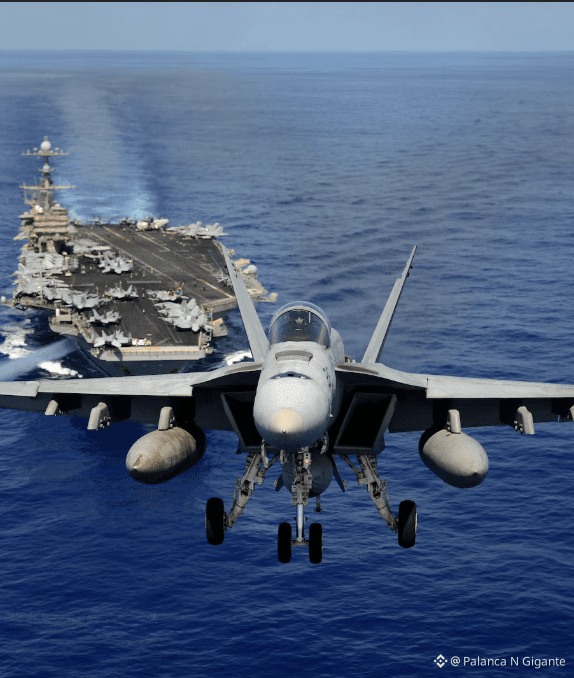
Os EUA estão enviando um novo porta-aviões para o Oriente Médio enquanto crescem as preocupações com marinheiros exaustos a bordo do USS Abraham Lincoln, segundo o WSJ. $COTI
O USS George Washington substituirá o Lincoln após seu destacamento de 250 dias apoiando operações contra o Irã. $AVAAI
{spot}(COTIUSDT)
{future}(AKEUSDT)
{future}(AVAAIUSDT)
#MiddleEastTensions #USMilitaryToBlockadeStraitOfHormuz #IranIsraelConflict #war #bullish
⚡️$AKE RECENTEMENTE CHEGADO:
Os EUA estão enviando um novo porta-aviões para o Oriente Médio enquanto crescem as preocupações com marinheiros exaustos a bordo do USS Abraham Lincoln, segundo o WSJ. $COTI
O USS George Washington substituirá o Lincoln após seu destacamento de 250 dias apoiando operações contra o Irã. $AVAAI
#MiddleEastTensions #USMilitaryToBlockadeStraitOfHormuz #IranIsraelConflict #war #bullish
Os EUA estão enviando um novo porta-aviões para o Oriente Médio enquanto crescem as preocupações com marinheiros exaustos a bordo do USS Abraham Lincoln, segundo o WSJ. $COTI
O USS George Washington substituirá o Lincoln após seu destacamento de 250 dias apoiando operações contra o Irã. $AVAAI
#MiddleEastTensions #USMilitaryToBlockadeStraitOfHormuz #IranIsraelConflict #war #bullish
462
Recent developments in the Middle East have increased uncertainty, and global markets are closely monitoring the situation.
Reports of attacks affecting regional shipping routes have raised concerns about trade, energy supply chains, and overall market sentiment. If disruptions persist, they could influence transportation costs and commodity markets.
At this stage, it's important to rely on verified information and avoid drawing conclusions before official details are confirmed. Geopolitical events can impact financial markets, including crypto, but their effects are often unpredictable.
Stay informed through credible sources, manage risk carefully, and avoid making investment decisions based solely on breaking news.$CL #MiddleEastTensions
#Crypto #Markets #Geopolitics #RiskManagement
Recent developments in the Middle East have increased uncertainty, and global markets are closely monitoring the situation.
Reports of attacks affecting regional shipping routes have raised concerns about trade, energy supply chains, and overall market sentiment. If disruptions persist, they could influence transportation costs and commodity markets.
At this stage, it's important to rely on verified information and avoid drawing conclusions before official details are confirmed. Geopolitical events can impact financial markets, including crypto, but their effects are often unpredictable.
Stay informed through credible sources, manage risk carefully, and avoid making investment decisions based solely on breaking news.$CL #MiddleEastTensions
#Crypto #Markets #Geopolitics #RiskManagement
Reports of attacks affecting regional shipping routes have raised concerns about trade, energy supply chains, and overall market sentiment. If disruptions persist, they could influence transportation costs and commodity markets.
At this stage, it's important to rely on verified information and avoid drawing conclusions before official details are confirmed. Geopolitical events can impact financial markets, including crypto, but their effects are often unpredictable.
Stay informed through credible sources, manage risk carefully, and avoid making investment decisions based solely on breaking news.$CL #MiddleEastTensions
#Crypto #Markets #Geopolitics #RiskManagement
88
ALERTE 🚨
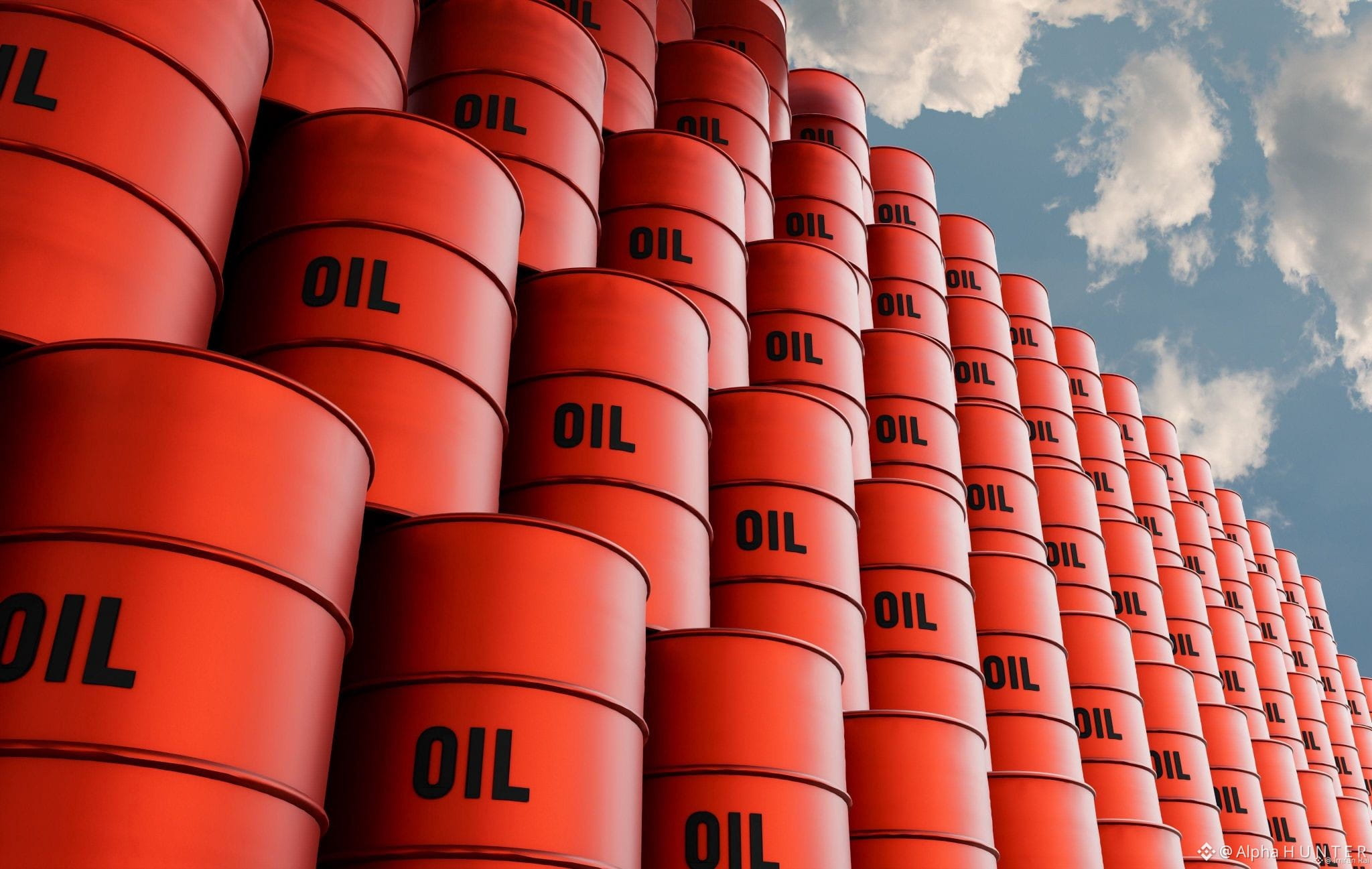
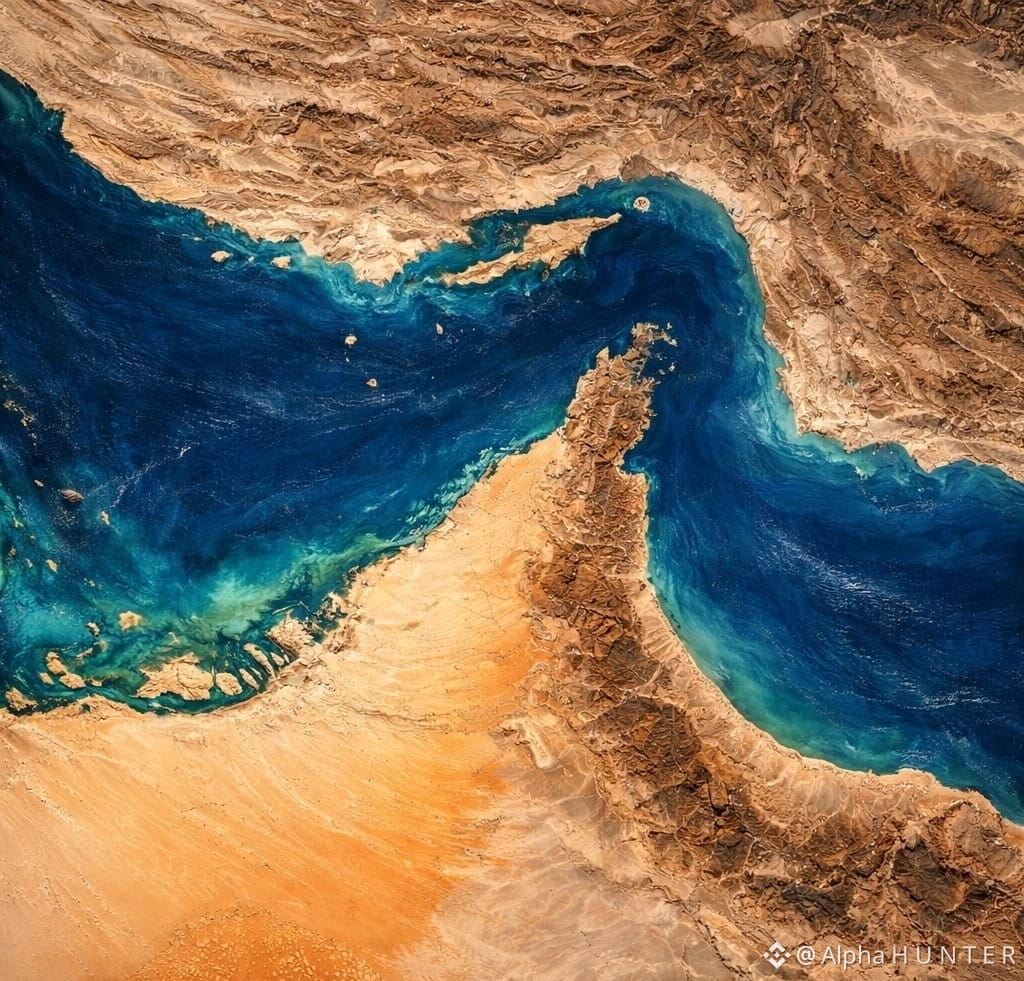
Le secrétaire au Trésor Bessent fait une déclaration audacieuse au sujet du détroit d’Ormuz, affirmant qu’il deviendra « simplement une autre étendue d’eau ».
Les dynamiques énergétiques évoluent : on s’attend à ce que 50 à 70 % de l’énergie passent par des pipelines souterrains dans les deux prochaines années, ce qui rendra le détroit moins critique 🇺🇸. Ce changement majeur aura un impact sur les marchés mondiaux de l’énergie. On prévoit qu’il rendra le détroit « non pertinent » en tant que point de passage obligé.
Restez à l’écoute pour les mises à jour ⚡️.
#MiddleEastTensions
$SOL $TUT $BLUAI
{future}(TUTUSDT)
ALERTE 🚨
Le secrétaire au Trésor Bessent fait une déclaration audacieuse au sujet du détroit d’Ormuz, affirmant qu’il deviendra « simplement une autre étendue d’eau ».
Les dynamiques énergétiques évoluent : on s’attend à ce que 50 à 70 % de l’énergie passent par des pipelines souterrains dans les deux prochaines années, ce qui rendra le détroit moins critique 🇺🇸. Ce changement majeur aura un impact sur les marchés mondiaux de l’énergie. On prévoit qu’il rendra le détroit « non pertinent » en tant que point de passage obligé.
Restez à l’écoute pour les mises à jour ⚡️.
#MiddleEastTensions
$SOL $TUT $BLUAI
Le secrétaire au Trésor Bessent fait une déclaration audacieuse au sujet du détroit d’Ormuz, affirmant qu’il deviendra « simplement une autre étendue d’eau ».
Les dynamiques énergétiques évoluent : on s’attend à ce que 50 à 70 % de l’énergie passent par des pipelines souterrains dans les deux prochaines années, ce qui rendra le détroit moins critique 🇺🇸. Ce changement majeur aura un impact sur les marchés mondiaux de l’énergie. On prévoit qu’il rendra le détroit « non pertinent » en tant que point de passage obligé.
Restez à l’écoute pour les mises à jour ⚡️.
#MiddleEastTensions
$SOL $TUT $BLUAI
112
·
--
Haussier
🚨 $APR RECENTEMENTE CHEGADO:
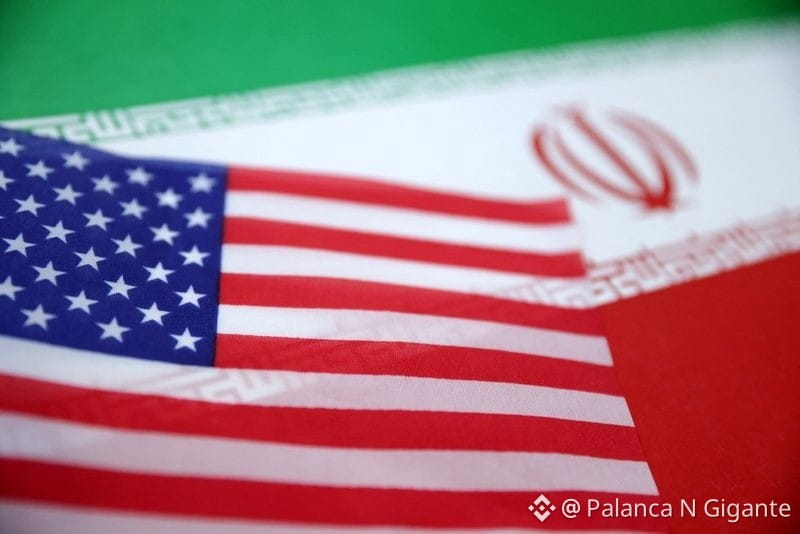
O assessor do IRGC, Mohammad Reza Naqdi, diz que o Irã planeja prolongar a guerra com os EUA até o fim do mandato de Trump em 2029 — uma estratégia de atrito. $PROM
"Quanto mais tempo essa guerra dura, mais experiência ganhamos... fique tranquilo, até o último dia, os foguetes do Irã serão lançados."
🇮🇷 $BR ⚠️
{future}(APRUSDT)
{spot}(PROMUSDT)
{future}(BRUSDT)
#MiddleEastTensions #IRGC #bullish #IranIsraelConflict #USMilitaryToBlockadeStraitOfHormuz
🚨 $APR RECENTEMENTE CHEGADO:
O assessor do IRGC, Mohammad Reza Naqdi, diz que o Irã planeja prolongar a guerra com os EUA até o fim do mandato de Trump em 2029 — uma estratégia de atrito. $PROM
"Quanto mais tempo essa guerra dura, mais experiência ganhamos... fique tranquilo, até o último dia, os foguetes do Irã serão lançados."
🇮🇷 $BR ⚠️
#MiddleEastTensions #IRGC #bullish #IranIsraelConflict #USMilitaryToBlockadeStraitOfHormuz
O assessor do IRGC, Mohammad Reza Naqdi, diz que o Irã planeja prolongar a guerra com os EUA até o fim do mandato de Trump em 2029 — uma estratégia de atrito. $PROM
"Quanto mais tempo essa guerra dura, mais experiência ganhamos... fique tranquilo, até o último dia, os foguetes do Irã serão lançados."
🇮🇷 $BR ⚠️
#MiddleEastTensions #IRGC #bullish #IranIsraelConflict #USMilitaryToBlockadeStraitOfHormuz
266
Connectez-vous pour découvrir plus de contenu
Rejoignez la communauté mondiale des adeptes de cryptomonnaies sur Binance Square
⚡️ Suviez les dernières informations importantes sur les cryptomonnaies.
💬 Jugé digne de confiance par la plus grande plateforme d’échange de cryptomonnaies au monde.
👍 Découvrez les connaissances que partagent les créateurs vérifiés.
Adresse e-mail/Nº de téléphone
Sujets d’actualité
1
#ZcashETFPostsFirstWeeklyOutflow$93.6M
41,243 vues
134 mentions
2
#GreekPoliceBustCryptoScamRingArrest17
100,670 vues
795 mentions
3
#BitcoinRejectedAt$87K
133,799 vues
192 mentions
4
#FedOctoberRateHikeOddsFallTo17%
127,043 vues
1,056 mentions
5
#NvidiaHitsRecordHighUp2.4%
90,944 vues
761 mentions
6
#CanaryFilesAmendedS1ForPEPEETF
23,943 vues
531 mentions
7
#USRussiaUkraineTalksReportedlyIncludeLukoilOilDeal
35,673 vues
507 mentions
8
#BitcoinParesGainsAfterRallyTo$86.5K
50,199 vues
168 mentions
9
#CerebrasSinksNearly20%OnReportNvidiaToPowerOpenAI
125,149 vues
1,146 mentions
10
#SECProposesCryptoCustodyRules
171,502 vues
1,426 mentions