

#globaleconomy
globaleconomy
2.8M vues
4,062 mentions
Populaire
Récents

In a newly released long-term economic outlook, the World Trade Organization (WTO) projected that artificial intelligence (AI) could boost global GDP by 13.2% by 2040. The organization also highlighted that AI integration is expected to expand global trade value by up to 40%, with digitally delivered services poised to see the most substantial growth.
This forecast underscores a critical structural transition from cyclical macro concerns toward secular productivity gains. While markets remain fixated on short-term monetary policy, international trade bodies are acknowledging that AI could dramatically alter production efficiency, cross-border digital commerce, and wage dynamics over the next decade and a half.
For traditional financial markets, such projections support extended capital expenditure cycles in technology infrastructure, semiconductor manufacturing, and digital services, potentially lifting long-term baseline growth expectations even amidst shifting fiscal regimes.
For the crypto sector, these structural tailwinds directly reinforce the narrative around decentralized AI, DePIN, and compute-layer networks. As global digital trade expands, blockchain-native settlement layers and permissionless AI infrastructure are well-positioned to capture significant institutional liquidity.
#AI #GlobalEconomy #WTO
In a newly released long-term economic outlook, the World Trade Organization (WTO) projected that artificial intelligence (AI) could boost global GDP by 13.2% by 2040. The organization also highlighted that AI integration is expected to expand global trade value by up to 40%, with digitally delivered services poised to see the most substantial growth.
This forecast underscores a critical structural transition from cyclical macro concerns toward secular productivity gains. While markets remain fixated on short-term monetary policy, international trade bodies are acknowledging that AI could dramatically alter production efficiency, cross-border digital commerce, and wage dynamics over the next decade and a half.
For traditional financial markets, such projections support extended capital expenditure cycles in technology infrastructure, semiconductor manufacturing, and digital services, potentially lifting long-term baseline growth expectations even amidst shifting fiscal regimes.
For the crypto sector, these structural tailwinds directly reinforce the narrative around decentralized AI, DePIN, and compute-layer networks. As global digital trade expands, blockchain-native settlement layers and permissionless AI infrastructure are well-positioned to capture significant institutional liquidity.
#AI #GlobalEconomy #WTO
This forecast underscores a critical structural transition from cyclical macro concerns toward secular productivity gains. While markets remain fixated on short-term monetary policy, international trade bodies are acknowledging that AI could dramatically alter production efficiency, cross-border digital commerce, and wage dynamics over the next decade and a half.
For traditional financial markets, such projections support extended capital expenditure cycles in technology infrastructure, semiconductor manufacturing, and digital services, potentially lifting long-term baseline growth expectations even amidst shifting fiscal regimes.
For the crypto sector, these structural tailwinds directly reinforce the narrative around decentralized AI, DePIN, and compute-layer networks. As global digital trade expands, blockchain-native settlement layers and permissionless AI infrastructure are well-positioned to capture significant institutional liquidity.
#AI #GlobalEconomy #WTO
9

·
--
世界贸易组织(WTO)在最新发布的宏观展望报告中指出,到2040年,人工智能(AI)预计将推动全球GDP累计增长13.2%。这份来自国际权威贸易组织的长期测算,把AI从单纯的科技热点拔高到了重塑全球经济版图的核心驱动力层面。
WTO的预测还提到,AI技术有望让全球贸易总额扩张约40%,其中数字化交付服务的增幅预计最为明显。这种预测打破了传统贸易主要依赖实体物流的固有框架,显示出未来以算法、算力和数据流为主导的新型贸易形态正在成为全球经济的重要支柱。
从传统金融市场来看,这种长期增长预期进一步巩固了市场对科技基础设施投资的信心。虽然2040年看似遥远,但资金对芯片、数据中心及电力能源等上游产业链的追逐逻辑得到了更坚实的基本面背书,资本市场的定价权也在逐步向掌握AI核心资产的标的倾斜。
对加密市场而言,AI与Web3叙事的融合依然是资金关注的长线逻辑之一。无论是去中心化算力网络还是链上AI代理服务,实体经济对数字贸易的依赖度上升都会催生更多交互需求。当然,宏观层面的远期红利能否真正落实到代币经济模型上,仍需市场持续观察和检验。
#GlobalEconomy #ArtificialIntelligence #CryptoNarrative
世界贸易组织(WTO)在最新发布的宏观展望报告中指出,到2040年,人工智能(AI)预计将推动全球GDP累计增长13.2%。这份来自国际权威贸易组织的长期测算,把AI从单纯的科技热点拔高到了重塑全球经济版图的核心驱动力层面。
WTO的预测还提到,AI技术有望让全球贸易总额扩张约40%,其中数字化交付服务的增幅预计最为明显。这种预测打破了传统贸易主要依赖实体物流的固有框架,显示出未来以算法、算力和数据流为主导的新型贸易形态正在成为全球经济的重要支柱。
从传统金融市场来看,这种长期增长预期进一步巩固了市场对科技基础设施投资的信心。虽然2040年看似遥远,但资金对芯片、数据中心及电力能源等上游产业链的追逐逻辑得到了更坚实的基本面背书,资本市场的定价权也在逐步向掌握AI核心资产的标的倾斜。
对加密市场而言,AI与Web3叙事的融合依然是资金关注的长线逻辑之一。无论是去中心化算力网络还是链上AI代理服务,实体经济对数字贸易的依赖度上升都会催生更多交互需求。当然,宏观层面的远期红利能否真正落实到代币经济模型上,仍需市场持续观察和检验。
#GlobalEconomy #ArtificialIntelligence #CryptoNarrative
WTO的预测还提到,AI技术有望让全球贸易总额扩张约40%,其中数字化交付服务的增幅预计最为明显。这种预测打破了传统贸易主要依赖实体物流的固有框架,显示出未来以算法、算力和数据流为主导的新型贸易形态正在成为全球经济的重要支柱。
从传统金融市场来看,这种长期增长预期进一步巩固了市场对科技基础设施投资的信心。虽然2040年看似遥远,但资金对芯片、数据中心及电力能源等上游产业链的追逐逻辑得到了更坚实的基本面背书,资本市场的定价权也在逐步向掌握AI核心资产的标的倾斜。
对加密市场而言,AI与Web3叙事的融合依然是资金关注的长线逻辑之一。无论是去中心化算力网络还是链上AI代理服务,实体经济对数字贸易的依赖度上升都会催生更多交互需求。当然,宏观层面的远期红利能否真正落实到代币经济模型上,仍需市场持续观察和检验。
#GlobalEconomy #ArtificialIntelligence #CryptoNarrative

·
--
Hội đồng Bảo an Liên Hợp Quốc vừa triệu tập cuộc họp khẩn vào chiều thứ Ba (giờ New York) theo yêu cầu của Pháp, nhằm xử lý căng thẳng leo thang tại eo biển Mandeb sau khi lực lượng Houthi kiểm soát nhiều vị trí chiến lược ven Biển Đỏ. Cùng thời điểm, bức tranh vĩ mô châu Âu đón thêm tín hiệu suy yếu khi chỉ số tâm lý kinh tế ZEW tháng 9 của Đức chỉ đạt 34.7, thấp hơn đáng kể so với mức kỳ vọng 40.0 dù nhích nhẹ từ 34.2 của tháng trước.
Eo biển Mandeb là nút thắt huyết mạch chiếm tới 12% lưu lượng thương mại toàn cầu. Nguy cơ tắc nghẽn kéo dài kết hợp với sự trì trệ của nền kinh tế số một châu Âu đang thổi bùng lo ngại về sự gián đoạn chuỗi cung ứng và áp lực lạm phát chi phí đẩy quay trở lại.
Trên thị trường tài chính, rủi ro địa chính trị lập tức hỗ trợ giá dầu thô và kích hoạt dòng tiền tìm đến các tài sản trú ẩn như USD và vàng. Ngược lại, lợi suất trái phiếu và thị trường chứng khoán đối mặt với sự phân hóa mạnh mẽ do lo ngại các ngân hàng trung ương sẽ khó nới lỏng chính sách tiền tệ nhanh chóng nếu lạm phát logistics bùng phát.
Đối với thị trường crypto, tâm lý né tránh rủi ro (risk-off) có thể khiến dòng vốn vào $BTC và các altcoin chịu áp lực điều chỉnh ngắn hạn. Tuy nhiên, nếu căng thẳng địa chính trị đẩy lạm phát tiền pháp định lên cao, Bitcoin vẫn sẽ duy trì vị thế hàng rào phòng hộ dài hạn vững chắc.
#Geopolitics #GlobalEconomy #RedSeaCrisis
Hội đồng Bảo an Liên Hợp Quốc vừa triệu tập cuộc họp khẩn vào chiều thứ Ba (giờ New York) theo yêu cầu của Pháp, nhằm xử lý căng thẳng leo thang tại eo biển Mandeb sau khi lực lượng Houthi kiểm soát nhiều vị trí chiến lược ven Biển Đỏ. Cùng thời điểm, bức tranh vĩ mô châu Âu đón thêm tín hiệu suy yếu khi chỉ số tâm lý kinh tế ZEW tháng 9 của Đức chỉ đạt 34.7, thấp hơn đáng kể so với mức kỳ vọng 40.0 dù nhích nhẹ từ 34.2 của tháng trước.
Eo biển Mandeb là nút thắt huyết mạch chiếm tới 12% lưu lượng thương mại toàn cầu. Nguy cơ tắc nghẽn kéo dài kết hợp với sự trì trệ của nền kinh tế số một châu Âu đang thổi bùng lo ngại về sự gián đoạn chuỗi cung ứng và áp lực lạm phát chi phí đẩy quay trở lại.
Trên thị trường tài chính, rủi ro địa chính trị lập tức hỗ trợ giá dầu thô và kích hoạt dòng tiền tìm đến các tài sản trú ẩn như USD và vàng. Ngược lại, lợi suất trái phiếu và thị trường chứng khoán đối mặt với sự phân hóa mạnh mẽ do lo ngại các ngân hàng trung ương sẽ khó nới lỏng chính sách tiền tệ nhanh chóng nếu lạm phát logistics bùng phát.
Đối với thị trường crypto, tâm lý né tránh rủi ro (risk-off) có thể khiến dòng vốn vào $BTC và các altcoin chịu áp lực điều chỉnh ngắn hạn. Tuy nhiên, nếu căng thẳng địa chính trị đẩy lạm phát tiền pháp định lên cao, Bitcoin vẫn sẽ duy trì vị thế hàng rào phòng hộ dài hạn vững chắc.
#Geopolitics #GlobalEconomy #RedSeaCrisis
Eo biển Mandeb là nút thắt huyết mạch chiếm tới 12% lưu lượng thương mại toàn cầu. Nguy cơ tắc nghẽn kéo dài kết hợp với sự trì trệ của nền kinh tế số một châu Âu đang thổi bùng lo ngại về sự gián đoạn chuỗi cung ứng và áp lực lạm phát chi phí đẩy quay trở lại.
Trên thị trường tài chính, rủi ro địa chính trị lập tức hỗ trợ giá dầu thô và kích hoạt dòng tiền tìm đến các tài sản trú ẩn như USD và vàng. Ngược lại, lợi suất trái phiếu và thị trường chứng khoán đối mặt với sự phân hóa mạnh mẽ do lo ngại các ngân hàng trung ương sẽ khó nới lỏng chính sách tiền tệ nhanh chóng nếu lạm phát logistics bùng phát.
Đối với thị trường crypto, tâm lý né tránh rủi ro (risk-off) có thể khiến dòng vốn vào $BTC và các altcoin chịu áp lực điều chỉnh ngắn hạn. Tuy nhiên, nếu căng thẳng địa chính trị đẩy lạm phát tiền pháp định lên cao, Bitcoin vẫn sẽ duy trì vị thế hàng rào phòng hộ dài hạn vững chắc.
#Geopolitics #GlobalEconomy #RedSeaCrisis
101

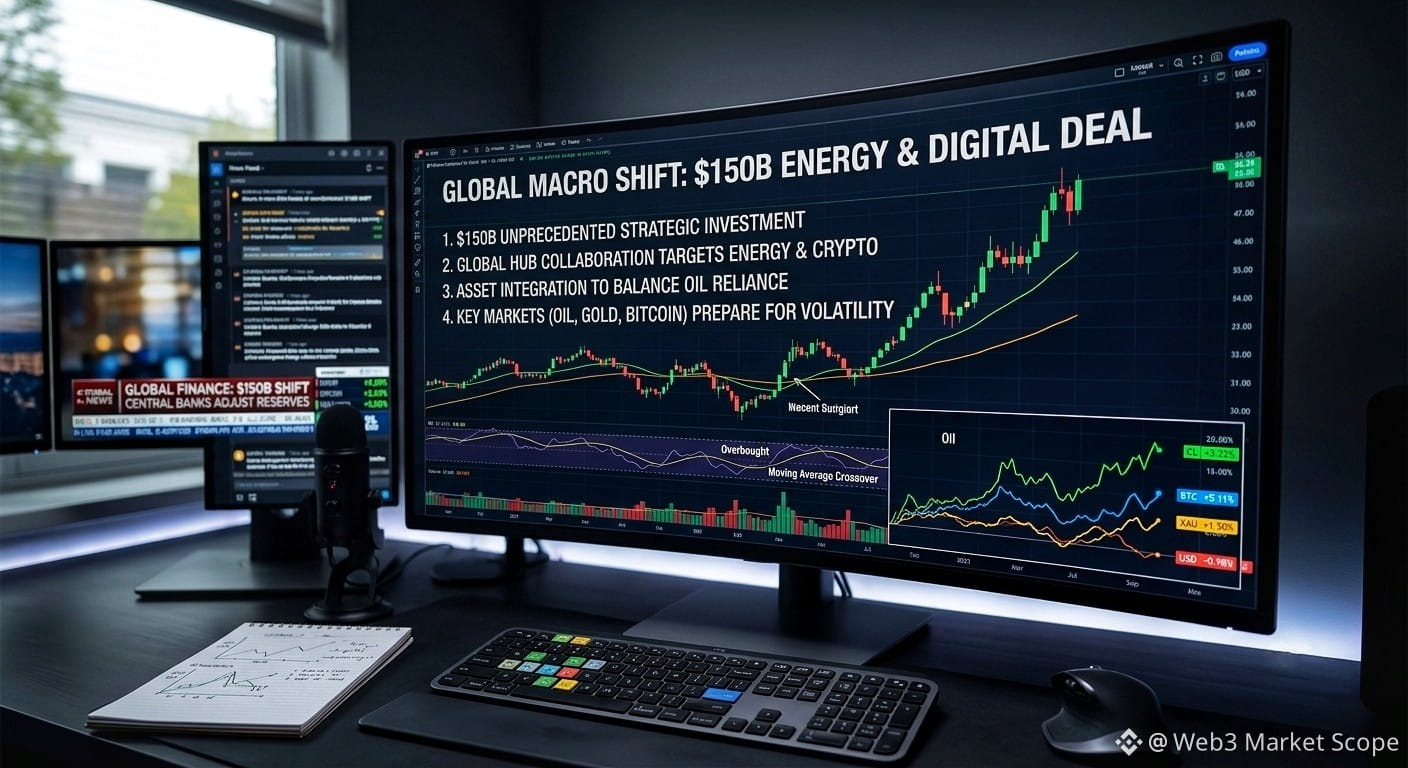
🚀 BREAKING: GLOBAL ENERGY & CRYPTO SHIFT!
Major global financial hubs are moving toward unprecedented strategic investments in alternative energy and digital asset integration for 2026–2027.
Key Takeaways:
$150B Investment: Multi-national consortiums target massive infrastructure upgrades to balance oil reliance with digital treasury reserves.
US Strategic Moves: Central reserves positioning to offset global inflation and supply chain bottlenecks.
Market Impact: Oil (CL), Gold (XAU), and Bitcoin (BTC) expected to see heightened volatility as institutional capital flows in.
Big moves are happening behind the scenes. Are you bullish or bearish on this macro shift? 👇
#CryptoNews #globaleconomy #bitcoin #MarketUpdate #trading
🚀 BREAKING: GLOBAL ENERGY & CRYPTO SHIFT!
Major global financial hubs are moving toward unprecedented strategic investments in alternative energy and digital asset integration for 2026–2027.
Key Takeaways:
$150B Investment: Multi-national consortiums target massive infrastructure upgrades to balance oil reliance with digital treasury reserves.
US Strategic Moves: Central reserves positioning to offset global inflation and supply chain bottlenecks.
Market Impact: Oil (CL), Gold (XAU), and Bitcoin (BTC) expected to see heightened volatility as institutional capital flows in.
Big moves are happening behind the scenes. Are you bullish or bearish on this macro shift? 👇
#CryptoNews #globaleconomy #bitcoin #MarketUpdate #trading
Major global financial hubs are moving toward unprecedented strategic investments in alternative energy and digital asset integration for 2026–2027.
Key Takeaways:
$150B Investment: Multi-national consortiums target massive infrastructure upgrades to balance oil reliance with digital treasury reserves.
US Strategic Moves: Central reserves positioning to offset global inflation and supply chain bottlenecks.
Market Impact: Oil (CL), Gold (XAU), and Bitcoin (BTC) expected to see heightened volatility as institutional capital flows in.
Big moves are happening behind the scenes. Are you bullish or bearish on this macro shift? 👇
#CryptoNews #globaleconomy #bitcoin #MarketUpdate #trading
145

·
--
Article
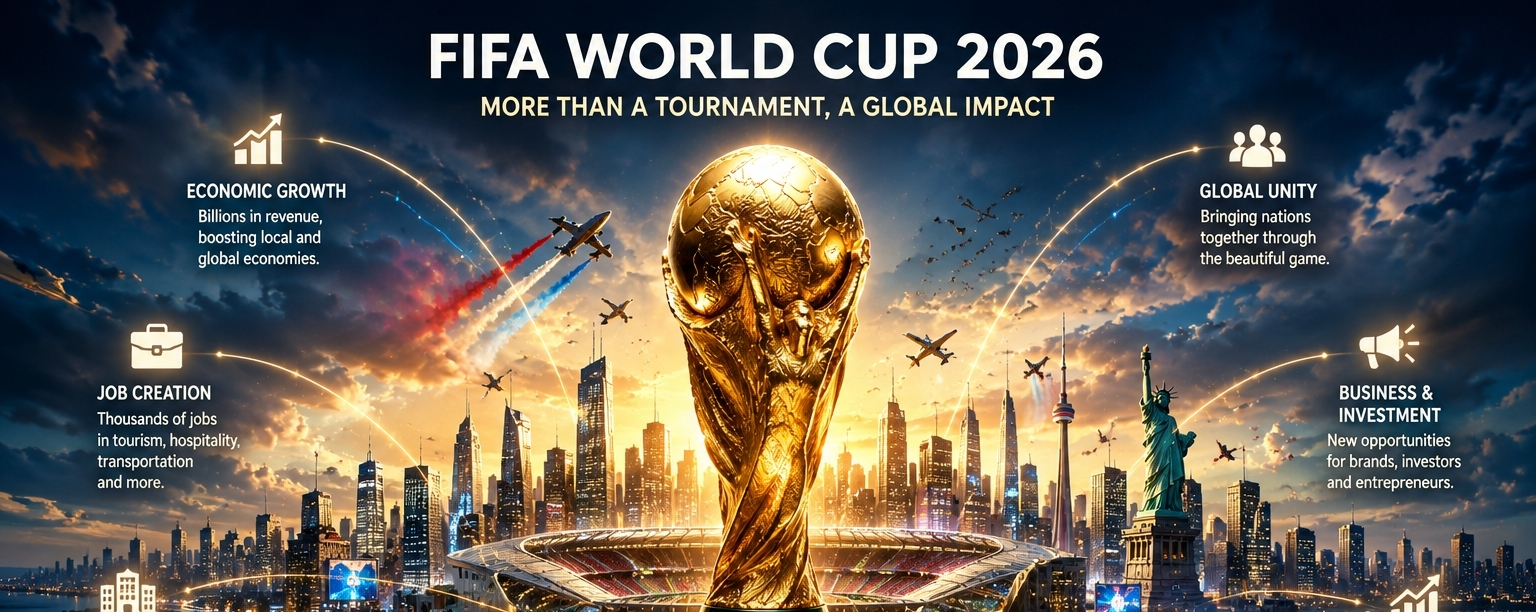
World Cup 2026: A Global Event with Massive Economic ImpactThe 2026 FIFA World Cup is expected to be one of the largest sporting events in history, bringing together millions of fans, businesses, and investors from around the world. Beyond the excitement on the pitch, the tournament could have a significant impact on the global economy.
One of the biggest economic benefits comes from tourism. Millions of visitors are expected to travel to host cities, increasing demand for hotels, restaurants, transportation, and entertainment services. This surge in spending could generate billions of dollars in economic activity and create thousands of temporary and permanent jobs.
Infrastructure development is another major factor. Investments in stadiums, transportation networks, airports, and public facilities often accelerate ahead of major sporting events. These projects can provide long-term benefits by improving connectivity and supporting future economic growth.
The tournament may also boost global brands, media companies, and technology firms. Increased advertising, broadcasting rights, and digital engagement can create new revenue opportunities across multiple industries. Businesses connected to travel, hospitality, sports merchandise, and entertainment are likely to receive significant attention.
Financial markets may also react to increased consumer spending and business activity in sectors linked to the event. While the World Cup alone cannot determine the direction of the global economy, it can act as a powerful catalyst for economic activity and investment.
As the world prepares for the 2026 World Cup, many economists and investors will be watching not only the results on the field but also the opportunities created beyond the game itself.
#economy #BinanceSquare #globaleconomy #FinancialMarkets
World Cup 2026: A Global Event with Massive Economic Impact
The 2026 FIFA World Cup is expected to be one of the largest sporting events in history, bringing together millions of fans, businesses, and investors from around the world. Beyond the excitement on the pitch, the tournament could have a significant impact on the global economy.
One of the biggest economic benefits comes from tourism. Millions of visitors are expected to travel to host cities, increasing demand for hotels, restaurants, transportation, and entertainment services. This surge in spending could generate billions of dollars in economic activity and create thousands of temporary and permanent jobs.
Infrastructure development is another major factor. Investments in stadiums, transportation networks, airports, and public facilities often accelerate ahead of major sporting events. These projects can provide long-term benefits by improving connectivity and supporting future economic growth.
The tournament may also boost global brands, media companies, and technology firms. Increased advertising, broadcasting rights, and digital engagement can create new revenue opportunities across multiple industries. Businesses connected to travel, hospitality, sports merchandise, and entertainment are likely to receive significant attention.
Financial markets may also react to increased consumer spending and business activity in sectors linked to the event. While the World Cup alone cannot determine the direction of the global economy, it can act as a powerful catalyst for economic activity and investment.
As the world prepares for the 2026 World Cup, many economists and investors will be watching not only the results on the field but also the opportunities created beyond the game itself.
#economy #BinanceSquare #globaleconomy #FinancialMarkets
One of the biggest economic benefits comes from tourism. Millions of visitors are expected to travel to host cities, increasing demand for hotels, restaurants, transportation, and entertainment services. This surge in spending could generate billions of dollars in economic activity and create thousands of temporary and permanent jobs.
Infrastructure development is another major factor. Investments in stadiums, transportation networks, airports, and public facilities often accelerate ahead of major sporting events. These projects can provide long-term benefits by improving connectivity and supporting future economic growth.
The tournament may also boost global brands, media companies, and technology firms. Increased advertising, broadcasting rights, and digital engagement can create new revenue opportunities across multiple industries. Businesses connected to travel, hospitality, sports merchandise, and entertainment are likely to receive significant attention.
Financial markets may also react to increased consumer spending and business activity in sectors linked to the event. While the World Cup alone cannot determine the direction of the global economy, it can act as a powerful catalyst for economic activity and investment.
As the world prepares for the 2026 World Cup, many economists and investors will be watching not only the results on the field but also the opportunities created beyond the game itself.
#economy #BinanceSquare #globaleconomy #FinancialMarkets
44

·
--
Baissier
#USQ2GDPGrows1.5%
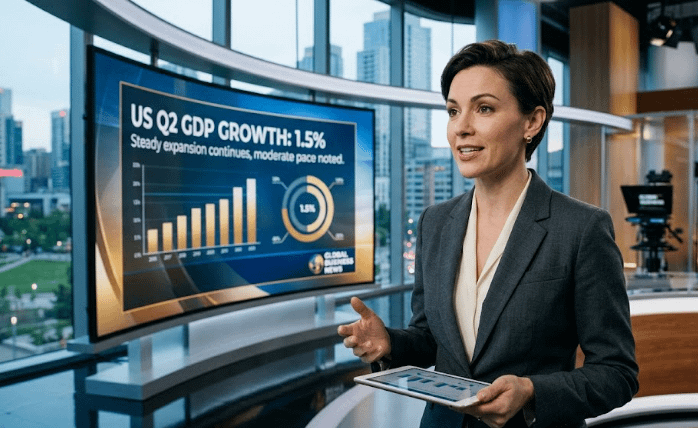
US Q2 GDP Grows at 1.5%: What It Means for the Global Economy 📉📈
The latest economic data indicates that the U.S. Q2 GDP grew by 1.5%. While this reflects continued resilience, it also points toward a steady and moderated pace of economic expansion.$BTC
Key Highlights & Takeaways:
🔹 Consumer Spending: Remains a primary growth driver, though consumers are becoming more cautious amid high interest rates.$ETH
🔹 Federal Reserve Impact: Steady growth provides the Fed with more flexibility regarding monetary policy and interest rate decisions.$SOL
🔹 Global Ripple Effects: A stable US economy provides a level of certainty for international trade, supply chains, and emerging markets.
What’s Next?
Businesses and investors must stay agile, focusing on cost efficiency while keeping an eye on long-term growth opportunities in a high-interest-rate environment.
How do you see this growth trend impacting your industry in the second half of the year? Let’s discuss in the comments! 👇
#USQ2GDPGrows1.5% #EconomicGrowth #USFinance #GlobalEconomy
{spot}(BTCUSDT)
{spot}(ETHUSDT)
{spot}(SOLUSDT)
#USQ2GDPGrows1.5%
US Q2 GDP Grows at 1.5%: What It Means for the Global Economy 📉📈
The latest economic data indicates that the U.S. Q2 GDP grew by 1.5%. While this reflects continued resilience, it also points toward a steady and moderated pace of economic expansion.$BTC
Key Highlights & Takeaways:
🔹 Consumer Spending: Remains a primary growth driver, though consumers are becoming more cautious amid high interest rates.$ETH
🔹 Federal Reserve Impact: Steady growth provides the Fed with more flexibility regarding monetary policy and interest rate decisions.$SOL
🔹 Global Ripple Effects: A stable US economy provides a level of certainty for international trade, supply chains, and emerging markets.
What’s Next?
Businesses and investors must stay agile, focusing on cost efficiency while keeping an eye on long-term growth opportunities in a high-interest-rate environment.
How do you see this growth trend impacting your industry in the second half of the year? Let’s discuss in the comments! 👇
#USQ2GDPGrows1.5% #EconomicGrowth #USFinance #GlobalEconomy
US Q2 GDP Grows at 1.5%: What It Means for the Global Economy 📉📈
The latest economic data indicates that the U.S. Q2 GDP grew by 1.5%. While this reflects continued resilience, it also points toward a steady and moderated pace of economic expansion.$BTC
Key Highlights & Takeaways:
🔹 Consumer Spending: Remains a primary growth driver, though consumers are becoming more cautious amid high interest rates.$ETH
🔹 Federal Reserve Impact: Steady growth provides the Fed with more flexibility regarding monetary policy and interest rate decisions.$SOL
🔹 Global Ripple Effects: A stable US economy provides a level of certainty for international trade, supply chains, and emerging markets.
What’s Next?
Businesses and investors must stay agile, focusing on cost efficiency while keeping an eye on long-term growth opportunities in a high-interest-rate environment.
How do you see this growth trend impacting your industry in the second half of the year? Let’s discuss in the comments! 👇
#USQ2GDPGrows1.5% #EconomicGrowth #USFinance #GlobalEconomy
1
2
63

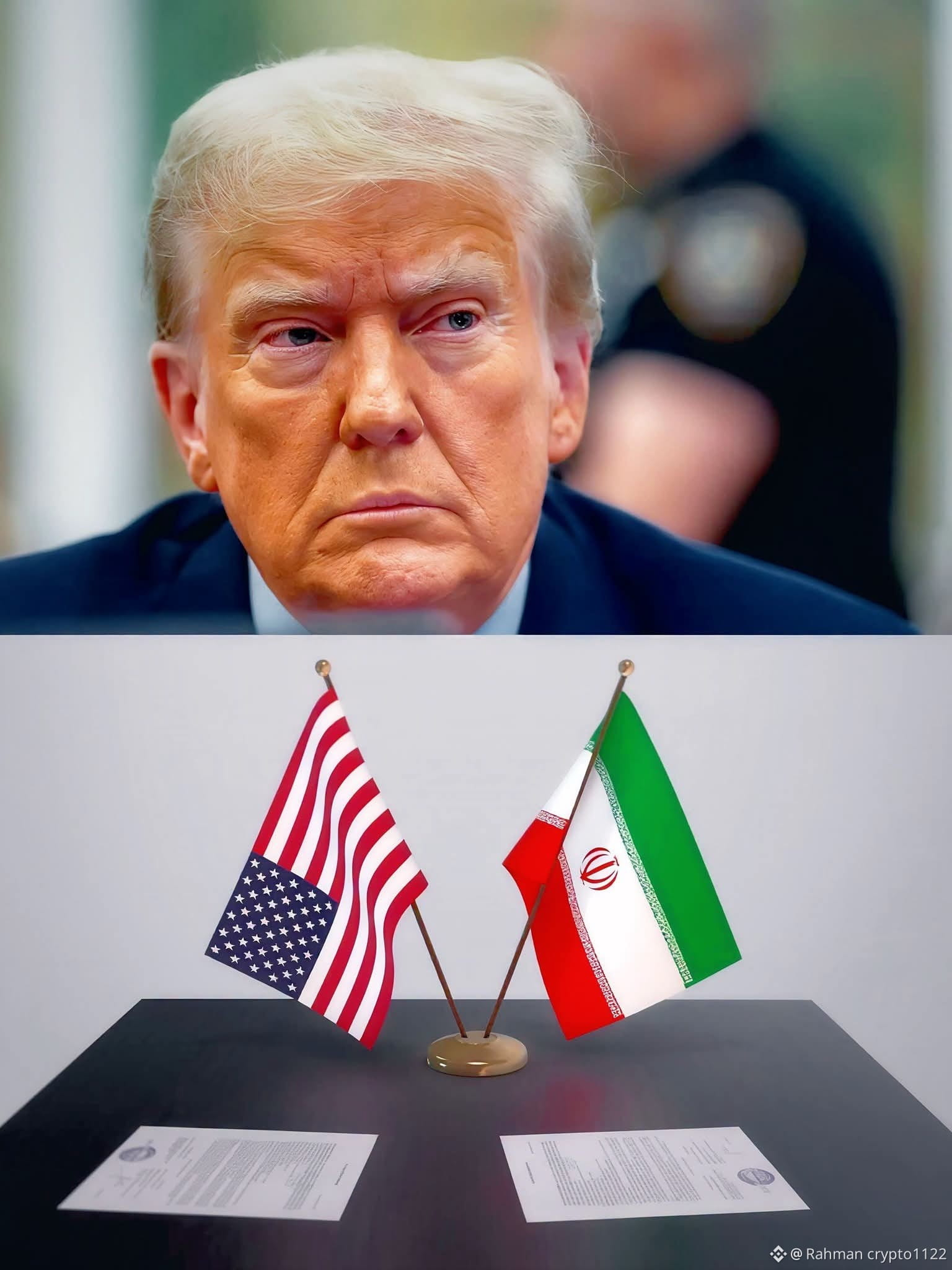
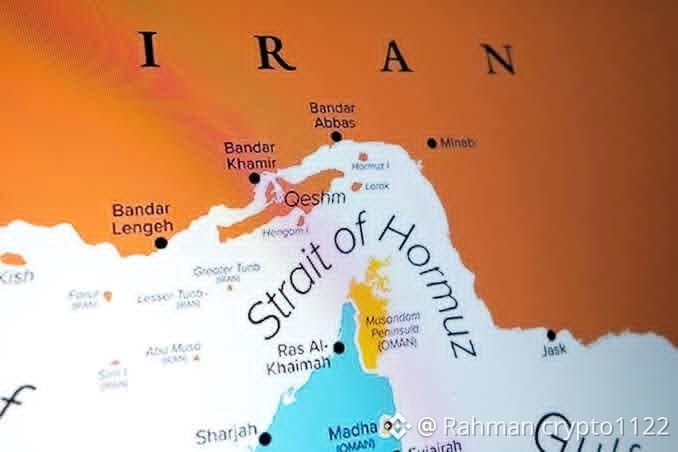
🌍 Why the Strait of Hormuz Matters to the Global Economy
The Strait of Hormuz remains one of the world's most critical maritime chokepoints, carrying a significant share of global oil and energy exports. Any prolonged disruption to shipping in the strait could have far-reaching consequences for global markets, inflation, supply chains, and international security.
Supporters of a stronger U.S. response argue that reopening and securing freedom of navigation is essential to:
• Prevent major disruptions to global energy supplies.
• Reduce upward pressure on oil prices and consumer inflation.
• Protect international shipping routes and supply chains.
• Reassure allies and trading partners that depend on Gulf energy exports.
• Maintain confidence in global security arrangements and maritime trade.
Analysts have warned that an extended disruption could contribute to higher energy costs, slower economic growth, increased shipping expenses, and heightened geopolitical tensions. At the same time, critics caution that further military escalation could carry significant risks and costs of its own.
As tensions continue, the world is watching to see whether diplomacy, military deterrence, or a combination of both can prevent a wider regional crisis and ensure the continued flow of global commerce through one of the planet's most important waterways.
#StraitOfHormuz #MiddleEast #GlobalEconomy #OilMarkets
$TRX $TRB $ARBK.US
🌍 Why the Strait of Hormuz Matters to the Global Economy
The Strait of Hormuz remains one of the world's most critical maritime chokepoints, carrying a significant share of global oil and energy exports. Any prolonged disruption to shipping in the strait could have far-reaching consequences for global markets, inflation, supply chains, and international security.
Supporters of a stronger U.S. response argue that reopening and securing freedom of navigation is essential to:
• Prevent major disruptions to global energy supplies.
• Reduce upward pressure on oil prices and consumer inflation.
• Protect international shipping routes and supply chains.
• Reassure allies and trading partners that depend on Gulf energy exports.
• Maintain confidence in global security arrangements and maritime trade.
Analysts have warned that an extended disruption could contribute to higher energy costs, slower economic growth, increased shipping expenses, and heightened geopolitical tensions. At the same time, critics caution that further military escalation could carry significant risks and costs of its own.
As tensions continue, the world is watching to see whether diplomacy, military deterrence, or a combination of both can prevent a wider regional crisis and ensure the continued flow of global commerce through one of the planet's most important waterways.
#StraitOfHormuz #MiddleEast #GlobalEconomy #OilMarkets
$TRX $TRB $ARBK.US
The Strait of Hormuz remains one of the world's most critical maritime chokepoints, carrying a significant share of global oil and energy exports. Any prolonged disruption to shipping in the strait could have far-reaching consequences for global markets, inflation, supply chains, and international security.
Supporters of a stronger U.S. response argue that reopening and securing freedom of navigation is essential to:
• Prevent major disruptions to global energy supplies.
• Reduce upward pressure on oil prices and consumer inflation.
• Protect international shipping routes and supply chains.
• Reassure allies and trading partners that depend on Gulf energy exports.
• Maintain confidence in global security arrangements and maritime trade.
Analysts have warned that an extended disruption could contribute to higher energy costs, slower economic growth, increased shipping expenses, and heightened geopolitical tensions. At the same time, critics caution that further military escalation could carry significant risks and costs of its own.
As tensions continue, the world is watching to see whether diplomacy, military deterrence, or a combination of both can prevent a wider regional crisis and ensure the continued flow of global commerce through one of the planet's most important waterways.
#StraitOfHormuz #MiddleEast #GlobalEconomy #OilMarkets
$TRX $TRB $ARBK.US
211

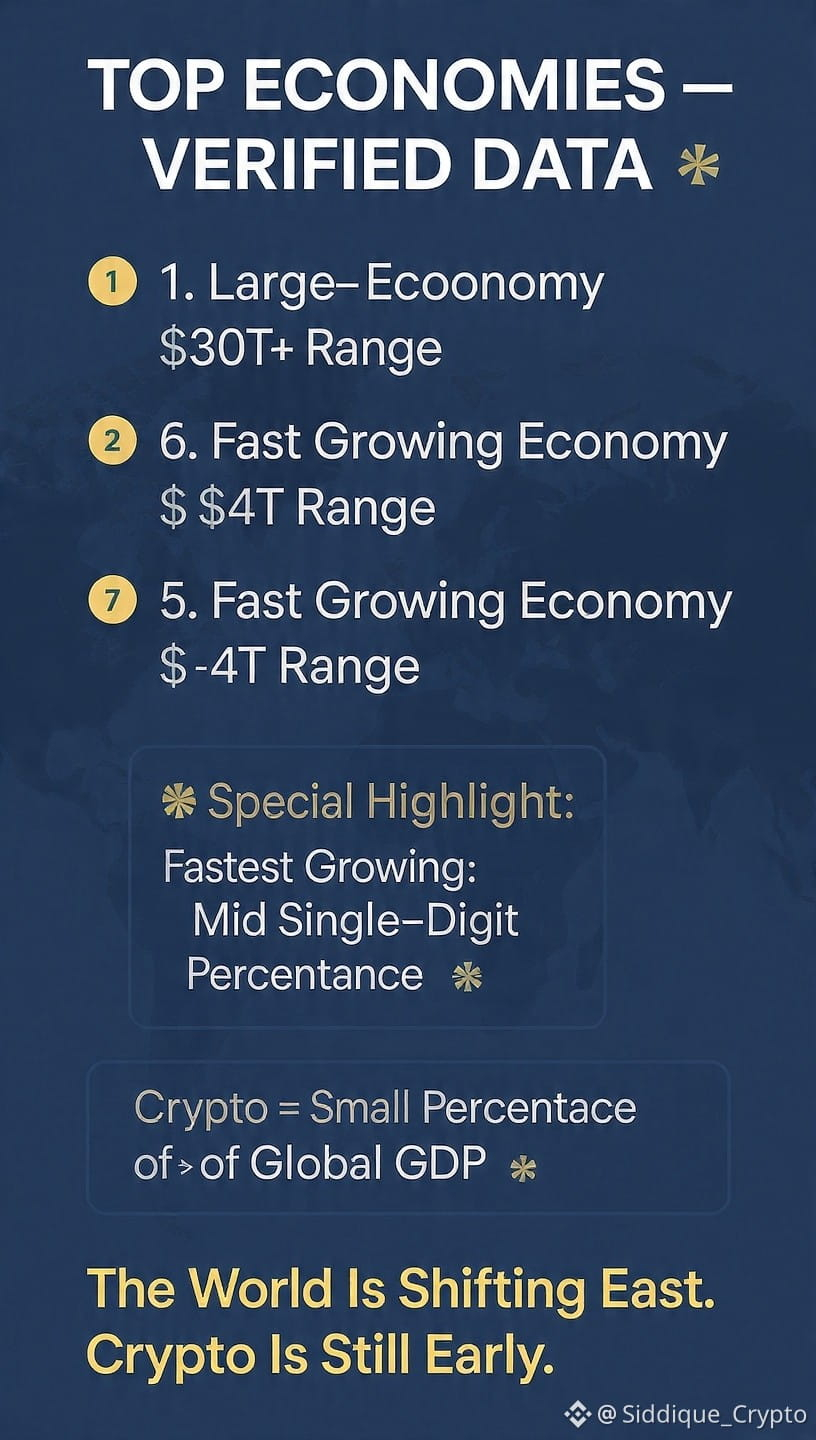
🌍 TOP 20 MOST POWERFUL ECONOMIES — 2026 VERIFIED DATA
(May 30, 2026)
📌 IMF Official Rankings — Verified:
🇺🇸 1. USA — $32.4 Trillion
🇨🇳 2. China — $20.9 Trillion
🇩🇪 3. Germany — $5.4 Trillion
🇯🇵 4. Japan — $4.4 Trillion
🇬🇧 5. United Kingdom — $4.26 Trillion
🇮🇳 6. India — $4.15 Trillion ⚡
🇫🇷 7. France — $3.5 Trillion
🇮🇹 8. Italy — $2.7 Trillion
🇨🇦 9. Canada — $2.4 Trillion
🇧🇷 10. Brazil — $2.3 Trillion (Yahoo Finance)
🇪🇸 11. Spain — $2.0 Trillion
🇲🇽 12. Mexico — $2.0 Trillion
🇦🇺 13. Australia — $1.9 Trillion
🇰🇷 14. South Korea — $1.9 Trillion
🇷🇺 15. Russia — $2.1 Trillion
🇹🇷 16. Türkiye — $1.5 Trillion
🇮🇩 17. Indonesia — $1.5 Trillion
🇳🇱 18. Netherlands — $1.4 Trillion
🇸🇦 19. Saudi Arabia — $1.3 Trillion
🇵🇱 20. Poland — $1.1 Trillion (CoinJournal)
📌 The Three Biggest Stories of 2026 — Verified:
🚀 India — fastest growing major economy at 6.5% growth rate — on track to become 3rd largest by early 2030s
📉 Saudi Arabia — biggest downgrade in growth forecast — US-Iran conflict reducing oil exports through Strait of Hormuz
💪 USA — highest GDP growth among large developed countries at 2.3% — driven by government spending and AI productivity (BitDegree)
📌 Why This Matters For Crypto:
🌍 Total global GDP in 2026: $123.6 Trillion
📊 Crypto total market cap: ~$2.7 Trillion — just 2.2% of global GDP
💎 If crypto reaches even 5% of global GDP → total market cap = $6.2 Trillion — more than double today (The Block)
The world economy is shifting East. 🌏
India is rising. Asia is accelerating.
And crypto is still less than 3% of the global economy. 🧠
This is not financial advice. Always do your own research.
$BTC | #globaleconomy | #crypto
🌍 TOP 20 MOST POWERFUL ECONOMIES — 2026 VERIFIED DATA
(May 30, 2026)
📌 IMF Official Rankings — Verified:
🇺🇸 1. USA — $32.4 Trillion
🇨🇳 2. China — $20.9 Trillion
🇩🇪 3. Germany — $5.4 Trillion
🇯🇵 4. Japan — $4.4 Trillion
🇬🇧 5. United Kingdom — $4.26 Trillion
🇮🇳 6. India — $4.15 Trillion ⚡
🇫🇷 7. France — $3.5 Trillion
🇮🇹 8. Italy — $2.7 Trillion
🇨🇦 9. Canada — $2.4 Trillion
🇧🇷 10. Brazil — $2.3 Trillion (Yahoo Finance)
🇪🇸 11. Spain — $2.0 Trillion
🇲🇽 12. Mexico — $2.0 Trillion
🇦🇺 13. Australia — $1.9 Trillion
🇰🇷 14. South Korea — $1.9 Trillion
🇷🇺 15. Russia — $2.1 Trillion
🇹🇷 16. Türkiye — $1.5 Trillion
🇮🇩 17. Indonesia — $1.5 Trillion
🇳🇱 18. Netherlands — $1.4 Trillion
🇸🇦 19. Saudi Arabia — $1.3 Trillion
🇵🇱 20. Poland — $1.1 Trillion (CoinJournal)
📌 The Three Biggest Stories of 2026 — Verified:
🚀 India — fastest growing major economy at 6.5% growth rate — on track to become 3rd largest by early 2030s
📉 Saudi Arabia — biggest downgrade in growth forecast — US-Iran conflict reducing oil exports through Strait of Hormuz
💪 USA — highest GDP growth among large developed countries at 2.3% — driven by government spending and AI productivity (BitDegree)
📌 Why This Matters For Crypto:
🌍 Total global GDP in 2026: $123.6 Trillion
📊 Crypto total market cap: ~$2.7 Trillion — just 2.2% of global GDP
💎 If crypto reaches even 5% of global GDP → total market cap = $6.2 Trillion — more than double today (The Block)
The world economy is shifting East. 🌏
India is rising. Asia is accelerating.
And crypto is still less than 3% of the global economy. 🧠
This is not financial advice. Always do your own research.
$BTC | #globaleconomy | #crypto
(May 30, 2026)
📌 IMF Official Rankings — Verified:
🇺🇸 1. USA — $32.4 Trillion
🇨🇳 2. China — $20.9 Trillion
🇩🇪 3. Germany — $5.4 Trillion
🇯🇵 4. Japan — $4.4 Trillion
🇬🇧 5. United Kingdom — $4.26 Trillion
🇮🇳 6. India — $4.15 Trillion ⚡
🇫🇷 7. France — $3.5 Trillion
🇮🇹 8. Italy — $2.7 Trillion
🇨🇦 9. Canada — $2.4 Trillion
🇧🇷 10. Brazil — $2.3 Trillion (Yahoo Finance)
🇪🇸 11. Spain — $2.0 Trillion
🇲🇽 12. Mexico — $2.0 Trillion
🇦🇺 13. Australia — $1.9 Trillion
🇰🇷 14. South Korea — $1.9 Trillion
🇷🇺 15. Russia — $2.1 Trillion
🇹🇷 16. Türkiye — $1.5 Trillion
🇮🇩 17. Indonesia — $1.5 Trillion
🇳🇱 18. Netherlands — $1.4 Trillion
🇸🇦 19. Saudi Arabia — $1.3 Trillion
🇵🇱 20. Poland — $1.1 Trillion (CoinJournal)
📌 The Three Biggest Stories of 2026 — Verified:
🚀 India — fastest growing major economy at 6.5% growth rate — on track to become 3rd largest by early 2030s
📉 Saudi Arabia — biggest downgrade in growth forecast — US-Iran conflict reducing oil exports through Strait of Hormuz
💪 USA — highest GDP growth among large developed countries at 2.3% — driven by government spending and AI productivity (BitDegree)
📌 Why This Matters For Crypto:
🌍 Total global GDP in 2026: $123.6 Trillion
📊 Crypto total market cap: ~$2.7 Trillion — just 2.2% of global GDP
💎 If crypto reaches even 5% of global GDP → total market cap = $6.2 Trillion — more than double today (The Block)
The world economy is shifting East. 🌏
India is rising. Asia is accelerating.
And crypto is still less than 3% of the global economy. 🧠
This is not financial advice. Always do your own research.
$BTC | #globaleconomy | #crypto
74

·
--
Global Economies on High Alert: Conflict Sparks Funding Rush 🚨
The escalating conflict in the Middle East has prompted 27 countries to seek crisis funding from the World Bank, signaling a significant shift in the global economic landscape. This move is expected to have a ripple effect on the markets, potentially leading to increased volatility and uncertainty. As governments scramble to mitigate the impact of the conflict, investors are bracing themselves for a potentially tumultuous period. The crisis funding rush may lead to a surge in demand for safe-haven assets, causing market fluctuations.
#Crypto #Markets #GlobalEconomy #FinancialStability
Global Economies on High Alert: Conflict Sparks Funding Rush 🚨
The escalating conflict in the Middle East has prompted 27 countries to seek crisis funding from the World Bank, signaling a significant shift in the global economic landscape. This move is expected to have a ripple effect on the markets, potentially leading to increased volatility and uncertainty. As governments scramble to mitigate the impact of the conflict, investors are bracing themselves for a potentially tumultuous period. The crisis funding rush may lead to a surge in demand for safe-haven assets, causing market fluctuations.
#Crypto #Markets #GlobalEconomy #FinancialStability
The escalating conflict in the Middle East has prompted 27 countries to seek crisis funding from the World Bank, signaling a significant shift in the global economic landscape. This move is expected to have a ripple effect on the markets, potentially leading to increased volatility and uncertainty. As governments scramble to mitigate the impact of the conflict, investors are bracing themselves for a potentially tumultuous period. The crisis funding rush may lead to a surge in demand for safe-haven assets, causing market fluctuations.
#Crypto #Markets #GlobalEconomy #FinancialStability
20

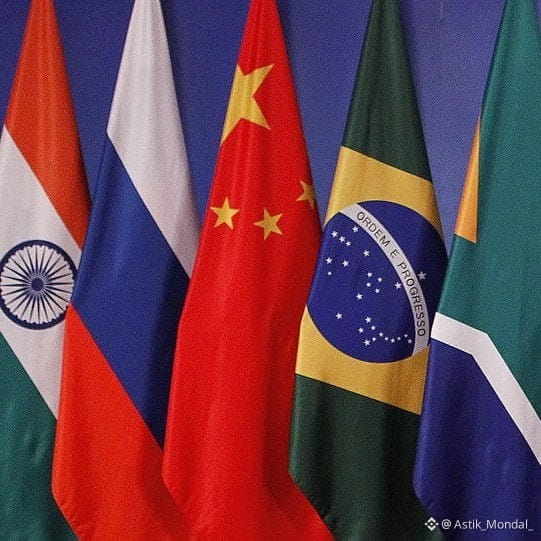
BRICS IS BUILDING A FINANCIAL RAIL THAT COULD CHALLENGE THE DOLLAR.
BRICS nations are discussing linking their fast-payment systems and CBDCs for cross-border trade.
If implemented at scale, this could change how international payments move.
China. India. Russia. Brazil. UAE. Iran.
Six BRICS members already have CBDCs in pilot or rollout stages.
The bigger story is not the technology.
It is the infrastructure.
If these systems become interoperable, businesses could settle cross-border transactions faster, cheaper, and potentially in local currencies.
That could reduce the need to route every transaction through the traditional dollar-based financial system.
This does NOT mean the US dollar is suddenly losing reserve-currency status.
But it does mean something important:
The world is actively building alternatives.
The real geopolitical battle may not be about replacing the dollar overnight.
It may be about making the global financial system less dependent on it, transaction by transaction.
BRICS is building rails.
The question is how much global trade eventually moves across them.
#BRICS #CBDC #Dollar #GlobalEconomy #Crypto
BRICS IS BUILDING A FINANCIAL RAIL THAT COULD CHALLENGE THE DOLLAR.
BRICS nations are discussing linking their fast-payment systems and CBDCs for cross-border trade.
If implemented at scale, this could change how international payments move.
China. India. Russia. Brazil. UAE. Iran.
Six BRICS members already have CBDCs in pilot or rollout stages.
The bigger story is not the technology.
It is the infrastructure.
If these systems become interoperable, businesses could settle cross-border transactions faster, cheaper, and potentially in local currencies.
That could reduce the need to route every transaction through the traditional dollar-based financial system.
This does NOT mean the US dollar is suddenly losing reserve-currency status.
But it does mean something important:
The world is actively building alternatives.
The real geopolitical battle may not be about replacing the dollar overnight.
It may be about making the global financial system less dependent on it, transaction by transaction.
BRICS is building rails.
The question is how much global trade eventually moves across them.
#BRICS #CBDC #Dollar #GlobalEconomy #Crypto
BRICS nations are discussing linking their fast-payment systems and CBDCs for cross-border trade.
If implemented at scale, this could change how international payments move.
China. India. Russia. Brazil. UAE. Iran.
Six BRICS members already have CBDCs in pilot or rollout stages.
The bigger story is not the technology.
It is the infrastructure.
If these systems become interoperable, businesses could settle cross-border transactions faster, cheaper, and potentially in local currencies.
That could reduce the need to route every transaction through the traditional dollar-based financial system.
This does NOT mean the US dollar is suddenly losing reserve-currency status.
But it does mean something important:
The world is actively building alternatives.
The real geopolitical battle may not be about replacing the dollar overnight.
It may be about making the global financial system less dependent on it, transaction by transaction.
BRICS is building rails.
The question is how much global trade eventually moves across them.
#BRICS #CBDC #Dollar #GlobalEconomy #Crypto
1
13
·
--
Global Markets on High Alert: US-China Ties Hang in Balance 💸
A former Chinese ambassador to the US has called for "constructive strategic stability" between the two nations, sparking hopes of easing tensions. The comments come at a crucial time, as investors remain wary of the potential impact on global trade and markets. A stabilization of US-China relations could have a significant impact on the market, potentially leading to increased trade and investment. This, in turn, could boost economic growth and have a positive effect on various asset classes. As the world watches the developments between these two economic giants, one thing is certain - the outcome will have far-reaching consequences for the global economy. #Crypto #Markets #Geopolitics #GlobalEconomy
Global Markets on High Alert: US-China Ties Hang in Balance 💸
A former Chinese ambassador to the US has called for "constructive strategic stability" between the two nations, sparking hopes of easing tensions. The comments come at a crucial time, as investors remain wary of the potential impact on global trade and markets. A stabilization of US-China relations could have a significant impact on the market, potentially leading to increased trade and investment. This, in turn, could boost economic growth and have a positive effect on various asset classes. As the world watches the developments between these two economic giants, one thing is certain - the outcome will have far-reaching consequences for the global economy. #Crypto #Markets #Geopolitics #GlobalEconomy
A former Chinese ambassador to the US has called for "constructive strategic stability" between the two nations, sparking hopes of easing tensions. The comments come at a crucial time, as investors remain wary of the potential impact on global trade and markets. A stabilization of US-China relations could have a significant impact on the market, potentially leading to increased trade and investment. This, in turn, could boost economic growth and have a positive effect on various asset classes. As the world watches the developments between these two economic giants, one thing is certain - the outcome will have far-reaching consequences for the global economy. #Crypto #Markets #Geopolitics #GlobalEconomy
16


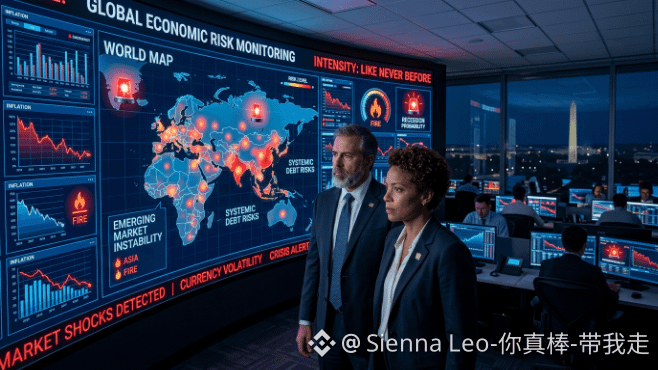
🚨🌍 US Treasury Officials Monitoring Global Economic Risks Like Never Before 📊🔥
I was sipping tea this morning and came across something interesting that felt bigger than usual headlines.
United States Department of the Treasury officials are actively tracking global economic risks, and it kind of sets the tone for how uncertain things still feel worldwide.
From what I read, they’re watching inflation pressures, rising sovereign debt (now over $97 trillion globally), and shaky growth in major economies like China and parts of Europe.
Even small shifts in oil prices or supply chains are getting more attention than before.
What stood out to me is how interconnected everything is right now.
A slowdown in one region can ripple into US markets fast, so Treasury teams are basically scanning global data nonstop, especially currency stability and financial stress signals.
Honestly, it feels like a quiet background effort most people don’t notice, but it shapes everything from interest rates to job markets in subtle ways.
🌍 Makes you think, how prepared are we really for the next global economic shift?
#GlobalEconomy #USTreasury #EconomicTrends #Write2Earn #GrowWithSAC
🚨🌍 US Treasury Officials Monitoring Global Economic Risks Like Never Before 📊🔥
I was sipping tea this morning and came across something interesting that felt bigger than usual headlines.
United States Department of the Treasury officials are actively tracking global economic risks, and it kind of sets the tone for how uncertain things still feel worldwide.
From what I read, they’re watching inflation pressures, rising sovereign debt (now over $97 trillion globally), and shaky growth in major economies like China and parts of Europe.
Even small shifts in oil prices or supply chains are getting more attention than before.
What stood out to me is how interconnected everything is right now.
A slowdown in one region can ripple into US markets fast, so Treasury teams are basically scanning global data nonstop, especially currency stability and financial stress signals.
Honestly, it feels like a quiet background effort most people don’t notice, but it shapes everything from interest rates to job markets in subtle ways.
🌍 Makes you think, how prepared are we really for the next global economic shift?
#GlobalEconomy #USTreasury #EconomicTrends #Write2Earn #GrowWithSAC
I was sipping tea this morning and came across something interesting that felt bigger than usual headlines.
United States Department of the Treasury officials are actively tracking global economic risks, and it kind of sets the tone for how uncertain things still feel worldwide.
From what I read, they’re watching inflation pressures, rising sovereign debt (now over $97 trillion globally), and shaky growth in major economies like China and parts of Europe.
Even small shifts in oil prices or supply chains are getting more attention than before.
What stood out to me is how interconnected everything is right now.
A slowdown in one region can ripple into US markets fast, so Treasury teams are basically scanning global data nonstop, especially currency stability and financial stress signals.
Honestly, it feels like a quiet background effort most people don’t notice, but it shapes everything from interest rates to job markets in subtle ways.
🌍 Makes you think, how prepared are we really for the next global economic shift?
#GlobalEconomy #USTreasury #EconomicTrends #Write2Earn #GrowWithSAC
1
1
325

💰 من الذهب إلى البيتكوين: كيف تعيد بورصات الكريبتو تشكيل الاستثمار الكلي العالمي؟
يكشف تقرير لمعهد دويتشه بنك ريسيرش عن تحول كبير في المشهد الاقتصادي الكلي، حيث انخفضت حصة الدولار الأمريكي من احتياطيات البنوك المركزية العالمية إلى حوالي 40%. في المقابل، ارتفعت حصة الذهب، وتبرز العملات الرقمية كقوة جديدة تعيد تعريف استراتيجيات الاستثمار الكلي العالمي.
━━━━━━━━━━━━━━
📊 التأثير: 🔥 مرتفع جداً
🏷️ BITCOIN
#Bitcoin #GlobalEconomy #CryptoExchanges #Gold #MacroInvesting
🔗 المصدر: https://biztoc.com/x/6dd7b9e704c92ff7
💰 من الذهب إلى البيتكوين: كيف تعيد بورصات الكريبتو تشكيل الاستثمار الكلي العالمي؟
يكشف تقرير لمعهد دويتشه بنك ريسيرش عن تحول كبير في المشهد الاقتصادي الكلي، حيث انخفضت حصة الدولار الأمريكي من احتياطيات البنوك المركزية العالمية إلى حوالي 40%. في المقابل، ارتفعت حصة الذهب، وتبرز العملات الرقمية كقوة جديدة تعيد تعريف استراتيجيات الاستثمار الكلي العالمي.
━━━━━━━━━━━━━━
📊 التأثير: 🔥 مرتفع جداً
🏷️ BITCOIN
#Bitcoin #GlobalEconomy #CryptoExchanges #Gold #MacroInvesting
🔗 المصدر: https://biztoc.com/x/6dd7b9e704c92ff7
يكشف تقرير لمعهد دويتشه بنك ريسيرش عن تحول كبير في المشهد الاقتصادي الكلي، حيث انخفضت حصة الدولار الأمريكي من احتياطيات البنوك المركزية العالمية إلى حوالي 40%. في المقابل، ارتفعت حصة الذهب، وتبرز العملات الرقمية كقوة جديدة تعيد تعريف استراتيجيات الاستثمار الكلي العالمي.
━━━━━━━━━━━━━━
📊 التأثير: 🔥 مرتفع جداً
🏷️ BITCOIN
#Bitcoin #GlobalEconomy #CryptoExchanges #Gold #MacroInvesting
🔗 المصدر: https://biztoc.com/x/6dd7b9e704c92ff7
31
Title:
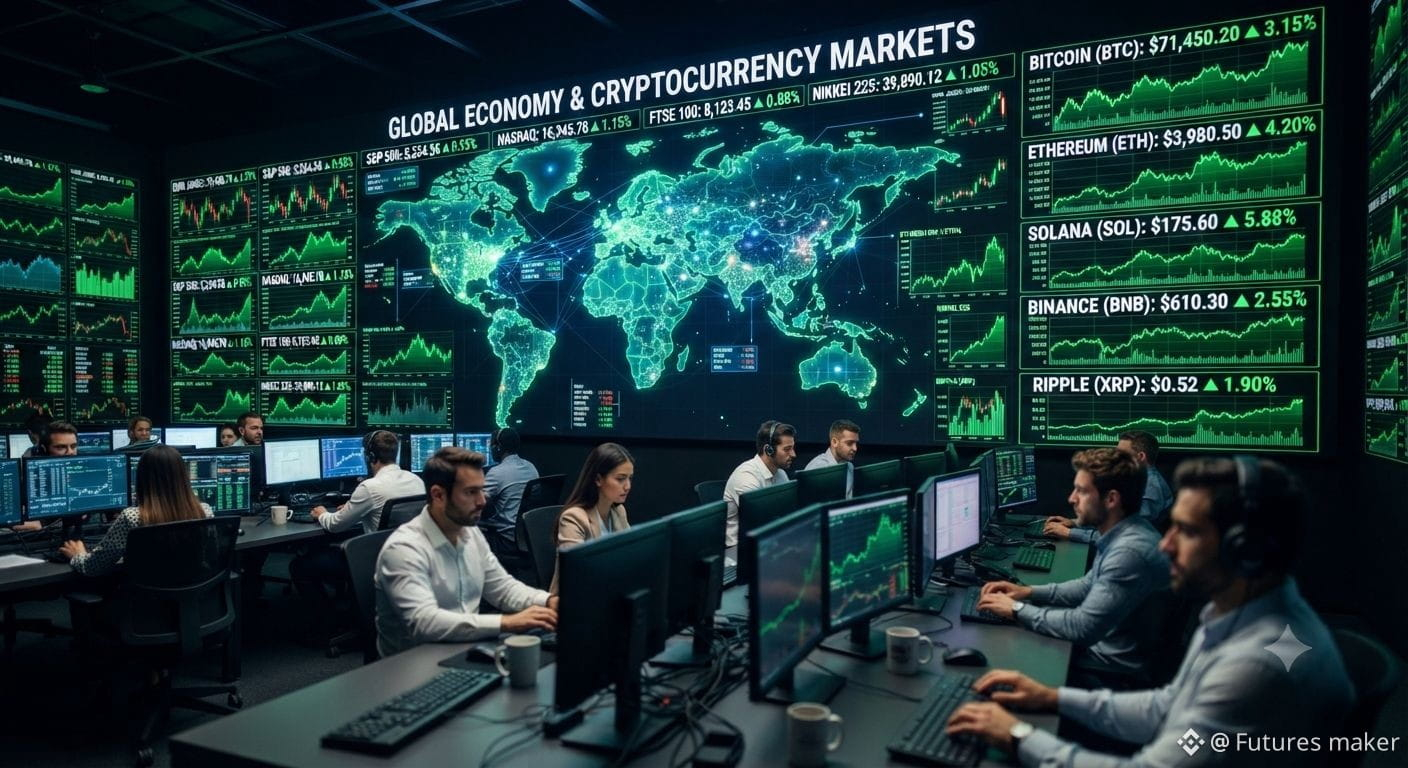
⚡ Markets on Edge: Will the Global Economy Navigate the Storm of Tech & Geopolitics?
Details:
The latest reports from the International Monetary Fund (IMF) highlight a critical crossroads for the global economy, driven by two powerful forces: geopolitical tensions affecting energy and supply chains, and the massive momentum of the Artificial Intelligence revolution driving financial markets forward.
As investors closely monitor central bank decisions regarding interest rates and inflationary pressures, digital assets and high-risk markets remain on high alert for any shifts in global liquidity.
Will future technology outpace macroeconomic fears? Drop your thoughts in the comments below! 👇
#CryptoNewss #globaleconomy #AI #MarketMoves #TradingCommunity
Title:
⚡ Markets on Edge: Will the Global Economy Navigate the Storm of Tech & Geopolitics?
Details:
The latest reports from the International Monetary Fund (IMF) highlight a critical crossroads for the global economy, driven by two powerful forces: geopolitical tensions affecting energy and supply chains, and the massive momentum of the Artificial Intelligence revolution driving financial markets forward.
As investors closely monitor central bank decisions regarding interest rates and inflationary pressures, digital assets and high-risk markets remain on high alert for any shifts in global liquidity.
Will future technology outpace macroeconomic fears? Drop your thoughts in the comments below! 👇
#CryptoNewss #globaleconomy #AI #MarketMoves #TradingCommunity
⚡ Markets on Edge: Will the Global Economy Navigate the Storm of Tech & Geopolitics?
Details:
The latest reports from the International Monetary Fund (IMF) highlight a critical crossroads for the global economy, driven by two powerful forces: geopolitical tensions affecting energy and supply chains, and the massive momentum of the Artificial Intelligence revolution driving financial markets forward.
As investors closely monitor central bank decisions regarding interest rates and inflationary pressures, digital assets and high-risk markets remain on high alert for any shifts in global liquidity.
Will future technology outpace macroeconomic fears? Drop your thoughts in the comments below! 👇
#CryptoNewss #globaleconomy #AI #MarketMoves #TradingCommunity
141
Vérifié
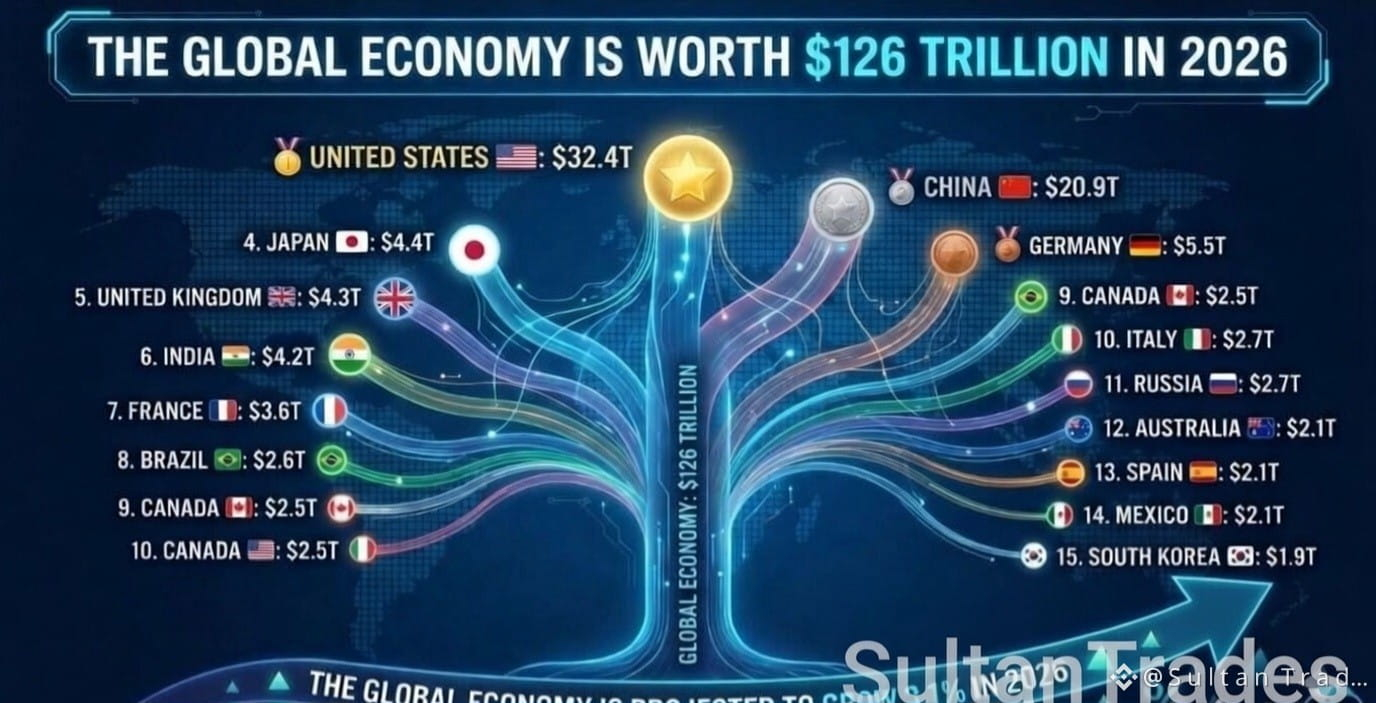
🌍 Global GDP hits $126 TRILLION in 2026 – but here’s the crypto twist 🧠
The U.S. leads with $32.4T (over 25% of World GDP), followed by China at $20.9T.
But while traditional economies grow at ~3.1%, crypto markets are moving at lightning speed 🚀
$CHZ | $BNB | $HEI
📊 Key takeaway:
As fiat GDP expands, so does the need for decentralized alternatives – hedge against inflation, borderless value transfer, and financial inclusion.
Which of these top economies will adopt crypto the fastest?
Drop your thoughts below 👇
#BİNANCESQUARE #GlobalEconomy #GDP2026
{spot}(CHZUSDT)
{spot}(BNBUSDT)
{spot}(HEIUSDT)
🌍 Global GDP hits $126 TRILLION in 2026 – but here’s the crypto twist 🧠
The U.S. leads with $32.4T (over 25% of World GDP), followed by China at $20.9T.
But while traditional economies grow at ~3.1%, crypto markets are moving at lightning speed 🚀
$CHZ | $BNB | $HEI
📊 Key takeaway:
As fiat GDP expands, so does the need for decentralized alternatives – hedge against inflation, borderless value transfer, and financial inclusion.
Which of these top economies will adopt crypto the fastest?
Drop your thoughts below 👇
#BİNANCESQUARE #GlobalEconomy #GDP2026
The U.S. leads with $32.4T (over 25% of World GDP), followed by China at $20.9T.
But while traditional economies grow at ~3.1%, crypto markets are moving at lightning speed 🚀
$CHZ | $BNB | $HEI
📊 Key takeaway:
As fiat GDP expands, so does the need for decentralized alternatives – hedge against inflation, borderless value transfer, and financial inclusion.
Which of these top economies will adopt crypto the fastest?
Drop your thoughts below 👇
#BİNANCESQUARE #GlobalEconomy #GDP2026
709

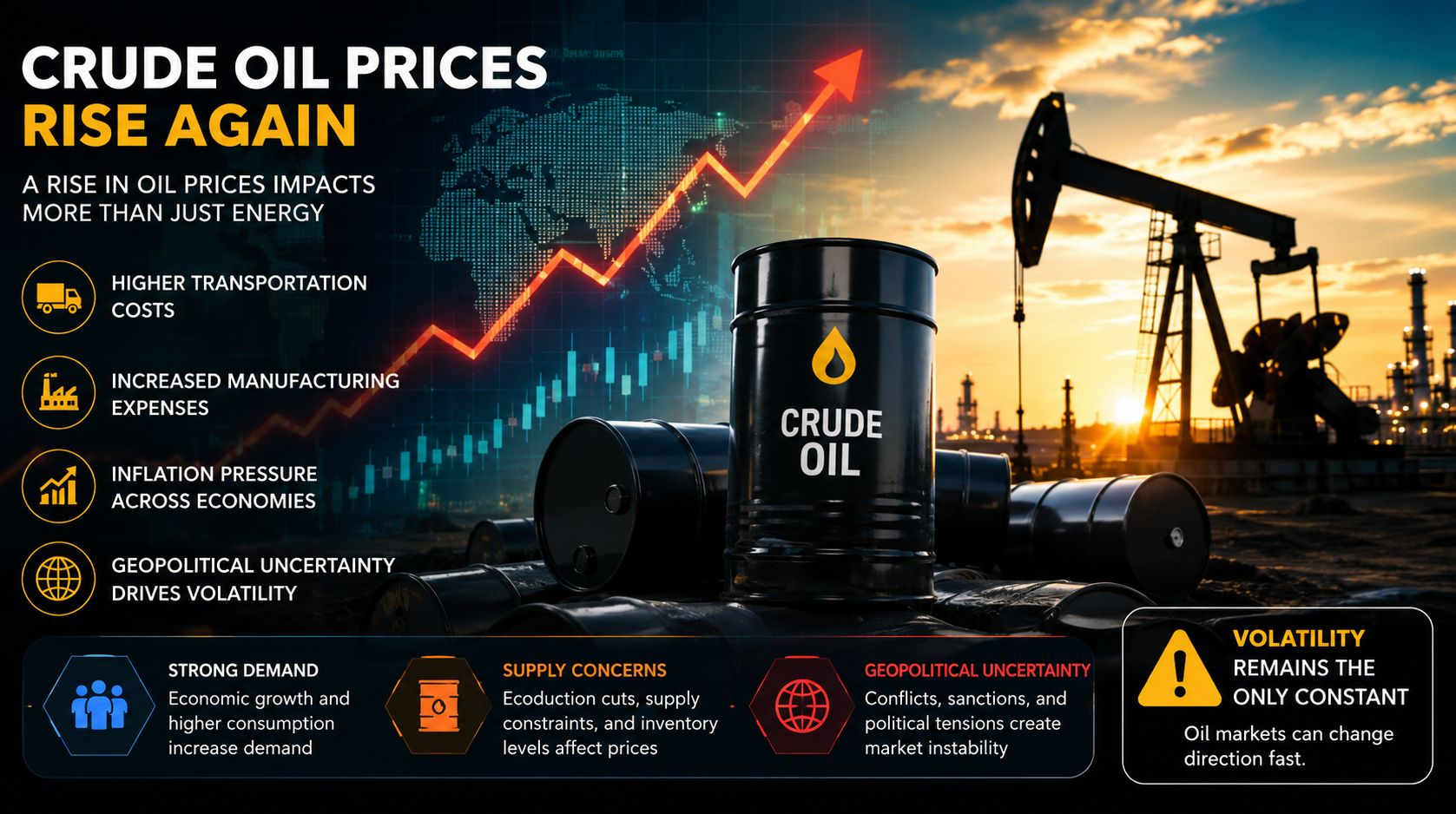
🛢️ #CrudeOilPricesRise is once again putting energy markets in the spotlight.
Higher oil prices often sound like good news for producers, but the impact reaches far beyond the oil sector. Rising crude prices can increase transportation costs, push up manufacturing expenses, and add pressure to inflation across global economies. 📈
The big question is whether this rally is being driven by strong demand, supply concerns, or growing geopolitical uncertainty. Markets tend to react quickly when any of these factors shift. What looks like a healthy price increase today can become a challenge for businesses and consumers tomorrow.
Investors are watching closely, but history shows that oil markets can change direction fast. Volatility remains the only constant. ⚠️
When energy prices rise, the effects rarely stay confined to energy alone. The ripple spreads through the entire economy.
#OilMarket #EnergyPrices #globaleconomy
🛢️ #CrudeOilPricesRise is once again putting energy markets in the spotlight.
Higher oil prices often sound like good news for producers, but the impact reaches far beyond the oil sector. Rising crude prices can increase transportation costs, push up manufacturing expenses, and add pressure to inflation across global economies. 📈
The big question is whether this rally is being driven by strong demand, supply concerns, or growing geopolitical uncertainty. Markets tend to react quickly when any of these factors shift. What looks like a healthy price increase today can become a challenge for businesses and consumers tomorrow.
Investors are watching closely, but history shows that oil markets can change direction fast. Volatility remains the only constant. ⚠️
When energy prices rise, the effects rarely stay confined to energy alone. The ripple spreads through the entire economy.
#OilMarket #EnergyPrices #globaleconomy
Higher oil prices often sound like good news for producers, but the impact reaches far beyond the oil sector. Rising crude prices can increase transportation costs, push up manufacturing expenses, and add pressure to inflation across global economies. 📈
The big question is whether this rally is being driven by strong demand, supply concerns, or growing geopolitical uncertainty. Markets tend to react quickly when any of these factors shift. What looks like a healthy price increase today can become a challenge for businesses and consumers tomorrow.
Investors are watching closely, but history shows that oil markets can change direction fast. Volatility remains the only constant. ⚠️
When energy prices rise, the effects rarely stay confined to energy alone. The ripple spreads through the entire economy.
#OilMarket #EnergyPrices #globaleconomy
2
310

·
--
Haussier
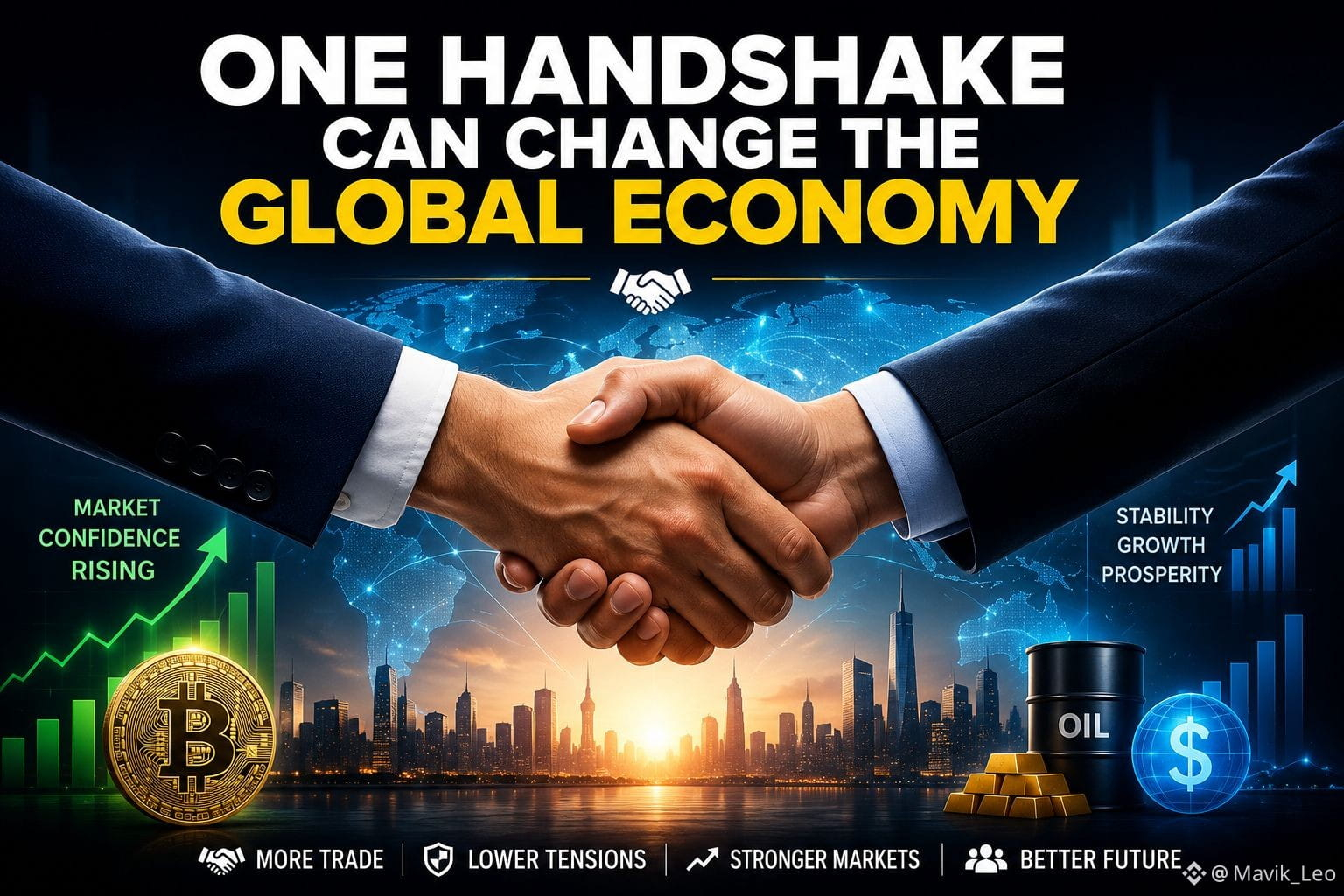
ONE HANDSHAKE CAN CHANGE THE GLOBAL ECONOMY 🤝🌍
Markets don't always move because of earnings reports or economic data. Sometimes, a single meeting between world leaders can shift global sentiment overnight.
When countries reduce tensions, investors often gain confidence. Trade routes become more secure, energy prices may stabilize, and businesses are more willing to invest. That confidence can spread across stocks, commodities, and even the crypto market.
On the other hand, rising geopolitical tensions usually increase uncertainty. Investors become more cautious, volatility rises, and risk assets can come under pressure.
This is why I never focus only on charts. I also keep an eye on major geopolitical developments because one diplomatic breakthrough can influence billions of dollars in global capital flows.
In today's markets, understanding the bigger picture is just as important as reading technical indicators.
Do you think geopolitics has a bigger impact on crypto than traditional financial news? Share your thoughts below.
#Crypto #Bitcoin #GlobalEconomy #Investing #Markets
ONE HANDSHAKE CAN CHANGE THE GLOBAL ECONOMY 🤝🌍
Markets don't always move because of earnings reports or economic data. Sometimes, a single meeting between world leaders can shift global sentiment overnight.
When countries reduce tensions, investors often gain confidence. Trade routes become more secure, energy prices may stabilize, and businesses are more willing to invest. That confidence can spread across stocks, commodities, and even the crypto market.
On the other hand, rising geopolitical tensions usually increase uncertainty. Investors become more cautious, volatility rises, and risk assets can come under pressure.
This is why I never focus only on charts. I also keep an eye on major geopolitical developments because one diplomatic breakthrough can influence billions of dollars in global capital flows.
In today's markets, understanding the bigger picture is just as important as reading technical indicators.
Do you think geopolitics has a bigger impact on crypto than traditional financial news? Share your thoughts below.
#Crypto #Bitcoin #GlobalEconomy #Investing #Markets
Markets don't always move because of earnings reports or economic data. Sometimes, a single meeting between world leaders can shift global sentiment overnight.
When countries reduce tensions, investors often gain confidence. Trade routes become more secure, energy prices may stabilize, and businesses are more willing to invest. That confidence can spread across stocks, commodities, and even the crypto market.
On the other hand, rising geopolitical tensions usually increase uncertainty. Investors become more cautious, volatility rises, and risk assets can come under pressure.
This is why I never focus only on charts. I also keep an eye on major geopolitical developments because one diplomatic breakthrough can influence billions of dollars in global capital flows.
In today's markets, understanding the bigger picture is just as important as reading technical indicators.
Do you think geopolitics has a bigger impact on crypto than traditional financial news? Share your thoughts below.
#Crypto #Bitcoin #GlobalEconomy #Investing #Markets
161

在中东地缘局势升级引发国际原油价格大涨的背景下,印度主要股指 Nifty 50 与 Sensex 于今日双双下挫 1.4%,触及近六个月以来的最低水平。作为全球第三大石油进口国,油价飙升直接加剧了印度的输入型通胀压力,导致全市场 16 个主要板块全线下跌,其中国有银行指数重挫 2.4%,金融与银行板块跌幅亦达 1.7% 至 2%。
从技术面与宏观链条来看,能源成本激增往往会挤压新兴市场的企业利润并打压本币汇率。然而,这种由地缘冲突驱动的阶段性脉冲式通胀,通常在初期引发情绪化去杠杆抛售,反而有助于快速释放传统权益市场的局部估值泡沫。
全球资产联动方面,传统股市回调伴随着美元与大宗商品的短期避险走高。尽管部分主流资产受制于通胀预期重燃而回撤,但资金在避险情绪释放完毕后往往会寻找高弹性替代品,为优质资产的技术性底背离反弹铺平道路。
对于加密市场而言,$BTC 与主流数字资产在消化初期的宏观避险扰动后,正展现出极具韧性的链上筹码支撑。随着传统金融敞口风险释放,去中心化资产作为流动性蓄水池的吸引力增强,短期震荡筑底反而为后续的突破蓄势提供了良好的技术面买点。📊
#CrudeOil #GlobalEconomy #MarketCorrection
在中东地缘局势升级引发国际原油价格大涨的背景下,印度主要股指 Nifty 50 与 Sensex 于今日双双下挫 1.4%,触及近六个月以来的最低水平。作为全球第三大石油进口国,油价飙升直接加剧了印度的输入型通胀压力,导致全市场 16 个主要板块全线下跌,其中国有银行指数重挫 2.4%,金融与银行板块跌幅亦达 1.7% 至 2%。
从技术面与宏观链条来看,能源成本激增往往会挤压新兴市场的企业利润并打压本币汇率。然而,这种由地缘冲突驱动的阶段性脉冲式通胀,通常在初期引发情绪化去杠杆抛售,反而有助于快速释放传统权益市场的局部估值泡沫。
全球资产联动方面,传统股市回调伴随着美元与大宗商品的短期避险走高。尽管部分主流资产受制于通胀预期重燃而回撤,但资金在避险情绪释放完毕后往往会寻找高弹性替代品,为优质资产的技术性底背离反弹铺平道路。
对于加密市场而言,$BTC 与主流数字资产在消化初期的宏观避险扰动后,正展现出极具韧性的链上筹码支撑。随着传统金融敞口风险释放,去中心化资产作为流动性蓄水池的吸引力增强,短期震荡筑底反而为后续的突破蓄势提供了良好的技术面买点。📊
#CrudeOil #GlobalEconomy #MarketCorrection
从技术面与宏观链条来看,能源成本激增往往会挤压新兴市场的企业利润并打压本币汇率。然而,这种由地缘冲突驱动的阶段性脉冲式通胀,通常在初期引发情绪化去杠杆抛售,反而有助于快速释放传统权益市场的局部估值泡沫。
全球资产联动方面,传统股市回调伴随着美元与大宗商品的短期避险走高。尽管部分主流资产受制于通胀预期重燃而回撤,但资金在避险情绪释放完毕后往往会寻找高弹性替代品,为优质资产的技术性底背离反弹铺平道路。
对于加密市场而言,$BTC 与主流数字资产在消化初期的宏观避险扰动后,正展现出极具韧性的链上筹码支撑。随着传统金融敞口风险释放,去中心化资产作为流动性蓄水池的吸引力增强,短期震荡筑底反而为后续的突破蓄势提供了良好的技术面买点。📊
#CrudeOil #GlobalEconomy #MarketCorrection
135
·
--
全球经济不确定性加剧,韩国总统李在明呼吁韩墨加强合作!🔥 这两位亚太与拉美经济重镇联手,会擦出什么火花?国际市场或将迎来新机遇。#国际合作 #全球经济 $KRW $MXN
Global economic uncertainty is rising, and South Korean President Lee Jae-myung calls for stronger Korea-Mexico cooperation! 🔥 What sparks will fly when these two economic powerhouses join hands? New opportunities may emerge in international markets. #InternationalCooperation #GlobalEconomy $KRW $MXN
全球经济不确定性加剧,韩国总统李在明呼吁韩墨加强合作!🔥 这两位亚太与拉美经济重镇联手,会擦出什么火花?国际市场或将迎来新机遇。#国际合作 #全球经济 $KRW $MXN
Global economic uncertainty is rising, and South Korean President Lee Jae-myung calls for stronger Korea-Mexico cooperation! 🔥 What sparks will fly when these two economic powerhouses join hands? New opportunities may emerge in international markets. #InternationalCooperation #GlobalEconomy $KRW $MXN
Global economic uncertainty is rising, and South Korean President Lee Jae-myung calls for stronger Korea-Mexico cooperation! 🔥 What sparks will fly when these two economic powerhouses join hands? New opportunities may emerge in international markets. #InternationalCooperation #GlobalEconomy $KRW $MXN
1
·
--
印度石油部长普拉丹(Pradhan)近日明确表态,尽管面临美国可能实施的制裁前景,印度仍将维持柴油出口,完全没有效仿美国通过限制柴油出口来平抑国内油价的打算。普拉丹强调印度会坚守承诺,并表示国内炼油行业通过持续投资和扩充产能,已有足够能力应对市场波动。根据航运数据机构 Kpler 的统计,印度今年已超越俄罗斯,成为仅次于美国的全球第二大海运柴油供应国,占据了全球海运柴油出口约 10% 的份额。
这一表态在全球能源格局重塑的背景下显得尤为关键。随着俄乌冲突及西方制裁导致部分传统供应链受阻,印度通过进口原油并加工转口,正成为全球能源流动中不可或缺的关键缓冲池。印度坚持不关停出口大门,在很大程度上缓解了市场对成品油供应进一步硬性短缺的恐慌,但同时也让地缘政治与贸易博弈的局面更加微妙。
对宏观金融市场而言,印度的供给稳定性有助于平抑部分能源通胀预期。原油及成品油若维持相对充裕的流动,将减轻美欧等主要经济体的二次通胀压力,进而影响央行在利率决议上的空间。不过,能源供应链的多极化发展也让美元作为结算核心的地位持续面临讨论,大宗商品市场的定价逻辑正在变得更加多元。
映射到加密市场来看,能源与通胀预期的反复一直是影响宏观流动性的底层变量。如果柴油等核心能源供应保持相对顺畅,宏观通胀压力可控,将为整体风险资产提供更平稳的环境;反之,若后续地缘摩擦升级引发实际制裁落地,市场避险情绪升温也将直接波及 $BTC 等主流资产的资金流向。目前整体博弈仍在进行,值得持续跟踪。📊
#OilMarket #GlobalEconomy #EnergyGeopolitics
印度石油部长普拉丹(Pradhan)近日明确表态,尽管面临美国可能实施的制裁前景,印度仍将维持柴油出口,完全没有效仿美国通过限制柴油出口来平抑国内油价的打算。普拉丹强调印度会坚守承诺,并表示国内炼油行业通过持续投资和扩充产能,已有足够能力应对市场波动。根据航运数据机构 Kpler 的统计,印度今年已超越俄罗斯,成为仅次于美国的全球第二大海运柴油供应国,占据了全球海运柴油出口约 10% 的份额。
这一表态在全球能源格局重塑的背景下显得尤为关键。随着俄乌冲突及西方制裁导致部分传统供应链受阻,印度通过进口原油并加工转口,正成为全球能源流动中不可或缺的关键缓冲池。印度坚持不关停出口大门,在很大程度上缓解了市场对成品油供应进一步硬性短缺的恐慌,但同时也让地缘政治与贸易博弈的局面更加微妙。
对宏观金融市场而言,印度的供给稳定性有助于平抑部分能源通胀预期。原油及成品油若维持相对充裕的流动,将减轻美欧等主要经济体的二次通胀压力,进而影响央行在利率决议上的空间。不过,能源供应链的多极化发展也让美元作为结算核心的地位持续面临讨论,大宗商品市场的定价逻辑正在变得更加多元。
映射到加密市场来看,能源与通胀预期的反复一直是影响宏观流动性的底层变量。如果柴油等核心能源供应保持相对顺畅,宏观通胀压力可控,将为整体风险资产提供更平稳的环境;反之,若后续地缘摩擦升级引发实际制裁落地,市场避险情绪升温也将直接波及 $BTC 等主流资产的资金流向。目前整体博弈仍在进行,值得持续跟踪。📊
#OilMarket #GlobalEconomy #EnergyGeopolitics
这一表态在全球能源格局重塑的背景下显得尤为关键。随着俄乌冲突及西方制裁导致部分传统供应链受阻,印度通过进口原油并加工转口,正成为全球能源流动中不可或缺的关键缓冲池。印度坚持不关停出口大门,在很大程度上缓解了市场对成品油供应进一步硬性短缺的恐慌,但同时也让地缘政治与贸易博弈的局面更加微妙。
对宏观金融市场而言,印度的供给稳定性有助于平抑部分能源通胀预期。原油及成品油若维持相对充裕的流动,将减轻美欧等主要经济体的二次通胀压力,进而影响央行在利率决议上的空间。不过,能源供应链的多极化发展也让美元作为结算核心的地位持续面临讨论,大宗商品市场的定价逻辑正在变得更加多元。
映射到加密市场来看,能源与通胀预期的反复一直是影响宏观流动性的底层变量。如果柴油等核心能源供应保持相对顺畅,宏观通胀压力可控,将为整体风险资产提供更平稳的环境;反之,若后续地缘摩擦升级引发实际制裁落地,市场避险情绪升温也将直接波及 $BTC 等主流资产的资金流向。目前整体博弈仍在进行,值得持续跟踪。📊
#OilMarket #GlobalEconomy #EnergyGeopolitics
6
Connectez-vous pour découvrir plus de contenu
Rejoignez la communauté mondiale des adeptes de cryptomonnaies sur Binance Square
⚡️ Suviez les dernières informations importantes sur les cryptomonnaies.
💬 Jugé digne de confiance par la plus grande plateforme d’échange de cryptomonnaies au monde.
👍 Découvrez les connaissances que partagent les créateurs vérifiés.
Adresse e-mail/Nº de téléphone
Sujets d’actualité
1
#FedProposesPaymentStablecoinRules
652 vues
50 mentions
2
#ChinaMayLetAlibabaByteDanceBuyNvidiaChips
2,996 vues
157 mentions
3
#USChinaRelease$30BTariffCutProductLists
265 vues
20 mentions
4
#SKoreaFSCConsidersVirtualAssetMarketMaker
4,024 vues
157 mentions
5
#ChinaIndustrialProfitGrowthSlowsFourthMonth
4,955 vues
176 mentions
6
#BitwiseFilesFinalNEARSpotETFProspectus
115,620 vues
1,695 mentions
7
#BitgetHackerMoves$83MStolenXRP
39,388 vues
177 mentions
8
#SOLSpotETFWeeklyInflow$188M
24,868 vues
139 mentions
9
#DogecoinETFsPostBiggestWeekSinceLaunch
66,892 vues
1,104 mentions
10
#StrategyStriveAdd2305BitcoinThisWeek
166,025 vues
2,372 mentions