

Crypto Expert BNB
10.5k Publications

Crypto Expert BNB
 Compte Square Vérifié+
Signaler
Bloquer l’utilisateur
I Am a Professional Trader🔶 Follow Me You can Daily Trading Signals & Market Updates🔶 With 6 Years of Real Market Experience🔶 My Twitter X: @CryptoExpertBnB

Traders League Badge Expert

#BinanceTurns7 task 2

#BinanceTurns7
Ouvert au trading

Détenteur pour USD1
Trade fréquemment
3 an(s)
432 Suivis
109.2K+ Abonnés
77.5K+ J’aime
3 Badges
Publications
Portefeuille
Tous
Citations
Direct
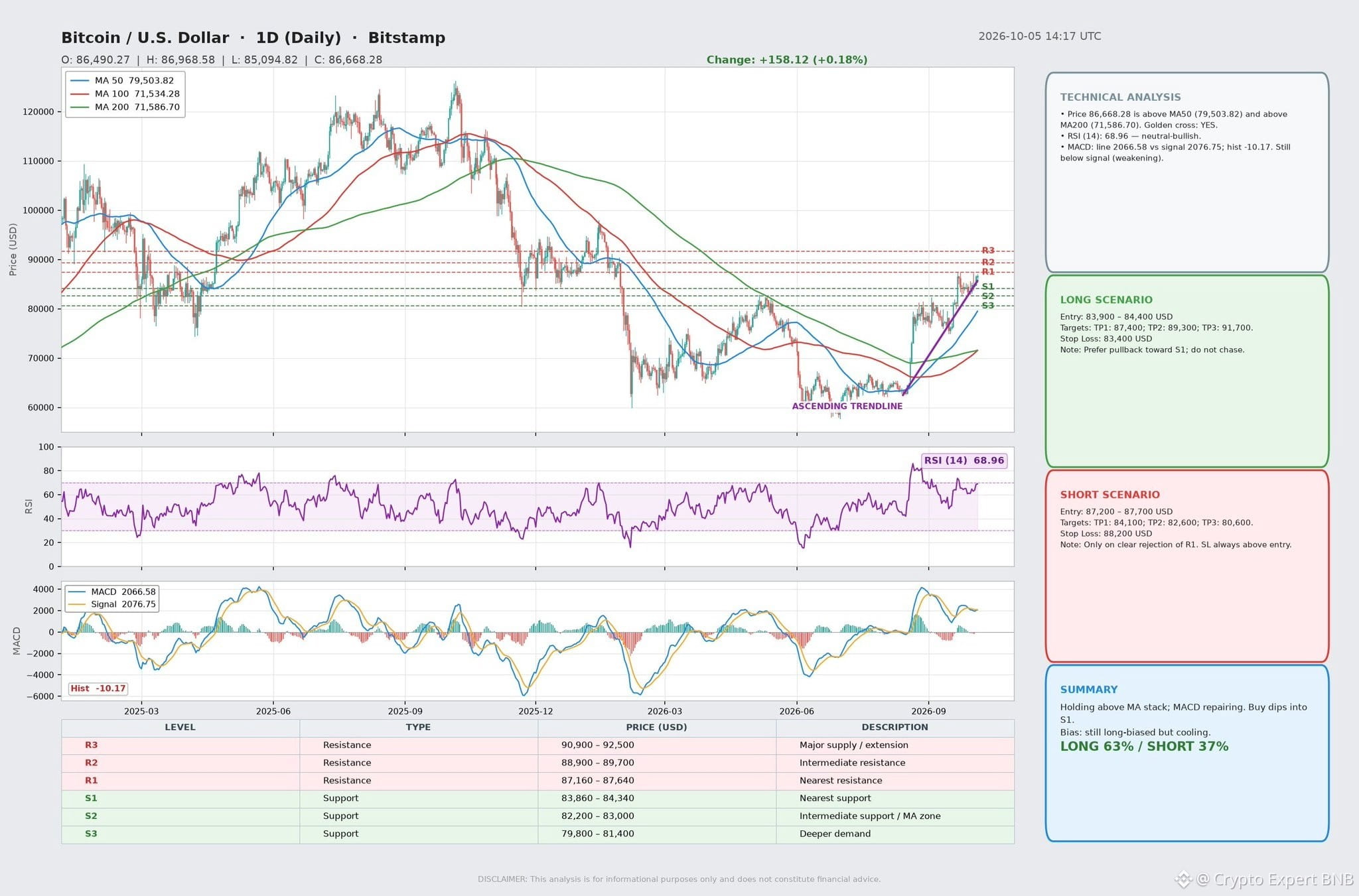
Bitcoin will pump.
Altcoins will explode.
The next 3-6 months will change your life!
$BTC
{future}(BTCUSDT)
$DOGE
{future}(DOGEUSDT)
$AAVE
{future}(AAVEUSDT)
#Nikkei225Jumps2.5%ToThreeMonthHigh
Bitcoin will pump.
Altcoins will explode.
The next 3-6 months will change your life!
$BTC
$DOGE
$AAVE
#Nikkei225Jumps2.5%ToThreeMonthHigh
Altcoins will explode.
The next 3-6 months will change your life!
$BTC
$DOGE
$AAVE
#Nikkei225Jumps2.5%ToThreeMonthHigh
1
290
·
--
Haussier
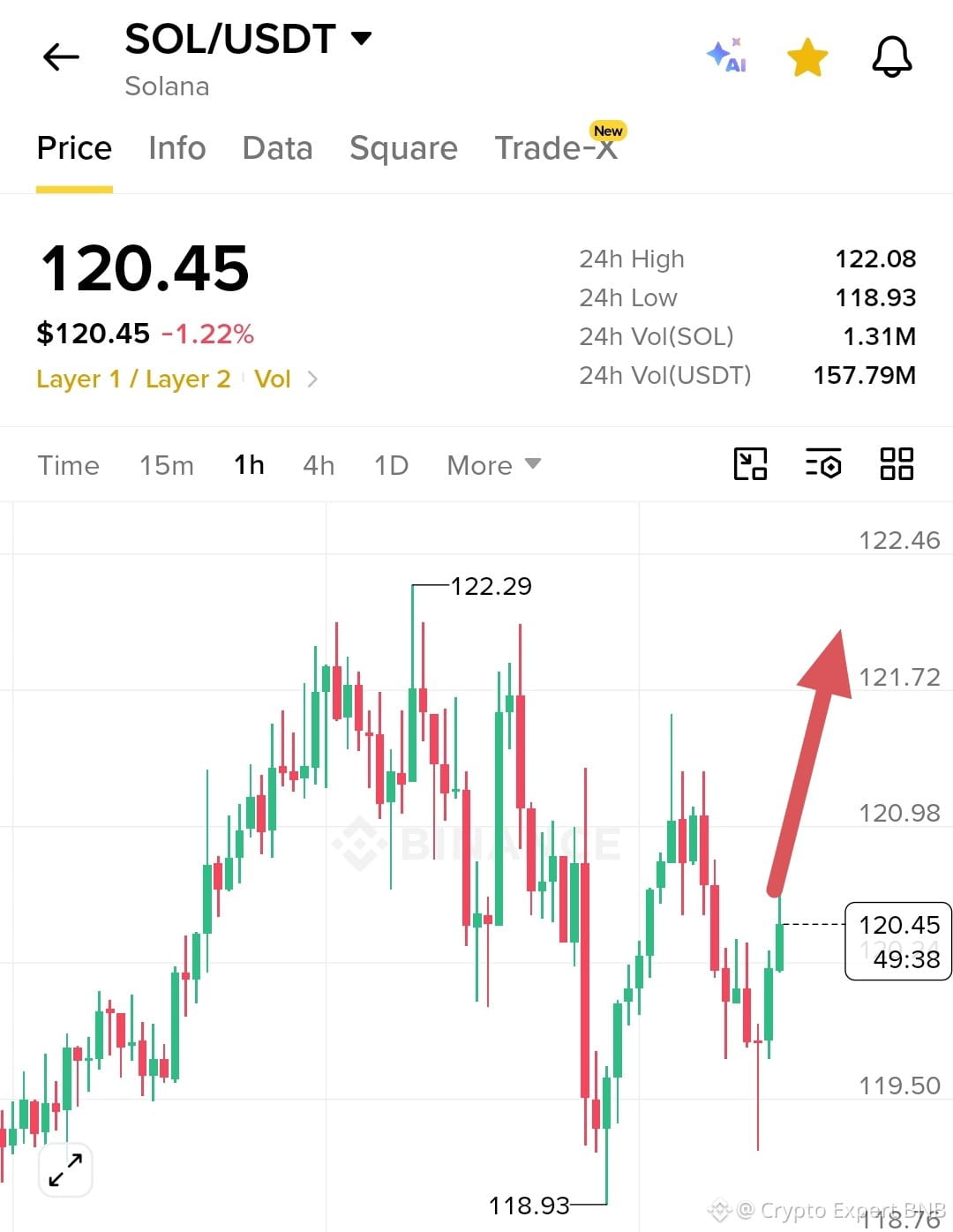
🟢 $SOL Long Trade Signal
SOL @ $120 | LONG
🔹 Entry: $119.5–$120.5
🎯 TP1: $122.0
🎯 TP2: $124.0
🎯 TP3: $127.0
🛑 SL: $117.8
Leverage: 10x
Bias: Bullish 🟢
$SOL
{future}(SOLUSDT)
#FedOctoberHoldOdds82.3%
SOL is attempting to hold the $120 psychological support. If buyers defend this zone, a move toward $124–$127 becomes likely. Avoid chasing if price loses $117.8.
🟢 $SOL Long Trade Signal
SOL @ $120 | LONG
🔹 Entry: $119.5–$120.5
🎯 TP1: $122.0
🎯 TP2: $124.0
🎯 TP3: $127.0
🛑 SL: $117.8
Leverage: 10x
Bias: Bullish 🟢
$SOL
#FedOctoberHoldOdds82.3%
SOL is attempting to hold the $120 psychological support. If buyers defend this zone, a move toward $124–$127 becomes likely. Avoid chasing if price loses $117.8.
SOL @ $120 | LONG
🔹 Entry: $119.5–$120.5
🎯 TP1: $122.0
🎯 TP2: $124.0
🎯 TP3: $127.0
🛑 SL: $117.8
Leverage: 10x
Bias: Bullish 🟢
$SOL
#FedOctoberHoldOdds82.3%
SOL is attempting to hold the $120 psychological support. If buyers defend this zone, a move toward $124–$127 becomes likely. Avoid chasing if price loses $117.8.
2
333
·
--
Haussier
Détention de 995.1 USDT en $DOGE
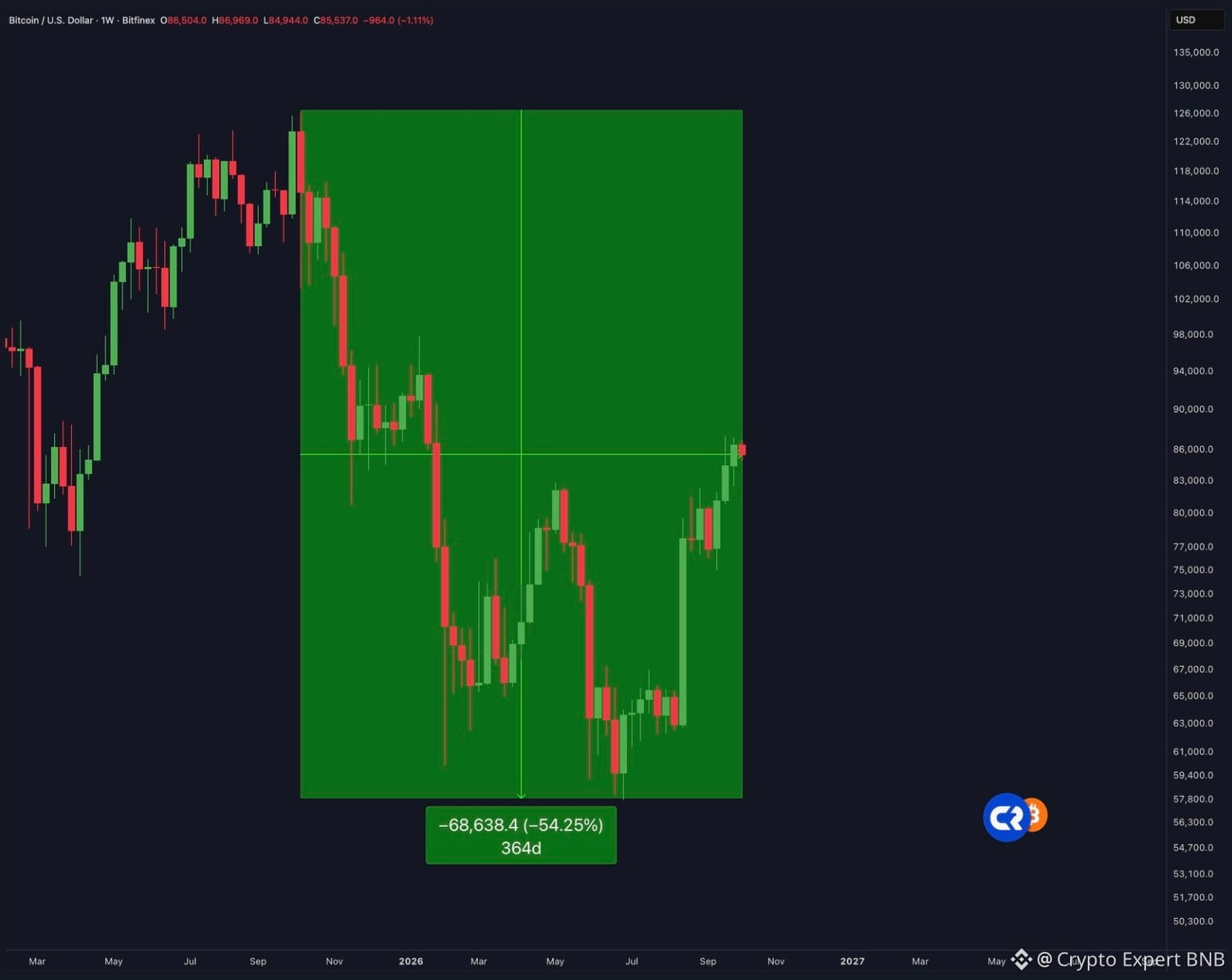
$BTC Bitcoin hit its all-time high exactly one year ago.
Historically, every Bitcoin bear market ended after this point, but this time, it ended even earlier.
ONLY HIGHER FROM HERE! 🚀
$BTC
{future}(BTCUSDT)
$DOGE
{future}(DOGEUSDT)
#FedOctoberHoldOdds82.3%
$BTC Bitcoin hit its all-time high exactly one year ago.
Historically, every Bitcoin bear market ended after this point, but this time, it ended even earlier.
ONLY HIGHER FROM HERE! 🚀
$BTC
$DOGE
#FedOctoberHoldOdds82.3%
Historically, every Bitcoin bear market ended after this point, but this time, it ended even earlier.
ONLY HIGHER FROM HERE! 🚀
$BTC
$DOGE
#FedOctoberHoldOdds82.3%
1
601
·
--
Baissier
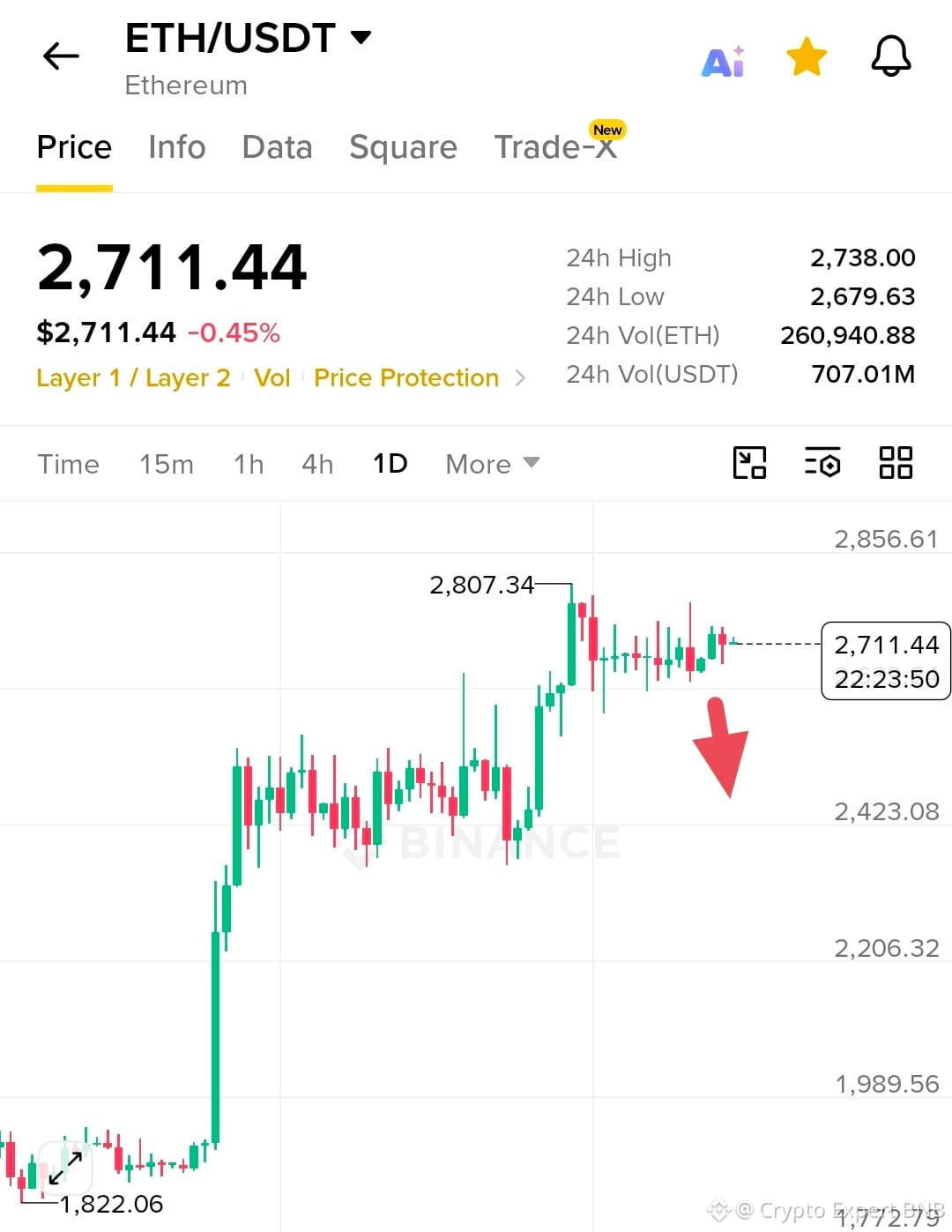
$ETH ETH Short Setup 🔴
ETH is around $2,711, with near-term resistance clustered around $2,716–$2,732. The 4H trend is still bullish, so this is a counter-trend short and needs tight risk control.
🔻 Entry: $2,705–$2,715
🎯 TP1: $2,685
🎯 TP2: $2,665
🎯 TP3: $2,635
🛑 SL: $2,742
Leverage: 10x
Bias: 🔴 Short below $2,732
$ETH
{future}(ETHUSDT)
A 4H move/close above $2,732 would invalidate the short idea.
$ETH #FedOctoberHoldOdds82.3%
$ETH ETH Short Setup 🔴
ETH is around $2,711, with near-term resistance clustered around $2,716–$2,732. The 4H trend is still bullish, so this is a counter-trend short and needs tight risk control.
🔻 Entry: $2,705–$2,715
🎯 TP1: $2,685
🎯 TP2: $2,665
🎯 TP3: $2,635
🛑 SL: $2,742
Leverage: 10x
Bias: 🔴 Short below $2,732
$ETH
A 4H move/close above $2,732 would invalidate the short idea.
$ETH #FedOctoberHoldOdds82.3%
ETH is around $2,711, with near-term resistance clustered around $2,716–$2,732. The 4H trend is still bullish, so this is a counter-trend short and needs tight risk control.
🔻 Entry: $2,705–$2,715
🎯 TP1: $2,685
🎯 TP2: $2,665
🎯 TP3: $2,635
🛑 SL: $2,742
Leverage: 10x
Bias: 🔴 Short below $2,732
$ETH
A 4H move/close above $2,732 would invalidate the short idea.
$ETH #FedOctoberHoldOdds82.3%
1
382
·
--
Baissier
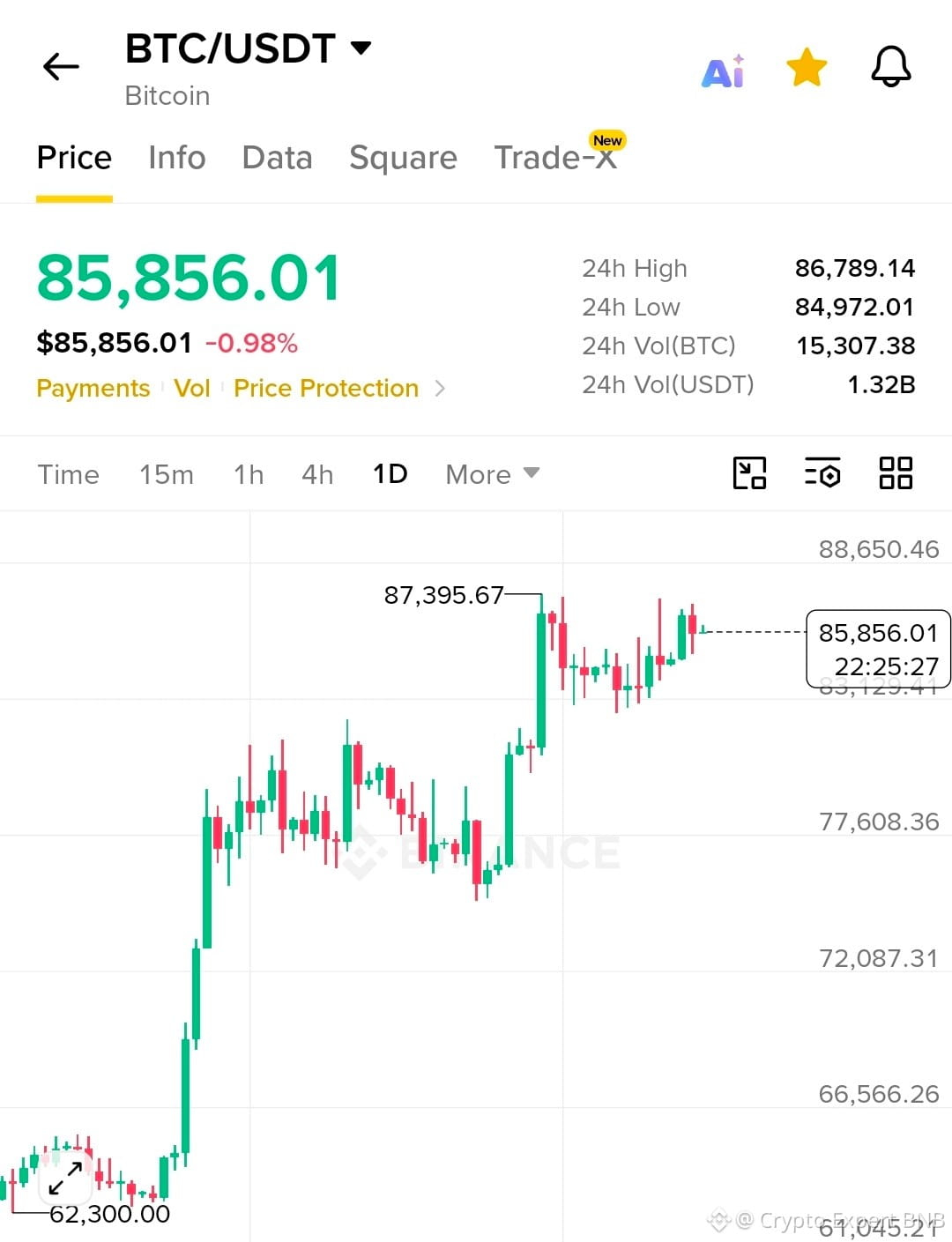
$BTC BTC Short Setup 🔴
Entry: $85,850–$85,950
🎯 TP1: $85,400
🎯 TP2: $84,900
🎯 TP3: $84,300
🛑 SL: $86,450
Leverage: 10x
Bias: 🔴 Short below $86,000
$BTC
{future}(BTCUSDT)
BTC is sitting near the daily pivot/resistance area around $85.9K, but the broader 4H structure remains bullish. A short is therefore a counter-trend scalp, not a high-confidence reversal. A sustained move above $86,450 invalidates the setup.
$BTC #Nikkei225Jumps2.5%ToThreeMonthHigh
$BTC BTC Short Setup 🔴
Entry: $85,850–$85,950
🎯 TP1: $85,400
🎯 TP2: $84,900
🎯 TP3: $84,300
🛑 SL: $86,450
Leverage: 10x
Bias: 🔴 Short below $86,000
$BTC
BTC is sitting near the daily pivot/resistance area around $85.9K, but the broader 4H structure remains bullish. A short is therefore a counter-trend scalp, not a high-confidence reversal. A sustained move above $86,450 invalidates the setup.
$BTC #Nikkei225Jumps2.5%ToThreeMonthHigh
Entry: $85,850–$85,950
🎯 TP1: $85,400
🎯 TP2: $84,900
🎯 TP3: $84,300
🛑 SL: $86,450
Leverage: 10x
Bias: 🔴 Short below $86,000
$BTC
BTC is sitting near the daily pivot/resistance area around $85.9K, but the broader 4H structure remains bullish. A short is therefore a counter-trend scalp, not a high-confidence reversal. A sustained move above $86,450 invalidates the setup.
$BTC #Nikkei225Jumps2.5%ToThreeMonthHigh
481
·
--
Haussier
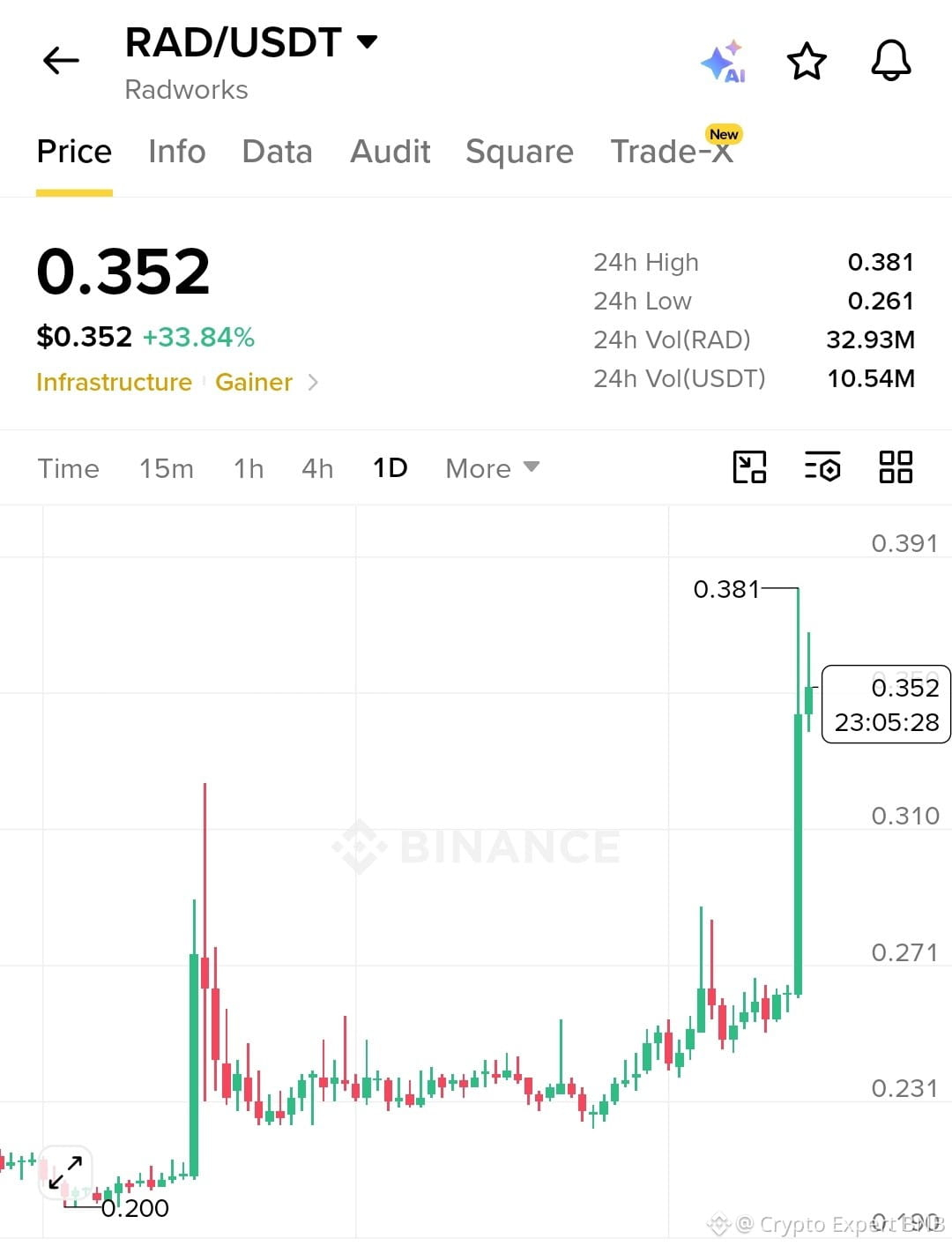
$RAD RAD Long Setup 🟢
RAD is showing strong bullish momentum, but price has already made a sharp breakout from ~$0.26 to $0.381. I would avoid chasing the spike and prefer a pullback entry.
🔹 Entry: $0.340–$0.352
🎯 TP1: $0.370
🎯 TP2: $0.395
🎯 TP3: $0.425
🛑 SL: $0.325
$RAD
{spot}(RADUSDT)
Leverage: 20x
Bias: 🟢 Bullish above $0.325
⚠️ If RAD loses $0.325, the long setup becomes weak.
$RAD #Nikkei225Jumps2.5%ToThreeMonthHigh
$RAD RAD Long Setup 🟢
RAD is showing strong bullish momentum, but price has already made a sharp breakout from ~$0.26 to $0.381. I would avoid chasing the spike and prefer a pullback entry.
🔹 Entry: $0.340–$0.352
🎯 TP1: $0.370
🎯 TP2: $0.395
🎯 TP3: $0.425
🛑 SL: $0.325
$RAD
Leverage: 20x
Bias: 🟢 Bullish above $0.325
⚠️ If RAD loses $0.325, the long setup becomes weak.
$RAD #Nikkei225Jumps2.5%ToThreeMonthHigh
RAD is showing strong bullish momentum, but price has already made a sharp breakout from ~$0.26 to $0.381. I would avoid chasing the spike and prefer a pullback entry.
🔹 Entry: $0.340–$0.352
🎯 TP1: $0.370
🎯 TP2: $0.395
🎯 TP3: $0.425
🛑 SL: $0.325
$RAD
Leverage: 20x
Bias: 🟢 Bullish above $0.325
⚠️ If RAD loses $0.325, the long setup becomes weak.
$RAD #Nikkei225Jumps2.5%ToThreeMonthHigh
2
1.3k
·
--
Haussier
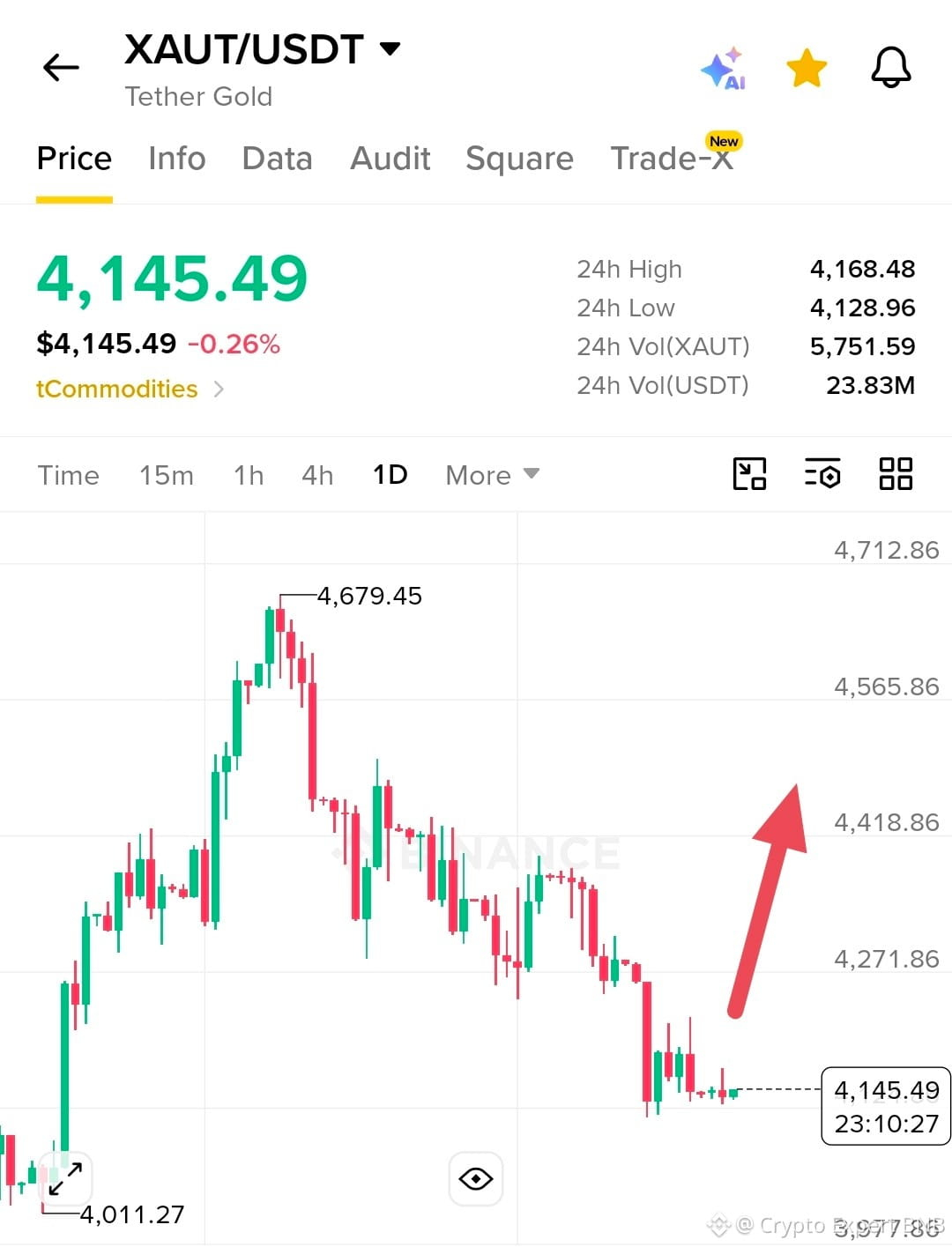
$XAUT Ready for big pump
XAUT Long 🟢
XAUT is around $4,145. The 4H structure can support a long if the $4,120–$4,130 support zone holds. A move back above $4,180 would strengthen the bullish setup.
🔹 Entry: $4,140–$4,150
🎯 TP1: $4,180
🎯 TP2: $4,220
🎯 TP3: $4,260
🛑 SL: $4,105
$XAUT
{future}(XAUTUSDT)
Leverage: 20x max
Bias: 🟢 Bullish above $4,120
⚠️ Keep risk small. A 4H close below $4,120 weakens this long setup.
$XAUT #Nikkei225Jumps2.5%ToThreeMonthHigh
$XAUT Ready for big pump
XAUT Long 🟢
XAUT is around $4,145. The 4H structure can support a long if the $4,120–$4,130 support zone holds. A move back above $4,180 would strengthen the bullish setup.
🔹 Entry: $4,140–$4,150
🎯 TP1: $4,180
🎯 TP2: $4,220
🎯 TP3: $4,260
🛑 SL: $4,105
$XAUT
Leverage: 20x max
Bias: 🟢 Bullish above $4,120
⚠️ Keep risk small. A 4H close below $4,120 weakens this long setup.
$XAUT #Nikkei225Jumps2.5%ToThreeMonthHigh
XAUT Long 🟢
XAUT is around $4,145. The 4H structure can support a long if the $4,120–$4,130 support zone holds. A move back above $4,180 would strengthen the bullish setup.
🔹 Entry: $4,140–$4,150
🎯 TP1: $4,180
🎯 TP2: $4,220
🎯 TP3: $4,260
🛑 SL: $4,105
$XAUT
Leverage: 20x max
Bias: 🟢 Bullish above $4,120
⚠️ Keep risk small. A 4H close below $4,120 weakens this long setup.
$XAUT #Nikkei225Jumps2.5%ToThreeMonthHigh
2
550
·
--
Haussier
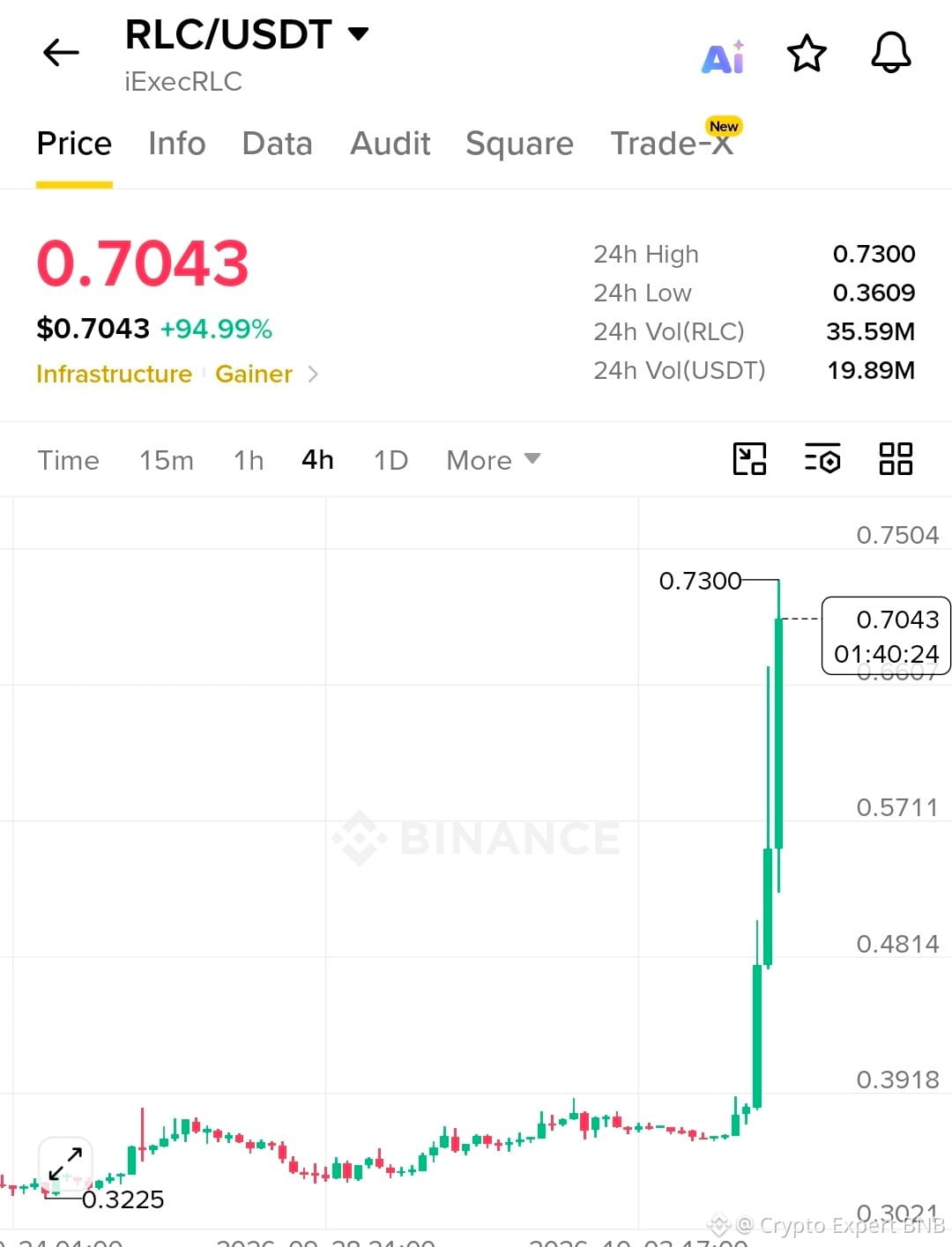
$RLC 🟢 RLC/USDT LONG TRADE SIGNAL
RLC is showing strong 4H momentum after the major breakout. If price holds the $0.69–$0.70 area, continuation toward the recent high is possible.
So Guys, I'm going to open a 20x Long on $RLC
🔹 Entry: $0.695–$0.710
🎯 TP1: $0.730
🎯 TP2: $0.765
🎯 TP3: $0.810
🛑 SL: $0.668
$RLC
{future}(RLCUSDT)
📈 Key level: Holding above $0.69 keeps the bullish setup active. A clean break above $0.73 could trigger another momentum leg.
⚠️ 20x leverage is extremely risky. Keep position size small.
$RLC #DriftHackVictimsBeginClaims
$RLC 🟢 RLC/USDT LONG TRADE SIGNAL
RLC is showing strong 4H momentum after the major breakout. If price holds the $0.69–$0.70 area, continuation toward the recent high is possible.
So Guys, I'm going to open a 20x Long on $RLC
🔹 Entry: $0.695–$0.710
🎯 TP1: $0.730
🎯 TP2: $0.765
🎯 TP3: $0.810
🛑 SL: $0.668
$RLC
📈 Key level: Holding above $0.69 keeps the bullish setup active. A clean break above $0.73 could trigger another momentum leg.
⚠️ 20x leverage is extremely risky. Keep position size small.
$RLC #DriftHackVictimsBeginClaims
RLC is showing strong 4H momentum after the major breakout. If price holds the $0.69–$0.70 area, continuation toward the recent high is possible.
So Guys, I'm going to open a 20x Long on $RLC
🔹 Entry: $0.695–$0.710
🎯 TP1: $0.730
🎯 TP2: $0.765
🎯 TP3: $0.810
🛑 SL: $0.668
$RLC
📈 Key level: Holding above $0.69 keeps the bullish setup active. A clean break above $0.73 could trigger another momentum leg.
⚠️ 20x leverage is extremely risky. Keep position size small.
$RLC #DriftHackVictimsBeginClaims
3
792
·
--
Haussier
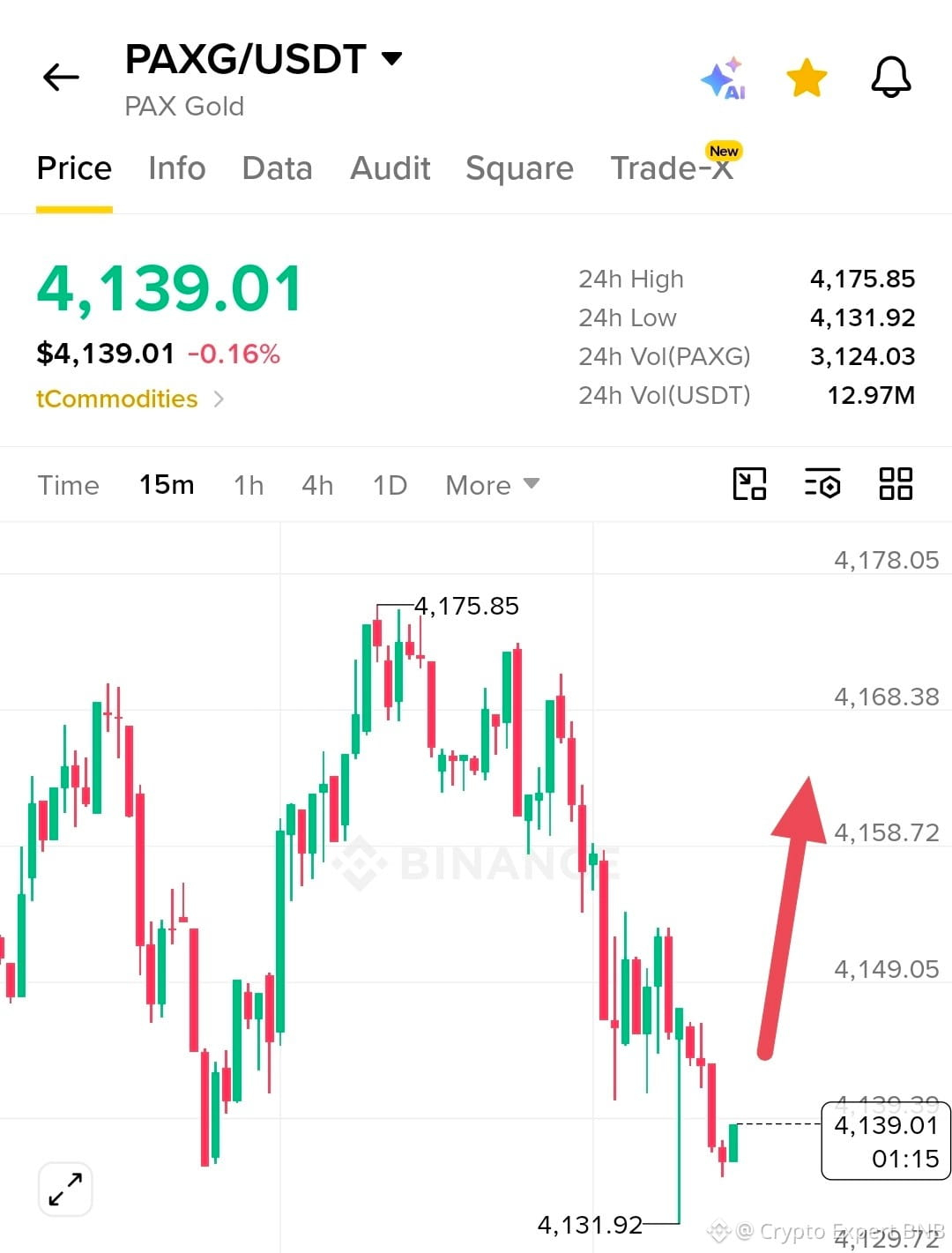
$PAXG PAXG Long Setup 🟢
At $4,139, you're entering right around a key support area. PAXG has recently bounced from the $4,134-$4,142 region, but the 4H structure still needs confirmation.
🟢 PAXG LONG
🔹 Entry: $4,135–$4,145
🎯 TP1: $4,175
🎯 TP2: $4,205
🎯 TP3: $4,250
🛑 SL: $4,105
$PAXG
{future}(PAXGUSDT)
Leverage: 20x
Invalidation: 4H close below $4,105.
Risk carefully because the broader trend remains bearish. $PAXG #EthereumValidatorExitQueueJumps392% #ETHUp70%InQ3ButLiquidityFalls
$PAXG PAXG Long Setup 🟢
At $4,139, you're entering right around a key support area. PAXG has recently bounced from the $4,134-$4,142 region, but the 4H structure still needs confirmation.
🟢 PAXG LONG
🔹 Entry: $4,135–$4,145
🎯 TP1: $4,175
🎯 TP2: $4,205
🎯 TP3: $4,250
🛑 SL: $4,105
$PAXG
Leverage: 20x
Invalidation: 4H close below $4,105.
Risk carefully because the broader trend remains bearish. $PAXG #EthereumValidatorExitQueueJumps392% #ETHUp70%InQ3ButLiquidityFalls
At $4,139, you're entering right around a key support area. PAXG has recently bounced from the $4,134-$4,142 region, but the 4H structure still needs confirmation.
🟢 PAXG LONG
🔹 Entry: $4,135–$4,145
🎯 TP1: $4,175
🎯 TP2: $4,205
🎯 TP3: $4,250
🛑 SL: $4,105
$PAXG
Leverage: 20x
Invalidation: 4H close below $4,105.
Risk carefully because the broader trend remains bearish. $PAXG #EthereumValidatorExitQueueJumps392% #ETHUp70%InQ3ButLiquidityFalls
1
421
·
--
Haussier
Trading sur 30 j de 46 USDT en $XAU
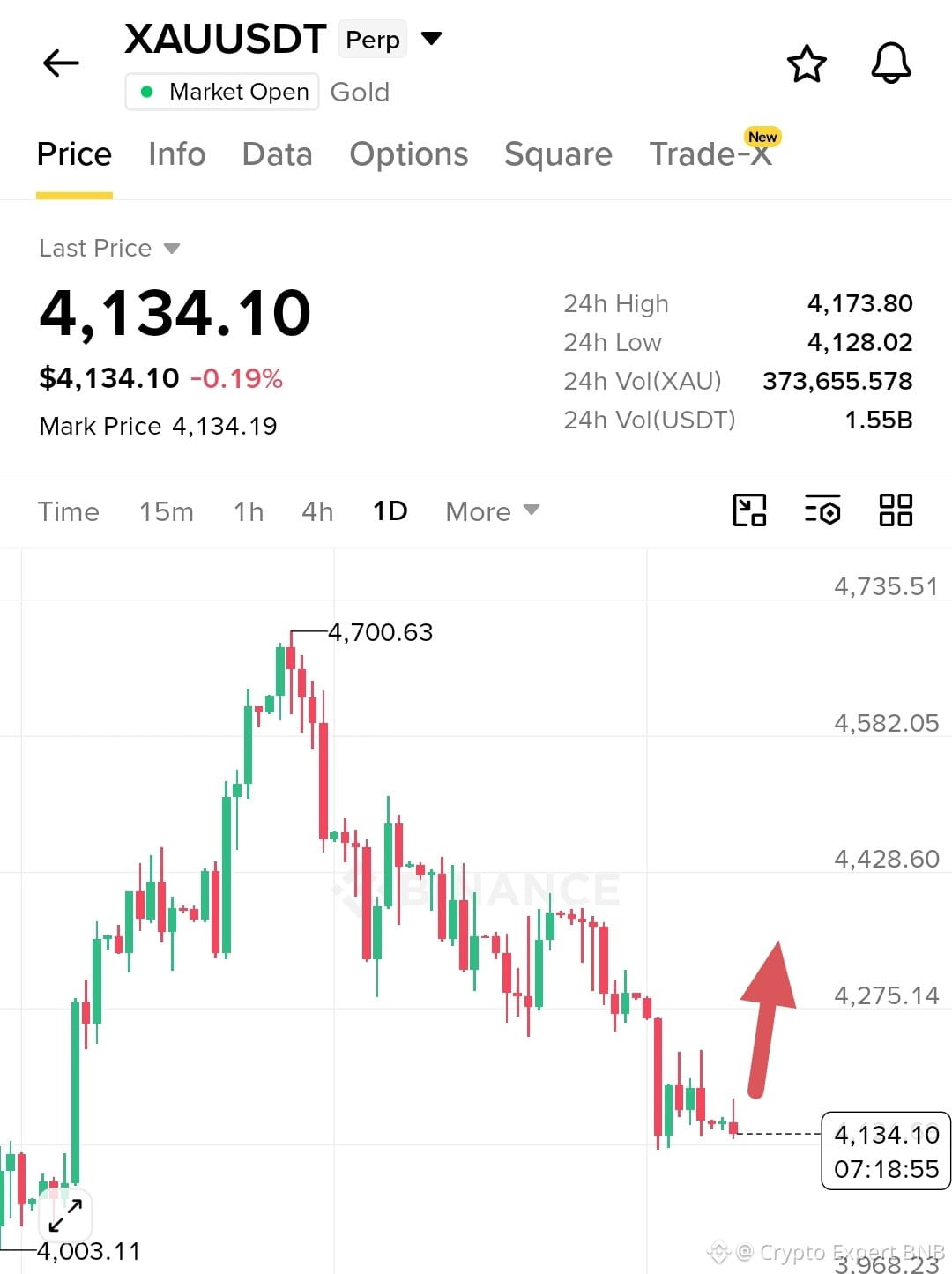
$XAU XAU Long Setup 🟢
XAU is around $4,134, sitting near an important support zone. Current market structure is still cautious, but a hold above $4,105-$4,115 can support a rebound.
🟢 XAU Long
🔹 Entry: $4,130–$4,140
🎯 TP1: $4,165
🎯 TP2: $4,195
🎯 TP3: $4,235
🛑 SL: $4,095
$XAU
{future}(XAUUSDT)
Leverage: 10x
Invalidation: A clean 4H break below $4,105 weakens the long setup.
⚠️ Manage risk carefully. Gold is still facing resistance around $4,165-$4,235.$XAU #DriftHackVictimsBeginClaims
$XAU XAU Long Setup 🟢
XAU is around $4,134, sitting near an important support zone. Current market structure is still cautious, but a hold above $4,105-$4,115 can support a rebound.
🟢 XAU Long
🔹 Entry: $4,130–$4,140
🎯 TP1: $4,165
🎯 TP2: $4,195
🎯 TP3: $4,235
🛑 SL: $4,095
$XAU
Leverage: 10x
Invalidation: A clean 4H break below $4,105 weakens the long setup.
⚠️ Manage risk carefully. Gold is still facing resistance around $4,165-$4,235.$XAU #DriftHackVictimsBeginClaims
XAU is around $4,134, sitting near an important support zone. Current market structure is still cautious, but a hold above $4,105-$4,115 can support a rebound.
🟢 XAU Long
🔹 Entry: $4,130–$4,140
🎯 TP1: $4,165
🎯 TP2: $4,195
🎯 TP3: $4,235
🛑 SL: $4,095
$XAU
Leverage: 10x
Invalidation: A clean 4H break below $4,105 weakens the long setup.
⚠️ Manage risk carefully. Gold is still facing resistance around $4,165-$4,235.$XAU #DriftHackVictimsBeginClaims
2
496
·
--
Haussier
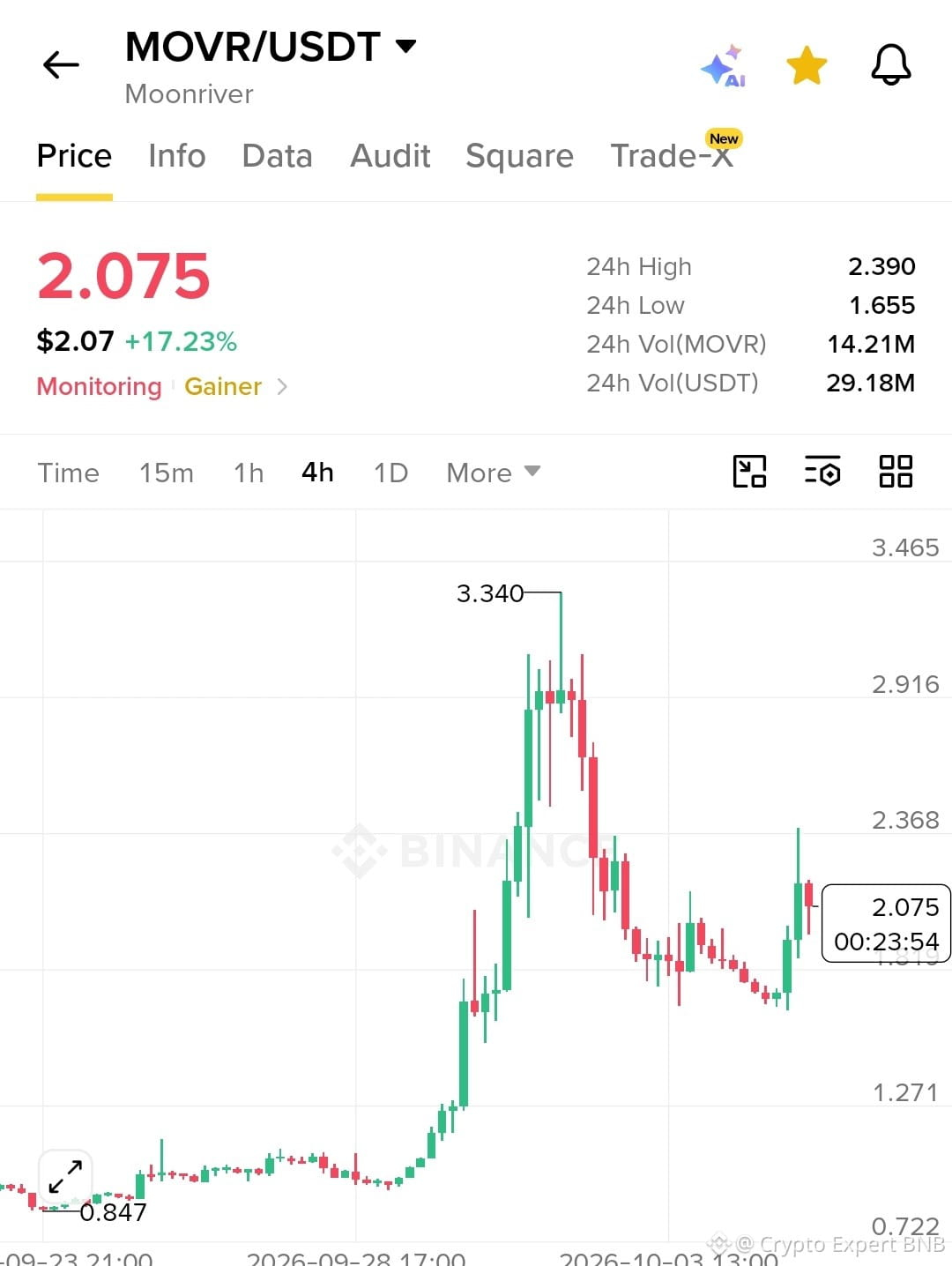
$MOVR MOVR Long Setup 🟢
If MOVR holds the $2.05–$2.07 area, the setup favors a bullish continuation.
🔹 MOVR Long 20x
📍 Entry: $2.07
🎯 TP1: $2.12
🎯 TP2: $2.18
🎯 TP3: $2.25
🛑 SL: $2.01
$MOVR
{future}(MOVRUSDT)
⚡ Keep risk controlled. If $2.01 breaks decisively, the long setup is invalidated.$MOVR #DriftHackVictimsBeginClaims #FedOctoberHoldOdds82.3%
$MOVR MOVR Long Setup 🟢
If MOVR holds the $2.05–$2.07 area, the setup favors a bullish continuation.
🔹 MOVR Long 20x
📍 Entry: $2.07
🎯 TP1: $2.12
🎯 TP2: $2.18
🎯 TP3: $2.25
🛑 SL: $2.01
$MOVR
⚡ Keep risk controlled. If $2.01 breaks decisively, the long setup is invalidated.$MOVR #DriftHackVictimsBeginClaims #FedOctoberHoldOdds82.3%
If MOVR holds the $2.05–$2.07 area, the setup favors a bullish continuation.
🔹 MOVR Long 20x
📍 Entry: $2.07
🎯 TP1: $2.12
🎯 TP2: $2.18
🎯 TP3: $2.25
🛑 SL: $2.01
$MOVR
⚡ Keep risk controlled. If $2.01 breaks decisively, the long setup is invalidated.$MOVR #DriftHackVictimsBeginClaims #FedOctoberHoldOdds82.3%
1
1
711
·
--
Haussier
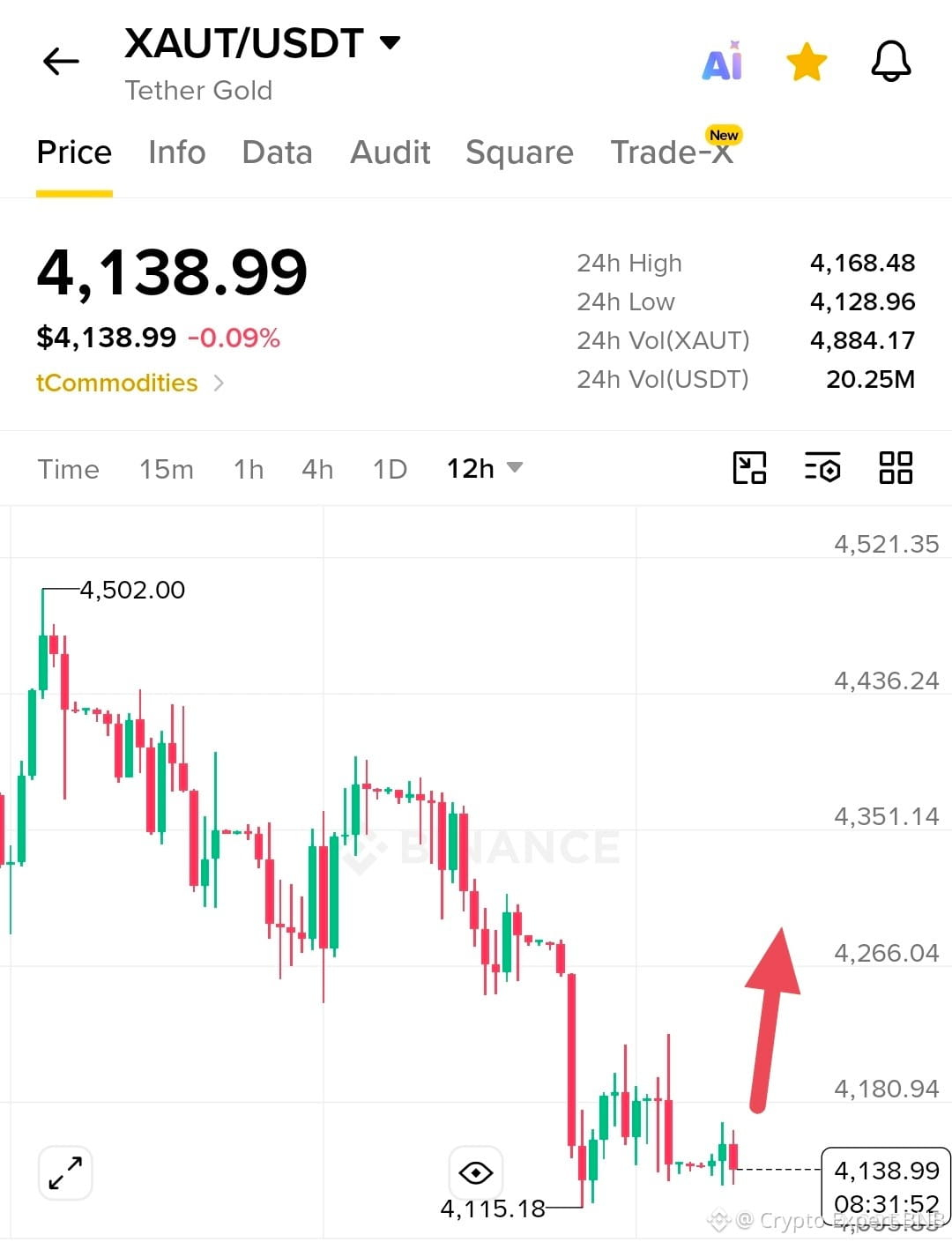
$XAUT XAUT Long Setup 🟢 i think it will pump
If XAUT holds the $4,130–$4,140 support area, the setup favors a move higher.
🔹 XAUT Long 20x
📍 Entry: $4,138
🎯 TP1: $4,165
🎯 TP2: $4,195
🎯 TP3: $4,230
🛑 SL: $4,105
$XAUT
{future}(XAUTUSDT)
Momentum remains favorable above support. Watch the $4,130 zone closely.$XAUT #DriftHackVictimsBeginClaims
$XAUT XAUT Long Setup 🟢 i think it will pump
If XAUT holds the $4,130–$4,140 support area, the setup favors a move higher.
🔹 XAUT Long 20x
📍 Entry: $4,138
🎯 TP1: $4,165
🎯 TP2: $4,195
🎯 TP3: $4,230
🛑 SL: $4,105
$XAUT
Momentum remains favorable above support. Watch the $4,130 zone closely.$XAUT #DriftHackVictimsBeginClaims
If XAUT holds the $4,130–$4,140 support area, the setup favors a move higher.
🔹 XAUT Long 20x
📍 Entry: $4,138
🎯 TP1: $4,165
🎯 TP2: $4,195
🎯 TP3: $4,230
🛑 SL: $4,105
$XAUT
Momentum remains favorable above support. Watch the $4,130 zone closely.$XAUT #DriftHackVictimsBeginClaims
1
462
·
--
Baissier
$ADA ADA Short Setup 🔴
If ADA rejects the $0.2680–$0.2700 resistance zone, the setup favors further downside.
🔻 ADA Short 20x
📍 Entry: $0.2682
🎯 TP1: $0.2640
🎯 TP2: $0.2595
🎯 TP3: $0.2540
🛑 SL: $0.2735
$ADA
{future}(ADAUSDT)
RSI weakness + rejection near resistance supports the bearish setup. Risk manage your position and avoid chasing if ADA breaks above the SL.$ADA #FedOctoberHoldOdds82.3%
$ADA ADA Short Setup 🔴
If ADA rejects the $0.2680–$0.2700 resistance zone, the setup favors further downside.
🔻 ADA Short 20x
📍 Entry: $0.2682
🎯 TP1: $0.2640
🎯 TP2: $0.2595
🎯 TP3: $0.2540
🛑 SL: $0.2735
$ADA
RSI weakness + rejection near resistance supports the bearish setup. Risk manage your position and avoid chasing if ADA breaks above the SL.$ADA #FedOctoberHoldOdds82.3%
If ADA rejects the $0.2680–$0.2700 resistance zone, the setup favors further downside.
🔻 ADA Short 20x
📍 Entry: $0.2682
🎯 TP1: $0.2640
🎯 TP2: $0.2595
🎯 TP3: $0.2540
🛑 SL: $0.2735
$ADA
RSI weakness + rejection near resistance supports the bearish setup. Risk manage your position and avoid chasing if ADA breaks above the SL.$ADA #FedOctoberHoldOdds82.3%
1
585
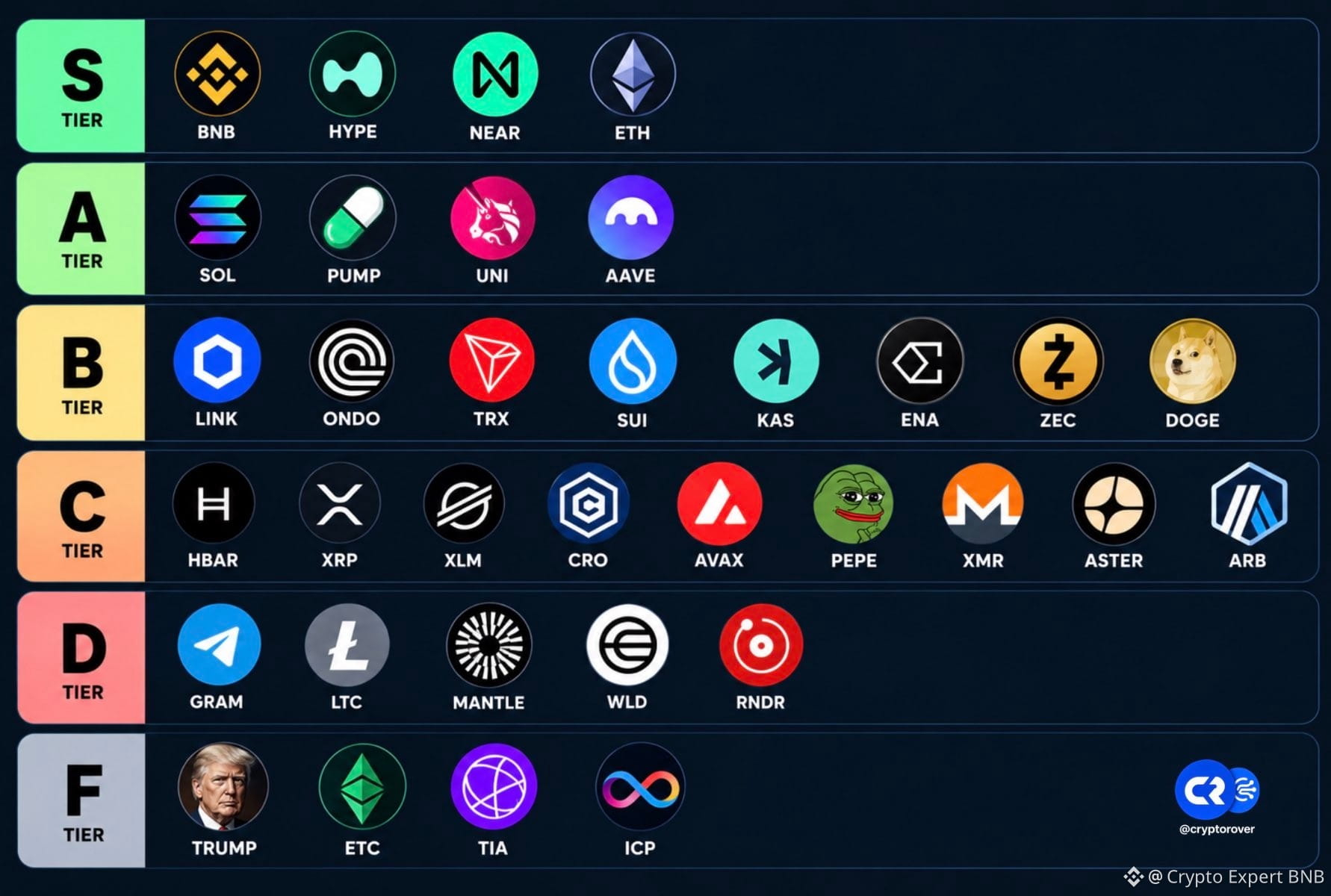
THE ULTIMATE TOP ALTCOINS TIER LIST
What would you change? 👇$ONDO
{future}(ONDOUSDT)
$HBAR
{future}(HBARUSDT)
$BNB
{future}(BNBUSDT)
#Nikkei225Jumps2.5%ToThreeMonthHigh
THE ULTIMATE TOP ALTCOINS TIER LIST
What would you change? 👇$ONDO
$HBAR
$BNB
#Nikkei225Jumps2.5%ToThreeMonthHigh
What would you change? 👇$ONDO
$HBAR
$BNB
#Nikkei225Jumps2.5%ToThreeMonthHigh
1
849
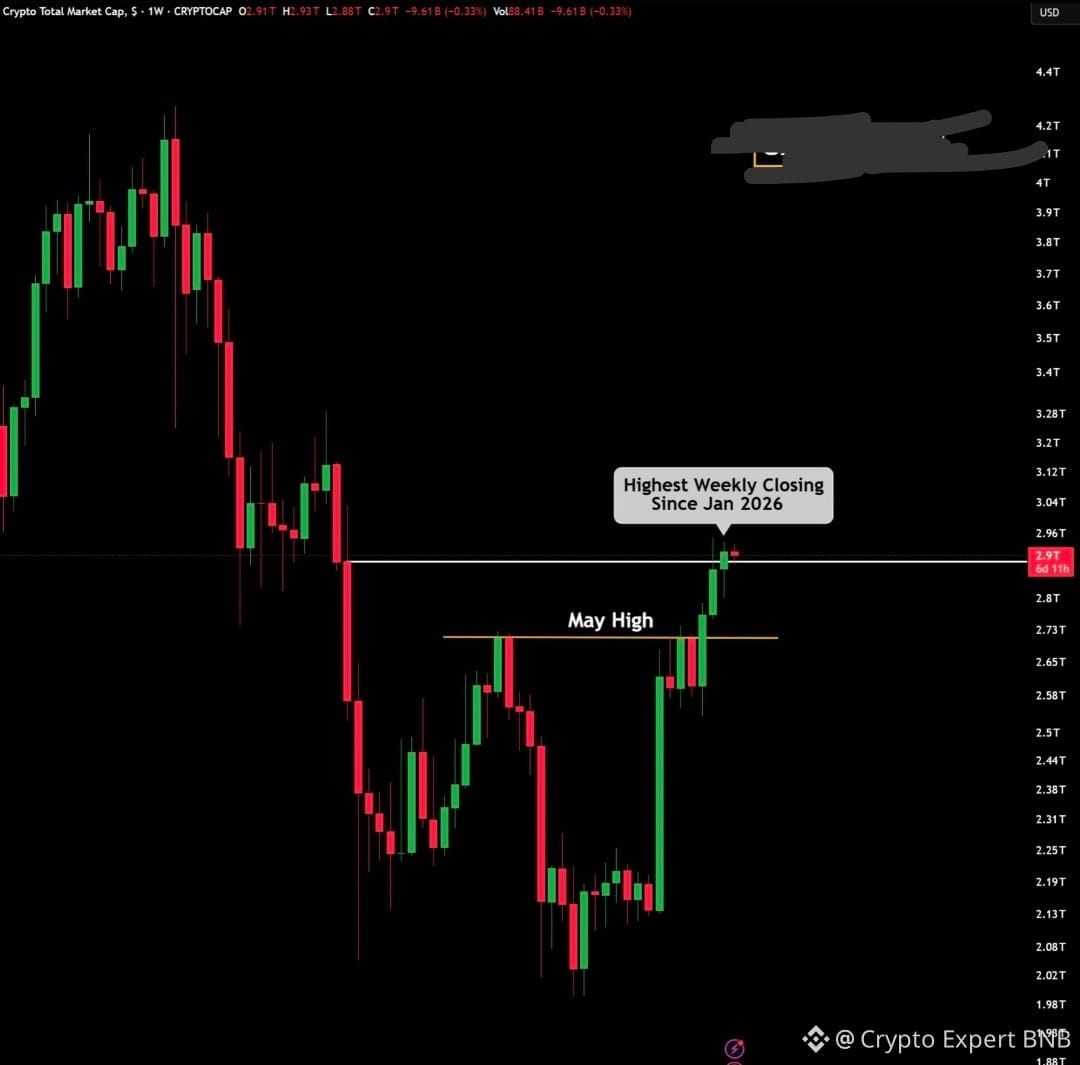
Crypto market cap just hit its highest weekly close since January 2026.
This is the 3rd consecutive weekly close above May highs, signalling that the bottom is in.
$ETH
{future}(ETHUSDT)
$SUI
{future}(SUIUSDT)
$ZEC
{future}(ZECUSDT)
#Nikkei225Jumps2.5%ToThreeMonthHigh
Crypto market cap just hit its highest weekly close since January 2026.
This is the 3rd consecutive weekly close above May highs, signalling that the bottom is in.
$ETH
$SUI
$ZEC
#Nikkei225Jumps2.5%ToThreeMonthHigh
This is the 3rd consecutive weekly close above May highs, signalling that the bottom is in.
$ETH
$SUI
$ZEC
#Nikkei225Jumps2.5%ToThreeMonthHigh
789
·
--
Haussier
Trading sur 30 j de 15.3K USDT en $DOGE
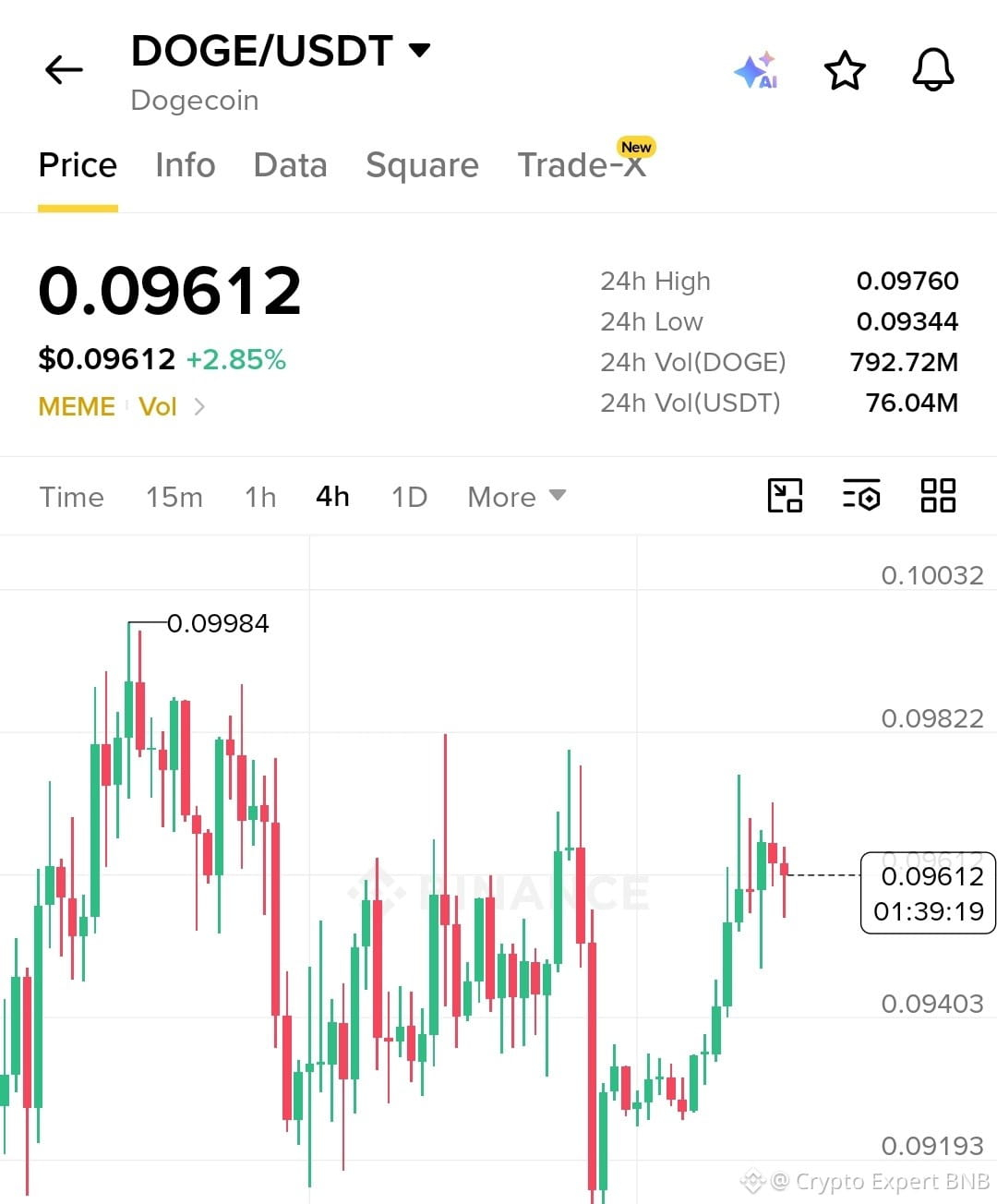
$DOGE 🟢 DIGE Long Trade Signal
So Guys, I’m going to open a 20x Long on $DIGE at $0.09612.
🔹 Entry: $0.0955–$0.0965
🎯 TP1: $0.0985
🎯 TP2: $0.1010
🎯 TP3: $0.1040
🛑 SL: $0.0938
$DOGE
{future}(DOGEUSDT)
📈 Bias: Bullish above $0.094. A hold of the entry zone could support continuation toward the higher targets.
⚡ Leverage: 20x
⚠️ Use controlled position size and strict risk management.#FedOctoberHoldOdds82.3%
$DOGE 🟢 DIGE Long Trade Signal
So Guys, I’m going to open a 20x Long on $DIGE at $0.09612.
🔹 Entry: $0.0955–$0.0965
🎯 TP1: $0.0985
🎯 TP2: $0.1010
🎯 TP3: $0.1040
🛑 SL: $0.0938
$DOGE
📈 Bias: Bullish above $0.094. A hold of the entry zone could support continuation toward the higher targets.
⚡ Leverage: 20x
⚠️ Use controlled position size and strict risk management.#FedOctoberHoldOdds82.3%
So Guys, I’m going to open a 20x Long on $DIGE at $0.09612.
🔹 Entry: $0.0955–$0.0965
🎯 TP1: $0.0985
🎯 TP2: $0.1010
🎯 TP3: $0.1040
🛑 SL: $0.0938
$DOGE
📈 Bias: Bullish above $0.094. A hold of the entry zone could support continuation toward the higher targets.
⚡ Leverage: 20x
⚠️ Use controlled position size and strict risk management.#FedOctoberHoldOdds82.3%
3
4
1.4k
·
--
Haussier
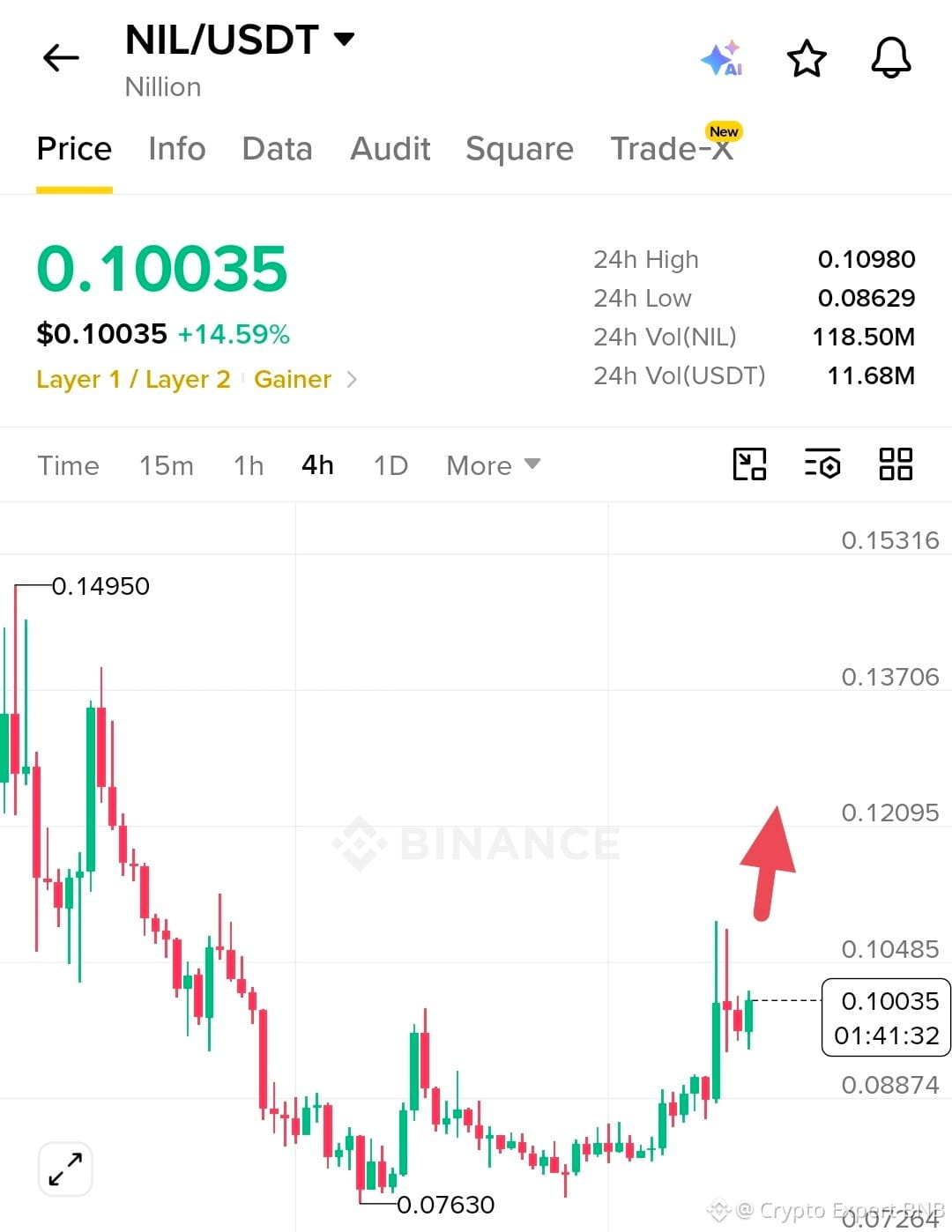
$NIL 🟢 NIL Long Trade Signal
So Guys, I’m going to open a 20x Long on $NIL at $0.10035.
🔹 Entry: $0.0998–$0.1006
🎯 TP1: $0.1025
🎯 TP2: $0.1050
🎯 TP3: $0.1080
🛑 SL: $0.0978
$NIL
{future}(NILUSDT)
📈 Bias: Bullish while NIL holds the $0.099–$0.100 support zone.
⚡ Leverage: 20x
⚠️ Keep position size controlled and respect the stop-loss.
#DriftHackVictimsBeginClaims
$NIL 🟢 NIL Long Trade Signal
So Guys, I’m going to open a 20x Long on $NIL at $0.10035.
🔹 Entry: $0.0998–$0.1006
🎯 TP1: $0.1025
🎯 TP2: $0.1050
🎯 TP3: $0.1080
🛑 SL: $0.0978
$NIL
📈 Bias: Bullish while NIL holds the $0.099–$0.100 support zone.
⚡ Leverage: 20x
⚠️ Keep position size controlled and respect the stop-loss.
#DriftHackVictimsBeginClaims
So Guys, I’m going to open a 20x Long on $NIL at $0.10035.
🔹 Entry: $0.0998–$0.1006
🎯 TP1: $0.1025
🎯 TP2: $0.1050
🎯 TP3: $0.1080
🛑 SL: $0.0978
$NIL
📈 Bias: Bullish while NIL holds the $0.099–$0.100 support zone.
⚡ Leverage: 20x
⚠️ Keep position size controlled and respect the stop-loss.
#DriftHackVictimsBeginClaims
1
2
417
·
--
Haussier
market totally confused no one can say bullish or bearish but my assisment is market overall bullish momuntium and will pump bcs after 8 month it return to little pump$BTC
{future}(BTCUSDT)
$ETH
{future}(ETHUSDT)
$XAUT
#ETHUp70%InQ3ButLiquidityFalls
market totally confused no one can say bullish or bearish but my assisment is market overall bullish momuntium and will pump bcs after 8 month it return to little pump$BTC
$ETH
$XAUT
#ETHUp70%InQ3ButLiquidityFalls
$ETH
$XAUT
#ETHUp70%InQ3ButLiquidityFalls
2
680
·
--
Baissier
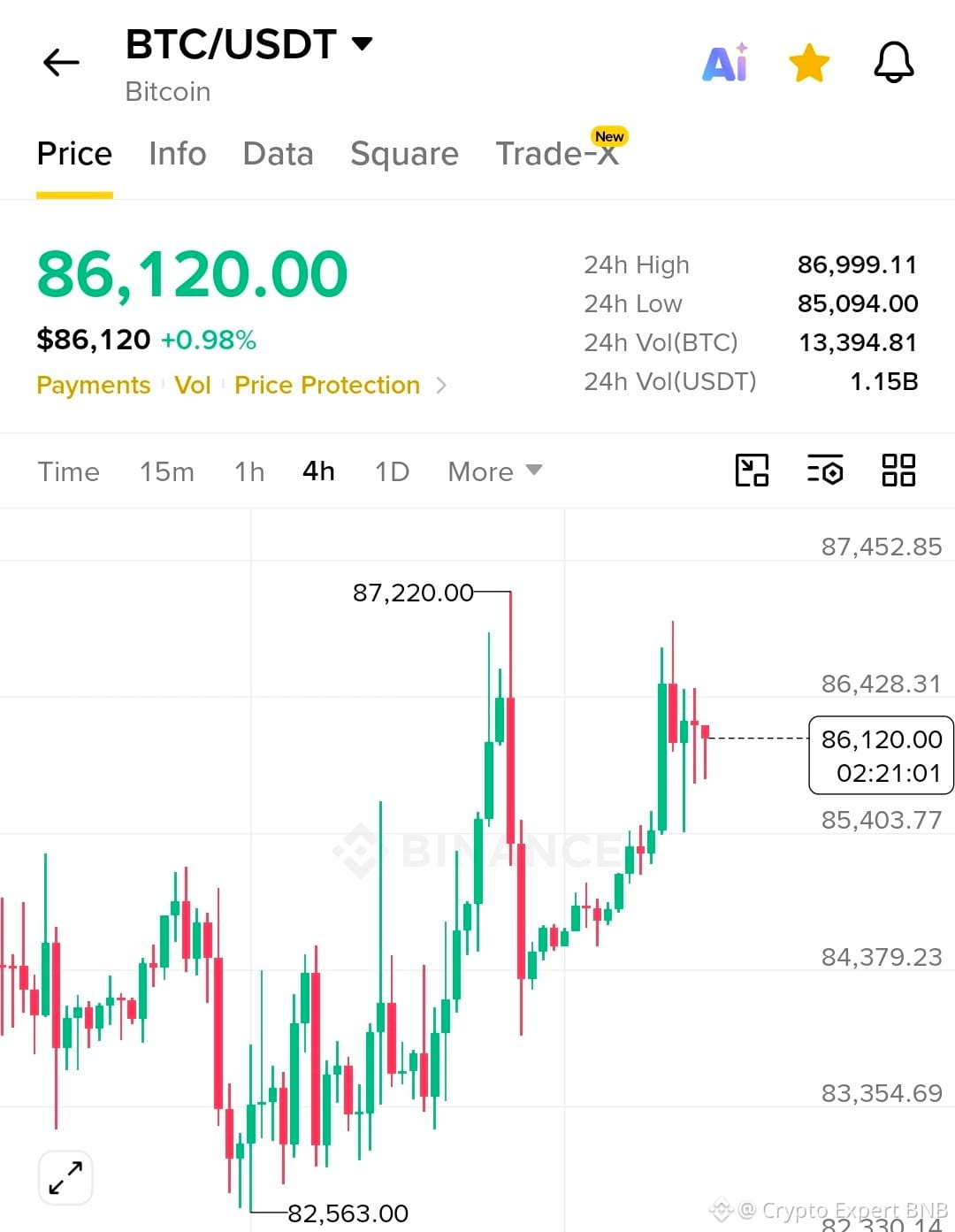
$BTC 🔴 BTC Short Trade Signal
So Guys, I’m going to open a 10x Short on $BTC at $86,120.
🔹 Entry: $86,050–$86,200
🎯 TP1: $85,500
🎯 TP2: $84,900
🎯 TP3: $84,200
🛑 SL: $86,850
$BTC
{future}(BTCUSDT)
📉 Bias: Short setup while BTC remains below the $86.8K–$87K resistance zone. BTC is currently testing this area, so rejection is important for the bearish setup.
⚡ Leverage: 10x
⚠️ 10x leverage carries extreme liquidation risk. Use a small position size.#ETHUp70%InQ3ButLiquidityFalls
$BTC 🔴 BTC Short Trade Signal
So Guys, I’m going to open a 10x Short on $BTC at $86,120.
🔹 Entry: $86,050–$86,200
🎯 TP1: $85,500
🎯 TP2: $84,900
🎯 TP3: $84,200
🛑 SL: $86,850
$BTC
📉 Bias: Short setup while BTC remains below the $86.8K–$87K resistance zone. BTC is currently testing this area, so rejection is important for the bearish setup.
⚡ Leverage: 10x
⚠️ 10x leverage carries extreme liquidation risk. Use a small position size.#ETHUp70%InQ3ButLiquidityFalls
So Guys, I’m going to open a 10x Short on $BTC at $86,120.
🔹 Entry: $86,050–$86,200
🎯 TP1: $85,500
🎯 TP2: $84,900
🎯 TP3: $84,200
🛑 SL: $86,850
$BTC
📉 Bias: Short setup while BTC remains below the $86.8K–$87K resistance zone. BTC is currently testing this area, so rejection is important for the bearish setup.
⚡ Leverage: 10x
⚠️ 10x leverage carries extreme liquidation risk. Use a small position size.#ETHUp70%InQ3ButLiquidityFalls
1
6
710
·
--
Baissier
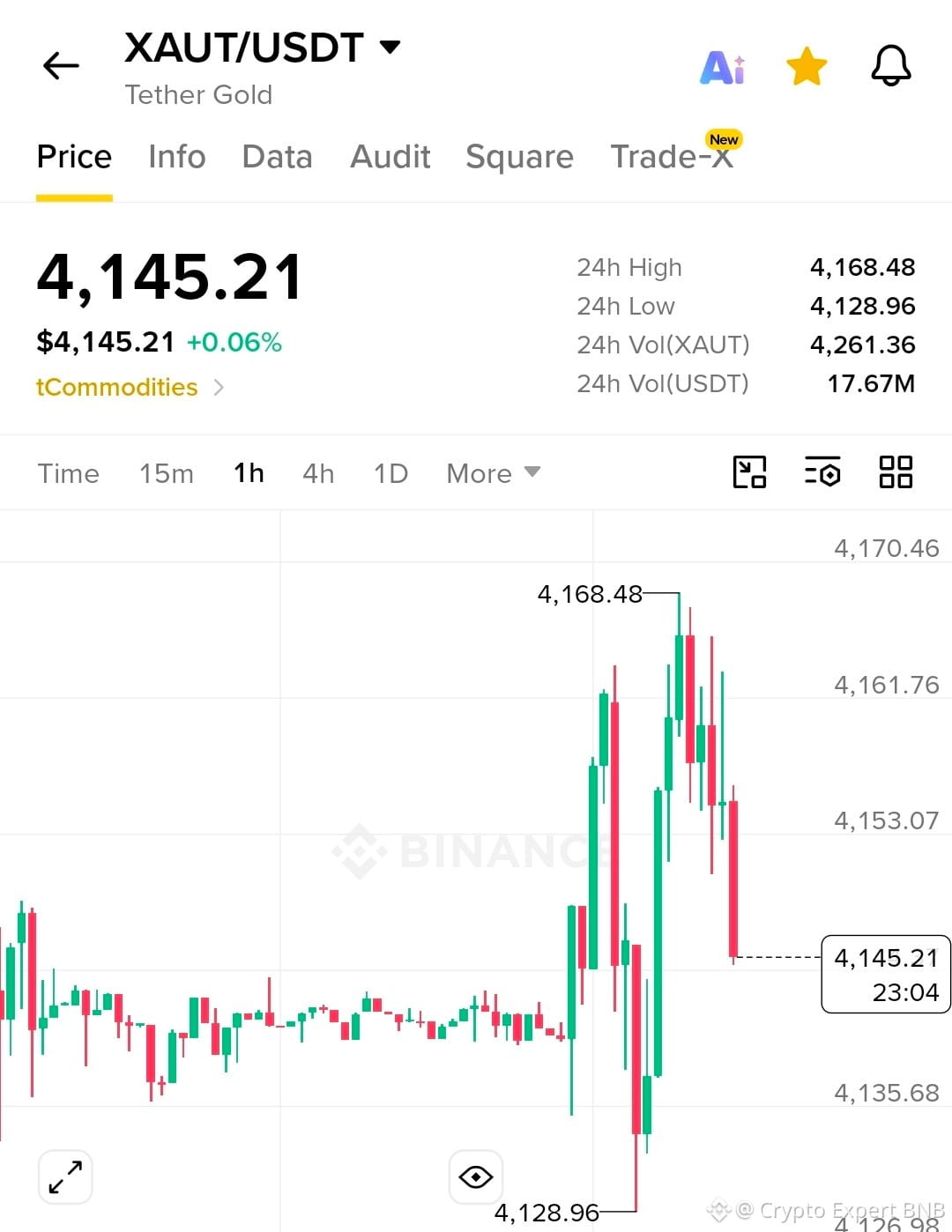
$XAUT 🔴 XAUT Short Trade Signal
So Guys, I’m going to open a Short on $XAUT at $4,145.
🔹 Entry: $4,135–$4,155
🎯 TP1: $4,105
🎯 TP2: $4,070
🎯 TP3: $4,025
🛑 SL: $4,180
{future}(XAUTUSDT)
📉 Bias: Bearish below $4,160. A rejection around the entry zone could open the way toward lower targets.
⚡ Leverage: 20x
⚠️ Use strict risk management.$XAUT #Nikkei225Jumps2.5%ToThreeMonthHigh
$XAUT 🔴 XAUT Short Trade Signal
So Guys, I’m going to open a Short on $XAUT at $4,145.
🔹 Entry: $4,135–$4,155
🎯 TP1: $4,105
🎯 TP2: $4,070
🎯 TP3: $4,025
🛑 SL: $4,180
📉 Bias: Bearish below $4,160. A rejection around the entry zone could open the way toward lower targets.
⚡ Leverage: 20x
⚠️ Use strict risk management.$XAUT #Nikkei225Jumps2.5%ToThreeMonthHigh
So Guys, I’m going to open a Short on $XAUT at $4,145.
🔹 Entry: $4,135–$4,155
🎯 TP1: $4,105
🎯 TP2: $4,070
🎯 TP3: $4,025
🛑 SL: $4,180
📉 Bias: Bearish below $4,160. A rejection around the entry zone could open the way toward lower targets.
⚡ Leverage: 20x
⚠️ Use strict risk management.$XAUT #Nikkei225Jumps2.5%ToThreeMonthHigh
2
454
Connectez-vous pour découvrir plus de contenu
Rejoignez la communauté mondiale des adeptes de cryptomonnaies sur Binance Square
⚡️ Suviez les dernières informations importantes sur les cryptomonnaies.
💬 Jugé digne de confiance par la plus grande plateforme d’échange de cryptomonnaies au monde.
👍 Découvrez les connaissances que partagent les créateurs vérifiés.
Adresse e-mail/Nº de téléphone
Sujets d’actualité
BinanceLaunchesBinanceIntelligence
104,317 vues
1,130 mentions
🚨 BINANCE JUST PUT AI DIRECTLY INSIDE THE EXCHANGE — AND THIS COULD CHANGE HOW RETAIL TRADES.
Binance has officially launched Binance Intelligence, a new AI layer built into the Binance ecosystem. It combines three products:
Binance AI for everyday users,
Binance AI Pro for automated trading workflows,
and Agent OS for developers building financial agents.
The part traders should care about?
Binance AI can surface market briefs, smart alerts, PnL recaps and personalized information, while AI Pro is designed to turn a plain-English trading idea into a visual strategy workflow.
That means the next phase of exchange competition may not be:
lowest fees vs deepest liquidity.
It could be:
who gives traders the best AI execution layer.
If Binance Intelligence actually drives heavier user activity, automated strategies and higher trading frequency, watch $BNB first.
AI adoption ↑
→ Binance engagement ↑
→ trading activity ↑
→ ecosystem narrative strengthens.
The catalyst I’d watch now:
global rollout + AI Pro launch + measurable user adoption.
Because once AI stops just telling you what the market is doing…
…and starts helping build the trade itself?
That’s when this gets much bigger than another chatbot. 👀
#binancelaunchesbinanceintelligence #EvernorthXRPTreasuryCompletesSPACMerger #ADAGains10%Above$0.27 #ETHUp70%InQ3ButLiquidityFalls #EthStakingExitQueueHits2026High
KimHotbae
·32 mentions J’aime
·37.8k vues
StriveBuys2000BTCFor$169M
3,200 vues
49 mentions
EvernorthXRPTreasuryCompletesSPACMerger
69,908 vues
752 mentions