

jujucrypt
1.4k Publicaciones

jujucrypt
Denunciar
Bloquear usuario
just here to learn and share ideas BP-EB1C098E98BB
Abrir trade
Trader ocasional
4.8 año(s)
26 Siguiendo
1.6K+ Seguidores
8.2K+ Me gusta
Publicaciones
Cartera
Todo
Citas
·
--
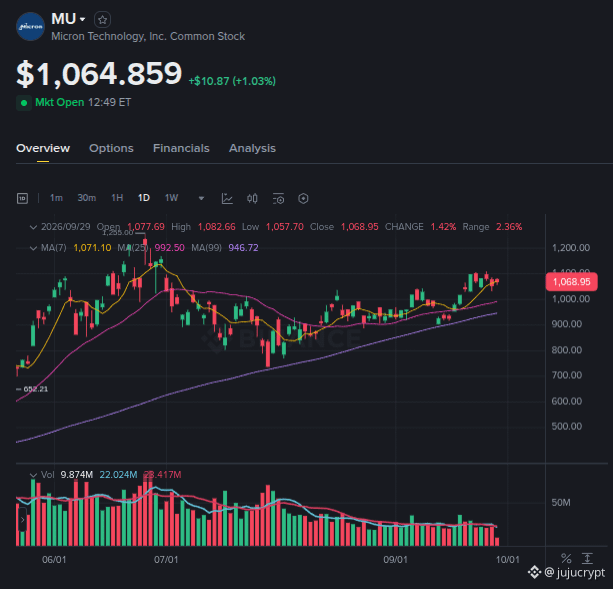
$MU las ganancias están casi aquí.
Micron publica resultados del Q4 el 30 de septiembre, y principalmente estoy observando los números que importan para la historia de memoria para IA.
La compañía había anticipado previamente alrededor de 50B de ingresos, 31 EPS no-GAAP y aproximadamente 86% de margen bruto.
Mi postura antes de las ganancias es alcista, pero no intento perseguir el movimiento antes del reporte.
Si las cifras y la guía salen sólidas y $MU confirma el movimiento después de las ganancias, buscaré una entrada larga.
Si la reacción es débil, me mantendré fuera en lugar de forzar una posición corta solo porque el precio caiga.
Para mí, el plan es simple: compra si las ganancias y la acción del precio confirman; sin operación si no.
#EarningsSeason
$MU las ganancias están casi aquí.
Micron publica resultados del Q4 el 30 de septiembre, y principalmente estoy observando los números que importan para la historia de memoria para IA.
La compañía había anticipado previamente alrededor de 50B de ingresos, 31 EPS no-GAAP y aproximadamente 86% de margen bruto.
Mi postura antes de las ganancias es alcista, pero no intento perseguir el movimiento antes del reporte.
Si las cifras y la guía salen sólidas y $MU confirma el movimiento después de las ganancias, buscaré una entrada larga.
Si la reacción es débil, me mantendré fuera en lugar de forzar una posición corta solo porque el precio caiga.
Para mí, el plan es simple: compra si las ganancias y la acción del precio confirman; sin operación si no.
#EarningsSeason
Micron publica resultados del Q4 el 30 de septiembre, y principalmente estoy observando los números que importan para la historia de memoria para IA.
La compañía había anticipado previamente alrededor de 50B de ingresos, 31 EPS no-GAAP y aproximadamente 86% de margen bruto.
Mi postura antes de las ganancias es alcista, pero no intento perseguir el movimiento antes del reporte.
Si las cifras y la guía salen sólidas y $MU confirma el movimiento después de las ganancias, buscaré una entrada larga.
Si la reacción es débil, me mantendré fuera en lugar de forzar una posición corta solo porque el precio caiga.
Para mí, el plan es simple: compra si las ganancias y la acción del precio confirman; sin operación si no.
#EarningsSeason
103
·
--
La carrera del cómputo con IA se está poniendo salvaje.
Anthropic ha revelado un acuerdo que podría implicar hasta $84.5B en capacidad de cómputo basada en Nvidia hasta 2029.
Eso es casi el doble de la cifra aproximada de $45B que SpaceX divulgó antes de este año.
La historia más grande aquí no es solo el tamaño del acuerdo.
Las empresas de IA están asegurando grandes cantidades de potencia de cómputo porque la demanda de IA sigue creciendo, y los chips de Nvidia aún están en el centro de gran parte de esa infraestructura.
Para $NVDA , este es otro recordatorio de cuánto dinero se está destinando a la infraestructura de IA.
Las cifras se están volviendo más difíciles de ignorar.
$SPCX
#NvidiaApproves$150BBuyback
La carrera del cómputo con IA se está poniendo salvaje.
Anthropic ha revelado un acuerdo que podría implicar hasta $84.5B en capacidad de cómputo basada en Nvidia hasta 2029.
Eso es casi el doble de la cifra aproximada de $45B que SpaceX divulgó antes de este año.
La historia más grande aquí no es solo el tamaño del acuerdo.
Las empresas de IA están asegurando grandes cantidades de potencia de cómputo porque la demanda de IA sigue creciendo, y los chips de Nvidia aún están en el centro de gran parte de esa infraestructura.
Para $NVDA , este es otro recordatorio de cuánto dinero se está destinando a la infraestructura de IA.
Las cifras se están volviendo más difíciles de ignorar.
$SPCX
#NvidiaApproves$150BBuyback
Anthropic ha revelado un acuerdo que podría implicar hasta $84.5B en capacidad de cómputo basada en Nvidia hasta 2029.
Eso es casi el doble de la cifra aproximada de $45B que SpaceX divulgó antes de este año.
La historia más grande aquí no es solo el tamaño del acuerdo.
Las empresas de IA están asegurando grandes cantidades de potencia de cómputo porque la demanda de IA sigue creciendo, y los chips de Nvidia aún están en el centro de gran parte de esa infraestructura.
Para $NVDA , este es otro recordatorio de cuánto dinero se está destinando a la infraestructura de IA.
Las cifras se están volviendo más difíciles de ignorar.
$SPCX
#NvidiaApproves$150BBuyback

343
·
--
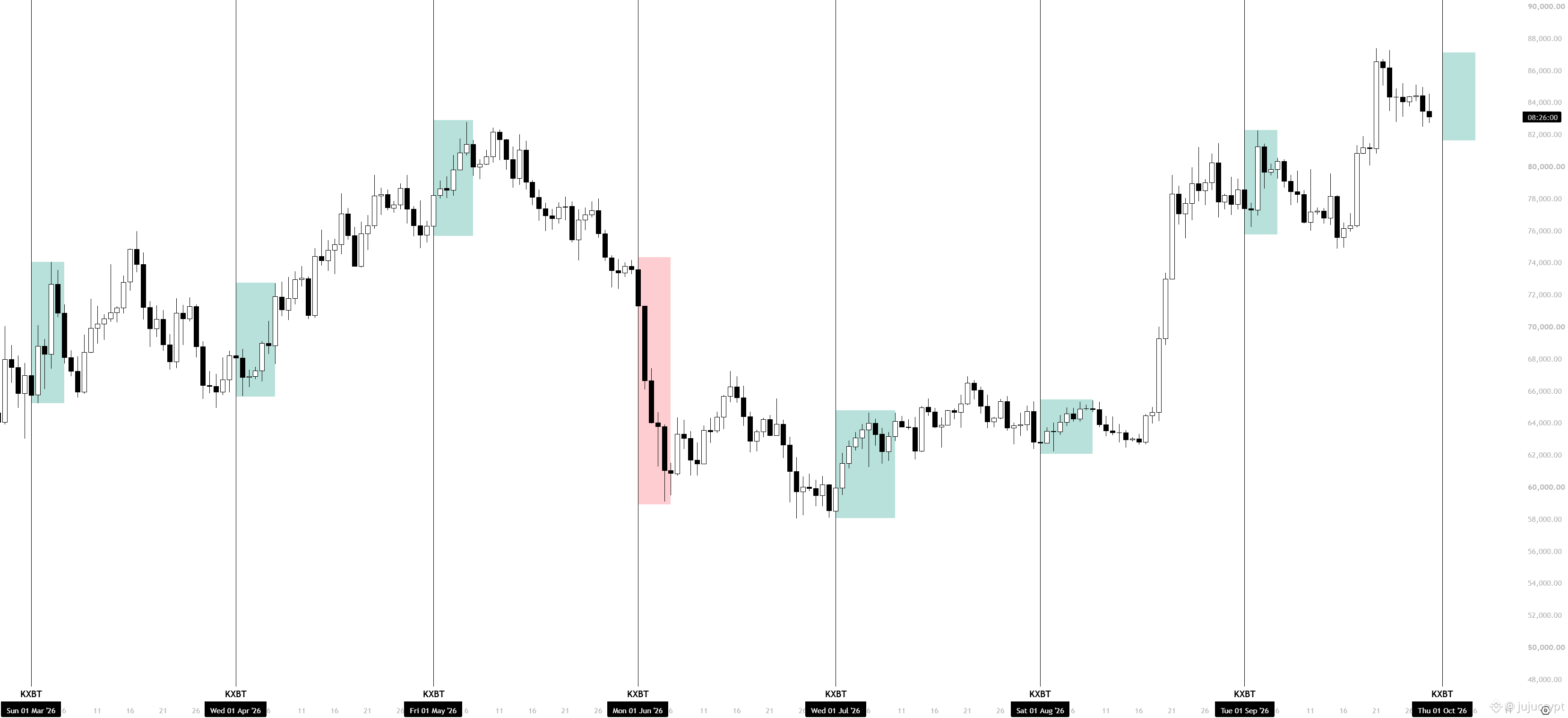
Los nombres grandes siguen comprando $BTC .
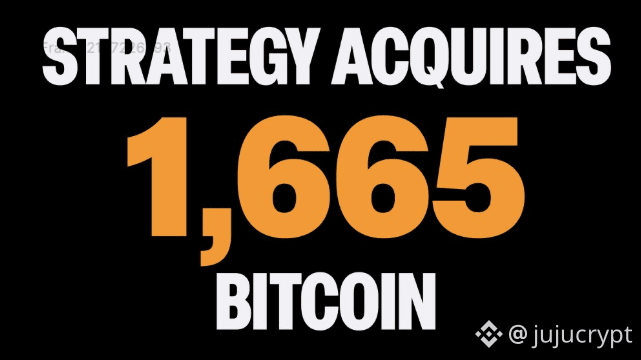
Michael Saylor acaba de anunciar que Strategy añadió otros 1,665 BTC, elevando sus tenencias totales a 847,666 BTC.
La empresa también recompró alrededor de $152M en STRC, mientras mantenía aproximadamente $6.02B en activos en USD.
Strategy claramente no está frenando su estrategia de Bitcoin.
Con las instituciones y los grandes actores continuando para añadir BTC, estoy prestando mucha atención a ver cómo reacciona el mercado desde aquí.
#BTC
Los nombres grandes siguen comprando $BTC .
Michael Saylor acaba de anunciar que Strategy añadió otros 1,665 BTC, elevando sus tenencias totales a 847,666 BTC.
La empresa también recompró alrededor de $152M en STRC, mientras mantenía aproximadamente $6.02B en activos en USD.
Strategy claramente no está frenando su estrategia de Bitcoin.
Con las instituciones y los grandes actores continuando para añadir BTC, estoy prestando mucha atención a ver cómo reacciona el mercado desde aquí.
#BTC
Michael Saylor acaba de anunciar que Strategy añadió otros 1,665 BTC, elevando sus tenencias totales a 847,666 BTC.
La empresa también recompró alrededor de $152M en STRC, mientras mantenía aproximadamente $6.02B en activos en USD.
Strategy claramente no está frenando su estrategia de Bitcoin.
Con las instituciones y los grandes actores continuando para añadir BTC, estoy prestando mucha atención a ver cómo reacciona el mercado desde aquí.
#BTC
25
·
--
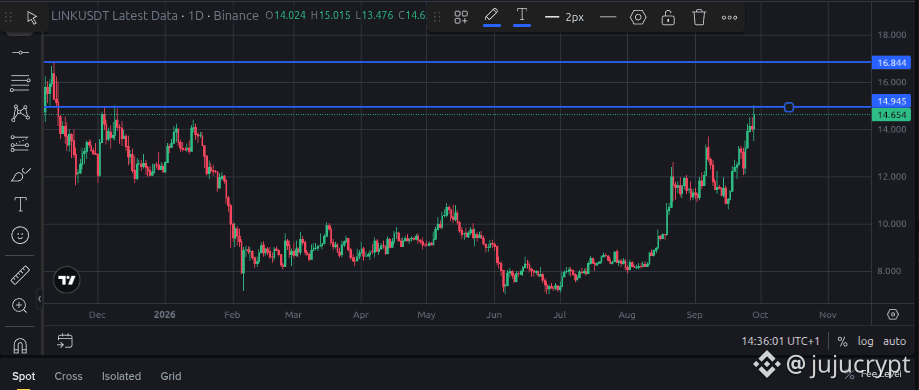
$LINK acaba de recibir otra actualización interesante.
Chainlink ha lanzado CCIP 2.0, llevando verificación de nivel empresarial directamente a su infraestructura entre cadenas.
Para quienes no estén familiarizados, CCIP es el sistema de Chainlink para mover tokens y datos entre diferentes blockchains sin depender de puentes tradicionales.
La gran actualización son los Verificadores entre Cadenas (CCVs).
Las instituciones ahora pueden añadir su propia capa de verificación independiente sobre la red existente de 16 nodos de Chainlink. Pueden ejecutarla por sí mismas o usar proveedores como Infosys y Nethermind.
Así que antes de que se lleve a cabo una transferencia, ambas capas de verificación tienen que aprobarla.
CCIP 2.0 también añade herramientas de cumplimiento para cuestiones como KYC, AML, verificación de sanciones y reglas personalizadas, mientras ofrece a las instituciones distintas opciones de velocidad y seguridad según la transacción.
La idea general es bastante simple:
Chainlink está haciendo más fácil para las instituciones mover activos tokenizados a través de distintas cadenas manteniendo más control sobre la seguridad y el cumplimiento.
Con nombres como ANZ, Fidelity International, SBI Digital Markets, AWS y Google Cloud involucrados en el lanzamiento, definitivamente es una de la que voy a estar atento.
#ChainlinkLaunchesCCIP2WithEnterpriseVerification
$LINK acaba de recibir otra actualización interesante.
Chainlink ha lanzado CCIP 2.0, llevando verificación de nivel empresarial directamente a su infraestructura entre cadenas.
Para quienes no estén familiarizados, CCIP es el sistema de Chainlink para mover tokens y datos entre diferentes blockchains sin depender de puentes tradicionales.
La gran actualización son los Verificadores entre Cadenas (CCVs).
Las instituciones ahora pueden añadir su propia capa de verificación independiente sobre la red existente de 16 nodos de Chainlink. Pueden ejecutarla por sí mismas o usar proveedores como Infosys y Nethermind.
Así que antes de que se lleve a cabo una transferencia, ambas capas de verificación tienen que aprobarla.
CCIP 2.0 también añade herramientas de cumplimiento para cuestiones como KYC, AML, verificación de sanciones y reglas personalizadas, mientras ofrece a las instituciones distintas opciones de velocidad y seguridad según la transacción.
La idea general es bastante simple:
Chainlink está haciendo más fácil para las instituciones mover activos tokenizados a través de distintas cadenas manteniendo más control sobre la seguridad y el cumplimiento.
Con nombres como ANZ, Fidelity International, SBI Digital Markets, AWS y Google Cloud involucrados en el lanzamiento, definitivamente es una de la que voy a estar atento.
#ChainlinkLaunchesCCIP2WithEnterpriseVerification
Chainlink ha lanzado CCIP 2.0, llevando verificación de nivel empresarial directamente a su infraestructura entre cadenas.
Para quienes no estén familiarizados, CCIP es el sistema de Chainlink para mover tokens y datos entre diferentes blockchains sin depender de puentes tradicionales.
La gran actualización son los Verificadores entre Cadenas (CCVs).
Las instituciones ahora pueden añadir su propia capa de verificación independiente sobre la red existente de 16 nodos de Chainlink. Pueden ejecutarla por sí mismas o usar proveedores como Infosys y Nethermind.
Así que antes de que se lleve a cabo una transferencia, ambas capas de verificación tienen que aprobarla.
CCIP 2.0 también añade herramientas de cumplimiento para cuestiones como KYC, AML, verificación de sanciones y reglas personalizadas, mientras ofrece a las instituciones distintas opciones de velocidad y seguridad según la transacción.
La idea general es bastante simple:
Chainlink está haciendo más fácil para las instituciones mover activos tokenizados a través de distintas cadenas manteniendo más control sobre la seguridad y el cumplimiento.
Con nombres como ANZ, Fidelity International, SBI Digital Markets, AWS y Google Cloud involucrados en el lanzamiento, definitivamente es una de la que voy a estar atento.
#ChainlinkLaunchesCCIP2WithEnterpriseVerification
1
77
·
--
Algunas alternativas que tengo en vigilancia ahora mismo
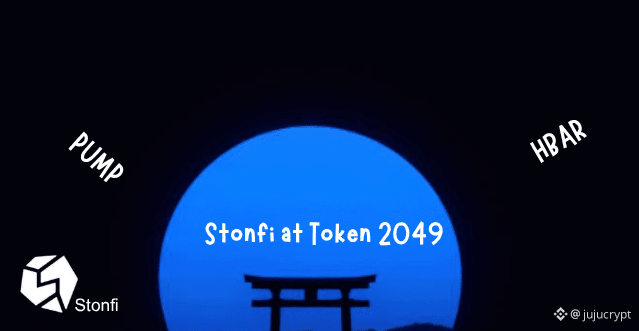
$PUMP probablemente esté en la parte superior de mi lista, seguida de $HBAR
El mercado todavía se siente como si estuviera esperando esa rotación más grande, donde las alt comienzan a hacer movimientos serios en todo el mercado. Obviamente, nadie sabe exactamente cuándo va a pasar eso, pero estoy manteniendo mi lista de seguimiento lista en lugar de perseguir cada vela verde.
Mientras tanto, del lado de STONfi, también se viene bastante.
El equipo viaja a Korea Blockchain Week en Seúl el 30 de sept. al 1 de oct., seguido de TOKEN2049 Singapore los días 7–8 de oct.
Andrey Fedorov, CMO y CBDO de STON.fi, también hablará en la HSC Conference Seoul el 1 de oct. sobre “Beyond Chain Boundaries: The Next Layer of DeFi.”
Ethan Clime, Head of DevRel, también estará allí para hacer contactos y conversar sobre DeFi entre cadenas.
Me gusta ver esta parte de las cosas porque, mientras yo vigilo los gráficos para el próximo movimiento de alt, STON.fi sigue ahí, construyendo y hablando sobre hacia dónde se dirige el DeFi entre cadenas.
Hay cosas diferentes en el radar, pero estoy vigilando ambas.
Algunas alternativas que tengo en vigilancia ahora mismo
$PUMP probablemente esté en la parte superior de mi lista, seguida de $HBAR
El mercado todavía se siente como si estuviera esperando esa rotación más grande, donde las alt comienzan a hacer movimientos serios en todo el mercado. Obviamente, nadie sabe exactamente cuándo va a pasar eso, pero estoy manteniendo mi lista de seguimiento lista en lugar de perseguir cada vela verde.
Mientras tanto, del lado de STONfi, también se viene bastante.
El equipo viaja a Korea Blockchain Week en Seúl el 30 de sept. al 1 de oct., seguido de TOKEN2049 Singapore los días 7–8 de oct.
Andrey Fedorov, CMO y CBDO de STON.fi, también hablará en la HSC Conference Seoul el 1 de oct. sobre “Beyond Chain Boundaries: The Next Layer of DeFi.”
Ethan Clime, Head of DevRel, también estará allí para hacer contactos y conversar sobre DeFi entre cadenas.
Me gusta ver esta parte de las cosas porque, mientras yo vigilo los gráficos para el próximo movimiento de alt, STON.fi sigue ahí, construyendo y hablando sobre hacia dónde se dirige el DeFi entre cadenas.
Hay cosas diferentes en el radar, pero estoy vigilando ambas.
$PUMP probablemente esté en la parte superior de mi lista, seguida de $HBAR
El mercado todavía se siente como si estuviera esperando esa rotación más grande, donde las alt comienzan a hacer movimientos serios en todo el mercado. Obviamente, nadie sabe exactamente cuándo va a pasar eso, pero estoy manteniendo mi lista de seguimiento lista en lugar de perseguir cada vela verde.
Mientras tanto, del lado de STONfi, también se viene bastante.
El equipo viaja a Korea Blockchain Week en Seúl el 30 de sept. al 1 de oct., seguido de TOKEN2049 Singapore los días 7–8 de oct.
Andrey Fedorov, CMO y CBDO de STON.fi, también hablará en la HSC Conference Seoul el 1 de oct. sobre “Beyond Chain Boundaries: The Next Layer of DeFi.”
Ethan Clime, Head of DevRel, también estará allí para hacer contactos y conversar sobre DeFi entre cadenas.
Me gusta ver esta parte de las cosas porque, mientras yo vigilo los gráficos para el próximo movimiento de alt, STON.fi sigue ahí, construyendo y hablando sobre hacia dónde se dirige el DeFi entre cadenas.
Hay cosas diferentes en el radar, pero estoy vigilando ambas.
1
76
·
--
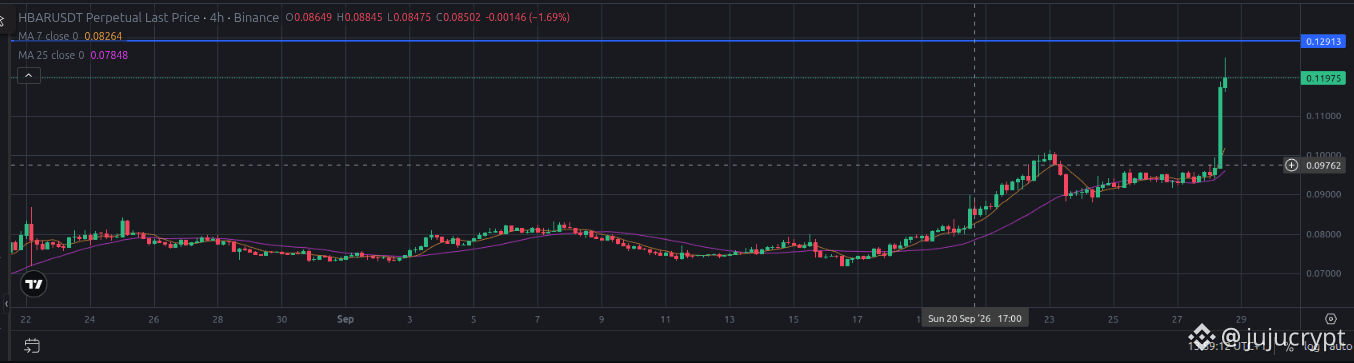
$HBAR vuelve a aparecer en el gráfico y empieza a coger buen flujo alrededor de $0.122.
$ONDO también se está moviendo bien, así que ahora mismo hay definitivamente alguna acción interesante en todo el mercado.
Luego vi que GEMSTON tuvo un buen impulso ayer.
Hombre literalmente canceló 2 ceros.
Ese en particular captó mi atención porque llevo un tiempo siguiendo lo que está pasando alrededor de STON.fi, y GEMSTON se ha convertido en uno de esos tokens más pequeños del ecosistema que sigo revisando.
No digo que cada impulso signifique que ya toca perseguir. La cripto puede moverse rápido en ambas direcciones, así que sigo vigilando el volumen y cómo se mantiene después del movimiento.
Pero ver que GEMSTON empieza a recibir este tipo de atención mientras stonfi sigue construyendo es interesante.
El protocolo se ha estado expandiendo más allá de los swaps simples, con más enfoque en la liquidez, el movimiento entre cadenas y el ecosistema TON DeFi más amplio.
Así que sí, HBAR y ONDO están en mi radar...
Pero después de ese movimiento de GEMSTON, definitivamente estoy prestando un poco más de atención a lo que está pasando del lado de STON.fi también.
Sigo mirando. Siguiendo investigando.
#TON
$HBAR vuelve a aparecer en el gráfico y empieza a coger buen flujo alrededor de $0.122.
$ONDO también se está moviendo bien, así que ahora mismo hay definitivamente alguna acción interesante en todo el mercado.
Luego vi que GEMSTON tuvo un buen impulso ayer.
Hombre literalmente canceló 2 ceros.
Ese en particular captó mi atención porque llevo un tiempo siguiendo lo que está pasando alrededor de STON.fi, y GEMSTON se ha convertido en uno de esos tokens más pequeños del ecosistema que sigo revisando.
No digo que cada impulso signifique que ya toca perseguir. La cripto puede moverse rápido en ambas direcciones, así que sigo vigilando el volumen y cómo se mantiene después del movimiento.
Pero ver que GEMSTON empieza a recibir este tipo de atención mientras stonfi sigue construyendo es interesante.
El protocolo se ha estado expandiendo más allá de los swaps simples, con más enfoque en la liquidez, el movimiento entre cadenas y el ecosistema TON DeFi más amplio.
Así que sí, HBAR y ONDO están en mi radar...
Pero después de ese movimiento de GEMSTON, definitivamente estoy prestando un poco más de atención a lo que está pasando del lado de STON.fi también.
Sigo mirando. Siguiendo investigando.
#TON
$ONDO también se está moviendo bien, así que ahora mismo hay definitivamente alguna acción interesante en todo el mercado.
Luego vi que GEMSTON tuvo un buen impulso ayer.
Hombre literalmente canceló 2 ceros.
Ese en particular captó mi atención porque llevo un tiempo siguiendo lo que está pasando alrededor de STON.fi, y GEMSTON se ha convertido en uno de esos tokens más pequeños del ecosistema que sigo revisando.
No digo que cada impulso signifique que ya toca perseguir. La cripto puede moverse rápido en ambas direcciones, así que sigo vigilando el volumen y cómo se mantiene después del movimiento.
Pero ver que GEMSTON empieza a recibir este tipo de atención mientras stonfi sigue construyendo es interesante.
El protocolo se ha estado expandiendo más allá de los swaps simples, con más enfoque en la liquidez, el movimiento entre cadenas y el ecosistema TON DeFi más amplio.
Así que sí, HBAR y ONDO están en mi radar...
Pero después de ese movimiento de GEMSTON, definitivamente estoy prestando un poco más de atención a lo que está pasando del lado de STON.fi también.
Sigo mirando. Siguiendo investigando.
#TON
1
486
·
--
$QNT está realmente llamando mi atención ahora mismo.
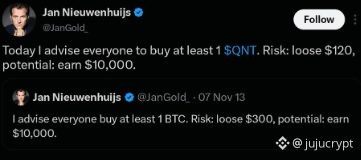
Acabo de ver a un KOL que llamó $BTC hace muchísimo tiempo también hablando sobre $QNT, así que definitivamente lo mantengo en mi radar.
Después del movimiento reciente, el retroceso que estamos viendo podría ser simplemente toma de ganancias. Aun así, quiero ver cómo reacciona el precio desde aquí antes de emocionarme demasiado.
Del otro lado, sigo teniendo mis manos sobre STON.fi.
Una cosa que he empezado a apreciar de Omniston es lo simple que se vuelve la idea cuando eliminas la parte técnica.
Quieres mover un activo de una cadena a otra.
Elige → obtén una cotización → confirma → recibe.
Entre bastidores, Omniston encuentra liquidez mediante resolvers y coordina el intercambio entre ambas cadenas. Los activos quedan asegurados en ambos lados, así que el swap se completa o se puede reembolsar a través de la configuración de HTLC.
No hace falta averiguar manualmente el puente ni lidiar con activos envueltos en medio.
Hay diferentes cosas en mi radar ahora mismo, pero estoy vigilando ambas.
#QNTFallsOver40%FromMorningHigh
$QNT está realmente llamando mi atención ahora mismo.
Acabo de ver a un KOL que llamó $BTC hace muchísimo tiempo también hablando sobre $QNT , así que definitivamente lo mantengo en mi radar.
Después del movimiento reciente, el retroceso que estamos viendo podría ser simplemente toma de ganancias. Aun así, quiero ver cómo reacciona el precio desde aquí antes de emocionarme demasiado.
Del otro lado, sigo teniendo mis manos sobre STON.fi.
Una cosa que he empezado a apreciar de Omniston es lo simple que se vuelve la idea cuando eliminas la parte técnica.
Quieres mover un activo de una cadena a otra.
Elige → obtén una cotización → confirma → recibe.
Entre bastidores, Omniston encuentra liquidez mediante resolvers y coordina el intercambio entre ambas cadenas. Los activos quedan asegurados en ambos lados, así que el swap se completa o se puede reembolsar a través de la configuración de HTLC.
No hace falta averiguar manualmente el puente ni lidiar con activos envueltos en medio.
Hay diferentes cosas en mi radar ahora mismo, pero estoy vigilando ambas.
#QNTFallsOver40%FromMorningHigh
Acabo de ver a un KOL que llamó $BTC hace muchísimo tiempo también hablando sobre $QNT , así que definitivamente lo mantengo en mi radar.
Después del movimiento reciente, el retroceso que estamos viendo podría ser simplemente toma de ganancias. Aun así, quiero ver cómo reacciona el precio desde aquí antes de emocionarme demasiado.
Del otro lado, sigo teniendo mis manos sobre STON.fi.
Una cosa que he empezado a apreciar de Omniston es lo simple que se vuelve la idea cuando eliminas la parte técnica.
Quieres mover un activo de una cadena a otra.
Elige → obtén una cotización → confirma → recibe.
Entre bastidores, Omniston encuentra liquidez mediante resolvers y coordina el intercambio entre ambas cadenas. Los activos quedan asegurados en ambos lados, así que el swap se completa o se puede reembolsar a través de la configuración de HTLC.
No hace falta averiguar manualmente el puente ni lidiar con activos envueltos en medio.
Hay diferentes cosas en mi radar ahora mismo, pero estoy vigilando ambas.
#QNTFallsOver40%FromMorningHigh
197
·
--
Verificado
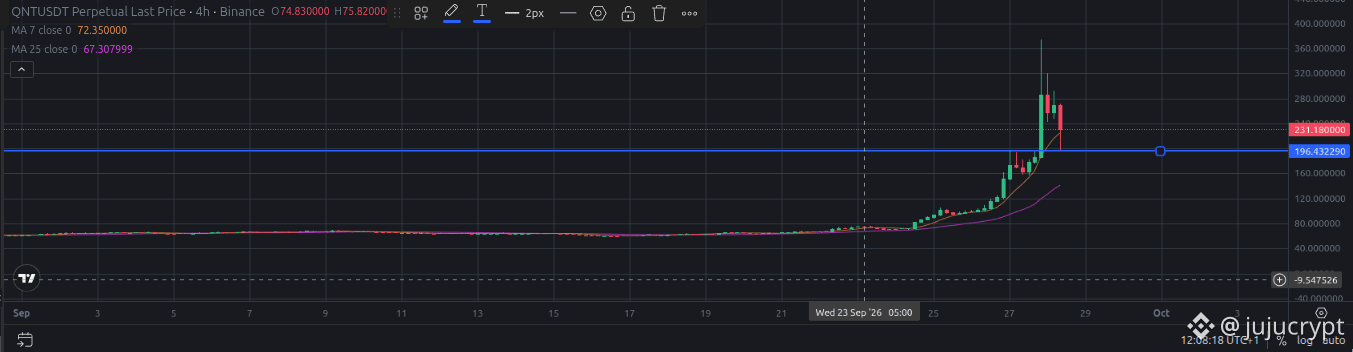
$QNT (Cuant) cayó más de un 40% desde su máximo de esta mañana hoy (28 de septiembre de 2026).
Se disparó con una gran noticia: The Clearing House (la red detrás de grandes bancos de EE. UU. como JPMorgan, Citi, etc.) eligió la tecnología de Quant para depósitos bancarios tokenizados.
Eso desató una salvaje racha de varios días: subió cientos de por ciento en una semana, tocando máximos cerca de $340–$370+.
Luego llegó la acción clásica del cripto: toma de ganancias, condiciones de sobrecompra (RSI altísimo) y la liquidez escasa convirtieron el pico en un retroceso brusco.
El rango de 24h osciló aproximadamente de $158 de mínimo a $358 de máximo. El precio aún está muchísimo más alto que al inicio de la semana, solo que se está enfriando con fuerza después del movimiento vertical.
Conclusión sencilla: impulso impulsado por noticias → sobreextensión extrema → corrección brusca desde el pico de la mañana. La volatilidad es el juego aquí.
#QNTFallsOver40%FromMorningHigh
$QNT (Cuant) cayó más de un 40% desde su máximo de esta mañana hoy (28 de septiembre de 2026).
Se disparó con una gran noticia: The Clearing House (la red detrás de grandes bancos de EE. UU. como JPMorgan, Citi, etc.) eligió la tecnología de Quant para depósitos bancarios tokenizados.
Eso desató una salvaje racha de varios días: subió cientos de por ciento en una semana, tocando máximos cerca de $340–$370+.
Luego llegó la acción clásica del cripto: toma de ganancias, condiciones de sobrecompra (RSI altísimo) y la liquidez escasa convirtieron el pico en un retroceso brusco.
El rango de 24h osciló aproximadamente de $158 de mínimo a $358 de máximo. El precio aún está muchísimo más alto que al inicio de la semana, solo que se está enfriando con fuerza después del movimiento vertical.
Conclusión sencilla: impulso impulsado por noticias → sobreextensión extrema → corrección brusca desde el pico de la mañana. La volatilidad es el juego aquí.
#QNTFallsOver40%FromMorningHigh
Se disparó con una gran noticia: The Clearing House (la red detrás de grandes bancos de EE. UU. como JPMorgan, Citi, etc.) eligió la tecnología de Quant para depósitos bancarios tokenizados.
Eso desató una salvaje racha de varios días: subió cientos de por ciento en una semana, tocando máximos cerca de $340–$370+.
Luego llegó la acción clásica del cripto: toma de ganancias, condiciones de sobrecompra (RSI altísimo) y la liquidez escasa convirtieron el pico en un retroceso brusco.
El rango de 24h osciló aproximadamente de $158 de mínimo a $358 de máximo. El precio aún está muchísimo más alto que al inicio de la semana, solo que se está enfriando con fuerza después del movimiento vertical.
Conclusión sencilla: impulso impulsado por noticias → sobreextensión extrema → corrección brusca desde el pico de la mañana. La volatilidad es el juego aquí.
#QNTFallsOver40%FromMorningHigh
1
786
·
--
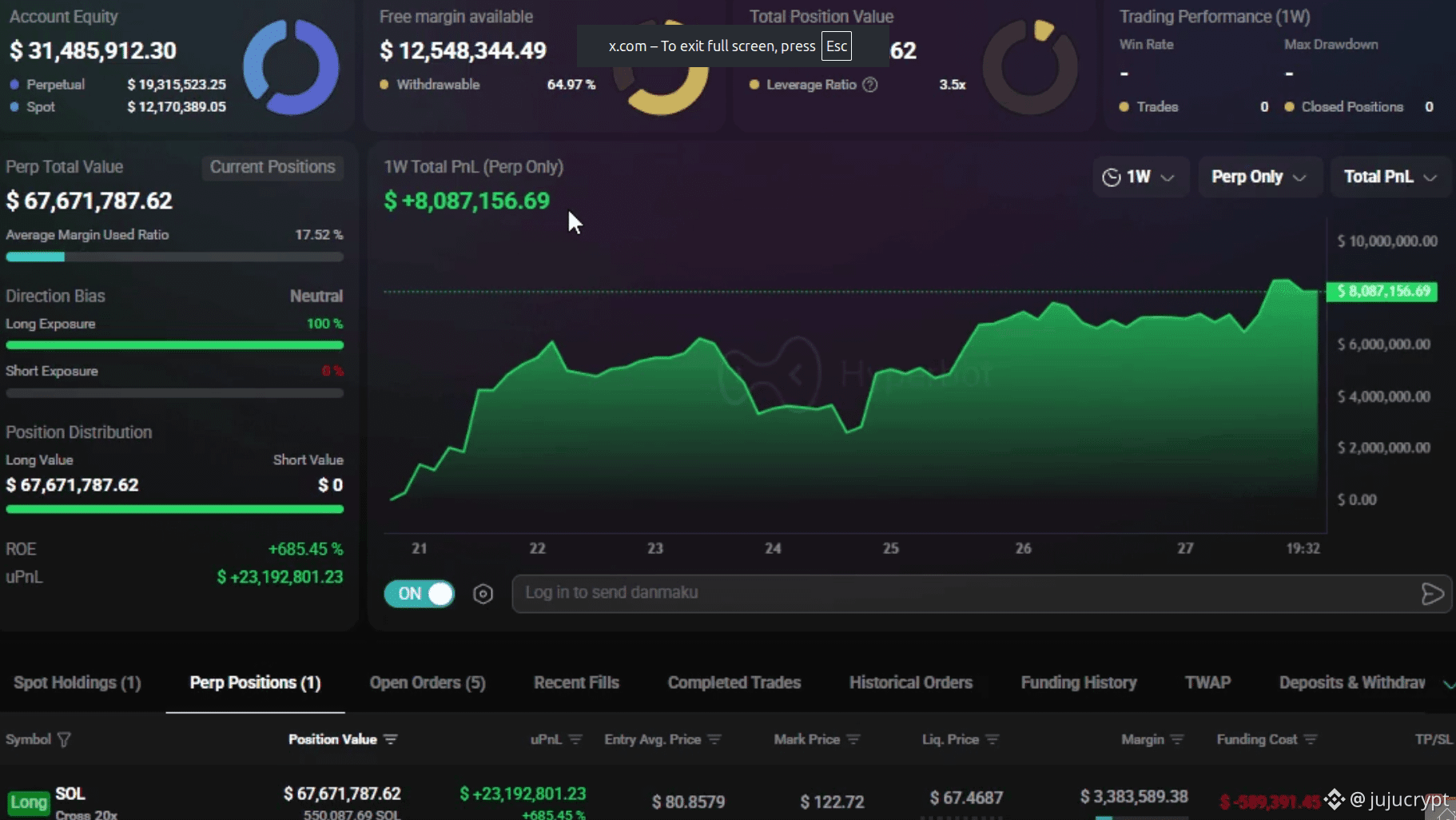
$SOL Las ballenas están haciendo movimientos serios.
Las posiciones largas de ballenas de Bitfinex se han disparado, mientras que los ETF de Solana compraron 2.32M SOL, valorados en alrededor de $278M, durante las últimas dos semanas.
El AUM total de ETF ahora está en torno a $2.28B.
Con las ballenas acumulando y la demanda de ETF aumentando, ¿Solana se está preparando para otra temporada de memes?
#SOLSpotETFWeeklyInflow$188M
$SOL Las ballenas están haciendo movimientos serios.
Las posiciones largas de ballenas de Bitfinex se han disparado, mientras que los ETF de Solana compraron 2.32M SOL, valorados en alrededor de $278M, durante las últimas dos semanas.
El AUM total de ETF ahora está en torno a $2.28B.
Con las ballenas acumulando y la demanda de ETF aumentando, ¿Solana se está preparando para otra temporada de memes?
#SOLSpotETFWeeklyInflow$188M
Las posiciones largas de ballenas de Bitfinex se han disparado, mientras que los ETF de Solana compraron 2.32M SOL, valorados en alrededor de $278M, durante las últimas dos semanas.
El AUM total de ETF ahora está en torno a $2.28B.
Con las ballenas acumulando y la demanda de ETF aumentando, ¿Solana se está preparando para otra temporada de memes?
#SOLSpotETFWeeklyInflow$188M
9
1
17
25.6k
·
--
$NEAR acaba de dar otro paso importante hacia adelante.
Bitwise ha presentado su prospecto final para un puesto CERCA de #etf , diseñado para ofrecer a los inversores tradicionales exposición a NEAR a través de un producto negociado en bolsa (ETF) regular.
Lo que hace que este sea interesante es el componente de staking. El fondo planea apostar sus participaciones en NEAR y potencialmente ganar NEAR adicional a partir de esas recompensas.
El registro ante la SEC se volvió efectivo el 24 de septiembre, y el ETF se listará en NYSE Arca bajo el ticker propuesto NRR.
Para mí, la historia más grande es el acceso.
Los inversores que no quieran comprar y gestionar NEAR directamente ahora podrían obtener exposición a través de una cuenta de corretaje tradicional.
Ahora estoy observando qué sucede una vez que el ETF comience a cotizar y si se siguen entradas reales después del titular.
#BitwiseFilesFinalNEARSpotETFProspectus
$NEAR acaba de dar otro paso importante hacia adelante.
Bitwise ha presentado su prospecto final para un puesto CERCA de #etf , diseñado para ofrecer a los inversores tradicionales exposición a NEAR a través de un producto negociado en bolsa (ETF) regular.
Lo que hace que este sea interesante es el componente de staking. El fondo planea apostar sus participaciones en NEAR y potencialmente ganar NEAR adicional a partir de esas recompensas.
El registro ante la SEC se volvió efectivo el 24 de septiembre, y el ETF se listará en NYSE Arca bajo el ticker propuesto NRR.
Para mí, la historia más grande es el acceso.
Los inversores que no quieran comprar y gestionar NEAR directamente ahora podrían obtener exposición a través de una cuenta de corretaje tradicional.
Ahora estoy observando qué sucede una vez que el ETF comience a cotizar y si se siguen entradas reales después del titular.
#BitwiseFilesFinalNEARSpotETFProspectus
Bitwise ha presentado su prospecto final para un puesto CERCA de #etf , diseñado para ofrecer a los inversores tradicionales exposición a NEAR a través de un producto negociado en bolsa (ETF) regular.
Lo que hace que este sea interesante es el componente de staking. El fondo planea apostar sus participaciones en NEAR y potencialmente ganar NEAR adicional a partir de esas recompensas.
El registro ante la SEC se volvió efectivo el 24 de septiembre, y el ETF se listará en NYSE Arca bajo el ticker propuesto NRR.
Para mí, la historia más grande es el acceso.
Los inversores que no quieran comprar y gestionar NEAR directamente ahora podrían obtener exposición a través de una cuenta de corretaje tradicional.
Ahora estoy observando qué sucede una vez que el ETF comience a cotizar y si se siguen entradas reales después del titular.
#BitwiseFilesFinalNEARSpotETFProspectus
99
·
--
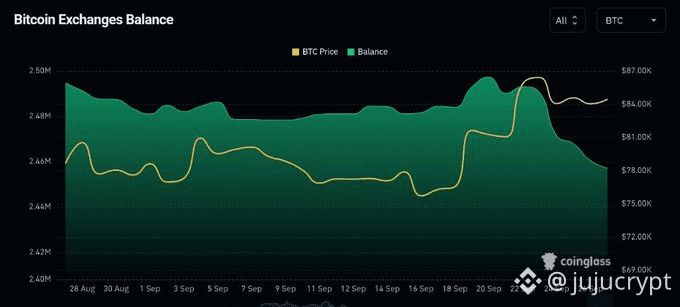
Más liquidez saliendo de las exchanges, supongo.
Alrededor de 30,000 $BTC fluyeron hacia afuera de las exchanges centralizadas durante los últimos 7 días, según CoinGlass.
Eso equivale aproximadamente a $2.52B en BTC saliendo de las exchanges en solo una semana.
Estoy observando hacia dónde va esta liquidez a continuación y qué significa para el mercado.
#bitcoin
Más liquidez saliendo de las exchanges, supongo.
Alrededor de 30,000 $BTC fluyeron hacia afuera de las exchanges centralizadas durante los últimos 7 días, según CoinGlass.
Eso equivale aproximadamente a $2.52B en BTC saliendo de las exchanges en solo una semana.
Estoy observando hacia dónde va esta liquidez a continuación y qué significa para el mercado.
#bitcoin
Alrededor de 30,000 $BTC fluyeron hacia afuera de las exchanges centralizadas durante los últimos 7 días, según CoinGlass.
Eso equivale aproximadamente a $2.52B en BTC saliendo de las exchanges en solo una semana.
Estoy observando hacia dónde va esta liquidez a continuación y qué significa para el mercado.
#bitcoin
1
41
·
--
BGB se siente similar a $ZEC hace un tiempo, antes de que tuviera la enorme subida; es mejor prestar atención a sus gráficos
BGB se siente similar a $ZEC hace un tiempo, antes de que tuviera la enorme subida; es mejor prestar atención a sus gráficos
1
191
·
--
El 24 de septiembre de 2026, Bitget sufrió una importante brecha de seguridad, con alrededor de $387M–$390M en activos supuestamente robados.
Una gran parte de los fondos robados fue $XRP .
Alrededor de 103M $XRP, con un valor aproximado de $157M–$160M en ese momento, se transfirieron a cinco billeteras controladas por el atacante.
Para el 26 de septiembre, aproximadamente 54M XRP ($83M) ya se habían movido fuera de tres de esas billeteras.
Dos billeteras que cada una contenía alrededor de 20M XRP se vaciaron casi por completo, mientras que otra se redujo a unos 5.8M XRP.
Eso dejó alrededor de 49M XRP, valorados en aproximadamente $75M en ese momento, todavía en las billeteras originales.
Las transferencias también se intensificaron durante la noche, con los fondos distribuidos en nuevas billeteras. Algunos informes señalan que parte del XRP se movió posteriormente a través de THORChain hacia Bitcoin.
Definitivamente es una situación que mantengo bajo vigilancia mientras los fondos continúan moviéndose.
#BitgetHackerMoves$83MStolenXRP
El 24 de septiembre de 2026, Bitget sufrió una importante brecha de seguridad, con alrededor de $387M–$390M en activos supuestamente robados.
Una gran parte de los fondos robados fue $XRP .
Alrededor de 103M $XRP , con un valor aproximado de $157M–$160M en ese momento, se transfirieron a cinco billeteras controladas por el atacante.
Para el 26 de septiembre, aproximadamente 54M XRP ($83M) ya se habían movido fuera de tres de esas billeteras.
Dos billeteras que cada una contenía alrededor de 20M XRP se vaciaron casi por completo, mientras que otra se redujo a unos 5.8M XRP.
Eso dejó alrededor de 49M XRP, valorados en aproximadamente $75M en ese momento, todavía en las billeteras originales.
Las transferencias también se intensificaron durante la noche, con los fondos distribuidos en nuevas billeteras. Algunos informes señalan que parte del XRP se movió posteriormente a través de THORChain hacia Bitcoin.
Definitivamente es una situación que mantengo bajo vigilancia mientras los fondos continúan moviéndose.
#BitgetHackerMoves$83MStolenXRP
Una gran parte de los fondos robados fue $XRP .
Alrededor de 103M $XRP , con un valor aproximado de $157M–$160M en ese momento, se transfirieron a cinco billeteras controladas por el atacante.
Para el 26 de septiembre, aproximadamente 54M XRP ($83M) ya se habían movido fuera de tres de esas billeteras.
Dos billeteras que cada una contenía alrededor de 20M XRP se vaciaron casi por completo, mientras que otra se redujo a unos 5.8M XRP.
Eso dejó alrededor de 49M XRP, valorados en aproximadamente $75M en ese momento, todavía en las billeteras originales.
Las transferencias también se intensificaron durante la noche, con los fondos distribuidos en nuevas billeteras. Algunos informes señalan que parte del XRP se movió posteriormente a través de THORChain hacia Bitcoin.
Definitivamente es una situación que mantengo bajo vigilancia mientras los fondos continúan moviéndose.
#BitgetHackerMoves$83MStolenXRP
22
4
37
58.8k
·
--
Verificado
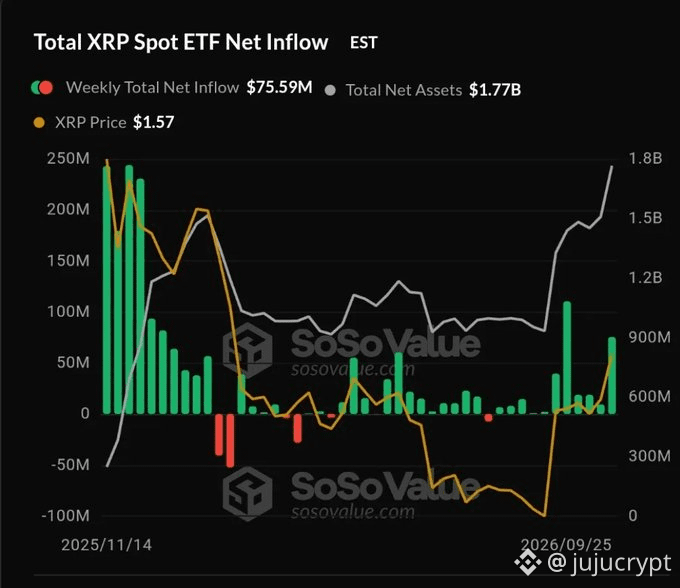
Los ETF Spot $XRP acaban de tener su semana más fuerte desde finales de agosto.
Atrajeron alrededor de 76M$ en entradas netas, elevando el AUM total a aproximadamente 1.77B$, mientras que los productos ahora representan cerca del 1.8% del suministro total de XRP.
Es una cantidad bastante notable de capital que fluye hacia la exposición de XRP a través de productos tradicionales.
Mientras tanto, en el lado DeFi, Arc Network ya está en funcionamiento en los swaps cross-chain de STONfi.
Esto significa que el USDC en Arc ahora puede moverse hacia y desde TON y otras redes compatibles mediante el flujo cross-chain de STONfi.
Lo que me parece interesante es lo que esto significa para los usuarios.
No tienes que averiguar manualmente cómo mover activos entre Arc y TON, encontrar un puente separado, ni saltar entre múltiples plataformas.
Seleccionas la red de origen, eliges a dónde quieres ir, revisas la cotización y confirmas.
Arc → TON → otras cadenas compatibles, todo a través de un solo flujo cross-chain.
A medida que se lancen más redes, facilitar su conexión será igual de importante que lanzar la red en sí.
#Ripple #BitgetHackerMoves$83MStolenXRP
Los ETF Spot $XRP acaban de tener su semana más fuerte desde finales de agosto.
Atrajeron alrededor de 76M$ en entradas netas, elevando el AUM total a aproximadamente 1.77B$, mientras que los productos ahora representan cerca del 1.8% del suministro total de XRP.
Es una cantidad bastante notable de capital que fluye hacia la exposición de XRP a través de productos tradicionales.
Mientras tanto, en el lado DeFi, Arc Network ya está en funcionamiento en los swaps cross-chain de STONfi.
Esto significa que el USDC en Arc ahora puede moverse hacia y desde TON y otras redes compatibles mediante el flujo cross-chain de STONfi.
Lo que me parece interesante es lo que esto significa para los usuarios.
No tienes que averiguar manualmente cómo mover activos entre Arc y TON, encontrar un puente separado, ni saltar entre múltiples plataformas.
Seleccionas la red de origen, eliges a dónde quieres ir, revisas la cotización y confirmas.
Arc → TON → otras cadenas compatibles, todo a través de un solo flujo cross-chain.
A medida que se lancen más redes, facilitar su conexión será igual de importante que lanzar la red en sí.
#Ripple #BitgetHackerMoves$83MStolenXRP
Atrajeron alrededor de 76M$ en entradas netas, elevando el AUM total a aproximadamente 1.77B$, mientras que los productos ahora representan cerca del 1.8% del suministro total de XRP.
Es una cantidad bastante notable de capital que fluye hacia la exposición de XRP a través de productos tradicionales.
Mientras tanto, en el lado DeFi, Arc Network ya está en funcionamiento en los swaps cross-chain de STONfi.
Esto significa que el USDC en Arc ahora puede moverse hacia y desde TON y otras redes compatibles mediante el flujo cross-chain de STONfi.
Lo que me parece interesante es lo que esto significa para los usuarios.
No tienes que averiguar manualmente cómo mover activos entre Arc y TON, encontrar un puente separado, ni saltar entre múltiples plataformas.
Seleccionas la red de origen, eliges a dónde quieres ir, revisas la cotización y confirmas.
Arc → TON → otras cadenas compatibles, todo a través de un solo flujo cross-chain.
A medida que se lancen más redes, facilitar su conexión será igual de importante que lanzar la red en sí.
#Ripple #BitgetHackerMoves$83MStolenXRP
1
45
·
--
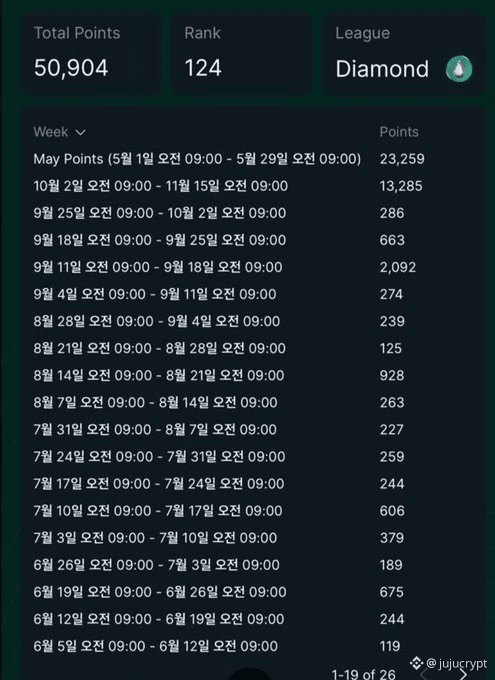
Pensé que estaba teniendo un mal día… luego recordé que alguien se olvidó por completo de registrarse para el airdrop #Hyperliquid X.
😭
Pérdida total: 260K+ $HYPE , valorada en unos 24M de dólares hoy.
Sí… de repente mi día no se ve tan mal. 😂
Pensé que estaba teniendo un mal día… luego recordé que alguien se olvidó por completo de registrarse para el airdrop #Hyperliquid X.
😭
Pérdida total: 260K+ $HYPE , valorada en unos 24M de dólares hoy.
Sí… de repente mi día no se ve tan mal. 😂
😭
Pérdida total: 260K+ $HYPE , valorada en unos 24M de dólares hoy.
Sí… de repente mi día no se ve tan mal. 😂
1
1
195
·
--
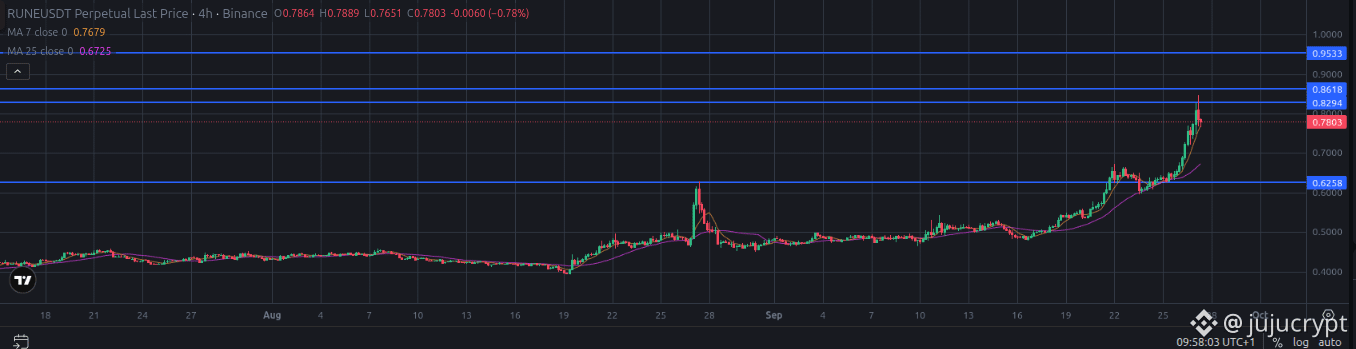
$RUNE está ocurriendo.....
$RUNE está ocurriendo.....
jujucrypt
·
--
$RUNE mira una buena zona hasta ahora, estoy esperando un movimiento a la baja desde aquí, pero una ruptura de este nivel podría significar también un movimiento más al alza..
77
·
--
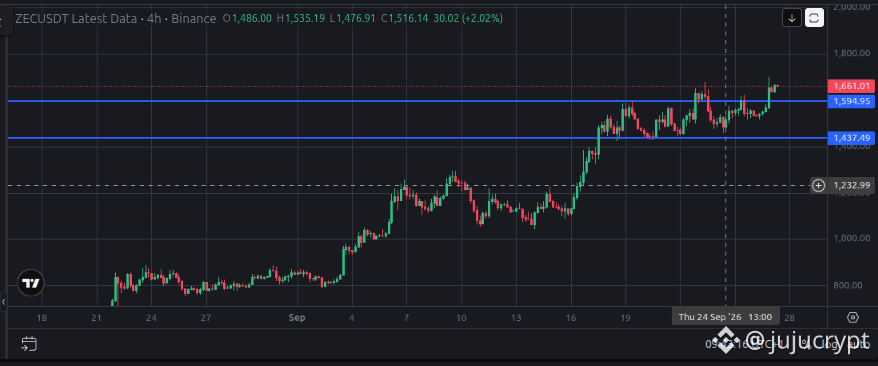
$ZEC sigue llamando mi atención.
En este punto, estoy observando la gráfica de cerca para ver si puede hacer una subida hacia $2K.
$PAID también está atrayendo bastante atención; definitivamente es uno de esos momentos de “todos los ojos en mí”.
Mientras tanto, Omniston acaba de superar los $7.5M en volumen total cross-chain, más de 2 veces los $3M que alcanzó a principios de este mes.
Solo la semana pasada, hizo $1.8M, un 26% más que la semana anterior. La ruta más activa fue BNB Chain → $TON , y representó el 78% del volumen.
Ahora mismo está pasando mucho en distintas partes de las cripto. Principalmente estoy fijándome en cuáles de estas tendencias realmente se mantienen y siguen creciendo.
#zec
$ZEC sigue llamando mi atención.
En este punto, estoy observando la gráfica de cerca para ver si puede hacer una subida hacia $2K.
$PAID también está atrayendo bastante atención; definitivamente es uno de esos momentos de “todos los ojos en mí”.
Mientras tanto, Omniston acaba de superar los $7.5M en volumen total cross-chain, más de 2 veces los $3M que alcanzó a principios de este mes.
Solo la semana pasada, hizo $1.8M, un 26% más que la semana anterior. La ruta más activa fue BNB Chain → $TON , y representó el 78% del volumen.
Ahora mismo está pasando mucho en distintas partes de las cripto. Principalmente estoy fijándome en cuáles de estas tendencias realmente se mantienen y siguen creciendo.
#zec
En este punto, estoy observando la gráfica de cerca para ver si puede hacer una subida hacia $2K.
$PAID también está atrayendo bastante atención; definitivamente es uno de esos momentos de “todos los ojos en mí”.
Mientras tanto, Omniston acaba de superar los $7.5M en volumen total cross-chain, más de 2 veces los $3M que alcanzó a principios de este mes.
Solo la semana pasada, hizo $1.8M, un 26% más que la semana anterior. La ruta más activa fue BNB Chain → $TON , y representó el 78% del volumen.
Ahora mismo está pasando mucho en distintas partes de las cripto. Principalmente estoy fijándome en cuáles de estas tendencias realmente se mantienen y siguen creciendo.
#zec
1
279
·
--
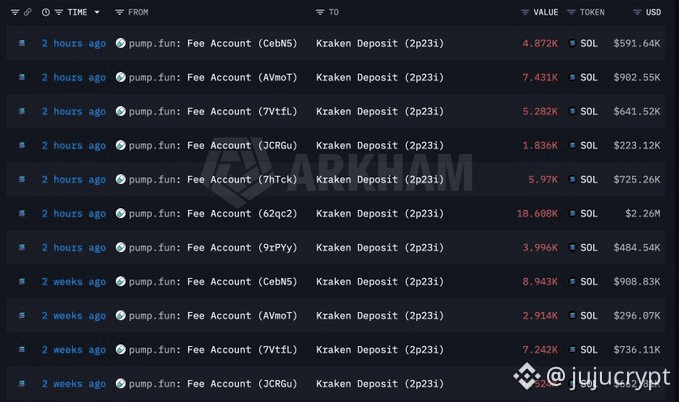
aquí hay una nueva actualización sobre lo que está pasando en $SOL
Pumpfun acaba de vender otros 47,994 SOL, con un valor de alrededor de $5.83M.
Eso eleva sus ventas totales a aproximadamente 5.24M SOL, con un valor de cerca de $848M, a un precio promedio de alrededor de $162.
Eso es mucho SOL siendo vendido en el mercado.
Estoy observando cómo reacciona SOL a estas ventas y si el mercado puede absorber la presión vendedora.
#solana
aquí hay una nueva actualización sobre lo que está pasando en $SOL
Pumpfun acaba de vender otros 47,994 SOL, con un valor de alrededor de $5.83M.
Eso eleva sus ventas totales a aproximadamente 5.24M SOL, con un valor de cerca de $848M, a un precio promedio de alrededor de $162.
Eso es mucho SOL siendo vendido en el mercado.
Estoy observando cómo reacciona SOL a estas ventas y si el mercado puede absorber la presión vendedora.
#solana
Pumpfun acaba de vender otros 47,994 SOL, con un valor de alrededor de $5.83M.
Eso eleva sus ventas totales a aproximadamente 5.24M SOL, con un valor de cerca de $848M, a un precio promedio de alrededor de $162.
Eso es mucho SOL siendo vendido en el mercado.
Estoy observando cómo reacciona SOL a estas ventas y si el mercado puede absorber la presión vendedora.
#solana
1
65
·
--
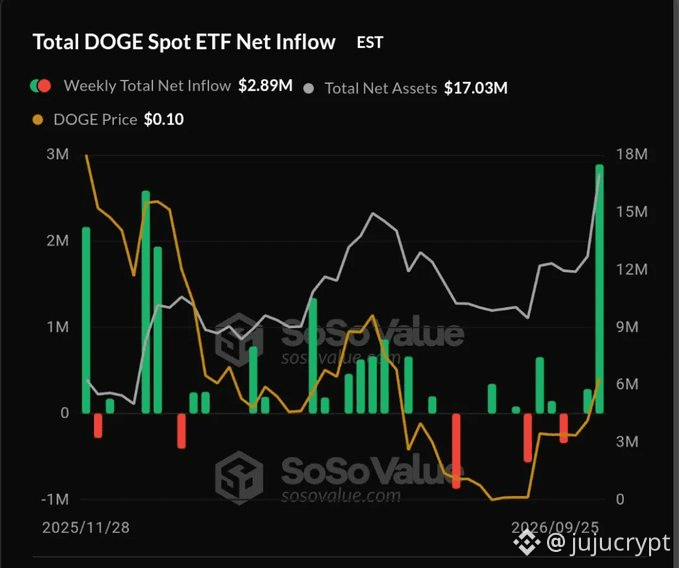
Spot $DOGE
Los ETF acaban de tener su mejor semana de la historia, atrayendo alrededor de 2,89M USD en entradas netas, superando el anterior máximo semanal de 2,59M USD de enero.
Ver más actividad #etf alrededor de las altcoins, sinceramente, me está haciendo prestar más atención al mercado en general.
¿Esto podría atraer más atención hacia DOGE y otras alts? Quizá. Estoy observando los flujos antes de sacar conclusiones.
Pero también me hace estar más interesado en los ecosistemas que se están construyendo alrededor de estos activos.
Últimamente he estado siguiendo más de cerca Gram y el ecosistema $TON , especialmente con DEX como STON.fi que siguen expandiendo su infraestructura entre cadenas y DeFi.
Y STON también se ha mantenido bien a través de todo esto.
Para mí, lo interesante no es solo la narrativa de los ETF.
Se trata de ver cómo el dinero y la atención adicionales alrededor de las altcoins, eventualmente, fluyen hacia los ecosistemas, las apps y la infraestructura que las respaldan.
Los activos se llevan los titulares. La infraestructura se construye entre bastidores.
#TON
Spot $DOGE
Los ETF acaban de tener su mejor semana de la historia, atrayendo alrededor de 2,89M USD en entradas netas, superando el anterior máximo semanal de 2,59M USD de enero.
Ver más actividad #etf alrededor de las altcoins, sinceramente, me está haciendo prestar más atención al mercado en general.
¿Esto podría atraer más atención hacia DOGE y otras alts? Quizá. Estoy observando los flujos antes de sacar conclusiones.
Pero también me hace estar más interesado en los ecosistemas que se están construyendo alrededor de estos activos.
Últimamente he estado siguiendo más de cerca Gram y el ecosistema $TON , especialmente con DEX como STON.fi que siguen expandiendo su infraestructura entre cadenas y DeFi.
Y STON también se ha mantenido bien a través de todo esto.
Para mí, lo interesante no es solo la narrativa de los ETF.
Se trata de ver cómo el dinero y la atención adicionales alrededor de las altcoins, eventualmente, fluyen hacia los ecosistemas, las apps y la infraestructura que las respaldan.
Los activos se llevan los titulares. La infraestructura se construye entre bastidores.
#TON
Los ETF acaban de tener su mejor semana de la historia, atrayendo alrededor de 2,89M USD en entradas netas, superando el anterior máximo semanal de 2,59M USD de enero.
Ver más actividad #etf alrededor de las altcoins, sinceramente, me está haciendo prestar más atención al mercado en general.
¿Esto podría atraer más atención hacia DOGE y otras alts? Quizá. Estoy observando los flujos antes de sacar conclusiones.
Pero también me hace estar más interesado en los ecosistemas que se están construyendo alrededor de estos activos.
Últimamente he estado siguiendo más de cerca Gram y el ecosistema $TON , especialmente con DEX como STON.fi que siguen expandiendo su infraestructura entre cadenas y DeFi.
Y STON también se ha mantenido bien a través de todo esto.
Para mí, lo interesante no es solo la narrativa de los ETF.
Se trata de ver cómo el dinero y la atención adicionales alrededor de las altcoins, eventualmente, fluyen hacia los ecosistemas, las apps y la infraestructura que las respaldan.
Los activos se llevan los titulares. La infraestructura se construye entre bastidores.
#TON
1
52
Inicia sesión para explorar más contenidos
Únete a usuarios globales de criptomonedas en Binance Square
⚡️ Obtén información útil y actualizada sobre criptos.
💬 Avalado por el mayor exchange de criptomonedas en el mundo.
👍 Descubre perspectivas reales de creadores verificados.
Email/número de teléfono
Temas populares
EarningsSeason
244,812 vistas
2,169 están debatiendo
Temporada de Resultados: Ganancias del 4T de Micron — ¿Alcista o Bajista?
Binance Square Official
·346 me gusta
·699k vistas
BitwiseLaunchesFirstSpotNEARETF
13,309 vistas
391 están debatiendo
USJobOpeningsFallToFiveMonthLow
18,952 vistas
290 están debatiendo