

ParvezMayar
12.8k Posts

ParvezMayar
 Square Verified+
Report
Block User
Crypto enthusiast | Exploring, sharing, and earning | Let’s grow together!🤝 | X @Next_GemHunter

Traders League Badge Expert
Open Trade
High-Frequency Trader
3.1 Years
349 Following
47.7K+ Followers
93.6K+ Liked
1 Badges
Posts
Portfolio
All
Quotes
Videos
Live
·
--
Bullish
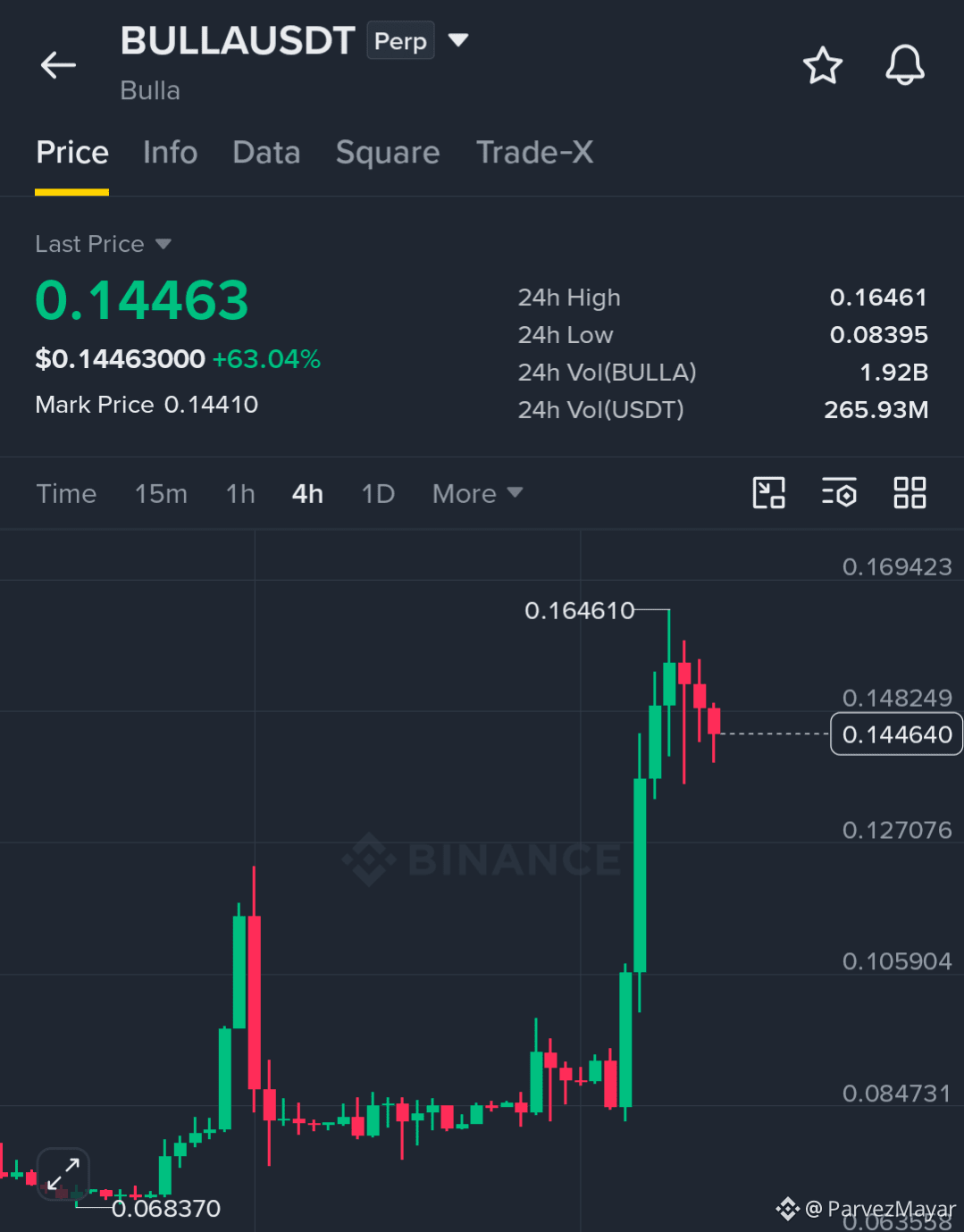
$BULLA oh sh*t... AGAIN?? 😂
Seriously who's moving this b*tch??
Already +63% and touched $0.1646... i mean every few days this thing comes back with another crazy pump 😆
And look at that 4H chart... straight from $0.084 to $0.16 with hardly any pullback.
Now already correcting towards $0.144... and i wouldn't be surprised if another violent move comes.
But i ain't touching this thing with high leverage... after the $IRYS circus, we have seen enough.
Who is actually trading $BULLA and making money here❓
$JCT
{future}(JCTUSDT)
$BULLA oh sh*t... AGAIN?? 😂
Seriously who's moving this b*tch??
Already +63% and touched $0.1646... i mean every few days this thing comes back with another crazy pump 😆
And look at that 4H chart... straight from $0.084 to $0.16 with hardly any pullback.
Now already correcting towards $0.144... and i wouldn't be surprised if another violent move comes.
But i ain't touching this thing with high leverage... after the $IRYS circus, we have seen enough.
Who is actually trading $BULLA and making money here❓
$JCT
Seriously who's moving this b*tch??
Already +63% and touched $0.1646... i mean every few days this thing comes back with another crazy pump 😆
And look at that 4H chart... straight from $0.084 to $0.16 with hardly any pullback.
Now already correcting towards $0.144... and i wouldn't be surprised if another violent move comes.
But i ain't touching this thing with high leverage... after the $IRYS circus, we have seen enough.
Who is actually trading $BULLA and making money here❓
$JCT
2
1k
·
--
Bullish
30D trade $HYPE 2.1K USDT
Okay so... $HYPE has been showing some good strength despite $BTC struggling with its own movements.
And i am expecting a massive upside push from here 😉
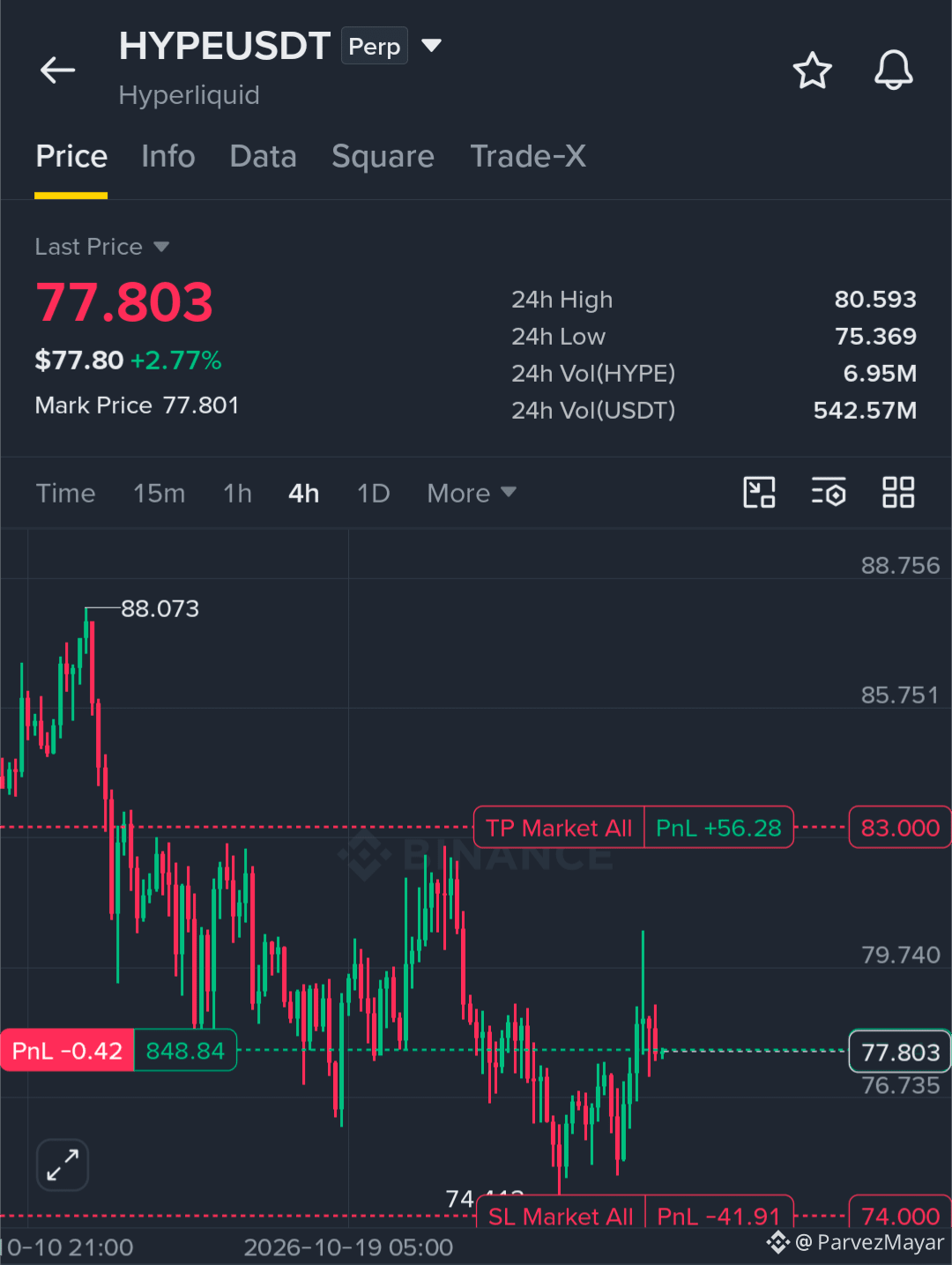
Looking at the 4H chart... HYPE bounced strongly from $74 and buyers are trying to take control again around $77–$78.
I am opening a LONG with small size... expecting a move towards $83+ if buyers manage to break above $80 resistance.
🟢 LONG $HYPE/USDT | Cross 20X
✅ Entry: $77.5 - 77.85
🎯 TP: $80.20 / $81.70 / $83.25 / $85
🛑 SL: $74
{future}(HYPEUSDT)
But remember buddies... the 4H trend hasn't fully shifted bullish yet. A clean breakout above $80–$81 would make this setup much stronger.
I am keeping my risk limited for now... no reason to go all in before confirmation.
Let's see if $HYPE can finally give us that massive GREEN move 😁
#EarningsSeason
#BinancePick
📍 Always DYOR, not a financial advice.
Okay so... $HYPE has been showing some good strength despite $BTC struggling with its own movements.
And i am expecting a massive upside push from here 😉
Looking at the 4H chart... HYPE bounced strongly from $74 and buyers are trying to take control again around $77–$78.
I am opening a LONG with small size... expecting a move towards $83+ if buyers manage to break above $80 resistance.
🟢 LONG $HYPE /USDT | Cross 20X
✅ Entry: $77.5 - 77.85
🎯 TP: $80.20 / $81.70 / $83.25 / $85
🛑 SL: $74
But remember buddies... the 4H trend hasn't fully shifted bullish yet. A clean breakout above $80–$81 would make this setup much stronger.
I am keeping my risk limited for now... no reason to go all in before confirmation.
Let's see if $HYPE can finally give us that massive GREEN move 😁
#EarningsSeason
#BinancePick
📍 Always DYOR, not a financial advice.
And i am expecting a massive upside push from here 😉
Looking at the 4H chart... HYPE bounced strongly from $74 and buyers are trying to take control again around $77–$78.
I am opening a LONG with small size... expecting a move towards $83+ if buyers manage to break above $80 resistance.
🟢 LONG $HYPE /USDT | Cross 20X
✅ Entry: $77.5 - 77.85
🎯 TP: $80.20 / $81.70 / $83.25 / $85
🛑 SL: $74
But remember buddies... the 4H trend hasn't fully shifted bullish yet. A clean breakout above $80–$81 would make this setup much stronger.
I am keeping my risk limited for now... no reason to go all in before confirmation.
Let's see if $HYPE can finally give us that massive GREEN move 😁
#EarningsSeason
#BinancePick
📍 Always DYOR, not a financial advice.
1
4
470
·
--
Bullish
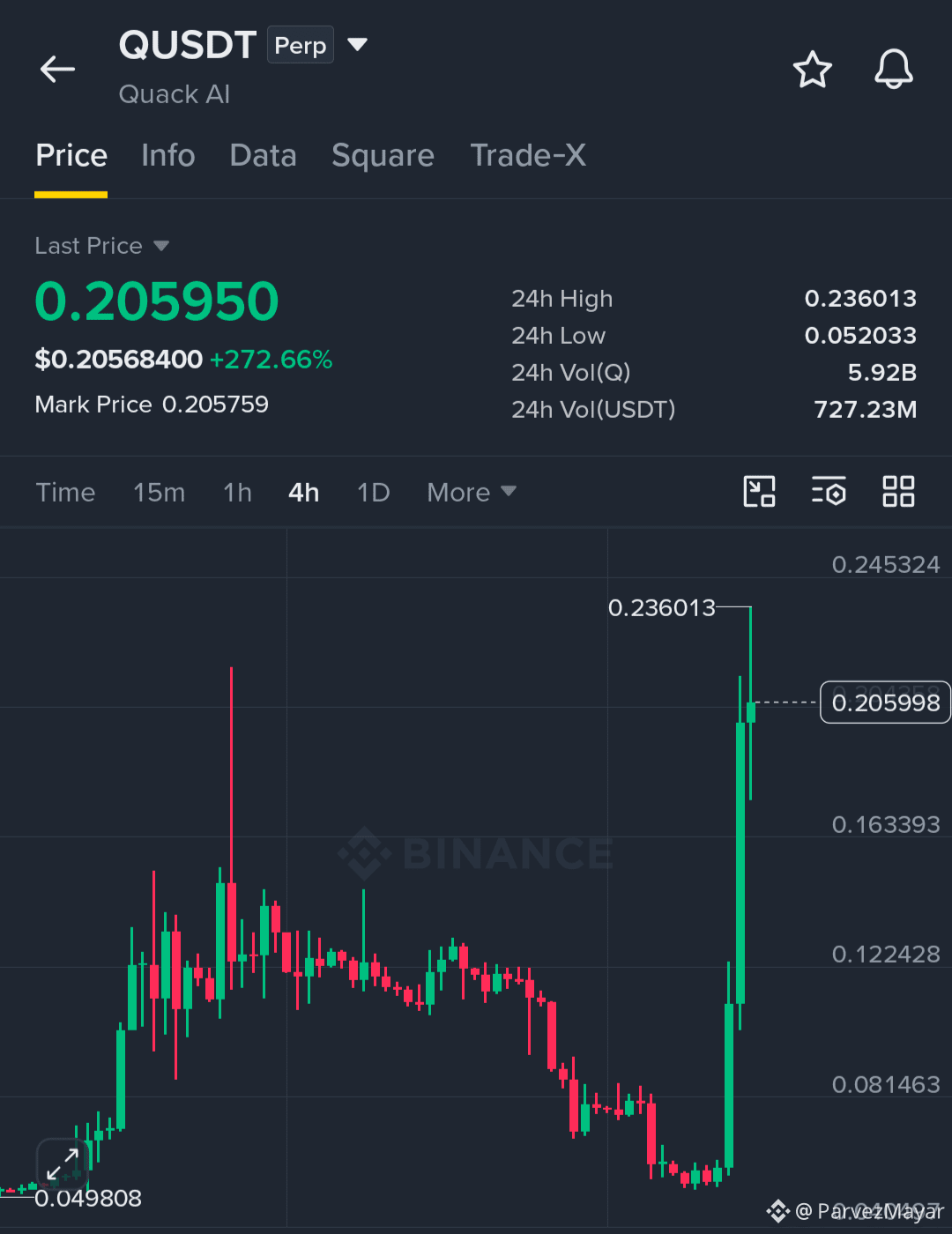
Here we go again... $Q once again EXPLODED after calming down for a while 😆
Already +272% and touched $0.236... seriously this coin doesn't know how to stay quiet.
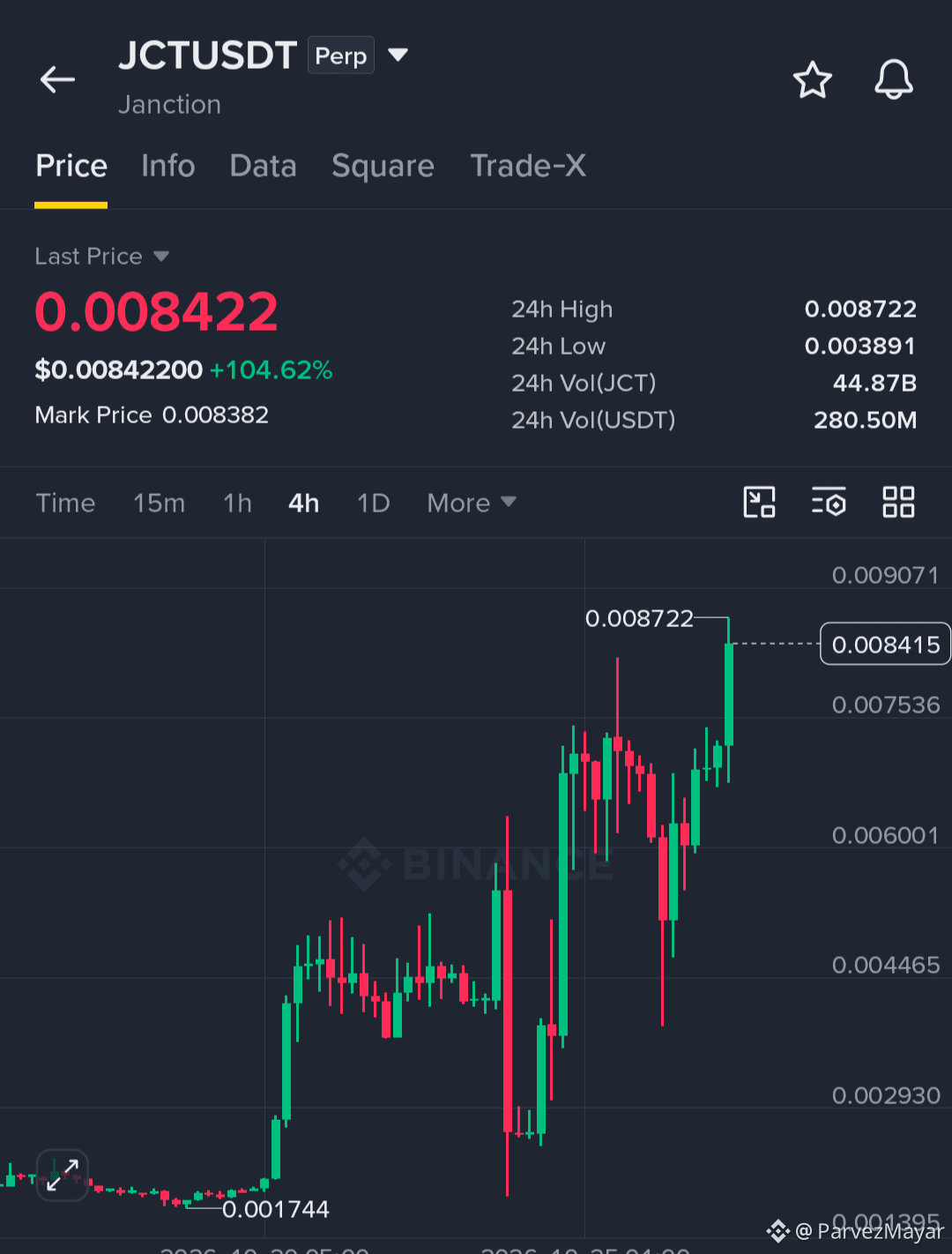
And look at $JCT ... another +104% move, now above $0.0084.
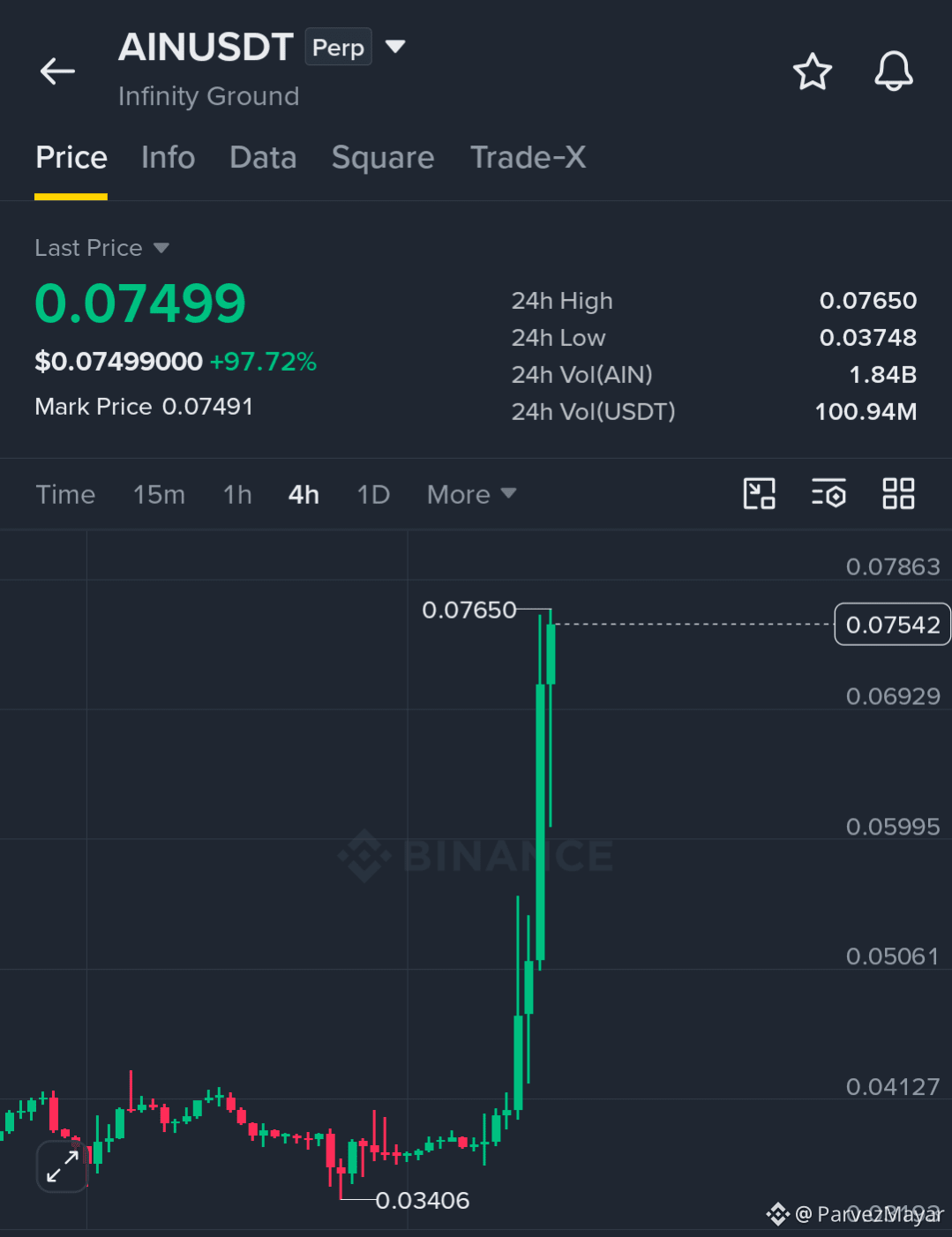
$AIN also joining the madness with almost +100% gains, trading around $0.075.
I mean... looking at these massive pumps, even i get tempted to open a SHORT sometimes 😂
But that's exactly where trading psychology matters.
Just because a coin pumped 200% doesn't mean it can't pump another 100% and liquidate every impatient SHORT.
And buying after such massive candles? That's another kind of FOMO.
I would rather miss a trade than enter without a proper setup... wait for exhaustion, structure break and confirmation.
Remember buddies... we are here to make money, not to prove we can catch every TOP.
Sometimes the best trade is the one you DON'T take.
Anyone actually trading these three right now❓
{future}(QUSDT)
{future}(JCTUSDT)
{future}(AINUSDT)
#BinancePick
Here we go again... $Q once again EXPLODED after calming down for a while 😆
Already +272% and touched $0.236... seriously this coin doesn't know how to stay quiet.
And look at $JCT ... another +104% move, now above $0.0084.
$AIN also joining the madness with almost +100% gains, trading around $0.075.
I mean... looking at these massive pumps, even i get tempted to open a SHORT sometimes 😂
But that's exactly where trading psychology matters.
Just because a coin pumped 200% doesn't mean it can't pump another 100% and liquidate every impatient SHORT.
And buying after such massive candles? That's another kind of FOMO.
I would rather miss a trade than enter without a proper setup... wait for exhaustion, structure break and confirmation.
Remember buddies... we are here to make money, not to prove we can catch every TOP.
Sometimes the best trade is the one you DON'T take.
Anyone actually trading these three right now❓
#BinancePick
Already +272% and touched $0.236... seriously this coin doesn't know how to stay quiet.
And look at $JCT ... another +104% move, now above $0.0084.
$AIN also joining the madness with almost +100% gains, trading around $0.075.
I mean... looking at these massive pumps, even i get tempted to open a SHORT sometimes 😂
But that's exactly where trading psychology matters.
Just because a coin pumped 200% doesn't mean it can't pump another 100% and liquidate every impatient SHORT.
And buying after such massive candles? That's another kind of FOMO.
I would rather miss a trade than enter without a proper setup... wait for exhaustion, structure break and confirmation.
Remember buddies... we are here to make money, not to prove we can catch every TOP.
Sometimes the best trade is the one you DON'T take.
Anyone actually trading these three right now❓
#BinancePick
6
1.9k
·
--
Bearish
30D trade $BTC 28.7K USDT
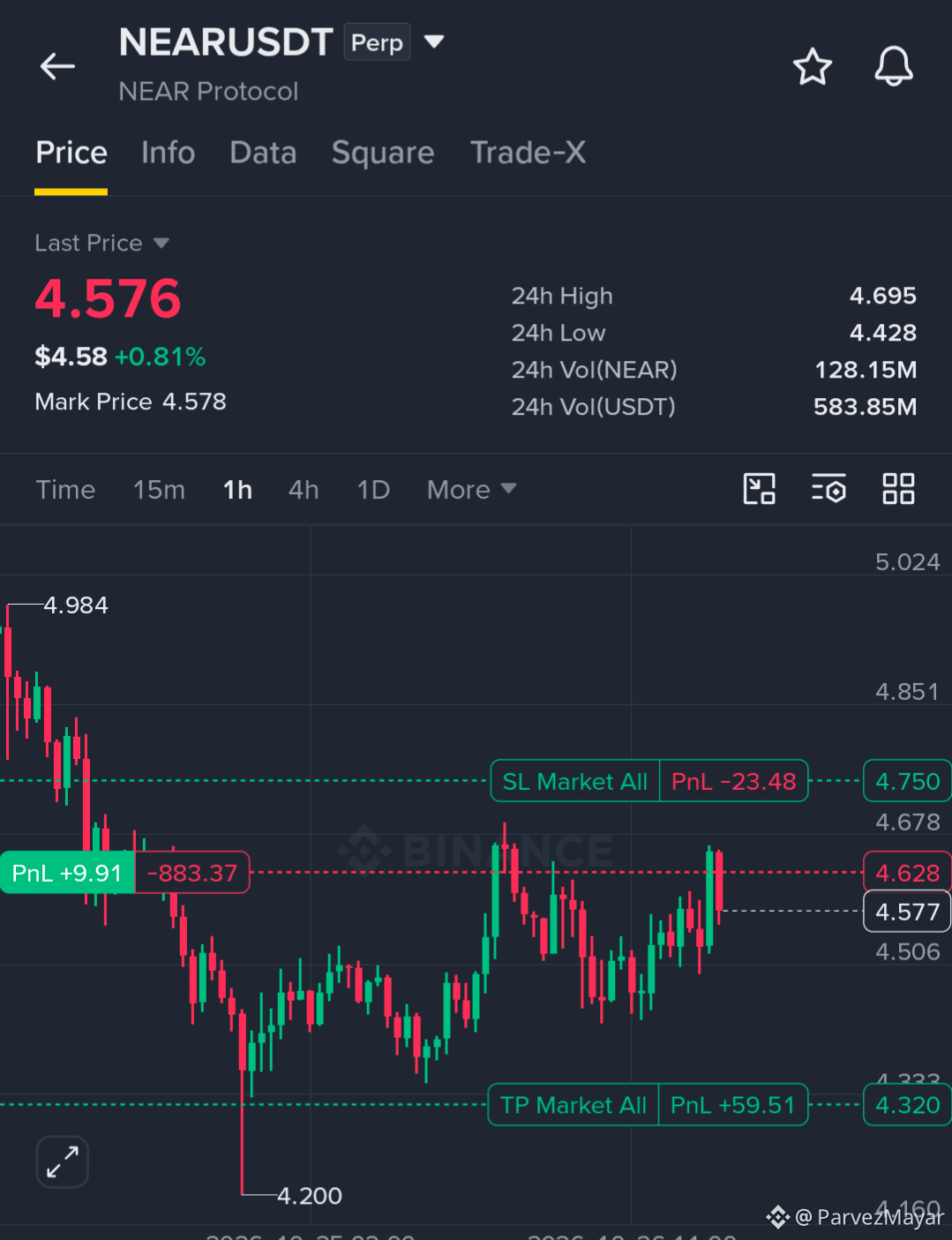
Okay so... i have opened another SHORT on $NEAR around $4.628.
NEAR is struggling to hold above $4.65 and the 1H chart is showing repeated rejection around that area.
I am expecting another pullback towards $4.32 if sellers take control again.
🎯 TP: $4.32
🔴 SL: $4.75
Keeping my size small... because NEAR is still trying to recover from that $4.20 low and i don't want to fight a bullish reversal with heavy leverage.
Let's see how this one goes 😉
All depends on how $BTC moves from here on... A dump below $79k will definitely pull near down.
Okay so... i have opened another SHORT on $NEAR around $4.628.
NEAR is struggling to hold above $4.65 and the 1H chart is showing repeated rejection around that area.
I am expecting another pullback towards $4.32 if sellers take control again.
🎯 TP: $4.32
🔴 SL: $4.75
Keeping my size small... because NEAR is still trying to recover from that $4.20 low and i don't want to fight a bullish reversal with heavy leverage.
Let's see how this one goes 😉
All depends on how $BTC moves from here on... A dump below $79k will definitely pull near down.
NEAR is struggling to hold above $4.65 and the 1H chart is showing repeated rejection around that area.
I am expecting another pullback towards $4.32 if sellers take control again.
🎯 TP: $4.32
🔴 SL: $4.75
Keeping my size small... because NEAR is still trying to recover from that $4.20 low and i don't want to fight a bullish reversal with heavy leverage.
Let's see how this one goes 😉
All depends on how $BTC moves from here on... A dump below $79k will definitely pull near down.
4
9
2k
·
--
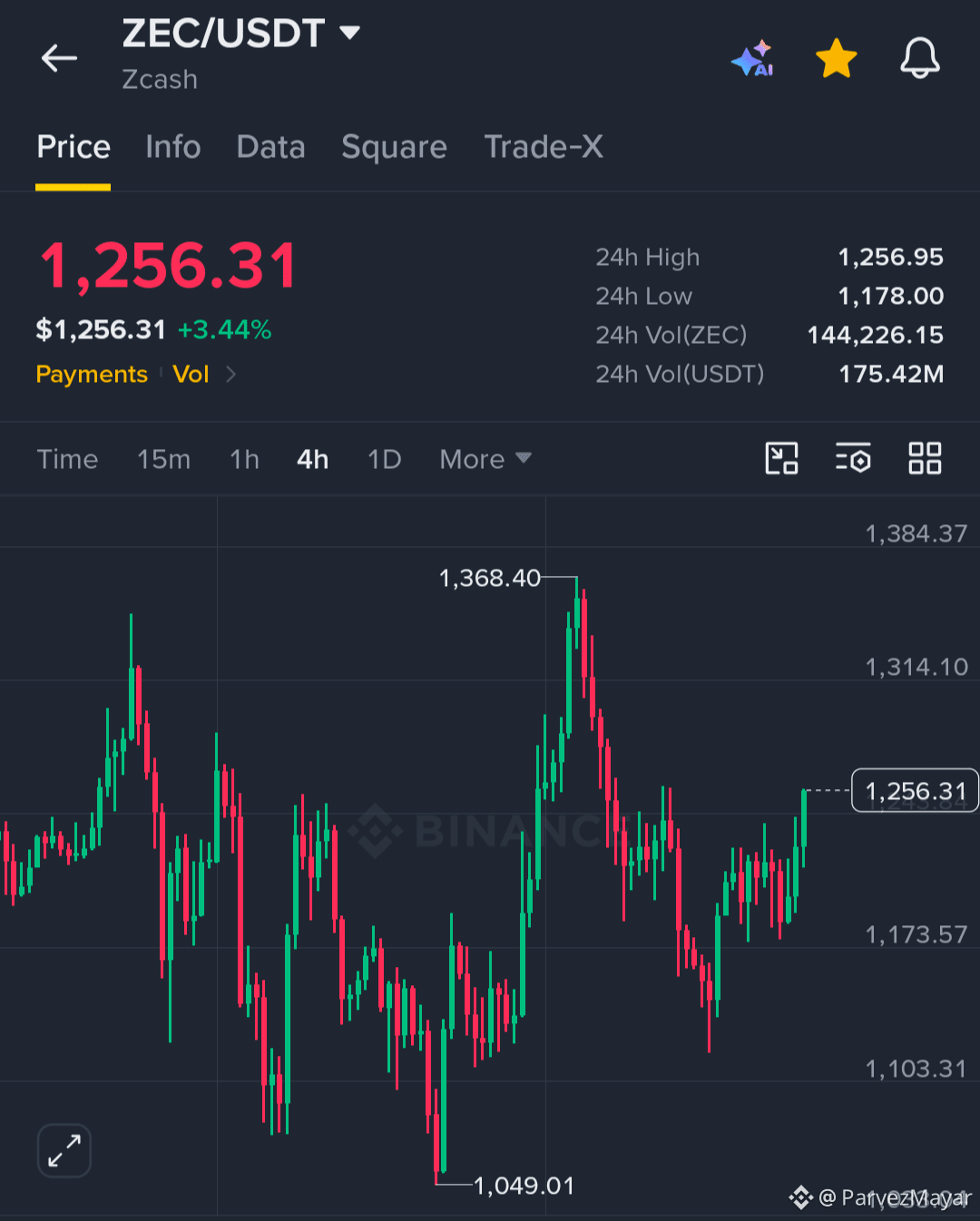
$ZEC going to $1,350 ❓ or there is some twist.
$ZEC going to $1,350 ❓ or there is some twist.
4
1.3k
·
--
Bullish
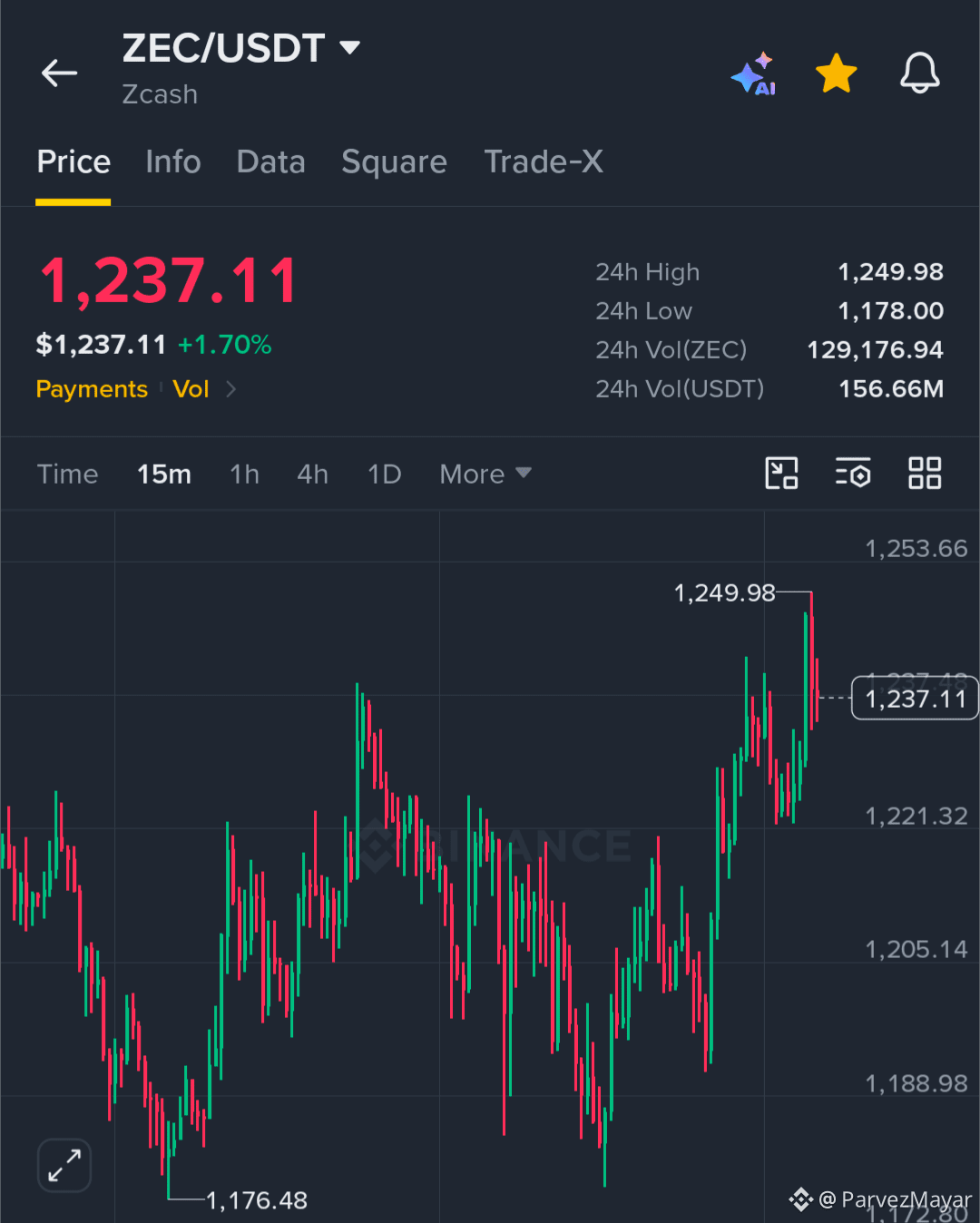
Okay so... $ZEC is clearly not slowing down despite market being shaky and weak.
$BTC is hanging by a thread to fall below it's Daily ema 50. despite all this we have $ZEC touching $1,250 💪🏻
A small push from BTC to 84k and we will see ZEC going past $1,500 😉
Are you still ignoring ZEC❓
I am buying more on dips 💛
{future}(BTCUSDT)
{future}(ZECUSDT)
{future}(SOLUSDT)
#FranklinTempletonFilesForTwoDividendToBitcoinETFs
#StrategyMSTRSurpassesNasdaqInMarketCap
📍 Always DYOR!
Okay so... $ZEC is clearly not slowing down despite market being shaky and weak.
$BTC is hanging by a thread to fall below it's Daily ema 50. despite all this we have $ZEC touching $1,250 💪🏻
A small push from BTC to 84k and we will see ZEC going past $1,500 😉
Are you still ignoring ZEC❓
I am buying more on dips 💛
#FranklinTempletonFilesForTwoDividendToBitcoinETFs
#StrategyMSTRSurpassesNasdaqInMarketCap
📍 Always DYOR!
$BTC is hanging by a thread to fall below it's Daily ema 50. despite all this we have $ZEC touching $1,250 💪🏻
A small push from BTC to 84k and we will see ZEC going past $1,500 😉
Are you still ignoring ZEC❓
I am buying more on dips 💛
#FranklinTempletonFilesForTwoDividendToBitcoinETFs
#StrategyMSTRSurpassesNasdaqInMarketCap
📍 Always DYOR!
3
5
1.7k
·
--
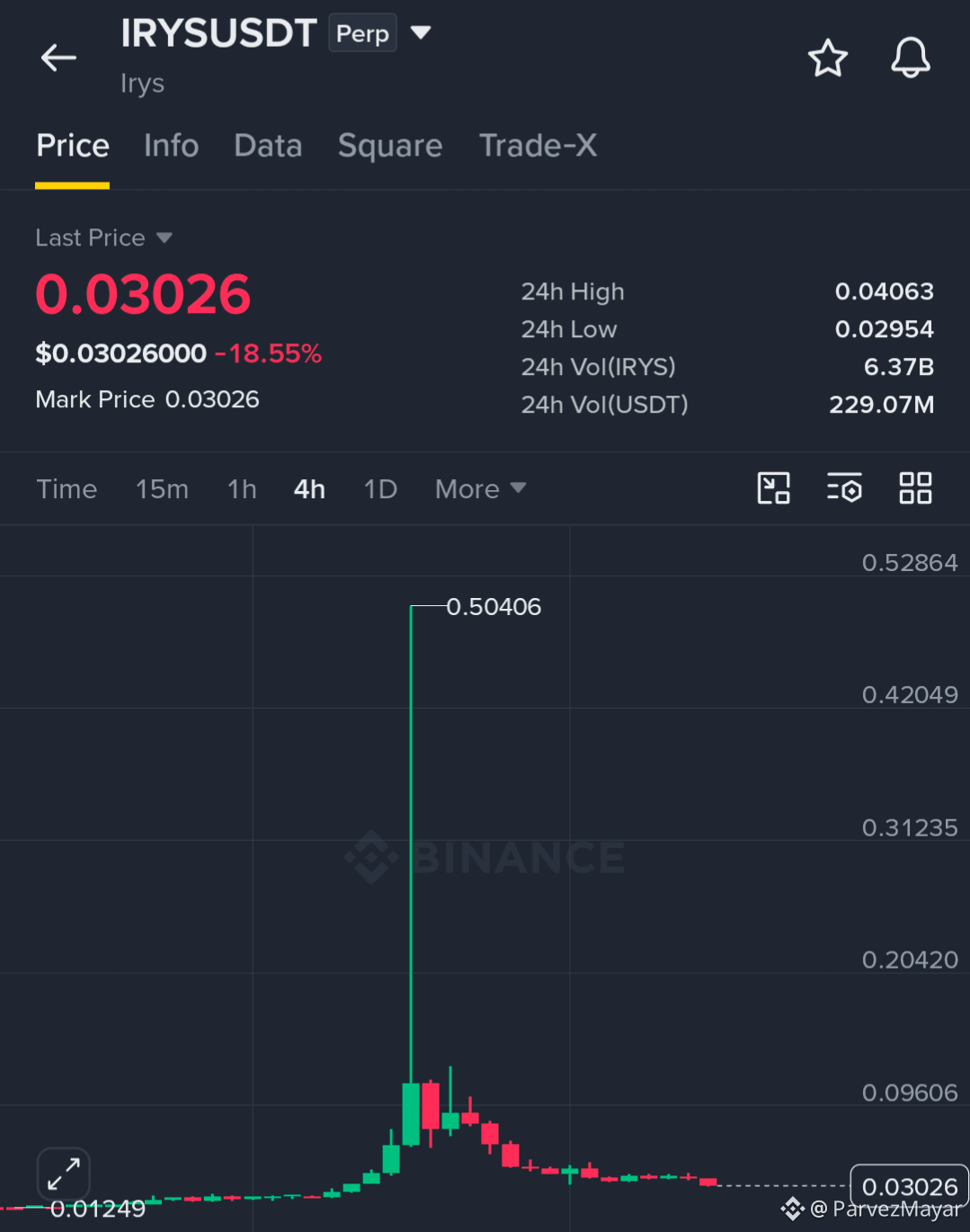
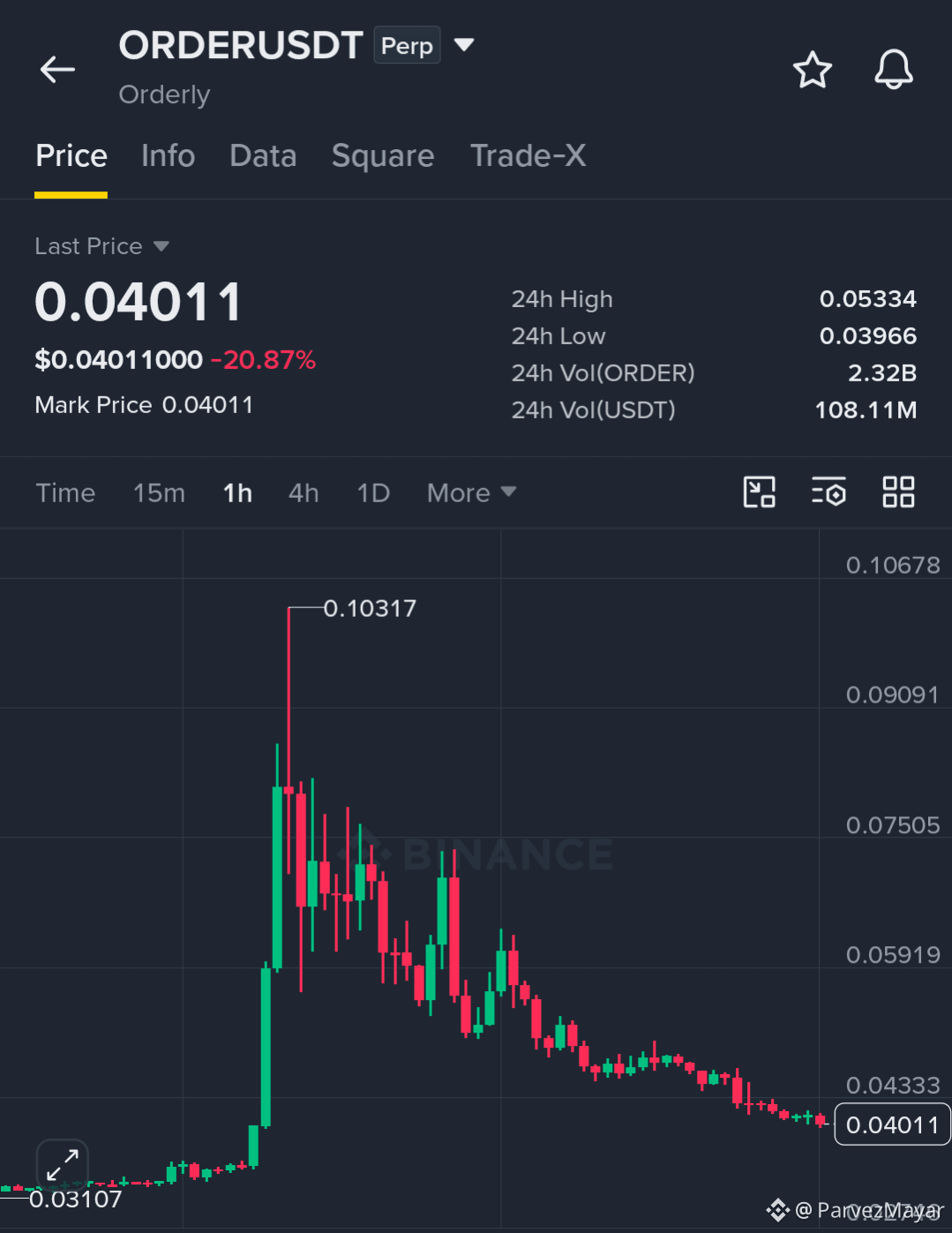
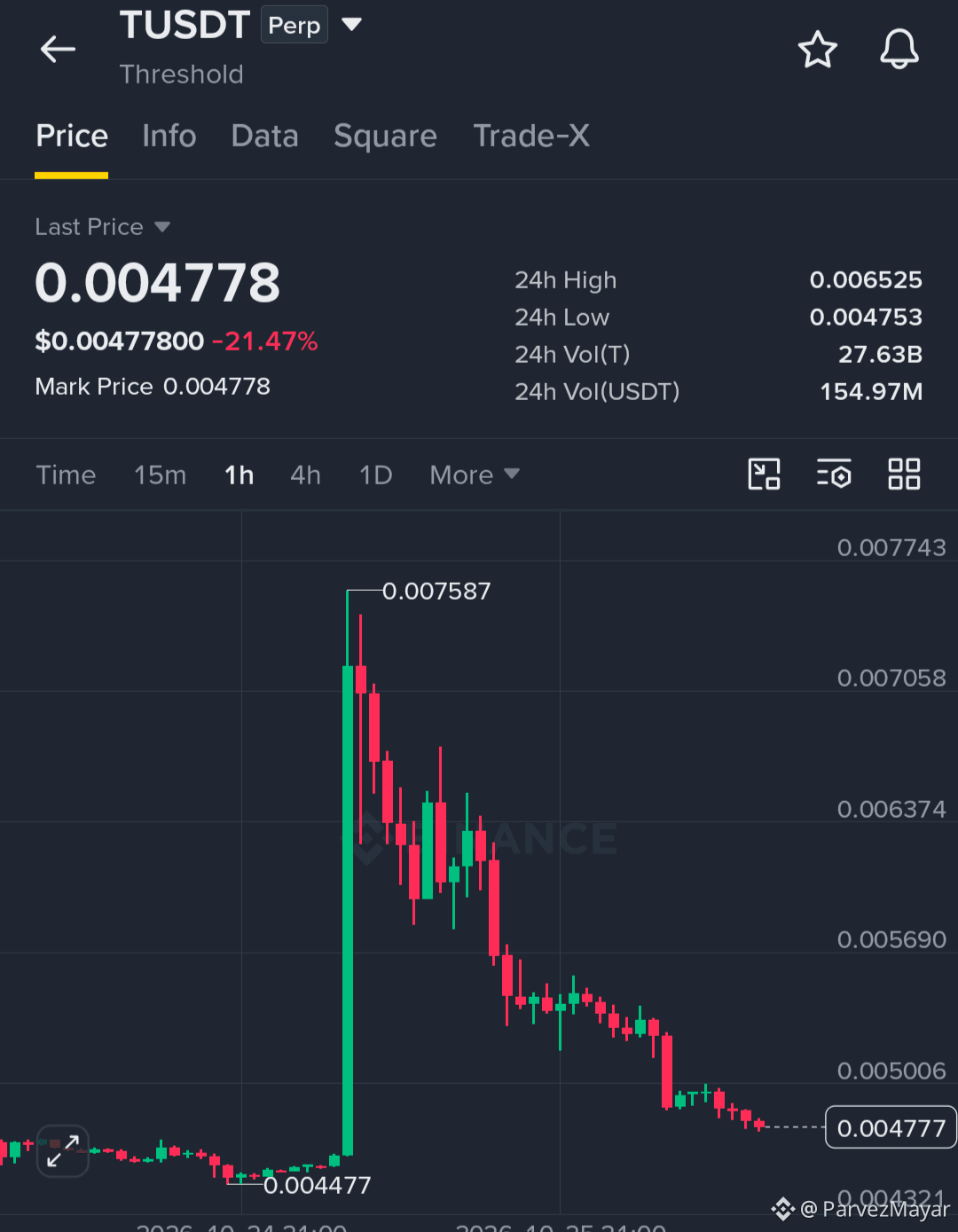
All those massive movers eventually come back to their original prices... sometimes even BELOW that 😂
But only after taking half your capital and savings with them...
Look at $IRYS ... from $0.50 to $0.030.
$ORDER from $0.103 to $0.040 and $T already back near $0.0047 after touching $0.0075.
And the funny part?? People got REKT shorting them on the way UP and others got trapped buying the TOP 😆
This is why i keep telling you guys... just because something pumped 200% or 500% doesn't mean it's an easy SHORT.
These coins can wipe out both sides before finally dumping.
Sometimes the best trade is simply NOT trading this shit at all 😂
{future}(ORDERUSDT)
{future}(IRYSUSDT)
{future}(TUSDT)
All those massive movers eventually come back to their original prices... sometimes even BELOW that 😂
But only after taking half your capital and savings with them...
Look at $IRYS ... from $0.50 to $0.030.
$ORDER from $0.103 to $0.040 and $T already back near $0.0047 after touching $0.0075.
And the funny part?? People got REKT shorting them on the way UP and others got trapped buying the TOP 😆
This is why i keep telling you guys... just because something pumped 200% or 500% doesn't mean it's an easy SHORT.
These coins can wipe out both sides before finally dumping.
Sometimes the best trade is simply NOT trading this shit at all 😂
But only after taking half your capital and savings with them...
Look at $IRYS ... from $0.50 to $0.030.
$ORDER from $0.103 to $0.040 and $T already back near $0.0047 after touching $0.0075.
And the funny part?? People got REKT shorting them on the way UP and others got trapped buying the TOP 😆
This is why i keep telling you guys... just because something pumped 200% or 500% doesn't mean it's an easy SHORT.
These coins can wipe out both sides before finally dumping.
Sometimes the best trade is simply NOT trading this shit at all 😂
2
7
3.8k
·
--
30D trade $BTC 28.7K USDT
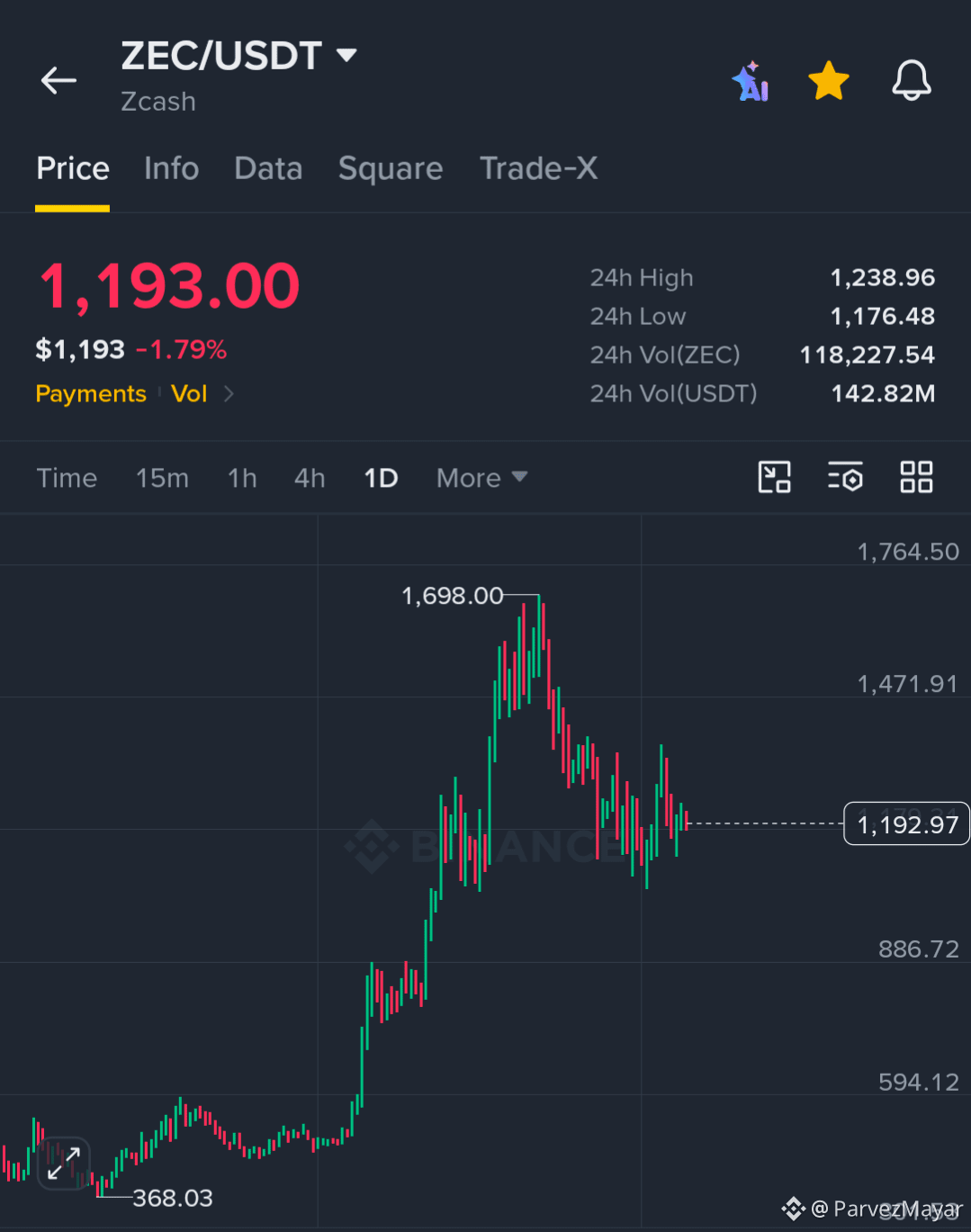
Yes... Despite $BTC falling below $80k, $ZEC is still holding around $1,200.
And this is actually interesting...
Zcash is showing a bullish shift on shorter timeframes and hasn't broken below $1,100 despite the broader market weakness.
Remember... ZEC was in a long downtrend after touching $1,698, so holding these levels while BTC struggles is something worth watching.
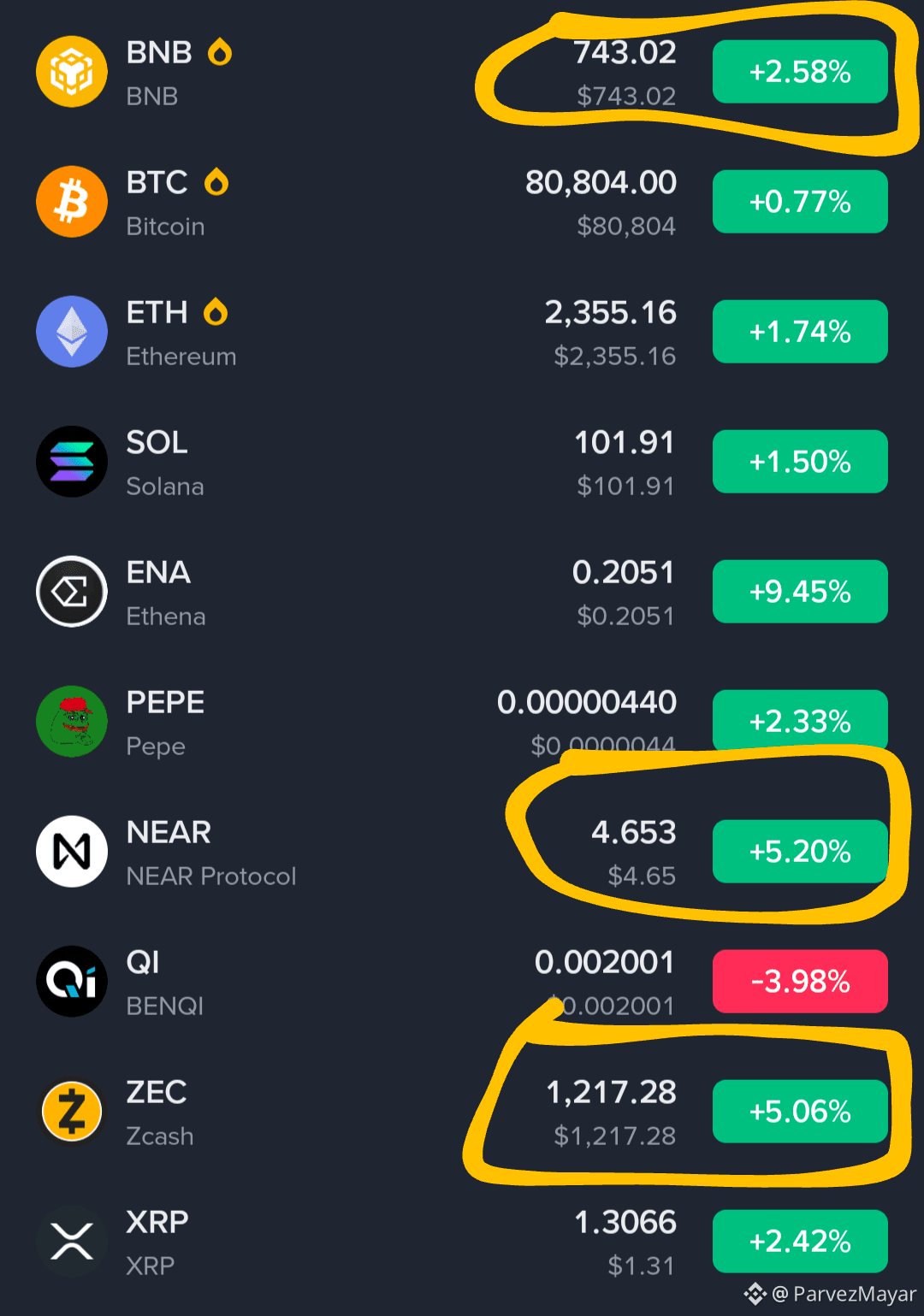
And $BNB is also showing similar strength... holding around $740 instead of following every BTC dump.
I mean... when the whole market is struggling and some coins refuse to fall with it, that's where i start paying attention 😉
But i still want to see ZEC reclaim $1,250–$1,300 before calling a bigger bullish reversal.
Is this actually an opportunity to start accumulating these two before the next market recovery❓
What do you think buddies?
{future}(BTCUSDT)
{future}(BNBUSDT)
{future}(ZECUSDT)
Yes... Despite $BTC falling below $80k, $ZEC is still holding around $1,200.
And this is actually interesting...
Zcash is showing a bullish shift on shorter timeframes and hasn't broken below $1,100 despite the broader market weakness.
Remember... ZEC was in a long downtrend after touching $1,698, so holding these levels while BTC struggles is something worth watching.
And $BNB is also showing similar strength... holding around $740 instead of following every BTC dump.
I mean... when the whole market is struggling and some coins refuse to fall with it, that's where i start paying attention 😉
But i still want to see ZEC reclaim $1,250–$1,300 before calling a bigger bullish reversal.
Is this actually an opportunity to start accumulating these two before the next market recovery❓
What do you think buddies?
And this is actually interesting...
Zcash is showing a bullish shift on shorter timeframes and hasn't broken below $1,100 despite the broader market weakness.
Remember... ZEC was in a long downtrend after touching $1,698, so holding these levels while BTC struggles is something worth watching.
And $BNB is also showing similar strength... holding around $740 instead of following every BTC dump.
I mean... when the whole market is struggling and some coins refuse to fall with it, that's where i start paying attention 😉
But i still want to see ZEC reclaim $1,250–$1,300 before calling a bigger bullish reversal.
Is this actually an opportunity to start accumulating these two before the next market recovery❓
What do you think buddies?
5
2.4k
·
--
The chicken head guy says no strike on IRAN.
Suddenly market is responding..
$BNB going strong above $740
$ZEC holding $1200+
while $NEAR just exploded.
This guy has ruined the beautiful market.
Tomorrow he will again say something shitty and we are ready to take these... this a habit now.
{future}(BNBUSDT)
{future}(NEARUSDT)
{future}(ZECUSDT)
The chicken head guy says no strike on IRAN.
Suddenly market is responding..
$BNB going strong above $740
$ZEC holding $1200+
while $NEAR just exploded.
This guy has ruined the beautiful market.
Tomorrow he will again say something shitty and we are ready to take these... this a habit now.
Suddenly market is responding..
$BNB going strong above $740
$ZEC holding $1200+
while $NEAR just exploded.
This guy has ruined the beautiful market.
Tomorrow he will again say something shitty and we are ready to take these... this a habit now.
7
2k
·
--
Bullish
I think these dumps keep giving us opportunities to BUY lower.
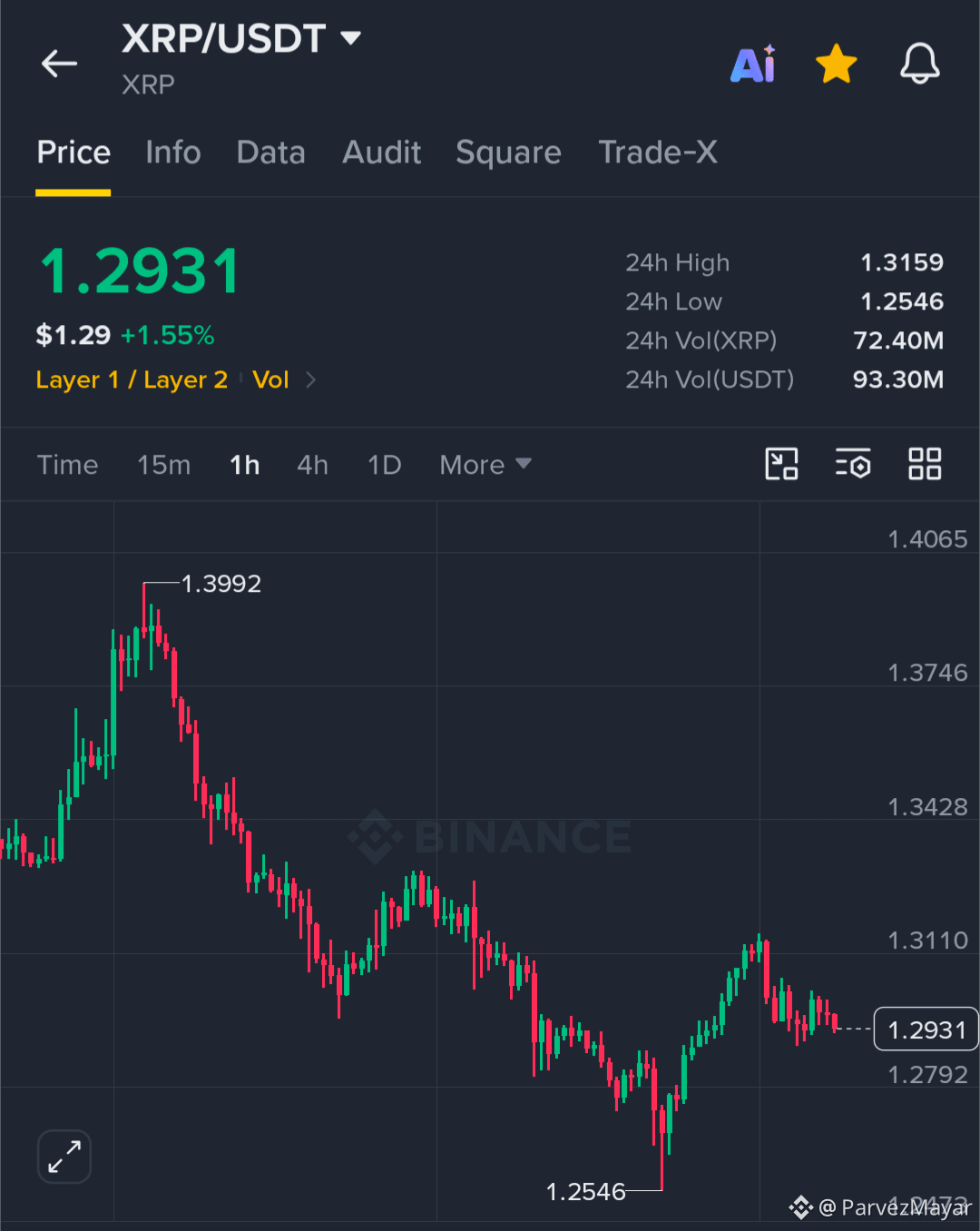
Obviously not all at once but in small amounts, that's why i am buying little amount of $XRP once again .
I have been accumulating XRP, $SUI and $ZEC for quite a long time.. and waiting for BULL RUN.
My average cost for XRP is $1.25 and SUI $1.2 and ZEC $950 😉
What are you holding and DCAing on dips ❓
{future}(XRPUSDT)
{future}(SUIUSDT)
{future}(ZECUSDT)
I think these dumps keep giving us opportunities to BUY lower.
Obviously not all at once but in small amounts, that's why i am buying little amount of $XRP once again .
I have been accumulating XRP, $SUI and $ZEC for quite a long time.. and waiting for BULL RUN.
My average cost for XRP is $1.25 and SUI $1.2 and ZEC $950 😉
What are you holding and DCAing on dips ❓
Obviously not all at once but in small amounts, that's why i am buying little amount of $XRP once again .
I have been accumulating XRP, $SUI and $ZEC for quite a long time.. and waiting for BULL RUN.
My average cost for XRP is $1.25 and SUI $1.2 and ZEC $950 😉
What are you holding and DCAing on dips ❓
9
2.5k
·
--
Tip of the Day ❗
If you are a trader who SHORTS every coin just because it pumped 100%... without any analysis.
If you keep moving your SL every time price goes against you...
If you can tolerate unlimited LOSSES but close your winning trades in tiny profits...
If you can't control your GREED, keep increasing leverage to recover losses, or trade coins that can pump or dump 100% thinking you will get rich overnight...
I am sorry buddies... but you are NOT trading anymore.
You are GAMBLING bro.
And the worst part?? You probably don't even realize it until your capital is gone.
Trading is not about catching every pump or making 100% profit in a single day.
It's about protecting your capital, managing risk and knowing when NOT to trade.
Stop wasting your time and money chasing those massive candles.
Learn to survive first... profits can come later.
$APR
{future}(APRUSDT)
$JCT
{future}(JCTUSDT)
$MAGMA
{future}(MAGMAUSDT)
Tip of the Day ❗
If you are a trader who SHORTS every coin just because it pumped 100%... without any analysis.
If you keep moving your SL every time price goes against you...
If you can tolerate unlimited LOSSES but close your winning trades in tiny profits...
If you can't control your GREED, keep increasing leverage to recover losses, or trade coins that can pump or dump 100% thinking you will get rich overnight...
I am sorry buddies... but you are NOT trading anymore.
You are GAMBLING bro.
And the worst part?? You probably don't even realize it until your capital is gone.
Trading is not about catching every pump or making 100% profit in a single day.
It's about protecting your capital, managing risk and knowing when NOT to trade.
Stop wasting your time and money chasing those massive candles.
Learn to survive first... profits can come later.
$APR
$JCT
$MAGMA
If you are a trader who SHORTS every coin just because it pumped 100%... without any analysis.
If you keep moving your SL every time price goes against you...
If you can tolerate unlimited LOSSES but close your winning trades in tiny profits...
If you can't control your GREED, keep increasing leverage to recover losses, or trade coins that can pump or dump 100% thinking you will get rich overnight...
I am sorry buddies... but you are NOT trading anymore.
You are GAMBLING bro.
And the worst part?? You probably don't even realize it until your capital is gone.
Trading is not about catching every pump or making 100% profit in a single day.
It's about protecting your capital, managing risk and knowing when NOT to trade.
Stop wasting your time and money chasing those massive candles.
Learn to survive first... profits can come later.
$APR
$JCT
$MAGMA
8
2
22
5k
·
--
Bullish
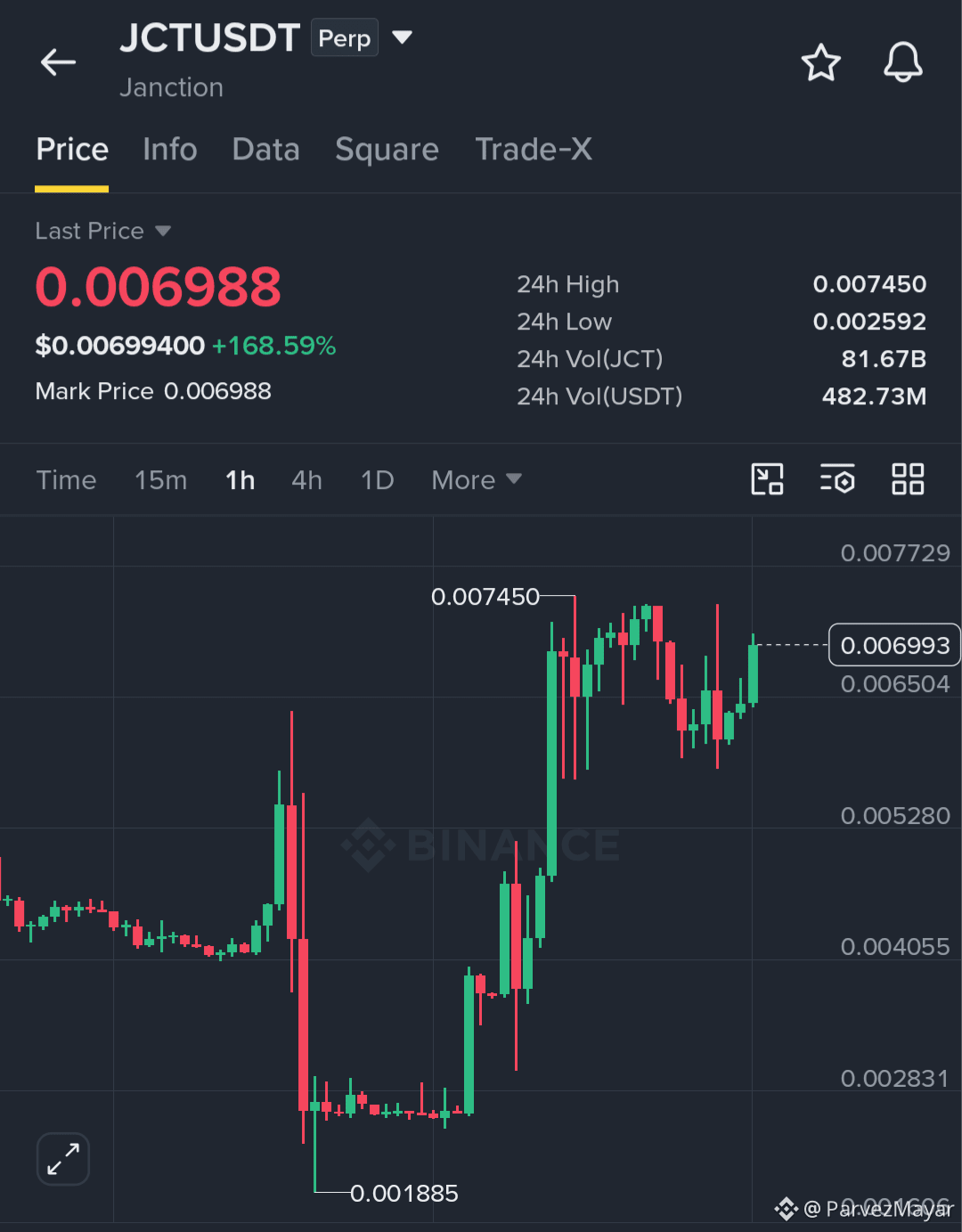
Okay so... $JCT is still going crazy with +168% gains and somehow buyers are NOT giving up yet 😁
Already trading around $0.007 after touching $0.00745... and look at that 1H chart, even after multiple pullbacks price is still holding near the highs.
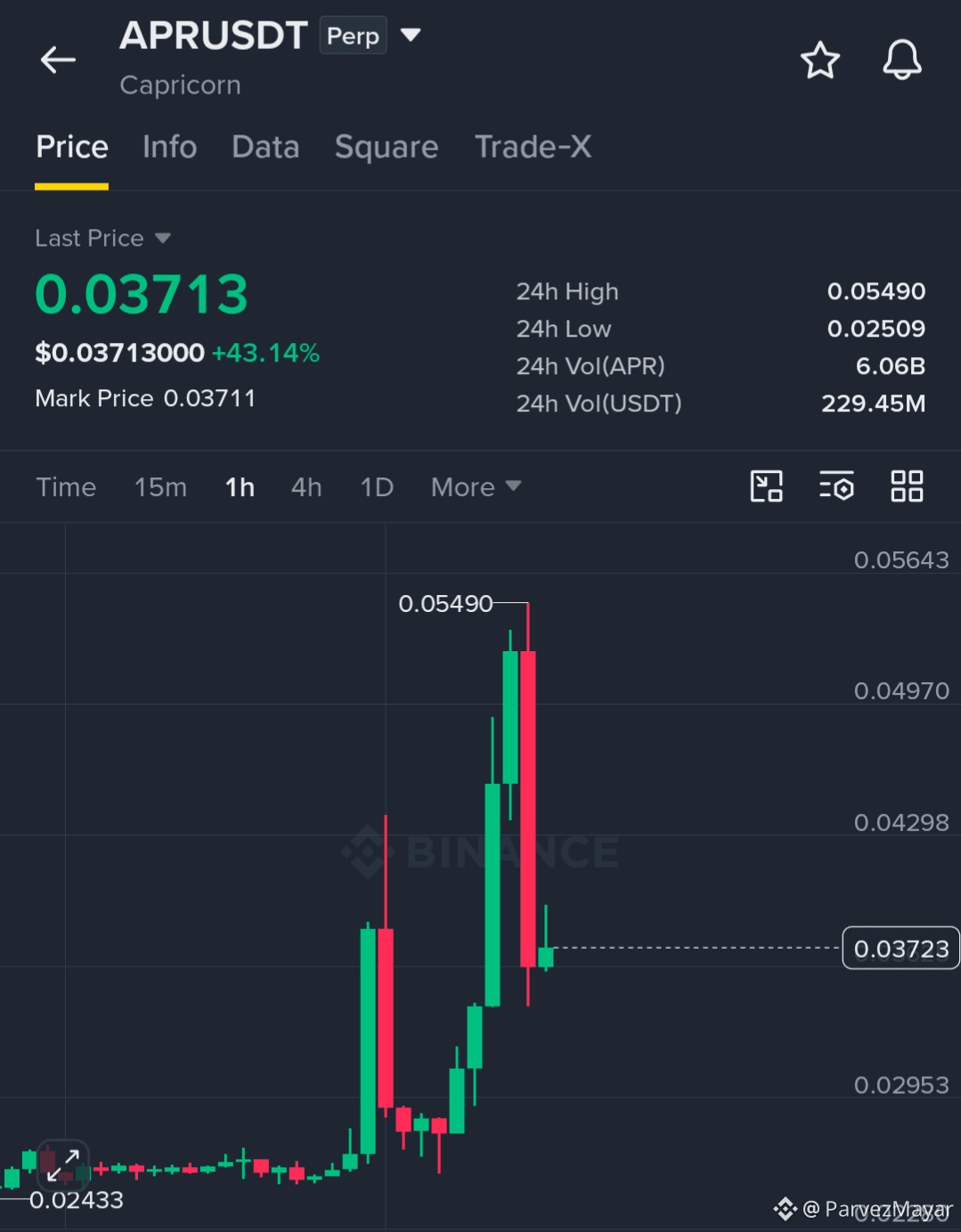
Meanwhile $APR pumped to $0.0549 and then dumped HARD back towards $0.037... that's some serious rejection from the top.
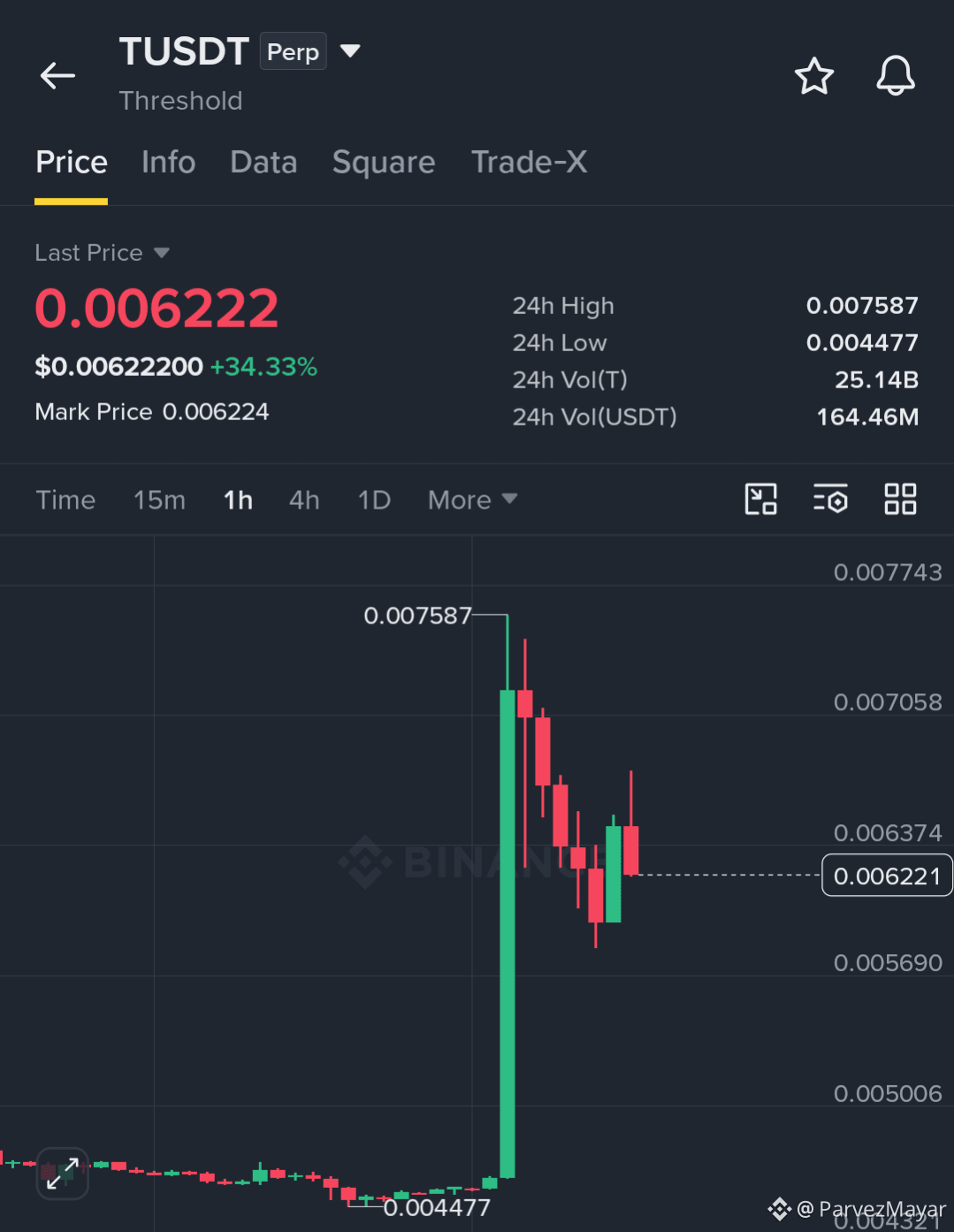
And $T ?? Same story... massive pump from $0.0044 to $0.0075, now struggling around $0.0062.
What interests me here is the difference in price action...
JCT is consolidating near its highs while APR and T already faced aggressive selling.
But buddies... don't confuse this with a guaranteed continuation.
I would rather watch JCT break $0.00745 with confirmation before considering another LONG.
And i am definitely NOT shorting these coins blindly just because they pumped 100%+ 😆
After that IRYS circus... i think we all know how dangerous that can get.
There are always new opportunities... no need to lose your capital chasing every massive candle.
Who is still trading these three❓
{future}(JCTUSDT)
{future}(APRUSDT)
{spot}(TUSDT)
📍 Always DYOR!
Okay so... $JCT is still going crazy with +168% gains and somehow buyers are NOT giving up yet 😁
Already trading around $0.007 after touching $0.00745... and look at that 1H chart, even after multiple pullbacks price is still holding near the highs.
Meanwhile $APR pumped to $0.0549 and then dumped HARD back towards $0.037... that's some serious rejection from the top.
And $T ?? Same story... massive pump from $0.0044 to $0.0075, now struggling around $0.0062.
What interests me here is the difference in price action...
JCT is consolidating near its highs while APR and T already faced aggressive selling.
But buddies... don't confuse this with a guaranteed continuation.
I would rather watch JCT break $0.00745 with confirmation before considering another LONG.
And i am definitely NOT shorting these coins blindly just because they pumped 100%+ 😆
After that IRYS circus... i think we all know how dangerous that can get.
There are always new opportunities... no need to lose your capital chasing every massive candle.
Who is still trading these three❓
📍 Always DYOR!
Already trading around $0.007 after touching $0.00745... and look at that 1H chart, even after multiple pullbacks price is still holding near the highs.
Meanwhile $APR pumped to $0.0549 and then dumped HARD back towards $0.037... that's some serious rejection from the top.
And $T ?? Same story... massive pump from $0.0044 to $0.0075, now struggling around $0.0062.
What interests me here is the difference in price action...
JCT is consolidating near its highs while APR and T already faced aggressive selling.
But buddies... don't confuse this with a guaranteed continuation.
I would rather watch JCT break $0.00745 with confirmation before considering another LONG.
And i am definitely NOT shorting these coins blindly just because they pumped 100%+ 😆
After that IRYS circus... i think we all know how dangerous that can get.
There are always new opportunities... no need to lose your capital chasing every massive candle.
Who is still trading these three❓
📍 Always DYOR!
5
2.2k
·
--
Guys... have you noticed how strongly $BNB is moving compared to the rest of the market❓
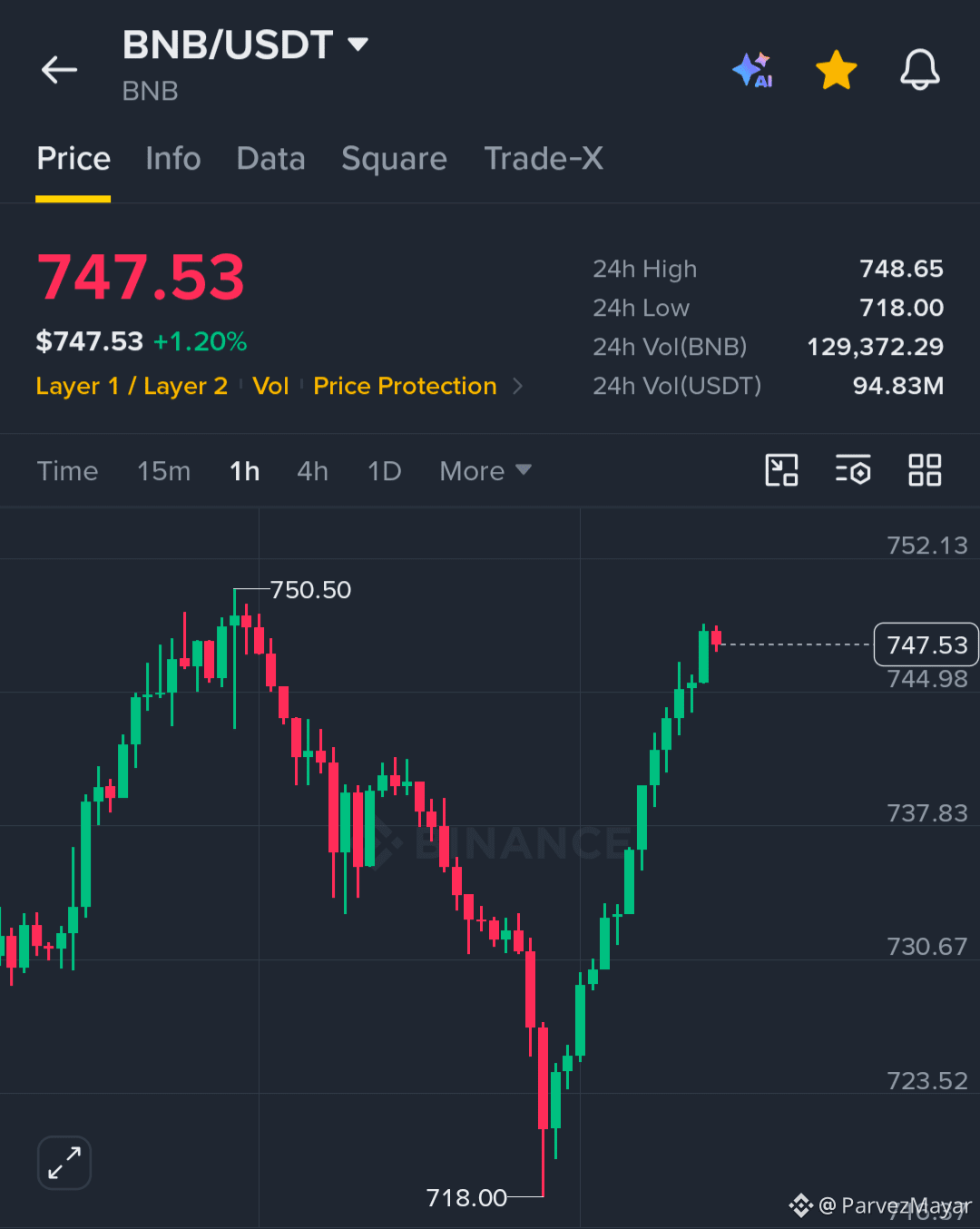
While $BTC has been struggling with massive dumps and recoveries... BNB is actually holding much better and recovering even harder.
Look at this... BNB bounced from $718 and already back above $747, almost touching $750 again 💪🏻
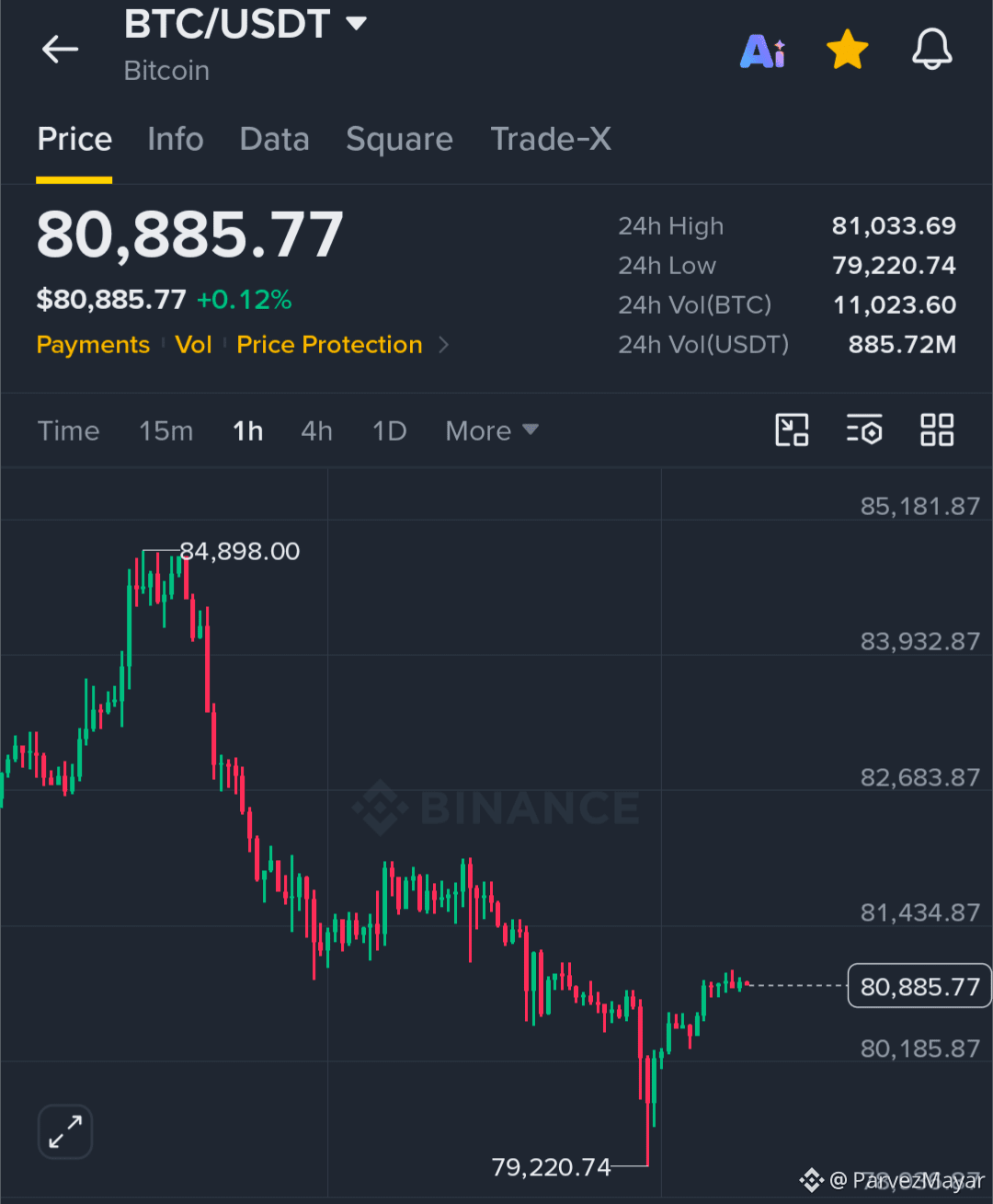
And BTC?? Still struggling around $80.8k after falling below $80k.
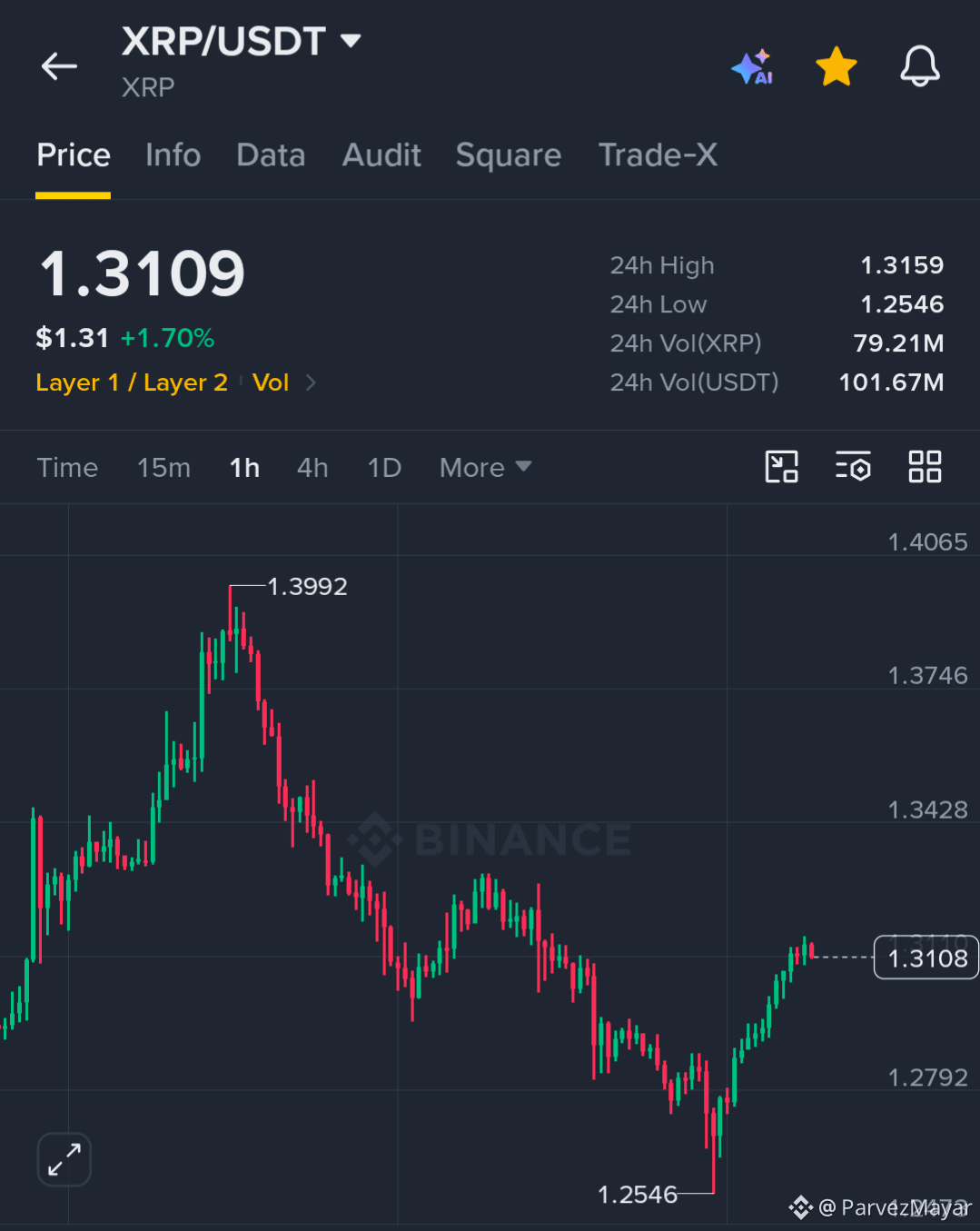
Even $XRP is recovering nicely from $1.25 and now trading above $1.31.
I mean... this is exactly why i keep watching coins that show relative strength when the overall market is weak.
And you know what??
I am still accumulating BNB and XRP for LONG term.
My targets remain...
🎯 BNB : $1,000+
🎯 XRP : $3–$5+
Not saying these targets will happen next month... but i am willing to hold through these corrections.
The funny thing is... when BNB reaches $900 and XRP starts moving above $2, the same people ignoring these prices will suddenly become VERY bullish 😆
That's how retail psychology works... nobody wants to buy when prices are boring, everyone wants to BUY after a massive green candle.
I would rather buy slowly while the market is still uncertain... keeping enough cash for another dump too.
Because buying early is good... but going ALL IN and getting REKT before the real move even starts?? No thanks 😁
What are you accumulating buddies... BNB or XRP❓
{future}(BNBUSDT)
{future}(BTCUSDT)
{future}(XRPUSDT)
Guys... have you noticed how strongly $BNB is moving compared to the rest of the market❓
While $BTC has been struggling with massive dumps and recoveries... BNB is actually holding much better and recovering even harder.
Look at this... BNB bounced from $718 and already back above $747, almost touching $750 again 💪🏻
And BTC?? Still struggling around $80.8k after falling below $80k.
Even $XRP is recovering nicely from $1.25 and now trading above $1.31.
I mean... this is exactly why i keep watching coins that show relative strength when the overall market is weak.
And you know what??
I am still accumulating BNB and XRP for LONG term.
My targets remain...
🎯 BNB : $1,000+
🎯 XRP : $3–$5+
Not saying these targets will happen next month... but i am willing to hold through these corrections.
The funny thing is... when BNB reaches $900 and XRP starts moving above $2, the same people ignoring these prices will suddenly become VERY bullish 😆
That's how retail psychology works... nobody wants to buy when prices are boring, everyone wants to BUY after a massive green candle.
I would rather buy slowly while the market is still uncertain... keeping enough cash for another dump too.
Because buying early is good... but going ALL IN and getting REKT before the real move even starts?? No thanks 😁
What are you accumulating buddies... BNB or XRP❓
While $BTC has been struggling with massive dumps and recoveries... BNB is actually holding much better and recovering even harder.
Look at this... BNB bounced from $718 and already back above $747, almost touching $750 again 💪🏻
And BTC?? Still struggling around $80.8k after falling below $80k.
Even $XRP is recovering nicely from $1.25 and now trading above $1.31.
I mean... this is exactly why i keep watching coins that show relative strength when the overall market is weak.
And you know what??
I am still accumulating BNB and XRP for LONG term.
My targets remain...
🎯 BNB : $1,000+
🎯 XRP : $3–$5+
Not saying these targets will happen next month... but i am willing to hold through these corrections.
The funny thing is... when BNB reaches $900 and XRP starts moving above $2, the same people ignoring these prices will suddenly become VERY bullish 😆
That's how retail psychology works... nobody wants to buy when prices are boring, everyone wants to BUY after a massive green candle.
I would rather buy slowly while the market is still uncertain... keeping enough cash for another dump too.
Because buying early is good... but going ALL IN and getting REKT before the real move even starts?? No thanks 😁
What are you accumulating buddies... BNB or XRP❓
3
953
·
--
Bullish
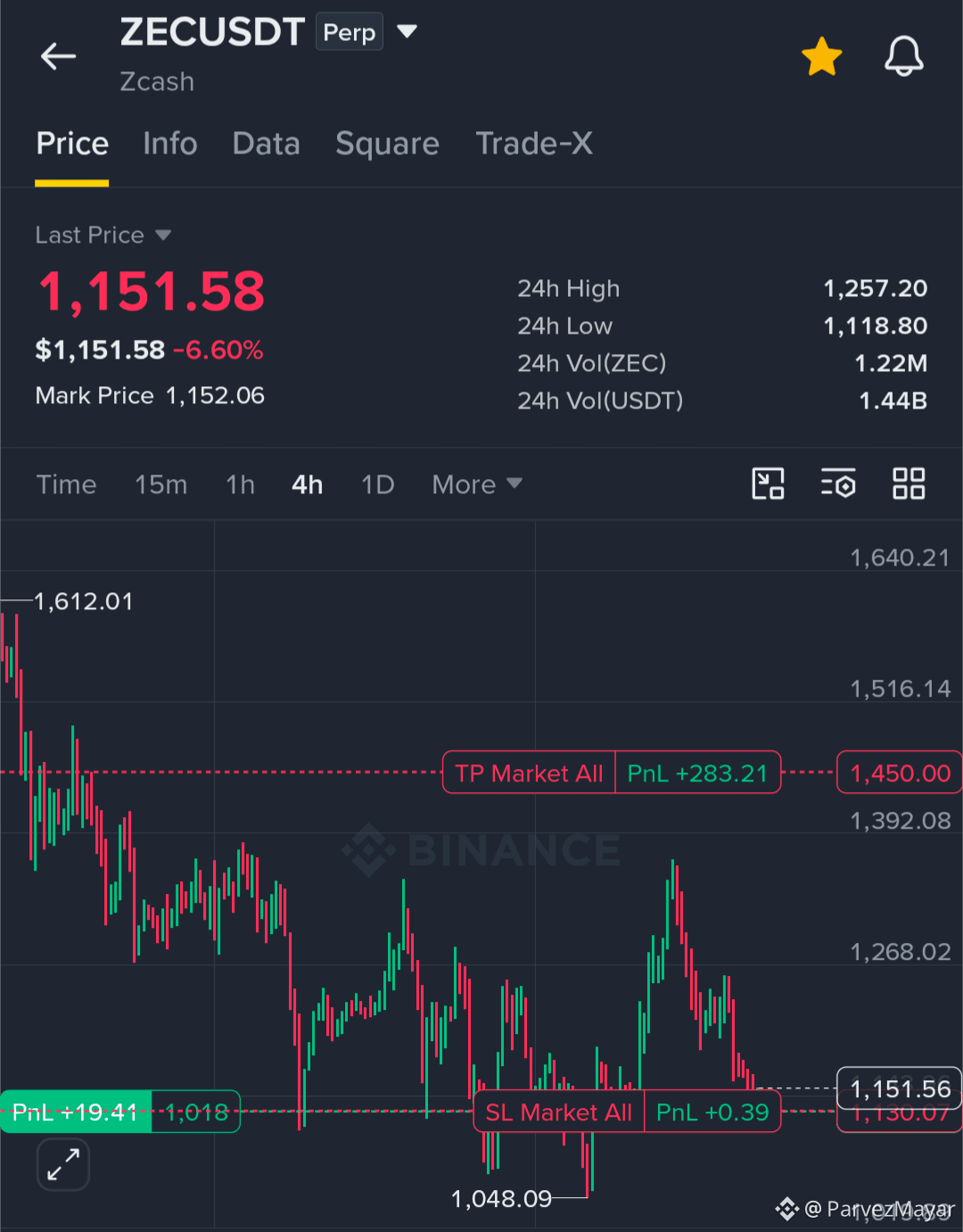
Can $ZEC go to $1450 ❓
🎯 My target is $1,450... LET'S gooo
Can $ZEC go to $1450 ❓
🎯 My target is $1,450... LET'S gooo
🎯 My target is $1,450... LET'S gooo
16
5
27
16.9k
·
--
CZ predicted this way before 🤣
$BTC below $80K
$ETH below $2300
$XRP below $1.3
Is this another opportunity to accumulate or you guys waiting for Bitcoin $35k bottom ❓
{future}(BTCUSDT)
{future}(ETHUSDT)
{future}(XRPUSDT)
CZ predicted this way before 🤣
$BTC below $80K
$ETH below $2300
$XRP below $1.3
Is this another opportunity to accumulate or you guys waiting for Bitcoin $35k bottom ❓
$BTC below $80K
$ETH below $2300
$XRP below $1.3
Is this another opportunity to accumulate or you guys waiting for Bitcoin $35k bottom ❓

2
8
3.7k
·
--
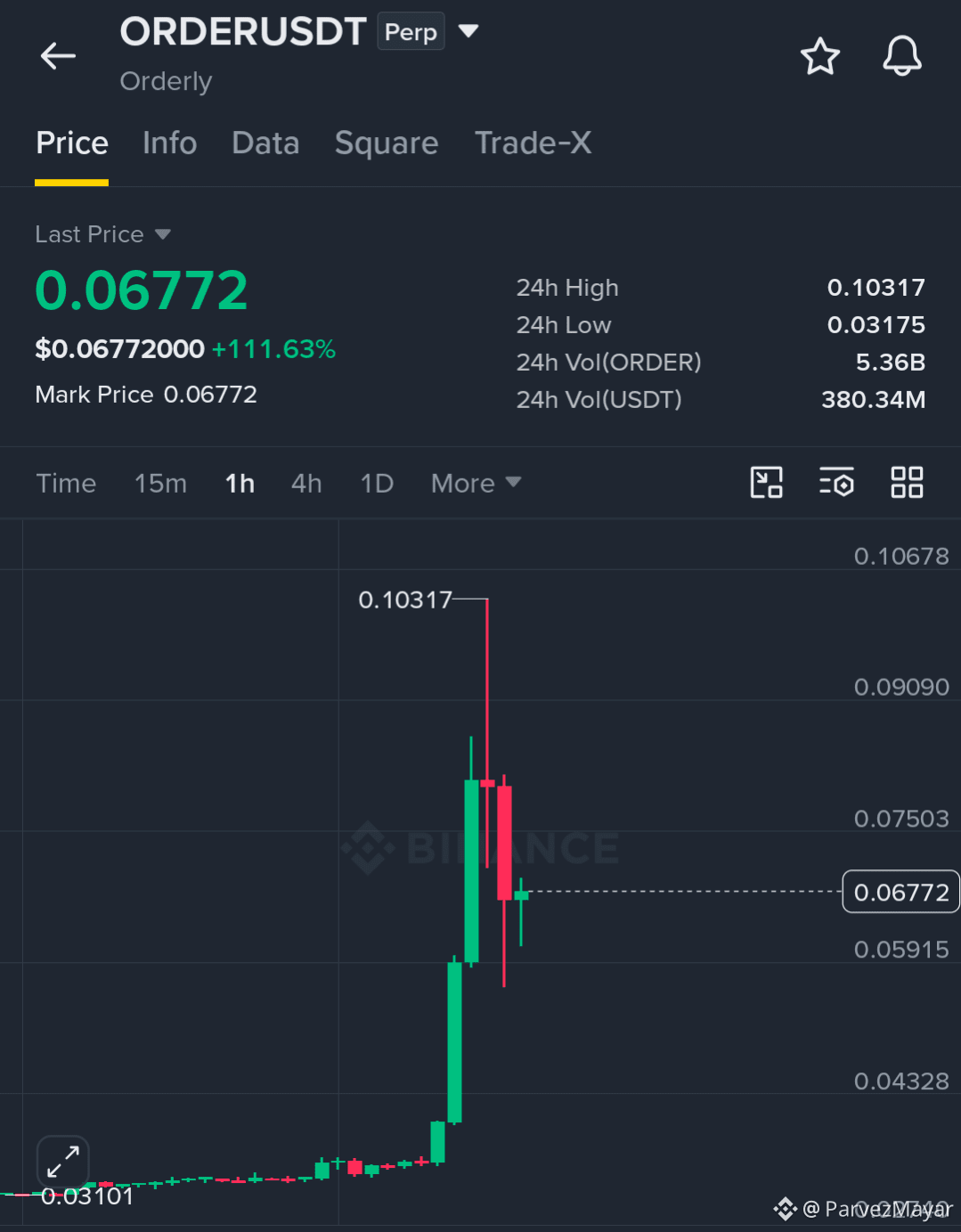
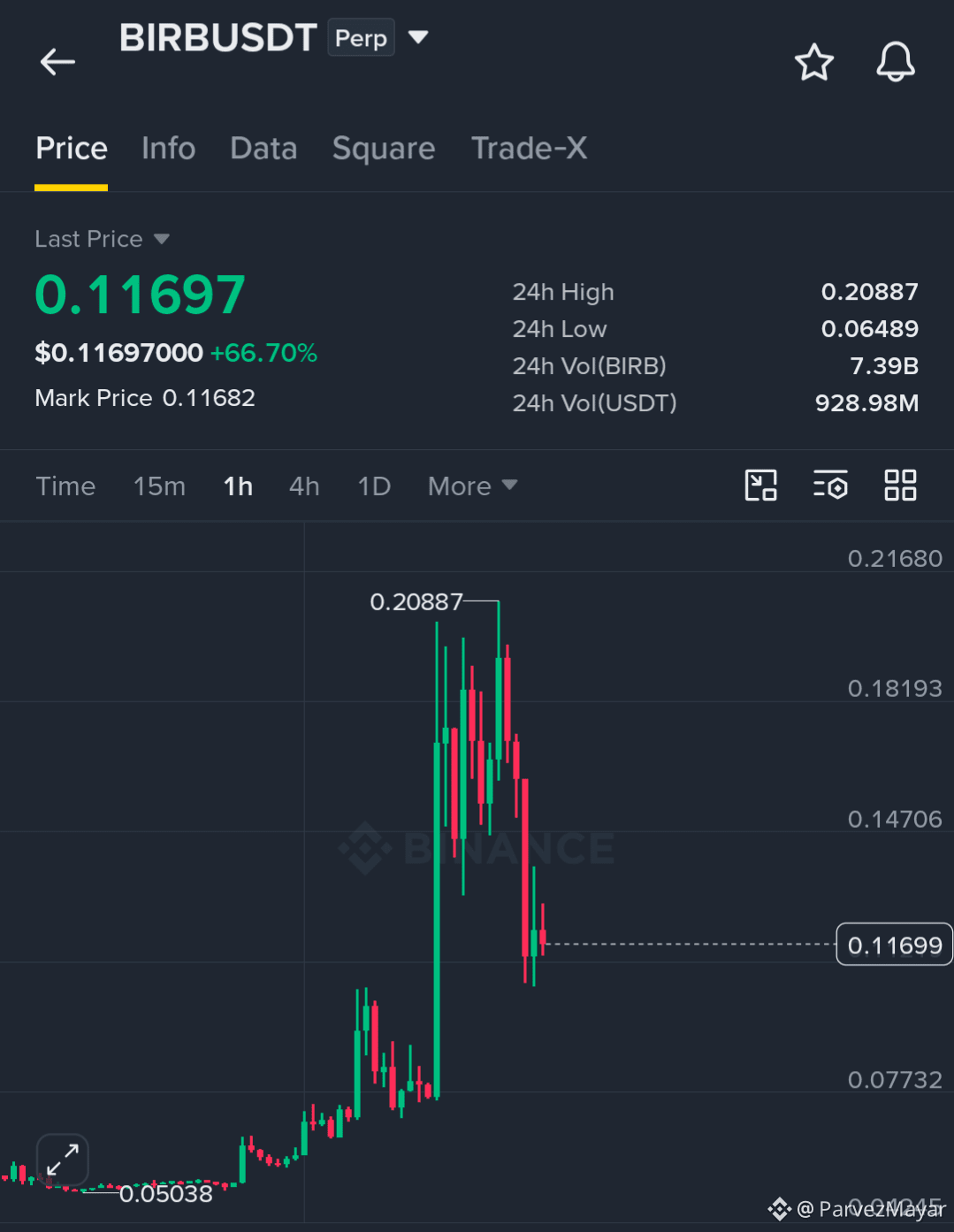
After that $IRYS circus... now BIRB and ORDER are doing their own madness
$BIRB pumped all the way to $0.208 and already dumped back near $0.117...
And $ORDER ?? +111% gains, touched $0.103 and now trading around $0.067.
I mean... look at those massive upper wicks. Buyers who entered near the top are already sitting on serious losses.
But i wouldn't blindly SHORT these coins either...
After what happened with IRYS, i think we have learned enough about trying to catch the exact TOP.
For now i am watching $0.11 support on BIRB and $0.06 on ORDER... losing these levels could bring another correction.
Let the volatility settle first buddies... there is no need to risk our money on every crazy candle.
Who is actually trading these two❓
{future}(IRYSUSDT)
{future}(BIRBUSDT)
{future}(ORDERUSDT)
#MarketsPriceJust10%ChanceOfFedHikeNextWeek
After that $IRYS circus... now BIRB and ORDER are doing their own madness
$BIRB pumped all the way to $0.208 and already dumped back near $0.117...
And $ORDER ?? +111% gains, touched $0.103 and now trading around $0.067.
I mean... look at those massive upper wicks. Buyers who entered near the top are already sitting on serious losses.
But i wouldn't blindly SHORT these coins either...
After what happened with IRYS, i think we have learned enough about trying to catch the exact TOP.
For now i am watching $0.11 support on BIRB and $0.06 on ORDER... losing these levels could bring another correction.
Let the volatility settle first buddies... there is no need to risk our money on every crazy candle.
Who is actually trading these two❓
#MarketsPriceJust10%ChanceOfFedHikeNextWeek
$BIRB pumped all the way to $0.208 and already dumped back near $0.117...
And $ORDER ?? +111% gains, touched $0.103 and now trading around $0.067.
I mean... look at those massive upper wicks. Buyers who entered near the top are already sitting on serious losses.
But i wouldn't blindly SHORT these coins either...
After what happened with IRYS, i think we have learned enough about trying to catch the exact TOP.
For now i am watching $0.11 support on BIRB and $0.06 on ORDER... losing these levels could bring another correction.
Let the volatility settle first buddies... there is no need to risk our money on every crazy candle.
Who is actually trading these two❓
#MarketsPriceJust10%ChanceOfFedHikeNextWeek
7
3k
·
--
Bullish
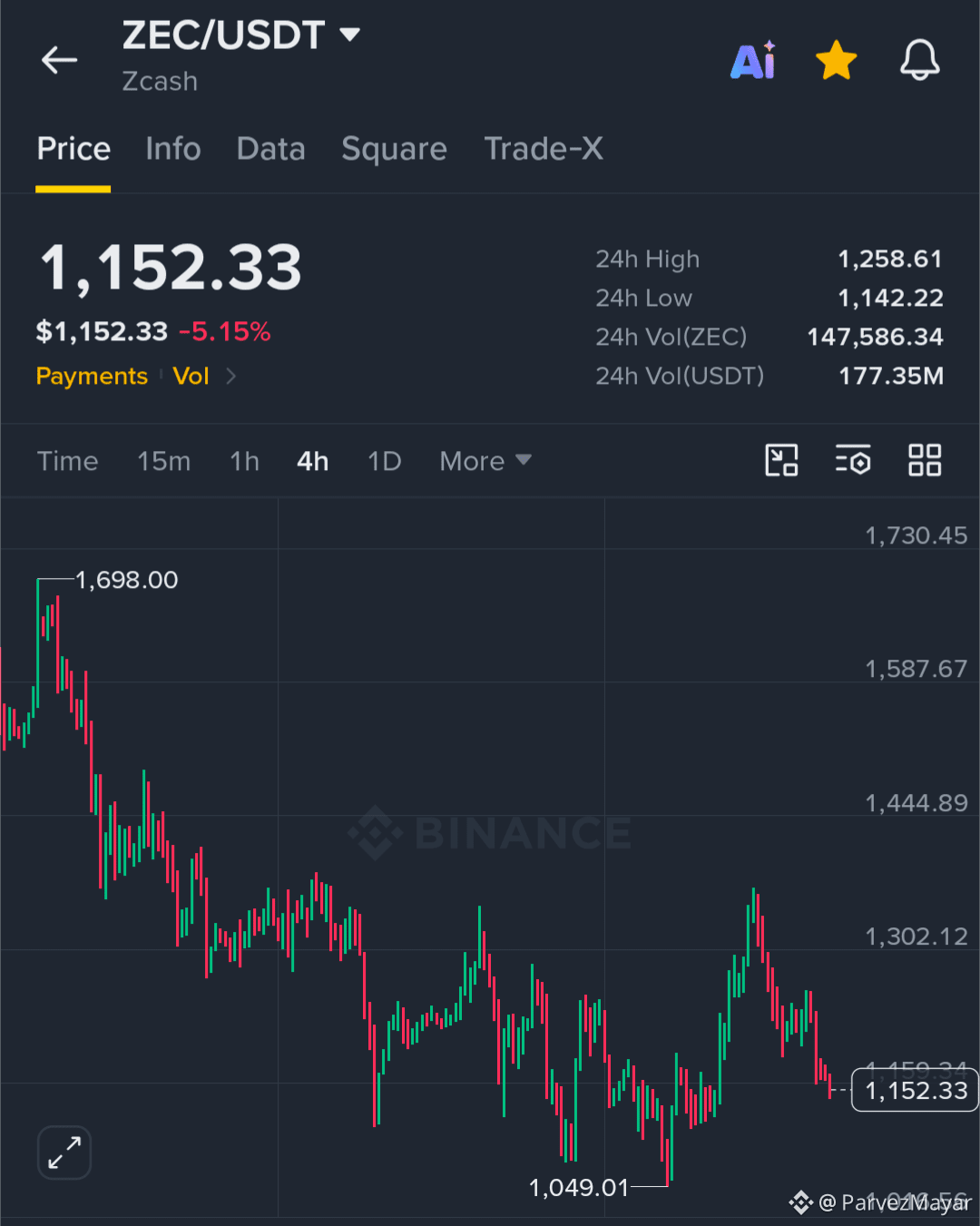
Don't panic.... $ZEC around $1,150 is another opportunity to BUY lower, market is giving us all another chance before ZCASH hits $2,000+ 💪🏻
A few days ago many people bought ZEC for $1,300+..
I am accumulating more on these major dips.... $ZEC just broke the short term structure a bit, but broader bullish trend is still intact for me as long as ZEC stays above that $980-$1,000 area,
Also we saw ZEC breaking the bearish trend too that's also something positive 😉
Remember ZEC has done this before too... strong push, major pullback, consolidation and then another move higher.
These dips are chances to accumulate at lower prices... not the time to panic after the dump 😁
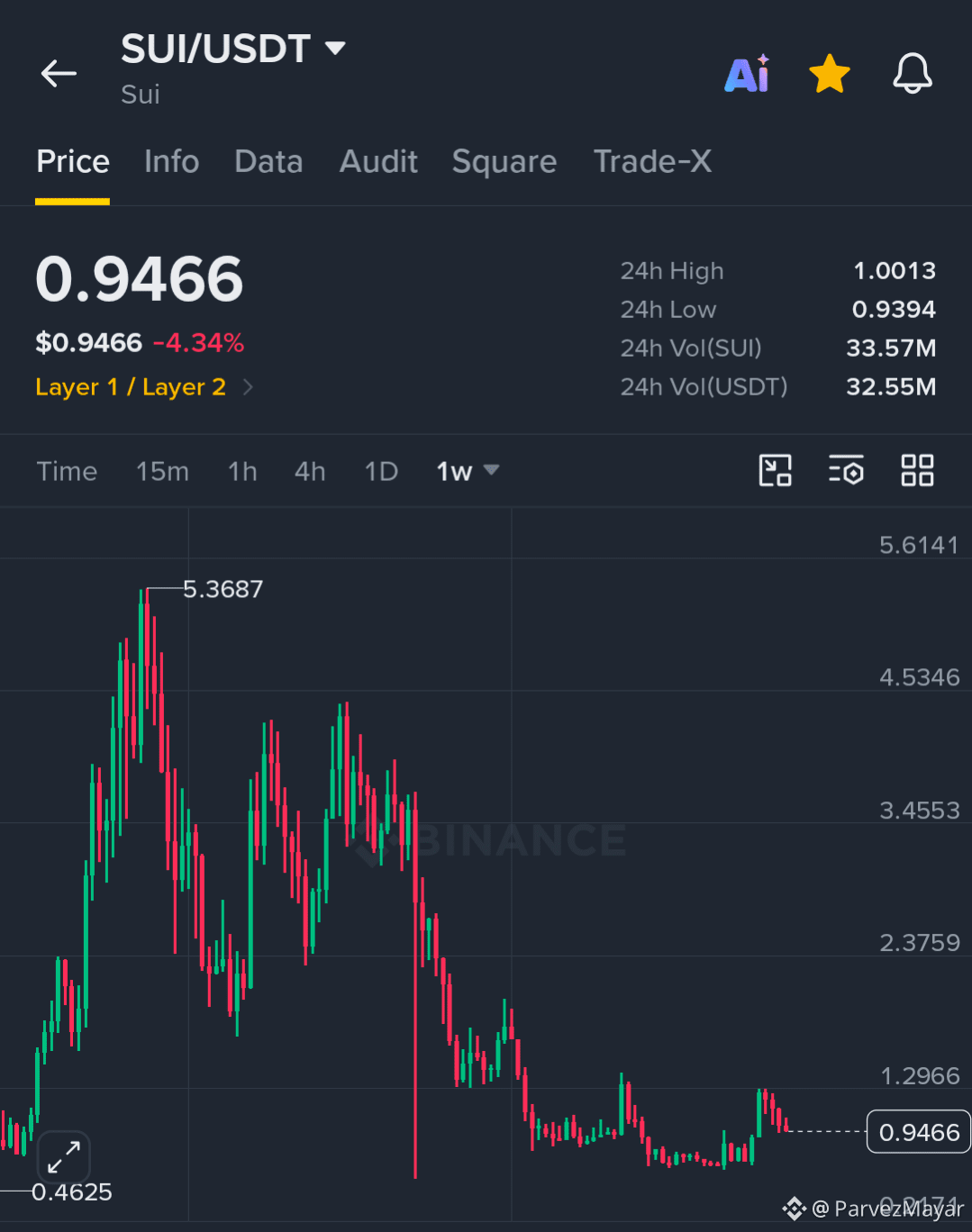
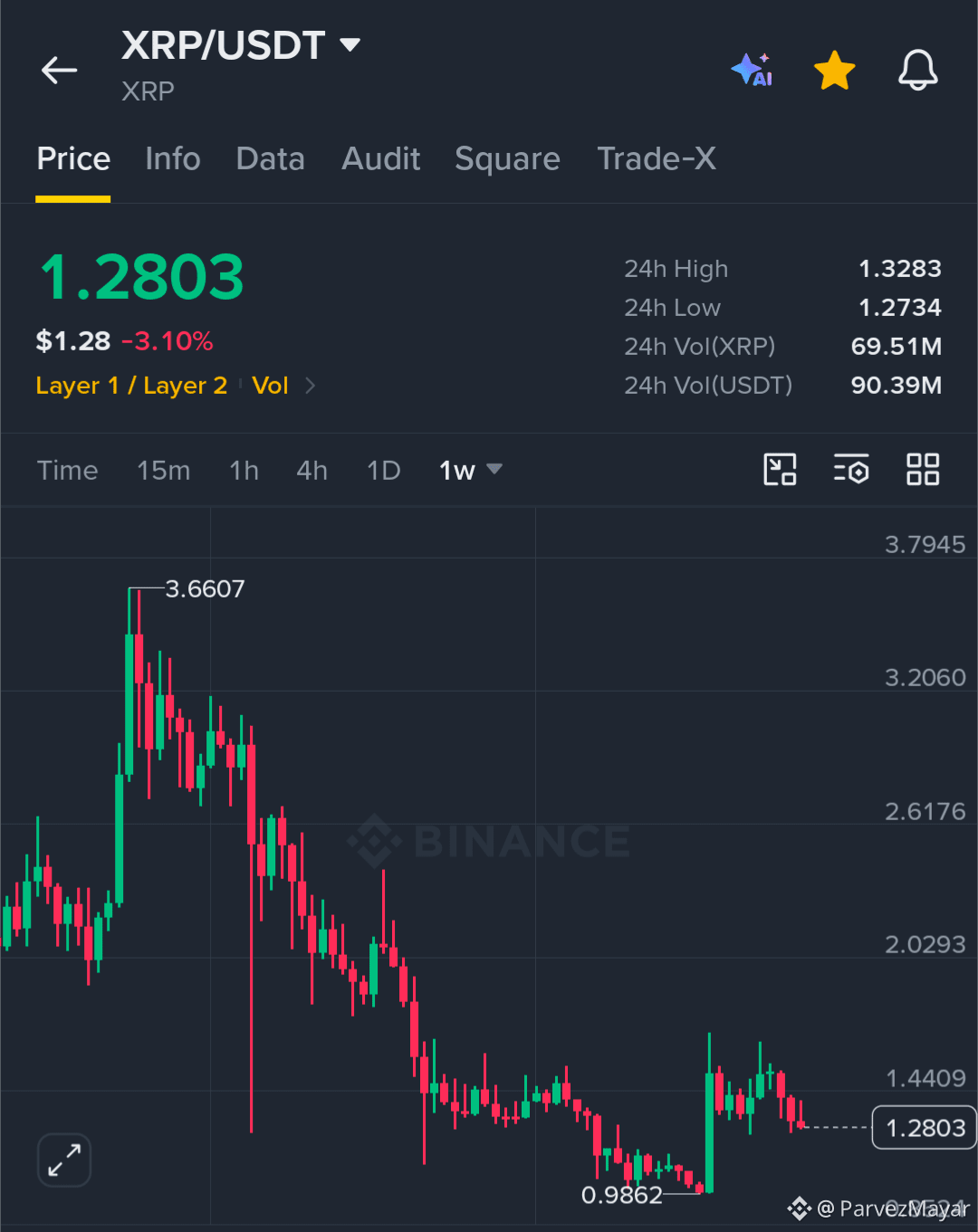
Also $XRP below $1.3 is like 90% cheap and $SUI below $1... Don't ignore these prices, maybe last time we see these three at such low prices, who knows...
That's why DCA and chill 💛
{future}(ZECUSDT)
{future}(SUIUSDT)
{future}(XRPUSDT)
#MarketsPriceJust10%ChanceOfFedHikeNextWeek
#PepeJumps14%ToLeadAltcoinRebound
📍 DYOR!
Don't panic.... $ZEC around $1,150 is another opportunity to BUY lower, market is giving us all another chance before ZCASH hits $2,000+ 💪🏻
A few days ago many people bought ZEC for $1,300+..
I am accumulating more on these major dips.... $ZEC just broke the short term structure a bit, but broader bullish trend is still intact for me as long as ZEC stays above that $980-$1,000 area,
Also we saw ZEC breaking the bearish trend too that's also something positive 😉
Remember ZEC has done this before too... strong push, major pullback, consolidation and then another move higher.
These dips are chances to accumulate at lower prices... not the time to panic after the dump 😁
Also $XRP below $1.3 is like 90% cheap and $SUI below $1... Don't ignore these prices, maybe last time we see these three at such low prices, who knows...
That's why DCA and chill 💛
#MarketsPriceJust10%ChanceOfFedHikeNextWeek
#PepeJumps14%ToLeadAltcoinRebound
📍 DYOR!
A few days ago many people bought ZEC for $1,300+..
I am accumulating more on these major dips.... $ZEC just broke the short term structure a bit, but broader bullish trend is still intact for me as long as ZEC stays above that $980-$1,000 area,
Also we saw ZEC breaking the bearish trend too that's also something positive 😉
Remember ZEC has done this before too... strong push, major pullback, consolidation and then another move higher.
These dips are chances to accumulate at lower prices... not the time to panic after the dump 😁
Also $XRP below $1.3 is like 90% cheap and $SUI below $1... Don't ignore these prices, maybe last time we see these three at such low prices, who knows...
That's why DCA and chill 💛
#MarketsPriceJust10%ChanceOfFedHikeNextWeek
#PepeJumps14%ToLeadAltcoinRebound
📍 DYOR!
4
10
3.9k
·
--
Today i have been scrolling Binance Square and almost 50% of posts are from people who got REKT shorting $IRYS ...
I mean... what the hell happened.
Feels like this was some kind of natural disaster for SHORT sellers.
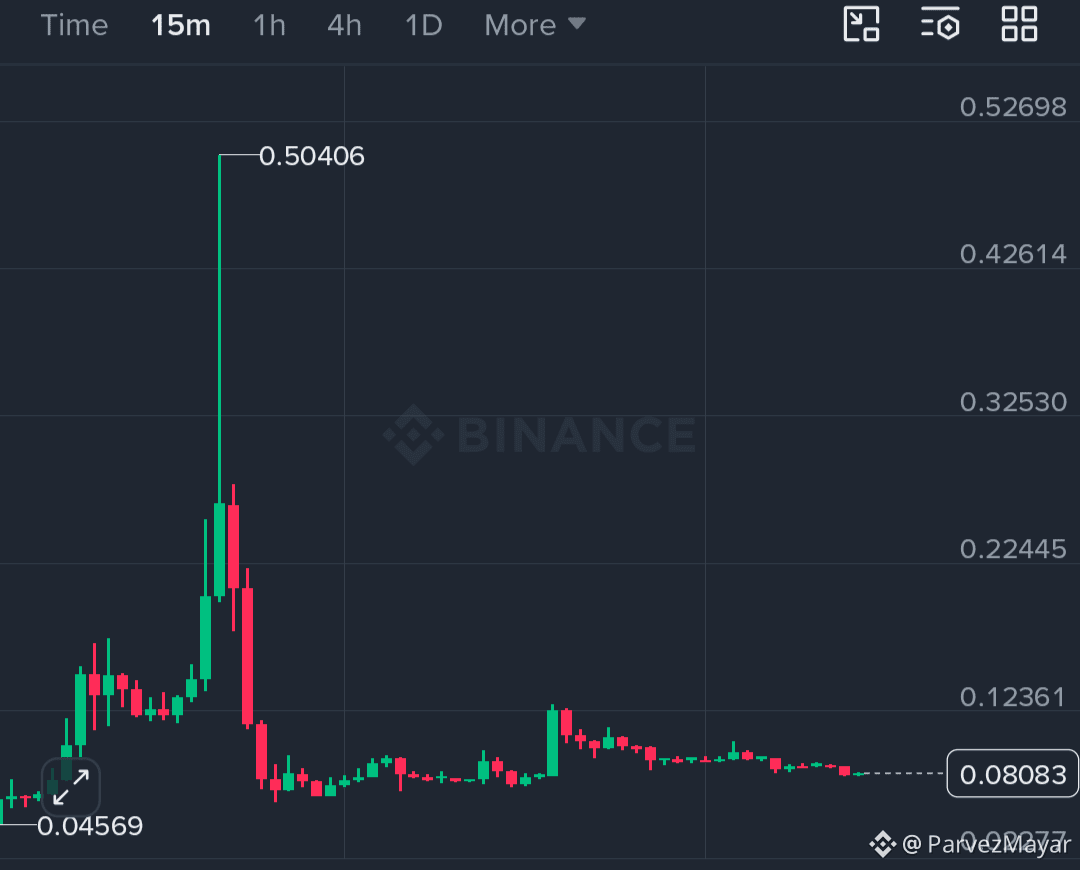
$IRYS pumped over 500% and after touching $0.50 it crashed all the way back near $0.08...
Imagine getting liquidated shorting this thing and then watching it dump right where you expected.
That's why i always tell my followers and myself too... STAY AWAY from these extremely volatile low caps.
We have 100s of coins that are actually good to trade with proper technical setups, support, resistance and manageable risk.
But ONLY if you are not GREEDY...
I mean why risk your entire account trying to catch the exact top of a coin that can pump another 200% for absolutely no reason??
Sometimes the best trade is simply NOT trading.
You don't need to catch every pump or dump to make money in this market.
Surviving the market is more important than winning one crazy trade.
Seriously... how many of you got caught in this $IRYS madness❓
{future}(IRYSUSDT)
Today i have been scrolling Binance Square and almost 50% of posts are from people who got REKT shorting $IRYS ...
I mean... what the hell happened.
Feels like this was some kind of natural disaster for SHORT sellers.
$IRYS pumped over 500% and after touching $0.50 it crashed all the way back near $0.08...
Imagine getting liquidated shorting this thing and then watching it dump right where you expected.
That's why i always tell my followers and myself too... STAY AWAY from these extremely volatile low caps.
We have 100s of coins that are actually good to trade with proper technical setups, support, resistance and manageable risk.
But ONLY if you are not GREEDY...
I mean why risk your entire account trying to catch the exact top of a coin that can pump another 200% for absolutely no reason??
Sometimes the best trade is simply NOT trading.
You don't need to catch every pump or dump to make money in this market.
Surviving the market is more important than winning one crazy trade.
Seriously... how many of you got caught in this $IRYS madness❓
I mean... what the hell happened.
Feels like this was some kind of natural disaster for SHORT sellers.
$IRYS pumped over 500% and after touching $0.50 it crashed all the way back near $0.08...
Imagine getting liquidated shorting this thing and then watching it dump right where you expected.
That's why i always tell my followers and myself too... STAY AWAY from these extremely volatile low caps.
We have 100s of coins that are actually good to trade with proper technical setups, support, resistance and manageable risk.
But ONLY if you are not GREEDY...
I mean why risk your entire account trying to catch the exact top of a coin that can pump another 200% for absolutely no reason??
Sometimes the best trade is simply NOT trading.
You don't need to catch every pump or dump to make money in this market.
Surviving the market is more important than winning one crazy trade.
Seriously... how many of you got caught in this $IRYS madness❓
5
1.2k
·
--
Bullish
30D trade $ZEC 66.1K USDT
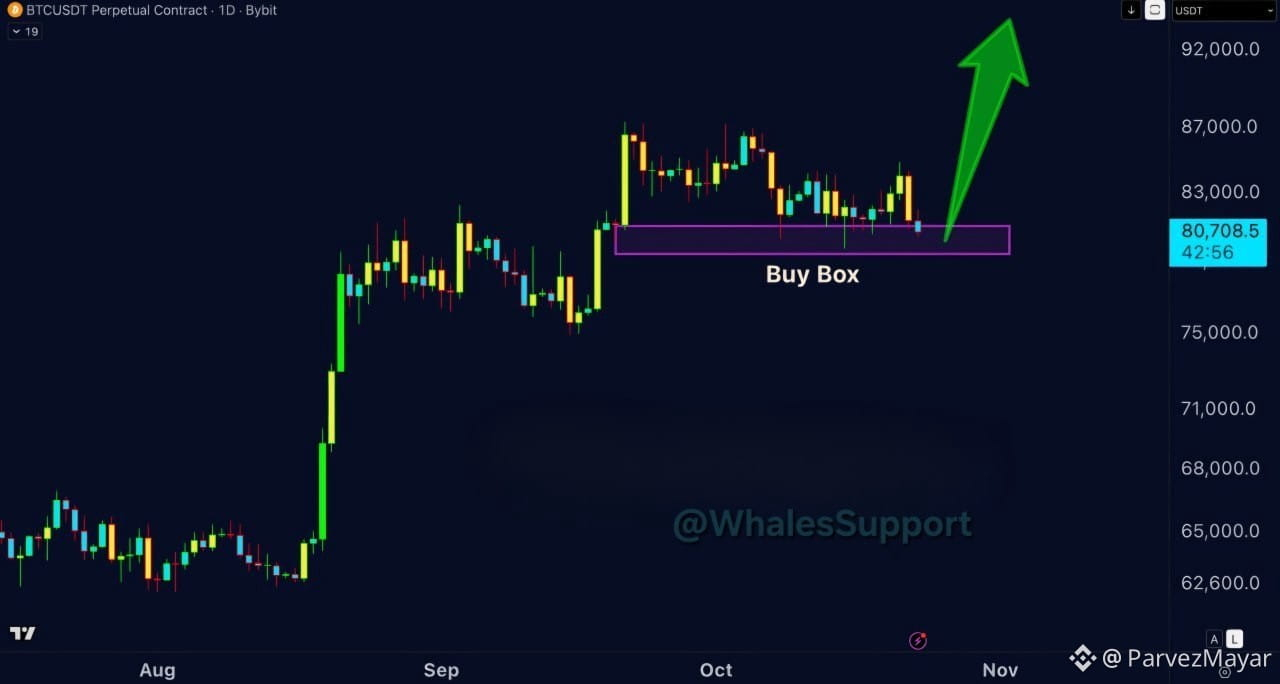
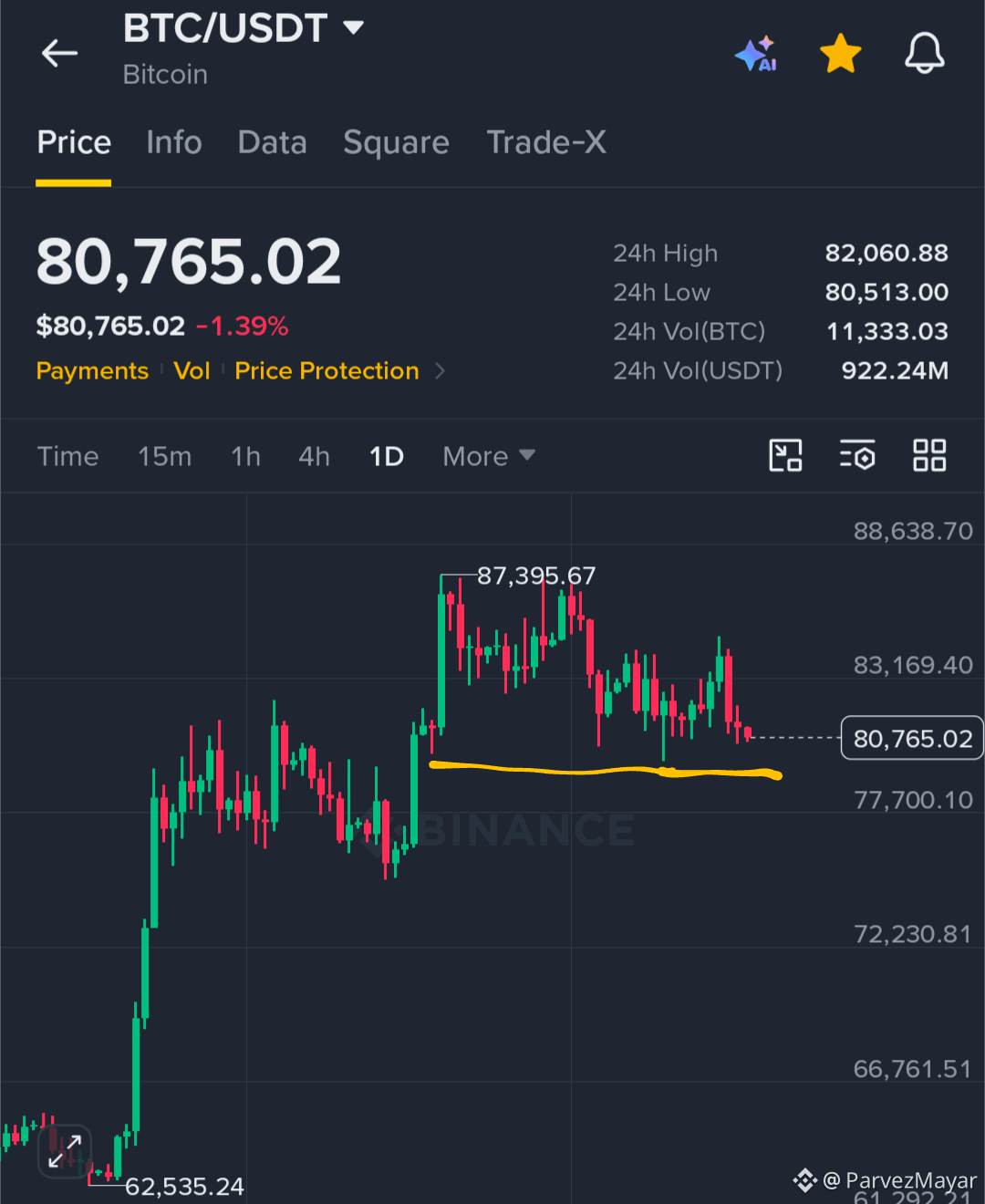
$BTC is back near $80,700 and everyone is suddenly expecting $76k again.
But i am looking at something different on the DAILY chart...
Since falling from $87,395, Bitcoin has tested the $79k–$80k support zone multiple times and buyers keep responding.
I mean... this is exactly where i am more interested in accumulating rather than panic selling.
Look at the psychology here...
People were buying aggressively above $84k and now the same people are scared to buy near $80k.
Of course... repeated support tests can also weaken the level, and a daily close below $79k could open the path towards $77k–$76k.
But until that happens, i am still treating this area as a potential accumulation zone.
I am adding in small amounts, NOT putting everything into one entry.
For now i want to see Bitcoin reclaim $82k–$83k first... then $85k and eventually $87k+ become interesting again.
And remember buddies... a liquidity sweep below support followed by a strong reclaim would make this setup even better.
And you know what's more interesting? $ZEC just broken the downtrend... Yes, it means a small push from BTC now could make up a huge move for ZEC... don't ignore ZEC, SUI, XRP
Are you accumulating around $80k or waiting for $76k❓
{future}(BTCUSDT)
{future}(ZECUSDT)
{future}(XRPUSDT)
#BitcoinHashrateHitsSevenMonthHigh
#IRSPlansLowerTaxDisclosurePenaltiesForCryptoCases
📍 Always DYOR!
$BTC is back near $80,700 and everyone is suddenly expecting $76k again.
But i am looking at something different on the DAILY chart...
Since falling from $87,395, Bitcoin has tested the $79k–$80k support zone multiple times and buyers keep responding.
I mean... this is exactly where i am more interested in accumulating rather than panic selling.
Look at the psychology here...
People were buying aggressively above $84k and now the same people are scared to buy near $80k.
Of course... repeated support tests can also weaken the level, and a daily close below $79k could open the path towards $77k–$76k.
But until that happens, i am still treating this area as a potential accumulation zone.
I am adding in small amounts, NOT putting everything into one entry.
For now i want to see Bitcoin reclaim $82k–$83k first... then $85k and eventually $87k+ become interesting again.
And remember buddies... a liquidity sweep below support followed by a strong reclaim would make this setup even better.
And you know what's more interesting? $ZEC just broken the downtrend... Yes, it means a small push from BTC now could make up a huge move for ZEC... don't ignore ZEC, SUI, XRP
Are you accumulating around $80k or waiting for $76k❓
#BitcoinHashrateHitsSevenMonthHigh
#IRSPlansLowerTaxDisclosurePenaltiesForCryptoCases
📍 Always DYOR!
But i am looking at something different on the DAILY chart...
Since falling from $87,395, Bitcoin has tested the $79k–$80k support zone multiple times and buyers keep responding.
I mean... this is exactly where i am more interested in accumulating rather than panic selling.
Look at the psychology here...
People were buying aggressively above $84k and now the same people are scared to buy near $80k.
Of course... repeated support tests can also weaken the level, and a daily close below $79k could open the path towards $77k–$76k.
But until that happens, i am still treating this area as a potential accumulation zone.
I am adding in small amounts, NOT putting everything into one entry.
For now i want to see Bitcoin reclaim $82k–$83k first... then $85k and eventually $87k+ become interesting again.
And remember buddies... a liquidity sweep below support followed by a strong reclaim would make this setup even better.
And you know what's more interesting? $ZEC just broken the downtrend... Yes, it means a small push from BTC now could make up a huge move for ZEC... don't ignore ZEC, SUI, XRP
Are you accumulating around $80k or waiting for $76k❓
#BitcoinHashrateHitsSevenMonthHigh
#IRSPlansLowerTaxDisclosurePenaltiesForCryptoCases
📍 Always DYOR!
3
2
13
7.6k
·
--
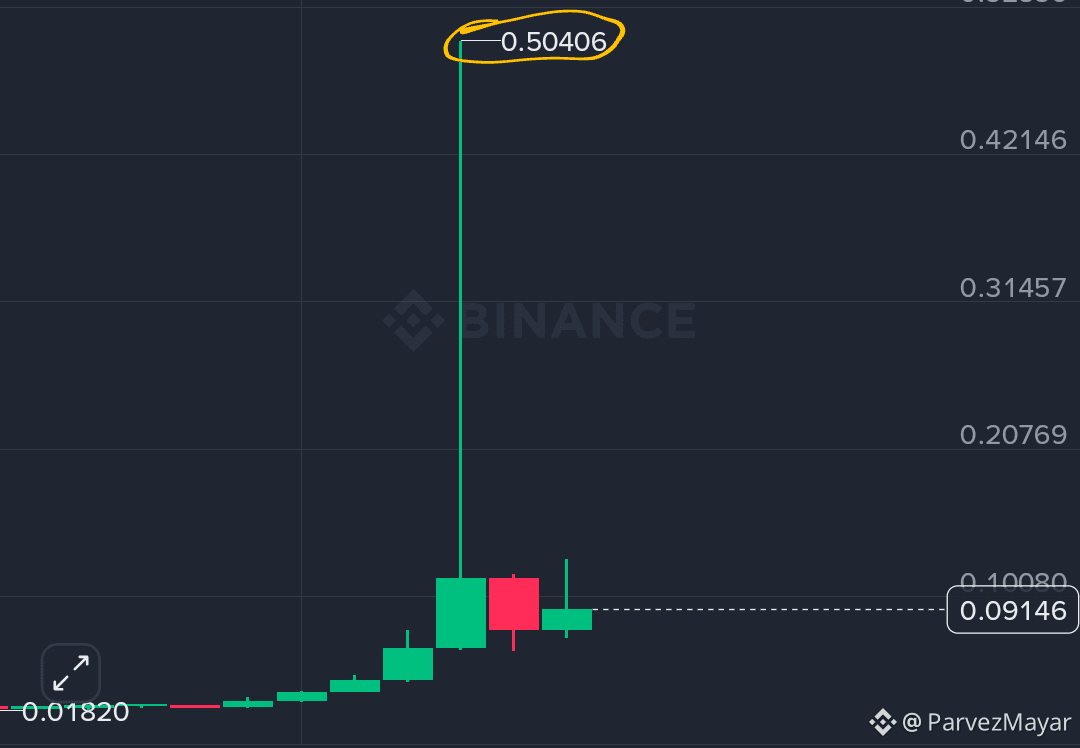
Who got Liquadated with $IRYS ❓
The 1000% pump was insane.
Who got Liquadated with $IRYS ❓
The 1000% pump was insane.
The 1000% pump was insane.
13
24
20.6k
Log in to explore more content
Join global crypto users on Binance Square
⚡️ Get latest and useful information about crypto.
💬 Trusted by the world’s largest crypto exchange.
👍 Discover real insights from verified creators.
Email / Phone number
Trending Topics
BitcoinSlipsBelow$80KAgain
264 views
17 Discussing
BTC Is Bleeding While the Whale W Move Out — Stacked Against a Corporate Bid
Seven days of downside, and it wasn't retail that drove.
The: BTC closed ~79,796 on Oct27, down ~2.6% over 7 days and ~5.2% over 30 days. Daily RSI(12) sits at 39.8. The week's range: high ~84,377 (Oct 22), low ~79,220 (Oct 24). No capitulation candle. No reclaim of 84K. Just grind.
The supply side is doing the talking. Dormant wallets moved 2,571 BTC (~$206.5M) toward institutional exchanges. That is supply arriving at the venue, not leaving it. Treasury appetite also cooled — Strategy redirected $204.9M into share buybacks instead of BTC.
The bid underneath is corporate, not speculative. Strive acquired 6,182 BTC (~$511.4M); public firms added 6,200+ BTC combined. That is a real floor argument near $79.7K — but it is a floor, not a breakout catalyst.
Momentum is not on the bulls' side. MACD histogram at −23.99, price under the 99 EMA. Upside is capped below ~$80.5K until that structure fl.
Positioning is mildly bullish, not euphoric. Square community poll: 2,116 bullish vs 1,714 bearish of 3,830 votes A limited sample — worth knowing, not worth trading on alone.
My read: this is distribution into a corporate bid. The floor is real; the momentum is not there. Watching whether the 79.2K–79.7K zone absorbs the exchange inflow is the whole story this week.
#BitcoinSlipsBelow$80KAgain
_Mr_Singh_
·0 Likes
·329 views
ThailandLaunchesWORPTStablecoinToQRPaymentApp
50 views
28 Discussing
StrategySkipsBitcoinPurchasesSpends$205MOnSTRCBuybacks
2,820 views
64 Discussing