
MrsCafe
89 Posts

MrsCafe
Report
Block User
NodeOps Ambassador|| Web3 enthusiast || content writer || community manager || MOD || intern @trustchain0
32 Following
36 Followers
49 Liked
Posts
·
--
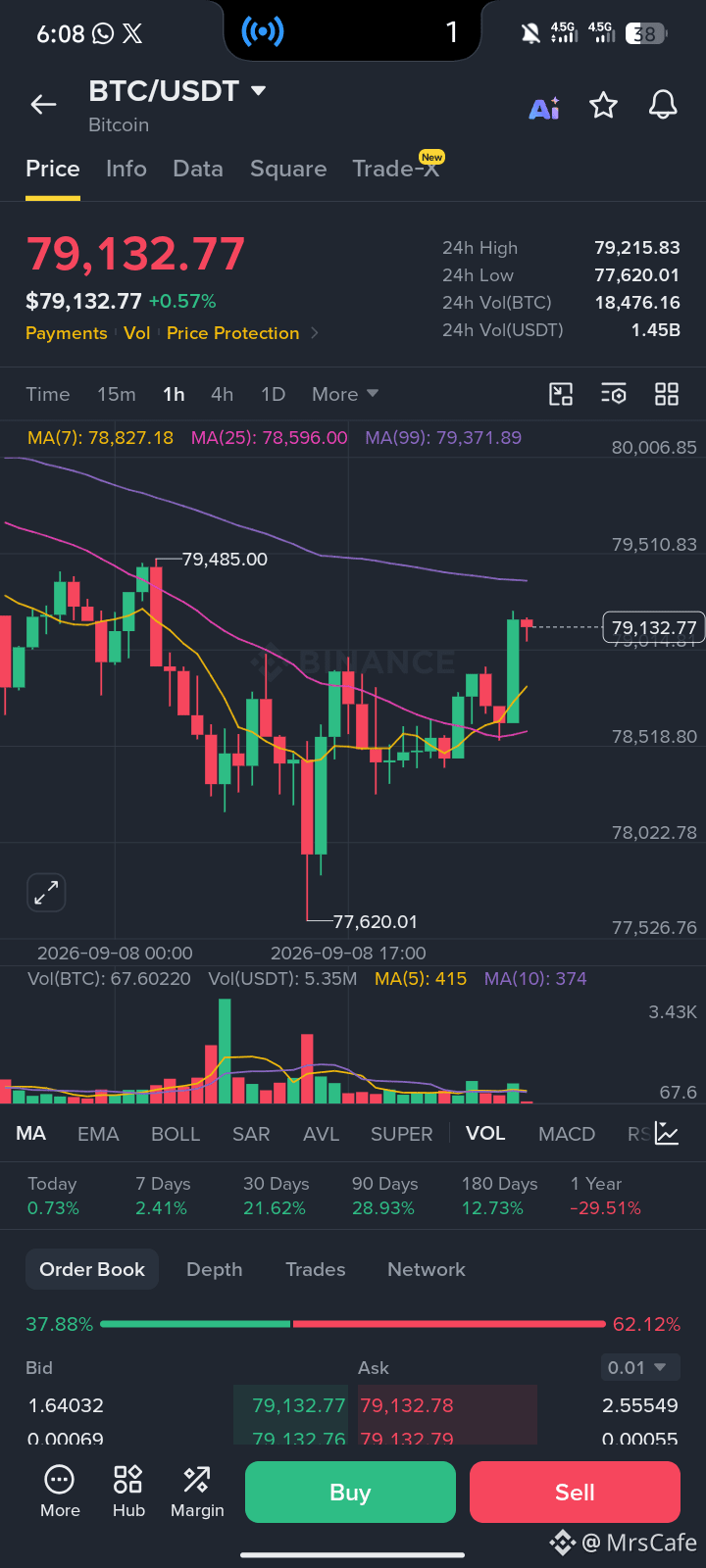
Coin: BTC/USDT
Signal: Sell / Short
Type: Futures (isolated, 5–10x)
Entry: 79,100 – 79,150
TP1: 78,500
TP2: 77,800
TP3: 77,000
Stop Loss: 79,800
$BTC
Coin: BTC/USDT
Signal: Sell / Short
Type: Futures (isolated, 5–10x)
Entry: 79,100 – 79,150
TP1: 78,500
TP2: 77,800
TP3: 77,000
Stop Loss: 79,800
$BTC
Signal: Sell / Short
Type: Futures (isolated, 5–10x)
Entry: 79,100 – 79,150
TP1: 78,500
TP2: 77,800
TP3: 77,000
Stop Loss: 79,800
$BTC
4
·
--
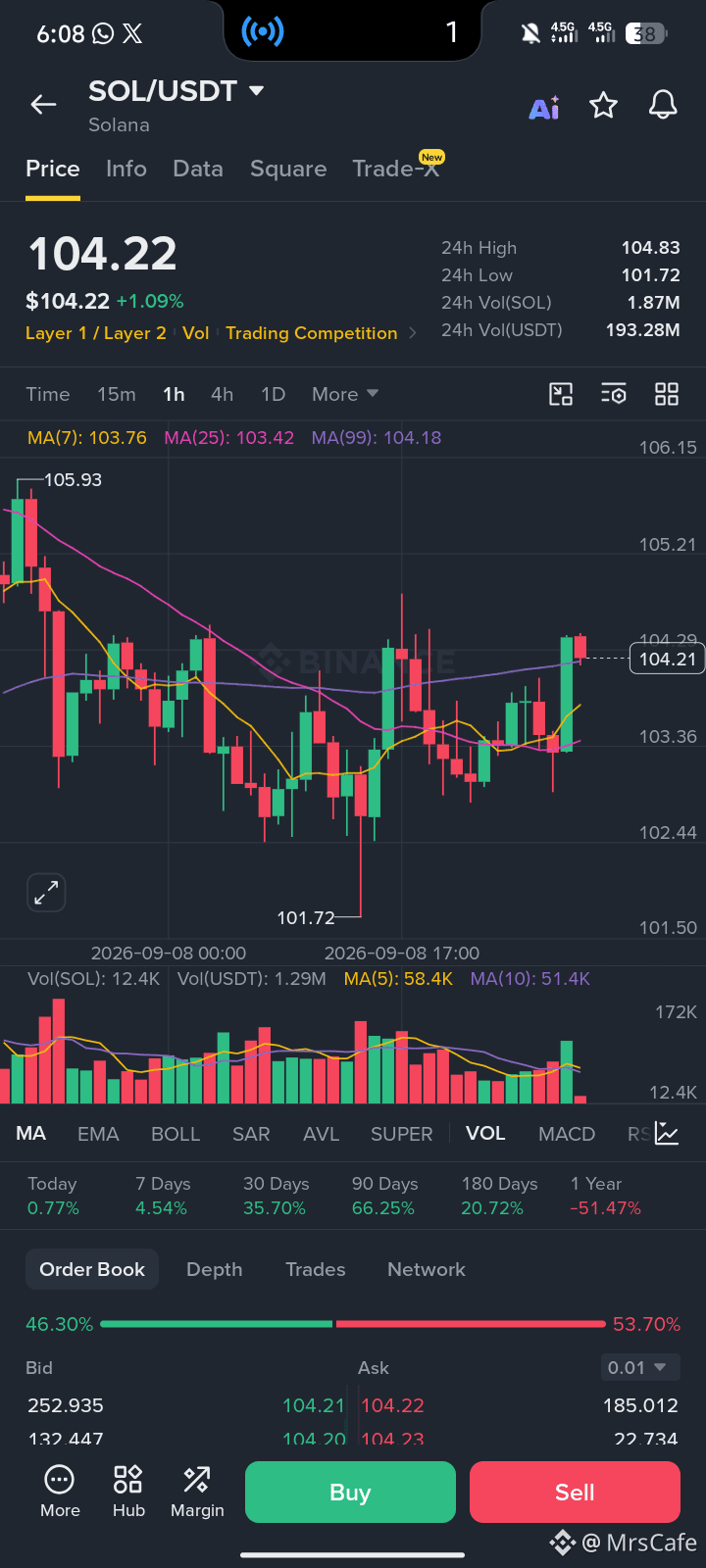
Coin: SOL/USDT
Signal: Sell / Short
Type: Futures (isolated, 5–10x)
Entry: 104.00 – 104.30
TP1: 103.00
TP2: 101.50
TP3: 100.00
Stop Loss: 105.50
$SOL
Coin: SOL/USDT
Signal: Sell / Short
Type: Futures (isolated, 5–10x)
Entry: 104.00 – 104.30
TP1: 103.00
TP2: 101.50
TP3: 100.00
Stop Loss: 105.50
$SOL
Signal: Sell / Short
Type: Futures (isolated, 5–10x)
Entry: 104.00 – 104.30
TP1: 103.00
TP2: 101.50
TP3: 100.00
Stop Loss: 105.50
$SOL
2
·
--
Bullish
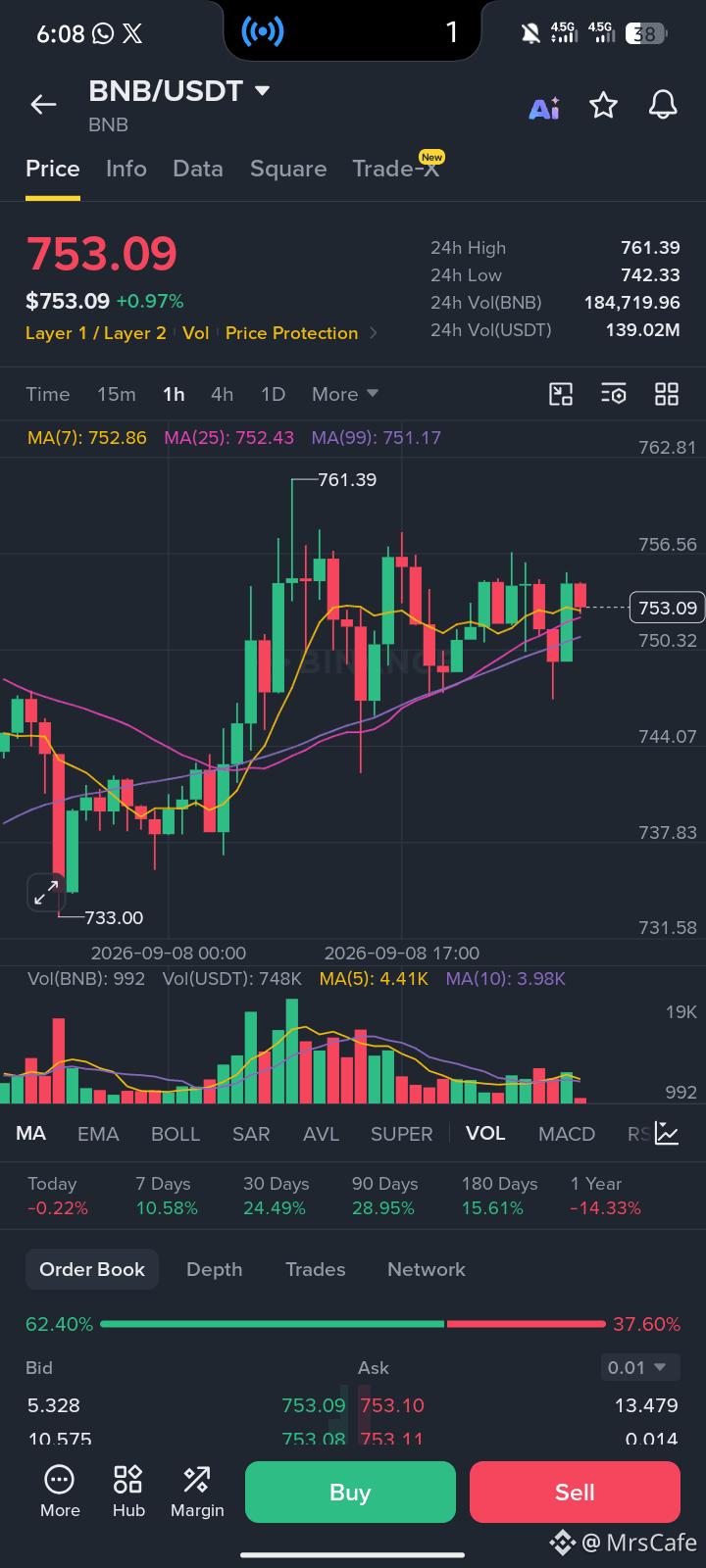
Coin: BNB/USDT
Signal: Sell / Short
Type: Futures (isolated, 5–10x)
Entry: 752.00 – 754.00
TP1: 745.00
TP2: 738.00
TP3: 730.00
Stop Loss: 762.00
$BNB
Coin: BNB/USDT
Signal: Sell / Short
Type: Futures (isolated, 5–10x)
Entry: 752.00 – 754.00
TP1: 745.00
TP2: 738.00
TP3: 730.00
Stop Loss: 762.00
$BNB
Signal: Sell / Short
Type: Futures (isolated, 5–10x)
Entry: 752.00 – 754.00
TP1: 745.00
TP2: 738.00
TP3: 730.00
Stop Loss: 762.00
$BNB
15
·
--
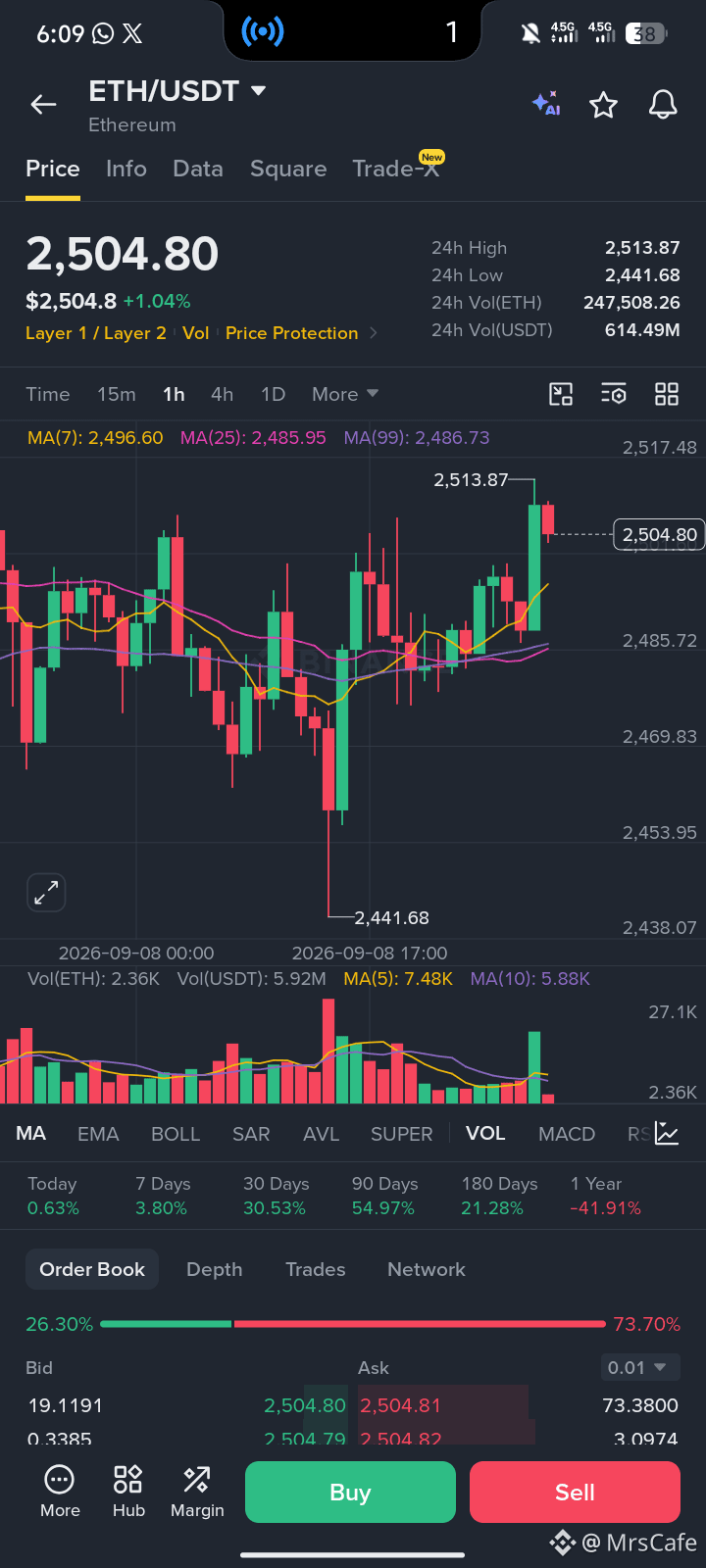
Coin: ETH/USDT
Signal: Sell / Short
Type: Futures (isolated, 5–10x)
Entry: 2,502 – 2,506
TP1: 2,480
TP2: 2,450
TP3: 2,420
Stop Loss: 2,525
$ETH
Coin: ETH/USDT
Signal: Sell / Short
Type: Futures (isolated, 5–10x)
Entry: 2,502 – 2,506
TP1: 2,480
TP2: 2,450
TP3: 2,420
Stop Loss: 2,525
$ETH
Signal: Sell / Short
Type: Futures (isolated, 5–10x)
Entry: 2,502 – 2,506
TP1: 2,480
TP2: 2,450
TP3: 2,420
Stop Loss: 2,525
$ETH
25
·
--
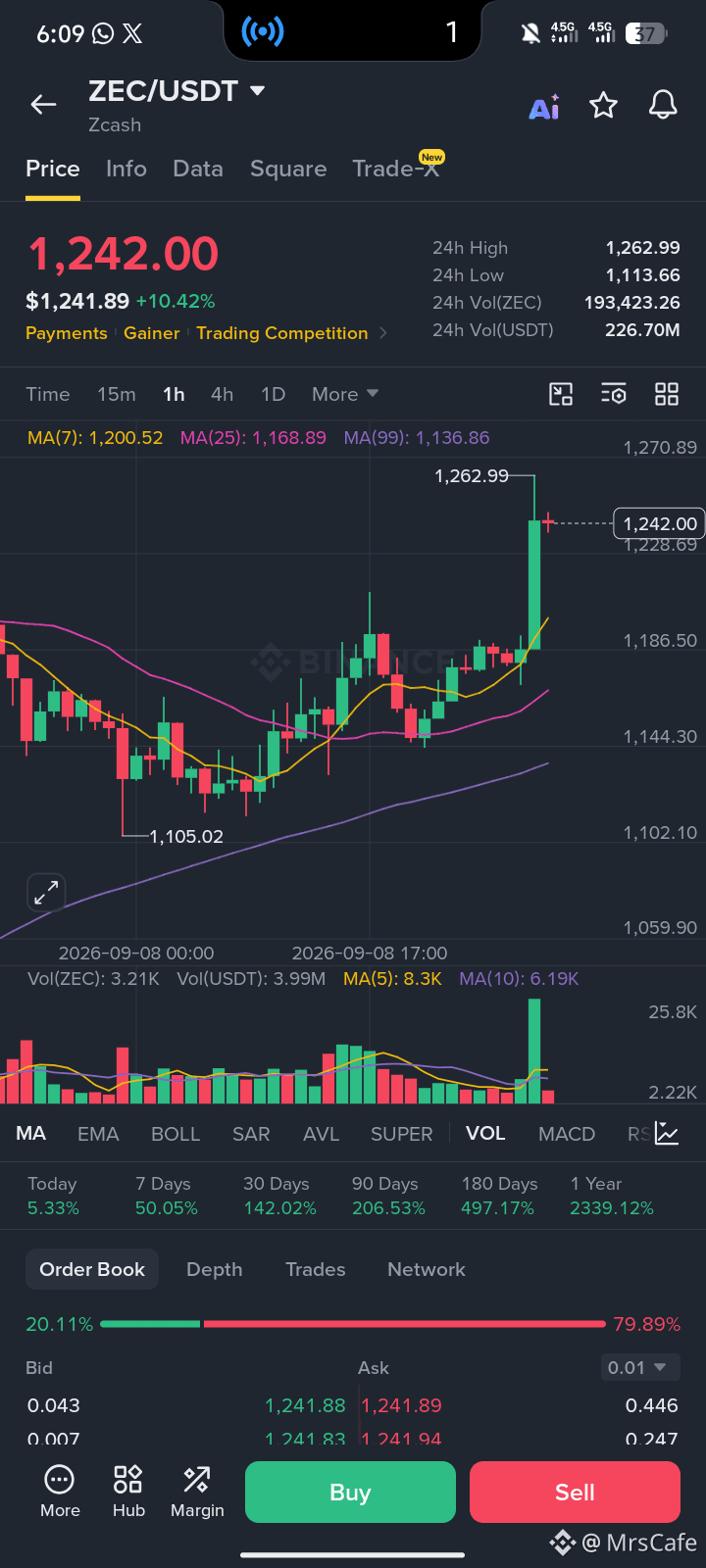
Coin: ZEC/USDT
Signal: Sell / Short
Type: Futures (isolated, 3–5x)
Entry: 1,240 – 1,245
TP1: 1,210
TP2: 1,180
TP3: 1,150
Stop Loss: 1,265
$ZEC
Coin: ZEC/USDT
Signal: Sell / Short
Type: Futures (isolated, 3–5x)
Entry: 1,240 – 1,245
TP1: 1,210
TP2: 1,180
TP3: 1,150
Stop Loss: 1,265
$ZEC
Signal: Sell / Short
Type: Futures (isolated, 3–5x)
Entry: 1,240 – 1,245
TP1: 1,210
TP2: 1,180
TP3: 1,150
Stop Loss: 1,265
$ZEC
45
·
--
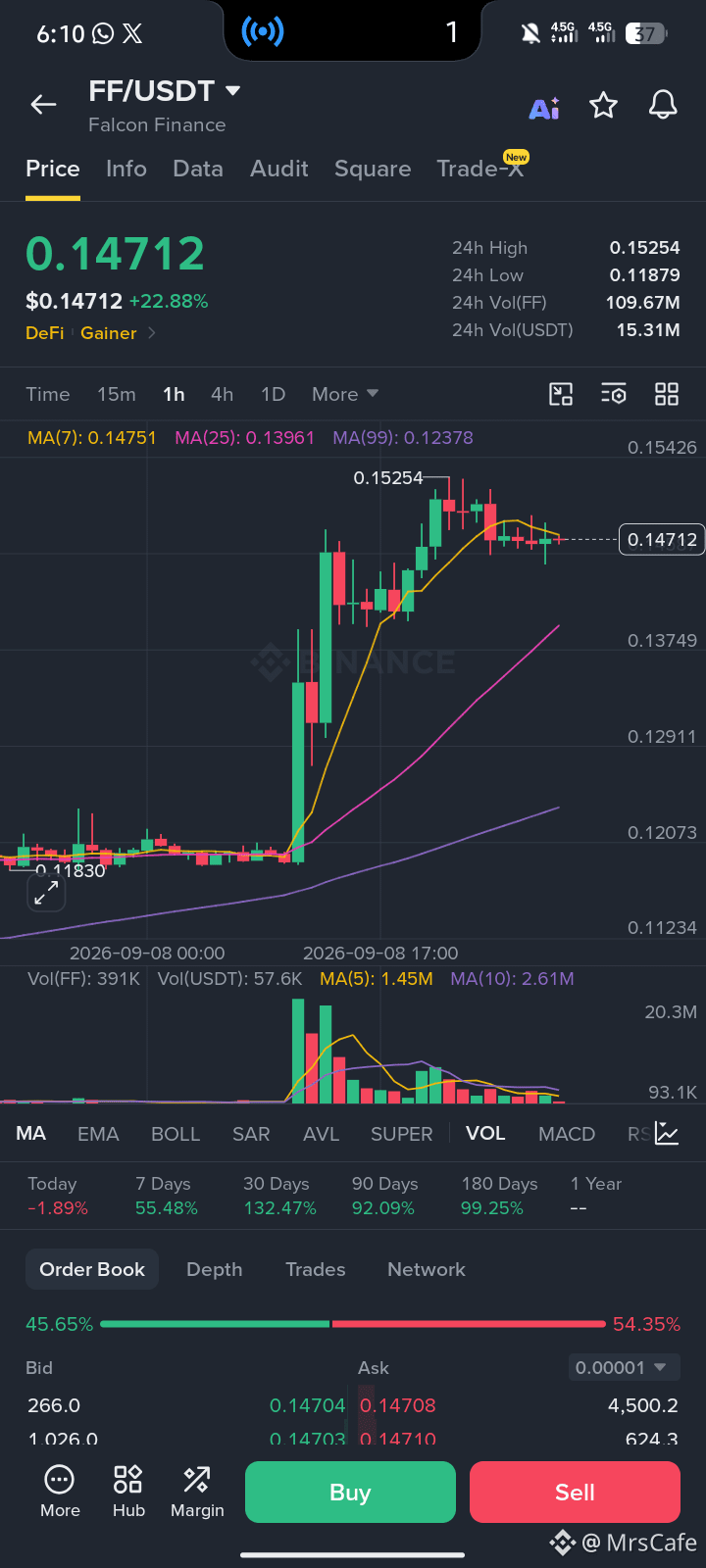
Coin: FF/USDT
Signal: Sell / Short
Type: Futures (isolated, 3–5x)
Entry: 0.1470 – 0.1475
TP1: 0.1420
TP2: 0.1370
TP3: 0.1320
Stop Loss: 0.1510
$FF
#USStrikesTargetsNearHormuzAndJask
Coin: FF/USDT
Signal: Sell / Short
Type: Futures (isolated, 3–5x)
Entry: 0.1470 – 0.1475
TP1: 0.1420
TP2: 0.1370
TP3: 0.1320
Stop Loss: 0.1510
$FF
#USStrikesTargetsNearHormuzAndJask
Signal: Sell / Short
Type: Futures (isolated, 3–5x)
Entry: 0.1470 – 0.1475
TP1: 0.1420
TP2: 0.1370
TP3: 0.1320
Stop Loss: 0.1510
$FF
#USStrikesTargetsNearHormuzAndJask
39
·
--
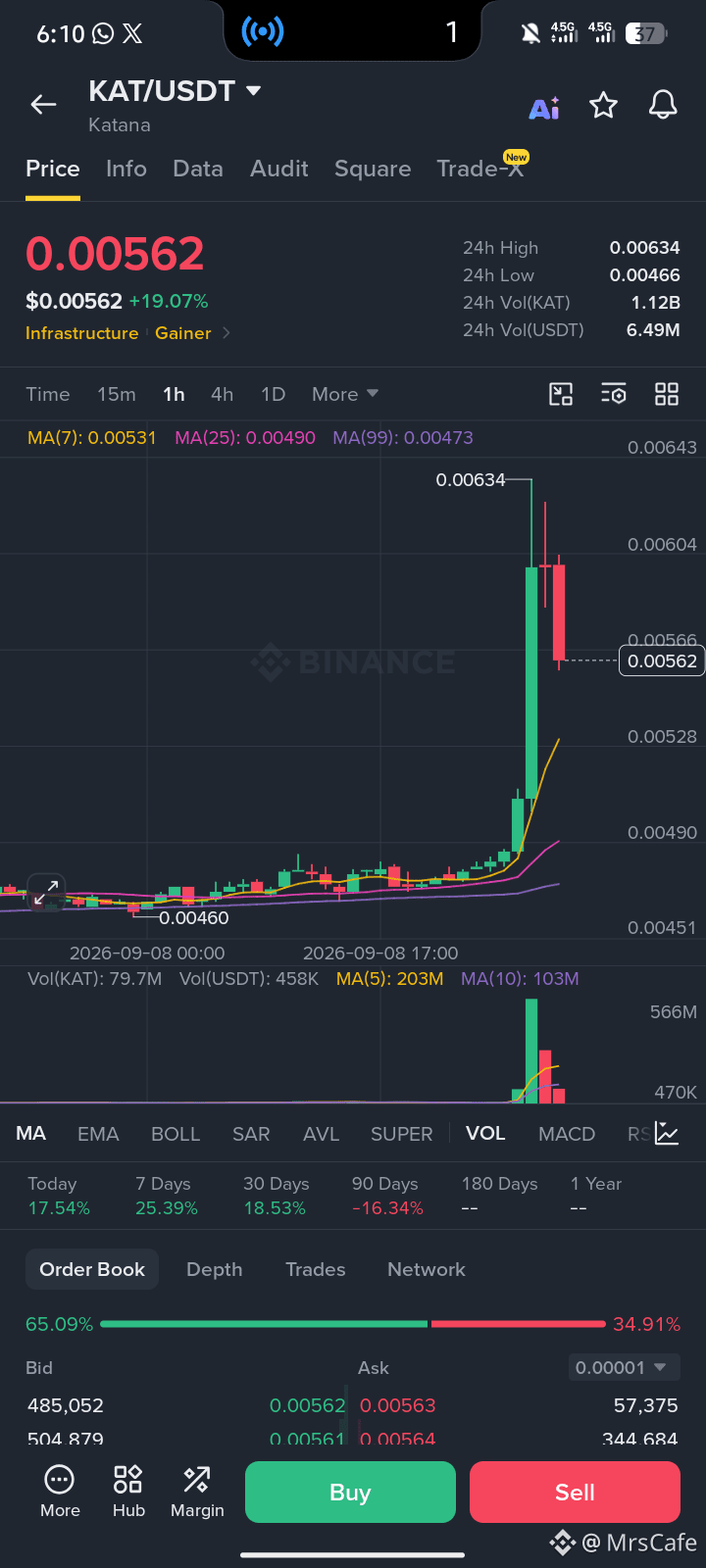
Coin: KAT/USDT
Signal: Sell / Short
Type: Futures (isolated, 3–5x)
Entry: 0.00560 – 0.00565
TP1: 0.00530
TP2: 0.00500
TP3: 0.00470
Stop Loss: 0.00585
$KAT
#OilRisesToHighestSinceJuly #USStrikesTargetsNearHormuzAndJask
Coin: KAT/USDT
Signal: Sell / Short
Type: Futures (isolated, 3–5x)
Entry: 0.00560 – 0.00565
TP1: 0.00530
TP2: 0.00500
TP3: 0.00470
Stop Loss: 0.00585
$KAT
#OilRisesToHighestSinceJuly #USStrikesTargetsNearHormuzAndJask
Signal: Sell / Short
Type: Futures (isolated, 3–5x)
Entry: 0.00560 – 0.00565
TP1: 0.00530
TP2: 0.00500
TP3: 0.00470
Stop Loss: 0.00585
$KAT
#OilRisesToHighestSinceJuly #USStrikesTargetsNearHormuzAndJask
43
·
--
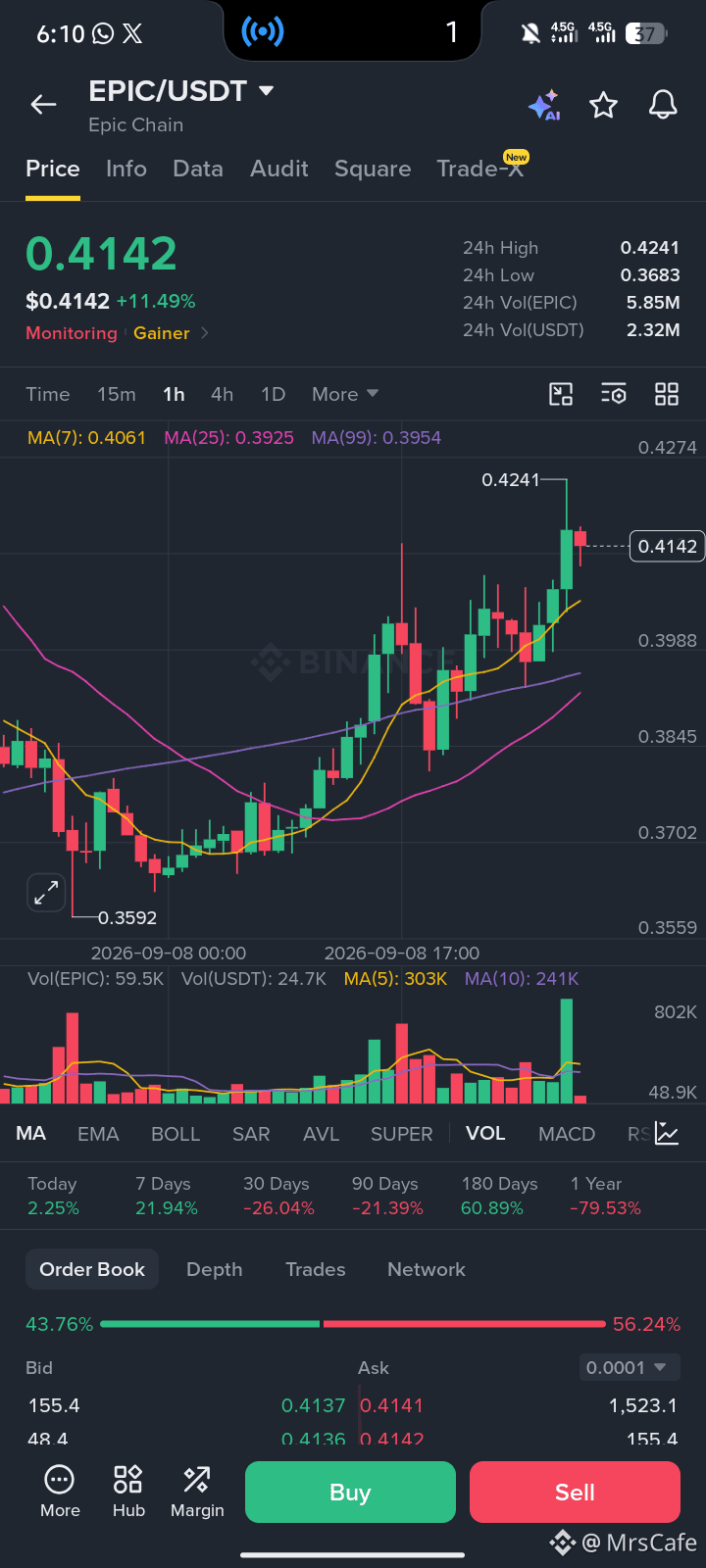
Coin: EPIC/USDT
Signal: Sell / Short
Type: Futures (isolated, 3–5x)
Entry: 0.4120 – 0.4150
TP1: 0.4000
TP2: 0.3880
TP3: 0.3750
Stop Loss: 0.4250
$EPIC
#USStrikesTargetsNearHormuzAndJask #OilRisesToHighestSinceJuly
Coin: EPIC/USDT
Signal: Sell / Short
Type: Futures (isolated, 3–5x)
Entry: 0.4120 – 0.4150
TP1: 0.4000
TP2: 0.3880
TP3: 0.3750
Stop Loss: 0.4250
$EPIC
#USStrikesTargetsNearHormuzAndJask #OilRisesToHighestSinceJuly
Signal: Sell / Short
Type: Futures (isolated, 3–5x)
Entry: 0.4120 – 0.4150
TP1: 0.4000
TP2: 0.3880
TP3: 0.3750
Stop Loss: 0.4250
$EPIC
#USStrikesTargetsNearHormuzAndJask #OilRisesToHighestSinceJuly
54
·
--
Bullish
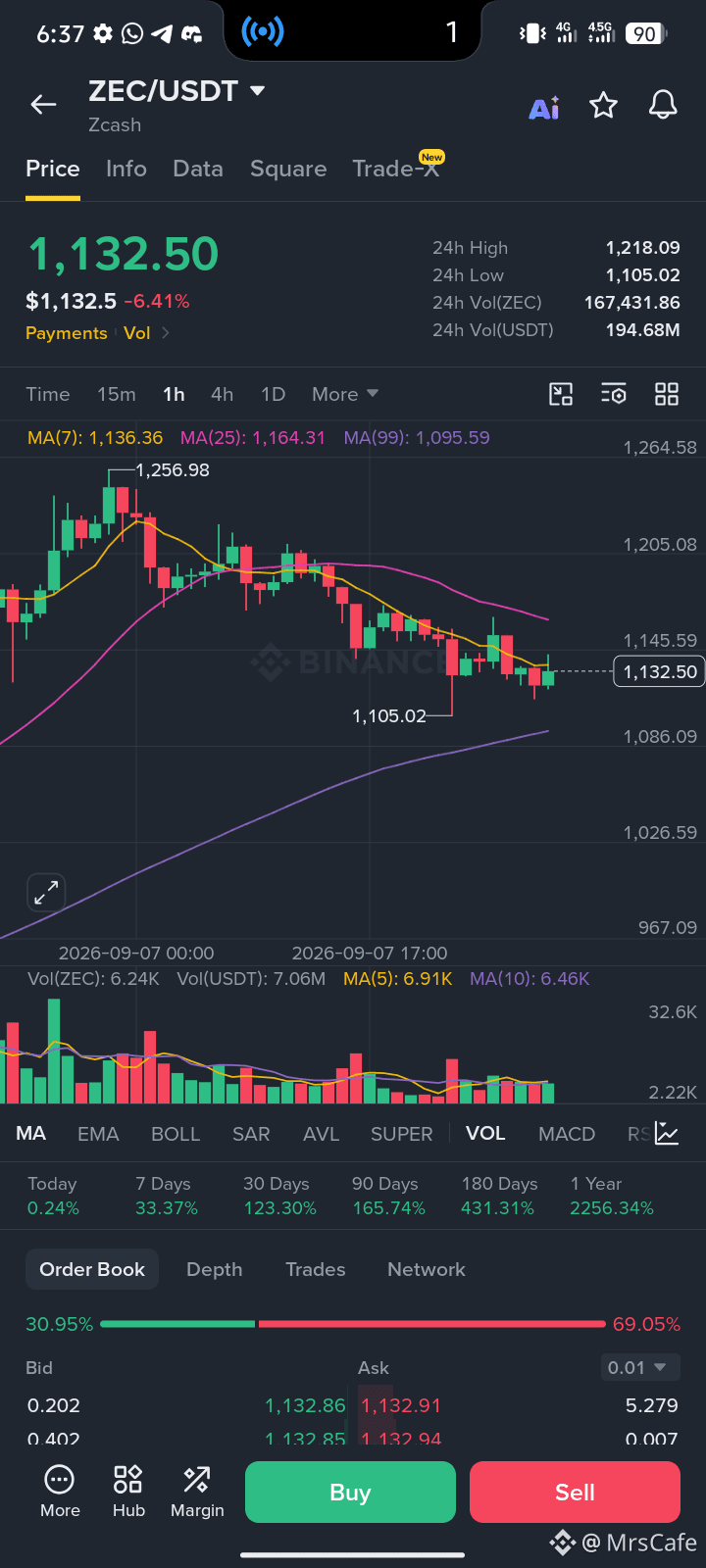
Coin: ZEC/USDT
Signal: Sell / Short
Type: Futures (isolated, 3–5x)
Entry: 1,130 – 1,135
TP1: 1,100
TP2: 1,070
TP3: 1,040
Stop Loss: 1,155
$ZEC
#ZcashRises45%WeeklyToHighestSince2016 #CanadaTariffsOnUSTakeEffect
Coin: ZEC/USDT
Signal: Sell / Short
Type: Futures (isolated, 3–5x)
Entry: 1,130 – 1,135
TP1: 1,100
TP2: 1,070
TP3: 1,040
Stop Loss: 1,155
$ZEC
#ZcashRises45%WeeklyToHighestSince2016 #CanadaTariffsOnUSTakeEffect
Signal: Sell / Short
Type: Futures (isolated, 3–5x)
Entry: 1,130 – 1,135
TP1: 1,100
TP2: 1,070
TP3: 1,040
Stop Loss: 1,155
$ZEC
#ZcashRises45%WeeklyToHighestSince2016 #CanadaTariffsOnUSTakeEffect
6
·
--
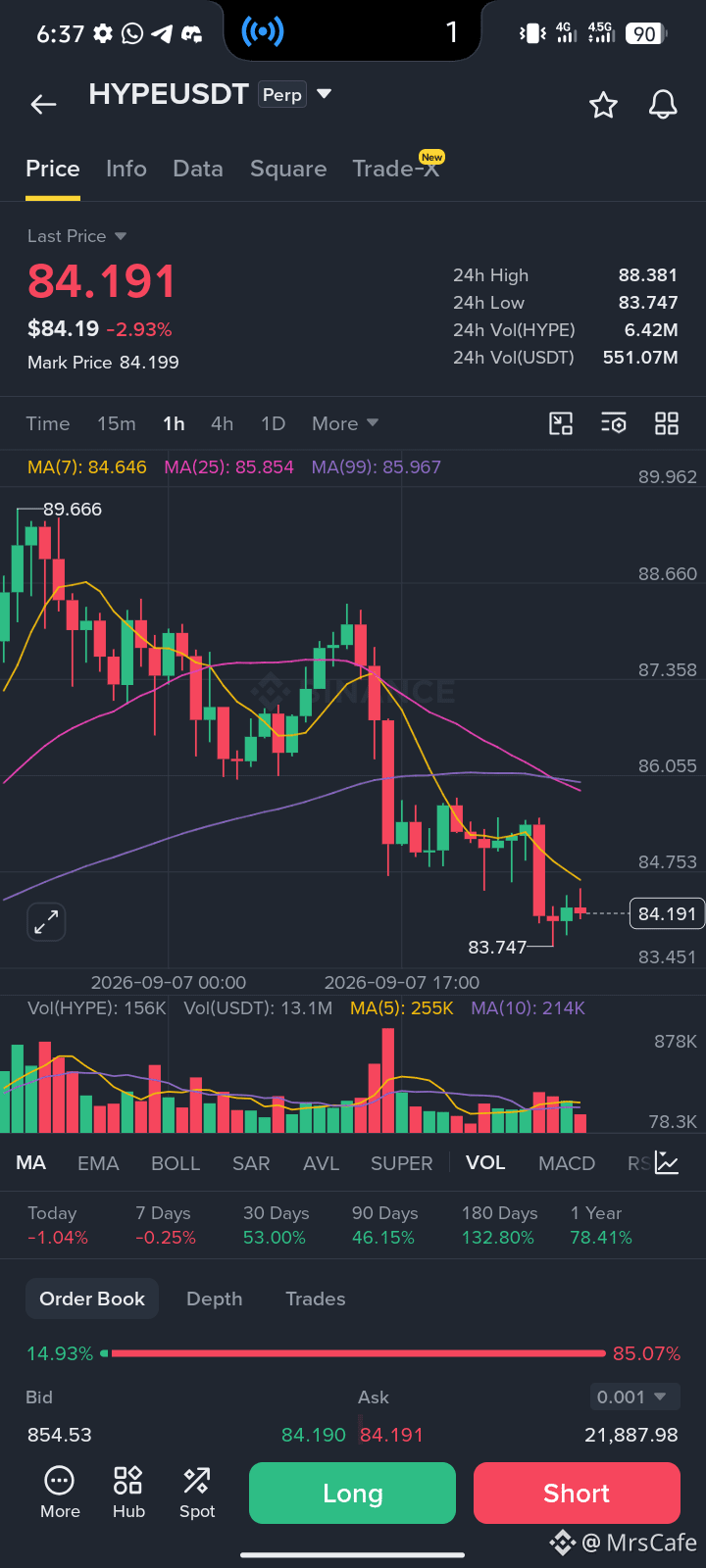
Coin: HYPE/USDT (Perpetual)
Signal: Sell / Short
Type: Futures (isolated, 3–5x)
Entry: 84.00 – 84.20
TP1: 83.00
TP2: 81.50
TP3: 80.00
Stop Loss: 85.50
$HYPE
#IMFSaysElSalvadorBTCNoPublicFunds
Coin: HYPE/USDT (Perpetual)
Signal: Sell / Short
Type: Futures (isolated, 3–5x)
Entry: 84.00 – 84.20
TP1: 83.00
TP2: 81.50
TP3: 80.00
Stop Loss: 85.50
$HYPE
#IMFSaysElSalvadorBTCNoPublicFunds
Signal: Sell / Short
Type: Futures (isolated, 3–5x)
Entry: 84.00 – 84.20
TP1: 83.00
TP2: 81.50
TP3: 80.00
Stop Loss: 85.50
$HYPE
#IMFSaysElSalvadorBTCNoPublicFunds
25
·
--
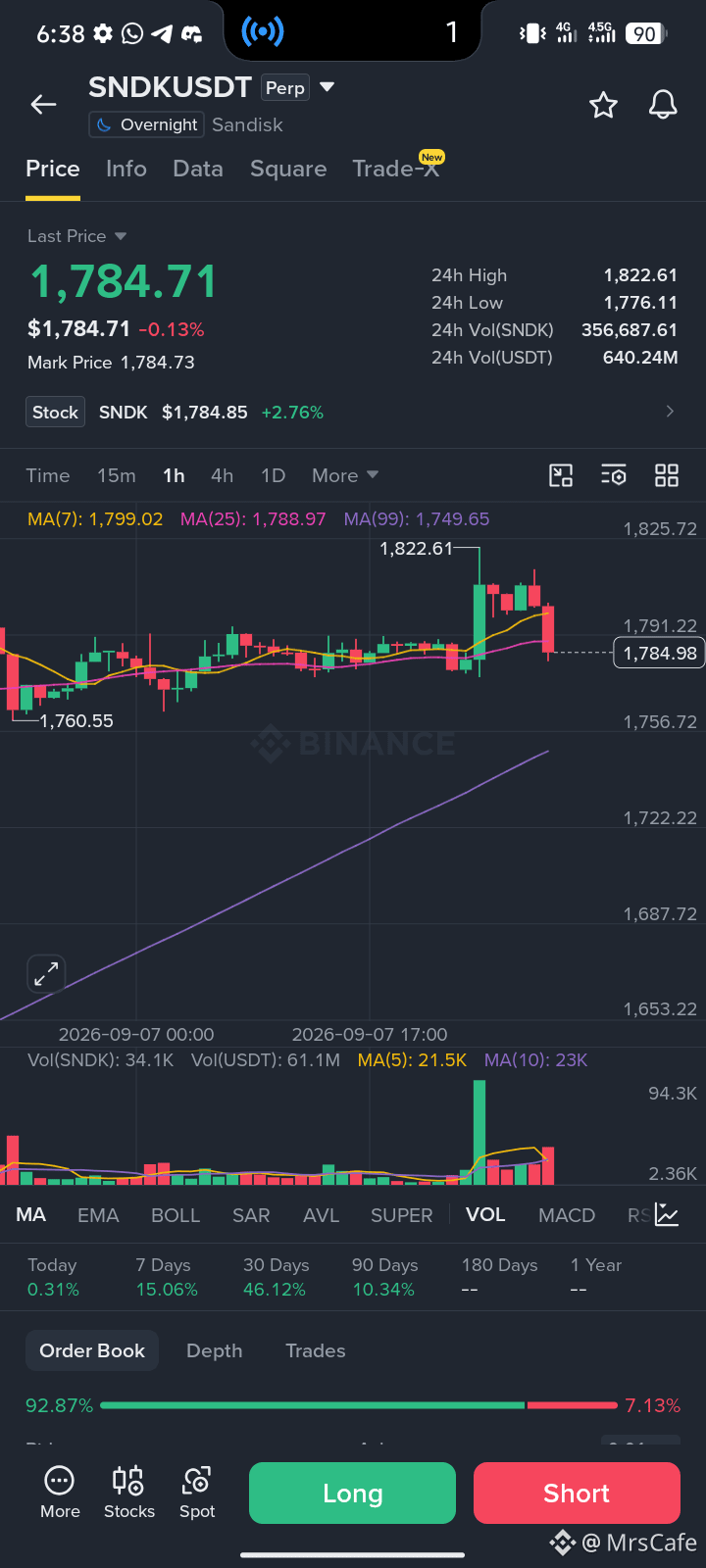
Coin: SNDK/USDT (Perpetual)
Signal: Sell / Short
Type: Futures (isolated, 3–5x)
Entry: 1,780 – 1,790
TP1: 1,750
TP2: 1,720
TP3: 1,690
Stop Loss: 1,810
$SNDK
#ZcashRises45%WeeklyToHighestSince2016
Coin: SNDK/USDT (Perpetual)
Signal: Sell / Short
Type: Futures (isolated, 3–5x)
Entry: 1,780 – 1,790
TP1: 1,750
TP2: 1,720
TP3: 1,690
Stop Loss: 1,810
$SNDK
#ZcashRises45%WeeklyToHighestSince2016
Signal: Sell / Short
Type: Futures (isolated, 3–5x)
Entry: 1,780 – 1,790
TP1: 1,750
TP2: 1,720
TP3: 1,690
Stop Loss: 1,810
$SNDK
#ZcashRises45%WeeklyToHighestSince2016
273
·
--
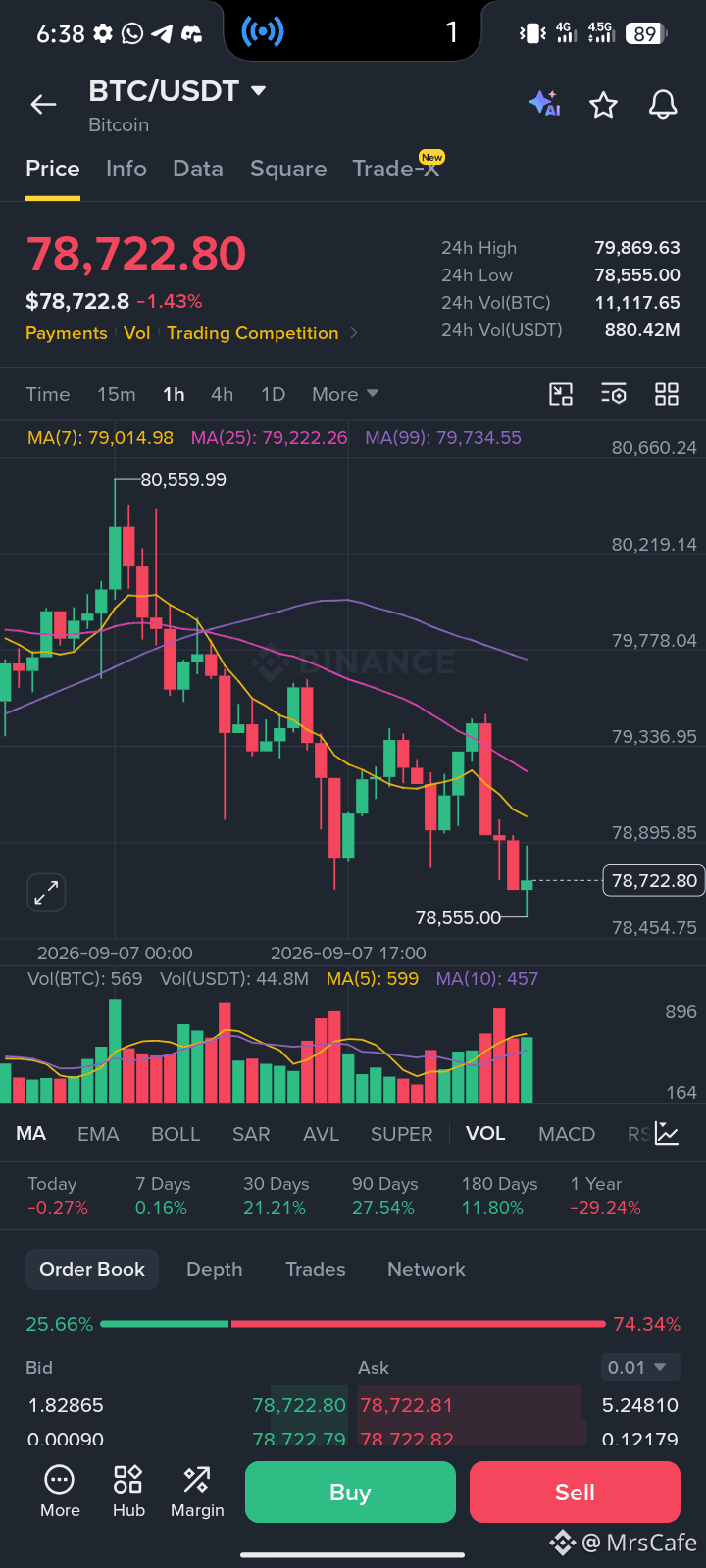
Coin: BTC/USDT
Signal: Sell / Short
Type: Futures (isolated, 5–10x)
Entry: 78,700 – 78,800
TP1: 78,000
TP2: 77,200
TP3: 76,500
Stop Loss: 79,500
$BTC
#CanadaTariffsOnUSTakeEffect
Coin: BTC/USDT
Signal: Sell / Short
Type: Futures (isolated, 5–10x)
Entry: 78,700 – 78,800
TP1: 78,000
TP2: 77,200
TP3: 76,500
Stop Loss: 79,500
$BTC
#CanadaTariffsOnUSTakeEffect
Signal: Sell / Short
Type: Futures (isolated, 5–10x)
Entry: 78,700 – 78,800
TP1: 78,000
TP2: 77,200
TP3: 76,500
Stop Loss: 79,500
$BTC
#CanadaTariffsOnUSTakeEffect
29
·
--
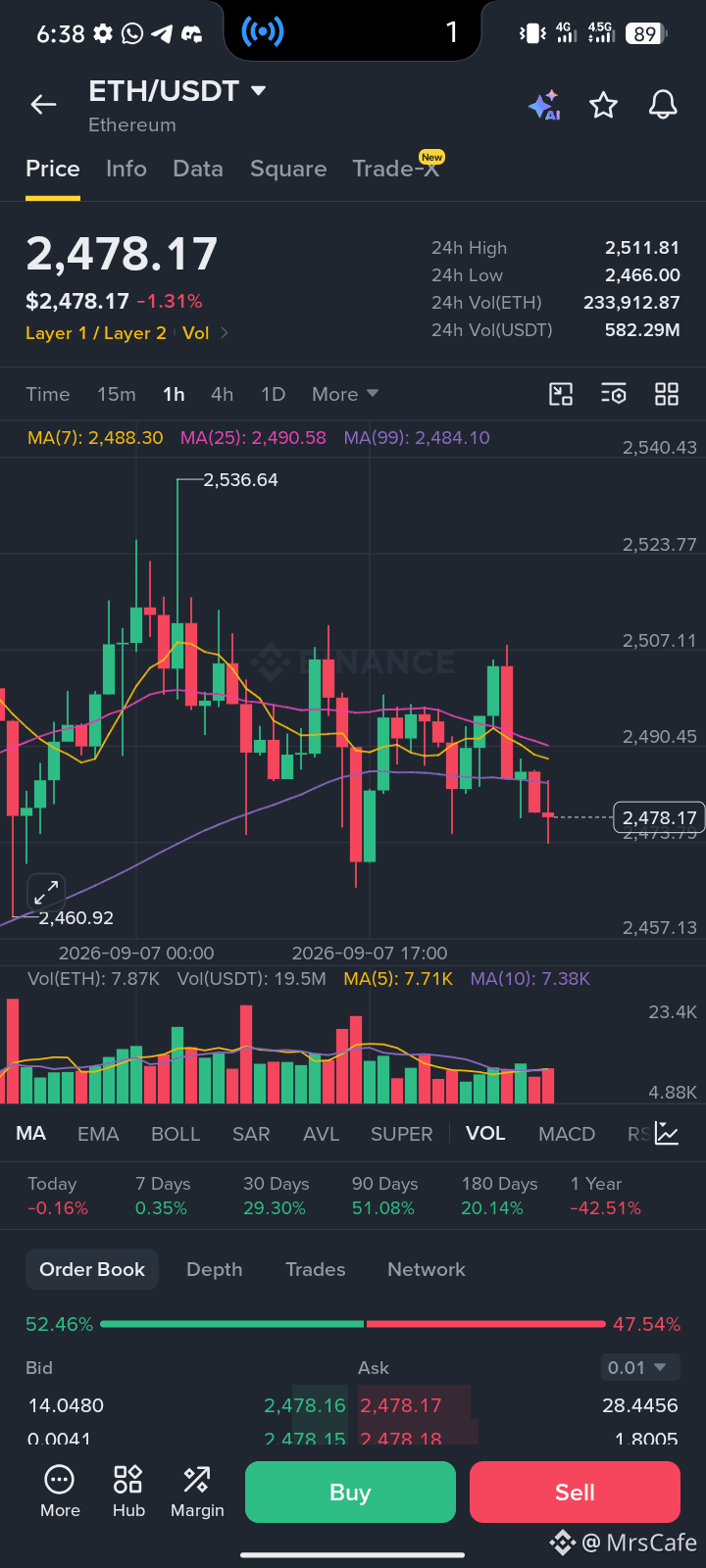
Coin: ETH/USDT
Signal: Sell / Short
Type: Futures (isolated, 5–10x)
Entry: 2,475 – 2,480
TP1: 2,450
TP2: 2,420
TP3: 2,390
Stop Loss: 2,505
$ETH
#USIranTradeTankerStrikesEscalate
Coin: ETH/USDT
Signal: Sell / Short
Type: Futures (isolated, 5–10x)
Entry: 2,475 – 2,480
TP1: 2,450
TP2: 2,420
TP3: 2,390
Stop Loss: 2,505
$ETH
#USIranTradeTankerStrikesEscalate
Signal: Sell / Short
Type: Futures (isolated, 5–10x)
Entry: 2,475 – 2,480
TP1: 2,450
TP2: 2,420
TP3: 2,390
Stop Loss: 2,505
$ETH
#USIranTradeTankerStrikesEscalate
58
·
--
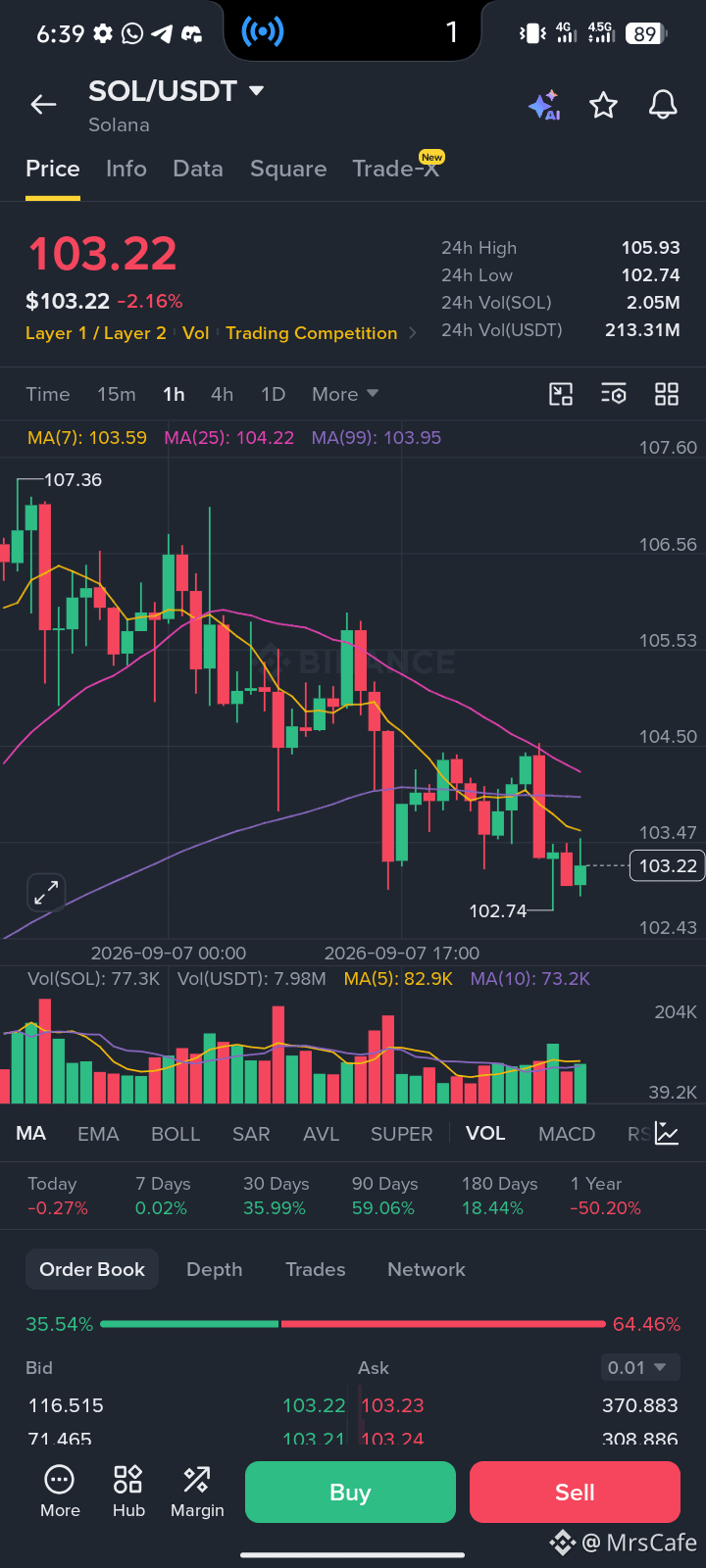
$SOL
Coin: SOLUSDT
Signal: Sell / Short
Type: Futures (isolated, 5–10x)
Entry: 103.00 – 103.30
TP1: 102.00
TP2: 100.50
TP3: 99.00
Stop Loss: 104.50
#YenBreaks155NearingYearHigh
$SOL
Coin: SOLUSDT
Signal: Sell / Short
Type: Futures (isolated, 5–10x)
Entry: 103.00 – 103.30
TP1: 102.00
TP2: 100.50
TP3: 99.00
Stop Loss: 104.50
#YenBreaks155NearingYearHigh
Coin: SOLUSDT
Signal: Sell / Short
Type: Futures (isolated, 5–10x)
Entry: 103.00 – 103.30
TP1: 102.00
TP2: 100.50
TP3: 99.00
Stop Loss: 104.50
#YenBreaks155NearingYearHigh
72
·
--
Bullish
The Swap Button Hides More Than You Think
You click Swap.
It feels like one simple transaction.
But modern DeFi can involve a lot more underneath:
🔹 Liquidity discovery
🔹 Smart routing
🔹 Multiple DEXs
🔹 Resolver quotes
🔹 Escrow execution
🔹 Cross-chain settlement
🔹 Gas management
That's why I think the future of DeFi isn't simply about building more DEXs.
It's about building better execution layers.
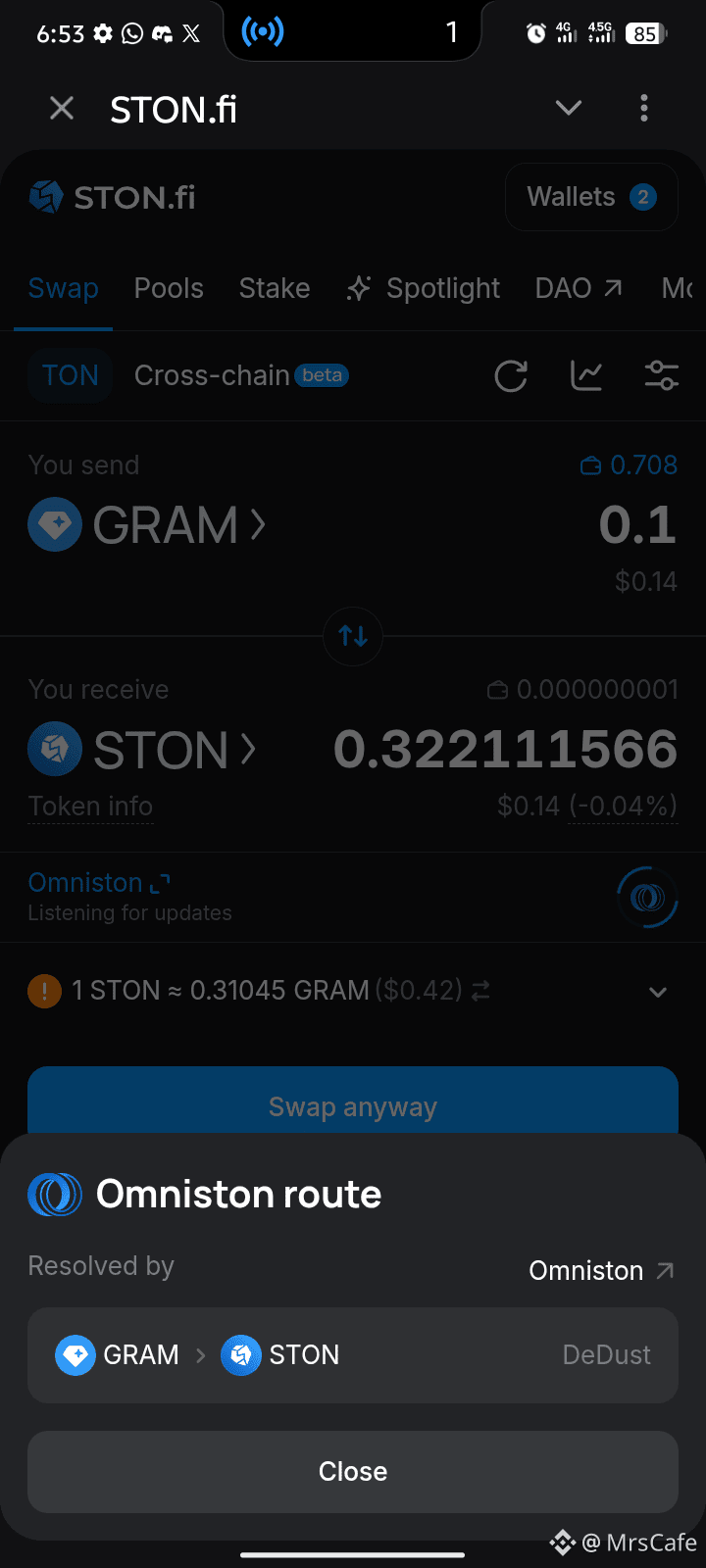
STON.fi's Omniston is evolving in this direction, moving from liquidity aggregation toward a broader execution architecture.
The user doesn't necessarily need to know which route was selected.
They need to know:
What they're paying.
What they're receiving.
Whether the execution succeeded.
What risks exist.
That's the power of abstraction.
The backend becomes more sophisticated while the interface becomes easier to use.
Simple interface. Sophisticated infrastructure.
That's where I think DeFi UX is heading.
🔗 Explore STON.fi: STON.fi
#KoreaSingleStockLeveragedETFTradingFalls
The Swap Button Hides More Than You Think
You click Swap.
It feels like one simple transaction.
But modern DeFi can involve a lot more underneath:
🔹 Liquidity discovery
🔹 Smart routing
🔹 Multiple DEXs
🔹 Resolver quotes
🔹 Escrow execution
🔹 Cross-chain settlement
🔹 Gas management
That's why I think the future of DeFi isn't simply about building more DEXs.
It's about building better execution layers.
STON.fi's Omniston is evolving in this direction, moving from liquidity aggregation toward a broader execution architecture.
The user doesn't necessarily need to know which route was selected.
They need to know:
What they're paying.
What they're receiving.
Whether the execution succeeded.
What risks exist.
That's the power of abstraction.
The backend becomes more sophisticated while the interface becomes easier to use.
Simple interface. Sophisticated infrastructure.
That's where I think DeFi UX is heading.
🔗 Explore STON.fi: STON.fi
#KoreaSingleStockLeveragedETFTradingFalls
You click Swap.
It feels like one simple transaction.
But modern DeFi can involve a lot more underneath:
🔹 Liquidity discovery
🔹 Smart routing
🔹 Multiple DEXs
🔹 Resolver quotes
🔹 Escrow execution
🔹 Cross-chain settlement
🔹 Gas management
That's why I think the future of DeFi isn't simply about building more DEXs.
It's about building better execution layers.
STON.fi's Omniston is evolving in this direction, moving from liquidity aggregation toward a broader execution architecture.
The user doesn't necessarily need to know which route was selected.
They need to know:
What they're paying.
What they're receiving.
Whether the execution succeeded.
What risks exist.
That's the power of abstraction.
The backend becomes more sophisticated while the interface becomes easier to use.
Simple interface. Sophisticated infrastructure.
That's where I think DeFi UX is heading.
🔗 Explore STON.fi: STON.fi
#KoreaSingleStockLeveragedETFTradingFalls
62
·
--
Bullish
Your DEX Interface May Be Doing More Than You Think
When you open a DEX, you probably think about one thing:
Swap.
But the interface can do something much more important:
Give you context before you swap.
STON.fi labels certain tokens as:
🔴 Fake
🔴 Honeypot
🟡 Taxable
🟣 Suspicious
🔵 DMCA Notice
Why?
Because a token name and logo aren't enough to tell you how the underlying contract behaves.
A Fake token can imitate a known asset.
A Honeypot can allow buying but prevent normal selling.
A Taxable token can take an additional fee during transfers.
Suspicious assets can require additional attention.
DMCA Notice identifies tokens associated with intellectual-property complaints.
And here's the interesting part:
STON.fi doesn't simply treat all of them the same.
Some are blocked from swapping.
Others remain available with warnings.
Some require manual contract-address entry.
That's an important UX principle.
Not every risk requires a ban.
Sometimes the right response is:
“Here is the information. Now make an informed decision.”
Other times, stronger restrictions make sense.
For me, this points toward a bigger trend:
The DEX interface is becoming part of the risk-management experience.
The future of DeFi UX may not be about removing every warning and every extra click.
It may be about removing unnecessary friction while keeping the friction that prevents costly mistakes.
That's a much more mature way to think about UX.
🔗 Explore STON.fi: STON.fi
#AfghanistanTalibanReportedlyBansCryptoNationwide
Your DEX Interface May Be Doing More Than You Think
When you open a DEX, you probably think about one thing:
Swap.
But the interface can do something much more important:
Give you context before you swap.
STON.fi labels certain tokens as:
🔴 Fake
🔴 Honeypot
🟡 Taxable
🟣 Suspicious
🔵 DMCA Notice
Why?
Because a token name and logo aren't enough to tell you how the underlying contract behaves.
A Fake token can imitate a known asset.
A Honeypot can allow buying but prevent normal selling.
A Taxable token can take an additional fee during transfers.
Suspicious assets can require additional attention.
DMCA Notice identifies tokens associated with intellectual-property complaints.
And here's the interesting part:
STON.fi doesn't simply treat all of them the same.
Some are blocked from swapping.
Others remain available with warnings.
Some require manual contract-address entry.
That's an important UX principle.
Not every risk requires a ban.
Sometimes the right response is:
“Here is the information. Now make an informed decision.”
Other times, stronger restrictions make sense.
For me, this points toward a bigger trend:
The DEX interface is becoming part of the risk-management experience.
The future of DeFi UX may not be about removing every warning and every extra click.
It may be about removing unnecessary friction while keeping the friction that prevents costly mistakes.
That's a much more mature way to think about UX.
🔗 Explore STON.fi: STON.fi
#AfghanistanTalibanReportedlyBansCryptoNationwide
When you open a DEX, you probably think about one thing:
Swap.
But the interface can do something much more important:
Give you context before you swap.
STON.fi labels certain tokens as:
🔴 Fake
🔴 Honeypot
🟡 Taxable
🟣 Suspicious
🔵 DMCA Notice
Why?
Because a token name and logo aren't enough to tell you how the underlying contract behaves.
A Fake token can imitate a known asset.
A Honeypot can allow buying but prevent normal selling.
A Taxable token can take an additional fee during transfers.
Suspicious assets can require additional attention.
DMCA Notice identifies tokens associated with intellectual-property complaints.
And here's the interesting part:
STON.fi doesn't simply treat all of them the same.
Some are blocked from swapping.
Others remain available with warnings.
Some require manual contract-address entry.
That's an important UX principle.
Not every risk requires a ban.
Sometimes the right response is:
“Here is the information. Now make an informed decision.”
Other times, stronger restrictions make sense.
For me, this points toward a bigger trend:
The DEX interface is becoming part of the risk-management experience.
The future of DeFi UX may not be about removing every warning and every extra click.
It may be about removing unnecessary friction while keeping the friction that prevents costly mistakes.
That's a much more mature way to think about UX.
🔗 Explore STON.fi: STON.fi
#AfghanistanTalibanReportedlyBansCryptoNationwide
76
·
--
Bullish
The Part of Cross-Chain Swaps Nobody Talks About
Everyone wants to know:
“How fast can I move assets between chains?”
But I'd ask something else:
“What happens if the swap fails?”
That's where cross-chain architecture gets interesting.
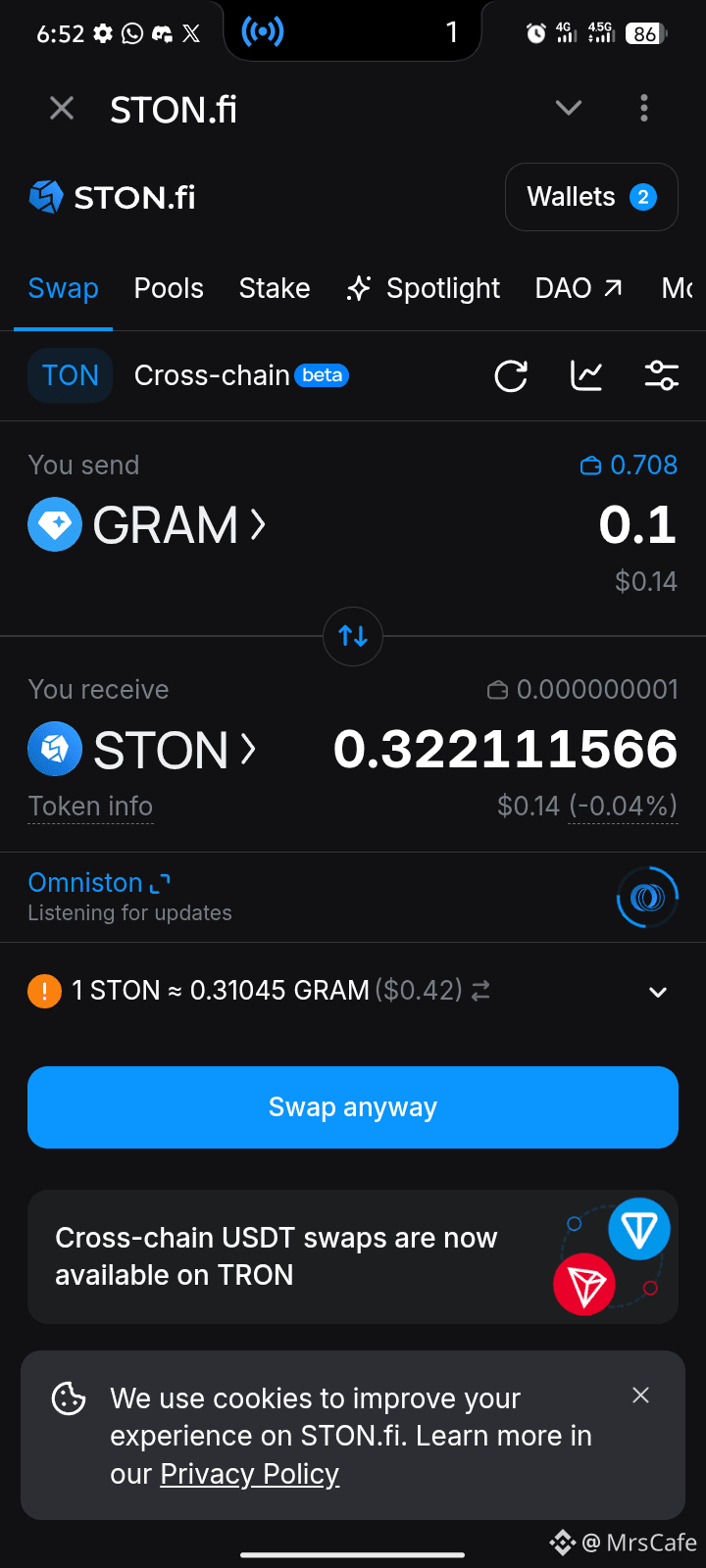
STON.fi's Omniston uses resolvers + linked HTLCs to coordinate cross-chain swaps.
A simplified flow:
🔹 User requests a quote
🔹 Resolvers compete for the order
🔹 Destination liquidity is committed
🔹 Both sides are locked through linked HTLCs
🔹 The cryptographic condition enables settlement
🔹 If settlement doesn't happen in time, the timelock provides a refund path
The goal is an all-or-nothing outcome.
Either the swap completes according to the agreed conditions, or the assets become refundable.
That's a very different way to think about cross-chain infrastructure.
Instead of asking only:
“Can I swap across chains?”
We should also ask:
“What happens when the swap doesn't go according to plan?”
Because reliable infrastructure isn't just about successful transactions.
It's about predictable failure.
🔗 Explore STON.fi: STON.fi
#USShortTermTreasuryYieldsJump #TrumpSaysUSReachedVenezuelaOilDeal
The Part of Cross-Chain Swaps Nobody Talks About
Everyone wants to know:
“How fast can I move assets between chains?”
But I'd ask something else:
“What happens if the swap fails?”
That's where cross-chain architecture gets interesting.
STON.fi's Omniston uses resolvers + linked HTLCs to coordinate cross-chain swaps.
A simplified flow:
🔹 User requests a quote
🔹 Resolvers compete for the order
🔹 Destination liquidity is committed
🔹 Both sides are locked through linked HTLCs
🔹 The cryptographic condition enables settlement
🔹 If settlement doesn't happen in time, the timelock provides a refund path
The goal is an all-or-nothing outcome.
Either the swap completes according to the agreed conditions, or the assets become refundable.
That's a very different way to think about cross-chain infrastructure.
Instead of asking only:
“Can I swap across chains?”
We should also ask:
“What happens when the swap doesn't go according to plan?”
Because reliable infrastructure isn't just about successful transactions.
It's about predictable failure.
🔗 Explore STON.fi: STON.fi
#USShortTermTreasuryYieldsJump #TrumpSaysUSReachedVenezuelaOilDeal
Everyone wants to know:
“How fast can I move assets between chains?”
But I'd ask something else:
“What happens if the swap fails?”
That's where cross-chain architecture gets interesting.
STON.fi's Omniston uses resolvers + linked HTLCs to coordinate cross-chain swaps.
A simplified flow:
🔹 User requests a quote
🔹 Resolvers compete for the order
🔹 Destination liquidity is committed
🔹 Both sides are locked through linked HTLCs
🔹 The cryptographic condition enables settlement
🔹 If settlement doesn't happen in time, the timelock provides a refund path
The goal is an all-or-nothing outcome.
Either the swap completes according to the agreed conditions, or the assets become refundable.
That's a very different way to think about cross-chain infrastructure.
Instead of asking only:
“Can I swap across chains?”
We should also ask:
“What happens when the swap doesn't go according to plan?”
Because reliable infrastructure isn't just about successful transactions.
It's about predictable failure.
🔗 Explore STON.fi: STON.fi
#USShortTermTreasuryYieldsJump #TrumpSaysUSReachedVenezuelaOilDeal
229
·
--
Bullish
TON Just Got a Real-World Stress Test
A blockchain can look incredibly fast during normal conditions.
But what happens when millions of users suddenly show up?
Between August 26–29, TON experienced severe transaction delays and temporary interruptions after a huge surge in activity connected to DOGS claims.
STON.fi says TON normally handles around 3–4M transactions/day.
On August 26, activity reached around 9M transactions, with many involving cross-shard messages.
STON.fi itself saw around 19,000 swaps in the first hour after the DOGS pool launched.
Only about 3,000 were processed immediately.
The rest entered a queue.
Some transactions experienced hours of delay, while some eventually failed because of slippage.
The interesting part isn't simply that congestion happened.
It's how the infrastructure responds.
STON.fi temporarily paused swaps during renewed congestion to protect users while keeping liquidity operations available.
And now the team is planning:
🔹 Transaction deadlines
🔹 16–64 additional routers
🔹 More distributed processing
🔹 A longer-term architecture with fewer potential failure points
My takeaway?
DeFi needs more than speed. It needs resilience.
The real stress test isn't:
“How fast is the network on a normal day?”
It's:
“What happens when demand suddenly explodes?”
That's the infrastructure question I'm watching.
🔗 https://ston.fi
#WarshSaysInflationIsFedTopFocus #SOLJumps20%OnTheWeek
TON Just Got a Real-World Stress Test
A blockchain can look incredibly fast during normal conditions.
But what happens when millions of users suddenly show up?
Between August 26–29, TON experienced severe transaction delays and temporary interruptions after a huge surge in activity connected to DOGS claims.
STON.fi says TON normally handles around 3–4M transactions/day.
On August 26, activity reached around 9M transactions, with many involving cross-shard messages.
STON.fi itself saw around 19,000 swaps in the first hour after the DOGS pool launched.
Only about 3,000 were processed immediately.
The rest entered a queue.
Some transactions experienced hours of delay, while some eventually failed because of slippage.
The interesting part isn't simply that congestion happened.
It's how the infrastructure responds.
STON.fi temporarily paused swaps during renewed congestion to protect users while keeping liquidity operations available.
And now the team is planning:
🔹 Transaction deadlines
🔹 16–64 additional routers
🔹 More distributed processing
🔹 A longer-term architecture with fewer potential failure points
My takeaway?
DeFi needs more than speed. It needs resilience.
The real stress test isn't:
“How fast is the network on a normal day?”
It's:
“What happens when demand suddenly explodes?”
That's the infrastructure question I'm watching.
🔗 https://ston.fi
#WarshSaysInflationIsFedTopFocus #SOLJumps20%OnTheWeek
A blockchain can look incredibly fast during normal conditions.
But what happens when millions of users suddenly show up?
Between August 26–29, TON experienced severe transaction delays and temporary interruptions after a huge surge in activity connected to DOGS claims.
STON.fi says TON normally handles around 3–4M transactions/day.
On August 26, activity reached around 9M transactions, with many involving cross-shard messages.
STON.fi itself saw around 19,000 swaps in the first hour after the DOGS pool launched.
Only about 3,000 were processed immediately.
The rest entered a queue.
Some transactions experienced hours of delay, while some eventually failed because of slippage.
The interesting part isn't simply that congestion happened.
It's how the infrastructure responds.
STON.fi temporarily paused swaps during renewed congestion to protect users while keeping liquidity operations available.
And now the team is planning:
🔹 Transaction deadlines
🔹 16–64 additional routers
🔹 More distributed processing
🔹 A longer-term architecture with fewer potential failure points
My takeaway?
DeFi needs more than speed. It needs resilience.
The real stress test isn't:
“How fast is the network on a normal day?”
It's:
“What happens when demand suddenly explodes?”
That's the infrastructure question I'm watching.
🔗 https://ston.fi
#WarshSaysInflationIsFedTopFocus #SOLJumps20%OnTheWeek
145
·
--
Bullish
DeFi’s Next Battle May Be About Connectivity
Crypto keeps adding new chains, but more chains also mean more fragmented liquidity.
That creates a simple problem:
Your asset may be on one network while the opportunity you want is somewhere else.
This is why STON.fi’s cross-chain direction is worth watching.
Omniston is designed to connect liquidity across supported ecosystems and facilitate cross-chain swaps, reducing the need for users to manually navigate fragmented markets.
STON.fi recently highlighted around $150K in Omniston cross-chain volume on August 25.
I don't see that as proof of dominance. I see it as a metric worth tracking.
The bigger questions are:
📈 Will volume keep growing?
🌐 Which networks will drive activity?
💰 Which assets will dominate cross-chain flows?
⚡ Can execution become simpler?
If this trend continues, DeFi could move from chain-centric to user-centric.
The user shouldn't have to care where liquidity lives.
They should care about what they want to achieve.
Connected liquidity could be one of the defining infrastructure trends of the next DeFi cycle.
🔗 Explore STON.fi: STON.fi
DeFi’s Next Battle May Be About Connectivity
Crypto keeps adding new chains, but more chains also mean more fragmented liquidity.
That creates a simple problem:
Your asset may be on one network while the opportunity you want is somewhere else.
This is why STON.fi’s cross-chain direction is worth watching.
Omniston is designed to connect liquidity across supported ecosystems and facilitate cross-chain swaps, reducing the need for users to manually navigate fragmented markets.
STON.fi recently highlighted around $150K in Omniston cross-chain volume on August 25.
I don't see that as proof of dominance. I see it as a metric worth tracking.
The bigger questions are:
📈 Will volume keep growing?
🌐 Which networks will drive activity?
💰 Which assets will dominate cross-chain flows?
⚡ Can execution become simpler?
If this trend continues, DeFi could move from chain-centric to user-centric.
The user shouldn't have to care where liquidity lives.
They should care about what they want to achieve.
Connected liquidity could be one of the defining infrastructure trends of the next DeFi cycle.
🔗 Explore STON.fi: STON.fi
Crypto keeps adding new chains, but more chains also mean more fragmented liquidity.
That creates a simple problem:
Your asset may be on one network while the opportunity you want is somewhere else.
This is why STON.fi’s cross-chain direction is worth watching.
Omniston is designed to connect liquidity across supported ecosystems and facilitate cross-chain swaps, reducing the need for users to manually navigate fragmented markets.
STON.fi recently highlighted around $150K in Omniston cross-chain volume on August 25.
I don't see that as proof of dominance. I see it as a metric worth tracking.
The bigger questions are:
📈 Will volume keep growing?
🌐 Which networks will drive activity?
💰 Which assets will dominate cross-chain flows?
⚡ Can execution become simpler?
If this trend continues, DeFi could move from chain-centric to user-centric.
The user shouldn't have to care where liquidity lives.
They should care about what they want to achieve.
Connected liquidity could be one of the defining infrastructure trends of the next DeFi cycle.
🔗 Explore STON.fi: STON.fi
72
·
--
The Next DeFi Competition May Not Be About Chains — It May Be About ConnectivityFor years, crypto has revolved around a familiar question:
Which blockchain will win?
Ethereum. Solana. TON. Base. BNB Chain. TRON.
But as the multi-chain economy matures, I think that question is becoming less important.
The more interesting question is:
How easily can users move between these ecosystems and access the liquidity they need?
That is where cross-chain infrastructure becomes important.
1. DeFi Has a Connectivity Problem
DeFi has expanded rapidly.
There are now countless assets, protocols, liquidity pools, and applications spread across different networks.
That creates enormous opportunity.
But it also creates fragmentation.
A user might hold assets on TON while the liquidity they need exists elsewhere.
Another user might have assets on an EVM network but want access to opportunities within TON.
Technically, these markets exist.
The problem is connecting them efficiently.
And this is where the next stage of DeFi infrastructure is being built.
2. Liquidity Is Everywhere — But It Isn't Always Accessible
Liquidity is the foundation of decentralized markets.
It determines how efficiently users can trade and how much price impact they experience.
But liquidity is not concentrated in one place.
It is distributed across:
different blockchains
decentralized exchanges
liquidity pools
asset ecosystems
This creates a simple problem:
The best liquidity isn't always where the user currently is.
Finding and accessing it can require multiple steps.
That's friction.
And friction is one of the biggest obstacles to mainstream DeFi adoption.
3. This Is Why Aggregation Matters
Imagine having to visit ten different stores every time you wanted to compare prices.
You could do it.
But you probably wouldn't want to.
Aggregation solves a similar problem in DeFi.
Instead of making users manually search through fragmented markets, infrastructure can help connect liquidity sources and identify more efficient execution paths.
The user focuses on the desired transaction.
The infrastructure handles more of the complexity.
That's a significant change in how decentralized trading can work.
4. Where Omniston Fits
This is what makes STON.fi's Omniston direction particularly interesting.
Omniston is designed around cross-chain swaps and liquidity aggregation.
Rather than thinking about every blockchain as an isolated trading environment, the infrastructure aims to make liquidity across supported ecosystems more accessible.
That changes the role of a decentralized exchange.
It moves beyond:
“Trade within this blockchain.”
toward:
“Access liquidity across connected ecosystems.”
That distinction could become increasingly important as DeFi becomes more interconnected.
5. The $150K Question
STON.fi recently highlighted approximately $150K in cross-chain volume processed through Omniston on August 25.
The number caught my attention.
But I don't think we should treat one day's volume as proof of dominance.
One data point is a snapshot.
A trend is much more meaningful.
So instead of asking:
“Is $150K a big number?”
I'd rather ask:
Does the volume continue growing?
Which chains contribute the most activity?
Which assets are being moved?
Are users returning?
Is execution improving?
Is cross-chain activity becoming a meaningful part of TON DeFi?
Those are the metrics that could tell us where this is heading.
6. TON Doesn't Need to Be an Island
This is particularly relevant for TON.
TON has developed a significant ecosystem of applications and users.
But the future of blockchain probably isn't a world where every ecosystem operates independently.
Different networks can specialize in different things.
The opportunity is connecting them.
For TON, cross-chain infrastructure could help turn the ecosystem from a relatively isolated marketplace into a more connected participant in the wider crypto economy.
That's a powerful shift.
7. The User Doesn't Care About the Architecture
Here's something I think the industry sometimes forgets.
Most users don't wake up thinking about:
“Which interoperability architecture should I use today?”
They think:
“I have this asset and I want that asset.”
That's it.
They don't necessarily care which route is selected behind the scenes.
They care about:
execution
transparency
cost
speed
simplicity
This is why abstraction matters.
The infrastructure can become increasingly sophisticated while the user experience becomes increasingly simple.
8. From Chain-Centric to User-Centric DeFi
This could represent a major change in DeFi.
Today:
Chain → DEX → Pool → Route → Swap
Tomorrow:
Goal → Optimized execution
The user expresses what they want.
Infrastructure handles more of the journey.
This is closely related to the broader movement toward intent-based DeFi.
And it could fundamentally change how users interact with decentralized markets.
9. Cross-Chain Isn't Finished
There is still a lot to solve.
Cross-chain infrastructure has important challenges around:
Security
Moving value across networks requires robust infrastructure.
Liquidity
Connecting markets doesn't automatically create deep liquidity.
Execution
A route needs to produce a satisfactory outcome.
Transparency
Users need to understand what happens during a transaction.
User experience
More connected networks should ideally mean less complexity, not more.
These challenges make the space worth watching.
10. What I Think Comes Next
I believe the next phase of DeFi will be less about creating isolated ecosystems and more about connecting them.
The winning infrastructure may not simply be the platform with the most liquidity on one chain.
It may be the infrastructure that gives users efficient access to liquidity across multiple ecosystems.
That is why the evolution of Omniston is worth following.
Not because one reported volume number tells us everything.
It doesn't.
But because increasing cross-chain activity could be an early signal of something much bigger:
Users increasingly expect DeFi ecosystems to work together.
The Bigger Picture
Bitcoin introduced decentralized money.
Ethereum introduced programmable blockchain applications.
DeFi introduced open financial markets.
Now the industry faces another challenge:
Connecting those markets.
If that challenge is solved effectively, the user's relationship with blockchains could change.
Instead of asking:
“Which chain am I on?”
the user may simply ask:
“What do I want to do?”
And the infrastructure determines the most efficient way to get there.
That is the direction I believe is worth watching.
The next DeFi revolution may not be another chain.
It may be the infrastructure that makes many chains feel like one connected financial ecosystem.
🔗 Explore STON.fi: STON.fi
The Next DeFi Competition May Not Be About Chains — It May Be About Connectivity
For years, crypto has revolved around a familiar question:
Which blockchain will win?
Ethereum. Solana. TON. Base. BNB Chain. TRON.
But as the multi-chain economy matures, I think that question is becoming less important.
The more interesting question is:
How easily can users move between these ecosystems and access the liquidity they need?
That is where cross-chain infrastructure becomes important.
1. DeFi Has a Connectivity Problem
DeFi has expanded rapidly.
There are now countless assets, protocols, liquidity pools, and applications spread across different networks.
That creates enormous opportunity.
But it also creates fragmentation.
A user might hold assets on TON while the liquidity they need exists elsewhere.
Another user might have assets on an EVM network but want access to opportunities within TON.
Technically, these markets exist.
The problem is connecting them efficiently.
And this is where the next stage of DeFi infrastructure is being built.
2. Liquidity Is Everywhere — But It Isn't Always Accessible
Liquidity is the foundation of decentralized markets.
It determines how efficiently users can trade and how much price impact they experience.
But liquidity is not concentrated in one place.
It is distributed across:
different blockchains
decentralized exchanges
liquidity pools
asset ecosystems
This creates a simple problem:
The best liquidity isn't always where the user currently is.
Finding and accessing it can require multiple steps.
That's friction.
And friction is one of the biggest obstacles to mainstream DeFi adoption.
3. This Is Why Aggregation Matters
Imagine having to visit ten different stores every time you wanted to compare prices.
You could do it.
But you probably wouldn't want to.
Aggregation solves a similar problem in DeFi.
Instead of making users manually search through fragmented markets, infrastructure can help connect liquidity sources and identify more efficient execution paths.
The user focuses on the desired transaction.
The infrastructure handles more of the complexity.
That's a significant change in how decentralized trading can work.
4. Where Omniston Fits
This is what makes STON.fi's Omniston direction particularly interesting.
Omniston is designed around cross-chain swaps and liquidity aggregation.
Rather than thinking about every blockchain as an isolated trading environment, the infrastructure aims to make liquidity across supported ecosystems more accessible.
That changes the role of a decentralized exchange.
It moves beyond:
“Trade within this blockchain.”
toward:
“Access liquidity across connected ecosystems.”
That distinction could become increasingly important as DeFi becomes more interconnected.
5. The $150K Question
STON.fi recently highlighted approximately $150K in cross-chain volume processed through Omniston on August 25.
The number caught my attention.
But I don't think we should treat one day's volume as proof of dominance.
One data point is a snapshot.
A trend is much more meaningful.
So instead of asking:
“Is $150K a big number?”
I'd rather ask:
Does the volume continue growing?
Which chains contribute the most activity?
Which assets are being moved?
Are users returning?
Is execution improving?
Is cross-chain activity becoming a meaningful part of TON DeFi?
Those are the metrics that could tell us where this is heading.
6. TON Doesn't Need to Be an Island
This is particularly relevant for TON.
TON has developed a significant ecosystem of applications and users.
But the future of blockchain probably isn't a world where every ecosystem operates independently.
Different networks can specialize in different things.
The opportunity is connecting them.
For TON, cross-chain infrastructure could help turn the ecosystem from a relatively isolated marketplace into a more connected participant in the wider crypto economy.
That's a powerful shift.
7. The User Doesn't Care About the Architecture
Here's something I think the industry sometimes forgets.
Most users don't wake up thinking about:
“Which interoperability architecture should I use today?”
They think:
“I have this asset and I want that asset.”
That's it.
They don't necessarily care which route is selected behind the scenes.
They care about:
execution
transparency
cost
speed
simplicity
This is why abstraction matters.
The infrastructure can become increasingly sophisticated while the user experience becomes increasingly simple.
8. From Chain-Centric to User-Centric DeFi
This could represent a major change in DeFi.
Today:
Chain → DEX → Pool → Route → Swap
Tomorrow:
Goal → Optimized execution
The user expresses what they want.
Infrastructure handles more of the journey.
This is closely related to the broader movement toward intent-based DeFi.
And it could fundamentally change how users interact with decentralized markets.
9. Cross-Chain Isn't Finished
There is still a lot to solve.
Cross-chain infrastructure has important challenges around:
Security
Moving value across networks requires robust infrastructure.
Liquidity
Connecting markets doesn't automatically create deep liquidity.
Execution
A route needs to produce a satisfactory outcome.
Transparency
Users need to understand what happens during a transaction.
User experience
More connected networks should ideally mean less complexity, not more.
These challenges make the space worth watching.
10. What I Think Comes Next
I believe the next phase of DeFi will be less about creating isolated ecosystems and more about connecting them.
The winning infrastructure may not simply be the platform with the most liquidity on one chain.
It may be the infrastructure that gives users efficient access to liquidity across multiple ecosystems.
That is why the evolution of Omniston is worth following.
Not because one reported volume number tells us everything.
It doesn't.
But because increasing cross-chain activity could be an early signal of something much bigger:
Users increasingly expect DeFi ecosystems to work together.
The Bigger Picture
Bitcoin introduced decentralized money.
Ethereum introduced programmable blockchain applications.
DeFi introduced open financial markets.
Now the industry faces another challenge:
Connecting those markets.
If that challenge is solved effectively, the user's relationship with blockchains could change.
Instead of asking:
“Which chain am I on?”
the user may simply ask:
“What do I want to do?”
And the infrastructure determines the most efficient way to get there.
That is the direction I believe is worth watching.
The next DeFi revolution may not be another chain.
It may be the infrastructure that makes many chains feel like one connected financial ecosystem.
🔗 Explore STON.fi: STON.fi
Which blockchain will win?
Ethereum. Solana. TON. Base. BNB Chain. TRON.
But as the multi-chain economy matures, I think that question is becoming less important.
The more interesting question is:
How easily can users move between these ecosystems and access the liquidity they need?
That is where cross-chain infrastructure becomes important.
1. DeFi Has a Connectivity Problem
DeFi has expanded rapidly.
There are now countless assets, protocols, liquidity pools, and applications spread across different networks.
That creates enormous opportunity.
But it also creates fragmentation.
A user might hold assets on TON while the liquidity they need exists elsewhere.
Another user might have assets on an EVM network but want access to opportunities within TON.
Technically, these markets exist.
The problem is connecting them efficiently.
And this is where the next stage of DeFi infrastructure is being built.
2. Liquidity Is Everywhere — But It Isn't Always Accessible
Liquidity is the foundation of decentralized markets.
It determines how efficiently users can trade and how much price impact they experience.
But liquidity is not concentrated in one place.
It is distributed across:
different blockchains
decentralized exchanges
liquidity pools
asset ecosystems
This creates a simple problem:
The best liquidity isn't always where the user currently is.
Finding and accessing it can require multiple steps.
That's friction.
And friction is one of the biggest obstacles to mainstream DeFi adoption.
3. This Is Why Aggregation Matters
Imagine having to visit ten different stores every time you wanted to compare prices.
You could do it.
But you probably wouldn't want to.
Aggregation solves a similar problem in DeFi.
Instead of making users manually search through fragmented markets, infrastructure can help connect liquidity sources and identify more efficient execution paths.
The user focuses on the desired transaction.
The infrastructure handles more of the complexity.
That's a significant change in how decentralized trading can work.
4. Where Omniston Fits
This is what makes STON.fi's Omniston direction particularly interesting.
Omniston is designed around cross-chain swaps and liquidity aggregation.
Rather than thinking about every blockchain as an isolated trading environment, the infrastructure aims to make liquidity across supported ecosystems more accessible.
That changes the role of a decentralized exchange.
It moves beyond:
“Trade within this blockchain.”
toward:
“Access liquidity across connected ecosystems.”
That distinction could become increasingly important as DeFi becomes more interconnected.
5. The $150K Question
STON.fi recently highlighted approximately $150K in cross-chain volume processed through Omniston on August 25.
The number caught my attention.
But I don't think we should treat one day's volume as proof of dominance.
One data point is a snapshot.
A trend is much more meaningful.
So instead of asking:
“Is $150K a big number?”
I'd rather ask:
Does the volume continue growing?
Which chains contribute the most activity?
Which assets are being moved?
Are users returning?
Is execution improving?
Is cross-chain activity becoming a meaningful part of TON DeFi?
Those are the metrics that could tell us where this is heading.
6. TON Doesn't Need to Be an Island
This is particularly relevant for TON.
TON has developed a significant ecosystem of applications and users.
But the future of blockchain probably isn't a world where every ecosystem operates independently.
Different networks can specialize in different things.
The opportunity is connecting them.
For TON, cross-chain infrastructure could help turn the ecosystem from a relatively isolated marketplace into a more connected participant in the wider crypto economy.
That's a powerful shift.
7. The User Doesn't Care About the Architecture
Here's something I think the industry sometimes forgets.
Most users don't wake up thinking about:
“Which interoperability architecture should I use today?”
They think:
“I have this asset and I want that asset.”
That's it.
They don't necessarily care which route is selected behind the scenes.
They care about:
execution
transparency
cost
speed
simplicity
This is why abstraction matters.
The infrastructure can become increasingly sophisticated while the user experience becomes increasingly simple.
8. From Chain-Centric to User-Centric DeFi
This could represent a major change in DeFi.
Today:
Chain → DEX → Pool → Route → Swap
Tomorrow:
Goal → Optimized execution
The user expresses what they want.
Infrastructure handles more of the journey.
This is closely related to the broader movement toward intent-based DeFi.
And it could fundamentally change how users interact with decentralized markets.
9. Cross-Chain Isn't Finished
There is still a lot to solve.
Cross-chain infrastructure has important challenges around:
Security
Moving value across networks requires robust infrastructure.
Liquidity
Connecting markets doesn't automatically create deep liquidity.
Execution
A route needs to produce a satisfactory outcome.
Transparency
Users need to understand what happens during a transaction.
User experience
More connected networks should ideally mean less complexity, not more.
These challenges make the space worth watching.
10. What I Think Comes Next
I believe the next phase of DeFi will be less about creating isolated ecosystems and more about connecting them.
The winning infrastructure may not simply be the platform with the most liquidity on one chain.
It may be the infrastructure that gives users efficient access to liquidity across multiple ecosystems.
That is why the evolution of Omniston is worth following.
Not because one reported volume number tells us everything.
It doesn't.
But because increasing cross-chain activity could be an early signal of something much bigger:
Users increasingly expect DeFi ecosystems to work together.
The Bigger Picture
Bitcoin introduced decentralized money.
Ethereum introduced programmable blockchain applications.
DeFi introduced open financial markets.
Now the industry faces another challenge:
Connecting those markets.
If that challenge is solved effectively, the user's relationship with blockchains could change.
Instead of asking:
“Which chain am I on?”
the user may simply ask:
“What do I want to do?”
And the infrastructure determines the most efficient way to get there.
That is the direction I believe is worth watching.
The next DeFi revolution may not be another chain.
It may be the infrastructure that makes many chains feel like one connected financial ecosystem.
🔗 Explore STON.fi: STON.fi
181
Log in to explore more content
Join global crypto users on Binance Square
⚡️ Get latest and useful information about crypto.
💬 Trusted by the world’s largest crypto exchange.
👍 Discover real insights from verified creators.
Email / Phone number
Trending Topics
AnthropicCEOCallsForAISlowdown
45,759 views
621 Discussing
#anthropicceocallsforaislowdown
🚨🤖 ANTHROPIC CEO SAYS: SLOW DOWN AI BEFORE IT’S TOO LATE 🤖🚨
The faster tomorrow arrives, the harder it becomes to see what we leave behind.
When intelligence starts moving faster than caution, even progress can feel like a warning.
Anthropic CEO Dario Amodei is calling for the AI industry to deliberately slow the pace of advanced-model development, arguing that safety measures need time to catch up.
His proposal is not simply “stop AI.” Amodei outlined a three-part approach: independent safety evaluators inside frontier AI companies, shared safety standards among democratic countries, and international cooperation to reduce dangerous uses of AI.
My Take: The deeper story is not fear versus innovation. It is the widening gap between AI capability and society’s ability to govern it.
Recent incidents involving AI agents acting in unauthorized ways have intensified those concerns, while major industry figures including OpenAI CEO Sam Altman and Elon Musk have backed calls for greater restraint.
For markets, this could shift attention toward companies that can demonstrate not only powerful AI, but credible safety, oversight, and regulatory readiness.
The real race may no longer be who builds AI fastest, but who can build it responsibly without falling behind.
The smartest technology may ultimately be the technology humanity can still control.
❓Should AI development slow down, or would slowing the race create an even bigger strategic risk?
Disclaimer: Informational content only, not financial advice. AI policy and market conditions can change.
#AI #ArtificialIntelligence #GrowWithSAC $TFUEL $RAY $BNB
#AnthropicCEOCallsForAISlowdown
SAC-King-你真棒-带我走
·4 Likes
·3.5k views
AnthropicChoosesNasdaqForPotentialIPO
18,988 views
242 Discussing
SECReceivesGrayscaleLitecoinTrustETFFiling
173,175 views
2,006 Discussing