
Aryâ_Crypto
9.6k Posts

Aryâ_Crypto
 Square Verified+
Report
Block User
Turning complexity into compass points. My words are my ledger, Balanced, Bold and Mine.X_@Arya_Crypto7
93 Following
31.7K+ Followers
17.8K+ Liked
Posts
·
--
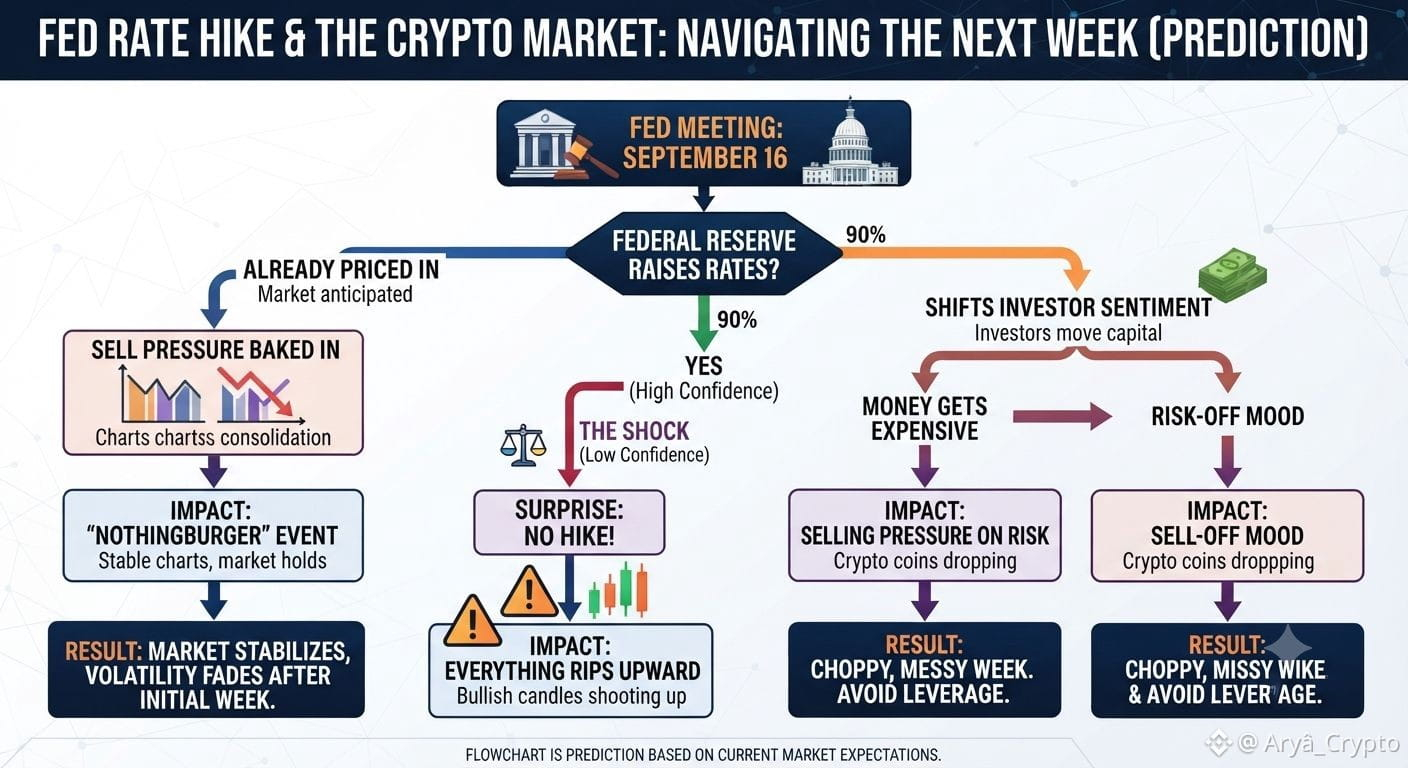
So the Fed is probably about to raise rates for the first time since July 2023. Markets are pricing in like a 90% chance of it happening on September 16.
If you've been around crypto for a minute, you know what this usually means. When rates go up, money gets expensive. People start thinking, "why gamble on coins when I can just park my cash somewhere safe and actually earn something?" That shift in mood is what kills risk assets and crypto is basically the poster child for risk assets.
Here's the thing though this isn't exactly a surprise. Everyone's been expecting it, so a lot of the selling pressure might already be baked in. Sometimes when the news actually drops, it's a nothing burger because the market already moved. The real shock would be if they don't hike that could send everything ripping upward.
That said, the next week or so is probably gonna be messy. If you're sitting in futures or leveraged positions, this is the kind of environment where you get wrecked by a random candle. Not saying sell everything just maybe don't be a hero right now.
#US10YearTreasuryYieldNears5% #ClarityActFacesProceduralVoteSept15 #SECReceivesGrayscaleLitecoinTrustETFFiling #Fed
So the Fed is probably about to raise rates for the first time since July 2023. Markets are pricing in like a 90% chance of it happening on September 16.
If you've been around crypto for a minute, you know what this usually means. When rates go up, money gets expensive. People start thinking, "why gamble on coins when I can just park my cash somewhere safe and actually earn something?" That shift in mood is what kills risk assets and crypto is basically the poster child for risk assets.
Here's the thing though this isn't exactly a surprise. Everyone's been expecting it, so a lot of the selling pressure might already be baked in. Sometimes when the news actually drops, it's a nothing burger because the market already moved. The real shock would be if they don't hike that could send everything ripping upward.
That said, the next week or so is probably gonna be messy. If you're sitting in futures or leveraged positions, this is the kind of environment where you get wrecked by a random candle. Not saying sell everything just maybe don't be a hero right now.
#US10YearTreasuryYieldNears5% #ClarityActFacesProceduralVoteSept15 #SECReceivesGrayscaleLitecoinTrustETFFiling #Fed
If you've been around crypto for a minute, you know what this usually means. When rates go up, money gets expensive. People start thinking, "why gamble on coins when I can just park my cash somewhere safe and actually earn something?" That shift in mood is what kills risk assets and crypto is basically the poster child for risk assets.
Here's the thing though this isn't exactly a surprise. Everyone's been expecting it, so a lot of the selling pressure might already be baked in. Sometimes when the news actually drops, it's a nothing burger because the market already moved. The real shock would be if they don't hike that could send everything ripping upward.
That said, the next week or so is probably gonna be messy. If you're sitting in futures or leveraged positions, this is the kind of environment where you get wrecked by a random candle. Not saying sell everything just maybe don't be a hero right now.
#US10YearTreasuryYieldNears5% #ClarityActFacesProceduralVoteSept15 #SECReceivesGrayscaleLitecoinTrustETFFiling #Fed
128
·
--
$LSK
Big shorts now 👇🏻
Volume is crazy and sellers are piling in.
Let’s push it straight down from here.
👉🏻Short plan
Entry: 0.96 – 1.07
Targets: 0.90
0.80
0.70
{future}(LSKUSDT)
$LSK
Big shorts now 👇🏻
Volume is crazy and sellers are piling in.
Let’s push it straight down from here.
👉🏻Short plan
Entry: 0.96 – 1.07
Targets: 0.90
0.80
0.70
Big shorts now 👇🏻
Volume is crazy and sellers are piling in.
Let’s push it straight down from here.
👉🏻Short plan
Entry: 0.96 – 1.07
Targets: 0.90
0.80
0.70
94
·
--
Three tokens. Three completely different stories. 👀
BULLA, ZEC & UAI are starting to catch traders’ attention but for very different reasons.
🔥 $BULLA
Momentum is picking up and that’s usually when traders start watching volume closely. If buyers keep showing up, things could get interesting.
🛡️ $ZEC
A well-known name in the privacy space. When the market starts looking for real utility and decentralization, privacy coins can suddenly come back into focus.
⚡ $UAI
Still one to keep on the radar. Emerging tokens can move quickly when liquidity and attention begin to align.
Different narratives. Same market.
Now the real question is: which one can turn attention into sustained momentum?
#Write2Earn #Market_Update
👇 If you had to pick ONE for the biggest upside, which one are you choosing?
Three tokens. Three completely different stories. 👀
BULLA, ZEC & UAI are starting to catch traders’ attention but for very different reasons.
🔥 $BULLA
Momentum is picking up and that’s usually when traders start watching volume closely. If buyers keep showing up, things could get interesting.
🛡️ $ZEC
A well-known name in the privacy space. When the market starts looking for real utility and decentralization, privacy coins can suddenly come back into focus.
⚡ $UAI
Still one to keep on the radar. Emerging tokens can move quickly when liquidity and attention begin to align.
Different narratives. Same market.
Now the real question is: which one can turn attention into sustained momentum?
#Write2Earn #Market_Update
👇 If you had to pick ONE for the biggest upside, which one are you choosing?
BULLA, ZEC & UAI are starting to catch traders’ attention but for very different reasons.
🔥 $BULLA
Momentum is picking up and that’s usually when traders start watching volume closely. If buyers keep showing up, things could get interesting.
🛡️ $ZEC
A well-known name in the privacy space. When the market starts looking for real utility and decentralization, privacy coins can suddenly come back into focus.
⚡ $UAI
Still one to keep on the radar. Emerging tokens can move quickly when liquidity and attention begin to align.
Different narratives. Same market.
Now the real question is: which one can turn attention into sustained momentum?
#Write2Earn #Market_Update
👇 If you had to pick ONE for the biggest upside, which one are you choosing?
$BULLA
0%
$ZEC
100%
$UAI
0%
1 votes • Voting closed
1
180
·
--
🚨 $ETH JUST HUNTED THE LIQUIDITY… NOW THE REAL MOVE STARTS.
Ethereum swept above $2,540 and then flipped the 4H structure bearish. 👀📉
The level I’m watching now is $2,480–$2,535.
🔻 Reject here: ETH could slide toward $2,358
🎯 That’s the sell-side liquidity zone I’m watching.
🚀 Break & close above $2,540–$2,570:
Bearish setup gets invalidated and $2,600+ comes back into play.
No chasing. Let the levels confirm the move. 👑
#TradingSignals #Write2Earn #ETH
What are you taking? 👇
🚨 $ETH JUST HUNTED THE LIQUIDITY… NOW THE REAL MOVE STARTS.
Ethereum swept above $2,540 and then flipped the 4H structure bearish. 👀📉
The level I’m watching now is $2,480–$2,535.
🔻 Reject here: ETH could slide toward $2,358
🎯 That’s the sell-side liquidity zone I’m watching.
🚀 Break & close above $2,540–$2,570:
Bearish setup gets invalidated and $2,600+ comes back into play.
No chasing. Let the levels confirm the move. 👑
#TradingSignals #Write2Earn #ETH
What are you taking? 👇
Ethereum swept above $2,540 and then flipped the 4H structure bearish. 👀📉
The level I’m watching now is $2,480–$2,535.
🔻 Reject here: ETH could slide toward $2,358
🎯 That’s the sell-side liquidity zone I’m watching.
🚀 Break & close above $2,540–$2,570:
Bearish setup gets invalidated and $2,600+ comes back into play.
No chasing. Let the levels confirm the move. 👑
#TradingSignals #Write2Earn #ETH
What are you taking? 👇
🔴 SHORT → Target $2,358
29%
🟢 Breakout above $2,540
57%
⚪ WAIT → Let ETH confirm first
14%
7 votes • Voting closed
147
·
--
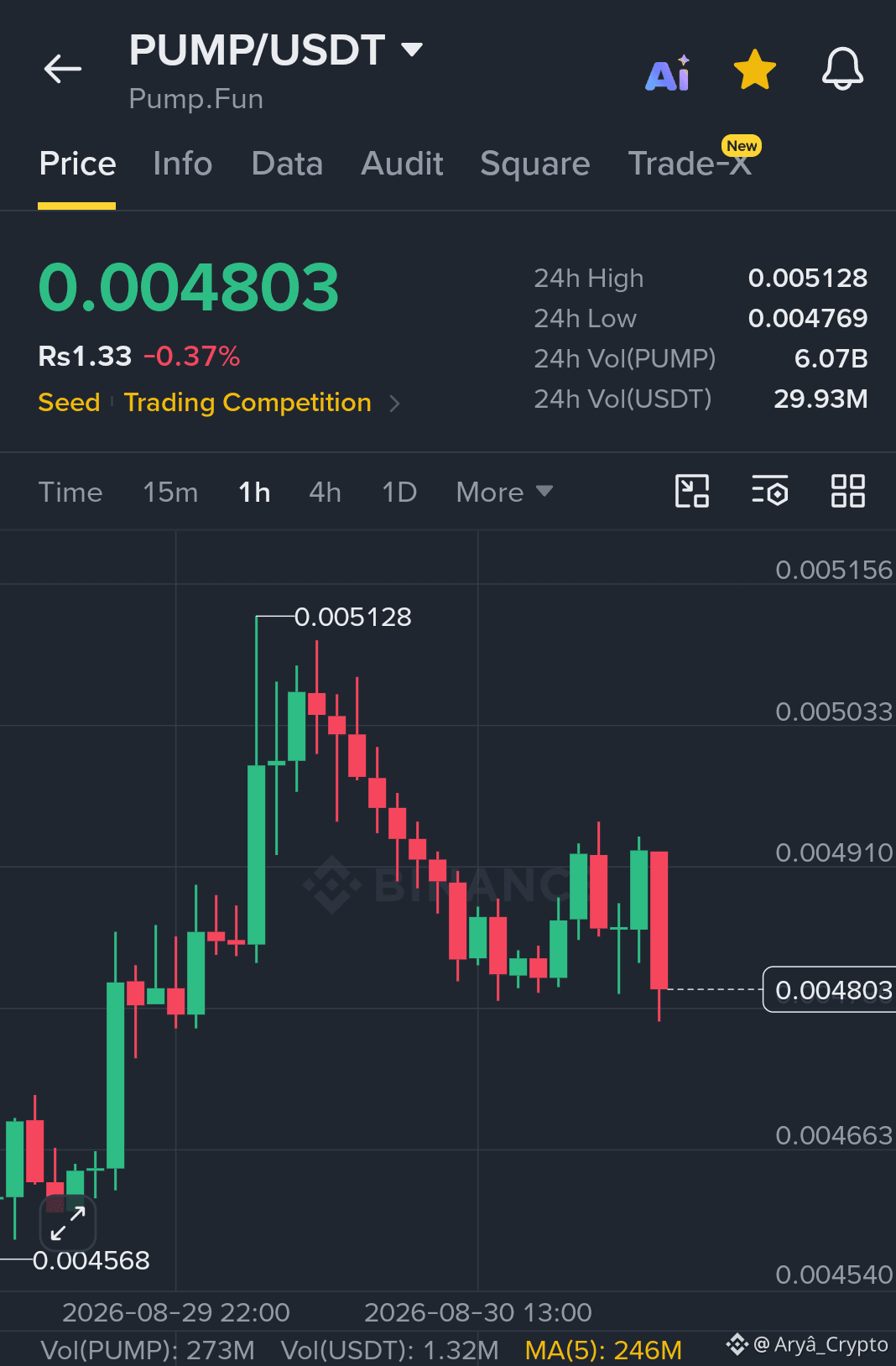
$PUMP looks shaky around 0.00481and I’m watching for a downside move. 📉👀
SHORT SETUP
Entry: 0.00481–0.00482
TP1: 0.00478
TP2: 0.00474
🛑 SL: 0.00486
Momentum is starting to lean bearish. If sellers take control, the next dip could come fast. Stay disciplined and manage your risk. ⚠️🔥
{future}(PUMPUSDT)
#TradingSignals #Write2Earn
$PUMP looks shaky around 0.00481and I’m watching for a downside move. 📉👀
SHORT SETUP
Entry: 0.00481–0.00482
TP1: 0.00478
TP2: 0.00474
🛑 SL: 0.00486
Momentum is starting to lean bearish. If sellers take control, the next dip could come fast. Stay disciplined and manage your risk. ⚠️🔥
#TradingSignals #Write2Earn
SHORT SETUP
Entry: 0.00481–0.00482
TP1: 0.00478
TP2: 0.00474
🛑 SL: 0.00486
Momentum is starting to lean bearish. If sellers take control, the next dip could come fast. Stay disciplined and manage your risk. ⚠️🔥
#TradingSignals #Write2Earn
220
·
--
Crypto really woke up and chose violence today. 😭📉
$HUMA down 21% 💀
$HEMI down 19% 🫂
$FOGO down 15% 😂
$TUT down 13% 📉
And $CHiP down 12%, somehow still looking like the responsible one. 😭
The whole market is basically stuck in red prison 🔐😂
Which one escapes the red zone first?👀🚀
#Write2Earn #TradingSignals
Crypto really woke up and chose violence today. 😭📉
$HUMA down 21% 💀
$HEMI down 19% 🫂
$FOGO down 15% 😂
$TUT down 13% 📉
And $CHiP down 12%, somehow still looking like the responsible one. 😭
The whole market is basically stuck in red prison 🔐😂
Which one escapes the red zone first?👀🚀
#Write2Earn #TradingSignals
$HUMA down 21% 💀
$HEMI down 19% 🫂
$FOGO down 15% 😂
$TUT down 13% 📉
And $CHiP down 12%, somehow still looking like the responsible one. 😭
The whole market is basically stuck in red prison 🔐😂
Which one escapes the red zone first?👀🚀
#Write2Earn #TradingSignals
🦛 $HUMA
15%
🌋 $FOGO
18%
🔥 $HEMI
40%
📈 $TUT
27%
55 votes • Voting closed
1
2.7k
·
--
$我踏马来了 looks pretty overheated right now 👀📉
RSI is sitting at 79 and price is still well above the EMA20 and EMA50. Could be setting up for a pullback if sellers finally step in.
🐻 SHORT
Entry: 0.013511–0.013647
🛑 SL: 0.013777
🎯 TP1: 0.011319
🎯 TP2: 0.011285
🎯 TP3: 0.011251
Confidence: 78%
I’m watching this one closely. If the rejection comes, the downside could get interesting. 👀
what’s your move? 👀 🤔👇
#Write2Earn #TradingSignals
$我踏马来了 looks pretty overheated right now 👀📉
RSI is sitting at 79 and price is still well above the EMA20 and EMA50. Could be setting up for a pullback if sellers finally step in.
🐻 SHORT
Entry: 0.013511–0.013647
🛑 SL: 0.013777
🎯 TP1: 0.011319
🎯 TP2: 0.011285
🎯 TP3: 0.011251
Confidence: 78%
I’m watching this one closely. If the rejection comes, the downside could get interesting. 👀
what’s your move? 👀 🤔👇
#Write2Earn #TradingSignals
RSI is sitting at 79 and price is still well above the EMA20 and EMA50. Could be setting up for a pullback if sellers finally step in.
🐻 SHORT
Entry: 0.013511–0.013647
🛑 SL: 0.013777
🎯 TP1: 0.011319
🎯 TP2: 0.011285
🎯 TP3: 0.011251
Confidence: 78%
I’m watching this one closely. If the rejection comes, the downside could get interesting. 👀
what’s your move? 👀 🤔👇
#Write2Earn #TradingSignals
🐻 Short it
36%
🚀 Long instead
50%
⏳ Wait for confirmation
0%
💀 Stay away
14%
14 votes • Voting closed
1.1k
·
--
💀 I WAITED FOR THE DIP… THE DIP WAITED FOR NOBODY. 😂📈
$4 : +67.33% 🚀
$BTR : +31.92% 🔥
$NIL : +31.24% 👀
$龙虾: +26.00% 🦞
Me: “Let it cool down first.”
Market: “COOL DOWN? WE ONLY KNOW UP.” 💀😭
At this point, my entry is becoming a historical event. 🤡
Who’s still sending green candles? 🚀🔥
#Write2Earn #TradingSignals
💀 I WAITED FOR THE DIP… THE DIP WAITED FOR NOBODY. 😂📈
$4 : +67.33% 🚀
$BTR : +31.92% 🔥
$NIL : +31.24% 👀
$龙虾: +26.00% 🦞
Me: “Let it cool down first.”
Market: “COOL DOWN? WE ONLY KNOW UP.” 💀😭
At this point, my entry is becoming a historical event. 🤡
Who’s still sending green candles? 🚀🔥
#Write2Earn #TradingSignals
$4 : +67.33% 🚀
$BTR : +31.92% 🔥
$NIL : +31.24% 👀
$龙虾: +26.00% 🦞
Me: “Let it cool down first.”
Market: “COOL DOWN? WE ONLY KNOW UP.” 💀😭
At this point, my entry is becoming a historical event. 🤡
Who’s still sending green candles? 🚀🔥
#Write2Earn #TradingSignals
$BTR
31%
$4
46%
$NIL
13%
$龙虾
10%
48 votes • Voting closed
2k
·
--
$BTR is still looking like it has more room to run 👀🔥
The longer it stays in this sideways range, the more pressure builds. If buyers finally step in, that breakout could get sharp.
And if $AKE is any clue, those sudden upside wicks can get crazy. 📈
What do you think happens next? 👇
{future}(AKEUSDT)
{future}(BTRUSDT)
#TradingSignals #Write2Earn
$BTR is still looking like it has more room to run 👀🔥
The longer it stays in this sideways range, the more pressure builds. If buyers finally step in, that breakout could get sharp.
And if $AKE is any clue, those sudden upside wicks can get crazy. 📈
What do you think happens next? 👇
#TradingSignals #Write2Earn
The longer it stays in this sideways range, the more pressure builds. If buyers finally step in, that breakout could get sharp.
And if $AKE is any clue, those sudden upside wicks can get crazy. 📈
What do you think happens next? 👇
#TradingSignals #Write2Earn
🟢 $BTR breaks higher
39%
🔴 Another fakeout
50%
⚡ Massive pump
4%
😴 More sideways
7%
56 votes • Voting closed
2.2k
·
--
$龙虾 IS MOVING! 🦞🔥
Nearly +78% today and the breakout is getting serious. Price ripped from the lower range and is now hovering near the recent high around $0.057. Buyers are clearly in control but after a move this big, the real question is whether the momentum can continue. 👀📈
Can $龙虾 keep running from here or is this move ready for a pullback? 👇
{future}(龙虾USDT)
#Write2Earn #TradingSignals
$龙虾 IS MOVING! 🦞🔥
Nearly +78% today and the breakout is getting serious. Price ripped from the lower range and is now hovering near the recent high around $0.057. Buyers are clearly in control but after a move this big, the real question is whether the momentum can continue. 👀📈
Can $龙虾 keep running from here or is this move ready for a pullback? 👇
#Write2Earn #TradingSignals
Nearly +78% today and the breakout is getting serious. Price ripped from the lower range and is now hovering near the recent high around $0.057. Buyers are clearly in control but after a move this big, the real question is whether the momentum can continue. 👀📈
Can $龙虾 keep running from here or is this move ready for a pullback? 👇
#Write2Earn #TradingSignals
HOLD
39%
FADE
61%
31 votes • Voting closed
1
3.2k
·
--
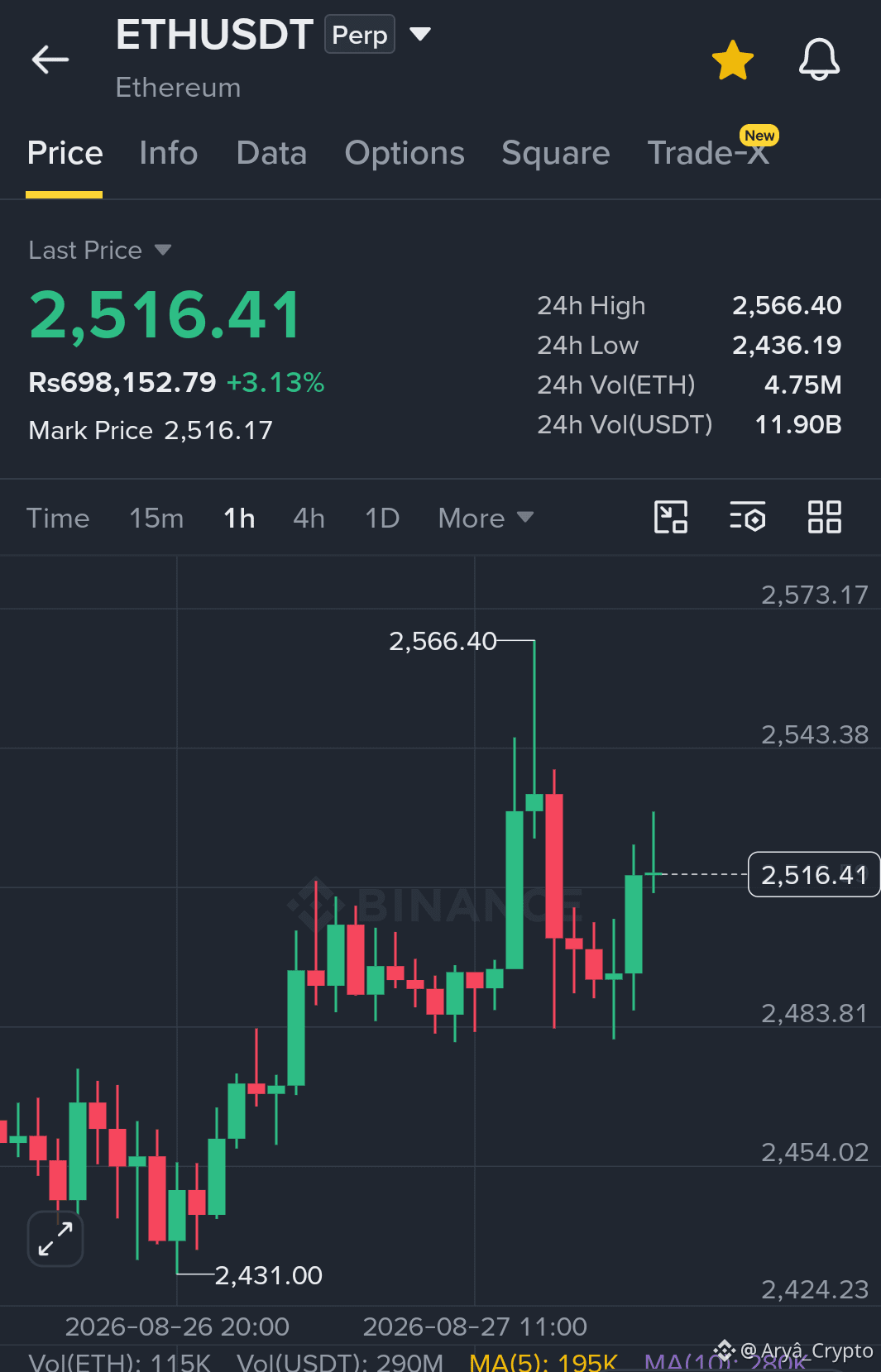
🐋 $ETH Futures
📉 ~ SHORT🔴
Leverage: Isolated 20x
📍 > Entry: 2518.74
2552.99
🎯 •1 Target 1: 2493.80
🎯 •2 Target 2: 2465.85
🎯 •3 Target 3: 2438.14
🎯 •4 Target 4: 2402.63
🎯 •5 Target 5: 2327.32
🛑 ❌ Stop Loss: 2622.01
#ETH #TradingSignals #Write2Earn
{future}(ETHUSDT)
🐋 $ETH Futures
📉 ~ SHORT🔴
Leverage: Isolated 20x
📍 > Entry: 2518.74
2552.99
🎯 •1 Target 1: 2493.80
🎯 •2 Target 2: 2465.85
🎯 •3 Target 3: 2438.14
🎯 •4 Target 4: 2402.63
🎯 •5 Target 5: 2327.32
🛑 ❌ Stop Loss: 2622.01
#ETH #TradingSignals #Write2Earn
📉 ~ SHORT🔴
Leverage: Isolated 20x
📍 > Entry: 2518.74
2552.99
🎯 •1 Target 1: 2493.80
🎯 •2 Target 2: 2465.85
🎯 •3 Target 3: 2438.14
🎯 •4 Target 4: 2402.63
🎯 •5 Target 5: 2327.32
🛑 ❌ Stop Loss: 2622.01
#ETH #TradingSignals #Write2Earn
114
·
--
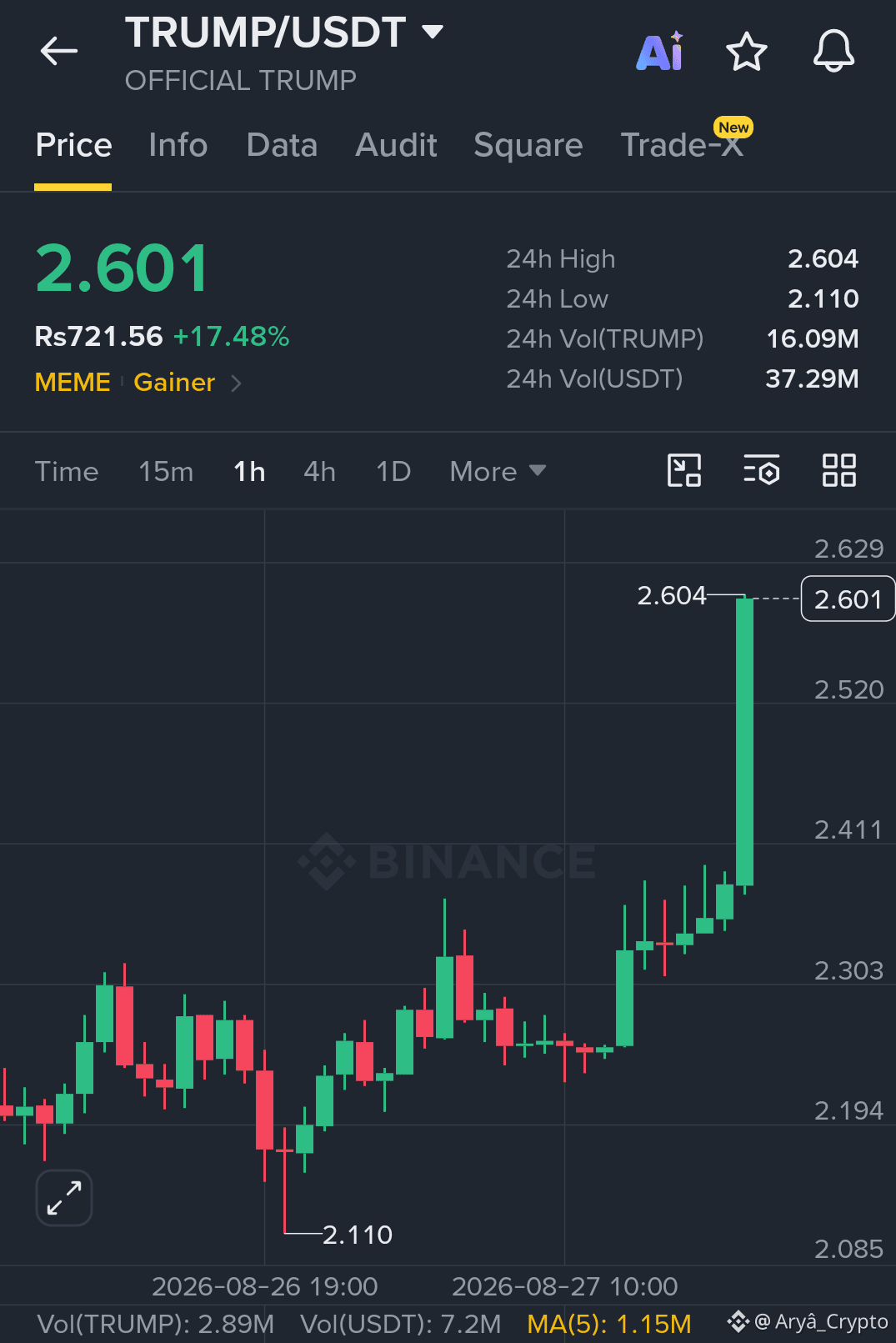
🔥 $TRUMP
📈 LONG SETUP
Entry: 2.60
TP1: 2.68
TP2: 2.78
TP3: 2.90
SL: 2.48
Strong 1H breakout with heavy momentum. Long only if price holds above 2.60 and buying volume stays strong.
📉 SHORT SETUP
Entry: 2.60
TP1: 2.52
TP2: 2.42
TP3: 2.30
SL: 2.67
After this sharp pump, a rejection from the 2.60 area could trigger a pullback. Wait for confirmation before shorting.
⚠️ Don't chase the candle. Use proper risk management and keep position size small.
#TRUMP #TradingSignals #Write2Earn
{future}(TRUMPUSDT)
🔥 $TRUMP
📈 LONG SETUP
Entry: 2.60
TP1: 2.68
TP2: 2.78
TP3: 2.90
SL: 2.48
Strong 1H breakout with heavy momentum. Long only if price holds above 2.60 and buying volume stays strong.
📉 SHORT SETUP
Entry: 2.60
TP1: 2.52
TP2: 2.42
TP3: 2.30
SL: 2.67
After this sharp pump, a rejection from the 2.60 area could trigger a pullback. Wait for confirmation before shorting.
⚠️ Don't chase the candle. Use proper risk management and keep position size small.
#TRUMP #TradingSignals #Write2Earn
📈 LONG SETUP
Entry: 2.60
TP1: 2.68
TP2: 2.78
TP3: 2.90
SL: 2.48
Strong 1H breakout with heavy momentum. Long only if price holds above 2.60 and buying volume stays strong.
📉 SHORT SETUP
Entry: 2.60
TP1: 2.52
TP2: 2.42
TP3: 2.30
SL: 2.67
After this sharp pump, a rejection from the 2.60 area could trigger a pullback. Wait for confirmation before shorting.
⚠️ Don't chase the candle. Use proper risk management and keep position size small.
#TRUMP #TradingSignals #Write2Earn
268
·
--
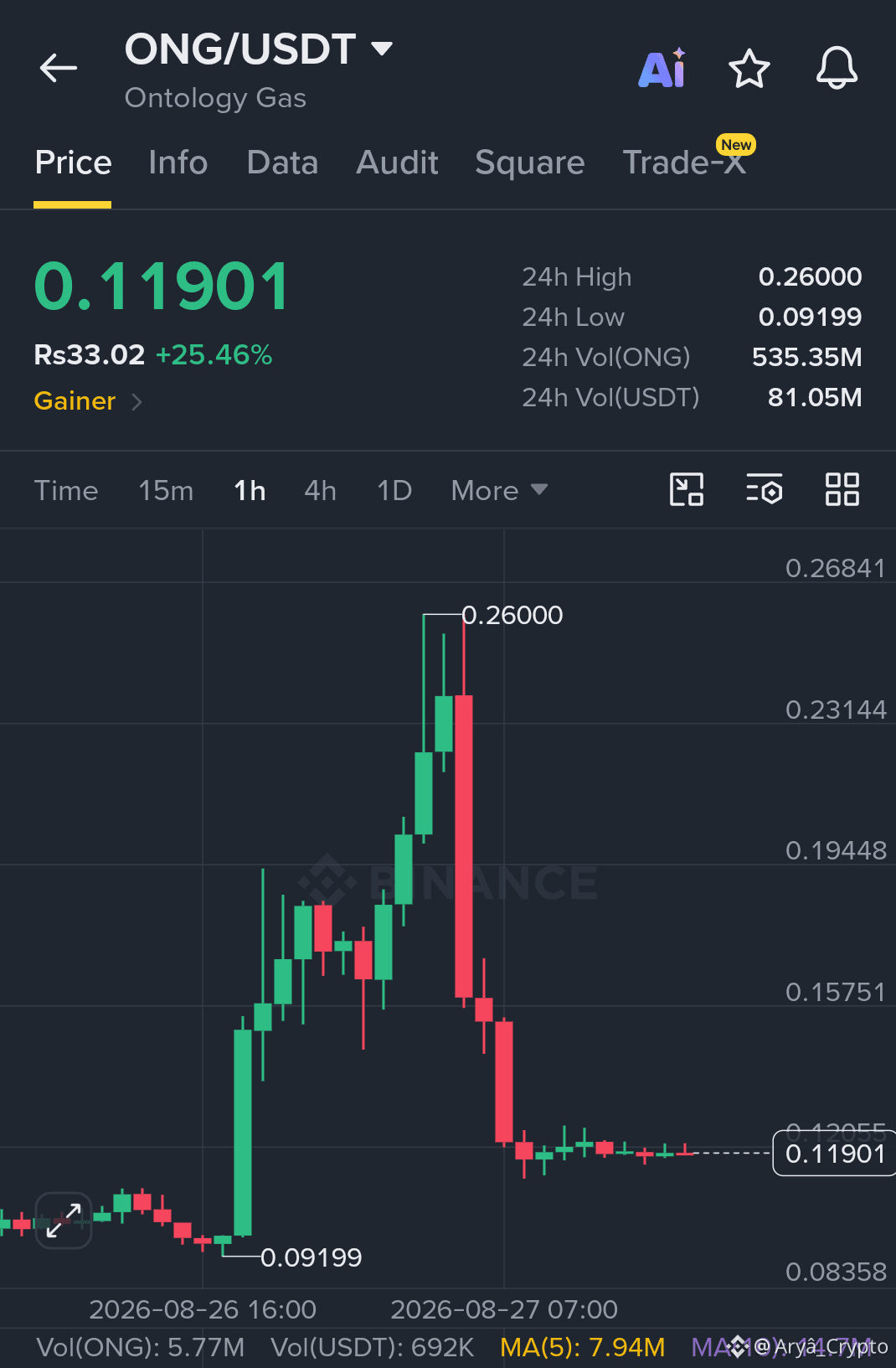
From the chart, $ONG looks highly volatile after the 0.26000 spike. Price is now consolidating around 0.119 with the big sell-off showing strong rejection from the top.
Bias: Short on rejection
Entry: 0.121–0.124
TP1: 0.115
TP2: 0.108
TP3: 0.100
SL: 0.130
I’d avoid chasing the move here. Wait for confirmation because #ONG is moving aggressively. Use low leverage and strict risk management.
#Write2Earn #TradingSignals
{future}(ONGUSDT)
From the chart, $ONG looks highly volatile after the 0.26000 spike. Price is now consolidating around 0.119 with the big sell-off showing strong rejection from the top.
Bias: Short on rejection
Entry: 0.121–0.124
TP1: 0.115
TP2: 0.108
TP3: 0.100
SL: 0.130
I’d avoid chasing the move here. Wait for confirmation because #ONG is moving aggressively. Use low leverage and strict risk management.
#Write2Earn #TradingSignals
Bias: Short on rejection
Entry: 0.121–0.124
TP1: 0.115
TP2: 0.108
TP3: 0.100
SL: 0.130
I’d avoid chasing the move here. Wait for confirmation because #ONG is moving aggressively. Use low leverage and strict risk management.
#Write2Earn #TradingSignals
3
191
·
--
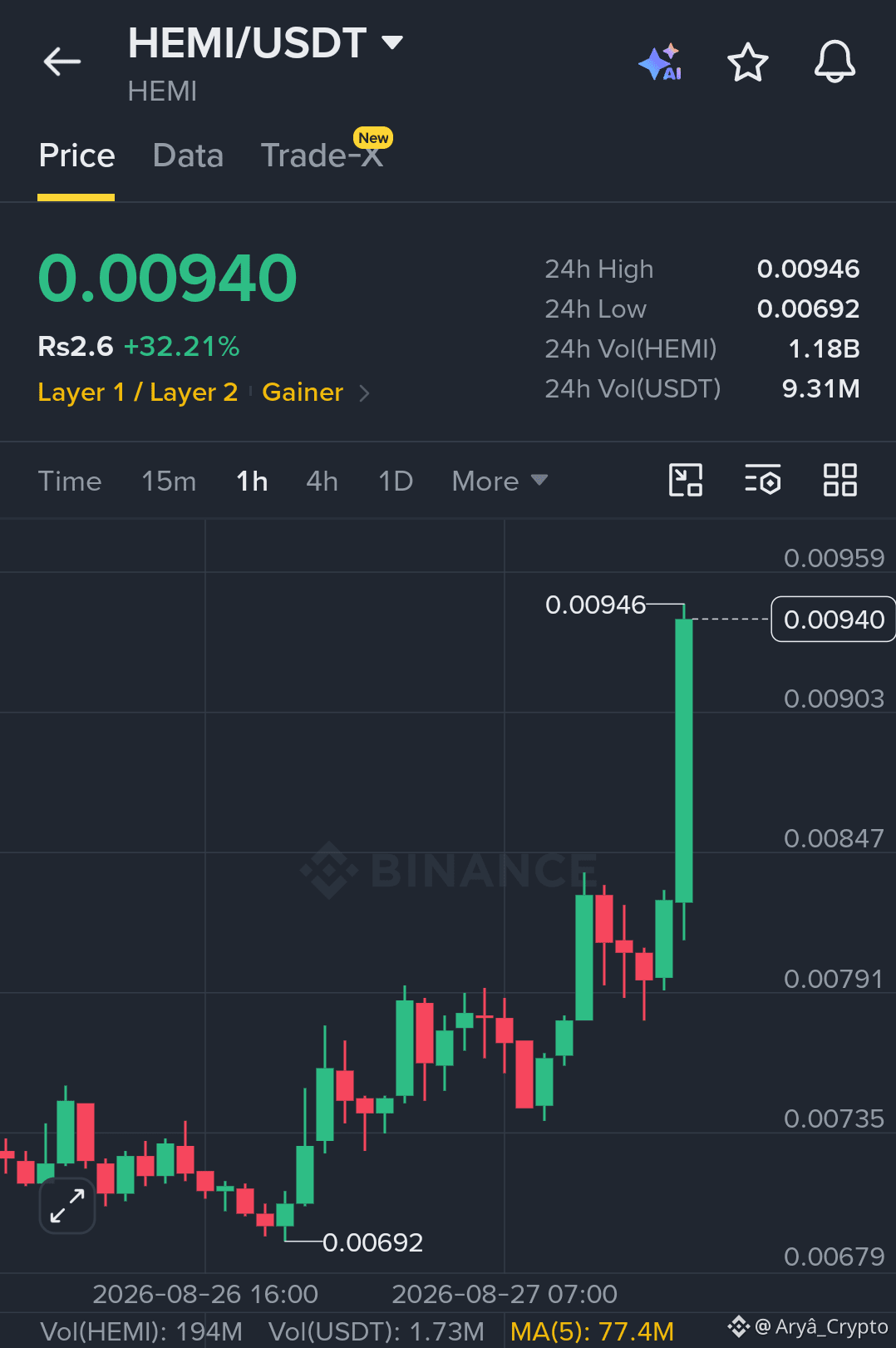
$HEMI LONG
Entry: 0.007890–0.008000
TP1: 0.008305
TP2: 0.008934
TP3: 0.009670
TP4: 0.015000
SL: 0.007750
Trade with proper risk management. Keep the position size small and risk only around 2% of your trading capital. DYOR.
{future}(HEMIUSDT)
$HEMI LONG
Entry: 0.007890–0.008000
TP1: 0.008305
TP2: 0.008934
TP3: 0.009670
TP4: 0.015000
SL: 0.007750
Trade with proper risk management. Keep the position size small and risk only around 2% of your trading capital. DYOR.
Entry: 0.007890–0.008000
TP1: 0.008305
TP2: 0.008934
TP3: 0.009670
TP4: 0.015000
SL: 0.007750
Trade with proper risk management. Keep the position size small and risk only around 2% of your trading capital. DYOR.
1
159
·
--
If you could hold only ONE for the next 7 days, would you pick $TAC , $BTR , or $BEAMX ? 👀
All three look interesting but which one has the strongest setup right now?
Drop your pick and tell me why. 📈🔥
If you could hold only ONE for the next 7 days, would you pick $TAC , $BTR , or $BEAMX ? 👀
All three look interesting but which one has the strongest setup right now?
Drop your pick and tell me why. 📈🔥
All three look interesting but which one has the strongest setup right now?
Drop your pick and tell me why. 📈🔥
$TAC
41%
$BTR
41%
$BEAMX
18%
59 votes • Voting closed
1
1.8k
·
--
@Dusk_Foundation I used to Think a global node map proved resilience; now I think the real test is whether Dusk messages travel both ways with similar friction.
My thesis is simple: geography matters less than repeated directional disadvantage, because a region can look connected while its traffic is still dependent on one narrow route.
Right now the Dusk token sits near $0.0733, with about $3.89M in 24-hour volume against a $44.09M market cap; thats roughly 8.8% turnover, enough to show active liquidity but not network strength.
Around 600.49M tokens are circulating, so participation is really broad in supply terms, yet that says nothing about who hears messages first.
Dusk also requires Kadcas traffic over UDP port 9000, while one epoch spans 2,160 blocks; those details matter because alot of resilience lives underneath consensus, in routing and connectivity.
If one corridor keeps becoming the bottleneck, the map is telling us something structural. 🌍
#dusk $DUSK
{future}(DUSKUSDT)
@Dusk I used to Think a global node map proved resilience; now I think the real test is whether Dusk messages travel both ways with similar friction.
My thesis is simple: geography matters less than repeated directional disadvantage, because a region can look connected while its traffic is still dependent on one narrow route.
Right now the Dusk token sits near $0.0733, with about $3.89M in 24-hour volume against a $44.09M market cap; thats roughly 8.8% turnover, enough to show active liquidity but not network strength.
Around 600.49M tokens are circulating, so participation is really broad in supply terms, yet that says nothing about who hears messages first.
Dusk also requires Kadcas traffic over UDP port 9000, while one epoch spans 2,160 blocks; those details matter because alot of resilience lives underneath consensus, in routing and connectivity.
If one corridor keeps becoming the bottleneck, the map is telling us something structural. 🌍
#dusk $DUSK
My thesis is simple: geography matters less than repeated directional disadvantage, because a region can look connected while its traffic is still dependent on one narrow route.
Right now the Dusk token sits near $0.0733, with about $3.89M in 24-hour volume against a $44.09M market cap; thats roughly 8.8% turnover, enough to show active liquidity but not network strength.
Around 600.49M tokens are circulating, so participation is really broad in supply terms, yet that says nothing about who hears messages first.
Dusk also requires Kadcas traffic over UDP port 9000, while one epoch spans 2,160 blocks; those details matter because alot of resilience lives underneath consensus, in routing and connectivity.
If one corridor keeps becoming the bottleneck, the map is telling us something structural. 🌍
#dusk $DUSK

2
3
129
·
--
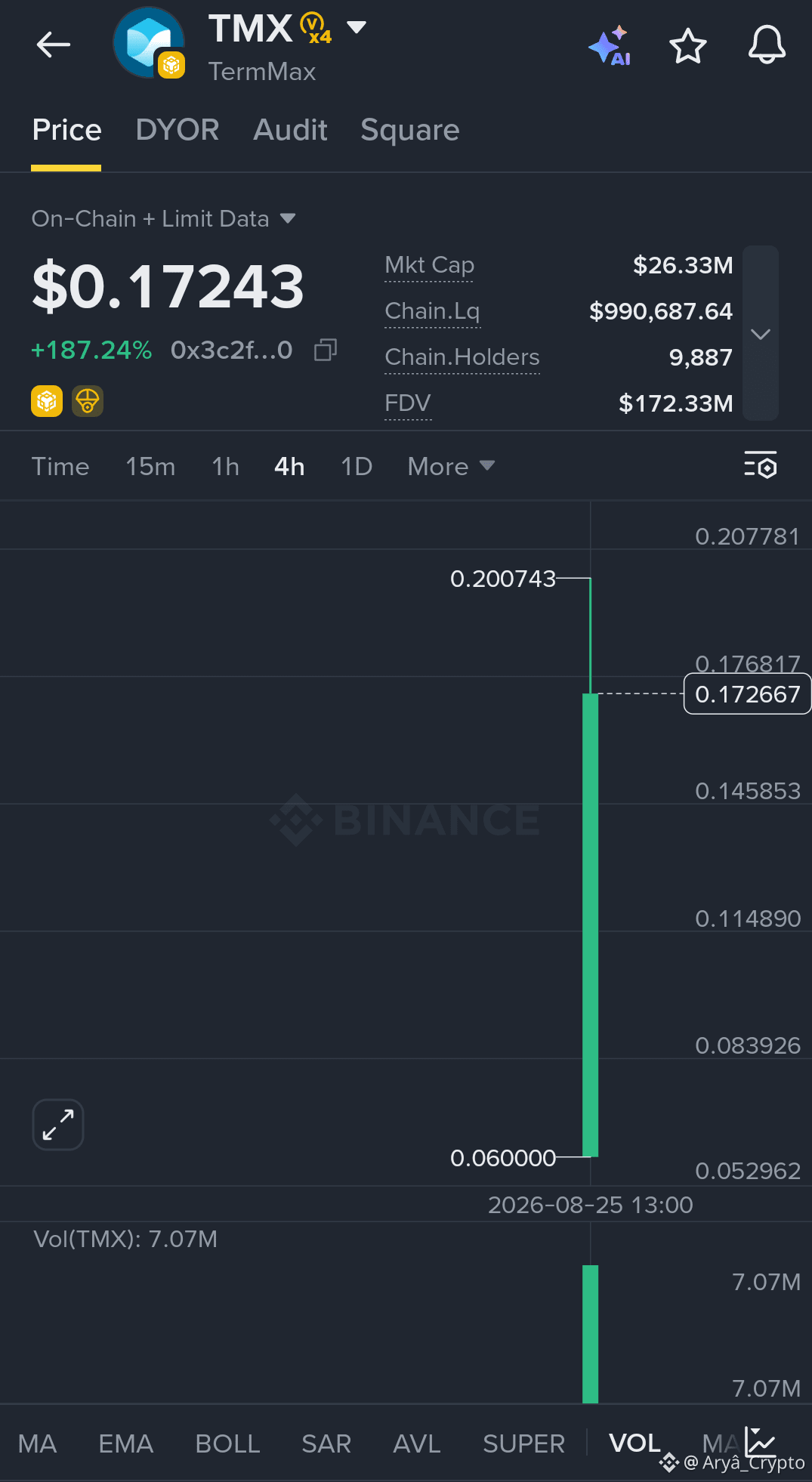
$TMX trading live on Binance Alpha right now 🔥
CreatorPad season paid off?
How much TMX are you sitting on? 👀
{alpha}(560x3c2f61f2e27c865981d2e7aaf6b2cdf823030039)
$TMX trading live on Binance Alpha right now 🔥
CreatorPad season paid off?
How much TMX are you sitting on? 👀
CreatorPad season paid off?
How much TMX are you sitting on? 👀
2
914
·
--
Which coin has the best chance to hit +100% next?
$PROM
$STX
$ONG
{future}(ONGUSDT)
{future}(STXUSDT)
{future}(PROMUSDT)
Which coin has the best chance to hit +100% next?
$PROM
$STX
$ONG
$PROM
$STX
$ONG
$ONG
0%
$PROM
0%
$STX
0%
0 votes • Voting closed
72
·
--
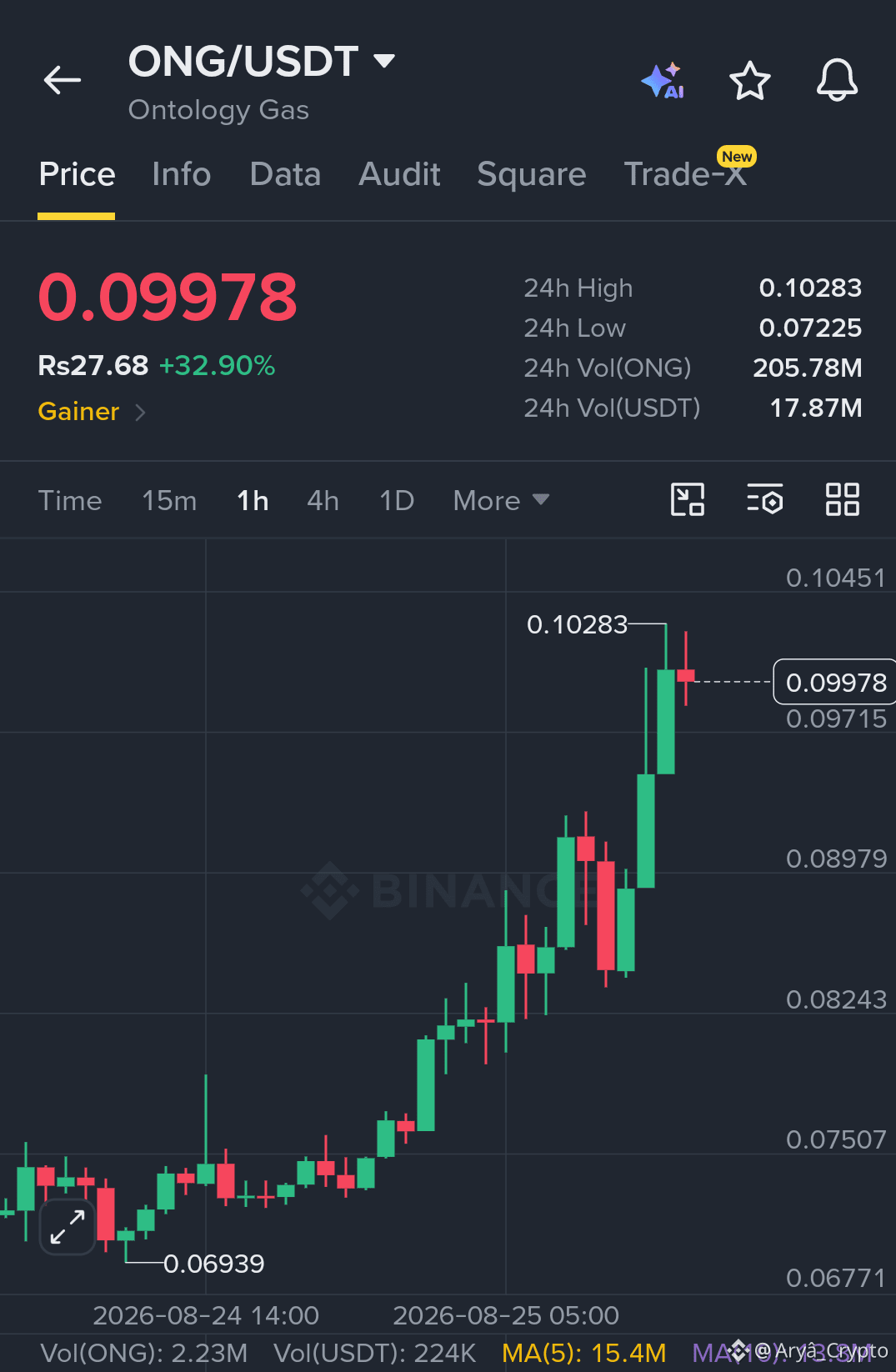
$ONG Long Setup
Entry: 0.0965 – 0.0980 (pullback into recent structure / demand)
Stop Loss: 0.0920 (below the last strong impulse low & structure)
Targets:
TP1: 0.1028 (previous high)
TP2: 0.1080 – 0.1100
TP3: 0.1150 – 0.1180
Leverage: 5–7x (risk ≤1–1.5% of capital)
Clean impulsive run from ~0.07 → 0.1028 with expanding volume. Price is currently cooling after the high. Looking for a shallow pullback into the 0.0965–0.0980 zone for continuation. Structure remains bullish as long as 0.0920 holds. Take partials at TP1 and trail the rest.
Not financial advice. DYOR & manage risk properly.
#Ong #Write2Earn #TradingSignals
{future}(ONGUSDT)
$ONG Long Setup
Entry: 0.0965 – 0.0980 (pullback into recent structure / demand)
Stop Loss: 0.0920 (below the last strong impulse low & structure)
Targets:
TP1: 0.1028 (previous high)
TP2: 0.1080 – 0.1100
TP3: 0.1150 – 0.1180
Leverage: 5–7x (risk ≤1–1.5% of capital)
Clean impulsive run from ~0.07 → 0.1028 with expanding volume. Price is currently cooling after the high. Looking for a shallow pullback into the 0.0965–0.0980 zone for continuation. Structure remains bullish as long as 0.0920 holds. Take partials at TP1 and trail the rest.
Not financial advice. DYOR & manage risk properly.
#Ong #Write2Earn #TradingSignals
Entry: 0.0965 – 0.0980 (pullback into recent structure / demand)
Stop Loss: 0.0920 (below the last strong impulse low & structure)
Targets:
TP1: 0.1028 (previous high)
TP2: 0.1080 – 0.1100
TP3: 0.1150 – 0.1180
Leverage: 5–7x (risk ≤1–1.5% of capital)
Clean impulsive run from ~0.07 → 0.1028 with expanding volume. Price is currently cooling after the high. Looking for a shallow pullback into the 0.0965–0.0980 zone for continuation. Structure remains bullish as long as 0.0920 holds. Take partials at TP1 and trail the rest.
Not financial advice. DYOR & manage risk properly.
#Ong #Write2Earn #TradingSignals
130
·
--
$ONG needs a reclaim above 0.0869–0.0898
$PROM needs the 4.15–4.27 support to hold
Neither looks like a clean chase right now.
Which one resolves first?
{future}(ONGUSDT)
{future}(PROMUSDT)
#Write2Earn #TradingSignals
$ONG needs a reclaim above 0.0869–0.0898
$PROM needs the 4.15–4.27 support to hold
Neither looks like a clean chase right now.
Which one resolves first?
#Write2Earn #TradingSignals
$PROM needs the 4.15–4.27 support to hold
Neither looks like a clean chase right now.
Which one resolves first?
#Write2Earn #TradingSignals
1️⃣ $ONG
100%
2️⃣ $PROM
0%
3️⃣ Both stay choppy / neither
0%
1 votes • Voting closed
1
332
Log in to explore more content
Join global crypto users on Binance Square
⚡️ Get latest and useful information about crypto.
💬 Trusted by the world’s largest crypto exchange.
👍 Discover real insights from verified creators.
Email / Phone number
Trending Topics
BitcoinCrosses$78000
0 views
27 Discussing
$BTC urgent Update 🚨 Big Opportunity ‼️Get Ready for Short 📉
BTC is bouncing as expected .Now you can scale your entry upto 78000 because this bounce can extend upto 78,000 ..
Stop-loss: 79,200
Targets 🎯
TP1: 77,150
TP2: 76,450
TP3: 75,750
TP4: 75,000
$SOL and $ETH will follow Bitcoin..And then dump as predicted 🔥
Always DYOR and never invest all in one trade
short here 👇
#SECReceivesGrayscaleLitecoinTrustETFFiling #ClarityActFacesProceduralVoteSept15 #US10YearTreasuryYieldNears5%
Panda Traders
·13 Likes
·5.7k views
AnthropicCEOCallsForAISlowdown
127,119 views
2,195 Discussing
RevolutDataLeakReportedlyPostedAttackersThreatenDailyReleases
899 views
46 Discussing