
uncle1306
66 Posts

uncle1306
Report
Block User
54 Following
35 Followers
53 Liked
Posts
·
--
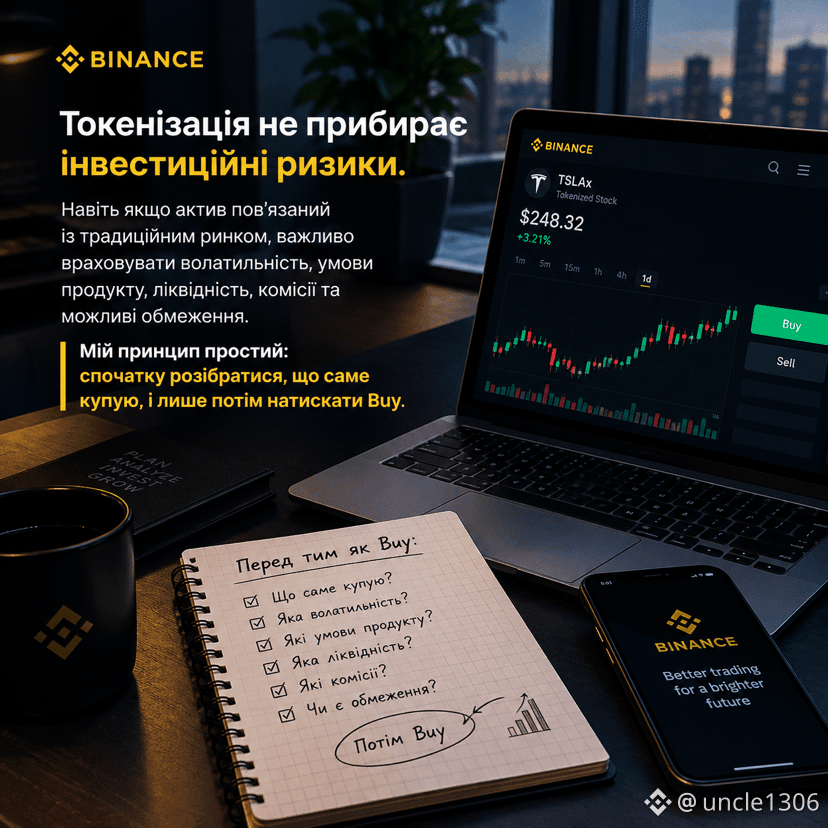
Tokenization does not remove investment risks.
Even if an asset is tied to a traditional market, it’s important to consider volatility, product terms, liquidity, fees, and possible restrictions.
My principle is simple: first figure out exactly what I’m buying, and only then hit Buy.@Binance_Ukraine
Tokenization does not remove investment risks.
Even if an asset is tied to a traditional market, it’s important to consider volatility, product terms, liquidity, fees, and possible restrictions.
My principle is simple: first figure out exactly what I’m buying, and only then hit Buy.@Binance_Ukraine
Even if an asset is tied to a traditional market, it’s important to consider volatility, product terms, liquidity, fees, and possible restrictions.
My principle is simple: first figure out exactly what I’m buying, and only then hit Buy.@Binance_Ukraine
181
·
--
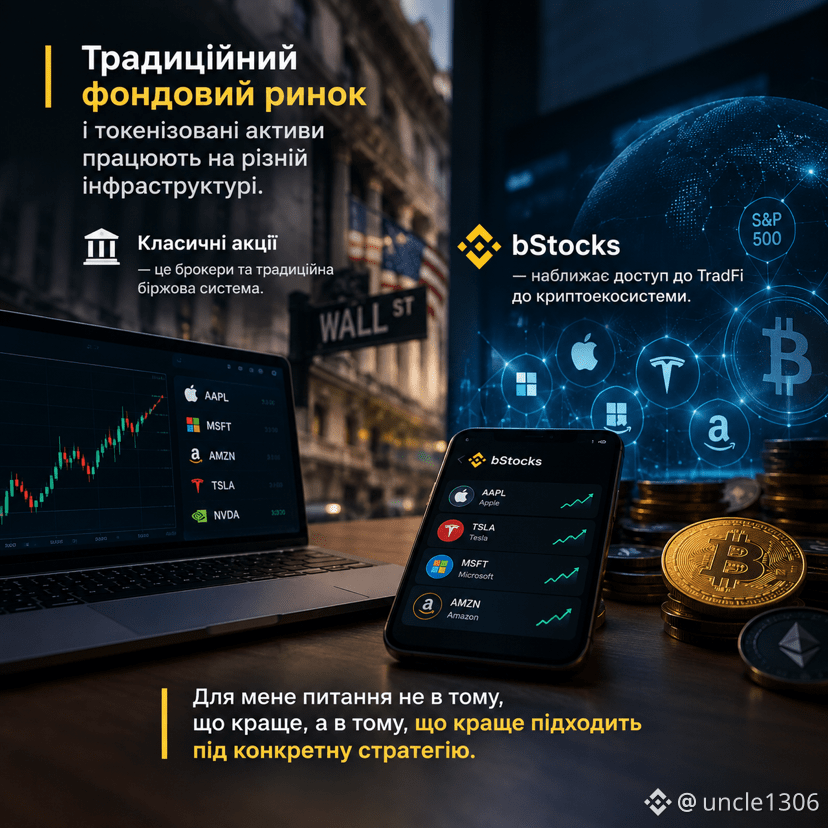
Traditional stock market and tokenized assets run on different infrastructure.
Traditional stocks are brokers and the legacy exchange system. bStocks brings access to TradFi to the crypto ecosystem.
For me, the question isn't about what's better, but what's a better fit for a specific strategy. @Binance_Ukraine
Traditional stock market and tokenized assets run on different infrastructure.
Traditional stocks are brokers and the legacy exchange system. bStocks brings access to TradFi to the crypto ecosystem.
For me, the question isn't about what's better, but what's a better fit for a specific strategy. @Binance_Ukraine
Traditional stocks are brokers and the legacy exchange system. bStocks brings access to TradFi to the crypto ecosystem.
For me, the question isn't about what's better, but what's a better fit for a specific strategy. @Binance_Ukraine
1
80
·
--
Traditional finance is gradually becoming more digital, and blockchain is opening up new possibilities for working with assets.
That’s why I’m interested in the bStocks concept — it combines TradFi and Web3 approaches. The trend is clear: financial products are moving toward greater accessibility, digitization, and integration with the blockchain ecosystem. @Binance_Ukraine #bstocscis
Traditional finance is gradually becoming more digital, and blockchain is opening up new possibilities for working with assets.
That’s why I’m interested in the bStocks concept — it combines TradFi and Web3 approaches. The trend is clear: financial products are moving toward greater accessibility, digitization, and integration with the blockchain ecosystem. @Binance_Ukraine #bstocscis
That’s why I’m interested in the bStocks concept — it combines TradFi and Web3 approaches. The trend is clear: financial products are moving toward greater accessibility, digitization, and integration with the blockchain ecosystem. @Binance_Ukraine #bstocscis
92
·
--
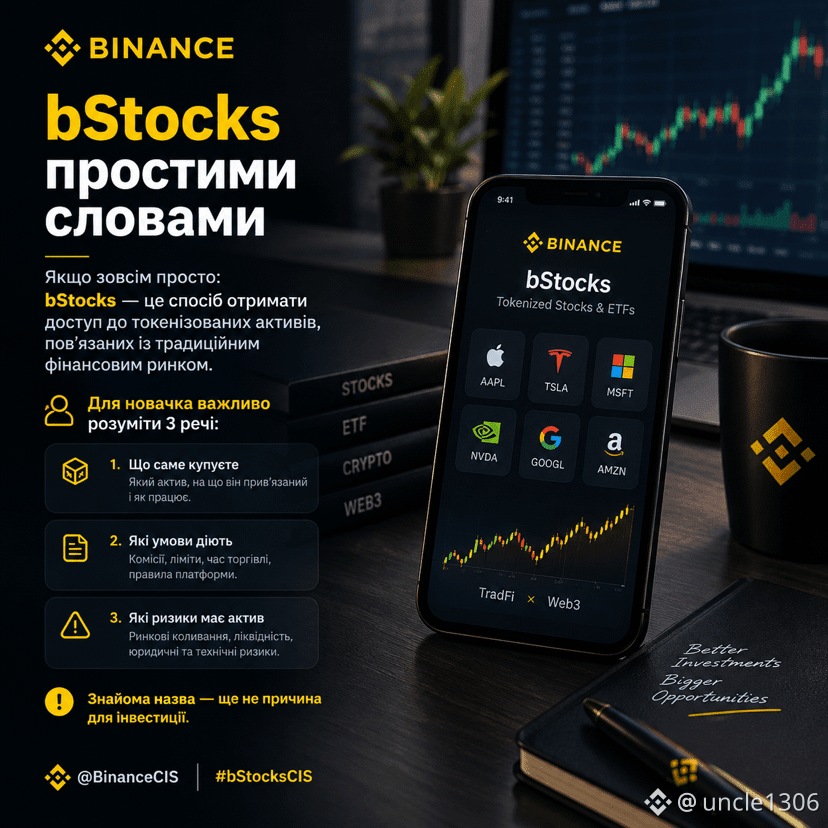
If simply put: bStocks is a way to gain access to tokenized assets linked to the traditional financial market.
For a beginner, it’s important to understand 3 things: what exactly you are buying, what terms apply, and what risks the asset has. A familiar name is not a reason to invest. @Binance_Ukraine #bStocksCIS
If simply put: bStocks is a way to gain access to tokenized assets linked to the traditional financial market.
For a beginner, it’s important to understand 3 things: what exactly you are buying, what terms apply, and what risks the asset has. A familiar name is not a reason to invest. @Binance_Ukraine #bStocksCIS
For a beginner, it’s important to understand 3 things: what exactly you are buying, what terms apply, and what risks the asset has. A familiar name is not a reason to invest. @Binance_Ukraine #bStocksCIS
2
1
428
·
--
@Binance_Ukraine I tested bStocks as a way to gain access to TradFi through the crypto ecosystem. I liked the combination of the familiar stock market with the opportunities of Web3 the most. It’s convenient when everything is in one environment without constantly switching between platforms. At the same time, before using it, it’s important to carefully review the terms and risks.
What do you like about bStocks?
@Binance_Ukraine I tested bStocks as a way to gain access to TradFi through the crypto ecosystem. I liked the combination of the familiar stock market with the opportunities of Web3 the most. It’s convenient when everything is in one environment without constantly switching between platforms. At the same time, before using it, it’s important to carefully review the terms and risks.
What do you like about bStocks?
What do you like about bStocks?
🟢 TradFi + Web3
🔵 Все в одному
🟡 Зручність
🔴 Ризики
2 day(s) left
1
200
·
--
Verified
#bstockscis @BinanceCIS
The stock market is entering a new era 🚀 Binance bStocks combine traditional shares with blockchain technology, opening up new opportunities to access global companies. $TSLA is an example of how stocks can take on a tokenized format. Will bStocks become the future of the stock market?$SPCX
How do you assess the future of Binance bStocks?
#bstockscis @BinanceCIS
The stock market is entering a new era 🚀 Binance bStocks combine traditional shares with blockchain technology, opening up new opportunities to access global companies. $TSLA is an example of how stocks can take on a tokenized format. Will bStocks become the future of the stock market?$SPCX
How do you assess the future of Binance bStocks?
The stock market is entering a new era 🚀 Binance bStocks combine traditional shares with blockchain technology, opening up new opportunities to access global companies. $TSLA is an example of how stocks can take on a tokenized format. Will bStocks become the future of the stock market?$SPCX
How do you assess the future of Binance bStocks?
🚀 Великий потенціал
50%
📈 Стануть популярними
17%
🤔 Потрібно більше часу
17%
❌ Не бачу переваг
16%
6 votes • Voting closed
5
5
158
·
--
#bstockscis @BinanceCIS
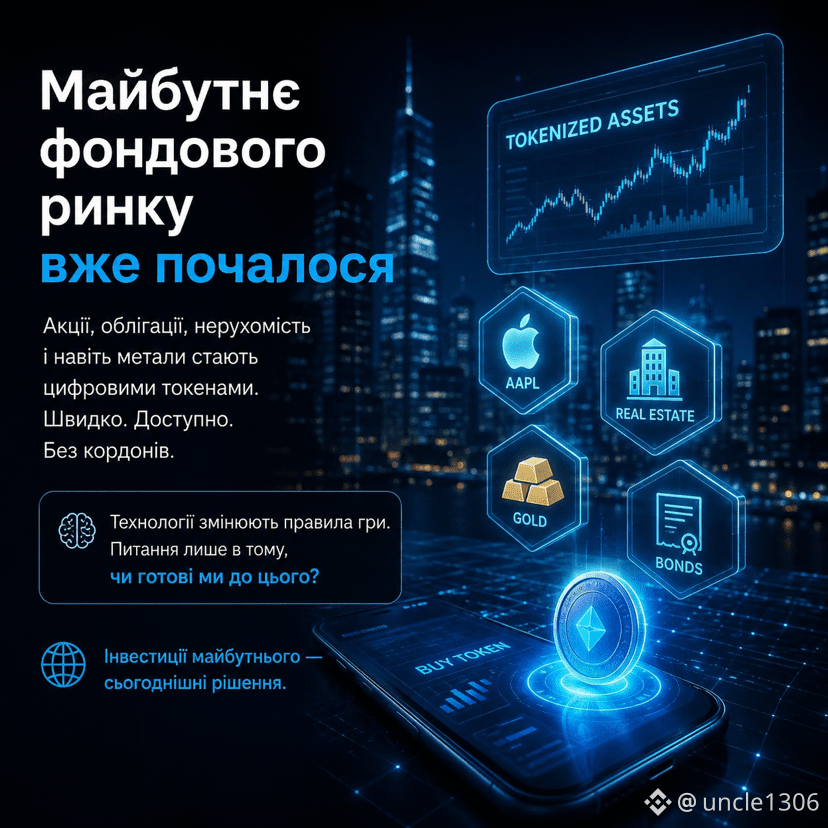
🚀 The future of the stock market is already close. Stocks, real estate, bonds, and gold can become digital tokens. Faster, more accessible, and without unnecessary intermediaries. Are you ready for a new era of investing? 👀
#bstockscis @BinanceCIS
🚀 The future of the stock market is already close. Stocks, real estate, bonds, and gold can become digital tokens. Faster, more accessible, and without unnecessary intermediaries. Are you ready for a new era of investing? 👀
🚀 The future of the stock market is already close. Stocks, real estate, bonds, and gold can become digital tokens. Faster, more accessible, and without unnecessary intermediaries. Are you ready for a new era of investing? 👀
68
·
--
#bstockscis @BinanceCIS
Before your first purchase of tokenized shares
Before investing, it’s important to research the project, understand the token backing, risks, and the rights of the token holder. Don’t invest more than you’re willing to lose, and remember to diversify. 📊
📊 Are you ready to buy tokenized shares?
#bstockscis @BinanceCIS
Before your first purchase of tokenized shares
Before investing, it’s important to research the project, understand the token backing, risks, and the rights of the token holder. Don’t invest more than you’re willing to lose, and remember to diversify. 📊
📊 Are you ready to buy tokenized shares?
Before your first purchase of tokenized shares
Before investing, it’s important to research the project, understand the token backing, risks, and the rights of the token holder. Don’t invest more than you’re willing to lose, and remember to diversify. 📊
📊 Are you ready to buy tokenized shares?
🔹 Так, уже цікаво
50%
🔹 Поки досліджую
0%
🔹 Ще не довіряю
50%
🔹 Не планую
0%
2 votes • Voting closed
3
3
110
·
--
#bstockscis @BinanceCIS
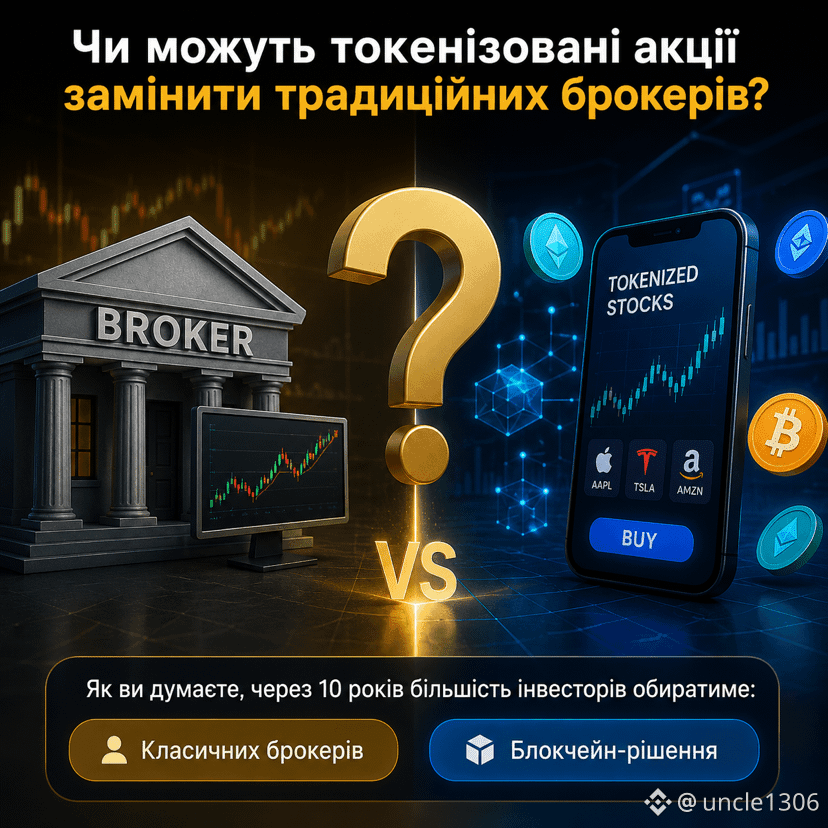
What do you think, in 10 years most investors will choose:
🔹 Traditional brokers
🔹 Blockchain solutions
Tokenized stocks can make investing faster and more accessible, but will they be able to completely replace traditional brokers? Maybe, in the future, both models will coexist.
#bstockscis @BinanceCIS
What do you think, in 10 years most investors will choose:
🔹 Traditional brokers
🔹 Blockchain solutions
Tokenized stocks can make investing faster and more accessible, but will they be able to completely replace traditional brokers? Maybe, in the future, both models will coexist.
What do you think, in 10 years most investors will choose:
🔹 Traditional brokers
🔹 Blockchain solutions
Tokenized stocks can make investing faster and more accessible, but will they be able to completely replace traditional brokers? Maybe, in the future, both models will coexist.
1
83
·
--
#bstockscis @BinanceCIS
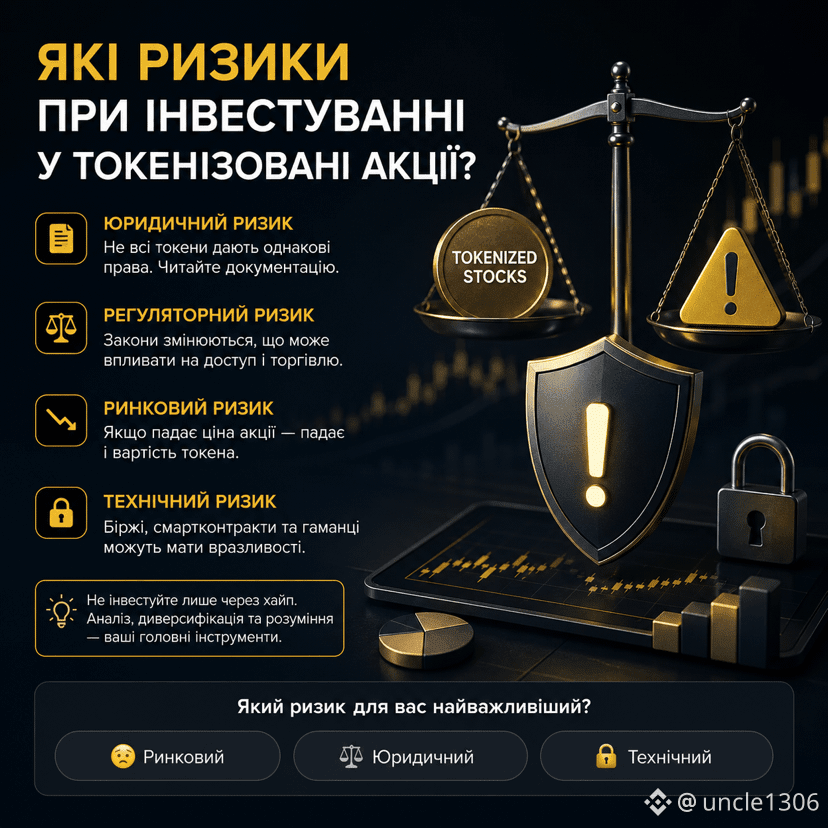
⚠️ What risks do tokenized stocks have?
Tokenized stocks are a modern tool, but there are no risks-free investments.
🔹 Market risk — the token’s price can fall along with the underlying stock.
🔹 Legal risk — different tokens may provide different rights.
🔹 Regulatory risk — changes in legislation may affect access to assets.
🔹 Technical risk — there are risks related to exchanges, smart contracts, and cybersecurity.
💡 Before investing, it’s important to do your own research and understand exactly what you’re buying.
Which risk concerns you the most? 👇
📊 Poll:
What matters most to you when choosing a tokenized stock?
• 📈 Reliability
• 🔐 Security
• ⚖️ Legal guarantees
• 💰 Potential profitability
#bstockscis @BinanceCIS
⚠️ What risks do tokenized stocks have?
Tokenized stocks are a modern tool, but there are no risks-free investments.
🔹 Market risk — the token’s price can fall along with the underlying stock.
🔹 Legal risk — different tokens may provide different rights.
🔹 Regulatory risk — changes in legislation may affect access to assets.
🔹 Technical risk — there are risks related to exchanges, smart contracts, and cybersecurity.
💡 Before investing, it’s important to do your own research and understand exactly what you’re buying.
Which risk concerns you the most? 👇
📊 Poll:
What matters most to you when choosing a tokenized stock?
• 📈 Reliability
• 🔐 Security
• ⚖️ Legal guarantees
• 💰 Potential profitability
⚠️ What risks do tokenized stocks have?
Tokenized stocks are a modern tool, but there are no risks-free investments.
🔹 Market risk — the token’s price can fall along with the underlying stock.
🔹 Legal risk — different tokens may provide different rights.
🔹 Regulatory risk — changes in legislation may affect access to assets.
🔹 Technical risk — there are risks related to exchanges, smart contracts, and cybersecurity.
💡 Before investing, it’s important to do your own research and understand exactly what you’re buying.
Which risk concerns you the most? 👇
📊 Poll:
What matters most to you when choosing a tokenized stock?
• 📈 Reliability
• 🔐 Security
• ⚖️ Legal guarantees
• 💰 Potential profitability
1
4
66
·
--
#bstockscis @BinanceCIS
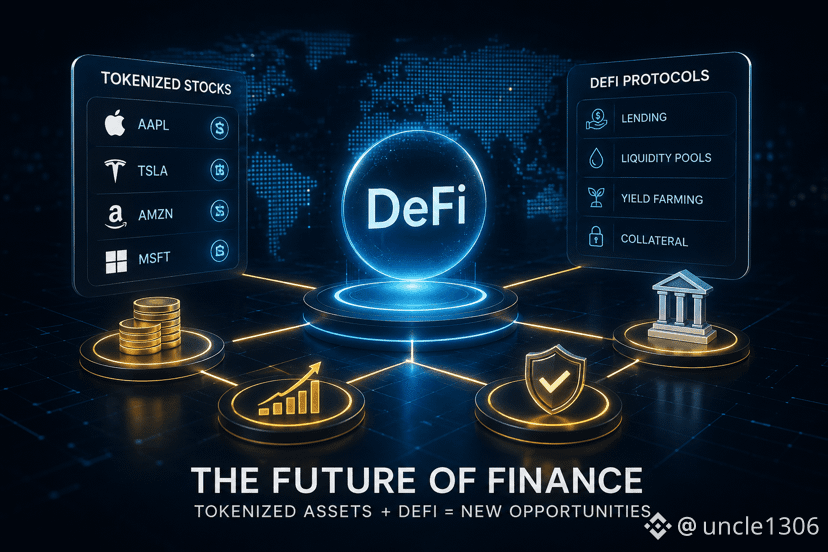
How can DeFi change the tokenised stock market?
DeFi is one of the most dynamic directions of the crypto industry. Its main idea is to create financial services without traditional banks or intermediaries. That's why many experts believe that a combination of DeFi and tokenised stocks could open up entirely new possibilities.
If digital stocks support integration with decentralised protocols, they can theoretically be used in various financial scenarios, such as collateral or in other ecosystem services. This greatly extends the functionality of the assets compared to ordinary stocks, which exist only within the classic stock market.
At the same time, it is important to remember that DeFi also has its own risks. Smart contracts may contain errors, and individual protocols may lose liquidity or become victims of attacks. That's why any interaction with DeFi must be accompanied by its own research.
The future of finance can be built on a combination of traditional assets and blockchain technologies. The only question is how quickly it will happen.
Do you think DeFi will become the standard of the financial system or will it remain a niche direction?
#bstockscis @BinanceCIS
How can DeFi change the tokenised stock market?
DeFi is one of the most dynamic directions of the crypto industry. Its main idea is to create financial services without traditional banks or intermediaries. That's why many experts believe that a combination of DeFi and tokenised stocks could open up entirely new possibilities.
If digital stocks support integration with decentralised protocols, they can theoretically be used in various financial scenarios, such as collateral or in other ecosystem services. This greatly extends the functionality of the assets compared to ordinary stocks, which exist only within the classic stock market.
At the same time, it is important to remember that DeFi also has its own risks. Smart contracts may contain errors, and individual protocols may lose liquidity or become victims of attacks. That's why any interaction with DeFi must be accompanied by its own research.
The future of finance can be built on a combination of traditional assets and blockchain technologies. The only question is how quickly it will happen.
Do you think DeFi will become the standard of the financial system or will it remain a niche direction?
How can DeFi change the tokenised stock market?
DeFi is one of the most dynamic directions of the crypto industry. Its main idea is to create financial services without traditional banks or intermediaries. That's why many experts believe that a combination of DeFi and tokenised stocks could open up entirely new possibilities.
If digital stocks support integration with decentralised protocols, they can theoretically be used in various financial scenarios, such as collateral or in other ecosystem services. This greatly extends the functionality of the assets compared to ordinary stocks, which exist only within the classic stock market.
At the same time, it is important to remember that DeFi also has its own risks. Smart contracts may contain errors, and individual protocols may lose liquidity or become victims of attacks. That's why any interaction with DeFi must be accompanied by its own research.
The future of finance can be built on a combination of traditional assets and blockchain technologies. The only question is how quickly it will happen.
Do you think DeFi will become the standard of the financial system or will it remain a niche direction?
3
2
90
·
--
#bstockscis @BinanceCIS
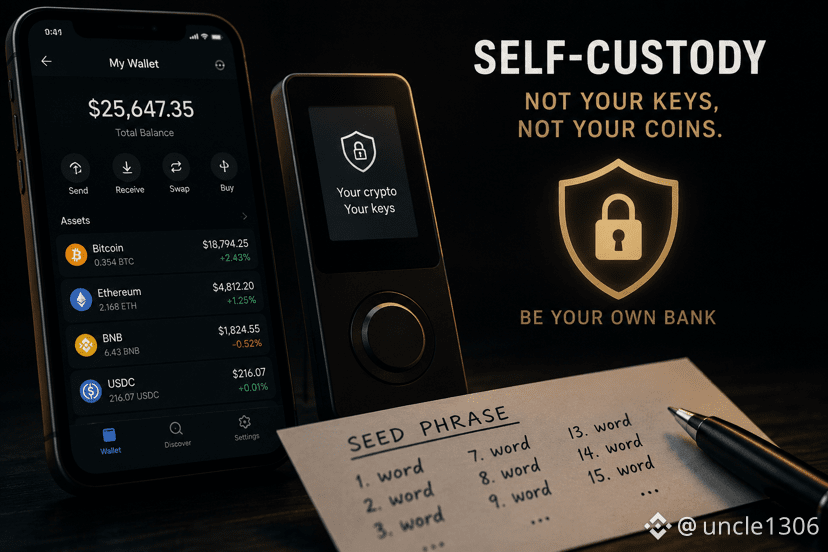
Self-Custody of Assets: Why It Matters?
One of the main advantages of blockchain technologies is the ability to self-custody digital assets. In a traditional financial system, your shares are typically held in a broker or depository account, and it is these institutions that are responsible for their safekeeping.
In the world of tokenized assets, the situation may be different. If a token allows withdrawals to a personal wallet, the user gains the ability to independently control their digital assets. This aligns with one of the core principles of cryptocurrencies — “not your keys, not your coins.”
However, along with greater freedom comes greater responsibility. If you lose access to your crypto wallet or your recovery seed phrase, it may be practically impossible to restore your assets. That’s why security should be a top priority for every investor.
Before using any service, you should carefully review its capabilities and operating rules. Self-custody opens up new opportunities, but it requires discipline and knowledge.
Do you use your own crypto wallet, or do you leave your assets on an exchange?
#bstockscis @BinanceCIS
Self-Custody of Assets: Why It Matters?
One of the main advantages of blockchain technologies is the ability to self-custody digital assets. In a traditional financial system, your shares are typically held in a broker or depository account, and it is these institutions that are responsible for their safekeeping.
In the world of tokenized assets, the situation may be different. If a token allows withdrawals to a personal wallet, the user gains the ability to independently control their digital assets. This aligns with one of the core principles of cryptocurrencies — “not your keys, not your coins.”
However, along with greater freedom comes greater responsibility. If you lose access to your crypto wallet or your recovery seed phrase, it may be practically impossible to restore your assets. That’s why security should be a top priority for every investor.
Before using any service, you should carefully review its capabilities and operating rules. Self-custody opens up new opportunities, but it requires discipline and knowledge.
Do you use your own crypto wallet, or do you leave your assets on an exchange?
Self-Custody of Assets: Why It Matters?
One of the main advantages of blockchain technologies is the ability to self-custody digital assets. In a traditional financial system, your shares are typically held in a broker or depository account, and it is these institutions that are responsible for their safekeeping.
In the world of tokenized assets, the situation may be different. If a token allows withdrawals to a personal wallet, the user gains the ability to independently control their digital assets. This aligns with one of the core principles of cryptocurrencies — “not your keys, not your coins.”
However, along with greater freedom comes greater responsibility. If you lose access to your crypto wallet or your recovery seed phrase, it may be practically impossible to restore your assets. That’s why security should be a top priority for every investor.
Before using any service, you should carefully review its capabilities and operating rules. Self-custody opens up new opportunities, but it requires discipline and knowledge.
Do you use your own crypto wallet, or do you leave your assets on an exchange?
1
97
·
--
#bstockscis @BinanceCIS
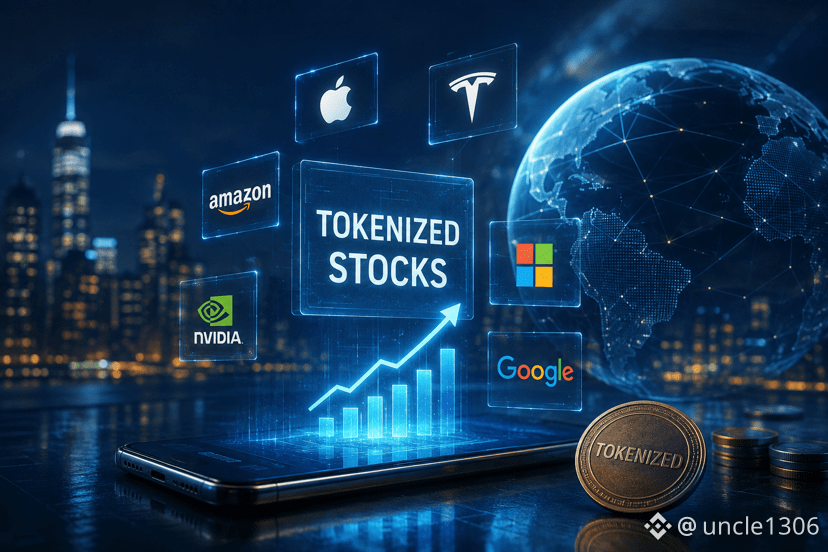
Why are tokenised stocks becoming increasingly popular?
Over the past few years, the world of finance has been actively moving towards the tokenisation of real assets. If earlier blockchain was associated mainly with Bitcoin or Ethereum, today more and more companies are working to digitalise stocks, bonds and other financial instruments.
The main reason for this popularity is accessibility. An investor no longer needs to have a large start-up capital to access expensive companies. In addition, digital assets are easily integrated with cryptocurrency infrastructure, making them attractive to millions of users.
Another important factor is speed. Blockchain allows you to carry out operations much faster than the traditional financial system. This saves time and makes the investment process more convenient.
At the same time, popularity does not mean the absence of risks. The investor should carefully check how a particular project works, whether it has real collateral, and what legal rights the token owner receives.
In your opinion, will tokenisation be the next big revolution in the investment world?
#bstockscis @BinanceCIS
Why are tokenised stocks becoming increasingly popular?
Over the past few years, the world of finance has been actively moving towards the tokenisation of real assets. If earlier blockchain was associated mainly with Bitcoin or Ethereum, today more and more companies are working to digitalise stocks, bonds and other financial instruments.
The main reason for this popularity is accessibility. An investor no longer needs to have a large start-up capital to access expensive companies. In addition, digital assets are easily integrated with cryptocurrency infrastructure, making them attractive to millions of users.
Another important factor is speed. Blockchain allows you to carry out operations much faster than the traditional financial system. This saves time and makes the investment process more convenient.
At the same time, popularity does not mean the absence of risks. The investor should carefully check how a particular project works, whether it has real collateral, and what legal rights the token owner receives.
In your opinion, will tokenisation be the next big revolution in the investment world?
Why are tokenised stocks becoming increasingly popular?
Over the past few years, the world of finance has been actively moving towards the tokenisation of real assets. If earlier blockchain was associated mainly with Bitcoin or Ethereum, today more and more companies are working to digitalise stocks, bonds and other financial instruments.
The main reason for this popularity is accessibility. An investor no longer needs to have a large start-up capital to access expensive companies. In addition, digital assets are easily integrated with cryptocurrency infrastructure, making them attractive to millions of users.
Another important factor is speed. Blockchain allows you to carry out operations much faster than the traditional financial system. This saves time and makes the investment process more convenient.
At the same time, popularity does not mean the absence of risks. The investor should carefully check how a particular project works, whether it has real collateral, and what legal rights the token owner receives.
In your opinion, will tokenisation be the next big revolution in the investment world?
78
·
--
#bstockscis @BinanceCIS
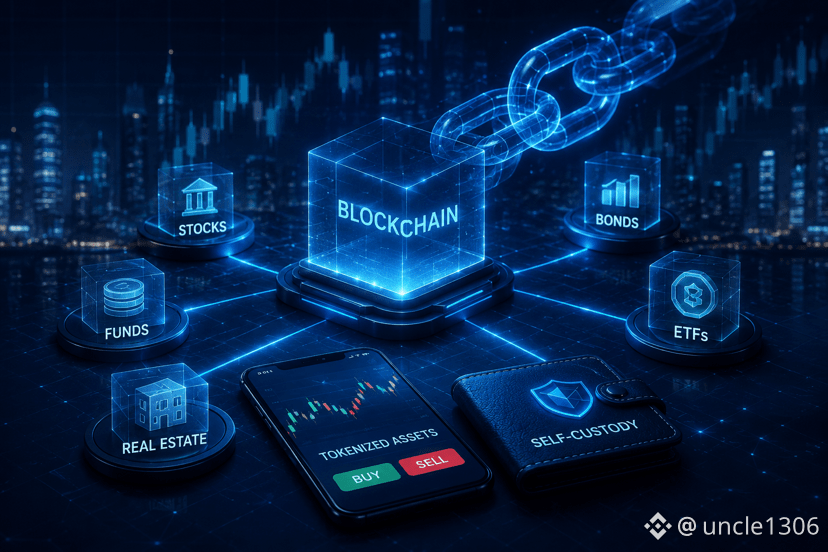
Why does blockchain open up new opportunities for investors?
Blockchain has long ceased to be a technology for cryptocurrencies only. Today, it is actively used to create digital assets, financial services, and even tokenised stocks.
The idea is that the asset exists not only in the company's database, but also in a decentralised network. This opens up new opportunities for users who are used to working with crypto wallets and DeFi services.
If tokenised stocks support withdrawals to a personal wallet, the investor gains more control over their digital assets. In addition, blockchain allows you to quickly make transfers between users without traditional banking infrastructure.
That is why many experts are closely following the development of this direction. If the technology continues to improve, it could change the way people interact with the stock market.
However, it is important to remember that any investment is associated with risk. Before using new financial products, it is necessary to study their structure, legal features and possible limitations.
Have you already used tokenised assets, or do you prefer regular cryptocurrencies so far?
#bstockscis @BinanceCIS
Why does blockchain open up new opportunities for investors?
Blockchain has long ceased to be a technology for cryptocurrencies only. Today, it is actively used to create digital assets, financial services, and even tokenised stocks.
The idea is that the asset exists not only in the company's database, but also in a decentralised network. This opens up new opportunities for users who are used to working with crypto wallets and DeFi services.
If tokenised stocks support withdrawals to a personal wallet, the investor gains more control over their digital assets. In addition, blockchain allows you to quickly make transfers between users without traditional banking infrastructure.
That is why many experts are closely following the development of this direction. If the technology continues to improve, it could change the way people interact with the stock market.
However, it is important to remember that any investment is associated with risk. Before using new financial products, it is necessary to study their structure, legal features and possible limitations.
Have you already used tokenised assets, or do you prefer regular cryptocurrencies so far?
Why does blockchain open up new opportunities for investors?
Blockchain has long ceased to be a technology for cryptocurrencies only. Today, it is actively used to create digital assets, financial services, and even tokenised stocks.
The idea is that the asset exists not only in the company's database, but also in a decentralised network. This opens up new opportunities for users who are used to working with crypto wallets and DeFi services.
If tokenised stocks support withdrawals to a personal wallet, the investor gains more control over their digital assets. In addition, blockchain allows you to quickly make transfers between users without traditional banking infrastructure.
That is why many experts are closely following the development of this direction. If the technology continues to improve, it could change the way people interact with the stock market.
However, it is important to remember that any investment is associated with risk. Before using new financial products, it is necessary to study their structure, legal features and possible limitations.
Have you already used tokenised assets, or do you prefer regular cryptocurrencies so far?
64
·
--
#bstockscis @BinanceCIS
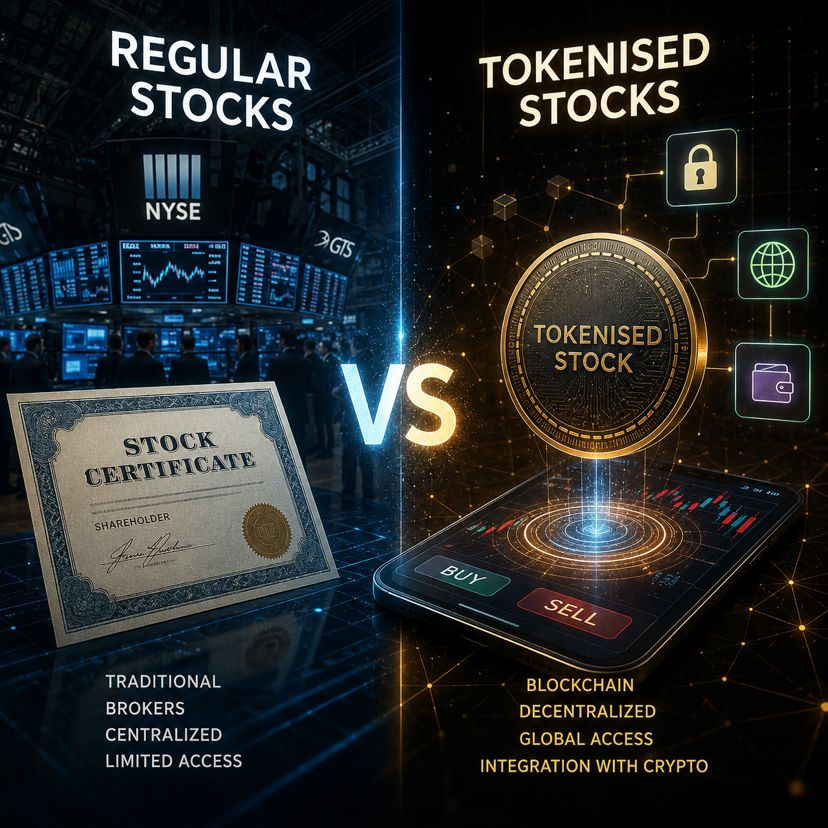
How are tokenised stocks different from regular stocks?
At first glance, it may seem that a tokenised stock is no different from a regular one. In fact, there are several important differences between them that every investor needs to know.
Classic shares are purchased through brokers and stored in depository systems. The investor interacts with the stock infrastructure, which has existed for decades.
In the case of tokenised stocks, a blockchain is used. This means that the digital token can be compatible with crypto wallets and other blockchain services. It is this feature that opens up new opportunities for integration with the crypto ecosystem.
At the same time, it is important for investors to realise that the rights of the owner may differ from the classic ownership of shares. Various projects have their own legal rules, so you need to carefully familiarise yourself with the documentation before buying.
Tokenisation does not replace the traditional stock market, but it can make it more accessible to millions of people around the world.
Do you think tokenised stocks can one day become more popular than regular ones?
#bstockscis @BinanceCIS
How are tokenised stocks different from regular stocks?
At first glance, it may seem that a tokenised stock is no different from a regular one. In fact, there are several important differences between them that every investor needs to know.
Classic shares are purchased through brokers and stored in depository systems. The investor interacts with the stock infrastructure, which has existed for decades.
In the case of tokenised stocks, a blockchain is used. This means that the digital token can be compatible with crypto wallets and other blockchain services. It is this feature that opens up new opportunities for integration with the crypto ecosystem.
At the same time, it is important for investors to realise that the rights of the owner may differ from the classic ownership of shares. Various projects have their own legal rules, so you need to carefully familiarise yourself with the documentation before buying.
Tokenisation does not replace the traditional stock market, but it can make it more accessible to millions of people around the world.
Do you think tokenised stocks can one day become more popular than regular ones?
How are tokenised stocks different from regular stocks?
At first glance, it may seem that a tokenised stock is no different from a regular one. In fact, there are several important differences between them that every investor needs to know.
Classic shares are purchased through brokers and stored in depository systems. The investor interacts with the stock infrastructure, which has existed for decades.
In the case of tokenised stocks, a blockchain is used. This means that the digital token can be compatible with crypto wallets and other blockchain services. It is this feature that opens up new opportunities for integration with the crypto ecosystem.
At the same time, it is important for investors to realise that the rights of the owner may differ from the classic ownership of shares. Various projects have their own legal rules, so you need to carefully familiarise yourself with the documentation before buying.
Tokenisation does not replace the traditional stock market, but it can make it more accessible to millions of people around the world.
Do you think tokenised stocks can one day become more popular than regular ones?
76
Log in to explore more content
Join global crypto users on Binance Square
⚡️ Get latest and useful information about crypto.
💬 Trusted by the world’s largest crypto exchange.
👍 Discover real insights from verified creators.
Email / Phone number
Trending Topics
FedRateWatch
736,685 views
3,494 Discussing
Share & Win Traffic Reward in our Trending Hashtag Campaign
✨Topic: FOMC September, What's The Fed's Next Move?
👉How to Join:
Publish a short post or article with hashtag #FedRateWatch
Create content based on the below angles:
- August core CPI rose 0.3% month-over-month, and the odds of a 25bp hike this week are now close to 90%. Do you anticipate a rate hike this week? Is it a one-off, or the start of a longer hiking cycle?
- If the hike lands, how does it play out for BTC, tech stocks, and gold? Bullish or bearish?
- How are you planning to trade next? Share your BTC, stocks or gold trade/holdings with our trade sharing widget.
⏰Campaign Period:
- 2026-09-15 11:00 - 2026-09-17 3:00 UTC
🎁Reward:
- Qualified posts that comply with the above guidelines and contain more than 100 words will be reviewed and may receive a random traffic boost of 500 to 3,000 views. You will receive a notification from your feed secretary if your post is selected.
- Get a chance to have your article featured on Binance Square Official
Need ideas for your post? Visit the topic page #FedRateWatch or the Square Guide on How to Post for Better Reach.
Binance Square Official
·438 Likes
·1M views
ArgentinaCommitsToOECDCryptoReportingBy2029
1,952 views
76 Discussing
EthereumFallsBelow$2400
1,662 views
46 Discussing