
Holaitsak47
7k Posts

Holaitsak47
 Square Verified+
X App: @Holaitsak47 | Trader 24/7 | Blockchain | Stay updated with the latest Crypto News! | Crypto Influencer

Creator Awards 2024

Top Voices
Frequent Trader
5.4 Years
121 Following
93.7K+ Followers
76.2K+ Liked
2 Badges
Posts
All
Quotes
Videos
PINNED
When hard work meets a bit of rebellion - you get results
Honored to be named Creator of the Year by @binance and beyond grateful to receive this recognition - Proof that hard work and a little bit of disruption go a long way
From dreams to reality - Thank you @binance @Binance Square Official @Richard Teng 🤍
Honored to be named Creator of the Year by @binance and beyond grateful to receive this recognition - Proof that hard work and a little bit of disruption go a long way
From dreams to reality - Thank you @binance @Binance Square Official @Richard Teng 🤍


This could be a bull trap.
The market would be so damn crazy if you go high lev
Partly True
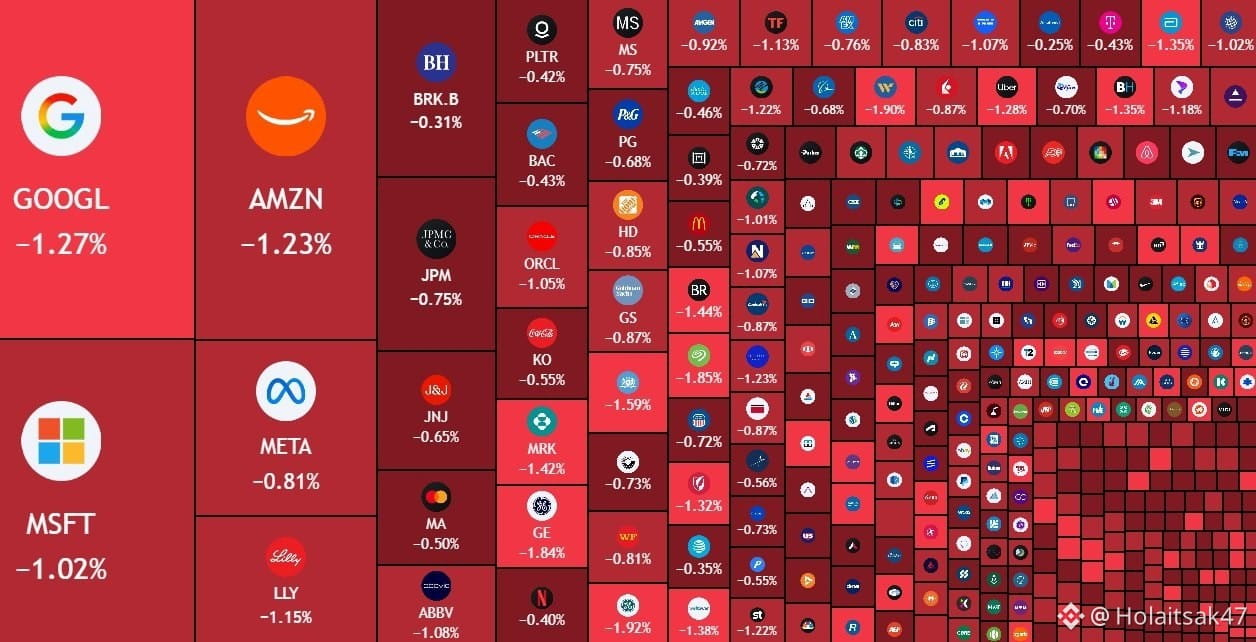
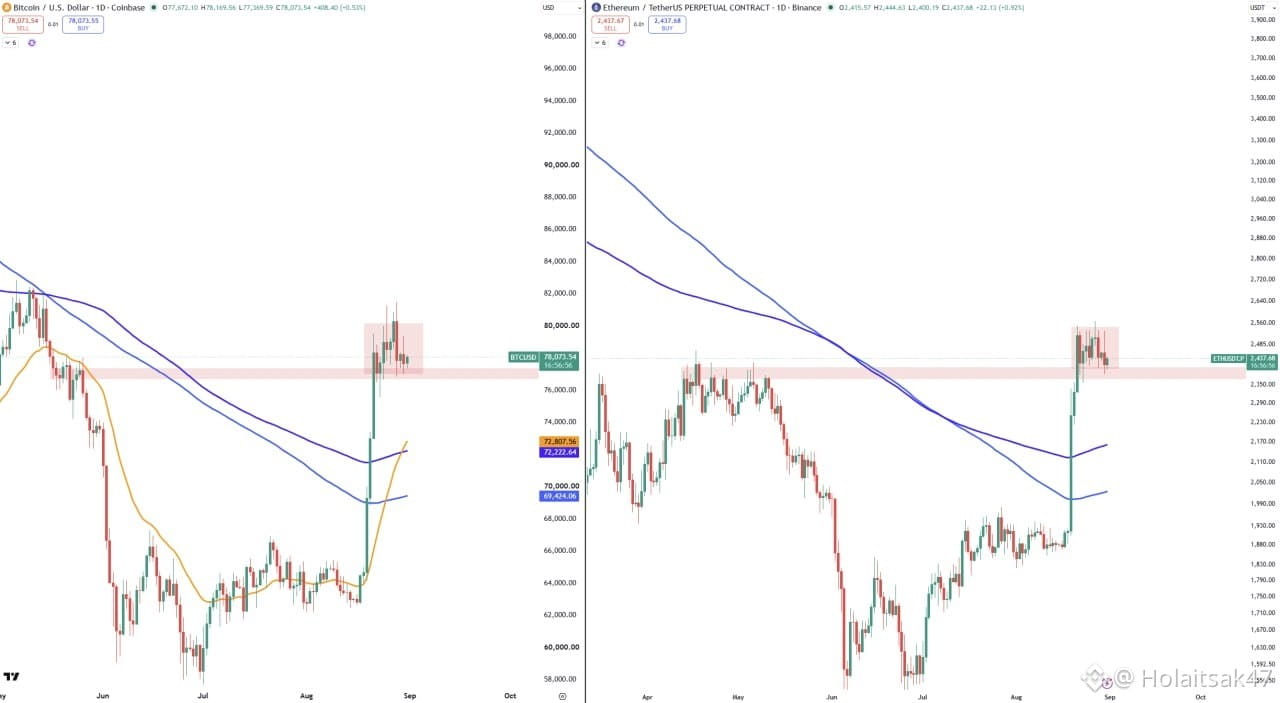
⚠️ JUST IN: Fed Chair Warsh says market prices show confidence that the central bank will deliver price stability.
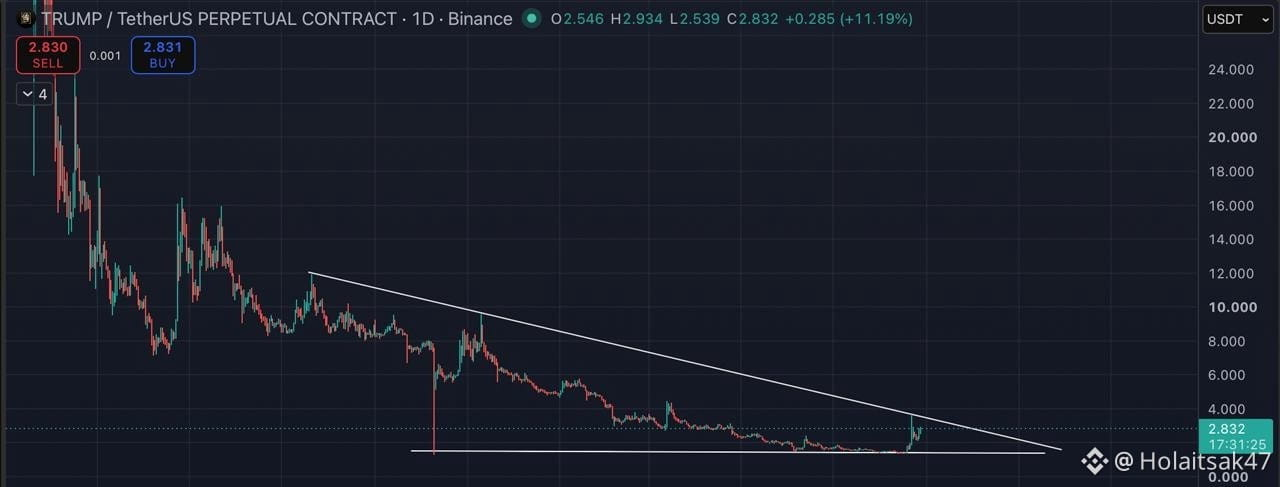
BIGGEST. BULL. RUN. EVER. STARTS. NOW
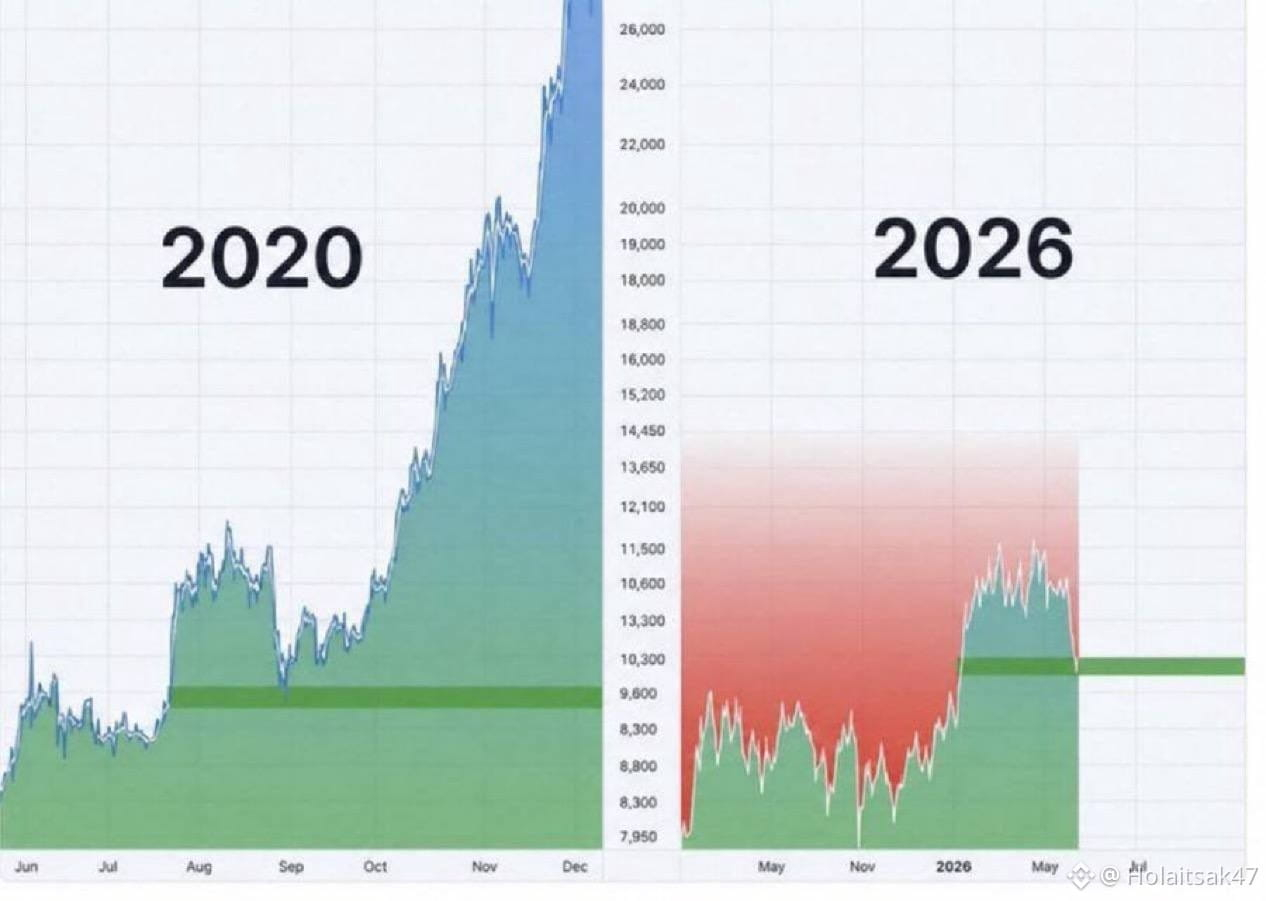
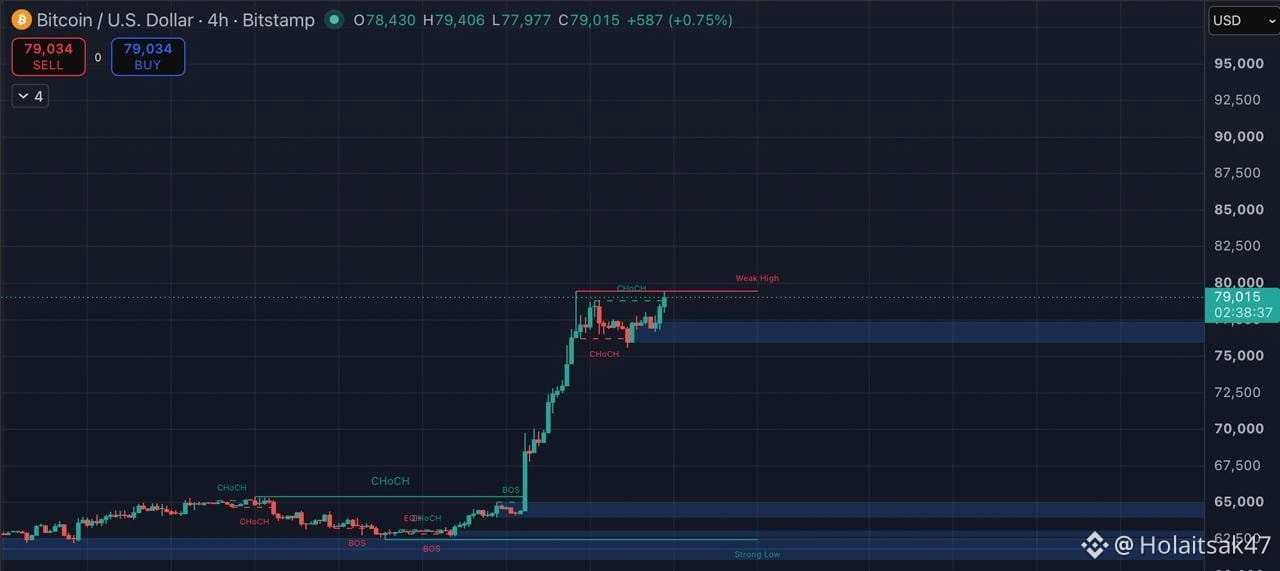
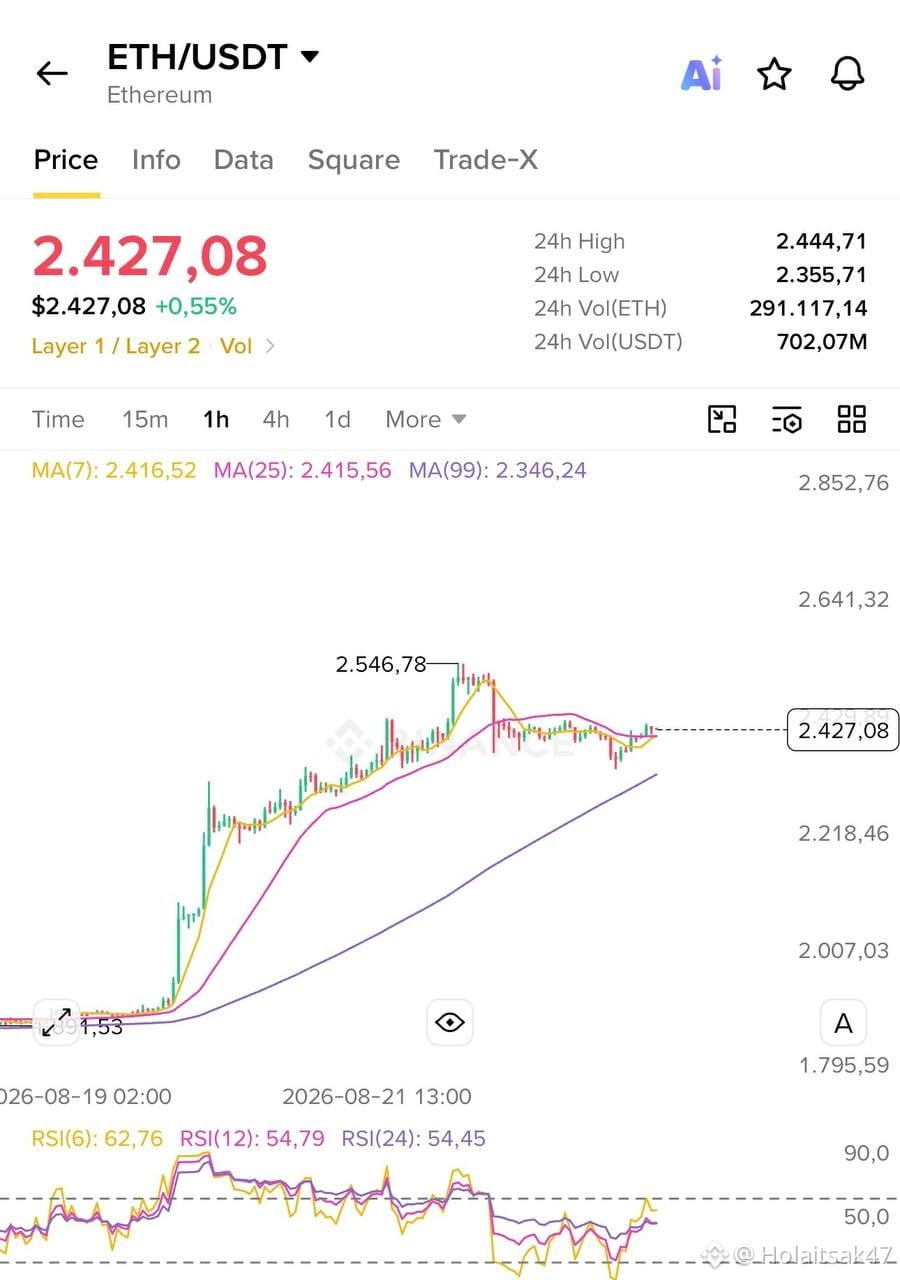
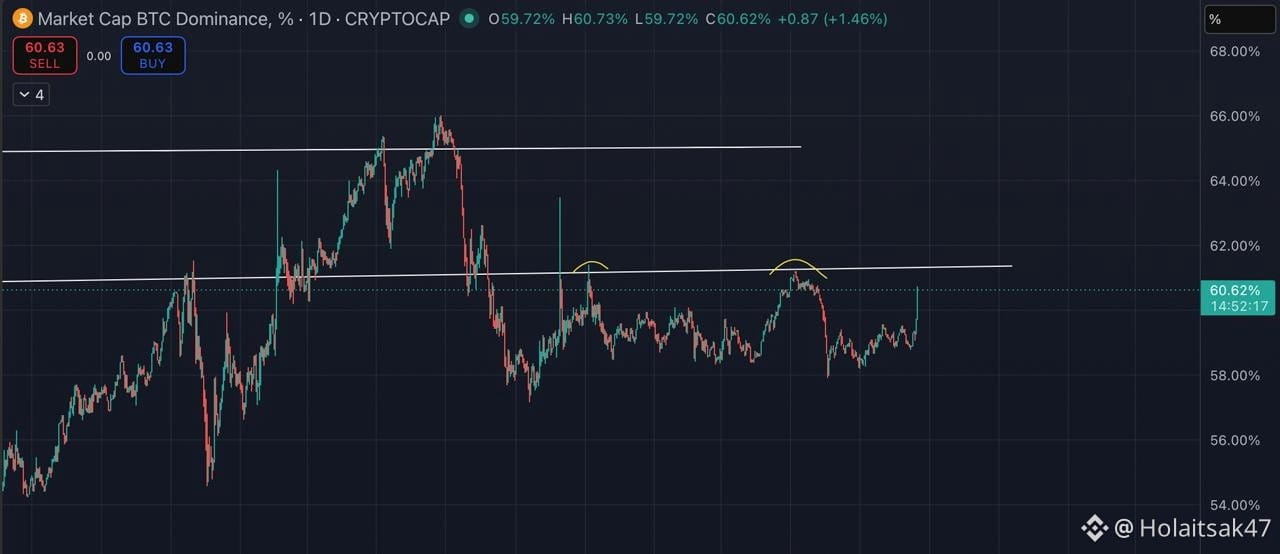
$BTC is sitting at a key level right now.
All we need is a clean breakout backed by strong volume to confirm the next move.
Volume comes in, resistance gets cleared… then send it higher 🚀
All we need is a clean breakout backed by strong volume to confirm the next move.
Volume comes in, resistance gets cleared… then send it higher 🚀
one thing i think gets overlooked with @Dusk is that privacy by itself isn’t enough for serious financial markets.
you can hide a transaction perfectly, but if nobody knows exactly when ownership is final, that still creates risk.
that’s why i find the settlement side just as important as the ZK side.
DuskVM and DuskEVM can handle execution, while DuskDS sits underneath for consensus, data availability and final settlement. once a block is finalized, the outcome isn’t left hanging around waiting for “probably confirmed.”
for regulated assets that matters a lot.
privacy protects the people involved in the trade.
finality protects the trade itself.
and imo $DUSK becomes much more interesting when you look at both together instead of seeing it as just another privacy chain.
#dusk
you can hide a transaction perfectly, but if nobody knows exactly when ownership is final, that still creates risk.
that’s why i find the settlement side just as important as the ZK side.
DuskVM and DuskEVM can handle execution, while DuskDS sits underneath for consensus, data availability and final settlement. once a block is finalized, the outcome isn’t left hanging around waiting for “probably confirmed.”
for regulated assets that matters a lot.
privacy protects the people involved in the trade.
finality protects the trade itself.
and imo $DUSK becomes much more interesting when you look at both together instead of seeing it as just another privacy chain.
#dusk
The 60x AP on @TermMax Dual Investment obviously grabs attention, but I think focusing only on the points misses what users are actually doing underneath.
When you deposit into a Dual Investment vault, you’re essentially providing liquidity to the other side of an options trade.
Deposit USDT and, depending on where the market settles relative to the strike price, you may end up receiving the underlying token. Deposit the token instead and there’s a scenario where it gets converted into USDT at the predetermined strike.
So this isn’t just “deposit funds, farm AP and leave.”
You’re making a market decision.
That’s why the 60x AP multiplier is interesting to me. It can bring a completely different type of user into these vaults. One person might enter because they’re comfortable buying a token around a particular strike. Another might already want to sell at that level. And then you’ll inevitably have users whose main objective is accumulating as much AP as possible.
Same vault, very different reasons for being there.
The question I keep coming back to is what happens when points stop dominating the calculation.
If users still choose these positions because the premium, strike and maturity make sense on their own, then @TermMax has built something much more valuable than an incentive farm.
The 60x AP can attract liquidity today.
The underlying strategy has to give that liquidity a reason to stay tomorrow.
That’s the part of Dual Investment I’m watching.
#termmax @TermMax
When you deposit into a Dual Investment vault, you’re essentially providing liquidity to the other side of an options trade.
Deposit USDT and, depending on where the market settles relative to the strike price, you may end up receiving the underlying token. Deposit the token instead and there’s a scenario where it gets converted into USDT at the predetermined strike.
So this isn’t just “deposit funds, farm AP and leave.”
You’re making a market decision.
That’s why the 60x AP multiplier is interesting to me. It can bring a completely different type of user into these vaults. One person might enter because they’re comfortable buying a token around a particular strike. Another might already want to sell at that level. And then you’ll inevitably have users whose main objective is accumulating as much AP as possible.
Same vault, very different reasons for being there.
The question I keep coming back to is what happens when points stop dominating the calculation.
If users still choose these positions because the premium, strike and maturity make sense on their own, then @TermMax has built something much more valuable than an incentive farm.
The 60x AP can attract liquidity today.
The underlying strategy has to give that liquidity a reason to stay tomorrow.
That’s the part of Dual Investment I’m watching.
#termmax @TermMax
I’ve been following @TermMax or a while, and I think the story is starting to move beyond simply being “another fixed-rate DeFi protocol.”
The basic idea already makes sense to me. DeFi rates can move quickly depending on liquidity and demand, which is fine for some strategies but makes borrowing costs difficult to plan around. TermMax takes a different route by letting borrowers and lenders work with fixed rates and defined maturity dates.
What makes it more interesting now is the scale developing around that model.
TermMax has reportedly moved beyond $90M in TVL, reached more than 1.5M registered wallets and expanded across 10 EVM chains. At the same time, products such as App V2, bStocks and TermPrime suggest the team is trying to build more than a single lending market.
Then comes August 25, with the $TMX TGE scheduled to take place.
Of course the token launch will probably get most of the attention in the short term, but I’m more interested in what happens after it.
Can @TermMax turn fixed borrowing, lending and yield into infrastructure people actually keep using across different markets and chains?
That’s the part worth watching for me. A TGE creates attention, but long-term usage is what turns a DeFi product into a real financial layer.
#TermMax
The basic idea already makes sense to me. DeFi rates can move quickly depending on liquidity and demand, which is fine for some strategies but makes borrowing costs difficult to plan around. TermMax takes a different route by letting borrowers and lenders work with fixed rates and defined maturity dates.
What makes it more interesting now is the scale developing around that model.
TermMax has reportedly moved beyond $90M in TVL, reached more than 1.5M registered wallets and expanded across 10 EVM chains. At the same time, products such as App V2, bStocks and TermPrime suggest the team is trying to build more than a single lending market.
Then comes August 25, with the $TMX TGE scheduled to take place.
Of course the token launch will probably get most of the attention in the short term, but I’m more interested in what happens after it.
Can @TermMax turn fixed borrowing, lending and yield into infrastructure people actually keep using across different markets and chains?
That’s the part worth watching for me. A TGE creates attention, but long-term usage is what turns a DeFi product into a real financial layer.
#TermMax
i’m starting to think the real $DUSK story isn’t privacy itself, it’s whether privacy can work without breaking compliance.
that’s a much harder problem than hiding transactions.
@Dusk is building around that middle ground, and now the part that matters most is simple: can real issuers and investors turn the tech into actual usage?
#dusk $DUSK
that’s a much harder problem than hiding transactions.
@Dusk is building around that middle ground, and now the part that matters most is simple: can real issuers and investors turn the tech into actual usage?
#dusk $DUSK
one thing i keep coming back to with @Dusk is where privacy actually stops and control begins.
because “private finance onchain” sounds simple until you think about what regulated markets really need.
an investor may want their balance or transaction details hidden from the public, but an issuer still needs to know if that investor is eligible. regulators may need certain information. securities can have transfer limits, holds, reporting requirements or even recovery rules.
Dusk is basically trying to make all of those things exist together.
and imo that’s much more interesting than just calling it a privacy chain.
the network can support shielded activity and selective disclosure, while regulated-asset logic can still enforce who is allowed to hold or transfer something. so privacy doesn’t automatically mean nobody has control or visibility…it depends on the rules of that specific asset.
the part i’m watching now is whether businesses actually want this level of infrastructure badly enough to move their workflows onchain.
there are already real signs through NPEX and regulated issuance, so i wouldn’t call Dusk an empty network anymore. but having institutions interested is still different from having a liquid market people use every day.
for me that’s the next test for $DUSK .
the technology is becoming easier to understand.
now i want to see the demand prove why all of this complexity was worth building.
#dusk $DUSK
because “private finance onchain” sounds simple until you think about what regulated markets really need.
an investor may want their balance or transaction details hidden from the public, but an issuer still needs to know if that investor is eligible. regulators may need certain information. securities can have transfer limits, holds, reporting requirements or even recovery rules.
Dusk is basically trying to make all of those things exist together.
and imo that’s much more interesting than just calling it a privacy chain.
the network can support shielded activity and selective disclosure, while regulated-asset logic can still enforce who is allowed to hold or transfer something. so privacy doesn’t automatically mean nobody has control or visibility…it depends on the rules of that specific asset.
the part i’m watching now is whether businesses actually want this level of infrastructure badly enough to move their workflows onchain.
there are already real signs through NPEX and regulated issuance, so i wouldn’t call Dusk an empty network anymore. but having institutions interested is still different from having a liquid market people use every day.
for me that’s the next test for $DUSK .
the technology is becoming easier to understand.
now i want to see the demand prove why all of this complexity was worth building.
#dusk $DUSK
one thing i’m starting to appreciate about TermMax is that it gives traders something DeFi doesn’t always offer — certainty.
markets can move fast, yields can change and borrowing costs can suddenly look very different from when you entered. TermMax is built around fixed rates and fixed maturities, so you can actually know your borrowing cost or expected return before taking the position.
and now with lending, borrowing and leverage being brought into one experience across multiple chains, it feels less like another isolated DeFi product and more like proper infrastructure for managing positions.
for me, that’s the interesting part. not trying to predict every rate move, just having more control over the trade from the beginning.
keeping @TermMax on my radar.
#TermMax
markets can move fast, yields can change and borrowing costs can suddenly look very different from when you entered. TermMax is built around fixed rates and fixed maturities, so you can actually know your borrowing cost or expected return before taking the position.
and now with lending, borrowing and leverage being brought into one experience across multiple chains, it feels less like another isolated DeFi product and more like proper infrastructure for managing positions.
for me, that’s the interesting part. not trying to predict every rate move, just having more control over the trade from the beginning.
keeping @TermMax on my radar.
#TermMax
what interests me about @Dusk now isn’t another privacy narrative, it’s whether the market actually starts using what they’ve built.
the foundation for regulated assets is getting stronger, but for $DUSK the next big step is real activity — more issuance, more liquidity, more transactions, more reasons to stay onchain.
for me, that’s where the story gets serious.
#dusk $DUSK
the foundation for regulated assets is getting stronger, but for $DUSK the next big step is real activity — more issuance, more liquidity, more transactions, more reasons to stay onchain.
for me, that’s where the story gets serious.
#dusk $DUSK
Log in to explore more content