

HNIW30
6.6k Posts

HNIW30
Report
Block User
HNIW30 here: Crypto vet sharing no-BS insights from market trenches. Real tactics to beat volatility, minus the hype. 🚨 X: @HNIW30
Open Trade
Frequent Trader
3.2 Years
200 Following
12.2K+ Followers
4.0K+ Liked
Posts
Portfolio
All
Quotes
Videos
Live
·
--
Article
A Wallet Permission Is Not a TransferAn allowance is a spending boundary. When a token holder approves a contract, that approval gives a particular spender permission to move a particular token up to a stated amount. It is not the same operation as sending tokens immediately. Understanding this distinction helps explain why a wallet can show a successful approval even though the intended deposit has not happened yet. The approval and the deposit are separate steps.
The spender address matters. A familiar project name on a page does not prove that the transaction grants permission to the intended contract. Before confirming, compare the network, token contract and spender with the project information you trust. A permission granted on one network does not automatically apply on another network. A mismatch can leave the intended deposit unavailable while an unrelated permission remains active.
The amount also matters. An approval can permit a small amount for a specific action or a much larger amount for future actions. A larger limit can reduce repeated approval transactions, but it also increases what that spender may access while the permission stays active. Choosing a limit should follow the intended use and the trust placed in that contract. Convenience does not remove the need to understand the scope.
A failed deposit needs diagnosis. Check whether the approval was confirmed, whether the intended token balance is available and whether the requested amount exceeds the remaining allowance. Also check the network selected in the wallet and the address used by the deposit action. Repeating the same transaction without checking these details can waste fees. A successful approval alone is not proof that every condition for the next action is satisfied.
Review permissions after use. If a contract is no longer needed, a holder can consider reducing or revoking its token allowance through a trusted interface. Revoking an allowance changes future permission; it does not recover tokens already moved. The practical habit is to keep a record of what was approved, for which token, on which network and to which spender. This makes later review more precise than relying on a project logo or a remembered name.
#Ethereum
@Binance_Italy
$ETH
{spot}(ETHUSDT)
A Wallet Permission Is Not a Transfer
An allowance is a spending boundary. When a token holder approves a contract, that approval gives a particular spender permission to move a particular token up to a stated amount. It is not the same operation as sending tokens immediately. Understanding this distinction helps explain why a wallet can show a successful approval even though the intended deposit has not happened yet. The approval and the deposit are separate steps.
The spender address matters. A familiar project name on a page does not prove that the transaction grants permission to the intended contract. Before confirming, compare the network, token contract and spender with the project information you trust. A permission granted on one network does not automatically apply on another network. A mismatch can leave the intended deposit unavailable while an unrelated permission remains active.
The amount also matters. An approval can permit a small amount for a specific action or a much larger amount for future actions. A larger limit can reduce repeated approval transactions, but it also increases what that spender may access while the permission stays active. Choosing a limit should follow the intended use and the trust placed in that contract. Convenience does not remove the need to understand the scope.
A failed deposit needs diagnosis. Check whether the approval was confirmed, whether the intended token balance is available and whether the requested amount exceeds the remaining allowance. Also check the network selected in the wallet and the address used by the deposit action. Repeating the same transaction without checking these details can waste fees. A successful approval alone is not proof that every condition for the next action is satisfied.
Review permissions after use. If a contract is no longer needed, a holder can consider reducing or revoking its token allowance through a trusted interface. Revoking an allowance changes future permission; it does not recover tokens already moved. The practical habit is to keep a record of what was approved, for which token, on which network and to which spender. This makes later review more precise than relying on a project logo or a remembered name.
#Ethereum
@Binance Italy
$ETH
The spender address matters. A familiar project name on a page does not prove that the transaction grants permission to the intended contract. Before confirming, compare the network, token contract and spender with the project information you trust. A permission granted on one network does not automatically apply on another network. A mismatch can leave the intended deposit unavailable while an unrelated permission remains active.
The amount also matters. An approval can permit a small amount for a specific action or a much larger amount for future actions. A larger limit can reduce repeated approval transactions, but it also increases what that spender may access while the permission stays active. Choosing a limit should follow the intended use and the trust placed in that contract. Convenience does not remove the need to understand the scope.
A failed deposit needs diagnosis. Check whether the approval was confirmed, whether the intended token balance is available and whether the requested amount exceeds the remaining allowance. Also check the network selected in the wallet and the address used by the deposit action. Repeating the same transaction without checking these details can waste fees. A successful approval alone is not proof that every condition for the next action is satisfied.
Review permissions after use. If a contract is no longer needed, a holder can consider reducing or revoking its token allowance through a trusted interface. Revoking an allowance changes future permission; it does not recover tokens already moved. The practical habit is to keep a record of what was approved, for which token, on which network and to which spender. This makes later review more precise than relying on a project logo or a remembered name.
#Ethereum
@Binance Italy
$ETH
98
·
--
A wallet approval and a deposit answer different questions.
An approval grants a specific spender permission to access a token amount. A deposit is a separate action that moves funds into the intended workflow. A successful approval receipt does not, by itself, establish that the deposit was sent or completed.
Keep the network, token contract and spender address with each record. A familiar project name or logo cannot replace those details. When an interface refreshes slowly, separate a delayed display from a missing transaction before repeating an action.
Permission, submission and outcome are different stages. Clear records help explain which stage has evidence and which still needs checking. This is an educational distinction, not a request to connect a wallet or approve a transaction.
#Crypto
A wallet approval and a deposit answer different questions.
An approval grants a specific spender permission to access a token amount. A deposit is a separate action that moves funds into the intended workflow. A successful approval receipt does not, by itself, establish that the deposit was sent or completed.
Keep the network, token contract and spender address with each record. A familiar project name or logo cannot replace those details. When an interface refreshes slowly, separate a delayed display from a missing transaction before repeating an action.
Permission, submission and outcome are different stages. Clear records help explain which stage has evidence and which still needs checking. This is an educational distinction, not a request to connect a wallet or approve a transaction.
#Crypto
An approval grants a specific spender permission to access a token amount. A deposit is a separate action that moves funds into the intended workflow. A successful approval receipt does not, by itself, establish that the deposit was sent or completed.
Keep the network, token contract and spender address with each record. A familiar project name or logo cannot replace those details. When an interface refreshes slowly, separate a delayed display from a missing transaction before repeating an action.
Permission, submission and outcome are different stages. Clear records help explain which stage has evidence and which still needs checking. This is an educational distinction, not a request to connect a wallet or approve a transaction.
#Crypto
120
·
--
Read the instrument, not just the symbol.
Bitcoin, Ethereum and Solana are asset names. A useful market view also identifies the instrument. The cards below separate Bitcoin Spot, Ethereum Perp and Solana Spot. Their prices are not a substitute for reading the pair and market type. Similar symbols do not make different instruments interchangeable.
The attached Bitcoin chart is a Spot snapshot with four-hour candles. That interval describes the chart, not a holding period or a promise about the next move. A single snapshot cannot show every timeframe. It also does not describe the funding or contract mechanics of a perpetual market.
Keep these labels with the observation. An asset link helps identify the asset, while a market card identifies a particular instrument. Neither is an instruction to open a position. Clear labels make an observation easier to evaluate without turning a chart into a forecast.
$BTC $ETH $SOL #Crypto
{spot}(SOLUSDT)
{future}(ETHUSDT)
{spot}(BTCUSDT)
Read the instrument, not just the symbol.
Bitcoin, Ethereum and Solana are asset names. A useful market view also identifies the instrument. The cards below separate Bitcoin Spot, Ethereum Perp and Solana Spot. Their prices are not a substitute for reading the pair and market type. Similar symbols do not make different instruments interchangeable.
The attached Bitcoin chart is a Spot snapshot with four-hour candles. That interval describes the chart, not a holding period or a promise about the next move. A single snapshot cannot show every timeframe. It also does not describe the funding or contract mechanics of a perpetual market.
Keep these labels with the observation. An asset link helps identify the asset, while a market card identifies a particular instrument. Neither is an instruction to open a position. Clear labels make an observation easier to evaluate without turning a chart into a forecast.
$BTC $ETH $SOL #Crypto
Bitcoin, Ethereum and Solana are asset names. A useful market view also identifies the instrument. The cards below separate Bitcoin Spot, Ethereum Perp and Solana Spot. Their prices are not a substitute for reading the pair and market type. Similar symbols do not make different instruments interchangeable.
The attached Bitcoin chart is a Spot snapshot with four-hour candles. That interval describes the chart, not a holding period or a promise about the next move. A single snapshot cannot show every timeframe. It also does not describe the funding or contract mechanics of a perpetual market.
Keep these labels with the observation. An asset link helps identify the asset, while a market card identifies a particular instrument. Neither is an instruction to open a position. Clear labels make an observation easier to evaluate without turning a chart into a forecast.
$BTC $ETH $SOL #Crypto
96
·
--
Article
A Receipt Is Not the Whole WorkflowA transaction receipt describes one step, not an entire workflow. This distinction is easy to miss when a wallet displays a success message. A token approval, a token transfer and a deposit into a contract are different operations. A confirmed approval can be completely valid while the deposit has not been submitted at all. The useful question is not merely whether something succeeded, but which operation succeeded and which state it changed.
Start with the intended outcome. If the goal is to deposit tokens, identify the destination contract and the network on which that action is expected to happen. Then distinguish permission from movement. An allowance gives a specific spender permission to access a token amount under the contract rules. It does not, by itself, prove that tokens have reached the destination. Reading the workflow as separate steps prevents one success badge from standing in for several missing checks.
Each step needs its own evidence. An approval receipt can help establish that a permission transaction was executed. The relevant allowance and the later deposit transaction describe different parts of the process. An interface may refresh slowly or display cached information, so a label on the page is not always a complete account of the latest state. Keep the transaction reference and the network together when reviewing what happened. Similar addresses across networks do not make the records interchangeable.
Uncertainty is a reason to inspect, not automatically repeat. A delayed interface response does not prove that the transaction failed. Equally, a successful permission transaction does not prove that the next action was sent. Before deciding what to do next, separate a missing display update from a missing transaction. Look for the specific record that corresponds to the intended action rather than treating a spinner, an old balance or an isolated notification as the final answer.
The broader lesson is to make completion explicit. Write down the expected result of each stage and match it to the relevant observed state. Permission, submission and final outcome should remain separate concepts. This method is useful when explaining a workflow to another person because it makes both completed and unfinished steps visible. It also avoids misleading claims that every successful wallet notification means the whole process is finished. Clear evidence is more useful than a confident shortcut.
A Receipt Is Not the Whole Workflow
A transaction receipt describes one step, not an entire workflow. This distinction is easy to miss when a wallet displays a success message. A token approval, a token transfer and a deposit into a contract are different operations. A confirmed approval can be completely valid while the deposit has not been submitted at all. The useful question is not merely whether something succeeded, but which operation succeeded and which state it changed.
Start with the intended outcome. If the goal is to deposit tokens, identify the destination contract and the network on which that action is expected to happen. Then distinguish permission from movement. An allowance gives a specific spender permission to access a token amount under the contract rules. It does not, by itself, prove that tokens have reached the destination. Reading the workflow as separate steps prevents one success badge from standing in for several missing checks.
Each step needs its own evidence. An approval receipt can help establish that a permission transaction was executed. The relevant allowance and the later deposit transaction describe different parts of the process. An interface may refresh slowly or display cached information, so a label on the page is not always a complete account of the latest state. Keep the transaction reference and the network together when reviewing what happened. Similar addresses across networks do not make the records interchangeable.
Uncertainty is a reason to inspect, not automatically repeat. A delayed interface response does not prove that the transaction failed. Equally, a successful permission transaction does not prove that the next action was sent. Before deciding what to do next, separate a missing display update from a missing transaction. Look for the specific record that corresponds to the intended action rather than treating a spinner, an old balance or an isolated notification as the final answer.
The broader lesson is to make completion explicit. Write down the expected result of each stage and match it to the relevant observed state. Permission, submission and final outcome should remain separate concepts. This method is useful when explaining a workflow to another person because it makes both completed and unfinished steps visible. It also avoids misleading claims that every successful wallet notification means the whole process is finished. Clear evidence is more useful than a confident shortcut.
Start with the intended outcome. If the goal is to deposit tokens, identify the destination contract and the network on which that action is expected to happen. Then distinguish permission from movement. An allowance gives a specific spender permission to access a token amount under the contract rules. It does not, by itself, prove that tokens have reached the destination. Reading the workflow as separate steps prevents one success badge from standing in for several missing checks.
Each step needs its own evidence. An approval receipt can help establish that a permission transaction was executed. The relevant allowance and the later deposit transaction describe different parts of the process. An interface may refresh slowly or display cached information, so a label on the page is not always a complete account of the latest state. Keep the transaction reference and the network together when reviewing what happened. Similar addresses across networks do not make the records interchangeable.
Uncertainty is a reason to inspect, not automatically repeat. A delayed interface response does not prove that the transaction failed. Equally, a successful permission transaction does not prove that the next action was sent. Before deciding what to do next, separate a missing display update from a missing transaction. Look for the specific record that corresponds to the intended action rather than treating a spinner, an old balance or an isolated notification as the final answer.
The broader lesson is to make completion explicit. Write down the expected result of each stage and match it to the relevant observed state. Permission, submission and final outcome should remain separate concepts. This method is useful when explaining a workflow to another person because it makes both completed and unfinished steps visible. It also avoids misleading claims that every successful wallet notification means the whole process is finished. Clear evidence is more useful than a confident shortcut.
1
221
·
--
Read the instrument before the price.
A price needs a market label. Spot and Perp should not be treated as interchangeable just because they use the same asset symbol. The pair and timeframe matter too. Similar-looking charts can describe different instruments or different time windows.
For Ethereum, separate the asset, the instrument and the chart interval. The attached chart is an ETH Spot snapshot using four-hour candles. It provides context for reading the market view, not an instruction to open a position. A snapshot is not a forecast, and the next candle can invalidate a casual visual impression.
Coin tags, hashtags and profile mentions have different roles. An asset link is not a trading recommendation. A topic tag is not evidence for a claim, and a profile mention is not an endorsement. Start with the instrument and the observed data before drawing a conclusion.
$ETH #Ethereum @Binance_Italy
{spot}(ETHUSDT)
Read the instrument before the price.
A price needs a market label. Spot and Perp should not be treated as interchangeable just because they use the same asset symbol. The pair and timeframe matter too. Similar-looking charts can describe different instruments or different time windows.
For Ethereum, separate the asset, the instrument and the chart interval. The attached chart is an ETH Spot snapshot using four-hour candles. It provides context for reading the market view, not an instruction to open a position. A snapshot is not a forecast, and the next candle can invalidate a casual visual impression.
Coin tags, hashtags and profile mentions have different roles. An asset link is not a trading recommendation. A topic tag is not evidence for a claim, and a profile mention is not an endorsement. Start with the instrument and the observed data before drawing a conclusion.
$ETH #Ethereum @Binance Italy
A price needs a market label. Spot and Perp should not be treated as interchangeable just because they use the same asset symbol. The pair and timeframe matter too. Similar-looking charts can describe different instruments or different time windows.
For Ethereum, separate the asset, the instrument and the chart interval. The attached chart is an ETH Spot snapshot using four-hour candles. It provides context for reading the market view, not an instruction to open a position. A snapshot is not a forecast, and the next candle can invalidate a casual visual impression.
Coin tags, hashtags and profile mentions have different roles. An asset link is not a trading recommendation. A topic tag is not evidence for a claim, and a profile mention is not an endorsement. Start with the instrument and the observed data before drawing a conclusion.
$ETH #Ethereum @Binance Italy
1
54
·
--
Token Approvals Are Permissions, Not Transfers
An approval screen can look like a small step before using an application. Its significance is different from a payment. For an ERC-20 token, an approval records permission for a particular spender. The token balance and that spending permission are separate pieces of information. Understanding that distinction makes a wallet activity history easier to interpret.
The owner, spender and token contract define the relationship. An allowance describes the amount a spender is still permitted to use. Approving a spender does not itself mean that amount has already moved. A transfer changes who holds tokens, while an approval changes authority. The first illustration separates those two ideas so they are not mistaken for a single action.
This explains token permissions, not a recommendation to approve a contract. The diagram describes the mechanism. It does not show live wallet activity.
$ETH #Ethereum
Token Approvals Are Permissions, Not Transfers
An approval screen can look like a small step before using an application. Its significance is different from a payment. For an ERC-20 token, an approval records permission for a particular spender. The token balance and that spending permission are separate pieces of information. Understanding that distinction makes a wallet activity history easier to interpret.
The owner, spender and token contract define the relationship. An allowance describes the amount a spender is still permitted to use. Approving a spender does not itself mean that amount has already moved. A transfer changes who holds tokens, while an approval changes authority. The first illustration separates those two ideas so they are not mistaken for a single action.
This explains token permissions, not a recommendation to approve a contract. The diagram describes the mechanism. It does not show live wallet activity.
$ETH #Ethereum
An approval screen can look like a small step before using an application. Its significance is different from a payment. For an ERC-20 token, an approval records permission for a particular spender. The token balance and that spending permission are separate pieces of information. Understanding that distinction makes a wallet activity history easier to interpret.
The owner, spender and token contract define the relationship. An allowance describes the amount a spender is still permitted to use. Approving a spender does not itself mean that amount has already moved. A transfer changes who holds tokens, while an approval changes authority. The first illustration separates those two ideas so they are not mistaken for a single action.
This explains token permissions, not a recommendation to approve a contract. The diagram describes the mechanism. It does not show live wallet activity.
$ETH #Ethereum
241
·
--
THE GOLDEN RABBIT 🌕🐇
This Mid-Autumn Festival, HNIW30 begins a magical journey with Bibi and the Golden Rabbit to collect four special treasures: Glutinous Rice Flour, Lotus Seed Paste, the Mooncake Mold, and the Golden Egg.
But in the end, they discover that the true key is not the treasure itself — it is sharing, friendship, and reunion.
That is the meaning behind our story:
“The greatest treasure is the joy we share.”
Video created using AI
[🔗 Campaign](https://www.binance.com/activity/collect-and-win/vmid-autumn-2026?ref=HNIW30)
@Binance_Vietnam
#SănThỏVàng #TrăngRằmViênMãn #Binance
THE GOLDEN RABBIT 🌕🐇
This Mid-Autumn Festival, HNIW30 begins a magical journey with Bibi and the Golden Rabbit to collect four special treasures: Glutinous Rice Flour, Lotus Seed Paste, the Mooncake Mold, and the Golden Egg.
But in the end, they discover that the true key is not the treasure itself — it is sharing, friendship, and reunion.
That is the meaning behind our story:
“The greatest treasure is the joy we share.”
Video created using AI
🔗 Campaign
@Binance Vietnam
#SănThỏVàng #TrăngRằmViênMãn #Binance
This Mid-Autumn Festival, HNIW30 begins a magical journey with Bibi and the Golden Rabbit to collect four special treasures: Glutinous Rice Flour, Lotus Seed Paste, the Mooncake Mold, and the Golden Egg.
But in the end, they discover that the true key is not the treasure itself — it is sharing, friendship, and reunion.
That is the meaning behind our story:
“The greatest treasure is the joy we share.”
Video created using AI
🔗 Campaign
@Binance Vietnam
#SănThỏVàng #TrăngRằmViênMãn #Binance
1
1
7
469
·
--
Today I sent many Red Packets in the HNIW30 Community 🎁🔥
But we’re not stopping here 👀
More Red Packets, more rewards, and more surprises are coming!
🚀 Join us now before the next drop!
#Binance #BitcoinSlipsBelow$84000
Today I sent many Red Packets in the HNIW30 Community 🎁🔥
But we’re not stopping here 👀
More Red Packets, more rewards, and more surprises are coming!
🚀 Join us now before the next drop!
#Binance #BitcoinSlipsBelow$84000
But we’re not stopping here 👀
More Red Packets, more rewards, and more surprises are coming!
🚀 Join us now before the next drop!
#Binance #BitcoinSlipsBelow$84000
38
4
81
·
--
Today I sent many Red Packets in the HNIW30 Community 🎁🔥
But we’re not stopping here 👀
More Red Packets, more rewards, and more surprises are coming!
🚀 Join us now before the next drop!
#Binance #HNIW30
Today I sent many Red Packets in the HNIW30 Community 🎁🔥
But we’re not stopping here 👀
More Red Packets, more rewards, and more surprises are coming!
🚀 Join us now before the next drop!
#Binance #HNIW30
But we’re not stopping here 👀
More Red Packets, more rewards, and more surprises are coming!
🚀 Join us now before the next drop!
#Binance #HNIW30
1
5
119
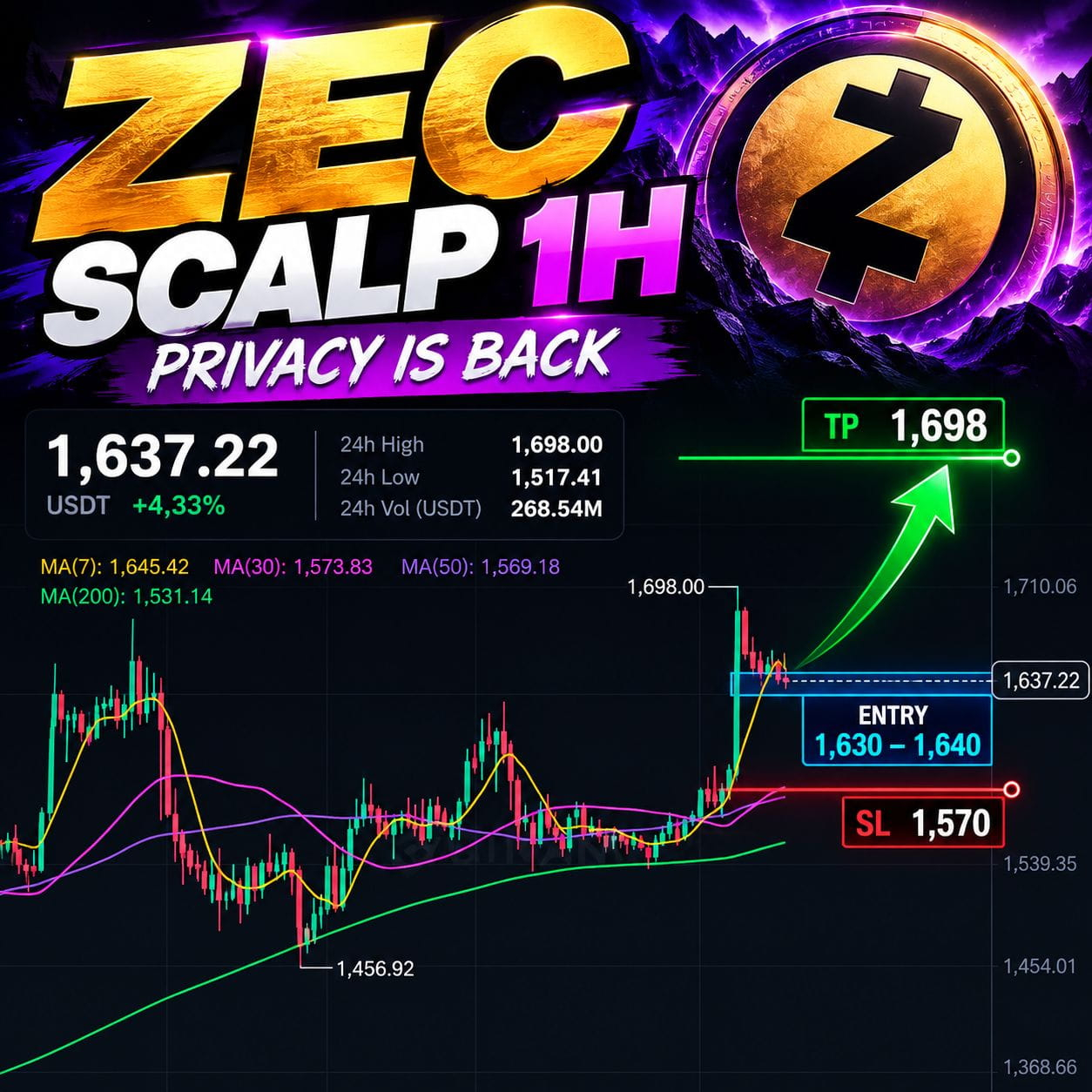
·
--
AI REVENUE IS BOOMING, BUT CAN AI STOCKS KEEP RISING? 📈
One question comes to mind whenever I look at the AI stock market: Does an outstanding company always represent an attractive investment at its current price?
Nvidia provides an interesting example. Growing demand for AI computing has created enormous opportunities for companies producing high-performance processors.
However, I believe investors should distinguish between three important factors: business growth, market expectations, and stock valuation.
1. Revenue growth does not guarantee proportional profit growth.
A company can sell more products while facing higher research expenses, manufacturing costs, competition, and capital requirements.
Revenue growth is important, but sustainable profitability also matters.
2. Stock prices reflect expectations about the future.
Investors often price years of anticipated growth into a company's current valuation.
Even an impressive earnings report may disappoint the market if the results fail to exceed those expectations.
Therefore, the key question is not simply whether an AI company is growing. It is whether its actual performance can justify the expectations already reflected in its stock price.
3. AI investment opportunities extend beyond the most popular companies.
Memory manufacturers, networking equipment providers, cloud infrastructure companies, and AI software developers all participate in the broader AI ecosystem.
However, a less popular company is not necessarily an undervalued company.
My view is that AI technology can continue advancing even when individual AI stocks experience significant corrections.
The long-term potential of a technology and the investment return of a particular stock are related, but they are not the same thing.
For that reason, I prefer examining business fundamentals and valuation rather than relying entirely on market excitement.
When evaluating an AI stock, which matters more to you: its revenue growth or the price investors are currently paying for that growth?
#AIStocksWhatNext
AI REVENUE IS BOOMING, BUT CAN AI STOCKS KEEP RISING? 📈
One question comes to mind whenever I look at the AI stock market: Does an outstanding company always represent an attractive investment at its current price?
Nvidia provides an interesting example. Growing demand for AI computing has created enormous opportunities for companies producing high-performance processors.
However, I believe investors should distinguish between three important factors: business growth, market expectations, and stock valuation.
1. Revenue growth does not guarantee proportional profit growth.
A company can sell more products while facing higher research expenses, manufacturing costs, competition, and capital requirements.
Revenue growth is important, but sustainable profitability also matters.
2. Stock prices reflect expectations about the future.
Investors often price years of anticipated growth into a company's current valuation.
Even an impressive earnings report may disappoint the market if the results fail to exceed those expectations.
Therefore, the key question is not simply whether an AI company is growing. It is whether its actual performance can justify the expectations already reflected in its stock price.
3. AI investment opportunities extend beyond the most popular companies.
Memory manufacturers, networking equipment providers, cloud infrastructure companies, and AI software developers all participate in the broader AI ecosystem.
However, a less popular company is not necessarily an undervalued company.
My view is that AI technology can continue advancing even when individual AI stocks experience significant corrections.
The long-term potential of a technology and the investment return of a particular stock are related, but they are not the same thing.
For that reason, I prefer examining business fundamentals and valuation rather than relying entirely on market excitement.
When evaluating an AI stock, which matters more to you: its revenue growth or the price investors are currently paying for that growth?
#AIStocksWhatNext
One question comes to mind whenever I look at the AI stock market: Does an outstanding company always represent an attractive investment at its current price?
Nvidia provides an interesting example. Growing demand for AI computing has created enormous opportunities for companies producing high-performance processors.
However, I believe investors should distinguish between three important factors: business growth, market expectations, and stock valuation.
1. Revenue growth does not guarantee proportional profit growth.
A company can sell more products while facing higher research expenses, manufacturing costs, competition, and capital requirements.
Revenue growth is important, but sustainable profitability also matters.
2. Stock prices reflect expectations about the future.
Investors often price years of anticipated growth into a company's current valuation.
Even an impressive earnings report may disappoint the market if the results fail to exceed those expectations.
Therefore, the key question is not simply whether an AI company is growing. It is whether its actual performance can justify the expectations already reflected in its stock price.
3. AI investment opportunities extend beyond the most popular companies.
Memory manufacturers, networking equipment providers, cloud infrastructure companies, and AI software developers all participate in the broader AI ecosystem.
However, a less popular company is not necessarily an undervalued company.
My view is that AI technology can continue advancing even when individual AI stocks experience significant corrections.
The long-term potential of a technology and the investment return of a particular stock are related, but they are not the same thing.
For that reason, I prefer examining business fundamentals and valuation rather than relying entirely on market excitement.
When evaluating an AI stock, which matters more to you: its revenue growth or the price investors are currently paying for that growth?
#AIStocksWhatNext
2
396
·
--
Article
WHO WILL ACTUALLY CAPTURE THE PROFITS FROM THE AI REVOLUTION?The AI industry is attracting enormous investment, but I believe the most interesting question is not simply which companies will experience the fastest revenue growth.
It is which companies will successfully turn AI adoption into sustainable profits and free cash flow.
To explore this question, I divide the AI investment landscape into three major groups.
1. Semiconductor manufacturers
Companies producing advanced AI processors provide the computing power needed to train and operate AI models.
Growing computing demand creates business opportunities, but these companies must also navigate technological changes, increasing competition, and the possibility that major customers will develop their own chips.
2. Data centers and cloud infrastructure providers
These companies provide the physical and digital infrastructure required to operate AI services at scale.
As AI adoption expands, demand for computing capacity could increase.
However, data centers require substantial investment in servers, electricity, cooling systems, and maintenance.
Higher revenue does not necessarily translate into stronger free cash flow when capital expenditure is growing rapidly.
3. AI application developers
This is another part of the AI ecosystem I want to monitor closely.
If AI applications help businesses reduce costs, improve productivity, or create products that customers are willing to pay for, they could generate significant economic value.
However, intense competition may push subscription prices lower, while computing costs remain substantial.
The crucial question is whether AI application developers can retain enough value to build profitable and sustainable businesses.
My investment perspective
I believe the AI revolution may create opportunities across the entire value chain, from semiconductor manufacturing to infrastructure and software applications.
However, participating in a rapidly growing industry does not automatically guarantee attractive shareholder returns.
The ability to maintain competitive advantages, manage capital expenditure, and generate sustainable cash flow will be important factors in evaluating these opportunities.
Instead of focusing exclusively on the companies receiving the most attention today, I want to understand where lasting economic value is being created.
Which part of the AI value chain interests you most: chipmakers, infrastructure providers, or AI application developers?
#AIStocksWhatNext
WHO WILL ACTUALLY CAPTURE THE PROFITS FROM THE AI REVOLUTION?
The AI industry is attracting enormous investment, but I believe the most interesting question is not simply which companies will experience the fastest revenue growth.
It is which companies will successfully turn AI adoption into sustainable profits and free cash flow.
To explore this question, I divide the AI investment landscape into three major groups.
1. Semiconductor manufacturers
Companies producing advanced AI processors provide the computing power needed to train and operate AI models.
Growing computing demand creates business opportunities, but these companies must also navigate technological changes, increasing competition, and the possibility that major customers will develop their own chips.
2. Data centers and cloud infrastructure providers
These companies provide the physical and digital infrastructure required to operate AI services at scale.
As AI adoption expands, demand for computing capacity could increase.
However, data centers require substantial investment in servers, electricity, cooling systems, and maintenance.
Higher revenue does not necessarily translate into stronger free cash flow when capital expenditure is growing rapidly.
3. AI application developers
This is another part of the AI ecosystem I want to monitor closely.
If AI applications help businesses reduce costs, improve productivity, or create products that customers are willing to pay for, they could generate significant economic value.
However, intense competition may push subscription prices lower, while computing costs remain substantial.
The crucial question is whether AI application developers can retain enough value to build profitable and sustainable businesses.
My investment perspective
I believe the AI revolution may create opportunities across the entire value chain, from semiconductor manufacturing to infrastructure and software applications.
However, participating in a rapidly growing industry does not automatically guarantee attractive shareholder returns.
The ability to maintain competitive advantages, manage capital expenditure, and generate sustainable cash flow will be important factors in evaluating these opportunities.
Instead of focusing exclusively on the companies receiving the most attention today, I want to understand where lasting economic value is being created.
Which part of the AI value chain interests you most: chipmakers, infrastructure providers, or AI application developers?
#AIStocksWhatNext
It is which companies will successfully turn AI adoption into sustainable profits and free cash flow.
To explore this question, I divide the AI investment landscape into three major groups.
1. Semiconductor manufacturers
Companies producing advanced AI processors provide the computing power needed to train and operate AI models.
Growing computing demand creates business opportunities, but these companies must also navigate technological changes, increasing competition, and the possibility that major customers will develop their own chips.
2. Data centers and cloud infrastructure providers
These companies provide the physical and digital infrastructure required to operate AI services at scale.
As AI adoption expands, demand for computing capacity could increase.
However, data centers require substantial investment in servers, electricity, cooling systems, and maintenance.
Higher revenue does not necessarily translate into stronger free cash flow when capital expenditure is growing rapidly.
3. AI application developers
This is another part of the AI ecosystem I want to monitor closely.
If AI applications help businesses reduce costs, improve productivity, or create products that customers are willing to pay for, they could generate significant economic value.
However, intense competition may push subscription prices lower, while computing costs remain substantial.
The crucial question is whether AI application developers can retain enough value to build profitable and sustainable businesses.
My investment perspective
I believe the AI revolution may create opportunities across the entire value chain, from semiconductor manufacturing to infrastructure and software applications.
However, participating in a rapidly growing industry does not automatically guarantee attractive shareholder returns.
The ability to maintain competitive advantages, manage capital expenditure, and generate sustainable cash flow will be important factors in evaluating these opportunities.
Instead of focusing exclusively on the companies receiving the most attention today, I want to understand where lasting economic value is being created.
Which part of the AI value chain interests you most: chipmakers, infrastructure providers, or AI application developers?
#AIStocksWhatNext
495
·
--
AI NEEDS MORE THAN CHIPS: WHERE IS THE NEXT INVESTMENT OPPORTUNITY? ⚡
When investors discuss the AI boom, Nvidia and other semiconductor companies usually dominate the conversation. However, I believe an equally important question deserves attention: What happens when computing power expands faster than the infrastructure supporting it?
AI data centers cannot operate on powerful GPUs alone. They also require reliable electricity, advanced cooling systems, transformers, and high-capacity power grids.
This creates several potential investment opportunities beyond traditional AI stocks.
1. Electricity and power infrastructure
As technology companies expand their AI data centers, electricity demand is likely to increase. However, building new power plants and upgrading electrical grids takes considerably longer than purchasing additional servers.
Companies that provide essential power infrastructure could benefit from this growing demand.
2. Advanced cooling technologies
High-performance AI chips generate substantial heat. As computing capacity increases, efficient cooling becomes increasingly important.
Liquid cooling systems, thermal management equipment, and energy-efficient data center technologies could become essential parts of the AI supply chain.
3. The difference between demand and profitability
Not every company associated with electricity or cooling will automatically become a successful investment.
Investors still need to examine actual contracts, operating margins, capital requirements, and whether future growth is already reflected in stock valuations.
My perspective is that the next stage of AI investment may involve companies solving the physical limitations of computing, rather than only those manufacturing the chips themselves.
The AI revolution needs more than intelligence. It needs the infrastructure that keeps intelligence running.
Which sector would you explore first: semiconductor companies, electricity infrastructure, or advanced cooling technologies?
#AIStocksWhatNext
AI NEEDS MORE THAN CHIPS: WHERE IS THE NEXT INVESTMENT OPPORTUNITY? ⚡
When investors discuss the AI boom, Nvidia and other semiconductor companies usually dominate the conversation. However, I believe an equally important question deserves attention: What happens when computing power expands faster than the infrastructure supporting it?
AI data centers cannot operate on powerful GPUs alone. They also require reliable electricity, advanced cooling systems, transformers, and high-capacity power grids.
This creates several potential investment opportunities beyond traditional AI stocks.
1. Electricity and power infrastructure
As technology companies expand their AI data centers, electricity demand is likely to increase. However, building new power plants and upgrading electrical grids takes considerably longer than purchasing additional servers.
Companies that provide essential power infrastructure could benefit from this growing demand.
2. Advanced cooling technologies
High-performance AI chips generate substantial heat. As computing capacity increases, efficient cooling becomes increasingly important.
Liquid cooling systems, thermal management equipment, and energy-efficient data center technologies could become essential parts of the AI supply chain.
3. The difference between demand and profitability
Not every company associated with electricity or cooling will automatically become a successful investment.
Investors still need to examine actual contracts, operating margins, capital requirements, and whether future growth is already reflected in stock valuations.
My perspective is that the next stage of AI investment may involve companies solving the physical limitations of computing, rather than only those manufacturing the chips themselves.
The AI revolution needs more than intelligence. It needs the infrastructure that keeps intelligence running.
Which sector would you explore first: semiconductor companies, electricity infrastructure, or advanced cooling technologies?
#AIStocksWhatNext
When investors discuss the AI boom, Nvidia and other semiconductor companies usually dominate the conversation. However, I believe an equally important question deserves attention: What happens when computing power expands faster than the infrastructure supporting it?
AI data centers cannot operate on powerful GPUs alone. They also require reliable electricity, advanced cooling systems, transformers, and high-capacity power grids.
This creates several potential investment opportunities beyond traditional AI stocks.
1. Electricity and power infrastructure
As technology companies expand their AI data centers, electricity demand is likely to increase. However, building new power plants and upgrading electrical grids takes considerably longer than purchasing additional servers.
Companies that provide essential power infrastructure could benefit from this growing demand.
2. Advanced cooling technologies
High-performance AI chips generate substantial heat. As computing capacity increases, efficient cooling becomes increasingly important.
Liquid cooling systems, thermal management equipment, and energy-efficient data center technologies could become essential parts of the AI supply chain.
3. The difference between demand and profitability
Not every company associated with electricity or cooling will automatically become a successful investment.
Investors still need to examine actual contracts, operating margins, capital requirements, and whether future growth is already reflected in stock valuations.
My perspective is that the next stage of AI investment may involve companies solving the physical limitations of computing, rather than only those manufacturing the chips themselves.
The AI revolution needs more than intelligence. It needs the infrastructure that keeps intelligence running.
Which sector would you explore first: semiconductor companies, electricity infrastructure, or advanced cooling technologies?
#AIStocksWhatNext
1
483
·
--
Bullish
$MRNA – Breaking out in an early‑transition regime
$MRNA LONG
Entry: 139.63 – 139.71
Stop Loss: 136.88
TP: 140.79 - 143.85 - 145.81
Plan & Logic
The daily profile shows a confirmed breakout with a strong volume read on the 5‑minute chart, supporting the upward thrust. Price action is reacting near an important level, so risk management matters here. The setup depends on confirmation around the entry zone and follow-through after the move.
Trade $MRNA here
{future}(MRNAUSDT)
$MRNA – Breaking out in an early‑transition regime
$MRNA LONG
Entry: 139.63 – 139.71
Stop Loss: 136.88
TP: 140.79 - 143.85 - 145.81
Plan & Logic
The daily profile shows a confirmed breakout with a strong volume read on the 5‑minute chart, supporting the upward thrust. Price action is reacting near an important level, so risk management matters here. The setup depends on confirmation around the entry zone and follow-through after the move.
Trade $MRNA here
$MRNA LONG
Entry: 139.63 – 139.71
Stop Loss: 136.88
TP: 140.79 - 143.85 - 145.81
Plan & Logic
The daily profile shows a confirmed breakout with a strong volume read on the 5‑minute chart, supporting the upward thrust. Price action is reacting near an important level, so risk management matters here. The setup depends on confirmation around the entry zone and follow-through after the move.
Trade $MRNA here
1
327
·
--
Bullish
$BMNR – Pullback into a strong uptrend
$BMNR LONG
Entry: 25.36 – 25.39
Stop Loss: 24.87
TP: 25.58 - 26.14 - 26.49
{future}(BMNRUSDT)
$BMNR – Pullback into a strong uptrend
$BMNR LONG
Entry: 25.36 – 25.39
Stop Loss: 24.87
TP: 25.58 - 26.14 - 26.49
$BMNR LONG
Entry: 25.36 – 25.39
Stop Loss: 24.87
TP: 25.58 - 26.14 - 26.49
128
·
--
Bullish
$ZEC LONG
Entry: 863.36 – 865.20
Stop Loss: 846.99
TP: 871.00 - 890.21 - 902.32
{future}(ZECUSDT)
$ZEC LONG
Entry: 863.36 – 865.20
Stop Loss: 846.99
TP: 871.00 - 890.21 - 902.32
Entry: 863.36 – 865.20
Stop Loss: 846.99
TP: 871.00 - 890.21 - 902.32
208
·
--
Bullish
🧲 $MSTR – Pullback to key support in early transition phase
🟢 $MSTR LONG
🎯 Entry: 132.79 – 132.97
🛑 Stop Loss: 130.22
🎯 TP: 133.94 - 136.87 - 138.73
{future}(MSTRUSDT)
🧲 $MSTR – Pullback to key support in early transition phase
🟢 $MSTR LONG
🎯 Entry: 132.79 – 132.97
🛑 Stop Loss: 130.22
🎯 TP: 133.94 - 136.87 - 138.73
🟢 $MSTR LONG
🎯 Entry: 132.79 – 132.97
🛑 Stop Loss: 130.22
🎯 TP: 133.94 - 136.87 - 138.73
187
·
--
📌 Update on our current trades: $GPS , $COPPER and $SPCX are progressing as planned.
🔴GPS SHORT reached TP2 — trimmed 80% ✅
🔴COPPER SHORT reached TP1 — trimmed 50% ✅
🟢SPCX LONG reached TP1 — trimmed 50% ✅
📌 Trade‑management update:
✅ GPS hit TP3 – we exited 100% as planned, locking in the full move.
🛡️ SPCX and COPPER reached TP2/TP1 – we trimmed half the positions, keeping the rest alive while sharply cutting exposure.
This disciplined scaling out shows we’re actively managing risk, not just posting entry ideas.
{future}(SPCXUSDT)
{future}(COPPERUSDT)
{future}(GPSUSDT)
📌 Update on our current trades: $GPS , $COPPER and $SPCX are progressing as planned.
🔴GPS SHORT reached TP2 — trimmed 80% ✅
🔴COPPER SHORT reached TP1 — trimmed 50% ✅
🟢SPCX LONG reached TP1 — trimmed 50% ✅
📌 Trade‑management update:
✅ GPS hit TP3 – we exited 100% as planned, locking in the full move.
🛡️ SPCX and COPPER reached TP2/TP1 – we trimmed half the positions, keeping the rest alive while sharply cutting exposure.
This disciplined scaling out shows we’re actively managing risk, not just posting entry ideas.
🔴GPS SHORT reached TP2 — trimmed 80% ✅
🔴COPPER SHORT reached TP1 — trimmed 50% ✅
🟢SPCX LONG reached TP1 — trimmed 50% ✅
📌 Trade‑management update:
✅ GPS hit TP3 – we exited 100% as planned, locking in the full move.
🛡️ SPCX and COPPER reached TP2/TP1 – we trimmed half the positions, keeping the rest alive while sharply cutting exposure.
This disciplined scaling out shows we’re actively managing risk, not just posting entry ideas.
HNIW30
·
--
Bearish$GPS SHORT
Entry: 0.009448 – 0.009461
Stop Loss: 0.009691
TP: 0.009360 - 0.009100 - 0.008934
Entry: 0.009448 – 0.009461
Stop Loss: 0.009691
TP: 0.009360 - 0.009100 - 0.008934
363
·
--
Bullish
$CC – Pullback to key support amid early transition
$CC LONG
Entry: 0.12345 – 0.12361
Stop Loss: 0.12106
TP: 0.12452 - 0.12723 - 0.12896
{future}(CCUSDT)
$CC – Pullback to key support amid early transition
$CC LONG
Entry: 0.12345 – 0.12361
Stop Loss: 0.12106
TP: 0.12452 - 0.12723 - 0.12896
$CC LONG
Entry: 0.12345 – 0.12361
Stop Loss: 0.12106
TP: 0.12452 - 0.12723 - 0.12896
130
Log in to explore more content
Join global crypto users on Binance Square
⚡️ Get latest and useful information about crypto.
💬 Trusted by the world’s largest crypto exchange.
👍 Discover real insights from verified creators.
Email / Phone number
Trending Topics
CPIWatch
88.5M views
507,144 Discussing
Share & Win Traffic Reward in our Trending Hashtag Campaign
✨Topic: Will Sept CPI Shake Oil & Treasuries?
👉How to Join:
- Publish a short post or article with hashtag #CPIWatch
- Related tokens: BZUSDT, TMFUSDT, TBT, RWUSD
- How will you adjust your trades/positions with September CPI coming? Use trade sharing cards to share your Oil or Treasuries related trades or positions for a higher chance to earn traffic boost.
- Back up your view with data or charts, and avoid AI-generated images/views.
✍️Create content based on the below angles:
- Middle East tensions are escalating, oil prices are surging, and US energy costs are climbing with them. Markets now expect headline CPI to rise in September. Do you think CPI will come in hotter than expected? Will oil keep climbing?
- A hot CPI could revive bets on another Fed hike before year-end. Rising rate-hike expectations put upward pressure on Treasury yields. Where do you see Treasuries heading next?
⏰Campaign Period:
- 2026-10-13 12:00 – 2026-10-15 03:00 UTC
🎁Reward:
Qualified posts that comply with the above guidelines will be reviewed and may receive a random traffic boost in views. Use trade-sharing cards to share your Oil or Treasuries related trades/positions for a higher chance to earn a traffic boost. You will receive a notification from your feed secretary if your post is boosted.
Need ideas for your post? Visit the topic page #CPIWatch or the Square Guide on How to Post for Better Reach.
Binance Square Official
·157 Likes
·41.2k views
OptimismOPRises19.98%
712 views
86 Discussing
OpenAIEngineerArrestedOverAllegedOfficeRecording
0 views
10 Discussing