
A L I A N S A R I
4.4k Posts

A L I A N S A R I
Master of Forex & Crypto Liquidity 💎 | Making the complex look simple 💸 | X:ansari_ali76454 Early to the trade, late to the noise.
371 Following
21.5K+ Followers
12.2K+ Liked
Posts
All
Quotes
Live
PINNED

Z O N E P R I M E
·
--
Bullish🎁 ZONE PRIME BNB SURPRISE DROP! 🎁
✨ The Red Packet is full and ready to open! ✨
👇 Simple Steps to Participate 👇
❤️ Follow ZONE PRIME
🔁 Like & Share
💬 Comment “BNB”
🔔 Stay connected and active for upcoming surprise drops!
#bnb #Crypto #ZONEPRIME #RedPacket #Binance $BNB
✨ The Red Packet is full and ready to open! ✨
👇 Simple Steps to Participate 👇
❤️ Follow ZONE PRIME
🔁 Like & Share
💬 Comment “BNB”
🔔 Stay connected and active for upcoming surprise drops!
#bnb #Crypto #ZONEPRIME #RedPacket #Binance $BNB



ETHcryptohub
·
--
🎁🎁🎁🎁 Gifts for Everyone 🎁🎁🎁🎁
Thank you for Supporting 48K+ Followers 🎉🎉🎉🎉🎉🎉🎉🎉🎉🎉🎉🎉
Claim Your Free Gifts 💐💐💐💐💐💐
Comment Yes 👈
#Ethcryptohub
Thank you for Supporting 48K+ Followers 🎉🎉🎉🎉🎉🎉🎉🎉🎉🎉🎉🎉
Claim Your Free Gifts 💐💐💐💐💐💐
Comment Yes 👈
#Ethcryptohub

Flora Firdos
·
--
💰 WHO’S READY FOR FREE $USDT ? 🎉
A little giveaway for the crypto community! 🎁🔥
To participate:
💬 Drop 999 in the comments
❤️ Hit Like
🔄 Repost & share
➕ Follow the account
That’s it! Get involved and don’t miss your chance. 🚀👀
Good luck, everyone! 💸🤞
#USDT #CryptoGiveaway #AirdropAlert #USDTfree
A little giveaway for the crypto community! 🎁🔥
To participate:
💬 Drop 999 in the comments
❤️ Hit Like
🔄 Repost & share
➕ Follow the account
That’s it! Get involved and don’t miss your chance. 🚀👀
Good luck, everyone! 💸🤞
#USDT #CryptoGiveaway #AirdropAlert #USDTfree


E L E X A
·
--
🚨 IT’S LIVE 🚨
Watching is simple… but winners take action 👀
🎁 Want FREE $USDT?
💬 Comment 888
❤️ Like
🔁 Share
➕ Follow
⏳ Don’t miss your chance — spots are limited!
Drop 888 below and join now 🚀
#Crypto #USDT #Giveaway
Watching is simple… but winners take action 👀
🎁 Want FREE $USDT?
💬 Comment 888
❤️ Like
🔁 Share
➕ Follow
⏳ Don’t miss your chance — spots are limited!
Drop 888 below and join now 🚀
#Crypto #USDT #Giveaway


MAYA_
·
--
#bitcoin 85k Coming soon 🚀🚀
GIFT BOX 🎁🎁🎁🎁🎁
GIFT BOX 🎁🎁🎁🎁🎁


KSHFI_X
·
--
🎁 Claim Your Reward!
Want to claim the reward? Just follow these simple steps 👇
✅ Follow me
💬 Comment 1
That’s it! Good luck everyone ❤️
$LSK
$CVC
$STEEM
Want to claim the reward? Just follow these simple steps 👇
✅ Follow me
💬 Comment 1
That’s it! Good luck everyone ❤️
$LSK
$CVC
$STEEM

ETHcryptohub
·
--
[Ended] 🎙️ Will LSK hit a new high, let's discuss 😎
1.7k listens

天宇-DarkShadow
·
--
Internet is wild! 😂
A viral post claiming Apple CEO John Ternus took inspiration from Triptii Dimri’s famous mark in Animal for the new iPhone 18 Burgundy color has been blowing up timelines.
The reality? It was purely a satire post that people took way too seriously!
Though Triptii was genuinely spotted at Apple Park interacting with the CEO, pop-culture meme pages did what they do best — turned a standard color launch into peak Bollywood fiction.
Kitne logon ne ise sach maan liya tha pehli baar me? 📱👀 $AAPLB
A viral post claiming Apple CEO John Ternus took inspiration from Triptii Dimri’s famous mark in Animal for the new iPhone 18 Burgundy color has been blowing up timelines.
The reality? It was purely a satire post that people took way too seriously!
Though Triptii was genuinely spotted at Apple Park interacting with the CEO, pop-culture meme pages did what they do best — turned a standard color launch into peak Bollywood fiction.
Kitne logon ne ise sach maan liya tha pehli baar me? 📱👀 $AAPLB

ETHcryptohub
·
--
🎁🎁🎁🎁 Gifts for Everyone 🎁🎁🎁🎁
Thank you for Supporting 48K+ Followers 🎉🎉🎉🎉🎉🎉🎉🎉🎉🎉🎉🎉
Claim Your Free Gifts 💐💐💐💐💐💐
Comment Yes 👈
#Ethcryptohub
Thank you for Supporting 48K+ Followers 🎉🎉🎉🎉🎉🎉🎉🎉🎉🎉🎉🎉
Claim Your Free Gifts 💐💐💐💐💐💐
Comment Yes 👈
#Ethcryptohub

Prince-7³
·
--
Hello friends 👋😊
claim 🧧 Follow 🧧 Repost 🧧
$BNB
#GIVEAWAY🎁
claim 🧧 Follow 🧧 Repost 🧧
$BNB
#GIVEAWAY🎁

Mariaaa27
·
--
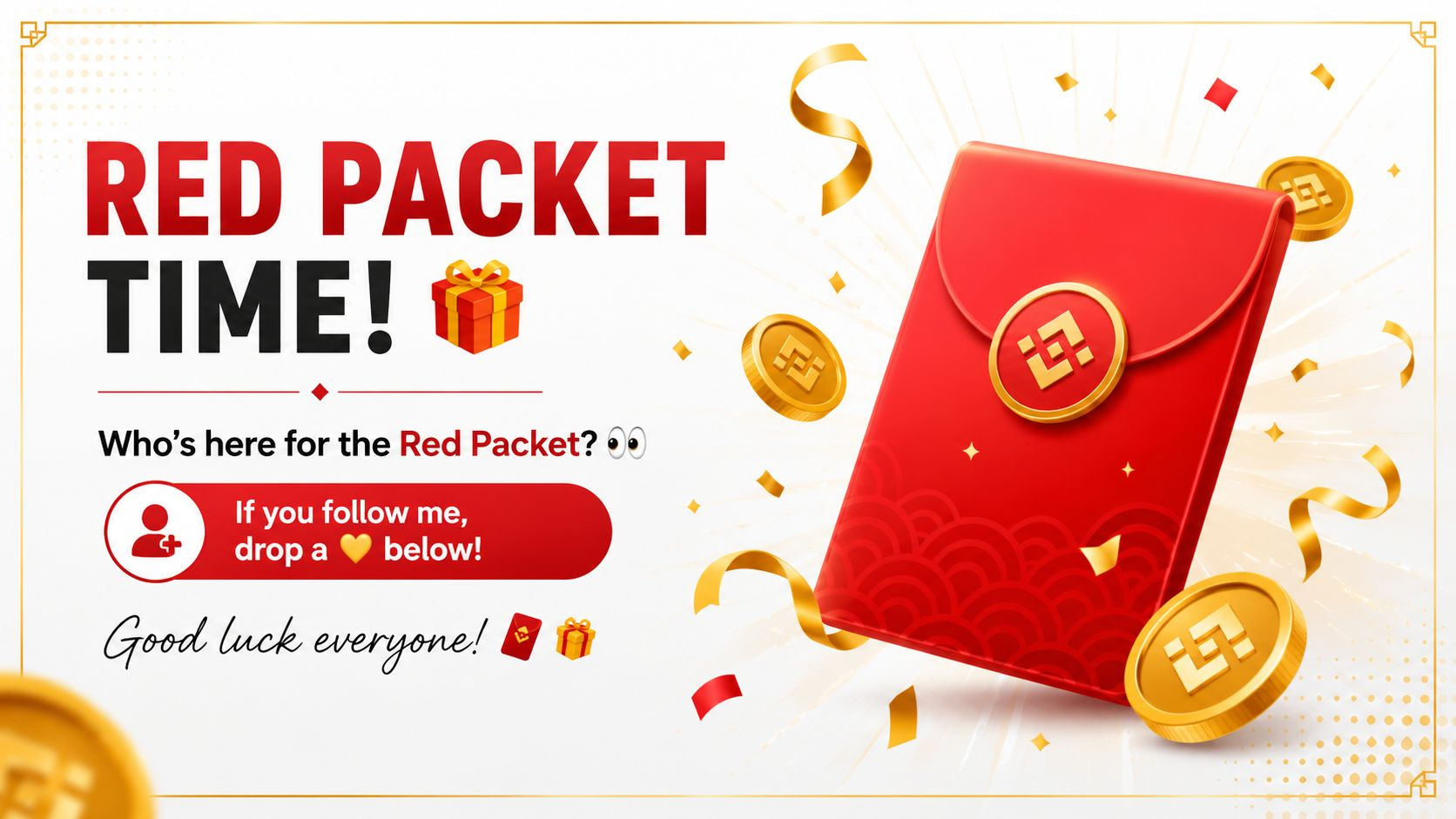
🧧 RED PACKET TIME! 🎁
Who’s here for the Red Packet? 👀
follow me
repost
like
comment
If you follow me, drop a ❤️ below!
Good luck everyone! 🍀🧧
#BinanceSquareFamily
Who’s here for the Red Packet? 👀
follow me
repost
like
comment
If you follow me, drop a ❤️ below!
Good luck everyone! 🍀🧧
#BinanceSquareFamily

KelseyX 龍
·
--
A small gesture of appreciation for this amazing community. 🤝
How to participate: • Follow my profile
• Like ❤️ and share this post
• Comment Hi below
Good luck to everyone, and thank you for being part of the journey. 🚀
#Binance #RedPacket #Giveaway #Crypto #BinanceSquare
How to participate: • Follow my profile
• Like ❤️ and share this post
• Comment Hi below
Good luck to everyone, and thank you for being part of the journey. 🚀
#Binance #RedPacket #Giveaway #Crypto #BinanceSquare


Ayra 艾雅
·
--
RED PACKET MOMENT.. ..✨
A small gesture for the amazing people here. ✨
Stay connected and keep the good vibes going....
claim your reward
• Like this post
• Drop “Hi” in the comments
✨ Repost this post...
#BTTC $BTTC #US10YTreasuryYieldHitsHighestSinceNov2023 #BinanceSquareFamilyy #RippleLobbiesToAdvanceCLARITYActVote #BTC突破7万大关
A small gesture for the amazing people here. ✨
Stay connected and keep the good vibes going....
claim your reward
• Like this post
• Drop “Hi” in the comments
✨ Repost this post...
#BTTC $BTTC #US10YTreasuryYieldHitsHighestSinceNov2023 #BinanceSquareFamilyy #RippleLobbiesToAdvanceCLARITYActVote #BTC突破7万大关


Mystic 影月
·
--
🧧🧧🧧RED PACKET GIVEAWAY🧧🧧🧧
🎁🎁🎁🎁🎁
Thankuu my dear Binance family 💝for all the support, likes, comments & positive vibes🎀 🫶...
To claim your reward ;
• Like ❤️ this post
• Drop “Hi” in the comments
✨ Repost this post
Good luck, everyone 🍀💰
May your next trade be green and your wallet even greener! 📈💎
#BTTC $BTC $BTTC #US10YTreasuryYieldHitsHighestSinceNov2023 #BinanceSquareFamily #RippleLobbiesToAdvanceCLARITYActVote #BTC突破7万大关
🎁🎁🎁🎁🎁
Thankuu my dear Binance family 💝for all the support, likes, comments & positive vibes🎀 🫶...
To claim your reward ;
• Like ❤️ this post
• Drop “Hi” in the comments
✨ Repost this post
Good luck, everyone 🍀💰
May your next trade be green and your wallet even greener! 📈💎
#BTTC $BTC $BTTC #US10YTreasuryYieldHitsHighestSinceNov2023 #BinanceSquareFamily #RippleLobbiesToAdvanceCLARITYActVote #BTC突破7万大关

🎙️ Let's build Binance Square together | Let's chat about today's market, is anyone holding positions?
End
05 h 58 m 47 s
5.4k
46
🎙️ $BTC and Copy Trading at the Turning Point | 24/4 Trading | MultiVibe Livestream | Music Show | News
End
05 h 59 m 44 s
38.6k
10
🎙️ Let's Build Binance Square Together | The Holiday's Over, What's the Trading Strategy Today?
End
05 h 59 m 59 s
11.1k
49
Log in to explore more content