
Baoluo币商资本
1.8k Posts
Baoluo币商资本
 Square Verified+
沉稳踏实,激动性不易过强,拿住就是赚,持有才是王者!

BNB Holder
High-Frequency Trader
3.2 Years
4.4K+ Following
55.0K+ Followers
39.2K+ Liked
Posts
All
Quotes
Live
PINNED
#中国批准新增684亿美元QDII额度
#沃什称通胀是美联储首要关注
A turbulent world order, the market is also in turmoil. The mutations of this era will also lead to changes in trends. #Aİ #物理AI has already cracked the original market price and applications. $BTC
#沃什称通胀是美联储首要关注
A turbulent world order, the market is also in turmoil. The mutations of this era will also lead to changes in trends. #Aİ #物理AI has already cracked the original market price and applications. $BTC
PINNED
#比特币升破8万美元创三月新高
The accumulation of these past few months is also a kind of postgraduate entrance exam preparation. $BTC has finally made a new breakthrough—there’s more climbing ahead. Believe it or not. Don’t look around—look at how many chips you have, and you’ll know who wins and who loses!
#中国反对美国拟加征7.5%关税
The trade war really does have fighting power!
The accumulation of these past few months is also a kind of postgraduate entrance exam preparation. $BTC has finally made a new breakthrough—there’s more climbing ahead. Believe it or not. Don’t look around—look at how many chips you have, and you’ll know who wins and who loses!
#中国反对美国拟加征7.5%关税
The trade war really does have fighting power!
Quietly

@静静Amily
is speaking[LIVE] 🎙️ 👍 Has Bitcoin (BTC) started the bull run low-key, taking a drink of water? Is DUSK over?
3.9k listens
Sugar Treasure

路飞社区糖宝Luffy
·
--
Sweethearts from afar, family and friends, Tangbao misses you all $SOL . Do you miss me? If you do, come to Tangbao’s live room at 13:30 to see me. Follow and get a red envelope at the giveaway.
Evening Breeze

晚风Vesper_1688
·
--
☀️Saturday morning glow falls🌿
You don’t have to let the pace of trading days carry you away—weekends are the perfect time to sink inward and let things settle📊。
Exercise strengthens your body; investing cultivates your mindset and character✨。
They connect in the same way—neither relies on impulsive moments; what matters is long-term discipline and perseverance⏳。
Let go of anxiety about the market and leave yourself a little breathing room to think freely.
Stay steady in your understanding, calm and unhurried—your rewards will slowly grow with time💎。
Wishing us a weekend of quiet focus and accumulated strength, staying relaxed and easygoing, and moving forward freely🕊️。
#投资心态
#台股TAIEX受芯片股带动重返46500点
#1688家族family
You don’t have to let the pace of trading days carry you away—weekends are the perfect time to sink inward and let things settle📊。
Exercise strengthens your body; investing cultivates your mindset and character✨。
They connect in the same way—neither relies on impulsive moments; what matters is long-term discipline and perseverance⏳。
Let go of anxiety about the market and leave yourself a little breathing room to think freely.
Stay steady in your understanding, calm and unhurried—your rewards will slowly grow with time💎。
Wishing us a weekend of quiet focus and accumulated strength, staying relaxed and easygoing, and moving forward freely🕊️。
#投资心态
#台股TAIEX受芯片股带动重返46500点
#1688家族family
Superman doesn't fly
超人不会飞2020
·
--
When you gaze at the moon, the moon is gazing back at you.

7
Cryptology_7
·
--
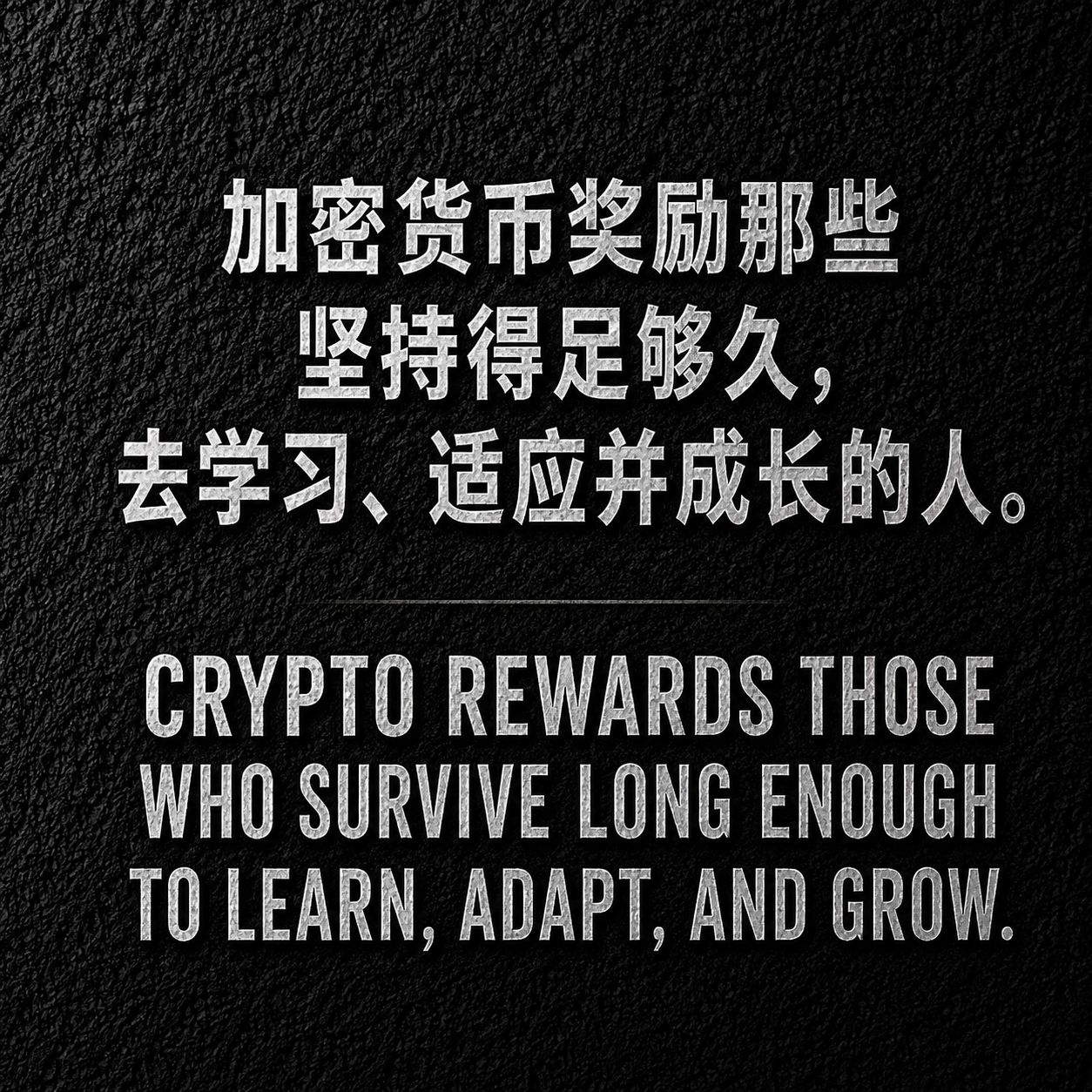
𝐂𝐫𝐲𝐩𝐭𝐨 𝐫𝐞𝐰𝐚𝐫𝐝𝐬 𝐭𝐡𝐨𝐬𝐞 𝐰𝐡𝐨 𝐬𝐮𝐫𝐯𝐢𝐯𝐞 𝐥𝐨𝐧𝐠 𝐞𝐧𝐨𝐮𝐠𝐡 𝐭𝐨 𝐥𝐞𝐚𝐫𝐧, 𝐚𝐝𝐚𝐩𝐭, 𝐚𝐧𝐝 𝐠𝐫𝐨𝐰. 🤍🌱
$O $ETH
#Ethereum #CryptoPatience
#Cryptology_7
$O $ETH
#Ethereum #CryptoPatience
#Cryptology_7
Aliya
Aria Bloom 阿莉娅
·
--
BullishThe journey isn’t always about numbers, markets, and targets. Sometimes, it’s about stepping away for a moment, enjoying the beauty of nature, and appreciating the peaceful moments that make life meaningful. ✨
A beautiful view, calm waters, and my little companion by my side. 🐱🤍
Simple moments, unforgettable memories.
Keep moving forward, stay positive, and enjoy every part of the journey. 🚀✨
$BTR $GIGGLE $SOL
A beautiful view, calm waters, and my little companion by my side. 🐱🤍
Simple moments, unforgettable memories.
Keep moving forward, stay positive, and enjoy every part of the journey. 🚀✨
$BTR $GIGGLE $SOL

Ikkyu-san
一休哥168
·
--
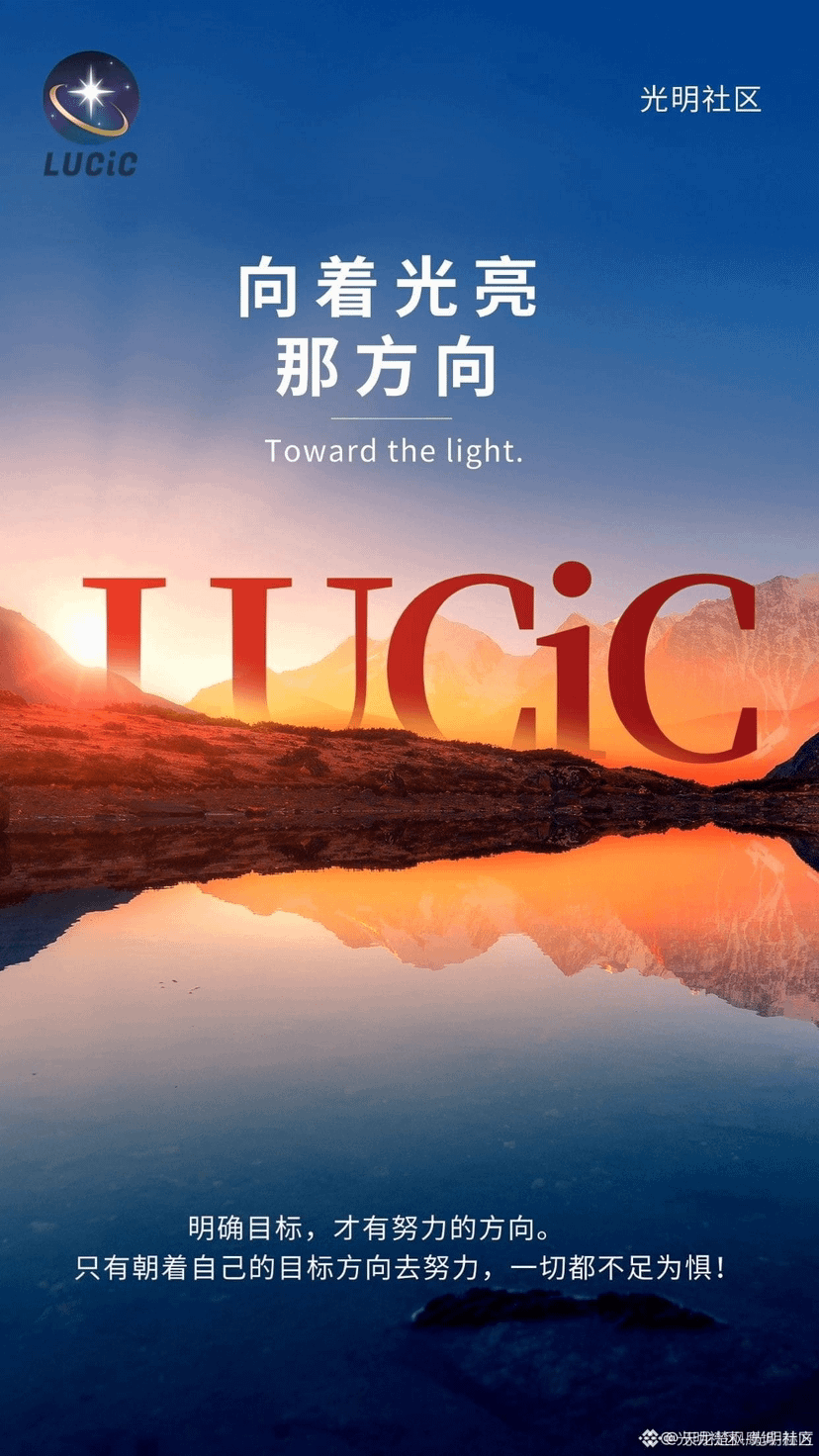
The long wind will break through the waves, and there will be a time for sure; I shall lash my sail straight to the clouds and cross the boundless sea.
——Guangming Community
——Guangming Community
Hadia
HadiaBTC
·
--
Good morning everyone 🌞 #HadiaBTC
Today Top Gainers
$MOVR
$HEMI
$TRUMP
Today Top Gainers
$MOVR
$HEMI
$TRUMP
69

Shaheen 69
·
--
🎁 BINANCE PUT ALL THE GIFTS IN ONE BASKET! 🟡
Imagine one basket filled with Airdrops, Red Packets, Trading Rewards, Token Vouchers, CreatorPad rewards, Write-to-Earn opportunities and VIP benefits. 🚀
That’s what makes the Binance ecosystem exciting — it’s not only about trading, but also about discovering new opportunities, participating in campaigns and sharing rewards with the community.
And today, Shaheen69 is opening the gift basket for YOU! 🎉
I’m sharing Red Packet rewards with all of you as a small thank-you for your continued support and love. ❤️
Good luck everyone! 🍀
Who will grab the reward? 👀
#Binance #BNB #redpacket
Imagine one basket filled with Airdrops, Red Packets, Trading Rewards, Token Vouchers, CreatorPad rewards, Write-to-Earn opportunities and VIP benefits. 🚀
That’s what makes the Binance ecosystem exciting — it’s not only about trading, but also about discovering new opportunities, participating in campaigns and sharing rewards with the community.
And today, Shaheen69 is opening the gift basket for YOU! 🎉
I’m sharing Red Packet rewards with all of you as a small thank-you for your continued support and love. ❤️
Good luck everyone! 🍀
Who will grab the reward? 👀
#Binance #BNB #redpacket

Orange

橙子Joyce
·
--
BullishThe crypto market’s winter has passed, yet the market still overfocuses on price volatility while ignoring indicators of long-term growth and the performance of multi-fold profits!
BTC rose by about 20% last week, recording its strongest three-day rally since 2023, suggesting that the multi-month “crypto winter” is starting to fade. The market should not limit its attention to short-term rebounds or selloffs; a key trend is that digital assets are gradually integrating into mainstream financial systems for the long term.
In 2025, the daily net capital flows into Bitcoin ETPs often exceed $500 million, about 12 times the value of newly mined BTC each day. Although US spot Bitcoin ETPs saw net outflows for a stretch of 8 consecutive weeks earlier this year, as of late July they had already resumed net inflows for 3 straight weeks. A survey by EY of more than 350 institutional investors also shows that 73% plan to increase their allocation to digital assets.
I came to the square in early June, and ever since then I’ve believed it was the best opportunity to invest via scheduled purchases as planned. I predicted that the optimal time to invest in BTC would be when the price is in the range of 55,000–60,000 USD, so I strongly supported the view that long-term investment is best carried out from the mid-to-high points of the bull market.
$BTC
$BNB
$SOL
BTC rose by about 20% last week, recording its strongest three-day rally since 2023, suggesting that the multi-month “crypto winter” is starting to fade. The market should not limit its attention to short-term rebounds or selloffs; a key trend is that digital assets are gradually integrating into mainstream financial systems for the long term.
In 2025, the daily net capital flows into Bitcoin ETPs often exceed $500 million, about 12 times the value of newly mined BTC each day. Although US spot Bitcoin ETPs saw net outflows for a stretch of 8 consecutive weeks earlier this year, as of late July they had already resumed net inflows for 3 straight weeks. A survey by EY of more than 350 institutional investors also shows that 73% plan to increase their allocation to digital assets.
I came to the square in early June, and ever since then I’ve believed it was the best opportunity to invest via scheduled purchases as planned. I predicted that the optimal time to invest in BTC would be when the price is in the range of 55,000–60,000 USD, so I strongly supported the view that long-term investment is best carried out from the mid-to-high points of the bull market.
$BTC
$BNB
$SOL
Strive
奋斗1688BNB
·
--
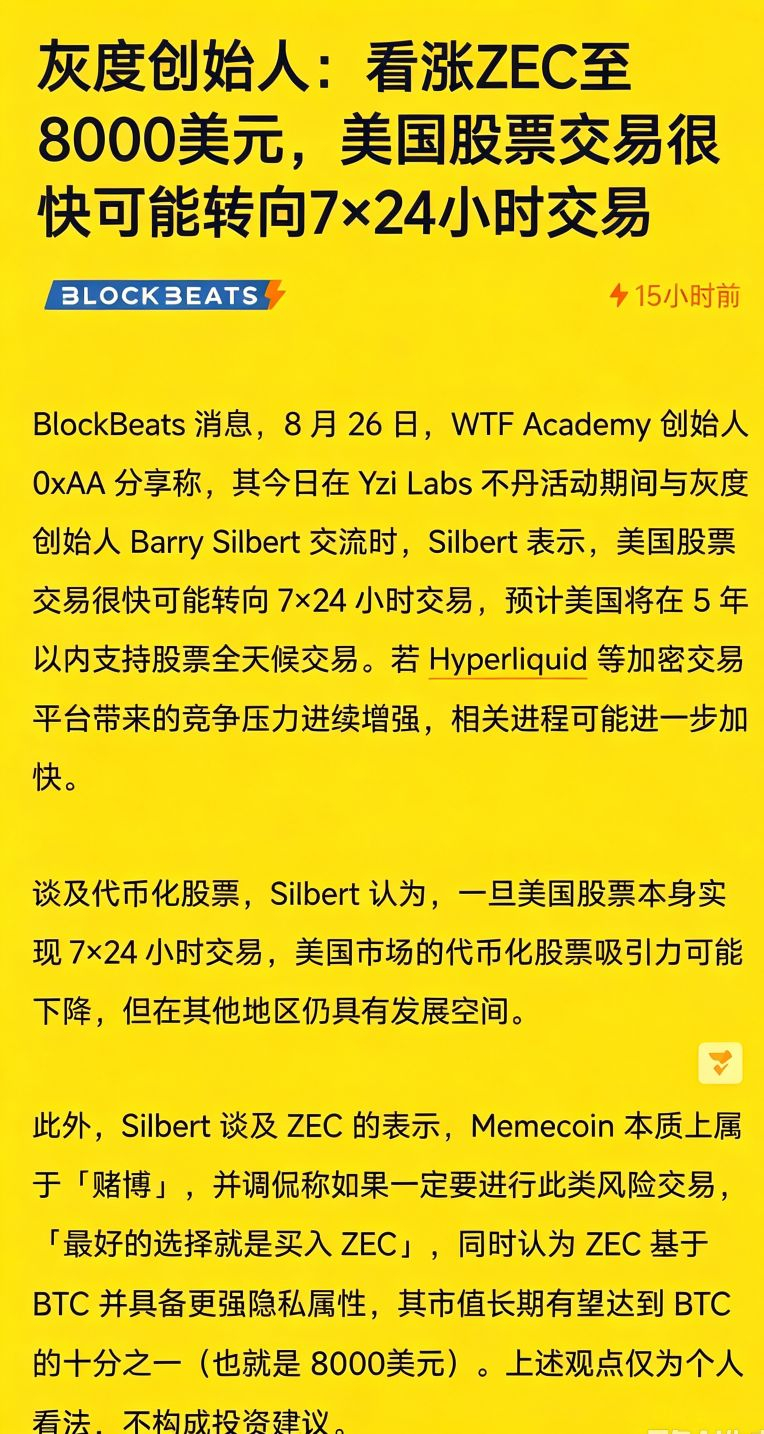
$ZEC When the grayscale opens its mouth, it basically means something bad is about to happen. Every time they talk about the privacy milk track, there’s a high chance we’re about to see a wave of a major plunge. This time they directly called it down to 8000—and I’m actually more panicked.
Oysters
生蚝哥Oyster
·
--
🧧🧧🧧Reply to receive a red envelope🧧🧧🧧
Lan Lan

@听澜321
is speaking[LIVE] 🎙️ Building Binance Square, DCA BNB|Saturday—Is today’s market action related to what the Fed said last night? Let’s talk~
14.8k listens
Nan Nan
楠楠nannan势不可挡
·
--
🧧🧧🧧🧧🧧🧧
Morning arrives as promised, leaving your worries in the night behind. In this new day, live slowly and steadily ✨$币安人生
Morning arrives as promised, leaving your worries in the night behind. In this new day, live slowly and steadily ✨$币安人生

Drawing a Sword
拔剑心茫然
·
--
🧧🧧🧧🧧🧧🧧🧧🧧🧧🧧🧧
Passerby
路人1688-luren
·
--
Look at character through the details.
Whether someone is worth getting close to can be seen from how they dress.
People with clean, tidy clothes are self-disciplined and reliable; they live with sincerity and stability.
Those who dress appropriately and with good taste understand boundaries and treat others with respect.
People whose outfits are simple and understated have pure hearts; deep down, they are kind.
Clothes may be ordinary, but temperament and cultivation shine from within. A clean, well-groomed appearance is, without doubt, backed by clean character. When making friends, you don’t need many—just ones that are sincere and make you feel comfortable. In the rest of your life, stay close to clean, kind, and trustworthy people.
Of course, outward appearance can only serve as a simple reference for social interactions. In this world, there are also people who dress properly but whose conduct is not upright. Don’t judge by appearances alone—time will tell. As the road gets long, you’ll know the horse’s strength; over days and years, you’ll see people’s hearts. Only with long-term contact can you truly understand someone’s true intentions.
Whether someone is worth getting close to can be seen from how they dress.
People with clean, tidy clothes are self-disciplined and reliable; they live with sincerity and stability.
Those who dress appropriately and with good taste understand boundaries and treat others with respect.
People whose outfits are simple and understated have pure hearts; deep down, they are kind.
Clothes may be ordinary, but temperament and cultivation shine from within. A clean, well-groomed appearance is, without doubt, backed by clean character. When making friends, you don’t need many—just ones that are sincere and make you feel comfortable. In the rest of your life, stay close to clean, kind, and trustworthy people.
Of course, outward appearance can only serve as a simple reference for social interactions. In this world, there are also people who dress properly but whose conduct is not upright. Don’t judge by appearances alone—time will tell. As the road gets long, you’ll know the horse’s strength; over days and years, you’ll see people’s hearts. Only with long-term contact can you truly understand someone’s true intentions.
Apollo

阿波罗1111
·
--
Not all opportunities need noise,
true value speaks for itself.
Not every opportunity needs noise;
true value carries its own voice.
true value speaks for itself.
Not every opportunity needs noise;
true value carries its own voice.

Bamboo

竹竹 YGØZ²
·
--
In feelings, the “19 years of deep affection” can turn on a dime—the bills are clearly laid out, though.
Instead of betting on an uncertain person,
it’s better to invest in a good quality that will never betray you!
#孙宇晨 #景甜
Just like the post and comment “love” to get ❤️❤️ a small red envelope ❤️❤️!
Instead of betting on an uncertain person,
it’s better to invest in a good quality that will never betray you!
#孙宇晨 #景甜
Just like the post and comment “love” to get ❤️❤️ a small red envelope ❤️❤️!

Log in to explore more content