

#usiranstandoff
usiranstandoff
8.8M views
77,381 Discussing
Hot
Latest

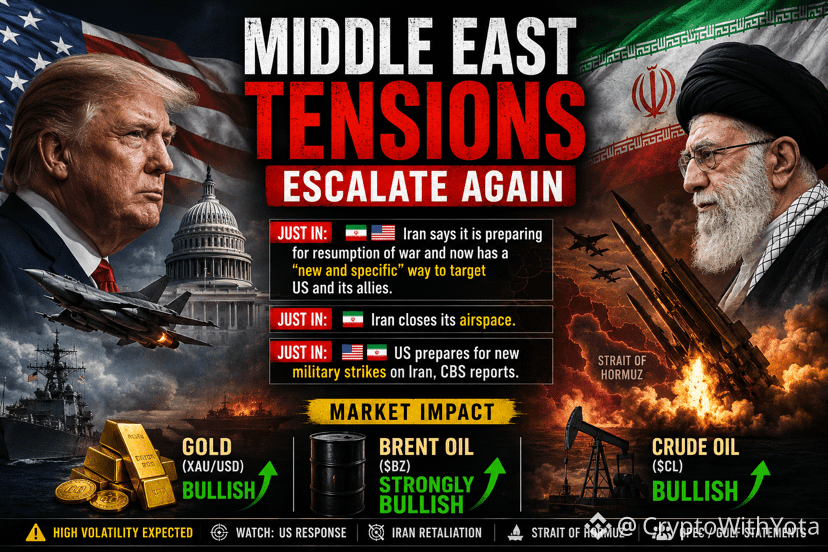
🚨 MIDDLE EAST TENSIONS ESCALATE AGAIN
Reports confirm rising tensions between the 🇺🇸 US and 🇮🇷 Iran, with multiple major outlets stating Washington is considering renewed military action if negotiations fail. Iran has also warned of opening “new fronts” against the US and its allies.
⚠️ However, the specific claim that Iran has a “new and specific” method to target the US and allies is circulating mainly through media/social reports and has not yet been officially detailed or independently verified by major Western agencies.
✈️ Iran has reportedly tightened/restricted parts of its airspace amid the heightened military alert and regional tensions.
🇺🇸 CBS and other outlets report the US is actively preparing contingency plans for possible fresh strikes if diplomacy collapses.
📊 MARKET IMPACT
🥇 Gold - $XAU : BULLISH
* Safe-haven demand likely increases.
* Traders may rush into gold if war fears intensify.
* Gold usually pumps during geopolitical uncertainty and military escalation.
🛢 Brent Oil $BZ & Crude Oil $CL : STRONGLY BULLISH / HIGH VOLATILITY
* Biggest risk is disruption around the Strait of Hormuz.
* Any threat to oil supply routes can trigger sharp oil spikes.
* Brent typically reacts stronger to Middle East conflict headlines.
📈 Possible scenario if escalation continues:
* Gold → Strong upside momentum
* Brent ($BZ) → Volatile pump
* WTI Crude ($CL) → Sharp intraday spikes
* Crypto & equities → Risk-off pressure initially
👀 Markets will closely watch:
• US military response
• Iran retaliation threats
• Strait of Hormuz developments
• Emergency OPEC/Gulf statements
High volatility expected across commodities and global markets.
{future}(CLUSDT)
{future}(BZUSDT)
{future}(XAUUSDT)
#Geopolitics #USIranWarEscalates #USIranStandoff
🚨 MIDDLE EAST TENSIONS ESCALATE AGAIN
Reports confirm rising tensions between the 🇺🇸 US and 🇮🇷 Iran, with multiple major outlets stating Washington is considering renewed military action if negotiations fail. Iran has also warned of opening “new fronts” against the US and its allies.
⚠️ However, the specific claim that Iran has a “new and specific” method to target the US and allies is circulating mainly through media/social reports and has not yet been officially detailed or independently verified by major Western agencies.
✈️ Iran has reportedly tightened/restricted parts of its airspace amid the heightened military alert and regional tensions.
🇺🇸 CBS and other outlets report the US is actively preparing contingency plans for possible fresh strikes if diplomacy collapses.
📊 MARKET IMPACT
🥇 Gold - $XAU : BULLISH
* Safe-haven demand likely increases.
* Traders may rush into gold if war fears intensify.
* Gold usually pumps during geopolitical uncertainty and military escalation.
🛢 Brent Oil $BZ & Crude Oil $CL : STRONGLY BULLISH / HIGH VOLATILITY
* Biggest risk is disruption around the Strait of Hormuz.
* Any threat to oil supply routes can trigger sharp oil spikes.
* Brent typically reacts stronger to Middle East conflict headlines.
📈 Possible scenario if escalation continues:
* Gold → Strong upside momentum
* Brent ($BZ ) → Volatile pump
* WTI Crude ($CL ) → Sharp intraday spikes
* Crypto & equities → Risk-off pressure initially
👀 Markets will closely watch:
• US military response
• Iran retaliation threats
• Strait of Hormuz developments
• Emergency OPEC/Gulf statements
High volatility expected across commodities and global markets.
#Geopolitics #USIranWarEscalates #USIranStandoff
Reports confirm rising tensions between the 🇺🇸 US and 🇮🇷 Iran, with multiple major outlets stating Washington is considering renewed military action if negotiations fail. Iran has also warned of opening “new fronts” against the US and its allies.
⚠️ However, the specific claim that Iran has a “new and specific” method to target the US and allies is circulating mainly through media/social reports and has not yet been officially detailed or independently verified by major Western agencies.
✈️ Iran has reportedly tightened/restricted parts of its airspace amid the heightened military alert and regional tensions.
🇺🇸 CBS and other outlets report the US is actively preparing contingency plans for possible fresh strikes if diplomacy collapses.
📊 MARKET IMPACT
🥇 Gold - $XAU : BULLISH
* Safe-haven demand likely increases.
* Traders may rush into gold if war fears intensify.
* Gold usually pumps during geopolitical uncertainty and military escalation.
🛢 Brent Oil $BZ & Crude Oil $CL : STRONGLY BULLISH / HIGH VOLATILITY
* Biggest risk is disruption around the Strait of Hormuz.
* Any threat to oil supply routes can trigger sharp oil spikes.
* Brent typically reacts stronger to Middle East conflict headlines.
📈 Possible scenario if escalation continues:
* Gold → Strong upside momentum
* Brent ($BZ ) → Volatile pump
* WTI Crude ($CL ) → Sharp intraday spikes
* Crypto & equities → Risk-off pressure initially
👀 Markets will closely watch:
• US military response
• Iran retaliation threats
• Strait of Hormuz developments
• Emergency OPEC/Gulf statements
High volatility expected across commodities and global markets.
#Geopolitics #USIranWarEscalates #USIranStandoff
1
1
438

Iran: No agreement without guarantees.
Speaker Ghalibaf says Iran’s commitments depend on tangible results, not words.
Bullish for stability—or more uncertainty ahead?
$BTC
$ETH
$BNB
#TrumpIranTougherPeaceTerms
#USIranStandoff
Iran: No agreement without guarantees.
Speaker Ghalibaf says Iran’s commitments depend on tangible results, not words.
Bullish for stability—or more uncertainty ahead?
$BTC
$ETH
$BNB
#TrumpIranTougherPeaceTerms
#USIranStandoff
Speaker Ghalibaf says Iran’s commitments depend on tangible results, not words.
Bullish for stability—or more uncertainty ahead?
$BTC
$ETH
$BNB
#TrumpIranTougherPeaceTerms
#USIranStandoff
83
·
--
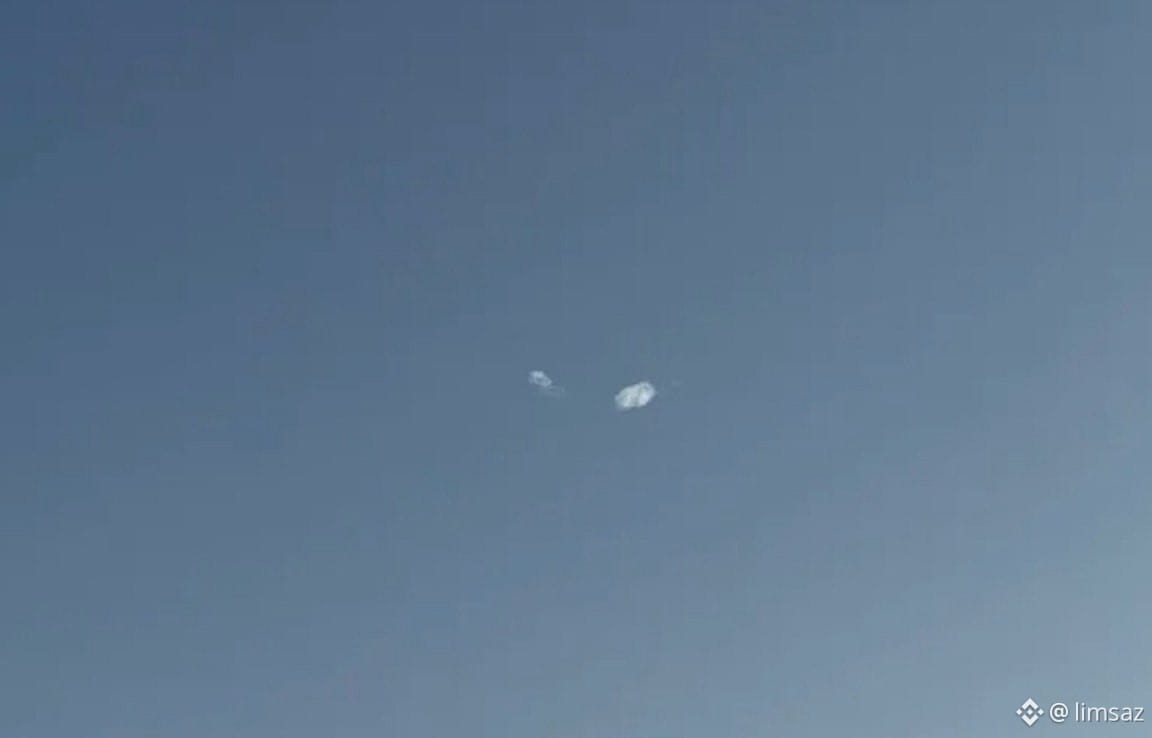
🚨 Breaking News: Ballistic Missile Intercepted Near Ali Al Salem Air Base, Kuwait
This morning, a ballistic missile was intercepted near the US Ali Al Salem Air Base in Kuwait, suspected to have been launched by Iran targeting the base. This is the latest escalation in Middle Eastern tensions, threatening regional security and global oil prices. The crude oil market could experience significant volatility if the conflict escalates. Investors are closely monitoring the reactions from Washington and Tehran.
📊 Impact: Brent crude oil prices rose slightly this morning, reflecting concerns about supply disruptions. Asian stock indices also saw selling pressure.
👉 Could this be the beginning of a direct military confrontation?
$BTC $BZ $CL #USIranStandoff
🚨 Breaking News: Ballistic Missile Intercepted Near Ali Al Salem Air Base, Kuwait
This morning, a ballistic missile was intercepted near the US Ali Al Salem Air Base in Kuwait, suspected to have been launched by Iran targeting the base. This is the latest escalation in Middle Eastern tensions, threatening regional security and global oil prices. The crude oil market could experience significant volatility if the conflict escalates. Investors are closely monitoring the reactions from Washington and Tehran.
📊 Impact: Brent crude oil prices rose slightly this morning, reflecting concerns about supply disruptions. Asian stock indices also saw selling pressure.
👉 Could this be the beginning of a direct military confrontation?
$BTC $BZ $CL #USIranStandoff
This morning, a ballistic missile was intercepted near the US Ali Al Salem Air Base in Kuwait, suspected to have been launched by Iran targeting the base. This is the latest escalation in Middle Eastern tensions, threatening regional security and global oil prices. The crude oil market could experience significant volatility if the conflict escalates. Investors are closely monitoring the reactions from Washington and Tehran.
📊 Impact: Brent crude oil prices rose slightly this morning, reflecting concerns about supply disruptions. Asian stock indices also saw selling pressure.
👉 Could this be the beginning of a direct military confrontation?
$BTC $BZ $CL #USIranStandoff
1
191

·
--
#USIranStandoff
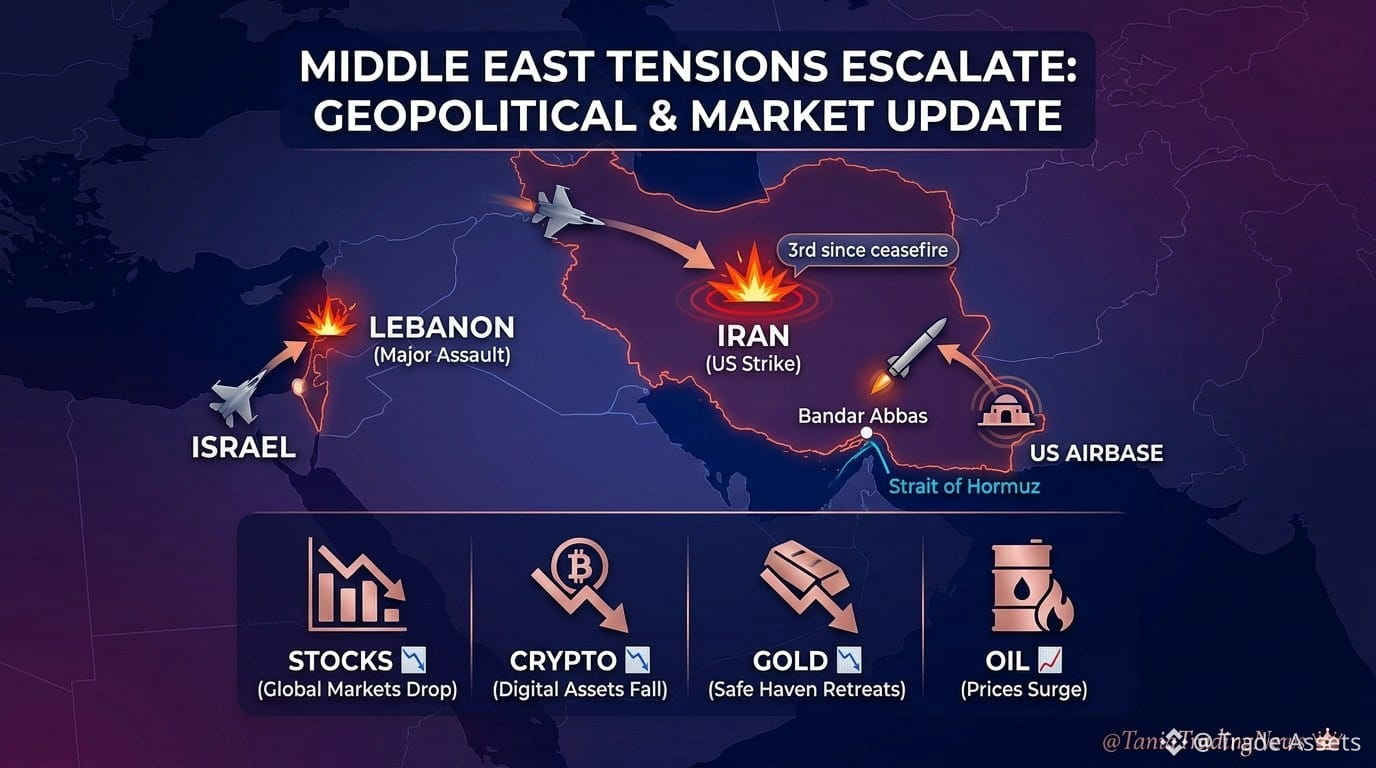
The United States has carried out another strike on Iranian soil, making it the third since the ceasefire. The operation reportedly targeted a military site deemed a risk to U.S. troops and commercial vessels in the Strait of Hormuz. In retaliation, the IRGC attacked a U.S. airbase close to Bandar Abbas. Meanwhile, Israel launched a major assault on Lebanon. These developments led to drops in stocks, cryptocurrencies, and gold, while oil prices moved higher.
#USIranStandoff
The United States has carried out another strike on Iranian soil, making it the third since the ceasefire. The operation reportedly targeted a military site deemed a risk to U.S. troops and commercial vessels in the Strait of Hormuz. In retaliation, the IRGC attacked a U.S. airbase close to Bandar Abbas. Meanwhile, Israel launched a major assault on Lebanon. These developments led to drops in stocks, cryptocurrencies, and gold, while oil prices moved higher.
The United States has carried out another strike on Iranian soil, making it the third since the ceasefire. The operation reportedly targeted a military site deemed a risk to U.S. troops and commercial vessels in the Strait of Hormuz. In retaliation, the IRGC attacked a U.S. airbase close to Bandar Abbas. Meanwhile, Israel launched a major assault on Lebanon. These developments led to drops in stocks, cryptocurrencies, and gold, while oil prices moved higher.
1
232
·
--
Bearish
#USIranWarEscalation #USIranStandoff
$BTC $ZEC $ETH
JUST IN: 🇮🇷🇺🇸 Iran says it is preparing for resumption of war and now has a "new and specific" way to target US and its allies.
JUST IN: 🇮🇷 Iran closes its airspace.
JUST IN: 🇺🇸🇮🇷 US prepares for new military strikes on Iran, CBS reports.
{future}(ETHUSDT)
{future}(ZECUSDT)
{future}(BTCUSDT)
#USIranWarEscalation #USIranStandoff
$BTC $ZEC $ETH
JUST IN: 🇮🇷🇺🇸 Iran says it is preparing for resumption of war and now has a "new and specific" way to target US and its allies.
JUST IN: 🇮🇷 Iran closes its airspace.
JUST IN: 🇺🇸🇮🇷 US prepares for new military strikes on Iran, CBS reports.
$BTC $ZEC $ETH
JUST IN: 🇮🇷🇺🇸 Iran says it is preparing for resumption of war and now has a "new and specific" way to target US and its allies.
JUST IN: 🇮🇷 Iran closes its airspace.
JUST IN: 🇺🇸🇮🇷 US prepares for new military strikes on Iran, CBS reports.
229

·
--
Bullish
U.S. and Iranian negotiators have reportedly reached a draft framework for a 60-day ceasefire extension and renewed nuclear talks, pending final approval from President Trump and Iranian leadership — a development that is already influencing geopolitical and energy markets.
#MarketRecovery #USIranStrikesSinkBitcoinBelow$73000 #USIranStandoff
{spot}(ADAUSDT)
{spot}(LINKUSDT)
{spot}(XLMUSDT)
U.S. and Iranian negotiators have reportedly reached a draft framework for a 60-day ceasefire extension and renewed nuclear talks, pending final approval from President Trump and Iranian leadership — a development that is already influencing geopolitical and energy markets.
#MarketRecovery #USIranStrikesSinkBitcoinBelow$73000 #USIranStandoff
#MarketRecovery #USIranStrikesSinkBitcoinBelow$73000 #USIranStandoff
111
·
--
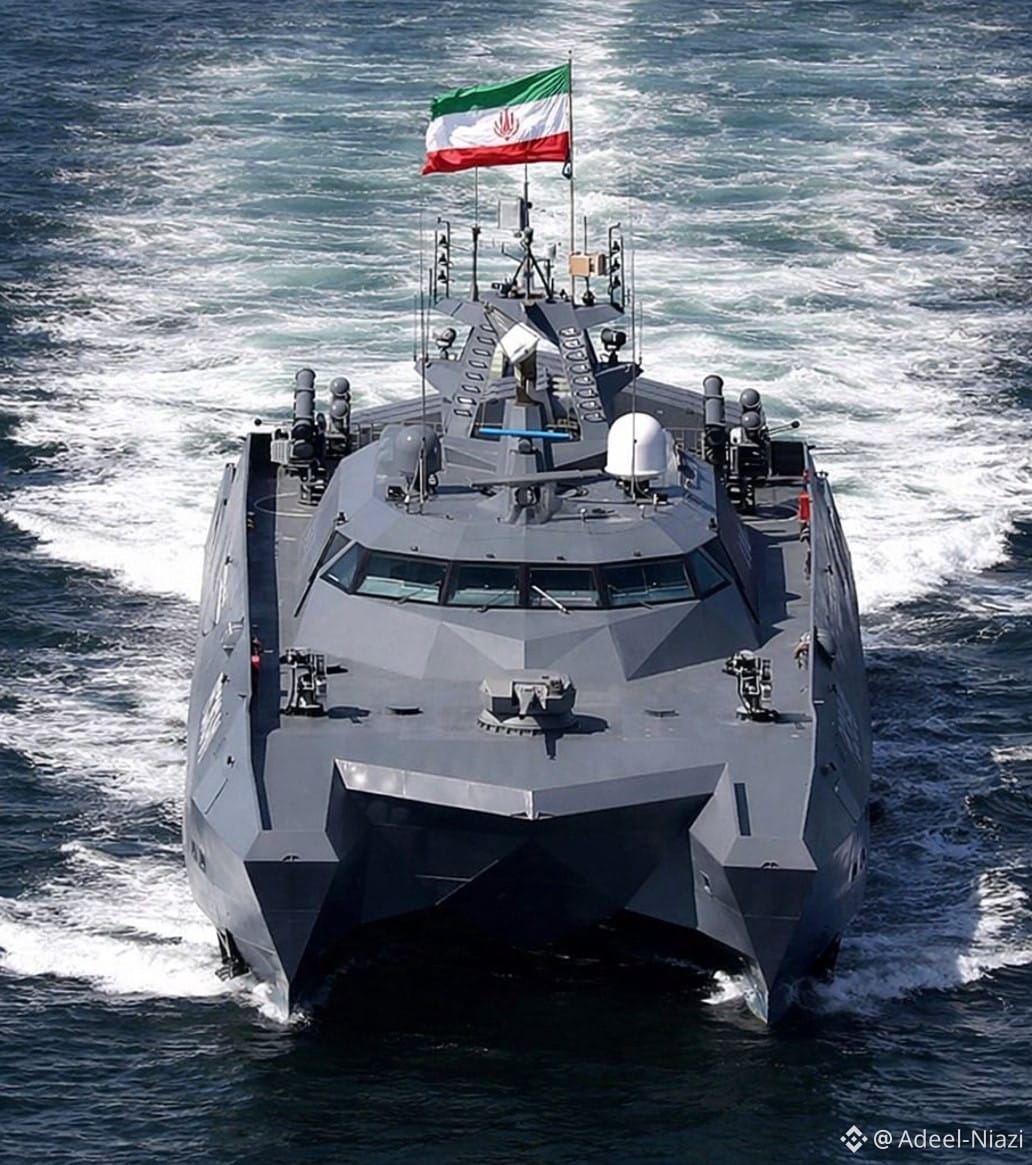
Is war going to start Again ? 😵: 🇮🇷🇺🇸 Iran threatens to retaliate following US strikes on Iranian missile launch sites and military boats.
--
#IranIsraelConflict #USIranStandoff
Is war going to start Again ? 😵: 🇮🇷🇺🇸 Iran threatens to retaliate following US strikes on Iranian missile launch sites and military boats.
--
#IranIsraelConflict #USIranStandoff
--
#IranIsraelConflict #USIranStandoff

1
549

·
--
A historic thaw in US-Iran relations, marked by a cease-fire and the reopening of the Strait of Hormuz, triggered a sharp market rally, sending $BTC close to $77k and $ETH above $2.1k.
I see this as a geopolitical catalyst that briefly redirects risk-off capital into crypto, positioning digital assets as a hedge against energy-market volatility
The broader macro story reflects a shift from conflict-driven fear to a wave of short-term optimism. Still, the framework for peace remains delicate, with unresolved nuclear negotiations and ongoing regional tensions leaving room for renewed instability.
While I remain constructive on near-term momentum, I’m more cautious about the sustainability of the rally over a longer horizon.
The key market lesson is clear: credible de-escalation in the Middle East can significantly boost crypto markets, but that momentum can fade quickly if geopolitical uncertainty resurfaces.
#USIranStandoff
A historic thaw in US-Iran relations, marked by a cease-fire and the reopening of the Strait of Hormuz, triggered a sharp market rally, sending $BTC close to $77k and $ETH above $2.1k.
I see this as a geopolitical catalyst that briefly redirects risk-off capital into crypto, positioning digital assets as a hedge against energy-market volatility
The broader macro story reflects a shift from conflict-driven fear to a wave of short-term optimism. Still, the framework for peace remains delicate, with unresolved nuclear negotiations and ongoing regional tensions leaving room for renewed instability.
While I remain constructive on near-term momentum, I’m more cautious about the sustainability of the rally over a longer horizon.
The key market lesson is clear: credible de-escalation in the Middle East can significantly boost crypto markets, but that momentum can fade quickly if geopolitical uncertainty resurfaces.
#USIranStandoff
I see this as a geopolitical catalyst that briefly redirects risk-off capital into crypto, positioning digital assets as a hedge against energy-market volatility
The broader macro story reflects a shift from conflict-driven fear to a wave of short-term optimism. Still, the framework for peace remains delicate, with unresolved nuclear negotiations and ongoing regional tensions leaving room for renewed instability.
While I remain constructive on near-term momentum, I’m more cautious about the sustainability of the rally over a longer horizon.
The key market lesson is clear: credible de-escalation in the Middle East can significantly boost crypto markets, but that momentum can fade quickly if geopolitical uncertainty resurfaces.
#USIranStandoff
191

·
--
Bearish
#USIranTalks #USIranStandoff $BTC $ETH $BNB
US Iran TRADE FRESH STRIKES
U.S. Central Command said on Monday it had struck Iranian radar and command sites over the weekend, with Iran’s Revolutionary Guard stating it attacked a U.S. base in retaliation.
The strikes-- which were the third such incident since last week-- came as U.S. President Donald Trump claimed that Iran "really wants to make a deal."
Central Command (CENTCOM) said in a social media post it had attacked sites in Goruk and Qeshm island over the weekend, claiming that the strikes were done in “self-defense,” specifically after the shooting down of a U.S. drone in the region.
#USIranTalks #USIranStandoff $BTC $ETH $BNB
US Iran TRADE FRESH STRIKES
U.S. Central Command said on Monday it had struck Iranian radar and command sites over the weekend, with Iran’s Revolutionary Guard stating it attacked a U.S. base in retaliation.
The strikes-- which were the third such incident since last week-- came as U.S. President Donald Trump claimed that Iran "really wants to make a deal."
Central Command (CENTCOM) said in a social media post it had attacked sites in Goruk and Qeshm island over the weekend, claiming that the strikes were done in “self-defense,” specifically after the shooting down of a U.S. drone in the region.
US Iran TRADE FRESH STRIKES
U.S. Central Command said on Monday it had struck Iranian radar and command sites over the weekend, with Iran’s Revolutionary Guard stating it attacked a U.S. base in retaliation.
The strikes-- which were the third such incident since last week-- came as U.S. President Donald Trump claimed that Iran "really wants to make a deal."
Central Command (CENTCOM) said in a social media post it had attacked sites in Goruk and Qeshm island over the weekend, claiming that the strikes were done in “self-defense,” specifically after the shooting down of a U.S. drone in the region.
135

·
--
$BTC people🚨
Don’t let fake pumps fool you… market still looks heavy 📉
Global tensions are rising, fear is everywhere, and this doesn’t look like the time to blindly long.
Right now, downside feels more likely than upside 👀
Stay careful with Futures, protect your capital, and don’t chase hype.
Patience wins in markets like this ⚠️
#USIranStandoff USIranStrikesSinkBitcoinBelow$73000
$BTC people🚨
Don’t let fake pumps fool you… market still looks heavy 📉
Global tensions are rising, fear is everywhere, and this doesn’t look like the time to blindly long.
Right now, downside feels more likely than upside 👀
Stay careful with Futures, protect your capital, and don’t chase hype.
Patience wins in markets like this ⚠️
#USIranStandoff USIranStrikesSinkBitcoinBelow$73000
Don’t let fake pumps fool you… market still looks heavy 📉
Global tensions are rising, fear is everywhere, and this doesn’t look like the time to blindly long.
Right now, downside feels more likely than upside 👀
Stay careful with Futures, protect your capital, and don’t chase hype.
Patience wins in markets like this ⚠️
#USIranStandoff USIranStrikesSinkBitcoinBelow$73000
3
1
253

·
--
Bullish
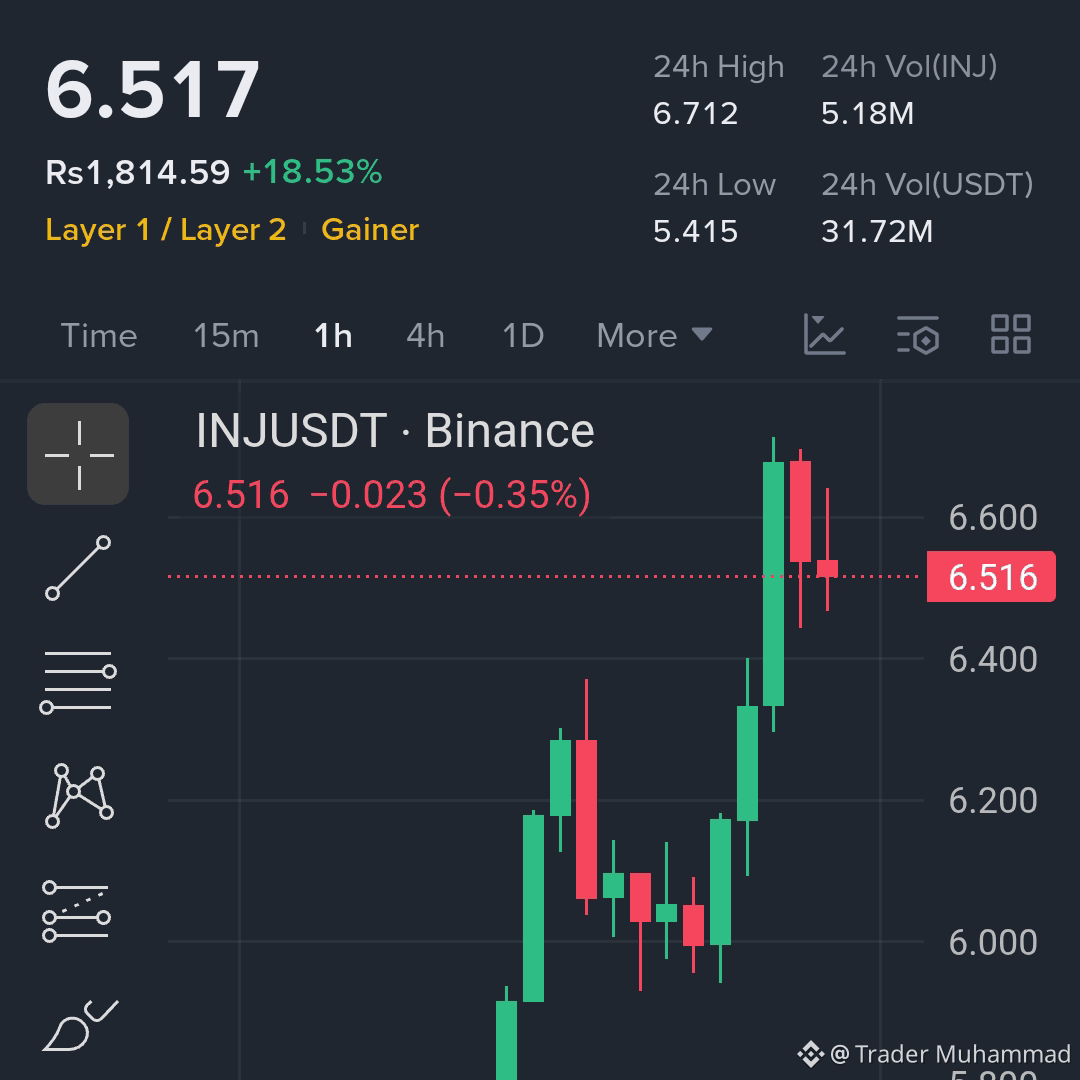
$INJ Buy It For Good Profit In Spot Within next 24h The Results Will Speak Themselves...
#INJ #USIranStandoff #GENIUSBinanceHODLer #bullish
{spot}(INJUSDT)
$INJ Buy It For Good Profit In Spot Within next 24h The Results Will Speak Themselves...
#INJ #USIranStandoff #GENIUSBinanceHODLer #bullish
#INJ #USIranStandoff #GENIUSBinanceHODLer #bullish
1
1
138

·
--
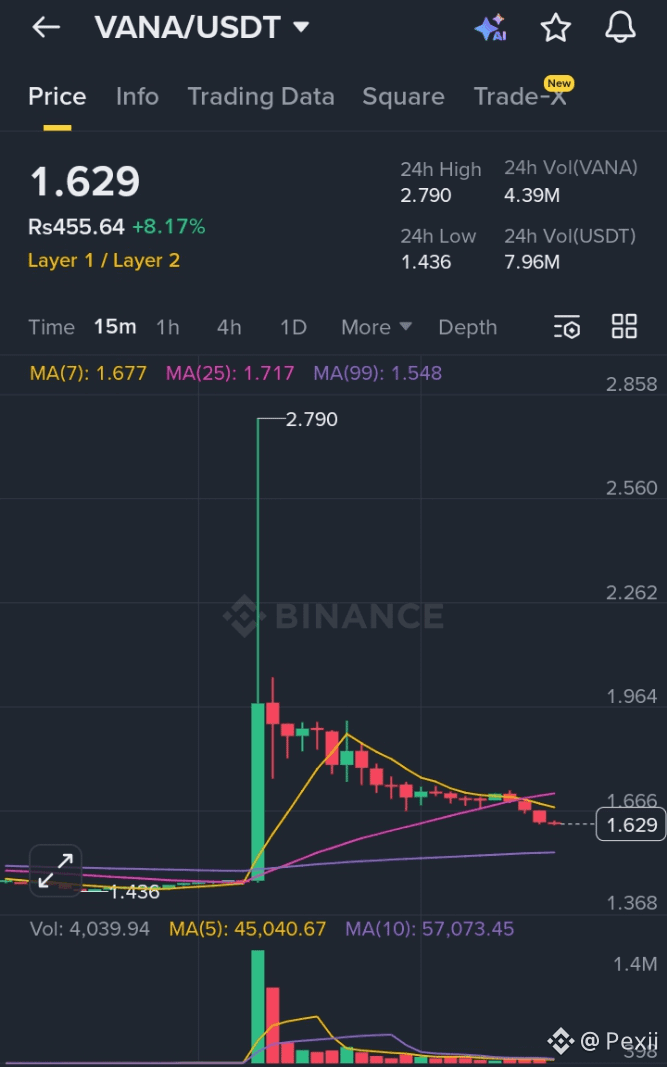
$VANA USDT — 15M After-Hype Fade (BEARISH)
That monster wick to 2.790 was a liquidity grab… and now price is bleeding back under the fast MAs (MA7 1.677 / MA25 1.717). Volume cooled, structure is drifting lower = sellers still controlling the reset.
EP (Entry): 1.64 – 1.69 (sell the bounce / retest zone)
TP:
TP1: 1.55 (near MA99 1.548)
TP2: 1.48
TP3: 1.44 (day low area)
SI (Invalidation): 1.75 (clean reclaim above MA25 breaks the short idea)
Plan: Under 1.70 = short bias stays active. If it nukes 1.55, expect acceleration.
Let’s go!
(Not financial advice — manage risk.)
{future}(VANAUSDT)
#BTCMiningDifficultyDrop #USIranStandoff #GoldSilverRally #JPMorganSaysBTCOverGold #WhaleDeRiskETH
$VANA USDT — 15M After-Hype Fade (BEARISH)
That monster wick to 2.790 was a liquidity grab… and now price is bleeding back under the fast MAs (MA7 1.677 / MA25 1.717). Volume cooled, structure is drifting lower = sellers still controlling the reset.
EP (Entry): 1.64 – 1.69 (sell the bounce / retest zone)
TP:
TP1: 1.55 (near MA99 1.548)
TP2: 1.48
TP3: 1.44 (day low area)
SI (Invalidation): 1.75 (clean reclaim above MA25 breaks the short idea)
Plan: Under 1.70 = short bias stays active. If it nukes 1.55, expect acceleration.
Let’s go!
(Not financial advice — manage risk.)
#BTCMiningDifficultyDrop #USIranStandoff #GoldSilverRally #JPMorganSaysBTCOverGold #WhaleDeRiskETH
That monster wick to 2.790 was a liquidity grab… and now price is bleeding back under the fast MAs (MA7 1.677 / MA25 1.717). Volume cooled, structure is drifting lower = sellers still controlling the reset.
EP (Entry): 1.64 – 1.69 (sell the bounce / retest zone)
TP:
TP1: 1.55 (near MA99 1.548)
TP2: 1.48
TP3: 1.44 (day low area)
SI (Invalidation): 1.75 (clean reclaim above MA25 breaks the short idea)
Plan: Under 1.70 = short bias stays active. If it nukes 1.55, expect acceleration.
Let’s go!
(Not financial advice — manage risk.)
#BTCMiningDifficultyDrop #USIranStandoff #GoldSilverRally #JPMorganSaysBTCOverGold #WhaleDeRiskETH
3
186
·
--
Bullish
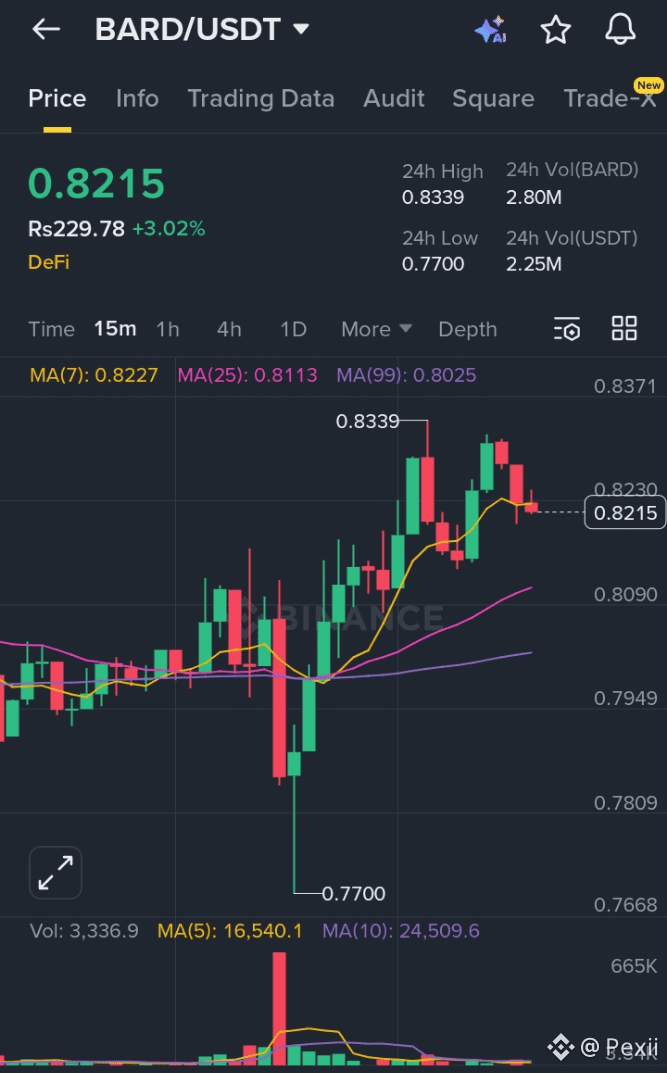
$BARD USDT — 15M Liquidity Sweep → Reclaim (BULLISH)
BARD wicked down to 0.7700, trapped sellers, then snapped back and pushed to 0.8339. Now it’s cooling off above the MA stack (MA7 0.8227 / MA25 0.8113 / MA99 0.8025) — classic continuation structure if support holds.
EP (Entry): 0.815 – 0.823 (retest buy zone)
TP:
TP1: 0.8339
TP2: 0.8450
TP3: 0.8650
SI (Invalidation): 0.804 (lose MA99 + breakdown under base)
Plan: Hold above 0.811 = bulls keep control. Break & hold over 0.834 = next leg ignites.
Let’s go!
(Not financial advice — manage risk.)
{future}(BARDUSDT)
#WhenWillBTCRebound #JPMorganSaysBTCOverGold #USIranStandoff #GoldSilverRally #WhaleDeRiskETH
$BARD USDT — 15M Liquidity Sweep → Reclaim (BULLISH)
BARD wicked down to 0.7700, trapped sellers, then snapped back and pushed to 0.8339. Now it’s cooling off above the MA stack (MA7 0.8227 / MA25 0.8113 / MA99 0.8025) — classic continuation structure if support holds.
EP (Entry): 0.815 – 0.823 (retest buy zone)
TP:
TP1: 0.8339
TP2: 0.8450
TP3: 0.8650
SI (Invalidation): 0.804 (lose MA99 + breakdown under base)
Plan: Hold above 0.811 = bulls keep control. Break & hold over 0.834 = next leg ignites.
Let’s go!
(Not financial advice — manage risk.)
#WhenWillBTCRebound #JPMorganSaysBTCOverGold #USIranStandoff #GoldSilverRally #WhaleDeRiskETH
BARD wicked down to 0.7700, trapped sellers, then snapped back and pushed to 0.8339. Now it’s cooling off above the MA stack (MA7 0.8227 / MA25 0.8113 / MA99 0.8025) — classic continuation structure if support holds.
EP (Entry): 0.815 – 0.823 (retest buy zone)
TP:
TP1: 0.8339
TP2: 0.8450
TP3: 0.8650
SI (Invalidation): 0.804 (lose MA99 + breakdown under base)
Plan: Hold above 0.811 = bulls keep control. Break & hold over 0.834 = next leg ignites.
Let’s go!
(Not financial advice — manage risk.)
#WhenWillBTCRebound #JPMorganSaysBTCOverGold #USIranStandoff #GoldSilverRally #WhaleDeRiskETH
2
128

·
--
Post (Best Balance):
Bitcoin is sitting at a key zone right now.
If volume supports the move, upside is possible.
If not, patience is the smart play.
Trade with a plan. Risk management matters more than predictions.
#BTC #cryptouniverseofficial #USIranStandoff $BTC $ETH #Trading
Post (Best Balance):
Bitcoin is sitting at a key zone right now.
If volume supports the move, upside is possible.
If not, patience is the smart play.
Trade with a plan. Risk management matters more than predictions.
#BTC #cryptouniverseofficial #USIranStandoff $BTC $ETH #Trading
Bitcoin is sitting at a key zone right now.
If volume supports the move, upside is possible.
If not, patience is the smart play.
Trade with a plan. Risk management matters more than predictions.
#BTC #cryptouniverseofficial #USIranStandoff $BTC $ETH #Trading
9
57

·
--
Bullish
ONCE and life time. GOLD and Silver has come down. these two commodities have made a crashed pullback. Binance has bought one billion dollars Bitcoin in recent time. They know what we don't know.
it's PARABOLIC and SEASON$BTC $BNB #CZAMAonBinanceSquare #WhoIsNextFedChair #MarketCorrection #PreciousMetalsTurbulence #USIranStandoff
ONCE and life time. GOLD and Silver has come down. these two commodities have made a crashed pullback. Binance has bought one billion dollars Bitcoin in recent time. They know what we don't know.
it's PARABOLIC and SEASON$BTC $BNB #CZAMAonBinanceSquare #WhoIsNextFedChair #MarketCorrection #PreciousMetalsTurbulence #USIranStandoff
it's PARABOLIC and SEASON$BTC $BNB #CZAMAonBinanceSquare #WhoIsNextFedChair #MarketCorrection #PreciousMetalsTurbulence #USIranStandoff
19

·
--
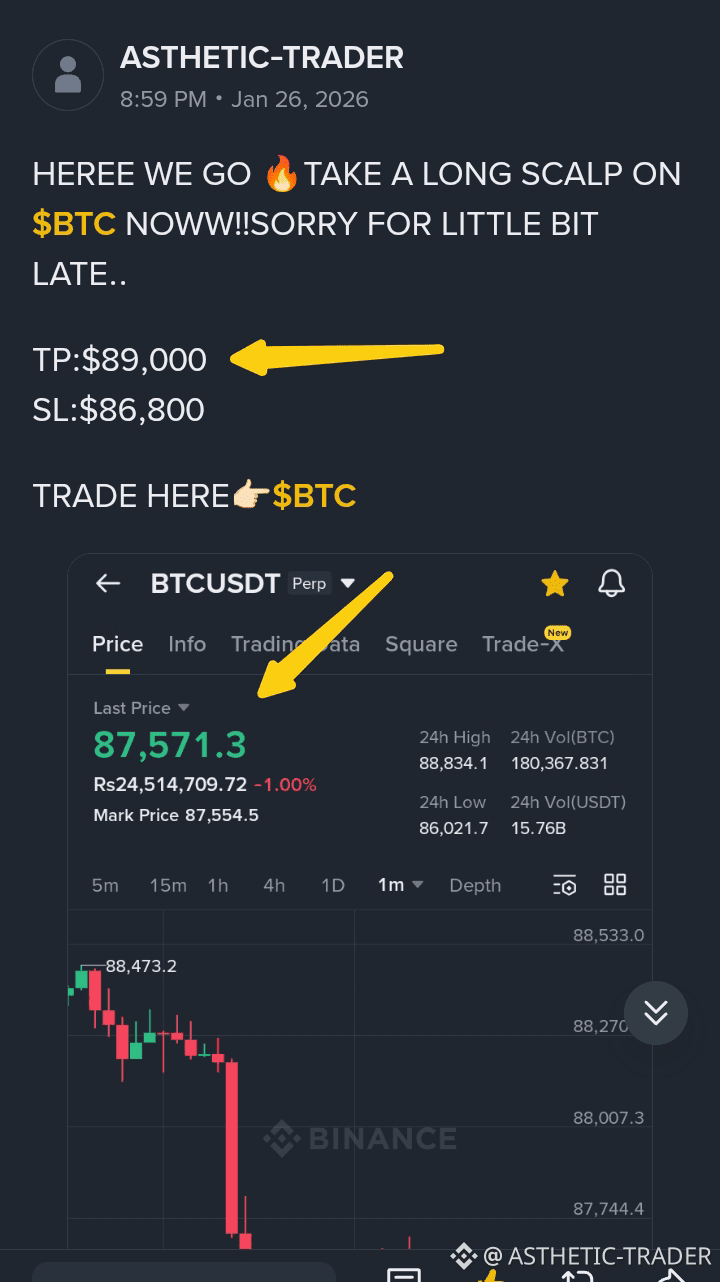
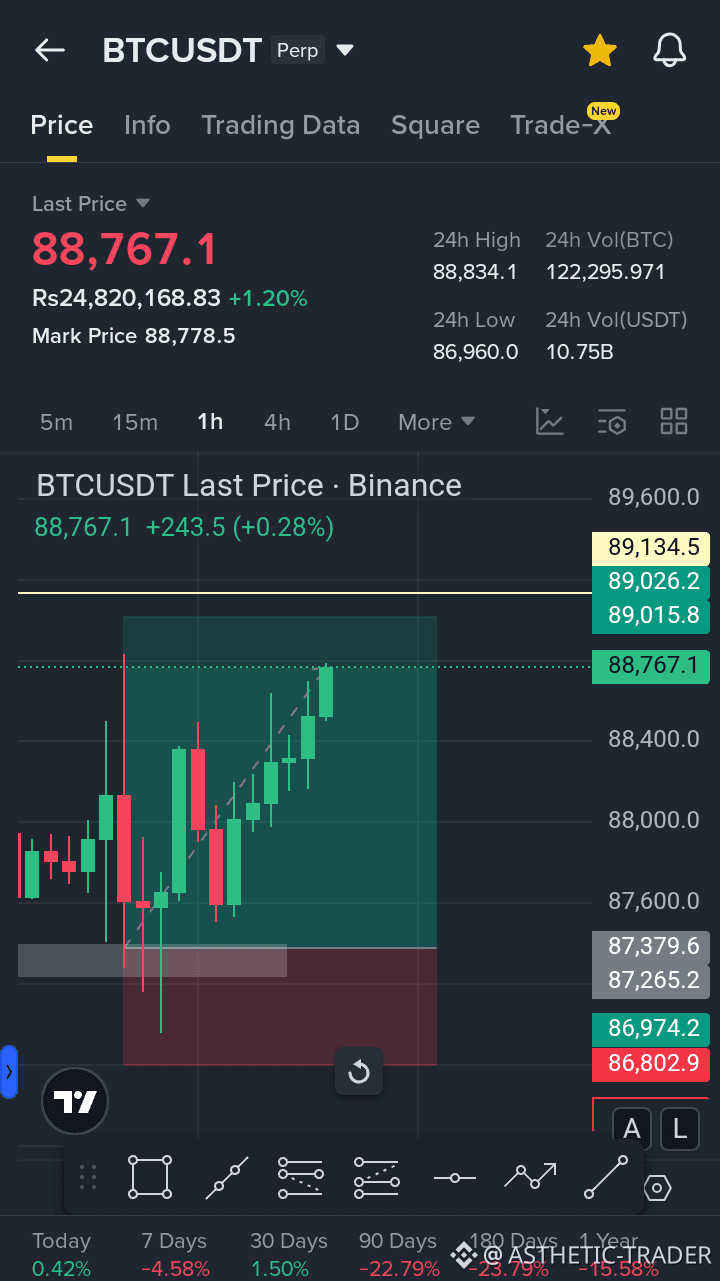
When Bitcoin was at $87,570, I gave you all a long call 👀
But unfortunately, no one followed it.
And now look almost all the take profits have been hit 😍
I had to close my position early because I had some work to do.
But you guys could have made good profit 😭💔
I’m giving such accurate calls, yet people are still missing them.
$BTC
#USIranStandoff #StrategyBTCPurchase
When Bitcoin was at $87,570, I gave you all a long call 👀
But unfortunately, no one followed it.
And now look almost all the take profits have been hit 😍
I had to close my position early because I had some work to do.
But you guys could have made good profit 😭💔
I’m giving such accurate calls, yet people are still missing them.
$BTC
#USIranStandoff #StrategyBTCPurchase
But unfortunately, no one followed it.
And now look almost all the take profits have been hit 😍
I had to close my position early because I had some work to do.
But you guys could have made good profit 😭💔
I’m giving such accurate calls, yet people are still missing them.
$BTC
#USIranStandoff #StrategyBTCPurchase
2
303

·
--
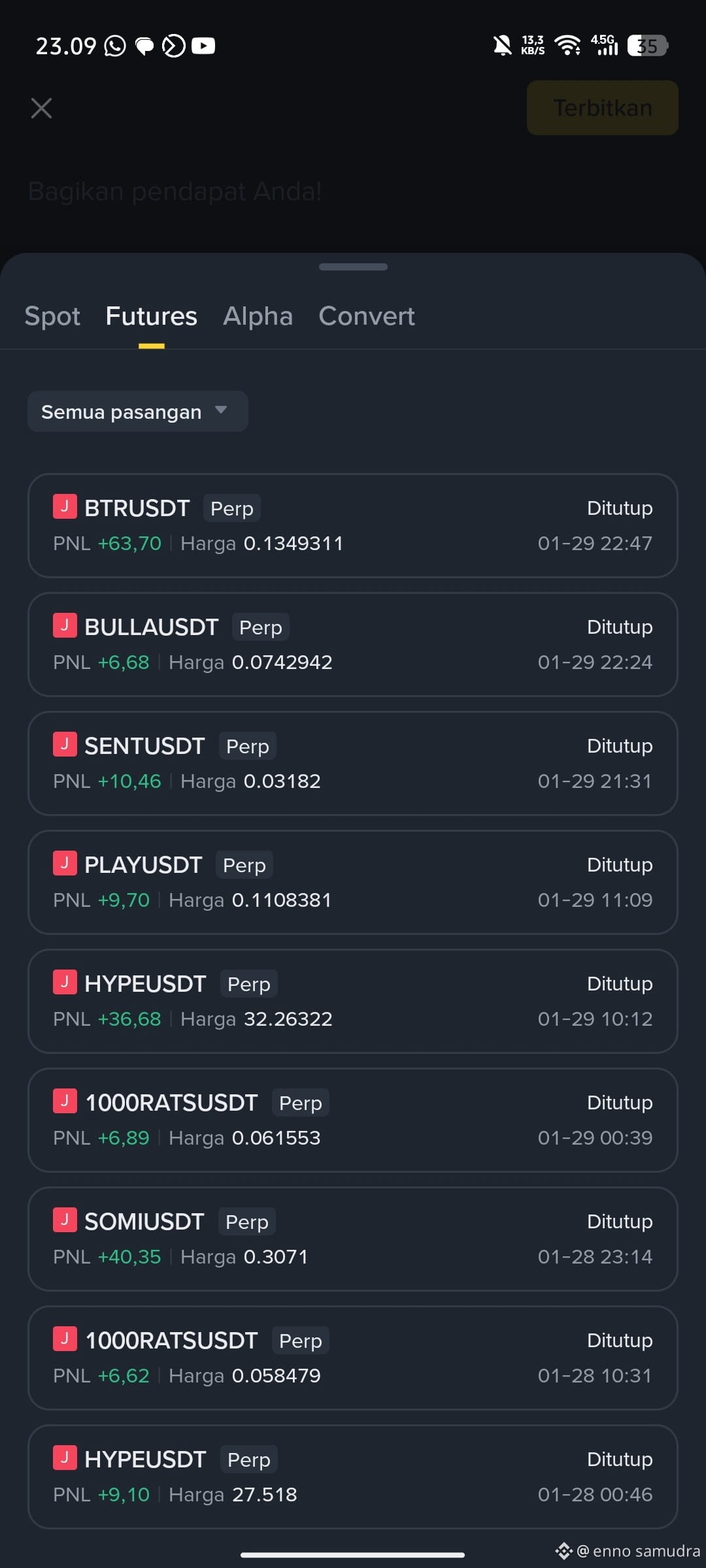
once in the future in 2018 I lost up to 36.000$ and in 2026 starting today I will try again, and now I am back #USIranStandoff #ZAMAPreTGESale #FutureTarding
once in the future in 2018 I lost up to 36.000$ and in 2026 starting today I will try again, and now I am back #USIranStandoff #ZAMAPreTGESale #FutureTarding
7
15
6.4k
·
--
Bullish
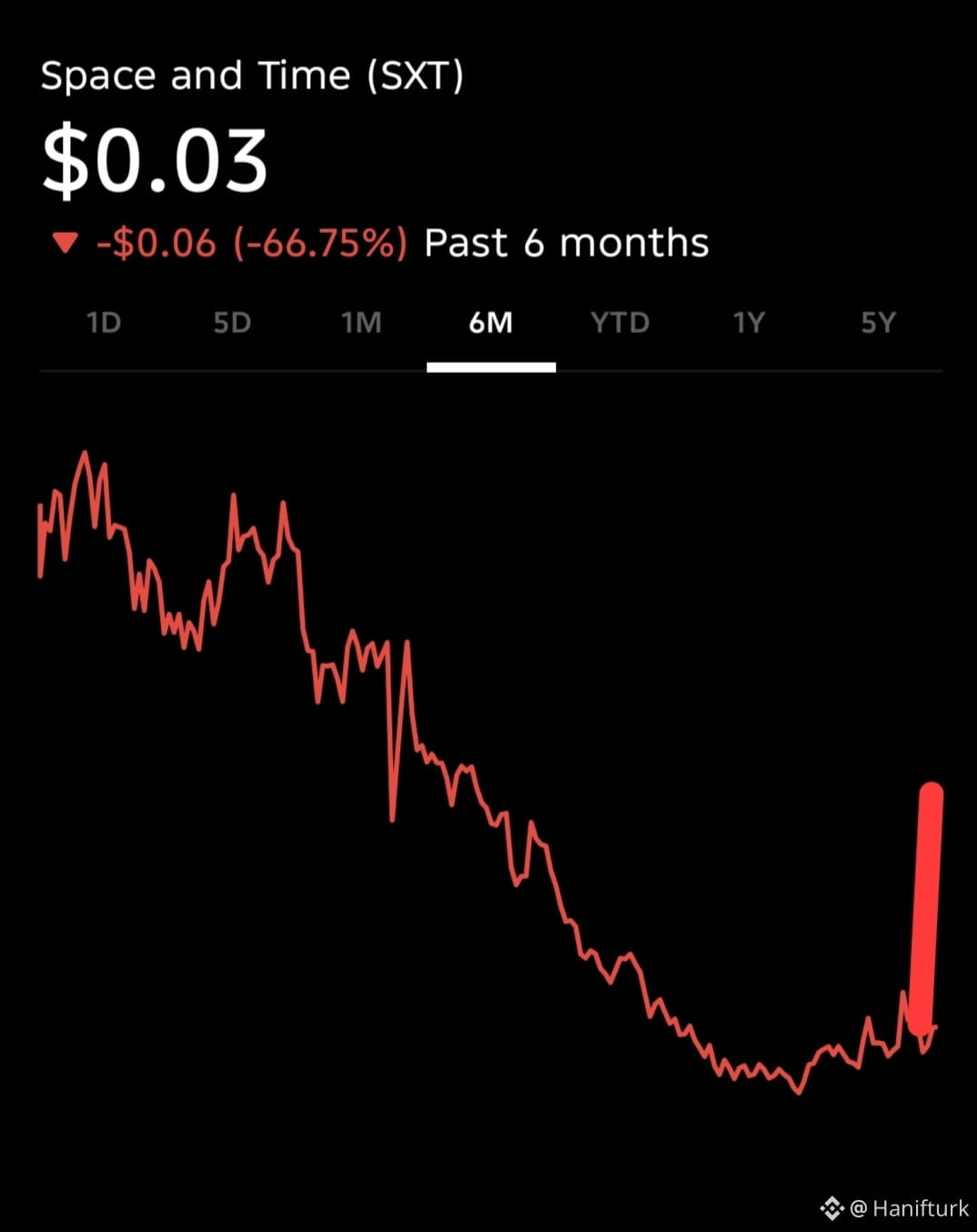
Some forecasts see SXT ending 2025 around ~$0.39 average (with possible highs near ~$0.55) if adoption and demand increase.
$SXT
#USIranStandoff #writetomakeprofit #TradingCommunity
Some forecasts see SXT ending 2025 around ~$0.39 average (with possible highs near ~$0.55) if adoption and demand increase.
$SXT
#USIranStandoff #writetomakeprofit #TradingCommunity
$SXT
#USIranStandoff #writetomakeprofit #TradingCommunity
2
2
239
·
--
Bullish
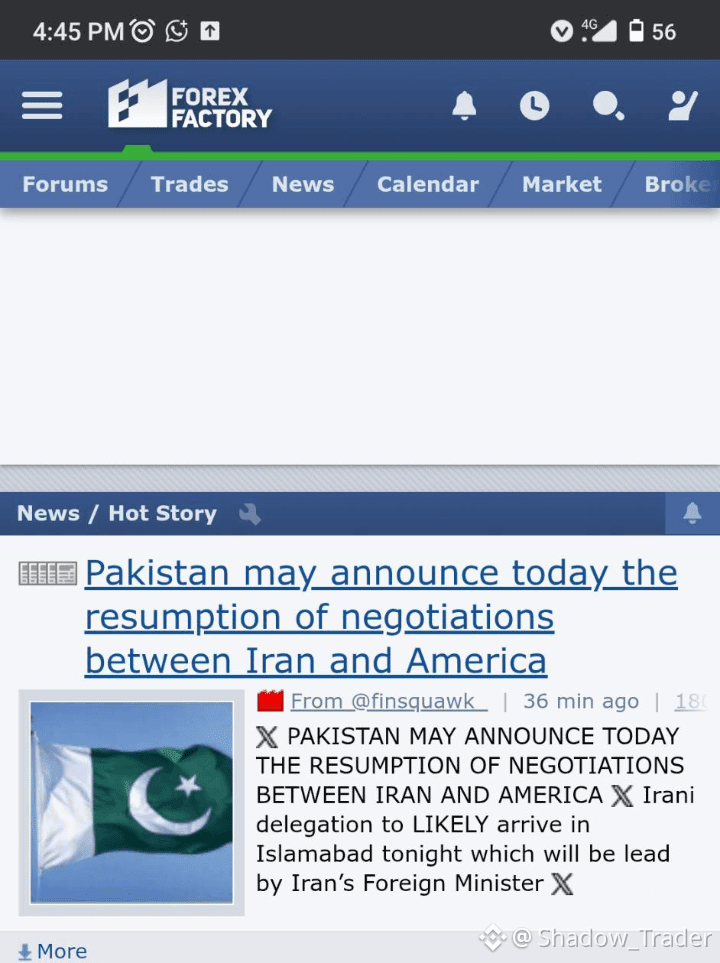
If Pakistan announces peace treaty between these two countries we'll see a huge push upside in the market.
Especially Gold and Crypto. S&P 500 is also expected to rise
#MarketRebound #USIranStandoff
$BTC
{spot}(BTCUSDT)
If Pakistan announces peace treaty between these two countries we'll see a huge push upside in the market.
Especially Gold and Crypto. S&P 500 is also expected to rise
#MarketRebound #USIranStandoff
$BTC
Especially Gold and Crypto. S&P 500 is also expected to rise
#MarketRebound #USIranStandoff
$BTC
1
255

·
--
Bullish
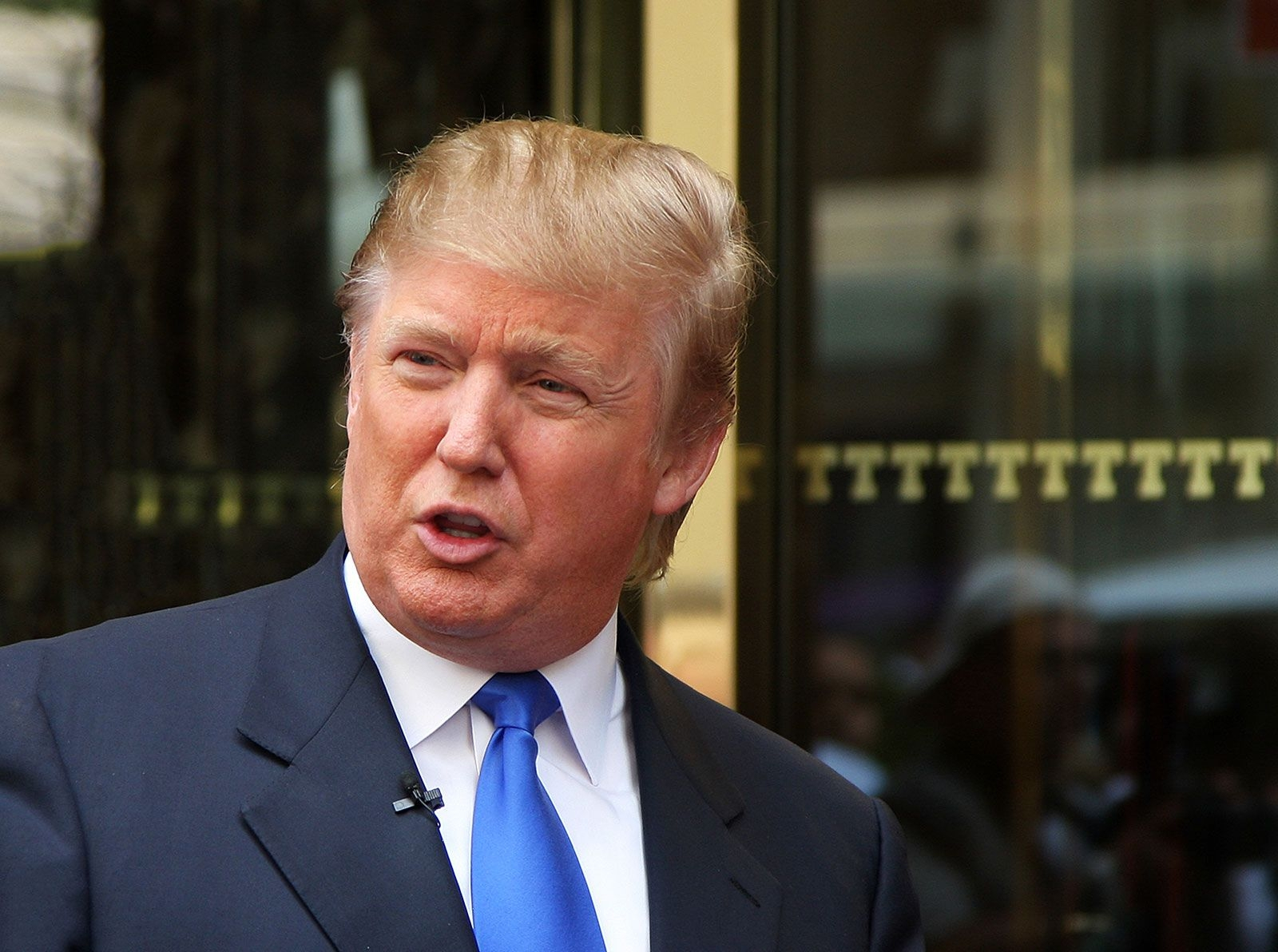
MASSIVE change in tone right now.
🇺🇲🇮🇷 Trump just repeated what a lot of commentators claim is being discussed behind the scenes: rising friction within Iran’s leadership. The chatter centers on hardliners vs. moderates, conflicting signals on next steps, and mounting pressure after recent setbacks in the region. Even if none of this is fully verified, the story itself can still hit market sentiment.
At the same time, focus is swinging back to the Strait of Hormuz — one of the world’s most critical oil chokepoints. Any suggestion of tighter control, restrictions, or negotiations around that corridor immediately raises the risk level. With so much global crude moving through such a narrow route, even rumors of disruption can ripple through energy, equities, and crypto.
On top of that, there are claims circulating about huge financial demands connected to reopening/guaranteeing shipping lanes. The figures being thrown around are staggering, but the messaging is inconsistent — which only adds to the uncertainty and feeds the idea of internal strain. When narratives clash like this, markets usually respond with volatility, not clarity.
So the setup is unusual:
Leadership uncertainty at the top
Strategic leverage in play
Energy routes back in the spotlight
Markets trying to price risk in real time
Meanwhile, PLAYUSDT is already moving. Hard sell pressure, sharp downside, and emotion-driven trades — the kind of action you often see when traders try to get ahead of headlines before anything is confirmed.
This isn’t about certainty right now. It’s about perception. And perception can move markets fast.
#DonaldTrump #TRUMP #USIranStandoff #trading $TRUMP
{spot}(TRUMPUSDT)
$BNB
{spot}(BNBUSDT)
MASSIVE change in tone right now.
🇺🇲🇮🇷 Trump just repeated what a lot of commentators claim is being discussed behind the scenes: rising friction within Iran’s leadership. The chatter centers on hardliners vs. moderates, conflicting signals on next steps, and mounting pressure after recent setbacks in the region. Even if none of this is fully verified, the story itself can still hit market sentiment.
At the same time, focus is swinging back to the Strait of Hormuz — one of the world’s most critical oil chokepoints. Any suggestion of tighter control, restrictions, or negotiations around that corridor immediately raises the risk level. With so much global crude moving through such a narrow route, even rumors of disruption can ripple through energy, equities, and crypto.
On top of that, there are claims circulating about huge financial demands connected to reopening/guaranteeing shipping lanes. The figures being thrown around are staggering, but the messaging is inconsistent — which only adds to the uncertainty and feeds the idea of internal strain. When narratives clash like this, markets usually respond with volatility, not clarity.
So the setup is unusual:
Leadership uncertainty at the top
Strategic leverage in play
Energy routes back in the spotlight
Markets trying to price risk in real time
Meanwhile, PLAYUSDT is already moving. Hard sell pressure, sharp downside, and emotion-driven trades — the kind of action you often see when traders try to get ahead of headlines before anything is confirmed.
This isn’t about certainty right now. It’s about perception. And perception can move markets fast.
#DonaldTrump #TRUMP #USIranStandoff #trading $TRUMP
$BNB
🇺🇲🇮🇷 Trump just repeated what a lot of commentators claim is being discussed behind the scenes: rising friction within Iran’s leadership. The chatter centers on hardliners vs. moderates, conflicting signals on next steps, and mounting pressure after recent setbacks in the region. Even if none of this is fully verified, the story itself can still hit market sentiment.
At the same time, focus is swinging back to the Strait of Hormuz — one of the world’s most critical oil chokepoints. Any suggestion of tighter control, restrictions, or negotiations around that corridor immediately raises the risk level. With so much global crude moving through such a narrow route, even rumors of disruption can ripple through energy, equities, and crypto.
On top of that, there are claims circulating about huge financial demands connected to reopening/guaranteeing shipping lanes. The figures being thrown around are staggering, but the messaging is inconsistent — which only adds to the uncertainty and feeds the idea of internal strain. When narratives clash like this, markets usually respond with volatility, not clarity.
So the setup is unusual:
Leadership uncertainty at the top
Strategic leverage in play
Energy routes back in the spotlight
Markets trying to price risk in real time
Meanwhile, PLAYUSDT is already moving. Hard sell pressure, sharp downside, and emotion-driven trades — the kind of action you often see when traders try to get ahead of headlines before anything is confirmed.
This isn’t about certainty right now. It’s about perception. And perception can move markets fast.
#DonaldTrump #TRUMP #USIranStandoff #trading $TRUMP
$BNB
83
Log in to explore more content
Join global crypto users on Binance Square
⚡️ Get latest and useful information about crypto.
💬 Trusted by the world’s largest crypto exchange.
👍 Discover real insights from verified creators.
Email / Phone number
Trending Topics
1
#BitcoinParesGainsAfterRallyTo$86.5K
6,051 views
51 Discussing
2
#CerebrasSinksNearly20%OnReportNvidiaToPowerOpenAI
14,903 views
230 Discussing
3
#SECProposesCryptoCustodyRules
39,179 views
389 Discussing
4
#SECApproves3xLongCryptoCommodityETPs
29,539 views
337 Discussing
5
#MASKHitsRecordMarketCapAbove$35M
58 views
22 Discussing
6
#G7PlansToReleaseUpTo100MBarrelsOilDiesel
28,931 views
354 Discussing
7
#ICBASuesOCCOverCryptoBankCharters
21,421 views
238 Discussing
8
#USStocksCloseHigherOnWeakJobsData
20,210 views
190 Discussing
9
#AnchorageReportedlyCuts17%Workforce
3,380 views
72 Discussing
10
#NFPWatch
11M views
19,708 Discussing