

ABN Web3
295 Posts

ABN Web3
Report
Block User
I learn, explore, analyze, and invest in Crypto, Web3, I’m also interested in financial speculation and share my journey, insights, and lessons along the way.
131 Following
85 Followers
97 Liked
Posts
All
Quotes
Videos
·
--

Article
The 3 essential takeaways
so you can navigate well this week that opens the door.1 The calm before the storm (or before the pump)
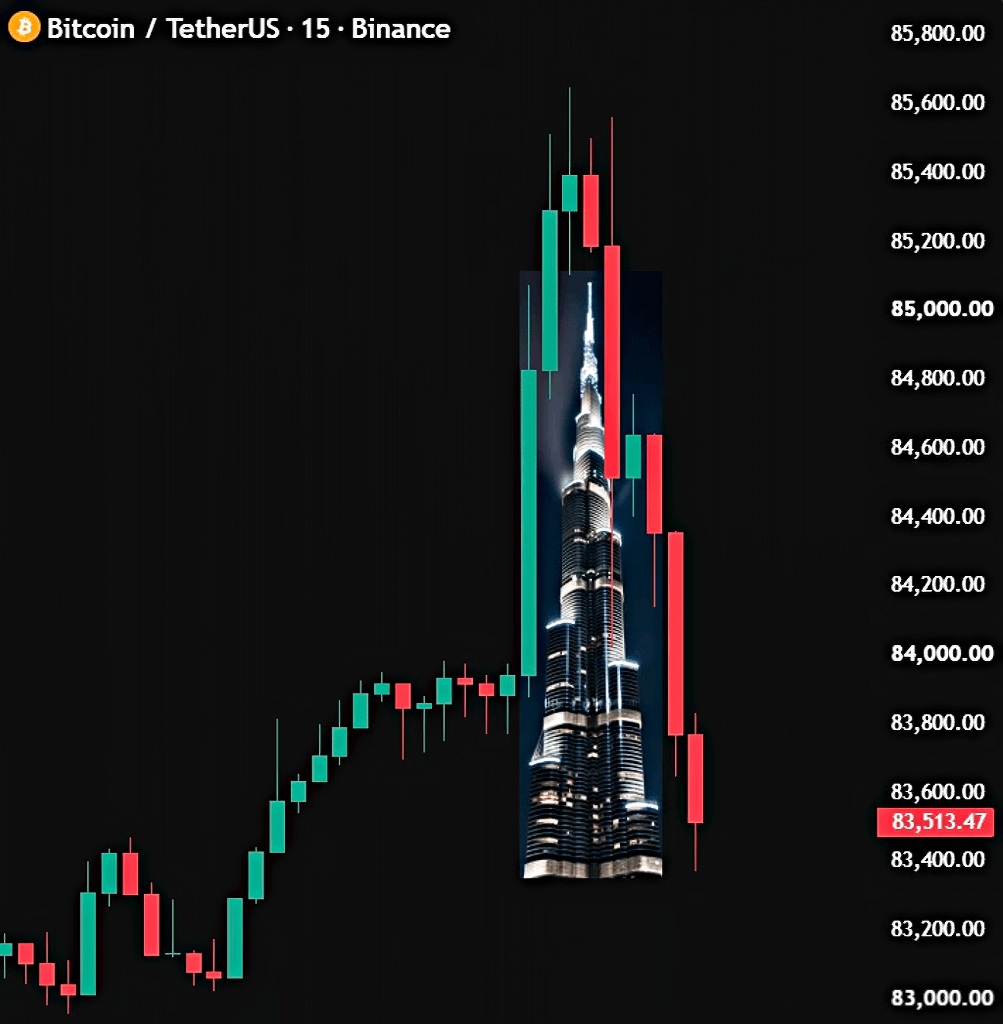
Alright, let’s not pretend: this Sunday’s market is a bit like a rainy Sunday afternoon. Bitcoin is flirting with $85,000 without really knowing whether it wants to go up or down. It briefly touched $87,000 at the start of the week before pulling back into a narrow range.
The Fear & Greed index is at 65, so “greed” but a soft kind of greed—not the kind that makes you sell your car to buy PEPE.
The 3 essential takeaways so you can navigate well this week that opens the door.
1 The calm before the storm (or before the pump)
Alright, let’s not pretend: this Sunday’s market is a bit like a rainy Sunday afternoon. Bitcoin is flirting with $85,000 without really knowing whether it wants to go up or down. It briefly touched $87,000 at the start of the week before pulling back into a narrow range.
The Fear & Greed index is at 65, so “greed” but a soft kind of greed—not the kind that makes you sell your car to buy PEPE.
Alright, let’s not pretend: this Sunday’s market is a bit like a rainy Sunday afternoon. Bitcoin is flirting with $85,000 without really knowing whether it wants to go up or down. It briefly touched $87,000 at the start of the week before pulling back into a narrow range.
The Fear & Greed index is at 65, so “greed” but a soft kind of greed—not the kind that makes you sell your car to buy PEPE.
374

·
--
$ALICE
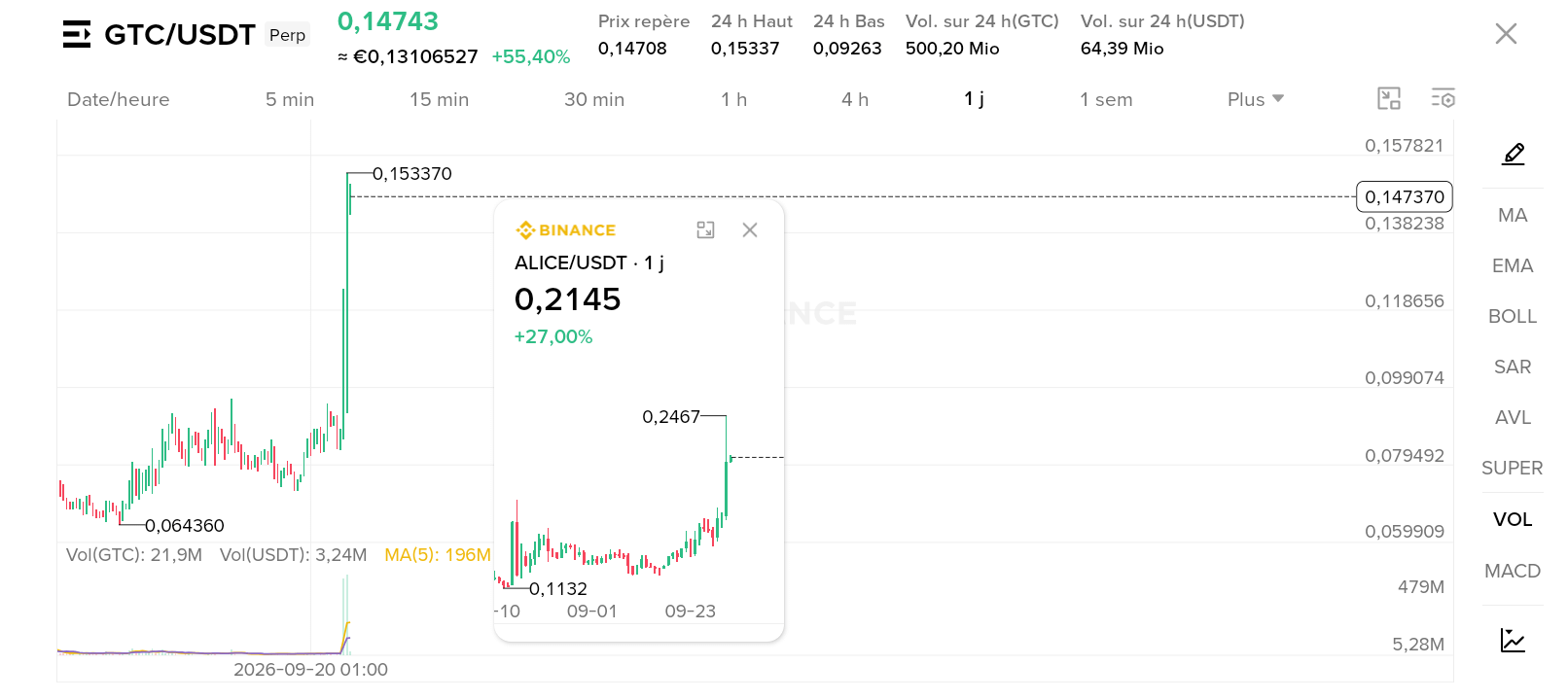
$GTC After a correction, it can sometimes rebound by +25%, +50%, or even +100% from its lowest point. 📈
But these are not rules: history shows that each cycle has its own dynamics.
The two altcoins, Alice and Gtc, want to prove what? Let's observe together
$ALICE
$GTC After a correction, it can sometimes rebound by +25%, +50%, or even +100% from its lowest point. 📈
But these are not rules: history shows that each cycle has its own dynamics.
The two altcoins, Alice and Gtc, want to prove what? Let's observe together
$GTC After a correction, it can sometimes rebound by +25%, +50%, or even +100% from its lowest point. 📈
But these are not rules: history shows that each cycle has its own dynamics.
The two altcoins, Alice and Gtc, want to prove what? Let's observe together
193
·
--
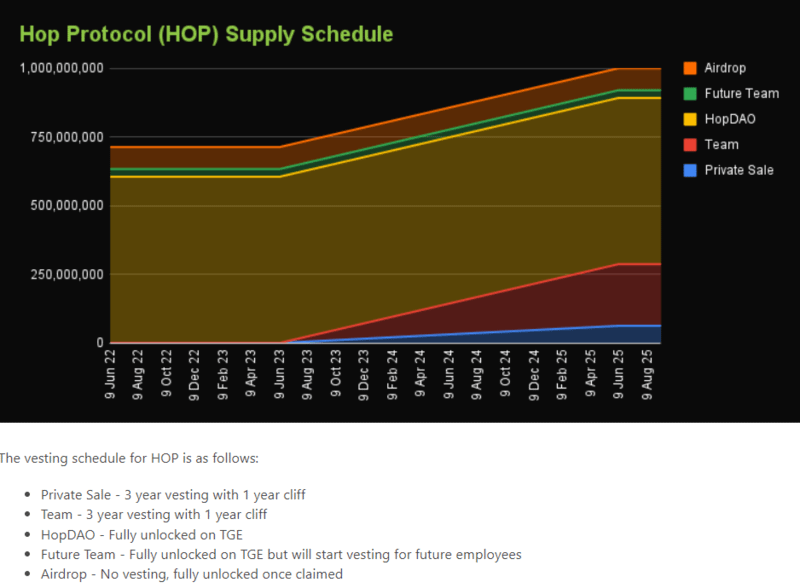
You see a token going up… but do you know how many tokens will soon be unlocked? 👀
That’s where #Vesting becomes important.
Vesting is the mechanism that determines when and how the locked tokens are progressively released.
Why does it matter?
Because a large unlock can increase the number of tokens available on the market and potentially create more selling pressure.
Before you focus only on price, also look at:
🔹 How many tokens are still locked?
🔹 Who do they belong to?
🔹 What is the next unlock date?
In crypto, what’s locked today can become available tomorrow.
So vesting deserves a spot in your analysis. 🔍
You see a token going up… but do you know how many tokens will soon be unlocked? 👀
That’s where #Vesting becomes important.
Vesting is the mechanism that determines when and how the locked tokens are progressively released.
Why does it matter?
Because a large unlock can increase the number of tokens available on the market and potentially create more selling pressure.
Before you focus only on price, also look at:
🔹 How many tokens are still locked?
🔹 Who do they belong to?
🔹 What is the next unlock date?
In crypto, what’s locked today can become available tomorrow.
So vesting deserves a spot in your analysis. 🔍
That’s where #Vesting becomes important.
Vesting is the mechanism that determines when and how the locked tokens are progressively released.
Why does it matter?
Because a large unlock can increase the number of tokens available on the market and potentially create more selling pressure.
Before you focus only on price, also look at:
🔹 How many tokens are still locked?
🔹 Who do they belong to?
🔹 What is the next unlock date?
In crypto, what’s locked today can become available tomorrow.
So vesting deserves a spot in your analysis. 🔍
97
·
--
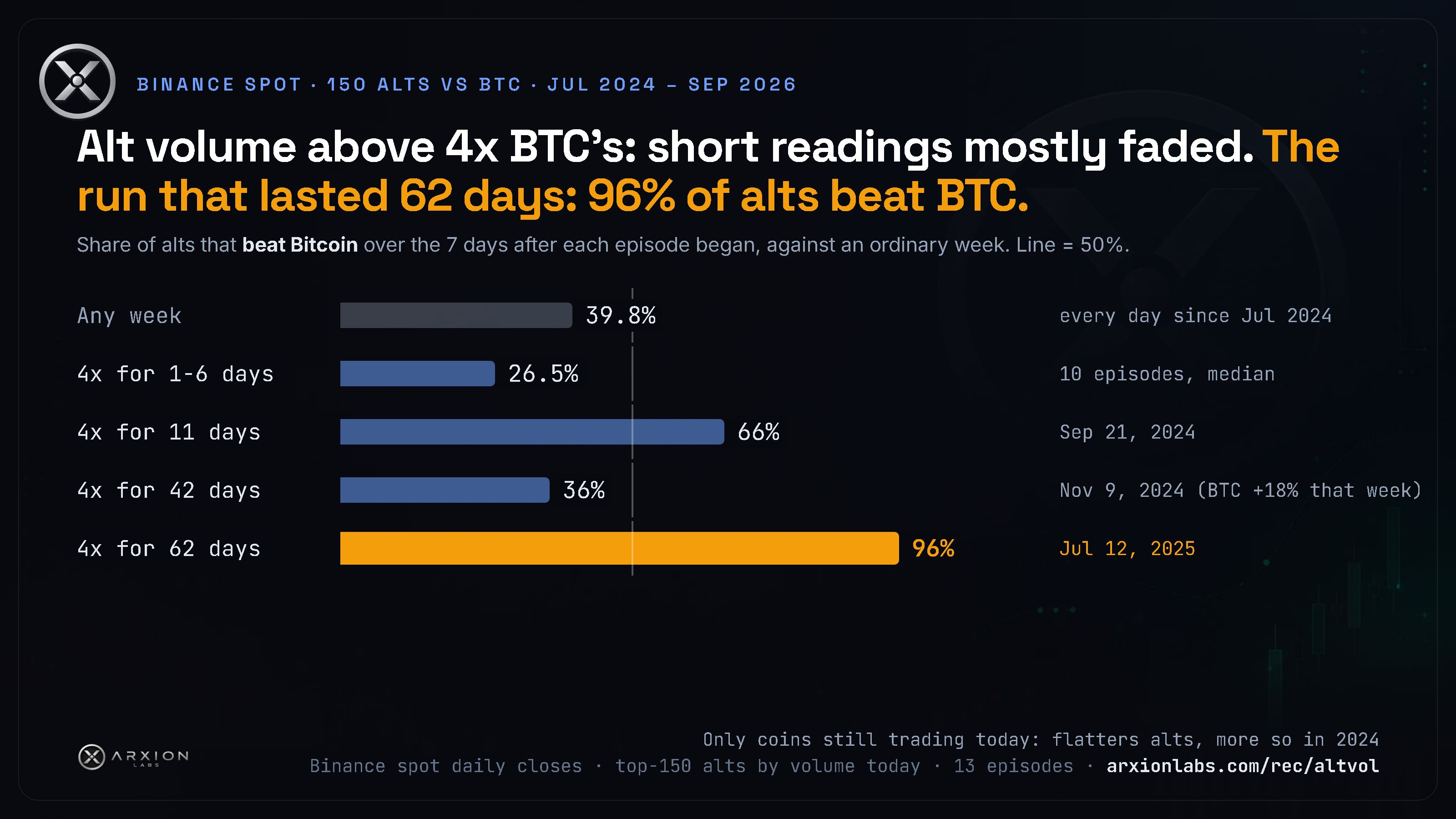
What interests me in this data isn’t shouting “#altseason ” too quickly.
The volume of altcoins currently exceeds that of BTC, but history shows that this kind of situation can also burn out quickly.
The real signal will be duration: will the alts keep holding up against BTC over the next few weeks?
#btc #OpenAIDelaysGPT6.1OverSafetyIssues
What interests me in this data isn’t shouting “#altseason ” too quickly.
The volume of altcoins currently exceeds that of BTC, but history shows that this kind of situation can also burn out quickly.
The real signal will be duration: will the alts keep holding up against BTC over the next few weeks?
#btc #OpenAIDelaysGPT6.1OverSafetyIssues
The volume of altcoins currently exceeds that of BTC, but history shows that this kind of situation can also burn out quickly.
The real signal will be duration: will the alts keep holding up against BTC over the next few weeks?
#btc #OpenAIDelaysGPT6.1OverSafetyIssues
213
·
--
thank you , very much for not taking the time to read the cycles ,
if they can take 2 minutes for that , they can gain 5 years of market experience
thank you , very much for not taking the time to read the cycles ,
if they can take 2 minutes for that , they can gain 5 years of market experience
if they can take 2 minutes for that , they can gain 5 years of market experience

Jeeva_jvan
·
--
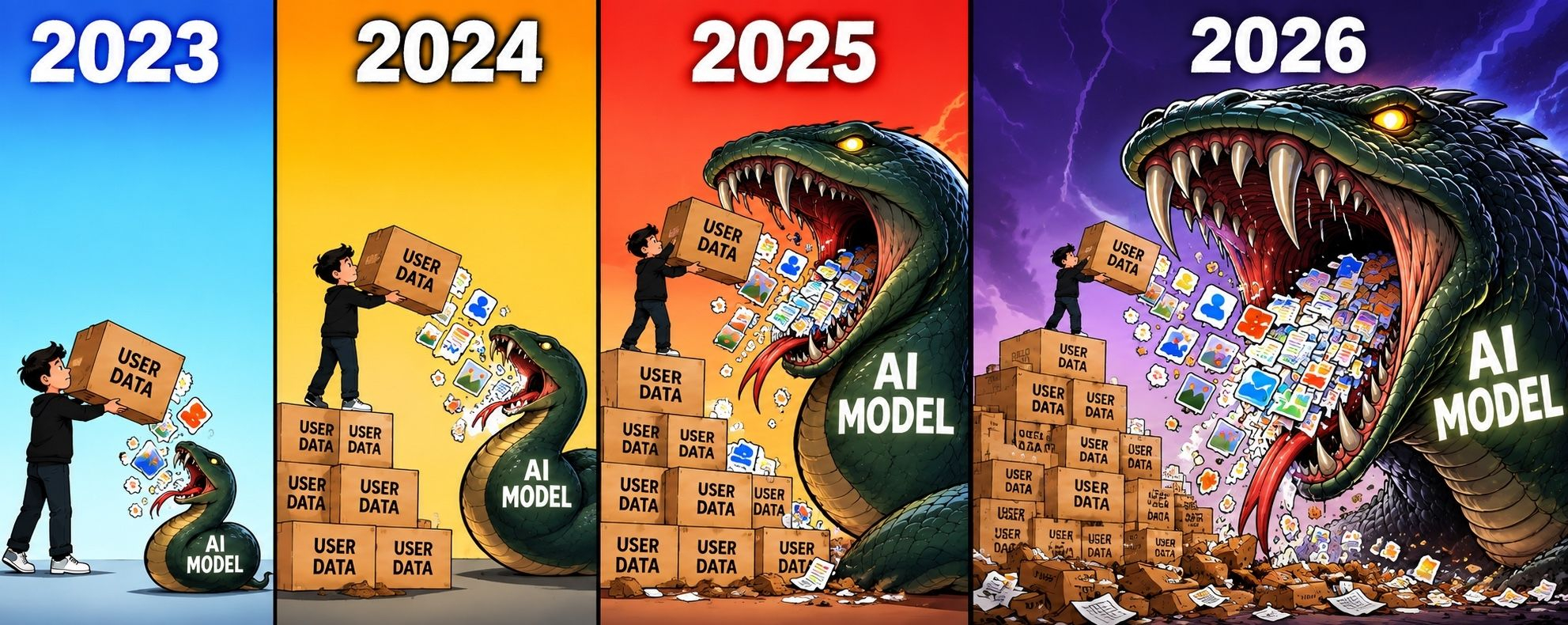
AI's Growing Hunger for Data: From a Small Model to a Digital Monster
In 2023, AI was just getting started. By 2026, it has become a giant that needs more and more data to grow.
The real power of AI isn't just computing. It's the data we feed it. Every image, text, video, and interaction helps train smarter models.
But here's the big question: As AI becomes more powerful, how much of our data will it need next?
The future of AI will depend not only on how smart models become, but also on how responsibly we manage the data behind them.
#AI #ArtificialIntelligence #data #Web3 #jeevajvan
The real power of AI isn't just computing. It's the data we feed it. Every image, text, video, and interaction helps train smarter models.
But here's the big question: As AI becomes more powerful, how much of our data will it need next?
The future of AI will depend not only on how smart models become, but also on how responsibly we manage the data behind them.
#AI #ArtificialIntelligence #data #Web3 #jeevajvan
163
·
--
1
741
·
--
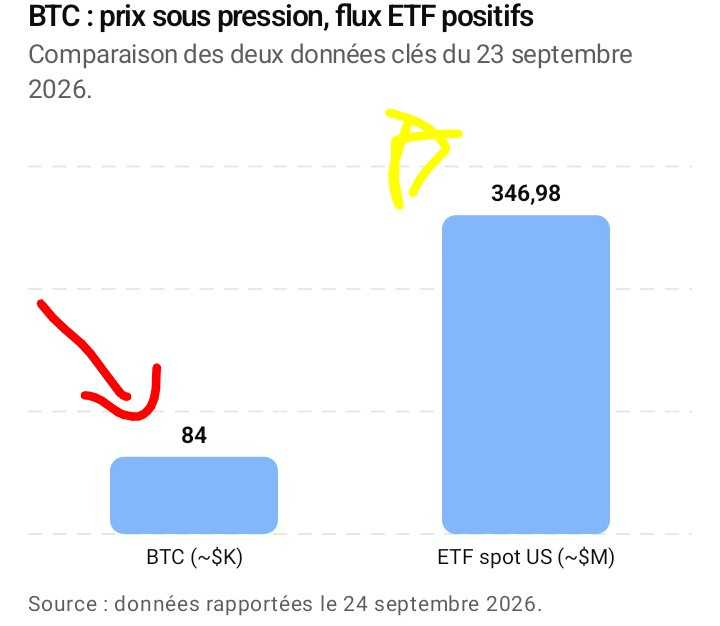
BTC pulls back toward 84K$, but US spot ETFs have still managed to capture ~347 M$ yesterday. The price is slowing down; institutional capital keeps flowing in: who will eventually set the pace for the market?
#BTC☀
{spot}(BTCUSDT)
BTC pulls back toward 84K$, but US spot ETFs have still managed to capture ~347 M$ yesterday. The price is slowing down; institutional capital keeps flowing in: who will eventually set the pace for the market?
#BTC☀
#BTC☀
1
348
·
--
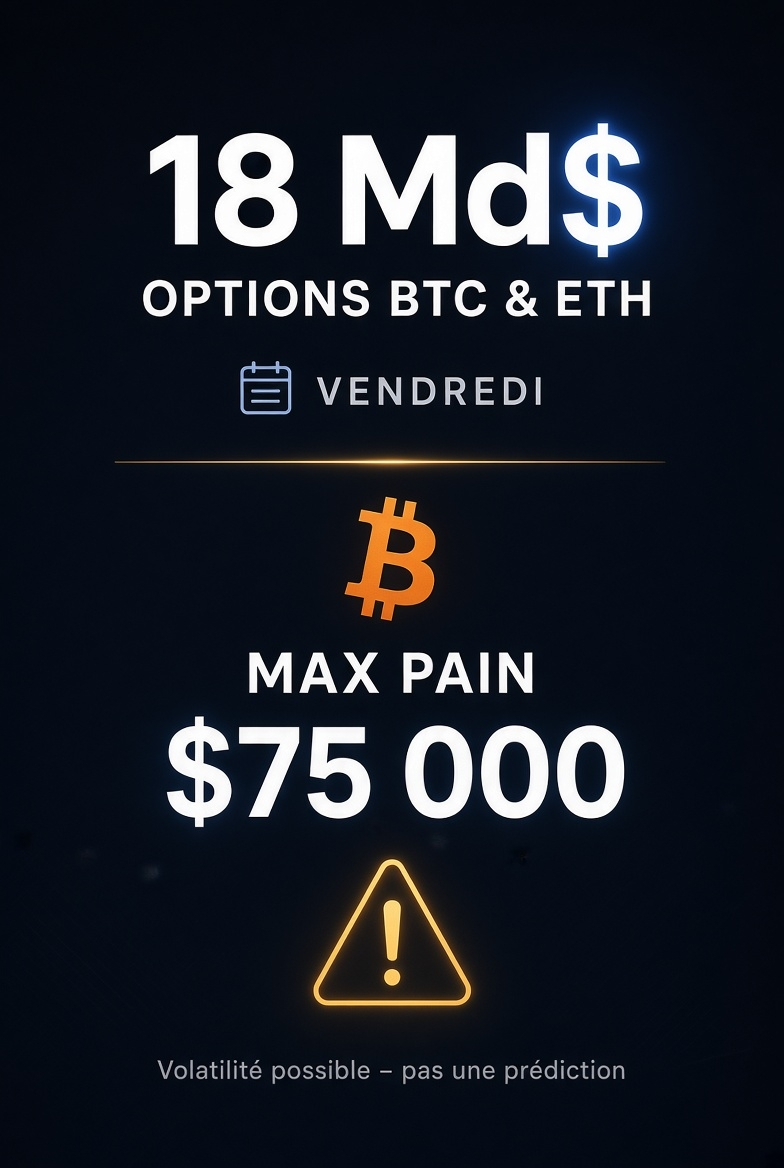
18 Md$ d’options BTC & ETH expirent vendredi, avec un « max pain »
around de 75 000 $ pour Bitcoin.
{spot}(BTCUSDT)
⚠️ This can create volatility, but this level is not a prediction: will the market confirm this scenario or surprise us? #NewsAboutCrypto #Information
18 Md$ d’options BTC & ETH expirent vendredi, avec un « max pain »
around de 75 000 $ pour Bitcoin.
⚠️ This can create volatility, but this level is not a prediction: will the market confirm this scenario or surprise us? #NewsAboutCrypto #Information
around de 75 000 $ pour Bitcoin.
⚠️ This can create volatility, but this level is not a prediction: will the market confirm this scenario or surprise us? #NewsAboutCrypto #Information
1
158
·
--
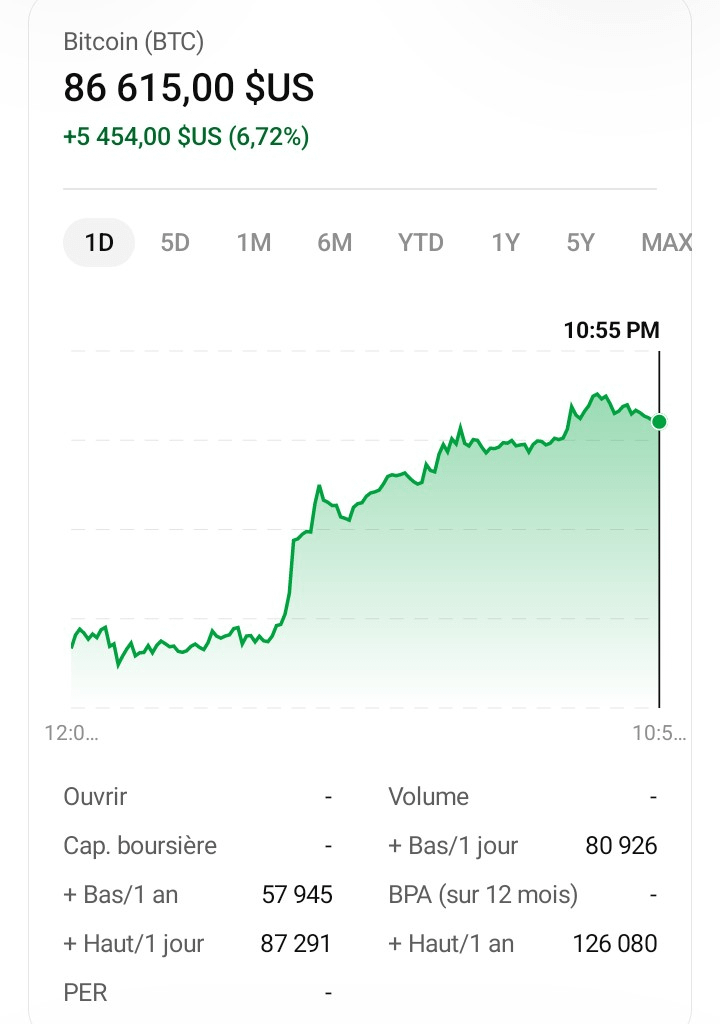
🚨 BITCOIN REBOUNDS STRONGLY BUT WHY?
BTC has just climbed back above $86,000, with a peak near $87,300.
But the most interesting part isn’t just the rise. 👇
💰 Bitcoin ETFs are recording fresh inflows.
📉 Short positions have been massively liquidated.
📈 BTC is regaining key technical levels.
👉 This creates a powerful mix: new capital + a short squeeze + a return of risk appetite.
But beware: a quick rebound doesn’t yet mean a sustained recovery.
The real question now:
Is BTC building a new trend… or are we simply seeing a big bout of market relief?
🔎 No hype. We’re looking at the data.
ABN Web3 🇧🇯 Bitcoin • Web3 • Emerging Tech
🚨 BITCOIN REBOUNDS STRONGLY BUT WHY?
BTC has just climbed back above $86,000, with a peak near $87,300.
But the most interesting part isn’t just the rise. 👇
💰 Bitcoin ETFs are recording fresh inflows.
📉 Short positions have been massively liquidated.
📈 BTC is regaining key technical levels.
👉 This creates a powerful mix: new capital + a short squeeze + a return of risk appetite.
But beware: a quick rebound doesn’t yet mean a sustained recovery.
The real question now:
Is BTC building a new trend… or are we simply seeing a big bout of market relief?
🔎 No hype. We’re looking at the data.
ABN Web3 🇧🇯 Bitcoin • Web3 • Emerging Tech
BTC has just climbed back above $86,000, with a peak near $87,300.
But the most interesting part isn’t just the rise. 👇
💰 Bitcoin ETFs are recording fresh inflows.
📉 Short positions have been massively liquidated.
📈 BTC is regaining key technical levels.
👉 This creates a powerful mix: new capital + a short squeeze + a return of risk appetite.
But beware: a quick rebound doesn’t yet mean a sustained recovery.
The real question now:
Is BTC building a new trend… or are we simply seeing a big bout of market relief?
🔎 No hype. We’re looking at the data.
ABN Web3 🇧🇯 Bitcoin • Web3 • Emerging Tech
49
·
--
Article
Not a magic course. Just a return to fundamentalsI still see a lot of people coming into crypto looking for the next x10, even though the fundamentals remain unclear.
Not a magic course. Just a return to fundamentals.
Bitcoin is first and foremost a decentralized network. Not a company, not a product. Its supply is limited (21 million), its operation relies on proof of work, and its value comes mainly from collective trust and its use as a store of value. Bitcoin ETFs have simply made this asset accessible to traditional investors through regulated vehicles. When money flows into these ETFs, it supports the price, but it doesn’t change what Bitcoin is.
Not a magic course. Just a return to fundamentals
I still see a lot of people coming into crypto looking for the next x10, even though the fundamentals remain unclear.
Not a magic course. Just a return to fundamentals.
Bitcoin is first and foremost a decentralized network. Not a company, not a product. Its supply is limited (21 million), its operation relies on proof of work, and its value comes mainly from collective trust and its use as a store of value. Bitcoin ETFs have simply made this asset accessible to traditional investors through regulated vehicles. When money flows into these ETFs, it supports the price, but it doesn’t change what Bitcoin is.
Not a magic course. Just a return to fundamentals.
Bitcoin is first and foremost a decentralized network. Not a company, not a product. Its supply is limited (21 million), its operation relies on proof of work, and its value comes mainly from collective trust and its use as a store of value. Bitcoin ETFs have simply made this asset accessible to traditional investors through regulated vehicles. When money flows into these ETFs, it supports the price, but it doesn’t change what Bitcoin is.
1
371
·
--
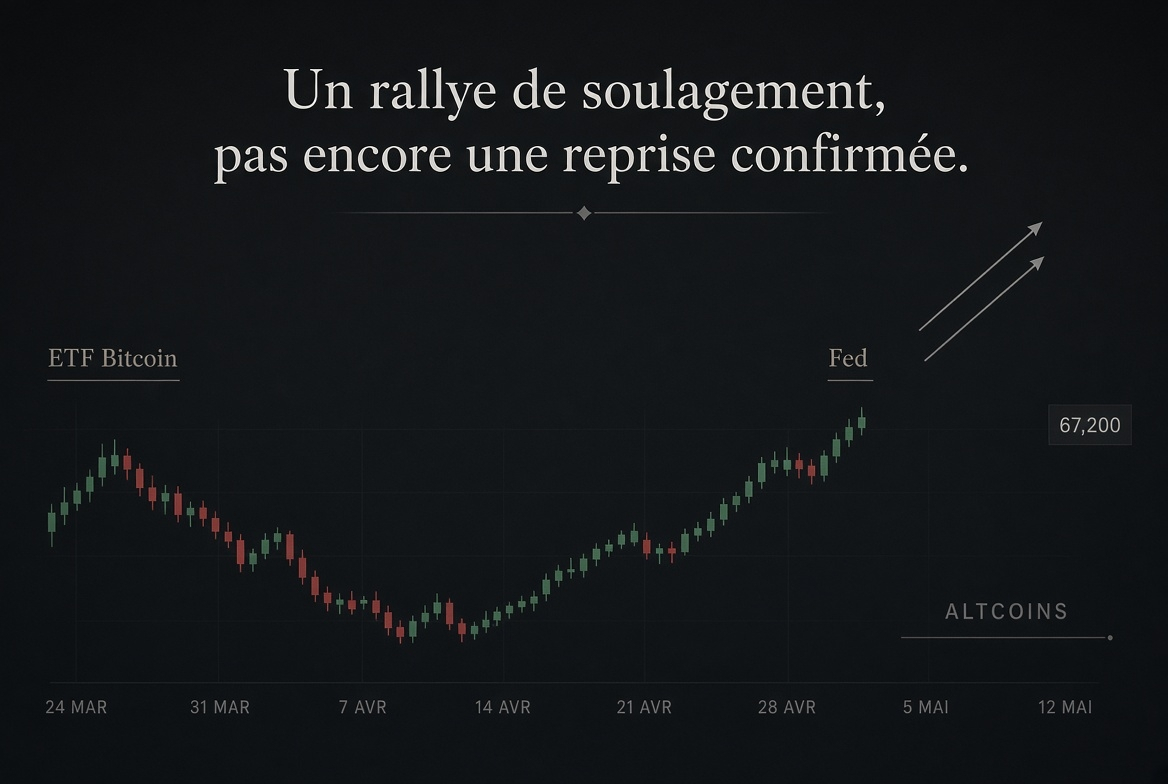
The crypto market rebounds mainly thanks to the return of flows to Bitcoin ETFs and a rapid rotation into altcoins after the Fed. For now, it looks more like a relief rally than a clear signal of a durable recovery.#MarketNews
The crypto market rebounds mainly thanks to the return of flows to Bitcoin ETFs and a rapid rotation into altcoins after the Fed. For now, it looks more like a relief rally than a clear signal of a durable recovery.#MarketNews
99
·
--
A crypto does ×20 in 24 hours. 🚀
I see that and, honestly, a thought comes to me:
“ If I miss this bus, there’ll be another one. ” 🚌
It’s an idea often associated with Richard Branson: don’t let a missed opportunity become a reason to make a bad decision.
Before, I might’ve been afraid of missing out.
Today, I just tell myself:
I’d rather miss a ×20 than chase the market while emotions are in control.
There will be other opportunities.
The next bus will arrive. Will you be ready?
A crypto does ×20 in 24 hours. 🚀
I see that and, honestly, a thought comes to me:
“ If I miss this bus, there’ll be another one. ” 🚌
It’s an idea often associated with Richard Branson: don’t let a missed opportunity become a reason to make a bad decision.
Before, I might’ve been afraid of missing out.
Today, I just tell myself:
I’d rather miss a ×20 than chase the market while emotions are in control.
There will be other opportunities.
The next bus will arrive. Will you be ready?
I see that and, honestly, a thought comes to me:
“ If I miss this bus, there’ll be another one. ” 🚌
It’s an idea often associated with Richard Branson: don’t let a missed opportunity become a reason to make a bad decision.
Before, I might’ve been afraid of missing out.
Today, I just tell myself:
I’d rather miss a ×20 than chase the market while emotions are in control.
There will be other opportunities.
The next bus will arrive. Will you be ready?

161
·
--
🚨 The CLARITY Act just ran into the US Senate: 49 votes against, 50 for, while 60 were needed to move forward.
Crypto is also playing out in the corridors of power, not just on the charts. 👀
#Crypto #bitcoin #Web3 #CLARITYAct
🚨 The CLARITY Act just ran into the US Senate: 49 votes against, 50 for, while 60 were needed to move forward.
Crypto is also playing out in the corridors of power, not just on the charts. 👀
#Crypto #bitcoin #Web3 #CLARITYAct
Crypto is also playing out in the corridors of power, not just on the charts. 👀
#Crypto #bitcoin #Web3 #CLARITYAct
85
·
--
🚨 3 Crypto/Web3 projects I just discovered 👀
Web3 is advancing so fast that it’s impossible to know everything.
In the past few days, I discovered 3 projects that made me want to dig deeper:
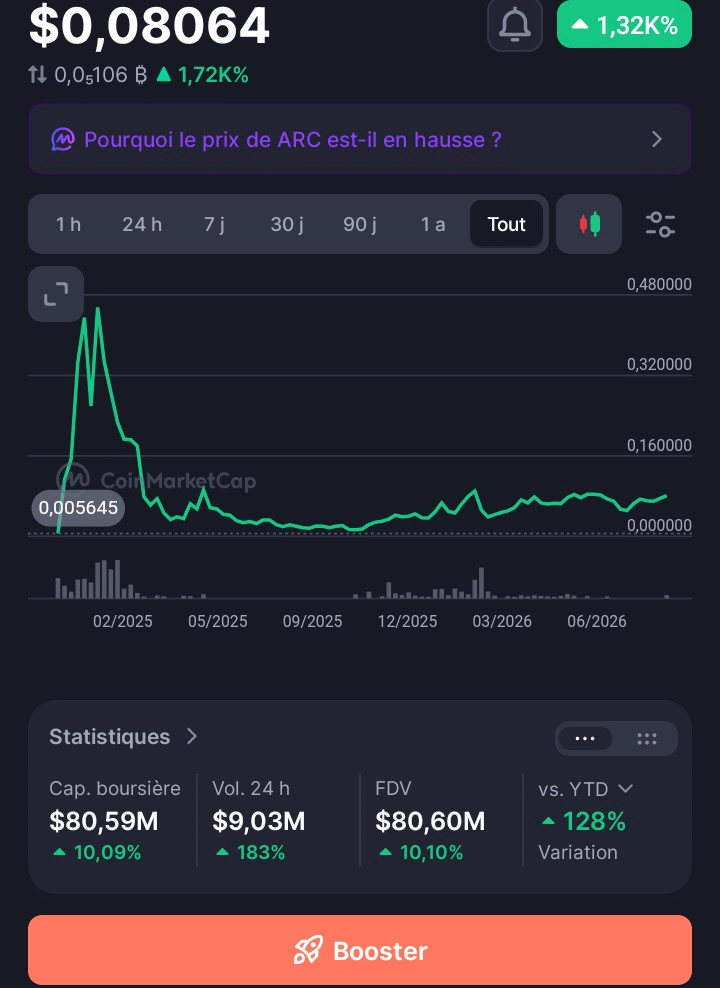
1️⃣ $ARC
An infrastructure-focused project and stablecoins.
👉 What caught my attention: its ambition around real use cases for on-chain finance.
2️⃣ $Canopy
A project exploring the meeting between AI and blockchain.
👉 What interests me: seeing how AI can make access to Web3 development easier.
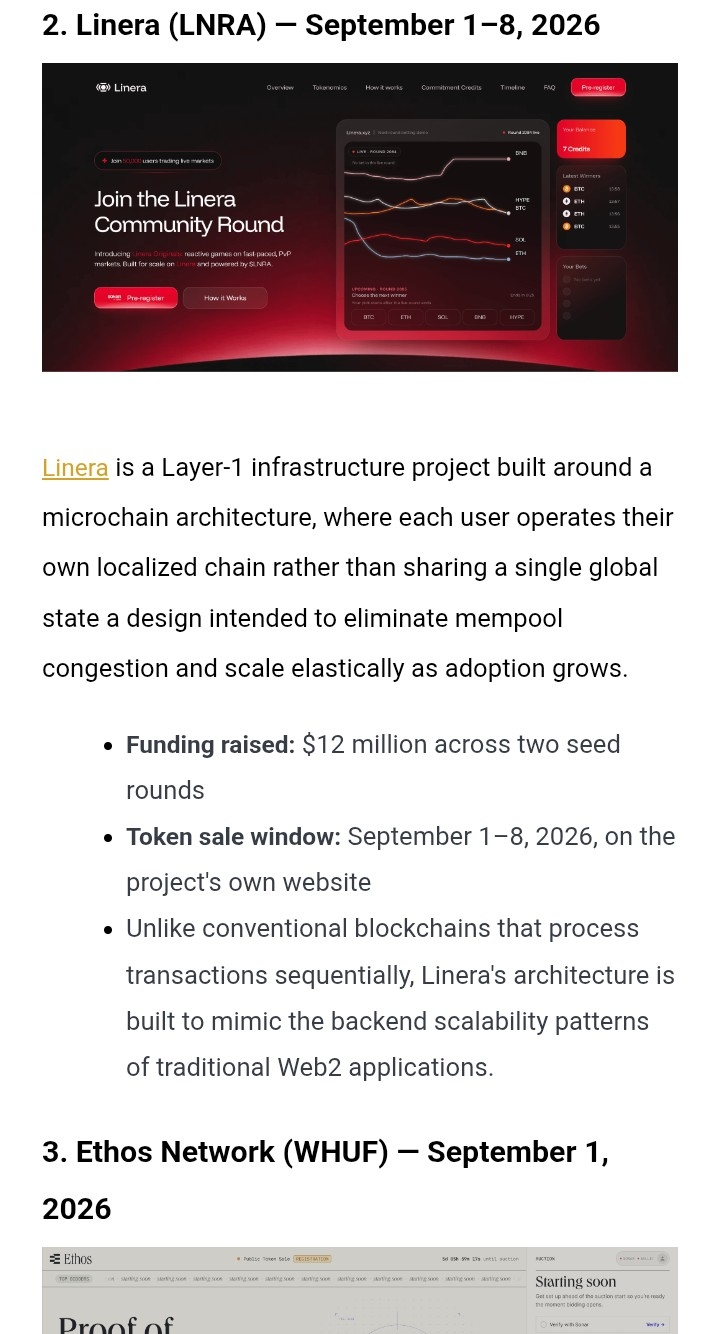
3️⃣ Linera
A Layer-1 infrastructure with a particular approach to scalability.
👉 What made me want to explore: their different vision for building faster, more efficient Web3 applications.
💡 But discovering a project ≠ investing in the project.
Before putting my money into an asset, I want to understand what I’m buying:
🔎 the product
🔎 the team
🔎 the tokenomics
🔎 the investors
🔎 the risks
🔎 and above all… the real problem being solved.
It reminds me of a lesson from The Richest Man in Babylon: the 4th law of gold.
👉 Gold escapes the person who invests it in things they don’t know or don’t understand.
That’s exactly why I prefer to do my own research (DYOR) before taking action.
I’m not sharing these projects as financial recommendations.
I’m sharing them because I’m exploring them myself.
And you? 👇
Which Crypto/Web3 project did you recently discover that made you want to do your own research?
#Crypto_Jobs🎯 #Web3 #Blockchain #dyor #CryptoResearch
🚨 3 Crypto/Web3 projects I just discovered 👀
Web3 is advancing so fast that it’s impossible to know everything.
In the past few days, I discovered 3 projects that made me want to dig deeper:
1️⃣ $ARC
An infrastructure-focused project and stablecoins.
👉 What caught my attention: its ambition around real use cases for on-chain finance.
2️⃣ $Canopy
A project exploring the meeting between AI and blockchain.
👉 What interests me: seeing how AI can make access to Web3 development easier.
3️⃣ Linera
A Layer-1 infrastructure with a particular approach to scalability.
👉 What made me want to explore: their different vision for building faster, more efficient Web3 applications.
💡 But discovering a project ≠ investing in the project.
Before putting my money into an asset, I want to understand what I’m buying:
🔎 the product
🔎 the team
🔎 the tokenomics
🔎 the investors
🔎 the risks
🔎 and above all… the real problem being solved.
It reminds me of a lesson from The Richest Man in Babylon: the 4th law of gold.
👉 Gold escapes the person who invests it in things they don’t know or don’t understand.
That’s exactly why I prefer to do my own research (DYOR) before taking action.
I’m not sharing these projects as financial recommendations.
I’m sharing them because I’m exploring them myself.
And you? 👇
Which Crypto/Web3 project did you recently discover that made you want to do your own research?
#Crypto_Jobs🎯 #Web3 #Blockchain #dyor #CryptoResearch
Web3 is advancing so fast that it’s impossible to know everything.
In the past few days, I discovered 3 projects that made me want to dig deeper:
1️⃣ $ARC
An infrastructure-focused project and stablecoins.
👉 What caught my attention: its ambition around real use cases for on-chain finance.
2️⃣ $Canopy
A project exploring the meeting between AI and blockchain.
👉 What interests me: seeing how AI can make access to Web3 development easier.
3️⃣ Linera
A Layer-1 infrastructure with a particular approach to scalability.
👉 What made me want to explore: their different vision for building faster, more efficient Web3 applications.
💡 But discovering a project ≠ investing in the project.
Before putting my money into an asset, I want to understand what I’m buying:
🔎 the product
🔎 the team
🔎 the tokenomics
🔎 the investors
🔎 the risks
🔎 and above all… the real problem being solved.
It reminds me of a lesson from The Richest Man in Babylon: the 4th law of gold.
👉 Gold escapes the person who invests it in things they don’t know or don’t understand.
That’s exactly why I prefer to do my own research (DYOR) before taking action.
I’m not sharing these projects as financial recommendations.
I’m sharing them because I’m exploring them myself.
And you? 👇
Which Crypto/Web3 project did you recently discover that made you want to do your own research?
#Crypto_Jobs🎯 #Web3 #Blockchain #dyor #CryptoResearch
114
·
--
📉 Why do we always forget this part of the market?
I came across this chart and it made me reflect.
BTC, altcoins, stocks… the scenario changes, but the emotions often come back:
Optimism → euphoria → anxiety → panic → discouragement → hope.
What’s most interesting for me isn’t even the price.
It’s our behavior.
When the market is up, I sometimes feel like buying because “everyone’s winning.”
When it drops, I start doubting my decision.
And when nobody wants to talk about it anymore… that’s often when I begin observing calmly again.
I don’t think this chart can predict the next move.
But I do think it raises a real question:
Do we really analyze the market… or do we simply react to our emotions?
What do you think?
Crypto, altcoins: at what point are you most likely to make a mistake? 👀
Informational content. DYOR.
#Marketpsychology
📉 Why do we always forget this part of the market?
I came across this chart and it made me reflect.
BTC, altcoins, stocks… the scenario changes, but the emotions often come back:
Optimism → euphoria → anxiety → panic → discouragement → hope.
What’s most interesting for me isn’t even the price.
It’s our behavior.
When the market is up, I sometimes feel like buying because “everyone’s winning.”
When it drops, I start doubting my decision.
And when nobody wants to talk about it anymore… that’s often when I begin observing calmly again.
I don’t think this chart can predict the next move.
But I do think it raises a real question:
Do we really analyze the market… or do we simply react to our emotions?
What do you think?
Crypto, altcoins: at what point are you most likely to make a mistake? 👀
Informational content. DYOR.
#Marketpsychology
I came across this chart and it made me reflect.
BTC, altcoins, stocks… the scenario changes, but the emotions often come back:
Optimism → euphoria → anxiety → panic → discouragement → hope.
What’s most interesting for me isn’t even the price.
It’s our behavior.
When the market is up, I sometimes feel like buying because “everyone’s winning.”
When it drops, I start doubting my decision.
And when nobody wants to talk about it anymore… that’s often when I begin observing calmly again.
I don’t think this chart can predict the next move.
But I do think it raises a real question:
Do we really analyze the market… or do we simply react to our emotions?
What do you think?
Crypto, altcoins: at what point are you most likely to make a mistake? 👀
Informational content. DYOR.
#Marketpsychology
113
·
--
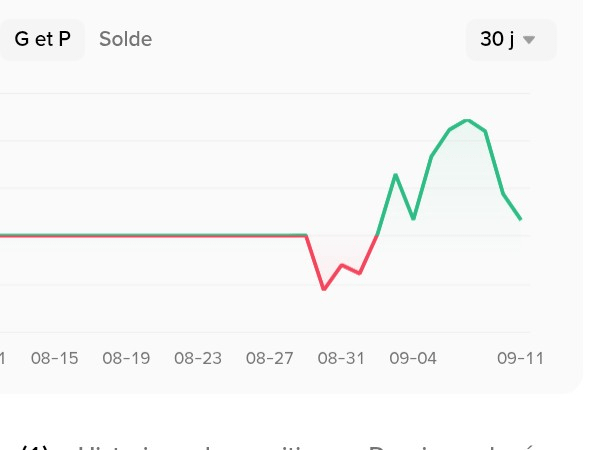
This is what I’ve been doing over the last 15 days. 👇🏽
I took some trades without having a really clear objective.
Sometimes I saw +50% and didn’t exit, telling myself it would go up even more. And a few hours or days later… the trade would come back into the red. 🥲
It reminded me of something simple: before entering a trade, you need to already know what you want to get out of it.
No need to look for the perfect top. The most important thing is to have a plan.
I’m sharing this because I think a lot of people can relate to this. 📈➡️📉
{spot}(BTCUSDT)
{spot}(AAPLBUSDT)
This is what I’ve been doing over the last 15 days. 👇🏽
I took some trades without having a really clear objective.
Sometimes I saw +50% and didn’t exit, telling myself it would go up even more. And a few hours or days later… the trade would come back into the red. 🥲
It reminded me of something simple: before entering a trade, you need to already know what you want to get out of it.
No need to look for the perfect top. The most important thing is to have a plan.
I’m sharing this because I think a lot of people can relate to this. 📈➡️📉
I took some trades without having a really clear objective.
Sometimes I saw +50% and didn’t exit, telling myself it would go up even more. And a few hours or days later… the trade would come back into the red. 🥲
It reminded me of something simple: before entering a trade, you need to already know what you want to get out of it.
No need to look for the perfect top. The most important thing is to have a plan.
I’m sharing this because I think a lot of people can relate to this. 📈➡️📉
1
393
·
--
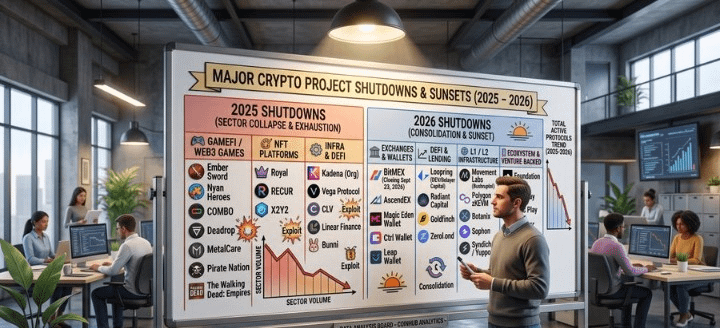
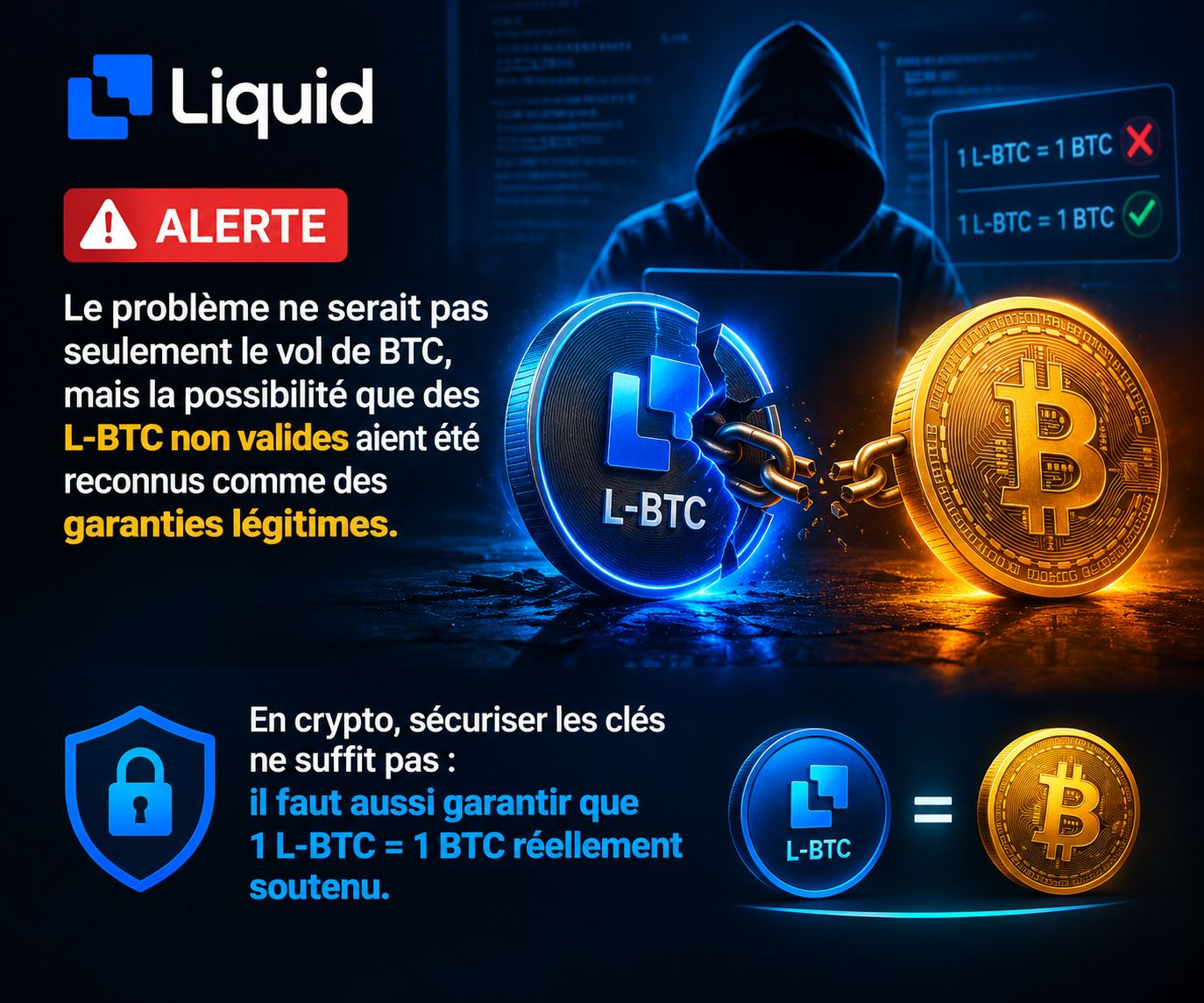
🚨 What happened with Liquid is much deeper than a simple “hack”.
The issue would not be only related to the theft of keys. According to the reported information, a vulnerability would have allowed nonexistent L-BTC to be considered as valid collateral, before enabling the withdrawal of approximately 4,000 real BTC.
⚠️ And that’s where the matter becomes serious:
1 L-BTC = 1 BTC must not be just a promise.
A real BTC must actually back it.
If an asset that doesn’t exist can be recognized as legitimate by the system, then the problem directly affects the protocol’s fundamental invariant.
👉 In crypto, security therefore isn’t just about protecting keys.
It’s also about ensuring the system can never transform an invalid state into a valid withdrawal.
So the real question is not only: “Who stole the BTC?”
But rather: “How could the protocol consider these assets valid?” 👀
#Crypto #Blockchain #Web3 #DeFi
🚨 What happened with Liquid is much deeper than a simple “hack”.
The issue would not be only related to the theft of keys. According to the reported information, a vulnerability would have allowed nonexistent L-BTC to be considered as valid collateral, before enabling the withdrawal of approximately 4,000 real BTC.
⚠️ And that’s where the matter becomes serious:
1 L-BTC = 1 BTC must not be just a promise.
A real BTC must actually back it.
If an asset that doesn’t exist can be recognized as legitimate by the system, then the problem directly affects the protocol’s fundamental invariant.
👉 In crypto, security therefore isn’t just about protecting keys.
It’s also about ensuring the system can never transform an invalid state into a valid withdrawal.
So the real question is not only: “Who stole the BTC?”
But rather: “How could the protocol consider these assets valid?” 👀
#Crypto #Blockchain #Web3 #DeFi
The issue would not be only related to the theft of keys. According to the reported information, a vulnerability would have allowed nonexistent L-BTC to be considered as valid collateral, before enabling the withdrawal of approximately 4,000 real BTC.
⚠️ And that’s where the matter becomes serious:
1 L-BTC = 1 BTC must not be just a promise.
A real BTC must actually back it.
If an asset that doesn’t exist can be recognized as legitimate by the system, then the problem directly affects the protocol’s fundamental invariant.
👉 In crypto, security therefore isn’t just about protecting keys.
It’s also about ensuring the system can never transform an invalid state into a valid withdrawal.
So the real question is not only: “Who stole the BTC?”
But rather: “How could the protocol consider these assets valid?” 👀
#Crypto #Blockchain #Web3 #DeFi
136
·
--
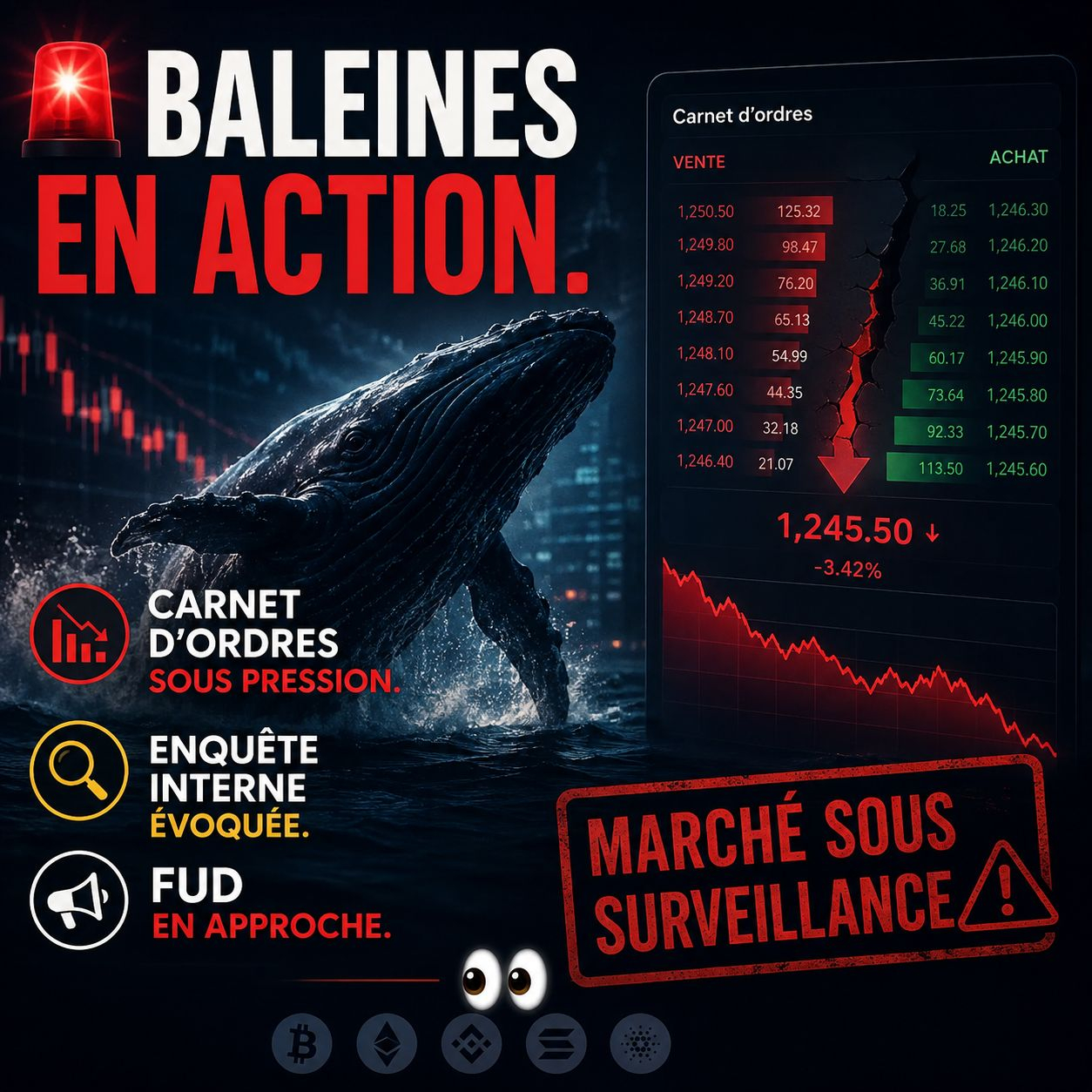
Guys, the whales are still playing with the order book: placing massive sell orders, slowing down demand, and trying to kill the momentum. 🐋
There are also reports of an internal investigation, but the details remain unclear for now.
Keep an eye on it: this kind of noise can quickly create FUD and shake the market. 👀
Guys, the whales are still playing with the order book: placing massive sell orders, slowing down demand, and trying to kill the momentum. 🐋
There are also reports of an internal investigation, but the details remain unclear for now.
Keep an eye on it: this kind of noise can quickly create FUD and shake the market. 👀
There are also reports of an internal investigation, but the details remain unclear for now.
Keep an eye on it: this kind of noise can quickly create FUD and shake the market. 👀
1
118
Log in to explore more content
Join global crypto users on Binance Square
⚡️ Get latest and useful information about crypto.
💬 Trusted by the world’s largest crypto exchange.
👍 Discover real insights from verified creators.
Email / Phone number
Trending Topics
BinanceLaunchesBinanceIntelligence
97,556 views
1,063 Discussing
🚨 BINANCE JUST PUT AI DIRECTLY INSIDE THE EXCHANGE — AND THIS COULD CHANGE HOW RETAIL TRADES.
Binance has officially launched Binance Intelligence, a new AI layer built into the Binance ecosystem. It combines three products:
Binance AI for everyday users,
Binance AI Pro for automated trading workflows,
and Agent OS for developers building financial agents.
The part traders should care about?
Binance AI can surface market briefs, smart alerts, PnL recaps and personalized information, while AI Pro is designed to turn a plain-English trading idea into a visual strategy workflow.
That means the next phase of exchange competition may not be:
lowest fees vs deepest liquidity.
It could be:
who gives traders the best AI execution layer.
If Binance Intelligence actually drives heavier user activity, automated strategies and higher trading frequency, watch $BNB first.
AI adoption ↑
→ Binance engagement ↑
→ trading activity ↑
→ ecosystem narrative strengthens.
The catalyst I’d watch now:
global rollout + AI Pro launch + measurable user adoption.
Because once AI stops just telling you what the market is doing…
…and starts helping build the trade itself?
That’s when this gets much bigger than another chatbot. 👀
#binancelaunchesbinanceintelligence #EvernorthXRPTreasuryCompletesSPACMerger #ADAGains10%Above$0.27 #ETHUp70%InQ3ButLiquidityFalls #EthStakingExitQueueHits2026High
KimHotbae
·30 Likes
·36.4k views
StriveBuys2000BTCFor$169M
2,677 views
48 Discussing
EvernorthXRPTreasuryCompletesSPACMerger
68,562 views
720 Discussing