

#hyperliquid
hyperliquid
6.1M views
15,110 Discussing
Hot
Latest

·
--
🐋 Hyperliquid’s $330M HYPE Transfer Has One Key Detail: It Was an OTC Deal
Hyperliquid Labs has begun distributing 3.75 million HYPE tied to its October team allocation—but the project said the tokens were covered by a private institutional deal, not intended for public-market sales.
CONFIRMED: Co-founder iliensinc disclosed the OTC arrangement in Hyperliquid’s Discord. On-chain trackers later reported the tokens moving through five wallets.
Here’s what is—and isn’t—known: the buyer’s identity and resale terms have not been disclosed. “Not sold on the open market” describes the stated deal, not a guarantee the tokens can never reach exchanges later.
The distinction matters: the distribution changes who holds the tokens, but it does not confirm immediate exchange selling or prove a lasting effect on HYPE’s supply dynamics.
Takeaway: this is a sizable team allocation handled OTC, with buyer details and future wallet activity still worth watching.
Click the $HYPE widget below and check the latest developments.
$HYPE
{future}(HYPEUSDT)
.
.
.
#Hyperliquid #Crypto #Write2Earn
Not financial advice. DYOR.
🐋 Hyperliquid’s $330M HYPE Transfer Has One Key Detail: It Was an OTC Deal
Hyperliquid Labs has begun distributing 3.75 million HYPE tied to its October team allocation—but the project said the tokens were covered by a private institutional deal, not intended for public-market sales.
CONFIRMED: Co-founder iliensinc disclosed the OTC arrangement in Hyperliquid’s Discord. On-chain trackers later reported the tokens moving through five wallets.
Here’s what is—and isn’t—known: the buyer’s identity and resale terms have not been disclosed. “Not sold on the open market” describes the stated deal, not a guarantee the tokens can never reach exchanges later.
The distinction matters: the distribution changes who holds the tokens, but it does not confirm immediate exchange selling or prove a lasting effect on HYPE’s supply dynamics.
Takeaway: this is a sizable team allocation handled OTC, with buyer details and future wallet activity still worth watching.
Click the $HYPE widget below and check the latest developments.
$HYPE
.
.
.
#Hyperliquid #Crypto #Write2Earn
Not financial advice. DYOR.
Hyperliquid Labs has begun distributing 3.75 million HYPE tied to its October team allocation—but the project said the tokens were covered by a private institutional deal, not intended for public-market sales.
CONFIRMED: Co-founder iliensinc disclosed the OTC arrangement in Hyperliquid’s Discord. On-chain trackers later reported the tokens moving through five wallets.
Here’s what is—and isn’t—known: the buyer’s identity and resale terms have not been disclosed. “Not sold on the open market” describes the stated deal, not a guarantee the tokens can never reach exchanges later.
The distinction matters: the distribution changes who holds the tokens, but it does not confirm immediate exchange selling or prove a lasting effect on HYPE’s supply dynamics.
Takeaway: this is a sizable team allocation handled OTC, with buyer details and future wallet activity still worth watching.
Click the $HYPE widget below and check the latest developments.
$HYPE
.
.
.
#Hyperliquid #Crypto #Write2Earn
Not financial advice. DYOR.
398


·
--
Bullish
📊 $HYPE — KEEP AN EYE ON THE NEXT MOVE
HYPE has recorded long liquidation activity around $85.152. Rather than trying to predict the bottom, I'd prefer to see how the market behaves around this price and whether buyers can regain control.
If HYPE stabilizes, builds support and reclaims nearby resistance, a potential long setup could become worth evaluating. If selling continues, waiting is the smarter option.
📍 Reference Price: $85.152
🎯 TP1: $86.855
🎯 TP2: $88.558
🎯 TP3: $90.261
🛑 Illustrative SL: $83.449
The targets are based on percentage calculations from the supplied reference price, not live market confirmation.
Trade the setup, not the excitement. Protect your capital first. 💎
#Hyperium $HYPE
{spot}(HYPEUSDT)
#Hyperliquid #CryptoTradingInsights #EthereumSurpasses2500USDT #ALTCOİNS
📊 $HYPE — KEEP AN EYE ON THE NEXT MOVE
HYPE has recorded long liquidation activity around $85.152. Rather than trying to predict the bottom, I'd prefer to see how the market behaves around this price and whether buyers can regain control.
If HYPE stabilizes, builds support and reclaims nearby resistance, a potential long setup could become worth evaluating. If selling continues, waiting is the smarter option.
📍 Reference Price: $85.152
🎯 TP1: $86.855
🎯 TP2: $88.558
🎯 TP3: $90.261
🛑 Illustrative SL: $83.449
The targets are based on percentage calculations from the supplied reference price, not live market confirmation.
Trade the setup, not the excitement. Protect your capital first. 💎
#Hyperium $HYPE
#Hyperliquid #CryptoTradingInsights #EthereumSurpasses2500USDT #ALTCOİNS
HYPE has recorded long liquidation activity around $85.152. Rather than trying to predict the bottom, I'd prefer to see how the market behaves around this price and whether buyers can regain control.
If HYPE stabilizes, builds support and reclaims nearby resistance, a potential long setup could become worth evaluating. If selling continues, waiting is the smarter option.
📍 Reference Price: $85.152
🎯 TP1: $86.855
🎯 TP2: $88.558
🎯 TP3: $90.261
🛑 Illustrative SL: $83.449
The targets are based on percentage calculations from the supplied reference price, not live market confirmation.
Trade the setup, not the excitement. Protect your capital first. 💎
#Hyperium $HYPE
#Hyperliquid #CryptoTradingInsights #EthereumSurpasses2500USDT #ALTCOİNS
237

·
--
🚨🚨 HYPE Coin: Buy Now, Wait for a Dip, or Miss the Next Move? 👀📈 🔥
Can HYPE become the next big opportunity, or are buyers already too late? 👀
Hyperliquid ($HYPE ) has recently received additional support on Binance, including Earn, Convert and Margin services. But remember: exchange support alone does not guarantee a price increase.
{future}(HYPEUSDT)
📊 My Trading Plan (Spot Only)
🟢 Buy: Wait for a breakout above resistance, then look for a successful retest.
🎯 Take Profit: Consider taking partial profits near the next resistance zone.
🔴 Stop-Loss: Set it below the retest support to manage risk.
⚠️ Important: Don't buy just because the price is pumping. Check the HYPE/USDT chart, trading volume and Bitcoin's trend first. No guaranteed profit!
💬 Your Opinion Matters:
If you had $20 to trade HYPE, would you BUY NOW, WAIT FOR A DIP, or AVOID IT? Tell us why in the comments! 👇
#HYPE #Hyperliquid #BinanceHerYerde #SpotTradingSuccess
🚨🚨 HYPE Coin: Buy Now, Wait for a Dip, or Miss the Next Move? 👀📈 🔥
Can HYPE become the next big opportunity, or are buyers already too late? 👀
Hyperliquid ($HYPE ) has recently received additional support on Binance, including Earn, Convert and Margin services. But remember: exchange support alone does not guarantee a price increase.
📊 My Trading Plan (Spot Only)
🟢 Buy: Wait for a breakout above resistance, then look for a successful retest.
🎯 Take Profit: Consider taking partial profits near the next resistance zone.
🔴 Stop-Loss: Set it below the retest support to manage risk.
⚠️ Important: Don't buy just because the price is pumping. Check the HYPE/USDT chart, trading volume and Bitcoin's trend first. No guaranteed profit!
💬 Your Opinion Matters:
If you had $20 to trade HYPE, would you BUY NOW, WAIT FOR A DIP, or AVOID IT? Tell us why in the comments! 👇
#HYPE #Hyperliquid #BinanceHerYerde #SpotTradingSuccess
Can HYPE become the next big opportunity, or are buyers already too late? 👀
Hyperliquid ($HYPE ) has recently received additional support on Binance, including Earn, Convert and Margin services. But remember: exchange support alone does not guarantee a price increase.
📊 My Trading Plan (Spot Only)
🟢 Buy: Wait for a breakout above resistance, then look for a successful retest.
🎯 Take Profit: Consider taking partial profits near the next resistance zone.
🔴 Stop-Loss: Set it below the retest support to manage risk.
⚠️ Important: Don't buy just because the price is pumping. Check the HYPE/USDT chart, trading volume and Bitcoin's trend first. No guaranteed profit!
💬 Your Opinion Matters:
If you had $20 to trade HYPE, would you BUY NOW, WAIT FOR A DIP, or AVOID IT? Tell us why in the comments! 👇
#HYPE #Hyperliquid #BinanceHerYerde #SpotTradingSuccess
189

🚀 #PaperTrade opens trading on October 10, offering up to 1,000x leverage on HyperEVM. DefiLlama tracked roughly $102M in deposits ahead of launch.
⚠️ Key details traders should know:
🔹 Payout queue: If the pool cannot cover a winning trade’s profit, the unpaid amount becomes a claim in a queue. Traders get their original collateral back, but profits may be delayed.
🔹 Synthetic positions: Papertrade uses $HYPE midpoint prices, but its own pool acts as the counterparty. Trades aren’t matched directly on #Hyperliquid .
🔹 #paper token: Realized trading losses drive token issuance. Staking rewards depend on eligibility, available pool capital, and payout-queue status.
With extreme leverage and potentially delayed profit payments, pool liquidity and settlement rules are crucial risks to watch.
🚀 #PaperTrade opens trading on October 10, offering up to 1,000x leverage on HyperEVM. DefiLlama tracked roughly $102M in deposits ahead of launch.
⚠️ Key details traders should know:
🔹 Payout queue: If the pool cannot cover a winning trade’s profit, the unpaid amount becomes a claim in a queue. Traders get their original collateral back, but profits may be delayed.
🔹 Synthetic positions: Papertrade uses $HYPE midpoint prices, but its own pool acts as the counterparty. Trades aren’t matched directly on #Hyperliquid .
🔹 #paper token: Realized trading losses drive token issuance. Staking rewards depend on eligibility, available pool capital, and payout-queue status.
With extreme leverage and potentially delayed profit payments, pool liquidity and settlement rules are crucial risks to watch.
⚠️ Key details traders should know:
🔹 Payout queue: If the pool cannot cover a winning trade’s profit, the unpaid amount becomes a claim in a queue. Traders get their original collateral back, but profits may be delayed.
🔹 Synthetic positions: Papertrade uses $HYPE midpoint prices, but its own pool acts as the counterparty. Trades aren’t matched directly on #Hyperliquid .
🔹 #paper token: Realized trading losses drive token issuance. Staking rewards depend on eligibility, available pool capital, and payout-queue status.
With extreme leverage and potentially delayed profit payments, pool liquidity and settlement rules are crucial risks to watch.
1
117

·
--
⚡ $HYPERLIQUID NETWORK UPGRADE SCHEDULED WITH BRIEF 10-MINUTE DOWNTIME WINDOW! 🚨
⚡ Protocol maintenance is slated for 16:15 Beijing time today, bringing an estimated 10-minute network downtime window for $HYPERLIQUID . Brief operational pauses like this often lead institutional liquidity providers to thin out order books right before execution to mitigate slippage risks. 📊
🔍 Traders using automated order flow strategies should anticipate localized execution delays as matching engines pause and order queues reset. 💡 Monitoring depth re-establishment immediately post-upgrade will signal how aggressively smart money steps back into key structural levels. 💬 How are you managing your open positions ahead of this brief maintenance window? 👇
⚠️ Not financial advice. Always manage your risk. 🛡️
🏷️ #HYPERLIQUID #Crypto #OrderFlow #MarketStructure #Trading
⚡ 🔍
⚡ $HYPERLIQUID NETWORK UPGRADE SCHEDULED WITH BRIEF 10-MINUTE DOWNTIME WINDOW! 🚨
⚡ Protocol maintenance is slated for 16:15 Beijing time today, bringing an estimated 10-minute network downtime window for $HYPERLIQUID . Brief operational pauses like this often lead institutional liquidity providers to thin out order books right before execution to mitigate slippage risks. 📊
🔍 Traders using automated order flow strategies should anticipate localized execution delays as matching engines pause and order queues reset. 💡 Monitoring depth re-establishment immediately post-upgrade will signal how aggressively smart money steps back into key structural levels. 💬 How are you managing your open positions ahead of this brief maintenance window? 👇
⚠️ Not financial advice. Always manage your risk. 🛡️
🏷️ #HYPERLIQUID #Crypto #OrderFlow #MarketStructure #Trading
⚡ 🔍
⚡ Protocol maintenance is slated for 16:15 Beijing time today, bringing an estimated 10-minute network downtime window for $HYPERLIQUID . Brief operational pauses like this often lead institutional liquidity providers to thin out order books right before execution to mitigate slippage risks. 📊
🔍 Traders using automated order flow strategies should anticipate localized execution delays as matching engines pause and order queues reset. 💡 Monitoring depth re-establishment immediately post-upgrade will signal how aggressively smart money steps back into key structural levels. 💬 How are you managing your open positions ahead of this brief maintenance window? 👇
⚠️ Not financial advice. Always manage your risk. 🛡️
🏷️ #HYPERLIQUID #Crypto #OrderFlow #MarketStructure #Trading
⚡ 🔍
4

Jeff Yan: TradFi's Speed Arms Race Is Zero-Sum — and Even Negative-Sum
Hyperliquid Labs co-founder Jeff Yan @chameleon_jeff said at DAS Asia 2026 on October 7 that he does not view Hyperliquid’s priority fee mechanism as “bribery.” Its purpose, he said, is to reduce advantages
#Hyperliquid $HYPE
Jeff Yan: TradFi's Speed Arms Race Is Zero-Sum — and Even Negative-Sum
Hyperliquid Labs co-founder Jeff Yan @chameleon_jeff said at DAS Asia 2026 on October 7 that he does not view Hyperliquid’s priority fee mechanism as “bribery.” Its purpose, he said, is to reduce advantages
#Hyperliquid $HYPE
Hyperliquid Labs co-founder Jeff Yan @chameleon_jeff said at DAS Asia 2026 on October 7 that he does not view Hyperliquid’s priority fee mechanism as “bribery.” Its purpose, he said, is to reduce advantages
#Hyperliquid $HYPE
80

🚨 Hyperliquid Whale Alert: Whale Enters BTC SHORT (20x Cross) | Position Deep-Dive📊 ON-CHAIN INTELLIGENCE: SMART MONEY POSITION BREAKDOWN
A high-activity DEX whale on Hyperliquid L1 has taken a substantial derivative position on $BTC. Here is the complete quantitative inspection:
🔍 POSITION METRICS:
• Asset: $BTC / USD Perpetuals
• Direction: 🔴 SHORT
• Position Size: 44.552 BTC ($3,678,209.02)
• Leverage: 20x Cross
• Average Entry: $84,309.50
• Liquidation Threshold: $941,825.4333
• Current Floating PnL: +$77,992.288 (+41.53%)
📈 TRADER HISTORICAL PROFILE (0xfc66...ca06):
• Win Rate: 74.2% across 1287 closed positions
• Cumulative Realized PnL: +$96,737.81
• Total Account Equity: $39,782,624.74
💡 STRATEGIC TAKEAWAY FOR BINANCE SQUARE TRADERS:
The whale maintains a sizable short hedge with liquidation set well above local resistance. A sustained failure to break higher suggests institutional distribution pressure on $BTC.
⚠️ Risk Notice: On-chain smart money tracking provides contextual confluence, not financial advice. Perpetuals carry high liquidation risk. Manage your leverage responsibly.
$BTC $ETH $SOL #Hyperliquid #BinanceSquare #CryptoTrading #SmartMoney
🚨 Hyperliquid Whale Alert: Whale Enters BTC SHORT (20x Cross) | Position Deep-Dive
📊 ON-CHAIN INTELLIGENCE: SMART MONEY POSITION BREAKDOWN
A high-activity DEX whale on Hyperliquid L1 has taken a substantial derivative position on $BTC . Here is the complete quantitative inspection:
🔍 POSITION METRICS:
• Asset: $BTC / USD Perpetuals
• Direction: 🔴 SHORT
• Position Size: 44.552 BTC ($3,678,209.02)
• Leverage: 20x Cross
• Average Entry: $84,309.50
• Liquidation Threshold: $941,825.4333
• Current Floating PnL: +$77,992.288 (+41.53%)
📈 TRADER HISTORICAL PROFILE (0xfc66...ca06):
• Win Rate: 74.2% across 1287 closed positions
• Cumulative Realized PnL: +$96,737.81
• Total Account Equity: $39,782,624.74
💡 STRATEGIC TAKEAWAY FOR BINANCE SQUARE TRADERS:
The whale maintains a sizable short hedge with liquidation set well above local resistance. A sustained failure to break higher suggests institutional distribution pressure on $BTC .
⚠️ Risk Notice: On-chain smart money tracking provides contextual confluence, not financial advice. Perpetuals carry high liquidation risk. Manage your leverage responsibly.
$BTC $ETH $SOL #Hyperliquid #BinanceSquare #CryptoTrading #SmartMoney
A high-activity DEX whale on Hyperliquid L1 has taken a substantial derivative position on $BTC . Here is the complete quantitative inspection:
🔍 POSITION METRICS:
• Asset: $BTC / USD Perpetuals
• Direction: 🔴 SHORT
• Position Size: 44.552 BTC ($3,678,209.02)
• Leverage: 20x Cross
• Average Entry: $84,309.50
• Liquidation Threshold: $941,825.4333
• Current Floating PnL: +$77,992.288 (+41.53%)
📈 TRADER HISTORICAL PROFILE (0xfc66...ca06):
• Win Rate: 74.2% across 1287 closed positions
• Cumulative Realized PnL: +$96,737.81
• Total Account Equity: $39,782,624.74
💡 STRATEGIC TAKEAWAY FOR BINANCE SQUARE TRADERS:
The whale maintains a sizable short hedge with liquidation set well above local resistance. A sustained failure to break higher suggests institutional distribution pressure on $BTC .
⚠️ Risk Notice: On-chain smart money tracking provides contextual confluence, not financial advice. Perpetuals carry high liquidation risk. Manage your leverage responsibly.
$BTC $ETH $SOL #Hyperliquid #BinanceSquare #CryptoTrading #SmartMoney
1
33

🐋 $HYPE LONG — Can Buyers Defend $84.15?
A newly created wallet reportedly staked 110,000 $HYPE worth around $9.73M. An interesting on-chain move, but the wallet’s intentions remain unknown. <Cite refs={["turn664773search0","turn664773search1"]}/>
🟢 Entry: $84.15–$84.35
🎯 TP1: $84.96
🎯 TP2: $85.43
🎯 TP3: $86.14
🛑 Stop-Loss: $83.07
Why I'm watching:
• 4H price remains below EMA50 at $88.60.
• 1H RSI at 38 suggests weak momentum, with a potential bounce if buyers step in.
• Daily price above EMA200 at $63 supports the broader bullish structure.
The key is whether $84.15 holds as support. A breakdown could invalidate the bounce idea, so confirmation matters.
Will buyers defend $84.15 or lose support?
NFA. DYOR.
#hype #Hyperliquid #cryptotrading #Binance $HYPE
{spot}(HYPEUSDT)
🐋 $HYPE LONG — Can Buyers Defend $84.15?
A newly created wallet reportedly staked 110,000 $HYPE worth around $9.73M. An interesting on-chain move, but the wallet’s intentions remain unknown. <Cite refs={["turn664773search0","turn664773search1"]}/>
🟢 Entry: $84.15–$84.35
🎯 TP1: $84.96
🎯 TP2: $85.43
🎯 TP3: $86.14
🛑 Stop-Loss: $83.07
Why I'm watching:
• 4H price remains below EMA50 at $88.60.
• 1H RSI at 38 suggests weak momentum, with a potential bounce if buyers step in.
• Daily price above EMA200 at $63 supports the broader bullish structure.
The key is whether $84.15 holds as support. A breakdown could invalidate the bounce idea, so confirmation matters.
Will buyers defend $84.15 or lose support?
NFA. DYOR.
#hype #Hyperliquid #cryptotrading #Binance $HYPE
A newly created wallet reportedly staked 110,000 $HYPE worth around $9.73M. An interesting on-chain move, but the wallet’s intentions remain unknown. <Cite refs={["turn664773search0","turn664773search1"]}/>
🟢 Entry: $84.15–$84.35
🎯 TP1: $84.96
🎯 TP2: $85.43
🎯 TP3: $86.14
🛑 Stop-Loss: $83.07
Why I'm watching:
• 4H price remains below EMA50 at $88.60.
• 1H RSI at 38 suggests weak momentum, with a potential bounce if buyers step in.
• Daily price above EMA200 at $63 supports the broader bullish structure.
The key is whether $84.15 holds as support. A breakdown could invalidate the bounce idea, so confirmation matters.
Will buyers defend $84.15 or lose support?
NFA. DYOR.
#hype #Hyperliquid #cryptotrading #Binance $HYPE
195
·
--
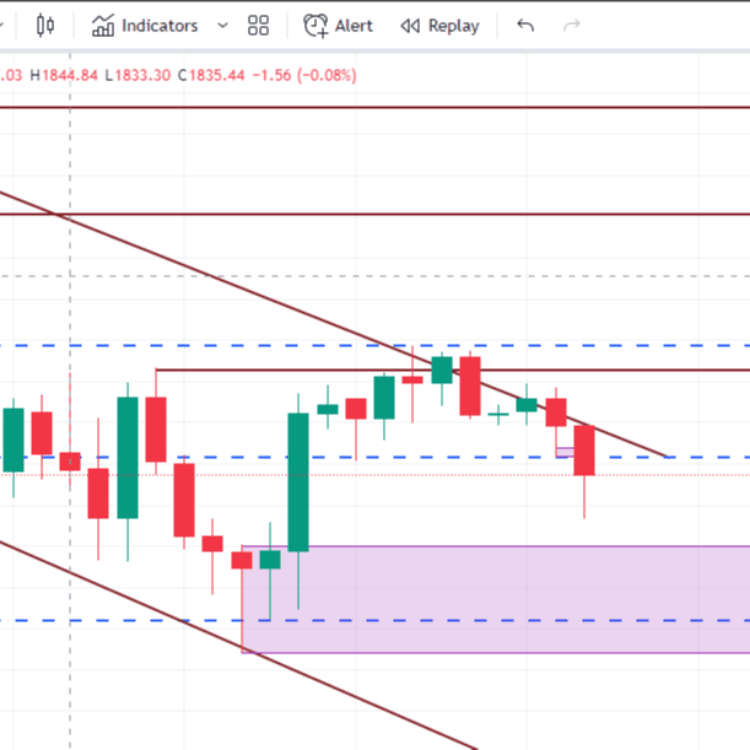
⚡ $HYPE : Breakout or Rejection?
Hyperliquid is worth watching for its next major move!
📊 Trading signals to watch:
🚀 Strong close above resistance = potential breakout
🔄 Successful retest = possible confirmation
🕯️ Shooting star at resistance = warning of rejection
⚠️ Always check volume and market conditions before trading.
💬 What's your outlook on $HYPE —bullish or bearish?
#HYPE #Hyperliquid #CryptoAnalysis #BinanceSquareFamily
{future}(HYPEUSDT)
⚡ $HYPE : Breakout or Rejection?
Hyperliquid is worth watching for its next major move!
📊 Trading signals to watch:
🚀 Strong close above resistance = potential breakout
🔄 Successful retest = possible confirmation
🕯️ Shooting star at resistance = warning of rejection
⚠️ Always check volume and market conditions before trading.
💬 What's your outlook on $HYPE —bullish or bearish?
#HYPE #Hyperliquid #CryptoAnalysis #BinanceSquareFamily
Hyperliquid is worth watching for its next major move!
📊 Trading signals to watch:
🚀 Strong close above resistance = potential breakout
🔄 Successful retest = possible confirmation
🕯️ Shooting star at resistance = warning of rejection
⚠️ Always check volume and market conditions before trading.
💬 What's your outlook on $HYPE —bullish or bearish?
#HYPE #Hyperliquid #CryptoAnalysis #BinanceSquareFamily
1
147

·
--
While most large caps bled this week, Hyperliquid's token barely flinched.
$HYPE is down about 4.4% over seven days, per CoinGecko, compared with about 9% for ether and around 11% for Solana. It trades near $85.7, only about 12% under its September 23 record. Citrini Research also listed Hyperliquid in its tokenization basket as the dominant onchain perps platform, per CoinDesk, alongside a Bitwise Hyperliquid ETF in its stock list.
My view: relative strength during a leverage flush says traders still see the venue as core infrastructure. The risk is that crowded leverage on one platform cuts both ways.
💬 Is Hyperliquid now a blue chip, or still a high-beta bet?
#Hyperliquid #Perps
While most large caps bled this week, Hyperliquid's token barely flinched.
$HYPE is down about 4.4% over seven days, per CoinGecko, compared with about 9% for ether and around 11% for Solana. It trades near $85.7, only about 12% under its September 23 record. Citrini Research also listed Hyperliquid in its tokenization basket as the dominant onchain perps platform, per CoinDesk, alongside a Bitwise Hyperliquid ETF in its stock list.
My view: relative strength during a leverage flush says traders still see the venue as core infrastructure. The risk is that crowded leverage on one platform cuts both ways.
💬 Is Hyperliquid now a blue chip, or still a high-beta bet?
#Hyperliquid #Perps
$HYPE is down about 4.4% over seven days, per CoinGecko, compared with about 9% for ether and around 11% for Solana. It trades near $85.7, only about 12% under its September 23 record. Citrini Research also listed Hyperliquid in its tokenization basket as the dominant onchain perps platform, per CoinDesk, alongside a Bitwise Hyperliquid ETF in its stock list.
My view: relative strength during a leverage flush says traders still see the venue as core infrastructure. The risk is that crowded leverage on one platform cuts both ways.
💬 Is Hyperliquid now a blue chip, or still a high-beta bet?
#Hyperliquid #Perps
6

·
--
DeFi Revenue Hits Post-November 2025 High Close to $190M, Led by #Hyperliquid , #Aerodrome & #uniswap 📈💰🔥
#decentralized finance (#defi ) protocols are recording their highest revenue distributions for token holders since November 2025, with monthly aggregate yields approaching $190 million 🚀📊.
According to On-chain intelligence data from Token Terminal, the structural shift toward "Real Yield" models is driving this explosive capital return. Hyperliquid dominates 2026 earnings with $429M YTD, routing 99% of core perp fees into HYPE market buybacks. Meanwhile, Aerodrome secured $90M in realized revenue on Base network, and Uniswap users generated $203M in trading fees over the past 30 days under its newly upgraded multi-chain fee-burn mechanics 📊🔍⚡. [1, 2, 3, 4, 5, 6]
Market analysts note this transition to true cash-flow generation marks the maturity of Web3 infrastructure, drawing sustained institutional interest back to high-beta DeFi protocols 💼🔐.
#DeFiNews 📰 #BinanceSquare 🔶 #RealYield 💰 🚀 #Uniswap 🦄
$HYPE
{spot}(HYPEUSDT)
$UNI
{spot}(UNIUSDT)
$AERO
{spot}(AEROUSDT)
DeFi Revenue Hits Post-November 2025 High Close to $190M, Led by #Hyperliquid , #Aerodrome & #uniswap 📈💰🔥
#decentralized finance (#defi ) protocols are recording their highest revenue distributions for token holders since November 2025, with monthly aggregate yields approaching $190 million 🚀📊.
According to On-chain intelligence data from Token Terminal, the structural shift toward "Real Yield" models is driving this explosive capital return. Hyperliquid dominates 2026 earnings with $429M YTD, routing 99% of core perp fees into HYPE market buybacks. Meanwhile, Aerodrome secured $90M in realized revenue on Base network, and Uniswap users generated $203M in trading fees over the past 30 days under its newly upgraded multi-chain fee-burn mechanics 📊🔍⚡. [1, 2, 3, 4, 5, 6]
Market analysts note this transition to true cash-flow generation marks the maturity of Web3 infrastructure, drawing sustained institutional interest back to high-beta DeFi protocols 💼🔐.
#DeFiNews 📰 #BinanceSquare 🔶 #RealYield 💰 🚀 #Uniswap 🦄
$HYPE
$UNI
$AERO
#decentralized finance (#defi ) protocols are recording their highest revenue distributions for token holders since November 2025, with monthly aggregate yields approaching $190 million 🚀📊.
According to On-chain intelligence data from Token Terminal, the structural shift toward "Real Yield" models is driving this explosive capital return. Hyperliquid dominates 2026 earnings with $429M YTD, routing 99% of core perp fees into HYPE market buybacks. Meanwhile, Aerodrome secured $90M in realized revenue on Base network, and Uniswap users generated $203M in trading fees over the past 30 days under its newly upgraded multi-chain fee-burn mechanics 📊🔍⚡. [1, 2, 3, 4, 5, 6]
Market analysts note this transition to true cash-flow generation marks the maturity of Web3 infrastructure, drawing sustained institutional interest back to high-beta DeFi protocols 💼🔐.
#DeFiNews 📰 #BinanceSquare 🔶 #RealYield 💰 🚀 #Uniswap 🦄
$HYPE
$UNI
$AERO
252

·
--
🚨 ETH whale liquidated $69M in ETH on Hyperliquid during overnight dip, then quickly reloaded margin and reopened a long position within 30 minutes. This shows aggressive conviction despite short-term volatility, signaling potential accumulation at lower levels. Market implication: smart money may be using dips to increase exposure, anticipating a rebound. Is this reload a sign of confidence or a risky double-down?
#Hyperliquid
$ETH #TradingSignal #CryptoAnalysis
🚨 ETH whale liquidated $69M in ETH on Hyperliquid during overnight dip, then quickly reloaded margin and reopened a long position within 30 minutes. This shows aggressive conviction despite short-term volatility, signaling potential accumulation at lower levels. Market implication: smart money may be using dips to increase exposure, anticipating a rebound. Is this reload a sign of confidence or a risky double-down?
#Hyperliquid
$ETH #TradingSignal #CryptoAnalysis
#Hyperliquid
$ETH #TradingSignal #CryptoAnalysis
3
·
--
The biggest single loss in Thursday's leverage wipeout did not happen on a big centralized exchange.
📌 What happened
Per CoinDesk, about $1.19 billion in crypto positions were liquidated over 24 hours, more than $1 billion of it from longs. The largest single liquidation was a nearly $20 million ether position on Hyperliquid.
🔍 Why it matters
• Hyperliquid is now where some of the market's largest leveraged bets live, not just retail scalps
• $HYPE itself held up better than most, down about 1.7% on the day near $85.7, per CoinGecko
• The token set its record near $98 on September 23, so it is trading only about 12% below that high
👀 What to watch
• Whether open positions on the venue rebuild quickly after the flush, which would show traders still prefer it in volatile weeks
• The risk side: a venue that hosts the biggest positions also concentrates the biggest liquidation cascades, and that can hit activity and sentiment at the same time
💬 Does a $20 million liquidation make you more or less confident in onchain perps venues?
#Hyperliquid #Derivatives
The biggest single loss in Thursday's leverage wipeout did not happen on a big centralized exchange.
📌 What happened
Per CoinDesk, about $1.19 billion in crypto positions were liquidated over 24 hours, more than $1 billion of it from longs. The largest single liquidation was a nearly $20 million ether position on Hyperliquid.
🔍 Why it matters
• Hyperliquid is now where some of the market's largest leveraged bets live, not just retail scalps
• $HYPE itself held up better than most, down about 1.7% on the day near $85.7, per CoinGecko
• The token set its record near $98 on September 23, so it is trading only about 12% below that high
👀 What to watch
• Whether open positions on the venue rebuild quickly after the flush, which would show traders still prefer it in volatile weeks
• The risk side: a venue that hosts the biggest positions also concentrates the biggest liquidation cascades, and that can hit activity and sentiment at the same time
💬 Does a $20 million liquidation make you more or less confident in onchain perps venues?
#Hyperliquid #Derivatives
📌 What happened
Per CoinDesk, about $1.19 billion in crypto positions were liquidated over 24 hours, more than $1 billion of it from longs. The largest single liquidation was a nearly $20 million ether position on Hyperliquid.
🔍 Why it matters
• Hyperliquid is now where some of the market's largest leveraged bets live, not just retail scalps
• $HYPE itself held up better than most, down about 1.7% on the day near $85.7, per CoinGecko
• The token set its record near $98 on September 23, so it is trading only about 12% below that high
👀 What to watch
• Whether open positions on the venue rebuild quickly after the flush, which would show traders still prefer it in volatile weeks
• The risk side: a venue that hosts the biggest positions also concentrates the biggest liquidation cascades, and that can hit activity and sentiment at the same time
💬 Does a $20 million liquidation make you more or less confident in onchain perps venues?
#Hyperliquid #Derivatives
8

⚡️ LATEST: Hyperliquid Policy Center CEO Jake Chervinsky told The Block that if Hyperliquid succeeds, “every single exchange” could need to adopt public blockchain infrastructure to remain competitive.$DOGE
What this suggests
• Public blockchains could become a competitive advantage for exchanges
• Hyperliquid is positioning onchain infrastructure as a potential industry standard$SUI
• Traditional exchanges could face pressure to adopt more transparent blockchain-based systems
• The shift could accelerate the convergence of centralized and decentralized trading$NEAR
Context: Chervinsky’s comments describe a potential industry outcome if Hyperliquid’s model proves successful.
Market takeaway: The rise of onchain exchanges could push the broader trading industry toward greater use of public blockchain infrastructure.
#Hyperliquid #blockchain #TheoDõiFOMC
⚡️ LATEST: Hyperliquid Policy Center CEO Jake Chervinsky told The Block that if Hyperliquid succeeds, “every single exchange” could need to adopt public blockchain infrastructure to remain competitive.$DOGE
What this suggests
• Public blockchains could become a competitive advantage for exchanges
• Hyperliquid is positioning onchain infrastructure as a potential industry standard$SUI
• Traditional exchanges could face pressure to adopt more transparent blockchain-based systems
• The shift could accelerate the convergence of centralized and decentralized trading$NEAR
Context: Chervinsky’s comments describe a potential industry outcome if Hyperliquid’s model proves successful.
Market takeaway: The rise of onchain exchanges could push the broader trading industry toward greater use of public blockchain infrastructure.
#Hyperliquid #blockchain #TheoDõiFOMC
What this suggests
• Public blockchains could become a competitive advantage for exchanges
• Hyperliquid is positioning onchain infrastructure as a potential industry standard$SUI
• Traditional exchanges could face pressure to adopt more transparent blockchain-based systems
• The shift could accelerate the convergence of centralized and decentralized trading$NEAR
Context: Chervinsky’s comments describe a potential industry outcome if Hyperliquid’s model proves successful.
Market takeaway: The rise of onchain exchanges could push the broader trading industry toward greater use of public blockchain infrastructure.
#Hyperliquid #blockchain #TheoDõiFOMC
250

Hyperliquid's team just unstaked about $330M worth of $HYPE tokens. The real question is who's on the other side of the deal.
HYPE was around $84 on Binance at the time of posting, down about 3% in a day and roughly 14% below its high near $98 from Sept 23.
This week Hyperliquid Labs unstaked 3.75 million HYPE as part of the team's October allocation. That's a lot more than past monthly team releases.
The co-founder says the whole amount is covered by a private OTC deal with an institutional buyer, and the tokens aren't meant to be sold on the open market. But we don't know the buyer, the price, or whether there's any lockup. On-chain trackers also saw part of the tokens go back into staking.
People still have good reasons to like HYPE. Hyperliquid's docs say 99% of trading fees go to buying back HYPE, and those tokens are treated as burned. It was one of the biggest perp exchanges in mid-September, with nearly $240B in 30-day volume. And it got a Binance spot listing on Sept 24.
The risks are real too. Without a known lockup, some of those tokens could still hit the market later. A big part of the supply isn't circulating yet, and team tokens keep unlocking over time. Buybacks also don't stop the price from falling. HYPE has drifted lower since the Binance listing, and the wider market is weak, with Bitcoin under $82K.
A private deal is better than a dump on the market. But "it won't be sold" isn't the same as a public lockup. I'd keep an eye on those wallets and on whether fees hold up. Not financial advice.
Does a private OTC deal like this make you more or less comfortable with HYPE?
#Hyperliquid #hype #altcoins
Hyperliquid's team just unstaked about $330M worth of $HYPE tokens. The real question is who's on the other side of the deal.
HYPE was around $84 on Binance at the time of posting, down about 3% in a day and roughly 14% below its high near $98 from Sept 23.
This week Hyperliquid Labs unstaked 3.75 million HYPE as part of the team's October allocation. That's a lot more than past monthly team releases.
The co-founder says the whole amount is covered by a private OTC deal with an institutional buyer, and the tokens aren't meant to be sold on the open market. But we don't know the buyer, the price, or whether there's any lockup. On-chain trackers also saw part of the tokens go back into staking.
People still have good reasons to like HYPE. Hyperliquid's docs say 99% of trading fees go to buying back HYPE, and those tokens are treated as burned. It was one of the biggest perp exchanges in mid-September, with nearly $240B in 30-day volume. And it got a Binance spot listing on Sept 24.
The risks are real too. Without a known lockup, some of those tokens could still hit the market later. A big part of the supply isn't circulating yet, and team tokens keep unlocking over time. Buybacks also don't stop the price from falling. HYPE has drifted lower since the Binance listing, and the wider market is weak, with Bitcoin under $82K.
A private deal is better than a dump on the market. But "it won't be sold" isn't the same as a public lockup. I'd keep an eye on those wallets and on whether fees hold up. Not financial advice.
Does a private OTC deal like this make you more or less comfortable with HYPE?
#Hyperliquid #hype #altcoins
HYPE was around $84 on Binance at the time of posting, down about 3% in a day and roughly 14% below its high near $98 from Sept 23.
This week Hyperliquid Labs unstaked 3.75 million HYPE as part of the team's October allocation. That's a lot more than past monthly team releases.
The co-founder says the whole amount is covered by a private OTC deal with an institutional buyer, and the tokens aren't meant to be sold on the open market. But we don't know the buyer, the price, or whether there's any lockup. On-chain trackers also saw part of the tokens go back into staking.
People still have good reasons to like HYPE. Hyperliquid's docs say 99% of trading fees go to buying back HYPE, and those tokens are treated as burned. It was one of the biggest perp exchanges in mid-September, with nearly $240B in 30-day volume. And it got a Binance spot listing on Sept 24.
The risks are real too. Without a known lockup, some of those tokens could still hit the market later. A big part of the supply isn't circulating yet, and team tokens keep unlocking over time. Buybacks also don't stop the price from falling. HYPE has drifted lower since the Binance listing, and the wider market is weak, with Bitcoin under $82K.
A private deal is better than a dump on the market. But "it won't be sold" isn't the same as a public lockup. I'd keep an eye on those wallets and on whether fees hold up. Not financial advice.
Does a private OTC deal like this make you more or less comfortable with HYPE?
#Hyperliquid #hype #altcoins
231

·
--
🚨 What does Hyperliquid’s $330M HYPE OTC deal mean for token supply?
Hyperliquid Labs completed an unstaking transfer of 3.75 million $HYPE tokens worth approximately $330 million between September 30 and October 7, 2026.
WHAT CHANGED:
Hyperliquid unstaked 3.75 million HYPE out of validator accounts into spot balances, subsequently transferring half of the allocation across five recipient addresses on October 8.
WHO CONFIRMED IT:
Hyperliquid co-founder iliensinc and on-chain ledger records confirmed the unstaking and transfer activity, attributing the movement to a negotiated over-the-counter (OTC) agreement.
WHY IT MATTERS:
- Zero open-market impact: Conducting the transaction via an OTC deal routes supply directly to an institutional party without dumping tokens onto public exchange order books.
- Reduced dilution: While headlines initially tracked a 9.9 million HYPE paper unlock, the team unstaked only 3.75 million tokens, keeping immediate circulating expansion lower than anticipated.
WHAT HAPPENS NEXT:
Analysts are monitoring on-chain movements across the five recipient wallets to verify secondary holding periods and lockup terms.
The key distinction is: this $330M HYPE transfer was an OTC distribution to an institutional buyer, not a public market sell-off.
Click the $HYPE widget below and check the latest developments.
$HYPE
{future}(HYPEUSDT)
.
...
.
#Hyperliquid #Crypto #Write2Earn
Not financial advice. DYOR.
🚨 What does Hyperliquid’s $330M HYPE OTC deal mean for token supply?
Hyperliquid Labs completed an unstaking transfer of 3.75 million $HYPE tokens worth approximately $330 million between September 30 and October 7, 2026.
WHAT CHANGED:
Hyperliquid unstaked 3.75 million HYPE out of validator accounts into spot balances, subsequently transferring half of the allocation across five recipient addresses on October 8.
WHO CONFIRMED IT:
Hyperliquid co-founder iliensinc and on-chain ledger records confirmed the unstaking and transfer activity, attributing the movement to a negotiated over-the-counter (OTC) agreement.
WHY IT MATTERS:
- Zero open-market impact: Conducting the transaction via an OTC deal routes supply directly to an institutional party without dumping tokens onto public exchange order books.
- Reduced dilution: While headlines initially tracked a 9.9 million HYPE paper unlock, the team unstaked only 3.75 million tokens, keeping immediate circulating expansion lower than anticipated.
WHAT HAPPENS NEXT:
Analysts are monitoring on-chain movements across the five recipient wallets to verify secondary holding periods and lockup terms.
The key distinction is: this $330M HYPE transfer was an OTC distribution to an institutional buyer, not a public market sell-off.
Click the $HYPE widget below and check the latest developments.
$HYPE
.
...
.
#Hyperliquid #Crypto #Write2Earn
Not financial advice. DYOR.
Hyperliquid Labs completed an unstaking transfer of 3.75 million $HYPE tokens worth approximately $330 million between September 30 and October 7, 2026.
WHAT CHANGED:
Hyperliquid unstaked 3.75 million HYPE out of validator accounts into spot balances, subsequently transferring half of the allocation across five recipient addresses on October 8.
WHO CONFIRMED IT:
Hyperliquid co-founder iliensinc and on-chain ledger records confirmed the unstaking and transfer activity, attributing the movement to a negotiated over-the-counter (OTC) agreement.
WHY IT MATTERS:
- Zero open-market impact: Conducting the transaction via an OTC deal routes supply directly to an institutional party without dumping tokens onto public exchange order books.
- Reduced dilution: While headlines initially tracked a 9.9 million HYPE paper unlock, the team unstaked only 3.75 million tokens, keeping immediate circulating expansion lower than anticipated.
WHAT HAPPENS NEXT:
Analysts are monitoring on-chain movements across the five recipient wallets to verify secondary holding periods and lockup terms.
The key distinction is: this $330M HYPE transfer was an OTC distribution to an institutional buyer, not a public market sell-off.
Click the $HYPE widget below and check the latest developments.
$HYPE
.
...
.
#Hyperliquid #Crypto #Write2Earn
Not financial advice. DYOR.
103

Hyperliquid whales are leaning short. That's not the headline most people expected this week.
Whale holdings on Hyperliquid reached $9.108 billion as of October 8. Short positions account for $4.869 billion — 53.46% of the total. Longs hold $4.239 billion, or 46.54%.
Now look at the trend:
• October 2: $9.003B total, shorts at 52.92%
• October 6: $9.84B total, shorts at 52.97%
• October 8: $9.108B total, shorts at 53.46%
The total shrank between October 6 and 8. But the short bias increased. That means longs closed faster than shorts during the selloff. The remaining whales are more bearish than they were three days ago.
There's one whale worth noting separately. A single entity holds $352 million in BTC and ETH longs on Hyperliquid — 1,140 BTC and 98,100 ETH. Opened half a month ago at $82,205 BTC and $2,604 ETH average entries. Currently sitting on $2.66 million unrealized profit.
So the picture isn't uniform. Most whales are short. One large whale is long and profitable. The majority positioning is bearish, but there's conviction on the other side too.
What I'm watching: whether that $352M long whale adds to the position on this dip or starts reducing. A whale that size adding here would be a signal. A whale that size exiting would add fuel to the downside.
$HYPE $BTC $ETH
#BinanceSquareFamily #research #onchain #hyperliquid #BinanceSquare
{spot}(HYPEUSDT)
{spot}(BTCUSDT)
{spot}(ETHUSDT)
Hyperliquid whales are leaning short. That's not the headline most people expected this week.
Whale holdings on Hyperliquid reached $9.108 billion as of October 8. Short positions account for $4.869 billion — 53.46% of the total. Longs hold $4.239 billion, or 46.54%.
Now look at the trend:
• October 2: $9.003B total, shorts at 52.92%
• October 6: $9.84B total, shorts at 52.97%
• October 8: $9.108B total, shorts at 53.46%
The total shrank between October 6 and 8. But the short bias increased. That means longs closed faster than shorts during the selloff. The remaining whales are more bearish than they were three days ago.
There's one whale worth noting separately. A single entity holds $352 million in BTC and ETH longs on Hyperliquid — 1,140 BTC and 98,100 ETH. Opened half a month ago at $82,205 BTC and $2,604 ETH average entries. Currently sitting on $2.66 million unrealized profit.
So the picture isn't uniform. Most whales are short. One large whale is long and profitable. The majority positioning is bearish, but there's conviction on the other side too.
What I'm watching: whether that $352M long whale adds to the position on this dip or starts reducing. A whale that size adding here would be a signal. A whale that size exiting would add fuel to the downside.
$HYPE $BTC $ETH
#BinanceSquareFamily #research #onchain #hyperliquid #BinanceSquare
Whale holdings on Hyperliquid reached $9.108 billion as of October 8. Short positions account for $4.869 billion — 53.46% of the total. Longs hold $4.239 billion, or 46.54%.
Now look at the trend:
• October 2: $9.003B total, shorts at 52.92%
• October 6: $9.84B total, shorts at 52.97%
• October 8: $9.108B total, shorts at 53.46%
The total shrank between October 6 and 8. But the short bias increased. That means longs closed faster than shorts during the selloff. The remaining whales are more bearish than they were three days ago.
There's one whale worth noting separately. A single entity holds $352 million in BTC and ETH longs on Hyperliquid — 1,140 BTC and 98,100 ETH. Opened half a month ago at $82,205 BTC and $2,604 ETH average entries. Currently sitting on $2.66 million unrealized profit.
So the picture isn't uniform. Most whales are short. One large whale is long and profitable. The majority positioning is bearish, but there's conviction on the other side too.
What I'm watching: whether that $352M long whale adds to the position on this dip or starts reducing. A whale that size adding here would be a signal. A whale that size exiting would add fuel to the downside.
$HYPE $BTC $ETH
#BinanceSquareFamily #research #onchain #hyperliquid #BinanceSquare
41

·
--
Bearish
⚡ $HYPE — CAN IT HOLD $84?
HYPE is around $83.9.
24H: -5.40%
High: ~$89.09
Low: ~$83.65
Volume: ~$35.6M
This is the battle:
🟢 Hold $83.6–84 → buyers may defend
🟢 Reclaim $89–90 → momentum improves
🔴 Lose $83.6 → downside risk increases
HYPE has attracted massive attention, but attention isn't the same as support.
Would you wait for $90 before becoming bullish?
$HYPE #Hyperliquid #crypto $HYPE
{spot}(HYPEUSDT)
⚡ $HYPE — CAN IT HOLD $84?
HYPE is around $83.9.
24H: -5.40%
High: ~$89.09
Low: ~$83.65
Volume: ~$35.6M
This is the battle:
🟢 Hold $83.6–84 → buyers may defend
🟢 Reclaim $89–90 → momentum improves
🔴 Lose $83.6 → downside risk increases
HYPE has attracted massive attention, but attention isn't the same as support.
Would you wait for $90 before becoming bullish?
$HYPE #Hyperliquid #crypto $HYPE
HYPE is around $83.9.
24H: -5.40%
High: ~$89.09
Low: ~$83.65
Volume: ~$35.6M
This is the battle:
🟢 Hold $83.6–84 → buyers may defend
🟢 Reclaim $89–90 → momentum improves
🔴 Lose $83.6 → downside risk increases
HYPE has attracted massive attention, but attention isn't the same as support.
Would you wait for $90 before becoming bullish?
$HYPE #Hyperliquid #crypto $HYPE
95
·
--
Hyperliquid's token is sliding, but it is sliding from a record.
$HYPE trades near $86.8, down about 4.7% in 24 hours, per CoinGecko. The all-time high of $97.96 is only about 11% away, which makes it one of the few large caps still close to its peak while bitcoin sits roughly 35% below its own.
The venue is in the news for another reason: per CryptoSlate, the biggest nearby cluster of ether long liquidations sits on Hyperliquid, around $2,511. Busy liquidation days tend to mean fee revenue even when the token is red.
My view: a 4.7% dip on a day the whole market lost about 4.7% is a market story, not a Hyperliquid story.
💬 Does HYPE deserve to trade closer to its high than other large caps?
#Hyperliquid #Perps
Hyperliquid's token is sliding, but it is sliding from a record.
$HYPE trades near $86.8, down about 4.7% in 24 hours, per CoinGecko. The all-time high of $97.96 is only about 11% away, which makes it one of the few large caps still close to its peak while bitcoin sits roughly 35% below its own.
The venue is in the news for another reason: per CryptoSlate, the biggest nearby cluster of ether long liquidations sits on Hyperliquid, around $2,511. Busy liquidation days tend to mean fee revenue even when the token is red.
My view: a 4.7% dip on a day the whole market lost about 4.7% is a market story, not a Hyperliquid story.
💬 Does HYPE deserve to trade closer to its high than other large caps?
#Hyperliquid #Perps
$HYPE trades near $86.8, down about 4.7% in 24 hours, per CoinGecko. The all-time high of $97.96 is only about 11% away, which makes it one of the few large caps still close to its peak while bitcoin sits roughly 35% below its own.
The venue is in the news for another reason: per CryptoSlate, the biggest nearby cluster of ether long liquidations sits on Hyperliquid, around $2,511. Busy liquidation days tend to mean fee revenue even when the token is red.
My view: a 4.7% dip on a day the whole market lost about 4.7% is a market story, not a Hyperliquid story.
💬 Does HYPE deserve to trade closer to its high than other large caps?
#Hyperliquid #Perps
33

$HYPE — HIGH VOLATILITY SETUP ⚡
🚨 HYPE TRADERS, WATCH THIS
$HYPE has experienced significant volatility, but its broader performance remains notable.
Today's focus isn't about chasing.
It's about finding:
✅ Support
✅ Confirmation
✅ Risk/reward
Trade watch: $HYPE
A clean reclaim could become interesting, but invalidation matters.
Are you watching HYPE? 👇
$HYPE #Hyperliquid #crypto #trading
{spot}(HYPEUSDT)
$HYPE — HIGH VOLATILITY SETUP ⚡
🚨 HYPE TRADERS, WATCH THIS
$HYPE has experienced significant volatility, but its broader performance remains notable.
Today's focus isn't about chasing.
It's about finding:
✅ Support
✅ Confirmation
✅ Risk/reward
Trade watch: $HYPE
A clean reclaim could become interesting, but invalidation matters.
Are you watching HYPE? 👇
$HYPE #Hyperliquid #crypto #trading
🚨 HYPE TRADERS, WATCH THIS
$HYPE has experienced significant volatility, but its broader performance remains notable.
Today's focus isn't about chasing.
It's about finding:
✅ Support
✅ Confirmation
✅ Risk/reward
Trade watch: $HYPE
A clean reclaim could become interesting, but invalidation matters.
Are you watching HYPE? 👇
$HYPE #Hyperliquid #crypto #trading
31
Log in to explore more content
Join global crypto users on Binance Square
⚡️ Get latest and useful information about crypto.
💬 Trusted by the world’s largest crypto exchange.
👍 Discover real insights from verified creators.
Email / Phone number
Trending Topics
1
#EthereumSurpasses2500USDT
94,777 views
819 Discussing
2
#StateCouncilCallsForNationalBlockchainNetwork
38,382 views
577 Discussing
3
#XRPLedgerPatchesXRPCreationBug
196,744 views
1,750 Discussing
4
#STRKRisesAbout20%In24Hours
190,977 views
1,793 Discussing
5
#TetherFreezesUSDTLinkedToLedgerTheft
70,508 views
1,165 Discussing
6
#CFTCMovesToFoldEventContractsIntoSwapsRules
29,858 views
747 Discussing
7
#LedgerPausesCryptoBilisSales
54,703 views
620 Discussing
8
#EvernorthCompletesSPACMergerWithArmadaII
35,975 views
428 Discussing
9
#NEARAccountsSupportPostQuantumMLDSA
33,386 views
348 Discussing
10
#B3PlansSecuritiesTokenizationPlatformForFirstHalfOf2027
2,419 views
47 Discussing