
Wealthy_Gorilla
23 Beiträge
Wealthy_Gorilla
Melden
Nutzer blockieren
you won't see me coming
8 Following
9 Follower
10 Like gegeben
Beiträge
Alle
Zitierungen
Ich besitze 7.500 BTTC.
Wird es mich morgen reich machen? Wahrscheinlich nicht.
Wird es den Preis erreichen, von dem ich träume? Das weiß niemand.
Aber eines habe ich in Krypto gelernt: Jedes Projekt hat irgendwo angefangen, und jeder Investor hat einen Grund, an das zu glauben, was er hält.
Für mich geht es beim Halten nicht darum, über Nacht reich zu werden. Es geht darum, an die Kraft der Geduld zu glauben und guten Projekten Zeit zu geben, zu wachsen.
Vielleicht überrascht mich BTTC eines Tages.
Vielleicht auch nicht.
Wie auch immer: Ich werde weiter lernen, weiter investieren, was ich mir leisten kann zu verlieren, und weiterhin langfristig denken.
Welche eine Coin in deinem Portfolio hältst du für die nächsten 5–10 Jahre?
#Crypto #BinanceSquar #BTTC $PEPE $BTTC
{spot}(BTTCUSDT)
{spot}(PEPEUSDT)
{spot}(SHIBUSDT)
#HODL #CryptoJourney
Ich besitze 7.500 BTTC.
Wird es mich morgen reich machen? Wahrscheinlich nicht.
Wird es den Preis erreichen, von dem ich träume? Das weiß niemand.
Aber eines habe ich in Krypto gelernt: Jedes Projekt hat irgendwo angefangen, und jeder Investor hat einen Grund, an das zu glauben, was er hält.
Für mich geht es beim Halten nicht darum, über Nacht reich zu werden. Es geht darum, an die Kraft der Geduld zu glauben und guten Projekten Zeit zu geben, zu wachsen.
Vielleicht überrascht mich BTTC eines Tages.
Vielleicht auch nicht.
Wie auch immer: Ich werde weiter lernen, weiter investieren, was ich mir leisten kann zu verlieren, und weiterhin langfristig denken.
Welche eine Coin in deinem Portfolio hältst du für die nächsten 5–10 Jahre?
#Crypto #BinanceSquar #BTTC $PEPE $BTTC
#HODL #CryptoJourney
Wird es mich morgen reich machen? Wahrscheinlich nicht.
Wird es den Preis erreichen, von dem ich träume? Das weiß niemand.
Aber eines habe ich in Krypto gelernt: Jedes Projekt hat irgendwo angefangen, und jeder Investor hat einen Grund, an das zu glauben, was er hält.
Für mich geht es beim Halten nicht darum, über Nacht reich zu werden. Es geht darum, an die Kraft der Geduld zu glauben und guten Projekten Zeit zu geben, zu wachsen.
Vielleicht überrascht mich BTTC eines Tages.
Vielleicht auch nicht.
Wie auch immer: Ich werde weiter lernen, weiter investieren, was ich mir leisten kann zu verlieren, und weiterhin langfristig denken.
Welche eine Coin in deinem Portfolio hältst du für die nächsten 5–10 Jahre?
#Crypto #BinanceSquar #BTTC $PEPE $BTTC
#HODL #CryptoJourney
1
539
In letzter Zeit habe ich aufgehört zu fragen: „Wie viel kann ich mit diesem Trade verdienen?“
Stattdessen frage ich mich:
„Wenn dieser Trade scheitert, bin ich damit einverstanden, was ich aufs Spiel setze?“
Diese eine Frage hat die Art verändert, wie ich den Markt angehe.
Es ist leicht, sich vor einem Trade Gewinne auszumalen, aber erfahrene Trader wissen, dass jede Set-up die Chance hat, zu scheitern.
Jetzt denke ich viel mehr über meinen Stop-Loss nach als über mein Take-Profit.
Wenn das Risiko Sinn ergibt, gehe ich den Trade ein.
Wenn nicht, warte ich einfach.
Ich habe gelernt, dass es nicht übermäßig vorsichtig ist, dein Kapital zu schützen—sondern dass es dir die Möglichkeit gibt, auch morgen wieder zu traden.
Der Markt wird immer ein weiteres Set-up bieten.
Dein Kapital bekommt nicht immer eine zweite Chance, wenn du es nicht schützt.
Ich lerne noch. Einen Trade nach dem anderen.
#Trading #Crypto #BinanceSquare #RiskManagement #TradingPsychology #TraderMindset #PriceAction
In letzter Zeit habe ich aufgehört zu fragen: „Wie viel kann ich mit diesem Trade verdienen?“
Stattdessen frage ich mich:
„Wenn dieser Trade scheitert, bin ich damit einverstanden, was ich aufs Spiel setze?“
Diese eine Frage hat die Art verändert, wie ich den Markt angehe.
Es ist leicht, sich vor einem Trade Gewinne auszumalen, aber erfahrene Trader wissen, dass jede Set-up die Chance hat, zu scheitern.
Jetzt denke ich viel mehr über meinen Stop-Loss nach als über mein Take-Profit.
Wenn das Risiko Sinn ergibt, gehe ich den Trade ein.
Wenn nicht, warte ich einfach.
Ich habe gelernt, dass es nicht übermäßig vorsichtig ist, dein Kapital zu schützen—sondern dass es dir die Möglichkeit gibt, auch morgen wieder zu traden.
Der Markt wird immer ein weiteres Set-up bieten.
Dein Kapital bekommt nicht immer eine zweite Chance, wenn du es nicht schützt.
Ich lerne noch. Einen Trade nach dem anderen.
#Trading #Crypto #BinanceSquare #RiskManagement #TradingPsychology #TraderMindset #PriceAction
Stattdessen frage ich mich:
„Wenn dieser Trade scheitert, bin ich damit einverstanden, was ich aufs Spiel setze?“
Diese eine Frage hat die Art verändert, wie ich den Markt angehe.
Es ist leicht, sich vor einem Trade Gewinne auszumalen, aber erfahrene Trader wissen, dass jede Set-up die Chance hat, zu scheitern.
Jetzt denke ich viel mehr über meinen Stop-Loss nach als über mein Take-Profit.
Wenn das Risiko Sinn ergibt, gehe ich den Trade ein.
Wenn nicht, warte ich einfach.
Ich habe gelernt, dass es nicht übermäßig vorsichtig ist, dein Kapital zu schützen—sondern dass es dir die Möglichkeit gibt, auch morgen wieder zu traden.
Der Markt wird immer ein weiteres Set-up bieten.
Dein Kapital bekommt nicht immer eine zweite Chance, wenn du es nicht schützt.
Ich lerne noch. Einen Trade nach dem anderen.
#Trading #Crypto #BinanceSquare #RiskManagement #TradingPsychology #TraderMindset #PriceAction
97
Etwas, das mir in letzter Zeit aufgefallen ist:
Viel Stress im Trading kommt davon, dass man versucht, Ergebnisse zu erzwingen.
Man will, dass der Trade funktioniert.
Man will, dass der Preis sofort steigt.
Man will, dass jede Analyse korrekt ist.
Aber der Markt funktioniert nicht nach meinem Wunsch.
In diesen Tagen versuche ich, weniger darauf zu fokussieren, recht zu haben, und mehr darauf, meinen Prozess zu befolgen.
Wenn das Setup da ist, nehme ich es.
Wenn nicht, warte ich.
Wenn ich verliere, schaue ich mir die Sache an und mache weiter.
Das Ergebnis eines einzelnen Trades ist weit weniger wichtig als die konsequente Fähigkeit, über Zeit gute Entscheidungen zu treffen.
Ich arbeite immer noch daran, aber ich habe festgestellt, dass Trading viel friedlicher wird, wenn man aufhört, den Markt kontrollieren zu wollen, und stattdessen anfängt, sich selbst zu kontrollieren.
#Trading #cryptouniverseofficial #BinanceSquare #TraderMindest et #Risikomanagement #TradingReise
Etwas, das mir in letzter Zeit aufgefallen ist:
Viel Stress im Trading kommt davon, dass man versucht, Ergebnisse zu erzwingen.
Man will, dass der Trade funktioniert.
Man will, dass der Preis sofort steigt.
Man will, dass jede Analyse korrekt ist.
Aber der Markt funktioniert nicht nach meinem Wunsch.
In diesen Tagen versuche ich, weniger darauf zu fokussieren, recht zu haben, und mehr darauf, meinen Prozess zu befolgen.
Wenn das Setup da ist, nehme ich es.
Wenn nicht, warte ich.
Wenn ich verliere, schaue ich mir die Sache an und mache weiter.
Das Ergebnis eines einzelnen Trades ist weit weniger wichtig als die konsequente Fähigkeit, über Zeit gute Entscheidungen zu treffen.
Ich arbeite immer noch daran, aber ich habe festgestellt, dass Trading viel friedlicher wird, wenn man aufhört, den Markt kontrollieren zu wollen, und stattdessen anfängt, sich selbst zu kontrollieren.
#Trading #cryptouniverseofficial #BinanceSquare #TraderMindest et #Risikomanagement #TradingReise
Viel Stress im Trading kommt davon, dass man versucht, Ergebnisse zu erzwingen.
Man will, dass der Trade funktioniert.
Man will, dass der Preis sofort steigt.
Man will, dass jede Analyse korrekt ist.
Aber der Markt funktioniert nicht nach meinem Wunsch.
In diesen Tagen versuche ich, weniger darauf zu fokussieren, recht zu haben, und mehr darauf, meinen Prozess zu befolgen.
Wenn das Setup da ist, nehme ich es.
Wenn nicht, warte ich.
Wenn ich verliere, schaue ich mir die Sache an und mache weiter.
Das Ergebnis eines einzelnen Trades ist weit weniger wichtig als die konsequente Fähigkeit, über Zeit gute Entscheidungen zu treffen.
Ich arbeite immer noch daran, aber ich habe festgestellt, dass Trading viel friedlicher wird, wenn man aufhört, den Markt kontrollieren zu wollen, und stattdessen anfängt, sich selbst zu kontrollieren.
#Trading #cryptouniverseofficial #BinanceSquare #TraderMindest et #Risikomanagement #TradingReise
88
Artikel
Trading-Lektionen, die ich früher hätte lernen sollen20 Trading-Lektionen, die ich früher hätte lernen sollen
Einführung
Wenn es eine Sache gibt, die mir das Trading beigebracht hat, dann ist es: Der Markt ist ein teurer Lehrer. Einige Lektionen lernt man aus Büchern und Videos, aber viele der wertvollsten Lektionen kommen aus Fehlern, verpassten Chancen und Verlusten.
Als ich mit dem Trading zum ersten Mal angefangen habe, dachte ich, dass Erfolg vor allem darin besteht, die perfekte Strategie zu finden. Ich habe unzählige Stunden damit verbracht, nach Indikatoren zu suchen, nach dem heiligen Gral zu fahnden und zu versuchen, jede Bewegung vorherzusagen. Wenn ich heute zurückblicke, erkenne ich, dass die meisten Dinge, die ich für wichtig hielt, bei weitem nicht so wichtig waren, wie ich es mir vorgestellt hatte.
Trading-Lektionen, die ich früher hätte lernen sollen
20 Trading-Lektionen, die ich früher hätte lernen sollen
Einführung
Wenn es eine Sache gibt, die mir das Trading beigebracht hat, dann ist es: Der Markt ist ein teurer Lehrer. Einige Lektionen lernt man aus Büchern und Videos, aber viele der wertvollsten Lektionen kommen aus Fehlern, verpassten Chancen und Verlusten.
Als ich mit dem Trading zum ersten Mal angefangen habe, dachte ich, dass Erfolg vor allem darin besteht, die perfekte Strategie zu finden. Ich habe unzählige Stunden damit verbracht, nach Indikatoren zu suchen, nach dem heiligen Gral zu fahnden und zu versuchen, jede Bewegung vorherzusagen. Wenn ich heute zurückblicke, erkenne ich, dass die meisten Dinge, die ich für wichtig hielt, bei weitem nicht so wichtig waren, wie ich es mir vorgestellt hatte.
Einführung
Wenn es eine Sache gibt, die mir das Trading beigebracht hat, dann ist es: Der Markt ist ein teurer Lehrer. Einige Lektionen lernt man aus Büchern und Videos, aber viele der wertvollsten Lektionen kommen aus Fehlern, verpassten Chancen und Verlusten.
Als ich mit dem Trading zum ersten Mal angefangen habe, dachte ich, dass Erfolg vor allem darin besteht, die perfekte Strategie zu finden. Ich habe unzählige Stunden damit verbracht, nach Indikatoren zu suchen, nach dem heiligen Gral zu fahnden und zu versuchen, jede Bewegung vorherzusagen. Wenn ich heute zurückblicke, erkenne ich, dass die meisten Dinge, die ich für wichtig hielt, bei weitem nicht so wichtig waren, wie ich es mir vorgestellt hatte.
85
Eine Sache, die der Handel mir in den letzten Monaten beigebracht hat, ist, dass Geduld nichts ist, was man über Nacht magisch entwickelt.
Früher dachte ich, erfolgreiche Trader wären die, die ständig Bewegungen erhaschen und jeden Tag am Markt sind.
Jetzt fange ich an, das anders zu sehen.
An manchen Tagen verbringe ich Stunden mit Analysen, markiere Levels, baue Szenarien auf, und am Ende mache ich keinen einzigen Trade.
Anfangs fühlte sich das unproduktiv an.
Aber ich habe erkannt, dass Kapital zu schützen auch Fortschritt ist.
Nicht jedes Chart verdient eine Position.
Nicht jede Bewegung muss gehandelt werden.
Und nicht jede Gelegenheit, die gut aussieht, hat tatsächlich eine hohe Wahrscheinlichkeit.
Ironischerweise, je selektiver ich geworden bin, desto weniger gestresst bin ich.
Ich versuche nicht mehr, jede Kerze vorherzusagen oder etwas zu erzwingen.
Ich folge einfach meinem Plan, manage mein Risiko und lasse den Markt tun, was er will.
Einige Trades werden gewinnen.
Einige Trades werden verlieren.
Aber wenn ich diszipliniert bleiben kann und jeden Tag mit dem gleichen Prozess auftauche, glaube ich, dass die Ergebnisse sich letztendlich von selbst einstellen werden.
Immer noch lernen.
Immer noch verbessern.
Ein Chart nach dem anderen.
#Trading #cryptouniverseofficial pto #BinanceSquare #TraderMinds et #PriceAction #RiskManagement #TradingJourney
Eine Sache, die der Handel mir in den letzten Monaten beigebracht hat, ist, dass Geduld nichts ist, was man über Nacht magisch entwickelt.
Früher dachte ich, erfolgreiche Trader wären die, die ständig Bewegungen erhaschen und jeden Tag am Markt sind.
Jetzt fange ich an, das anders zu sehen.
An manchen Tagen verbringe ich Stunden mit Analysen, markiere Levels, baue Szenarien auf, und am Ende mache ich keinen einzigen Trade.
Anfangs fühlte sich das unproduktiv an.
Aber ich habe erkannt, dass Kapital zu schützen auch Fortschritt ist.
Nicht jedes Chart verdient eine Position.
Nicht jede Bewegung muss gehandelt werden.
Und nicht jede Gelegenheit, die gut aussieht, hat tatsächlich eine hohe Wahrscheinlichkeit.
Ironischerweise, je selektiver ich geworden bin, desto weniger gestresst bin ich.
Ich versuche nicht mehr, jede Kerze vorherzusagen oder etwas zu erzwingen.
Ich folge einfach meinem Plan, manage mein Risiko und lasse den Markt tun, was er will.
Einige Trades werden gewinnen.
Einige Trades werden verlieren.
Aber wenn ich diszipliniert bleiben kann und jeden Tag mit dem gleichen Prozess auftauche, glaube ich, dass die Ergebnisse sich letztendlich von selbst einstellen werden.
Immer noch lernen.
Immer noch verbessern.
Ein Chart nach dem anderen.
#Trading #cryptouniverseofficial pto #BinanceSquare #TraderMinds et #PriceAction #RiskManagement #TradingJourney
Früher dachte ich, erfolgreiche Trader wären die, die ständig Bewegungen erhaschen und jeden Tag am Markt sind.
Jetzt fange ich an, das anders zu sehen.
An manchen Tagen verbringe ich Stunden mit Analysen, markiere Levels, baue Szenarien auf, und am Ende mache ich keinen einzigen Trade.
Anfangs fühlte sich das unproduktiv an.
Aber ich habe erkannt, dass Kapital zu schützen auch Fortschritt ist.
Nicht jedes Chart verdient eine Position.
Nicht jede Bewegung muss gehandelt werden.
Und nicht jede Gelegenheit, die gut aussieht, hat tatsächlich eine hohe Wahrscheinlichkeit.
Ironischerweise, je selektiver ich geworden bin, desto weniger gestresst bin ich.
Ich versuche nicht mehr, jede Kerze vorherzusagen oder etwas zu erzwingen.
Ich folge einfach meinem Plan, manage mein Risiko und lasse den Markt tun, was er will.
Einige Trades werden gewinnen.
Einige Trades werden verlieren.
Aber wenn ich diszipliniert bleiben kann und jeden Tag mit dem gleichen Prozess auftauche, glaube ich, dass die Ergebnisse sich letztendlich von selbst einstellen werden.
Immer noch lernen.
Immer noch verbessern.
Ein Chart nach dem anderen.
#Trading #cryptouniverseofficial pto #BinanceSquare #TraderMinds et #PriceAction #RiskManagement #TradingJourney
150
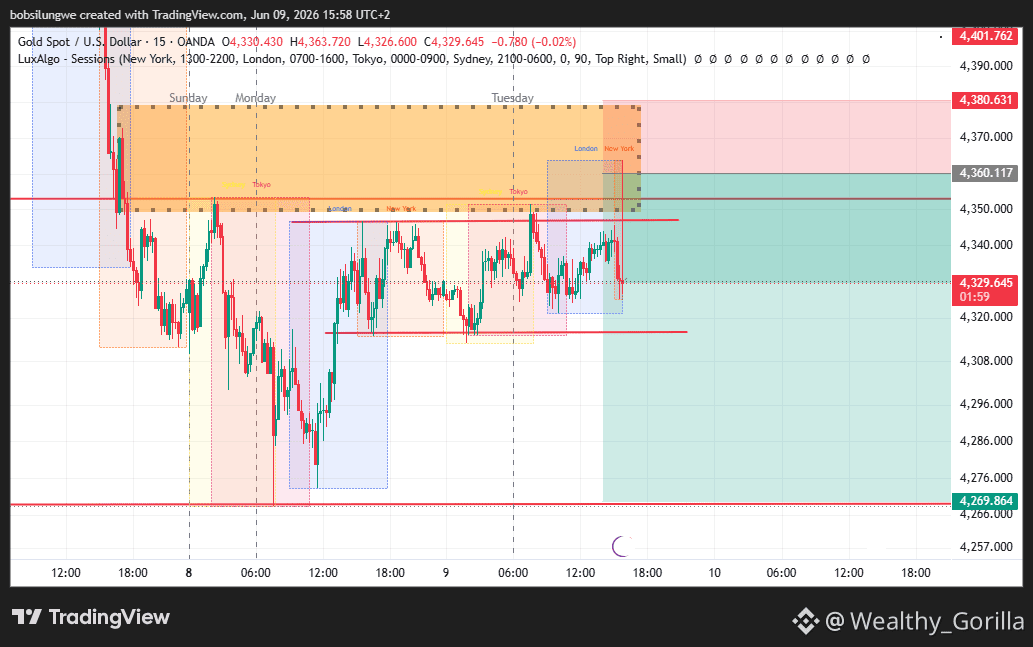
XAUUSD: NY-Session-Übersicht 📊
Ich habe eine saubere Bewegung bei Gold in der NY-Eröffnung erwischt, indem ich die institutionelle Liquidität verfolgt habe – statt dem Breakout-Momentum hinterherzujagen.
Hier ist die kurze Übersicht, wie das Setup ablief:
Der HTF-Kontext: Der Kurs schob sich aggressiv nach oben, bevor die Session startete, und schuf so einen Pool an Retail-Breakout-Käufern. Diese Bewegung traf direkt auf unseren 1H Bearish Order Block und das Premium Fair Value Gap (FVG).
Der Sweep: Das NY-Open-Volumen lieferte die erwartete Manipulationsphase und wischte die Buy-Side-Liquidität (BSL) oberhalb der kleinen internen Hochs ab. Der scharfe Ablehnungs-Wick an der 1H-Kerze bestätigte, dass der institutionelle Verkaufsdruck in dieser Premium-Zone schwer lag.
Der LTF-Trigger: Ich bin auf das 5m-Chart gegangen und habe auf eine saubere Marktstrukturverschiebung (MSS) mit solider Displacement gewartet. Ich ging short beim Low-Volume-Pullback in das neu gebildete Premium-Array und hielt das Risiko eng oberhalb des Sweep-Highs.
Das Ziel: Sobald die Spitze der Kurve geklärt war, zog sich der Markt natürlich in Richtung der gegenüberliegenden Liquiditätspools zurück. Der Kurs schnitt direkt durch den Support der internen Trendlinie und traf unsere primären Ziele an der strukturellen Sell-Side-Liquidität (SSL)-Floor.
$$+ \$4,269.86 \text{ auf dem vollen TP.}$$
Geduld hat sich ausgezahlt: Erst die Stops laufen lassen, bevor ich das mechanische Setup ausgeführt habe.
Hast du diese Umkehr erwischt oder bist du in der Buy-Trap vor der Session gefangen worden? Poste deine Charts unten. 👇
#GoldenOpportunity #xauusdweeklyanalysis #SmartMoneyConcepts #TechnicalAnalysis #TradingCommunity
XAUUSD: NY-Session-Übersicht 📊
Ich habe eine saubere Bewegung bei Gold in der NY-Eröffnung erwischt, indem ich die institutionelle Liquidität verfolgt habe – statt dem Breakout-Momentum hinterherzujagen.
Hier ist die kurze Übersicht, wie das Setup ablief:
Der HTF-Kontext: Der Kurs schob sich aggressiv nach oben, bevor die Session startete, und schuf so einen Pool an Retail-Breakout-Käufern. Diese Bewegung traf direkt auf unseren 1H Bearish Order Block und das Premium Fair Value Gap (FVG).
Der Sweep: Das NY-Open-Volumen lieferte die erwartete Manipulationsphase und wischte die Buy-Side-Liquidität (BSL) oberhalb der kleinen internen Hochs ab. Der scharfe Ablehnungs-Wick an der 1H-Kerze bestätigte, dass der institutionelle Verkaufsdruck in dieser Premium-Zone schwer lag.
Der LTF-Trigger: Ich bin auf das 5m-Chart gegangen und habe auf eine saubere Marktstrukturverschiebung (MSS) mit solider Displacement gewartet. Ich ging short beim Low-Volume-Pullback in das neu gebildete Premium-Array und hielt das Risiko eng oberhalb des Sweep-Highs.
Das Ziel: Sobald die Spitze der Kurve geklärt war, zog sich der Markt natürlich in Richtung der gegenüberliegenden Liquiditätspools zurück. Der Kurs schnitt direkt durch den Support der internen Trendlinie und traf unsere primären Ziele an der strukturellen Sell-Side-Liquidität (SSL)-Floor.
$$+ \$4,269.86 \text{ auf dem vollen TP.}$$
Geduld hat sich ausgezahlt: Erst die Stops laufen lassen, bevor ich das mechanische Setup ausgeführt habe.
Hast du diese Umkehr erwischt oder bist du in der Buy-Trap vor der Session gefangen worden? Poste deine Charts unten. 👇
#GoldenOpportunity #xauusdweeklyanalysis #SmartMoneyConcepts #TechnicalAnalysis #TradingCommunity
Ich habe eine saubere Bewegung bei Gold in der NY-Eröffnung erwischt, indem ich die institutionelle Liquidität verfolgt habe – statt dem Breakout-Momentum hinterherzujagen.
Hier ist die kurze Übersicht, wie das Setup ablief:
Der HTF-Kontext: Der Kurs schob sich aggressiv nach oben, bevor die Session startete, und schuf so einen Pool an Retail-Breakout-Käufern. Diese Bewegung traf direkt auf unseren 1H Bearish Order Block und das Premium Fair Value Gap (FVG).
Der Sweep: Das NY-Open-Volumen lieferte die erwartete Manipulationsphase und wischte die Buy-Side-Liquidität (BSL) oberhalb der kleinen internen Hochs ab. Der scharfe Ablehnungs-Wick an der 1H-Kerze bestätigte, dass der institutionelle Verkaufsdruck in dieser Premium-Zone schwer lag.
Der LTF-Trigger: Ich bin auf das 5m-Chart gegangen und habe auf eine saubere Marktstrukturverschiebung (MSS) mit solider Displacement gewartet. Ich ging short beim Low-Volume-Pullback in das neu gebildete Premium-Array und hielt das Risiko eng oberhalb des Sweep-Highs.
Das Ziel: Sobald die Spitze der Kurve geklärt war, zog sich der Markt natürlich in Richtung der gegenüberliegenden Liquiditätspools zurück. Der Kurs schnitt direkt durch den Support der internen Trendlinie und traf unsere primären Ziele an der strukturellen Sell-Side-Liquidität (SSL)-Floor.
$$+ \$4,269.86 \text{ auf dem vollen TP.}$$
Geduld hat sich ausgezahlt: Erst die Stops laufen lassen, bevor ich das mechanische Setup ausgeführt habe.
Hast du diese Umkehr erwischt oder bist du in der Buy-Trap vor der Session gefangen worden? Poste deine Charts unten. 👇
#GoldenOpportunity #xauusdweeklyanalysis #SmartMoneyConcepts #TechnicalAnalysis #TradingCommunity
165
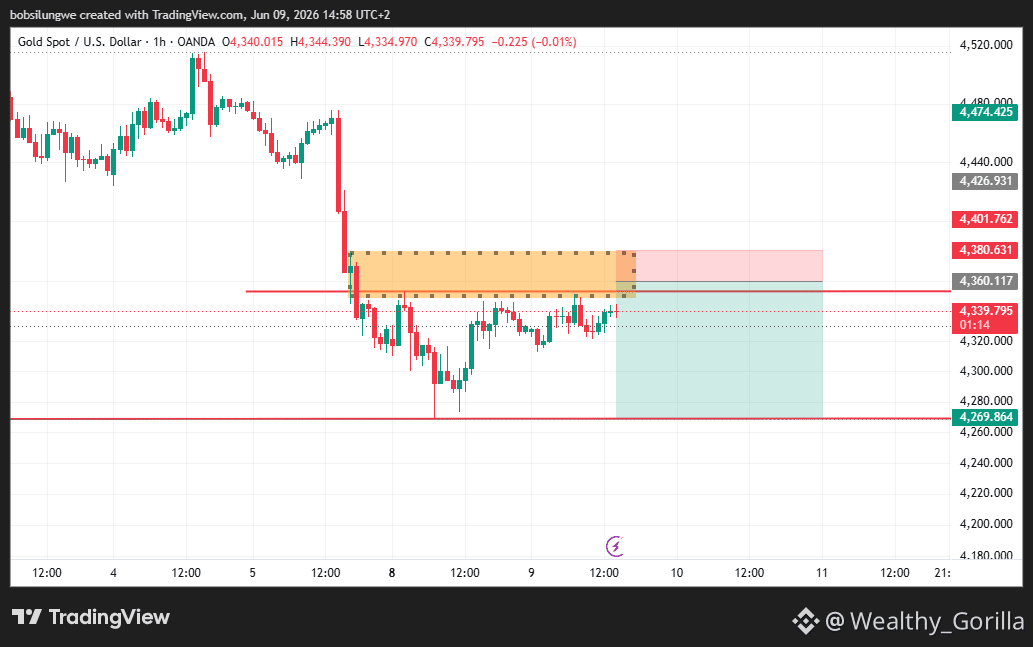
Eins zu eins erledigt, jetzt auf Break Even gehen und laufen lassen.
Irgendwelche Gedanken? $XAU
Eins zu eins erledigt, jetzt auf Break Even gehen und laufen lassen.
Irgendwelche Gedanken? $XAU
Irgendwelche Gedanken? $XAU
Wealthy_Gorilla
·
--
Warum die meisten Trader zu früh einsteigen
Ein häufiger Fehler bei Anfängern ist es, die richtige Richtung zu erkennen, aber am falschen Ort einzuchecken.
Zum Beispiel:
✅ Richtige Einschätzung: Bärisch
❌ Falsche Ausführung: Shorten in der Mitte der Range
Professionelle Trader warten oft darauf, dass der Preis:
• Eine wichtige Angebots- oder Nachfrageszone erreicht
• Liquidität über den Hochs oder unter den Tiefs abräumt
• Bestätigungen durch Marktstrukturverschiebungen zeigt
• Ein günstiges Risiko-Ertrags-Verhältnis bietet
Geduld kann der Unterschied zwischen einem Stop-Loss und dem vollständigen Mitnehmen des Moves sein.
Der Markt belohnt Disziplin mehr als Vorhersagen.
Was ist eine Handelslektion, die du am längsten lernen musstest?
#Binance #BinanceSquare #Trading #CryptoTrading #PriceAction #RiskManagement #TradingPsychology #Investieren #KryptoBildung
$XAU
Ein häufiger Fehler bei Anfängern ist es, die richtige Richtung zu erkennen, aber am falschen Ort einzuchecken.
Zum Beispiel:
✅ Richtige Einschätzung: Bärisch
❌ Falsche Ausführung: Shorten in der Mitte der Range
Professionelle Trader warten oft darauf, dass der Preis:
• Eine wichtige Angebots- oder Nachfrageszone erreicht
• Liquidität über den Hochs oder unter den Tiefs abräumt
• Bestätigungen durch Marktstrukturverschiebungen zeigt
• Ein günstiges Risiko-Ertrags-Verhältnis bietet
Geduld kann der Unterschied zwischen einem Stop-Loss und dem vollständigen Mitnehmen des Moves sein.
Der Markt belohnt Disziplin mehr als Vorhersagen.
Was ist eine Handelslektion, die du am längsten lernen musstest?
#Binance #BinanceSquare #Trading #CryptoTrading #PriceAction #RiskManagement #TradingPsychology #Investieren #KryptoBildung
$XAU
151
Eine Sache, die ich beim Trading festgestellt habe, ist, dass es nicht automatisch Geld bringt, wenn man die Richtung richtig einschätzt.
Ich hatte Trades, bei denen ich die Bewegung korrekt vorhergesagt habe, aber zu früh eingestiegen bin und ausgestoppt wurde, bevor der Preis sich wie erwartet entwickelt hat.
Heutzutage verbringe ich mehr Zeit mit Warten als mit Traden.
Wenn der Preis irgendwo in der Mitte hängt, lasse ich ihn in Ruhe. Ich ziehe es vor, einen Trade zu verpassen, als einen zu erzwingen.
Ein Setup kann perfekt aussehen, aber wenn der Einstieg noch nicht gegeben ist, ist Geduld oft die bessere Entscheidung.
Ich arbeite jeden Tag daran.
#BinanceSquare #Trading #Crypto #PriceAction #TradingJourney #RiskManagementMastery
Eine Sache, die ich beim Trading festgestellt habe, ist, dass es nicht automatisch Geld bringt, wenn man die Richtung richtig einschätzt.
Ich hatte Trades, bei denen ich die Bewegung korrekt vorhergesagt habe, aber zu früh eingestiegen bin und ausgestoppt wurde, bevor der Preis sich wie erwartet entwickelt hat.
Heutzutage verbringe ich mehr Zeit mit Warten als mit Traden.
Wenn der Preis irgendwo in der Mitte hängt, lasse ich ihn in Ruhe. Ich ziehe es vor, einen Trade zu verpassen, als einen zu erzwingen.
Ein Setup kann perfekt aussehen, aber wenn der Einstieg noch nicht gegeben ist, ist Geduld oft die bessere Entscheidung.
Ich arbeite jeden Tag daran.
#BinanceSquare #Trading #Crypto #PriceAction #TradingJourney #RiskManagementMastery
Ich hatte Trades, bei denen ich die Bewegung korrekt vorhergesagt habe, aber zu früh eingestiegen bin und ausgestoppt wurde, bevor der Preis sich wie erwartet entwickelt hat.
Heutzutage verbringe ich mehr Zeit mit Warten als mit Traden.
Wenn der Preis irgendwo in der Mitte hängt, lasse ich ihn in Ruhe. Ich ziehe es vor, einen Trade zu verpassen, als einen zu erzwingen.
Ein Setup kann perfekt aussehen, aber wenn der Einstieg noch nicht gegeben ist, ist Geduld oft die bessere Entscheidung.
Ich arbeite jeden Tag daran.
#BinanceSquare #Trading #Crypto #PriceAction #TradingJourney #RiskManagementMastery
165
Warum die meisten Trader zu früh einsteigen
Ein häufiger Fehler bei Anfängern ist es, die richtige Richtung zu erkennen, aber am falschen Ort einzuchecken.
Zum Beispiel:
✅ Richtige Einschätzung: Bärisch
❌ Falsche Ausführung: Shorten in der Mitte der Range
Professionelle Trader warten oft darauf, dass der Preis:
• Eine wichtige Angebots- oder Nachfrageszone erreicht
• Liquidität über den Hochs oder unter den Tiefs abräumt
• Bestätigungen durch Marktstrukturverschiebungen zeigt
• Ein günstiges Risiko-Ertrags-Verhältnis bietet
Geduld kann der Unterschied zwischen einem Stop-Loss und dem vollständigen Mitnehmen des Moves sein.
Der Markt belohnt Disziplin mehr als Vorhersagen.
Was ist eine Handelslektion, die du am längsten lernen musstest?
#Binance #BinanceSquare #Trading #CryptoTrading #PriceAction #RiskManagement #TradingPsychology #Investieren #KryptoBildung
$XAU
Warum die meisten Trader zu früh einsteigen
Ein häufiger Fehler bei Anfängern ist es, die richtige Richtung zu erkennen, aber am falschen Ort einzuchecken.
Zum Beispiel:
✅ Richtige Einschätzung: Bärisch
❌ Falsche Ausführung: Shorten in der Mitte der Range
Professionelle Trader warten oft darauf, dass der Preis:
• Eine wichtige Angebots- oder Nachfrageszone erreicht
• Liquidität über den Hochs oder unter den Tiefs abräumt
• Bestätigungen durch Marktstrukturverschiebungen zeigt
• Ein günstiges Risiko-Ertrags-Verhältnis bietet
Geduld kann der Unterschied zwischen einem Stop-Loss und dem vollständigen Mitnehmen des Moves sein.
Der Markt belohnt Disziplin mehr als Vorhersagen.
Was ist eine Handelslektion, die du am längsten lernen musstest?
#Binance #BinanceSquare #Trading #CryptoTrading #PriceAction #RiskManagement #TradingPsychology #Investieren #KryptoBildung
$XAU
Ein häufiger Fehler bei Anfängern ist es, die richtige Richtung zu erkennen, aber am falschen Ort einzuchecken.
Zum Beispiel:
✅ Richtige Einschätzung: Bärisch
❌ Falsche Ausführung: Shorten in der Mitte der Range
Professionelle Trader warten oft darauf, dass der Preis:
• Eine wichtige Angebots- oder Nachfrageszone erreicht
• Liquidität über den Hochs oder unter den Tiefs abräumt
• Bestätigungen durch Marktstrukturverschiebungen zeigt
• Ein günstiges Risiko-Ertrags-Verhältnis bietet
Geduld kann der Unterschied zwischen einem Stop-Loss und dem vollständigen Mitnehmen des Moves sein.
Der Markt belohnt Disziplin mehr als Vorhersagen.
Was ist eine Handelslektion, die du am längsten lernen musstest?
#Binance #BinanceSquare #Trading #CryptoTrading #PriceAction #RiskManagement #TradingPsychology #Investieren #KryptoBildung
$XAU
1
133
Artikel
Von der Analyse zum Einstieg: Ein vollständiger Leitfaden für Anfänger zur Ausführung von Hoch-Wahrscheinlichkeits-TradesEinführung
Einer der größten Fehler, den Anfänger-Trader machen, ist zu glauben, dass erfolgreiches Trading nur darum geht, den perfekten Einstieg zu finden. Soziale Medien verstärken oft diese Idee, indem sie Screenshots von gewinnenden Trades zeigen, ohne viel Erklärung zur Analyse, die zu diesen Positionen geführt hat.
In Wirklichkeit verbringen professionelle Trader viel mehr Zeit mit der Analyse des Marktes, als dass sie tatsächlich Trades platzieren. Ein guter Trade ist normalerweise das Ergebnis eines strukturierten Prozesses, der Stunden und manchmal Tage vor der Ausführung des Einstiegs beginnt.
Von der Analyse zum Einstieg: Ein vollständiger Leitfaden für Anfänger zur Ausführung von Hoch-Wahrscheinlichkeits-Trades
Einführung
Einer der größten Fehler, den Anfänger-Trader machen, ist zu glauben, dass erfolgreiches Trading nur darum geht, den perfekten Einstieg zu finden. Soziale Medien verstärken oft diese Idee, indem sie Screenshots von gewinnenden Trades zeigen, ohne viel Erklärung zur Analyse, die zu diesen Positionen geführt hat.
In Wirklichkeit verbringen professionelle Trader viel mehr Zeit mit der Analyse des Marktes, als dass sie tatsächlich Trades platzieren. Ein guter Trade ist normalerweise das Ergebnis eines strukturierten Prozesses, der Stunden und manchmal Tage vor der Ausführung des Einstiegs beginnt.
Einer der größten Fehler, den Anfänger-Trader machen, ist zu glauben, dass erfolgreiches Trading nur darum geht, den perfekten Einstieg zu finden. Soziale Medien verstärken oft diese Idee, indem sie Screenshots von gewinnenden Trades zeigen, ohne viel Erklärung zur Analyse, die zu diesen Positionen geführt hat.
In Wirklichkeit verbringen professionelle Trader viel mehr Zeit mit der Analyse des Marktes, als dass sie tatsächlich Trades platzieren. Ein guter Trade ist normalerweise das Ergebnis eines strukturierten Prozesses, der Stunden und manchmal Tage vor der Ausführung des Einstiegs beginnt.
149
📈 Der Markt belohnt keine Aktivität — Er belohnt Geduld
Viele Anfänger denken, sie müssen jeden Tag in einen Trade sein.
Die Wahrheit:
❌ Mehr Trades ≠ Mehr Gewinne
Professionelle Trader verbringen die meiste Zeit damit, auf Folgendes zu warten:
✅ Klare Marktstruktur
✅ Liquidität an Schlüssellevels
✅ Bestätigung vor dem Einstieg
✅ Richtiges Risiko-Ertrags-Verhältnis
Manchmal ist die höchste Entscheidung einfach, draußen zu bleiben, bis dein Setup erscheint.
Weniger traden. Besser traden.
#Binance $BTC
{spot}(BTCUSDT)
#Krypto #Bitcoin #Trading #CryptoEducation #TradingPsychologie #RiskManagementMastery #Investieren #BinanceWriteToEarn
📈 Der Markt belohnt keine Aktivität — Er belohnt Geduld
Viele Anfänger denken, sie müssen jeden Tag in einen Trade sein.
Die Wahrheit:
❌ Mehr Trades ≠ Mehr Gewinne
Professionelle Trader verbringen die meiste Zeit damit, auf Folgendes zu warten:
✅ Klare Marktstruktur
✅ Liquidität an Schlüssellevels
✅ Bestätigung vor dem Einstieg
✅ Richtiges Risiko-Ertrags-Verhältnis
Manchmal ist die höchste Entscheidung einfach, draußen zu bleiben, bis dein Setup erscheint.
Weniger traden. Besser traden.
#Binance $BTC
#Krypto #Bitcoin #Trading #CryptoEducation #TradingPsychologie #RiskManagementMastery #Investieren #BinanceWriteToEarn
Viele Anfänger denken, sie müssen jeden Tag in einen Trade sein.
Die Wahrheit:
❌ Mehr Trades ≠ Mehr Gewinne
Professionelle Trader verbringen die meiste Zeit damit, auf Folgendes zu warten:
✅ Klare Marktstruktur
✅ Liquidität an Schlüssellevels
✅ Bestätigung vor dem Einstieg
✅ Richtiges Risiko-Ertrags-Verhältnis
Manchmal ist die höchste Entscheidung einfach, draußen zu bleiben, bis dein Setup erscheint.
Weniger traden. Besser traden.
#Binance $BTC
#Krypto #Bitcoin #Trading #CryptoEducation #TradingPsychologie #RiskManagementMastery #Investieren #BinanceWriteToEarn
100
💡 Eine einfache Handelsregel, die meine Perspektive verändert hat
Bevor du einen Trade eingehst, frag dich:
1️⃣ Wo sucht der Markt wahrscheinlich nach Liquidität?
2️⃣ Kaufe ich zu einem Rabatt oder verkaufe ich zu einem Premium?
3️⃣ Expands der Markt oder ist er nur in einer Range?
Wenn du diese Fragen nicht beantworten kannst, solltest du wahrscheinlich nicht in diesem Trade sein.
Das Ziel ist nicht, mehr zu traden. Das Ziel ist, besser zu traden.
#Binance #CryptoPatience #Bitcoin #Trading #CryptoEducation4All #TradingTips2026 #RiskManagementMastery #Forex #Gold #BinanceWriteToEarn
💡 Eine einfache Handelsregel, die meine Perspektive verändert hat
Bevor du einen Trade eingehst, frag dich:
1️⃣ Wo sucht der Markt wahrscheinlich nach Liquidität?
2️⃣ Kaufe ich zu einem Rabatt oder verkaufe ich zu einem Premium?
3️⃣ Expands der Markt oder ist er nur in einer Range?
Wenn du diese Fragen nicht beantworten kannst, solltest du wahrscheinlich nicht in diesem Trade sein.
Das Ziel ist nicht, mehr zu traden. Das Ziel ist, besser zu traden.
#Binance #CryptoPatience #Bitcoin #Trading #CryptoEducation4All #TradingTips2026 #RiskManagementMastery #Forex #Gold #BinanceWriteToEarn
Bevor du einen Trade eingehst, frag dich:
1️⃣ Wo sucht der Markt wahrscheinlich nach Liquidität?
2️⃣ Kaufe ich zu einem Rabatt oder verkaufe ich zu einem Premium?
3️⃣ Expands der Markt oder ist er nur in einer Range?
Wenn du diese Fragen nicht beantworten kannst, solltest du wahrscheinlich nicht in diesem Trade sein.
Das Ziel ist nicht, mehr zu traden. Das Ziel ist, besser zu traden.
#Binance #CryptoPatience #Bitcoin #Trading #CryptoEducation4All #TradingTips2026 #RiskManagementMastery #Forex #Gold #BinanceWriteToEarn
76
📊 Warum die meisten Anfänger ihre ersten Trading-Konten verlieren
Viele neue Trader konzentrieren sich auf eine Sache:
🎯 Den perfekten Einstieg finden.
Aber profitables Trading basiert eigentlich auf:
✅ Geduld
✅ Risikomanagement
✅ Konsistenz
✅ Emotionale Kontrolle
Eine gewinnende Strategie kann scheitern, wenn Disziplin fehlt.
Konzentriere dich zuerst darauf, dein Kapital zu schützen. Gelegenheiten werden immer kommen, aber ein geplantes Konto bekommt selten eine zweite Chance.
#BinanceSquareFamily #Krypto #Trading #Bitcoin #TradingEducation #RiskManagementMastery #Forex #InvestingInsights #BinanceWriteToEarn $BTC
$USDC
📊 Warum die meisten Anfänger ihre ersten Trading-Konten verlieren
Viele neue Trader konzentrieren sich auf eine Sache:
🎯 Den perfekten Einstieg finden.
Aber profitables Trading basiert eigentlich auf:
✅ Geduld
✅ Risikomanagement
✅ Konsistenz
✅ Emotionale Kontrolle
Eine gewinnende Strategie kann scheitern, wenn Disziplin fehlt.
Konzentriere dich zuerst darauf, dein Kapital zu schützen. Gelegenheiten werden immer kommen, aber ein geplantes Konto bekommt selten eine zweite Chance.
#BinanceSquareFamily #Krypto #Trading #Bitcoin #TradingEducation #RiskManagementMastery #Forex #InvestingInsights #BinanceWriteToEarn $BTC
$USDC
Viele neue Trader konzentrieren sich auf eine Sache:
🎯 Den perfekten Einstieg finden.
Aber profitables Trading basiert eigentlich auf:
✅ Geduld
✅ Risikomanagement
✅ Konsistenz
✅ Emotionale Kontrolle
Eine gewinnende Strategie kann scheitern, wenn Disziplin fehlt.
Konzentriere dich zuerst darauf, dein Kapital zu schützen. Gelegenheiten werden immer kommen, aber ein geplantes Konto bekommt selten eine zweite Chance.
#BinanceSquareFamily #Krypto #Trading #Bitcoin #TradingEducation #RiskManagementMastery #Forex #InvestingInsights #BinanceWriteToEarn $BTC
$USDC
85
Der Markt belohnt Geduld mehr als Vorhersagen. 📈
Viele Trader verlieren, weil sie:
❌ den Kerzen folgen
❌ emotional einsteigen
❌ Trades unter schlechten Bedingungen erzwingen
Professionelle Trader warten auf:
✅ Liquidität
✅ Bestätigung
✅ angemessenes Risiko-Rendite-Verhältnis
Manchmal ist der beste Trade der, den du nicht machst.
#Binance #Crypto #Trading #TradingPsychol #BinanceWriteToEarn
Der Markt belohnt Geduld mehr als Vorhersagen. 📈
Viele Trader verlieren, weil sie:
❌ den Kerzen folgen
❌ emotional einsteigen
❌ Trades unter schlechten Bedingungen erzwingen
Professionelle Trader warten auf:
✅ Liquidität
✅ Bestätigung
✅ angemessenes Risiko-Rendite-Verhältnis
Manchmal ist der beste Trade der, den du nicht machst.
#Binance #Crypto #Trading #TradingPsychol #BinanceWriteToEarn
Viele Trader verlieren, weil sie:
❌ den Kerzen folgen
❌ emotional einsteigen
❌ Trades unter schlechten Bedingungen erzwingen
Professionelle Trader warten auf:
✅ Liquidität
✅ Bestätigung
✅ angemessenes Risiko-Rendite-Verhältnis
Manchmal ist der beste Trade der, den du nicht machst.
#Binance #Crypto #Trading #TradingPsychol #BinanceWriteToEarn
90
Die meisten Trader denken, dass Gewinnen davon abhängt, "perfekte Einstiege" zu finden.
In Wirklichkeit besteht profitables Trading hauptsächlich aus:
✅ Risikomanagement
✅ Geduld
✅ Emotionale Kontrolle
✅ Konsistenz
Eine mittelmäßige Strategie mit Disziplin schlägt eine großartige Strategie mit schlechter Psychologie.
Schütze zuerst dein Konto. Gelegenheiten kommen jede Woche. 📊
#USIranStrikesSinkBitcoinBelow$73000 #CryptoExperts ducation #GoldenOpportunity #BTC #TradingMind set #BinanceWriteToEarn #CryptoGems
Die meisten Trader denken, dass Gewinnen davon abhängt, "perfekte Einstiege" zu finden.
In Wirklichkeit besteht profitables Trading hauptsächlich aus:
✅ Risikomanagement
✅ Geduld
✅ Emotionale Kontrolle
✅ Konsistenz
Eine mittelmäßige Strategie mit Disziplin schlägt eine großartige Strategie mit schlechter Psychologie.
Schütze zuerst dein Konto. Gelegenheiten kommen jede Woche. 📊
#USIranStrikesSinkBitcoinBelow$73000 #CryptoExperts ducation #GoldenOpportunity #BTC #TradingMind set #BinanceWriteToEarn #CryptoGems
In Wirklichkeit besteht profitables Trading hauptsächlich aus:
✅ Risikomanagement
✅ Geduld
✅ Emotionale Kontrolle
✅ Konsistenz
Eine mittelmäßige Strategie mit Disziplin schlägt eine großartige Strategie mit schlechter Psychologie.
Schütze zuerst dein Konto. Gelegenheiten kommen jede Woche. 📊
#USIranStrikesSinkBitcoinBelow$73000 #CryptoExperts ducation #GoldenOpportunity #BTC #TradingMind set #BinanceWriteToEarn #CryptoGems
82
🚨 Anfänger-Krypto-Tipp des Tages 🚨
Bevor du in einen Trade einsteigst, stell dir diese 3 Fragen:
1️⃣ Wo liegt die Liquidität?
2️⃣ Expands der Markt oder komprimiert er?
3️⃣ Kaufe ich zum Premium- oder Discount-Preis?
Die meisten Anfänger verlieren Geld, weil sie mitten im Bereich ohne Plan einsteigen.
Geduld ist ebenfalls eine Handelsstrategie. 📈
#Binance #Krypto #Trading #XAUUSD #Forex #Bitcoin #TradingPsychologie #LerneTrading #BinanceWriteToEarn
🚨 Anfänger-Krypto-Tipp des Tages 🚨
Bevor du in einen Trade einsteigst, stell dir diese 3 Fragen:
1️⃣ Wo liegt die Liquidität?
2️⃣ Expands der Markt oder komprimiert er?
3️⃣ Kaufe ich zum Premium- oder Discount-Preis?
Die meisten Anfänger verlieren Geld, weil sie mitten im Bereich ohne Plan einsteigen.
Geduld ist ebenfalls eine Handelsstrategie. 📈
#Binance #Krypto #Trading #XAUUSD #Forex #Bitcoin #TradingPsychologie #LerneTrading #BinanceWriteToEarn
Bevor du in einen Trade einsteigst, stell dir diese 3 Fragen:
1️⃣ Wo liegt die Liquidität?
2️⃣ Expands der Markt oder komprimiert er?
3️⃣ Kaufe ich zum Premium- oder Discount-Preis?
Die meisten Anfänger verlieren Geld, weil sie mitten im Bereich ohne Plan einsteigen.
Geduld ist ebenfalls eine Handelsstrategie. 📈
#Binance #Krypto #Trading #XAUUSD #Forex #Bitcoin #TradingPsychologie #LerneTrading #BinanceWriteToEarn
83
MARKTKAPITALISIERUNG📊 Was ist die Marktkapitalisierung im Crypto?
Wenn Anfänger Coins auf Binance sehen, schauen sie oft nur auf den Preis.
Das ist ein Fehler.
Ein Coin, der $0,10 kostet, kann „größer“ sein als ein Coin, der $100 kostet.
Was wirklich zählt, ist die Marktkapitalisierung.
🧮 Formel:
Marktkapitalisierung = Preis × Umlaufangebot
Beispiel:
Wenn ein Coin $10 kostet und es 1 Million Coins im Umlauf gibt:
Marktkapitalisierung = $10 × 1.000.000 = $10 Millionen
Warum die Marktkapitalisierung wichtig ist
Es hilft dir zu verstehen:
Wie groß ein Projekt ist
Risikostufe
Wachstumspotenzial
MARKTKAPITALISIERUNG
📊 Was ist die Marktkapitalisierung im Crypto?
Wenn Anfänger Coins auf Binance sehen, schauen sie oft nur auf den Preis.
Das ist ein Fehler.
Ein Coin, der $0,10 kostet, kann „größer“ sein als ein Coin, der $100 kostet.
Was wirklich zählt, ist die Marktkapitalisierung.
🧮 Formel:
Marktkapitalisierung = Preis × Umlaufangebot
Beispiel:
Wenn ein Coin $10 kostet und es 1 Million Coins im Umlauf gibt:
Marktkapitalisierung = $10 × 1.000.000 = $10 Millionen
Warum die Marktkapitalisierung wichtig ist
Es hilft dir zu verstehen:
Wie groß ein Projekt ist
Risikostufe
Wachstumspotenzial
Wenn Anfänger Coins auf Binance sehen, schauen sie oft nur auf den Preis.
Das ist ein Fehler.
Ein Coin, der $0,10 kostet, kann „größer“ sein als ein Coin, der $100 kostet.
Was wirklich zählt, ist die Marktkapitalisierung.
🧮 Formel:
Marktkapitalisierung = Preis × Umlaufangebot
Beispiel:
Wenn ein Coin $10 kostet und es 1 Million Coins im Umlauf gibt:
Marktkapitalisierung = $10 × 1.000.000 = $10 Millionen
Warum die Marktkapitalisierung wichtig ist
Es hilft dir zu verstehen:
Wie groß ein Projekt ist
Risikostufe
Wachstumspotenzial
81
Was ist Bitcoin und warum ist es wichtig?Wenn du neu im Crypto-Bereich bist, ist die erste Frage einfach:
Was genau ist Bitcoin?
Bitcoin ist eine digitale Währung, die es den Leuten ermöglicht, Geld ohne eine Bank oder Zwischenhändler zu senden und zu empfangen. Sie wurde 2009 von einer anonymen Person (oder Gruppe) namens Satoshi Nakamoto erstellt.
Im Gegensatz zu traditionellem Geld, das von Regierungen ausgegeben wird, ist Bitcoin dezentralisiert. Das bedeutet, dass kein einziges Unternehmen, kein Land oder keine Bank es kontrolliert.
Wie Bitcoin funktioniert (in einfachen Worten):
Bitcoin läuft auf etwas, das Blockchain genannt wird.
Eine Blockchain ist ein öffentliches digitales Hauptbuch, das jede jemals getätigte Transaktion aufzeichnet. Sobald eine Transaktion aufgezeichnet wird, kann sie nicht mehr geändert werden. Das macht das System sicher und transparent.
Was ist Bitcoin und warum ist es wichtig?
Wenn du neu im Crypto-Bereich bist, ist die erste Frage einfach:
Was genau ist Bitcoin?
Bitcoin ist eine digitale Währung, die es den Leuten ermöglicht, Geld ohne eine Bank oder Zwischenhändler zu senden und zu empfangen. Sie wurde 2009 von einer anonymen Person (oder Gruppe) namens Satoshi Nakamoto erstellt.
Im Gegensatz zu traditionellem Geld, das von Regierungen ausgegeben wird, ist Bitcoin dezentralisiert. Das bedeutet, dass kein einziges Unternehmen, kein Land oder keine Bank es kontrolliert.
Wie Bitcoin funktioniert (in einfachen Worten):
Bitcoin läuft auf etwas, das Blockchain genannt wird.
Eine Blockchain ist ein öffentliches digitales Hauptbuch, das jede jemals getätigte Transaktion aufzeichnet. Sobald eine Transaktion aufgezeichnet wird, kann sie nicht mehr geändert werden. Das macht das System sicher und transparent.
Was genau ist Bitcoin?
Bitcoin ist eine digitale Währung, die es den Leuten ermöglicht, Geld ohne eine Bank oder Zwischenhändler zu senden und zu empfangen. Sie wurde 2009 von einer anonymen Person (oder Gruppe) namens Satoshi Nakamoto erstellt.
Im Gegensatz zu traditionellem Geld, das von Regierungen ausgegeben wird, ist Bitcoin dezentralisiert. Das bedeutet, dass kein einziges Unternehmen, kein Land oder keine Bank es kontrolliert.
Wie Bitcoin funktioniert (in einfachen Worten):
Bitcoin läuft auf etwas, das Blockchain genannt wird.
Eine Blockchain ist ein öffentliches digitales Hauptbuch, das jede jemals getätigte Transaktion aufzeichnet. Sobald eine Transaktion aufgezeichnet wird, kann sie nicht mehr geändert werden. Das macht das System sicher und transparent.
92
wer?
wer?

Arslan1266
·
--
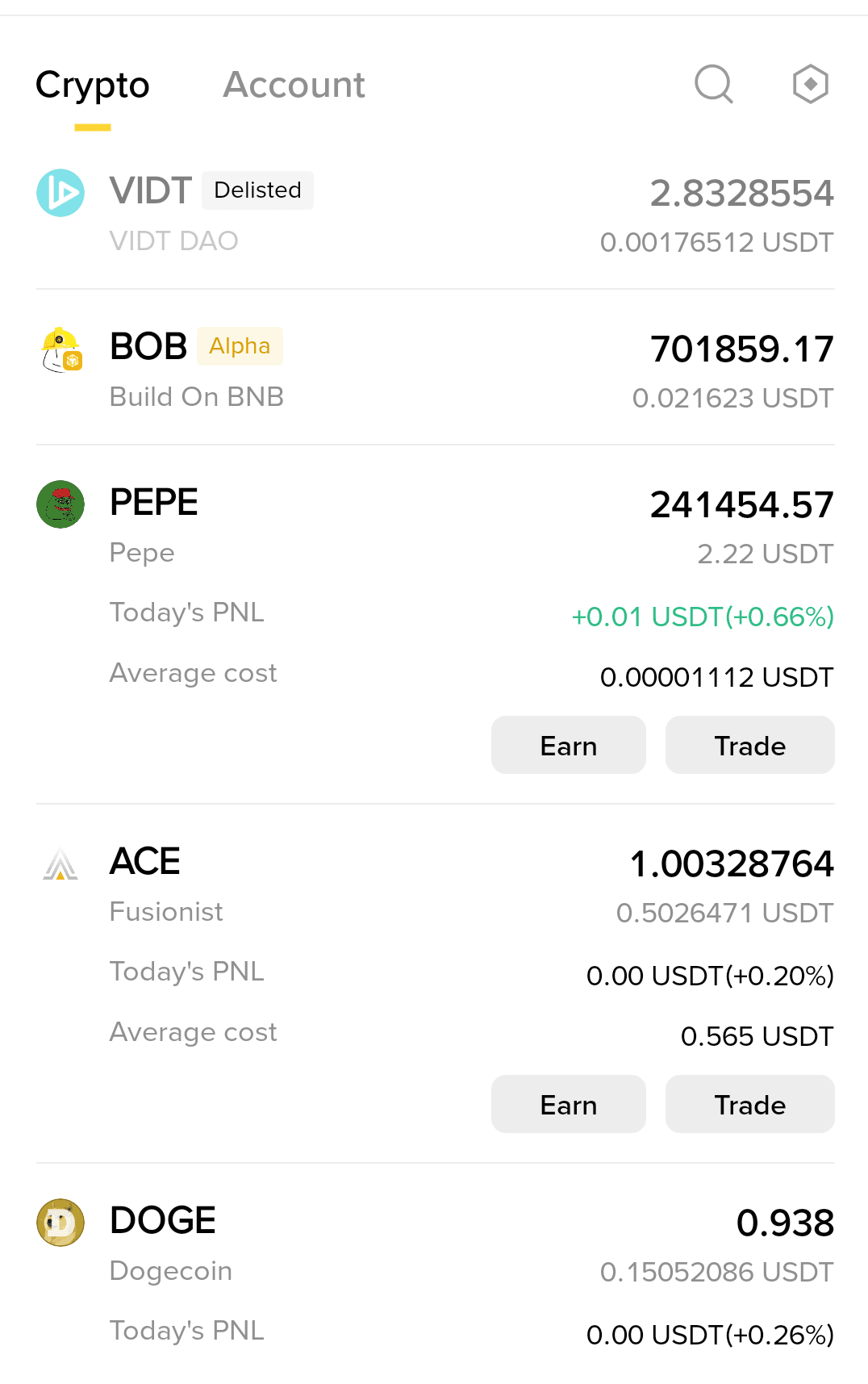
Leute, ich halte 24k $PEPE , gebt mir eine Meinung zu diesem Verkauf oder Halten
Kommentiert, Leute
Kommentiert, Leute
4
Jemand poste einige realistische Richtlinien für Altcoins, die man kaufen kann, nicht all diese Träumer. Zahlt Interaktion in dieser App? Was ist der Sinn all dieser seltsamen Beiträge?
Jemand poste einige realistische Richtlinien für Altcoins, die man kaufen kann, nicht all diese Träumer. Zahlt Interaktion in dieser App? Was ist der Sinn all dieser seltsamen Beiträge?
9
96
Anmelden und weiter Inhalte entdecken
Krypto-Nutzer weltweit auf Binance Square kennenlernen
⚡️ Bleib in Sachen Krypto stets am Puls.
💬 Die weltgrößte Kryptobörse vertraut darauf.
👍 Erhalte verlässliche Einblicke von verifizierten Creators.
E-Mail-Adresse/Telefonnummer
Trendthemen
FedRateWatch
105,613 Aufrufe
614 Kommentare
Teile & gewinne Traffic-Belohnungen in unserer Kampagne mit angesagtem Hashtag
✨Thema: FOMC September, Was ist der nächste Schritt der Fed?
👉So nimmst du teil:
Veröffentliche einen kurzen Beitrag oder Artikel mit dem Hashtag #FedRateWatch
Erstelle Inhalte basierend auf den folgenden Blickwinkeln:
- Der August-Core-CPI stieg um 0,3% im Monatsvergleich, und die Wahrscheinlichkeit für eine 25bp-Erhöhung diese Woche liegt nun bei fast 90%. Erwartest du diese Woche eine Zinserhöhung? Handelt es sich um einen einmaligen Schritt oder den Beginn eines längeren Zinserhöhungszyklus?
- Wenn die Erhöhung erfolgt: Wie entwickelt sich das für BTC, Tech-Aktien und Gold? Aufwärts- oder abwärtsgerichtet?
- Wie planst du als Nächstes zu handeln? Teile deinen BTC-, Aktien- oder Gold-Trade/Bestände mit unserem Trade-Sharing-Widget.
⏰Kampagnenzeitraum:
- 2026-09-15 11:00 - 2026-09-17 3:00 UTC
🎁Belohnung:
- Qualifizierte Beiträge, die die oben genannten Richtlinien erfüllen und mehr als 100 Wörter enthalten, werden überprüft und erhalten möglicherweise einen zufälligen Traffic-Boost von 500 bis 3.000 Aufrufen. Du erhältst eine Benachrichtigung von deiner Feed-Secretary, wenn dein Beitrag ausgewählt wird.
- Erhalte die Chance, dass dein Artikel auf Binance Square Official vorgestellt wird
Du brauchst Ideen für deinen Beitrag? Besuche die Themenseite #FedRateWatch oder die Square Guide on How to Post for Better Reach.
Binance Square Official
·152 Likes
·258.4k Aufrufe
BitcoinReboundsTo$79K
39,954 Aufrufe
313 Kommentare
US30YTreasuryYieldTops5.40%
309 Aufrufe
34 Kommentare