
Devil9
10.6k Beiträge

Devil9
 Square Verified+
Melden
Nutzer blockieren
🤝Success Is Not Final,Failure Is Not Fatal,It Is The Courage To Continue That Counts.
Regelmäßiger Trader
4.9 Jahre
464 Following
40.0K+ Follower
20.5K+ Like gegeben
Beiträge
Alle
Zitierungen
Videos
Live
·
--
KI-AKTIEN STEIGEN, ABER WAS KOMMT ALS NÄCHSTES?
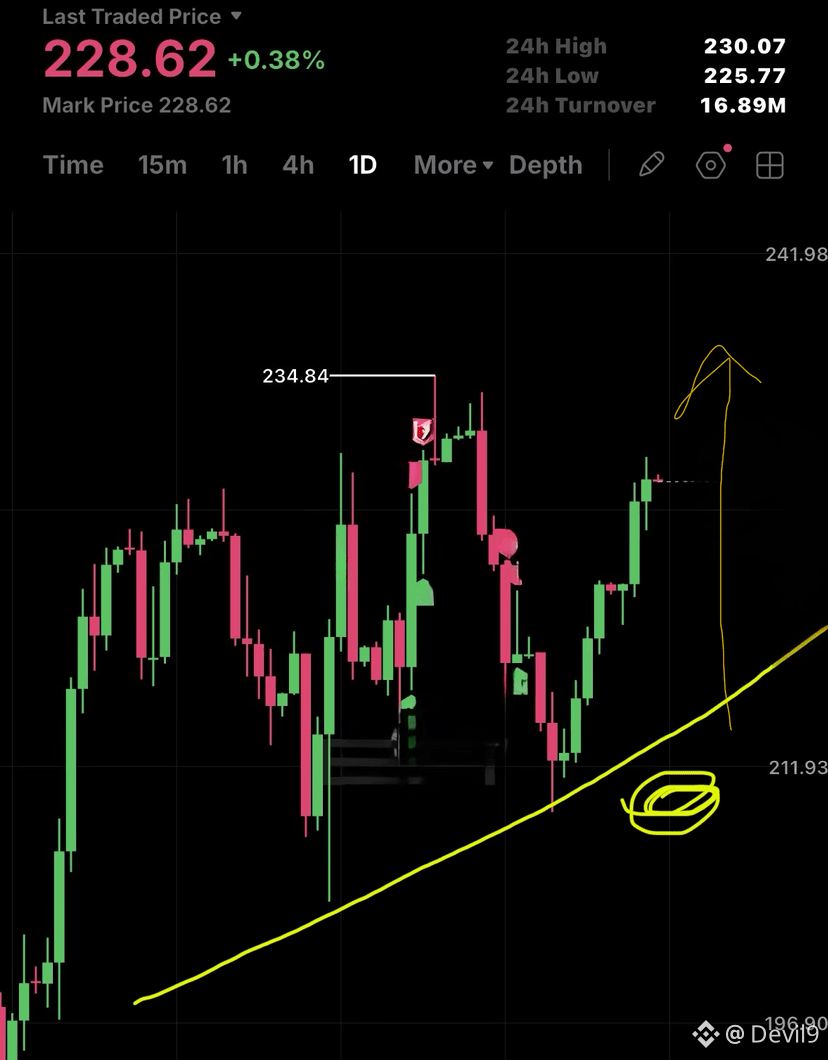
$NVDA ist wieder bei rund $228, nachdem es sich von dem niedrigeren Bereich um $212 erholt hat.Auf meinem Tageschart wird die Erholung inzwischen spannend, aber ich schaue mir die Bewegung nicht an und jage ihr blind hinterher.
Was ich jetzt beobachte, ist der Bereich $234–235, in dem NVDA zuvor auf Widerstand gestoßen ist.Wenn der Kurs diese Zone durchbrechen und halten kann, würde das auf stärkeren Käuferdruck hindeuten.Wenn er dort erneut abgewiesen wird, warte ich lieber auf eine Bestätigung, statt einzusteigen, nur weil KI-Aktien im Trend liegen.
Mein Ausblick auf KI bleibt langfristig bullisch, aber ich denke, die nächste Gelegenheit könnte nicht nur von den größten KI-Namen kommen.
Wenn die KI-Ausgaben weiter an Fahrt gewinnen, beobachte ich außerdem Halbleiter, Rechenzentren, Strominfrastruktur, Networking, Kühlung und Cybersicherheit, weil diese Unternehmen vom fortgesetzten Ausbau der KI-Infrastruktur profitieren können.
Für mich ist die größere Frage nicht nur: Wird KI weiter wachsen? Sondern: Wo wird der nächste Schwung an KI-Investitionen hinfließen?
Ich beobachte die Preisstruktur, das Umsatzwachstum und die echte Nachfrage, statt rein aufgrund von Hype zu kaufen.
Meine aktuelle Tendenz: vorsichtig bullisch bei KI, während ich auf die Bestätigung für NVDA’s nächstes Breakout warte.Was denkst du: Haben KI-Aktien noch Spielraum nach oben, oder wird das langsam zu voll?
#AIStocksWhatNext #NVDA #Stocks
$NVDAB
#Write2Earn
{spot}(NVDABUSDT)
KI-AKTIEN STEIGEN, ABER WAS KOMMT ALS NÄCHSTES?
$NVDA ist wieder bei rund $228, nachdem es sich von dem niedrigeren Bereich um $212 erholt hat.Auf meinem Tageschart wird die Erholung inzwischen spannend, aber ich schaue mir die Bewegung nicht an und jage ihr blind hinterher.
Was ich jetzt beobachte, ist der Bereich $234–235, in dem NVDA zuvor auf Widerstand gestoßen ist.Wenn der Kurs diese Zone durchbrechen und halten kann, würde das auf stärkeren Käuferdruck hindeuten.Wenn er dort erneut abgewiesen wird, warte ich lieber auf eine Bestätigung, statt einzusteigen, nur weil KI-Aktien im Trend liegen.
Mein Ausblick auf KI bleibt langfristig bullisch, aber ich denke, die nächste Gelegenheit könnte nicht nur von den größten KI-Namen kommen.
Wenn die KI-Ausgaben weiter an Fahrt gewinnen, beobachte ich außerdem Halbleiter, Rechenzentren, Strominfrastruktur, Networking, Kühlung und Cybersicherheit, weil diese Unternehmen vom fortgesetzten Ausbau der KI-Infrastruktur profitieren können.
Für mich ist die größere Frage nicht nur: Wird KI weiter wachsen? Sondern: Wo wird der nächste Schwung an KI-Investitionen hinfließen?
Ich beobachte die Preisstruktur, das Umsatzwachstum und die echte Nachfrage, statt rein aufgrund von Hype zu kaufen.
Meine aktuelle Tendenz: vorsichtig bullisch bei KI, während ich auf die Bestätigung für NVDA’s nächstes Breakout warte.Was denkst du: Haben KI-Aktien noch Spielraum nach oben, oder wird das langsam zu voll?
#AIStocksWhatNext #NVDA #Stocks
$NVDAB
#Write2Earn
$NVDA ist wieder bei rund $228, nachdem es sich von dem niedrigeren Bereich um $212 erholt hat.Auf meinem Tageschart wird die Erholung inzwischen spannend, aber ich schaue mir die Bewegung nicht an und jage ihr blind hinterher.
Was ich jetzt beobachte, ist der Bereich $234–235, in dem NVDA zuvor auf Widerstand gestoßen ist.Wenn der Kurs diese Zone durchbrechen und halten kann, würde das auf stärkeren Käuferdruck hindeuten.Wenn er dort erneut abgewiesen wird, warte ich lieber auf eine Bestätigung, statt einzusteigen, nur weil KI-Aktien im Trend liegen.
Mein Ausblick auf KI bleibt langfristig bullisch, aber ich denke, die nächste Gelegenheit könnte nicht nur von den größten KI-Namen kommen.
Wenn die KI-Ausgaben weiter an Fahrt gewinnen, beobachte ich außerdem Halbleiter, Rechenzentren, Strominfrastruktur, Networking, Kühlung und Cybersicherheit, weil diese Unternehmen vom fortgesetzten Ausbau der KI-Infrastruktur profitieren können.
Für mich ist die größere Frage nicht nur: Wird KI weiter wachsen? Sondern: Wo wird der nächste Schwung an KI-Investitionen hinfließen?
Ich beobachte die Preisstruktur, das Umsatzwachstum und die echte Nachfrage, statt rein aufgrund von Hype zu kaufen.
Meine aktuelle Tendenz: vorsichtig bullisch bei KI, während ich auf die Bestätigung für NVDA’s nächstes Breakout warte.Was denkst du: Haben KI-Aktien noch Spielraum nach oben, oder wird das langsam zu voll?
#AIStocksWhatNext #NVDA #Stocks
$NVDAB
#Write2Earn
1
260
·
--
#AIStocksWhatNext
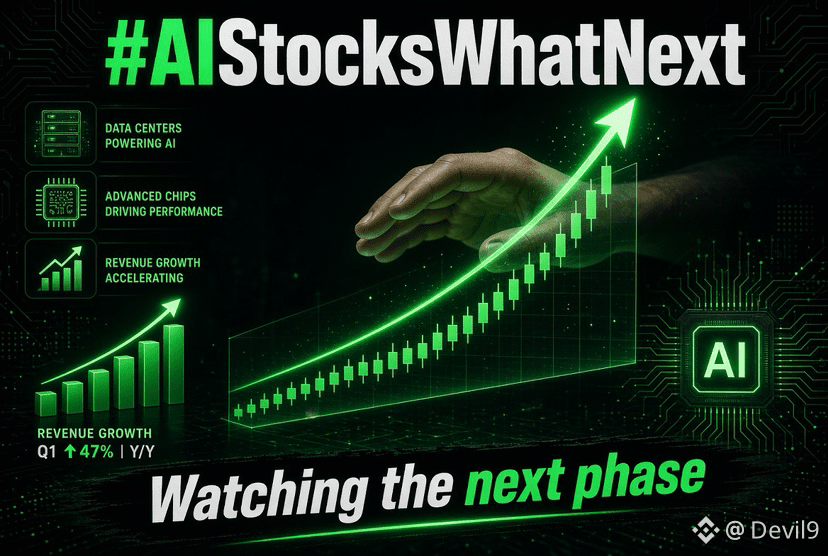
KI-Aktien steigen derzeit stark an, aber ich bin nicht überzeugt, dass das einfach nur schon wieder ein kurzfristiger Hype-Zyklus ist.
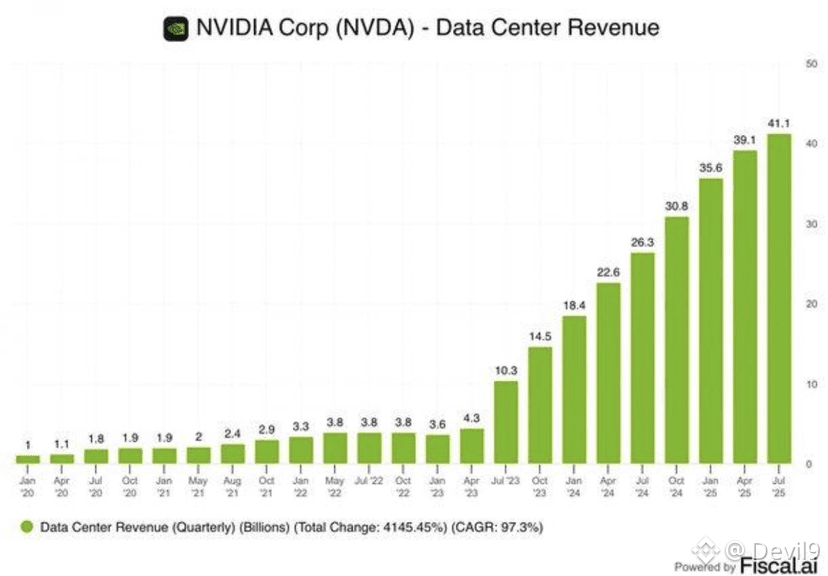
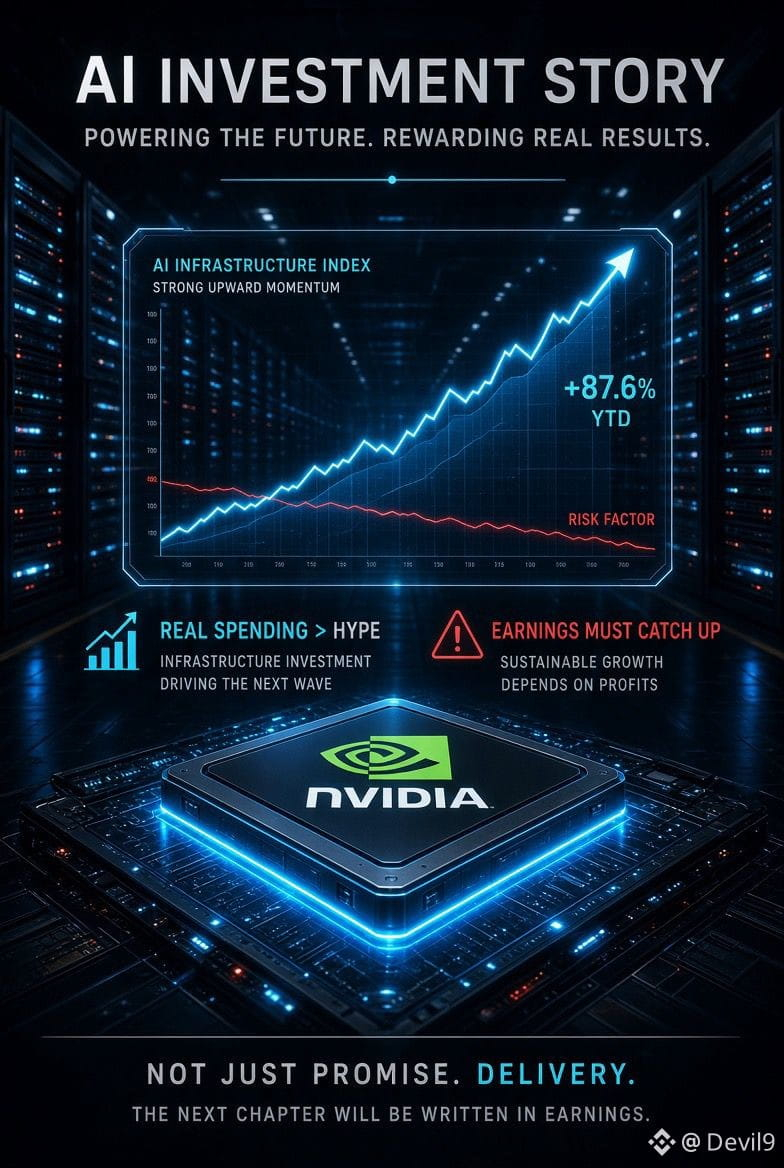
Was meine Aufmerksamkeit geweckt hat, ist die Lücke zwischen der Börsen-Erzählung und der Höhe des tatsächlich investierten Geldes in KI. Nvidia verweist auf eine weitere große Zunahme der Chip-Nachfrage, während führende KI-Unternehmen weiterhin massive Umsatzwachstumsraten melden. Das bedeutet: Die KI-Story wird zunehmend durch echte Investitionen in die Infrastruktur gestützt – und nicht nur durch Schlagzeilen.
Aber es gibt auch eine andere Seite. Die größere Frage ist, ob dieses Niveau an KI-Investitionen im gleichen Tempo weiter wachsen kann. Wenn Unternehmen weiterhin aggressiv in Rechenzentren, Chips und KI-Infrastruktur investieren, könnte die Ertragsstory noch Luft nach oben haben. Wenn die Ausgaben jedoch anfangen zu bremsen, während die Bewertungen hoch bleiben, könnten dieselben Aktien viel stärker auf Enttäuschungen reagieren.
Mein Blick ist vorsichtig bullisch bei KI-Aktien, aber ich würde nicht jeder grünen Kerze hinterherjagen.
Ich beobachte Nvidia und den breiteren KI-Sektor auf Bestätigung durch Umsatzwachstum, Investitionsausgaben und die Kursstruktur. Für mich wird die nächste Phase des KI-Trades darum gehen, zu beweisen, dass die Gewinne mit den Erwartungen Schritt halten können.
Kauft du hier KI-Aktien oder wartest du auf einen besseren Einstieg? #AIStocksWhatNext
#Nvidia #Stocks
$NVDAB
{spot}(NVDABUSDT)
#AIStocksWhatNext
KI-Aktien steigen derzeit stark an, aber ich bin nicht überzeugt, dass das einfach nur schon wieder ein kurzfristiger Hype-Zyklus ist.
Was meine Aufmerksamkeit geweckt hat, ist die Lücke zwischen der Börsen-Erzählung und der Höhe des tatsächlich investierten Geldes in KI. Nvidia verweist auf eine weitere große Zunahme der Chip-Nachfrage, während führende KI-Unternehmen weiterhin massive Umsatzwachstumsraten melden. Das bedeutet: Die KI-Story wird zunehmend durch echte Investitionen in die Infrastruktur gestützt – und nicht nur durch Schlagzeilen.
Aber es gibt auch eine andere Seite. Die größere Frage ist, ob dieses Niveau an KI-Investitionen im gleichen Tempo weiter wachsen kann. Wenn Unternehmen weiterhin aggressiv in Rechenzentren, Chips und KI-Infrastruktur investieren, könnte die Ertragsstory noch Luft nach oben haben. Wenn die Ausgaben jedoch anfangen zu bremsen, während die Bewertungen hoch bleiben, könnten dieselben Aktien viel stärker auf Enttäuschungen reagieren.
Mein Blick ist vorsichtig bullisch bei KI-Aktien, aber ich würde nicht jeder grünen Kerze hinterherjagen.
Ich beobachte Nvidia und den breiteren KI-Sektor auf Bestätigung durch Umsatzwachstum, Investitionsausgaben und die Kursstruktur. Für mich wird die nächste Phase des KI-Trades darum gehen, zu beweisen, dass die Gewinne mit den Erwartungen Schritt halten können.
Kauft du hier KI-Aktien oder wartest du auf einen besseren Einstieg? #AIStocksWhatNext
#Nvidia #Stocks
$NVDAB
KI-Aktien steigen derzeit stark an, aber ich bin nicht überzeugt, dass das einfach nur schon wieder ein kurzfristiger Hype-Zyklus ist.
Was meine Aufmerksamkeit geweckt hat, ist die Lücke zwischen der Börsen-Erzählung und der Höhe des tatsächlich investierten Geldes in KI. Nvidia verweist auf eine weitere große Zunahme der Chip-Nachfrage, während führende KI-Unternehmen weiterhin massive Umsatzwachstumsraten melden. Das bedeutet: Die KI-Story wird zunehmend durch echte Investitionen in die Infrastruktur gestützt – und nicht nur durch Schlagzeilen.
Aber es gibt auch eine andere Seite. Die größere Frage ist, ob dieses Niveau an KI-Investitionen im gleichen Tempo weiter wachsen kann. Wenn Unternehmen weiterhin aggressiv in Rechenzentren, Chips und KI-Infrastruktur investieren, könnte die Ertragsstory noch Luft nach oben haben. Wenn die Ausgaben jedoch anfangen zu bremsen, während die Bewertungen hoch bleiben, könnten dieselben Aktien viel stärker auf Enttäuschungen reagieren.
Mein Blick ist vorsichtig bullisch bei KI-Aktien, aber ich würde nicht jeder grünen Kerze hinterherjagen.
Ich beobachte Nvidia und den breiteren KI-Sektor auf Bestätigung durch Umsatzwachstum, Investitionsausgaben und die Kursstruktur. Für mich wird die nächste Phase des KI-Trades darum gehen, zu beweisen, dass die Gewinne mit den Erwartungen Schritt halten können.
Kauft du hier KI-Aktien oder wartest du auf einen besseren Einstieg? #AIStocksWhatNext
#Nvidia #Stocks
$NVDAB
3
207
·
--
Übersetzung ansehen
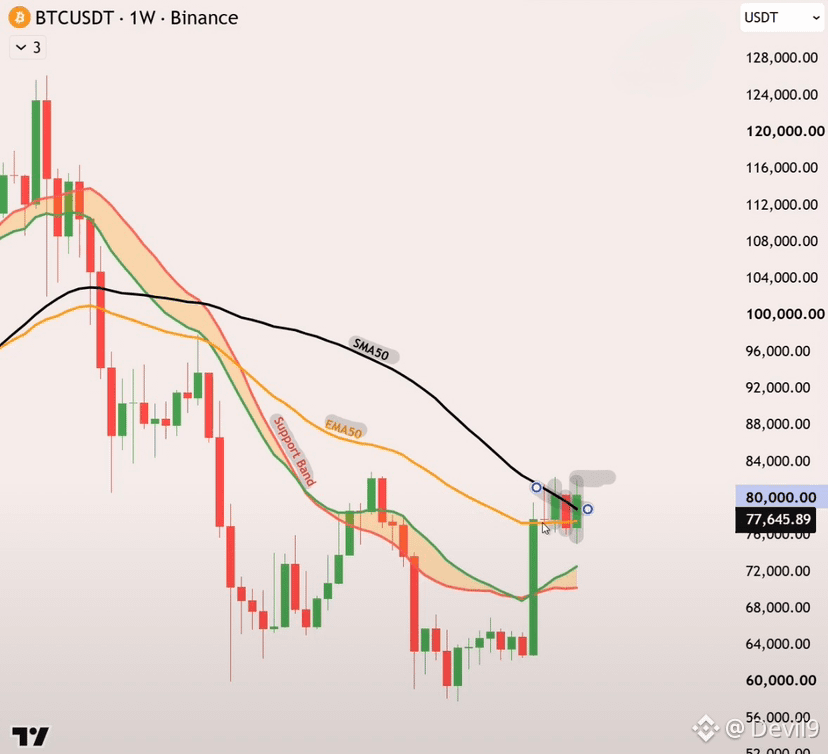
BTC IS BACK AT A CRITICAL WEEKLY ZONE
Bitcoin has returned to the area between the 50W EMA and 50W SMA, but this level already rejected price back in May.
Testing the same resistance again does NOT automatically mean a breakout is coming.
If $BTC can reclaim this zone and secure a strong weekly close above it, the structure starts looking much stronger.
But if the weekly close fails and price gets rejected again, this area could become another distribution zone, opening the door for a deeper retest of the support below.
For me, the weekly close is the key.Don’t predict the breakout.Watch the confirmation.
#Write2Earn
#TrendingTopic
$BTC
{future}(BTCUSDT)
BTC IS BACK AT A CRITICAL WEEKLY ZONE
Bitcoin has returned to the area between the 50W EMA and 50W SMA, but this level already rejected price back in May.
Testing the same resistance again does NOT automatically mean a breakout is coming.
If $BTC can reclaim this zone and secure a strong weekly close above it, the structure starts looking much stronger.
But if the weekly close fails and price gets rejected again, this area could become another distribution zone, opening the door for a deeper retest of the support below.
For me, the weekly close is the key.Don’t predict the breakout.Watch the confirmation.
#Write2Earn
#TrendingTopic
$BTC
Bitcoin has returned to the area between the 50W EMA and 50W SMA, but this level already rejected price back in May.
Testing the same resistance again does NOT automatically mean a breakout is coming.
If $BTC can reclaim this zone and secure a strong weekly close above it, the structure starts looking much stronger.
But if the weekly close fails and price gets rejected again, this area could become another distribution zone, opening the door for a deeper retest of the support below.
For me, the weekly close is the key.Don’t predict the breakout.Watch the confirmation.
#Write2Earn
#TrendingTopic
$BTC
147
·
--
DAS IST MASSIVE LIQUIDATION
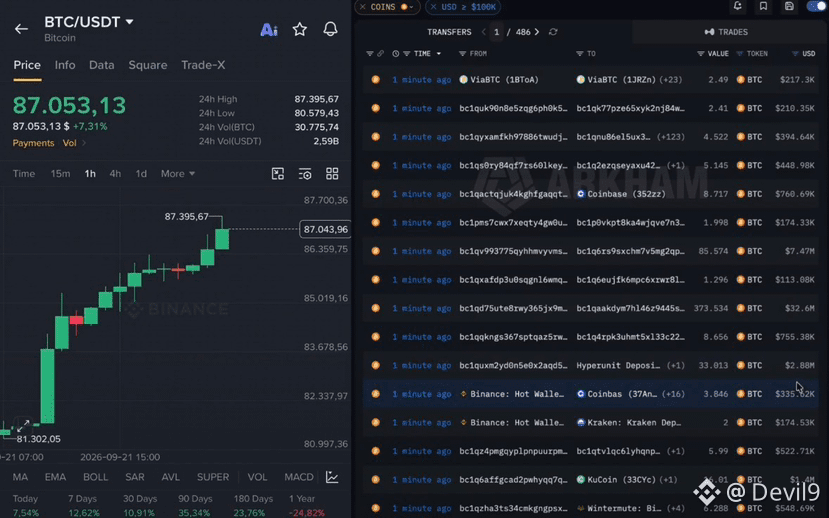
Wale und große Unternehmen steigen ein und kaufen Krypto, während Bitcoin weiter nach oben drückt.
BTC hat $87.000 zurückerobert, während in den vergangenen 24 Stunden mehr als 900 Mio. $ an Short-Positionen liquidiert wurden.
So eine Bewegung kann das Markt-Momentum schnell verändern, da stark gehebte Shorts ausradiert werden. Der entscheidende Punkt ist nun, ob Bitcoin über $87K bleiben und sich eine Unterstützung aufbauen kann.
Falls ja, könnte die nächste Aufwärtsbewegung sehr spannend werden.
#Write2Earn
#TrendingTopic
$BTC
{future}(BTCUSDT)
DAS IST MASSIVE LIQUIDATION
Wale und große Unternehmen steigen ein und kaufen Krypto, während Bitcoin weiter nach oben drückt.
BTC hat $87.000 zurückerobert, während in den vergangenen 24 Stunden mehr als 900 Mio. $ an Short-Positionen liquidiert wurden.
So eine Bewegung kann das Markt-Momentum schnell verändern, da stark gehebte Shorts ausradiert werden. Der entscheidende Punkt ist nun, ob Bitcoin über $87K bleiben und sich eine Unterstützung aufbauen kann.
Falls ja, könnte die nächste Aufwärtsbewegung sehr spannend werden.
#Write2Earn
#TrendingTopic
$BTC
Wale und große Unternehmen steigen ein und kaufen Krypto, während Bitcoin weiter nach oben drückt.
BTC hat $87.000 zurückerobert, während in den vergangenen 24 Stunden mehr als 900 Mio. $ an Short-Positionen liquidiert wurden.
So eine Bewegung kann das Markt-Momentum schnell verändern, da stark gehebte Shorts ausradiert werden. Der entscheidende Punkt ist nun, ob Bitcoin über $87K bleiben und sich eine Unterstützung aufbauen kann.
Falls ja, könnte die nächste Aufwärtsbewegung sehr spannend werden.
#Write2Earn
#TrendingTopic
$BTC
3
1.7k
·
--
$ETH JETZT EIN KRITISCHER LEVEL DIESER ZYKLUS-APHASE ERREICHT
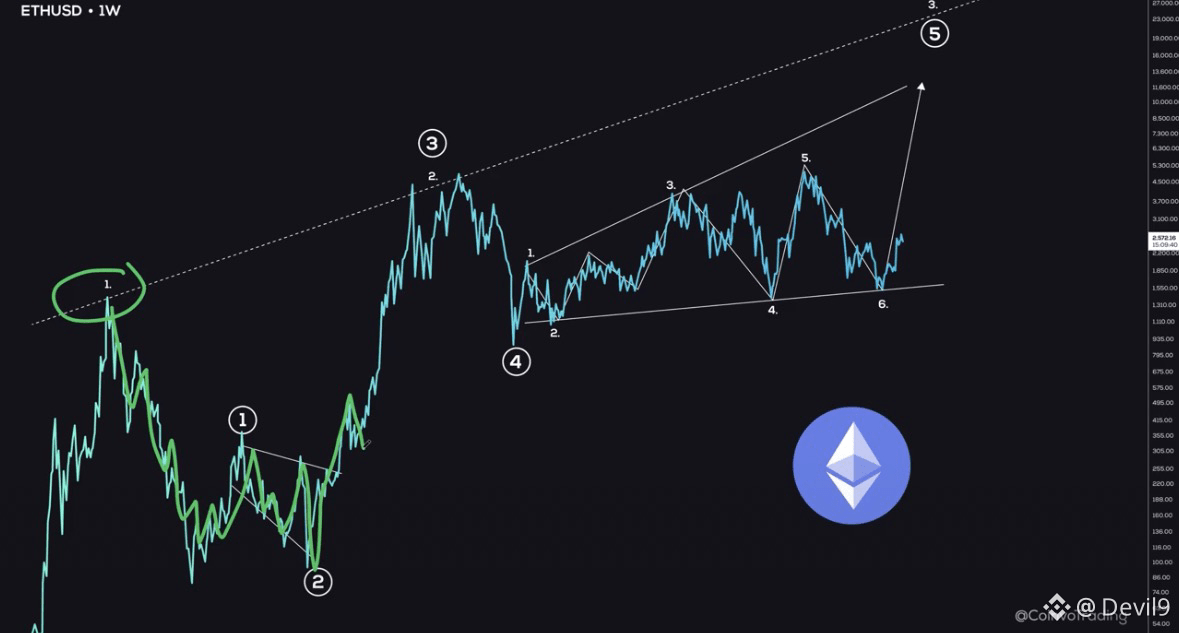
Ethereum befindet sich jetzt auf einem Niveau, das historisch gesehen einen großen Wendepunkt markiert.
Die aktuelle Struktur deutet darauf hin, dass ETH in seine nächste starke Expansionsphase übergehen könnte.
Wenn sich dieses Zyklus-Muster weiter so fortsetzt, könnte das nächste große Ziel über 10.000 US-Dollar liegen.
Und wenn ETH beginnt, wichtige Widerstände mit Nachdruck zu durchbrechen, könnte der Altcoin-Markt endlich anfangen aufzuwachen.
Ich jage der Bewegung nicht hinterher.
Ich beobachte die Struktur.
#Write2Earn
#TrendingTopic
$ETH
{future}(ETHUSDT)
$ETH JETZT EIN KRITISCHER LEVEL DIESER ZYKLUS-APHASE ERREICHT
Ethereum befindet sich jetzt auf einem Niveau, das historisch gesehen einen großen Wendepunkt markiert.
Die aktuelle Struktur deutet darauf hin, dass ETH in seine nächste starke Expansionsphase übergehen könnte.
Wenn sich dieses Zyklus-Muster weiter so fortsetzt, könnte das nächste große Ziel über 10.000 US-Dollar liegen.
Und wenn ETH beginnt, wichtige Widerstände mit Nachdruck zu durchbrechen, könnte der Altcoin-Markt endlich anfangen aufzuwachen.
Ich jage der Bewegung nicht hinterher.
Ich beobachte die Struktur.
#Write2Earn
#TrendingTopic
$ETH
Ethereum befindet sich jetzt auf einem Niveau, das historisch gesehen einen großen Wendepunkt markiert.
Die aktuelle Struktur deutet darauf hin, dass ETH in seine nächste starke Expansionsphase übergehen könnte.
Wenn sich dieses Zyklus-Muster weiter so fortsetzt, könnte das nächste große Ziel über 10.000 US-Dollar liegen.
Und wenn ETH beginnt, wichtige Widerstände mit Nachdruck zu durchbrechen, könnte der Altcoin-Markt endlich anfangen aufzuwachen.
Ich jage der Bewegung nicht hinterher.
Ich beobachte die Struktur.
#Write2Earn
#TrendingTopic
$ETH
1
17
9.3k
·
--
Jeder wartet auf den finalen BTC-Fallstrick.
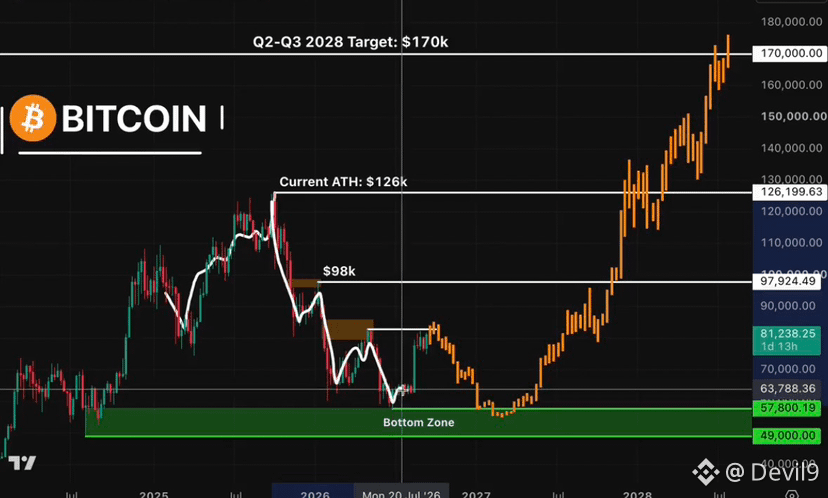
Das Setup wirkt offensichtlich: ein Fake-Ausbruch nahe $82K, gefolgt von einem brutalen Abverkauf Richtung $61K oder sogar $49K.Aber die Märkte geben der Menge nicht immer das, was sie erwartet.
Wenn #BTC über $84K ausbricht, die Marke hält und die Stärke weiter aufbaut, ohne einen größeren Rücksetzer, dann könnte das gar kein Fallstrick sein.Es könnte ein Short Squeeze in der Entstehung sein.In diesem Szenario könnten $98K und sogar $170K schon lange bevor $49K auf dem Plan stehen.
Bereite dich nicht nur auf den Dump vor.
Manchmal ist das größte Risiko so bärisch zu sein, dass man die Upside verpasst.
#Write2Earn
#TrendingTopic
$BTC
{future}(BTCUSDT)
Jeder wartet auf den finalen BTC-Fallstrick.
Das Setup wirkt offensichtlich: ein Fake-Ausbruch nahe $82K, gefolgt von einem brutalen Abverkauf Richtung $61K oder sogar $49K.Aber die Märkte geben der Menge nicht immer das, was sie erwartet.
Wenn #BTC über $84K ausbricht, die Marke hält und die Stärke weiter aufbaut, ohne einen größeren Rücksetzer, dann könnte das gar kein Fallstrick sein.Es könnte ein Short Squeeze in der Entstehung sein.In diesem Szenario könnten $98K und sogar $170K schon lange bevor $49K auf dem Plan stehen.
Bereite dich nicht nur auf den Dump vor.
Manchmal ist das größte Risiko so bärisch zu sein, dass man die Upside verpasst.
#Write2Earn
#TrendingTopic
$BTC
Das Setup wirkt offensichtlich: ein Fake-Ausbruch nahe $82K, gefolgt von einem brutalen Abverkauf Richtung $61K oder sogar $49K.Aber die Märkte geben der Menge nicht immer das, was sie erwartet.
Wenn #BTC über $84K ausbricht, die Marke hält und die Stärke weiter aufbaut, ohne einen größeren Rücksetzer, dann könnte das gar kein Fallstrick sein.Es könnte ein Short Squeeze in der Entstehung sein.In diesem Szenario könnten $98K und sogar $170K schon lange bevor $49K auf dem Plan stehen.
Bereite dich nicht nur auf den Dump vor.
Manchmal ist das größte Risiko so bärisch zu sein, dass man die Upside verpasst.
#Write2Earn
#TrendingTopic
$BTC
4
2
11
13.4k
·
--
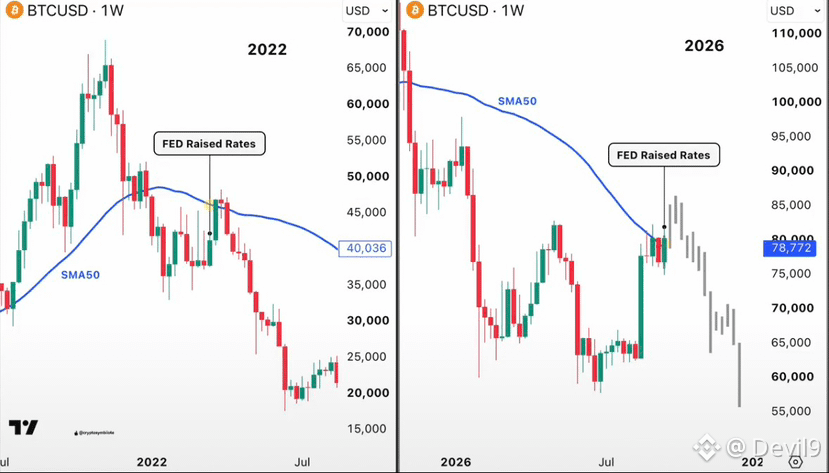
Beim letzten Mal erhöhte die FED 2022 nach einer langen Pause inmitten des Bärenmarkts die Zinsen. Das führte zu einem ~5%-Pump, gefolgt von einem 60%-Dump & Jetzt kann Market Making dasselbe Muster wieder in den Marktfluss bringen. Beim letzten Mal hat das Muster funktioniert – mal sehen
#Write2Earn
#TrendingTopic
$BTC
{future}(BTCUSDT)
Beim letzten Mal erhöhte die FED 2022 nach einer langen Pause inmitten des Bärenmarkts die Zinsen. Das führte zu einem ~5%-Pump, gefolgt von einem 60%-Dump & Jetzt kann Market Making dasselbe Muster wieder in den Marktfluss bringen. Beim letzten Mal hat das Muster funktioniert – mal sehen
#Write2Earn
#TrendingTopic
$BTC
#Write2Earn
#TrendingTopic
$BTC
2
3
4.1k
·
--
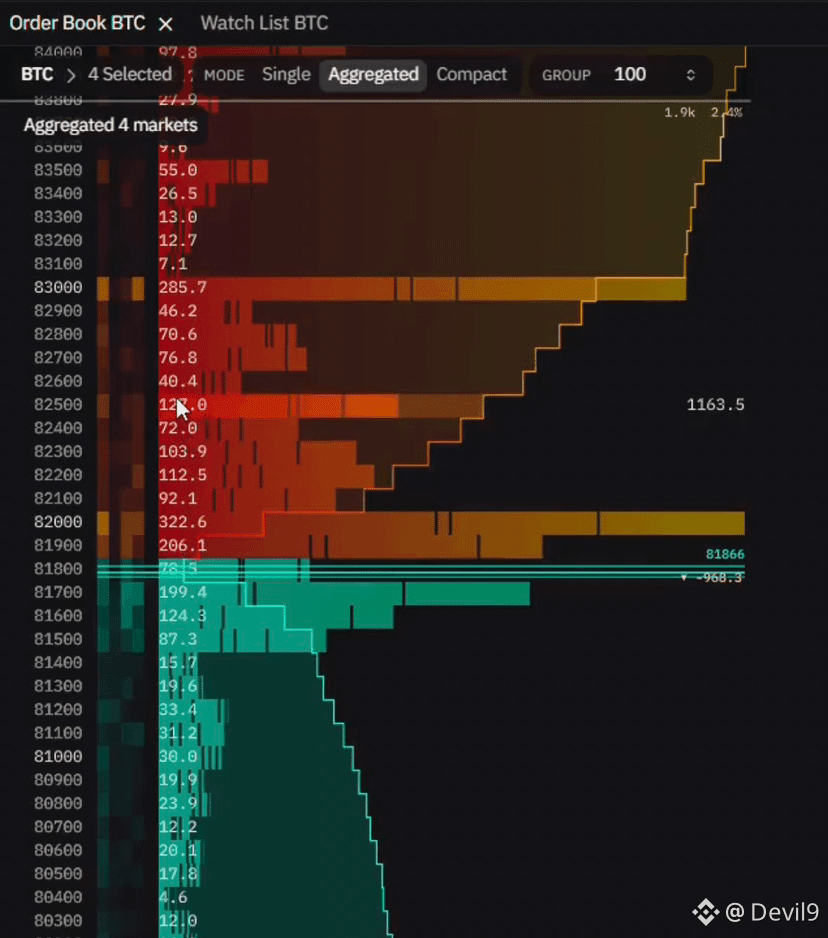
Hallo treue Familie Auf $BTC , bevor es sein erstes höheres Hoch macht, stehen $100 Millionen an Verkaufsaufträgen im Weg. Pass Auf dich auf. #Write2Earn
#TrendingTopic
$BTC
{future}(BTCUSDT)
Hallo treue Familie Auf $BTC , bevor es sein erstes höheres Hoch macht, stehen $100 Millionen an Verkaufsaufträgen im Weg. Pass Auf dich auf. #Write2Earn
#TrendingTopic
$BTC
#TrendingTopic
$BTC
2
399
·
--
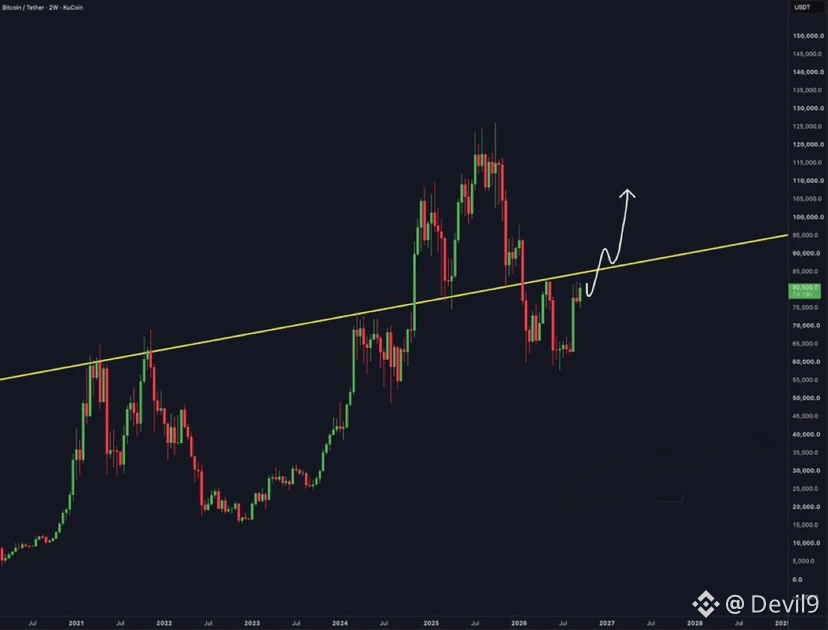
BTC 2W-Struktur: Die Ebene, die zählt
Bitcoin befindet sich direkt um eine mehrjährige aufsteigende Trendlinie, die als wichtige strukturelle Schlüssellinie gedient hat.Das Interessante ist, was als Nächstes passiert.Wenn BTC die Trendlinie zurückerobern und darüber halten kann, könnte sich die Struktur den Weg zur $100K–$110K-Zone eröffnen, die im Chart gezeigt ist.
Aber wenn der Kurs abgewiesen wird und diese Struktur erneut verliert, schwächt sich das bullische Setup.
Ich jage nicht der Kerze hinterher.Ich beobachte die Ebene.
BTC muss uns die Geschichte nicht erzählen.
Der Preis wird es tun.
#Write2Earn
#TrendingTopic
$BTC
{future}(BTCUSDT)
BTC 2W-Struktur: Die Ebene, die zählt
Bitcoin befindet sich direkt um eine mehrjährige aufsteigende Trendlinie, die als wichtige strukturelle Schlüssellinie gedient hat.Das Interessante ist, was als Nächstes passiert.Wenn BTC die Trendlinie zurückerobern und darüber halten kann, könnte sich die Struktur den Weg zur $100K–$110K-Zone eröffnen, die im Chart gezeigt ist.
Aber wenn der Kurs abgewiesen wird und diese Struktur erneut verliert, schwächt sich das bullische Setup.
Ich jage nicht der Kerze hinterher.Ich beobachte die Ebene.
BTC muss uns die Geschichte nicht erzählen.
Der Preis wird es tun.
#Write2Earn
#TrendingTopic
$BTC
Bitcoin befindet sich direkt um eine mehrjährige aufsteigende Trendlinie, die als wichtige strukturelle Schlüssellinie gedient hat.Das Interessante ist, was als Nächstes passiert.Wenn BTC die Trendlinie zurückerobern und darüber halten kann, könnte sich die Struktur den Weg zur $100K–$110K-Zone eröffnen, die im Chart gezeigt ist.
Aber wenn der Kurs abgewiesen wird und diese Struktur erneut verliert, schwächt sich das bullische Setup.
Ich jage nicht der Kerze hinterher.Ich beobachte die Ebene.
BTC muss uns die Geschichte nicht erzählen.
Der Preis wird es tun.
#Write2Earn
#TrendingTopic
$BTC
2
235
·
--
$BTC: STRUKTUR STATT NACHRICHTEN
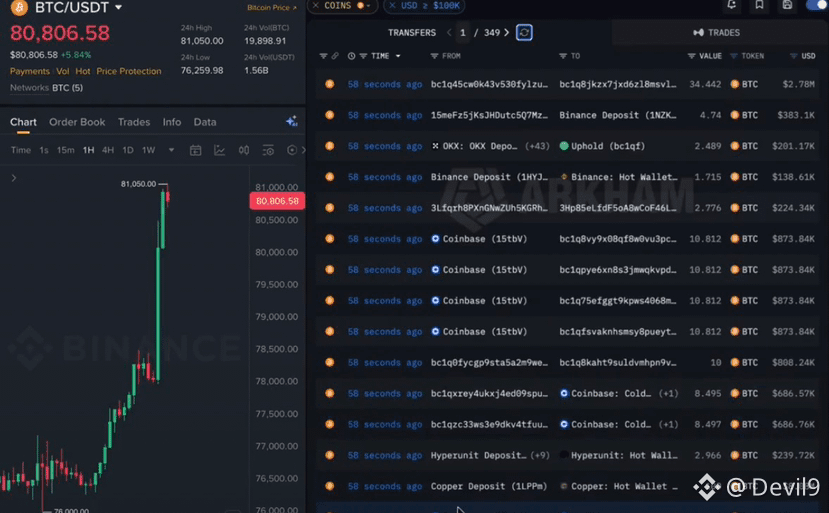
Bitcoin hat $81K zurückerobert, und Schlagzeilen über großes Geld könnten bullish klingen.
Aber ich handle nicht die Schlagzeilen. Ich beobachte die Struktur.
Wenn BTC über $81K hält und der Rücksetzer diese Marke respektiert → bleibt das Long-Setup gültig.Wenn $81K scheitert → dann könnte es sich einfach um einen emotionalen Rückprall handeln, statt um einen echten Ausbruch.
Da die Zinsen weiterhin ein zentrales Risiko sind, bleibe ich vorsichtig.
📌 Vorhersagen liegt mir fern.
Lass den Kurs es bestätigen.
#Write2Earn
#TrendingTopic
$BTC
{future}(BTCUSDT)
$BTC : STRUKTUR STATT NACHRICHTEN
Bitcoin hat $81K zurückerobert, und Schlagzeilen über großes Geld könnten bullish klingen.
Aber ich handle nicht die Schlagzeilen. Ich beobachte die Struktur.
Wenn BTC über $81K hält und der Rücksetzer diese Marke respektiert → bleibt das Long-Setup gültig.Wenn $81K scheitert → dann könnte es sich einfach um einen emotionalen Rückprall handeln, statt um einen echten Ausbruch.
Da die Zinsen weiterhin ein zentrales Risiko sind, bleibe ich vorsichtig.
📌 Vorhersagen liegt mir fern.
Lass den Kurs es bestätigen.
#Write2Earn
#TrendingTopic
$BTC
Bitcoin hat $81K zurückerobert, und Schlagzeilen über großes Geld könnten bullish klingen.
Aber ich handle nicht die Schlagzeilen. Ich beobachte die Struktur.
Wenn BTC über $81K hält und der Rücksetzer diese Marke respektiert → bleibt das Long-Setup gültig.Wenn $81K scheitert → dann könnte es sich einfach um einen emotionalen Rückprall handeln, statt um einen echten Ausbruch.
Da die Zinsen weiterhin ein zentrales Risiko sind, bleibe ich vorsichtig.
📌 Vorhersagen liegt mir fern.
Lass den Kurs es bestätigen.
#Write2Earn
#TrendingTopic
$BTC
1
2
2.8k
·
--
DIE NÄCHSTE PHASE FÜR BITCOIN KÖNNTE NAHER SEIN, ALS DIE MEISTEN ERWARTEN
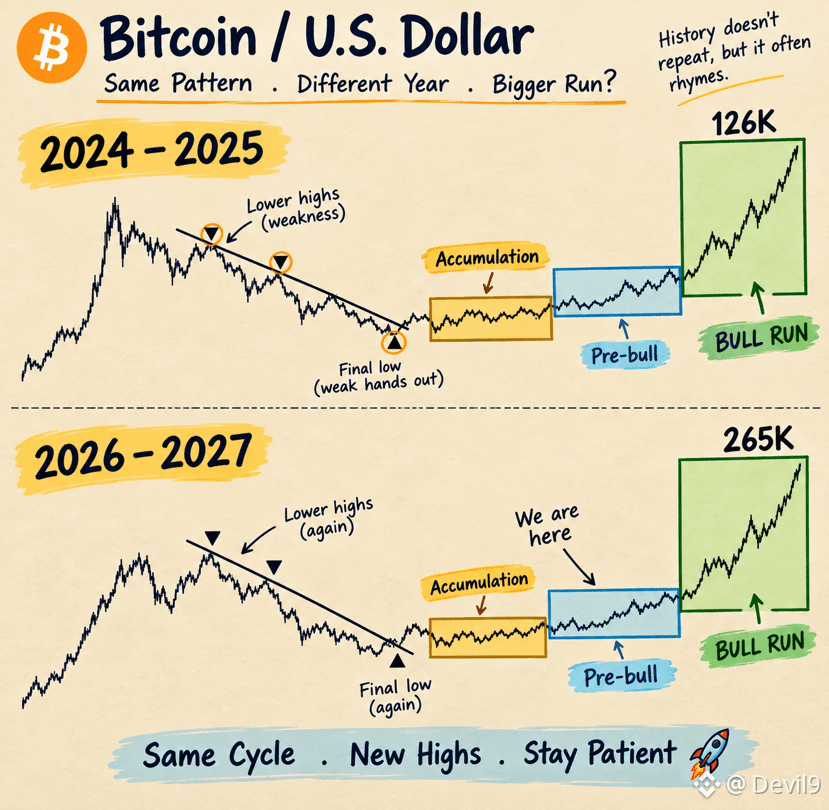
Bisher hat Bitcoins Weg bereits gezeigt, wie schnell sich die Stimmung ändern kann. Vom Bereich um 58K schob sich BTC Richtung 81K, während der Markt weiterhin stark auf bärische Szenarien fokussiert war. Auch die Kursniveaus aus dem vorherigen Zyklus zeigten, dass Geduld manchmal wichtiger sein kann als kurzfristiges Rauschen.
Jetzt ist die größere Frage nicht, ob Bitcoin sich bewegen kann. Sondern: Was passiert, wenn der Schwung zurückkehrt und der Markt beginnt, die nächste Expansionsphase einzupreisen.
Das Chart zeigt eine interessante Zyklusstruktur: Korrektur → Akkumulation → Pre-Bull → Expansion.
Wenn dieses Muster weiterhin mit früheren Zyklen im Takt liegt, könnte der nächste große Schritt deutlich größer ausfallen als der letzte.
Keine Garantien. Keine Abkürzungen. Nur eines ist klar: Der Markt kann die Richtung ändern, lange bevor die Masse ihre Meinung ändert.
🔔 Weiter die Struktur beobachten – nicht das Rauschen.
#Write2Earn
#TrendingTopic
$BTC
{future}(BTCUSDT)
DIE NÄCHSTE PHASE FÜR BITCOIN KÖNNTE NAHER SEIN, ALS DIE MEISTEN ERWARTEN
Bisher hat Bitcoins Weg bereits gezeigt, wie schnell sich die Stimmung ändern kann. Vom Bereich um 58K schob sich BTC Richtung 81K, während der Markt weiterhin stark auf bärische Szenarien fokussiert war. Auch die Kursniveaus aus dem vorherigen Zyklus zeigten, dass Geduld manchmal wichtiger sein kann als kurzfristiges Rauschen.
Jetzt ist die größere Frage nicht, ob Bitcoin sich bewegen kann. Sondern: Was passiert, wenn der Schwung zurückkehrt und der Markt beginnt, die nächste Expansionsphase einzupreisen.
Das Chart zeigt eine interessante Zyklusstruktur: Korrektur → Akkumulation → Pre-Bull → Expansion.
Wenn dieses Muster weiterhin mit früheren Zyklen im Takt liegt, könnte der nächste große Schritt deutlich größer ausfallen als der letzte.
Keine Garantien. Keine Abkürzungen. Nur eines ist klar: Der Markt kann die Richtung ändern, lange bevor die Masse ihre Meinung ändert.
🔔 Weiter die Struktur beobachten – nicht das Rauschen.
#Write2Earn
#TrendingTopic
$BTC
Bisher hat Bitcoins Weg bereits gezeigt, wie schnell sich die Stimmung ändern kann. Vom Bereich um 58K schob sich BTC Richtung 81K, während der Markt weiterhin stark auf bärische Szenarien fokussiert war. Auch die Kursniveaus aus dem vorherigen Zyklus zeigten, dass Geduld manchmal wichtiger sein kann als kurzfristiges Rauschen.
Jetzt ist die größere Frage nicht, ob Bitcoin sich bewegen kann. Sondern: Was passiert, wenn der Schwung zurückkehrt und der Markt beginnt, die nächste Expansionsphase einzupreisen.
Das Chart zeigt eine interessante Zyklusstruktur: Korrektur → Akkumulation → Pre-Bull → Expansion.
Wenn dieses Muster weiterhin mit früheren Zyklen im Takt liegt, könnte der nächste große Schritt deutlich größer ausfallen als der letzte.
Keine Garantien. Keine Abkürzungen. Nur eines ist klar: Der Markt kann die Richtung ändern, lange bevor die Masse ihre Meinung ändert.
🔔 Weiter die Struktur beobachten – nicht das Rauschen.
#Write2Earn
#TrendingTopic
$BTC
489
·
--
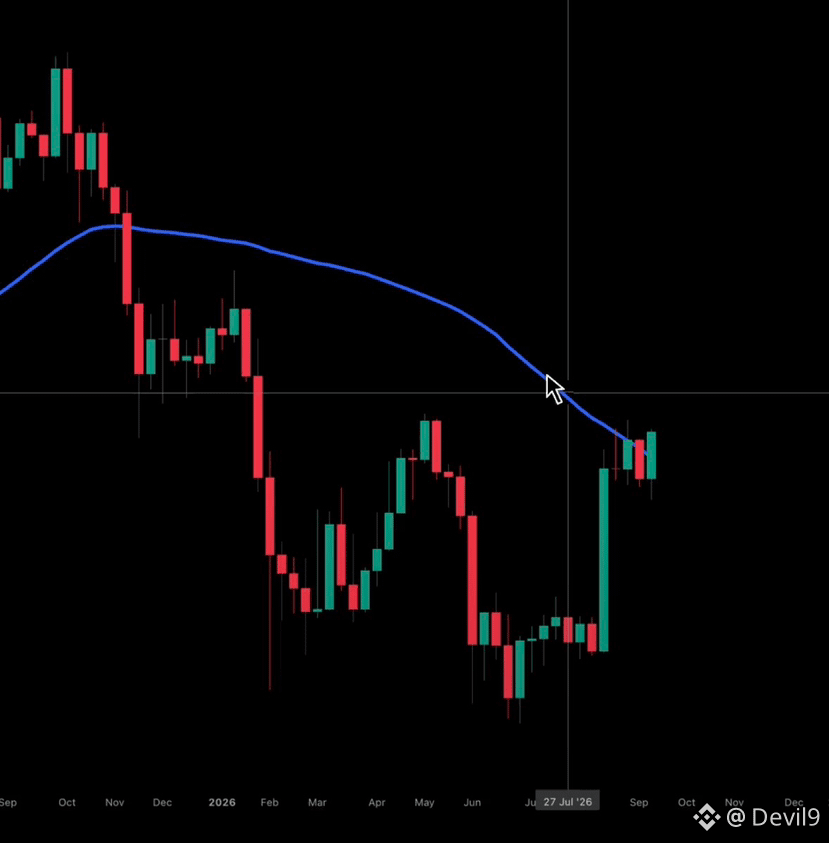
Der wöchentliche Schlusskurs von Bitcoin wird zu einem entscheidenden Moment.
Der 50W-EMA ist die entscheidende Marke, die man im Blick haben sollte.
Wöchentlicher Schlusskurs darüber: bullische Struktur bleibt erhalten
Wöchentlicher Schlusskurs darunter: möglicherweise braucht es noch GeduldEINE Kerze. EINE Marke. Ein potenziell wichtiges Signal für BTC.
Wonach siehst du bei diesem Close?
#Write2Earn
#TrendingTopic
$BTC
{future}(BTCUSDT)
Der wöchentliche Schlusskurs von Bitcoin wird zu einem entscheidenden Moment.
Der 50W-EMA ist die entscheidende Marke, die man im Blick haben sollte.
Wöchentlicher Schlusskurs darüber: bullische Struktur bleibt erhalten
Wöchentlicher Schlusskurs darunter: möglicherweise braucht es noch GeduldEINE Kerze. EINE Marke. Ein potenziell wichtiges Signal für BTC.
Wonach siehst du bei diesem Close?
#Write2Earn
#TrendingTopic
$BTC
Der 50W-EMA ist die entscheidende Marke, die man im Blick haben sollte.
Wöchentlicher Schlusskurs darüber: bullische Struktur bleibt erhalten
Wöchentlicher Schlusskurs darunter: möglicherweise braucht es noch GeduldEINE Kerze. EINE Marke. Ein potenziell wichtiges Signal für BTC.
Wonach siehst du bei diesem Close?
#Write2Earn
#TrendingTopic
$BTC
1
380
·
--
BTC: Gleicher Trend, größere Bewegung?
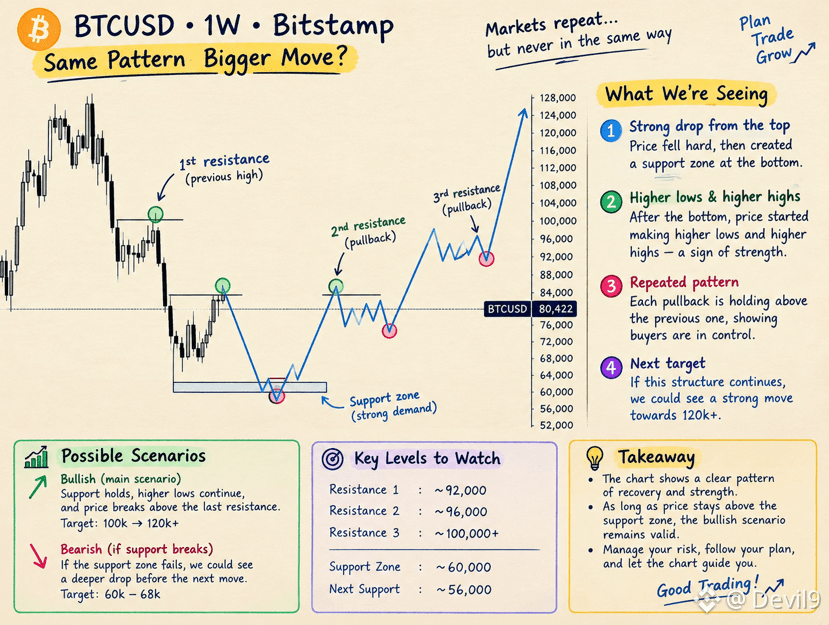
Wenn man sich den wöchentlichen Chart mit $BTC ansieht, wird die Struktur zunehmend interessant. Nach einer starken Korrektur fand Bitcoin Unterstützung und begann, höhere Tiefs und höhere Hochs aufzubauen – das sind Anzeichen einer Erholung.Die entscheidende Zone liegt jetzt bei etwa 80K. Wenn BTC die Struktur weiterhin hält und 92K → 96K → 100K+ zurückerobert, könnte der nächste große Bereich, den es zu beobachten gilt, bei etwa 120K+ liegen.
Aber das Setup hat auch einen Punkt zur Entkräftung. Die 60K-Supportzone bleibt wichtig, und ein eindeutiger Bruch darunter könnte zu einer tieferen Korrektur führen.
Mein Fazit: Richte deinen Fokus nicht nur auf das Ziel; beobachte auch die Struktur und den Punkt der Entkräftung. Geduld, Bestätigung und Risikomanagement sind wichtiger als Prognosen.
Keine Finanzberatung.
#Write2Earn
#TrendingTopic
$BTC
{future}(BTCUSDT)
$ETH
{future}(ETHUSDT)
BTC: Gleicher Trend, größere Bewegung?
Wenn man sich den wöchentlichen Chart mit $BTC ansieht, wird die Struktur zunehmend interessant. Nach einer starken Korrektur fand Bitcoin Unterstützung und begann, höhere Tiefs und höhere Hochs aufzubauen – das sind Anzeichen einer Erholung.Die entscheidende Zone liegt jetzt bei etwa 80K. Wenn BTC die Struktur weiterhin hält und 92K → 96K → 100K+ zurückerobert, könnte der nächste große Bereich, den es zu beobachten gilt, bei etwa 120K+ liegen.
Aber das Setup hat auch einen Punkt zur Entkräftung. Die 60K-Supportzone bleibt wichtig, und ein eindeutiger Bruch darunter könnte zu einer tieferen Korrektur führen.
Mein Fazit: Richte deinen Fokus nicht nur auf das Ziel; beobachte auch die Struktur und den Punkt der Entkräftung. Geduld, Bestätigung und Risikomanagement sind wichtiger als Prognosen.
Keine Finanzberatung.
#Write2Earn
#TrendingTopic
$BTC
$ETH
Wenn man sich den wöchentlichen Chart mit $BTC ansieht, wird die Struktur zunehmend interessant. Nach einer starken Korrektur fand Bitcoin Unterstützung und begann, höhere Tiefs und höhere Hochs aufzubauen – das sind Anzeichen einer Erholung.Die entscheidende Zone liegt jetzt bei etwa 80K. Wenn BTC die Struktur weiterhin hält und 92K → 96K → 100K+ zurückerobert, könnte der nächste große Bereich, den es zu beobachten gilt, bei etwa 120K+ liegen.
Aber das Setup hat auch einen Punkt zur Entkräftung. Die 60K-Supportzone bleibt wichtig, und ein eindeutiger Bruch darunter könnte zu einer tieferen Korrektur führen.
Mein Fazit: Richte deinen Fokus nicht nur auf das Ziel; beobachte auch die Struktur und den Punkt der Entkräftung. Geduld, Bestätigung und Risikomanagement sind wichtiger als Prognosen.
Keine Finanzberatung.
#Write2Earn
#TrendingTopic
$BTC
$ETH
3
2.8k
·
--
BITCOIN KÖNNTE EINEN WICHTIGEN MAKRO-WENDEPUNKT ANNÄHERN
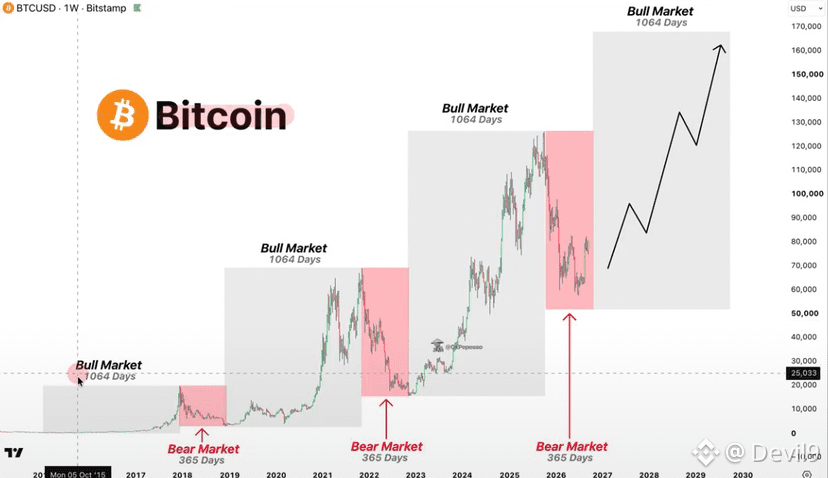
Die aktuelle Korrekturphase von Bitcoin nähert sich der Zeitspanne, in der frühere Marktzyklen historisch gesehen ihre Richtung gewechselt haben.
Ein interessantes Zyklus-Muster zeigt:
📌 ~1.064 Tage der Expansion
📌 ~365 Tage der Korrektur
📌 Dann eine weitere potenzielle ~1.064-tägige Expansion
Wenn die Zeitplanung weiterhin mit früheren Zyklen übereinstimmt, könnten die nächsten wöchentlichen Schlusskurse zunehmend wichtiger werden.
Der wichtigste Bereich, den man beobachten sollte, ist das Zeitfenster von Ende September bis Oktober 2026, in dem die aktuelle Korrekturphase ihr historisches, zeitbasiertes Ende erreichen könnte. Das garantiert jedoch keinen unmittelbaren Anstieg. Bestätigung durch Liquidität und die Marktstruktur sind weiterhin entscheidend. Aber wenn BTC beginnt, wichtige Kursniveaus zurückzuerobern, während die langfristige Akkumulation an Stärke gewinnt, könnte diese Zyklus-Timing-Entwicklung deutlich interessanter werden.
Ich werde die nächsten wöchentlichen Kerzen genau im Blick behalten.
#Write2Earn
#TrendingTopic
$ETH
$BTC
{future}(BTCUSDT)
{future}(ETHUSDT)
BITCOIN KÖNNTE EINEN WICHTIGEN MAKRO-WENDEPUNKT ANNÄHERN
Die aktuelle Korrekturphase von Bitcoin nähert sich der Zeitspanne, in der frühere Marktzyklen historisch gesehen ihre Richtung gewechselt haben.
Ein interessantes Zyklus-Muster zeigt:
📌 ~1.064 Tage der Expansion
📌 ~365 Tage der Korrektur
📌 Dann eine weitere potenzielle ~1.064-tägige Expansion
Wenn die Zeitplanung weiterhin mit früheren Zyklen übereinstimmt, könnten die nächsten wöchentlichen Schlusskurse zunehmend wichtiger werden.
Der wichtigste Bereich, den man beobachten sollte, ist das Zeitfenster von Ende September bis Oktober 2026, in dem die aktuelle Korrekturphase ihr historisches, zeitbasiertes Ende erreichen könnte. Das garantiert jedoch keinen unmittelbaren Anstieg. Bestätigung durch Liquidität und die Marktstruktur sind weiterhin entscheidend. Aber wenn BTC beginnt, wichtige Kursniveaus zurückzuerobern, während die langfristige Akkumulation an Stärke gewinnt, könnte diese Zyklus-Timing-Entwicklung deutlich interessanter werden.
Ich werde die nächsten wöchentlichen Kerzen genau im Blick behalten.
#Write2Earn
#TrendingTopic
$ETH
$BTC
Die aktuelle Korrekturphase von Bitcoin nähert sich der Zeitspanne, in der frühere Marktzyklen historisch gesehen ihre Richtung gewechselt haben.
Ein interessantes Zyklus-Muster zeigt:
📌 ~1.064 Tage der Expansion
📌 ~365 Tage der Korrektur
📌 Dann eine weitere potenzielle ~1.064-tägige Expansion
Wenn die Zeitplanung weiterhin mit früheren Zyklen übereinstimmt, könnten die nächsten wöchentlichen Schlusskurse zunehmend wichtiger werden.
Der wichtigste Bereich, den man beobachten sollte, ist das Zeitfenster von Ende September bis Oktober 2026, in dem die aktuelle Korrekturphase ihr historisches, zeitbasiertes Ende erreichen könnte. Das garantiert jedoch keinen unmittelbaren Anstieg. Bestätigung durch Liquidität und die Marktstruktur sind weiterhin entscheidend. Aber wenn BTC beginnt, wichtige Kursniveaus zurückzuerobern, während die langfristige Akkumulation an Stärke gewinnt, könnte diese Zyklus-Timing-Entwicklung deutlich interessanter werden.
Ich werde die nächsten wöchentlichen Kerzen genau im Blick behalten.
#Write2Earn
#TrendingTopic
$ETH
$BTC
1
2.6k
·
--
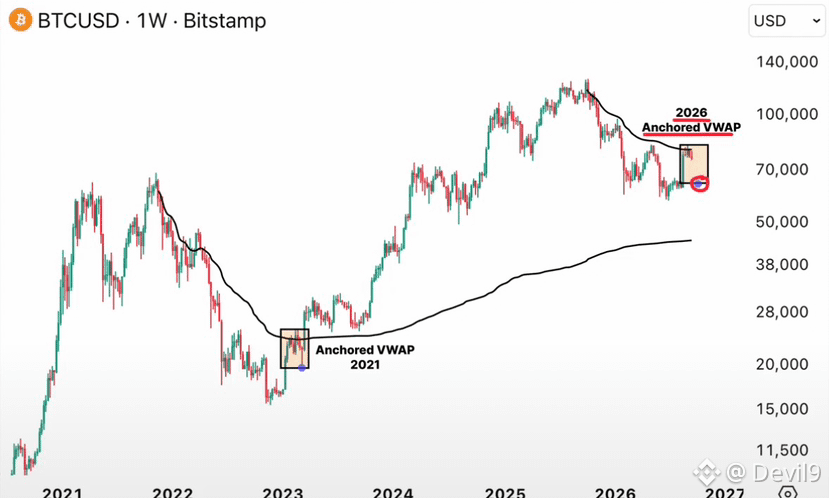
Zurück im Jahr 2023 nach dem ersten Anchored-VWAP-Touch ist Bitcoin innerhalb weniger Wochen um fast 25% gefallen.
Wenn sich dieses ähnliche Fraktal diesmal wiederholt, könnte BTC möglicherweise noch einen weiteren großen Ausverkauf erleben, was die Möglichkeit für eine Bewegung in Richtung der neuen Tiefs bei etwa ~57K eröffnen würde.Ein interessantes Detail: Eine solche Bewegung würde auch ziemlich gut in die breitere Zyklus-Zeitplanung passen.
Nichts ist garantiert, aber dieses Fraktal ist definitiv einen genauen Blick wert.
Was ist deine Meinung? Hinterlasse unten einen Kommentar
#Write2Earn
#TrendingTopic
$BTC
{future}(BTCUSDT)
Zurück im Jahr 2023 nach dem ersten Anchored-VWAP-Touch ist Bitcoin innerhalb weniger Wochen um fast 25% gefallen.
Wenn sich dieses ähnliche Fraktal diesmal wiederholt, könnte BTC möglicherweise noch einen weiteren großen Ausverkauf erleben, was die Möglichkeit für eine Bewegung in Richtung der neuen Tiefs bei etwa ~57K eröffnen würde.Ein interessantes Detail: Eine solche Bewegung würde auch ziemlich gut in die breitere Zyklus-Zeitplanung passen.
Nichts ist garantiert, aber dieses Fraktal ist definitiv einen genauen Blick wert.
Was ist deine Meinung? Hinterlasse unten einen Kommentar
#Write2Earn
#TrendingTopic
$BTC
Wenn sich dieses ähnliche Fraktal diesmal wiederholt, könnte BTC möglicherweise noch einen weiteren großen Ausverkauf erleben, was die Möglichkeit für eine Bewegung in Richtung der neuen Tiefs bei etwa ~57K eröffnen würde.Ein interessantes Detail: Eine solche Bewegung würde auch ziemlich gut in die breitere Zyklus-Zeitplanung passen.
Nichts ist garantiert, aber dieses Fraktal ist definitiv einen genauen Blick wert.
Was ist deine Meinung? Hinterlasse unten einen Kommentar
#Write2Earn
#TrendingTopic
$BTC
614
·
--
$BTC wird wieder interessant.
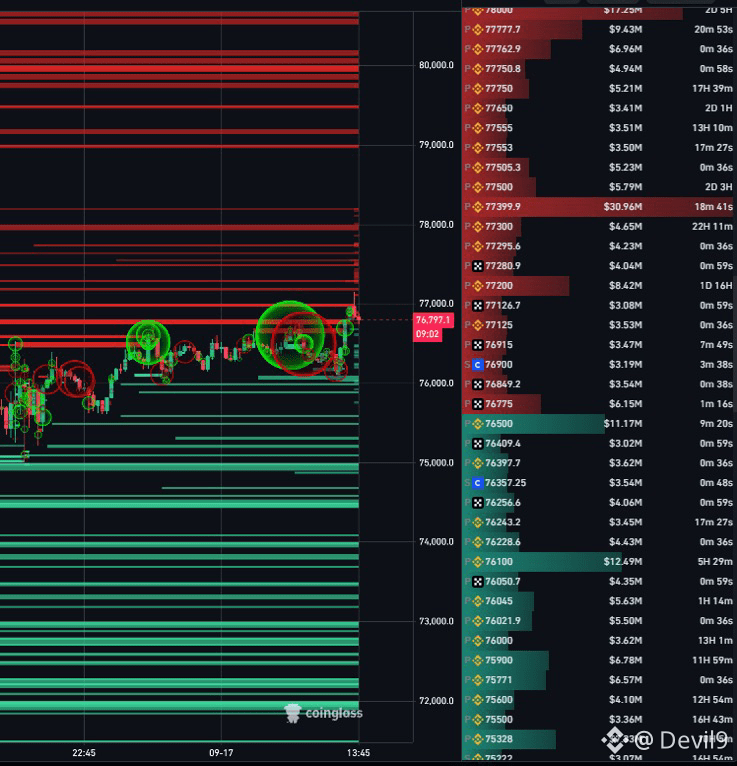
Nach dem jüngsten Liquiditäts-Sweep rund um $75,5K ist Bitcoin wieder über $77K zurückgesprungen. Der wichtige Punkt für mich ist jetzt, ob Käufer diesen Bereich tatsächlich halten können, statt die Bewegung in einen weiteren kurzfristigen Liquiditäts-Grab zu verwandeln.
Die Rückeroberung von $76,9K ist bereits passiert, wodurch BTC wieder in eine stärkere kurzfristige Position kommt. Aber $77K–$78K ist immer noch ein wichtiger Bereich, weil sich dort Sell-Side-Liquidität aufbaut.
Nach unten hin bleiben $74,7K–$76K die entscheidende Zone auf niedrigerem Zeiteinrahmen, die ich im Blick habe. Ein erneuter Rückfall unter $76K könnte die Tür für einen weiteren Liquiditäts-Sweep öffnen, insbesondere weil noch größere Liquidität um $72K–$75K herum liegt.
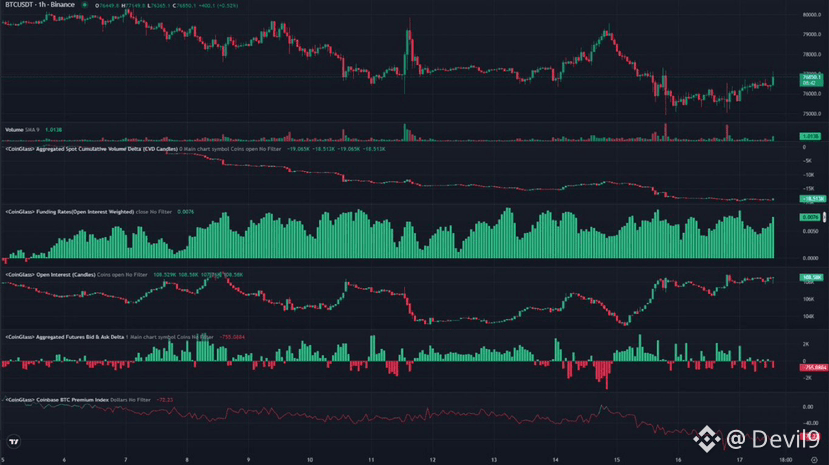
Was dieses Setup besonders interessant macht, ist der Unterschied zwischen Leverage und Spot-Nachfrage. Der Leverage steigt schnell, aber das Spot-Kaufen sieht immer noch nicht stark genug aus, um eine nachhaltige Erholung wirklich vollständig zu bestätigen.
Daher sind meine wichtigsten Levels ganz einfach:
$76,8K–$77K → wichtige Unterstützung für den aktuellen Bounce
$77K–$78K → unmittelbare Liquiditäts- und Widerstandszone
$74,7K–$76K → entscheidende Downside-LTF-Zone
$72K–$75K → größere Liquiditätszone darunter
Wenn BTC über $76,8K halten kann und Käufer weiterhin den Verkaufsdruck absorbieren, ist der nächste Bereich, den ich beobachten werde, um $78K+ herum. Aber wenn $76K wieder verloren geht, wäre ich auf einen weiteren Downside-Liquiditäts-Sweep vorbereitet.
Für jetzt beobachte ich die Reaktion an diesen Levels, statt dem Bounce hinterherzulaufen.
#Write2Earn
#TrendingTopic
$BTC
{future}(BTCUSDT)
$BTC wird wieder interessant.
Nach dem jüngsten Liquiditäts-Sweep rund um $75,5K ist Bitcoin wieder über $77K zurückgesprungen. Der wichtige Punkt für mich ist jetzt, ob Käufer diesen Bereich tatsächlich halten können, statt die Bewegung in einen weiteren kurzfristigen Liquiditäts-Grab zu verwandeln.
Die Rückeroberung von $76,9K ist bereits passiert, wodurch BTC wieder in eine stärkere kurzfristige Position kommt. Aber $77K–$78K ist immer noch ein wichtiger Bereich, weil sich dort Sell-Side-Liquidität aufbaut.
Nach unten hin bleiben $74,7K–$76K die entscheidende Zone auf niedrigerem Zeiteinrahmen, die ich im Blick habe. Ein erneuter Rückfall unter $76K könnte die Tür für einen weiteren Liquiditäts-Sweep öffnen, insbesondere weil noch größere Liquidität um $72K–$75K herum liegt.
Was dieses Setup besonders interessant macht, ist der Unterschied zwischen Leverage und Spot-Nachfrage. Der Leverage steigt schnell, aber das Spot-Kaufen sieht immer noch nicht stark genug aus, um eine nachhaltige Erholung wirklich vollständig zu bestätigen.
Daher sind meine wichtigsten Levels ganz einfach:
$76,8K–$77K → wichtige Unterstützung für den aktuellen Bounce
$77K–$78K → unmittelbare Liquiditäts- und Widerstandszone
$74,7K–$76K → entscheidende Downside-LTF-Zone
$72K–$75K → größere Liquiditätszone darunter
Wenn BTC über $76,8K halten kann und Käufer weiterhin den Verkaufsdruck absorbieren, ist der nächste Bereich, den ich beobachten werde, um $78K+ herum. Aber wenn $76K wieder verloren geht, wäre ich auf einen weiteren Downside-Liquiditäts-Sweep vorbereitet.
Für jetzt beobachte ich die Reaktion an diesen Levels, statt dem Bounce hinterherzulaufen.
#Write2Earn
#TrendingTopic
$BTC
Nach dem jüngsten Liquiditäts-Sweep rund um $75,5K ist Bitcoin wieder über $77K zurückgesprungen. Der wichtige Punkt für mich ist jetzt, ob Käufer diesen Bereich tatsächlich halten können, statt die Bewegung in einen weiteren kurzfristigen Liquiditäts-Grab zu verwandeln.
Die Rückeroberung von $76,9K ist bereits passiert, wodurch BTC wieder in eine stärkere kurzfristige Position kommt. Aber $77K–$78K ist immer noch ein wichtiger Bereich, weil sich dort Sell-Side-Liquidität aufbaut.
Nach unten hin bleiben $74,7K–$76K die entscheidende Zone auf niedrigerem Zeiteinrahmen, die ich im Blick habe. Ein erneuter Rückfall unter $76K könnte die Tür für einen weiteren Liquiditäts-Sweep öffnen, insbesondere weil noch größere Liquidität um $72K–$75K herum liegt.
Was dieses Setup besonders interessant macht, ist der Unterschied zwischen Leverage und Spot-Nachfrage. Der Leverage steigt schnell, aber das Spot-Kaufen sieht immer noch nicht stark genug aus, um eine nachhaltige Erholung wirklich vollständig zu bestätigen.
Daher sind meine wichtigsten Levels ganz einfach:
$76,8K–$77K → wichtige Unterstützung für den aktuellen Bounce
$77K–$78K → unmittelbare Liquiditäts- und Widerstandszone
$74,7K–$76K → entscheidende Downside-LTF-Zone
$72K–$75K → größere Liquiditätszone darunter
Wenn BTC über $76,8K halten kann und Käufer weiterhin den Verkaufsdruck absorbieren, ist der nächste Bereich, den ich beobachten werde, um $78K+ herum. Aber wenn $76K wieder verloren geht, wäre ich auf einen weiteren Downside-Liquiditäts-Sweep vorbereitet.
Für jetzt beobachte ich die Reaktion an diesen Levels, statt dem Bounce hinterherzulaufen.
#Write2Earn
#TrendingTopic
$BTC
1
1.3k
·
--
BTC Long Setup-Clean Analysis (All in One)
News-stil Beitrag (zum Kopieren bereit)
BTC Nachfragezone Alarm
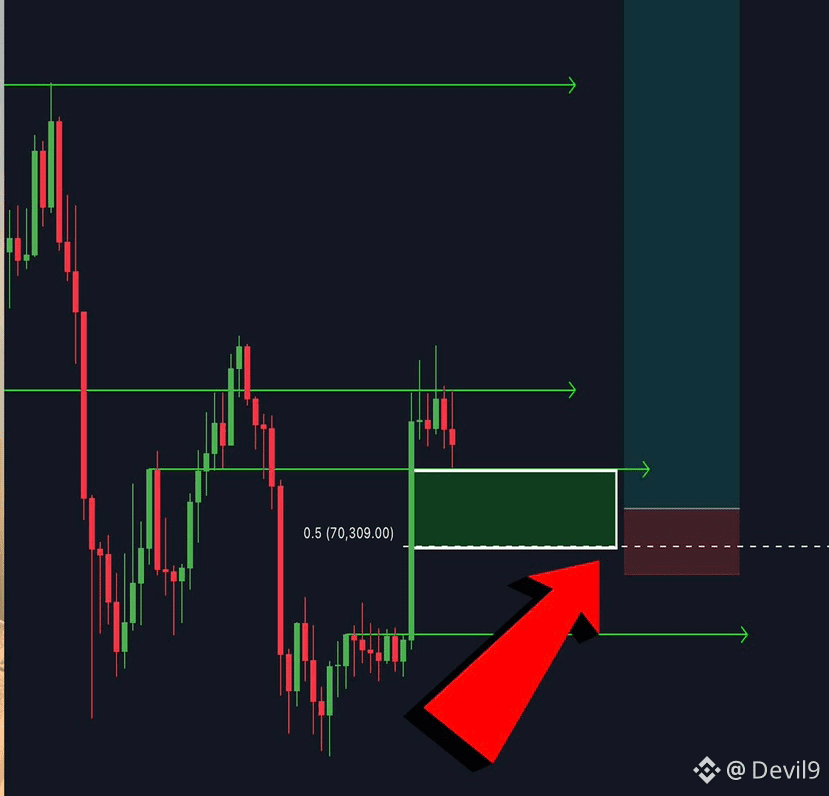
Der Preis sitzt genau auf der 0,5 Fib-Marke bei 70.309.
Nach einer starken grünen Kerze hat der Preis eine klare Nachfrage-Box gebildet (grün hervorgehoben) und testet sie jetzt
Mein Plan: Long von hier
Einstieg: Nachfragezone (grünes Feld)
Ziele: Obere grüne horizontale Levels
Stop Loss: Klarer Bruch unterhalb der Box
Wer ist noch mit mir dabei, das long zu nehmen?
#BTC #Bitcoin #Crypto
Vollständige Analyse & Berechnung
Ich schaue mir den Chart an:
• Die 0,5-Fibonacci-Marke bei 70.309 ist klar markiert und wirkt als Unterstützung.
• Das dunkelgrüne Rechteck ist eine saubere Nachfragezone / ein Order-Block, der nach der impulsiven bullischen Kerze entstanden ist.
• Der große rote Pfeil zeigt genau auf den idealen Einstiegsbereich innerhalb dieser Zone.
• Mehrere grüne horizontale Linien darüber fungieren als mögliche Ziele / frühere Widerstandslevels.
Meine Meinung:
Das ist ein sauberes Long-Setup. Die Konfluenz aus 0,5 Fib + Nachfragezone ist stark. Solange der Preis die grüne Box hält und die Struktur im höheren Timeframe bullisch bleibt, ist der Long-Trade weiterhin gültig.
Bestätige immer im Live-Chart, halte den Stop Loss ein und manage das Risiko richtig. Der Markt kann sich immer noch drehen.
Sag mir Bescheid, wenn du eine verfeinerte Version oder einen Blick auf den höheren Timeframe möchtest.
#Write2Earn
#TrendingTopic
$BTC
{future}(BTCUSDT)
BTC Long Setup-Clean Analysis (All in One)
News-stil Beitrag (zum Kopieren bereit)
BTC Nachfragezone Alarm
Der Preis sitzt genau auf der 0,5 Fib-Marke bei 70.309.
Nach einer starken grünen Kerze hat der Preis eine klare Nachfrage-Box gebildet (grün hervorgehoben) und testet sie jetzt
Mein Plan: Long von hier
Einstieg: Nachfragezone (grünes Feld)
Ziele: Obere grüne horizontale Levels
Stop Loss: Klarer Bruch unterhalb der Box
Wer ist noch mit mir dabei, das long zu nehmen?
#BTC #Bitcoin #Crypto
Vollständige Analyse & Berechnung
Ich schaue mir den Chart an:
• Die 0,5-Fibonacci-Marke bei 70.309 ist klar markiert und wirkt als Unterstützung.
• Das dunkelgrüne Rechteck ist eine saubere Nachfragezone / ein Order-Block, der nach der impulsiven bullischen Kerze entstanden ist.
• Der große rote Pfeil zeigt genau auf den idealen Einstiegsbereich innerhalb dieser Zone.
• Mehrere grüne horizontale Linien darüber fungieren als mögliche Ziele / frühere Widerstandslevels.
Meine Meinung:
Das ist ein sauberes Long-Setup. Die Konfluenz aus 0,5 Fib + Nachfragezone ist stark. Solange der Preis die grüne Box hält und die Struktur im höheren Timeframe bullisch bleibt, ist der Long-Trade weiterhin gültig.
Bestätige immer im Live-Chart, halte den Stop Loss ein und manage das Risiko richtig. Der Markt kann sich immer noch drehen.
Sag mir Bescheid, wenn du eine verfeinerte Version oder einen Blick auf den höheren Timeframe möchtest.
#Write2Earn
#TrendingTopic
$BTC
News-stil Beitrag (zum Kopieren bereit)
BTC Nachfragezone Alarm
Der Preis sitzt genau auf der 0,5 Fib-Marke bei 70.309.
Nach einer starken grünen Kerze hat der Preis eine klare Nachfrage-Box gebildet (grün hervorgehoben) und testet sie jetzt
Mein Plan: Long von hier
Einstieg: Nachfragezone (grünes Feld)
Ziele: Obere grüne horizontale Levels
Stop Loss: Klarer Bruch unterhalb der Box
Wer ist noch mit mir dabei, das long zu nehmen?
#BTC #Bitcoin #Crypto
Vollständige Analyse & Berechnung
Ich schaue mir den Chart an:
• Die 0,5-Fibonacci-Marke bei 70.309 ist klar markiert und wirkt als Unterstützung.
• Das dunkelgrüne Rechteck ist eine saubere Nachfragezone / ein Order-Block, der nach der impulsiven bullischen Kerze entstanden ist.
• Der große rote Pfeil zeigt genau auf den idealen Einstiegsbereich innerhalb dieser Zone.
• Mehrere grüne horizontale Linien darüber fungieren als mögliche Ziele / frühere Widerstandslevels.
Meine Meinung:
Das ist ein sauberes Long-Setup. Die Konfluenz aus 0,5 Fib + Nachfragezone ist stark. Solange der Preis die grüne Box hält und die Struktur im höheren Timeframe bullisch bleibt, ist der Long-Trade weiterhin gültig.
Bestätige immer im Live-Chart, halte den Stop Loss ein und manage das Risiko richtig. Der Markt kann sich immer noch drehen.
Sag mir Bescheid, wenn du eine verfeinerte Version oder einen Blick auf den höheren Timeframe möchtest.
#Write2Earn
#TrendingTopic
$BTC
2
752
·
--
ETH KÖNNTE VOR DER REVERSAL NOCH EINEN WEITEREN FLUSH HABEN
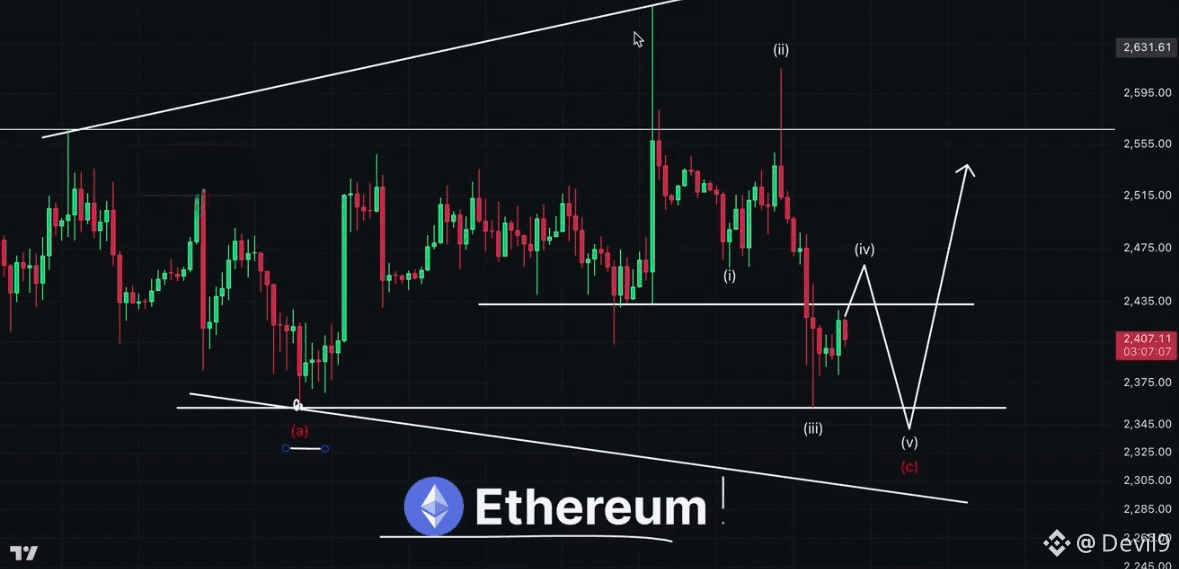
ETH hat die Unterstützung bei $2.435 verloren, daher denke ich nicht, dass der Abwärtstrend bereits beendet ist. Mein Basisszenario ist ein kurzer, erholender Bounce in dieses Niveau hinein, gefolgt von einem weiteren Abwärtsimpuls. Der Bereich um $2.345 sticht für mich heraus, weil er mit den vorherigen Tiefs zusammenfällt und mit dem prognostizierten Ende der Korrektur. Wenn wir diese Liquidität abräumen und $2.435 zurückerobern, würde ich mit einer deutlich stärkeren Erholung rechnen.
Das ist das Setup, das ich beobachte – noch ein Shakeout, bevor ETH wieder nach oben drehen kann. Ich werde dich warnen
#Write2Earn
#TrendingTopic
$ETH
@Square-Creator-f12009548
{future}(ETHUSDT)
ETH KÖNNTE VOR DER REVERSAL NOCH EINEN WEITEREN FLUSH HABEN
ETH hat die Unterstützung bei $2.435 verloren, daher denke ich nicht, dass der Abwärtstrend bereits beendet ist. Mein Basisszenario ist ein kurzer, erholender Bounce in dieses Niveau hinein, gefolgt von einem weiteren Abwärtsimpuls. Der Bereich um $2.345 sticht für mich heraus, weil er mit den vorherigen Tiefs zusammenfällt und mit dem prognostizierten Ende der Korrektur. Wenn wir diese Liquidität abräumen und $2.435 zurückerobern, würde ich mit einer deutlich stärkeren Erholung rechnen.
Das ist das Setup, das ich beobachte – noch ein Shakeout, bevor ETH wieder nach oben drehen kann. Ich werde dich warnen
#Write2Earn
#TrendingTopic
$ETH
@DiegoSilvaTrs
ETH hat die Unterstützung bei $2.435 verloren, daher denke ich nicht, dass der Abwärtstrend bereits beendet ist. Mein Basisszenario ist ein kurzer, erholender Bounce in dieses Niveau hinein, gefolgt von einem weiteren Abwärtsimpuls. Der Bereich um $2.345 sticht für mich heraus, weil er mit den vorherigen Tiefs zusammenfällt und mit dem prognostizierten Ende der Korrektur. Wenn wir diese Liquidität abräumen und $2.435 zurückerobern, würde ich mit einer deutlich stärkeren Erholung rechnen.
Das ist das Setup, das ich beobachte – noch ein Shakeout, bevor ETH wieder nach oben drehen kann. Ich werde dich warnen
#Write2Earn
#TrendingTopic
$ETH
@DiegoSilvaTrs
2
4
7.9k
·
--
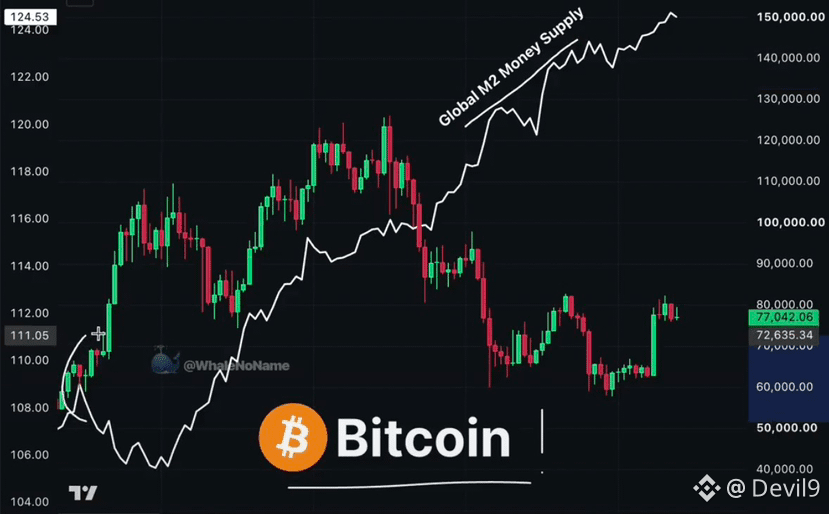
Bitcoin hinkt immer noch stark hinter der globalen M2-Geldmenge hinter. Schau dir diese Grafik an: M2 druckt höhere Hochs, während BTC immer noch im Bereich der mittleren 70k herumzittert, nachdem der große Dump passiert ist. Liquidität flutet das System … Bitcoin hat nur noch nicht aufgeholt. Entweder schließt sich diese Lücke hart, oder wir sehen eine der größten Divergenzen dieses Zyklus.
@WhaleNoName chart trifft anders zu.
Wer ist hier noch geduldig?
#Write2Earn
#TrendingTopic
$BTC
{future}(BTCUSDT)
$SOL
Bitcoin hinkt immer noch stark hinter der globalen M2-Geldmenge hinter. Schau dir diese Grafik an: M2 druckt höhere Hochs, während BTC immer noch im Bereich der mittleren 70k herumzittert, nachdem der große Dump passiert ist. Liquidität flutet das System … Bitcoin hat nur noch nicht aufgeholt. Entweder schließt sich diese Lücke hart, oder wir sehen eine der größten Divergenzen dieses Zyklus.
@WhaleNoName chart trifft anders zu.
Wer ist hier noch geduldig?
#Write2Earn
#TrendingTopic
$BTC
$SOL
@WhaleNoName chart trifft anders zu.
Wer ist hier noch geduldig?
#Write2Earn
#TrendingTopic
$BTC
$SOL
216
·
--
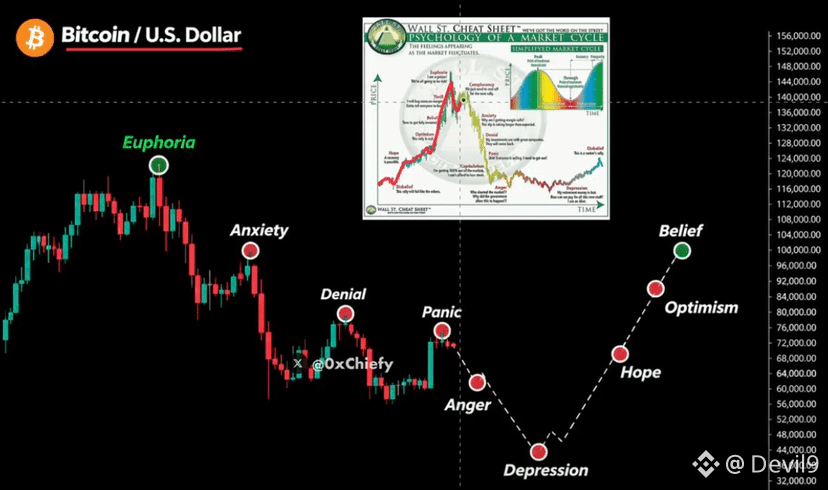
BTC 77K: Der Markt wartet auf einen Auslöser
BTC hat die $77K-Marke wiederholt getestet und zeigt damit, dass sowohl Bullen als auch Bären diese Zone genau im Blick haben.Eine mögliche Zinserhöhung könnte zum Katalysator werden, doch der Markt könnte anders reagieren als erwartet.Statt im Voraus eine Richtung festzulegen, beobachte ich, wie der Preis sich rund um $77K verhält.
Ausbruch, Abweisung oder Konsolidierung—die Reaktion wird wahrscheinlich die nächste wichtige Bewegung offenbaren.
Bleib geduldig. Lass den Preis die Richtung bestätigen.
#Write2Earn
#TrendingTopic
$BTC
$SOL
{future}(SOLUSDT)
BTC 77K: Der Markt wartet auf einen Auslöser
BTC hat die $77K-Marke wiederholt getestet und zeigt damit, dass sowohl Bullen als auch Bären diese Zone genau im Blick haben.Eine mögliche Zinserhöhung könnte zum Katalysator werden, doch der Markt könnte anders reagieren als erwartet.Statt im Voraus eine Richtung festzulegen, beobachte ich, wie der Preis sich rund um $77K verhält.
Ausbruch, Abweisung oder Konsolidierung—die Reaktion wird wahrscheinlich die nächste wichtige Bewegung offenbaren.
Bleib geduldig. Lass den Preis die Richtung bestätigen.
#Write2Earn
#TrendingTopic
$BTC
$SOL
BTC hat die $77K-Marke wiederholt getestet und zeigt damit, dass sowohl Bullen als auch Bären diese Zone genau im Blick haben.Eine mögliche Zinserhöhung könnte zum Katalysator werden, doch der Markt könnte anders reagieren als erwartet.Statt im Voraus eine Richtung festzulegen, beobachte ich, wie der Preis sich rund um $77K verhält.
Ausbruch, Abweisung oder Konsolidierung—die Reaktion wird wahrscheinlich die nächste wichtige Bewegung offenbaren.
Bleib geduldig. Lass den Preis die Richtung bestätigen.
#Write2Earn
#TrendingTopic
$BTC
$SOL
10
2
2.8k
Anmelden und weiter Inhalte entdecken
Krypto-Nutzer weltweit auf Binance Square kennenlernen
⚡️ Bleib in Sachen Krypto stets am Puls.
💬 Die weltgrößte Kryptobörse vertraut darauf.
👍 Erhalte verlässliche Einblicke von verifizierten Creators.
E-Mail-Adresse/Telefonnummer
Trendthemen
AIStocksWhatNext
685,829 Aufrufe
5,085 Kommentare
Teile & gewinne Traffic-Rewards in unserer angesagten Hashtag-Kampagne
✨Thema: Welche anderen Investitionsmöglichkeiten gibt es noch, während KI-Aktien weiter steigen?
👉So machst du mit:
Veröffentliche einen kurzen Beitrag oder Artikel mit dem Hashtag #AIStocksWhatNext
Teile, ob du bullisch oder bärisch bist, und poste deine KI-Aktienbestände oder Trades – die Nutzung des Trade-Widgets kann deine Berechtigung verbessern.
Du kannst deinen Beitrag auch stärken, indem du Daten oder Diagramme teilst und KI-generierte Bilder vermeidest.
✍️Erstelle Inhalte basierend auf den folgenden Blickwinkeln:
- Nvidia sagt, dass sich der Chip-Umsatz im nächsten Jahr verdoppeln wird, und die führenden KI-Unternehmen erreichen weiterhin Rekordumsätze – der Rechenaufwand dahinter ist ebenso beeindruckend. Verläuft die Nachfrage nach KI wirklich gerade erst so richtig, oder geht es nur noch eine Weile weiter? KI-Aktien steigen derzeit branchenweit. Ist das ein echter Ausbruch oder nur ein kurzfristiger Rückprall?
- Branchenführer fordern dazu auf, die Entwicklung von KI zu verlangsamen, während Trump plant, eine „AI Force“ aufzubauen, und behauptet, KI könne in der Zukunft 25% des US-BIP ausmachen. Auf welcher Seite stehst du? Wird staatliche Unterstützung ein langfristiger Gewinn für KI-Aktien sein?
- Kaufst du KI-Aktien? Teile deinen KI-bezogenen Trade/deine Bestände mit unserem Trade-Sharing-Widget.
⏰Kampagnenzeitraum:
- 2026-09-22 7:00 - 2026-09-24 4:00 UTC
🎁Belohnung:
- Qualifizierte Beiträge, die die oben genannten Richtlinien einhalten und mehr als 100 Wörter enthalten, werden überprüft und können möglicherweise einen zufälligen Traffic-Boost von 500 bis 3.000 Views erhalten. Du erhältst eine Benachrichtigung von deiner Feed-Sekretärin, wenn dein Beitrag ausgewählt wurde.
- Erhalte die Chance, dass dein Artikel auf Binance Square Official vorgestellt wird
Brauchst du Ideen für deinen Beitrag? Besuche die Thema-Seite #AIStocksWhatNext oder die Square Guide on How to Post for Better Reach.
Binance Square Official
·499 Likes
·1.4M Aufrufe
21SharesLaunchesEuropesFirstZcashETP
16,198 Aufrufe
547 Kommentare
CardanoJoinsX402PaymentStandard
11,159 Aufrufe
409 Kommentare