
tehameeyunX
1.4k Beiträge

tehameeyunX
Enjoying crypto with 10,000 others — X: @notyurbelleza
Trade eröffnen
Regelmäßiger Trader
5.7 Jahre
82 Following
17.8K+ Follower
5.6K+ Like gegeben
Beiträge
Portfolio
Alle
Zitierungen
Live
PINNED
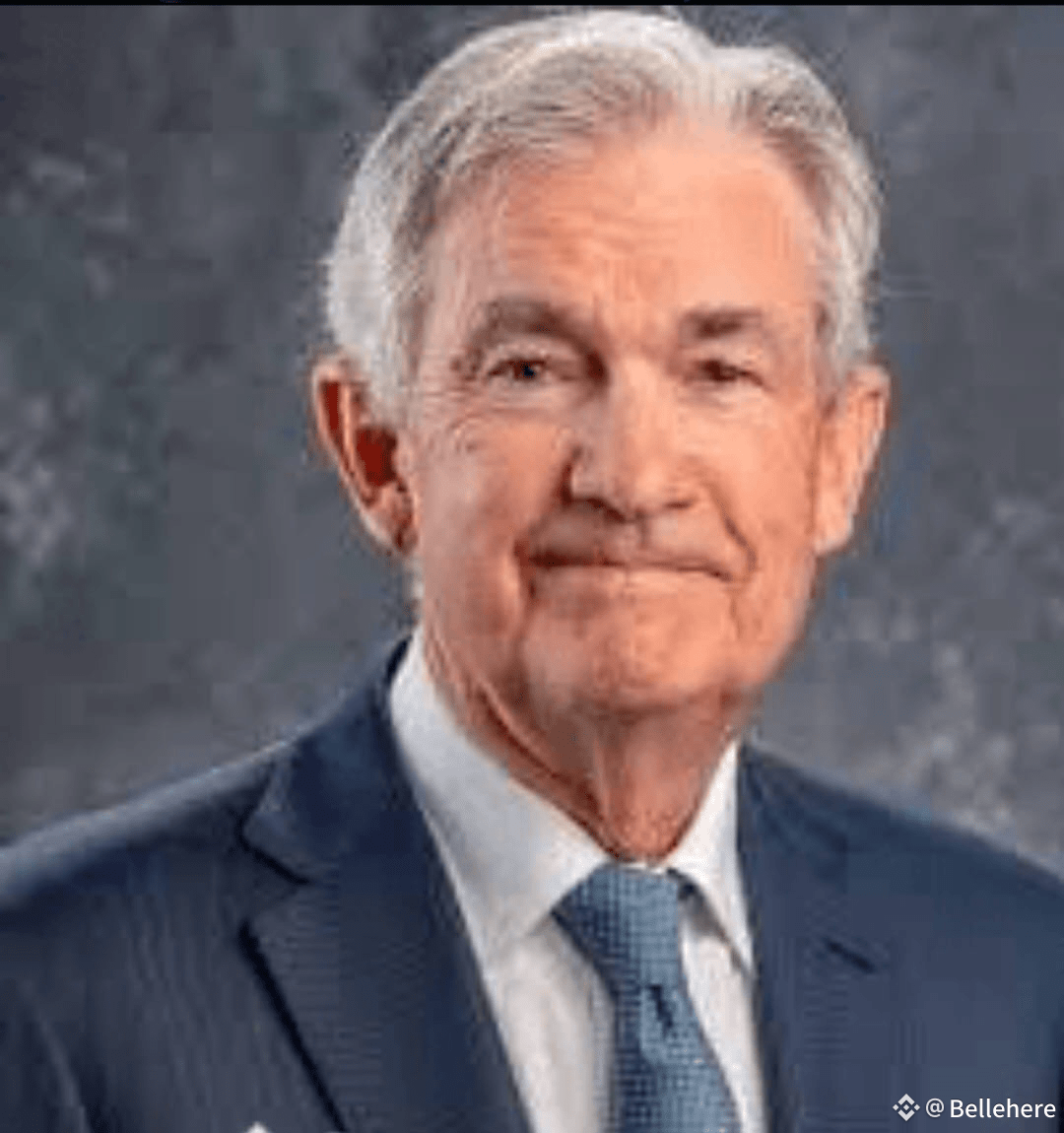
🚨Powells großer Wandel🚨
: Warum das Ende von QT eine Warnung sein könnte, nicht einen Sieg
Die Federal Reserve hat offiziell das Ende der quantitativen Straffung (QT) bestätigt. Viele Schlagzeilen feiern diesen Schritt, nennen ihn die Rückkehr der Liquidität und den Beginn einer neuen Markt-Rallye. Aber die Geschichte deutet auf eine andere Erzählung hin – eine, die weniger von Stärke und mehr von Stress handelt.
Wenn die Fed aufhört zu straffen, geschieht das selten, weil die Bedingungen stabil sind. Häufig signalisiert es, dass etwas Tieferes in der Wirtschaft zu bröckeln beginnt.
Betrachten Sie die Fakten. Seit 2003 haben die Märkte tatsächlich besser während der Phasen von QT abgeschnitten, mit einem durchschnittlichen jährlichen Gewinn von 16,9 %, verglichen mit 10,3 % während QE. Selbst seit Mitte 2022, als die Fed 2,2 Billionen Dollar aus dem System abgezogen hat, konnte der S&P 500 immer noch um über 20 % steigen. Das liegt daran, dass Straffungen normalerweise auftreten, wenn die Wirtschaft stark genug ist, um damit umzugehen. Wenn die Fed zu einer Lockerung übergeht, geschieht dies oft, weil sich die Bedingungen verschlechtern.
QE ist keine Belohnung für Stabilität – es ist ein Rettungsplan. Es tritt in Krisenmomenten auf, nicht in ruhigen Zeiten. Denken Sie an 2008 oder 2020 zurück. Jedes Mal markierte die quantitative Lockerung die Reaktion der Fed auf einen dringenden Bedarf an Liquidität, nicht eine Feier der wirtschaftlichen Gesundheit.
Powells neuester Schwenk sollte daher nicht als grünes Licht missverstanden werden. Das Ende von QT könnte kurzfristigen Optimismus bringen, deutet aber auch auf ein größeres Anliegen hin: das Wachstum verlangsamt sich, die Liquiditätsdruck steigt und die Fed bewegt sich, um das System zu schützen.
Märkte könnten kurzzeitig steigen, wie es oft der Fall ist, wenn sich die Politik in Richtung Lockerung ändert, aber die Geschichte zeigt, was normalerweise folgt – die Bedingungen verschlechtern sich normalerweise, bevor sie sich verbessern.
Die eigentliche Frage, die sich Anleger stellen sollten, ist nicht, was Powell beendet hat, sondern warum er es beenden musste.
$SAGA
: Warum das Ende von QT eine Warnung sein könnte, nicht einen Sieg
Die Federal Reserve hat offiziell das Ende der quantitativen Straffung (QT) bestätigt. Viele Schlagzeilen feiern diesen Schritt, nennen ihn die Rückkehr der Liquidität und den Beginn einer neuen Markt-Rallye. Aber die Geschichte deutet auf eine andere Erzählung hin – eine, die weniger von Stärke und mehr von Stress handelt.
Wenn die Fed aufhört zu straffen, geschieht das selten, weil die Bedingungen stabil sind. Häufig signalisiert es, dass etwas Tieferes in der Wirtschaft zu bröckeln beginnt.
Betrachten Sie die Fakten. Seit 2003 haben die Märkte tatsächlich besser während der Phasen von QT abgeschnitten, mit einem durchschnittlichen jährlichen Gewinn von 16,9 %, verglichen mit 10,3 % während QE. Selbst seit Mitte 2022, als die Fed 2,2 Billionen Dollar aus dem System abgezogen hat, konnte der S&P 500 immer noch um über 20 % steigen. Das liegt daran, dass Straffungen normalerweise auftreten, wenn die Wirtschaft stark genug ist, um damit umzugehen. Wenn die Fed zu einer Lockerung übergeht, geschieht dies oft, weil sich die Bedingungen verschlechtern.
QE ist keine Belohnung für Stabilität – es ist ein Rettungsplan. Es tritt in Krisenmomenten auf, nicht in ruhigen Zeiten. Denken Sie an 2008 oder 2020 zurück. Jedes Mal markierte die quantitative Lockerung die Reaktion der Fed auf einen dringenden Bedarf an Liquidität, nicht eine Feier der wirtschaftlichen Gesundheit.
Powells neuester Schwenk sollte daher nicht als grünes Licht missverstanden werden. Das Ende von QT könnte kurzfristigen Optimismus bringen, deutet aber auch auf ein größeres Anliegen hin: das Wachstum verlangsamt sich, die Liquiditätsdruck steigt und die Fed bewegt sich, um das System zu schützen.
Märkte könnten kurzzeitig steigen, wie es oft der Fall ist, wenn sich die Politik in Richtung Lockerung ändert, aber die Geschichte zeigt, was normalerweise folgt – die Bedingungen verschlechtern sich normalerweise, bevor sie sich verbessern.
Die eigentliche Frage, die sich Anleger stellen sollten, ist nicht, was Powell beendet hat, sondern warum er es beenden musste.
$SAGA
PINNED
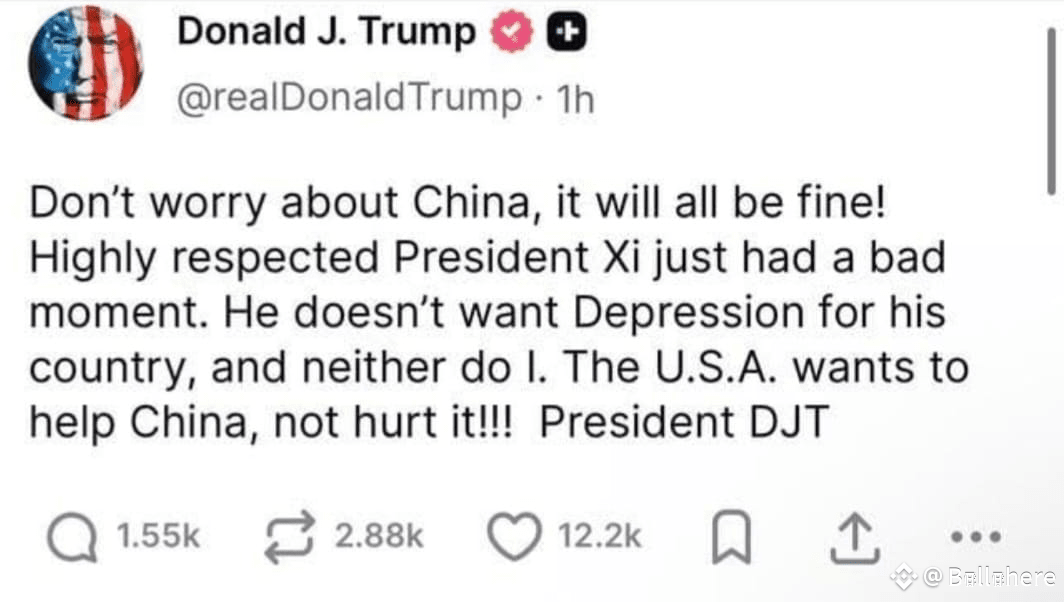
Die US-Wirtschaft beginnt, wie ein Setup für Insiderhandel auszusehen — und das Drehbuch wird offensichtlich:
1️⃣ Neue Zölle ankündigen, Angst auslösen und beobachten, wie die Märkte fallen.
2️⃣ Warten Sie ein paar Tage, während sich Panik verbreitet und die Preise sinken.
3️⃣ Plötzlich Kurs umkehren — die Zölle stornieren oder verzögern — und die Märkte erholen sich schnell.
Es ist derselbe Zyklus, der immer wieder abläuft. Wenn die neuesten Zölle zurückgenommen werden, wäre dies das dritte Mal, dass die Märkte durch leere Versprechungen zum Absturz gebracht und wiederbelebt wurden.
Ein Lehrbuchfall für politische Pump- und Dump-Strategien.
KAUFEN & HANDELN 👉 $XRP $DOGE $Jager
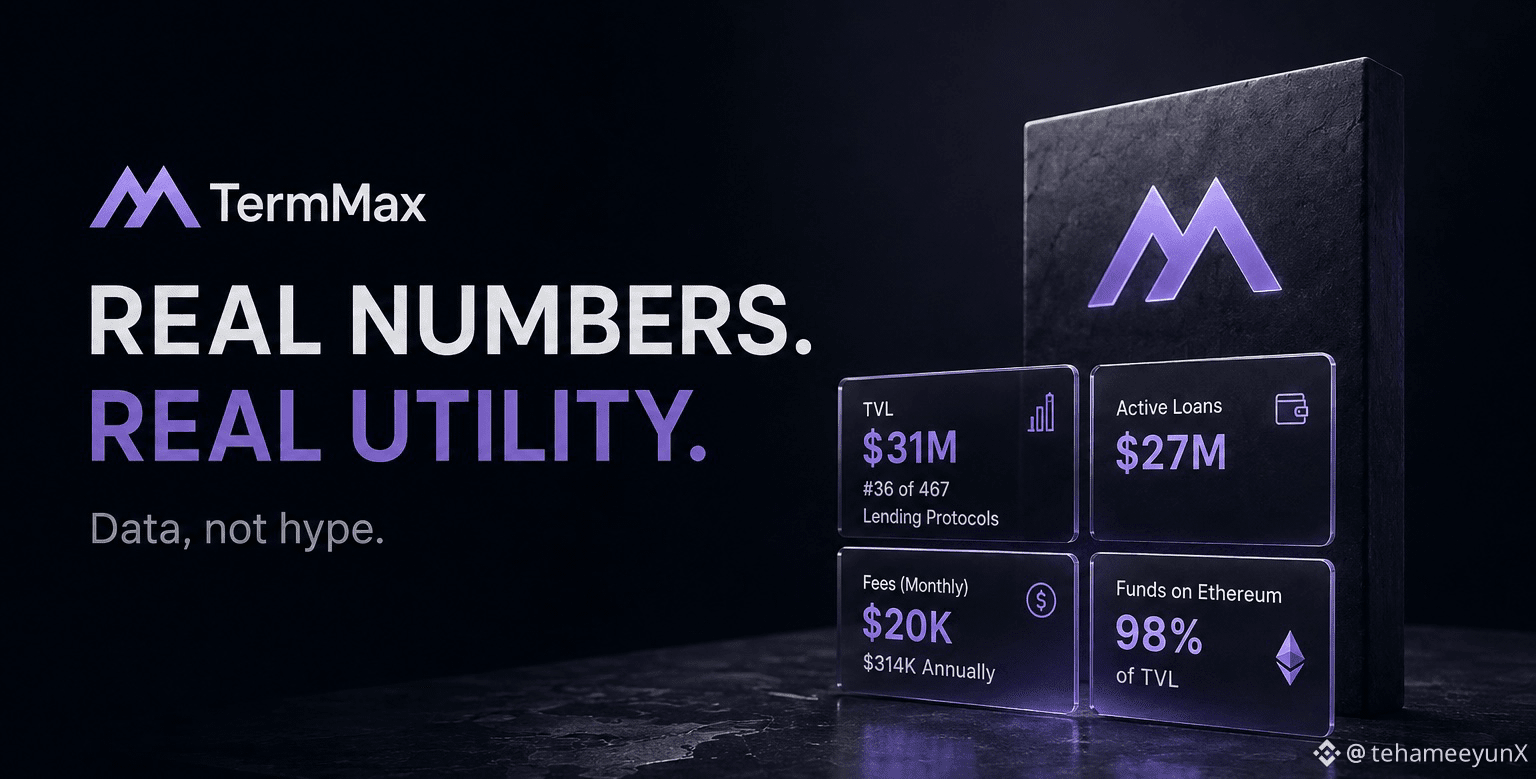
TermMax-Zahlen – und hier ist die konkrete Aufschlüsselung
Ich habe mich entschieden, mir die echten Daten hinter dem Projekt anzusehen, statt mich nur auf Marketingmaterial zu verlassen. Das sind meine Ergebnisse basierend auf den Daten, die auf DefiLlama verfügbar sind, sowie auf deren Finanzierungshistorie.
Zuerst zum finanziellen Aspekt:
TermMax hat derzeit rund $31M TVL (Total Value Locked/gesperrtes Gesamtvolumen). Nicht viel im Vergleich zu Branchenriesen wie Aave – aber genau darum geht es: Es ist noch ganz am Anfang. TermMax liegt auf Platz #36 der DefiLlama-Karte in der Kategorie Lending (Kreditvergabe) unter 467 von der Website erfassten Lending-Protokollen. Zur Einordnung: Die insgesamt in der Kategorie gesperrte Summe liegt aktuell bei rund $41,7 Milliarden.
Was die tatsächliche Nutzbarkeit angeht: Sie haben etwa $27M an aktiven Krediten und erzielen ungefähr $20K Gebühren pro Monat (entspricht $314K jährlich). Das Protokoll wird also tatsächlich genutzt – und nicht nur als Möglichkeit, Ihre Assets in einem DeFi-Pool zu parken, um später einen Airdrop zu erhalten.
Auch die Finanzierungshistorie ist beeindruckend. Das Team (Term Structure) hat Ende 2022 in einer Angel-Runde $2,55M eingesammelt und im November 2023 noch eine Seed-Runde über $4,25M, angeführt vom Branchenriesen Cumberland DRW – einem der größten Krypto-Trading-Unternehmen. HashKey Capital, Longling Capital, MZ Web3 Fund und Decima Fund haben sich an der Finanzierung beteiligt. Insgesamt liegt die Summe in diesem Stadium bei irgendwo um die $8M+.
Und schließlich der eigentliche Mechanismus – der anfangs etwas knifflig zu verstehen war:
Das Ausleihen auf TermMax bedeutet, dass du deine Mittel in sogenannte Gearing Tokens (GT) sperrst und im Gegenzug einen Fixed-Rate Token (FT) erhältst. Dieser stellt exakt den Betrag dar, den du bis zur Fälligkeit zahlen wirst. Dieser FT wird in einen Principal (Kapital) und Interest (Zinsen) aufgeteilt. Die Zinsen werden anschließend an Kreditgeber verkauft – im Austausch gegen X Token (XT). Die Kombination aus XT plus dem Principal gibt dir dann die geliehenen Mittel.
Das mag recht komplex wirken, aber die Idee dahinter ist, deine Verpflichtungen in handelbare Tokens mit fester Laufzeit zu „verpacken“
#termmax @TermMax
#TermMax
Ich habe mich entschieden, mir die echten Daten hinter dem Projekt anzusehen, statt mich nur auf Marketingmaterial zu verlassen. Das sind meine Ergebnisse basierend auf den Daten, die auf DefiLlama verfügbar sind, sowie auf deren Finanzierungshistorie.
Zuerst zum finanziellen Aspekt:
TermMax hat derzeit rund $31M TVL (Total Value Locked/gesperrtes Gesamtvolumen). Nicht viel im Vergleich zu Branchenriesen wie Aave – aber genau darum geht es: Es ist noch ganz am Anfang. TermMax liegt auf Platz #36 der DefiLlama-Karte in der Kategorie Lending (Kreditvergabe) unter 467 von der Website erfassten Lending-Protokollen. Zur Einordnung: Die insgesamt in der Kategorie gesperrte Summe liegt aktuell bei rund $41,7 Milliarden.
Was die tatsächliche Nutzbarkeit angeht: Sie haben etwa $27M an aktiven Krediten und erzielen ungefähr $20K Gebühren pro Monat (entspricht $314K jährlich). Das Protokoll wird also tatsächlich genutzt – und nicht nur als Möglichkeit, Ihre Assets in einem DeFi-Pool zu parken, um später einen Airdrop zu erhalten.
Auch die Finanzierungshistorie ist beeindruckend. Das Team (Term Structure) hat Ende 2022 in einer Angel-Runde $2,55M eingesammelt und im November 2023 noch eine Seed-Runde über $4,25M, angeführt vom Branchenriesen Cumberland DRW – einem der größten Krypto-Trading-Unternehmen. HashKey Capital, Longling Capital, MZ Web3 Fund und Decima Fund haben sich an der Finanzierung beteiligt. Insgesamt liegt die Summe in diesem Stadium bei irgendwo um die $8M+.
Und schließlich der eigentliche Mechanismus – der anfangs etwas knifflig zu verstehen war:
Das Ausleihen auf TermMax bedeutet, dass du deine Mittel in sogenannte Gearing Tokens (GT) sperrst und im Gegenzug einen Fixed-Rate Token (FT) erhältst. Dieser stellt exakt den Betrag dar, den du bis zur Fälligkeit zahlen wirst. Dieser FT wird in einen Principal (Kapital) und Interest (Zinsen) aufgeteilt. Die Zinsen werden anschließend an Kreditgeber verkauft – im Austausch gegen X Token (XT). Die Kombination aus XT plus dem Principal gibt dir dann die geliehenen Mittel.
Das mag recht komplex wirken, aber die Idee dahinter ist, deine Verpflichtungen in handelbare Tokens mit fester Laufzeit zu „verpacken“
#termmax @TermMax
#TermMax
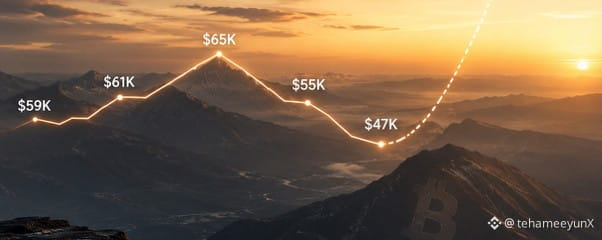
Vor ein paar Monaten haben die Leute $150K-Ziele auf diesem genauen Chart gezeichnet 💀😭
Jetzt zeichnen sie $50K
Vollmond lol
Jetzt zeichnen sie $50K
Vollmond lol
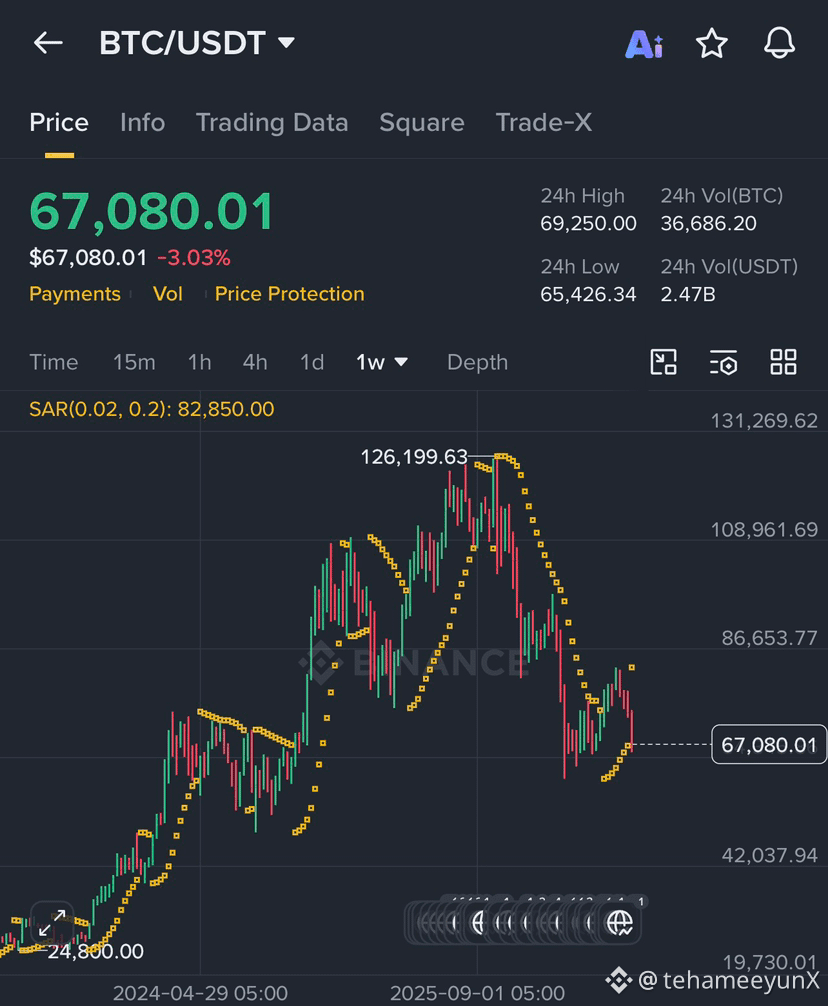
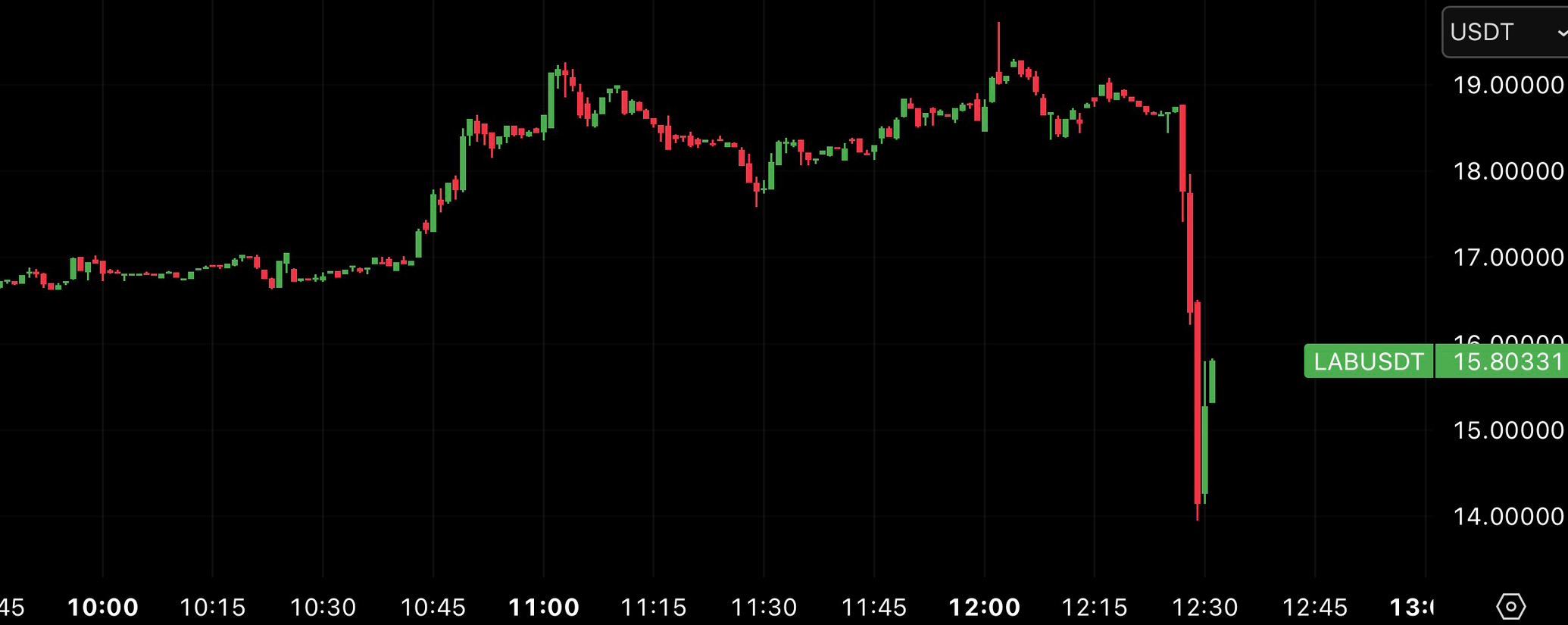
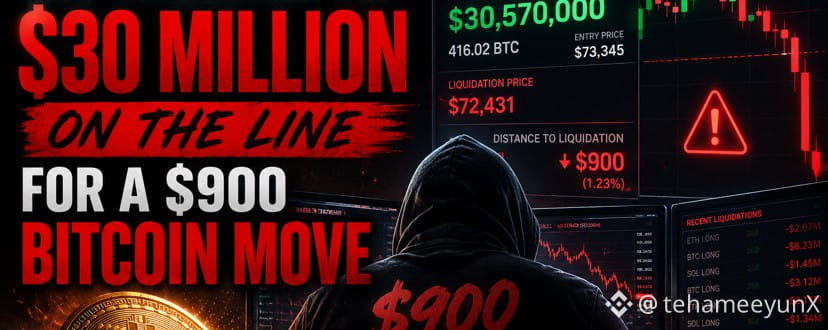
BITCOIN HAT IN 48 STUNDEN $8.000 VERLOREN.
Bitcoin ist von rund $74K auf den Bereich von mid-$60K in weniger als 48 Stunden gefallen, und wie gewohnt ist der Markt damit beschäftigt, nach einer einzigen Schlagzeile zu suchen, die das erklärt.
Einige verweisen auf Saylor, der 32 BTC verkauft hat. Andere sprechen über Übertragungen von BlackRock. Einige geben den Kapitalfluss in aufstrebende KI-Riesen wie OpenAI, Anthropic und SpaceX die Schuld.
Die Realität ist normalerweise weniger dramatisch.
Wenn ein Markt stark gehebelte Positionen hat, braucht es nicht ein massives Ereignis, um eine scharfe Bewegung auszulösen. Es braucht einen Verlust an Momentum, aggressive Positionierung und eine Kaskade von Liquidationen. Sobald wichtige Niveaus brechen, beginnt der Markt, den Rest der Arbeit selbst zu erledigen.
Was mir ins Auge fällt, ist nicht der Ausverkauf. Es ist die Reaktion danach.
Trotz Milliarden an Liquidationen und einem der schärfsten Rückgänge, die wir in diesem Jahr gesehen haben, sind Käufer im Bereich von $65K eingestiegen und haben einen tieferen Rückgang verhindert.
Die nächste Frage ist, ob echte Nachfrage folgt.
Ein Liquidations-Bounce ist das eine.
Nachhaltiges Kaufen ist etwas anderes.
Der Markt hat uns bereits gezeigt, wo Verkäufer bereit sind zu handeln.
Jetzt werden wir herausfinden, wo Käufer wirklich stehen.
$BTC
Bitcoin ist von rund $74K auf den Bereich von mid-$60K in weniger als 48 Stunden gefallen, und wie gewohnt ist der Markt damit beschäftigt, nach einer einzigen Schlagzeile zu suchen, die das erklärt.
Einige verweisen auf Saylor, der 32 BTC verkauft hat. Andere sprechen über Übertragungen von BlackRock. Einige geben den Kapitalfluss in aufstrebende KI-Riesen wie OpenAI, Anthropic und SpaceX die Schuld.
Die Realität ist normalerweise weniger dramatisch.
Wenn ein Markt stark gehebelte Positionen hat, braucht es nicht ein massives Ereignis, um eine scharfe Bewegung auszulösen. Es braucht einen Verlust an Momentum, aggressive Positionierung und eine Kaskade von Liquidationen. Sobald wichtige Niveaus brechen, beginnt der Markt, den Rest der Arbeit selbst zu erledigen.
Was mir ins Auge fällt, ist nicht der Ausverkauf. Es ist die Reaktion danach.
Trotz Milliarden an Liquidationen und einem der schärfsten Rückgänge, die wir in diesem Jahr gesehen haben, sind Käufer im Bereich von $65K eingestiegen und haben einen tieferen Rückgang verhindert.
Die nächste Frage ist, ob echte Nachfrage folgt.
Ein Liquidations-Bounce ist das eine.
Nachhaltiges Kaufen ist etwas anderes.
Der Markt hat uns bereits gezeigt, wo Verkäufer bereit sind zu handeln.
Jetzt werden wir herausfinden, wo Käufer wirklich stehen.
$BTC
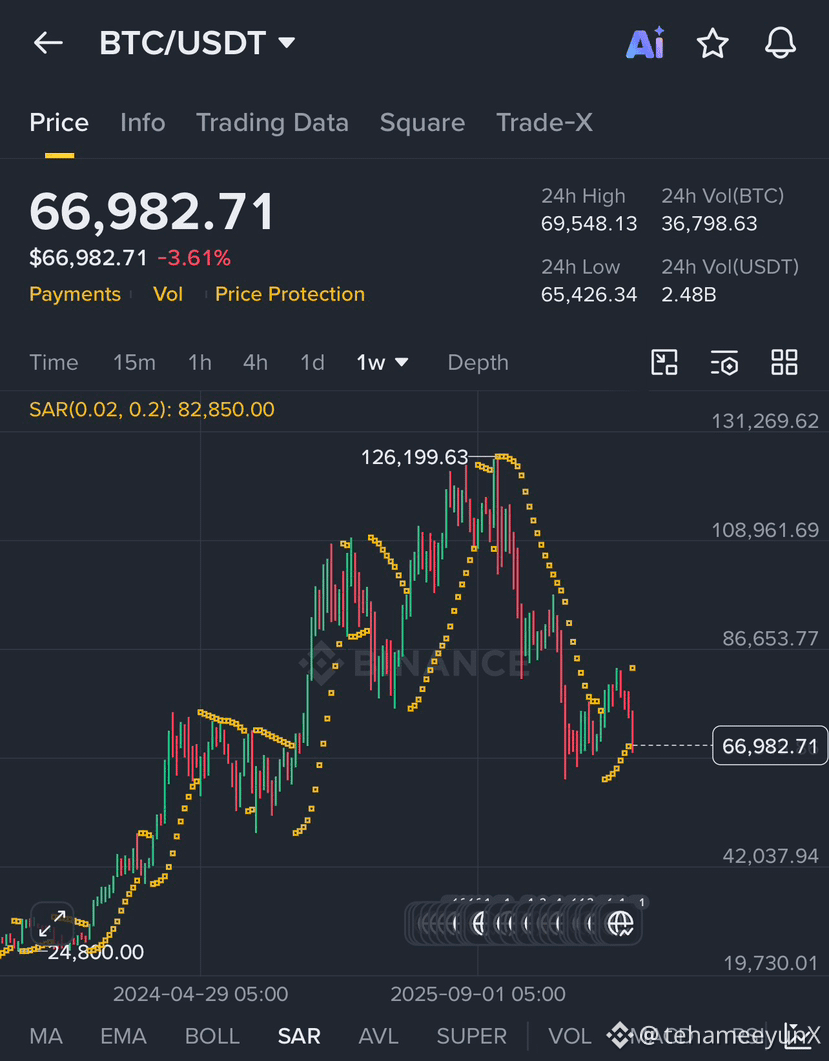
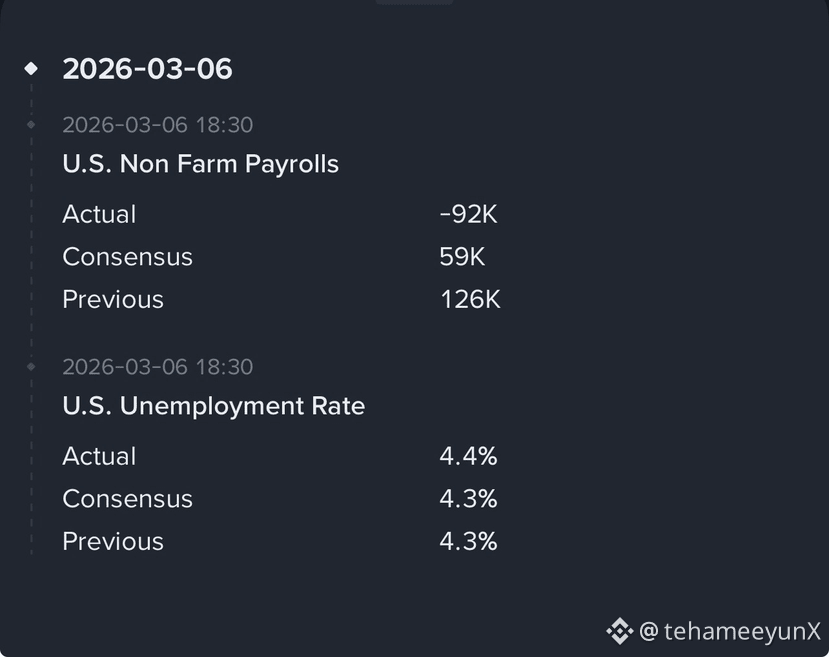

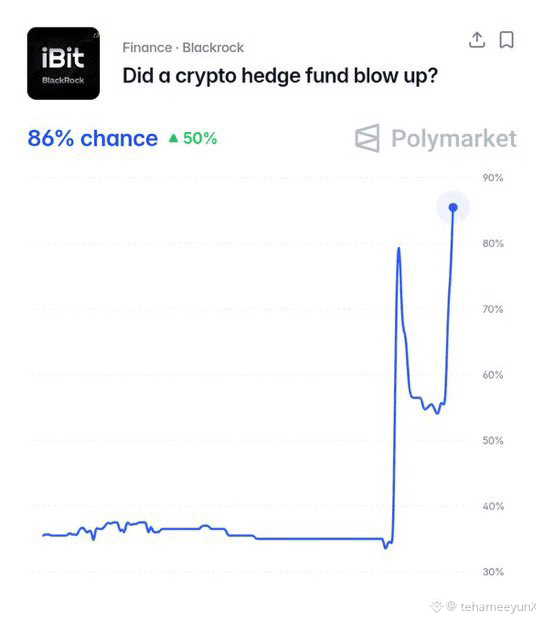
GROSSE WARNUNG 🩸
Die Wahrscheinlichkeit, dass ein großes Krypto-Hedgefonds dieses Jahr pleitegeht, liegt jetzt bei 86%. 😭
Der Markt hat sich mental von 2022 immer noch nicht erholt.
Sobald der zweite Leverage überfüllt ist, steigen die offenen Positionen (OI) und die Liquidität wird knapp, fangen alle an, nach der nächsten versteckten Insolvenz zu suchen.
Das Lustige ist, dass die Angst jetzt so hoch ist, dass die Firmen wahrscheinlich in diesem Zyklus viel vorsichtiger sind.
Die Wahrscheinlichkeit, dass ein großes Krypto-Hedgefonds dieses Jahr pleitegeht, liegt jetzt bei 86%. 😭
Der Markt hat sich mental von 2022 immer noch nicht erholt.
Sobald der zweite Leverage überfüllt ist, steigen die offenen Positionen (OI) und die Liquidität wird knapp, fangen alle an, nach der nächsten versteckten Insolvenz zu suchen.
Das Lustige ist, dass die Angst jetzt so hoch ist, dass die Firmen wahrscheinlich in diesem Zyklus viel vorsichtiger sind.
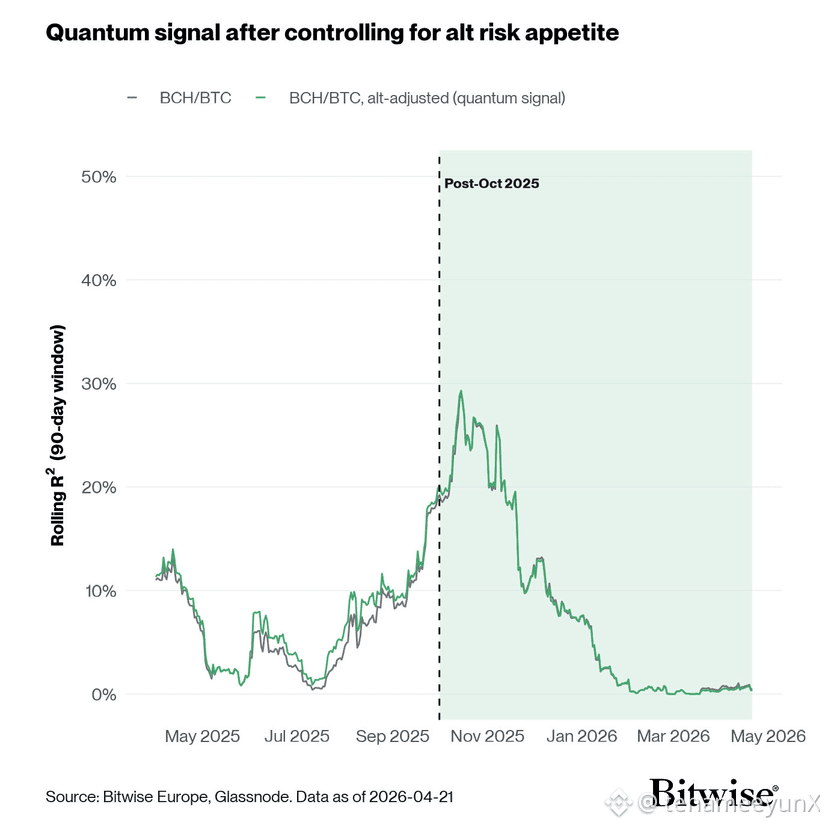
#bitcoin Premium ist seit Oktober 2025 von +30% auf fast flach gefallen, und die Institutionen preisen das Risiko eindeutig wieder auf BTC zurück.
Der Markt hat im Grunde das gesamte Post-Quantum-Narrativ betrachtet und gesagt:
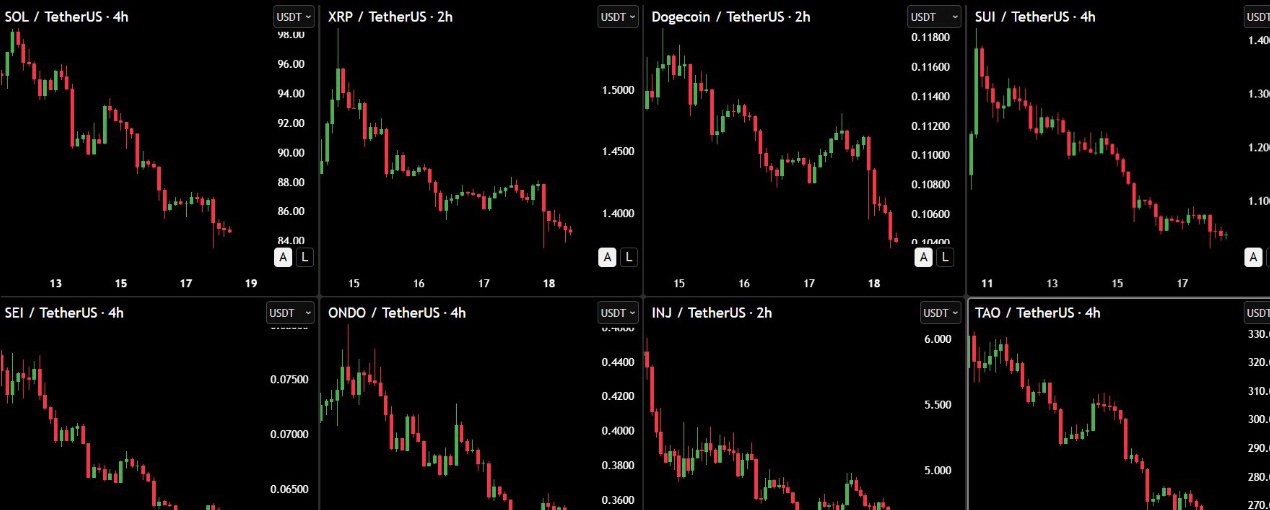
Es fühlt sich an, als wäre die Alt-Rotation für jetzt tot.
$BTC
Der Markt hat im Grunde das gesamte Post-Quantum-Narrativ betrachtet und gesagt:
Es fühlt sich an, als wäre die Alt-Rotation für jetzt tot.
$BTC
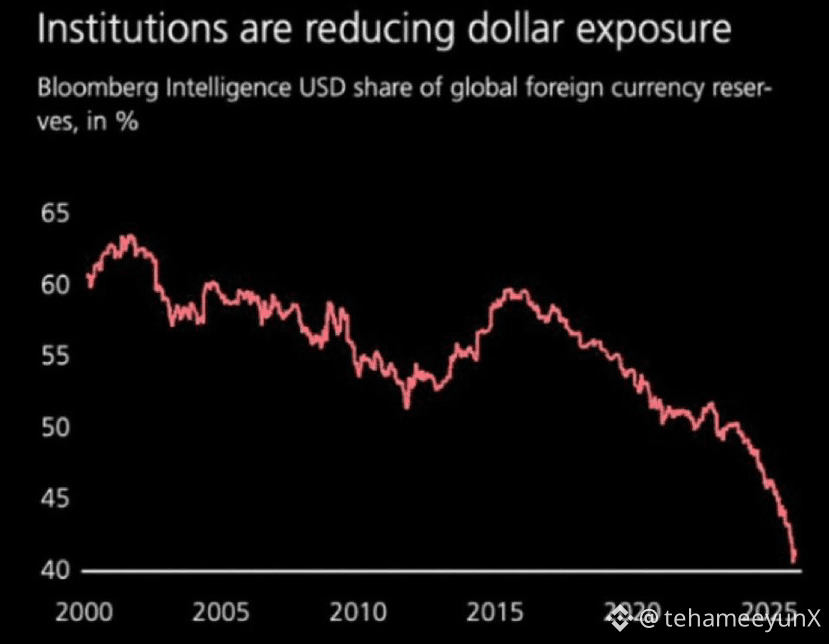
🇩🇪 Der Dollar hat massiv an globaler Dominanz verloren.
Der Anteil des USD an den globalen Reserven ist zum ersten Mal seit Jahrzehnten unter 45% gefallen und damit um mehr als 15 Punkte seit 2020 gesunken.
Gleichzeitig halten Zentralbanken jetzt mehr Gold als wertbereinigte USD-Reserven.
Ausländische Banken verkaufen Staatsanleihen und kaufen stattdessen Gold.
Der Anteil des USD an den globalen Reserven ist zum ersten Mal seit Jahrzehnten unter 45% gefallen und damit um mehr als 15 Punkte seit 2020 gesunken.
Gleichzeitig halten Zentralbanken jetzt mehr Gold als wertbereinigte USD-Reserven.
Ausländische Banken verkaufen Staatsanleihen und kaufen stattdessen Gold.
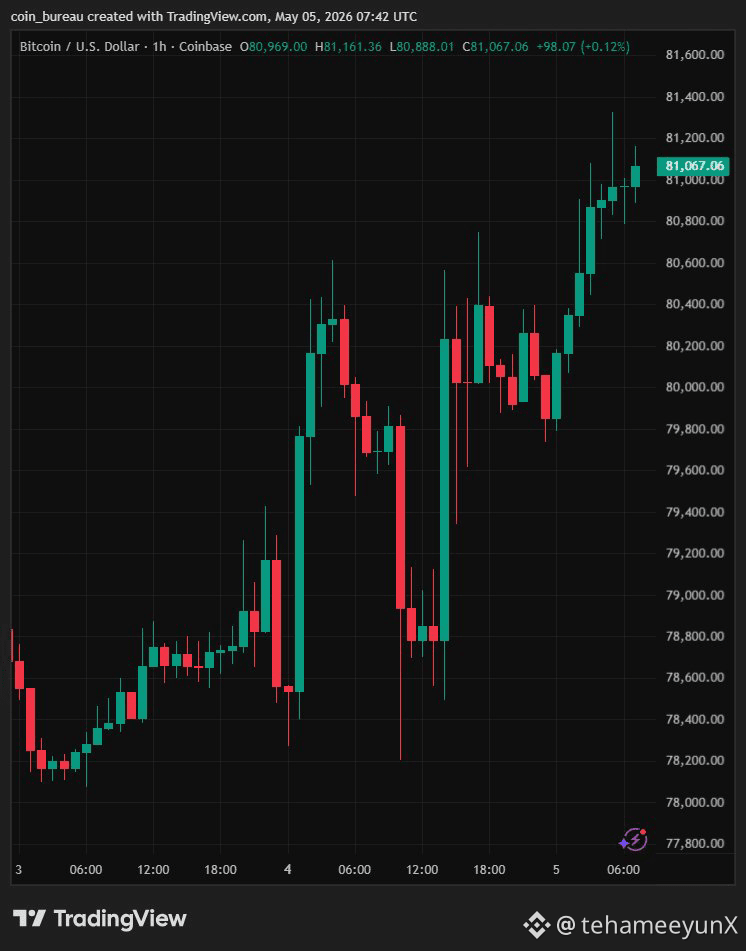
🚨BREAKING: Bitcoin hat die $81.000 zurückerobert und in den letzten 8 Stunden $25 MILLIARDEN zu seiner Marktkapitalisierung hinzugefügt.
$ICP
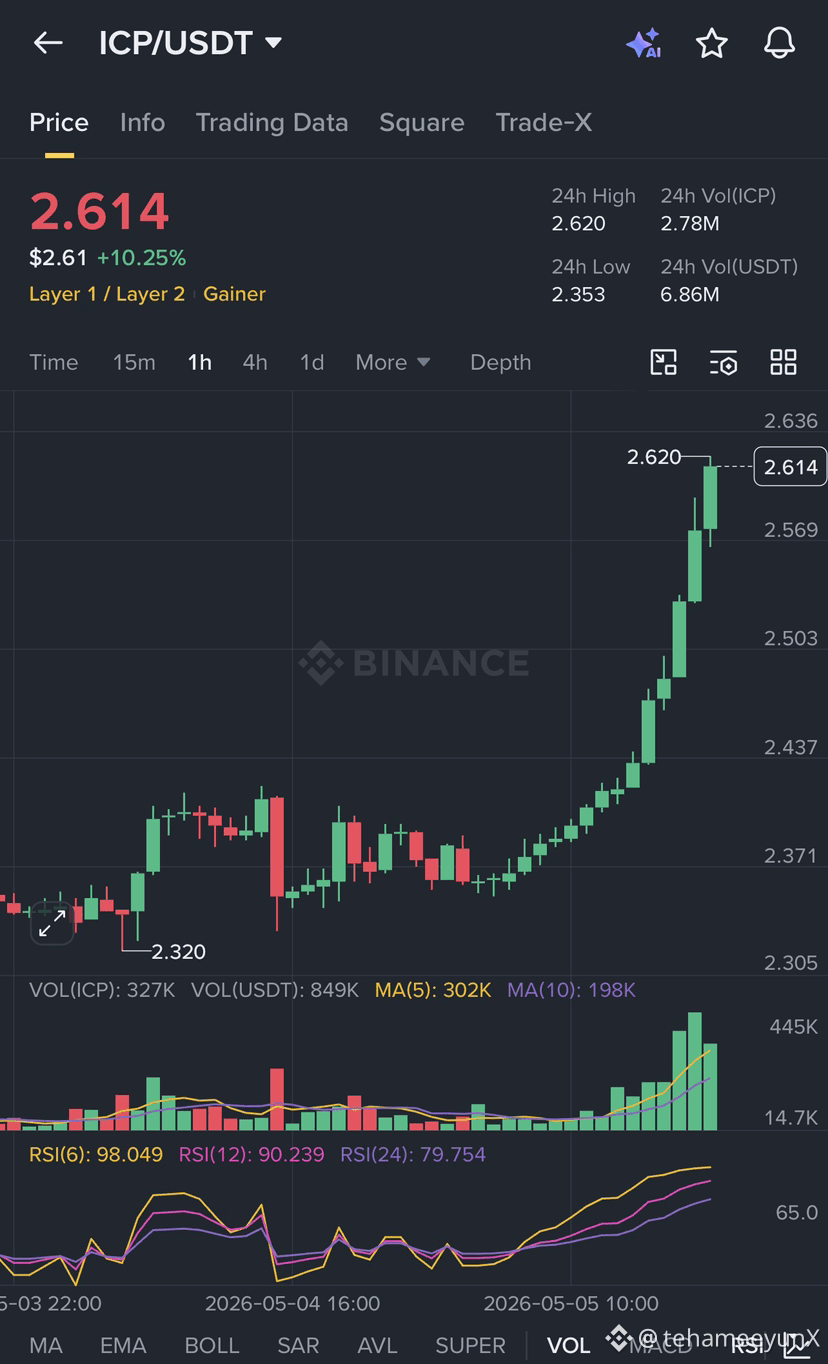
$ICP sieht aus wie eine klassische späte Pump-Phase
Gerader Anstieg + RSI überhitzt
Das endet normalerweise entweder mit Konsolidierung oder einem scharfen Rücksetzer
Bias:
→ Short > Long
Wenn es über 2,55 bleibt → vielleicht eine Fortsetzung
Wenn es das verliert → schneller Rückgang
Späte Einstiege hier = höchstes Risiko
#Write2Earn
$ICP sieht aus wie eine klassische späte Pump-Phase
Gerader Anstieg + RSI überhitzt
Das endet normalerweise entweder mit Konsolidierung oder einem scharfen Rücksetzer
Bias:
→ Short > Long
Wenn es über 2,55 bleibt → vielleicht eine Fortsetzung
Wenn es das verliert → schneller Rückgang
Späte Einstiege hier = höchstes Risiko
#Write2Earn
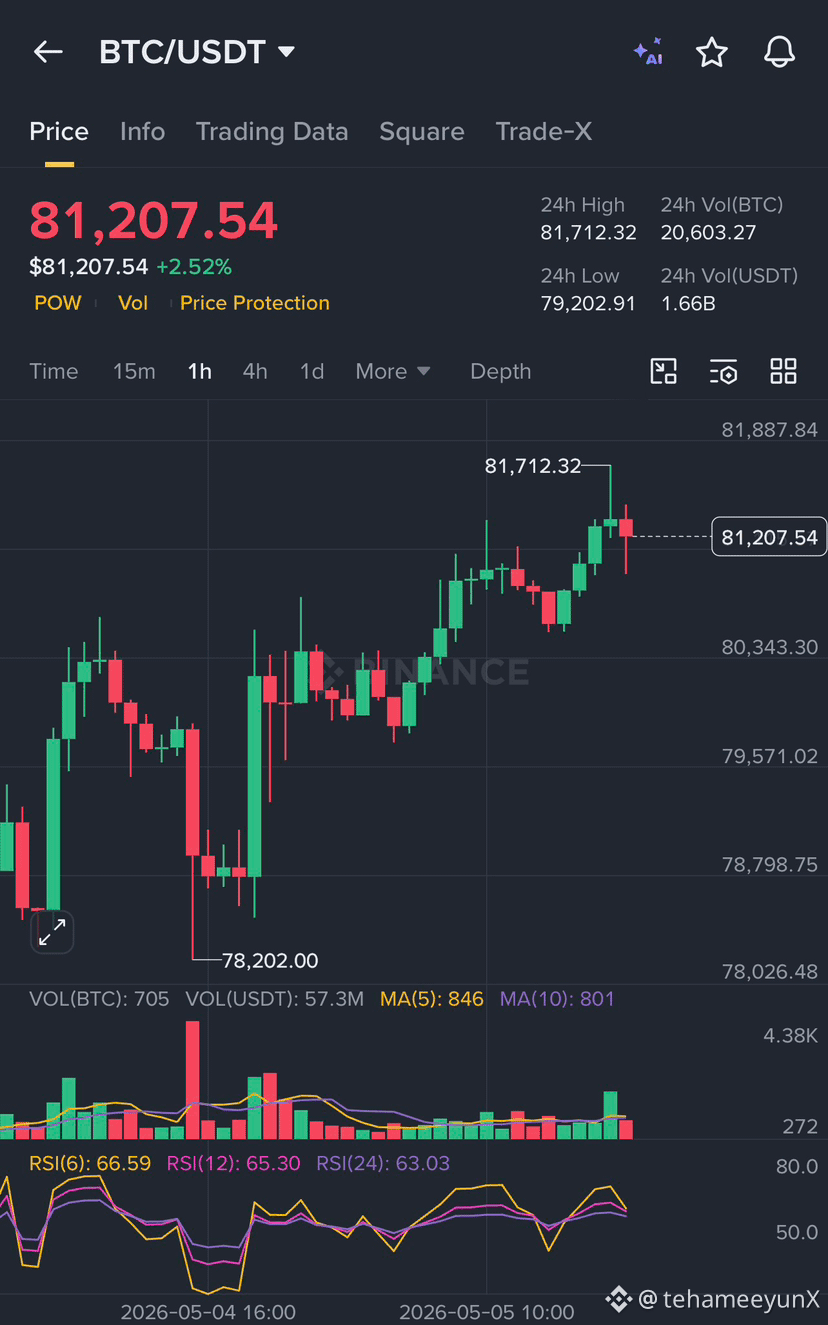
$BTC hält sich stark über der 80K-Region, der Markt bleibt weiterhin unter Kontrolle
(Auch im Einklang mit der breiteren Markteinschätzung: BTC hat Schwierigkeiten, eine starke Fortsetzung aufrechtzuerhalten, selbst nachdem er wichtige Niveaus zurückerobert hat)
Bias:
→ Long bei Rücksetzern, keine Ausbrüche
Kein Grund, short zu gehen, es sei denn, 79K bricht
#Write2Earn
(Auch im Einklang mit der breiteren Markteinschätzung: BTC hat Schwierigkeiten, eine starke Fortsetzung aufrechtzuerhalten, selbst nachdem er wichtige Niveaus zurückerobert hat)
Bias:
→ Long bei Rücksetzern, keine Ausbrüche
Kein Grund, short zu gehen, es sei denn, 79K bricht
#Write2Earn
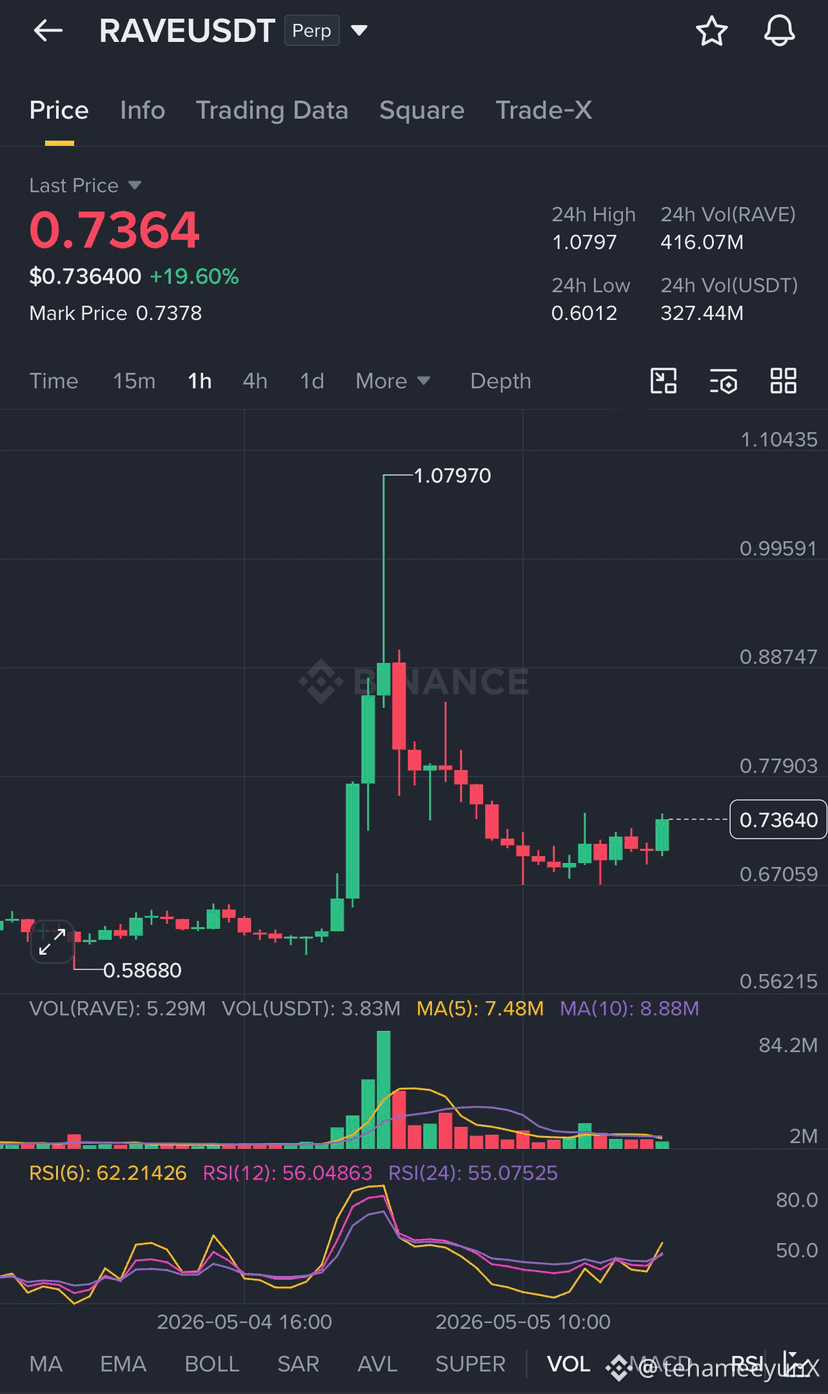
$RAVE 🔥
$RAVE hatte einen sauberen Pump → jetzt kühlt es mit schwachem Follow-through
Bias:
→ Short > Long (für den Moment)
Wenn Long: nur bei Dip 0.68–0.70
Wenn Short: 0.75–0.78 Ablehnungszone
Risiko, festzustecken, ist real, noch nicht sauber im Trend
$RAVE hatte einen sauberen Pump → jetzt kühlt es mit schwachem Follow-through
Bias:
→ Short > Long (für den Moment)
Wenn Long: nur bei Dip 0.68–0.70
Wenn Short: 0.75–0.78 Ablehnungszone
Risiko, festzustecken, ist real, noch nicht sauber im Trend
Anmelden und weiter Inhalte entdecken