
eugenivium_id
114 Beiträge

eugenivium_id
Melden
Nutzer blockieren
Not a trader. A system builder in the market.
2 Following
29 Follower
49 Like gegeben
Beiträge
Alle
Zitierungen
Videos
1
736
Übersetzung ansehen
Sebuah video memperlihatkan seorang wanita yang diduga mengalami pelecehan seksual dari seorang pria berkacamata hitam saat berada di dalam bus.
Peristiwa tersebut kembali menyoroti persoalan keamanan perempuan di transportasi umum. Komnas Perempuan menyebut transportasi publik seharusnya menjadi ruang yang aman dan bebas dari kekerasan seksual. Dalam catatannya, pelecehan di transportasi umum juga menjadi persoalan yang terus ditemukan.
#EugeniviumID #RealitasSosial #TransportasiPublik #KeamananPerempuan #PelecehanSeksual
Sumber:
Komnas Perempuan
Video yang beredar di media sosial
Sebuah video memperlihatkan seorang wanita yang diduga mengalami pelecehan seksual dari seorang pria berkacamata hitam saat berada di dalam bus.
Peristiwa tersebut kembali menyoroti persoalan keamanan perempuan di transportasi umum. Komnas Perempuan menyebut transportasi publik seharusnya menjadi ruang yang aman dan bebas dari kekerasan seksual. Dalam catatannya, pelecehan di transportasi umum juga menjadi persoalan yang terus ditemukan.
#EugeniviumID #RealitasSosial #TransportasiPublik #KeamananPerempuan #PelecehanSeksual
Sumber:
Komnas Perempuan
Video yang beredar di media sosial
Peristiwa tersebut kembali menyoroti persoalan keamanan perempuan di transportasi umum. Komnas Perempuan menyebut transportasi publik seharusnya menjadi ruang yang aman dan bebas dari kekerasan seksual. Dalam catatannya, pelecehan di transportasi umum juga menjadi persoalan yang terus ditemukan.
#EugeniviumID #RealitasSosial #TransportasiPublik #KeamananPerempuan #PelecehanSeksual
Sumber:
Komnas Perempuan
Video yang beredar di media sosial
1
3.5k
Ein Video, das ein Hochwasser-Rettungsteam in Guangxi, China, zeigt, wie es unter starkem Regen isst, ist in den sozialen Medien viral gegangen. In dem Filmmaterial ist zu sehen, wie Rettungskräfte gemeinsam mitten in widrigen Wetterbedingungen sitzen und die kurze Pause nutzen, bevor sie zu den Rettungsaktionen für von den verheerenden Überschwemmungen betroffene Gemeinden zurückkehren.
#EugeniviumID #China #Flut #Rettungsteam #Katastrophenschutz
Ein Video, das ein Hochwasser-Rettungsteam in Guangxi, China, zeigt, wie es unter starkem Regen isst, ist in den sozialen Medien viral gegangen. In dem Filmmaterial ist zu sehen, wie Rettungskräfte gemeinsam mitten in widrigen Wetterbedingungen sitzen und die kurze Pause nutzen, bevor sie zu den Rettungsaktionen für von den verheerenden Überschwemmungen betroffene Gemeinden zurückkehren.
#EugeniviumID #China #Flut #Rettungsteam #Katastrophenschutz
#EugeniviumID #China #Flut #Rettungsteam #Katastrophenschutz
78
Eine kreative Website gewinnt in der Krypto-Community an Aufmerksamkeit, indem sie das Bitcoin-Preisdiagramm in eine Live-Miniatur-Schlacht verwandelt. Statt traditionelle Candlestick-Charts anzuzeigen, wird jede Preisbewegung als Gefecht zwischen winzigen Armeen visualisiert – und bietet so eine einzigartige und fesselnde Art, die Marktschwankungen in Echtzeit zu beobachten.
#EugeniviumID #Bitcoin #BTC #Crypto #Blockchain
Eine kreative Website gewinnt in der Krypto-Community an Aufmerksamkeit, indem sie das Bitcoin-Preisdiagramm in eine Live-Miniatur-Schlacht verwandelt. Statt traditionelle Candlestick-Charts anzuzeigen, wird jede Preisbewegung als Gefecht zwischen winzigen Armeen visualisiert – und bietet so eine einzigartige und fesselnde Art, die Marktschwankungen in Echtzeit zu beobachten.
#EugeniviumID #Bitcoin #BTC #Crypto #Blockchain
#EugeniviumID #Bitcoin #BTC #Crypto #Blockchain
73
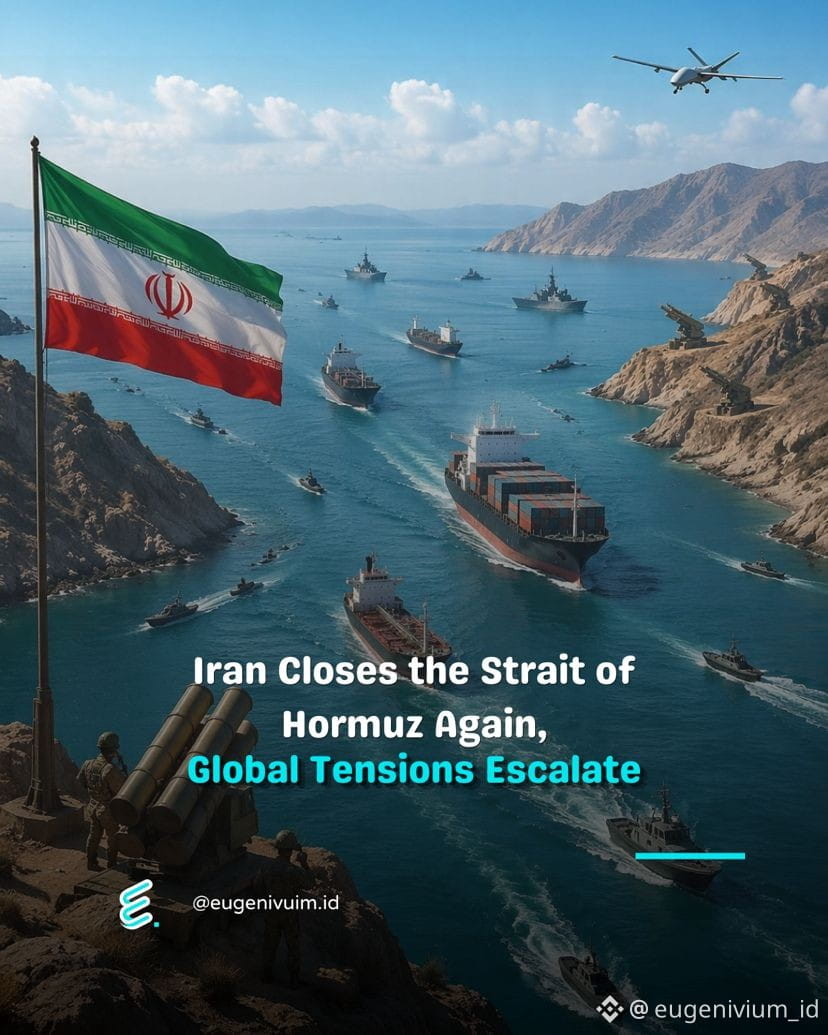
Die iranische Regierung hat erneut die Schließung der Straße von Hormus bis auf Weiteres angekündigt, nachdem es zu einem Vorfall mit einem Frachtschiff gekommen war, das beschuldigt wurde, die strategisch wichtige Wasserstraße ohne Genehmigung passiert zu haben. Der Islamische Revolutionsgarden-Korps (IRGC) erklärte, das Schiff habe wiederholte Warnungen ignoriert, bevor es abgefangen wurde. Teheran warnte zudem, dass jeder ausländische Eingriff oder jede Vergeltung mit einer stärkeren Reaktion beantwortet würde.
Die Straße von Hormus ist eine der wichtigsten maritimen Engstellen der Welt. Vor der jüngsten Eskalation passierten täglich rund 20 % der globalen Öllieferungen die Meerenge. Die erneute Schließung hat Befürchtungen ausgelöst, dass die Energiepreise steigen, es zu Störungen bei globalen Öl- und Gastransporten kommt und die Unsicherheit an den internationalen Finanzmärkten zunimmt.
Als Reaktion darauf starteten die Vereinigten Staaten zusätzliche Angriffe auf iranische Ziele und bekräftigten ihre Forderung, dass Teheran die Freiheit der Schifffahrt für den internationalen Handel wiederherstellt. Iran wiederum hält daran fest, dass die Schließung so lange in Kraft bleiben wird, bis das Ende dessen erreicht ist, was es als US-Einmischung in der Region bezeichnet. Die diplomatischen Bemühungen unter Beteiligung von Oman und weiteren regionalen Vermittlern laufen zwar, doch die Spannungen vor Ort nehmen weiter zu.
Analysten warnen, dass jede länger anhaltende Störung in der Straße von Hormus weitreichende Folgen für die Weltwirtschaft haben könnte – darunter höhere Energiekosten, steigende Schifffahrtskosten, Unterbrechungen von Lieferketten und erneuter Inflationsdruck. Infolgedessen rückt der Persische Golf erneut in den Fokus von Regierungen, Investoren und globalen Märkten.
📌 Die große Frage:
Wenn die Straße von Hormus für einen längeren Zeitraum geschlossen bleibt: Kann die Welt ihre Abhängigkeit von dieser lebenswichtigen Energie-Schlagader reduzieren – oder wird eine weitere globale Energiekrise unvermeidlich?
📌 Hinweis: Das in diesem Inhalt verwendete Bild dient nur zu Illustrationszwecken und kann das tatsächliche Ereignis, den Ort oder die beteiligten Personen nicht darstellen.
#EugeniviumID #Iran #StraitOfHormuz #Geopolitics #GlobalEnergy
Die iranische Regierung hat erneut die Schließung der Straße von Hormus bis auf Weiteres angekündigt, nachdem es zu einem Vorfall mit einem Frachtschiff gekommen war, das beschuldigt wurde, die strategisch wichtige Wasserstraße ohne Genehmigung passiert zu haben. Der Islamische Revolutionsgarden-Korps (IRGC) erklärte, das Schiff habe wiederholte Warnungen ignoriert, bevor es abgefangen wurde. Teheran warnte zudem, dass jeder ausländische Eingriff oder jede Vergeltung mit einer stärkeren Reaktion beantwortet würde.
Die Straße von Hormus ist eine der wichtigsten maritimen Engstellen der Welt. Vor der jüngsten Eskalation passierten täglich rund 20 % der globalen Öllieferungen die Meerenge. Die erneute Schließung hat Befürchtungen ausgelöst, dass die Energiepreise steigen, es zu Störungen bei globalen Öl- und Gastransporten kommt und die Unsicherheit an den internationalen Finanzmärkten zunimmt.
Als Reaktion darauf starteten die Vereinigten Staaten zusätzliche Angriffe auf iranische Ziele und bekräftigten ihre Forderung, dass Teheran die Freiheit der Schifffahrt für den internationalen Handel wiederherstellt. Iran wiederum hält daran fest, dass die Schließung so lange in Kraft bleiben wird, bis das Ende dessen erreicht ist, was es als US-Einmischung in der Region bezeichnet. Die diplomatischen Bemühungen unter Beteiligung von Oman und weiteren regionalen Vermittlern laufen zwar, doch die Spannungen vor Ort nehmen weiter zu.
Analysten warnen, dass jede länger anhaltende Störung in der Straße von Hormus weitreichende Folgen für die Weltwirtschaft haben könnte – darunter höhere Energiekosten, steigende Schifffahrtskosten, Unterbrechungen von Lieferketten und erneuter Inflationsdruck. Infolgedessen rückt der Persische Golf erneut in den Fokus von Regierungen, Investoren und globalen Märkten.
📌 Die große Frage:
Wenn die Straße von Hormus für einen längeren Zeitraum geschlossen bleibt: Kann die Welt ihre Abhängigkeit von dieser lebenswichtigen Energie-Schlagader reduzieren – oder wird eine weitere globale Energiekrise unvermeidlich?
📌 Hinweis: Das in diesem Inhalt verwendete Bild dient nur zu Illustrationszwecken und kann das tatsächliche Ereignis, den Ort oder die beteiligten Personen nicht darstellen.
#EugeniviumID #Iran #StraitOfHormuz #Geopolitics #GlobalEnergy
Die Straße von Hormus ist eine der wichtigsten maritimen Engstellen der Welt. Vor der jüngsten Eskalation passierten täglich rund 20 % der globalen Öllieferungen die Meerenge. Die erneute Schließung hat Befürchtungen ausgelöst, dass die Energiepreise steigen, es zu Störungen bei globalen Öl- und Gastransporten kommt und die Unsicherheit an den internationalen Finanzmärkten zunimmt.
Als Reaktion darauf starteten die Vereinigten Staaten zusätzliche Angriffe auf iranische Ziele und bekräftigten ihre Forderung, dass Teheran die Freiheit der Schifffahrt für den internationalen Handel wiederherstellt. Iran wiederum hält daran fest, dass die Schließung so lange in Kraft bleiben wird, bis das Ende dessen erreicht ist, was es als US-Einmischung in der Region bezeichnet. Die diplomatischen Bemühungen unter Beteiligung von Oman und weiteren regionalen Vermittlern laufen zwar, doch die Spannungen vor Ort nehmen weiter zu.
Analysten warnen, dass jede länger anhaltende Störung in der Straße von Hormus weitreichende Folgen für die Weltwirtschaft haben könnte – darunter höhere Energiekosten, steigende Schifffahrtskosten, Unterbrechungen von Lieferketten und erneuter Inflationsdruck. Infolgedessen rückt der Persische Golf erneut in den Fokus von Regierungen, Investoren und globalen Märkten.
📌 Die große Frage:
Wenn die Straße von Hormus für einen längeren Zeitraum geschlossen bleibt: Kann die Welt ihre Abhängigkeit von dieser lebenswichtigen Energie-Schlagader reduzieren – oder wird eine weitere globale Energiekrise unvermeidlich?
📌 Hinweis: Das in diesem Inhalt verwendete Bild dient nur zu Illustrationszwecken und kann das tatsächliche Ereignis, den Ort oder die beteiligten Personen nicht darstellen.
#EugeniviumID #Iran #StraitOfHormuz #Geopolitics #GlobalEnergy
98
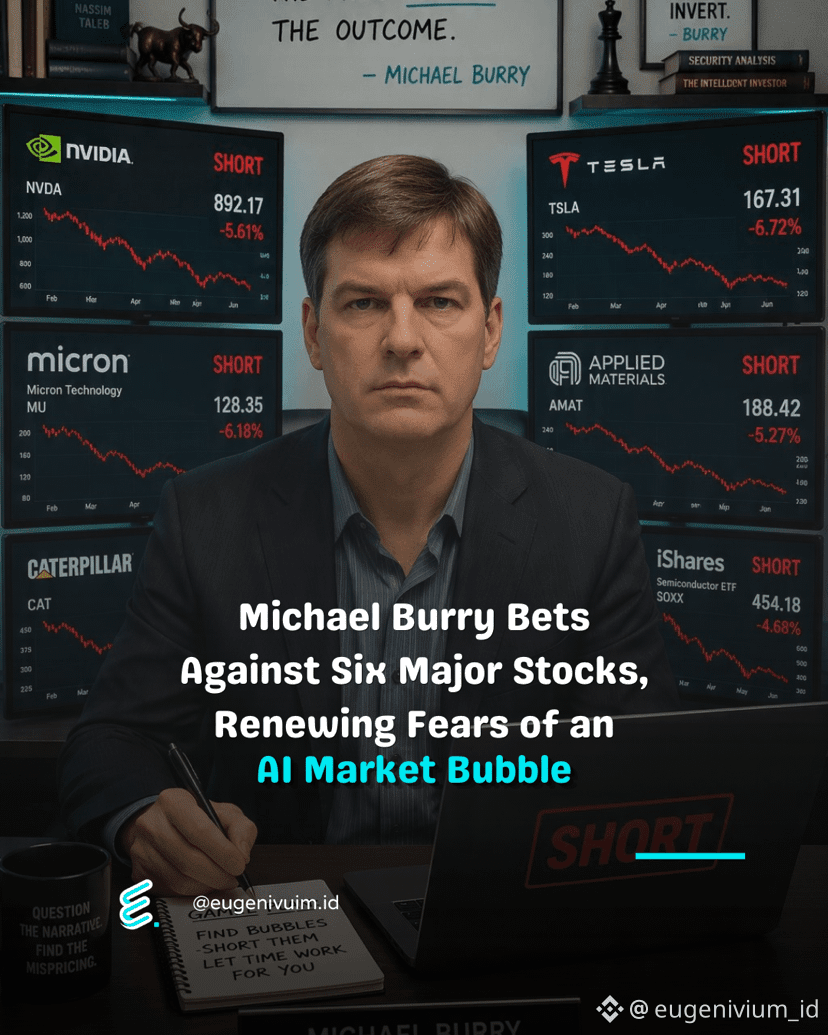
Legendärer Investor Michael Burry, der vor allem dafür bekannt ist, den Zusammenbruch des US-Immobilienmarkts 2008 korrekt vorhergesagt zu haben, hat erneut die Aufmerksamkeit von Wall Street auf sich gezogen, nachdem er Short-Positionen gegen sechs große Aktien und ETFs offengelegt hat. Seine jüngsten bärischen Wetten richten sich gegen:
* NVIDIA
* Tesla
* Micron Technology
* Applied Materials
* Caterpillar
* iShares Semiconductor ETF (SOXX)
Burry ist der Ansicht, dass der jüngste Anstieg bei aktienbezogenen KI-Titeln durch übermäßige Euphorie und spekulativen Momentum befeuert wurde – nicht durch nachhaltige Fundamentaldaten. Er hat die heutige Marktbegeisterung mit früheren Vermögensblasen verglichen und gewarnt, dass die enormen Ausgaben für KI-Infrastruktur irgendwann die realen wirtschaftlichen Erträge übersteigen könnten.
Nach der Bekanntgabe seiner Positionen erlebten mehrere der ins Visier genommenen Aktien deutliche Rückgänge, nachdem Anleger auf Burrys erneute bärische Haltung reagierten. Während Analysten darauf hinweisen, dass die Kursbewegungen am Markt von vielen Faktoren beeinflusst werden, ist Burrys Ruf inzwischen so stark, dass seine öffentlichen Trades oft große Aufmerksamkeit erregen und das Anleger-Stimmungsbild kurzfristig beeinflussen können.
Trotz seiner Warnung bleiben viele Marktteilnehmer optimistisch gegenüber künstlicher Intelligenz und argumentieren, dass KI eine transformative Technologie ist, mit Jahrzehnten an Wachstum vor sich. Andere glauben, dass die aktuellen Bewertungen mittlerweile überzogen sind und dass es zu einer Korrektur kommen könnte, falls die Gewinne die enormen Investitionen, die heute getätigt werden, nicht rechtfertigen.
📌 Die größere Frage:
Identifiziert Michael Burry erneut eine Marktblase, bevor es alle anderen tun – oder unterschätzt er die langfristige wirtschaftliche Transformation, die künstliche Intelligenz mit sich bringen könnte?
#EugeniviumID #MichaelBurry #AI #ArtificialIntelligence #NVIDIA
Legendärer Investor Michael Burry, der vor allem dafür bekannt ist, den Zusammenbruch des US-Immobilienmarkts 2008 korrekt vorhergesagt zu haben, hat erneut die Aufmerksamkeit von Wall Street auf sich gezogen, nachdem er Short-Positionen gegen sechs große Aktien und ETFs offengelegt hat. Seine jüngsten bärischen Wetten richten sich gegen:
* NVIDIA
* Tesla
* Micron Technology
* Applied Materials
* Caterpillar
* iShares Semiconductor ETF (SOXX)
Burry ist der Ansicht, dass der jüngste Anstieg bei aktienbezogenen KI-Titeln durch übermäßige Euphorie und spekulativen Momentum befeuert wurde – nicht durch nachhaltige Fundamentaldaten. Er hat die heutige Marktbegeisterung mit früheren Vermögensblasen verglichen und gewarnt, dass die enormen Ausgaben für KI-Infrastruktur irgendwann die realen wirtschaftlichen Erträge übersteigen könnten.
Nach der Bekanntgabe seiner Positionen erlebten mehrere der ins Visier genommenen Aktien deutliche Rückgänge, nachdem Anleger auf Burrys erneute bärische Haltung reagierten. Während Analysten darauf hinweisen, dass die Kursbewegungen am Markt von vielen Faktoren beeinflusst werden, ist Burrys Ruf inzwischen so stark, dass seine öffentlichen Trades oft große Aufmerksamkeit erregen und das Anleger-Stimmungsbild kurzfristig beeinflussen können.
Trotz seiner Warnung bleiben viele Marktteilnehmer optimistisch gegenüber künstlicher Intelligenz und argumentieren, dass KI eine transformative Technologie ist, mit Jahrzehnten an Wachstum vor sich. Andere glauben, dass die aktuellen Bewertungen mittlerweile überzogen sind und dass es zu einer Korrektur kommen könnte, falls die Gewinne die enormen Investitionen, die heute getätigt werden, nicht rechtfertigen.
📌 Die größere Frage:
Identifiziert Michael Burry erneut eine Marktblase, bevor es alle anderen tun – oder unterschätzt er die langfristige wirtschaftliche Transformation, die künstliche Intelligenz mit sich bringen könnte?
#EugeniviumID #MichaelBurry #AI #ArtificialIntelligence #NVIDIA
* NVIDIA
* Tesla
* Micron Technology
* Applied Materials
* Caterpillar
* iShares Semiconductor ETF (SOXX)
Burry ist der Ansicht, dass der jüngste Anstieg bei aktienbezogenen KI-Titeln durch übermäßige Euphorie und spekulativen Momentum befeuert wurde – nicht durch nachhaltige Fundamentaldaten. Er hat die heutige Marktbegeisterung mit früheren Vermögensblasen verglichen und gewarnt, dass die enormen Ausgaben für KI-Infrastruktur irgendwann die realen wirtschaftlichen Erträge übersteigen könnten.
Nach der Bekanntgabe seiner Positionen erlebten mehrere der ins Visier genommenen Aktien deutliche Rückgänge, nachdem Anleger auf Burrys erneute bärische Haltung reagierten. Während Analysten darauf hinweisen, dass die Kursbewegungen am Markt von vielen Faktoren beeinflusst werden, ist Burrys Ruf inzwischen so stark, dass seine öffentlichen Trades oft große Aufmerksamkeit erregen und das Anleger-Stimmungsbild kurzfristig beeinflussen können.
Trotz seiner Warnung bleiben viele Marktteilnehmer optimistisch gegenüber künstlicher Intelligenz und argumentieren, dass KI eine transformative Technologie ist, mit Jahrzehnten an Wachstum vor sich. Andere glauben, dass die aktuellen Bewertungen mittlerweile überzogen sind und dass es zu einer Korrektur kommen könnte, falls die Gewinne die enormen Investitionen, die heute getätigt werden, nicht rechtfertigen.
📌 Die größere Frage:
Identifiziert Michael Burry erneut eine Marktblase, bevor es alle anderen tun – oder unterschätzt er die langfristige wirtschaftliche Transformation, die künstliche Intelligenz mit sich bringen könnte?
#EugeniviumID #MichaelBurry #AI #ArtificialIntelligence #NVIDIA
136
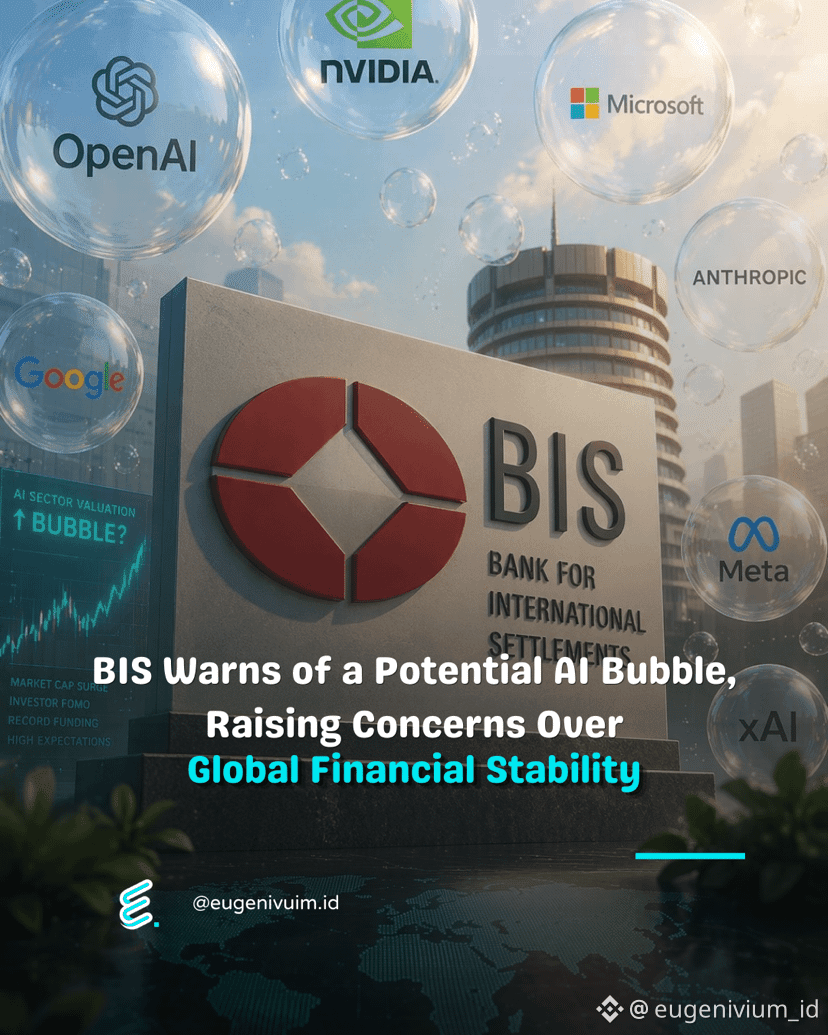
Die Bank für Internationalen Zahlungsausgleich (BIZ) – oft auch als „Zentralbank der Zentralbanken“ bezeichnet – hat davor gewarnt, dass der massive Anstieg von Investitionen in Künstliche Intelligenz (KI) sich zu einer Marktblase entwickeln könnte und potenzielle Risiken für das globale Finanzsystem mit sich bringt. Die Warnung wurde im neuesten Jahreswirtschaftsbericht der BIZ hervorgehoben.
Laut der BIZ wird erwartet, dass die weltweit größten Technologieunternehmen in den Jahren 2025–2026 mehr als 1 Billion US-Dollar in KI-bezogene Investitionsausgaben stecken werden. Obwohl KI die Produktivität erheblich steigern und langfristiges Wirtschaftswachstum fördern kann, mahnt die BIZ, dass ein Investitionswachstum, das die tatsächlich erzielten Renditen deutlich übersteigt, zu Überinvestitionen führen könnte – mit Parallelen zur Dotcom-Blase des späten 1990er-Jahre.
Der Bericht verweist außerdem auf die zunehmende Abhängigkeit von Schulden und komplexen Finanzierungsstrukturen, um KI-Infrastrukturen zu finanzieren – darunter groß angelegte Rechenzentren und fortschrittliche KI-Chips. Wenn künftige Einnahmen die heutigen massiven Ausgaben nicht rechtfertigen, könnten Unternehmen ihre Investitionen stark zurückfahren. Das könnte wiederum zu Rückgängen bei den Bewertungen von Technologiewerten, zu strengeren Kreditkonditionen und zu weitreichenden wirtschaftlichen Folgen führen.
Die BIZ behauptet jedoch nicht, dass KI bereits in einer Blase steckt. Stattdessen betont die Institution, dass KI einen echten technologischen Durchbruch darstellt und über ein erhebliches langfristiges Potenzial verfügt. Ihre Sorge gilt der Tatsache, dass übermäßiger Marktoptimismus und schnelle Kapitalzuflüsse durch ein umsichtiges Risikomanagement ausgeglichen werden sollten, um Boom-und-Bust-Zyklen zu vermeiden, wie sie bei früheren Technologie-Revolutionen zu beobachten waren.
📌 Die größere Frage:
Legt der heutige KI-Investitionsboom das Fundament für die nächste industrielle Revolution – oder könnte übermäßiger Optimismus eine finanzielle Blase schaffen, die schließlich zu einer großen Marktkorrektur führt?
#EugeniviumID #AI #ArtificialIntelligence #BIS #CentralBanks
Die Bank für Internationalen Zahlungsausgleich (BIZ) – oft auch als „Zentralbank der Zentralbanken“ bezeichnet – hat davor gewarnt, dass der massive Anstieg von Investitionen in Künstliche Intelligenz (KI) sich zu einer Marktblase entwickeln könnte und potenzielle Risiken für das globale Finanzsystem mit sich bringt. Die Warnung wurde im neuesten Jahreswirtschaftsbericht der BIZ hervorgehoben.
Laut der BIZ wird erwartet, dass die weltweit größten Technologieunternehmen in den Jahren 2025–2026 mehr als 1 Billion US-Dollar in KI-bezogene Investitionsausgaben stecken werden. Obwohl KI die Produktivität erheblich steigern und langfristiges Wirtschaftswachstum fördern kann, mahnt die BIZ, dass ein Investitionswachstum, das die tatsächlich erzielten Renditen deutlich übersteigt, zu Überinvestitionen führen könnte – mit Parallelen zur Dotcom-Blase des späten 1990er-Jahre.
Der Bericht verweist außerdem auf die zunehmende Abhängigkeit von Schulden und komplexen Finanzierungsstrukturen, um KI-Infrastrukturen zu finanzieren – darunter groß angelegte Rechenzentren und fortschrittliche KI-Chips. Wenn künftige Einnahmen die heutigen massiven Ausgaben nicht rechtfertigen, könnten Unternehmen ihre Investitionen stark zurückfahren. Das könnte wiederum zu Rückgängen bei den Bewertungen von Technologiewerten, zu strengeren Kreditkonditionen und zu weitreichenden wirtschaftlichen Folgen führen.
Die BIZ behauptet jedoch nicht, dass KI bereits in einer Blase steckt. Stattdessen betont die Institution, dass KI einen echten technologischen Durchbruch darstellt und über ein erhebliches langfristiges Potenzial verfügt. Ihre Sorge gilt der Tatsache, dass übermäßiger Marktoptimismus und schnelle Kapitalzuflüsse durch ein umsichtiges Risikomanagement ausgeglichen werden sollten, um Boom-und-Bust-Zyklen zu vermeiden, wie sie bei früheren Technologie-Revolutionen zu beobachten waren.
📌 Die größere Frage:
Legt der heutige KI-Investitionsboom das Fundament für die nächste industrielle Revolution – oder könnte übermäßiger Optimismus eine finanzielle Blase schaffen, die schließlich zu einer großen Marktkorrektur führt?
#EugeniviumID #AI #ArtificialIntelligence #BIS #CentralBanks
Laut der BIZ wird erwartet, dass die weltweit größten Technologieunternehmen in den Jahren 2025–2026 mehr als 1 Billion US-Dollar in KI-bezogene Investitionsausgaben stecken werden. Obwohl KI die Produktivität erheblich steigern und langfristiges Wirtschaftswachstum fördern kann, mahnt die BIZ, dass ein Investitionswachstum, das die tatsächlich erzielten Renditen deutlich übersteigt, zu Überinvestitionen führen könnte – mit Parallelen zur Dotcom-Blase des späten 1990er-Jahre.
Der Bericht verweist außerdem auf die zunehmende Abhängigkeit von Schulden und komplexen Finanzierungsstrukturen, um KI-Infrastrukturen zu finanzieren – darunter groß angelegte Rechenzentren und fortschrittliche KI-Chips. Wenn künftige Einnahmen die heutigen massiven Ausgaben nicht rechtfertigen, könnten Unternehmen ihre Investitionen stark zurückfahren. Das könnte wiederum zu Rückgängen bei den Bewertungen von Technologiewerten, zu strengeren Kreditkonditionen und zu weitreichenden wirtschaftlichen Folgen führen.
Die BIZ behauptet jedoch nicht, dass KI bereits in einer Blase steckt. Stattdessen betont die Institution, dass KI einen echten technologischen Durchbruch darstellt und über ein erhebliches langfristiges Potenzial verfügt. Ihre Sorge gilt der Tatsache, dass übermäßiger Marktoptimismus und schnelle Kapitalzuflüsse durch ein umsichtiges Risikomanagement ausgeglichen werden sollten, um Boom-und-Bust-Zyklen zu vermeiden, wie sie bei früheren Technologie-Revolutionen zu beobachten waren.
📌 Die größere Frage:
Legt der heutige KI-Investitionsboom das Fundament für die nächste industrielle Revolution – oder könnte übermäßiger Optimismus eine finanzielle Blase schaffen, die schließlich zu einer großen Marktkorrektur führt?
#EugeniviumID #AI #ArtificialIntelligence #BIS #CentralBanks
119
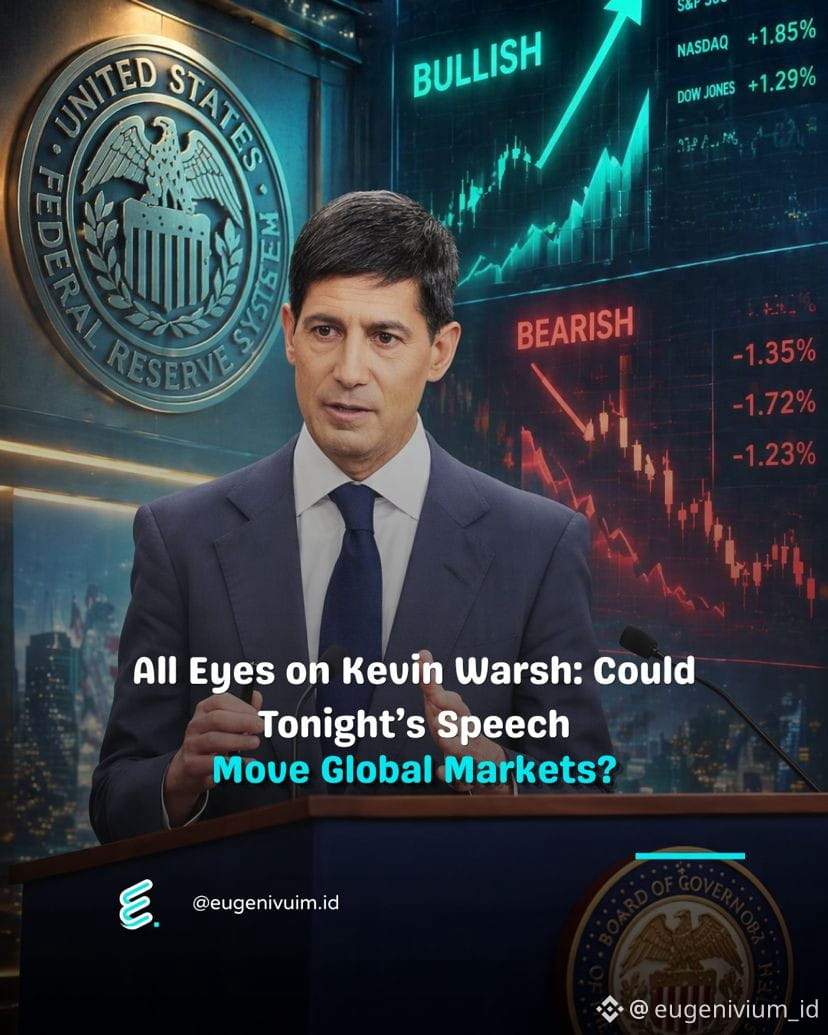
Globale Investoren beobachten die Federal-Reserve-Vorsitzende Kevin Warsh genau. Er soll heute Abend beim jährlichen Forum der Europäischen Zentralbank in Sintra, Portugal, sprechen. Seine Ausführungen dürften ein wesentlicher Auslöser für Bewegungen an den globalen Aktienmärkten, bei den Renditen US-amerikanischer Staatsanleihen, beim US-Dollar sowie an den Kryptomärkten sein.
Die Rede erfolgt zu einem kritischen Zeitpunkt, da die Märkte weiterhin über den künftigen Kurs der US-Geldpolitik diskutieren. Zu Beginn des Jahres hatten viele Anleger erwartet, dass die Federal Reserve mit der Senkung der Zinsen beginnen würde. Anhaltende Inflation und robuste Konjunkturdaten haben jedoch dazu geführt, dass einige Marktteilnehmer die Möglichkeit weiterer Zinserhöhungen vor Jahresende erneut in Betracht ziehen.
Investoren werden Warshs Kommentare zu Inflation, Arbeitsmarkt, Wirtschaftswachstum und dem geldpolitischen Ausblick der Fed genau analysieren. Ein stärker hawkischer Ton—als Signal für die Unterstützung, die Zinsen länger auf einem höheren Niveau zu halten—könnte risikoreiche Assets wie Aktien und Kryptowährungen unter Druck setzen. Umgekehrt könnte eine eher dovishe Botschaft, die auf eine mögliche geldpolitische Lockerung hindeutet, die Marktstimmung verbessern.
Die Rede kommt zudem kurz vor der Veröffentlichung wichtiger US-Arbeitsmarktdaten. Diese zählen zu den am genauesten beobachteten Konjunkturindikatoren der Federal Reserve. Die Kombination dieser beiden Ereignisse könnte die Marktvolatilität kurzfristig deutlich erhöhen.
📌 Die größere Frage:
Wird Kevin Warsh ein klares Signal geben, das die Erwartungen an die US-Zinsen neu ausrichtet, oder wird er die Märkte weiter im Unklaren lassen, bis die nächste Runde an Wirtschaftsdaten veröffentlicht wird?
#EugeniviumID #KevinWarsh #FederalReserve #TheFed #InterestRates
Globale Investoren beobachten die Federal-Reserve-Vorsitzende Kevin Warsh genau. Er soll heute Abend beim jährlichen Forum der Europäischen Zentralbank in Sintra, Portugal, sprechen. Seine Ausführungen dürften ein wesentlicher Auslöser für Bewegungen an den globalen Aktienmärkten, bei den Renditen US-amerikanischer Staatsanleihen, beim US-Dollar sowie an den Kryptomärkten sein.
Die Rede erfolgt zu einem kritischen Zeitpunkt, da die Märkte weiterhin über den künftigen Kurs der US-Geldpolitik diskutieren. Zu Beginn des Jahres hatten viele Anleger erwartet, dass die Federal Reserve mit der Senkung der Zinsen beginnen würde. Anhaltende Inflation und robuste Konjunkturdaten haben jedoch dazu geführt, dass einige Marktteilnehmer die Möglichkeit weiterer Zinserhöhungen vor Jahresende erneut in Betracht ziehen.
Investoren werden Warshs Kommentare zu Inflation, Arbeitsmarkt, Wirtschaftswachstum und dem geldpolitischen Ausblick der Fed genau analysieren. Ein stärker hawkischer Ton—als Signal für die Unterstützung, die Zinsen länger auf einem höheren Niveau zu halten—könnte risikoreiche Assets wie Aktien und Kryptowährungen unter Druck setzen. Umgekehrt könnte eine eher dovishe Botschaft, die auf eine mögliche geldpolitische Lockerung hindeutet, die Marktstimmung verbessern.
Die Rede kommt zudem kurz vor der Veröffentlichung wichtiger US-Arbeitsmarktdaten. Diese zählen zu den am genauesten beobachteten Konjunkturindikatoren der Federal Reserve. Die Kombination dieser beiden Ereignisse könnte die Marktvolatilität kurzfristig deutlich erhöhen.
📌 Die größere Frage:
Wird Kevin Warsh ein klares Signal geben, das die Erwartungen an die US-Zinsen neu ausrichtet, oder wird er die Märkte weiter im Unklaren lassen, bis die nächste Runde an Wirtschaftsdaten veröffentlicht wird?
#EugeniviumID #KevinWarsh #FederalReserve #TheFed #InterestRates
Die Rede erfolgt zu einem kritischen Zeitpunkt, da die Märkte weiterhin über den künftigen Kurs der US-Geldpolitik diskutieren. Zu Beginn des Jahres hatten viele Anleger erwartet, dass die Federal Reserve mit der Senkung der Zinsen beginnen würde. Anhaltende Inflation und robuste Konjunkturdaten haben jedoch dazu geführt, dass einige Marktteilnehmer die Möglichkeit weiterer Zinserhöhungen vor Jahresende erneut in Betracht ziehen.
Investoren werden Warshs Kommentare zu Inflation, Arbeitsmarkt, Wirtschaftswachstum und dem geldpolitischen Ausblick der Fed genau analysieren. Ein stärker hawkischer Ton—als Signal für die Unterstützung, die Zinsen länger auf einem höheren Niveau zu halten—könnte risikoreiche Assets wie Aktien und Kryptowährungen unter Druck setzen. Umgekehrt könnte eine eher dovishe Botschaft, die auf eine mögliche geldpolitische Lockerung hindeutet, die Marktstimmung verbessern.
Die Rede kommt zudem kurz vor der Veröffentlichung wichtiger US-Arbeitsmarktdaten. Diese zählen zu den am genauesten beobachteten Konjunkturindikatoren der Federal Reserve. Die Kombination dieser beiden Ereignisse könnte die Marktvolatilität kurzfristig deutlich erhöhen.
📌 Die größere Frage:
Wird Kevin Warsh ein klares Signal geben, das die Erwartungen an die US-Zinsen neu ausrichtet, oder wird er die Märkte weiter im Unklaren lassen, bis die nächste Runde an Wirtschaftsdaten veröffentlicht wird?
#EugeniviumID #KevinWarsh #FederalReserve #TheFed #InterestRates
98
WhatsApp hat offiziell mit der Einführung eines der größten Datenschutz-Updates begonnen: Benutzernamen. Anstatt beim Kontakt mit jemandem eine persönliche Telefonnummer zu teilen, können Nutzer nun einen eindeutigen Benutzernamen weitergeben. Das erleichtert den Start von Gesprächen und hält die Telefonnummern weiterhin privat. Die Funktion wird schrittweise in verschiedenen Ländern eingeführt. Nutzer können bereits jetzt ihre bevorzugten Benutzernamen reservieren, während der globale Start voranschreitet.
Im neuen System werden Telefonnummern weiterhin benötigt, um ein WhatsApp-Konto zu erstellen und aufrechtzuerhalten. Sie müssen jedoch nicht mehr mit neuen Kontakten geteilt werden, wenn beide Nutzer über Benutzernamen miteinander kommunizieren. Das ist eine bedeutende Veränderung darin, wie Menschen auf der Plattform in Kontakt treten, und adressiert eine der am längsten bestehenden Datenschutz-Sorgen von WhatsApp.
Zur Stärkung der Sicherheit stellt WhatsApp kein öffentliches Verzeichnis von Benutzernamen bereit. Nutzer müssen den genauen Benutzernamen kennen, um ein Gespräch zu starten. Ein optionaler „Username Key“ kann als zusätzliche Schutzschicht gegen unerwünschte Nachrichten dienen. Meta hat außerdem Benutzernamen für öffentliche Personen und Organisationen reserviert, um das Risiko von Identitätsmissbrauch zu verringern.
Das Update dürfte insbesondere Creator, Freelancer, Online-Unternehmen und alltägliche Nutzer unterstützen, die kommunizieren möchten, ohne ihre privaten Telefonnummern offenzulegen. Während Apps wie Telegram und Signal eine ähnliche Funktion seit Jahren anbieten, könnte WhatsApps Einführung der nutzeramenbasierten Nachrichtenübermittlung mehr als 3 Milliarden Nutzern weltweit zugänglich machen.
📌 Die größere Frage:
Wird WhatsApps Wechsel hin zu Benutzernamen die digitale Privatsphäre für Milliarden von Nutzern neu definieren – oder handelt es sich lediglich darum, Funktionen nachzuholen, die konkurrierende Messaging-Plattformen bereits seit Jahren bieten?
#EugeniviumID #WhatsApp #Meta #Privacy #CyberSecurity
WhatsApp hat offiziell mit der Einführung eines der größten Datenschutz-Updates begonnen: Benutzernamen. Anstatt beim Kontakt mit jemandem eine persönliche Telefonnummer zu teilen, können Nutzer nun einen eindeutigen Benutzernamen weitergeben. Das erleichtert den Start von Gesprächen und hält die Telefonnummern weiterhin privat. Die Funktion wird schrittweise in verschiedenen Ländern eingeführt. Nutzer können bereits jetzt ihre bevorzugten Benutzernamen reservieren, während der globale Start voranschreitet.
Im neuen System werden Telefonnummern weiterhin benötigt, um ein WhatsApp-Konto zu erstellen und aufrechtzuerhalten. Sie müssen jedoch nicht mehr mit neuen Kontakten geteilt werden, wenn beide Nutzer über Benutzernamen miteinander kommunizieren. Das ist eine bedeutende Veränderung darin, wie Menschen auf der Plattform in Kontakt treten, und adressiert eine der am längsten bestehenden Datenschutz-Sorgen von WhatsApp.
Zur Stärkung der Sicherheit stellt WhatsApp kein öffentliches Verzeichnis von Benutzernamen bereit. Nutzer müssen den genauen Benutzernamen kennen, um ein Gespräch zu starten. Ein optionaler „Username Key“ kann als zusätzliche Schutzschicht gegen unerwünschte Nachrichten dienen. Meta hat außerdem Benutzernamen für öffentliche Personen und Organisationen reserviert, um das Risiko von Identitätsmissbrauch zu verringern.
Das Update dürfte insbesondere Creator, Freelancer, Online-Unternehmen und alltägliche Nutzer unterstützen, die kommunizieren möchten, ohne ihre privaten Telefonnummern offenzulegen. Während Apps wie Telegram und Signal eine ähnliche Funktion seit Jahren anbieten, könnte WhatsApps Einführung der nutzeramenbasierten Nachrichtenübermittlung mehr als 3 Milliarden Nutzern weltweit zugänglich machen.
📌 Die größere Frage:
Wird WhatsApps Wechsel hin zu Benutzernamen die digitale Privatsphäre für Milliarden von Nutzern neu definieren – oder handelt es sich lediglich darum, Funktionen nachzuholen, die konkurrierende Messaging-Plattformen bereits seit Jahren bieten?
#EugeniviumID #WhatsApp #Meta #Privacy #CyberSecurity
Im neuen System werden Telefonnummern weiterhin benötigt, um ein WhatsApp-Konto zu erstellen und aufrechtzuerhalten. Sie müssen jedoch nicht mehr mit neuen Kontakten geteilt werden, wenn beide Nutzer über Benutzernamen miteinander kommunizieren. Das ist eine bedeutende Veränderung darin, wie Menschen auf der Plattform in Kontakt treten, und adressiert eine der am längsten bestehenden Datenschutz-Sorgen von WhatsApp.
Zur Stärkung der Sicherheit stellt WhatsApp kein öffentliches Verzeichnis von Benutzernamen bereit. Nutzer müssen den genauen Benutzernamen kennen, um ein Gespräch zu starten. Ein optionaler „Username Key“ kann als zusätzliche Schutzschicht gegen unerwünschte Nachrichten dienen. Meta hat außerdem Benutzernamen für öffentliche Personen und Organisationen reserviert, um das Risiko von Identitätsmissbrauch zu verringern.
Das Update dürfte insbesondere Creator, Freelancer, Online-Unternehmen und alltägliche Nutzer unterstützen, die kommunizieren möchten, ohne ihre privaten Telefonnummern offenzulegen. Während Apps wie Telegram und Signal eine ähnliche Funktion seit Jahren anbieten, könnte WhatsApps Einführung der nutzeramenbasierten Nachrichtenübermittlung mehr als 3 Milliarden Nutzern weltweit zugänglich machen.
📌 Die größere Frage:
Wird WhatsApps Wechsel hin zu Benutzernamen die digitale Privatsphäre für Milliarden von Nutzern neu definieren – oder handelt es sich lediglich darum, Funktionen nachzuholen, die konkurrierende Messaging-Plattformen bereits seit Jahren bieten?
#EugeniviumID #WhatsApp #Meta #Privacy #CyberSecurity

94
Verifiziert
Die Krypto-Community ist schockiert, nachdem Binance die Beendigung des Handels (Delisting) sämtlicher Handelspaare von Toncoin (TON) angekündigt hat. Die Nachricht löst bei vielen Anlegern Panik aus, weil viele davon ausgehen, dass Binance die Unterstützung für das Projekt TON vollständig eingestellt habe.
Doch laut der offiziellen Bekanntmachung von Binance ist dieses Delisting Teil des Prozesses, Toncoin (TON) in Gram (GRAM) umzubenennen (Rebranding) – nicht, weil das Projekt als problematisch gilt. Binance tauscht die Vermögenswerte der Nutzer automatisch im Verhältnis 1 TON = 1 GRAM um, sodass TON-Inhaber auf Binance keine manuelle Konvertierung vornehmen müssen.
Trotzdem führt die Ankündigung weiterhin zu hoher Volatilität. Viele Trader entscheiden sich dafür, ihre Assets bereits früher zu verkaufen, da sie sich wegen der Ungewissheit während der Übergangsphase Sorgen machen. Dieses Phänomen zeigt, dass Marktstimmung oft schnell auf das Wort „Delisting“ reagiert, obwohl die Gründe dahinter technischer Natur sind und nicht auf ein Scheitern des Projekts zurückzuführen sind.
Für Anleger ist das Ereignis eine Erinnerung daran, dass nicht jedes Delisting die gleiche Bedeutung hat. In manchen Fällen geschieht ein Delisting tatsächlich aufgrund von Problemen bei der Liquidität, Compliance oder der Qualität des Projekts. Doch in Bezug auf TON betont Binance, dass dieser Schritt Teil der Identitätsänderung des Tokens und der Migration auf ein neues Kürzel ist – nicht eine Einstellung der Unterstützung für sein Ökosystem.
Das Ereignis zeigt auch, wie Informationen, die noch nicht vollständig verstanden wurden, eine Panik auf dem Kryptomarkt auslösen können, in dem sich die Stimmung oft schneller bewegt als die Fundamentaldaten.
📌 Die größere Frage:
Ist die Anlegerpanik in diesem Fall eine übertriebene Reaktion auf den Begriff „Delisting“, oder spiegelt sie vielmehr wider, wie sensibel der Kryptomarkt auf jede Änderung reagiert, die von großen Börsen wie Binance vorgenommen wird?
#EugeniviumID #Bitcoin #Crypto #Binance #TON
Die Krypto-Community ist schockiert, nachdem Binance die Beendigung des Handels (Delisting) sämtlicher Handelspaare von Toncoin (TON) angekündigt hat. Die Nachricht löst bei vielen Anlegern Panik aus, weil viele davon ausgehen, dass Binance die Unterstützung für das Projekt TON vollständig eingestellt habe.
Doch laut der offiziellen Bekanntmachung von Binance ist dieses Delisting Teil des Prozesses, Toncoin (TON) in Gram (GRAM) umzubenennen (Rebranding) – nicht, weil das Projekt als problematisch gilt. Binance tauscht die Vermögenswerte der Nutzer automatisch im Verhältnis 1 TON = 1 GRAM um, sodass TON-Inhaber auf Binance keine manuelle Konvertierung vornehmen müssen.
Trotzdem führt die Ankündigung weiterhin zu hoher Volatilität. Viele Trader entscheiden sich dafür, ihre Assets bereits früher zu verkaufen, da sie sich wegen der Ungewissheit während der Übergangsphase Sorgen machen. Dieses Phänomen zeigt, dass Marktstimmung oft schnell auf das Wort „Delisting“ reagiert, obwohl die Gründe dahinter technischer Natur sind und nicht auf ein Scheitern des Projekts zurückzuführen sind.
Für Anleger ist das Ereignis eine Erinnerung daran, dass nicht jedes Delisting die gleiche Bedeutung hat. In manchen Fällen geschieht ein Delisting tatsächlich aufgrund von Problemen bei der Liquidität, Compliance oder der Qualität des Projekts. Doch in Bezug auf TON betont Binance, dass dieser Schritt Teil der Identitätsänderung des Tokens und der Migration auf ein neues Kürzel ist – nicht eine Einstellung der Unterstützung für sein Ökosystem.
Das Ereignis zeigt auch, wie Informationen, die noch nicht vollständig verstanden wurden, eine Panik auf dem Kryptomarkt auslösen können, in dem sich die Stimmung oft schneller bewegt als die Fundamentaldaten.
📌 Die größere Frage:
Ist die Anlegerpanik in diesem Fall eine übertriebene Reaktion auf den Begriff „Delisting“, oder spiegelt sie vielmehr wider, wie sensibel der Kryptomarkt auf jede Änderung reagiert, die von großen Börsen wie Binance vorgenommen wird?
#EugeniviumID #Bitcoin #Crypto #Binance #TON
Doch laut der offiziellen Bekanntmachung von Binance ist dieses Delisting Teil des Prozesses, Toncoin (TON) in Gram (GRAM) umzubenennen (Rebranding) – nicht, weil das Projekt als problematisch gilt. Binance tauscht die Vermögenswerte der Nutzer automatisch im Verhältnis 1 TON = 1 GRAM um, sodass TON-Inhaber auf Binance keine manuelle Konvertierung vornehmen müssen.
Trotzdem führt die Ankündigung weiterhin zu hoher Volatilität. Viele Trader entscheiden sich dafür, ihre Assets bereits früher zu verkaufen, da sie sich wegen der Ungewissheit während der Übergangsphase Sorgen machen. Dieses Phänomen zeigt, dass Marktstimmung oft schnell auf das Wort „Delisting“ reagiert, obwohl die Gründe dahinter technischer Natur sind und nicht auf ein Scheitern des Projekts zurückzuführen sind.
Für Anleger ist das Ereignis eine Erinnerung daran, dass nicht jedes Delisting die gleiche Bedeutung hat. In manchen Fällen geschieht ein Delisting tatsächlich aufgrund von Problemen bei der Liquidität, Compliance oder der Qualität des Projekts. Doch in Bezug auf TON betont Binance, dass dieser Schritt Teil der Identitätsänderung des Tokens und der Migration auf ein neues Kürzel ist – nicht eine Einstellung der Unterstützung für sein Ökosystem.
Das Ereignis zeigt auch, wie Informationen, die noch nicht vollständig verstanden wurden, eine Panik auf dem Kryptomarkt auslösen können, in dem sich die Stimmung oft schneller bewegt als die Fundamentaldaten.
📌 Die größere Frage:
Ist die Anlegerpanik in diesem Fall eine übertriebene Reaktion auf den Begriff „Delisting“, oder spiegelt sie vielmehr wider, wie sensibel der Kryptomarkt auf jede Änderung reagiert, die von großen Börsen wie Binance vorgenommen wird?
#EugeniviumID #Bitcoin #Crypto #Binance #TON

161
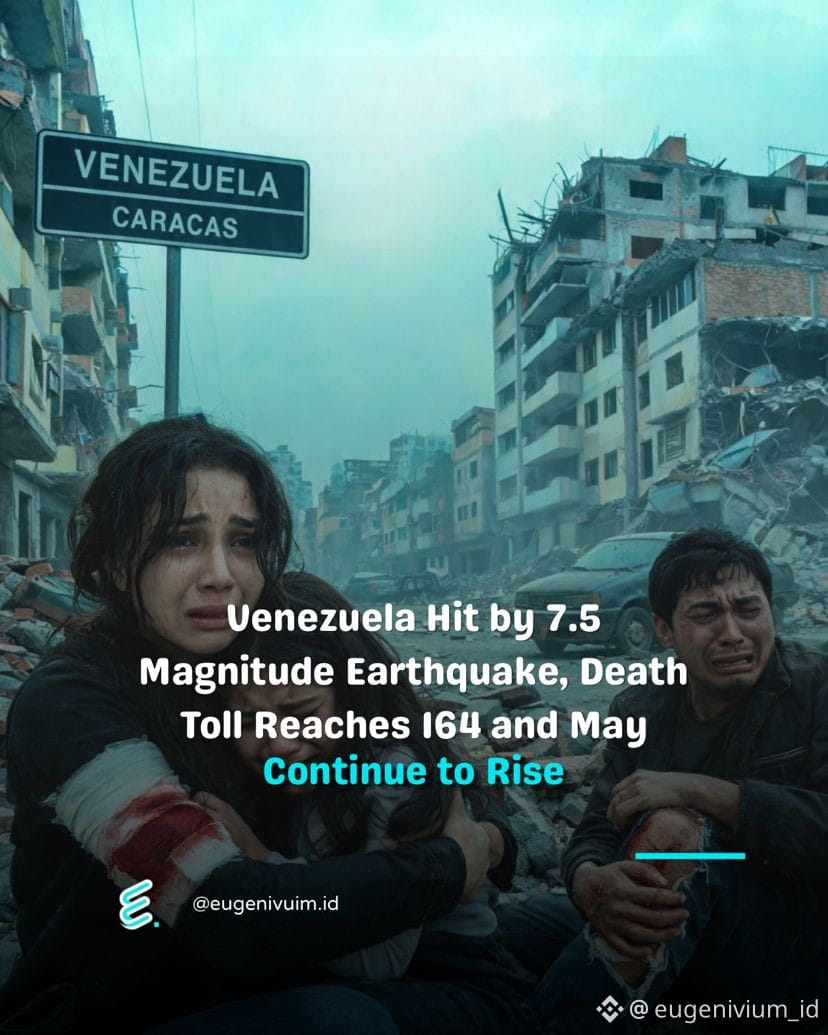
Venezuela steht nach zwei heftigen Erdbeben der Stärke 7,2 und 7,5, die das Land weniger als eine Minute voneinander entfernt trafen, vor einer der schlimmsten Naturkatastrophen der neueren Geschichte.
Bisher wurden mindestens 164 Todesopfer gemeldet und fast 1.000 weitere Menschen verletzt, während Rettungsteams weiter nach Überlebenden suchen, die unter eingestürzten Gebäuden vermutet werden.
Die Erdbeben verursachten weitreichende Zerstörungen in der Hauptstadt Caracas sowie in mehreren anderen Regionen. Gebäude stürzten ein, kritische Infrastruktur erlitt schwere Schäden, die Stromversorgung brach zeitweise zusammen, und der wichtigste internationale Flughafen des Landes musste den Betrieb wegen der Auswirkungen der Katastrophe vorübergehend einstellen.
Seismologen haben das Ereignis als „seismisches Doppelereignis“ beschrieben – ein seltenes Phänomen, bei dem zwei große Erdbeben in rascher Abfolge auftreten. Solche Ereignisse können die Schäden deutlich erhöhen, weil Bauwerke, die durch das erste Beben geschwächt wurden, unmittelbar einem zweiten starken Stoß ausgesetzt sind.
Lokale Behörden haben gewarnt, dass die Zahl der Toten weiter steigen könnte, während die Such- und Rettungsarbeiten voranschreiten. Zudem befürchten Stellen zur Katastrophenüberwachung, dass die endgültigen Auswirkungen angesichts des Ausmaßes der Zerstörung und der Vielzahl eingestürzter Strukturen in den betroffenen Gebieten erheblich größer ausfallen könnten.
Die Tragödie ist eine Erinnerung daran, dass Naturkatastrophen das Leben von Millionen Menschen innerhalb von Sekunden verändern können – auch wenn die globale Aufmerksamkeit häufig auf wirtschaftliche und geopolitische Entwicklungen gerichtet ist.
📌 Die größere Frage:
Sind Entwicklungsländer angemessen auf groß angelegte Naturkatastrophen vorbereitet, oder bestehen weiterhin erhebliche Lücken in den Notfall- und Rettungssystemen, in der Widerstandsfähigkeit der Infrastruktur und in der Katastrophenvorsorge?
#EugeniviumID #Venezuela #Earthquake #NaturalDisaster #WorldNews
Venezuela steht nach zwei heftigen Erdbeben der Stärke 7,2 und 7,5, die das Land weniger als eine Minute voneinander entfernt trafen, vor einer der schlimmsten Naturkatastrophen der neueren Geschichte.
Bisher wurden mindestens 164 Todesopfer gemeldet und fast 1.000 weitere Menschen verletzt, während Rettungsteams weiter nach Überlebenden suchen, die unter eingestürzten Gebäuden vermutet werden.
Die Erdbeben verursachten weitreichende Zerstörungen in der Hauptstadt Caracas sowie in mehreren anderen Regionen. Gebäude stürzten ein, kritische Infrastruktur erlitt schwere Schäden, die Stromversorgung brach zeitweise zusammen, und der wichtigste internationale Flughafen des Landes musste den Betrieb wegen der Auswirkungen der Katastrophe vorübergehend einstellen.
Seismologen haben das Ereignis als „seismisches Doppelereignis“ beschrieben – ein seltenes Phänomen, bei dem zwei große Erdbeben in rascher Abfolge auftreten. Solche Ereignisse können die Schäden deutlich erhöhen, weil Bauwerke, die durch das erste Beben geschwächt wurden, unmittelbar einem zweiten starken Stoß ausgesetzt sind.
Lokale Behörden haben gewarnt, dass die Zahl der Toten weiter steigen könnte, während die Such- und Rettungsarbeiten voranschreiten. Zudem befürchten Stellen zur Katastrophenüberwachung, dass die endgültigen Auswirkungen angesichts des Ausmaßes der Zerstörung und der Vielzahl eingestürzter Strukturen in den betroffenen Gebieten erheblich größer ausfallen könnten.
Die Tragödie ist eine Erinnerung daran, dass Naturkatastrophen das Leben von Millionen Menschen innerhalb von Sekunden verändern können – auch wenn die globale Aufmerksamkeit häufig auf wirtschaftliche und geopolitische Entwicklungen gerichtet ist.
📌 Die größere Frage:
Sind Entwicklungsländer angemessen auf groß angelegte Naturkatastrophen vorbereitet, oder bestehen weiterhin erhebliche Lücken in den Notfall- und Rettungssystemen, in der Widerstandsfähigkeit der Infrastruktur und in der Katastrophenvorsorge?
#EugeniviumID #Venezuela #Earthquake #NaturalDisaster #WorldNews
Bisher wurden mindestens 164 Todesopfer gemeldet und fast 1.000 weitere Menschen verletzt, während Rettungsteams weiter nach Überlebenden suchen, die unter eingestürzten Gebäuden vermutet werden.
Die Erdbeben verursachten weitreichende Zerstörungen in der Hauptstadt Caracas sowie in mehreren anderen Regionen. Gebäude stürzten ein, kritische Infrastruktur erlitt schwere Schäden, die Stromversorgung brach zeitweise zusammen, und der wichtigste internationale Flughafen des Landes musste den Betrieb wegen der Auswirkungen der Katastrophe vorübergehend einstellen.
Seismologen haben das Ereignis als „seismisches Doppelereignis“ beschrieben – ein seltenes Phänomen, bei dem zwei große Erdbeben in rascher Abfolge auftreten. Solche Ereignisse können die Schäden deutlich erhöhen, weil Bauwerke, die durch das erste Beben geschwächt wurden, unmittelbar einem zweiten starken Stoß ausgesetzt sind.
Lokale Behörden haben gewarnt, dass die Zahl der Toten weiter steigen könnte, während die Such- und Rettungsarbeiten voranschreiten. Zudem befürchten Stellen zur Katastrophenüberwachung, dass die endgültigen Auswirkungen angesichts des Ausmaßes der Zerstörung und der Vielzahl eingestürzter Strukturen in den betroffenen Gebieten erheblich größer ausfallen könnten.
Die Tragödie ist eine Erinnerung daran, dass Naturkatastrophen das Leben von Millionen Menschen innerhalb von Sekunden verändern können – auch wenn die globale Aufmerksamkeit häufig auf wirtschaftliche und geopolitische Entwicklungen gerichtet ist.
📌 Die größere Frage:
Sind Entwicklungsländer angemessen auf groß angelegte Naturkatastrophen vorbereitet, oder bestehen weiterhin erhebliche Lücken in den Notfall- und Rettungssystemen, in der Widerstandsfähigkeit der Infrastruktur und in der Katastrophenvorsorge?
#EugeniviumID #Venezuela #Earthquake #NaturalDisaster #WorldNews
115
Die 1994 ausgerichtete FIFA-Weltmeisterschaft, die von den Vereinigten Staaten veranstaltet wurde, wird oft nicht nur dafür in Erinnerung gerufen, was auf dem Platz geschah, sondern auch dafür, wie sie den Fußball in ein wirklich globales Geschäft verwandelte.
Damals bezweifelten viele, dass Fußball in einem Land erfolgreich sein könnte, das vom American Football, Baseball und Basketball dominiert wird. Doch das Turnier zerschlug die Erwartungen: Es zog Rekordzahlen an Zuschauern an und bewies, dass der Fußball ein enormes kommerzielles Potenzial in einem der größten Verbrauchermärkte der Welt besitzt.
Der Erfolg des Turniers beschleunigte Investitionen in TV-Rechte, Sponsoring-Deals, Merchandising und internationale Marketingstrategien. Er ebnete außerdem den Weg für die Gründung der Major League Soccer (MLS), die zwei Jahre später – als Teil des Engagements des Landes, den Sport im Inland weiterzuentwickeln – ins Leben gerufen wurde.
Für die FIFA zeigte das Turnier, dass Fußball in der Lage ist, massive Einnahmen zu generieren – weit über seine traditionellen Hochburgen in Europa und Südamerika hinaus. Die Veranstaltung wurde zum Vorbild für zukünftige Weltmeisterschaften: Dort wurden kommerzielles Wachstum, globale Markenbildung und Medienrechte genauso wichtig wie der Wettbewerb selbst.
Viele Sportökonomen betrachten die Weltmeisterschaft 1994 als einen Wendepunkt, der dazu beitrug, den Fußball von einem beliebten Sport in eine Multi-Milliarden-Dollar-Industrie zu verwandeln – angetrieben durch Fernsehen, Sponsoring und weltweites Fan-Engagement.
Heute kann das finanzielle Ökosystem rund um den Fußball – von Fernsehverträgen bis hin zu Vereinsbewertungen und Spielertransfers – einen Teil seiner modernen Grundlage auf den Erfolg des Turniers von 1994 zurückführen.
📌 Die größere Frage:
Hat die Weltmeisterschaft 1994 dazu beigetragen, dass Fußball eine beispiellose globale Popularität erreichte, oder markierte sie den Beginn einer Ära, in der kommerzielle Interessen genauso einflussreich wurden wie der Sport selbst?
#EugeniviumID #WorldCup1994 #FIFA #FootballBusiness #SportsEconomics
Die 1994 ausgerichtete FIFA-Weltmeisterschaft, die von den Vereinigten Staaten veranstaltet wurde, wird oft nicht nur dafür in Erinnerung gerufen, was auf dem Platz geschah, sondern auch dafür, wie sie den Fußball in ein wirklich globales Geschäft verwandelte.
Damals bezweifelten viele, dass Fußball in einem Land erfolgreich sein könnte, das vom American Football, Baseball und Basketball dominiert wird. Doch das Turnier zerschlug die Erwartungen: Es zog Rekordzahlen an Zuschauern an und bewies, dass der Fußball ein enormes kommerzielles Potenzial in einem der größten Verbrauchermärkte der Welt besitzt.
Der Erfolg des Turniers beschleunigte Investitionen in TV-Rechte, Sponsoring-Deals, Merchandising und internationale Marketingstrategien. Er ebnete außerdem den Weg für die Gründung der Major League Soccer (MLS), die zwei Jahre später – als Teil des Engagements des Landes, den Sport im Inland weiterzuentwickeln – ins Leben gerufen wurde.
Für die FIFA zeigte das Turnier, dass Fußball in der Lage ist, massive Einnahmen zu generieren – weit über seine traditionellen Hochburgen in Europa und Südamerika hinaus. Die Veranstaltung wurde zum Vorbild für zukünftige Weltmeisterschaften: Dort wurden kommerzielles Wachstum, globale Markenbildung und Medienrechte genauso wichtig wie der Wettbewerb selbst.
Viele Sportökonomen betrachten die Weltmeisterschaft 1994 als einen Wendepunkt, der dazu beitrug, den Fußball von einem beliebten Sport in eine Multi-Milliarden-Dollar-Industrie zu verwandeln – angetrieben durch Fernsehen, Sponsoring und weltweites Fan-Engagement.
Heute kann das finanzielle Ökosystem rund um den Fußball – von Fernsehverträgen bis hin zu Vereinsbewertungen und Spielertransfers – einen Teil seiner modernen Grundlage auf den Erfolg des Turniers von 1994 zurückführen.
📌 Die größere Frage:
Hat die Weltmeisterschaft 1994 dazu beigetragen, dass Fußball eine beispiellose globale Popularität erreichte, oder markierte sie den Beginn einer Ära, in der kommerzielle Interessen genauso einflussreich wurden wie der Sport selbst?
#EugeniviumID #WorldCup1994 #FIFA #FootballBusiness #SportsEconomics
Damals bezweifelten viele, dass Fußball in einem Land erfolgreich sein könnte, das vom American Football, Baseball und Basketball dominiert wird. Doch das Turnier zerschlug die Erwartungen: Es zog Rekordzahlen an Zuschauern an und bewies, dass der Fußball ein enormes kommerzielles Potenzial in einem der größten Verbrauchermärkte der Welt besitzt.
Der Erfolg des Turniers beschleunigte Investitionen in TV-Rechte, Sponsoring-Deals, Merchandising und internationale Marketingstrategien. Er ebnete außerdem den Weg für die Gründung der Major League Soccer (MLS), die zwei Jahre später – als Teil des Engagements des Landes, den Sport im Inland weiterzuentwickeln – ins Leben gerufen wurde.
Für die FIFA zeigte das Turnier, dass Fußball in der Lage ist, massive Einnahmen zu generieren – weit über seine traditionellen Hochburgen in Europa und Südamerika hinaus. Die Veranstaltung wurde zum Vorbild für zukünftige Weltmeisterschaften: Dort wurden kommerzielles Wachstum, globale Markenbildung und Medienrechte genauso wichtig wie der Wettbewerb selbst.
Viele Sportökonomen betrachten die Weltmeisterschaft 1994 als einen Wendepunkt, der dazu beitrug, den Fußball von einem beliebten Sport in eine Multi-Milliarden-Dollar-Industrie zu verwandeln – angetrieben durch Fernsehen, Sponsoring und weltweites Fan-Engagement.
Heute kann das finanzielle Ökosystem rund um den Fußball – von Fernsehverträgen bis hin zu Vereinsbewertungen und Spielertransfers – einen Teil seiner modernen Grundlage auf den Erfolg des Turniers von 1994 zurückführen.
📌 Die größere Frage:
Hat die Weltmeisterschaft 1994 dazu beigetragen, dass Fußball eine beispiellose globale Popularität erreichte, oder markierte sie den Beginn einer Ära, in der kommerzielle Interessen genauso einflussreich wurden wie der Sport selbst?
#EugeniviumID #WorldCup1994 #FIFA #FootballBusiness #SportsEconomics

12
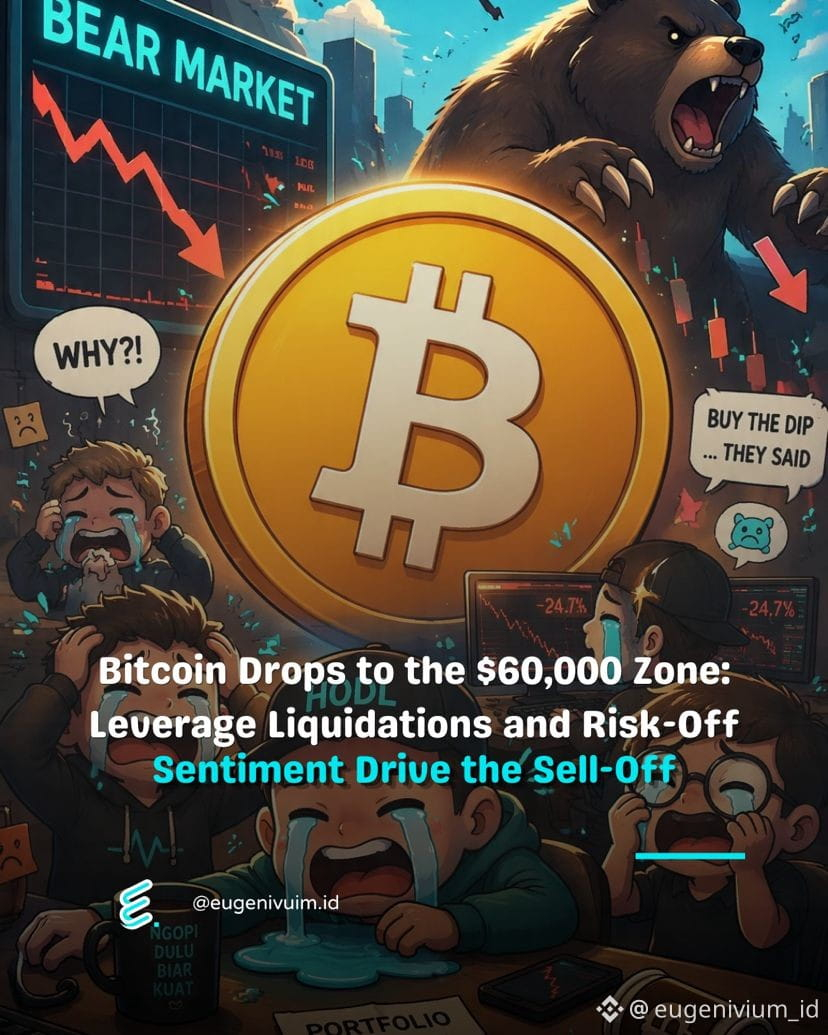
Bitcoin steht unter erheblichem Verkaufsdruck und fällt in Richtung der kritischen $60.000-Marke, was Bedenken bei Investoren und Tradern im Kryptowährungsmarkt aufwirft.
Einer der Hauptgründe für den Rückgang ist eine Welle von Liquidationen von gehebelten Positionen. Als die Preise gegen stark gehebelte Trader liefen, führten zwangsweise Liquidationen zu einem kaskadierenden Effekt, der die Abwärtsdynamik beschleunigte und die Marktvolatilität erhöhte.
Gleichzeitig erleben die breiteren Finanzmärkte eine Risikoscheu, eine Phase, in der Investoren ihre Exponierung gegenüber riskanteren Anlagen wie Kryptowährungen, Wachstumsaktien und anderen spekulativen Investitionen reduzieren. In solchen Phasen fließt Kapital oft in als sicher wahrgenommene Anlagen wie Staatsanleihen, Gold oder Bargeld.
Für langfristige Investoren werden Korrekturen dieser Art oft als normaler Teil des Marktzyklus von Bitcoin angesehen, der historisch durch hohe Volatilität gekennzeichnet ist. Für kurzfristige Trader können jedoch scharfe Preisbewegungen zu erheblichen Verlusten führen, insbesondere wenn übermäßige Hebelwirkung im Spiel ist.
Wichtig ist, dass ein Preisrückgang nicht unbedingt auf eine Verschlechterung der langfristigen Fundamentaldaten von Bitcoin hinweist. Viele Analysten weisen weiterhin auf makroökonomische Bedingungen, Zinserwartungen, globale Liquidität und die Stimmung der Investoren als die Schlüssel Faktoren hin, die die Preisbewegungen in naher Zukunft beeinflussen.
📌 Die größere Frage:
Ist Bitcoins Rückgang in Richtung $60.000 einfach eine gesunde Korrektur innerhalb eines breiteren langfristigen Trends oder ein Warnsignal, dass der Kryptowährungsmarkt in eine tiefere Phase der Schwäche eintritt?
#EugeniviumID #Bitcoin #BTC #Kryptowährung #CryptoMarket
Bitcoin steht unter erheblichem Verkaufsdruck und fällt in Richtung der kritischen $60.000-Marke, was Bedenken bei Investoren und Tradern im Kryptowährungsmarkt aufwirft.
Einer der Hauptgründe für den Rückgang ist eine Welle von Liquidationen von gehebelten Positionen. Als die Preise gegen stark gehebelte Trader liefen, führten zwangsweise Liquidationen zu einem kaskadierenden Effekt, der die Abwärtsdynamik beschleunigte und die Marktvolatilität erhöhte.
Gleichzeitig erleben die breiteren Finanzmärkte eine Risikoscheu, eine Phase, in der Investoren ihre Exponierung gegenüber riskanteren Anlagen wie Kryptowährungen, Wachstumsaktien und anderen spekulativen Investitionen reduzieren. In solchen Phasen fließt Kapital oft in als sicher wahrgenommene Anlagen wie Staatsanleihen, Gold oder Bargeld.
Für langfristige Investoren werden Korrekturen dieser Art oft als normaler Teil des Marktzyklus von Bitcoin angesehen, der historisch durch hohe Volatilität gekennzeichnet ist. Für kurzfristige Trader können jedoch scharfe Preisbewegungen zu erheblichen Verlusten führen, insbesondere wenn übermäßige Hebelwirkung im Spiel ist.
Wichtig ist, dass ein Preisrückgang nicht unbedingt auf eine Verschlechterung der langfristigen Fundamentaldaten von Bitcoin hinweist. Viele Analysten weisen weiterhin auf makroökonomische Bedingungen, Zinserwartungen, globale Liquidität und die Stimmung der Investoren als die Schlüssel Faktoren hin, die die Preisbewegungen in naher Zukunft beeinflussen.
📌 Die größere Frage:
Ist Bitcoins Rückgang in Richtung $60.000 einfach eine gesunde Korrektur innerhalb eines breiteren langfristigen Trends oder ein Warnsignal, dass der Kryptowährungsmarkt in eine tiefere Phase der Schwäche eintritt?
#EugeniviumID #Bitcoin #BTC #Kryptowährung #CryptoMarket
Einer der Hauptgründe für den Rückgang ist eine Welle von Liquidationen von gehebelten Positionen. Als die Preise gegen stark gehebelte Trader liefen, führten zwangsweise Liquidationen zu einem kaskadierenden Effekt, der die Abwärtsdynamik beschleunigte und die Marktvolatilität erhöhte.
Gleichzeitig erleben die breiteren Finanzmärkte eine Risikoscheu, eine Phase, in der Investoren ihre Exponierung gegenüber riskanteren Anlagen wie Kryptowährungen, Wachstumsaktien und anderen spekulativen Investitionen reduzieren. In solchen Phasen fließt Kapital oft in als sicher wahrgenommene Anlagen wie Staatsanleihen, Gold oder Bargeld.
Für langfristige Investoren werden Korrekturen dieser Art oft als normaler Teil des Marktzyklus von Bitcoin angesehen, der historisch durch hohe Volatilität gekennzeichnet ist. Für kurzfristige Trader können jedoch scharfe Preisbewegungen zu erheblichen Verlusten führen, insbesondere wenn übermäßige Hebelwirkung im Spiel ist.
Wichtig ist, dass ein Preisrückgang nicht unbedingt auf eine Verschlechterung der langfristigen Fundamentaldaten von Bitcoin hinweist. Viele Analysten weisen weiterhin auf makroökonomische Bedingungen, Zinserwartungen, globale Liquidität und die Stimmung der Investoren als die Schlüssel Faktoren hin, die die Preisbewegungen in naher Zukunft beeinflussen.
📌 Die größere Frage:
Ist Bitcoins Rückgang in Richtung $60.000 einfach eine gesunde Korrektur innerhalb eines breiteren langfristigen Trends oder ein Warnsignal, dass der Kryptowährungsmarkt in eine tiefere Phase der Schwäche eintritt?
#EugeniviumID #Bitcoin #BTC #Kryptowährung #CryptoMarket
100
Neuere Berichte deuten darauf hin, dass US-Beamte informelle Kontakte zu mehreren israelischen Oppositionsfiguren pflegen, während die politischen Differenzen zwischen Washington und Premierminister Benjamin Netanyahu weiterhin große Aufmerksamkeit auf sich ziehen.
Laut den Berichten haben die Gespräche prominente Oppositionsführer einbezogen und finden inmitten von Spekulationen über mögliche politische Verschiebungen in Israel vor den künftigen Wahlen statt. Es gibt jedoch derzeit keinen öffentlich belegten Hinweis darauf, dass die USA aktiv versuchen, Netanjahus Regierung zu stürzen. Die Berichte deuten auf politisches und diplomatisches Engagement hin – nicht auf direkte Einmischung.
Die Entwicklung fällt in eine Zeit, in der Meinungsverschiedenheiten zwischen Washington und der Regierung Netanjahus stärker sichtbar geworden sind, insbesondere in Bezug auf Fragen der regionalen Sicherheit, den Konflikt mit dem Iran und die umfassendere Nahost-Strategie.
Zugleich setzen die israelischen Oppositionsparteien ihre Bemühungen fort, sich als Alternative zu Netanjahus langjähriger Führung zu positionieren, was zu einer wachsenden Debatte über die politische Zukunft des Landes beiträgt.
Für geopolitische Beobachter zeigt die Lage, wie selbst enge Verbündete Phasen von Spannungen erleben können, wenn sich strategische Prioritäten zu divergieren beginnen.
📌 Die große Frage:
Handelt es sich bei diesen Kontakten lediglich um einen normalen Bestandteil diplomatischen Engagements mit mehreren politischen Akteuren – oder signalisieren sie eine tiefere Belastung der US–Israel-Beziehungen unter Netanjahus Führung?
#EugeniviumID #UnitedStates #Israel #Netanyahu #Geopolitics
Neuere Berichte deuten darauf hin, dass US-Beamte informelle Kontakte zu mehreren israelischen Oppositionsfiguren pflegen, während die politischen Differenzen zwischen Washington und Premierminister Benjamin Netanyahu weiterhin große Aufmerksamkeit auf sich ziehen.
Laut den Berichten haben die Gespräche prominente Oppositionsführer einbezogen und finden inmitten von Spekulationen über mögliche politische Verschiebungen in Israel vor den künftigen Wahlen statt. Es gibt jedoch derzeit keinen öffentlich belegten Hinweis darauf, dass die USA aktiv versuchen, Netanjahus Regierung zu stürzen. Die Berichte deuten auf politisches und diplomatisches Engagement hin – nicht auf direkte Einmischung.
Die Entwicklung fällt in eine Zeit, in der Meinungsverschiedenheiten zwischen Washington und der Regierung Netanjahus stärker sichtbar geworden sind, insbesondere in Bezug auf Fragen der regionalen Sicherheit, den Konflikt mit dem Iran und die umfassendere Nahost-Strategie.
Zugleich setzen die israelischen Oppositionsparteien ihre Bemühungen fort, sich als Alternative zu Netanjahus langjähriger Führung zu positionieren, was zu einer wachsenden Debatte über die politische Zukunft des Landes beiträgt.
Für geopolitische Beobachter zeigt die Lage, wie selbst enge Verbündete Phasen von Spannungen erleben können, wenn sich strategische Prioritäten zu divergieren beginnen.
📌 Die große Frage:
Handelt es sich bei diesen Kontakten lediglich um einen normalen Bestandteil diplomatischen Engagements mit mehreren politischen Akteuren – oder signalisieren sie eine tiefere Belastung der US–Israel-Beziehungen unter Netanjahus Führung?
#EugeniviumID #UnitedStates #Israel #Netanyahu #Geopolitics
Laut den Berichten haben die Gespräche prominente Oppositionsführer einbezogen und finden inmitten von Spekulationen über mögliche politische Verschiebungen in Israel vor den künftigen Wahlen statt. Es gibt jedoch derzeit keinen öffentlich belegten Hinweis darauf, dass die USA aktiv versuchen, Netanjahus Regierung zu stürzen. Die Berichte deuten auf politisches und diplomatisches Engagement hin – nicht auf direkte Einmischung.
Die Entwicklung fällt in eine Zeit, in der Meinungsverschiedenheiten zwischen Washington und der Regierung Netanjahus stärker sichtbar geworden sind, insbesondere in Bezug auf Fragen der regionalen Sicherheit, den Konflikt mit dem Iran und die umfassendere Nahost-Strategie.
Zugleich setzen die israelischen Oppositionsparteien ihre Bemühungen fort, sich als Alternative zu Netanjahus langjähriger Führung zu positionieren, was zu einer wachsenden Debatte über die politische Zukunft des Landes beiträgt.
Für geopolitische Beobachter zeigt die Lage, wie selbst enge Verbündete Phasen von Spannungen erleben können, wenn sich strategische Prioritäten zu divergieren beginnen.
📌 Die große Frage:
Handelt es sich bei diesen Kontakten lediglich um einen normalen Bestandteil diplomatischen Engagements mit mehreren politischen Akteuren – oder signalisieren sie eine tiefere Belastung der US–Israel-Beziehungen unter Netanjahus Führung?
#EugeniviumID #UnitedStates #Israel #Netanyahu #Geopolitics

90
Der ehemalige Vorsitzende der Federal Reserve, Alan Greenspan, ist im Alter von 100 Jahren verstorben, was das Ende einer Ära in der modernen Wirtschaftsgeschichte markiert.
Greenspan war von 1987 bis 2006 Vorsitzender der Federal Reserve und zählt zu den einflussreichsten Zentralbankern der Neuzeit. Während seiner nahezu zwei Jahrzehnte währenden Amtszeit lenkte er die US-Geldpolitik durch bedeutende Ereignisse, darunter den Börsencrash von 1987, das wirtschaftliche Wachstum der 1990er Jahre, die Dotcom-Blase und die Folgen der Anschläge vom 11. September.
Von vielen als "Der Maestro" bekannt, wurde Greenspan zu einem Symbol des Einflusses der Zentralbanken, dessen Kommentare und politische Entscheidungen oft die Finanzmärkte weltweit bewegten.
Sein Erbe bleibt jedoch ein umstrittenes Thema. Nach der globalen Finanzkrise von 2008 argumentierten Kritiker, dass die über längere Zeit niedrigen Zinssätze und die Unterstützung der finanziellen Deregulierung zu den Bedingungen beigetragen haben, die übermäßiges Risiko und Vermögensblasen förderten. Greenspan selbst räumte später ein, dass einige seiner Annahmen über die Fähigkeit der Finanzmärkte zur Selbstregulierung fehlerhaft waren.
Für Investoren, Ökonomen und politische Entscheidungsträger steht Greenspan’s Karriere sowohl für die Macht als auch für die Grenzen der Zentralbankpolitik bei der Gestaltung wirtschaftlicher Ergebnisse.
📌 Die größere Frage:
Sollte Alan Greenspan als der Architekt einer der größten wirtschaftlichen Expansionen der modernen Geschichte erinnert werden, oder als eine Schlüsselfigur, deren Politik dazu beitrugen, die Grundlagen für die darauf folgende Finanzkrise zu legen?
#EugeniviumID #AlanGreenspan #FederalReserve #TheFed #Wirtschaft
Der ehemalige Vorsitzende der Federal Reserve, Alan Greenspan, ist im Alter von 100 Jahren verstorben, was das Ende einer Ära in der modernen Wirtschaftsgeschichte markiert.
Greenspan war von 1987 bis 2006 Vorsitzender der Federal Reserve und zählt zu den einflussreichsten Zentralbankern der Neuzeit. Während seiner nahezu zwei Jahrzehnte währenden Amtszeit lenkte er die US-Geldpolitik durch bedeutende Ereignisse, darunter den Börsencrash von 1987, das wirtschaftliche Wachstum der 1990er Jahre, die Dotcom-Blase und die Folgen der Anschläge vom 11. September.
Von vielen als "Der Maestro" bekannt, wurde Greenspan zu einem Symbol des Einflusses der Zentralbanken, dessen Kommentare und politische Entscheidungen oft die Finanzmärkte weltweit bewegten.
Sein Erbe bleibt jedoch ein umstrittenes Thema. Nach der globalen Finanzkrise von 2008 argumentierten Kritiker, dass die über längere Zeit niedrigen Zinssätze und die Unterstützung der finanziellen Deregulierung zu den Bedingungen beigetragen haben, die übermäßiges Risiko und Vermögensblasen förderten. Greenspan selbst räumte später ein, dass einige seiner Annahmen über die Fähigkeit der Finanzmärkte zur Selbstregulierung fehlerhaft waren.
Für Investoren, Ökonomen und politische Entscheidungsträger steht Greenspan’s Karriere sowohl für die Macht als auch für die Grenzen der Zentralbankpolitik bei der Gestaltung wirtschaftlicher Ergebnisse.
📌 Die größere Frage:
Sollte Alan Greenspan als der Architekt einer der größten wirtschaftlichen Expansionen der modernen Geschichte erinnert werden, oder als eine Schlüsselfigur, deren Politik dazu beitrugen, die Grundlagen für die darauf folgende Finanzkrise zu legen?
#EugeniviumID #AlanGreenspan #FederalReserve #TheFed #Wirtschaft
Greenspan war von 1987 bis 2006 Vorsitzender der Federal Reserve und zählt zu den einflussreichsten Zentralbankern der Neuzeit. Während seiner nahezu zwei Jahrzehnte währenden Amtszeit lenkte er die US-Geldpolitik durch bedeutende Ereignisse, darunter den Börsencrash von 1987, das wirtschaftliche Wachstum der 1990er Jahre, die Dotcom-Blase und die Folgen der Anschläge vom 11. September.
Von vielen als "Der Maestro" bekannt, wurde Greenspan zu einem Symbol des Einflusses der Zentralbanken, dessen Kommentare und politische Entscheidungen oft die Finanzmärkte weltweit bewegten.
Sein Erbe bleibt jedoch ein umstrittenes Thema. Nach der globalen Finanzkrise von 2008 argumentierten Kritiker, dass die über längere Zeit niedrigen Zinssätze und die Unterstützung der finanziellen Deregulierung zu den Bedingungen beigetragen haben, die übermäßiges Risiko und Vermögensblasen förderten. Greenspan selbst räumte später ein, dass einige seiner Annahmen über die Fähigkeit der Finanzmärkte zur Selbstregulierung fehlerhaft waren.
Für Investoren, Ökonomen und politische Entscheidungsträger steht Greenspan’s Karriere sowohl für die Macht als auch für die Grenzen der Zentralbankpolitik bei der Gestaltung wirtschaftlicher Ergebnisse.
📌 Die größere Frage:
Sollte Alan Greenspan als der Architekt einer der größten wirtschaftlichen Expansionen der modernen Geschichte erinnert werden, oder als eine Schlüsselfigur, deren Politik dazu beitrugen, die Grundlagen für die darauf folgende Finanzkrise zu legen?
#EugeniviumID #AlanGreenspan #FederalReserve #TheFed #Wirtschaft

88
Global Auto Holdings, eine der größten Automobil-Handelsgruppen der Welt, erwägt Berichten zufolge, noch in diesem Jahr einen Börsengang (IPO) in Toronto zu starten.
Wenn der Plan voranschreitet, könnte es einer der am genauesten beobachteten IPOs im Automobilsektor in Kanada in den letzten Jahren werden. Das Angebot könnte dem Unternehmen frisches Kapital verschaffen, um die Geschäfte auszubauen, zusätzliche Autohäuser zu erwerben und seine Position in einer Branche zu stärken, die sich rasant verändert.
Der potenzielle IPO spiegelt auch das Vertrauen des Managements in die langfristige Perspektive des Automobilmarktes wider, trotz der anhaltenden Herausforderungen wie höheren Zinssätzen, sich änderndem Verbraucherverhalten und dem beschleunigten Übergang zu Elektrofahrzeugen.
Für Investoren ist ein IPO mehr als nur eine Gelegenheit, Aktien eines neu gelisteten Unternehmens zu kaufen. Große öffentliche Angebote werden oft als Signal für die Marktstimmung angesehen. Wenn große Unternehmen sich entscheiden, an die Börse zu gehen, kann das darauf hindeuten, dass das Vertrauen besteht, dass die Marktbedingungen stark genug sind, um das Interesse der Investoren zu wecken.
Allerdings hat die Geschichte gezeigt, dass nicht alle IPOs eine starke Performance nach der Listung liefern. Der Erfolg hängt oft von den breiteren wirtschaftlichen Bedingungen, den Fundamentaldaten des Unternehmens, den Bewertungsniveaus und davon ab, ob die Erwartungen der Investoren mit der Realität übereinstimmen.
📌 Die größere Frage:
Ist dieser geplante IPO ein Zeichen des Optimismus für die Zukunft der Automobilindustrie oder ein strategischer Schritt, um von den aktuellen Marktbedingungen zu profitieren, bevor sich die wirtschaftliche Landschaft verändert?
#EugeniviumID #IPO #investing #StockMarket #Finance
Global Auto Holdings, eine der größten Automobil-Handelsgruppen der Welt, erwägt Berichten zufolge, noch in diesem Jahr einen Börsengang (IPO) in Toronto zu starten.
Wenn der Plan voranschreitet, könnte es einer der am genauesten beobachteten IPOs im Automobilsektor in Kanada in den letzten Jahren werden. Das Angebot könnte dem Unternehmen frisches Kapital verschaffen, um die Geschäfte auszubauen, zusätzliche Autohäuser zu erwerben und seine Position in einer Branche zu stärken, die sich rasant verändert.
Der potenzielle IPO spiegelt auch das Vertrauen des Managements in die langfristige Perspektive des Automobilmarktes wider, trotz der anhaltenden Herausforderungen wie höheren Zinssätzen, sich änderndem Verbraucherverhalten und dem beschleunigten Übergang zu Elektrofahrzeugen.
Für Investoren ist ein IPO mehr als nur eine Gelegenheit, Aktien eines neu gelisteten Unternehmens zu kaufen. Große öffentliche Angebote werden oft als Signal für die Marktstimmung angesehen. Wenn große Unternehmen sich entscheiden, an die Börse zu gehen, kann das darauf hindeuten, dass das Vertrauen besteht, dass die Marktbedingungen stark genug sind, um das Interesse der Investoren zu wecken.
Allerdings hat die Geschichte gezeigt, dass nicht alle IPOs eine starke Performance nach der Listung liefern. Der Erfolg hängt oft von den breiteren wirtschaftlichen Bedingungen, den Fundamentaldaten des Unternehmens, den Bewertungsniveaus und davon ab, ob die Erwartungen der Investoren mit der Realität übereinstimmen.
📌 Die größere Frage:
Ist dieser geplante IPO ein Zeichen des Optimismus für die Zukunft der Automobilindustrie oder ein strategischer Schritt, um von den aktuellen Marktbedingungen zu profitieren, bevor sich die wirtschaftliche Landschaft verändert?
#EugeniviumID #IPO #investing #StockMarket #Finance
Wenn der Plan voranschreitet, könnte es einer der am genauesten beobachteten IPOs im Automobilsektor in Kanada in den letzten Jahren werden. Das Angebot könnte dem Unternehmen frisches Kapital verschaffen, um die Geschäfte auszubauen, zusätzliche Autohäuser zu erwerben und seine Position in einer Branche zu stärken, die sich rasant verändert.
Der potenzielle IPO spiegelt auch das Vertrauen des Managements in die langfristige Perspektive des Automobilmarktes wider, trotz der anhaltenden Herausforderungen wie höheren Zinssätzen, sich änderndem Verbraucherverhalten und dem beschleunigten Übergang zu Elektrofahrzeugen.
Für Investoren ist ein IPO mehr als nur eine Gelegenheit, Aktien eines neu gelisteten Unternehmens zu kaufen. Große öffentliche Angebote werden oft als Signal für die Marktstimmung angesehen. Wenn große Unternehmen sich entscheiden, an die Börse zu gehen, kann das darauf hindeuten, dass das Vertrauen besteht, dass die Marktbedingungen stark genug sind, um das Interesse der Investoren zu wecken.
Allerdings hat die Geschichte gezeigt, dass nicht alle IPOs eine starke Performance nach der Listung liefern. Der Erfolg hängt oft von den breiteren wirtschaftlichen Bedingungen, den Fundamentaldaten des Unternehmens, den Bewertungsniveaus und davon ab, ob die Erwartungen der Investoren mit der Realität übereinstimmen.
📌 Die größere Frage:
Ist dieser geplante IPO ein Zeichen des Optimismus für die Zukunft der Automobilindustrie oder ein strategischer Schritt, um von den aktuellen Marktbedingungen zu profitieren, bevor sich die wirtschaftliche Landschaft verändert?
#EugeniviumID #IPO #investing #StockMarket #Finance

93
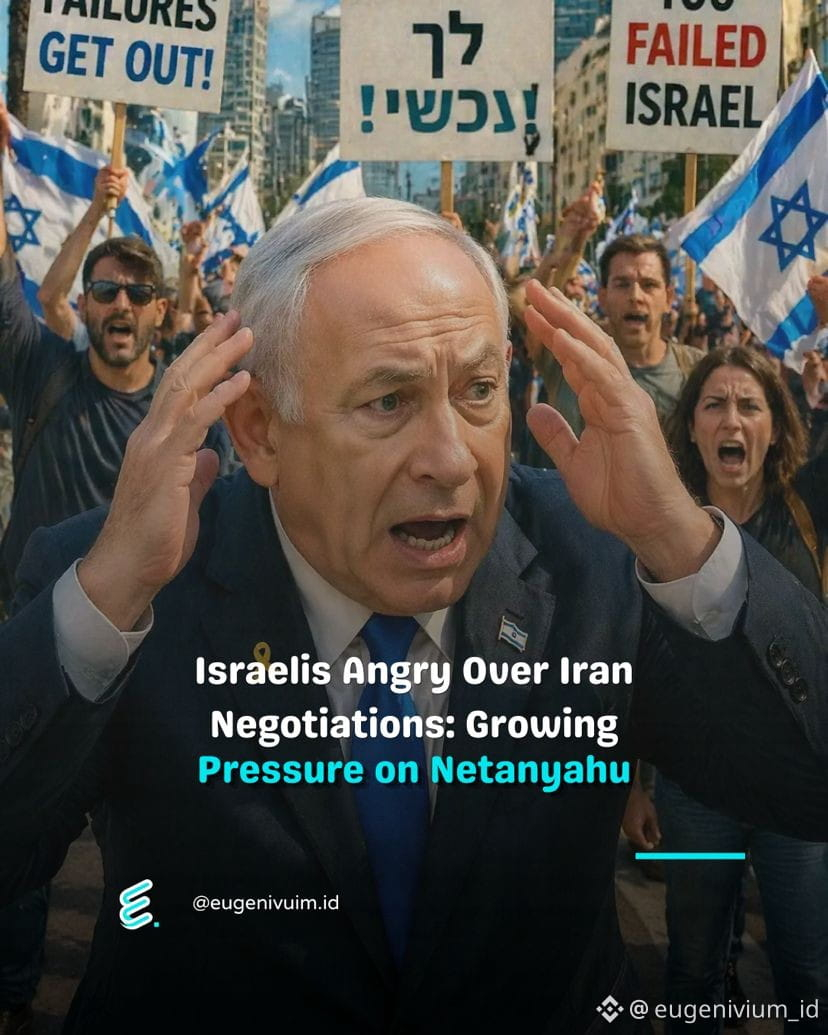
Eine wachsende Zahl von Israelis äußert Frustration über die Handhabung der Verhandlungen ihrer Regierung mit Iran, wobei die Kritik vor allem an Premierminister Benjamin Netanyahu und seiner Administration gerichtet ist.
Die Gegenreaktion kommt nach Berichten über ein U.S.-Iran-Abkommen und laufende diplomatische Bemühungen, die Spannungen in der Region zu verringern. Viele Israelis argumentieren, dass die vorgeschlagenen Vereinbarungen nicht ausreichend auf die Bedenken bezüglich Irans Atomprogramm, ballistischer Raketenfähigkeiten und Unterstützung für bewaffnete Gruppen im Nahen Osten eingehen.
Politische Figuren aus dem gesamten Spektrum Israels, einschließlich sowohl der Oppositionsführer als auch einiger Regierungsverbündeter, haben das aufkommende Abkommen kritisiert, wobei einige es als strategischen Rückschlag für Israels langfristige Sicherheitsinteressen beschreiben.
Gleichzeitig argumentieren Diplomatie-Unterstützer, dass Verhandlungen helfen könnten, einen breiteren regionalen Krieg zu verhindern und eine Gelegenheit für größere Stabilität nach Monaten eskalierender Konflikte zu schaffen. Das Abkommen bleibt umstritten, mit starken Meinungen auf beiden Seiten der Debatte.
Die Situation wirft eine tiefere Frage auf, die Israel betrifft:
Sollte nationale Sicherheit primär durch militärischen Druck verfolgt werden, oder kann Diplomatie dasselbe Ziel zu geringeren Kosten erreichen?
📌 Die größere Frage:
Ist die öffentliche Frustration in Israel eine Reaktion auf das Abkommen selbst oder ein Zeichen für wachsende Bedenken über die breitere Strategie des Landes gegenüber Iran?
#EugeniviumID #Israel #Iran #MiddleEast #Geopolitics
Eine wachsende Zahl von Israelis äußert Frustration über die Handhabung der Verhandlungen ihrer Regierung mit Iran, wobei die Kritik vor allem an Premierminister Benjamin Netanyahu und seiner Administration gerichtet ist.
Die Gegenreaktion kommt nach Berichten über ein U.S.-Iran-Abkommen und laufende diplomatische Bemühungen, die Spannungen in der Region zu verringern. Viele Israelis argumentieren, dass die vorgeschlagenen Vereinbarungen nicht ausreichend auf die Bedenken bezüglich Irans Atomprogramm, ballistischer Raketenfähigkeiten und Unterstützung für bewaffnete Gruppen im Nahen Osten eingehen.
Politische Figuren aus dem gesamten Spektrum Israels, einschließlich sowohl der Oppositionsführer als auch einiger Regierungsverbündeter, haben das aufkommende Abkommen kritisiert, wobei einige es als strategischen Rückschlag für Israels langfristige Sicherheitsinteressen beschreiben.
Gleichzeitig argumentieren Diplomatie-Unterstützer, dass Verhandlungen helfen könnten, einen breiteren regionalen Krieg zu verhindern und eine Gelegenheit für größere Stabilität nach Monaten eskalierender Konflikte zu schaffen. Das Abkommen bleibt umstritten, mit starken Meinungen auf beiden Seiten der Debatte.
Die Situation wirft eine tiefere Frage auf, die Israel betrifft:
Sollte nationale Sicherheit primär durch militärischen Druck verfolgt werden, oder kann Diplomatie dasselbe Ziel zu geringeren Kosten erreichen?
📌 Die größere Frage:
Ist die öffentliche Frustration in Israel eine Reaktion auf das Abkommen selbst oder ein Zeichen für wachsende Bedenken über die breitere Strategie des Landes gegenüber Iran?
#EugeniviumID #Israel #Iran #MiddleEast #Geopolitics
Die Gegenreaktion kommt nach Berichten über ein U.S.-Iran-Abkommen und laufende diplomatische Bemühungen, die Spannungen in der Region zu verringern. Viele Israelis argumentieren, dass die vorgeschlagenen Vereinbarungen nicht ausreichend auf die Bedenken bezüglich Irans Atomprogramm, ballistischer Raketenfähigkeiten und Unterstützung für bewaffnete Gruppen im Nahen Osten eingehen.
Politische Figuren aus dem gesamten Spektrum Israels, einschließlich sowohl der Oppositionsführer als auch einiger Regierungsverbündeter, haben das aufkommende Abkommen kritisiert, wobei einige es als strategischen Rückschlag für Israels langfristige Sicherheitsinteressen beschreiben.
Gleichzeitig argumentieren Diplomatie-Unterstützer, dass Verhandlungen helfen könnten, einen breiteren regionalen Krieg zu verhindern und eine Gelegenheit für größere Stabilität nach Monaten eskalierender Konflikte zu schaffen. Das Abkommen bleibt umstritten, mit starken Meinungen auf beiden Seiten der Debatte.
Die Situation wirft eine tiefere Frage auf, die Israel betrifft:
Sollte nationale Sicherheit primär durch militärischen Druck verfolgt werden, oder kann Diplomatie dasselbe Ziel zu geringeren Kosten erreichen?
📌 Die größere Frage:
Ist die öffentliche Frustration in Israel eine Reaktion auf das Abkommen selbst oder ein Zeichen für wachsende Bedenken über die breitere Strategie des Landes gegenüber Iran?
#EugeniviumID #Israel #Iran #MiddleEast #Geopolitics
103
Anmelden und weiter Inhalte entdecken
Krypto-Nutzer weltweit auf Binance Square kennenlernen
⚡️ Bleib in Sachen Krypto stets am Puls.
💬 Die weltgrößte Kryptobörse vertraut darauf.
👍 Erhalte verlässliche Einblicke von verifizierten Creators.
E-Mail-Adresse/Telefonnummer
Trendthemen
BOJRaisesRatesTo31YearHigh
131,704 Aufrufe
2,049 Kommentare
#BOJRaisesRatesTo31YearHigh
#BOJRaisesRatesTo31YearHigh 🇯🇵📈
Die Bank of Japan hat einen weiteren großen Schritt unternommen, indem sie die Zinsen auf ihr höchstes Niveau seit 31 Jahren angehoben hat und damit die globalen Märkte in Alarmbereitschaft versetzt. Die Maßnahme signalisiert eine fortgesetzte Abkehr von Japans langjähriger ultralockerer Geldpolitik. Höhere japanische Zinsen könnten den Yen stärken, die globalen Renditen beeinflussen und möglicherweise Kapitalströme über die Finanzmärkte hinweg auswirken. Auch Krypto- und andere risikoreiche Assets könnten reagieren, da Anleger die Liquidität und das Risikoprofil neu bewerten. Trader beobachten nun die nächsten Aussagen der BOJ genau auf Hinweise für künftige Zinsentscheidungen. Die Volatilität könnte zunehmen, während die Märkte die geldpolitische Änderung und ihre potenzielle globale Wirkung verdauen. #BOJ #Japan #Crypto #Märkte #InterestRates $NVDAB
maqsoodahmed1
·1 Likes
·137 Aufrufe
BuffettStepsDownAsBerkshireChairman
62,392 Aufrufe
1,023 Kommentare
XRPExchangeReservesHitSevenYearLow
66,998 Aufrufe
948 Kommentare