
Adam-94
2.4k Beiträge

Adam-94
Melden
Nutzer blockieren
crypto lover analysis
275 Following
4.7K+ Follower
1.4K+ Like gegeben
Beiträge
Alle
Zitierungen
Live
·
--
Bullisch
⚡ Bitcoin betritt eine neue Ära ⚡
Seit Jahren gilt Bitcoin als ultimative Wertaufbewahrung. Aber was, wenn dein BTC dabei helfen könnte, die Zukunft dezentraler Netzwerke zu sichern – ohne jemals die Kontrolle zu verlieren? Genau diese Vision treibt Babylon (BABY) an.
Mit selbstverwalteten BTC-Staking können Inhaber zur Sicherheit von Proof-of-Stake-Blockchains beitragen und gleichzeitig das Eigentum an ihrem Bitcoin behalten. Kein Wrapping, keine Abgabe der Verwahrung – nur eine intelligente Art, BTC für sich arbeiten zu lassen.
Das ist mehr als nur ein weiteres Blockchain-Projekt. Es ist ein mutiger Schritt, um Bitcoins unübertroffene Sicherheit mit der wachsenden Welt der PoS-Ökosysteme zu verbinden und neue Möglichkeiten für Builder, Validatoren und langfristige BTC-Gläubige zu eröffnen.
Innovation bedeutet nicht immer, das zu ersetzen, was bereits funktioniert. Manchmal heißt Innovation, dem stärksten Netzwerk eine noch größere Rolle bei der Gestaltung der Zukunft von Web3 zu geben.
@babylonlabs_io #baby $BABY
{spot}(BABYUSDT)
⚡ Bitcoin betritt eine neue Ära ⚡
Seit Jahren gilt Bitcoin als ultimative Wertaufbewahrung. Aber was, wenn dein BTC dabei helfen könnte, die Zukunft dezentraler Netzwerke zu sichern – ohne jemals die Kontrolle zu verlieren? Genau diese Vision treibt Babylon (BABY) an.
Mit selbstverwalteten BTC-Staking können Inhaber zur Sicherheit von Proof-of-Stake-Blockchains beitragen und gleichzeitig das Eigentum an ihrem Bitcoin behalten. Kein Wrapping, keine Abgabe der Verwahrung – nur eine intelligente Art, BTC für sich arbeiten zu lassen.
Das ist mehr als nur ein weiteres Blockchain-Projekt. Es ist ein mutiger Schritt, um Bitcoins unübertroffene Sicherheit mit der wachsenden Welt der PoS-Ökosysteme zu verbinden und neue Möglichkeiten für Builder, Validatoren und langfristige BTC-Gläubige zu eröffnen.
Innovation bedeutet nicht immer, das zu ersetzen, was bereits funktioniert. Manchmal heißt Innovation, dem stärksten Netzwerk eine noch größere Rolle bei der Gestaltung der Zukunft von Web3 zu geben.
@BabylonLabs_io #baby $BABY
Seit Jahren gilt Bitcoin als ultimative Wertaufbewahrung. Aber was, wenn dein BTC dabei helfen könnte, die Zukunft dezentraler Netzwerke zu sichern – ohne jemals die Kontrolle zu verlieren? Genau diese Vision treibt Babylon (BABY) an.
Mit selbstverwalteten BTC-Staking können Inhaber zur Sicherheit von Proof-of-Stake-Blockchains beitragen und gleichzeitig das Eigentum an ihrem Bitcoin behalten. Kein Wrapping, keine Abgabe der Verwahrung – nur eine intelligente Art, BTC für sich arbeiten zu lassen.
Das ist mehr als nur ein weiteres Blockchain-Projekt. Es ist ein mutiger Schritt, um Bitcoins unübertroffene Sicherheit mit der wachsenden Welt der PoS-Ökosysteme zu verbinden und neue Möglichkeiten für Builder, Validatoren und langfristige BTC-Gläubige zu eröffnen.
Innovation bedeutet nicht immer, das zu ersetzen, was bereits funktioniert. Manchmal heißt Innovation, dem stärksten Netzwerk eine noch größere Rolle bei der Gestaltung der Zukunft von Web3 zu geben.
@BabylonLabs_io #baby $BABY
Project
0%
Bitcoin
0%
Babylon
0%
0 Stimmen • Abstimmung beendet
1
1
93
·
--
Artikel
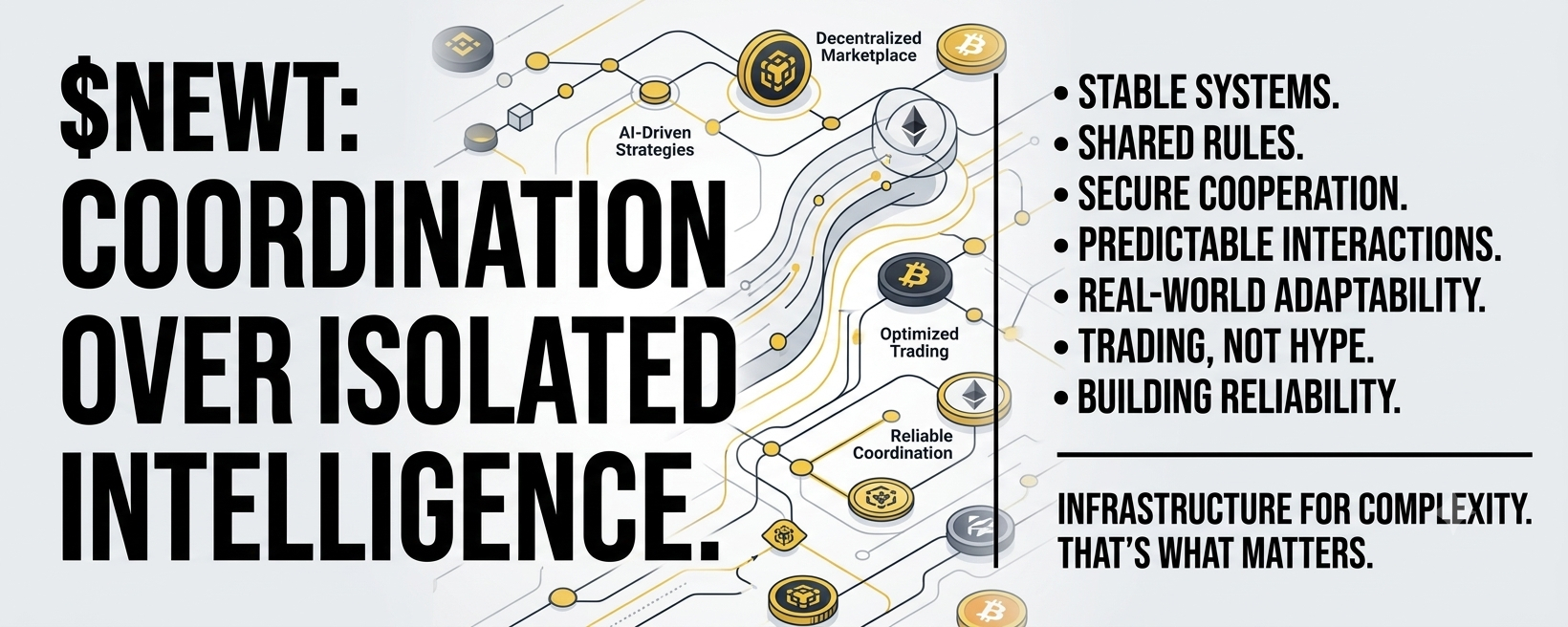
Warum ich mehr über Koordination als über Intelligenz nachdenkeIn den letzten ein paar Jahren habe ich etwas bemerkt.
Immer wenn Menschen über KI sprechen, dreht sich das Gespräch normalerweise darum, wie intelligent ein Modell geworden ist. Es kann schwierigere Probleme lösen, schneller antworten, besser schreiben und länger nachdenken.
Natürlich sind diese Dinge wichtig.
Aber ich komme immer wieder zu einer anderen Frage zurück.
Was passiert, wenn Intelligenz nicht mehr allein funktioniert?
Dieser Teil wirkt auf mich seltsam wenig erforscht.
Ein fähiges System ist schon interessant.
Tausende fähige Systeme, die jede Sekunde miteinander interagieren, ist etwas ganz anderes.
Warum ich mehr über Koordination als über Intelligenz nachdenke
In den letzten ein paar Jahren habe ich etwas bemerkt.
Immer wenn Menschen über KI sprechen, dreht sich das Gespräch normalerweise darum, wie intelligent ein Modell geworden ist. Es kann schwierigere Probleme lösen, schneller antworten, besser schreiben und länger nachdenken.
Natürlich sind diese Dinge wichtig.
Aber ich komme immer wieder zu einer anderen Frage zurück.
Was passiert, wenn Intelligenz nicht mehr allein funktioniert?
Dieser Teil wirkt auf mich seltsam wenig erforscht.
Ein fähiges System ist schon interessant.
Tausende fähige Systeme, die jede Sekunde miteinander interagieren, ist etwas ganz anderes.
Immer wenn Menschen über KI sprechen, dreht sich das Gespräch normalerweise darum, wie intelligent ein Modell geworden ist. Es kann schwierigere Probleme lösen, schneller antworten, besser schreiben und länger nachdenken.
Natürlich sind diese Dinge wichtig.
Aber ich komme immer wieder zu einer anderen Frage zurück.
Was passiert, wenn Intelligenz nicht mehr allein funktioniert?
Dieser Teil wirkt auf mich seltsam wenig erforscht.
Ein fähiges System ist schon interessant.
Tausende fähige Systeme, die jede Sekunde miteinander interagieren, ist etwas ganz anderes.
5
3
307
·
--
Ich denke immer wieder darüber nach, was passiert, nachdem Tausende intelligenter Systeme gleichzeitig Entscheidungen treffen.
Dann reicht allein die Geschwindigkeit nicht mehr aus.
Koordination wird stillschweigend zum schwierigsten Problem im Raum
.
Das Newton Protocol (NEWT) untersucht diese Herausforderung.
Es baut ein sicheres Rollup für KI-gestützte Strategien, automatisierten Handel und einen Marktplatz, auf dem KI-Entwickler beitragen können.
Die Idee wirkt weniger darauf aus, KI intelligenter zu machen.
Sie fühlt sich eher so an, als ginge es darum, komplexen Systemen zu helfen, unter Druck mit größerem Vertrauen zu funktionieren.
Ich habe genug reale Systeme gesehen, um zu wissen, dass ein Versagen selten mit einer lauten Warnung beginnt.
Meist fängt es mit winzigen Verzögerungen an.
Widersprüchliche Annahmen.
Oder Informationen erreichen einen Teilnehmer nur einen Tick zu spät.
Diese kleinen Risse werden oft viel größer, als es sich irgendwer erwartet hätte.
Kein Protokoll kann Unsicherheit vollständig beseitigen.
Ich glaube nicht, dass Newton Protocol behauptet, dass es das könne.
Aber den Aufbau von Infrastruktur zu fördern, der Reibung einkalkuliert, statt so zu tun, als gäbe es sie nicht, könnte sich als weitaus wertvoller erweisen als die Jagd nach perfekter Performance.
Wenn KI zunehmend vernetzt wird, könnte der größte Durchbruch nicht allein aus der Intelligenz selbst kommen.
Er könnte von den unsichtbaren Systemen kommen, die Intelligenz koordinieren, wenn alles um sie herum unvorhersehbar wird.
#newt $NEWT @NewtonProtocol #NEWT
$POL $NVDAB #bnb #ARB
#USJoblessClaimsFallTo215K
{future}(NEWTUSDT)
{future}(POLUSDT)
Welcher Faktor ist am wichtigsten, wenn automatisierte Systeme unter Druck arbeiten?
Ich denke immer wieder darüber nach, was passiert, nachdem Tausende intelligenter Systeme gleichzeitig Entscheidungen treffen.
Dann reicht allein die Geschwindigkeit nicht mehr aus.
Koordination wird stillschweigend zum schwierigsten Problem im Raum
.
Das Newton Protocol (NEWT) untersucht diese Herausforderung.
Es baut ein sicheres Rollup für KI-gestützte Strategien, automatisierten Handel und einen Marktplatz, auf dem KI-Entwickler beitragen können.
Die Idee wirkt weniger darauf aus, KI intelligenter zu machen.
Sie fühlt sich eher so an, als ginge es darum, komplexen Systemen zu helfen, unter Druck mit größerem Vertrauen zu funktionieren.
Ich habe genug reale Systeme gesehen, um zu wissen, dass ein Versagen selten mit einer lauten Warnung beginnt.
Meist fängt es mit winzigen Verzögerungen an.
Widersprüchliche Annahmen.
Oder Informationen erreichen einen Teilnehmer nur einen Tick zu spät.
Diese kleinen Risse werden oft viel größer, als es sich irgendwer erwartet hätte.
Kein Protokoll kann Unsicherheit vollständig beseitigen.
Ich glaube nicht, dass Newton Protocol behauptet, dass es das könne.
Aber den Aufbau von Infrastruktur zu fördern, der Reibung einkalkuliert, statt so zu tun, als gäbe es sie nicht, könnte sich als weitaus wertvoller erweisen als die Jagd nach perfekter Performance.
Wenn KI zunehmend vernetzt wird, könnte der größte Durchbruch nicht allein aus der Intelligenz selbst kommen.
Er könnte von den unsichtbaren Systemen kommen, die Intelligenz koordinieren, wenn alles um sie herum unvorhersehbar wird.
#newt $NEWT @NewtonProtocol #NEWT
$POL $NVDAB #bnb #ARB
#USJoblessClaimsFallTo215K
Welcher Faktor ist am wichtigsten, wenn automatisierte Systeme unter Druck arbeiten?
Dann reicht allein die Geschwindigkeit nicht mehr aus.
Koordination wird stillschweigend zum schwierigsten Problem im Raum
.
Das Newton Protocol (NEWT) untersucht diese Herausforderung.
Es baut ein sicheres Rollup für KI-gestützte Strategien, automatisierten Handel und einen Marktplatz, auf dem KI-Entwickler beitragen können.
Die Idee wirkt weniger darauf aus, KI intelligenter zu machen.
Sie fühlt sich eher so an, als ginge es darum, komplexen Systemen zu helfen, unter Druck mit größerem Vertrauen zu funktionieren.
Ich habe genug reale Systeme gesehen, um zu wissen, dass ein Versagen selten mit einer lauten Warnung beginnt.
Meist fängt es mit winzigen Verzögerungen an.
Widersprüchliche Annahmen.
Oder Informationen erreichen einen Teilnehmer nur einen Tick zu spät.
Diese kleinen Risse werden oft viel größer, als es sich irgendwer erwartet hätte.
Kein Protokoll kann Unsicherheit vollständig beseitigen.
Ich glaube nicht, dass Newton Protocol behauptet, dass es das könne.
Aber den Aufbau von Infrastruktur zu fördern, der Reibung einkalkuliert, statt so zu tun, als gäbe es sie nicht, könnte sich als weitaus wertvoller erweisen als die Jagd nach perfekter Performance.
Wenn KI zunehmend vernetzt wird, könnte der größte Durchbruch nicht allein aus der Intelligenz selbst kommen.
Er könnte von den unsichtbaren Systemen kommen, die Intelligenz koordinieren, wenn alles um sie herum unvorhersehbar wird.
#newt $NEWT @NewtonProtocol #NEWT
$POL $NVDAB #bnb #ARB
#USJoblessClaimsFallTo215K
Welcher Faktor ist am wichtigsten, wenn automatisierte Systeme unter Druck arbeiten?
🟢 Trust and reliability
0%
🔵 Raw intelligence
100%
🟠 Maximum speed
0%
1 Stimmen • Abstimmung beendet
10
2
589
·
--
Der Moment, in dem KI nicht mehr allein funktioniert, sondern Entscheidungen gemeinsam mit Tausenden anderer KI-Systeme trifft, beginnt die eigentliche Herausforderung.
Intelligenz ist beeindruckend.
Doch Koordination unter Druck ist etwas ganz anderes.
Genau dort werden aus kleinen Verzögerungen, widersprüchlichen Aktionen und gebrochenen Annahmen still und leise große Risiken.
Ich denke immer an Straßen zur Rushhour.
Ein Auto, das die Spur wechselt, ist normal.
Tausende, die gleichzeitig reagieren, können eine ganze Stadt einfrieren.
Märkte und automatisierte Systeme verhalten sich auf überraschend ähnliche Weise.
Der Druck entsteht selten durch eine einzelne Entscheidung.
Er entsteht dadurch, dass viele Entscheidungen gleichzeitig eintreffen.
Darum sticht für mich der Newton-Protocol heraus.
Anstatt sich nur darauf zu konzentrieren, KI intelligenter zu machen, baut er ein sicheres Rollup für KI-gesteuerte Strategien, automatisierten Handel und einen Marktplatz, auf dem KI-Entwickler beitragen können.
Für mich fühlt sich das an wie eine Stärkung der Infrastruktur, bevor der Verkehr nicht mehr zu bewältigen ist.
Kein Protokoll kann Unsicherheit beseitigen.
Netzwerke werden langsamer.
Informationen kommen zu spät.
Teilnehmende verhalten sich anders als erwartet.
Diese Realitäten verschwinden nicht einfach, nur weil Software fortschrittlicher wird.
Vielleicht wird die Zukunft der KI nicht davon bestimmt, welches Modell am schnellsten denkt.
Vielleicht wird sie davon bestimmt, welche Systeme weiterarbeiten, wenn die Bedingungen unübersichtlich werden, die Kommunikation unzuverlässig wird und das Vertrauen auf die Probe gestellt wird.
Das ist ein viel schwierigeres Problem.
Und vielleicht das wichtigere.
#newt $NEWT @NewtonProtocol
$TAC $POL
#SYN
#USLaunchesNewStrikesAgainstIran #Ethereum #binnace
{spot}(NEWTUSDT)
{future}(POLUSDT)
{future}(TACUSDT)
Was wird für KI im großen Maßstab am wichtigsten sein?
Der Moment, in dem KI nicht mehr allein funktioniert, sondern Entscheidungen gemeinsam mit Tausenden anderer KI-Systeme trifft, beginnt die eigentliche Herausforderung.
Intelligenz ist beeindruckend.
Doch Koordination unter Druck ist etwas ganz anderes.
Genau dort werden aus kleinen Verzögerungen, widersprüchlichen Aktionen und gebrochenen Annahmen still und leise große Risiken.
Ich denke immer an Straßen zur Rushhour.
Ein Auto, das die Spur wechselt, ist normal.
Tausende, die gleichzeitig reagieren, können eine ganze Stadt einfrieren.
Märkte und automatisierte Systeme verhalten sich auf überraschend ähnliche Weise.
Der Druck entsteht selten durch eine einzelne Entscheidung.
Er entsteht dadurch, dass viele Entscheidungen gleichzeitig eintreffen.
Darum sticht für mich der Newton-Protocol heraus.
Anstatt sich nur darauf zu konzentrieren, KI intelligenter zu machen, baut er ein sicheres Rollup für KI-gesteuerte Strategien, automatisierten Handel und einen Marktplatz, auf dem KI-Entwickler beitragen können.
Für mich fühlt sich das an wie eine Stärkung der Infrastruktur, bevor der Verkehr nicht mehr zu bewältigen ist.
Kein Protokoll kann Unsicherheit beseitigen.
Netzwerke werden langsamer.
Informationen kommen zu spät.
Teilnehmende verhalten sich anders als erwartet.
Diese Realitäten verschwinden nicht einfach, nur weil Software fortschrittlicher wird.
Vielleicht wird die Zukunft der KI nicht davon bestimmt, welches Modell am schnellsten denkt.
Vielleicht wird sie davon bestimmt, welche Systeme weiterarbeiten, wenn die Bedingungen unübersichtlich werden, die Kommunikation unzuverlässig wird und das Vertrauen auf die Probe gestellt wird.
Das ist ein viel schwierigeres Problem.
Und vielleicht das wichtigere.
#newt $NEWT @NewtonProtocol
$TAC $POL
#SYN
#USLaunchesNewStrikesAgainstIran #Ethereum #binnace
Was wird für KI im großen Maßstab am wichtigsten sein?
Intelligenz ist beeindruckend.
Doch Koordination unter Druck ist etwas ganz anderes.
Genau dort werden aus kleinen Verzögerungen, widersprüchlichen Aktionen und gebrochenen Annahmen still und leise große Risiken.
Ich denke immer an Straßen zur Rushhour.
Ein Auto, das die Spur wechselt, ist normal.
Tausende, die gleichzeitig reagieren, können eine ganze Stadt einfrieren.
Märkte und automatisierte Systeme verhalten sich auf überraschend ähnliche Weise.
Der Druck entsteht selten durch eine einzelne Entscheidung.
Er entsteht dadurch, dass viele Entscheidungen gleichzeitig eintreffen.
Darum sticht für mich der Newton-Protocol heraus.
Anstatt sich nur darauf zu konzentrieren, KI intelligenter zu machen, baut er ein sicheres Rollup für KI-gesteuerte Strategien, automatisierten Handel und einen Marktplatz, auf dem KI-Entwickler beitragen können.
Für mich fühlt sich das an wie eine Stärkung der Infrastruktur, bevor der Verkehr nicht mehr zu bewältigen ist.
Kein Protokoll kann Unsicherheit beseitigen.
Netzwerke werden langsamer.
Informationen kommen zu spät.
Teilnehmende verhalten sich anders als erwartet.
Diese Realitäten verschwinden nicht einfach, nur weil Software fortschrittlicher wird.
Vielleicht wird die Zukunft der KI nicht davon bestimmt, welches Modell am schnellsten denkt.
Vielleicht wird sie davon bestimmt, welche Systeme weiterarbeiten, wenn die Bedingungen unübersichtlich werden, die Kommunikation unzuverlässig wird und das Vertrauen auf die Probe gestellt wird.
Das ist ein viel schwierigeres Problem.
Und vielleicht das wichtigere.
#newt $NEWT @NewtonProtocol
$TAC $POL
#SYN
#USLaunchesNewStrikesAgainstIran #Ethereum #binnace
Was wird für KI im großen Maßstab am wichtigsten sein?
Smarter models
100%
Reliable infrastructure
0%
Faster execution
0%
1 Stimmen • Abstimmung beendet
5
1
303
·
--
Artikel
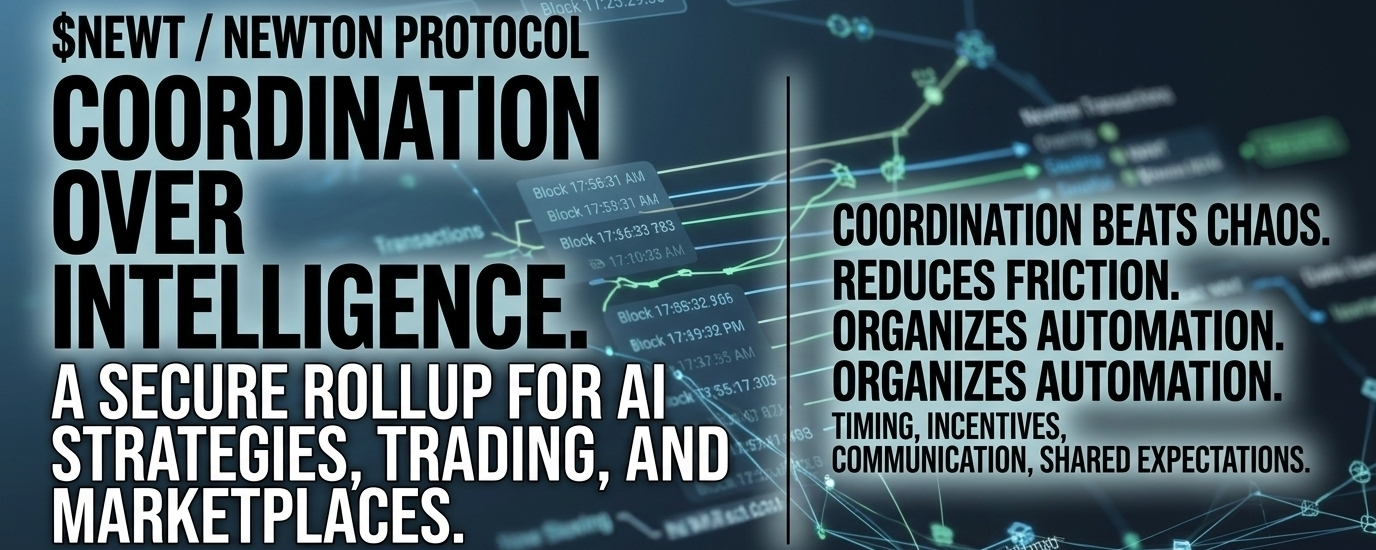
Wenn KI anfängt, gemeinsam statt getrennt zu handelnIch denke weniger darüber nach, wie intelligente KI-Systeme immer besser werden, und mehr darüber, was passiert, wenn viele von ihnen gleichzeitig zu handeln beginnen.
Dieser Unterschied fühlt sich anfangs klein an, aber ich glaube nicht, dass er das ist.
Ein cleveres System, das allein arbeitet, ist interessant. Zehntausend, die gemeinsam Entscheidungen treffen, ist ein völlig anderes Problem.
Vielleicht betrachte ich das von einem falschen Blickwinkel aus, aber ich komme immer wieder auf Koordination statt auf Intelligenz zurück.
Menschen stellen sich Automatisierung oft als etwas Reibungsloses vor.
Eine Anfrage geht ein, eine Antwort kommt heraus, und alles geschieht fast augenblicklich.
Wenn KI anfängt, gemeinsam statt getrennt zu handeln
Ich denke weniger darüber nach, wie intelligente KI-Systeme immer besser werden, und mehr darüber, was passiert, wenn viele von ihnen gleichzeitig zu handeln beginnen.
Dieser Unterschied fühlt sich anfangs klein an, aber ich glaube nicht, dass er das ist.
Ein cleveres System, das allein arbeitet, ist interessant. Zehntausend, die gemeinsam Entscheidungen treffen, ist ein völlig anderes Problem.
Vielleicht betrachte ich das von einem falschen Blickwinkel aus, aber ich komme immer wieder auf Koordination statt auf Intelligenz zurück.
Menschen stellen sich Automatisierung oft als etwas Reibungsloses vor.
Eine Anfrage geht ein, eine Antwort kommt heraus, und alles geschieht fast augenblicklich.
Dieser Unterschied fühlt sich anfangs klein an, aber ich glaube nicht, dass er das ist.
Ein cleveres System, das allein arbeitet, ist interessant. Zehntausend, die gemeinsam Entscheidungen treffen, ist ein völlig anderes Problem.
Vielleicht betrachte ich das von einem falschen Blickwinkel aus, aber ich komme immer wieder auf Koordination statt auf Intelligenz zurück.
Menschen stellen sich Automatisierung oft als etwas Reibungsloses vor.
Eine Anfrage geht ein, eine Antwort kommt heraus, und alles geschieht fast augenblicklich.
3
3
107
·
--
Artikel
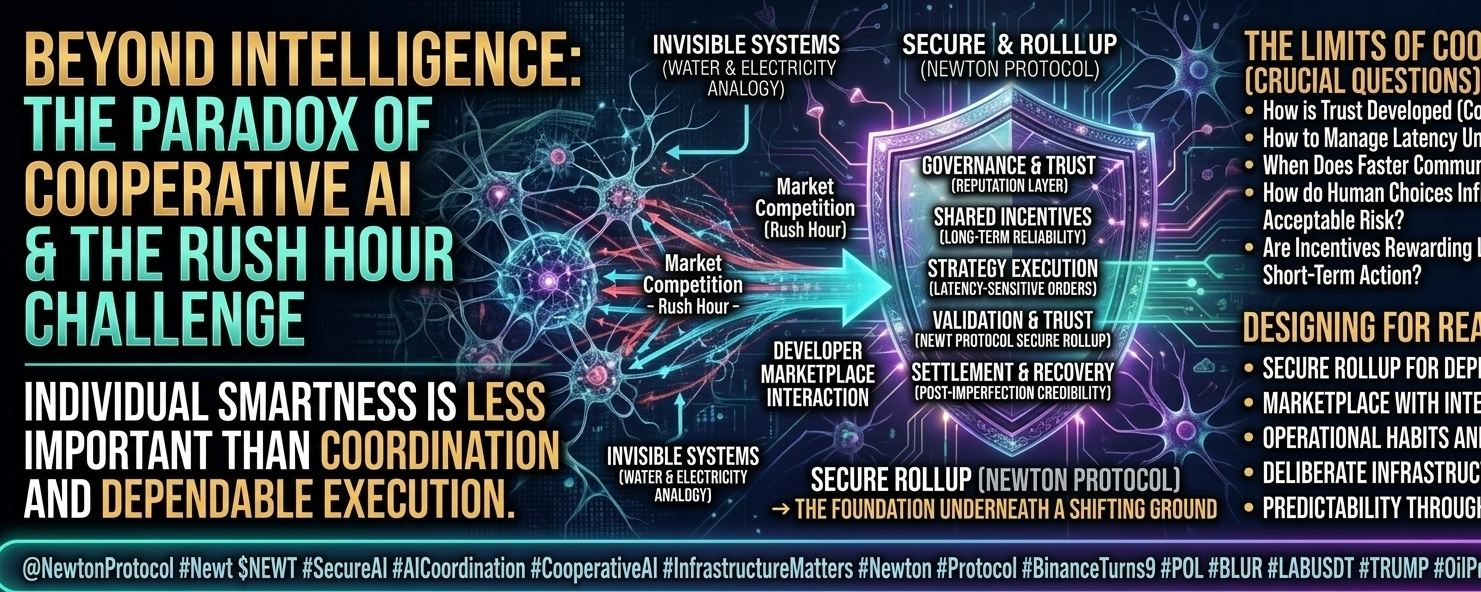
Wenn KI auf einmal anfängt zu handeln, wird die Infrastruktur zur eigentlichen GeschichteIch denke weniger darüber nach, wie intelligent KI-Systeme werden, und mehr darüber, was passiert, wenn viele von ihnen gleichzeitig beschließen, zu handeln.
Dieser Unterschied wirkt zunächst gering, aber ich glaube nicht, dass dem so ist.
Ein einzelnes intelligentes System kann für sich schon beeindruckend sein. Tausende davon, die gemeinsam in Finanzmärkten oder anderen schnelllebigen Umgebungen operieren, stellen ein völlig anderes Problem dar.
Vielleicht schaue ich auf das Ganze aus dem falschen Blickwinkel, aber Koordination fühlt sich viel schwieriger an als Intelligenz.
Wenn KI auf einmal anfängt zu handeln, wird die Infrastruktur zur eigentlichen Geschichte
Ich denke weniger darüber nach, wie intelligent KI-Systeme werden, und mehr darüber, was passiert, wenn viele von ihnen gleichzeitig beschließen, zu handeln.
Dieser Unterschied wirkt zunächst gering, aber ich glaube nicht, dass dem so ist.
Ein einzelnes intelligentes System kann für sich schon beeindruckend sein. Tausende davon, die gemeinsam in Finanzmärkten oder anderen schnelllebigen Umgebungen operieren, stellen ein völlig anderes Problem dar.
Vielleicht schaue ich auf das Ganze aus dem falschen Blickwinkel, aber Koordination fühlt sich viel schwieriger an als Intelligenz.
Dieser Unterschied wirkt zunächst gering, aber ich glaube nicht, dass dem so ist.
Ein einzelnes intelligentes System kann für sich schon beeindruckend sein. Tausende davon, die gemeinsam in Finanzmärkten oder anderen schnelllebigen Umgebungen operieren, stellen ein völlig anderes Problem dar.
Vielleicht schaue ich auf das Ganze aus dem falschen Blickwinkel, aber Koordination fühlt sich viel schwieriger an als Intelligenz.
1
77
·
--
Bärisch
Der nächste Durchbruch in der KI könnte nicht von einem schlaueren Modell kommen.
Er könnte von der Infrastruktur kommen, die tausende intelligente Entscheidungen synchronisiert, wenn die Märkte chaotisch werden und jede Millisekunde zu zählen beginnt.
Genau deshalb hebt sich Newton Protocol (NEWT) für mich hervor.
Der Aufbau eines sicheren Rollups für KI-gesteuerte Strategien, automatisierten Handel und einen Marktplatz für KI-Entwickler ist nicht nur eine Frage der Geschwindigkeit.
Es geht darum, Ordnung zu schaffen, wenn der Druck jede versteckte Schwachstelle offenlegt.
Reale Systeme scheitern selten in ruhigen Momenten.
Sie scheitern, wenn die Latenz steigt, Informationen ungleichmäßig eintreffen, Anreize aufeinanderprallen und automatisierte Entscheidungen beginnen, sich gegenseitig zu verstärken.
Intelligenz allein kann diese Probleme nicht lösen, wenn die Grundlage darunter ins Wanken gerät.
Ich denke, die Zukunft gehört Protokollen, die diesen Unterschied verstehen.
Nicht jede Herausforderung lässt sich beseitigen.
Aber widerstandsfähige Infrastruktur kann Stöße abfedern, statt sie zu verstärken.
Vielleicht ist der größte Wettbewerb in der KI nicht mehr der Wettlauf darum, den klügsten Agenten zu bauen.
Vielleicht geht es darum, die stärkste Grundlage unter jeder intelligenten Entscheidung zu errichten.
#newt $NEWT @NewtonProtocol
$POL $BLUR #BinanceTurns9 #LABUSDT #TRUMP #OilPrice
{spot}(NEWTUSDT)
{future}(POLUSDT)
{future}(BLURUSDT)
Der nächste Durchbruch in der KI könnte nicht von einem schlaueren Modell kommen.
Er könnte von der Infrastruktur kommen, die tausende intelligente Entscheidungen synchronisiert, wenn die Märkte chaotisch werden und jede Millisekunde zu zählen beginnt.
Genau deshalb hebt sich Newton Protocol (NEWT) für mich hervor.
Der Aufbau eines sicheren Rollups für KI-gesteuerte Strategien, automatisierten Handel und einen Marktplatz für KI-Entwickler ist nicht nur eine Frage der Geschwindigkeit.
Es geht darum, Ordnung zu schaffen, wenn der Druck jede versteckte Schwachstelle offenlegt.
Reale Systeme scheitern selten in ruhigen Momenten.
Sie scheitern, wenn die Latenz steigt, Informationen ungleichmäßig eintreffen, Anreize aufeinanderprallen und automatisierte Entscheidungen beginnen, sich gegenseitig zu verstärken.
Intelligenz allein kann diese Probleme nicht lösen, wenn die Grundlage darunter ins Wanken gerät.
Ich denke, die Zukunft gehört Protokollen, die diesen Unterschied verstehen.
Nicht jede Herausforderung lässt sich beseitigen.
Aber widerstandsfähige Infrastruktur kann Stöße abfedern, statt sie zu verstärken.
Vielleicht ist der größte Wettbewerb in der KI nicht mehr der Wettlauf darum, den klügsten Agenten zu bauen.
Vielleicht geht es darum, die stärkste Grundlage unter jeder intelligenten Entscheidung zu errichten.
#newt $NEWT @NewtonProtocol
$POL $BLUR #BinanceTurns9 #LABUSDT #TRUMP #OilPrice
Er könnte von der Infrastruktur kommen, die tausende intelligente Entscheidungen synchronisiert, wenn die Märkte chaotisch werden und jede Millisekunde zu zählen beginnt.
Genau deshalb hebt sich Newton Protocol (NEWT) für mich hervor.
Der Aufbau eines sicheren Rollups für KI-gesteuerte Strategien, automatisierten Handel und einen Marktplatz für KI-Entwickler ist nicht nur eine Frage der Geschwindigkeit.
Es geht darum, Ordnung zu schaffen, wenn der Druck jede versteckte Schwachstelle offenlegt.
Reale Systeme scheitern selten in ruhigen Momenten.
Sie scheitern, wenn die Latenz steigt, Informationen ungleichmäßig eintreffen, Anreize aufeinanderprallen und automatisierte Entscheidungen beginnen, sich gegenseitig zu verstärken.
Intelligenz allein kann diese Probleme nicht lösen, wenn die Grundlage darunter ins Wanken gerät.
Ich denke, die Zukunft gehört Protokollen, die diesen Unterschied verstehen.
Nicht jede Herausforderung lässt sich beseitigen.
Aber widerstandsfähige Infrastruktur kann Stöße abfedern, statt sie zu verstärken.
Vielleicht ist der größte Wettbewerb in der KI nicht mehr der Wettlauf darum, den klügsten Agenten zu bauen.
Vielleicht geht es darum, die stärkste Grundlage unter jeder intelligenten Entscheidung zu errichten.
#newt $NEWT @NewtonProtocol
$POL $BLUR #BinanceTurns9 #LABUSDT #TRUMP #OilPrice
1
141
·
--
Artikel
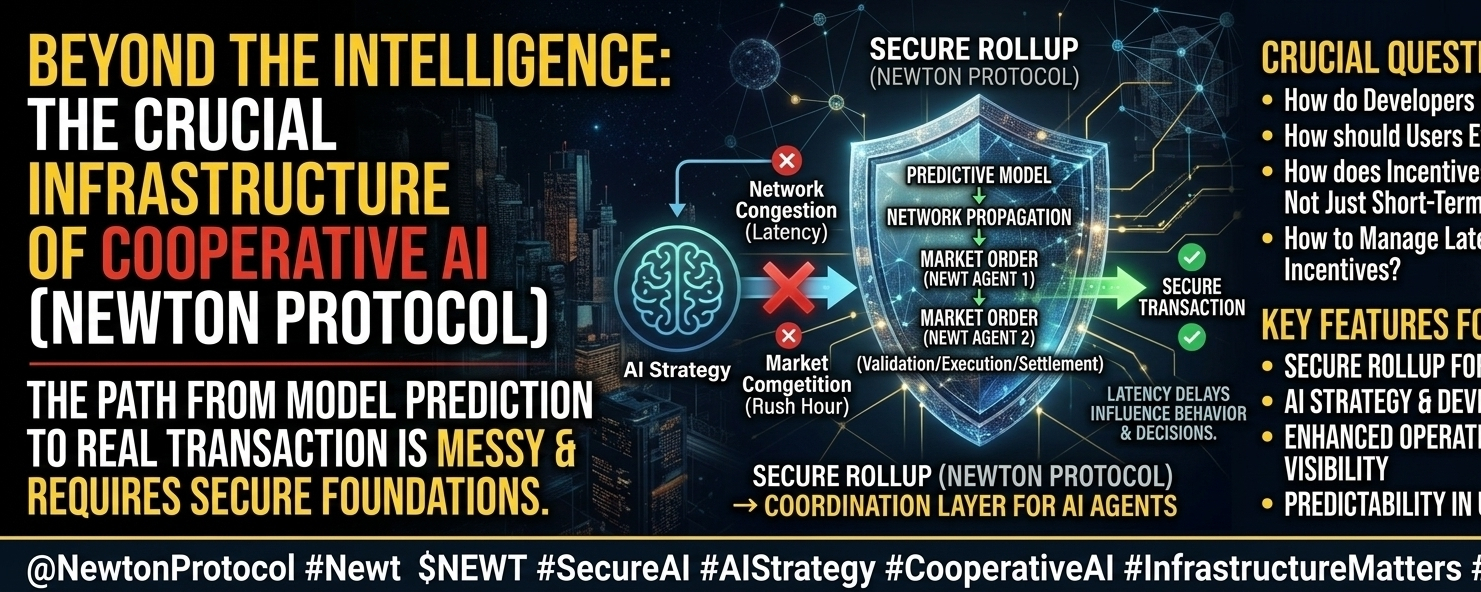
Wenn KI anfängt, gemeinsam Entscheidungen zu treffen, zählt die Infrastruktur mehr als die IntelligenzIch höre immer wieder, dass KI jeden Monat intelligenter wird, und vielleicht stimmt das auch. Aber ich habe festgestellt, dass Intelligenz nur ein Teil der Geschichte ist. Was mich wirklich in den Bann zieht, ist, was passiert, nachdem das Modell eine Antwort erzeugt hat. Genau in diesem Moment hört Software auf, ein spannendes Experiment zu sein, und fängt an, mit echten Systemen zu interagieren, die Verzögerungen, Grenzen, Kosten und außerdem andere Menschen haben, die gleichzeitig Entscheidungen treffen.
Ich glaube, diesen Unterschied übersieht man leicht.
Ein Modell kann in einem Bruchteil einer Sekunde eine hervorragende Trading-Idee generieren. Es kann Muster schneller erkennen als jeder Mensch, den ich kenne. Aber dann muss die Order durch Netzwerke reisen, Märkte erreichen, mit Tausenden anderer Orders konkurrieren und schließlich zu einer tatsächlichen Transaktion werden. Dieser Weg ist viel chaotischer, als die Vorhersage selbst.
Wenn KI anfängt, gemeinsam Entscheidungen zu treffen, zählt die Infrastruktur mehr als die Intelligenz
Ich höre immer wieder, dass KI jeden Monat intelligenter wird, und vielleicht stimmt das auch. Aber ich habe festgestellt, dass Intelligenz nur ein Teil der Geschichte ist. Was mich wirklich in den Bann zieht, ist, was passiert, nachdem das Modell eine Antwort erzeugt hat. Genau in diesem Moment hört Software auf, ein spannendes Experiment zu sein, und fängt an, mit echten Systemen zu interagieren, die Verzögerungen, Grenzen, Kosten und außerdem andere Menschen haben, die gleichzeitig Entscheidungen treffen.
Ich glaube, diesen Unterschied übersieht man leicht.
Ein Modell kann in einem Bruchteil einer Sekunde eine hervorragende Trading-Idee generieren. Es kann Muster schneller erkennen als jeder Mensch, den ich kenne. Aber dann muss die Order durch Netzwerke reisen, Märkte erreichen, mit Tausenden anderer Orders konkurrieren und schließlich zu einer tatsächlichen Transaktion werden. Dieser Weg ist viel chaotischer, als die Vorhersage selbst.
Ich glaube, diesen Unterschied übersieht man leicht.
Ein Modell kann in einem Bruchteil einer Sekunde eine hervorragende Trading-Idee generieren. Es kann Muster schneller erkennen als jeder Mensch, den ich kenne. Aber dann muss die Order durch Netzwerke reisen, Märkte erreichen, mit Tausenden anderer Orders konkurrieren und schließlich zu einer tatsächlichen Transaktion werden. Dieser Weg ist viel chaotischer, als die Vorhersage selbst.
9
4
238
·
--
Die lautesten Durchbrüche kommen selten mit einer Vorwarnung.
Sie treten leise auf, und dann wird plötzlich allen klar, dass sich die Regeln geändert haben.
Ich frage mich, was passiert, wenn Tausende von KI-Systemen gleichzeitig anfangen, finanzielle Entscheidungen zu treffen.
Dort hört der Geschwindigkeitsvorteil auf, und Infrastruktur wird zur eigentlichen Kampfzone.
Newton Protocol @NewtonProtocol geht diese Herausforderung an, indem es ein sicheres Rollup für KI-gesteuerte Strategien, automatisierten Handel und einen Marktplatz aufbaut, auf dem KI-Entwickler beitragen können.
Das ist eine ambitionierte Richtung, denn allein Intelligenz bedeutet sehr wenig, wenn die Ausführung scheitert, sobald der Druck steigt.
Märkte belohnen niemals perfekte Theorien.
Sie belohnen Systeme, die weiter funktionieren, wenn die Latenz wächst, die Volatilität zunimmt, die Kommunikation schwächer wird und unerwartetes Verhalten auftritt.
Das ist die Umgebung, in der Vertrauen verdient wird – nicht versprochen.
Ich glaube nicht, dass irgendein Protokoll die Unsicherheit beseitigen kann.
Aber eine Infrastruktur zu entwerfen, die resilient bleibt, während KI skaliert, fühlt sich wie eines der härtesten Probleme an, das es wert ist, gelöst zu werden.
Die nächste Ära gehört vielleicht nicht den klügsten Modellen – sondern den stärksten Grundlagen.
#newt $NEWT #B #binnacesqure
#IMFWarnsTokenizationShiftsRiskToCode
$POL
$VANRY
{spot}(NEWTUSDT)
{future}(POLUSDT)
{future}(VANRYUSDT)
Welche Newton-Protocol-Funktion interessiert dich am meisten?
Die lautesten Durchbrüche kommen selten mit einer Vorwarnung.
Sie treten leise auf, und dann wird plötzlich allen klar, dass sich die Regeln geändert haben.
Ich frage mich, was passiert, wenn Tausende von KI-Systemen gleichzeitig anfangen, finanzielle Entscheidungen zu treffen.
Dort hört der Geschwindigkeitsvorteil auf, und Infrastruktur wird zur eigentlichen Kampfzone.
Newton Protocol @NewtonProtocol geht diese Herausforderung an, indem es ein sicheres Rollup für KI-gesteuerte Strategien, automatisierten Handel und einen Marktplatz aufbaut, auf dem KI-Entwickler beitragen können.
Das ist eine ambitionierte Richtung, denn allein Intelligenz bedeutet sehr wenig, wenn die Ausführung scheitert, sobald der Druck steigt.
Märkte belohnen niemals perfekte Theorien.
Sie belohnen Systeme, die weiter funktionieren, wenn die Latenz wächst, die Volatilität zunimmt, die Kommunikation schwächer wird und unerwartetes Verhalten auftritt.
Das ist die Umgebung, in der Vertrauen verdient wird – nicht versprochen.
Ich glaube nicht, dass irgendein Protokoll die Unsicherheit beseitigen kann.
Aber eine Infrastruktur zu entwerfen, die resilient bleibt, während KI skaliert, fühlt sich wie eines der härtesten Probleme an, das es wert ist, gelöst zu werden.
Die nächste Ära gehört vielleicht nicht den klügsten Modellen – sondern den stärksten Grundlagen.
#newt $NEWT #B #binnacesqure
#IMFWarnsTokenizationShiftsRiskToCode
$POL
$VANRY
Welche Newton-Protocol-Funktion interessiert dich am meisten?
Sie treten leise auf, und dann wird plötzlich allen klar, dass sich die Regeln geändert haben.
Ich frage mich, was passiert, wenn Tausende von KI-Systemen gleichzeitig anfangen, finanzielle Entscheidungen zu treffen.
Dort hört der Geschwindigkeitsvorteil auf, und Infrastruktur wird zur eigentlichen Kampfzone.
Newton Protocol @NewtonProtocol geht diese Herausforderung an, indem es ein sicheres Rollup für KI-gesteuerte Strategien, automatisierten Handel und einen Marktplatz aufbaut, auf dem KI-Entwickler beitragen können.
Das ist eine ambitionierte Richtung, denn allein Intelligenz bedeutet sehr wenig, wenn die Ausführung scheitert, sobald der Druck steigt.
Märkte belohnen niemals perfekte Theorien.
Sie belohnen Systeme, die weiter funktionieren, wenn die Latenz wächst, die Volatilität zunimmt, die Kommunikation schwächer wird und unerwartetes Verhalten auftritt.
Das ist die Umgebung, in der Vertrauen verdient wird – nicht versprochen.
Ich glaube nicht, dass irgendein Protokoll die Unsicherheit beseitigen kann.
Aber eine Infrastruktur zu entwerfen, die resilient bleibt, während KI skaliert, fühlt sich wie eines der härtesten Probleme an, das es wert ist, gelöst zu werden.
Die nächste Ära gehört vielleicht nicht den klügsten Modellen – sondern den stärksten Grundlagen.
#newt $NEWT #B #binnacesqure
#IMFWarnsTokenizationShiftsRiskToCode
$POL
$VANRY
Welche Newton-Protocol-Funktion interessiert dich am meisten?
AI-driven strategies
0%
Automated trading
0%
AI developer marketplace
0%
0 Stimmen • Abstimmung beendet
1
267
·
--
Artikel
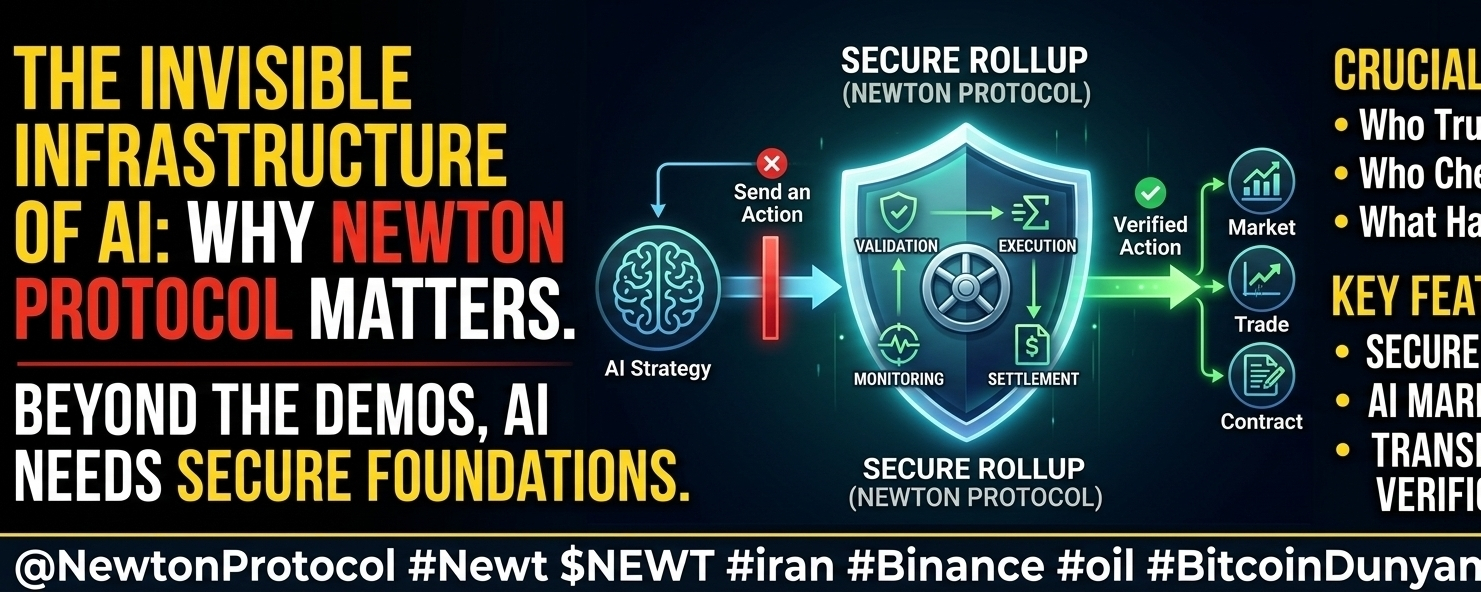
Das Newton-Protokoll ließ mich weniger über KI und mehr über alles andere nachdenkenIch stelle immer wieder fest, dass bei Gesprächen über künstliche Intelligenz das Thema schnell darauf hinausläuft, wie leistungsfähig die Modelle sind.
Größere Modelle, schnellere Antworten, niedrigere Kosten. Das sind natürlich wichtige Punkte. Aber ich habe damit begonnen, mehr auf etwas weniger Sichtbares zu achten. Ich frage mich immer wieder, was passiert, nachdem eine KI eine Entscheidung getroffen hat. Wohin geht diese Entscheidung? Wem wird vertraut? Wer überprüft das?
Was passiert, wenn Tausende solcher Entscheidungen miteinander zu interagieren beginnen, statt innerhalb einer einfachen Demo zu bleiben?
Das Newton-Protokoll ließ mich weniger über KI und mehr über alles andere nachdenken
Ich stelle immer wieder fest, dass bei Gesprächen über künstliche Intelligenz das Thema schnell darauf hinausläuft, wie leistungsfähig die Modelle sind.
Größere Modelle, schnellere Antworten, niedrigere Kosten. Das sind natürlich wichtige Punkte. Aber ich habe damit begonnen, mehr auf etwas weniger Sichtbares zu achten. Ich frage mich immer wieder, was passiert, nachdem eine KI eine Entscheidung getroffen hat. Wohin geht diese Entscheidung? Wem wird vertraut? Wer überprüft das?
Was passiert, wenn Tausende solcher Entscheidungen miteinander zu interagieren beginnen, statt innerhalb einer einfachen Demo zu bleiben?
Größere Modelle, schnellere Antworten, niedrigere Kosten. Das sind natürlich wichtige Punkte. Aber ich habe damit begonnen, mehr auf etwas weniger Sichtbares zu achten. Ich frage mich immer wieder, was passiert, nachdem eine KI eine Entscheidung getroffen hat. Wohin geht diese Entscheidung? Wem wird vertraut? Wer überprüft das?
Was passiert, wenn Tausende solcher Entscheidungen miteinander zu interagieren beginnen, statt innerhalb einer einfachen Demo zu bleiben?
9
3
168
·
--
Jeder redet davon, dass KI immer intelligenter wird.
Ich frage mich jedoch, was passiert, wenn tausende KI-Entscheidungen gleichzeitig auf reale Märkte treffen. Geschwindigkeit ist aufregend, aber der Druck zeigt alles, was unter der Oberfläche verborgen liegt.
Darum hat mich @NewtonProtocol aufmerksam gemacht.
Newton Protocol baut ein sicheres Rollup für KI-gestützte Strategien, automatisierten Handel und einen Marktplatz, auf dem KI-Entwickler beitragen können. Die größte Herausforderung besteht nicht darin, Intelligenz zu schaffen—sondern sicherzustellen, dass Intelligenz zuverlässig arbeiten kann, wenn Netzwerke langsamer werden, Märkte volatil werden und das Vertrauen auf die Probe gestellt wird.
Die stärksten Systeme sind selten die lautesten.
Sie sind diejenigen, die weiter funktionieren, wenn die Bedingungen unvorhersehbar werden. Infrastruktur ist unsichtbar, bis sie ausfällt, und in der KI können diese unsichtbaren Schichten darüber entscheiden, wer sich anpasst und wer zurückfällt.
Ich sage nicht, dass jedes Protokoll jedes Problem lösen kann.
Keine Technologie steuert menschliches Verhalten, Marktemotionen oder unerwartete Ereignisse. Aber Reibung zu reduzieren, die Koordination zu verbessern und eine transparente Ausführung zu schaffen, fühlt sich wie eine Art Fortschritt an, der tatsächlich zählt.
Darum werde ich Newton Protocol genau im Blick behalten.
Bezahlte Partnerschaft. Dieser Inhalt dient nur zu Informationszwecken und stellt keine Finanzberatung dar.
#newt $NEWT #Binance #oil #iran #pol
$NFP
$POL
{spot}(NEWTUSDT)
{spot}(NFPUSDT)
{future}(POLUSDT)
Welcher Teil von Newton Protocol interessiert dich am meisten?
Jeder redet davon, dass KI immer intelligenter wird.
Ich frage mich jedoch, was passiert, wenn tausende KI-Entscheidungen gleichzeitig auf reale Märkte treffen. Geschwindigkeit ist aufregend, aber der Druck zeigt alles, was unter der Oberfläche verborgen liegt.
Darum hat mich @NewtonProtocol aufmerksam gemacht.
Newton Protocol baut ein sicheres Rollup für KI-gestützte Strategien, automatisierten Handel und einen Marktplatz, auf dem KI-Entwickler beitragen können. Die größte Herausforderung besteht nicht darin, Intelligenz zu schaffen—sondern sicherzustellen, dass Intelligenz zuverlässig arbeiten kann, wenn Netzwerke langsamer werden, Märkte volatil werden und das Vertrauen auf die Probe gestellt wird.
Die stärksten Systeme sind selten die lautesten.
Sie sind diejenigen, die weiter funktionieren, wenn die Bedingungen unvorhersehbar werden. Infrastruktur ist unsichtbar, bis sie ausfällt, und in der KI können diese unsichtbaren Schichten darüber entscheiden, wer sich anpasst und wer zurückfällt.
Ich sage nicht, dass jedes Protokoll jedes Problem lösen kann.
Keine Technologie steuert menschliches Verhalten, Marktemotionen oder unerwartete Ereignisse. Aber Reibung zu reduzieren, die Koordination zu verbessern und eine transparente Ausführung zu schaffen, fühlt sich wie eine Art Fortschritt an, der tatsächlich zählt.
Darum werde ich Newton Protocol genau im Blick behalten.
Bezahlte Partnerschaft. Dieser Inhalt dient nur zu Informationszwecken und stellt keine Finanzberatung dar.
#newt $NEWT #Binance #oil #iran #pol
$NFP
$POL
Welcher Teil von Newton Protocol interessiert dich am meisten?
Ich frage mich jedoch, was passiert, wenn tausende KI-Entscheidungen gleichzeitig auf reale Märkte treffen. Geschwindigkeit ist aufregend, aber der Druck zeigt alles, was unter der Oberfläche verborgen liegt.
Darum hat mich @NewtonProtocol aufmerksam gemacht.
Newton Protocol baut ein sicheres Rollup für KI-gestützte Strategien, automatisierten Handel und einen Marktplatz, auf dem KI-Entwickler beitragen können. Die größte Herausforderung besteht nicht darin, Intelligenz zu schaffen—sondern sicherzustellen, dass Intelligenz zuverlässig arbeiten kann, wenn Netzwerke langsamer werden, Märkte volatil werden und das Vertrauen auf die Probe gestellt wird.
Die stärksten Systeme sind selten die lautesten.
Sie sind diejenigen, die weiter funktionieren, wenn die Bedingungen unvorhersehbar werden. Infrastruktur ist unsichtbar, bis sie ausfällt, und in der KI können diese unsichtbaren Schichten darüber entscheiden, wer sich anpasst und wer zurückfällt.
Ich sage nicht, dass jedes Protokoll jedes Problem lösen kann.
Keine Technologie steuert menschliches Verhalten, Marktemotionen oder unerwartete Ereignisse. Aber Reibung zu reduzieren, die Koordination zu verbessern und eine transparente Ausführung zu schaffen, fühlt sich wie eine Art Fortschritt an, der tatsächlich zählt.
Darum werde ich Newton Protocol genau im Blick behalten.
Bezahlte Partnerschaft. Dieser Inhalt dient nur zu Informationszwecken und stellt keine Finanzberatung dar.
#newt $NEWT #Binance #oil #iran #pol
$NFP
$POL
Welcher Teil von Newton Protocol interessiert dich am meisten?
AI-driven strategies
0%
Automated trading
0%
AI developer marketplace
0%
0 Stimmen • Abstimmung beendet
3
1
202
·
--
Ich sehe immer wieder, wie Menschen ihren Fokus darauf legen, wie leistungsfähig KI-Modelle sind, aber ich glaube, die wichtigere Frage ist, ob die Infrastruktur darum herum bereit ist, echten Belastungen aus der Praxis standzuhalten.
Deshalb hat mich Newton Protocol aufmerksam gemacht.
Dabei wird ein sicherer Rollup für KI-gesteuerte Strategien, automatisierten Handel und einen Marktplatz aufgebaut, auf dem KI-Entwickler beitragen und intelligente Systeme verbessern können.
Die Idee klingt vielversprechend, aber ich glaube nicht, dass allein Technologie jedes Problem löst.
Reale Märkte verändern sich schnell.
Netzwerke erleben Verzögerungen.
Daten kann verspätet eintreffen.
Selbst eine starke KI-Strategie hängt von zuverlässiger Ausführung, transparenter Verifikation und sicherer Koordination im Hintergrund ab.
Für mich liegt genau dort der eigentliche Mehrwert.
Die stärksten Systeme sind normalerweise nicht die, die die lautesten Versprechen machen. Es sind die, die weiter funktionieren, wenn die Bedingungen schwierig werden.
Ich werde beobachten, wie Newton Protocol Automatisierung mit Sicherheit, Anreizen und Vertrauen in Einklang bringt, während das Ökosystem wächst. Diese Zielkonflikte entscheiden oft darüber, ob Infrastruktur langfristig erfolgreich ist.
Dieser Inhalt dient nur zu Informationszwecken und ist keine Finanzberatung.
#newt $NEWT @NewtonProtocol $VANRY
$TLM #BitcoinFallsOver50%FromOctoberHigh #IranIsraelConflict #oil #Binance
{spot}(NEWTUSDT)
{future}(TLMUSDT)
{future}(VANRYUSDT)
Was glaubst du, ist die größte Herausforderung für KI-gesteuerte Blockchain-Systeme?
Ich sehe immer wieder, wie Menschen ihren Fokus darauf legen, wie leistungsfähig KI-Modelle sind, aber ich glaube, die wichtigere Frage ist, ob die Infrastruktur darum herum bereit ist, echten Belastungen aus der Praxis standzuhalten.
Deshalb hat mich Newton Protocol aufmerksam gemacht.
Dabei wird ein sicherer Rollup für KI-gesteuerte Strategien, automatisierten Handel und einen Marktplatz aufgebaut, auf dem KI-Entwickler beitragen und intelligente Systeme verbessern können.
Die Idee klingt vielversprechend, aber ich glaube nicht, dass allein Technologie jedes Problem löst.
Reale Märkte verändern sich schnell.
Netzwerke erleben Verzögerungen.
Daten kann verspätet eintreffen.
Selbst eine starke KI-Strategie hängt von zuverlässiger Ausführung, transparenter Verifikation und sicherer Koordination im Hintergrund ab.
Für mich liegt genau dort der eigentliche Mehrwert.
Die stärksten Systeme sind normalerweise nicht die, die die lautesten Versprechen machen. Es sind die, die weiter funktionieren, wenn die Bedingungen schwierig werden.
Ich werde beobachten, wie Newton Protocol Automatisierung mit Sicherheit, Anreizen und Vertrauen in Einklang bringt, während das Ökosystem wächst. Diese Zielkonflikte entscheiden oft darüber, ob Infrastruktur langfristig erfolgreich ist.
Dieser Inhalt dient nur zu Informationszwecken und ist keine Finanzberatung.
#newt $NEWT @NewtonProtocol $VANRY
$TLM #BitcoinFallsOver50%FromOctoberHigh #IranIsraelConflict #oil #Binance
Was glaubst du, ist die größte Herausforderung für KI-gesteuerte Blockchain-Systeme?
Deshalb hat mich Newton Protocol aufmerksam gemacht.
Dabei wird ein sicherer Rollup für KI-gesteuerte Strategien, automatisierten Handel und einen Marktplatz aufgebaut, auf dem KI-Entwickler beitragen und intelligente Systeme verbessern können.
Die Idee klingt vielversprechend, aber ich glaube nicht, dass allein Technologie jedes Problem löst.
Reale Märkte verändern sich schnell.
Netzwerke erleben Verzögerungen.
Daten kann verspätet eintreffen.
Selbst eine starke KI-Strategie hängt von zuverlässiger Ausführung, transparenter Verifikation und sicherer Koordination im Hintergrund ab.
Für mich liegt genau dort der eigentliche Mehrwert.
Die stärksten Systeme sind normalerweise nicht die, die die lautesten Versprechen machen. Es sind die, die weiter funktionieren, wenn die Bedingungen schwierig werden.
Ich werde beobachten, wie Newton Protocol Automatisierung mit Sicherheit, Anreizen und Vertrauen in Einklang bringt, während das Ökosystem wächst. Diese Zielkonflikte entscheiden oft darüber, ob Infrastruktur langfristig erfolgreich ist.
Dieser Inhalt dient nur zu Informationszwecken und ist keine Finanzberatung.
#newt $NEWT @NewtonProtocol $VANRY
$TLM #BitcoinFallsOver50%FromOctoberHigh #IranIsraelConflict #oil #Binance
Was glaubst du, ist die größte Herausforderung für KI-gesteuerte Blockchain-Systeme?
Trust & security
100%
Data quality
0%
User adoption
0%
1 Stimmen • Abstimmung beendet
8
3
110
·
--
Artikel
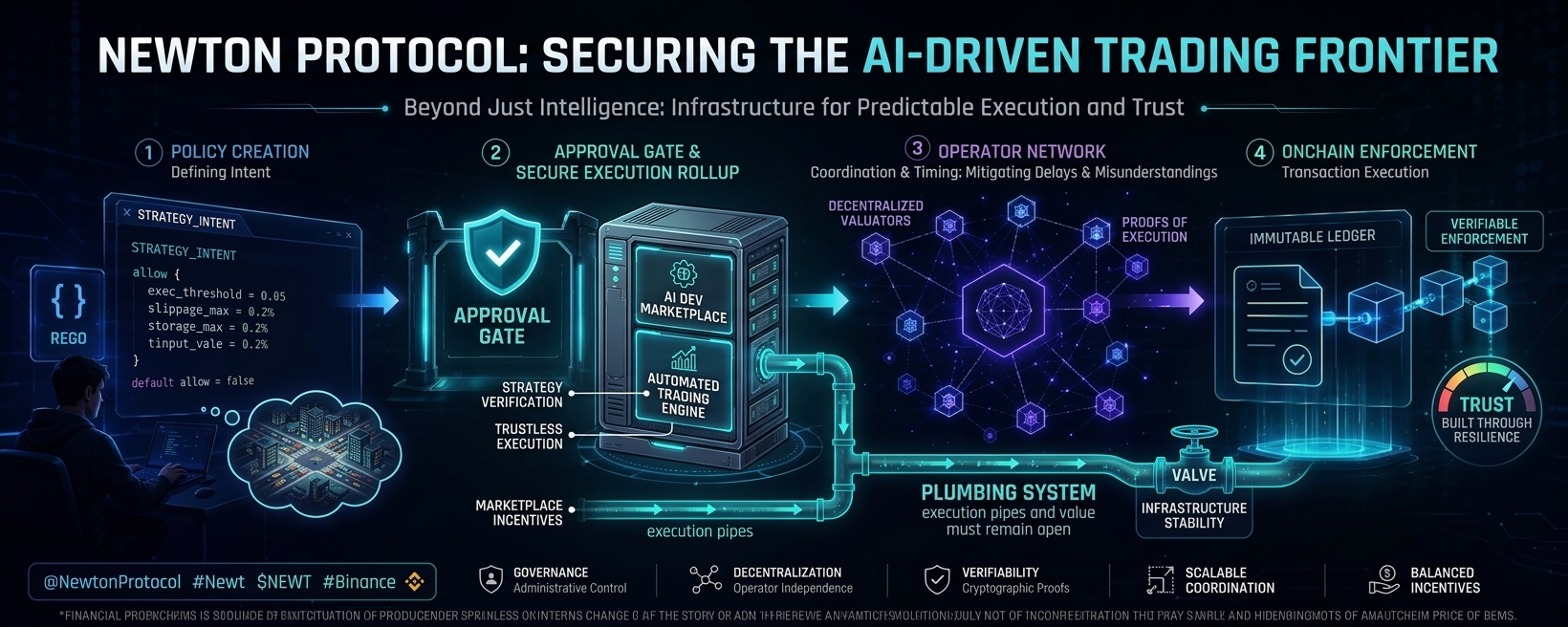
Newton Protocol ließ mich darüber nachdenken, was KI wirklich braucht, bevor sie vertrauenswürdig sein kannIch denke schon seit einiger Zeit über Newton Protocol nach.
Nicht, weil ich erwarte, dass ein einziges Protokoll jedes Problem rund um KI lösen kann, sondern weil es eine Frage stellt, die viele offenbar übersehen. Was passiert, nachdem eine KI-Strategie die Testumgebung verlässt und Entscheidungen trifft, in denen echtes Geld und echte Konsequenzen auf dem Spiel stehen?
Dort ändert sich alles.
Newton Protocol baut ein sicheres Rollup für KI-gesteuerte Strategien, automatisierten Handel und einen Marktplatz für KI-Entwickler.
Auf dem Papier klingt das aufregend.
Newton Protocol ließ mich darüber nachdenken, was KI wirklich braucht, bevor sie vertrauenswürdig sein kann
Ich denke schon seit einiger Zeit über Newton Protocol nach.
Nicht, weil ich erwarte, dass ein einziges Protokoll jedes Problem rund um KI lösen kann, sondern weil es eine Frage stellt, die viele offenbar übersehen. Was passiert, nachdem eine KI-Strategie die Testumgebung verlässt und Entscheidungen trifft, in denen echtes Geld und echte Konsequenzen auf dem Spiel stehen?
Dort ändert sich alles.
Newton Protocol baut ein sicheres Rollup für KI-gesteuerte Strategien, automatisierten Handel und einen Marktplatz für KI-Entwickler.
Auf dem Papier klingt das aufregend.
Nicht, weil ich erwarte, dass ein einziges Protokoll jedes Problem rund um KI lösen kann, sondern weil es eine Frage stellt, die viele offenbar übersehen. Was passiert, nachdem eine KI-Strategie die Testumgebung verlässt und Entscheidungen trifft, in denen echtes Geld und echte Konsequenzen auf dem Spiel stehen?
Dort ändert sich alles.
Newton Protocol baut ein sicheres Rollup für KI-gesteuerte Strategien, automatisierten Handel und einen Marktplatz für KI-Entwickler.
Auf dem Papier klingt das aufregend.
6
2
259
·
--
Bullisch
KI wird immer schneller.
Aber Geschwindigkeit allein schafft kein Vertrauen.
Darum hebt sich das Newton Protocol (NEWT) hervor.
Es setzt auf sichere Ausführung – nicht nur auf clevere Entscheidungen.
Ein großartiges KI-Modell bedeutet wenig, wenn das System dahinter nicht unter Druck bestehen kann.
Wenn Märkte volatiler werden, ändert sich alles.
Liquidität verlagert sich.
Die Latenz steigt.
Automatisierte Strategien reagieren zur gleichen Zeit.
Dann wird die Infrastruktur wirklich auf die Probe gestellt.
Newton Protocol baut ein sicheres Rollup für KI-gestützte Strategien.
Außerdem schafft es einen Marktplatz, auf dem Entwickler KI-Lösungen entwickeln und teilen können.
Die Vision geht nicht nur um Automatisierung.
Es geht um Koordination, Transparenz und zuverlässige Ausführung.
Kein Protokoll kann jede Marktbewegung vorhersagen.
Keine KI kann Unsicherheit vollständig eliminieren.
Aber eine stärkere Infrastruktur kann Reibung verringern und das Vertrauen verbessern, wenn die Bedingungen schwierig werden.
Das ist der Unterschied, den es sich lohnt zu beobachten.
Die Zukunft von KI in Web3 wird nicht nur den klügsten Modellen gehören.
Sie wird den stärksten Grundlagen gehören.
Und Newton Protocol hat genau das zum Ziel.
#NEWT #Web3 #BinanceSquare
#newt $NEWT @NewtonProtocol #2026footballseason
$GALA $TLM
{future}(NEWTUSDT)
{future}(GALAUSDT)
{future}(TLMUSDT)
Welche Funktion von Newton Protocol (NEWT) interessiert dich am meisten?
KI wird immer schneller.
Aber Geschwindigkeit allein schafft kein Vertrauen.
Darum hebt sich das Newton Protocol (NEWT) hervor.
Es setzt auf sichere Ausführung – nicht nur auf clevere Entscheidungen.
Ein großartiges KI-Modell bedeutet wenig, wenn das System dahinter nicht unter Druck bestehen kann.
Wenn Märkte volatiler werden, ändert sich alles.
Liquidität verlagert sich.
Die Latenz steigt.
Automatisierte Strategien reagieren zur gleichen Zeit.
Dann wird die Infrastruktur wirklich auf die Probe gestellt.
Newton Protocol baut ein sicheres Rollup für KI-gestützte Strategien.
Außerdem schafft es einen Marktplatz, auf dem Entwickler KI-Lösungen entwickeln und teilen können.
Die Vision geht nicht nur um Automatisierung.
Es geht um Koordination, Transparenz und zuverlässige Ausführung.
Kein Protokoll kann jede Marktbewegung vorhersagen.
Keine KI kann Unsicherheit vollständig eliminieren.
Aber eine stärkere Infrastruktur kann Reibung verringern und das Vertrauen verbessern, wenn die Bedingungen schwierig werden.
Das ist der Unterschied, den es sich lohnt zu beobachten.
Die Zukunft von KI in Web3 wird nicht nur den klügsten Modellen gehören.
Sie wird den stärksten Grundlagen gehören.
Und Newton Protocol hat genau das zum Ziel.
#NEWT #Web3 #BinanceSquare
#newt $NEWT @NewtonProtocol #2026footballseason
$GALA $TLM
Welche Funktion von Newton Protocol (NEWT) interessiert dich am meisten?
Aber Geschwindigkeit allein schafft kein Vertrauen.
Darum hebt sich das Newton Protocol (NEWT) hervor.
Es setzt auf sichere Ausführung – nicht nur auf clevere Entscheidungen.
Ein großartiges KI-Modell bedeutet wenig, wenn das System dahinter nicht unter Druck bestehen kann.
Wenn Märkte volatiler werden, ändert sich alles.
Liquidität verlagert sich.
Die Latenz steigt.
Automatisierte Strategien reagieren zur gleichen Zeit.
Dann wird die Infrastruktur wirklich auf die Probe gestellt.
Newton Protocol baut ein sicheres Rollup für KI-gestützte Strategien.
Außerdem schafft es einen Marktplatz, auf dem Entwickler KI-Lösungen entwickeln und teilen können.
Die Vision geht nicht nur um Automatisierung.
Es geht um Koordination, Transparenz und zuverlässige Ausführung.
Kein Protokoll kann jede Marktbewegung vorhersagen.
Keine KI kann Unsicherheit vollständig eliminieren.
Aber eine stärkere Infrastruktur kann Reibung verringern und das Vertrauen verbessern, wenn die Bedingungen schwierig werden.
Das ist der Unterschied, den es sich lohnt zu beobachten.
Die Zukunft von KI in Web3 wird nicht nur den klügsten Modellen gehören.
Sie wird den stärksten Grundlagen gehören.
Und Newton Protocol hat genau das zum Ziel.
#NEWT #Web3 #BinanceSquare
#newt $NEWT @NewtonProtocol #2026footballseason
$GALA $TLM
Welche Funktion von Newton Protocol (NEWT) interessiert dich am meisten?
🔹 AI-driven strategies
0%
🔹 Secure rollup
0%
🔹 AI developer marketplace
0%
🔹 Automated trading
0%
0 Stimmen • Abstimmung beendet
5
4
168
·
--
Artikel
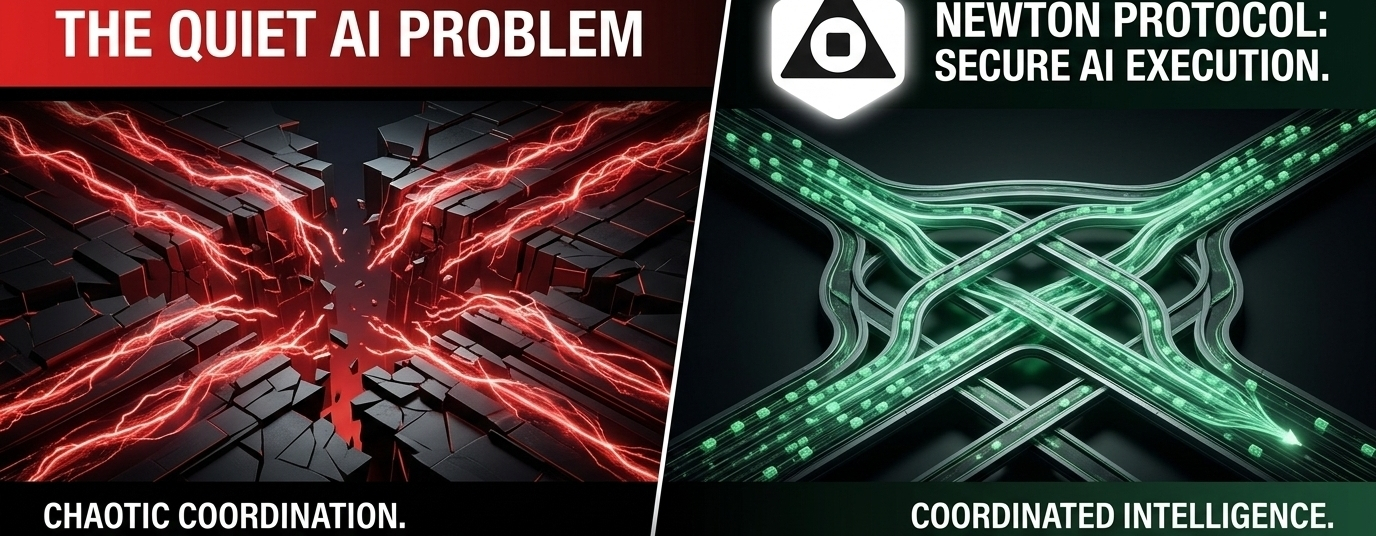
Newton-Protokoll und die stillen Probleme, die erst auftauchen, wenn KI echte Entscheidungen trifftIch komme immer wieder auf denselben Gedanken zurück, wenn Leute über KI-Trading sprechen. Die Diskussion beginnt meistens mit Intelligenz.
Bessere Modelle. Bessere Vorhersagen. Bessere Automatisierung. Aber nachdem ich Finanzsysteme jahrelang beobachtet habe, denke ich ehrlich, dass Intelligenz nur ein kleiner Teil der Geschichte ist.
Die schwierigere Frage ist viel weniger aufregend. Was passiert, nachdem eine KI eine Entscheidung getroffen hat und diese Entscheidung durch reale Infrastruktur muss, mit Tausenden anderer Teilnehmer interagieren, unerwartete Marktbedingungen überstehen und dennoch ein Ergebnis hervorbringen muss, das die Menschen als vertrauenswürdig betrachten?
Newton-Protokoll und die stillen Probleme, die erst auftauchen, wenn KI echte Entscheidungen trifft
Ich komme immer wieder auf denselben Gedanken zurück, wenn Leute über KI-Trading sprechen. Die Diskussion beginnt meistens mit Intelligenz.
Bessere Modelle. Bessere Vorhersagen. Bessere Automatisierung. Aber nachdem ich Finanzsysteme jahrelang beobachtet habe, denke ich ehrlich, dass Intelligenz nur ein kleiner Teil der Geschichte ist.
Die schwierigere Frage ist viel weniger aufregend. Was passiert, nachdem eine KI eine Entscheidung getroffen hat und diese Entscheidung durch reale Infrastruktur muss, mit Tausenden anderer Teilnehmer interagieren, unerwartete Marktbedingungen überstehen und dennoch ein Ergebnis hervorbringen muss, das die Menschen als vertrauenswürdig betrachten?
Bessere Modelle. Bessere Vorhersagen. Bessere Automatisierung. Aber nachdem ich Finanzsysteme jahrelang beobachtet habe, denke ich ehrlich, dass Intelligenz nur ein kleiner Teil der Geschichte ist.
Die schwierigere Frage ist viel weniger aufregend. Was passiert, nachdem eine KI eine Entscheidung getroffen hat und diese Entscheidung durch reale Infrastruktur muss, mit Tausenden anderer Teilnehmer interagieren, unerwartete Marktbedingungen überstehen und dennoch ein Ergebnis hervorbringen muss, das die Menschen als vertrauenswürdig betrachten?
5
2
180
·
--
Verifiziert
Was passiert, wenn KI eine großartige Strategie entwirft … aber die Infrastruktur sie nicht zuverlässig ausführen kann?
Ich denke, das ist eine der wichtigsten Fragen für die nächste Generation von Web3.
Es geht nicht nur darum, KI intelligenter zu machen.
Es geht darum, KI verlässlicher zu machen.
Deshalb hat @NewtonProtocol meine Aufmerksamkeit erregt.
Das Projekt entwickelt ein sicheres Rollup, das für KI-gesteuerte Strategien ausgelegt ist.
Es unterstützt außerdem automatisierte Ausführung und einen Marktplatz, auf dem KI-Entwickler neue Anwendungen bauen und dazu beitragen können.
Der Newton Mainnet Beta ist ein wichtiger Meilenstein.
Echte Netzwerke arbeiten nicht unter perfekten Bedingungen.
Latenz tritt auf.
Der Traffic nimmt zu.
Unerwartete Ereignisse passieren.
Die Infrastruktur muss weiter funktionieren, auch wenn die Umgebung schwieriger wird.
Kein Protokoll kann jedes Risiko vollständig ausschließen.
Märkte bleiben unvorhersehbar.
Das menschliche Verhalten verändert sich.
Die Technologie entwickelt sich weiter.
Aber eine stärkere Infrastruktur kann unnötige Reibung reduzieren und das Vertrauen im gesamten Ökosystem verbessern.
Ich glaube außerdem, dass langfristiger Erfolg von Entwicklern abhängt.
Wenn man Buildern einen Ort gibt, um KI-Anwendungen zu erstellen, zu testen und bereitzustellen, könnte das die Innovation beschleunigen – und gleichzeitig Sicherheit in den Mittelpunkt des Netzwerks stellen.
Ich werde beobachten, wie das Newton-Ökosystem wächst, während mehr Nutzer, Entwickler und KI-gestützte Anwendungen der Mainnet-Beta beitreten.
Die klügste KI ist wertvoll.
Aber zuverlässige Ausführung ist das, was gute Ideen in reale Ergebnisse verwandelt.
@NewtonProtocol #Newt $NEWT
#NEWT #Web3 #BinanceSquare
$ARB $TLM
{spot}(NEWTUSDT)
{future}(TLMUSDT)
{future}(ARBUSDT)
Was passiert, wenn KI eine großartige Strategie entwirft … aber die Infrastruktur sie nicht zuverlässig ausführen kann?
Ich denke, das ist eine der wichtigsten Fragen für die nächste Generation von Web3.
Es geht nicht nur darum, KI intelligenter zu machen.
Es geht darum, KI verlässlicher zu machen.
Deshalb hat @NewtonProtocol meine Aufmerksamkeit erregt.
Das Projekt entwickelt ein sicheres Rollup, das für KI-gesteuerte Strategien ausgelegt ist.
Es unterstützt außerdem automatisierte Ausführung und einen Marktplatz, auf dem KI-Entwickler neue Anwendungen bauen und dazu beitragen können.
Der Newton Mainnet Beta ist ein wichtiger Meilenstein.
Echte Netzwerke arbeiten nicht unter perfekten Bedingungen.
Latenz tritt auf.
Der Traffic nimmt zu.
Unerwartete Ereignisse passieren.
Die Infrastruktur muss weiter funktionieren, auch wenn die Umgebung schwieriger wird.
Kein Protokoll kann jedes Risiko vollständig ausschließen.
Märkte bleiben unvorhersehbar.
Das menschliche Verhalten verändert sich.
Die Technologie entwickelt sich weiter.
Aber eine stärkere Infrastruktur kann unnötige Reibung reduzieren und das Vertrauen im gesamten Ökosystem verbessern.
Ich glaube außerdem, dass langfristiger Erfolg von Entwicklern abhängt.
Wenn man Buildern einen Ort gibt, um KI-Anwendungen zu erstellen, zu testen und bereitzustellen, könnte das die Innovation beschleunigen – und gleichzeitig Sicherheit in den Mittelpunkt des Netzwerks stellen.
Ich werde beobachten, wie das Newton-Ökosystem wächst, während mehr Nutzer, Entwickler und KI-gestützte Anwendungen der Mainnet-Beta beitreten.
Die klügste KI ist wertvoll.
Aber zuverlässige Ausführung ist das, was gute Ideen in reale Ergebnisse verwandelt.
@NewtonProtocol #Newt $NEWT
#NEWT #Web3 #BinanceSquare
$ARB $TLM
Ich denke, das ist eine der wichtigsten Fragen für die nächste Generation von Web3.
Es geht nicht nur darum, KI intelligenter zu machen.
Es geht darum, KI verlässlicher zu machen.
Deshalb hat @NewtonProtocol meine Aufmerksamkeit erregt.
Das Projekt entwickelt ein sicheres Rollup, das für KI-gesteuerte Strategien ausgelegt ist.
Es unterstützt außerdem automatisierte Ausführung und einen Marktplatz, auf dem KI-Entwickler neue Anwendungen bauen und dazu beitragen können.
Der Newton Mainnet Beta ist ein wichtiger Meilenstein.
Echte Netzwerke arbeiten nicht unter perfekten Bedingungen.
Latenz tritt auf.
Der Traffic nimmt zu.
Unerwartete Ereignisse passieren.
Die Infrastruktur muss weiter funktionieren, auch wenn die Umgebung schwieriger wird.
Kein Protokoll kann jedes Risiko vollständig ausschließen.
Märkte bleiben unvorhersehbar.
Das menschliche Verhalten verändert sich.
Die Technologie entwickelt sich weiter.
Aber eine stärkere Infrastruktur kann unnötige Reibung reduzieren und das Vertrauen im gesamten Ökosystem verbessern.
Ich glaube außerdem, dass langfristiger Erfolg von Entwicklern abhängt.
Wenn man Buildern einen Ort gibt, um KI-Anwendungen zu erstellen, zu testen und bereitzustellen, könnte das die Innovation beschleunigen – und gleichzeitig Sicherheit in den Mittelpunkt des Netzwerks stellen.
Ich werde beobachten, wie das Newton-Ökosystem wächst, während mehr Nutzer, Entwickler und KI-gestützte Anwendungen der Mainnet-Beta beitreten.
Die klügste KI ist wertvoll.
Aber zuverlässige Ausführung ist das, was gute Ideen in reale Ergebnisse verwandelt.
@NewtonProtocol #Newt $NEWT
#NEWT #Web3 #BinanceSquare
$ARB $TLM
🔹 Smarter AI models
0%
🔹 Secure infrastructure
0%
🔹 Faster transactions
0%
0 Stimmen • Abstimmung beendet
3
4
2.1k
·
--
Artikel
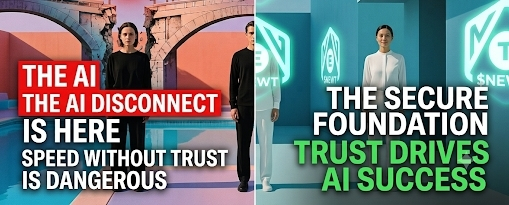
Newton Protocol (NEWT): Warum sichere KI-Automatisierung eher von Vertrauen als von Tempo abhängtIch habe schon seit einiger Zeit über das Newton-Protokoll (NEWT) nachgedacht, und das, was mir immer wieder in den Sinn kommt, ist nicht die KI selbst. Es ist Vertrauen. Menschen begeistern sich oft für automatisierten Handel, KI-Agenten und intelligente Systeme, die Entscheidungen treffen, ohne ständig menschliches Eingreifen, aber ich denke, der schwierige Teil beginnt erst, nachdem das Modell seine Entscheidung getroffen hat. Genau dort werden reale Systeme normalerweise interessant. Eine Strategie kann in Tests brillant aussehen, doch sobald sie mit echter Infrastruktur interagieren muss – veränderte Märkte, verzögerte Informationen und menschliche Erwartungen –, wird alles viel weniger vorhersehbar.
Newton Protocol (NEWT): Warum sichere KI-Automatisierung eher von Vertrauen als von Tempo abhängt
Ich habe schon seit einiger Zeit über das Newton-Protokoll (NEWT) nachgedacht, und das, was mir immer wieder in den Sinn kommt, ist nicht die KI selbst. Es ist Vertrauen. Menschen begeistern sich oft für automatisierten Handel, KI-Agenten und intelligente Systeme, die Entscheidungen treffen, ohne ständig menschliches Eingreifen, aber ich denke, der schwierige Teil beginnt erst, nachdem das Modell seine Entscheidung getroffen hat. Genau dort werden reale Systeme normalerweise interessant. Eine Strategie kann in Tests brillant aussehen, doch sobald sie mit echter Infrastruktur interagieren muss – veränderte Märkte, verzögerte Informationen und menschliche Erwartungen –, wird alles viel weniger vorhersehbar.
10
8
280
·
--
Teilweise korrekt
KI-Projekte wie $FET, $TAO und $ASI treiben Innovation voran, während $ETH, $ARB und $OP weiterhin den Wert skalierbarer Blockchain-Infrastruktur unter Beweis stellen.
Hier sticht @NewtonProtocol heraus. Statt nur noch eine weitere KI-Anwendung zu entwickeln, baut es ein sicheres Rollup für KI-gesteuerte Strategien, automatisierten Handel und einen Marktplatz, auf dem KI-Entwickler intelligente On-Chain-Lösungen entwickeln und bereitstellen können.
Das Newton Mainnet Beta ist ein wichtiger Meilenstein und bietet Entwicklern die Möglichkeit, Leistung, Sicherheit und reale KI-Automatisierung in einer Live-Umgebung zu testen.
Starke Infrastruktur ist oft genau das, was innovative Ideen in praktische Ökosysteme verwandelt.
Wenn KI Web3 weiter neu gestaltet, könnten Projekte, die Sicherheit, Skalierbarkeit und Automatisierung kombinieren, zunehmend wichtiger werden.
Newton Protocol ist definitiv eines, das man im Blick behalten sollte, während sich sein Ökosystem weiterentwickelt.
Was sind eure Gedanken? Könnten KI-native Rollups die nächste große Storyline in Krypto werden?
$NEWT $ETH $ARB
#Newt #Web3 #Blockchain #Layer2 #Crypto
{spot}(NEWTUSDT)
{spot}(ETHUSDT)
{spot}(ARBUSDT)
KI-Projekte wie $FET, $TAO und $ASI treiben Innovation voran, während $ETH , $ARB und $OP weiterhin den Wert skalierbarer Blockchain-Infrastruktur unter Beweis stellen.
Hier sticht @NewtonProtocol heraus. Statt nur noch eine weitere KI-Anwendung zu entwickeln, baut es ein sicheres Rollup für KI-gesteuerte Strategien, automatisierten Handel und einen Marktplatz, auf dem KI-Entwickler intelligente On-Chain-Lösungen entwickeln und bereitstellen können.
Das Newton Mainnet Beta ist ein wichtiger Meilenstein und bietet Entwicklern die Möglichkeit, Leistung, Sicherheit und reale KI-Automatisierung in einer Live-Umgebung zu testen.
Starke Infrastruktur ist oft genau das, was innovative Ideen in praktische Ökosysteme verwandelt.
Wenn KI Web3 weiter neu gestaltet, könnten Projekte, die Sicherheit, Skalierbarkeit und Automatisierung kombinieren, zunehmend wichtiger werden.
Newton Protocol ist definitiv eines, das man im Blick behalten sollte, während sich sein Ökosystem weiterentwickelt.
Was sind eure Gedanken? Könnten KI-native Rollups die nächste große Storyline in Krypto werden?
$NEWT $ETH $ARB
#Newt #Web3 #Blockchain #Layer2 #Crypto
Hier sticht @NewtonProtocol heraus. Statt nur noch eine weitere KI-Anwendung zu entwickeln, baut es ein sicheres Rollup für KI-gesteuerte Strategien, automatisierten Handel und einen Marktplatz, auf dem KI-Entwickler intelligente On-Chain-Lösungen entwickeln und bereitstellen können.
Das Newton Mainnet Beta ist ein wichtiger Meilenstein und bietet Entwicklern die Möglichkeit, Leistung, Sicherheit und reale KI-Automatisierung in einer Live-Umgebung zu testen.
Starke Infrastruktur ist oft genau das, was innovative Ideen in praktische Ökosysteme verwandelt.
Wenn KI Web3 weiter neu gestaltet, könnten Projekte, die Sicherheit, Skalierbarkeit und Automatisierung kombinieren, zunehmend wichtiger werden.
Newton Protocol ist definitiv eines, das man im Blick behalten sollte, während sich sein Ökosystem weiterentwickelt.
Was sind eure Gedanken? Könnten KI-native Rollups die nächste große Storyline in Krypto werden?
$NEWT $ETH $ARB
#Newt #Web3 #Blockchain #Layer2 #Crypto
Real-World Assets (RWA)
50%
Layer-2 Scaling
50%
AI Infrastructure
0%
2 Stimmen • Abstimmung beendet
4
2
623
·
--
Artikel
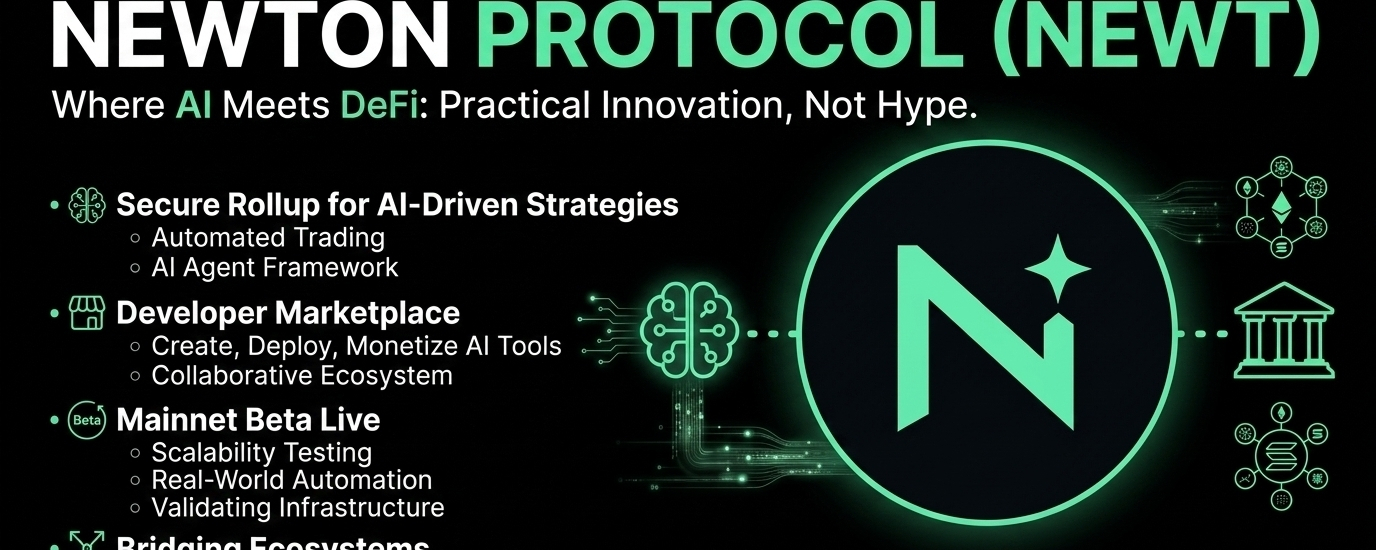
Newton Protocol: Warum KI-gestützte Rollups die nächste Generation von Web3 prägen könntenKünstliche Intelligenz wird zu einem der größten Themen in der Blockchain, aber langfristiger Erfolg hängt von einer sicheren Infrastruktur ab – nicht nur von Hype.
<c-4/> nimmt einen anderen Ansatz, indem sie ein sicheres Rollup aufbaut, das auf KI-gesteuerten Strategien, automatisiertem Handel und einem Marktplatz fokussiert ist, auf dem Entwickler KI-gestützte Anwendungen erstellen, bereitstellen und monetarisieren können.
Die Einführung der Newton Mainnet Beta ist ein wichtiger Meilenstein, weil sie es Entwicklern und frühen Teilnehmern ermöglicht, das Protokoll in einer Live-Umgebung zu erleben.
Newton Protocol: Warum KI-gestützte Rollups die nächste Generation von Web3 prägen könnten
Künstliche Intelligenz wird zu einem der größten Themen in der Blockchain, aber langfristiger Erfolg hängt von einer sicheren Infrastruktur ab – nicht nur von Hype.
<c-4/> nimmt einen anderen Ansatz, indem sie ein sicheres Rollup aufbaut, das auf KI-gesteuerten Strategien, automatisiertem Handel und einem Marktplatz fokussiert ist, auf dem Entwickler KI-gestützte Anwendungen erstellen, bereitstellen und monetarisieren können.
Die Einführung der Newton Mainnet Beta ist ein wichtiger Meilenstein, weil sie es Entwicklern und frühen Teilnehmern ermöglicht, das Protokoll in einer Live-Umgebung zu erleben.
<c-4/> nimmt einen anderen Ansatz, indem sie ein sicheres Rollup aufbaut, das auf KI-gesteuerten Strategien, automatisiertem Handel und einem Marktplatz fokussiert ist, auf dem Entwickler KI-gestützte Anwendungen erstellen, bereitstellen und monetarisieren können.
Die Einführung der Newton Mainnet Beta ist ein wichtiger Meilenstein, weil sie es Entwicklern und frühen Teilnehmern ermöglicht, das Protokoll in einer Live-Umgebung zu erleben.
2
2
82
·
--
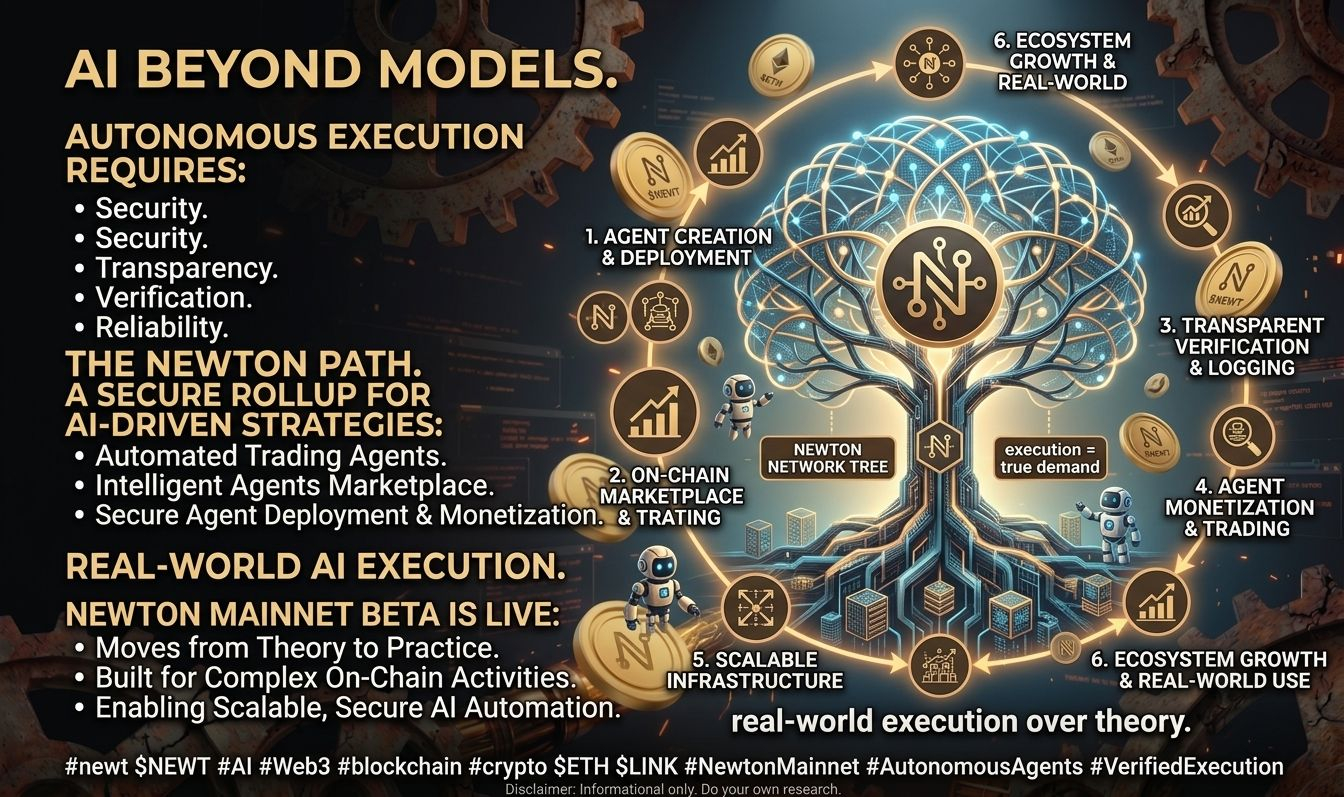
Die meisten KI-Projekte konzentrieren sich darauf, intelligentere Modelle zu entwickeln, aber die eigentliche Herausforderung besteht darin, autonome Ausführung sicher, transparent und überprüfbar zu machen.
Genau hier geht @NewtonProtocol einen anderen Weg.
Im Gegensatz zu vielen Blockchain-KI-Erzählungen, die hauptsächlich Infrastruktur oder KI-Tools liefern, baut Newton Protocol ein sicheres Rollup, das speziell für KI-gesteuerte Strategien, automatisierten Handel und einen Marktplatz entwickelt wurde, auf dem KI-Entwickler intelligente Agenten erstellen, bereitstellen und monetarisieren können.
Die Newton Mainnet Beta ist ein wichtiger Meilenstein, weil sie das Projekt näher an die reale Ausführung bringt – statt nur an der Theorie zu bleiben.
Sichere KI-Automatisierung, transparente Verifizierung und skalierbare Infrastruktur könnten entscheidend werden, wenn autonome Agenten zunehmend komplexe On-Chain-Aktivitäten übernehmen.
Projekte, die KI mit Blockchain verbinden, wachsen zwar rasch, aber der langfristige Erfolg wird davon abhängen, wie sicher, vertrauenswürdig und zuverlässig die Ausführung ist.
Newton Protocol positioniert sich um diese Grundlagen herum – statt einfach nur dem neuesten KI-Trend zu folgen.
Ich freue mich darauf zu sehen, wie sich die Newton Mainnet Beta weiterentwickelt und was Entwickler darauf aufbauen.
Haftungsausschluss: Dieser Inhalt dient nur zu Informationszwecken und stellt keine finanzielle Beratung dar. Bitte hol dir immer deine eigene Recherche ein.
#newt $NEWT #MainnetBeta #AI #blockchain #Crypto $BNB $ETH
Die meisten KI-Projekte konzentrieren sich darauf, intelligentere Modelle zu entwickeln, aber die eigentliche Herausforderung besteht darin, autonome Ausführung sicher, transparent und überprüfbar zu machen.
Genau hier geht @NewtonProtocol einen anderen Weg.
Im Gegensatz zu vielen Blockchain-KI-Erzählungen, die hauptsächlich Infrastruktur oder KI-Tools liefern, baut Newton Protocol ein sicheres Rollup, das speziell für KI-gesteuerte Strategien, automatisierten Handel und einen Marktplatz entwickelt wurde, auf dem KI-Entwickler intelligente Agenten erstellen, bereitstellen und monetarisieren können.
Die Newton Mainnet Beta ist ein wichtiger Meilenstein, weil sie das Projekt näher an die reale Ausführung bringt – statt nur an der Theorie zu bleiben.
Sichere KI-Automatisierung, transparente Verifizierung und skalierbare Infrastruktur könnten entscheidend werden, wenn autonome Agenten zunehmend komplexe On-Chain-Aktivitäten übernehmen.
Projekte, die KI mit Blockchain verbinden, wachsen zwar rasch, aber der langfristige Erfolg wird davon abhängen, wie sicher, vertrauenswürdig und zuverlässig die Ausführung ist.
Newton Protocol positioniert sich um diese Grundlagen herum – statt einfach nur dem neuesten KI-Trend zu folgen.
Ich freue mich darauf zu sehen, wie sich die Newton Mainnet Beta weiterentwickelt und was Entwickler darauf aufbauen.
Haftungsausschluss: Dieser Inhalt dient nur zu Informationszwecken und stellt keine finanzielle Beratung dar. Bitte hol dir immer deine eigene Recherche ein.
#newt $NEWT #MainnetBeta #AI #blockchain #Crypto $BNB $ETH
Genau hier geht @NewtonProtocol einen anderen Weg.
Im Gegensatz zu vielen Blockchain-KI-Erzählungen, die hauptsächlich Infrastruktur oder KI-Tools liefern, baut Newton Protocol ein sicheres Rollup, das speziell für KI-gesteuerte Strategien, automatisierten Handel und einen Marktplatz entwickelt wurde, auf dem KI-Entwickler intelligente Agenten erstellen, bereitstellen und monetarisieren können.
Die Newton Mainnet Beta ist ein wichtiger Meilenstein, weil sie das Projekt näher an die reale Ausführung bringt – statt nur an der Theorie zu bleiben.
Sichere KI-Automatisierung, transparente Verifizierung und skalierbare Infrastruktur könnten entscheidend werden, wenn autonome Agenten zunehmend komplexe On-Chain-Aktivitäten übernehmen.
Projekte, die KI mit Blockchain verbinden, wachsen zwar rasch, aber der langfristige Erfolg wird davon abhängen, wie sicher, vertrauenswürdig und zuverlässig die Ausführung ist.
Newton Protocol positioniert sich um diese Grundlagen herum – statt einfach nur dem neuesten KI-Trend zu folgen.
Ich freue mich darauf zu sehen, wie sich die Newton Mainnet Beta weiterentwickelt und was Entwickler darauf aufbauen.
Haftungsausschluss: Dieser Inhalt dient nur zu Informationszwecken und stellt keine finanzielle Beratung dar. Bitte hol dir immer deine eigene Recherche ein.
#newt $NEWT #MainnetBeta #AI #blockchain #Crypto $BNB $ETH
2
1
84
Anmelden und weiter Inhalte entdecken
Krypto-Nutzer weltweit auf Binance Square kennenlernen
⚡️ Bleib in Sachen Krypto stets am Puls.
💬 Die weltgrößte Kryptobörse vertraut darauf.
👍 Erhalte verlässliche Einblicke von verifizierten Creators.
E-Mail-Adresse/Telefonnummer
Trendthemen
BTCBreaks80K
30,357 Aufrufe
868 Kommentare
DAS BOMPEN DER FED UND DIE LEERE DER 80K-$: Die Liquiditätsfalle in Bitcoin 🐋📊
Der Markt steht euphorisch da nach dem makroökonomischen Lärm der Federal Reserve, der einen bullischen Impuls auslöst, der Bitcoin bis auf ein exaktes Hoch von 80.989,99 $ katapultiert. Auf diesem Niveau zu kaufen, gesteuert von den Nachrichten, ist ein Sprung ins Leere ohne mathematischen Fallschirm.
Die kalten Zahlen vom Scanner zeigen eine kritische Überdehnung:
🔥 Quantitative Erststickung (4H): Die Impuls-Kerze hat die Gravitation durchbrochen. Der KDJ-Oszillator im 4-Stunden-Zeitrahmen brennt vor extremer Überkauftheit, wobei die „J“-Linie die Grenze bei 100,83 sprengt. Der Preis handelt gefährlich losgelöst von seinem primären strukturellen Support, der EMA 20, die dort unten bei 77.270,34 $ zurückgelassen wurde.
📐 Die Fibonacci-Falle: Zeichnet man die mathematische Rücklaufbewegung von der Basis des Impulses bei 74.967,97 $ bis zum Hoch von 80.989,99 $, dann trifft das entscheidende 38,2%-Fibonacci-Level mit chirurgischer Präzision bei 78.689 zusammen. Die Bestätigung der Endstation? Genau diese Zone deckt sich exakt mit dem dynamischen Boden des SuperTrend in 1H, gelegen bei 78.702,50 $.
🩸 Abfluss auf Kurzer Sicht (1H): Die Trägheit hat bereits begonnen, zu zerbrechen. Der KDJ im 1-Stunden-Zeitrahmen zeigt, dass die „J“-Linie auf 87,22 zurückgeht, was bestätigt, dass der Kraftstoff der News zur Neige geht.
Das Sniper-Setup (Zero FOMO):
Mit den EMAs mehr als 3.000 Dollar Abstand auf das Level von 80.748 zu handeln, zerstört jedes Risikomanagement vollständig.
🔴 Trap-Zone: Die Euphorie der FED oben im aktuellen Bereich zu kaufen, ist verschenkte Liquidität an institutionelle Akteure, die bereits dabei sind, um zu verteilen.
🟢 Zone für strukturelles Jagen: Disziplin sagt, dass man die Rückkehr zum Mittelwert abwarten muss. Unsere mathematischen Fangnetze werden in der Konfluenz des 38,2%-Fibonacci-Levels und des SuperTrend von 1H ausgelegt und zielen auf den sicheren Block der 78.700 $ ab.
Statistik handelt keine Nachrichten, sie handelt die Struktur, die sie hinterlässt. 📐
$BTC #BTCBreaks80K
RelatoCriptoPRO
·2 Likes
·1.1k Aufrufe
比特币突破8万
39,487 Aufrufe
100 Kommentare
BuffettBecomesBerkshireChairmanEmeritus
4,222 Aufrufe
249 Kommentare