
Andrew Smithh
7.4k منشورات

Andrew Smithh
 تم التحقُّق من Square
إبلاغ
حظر المُستخدم
Binance Kol || Web3 Guru || Crypto Mentor || X: @Crypto_Advis0r ||
209 تتابع
17.4K+ المتابعون
52.2K+ إعجاب
منشورات
الكل
اقتباسات
Live
PINNED
تسع ساعات فقط متبقية!
$NOT list الأخبار تنتشر في كل مكان كالنار 🔥.
اربط حزام الأمان، لن يتم إدراج $ على Binance غدًا الساعة 12:00 بالتوقيت العالمي.
إذا كنت ترغب في الحصول على أكثر من 2000x، فلنشارك في الحدث المباشر ونكون جزءًا من مشروع التفجير في عالم العملات المشفرة.
غدًا هو يوم NotCoin 🚀.
@thenotcoin @Binance
#BinanceLaunchpool #PEPEATH
تسع ساعات فقط متبقية!
$NOT list الأخبار تنتشر في كل مكان كالنار 🔥.
اربط حزام الأمان، لن يتم إدراج $ على Binance غدًا الساعة 12:00 بالتوقيت العالمي.
إذا كنت ترغب في الحصول على أكثر من 2000x، فلنشارك في الحدث المباشر ونكون جزءًا من مشروع التفجير في عالم العملات المشفرة.
غدًا هو يوم NotCoin 🚀.
@Daily Notcoin @Binance
#BinanceLaunchpool #PEPEATH
$NOT list الأخبار تنتشر في كل مكان كالنار 🔥.
اربط حزام الأمان، لن يتم إدراج $ على Binance غدًا الساعة 12:00 بالتوقيت العالمي.
إذا كنت ترغب في الحصول على أكثر من 2000x، فلنشارك في الحدث المباشر ونكون جزءًا من مشروع التفجير في عالم العملات المشفرة.
غدًا هو يوم NotCoin 🚀.
@Daily Notcoin @Binance
#BinanceLaunchpool #PEPEATH

28
4
122
15.2k
·
--
صاعد
TRON $TRX أصبحت بهدوء طبقة تسوية رئيسية للعملات المستقرة.
خلال 90 يومًا فقط، نمت القيمة السوقية لعملات TRON المستقرة بمقدار 4.8 مليار دولار، لتصل إجمالي المعروض من العملات المستقرة الآن إلى حوالي 94 مليار دولار.
والتفصيل الأهم؟ تشكل USDT نحو 98% من سيولة العملات المستقرة في TRON، مع تداول أكثر من 92 مليار دولار من USDT على الشبكة.
هذا ليس مجرد رقم أكبر على لوحة تحكم.
بل يعني أن سيولة بالدولار تختار TRON بشكل متزايد للتحويلات والتسويات والنشاط على السلسلة.
4.8B أُضيفت خلال 90 يومًا
~94B من العملات المستقرة على السلسلة
~98% هيمنة USDT
قصة عملات TRON المستقرة أصبحت أصعب على التجاهل. 🚀
بيانات العملات المستقرة لـ TRON على DeFiLlama.
#Binance #Trading
TRON $TRX أصبحت بهدوء طبقة تسوية رئيسية للعملات المستقرة.
خلال 90 يومًا فقط، نمت القيمة السوقية لعملات TRON المستقرة بمقدار 4.8 مليار دولار، لتصل إجمالي المعروض من العملات المستقرة الآن إلى حوالي 94 مليار دولار.
والتفصيل الأهم؟ تشكل USDT نحو 98% من سيولة العملات المستقرة في TRON، مع تداول أكثر من 92 مليار دولار من USDT على الشبكة.
هذا ليس مجرد رقم أكبر على لوحة تحكم.
بل يعني أن سيولة بالدولار تختار TRON بشكل متزايد للتحويلات والتسويات والنشاط على السلسلة.
4.8B أُضيفت خلال 90 يومًا
~94B من العملات المستقرة على السلسلة
~98% هيمنة USDT
قصة عملات TRON المستقرة أصبحت أصعب على التجاهل. 🚀
بيانات العملات المستقرة لـ TRON على DeFiLlama.
#Binance #Trading
خلال 90 يومًا فقط، نمت القيمة السوقية لعملات TRON المستقرة بمقدار 4.8 مليار دولار، لتصل إجمالي المعروض من العملات المستقرة الآن إلى حوالي 94 مليار دولار.
والتفصيل الأهم؟ تشكل USDT نحو 98% من سيولة العملات المستقرة في TRON، مع تداول أكثر من 92 مليار دولار من USDT على الشبكة.
هذا ليس مجرد رقم أكبر على لوحة تحكم.
بل يعني أن سيولة بالدولار تختار TRON بشكل متزايد للتحويلات والتسويات والنشاط على السلسلة.
4.8B أُضيفت خلال 90 يومًا
~94B من العملات المستقرة على السلسلة
~98% هيمنة USDT
قصة عملات TRON المستقرة أصبحت أصعب على التجاهل. 🚀
بيانات العملات المستقرة لـ TRON على DeFiLlama.
#Binance #Trading
1
147
·
--
صاعد
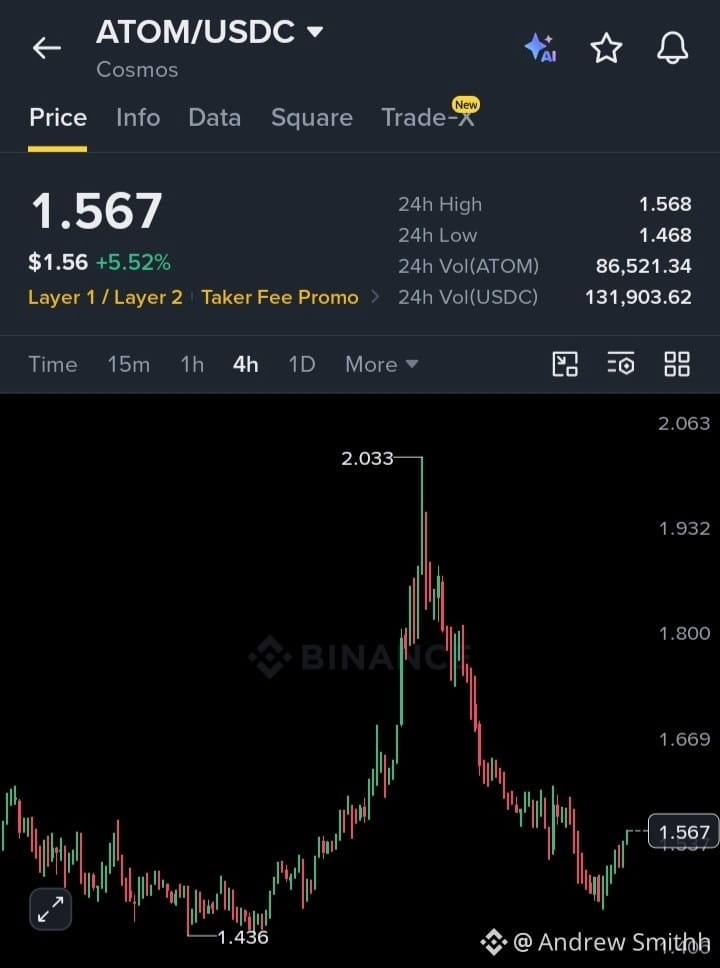
تحليل مخطط $ATOM 4H
السعر الحالي: $1.567 (+5.52%)
مقاومة فورية: $1.60–$1.67
المقاومة التالية: ~$1.80
مقاومة رئيسية: $1.93–$2.03
الدعم: $1.50–$1.47
الدعم الرئيسي: ~$1.436
يُظهر المخطط تعافيًا قويًا من أدنى مستوى عند $1.436، لكن ما زال ATOM دون منطقة $1.67 الرئيسية.
قد يؤدي إغلاق واضح على إطار 4 ساعات فوق $1.67 إلى تحسين الزخم باتجاه $1.80، بينما قد يؤدي الرفض هناك إلى اختبارٍ آخر للمنطقة $1.50–$1.47.
مستوى مهم يجب مراقبته: $1.67.
#ParadigmDisclosesZECHolding #Trading #Binance
تحليل مخطط $ATOM 4H
السعر الحالي: $1.567 (+5.52%)
مقاومة فورية: $1.60–$1.67
المقاومة التالية: ~$1.80
مقاومة رئيسية: $1.93–$2.03
الدعم: $1.50–$1.47
الدعم الرئيسي: ~$1.436
يُظهر المخطط تعافيًا قويًا من أدنى مستوى عند $1.436، لكن ما زال ATOM دون منطقة $1.67 الرئيسية.
قد يؤدي إغلاق واضح على إطار 4 ساعات فوق $1.67 إلى تحسين الزخم باتجاه $1.80، بينما قد يؤدي الرفض هناك إلى اختبارٍ آخر للمنطقة $1.50–$1.47.
مستوى مهم يجب مراقبته: $1.67.
#ParadigmDisclosesZECHolding #Trading #Binance
السعر الحالي: $1.567 (+5.52%)
مقاومة فورية: $1.60–$1.67
المقاومة التالية: ~$1.80
مقاومة رئيسية: $1.93–$2.03
الدعم: $1.50–$1.47
الدعم الرئيسي: ~$1.436
يُظهر المخطط تعافيًا قويًا من أدنى مستوى عند $1.436، لكن ما زال ATOM دون منطقة $1.67 الرئيسية.
قد يؤدي إغلاق واضح على إطار 4 ساعات فوق $1.67 إلى تحسين الزخم باتجاه $1.80، بينما قد يؤدي الرفض هناك إلى اختبارٍ آخر للمنطقة $1.50–$1.47.
مستوى مهم يجب مراقبته: $1.67.
#ParadigmDisclosesZECHolding #Trading #Binance
8
9
256
·
--
صاعد
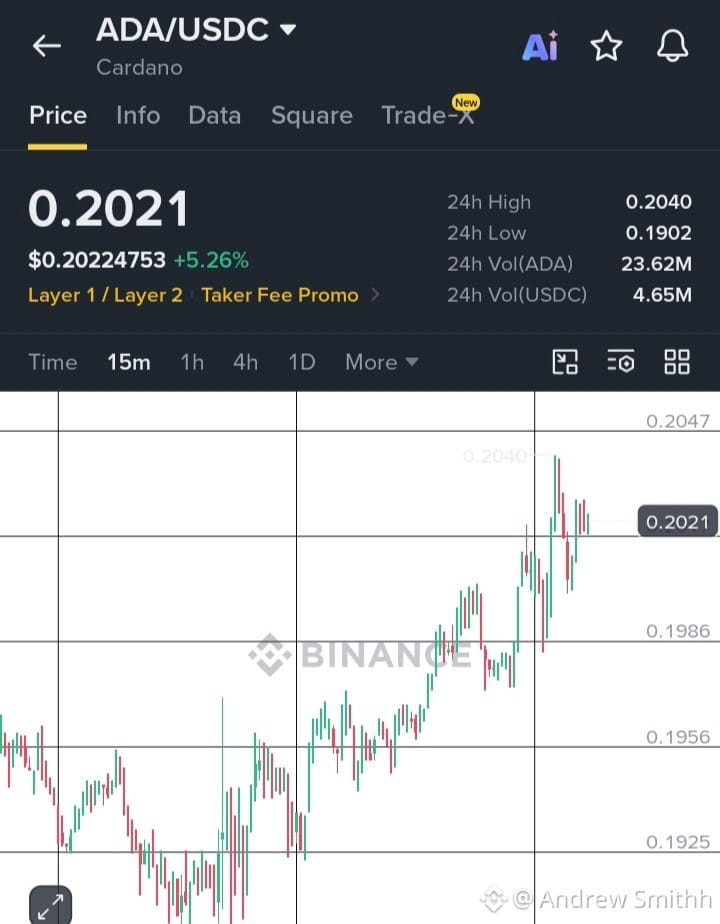
$ADA is تظهر زخمًا قويًا على المدى القصير:
السعر: حوالي 0.2021 دولار
خلال 24 ساعة: +5.26%
المقاومة: 0.2040–0.2047 دولار
الدعم: 0.1986 دولار، ثم 0.1956 دولار
يتمسك السعر فوق 0.20 بعد دفعة صعودية قوية.
قد يفتح الاختراق النظيف والثبات فوق 0.2047 المجال لمزيد من الصعود.
فقدان 0.1986 سيُضعف البنية الصعودية الحالية.
مستوى رئيسي الآن: 0.2047 دولار.
هذه هي منطقة الاختراق التي يجب مراقبتها.
#Trading #Binance
$ADA is تظهر زخمًا قويًا على المدى القصير:
السعر: حوالي 0.2021 دولار
خلال 24 ساعة: +5.26%
المقاومة: 0.2040–0.2047 دولار
الدعم: 0.1986 دولار، ثم 0.1956 دولار
يتمسك السعر فوق 0.20 بعد دفعة صعودية قوية.
قد يفتح الاختراق النظيف والثبات فوق 0.2047 المجال لمزيد من الصعود.
فقدان 0.1986 سيُضعف البنية الصعودية الحالية.
مستوى رئيسي الآن: 0.2047 دولار.
هذه هي منطقة الاختراق التي يجب مراقبتها.
#Trading #Binance
السعر: حوالي 0.2021 دولار
خلال 24 ساعة: +5.26%
المقاومة: 0.2040–0.2047 دولار
الدعم: 0.1986 دولار، ثم 0.1956 دولار
يتمسك السعر فوق 0.20 بعد دفعة صعودية قوية.
قد يفتح الاختراق النظيف والثبات فوق 0.2047 المجال لمزيد من الصعود.
فقدان 0.1986 سيُضعف البنية الصعودية الحالية.
مستوى رئيسي الآن: 0.2047 دولار.
هذه هي منطقة الاختراق التي يجب مراقبتها.
#Trading #Binance
5
6
320
·
--
صاعد
تمّ التحقق
🇺🇸 شهيّة المخاطرة عادت.
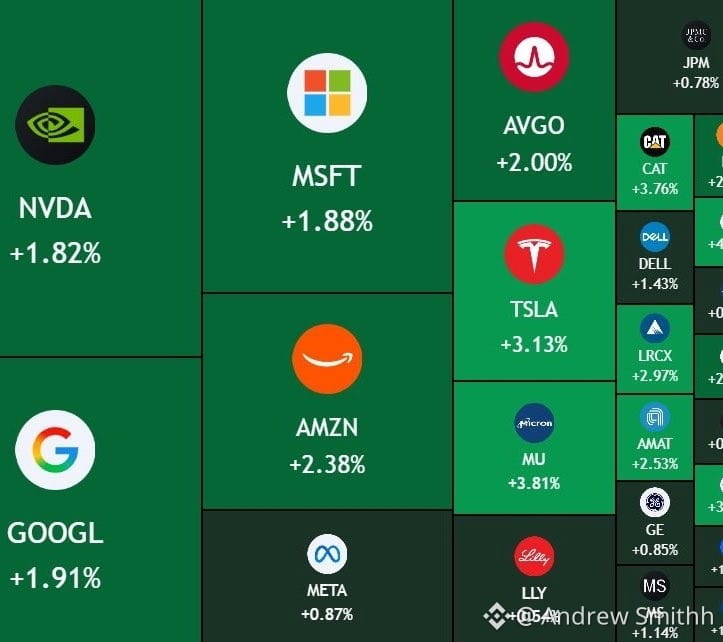
يقول ترامب إن حرب الولايات المتحدة مع إيران قد تقترب من نهايتها، بينما فُتحت أسهم الولايات المتحدة على ارتفاع حاد مع تراجع أسعار النفط.
قادت شركات التكنولوجيا الكبرى الارتفاع $NVDA $MSFT , $AMZN , $TSLA و$MU إذ دفعت جميعها إلى الأعلى.
عندما يبرد عدم اليقين الجيوسياسي، يمكن أن يعود رأس المال إلى الأصول ذات المخاطر.
السوق يتسعّر بالفعل على أساس بوادر الارتياح.
#ParadigmDisclosesZECHolding #USWeeklyJoblessClaimsFallTo196K #ElSalvadorBTCHoldingsRiseTo7777
🇺🇸 شهيّة المخاطرة عادت.
يقول ترامب إن حرب الولايات المتحدة مع إيران قد تقترب من نهايتها، بينما فُتحت أسهم الولايات المتحدة على ارتفاع حاد مع تراجع أسعار النفط.
قادت شركات التكنولوجيا الكبرى الارتفاع $NVDA $MSFT , $AMZN , $TSLA و$MU إذ دفعت جميعها إلى الأعلى.
عندما يبرد عدم اليقين الجيوسياسي، يمكن أن يعود رأس المال إلى الأصول ذات المخاطر.
السوق يتسعّر بالفعل على أساس بوادر الارتياح.
#ParadigmDisclosesZECHolding #USWeeklyJoblessClaimsFallTo196K #ElSalvadorBTCHoldingsRiseTo7777
يقول ترامب إن حرب الولايات المتحدة مع إيران قد تقترب من نهايتها، بينما فُتحت أسهم الولايات المتحدة على ارتفاع حاد مع تراجع أسعار النفط.
قادت شركات التكنولوجيا الكبرى الارتفاع $NVDA $MSFT , $AMZN , $TSLA و$MU إذ دفعت جميعها إلى الأعلى.
عندما يبرد عدم اليقين الجيوسياسي، يمكن أن يعود رأس المال إلى الأصول ذات المخاطر.
السوق يتسعّر بالفعل على أساس بوادر الارتياح.
#ParadigmDisclosesZECHolding #USWeeklyJoblessClaimsFallTo196K #ElSalvadorBTCHoldingsRiseTo7777
6
6
876
·
--
صاعد
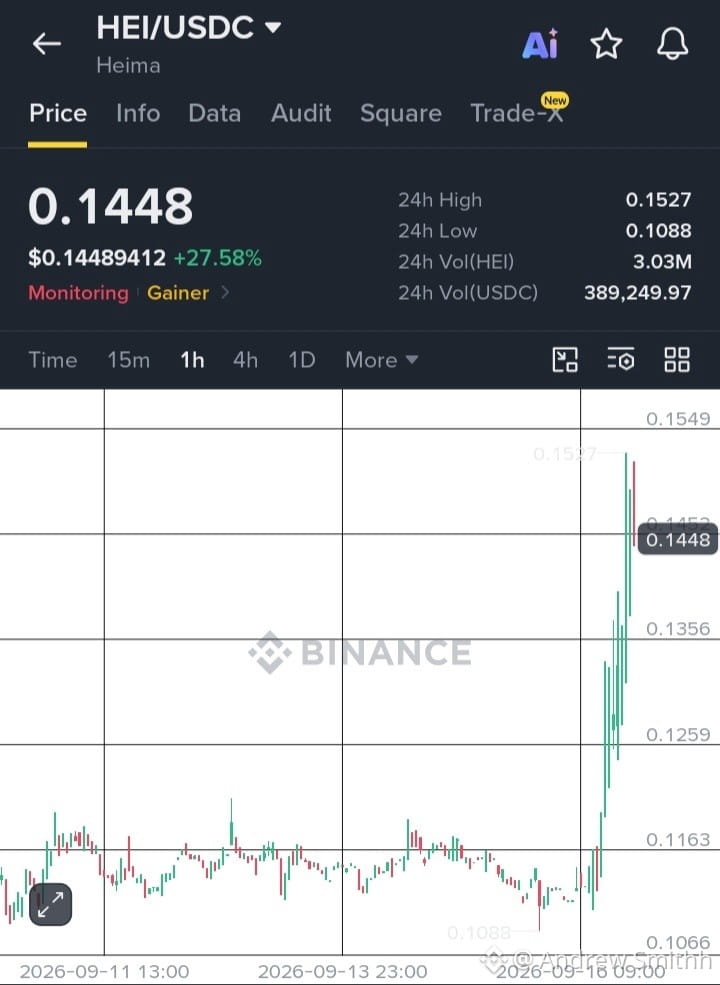
تُظهر HEI بعض الزخم القوي هنا. 🔥
$HEI ارتفع بنسبة 27.58%، متحركًا من حوالي 0.109 دولار إلى مستوى مرتفع خلال 24 ساعة عند 0.1527 دولار.
يعرض مخطط 1H اختراقًا واضحًا من منطقة 0.116 دولار، مع حجم تداول قوي وراء هذه الحركة.
مستويات رئيسية: • المقاومة: 0.1527–0.155 • الدعم: 0.1356 • الدعم التالي: 0.1259
إذا تمكن المشترون من الثبات فوق 0.1356 بعد الاختراق، فإن البنية تظل مثيرة. 📈
#Trading #Binance
تُظهر HEI بعض الزخم القوي هنا. 🔥
$HEI ارتفع بنسبة 27.58%، متحركًا من حوالي 0.109 دولار إلى مستوى مرتفع خلال 24 ساعة عند 0.1527 دولار.
يعرض مخطط 1H اختراقًا واضحًا من منطقة 0.116 دولار، مع حجم تداول قوي وراء هذه الحركة.
مستويات رئيسية: • المقاومة: 0.1527–0.155 • الدعم: 0.1356 • الدعم التالي: 0.1259
إذا تمكن المشترون من الثبات فوق 0.1356 بعد الاختراق، فإن البنية تظل مثيرة. 📈
#Trading #Binance
$HEI ارتفع بنسبة 27.58%، متحركًا من حوالي 0.109 دولار إلى مستوى مرتفع خلال 24 ساعة عند 0.1527 دولار.
يعرض مخطط 1H اختراقًا واضحًا من منطقة 0.116 دولار، مع حجم تداول قوي وراء هذه الحركة.
مستويات رئيسية: • المقاومة: 0.1527–0.155 • الدعم: 0.1356 • الدعم التالي: 0.1259
إذا تمكن المشترون من الثبات فوق 0.1356 بعد الاختراق، فإن البنية تظل مثيرة. 📈
#Trading #Binance
1
242
·
--
صاعد
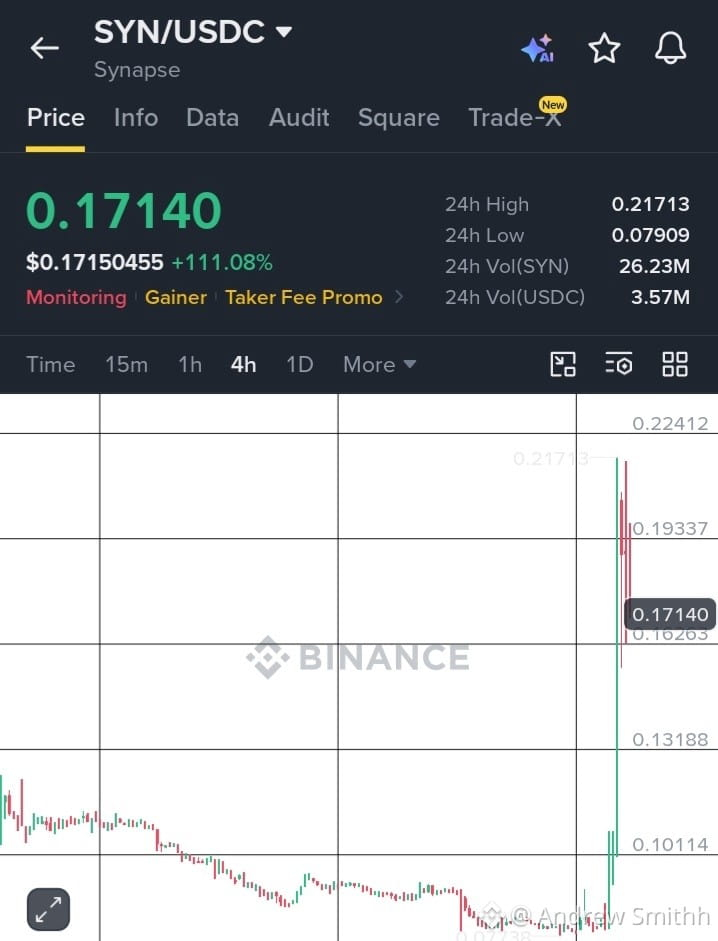
$SYN Momentum Is Getting Wild 🚀
$SYN just made a massive move, jumping 111% in 24H and pushing as high as $0.217.
The 4H chart shows a sharp breakout from the $0.10 area, with volume expanding aggressively.
الآن المستويات الرئيسية التي يجب مراقبتها:
• $0.193 — مقاومة قريبة من المدى
• $0.171 — المنطقة الحالية
• $0.162 — دعم محتمل
• $0.217 — أعلى مستوى حديث
بعد هذه الحركة القوية، قد تبقى التقلبات مرتفعة.
الجزء المهم الآن هو ما إذا كان $SYN يمكنه الحفاظ على منطقة الاختراق بدلًا من إعادة الحركة كاملة.
الزخم واضح. تأتي عملية التأكيد من خلال الثبات عند هذه المستويات. 👀
#Trading #Binance
$SYN Momentum Is Getting Wild 🚀
$SYN just made a massive move, jumping 111% in 24H and pushing as high as $0.217.
The 4H chart shows a sharp breakout from the $0.10 area, with volume expanding aggressively.
الآن المستويات الرئيسية التي يجب مراقبتها:
• $0.193 — مقاومة قريبة من المدى
• $0.171 — المنطقة الحالية
• $0.162 — دعم محتمل
• $0.217 — أعلى مستوى حديث
بعد هذه الحركة القوية، قد تبقى التقلبات مرتفعة.
الجزء المهم الآن هو ما إذا كان $SYN يمكنه الحفاظ على منطقة الاختراق بدلًا من إعادة الحركة كاملة.
الزخم واضح. تأتي عملية التأكيد من خلال الثبات عند هذه المستويات. 👀
#Trading #Binance
$SYN just made a massive move, jumping 111% in 24H and pushing as high as $0.217.
The 4H chart shows a sharp breakout from the $0.10 area, with volume expanding aggressively.
الآن المستويات الرئيسية التي يجب مراقبتها:
• $0.193 — مقاومة قريبة من المدى
• $0.171 — المنطقة الحالية
• $0.162 — دعم محتمل
• $0.217 — أعلى مستوى حديث
بعد هذه الحركة القوية، قد تبقى التقلبات مرتفعة.
الجزء المهم الآن هو ما إذا كان $SYN يمكنه الحفاظ على منطقة الاختراق بدلًا من إعادة الحركة كاملة.
الزخم واضح. تأتي عملية التأكيد من خلال الثبات عند هذه المستويات. 👀
#Trading #Binance
1
380
لماذا يمكن أن يصبح $SUI be أصلًا من أفضل 10؟
لأن Sui لا تقوم ببناء سلسلة أخرى فحسب. بل تبني نظامًا بيئيًا ماليًا على السلسلة يهدف إلى ربط العملات المشفرة بالتمويل في العالم الحقيقي.
💧 DeFi، المدفوعات، العملات المستقرة و& RWAs
💧 أسهم وسندات و& سلع مُرمّزة
💧 نمو سيولة العملات المستقرة
💧 Paga تقدم Sui Dollar للمدفوعات لدى المستهلكين
💧 RedotPay يتيح مدفوعات SUI و& USDC-Sui عبر أكثر من 100 دولة
💧 Hashi يجلب سيولة $BTC إلى Sui مع الحفاظ على BTC على شبكة Bitcoin
💧 تطبيقات مصممة لملايين المستخدمين، وليس فقط لمعتادي عالم العملات المشفرة
الصورة الأكبر بسيطة:
تضع Sui نفسها كوجهة يمكن فيها لرأس المال أن ينتقل ويتداول ويتسوى على السلسلة.
لن يُحدَّد الفائزون على المدى الطويل بالخطابات وحدها. بل سيُحدَّدون من خلال المستخدمين الحقيقيين والسيولة الحقيقية والمنفعة الواقعية.
وهذا هو أطروحة SUI التي أتابعها. 👀
#Trading #Binance
لماذا يمكن أن يصبح $SUI be أصلًا من أفضل 10؟
لأن Sui لا تقوم ببناء سلسلة أخرى فحسب. بل تبني نظامًا بيئيًا ماليًا على السلسلة يهدف إلى ربط العملات المشفرة بالتمويل في العالم الحقيقي.
💧 DeFi، المدفوعات، العملات المستقرة و& RWAs
💧 أسهم وسندات و& سلع مُرمّزة
💧 نمو سيولة العملات المستقرة
💧 Paga تقدم Sui Dollar للمدفوعات لدى المستهلكين
💧 RedotPay يتيح مدفوعات SUI و& USDC-Sui عبر أكثر من 100 دولة
💧 Hashi يجلب سيولة $BTC إلى Sui مع الحفاظ على BTC على شبكة Bitcoin
💧 تطبيقات مصممة لملايين المستخدمين، وليس فقط لمعتادي عالم العملات المشفرة
الصورة الأكبر بسيطة:
تضع Sui نفسها كوجهة يمكن فيها لرأس المال أن ينتقل ويتداول ويتسوى على السلسلة.
لن يُحدَّد الفائزون على المدى الطويل بالخطابات وحدها. بل سيُحدَّدون من خلال المستخدمين الحقيقيين والسيولة الحقيقية والمنفعة الواقعية.
وهذا هو أطروحة SUI التي أتابعها. 👀
#Trading #Binance
لأن Sui لا تقوم ببناء سلسلة أخرى فحسب. بل تبني نظامًا بيئيًا ماليًا على السلسلة يهدف إلى ربط العملات المشفرة بالتمويل في العالم الحقيقي.
💧 DeFi، المدفوعات، العملات المستقرة و& RWAs
💧 أسهم وسندات و& سلع مُرمّزة
💧 نمو سيولة العملات المستقرة
💧 Paga تقدم Sui Dollar للمدفوعات لدى المستهلكين
💧 RedotPay يتيح مدفوعات SUI و& USDC-Sui عبر أكثر من 100 دولة
💧 Hashi يجلب سيولة $BTC إلى Sui مع الحفاظ على BTC على شبكة Bitcoin
💧 تطبيقات مصممة لملايين المستخدمين، وليس فقط لمعتادي عالم العملات المشفرة
الصورة الأكبر بسيطة:
تضع Sui نفسها كوجهة يمكن فيها لرأس المال أن ينتقل ويتداول ويتسوى على السلسلة.
لن يُحدَّد الفائزون على المدى الطويل بالخطابات وحدها. بل سيُحدَّدون من خلال المستخدمين الحقيقيين والسيولة الحقيقية والمنفعة الواقعية.
وهذا هو أطروحة SUI التي أتابعها. 👀
#Trading #Binance
2
277
·
--
صاعد
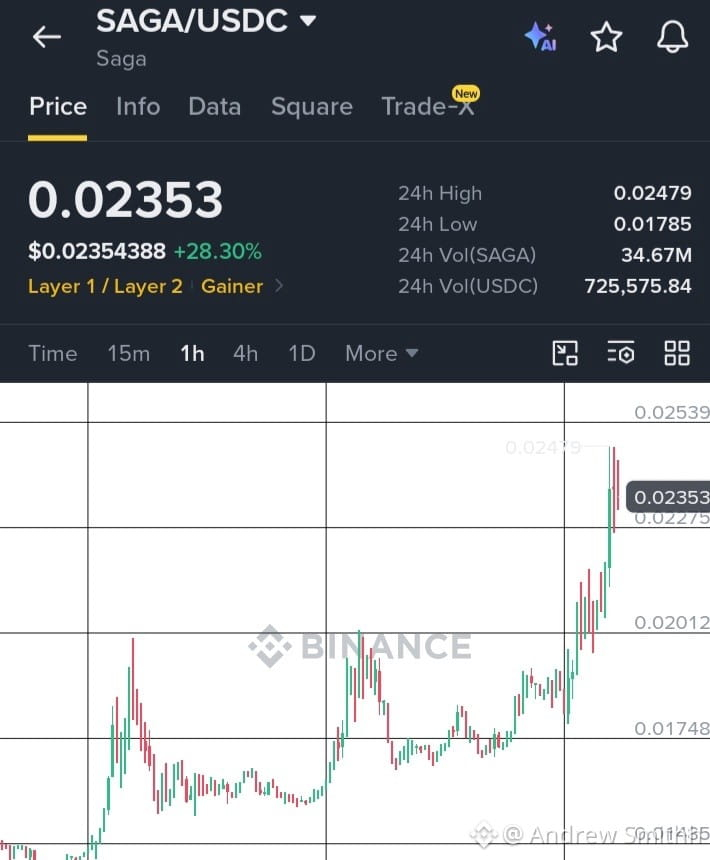
$SAGA is يستيقظ!
SAGA/USDC مرتفع بنسبة 28.30%، ويدفع باتجاه 0.02353 دولار بحجم تداول قوي يدعم الحركة.
يُظهر الرسم البياني اختراقًا واضحًا فوق مقاومة 0.02012، حيث يختبر الثيران الآن أعلى مستوى خلال 24 ساعة عند 0.02479.
إذا استمر الزخم، فقد يفتح الاختراق النظيف فوق 0.02479 الباب أمام مستويات أعلى. 📈
$SAGA is بالتأكيد يستحق المتابعة.
#Binance #Trading
$SAGA is يستيقظ!
SAGA/USDC مرتفع بنسبة 28.30%، ويدفع باتجاه 0.02353 دولار بحجم تداول قوي يدعم الحركة.
يُظهر الرسم البياني اختراقًا واضحًا فوق مقاومة 0.02012، حيث يختبر الثيران الآن أعلى مستوى خلال 24 ساعة عند 0.02479.
إذا استمر الزخم، فقد يفتح الاختراق النظيف فوق 0.02479 الباب أمام مستويات أعلى. 📈
$SAGA is بالتأكيد يستحق المتابعة.
#Binance #Trading
SAGA/USDC مرتفع بنسبة 28.30%، ويدفع باتجاه 0.02353 دولار بحجم تداول قوي يدعم الحركة.
يُظهر الرسم البياني اختراقًا واضحًا فوق مقاومة 0.02012، حيث يختبر الثيران الآن أعلى مستوى خلال 24 ساعة عند 0.02479.
إذا استمر الزخم، فقد يفتح الاختراق النظيف فوق 0.02479 الباب أمام مستويات أعلى. 📈
$SAGA is بالتأكيد يستحق المتابعة.
#Binance #Trading
2
336
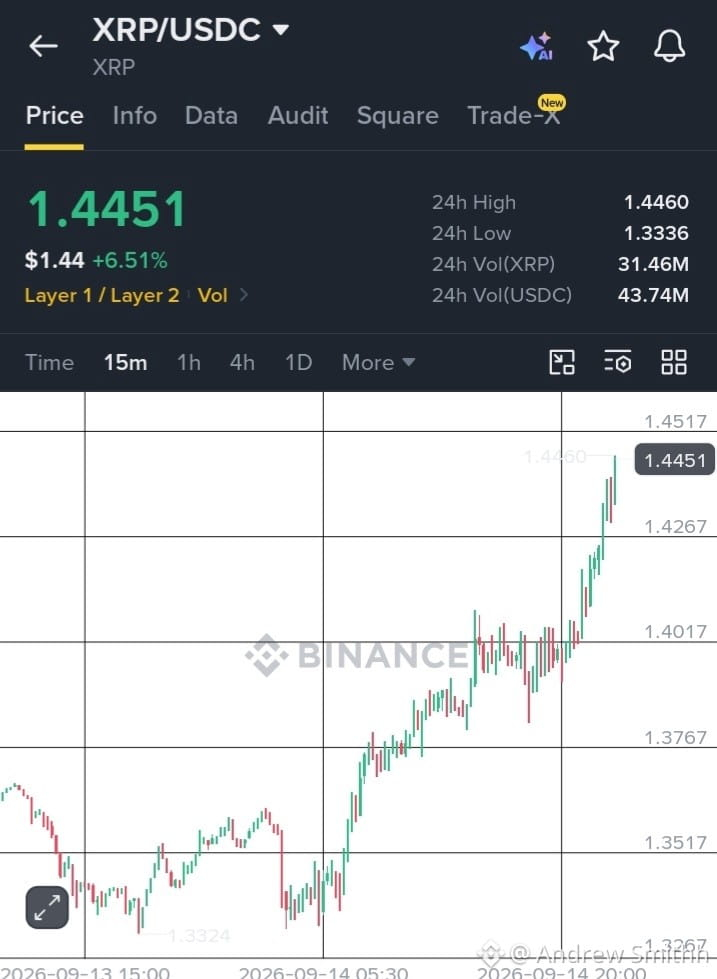
🚨 تستمر عمليات تجميع العملات الرقمية المؤسسية في التوسع.
قامت شركة BitMine Immersion للتو بإضافة مبلغ آخر قدره 27,180 $ETH ما أدى إلى رفع حيازاتها إلى أكثر من 5.96M ETH.
وفي الوقت نفسه، أعادت Strategy شراء قيمة 139 مليون دولار إضافية من $STRC، لتصل حيازاتها من البيتكوين الآن إلى 845,050 $BTC . ₿
تواصل المؤسسات تجميع العملات الرقمية بينما تصبح لعبة المعروض على المدى الطويل أكثر إحكامًا.
سباق التجميع بدأ للتو.
#Trading #Binance
🚨 تستمر عمليات تجميع العملات الرقمية المؤسسية في التوسع.
قامت شركة BitMine Immersion للتو بإضافة مبلغ آخر قدره 27,180 $ETH ما أدى إلى رفع حيازاتها إلى أكثر من 5.96M ETH.
وفي الوقت نفسه، أعادت Strategy شراء قيمة 139 مليون دولار إضافية من $STRC، لتصل حيازاتها من البيتكوين الآن إلى 845,050 $BTC . ₿
تواصل المؤسسات تجميع العملات الرقمية بينما تصبح لعبة المعروض على المدى الطويل أكثر إحكامًا.
سباق التجميع بدأ للتو.
#Trading #Binance
قامت شركة BitMine Immersion للتو بإضافة مبلغ آخر قدره 27,180 $ETH ما أدى إلى رفع حيازاتها إلى أكثر من 5.96M ETH.
وفي الوقت نفسه، أعادت Strategy شراء قيمة 139 مليون دولار إضافية من $STRC، لتصل حيازاتها من البيتكوين الآن إلى 845,050 $BTC . ₿
تواصل المؤسسات تجميع العملات الرقمية بينما تصبح لعبة المعروض على المدى الطويل أكثر إحكامًا.
سباق التجميع بدأ للتو.
#Trading #Binance
1
495
·
--
صاعد
الخزائن المالية للعملات المشفرة تمثل حاليًا جزءًا صغيرًا فقط من إجمالي المعروض البالغ $BTC .
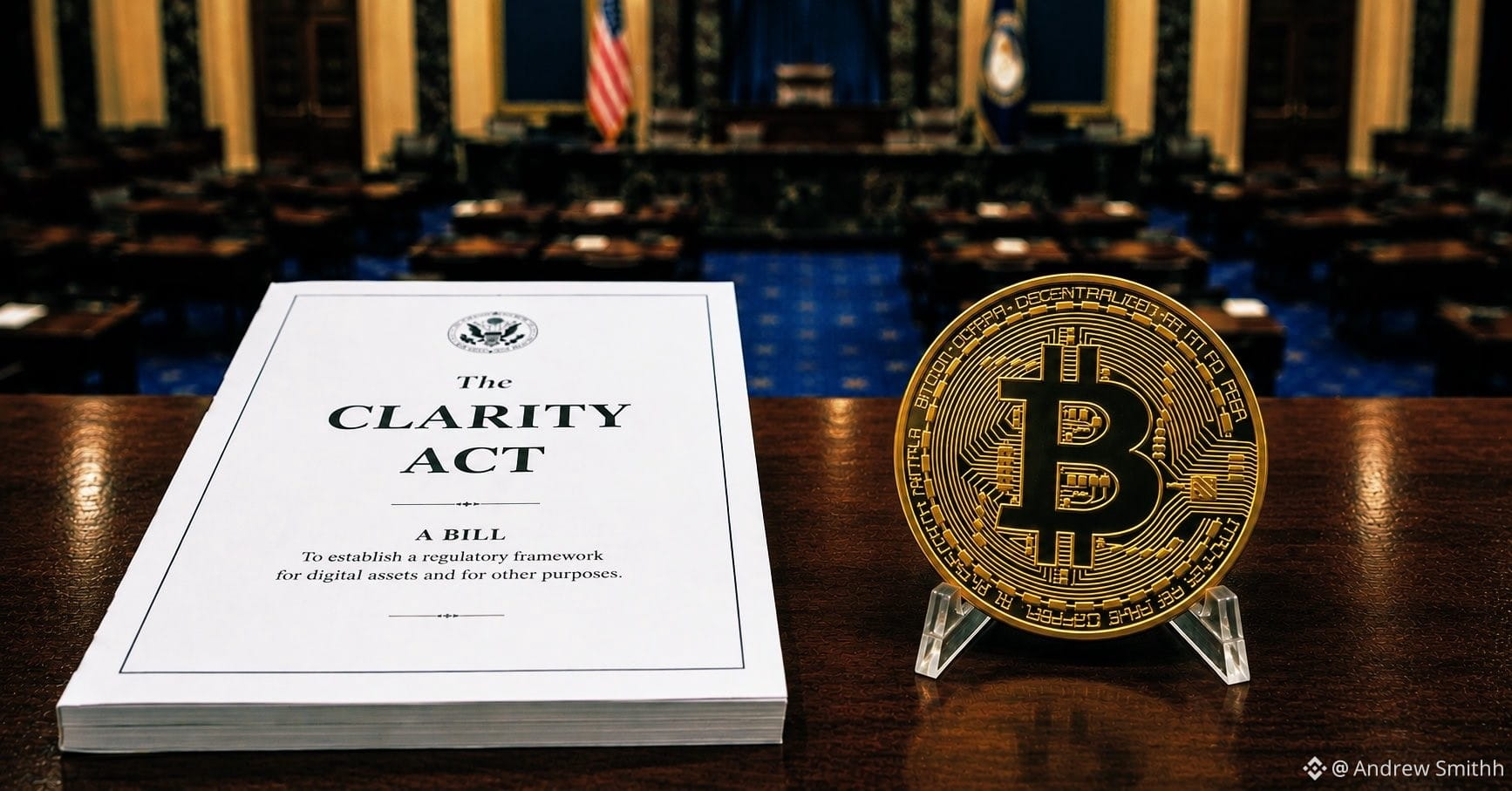
الآن تخيّل أن يتم تمرير قانون CLARITY وأن حالة عدم اليقين التنظيمي بدأت بالزوال. 🇺🇸
قد يفتح ذلك الباب أمام المزيد من المؤسسات والشركات ورؤوس الأموال للدخول إلى السوق بثقة أكبر.
6% اليوم. ماذا يحدث عندما تبدأ نسبة الـ 94% الأخرى بإعادة تسعيرها؟ ₿
من المقرر أن يجري مجلس الشيوخ تصويتًا إجرائيًا حاسمًا في 15 سبتمبر، لذا تُعد هذه أسبوعًا مهمًا لتنظيم العملات المشفرة في الولايات المتحدة.
#Bitcoin #Crypto #CLARITYAct #CryptoRegulation
الخزائن المالية للعملات المشفرة تمثل حاليًا جزءًا صغيرًا فقط من إجمالي المعروض البالغ $BTC .
الآن تخيّل أن يتم تمرير قانون CLARITY وأن حالة عدم اليقين التنظيمي بدأت بالزوال. 🇺🇸
قد يفتح ذلك الباب أمام المزيد من المؤسسات والشركات ورؤوس الأموال للدخول إلى السوق بثقة أكبر.
6% اليوم. ماذا يحدث عندما تبدأ نسبة الـ 94% الأخرى بإعادة تسعيرها؟ ₿
من المقرر أن يجري مجلس الشيوخ تصويتًا إجرائيًا حاسمًا في 15 سبتمبر، لذا تُعد هذه أسبوعًا مهمًا لتنظيم العملات المشفرة في الولايات المتحدة.
#Bitcoin #Crypto #CLARITYAct #CryptoRegulation
الآن تخيّل أن يتم تمرير قانون CLARITY وأن حالة عدم اليقين التنظيمي بدأت بالزوال. 🇺🇸
قد يفتح ذلك الباب أمام المزيد من المؤسسات والشركات ورؤوس الأموال للدخول إلى السوق بثقة أكبر.
6% اليوم. ماذا يحدث عندما تبدأ نسبة الـ 94% الأخرى بإعادة تسعيرها؟ ₿
من المقرر أن يجري مجلس الشيوخ تصويتًا إجرائيًا حاسمًا في 15 سبتمبر، لذا تُعد هذه أسبوعًا مهمًا لتنظيم العملات المشفرة في الولايات المتحدة.
#Bitcoin #Crypto #CLARITYAct #CryptoRegulation
1
306
·
--
صاعد
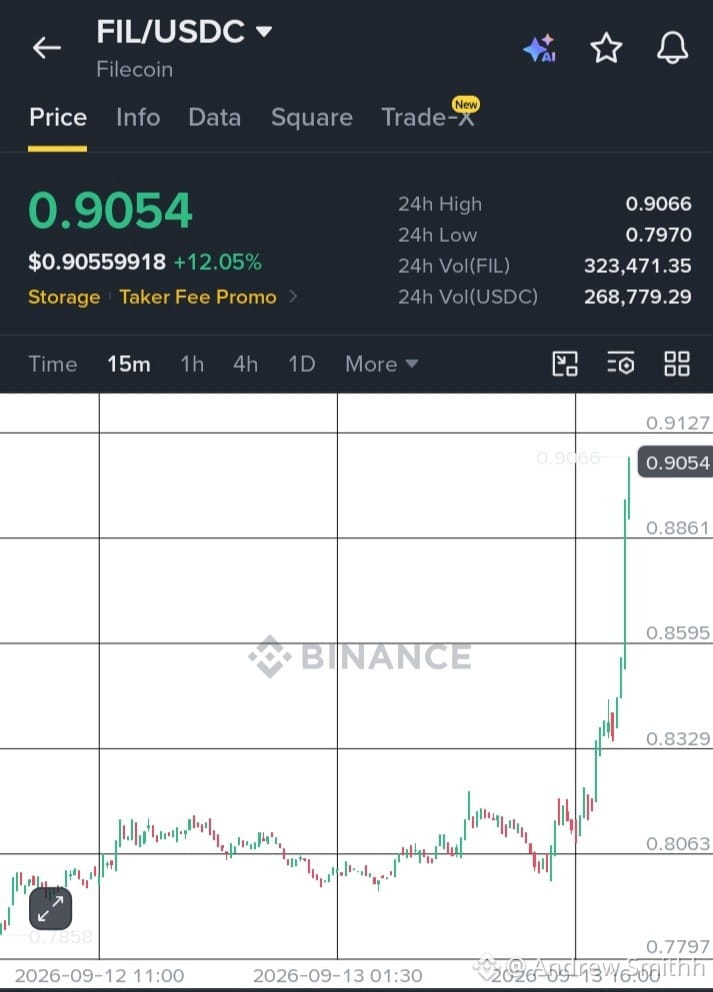
Filecoin هي شبكة تخزين لامركزية تحوّل التخزين غير المستخدم إلى مورد رقمي مفتوح.
$FIL تُظهر زخمًا صعوديًا قويًا بعد اختراقها مستوى مقاومة رئيسيًا.
📍 الدخول: $0.88–$0.90
🎯 T1: $0.93 | T2: $0.98 | T3: $1.05
🛑 وقف الخسارة: $0.84
💡 نصيحة 1: انتظر إعادة اختبار واضحة.
💡 نصيحة 2: تأكد بحجم تداول قوي.
💡 نصيحة 3: قلّل المراكز قرب الأهداف.
الزخم قوي، لكن إدارة المخاطر تأتي أولًا.
#Trading #Binance
Filecoin هي شبكة تخزين لامركزية تحوّل التخزين غير المستخدم إلى مورد رقمي مفتوح.
$FIL تُظهر زخمًا صعوديًا قويًا بعد اختراقها مستوى مقاومة رئيسيًا.
📍 الدخول: $0.88–$0.90
🎯 T1: $0.93 | T2: $0.98 | T3: $1.05
🛑 وقف الخسارة: $0.84
💡 نصيحة 1: انتظر إعادة اختبار واضحة.
💡 نصيحة 2: تأكد بحجم تداول قوي.
💡 نصيحة 3: قلّل المراكز قرب الأهداف.
الزخم قوي، لكن إدارة المخاطر تأتي أولًا.
#Trading #Binance
$FIL تُظهر زخمًا صعوديًا قويًا بعد اختراقها مستوى مقاومة رئيسيًا.
📍 الدخول: $0.88–$0.90
🎯 T1: $0.93 | T2: $0.98 | T3: $1.05
🛑 وقف الخسارة: $0.84
💡 نصيحة 1: انتظر إعادة اختبار واضحة.
💡 نصيحة 2: تأكد بحجم تداول قوي.
💡 نصيحة 3: قلّل المراكز قرب الأهداف.
الزخم قوي، لكن إدارة المخاطر تأتي أولًا.
#Trading #Binance
1
467
·
--
صاعد
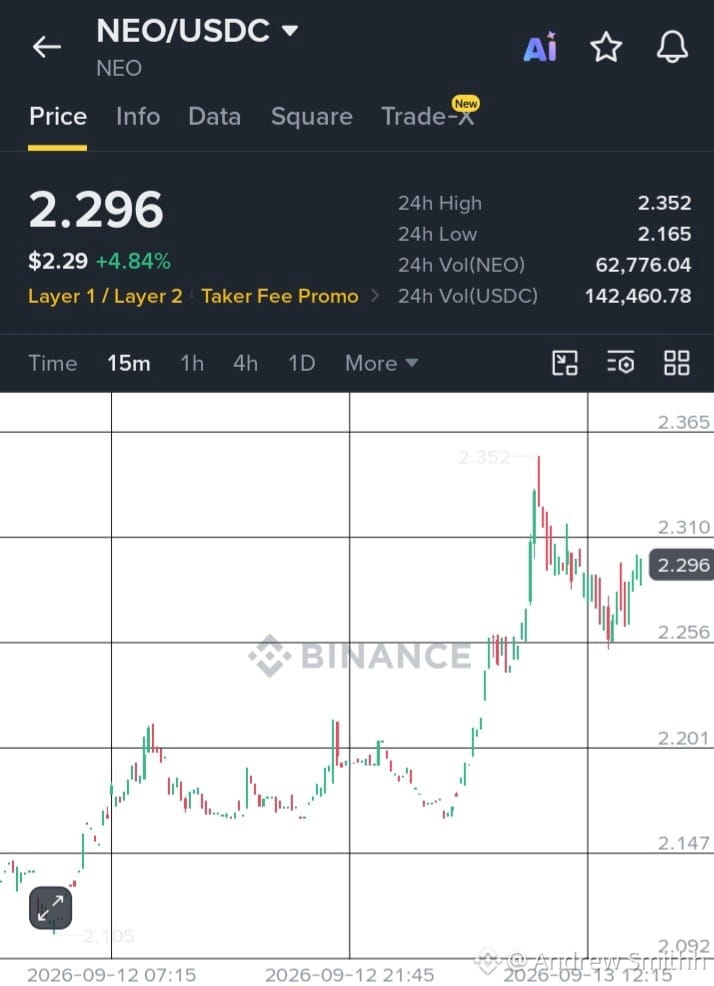
يبدو الرسم البياني $NEO 15m صعوديًا 📈
الحالي: 2.296$ (+4.84%)
الدعم: 2.256$ → 2.201$
المقاومة: 2.310$ → 2.352$
السعر ما زال محافظًا فوق 2.256$ بعد الاختراق، ما يبقي الهيكل قصير الأجل إيجابيًا.
قد يؤدي اختراق واضح فوق 2.310$ إلى فتح الطريق نحو 2.35+.
فقدان 2.256$ سيُضعف الإعداد وقد يعيد السعر إلى 2.20.
صعودي طالما يبقى 2.256$ ثابتًا.
#Trading #Binance
يبدو الرسم البياني $NEO 15m صعوديًا 📈
الحالي: 2.296$ (+4.84%)
الدعم: 2.256$ → 2.201$
المقاومة: 2.310$ → 2.352$
السعر ما زال محافظًا فوق 2.256$ بعد الاختراق، ما يبقي الهيكل قصير الأجل إيجابيًا.
قد يؤدي اختراق واضح فوق 2.310$ إلى فتح الطريق نحو 2.35+.
فقدان 2.256$ سيُضعف الإعداد وقد يعيد السعر إلى 2.20.
صعودي طالما يبقى 2.256$ ثابتًا.
#Trading #Binance
الحالي: 2.296$ (+4.84%)
الدعم: 2.256$ → 2.201$
المقاومة: 2.310$ → 2.352$
السعر ما زال محافظًا فوق 2.256$ بعد الاختراق، ما يبقي الهيكل قصير الأجل إيجابيًا.
قد يؤدي اختراق واضح فوق 2.310$ إلى فتح الطريق نحو 2.35+.
فقدان 2.256$ سيُضعف الإعداد وقد يعيد السعر إلى 2.20.
صعودي طالما يبقى 2.256$ ثابتًا.
#Trading #Binance
1
203
·
--
صاعد
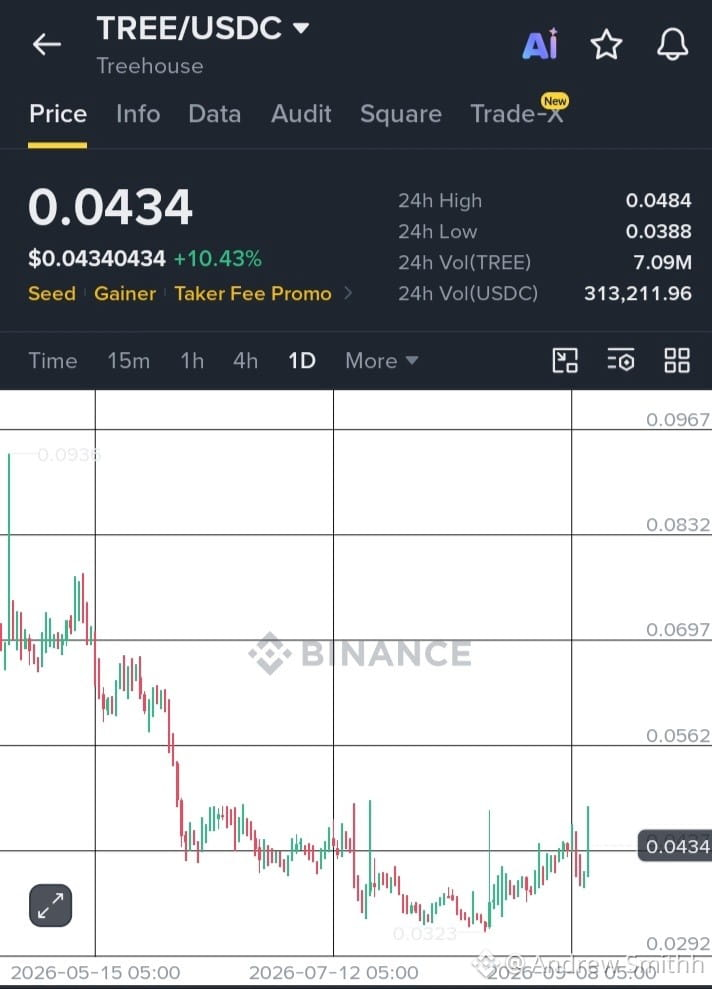
يبدو $TREE صاعدًا بعد إعادة الاستحواذ على 0.0434$ 📈 الهيكل السعري يميل للاستمرار إذا بقي الدعم قائمًا.
الدخول: 0.0425$–0.0440$
🎯 الهدف 1 0.0484$ | الهدف 2 0.0562$ | الهدف 3 0.0697$
نصيحة 1: اشترِ عند إعادة الاختبار.
نصيحة 2: تأكد من حجم التداول.
نصيحة 3: قلّل تدريجيًا عند الأهداف
🛑 وقف الخسارة: 0.0380$
تحلَّ بالصبر على الإعداد، وكن منضبطًا بشأن المخاطر. 🚀
#Trading #Binance
يبدو $TREE صاعدًا بعد إعادة الاستحواذ على 0.0434$ 📈 الهيكل السعري يميل للاستمرار إذا بقي الدعم قائمًا.
الدخول: 0.0425$–0.0440$
🎯 الهدف 1 0.0484$ | الهدف 2 0.0562$ | الهدف 3 0.0697$
نصيحة 1: اشترِ عند إعادة الاختبار.
نصيحة 2: تأكد من حجم التداول.
نصيحة 3: قلّل تدريجيًا عند الأهداف
🛑 وقف الخسارة: 0.0380$
تحلَّ بالصبر على الإعداد، وكن منضبطًا بشأن المخاطر. 🚀
#Trading #Binance
الدخول: 0.0425$–0.0440$
🎯 الهدف 1 0.0484$ | الهدف 2 0.0562$ | الهدف 3 0.0697$
نصيحة 1: اشترِ عند إعادة الاختبار.
نصيحة 2: تأكد من حجم التداول.
نصيحة 3: قلّل تدريجيًا عند الأهداف
🛑 وقف الخسارة: 0.0380$
تحلَّ بالصبر على الإعداد، وكن منضبطًا بشأن المخاطر. 🚀
#Trading #Binance
1
183
·
--
صاعد
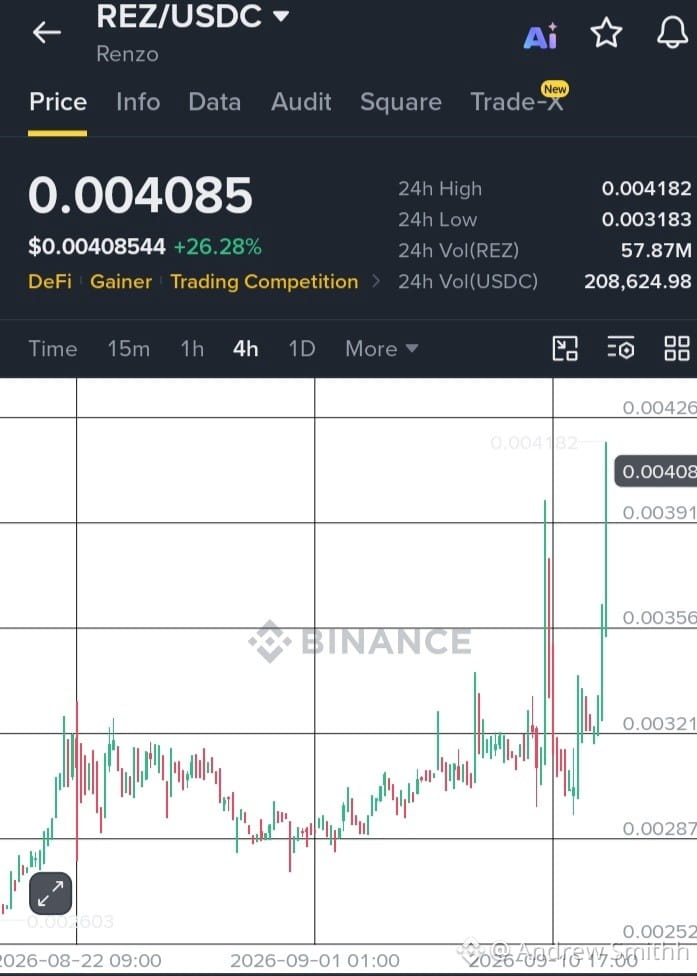
$REZ تُظهر اختراقًا قويًا في مخطط 4H.
السعر: $0.00409 (+26.3%)
المقاومة: $0.00418–$0.00426
دعم رئيسي: $0.00391، ثم $0.00356
دعم رئيسي أكبر: ~$0.00321
الحركة فوق $0.00356 مع حجم تداول قوي هي إشارة مُشجعة.
إذا ثبُت REZ فوق هذه المنطقة وكسر $0.00418، فقد تكون الوجهة التالية عند حوالي $0.00426+.
قد يؤدي الرفض عند $0.00418–$0.00426 إلى إعادة اختبار $0.00391 أو $0.00356 قبل محاولة أخرى.
#Trading #Binance
$REZ تُظهر اختراقًا قويًا في مخطط 4H.
السعر: $0.00409 (+26.3%)
المقاومة: $0.00418–$0.00426
دعم رئيسي: $0.00391، ثم $0.00356
دعم رئيسي أكبر: ~$0.00321
الحركة فوق $0.00356 مع حجم تداول قوي هي إشارة مُشجعة.
إذا ثبُت REZ فوق هذه المنطقة وكسر $0.00418، فقد تكون الوجهة التالية عند حوالي $0.00426+.
قد يؤدي الرفض عند $0.00418–$0.00426 إلى إعادة اختبار $0.00391 أو $0.00356 قبل محاولة أخرى.
#Trading #Binance
السعر: $0.00409 (+26.3%)
المقاومة: $0.00418–$0.00426
دعم رئيسي: $0.00391، ثم $0.00356
دعم رئيسي أكبر: ~$0.00321
الحركة فوق $0.00356 مع حجم تداول قوي هي إشارة مُشجعة.
إذا ثبُت REZ فوق هذه المنطقة وكسر $0.00418، فقد تكون الوجهة التالية عند حوالي $0.00426+.
قد يؤدي الرفض عند $0.00418–$0.00426 إلى إعادة اختبار $0.00391 أو $0.00356 قبل محاولة أخرى.
#Trading #Binance
1
223
·
--
صاعد
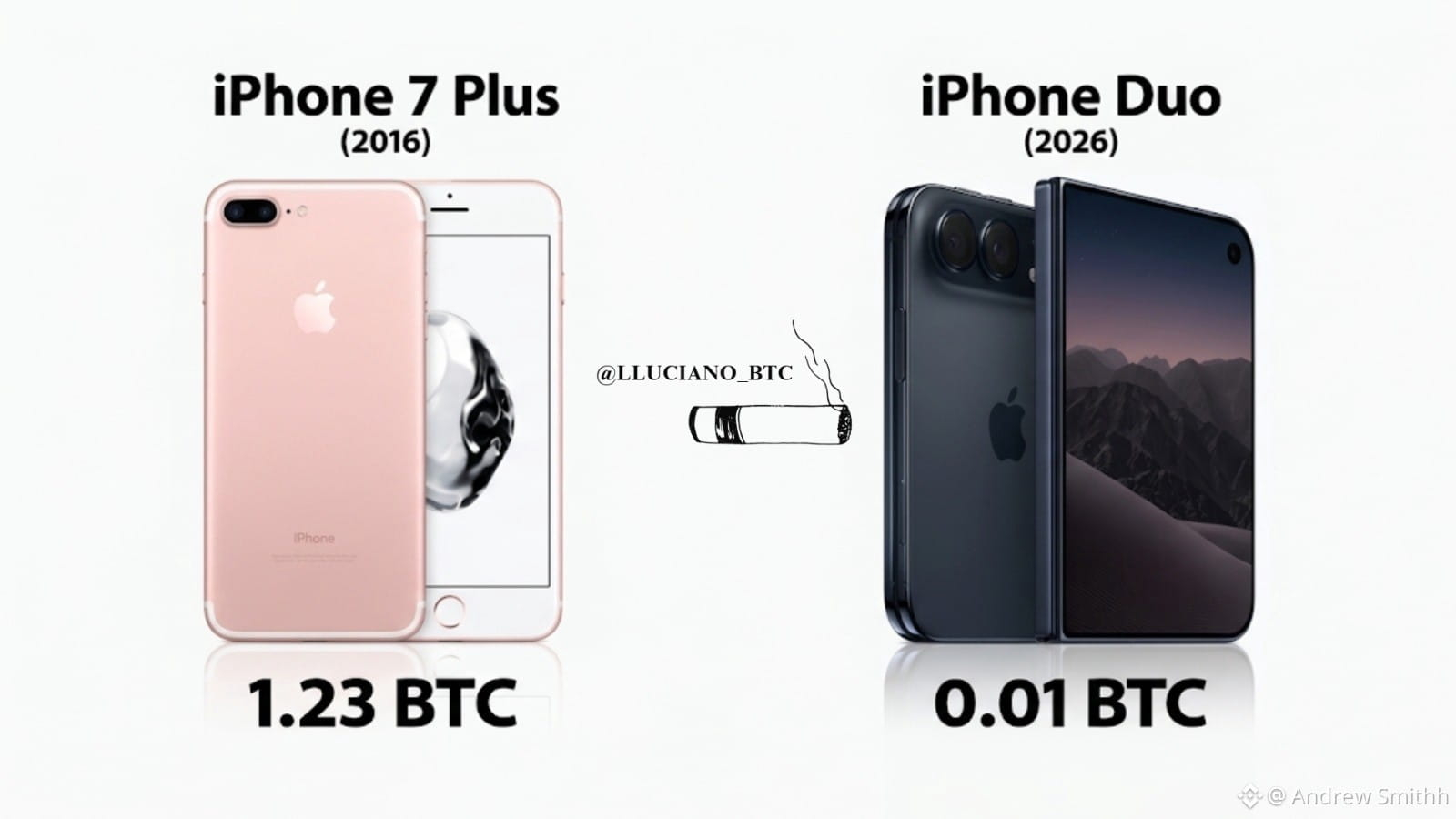
المرونة الحقيقية ليست شراء أحدث iPhone.
بل مقدار ما تحتاجه من عملة البيتكوين أقل كي تشتريه.
📱 iPhone 7 → 1.23 $BTC
📱 iPhone 18 → 0.01 $BTC
الفكرة نفسها. واقعٌ نقدي مختلف تمامًا.
قد تجعل أسعار العملات الورقية الأشياء تبدو أغلى مع مرور الوقت. لكن عندما تقيس العالم بأصلٍ نادر مثل البيتكوين، قد تبدو الصورة مختلفة جدًا.
ولهذا السبب تتجاوز أطروحة البيتكوين طويلة الأجل فكرة “الأرقام ترتفع” فقط.
البيتكوين يتعلق بزيادة قدرتك الشرائية مع مرور الوقت. 🟠
#Trading #Binance
المرونة الحقيقية ليست شراء أحدث iPhone.
بل مقدار ما تحتاجه من عملة البيتكوين أقل كي تشتريه.
📱 iPhone 7 → 1.23 $BTC
📱 iPhone 18 → 0.01 $BTC
الفكرة نفسها. واقعٌ نقدي مختلف تمامًا.
قد تجعل أسعار العملات الورقية الأشياء تبدو أغلى مع مرور الوقت. لكن عندما تقيس العالم بأصلٍ نادر مثل البيتكوين، قد تبدو الصورة مختلفة جدًا.
ولهذا السبب تتجاوز أطروحة البيتكوين طويلة الأجل فكرة “الأرقام ترتفع” فقط.
البيتكوين يتعلق بزيادة قدرتك الشرائية مع مرور الوقت. 🟠
#Trading #Binance
بل مقدار ما تحتاجه من عملة البيتكوين أقل كي تشتريه.
📱 iPhone 7 → 1.23 $BTC
📱 iPhone 18 → 0.01 $BTC
الفكرة نفسها. واقعٌ نقدي مختلف تمامًا.
قد تجعل أسعار العملات الورقية الأشياء تبدو أغلى مع مرور الوقت. لكن عندما تقيس العالم بأصلٍ نادر مثل البيتكوين، قد تبدو الصورة مختلفة جدًا.
ولهذا السبب تتجاوز أطروحة البيتكوين طويلة الأجل فكرة “الأرقام ترتفع” فقط.
البيتكوين يتعلق بزيادة قدرتك الشرائية مع مرور الوقت. 🟠
#Trading #Binance
1
94
·
--
صاعد
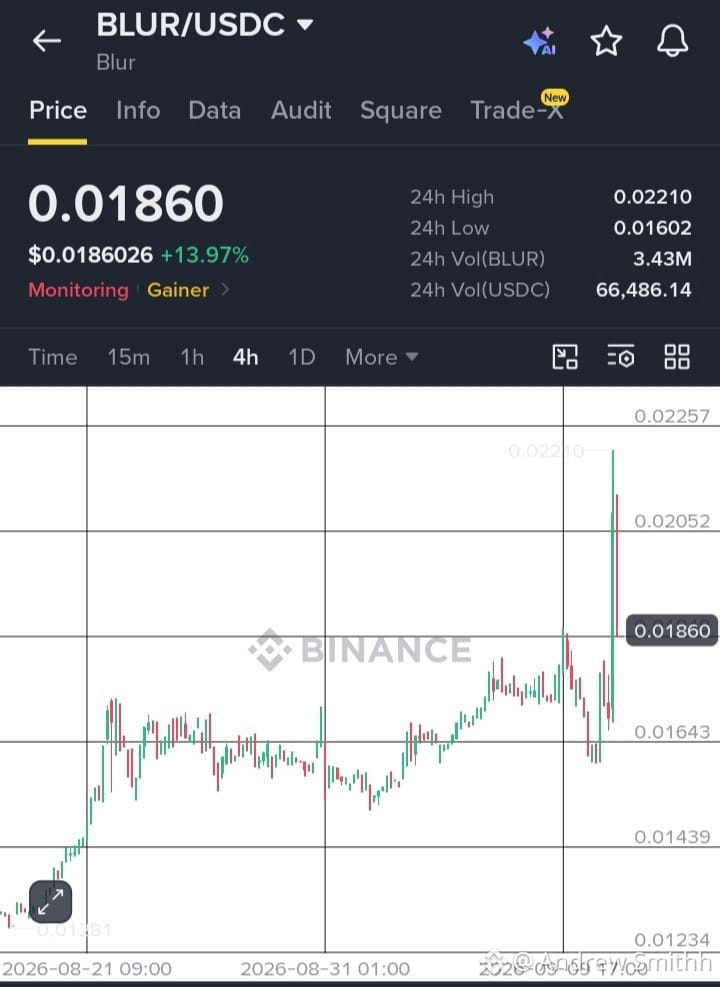
تحليل المخطط $BLUR 4H
يبدو المخطط صعوديًا ولكنه شديد التذبذب بعد الاختراق الحاد.
الحالي: حوالي 0.01860 دولار
المقاومة: 0.0205 دولار → 0.0221 دولار
الدعم الرئيسي: 0.0164 دولار
دعم أقوى: 0.0144 دولار
إذا حافظت BLUR على مستوى أعلى من 0.0186 دولار، فقد يكون من الممكن إعادة اختبار 0.0205 دولار وربما 0.0221 دولار. إذا فقدت 0.0164 دولار، فقد يضعف الاختراق وقد يعاود السعر زيارة منطقة 0.0144 دولار.
وجود ذيل علوي طويل قرب 0.0221 دولار يشير إلى بيع قوي/جني أرباح، لذا ستكون هناك حاجة لتأكيد فوق هذا المستوى.
#Trading #Binance
تحليل المخطط $BLUR 4H
يبدو المخطط صعوديًا ولكنه شديد التذبذب بعد الاختراق الحاد.
الحالي: حوالي 0.01860 دولار
المقاومة: 0.0205 دولار → 0.0221 دولار
الدعم الرئيسي: 0.0164 دولار
دعم أقوى: 0.0144 دولار
إذا حافظت BLUR على مستوى أعلى من 0.0186 دولار، فقد يكون من الممكن إعادة اختبار 0.0205 دولار وربما 0.0221 دولار. إذا فقدت 0.0164 دولار، فقد يضعف الاختراق وقد يعاود السعر زيارة منطقة 0.0144 دولار.
وجود ذيل علوي طويل قرب 0.0221 دولار يشير إلى بيع قوي/جني أرباح، لذا ستكون هناك حاجة لتأكيد فوق هذا المستوى.
#Trading #Binance
يبدو المخطط صعوديًا ولكنه شديد التذبذب بعد الاختراق الحاد.
الحالي: حوالي 0.01860 دولار
المقاومة: 0.0205 دولار → 0.0221 دولار
الدعم الرئيسي: 0.0164 دولار
دعم أقوى: 0.0144 دولار
إذا حافظت BLUR على مستوى أعلى من 0.0186 دولار، فقد يكون من الممكن إعادة اختبار 0.0205 دولار وربما 0.0221 دولار. إذا فقدت 0.0164 دولار، فقد يضعف الاختراق وقد يعاود السعر زيارة منطقة 0.0144 دولار.
وجود ذيل علوي طويل قرب 0.0221 دولار يشير إلى بيع قوي/جني أرباح، لذا ستكون هناك حاجة لتأكيد فوق هذا المستوى.
#Trading #Binance
1
186
سجّل الدخول لاستكشاف المزيد من المُحتوى
انضم إلى مُستخدمي العملات الرقمية حول العالم على Binance Square
⚡️ احصل على أحدث المعلومات المفيدة عن العملات الرقمية.
💬 موثوقة من قبل أكبر منصّة لتداول العملات الرقمية في العالم.
👍 اكتشف الرؤى الحقيقية من صنّاع المُحتوى الموثوقين.
البريد الإلكتروني / رقم الهاتف
المواضيع الرائجة
BTCBreaks80K
126,830 مشاهدات
1,993 يقومون بالنقاش
🚨 عودة البيتكوين إلى دائرة الاهتمام عند 80 ألف دولار! 🔥
تدفع BTC نحو مقاومة نفسية عند 80,000 دولار بعد استعادتها لمنطقة 78 ألف دولار. قد يؤدي اختراقٌ واضح والثبات فوق 80 ألف دولار إلى جلب 82 ألف–85 ألف دولار إلى دائرة التركيز لاحقًا. 📈
لكن على المتداولين مراقبة منطقة الرفض بعناية — فقدان 77 ألف–78 ألف دولار قد يُطلق موجة تراجع أخرى.
🎯 مستويات مهمة:
• 🔥 الاختراق: 80K
• 🚀 المنطقة التالية: 82K–85K
• ⚠️ الدعم: 77K–78K
80 ألف دولار ليست مجرد رقم — إنها المستوى الذي يجب على الثيران التغلب عليه.
هل على وشك أن نشهد اختراقًا جديدًا للـ BTC؟ 👇
متابعة من فضلكم
#Bitcoin #BTC #BinanceSquare #btcbreaks80k
$BTC
Shamika Metting
·4 إعجاب
·3.9k مشاهدات
比特币突破8万
96,818 مشاهدات
273 يقومون بالنقاش
SOLJumpsAbout10%
569 مشاهدات
57 يقومون بالنقاش