
AH CHARLIE
4.5k منشورات

AH CHARLIE
إبلاغ
حظر المُستخدم
Price is what you pay. Value is what you get........... X- ahcharlie2
مُتداول مُتكرر
2.3 سنوات
156 تتابع
21.5K+ المتابعون
13.0K+ إعجاب
منشورات
الكل
اقتباسات
Live
·
--
تمّ التحقق
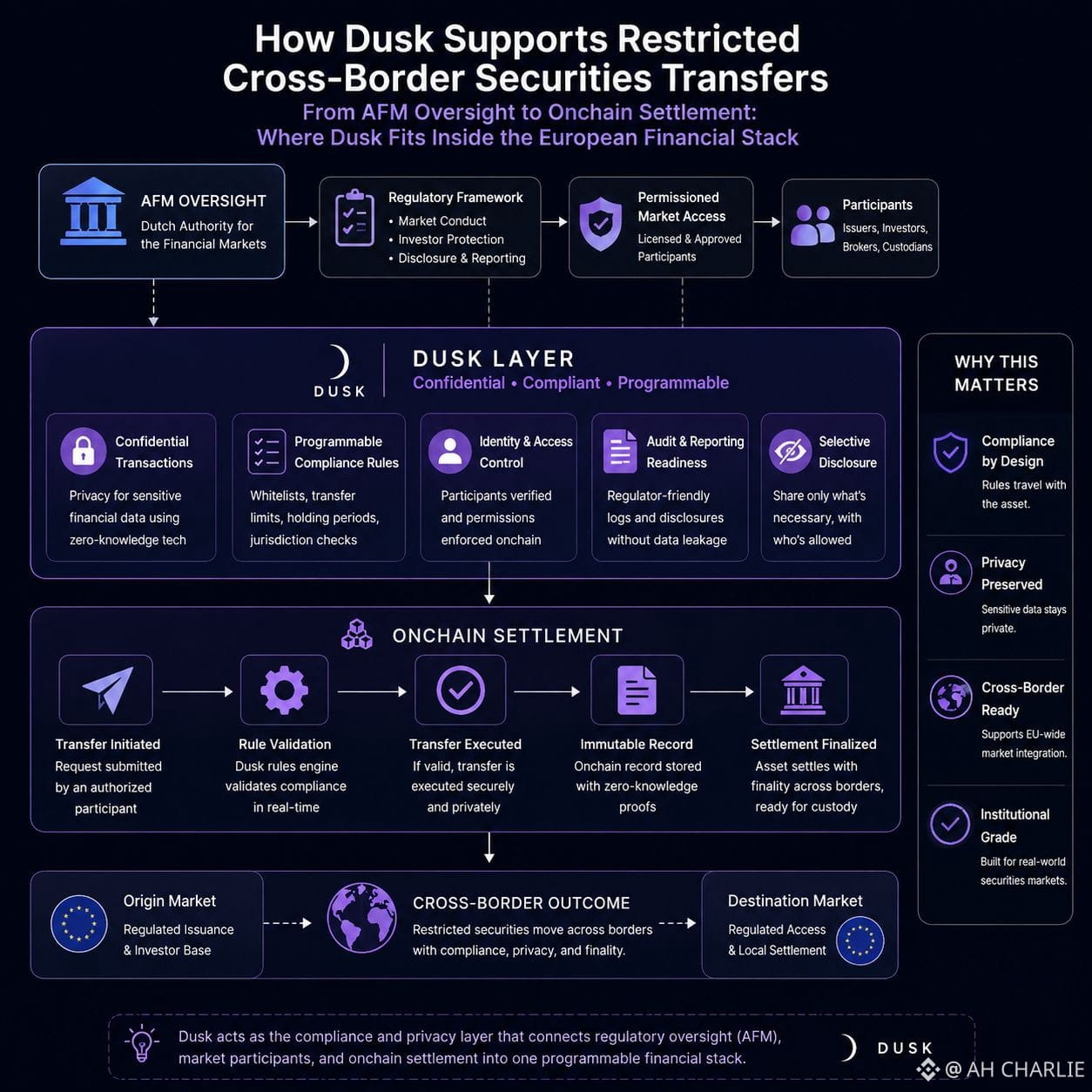
شاهدت $DUSK تقترب من مشكلة لا يلاحظها معظم متداولي العملات الرقمية تقريبًا: التحويلات عبر الحدود للأوراق المالية الخاضعة للقيود.
لقد رأيت كيف تحتاج الأسواق الأوروبية إلى قواعد ترافق الأصل أثناء انتقاله، لا أن تبقى في ملف PDF بجانبه. هذا ما يجعل Dusk مثيرًا للاهتمام. يمكن لرقابة AFM أن تحدد من يُسمح له بالمشاركة، بينما يمكن للقواعد القابلة للبرمجة أن تفرض حدود التحويل، والأهلية، وفحوصات الاختصاص قبل التسوية.
لقد نظرت إليها باعتبارها بوابة محكومة، لا طريقًا مفتوحًا. عندما أرى أوراقًا مالية مُنظَّمة تتحرك على السلسلة، فالمعيار هو ما إذا كانت الامتثال ينجو من كل عملية نقل، وليس مجرد الإصدار.
قد يجد Dusk مكانه بين الوصول إلى السوق والتسوية، حيث تصبح القواعد قابلة للتنفيذ. أعتقد أن الاختراق الأكبر يتمثل في جعل الامتثال جزءًا من منطق المعاملة، لا فكرة لاحقة.
#dusk $DUSK @Dusk_Foundation #RWA
شاهدت $DUSK تقترب من مشكلة لا يلاحظها معظم متداولي العملات الرقمية تقريبًا: التحويلات عبر الحدود للأوراق المالية الخاضعة للقيود.
لقد رأيت كيف تحتاج الأسواق الأوروبية إلى قواعد ترافق الأصل أثناء انتقاله، لا أن تبقى في ملف PDF بجانبه. هذا ما يجعل Dusk مثيرًا للاهتمام. يمكن لرقابة AFM أن تحدد من يُسمح له بالمشاركة، بينما يمكن للقواعد القابلة للبرمجة أن تفرض حدود التحويل، والأهلية، وفحوصات الاختصاص قبل التسوية.
لقد نظرت إليها باعتبارها بوابة محكومة، لا طريقًا مفتوحًا. عندما أرى أوراقًا مالية مُنظَّمة تتحرك على السلسلة، فالمعيار هو ما إذا كانت الامتثال ينجو من كل عملية نقل، وليس مجرد الإصدار.
قد يجد Dusk مكانه بين الوصول إلى السوق والتسوية، حيث تصبح القواعد قابلة للتنفيذ. أعتقد أن الاختراق الأكبر يتمثل في جعل الامتثال جزءًا من منطق المعاملة، لا فكرة لاحقة.
#dusk $DUSK @Dusk #RWA
لقد رأيت كيف تحتاج الأسواق الأوروبية إلى قواعد ترافق الأصل أثناء انتقاله، لا أن تبقى في ملف PDF بجانبه. هذا ما يجعل Dusk مثيرًا للاهتمام. يمكن لرقابة AFM أن تحدد من يُسمح له بالمشاركة، بينما يمكن للقواعد القابلة للبرمجة أن تفرض حدود التحويل، والأهلية، وفحوصات الاختصاص قبل التسوية.
لقد نظرت إليها باعتبارها بوابة محكومة، لا طريقًا مفتوحًا. عندما أرى أوراقًا مالية مُنظَّمة تتحرك على السلسلة، فالمعيار هو ما إذا كانت الامتثال ينجو من كل عملية نقل، وليس مجرد الإصدار.
قد يجد Dusk مكانه بين الوصول إلى السوق والتسوية، حيث تصبح القواعد قابلة للتنفيذ. أعتقد أن الاختراق الأكبر يتمثل في جعل الامتثال جزءًا من منطق المعاملة، لا فكرة لاحقة.
#dusk $DUSK @Dusk #RWA
2
2
333
·
--
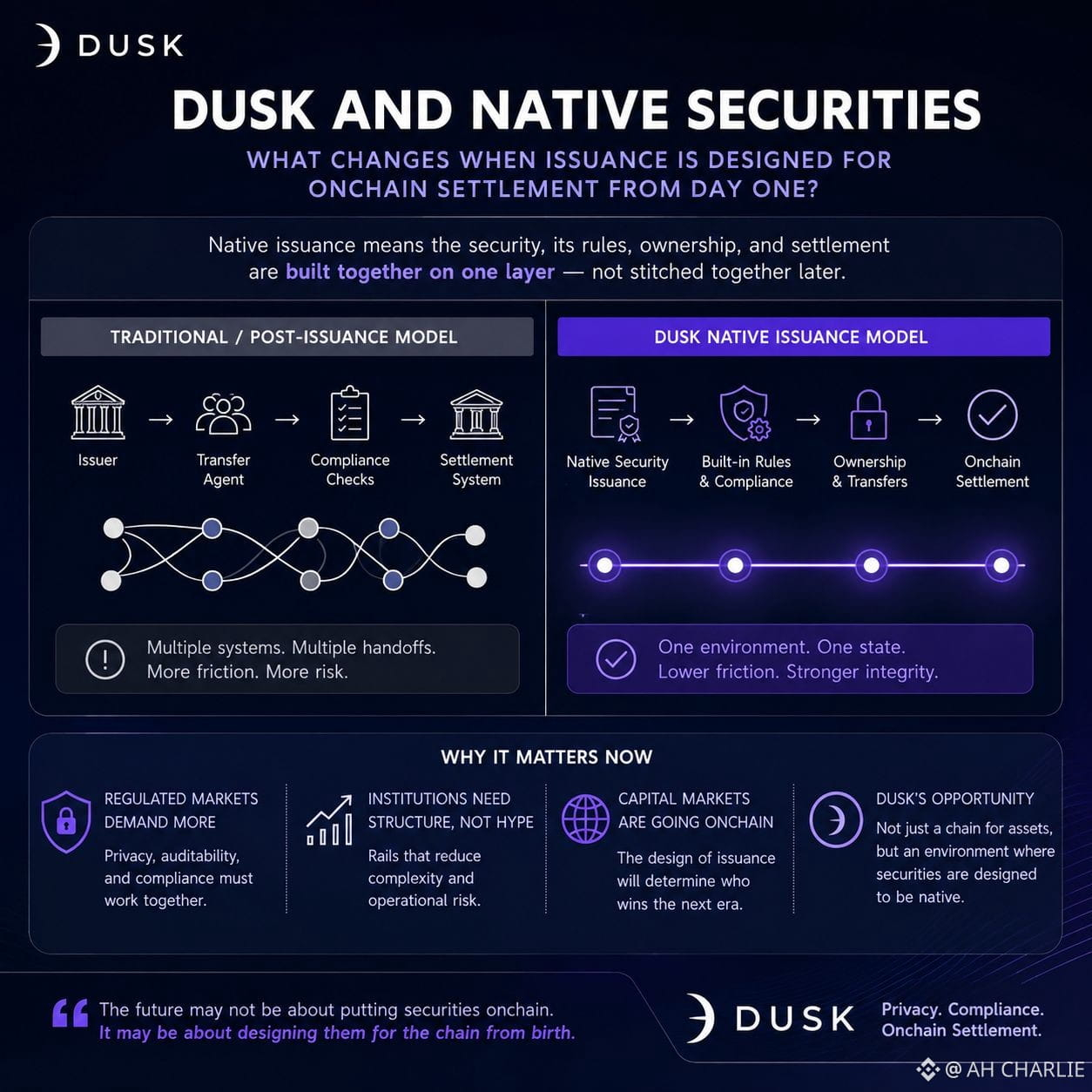
لقد نظرت في الغالب إلى $DUSK باعتباره خطوةً لحماية الخصوصية. الآن أفكر أن الزاوية الأكثر أهمية قد تكون الأوراق المالية الأصلية (native securities). لقد رأيت الأصول المُرمّزة تُعامل مثل المنتجات المالية القديمة، لكن بواجهة رقمية جديدة. يتم إصدار الأصل في مكان ما، ثم تُربط المتطلبات المتعلقة بالامتثال والملكية والتسوية عبر طبقات إضافية. وهذا هو ما يجعل Dusk مثيرًا للاهتمام.
إذا تم إصدار ورقة مالية على السلسلة (onchain) منذ اليوم الأول، فيمكن تصميم قواعد نقلها ومنطق الملكية وفحوصات الامتثال والتسوية معًا. كنت أظن أن الأمر مجرد ترقية تقنية، لكنني كنت مخطئًا. يمكن أن يغيّر ذلك طريقة هيكلة الأصل نفسه. تخيّل الأمر مثل بناء طريق قبل أن تنمو المدينة من حوله. يمكنك تصميم المسارات قبل أن تصبح المشكلة هي الازدحام.
التحدي الذي يواجه Dusk هو التنفيذ. الأسواق الرأسمالية المُنظَّمة تحتاج إلى الاعتمادية، والخصوصية، وقابلية التدقيق (auditability)، وإدارة مخاطر جادة. لم تكن هذه الأمور اختيارية بالأمس، ولن تكون اختيارية الآن. الجانب الجيد هو أن الإصدار الأصلي قد يمنح Dusk دورًا أعمق من مجرد استضافة الأصول المُرمّزة. ما زلت أعتقد أن السؤال الحقيقي ليس ما إذا كانت الأوراق المالية يمكنها التحرك على السلسلة، بل ما إذا كانت الأوراق المالية المستقبلية مصممة بحيث يكون تسويتها على السلسلة هو نقطة الانطلاق.
#dusk @Dusk_Foundation #Privacy #RWA
لقد نظرت في الغالب إلى $DUSK باعتباره خطوةً لحماية الخصوصية. الآن أفكر أن الزاوية الأكثر أهمية قد تكون الأوراق المالية الأصلية (native securities). لقد رأيت الأصول المُرمّزة تُعامل مثل المنتجات المالية القديمة، لكن بواجهة رقمية جديدة. يتم إصدار الأصل في مكان ما، ثم تُربط المتطلبات المتعلقة بالامتثال والملكية والتسوية عبر طبقات إضافية. وهذا هو ما يجعل Dusk مثيرًا للاهتمام.
إذا تم إصدار ورقة مالية على السلسلة (onchain) منذ اليوم الأول، فيمكن تصميم قواعد نقلها ومنطق الملكية وفحوصات الامتثال والتسوية معًا. كنت أظن أن الأمر مجرد ترقية تقنية، لكنني كنت مخطئًا. يمكن أن يغيّر ذلك طريقة هيكلة الأصل نفسه. تخيّل الأمر مثل بناء طريق قبل أن تنمو المدينة من حوله. يمكنك تصميم المسارات قبل أن تصبح المشكلة هي الازدحام.
التحدي الذي يواجه Dusk هو التنفيذ. الأسواق الرأسمالية المُنظَّمة تحتاج إلى الاعتمادية، والخصوصية، وقابلية التدقيق (auditability)، وإدارة مخاطر جادة. لم تكن هذه الأمور اختيارية بالأمس، ولن تكون اختيارية الآن. الجانب الجيد هو أن الإصدار الأصلي قد يمنح Dusk دورًا أعمق من مجرد استضافة الأصول المُرمّزة. ما زلت أعتقد أن السؤال الحقيقي ليس ما إذا كانت الأوراق المالية يمكنها التحرك على السلسلة، بل ما إذا كانت الأوراق المالية المستقبلية مصممة بحيث يكون تسويتها على السلسلة هو نقطة الانطلاق.
#dusk @Dusk #Privacy #RWA
إذا تم إصدار ورقة مالية على السلسلة (onchain) منذ اليوم الأول، فيمكن تصميم قواعد نقلها ومنطق الملكية وفحوصات الامتثال والتسوية معًا. كنت أظن أن الأمر مجرد ترقية تقنية، لكنني كنت مخطئًا. يمكن أن يغيّر ذلك طريقة هيكلة الأصل نفسه. تخيّل الأمر مثل بناء طريق قبل أن تنمو المدينة من حوله. يمكنك تصميم المسارات قبل أن تصبح المشكلة هي الازدحام.
التحدي الذي يواجه Dusk هو التنفيذ. الأسواق الرأسمالية المُنظَّمة تحتاج إلى الاعتمادية، والخصوصية، وقابلية التدقيق (auditability)، وإدارة مخاطر جادة. لم تكن هذه الأمور اختيارية بالأمس، ولن تكون اختيارية الآن. الجانب الجيد هو أن الإصدار الأصلي قد يمنح Dusk دورًا أعمق من مجرد استضافة الأصول المُرمّزة. ما زلت أعتقد أن السؤال الحقيقي ليس ما إذا كانت الأوراق المالية يمكنها التحرك على السلسلة، بل ما إذا كانت الأوراق المالية المستقبلية مصممة بحيث يكون تسويتها على السلسلة هو نقطة الانطلاق.
#dusk @Dusk #Privacy #RWA
4
5
233
·
--
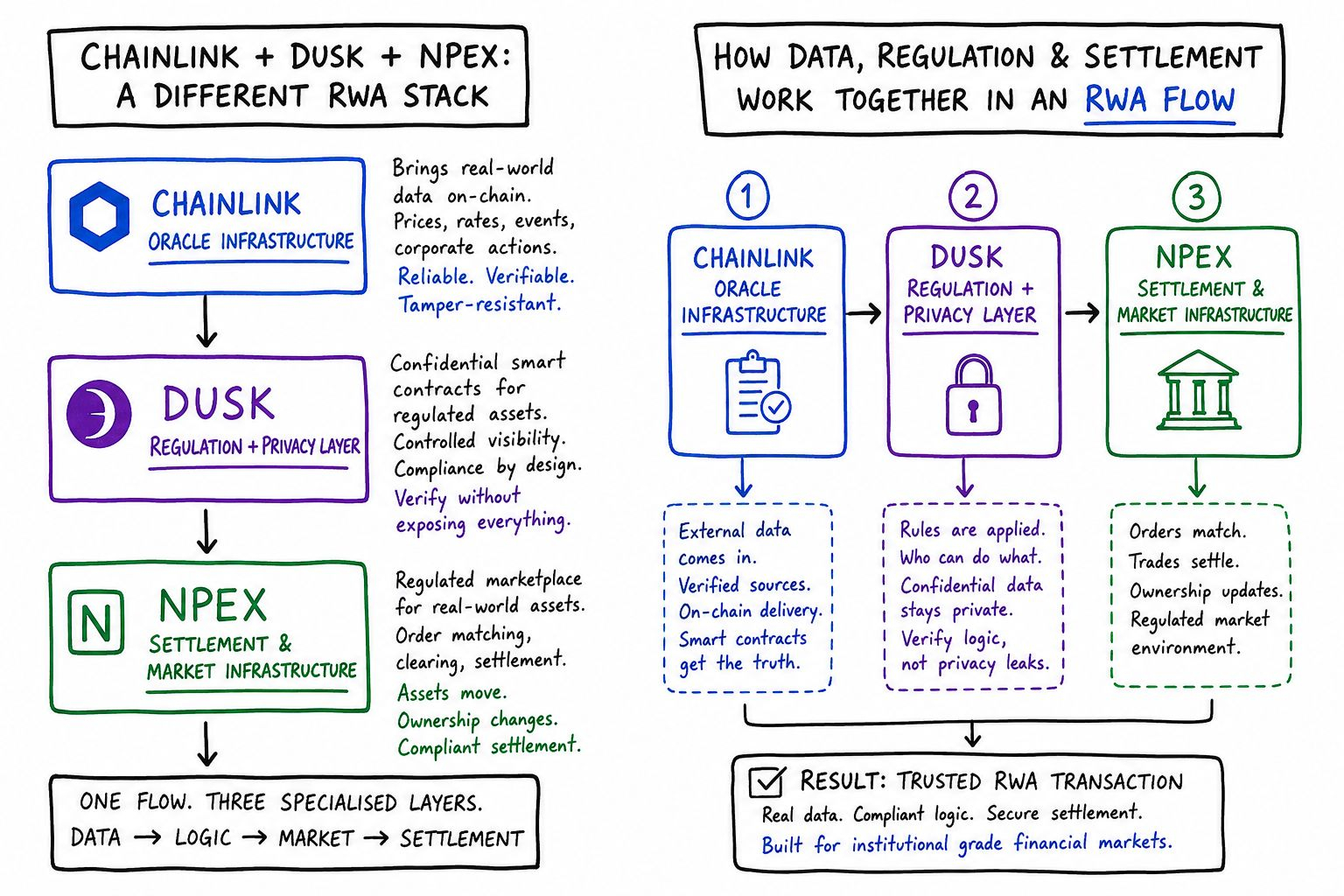
لقد رأيت #RWA محادثة تركز كثيرًا على عملية الترميز (tokenization). أعتقد أن السؤال الأصعب هو ماذا يحدث بعد أن يصبح الأصل رقميًا. نظرت إلى Chainlink + Dusk + NPEX كـ3 طبقات مختلفة تحل 3 مشكلات مختلفة.
يربط Chainlink منطق البلوك تشين بالعالم الخارجي. الأسعار، ومعدلات الفائدة، والأحداث، وبيانات السوق تحتاج إلى مدخلات موثوقة. إذا كانت البيانات التي تغذي العقد ضعيفة، فقد تكون عملية التسوية خاطئة حتى عندما يعمل البلوك تشين بشكل مثالي.
ثم هناك $DUSK . هذه التحديات تهم الآن: الأصول الخاضعة للأنظمة تحتاج إلى الخصوصية والالتزام بالقواعد في الوقت نفسه. قد يتطلب نقلٌ أمني أن يثبت أن المستثمر مؤهل وأن النقل يتبع شروطًا محددة، لكن إظهار كل تفاصيل الرصيد والمعاملات علنًا قد يخلق مشكلة أخرى.
فكرت فيها مثل شراء ورقة مالية خاضعة للأنظمة في الحياة الواقعية. يتحقق الوسيط من هويتك، ويقوم السوق بالتحقق من الأصل، وتحدث التسوية بشكل صحيح. لست بحاجة إلى عرض تاريخك المالي على لوحة إعلانية.
وهنا تصبح @Dusk_Foundation مثيرة للاهتمام بالنسبة لي. يمكن للعقود الذكية السرّية أن تجعل عملية التحقق أكثر تحكمًا، بدلًا من مجرد جعل المعاملات غير مرئية.
يضيف NPEX البنية التحتية للسوق وجانب التسوية. لذا يبدأ الهيكل بالنظر إليه أقل كونه «بلوك تشين واحد يقوم بكل شيء» وأكثر كونه بنية مالية متصلة كأنها مواسير وخدمات مشتركة.
أخطئ أحيانًا في تقييم مشاريع RWA اعتمادًا على TPS أو الرسوم أو TVL وحدها. هذه المؤشرات مهمة، لكنها لا تخبرني ما إذا كان يمكن أن تعمل البيانات والامتثال والخصوصية والتسوية معًا.
الجانب الإيجابي هو التخصص. يقدم Chainlink البيانات. يقدّم Dusk منطقًا سريًا وقائمًا على القواعد. يقدّم NPEX البنية التحتية المنظمة للسوق.
أمارس إدارة المخاطر عبر النظر إلى الاعتمادات بدلًا من العناوين الرئيسية. إذا سألتني، فإن اختبار RWA الحقيقي ليس عدد الأصول التي يتم ترميزها. بل هو ما إذا كانت العملية المالية الكاملة يمكن أن تعمل دون إجبار على الشفافية عندما تكون الخصوصية جزءًا من الامتثال.
#dusk #Tokenization #LINK
لقد رأيت #RWA محادثة تركز كثيرًا على عملية الترميز (tokenization). أعتقد أن السؤال الأصعب هو ماذا يحدث بعد أن يصبح الأصل رقميًا. نظرت إلى Chainlink + Dusk + NPEX كـ3 طبقات مختلفة تحل 3 مشكلات مختلفة.
يربط Chainlink منطق البلوك تشين بالعالم الخارجي. الأسعار، ومعدلات الفائدة، والأحداث، وبيانات السوق تحتاج إلى مدخلات موثوقة. إذا كانت البيانات التي تغذي العقد ضعيفة، فقد تكون عملية التسوية خاطئة حتى عندما يعمل البلوك تشين بشكل مثالي.
ثم هناك $DUSK . هذه التحديات تهم الآن: الأصول الخاضعة للأنظمة تحتاج إلى الخصوصية والالتزام بالقواعد في الوقت نفسه. قد يتطلب نقلٌ أمني أن يثبت أن المستثمر مؤهل وأن النقل يتبع شروطًا محددة، لكن إظهار كل تفاصيل الرصيد والمعاملات علنًا قد يخلق مشكلة أخرى.
فكرت فيها مثل شراء ورقة مالية خاضعة للأنظمة في الحياة الواقعية. يتحقق الوسيط من هويتك، ويقوم السوق بالتحقق من الأصل، وتحدث التسوية بشكل صحيح. لست بحاجة إلى عرض تاريخك المالي على لوحة إعلانية.
وهنا تصبح @Dusk مثيرة للاهتمام بالنسبة لي. يمكن للعقود الذكية السرّية أن تجعل عملية التحقق أكثر تحكمًا، بدلًا من مجرد جعل المعاملات غير مرئية.
يضيف NPEX البنية التحتية للسوق وجانب التسوية. لذا يبدأ الهيكل بالنظر إليه أقل كونه «بلوك تشين واحد يقوم بكل شيء» وأكثر كونه بنية مالية متصلة كأنها مواسير وخدمات مشتركة.
أخطئ أحيانًا في تقييم مشاريع RWA اعتمادًا على TPS أو الرسوم أو TVL وحدها. هذه المؤشرات مهمة، لكنها لا تخبرني ما إذا كان يمكن أن تعمل البيانات والامتثال والخصوصية والتسوية معًا.
الجانب الإيجابي هو التخصص. يقدم Chainlink البيانات. يقدّم Dusk منطقًا سريًا وقائمًا على القواعد. يقدّم NPEX البنية التحتية المنظمة للسوق.
أمارس إدارة المخاطر عبر النظر إلى الاعتمادات بدلًا من العناوين الرئيسية. إذا سألتني، فإن اختبار RWA الحقيقي ليس عدد الأصول التي يتم ترميزها. بل هو ما إذا كانت العملية المالية الكاملة يمكن أن تعمل دون إجبار على الشفافية عندما تكون الخصوصية جزءًا من الامتثال.
#dusk #Tokenization #LINK
يربط Chainlink منطق البلوك تشين بالعالم الخارجي. الأسعار، ومعدلات الفائدة، والأحداث، وبيانات السوق تحتاج إلى مدخلات موثوقة. إذا كانت البيانات التي تغذي العقد ضعيفة، فقد تكون عملية التسوية خاطئة حتى عندما يعمل البلوك تشين بشكل مثالي.
ثم هناك $DUSK . هذه التحديات تهم الآن: الأصول الخاضعة للأنظمة تحتاج إلى الخصوصية والالتزام بالقواعد في الوقت نفسه. قد يتطلب نقلٌ أمني أن يثبت أن المستثمر مؤهل وأن النقل يتبع شروطًا محددة، لكن إظهار كل تفاصيل الرصيد والمعاملات علنًا قد يخلق مشكلة أخرى.
فكرت فيها مثل شراء ورقة مالية خاضعة للأنظمة في الحياة الواقعية. يتحقق الوسيط من هويتك، ويقوم السوق بالتحقق من الأصل، وتحدث التسوية بشكل صحيح. لست بحاجة إلى عرض تاريخك المالي على لوحة إعلانية.
وهنا تصبح @Dusk مثيرة للاهتمام بالنسبة لي. يمكن للعقود الذكية السرّية أن تجعل عملية التحقق أكثر تحكمًا، بدلًا من مجرد جعل المعاملات غير مرئية.
يضيف NPEX البنية التحتية للسوق وجانب التسوية. لذا يبدأ الهيكل بالنظر إليه أقل كونه «بلوك تشين واحد يقوم بكل شيء» وأكثر كونه بنية مالية متصلة كأنها مواسير وخدمات مشتركة.
أخطئ أحيانًا في تقييم مشاريع RWA اعتمادًا على TPS أو الرسوم أو TVL وحدها. هذه المؤشرات مهمة، لكنها لا تخبرني ما إذا كان يمكن أن تعمل البيانات والامتثال والخصوصية والتسوية معًا.
الجانب الإيجابي هو التخصص. يقدم Chainlink البيانات. يقدّم Dusk منطقًا سريًا وقائمًا على القواعد. يقدّم NPEX البنية التحتية المنظمة للسوق.
أمارس إدارة المخاطر عبر النظر إلى الاعتمادات بدلًا من العناوين الرئيسية. إذا سألتني، فإن اختبار RWA الحقيقي ليس عدد الأصول التي يتم ترميزها. بل هو ما إذا كانت العملية المالية الكاملة يمكن أن تعمل دون إجبار على الشفافية عندما تكون الخصوصية جزءًا من الامتثال.
#dusk #Tokenization #LINK
5
3
314
·
--
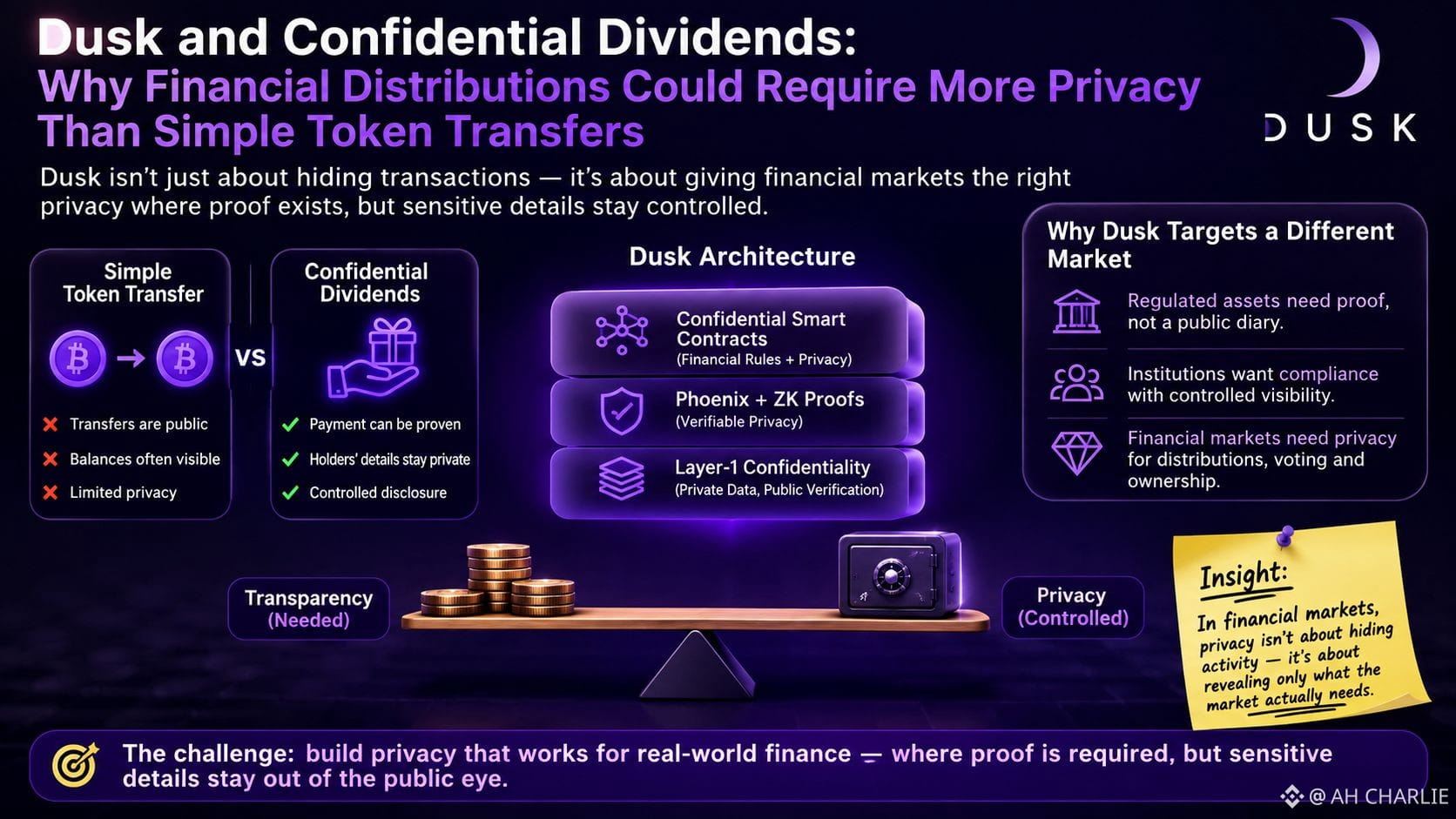
يعتقد معظم المتداولين أن الخصوصية مهمة عندما تقوم بنقل الرموز. لكن برأيي تبدأ المشكلة الأصعب عندما تُوزَّع الأموال. لقد نظرت إلى الأرباح السرّية على $DUSK ، وأشعر أن الفارق مهم.
تخيّل شركة تدفع للمستثمرين أرباحًا. يجب أن يكون الدفع قابلاً للإثبات، لكن نشر رصيد كل مالك ومبلغ ما يتلقاه قد يكشف أكثر مما يلزم. هنا يصبح Dusk مثيرًا للاهتمام بالنسبة لي. يمكن للعقود الذكية السرّية أن تُبقي القواعد المالية واضحة مع تقليل التفاصيل الحسّاسة.
غالبًا ما تركز سلاسل الخصوصية التقليدية على إخفاء المعاملات. يستهدف Dusk سوقًا يتعين فيه أن تعمل الامتثال والملكية والإفصاح المُتحكم به معًا.
كما أتعلم أن الخصوصية ليست دائمًا مسألة إخفاء النشاط. أحيانًا تكون الخصوصية هي الكشف فقط عمّا يحتاجه السوق فعليًا.
#dusk $DUSK @Dusk_Foundation
يعتقد معظم المتداولين أن الخصوصية مهمة عندما تقوم بنقل الرموز. لكن برأيي تبدأ المشكلة الأصعب عندما تُوزَّع الأموال. لقد نظرت إلى الأرباح السرّية على $DUSK ، وأشعر أن الفارق مهم.
تخيّل شركة تدفع للمستثمرين أرباحًا. يجب أن يكون الدفع قابلاً للإثبات، لكن نشر رصيد كل مالك ومبلغ ما يتلقاه قد يكشف أكثر مما يلزم. هنا يصبح Dusk مثيرًا للاهتمام بالنسبة لي. يمكن للعقود الذكية السرّية أن تُبقي القواعد المالية واضحة مع تقليل التفاصيل الحسّاسة.
غالبًا ما تركز سلاسل الخصوصية التقليدية على إخفاء المعاملات. يستهدف Dusk سوقًا يتعين فيه أن تعمل الامتثال والملكية والإفصاح المُتحكم به معًا.
كما أتعلم أن الخصوصية ليست دائمًا مسألة إخفاء النشاط. أحيانًا تكون الخصوصية هي الكشف فقط عمّا يحتاجه السوق فعليًا.
#dusk $DUSK @Dusk
تخيّل شركة تدفع للمستثمرين أرباحًا. يجب أن يكون الدفع قابلاً للإثبات، لكن نشر رصيد كل مالك ومبلغ ما يتلقاه قد يكشف أكثر مما يلزم. هنا يصبح Dusk مثيرًا للاهتمام بالنسبة لي. يمكن للعقود الذكية السرّية أن تُبقي القواعد المالية واضحة مع تقليل التفاصيل الحسّاسة.
غالبًا ما تركز سلاسل الخصوصية التقليدية على إخفاء المعاملات. يستهدف Dusk سوقًا يتعين فيه أن تعمل الامتثال والملكية والإفصاح المُتحكم به معًا.
كما أتعلم أن الخصوصية ليست دائمًا مسألة إخفاء النشاط. أحيانًا تكون الخصوصية هي الكشف فقط عمّا يحتاجه السوق فعليًا.
#dusk $DUSK @Dusk
9
3
310
·
--
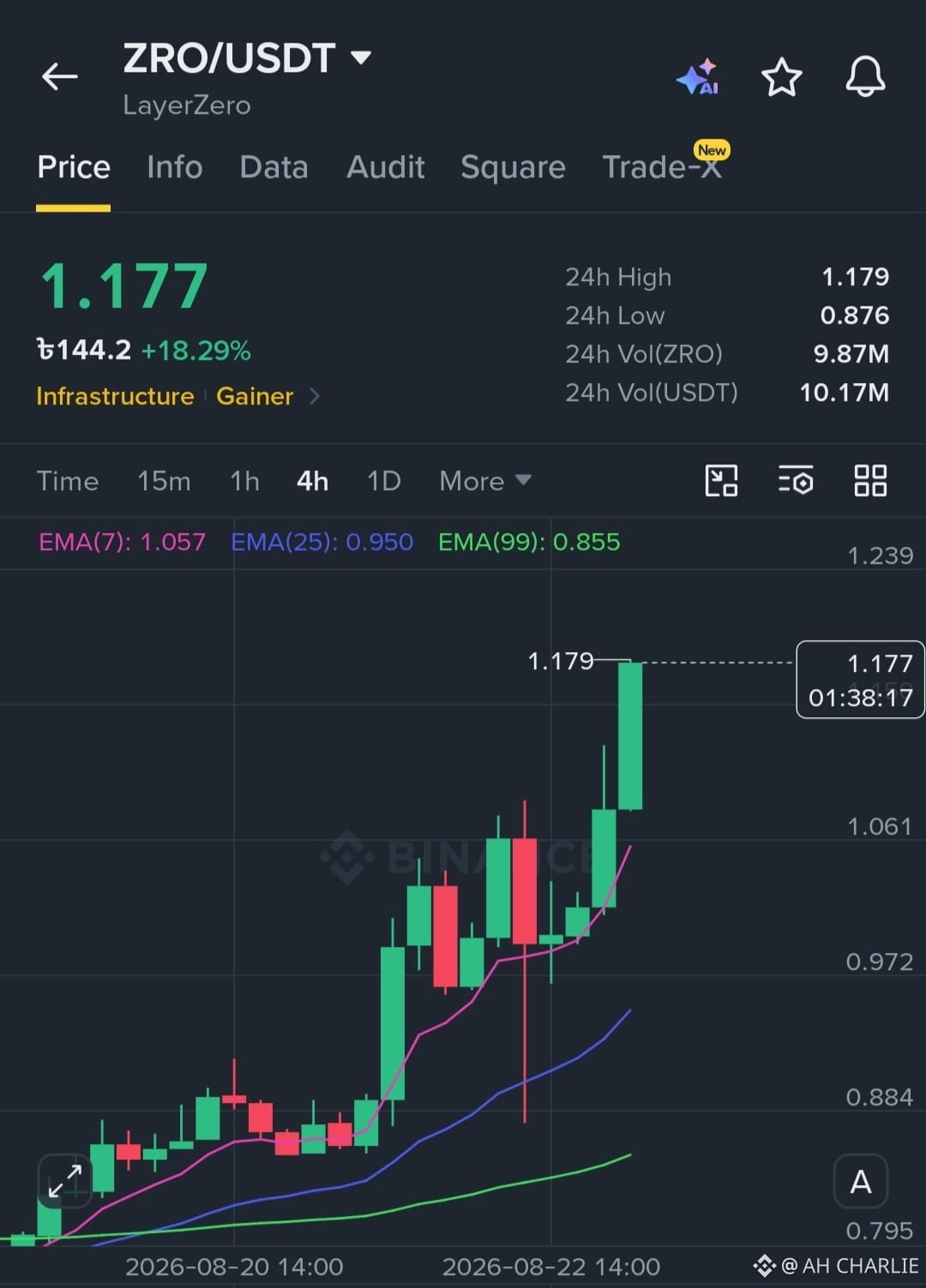
$ZRO /اختراق حادّ في USDT، كانت سرعته تدفع مؤشر RSI إلى ما بعد 75، لكن المشترين الذين يطاردون شموع الاندفاع يحتاجون بعض الوقت قبل أن تُجرى إعادة اختبار لمستوى الدعم 1.057... توسّع EMA الصعودي يحافظ على الزخم، والهبوطات المحلية تحاصر البائعين المتأخرين.. لذلك لا تزال استمرارية الاتجاه محتملة.
خطة التداول- شراء طويل
الدخول:- 1.055-1.090
SL: 0.995
TP1:- 1.180
TP2:- 1.280
TP3:- 1.380
هل يشير هذا التوسع إلى تراكم مؤسسي مستدام أم إلى قمة مبالغ فيها من نوع blow-off؟ بنية سوق متقلبة، احمِ الجانب السلبي بدقة.
#ZRO #CryptoTrading #BinanceSquare #ahcharlie
انقر هنا للتداول 👉$ZRO
{future}(ZROUSDT)
$ZRO /اختراق حادّ في USDT، كانت سرعته تدفع مؤشر RSI إلى ما بعد 75، لكن المشترين الذين يطاردون شموع الاندفاع يحتاجون بعض الوقت قبل أن تُجرى إعادة اختبار لمستوى الدعم 1.057... توسّع EMA الصعودي يحافظ على الزخم، والهبوطات المحلية تحاصر البائعين المتأخرين.. لذلك لا تزال استمرارية الاتجاه محتملة.
خطة التداول- شراء طويل
الدخول:- 1.055-1.090
SL: 0.995
TP1:- 1.180
TP2:- 1.280
TP3:- 1.380
هل يشير هذا التوسع إلى تراكم مؤسسي مستدام أم إلى قمة مبالغ فيها من نوع blow-off؟ بنية سوق متقلبة، احمِ الجانب السلبي بدقة.
#ZRO #CryptoTrading #BinanceSquare #ahcharlie
انقر هنا للتداول 👉$ZRO
خطة التداول- شراء طويل
الدخول:- 1.055-1.090
SL: 0.995
TP1:- 1.180
TP2:- 1.280
TP3:- 1.380
هل يشير هذا التوسع إلى تراكم مؤسسي مستدام أم إلى قمة مبالغ فيها من نوع blow-off؟ بنية سوق متقلبة، احمِ الجانب السلبي بدقة.
#ZRO #CryptoTrading #BinanceSquare #ahcharlie
انقر هنا للتداول 👉$ZRO
1
142
·
--
تمّ التحقق
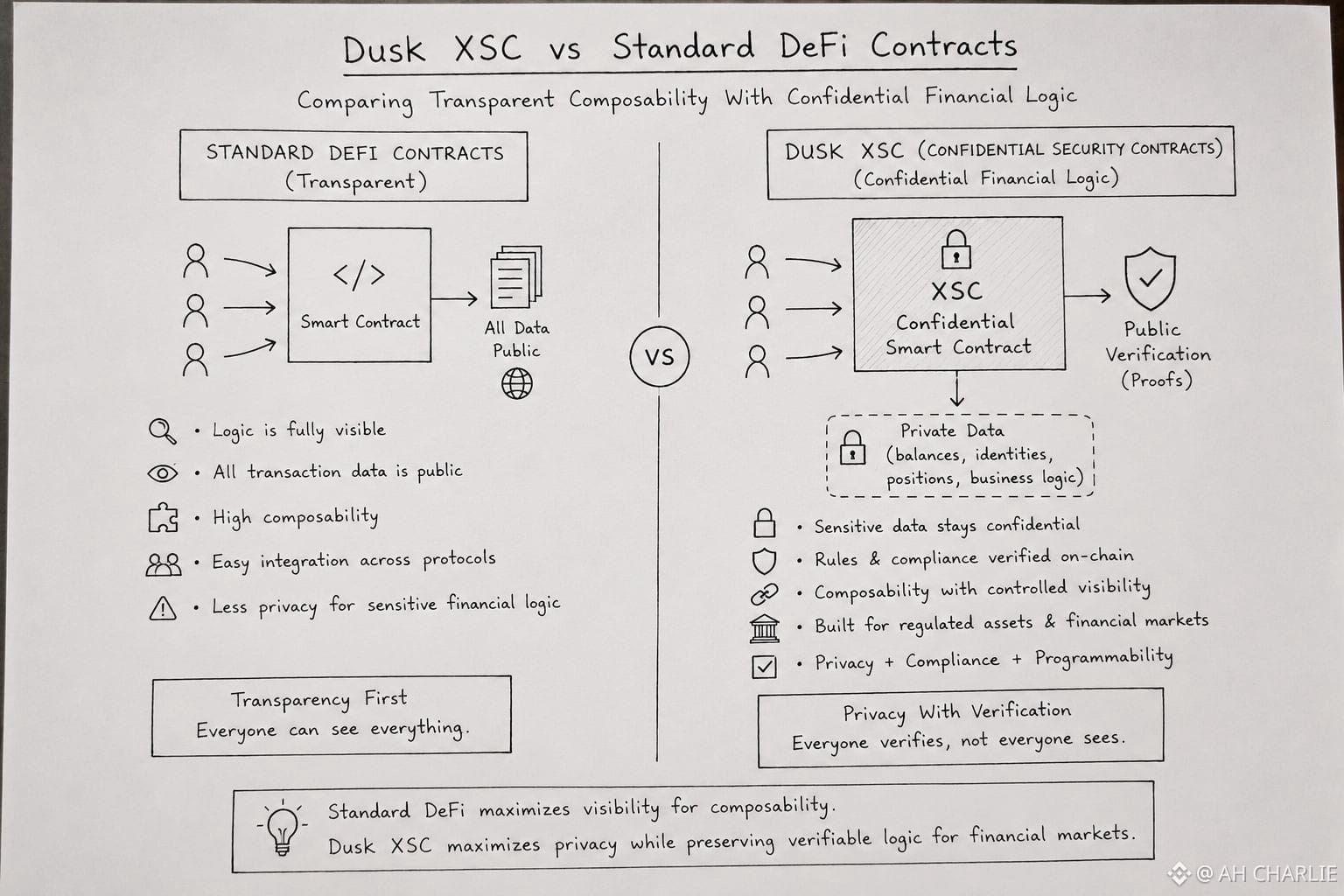
معظم عقود التمويل اللامركزي (DeFi) بُنيت حول مقايضة بسيطة: تظل قابلية التراكيب (composability) مرتفعة لأن المنطق يكون واضحًا. بدأت أنظر إلى $DUSK من الاتجاه المعاكس.
تُصمم عقود XSC، أو عقود الأمان السرّية (Confidential Security Contracts)، للأصول المالية التي تحتاج إلى قواعد وخصوصية في الوقت نفسه. يمكن لنموذج Dusk أن يحافظ على تفاصيل المعاملات الحساسة سرّية، مع الاستمرار في دعم قواعد على مستوى العقود مثل القوائم المسموح بها (whitelists)، والحدود القصوى للتحويلات (capped transfers)، والأرباح/التوزيعات (dividends)، والتصويت، ومنطق الامتثال.
عندما أرى DeFi تقليديًا، أفكر في مبنى زجاجي. يمكن للجميع فحص ما يحدث، ما يجعل قابلية التراكيب سهلة، لكن في الوقت نفسه تصبح تفاصيل المنطق المالي الحسّاس مرئية أيضًا.
تحاول Dusk بناء شيء أقرب إلى أرض تداول مُتحكم بها. يمكن للسوق التحقق من اتباع القواعد، لكن لا يحتاج كل مشارك إلى رؤية كل مركز أو تفاصيل معاملة. هناك مقايضة حقيقية هنا.
العقود الشفافة أسهل للفحص والتكامل والتركيب عبر منظومة DeFi المفتوحة. تُدخل العقود السرّية خصوصية أقوى، لكنها أيضًا تخلق مشكلة هندسية أكثر صعوبة: كيف تحافظ على قابلية البرمجة المفيدة دون كشف البيانات التي يحتاج العقد إلى حمايتها؟
أتعلم أيضًا أن XSC ليست مجرد “DeFi خاص”. صممت Dusk ذلك حول الأوراق المالية المنظمة، حيث يمكن لقواعد الملكية، وأهلية المستثمرين، وحدود التحويل، ومنطق الامتثال أن تصبح جزءًا من العقد نفسه.
أخطئ عندما أقارن بين السلاسل فقط عبر TVL أو عدد المعاملات. في البنية التحتية المالية، السؤال هو ما المعلومات التي يتطلبها النظام من الجميع الكشف عنها قبل أن يتمكنوا من المشاركة.
إذا استطاعت Dusk جعل المنطق المالي السرّي قابلًا للبرمجة دون كسر التحقق، فهذا يخلق نوعًا مختلفًا من قابلية التراكيب.
ليست قابلية التراكيب عبر أقصى قدر من الشفافية. بل قابلية التراكيب عبر رؤية مُتحكم بها.
قد تصبح هذه الفروق أكثر أهمية عندما ينتقل التمويل على السلسلة (on-chain) من المضاربة المفتوحة إلى الأصول المالية الحقيقية.
#dusk $DUSK @Dusk_Foundation #Web3 #Layer1
{spot}(DUSKUSDT)
معظم عقود التمويل اللامركزي (DeFi) بُنيت حول مقايضة بسيطة: تظل قابلية التراكيب (composability) مرتفعة لأن المنطق يكون واضحًا. بدأت أنظر إلى $DUSK من الاتجاه المعاكس.
تُصمم عقود XSC، أو عقود الأمان السرّية (Confidential Security Contracts)، للأصول المالية التي تحتاج إلى قواعد وخصوصية في الوقت نفسه. يمكن لنموذج Dusk أن يحافظ على تفاصيل المعاملات الحساسة سرّية، مع الاستمرار في دعم قواعد على مستوى العقود مثل القوائم المسموح بها (whitelists)، والحدود القصوى للتحويلات (capped transfers)، والأرباح/التوزيعات (dividends)، والتصويت، ومنطق الامتثال.
عندما أرى DeFi تقليديًا، أفكر في مبنى زجاجي. يمكن للجميع فحص ما يحدث، ما يجعل قابلية التراكيب سهلة، لكن في الوقت نفسه تصبح تفاصيل المنطق المالي الحسّاس مرئية أيضًا.
تحاول Dusk بناء شيء أقرب إلى أرض تداول مُتحكم بها. يمكن للسوق التحقق من اتباع القواعد، لكن لا يحتاج كل مشارك إلى رؤية كل مركز أو تفاصيل معاملة. هناك مقايضة حقيقية هنا.
العقود الشفافة أسهل للفحص والتكامل والتركيب عبر منظومة DeFi المفتوحة. تُدخل العقود السرّية خصوصية أقوى، لكنها أيضًا تخلق مشكلة هندسية أكثر صعوبة: كيف تحافظ على قابلية البرمجة المفيدة دون كشف البيانات التي يحتاج العقد إلى حمايتها؟
أتعلم أيضًا أن XSC ليست مجرد “DeFi خاص”. صممت Dusk ذلك حول الأوراق المالية المنظمة، حيث يمكن لقواعد الملكية، وأهلية المستثمرين، وحدود التحويل، ومنطق الامتثال أن تصبح جزءًا من العقد نفسه.
أخطئ عندما أقارن بين السلاسل فقط عبر TVL أو عدد المعاملات. في البنية التحتية المالية، السؤال هو ما المعلومات التي يتطلبها النظام من الجميع الكشف عنها قبل أن يتمكنوا من المشاركة.
إذا استطاعت Dusk جعل المنطق المالي السرّي قابلًا للبرمجة دون كسر التحقق، فهذا يخلق نوعًا مختلفًا من قابلية التراكيب.
ليست قابلية التراكيب عبر أقصى قدر من الشفافية. بل قابلية التراكيب عبر رؤية مُتحكم بها.
قد تصبح هذه الفروق أكثر أهمية عندما ينتقل التمويل على السلسلة (on-chain) من المضاربة المفتوحة إلى الأصول المالية الحقيقية.
#dusk $DUSK @Dusk #Web3 #Layer1
تُصمم عقود XSC، أو عقود الأمان السرّية (Confidential Security Contracts)، للأصول المالية التي تحتاج إلى قواعد وخصوصية في الوقت نفسه. يمكن لنموذج Dusk أن يحافظ على تفاصيل المعاملات الحساسة سرّية، مع الاستمرار في دعم قواعد على مستوى العقود مثل القوائم المسموح بها (whitelists)، والحدود القصوى للتحويلات (capped transfers)، والأرباح/التوزيعات (dividends)، والتصويت، ومنطق الامتثال.
عندما أرى DeFi تقليديًا، أفكر في مبنى زجاجي. يمكن للجميع فحص ما يحدث، ما يجعل قابلية التراكيب سهلة، لكن في الوقت نفسه تصبح تفاصيل المنطق المالي الحسّاس مرئية أيضًا.
تحاول Dusk بناء شيء أقرب إلى أرض تداول مُتحكم بها. يمكن للسوق التحقق من اتباع القواعد، لكن لا يحتاج كل مشارك إلى رؤية كل مركز أو تفاصيل معاملة. هناك مقايضة حقيقية هنا.
العقود الشفافة أسهل للفحص والتكامل والتركيب عبر منظومة DeFi المفتوحة. تُدخل العقود السرّية خصوصية أقوى، لكنها أيضًا تخلق مشكلة هندسية أكثر صعوبة: كيف تحافظ على قابلية البرمجة المفيدة دون كشف البيانات التي يحتاج العقد إلى حمايتها؟
أتعلم أيضًا أن XSC ليست مجرد “DeFi خاص”. صممت Dusk ذلك حول الأوراق المالية المنظمة، حيث يمكن لقواعد الملكية، وأهلية المستثمرين، وحدود التحويل، ومنطق الامتثال أن تصبح جزءًا من العقد نفسه.
أخطئ عندما أقارن بين السلاسل فقط عبر TVL أو عدد المعاملات. في البنية التحتية المالية، السؤال هو ما المعلومات التي يتطلبها النظام من الجميع الكشف عنها قبل أن يتمكنوا من المشاركة.
إذا استطاعت Dusk جعل المنطق المالي السرّي قابلًا للبرمجة دون كسر التحقق، فهذا يخلق نوعًا مختلفًا من قابلية التراكيب.
ليست قابلية التراكيب عبر أقصى قدر من الشفافية. بل قابلية التراكيب عبر رؤية مُتحكم بها.
قد تصبح هذه الفروق أكثر أهمية عندما ينتقل التمويل على السلسلة (on-chain) من المضاربة المفتوحة إلى الأصول المالية الحقيقية.
#dusk $DUSK @Dusk #Web3 #Layer1
4
2
188
·
--
هابط
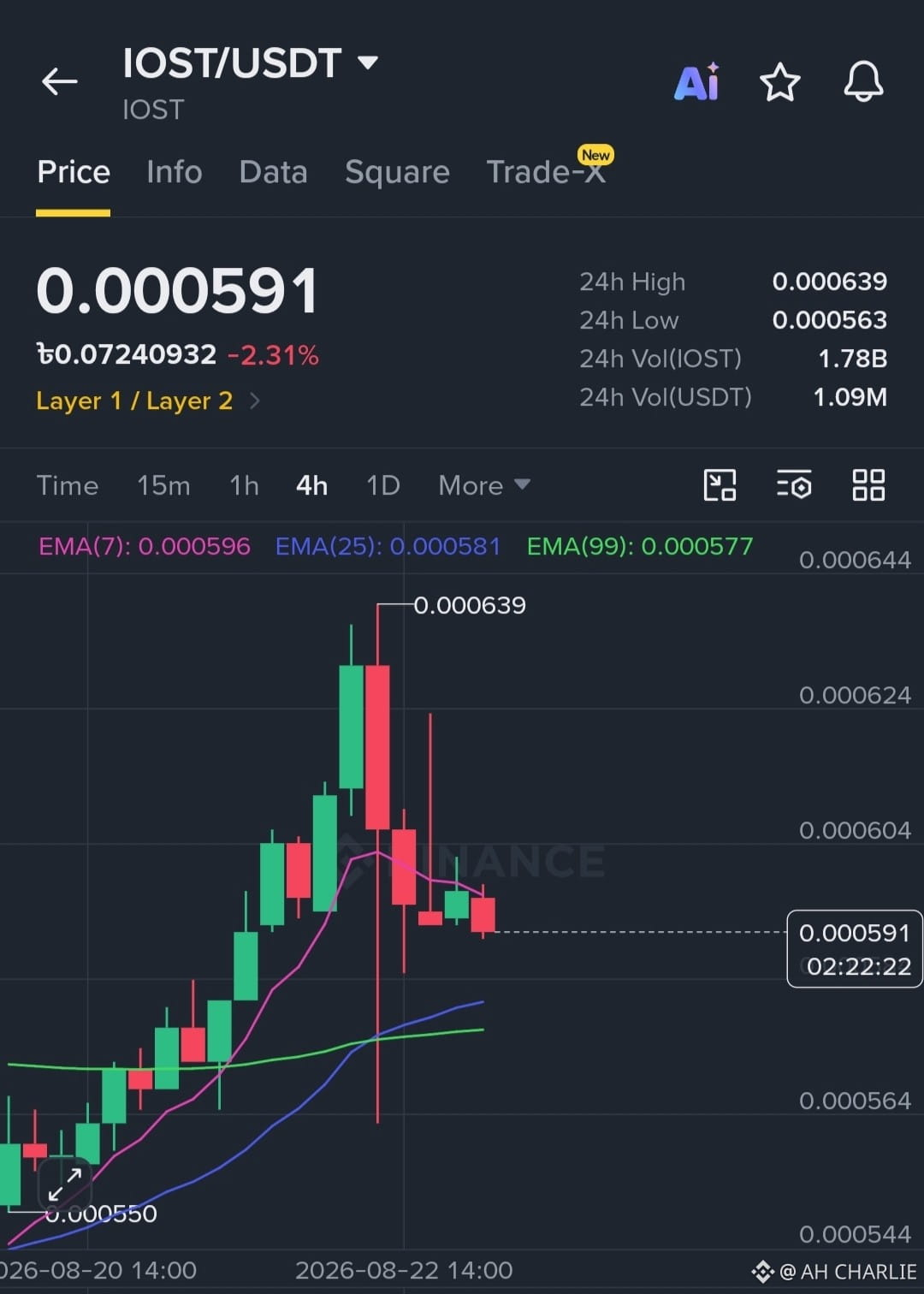
$IOST /ترفض USDT عرض 0.000639، وبنية ذلك تؤكد بيعًا عدوانيًا، لكن المشترين الذين يدافعون عن دعم ديناميكي يحتاجون بعض الوقت قبل أن يتم تجريف سيولة 0.000563...
صفقة- قصير
الدخول:- 0.0595-0.0615
SL: 0.0645
TP1:- 0.0575
TP2:- 0.0550
TP3:- 0.0510
ترفض الفتائل العلوية الطويلة المقاومة، وتتبخر السيولة/الحجم، لذلك يبقى احتمال حدوث انعكاس هبوطي نحو EMA 99. هل تشير شمعة التوزيع الثقيلة هذه إلى انهيار بنيوي أم إلى إعادة تراكم محلي؟حافظ على رأس المال بدقة، ولا تعرضه للتقلبات؛ الأصول منخفضة القيمة تتسم بتذبذب كبير.
#IOST #ahcharlie #BinanceTrade $IOST
{future}(IOSTUSDT)
$IOST /ترفض USDT عرض 0.000639، وبنية ذلك تؤكد بيعًا عدوانيًا، لكن المشترين الذين يدافعون عن دعم ديناميكي يحتاجون بعض الوقت قبل أن يتم تجريف سيولة 0.000563...
صفقة- قصير
الدخول:- 0.0595-0.0615
SL: 0.0645
TP1:- 0.0575
TP2:- 0.0550
TP3:- 0.0510
ترفض الفتائل العلوية الطويلة المقاومة، وتتبخر السيولة/الحجم، لذلك يبقى احتمال حدوث انعكاس هبوطي نحو EMA 99. هل تشير شمعة التوزيع الثقيلة هذه إلى انهيار بنيوي أم إلى إعادة تراكم محلي؟حافظ على رأس المال بدقة، ولا تعرضه للتقلبات؛ الأصول منخفضة القيمة تتسم بتذبذب كبير.
#IOST #ahcharlie #BinanceTrade $IOST
صفقة- قصير
الدخول:- 0.0595-0.0615
SL: 0.0645
TP1:- 0.0575
TP2:- 0.0550
TP3:- 0.0510
ترفض الفتائل العلوية الطويلة المقاومة، وتتبخر السيولة/الحجم، لذلك يبقى احتمال حدوث انعكاس هبوطي نحو EMA 99. هل تشير شمعة التوزيع الثقيلة هذه إلى انهيار بنيوي أم إلى إعادة تراكم محلي؟حافظ على رأس المال بدقة، ولا تعرضه للتقلبات؛ الأصول منخفضة القيمة تتسم بتذبذب كبير.
#IOST #ahcharlie #BinanceTrade $IOST
1
327
·
--
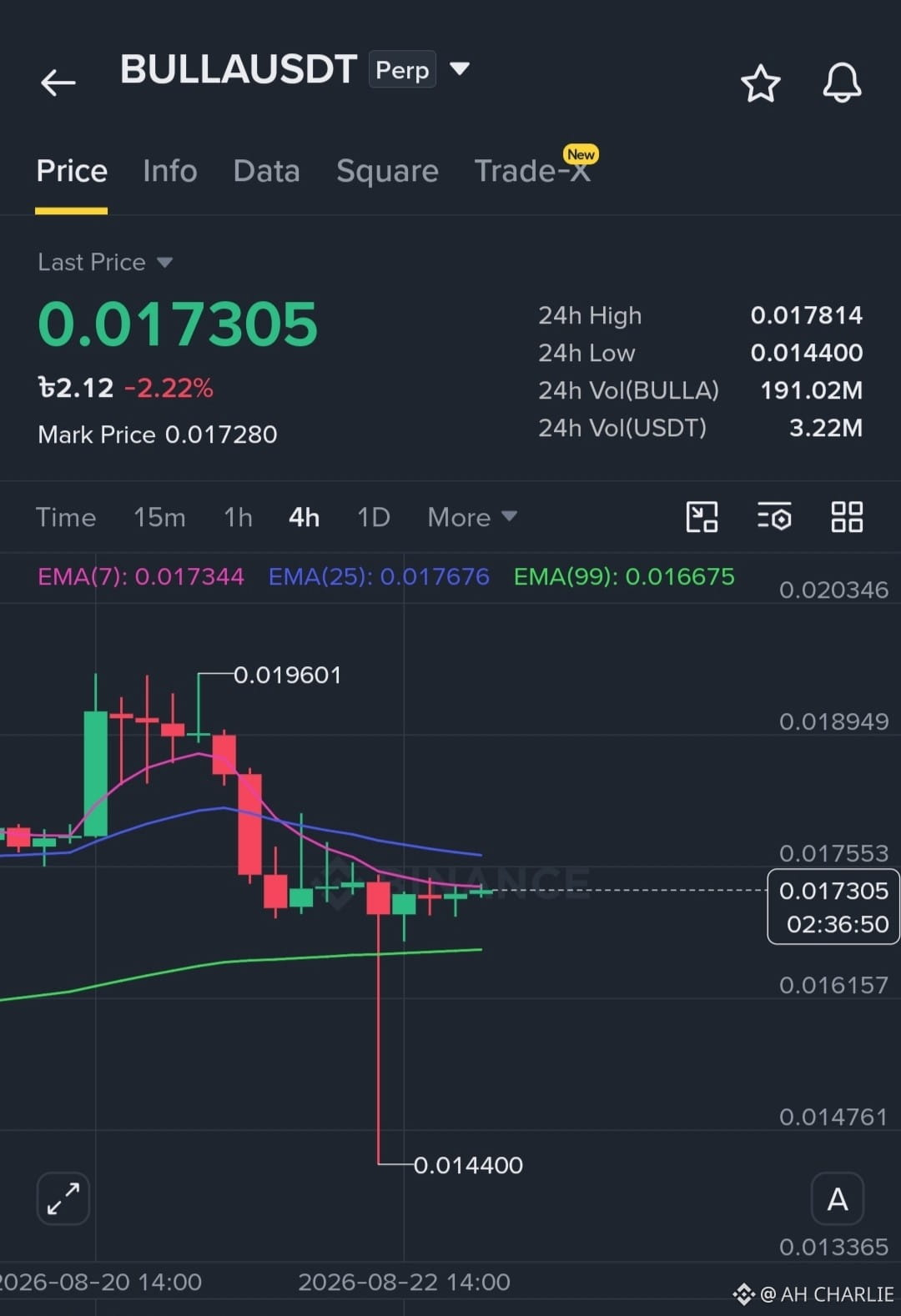
$BULLA /تتوقف USDT تحت مقاومة 0.0176، ويؤكد انهيارها سيطرة البائعين، لكن المتداولين الذين يتوقعون راحة مفاجئة يحتاجون بعض الوقت قبل أن يتم جرف سيولة 0.0144...
$BULLA Trade - Short
Entry:- 0.01735-0.01765
SL: 0.01815
TP1:- 0.01665
TP2:- 0.01550
TP3:- 0.01440
تتسبب القمم المنخفضة في التوقف تحت EMA 25؛ لذلك تميل تدفقات الأوامر إلى التوسع الهبوطي. هل يؤدي هذا التكدس بالقرب من EMA 99 إلى بناء تراكم قاعدي أم إعداد توزيع أعمق؟سوق شديد التقلب—يُدار خطر الهبوط بدقة.
#BULLA #ahcharlie #Write2earn
{future}(BULLAUSDT)
$BULLA /تتوقف USDT تحت مقاومة 0.0176، ويؤكد انهيارها سيطرة البائعين، لكن المتداولين الذين يتوقعون راحة مفاجئة يحتاجون بعض الوقت قبل أن يتم جرف سيولة 0.0144...
$BULLA Trade - Short
Entry:- 0.01735-0.01765
SL: 0.01815
TP1:- 0.01665
TP2:- 0.01550
TP3:- 0.01440
تتسبب القمم المنخفضة في التوقف تحت EMA 25؛ لذلك تميل تدفقات الأوامر إلى التوسع الهبوطي. هل يؤدي هذا التكدس بالقرب من EMA 99 إلى بناء تراكم قاعدي أم إعداد توزيع أعمق؟سوق شديد التقلب—يُدار خطر الهبوط بدقة.
#BULLA #ahcharlie #Write2earn
$BULLA Trade - Short
Entry:- 0.01735-0.01765
SL: 0.01815
TP1:- 0.01665
TP2:- 0.01550
TP3:- 0.01440
تتسبب القمم المنخفضة في التوقف تحت EMA 25؛ لذلك تميل تدفقات الأوامر إلى التوسع الهبوطي. هل يؤدي هذا التكدس بالقرب من EMA 99 إلى بناء تراكم قاعدي أم إعداد توزيع أعمق؟سوق شديد التقلب—يُدار خطر الهبوط بدقة.
#BULLA #ahcharlie #Write2earn
1
250
·
--
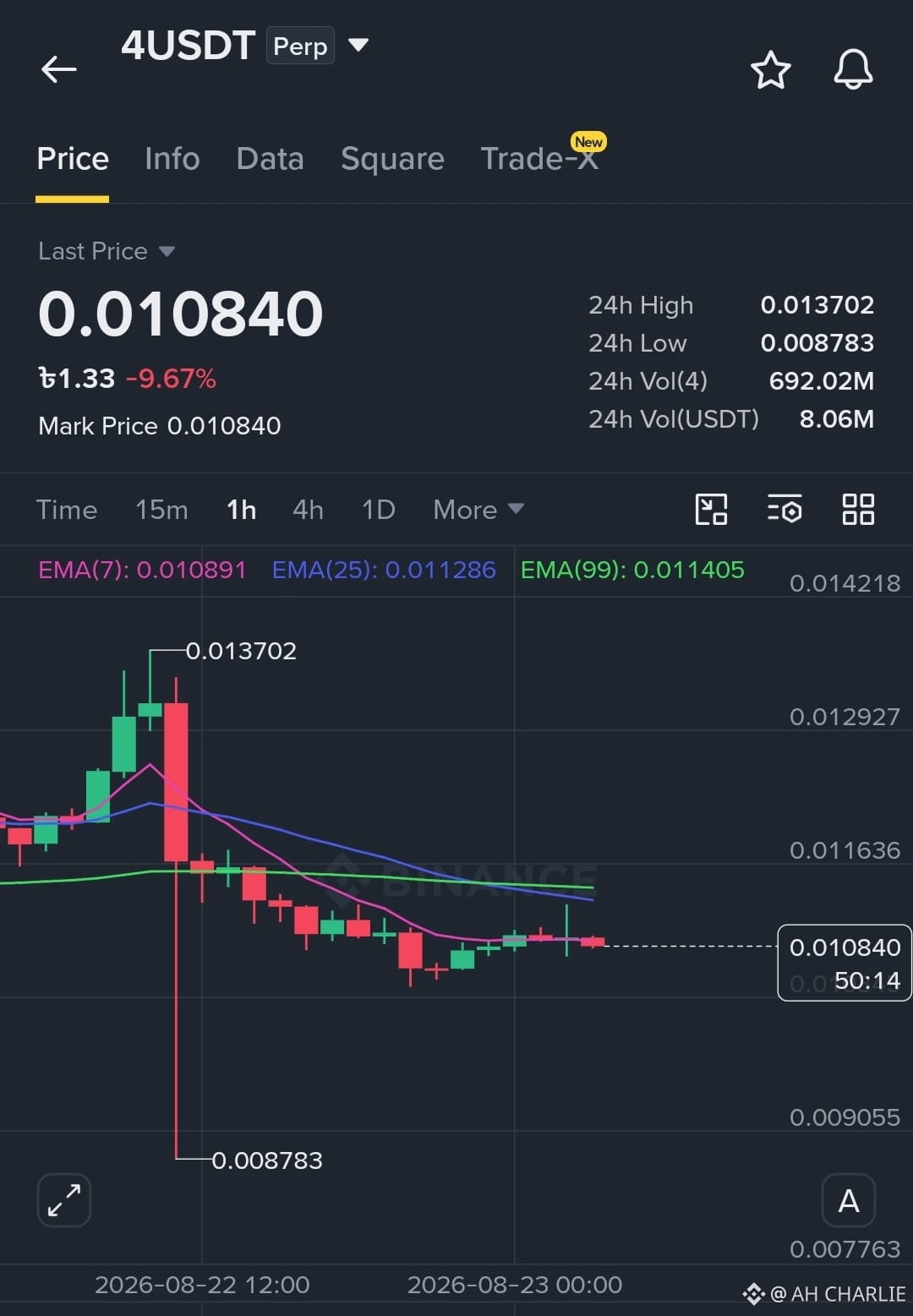
$4 /تداولات USDT تحت مستوى المقاومة، والتي تعكس الضعف فيها ويدعو إلى بيعٍ مستمر. لكن المتداولين الذين يريدون ارتدادًا مبكرًا يحتاجون بعض الوقت قبل اختبار 0.00878...
خطة التداول- SHORT
الدخول:- 0.01090-0.01130
SL: 0.01165
TP1:- 0.01020
TP2:- 0.00950
TP3:- 0.00878
السعر يفشل عند المتوسطات المتحركة الديناميكية؛ لذلك يبقى زخم الهبوط هو المسيطر. هل يقوم البائعون ببناء توزيع حقيقي، أم أنها عملية صيد هادئة لقاعٍ محتمل؟ ما يزال السوق متقلبًا، لذا أدر إدارة المخاطر بعناية.
#4USDT #CryptoTrading #BinanceSquare
اضغط هنا للتداول👉 $4
{future}(4USDT)
$4 /تداولات USDT تحت مستوى المقاومة، والتي تعكس الضعف فيها ويدعو إلى بيعٍ مستمر. لكن المتداولين الذين يريدون ارتدادًا مبكرًا يحتاجون بعض الوقت قبل اختبار 0.00878...
خطة التداول- SHORT
الدخول:- 0.01090-0.01130
SL: 0.01165
TP1:- 0.01020
TP2:- 0.00950
TP3:- 0.00878
السعر يفشل عند المتوسطات المتحركة الديناميكية؛ لذلك يبقى زخم الهبوط هو المسيطر. هل يقوم البائعون ببناء توزيع حقيقي، أم أنها عملية صيد هادئة لقاعٍ محتمل؟ ما يزال السوق متقلبًا، لذا أدر إدارة المخاطر بعناية.
#4USDT #CryptoTrading #BinanceSquare
اضغط هنا للتداول👉 $4
خطة التداول- SHORT
الدخول:- 0.01090-0.01130
SL: 0.01165
TP1:- 0.01020
TP2:- 0.00950
TP3:- 0.00878
السعر يفشل عند المتوسطات المتحركة الديناميكية؛ لذلك يبقى زخم الهبوط هو المسيطر. هل يقوم البائعون ببناء توزيع حقيقي، أم أنها عملية صيد هادئة لقاعٍ محتمل؟ ما يزال السوق متقلبًا، لذا أدر إدارة المخاطر بعناية.
#4USDT #CryptoTrading #BinanceSquare
اضغط هنا للتداول👉 $4
1
590
·
--
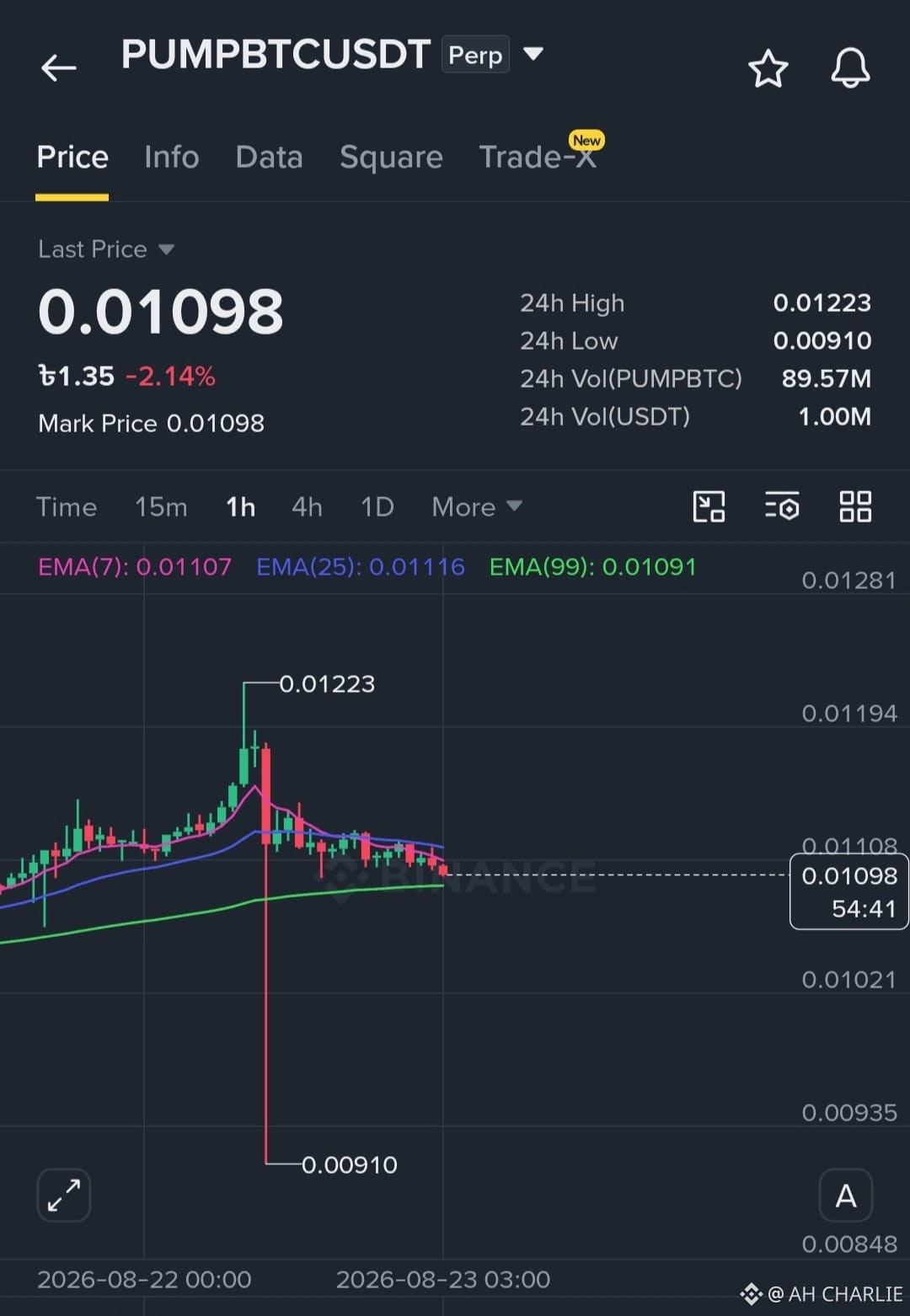
$PUMPBTC /USDT يكسر مستوى دعمًا رئيسيًا، مما كشف عن فخ طويل للمضاربين بالتجزئة بنسبة 86%، لكن المشترين الذين يدافعون عن الانخفاضات يحتاجون إلى بعض الوقت قبل أن يتم جرف سيولة 0.00910... هل يؤدي تموضع طويل بنسبة 86% إلى عمليات تصفية متتالية أم إلى اندفاع مفاجئ نحو الشراء (Short Squeeze)؟
خطة التداول- بيع (SHORT)
الدخول:- 0.01110-0.01130
SL: 0.01165
TP1:- 0.01050
TP2:- 0.00980
TP3:- 0.00910
انحراف ثقيل 6.3 Long/Short يرفض EMA 25، وبالتالي فإن آليات سلسلة التصفية تميل إلى استمرار الهبوط. تقلبات شديدة، التزم بالحفاظ الصارم على رأس المال.
#PUMPBTC #ahcharlie #Write2earn
اضغط هنا للتداول👇
$PUMPBTC
{future}(PUMPBTCUSDT)
$PUMPBTC /USDT يكسر مستوى دعمًا رئيسيًا، مما كشف عن فخ طويل للمضاربين بالتجزئة بنسبة 86%، لكن المشترين الذين يدافعون عن الانخفاضات يحتاجون إلى بعض الوقت قبل أن يتم جرف سيولة 0.00910... هل يؤدي تموضع طويل بنسبة 86% إلى عمليات تصفية متتالية أم إلى اندفاع مفاجئ نحو الشراء (Short Squeeze)؟
خطة التداول- بيع (SHORT)
الدخول:- 0.01110-0.01130
SL: 0.01165
TP1:- 0.01050
TP2:- 0.00980
TP3:- 0.00910
انحراف ثقيل 6.3 Long/Short يرفض EMA 25، وبالتالي فإن آليات سلسلة التصفية تميل إلى استمرار الهبوط. تقلبات شديدة، التزم بالحفاظ الصارم على رأس المال.
#PUMPBTC #ahcharlie #Write2earn
اضغط هنا للتداول👇
$PUMPBTC
خطة التداول- بيع (SHORT)
الدخول:- 0.01110-0.01130
SL: 0.01165
TP1:- 0.01050
TP2:- 0.00980
TP3:- 0.00910
انحراف ثقيل 6.3 Long/Short يرفض EMA 25، وبالتالي فإن آليات سلسلة التصفية تميل إلى استمرار الهبوط. تقلبات شديدة، التزم بالحفاظ الصارم على رأس المال.
#PUMPBTC #ahcharlie #Write2earn
اضغط هنا للتداول👇
$PUMPBTC
1
298
·
--
هابط
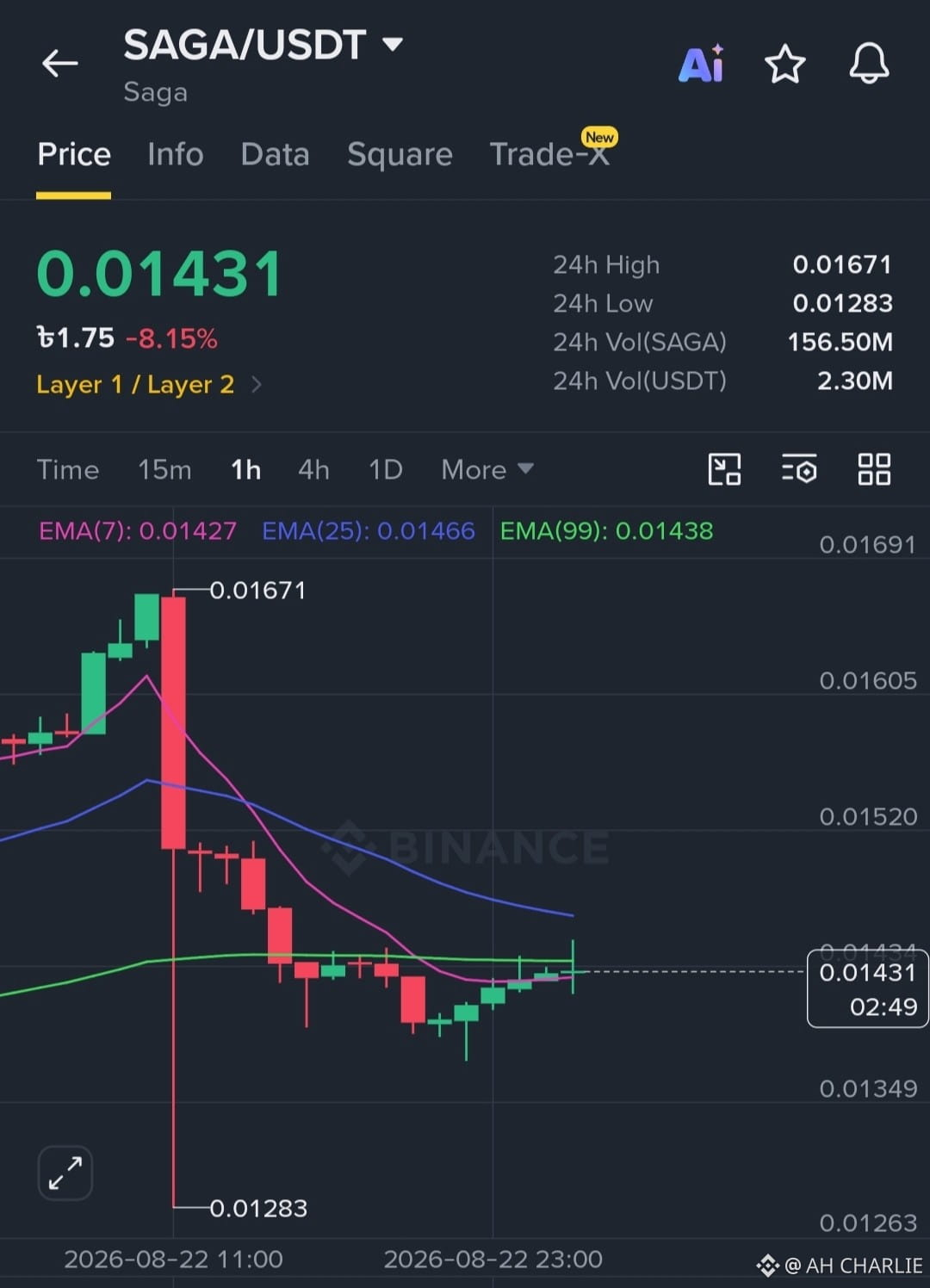
$SAGA /USDT يرفض مقاومة رئيسية، وانكشاف انهيارها كشف عن إنهاك في الشراء/السبت، لكن البائعين الذين يدافعون عن العرض يحتاجون بعض الوقت قبل أن يفشل 0.0130...
تداول - قصير
الدخول:- 0.0148-0.0154
SL: 0.0162
TP1:- 0.0138
TP2:- 0.0125
TP3:- 0.0112
تم سحب السيولة المحلية إلى مقاومة فوقية؛ لذلك فإن إنهاك الحجم يدعم تدويرًا هابطًا. هل هذا الرفض توزيع هيكلي أم مجرد تماسك/تجميع سريع؟ أدِر الرافعة بشكل صارم مع بطلان/إبطال واضح فوق المقاومة.
#SAGA #CryptoTrading #BinanceSquare #ahcharlie
انقر هنا للتداول👇
{future}(SAGAUSDT)
$SAGA /USDT يرفض مقاومة رئيسية، وانكشاف انهيارها كشف عن إنهاك في الشراء/السبت، لكن البائعين الذين يدافعون عن العرض يحتاجون بعض الوقت قبل أن يفشل 0.0130...
تداول - قصير
الدخول:- 0.0148-0.0154
SL: 0.0162
TP1:- 0.0138
TP2:- 0.0125
TP3:- 0.0112
تم سحب السيولة المحلية إلى مقاومة فوقية؛ لذلك فإن إنهاك الحجم يدعم تدويرًا هابطًا. هل هذا الرفض توزيع هيكلي أم مجرد تماسك/تجميع سريع؟ أدِر الرافعة بشكل صارم مع بطلان/إبطال واضح فوق المقاومة.
#SAGA #CryptoTrading #BinanceSquare #ahcharlie
انقر هنا للتداول👇
تداول - قصير
الدخول:- 0.0148-0.0154
SL: 0.0162
TP1:- 0.0138
TP2:- 0.0125
TP3:- 0.0112
تم سحب السيولة المحلية إلى مقاومة فوقية؛ لذلك فإن إنهاك الحجم يدعم تدويرًا هابطًا. هل هذا الرفض توزيع هيكلي أم مجرد تماسك/تجميع سريع؟ أدِر الرافعة بشكل صارم مع بطلان/إبطال واضح فوق المقاومة.
#SAGA #CryptoTrading #BinanceSquare #ahcharlie
انقر هنا للتداول👇
2
386
·
--
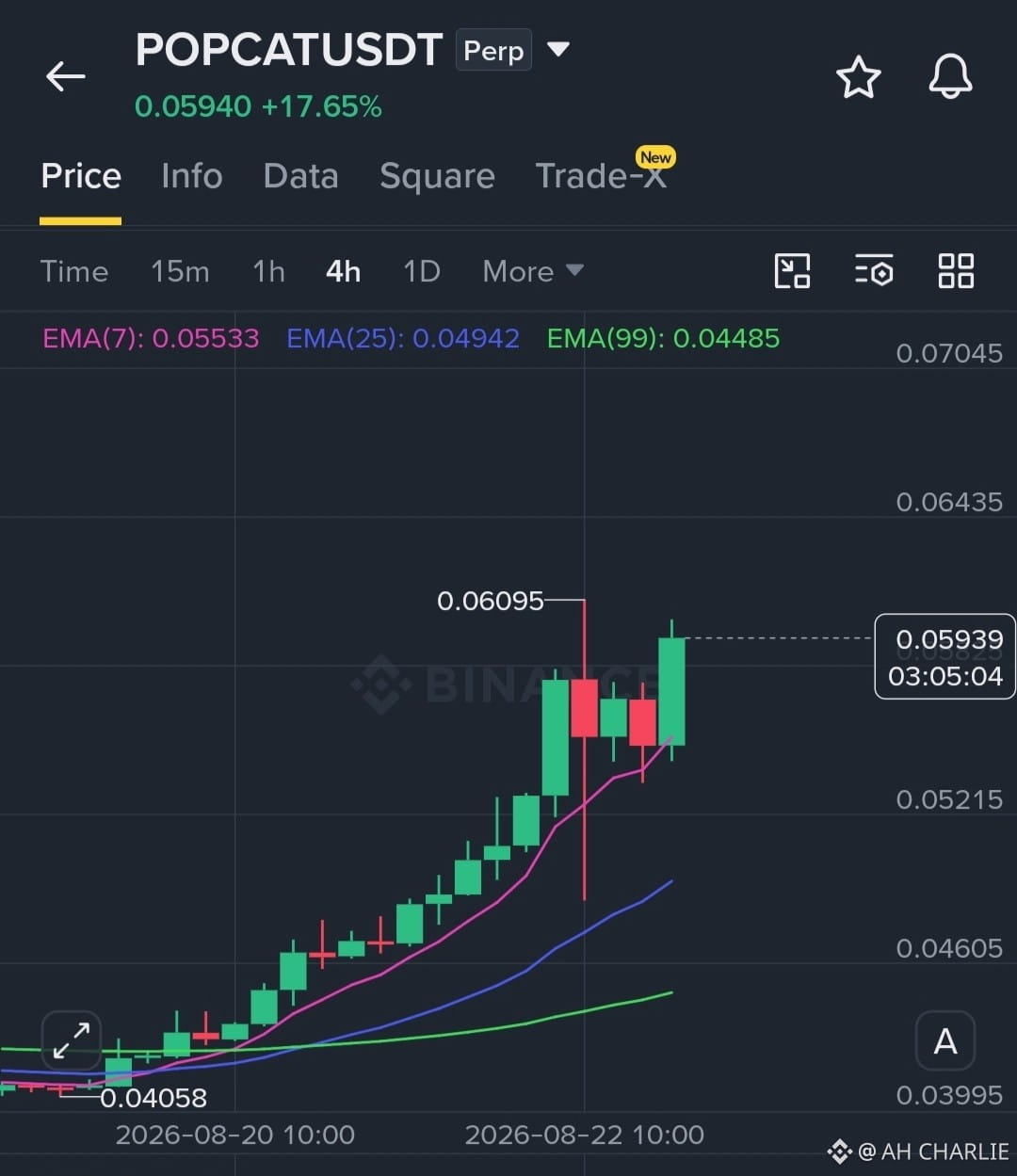
$POPCAT /إعادة اختبار 0.06095 للمقاومة على USDT، وهو ما دفع الزخم مؤشر RSI إلى 78، لكن يحتاج المشترون العدوانيون الذين يطاردون الاختراق إلى بعض الوقت لامتصاص العرض الكامن فوق القمة...
التداول - شراء (Long)
الدخول:- 0.0545-0.0555
SL: 0.0518
TP1:- 0.0610
TP2:- 0.0655
TP3:- 0.0700
سحب EMA 7 يعيد ضبط المراكز الطويلة المبالغ في تمديدها، لذلك يبقى استمرار الاتجاه قائمًا. هل يشير تموضع 70% من صغار المتداولين في مراكز طويلة إلى قمة محلية أم إلى استمرار؟ أصل عالي التقلب؛ تحكم صارم بالمخاطر.
#POPCAT #CryptoTrading #BinanceSquare
{future}(POPCATUSDT)
$POPCAT /إعادة اختبار 0.06095 للمقاومة على USDT، وهو ما دفع الزخم مؤشر RSI إلى 78، لكن يحتاج المشترون العدوانيون الذين يطاردون الاختراق إلى بعض الوقت لامتصاص العرض الكامن فوق القمة...
التداول - شراء (Long)
الدخول:- 0.0545-0.0555
SL: 0.0518
TP1:- 0.0610
TP2:- 0.0655
TP3:- 0.0700
سحب EMA 7 يعيد ضبط المراكز الطويلة المبالغ في تمديدها، لذلك يبقى استمرار الاتجاه قائمًا. هل يشير تموضع 70% من صغار المتداولين في مراكز طويلة إلى قمة محلية أم إلى استمرار؟ أصل عالي التقلب؛ تحكم صارم بالمخاطر.
#POPCAT #CryptoTrading #BinanceSquare
التداول - شراء (Long)
الدخول:- 0.0545-0.0555
SL: 0.0518
TP1:- 0.0610
TP2:- 0.0655
TP3:- 0.0700
سحب EMA 7 يعيد ضبط المراكز الطويلة المبالغ في تمديدها، لذلك يبقى استمرار الاتجاه قائمًا. هل يشير تموضع 70% من صغار المتداولين في مراكز طويلة إلى قمة محلية أم إلى استمرار؟ أصل عالي التقلب؛ تحكم صارم بالمخاطر.
#POPCAT #CryptoTrading #BinanceSquare
1
146
·
--
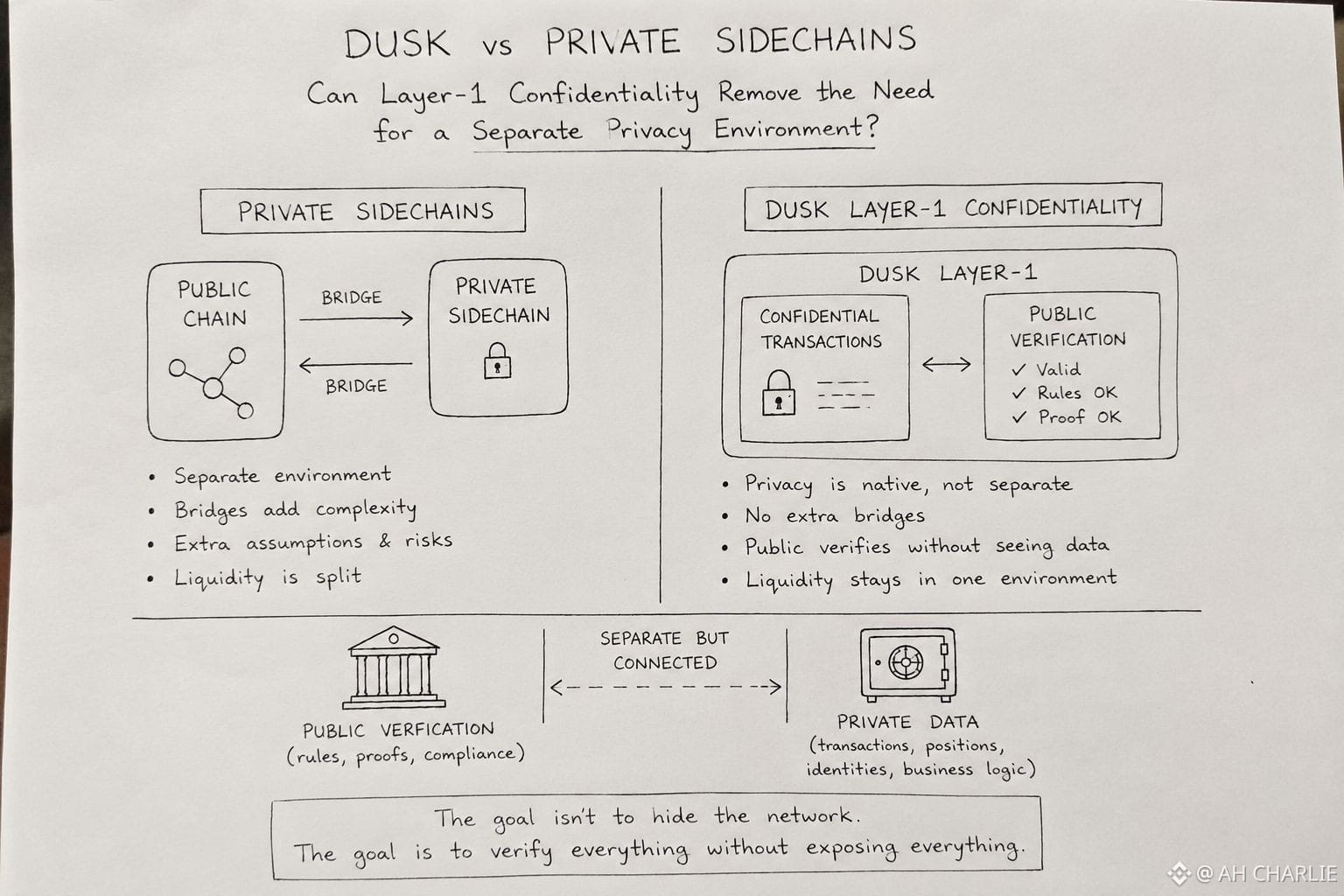
$DUSK يُثير اهتمامي ذلك لأنني رأيت نقاشات الخصوصية تتعثر عند سؤال واحد.. "كيف نخفي المعاملة؟"
أظن أن السؤال الأصعب هو.. "لماذا يحتاج التطبيق بأكمله إلى بيئة خاصة منفصلة أصلًا؟"
يمكن لـ السلسلة الجانبية الخاصة عزل النشاط الحساس عن شبكة عامة، لكنها أيضًا تنشئ بيئة أخرى لإدارتها. قد يحتاج المستخدمون والأصول والسيولة والرسائل والتحقق إلى جسور أو تنسيق إضافي بين الأنظمة. عادةً ما يعني المزيد من الأجزاء المتحركة افتراضات أكثر.
عندما أرى نهج Dusk، أنظر إلى الفصل بشكل مختلف. يمكن للشبكة أن تبقي بيانات المعاملة سرية مع السماح للنظام الأوسع بالتحقق من الالتزام بالقواعد. الأمر يشبه خزانة بنك بمدخل زجاجي؛ يمكن للناس التحقق من أن العملية تعمل، لكنهم لا يحتاجون إلى رؤية كل مستند داخلها.
كنت أظن دائمًا أن الخصوصية تعني إنشاء منطقة مخفية. أتعلّم أنها قد تعني أيضًا تغيير ما يصبح مرئيًا على نفس الطبقة الأساسية.
يهم ذلك لأسواق المال لأن الخصوصية ليست فقط لإخفاء عملية دفع. قد يحتاج المتداولون إلى مراكز سرية، وقد يحتاج المُصدِرون إلى شروط صفقات محمية، وقد تحتاج المؤسسات إلى إفصاح انتقائي. قد تُحل سلسلة خصوصية منفصلة جزءًا من ذلك، لكن سعي Confidentiality على Layer-1 يهدف إلى جعل الخصوصية جزءًا من بيئة التسوية نفسها.
أخطئ عندما أحكم على معمارية البلوك تشين فقط من خلال الإنتاجية. الاحتكاك الحقيقي غالبًا ما يكون بين التحقق العام والمعلومات الخاصة.
إذا استطاع Dusk جعل هذين الأمرين يتعايشا دون دفع كل تطبيق حساس إلى سلسلة جانبية منفصلة، فإن السؤال المثير للاهتمام لم يعد "أين نضع المعاملات الخاصة؟" بل أصبح "هل يمكن لطبقة التسوية العامة أن تتحقق بشكل كافٍ دون رؤية كل شيء؟"
هذا التحول — من إخفاء النشاط في مكان آخر إلى التحكم في قابلية الرؤية على الطبقة الأساسية — هو الجزء الذي أعتقد أنه يستحق مزيدًا من الاهتمام.
#dusk $DUSK @Dusk_Foundation #Layer1
{spot}(DUSKUSDT)
$DUSK يُثير اهتمامي ذلك لأنني رأيت نقاشات الخصوصية تتعثر عند سؤال واحد.. "كيف نخفي المعاملة؟"
أظن أن السؤال الأصعب هو.. "لماذا يحتاج التطبيق بأكمله إلى بيئة خاصة منفصلة أصلًا؟"
يمكن لـ السلسلة الجانبية الخاصة عزل النشاط الحساس عن شبكة عامة، لكنها أيضًا تنشئ بيئة أخرى لإدارتها. قد يحتاج المستخدمون والأصول والسيولة والرسائل والتحقق إلى جسور أو تنسيق إضافي بين الأنظمة. عادةً ما يعني المزيد من الأجزاء المتحركة افتراضات أكثر.
عندما أرى نهج Dusk، أنظر إلى الفصل بشكل مختلف. يمكن للشبكة أن تبقي بيانات المعاملة سرية مع السماح للنظام الأوسع بالتحقق من الالتزام بالقواعد. الأمر يشبه خزانة بنك بمدخل زجاجي؛ يمكن للناس التحقق من أن العملية تعمل، لكنهم لا يحتاجون إلى رؤية كل مستند داخلها.
كنت أظن دائمًا أن الخصوصية تعني إنشاء منطقة مخفية. أتعلّم أنها قد تعني أيضًا تغيير ما يصبح مرئيًا على نفس الطبقة الأساسية.
يهم ذلك لأسواق المال لأن الخصوصية ليست فقط لإخفاء عملية دفع. قد يحتاج المتداولون إلى مراكز سرية، وقد يحتاج المُصدِرون إلى شروط صفقات محمية، وقد تحتاج المؤسسات إلى إفصاح انتقائي. قد تُحل سلسلة خصوصية منفصلة جزءًا من ذلك، لكن سعي Confidentiality على Layer-1 يهدف إلى جعل الخصوصية جزءًا من بيئة التسوية نفسها.
أخطئ عندما أحكم على معمارية البلوك تشين فقط من خلال الإنتاجية. الاحتكاك الحقيقي غالبًا ما يكون بين التحقق العام والمعلومات الخاصة.
إذا استطاع Dusk جعل هذين الأمرين يتعايشا دون دفع كل تطبيق حساس إلى سلسلة جانبية منفصلة، فإن السؤال المثير للاهتمام لم يعد "أين نضع المعاملات الخاصة؟" بل أصبح "هل يمكن لطبقة التسوية العامة أن تتحقق بشكل كافٍ دون رؤية كل شيء؟"
هذا التحول — من إخفاء النشاط في مكان آخر إلى التحكم في قابلية الرؤية على الطبقة الأساسية — هو الجزء الذي أعتقد أنه يستحق مزيدًا من الاهتمام.
#dusk $DUSK @Dusk #Layer1
أظن أن السؤال الأصعب هو.. "لماذا يحتاج التطبيق بأكمله إلى بيئة خاصة منفصلة أصلًا؟"
يمكن لـ السلسلة الجانبية الخاصة عزل النشاط الحساس عن شبكة عامة، لكنها أيضًا تنشئ بيئة أخرى لإدارتها. قد يحتاج المستخدمون والأصول والسيولة والرسائل والتحقق إلى جسور أو تنسيق إضافي بين الأنظمة. عادةً ما يعني المزيد من الأجزاء المتحركة افتراضات أكثر.
عندما أرى نهج Dusk، أنظر إلى الفصل بشكل مختلف. يمكن للشبكة أن تبقي بيانات المعاملة سرية مع السماح للنظام الأوسع بالتحقق من الالتزام بالقواعد. الأمر يشبه خزانة بنك بمدخل زجاجي؛ يمكن للناس التحقق من أن العملية تعمل، لكنهم لا يحتاجون إلى رؤية كل مستند داخلها.
كنت أظن دائمًا أن الخصوصية تعني إنشاء منطقة مخفية. أتعلّم أنها قد تعني أيضًا تغيير ما يصبح مرئيًا على نفس الطبقة الأساسية.
يهم ذلك لأسواق المال لأن الخصوصية ليست فقط لإخفاء عملية دفع. قد يحتاج المتداولون إلى مراكز سرية، وقد يحتاج المُصدِرون إلى شروط صفقات محمية، وقد تحتاج المؤسسات إلى إفصاح انتقائي. قد تُحل سلسلة خصوصية منفصلة جزءًا من ذلك، لكن سعي Confidentiality على Layer-1 يهدف إلى جعل الخصوصية جزءًا من بيئة التسوية نفسها.
أخطئ عندما أحكم على معمارية البلوك تشين فقط من خلال الإنتاجية. الاحتكاك الحقيقي غالبًا ما يكون بين التحقق العام والمعلومات الخاصة.
إذا استطاع Dusk جعل هذين الأمرين يتعايشا دون دفع كل تطبيق حساس إلى سلسلة جانبية منفصلة، فإن السؤال المثير للاهتمام لم يعد "أين نضع المعاملات الخاصة؟" بل أصبح "هل يمكن لطبقة التسوية العامة أن تتحقق بشكل كافٍ دون رؤية كل شيء؟"
هذا التحول — من إخفاء النشاط في مكان آخر إلى التحكم في قابلية الرؤية على الطبقة الأساسية — هو الجزء الذي أعتقد أنه يستحق مزيدًا من الاهتمام.
#dusk $DUSK @Dusk #Layer1
2
2
180
·
--
صاعد
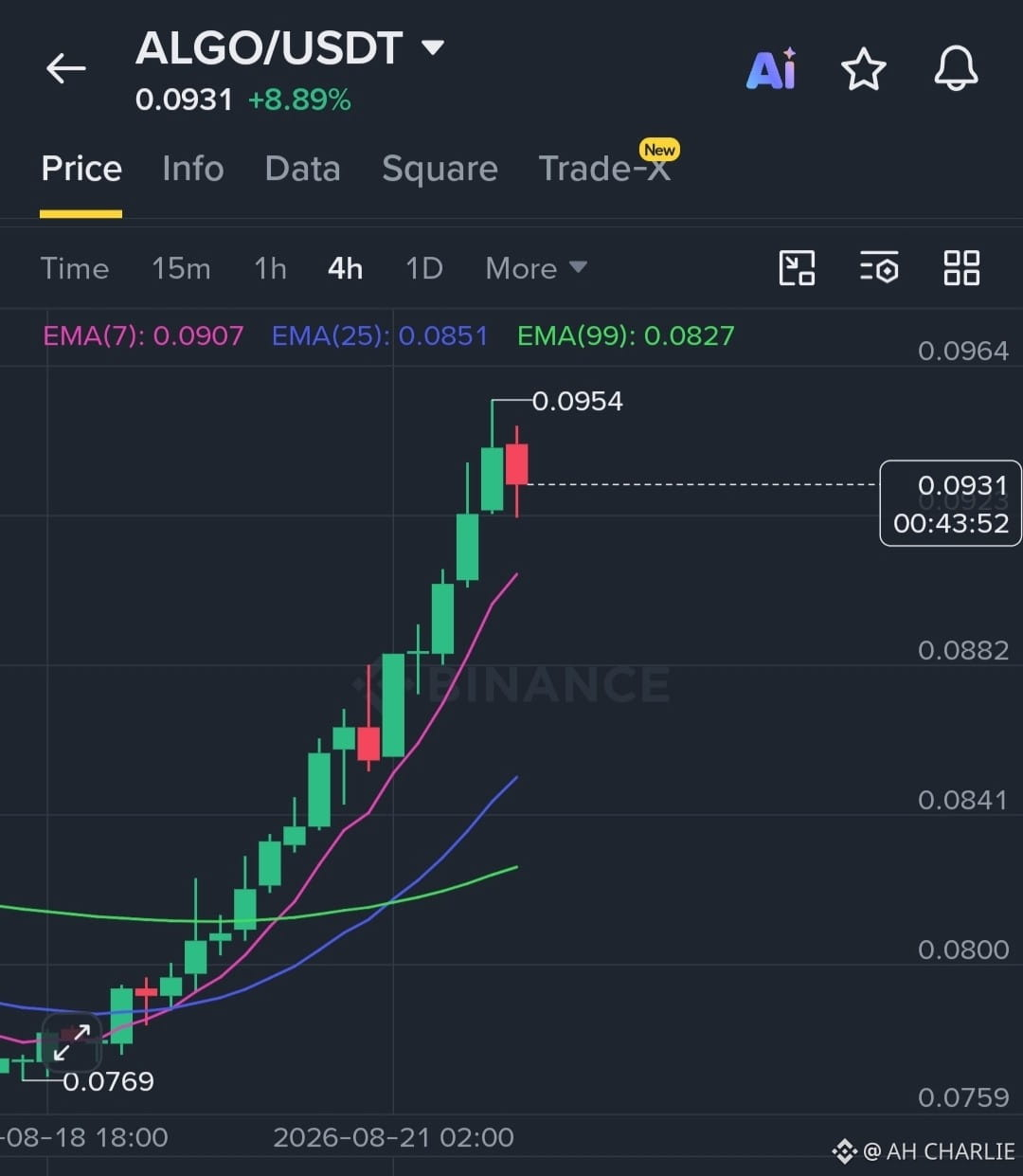
$ALGO /USDT للتو لمس مقاومة 0.0954، وتسبّب توسّعها في ارتفاع شديد لمؤشر RSI إلى حالة تشبع، لكن المتداولين الذين يطاردون القمم يعلقون... يحتاج السعر إلى بعض الوقت لإعادة الضبط عند EMA 7 لذلك، فإن سيولة التراجع تغذي استمرار الحركة.
$ALGO Trade - Long
الدخول:- 0.0890-0.0907
SL: 0.0848
TP1:- 0.0954
TP2:- 0.0990
TP3:- 0.1045
هل البائعون يسبقون المقاومة أم أنهم يستوعبون سيولة الاختراق؟ أدِر رأس المال بدقة، وبنية السوق تُبطل تحت مستوى وقف الخسارة.
#ALGO #Algorand #ALGOUSDT
{future}(ALGOUSDT)
$ALGO /USDT للتو لمس مقاومة 0.0954، وتسبّب توسّعها في ارتفاع شديد لمؤشر RSI إلى حالة تشبع، لكن المتداولين الذين يطاردون القمم يعلقون... يحتاج السعر إلى بعض الوقت لإعادة الضبط عند EMA 7 لذلك، فإن سيولة التراجع تغذي استمرار الحركة.
$ALGO Trade - Long
الدخول:- 0.0890-0.0907
SL: 0.0848
TP1:- 0.0954
TP2:- 0.0990
TP3:- 0.1045
هل البائعون يسبقون المقاومة أم أنهم يستوعبون سيولة الاختراق؟ أدِر رأس المال بدقة، وبنية السوق تُبطل تحت مستوى وقف الخسارة.
#ALGO #Algorand #ALGOUSDT
$ALGO Trade - Long
الدخول:- 0.0890-0.0907
SL: 0.0848
TP1:- 0.0954
TP2:- 0.0990
TP3:- 0.1045
هل البائعون يسبقون المقاومة أم أنهم يستوعبون سيولة الاختراق؟ أدِر رأس المال بدقة، وبنية السوق تُبطل تحت مستوى وقف الخسارة.
#ALGO #Algorand #ALGOUSDT
1
255
·
--
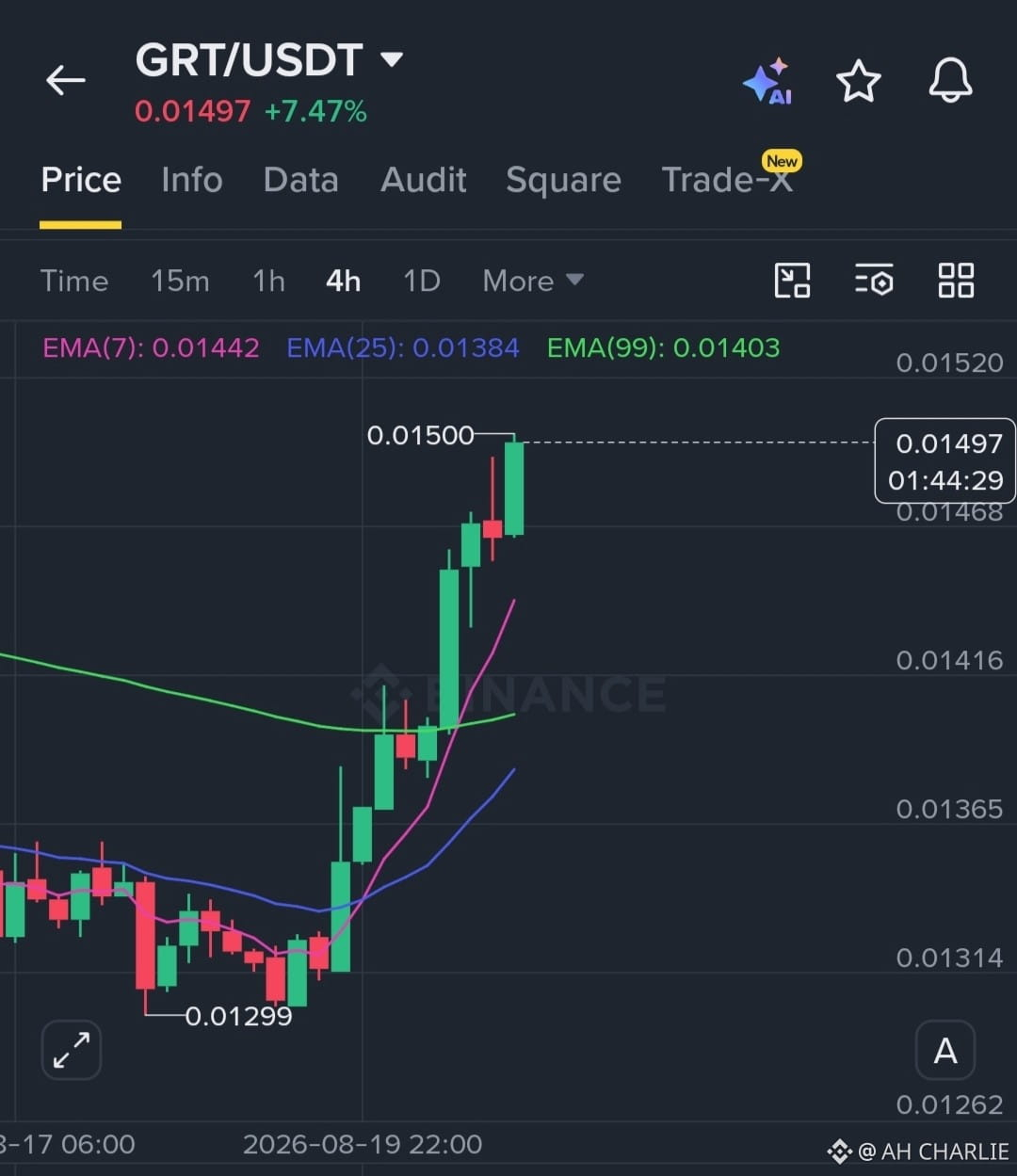
$GRT /USDT انفجر فوق المتوسط المتحرك 99 EMA، وكانت شمعة الاختراق قوية بحيث طبعت أحجام تداول مرتفعة، ما حاصر البائعين الذين توقعوا قمة أقل.
خطة التداول- شراء (Long)
الدخول:- 0.01430-0.01475
إيقاف الخسارة SL: 0.01390
الأهداف TP1:- 0.01550
TP2:- 0.01630
TP3:- 0.01750
هل سيدفع المشترون باتجاه توسع في وقت ما اليوم، أم أن مؤشر RSI المفرط في الشراء سيؤدي إلى تراجع حاد؟ تذكّر أن الإغلاق على إطار 4 ساعات أسفل 0.01390 يبطل البنية، لذا احفظ رأس المال.
#GRT #TheGraph #ahcharlie
{future}(GRTUSDT)
$GRT /USDT انفجر فوق المتوسط المتحرك 99 EMA، وكانت شمعة الاختراق قوية بحيث طبعت أحجام تداول مرتفعة، ما حاصر البائعين الذين توقعوا قمة أقل.
خطة التداول- شراء (Long)
الدخول:- 0.01430-0.01475
إيقاف الخسارة SL: 0.01390
الأهداف TP1:- 0.01550
TP2:- 0.01630
TP3:- 0.01750
هل سيدفع المشترون باتجاه توسع في وقت ما اليوم، أم أن مؤشر RSI المفرط في الشراء سيؤدي إلى تراجع حاد؟ تذكّر أن الإغلاق على إطار 4 ساعات أسفل 0.01390 يبطل البنية، لذا احفظ رأس المال.
#GRT #TheGraph #ahcharlie
خطة التداول- شراء (Long)
الدخول:- 0.01430-0.01475
إيقاف الخسارة SL: 0.01390
الأهداف TP1:- 0.01550
TP2:- 0.01630
TP3:- 0.01750
هل سيدفع المشترون باتجاه توسع في وقت ما اليوم، أم أن مؤشر RSI المفرط في الشراء سيؤدي إلى تراجع حاد؟ تذكّر أن الإغلاق على إطار 4 ساعات أسفل 0.01390 يبطل البنية، لذا احفظ رأس المال.
#GRT #TheGraph #ahcharlie
1
215
·
--
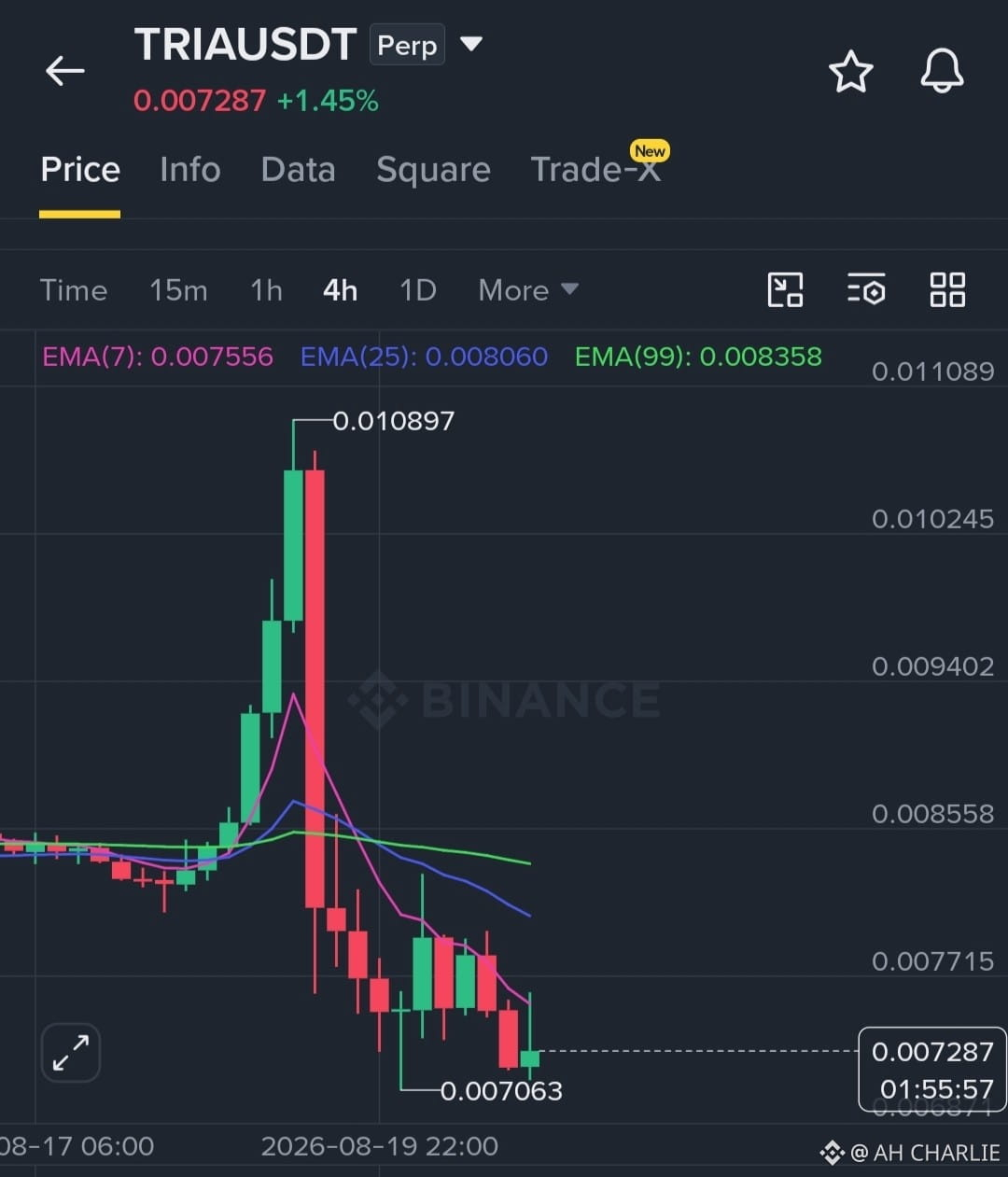
$TRIA /USDT فقدان المفتاح يدعم ديناميكية، والبيع العنيف الذي ضرب حجم التداول أدى إلى سحق فخاخ مؤشر 99 EMA التي اصطادت المشترين الذين لاحقوا عملية الضخ.
$TRIA Trade → SHORT
ENTRY:- 0.007350-0.007600
SL: 0.008100
TP1:- 0.007060
TP2:- 0.006400
TP3:- 0.005600
هل سيكسر البائعون 0.007060 قريبًا، أم تظهر ارتدادة بعد حالة ذروة البيع (oversold)؟ استعادة 0.008100 تكسر البنية، لذا أدِر المخاطر بصرامة.
#TRIA #TRIAUSDT #ahcharlie #BinanceFuture
$TRIA /USDT فقدان المفتاح يدعم ديناميكية، والبيع العنيف الذي ضرب حجم التداول أدى إلى سحق فخاخ مؤشر 99 EMA التي اصطادت المشترين الذين لاحقوا عملية الضخ.
$TRIA Trade → SHORT
ENTRY:- 0.007350-0.007600
SL: 0.008100
TP1:- 0.007060
TP2:- 0.006400
TP3:- 0.005600
هل سيكسر البائعون 0.007060 قريبًا، أم تظهر ارتدادة بعد حالة ذروة البيع (oversold)؟ استعادة 0.008100 تكسر البنية، لذا أدِر المخاطر بصرامة.
#TRIA #TRIAUSDT #ahcharlie #BinanceFuture
$TRIA Trade → SHORT
ENTRY:- 0.007350-0.007600
SL: 0.008100
TP1:- 0.007060
TP2:- 0.006400
TP3:- 0.005600
هل سيكسر البائعون 0.007060 قريبًا، أم تظهر ارتدادة بعد حالة ذروة البيع (oversold)؟ استعادة 0.008100 تكسر البنية، لذا أدِر المخاطر بصرامة.
#TRIA #TRIAUSDT #ahcharlie #BinanceFuture
2
719
·
--
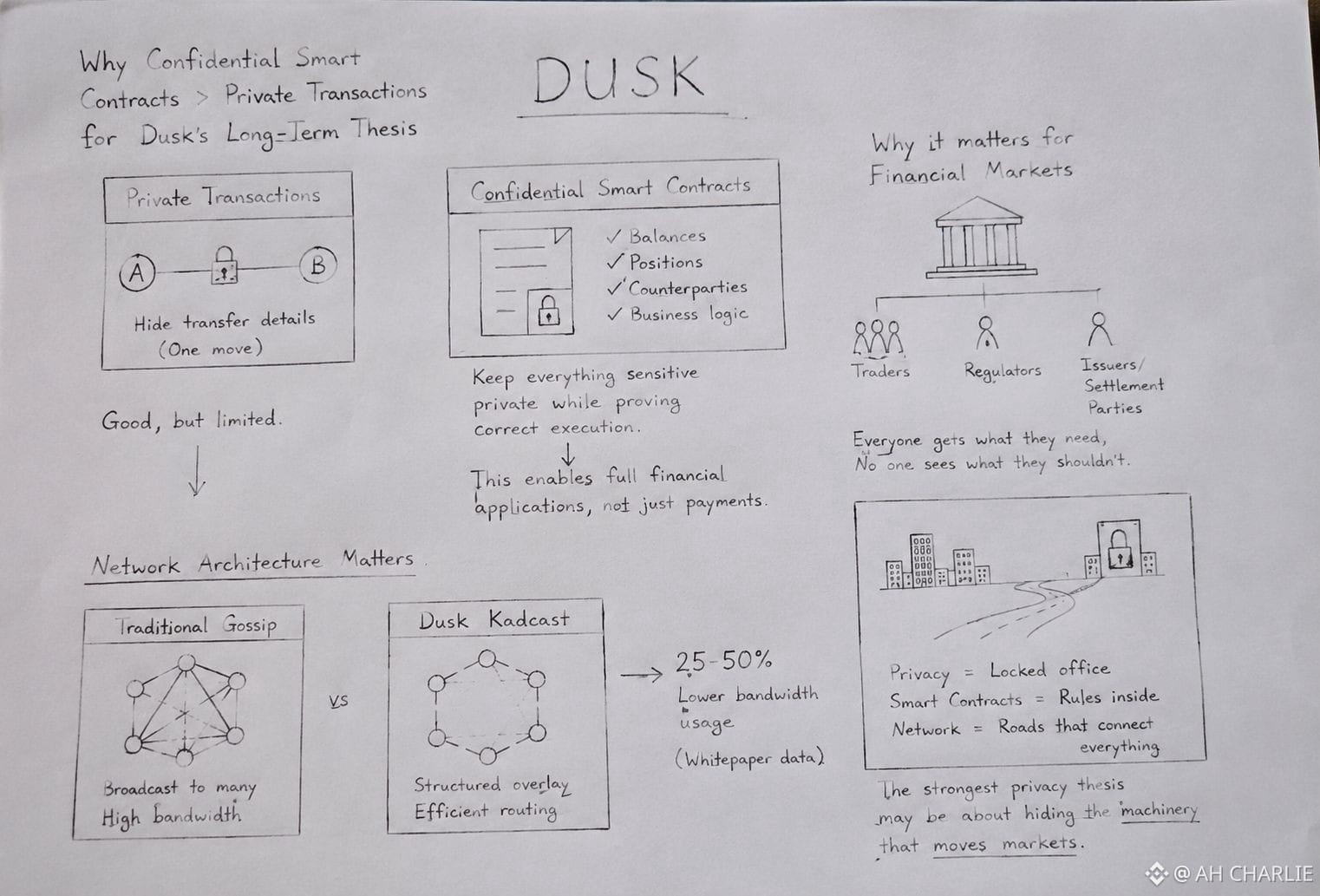
لقد بدأت أفكّر في أن أطروحة $DUSK الأكبر ليست مدفوعات خاصة. إنها منطق مالي خاص. عندما أرى معاملةً خاصة، أرى جزءًا واحدًا من اللغز. العقود الذكية السرّية أكثر إثارة للاهتمام لأن بإمكانها الحفاظ على الأرصدة والمراكز والأطراف المقابلة وقواعد العمل محمية، مع الاستمرار في إنتاج تنفيذ يمكن التحقق منه.
وهذا يُغيّر السؤال من: «كيف أخفي هذه التحويلة؟» إلى «كيف أشغّل سوقًا كاملًا دون كشف كل التفاصيل الحسّاسة؟» نظرتُ إلى أنظمة التسوية التقليدية بهذه الطريقة. لا يرغب مكتب الأوراق المالية أن يرى كل متداولٍ مركزه الكامل، أو منطق التسعير، أو الأطراف المقابلة. ومع ذلك، ما تزال الجهات التنظيمية والجهات المُصدِرة وأطراف التسوية بحاجةً إلى الأدلة. هنا تصبح العقود السرّية لدى Dusk أكثر منطقية من اعتبار الخصوصية مجرد ميزة ضمن محفظة.
تستخدم Kadcast لدى Dusk تراكبًا منظّمًا من نظير إلى نظير بدلًا من بثّ الرسائل عشوائيًا عبر الأسلوب المعروف بالمزاحمة (gossip). يستشهد ورقة Dusk البيضاء بدراسات تُظهر أن استهلاك النطاق الترددي أقل بحوالي 25–50% من بروتوكولات أسلوب gossip. ظننتُ أن هذا مجرد تفصيل هندسي، لكن كلما تعمّقتُ، أدركتُ أنه أصبح أكثر أهمية. ما تزال الأسواق المالية الخاصة بحاجة إلى كتل ورسائل تصويت وتسوية من أجل الحركة بكفاءة.
أقع في خطأ عندما أحكم على سلسلةٍ ما من خلال TPS فقط. الشبكة المالية أشبه بمدينة؛ الخصوصية هي المكتب المُقفَل، والعقود الذكية هي القواعد داخله، والشبكات هي نظام الطرق الذي يحمل كل شيء بينهما. كما أنني أتعلم أن هذه الطبقات لا يمكن تقييمها بشكل منفصل. قد يفشل سوقٌ سرّيٌ يسرّب الكثير من البيانات الوصفية (metadata)، أو يتطلب عبئًا شبكيًا مفرطًا، في تحقيق غايته.
إذا نظرتَ إلى Dusk من خلال هذه العدسة، فإن التحدّي ليس مجرد إخفاء المعاملات. بل هو بناء نظام تُعزّز فيه الخصوصية أثناء التنفيذ والكفاءة في التسوية بعضها بعضًا. هذه هي النقطة التي ما زلت أجدها الأكثر إثارة للاهتمام: فقد تكون أقوى أطروحة للخصوصية أقلّ تعلقًا بإخفاء المال، وأكثر تعلقًا بإخفاء الآلية التي تُحرّك الأسواق.
#dusk $DUSK @Dusk_Foundation #Web3
{spot}(DUSKUSDT)
لقد بدأت أفكّر في أن أطروحة $DUSK الأكبر ليست مدفوعات خاصة. إنها منطق مالي خاص. عندما أرى معاملةً خاصة، أرى جزءًا واحدًا من اللغز. العقود الذكية السرّية أكثر إثارة للاهتمام لأن بإمكانها الحفاظ على الأرصدة والمراكز والأطراف المقابلة وقواعد العمل محمية، مع الاستمرار في إنتاج تنفيذ يمكن التحقق منه.
وهذا يُغيّر السؤال من: «كيف أخفي هذه التحويلة؟» إلى «كيف أشغّل سوقًا كاملًا دون كشف كل التفاصيل الحسّاسة؟» نظرتُ إلى أنظمة التسوية التقليدية بهذه الطريقة. لا يرغب مكتب الأوراق المالية أن يرى كل متداولٍ مركزه الكامل، أو منطق التسعير، أو الأطراف المقابلة. ومع ذلك، ما تزال الجهات التنظيمية والجهات المُصدِرة وأطراف التسوية بحاجةً إلى الأدلة. هنا تصبح العقود السرّية لدى Dusk أكثر منطقية من اعتبار الخصوصية مجرد ميزة ضمن محفظة.
تستخدم Kadcast لدى Dusk تراكبًا منظّمًا من نظير إلى نظير بدلًا من بثّ الرسائل عشوائيًا عبر الأسلوب المعروف بالمزاحمة (gossip). يستشهد ورقة Dusk البيضاء بدراسات تُظهر أن استهلاك النطاق الترددي أقل بحوالي 25–50% من بروتوكولات أسلوب gossip. ظننتُ أن هذا مجرد تفصيل هندسي، لكن كلما تعمّقتُ، أدركتُ أنه أصبح أكثر أهمية. ما تزال الأسواق المالية الخاصة بحاجة إلى كتل ورسائل تصويت وتسوية من أجل الحركة بكفاءة.
أقع في خطأ عندما أحكم على سلسلةٍ ما من خلال TPS فقط. الشبكة المالية أشبه بمدينة؛ الخصوصية هي المكتب المُقفَل، والعقود الذكية هي القواعد داخله، والشبكات هي نظام الطرق الذي يحمل كل شيء بينهما. كما أنني أتعلم أن هذه الطبقات لا يمكن تقييمها بشكل منفصل. قد يفشل سوقٌ سرّيٌ يسرّب الكثير من البيانات الوصفية (metadata)، أو يتطلب عبئًا شبكيًا مفرطًا، في تحقيق غايته.
إذا نظرتَ إلى Dusk من خلال هذه العدسة، فإن التحدّي ليس مجرد إخفاء المعاملات. بل هو بناء نظام تُعزّز فيه الخصوصية أثناء التنفيذ والكفاءة في التسوية بعضها بعضًا. هذه هي النقطة التي ما زلت أجدها الأكثر إثارة للاهتمام: فقد تكون أقوى أطروحة للخصوصية أقلّ تعلقًا بإخفاء المال، وأكثر تعلقًا بإخفاء الآلية التي تُحرّك الأسواق.
#dusk $DUSK @Dusk #Web3
وهذا يُغيّر السؤال من: «كيف أخفي هذه التحويلة؟» إلى «كيف أشغّل سوقًا كاملًا دون كشف كل التفاصيل الحسّاسة؟» نظرتُ إلى أنظمة التسوية التقليدية بهذه الطريقة. لا يرغب مكتب الأوراق المالية أن يرى كل متداولٍ مركزه الكامل، أو منطق التسعير، أو الأطراف المقابلة. ومع ذلك، ما تزال الجهات التنظيمية والجهات المُصدِرة وأطراف التسوية بحاجةً إلى الأدلة. هنا تصبح العقود السرّية لدى Dusk أكثر منطقية من اعتبار الخصوصية مجرد ميزة ضمن محفظة.
تستخدم Kadcast لدى Dusk تراكبًا منظّمًا من نظير إلى نظير بدلًا من بثّ الرسائل عشوائيًا عبر الأسلوب المعروف بالمزاحمة (gossip). يستشهد ورقة Dusk البيضاء بدراسات تُظهر أن استهلاك النطاق الترددي أقل بحوالي 25–50% من بروتوكولات أسلوب gossip. ظننتُ أن هذا مجرد تفصيل هندسي، لكن كلما تعمّقتُ، أدركتُ أنه أصبح أكثر أهمية. ما تزال الأسواق المالية الخاصة بحاجة إلى كتل ورسائل تصويت وتسوية من أجل الحركة بكفاءة.
أقع في خطأ عندما أحكم على سلسلةٍ ما من خلال TPS فقط. الشبكة المالية أشبه بمدينة؛ الخصوصية هي المكتب المُقفَل، والعقود الذكية هي القواعد داخله، والشبكات هي نظام الطرق الذي يحمل كل شيء بينهما. كما أنني أتعلم أن هذه الطبقات لا يمكن تقييمها بشكل منفصل. قد يفشل سوقٌ سرّيٌ يسرّب الكثير من البيانات الوصفية (metadata)، أو يتطلب عبئًا شبكيًا مفرطًا، في تحقيق غايته.
إذا نظرتَ إلى Dusk من خلال هذه العدسة، فإن التحدّي ليس مجرد إخفاء المعاملات. بل هو بناء نظام تُعزّز فيه الخصوصية أثناء التنفيذ والكفاءة في التسوية بعضها بعضًا. هذه هي النقطة التي ما زلت أجدها الأكثر إثارة للاهتمام: فقد تكون أقوى أطروحة للخصوصية أقلّ تعلقًا بإخفاء المال، وأكثر تعلقًا بإخفاء الآلية التي تُحرّك الأسواق.
#dusk $DUSK @Dusk #Web3
3
3
209
·
--
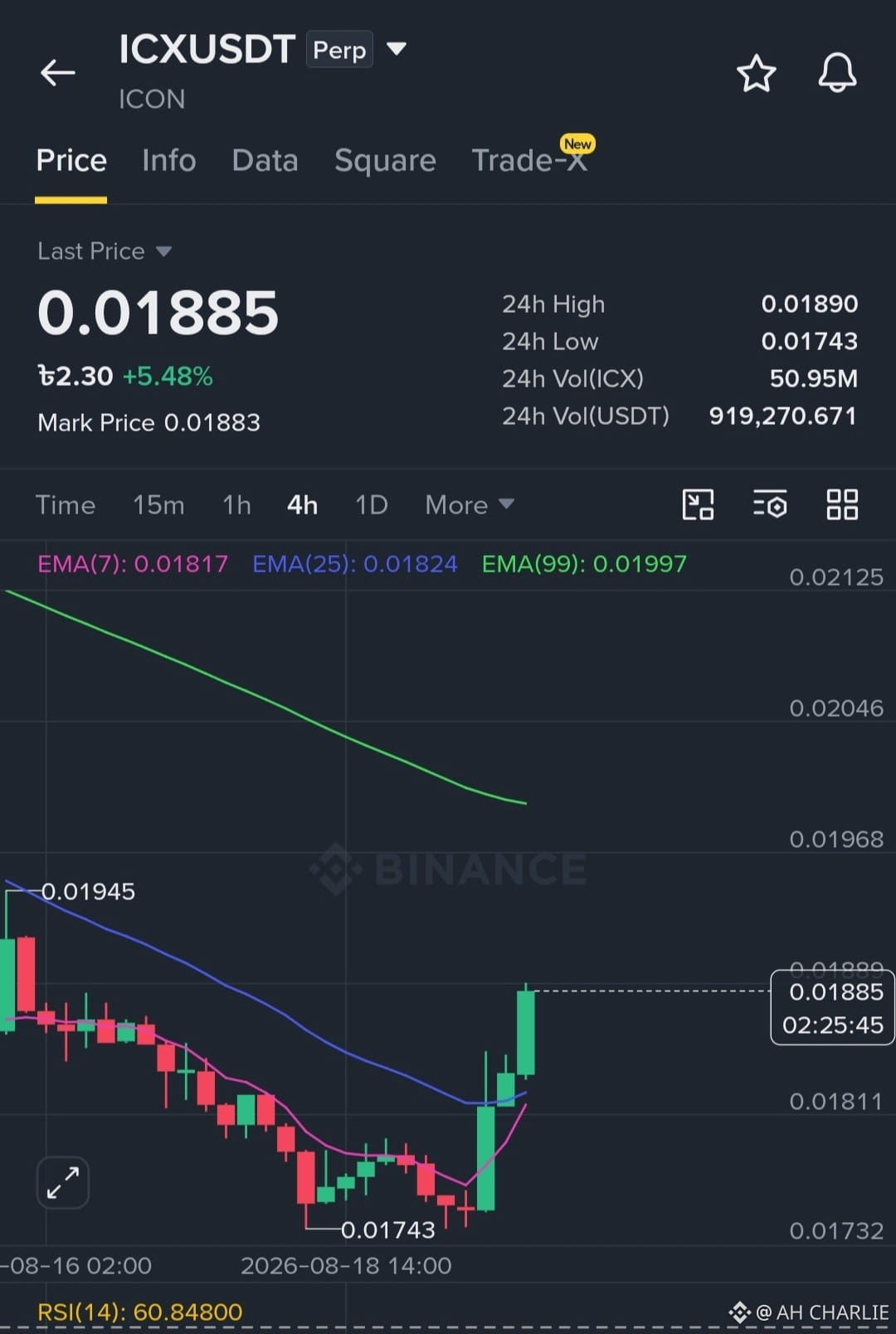
$ICX /USDT انعكاس حاد عند 0.01743، والشمعة التي تجاوز حجمها متوسط 25 EMA تُحكم سيطرة البائعين الذين كانوا يتوقعون قيعانًا جديدة.
خطة التداول - شراء (LONG)
الدخول:- 0.01830-0.01870
SL: 0.01780
TP1:- 0.01945
TP2:- 0.01995
TP3:- 0.02080
هل سيستعيد الثيران EMA 99 قريبًا، أم أن المقاومة ستُطلق فخًا للثيران هنا؟ الإغلاق أسفل 0.01780 يُبطل البنية، لذا يلزم إدارة تداول صارمة.
#ICX #ICON #CryptoTrading #ahcharlie #Binance
اضغط هنا للتداول $ICX
{future}(ICXUSDT)
$ICX /USDT انعكاس حاد عند 0.01743، والشمعة التي تجاوز حجمها متوسط 25 EMA تُحكم سيطرة البائعين الذين كانوا يتوقعون قيعانًا جديدة.
خطة التداول - شراء (LONG)
الدخول:- 0.01830-0.01870
SL: 0.01780
TP1:- 0.01945
TP2:- 0.01995
TP3:- 0.02080
هل سيستعيد الثيران EMA 99 قريبًا، أم أن المقاومة ستُطلق فخًا للثيران هنا؟ الإغلاق أسفل 0.01780 يُبطل البنية، لذا يلزم إدارة تداول صارمة.
#ICX #ICON #CryptoTrading #ahcharlie #Binance
اضغط هنا للتداول $ICX
خطة التداول - شراء (LONG)
الدخول:- 0.01830-0.01870
SL: 0.01780
TP1:- 0.01945
TP2:- 0.01995
TP3:- 0.02080
هل سيستعيد الثيران EMA 99 قريبًا، أم أن المقاومة ستُطلق فخًا للثيران هنا؟ الإغلاق أسفل 0.01780 يُبطل البنية، لذا يلزم إدارة تداول صارمة.
#ICX #ICON #CryptoTrading #ahcharlie #Binance
اضغط هنا للتداول $ICX
1
176
·
--
ينظر معظم المتداولين إلى الخصوصية باعتبارها ميزة واحدة. لقد بدأت أفكر في $DUSK بطريقة مختلفة: تبدو أقرب إلى مكدس مالي كامل، حيث تحل كل طبقة مشكلة ثقة مختلفة.
عندما أرى Phoenix، أرى محرك الخصوصية. تم تصميمه لإخفاء تفاصيل المعاملة مع السماح للشبكة بالتحقق من أن القواعد قد تم اتباعها. ثم تضيف إثباتات ZK طبقة أخرى: إثبات أن شيئًا ما صحيح دون كشف البيانات الخاصة الموجودة خلفه. هذا مهم عندما تحتاج الأنظمة المالية إلى كليهما: السرية وقابلية التدقيق.
اعتقدت أن العقود الذكية السرّية هي الجسر المفقود. فهي تُمكّن التطبيقات من العمل بمدخلات حساسة مع الحفاظ على هذه المدخلات محمية. ومع تجميع القطع معًا، تصبح الفكرة أسهل للفهم: تحمي Phoenix المعاملة، وتُثبت إثباتات ZK صحة الأمور، وتوفّر العقود السرّية مساحة لتعيش فيها هذه الخصوصية داخل التمويل البرمجي.
لقد رأيت متداولين يركزون على TPS والرسوم، لكنني أعتقد أن معمارية الخصوصية تستحق الاهتمام نفسه. لا تستطيع الأنظمة المالية أن تقول: «كل شيء علني». فالبنوك والصناديق والمؤسسات غالبًا ما تحتاج إلى رؤية انتقائية، حيث يمكن لطرفٍ ما التحقق من حقيقة ما دون رؤية كل شيء آخر.
هناك تفصيل آخر في Dusk أتعلم أيضًا مراقبته: قاعدة 2×n الكامنة وراء تكلفة الوصول إلى الحتمية. إذا فشلت محاولات الإجماع، فإن تلك الجولات الفاشلة لا تُعامل كضوضاء بلا معنى. إن بنية الشبكة تجعل المحاولات الفاشلة المتكررة تساهم في التكلفة المطلوبة للوصول إلى الحتمية. تخيّلها كأنها باب مقفل: كل محاولة فاشلة تجعل مسار قفل النهاية أكثر كلفة.
أخطئ عندما أختزل الإجماع إلى
تصويتات المدققين. إذا نظرت، بدلًا من ذلك، إلى المحاولات الفاشلة باعتبارها جزءًا من نموذج الأمن الاقتصادي، سيصبح التصميم أكثر وضوحًا بكثير.
ما زلت أعتقد أن تحدي Dusk ليس مجرد بناء معاملات خاصة. بل هو ربط الخصوصية والتمويل البرمجي واقتصاديات الإجماع دون جعل النظام مستحيل الفهم. وهنا تصبح القيمة مثيرة للاهتمام: تصبح الخصوصية بنية تحتية، لا مجرد ميزة.
#dusk $DUSK @Dusk_Foundation
ينظر معظم المتداولين إلى الخصوصية باعتبارها ميزة واحدة. لقد بدأت أفكر في $DUSK بطريقة مختلفة: تبدو أقرب إلى مكدس مالي كامل، حيث تحل كل طبقة مشكلة ثقة مختلفة.
عندما أرى Phoenix، أرى محرك الخصوصية. تم تصميمه لإخفاء تفاصيل المعاملة مع السماح للشبكة بالتحقق من أن القواعد قد تم اتباعها. ثم تضيف إثباتات ZK طبقة أخرى: إثبات أن شيئًا ما صحيح دون كشف البيانات الخاصة الموجودة خلفه. هذا مهم عندما تحتاج الأنظمة المالية إلى كليهما: السرية وقابلية التدقيق.
اعتقدت أن العقود الذكية السرّية هي الجسر المفقود. فهي تُمكّن التطبيقات من العمل بمدخلات حساسة مع الحفاظ على هذه المدخلات محمية. ومع تجميع القطع معًا، تصبح الفكرة أسهل للفهم: تحمي Phoenix المعاملة، وتُثبت إثباتات ZK صحة الأمور، وتوفّر العقود السرّية مساحة لتعيش فيها هذه الخصوصية داخل التمويل البرمجي.
لقد رأيت متداولين يركزون على TPS والرسوم، لكنني أعتقد أن معمارية الخصوصية تستحق الاهتمام نفسه. لا تستطيع الأنظمة المالية أن تقول: «كل شيء علني». فالبنوك والصناديق والمؤسسات غالبًا ما تحتاج إلى رؤية انتقائية، حيث يمكن لطرفٍ ما التحقق من حقيقة ما دون رؤية كل شيء آخر.
هناك تفصيل آخر في Dusk أتعلم أيضًا مراقبته: قاعدة 2×n الكامنة وراء تكلفة الوصول إلى الحتمية. إذا فشلت محاولات الإجماع، فإن تلك الجولات الفاشلة لا تُعامل كضوضاء بلا معنى. إن بنية الشبكة تجعل المحاولات الفاشلة المتكررة تساهم في التكلفة المطلوبة للوصول إلى الحتمية. تخيّلها كأنها باب مقفل: كل محاولة فاشلة تجعل مسار قفل النهاية أكثر كلفة.
أخطئ عندما أختزل الإجماع إلى
تصويتات المدققين. إذا نظرت، بدلًا من ذلك، إلى المحاولات الفاشلة باعتبارها جزءًا من نموذج الأمن الاقتصادي، سيصبح التصميم أكثر وضوحًا بكثير.
ما زلت أعتقد أن تحدي Dusk ليس مجرد بناء معاملات خاصة. بل هو ربط الخصوصية والتمويل البرمجي واقتصاديات الإجماع دون جعل النظام مستحيل الفهم. وهنا تصبح القيمة مثيرة للاهتمام: تصبح الخصوصية بنية تحتية، لا مجرد ميزة.
#dusk $DUSK @Dusk
عندما أرى Phoenix، أرى محرك الخصوصية. تم تصميمه لإخفاء تفاصيل المعاملة مع السماح للشبكة بالتحقق من أن القواعد قد تم اتباعها. ثم تضيف إثباتات ZK طبقة أخرى: إثبات أن شيئًا ما صحيح دون كشف البيانات الخاصة الموجودة خلفه. هذا مهم عندما تحتاج الأنظمة المالية إلى كليهما: السرية وقابلية التدقيق.
اعتقدت أن العقود الذكية السرّية هي الجسر المفقود. فهي تُمكّن التطبيقات من العمل بمدخلات حساسة مع الحفاظ على هذه المدخلات محمية. ومع تجميع القطع معًا، تصبح الفكرة أسهل للفهم: تحمي Phoenix المعاملة، وتُثبت إثباتات ZK صحة الأمور، وتوفّر العقود السرّية مساحة لتعيش فيها هذه الخصوصية داخل التمويل البرمجي.
لقد رأيت متداولين يركزون على TPS والرسوم، لكنني أعتقد أن معمارية الخصوصية تستحق الاهتمام نفسه. لا تستطيع الأنظمة المالية أن تقول: «كل شيء علني». فالبنوك والصناديق والمؤسسات غالبًا ما تحتاج إلى رؤية انتقائية، حيث يمكن لطرفٍ ما التحقق من حقيقة ما دون رؤية كل شيء آخر.
هناك تفصيل آخر في Dusk أتعلم أيضًا مراقبته: قاعدة 2×n الكامنة وراء تكلفة الوصول إلى الحتمية. إذا فشلت محاولات الإجماع، فإن تلك الجولات الفاشلة لا تُعامل كضوضاء بلا معنى. إن بنية الشبكة تجعل المحاولات الفاشلة المتكررة تساهم في التكلفة المطلوبة للوصول إلى الحتمية. تخيّلها كأنها باب مقفل: كل محاولة فاشلة تجعل مسار قفل النهاية أكثر كلفة.
أخطئ عندما أختزل الإجماع إلى
تصويتات المدققين. إذا نظرت، بدلًا من ذلك، إلى المحاولات الفاشلة باعتبارها جزءًا من نموذج الأمن الاقتصادي، سيصبح التصميم أكثر وضوحًا بكثير.
ما زلت أعتقد أن تحدي Dusk ليس مجرد بناء معاملات خاصة. بل هو ربط الخصوصية والتمويل البرمجي واقتصاديات الإجماع دون جعل النظام مستحيل الفهم. وهنا تصبح القيمة مثيرة للاهتمام: تصبح الخصوصية بنية تحتية، لا مجرد ميزة.
#dusk $DUSK @Dusk
8
6
146
سجّل الدخول لاستكشاف المزيد من المُحتوى
انضم إلى مُستخدمي العملات الرقمية حول العالم على Binance Square
⚡️ احصل على أحدث المعلومات المفيدة عن العملات الرقمية.
💬 موثوقة من قبل أكبر منصّة لتداول العملات الرقمية في العالم.
👍 اكتشف الرؤى الحقيقية من صنّاع المُحتوى الموثوقين.
البريد الإلكتروني / رقم الهاتف
المواضيع الرائجة
USWeighsPromotingDollarStablecoinsAbroad
1,047 مشاهدات
94 يقومون بالنقاش
#USWeighsPromotingDollarStablecoinsAbroad
🚨 الدولار يتحول إلى الشكل الرقمي — وأمريكا تريد من العالم استخدامه!
🇺🇸 تدرس الولايات المتحدة طرقًا لتعزيز العملات المستقرة المدعومة بالدولار في الخارج، وربما توسيع نطاق الدولار عبر تقنية البلوك تشين.
💵 طلب عالمي أكبر على العملات المستقرة بالدولار
🌍 مدفوعات أسرع عبر الحدود
🔗 تبنٍ أكبر للتمويل المبني على البلوك تشين
📈 فرص جديدة لمُصدري العملات المستقرة ومنصات العملات الرقمية
قد لا تكون الحدود التالية للدولار بنكيةً تقليدية — بل قد تكون البلوك تشين.
إذا روجّت الولايات المتحدة بنشاط للعملات المستقرة بالدولار في الخارج، فقد يؤدي ذلك إلى تسريع التبني العالمي للدولار الرقمي وتعزيز النفوذ المالي لأمريكا. بالنسبة لأسواق العملات المشفرة، قد يدعم ذلك بنية العملات المستقرة والسيولة وابتكار المدفوعات. لكن التحديات التنظيمية، والمنافسة من العملات المحلية، والقلق بشأن السيادة النقدية تظل عوامل مهمة يجب مراقبتها.
قد يكون مستقبل المال رقميًا — لكن العملة قد تظل الدولار.
ما رأيك؟ هل ستُهيمن العملات المستقرة بالدولار على المدفوعات الرقمية العالمية؟ 👇
#Stablecoins #USDT #USDC #CryptoNews #Bitcoin #Blockchain #DigitalDollar #BinanceSquare
A_K Crypto
·0 إعجاب
·22 مشاهدات
US10YTreasuryYieldHits19YearHigh
1,267 مشاهدات
93 يقومون بالنقاش
SpotBitcoinETFsInflow$2.31BInFourDays
264 مشاهدات
19 يقومون بالنقاش