
#macroeconomics
macroeconomics
802,353 مشاهدات
3,336 يقومون بالنقاش
رائج
جديد
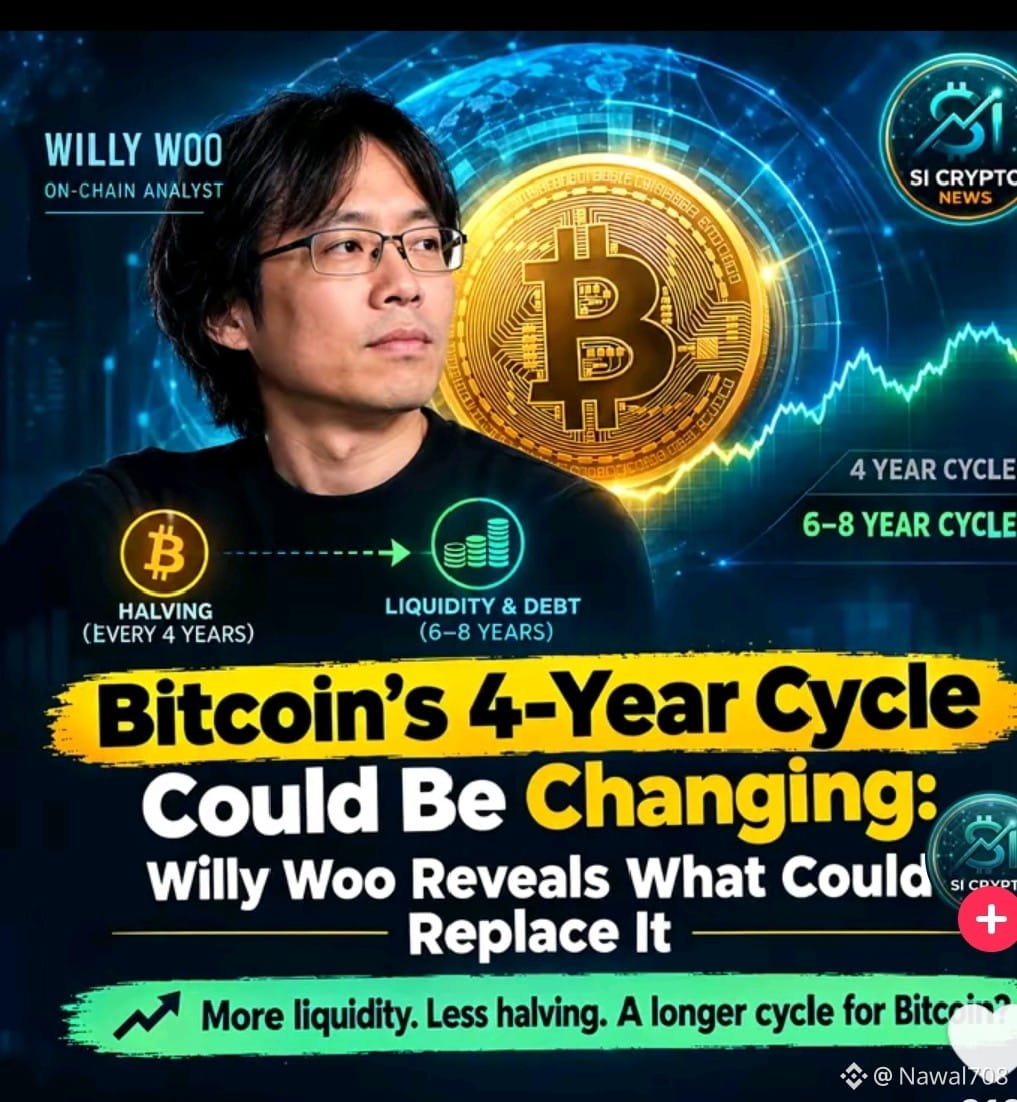
🚨 هل دورة البيتكوين التي تمتد 4 سنوات قد انتهت؟ ويلي وو يكشف ما الذي قد يحل محلها
📉 1. المشكلة: صدمات المعروض الناتجة عن النصف تتلاشى
🏦 2. التحول: دور سيولة M2 ودورات الدين
💡 الخلاصة الأساسية🌊 سيولة أكثر: تدفقات الاقتصاد الكلي المصرفي التقليدي وطابعات البنوك المركزية هي التي تحدد اتجاه السوق الجديد.📉 نفوذ أقل للتقسيم إلى النصف: تخفيضات المكافآت التي تقودها الشفرة تتراجع لتأخذ مقعدًا ثانويًا على مستوى البنية.⏳ دورات أطول: يجب على المستثمرين الاستعداد لمراحل تراكم ممتدة وجداول زمنية على مستوى الاقتصاد الكلي.
#CryptonewswithJack #WillyWoo #blockchains #MacroEconomics #wep3
📉 1. المشكلة: صدمات المعروض الناتجة عن النصف تتلاشى
🏦 2. التحول: دور سيولة M2 ودورات الدين
💡 الخلاصة الأساسية🌊 سيولة أكثر: تدفقات الاقتصاد الكلي المصرفي التقليدي وطابعات البنوك المركزية هي التي تحدد اتجاه السوق الجديد.📉 نفوذ أقل للتقسيم إلى النصف: تخفيضات المكافآت التي تقودها الشفرة تتراجع لتأخذ مقعدًا ثانويًا على مستوى البنية.⏳ دورات أطول: يجب على المستثمرين الاستعداد لمراحل تراكم ممتدة وجداول زمنية على مستوى الاقتصاد الكلي.
#CryptonewswithJack #WillyWoo #blockchains #MacroEconomics #wep3

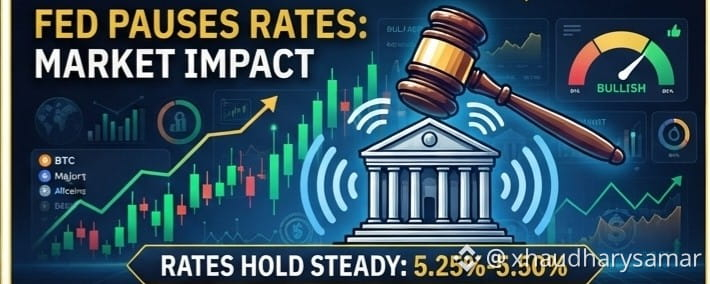
في يوم الأربعاء، انخفض مؤشر الدولار الأمريكي بنسبة 0.2%، مقتربًا من أدنى مستوياته منذ 18 فبراير، مع ضغط كبير ناجم عن ارتفاع بنسبة 0.5% في الين الياباني وتعليقات مباشرة من وزيرة الخزانة الأمريكية جانيت يلين بشأن ديناميكيات العملة وبرنامج إعادة شراء ديون الخزانة.
تأتي حركة العملة هذه عند منعطف ماكرو حرج، حيث ينتظر السوق بيانات التضخم الأمريكية الرئيسية وإطلاق الخزانة لعملية إعادة شراء السندات الموسعة. أشار محللون لدى Jefferies إلى أن عملية إعادة شراء تتجاوز 4 مليارات دولار—وقد تصل إلى 8 إلى 10 مليارات دولار—ستكون ضرورية بالفعل لإحداث تغيير حقيقي في ديناميكيات سيولة السوق، بينما يظل لدى JPMorgan شك في الكشف المبكر عن الحدود الكاملة.
إن الضعف المتزامن في الدولار الأمريكي وتزايد توقعات السيولة يعيدان تشكيل تسعير الأصول التقليدي. ومع تعرض عوائد السندات لضغط هبوطي بفعل العمليات المتوقعة للخزانة، تكتسب الأصول ذات المخاطر والسلع زخمًا متجددًا، حتى as تظل التوترات الجيوسياسية الإقليمية القريبة من مسارات الشحن عبر الإمارات تضيف تقلبًا أساسيًا إلى أسواق الطاقة.
بالنسبة لأسواق العملات المشفرة، فإن ضعف الدولار بشكل هيكلي وتوسع سيولة الخزانة عادة ما يخلقان رياحًا خلفية مواتية لـ $BTC ولأصول رقمية عالية بيتا. فإذا أكدت قراءات التضخم القادمة تراجع الضغوط السعرية إلى جانب استمرار عمليات إعادة شراء السندات، فقد يؤدي توسع السيولة عالميًا إلى تفعيل استمرار حاسم لاتجاه الصعود الأوسع في سوق العملات المشفرة. #usd #macroeconomics #liquidity
تأتي حركة العملة هذه عند منعطف ماكرو حرج، حيث ينتظر السوق بيانات التضخم الأمريكية الرئيسية وإطلاق الخزانة لعملية إعادة شراء السندات الموسعة. أشار محللون لدى Jefferies إلى أن عملية إعادة شراء تتجاوز 4 مليارات دولار—وقد تصل إلى 8 إلى 10 مليارات دولار—ستكون ضرورية بالفعل لإحداث تغيير حقيقي في ديناميكيات سيولة السوق، بينما يظل لدى JPMorgan شك في الكشف المبكر عن الحدود الكاملة.
إن الضعف المتزامن في الدولار الأمريكي وتزايد توقعات السيولة يعيدان تشكيل تسعير الأصول التقليدي. ومع تعرض عوائد السندات لضغط هبوطي بفعل العمليات المتوقعة للخزانة، تكتسب الأصول ذات المخاطر والسلع زخمًا متجددًا، حتى as تظل التوترات الجيوسياسية الإقليمية القريبة من مسارات الشحن عبر الإمارات تضيف تقلبًا أساسيًا إلى أسواق الطاقة.
بالنسبة لأسواق العملات المشفرة، فإن ضعف الدولار بشكل هيكلي وتوسع سيولة الخزانة عادة ما يخلقان رياحًا خلفية مواتية لـ $BTC ولأصول رقمية عالية بيتا. فإذا أكدت قراءات التضخم القادمة تراجع الضغوط السعرية إلى جانب استمرار عمليات إعادة شراء السندات، فقد يؤدي توسع السيولة عالميًا إلى تفعيل استمرار حاسم لاتجاه الصعود الأوسع في سوق العملات المشفرة. #usd #macroeconomics #liquidity

في تقييم حديث للسلع، كشف دَين سترُوڤن، الرئيس المشارك لأبحاث السلع العالمية لدى جولدمان ساكس، أن تدفقات منتجات النفط المكررة عبر مضيق هرمز الاستراتيجي قد انخفضت إلى مجرد 35% من مستويات ما قبل الحرب، بينما تراجعت تدفقات النفط الخام إلى 70%.
يشير هذا الانكماش الحاد إلى اختناق جيوسياسي متصاعد في عبور الطاقة عبر الشرق الأوسط. وتعاني الوقود المكرر مثل الديزل ووقود الطائرات والبنزين والنافثا—وهي التي كانت Kpler تتابعها سابقًا بمعدل يقارب 2.2 مليون برميل يوميًا إلى جانب 14.95 مليون برميل يوميًا من النفط الخام—من اضطرابات أشد من غيرها بشكل غير متناسب، ما يهدد بحدوث نقص حاد في الإمدادات عبر شبكات التوزيع العالمية.
إن فرض حصارٍ مستمر على المنتجات المكررة يمثل صدمة صعودية مباشرة لمؤشرات التضخم العالمية. فارتفاع تكاليف النقل والوقود يعقّد مسارات التيسير لدى البنوك المركزية، ومن المرجح أن يدعم الدولار الأميركي، ويرفع عوائد السندات القياسية، ويُثبط الزخم في أسواق الأسهم الأوسع مع عودة مخاطر الركود التضخمي.
أما بالنسبة للأصول الرقمية، فإن ارتفاع عدم اليقين الكلي الناتج عن الطاقة عادةً ما يؤدي في المدى القصير إلى نزعة دفاعية لتصفية المخاطر. وقد يؤدي تشدد الأوضاع المالية وتأخر خفض أسعار الفائدة إلى تقييد تدفقات السيولة الصافية إلى <$BTC >والعملات البديلة، ما يدفع أسواق العملات المشفرة إلى مرحلة تماسك مطوّلة حتى تتراجع حدة التوترات الجيوسياسية. ⛽
#energy #macroeconomics #geopolitics
يشير هذا الانكماش الحاد إلى اختناق جيوسياسي متصاعد في عبور الطاقة عبر الشرق الأوسط. وتعاني الوقود المكرر مثل الديزل ووقود الطائرات والبنزين والنافثا—وهي التي كانت Kpler تتابعها سابقًا بمعدل يقارب 2.2 مليون برميل يوميًا إلى جانب 14.95 مليون برميل يوميًا من النفط الخام—من اضطرابات أشد من غيرها بشكل غير متناسب، ما يهدد بحدوث نقص حاد في الإمدادات عبر شبكات التوزيع العالمية.
إن فرض حصارٍ مستمر على المنتجات المكررة يمثل صدمة صعودية مباشرة لمؤشرات التضخم العالمية. فارتفاع تكاليف النقل والوقود يعقّد مسارات التيسير لدى البنوك المركزية، ومن المرجح أن يدعم الدولار الأميركي، ويرفع عوائد السندات القياسية، ويُثبط الزخم في أسواق الأسهم الأوسع مع عودة مخاطر الركود التضخمي.
أما بالنسبة للأصول الرقمية، فإن ارتفاع عدم اليقين الكلي الناتج عن الطاقة عادةً ما يؤدي في المدى القصير إلى نزعة دفاعية لتصفية المخاطر. وقد يؤدي تشدد الأوضاع المالية وتأخر خفض أسعار الفائدة إلى تقييد تدفقات السيولة الصافية إلى <$BTC >والعملات البديلة، ما يدفع أسواق العملات المشفرة إلى مرحلة تماسك مطوّلة حتى تتراجع حدة التوترات الجيوسياسية. ⛽
#energy #macroeconomics #geopolitics
تستعد هيئة إدارة الدين في المملكة المتحدة لتسعير طرح سندات حكومية مُجمّع (gilt) يستحق في يناير 2056، مساء الثلاثاء، في وقت ارتفعت فيه تكاليف الاقتراض إلى مستويات لم تُشهد منذ عام 1998. مدفوعًا بعمليات بيع مكثفة للديون عالميًا ضربت الدين البريطاني بقسوة أكبر من غيره من الأسواق المتقدمة، قفز عائد السندات لأجل 30 عامًا إلى 5.83%، بينما جرى تسعير الإصدار الجديد بفارق يتراوح بين 0.75 و1 نقطة أساس فوق سندات 2055.
يعكس هذا التوسّع المرجعي—والذي قد يرفع التمويل حتى 5 مليارات جنيه إسترليني كتفعيل (tap) على خط قائم بقيمة 59 مليار جنيه—حدة الضغط المالي. ويعكس الاقتراض بأعلى تكلفة منذ إنشاء مكتب الدين قبل أكثر من 25 عامًا رسوخ توقعات التضخم، وتزايد الشكوك في الأسواق بشأن استدامة ديون الحكومات طويلة الأجل.
بشكل عام، يؤدي ارتفاع عوائد السندات الحكومية (gilt) إلى موجات ارتدادية عبر أسواق الدخل الثابت عالميًا، ما يرفع علاوات أجل الاستحقاق، ويشدّ الظروف المالية، ويعزز خلفية أسعار الفائدة «الأعلى لفترة أطول» في الاقتصادات الكبرى. وتستمر هذه الديناميكية في الضغط على مضاعفات الأسهم وعلى فروقات الائتمان في جميع أنحاء العالم.
وبالنسبة إلى العملات المشفرة، فإن الارتفاعات المستمرة في عوائد السيادية الخالية من المخاطر تستنزف مباشرة السيولة من الأصول عالية المخاطر. ومع تراجع رؤوس الأموال نحو عوائد دفاعية، يواجه $BTC والسوق الأوسع رياحًا معاكسة، ما يتطلب استقرارًا اقتصاديًا كليًا مستمرًا قبل أن يمكن للزخم عالي بيتا أن يشتعل مجددًا بشكل حقيقي. 📉
#bonds #macroeconomics #liquidity
يعكس هذا التوسّع المرجعي—والذي قد يرفع التمويل حتى 5 مليارات جنيه إسترليني كتفعيل (tap) على خط قائم بقيمة 59 مليار جنيه—حدة الضغط المالي. ويعكس الاقتراض بأعلى تكلفة منذ إنشاء مكتب الدين قبل أكثر من 25 عامًا رسوخ توقعات التضخم، وتزايد الشكوك في الأسواق بشأن استدامة ديون الحكومات طويلة الأجل.
بشكل عام، يؤدي ارتفاع عوائد السندات الحكومية (gilt) إلى موجات ارتدادية عبر أسواق الدخل الثابت عالميًا، ما يرفع علاوات أجل الاستحقاق، ويشدّ الظروف المالية، ويعزز خلفية أسعار الفائدة «الأعلى لفترة أطول» في الاقتصادات الكبرى. وتستمر هذه الديناميكية في الضغط على مضاعفات الأسهم وعلى فروقات الائتمان في جميع أنحاء العالم.
وبالنسبة إلى العملات المشفرة، فإن الارتفاعات المستمرة في عوائد السيادية الخالية من المخاطر تستنزف مباشرة السيولة من الأصول عالية المخاطر. ومع تراجع رؤوس الأموال نحو عوائد دفاعية، يواجه $BTC والسوق الأوسع رياحًا معاكسة، ما يتطلب استقرارًا اقتصاديًا كليًا مستمرًا قبل أن يمكن للزخم عالي بيتا أن يشتعل مجددًا بشكل حقيقي. 📉
#bonds #macroeconomics #liquidity
خلال مؤتمر صحفي يوم الثلاثاء، صرّح وزير المالية الياباني شونيتشي سوزوكي بأن طوكيو ستواصل التواصل الوثيق مع وزارة الخزانة الأميركية للحفاظ على استقرار أسواق العملات، بما يعزز يقظة المستثمرين إزاء أي تدخلات إضافية. مدفوعًا بتوقعات أكثر تشددًا من جانب المتداولين تجاه بنك اليابان، ارتفع الين الياباني مقابل الدولار خلال الجلسة الآسيوية، مسجّلًا أعلى مستوى له في ستة أشهر ومتجاوزًا مستويات التدخل التي شوهدت في أواخر يوليو.
تُعد هذه التحولات في العملة أمرًا حاسمًا، إذ أصبح السوق الآن يَسعّر بالكامل تقريبًا زيادة بمقدار 25 نقطة أساس في سعر الفائدة من بنك اليابان في اجتماعه المقبل. كما عزّزت تصريحات المستشار الاقتصادي تاكيمَاسا ساكاموتو التوقعات بأن التشديد النقدي لن يتوقف في سبتمبر، بما يشير إلى انعكاس هيكلي لنظام السياسة النقدية شديد التيسير في اليابان على مدى عقود.
على مستوى أسواق الماكرو العالمية، تؤدي قوة الين إلى تفكيك سريع لصفقات الاقتراض بالين (carry trade) عالميًا. ومع ارتفاع تكاليف التمويل وتقلص الفجوة بين العملات، تتشدد السيولة العالمية، ما يضغط نزولًا على عوائد سندات الخزانة الأميركية ويُحدث تقلبات عبر مؤشرات الأسهم التقليدية.
بالنسبة إلى العملات الرقمية، غالبًا ما يؤدي تفكيك الرافعة المالية العابرة للحدود إلى احتكاك سيولة قصير الأجل لأصول المخاطرة مثل $BTC . إذا استمر رأس المال في العودة إلى الأصول اليابانية المحلية، فقد تواجه العملات الرقمية تراجعات مؤقتة قبل أن تسمح استقرار العوامل الماكرو بعودة تدفقات المخاطرة مجددًا.
#JPY #BOJ #MacroEconomics
تُعد هذه التحولات في العملة أمرًا حاسمًا، إذ أصبح السوق الآن يَسعّر بالكامل تقريبًا زيادة بمقدار 25 نقطة أساس في سعر الفائدة من بنك اليابان في اجتماعه المقبل. كما عزّزت تصريحات المستشار الاقتصادي تاكيمَاسا ساكاموتو التوقعات بأن التشديد النقدي لن يتوقف في سبتمبر، بما يشير إلى انعكاس هيكلي لنظام السياسة النقدية شديد التيسير في اليابان على مدى عقود.
على مستوى أسواق الماكرو العالمية، تؤدي قوة الين إلى تفكيك سريع لصفقات الاقتراض بالين (carry trade) عالميًا. ومع ارتفاع تكاليف التمويل وتقلص الفجوة بين العملات، تتشدد السيولة العالمية، ما يضغط نزولًا على عوائد سندات الخزانة الأميركية ويُحدث تقلبات عبر مؤشرات الأسهم التقليدية.
بالنسبة إلى العملات الرقمية، غالبًا ما يؤدي تفكيك الرافعة المالية العابرة للحدود إلى احتكاك سيولة قصير الأجل لأصول المخاطرة مثل $BTC . إذا استمر رأس المال في العودة إلى الأصول اليابانية المحلية، فقد تواجه العملات الرقمية تراجعات مؤقتة قبل أن تسمح استقرار العوامل الماكرو بعودة تدفقات المخاطرة مجددًا.
#JPY #BOJ #MacroEconomics


تمّ التحقق
#usaugustnonfarmpayrollsduetoday
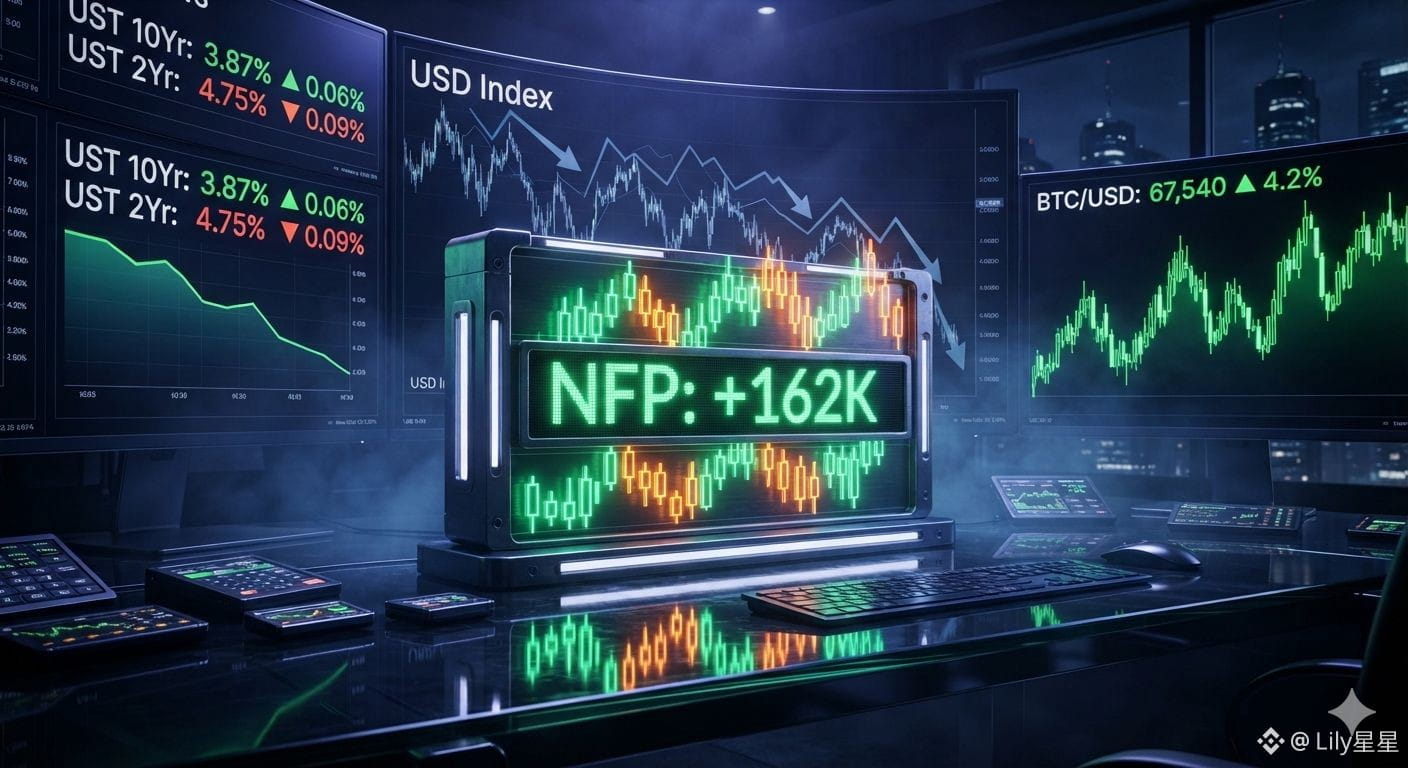
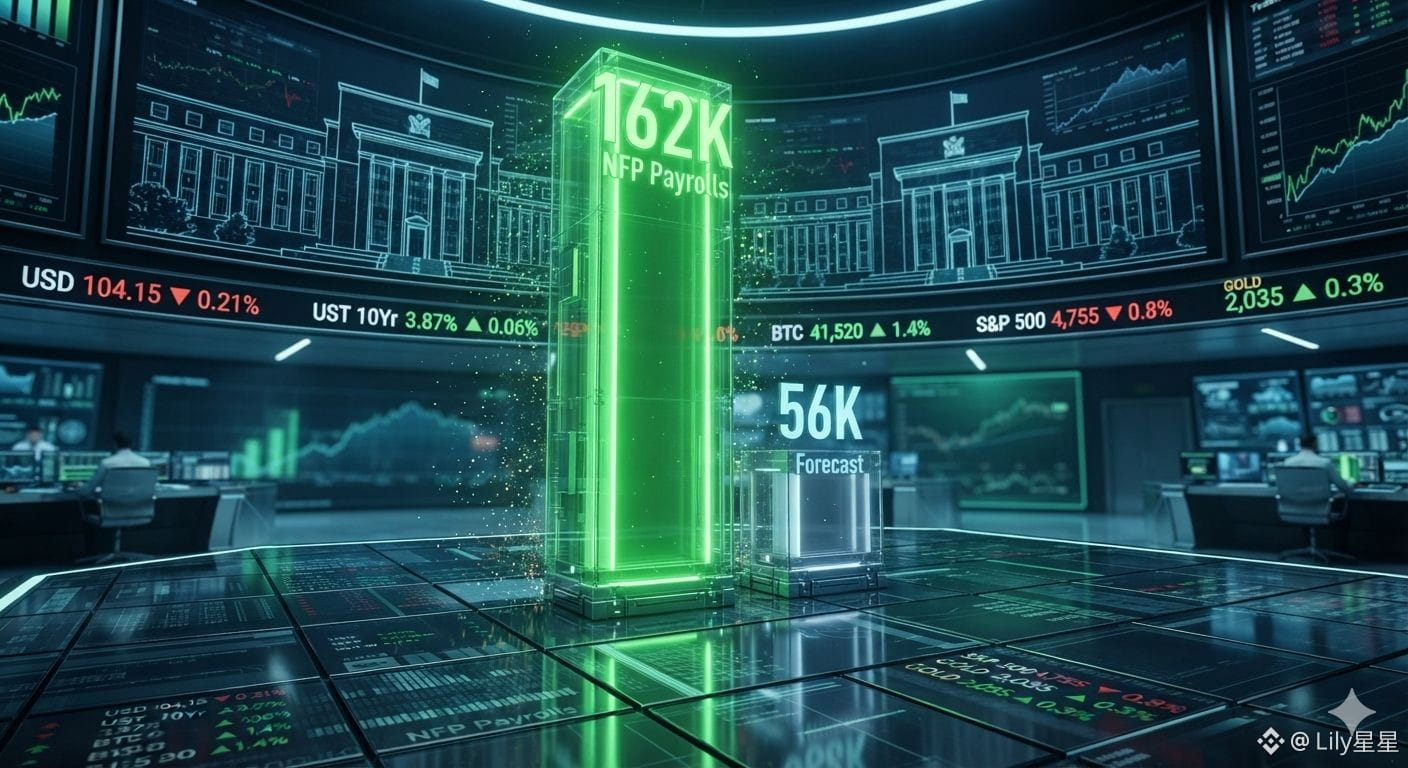
ارتفاع وظائف القطاع غير الزراعي في الولايات المتحدة لشهر أغسطس بمقدار 162 ألفًا مقابل توقعات 56 ألفًا: كيف أثّر تقلب الاقتصاد الكلي على أسواق العملات المشفرة والأسهم
وصلت أكثر بيانات الاقتصاد الكلي ترقبًا في الشهر بقوة! 📊 تجاوزت وظائف القطاع غير الزراعي في الولايات المتحدة لشهر أغسطس توقعات وول ستريت بفارق كبير، بإضافة 162,000 وظيفة مقابل توقعات بنحو 56,000. ومع المراجعات الصعودية للأشهر السابقة واستقرار معدل البطالة عند 4.1%، أثبت سوق العمل مرونة مفاجئة.
أهم النقاط والتأثيرات على السوق:
صدمة قوية في تقرير الوظائف: بلغ نمو الوظائف الرئيسي 162 ألفًا (قادته قطاعات الترفيه والضيافة والتعليم الحكومي المحلي)، مما يشير إلى قوة الاقتصاد رغم ارتفاع أسعار الفائدة.
مراجعات سابقة أعلى: تمت مراجعة مكاسب الوظائف المجمعة لشهري يونيو ويوليو بالرفع بمقدار 55,000، ما بدد المخاوف السابقة من انكماش سوق العمل الصيفي.
توقعات أسعار الفائدة لدى الاحتياطي الفيدرالي: يمنح التوظيف القوي إلى جانب نمو متوسط الأجور بالساعة بنسبة 3.1% على أساس سنوي مجلس الاحتياطي الفيدرالي مرونة أكبر، ويقلل الضغط العاجل لخفض الفائدة بشكل حاد.
تقلب عبر الأصول: أدت توقعات بقاء الفائدة مرتفعة لفترة أطول إلى إعادة تسعير سريعة عبر الأسهم وعوائد سندات الخزانة الأميركية والأصول المشفرة عالية المخاطر مثل $BTC و$ETH.
هل تداولت اختراق تقلبات تقرير الوظائف، أم تحوطت باستخدام العملات المستقرة، أم بقيت على الهامش نقدًا؟
شارك استراتيجية تداولك أدناه! 👇
#NonFarmPayrollsImpact #MacroEconomics
ارتفاع وظائف القطاع غير الزراعي في الولايات المتحدة لشهر أغسطس بمقدار 162 ألفًا مقابل توقعات 56 ألفًا: كيف أثّر تقلب الاقتصاد الكلي على أسواق العملات المشفرة والأسهم
وصلت أكثر بيانات الاقتصاد الكلي ترقبًا في الشهر بقوة! 📊 تجاوزت وظائف القطاع غير الزراعي في الولايات المتحدة لشهر أغسطس توقعات وول ستريت بفارق كبير، بإضافة 162,000 وظيفة مقابل توقعات بنحو 56,000. ومع المراجعات الصعودية للأشهر السابقة واستقرار معدل البطالة عند 4.1%، أثبت سوق العمل مرونة مفاجئة.
أهم النقاط والتأثيرات على السوق:
صدمة قوية في تقرير الوظائف: بلغ نمو الوظائف الرئيسي 162 ألفًا (قادته قطاعات الترفيه والضيافة والتعليم الحكومي المحلي)، مما يشير إلى قوة الاقتصاد رغم ارتفاع أسعار الفائدة.
مراجعات سابقة أعلى: تمت مراجعة مكاسب الوظائف المجمعة لشهري يونيو ويوليو بالرفع بمقدار 55,000، ما بدد المخاوف السابقة من انكماش سوق العمل الصيفي.
توقعات أسعار الفائدة لدى الاحتياطي الفيدرالي: يمنح التوظيف القوي إلى جانب نمو متوسط الأجور بالساعة بنسبة 3.1% على أساس سنوي مجلس الاحتياطي الفيدرالي مرونة أكبر، ويقلل الضغط العاجل لخفض الفائدة بشكل حاد.
تقلب عبر الأصول: أدت توقعات بقاء الفائدة مرتفعة لفترة أطول إلى إعادة تسعير سريعة عبر الأسهم وعوائد سندات الخزانة الأميركية والأصول المشفرة عالية المخاطر مثل $BTC و$ETH.
هل تداولت اختراق تقلبات تقرير الوظائف، أم تحوطت باستخدام العملات المستقرة، أم بقيت على الهامش نقدًا؟
شارك استراتيجية تداولك أدناه! 👇
#NonFarmPayrollsImpact #MacroEconomics
تمّ التحقق
#usaugustjobgrowthnearlytriplesforecast
قفزت رواتب أغسطس في الولايات المتحدة 162 ألفًا مقابل توقعات عند 56 ألفًا: كيف سيرد الاحتياطي الفيدرالي؟
انعطاف مفاجئ في المشهد الكلي! 💥 ارتفعت وظائف القطاع غير الزراعي في الولايات المتحدة خلال أغسطس بمقدار 162,000 وظيفة — أي ما يقرب من ثلاثة أضعاف توقعات وول ستريت البالغة نحو 56,000، مع ارتداد حاد من المراجعات السابقة. وبينما تشير الأرقام الرئيسية إلى سوق عمل مرن بشكل عنيد، تكشف التفاصيل الأساسية عن تحول دقيق عبر المشهد الاقتصادي الكلي.
أبرز النقاط من بيانات الوظائف غير الزراعية لشهر أغسطس:
الارتداد في العنوان الرئيسي: أضافت الوظائف غير الزراعية 162 ألف وظيفة، مع تعديل أرقام يونيو ويوليو صعودًا بمجموع 55,000.
البطالة مستقرة: ظل معدل البطالة الرسمي ثابتًا عند 4.1%، بينما ارتفع معدل المشاركة في قوة العمل قليلًا إلى 61.6%.
التركيبة الأساسية: باستثناء الزيادات الموسمية في الترفيه والضيافة والتعليم الحكومي، استقر نمو الوظائف العضوي الأساسي بالقرب من ~60,000.
معضلة الاحتياطي الفيدرالي: يقلل نمو الوظائف القوي على السطح من مخاوف الركود الفورية، مما يمنح الفيدرالي قدرًا أقل من الإلحاح لخفض أسعار الفائدة بقوة في المدى القريب.
إن سوق عمل مرن يعقّد مسار التيسير النقدي للاحتياطي الفيدرالي، ويدفع إلى إعادة تسعير فورية عبر الأسهم وسندات الخزانة وأصول المخاطر في العملات المشفرة.
كيف تضع محافظك للعملات المشفرة والاقتصاد الكلي استعدادًا لإشارات "فائدة مرتفعة لفترة أطول"؟ 💵
شارك نظرتك للسوق واستراتيجيتك أدناه! 👇
#MacroEconomics #ZECHitsANewAllTimeHigh
قفزت رواتب أغسطس في الولايات المتحدة 162 ألفًا مقابل توقعات عند 56 ألفًا: كيف سيرد الاحتياطي الفيدرالي؟
انعطاف مفاجئ في المشهد الكلي! 💥 ارتفعت وظائف القطاع غير الزراعي في الولايات المتحدة خلال أغسطس بمقدار 162,000 وظيفة — أي ما يقرب من ثلاثة أضعاف توقعات وول ستريت البالغة نحو 56,000، مع ارتداد حاد من المراجعات السابقة. وبينما تشير الأرقام الرئيسية إلى سوق عمل مرن بشكل عنيد، تكشف التفاصيل الأساسية عن تحول دقيق عبر المشهد الاقتصادي الكلي.
أبرز النقاط من بيانات الوظائف غير الزراعية لشهر أغسطس:
الارتداد في العنوان الرئيسي: أضافت الوظائف غير الزراعية 162 ألف وظيفة، مع تعديل أرقام يونيو ويوليو صعودًا بمجموع 55,000.
البطالة مستقرة: ظل معدل البطالة الرسمي ثابتًا عند 4.1%، بينما ارتفع معدل المشاركة في قوة العمل قليلًا إلى 61.6%.
التركيبة الأساسية: باستثناء الزيادات الموسمية في الترفيه والضيافة والتعليم الحكومي، استقر نمو الوظائف العضوي الأساسي بالقرب من ~60,000.
معضلة الاحتياطي الفيدرالي: يقلل نمو الوظائف القوي على السطح من مخاوف الركود الفورية، مما يمنح الفيدرالي قدرًا أقل من الإلحاح لخفض أسعار الفائدة بقوة في المدى القريب.
إن سوق عمل مرن يعقّد مسار التيسير النقدي للاحتياطي الفيدرالي، ويدفع إلى إعادة تسعير فورية عبر الأسهم وسندات الخزانة وأصول المخاطر في العملات المشفرة.
كيف تضع محافظك للعملات المشفرة والاقتصاد الكلي استعدادًا لإشارات "فائدة مرتفعة لفترة أطول"؟ 💵
شارك نظرتك للسوق واستراتيجيتك أدناه! 👇
#MacroEconomics #ZECHitsANewAllTimeHigh

#MacroEconomics #BTC #GOLD
🏛️ لماذا يهرب رأس المال من الأصول الخاصة؟ الآلية وراء عمليات التصفية الكلية 🌊📉
عندما يهزّ بيانٌ كليٌّ التوقعات بشأن أسعار الفائدة أو التضخم، يسحب رأس المال المؤسسي السيولة فورًا، ويخرج من الأصول عالية المخاطر بحثًا عن ملاذ في النقد والسندات السيادية.
هذا ليس ذعرَ مستثمرين أفراد؛ بل استجابةٌ لثلاثة قوانين في الهندسة المالية:
⚙️ 1. تكلفة الفرصة ومعدل الخالي من المخاطر
🏦 الارتكاز السيادي: تحدد سندات الخزانة المعدل الأساسي للنظام. وإذا ارتفعت عوائدها، ترتفع علاوة المخاطر المطلوبة لرأس المال الخاص.
⚖️ إعادة التوازن: العوائد الجذابة المضمونة من الدولة تثبط تحمّل التقلبات في الأسهم أو الرموز.
🔄 2. فخ السيولة: لماذا يهبط البيتكوين والذهب؟
📜 نداءات الهامش (Margin Calls): يُدعَم الرفع المالي بديون سيادية في سوق الريبو. وإذا تغيّر منحنى الفائدة، تُطلب ضمانات فورية بالدولار.
⚡ ماكينة النقد في النظام: لتغطية الضمانات دون إفلاس، تقوم الصناديق بتصفية ما يوفّر سيولة عميقة على مدار الساعة. لذلك، عند حدوث صدمة كلية، يتعرض الذهب ($XAUT) والبيتكوين ($BTC) لعمليات بيع قسرية: لا لأنهما يفتقران إلى القيمة، بل للحصول على دولارات عاجلة.
📉 3. خصم التدفقات المستقبلية
🧮 التعديل الكمي: كل تقييم خاص يخصم التدفقات المستقبلية إلى الحاضر. إن ارتفاع المعدل الأساسي يرفع معدل الخصم، ما يضغط المضاعفات فورًا.
💡 إن هبوطًا حادًا خلال اليوم في BTC أو الذهب لا يلغي دوره كمخزن للقيمة في مواجهة تدهور العملات الورقية؛ بل يعكس فقط الحاجة الميكانيكية إلى السيولة لتغطية الميزانيات. وبعد انقضاء الصدمة، يكافئ رأس المال الصبور الندرة الحقيقية. إن فهم الاقتصاد الكلي هو أفضل تحوّط ضد الضجيج! 🧠⚡
🏛️ لماذا يهرب رأس المال من الأصول الخاصة؟ الآلية وراء عمليات التصفية الكلية 🌊📉
عندما يهزّ بيانٌ كليٌّ التوقعات بشأن أسعار الفائدة أو التضخم، يسحب رأس المال المؤسسي السيولة فورًا، ويخرج من الأصول عالية المخاطر بحثًا عن ملاذ في النقد والسندات السيادية.
هذا ليس ذعرَ مستثمرين أفراد؛ بل استجابةٌ لثلاثة قوانين في الهندسة المالية:
⚙️ 1. تكلفة الفرصة ومعدل الخالي من المخاطر
🏦 الارتكاز السيادي: تحدد سندات الخزانة المعدل الأساسي للنظام. وإذا ارتفعت عوائدها، ترتفع علاوة المخاطر المطلوبة لرأس المال الخاص.
⚖️ إعادة التوازن: العوائد الجذابة المضمونة من الدولة تثبط تحمّل التقلبات في الأسهم أو الرموز.
🔄 2. فخ السيولة: لماذا يهبط البيتكوين والذهب؟
📜 نداءات الهامش (Margin Calls): يُدعَم الرفع المالي بديون سيادية في سوق الريبو. وإذا تغيّر منحنى الفائدة، تُطلب ضمانات فورية بالدولار.
⚡ ماكينة النقد في النظام: لتغطية الضمانات دون إفلاس، تقوم الصناديق بتصفية ما يوفّر سيولة عميقة على مدار الساعة. لذلك، عند حدوث صدمة كلية، يتعرض الذهب ($XAUT) والبيتكوين ($BTC) لعمليات بيع قسرية: لا لأنهما يفتقران إلى القيمة، بل للحصول على دولارات عاجلة.
📉 3. خصم التدفقات المستقبلية
🧮 التعديل الكمي: كل تقييم خاص يخصم التدفقات المستقبلية إلى الحاضر. إن ارتفاع المعدل الأساسي يرفع معدل الخصم، ما يضغط المضاعفات فورًا.
💡 إن هبوطًا حادًا خلال اليوم في BTC أو الذهب لا يلغي دوره كمخزن للقيمة في مواجهة تدهور العملات الورقية؛ بل يعكس فقط الحاجة الميكانيكية إلى السيولة لتغطية الميزانيات. وبعد انقضاء الصدمة، يكافئ رأس المال الصبور الندرة الحقيقية. إن فهم الاقتصاد الكلي هو أفضل تحوّط ضد الضجيج! 🧠⚡
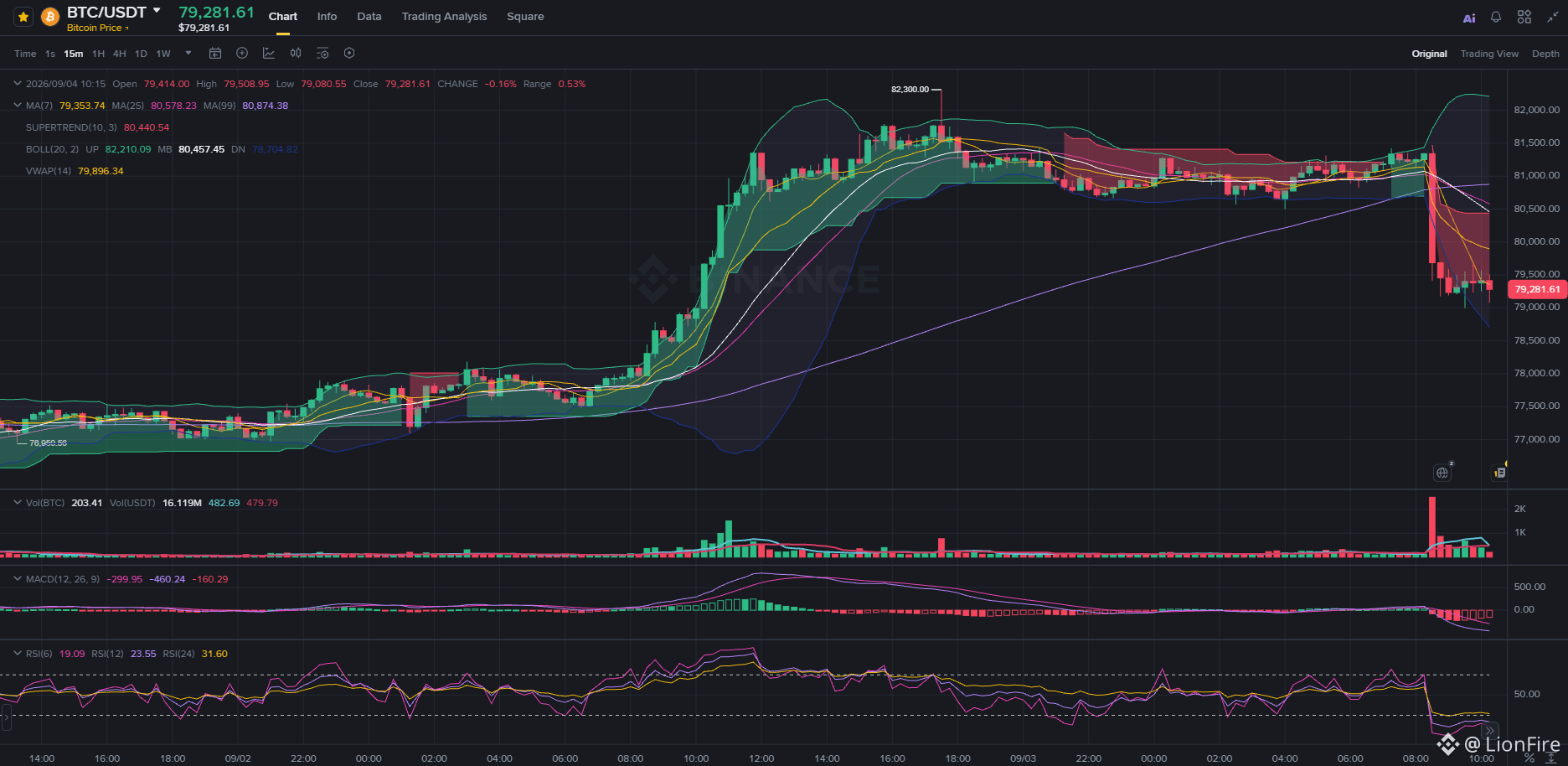
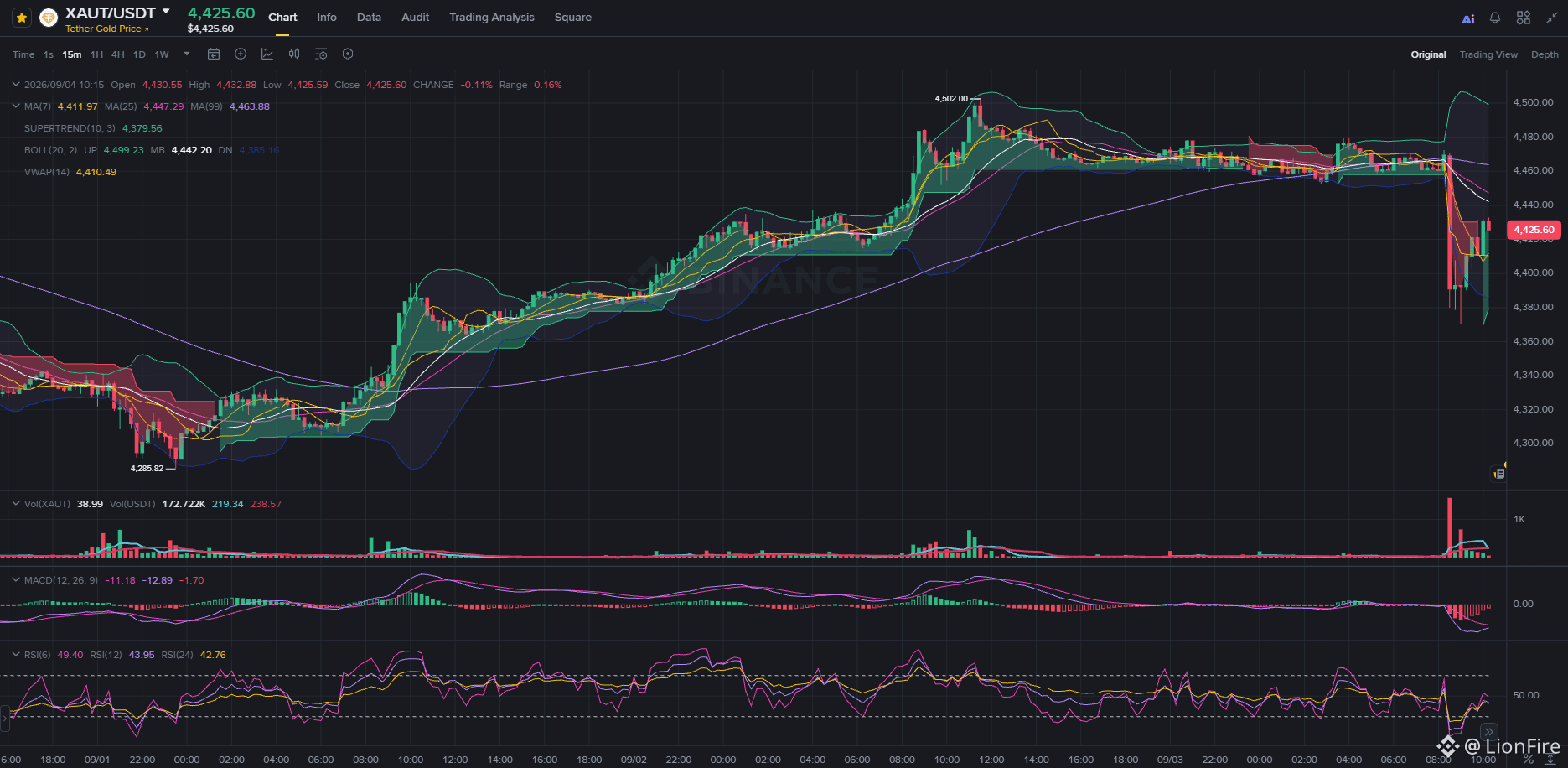
أصدر مكتب إحصاءات العمل الأمريكي تقرير الوظائف غير الزراعية لشهر أغسطس يوم الجمعة، موضحًا أن الاقتصاد الأمريكي أضاف 162,000 وظيفة، متجاوزًا التوقعات البالغة 56,000 بفارق كبير. وفي الوقت نفسه، جرى تعديل رقم الشهر السابق بالرفع الحاد من -23,000 إلى +21,000، مع بقاء معدل البطالة ثابتًا عند 4.1% ونمو متوسط الأجور بالساعة بنسبة 3.1% على أساس سنوي.
تنسف بيانات سوق العمل المرنة على نحو مفاجئ السرديات الأخيرة المتعلقة بالركود التي هيمنت على معنويات السوق. كما أن المراجعة الصافية بالرفع بمقدار 55,000 وظيفة خلال يونيو ويوليو تؤكد بشكل أكبر أن التوظيف في الولايات المتحدة لا يزال قويًا بصورة مفاجئة، مما يدفع فعليًا إلى تراجع توقعات التيسير النقدي العدواني من قبل الاحتياطي الفيدرالي ويعيد إشعال الرهانات على رفع أسعار الفائدة.
تفاعلت أسواق الاقتصاد الكلي فورًا مع هذه المفاجأة المتشددة. ارتفع مؤشر الدولار الأمريكي (DXY) بمقدار 34 نقطة إلى 99.36، بينما واجهت المعادن الثمينة موجة تصفية كبيرة، ما دفع الذهب الفوري للهبوط بأكثر من 70 دولارًا ليتداول دون 4,400 دولار للأونصة، منخفضًا 1.66% خلال اليوم.
أما بالنسبة للأصول المشفرة، فإن قوة الدولار وارتفاع العوائد يخلقان ضغوطًا على السيولة على المدى القريب. $BTC وقد تواجه الأصول الرقمية الأوسع نطاقًا حالة من التماسك أو تصحيحات محلية مع سيطرة نزعة الابتعاد عن المخاطر، رغم أن استمرار النمو الاقتصادي قد يمنع في نهاية المطاف تراجعات أعمق في الاقتصاد الكلي لاحقًا. 📊
#nfp #fed #macroeconomics
تنسف بيانات سوق العمل المرنة على نحو مفاجئ السرديات الأخيرة المتعلقة بالركود التي هيمنت على معنويات السوق. كما أن المراجعة الصافية بالرفع بمقدار 55,000 وظيفة خلال يونيو ويوليو تؤكد بشكل أكبر أن التوظيف في الولايات المتحدة لا يزال قويًا بصورة مفاجئة، مما يدفع فعليًا إلى تراجع توقعات التيسير النقدي العدواني من قبل الاحتياطي الفيدرالي ويعيد إشعال الرهانات على رفع أسعار الفائدة.
تفاعلت أسواق الاقتصاد الكلي فورًا مع هذه المفاجأة المتشددة. ارتفع مؤشر الدولار الأمريكي (DXY) بمقدار 34 نقطة إلى 99.36، بينما واجهت المعادن الثمينة موجة تصفية كبيرة، ما دفع الذهب الفوري للهبوط بأكثر من 70 دولارًا ليتداول دون 4,400 دولار للأونصة، منخفضًا 1.66% خلال اليوم.
أما بالنسبة للأصول المشفرة، فإن قوة الدولار وارتفاع العوائد يخلقان ضغوطًا على السيولة على المدى القريب. $BTC وقد تواجه الأصول الرقمية الأوسع نطاقًا حالة من التماسك أو تصحيحات محلية مع سيطرة نزعة الابتعاد عن المخاطر، رغم أن استمرار النمو الاقتصادي قد يمنع في نهاية المطاف تراجعات أعمق في الاقتصاد الكلي لاحقًا. 📊
#nfp #fed #macroeconomics

لماذا لا يتحدث أحد عن أن البيتكوين تتصرف رسميًا مثل الذهب الرقمي بدلًا من أسهم التكنولوجيا؟
يستمر معظم المتداولين في التعرض للقطع بسبب محاولة تداول العملات المشفرة جنبًا إلى جنب مع تذبذبات سوق الأسهم، متجاهلين تمامًا المكان الذي تتحرك فيه رؤوس الأموال الكبرى فعليًا.
الأرقام لا تكذب. خلال الأسبوع الماضي، ارتفعت $BTC بنسبة 22.4% بينما صعد الذهب الفعلي بنحو 5% وتعرضت مؤشرات الأسهم الأمريكية لضربة. دفع هذا التباين الارتباط بين $PAXG من الأصول المادية الصلبة والـكريبتو خلال 90 يومًا إلى أعلى مستوى له منذ ما يقرب من ست سنوات.
نحن نراقب تحولًا بنيويًا واضحًا يحدث أمام أعيننا. بدلًا من تتبع الأصول ذات المخاطر وهي تميل إلى السالب، تعاملت رؤوس الأموال مع البيتكوين باعتبارها تحوطًا مشروعًا ضد ضعف الأسواق التقليدية. بينما تضخم الرموز عالية بيتا مثل $SOL عادةً تقلبات قطاع التكنولوجيا، فإن الأصل “المرساة” في السوق يفصل نفسه فعليًا.
هل تتموضع استعدادًا لفصل كامل على مستوى الاقتصاد الكلي (ماكرو)، أم تتوقع أن يعود الارتباط مع الأسهم إلى ما كان عليه؟
#Bitcoin #MacroEconomics #تداول_العملات_الرقمية
يستمر معظم المتداولين في التعرض للقطع بسبب محاولة تداول العملات المشفرة جنبًا إلى جنب مع تذبذبات سوق الأسهم، متجاهلين تمامًا المكان الذي تتحرك فيه رؤوس الأموال الكبرى فعليًا.
الأرقام لا تكذب. خلال الأسبوع الماضي، ارتفعت $BTC بنسبة 22.4% بينما صعد الذهب الفعلي بنحو 5% وتعرضت مؤشرات الأسهم الأمريكية لضربة. دفع هذا التباين الارتباط بين $PAXG من الأصول المادية الصلبة والـكريبتو خلال 90 يومًا إلى أعلى مستوى له منذ ما يقرب من ست سنوات.
نحن نراقب تحولًا بنيويًا واضحًا يحدث أمام أعيننا. بدلًا من تتبع الأصول ذات المخاطر وهي تميل إلى السالب، تعاملت رؤوس الأموال مع البيتكوين باعتبارها تحوطًا مشروعًا ضد ضعف الأسواق التقليدية. بينما تضخم الرموز عالية بيتا مثل $SOL عادةً تقلبات قطاع التكنولوجيا، فإن الأصل “المرساة” في السوق يفصل نفسه فعليًا.
هل تتموضع استعدادًا لفصل كامل على مستوى الاقتصاد الكلي (ماكرو)، أم تتوقع أن يعود الارتباط مع الأسهم إلى ما كان عليه؟
#Bitcoin #MacroEconomics #تداول_العملات_الرقمية

شهد سوق العملات الأجنبية تحركاتٍ قوية مع انخفاض زوج USD/JPY اليوم بنسبة 1.4% خلال اليوم، ليعود إلى نطاق يقارب 156.40 ويُسجّل أدنى مستوى خلال شهر. ويُعدّ هذا مستوى تصحيحٍ ملحوظًا لأحد أزواج العملات التي تُعدّ من بين الأكثر سيولة في العالم.
يعكس الهبوط القوي لـ USD/JPY عادةً تقلبات كبيرة في توقعات أسعار الفائدة بين مجلس الاحتياطي الفيدرالي الأمريكي وبنك اليابان المركزي (BOJ)، أو احتمال حدوث تدخل من وزارة المالية اليابانية. عندما تتعزز قيمة الين بشكلٍ مفاجئ، تتغير مسارات استراتيجية “ين كاري” (Yen Carry Trade)؛ حيث كان يتم تمويل مراكز استثمارية عبر الرافعة المالية بالين لتمويل الأصول عالية المخاطر، ثم تُعرض هذه الأصول على الساحة.
بالنسبة للأسواق المالية التقليدية، غالبًا ما يضغط انخفاض USD/JPY على تدفقات الدولار الأمريكي، ويُحفّز موجات “بيع/تصفية” حادة في الأسهم عبر الأسواق المالية العالمية. وعندما ترتفع تكلفة الاقتراض بالين أو تتأثر أسعار الصرف بشكلٍ سلبي، يضطر المستثمرون إلى تقليص أو بيع الأصول عالية المخاطر لتفادي مخاطر سعر الصرف.
أما في سوق العملات المشفرة، فقد تؤدي التقلبات القوية الناجمة عن الين إلى هزّات “ارتجاج” قصيرة الأجل، مؤديةً لتأثيرات على استقرار السيولة في $BTC والتفاعل النفسي العام بين المتداولين، بما يرفع من وتيرة مدّ السعر. ومع ذلك، وعلى المدى الطويل، عندما يخفّ ضغط الدولار الأمريكي نتيجة الضعف وتنتهي الموجة، ويستقر سلوك تدفقات السيولة وفقًا لإعادة هيكلة هيكل التمويل، ستواصل العملات المشفرة البحث عن زخم النمو من الاتجاه العالمي المتفائل.
#USDJPY #forex #macroeconomics
يعكس الهبوط القوي لـ USD/JPY عادةً تقلبات كبيرة في توقعات أسعار الفائدة بين مجلس الاحتياطي الفيدرالي الأمريكي وبنك اليابان المركزي (BOJ)، أو احتمال حدوث تدخل من وزارة المالية اليابانية. عندما تتعزز قيمة الين بشكلٍ مفاجئ، تتغير مسارات استراتيجية “ين كاري” (Yen Carry Trade)؛ حيث كان يتم تمويل مراكز استثمارية عبر الرافعة المالية بالين لتمويل الأصول عالية المخاطر، ثم تُعرض هذه الأصول على الساحة.
بالنسبة للأسواق المالية التقليدية، غالبًا ما يضغط انخفاض USD/JPY على تدفقات الدولار الأمريكي، ويُحفّز موجات “بيع/تصفية” حادة في الأسهم عبر الأسواق المالية العالمية. وعندما ترتفع تكلفة الاقتراض بالين أو تتأثر أسعار الصرف بشكلٍ سلبي، يضطر المستثمرون إلى تقليص أو بيع الأصول عالية المخاطر لتفادي مخاطر سعر الصرف.
أما في سوق العملات المشفرة، فقد تؤدي التقلبات القوية الناجمة عن الين إلى هزّات “ارتجاج” قصيرة الأجل، مؤديةً لتأثيرات على استقرار السيولة في $BTC والتفاعل النفسي العام بين المتداولين، بما يرفع من وتيرة مدّ السعر. ومع ذلك، وعلى المدى الطويل، عندما يخفّ ضغط الدولار الأمريكي نتيجة الضعف وتنتهي الموجة، ويستقر سلوك تدفقات السيولة وفقًا لإعادة هيكلة هيكل التمويل، ستواصل العملات المشفرة البحث عن زخم النمو من الاتجاه العالمي المتفائل.
#USDJPY #forex #macroeconomics

حيازة $BNB 0.1 USDT
🏛️ كيف صنعت 6 أزمات كبرى النظام المالي في الولايات المتحدة 📉🇺🇸
لم تبنِ أمريكا إمبراطوريتها النقدية بالصدفة—بل صيغت عبر 6 حلقات أزمات كبرى:
* 1️⃣ الحرب الأهلية (الستينيات/1860s): ارتفع الدين من 65 مليون دولار إلى 2.7 مليار دولار. الأثر: نشأ سوق سندات الحرب الحديث، وبنوك وطنية.
* 2️⃣ هلع 1895: استُنزفت احتياطيات الذهب قرب حالة التعثر. الأثر: إنقاذ خاص من قبل جيه بي مورغان أنقذ الخزانة.
* 3️⃣ الحرب العالمية الثانية (الأربعينيات/1940s): عجز ضخم وقت الحرب. الأثر: استخدمت الاحتياطي الفيدرالي التحكم بمنحنى العوائد لتثبيت الدولار الأمريكي كعملة احتياط عالمية.
* 4️⃣ عملية الالتفاف/Operation Twist (الستينيات/1960s): هروب رؤوس أموال كثيف. الأثر: أول تدخل باستخدام سندات بعملات أجنبية لحماية الدولار.
* 5️⃣ تحول تضخم السبعينيات: الأنظمة القديمة ذات الفائدة الثابتة انهارت. الأثر: أدخلت مزادات السندات لتحديد أسعار الاقتراض، مما أتاح للأسواق الحرة وضع معدلات الاقتراض.
* 6️⃣ الأزمة المالية الكبرى في 2008: انهيار وول ستريت & طباعة أموال جماعية (QE). الأثر: مهد الطريق لظهور البيتكوين وصعود العملات المشفرة/الـDeFi.
💡 الخلاصة من عالم التشفير:
كل فشل في التمويل التقليدي (TradFi) يؤدي إلى تطور مالي. أدى انهيار بنوك 2008 إلى ولادة نقود سليمة ومركزية.
💬 هل يمكن لـDeFi في النهاية إصلاح نظام الديون الإرثي؟ لنتناقش أدناه! 👇
#BinanceSquareTalks #Macroeconomics
$AAPLB $BNB
لم تبنِ أمريكا إمبراطوريتها النقدية بالصدفة—بل صيغت عبر 6 حلقات أزمات كبرى:
* 1️⃣ الحرب الأهلية (الستينيات/1860s): ارتفع الدين من 65 مليون دولار إلى 2.7 مليار دولار. الأثر: نشأ سوق سندات الحرب الحديث، وبنوك وطنية.
* 2️⃣ هلع 1895: استُنزفت احتياطيات الذهب قرب حالة التعثر. الأثر: إنقاذ خاص من قبل جيه بي مورغان أنقذ الخزانة.
* 3️⃣ الحرب العالمية الثانية (الأربعينيات/1940s): عجز ضخم وقت الحرب. الأثر: استخدمت الاحتياطي الفيدرالي التحكم بمنحنى العوائد لتثبيت الدولار الأمريكي كعملة احتياط عالمية.
* 4️⃣ عملية الالتفاف/Operation Twist (الستينيات/1960s): هروب رؤوس أموال كثيف. الأثر: أول تدخل باستخدام سندات بعملات أجنبية لحماية الدولار.
* 5️⃣ تحول تضخم السبعينيات: الأنظمة القديمة ذات الفائدة الثابتة انهارت. الأثر: أدخلت مزادات السندات لتحديد أسعار الاقتراض، مما أتاح للأسواق الحرة وضع معدلات الاقتراض.
* 6️⃣ الأزمة المالية الكبرى في 2008: انهيار وول ستريت & طباعة أموال جماعية (QE). الأثر: مهد الطريق لظهور البيتكوين وصعود العملات المشفرة/الـDeFi.
💡 الخلاصة من عالم التشفير:
كل فشل في التمويل التقليدي (TradFi) يؤدي إلى تطور مالي. أدى انهيار بنوك 2008 إلى ولادة نقود سليمة ومركزية.
💬 هل يمكن لـDeFi في النهاية إصلاح نظام الديون الإرثي؟ لنتناقش أدناه! 👇
#BinanceSquareTalks #Macroeconomics
$AAPLB $BNB
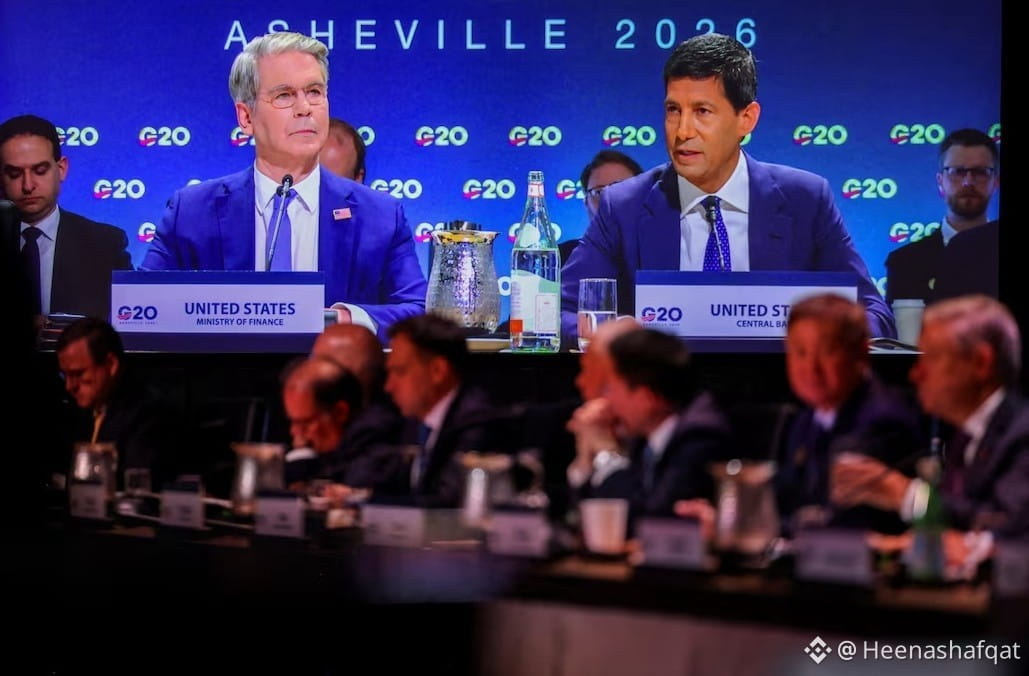

صحيح جزئيًا
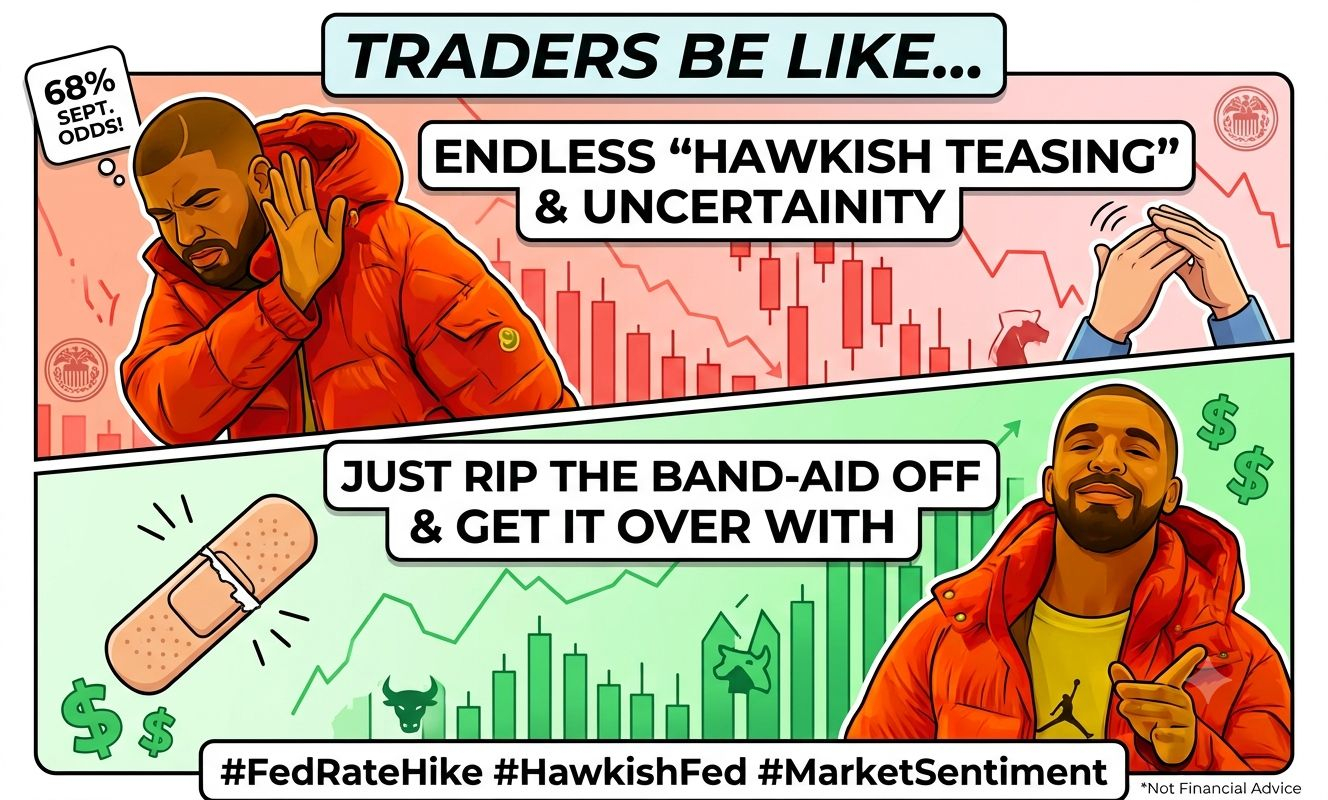
#fedhikeoddsriseto68%
🚨 احتمالات رفع سعر الفائدة لشهر سبتمبر ارتفعت إلى 68%!
في الحقيقة، فإن الإيحاءات المتواصلة المتشددة من بنك الاحتياطي الفيدرالي أسوأ بالنسبة للأسواق من رفع الفائدة نفسه. حان الوقت فقط لتمزيق الضمادة وإنهاء حالة الترّقب! 😤
كيف ينبغي للمتداولين التعامل مع هذا:
توقّف عن محاولة قراءة أفكار باول وركّز على ما يمكنك التحكم به.
✂️ قلّل نفوذك/رافعتك المالية.
🛡️ احمِ رأس مالك.
🌊 اترك التقلبات تأتي إليك.
التقلب فرصة، لكن فقط إذا كانت إدارة المخاطر لديك مضبوطة.
👇 ما رأيك؟ هل يجب على الفيدرالي أن يرفع السعر فقط وينهي الموضوع، أم يؤجل؟ اترك تصويتك أدناه!
⚠️ ليس نصيحة مالية.
#FedRateHike #HawkishFed #MacroEconomics
$BTC $SOL $ZEC
🚨 احتمالات رفع سعر الفائدة لشهر سبتمبر ارتفعت إلى 68%!
في الحقيقة، فإن الإيحاءات المتواصلة المتشددة من بنك الاحتياطي الفيدرالي أسوأ بالنسبة للأسواق من رفع الفائدة نفسه. حان الوقت فقط لتمزيق الضمادة وإنهاء حالة الترّقب! 😤
كيف ينبغي للمتداولين التعامل مع هذا:
توقّف عن محاولة قراءة أفكار باول وركّز على ما يمكنك التحكم به.
✂️ قلّل نفوذك/رافعتك المالية.
🛡️ احمِ رأس مالك.
🌊 اترك التقلبات تأتي إليك.
التقلب فرصة، لكن فقط إذا كانت إدارة المخاطر لديك مضبوطة.
👇 ما رأيك؟ هل يجب على الفيدرالي أن يرفع السعر فقط وينهي الموضوع، أم يؤجل؟ اترك تصويتك أدناه!
⚠️ ليس نصيحة مالية.
#FedRateHike #HawkishFed #MacroEconomics
$BTC $SOL $ZEC
تمّ التحقق


FOLLOW & MORE
من Crypto__Today

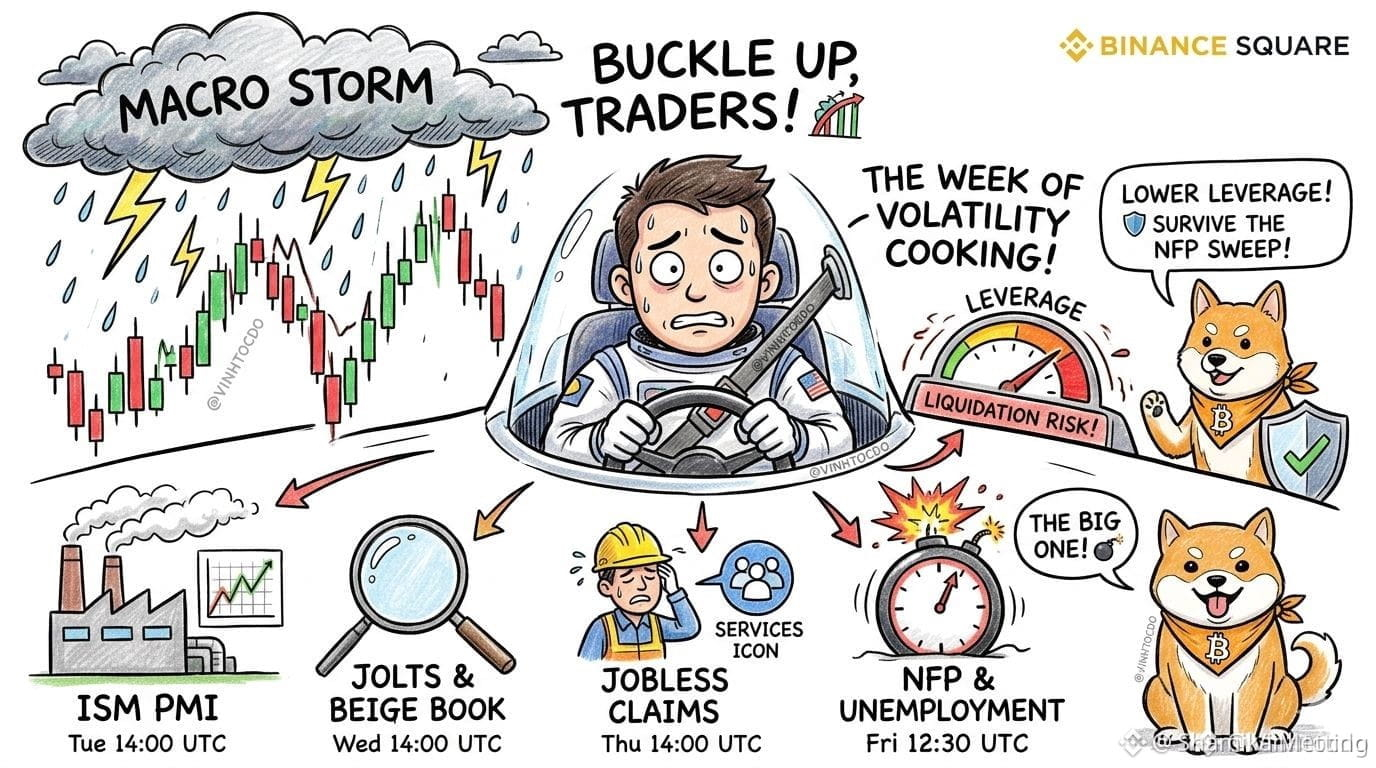
أحكم قبضتك يا متداولين! 🎢 عاصفة اقتصادية كبرى تجتاح الأسواق هذا الأسبوع! حان الوقت لتحويل مواعيدك إلى UTC والاستعداد للتقلبات.
إليك ما الذي يعدّه مجلس الاحتياطي الفيدرالي:
📅 الثلاثاء 14:00 بالتوقيت العالمي: مؤشر مديري المشتريات الصناعي ISM 🏭 (مخاوف الركود أم دفعة للعملات الرقمية؟)
📊 الأربعاء 14:00 بالتوقيت العالمي: طلبات العمالة JOLTS & الكتاب البيج 📖 (نظرة سرّية من الاحتياطي الفيدرالي على الواقع الاقتصادي)
💼 الخميس 14:00 بالتوقيت العالمي: طلبات إعانة البطالة & مؤشر مديري المشتريات للقطاع الخدمي
💣 الجمعة 12:30 بالتوقيت العالمي: NFP & قنبلة البطالة (أقوى عامل متحرك للسوق! NFP قوي يعني رفع أسعار الفائدة من الاحتياطي الفيدرالي 📈، والضعيف قد يطلق هروبًا إلى الأمان باتجاه البيتكوين!)
ومع تذبذب BTC قرب 77 ألف دولار، يستعد الحيتان لتصفية المراكز عالية الرافعة المالية يوم الجمعة. 🛡️ استراتيجية المتداول: قلّل رافعتك مبكرًا في الأسبوع ونجِ من عملية مسح السيولة الخاصة بـ NFP!
هل أنت جاهز للتداول وسط الفوضى؟
⚠️ هذا ليس نصيحة مالية!
متابعة من فضلكم
#EconomicEvents #MacroEconomics #NFP #TinFed $BTC
إليك ما الذي يعدّه مجلس الاحتياطي الفيدرالي:
📅 الثلاثاء 14:00 بالتوقيت العالمي: مؤشر مديري المشتريات الصناعي ISM 🏭 (مخاوف الركود أم دفعة للعملات الرقمية؟)
📊 الأربعاء 14:00 بالتوقيت العالمي: طلبات العمالة JOLTS & الكتاب البيج 📖 (نظرة سرّية من الاحتياطي الفيدرالي على الواقع الاقتصادي)
💼 الخميس 14:00 بالتوقيت العالمي: طلبات إعانة البطالة & مؤشر مديري المشتريات للقطاع الخدمي
💣 الجمعة 12:30 بالتوقيت العالمي: NFP & قنبلة البطالة (أقوى عامل متحرك للسوق! NFP قوي يعني رفع أسعار الفائدة من الاحتياطي الفيدرالي 📈، والضعيف قد يطلق هروبًا إلى الأمان باتجاه البيتكوين!)
ومع تذبذب BTC قرب 77 ألف دولار، يستعد الحيتان لتصفية المراكز عالية الرافعة المالية يوم الجمعة. 🛡️ استراتيجية المتداول: قلّل رافعتك مبكرًا في الأسبوع ونجِ من عملية مسح السيولة الخاصة بـ NFP!
هل أنت جاهز للتداول وسط الفوضى؟
⚠️ هذا ليس نصيحة مالية!
متابعة من فضلكم
#EconomicEvents #MacroEconomics #NFP #TinFed $BTC
#YenFallsDespite
🇯🇵 اليابان والولايات المتحدة اتحدتا، ورمتا 97 مليار دولار على الين، ومع ذلك ما زال ينخفض إلى 160+؟ 😭 الرياضيات لم تعد رياضيات. هل هذه أزمة مالية أم إشارة من الكون لحجز رحلة والاستمتاع بسوشي رخيص؟ 🍣
لكن بصراحة، ماذا يفعل المتداول؟ عندما تطبع الحكومات مليارات لإنقاذ الورقة النقدية الفاشلة، تعرف أنه الوقت المناسب لإلقاء نظرة على البيتكوين. المدخرون في آسيا بالفعل يستبدلون النقد ببيتكوين للتغلب على الهبوط! 🚀
فهل نتعامل مع الفوضى أم نذهب في إجازة؟ 🤷♂️
⚠️ هذا ليس نصيحة مالية!
متابعة من فضلكم
#YenCrash #MacroEconomics #SafeHavenAsset
$BTC
🇯🇵 اليابان والولايات المتحدة اتحدتا، ورمتا 97 مليار دولار على الين، ومع ذلك ما زال ينخفض إلى 160+؟ 😭 الرياضيات لم تعد رياضيات. هل هذه أزمة مالية أم إشارة من الكون لحجز رحلة والاستمتاع بسوشي رخيص؟ 🍣
لكن بصراحة، ماذا يفعل المتداول؟ عندما تطبع الحكومات مليارات لإنقاذ الورقة النقدية الفاشلة، تعرف أنه الوقت المناسب لإلقاء نظرة على البيتكوين. المدخرون في آسيا بالفعل يستبدلون النقد ببيتكوين للتغلب على الهبوط! 🚀
فهل نتعامل مع الفوضى أم نذهب في إجازة؟ 🤷♂️
⚠️ هذا ليس نصيحة مالية!
متابعة من فضلكم
#YenCrash #MacroEconomics #SafeHavenAsset
$BTC

خلال كلمته في ندوة جاكسون هول مساء الجمعة، قدّم حاكم مجلس الاحتياطي الفيدرالي كريستوفر والر ملاحظات اتّسمت بنبرة أكثر تشدداً بشكل ملحوظ مقارنة بتوقعات السوق السائدة. وأوضح والر صراحة أنه لا يعتمد على التوجيهات المستقبلية، ورفض الالتزام مسبقاً بقرارات أسعار الفائدة الخاصة باجتماع سبتمبر القادم. وفي الوقت الذي ظل فيه على ثقة بأن التضخم الأساسي الكامن يتحرك تدريجياً نحو الهدف، شدد مجدداً وبقوة على أن خفض التضخم يظل الأولوية القصوى للبنك المركزي.
تكتسب هذه المواقف المتشددة أهمية بالغة لأنها عطّلت بشكل مفاجئ الإجماع المبكر لدى السوق حول احتمال حدوث تحوّل في السياسة النقدية. ووفقاً لمحلل StoneX فواد رضاكزادا، أعادت تصريحات والر إحياء احتمال المزيد من التشديد النقدي، ما أدى إلى إعادة تسعير حادة في عقود مستقبلات أسعار الفائدة، حيث قفزت الاحتمالية الضمنية لرفع سعر الفائدة بمقدار 25 نقطة أساس في سبتمبر من نحو 30% إلى قرابة 50%. ومع ذلك، وبما أن الاحتياطي الفيدرالي يظل شديد الاعتماد على البيانات، فإن بيانات الوظائف غير الزراعية وقراءات مؤشر أسعار المستهلكين (CPI) المقبلة ستكون بمثابة الحكم النهائي قبل انعقاد اجتماع اللجنة الفيدرالية للسوق المفتوحة (FOMC).
وعلى مستوى الأسواق المالية الأوسع، عززت هذه المراجعة الفورّية قيمة الدولار الأميركي وضغطت صعوداً على عوائد سندات الخزانة. كما تواجه تقييمات الأسهم والأصول الحساسة للمخاطر رياحاً معاكسة جديدة، إذ يُجبر المستثمرون على استبعاد جداول التيسير الأكثر حدة، مع إدراك أن أسعار الفائدة قد تبقى مرتفعة لفترة أطول إذا جاءت بيانات التوظيف أو التضخم المقبلة أعلى من المتوقع.
بالنسبة لقطاع العملات الرقمية، فإن تشديد السيولة الاقتصادية الكلية وقوة الدولار الأخضر عادةً ما يحدّان من تدفقات رأس المال إلى الأصول عالية بيتا مثل $BTC . وعلى المدى القريب، من المرجح أن تشهد الأصول الرقمية تذبذبات ضمن نطاق محدد، حيث ينتظر المتداولون صدور تقارير حاسمة عن الوظائف والتضخم. وإذا أظهرت بيانات سوق العمل القادمة مزيداً من الضعف عقب القراءات المخيبة في الآونة الأخيرة، فإن رهانات رفع الفائدة قد تتبخر بسرعة، ما قد يفتح نافذة لعودة الزخم الصعودي إلى أسواق العملات الرقمية.
#Fed #InterestRates #MacroEconomics
تكتسب هذه المواقف المتشددة أهمية بالغة لأنها عطّلت بشكل مفاجئ الإجماع المبكر لدى السوق حول احتمال حدوث تحوّل في السياسة النقدية. ووفقاً لمحلل StoneX فواد رضاكزادا، أعادت تصريحات والر إحياء احتمال المزيد من التشديد النقدي، ما أدى إلى إعادة تسعير حادة في عقود مستقبلات أسعار الفائدة، حيث قفزت الاحتمالية الضمنية لرفع سعر الفائدة بمقدار 25 نقطة أساس في سبتمبر من نحو 30% إلى قرابة 50%. ومع ذلك، وبما أن الاحتياطي الفيدرالي يظل شديد الاعتماد على البيانات، فإن بيانات الوظائف غير الزراعية وقراءات مؤشر أسعار المستهلكين (CPI) المقبلة ستكون بمثابة الحكم النهائي قبل انعقاد اجتماع اللجنة الفيدرالية للسوق المفتوحة (FOMC).
وعلى مستوى الأسواق المالية الأوسع، عززت هذه المراجعة الفورّية قيمة الدولار الأميركي وضغطت صعوداً على عوائد سندات الخزانة. كما تواجه تقييمات الأسهم والأصول الحساسة للمخاطر رياحاً معاكسة جديدة، إذ يُجبر المستثمرون على استبعاد جداول التيسير الأكثر حدة، مع إدراك أن أسعار الفائدة قد تبقى مرتفعة لفترة أطول إذا جاءت بيانات التوظيف أو التضخم المقبلة أعلى من المتوقع.
بالنسبة لقطاع العملات الرقمية، فإن تشديد السيولة الاقتصادية الكلية وقوة الدولار الأخضر عادةً ما يحدّان من تدفقات رأس المال إلى الأصول عالية بيتا مثل $BTC . وعلى المدى القريب، من المرجح أن تشهد الأصول الرقمية تذبذبات ضمن نطاق محدد، حيث ينتظر المتداولون صدور تقارير حاسمة عن الوظائف والتضخم. وإذا أظهرت بيانات سوق العمل القادمة مزيداً من الضعف عقب القراءات المخيبة في الآونة الأخيرة، فإن رهانات رفع الفائدة قد تتبخر بسرعة، ما قد يفتح نافذة لعودة الزخم الصعودي إلى أسواق العملات الرقمية.
#Fed #InterestRates #MacroEconomics

الاقتصاد الكلي وتأثيره على العملات المشفرة
تواصل قرارات البنوك المركزية توجيه السوق 📈📉
لا تزال أسعار الفائدة والتضخم والسيولة العالمية من أهم المحركات وراء تحركات السوق. يساعد فهم البيئة الاقتصادية الكلية على توقع الاتجاهات الكبرى للبيتكوين وWeb3.
📊 لا تتداول وأنت مغمض العينين: تابع الأخبار الاقتصادية العالمية!
#Macroeconomics #Bitcoin #MarketTrends #CryptoNews @Tut
تواصل قرارات البنوك المركزية توجيه السوق 📈📉
لا تزال أسعار الفائدة والتضخم والسيولة العالمية من أهم المحركات وراء تحركات السوق. يساعد فهم البيئة الاقتصادية الكلية على توقع الاتجاهات الكبرى للبيتكوين وWeb3.
📊 لا تتداول وأنت مغمض العينين: تابع الأخبار الاقتصادية العالمية!
#Macroeconomics #Bitcoin #MarketTrends #CryptoNews @Tut
سجّل الدخول لاستكشاف المزيد من المُحتوى