
CgDoyen
204 Bài đăng

CgDoyen
Báo cáo
Chặn người dùng
Giao dịch mở
Trader tần suất cao
{thời gian} năm
1 Đang theo dõi
20 Người theo dõi
187 Đã thích
Bài đăng
Danh mục đầu tư
Tất cả
Trích dẫn
·
--
Điều tôi yêu thích nhất về bóng đá là mỗi trận đấu đều bắt đầu từ con số 0–0. ⚽ Không quan trọng câu lạc bộ nổi tiếng đến đâu hay dự đoán trước trận có vẻ “dễ” đến mức nào—khi trận đấu bắt đầu, mọi chuyện đều có thể xảy ra. Đó là lý do mỗi giải đấu đều hấp dẫn và mọi dự đoán đều đáng để thử. Mong chờ những màn kịch tính, những bàn thắng và những khoảnh khắc khó quên. Chúc tất cả mọi người may mắn nhất với các lựa chọn của mình!
🏆⚽✨ #BinancePickAndWin #Football #Binance
Điều tôi yêu thích nhất về bóng đá là mỗi trận đấu đều bắt đầu từ con số 0–0. ⚽ Không quan trọng câu lạc bộ nổi tiếng đến đâu hay dự đoán trước trận có vẻ “dễ” đến mức nào—khi trận đấu bắt đầu, mọi chuyện đều có thể xảy ra. Đó là lý do mỗi giải đấu đều hấp dẫn và mọi dự đoán đều đáng để thử. Mong chờ những màn kịch tính, những bàn thắng và những khoảnh khắc khó quên. Chúc tất cả mọi người may mắn nhất với các lựa chọn của mình!
🏆⚽✨ #BinancePickAndWin #Football #Binance
🏆⚽✨ #BinancePickAndWin #Football #Binance
91
·
--
Bóng đá luôn chứng minh rằng sự tự tin và thực tế không phải là một. ⚽ Một đội có thể thống trị các tiêu đề trước giờ khai cuộc, nhưng trận đấu được quyết định trên sân. Vì vậy tôi thích những thử thách dự đoán—đó là sự kết hợp giữa kiến thức, bản năng và một chút may mắn. Mong chờ được xem mọi pha bóng diễn ra và xem những đội nào vượt xa kỳ vọng. Chúc may mắn nhất cho tất cả mọi người tham gia!
⚽🏆🍀 #BinancePickAndWin #Football #Binance
Bóng đá luôn chứng minh rằng sự tự tin và thực tế không phải là một. ⚽ Một đội có thể thống trị các tiêu đề trước giờ khai cuộc, nhưng trận đấu được quyết định trên sân. Vì vậy tôi thích những thử thách dự đoán—đó là sự kết hợp giữa kiến thức, bản năng và một chút may mắn. Mong chờ được xem mọi pha bóng diễn ra và xem những đội nào vượt xa kỳ vọng. Chúc may mắn nhất cho tất cả mọi người tham gia!
⚽🏆🍀 #BinancePickAndWin #Football #Binance
⚽🏆🍀 #BinancePickAndWin #Football #Binance
76
·
--
Một trong những lý do bóng đá không bao giờ trở nên nhàm chán là vì mỗi trận đấu đều bắt đầu với niềm hy vọng. ⚽ Một đội bóng có thể đang sa sút tuần này nhưng lại thi đấu bùng nổ vào tuần sau. Đó chính là điều kỳ diệu của môn thể thao này—đầy ắp bất ngờ, đam mê và những khoảnh khắc không thể nào quên. Tôi rất mong được đưa ra dự đoán của mình và tận hưởng từng phút của giải đấu. Chúc may mắn đến tất cả mọi người tham gia!
⚽🍀 #BinancePickAndWin #Football #Binance
Một trong những lý do bóng đá không bao giờ trở nên nhàm chán là vì mỗi trận đấu đều bắt đầu với niềm hy vọng. ⚽ Một đội bóng có thể đang sa sút tuần này nhưng lại thi đấu bùng nổ vào tuần sau. Đó chính là điều kỳ diệu của môn thể thao này—đầy ắp bất ngờ, đam mê và những khoảnh khắc không thể nào quên. Tôi rất mong được đưa ra dự đoán của mình và tận hưởng từng phút của giải đấu. Chúc may mắn đến tất cả mọi người tham gia!
⚽🍀 #BinancePickAndWin #Football #Binance
⚽🍀 #BinancePickAndWin #Football #Binance
2
5
·
--
Vẻ đẹp của bóng đá là mỗi lần giao bóng lại mở ra một câu chuyện mới. ⚽ Thể thức, bảng xếp hạng và dự đoán đều quan trọng, nhưng ngay khi tiếng còi vang lên, mọi chuyện đều có thể xảy ra. Đó là lý do khiến hàng triệu người hâm mộ vẫn dõi theo cho đến đúng giây cuối cùng. Mình rất hào hứng để đưa ra các dự đoán của mình và tận hưởng từng trận đấu. Chúc mọi người may mắn và mong có thật nhiều khoảnh khắc không thể nào quên!
🏆🔥 #BinancePickAndWin #Football #Binance
Vẻ đẹp của bóng đá là mỗi lần giao bóng lại mở ra một câu chuyện mới. ⚽ Thể thức, bảng xếp hạng và dự đoán đều quan trọng, nhưng ngay khi tiếng còi vang lên, mọi chuyện đều có thể xảy ra. Đó là lý do khiến hàng triệu người hâm mộ vẫn dõi theo cho đến đúng giây cuối cùng. Mình rất hào hứng để đưa ra các dự đoán của mình và tận hưởng từng trận đấu. Chúc mọi người may mắn và mong có thật nhiều khoảnh khắc không thể nào quên!
🏆🔥 #BinancePickAndWin #Football #Binance
🏆🔥 #BinancePickAndWin #Football #Binance
2
·
--
Bóng đá luôn nhắc tôi rằng thống kê chỉ có thể kể được một phần câu chuyện. Khi trận đấu bắt đầu, mọi thứ phụ thuộc vào sự quyết tâm, tinh thần đồng đội và những khoảnh khắc không thể nào quên mà không ai lường trước được. Vì vậy, việc đưa ra dự đoán lại càng thú vị—bạn không bao giờ biết trò bất ngờ tiếp theo ở trận đấu sau sẽ là gì. Mong chờ một giải đấu tuyệt vời và chúc tất cả mọi người may mắn nhất với những lựa chọn của mình!
⚽🏅 #BinancePickAndWin #Football #BİNANCE
Bóng đá luôn nhắc tôi rằng thống kê chỉ có thể kể được một phần câu chuyện. Khi trận đấu bắt đầu, mọi thứ phụ thuộc vào sự quyết tâm, tinh thần đồng đội và những khoảnh khắc không thể nào quên mà không ai lường trước được. Vì vậy, việc đưa ra dự đoán lại càng thú vị—bạn không bao giờ biết trò bất ngờ tiếp theo ở trận đấu sau sẽ là gì. Mong chờ một giải đấu tuyệt vời và chúc tất cả mọi người may mắn nhất với những lựa chọn của mình!
⚽🏅 #BinancePickAndWin #Football #BİNANCE
⚽🏅 #BinancePickAndWin #Football #BİNANCE
2
·
--
Mọi người hâm mộ bóng đá đều biết rằng việc dự đoán không hề dễ dàng—đó chính là điều làm nó trở nên thú vị! ⚽ Một trận đấu có thể thay đổi chỉ trong vài phút, và vì vậy mỗi trận đều đáng để xem cho đến tiếng còi kết thúc. Mình rất hào hứng để đưa ra các dự đoán, tận hưởng từng pha bóng và xem diễn biến của giải đấu. Chúc mọi người có những trận đấu tuyệt vời và nhiều may mắn!
🏆⚽ #BinancePickAndWin #Football #Binance
Mọi người hâm mộ bóng đá đều biết rằng việc dự đoán không hề dễ dàng—đó chính là điều làm nó trở nên thú vị! ⚽ Một trận đấu có thể thay đổi chỉ trong vài phút, và vì vậy mỗi trận đều đáng để xem cho đến tiếng còi kết thúc. Mình rất hào hứng để đưa ra các dự đoán, tận hưởng từng pha bóng và xem diễn biến của giải đấu. Chúc mọi người có những trận đấu tuyệt vời và nhiều may mắn!
🏆⚽ #BinancePickAndWin #Football #Binance
🏆⚽ #BinancePickAndWin #Football #Binance
1
14
·
--
Phần hay nhất của bóng đá không phải là đội mạnh nhất luôn giành chiến thắng—mà là mỗi trận đấu đều bắt đầu với khả năng. Một chiến thuật thông minh, một pha cứu thua phi thường, hoặc một bàn thắng đúng khoảnh khắc có thể thay đổi tất cả. Vì vậy, tôi rất háo hức được đưa ra dự đoán của mình và tận hưởng từng phút của trận đấu. Chúc cho một giải đấu tuyệt vời và may mắn đến với tất cả mọi người tham gia!
⚽🔥 #BinancePickAndWin #Football #Binance
Phần hay nhất của bóng đá không phải là đội mạnh nhất luôn giành chiến thắng—mà là mỗi trận đấu đều bắt đầu với khả năng. Một chiến thuật thông minh, một pha cứu thua phi thường, hoặc một bàn thắng đúng khoảnh khắc có thể thay đổi tất cả. Vì vậy, tôi rất háo hức được đưa ra dự đoán của mình và tận hưởng từng phút của trận đấu. Chúc cho một giải đấu tuyệt vời và may mắn đến với tất cả mọi người tham gia!
⚽🔥 #BinancePickAndWin #Football #Binance
⚽🔥 #BinancePickAndWin #Football #Binance
1
8
·
--
Bóng đá có cách chứng minh rằng mọi thứ vẫn chưa được quyết định cho đến khi tiếng còi chung cuộc vang lên. ⚽ Các đội được yêu thích có thể vấp ngã, những kẻ bị xem thường có thể tỏa sáng, và chỉ một khoảnh khắc cũng có thể viết lại toàn bộ trận đấu. Vì vậy, việc đưa ra dự đoán luôn rất thú vị. Mong chờ những trận cầu kịch tính và chúc mọi người tham gia may mắn nhất!
🏆⚽ #BinancePickAndWin #Football #Binance
Bóng đá có cách chứng minh rằng mọi thứ vẫn chưa được quyết định cho đến khi tiếng còi chung cuộc vang lên. ⚽ Các đội được yêu thích có thể vấp ngã, những kẻ bị xem thường có thể tỏa sáng, và chỉ một khoảnh khắc cũng có thể viết lại toàn bộ trận đấu. Vì vậy, việc đưa ra dự đoán luôn rất thú vị. Mong chờ những trận cầu kịch tính và chúc mọi người tham gia may mắn nhất!
🏆⚽ #BinancePickAndWin #Football #Binance
🏆⚽ #BinancePickAndWin #Football #Binance
1
7
·
--
Mọi giải đấu bóng đá đều nhắc chúng ta vì sao môn thể thao này được yêu mến trên khắp thế giới. Chỉ một khoảnh khắc xuất thần, một cú ngã ngựa bất ngờ, hoặc một bàn thắng ở phút cuối cùng cũng có thể thay đổi hoàn toàn cục diện câu chuyện. Đó là lý do dự đoán lại thú vị đến vậy. Mong chờ những trận đấu tuyệt vời và những khoảnh khắc không thể quên. Chúc may mắn tới tất cả những ai tham gia!
⚽🏆 #BinancePickAndWin #Football #Binance
Mọi giải đấu bóng đá đều nhắc chúng ta vì sao môn thể thao này được yêu mến trên khắp thế giới. Chỉ một khoảnh khắc xuất thần, một cú ngã ngựa bất ngờ, hoặc một bàn thắng ở phút cuối cùng cũng có thể thay đổi hoàn toàn cục diện câu chuyện. Đó là lý do dự đoán lại thú vị đến vậy. Mong chờ những trận đấu tuyệt vời và những khoảnh khắc không thể quên. Chúc may mắn tới tất cả những ai tham gia!
⚽🏆 #BinancePickAndWin #Football #Binance
⚽🏆 #BinancePickAndWin #Football #Binance
1
8
·
--
Có một điều đặc biệt về bóng đá luôn khiến mọi người xích lại gần nhau. 🌍⚽ Dù bạn ủng hộ đội nào, mỗi trận đấu đều tạo ra những khoảnh khắc khó quên, đầy ắp sự hồi hộp, bất ngờ và niềm đam mê. Tôi rất hào hứng tham gia dự đoán và không thể chờ đợi để xem đội nào sẽ tỏa sáng trong khoảnh khắc này. Chúc mọi người may mắn nhất!
#BinancePickAndWin #Football #Binance
Có một điều đặc biệt về bóng đá luôn khiến mọi người xích lại gần nhau. 🌍⚽ Dù bạn ủng hộ đội nào, mỗi trận đấu đều tạo ra những khoảnh khắc khó quên, đầy ắp sự hồi hộp, bất ngờ và niềm đam mê. Tôi rất hào hứng tham gia dự đoán và không thể chờ đợi để xem đội nào sẽ tỏa sáng trong khoảnh khắc này. Chúc mọi người may mắn nhất!
#BinancePickAndWin #Football #Binance
#BinancePickAndWin #Football #Binance
1
9
·
--
Bóng đá thật khó lường, và chính điều đó khiến mọi trận đấu trở nên hấp dẫn. ⚽ Mỗi bàn thắng, pha cứu thua và màn lội ngược dòng đều có thể thay đổi mọi thứ chỉ trong vài giây. Mình tham gia vào cuộc vui với những dự đoán trận đấu của mình và mong chờ xem giải đấu sẽ diễn ra như thế nào. Chúc may mắn đến tất cả mọi người tham gia! 🍀⚽
#BinancePickAndWin #Football #Binance
Bóng đá thật khó lường, và chính điều đó khiến mọi trận đấu trở nên hấp dẫn. ⚽ Mỗi bàn thắng, pha cứu thua và màn lội ngược dòng đều có thể thay đổi mọi thứ chỉ trong vài giây. Mình tham gia vào cuộc vui với những dự đoán trận đấu của mình và mong chờ xem giải đấu sẽ diễn ra như thế nào. Chúc may mắn đến tất cả mọi người tham gia! 🍀⚽
#BinancePickAndWin #Football #Binance
#BinancePickAndWin #Football #Binance
1
11
·
--
Tăng giá
Một thời gian trước, tôi đã xem xét kết quả của một chiến dịch thanh toán mà trông có vẻ bình thường trên bề mặt. Các con số khớp nhau. Phần thưởng đã được phân phối. Mọi thứ dường như ổn.
Nhưng khi tôi cố gắng truy tìm lý do tại sao một số người tham gia lại kiếm được những gì họ có, dấu vết trở nên bất ngờ mỏng manh.
Kết quả thì có thể nhìn thấy.
Nhưng hành trình thì không.
Kinh nghiệm đó đã thay đổi cách tôi nhìn vào các nền tảng dữ liệu.
Hầu hết các hệ thống đều rất tốt trong việc thu thập thông tin, xử lý nó và biến nó thành các bảng điều khiển sạch sẽ. Vấn đề là mỗi lần chuyển đổi tạo ra khoảng cách từ nguồn gốc ban đầu. Sau đủ bước, bạn có thể thấy kết quả nhưng lại vật lộn để hiểu điều gì đã góp phần vào nó.
Đó là lý do tại sao OpenLedger luôn thu hút sự chú ý của tôi.
Thay vì coi nguồn gốc là một tính năng tùy chọn, nó coi đó là một phần của hạ tầng chính. Dữ liệu không chỉ được thu thập và tiêu thụ—nó mang theo một bản ghi về nơi nó đến từ đâu, nó đã được sử dụng như thế nào, và vai trò của nó trong quá trình đó.
Hãy nghĩ về nó như một chuỗi cung ứng.
Bạn không chỉ quan tâm đến sản phẩm cuối cùng. Bạn quan tâm đến nơi mà các nguyên liệu đến từ đâu, ai đã góp phần, và giá trị được tạo ra như thế nào.
Khi các hệ thống AI trở nên phụ thuộc nhiều hơn vào dữ liệu, sự nhìn thấy đó bắt đầu trở nên rất quan trọng.
Bởi vì việc quy cho một người không chỉ là vấn đề công bằng.
Nó là về trách nhiệm.
Và nếu giá trị đang được tạo ra từ dữ liệu, khả năng truy tìm giá trị đó về nguồn gốc của nó có thể trở thành một trong những lớp quan trọng nhất của toàn bộ nền kinh tế AI.
Đó là điều tôi sẽ theo dõi với OpenLedger.
Không chỉ là dữ liệu di chuyển qua hệ thống.
Mà là liệu lịch sử của nó có sống sót qua hành trình hay không.
@Openledger #OpenLedger #openledger $OPEN $BTC $BNB
{spot}(OPENUSDT)
{spot}(BNBUSDT)
{spot}(BTCUSDT)
Một thời gian trước, tôi đã xem xét kết quả của một chiến dịch thanh toán mà trông có vẻ bình thường trên bề mặt. Các con số khớp nhau. Phần thưởng đã được phân phối. Mọi thứ dường như ổn.
Nhưng khi tôi cố gắng truy tìm lý do tại sao một số người tham gia lại kiếm được những gì họ có, dấu vết trở nên bất ngờ mỏng manh.
Kết quả thì có thể nhìn thấy.
Nhưng hành trình thì không.
Kinh nghiệm đó đã thay đổi cách tôi nhìn vào các nền tảng dữ liệu.
Hầu hết các hệ thống đều rất tốt trong việc thu thập thông tin, xử lý nó và biến nó thành các bảng điều khiển sạch sẽ. Vấn đề là mỗi lần chuyển đổi tạo ra khoảng cách từ nguồn gốc ban đầu. Sau đủ bước, bạn có thể thấy kết quả nhưng lại vật lộn để hiểu điều gì đã góp phần vào nó.
Đó là lý do tại sao OpenLedger luôn thu hút sự chú ý của tôi.
Thay vì coi nguồn gốc là một tính năng tùy chọn, nó coi đó là một phần của hạ tầng chính. Dữ liệu không chỉ được thu thập và tiêu thụ—nó mang theo một bản ghi về nơi nó đến từ đâu, nó đã được sử dụng như thế nào, và vai trò của nó trong quá trình đó.
Hãy nghĩ về nó như một chuỗi cung ứng.
Bạn không chỉ quan tâm đến sản phẩm cuối cùng. Bạn quan tâm đến nơi mà các nguyên liệu đến từ đâu, ai đã góp phần, và giá trị được tạo ra như thế nào.
Khi các hệ thống AI trở nên phụ thuộc nhiều hơn vào dữ liệu, sự nhìn thấy đó bắt đầu trở nên rất quan trọng.
Bởi vì việc quy cho một người không chỉ là vấn đề công bằng.
Nó là về trách nhiệm.
Và nếu giá trị đang được tạo ra từ dữ liệu, khả năng truy tìm giá trị đó về nguồn gốc của nó có thể trở thành một trong những lớp quan trọng nhất của toàn bộ nền kinh tế AI.
Đó là điều tôi sẽ theo dõi với OpenLedger.
Không chỉ là dữ liệu di chuyển qua hệ thống.
Mà là liệu lịch sử của nó có sống sót qua hành trình hay không.
@OpenLedger #OpenLedger #openledger $OPEN $BTC $BNB
Nhưng khi tôi cố gắng truy tìm lý do tại sao một số người tham gia lại kiếm được những gì họ có, dấu vết trở nên bất ngờ mỏng manh.
Kết quả thì có thể nhìn thấy.
Nhưng hành trình thì không.
Kinh nghiệm đó đã thay đổi cách tôi nhìn vào các nền tảng dữ liệu.
Hầu hết các hệ thống đều rất tốt trong việc thu thập thông tin, xử lý nó và biến nó thành các bảng điều khiển sạch sẽ. Vấn đề là mỗi lần chuyển đổi tạo ra khoảng cách từ nguồn gốc ban đầu. Sau đủ bước, bạn có thể thấy kết quả nhưng lại vật lộn để hiểu điều gì đã góp phần vào nó.
Đó là lý do tại sao OpenLedger luôn thu hút sự chú ý của tôi.
Thay vì coi nguồn gốc là một tính năng tùy chọn, nó coi đó là một phần của hạ tầng chính. Dữ liệu không chỉ được thu thập và tiêu thụ—nó mang theo một bản ghi về nơi nó đến từ đâu, nó đã được sử dụng như thế nào, và vai trò của nó trong quá trình đó.
Hãy nghĩ về nó như một chuỗi cung ứng.
Bạn không chỉ quan tâm đến sản phẩm cuối cùng. Bạn quan tâm đến nơi mà các nguyên liệu đến từ đâu, ai đã góp phần, và giá trị được tạo ra như thế nào.
Khi các hệ thống AI trở nên phụ thuộc nhiều hơn vào dữ liệu, sự nhìn thấy đó bắt đầu trở nên rất quan trọng.
Bởi vì việc quy cho một người không chỉ là vấn đề công bằng.
Nó là về trách nhiệm.
Và nếu giá trị đang được tạo ra từ dữ liệu, khả năng truy tìm giá trị đó về nguồn gốc của nó có thể trở thành một trong những lớp quan trọng nhất của toàn bộ nền kinh tế AI.
Đó là điều tôi sẽ theo dõi với OpenLedger.
Không chỉ là dữ liệu di chuyển qua hệ thống.
Mà là liệu lịch sử của nó có sống sót qua hành trình hay không.
@OpenLedger #OpenLedger #openledger $OPEN $BTC $BNB
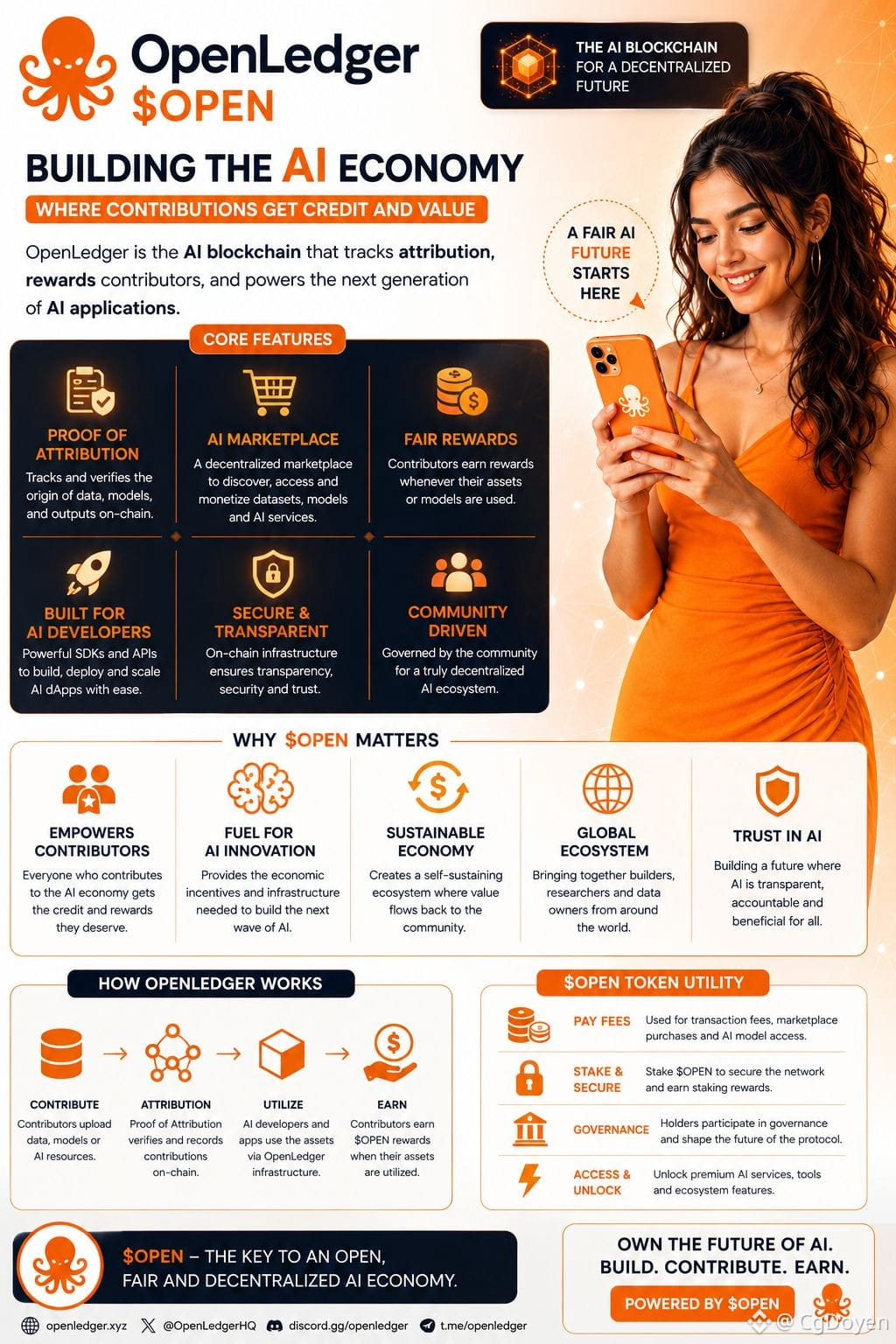
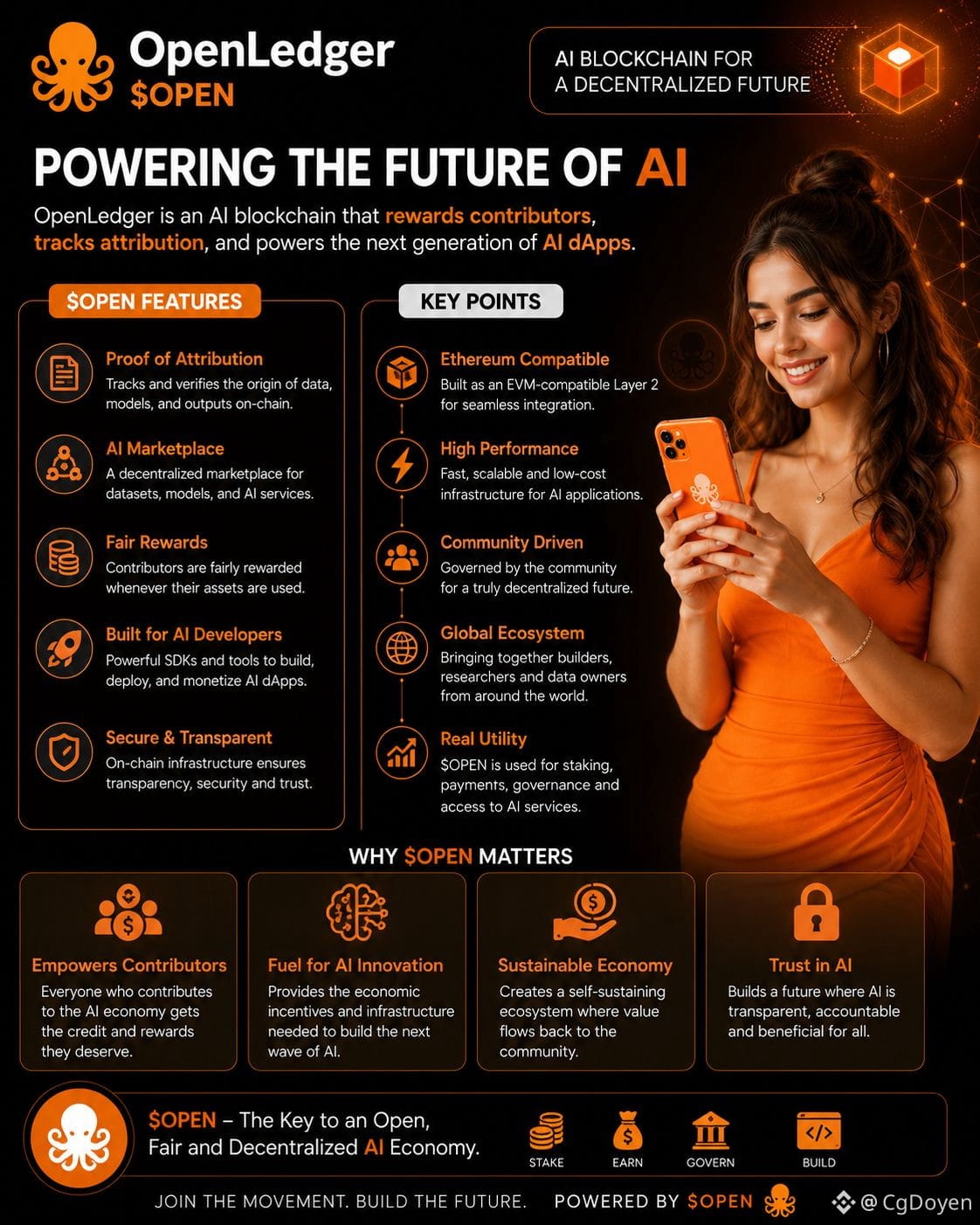
1
71
·
--
Bài viết
OpenLedger và Bittensor là một ví dụ hoàn hảo về.....Một điều mình nhận thấy trong AI phi tập trung là các dự án thường bị gom lại với nhau chỉ vì chúng có cùng một câu chuyện.
Nhìn thoáng qua, cả hai đều nằm dưới ô 'AI phi tập trung'. Nhưng càng tìm hiểu, mình càng nhận ra chúng đang đối mặt với những thách thức hoàn toàn khác nhau.
Bittensor chủ yếu tập trung vào trí tuệ chính nó. Mạng lưới thưởng cho các thành viên khi tạo ra những đầu ra hữu ích, với các validator liên tục đánh giá hiệu suất. Nói một cách đơn giản, đây là một thị trường nơi khả năng AI cạnh tranh để nhận thưởng.
OpenLedger và Bittensor là một ví dụ hoàn hảo về.....
Một điều mình nhận thấy trong AI phi tập trung là các dự án thường bị gom lại với nhau chỉ vì chúng có cùng một câu chuyện.
Nhìn thoáng qua, cả hai đều nằm dưới ô 'AI phi tập trung'. Nhưng càng tìm hiểu, mình càng nhận ra chúng đang đối mặt với những thách thức hoàn toàn khác nhau.
Bittensor chủ yếu tập trung vào trí tuệ chính nó. Mạng lưới thưởng cho các thành viên khi tạo ra những đầu ra hữu ích, với các validator liên tục đánh giá hiệu suất. Nói một cách đơn giản, đây là một thị trường nơi khả năng AI cạnh tranh để nhận thưởng.
Nhìn thoáng qua, cả hai đều nằm dưới ô 'AI phi tập trung'. Nhưng càng tìm hiểu, mình càng nhận ra chúng đang đối mặt với những thách thức hoàn toàn khác nhau.
Bittensor chủ yếu tập trung vào trí tuệ chính nó. Mạng lưới thưởng cho các thành viên khi tạo ra những đầu ra hữu ích, với các validator liên tục đánh giá hiệu suất. Nói một cách đơn giản, đây là một thị trường nơi khả năng AI cạnh tranh để nhận thưởng.
1
158
·
--
Bài viết
OpenLedger ($OPEN ) Có thể đang cược rằng ngữ cảnh trở nên khan hiếm hơn trí tuệOpenLedger ($OPEN ) Có thể đang cược rằng ngữ cảnh trở nên khan hiếm hơn trí tuệ
Một giả định mình đã giữ trong thời gian dài là AI sẽ dần làm cho chuyên môn trở nên ít giá trị hơn.
Logic có vẻ đơn giản.
Nếu các mô hình mạnh có thể trả lời gần như bất kỳ câu hỏi nào, tóm tắt bất kỳ chủ đề nào, và suy luận qua vô số lĩnh vực, thì kiến thức chuyên môn nên trở nên dễ dàng tiếp cận hơn và do đó ít khan hiếm hơn.
Càng nghĩ về nó, mình càng ít tin tưởng hơn.
Thực ra, mình bắt đầu tự hỏi liệu điều ngược lại có xảy ra không.
OpenLedger ($OPEN ) Có thể đang cược rằng ngữ cảnh trở nên khan hiếm hơn trí tuệ
OpenLedger ($OPEN ) Có thể đang cược rằng ngữ cảnh trở nên khan hiếm hơn trí tuệ
Một giả định mình đã giữ trong thời gian dài là AI sẽ dần làm cho chuyên môn trở nên ít giá trị hơn.
Logic có vẻ đơn giản.
Nếu các mô hình mạnh có thể trả lời gần như bất kỳ câu hỏi nào, tóm tắt bất kỳ chủ đề nào, và suy luận qua vô số lĩnh vực, thì kiến thức chuyên môn nên trở nên dễ dàng tiếp cận hơn và do đó ít khan hiếm hơn.
Càng nghĩ về nó, mình càng ít tin tưởng hơn.
Thực ra, mình bắt đầu tự hỏi liệu điều ngược lại có xảy ra không.
Một giả định mình đã giữ trong thời gian dài là AI sẽ dần làm cho chuyên môn trở nên ít giá trị hơn.
Logic có vẻ đơn giản.
Nếu các mô hình mạnh có thể trả lời gần như bất kỳ câu hỏi nào, tóm tắt bất kỳ chủ đề nào, và suy luận qua vô số lĩnh vực, thì kiến thức chuyên môn nên trở nên dễ dàng tiếp cận hơn và do đó ít khan hiếm hơn.
Càng nghĩ về nó, mình càng ít tin tưởng hơn.
Thực ra, mình bắt đầu tự hỏi liệu điều ngược lại có xảy ra không.
1
63
·
--
Tăng giá
#OpenLedger $OPEN
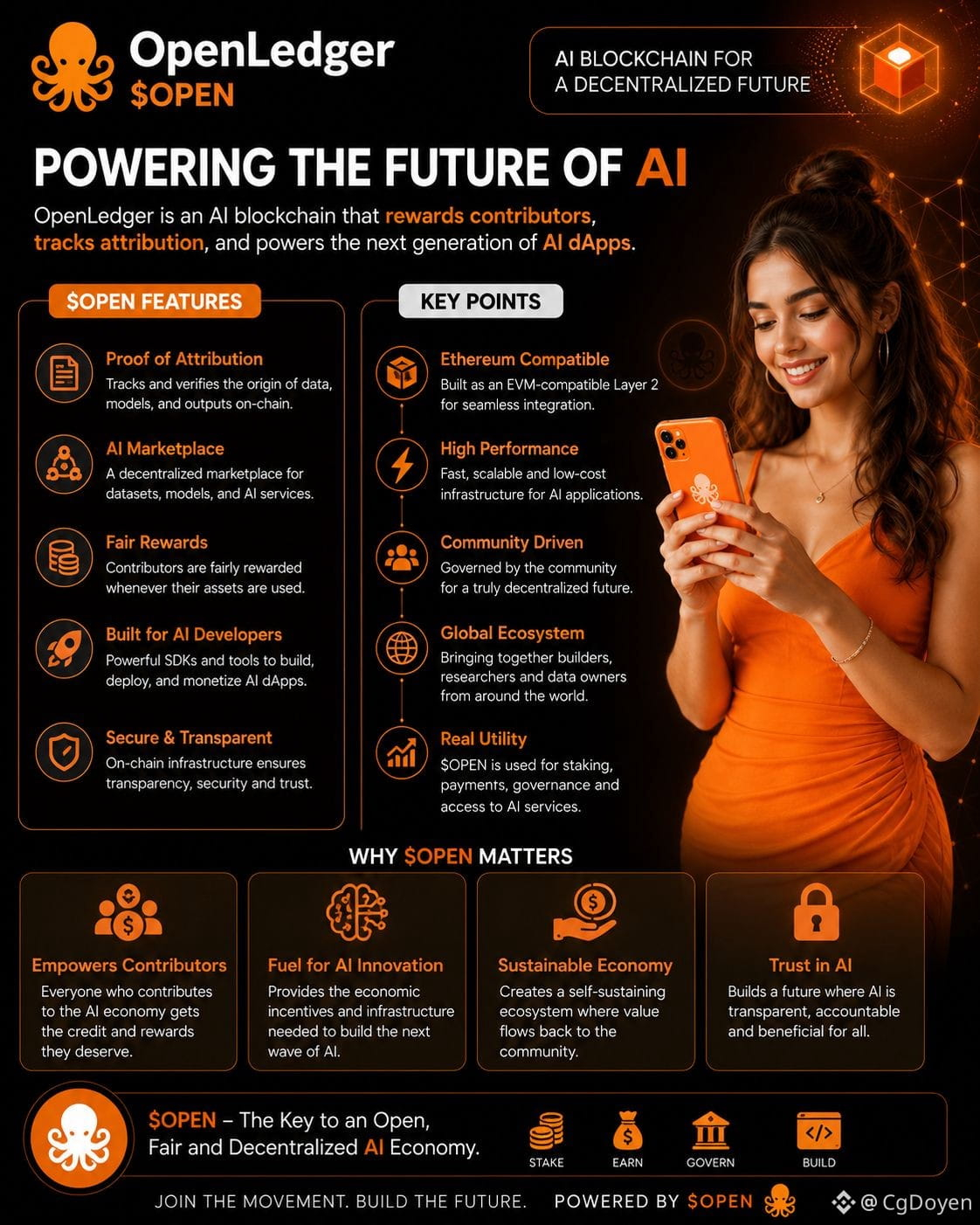
Càng quan sát ngành công nghiệp AI phát triển, tôi càng cảm thấy rằng chúng ta đang đo lường sai mục tiêu.
Mọi người đều cuồng nhiệt với khả năng.
Mô hình nào thông minh hơn?
Mô hình nào suy luận tốt hơn?
Mô hình nào tạo ra phản hồi giống con người nhất?
Nhưng chỉ khả năng thôi thì không tạo ra niềm tin.
Và niềm tin trở nên quan trọng hơn rất nhiều khi AI bắt đầu vận hành trong các hệ thống kinh tế thực sự.
Hãy nghĩ về điều đó.
Hầu hết các đầu ra của AI ngày nay đến dưới dạng sản phẩm hoàn chỉnh. Chúng ta thấy câu trả lời, dự đoán, khuyến nghị, hoặc phân tích.
Điều hiếm khi thấy là hành trình đã sản xuất ra nó.
Dữ liệu huấn luyện.
Các đóng góp.
Các điều chỉnh.
Các tinh chỉnh.
Vô số quyết định được đưa ra trước khi đầu ra cuối cùng xuất hiện.
Theo thời gian, những lớp ẩn đó bắt đầu biến mất khỏi tầm nhìn.
Kết quả vẫn hiển thị.
Nguồn gốc mờ dần vào nền.
Và đó là nơi mọi thứ trở nên thú vị.
Bởi vì mọi hệ thống thông tin cuối cùng cũng đối mặt với cùng một thách thức:
Bạn có thể có bao nhiêu niềm tin vào điều gì đó khi bạn không còn hiểu nó đến từ đâu?
Câu hỏi đó càng ngày càng quan trọng trong AI.
Khi các mô hình trở nên liên kết hơn, chúng bắt đầu phụ thuộc vào các mô hình khác, tập dữ liệu bên ngoài, hệ thống truy xuất, vòng phản hồi từ con người, và các tác nhân tự động. Các đầu ra trở nên có lớp trên các đầu ra trước đó.
Cuối cùng bạn không còn đánh giá một câu trả lời đơn lẻ nữa.
Bạn đang đánh giá một chuỗi giả định kế thừa toàn bộ.
Hầu hết mọi người sẽ không điều tra chuỗi đó.
Hầu hết các hệ thống cũng sẽ không.
Họ sẽ đơn giản tin rằng ai đó đã kiểm tra trước đó.
Và đó chính xác là lý do tại sao nguồn gốc có thể trở nên giá trị hơn trí thông minh thô.
Điều nổi bật với tôi về @OpenLedger là nó dường như tập trung vào việc làm cho những mối quan hệ ẩn đó trở nên rõ ràng hơn.
Không nhất thiết phải tạo ra AI thông minh hơn.
Mà là tạo ra các hệ sinh thái AI minh bạch hơn.
Có sự khác biệt.
Một cách tiếp cận cạnh tranh về hiệu suất.
@Openledger $OPEN $BTC #BTC
#OpenLedger #AI #OpenLedger
{spot}(OPENUSDT)
{spot}(BTCUSDT)
{spot}(OPGUSDT)
#OpenLedger $OPEN
Càng quan sát ngành công nghiệp AI phát triển, tôi càng cảm thấy rằng chúng ta đang đo lường sai mục tiêu.
Mọi người đều cuồng nhiệt với khả năng.
Mô hình nào thông minh hơn?
Mô hình nào suy luận tốt hơn?
Mô hình nào tạo ra phản hồi giống con người nhất?
Nhưng chỉ khả năng thôi thì không tạo ra niềm tin.
Và niềm tin trở nên quan trọng hơn rất nhiều khi AI bắt đầu vận hành trong các hệ thống kinh tế thực sự.
Hãy nghĩ về điều đó.
Hầu hết các đầu ra của AI ngày nay đến dưới dạng sản phẩm hoàn chỉnh. Chúng ta thấy câu trả lời, dự đoán, khuyến nghị, hoặc phân tích.
Điều hiếm khi thấy là hành trình đã sản xuất ra nó.
Dữ liệu huấn luyện.
Các đóng góp.
Các điều chỉnh.
Các tinh chỉnh.
Vô số quyết định được đưa ra trước khi đầu ra cuối cùng xuất hiện.
Theo thời gian, những lớp ẩn đó bắt đầu biến mất khỏi tầm nhìn.
Kết quả vẫn hiển thị.
Nguồn gốc mờ dần vào nền.
Và đó là nơi mọi thứ trở nên thú vị.
Bởi vì mọi hệ thống thông tin cuối cùng cũng đối mặt với cùng một thách thức:
Bạn có thể có bao nhiêu niềm tin vào điều gì đó khi bạn không còn hiểu nó đến từ đâu?
Câu hỏi đó càng ngày càng quan trọng trong AI.
Khi các mô hình trở nên liên kết hơn, chúng bắt đầu phụ thuộc vào các mô hình khác, tập dữ liệu bên ngoài, hệ thống truy xuất, vòng phản hồi từ con người, và các tác nhân tự động. Các đầu ra trở nên có lớp trên các đầu ra trước đó.
Cuối cùng bạn không còn đánh giá một câu trả lời đơn lẻ nữa.
Bạn đang đánh giá một chuỗi giả định kế thừa toàn bộ.
Hầu hết mọi người sẽ không điều tra chuỗi đó.
Hầu hết các hệ thống cũng sẽ không.
Họ sẽ đơn giản tin rằng ai đó đã kiểm tra trước đó.
Và đó chính xác là lý do tại sao nguồn gốc có thể trở nên giá trị hơn trí thông minh thô.
Điều nổi bật với tôi về @OpenLedger là nó dường như tập trung vào việc làm cho những mối quan hệ ẩn đó trở nên rõ ràng hơn.
Không nhất thiết phải tạo ra AI thông minh hơn.
Mà là tạo ra các hệ sinh thái AI minh bạch hơn.
Có sự khác biệt.
Một cách tiếp cận cạnh tranh về hiệu suất.
@OpenLedger $OPEN $BTC #BTC
#OpenLedger #AI #OpenLedger
Càng quan sát ngành công nghiệp AI phát triển, tôi càng cảm thấy rằng chúng ta đang đo lường sai mục tiêu.
Mọi người đều cuồng nhiệt với khả năng.
Mô hình nào thông minh hơn?
Mô hình nào suy luận tốt hơn?
Mô hình nào tạo ra phản hồi giống con người nhất?
Nhưng chỉ khả năng thôi thì không tạo ra niềm tin.
Và niềm tin trở nên quan trọng hơn rất nhiều khi AI bắt đầu vận hành trong các hệ thống kinh tế thực sự.
Hãy nghĩ về điều đó.
Hầu hết các đầu ra của AI ngày nay đến dưới dạng sản phẩm hoàn chỉnh. Chúng ta thấy câu trả lời, dự đoán, khuyến nghị, hoặc phân tích.
Điều hiếm khi thấy là hành trình đã sản xuất ra nó.
Dữ liệu huấn luyện.
Các đóng góp.
Các điều chỉnh.
Các tinh chỉnh.
Vô số quyết định được đưa ra trước khi đầu ra cuối cùng xuất hiện.
Theo thời gian, những lớp ẩn đó bắt đầu biến mất khỏi tầm nhìn.
Kết quả vẫn hiển thị.
Nguồn gốc mờ dần vào nền.
Và đó là nơi mọi thứ trở nên thú vị.
Bởi vì mọi hệ thống thông tin cuối cùng cũng đối mặt với cùng một thách thức:
Bạn có thể có bao nhiêu niềm tin vào điều gì đó khi bạn không còn hiểu nó đến từ đâu?
Câu hỏi đó càng ngày càng quan trọng trong AI.
Khi các mô hình trở nên liên kết hơn, chúng bắt đầu phụ thuộc vào các mô hình khác, tập dữ liệu bên ngoài, hệ thống truy xuất, vòng phản hồi từ con người, và các tác nhân tự động. Các đầu ra trở nên có lớp trên các đầu ra trước đó.
Cuối cùng bạn không còn đánh giá một câu trả lời đơn lẻ nữa.
Bạn đang đánh giá một chuỗi giả định kế thừa toàn bộ.
Hầu hết mọi người sẽ không điều tra chuỗi đó.
Hầu hết các hệ thống cũng sẽ không.
Họ sẽ đơn giản tin rằng ai đó đã kiểm tra trước đó.
Và đó chính xác là lý do tại sao nguồn gốc có thể trở nên giá trị hơn trí thông minh thô.
Điều nổi bật với tôi về @OpenLedger là nó dường như tập trung vào việc làm cho những mối quan hệ ẩn đó trở nên rõ ràng hơn.
Không nhất thiết phải tạo ra AI thông minh hơn.
Mà là tạo ra các hệ sinh thái AI minh bạch hơn.
Có sự khác biệt.
Một cách tiếp cận cạnh tranh về hiệu suất.
@OpenLedger $OPEN $BTC #BTC
#OpenLedger #AI #OpenLedger
1
108
·
--
Bài viết
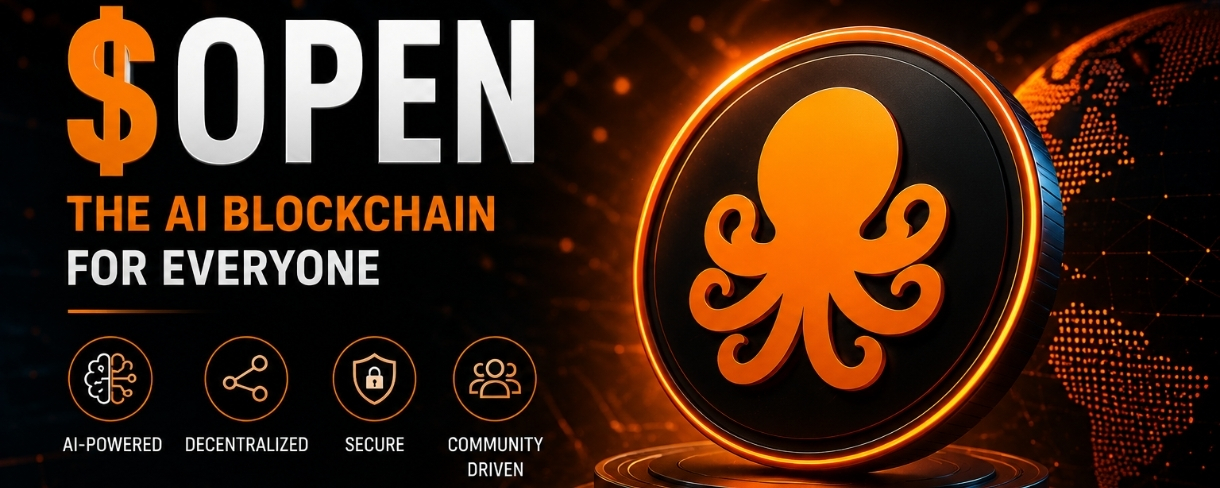
Liệu OpenLedger ($OPEN) có thể biến các dự án AI thành những nền kinh tế có thể đầu tư thay vì những sản phẩm khép kín?Một điều tôi nhận thấy về ngành công nghiệp AI là việc tham gia vào việc tạo ra giá trị rất khó khăn cho người dùng bình thường.
Hầu hết các sản phẩm AI thành công đều theo cùng một mô hình.
Các nhà phát triển xây dựng.
Người dùng đóng góp dữ liệu.
Các mô hình cải thiện.
Doanh thu tăng trưởng.
Nhưng những người giúp tạo ra giá trị đó hiếm khi được hưởng lợi từ sự tăng trưởng.
Đó là lý do mô hình Đề nghị AI ban đầu (IAO) của OpenLedger đã thu hút sự chú ý của tôi.
Thay vì coi các mô hình AI như những sản phẩm khép kín, ý tưởng dường như là biến chúng thành những mạng lưới kinh tế mở. Các nhà phát triển có thể khởi động các dự án AI, cộng đồng có thể tham gia, các nhà đóng góp có thể giúp cải thiện các mô hình, và giá trị có thể chảy trở lại qua hệ sinh thái thay vì tập trung trong tay một số ít.
Liệu OpenLedger ($OPEN) có thể biến các dự án AI thành những nền kinh tế có thể đầu tư thay vì những sản phẩm khép kín?
Một điều tôi nhận thấy về ngành công nghiệp AI là việc tham gia vào việc tạo ra giá trị rất khó khăn cho người dùng bình thường.
Hầu hết các sản phẩm AI thành công đều theo cùng một mô hình.
Các nhà phát triển xây dựng.
Người dùng đóng góp dữ liệu.
Các mô hình cải thiện.
Doanh thu tăng trưởng.
Nhưng những người giúp tạo ra giá trị đó hiếm khi được hưởng lợi từ sự tăng trưởng.
Đó là lý do mô hình Đề nghị AI ban đầu (IAO) của OpenLedger đã thu hút sự chú ý của tôi.
Thay vì coi các mô hình AI như những sản phẩm khép kín, ý tưởng dường như là biến chúng thành những mạng lưới kinh tế mở. Các nhà phát triển có thể khởi động các dự án AI, cộng đồng có thể tham gia, các nhà đóng góp có thể giúp cải thiện các mô hình, và giá trị có thể chảy trở lại qua hệ sinh thái thay vì tập trung trong tay một số ít.
Hầu hết các sản phẩm AI thành công đều theo cùng một mô hình.
Các nhà phát triển xây dựng.
Người dùng đóng góp dữ liệu.
Các mô hình cải thiện.
Doanh thu tăng trưởng.
Nhưng những người giúp tạo ra giá trị đó hiếm khi được hưởng lợi từ sự tăng trưởng.
Đó là lý do mô hình Đề nghị AI ban đầu (IAO) của OpenLedger đã thu hút sự chú ý của tôi.
Thay vì coi các mô hình AI như những sản phẩm khép kín, ý tưởng dường như là biến chúng thành những mạng lưới kinh tế mở. Các nhà phát triển có thể khởi động các dự án AI, cộng đồng có thể tham gia, các nhà đóng góp có thể giúp cải thiện các mô hình, và giá trị có thể chảy trở lại qua hệ sinh thái thay vì tập trung trong tay một số ít.
1
173
·
--
Tăng giá
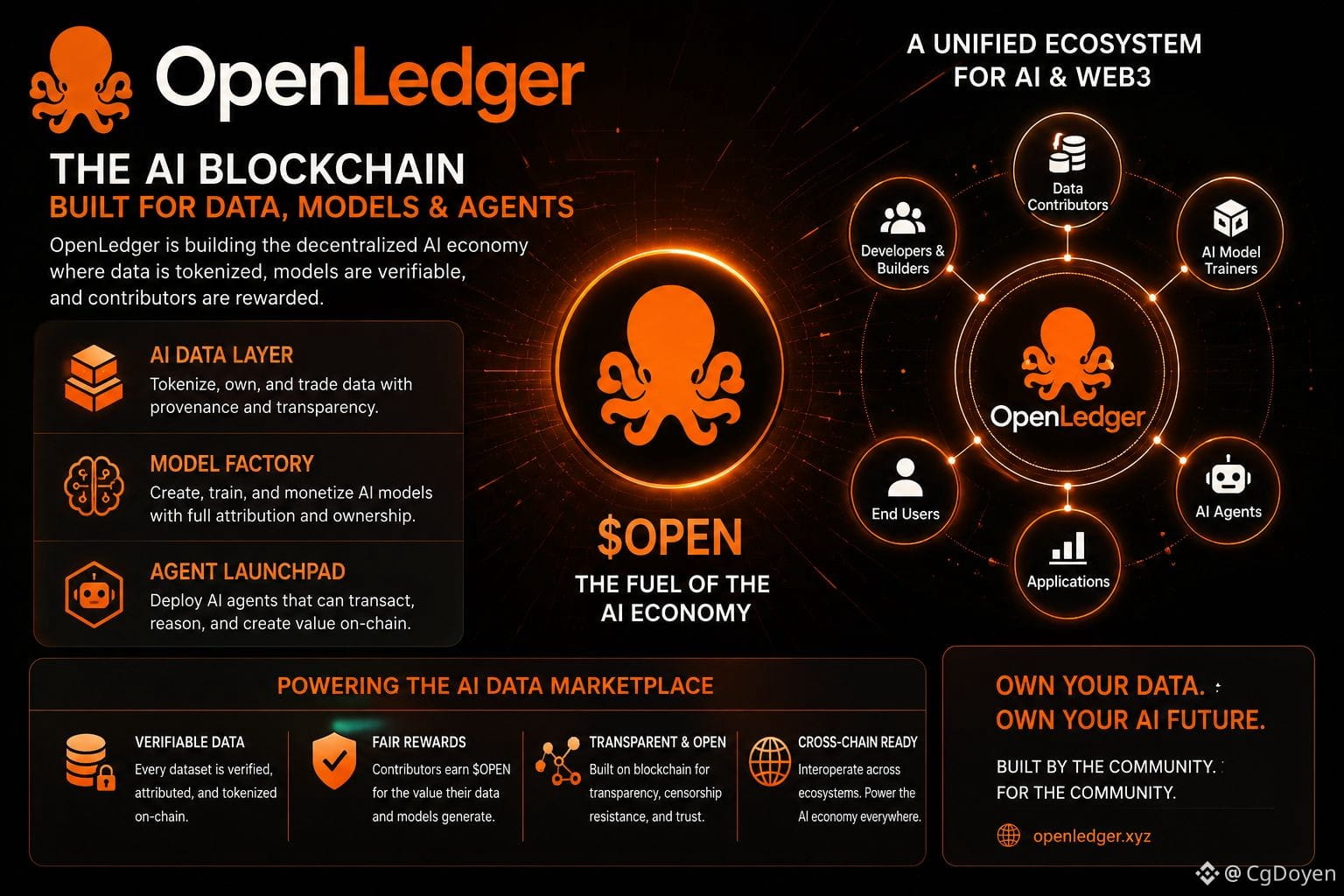
$OPEN đang khiến tôi suy nghĩ về điều gì đó mà hầu hết các cuộc thảo luận về AI dường như hoàn toàn bỏ qua.
Mọi người đều nói về các mô hình tốt hơn, tập dữ liệu lớn hơn, và quy trình suy diễn nhanh hơn. Nhưng điều gì sẽ xảy ra khi những thứ đó trở nên phổ biến? Điều gì sẽ xảy ra khi trí thông minh trở nên dồi dào?
Câu hỏi thực sự có thể không phải là ai xây dựng AI thông minh nhất.
Có thể là ai sở hữu cơ sở hạ tầng cung cấp hoạt động AI hàng ngày.
Đó là một lý do khiến tôi luôn chú ý đến @Openledger .
Điều khiến tôi ấn tượng là hệ sinh thái không chỉ tập trung vào việc tạo ra mô hình. Nó đang cố gắng tạo ra sự phối hợp kinh tế xung quanh cả việc đào tạo mô hình và sử dụng mô hình. Nói cách khác, giá trị không nên dừng lại ở phát triển—nó tiếp tục chảy khi các hệ thống AI được sử dụng tích cực.
Luận điểm này thật thú vị.
Các ứng dụng tiêu thụ quy trình suy diễn.
Các mô hình cần được đào tạo.
Người tham gia cung cấp tài nguyên.
Hoạt động kinh tế tạo ra phí.
Về lý thuyết, điều đó tạo ra một mạng lưới mà sự phát triển trong hoạt động AI có thể chuyển thành sự gia tăng nhu cầu trong hệ sinh thái.
Tất nhiên, lý thuyết và thực tế là hai điều rất khác nhau.
Xây dựng một nền kinh tế token hoạt động thường dễ hơn việc thu hút người dùng thực sự. Các nhà phát triển có vô số lựa chọn ngày nay, từ các nhà cung cấp đám mây truyền thống đến các nền tảng cơ sở hạ tầng AI hiện có. Sự tiện lợi, độ tin cậy và chi phí thường quan trọng hơn so với cơ chế token thanh thoát.
Đó là lý do tại sao tôi dành ít thời gian để theo dõi những câu chuyện và nhiều thời gian hơn để theo dõi hoạt động sử dụng.
Các ứng dụng có thực sự tạo ra hoạt động có ý nghĩa không?
Các nhà phát triển có chọn mạng lưới vì nó giải quyết được vấn đề không?
Giá trị có được tạo ra thông qua nhu cầu thực sự chứ không phải sự tham gia đầu cơ không?
Những câu hỏi đó quan trọng hơn rất nhiều so với số liệu staking hoặc sự phấn khích ngắn hạn của thị trường.
Cơ hội ở đây là có thật bởi vì cơ sở hạ tầng AI phi tập trung là một thách thức thị trường thực sự. Nhưng thành công lâu dài sẽ không được xác định bởi các sơ đồ kiến trúc hay tài liệu trắng.
@Openledger $OPEN $BTC #BTC
#OpenLedger #OpenLedger
{spot}(OPENUSDT)
{spot}(BTCUSDT)
{spot}(OPGUSDT)
$OPEN đang khiến tôi suy nghĩ về điều gì đó mà hầu hết các cuộc thảo luận về AI dường như hoàn toàn bỏ qua.
Mọi người đều nói về các mô hình tốt hơn, tập dữ liệu lớn hơn, và quy trình suy diễn nhanh hơn. Nhưng điều gì sẽ xảy ra khi những thứ đó trở nên phổ biến? Điều gì sẽ xảy ra khi trí thông minh trở nên dồi dào?
Câu hỏi thực sự có thể không phải là ai xây dựng AI thông minh nhất.
Có thể là ai sở hữu cơ sở hạ tầng cung cấp hoạt động AI hàng ngày.
Đó là một lý do khiến tôi luôn chú ý đến @OpenLedger .
Điều khiến tôi ấn tượng là hệ sinh thái không chỉ tập trung vào việc tạo ra mô hình. Nó đang cố gắng tạo ra sự phối hợp kinh tế xung quanh cả việc đào tạo mô hình và sử dụng mô hình. Nói cách khác, giá trị không nên dừng lại ở phát triển—nó tiếp tục chảy khi các hệ thống AI được sử dụng tích cực.
Luận điểm này thật thú vị.
Các ứng dụng tiêu thụ quy trình suy diễn.
Các mô hình cần được đào tạo.
Người tham gia cung cấp tài nguyên.
Hoạt động kinh tế tạo ra phí.
Về lý thuyết, điều đó tạo ra một mạng lưới mà sự phát triển trong hoạt động AI có thể chuyển thành sự gia tăng nhu cầu trong hệ sinh thái.
Tất nhiên, lý thuyết và thực tế là hai điều rất khác nhau.
Xây dựng một nền kinh tế token hoạt động thường dễ hơn việc thu hút người dùng thực sự. Các nhà phát triển có vô số lựa chọn ngày nay, từ các nhà cung cấp đám mây truyền thống đến các nền tảng cơ sở hạ tầng AI hiện có. Sự tiện lợi, độ tin cậy và chi phí thường quan trọng hơn so với cơ chế token thanh thoát.
Đó là lý do tại sao tôi dành ít thời gian để theo dõi những câu chuyện và nhiều thời gian hơn để theo dõi hoạt động sử dụng.
Các ứng dụng có thực sự tạo ra hoạt động có ý nghĩa không?
Các nhà phát triển có chọn mạng lưới vì nó giải quyết được vấn đề không?
Giá trị có được tạo ra thông qua nhu cầu thực sự chứ không phải sự tham gia đầu cơ không?
Những câu hỏi đó quan trọng hơn rất nhiều so với số liệu staking hoặc sự phấn khích ngắn hạn của thị trường.
Cơ hội ở đây là có thật bởi vì cơ sở hạ tầng AI phi tập trung là một thách thức thị trường thực sự. Nhưng thành công lâu dài sẽ không được xác định bởi các sơ đồ kiến trúc hay tài liệu trắng.
@OpenLedger $OPEN $BTC #BTC
#OpenLedger #OpenLedger
Mọi người đều nói về các mô hình tốt hơn, tập dữ liệu lớn hơn, và quy trình suy diễn nhanh hơn. Nhưng điều gì sẽ xảy ra khi những thứ đó trở nên phổ biến? Điều gì sẽ xảy ra khi trí thông minh trở nên dồi dào?
Câu hỏi thực sự có thể không phải là ai xây dựng AI thông minh nhất.
Có thể là ai sở hữu cơ sở hạ tầng cung cấp hoạt động AI hàng ngày.
Đó là một lý do khiến tôi luôn chú ý đến @OpenLedger .
Điều khiến tôi ấn tượng là hệ sinh thái không chỉ tập trung vào việc tạo ra mô hình. Nó đang cố gắng tạo ra sự phối hợp kinh tế xung quanh cả việc đào tạo mô hình và sử dụng mô hình. Nói cách khác, giá trị không nên dừng lại ở phát triển—nó tiếp tục chảy khi các hệ thống AI được sử dụng tích cực.
Luận điểm này thật thú vị.
Các ứng dụng tiêu thụ quy trình suy diễn.
Các mô hình cần được đào tạo.
Người tham gia cung cấp tài nguyên.
Hoạt động kinh tế tạo ra phí.
Về lý thuyết, điều đó tạo ra một mạng lưới mà sự phát triển trong hoạt động AI có thể chuyển thành sự gia tăng nhu cầu trong hệ sinh thái.
Tất nhiên, lý thuyết và thực tế là hai điều rất khác nhau.
Xây dựng một nền kinh tế token hoạt động thường dễ hơn việc thu hút người dùng thực sự. Các nhà phát triển có vô số lựa chọn ngày nay, từ các nhà cung cấp đám mây truyền thống đến các nền tảng cơ sở hạ tầng AI hiện có. Sự tiện lợi, độ tin cậy và chi phí thường quan trọng hơn so với cơ chế token thanh thoát.
Đó là lý do tại sao tôi dành ít thời gian để theo dõi những câu chuyện và nhiều thời gian hơn để theo dõi hoạt động sử dụng.
Các ứng dụng có thực sự tạo ra hoạt động có ý nghĩa không?
Các nhà phát triển có chọn mạng lưới vì nó giải quyết được vấn đề không?
Giá trị có được tạo ra thông qua nhu cầu thực sự chứ không phải sự tham gia đầu cơ không?
Những câu hỏi đó quan trọng hơn rất nhiều so với số liệu staking hoặc sự phấn khích ngắn hạn của thị trường.
Cơ hội ở đây là có thật bởi vì cơ sở hạ tầng AI phi tập trung là một thách thức thị trường thực sự. Nhưng thành công lâu dài sẽ không được xác định bởi các sơ đồ kiến trúc hay tài liệu trắng.
@OpenLedger $OPEN $BTC #BTC
#OpenLedger #OpenLedger
1
80
·
--
Tăng giá
#openledger $OPEN
Gần đây, mình cứ mắc kẹt vào một ý tưởng...
Liệu trí tuệ AI có đang dần trở thành phần kém thú vị nhất trong toàn bộ hệ thống không nhỉ?
Nghe có vẻ lạ lùng lúc đầu vì hầu hết các cuộc thảo luận vẫn xoay quanh những câu hỏi giống nhau:
Mô hình nào thông minh hơn?
Mô hình nào suy luận tốt hơn?
Mô hình nào nhanh hơn?
Mô hình nào đứng đầu bảng xếp hạng mới nhất?
Nhưng càng nhìn vào các hệ sinh thái như @OpenLedger, mình càng cảm thấy cách định nghĩa này không đầy đủ.
Trí tuệ có thể tạo ra câu trả lời.
Câu hỏi khó hơn là liệu những câu trả lời đó có thực sự đáng tin cậy một khi chúng rời khỏi mô hình đã tạo ra chúng hay không.
Và đó là lúc mọi thứ bắt đầu trở nên thú vị.
Một mô hình tạo ra đầu ra.
Đầu ra đó phụ thuộc vào dữ liệu.
Dữ liệu đó đến từ những người đóng góp.
Những người đóng góp đó có lịch sử, uy tín và các mẫu hình gắn liền với họ.
Theo thời gian, một chuỗi hình thành dưới mỗi câu trả lời.
Tuy nhiên, có một điều thú vị xảy ra.
Hầu hết mọi người không bao giờ kiểm tra toàn bộ chuỗi.
Cuối cùng, sự tin tưởng trở thành điều thừa kế.
Bởi vì cuối cùng đầu ra rời khỏi máy.
Chúng bước vào những môi trường mà quyết định có hậu quả.
Và khi hậu quả xuất hiện, sự tin tưởng trở nên quan trọng.
Không phải là sự tin tưởng hoàn hảo.
Mà là sự tin tưởng có thể xác minh.
Đó là lý do tại sao OpenLedger luôn nổi bật với mình.
Dự án cảm thấy ít tập trung vào trí tuệ bản thân và nhiều hơn vào cơ sở hạ tầng xung quanh trí tuệ — việc truy xuất nguồn gốc, dòng dõi, xuất xứ, và khả năng hiểu giá trị và thông tin đến từ đâu.
Tài sản khan hiếm có thể không chỉ là suy luận tốt hơn.
Mà có thể là suy luận mang dòng dõi rõ ràng.
Suy luận có thể tự bảo vệ khi ai đó hỏi, "Điều này đến từ đâu?"
Bởi vì rủi ro lớn nhất có thể không phải là những mô hình yếu hoặc đầu ra tồi.
Mà có thể là việc đạt đến một điểm mà câu trả lời di chuyển khắp nơi, ảnh hưởng mọi thứ, và không ai có thể nói câu nào xứng đáng được tin tưởng khi chúng rời khỏi máy.
Chia sẻ suy nghĩ của bạn.
Và thật lòng mà nói, điều đó cảm thấy như một nút thắt kỳ lạ hơn nhiều so với hầu hết thị trường đang định giá hôm nay. #OpenLedger #openledger $OPEN @Openledger
#openledger $OPEN
Gần đây, mình cứ mắc kẹt vào một ý tưởng...
Liệu trí tuệ AI có đang dần trở thành phần kém thú vị nhất trong toàn bộ hệ thống không nhỉ?
Nghe có vẻ lạ lùng lúc đầu vì hầu hết các cuộc thảo luận vẫn xoay quanh những câu hỏi giống nhau:
Mô hình nào thông minh hơn?
Mô hình nào suy luận tốt hơn?
Mô hình nào nhanh hơn?
Mô hình nào đứng đầu bảng xếp hạng mới nhất?
Nhưng càng nhìn vào các hệ sinh thái như @OpenLedger, mình càng cảm thấy cách định nghĩa này không đầy đủ.
Trí tuệ có thể tạo ra câu trả lời.
Câu hỏi khó hơn là liệu những câu trả lời đó có thực sự đáng tin cậy một khi chúng rời khỏi mô hình đã tạo ra chúng hay không.
Và đó là lúc mọi thứ bắt đầu trở nên thú vị.
Một mô hình tạo ra đầu ra.
Đầu ra đó phụ thuộc vào dữ liệu.
Dữ liệu đó đến từ những người đóng góp.
Những người đóng góp đó có lịch sử, uy tín và các mẫu hình gắn liền với họ.
Theo thời gian, một chuỗi hình thành dưới mỗi câu trả lời.
Tuy nhiên, có một điều thú vị xảy ra.
Hầu hết mọi người không bao giờ kiểm tra toàn bộ chuỗi.
Cuối cùng, sự tin tưởng trở thành điều thừa kế.
Bởi vì cuối cùng đầu ra rời khỏi máy.
Chúng bước vào những môi trường mà quyết định có hậu quả.
Và khi hậu quả xuất hiện, sự tin tưởng trở nên quan trọng.
Không phải là sự tin tưởng hoàn hảo.
Mà là sự tin tưởng có thể xác minh.
Đó là lý do tại sao OpenLedger luôn nổi bật với mình.
Dự án cảm thấy ít tập trung vào trí tuệ bản thân và nhiều hơn vào cơ sở hạ tầng xung quanh trí tuệ — việc truy xuất nguồn gốc, dòng dõi, xuất xứ, và khả năng hiểu giá trị và thông tin đến từ đâu.
Tài sản khan hiếm có thể không chỉ là suy luận tốt hơn.
Mà có thể là suy luận mang dòng dõi rõ ràng.
Suy luận có thể tự bảo vệ khi ai đó hỏi, "Điều này đến từ đâu?"
Bởi vì rủi ro lớn nhất có thể không phải là những mô hình yếu hoặc đầu ra tồi.
Mà có thể là việc đạt đến một điểm mà câu trả lời di chuyển khắp nơi, ảnh hưởng mọi thứ, và không ai có thể nói câu nào xứng đáng được tin tưởng khi chúng rời khỏi máy.
Chia sẻ suy nghĩ của bạn.
Và thật lòng mà nói, điều đó cảm thấy như một nút thắt kỳ lạ hơn nhiều so với hầu hết thị trường đang định giá hôm nay. #OpenLedger #openledger $OPEN @OpenLedger
Gần đây, mình cứ mắc kẹt vào một ý tưởng...
Liệu trí tuệ AI có đang dần trở thành phần kém thú vị nhất trong toàn bộ hệ thống không nhỉ?
Nghe có vẻ lạ lùng lúc đầu vì hầu hết các cuộc thảo luận vẫn xoay quanh những câu hỏi giống nhau:
Mô hình nào thông minh hơn?
Mô hình nào suy luận tốt hơn?
Mô hình nào nhanh hơn?
Mô hình nào đứng đầu bảng xếp hạng mới nhất?
Nhưng càng nhìn vào các hệ sinh thái như @OpenLedger, mình càng cảm thấy cách định nghĩa này không đầy đủ.
Trí tuệ có thể tạo ra câu trả lời.
Câu hỏi khó hơn là liệu những câu trả lời đó có thực sự đáng tin cậy một khi chúng rời khỏi mô hình đã tạo ra chúng hay không.
Và đó là lúc mọi thứ bắt đầu trở nên thú vị.
Một mô hình tạo ra đầu ra.
Đầu ra đó phụ thuộc vào dữ liệu.
Dữ liệu đó đến từ những người đóng góp.
Những người đóng góp đó có lịch sử, uy tín và các mẫu hình gắn liền với họ.
Theo thời gian, một chuỗi hình thành dưới mỗi câu trả lời.
Tuy nhiên, có một điều thú vị xảy ra.
Hầu hết mọi người không bao giờ kiểm tra toàn bộ chuỗi.
Cuối cùng, sự tin tưởng trở thành điều thừa kế.
Bởi vì cuối cùng đầu ra rời khỏi máy.
Chúng bước vào những môi trường mà quyết định có hậu quả.
Và khi hậu quả xuất hiện, sự tin tưởng trở nên quan trọng.
Không phải là sự tin tưởng hoàn hảo.
Mà là sự tin tưởng có thể xác minh.
Đó là lý do tại sao OpenLedger luôn nổi bật với mình.
Dự án cảm thấy ít tập trung vào trí tuệ bản thân và nhiều hơn vào cơ sở hạ tầng xung quanh trí tuệ — việc truy xuất nguồn gốc, dòng dõi, xuất xứ, và khả năng hiểu giá trị và thông tin đến từ đâu.
Tài sản khan hiếm có thể không chỉ là suy luận tốt hơn.
Mà có thể là suy luận mang dòng dõi rõ ràng.
Suy luận có thể tự bảo vệ khi ai đó hỏi, "Điều này đến từ đâu?"
Bởi vì rủi ro lớn nhất có thể không phải là những mô hình yếu hoặc đầu ra tồi.
Mà có thể là việc đạt đến một điểm mà câu trả lời di chuyển khắp nơi, ảnh hưởng mọi thứ, và không ai có thể nói câu nào xứng đáng được tin tưởng khi chúng rời khỏi máy.
Chia sẻ suy nghĩ của bạn.
Và thật lòng mà nói, điều đó cảm thấy như một nút thắt kỳ lạ hơn nhiều so với hầu hết thị trường đang định giá hôm nay. #OpenLedger #openledger $OPEN @OpenLedger
1
119
·
--
Bài viết
OpenLedger ($OPEN) Có Thể Đang Xây Dựng Một Hệ Thống Tài Chính Xung Quanh Các Phụ Thuộc AI Mà Hầu Hết Mọi Người Chưa Nhận RaGần đây, mình bắt đầu cảm thấy như mình đã nhìn vào @Openledger từ một góc sai.
Trong một thời gian dài, mình đã xem nó như một dự án cơ sở hạ tầng AI khác tập trung vào việc phân bổ, quyền sở hữu và thưởng cho các nhà đóng góp. Điều đó có vẻ đơn giản đủ. Các mô hình cần dữ liệu, các nhà đóng góp muốn được công nhận, và một giao thức tạo ra cách kết nối cả hai.
Nhưng càng suy nghĩ về nó, càng thấy lời giải thích đó chưa đủ.
Không sai.
Chỉ là chưa đủ.
Bởi vì phần mà cứ kéo sự chú ý của mình không phải là dữ liệu bản thân.
OpenLedger ($OPEN) Có Thể Đang Xây Dựng Một Hệ Thống Tài Chính Xung Quanh Các Phụ Thuộc AI Mà Hầu Hết Mọi Người Chưa Nhận Ra
Gần đây, mình bắt đầu cảm thấy như mình đã nhìn vào @OpenLedger từ một góc sai.
Trong một thời gian dài, mình đã xem nó như một dự án cơ sở hạ tầng AI khác tập trung vào việc phân bổ, quyền sở hữu và thưởng cho các nhà đóng góp. Điều đó có vẻ đơn giản đủ. Các mô hình cần dữ liệu, các nhà đóng góp muốn được công nhận, và một giao thức tạo ra cách kết nối cả hai.
Nhưng càng suy nghĩ về nó, càng thấy lời giải thích đó chưa đủ.
Không sai.
Chỉ là chưa đủ.
Bởi vì phần mà cứ kéo sự chú ý của mình không phải là dữ liệu bản thân.
Trong một thời gian dài, mình đã xem nó như một dự án cơ sở hạ tầng AI khác tập trung vào việc phân bổ, quyền sở hữu và thưởng cho các nhà đóng góp. Điều đó có vẻ đơn giản đủ. Các mô hình cần dữ liệu, các nhà đóng góp muốn được công nhận, và một giao thức tạo ra cách kết nối cả hai.
Nhưng càng suy nghĩ về nó, càng thấy lời giải thích đó chưa đủ.
Không sai.
Chỉ là chưa đủ.
Bởi vì phần mà cứ kéo sự chú ý của mình không phải là dữ liệu bản thân.
1
83
Đăng nhập để khám phá thêm nội dung
Tham gia cùng người dùng tiền mã hóa toàn cầu trên Binance Square
⚡️ Nhận thông tin mới nhất và hữu ích về tiền mã hóa.
💬 Được tin cậy bởi sàn giao dịch tiền mã hóa lớn nhất thế giới.
👍 Khám phá những thông tin chuyên sâu thực tế từ những nhà sáng tạo đã xác minh.
Email / Số điện thoại
Chủ đề thịnh hành
TheoDõiFOMC
74,107 lượt xem
491 đang thảo luận
Yếu tố tác động mạnh đồng Coi lúc này : Fed cứng rắn + lợi suất tăng + ETF BTC đảo chiều.
Chủ tịch Fed Kevin Warsh phát tín hiệu khá “diều hâu”, cho rằng nếu lạm phát không tiến nhanh về mục tiêu 2%, Fed có thể phải tăng lãi suất.
Sau chuỗi 9 phiên hút vốn, ETF Bitcoin giao ngay của Mỹ ghi nhận khoảng 201,8 triệu USD rút ròng.
Hơi khác Pi đang tương đối ổn định hơn BTC, hiện là kỳ vọng vào Protocol 27/Mainnet upgrade, đang tạo lực đỡ tâm lý cho giá. hiện tại thanh khoản PI vẫn khá thấp $BTC #45NgayTuDoTaiChinh #TheoDõiFOMC #TinFed $BNB $ETH
B7E
·0 lượt thích
·293 lượt xem
45NgayTuDoTaiChinh
895,064 lượt xem
3,034 đang thảo luận
TinFed
65,547 lượt xem
292 đang thảo luận