Binance Square

Bullish_ Breaker

Binance and trading and article post crypto trading
Giao dịch mở
Trader tần suất cao
4.4 tháng
188 Đang theo dõi
7.7K+ Người theo dõi
2.1K+ Đã thích
95 Đã chia sẻ
Bài đăng
Danh mục đầu tư
·
--
Xem bản dịch
MIDNIGHT INCENTIVES AREN’T REMOVING FEES — THEY’RE MOVING THEM Everyone keeps repeating the line: “You stop thinking of fees as fees.” That’s not innovation. That’s reframing. Fees don’t disappear in crypto. They relocate. Midnight’s pitch is cleaner than most: reduce the feeling of constant extraction, reward participation instead of punishing interaction, smooth out UX so users don’t feel taxed every click. And to be fair — that matters. A lot. Emotional friction is real friction. But let’s be precise: @MidnightNetwork #NIGHT #night $NIGHT
MIDNIGHT INCENTIVES AREN’T REMOVING FEES — THEY’RE MOVING THEM
Everyone keeps repeating the line:
“You stop thinking of fees as fees.”
That’s not innovation. That’s reframing.
Fees don’t disappear in crypto. They relocate.
Midnight’s pitch is cleaner than most: reduce the feeling of constant extraction, reward participation instead of punishing interaction, smooth out UX so users don’t feel taxed every click. And to be fair — that matters. A lot. Emotional friction is real friction.
But let’s be precise:

@MidnightNetwork #NIGHT #night

$NIGHT
Xem bản dịch
MIDNIGHT NETWORK INCENTIVES THAT WORK WITHOUT BEING THE DAY I STOPPED THINKING OF FEES AS “FEES”Okay… I went down a rabbit hole tonight. Midnight Network incentives. “That work without being THE DAY I STOPPED THINKING OF FEES AS FEES” or whatever the slogan-y idea is. And yeah, I get it, I’ve seen this movie a hundred times in crypto. Incentives to get people to move, incentives to get people to care, incentives to make the UI feel like it’s paying you even when you’re still technically donating liquidity to some kind of bigger machine. But here’s the thing… I actually wanted to believe the pitch this time. I did. I hate that about myself. I keep staring at the phrase “fees as fees” like it’s some kind of epiphany. Like, why would anyone think fees were fees? Everyone thinks fees are just… fees. Until you start farming something and the fees become the thing that either ruins your run or somehow becomes “part of the strategy.” That’s when the mental gymnastics start. You know the vibe. You’re like, “Oh it’s fine, I’ll just farm more to cover the gas,” and then you realize you’re basically budgeting your own losses with extra steps. It’s like ordering cheap ramen and then being surprised the hot water costs money. So Midnight’s angle (the one I can’t stop thinking about) is that there’s a way to incentivize behavior without turning every transaction into a stress test. I want that. I really do. Because crypto is exhausting now. Not even because the tech is hard, but because everything feels like a tax. Every swap, every bridge attempt, every “simple” interaction… it’s always some fee, some friction, some “just wait until the next block,” some wallet nagging you to sign something you don’t fully understand. And the worst part is, when you’re deep enough in, you stop asking questions and just start optimizing your pain. That’s… gross. But also kind of how it works. But I’m not gonna lie, I also side-eye the whole “incentives without being fees” framing. Because incentives are never free. If it’s not fees, it’s something else. It might be token emissions. It might be redistribution. It might be a slow dilution disguised as generosity. It might be an “airdrop” that becomes “your account is eligible” and then you find out half the people who actually qualified got shafted because of some weird eligibility rule. (And yes, I’ve seen that happen. People get loud, people get quiet, the chain keeps going, life moves on.) Here’s what got under my skin while I was reading. The idea that incentives can “work” without the project constantly extracting value through transaction costs. Like, the thing feels designed to make you feel safe to participate. Less punishment for interacting. More reason to stay in the ecosystem. That part is honestly… tempting. Because the second you make the experience less punitive, people stop feeling like they’re donating money every time they click. That matters more than people admit. Crypto UX isn’t just about speed. It’s about emotional friction. If every step feels like you’re getting mugged, you don’t build. You leave. Or you only come back for the drops. And then there’s the skeptical part of my brain that doesn’t shut off. Incentives “that work” means what exactly? Does it mean users come in and stick? Does it mean volume increases? Does it mean the token price pumps? Because those can be totally different outcomes. I’ve watched tons of “working” incentive programs that bring a wave of activity… and then the wave evaporates when the rewards slow down. Like a nightclub with a free entry list that stops at midnight. Everyone had fun until the bouncer changes. Also, competition is brutal. It’s not just “Midnight vs everyone.” It’s “Midnight vs the tired attention span of crypto users.” People are already in a million places. Incentive programs don’t just have to be good, they have to be better than whatever else is paying today. And “better” can mean the yield is higher, the strategy is simpler, or the risks are lower (or at least less confusing). If Midnight’s incentives aren’t clearly superior in one of those ways, then it’s not magic. It’s just another farm in a crowded field. And let’s be real… there’s always marketing hype vs reality. Always. You can feel it in how these things get described. Like, someone wants you to think it’s a clean new approach, not the same old token-economy pressure. I hate that I still get baited by the language sometimes. Like I want to believe someone figured out how to make incentives without hidden strings. But then you scroll a little more, and you’re hit with the fine print vibes. The “under certain conditions” clause energy. The “reward schedules subject to change” clause that basically means the rules are fluid when it’s convenient for the project. Still, I can’t dismiss it. Because there’s something plausible in the general direction. If you design incentives to reward meaningful participation rather than nonstop microtransactions, then yeah… you can reduce the feeling of fee-whiplash. It’s not that fees disappear. It’s that fees stop being the main character. And as a trader… I care about that. I care a lot. Because when fees dominate, you start making decisions based on whether the fee curve wrecks your plan, not whether the underlying activity matters. It turns everything into math homework. The fun part of crypto dies first. I keep thinking about how I trade too. My behavior changes when the environment feels hostile. I go slower. I overthink. I avoid interactions that “should be small” but end up being costly. I get paranoid about slippage. I hate that paranoia because it makes me miss moves. So anything that genuinely reduces that psychological tax gets my attention. Even if I’m skeptical, I can still tell when a UX decision is smart. And incentives can be part of that, even if the incentives are still… incentives. Like, it’s still an engine you’re being put in front of. But at least the engine doesn’t also set your wallet on fire each time you start it. Now, the part I don’t know, and the part that makes me hesitate to sound excited to anyone… is sustainability. Incentives have to come from somewhere. If rewards are funded by emissions, then the long-term cost is dilution. Dilution isn’t always evil, but it’s not nothing. If rewards are funded by revenue, then the project needs real demand, not just manufactured demand. And the moment manufactured demand becomes the dominant thing, you start asking yourself whether you’re watching something real grow or something temporary inflate. I’m also suspicious of “simplicity.” Projects always sell incentives like they’re easy. Like you just do X, get Y, repeat, profit. That’s usually when you should be most careful. Because the “easy” parts are often the bait, and the real risk is in the edges. The eligibility requirements. The timing. The lockups. The unstated assumptions about how long the program runs. The thing about crypto incentives is they’re rarely symmetrical. It’s usually the project that gets to set the thermostat. Users get to feel the temperature. But I’ll give Midnight this… it at least seems aware of the emotional side of fees. That “day I stopped thinking of fees as fees” vibe… it’s not totally nonsense. Fees have been treated like pure friction for so long that people basically learned to ignore them, or accept them, or turn them into a cost line item. Turning that idea on its head and trying to build incentives so interaction feels less painful? That’s an actual design choice, not just slogans. I also noticed myself getting contradictory. Like, I’m saying I don’t trust incentive programs, and then I’m still reading every detail like I’m about to commit. That’s crypto brain. It’s like I’m both the person warning my friend and the person still buying the tickets. I hate that. I do. But it’s also why I keep trading. It’s the same reason people keep going back to casinos. Not because they believe in fairness… because the math and the hope are both seductive. So yeah… do I think Midnight’s incentives “work”? I think they can. I can see how they might drive behavior that isn’t just rinse-repeat fee extraction. But I also think “working” will mean different things depending on whether you’re a user, a holder, or some liquidity whale circling the reward schedule. If you’re in early and you’re not trapped in lockups or governance weirdness, maybe it feels amazing. If you show up late after the hype cycle, you might just be liquidity exit liquidity, like always. That’s not drama, that’s just how incentives typically play out. And another thing… I don’t trust any project that implies fees are the enemy and then acts like incentives can fix everything. Fees aren’t just fees. Fees are demand signals in disguise sometimes. Fees show where activity is concentrated. Fees can be the consequence of network constraints, and reducing them changes the economics of blockspace. If you mess with incentives too hard, you can accidentally create perverse behavior. Like paying people to do something that doesn’t actually strengthen the ecosystem long-term. It’s like paying people to line up for free samples at a store that doesn’t have enough inventory. They’ll line up. It’ll look good. Then reality catches up. Anyway… I’m sitting here thinking about it like I’m watching a magic trick where I half know where the rabbit goes. I can see the mechanics behind the curtain, but I still want to see if the next move is actually real. Midnight’s “incentives that work without being fees” premise hits that weird sweet spot between usability and token economics. It’s not guaranteed. Nothing is. But it’s not obviously stupid either. I’m not fully convinced. I probably won’t be until I see how long the rewards last, who they actually benefit, and whether the program stops rewarding sybil-ish behavior the moment the easy money is gone. Because crypto incentives are like thunderstorms. They roll in fast, everyone’s surprised by the noise, and then later you realize half the damage was predictable. And that’s where I land tonight: curious, guarded, annoyed at myself for caring this much. I want the version where interacting doesn’t feel like feeding a vending machine with your last $20. I also know the vending machine always eats. It’s just a question of whether it eats you instantly or slowly. Midnight might be trying to change the timing. I’ll watch. I’ll probably trade it. But I’m not letting anyone sell me the fantasy that fees are gone… because even if the word “fees” disappears, the cost still shows up some @MidnightNetwork #NIGHT #night $NIGHT

MIDNIGHT NETWORK INCENTIVES THAT WORK WITHOUT BEING THE DAY I STOPPED THINKING OF FEES AS “FEES”

Okay… I went down a rabbit hole tonight. Midnight Network incentives. “That work without being THE DAY I STOPPED THINKING OF FEES AS FEES” or whatever the slogan-y idea is. And yeah, I get it, I’ve seen this movie a hundred times in crypto. Incentives to get people to move, incentives to get people to care, incentives to make the UI feel like it’s paying you even when you’re still technically donating liquidity to some kind of bigger machine. But here’s the thing… I actually wanted to believe the pitch this time. I did. I hate that about myself.

I keep staring at the phrase “fees as fees” like it’s some kind of epiphany. Like, why would anyone think fees were fees? Everyone thinks fees are just… fees. Until you start farming something and the fees become the thing that either ruins your run or somehow becomes “part of the strategy.” That’s when the mental gymnastics start. You know the vibe. You’re like, “Oh it’s fine, I’ll just farm more to cover the gas,” and then you realize you’re basically budgeting your own losses with extra steps. It’s like ordering cheap ramen and then being surprised the hot water costs money.

So Midnight’s angle (the one I can’t stop thinking about) is that there’s a way to incentivize behavior without turning every transaction into a stress test. I want that. I really do. Because crypto is exhausting now. Not even because the tech is hard, but because everything feels like a tax. Every swap, every bridge attempt, every “simple” interaction… it’s always some fee, some friction, some “just wait until the next block,” some wallet nagging you to sign something you don’t fully understand. And the worst part is, when you’re deep enough in, you stop asking questions and just start optimizing your pain. That’s… gross. But also kind of how it works.

But I’m not gonna lie, I also side-eye the whole “incentives without being fees” framing. Because incentives are never free. If it’s not fees, it’s something else. It might be token emissions. It might be redistribution. It might be a slow dilution disguised as generosity. It might be an “airdrop” that becomes “your account is eligible” and then you find out half the people who actually qualified got shafted because of some weird eligibility rule. (And yes, I’ve seen that happen. People get loud, people get quiet, the chain keeps going, life moves on.)

Here’s what got under my skin while I was reading. The idea that incentives can “work” without the project constantly extracting value through transaction costs. Like, the thing feels designed to make you feel safe to participate. Less punishment for interacting. More reason to stay in the ecosystem. That part is honestly… tempting. Because the second you make the experience less punitive, people stop feeling like they’re donating money every time they click. That matters more than people admit. Crypto UX isn’t just about speed. It’s about emotional friction. If every step feels like you’re getting mugged, you don’t build. You leave. Or you only come back for the drops.

And then there’s the skeptical part of my brain that doesn’t shut off. Incentives “that work” means what exactly? Does it mean users come in and stick? Does it mean volume increases? Does it mean the token price pumps? Because those can be totally different outcomes. I’ve watched tons of “working” incentive programs that bring a wave of activity… and then the wave evaporates when the rewards slow down. Like a nightclub with a free entry list that stops at midnight. Everyone had fun until the bouncer changes.

Also, competition is brutal. It’s not just “Midnight vs everyone.” It’s “Midnight vs the tired attention span of crypto users.” People are already in a million places. Incentive programs don’t just have to be good, they have to be better than whatever else is paying today. And “better” can mean the yield is higher, the strategy is simpler, or the risks are lower (or at least less confusing). If Midnight’s incentives aren’t clearly superior in one of those ways, then it’s not magic. It’s just another farm in a crowded field.

And let’s be real… there’s always marketing hype vs reality. Always. You can feel it in how these things get described. Like, someone wants you to think it’s a clean new approach, not the same old token-economy pressure. I hate that I still get baited by the language sometimes. Like I want to believe someone figured out how to make incentives without hidden strings. But then you scroll a little more, and you’re hit with the fine print vibes. The “under certain conditions” clause energy. The “reward schedules subject to change” clause that basically means the rules are fluid when it’s convenient for the project.

Still, I can’t dismiss it. Because there’s something plausible in the general direction. If you design incentives to reward meaningful participation rather than nonstop microtransactions, then yeah… you can reduce the feeling of fee-whiplash. It’s not that fees disappear. It’s that fees stop being the main character. And as a trader… I care about that. I care a lot. Because when fees dominate, you start making decisions based on whether the fee curve wrecks your plan, not whether the underlying activity matters. It turns everything into math homework. The fun part of crypto dies first.

I keep thinking about how I trade too. My behavior changes when the environment feels hostile. I go slower. I overthink. I avoid interactions that “should be small” but end up being costly. I get paranoid about slippage. I hate that paranoia because it makes me miss moves. So anything that genuinely reduces that psychological tax gets my attention. Even if I’m skeptical, I can still tell when a UX decision is smart. And incentives can be part of that, even if the incentives are still… incentives. Like, it’s still an engine you’re being put in front of. But at least the engine doesn’t also set your wallet on fire each time you start it.

Now, the part I don’t know, and the part that makes me hesitate to sound excited to anyone… is sustainability. Incentives have to come from somewhere. If rewards are funded by emissions, then the long-term cost is dilution. Dilution isn’t always evil, but it’s not nothing. If rewards are funded by revenue, then the project needs real demand, not just manufactured demand. And the moment manufactured demand becomes the dominant thing, you start asking yourself whether you’re watching something real grow or something temporary inflate.

I’m also suspicious of “simplicity.” Projects always sell incentives like they’re easy. Like you just do X, get Y, repeat, profit. That’s usually when you should be most careful. Because the “easy” parts are often the bait, and the real risk is in the edges. The eligibility requirements. The timing. The lockups. The unstated assumptions about how long the program runs. The thing about crypto incentives is they’re rarely symmetrical. It’s usually the project that gets to set the thermostat. Users get to feel the temperature.

But I’ll give Midnight this… it at least seems aware of the emotional side of fees. That “day I stopped thinking of fees as fees” vibe… it’s not totally nonsense. Fees have been treated like pure friction for so long that people basically learned to ignore them, or accept them, or turn them into a cost line item. Turning that idea on its head and trying to build incentives so interaction feels less painful? That’s an actual design choice, not just slogans.

I also noticed myself getting contradictory. Like, I’m saying I don’t trust incentive programs, and then I’m still reading every detail like I’m about to commit. That’s crypto brain. It’s like I’m both the person warning my friend and the person still buying the tickets. I hate that. I do. But it’s also why I keep trading. It’s the same reason people keep going back to casinos. Not because they believe in fairness… because the math and the hope are both seductive.

So yeah… do I think Midnight’s incentives “work”? I think they can. I can see how they might drive behavior that isn’t just rinse-repeat fee extraction. But I also think “working” will mean different things depending on whether you’re a user, a holder, or some liquidity whale circling the reward schedule. If you’re in early and you’re not trapped in lockups or governance weirdness, maybe it feels amazing. If you show up late after the hype cycle, you might just be liquidity exit liquidity, like always. That’s not drama, that’s just how incentives typically play out.

And another thing… I don’t trust any project that implies fees are the enemy and then acts like incentives can fix everything. Fees aren’t just fees. Fees are demand signals in disguise sometimes. Fees show where activity is concentrated. Fees can be the consequence of network constraints, and reducing them changes the economics of blockspace. If you mess with incentives too hard, you can accidentally create perverse behavior. Like paying people to do something that doesn’t actually strengthen the ecosystem long-term. It’s like paying people to line up for free samples at a store that doesn’t have enough inventory. They’ll line up. It’ll look good. Then reality catches up.

Anyway… I’m sitting here thinking about it like I’m watching a magic trick where I half know where the rabbit goes. I can see the mechanics behind the curtain, but I still want to see if the next move is actually real. Midnight’s “incentives that work without being fees” premise hits that weird sweet spot between usability and token economics. It’s not guaranteed. Nothing is. But it’s not obviously stupid either.

I’m not fully convinced. I probably won’t be until I see how long the rewards last, who they actually benefit, and whether the program stops rewarding sybil-ish behavior the moment the easy money is gone. Because crypto incentives are like thunderstorms. They roll in fast, everyone’s surprised by the noise, and then later you realize half the damage was predictable.

And that’s where I land tonight: curious, guarded, annoyed at myself for caring this much. I want the version where interacting doesn’t feel like feeding a vending machine with your last $20. I also know the vending machine always eats. It’s just a question of whether it eats you instantly or slowly. Midnight might be trying to change the timing. I’ll watch. I’ll probably trade it. But I’m not letting anyone sell me the fantasy that fees are gone… because even if the word “fees” disappears, the cost still shows up some
@MidnightNetwork #NIGHT #night
$NIGHT
·
--
Giảm giá
Xem bản dịch
SIGN IS A BET ON WHO OWNS REMITTANCE RAILS Not cheaper fees. Not faster transfers. Control. If Sign works, money in the Middle East moves like a utility quiet, fast, invisible. If it doesn’t, it gets: blocked by regulators squeezed by banks or reduced to another token play Tech isn’t the hard part. Liquidity, compliance, and distribution are. Watch the pipes. Not the pitch. @SignOfficial #signdigitalsovereigninfra $SIGN
SIGN IS A BET ON WHO OWNS REMITTANCE RAILS

Not cheaper fees. Not faster transfers.
Control.

If Sign works, money in the Middle East moves like a utility
quiet, fast, invisible.

If it doesn’t, it gets:

blocked by regulators

squeezed by banks

or reduced to another token play

Tech isn’t the hard part.

Liquidity, compliance, and distribution are.

Watch the pipes. Not the pitch.

@SignOfficial #signdigitalsovereigninfra

$SIGN
Xem bản dịch
FROM REMITTANCE FRUSTRATION TO DIGITAL SOVEREIGNTY: WHY I STARTED WATCHINGSIGN FEELS LIKE THE LAYERFROM REMITTANCE FRUSTRATION TO DIGITAL SOVEREIGNTY: WHY I STARTED WATCHINGSIGN FEELS LIKE THE LAYER THAT DECIDES WHETHER MIDDLE EAST GROWTH STAYS SMOOTH OR STARTS SLIPPING, Okay so I fell into a Sign rabbit hole tonight. Like one of those "I’ll just skim the whitepaper" moments that turned into three hours and two too-strong coffees. This is going to be messy because my brain’s tired and I’m annoyed and also kinda excited in that wary way. Think of this like a sleep-deprived friend texting you late — raw, impatient, kind of grumpy, but honest. Here’s the thing: remittances are a pain. You already know this if you’ve ever tried to send money home from a Gulf country or gotten money from family abroad. Fees, delays, compliance hiccups, banks that treat you like you’re trying to launder cash because you sent $200 — it’s insulting. So when something appears that says it can make that smoother, cheaper, faster, and even give people more control... yeah, I perk up. But I’m not gullible. Not anymore. I’ve watched too many projects promise sovereignty and deliver rug pulls, vaporware, or lengthy regulatory landmines. Sign — as I dug through it — feels like someone actually tried to build the plumbing the region needs rather than another flashy token to pump. The pitch is simple: a payments layer optimized for the region’s remittance flows and on-ramps, with product choices that look like they were designed by people who’d noticed both the user pain and the regulatory headaches. It’s practical-sounding, which irritates me because "practical" in crypto often means "boring whitepaper that hides centralization," but there’s a difference between being boring and being usable. Sign leans toward usable. Maybe that’s its strength. Or its trap. I like that they seem focused on UX and legal rails. Like, finally — someone remembering that your average migrant worker doesn’t care about yield farming; they care about getting cash to their family without losing half to a fee. And if Sign can actually thread the needle between compliance and user-friendly custody, that could be a big deal. Real-life analogy? It’s like when smartphone UIs stopped pretending users loved complexity and just made things work. That shift created trillions in value. Could payments in the Middle East and diaspora communities have a similar quiet revolution? Maybe. Maybe not. But now the skepticism. The catch is... regulation. The Middle East is a patchwork of laws and enforcement practices. Some countries are open, some are closed, and many change rules with little warning. Sign’s model — trying to be a neutral layer — might work technically, but the political angle is a wild card. I’ve seen projects that are technically bulletproof get kneecapped by a single regulator misreading them as a threat. Even if Sign plays nice, banks and correspondent networks might not. If you rely on a few chokepoints and those chokepoints decide they don’t like you, things get ugly fast. And to be blunt, the project's survival depends on partners being less greedy and more predictable than they’ve historically been. Then there's the token and incentive stuff. I’ve read notes where people try to make it sound inevitable that tokenization will make remittances cheaper, or that governance tokens = decentralization. Cute. But tokens can be a marketing trick. They can also be useful. I don’t know which box Sign fits into yet. The numbers and vesting schedules matter. Who holds the power? Founders? VCs? A scattered DAO that never votes? There’s always a tension between designing something that regulators accept and something that remains truly decentralized. That tension sometimes becomes a slow-motion compromise that destroys the user experience. So yes, I’m watching the cap table and tokenomics like a hawk. That’s where half the stories end badly. Product-wise, the tech looks competent enough. On-chain settlement mixed with off-chain rails where necessary... pragmatic again. But there’s this other angle — competition. The Middle East is getting crowded. You’ve got big local banks trying to modernize, telcos with deep pockets and distribution, and other crypto projects that smell opportunity and will price-war the remittance market into oblivion. Sign could either be the aggregator that ties everything together or the middle child that gets squeezed. I like the aggregator idea because centralization isn't always evil if it means stability. But the crypto community hates admitting that sometimes stable centralized pieces are the only way to get real-world traction. So Sign sits awkwardly between two worlds and that tension could be fatal or it could be their shield. I keep thinking about trust. In a region where trust is social and institutional more than technological, product trust is different. People trust their uncle, their community, their local shop. They don’t trust a GitHub repo. For Sign to succeed, it can’t sell idealism. It needs to embed itself into those trust networks — partnerships, kiosks, money exchangers, remittance desks — and that’s ugly work. That’s staff, compliance, long conversations, paperwork that nobody wants to talk about at dinner parties. If they do that, they’ll get traction. If they don’t, they’ll just be another app with nice charts. Also, liquidity matters. If Sign wants low slippage and fast settlement, they need deep liquidity pools or reliable fiat corridors. That costs money. That requires partners that aren’t just technically competent but financially stable. I saw a few mentions of custody partners and liquidity providers in the docs... but I want receipts. Who exactly? Real contracts or handshake promises? Vague is dangerous. I’ve watched projects that list "partners" like it’s a CV, but then nothing materializes when markets stress. And the team. I can’t pretend names and bios don’t matter. Experienced founders who’ve actually built payments and navigated compliance before are a different breed than crypto-native devs who’ve never handled KYC in a regulated jurisdiction. Sign’s team looks mixed — some payments vets, some blockchain folks. That’s promising. But mixed teams can also have culture clashes. Payments people move slowly and want regulatory certainty. Crypto folks move fast and celebrate edge cases. The startup could implode from different time-frames alone. Or, if they sync, they could do something impressive. Now let's talk incentives and user behavior. People in remittance corridors often optimize for lowest fee and speed. They’ll choose an unreliable provider if the price is right. Sign needs to beat both cost and reliability to win hearts. Price alone won’t do it if the product isn’t consistent. So a sustainable model requires subsidized onboarding or clever partnerships with employers, fintechs, or telcos that can funnel users. Which circles back to: who’s paying for initial liquidity and subsidies? VCs? Strategic partners? If it’s VCs, expect pressure to grow aggressively and maybe cut corners. If it’s big partners, expect slow, conservative rollouts. And the inevitable: branding and marketing. Watch them avoid hype and focus on trust signals. Highly branded token launches, flashy NFT drops, and grandiose roadmaps smell bad here. If Sign sticks to product marketing — “we’re in X corridor, here’s proof” — that could actually win. But marketing teams love noise. If Sign gets noisy, I’ll be reaching for the pitchforks. No one needs another "decentralized banking for the unbanked" ad campaign. Been there, seen the disappointment. I’m also thinking about durability. Does this survive a market downturn? If crypto winter hits hard, will Sign have the runway to keep liquidity flowing? Or will it be one of those projects that works fine in bull markets but collapses under stress when partners withdraw? Remittance systems need durability — people can’t have their lifeline vanish because some token price crashed. So if Sign is going to be meaningful, it needs to act like a utility, not a speculative play. Okay, here's a minor vent: the naming and narrative. "Digital sovereignty" is sexy. It’s also a buzzword that means different things to different people. To some it’s control over data; to others it’s national independence; to crypto folks it’s self-custody. Sign uses the phrase in a way that could unite those meanings — which is clever — but also risks promising things it can’t deliver across every jurisdiction. I’m wary whenever a project uses big political-sounding terms without showing the gritty operational path to get there. But honestly, I’m leaning optimistic. Not in a "buy now" way. In a "this could be the thing that actually moves the needle if they execute and don't get greedy or reckless" way. The problem is execution. Execution is boring and underfunded. The good idea is half the job. Real partnerships, legal costs, compliance teams on the ground, customer service — that’s what wins. Not clever tokenomics or a viral tweet. Also, one tiny but important thought: user education. The diaspora populations they target aren’t all crypto-literate. If Sign requires people to manage keys or understand on-chain settlement, adoption will stall. So the UX has to hide complexity. No blockchain jargon. No obtuse flows. That’s harder than building code. People underestimate that. I hope they get it. So to sum up my messy brain while it’s still awake: Sign feels like a practical attempt to fix a real pain, aimed at a region that desperately needs this. It’s got potential because it looks built for the real world, not for ideals. But it also sits on a web of risks — regulation, competition, liquidity, partnerships, and execution. If it navigates that, it could matter. If it doesn’t, it’ll be another well-meaning project that collapses under the weight of real-world friction. I’ll be watching the partners, the custody arrangements, the cap table, and the first few corridor rollouts. That’s where you’ll see if this is a plumber or just a flashy sign. Anyway, that’s my late-night rant. I can’t tell you whether to throw money at it or not — I’m not doling out financial advice tonight — but I can tell you I’m paying attention. For once, it feels like someone tried to solve a mundane, painful problem with both tech and operational honesty. That’s rare. Still, don’t fall in love. Watch the d. @MidnightNetwork #signdigitalsovereigninfra $SIGN

FROM REMITTANCE FRUSTRATION TO DIGITAL SOVEREIGNTY: WHY I STARTED WATCHINGSIGN FEELS LIKE THE LAYER

FROM REMITTANCE FRUSTRATION TO DIGITAL SOVEREIGNTY: WHY I STARTED WATCHINGSIGN FEELS LIKE THE LAYER THAT DECIDES WHETHER MIDDLE EAST GROWTH STAYS SMOOTH OR STARTS SLIPPING,

Okay so I fell into a Sign rabbit hole tonight. Like one of those "I’ll just skim the whitepaper" moments that turned into three hours and two too-strong coffees. This is going to be messy because my brain’s tired and I’m annoyed and also kinda excited in that wary way. Think of this like a sleep-deprived friend texting you late — raw, impatient, kind of grumpy, but honest.

Here’s the thing: remittances are a pain. You already know this if you’ve ever tried to send money home from a Gulf country or gotten money from family abroad. Fees, delays, compliance hiccups, banks that treat you like you’re trying to launder cash because you sent $200 — it’s insulting. So when something appears that says it can make that smoother, cheaper, faster, and even give people more control... yeah, I perk up. But I’m not gullible. Not anymore. I’ve watched too many projects promise sovereignty and deliver rug pulls, vaporware, or lengthy regulatory landmines.

Sign — as I dug through it — feels like someone actually tried to build the plumbing the region needs rather than another flashy token to pump. The pitch is simple: a payments layer optimized for the region’s remittance flows and on-ramps, with product choices that look like they were designed by people who’d noticed both the user pain and the regulatory headaches. It’s practical-sounding, which irritates me because "practical" in crypto often means "boring whitepaper that hides centralization," but there’s a difference between being boring and being usable. Sign leans toward usable. Maybe that’s its strength. Or its trap.

I like that they seem focused on UX and legal rails. Like, finally — someone remembering that your average migrant worker doesn’t care about yield farming; they care about getting cash to their family without losing half to a fee. And if Sign can actually thread the needle between compliance and user-friendly custody, that could be a big deal. Real-life analogy? It’s like when smartphone UIs stopped pretending users loved complexity and just made things work. That shift created trillions in value. Could payments in the Middle East and diaspora communities have a similar quiet revolution? Maybe. Maybe not.

But now the skepticism. The catch is... regulation. The Middle East is a patchwork of laws and enforcement practices. Some countries are open, some are closed, and many change rules with little warning. Sign’s model — trying to be a neutral layer — might work technically, but the political angle is a wild card. I’ve seen projects that are technically bulletproof get kneecapped by a single regulator misreading them as a threat. Even if Sign plays nice, banks and correspondent networks might not. If you rely on a few chokepoints and those chokepoints decide they don’t like you, things get ugly fast. And to be blunt, the project's survival depends on partners being less greedy and more predictable than they’ve historically been.

Then there's the token and incentive stuff. I’ve read notes where people try to make it sound inevitable that tokenization will make remittances cheaper, or that governance tokens = decentralization. Cute. But tokens can be a marketing trick. They can also be useful. I don’t know which box Sign fits into yet. The numbers and vesting schedules matter. Who holds the power? Founders? VCs? A scattered DAO that never votes? There’s always a tension between designing something that regulators accept and something that remains truly decentralized. That tension sometimes becomes a slow-motion compromise that destroys the user experience. So yes, I’m watching the cap table and tokenomics like a hawk. That’s where half the stories end badly.

Product-wise, the tech looks competent enough. On-chain settlement mixed with off-chain rails where necessary... pragmatic again. But there’s this other angle — competition. The Middle East is getting crowded. You’ve got big local banks trying to modernize, telcos with deep pockets and distribution, and other crypto projects that smell opportunity and will price-war the remittance market into oblivion. Sign could either be the aggregator that ties everything together or the middle child that gets squeezed. I like the aggregator idea because centralization isn't always evil if it means stability. But the crypto community hates admitting that sometimes stable centralized pieces are the only way to get real-world traction. So Sign sits awkwardly between two worlds and that tension could be fatal or it could be their shield.

I keep thinking about trust. In a region where trust is social and institutional more than technological, product trust is different. People trust their uncle, their community, their local shop. They don’t trust a GitHub repo. For Sign to succeed, it can’t sell idealism. It needs to embed itself into those trust networks — partnerships, kiosks, money exchangers, remittance desks — and that’s ugly work. That’s staff, compliance, long conversations, paperwork that nobody wants to talk about at dinner parties. If they do that, they’ll get traction. If they don’t, they’ll just be another app with nice charts.

Also, liquidity matters. If Sign wants low slippage and fast settlement, they need deep liquidity pools or reliable fiat corridors. That costs money. That requires partners that aren’t just technically competent but financially stable. I saw a few mentions of custody partners and liquidity providers in the docs... but I want receipts. Who exactly? Real contracts or handshake promises? Vague is dangerous. I’ve watched projects that list "partners" like it’s a CV, but then nothing materializes when markets stress.

And the team. I can’t pretend names and bios don’t matter. Experienced founders who’ve actually built payments and navigated compliance before are a different breed than crypto-native devs who’ve never handled KYC in a regulated jurisdiction. Sign’s team looks mixed — some payments vets, some blockchain folks. That’s promising. But mixed teams can also have culture clashes. Payments people move slowly and want regulatory certainty. Crypto folks move fast and celebrate edge cases. The startup could implode from different time-frames alone. Or, if they sync, they could do something impressive.

Now let's talk incentives and user behavior. People in remittance corridors often optimize for lowest fee and speed. They’ll choose an unreliable provider if the price is right. Sign needs to beat both cost and reliability to win hearts. Price alone won’t do it if the product isn’t consistent. So a sustainable model requires subsidized onboarding or clever partnerships with employers, fintechs, or telcos that can funnel users. Which circles back to: who’s paying for initial liquidity and subsidies? VCs? Strategic partners? If it’s VCs, expect pressure to grow aggressively and maybe cut corners. If it’s big partners, expect slow, conservative rollouts.

And the inevitable: branding and marketing. Watch them avoid hype and focus on trust signals. Highly branded token launches, flashy NFT drops, and grandiose roadmaps smell bad here. If Sign sticks to product marketing — “we’re in X corridor, here’s proof” — that could actually win. But marketing teams love noise. If Sign gets noisy, I’ll be reaching for the pitchforks. No one needs another "decentralized banking for the unbanked" ad campaign. Been there, seen the disappointment.

I’m also thinking about durability. Does this survive a market downturn? If crypto winter hits hard, will Sign have the runway to keep liquidity flowing? Or will it be one of those projects that works fine in bull markets but collapses under stress when partners withdraw? Remittance systems need durability — people can’t have their lifeline vanish because some token price crashed. So if Sign is going to be meaningful, it needs to act like a utility, not a speculative play.

Okay, here's a minor vent: the naming and narrative. "Digital sovereignty" is sexy. It’s also a buzzword that means different things to different people. To some it’s control over data; to others it’s national independence; to crypto folks it’s self-custody. Sign uses the phrase in a way that could unite those meanings — which is clever — but also risks promising things it can’t deliver across every jurisdiction. I’m wary whenever a project uses big political-sounding terms without showing the gritty operational path to get there.

But honestly, I’m leaning optimistic. Not in a "buy now" way. In a "this could be the thing that actually moves the needle if they execute and don't get greedy or reckless" way. The problem is execution. Execution is boring and underfunded. The good idea is half the job. Real partnerships, legal costs, compliance teams on the ground, customer service — that’s what wins. Not clever tokenomics or a viral tweet.

Also, one tiny but important thought: user education. The diaspora populations they target aren’t all crypto-literate. If Sign requires people to manage keys or understand on-chain settlement, adoption will stall. So the UX has to hide complexity. No blockchain jargon. No obtuse flows. That’s harder than building code. People underestimate that. I hope they get it.

So to sum up my messy brain while it’s still awake: Sign feels like a practical attempt to fix a real pain, aimed at a region that desperately needs this. It’s got potential because it looks built for the real world, not for ideals. But it also sits on a web of risks — regulation, competition, liquidity, partnerships, and execution. If it navigates that, it could matter. If it doesn’t, it’ll be another well-meaning project that collapses under the weight of real-world friction. I’ll be watching the partners, the custody arrangements, the cap table, and the first few corridor rollouts. That’s where you’ll see if this is a plumber or just a flashy sign.

Anyway, that’s my late-night rant. I can’t tell you whether to throw money at it or not — I’m not doling out financial advice tonight — but I can tell you I’m paying attention. For once, it feels like someone tried to solve a mundane, painful problem with both tech and operational honesty. That’s rare. Still, don’t fall in love. Watch the d.

@MidnightNetwork #signdigitalsovereigninfra
$SIGN
·
--
Tăng giá
Mạng lưới giữa đêm… Tôi đã đi sâu vào cái hố thỏ và không thể nói liệu nó có hợp pháp hay chỉ là bán một cảm giác. “Trao quyền cho các nhà phát triển từ thời đại” nghe giống như công nghệ bị dán băng keo với tiếp thị. Dù sao, tính toán bảo mật mới là điểm thu hút thực sự: tính toán mà không tiết lộ dữ liệu thô. Đó là thuốc giải cho nỗi lo sợ của web3—thế nếu mọi thứ tôi làm đều có thể bị theo dõi? Điểm mấu chốt là… “bảo mật” được sử dụng như sương mù. Tôi đã thấy “quyền riêng tư” biến thành “hãy tin chúng tôi,” và tin chúng tôi là trò lừa đảo cổ xưa với phông chữ đẹp hơn. Thực sự có ý nghĩa gì trong thực tế? Các đầu vào ẩn… ngoại trừ môi trường thực thi? Chắc chắn rồi, bạn lại trở về với những giả định: phần cứng, xác thực, khóa, và liệu cấu trúc không phải là một mớ hỗn độn. Và vâng, góc độ “trao quyền cho các nhà phát triển” làm tôi cảm thấy không thoải mái. Đôi khi điều đó là thật. Đôi khi đó là PR để những người xây dựng cảm thấy như họ đang tham gia vào một phong trào. Các động lực vẫn quan trọng. Ngay cả với nguồn gốc học thuật và doanh nghiệp, tiền điện tử có thể đưa nó lên một lộ trình mà không có hóa đơn. Các cuộc kiểm toán ở đâu, các bản demo có thể tái sản xuất, bằng chứng ở đâu? Cạnh tranh cũng khốc liệt. Nếu Midnight không thể vượt qua các mặc định về công cụ, tính thanh khoản, động lực, nó sẽ chủ yếu phục vụ những người tin tưởng theo đuổi ngách. Hơn nữa, tôi không tin vào những câu chuyện “nhà xây dựng trước” mà từ từ biến thành “nhà nắm giữ trước.” Dù sao, tính toán bảo mật có thể hữu ích. Dữ liệu nhạy cảm mà không phát sóng giúp cảm giác trên chuỗi/ngoài chuỗi ít đáng sợ hơn. Nhưng sự bí mật không sửa chữa được lỗi hợp đồng thông minh, quản trị, hoặc những lỗ hổng kinh tế. Bạn không thể gỡ lỗi những gì bạn không thể thấy. Giọng điệu làm tôi khó chịu. “Trao quyền cho các nhà phát triển” khiến tôi nhìn vào token. Sau đó tôi kiểm tra biểu đồ… có lỗi… kiểm tra lại. Nó giống như một chiếc khóa kho xinh đẹp trong khi tòa nhà đang nứt nẻ. Tôi sẽ tiếp tục đào sâu, nhưng nếu câu chuyện trôi xa khỏi các chi tiết có thể xác minh, tôi đã biết tôi sẽ cảm thấy như thế nào. @MidnightNetwork #NIGHT #night $NIGHT
Mạng lưới giữa đêm… Tôi đã đi sâu vào cái hố thỏ và không thể nói liệu nó có hợp pháp hay chỉ là bán một cảm giác. “Trao quyền cho các nhà phát triển từ thời đại” nghe giống như công nghệ bị dán băng keo với tiếp thị. Dù sao, tính toán bảo mật mới là điểm thu hút thực sự: tính toán mà không tiết lộ dữ liệu thô. Đó là thuốc giải cho nỗi lo sợ của web3—thế nếu mọi thứ tôi làm đều có thể bị theo dõi?

Điểm mấu chốt là… “bảo mật” được sử dụng như sương mù. Tôi đã thấy “quyền riêng tư” biến thành “hãy tin chúng tôi,” và tin chúng tôi là trò lừa đảo cổ xưa với phông chữ đẹp hơn. Thực sự có ý nghĩa gì trong thực tế? Các đầu vào ẩn… ngoại trừ môi trường thực thi? Chắc chắn rồi, bạn lại trở về với những giả định: phần cứng, xác thực, khóa, và liệu cấu trúc không phải là một mớ hỗn độn.

Và vâng, góc độ “trao quyền cho các nhà phát triển” làm tôi cảm thấy không thoải mái. Đôi khi điều đó là thật. Đôi khi đó là PR để những người xây dựng cảm thấy như họ đang tham gia vào một phong trào. Các động lực vẫn quan trọng. Ngay cả với nguồn gốc học thuật và doanh nghiệp, tiền điện tử có thể đưa nó lên một lộ trình mà không có hóa đơn. Các cuộc kiểm toán ở đâu, các bản demo có thể tái sản xuất, bằng chứng ở đâu?

Cạnh tranh cũng khốc liệt. Nếu Midnight không thể vượt qua các mặc định về công cụ, tính thanh khoản, động lực, nó sẽ chủ yếu phục vụ những người tin tưởng theo đuổi ngách. Hơn nữa, tôi không tin vào những câu chuyện “nhà xây dựng trước” mà từ từ biến thành “nhà nắm giữ trước.”

Dù sao, tính toán bảo mật có thể hữu ích. Dữ liệu nhạy cảm mà không phát sóng giúp cảm giác trên chuỗi/ngoài chuỗi ít đáng sợ hơn. Nhưng sự bí mật không sửa chữa được lỗi hợp đồng thông minh, quản trị, hoặc những lỗ hổng kinh tế. Bạn không thể gỡ lỗi những gì bạn không thể thấy.

Giọng điệu làm tôi khó chịu. “Trao quyền cho các nhà phát triển” khiến tôi nhìn vào token. Sau đó tôi kiểm tra biểu đồ… có lỗi… kiểm tra lại. Nó giống như một chiếc khóa kho xinh đẹp trong khi tòa nhà đang nứt nẻ. Tôi sẽ tiếp tục đào sâu, nhưng nếu câu chuyện trôi xa khỏi các chi tiết có thể xác minh, tôi đã biết tôi sẽ cảm thấy như thế nào.

@MidnightNetwork #NIGHT #night

$NIGHT
MẠNG ĐÊM KHUYA ĐANG TRAO QUYỀN CHO CÁC NHÀ PHÁT TRIỂN TỪ THỜI ĐẠI TRONG ĐIỆN TOÁN BẢO MẬTĐược rồi, tôi đã rơi vào cái hố thỏ của Midnight Network tối nay… và tôi vẫn không chắc mình có ấn tượng hay chỉ đơn giản là mệt mỏi và bị chơi đùa một chút. “Trao quyền cho các nhà phát triển từ thời đại” hoặc bất cứ cách diễn đạt nào, nó đã nghe như ai đó đã thuê một nhà văn và bảo họ phải gắn công nghệ vào cảm xúc. Nhưng một lần nữa, crypto về cơ bản là cảm xúc được ghép với toán học, nên tôi không nên tỏ ra sốc. Điện toán bảo mật có cái này… thứ từ tính. Giống như, tôi hiểu tại sao mọi người theo đuổi nó. Ý tưởng rằng bạn có thể tính toán mà không tiết lộ dữ liệu thô cảm giác như phiên bản mơ ước của nỗi sợ hãi liên tục trong crypto: “liệu mọi thứ tôi làm có thể bị theo dõi, và mọi người sẽ phát hiện ra?” Có lý do mà mọi câu chuyện về quyền riêng tư trong web3 luôn quay trở lại cùng một câu hỏi—chúng ta có thể tin tưởng hệ thống với bí mật của mình không? Những thứ trong đêm khuya dường như đang chỉ vào câu trả lời đó với “điện toán bảo mật” như một huy hiệu. Và vâng, tôi muốn tin rằng huy hiệu đó có ý nghĩa gì đó thực sự.

MẠNG ĐÊM KHUYA ĐANG TRAO QUYỀN CHO CÁC NHÀ PHÁT TRIỂN TỪ THỜI ĐẠI TRONG ĐIỆN TOÁN BẢO MẬT

Được rồi, tôi đã rơi vào cái hố thỏ của Midnight Network tối nay… và tôi vẫn không chắc mình có ấn tượng hay chỉ đơn giản là mệt mỏi và bị chơi đùa một chút. “Trao quyền cho các nhà phát triển từ thời đại” hoặc bất cứ cách diễn đạt nào, nó đã nghe như ai đó đã thuê một nhà văn và bảo họ phải gắn công nghệ vào cảm xúc. Nhưng một lần nữa, crypto về cơ bản là cảm xúc được ghép với toán học, nên tôi không nên tỏ ra sốc.

Điện toán bảo mật có cái này… thứ từ tính. Giống như, tôi hiểu tại sao mọi người theo đuổi nó. Ý tưởng rằng bạn có thể tính toán mà không tiết lộ dữ liệu thô cảm giác như phiên bản mơ ước của nỗi sợ hãi liên tục trong crypto: “liệu mọi thứ tôi làm có thể bị theo dõi, và mọi người sẽ phát hiện ra?” Có lý do mà mọi câu chuyện về quyền riêng tư trong web3 luôn quay trở lại cùng một câu hỏi—chúng ta có thể tin tưởng hệ thống với bí mật của mình không? Những thứ trong đêm khuya dường như đang chỉ vào câu trả lời đó với “điện toán bảo mật” như một huy hiệu. Và vâng, tôi muốn tin rằng huy hiệu đó có ý nghĩa gì đó thực sự.
·
--
Tăng giá
BẢNG HIỆU CẢM THẤY THÔNG MINH… NHƯNG CŨNG NHƯ CHÚNG TA ĐÃ THẤY PHIM NÀY TRƯỚC ĐÂY không thể nói dối… ý tưởng này khá là sạch sẽ… chứng chỉ có thể xác minh, quyền riêng tư, chứng minh mọi thứ mà không làm lộ thông tin cá nhân của bạn… kiểu như, vâng, đó nên là cách mà internet hoạt động rồi… thay vì “đăng nhập với Google và bán linh hồn của bạn” mỗi lần nhưng cũng… điều này không mới… như hoàn toàn không mới… mọi người đã xây dựng cái DID / chứng chỉ này trong nhiều năm… Sign chỉ cảm thấy như nó bọc nó trong bao bì gốc crypto và nói “đây là một lớp xác nhận cho mọi thứ” nghe có vẻ lớn… có thể là quá lớn phần hay là nó thực sự có lý… các tuyên bố đã ký, danh tính có thể tái sử dụng, niềm tin có thể hợp thành… như các khối Lego nhưng cho danh tiếng… tôi hiểu tại sao mọi người lại phấn khích nhưng hãy thực tế… việc áp dụng là toàn bộ trò chơi và đó là nơi mọi thứ thường chết… không ai ngoài crypto đang yêu cầu “các xác nhận trên chuỗi”… họ chỉ muốn mọi thứ hoạt động… và crypto cứ tiếp tục xây dựng những hệ thống sạch sẽ này mà yêu cầu mọi người đột nhiên phải quan tâm đến chìa khóa và chứng minh và ví… vâng, chúc may mắn và phần token… vẫn chưa hoàn toàn bị thuyết phục… kiểu như chúng ta có cần một token cho cơ sở hạ tầng danh tính hay chỉ là động thái “gắn một đồng xu và hy vọng nó bám lại” thông thường cạnh tranh đang ở khắp nơi… đăng nhập zk, các ngăn xếp DID, thậm chí Web2 từ từ len lỏi vào không gian này… vì vậy Sign không đơn độc… không gần chút nào không biết… đó là một trong những ý tưởng cảm thấy không thể tránh khỏi… kiểu như vâng, chứng chỉ có thể xác minh có lẽ sẽ quan trọng… nhưng liệu điều cụ thể này có thắng hay chỉ trở thành một lớp khác mà không ai nhớ… vâng… năng lượng như một cú tung đồng xu @SignOfficial #signdigitalsovereigninfra $SIGN
BẢNG HIỆU CẢM THẤY THÔNG MINH… NHƯNG CŨNG NHƯ CHÚNG TA ĐÃ THẤY PHIM NÀY TRƯỚC ĐÂY

không thể nói dối… ý tưởng này khá là sạch sẽ… chứng chỉ có thể xác minh, quyền riêng tư, chứng minh mọi thứ mà không làm lộ thông tin cá nhân của bạn… kiểu như, vâng, đó nên là cách mà internet hoạt động rồi… thay vì “đăng nhập với Google và bán linh hồn của bạn” mỗi lần

nhưng cũng… điều này không mới… như hoàn toàn không mới… mọi người đã xây dựng cái DID / chứng chỉ này trong nhiều năm… Sign chỉ cảm thấy như nó bọc nó trong bao bì gốc crypto và nói “đây là một lớp xác nhận cho mọi thứ” nghe có vẻ lớn… có thể là quá lớn

phần hay là nó thực sự có lý… các tuyên bố đã ký, danh tính có thể tái sử dụng, niềm tin có thể hợp thành… như các khối Lego nhưng cho danh tiếng… tôi hiểu tại sao mọi người lại phấn khích

nhưng hãy thực tế… việc áp dụng là toàn bộ trò chơi và đó là nơi mọi thứ thường chết… không ai ngoài crypto đang yêu cầu “các xác nhận trên chuỗi”… họ chỉ muốn mọi thứ hoạt động… và crypto cứ tiếp tục xây dựng những hệ thống sạch sẽ này mà yêu cầu mọi người đột nhiên phải quan tâm đến chìa khóa và chứng minh và ví… vâng, chúc may mắn

và phần token… vẫn chưa hoàn toàn bị thuyết phục… kiểu như chúng ta có cần một token cho cơ sở hạ tầng danh tính hay chỉ là động thái “gắn một đồng xu và hy vọng nó bám lại” thông thường

cạnh tranh đang ở khắp nơi… đăng nhập zk, các ngăn xếp DID, thậm chí Web2 từ từ len lỏi vào không gian này… vì vậy Sign không đơn độc… không gần chút nào

không biết… đó là một trong những ý tưởng cảm thấy không thể tránh khỏi… kiểu như vâng, chứng chỉ có thể xác minh có lẽ sẽ quan trọng… nhưng liệu điều cụ thể này có thắng hay chỉ trở thành một lớp khác mà không ai nhớ… vâng… năng lượng như một cú tung đồng xu

@SignOfficial #signdigitalsovereigninfra

$SIGN
Dấu hiệu: quyền riêng tư, danh tính, và theo đuổi các chứng chỉ xác thực thực sự… và vâng, tôi đã đi xuống con đường nàyViết một ý kiến lộn xộn, chân thực, vào đêm khuya về dự án crypto này, như thể tôi đang nhắn tin cho một người bạn sau khi đọc quá nhiều. Đừng có cảm giác “trợ lý” hoặc “nhà báo.” Không có tiêu đề. Không có dấu đầu dòng. Không có phần giới thiệu/kết luận sạch sẽ, không có tổng kết, không có bài học. Chỉ là những suy nghĩ trong khi gõ… một số phần hay, một số cái nhìn nghi ngờ nữa. Tò mò + nghi ngờ + những quan sát nhỏ về crypto nói chung (tất cả đều là sự thổi phồng cho đến khi không phải). Sử dụng những khoảng dừng “...” đôi khi. Hãy đưa ra “bài viết dài với tất cả chi tiết” nhưng đủ ngắn để cảm thấy con người và không quá trau chuốt. Giữ cả quan điểm tích cực và nghi ngờ trong đó. Tôi muốn nó nghe như tôi đang suy nghĩ—mâu thuẫn với chính mình một chút, lặp lại một số thứ, bị phân tâm. Đề cập đến sự thổi phồng marketing so với thực tế, cạnh tranh, và rủi ro thực sự. Rắc rối sự không chính thức: đừng, không thể, nó là. Tránh các cụm từ doanh nghiệp như “Trong bối cảnh đang phát triển nhanh chóng,” “Về cốt lõi,” “Cuối cùng,” “Điều quan trọng cần lưu ý,” hoặc “Tầm nhìn của dự án.” Sử dụng các chuyển tiếp tự nhiên hơn như “Đây là vấn đề,” “Nhưng hãy thành thật,” “Điểm cần lưu ý là…”

Dấu hiệu: quyền riêng tư, danh tính, và theo đuổi các chứng chỉ xác thực thực sự… và vâng, tôi đã đi xuống con đường này

Viết một ý kiến lộn xộn, chân thực, vào đêm khuya về dự án crypto này, như thể tôi đang nhắn tin cho một người bạn sau khi đọc quá nhiều. Đừng có cảm giác “trợ lý” hoặc “nhà báo.” Không có tiêu đề. Không có dấu đầu dòng. Không có phần giới thiệu/kết luận sạch sẽ, không có tổng kết, không có bài học. Chỉ là những suy nghĩ trong khi gõ… một số phần hay, một số cái nhìn nghi ngờ nữa. Tò mò + nghi ngờ + những quan sát nhỏ về crypto nói chung (tất cả đều là sự thổi phồng cho đến khi không phải). Sử dụng những khoảng dừng “...” đôi khi.

Hãy đưa ra “bài viết dài với tất cả chi tiết” nhưng đủ ngắn để cảm thấy con người và không quá trau chuốt. Giữ cả quan điểm tích cực và nghi ngờ trong đó. Tôi muốn nó nghe như tôi đang suy nghĩ—mâu thuẫn với chính mình một chút, lặp lại một số thứ, bị phân tâm. Đề cập đến sự thổi phồng marketing so với thực tế, cạnh tranh, và rủi ro thực sự. Rắc rối sự không chính thức: đừng, không thể, nó là. Tránh các cụm từ doanh nghiệp như “Trong bối cảnh đang phát triển nhanh chóng,” “Về cốt lõi,” “Cuối cùng,” “Điều quan trọng cần lưu ý,” hoặc “Tầm nhìn của dự án.” Sử dụng các chuyển tiếp tự nhiên hơn như “Đây là vấn đề,” “Nhưng hãy thành thật,” “Điểm cần lưu ý là…”
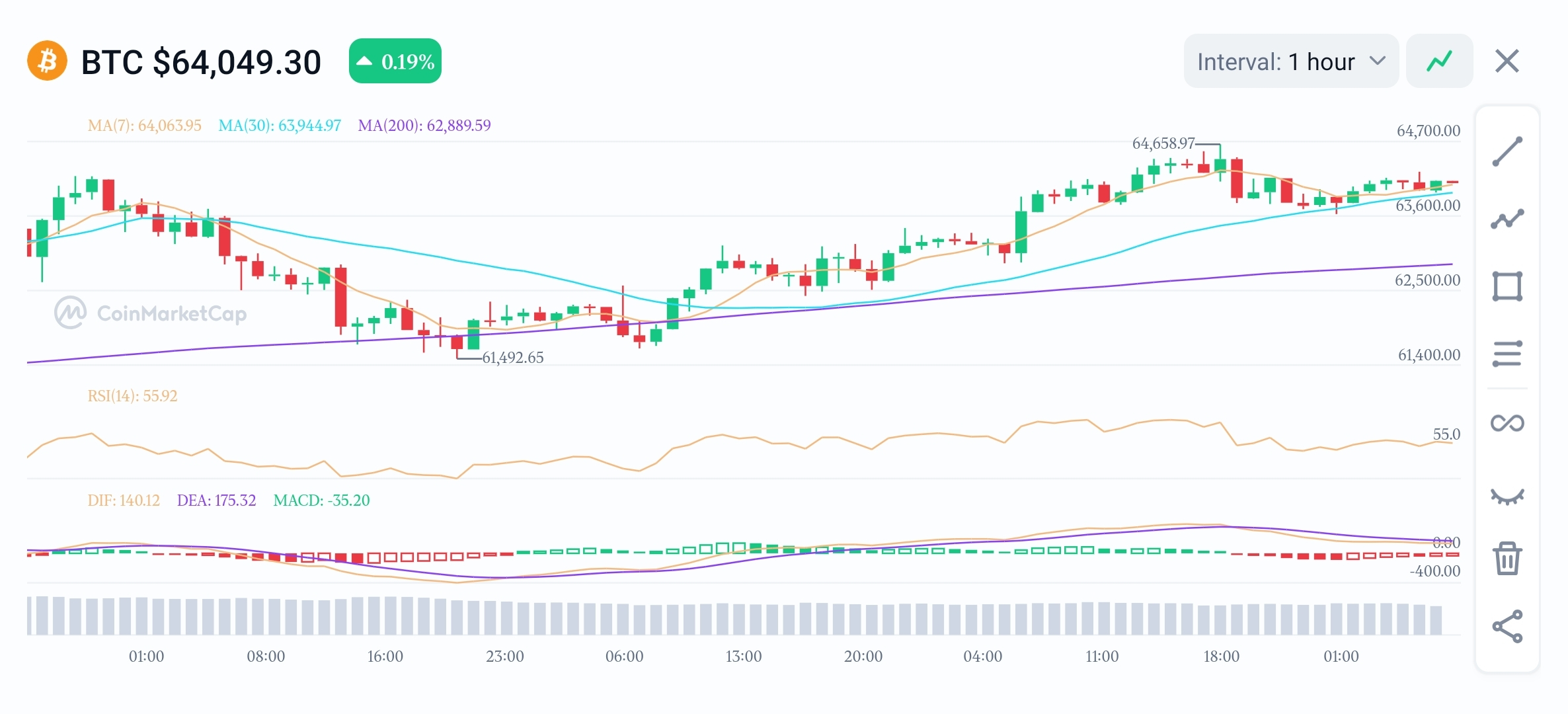
BITCOIN TẠI 70K LẦN NỮA VÀ TÔI VẪN KHÔNG THỂ QUYẾT ĐỊNH NẾU ĐIỀU NÀY LÀ THIÊN TÀI HAY MỘT VỤ ĐÀO TÀU CHẬMNgười đàn ông… Tôi đã nhìn chằm chằm vào biểu đồ này quá lâu tối nay và nó đang làm rối đầu tôi một chút. BTC ngồi quanh 70k như thể nó chỉ… bình thường bây giờ? Tôi vẫn nhớ khi 20k cảm thấy điên rồ, như “điều này chắc chắn phải là đỉnh” năng lượng, và bây giờ nó đang nhảy lên gần những mức cao nhất mọi thời đại như thể nó thuộc về đây. cảm giác giả mạo. nhưng cũng không phải? Tôi đã đi xuống một cái hố thỏ đầy đủ trước đó, như các tài liệu nghiên cứu thực sự chứ không chỉ là tiếng ồn trên Twitter, và phần kỳ lạ là… các học giả cũng bối rối như nhau, chỉ lịch sự hơn về điều đó. Một loạt các nghiên cứu cơ bản nói rằng vâng, Bitcoin rất biến động, như biến động cấu trúc, không chỉ là “ôi tuần tồi tệ” biến động. Koutmos (2020) thẳng thừng cho thấy những chu kỳ cực kỳ cao và thấp như thể nó đã được nướng vào hệ thống. và Uyar & Kahraman (2019) cơ bản gọi đó là những gì nó là — một tài sản rủi ro, bị thúc đẩy bởi sự bất ổn nhiều hơn là các yếu tố cơ bản.

BITCOIN TẠI 70K LẦN NỮA VÀ TÔI VẪN KHÔNG THỂ QUYẾT ĐỊNH NẾU ĐIỀU NÀY LÀ THIÊN TÀI HAY MỘT VỤ ĐÀO TÀU CHẬM

Người đàn ông… Tôi đã nhìn chằm chằm vào biểu đồ này quá lâu tối nay và nó đang làm rối đầu tôi một chút. BTC ngồi quanh 70k như thể nó chỉ… bình thường bây giờ? Tôi vẫn nhớ khi 20k cảm thấy điên rồ, như “điều này chắc chắn phải là đỉnh” năng lượng, và bây giờ nó đang nhảy lên gần những mức cao nhất mọi thời đại như thể nó thuộc về đây. cảm giác giả mạo. nhưng cũng không phải?
Tôi đã đi xuống một cái hố thỏ đầy đủ trước đó, như các tài liệu nghiên cứu thực sự chứ không chỉ là tiếng ồn trên Twitter, và phần kỳ lạ là… các học giả cũng bối rối như nhau, chỉ lịch sự hơn về điều đó. Một loạt các nghiên cứu cơ bản nói rằng vâng, Bitcoin rất biến động, như biến động cấu trúc, không chỉ là “ôi tuần tồi tệ” biến động. Koutmos (2020) thẳng thừng cho thấy những chu kỳ cực kỳ cao và thấp như thể nó đã được nướng vào hệ thống. và Uyar & Kahraman (2019) cơ bản gọi đó là những gì nó là — một tài sản rủi ro, bị thúc đẩy bởi sự bất ổn nhiều hơn là các yếu tố cơ bản.
·
--
Tăng giá
$BTC /USDT trông nặng ở đây. Bị từ chối gần 71.8K, không giữ được động lực, và giờ giá đang trượt về phía vùng 71.2K. Những con bò có cơ hội bứt phá, nhưng người bán đã tham gia mạnh mẽ. Nếu 71K vỡ sạch, điều này có thể tăng tốc nhanh chóng và đưa BTC vào một cú giảm sâu hơn. Các mức quan trọng: Kháng cự: 71.8K Hỗ trợ: 71.0K, sau đó thấp hơn nếu hoảng loạn xảy ra Cấu trúc thị trường đang suy yếu, động lực ngắn hạn đang phai nhạt, và thiết lập này trông giống như một đỉnh địa phương cổ điển vào một cuộc thử nghiệm. $BTC {spot}(BTCUSDT) #US5DayHalt #freedomofmoney #CZCallsBitcoinAHardAsset #AsiaStocksPlunge #Trump's48HourUltimatumNearsEnd
$BTC /USDT trông nặng ở đây.
Bị từ chối gần 71.8K, không giữ được động lực, và giờ giá đang trượt về phía vùng 71.2K.
Những con bò có cơ hội bứt phá, nhưng người bán đã tham gia mạnh mẽ.
Nếu 71K vỡ sạch, điều này có thể tăng tốc nhanh chóng và đưa BTC vào một cú giảm sâu hơn.
Các mức quan trọng:
Kháng cự: 71.8K
Hỗ trợ: 71.0K, sau đó thấp hơn nếu hoảng loạn xảy ra
Cấu trúc thị trường đang suy yếu, động lực ngắn hạn đang phai nhạt, và thiết lập này trông giống như một đỉnh địa phương cổ điển vào một cuộc thử nghiệm.

$BTC

#US5DayHalt

#freedomofmoney

#CZCallsBitcoinAHardAsset

#AsiaStocksPlunge

#Trump's48HourUltimatumNearsEnd
·
--
Giảm giá
Sự thuyết phục của đêm khuya là rõ ràng: chỉ tiết lộ những gì bạn cần. Điều đó thật mạnh mẽ—và chính xác là nơi mà các hệ thống thường bị hỏng. Việc tiết lộ có chọn lọc không chỉ là mật mã. Nó là: ai xác định “chọn lọc” cái gì bị rò rỉ anyway (siêu dữ liệu luôn bị) chi phí là gì (tính toán, UX, độ trễ) điều gì xảy ra khi người dùng làm sai (họ sẽ) “Thông tin bí mật có thể lập trình” nghe như tương lai. Nhưng bài kiểm tra thực sự không phải là sự thanh lịch—mà là các chế độ thất bại. Nếu các sự đánh đổi không rõ ràng một cách đau đớn, chúng có thể bị ẩn giấu. Tò mò? Có. Thuyết phục? Không gần chút nào. @MidnightNetwork #NIGHT #night $NIGHT
Sự thuyết phục của đêm khuya là rõ ràng: chỉ tiết lộ những gì bạn cần.
Điều đó thật mạnh mẽ—và chính xác là nơi mà các hệ thống thường bị hỏng.

Việc tiết lộ có chọn lọc không chỉ là mật mã. Nó là:

ai xác định “chọn lọc”

cái gì bị rò rỉ anyway (siêu dữ liệu luôn bị)

chi phí là gì (tính toán, UX, độ trễ)

điều gì xảy ra khi người dùng làm sai (họ sẽ)

“Thông tin bí mật có thể lập trình” nghe như tương lai.
Nhưng bài kiểm tra thực sự không phải là sự thanh lịch—mà là các chế độ thất bại.

Nếu các sự đánh đổi không rõ ràng một cách đau đớn, chúng có thể bị ẩn giấu.

Tò mò? Có.
Thuyết phục? Không gần chút nào.

@MidnightNetwork #NIGHT #night
$NIGHT
BÌNH MINH CỦA MIDNIGHTNETWORK RIÊNG TƯ: QUYỀN RIÊNG TƯ LÝ TRÍ VÀ TIẾT LỘ CÓ CHỌN LỌC — VÀ TẠI SAO TÔI KHÔNG HOÀN TOÀN TTối nay, tôi đã đi xuống cái hố thỏ này, và thành thật mà nói… tôi cảm thấy… lúng túng. "Thông tin bí mật có thể lập trình" của MidnightNetwork nghe có vẻ hấp dẫn trên giấy. Giống như, tiết lộ có chọn lọc nhưng là thật, không chỉ là cái cảm giác "hãy tin chúng tôi, bạn ơi" về quyền riêng tư. Tên gọi tự nó có phần kịch tính, đúng không? MIDNIGHT… như thể nó đang cố gắng tạo cảm giác không thể tránh khỏi, như thể nó đến với một chiếc áo khoác và những bí mật. Và chắc chắn, đó là thương hiệu… nhưng tôi không thể phủ nhận rằng nó cũng chạm đến một dây thần kinh vì những người trong lĩnh vực crypto đã khao khát một quyền riêng tư không sụp đổ ngay khi bạn yêu cầu biên lai.

BÌNH MINH CỦA MIDNIGHTNETWORK RIÊNG TƯ: QUYỀN RIÊNG TƯ LÝ TRÍ VÀ TIẾT LỘ CÓ CHỌN LỌC — VÀ TẠI SAO TÔI KHÔNG HOÀN TOÀN T

Tối nay, tôi đã đi xuống cái hố thỏ này, và thành thật mà nói… tôi cảm thấy… lúng túng. "Thông tin bí mật có thể lập trình" của MidnightNetwork nghe có vẻ hấp dẫn trên giấy. Giống như, tiết lộ có chọn lọc nhưng là thật, không chỉ là cái cảm giác "hãy tin chúng tôi, bạn ơi" về quyền riêng tư. Tên gọi tự nó có phần kịch tính, đúng không? MIDNIGHT… như thể nó đang cố gắng tạo cảm giác không thể tránh khỏi, như thể nó đến với một chiếc áo khoác và những bí mật. Và chắc chắn, đó là thương hiệu… nhưng tôi không thể phủ nhận rằng nó cũng chạm đến một dây thần kinh vì những người trong lĩnh vực crypto đã khao khát một quyền riêng tư không sụp đổ ngay khi bạn yêu cầu biên lai.
Dấu hiệu đang đưa ra "chuỗi khối dựa trên danh tính" cho cơ sở hạ tầng thực tế ở Trung Đông. Ý tưởng lớn. Những tuyên bố lớn hơn. Tôi không phủ nhận điều đó, các lớp danh tính có thể mở khóa tiện ích trong thế giới thực. Nhưng chúng cũng tập trung quyền lực. Ai kiểm soát danh tính sẽ kiểm soát mọi thứ được xây dựng trên đó. Đó là phần mà không ai tiếp thị. Hiện tại, có vẻ như đây là một câu chuyện mạnh mẽ khác đang tìm kiếm nhu cầu không thể phủ nhận. Công nghệ có thể ở đó. Các động lực và sự chấp nhận, vẫn chưa rõ ràng. Nếu đây thực sự là "cơ sở hạ tầng chủ quyền kỹ thuật số," nó phải trở thành thứ mà mọi người phụ thuộc vào, không chỉ là thứ nghe có vẻ quan trọng. Theo dõi chặt chẽ, chưa mua. @SignOfficial #signdigitalsovereigninfra $SIGN
Dấu hiệu đang đưa ra "chuỗi khối dựa trên danh tính" cho cơ sở hạ tầng thực tế ở Trung Đông.

Ý tưởng lớn. Những tuyên bố lớn hơn.

Tôi không phủ nhận điều đó, các lớp danh tính có thể mở khóa tiện ích trong thế giới thực. Nhưng chúng cũng tập trung quyền lực. Ai kiểm soát danh tính sẽ kiểm soát mọi thứ được xây dựng trên đó.

Đó là phần mà không ai tiếp thị.

Hiện tại, có vẻ như đây là một câu chuyện mạnh mẽ khác đang tìm kiếm nhu cầu không thể phủ nhận. Công nghệ có thể ở đó. Các động lực và sự chấp nhận, vẫn chưa rõ ràng.

Nếu đây thực sự là "cơ sở hạ tầng chủ quyền kỹ thuật số," nó phải trở thành thứ mà mọi người phụ thuộc vào, không chỉ là thứ nghe có vẻ quan trọng.

Theo dõi chặt chẽ, chưa mua.

@SignOfficial #signdigitalsovereigninfra

$SIGN
MỞ RỘNG CHỦ QUYỀN KỸ THUẬT SỐ CHO CƠ SỞ HẠ TẦNG THỰC: BLOCKCHAIN DO DANH TÍNH ĐIỀU KHIỂN CỦA SIGN, MỘT THỰC TẾ TRUNG ĐÔNGĐây là cái nhìn rối рắm của tôi sau khi đi sâu vào lỗ thỏ Sign… bộ não khuya, bạn biết đấy. Được cho là đây là một góc nhìn blockchain do danh tính điều khiển để mở rộng “cơ sở hạ tầng thực” ở Trung Đông. Nghe có vẻ lớn. Nó luôn như vậy. Và tôi hiểu, chủ quyền kỹ thuật số là một từ nóng, nhưng nó cũng cảm giác như một cái gì đó mà marketing bao bọc xung quanh những vấn đề cơ bản. Tôi không tin vào sự cường điệu theo mặc định. Các dự án tiền điện tử thích nói rằng họ đang xây dựng tương lai trong khi âm thầm lảng tránh những điều nhàm chán như việc áp dụng, các động lực, và những câu hỏi nhàm chán như “nó có thể sống sót trong việc sử dụng thực tế không?”. Với Sign, tôi liên tục dao động giữa “ồ, điều đó thú vị” và “chờ đã, có điều gì đó không ổn?”. Bởi vì các hệ thống danh tính có thể rất mạnh mẽ… hoặc chúng có thể biến thành sự giám sát được khoác lên như công nghệ. Và nếu danh tính là trung tâm, thì bất kỳ ai kiểm soát lớp danh tính đều có quyền lực lớn. Đó là sự thật. Không có phép màu.

MỞ RỘNG CHỦ QUYỀN KỸ THUẬT SỐ CHO CƠ SỞ HẠ TẦNG THỰC: BLOCKCHAIN DO DANH TÍNH ĐIỀU KHIỂN CỦA SIGN, MỘT THỰC TẾ TRUNG ĐÔNG

Đây là cái nhìn rối рắm của tôi sau khi đi sâu vào lỗ thỏ Sign… bộ não khuya, bạn biết đấy. Được cho là đây là một góc nhìn blockchain do danh tính điều khiển để mở rộng “cơ sở hạ tầng thực” ở Trung Đông. Nghe có vẻ lớn. Nó luôn như vậy. Và tôi hiểu, chủ quyền kỹ thuật số là một từ nóng, nhưng nó cũng cảm giác như một cái gì đó mà marketing bao bọc xung quanh những vấn đề cơ bản.

Tôi không tin vào sự cường điệu theo mặc định. Các dự án tiền điện tử thích nói rằng họ đang xây dựng tương lai trong khi âm thầm lảng tránh những điều nhàm chán như việc áp dụng, các động lực, và những câu hỏi nhàm chán như “nó có thể sống sót trong việc sử dụng thực tế không?”. Với Sign, tôi liên tục dao động giữa “ồ, điều đó thú vị” và “chờ đã, có điều gì đó không ổn?”. Bởi vì các hệ thống danh tính có thể rất mạnh mẽ… hoặc chúng có thể biến thành sự giám sát được khoác lên như công nghệ. Và nếu danh tính là trung tâm, thì bất kỳ ai kiểm soát lớp danh tính đều có quyền lực lớn. Đó là sự thật. Không có phép màu.
BITCOIN VÀ SOLANA NGAY BÂY GIỜ CẢM GIÁC NHƯ MỘT TRÒ CHƠI GHẾ ÂM NHẠC… VÀ TÔI KHÔNG THỂ NÓI AI SẮP ĐƯỢC LOngười đàn ông… tôi đã nhìn chằm chằm vào các biểu đồ BTC và SOL này quá lâu tối nay và tôi không chắc mình đang nhìn thấy các mẫu hay chỉ tự thuyết phục rằng có điều gì đó ở đó như yeah BTC ngồi quanh 68.9k, đang tăng lên, từ chối một chút, lại tăng lên… nó nhìn mạnh, nhưng cũng có vẻ hơi mệt? như thể nó chạy lên cầu thang quá nhanh và giờ đang giả vờ là ổn. và SOL… lơ lửng quanh 87, thực hiện những động thái ngang ngược khó chịu mà nó giả vờ di chuyển cả hai hướng chỉ để gây rối với bạn và đây là điều… mỗi khi BTC bắt đầu tăng như thế này, mọi người đều trở nên lạc quan nhanh chóng… nhưng tôi đã đọc đủ tài liệu và phân tích thị trường để biết rằng đây chính là nơi mà biến động thường tăng lên, không biến mất. có nghiên cứu thực tế chỉ ra rằng tiền điện tử không trở nên ổn định khi nó có xu hướng — nó trở nên không ổn định hơn trong hình thức ngụy trang (Sahu et al., 2024; Agrawal et al., 2024). điều này thật sự có lý… mọi người đều chen chúc vào muộn

BITCOIN VÀ SOLANA NGAY BÂY GIỜ CẢM GIÁC NHƯ MỘT TRÒ CHƠI GHẾ ÂM NHẠC… VÀ TÔI KHÔNG THỂ NÓI AI SẮP ĐƯỢC LO

người đàn ông… tôi đã nhìn chằm chằm vào các biểu đồ BTC và SOL này quá lâu tối nay và tôi không chắc mình đang nhìn thấy các mẫu hay chỉ tự thuyết phục rằng có điều gì đó ở đó
như yeah BTC ngồi quanh 68.9k, đang tăng lên, từ chối một chút, lại tăng lên… nó nhìn mạnh, nhưng cũng có vẻ hơi mệt? như thể nó chạy lên cầu thang quá nhanh và giờ đang giả vờ là ổn. và SOL… lơ lửng quanh 87, thực hiện những động thái ngang ngược khó chịu mà nó giả vờ di chuyển cả hai hướng chỉ để gây rối với bạn
và đây là điều… mỗi khi BTC bắt đầu tăng như thế này, mọi người đều trở nên lạc quan nhanh chóng… nhưng tôi đã đọc đủ tài liệu và phân tích thị trường để biết rằng đây chính là nơi mà biến động thường tăng lên, không biến mất. có nghiên cứu thực tế chỉ ra rằng tiền điện tử không trở nên ổn định khi nó có xu hướng — nó trở nên không ổn định hơn trong hình thức ngụy trang (Sahu et al., 2024; Agrawal et al., 2024). điều này thật sự có lý… mọi người đều chen chúc vào muộn
·
--
Giảm giá
$SOL /USDT Tập Huấn Nhanh Giá giữ quanh 87.4 sau một đợt điều chỉnh nhẹ (-2.49%) Các Mức Quan Trọng Kháng cự: 90.2 Hỗ trợ: 86.2 Có gì đang diễn ra? Thị trường đang dao động ở khung thời gian thấp hơn (3m), hình thành các swing ngắn hạn mà chưa có sự bứt phá rõ ràng. Người mua đang vào gần 87, nhưng động lực vẫn còn yếu. Chỉ Số Stoch RSI cao (80+), báo hiệu khả năng giảm nhiệt ngắn hạn hoặc dao động bên cạnh trước khi có động thái tiếp theo. Kế Hoạch Chơi Bứt phá trên 88.5 → Có thể đẩy về phía 90 Mất 86.2 → Có khả năng giảm tiếp tục Đây là khu vực giao dịch nhanh, không phải khu vực xu hướng. Hãy nhanh chóng, hãy kiên định. $SOL {spot}(SOLUSDT) #TrumpConsidersEndingIranConflict #OpenAIPlansDesktopSuperapp #AnimocaBrandsInvestsinAVAX #FTXCreditorPayouts #MarchFedMeeting
$SOL /USDT Tập Huấn Nhanh

Giá giữ quanh 87.4 sau một đợt điều chỉnh nhẹ (-2.49%)

Các Mức Quan Trọng
Kháng cự: 90.2
Hỗ trợ: 86.2

Có gì đang diễn ra?
Thị trường đang dao động ở khung thời gian thấp hơn (3m), hình thành các swing ngắn hạn mà chưa có sự bứt phá rõ ràng. Người mua đang vào gần 87, nhưng động lực vẫn còn yếu.

Chỉ Số
Stoch RSI cao (80+), báo hiệu khả năng giảm nhiệt ngắn hạn hoặc dao động bên cạnh trước khi có động thái tiếp theo.

Kế Hoạch Chơi
Bứt phá trên 88.5 → Có thể đẩy về phía 90
Mất 86.2 → Có khả năng giảm tiếp tục

Đây là khu vực giao dịch nhanh, không phải khu vực xu hướng. Hãy nhanh chóng, hãy kiên định.

$SOL

#TrumpConsidersEndingIranConflict

#OpenAIPlansDesktopSuperapp

#AnimocaBrandsInvestsinAVAX

#FTXCreditorPayouts

#MarchFedMeeting
TẠI SAO MỌI DỰ ÁN CRYPTO ĐỀU CẢM THẤY NHƯ MỘT Ý TƯỞNG THIÊN TÀI… CHO ĐẾN KHI NÓ KHÔNG CÒNđược rồi, tôi lại đi sâu vào một cái hố thỏ đêm qua... như một trong những cái “tôi chỉ kiểm tra whitepaper nhanh thôi” và đột nhiên đã 3:40 sáng và tôi đang so sánh lịch mở token như thể đó là số liệu bóng đá giả tưởng dự án này thì... tôi không biết, nó kiểu như kéo bạn vào từ đầu như cái pitch nghe có vẻ sạch sẽ, gần như quá sạch sẽ... bạn đọc nó và bạn kiểu “chờ đã, tại sao cái này chưa bùng nổ?” và thường thì đó là lúc tôi bắt đầu cảm thấy nghi ngờ, bởi vì mỗi khi điều gì đó có vẻ hiển nhiên trong crypto thì nó hoặc đã được định giá hoặc đang giấu cái gì đó kỳ lạ bên dưới

TẠI SAO MỌI DỰ ÁN CRYPTO ĐỀU CẢM THẤY NHƯ MỘT Ý TƯỞNG THIÊN TÀI… CHO ĐẾN KHI NÓ KHÔNG CÒN

được rồi, tôi lại đi sâu vào một cái hố thỏ đêm qua... như một trong những cái “tôi chỉ kiểm tra whitepaper nhanh thôi” và đột nhiên đã 3:40 sáng và tôi đang so sánh lịch mở token như thể đó là số liệu bóng đá giả tưởng

dự án này thì... tôi không biết, nó kiểu như kéo bạn vào từ đầu

như cái pitch nghe có vẻ sạch sẽ, gần như quá sạch sẽ... bạn đọc nó và bạn kiểu “chờ đã, tại sao cái này chưa bùng nổ?” và thường thì đó là lúc tôi bắt đầu cảm thấy nghi ngờ, bởi vì mỗi khi điều gì đó có vẻ hiển nhiên trong crypto thì nó hoặc đã được định giá hoặc đang giấu cái gì đó kỳ lạ bên dưới
·
--
Giảm giá
$SOL /Phân tích USDT Giá hiện đang dao động quanh 89.96, cho thấy sự tích lũy ngắn hạn sau một đợt tăng gần đây về phía 90.29. Những quan sát chính: Kháng cự: khu vực 90.20 – 90.80 Hỗ trợ: khu vực 89.70 – 89.80 Động lực: Yếu, áp lực giảm nhẹ Cấu trúc: Các đỉnh thấp hơn hình thành trên khung thời gian 3 phút Ý nghĩa của điều này: Giá đang gặp khó khăn trong việc vượt qua kháng cự và đang từ từ giảm. Người bán đang bước vào gần 90+, trong khi người mua đang bảo vệ khu vực 89.7. Ý tưởng giao dịch: Vượt qua 90.30 → tiềm năng tiếp tục tăng giá Giảm xuống dưới 89.70 → có khả năng giảm thêm Hãy kiên nhẫn, chờ xác nhận. Đây là một vùng điển hình trước khi có biến động. $SOL {spot}(SOLUSDT) #OpenAIPlansDesktopSuperapp #AnimocaBrandsInvestsinAVAX #BinanceKOLIntroductionProgram #USFebruaryPPISurgedSurprisingly #SECApprovesNasdaqTokenizedStocksPilot
$SOL /Phân tích USDT

Giá hiện đang dao động quanh 89.96, cho thấy sự tích lũy ngắn hạn sau một đợt tăng gần đây về phía 90.29.

Những quan sát chính:
Kháng cự: khu vực 90.20 – 90.80
Hỗ trợ: khu vực 89.70 – 89.80
Động lực: Yếu, áp lực giảm nhẹ
Cấu trúc: Các đỉnh thấp hơn hình thành trên khung thời gian 3 phút

Ý nghĩa của điều này:
Giá đang gặp khó khăn trong việc vượt qua kháng cự và đang từ từ giảm. Người bán đang bước vào gần 90+, trong khi người mua đang bảo vệ khu vực 89.7.

Ý tưởng giao dịch:
Vượt qua 90.30 → tiềm năng tiếp tục tăng giá
Giảm xuống dưới 89.70 → có khả năng giảm thêm

Hãy kiên nhẫn, chờ xác nhận. Đây là một vùng điển hình trước khi có biến động.

$SOL


#OpenAIPlansDesktopSuperapp

#AnimocaBrandsInvestsinAVAX

#BinanceKOLIntroductionProgram

#USFebruaryPPISurgedSurprisingly

#SECApprovesNasdaqTokenizedStocksPilot
·
--
Giảm giá
Giữa đêm tại Consensus 2025 và tôi mắc kẹt với một ý tưởng: “Quyền riêng tư gặp cơ sở hạ tầng thực.” Nghe thật mạnh mẽ. Cũng nghe có vẻ nguy hiểm. Tôi muốn quyền riêng tư trong crypto hoạt động, giống như dây an toàn, thứ mà bạn không nghĩ đến cho đến khi bạn cần nó. Nhưng mỗi lần tôi nghe bài thuyết trình, tôi không thể không đặt câu hỏi: Nó có thể mở rộng không, hay chỉ trình diễn tốt? Những đánh đổi nào họ không đề cập đến? Điều gì xảy ra khi nó bị hỏng? Ai là người chịu trách nhiệm? Bởi vì quyền riêng tư không miễn phí. Nó không bao giờ như vậy. Bạn phải trả giá bằng sự phức tạp, hiệu suất, giả định về lòng tin, hoặc một cái gì đó khác trong tương lai. Có nỗ lực thực sự ở đây, bạn có thể thấy điều đó. Nhưng crypto có thói quen biến “gần như đạt được” thành “không bao giờ hoàn thành.” Vì vậy, đúng vậy, tôi quan tâm. Nhưng tôi đang theo dõi chặt chẽ. Tò mò, không thuyết phục. @MidnightNetwork #NIGHT #night $NIGHT
Giữa đêm tại Consensus 2025 và tôi mắc kẹt với một ý tưởng:

“Quyền riêng tư gặp cơ sở hạ tầng thực.”

Nghe thật mạnh mẽ. Cũng nghe có vẻ nguy hiểm.

Tôi muốn quyền riêng tư trong crypto hoạt động, giống như dây an toàn, thứ mà bạn không nghĩ đến cho đến khi bạn cần nó. Nhưng mỗi lần tôi nghe bài thuyết trình, tôi không thể không đặt câu hỏi:

Nó có thể mở rộng không, hay chỉ trình diễn tốt?
Những đánh đổi nào họ không đề cập đến?
Điều gì xảy ra khi nó bị hỏng?
Ai là người chịu trách nhiệm?

Bởi vì quyền riêng tư không miễn phí. Nó không bao giờ như vậy. Bạn phải trả giá bằng sự phức tạp, hiệu suất, giả định về lòng tin, hoặc một cái gì đó khác trong tương lai.

Có nỗ lực thực sự ở đây, bạn có thể thấy điều đó. Nhưng crypto có thói quen biến “gần như đạt được” thành “không bao giờ hoàn thành.”

Vì vậy, đúng vậy, tôi quan tâm. Nhưng tôi đang theo dõi chặt chẽ.

Tò mò, không thuyết phục.

@MidnightNetwork #NIGHT #night

$NIGHT
Đăng nhập để khám phá thêm nội dung
Tìm hiểu tin tức mới nhất về tiền mã hóa
⚡️ Hãy tham gia những cuộc thảo luận mới nhất về tiền mã hóa
💬 Tương tác với những nhà sáng tạo mà bạn yêu thích
👍 Thưởng thức nội dung mà bạn quan tâm
Email / Số điện thoại
Sơ đồ trang web
Tùy chọn Cookie
Điều khoản & Điều kiện